Research Impact Strategy 2025-30
FULL REPORT
Guided by experience, driven by strategy


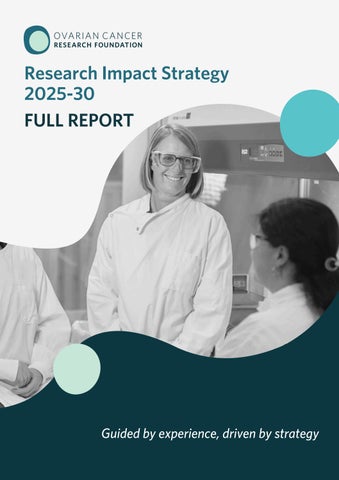
On the front cover: Professor Kristen Radford and team at Mater Research
Jason Lee and OCRF community
“Put simply, historic neglect or oversight may have led us here, but it doesn’t have to keep us here. It’s time to change
the way we do things ”
More. Better. Faster.
These are the words driving the Ovarian Cancer Research Foundation (OCRF) today We want to see improvements in health outcomes for women and girls with ovarian cancer in this lifetime, and if investments and focus continue at the same rate as they have over the last decade, we simply will not get there
How do we know this?
Ovarian cancer remains Australia’s most lethal gynaecological cancer – accounting for one-quarter of new diagnoses and half of all gynaecological cancer deaths each year It is a complex disease with numerous rare subtypes, a significant proportion of which are resistant to current treatments It’s likely that we will require multiple modes of detection, innovative treatment options, and increased investment in prevention approaches to improve outcomes
How did we get here?
For too long, ovarian and other gynaecological cancers have suffered from structural underfunding and representation issues symptomatic of broader systemic inequities within medical research and cancer care Australia’s world-class research and healthcare system should deliver better for the 1800 women diagnosed and 1000+ women lost to ovarian cancer each year, and for the broader community and families who feel the ripple effect of every woman ’ s death
Put simply, historic neglect or oversight may have led us here, but it doesn’t have to keep us here. It’s time to change the way we do things
New vision and purpose
There is cause for optimism. Change is not just needed it is within reach With the launch of the OCRF Strategic Plan 2025–30, and now the release of this ambitious fiveyear Research Impact Strategy, the Ovarian Cancer

Research Foundation marks a decisive new chapter shaped by rigorous science and powered by the expertise of survivors, families, clinicians, and researchers.
Our Research Impact Strategy 2025–30 is a blueprint for progress built on evidence, scientific excellence, genuine collaboration, and an unequivocal commitment to gender equity in research I thank each of the 423 individuals who contributed to the national consultations that shaped it
Leveraged investment
The new strategy outlines how OCRF will continue to fund vital research, and how we intend to leverage our communityraised funding investments through strategic collaboration, advocacy, knowledge sharing, and national and global alliances In addition, the strategy enables us to measure and evaluate progress, to ensure meaningful and sustained change
This strategy complements and supports the proposed Gynaecological Cancer Transformation Initiative, in which the OCRF is a leading partner, as well as key government initiatives, such as the Australian Cancer Plan and the new National Health and Medical Research Strategy It is further strengthened by OCRF’s international collaboration with philanthropic partners in the US, UK, and Canada
More research. Better quality of life. Faster pace of change. Transforming outcomes for ovarian cancer will take persistence and the courage to break silences and demand better for women ’ s disease in Australia.
Patients, survivors, those who have passed away, and everyone impacted by ovarian cancer, deserve nothing less than our absolute commitment.

Executive Summary
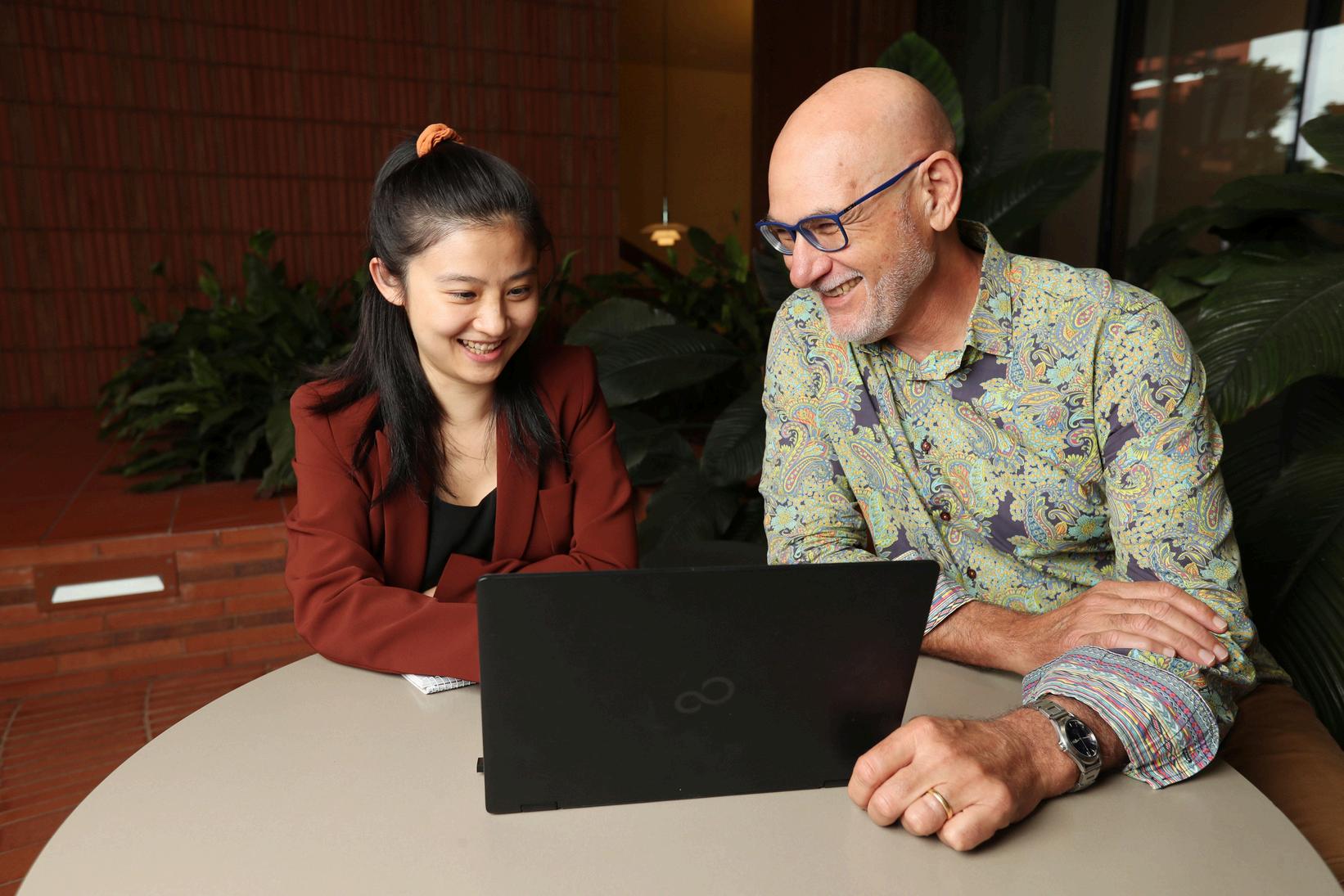
Executive summary
Our vision
A healthy vital future for all those impacted by ovarian cancer.
Together, we will overcome ovarian cancer.
The OCRF exists to drive step-change in funds raised, awareness and research undertaken, for the most lethal gynaecological cancer in Australia
Our vision
Our vision is a future where all those impacted by ovarian cancer live healthy vital lives This year, the OCRF announced the OCRF Strategic Plan 2025-2030: Transforming outcomes This five-year organisation-wide strategy signalled the OCRF’s ambition to accelerate progress for people impacted by ovarian cancer through a refreshed vision, updated purpose and new organisational values, with establishment and achievement of four Strategic Aims.
The Research Impact Strategy 2025-2030 is a key driver of the OCRF’s Transforming outcomes plan. It is guided by insights gained through an extensive national consultation process and outlines the most important contributions the OCRF can make toward progress in the next five years, with whom and how.
This is a hopeful, ambitious, and forward-thinking strategy It reflects the OCRF’s commitment over the next five years to advance discoveries, foster collaboration, advocate for women ’ s health and gender equity, and to doing all we can to accelerate progress for our beneficiaries
An impact evaluation framework will ensure the OCRF remains accountable to the ovarian cancer community, our supporters and partners
A common theme in this strategy is the importance of bringing people and ideas together. It’s something the OCRF has done throughout its 25-year history, and we are well placed to do more It has been a privilege developing this strategy with you. We hope you enjoy reading it, and we ’ re excited to deliver it together
A national consultation process
The new Research Impact Strategy was informed by an extensive nationwide consultation A structured listening exercise, it demanded we engage meaningfully with lived experience advocates, the scientific research community, ovarian cancer survivors, family members, supporters, clinicians, peer organisations and our donors We held detailed workshops, facilitated discussions, 1:1 interviews, meetings with peers and government, and a national patient survey. Well over 400 people shared their perspectives with us, summarised in Figure 1 below Their tremendously valuable insights now directly inform the OCRF’s new research objectives, partnerships and programs.
Our research objectives
The OCRF’s research objectives provide vital focus, underpinning our organisations ambitions for ovarian cancer research. Our consultation process confirmed that the OCRF’s current research direction remains relevant and aligned with our community’s priorities Development of better early detection methods remains a pivotal challenge for researchers and a high priority for our community and a goal of OCRF grant funding. Treatment research is entering an exciting new era where innovation and investment could drive rapid change, while risk and prevention research holds great potential for current and future generations Findings and insights from the national consultation have led the OCRF to consolidate our research objectives for the next five years to three focus areas:

Detect ovarian cancer earlier


Effectively treat ovarian cancer Understand and prevent ovarian cancer
Figure 1 Summary of national consultation process for this strategy
Figure 2 OCRF Research Objectives 2025-2030
Our research programs
The national consultation process confirmed the importance of the OCRF’s national research grants approach while giving rise to several new programs supporting research, public education, and knowledge translation
The following guiding insights are explained in greater detail in the main body of the Research Impact Strategy:
The OCRF National Research Grants Program addresses a crucial gap for ovarian cancer research in Australia and remains critically important to the sector However, additional funding streams could support research that sits outside current selection criteria, leveraging fresh resources and expertise into this field Therefore, the creation of the OCRF Partnership Grants Program will provide a new way for the OCRF to support research collaboration and necessary infrastructure.
There is a fantastic collaborative spirit in Australian ovarian cancer research. By fostering knowledge sharing opportunities, the OCRF can help realise its potential. Researchers work collaboratively and generously share their knowledge informally, yet many called for more structured platforms to support this exchange
Lived experience involvement in research is essential for impact. The OCRF should play a more proactive role in facilitating relationships between researchers and patient advocates. Researchers emphasised how important it is to connect with, and learn from, people impacted by ovarian cancer The community expressed a strong desire to be involved, but many do not know where to start The OCRF will work more closely with our research partners to develop our community’s understanding and involvement in research.
Collaboration with peers to advocate for investment, equity and system-level reform is essential to progress. The OCRF’s vision and strategic aims are shared by many others. Joint advocacy and sector-wide project initiatives will receive OCRF support, expertise, and involvement, to achieve success
OCRF’s Key Research Programs 2025-2030 are summarised in Figure 4, below:

• National Research Grants Program
• Partnership Grants Program

• OCRF Research Hub
• Research webinar series

• Regular research and policy digests
• Identified advocacy priorities

Our research partnerships
Successful delivery of the OCRF’s vision, objectives and programs is dependent upon strong, sustainable partnerships. The expertise of the OCRF’s project and research collaborators ensure every program is grounded in evidence; responsive to community need; reflective of best practice; demonstrative of integrity in science; and capable of delivering meaningful health outcomes for women and girls with ovarian cancer
Over the next five years, we will strengthen our lived experience partnerships to ensure patients and survivors are involved at every stage of planning and delivery. We will continue to demonstrate sector leadership and work together with our peers toward shared goals, with the purpose of amplifying our community’s voice, and complementing, rather than duplicating, advocacy efforts. Partnerships that will be critical to delivery of the OCRF Research Impact Strategy are summarised in Figure 3
Image this page: Frocktober participant Sam Pidgeon at Translational Research Institute

Scientific expertise
• International Scientific Advisory Committee (ISAC)
• Australian MRIs, Universities
• Global research partners
• In-house research expertise and experience

Lived experience
• Lived Experience Advisory Panel (LEAP)
• OCRF Ambassadors

Sector collaboration
• Global Ovarian Cancer Research Consortium (GOCRC)
• Gynaecological Cancer
Transformation Initiatives (GCTI)
Figure 3. OCRF partnerships 2025-30
Introduction
Laying out the roadmap for OCRF engagement and research funding to drive impactful ovarian cancer prevention, detection, and treatment.
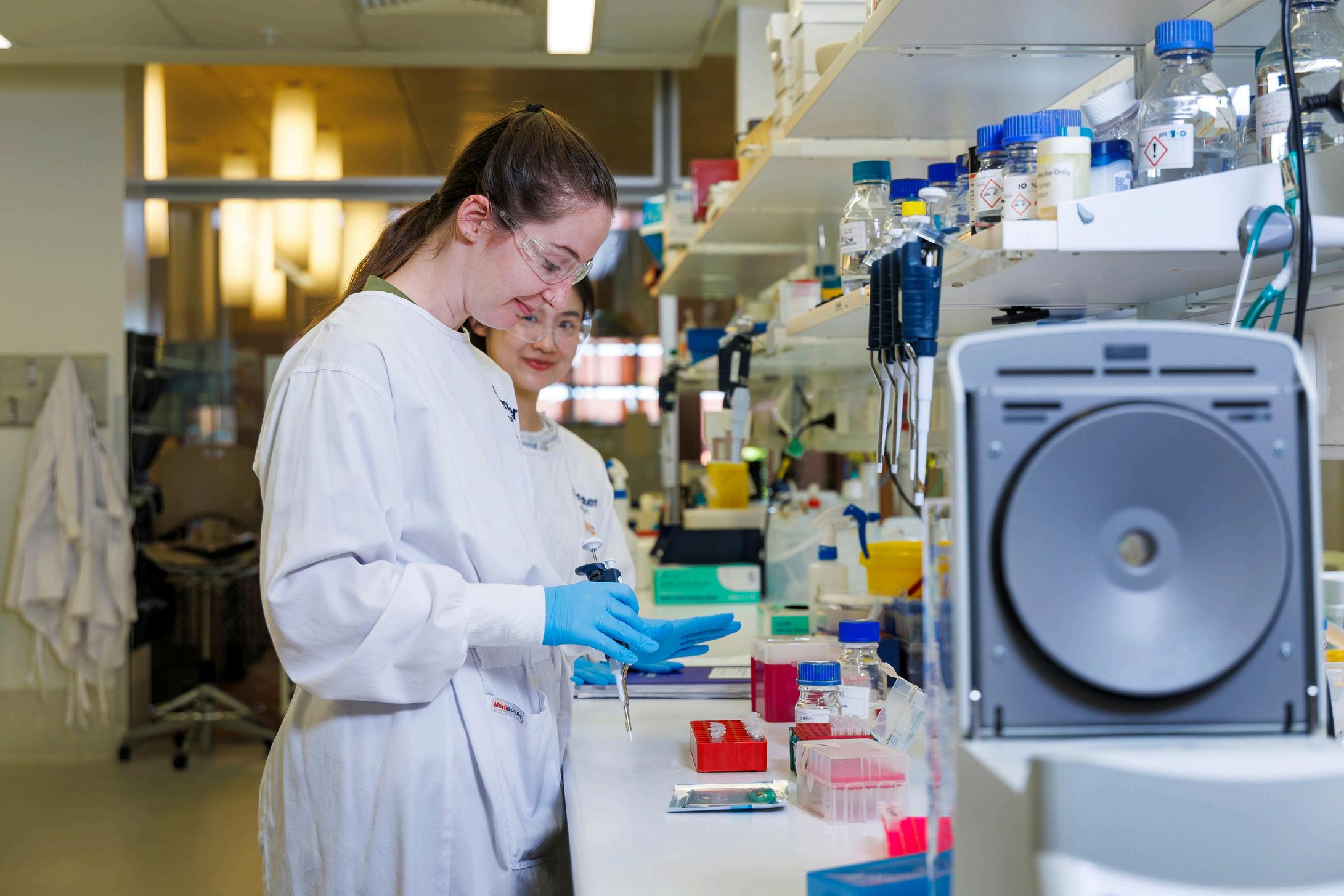
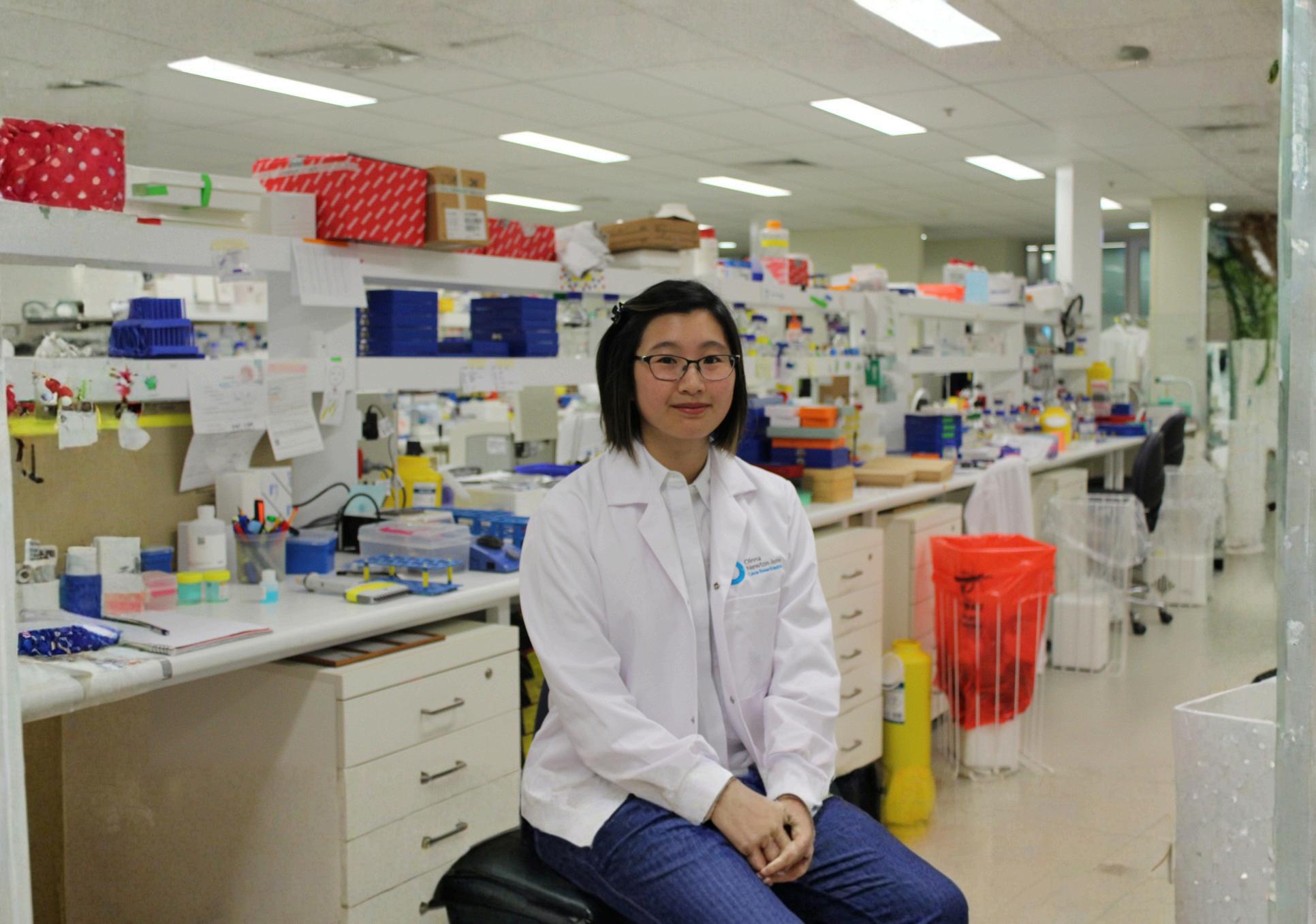
Researchers Anastasia Gandini and Dr Jenny Zeng, Mater Research Institute
Introduction
OCRF: Changing the future for generations of women and girls
The Ovarian Cancer Research Foundation (OCRF) is Australia’s leading independent funder of ovarian cancer research, dedicated to transforming outcomes for the most lethal women ’ s cancer. In Australia, fewer than 50 per cent of women, girls and people diagnosed with ovarian cancer will survive more than five years a figure that has remained largely unchanged for decades This highlights persistent disparities and gender inequities in research and care that demand urgent action.
The OCRF and its community are rewriting this story. Our vision is a future where those impacted by ovarian cancer live healthy vital lives To achieve this, we are catalysing change and accelerating progress by increasing awareness, advocating for greater investment and equity, collaborating nationally and internationally, and strategically funding high impact medical research
Every dollar we raise comes from the Australian community, driven by a shared determination to make our vision a reality
Together, we will overcome ovarian cancer

Lived Experience Advisory Panel member Vali Creus with twin daughters Alexis and Kaia
In 2020, the OCRF released its first research strategy. This followed publication t Nation: Ovarian Cancer Research Audit’, a major report commissioned by the OC by Insight Economics The report outlined four evidence-based research prioritie OCRF’s annual research grants round. This report established a foundation for th respected funder of high-quality research and trusted source on the latest in o research.
Since then, the OCRF has evolved and grown In 2023-2024, under new leadersh established a dedicated Research Team and enhanced our capability in strategic fundraising and government relations
It was time for a refresh and to do this, we needed to test our assumptions an community and researchers had to say

The updated Research Impact Strategy 2025-2030 responds to three of the OCRF’s four organisational strategic aims: Amplifying, Enduring, Impacting. Within each aim, our goals for the next five years are clear As such, this document is an important roadmap for OCRF research engagement and funding to 2030
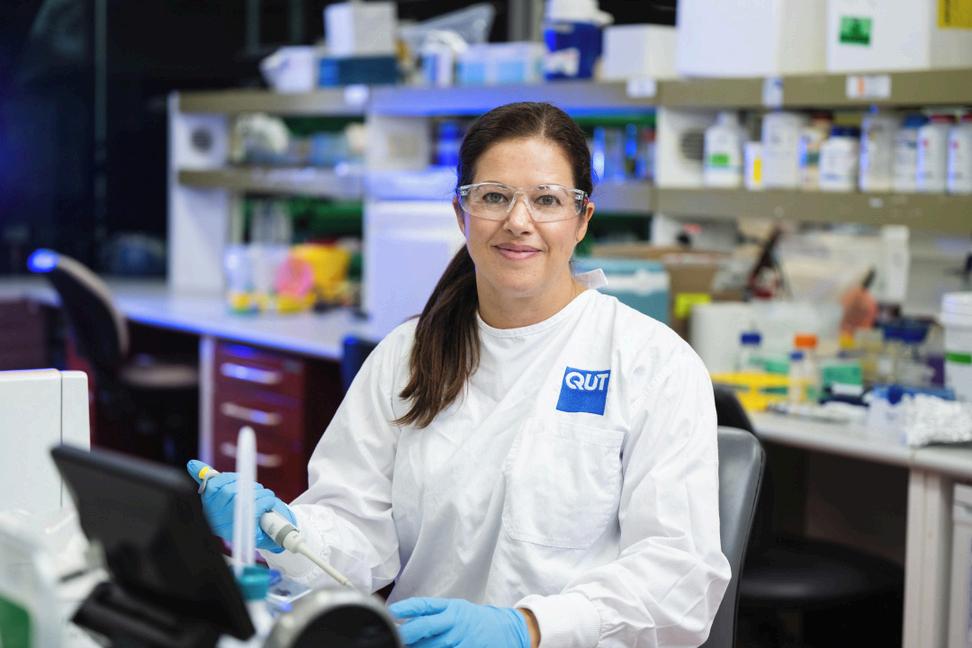
Dr Emma Bolderson at QUT
Image: Dr Sherry Wu and team, University of Queensland
National Consultation Process
How insights gained from consultations with over 400 community members, researchers and peers informed our Strategy.
Robin Penty, OCRF CEO, with Dr Dane Cheasley and Dr Kathleen Pishas at Peter MacCallum Cancer Centre
National consultation process
The extensive consultation and analysis that informs this strategy was conducted throughout 2024 with well over 400 community members, researchers, peers and other collaborators This section summarises the steps we took; what we wanted to know, who we asked and what we learned
Purpose
Consultations were driven by a desire to understand how the OCRF should best enable high-impact research between 2025 and 2030 Three high-level questions identified the essential things we needed to know, and informed all elements of the consultation process:
1.Which types of research should the OCRF prioritise?
2 In what ways can the OCRF best accelerate and deliver research impact?
3 What partnerships, including with people with lived experience, does the OCRF need to foster to deliver the most impactful programs?
362 lived experience survey participants
46 people with lived experience joined workshops 11 researchers joined lived experience workshop discussions 52 experts, researchers and clinicians
14 interviews with funded researchers plus peer and government consultations 22 research organisations represented
Figure 7 Consultation participant numbers by method
Insights
Lived experience survey
A structured consultation with people with lived experience of ovarian cancer was conducted in two phases. The first involved a national survey which received 362 responses from people with direct or indirect experience of ovarian cancer
Through categorical and open-ended questions, the survey gathered community insights on the most important areas of research to them, to inform the OCRF’s research objectives Additionally, respondents were surveyed on their engagement in ovarian cancer research Respondents were also asked about their knowledge and previous experience of ovarian cancer research
The survey was disseminated nationally with generous support from (among others) Ovarian Cancer Australia (OCA), Australia New Zealand Gynaecological Oncology Group (ANZGOG), Inherited Cancers Australia, Peter MacCallum Cancer Centre, Victorian Aboriginal Community Controlled Health Organisation (VACCHO), Cancer Voices, and Jean Hailes for Women’s Health.
Donor, volunteer or supporter, 27%
Current patient, 16%
Survivor, 19%
Family member or caregiver, 30%
Unknown or prefer not to say, 5%
Borderline, 3%
Other, 15%
Sex-cord stromal tumour, 5%
Germ cell tumour, 8%
Healthcare professional or researcher, 3%
High-risk individual, previvor, 5%
Epithelial ovarian cancer, 70%
Figure 8 Survey participant information (n=362)
Participant perspectives from the lived experience survey
“Early detection may have allowed my mum to have had her cancer caught in stage 1 & 2 and not stage 4 While she beat the cancer off twice it came back, so the prevention of recurrence is vital ”
“I would like to see more people with lived experience involved including relatives ”
“There are not enough treatment options so when you get diagnosed it feels like an immediate death sentence We need more options many of us young women are facing this right now!"
“It is important for those with a lived experience of cancer to be a part of health decisions of the future We each bring a unique perspective and experience, that can complement those of clinicians ”
“As a patient, being involved gives me hope and purpose ”
“Because I have two daughters and two granddaughters who may be at risk prevention by knowing the risks is important to me ”
“ Individuals’ experiences with OC are on a broad spectrum and representing that [is] a challenge ”
“I have a strong desire to help prevent anyone else to suffer this fate ”
“Therapies have [barely] changed for decades, and the need for better therapies is tantamount to cures ”
“Our lived experiences with treatments, what was bearable and what was not, could support researchers in the development of newer treatments There is value in open dialogue and knowledge share in this space ”
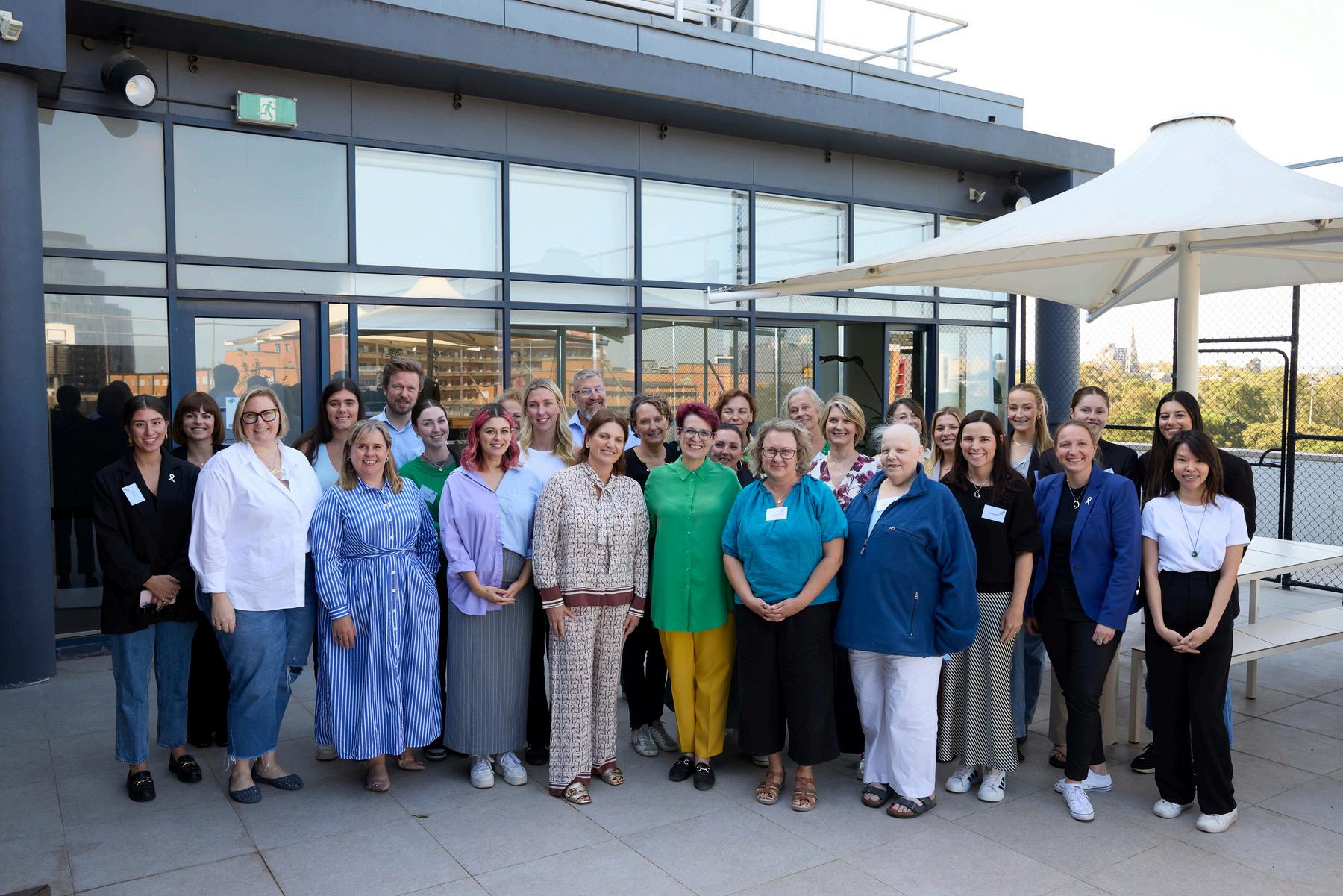
High-level findings from the lived experience survey

Knowledge and experience of research

Research objectives

Lived experience research involvement
Most respondents had limited knowledge of or experience with current ovarian cancer research. There were significant knowledge gaps in several research areas, particularly across pan-cancer approaches, chemoresistance, personalised medicine, and disease origins
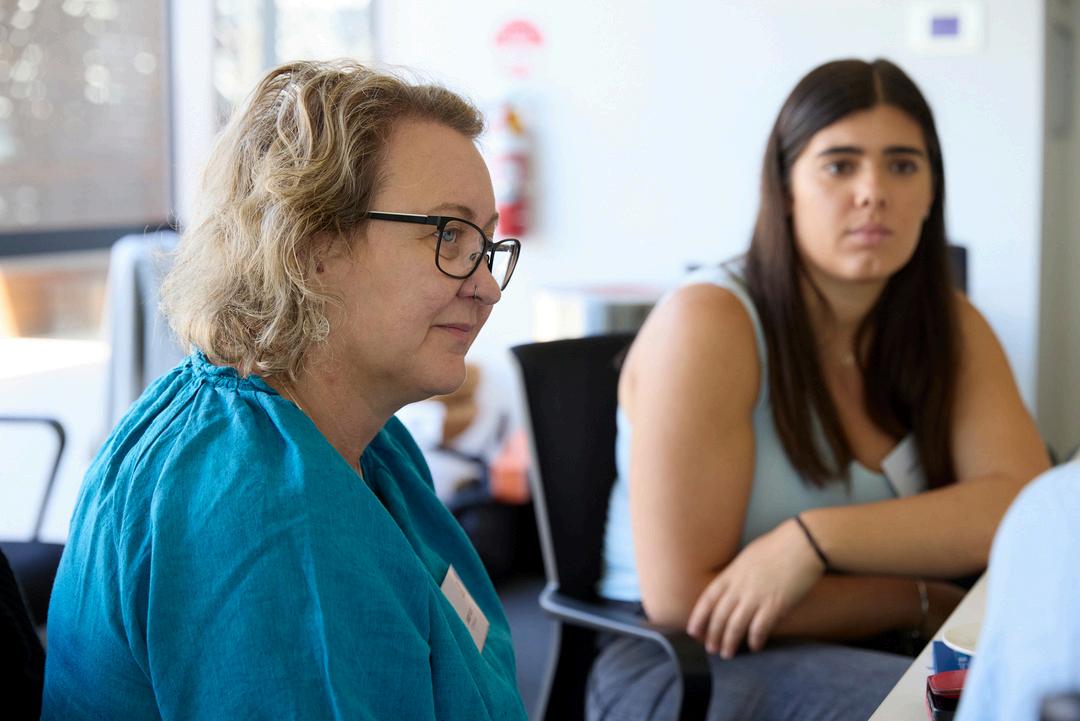
Lived experience and researcher workshops
The second phase of consultations was a series of facilitated discussions between researchers and people with a lived experience of ovarian cancer Survey respondents were invited to workshop the survey questions in more depth Four workshops engaged 46 consumers, 11 researchers and one Consumer Engagement Manager from the Walter and Eliza Hall Institute of Medical Research (WEHI) as an external peer advisor:
4 x 120-minute virtual workshops, co-facilitated by Prof. Ian Smith (Insight Economics) and the OCRF. A primary focus on research objectives and consumer engagement.
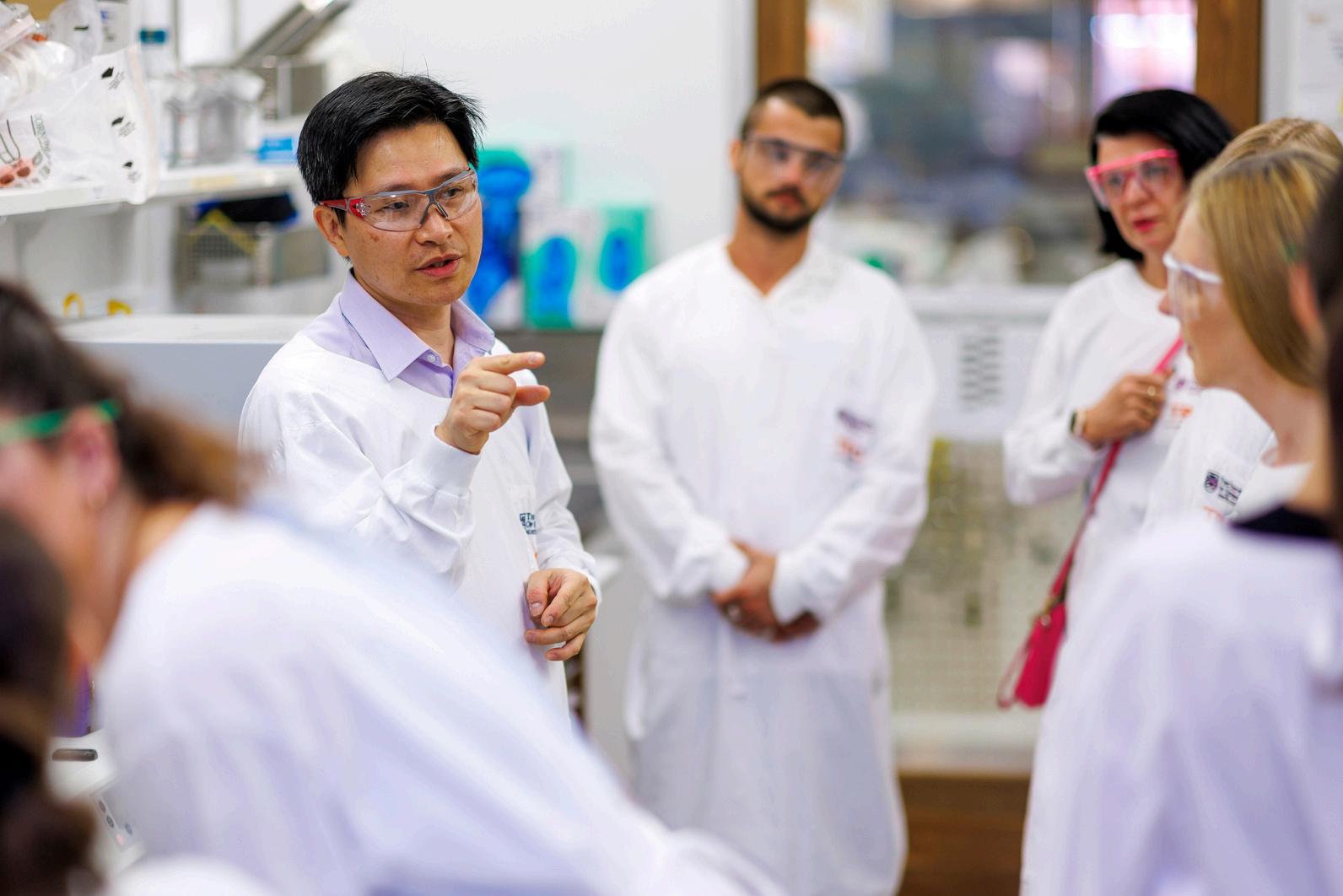
A/Prof Jason Lee with OCRF community members
Participant perspectives from the lived experience and researcher workshops
“Detection is difficult, but so is most of the research It’s still a hugely important question ”
“Most women are diagnosed at stage 3 or 4 – we need to address early detection first ”
“Mentoring builds confidence Events are a great way to start engagement Include new consumers alongside a more experienced one ”
“There are so many areas to look it would be good to have everything in one place ”
“We need more effective and less toxic treatments I’m tired of having to choose between a long life and a good quality of life ”
“I’m always worried my disease will come back – recurrence research is essential ”
“It would be good to learn more about the risk factors and prevention ”
“Finding more out about the origins of the disease could help find better treatments ”
“We have found it most important to collaborate with a team of consumers We talk about the research we are doing, and what we might have missed The relationships with consumers motivated me to keep a project going ”
“Consumers are essential to motivate researchers that spend all day looking through a microscope They also need an understanding on the science, to be empowered and effective ”
“There’s huge potential in repurposing drugs that work in other cancers Precision medicine and pancancer approaches are really promising ”
“Keeping the research priorities broad is a good thing - let the scientists who know the field best decide where the most potential lies ”
“I don’t know anything about research, but I like the idea of helping It would be helpful to know how my skills could be useful or what people need ”
“Getting researchers involved in more casual, less formal conversations make us feel more confident to get involved ”
“The format of engagement with research groups would be important, something that is welcoming and nonthreatening ”
Research objectives
High-level findings from the lived experience and researcher workshops
Detection research remains a priority. Researchers noted it is challenging work, with huge potential to improve treatment outcomes.
There is great excitement about treatment research, in particular within personalised medicine (treatments tailored to patients’ unique characteristics). Such research can be translated into practice relatively quickly ‘Managing recurrence ’ (a previous OCRF Research Priority) remains very important However, because it involves both detection and effective treatments, it may be best understood as a component of other research objectives.
Lived experience research involvement
Workshop participants were particularly interested in getting involved in research, but many did not know where to start
People felt strongly that the different ovarian cancer charities should work together as closely as possible The term ‘Consumers’ is not a good way to signal lived experience.
Lived experience is critical to both inspiring and improving research.
For the full report of the lived experience consultations, visit https://www ocrf com au/research-impact-strategy/lived-experience-report
Image: OCRF Ambassador Sandra Taute
Academic sector workshops
A series of facilitated academic sector workshops hosted conversations with researchers about their needs, and opportunities to accelerate research outcomes Fifty-two leading ovarian cancer researchers attending from 22 Australian institutions This involved:
6 x 90-minute virtual workshops, facilitated by Prof Ian Smith (Insight Economics) with the OCRF Focus on three ‘enabling domains’, Research Infrastructure, Capacity, and Knowledge Sharing
Participant perspectives from academic sector workshops
“There are huge gaps in sample annotation and understanding the tissue of origin is essential ”
“A readily available sense of how many samples and what matched clinical information is available at each biobank level would be really so valuable ”
“The other biobank I tried to access; we did eventually get access after a long delay with paperwork ”
“The project funding offered by OCRF is really critical I hope that could continue because it's about the only place that midcareer researchers could apply to NHMRC funding rates are so low, the MRFF doesn't really suit all types of projects ”
“Something critical to address is the lack of funding and cost recovery models, especially sustained funding We also need to explore opportunities for better coordination of biobanks ”
“Mid-career fellowships have been lifesavers for a lot of cancer researchers in the sector within Victoria ”
“The seed funding model is very good for people like myself who are working in a clinical kind of space It's a good door into research and it really builds those collaborations ”
“I've found out how valuable having strong relationships with the local clinicians working in a partner hospital to the institute can be If you ' ve got those relationships early between scientists and clinicians, imagine what outcomes we could see ”
“You could probably have additional symposiums, even just online conferences, maybe one or two other times throughout the year I think these opportunities are good for early to mid-career researchers to get an extra conference or talk on their CV, which will help them in getting other funding ”
“As clinical practice changes, it’s impacting the availability of tissue samples, especially pretreatment tissue samples that reflect contemporary treatments such as neoadjuvant chemotherapy ”
“If I have to pick between funding for fellowships versus funding for projects I would put that money into people every time Because if you support the right person, the return on that funding is huge, because they can go on to win 10x, 50x as much in project funding ”
“To encourage research in ovarian cancer, perhaps the critical point is in that mid-career group The real crunch is that second grant, and I think there's a sort of emerging tragedy in that we ' re losing all that talent in Australia for lack of funding ”
“Travel is something that more and more people are leaving out of grant applications So even thinking about travel fellowships, I think that’s valuable as well, whether it's for national or international meetings, and particularly for scientists across all levels ”
“I think that there is a place for an ovarian cancerfocused conference in Australia The key thing is to get the clinicians there So, it must be crafted in a way that the clinicians will attend ”
“AOCS has good, deep clinical datasets and samples One thing is that the dataset and cohort started in 2001/2002 So, we lack a similar cohort with contemporary treatments We can’t do the same sort of data analysis ”
“I think there’s a huge need to support mid-career, early career talent Otherwise, we ' re at risk of people just leaving the sector altogether or going overseas So yes, fellowships, project grants aimed at early and midcareer researchers will be valuable ”
“Helping research community to connect to consumers and other supporters is another potential role for OCRF ”
“Collaboration is key Ovarian cancer is not as common as breast or colorectal cancer, and you really need to have a lot of resources at local sites Consolidating institutional biobanking, with a focus on ovarian cancers among its priorities, is probably quite critical [to make biobanking more sustainable] ”
High-level findings from the academic sector workshops

Infrastructure

Capacity and capability
Knowledge sharing
Biobanking is highly complex but very important to successful ovarian cancer research It’s not well coordinated across Australia and it appears to function better for established researchers than junior ones. Additional data linked to samples (such as clinical records) is also a challenging and under-supported area.
The OCRF’s ‘seed funding’ of novel and innovative ideas continues to address a significant unmet need These types of projects are not always well supported by government grants.
There were mixed views on the benefits of investing in research positions (e.g., fellowships) in addition to projectbased funding
The Australia New Zealand Gynaecological Oncology Group (ANZGOG) provide essential opportunities for researcher and clinician connections, such as the Pure Science symposium at ANZGOG’s annual Annual Scientific Meeting
There’s a consensus among researchers that increased knowledge sharing platforms that provide opportunities for both early career and more established researchers would be beneficial.
For the full report from the academic sector workshops, visit https://www ocrf com au/researchimpact-strategy
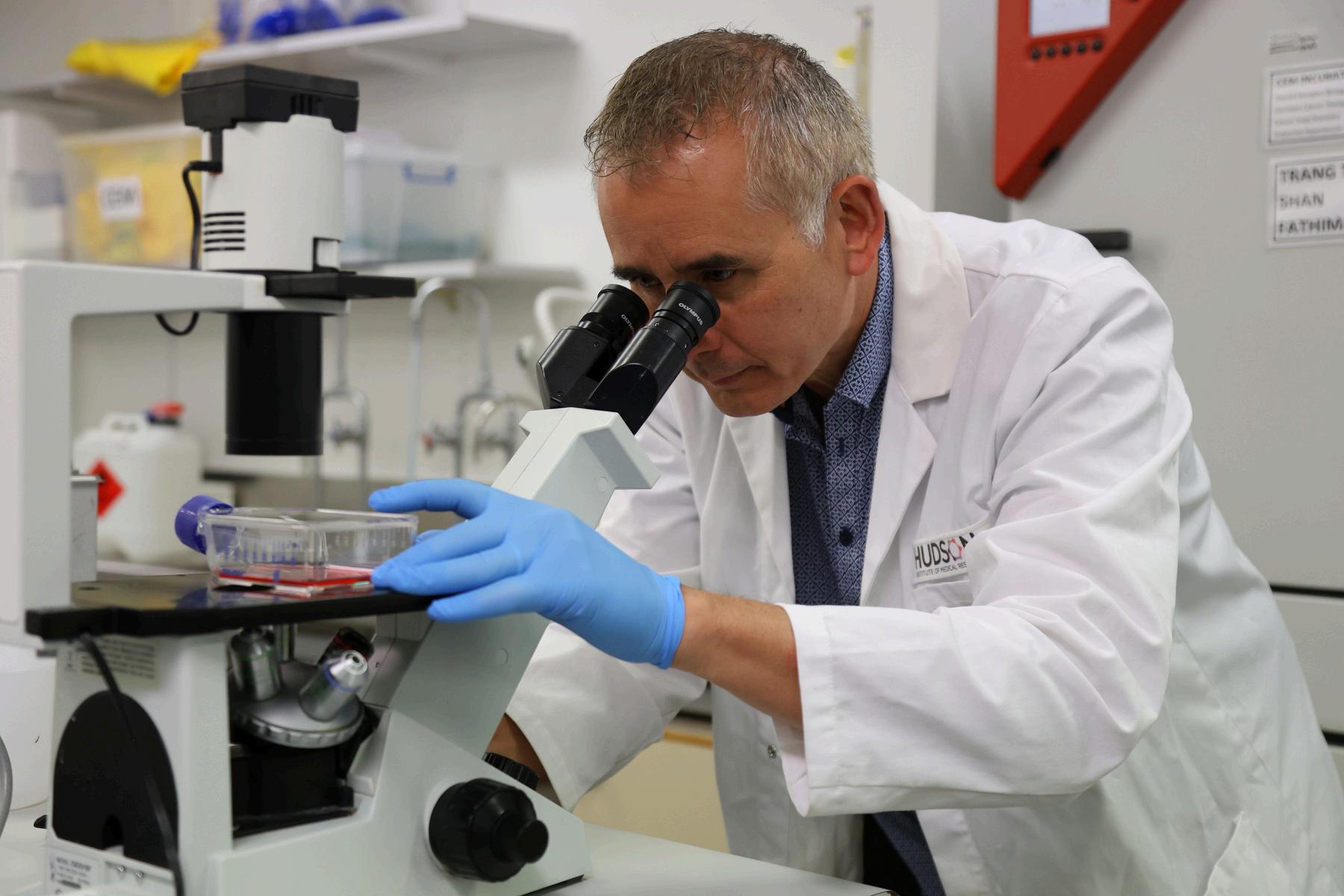
A/Prof Simon Chu, Hudson Institute of Medical Research
What’s holding research back?
Researchers shared, in their own words, the barriers holding the field back – insights that continue to inform our goals and priorities.


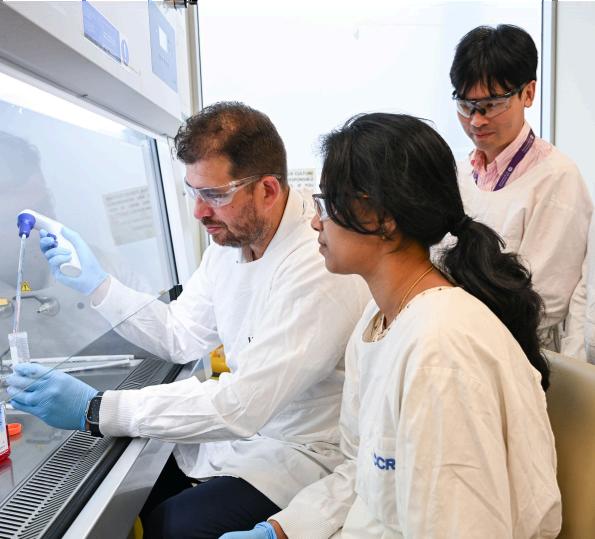

Prof Carlos Salomon Gallo with team at the University of Queensland
OCRF-funded researcher interviews
By interviewing ovarian cancer researchers previously funded by the OCRF we considered their research progress and the impact of interactions with the OCRF at a distance. Fourteen lead researchers from completed projects were interviewed by the OCRF’s Research team
Interviews considered the diverse impacts of OCRF support by discussing:
i Research progress throughout and since project completion
ii Research outcomes and discoveries
iii Research capacity including the ability to hire team members or establish a lab
iv Impact of funding on enabling professional development and profile raising for individuals and teams
v Connection with the OCRF community and campaigns
Participant perspectives from OCRF-funded researcher interviews
“OCRF funding has been instrumental and vital for us to assemble a team ”
“Salaries are key as there isn’t another mechanism in Australia to pay researchers, and particularly to get them to focus on ovarian cancer ”
“Without that funding, if the lab had even been established it might not be so ovarian cancer focused ”
“I truly believe that without the OCRF we would not have got any other funding I would not be here I probably would have left science, and not be working on my passion ”
“I learned [how] to speak about science, but not as a doctor I thought OCRF was groundbreaking in raising awareness like this [through researchers] … that’s an amazing legacy ”
“When I began my career, the OCRF was the only organisation willing to fund research into rare ovarian cancers, while major funding bodies overlooked their significance Thankfully, that’s changing, but the OCRF remains the leading champion for rare ovarian cancer research ”
“Through the OCRF you meet other researchers, you attend research meetings It’s important because a lot of research achievements are only achieved if you work as a network ”
“The OCRF’s ability to connect researchers with the ovarian cancer community is rare You can’t put a value on the sense of purpose that gives Donors remind you that people believe in the value of research You feel so lucky to get such special money ”
“It’s surprising to see a funding organisation want two-way communication with researchers to change things It’s not like you ’ re just doing something with donations, the OCRF is a partner and part of this whole conversation ”
“I heard your ambassadors’ stories I think we need more of that really How passionate they were about funding research and being involved and wanting to understand what we do It was amazing ”
High-level findings from OCRF funded researcher interviews
Research capacity
The OCRF are one of the few funders enabling researchers to investigate innovative ideas
The OCRF is a crucial launchpad for innovative ovarian cancer research and advancement
OCRF funding fills a significant gap and is leveraged for long-term impact.
The OCRF’s peer-review grants provide credibility and weight to their future grant applications.
OCRF grants contribute to a pipeline of ovarian cancer experts, ensuring long-term knowledge transfer within the sector
OCRF projects increase employment opportunities for early and mid-career researchers and boosts the reputation of lead researchers.
OCRF grants catalyse ovarian cancer researcher collaboration
Community connection and engagement
Connecting researchers with the OCRF community improves their communication and presentation skills
OCRF community connection drives a sense of purpose, improves communication skills and fosters effective lived experience collaboration
OCRF community connection is instrumental in providing researchers with the network they need to fulfil formal lived experience engagement requirements.
Australia New Zealand Gynaecological Oncology Group (ANZGOG)
Department of Health Disability and Ageing
Australian Cancer Research Foundation (ACRF)
National Health and Medical Research Council (NMHRC)
Inherited Cancers Australia Cancer Australia
Victorian Cancer Biobank
Ovarian Cancer Research Alliance (OCRA)
ACT Health Directorate
NSW Health
Ovarian Cancer Action (UK)
Cancer Council Victoria (CCV)
Ovarian Cancer Australia (OCA)
Medical Research Future Fund (MRFF)
Research Australia

Queensland Department of Health
Ovarian Cancer Canada
National GynaeOncology Registry (NGOR)
Image: OCRF CEO, Robin Penty and Assistant Minister for Health and Ageing, The Hon Rebecca White
Consultations emphasised the need for sustained partnerships and advocacy within and beyond ovarian cancer research
Ovarian cancer research collaboration
The OCRF is one of several organisations working to change the future for people impacted by ovarian cancer in Australia Our colleagues at Ovarian Cancer Australia (OCA) and Inherited Cancers Australia (ICA) provide essential frontline support and patient navigation (respectively) for women and girls with ovarian cancer. Each organisation has a long history of government advocacy. The Australian Cancer Research Foundation (ACRF) has a forty-year history of funding the essential tools and technologies researchers need to conduct cutting-edge research Clinical trials are led by the Australia New Zealand Gynaecological Oncology Group (ANZGOG), a leading member body for researchers, clinicians, and volunteers to come together and foster significant knowledge exchange
Together with Australia’s medical research institutions and major universities (and others), the OCRF, OCA, ANZGOG, and our government leaders in health and medical research (federal and state), each have discrete and complementary roles to play in providing optimal outcomes, progress and hope for this overlooked community
In addition, much of the world’s ovarian cancer research is led by teams in the United States, United Kingdom, Australia and Canada, alongside important contributions from researchers in other countries Our recent establishment of the Global Ovarian Cancer Research Consortium (GOCRC) with philanthropic foundations in the United States, United Kingdom and Canada has led to creation of an international research grant round for AIfocused ovarian cancer research to the value of$1M USD, with an additional $1M USD in computing support from Microsoft’s AI for Good Lab This is just the beginning with more strategic GOCRC initiatives to follow.
Working together, we can achieve more
Cross-sector collaboration
Beyond ovarian cancer, we consulted other cancer foundations to learn from their experience, understand what is working well for researchers of the cancers they focus on, and to foster ongoing collaboration Meetings with the National Breast Cancer Foundation (NBCF) and Prostate Cancer Foundation of Australia highlighted opportunities in pan-cancer research approaches and coordinated research infrastructure.
Additionally, the Australian Cancer Research Foundation (ACRF) emphasised the importance of ensuring that innovative and cutting-edge technologies are applied to ovarian cancer research
Collective advocacy
All our consultations were underpinned by a strong drive to address gender inequity in women ’ s health, research and disease, and to forge collective impact and shared value models that will make a difference for our beneficiaries in this lifetime
We believe the way forward for ovarian cancer research is not to compete for resources but instead to ‘ grow the pie’ Whilst the OCRF may, at times, draw comparisons to other organisations, the only way forward for the sector is to lead by example with a unified case for greater investment – as a movement, a coalition of the willing.
CEOs from the four members of the Global Ovarian Cancer Research Consortium
2.4.2 National policy review
In addition to conducting meetings with peer and government bodies, we conducted a review of key strategy and planning documents that were directly or indirectly relevant to the delivery of the OCRF’s research objectives, programs, advocacy initiatives and partnerships. These included:
Australia New Zealand Gynaecological Oncology Group (ANZGOG): Strategic Plan 2023-2028
Cancer Australia: Australian Cancer Plan
National Breast Cancer Foundation (NBCF) Research Strategy
Ovarian Cancer Australia: National Ovarian Cancer Roadmap (2020-25)
Australian Government: National Women’s Health Strategy 20202030
Cancer Council Australia: Strategic Plan 2024-27
National Health and Medical Research Council: Research Policy and Priorities
Rare Cancers Australia: Rare Cancer Moonshot: Equity for everyone with cancer

Australian Government: Working for Women: A Strategy for Gender Equality
Medical Research Future Fund 10-year investment plan (2024-2034)
NHMRC Statement on Consumer and Community Involvement in Health and Medical Research
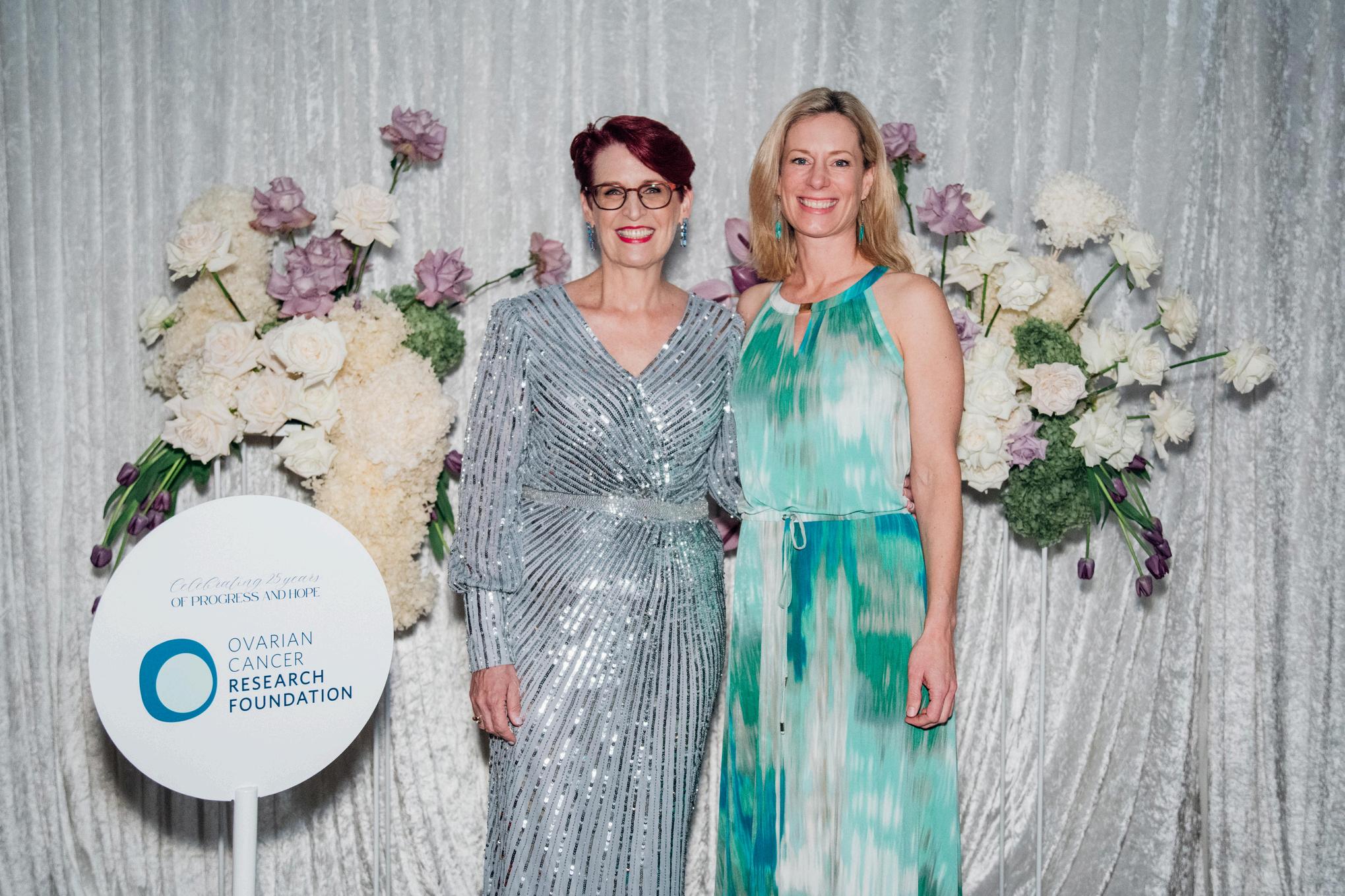
Senate Inquiry: Funding for research into cancers with low survival rates 2020
OCRF ambassadors Kristen Watson and Diana Unkovich share the voices of lived experience.
Opportunities identified via review of national policy
cancertypes,frequentlyfallsbetweenincidence categories.Asaresult,ovariancancer,themost lethalgynaecologicalcancer,isnotfully addressed–andoftenunmentioned-within rareandlesscommoncancerframeworks[3], despitemostovariancancersubtypesmeeting thedefinitionforararecancer
Morededicatedfundingstreamsfor gynaecologicalcancers
FutureMedicalResearchFutureFund(MRFF) investmentprioritiesandtargetedresearchcalls shouldensuregreatervisibilityandtargeted fundingcallsforallgynaecologicalcancers Forexample,whilsttheMRFF10-Year InvestmentPlan[4]showsalignmentwith precisionmedicineandrarecancerpriorities, ovarianandothergynaecologicalcancersare
Developing this strategy with our partners, the OCRF took a deep dive into these perennial challenges. We believe we gained valuable insights that have relevance beyond ovarian cancer, and we would invite policy makers to join us in considering how they can be addressed. A great deal of important work has been done recently to chart a path for Australian medical research. The OCRF believe our community can play a role in shaping that future.
Discussion
How our learnings will guide our research direction for the next five years.
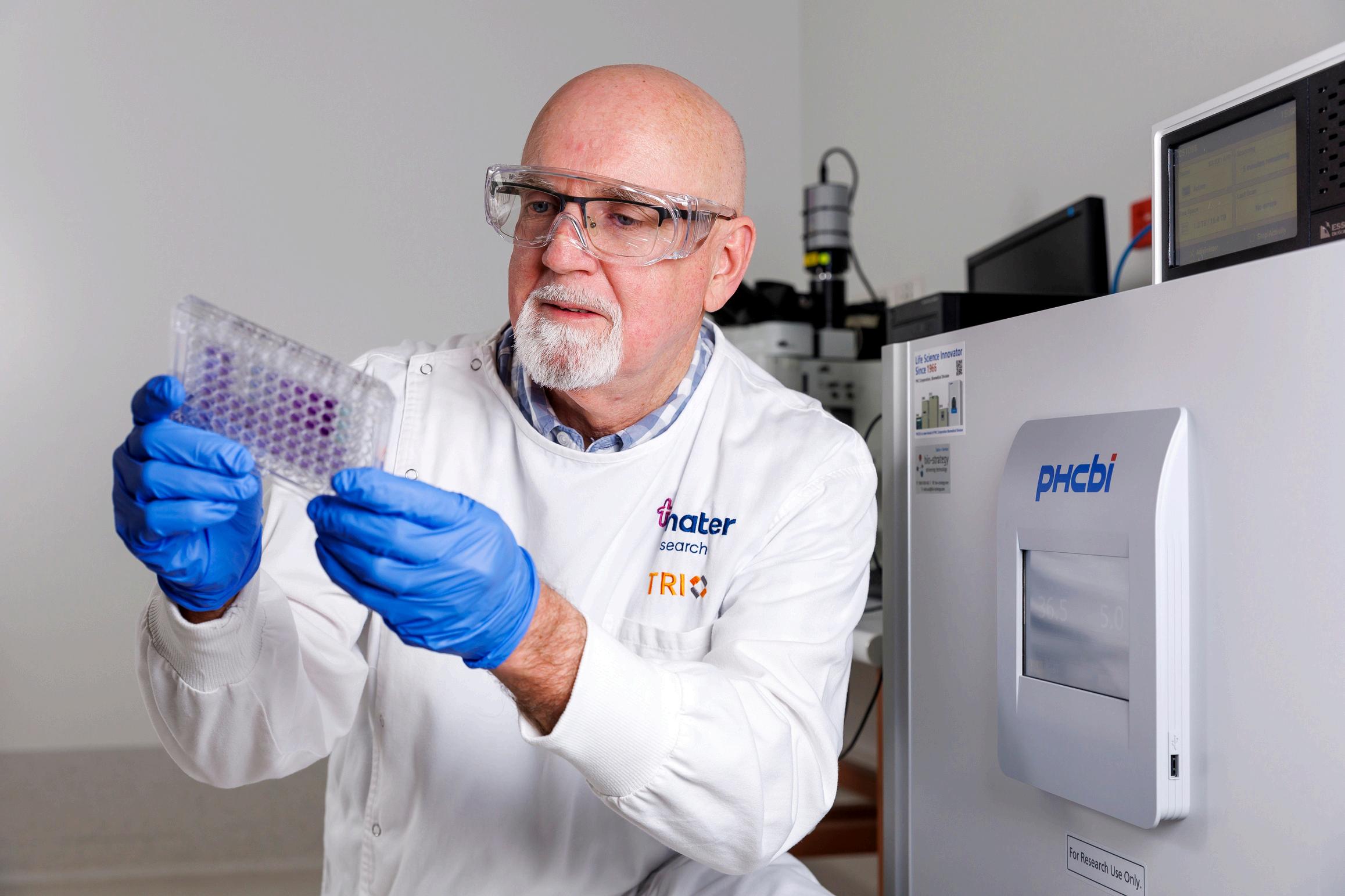
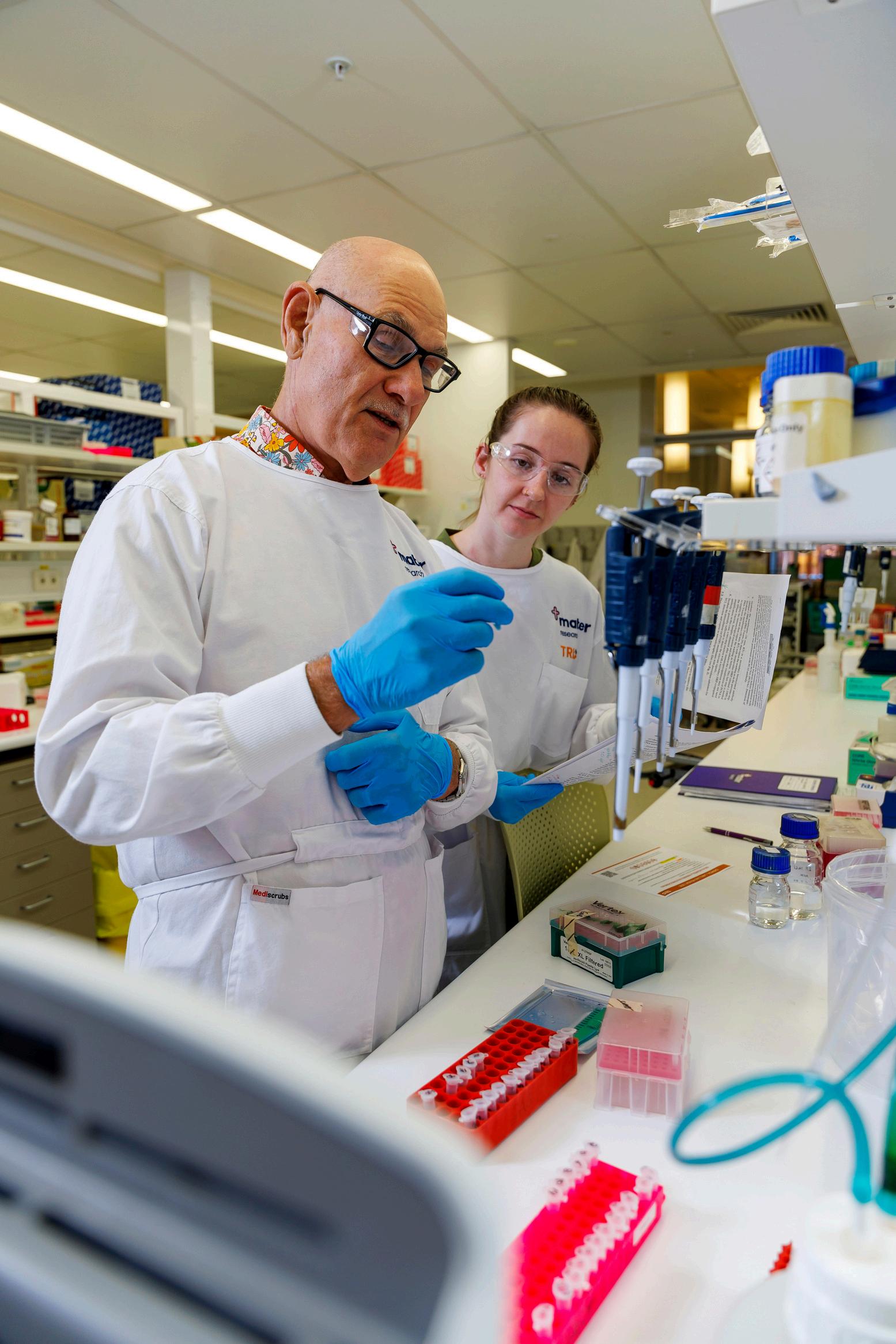
Prof John Hooper, Mater Research Institute
Discussion
This section considers what the above learnings mean for the OCRF’s research direction Here we return to the guiding question we posed at the outset: how should the OCRF best enable highimpact research over the next five years?
Our comprehensive consultations reaffirmed the value of the OCRF’s current approach while also highlighting new opportunities and emerging priorities. A common thread is the ability of the OCRF to facilitate connections. We heard consistently across the research and lived experience communities that the OCRF is uniquely positioned to bring people together to share ideas, experience, and perspectives, and that our role as an effective community builder is highly valued
The OCRF’s research objectives reflect our community’s expectations
Detect ovarian cancer earlier
Better, earlier detection of ovarian cancer remains a pivotal challenge An effective screening test for ovarian cancer would be a monumental step forward. However, earlier and more accurate detection of ovarian cancer could hold important benefits for diagnosis, triage, identifying recurrence earlier and where treatments are more likely to be effective This research is challenging, but the rewards are huge, and it remains the objective that most inspires our community.
More effectively treat ovarian cancer Understand and prevent ovarian cancer
Treatment research is entering an exciting new era Advances in personalised medicine, molecular profiling, and targeted therapies have the potential to transform ovarian cancer treatment by offering more effective, less toxic options tailored to individual patients Such approaches rely on multi-disciplinary collaborations that the OCRF will continue to prioritise
Risk and prevention research underpins informed choice People with ovaries often face very difficult decisions when it comes to managing their risk. Research in epidemiology, genetics, and prevention can inform these decisions, and create new intervention options Greater investment in prevention research will ensure those at risk, and their clinicians, are supported with clear, evidence-based pathways
However, the consensus from our community was that our previous research priority ‘Managing recurrence ’ could be incorporated into others above This new strategy considers the ability to prevent, detect, and treat recurrence not as a standalone research stream, but instead one that intersects with advances in monitoring tools, earlier detection technologies, and more effective, personalised treatment options
The
OCRF National Research Grants Program
addresses a crucial gap, but additional funding streams could support critical research
The OCRF’s National Research Grants Program has long focused on early stage, discovery research. Researchers made it very clear that this ‘seed funding’ is a critical component of the broader funding landscape
Government has funded various ovarian cancer research projects However, major bodies like the Medical Research Future Fund (MRFF) place significant importance on established data sets and publications placing less common cancers at a disadvantage, and creating a vicious cycle As a result ovarian cancer research remains underfunded, attracting far less investment than other cancer types.
The OCRF’s National Grants Program recipients are often able to generate the momentum required to gain access to additional pools of funding This is especially true for early detection research, which is perceived by some as either ‘too hard’ or ‘unachievable’, typically struggling to attract investment from government and industry
Separately, the consultations also highlighted the value of investing in types of research not historically supported by the OCRF. Some prevention research, for example, (such as clinical trials) would be ineligible for our National Research Grants Program. Other disciplines such as epidemiology and emerging tools, including artificial intelligence, would have been ineligible in the past The national consultations therefore posed the question of how to balance investment in innovative, discovery research with support for emerging areas of research that offer huge potential Our response? A new Partnership Grants Program, is introduced in the next chapter
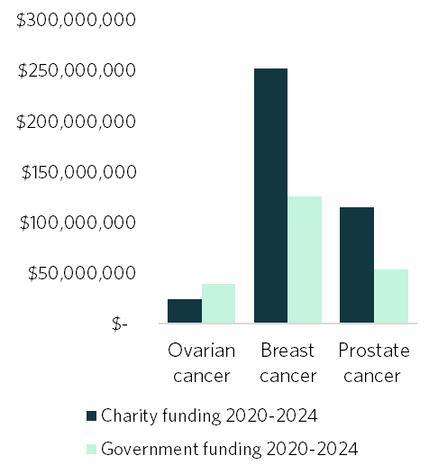
Figure 9. Government and charity funding to select cancer types, 2020-2024
OCRF funding makes a real difference, but researchers face an ongoing struggle with job security that impacts upon the ovarian cancer research pipeline
Through grant-making and sector engagement, the OCRF plays a crucial role in sustaining the research workforce in ovarian cancer. OCRF funding enables a team of researchers to continue their work and grow professionally for up to three years Unfortunately, it is not always enough to retain talent in this field Institutions are struggling to retain staff, and talented and committed researchers are frequently forced to seek employment in other areas
We frequently heard accounts of what researchers described as ‘ near career-death experiences’. Senior researchers expressed concern about the long-term sustainability of ovarian cancer research, particularly given the limited funding available for this less common cancer type The is especially felt by mid-career researchers, many of whom face a funding gap: no longer eligible for early-career schemes yet not established enough to lead major grants. Our consultations identified this as one of the most precarious stages in the research pipeline, with a very real risk of losing emerging leaders and critical expertise from the ovarian cancer research sector
Past grantees spoke of the ways OCRF funding gave them the momentum and credibility needed to secure larger grants, expand their teams, and retain early-career researchers in the ovarian cancer field. This type of targeted support will continue to be a key consideration in the design of our future research programs.
Context: Australia’s medical research workforce^
Leaky pipeline and gender gaps
48% of researchers report career interruptions, with 76% of those among female researchers attributed to parental leave

25% of senior research positions are held by women, despite making up 52% of the workforce.
8% of CEO and Head of Business positions in STEM are held by women
Job insecurity
55% of researchers in academia are on fixedterm or casual contracts.

Funding instability and job insecurity are the top reasons researchers consider leaving the sector
Workforce turnover
There are an estimated 19,700 inactive health and medical researchers in Australia A third transitioned into the public sector, while 21% remain at universities in nonresearch roles.

4% of researchers have moved overseas at some point to work during their career

Research infrastructure requires transformative, sustained investment and a coordinated national approach. The OCRF has a role to play in advocating for better
In addition to supporting researchers, ovarian cancer research requires additional resources, including much stronger research infrastructure, to deliver high-impact outcomes
A focus of many research infrastructure discussions was biobanking. Biobanks, sometimes known as tissue banks, collect, store, and manage patient samples that are used for medical research. These resources are particularly critical for ovarian cancer, where access to high-quality samples, especially for rarer subtypes, remains a major limitation
Biobanking is technically and logistically complex, requiring coordinated networks of researchers, clinicians, patients, and administrators There is strong goodwill across the research community to share samples; however, the absence of national frameworks,
consistent protocols and metadata hampers accessibility and efficiency Other cancer fields, such as prostate cancer, have demonstrated the value of centralised databases and coordinated biobanking models
In Australia, despite excellent examples such as the Australian Ovarian Cancer Study, biobanks continue to be surprisingly underfunded. Building and maintaining these resources across institutions and borders, including linking samples to clinical and genomic data, requires urgent investment and national coordination
The OCRF will continue to advocate for long-term support for essential research infrastructure Through our Partnership Grants Program, we will also consider applications that strengthen national biobanking capacity and improve sample accessibility for the ovarian cancer research community.
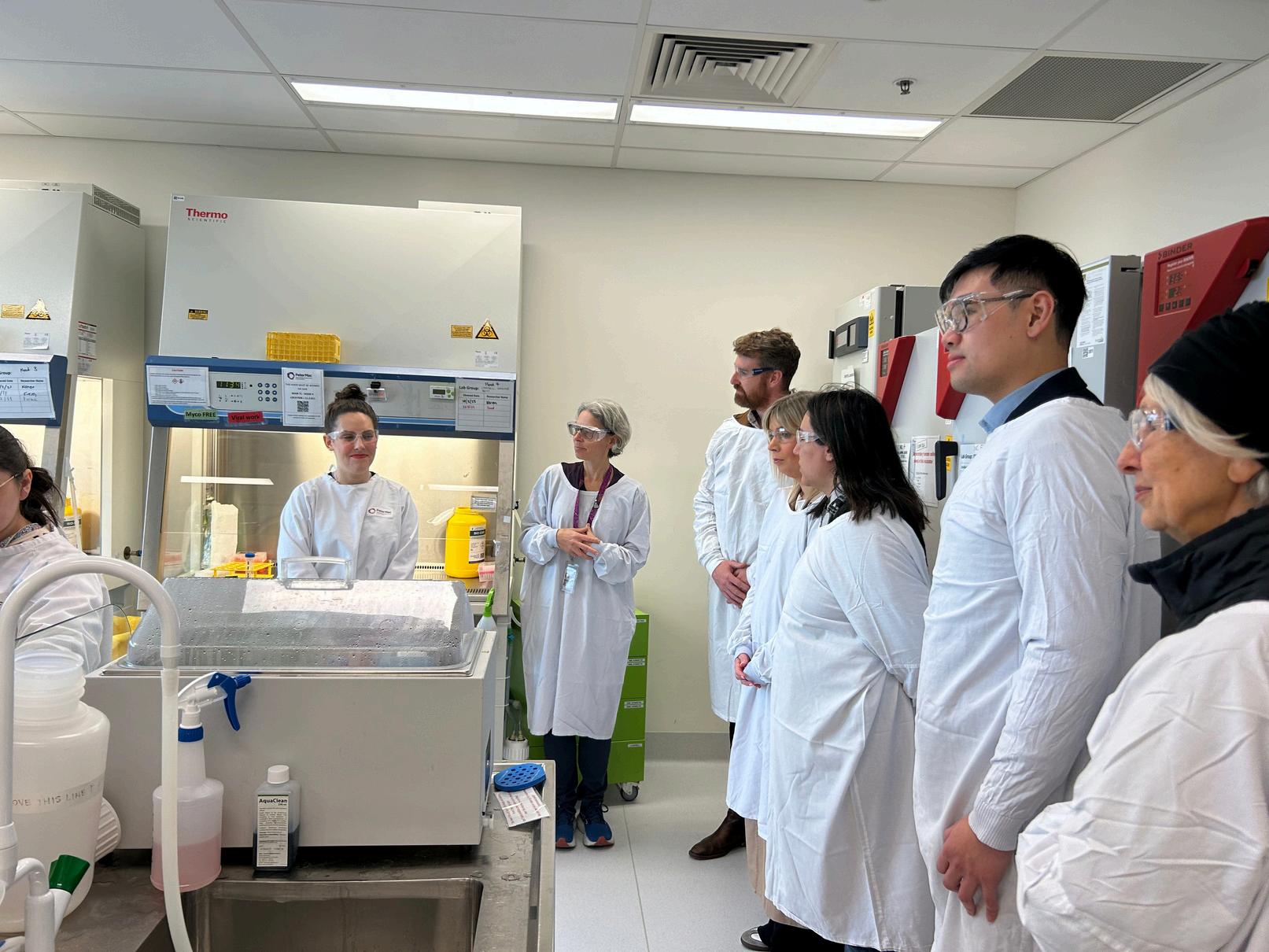
Image: Lab tour with Dr Dane Cheasley, Peter MacCallum Cancer Centre
There is a fantastic spirit of collaboration in Australian ovarian cancer research. By supporting knowledge-sharing opportunities the OCRF can help realise its potential
Collaboration is important across all types of research, but it is particularly important for ovarian cancer research The primary reason for this is data: because ovarian cancer is less common than many others, researchers need to work together and share resources to conduct research effectively
Our consultations made it clear that ovarian cancer researchers in Australia do this very well, and often. Global collaborations involving Australian researchers and peers are also gaining momentum. For example, in 2024 the OCRF supported and attended the Helene Harris Memorial Trust (HHMT) meeting and the Ovarian Tumour Tissue Analysis (OTTA) consortium There, we saw the invaluable opportunities that arise by bringing the best minds from across the world together
International resources also offer unique benefits to Australian researchers, with data sets such as the UKCTOCS study offering unparalleled opportunities to drive early detection research
Researchers also spoke highly of the work done by Australia New Zealand Gynaecological Oncology Group (ANZGOG) in connecting stakeholders and disseminating findings, including but not limited to ANZGOG’s Annual Scientific Meeting, and ovarian cancer specific working groups.
However, more can be done. There was consistent support behind additional ovarian cancer-specific knowledge sharing platforms Researchers emphasised the need to for the OCRF to work with our partners to design them in way that will complement existing forums
Lived
Our national consultations underscored again that lived experience is fundamental to impactful research, shaping its strategic direction and acknowledging its human and real world impact
Researchers consistently emphasised how inspiring and motivating it was connecting with people affected by ovarian cancer through the OCRF They also shared numerous examples of the practical applications of lived experience during research design, delivery and dissemination
Lived experience research involvement and co-design is increasingly recognised across all fields of research, including cancer (see Figure 10, below). However, people often don’t know where to start and what options are available to them.
The consultations identified two things the OCRF can do to encourage contributions from people with a lived experience.
The consultations emphasised two things the OCRF can do to encourage contributions from people with a lived experience of ovarian cancer:
Collaborate more closely with partner organisations to deliver consistent, accessible messaging about how to get involved, what skills are needed, and why their contribution matters.
Build confidence to participate by supporting greater understanding of the research and the research process.
Advocating for implementation of findings
Helping contextualise the findings from a lived experience perspective
Contributing to plain language summaries and communication material
Co-developing reports and publications
Attending laboratory team meetings
Advising on trial protocols to reduce burden on participants
Translation and dissemination
Planning and priority setting
Research execution
Setting funding priorities
Co-developing the best approaches to address the research question
Co-developing research questions based on lived experience needs
Assisting with grant applications
Advising on and assisting with data collection
Sharing insights and experiences through the project
Figure 10 Lived experience contributions throughout the research life cycle^
The OCRF must work collaboratively with peers to advocate for investment, equity, and system-level reform
A key objective of the national consultation was a holistic view of the challenges and opportunities facing ovarian cancer research. The OCRF has a clear sense of the advocacy priorities that, if addressed, could truly transform ovarian cancer research and secure long-term government support and commitment.
Above all, far greater government investment is needed. In the recent OCRF national grants round, we received 35 applications with a total ask of over $20 million dollars We can fund up to a fifth of this amount Promising research projects go unfunded, and ovarian cancer research teams across Australia face ongoing challenges for viability, job security, continuity and pace
Key government policies and processes hinder progress and gender equity by neglecting to specifically address gynaecological cancers — including ovarian cancer, the most lethal. Access to integrated data is a considerable issue Elsewhere, researchers face structural disincentives to collaborate such as being unable to list themselves on more than one Medical Research Future
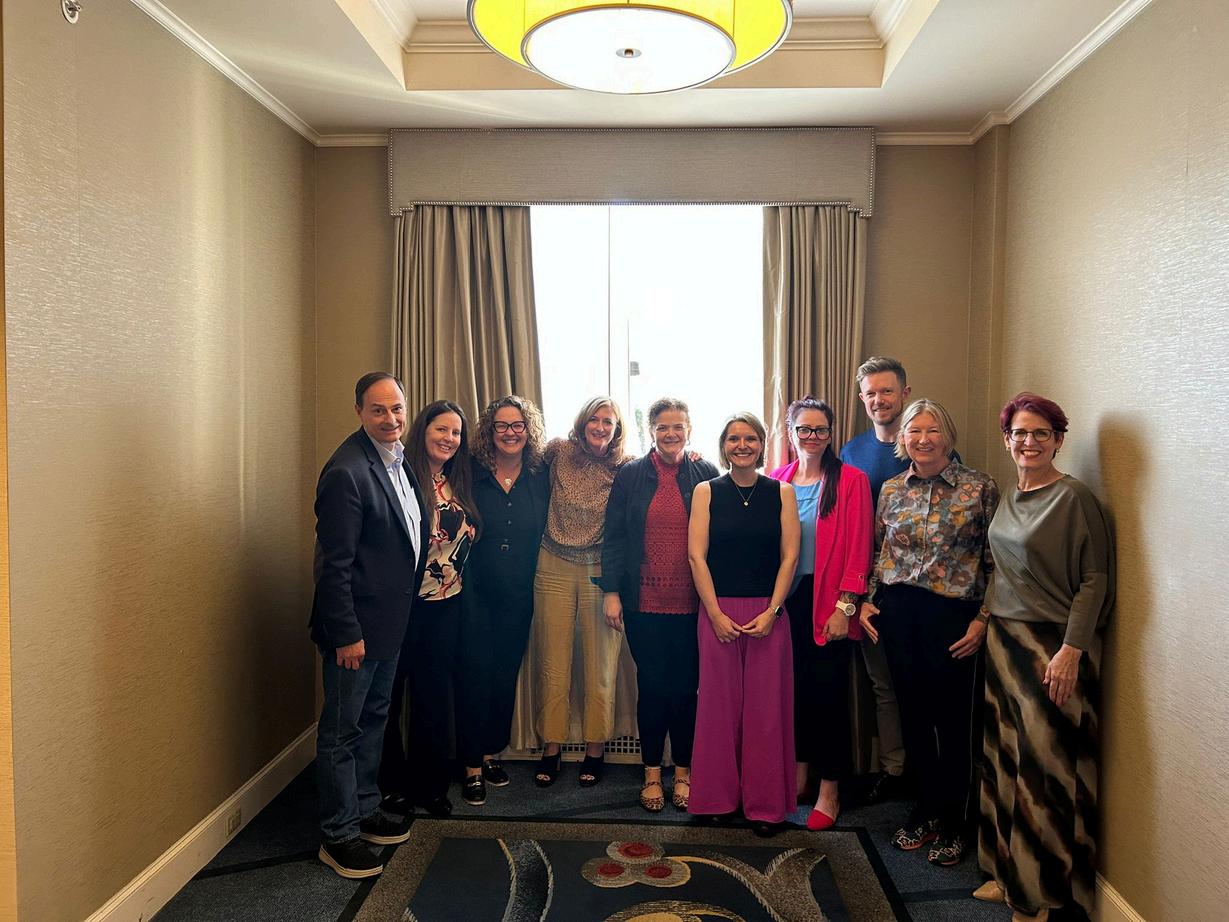
Global Ovarian Cancer Research Consortium members from leading charities come together: Ovarian Cancer Research Alliance (OCRA) (United States), Ovarian Cancer Research Foundation (Australia), Ovarian Cancer Canada (Canada), and Ovarian Cancer Action (United Kingdom)
Advocacy priority: Gender equity

Equity priorities
Advance gender equity in health outcomes
Advocate for system-level change to address diagnostic delays, symptom dismissal, and unequal access to care, particularly for ovarian cancer, gynaecological cancers, and other conditions that primarily affect women
Push for policy reform to tackle medical bias and improve health outcomes for all women and people with ovaries, especially those facing intersecting forms of disadvantage
Ensure research reflects the needs of women

Call for increased investment in research for diseases that primarily affect women, underfunded areas like ovarian cancer, and other gynaecological cancers
Promote the routine inclusion of sex-disaggregated data and gender analysis in all health and medical research to improve relevance and impact
Ensure a sustainable pipeline of ovarian cancer researchers that reflects those affected by the disease
Support the retention of researchers at all career stages
Promoting equity in research leadership, with a focus on improving representation of women and other underrepresented groups
Encouraging sector-wide reforms that address structural barriers and foster sustainable, long-term careers in ovarian cancer research
OCRF’s Research Impact Strategy 2025-2030
Our broad and coordinated strategy that ensures we enable high-impact research and accelerate positive outcomes for those with ovarian cancer.
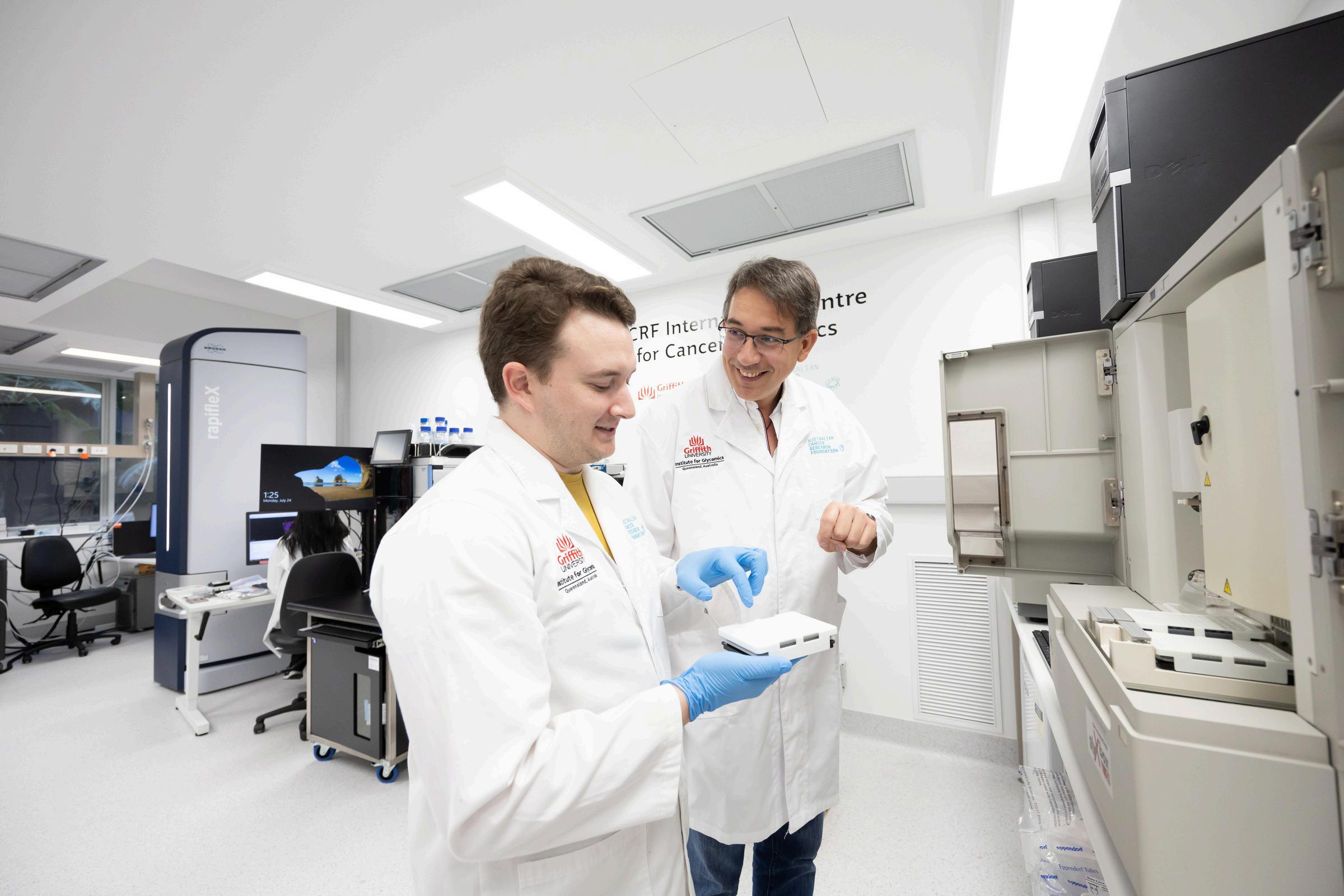
Researchers at Griffith University’s Institute for
OCRF’s Research Impact Strategy 2025-30
This section lays out a broad, coordinated strategy for enabling high-impact research: Our vision
The research objectives that underpin it
The programs that will enable research impact
The partnerships through which we’ll deliver them
The initiatives in this strategy are designed to complement each other as well as the work of our partners and collaborators Those that have been in place for some time, such as our National Research Grants Program, have been refined or expanded These updates, and an introduction to new projects to be implemented over the lifecycle of this Research Impact Strategy, are detailed below:
Vision
Better ways to: A healthy vital future for all those impacted by ovarian cancer

Objectives
Programs
Partnerships
Decision making driven by:

Figure 11 OCRF Research Impact Strategy 2025-30
The initiatives in this strategy are designed to complement each other as well as the work of our partners and collaborators. Those that have been in place for some time, such as our National Research Grants Program, have been refined or expanded. These updates, and an introduction to new projects to be implemented over the lifecycle of this Research Impact Strategy, are detailed below
The OCRF’s vision is a healthy vital future for all those impacted by ovarian cancer
We wanted to hear your ambitions and hopes for the future, so we asked the community to tell us about their greatest hope for ovarian cancer research. Here are some of the things you said:
“My greatest hope is that a revolutionary treatment is discovered very soon so that my mum can watch her granddaughter grow up. ”
“That an early detection test can be developed and rolled out to all women something that is routinely performed.”
“That there will be an early detection screening test created so that my daughters don’t have to live in fear.”
“There can be a vaccine to prevent it ”
“Ideally to find a cure or at least stop reoccurrences ”
“Detection is easier and treatment is life saving ”
“That women don’t have to advocate Testing be normal routine.”
“Preventative screening options available for high-risk patients instead of radical alternatives with lifelong health implications ”

“Every woman ’ s cancer can be treated, and we all get to live good lives.”
“Early detection and treatment options that don’t make you sick ”
“That it can be prevented so that no woman has to experience ovarian cancer ”
“That more women who are diagnosed will reach a day they are once again cancer free.”
“That Ovarian Cancer becomes a manageable disease, with a good quality of life for those undergoing treatment and beyond ”
“Screening and early detection combined with personalised treatment result in increased survival rates ”
“Higher level of public & GP knowledge, more funded treatments, earlier detection, longer life expectancy ”
“Ovarian Cancer becomes a thing of the past ”
Dr Shabnam Gujadhur, OCRF Community Ambassador and Lived Experience Advisory Panel (LEAP) member
The OCRF’s research objectives: better ways to detect, treat, and prevent ovarian cancer
Our Research Objectives define the areas where OCRF investment can create the greatest impact over the next five years They reflect what our community most urgency needs, what the science tells us will create impact, and where focused, sustained funding can change outcomes for people affected by ovarian cancer After extensive consultation with researchers, clinicians, and individuals with a lived experience of ovarian cancer, we have identified three areas most likely to deliver transformative progress.
Methods to detect ovarian cancer earlier
Earlier, more accurate detection of ovarian cancer continues to be a pivotal challenge for research and goal for our community When identified early, five-year survival rates exceed 90% There is still no reliable early detection method or test for ovarian cancer We want to change that Detect
Key avenues in detection research
• Identification and validation of biomarkers to detect ovarian cancer
• Feasibility of their application in different clinical settings, including triage and diagnosis
• Feasibility and practical application of a screening tool for ovarian cancer
Real world impact
• More ovarian cancers diagnosed at an early stage
• Fewer misdiagnoses
• Recurrences identified more quickly
• Better prognosis for those diagnosed
• Improved survival rates through earlier intervention
• Lives saved
Image: Dr Nicole Campbell at Hudson Institute of Medical Research
Treat
Better ways to treat ovarian cancer
In recent years there have been significant improvements treatments for many types of cancer, but few prominent advances for ovarian cancer Promising new approaches in treatment are inspiring optimism in researchers and our community With your help, the OCRF will support researchers to explore them
Key avenues in treatment research
• New or targeted therapies and immunotherapies
• New treatment combinations
• Investigating drug repurposing options
• Personalised and precision medicine approaches
• Ways to overcome treatment resistance and recurrence
Prevent
Real world impact
• More effective treatment options for ovarian cancer
• Reduced disease recurrence
• Better quality of life and reduced side effects
• Broader access to effective therapies
• Lives saved
More study into prevention of ovarian cancer
Ovarian cancer prevention research encompasses diverse forms; some will be suited to our National Research Grants Program, others to partnerships There is a long way to go, but the OCRF is committed to supporting prevention research with the greatest potential to help better understand the disease
Key avenues in prevention research
• Investigating the origins and progression of ovarian cancer
• Identification of genetic and environmental factors contributing to ovarian cancer development
• Understanding modifiable factors that can reduce ovarian cancer risk
• Development of risk prediction tools
• Identification and development of interventions that can reduce risk
Real world impact
• More accurate identification of those at risk
• Empowered decision-making through personalised risk information
• More options, and informed choice for people who want to reduce risk
• Cost savings for individuals and healthcare systems
• Reduced incidence of ovarian cancer
• Lives saved
OCRF’s research programs: essential funding, knowledge sharing and advocacy
In this section we introduce OCRF’s research programs for 2025-2030
1
Funding
National Research Grants Program
Vital funds for innovative discovery research
Partnerships Grants Program
Leveraging additional researchers and expertise for ovarian cancer research, nationally and internationally
We begin by outlining the ways in which OCRF will fulfil our fundamental promise; direct support for high-impact ovarian cancer research We go on to detail our plan for maximising research impact by fostering knowledge-sharing by creating new opportunities for researchers and the community to connect and learn from one another. Lastly, we pledge our ongoing commitment to targeted, collaborative advocacy. Knowledge sharing
Funding

Knowledge Sharing
2
Advocacy
Speaking up for change
Collaborative programs such as the Gynaecological Transformation Initiative (GCTI)
Empowering our supporters
Training, educational resources and support for OCRF ambassadors and advisors
3
The OCRF Research Hub
Accessible, engaging information about our research projects, and more
Research webinar
More opportunities for researchers to share their findings with each other and the community
Figure 12 Enabling high-impact research: Key OCRF research programs for the next five years
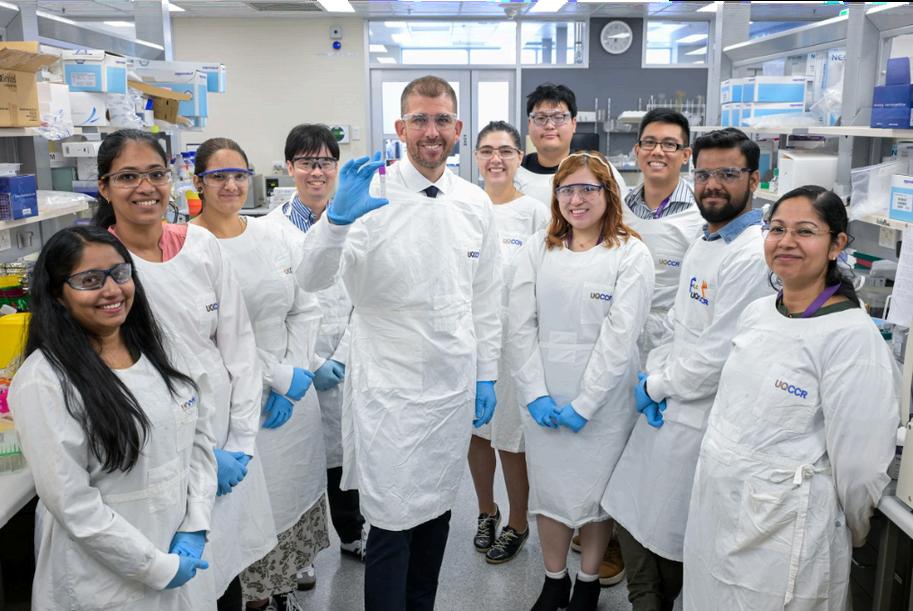
Prof Carlos Salomon Gallo and his research team, University of Queensland
Delivering essential funding to high-impact ovarian cancer research. The provision of funds to ovarian cancer research remains the OCRF’s top priority. Our bestpractice assessment processes ensure only the most promising grants with the greatest realworld potential are supported
Through 2025-30, the OCRF will continue its grant-making and refine our activities for maximum efficiency and impact
This involves:
A refreshed National Research Grants Program open for innovative, discovery research applications
A new Partnership Grants Program with a broad remit to support exceptional joint-funded project initiatives and/or research infrastructure, depending upon urgency of need.
The OCRF’s National Research Grants Program: More funds for research, administered more efficiently.
The National Research Grants Program will remain OCRF’s ‘flagship’ method of supporting innovative discovery research Robust assessment is delivered via the OCRF’s International Scientific Advisory Committee (ISAC) and Lived Experience Advisory Panel (LEAP).
In response to feedback, updates include: Expression of Interest (EOI) stage
Feedback now provided to unsuccessful applicants
New grants management system provides efficient submission and impact reporting
Increased emphasis on consumer engagement and involvement in all research phases.
OCRF Partnership Grants Program: Increased investment in jointly-funded collaboration.
The new OCRF Partnership Grants Program will allow OCRF to leverage additional funds and expertise for ovarian cancer research. It will provide for:
Financial and/or in-kind support for partnership or collaborative projects aligned to the OCRF’s Research Objectives
Written or in-kind support for research applications to third parties (e g for government grants), boosting their chances of success
Exceptional research ineligible for our National Research Grants Program. Critical research infrastructure projects.
Developing knowledge sharing platforms for the community and researchers
Research requires financial support, and it begins with ideas The OCRF has heard how researchers take inspiration from each other and from people with lived experience At the same time, a greater understanding about the research makes for more effective lived experience research engagement and advocacy
Through 2025-30, the OCRF will develop new ways for the community to connect with the research they have made possible, and for researchers to connect with each other more frequently. This will include:
Accessible, easily navigated research content on our website and delivered through owned channels
New platforms for researchers to share their findings with peers and the community
OCRF Research Hub: engaging the community through research translation.
The OCRF website is home to a host of accessible content, detailing the research and researchers we support, and latest news from Australia and around the world. In 2025, we launch our new ‘Research Hub’, a portal where people can:
Read about the OCRF-funded research that interests them the most Meet the researchers behind the projects
Search research content and news by keyword
Research webinar series: new platforms for dissemination and networking.
The OCRF will work with our partners to design an ongoing webinar series for the latest ovarian cancer research from Australia and around the world. The series will:
Be designed to share learnings and build connections between researchers and people with lived experience
Offer opportunities for emerging researchers to present their work
Image: researchers at Griffith University Institute for Glycomics
Contributing our leadership to targeted advocacy
The OCRF has been involved in a range of advocacy work since our inception. The OCRF will continue to commit our dedication, experience and expertise to argue for equity and improved outcomes for those with ovarian cancer with government and other influential stakeholders.
From 2025-30, the OCRF will strengthen our advocacy and engagement with government
This will include:
Continued, systematic monitoring and synthesis of important research and policy developments, here and abroad
Collaborate with sector colleagues and peers to make compelling, evidence-based arguments for change.
Regular research and policy digests: keeping the community informed
Through close relationships with researchers, peer organisations and policy makers, the OCRF will continue to keep a close eye on developments in ovarian cancer research, as well as emerging pan-cancer approaches and new technologies in the field We will synthesise and translate this information into regular communications that summarise:
Important developments from across Australia and around the globe
Important developments in policy and practice.
Details of any advocacy undertaken by the OCRF.
Identified advocacy priorities: calling for transformative change
The OCRF continues to champion and foster the importance of women ’ s health and advancement of gender equity in health outcomes and medical research, as outlined in our organisation’s Constitution
Our key advocacy priorities are:
Investment in research that addresses the needs of women.
Gender equity in health outcomes.
Gender equity in the research workforce.

The OCRF’s research partnerships: decision making through a shared values model
Collaboration is integral to everything the OCRF has planned for the next five years In this section, we note some of the experts and partners who are fundamental to best practice design, delivery and governance of OCRF programs

Scientific expertise
Lived experience

Sector collaboration
• International Scientific Advisory Committee (ISAC)
• Australian MRIs, Universities
• Global research partners
• In-house research expertise and experience
• Lived Experience Advisory Panel (LEAP)
• OCRF Community Ambassadors
• Global Ovarian Cancer Research Consortium (GOCRC)
• Gynaecological Cancer Transformation Initiatives (GCTI)
Engaging global scientific experts in decisionmaking
Scientific expertise ensures every program and project funded by the OCRF is grounded in evidence, aligned with disciplinary knowledge, and capable of delivering meaningful outcomes. Experts bring invaluable understanding of current and prospective methodologies, data interpretation, and the broader context in which scientific knowledge is generated and applied. The International Scientific Advisory Committee and Lived Experience Advisory Panel include important experts who, together, with the OCRF research team, combine extensive technical experience in ovarian cancer, policy development, evaluation, engagement, and knowledge translation
Through 2025-30, the OCRF will ensure our decision-making is backed by the evidence. This will include:
Closer collaborations between scientific and lived experience sub-committees.
Regular dialogue with leading ovarian cancer researchers, to stay abreast of emerging developments
International Scientific Advisory Committee (ISAC)
The International Scientific Advisory Committee (ISAC) provides an expert advisory function to the OCRF’s grant assessment process, and to the OCRF management and Board.
Made up of leading ovarian cancer researchers from around the world, they provide:
Technical and impact assessment of applications for the National Research Grants Program
Progress monitoring and quality assurance of existing grants through review of milestone and acquittal reports.
Strategic input to OCRF Board decision-making for grant assessment and planning.
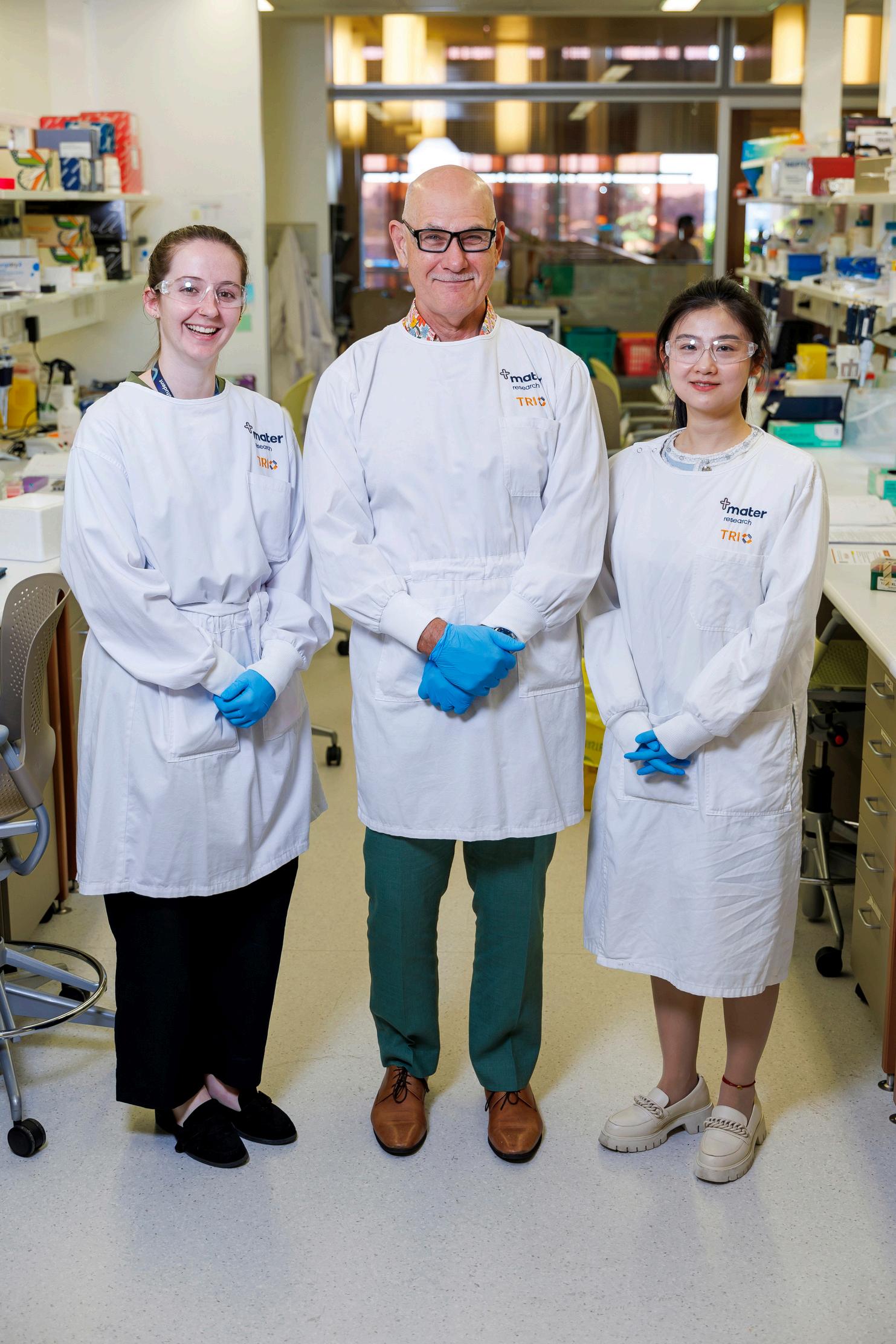
Researchers Anastasia Gandini, Prof Brian Gabrielli, and Dr Jenny Zeng, Mater Research Institute
Develop an educational program about ovarian cancer research for OCRF am the wider public
Expand the role of our Lived Experience Advisory Panel (see below)
Lived Experience Advisory Panel (LEAP)
The Lived Experience Advisory Panel (LEAP) was previously known as the ‘Consumer Representative Panel’ (CRP). This change reflects a decision to expand their role into different areas of strategic decision-making.
From 2025-2030, the LEAP will be involved in:
Assessment of applications for the OCRF’s National Research Grants Program
Development of lived experience engagement and consultation initiatives
Strategic input to OCRF decisionmaking and advocacy.
Education program resources for OCRF Community Ambassadors
Our consultations emphasised that many people with lived experience would like to learn more about the research. The OCRF will develop accessible resources to inform and engage OCRF ambassadors to:
Hear more about OCRF-funded research projects
Learn more about ovarian cancer research projects, and key scientific concepts that underpin them
Ovarian Cancer Research Foundation
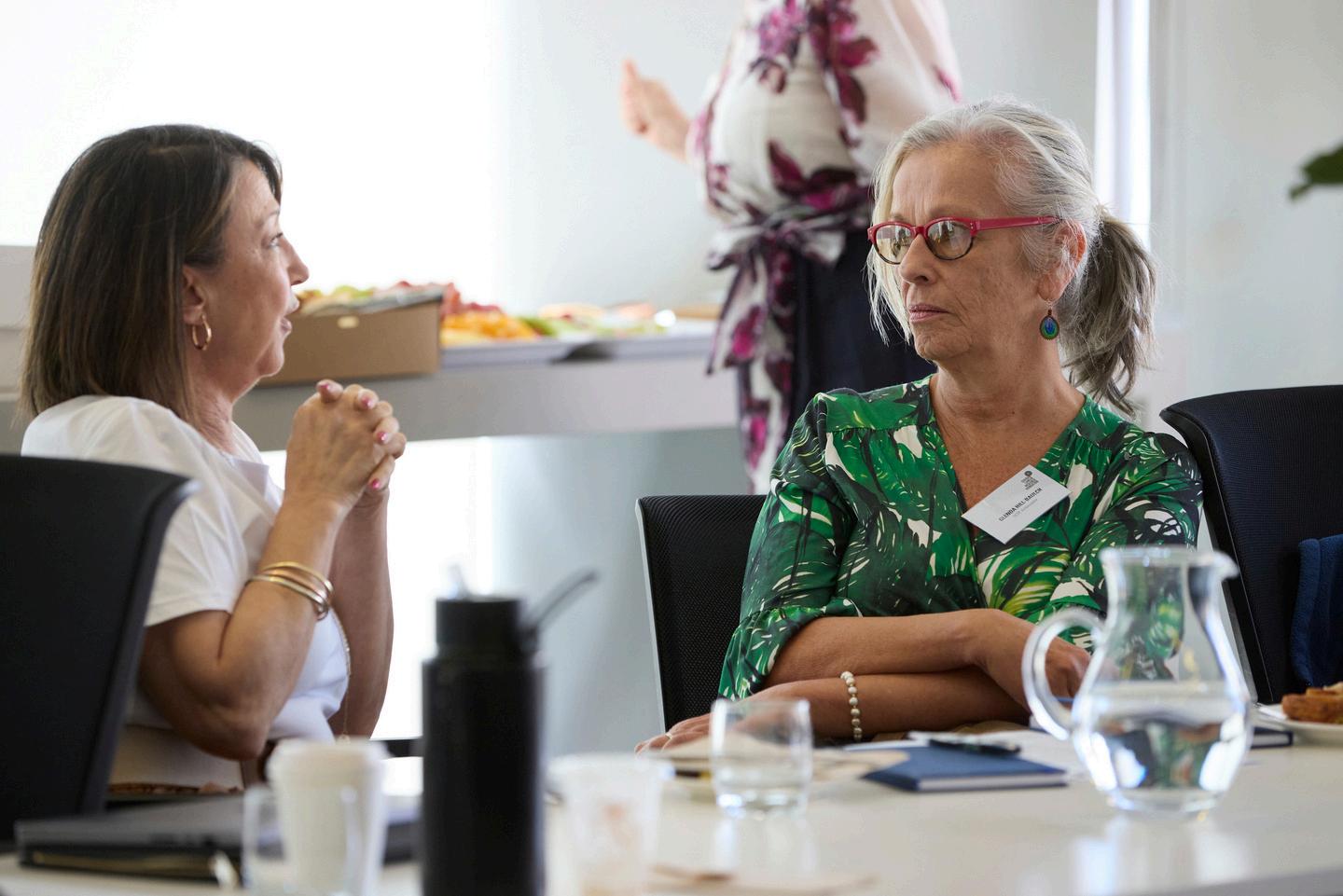
Image: OCRF ambassadors Grace Scoleri and Glenda Hill-Baulch
4.4.3 Enabling effective partnerships with peers
The OCRF understands that as an organisation we share a community, and goals, with others. The most effective way forward is to work together by coordinating our efforts.
Through 2025-30, the OCRF commits to continuing to work closely with our partners with the purpose of complementing, rather than duplicating, our efforts This will include:
Collective, unified calls for change to government and other key stakeholders
Coordinating the design and delivery of lived experience and knowledge exchange programs
Co-funding research nationally and internationally
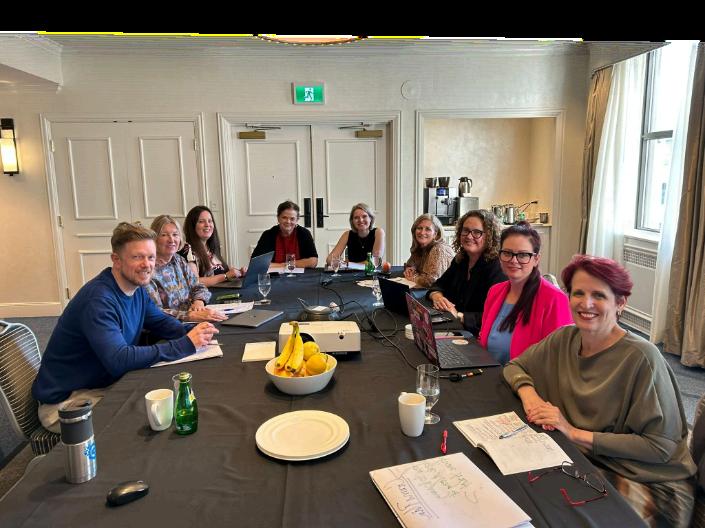
Gynaecological Cancer Transformation Initiative (GCTI)
The OCRF is one of the leading partners in a bid to government for substantial, vital funding to revolutionise the way we diagnose, treat and care for women with gynaecological cancer

To find out more, visit https://www.anzgog.org.au/gcti/.

OCRF CEO, Robin Penty, OCA CEO Debbie Shiell, ANZGOG CEO Alison Evans
Global Ovarian Cancer Research Consortium (GOCRC)
Fuelled by the desire to pool resources for global good, the newly established Global Ovarian Cancer Research Consortium (GOCRC) announced its first jointly funded grant initiative in 2025, a $1M USD Artificial Intelligence (AI) Accelerator Grant in partnership with Microsoft. Planning has commenced for future global grant rounds and projects together.

Impact evaluation framework
Details how progress and impact will be measured through clear indicators and outcomes to ensure accountability and learning.

Impact Evaluation Framework
This section outlines how the OCRF plans to capture and measure our research impact Below, we summarise the indicators that the OCRF will use to understand the dimensions of our impact on research, and answer two big-picture questions:
1 In what ways is the OCRF enabling high-potential research?
2 What progress is being made by OCRF-funded researchers?
Research partners
Researchers and research institutions funded through OCRF’s grant programs Includes co-funded projects and collaborations tackling early detection, treatment, and prevention
C I ENTIFICEXPERTISE
S
National and international expertise
Our expert advisory committees, including the Lived Experience Advisory Panel and International Scientific Advisory Committee, help ensure OCRF-funded research is informed by the latest evidence, knowledge, and cutting-edge science.


Global networks We work with peer organisations around the world to coordinate efforts and initiatives that have the potential to accelerate progress globally.
Ovarian





Cancer Research Foundation

COLLABORATION

PERSONALEXPERIENCEINSIGHTS

Sector infrastructure We collaborate with other Australian organisations to strengthen research and improve outcomes from biobank coordination to more equitable access to funding and policy change that drives faster progress.
Lived experience community People affected by ovarian cancer contribute as advisors, reviewers, codesigners, and advocates helping shape research that’s relevant and compassionate
Figure 13 Amplifying impact through scientific expertise, personal experience insights, and collaboration
In what ways is the OCRF enabling high-potential research?
This first impact area focuses on what the OCRF is doing to enable high-potential research, an aim of the OCRF five-year strategy
The OCRF Impact Evaluation Framework lists the key data points we will collect to report back to the community and communicate the impact of our funding, knowledge-sharing and advocacy activities:
Vital funding
Supporting the most promising, innovative research projects with the greatest read-world potential

OCRF investment in research
Projects
Total funding for research ($)
OCRF funded projects (#)
Collaborative grants ($)
Leveraged funds (via Partnership Grants Program) ($)
People
Researchers supported (#): By roles (career stage) By gender
Per research objective
Knowledge sharing
Sharing research findings with the community and facilitating collaboration between researchers

OCRF research publications Knowledge sharing supported
Publications (by OCRF)
Articles (by type)
Newsletters
Platforms (for others)
Webinars delivered
Conferences supported
Key meetings and alliances held or supported
Delivered by OCRF Supported or shared by OCRF
Targeted advocacy
Identifying and arguing for equity and improved health and research outcomes

The cases for change made by the OCRF on behalf of the community
Advocacy activities
By means such as: Submissions
Bids and requests
Roundtable contributions
Influential meetings
Survey responses
Policy responses and input
Per advocacy focus area

What progress is being made by OCRF-funded researchers?
The second dimension considers the question, what do ovarian cancer researchers who have been supported by the OCRF go on to achieve? The following data is reported annually to the OCRF through Omnistar, our grants management system We also receive regular progress reports that are monitored by members of the International Scientific Advisory Committee In addition, the Research team meets regularly with all OCRF-funded researchers to track progress and learn more about the work.
Knowledge building Knowledge sharing Progression Translational impact

# Major achievements*
*include important findings, collaborations, new techniques developed
Project aims and milestones achieved
Progression through research stages*
Research outputs: Publications Presentations

Follow-on research Early commercial investment Mature commercialisation

Application of research by clinicians, community or industry
*e.g., from discovery through to trials
Relevant citations of publications related to OCRF-funded research
Samples shared by OCRF-funded tissue banks
Citations that include OCRF-funded research infrastructure such as biobanks
Subsequent research grants
Future research plans
Career progression and promotions
Industry investment
Better patient outcomes, including increased survival rates*
*It is difficult to accurately measure our contribution as a direct correlation However, we must maintain a clearsighted view of survival rates and health benefits for our research as part of OCRF’s vision and purpose
Real-world change through collective impact
While the OCRF is committed to objectively measuring the impact of its funded research, it is equally important to recognise that real-world change is rarely, if ever, achieved in isolation It is the result of collective effort, spanning research, philanthropy, clinical care, community engagement, policy, communications, and implementation.
All contributors are essential to improve survival rates and realise the OCRF’s vision of a healthy vital future for all those impacted by ovarian cancer The OCRF is proud to be part of a broad and deep ecosystem for change.
Image: Lab tour with A/Prof Kylie Gorringe, Peter MacCallum Cancer Centre
As we deliver the Research Impact Strategy 2025-30, we intend to demonstrate leadership, contribute to stimulating discussions that lead to tangible outcomes; raise our voice, loudly, for women ’ s health and equity in medical research; and offer thought leadership at all times
In conclusion, Onward to the opportunities ahead; onward for the benefit of the community we serve; onward to advance knowledge. Onward to the discoveries that lie ahead. Together, we will overcome ovarian cancer.

Thank you
To all our contributors

Thank you to our contributors
We extend our sincere thanks to the many individuals and organisations who contributed to the development of this strategy
Special thanks to:
All researchers, community members and colleagues, who generously shared their time, insights, and lived experiences; this would not have been possible without you.
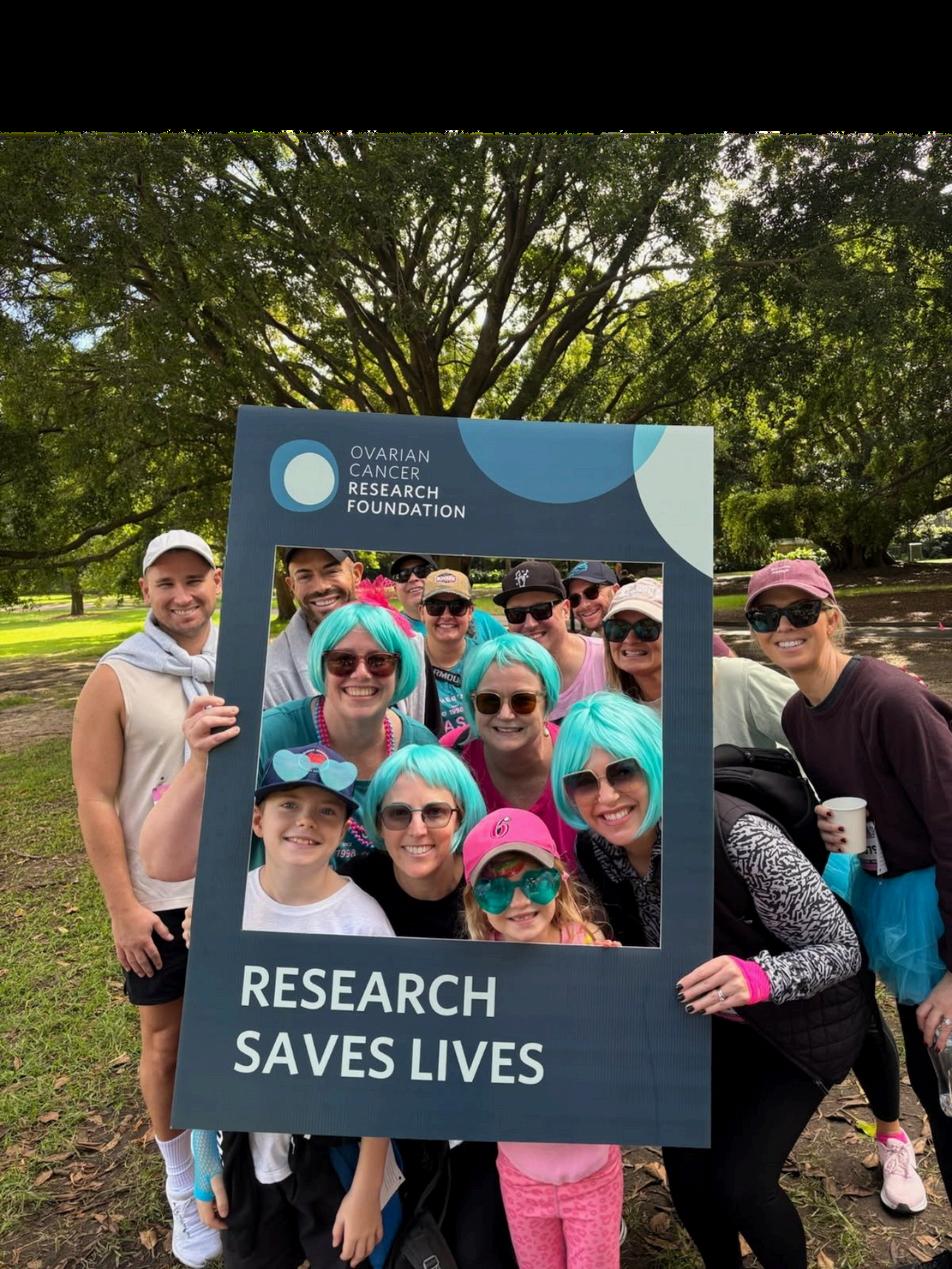
Insight Economics, in particular Principal Melanie Kelly and Professor Ian Smith, for their excellent strategic input, guidance and workshop facilitation
Katya Gray, Consumer Program Manager, WEHI, for her important contribution and support during the lived experience workshops
Our expert International Scientific Advisory Committee (ISAC) for their insights on the workshops and strategy.
Our incredible Lived Experience Advisory Panel (aka Consumer Representative Panel (CRP) for their invaluable input to the survey, workshops, and this strategy.
Mothers Day Classic, 2025
Additional thanks to:
Our valued partners and networks who helped disseminate the survey and amplify its reach across the ovarian cancer community, including Ovarian Cancer Australia (OCA), Australia New Zealand Gynaecological Oncology Group (ANZGOG) Inherited Cancers Australia (ICA), Peter MacCallum Cancer Centre, Victorian Aboriginal Community Controlled Health Organisation (VACCHO), Cancer Voices, and Jean Hailes for Women’s Health
Additional organisations involved in our consultations, including Australian Cancer Research Foundation (ACRF), Australian Ovarian Cancer Study (AOCS), Cancer Australia, Cancer Council Victoria (CCV), Research Australia, Medical Research Future Fund (MRFF), National Breast Cancer Foundation (NBCF), NSW Health, Daffodil Centre, Ovarian Cancer Action (United Kingdom), Ovarian Cancer Canada, Ovarian Cancer Research Alliance (OCRA, United States), Prostate Cancer Foundation of Australia, Queensland Department of Health, National Gynae Oncology Registry (NGOR), and Victorian Cancer Biobank
We also acknowledge and thank the Australian Federal and State Governments for their continued interest in achieving transformation across the field of ovarian cancer gynaecological cancer research and practice










References

References
1 Cancer Australia (2023) Australian Cancer Plan 2023–2033 Retrieved from https://www australiancancerplan gov au/ Accessed 26 June 2025
2 Australian Government Department of Health (2019) National Women's Health Strategy 2020–2030 Retrieved from https://www health gov au/resources/publications/nationalwomens-health-strategy-2020-2030. Accessed 26 June 2025.
3.Rare Cancers Australia. (2024). A rare cancer moonshot: Equity for everyone with cancer. Retrieved from https://www.rarecancers.org.au/wp-content/uploads/2024/11/RCA5374Canforum-2024-Report FA DIGITAL pdf Accessed 26 June 2025
4 Australian Government Department of Health and Aged Care (2024) Medical Research Future Fund: 3rd 10-year investment plan 2024–25 to 2033–34 https://www.health.gov.au/sites/default/files/2024-06/mrff-3rd-10-year-investment-plan2024-25-to-2033-34.pdf. Accessed 26 June 2025.
5.National Health and Medical Research Council (NHMRC) & Consumers Health Forum of Australia (CHF) (2016) Statement on consumer and community involvement in health and medical research https://www nhmrc gov au/about-us/publications/statement-consumerand-community-involvement-health-and-medical-research Accessed 26 June 2025
6.Sun TY, Hardin J, Nieva HR, Natarajan K, Cheng RF, Ryan P, Elhadad N. Large-scale characterization of gender differences in diagnosis prevalence and time to diagnosis. medRxiv. 2023 Oct 16:2023.10.12.23296976. doi: 10.1101/2023.10.12.23296976.
7 Guzikevits M, Gordon-Hecker T, Rekhtman D, Salameh S, Israel S, Shayo M, Gozal D, Perry A, Gileles-Hillel A, Choshen-Hillel S Sex bias in pain management decisions Proc Natl Acad Sci U S A 2024 Aug 13;121(33):e2401331121 doi: 101073/pnas 2401331121
8 Llorens A, Tzovara A, Bellier L, et Al Gender bias in academia: A lifetime problem that needs solutions. Neuron. 2021 Jul 7;109(13):2047-2074. doi: 10.1016/j.neuron.2021.06.002. PMID: 34237278; PMCID: PMC8553227.
9 Alshemmari, JMHJ, Al Monawer, FH, Analyzing The Relationship Between Workplace Diversity and Innovation and Its Influence on Organizational Performance Journal of System and Management Sciences, 2024, 14 1, DOI:10 33168/JSMS 2024 0127
10 Son, JY, Bell, M L Scientific authorship by gender: trends before and during a global pandemic Humanit Soc Sci Commun 9, 348 (2022). https://doi.org/10.1057/s41599-022-01365-4
11.Australian Academy of Science. (2019) Women in STEM Decadal Plan (Australian Academy of Science)
The OCRF exists to drive step change in funding, awareness and research for the most lethal gynaecological cancer in Australia
Working together, we can change the future by transforming outcomes for ovarian cancer
Join OCRF’s movement for a healthy, vital future for all those impacted by ovarian cancer.
Scan the QR code to read the summary Research Impact Strategy and supporting consultation reports