


Final Report
26 June 2024
Research breakthroughs in ovarian cancer are needed
Ovarian cancer is a heterogenous group of complex-to-treat, rare, low survival cancers. Its rarity, coupled with a tendency for late-stage detection, contributes to its low survival rates and poor prognosis. According to theAustralian Institute of Health and Welfare (AIHW), the five-year survival rate for ovarian cancer stands at only 49% (Figure 1), highlighting the urgent need for advancements in treatment and diagnosis methods.
Despite being less common than some other cancers, ovarian cancer still affects a significant number of women, with over 1,800 new diagnoses expected each year in Australia alone (Cancer Australia). Unfortunately, more than 1,000 women are projected to lose their lives to ovarian cancer annually (AIHW).
Investing in research is a crucial step toward improving outcomes and survival rates for individuals affected by ovarian cancer. Breakthroughs in research can lead to better understanding of disease biology, earlier detection, more targeted and effective treatments, and ultimately, improved survival and quality of life for patients and their families. Collaborative efforts across the scientific community, healthcare sector, and funding bodies are essential to drive progress and bring about muchneeded advancements in prevention, treatment and care.
WhileAustralia has delivered world-leading research in ovarian cancer over the past 20 years, stakeholders have indicated there may be opportunities to improve the scale and the coordination of research activities inAustralia. Given Australia’s small population size and the relatively small number of women diagnosed each year, Australia’s ovarian research community must work in a way that maximises research impact given the number of women available to support research endeavours. This is further reinforced by continued trends towards large grants being directed towards collaborative and multidisciplinary approaches, through which highest impact research is often achieved.
In this context it is timely to review the ovarian cancer research sector’s needs to support the development of strategies to increase funding for and the impact of ovarian cancer research inAustralia, for the benefit of all people impacted by
ovarian cancer and the wider Australian community.
Uterine/Endometrial cancer
Ovarian cancer
Cervical cancer
Breast cancer
Years after diagnosis
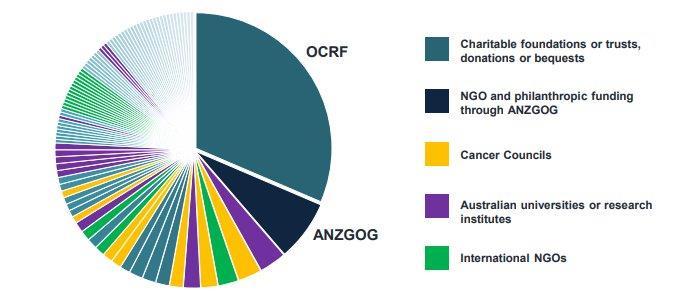
The OCRF is a leading funder of ovarian cancer research in Australia; the second largest funder following theAustralian government. To support the development of a refreshed Research Strategy, OCRF is seeking to understand the ovarian cancer research sector’s needs today.
This report presents the views of the ovarian cancer research sector regarding its needs across three domains: enabling infrastructure, capacity and capability and knowledge sharing and collaboration. The OCRF intends to draw upon the findings of this report and a second phase of work focused on consumer perspectives (Phase 2) to inform how the OCRF can optimally invest to deliver the breakthroughs needed to improve outcomes for women and their families.
To identify the needs within the Australian ovarian cancer research sector, a series of consultations were conducted with stakeholders from both the ovarian cancer and broader gynecological cancer sectors. Six, two-hour national roundtables including seven to eleven participants each were delivered remotely via Microsoft Teams in April 2024. These were facilitated by Prof Ian Smith, with support from OCRF and Insight Economics.
A total of 51 stakeholders participated in the roundtables, comprising researchers at different career stages, ranging from early to mid-career and established researchers, as well as a diverse range of disciplines and areas of research focus, including early detection, treatment, recurrence and epidemiology. A full list of the stakeholders consulted through the roundtables and other one-on-one discussions
is available inAttachment 2.
The primary focus of the consultation process was to facilitate discussion of the three important domains identified as key research enablers: infrastructure, funding capacity and capability, and knowledge sharing. Stakeholders shared valuable insights into the current state of the ovarian cancer research sector, identifying the most significant needs and opportunities from their perspective.
The key findings gathered from these workshops, detailed in the following chapters, included key themes with respect to unmet needs and potential opportunities. These insights will help define OCRF’s future focus in terms of its research and advocacy strategy, with the objective of investing in the highest-impact research to improve ovarian cancer outcomes for patients and their families.



























Roundtable participants identified a number of needs that require meeting in order to optimise the effectiveness of the ovarian cancer research community’s work. There were recurring themes in terms of needs identified, which were consistently articulated across different roundtable sessions and by a diversity of stakeholder types. These are summarised briefly below, and detailed in Chapters 3 through 6.
Stakeholders consistently identified common challenges and unmet needs with respect to enabling research infrastructure, in particular biobanks. These included:
• Biobanking was consistently identified as major enabling infrastructure priority — Of all the enabler infrastructure, biobanking was consistently identified as a priority area of need, with a common theme being that key biobanking existing capabilities, such as theAustralian Ovarian Cancer Study (AOCS) in need of a refresh. There was a strong consensus that there is a need for a new approach to support the continued collection of well-annotated, contemporary samples, reflective of contemporary treatments.
• Clinical and population health data linkage were consistently identified as major area of need In addition to biobanking, clinical and population data were identified in every workshop as a major challenge and area of need to enableAustralia’s research community to perform high impact research. Stakeholders emphasised that the need for access to timely population health data is crucial, considering that current data from cancer registries are often timelagged. Real-time or near real-time data would greatly benefit research efforts by providing immediate insights into evolving disease trends and healthcare utilisation patterns. The value of up-to-date information provided by clinical registries was also highlighted. However, they also pointed out limitations in coverage, particularly for rare subtypes or specific patient cohorts.
• Variable sample quality and access — Stakeholders indicated there can be a number of barriers to accessing biological samples, including regulatory complexity, competition for scarce samples, poor sample annotation and poor awareness of available samples. Specific challenges were identified with respect
to accessing certain samples, such as patient-derived xenograft (PDX) samples, blood samples, and age-matched cohorts (which are not collected).
• Variable awareness of samples — Researchers highlighted that awareness and accessibility of samples was often determined by the established relationships and networks of individual researchers with those affiliated with biobanks, particularly those owned by or partnered with research institutes. Challenges in access were noted for researchers lacking such relationships, in particular early career researchers who may lack such networks or awareness of available samples. The lack of readily available information regarding annotated samples was identified as a significant area of need.
• Biobanks lack sustainable cost recovery model An issue raised by stakeholders in biobanks is that of cost recovery, and the critical need to develop more sustainable funding models for biobanks to enable them to recover a higher proportion of costs.
• Regulatory complexity creates barriers to research — There was a reasonably strong consensus that support to reduce regulatory complexity would be a valuable enabler of research.
Recurring themes with respect to the capacity and capability of the ovarian cancer sector included:
• Major funding coming to an end, need for advocacy to continue major funding needed There was strong consensus that there is inadequate funding overall, as ovarian cancer lacks the profile of other cancers. It was noted that the 2019 MRFF PriorityActionArea funding for ovarian cancer was coming to an end and unlikely to be re-issued. Stakeholders generally agreed that the current funding sources may not fully cover the various types and phases of ovarian cancer research in Australia.
• Key funding schemes are not aimed at fostering collaboration or limit collaboration opportunities — Overall, there were mixed views within the (cont’d) 7
sector regarding the level of need for seed funding to foster collaboration. Some believe the ovarian cancer research community is already well connected but the idea of funding to improve the strategic coordination of the sector was identified as a potential opportunity in most workshops.
• Funding for key stages such as proof of concept needed to improve competitiveness for other funding — Stakeholders also highlighted that targeted support is required for projects at key research stages, such as the proof-of-concept phase, where clear end goals are lacking, and traditional direct project funding may not be suitable. Funding at these key stages can help researchers become more competitive and secure larger grants (e.g., MRFF) or venture capital funding.
• Mid-career researchers face significant challenges — There was strong consensus that researchers in different career phases often need different forms of targeted support. Needs were assessed to be particularly high for midcareer researchers, who frequently face challenges in securing their second major grant or in establishing a new lab. Suggestions were made for fellowships targeting mid-career researchers to address this ‘valley of death’ gap. Additionally, stakeholders highlighted the importance of accommodating career disruptions more generally. A model used by the Mater was identified as an example where women are provided with a $45,000 voucher to support their career transition as they return to work.
• Early career need mix of support — For early career researchers, participants recommended awards, presentation opportunities, and fellowships as targeted forms of support. Enhancing early career researchers' CVs was seen as an important enabler to secure other funding and advance their careers.
• Lack of funding for clinical research — While not addressed in all workshops, the gap between clinicians and basic science researchers is understood to be a major area of need for the sector, requiring attention.
Key findings: Knowledge sharing and collaboration
Recurring themes with respect to knowledge sharing within the ovarian cancer sector included:
• Lack of discovery science conferences inAustralia, with currently available science symposiums being limited — Key points raised where that, while extremely useful, the annual ANZGOG meeting has a strong clinician focus and includes only half a day dedicated to basic science in ovarian cancer research. There was strong consensus that the half-day for pure science is insufficient, and that a there is a need for a longer conference focused on basic science. Most workshops converged on the idea of leveraging theANZGOG conference with the goal of maximising clinician attendance and engagement and improving affordability for attendees.
• Need for conference to include clinicians There was strong agreement that fostering greater collaboration between clinicians and basic science researchers was needed through conferences, meeting opportunities and priority setting for the sector.
• Need for affordability Stakeholders highlighted the importance of creating an economically and logically feasible way to increase key stakeholders’ involvement in knowledge sharing, for example by ensuring that any additional conference or meeting opportunities proposed align with clinicians' conference schedules. Similarly, the provision of funding for travel would act as a major support, in particular for early career researchers.
• Very limited opportunities for knowledge sharing — In addition to a need for an ovarian cancer-specific conference inAustralia and New Zealand (ANZ), there was also agreement that there is a gap in terms of a comprehensive resources and/or other forums for facilitating knowledge sharing and collaboration across the ovarian cancer basic science research community in Australia (givenANZGOG focuses on other gynaecological cancers as well).
These suggestions and others identified by the research sector community are expanded upon in detail in Chapters 3 through 5.
In the context of the major needs of the research sector articulated in the roundtables as detailed above, participants identified a number of existing opportunities that could be prioritised to maximise the impact of the ovarian cancer research community. Recurring themes, in particular those identified and supported by many different stakeholder types, are summarised under each of the three key enabling domains below.

Next steps for the OCRF will require engaging with consumers to seek their view on these needs and priorities. The combination of these two inputs will inform the refinement and refresh of the OCRF’s research and advocacy strategy, assisting in identifying areas to prioritise investment to facilitate high-impact research and improve ovarian cancer outcomes through best-practice research and practice.

✓ Coordination of a national approach to biobanking for ovarian cancer (funding, collection, annotation, ethics, data linkage, access)
✓ Coordination of a national biobanking & other infrastructure directory and/or virtual biobank
✓ Advocacy for clinical & other data linkage
✓ Leadership to develop a consistent (across all biobanks) and realistic cost recovery model, in a move towards a more sustainable funding base
✓ Targeted funding to support access to key infrastructure (e.g., a voucher model)
✓ Advocacy for major government funding in partnership with the sector
✓ Seed funding to support high-impact collaborations
✓ Funding support for mid-career researchers, career disruption (e.g., Mater voucher model)
✓ Support for early researchers, including awards, presentation opportunities
✓ Funding for key stages of research such as proof of concept research to increase competitiveness for other large grants, funding
✓ Innovation in grant design including leveraging other govt grant processes (NHMRC near miss)
✓ Streamlined grant application process through software utilisation, 2-stage / EOI processes
✓ Explore ovarian cancer discovery science conference, leveraging existing forums (ANZGOG, Lorne, OTTA)
✓ Development days focused on key research questions
✓ Seminar series for early career researchers focused on mentorship, skills development
✓ Explore newsletters that complement / enhance existing capabilities
✓ Explore novel approaches to fostering collaboration using technology (‘spark talks’, journal clubs)
✓ Facilitate consumer engagement
Research breakthroughs in ovarian cancer are needed
Ovarian cancer is a heterogenous group of complex-to-treat, rare, low survival cancers. Its rarity, coupled with a tendency for late-stage detection, contributes to its low survival rates and poor prognosis. According to theAustralian Institute of Health and Welfare (AIHW), the five-year survival rate for ovarian cancer stands at only 49%, highlighting the urgent need for advancements in treatment and diagnosis methods.
Despite being less common than some other cancers, ovarian cancer still affects a significant number of women, with over 1,800 new diagnoses expected each year inAustralia alone (Cancer Australia). Unfortunately, more than 1,000 women are projected to lose their lives to ovarian cancer annually (AIHW). Looking ahead, the prognosis remains concerning, with ovarian cancer anticipated to claim the lives of over 10,000Australian women over the next decade. These statistics not only highlight the immediate impact of ovarian cancer but also underscore the long-term consequences and the urgency to accelerate research efforts.
Investing in research is a crucial step toward improving outcomes and survival rates for individuals affected by ovarian cancer. Breakthroughs in research can lead to better understanding of the disease's mechanisms, earlier detection methods, more targeted and effective treatments, and ultimately, improved quality of life for patients. Collaborative efforts across the scientific community, healthcare sector, and funding bodies are essential to drive progress and bring about much-needed advancements in ovarian cancer research and care.
WhileAustralia boasts world-leading research in several research domains, stakeholders have indicated in the past that there may be opportunities to improve the scale and the coordination of ovarian cancer research activities in the country. GivenAustralia’s relatively small population and annual diagnoses of women with ovarian cancer, Australia’s ovarian research community must work in a way that maximises research impact given the number of women available to participate in research.
FIGURE 1. GYNAECOLOGICAL CANCER 5-YEAR SURVIVAL
Uterine/Endometrial cancer
Ovarian cancer
Cervical cancer
Breast cancer
Years after diagnosis
Source: Australian Institute of Health and Welfare, 2024, Cancer Data in Australia.
As a leader in ovarian cancer research funding in Australia, OCRF has critical role to play
Since its establishment in 2000, the Ovarian Cancer Research Foundation (OCRF) has been the leading non-governmental funder of ovarian cancer research, helping to bridge gaps to build and sustain critical research capabilities in Australia. As a lead funder of research inAustralia it has a critical role to play in the development of key enablers that support the delivery of high impact research.
OCRF envisions a world where every woman is free from the threat of ovarian cancer. To achieve this vision, it is committed in its mission to fund groundbreaking research in ovarian cancer to safeguard women's lives through early detection and tailored treatments.
OCRF's funding extends beyond single annual grants, including collaborative grants with government bodies and peer organisations. In addition to research funding support, OCRF has provided consistent support to tissue banks for nearly a decade. Its investment decisions are guided by an international scientific advisor committee, ensuring that funding is directed towards impactful initiatives. The active involvement of a consumer representative panel adds a vital perspective to funding
assessments, highlighting OCRF's dedication to effective and impactful investments.
In this context, it is timely to review the ovarian cancer research sector’s needs with a view to identifying how OCRF can work to maximise the impact of ovarian cancer research inAustralia. To that end, OCRF is seeking support to better understand the ovarian cancer research sector’s needs through a comprehensive Research Sector Engagement strategy, which can articulate the specific needs and opportunities to improve key research enablers, including biobanking and other research infrastructure, capacity and capability, and knowledge sharing.
Vision
Every woman, everywhere—free from the threat of ovarian cancer.
Funding innovative ovarian cancer research to save women’s lives through early detection and personalised treatment.
➢ New CEO: Robin Penty (Feb 2023)
➢ New research team: David Hunt, Dr Amy Wilson, Caitlin Leishman (Jun 2023), affords a closer relationship with the sector
SUPPORT
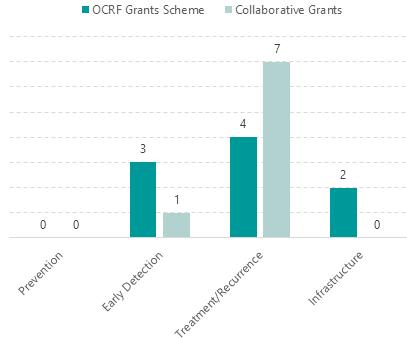
➢ Annual National Grants Round (projects across 4 x research priorities)
ORIGINS AND PURPOSE
➢ Funded entirely through community fundraising, corporate partnerships, events, campaigns and private philanthropy.
➢ Invested more than $30 million in grants since 2000, supporting more than 100 researchers across 18 institutions.
➢ Second largest funder of ovarian cancer research in Australia, second only to the Commonwealth government.
➢ Collaborative Grants (incl. with ACRF, NBCF, Cancer Aus, MRFF)
➢ Support for tissue banks (Vic, SA)
➢ Expert assessment by OCRF’s International Scientific Advisory Committee (ISAC)
➢ Impact assessment Consumer Representative Panel (CRP)
➢ State of the Nation Report (2020)
➢ New collaborations (incl. statement of intent with OCA and ANZGOG)
A new six-year organisational strategy (20242030), will incorporate:
➢ Refreshed strategies for grant-making, capacity building, advocacy, consumer engagement
➢ Improved research translation
➢ Enhanced impact measurement and communication
Sector strategy and collaboration is essential in advancing ovarian cancer research in Australia
To ensure investment is focused in the highest-impact research to achieve this, focusing on key research enablers—infrastructure, funding capacity and capability, and knowledge sharing—is crucial.
• Infrastructure plays a pivotal role in equipping researchers with tools and resources needed for high-quality studies. Investments in ovarian cancer biobank infrastructure, clinical records management, genomic data utilisation, and treatment outcome analysis are essential for streamlining processes, enhancing data accuracy, and accelerating research breakthroughs. Adequate infrastructure not only supports ongoing research efforts but also lays the groundwork for future advancements.
• Securing funding for ovarian cancer research remains challenging due to limited data from a smaller patient pool and a lack of dedicated resources for rare cancers. Understanding the current funding landscape comprehensively is key to navigating these challenges effectively. Exploring alternative funding arrangements can potentially improve opportunities for funding, contributing to a more robust and impactful research environment.
• Knowledge sharing and collaboration is important in advancing ovarian cancer research. Collaboration and exchange of insights, methodologies, and best practices among researchers will potentially help facilitate a unified approach towards addressing complex research challenges. Building a network of researchers fosters a culture of collaboration, knowledge exchange, and collective advancement in ovarian cancer research.
This report presents the views of the ovarian cancer research sector’s perspectives across these three domains.
Enabling
Domain 1: Infrastructure
How comprehensive and accessible are the resources that support the ovarian cancer research sector? What could be further developed?
Domain 2:
Capacity & Capability
How well is ovarian cancer research currently funded in Australia, and where are the areas of greatest need?
Enabling
Domain 3: Knowledge Sharing
What is the current state of knowledge sharing across and beyond the ovarian cancer research sector, and what could facilitate better outcomes?
By actively seeking input and feedback from relevant stakeholders including current researchers, emerging researchers, subject matter experts, and biobankers, OCRF can identify areas of need and optimise its strategies to best support high impact research inAustralia. This collaborative approach not only strengthens OCRF's impact but also fosters a sense of ownership and collective responsibility in the fight against ovarian cancer. OCRF's commitment to a research and advocacy strategy demonstrates its dedication to advancing ovarian cancer research and improving outcomes for women inAustralia.
In this context, the OCRF has engaged Insight Economics to facilitate six national roundtables with relevant stakeholders from the ovarian cancer research community to seek the sector’s views on its needs. These conversations were structured around the three key enabling domains of biobanking and infrastructure, capacity and capability and knowledge sharing.
This report details the findings from the roundtables, presenting the key needs articulated by the sector itself with respect to each of these areas, as well as potential opportunities identified for action.
Structure of this report
The remainder of the report is structured as follows:
• Chapter 2 describes the methodology employed in the workshops, including the including the key evaluation questions asked in each of the three domains
• Chapter 3 presents the synthesis of the workshop findings with respect to the first enabling domain, biobanking and other research infrastructure
• Chapter 4 presents the synthesis of the workshop findings with respect to the second enabling domain, funding capacity and capability
• Chapter 5 presents the synthesis of the workshop findings with respect to the third enabling domain, knowledge sharing
• Chapter 6 concludes the report, summarising key considerations for
implementation.
The report is supplemented by several appendices, which include:
• Attachment 1, which provides a list of opportunities identified
• Attachment 2, which provides a list of stakeholders consulted.
To identify the needs across the three domains a series of consultations were conducted with stakeholders from both the ovarian cancer and broader gynecological cancer sectors. Six, two-hour national roundtables including seven to eleven participants each were delivered remotely via Microsoft Teams inApril 2024. These were facilitated by Prof Ian Smith, with support from OCRF and Insight Economics.
A total of 51 stakeholders in the roundtable process, comprising researchers at different career stages ranging from early to mid-career and established researchers. Participants had a wide of research interests including early detection, treatment, recurrence and epidemiology, and brought together pure science, translational research and clinical practice perspectives. The consultations also included input from other key professionals such as biobank leaders within the ovarian cancer research sector. In the event that some researchers were not able to








participate in the roundtables a small number of follow up consultations was also scheduled. A full list of the stakeholders consulted is provided on page 18-20.
The primary focus of the consultation process was discussion of the three important domains identified as key research enablers: infrastructure, funding capacity and capability, and knowledge sharing. Stakeholders shared valuable insights into the current state of the ovarian cancer research sector, identifying the most significant needs and opportunities from their perspective.
The key findings gathered from these workshops, detailed in the following chapters, included key themes with respect to unmet needs and potential opportunities. These insights will help define OCRF’s future focus in terms of its research and advocacy strategy, with the objective of investing in the highest-impact research to improve ovarian cancer outcomes for patients and their families.












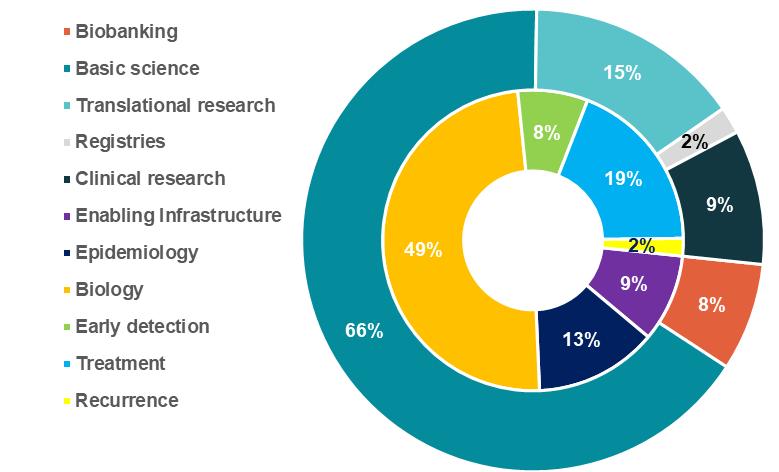
Roundtables enjoyed a high acceptance rate (70%) and very high attendance rate (91%), with key thought leaders present at each workshop.
There was strong engagement byANZGOG and OCA engagement, demonstrating the increasing collaboration within the sector. There was also a strong mix of geographies, career stages and research areas of focus represented across the roundtable participants (see Figures 4, 5 and 6).
A/Prof
A/Prof Simon
A/Prof Susan
Dr
Dr
Name
Dr Melissa Merritt
Dr Naveen Chetty
Dr Nicki Meagher
Dr Nikki Burdett
Dr Niveditha Rajadevan
Dr Olga Kondrashova
Dr Rohan Lourie
Dr Sharnel Perera
Dr Sherry Wu
Dr Tim Salita
Dr Wayne Ng
Andrews
Ferguson
Prof Anna DeFazio
Prof Brian Gabrielli
Prof Carlos Salomon
Prof Caroline Ford
Prof Clare Scott
Prof David Bowtell
Prof Deborah Marsh
Prof Ian Campbell
Prof John Hooper
of
of Queensland
of Sydney/Daffodil Centre
MacCallum Cancer Centre
MacCallum Cancer Centre
of Technology
Prof
Prof
Prof
Prof
Prof
Prof
Prof
Research infrastructure plays a crucial role in enabling high impact and worldleading research.
In particular, access to annotated biological samples through biobanks is a crucial aspect of research infrastructure for ovarian cancer researchers. Key resources like theAustralian Ovarian Cancer Study have been foundational capabilities supporting globally leading breakthroughs in understanding the biology ovarian cancers. Biological samples provide the fundamental data for much of ovarian cancer research, with research on tissue samples enabling researchers to make progress on early detection, assess treatment efficacy, and understand more about the disease.
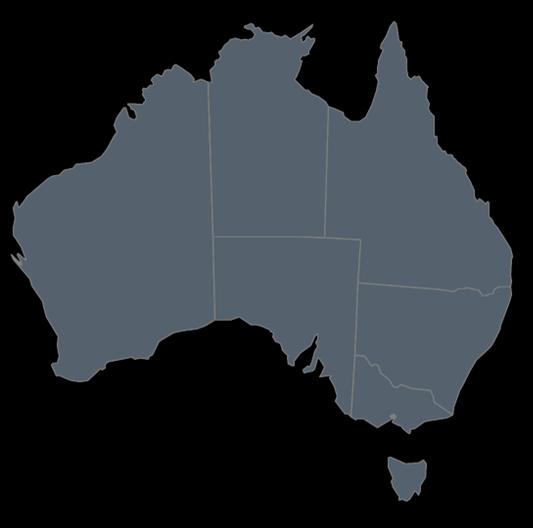
There is a currently large number of biobanks in operation across Australia (see following slide).
In addition to biobanking there are a number of other important enabling infrastructure capabilities, including animal models, high-throughput screening, genotyping and phenotyping, imaging, bioinformatics and other data linkage, all offer the potential for advancements in ovarian cancer research if accessibility barriers to researchers can be overcome. Many of these infrastructure are available in private labs as well as through publicly available and publicly subsidised National Collaborative Research Infrastructure Strategy (NCRIS) research infrastructure capabilities.
The roundtables were focused on better understanding the discoverability, accessibility and interoperability of these key enabling infrastructure research capabilities.



WA Gynaecologic Oncology
Biospecimen Bank
• Key research partners: University of Western Australia, Women & Infants Research Foundation
= Estimated ovarian cancer incidence in 2023 (rounded). Insight Economics analysis of Cancer Australia (2024) data.

The South Australian Cancer Research Biobank
• Key research partners: University of Adelaide, Royal Adelaide Hospital



Victorian Cancer Biobank
• Key research partners: Monash Health, Peter Mac, Austin Health, Eastern Health, Royal Melbourne Hospital

• No. of projects serviced: 60-70 projects


Mater Ovarian Cancer Research Collective (MOCRC)
• Key research partners: Mater Institute, Translational Research Institute Queensland
330
600
Health Precincts Biobank UNSW
• Key research partners: UNSW Lowy Cancer Research Centre
• No. of samples: Over 300



Australian Ovarian Cancer Study
Key research partners: Peter Mac, Royal Women’s Hospital, University of Melbourne, QIMR, Westmead Institute
• No. of samples: from over 3,000 patients
• No. of projects serviced: 145 national and international projects
• No. of samples: Over 2,448 470


TR-ANZGOG Biobank
• Key research partners: ANZGOG
Hudson Institute Ovarian Cancer Biobank
• Key research partners: Hudson Institute, Monash Health, Epworth Hospital
• No. of samples: Over 2,448
Biological samples
How comprehensive and accessible are the resources that support the ovarian cancer research sector? What could be further developed?
How comprehensive are the samples provided by biobanks in Australia?
Other forms of data
What types of data are available to ovarian cancer researchers?
How accessible are they?
Are there other types of data that would be helpful?
How efficiently can researchers gain access to samples?
How are data types currently accessed and shared amongst ovarian cancer researchers and beyond? Are there any barriers? What could assist?
How comprehensive are the samples provided by biobanks inAustralia?
Overall, stakeholders acknowledged the critical importance of biobanks as core enabling infrastructure and the contribution of existing biobanks to high impact research.
In particular, the Australian Ovarian Cancer Study (AOCS) was identified a number of times as providing the largest, most comprehensive national biobanking capability. The existence of smaller biobanks were noted, they often offer samples tailored to specific studies and lacking the comprehensive information offered by AOCS. Poor annotation of samples was identified as a major barrier to research; a minimum data set standard was seen as a major area of need.
A gap was noted to be emerging in Australia’s ovarian cancer biobanking capabilities, particularly with the AOCS now being 20 years’ old. There was a strong consensus that there is a need for a new approach to support the continued collection of contemporary samples, reflective of contemporary treatments—an existing gap in the AOCS dataset. There was also interest expressed in establishing a national directory that would provide a centralised source of information on existing biobanks, their available samples including history types and matched clinical data and contact details and access procedures.
How accessible are they?
Stakeholders indicated there can be a number of barriers to accessing biological samples, including regulatory complexity, competition for scarce samples and poor awareness of available samples.
Specific challenges were identified with respect to accessing certain samples, such as patient-derived xenograft (PDX) samples, blood samples, and agematched cohorts (which are not collected).
Researchers highlighted that awareness and accessibility of samples was often determined by the established relationships and networks of individual researchers with those affiliated with biobanks, particularly those owned by or partnered with research institutes. Challenges in access were noted for researchers lacking such relationships, in particular early career researchers who may lack such networks or awareness of available samples.
Some concerns were also raised with respect to perceived incentives to retain control over their samples given commercialisation considerations, rather than facilitate open collaboration.
There was a reasonably strong consensus that support to reduce regulatory complexity would be a valuable enabler of research.
How efficiently can researchers gain access to samples?
Stakeholders acknowledged the challenges posed by ethics and governance administrative barriers in efficiently accessing samples for research purposes. They noted that varying regulations across jurisdictions further complicate the process, often resulting in extensive paperwork, lengthy procedures, and duplicative processes required between different institutions as well as different jurisdictions.
In response to these challenges, stakeholders have advocated for the establishment of a standardised process for sample access across institutions and jurisdictions. They highlighted the need for a nationally consistent consent model, emphasising that the absence of such a model hinders both sample collection and access, consequently slowing research progress in the field of ovarian cancer. The concept of a ‘virtual biobank’ was raised in one discussion, which could potentially provide a national one-stop-shop for sample access.
An issue raised by stakeholders in biobanks is that of cost recovery, and the critical need to develop more sustainable funding models for biobanks to enable them to be recovering a higher proportion of costs.
How comprehensive are the samples provided by biobanks in Australia?
“We’re nowhere near comprehensive and that comes down to financial resources.”
How accessible are they?
“Internationally, people are very collaborative…in Australia, everybody's just holding on to their PDX samples and worried about commercialisation…but I found international collaborations pretty forthcoming on that.”
“Because the [Research Institute and University] are in a partnership with me, it's quite easy to access that particular sample.”
“When a biobank has a cohort of blood samples from people, they're very conservative about the volume that they're willing to release to a project.”
“AOCS has good, deep clinical dataset and samples. One thing is that the dataset and cohort started in 2001/2002.
So, we lack a similar cohort with contemporary treatments. We can’t do the same sort of data analysis.”
“There are huge gaps in sample annotation and understanding the tissue of origin is essential.”
“I'm in a start-up trying to access more samples from biobanks to further validate and prove the product. I'm having issues accessing samples.”
How efficiently can researchers gain access to samples?
“The other biobank I tried to access;we did eventually get access after a long delay with paperwork.”
“So, as you know, age matching is crucial in ovarian cancer research. This applies to various types of cancers and is especially significant in pathology studies.”
“I don'tthink a lotof the ovarian cancer community is aware that biobank exists, or how to access the biobank.”
“For a process between three institutions in Melbourne… it nearly killed us. Ethics took about 20 MTAs… “Who owns the tissue?”… As soon as you get more than three sets of lawyers involved you’re in trouble. ”
“As clinical practice changes, it’s impacting the availability of tissue samples, especially pretreatment tissue samples that reflectcontemporary treatments such as neoadjuvant chemotherapy.”
“The AOCS is now a 20-year-old resource and perhaps there's an opportunity there to refresh.”
“It would be good to know what samples are available throughout Australia, even just a table by a) histotype and b)collection year… this would give a lot of information about likely treatment.”
“We need to agree on standard terms of diagnosis so we can standardise the data and agree a minimum dataset. It is very importantto get the diagnosis correct. Major histopathological classifications are not consistently used and we need to get maybe 10-20 researchers together to agree on common terms so that we can compare samples that are like-for-like. ”
“We need to explore opportunities for better coordination of biobanks.”
“Something critical to address is the lack offunding and cost recovery models, especially sustaining funding. We also need to explore opportunities for better coordination of biobanks.”
“I think that there needs to be some sort of structure put in place that allows us as researchers to know that this resource is available, this is what it has, this is what you need to do to get that information.”
“One challenge stems from sort of 'territorial' thinking... 'I may want to collect samples for my research', but there might notbe enough resources for that alone. Collaboration is key.
Ovarian cancer is not as common as breast or colorectal cancer, and you really need to have a lot of resource at local sites [which becomes cost ineffective due to low volumes].
Consolidating institutional biobanking, with a focus on ovarian cancers among its priorities, is probably quite critical [to make biobanking more sustainable].”
“Something that isn’t funded but should be is pathology. In the US, some pathologists are funded as research pathologists, so some of their time is dedicated to research. This doesn’t cost a lot, but is essential for ovarian cancer research.”
“A readily available sense of how many samples, what history types, what matched clinical information is available at each biobank level would be really so valuable.”
“We should potentially look to develop a nationally consistent consentmodel for patients that could improve access to samples.”
“I think perhaps Australian organisations are not used to working with startups as a type of industry.”
Stakeholders consistently referred to gaps in the availability of key data needed for research, including:
• Clinical data for insights into patient treatment and outcomes
• Genomic and molecular data for understanding genetic aspects of the disease
• Medicare Benefits Schedule (MBS)/Pharmaceutical Benefits Scheme (PBS) records for healthcare service utilisation information, and
• Population health data to analyse broader health trends.
Additionally, biobanks play a vital role by providing repositories of biological samples essential for molecular studies and biomarker discovery.
Clinical and population data was identified in every workshop as a major challenge and area of need to enable Australia’s research community to perform high impact research.
Are there other types of data or infrastructure that would be helpful?
Stakeholders emphasised that the need for access to timely population health data is crucial, considering that current data from cancer registries are often time-lagged. Real-time or near real-time data would greatly benefit research efforts by providing immediate insights into evolving disease trends and healthcare utilisation patterns.
Stakeholders highlighted the value of up-to-date information provided by clinical registries. However, they also pointed out limitations in coverage, particularly for rare subtypes or specific patient cohorts. The importance of enhancing the availability of these data to support researchers in obtaining comprehensive and diverse datasets was stressed.
Additionally, stakeholders emphasised the essential role of follow-up clinical data in evaluating treatment efficacy and understanding long-term patient outcomes such as survival rates and disease recurrence post-treatment.
Stakeholders also identified the need for systems and expertise to address barriers in data collection, including language and health literacy barriers in consent processes. They also underscored the benefits of fostering collaboration with private pathology services to enhance data coverage. These partnerships were seen as pivotal in bridging data gaps and improving the overall quality and relevance of research outcomes.
Computing with
How are data types currently accessed and shared amongst ovarian cancer researchers and beyond? Are there any barriers? What could assist?
Stakeholders primarily access data through collaborations with hospitals, pathology services, and government. However, accessing and sharing data involves several challenges, including jurisdictional barriers and ethics and governance processes, as well as the need for highly manual processes whereby research teams accessed clinical files for individual patients to populate required clinical information. This was identified to be challenging, labour intensive, and expensive.
To address these challenges, stakeholders supported the implementation of a nationally-consistent data collection model. Such a model would standardise data collection protocols, streamline data sharing processes, and ensure compliance with ethical guidelines and privacy regulations. In addition, Victoria was piloting AI natural language learning technologies to support data linkage.
Stakeholders also highlighted the importance of establishing standardised resource-sharing agreements amongst stakeholders to facilitate the efficient exchange of data and resources, promote collaboration and accelerate research outcomes. Stakeholders recognised, however, that the successful implementation of these initiatives requires increased funding support. Adequate funding is essential for developing and maintaining the infrastructure necessary for data collection, sharing, and analysis.
What types of data and infrastructure are available to ovarian cancer researchers?
“I'm looking to use a population-wide datasetusing cancer registries, but the cancer diagnosis only go up to 2019. The cancer registries are always the ratelimiting step.”
“The Victorian Cancer Registry has started to use AI system since 2-3 years ago and now they are only half a year to a year behind. So we already have full data of the cancer diagnosis for 2022 and 2023. Hopefully one day we do have thatcapability across Australia.”
“So there's lots of data on the genomic side that you can just download but it's not linked to a lot of detail, like clinical data. So getting clinical follow-up would be another critical thing.”
“I think more investment in cancer registries like NGOR would be a huge asset.”
Are there other types of data or infrastructure that would be helpful?
“A topic of a lot of discussion is how do we now integrate next generation imaging data, proteomics data, metabolomics data, phenomics data into classical clinical data?”
“If there were a way to link all the samples collected so far (or those being collected currently) such as a centralised system that could facilitate access to electronic medical records and automatically input the date of those samples, this would allow us to identify biomarkers or patterns related to patient outcomes, such as disease progression or remission.”
How are data types currently accessed and shared amongst ovarian cancer researchers and beyond? Are there any barriers? What could assist?
“There is a model in prostate cancer where the nodes collectdata in a standardised way, which is then accessible through a centralised database overseen by a national coordinator. This coordinator facilitates communication between researchers and the nodes, streamlining access to data. Additionally, there's a governance panel that handles ethics applications and reviews collectively. Do you think this model could be beneficial for ovarian cancer research as well?”
“We're trying to link routinely-collected data nationally to create this resource that will exist on a secure platform that only approve people will be able to access. Once we get that in place which hopefully will be notin the too distant future, my plan is to explore with them whether we could also upload external datasets and link them to that resource so that we could potentially link genetic and molecular information with the patient information.”
Sample quality and annotation
Recency / contemporary samples
Access to samples
- PDX samples
- Age-matched control samples
- Pathology samples
Cost Recovery / Funding
Awareness / knowledge of samples
Recognised as an area of need for the sector due to inconsistent sample collection, requiring attention.
Consistently recognised as an area of high need for the sector due to the need for samples collected reflecting current treatments, requiring attention.
Overall, there are mixed views regarding the level of need for improved sample access within the sector, with some institutions reporting good access but others reporting limited access.
Access to PDX samples and age matched control samples were not addressed in all workshops but is understood to be challenging and recognised as an area of need, requiring attention. Access to pathology samples was also consistently identified as challenging.
Recognised as a major area of need for the sector, requiring significant attention.
Recognised as an area of moderate need for the sector, primarily voiced by early researchers and desire for a national directory, with noted caution regarding implementation (ABNA).
Clinical Data linkage
Registries up to date and coverage
Other infrastructure
Regulatory complexity creates barriers
Very strong and consistent consensus that this is a major area of need for the sector, requiring significant action.
While not addressed in all workshops, an updated registry and regularly updated population health data is understood to be a major area of need for the sector, requiring significant attention.
Not addressed in all workshops but understood to be a major area of need for the sector. Researchers are facing challenges from jurisdictional barrier and varying ethics and governance processes.
Capacity
Increasing funding is a major priority for enabling growth in the ovarian cancer research sector. As a rarer cancer, the ovarian cancer research sector has tended to receive less dedicated funding compared to some of the more common cancers and other disease in the Australian community. In addition, grant applications in ovarian cancer can struggle to be competitive with these other more common types of cancers when they are required to compete in a general pool of funding.
TheAustralian government is the leading funder of ovarian cancer research, followed by OCRF (Figure 8 and 9). Other major sources of funding in ovarian cancer are the Medical Research Future Fund (MRFF) and NHMRC (see next slide), however the last dedicated ovarian cancer funding was the 2019 MRFF funding round, which is coming to the end of its funding period. More diverse and dedicated sources of funding for the sector in the future will be vital to enable best practice research.
The roundtables sought to engage the sector on how well is ovarian cancer research currently funded inAustralia and identify the areas of greatest need.
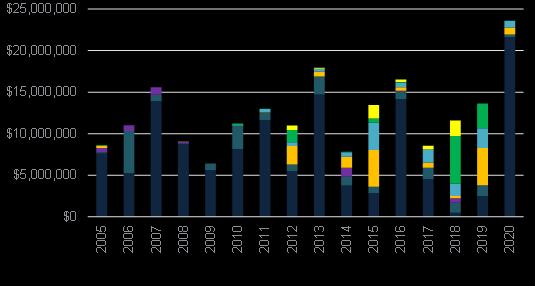
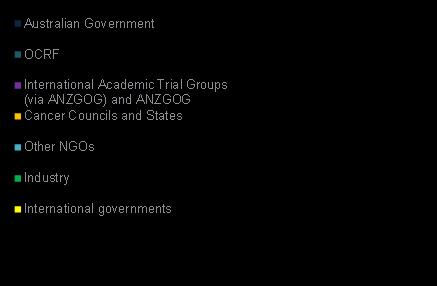
Research funding awarded over 2018-2023 period by major funder*, per million




*Based on data provided by OCRF.
Funding sources
What are the key funding sources for ovarian cancer research in Australia and NZ?
How well is ovarian cancer research currently funded in Australia, and where are the areas of greatest need?
Funding avenues
What additional funding OR approaches could be valuable?
(e.g., fellowships, scholarships and awards, collaborative grants, infrastructure grants)
How comprehensively do they support the different types and phases of ovarian cancer research?
How would the value of these compare to direct project funding?
How well administered are they? (e.g., application and review processes)
What are the key funding sources for ovarian cancer research in Australia and NZ? How comprehensively do they support the different types and phases of ovarian cancer research? How well administered are they? (e.g., application and review processes)
Stakeholders emphasised the significant role played by major government funding sources, such as the National Health and Medical Research Council (NHMRC) and Medical Research Future Fund (MRFF). They also noted the contribution of nongovernment organisations, including the OCRF and Australia New Zealand Gynaecological Oncology Group (ANZGOG) in funding ovarian cancer research.
There was strong consensus that there is inadequate funding overall, as ovarian cancer lacks the profile of other cancers. It was noted that the 2019 MRFF Priority Action Area funding for ovarian cancer was coming to an end and unlikely to be re-issued. Stakeholders generally agreed that the current funding sources may not fully cover the various types and phases of ovarian cancer research in Australia.
It was suggested that there was a strong need for advocacy for funding and that the OCRF had an important role to play in coordinating the sector and leading political advocacy.
Stakeholders brought attention to current issues in the administration of funding sources, particularly regarding the application and review process. They emphasised the need to streamline the grant-writing process to reduce the time scientists spend on applications, suggesting using software as a potential improvement as well as potentially ‘near miss’ or ‘second chance’ review programs. Other suggestions include having the application in a two-stage Expression of Interest (EOI) format, to reduce the time invested in the initial stage until an idea had been shortlisted.
Participants also identified aspirations to submit ideas on a rolling basis rather than needing to wait 12 months to begin preliminary lab work.
What additional funding OR approaches could be valuable? (e.g., fellowships, scholarships and awards, collaborative grants, infrastructure grants)
How would the value of these compare to direct project funding?
All stakeholders agreed that direct project funding often falls short in meeting specific needs and scenarios encountered by researchers. There was strong consensus that researchers in different career phases often need different forms of targeted support, as do projects at different key research stages.
For early career researchers, participants recommended awards, presentation opportunities, and fellowships as targeted forms of support. Enhancing early career researchers' CVs was seen as an important enabler to secure other funding and advance their careers.
Needs were assessed to be particularly high for mid-career researchers, who frequently face challenges in securing their second major grant or in establishing a new lab. Suggestions were made for fellowships targeting mid-career researchers to address this ‘valley of death’ gap. Additionally, stakeholders highlighted the importance of accommodating career disruptions more generally. A model used by the Mater was identified as an example where women are provided with a $45,000 voucher to support their career transition as they return to work.
Stakeholders also highlighted that targeted support is required for projects at key research stages, such as the proof-of-concept phase, where clear end goals are lacking, and traditional direct project funding may not be suitable. Funding at these key stages can help researchers become more competitive and secure larger grants (e.g., MRFF) or venture capital funding.
Other types of specific funding suggested include small grants aimed at clinicians to bridge the gap between clinical and basic science research, ‘second chance’ or ‘near miss’ grant schemes, travel grants, high-risk grants for ‘blue sky’ project ideas, and grants for research assistants with research experience but lacking doctorate qualifications.
What are the key funding sources for ovarian cancer research in Australia and NZ?
“A number of people on this call have MRFF funding from that priority scheme and that scheme is coming to an end next year, the five-year funding that we all had.”
How comprehensively do they support the different types and phases of ovarian cancer research?
How well administered are they? (e.g., application and review processes)
“[The bid for] MRFF was too obviously a bunch of labs trying to get money for their own work, rather than a coordinated project, despite the strong collaborative connections between us all.”
“I found it difficult to get funding as a clinician. I have finished my training in gynaecological oncology, but when we apply for funding, we're often classed against scientists and people who've done a lotof research. And so a lot of clinicians actually moved out of research fairly quickly because of the lack of funding.”
“A frank comment that I want to add about OCRF…I tried applying maybe six years’ ago and only tried once and I didn'thave any feedback on my application. So improving the application process and feedback, basically feedback on the application would be really useful.”
“The projectfunding offered by OCRF is really critical. I hope that could continue because it's about the only place that mid-career researchers could apply to. NHMRC funding rates are so low, the MRFF doesn't really suit all types of projects.”
“The seed funding model of ANZGOG is very good for people like myself who are working in a clinical kind of space. We're not full-time researchers, we don't have the time and all the networks or the skills to necessarily write large expansive grants, but it's a good door into research by being involved in grants like that with basic researchers and it really builds those collaborations.”
“I think ovarian cancer is behind, essentially. The College of Surgeons have really caughtonto this, and they strongly fund their clinicians to be involved in research to bridge that gap. And I think that's really become evident in colorectal cancer. It's really become evident in pancreatic as well, where you're starting to get a lot more clinician researchers involved. Having clinicians involved is important, I think.”
How would the value of these compare to direct project funding?
“Any form of support that you can give to people that are returning to work, even if it's a nominal amount offunding, is helpful. There was a scheme thatthe university had that if you return to work in a certain point of time, they would also fund your childcare.”
“Mid-career fellowships have been lifesavers for a lot of cancer researchers in the sector within Victoria.”
“If I have to pick between funding for fellowships versus funding for projects I would put that money into people every time. Because if you support the right person, the return on thatfunding is huge, because they can go on to win 10x, 50x as much in project funding.”
“Research grant funding is pretty tough in terms of its contractual timelines and deliverables and so forth. I think the best way to go forward is bringing a tolerant mindset of researcher support to the administration in terms of career disruptions, rather than trying to put in specific schemes for something or another.”
“It could help exploring a ‘second chance / near miss’ grant review by OCRF, where prior applications could be submitted to cut out some of those endless preparation.”
“Monash had a ‘near miss’ scheme. So people that have gone for a fellowship and just fallen slightly short, there's bridging funding to give you that opportunity to get a some on the CV and be more competitive just to help on the way.”
What additional funding OR approaches could be valuable?
(e.g., fellowships, scholarships and awards, collaborative grants, infrastructure grants)
“I think there’s a huge need to support mid-career, early career talent. Otherwise, we're at risk ofpeople just leaving the sector altogether or going overseas. So yes, fellowships, project grants aimed at early and mid-career researchers will be valuable.”
“I think an OCRF fellowship both for early-career scientists and clinicians would be very well received.”
“To encourage research in ovarian cancer, perhaps the critical point is in that mid-career group. The real crunch is that second grant, and I think there's a sortof emerging tragedy in that we're losing all that talent in Australia for lack of funding.
“You could develop a fellowship program aimed at attracting top overseas talent back to Australia.”
“Big grants only run once a year and sometimes we have broad idea and we want to go to the lab and actually test it out. We simply do not want to wait for a full year before we can put that idea on paper and submit a grant. So I don't know how feasible itis, butif there is a way that it can be a rolling deadline rather than wait till for the full year, or to maybe have more rounds in each year.”
“An investor might come back and say whatwe really need is some proof-ofconceptdata. You need an animal model, a high throughput screen, a monoclonal antibody. Some funding to support some of those proof-of-concept studies would actually be really helpful.”
“All of the time, [investors] always want animals studies. So I think $50,000 or $100,000 would really help with that. And if you could getpeople to supply evidence that they have been in those talks with people and that it is required, then that thatwould show thatit's essential for further funding.”
“In terms of early career opportunities, say like travel grants or a conference, most of those that are available now are for post-docs with zero to five years experience. But it does leave out research assistants and people who don't have that experience.”
“I think what OCRF can do in its grants program is to reduce the amount of time that scientists need to write the grants. Think about the detail that you're requiring and whether you need a full application, whether you can do a two-stage EOI, what you can do to maximise scientists’ time doing science rather than writing grants. The reviewers also need to have a really robust process for reviewing them so that they can do it efficiently and compensated for it.”
“Are there opportunities for doing a little bit of blue sky research by working with people that might just sit one step removed from the ovarian cancer community, such as structural biology? In some senses they're high-risk grants for the classical funding agencies, but they are worth it for researchers having a go at their blue sky ideas. This could be exciting.”
Major government funding
Funding for key research stages (e.g., proof of concept, translational)
Bridging the gap between clinical research and basic science
Seed funding to foster collaboration
Support for early career researchers
Mid-career researchers
Grant application process
Innovative grant design
Recognised as an area of significant need for the sector, with the need for advocacy to increase funding consistently identified.
Consistently recognised as an area of need for the sector, requiring attention.
While not addressed in all workshops, the gap between clinicians and basic science researchers is understood to be a major area of need for the sector, requiring attention.
Overall, there are mixed views within the sector regarding the level of need for seed funding to foster collaboration. Some believe the ovarian cancer research community is already well connected but the idea of funding to improve the strategic coordination of the sector was identified as a potential opportunity in most workshops.
Recognised as an area of need for the sector, but not always in the form of funding – opportunities to demonstrate leadership, awards and recognition can be as valuable.
Recognised as a major area of need for the sector, requiring significant attention.
Recognised as an area of moderate need for the sector, requiring attention.
While not addressed in all workshops, OCRF grant design is understood as an area of potential need for the sector.
With the trend towards large grants being directed towards collaborative and multidisciplinary approaches both across disciplines and institutions, the opportunity for researchers across the ovarian cancer to meet, share about their team and their research outputs, and work on collaborative funding approaches together is crucial. Currently there are a number of regular international conferences and symposia that include ovarian cancer research (see Figure 10), but these conferences are primarily not based inAustralia, and focused on gynaecological cancers more broadly.
TheAustralian and New Zealand Gynaecological Oncology Group (ANZGOG)’s Annual Scientific Meeting provides the major opportunity for Australian-based ovarian cancer researchers to meet annually. However, while this provides a foundational resource for researchers, its current limits include a limited half-day dedicated to basic research in its Pure Science Symposium and opportunities exist to build on this significant event in the conference research calendar.
The roundtables sought to engage the sector on the extent of current opportunities for collaboration and knowledge sharing in Australia.







What is the current nature, extent and effectiveness of knowledge sharing across the ovarian cancer research sector and beyond, and what could facilitate better outcomes?
What conferences and meeting opportunities currently exist for ovarian cancer researchers inAustralia and NZ? How useful are they? What stage/type of research do they cover?
If OCRF were to organise an Australasian ovarian cancer conference, what purpose should it serve?
What is the nature and extent of collaboration across the ovarian cancer research sector?
Are there any other organisations that would be important to involve?
What are its benefits? Are there opportunities to develop it?
Are there any types of information it would be helpful to receive regularly? (e.g., updates on publications, funding opportunities?)
What conferences and meeting opportunities currently exist for ovarian cancer researchers in Australia and NZ? How useful are they? What stage/type of research do they cover?
Stakeholders consistently referenced the ANZGOG Annual Scientific Meeting and Pure Science Symposium as one of the major events in the annual conference calendar for ovarian cancer researchers in Australia and New Zealand.
Key points raised where that, while extremely useful, the meeting has a strong clinician focus and includes only half a day dedicated to basic science in ovarian cancer research.
There was strong consensus that the half-day for pure science is insufficient, and that a there is a need for a longer conference focused on basic science. Most workshops converged on the idea of leveraging the ANZGOG conference with the goal of maximising clinician attendance and engagement and improving affordability for attendees. Ideas were floated about a potential satellite conference to the ANZGOG conference given the focus on ovarian cancer.
Other potential conferencing opportunities included leveraging the Lorne Cancer Conference.
Conferences should provide the potential for researchers to present outcomes of their research, to provide opportunities for early career researchers to present and to promote clinical research collaborations.
Are there any other organisations that would be important to involve?
There was strong agreement that a critical stakeholder group is clinicians, given the need to foster greater collaboration between clinicians and basic science researchers.
Clinicians were recognised as a vital stakeholder group that should be actively involved in conferences and meeting opportunities.
It was also emphasised that industry participation (for example, pharmaceuticals companies and startups) could be valuable, as it opens avenues for translating research into clinical trials, as well as potentially providing additional funding sources.
Stakeholders highlighted the importance of creating an economically and logically feasible way to increase these stakeholders’ involvement, for example by ensuring that any additional conference or meeting opportunities proposed align with clinicians' conference schedules.
If OCRF were to organise an Australasian ovarian cancer conference, what purpose should it serve?
Stakeholders agreed that there is a need for an ovarian cancer-specific conference in Australia and New Zealand (ANZ), and they see an opportunity for the OCRF to help fill this gap.
Such a conference would be expected to provide a platform for researchers to learn about current developments in Australian science, hear about each other's work, and establish working relationships within the local region.
There was consensus amongst stakeholders regarding the importance of utilising existing forums and platforms for knowledge sharing and collaboration within the Australian ovarian cancer community, such as ANZGOG and Lorne.
Considering the time and financial constraints that researchers face in attending conferences, it was suggested to align additional offerings with existing events on the conference calendar. For example, potentially leveraging existing conferences in the calendar (in particular ANZGOG) would facilitate momentum, given the critical mass of researchers already attending existing conferences.
are they? What research
involved?
What conferences and meeting opportunities currently exist for ovarian cancer researchers in Australia and NZ? How useful are they? What stage/type of research do they cover?
“I think one of the main conferences is ANZGOG, which has got a very clinical focus and there's about half a day dedicated to those pre-clinical basic sciences. So, they're not exactly a meeting about the basic scientists. I think if there was a conference that had everyone together in the same room for those pre-clinical presentations and discussions, I think that would be very valuable.”
“I think an excellent innovation was to hold our half day specifically around basic science. One of the motivations behind that was for clinicians to hear about the science, but also to provide a connection and opportunity for our scientists in ANZ to meet with clinicians to foster ideas. My sense is half a day is not enough and we could easily do a day or even make it a whole mini-conference.”
Are there any other organisations that would be important to involve?
“I've been going to ANZGOG Pure Science Symposium for several years now. It never feels long enough, so maybe ifthere was some capacity for co-funding that it could be made longer.”
If OCRF were to organise an Australasian ovarian cancer conference, what purpose should it serve?
“Everybody has acknowledged the good work of ANZGOG around that half-day on pure science. But I think there's a really strong support that it’s probably inadequate, that it needs to engage clinicians, get clinician attendance and potentially to leverage existing conferences to maximise attendance and efficiency ofdelivery in terms ofother collaboration and ongoing engagement.”
“I've had a lotto do with the ANZGOG Pure Science symposium over the last 10 years and while it's excellent, it's not for everyone. So, I do think there's a gap for an ovarian cancer-focused conference or symposium. I think a national one would be really welcomed. It would just be that lots of us have limited budgets and the choice of which conferences we can attend is tricky. If OCRF can think about how they could do that in an economical way or provide support to bring people together, I think that would be valuable.”
What conferences and meeting opportunities currently exist for ovarian cancer researchers in Australia and NZ? How useful are they? What stage/type of research do they cover?
“I think that there is a place for an ovarian cancer-focused conference in Australia…The key thing is to get the clinicians there. So it must be crafted in a way that the clinicians will attend. I think it has to be really carefully crafted to get the right people there to get the best value outof it.”
“Conferences are expensive. And again, when you're doing grants and you've got your salaries and your consumables, travel is something that more and more people are leaving out of grantapplications, and some don't have the money for. So even thinking about travel fellowships, I think that’s valuable as well, whether it's for national or international meetings, and particularly for scientists across all levels.”
Are there any other organisations that would be important to involve?
“You could probably have additional symposiums, even just online conferences, maybe one or two other times throughout the year. I think these opportunities are good for early to mid career researchers to get an extra conference or talk on their CV, which will help them in getting other funding.”
“We are very involved with GCIG, where all the clinical trials groups around the world in gynaecological cancer meet twice a year. While clinical trials is at the forefront, translational research is also becoming a very large part of that. I think there's more capacity there as well to be able to say that ‘we've got translational researchers who can contribute and bring things to the table and we've got ideas of how we might want to move forward with some collaborations’.”
If OCRF were to organise an Australasian ovarian cancer conference, what purpose should it serve?
“There’s also the AACR workshop in ovarian cancer thathappens every second year in Boston. The cost of travel to Boston is high. Perhaps there'll be some funding opportunity to send earlycareer researchers overseas.”
“It could be good to organise what we might call ‘Development Days’ by creating a focus on answering say 5-10 key research questions. This would bring together basic, translational and clinical perspectives.
There were mixed but on balance positive views across the sector with respect to the extent of collaboration; at the same time, there was consensus that adopting a more strategic approach to research collaboration would be a major benefit to women and the research sector. Stakeholders expressed the need to deepen collaboration across all areas of ovarian cancer research, in particular with clinicians and consumers. It was also noted that current funding structures were not structured in a way to foster collaboration and sometimes actively worked against collaboration. The potential to bring researchers together around potential research priorities was identified as an area of opportunity,
It was agreed that current collaboration with clinicians is limited and presents an urgent opportunity to prioritise.
Consumer engagement was also identified to be important, given the opportunity to connect and demonstrate to patients and their families that their voices are heard and that their donations are being used wisely and effectively. The need to foster trust and deeper relationships between researchers and consumers was a key theme, with researchers noting that this is a mutually beneficial dialogue.
What are its benefits?
Are there opportunities to develop it?
Ongoing knowledge sharing and collaboration in the ovarian cancer research sector offer several benefits as they provide opportunities for deeper engagement and collaboration of researchers with clinicians and consumers.
This collaboration allows researchers to gain insights from clinicians' practical experiences and patients' lived experiences, which can inform future research directions. Additionally, ongoing collaboration fosters trust and strengthens relationships between researchers, clinicians, and consumers.
Moreover, ongoing knowledge sharing among researchers ensures they stay updated on new funding opportunities, scientific advancements in Australia and New Zealand, research tools, and innovations. This access to current information is crucial for capitalising on new opportunities for research progress.
In terms of development opportunities, there are multiple possible avenues to enhance ongoing collaboration.
Are there any types of information it would be helpful to receive regularly? (e.g., updates on publications, funding opportunities?)
Stakeholders were broadly supportive of the idea of an additional newsletter or source of information collated by the OCRF, provided it was complementary to existing publications. There was agreement that there is a gap in terms of a comprehensive resource specifically targeting the ovarian cancer basic science research community in Australia (given ANZGOG focuses on other gynaecological cancers as well).
There was consistent expressions of interest in information such as:
• New funding opportunities
• Latest research, in particular with a focus on scientific developments in Australia and New Zealand
• Research tools and innovations
• ‘Getting to know’ sections on researchers, their teams and institutions.
Other opportunities to facilitate knowledge exchange and relationship building were suggested, including monthly seminars, journal clubs, or ‘spark talks’, which could be held online to enable cost-free, logistically-simple access for researchers with time and budget constraints, and provide ‘lower stakes’ opportunities for presentation and connection for early career researchers than the large, annual conferences.
What is the nature and extent of collaboration across the ovarian cancer research sector?
“I've found out how valuable having strong relationships with the local clinicians working in a partner hospital to the institute can be. Fostering those relationships especially in early-career stage could be so invaluable. Especially having this support infrastructure in place that will see careers span a full career in ovarian cancer. If you've got those relationships early between scientists and clinicians, imagine what outcomes we could see.”
“If there was more integration throughout the ANZGOG Pure Science Symposium experience, especially because that conference is such a great breeding ground for relationships between scientists and clinicians.”
What are its benefits? Are there opportunities to develop it?
“Maybe we could have OCRF monthly seminars or journal clubs that get us all together more regularly. But it's not a high-stakes, once a year thing which might not work for everyone. If it was like a monthly catch-up or meeting where we did some ‘spark talks’ by an early-career researcher and then like a longer talk by a more established lab or something and get people to give an overview of what they're working on.
“OCRF can help keeping people informed as to what’s happening in the broader field. I think that having a nice summary of all the funding opportunities is fantastic, sharing the publications as well. It would be great to see more focus on Australian science and then that also opens doors for more collaboration..”
“I think there's focus groups through ANZGOG. I'm part of an endometrial one, but I'm pretty sure there's no ovarian one.”
Are there any types of information it would be helpful to receive regularly? (e.g., updates on publications, funding opportunities?)
“Helping research community to connect to consumers and other supporters is another potential role for OCRF.”
“I would be interested in a newsletter that includes a summary about current ovarian cancer research in Australia, or even researcher profiles or potential connections. I find that convenient.”
“I think having information on new funding opportunities would be great. I don't know in what format, whether it's in a newsletter or on the website somewhere where we can just access it if we're looking for it.”
“I found OCRF’s Silver Bowl a great way to connect with the people who are supporting us and would certainly benefit OCRF. I think it really demonstrates where the funding coming out of their pockets is going, and they get to meet the people who are doing the work. And it's something that as a researcher I really enjoy doing, speaking to the supporters and meeting people who have stories to tell about their own experience with cancer. And I think it's a resource that OCRF really could utilise more.”
Gaps in ovarian cancer basic science conferences
Affordability and travel funding
Knowledge sharing and regular updates
- Newsletters
- Other innovative approaches
Clinician engagement
Consumer engagement
Recognised as a major area of need / opportunity for the sector.
While not addressed in all workshops, the affordability of conferences and the availability of travel funding are understood to be an area of need for the sector, requiring significant attention.
Strongly supported as a potential area of need / opportunity for the sector. Need for newsletters are consistently highlighted in workshops, along with various innovative approaches such as workshops and other virtual roundtables and knowledge sharing fora.
Recognised as a major area of need for the sector.
While not addressed in all workshops, consumer engagement was identified to be a major area of need / opportunity for the sector.
Verystrongconsensusofmajorareaofneedforthesector
Strongconsensusofmajorareaofneedforthesector
Mixed views ofmajorareaofneedforthesector
Discussedasworkingwell and/ornota majorareaofneedforthesector
Notraisedasanissue
The following summarises the key recurring themes identified by the sector with regard to the key needs by major domain. Major needs in enabling infrastructure included a nationally coordinated approach to biobanking and the development of linked data. In the capacity and capability domain, major needs include advocacy for funding and coordination of nationally collaborative approaches to high impact research, as well as funding for key phases of research and career development. Support for improved knowledge sharing through conferences and other forums were also identified as an area of need to foster high impact research.
• Biobanking consistently identified as major enabling infrastructure priority, with key biobanking capabilities in need of a refresh (AOCS)
• Clinical and population health data linkage consistently identified as major area of need
• Variable sample quality, annotation and access (esp PDX)
• Variable awareness of samples (esp early career)
• Lack of age-matched control samples
• Access to pathology samples a major challenge
• Biobanks lack sustainable cost recovery model, poor understanding of grant funding for costs by sector
• Regulatory complexity creates barriers to research
• Major funding coming to an end, need for advocacy to continue major funding needed (e.g., MRFF)
• Key funding schemes are not aimed at fostering collaboration or limit collaboration opportunities (e.g., NHMRC)
• Lack of funding for clinical research
• Mid-career researchers face significant challenges
– career disruptions, securing 2nd grant
• Early career need mix of support inc awards, presentation opportunities, leadership, fellowship, funding for clinical researchers & collaboration
• Funding for key stages such as proof of concept needed

• Lack of discovery science conferences in Australia, ½ day science symposium very limited
- Need for conference to include clinicians
- Need for affordability
• Funding for travel
• Very limited opportunities for knowledge sharing, poor awareness of project outcomes
In the context of the major needs of the research sector articulated in the roundtables as detailed above, participants identified a number of existing opportunities that could be prioritised to maximise the impact of the ovarian cancer research community. Recurring themes, in particular those identified and supported by many different stakeholder types, are summarised under each of the three key enabling domains below. Next steps for the OCRF will require engaging with consumers to seek their view on these needs and priorities. The combination of these two inputs will inform the refinement and refresh of the OCRF’s research and advocacy strategy, assisting in identifying areas to prioritise investment to facilitate high-impact research and improve ovarian cancer outcomes through best-practice research and practice.

✓ Coordination of a national approach to biobanking for ovarian cancer (funding, ethics, collection, annotation, data linkage, access)
✓ Coordination of a national biobanking & other infrastructure directory and/or virtual biobank
✓ Advocacy for clinical & other data linkage
✓ Leadership to develop a consistent (across all biobanks) and realistic cost recovery model, in a move towards a more sustainable funding base
✓ Targeted funding to support access to key infrastructure (e.g., a voucher model)

✓ Advocacy for major government funding through partnership model with the sector
✓ Seed funding to support high-impact collaborations
✓ Funding support for mid-career researchers, career disruption (e.g., Mater voucher model)
✓ Support for early researchers, including awards, presentation opportunities
✓ Funding for key stages of research to increase competitiveness for other large grants/funding
✓ Funding for key roles, including clinician researchers and research pathologists
✓ Innovation in grant design including leveraging other govt grant processes (NHMRC near miss)
✓ Streamlined grant application process through software utilisation, 2-stage / EOI processes
✓ Explore ovarian cancer discovery science conference, leveraging existing forums (ANZGOG, Lorne, OTTA)
✓ Development days focused on key research questions
✓ Seminar series focused on mentorship, skills development
✓ Explore newsletters that complement / enhance existing capabilities
✓ Explore novel approaches to fostering collaboration using technology (‘spark talks’, journal clubs)
✓ Facilitate consumer engagement
1: Opportunities identified
Biobanking
Data and Other Infrastructure
• Advocating for increased government funding in biobanks
• Providing support in developing a sustainable funding model / cost recovery model
- Considering a tiered pricing structure based on organisation size and maturity in the cost recovery model
• Advocating for a resource sharing agreement and better collaboration between different biobanks and pathology services in Australia
- Improving the accessibility of patient derived xenograft (PDX) samples
- Improving the accessibility of pathology samples
- Exploring access to samples from private hospital patients
• Advocating for a national consent model for sample collection, annotation and access / virtual biobank
- Streamlining sample access navigating jurisdictional barriers and ethics and governance processes
- Standardising sample annotation – diagnosis, tissue of origin, histopathology, molecular, immune cell-type, imaging, collection year
• Establishing a national directory of ovarian cancer biological samples to improve sample visibility and increase awareness among early career researchers, keeping in mind the challenges with actual implementation
- Include information on other important infrastructure (NCRIS, spatial biology etc)
• Establishing a virtual biobank, potentially through leveraging existing capabilities
• Advocating for the refresh of key biobanks like AOCS, focusing on collecting samples reflecting contemporary treatments
• Advocating for increased government funding to support development of key research enabling infrastructures capabilities
- Clinical data linkage
- Canadian example where biological samples and data resource are centralised
- Matched clinical datasets
- Age matched control samples
- Up-to-date data on clinical registries and improved coverage
• Advocating for systems and expertise toaddress barriers in data collection, including language and health literacy barriers in consent processes
Opportunity Area Opportunities
Grant application administration
• Streamlining the grant application process through utilisation of technologies like software solutions
• Adopting a two-stage expression of interest (EOI) application process which will provide researchers with an outcome much earlier than under the traditional process
• Introducing dynamic grants featuring rolling deadlines
Early career researchers
Mid-career researchers
• Awards and prizes to recognise outstanding contributions from early career researchers across different areas of ovarian cancer research, providing researchers with achievements to showcase, improving their chances of securing next major grant
• Presentation opportunities at conferences for early career researchers to share their research and get noticed, improving their chances of securing next major grant
• Fellowships and kick starter grants targeted to early career researchers providing them with the necessary funding to kickstart their research career
• Fellowships specifically tailored to mid-career researchers who often face challenges securing their second grant
• Fellowships to attract overseas researchers back to Australia
• Providing career disruption support
- Mater programme that awards $45k vouchers over two years, targeting women balancing childcare responsibilities as they work towards advancing their careers
- Design grants with consideration for potential career disruptions among researchers, allowing for flexibility in contractual timelines and deliverables
Key stages of research
Others
• Funding and targeted grants to support proof-of-concept research, where researchers may require animal models, monoclonal antibodies, and highthroughput screening
• High risk grants for blue sky research projects which may not yet have clear end goals and still in the idea exploration stage
• Advocating for another round of major government funding
• Establish an Ovarian Cancer Research Alliance, similar to the OzHeart Alliance model
• A second chance/near miss grant scheme, like that offered at Monash University, supports researchers who narrowly missed obtaining a grant by providing some funding to sustain their research until they secure their next major grant
• Travel grants to assist researchers in attending conferences, particularly those held overseas
• Offering grants for key professionals such as research assistants who possess research experience but may yet to have their formal educational qualifications and clinicians who may not necessarily have research backgrounds comparable to those of basic science researchers
- Funding for clinician researchers
- Funding for research pathologists
Periodic
Ongoing
• Organising an ovarian cancer focused conference in Australia, facilitated by OCRF, could potentially involve collaborating as a co-funder and expanding existing conferences like the half-day ANZGOG Pure Science Symposium into a longer event.
• “Development Days” – identify 5-10 key research questions that require an answer to create a focus for the day
• Utilising existing forums and platforms, such as ANZGOG and Lorne, for knowledge sharing and collaboration
• Improving clinician engagement
• Supporting consumer participation in research and awareness initiatives
• Improving large pharmaceuticals’ involvement at conferences
• Newsletters that include information on new funding opportunities, latest research with a focus on scientific developments in Australia and New Zealand, research tools and innovations, and information about researchers in the field
• Seminars focused on improving research competitiveness, identification of funding sources and ‘how to write an effective grant application’, particularly for younger researchers
• Mentorship series where sector leaders engage with early career researchers
• Journal clubs, monthly seminars and spark talks offer researchers a relaxed and informal platform to present their work, connect with peers, and engage in discussions. Such events when held online are cost-effective and convenient to access
• Hosting events like the annual Adelaide Silver Style Gala Ball, which engage consumers, plays a crucial role in building trust, demonstrating accountability, and gathering insights to inform future research
Attachment 2: Stakeholders consulted
A/Prof
A/Prof Simon
A/Prof Susan
Dr
Dr
Dr Melissa Merritt
Dr Naveen Chetty
Dr Nicki Meagher
Dr Nikki Burdett
Dr Niveditha Rajadevan
Dr Olga Kondrashova
Dr Rohan Lourie
Dr Sharnel Perera
Dr Sherry Wu
Dr Tim Salita
Dr Wayne Ng
Andrews
Ferguson
Prof Anna DeFazio
Prof Brian Gabrielli
Prof Carlos Salomon
Prof Caroline Ford
Prof Clare Scott
Prof David Bowtell
Prof Deborah Marsh
Prof Ian Campbell
Prof John Hooper
of Sydney/Daffodil Centre
MacCallum Cancer Centre
MacCallum Cancer Centre
of Technology
Prof
Prof
Prof
Prof
Prof