
Please

Please
Summer will be upon us. Although from the current humidity and temperatures one could say that it’s arrived early. Thankfully we’ve gotten some much needed rain.
Between field trips, nursery work, wildflowers, programming and the like, the Master Gardener Volunteers are busier than ever!
Thank you to the folks who submitted articles for this edition! Now we just need to get more folks involved in submitting stuff! Seriously. Everyone has a unique plant somewhere in their landscape or in their houseplant stash. Send in the photos!
Speaking of houseplants. Start getting those cuttings or extras to Lee. There’s been an increase in interest in houseplants so the nursery will be selling houseplants at the Fall plant sale.
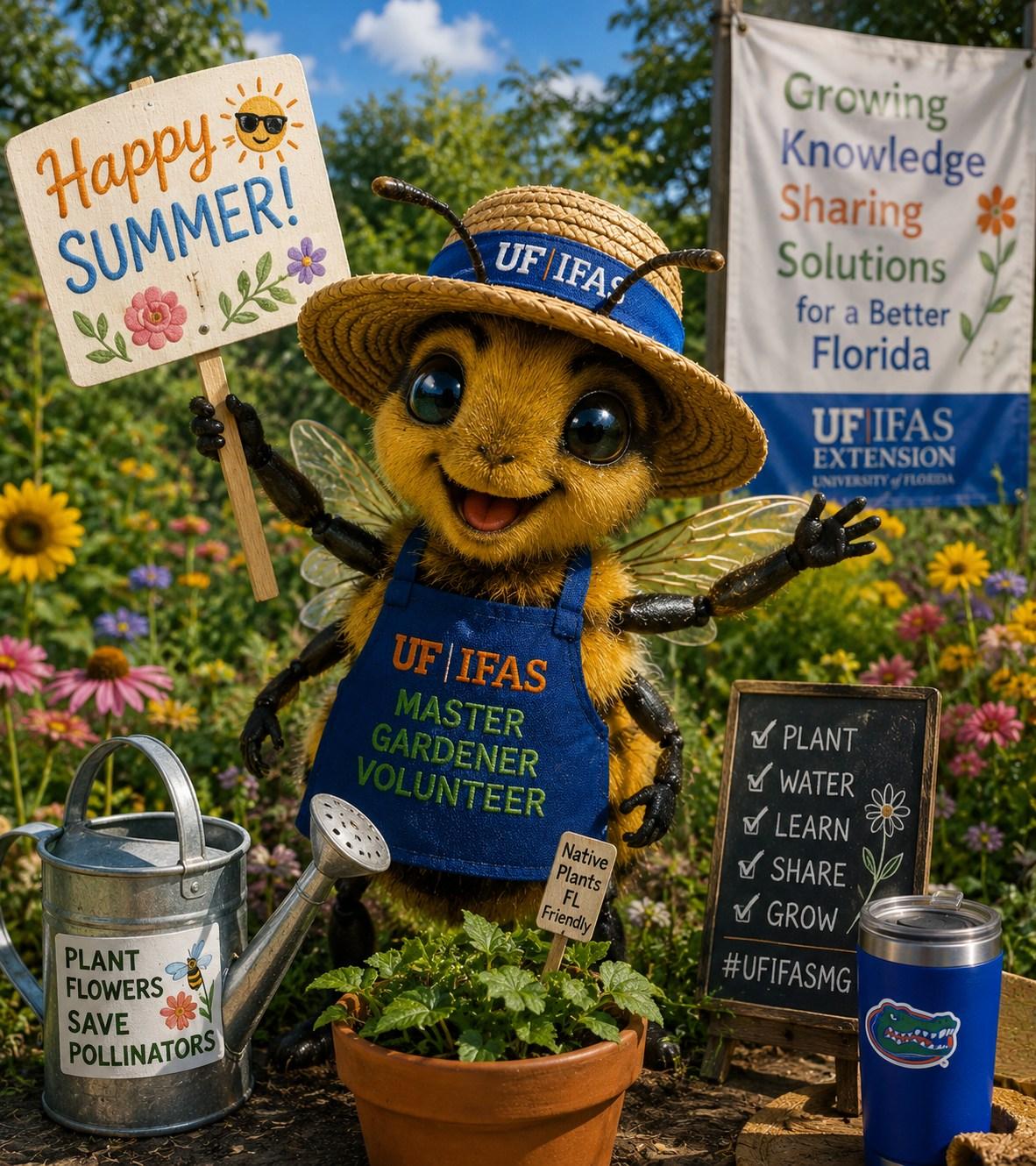
Don’t forget that the Explore Extension event will be on June 27th from 8:00 am to 12 noon at the Sheila Dunning Extension Building in Ft. Walton Beach.
Master Gardener Volunteers will have a display and I’m sure that there will be a lot of folks with gardening questions!
We could use volunteers to help! Let Shari Wight know if you’re able to help.
Each year in late June, people across the Northern Hemisphere experience the summer solstice. In 2026, the summer solstice occurs on June 21. This day marks the longest period of daylight of the year and the official beginning of summer. While many people celebrate with festivals, outdoor gatherings, and vacations, the event also plays an important role in horticulture.
The summer solstice has been celebrated for centuries by cultures around the world. Ancient people noticed that the sun reached its highest point in the sky during this time. Many cultures believed the solstice represented abundance, fertility, and the power of the sun.
In Europe, midsummer festivals included bonfires, dancing, and celebrations of successful crop growth. Native cultures in North America also tracked seasonal sunlight patterns to guide planting and harvesting. Ancient structures such as Stonehenge were even designed to align with the sunrise during the solstice.
Before modern calendars and weather forecasting, observing the sun helped farmers know when to plant crops, manage livestock, and prepare for changing seasons.
Plants rely on sunlight to produce energy through photosynthesis. During the summer solstice, plants receive the greatest amount of daylight of the entire year. Longer days often lead to increased plant growth, especially for vegetables, turfgrass, flowers, and many landscape plants.
However, sunlight is not the only factor affecting plant growth. Temperature, rainfall, humidity, and soil moisture also influence how well plants perform during Florida summers.
Some plants are sensitive to “photoperiod,” which means they respond to the length of day and night. Certain flowering plants bloom only when days become longer or shorter. This natural response helps plants survive and reproduce at the correct time of year.
The summer solstice often signals a transition period for Florida vegetable gardeners. In North Florida, cool-season crops such as lettuce, spinach, and peas struggle with the increasing heat and humidity. Warm-season crops like tomatoes, peppers, okra, southern peas, and sweet potatoes usually thrive during longer summer days.
Many gardeners notice tomatoes growing quickly during early summer because of increased sunlight. However, extreme heat later in summer can reduce flower production and fruit set. Temperatures above 90°F may stress plants and reduce pollination success.
There are several practices to help gardens during intense summer conditions:
• Water deeply but only when needed
• Apply mulch to help conserve soil moisture
• Scout regularly for insects and plant diseases
• Harvest vegetables frequently to encourage continued production
• Choose heat-tolerant plant varieties suited for Florida
Florida lawns also respond strongly to summer conditions. Warm-season turfgrasses such as St. Augustinegrass, centipedegrass, zoysiagrass, and bermudagrass grow actively during long summer days. Increased sunlight and heat can lead to rapid growth, requiring more frequent mowing.
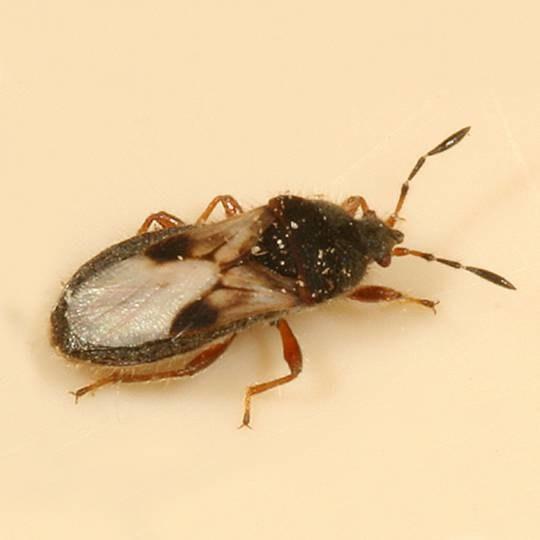
At the same time, summer stress may increase pest and disease problems. Chinch bugs, fungal diseases, and drought stress often become more noticeable during hot weather.

Florida-Friendly Landscaping principles can help manage the summer landscape by:
• Watering only when grass shows signs of drought stress
• Avoiding excessive fertilizer applications
• Mowing at the correct height
• Using mulch around landscape plants
• Selecting plants adapted to local conditions
The summer solstice also benefits pollinators such as bees, butterflies, and other beneficial insects. Many flowering plants bloom heavily during early summer, providing nectar and pollen sources.
Native plants play an important role in supporting pollinators during this season. Incorporating native wildflowers and pollinator-friendly plants into landscapes improves biodiversity and environmental health.

You’ll notice increased pollinator activity during long summer days as insects take advantage of extended feeding opportunities.
Although longer daylight promotes growth, excessive heat can also create problems. Florida summers bring high temperatures, strong sunlight, and periods of drought. Plants may experience wilting, leaf scorch, or reduced flowering.
Container plants often dry out quickly during summer and may require more frequent watering. Newly planted trees and shrubs are especially vulnerable because their root systems are still developing.
Ways to help reduce heat stress are:
• Watering early in the morning
• Using mulch to cool soil temperatures
• Providing temporary shade for sensitive plants
• Avoiding heavy pruning during extreme heat
• Monitor irrigation systems for efficiency
Did I See an Ivory-Billed Woodpecker? WEC-480/ UW549: Did I See an Ivory-Billed Woodpecker?
Breynia disticha: Snowbush, Hawaiian Snowbush, Snowon the-Mountain FPS73/FP073: Breynia disticha: Snowbush, Hawaiian Snowbush, Snow-on the-Mountain
Brunfelsia spp: Yesterday, Today, and Tomorrow FPS77/ FP077: Brunfelsia spp: Yesterday, Today, and Tomorrow, Brunfelsia
Berberis julianae: Wintergreen Barberry FPS65/FP065: Berberis julianae: Wintergreen Barberry
Impact of Phosphorus on Water Quality SL 275/SS490: Impact of Phosphorus on Water Quality
Protein and the Older Adult FSHN17-2/FS290: Protein and the Older Adult
The summer solstice serves as a reminder that gardening follows natural seasonal cycles. Longer days encourage rapid plant growth, but they also bring challenges associated with heat, insects, weeds, and plant diseases.
By understanding how sunlight and seasonal changes affect plants, gardeners can make better decisions about watering, planting, fertilizing, and pest management.
For Florida Gardeners, the solstice is both a celebration of summer growth and a signal to prepare for the hottest part of the year ahead.

Iris domestica: Blackberry Lily FPS64/FP064: Iris domestica: Blackberry Lily
Gray Leaf Spot of St. Augustinegrass: Cultural and Chemical Management Options PP-204/PP126: Gray Leaf Spot of St. Augustinegrass: Cultural and Chemical Management Options
Casasia clusiifolia: Seven Year Apple FPS110/FP110: Casasia clusiifolia: Seven Year Apple
Acalypha wilkesiana: Copperleaf FPS 6/FP006: Acalypha wilkesiana: Copperleaf
Urban Design for a Wind-Resistant Urban Forest ENH1056/EP309: Urban Design for a Wind-Resistant Urban Forest
Large Patch SS-PLP-5/LH044: Large Patch
Florida summer is the only season where “stepping outside to grab the mail” counts as cardio, sunscreen is required just to check the mailbox, and the daily 3 PM rainstorm rolls in uninvited like a moody teenager.
I grow citrus trees and blueberries in south Okaloosa County Shalimar, to be exact and like many gardeners along the Gulf Coast, I go into each winter prepared to protect them.
The past two winters caught my attention. We experienced hard freezes in both 2025 and 2026, something that felt unusual for our area. More surprising, though, was the timing. The coldest weather seemed to arrive in February rather than January, which made me wonder: Is our climate actually changing, or does it just feel that way?
After looking at long-term weather data from the Eglin Air Force Base area, the answer appears to be both yes and no.
Average winter temperatures in our area have not changed dramatically over the past 20 to 30 years. Winters are slightly warmer overall, with fewer prolonged freezes than decades ago. But what does seem to be changing is timing and variability.
Warm spells now occur more often in December and January, followed by sharper cold snaps later in the season. February has always been one of our colder months, but recent late-season Arctic outbreaks have made it stand out more dramatically. In other words, winters may be milder on average, but they are also less predictable.
Gardeners notice these shifts quickly because plants respond to extremes, not averages. A single hard freeze in February can do more damage than a colder January because by February many plants have already begun active growth. Buds swell, blossoms appear, and tender new growth becomes vulnerable overnight.
That seems to be what many of us are observing now. Years ago, winter cold felt more consistent, arriving earlier and gradually easing into spring. Today, the pattern often feels reversed: mild early winter weather followed by sudden “whiplash” cold later in the season.
So, are plants adapting? In a sense, yes. Plants
do not follow calendars; they respond to environmental cues such as temperature and day length. Warmer early winters can delay or disrupt normal dormancy patterns, shifting bloom times later into the year. But when late freezes follow, plants can still be caught off guard.
It is also important to remember that Northwest Florida is not one uniform climate. Much of our long-term weather data comes from stations near Eglin Air Force Base and reflects conditions in south Okaloosa County. Gardeners farther north, particularly around Crestview, often experience colder temperatures and more frequent freezes despite being only a few dozen miles inland.
My own conclusion? My memory was partly right. It is not necessarily that February has become colder than January, but that winter cold now seems to arrive later and less steadily than it once did. As gardeners, we may need to spend less time watching the calendar and more time watching the patterns.

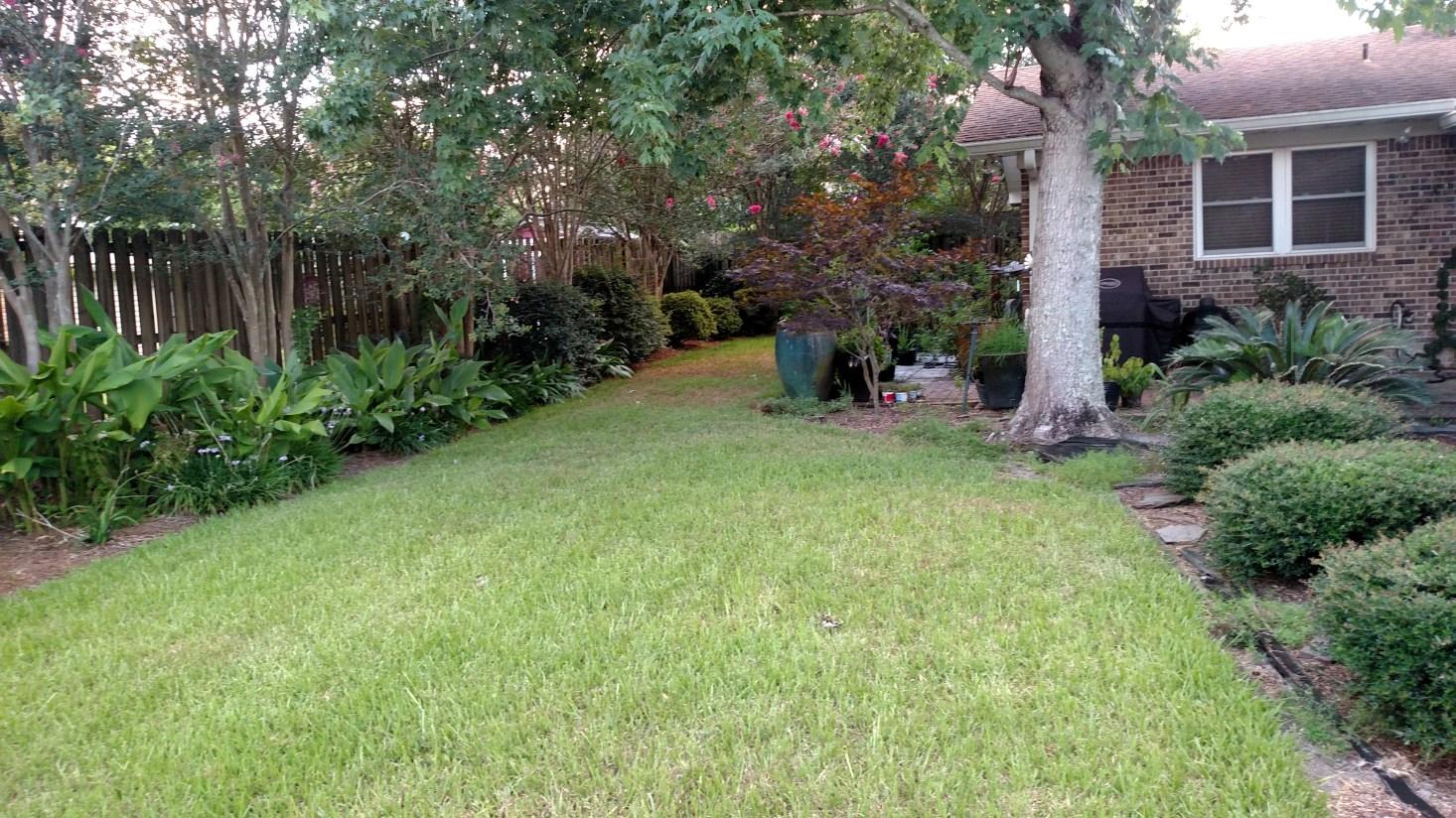
My goal was a putting green. Never got exactly there. My brother was a golf course greens keeper, invited to cut greens at the Masters. Homage to him ...
1)Have a printable plan. Think long term for when you get older and have to maintain it. The plan doesn't have to be completed all at once. If you think of it like a house plan, you'll have outdoor rooms. Work one room at a time, as money and time permits. My yard took 30 years, and it still evolves, but I have the infrastructure and plan in place.
2) The infrastructure. This includes your irrigation, hardscape, additional house water, etc. This is where a printer/viewer plan comes in. You may want help installing these items. When installing the irrigation system, I also put in electric, all topped off with concrete edging.
A)The irrigation system in a well designed landscape is used on an "as needed" basis. We get about 65" of rain per year, but most southern grasses only need 15". Most lawns use over head watering. Spray heads should provide overlapping coverage by 50%. If a spray head fails, the grass still gets water. Spray heads clog easily due to sand getting into the system. When the grass blades fold together like a book, they're thirsty. Give them a long drink, but not too often. This promotes deeper roots, and therefore, less watering. The best setting for your irrigation system is OFF, until you need it.
B) Grass isn't the only thing that needs irrigation. Flower beds may need watering also. This is best done with micro irrigation. Only water the roots. Overhead watering can cause fungus on the leaves. Flower beds should be on a separate irrigation zone. I don't have this, micro irrigation didn't exist when I installed my system. Wish I had it now.
C) Your vegetable garden. Again, an area I sort of fell short. You want your garden as close to the kitchen as possible in your design. I tapped into my house water, and use a hose or sprinkling can. Newly planted vegetables need water more often. Due to fungus, DO NOT use overhead watering. Cucumber and zucchini are especially bad here, the leaves have little spikes that trap the water. I now use pots for my garden. Intermix with flowers to look good and use "companion" gardening.
Another subject....
D) Hardscape: another area you may need assistance in installing. I quit using wood, just doesn't last. About 10 years at best. I went to cement or concrete. There's a plant near the airport in DeFuniak that sells pavers. Give them a visit. You need 3 pallets before they deliver (about 500 sq feet). Wilson's lumber on Hwy 90, five miles east of Hwy 87 is a good source of wood, but they do not deliver.
E) Concrete edging: One of the smartest things I did. Back breaking at 40, impossible at 70 years old. Infrastructure is buried beneath the pavers! No more rotting wood. No more cutting irrigation or electric lines. I know exactly where those irrigation and electric lines are located. The concrete laughs at the nylon threads of a weed eater.
F) Electric: Not often thought about, but if you want lights or a BBQ area, it's a must on your infrastructure plan. Consider gas lines if you're running a BBQ area. When I installed my irrigation system, I laid conduit on top of the water pipe. I always know where electric is located. Critical when digging with a shovel.
3) Grass area: the seed germination rate for southern grasses is very poor to non-existent. Got the T-shirt on this. Sod, although expensive, is best. Sprigging is next best, but weeds easily grew in the areas that did not have the grass plugs (seeds can last over 3 years!). Bahiagrass can start from seed, but is best used for pastures and they send off annoying shoots within a week. This leaves bermudagrass, zoysiagrass, centipedegrass and St. Augustinegrass. None do well from seed. Bermudagrass and zoysiagrass do well in sunny locations and have roots both above and below ground. The below ground roots love your flower bed, so establish a border that can take an edger or weed eater once a week.

Centipedegrass and St. Augustinegrass, only above ground roots, work better in the shade but works okay in the sun. Proper maintenance, especially mowing height is key for any of these grasses. Folks with centipedegrass over pamper it. My St. Augustinegrass is original to the house from 30 years ago. I tried looking for different varieties of the grasses, but local sod distribution is limited. I even went out of state for grass seed varieties without successful germination. Be ready to water your newly planted sod grass. Bugs like the new, tender roots. Chinch bugs think a Golden Corral just opened in your yard.
4) Flower beds. My original goal was to have something in bloom throughout the year. I had to turn to a mix of perennials and annuals. Perennials come back every year. Annuals have to be replaced every year, often by growing season. I shoot for mostly perennials with a border of annuals for the color in my garden plan. My perennial goal is at least 60% native. I now replace dying perennials with native perennial. Yes, perennials eventually die and there are native azaleas. Even Augusta National, home of the Masters Golf tournament, has this problem despite once being a plant nursery. So, I don't feel so bad. They have stupid money with heating and cooling below their 1300 azaleas. My yard no longer needs to look like a golf course.
Get your weather information! Check out https:// fawn.ifas.ufl.edu and see all that FAWN Florida Automated Weather Network has to offer!
You never know what our Master Gardener Volunteers have growing or are doing!
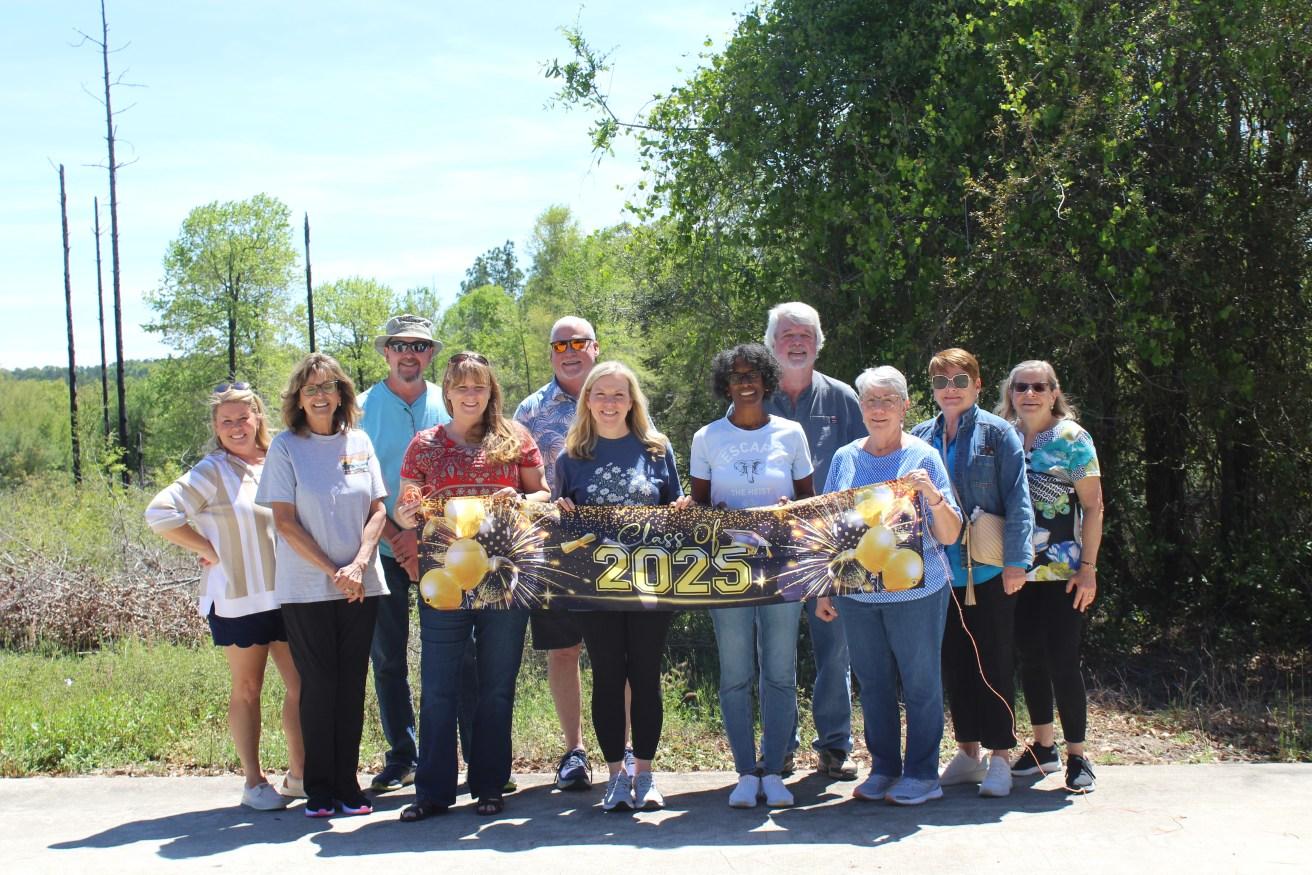
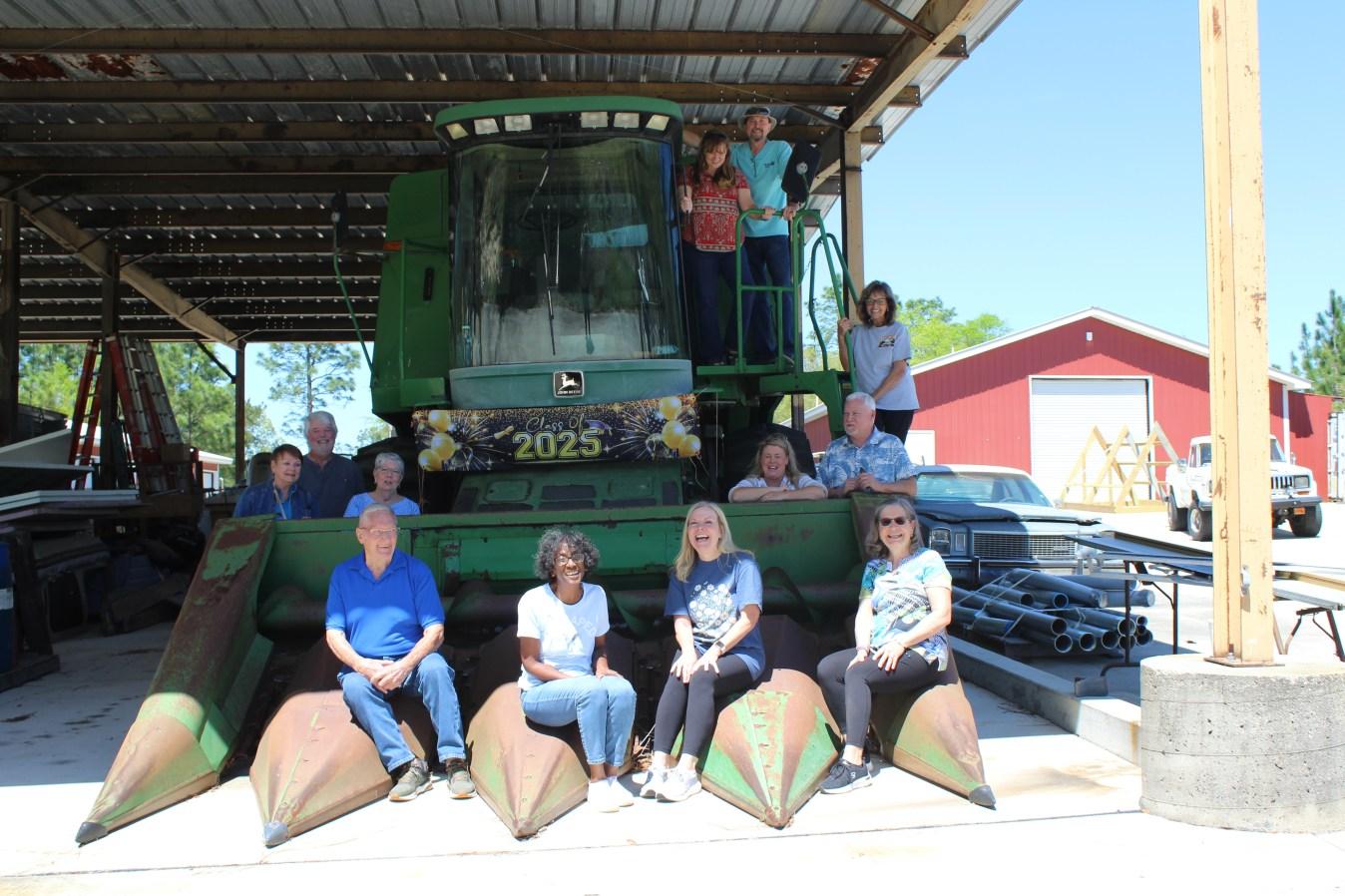
The MGV class of 2025 celebrated their class reunion with a day at Dean’s farm! A little scary with how happy they look with that big piece of equipment!
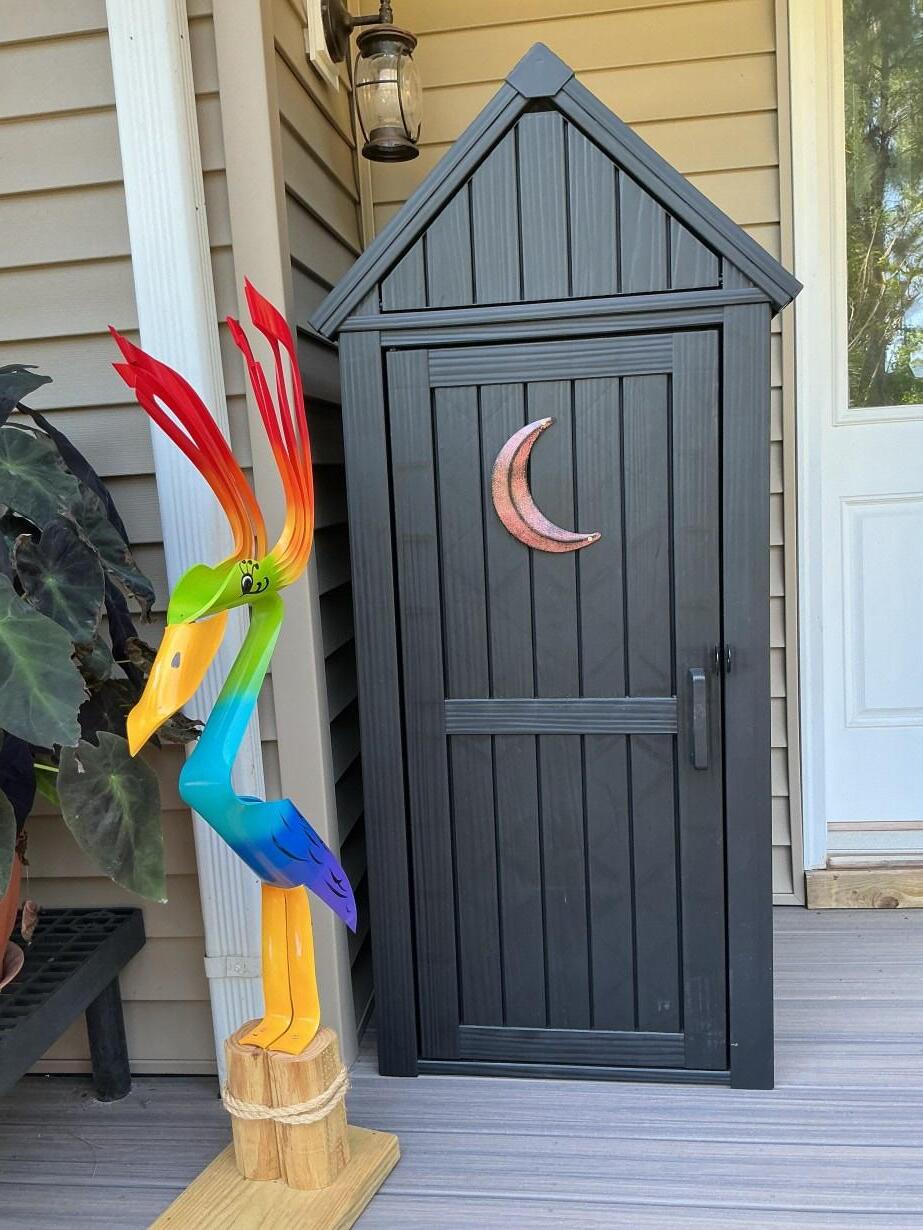
One of our MGVs submitted this new addition to their landscape. Hey, when you gotta go, you gotta go!
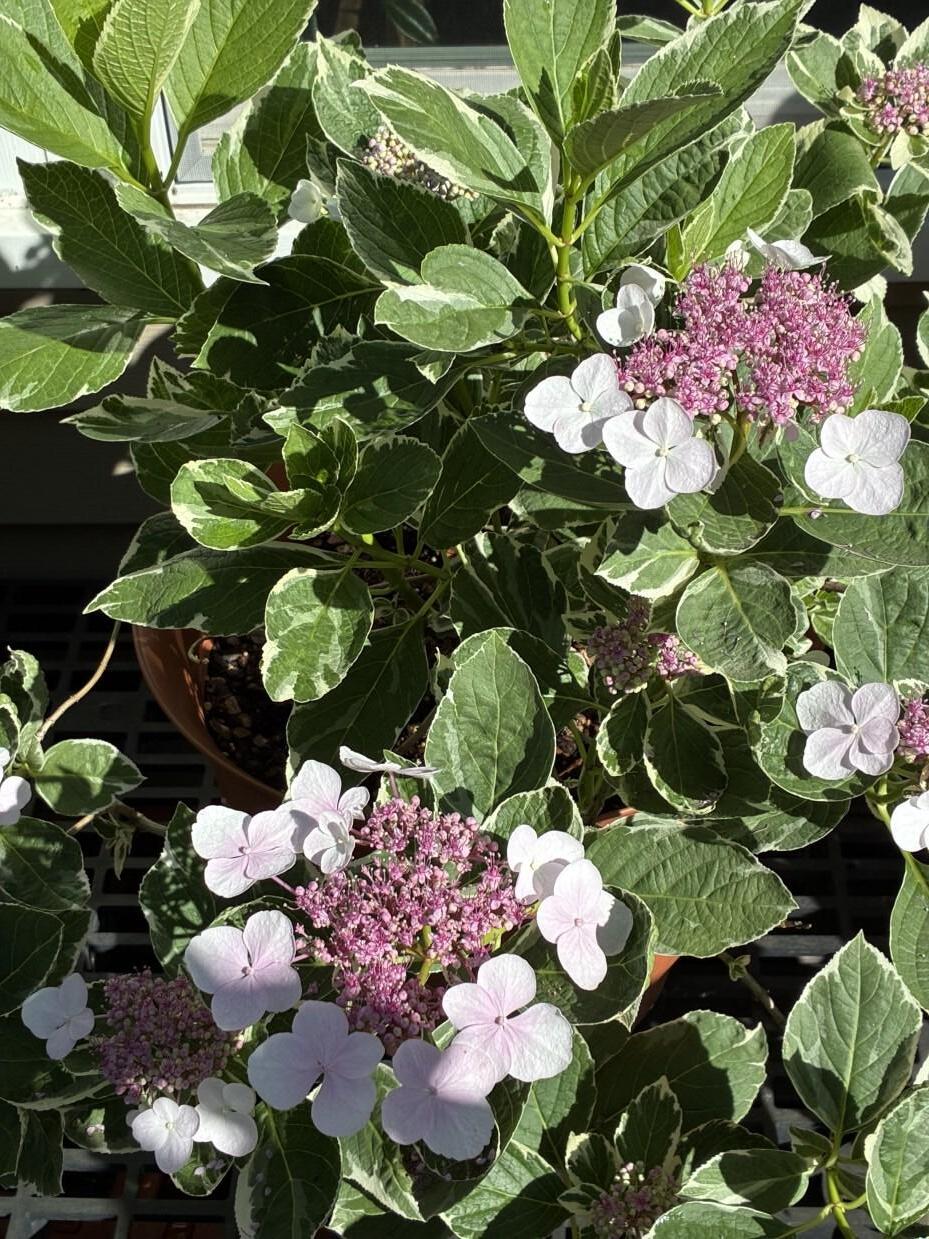
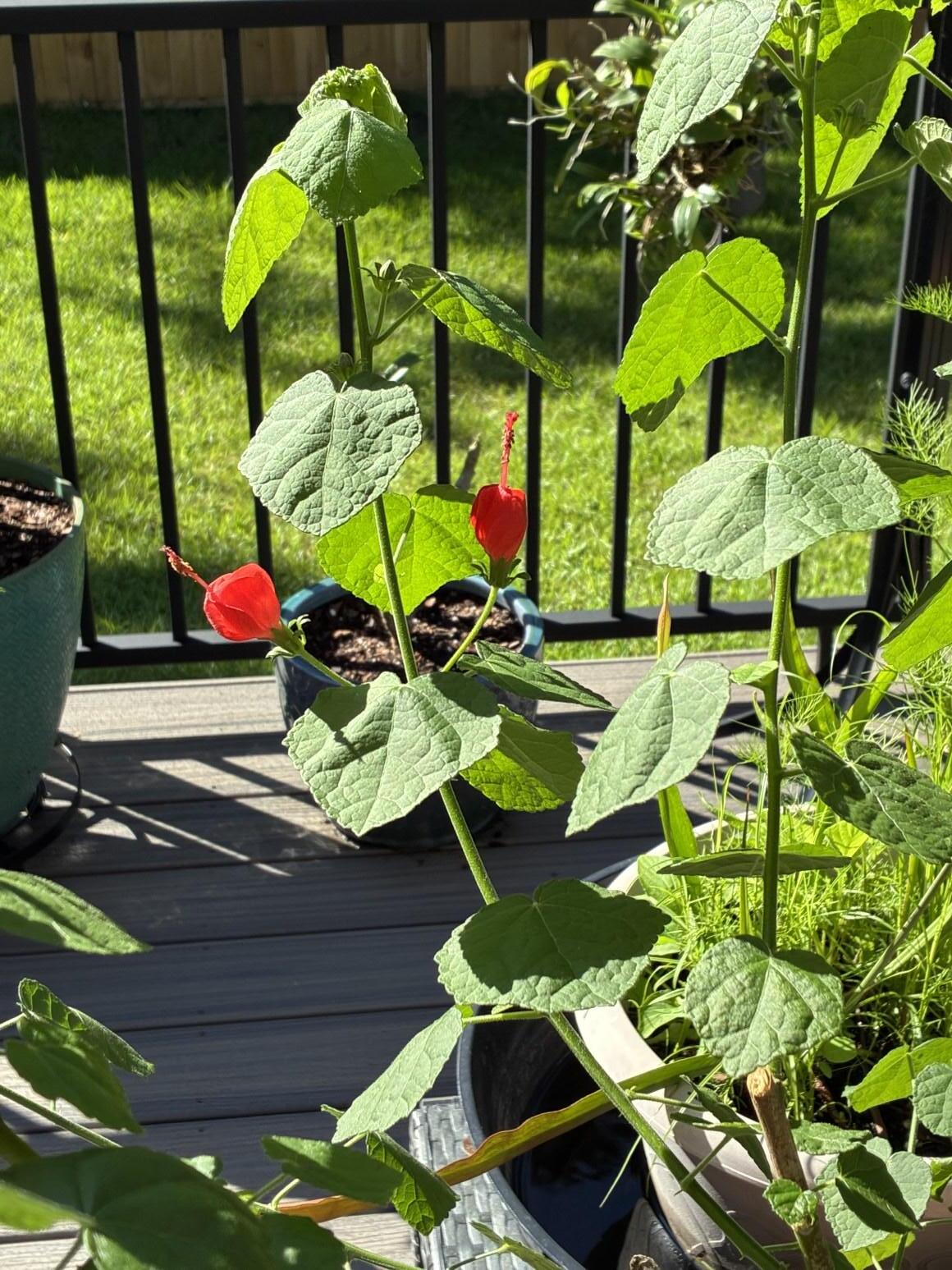
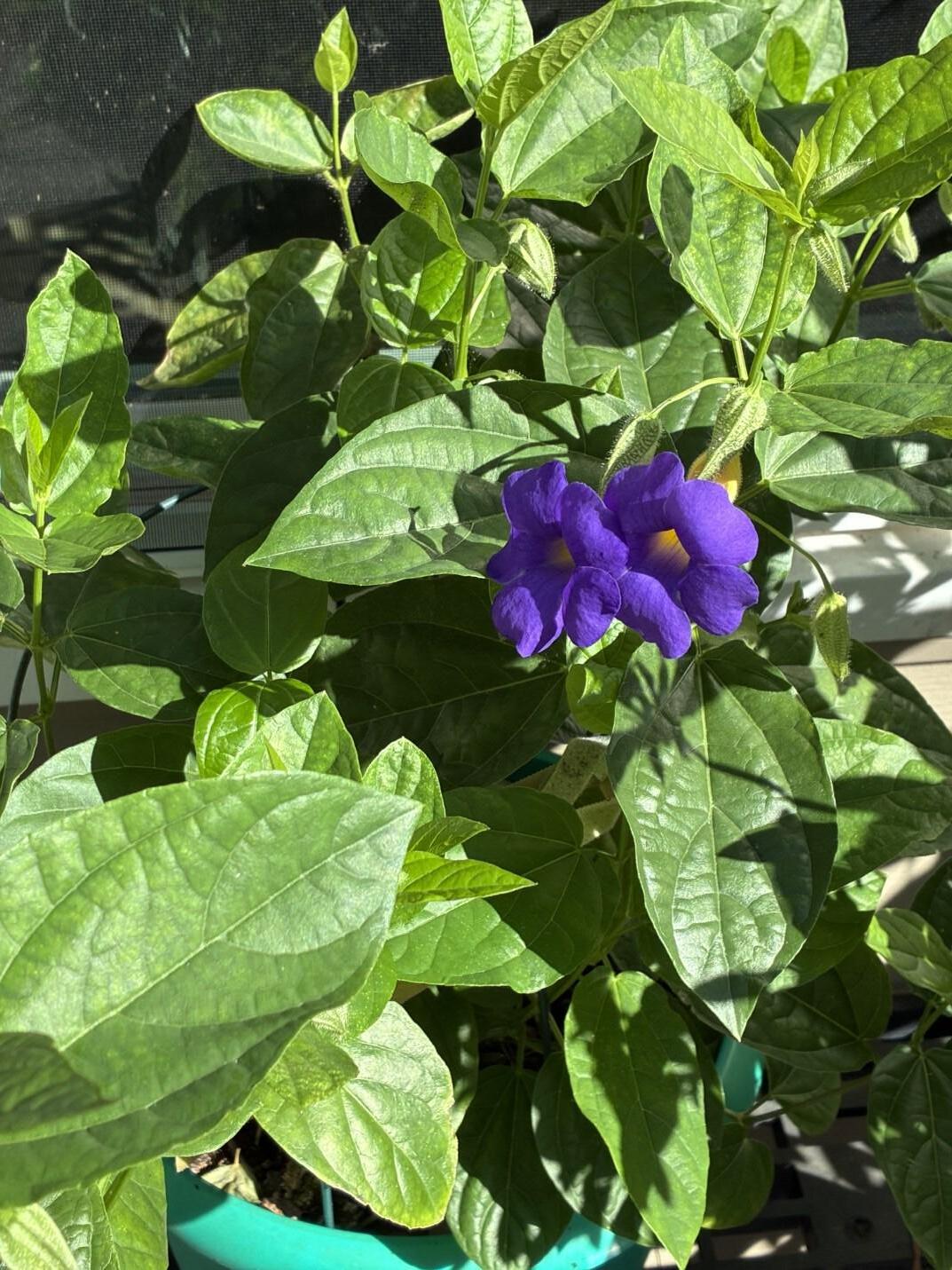
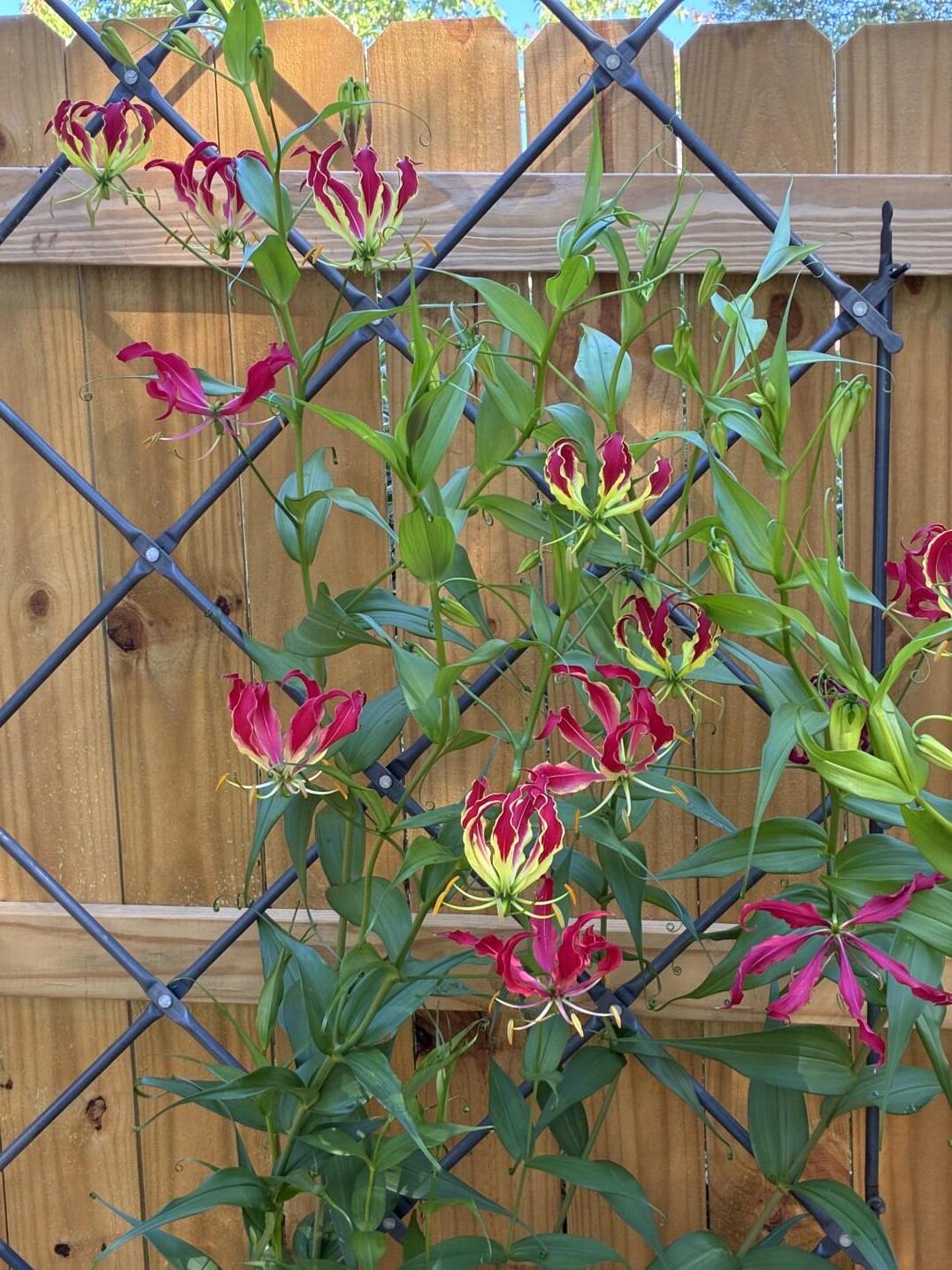
by Dana Jolman
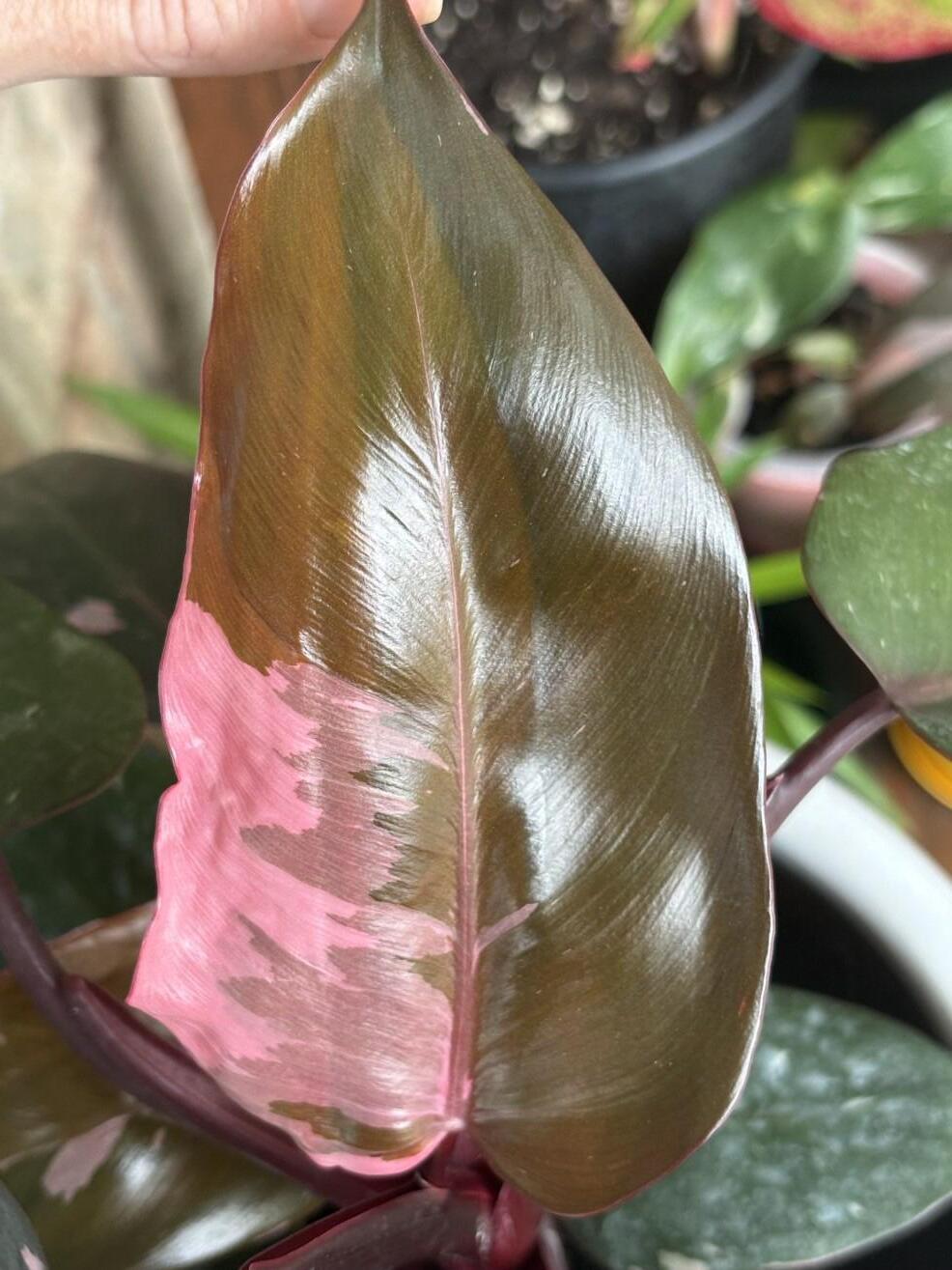
If houseplants had personalities, the Philodendron Pink Princess would be an absolute DIVA!
With dramatic dark leaves splashed in shades of bubblegum pink, this princess has become one of the most recognizable houseplants around. It’s bold, beautiful, and somehow manages to look both effortlessly elegant and slightly rebellious at the same time.
The Pink Princess is a variegated philodendron, meaning its leaves develop patches of different colors due to variations in chlorophyll production. This stunning pink coloration is completely natural.
No two leaves are ever exactly alike. One may emerge with soft pink streaks while another arrives like splattered paint. That unpredictability is part of this princess’ charm every new leaf feels like a gift.
Light: The Fine Line Between Fabulous and Fussy
• More light = generally more pink
• Too much light = crispy chaos
• Too little light = moody green
Watering: Please Step Away From the Watering Can
The Pink Princess likes consistency. Allow the top inch or two of soil to dry before watering thoroughly. Soggy soil can lead to root rot, which is not the look we’re going for.
If you tend to love your plants a little too enthusiastically with the watering can, this is your gentle reminder that overwatering is still the number one way people accidentally send houseplants to the big greenhouse in the sky.
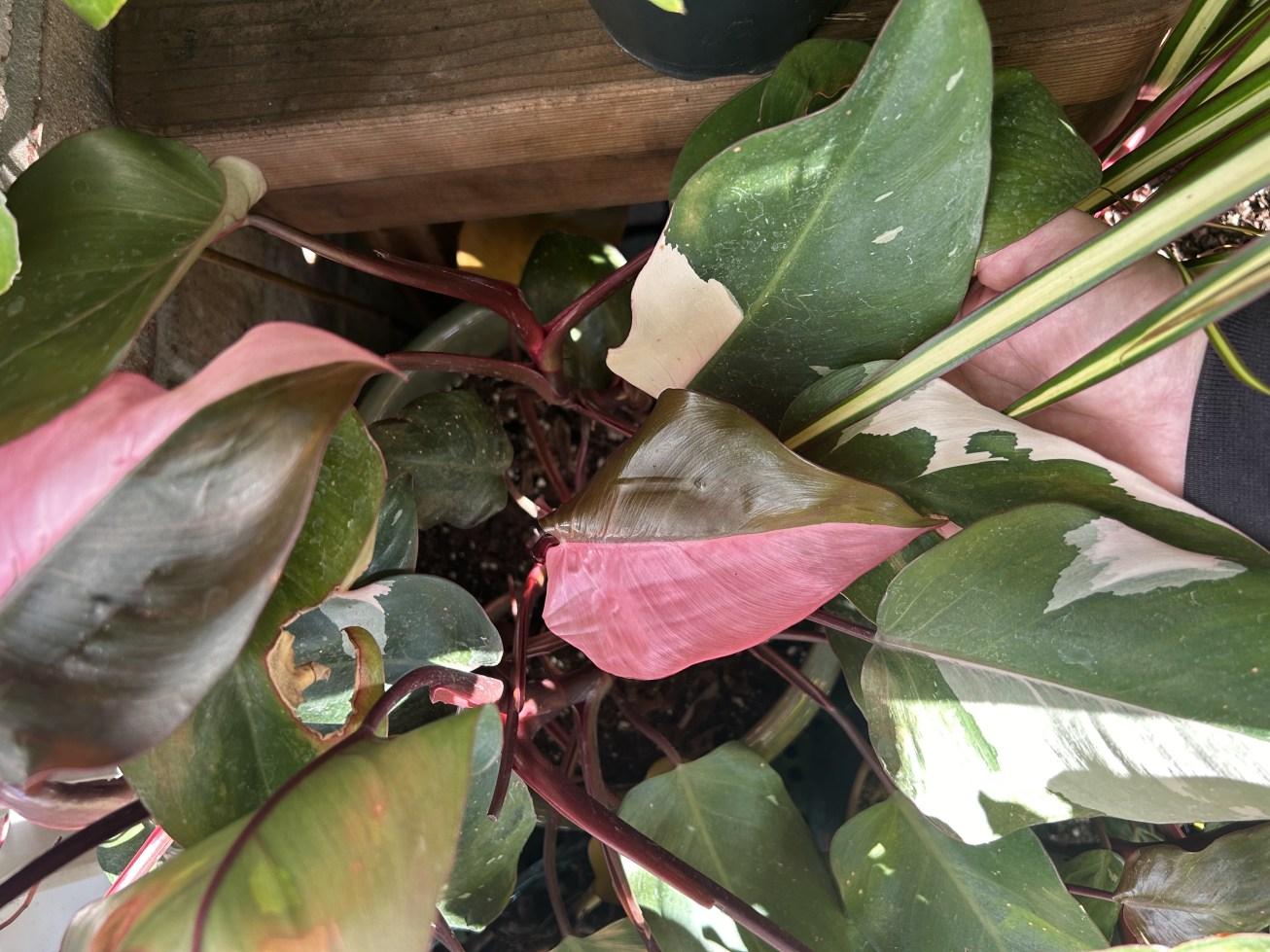
Pink Princess philodendrons love bright, indirect light. Think “bright cozy room” not “Florida sidewalk at noon.”
Too little light can cause the pink variegation to fade, while harsh direct sunlight may scorch those gorgeous leaves faster than Florida pavement in July.
A good rule of thumb:
Humidity: Because She’s Tropical and She Knows It
Native to tropical environments, PPP appreciate moderate to high humidity. While they can adapt to normal indoor conditions, they truly thrive when humidity levels are a bit higher.
A pebble tray, humidifier, or grouping plants together can help create a more comfortable environment for your Princess. Mine love spending the warmer months outside on the porch where they can soak up the humidity and
live their best life.
The PPP are climbing plants by nature, meaning they appreciate support as they grow. Without support, they may become leggy and stretched out and not reach their full potential for royalty. Basically, every princess deserves a proper support system.
One of the most common questions plant owners ask is: “Why is my Pink Princess losing its pink?”
Variegation can fluctuate naturally, but lighting plays a major role. If the plant reverts to mostly green growth, it may need brighter indirect light. Conversely, leaves that emerge heavily pink with very little green may struggle because the plant still needs chlorophyll to photosynthesize.
In other words, balance is key. Even the drama queens of the plant world need stability.
The Pink Princess may have a reputation for being trendy, but underneath all the hype is a genuinely fascinating and rewarding plant to grow. It brings color, personality, and a little
unexpected joy into a space which honestly feels like something we could all use more of these days.
And if you find yourself staring proudly at a newly unfurled pink leaf like it just won an Olympic medal? Completely normal behavior. Welcome to the club.
Did you know? A single female chinch bug can lay 15 to 20 eggs per day for 20 to 50 days, resulting in a total lifespan of 250 to 500 eggs. Eggs hatch in just 7 to 14 days. They pass through 5 stages of growth before becoming adults. In our area there can be 7 to 10 overlapping generations.
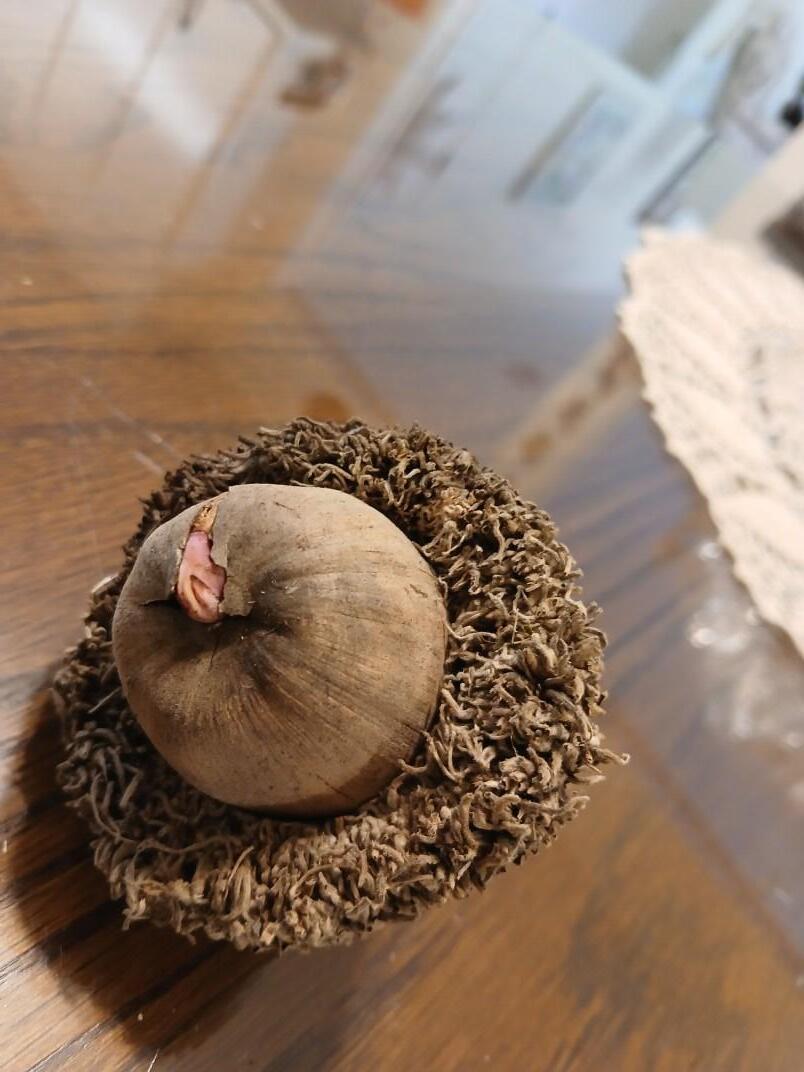
26 years ago when Honorable Spouse and I moved to Niceville, we were exploring our yards, and discovered a very small twig-sized interesting tree growing up very close to a fence. HS declared it would have to be moved or he would cut it down the next time he went by on the mower. So, being the digger that I am I commenced the moving process. I dug, and dug, and dug, deeper and deeper, trying to get as much root as possible to transplant. At last, I was able to get the tree (which was no more than 16” tall at the time) out and ready to transplant. The tap root was at LEAST 30” long! HS had to use the post hole digger to get a hole deep enough to set in the little tree! With much flagging and various other means of drawing attention to the sapling, we managed to keep from running it down during yard chores. It flourished and began to produce some very deeply lobed dark green leaves every year and we were just thrilled that it had survived. And we always wondered what kind of tree it was. We thought it was probably some kind of oak but there were no others like it around the neighborhood.
Years later in 2018 when I had finished my Master Gardener classes and internship, I began to look for what that little tree was. About that same time, I discovered that it began producing acorns! WOW! Suddenly, one August the ground beneath the now fifteen-foot tall tree was littered with BIG acorns, some almost as big as a baseball! Utilizing the knowledge at Jackson Guard, I took a leaf and an acorn to them to see if they could tell me what that now not-so-little tree was. After some study they advised that it was Quercus macrocarpa, the Bur oak. FINALLY! I had a name, and more research told me that the Bur oak’s natural habitat was quite some farther north from Niceville, closer to the Georgia savannah and
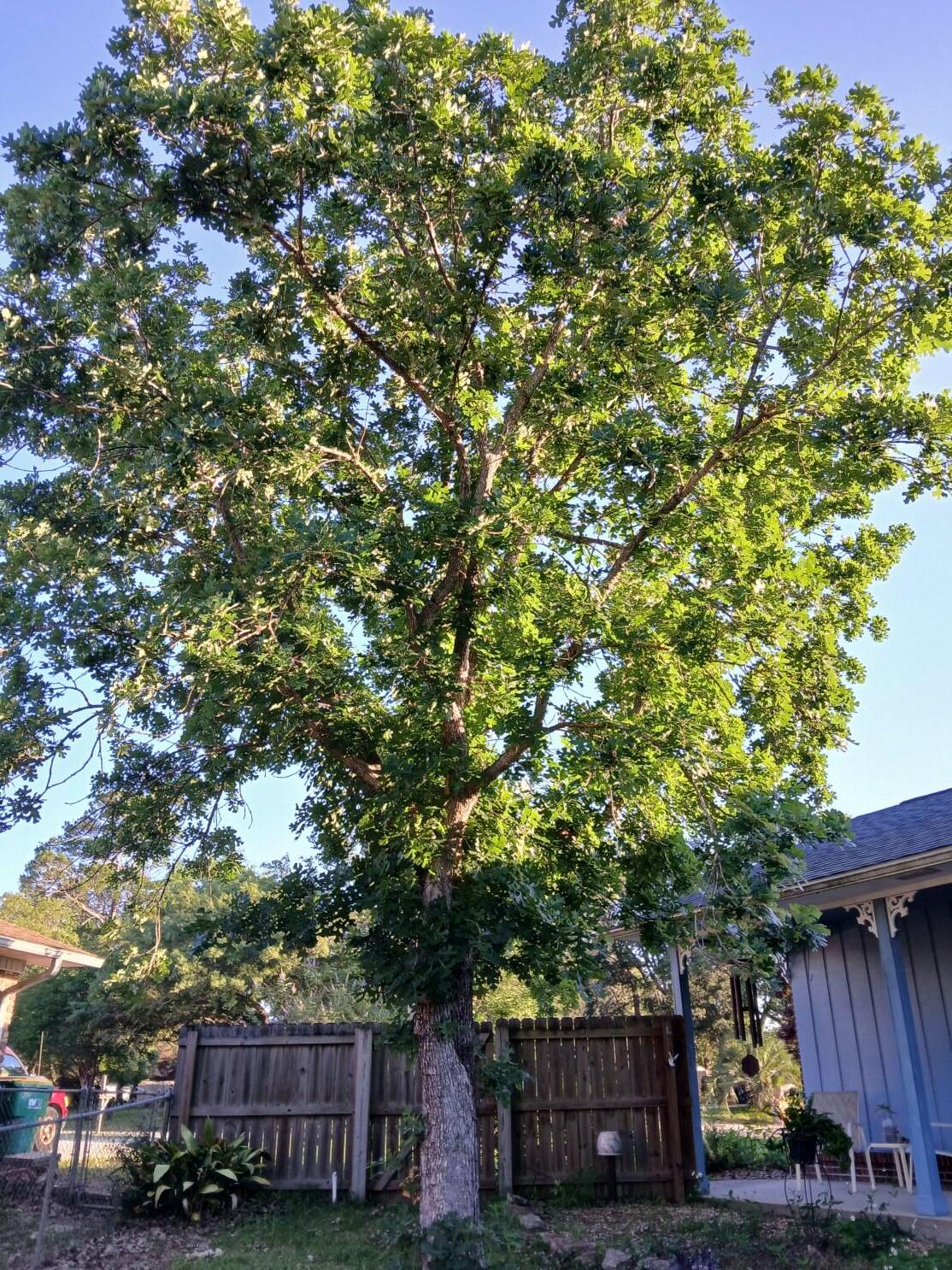
areas north of there. How that Bur oak came to be in our yard is still a mystery, but it is flourishing and is now a fine tree nearly 25 feet tall and producing crops of huge acorns each season.
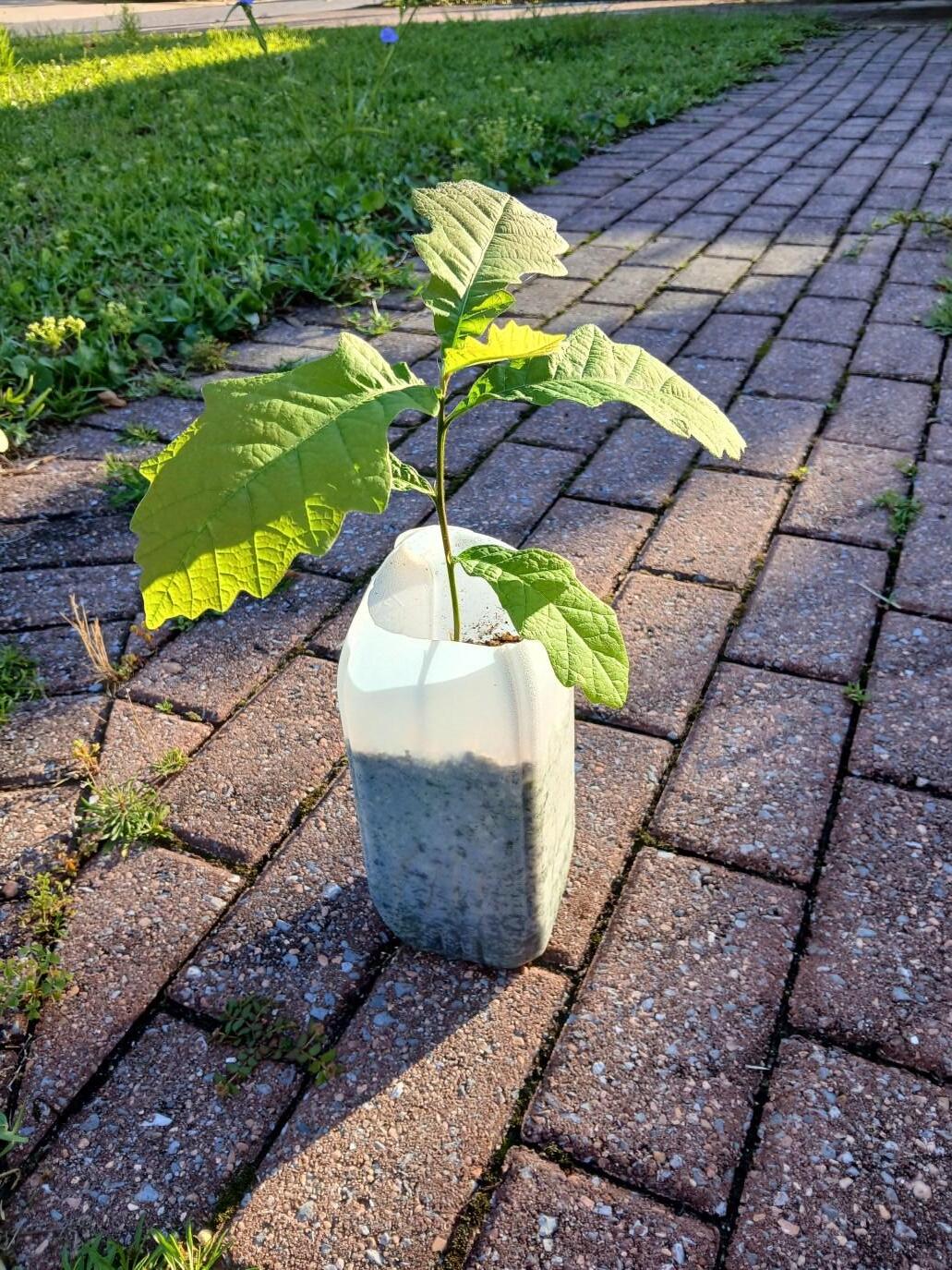
Over the years, I lugged bags, boxes, and buckets of those acorns to Sheila Dunning to see if the experts could get any of them to “hatch” to get another tree but, alas, all attempts failed………..until this spring in April when I was cleaning up around a flower bed! I found a nut that had sprouted! I felt like I had just won the lottery! I was so excited. I immediately called Lee Vanderpool and asked him what I should do and he said plant it in a bucket and wait. So I did! And now I have “Son of Bur Oak” flourishing in a gallon milk jug waiting for its future home! I wonder if those many days of
below freezing temperatures this last winter enabled that particular acorn to sprout. I would love to see it planted at the Sheila Dunning South Extension campus in her honor and wonder if that is appropriate to do!
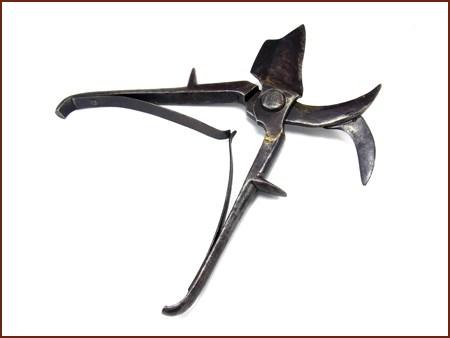
Secateurs The origins of secateurs traces back to the early 19th century in France, where they were first developed as a refinement of traditional pruning knives. the term “secateurs” itself derives from the French world sėcateur, meaning “cutter.” By the mid-1800s, the tool had crossed the Channel and gained popularity among British gardeners. We know them on this side of “The Pond” as pruning shears.
Editor’s note: I don’t know about anyone else but I think that would be a lovely addition to the landscape and the building! Hey Kat! Any more volunteers and we’d love to have one at the Environmental Center as well!
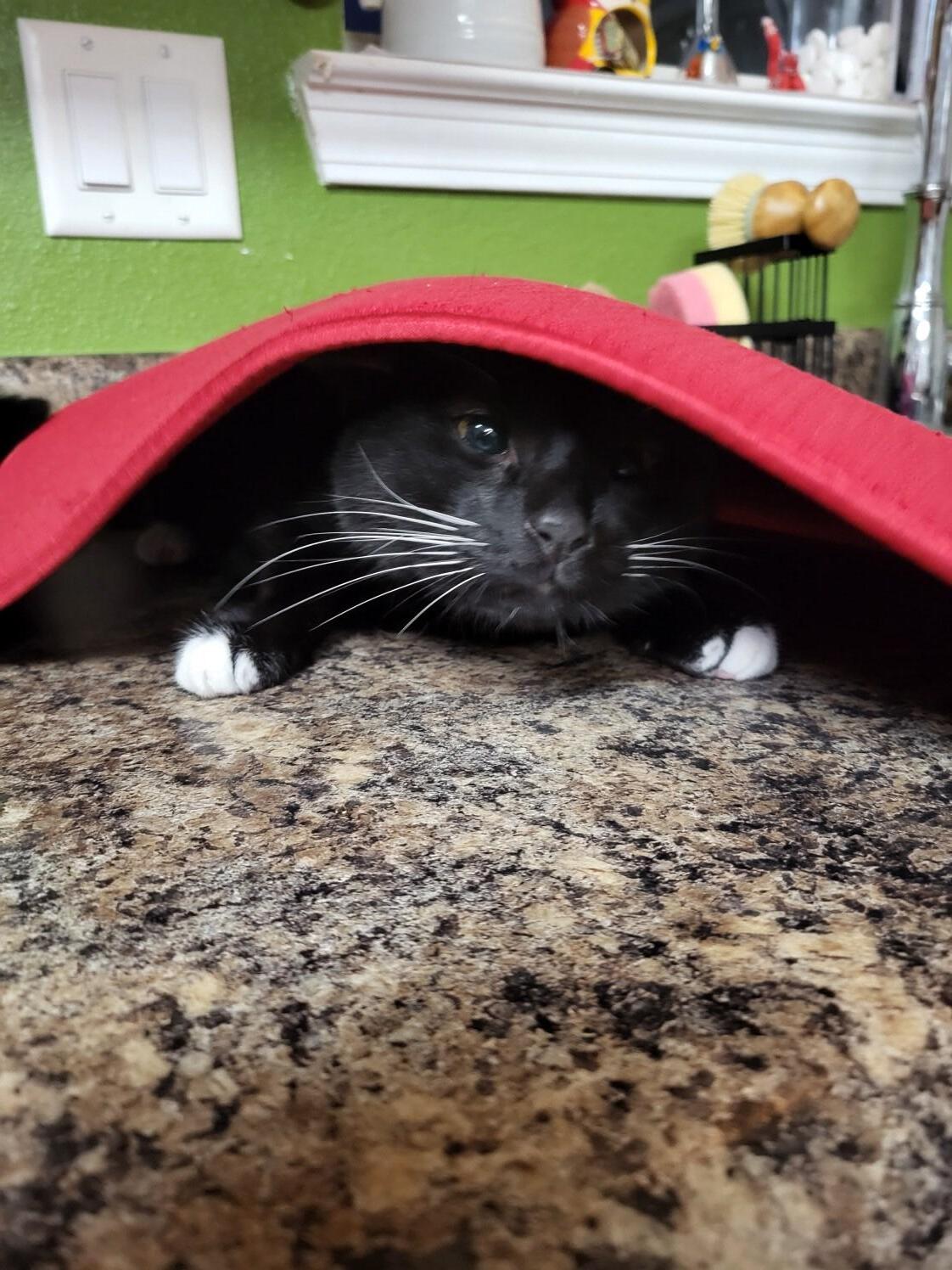
there trying to wash body parts. Suddenly, you have a deranged furball that has decided that water is fun.
She will sit in there getting soaked, maybe take a stroll to check out the immediate area, and try to bite the drips that come out of the faucet when you’re done.
On no uncertain terms is drying off a soggy cat permitted. You would think that you were beating her up with the noises that she makes. So, that leaves you with a very wet cat who then will be off in search of a place to groom. This could be the middle of the bed, or the floor, or her favorite, any paper product that is horizontal. Yes, that results in some interesting wavy paper and blurred writing.
I hear everyone, “Well, just keep the door shut!” Let me tell you about this manic mouser. #1 She has learned how to open the doors in our house. #2 If, for some reason she cannot get the door open, she then sings the song of her people at full volume (the neighbors think someone is getting murdered when that happens). #3 This
scenario applies to all the bathrooms in the house. Doesn’t matter that there’s only one way in and one way out. Evidently, she feels that we may suffer a fatality if left unsupervised in the kitty waterpark.
She is a cat with her own mind and her own unique view on the universe. Under the dish dryer, behind the TV asleep on the COX box (that’s why a bottle cap is taped over the on/off button she would turn off the box), on the desk pull out shelf...I’m convinced that this is her domain and we are only squatters that serve food.
Thankfully the faucet for the shower is out of her reach, otherwise I would hate to see my water bill.
In winter I get up at night And dress by yellow candle-light. In summer, quite the other way, I have to go to bed by day. I have to go to bed and see The birds still hopping on the tree, Or hear the grown-up people’s feet Still going past me in the street. And does it not seem hard to you, When all the sky is clear and blue, And I should Like so much to play, To have to go to bed by day?
Robert Louis Stevenson, “Bed in Summer”
Mission
To assist Extension Agents in providing research-based horticultural education to Florida residents.
Vision
To be the most trusted resource for horticultural education in Florida.
The Compost Pile is a quarterly publication created by the Okaloosa County Master Gardener Volunteers.
Marg Stewart Editor
Karen Harper and Debbie Sewell Co-Editors
Contributors: Kat Spieker, John Sweda, Karen Harper, Dana Jolman, Marg Stewart, Donna Edmiston, Carolyn Coleman