This magazine is published as an information service and without assuming a duty of care. It contains general information only and, as such, it is recommended that detailed advice be sought before acting in any particular matter. The materials included in this newsletter by third parties are not attributable to Occupational Therapy Australia, and are not an expression of Occupational Therapy Australia’s views. Occupational Therapy Australia is not responsible for any printed expressions or views in any third parties’ inclusions. Any enquiries regarding inserts, advertisements or articles placed by these third parties should be directed to them.
Occupational Therapy Australia respectfully acknowledges the Traditional Custodians of the country on which we live, learn and work.
President’s report
Priscilla Ennals | OTA President
Welcome to the Autumn 2026 edition of Connections. I am writing in the week after attending the World Federation of Occupational Therapists Congress in Bangkok. Being at this huge international event and representing OTA among delegates from 96 countries has been a genuine highlight of my time on the OTA Board.
During the four days, I had the chance to connect with occupational therapists and occupational scientists, educators, students and researchers from many countries and with very diverse passions and areas of practice. I also had the opportunity to meet with many Presidents from other national associations. It is enlightening, and often humbling, to think about the work of other associations supporting occupational therapists and the development of the profession in very different contexts to Australia.
I was constantly reminded of the value – and privilege –of getting outside my own bubble, worldview, interests and responsibilities. And of taking time to listen, reflect and feel. Gathering with our community of occupational therapists fostered moments of pride, wonder, awe and joy, along with concern and challenge. I was moved by many presentations where occupational therapists demonstrated an ability to listen, to work alongside and to find a way despite challenge.
And that is exactly what an international meeting should do; remind us of the complexity of the world, remind us of the diversity of our health, social and community contexts, remind us that power, privilege and politics are always present in our work. It reinforced to me that discomfort and uncertainty are part of our reality and that sitting with this is part of my (and our) challenge, even when I want things to be simpler, clearer or quicker.
Curiosity, connection and collaboration as pathways to possibilities and hope, were messages repeated by many speakers, and in many conversations, across the four days. I hold on to those.
I want to thank and congratulate every Australian who presented at the Congress for the meaningful contributions you made to developing occupational therapy knowledge and practice.
I especially congratulate the contributions of: Professor Elspeth Froude who presented a keynote calling for occupational therapy to keep ‘participation’ in focus as our central purpose; Professor Lynette Mackenzie on receiving the WFOT Merit Award recognising her huge contribution to WFOT over many years; Kylie Shae from the WHO, who made an eloquent contribution to the panel on Partnerships in Action; and Jess Francis who brought her Australian AI practice expertise to the big stage in a panel discussion on AI. Australia continues to play an important role in developing the profession internationally.
As the Board turns its mind to 2026 and beyond, we will focus on strategy and governance to enable OTA to deliver across its remit for members.
OTA has critical work to do in practice support, education and advocacy for the profession in a range of practice areas this year. The Board aims to foster conditions that allow OTA to undertake development of the profession and advocacy that hold both short- and longer-term horizons in mind.
Thank you to everyone who has connected with me over the last few months and who has provided valuable input to the direction of OTA. I look forward to connecting with others at future OTA events.
Curiosity, connection and collaboration as pathways to possibilities and hope were messages repeated across the four days. I hold on to those.
CEO’s report
Samantha Hunter | OTA CEO
The past few months have been full of activity, collaboration and moments of pride across OTA – and there’s much for our members to look forward to in the months ahead.
I had a fantastic week at the 19th WFOT Congress in Bangkok alongside more than 2,400 OTs from around the world. Australian leadership featured prominently throughout the event and we proudly showcased OTA’s work. There were big conversations, fresh thinking and plenty to bring home. Thanks to everyone who stopped by to say hello!
OTA has continued to advocate for our profession with energy and impact. We took the profession’s voice to Parliament House on 2 February, hosting our inaugural Morning Tea, where I outlined OTA’s pre-Budget priorities and the profession’s critical role in shaping the future of health, disability and early intervention reform, including the opportunities presented by Thriving Kids. As I said then, getting Thriving Kids right is an opportunity and an obligation. We cannot miss the chance to design a scheme that is fair, equitable and sustainable from the start.
OTA’s thought leadership continues to drive important conversations, designed to keep you informed, confident and equipped to deliver excellent care in a changing landscape. In our new round table series, we explore the transformative role of artificial intelligence in OT practice – now an immediate consideration rather than a future concept (see p18) – as well as navigating professional risk (see p30). Many aspects of practice fall into complex, ambiguous, grey areas, which exposes OTs to risks around ethical decision making, clinical judgement and client safety. These are critical areas that require careful consideration and risk mitigation.
Many of our members have been navigating ongoing reform and uncertainty, particular with the NDIS and other major funding schemes. We are forging genuine and trusted relationships across Government and the Opposition to make sure this happens. We will continue to actively leverage every opportunity at State and Federal levels to ensure occupational therapy voices are being heard, understood, valued and appropriately positioned within evolving policy frameworks.
OTA’s thought leadership continues to drive important conversations, designed to keep you informed, confident and equipped to deliver excellent care in a changing landscape.
Our own advocacy and cross-discipline collaboration and coordination with our allied health colleagues has never been better or stronger. This work is strengthened by our members and national reference groups, whose expertise and experience sharpen our policy positions and amplify our collective voice.
The strategic focus on protecting and promoting the profession through a strong association continues to be core business for OTA. I strongly encourage you to participate in the many member opportunities available as we continue to grow in influence and impact.
Looking ahead, we are kicking off our third OTA leadership program in May, led by OT and former Chief Allied Health Officer and now leadership coach Donna Markham. We are already witnessing incredible leaps in leadership from previous participants.
Excitement is also building for our premier clinical conference in Brisbane in June, ahead of which is our brand-new Private Practice Day, where we will deliver expert sessions on leadership, strategy, cyber risk, accounting, digital innovation and AI.
We also look forward to hosting internationally recognised paediatric OT Greg Santucci. In June, he will share his insights and advanced practice with you through our 2026 International Speaker Tour. This is a unique and exciting opportunity to learn directly from a leader in child-centred, neurodevelopmentally informed therapy. I promise you will leave Greg’s workshops with renewed confidence, clarity and purpose.
To every member – whether new or long-standing – thank you for bringing your energy, ideas and dedication to advancing occupational therapy.
Stay connected, stay involved, and let’s keep shaping our profession.
What’s New
The scoop on what’s happening for OTA members.
New member-only resources
Being part of OTA gives you access to exclusive resources created by OTs who understand the realities of practice. Now available in the OTA Connect member portal:
Early Career Launchpad
Tailored resources to support new graduates and OTs in their first 5 years of practice.
Scan the QR code to learn more.
Aged Care resources
Resources to support OTs working under the new Aged Care Act.
Scan the QR code to learn more.
Mental Health resources
New resources to help mental health endorsement applicants.
Scan the QR code to learn more.
New Thought Leadership series
OTA recently hosted two dynamic roundtables with leading experts, exploring the real-world challenges of professional risk and artificial intelligence in practice. We’re excited to share the insights, practical tips and expert advice from these conversations.
See p18 and p30. Share your thoughts at: communications@otaus.com.au
Roundtables will now appear regularly in the magazine.
Vale Alan Pearson
We acknowledge with sadness the passing of Alan Pearson, devoted husband of Elspeth Pearson, late last year. In her memory, Alan established the Elspeth Pearson Award, made possible by the generosity of the Pearson family and estate. Alan and his family played an active role in panel decisions each year. For nearly 10 years, the award has supported more than 30 student and early-career OTs in broadening their education and professional experience, ensuring Elspeth’s dedication to the profession lives on.
New Private Practice Event
Ahead of OTX Brisbane 2026, our brand-new Private Practice Day (22 June) is designed for occupational therapists at every stage of private practice – whether you’re considering the leap or you’re an established business owner. Across eight focused sessions, you’ll explore leadership, business strategy, cyber risks, accounting, digital innovation, artificial intelligence and more.
Scan the QR code to find out more.
Parliament House Address
OTA took the profession’s voice to Parliament House on 2 February, hosting our inaugural Morning Tea with Members, Senators, Chief Allied Health Officers and key government stakeholders.
CEO Samantha Hunter outlined OTA’s pre-Budget priorities and the profession’s critical role in shaping the future of health, disability and early intervention reform, including the opportunities and challenges presented by Thriving Kids.
Thank you to all members who travelled from near and far, and to Senator Tammy Tyrrell, Dr Claire Pearce and OTA Chief OT Michelle Oliver for their insightful contributions.
Scan the QR code to read the full Parliament House address.
Share your story
Connections magazine is created by OTs, for OTs –to celebrate, inspire and showcase the profession. Whether you’re pioneering new ideas, driving change in practice or making a difference every day, your story can inspire our community. Submissions for the Winter 2026 issue close on 10 April
Scan the QR code to learn more.
WFOT Congress Bangkok
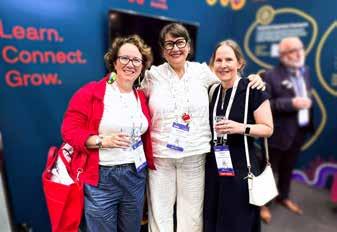
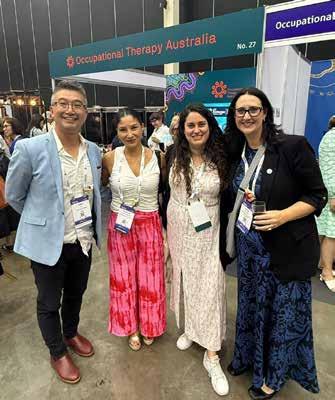
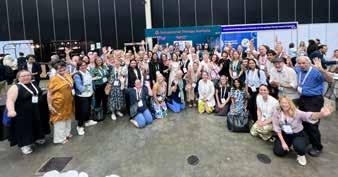
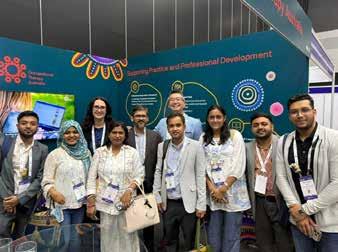
More than 2400 OTs from 96 countries, including a strong Australian contingent, came together in Bangkok in February to connect, challenge thinking and share ideas for the future of the profession. We were proud to showcase the work OTA is leading around the world.
Big conversations. Fresh thinking. Plenty to bring home. See p16 for the wrap-up.
Stay informed and connected
Get the latest OTA news, including key updates on policy, advocacy, reforms, and the many ways you can get involved to help shape the future of our profession.
Scan the QR code to learn more.
The OT event of the year!
OT Exchange 2026 in Brisbane is Australia’s largest clinical conference for OTs. It’s your opportunity to step out of the day-to-day and into focused, profession-wide learning.
Across two action-packed days, you’ll explore practical strategies, emerging evidence and have candid conversations about the challenges and opportunities shaping our profession. With inspiring keynote speakers, panel sessions, immersive workshops, leadership insights and future-focused discussions, this year’s program is designed to energise your practice and expand your thinking.
This conference will showcase the depth, diversity and strength of occupational therapy across Australia. Wherever you practice, you will see your work reflected in this program.
For Private Practice Clinicians
If you’re running your own business, thinking about launching one, or leading a growing team, the Private Practice Day on 22 June is built just for you. Delivered as a single stream of focused sessions, you’ll hear from expert speakers on topics that matter to your business, including cyber-security basics, practical digital marketing, real-world AI integration in OT services, leadership mindset shifts and sustainable success strategies that help you thrive beyond clinical hours.
Early Career and New Graduates
For OTs who are newly qualified or in their first few years of practice, OT Exchange offers a powerful opportunity to boost confidence and clinical capability. With sessions on translating evidence to practice, engaging workshops and clinical conversations, early career OTs will find support to navigate complex caseloads and build their professional identity. The program also features insights from new graduate presenters and researchers.
Experienced Clinicians and Specialists
Seasoned practitioners will find rich content across core and evolving practice areas, including Older Persons, Disability, Paediatrics, Assistive Technology and Knowledge Translation. These streams deliver evidenceinformed presentations, interactive workshops, and case-based learning that reflect the latest thinking and real-world practice insights from leaders across the profession. As a seasoned practitioner, learn about new approaches to mentoring and supervision, align with best practice and explore innovations shaping the future of the profession.
Researchers, Educators and Innovators
OT Exchange isn’t just about listening – it’s about contributing. Presenters and innovators have the chance to share research, quality improvement projects, case studies or product ideas through a range of presentation formats. From oral presentations and occupation stations to rapid pitch sessions and poster displays, this year’s program highlights the diversity of occupational therapy knowledge and practice.
Get social at OTX Brisbane
Two days that will sharpen your thinking, strengthen your practice and reconnect you with the power of our profession.
Feel the buzz as delegates, sponsors, exhibitors, invited guests, OTA Board members, staff and international speakers come together to connect and celebrate. Our lively networking sessions and social events are a highlight, from the welcome reception and first-time delegate meetup to the award presentation and OTX Ignite. Being at OTX is where professional growth meets real connection –and you won’t want to miss a moment.
22 June 2026
Private Practice Day
23–24 June 2026
Brisbane Convention and Exhibition Centre, Queensland
Join Australia’s largest clinical conference for OTsconnect, be inspired, and shape the future of occupational therapy together!
Explore the full program and register today.
Scan the QR code or visit otausevents.com.au/ otexchange2026.
Dr Dinesh Palipana OAM
Master of Ceremonies
Doctor, lawyer and disability advocate
Dr Catherine Ball
Opening Keynote Speaker
Award-winning futurist and best-selling author
Greg Santucci
International Keynote Speaker
Internationally recognised paediatric OT
Partnering for Safety and Independence:
How Occupational Therapists and Tubway
Are Creating Safer Bathrooms Across Australia.
Every day, occupational therapists advocate for the safety, independence, and dignity of their clients. One of the most overlooked, yet high-risk, areas of the home is the bathroom - especially traditional bathtubs that require stepping over a high edge. These bathtubs pose a serious risk of falls, especially for older adults or those with mobility or balance issues.
That’s where Tubway comes in.
Since 2007, Tubway has been modifying existing bathtubs to create low-step safer access point-without the need for a full bathroom renovation. In just a few hours, our trained team converts a regular bathtub into a walk-in solution that dramatically reduces fall risk and restores confidence in daily routines like showering.
As an Occupational therapist, recommending practical and immediate safety solutions is central to your role. Tubway provides a simple, fast, and cost-effective solution that aligns with your goals for client safety and independence. Most importantly, it allows your clients to remain in their homes longer, with dignity and reduced injury risk.
Why OT’s Refer to Tubway:
• Fast Turnaround: Modifications are typically completed in a single day.
• Client-Centered Approach: Every modification is installed with client needs, abilities, and OT recommendation in mind.
• Government Trusted: Tubway has served Australian Government departments and Aged care organisations for nearly two decades.
• Proven Results: 100% client satisfaction since 2007 across thousands of successful modifications.
Working Together for Better Outcomes
We value the insight occupational therapists bring to home safety planning. That’s why Tubway welcomes referrals, collaboration, and input from OT’s to ensure each Tubway modification is tailored to the specific need of your client. We’re not just installing hardware - we’re delivering a trusted solution that supports your clinical recommendations and enhances your client’s quality of life.
Refer With Confidence
When you refer a client to Tubway, you can be confident they’ll receive professional service, honest advice, and a high-quality outcome. We provide free consultations, and there’s no pressure or obligation placed on your client - just helpful information.
One Small Step That Changes Everything
Advocacy in action:
Supporting our members and advancing the profession.
Every action we take starts with our members.
Your experiences, insights and priorities guide how we represent you, consult with you and champion the profession.
Together, we break down barriers, influence policy, and make sure decision makers understand the vital, life-changing work OTs do every day.
Key advocacy activity (November - February)
• Greater recognition of the value of occupational therapy in enabling independence and wellbeing for older Australians
• Inclusion of OTs as approved counsellors under the NSW Victims Support Scheme
• Clarity on the impact of portable long service leave schemes on small OT providers
• Practical, targeted workforce measures to strengthen OT service provision in South Australia’s healthcare system
• Advocating to enable OTs to issue subsequent Certificates of Capacity under workers compensation schemes
• Advocating for the vital role of OTs in delivering services in the Thriving Kids initiative
• Proportionate and appropriate governance of OTs delivering services within school-based settings
• Highlighting the role of occupational therapy in delivering contemporary, evidence-based, tailored therapy supports to NDIS participants
• Advocating for equitable pay and conditions for Victorian Mental Health OTs
• Keeping workforce solutions on the agenda leading up to the South Australian state election
• Supporting AHPA in the call to expand the Commonwealth Prac Payment to include all allied health students
• Advocating for access to high-quality allied health in aged care
• Helping shape pricing arrangements that better reflect the realities of OT practice under the NDIS
• Giving members the opportunity to hear directly from the Department at our DVA Member Forum
Strength in numbers: Collaborating with allies
OTA has united with members and other peak bodies to amplify impact. Recent activities include:
• Endorsing AHPA’s submission to the Disability Safeguards Commission for appropriate recognition of regulatory requirements for OTs delivering NDIS services
• Attending Mental Health Australia’s Policy Forum
• Inviting 150 Federal MPs and 76 Senators to OTA’s inaugural Morning Tea in Parliament House, Canberra
• Building relationships with the Victorian Centre for the Advancement of Allied Health to advance the OT profession in Victoria
• Ongoing collaboration with ATSA to advocate for equitable access to assistive technology
Meetings that matter
OTA brought the voice of Australian OTs to key decision makers in 15 strategic meetings. Highlights include:
• Meeting with the Hon. Jess Walsh, Minister for Early Childhood Education, to discuss practical models that embed OTs within the Thriving Kids program
• Meeting with the Hon. Sam Rae on OT’s role in supporting older Australians to age with dignity
• Engaging with South Australia’s shadow ministry ahead of the state election
Submissions and policy input
• Discussions with the TAC to further inform Victoria’s new OT service delivery model
• Collaboration with the newly established Victorian Centre for the Advancement of Allied Health
• Discussions with Victoria’s Chief Allied Health Officer about opportunities to collaborate on behalf of the OT workforce
OTA made eight submissions across aged care, disability, workforce and mental health:
• Federal Budget Submission 2026
• Senate Community Affairs Legislation Committee Review of the Aged Care Rules
• Senate Inquiry into the transition of CHSP to the Support at Home Program
• QCAT Act Statutory Review 2025–2026
• Tasmania’s Mental Health Continuum of Care Project
What we’ve welcomed
• Release of The Participation Gap report –OTA briefed Ministers and generated 100+ media mentions, including an op-ed by OTA’s CEO Samantha Hunter
• OTA’s Advice to Governments on Foundational Supports for People with Psychosocial Support Needs
• Productivity Commission’s final report of its Review of the National Mental Health and Suicide Prevention Agreement
What’s ahead
• Helping shape a fair, equitable and sustainable Thriving Kids scheme
• Engaging with IHACPA’s Support at Home cost collection to inform Government pricing advice
• NDIS Safety and Quality Commission Practice Standards Review
• South Australia’s Suicide Prevention Action Plan 2025–2029
• Ahpra consultation on principles for outcome-based accreditation
• Implementation of the new Aged Care Act – allowing OTA to stay engaged with the Government on aged care reforms
• National Health Practitioner Ombudsman’s recommendations for fairer charging models for health practitioner registration fees
• Launching our Victorian election campaign
• Advocacy ahead of NDIS reforms
Supporting neurodivergent teens to learn to drive: An OT-led online parent coaching case example
Brad Williams | OT, Driving Instructor, Founder and CEO of Williams Occupational Therapy
Learning to drive is often framed as a rite of passage. For autistic and ADHD teens, it can feel like a complex project, with extra uncertainty for families. Autistic young people obtain licences later and less often than their non-autistic peers. However, when licensed, crash and offence rates appear broadly similar for neurotypical teens and autistic teens, though support needs and error patterns may differ.
For teens with ADHD, cohort and meta-analytic studies indicate higher crash risk and more violations linked to executive functioning and self-regulation. The message is not to avoid driving, but to prepare differently and support families more intentionally.
Why this matters for all OTs, not just driving
OTs
Many autistic and ADHD teens first encounter occupational therapy in paediatrics, mental health, school-based services or early adult practice, well before a learner’s permit. Families commonly describe uncertainty about readiness, high anxiety in the car and fear of damaging the parent-teen relationship. These themes align with qualitative work highlighting inconsistent access to autism-informed driving support and the impact of anxiety and sensory overload on practice.
Parent-mediated interventions provide a strong clinical rationale for a coaching approach. Systematic reviews show that when parents are trained to embed structured strategies into everyday routines, children and adolescents can show gains in communication, adaptive functioning and participation. Driving is a complex IADL shaped by executive function, sensory processing, emotional regulation and family routines, and most learning occurs outside the clinic.
A case example – designing a parent coaching pathway
In our South Australian driver rehabilitation practice, we frequently saw neurodivergent teens and parents unsure about next steps or stuck at the learner stage despite goals for work, study and community participation.
Drive With Me was developed as an OT-led parent and teen coaching pathway designed to sit alongside driver assessment and instructorled lessons. It uses a three-stage structure.
• Before driving, we focus on readiness using a Person–Environment–Occupation lens, targeting executive function, sensory factors, emotional regulation and basic community mobility, including neurodivergent friendly approaches to learning road rules.
• Starting to drive, we coach parents as supervising drivers and use graded exposure to build predictable, low-stress practice routines. We also cover how to choose a driving instructor and how to support anxiety management.
• Towards independence, we support test readiness and the practical routines that turn a licence into sustained participation.
Delivery is primarily via telehealth with targeted worksheets and an online library of 60+ short video modules. Around one-third of current families live interstate, reinforcing the value of flexible online access. Families do not need to complete an OT driver assessment to benefit. The pathway can support early readiness, unlock stalled progress and help clarify when specialist driver OT assessment is indicated.
Telehealth and the changing NDIS landscape
Access to driver-trained OTs remains limited in many regions. Recent NDIS pricing settings that reduce the relative capacity to claim travel time further encourage thoughtful telehealth use where appropriate. Online coaching can reduce travel burden, enable multiple caregivers to attend and extend specialist-informed support to rural and interstate families.
These observations align with emerging evidence for telehealth parent-mediated interventions in autism, including improved parent knowledge and reduced parenting stress.
Parents as partners, not just helpers
Paediatric OTs routinely use home programs and parent coaching. Family-mediated intervention research supports parents as active co-interventionists. Extending this approach into the driving years can reduce conflict, strengthen co-regulation and increase practice opportunities with clear, structured strategies.
What OTs can do
Generalist OTs can contribute without teaching vehicle handling. Start the driving conversation early and link goals to participation and community mobility. Screen pre-driving foundations, including executive function, emotional regulation under stress, sensory factors and community navigation. Where appropriate, coach parents in simple planning and debriefing tools to reduce conflict and support graded exposure. When families are unsure, stuck or the risk profile is complex, consider referral to a driver-trained OT. Structured parent coaching delivered by telehealth can also run alongside instructor lessons and OT driving interventions, particularly when geography, waitlists or NDIS travel constraints limit faceto-face options.
Conclusion
An OT-led, parent-mediated telehealth model can help neurodivergent teens build readiness and confidence for driving while supporting family wellbeing. As NDIS constraints and consumer expectations evolve, scalable online coaching provides a credible pathway to safer, more equitable community mobility.
Have your say on the revised Driving Competency Standards
OTA is undertaking work to review the Driving Competency Standards. A draft of these standards can be found on OTA’s Driving page along with several practice resources including the updated Jurisdictional Differences Table. OTA is seeking your views on the revised Driving Competency Standards. Consultation is open from 24 March until 30 April 2026.
Scan this QR code to view the draft and to complete the consultation survey.
Scan this QR code to see the Jurisdictional Differences Table.
About the author
Brad Williams is an occupational therapist based in Adelaide, driver-trained since 2008 and a motor driving instructor since 2013. He is the founder and CEO of Williams Occupational Therapy (est. 2011) and a member of OT Australia’s National Driving Taskforce and the South Australian OT driving interest group.
Disclosure: Brad is the developer of the Drive With Me program described here as a case example of an OT-led, parent-mediated approach to driving readiness.
References
Autism and licensing rates / patterns. Curry, A. E., Yerys, B. E., Huang, P., & Metzger, K. B. (2018). Longitudinal study of driver licensing rates among adolescents and young adults with autism spectrum disorder. Autism, 22(4), 479–488.
ADHD and crash risk. Curry, A. E., Metzger, K. B., Pfeiffer, M. R., et al. (2017). Motor vehicle crash risk among adolescents and young adults with attention-deficit/hyperactivity disorder. JAMA Pediatrics, 171(8), 756–763.
Parent-mediated interventions, OT-relevant. Althoff, C. E., Dammann, C. P., Hope, S. J., & Ausderau, K. K. (2019). Parent-mediated interventions for children with autism spectrum disorder: A systematic review. American Journal of Occupational Therapy, 73(3), 7303205010p1–7303205010p13.
Telehealth parent-mediated intervention / rural access. Parsons, D., Cordier, R., Vaz, S., & Lee, H. C. (2017). Parent-mediated intervention training delivered remotely for children with autism spectrum disorder living outside of urban areas: A systematic review. Journal of Medical Internet Research, 19(8), e198.
Highlights from the 19th WFOT Congress, Bangkok 2026
Dr Kim Walder | First Alternate Delegate
Australia had a strong and vibrant presence at the 19th World Federation of Occupational Therapists (WFOT) Congress, held recently in Bangkok, Thailand.
More than 100 Australian delegates joined over 2,444 participants from 96 countries for four days of global exchange, professional inspiration, and collective vision setting for the future of occupational therapy.
The scientific program showcased the breadth and depth of contemporary practice, with presentations spanning occupational justice, rehabilitation, mental health and wellbeing, ageing, paediatrics, education, theory development, public health and community development, workforce development and cultural responsiveness. The Congress provided an invaluable platform for strengthening international networks and reaffirming shared commitments to advancing evidence-based occupational therapy worldwide.
Australian leadership featured prominently throughout the event. Professor Elspeth Froude (Australian Catholic University) delivered a keynote address, while Kylie Shae, OAM – an Australian leading the World Health Organization’s Access to Medical Devices and Assistive Devices program – served as plenary speaker during the opening ceremony. Additional plenary sessions brought together global experts to explore strategic partnerships, the future of the profession, and the implications of artificial intelligence, with Australia’s Jess Francis contributing to the AI panel.
The Congress provided an invaluable platform for strengthening international networks and reaffirming shared commitments to advancing evidence-based occupational therapy worldwide.
The Congress also marked the conclusion of Samantha Shann’s term as WFOT President. Delegates from around the world, including OTA representatives, acknowledged her significant contribution to WFOT, including her leadership as President from 2021–2026. WFOT Executive Director Ritchard Ledgerd highlighted her achievements in strengthening global collaboration, advancing advocacy and elevating the profession’s role in global health.
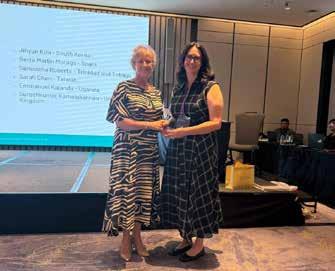
Australia’s Professor Lynette Mackenzie received the prestigious WFOT Merit Award, recognising her outstanding global contribution. OTA proudly celebrates this well-deserved honour.
A highlight of the closing ceremony was the presentation of the prestigious WFOT Merit Award to Australia’s Professor Lynette Mackenzie, recognising her outstanding global contribution, including her service as WFOT First Alternate Delegate, Delegate, Second Alternate Delegate, and most recently as global Director of Research. OTA proudly celebrates this well-deserved honour.
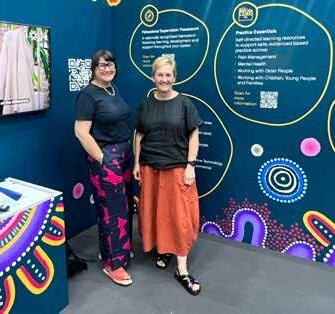
The OTA booth attracted considerable interest, with delegates eager to learn about our supervision framework, capability frameworks and self directed learning modules –as well as to collect the ever popular clip-on koalas.
Ahead of the Congress, Australia’s delegation – Associate Professor Emma George (Delegate), Dr Kim Walder (First Alternate Delegate) and Dr Adam Lo (Second Alternate Delegate) – participated in the WFOT General Assembly.
The meeting welcomed several new member organisations, bringing WFOT membership to 117. Vietnam, Armenia, Tunisia, and Mongolia joined as full members (having a WFOT approved education program), while the Maldives, Moldova, Hungary, the United Arab Emirates, and Saint Maarten were admitted as associate members (having an officially recognised member organisation).
Across three days, delegates engaged in governance, strategic discussion and focused working groups addressing sustainability, advocacy, global workforce strategy and revisions to the Minimum Standards for the Education of Occupational Therapists and the Minimum Competencies for Occupational Therapists – important developments to watch closely.
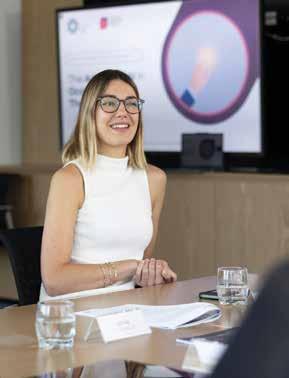
Alexandra Reynolds Moderator, Chief Operating Officer, Occupational Therapy Australia
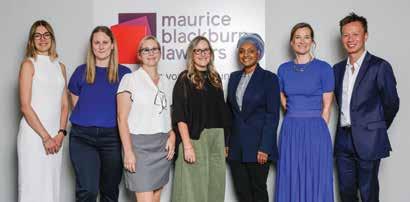
Azmeena Hussain Principal Lawyer, Maurice Blackburn
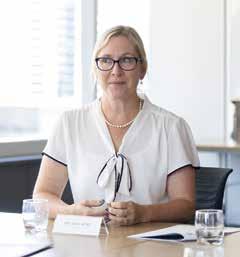
Ailsa Leslie Head of Professional Practice, Occupational Therapy Australia
Melanie Wind Founder and CEO, Perci Health
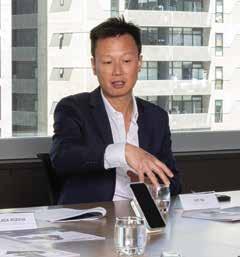
Leo Ng Professor, Physiotherapy, Swinburne University of Technology
Dr Vlada Rozova Senior Research Fellow, Applied Machine Learning, The University of Melbourne
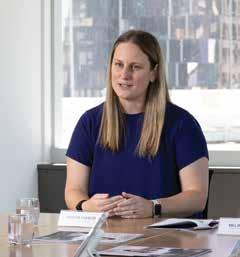
Jess Francis Chair, OTA NSW Divisional Council Founder, The Training Club
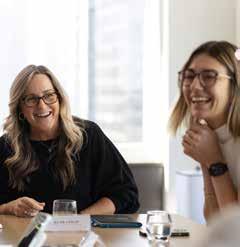
Privacy and potential: Managing AI in professional practice
Artificial intelligence is already supporting occupational therapists to be more effective. While compliance challenges remain, the technology has broad potential to improve client outcomes.
By Alexandra Cain
Artificial intelligence (AI) is already reshaping occupational therapy. While its capacity to streamline the way information is gathered and understood is enormous, putting in place the appropriate guardrails is paramount to protect clients’ sensitive information.
Like many industry sectors, occupational therapists are working through how to collect, store and use client data in an AI context safely, ethically and within legal frameworks. In this roundtable, we explore the benefits, risks and best practices for adopting AI in practice.
Alexandra Reynolds, moderator, Chief Operating Officer, Occupational Therapy Australia: How is AI evolving within allied health?
Leo Ng, Professor, Physiotherapy, Swinburne University of Technology: AI is supporting allied health professionals, not replacing them. It is doing the work healthcare professionals may not see as a high priority, like documentation and admin, to allow professionals to do what they do best. But of course, there’s always going to be human oversight. I don’t think AI is going to replace healthcare professionals. I think it’ll make us more effective.
Jessica Francis, Chair, OTA NSW Divisional Council, Founder, The Training Club: The tech has evolved quickly and adoption sits on a spectrum. So there are some individuals or practices that are quite advanced, usually in the private sector. Others are fearful of doing things
Photography by Francois Vaccarello
It’s important to draw out what AI shouldn’t do and what it should do. Even if you use AI, the clinician is ultimately responsible and needs to review the documentation. On things like decision support, there’s a lot more risk associated and ethical considerations on training.
wrong. Some people hate technology and refuse to use it. I think we’re really at the tip of the iceberg with the capability of the technology.
Ailsa Leslie, Head of Professional Practice, Occupational Therapy Australia: I read a quote that said, ‘AI won’t replace occupational therapists, but occupational therapists that use AI may replace occupational therapists that don’t.’ This emphasises as AI evolves in occupational therapy, therapists must prioritise upskilling in its use and governance, ensuring we retain human ethical oversight to ensure this technology enhances, rather than erodes our core values.
Vlada Rozova, Senior Research Fellow, Applied Machine Learning, The University of Melbourne: AI needs a lot of client data and in client settings where you don’t have access to electronic health records, you don’t have access to this whole-of-client history that could feed into the AI. In this context, documentation, automation, generation of reports, triaging and matching patients with providers has big potential.
Azmeena Hussain, Principal Lawyer, Maurice Blackburn: AI is being adopted by clinics in terms of report writing and as an assistant for record keeping. The regulatory authorities we engage with are really welcoming AI, but it’s very important to be aware of the legal consequences. The governance aspects can seem a bit overwhelming, but once appropriate governance is in place, I think it’s terrific.
Alexandra: What’s the intersection of AI and healthcare in occupational therapy practice?
Jess: We’re seeing easy things come to market that don’t require regulatory approval and are administrative in nature, such as scribing. But there is a lag in the clinical therapy space. The governance landscape is part of the work I do. There’s a real keenness to jump into using the tech and not think about the consequences. Some of the governance aspects are really complicated.
Privacy legislation is complex and it can be really difficult as a clinician to figure out, such as abiding
by the Privacy Act, the privacy principles and state-based privacy legislation for healthcare. Assessing third-party tools and achieving interoperability are challenges. We haven’t got to a point where one tool can do or deliver everything in a safe way. That’s a barrier.
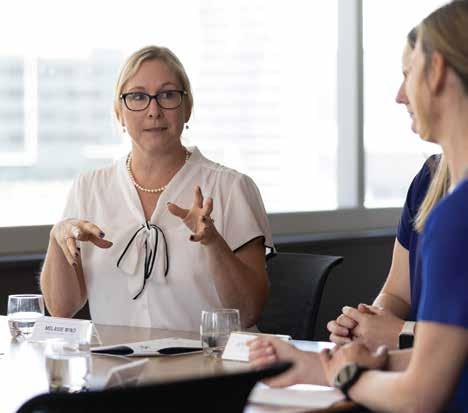
Melanie Wind, Founder and CEO, Perci Health: It’s important to draw out what AI shouldn’t do and what it should do. Even if you use AI, the clinician is ultimately responsible and needs to review the documentation. On things like decision support, there’s a lot more risk associated and ethical considerations on training.
Ailsa: AI is transforming some aspects of occupational therapy practice, augmenting documentation, goal setting, professional reasoning, report writing and appointment scheduling. However, we must ensure efficiencies never eclipse occupation and participation-focused outcomes delivered through relational practice. Efficiency is not the goal of occupational therapy.
Workforce development in AI will be crucial, equipping occupational therapists to leverage its potential, while staying true to our professional identity, prioritising human connection and meaningful engagement in the therapeutic process.
Azmeena: Practitioners have a nondelegable duty of care, whether they implement AI or not, that responsibility sits with them. AI should be looked at as a tool that can enhance practice, working alongside the practitioner. If anything, AI re-enforces the importance of the Privacy Act as well as the Australian Privacy Principles and, of course, state-based legislation.
Jess: We have to be aware of the impact on cognitive function if we outsource everything to ChatGPT. Critical analysis is key for competent AI use, but ironically, it’s the first to go when you over rely on AI.
Vlada: It’s very interesting to listen to people coming from different backgrounds. AI isn’t the first really complex technology coming to healthcare. What AI is lacking is an
evidence base. There’s just not been enough time. That’s one problem. The other problem is a lot of it is so driven by individuals. We know an MRI machine has gone through very rigorous quality assurance. The way it’s positioned in the hospital is not going to interact with the results, so we can rely on it. We don’t really need to understand how it works as users, but we know that behind it is a solid base of knowledge and evidence.
A lot of our AI tools, even the most taken up, ones like AI scribes, have not gone through any evaluation. No one has looked at variability in terms of accents, genders, ages, socio economic backgrounds and contexts. There is just so much desire to get it in practice as soon as possible that it feels like some of this gets overlooked.
Alexandra: How can AI add value to occupational therapy practice?
Ailsa: AI is already adding value to occupational therapy practice through efficiencies and innovations that amplify occupational therapy’s core goal of enabling participation in meaningful everyday occupations. We
can continue to expect a rapid evolution from here, so workforce development will be critical to maximise the value of AI, while ensuring we stay true to ourselves as occupational therapists. This preserves human oversight, relational practice and keeping participation outcomes at the forefront.
In addition to AI-driven administrative and documentation efficiencies, occupational therapists are also seeing the value of AI in the rapid evolution of AI-enabled assistive technology. We’re starting to see some great outcomes for individuals using autonomous drive powered wheelchairs, responsive environmental control systems that are able to measure changes in physiology and function, and AI-driven Virtual Reality (VR) enabling access to rich environments for individuals who otherwise might not be able to access them, augmenting their participation in occupations meaningful to them such as kitchen activities, shopping or sports.
It’s an exciting time and the role of the occupational therapist will need evolve at the same rate to ensure we’re able to help AT users make informed
AI should be looked at as a tool that can enhance practice, working alongside the practitioner. If anything, AI re-enforces the importance of the Privacy Act as well as the Australian Privacy Principles and, of course, state-based legislation.
decisions based on strong professional reasoning, articulate these solutions to funding bodies and harness the potential of these innovations whilst ensuring safe and ethical integration into the lives of AT users.
Leo: I work at a university and one of the biggest things everyone asks is how we prepare our students. We need to teach our students how to critique AI tools. How they are used, privacy, governance and where data is from. We need to do that probably yesterday.
Jess: AI is a tool. It’s not the be all and end all. We’re not doing this for the sake of AI. We’re doing it to solve problems, and if AI is the right tool to solve the problem, fabulous. Let’s go for it. But sometimes it’s not and sometimes we need to step back and pause to find the right solution to the problem.
Melanie: OTs’ biggest superpower is relationships and helping people through people skills. Any AI that can support them by adding value to less important activities, that’s where AI can have the biggest value.
Alexandra: What legal and compliance considerations should occupational therapists be aware of when using AI?
Azmeena: There are aspects around consent, privacy and good governance to be considered, each time AI is used in practice. Every time a client comes in, consent needs to be obtained and practices need to ensure they have good governance. This means having written consent obtained, backed by disclosure statements and privacy statements, reviewed and updated to ensure AI is captured when it comes to looking at what system to implement.
When it comes to service provider compliance, our general advice is to take steps to ensure you are satisfied digital information is stored safely and securely, especially if it’s offshore. You have an obligation to notify patients not just that you’re using AI within your practice, but also where data is stored and that you’ve taken steps to satisfy yourself that it is safe and kept confidential. It’s important OTs notify patients when they are using an AI scribe within the practice.
“
I work at a university and one of the biggest things everyone asks is how we prepare our students. We need to teach our students how to critique AI tools. How they are used, privacy, governance and where data is from. We need to do that probably yesterday.
I might walk into a clinic and start talking about my dog and if that’s been scribed, I might not have consented to that.
Azmeena: In that situation, have a conversation with the service provider about your requirements and the terms you want to operate on, taking into account large providers might not be open to work on terms that work for you. Also be careful using generic large language models like ChatGPT. Even when you look to deidentify data you enter into these tools, it’s very important that it is explicitly deidentified. There’s no problem to use AI to help prepare medical reports, so long as you cannot identify who that client is. Their date of birth, or initials is enough to identify them. Checking paragraphs to polish grammar and spelling may seem fine but it does put you at risk.
Jess: I work with a lot of sports dietitians and their clients are high-profile athletes and their stories alone are identifiable. So it’s not just name, date of birth, suburb, it is also
one-in-a-million diagnoses and high-profile stories where you shouldn’t use AI tools at all.
Alexandra: What does best practice management of AI in occupational therapy look like?
Jess: It’s understanding your responsibilities and what AI should and should not be used for. You have to explore, you have to play. So start with lower risk activities, but really, the tech is limited by our imagination. So, think outside the square and explore how AI might solve problems that cause you pain.
Vlada: I spent two weeks at Royal Melbourne Hospital last year shadowing the general medicine team around the ward. That was my immersive experience seeing how things happen and how people interact with information systems, each other and with patients. I saw some very complex cases that require many, many different specialists to attend and to work together. I came out of those two weeks thinking
AI is never going to replace anyone. It can help with some administrative, simple, low intelligence things, but it will never, even get close to replacing a team of clinicians looking after a patient.
Alexandra: What are the other resources available to help occupation therapists adopt and use AI effectively?
Ailsa: OTA is empowering members to adopt and integrate AI ethically and effectively. We offer progressive CPD workshops for all skill levels, from beginners to intermediates and those with advanced AI knowledge and skills.
In our member portal, OTA Connect, we have free member-only practice resources including an FAQ about AI use in occupational therapy. Via our Practice Queries Service members can phone in or email specific questions for a response from our experienced occupational therapy practice advisors. OTA members also have exclusive access to complimentary legal advice re AI use via our partnership with Maurice Blackburn Lawyers.
“
... AI is never going to replace anyone. It can help with some administrative, simple, low intelligence things, but it will never, even get close to replacing a team of clinicians looking after a patient.
Contact details for Practice Queries Service: info@otaus.com.au or 1300 682 878
This summary reflects a facilitated discussion between invited expert panelists in Melbourne in February 2026.
Look who’s coming to Australia!
This June, Occupational Therapy Australia is bringing internationally recognised paediatric occupational therapist Greg Santucci to Australian OTs through our International Speaker Tour.
Greg has been a Paediatric OT for 26 years. He is a Supervisor of OT at Children’s Specialized Hospital (New Jersey), Executive Director of Power Play Pediatric Therapy, and a Founder and Chief OT at ThinkSensory. Certified in Sensory Integration and the creator of the Model of Child Engagement, Greg is a sought-after international speaker on neurodevelopment, sensory processing and regulation – and Australian OTs now have the unique opportunity to learn from him in person!
A philosophy grounded in humanity
At the heart of Greg’s work is a deceptively simple philosophy: centre the child.
“Too often, we focus on compliance, performance or activities,” Greg explains. “But I focus on the human being in front of me.” He believes every child wants to succeed, to belong and to make the adults around them proud. Behaviour, in this lens, is not something to be managed or extinguished – it is information. A story that tells us whether a child’s needs are being met, or whether they are struggling.
“When we provide the support a child truly needs,” Greg says, “behaviour naturally improves, and growth follows.”
This child-centred lens resonates strongly with contemporary Australian OT practice, particularly as clinicians navigate increasing complexity in presentations, service pressures, and expectations around behaviour and participation across home, school and community contexts.
Neurodevelopmentally informed – beyond the buzzwords
Greg’s workshops explore what it really means to take a neurodevelopmentally informed approach, moving beyond theory into day-to-day clinical decision-making.
“In practice, it’s about aligning expectations with actual developmental capacity,” he says. “Instead of pushing kids beyond what’s biologically typical, we scaffold skills based on how the brain naturally develops.”
This may sound intuitive, but in systems driven by curriculum standards, performance metrics and compliance-based models, it can feel counter-cultural.
Greg challenges clinicians to pause and ask: Where is this child’s brain developmentally? rather than What should they be doing by now?
By respecting developmental windows for cognitive, emotional and motor growth, Greg argues, therapists create the conditions for curiosity, confidence and genuine learning – outcomes that no amount of pressure or reward charts can produce.
Felt safety as the foundation for learning
One of the most powerful shifts Greg invites clinicians to make is prioritising felt safety as the foundation for all learning and participation.
“A child can’t fully participate or regulate if they don’t feel safe,” he explains. In his practice, behaviour is always interpreted as a response to stress – whether internal, external, relational or environmental. When challenges arise, Greg looks for the stressor and works collaboratively with children and caregivers to address it.
This philosophy extends to families as well. Greg assesses whether a child and their caregiver are operating in “learning mode” or “protection mode.”
“If a caregiver is stressed, overwhelmed or exhausted, I meet them there,” he says. “I offer strategies they can actually absorb and implement. Safety first – regulation and skill-building follow.”
For many OTs, this reframing is both validating and liberating, particularly in systems where families are under immense pressure and clinicians are expected to “fix” behaviour quickly.
Greg is a brilliant clinician and gifted presenter, sharing his love of OT with insight and fun.
Moving beyond isolated skills
Greg’s approach challenges compliance-driven models that focus on discrete skills divorced from context.
“I start with felt safety and co-regulation,” he says. “When kids feel safe and emotionally regulated, they engage authentically and meaningfully.”
Participation, in this model, is not something to be earned through rewards or compliance, but a natural outcome of emotional readiness. The focus shifts from making children do to creating conditions where children can engage – a subtle but profound change that aligns deeply with occupational therapy’s core values.
A global profession facing shared challenges
Through his extensive international work and online community, Greg sees common challenges emerging for paediatric OTs worldwide. Behaviour continues to be misunderstood, neuroaffirming approaches can be difficult to implement within compliance-based systems, and funding and policy inconsistencies create barriers to equitable access.
His response is both pragmatic and empowering. Greg encourages OTs to advocate through action: gather data, demonstrate impact in real homes and classrooms, and show decision-makers what child-centred, neurodevelopmentally informed practice looks like when it’s done well.
Learning that sticks – and sparks joy
Greg’s workshops are deliberately designed to be interactive, immersive and embodied – because that’s how humans learn best.
“Wear sneakers,” he laughs. “We’ll be up and moving.” Expect laughter, brainstorming, problem-solving and plenty of ‘aha’ moments that translate directly back into practice.
Attendees consistently describe leaving with strategies they can use immediately, along with renewed confidence in their clinical reasoning and advocacy.
Clinicians will walk away with sensory-based, neuroaffirming tools that allow them to truly ‘walk the walk’ – not just talk about neurodiversity but implement it meaningfully in their work.
Greg Santucci
Supervisor of OT at Children’s Specialized Hospital (New Jersey), Executive Director of Power Play Pediatric Therapy, and a Founder and Chief OT at ThinkSensory
Greg will lead immersive full-day workshops that are highly interactive, practice-focused and full of strategies you can use immediately. These sessions aren’t just about absorbing knowledge – they’re about engaging, problem-solving and leaving with your heart and brain full.
Wherever Greg is speaking, his expertise and energy make every room come alive. His enthusiasm is contagious, his ideas thoughtprovoking, and his approach inspires clinicians to reconnect with why they became occupational therapists in the first place.
These workshops will be as energising as they are informative. Don’t miss this rare opportunity to learn from one of the world’s leading paediatric OTs in a way that truly sticks.
Regulate to Participate: Neuro-Affirming Strategies for Everyday Practice
Brisbane workshop Monday 22 June 2026
Sydney workshop Friday 26 June 2026
Melbourne workshop Monday 29 June 2026
Perth workshop EOI July 2026
Greg will also deliver the International Keynote Presentation at OT Exchange Brisbane on Wednesday 24 June.
Scan the QR code register for one of Greg’s full-day workshops
One of the most valuable education experiences I have had… given so many strategies and ideas that go beyond theory. Resources were off the charts!
A shared professional spirit
Greg – an American OT based in New Jersey – is thrilled to connect with Australian OTs.
“It’s like we’re kindred spirits separated by a little bit of ocean,” he says. “We share so many similarities and challenges. I can’t wait to dive in!”
That sense of shared identity is central to OTA’s International Speaker Tour Series, which connects Australian practitioners with global perspectives while keeping learning grounded in local relevance.
Looking ahead
Greg sees paediatric occupational therapy evolving rapidly over the next decade, with growing demand, expanding roles in supporting behaviour, and increased use of flexible service models such as asynchronous therapy. Across these changes, he believes OT’s deep understanding of development and regulation will only become more essential.
Professional connection – both locally and globally – will be key.
“Global perspectives foster the exchange of ideas and innovations,” Greg says. “They strengthen our profession and help us provide the best possible care.”
An invitation to be part of something energising
Greg’s message to Australian OTs considering the tour is characteristically warm – and hard to resist.
“My goal is for this to be the most fun, rewarding continuing education experience you’ve ever had,” he says. “We’re going to learn, laugh, share stories and reconnect with why we do this work.”
And if the buzz from previous workshops is anything to go by, meeting Greg in person might just be the moment that reminds you exactly why you chose paediatric occupational therapy – and where it can go next.
Greg will also bring his energy and insight as the International Keynote Speaker at OT Exchange in Brisbane.
This seminar was phenomenal. Greg presented the information with clarity and passion. I cannot wait to bring this information back to my practice.
Member spotlight
Nigel Wind Occupational Therapist, Private Practice
Nigel Wind has more than 20 years’ experience as an OT and is a long-standing member of OTA. He is the Director of Perceptive Health, specialising in occupational rehabilitation for work-related injuries.
What inspired you to become an occupational therapist?
I was drawn to OT because it sits right at the intersection of health, work and identity. I loved the idea of helping people get back to what makes them feel like “them”, parenting, sport or work. I’ve always been moved by what people lose when injury or illness hits: confidence, purpose, connection. OT lets you help rebuild that, step by step, back to what sits at the heart of a person’s life.
Describe one of the most memorable moments in your OT career
Watching a younger OT confidently explain her ADL clinical reasoning to a boardroom of lawyers and seeing them furiously take notes. You could see the shift in her: realising her “OT common sense” is powerful evidence, and not always common. It reminded me how much our profession matters when we translate function into facts, and advocate with clarity. Those moments don’t just change outcomes, they grow clinicians.
How has being a member of OTA shaped your professional journey?
OTA has been my professional “home base” for over 20 years, where I’ve found mentors, evidence, and a community that gets the realities of practice. When you’re juggling complex stakeholders, it helps to know you’re not alone. OTA has shaped how I think, how I lead, and how I stay connected to the broader purpose of OT.
What are the biggest changes you’ve seen in OT?
The biggest shift I’ve seen is OT’s stronger, more proactive embrace of the biopsychosocial lens – recognising that recovery is shaped by mind, body, work and environment. It’s also brought richer collaboration with treating teams, employers and insurers. At the same time, technology has moved from “nice to have” to essential, through telehealth and smarter documentation. When used effectively, it protects time for what matters most: clinical reasoning and genuine human connection.
If you could mentor your younger self at graduation, what would you say?
I’d tell my younger self: find your people early. Seek quality supervision, learn from great clinicians and leaders, and don’t try to figure it all out. Protect your energy and headspace like it’s part of your clinical toolkit, because it is. Stay curious, stay humble, and keep learning, and be kind to yourself along the way; longevity in OT comes from purpose, boundaries and good community.
How do you see the role of OT evolving in the next 5 to 10 years?
I see OT becoming even more influential at a systems level, designing safer workplaces, shaping policy, and preventing long-term disability rather than just responding to it. We’ll also lean more into digital care, data, and AI tools that reduce admin and improve consistency. The heart of OT won’t change; we’ll still be the profession of function, meaning and participation.
What advice would you give other members about getting the most out of OTA?
Treat OTA like a gym membership, you get the most value when you actually show up. Go to events, join a SIG, ask questions, volunteer for a committee, speak at events and reach out to someone you admire. I have learned that the community is generous, and your future opportunities often come from the conversations you have in the margins.
What excites you most about the future of occupational therapy?
I’m excited by how openly we’re talking about workload, burnout and sustainable practice, because that’s how we keep good clinicians in the profession. I’m also energised by innovation: AI and digital tools can remove the “afterhours paperwork tax” so we can be more present with clients and still have a life outside work.
CPD Calendar
Our live online sessions and in-person events will prepare you for every situation and empower you with the skills and knowledge to excel in your practice.
APRIL WORKSHOPS
JUNE WORKSHOPS
Oedema: How to identify, assess and manage
Thur 23 April & Fri 24 April 8:30am–4:30pm
Thur 23 April
3:30–4:30pm AEST Online
Introduction to motivational interviewing
Fri 24 April, Fri 1 May, Fri 15 May 10am–4pm AEST Online
OT in schools – Tiers working in schools
MAY WORKSHOPS
Elevate your practice with generative AI: Intermediate
Mon 11 May to Thur 14 May (4 days) 9am–5pm In person
Neurodiversity a rming and trauma informed occupational therapy
Mon 11 May 3pm–4:30pm AEST Online Online
3:30pm–5pm AEST Online Online
OT in schools – Working e ectively with teachers
Thur 21 May 3:30pm–4:30pm AEST
Therapeutic goal setting: How to explore hope and aspiration whilst setting SMART goals
Mon 25 May 12 noon–1:30pm AEST Online
Mon 25 May & Tue 26 May 9am–5pm In person Melbourne
Environmental home modifications: The basics
Tue 26 May (Melbourne) 9am–5pm Wed 3 June (online) 1pm–3pm AEST In person Melbourne and Online
Transforming dementia care with Teepa Snow’s Positive Approach to Care
Thur 28 May 9am–5pm In person Melbourne
Complex home modifications
CPD On-Demand Learning Hub
Access expert learning anytime, anywhere, with OTA’s On-Demand Learning Hub.
Perfect for busy professionals, self-paced CPD allows you to stay up to date and gain practical, evidence-informed insights from our expert presenters, whenever it suits you. Access all videos, programs and courses through the CPD On-Demand Learning Hub.
Top on-demand picks
Scan the QR code to access the On-Demand Learning Hub Scan
Search all available on-demand products
Functional Cognition Explained
Working with Children, Young People & Families Program (5 Modules)
Module 2: Working with People with Pain –Assessment, planning and outcome measures
Stacey Tonkin Partnership & Growth Manager, Health & Professions, Aon
Alexandra Reynolds Moderator, Chief Operating Officer, Occupational Therapy Australia
Michelle Oliver Chief Occupational Therapist, Occupational Therapy Australia
Nadine Holgate Founder and Senior Occupational Therapist, Neurolinks
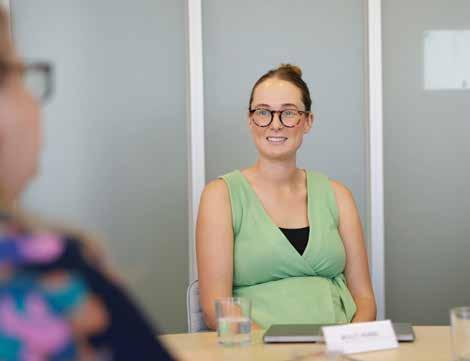
Molly Hobbs (née Cathcart) Advisory Member, OTA VIC Advisory Council
Occupational Therapist at WHR Allied Health
Working in the grey when mitigating professional risk
As the ground underneath occupational therapists shifts, it’s more important than ever to develop additional skills to manage an increasingly complex world and array of stakeholders. Insurance has a role to play.
By Alexandra Cain
There are numerous and sometimes competing forces shaping occupational therapists’ work, everything from the National Disability Insurance Scheme’s influence on the practice to new technologies. This has created emerging risks and a commensurate demand for new skills.
Being a competent OT requires clinical expertise, as well as seemingly soft, but in reality sophisticated, interpersonal skills. These include empathy and the ability to ask insightful questions to offer sound advice. But many situations are not clear-cut and aspects of practice fall into complex, ambiguous, grey areas. This exposes OTs to risks around ethical decision making, clinical judgement and client safety. It means documentation and record keeping, informed consent, confidentiality and privacy must be front and centre. These are critical areas that require careful consideration and risk mitigation. In this roundtable, we explore some ways to tackle what’s happening and what’s ahead.
Alexandra Reynolds, moderator, Chief Operating Officer, Occupational Therapy Australia: Occupational therapists are
Principal Occupational Therapist, Encourage OT
facing and managing many risks and there’s new ones coming. What’s the environment OTs operate in right now?
Australia: In the last five to ten years, the OT profession has expanded beyond the traditional hospital, community-based and aged care settings into the rapidly growing private sector. The NDIS has prompted an increase in OT sole traders and sole providers, which has created great opportunities for our profession. But it’s also completely changed the environment we work in.
Nadine Holgate, Founder and Senior Occupational Therapist, Neurolinks: There are more sole traders than ever. It’s a wave of private work.
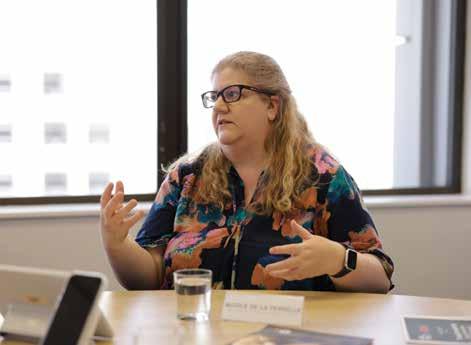
Nicole De La Perelle, Principal Occupational Therapist, Encourage OT: Our profile is really raised, compared to what it used to be. People know what we do more than ever before. But with that higher profile comes more publicity when things go wrong, which comes with more pressure. It also comes with some unfamiliarity with being in the media. I agree about private practice.
Nicole De La Perrelle
Photography by Francois Vaccarello
“
I’ve
seen a lot of people start their own practices a couple of years out of uni who are not doing that anymore and they’ve moved into other areas because they’re burnt out from working within their private practice space. So they move into a hospital position that offers more supports.
Being a sole provider is an option earlier in someone’s career now. I work with universities and people will contact me in their last year of uni to say they want to work in private practice.
In the past, grads worked in a hospital and built a structure and support right from the get go. But being a sole proprietor, or being the only OT in a team of other disciplines, comes with isolation. That’s the other thing about private practice, it can be less coordinated, less ‘everything under the one roof’ and involve less working together. There are many more stakeholders in the private space, not all of whom have an allied health or health background, either.
Molly Hobbs, Advisory Member, OTA VIC Advisory Council, Occupational Therapist at WHR Allied Health: There are a lot of young therapists starting their practices, two or three years out of uni, which is risky in itself. If they’re not seeking guidance from more experienced therapists, then where does that leave their clients? Are they getting the best support they could be accessing?
I’ve seen a lot of people start their own practices a couple of years out of uni who are not doing that anymore and they’ve moved into other areas because they’re burnt out from working within their private practice space. So they move into a hospital position that offers more supports.
Michelle: Never before have we worked in such a consumer-driven market. It’s excellent people have so much more choice and opportunity to be the drivers of how, when and where they access healthcare and support. But it completely changes the landscape in which we work in and that additional pressure contributes to burnout, if clinicians are not seeking appropriate supports.
That is why it’s so important to have good supervision. Regular professional supervision is critical for safe and effective clinical practice. But having those opportunities to touch base or reach out to peers, or those informal conversations with other clinicians, is so valuable as well. This is not always as accessible when people are working in isolation or in sole positions.
Stacey Tonkin, Partnership and Growth Manager, Health and Professions, Aon: There’s more perceived and actual insurance risk, as well. We have seen an increase in claims under professional indemnity under the scheme* available through Aon. If you’re going out by yourself, you may not have the support, supervision, back up, even someone to take feedback from. That’s a risk, because an adverse claims history with professional indemnity insurance can impact access to and cost of insurance and excesses.
Nicole: In the past, there were more checks and balances. Certainly, in the private practice I worked at, we would see people injured in motor vehicle accidents, or someone might have a brain injury or spinal cord injury through a workplace accident. But there was more oversight. So, the people approving your recommendations were allied health professionals and they might collaborate with you.
Alexandra: We’ve spoken about risk in particular spaces. Perhaps reflecting on your own area of practice, are there any common or less obvious risks in delivering OT services?
Nadine: There are obvious risks, such as agitation or aggression from clients and the increase in risk when working solo. I work in a rural area. So many places I go, I have no mobile phone coverage and I’m working with people with drug and alcohol challenges. Sometimes you plan for a home visit. You might meet them outside. You might make sure you do a dual visit. But then you get there and there’s three people staying on the couch you don’t know and you’re not prepared for. So there’s all those things we work with.
It’s easy to take on a referral that might be in your scope. Then, say they need a new scooter, which is not in your direct scope of practice. So, it’s the work of trying to find someone else, particularly in a rural area, who can do that piece of work, versus doing it yourself. So, you constantly have to have your supervision, your reflective work, to make a judgment on whether something is in your area of expertise. That’s the real challenge, particularly for sole traders or rural clinicians. I’m clear with clients I’ll work with them around memory supports and we’ll bring in someone else to help them work on their wheelchair or car, or whatever they need.
That works really well, because you can’t do it all. Staying within the area of practice you focus your scope in is really important from a risk perspective.
Molly: At the moment demand for functional capacity assessments is really pulling away from therapeutic input. We’re writing 40-page reports that are asked of us, but we haven’t advocated for the hours to write the reports because it wasn’t sought for in the funding period prior. So, we’re using our hours to write a report, but not supporting our clients to achieve their goals and get the outcomes they would like. And who is reading that report? Because perhaps the person reading it isn’t allowed and enabled to understand what you’re justifying and advocating for.
Nicole: There has been an emphasis on assessment at times to the detriment of being able to deliver outcomes. Some people are just doing assessments and they’re not delivering the intervention. That ability to design and implement a treatment plan has been a little bit lost.
Nadine: There’s also a dilution of skills. Because if somebody’s spending 60 per cent to 70 per cent of their time writing reports, the rest of the time they’re meant to be doing capacitybuilding interventions with a participant or a client and it’s very tricky for them. There’s a risk professionally our skills in capacity building are shifting because we’re being drawn into these reports that seem to be way bigger than they need to be.
Michelle: There is a real risk funding schemes dictate the way our profession is practicing. This is very concerning and challenging to navigate, particularly in the early years.
Alexandra: What are some ways to address this?
Michelle: Time to engage in deliberate, structure reflective practice with peers is so important. Meeting organisational KPIs are important, too. Obviously, there needs to be KPIs set to make a business sustainable and run effectively and efficiently. But it’s a completely different way OTs are now working or expected to work, particularly in reference to the expectations around reports and the tasks being asked of OTs within specific funding schemes.
There has been an emphasis on assessment at times to the detriment of being able to deliver outcomes. Some people are just doing assessments and they’re not delivering the intervention.
Nadine: It’s also about access to the right support in the early years, when you get to listen to your colleague on the phone. When people are working in silos or they are mobile therapy and they’re moving around, they don’t get to hear those incidental conversations by someone more senior. Setting boundaries or phoning a family is tricky if you don’t have that experience. How to phone a funding body and discuss the evidence behind your requests is not the sort of thing you can always cover in supervision.
Alexandra: You’re all in senior positions, but thinking from a graduate perspective, being able to navigate boundaries is a learned skill. What helped you set those clear boundaries?
Nadine: Supervision, supervision, supervision. It’s the frequency and duration of supervision in the early stages, because there’s ad hoc things or incidental things that happen that you need to talk to someone about immediately. The confidence I have as a clinician has come from that early level of intense supervision.
Nicole: I learned the hard way. I didn’t have supervision and didn’t really even know what a boundary was.
I felt like they were a mythical thing as opposed to a real thing. I’ve been through my own burnout experience and… what carried me through is professional connections. There wouldn’t be a day that goes by that I’m not having some kind of chat with another OT, whether it’s in an informal group or a formal supervision arrangement.
Alexandra: Michelle, what’s OTA doing in this space?
Michelle: Professional communities are incredibly important, especially in your early years, but honestly, throughout your whole career. It’s vital to have a safe, supportive space where you can connect with peers, ask questions, problem solve and work through some of those really complex decisions we all face. Alongside that, more formal professional supervision and ongoing professional development are extremely important. Learning in our profession is never finished, it’s a continuous journey of building knowledge and skills at every stage.
We’ve recently released an updated version of the OTA Supervision Framework, which is a fantastic resource for both supervisors and supervisees.
“
Supervision, supervision, supervision. It’s the frequency and duration of supervision in the early stages, because there’s ad hoc things or incidental things that happen that you need to talk to someone about immediately.
It comes with downloadable tools to support practitioners in their day to day work. We also offer a supervision program for those wanting to strengthen their supervision skills, plus a wide range of special interest groups and other learning and development opportunities accessed through our online Learning Hub, for members and the broader profession. It’s all about supporting that ongoing commitment to growth and development.
Stacey: Risk education is vital. Often, when we ask our clients if they want to receive further information from Aon, they think we’re going to try to sell them something, but we actually put a lot of effort, a lot of time, into risk education. We do blogs, webinars and presentations and it’s all about delivering information that we know OTs need. Because if there’s things within professional indemnity insurance you do not understand such as the notification obligations, you could be at risk of having a claim denied the claims made basis of professional indemnity insurance is very important.
Claims made refers to a type of insurance policy where coverage is provided for claims made during the policy period, regardless of when the incident that led to the claim occurred.
Which is why it’s important to be aware of claims while the policy is active to ensure proper protection.
Alexandra: So, what does the future hold?
Michelle: The landscape we’re working in is changing so quickly and with that comes a whole range of risks we need to navigate and manage. It’s not just about clinical practice. The environments we work in are shifting, too. From today’s discussion, it’s clear that as a profession, we really need to stay engaged and understand the insurance cover we have and the cover we actually need. That applies whether you’re employed by an organisation or work for yourself. It’s not a one off consideration. It’s something we need to keep reviewing over time.
Stacey: I talked before about the claims made basis of the policy. So what’s really important to understand is, if you’re working for somebody now and you’re insured under their insurance, it would be reasonable to assume their policy can only respond to work that you do for them. So, if you get a claim or allegation from work that you did five years ago when you were working for someone else, the policy of the person/ company you’re working for now is not
there to protect you from that allegation because you didn’t do that work for your current employer. If you can’t get hold of your previous employer and you receive a regulatory complaint, you may not have a policy to put a claim against.
Having a policy across your career can be really helpful. In the health sector, people work for multiple companies. They may work for a business, a university or a hospital. They might also do a little bit of work for themselves. So, there’s all these different elements of risk. And if you have your own insurance and you do get a claim, it could make a difference to the outcome.
Nadine: Ask for more training and support, it’s expected you shouldn’t know everything. Don’t feel like you have to pretend to know everything. We’re all learning as we go.
Molly: Still, it’s an iterative process and it’s important to normalise mistakes. As senior clinicians, we all make calls we might reconsider in hindsight. It’s key to show the people you supervise you are not perfect. Acknowledging we’re all human is going to make it a much better process for people to be able to put their hand up and say when a claim needs to be made.
Having a policy across your career can be really helpful. In the health sector, people work for multiple companies. They may work for a business, a university or a hospital. They might also do a little bit of work for themselves. So, there’s all these different elements of risk.
Nicole: We must focus on progress, not perfection, Then, you can start to be more creative and hopefully return to our therapy roots, as well.
*Health Practitioners Combined Professional Indemnity, Public & Products Liability Policy Wording.
This information contained in this article is general in nature and should not be relied on as advice (personal or otherwise) because your personal needs, objectives and financial situation have not been considered. Before deciding whether a particular product is right for you, please consider your personal circumstances, as well as any applicable Product Disclosure Statement, Target Market Determination and full policy terms and conditions, available from Aon on request. All representations in this article in relation to the insurance products we arrange are subject to the full terms and conditions of the relevant policy.
This summary reflects a facilitated discussion between invited expert panellists in Melbourne on 9th December, 2025
Reducing falls hazards for older adults at home: An occupational therapy-led approach
Susan Melchert
Senior Research Officer in Occupational Therapy, PhD candidate at James Cook University
One evening, while preparing corned meat for her family, 77-year-old Barbara tripped while carrying a pot of boiling water and fat. The fall caused severe burns, leading to multiple surgeries, a month in hospital, and many more months of painful rehabilitation. Although Barbara has worked hard to rebuild her routines, the physical and psychological scars remain as daily reminders of how quickly a fall can change everything.
For most people, home feels safe. But for older adults like Barbara, that sense of security can shift, as mobility, balance or health challenges increase falls risk. Familiar spaces may hide hazards. Slippery floors, tight corners, cluttered pathways and even routine tasks require extra caution. When a fall happens, physical injuries may heal but rebuilding confidence often takes much longer, with fear ever present around daily activities.
Falls in Australia: A growing and costly health challenge
Falls remain the leading cause of injury-related harm in Australia, with older adults carrying the greatest burden. In 2023–24, the Australian Institute of Health and Welfare reported that:
43%
43%
12x of all injury-related hospitalisations were due to falls of injury-related deaths resulted from falls
Adults aged 65+ were nearly 12 times more likely to be hospitalised after a fall than those aged 25–44
Falls are also the most expensive cause of injury nationwide, costing the health system over $5 billion annually, driven by hospital admissions, orthopaedic surgery and prolonged recovery.
Almost half of all falls in older adults occur at home while completing daily living tasks, highlighting the need for personalised, home based prevention, delivered where risk is highest.
Occupational Therapy: Evidence-based prevention where it matters most
Occupational therapists play a critical role in helping older adults stay safe, confident and independent at home. Community occupational therapists working with older people predominantly practise within home environments and report falls as a major concern within their caseload, as demonstrated in recent research, which reinforces the importance of prioritising falls prevention in community occupational therapy practice.
A recent Cochrane systematic review found that occupational therapist-delivered, comprehensive, fallsfocused home interventions reduce falls by around 38% for older adults at high risk of falls.
In 2025, the Australian Commission on Safety and Quality in Health Care released Preventing Falls and Harm from Falls in Older People: Best Practice Guidelines for Community Care in Australia. Drawing from the Cochrane review findings these guidelines emphasise:
• OT-led comprehensive home safety assessments
• Tailored environment-based interventions
• Person-centred, collaboratively created solutions to support confidence and independence
This renewed national direction recognises the essential role of OTs in reducing falls and supporting safe ageing at home.
For further information about applying the new national guidelines in practice, watch this informative webinar from Injury Matters.
Scan the QR code to view the video.
Introducing Falls Hazard Reduction at Home (FHR@Home)
Falls Hazard Reduction at Home (FHR@Home) is an evidence-informed intervention that helps OTs identify and address fall hazards using a person–environment fit approach. It examines how a person’s occupational performance and falls risk aligns with their daily activities and routines, enabling occupational therapists to pinpoint risks and implement targeted, practical solutions.
FHR@Home provides a method for identifying hazards, observing contributing factors, and tailoring interventions that support safety and independence. The intervention is built around five criteria, one of which is the codesign of a fall prevention action plan with the client and their carer. This ensures strategies are realistic, meaningful and aligned with daily life, improving engagement and long-term success.
The five criteria of FHR@Home Intervention
Follow up and support
Co-design of action plan with client and carer
Comprehensive fall hazard evaluation
Systematic approach
Assessment of occupation in context
Translating research into practice: OT-led falls prevention research
Professor Alison Pighills, one of the authors of the Cochrane systematic review, is leading a national project designed to help occupational therapists implement FHR@Home into everyday practice. The initiative, Translating Research into Practice – OT-Led Falls Prevention, is focused on understanding strategies to successfully embed the FHR@Home model into health care services across Australia.
This project brings together 12 sites from metropolitan, regional and rural areas providing public, private and non-government health services in the community. To date, each state and territory is represented except South Australia, which the project is keen to recruit. Each participating site will be supported to implement FHR@Home within their service, including access to training, implementation support and to world falls experts. This implementation research will offer valuable insights into workforce capability, organisational readiness and the practical steps required to integrate FHR@Home into routine clinical pathways.
Read the latest on occupational therapy falls hazard reduction at home.
Scan the QR code to read more.
The sites that have been confirmed for this study include:
• Tasmanian Health Services (Northern Region) - Community & Acute Outreach Occupational Therapy & Community Rapid Response Service
• Northern Territory Health - Aged Care Allied Health Team
• St Vincent’s Care Services (Melbourne)Community Health Service
• Darling Downs Hospital Health Service - Hospital in the Home
• Gold Coast Hospital & Health Service - Transition Care Program
• Tasmanian Health Service (Southern Region)Transition Care Program
• Canberra Health Services - Falls & Falls Prevention Service, Transitional Therapy & Care Program & Community Care Program
• Illawarra Shoalhaven Local Health DistrictCommunity Domiciliary Service
• Mater Brisbane - Mater at Home
• Occupational Therapy Services Group (Perth)Community Health Service
• Cairns Hospital & Health Service - Rapid Response Falls Service & Adult Community Health Service
South Australian OT teams: Join the study!
Scan the QR code for details.
The future for FHR@Home
To support services unable to participate directly, the project team is also developing a codesigned implementation website. This resource will include practical tools, training materials including videos, case examples and guidance to help OTs and services adopt the FHR@Home model at their own pace. The website will play a key role in ensuring that evidence-based OT-led falls prevention is accessible, scalable and sustainable across a wide range of settings. The team is aiming to launch this website mid-2026.
April Falls Month
As April Falls Month approaches it serves as a timely reminder of the importance of falls prevention and the critical role occupational therapists play in supporting older adults to stay safe, independent and confident in their own homes. Evidence-based models like FHR@Home give occupational therapists the tools and support they need to prevent stories like Barbara’s from happening in the first place. By embedding FHR@Home into everyday practice, we can ensure that fewer lives are turned upside down by preventable falls.
Continued on next page.
The OT rotation
Get to know Caroline Reljich – OTA’s newest Professional Practice Advisor. Caroline has taken time out to give us a glimpse into the things she loves and what drives her passion for occupational therapy.
What’s on your reading list?
I recently set myself a goal to read some of the classics so I’m enjoying Anna Karenina by Tolstoy at the moment. I really enjoy Sally Hepworth’s books too and I’m loving listening to the audiobook of Mad Mabel on my train trip to work.
Which hobby are you enjoying right now?
Two years ago, I returned to playing the cello after a 20-year break. I’m a member of a community cello group that rehearses weekly, and I take lessons too. The cello is such a beautiful instrument to play – you can really feel every note given you are effectively hugging the instrument as you play.
What music are you listening to on repeat?
I love seeing all sorts of live music. I recently went to see Rüfüs Du Sol play at Rod Laver and I’m going to see The Streets in March. A Melbourne based band called Playlunch are high on the watch list too – they play funk rock with hilarious references to Australian culture.
What inspired you to become an OT?
I was lucky in that I knew OT was the profession for me very early on. I knew I wanted to be in a caring profession, and the more I learned about OT the more I wanted to become one. I enjoy the problem-solving aspect of OT work and helping clients to overcome barriers in unique ways that they might not have thought of before.
Why did you want to work at OTA, and what do you enjoy most about your role here?
I feel immense pride working for OTA. My purpose has shifted somewhat from working day to day with clients to supporting the OT profession as a whole. I enjoy using my 20+ years of experience as an OT to find gaps, develop resources and advocate for OTs across Australia. I’m looking forward to OTX this year as we release some exciting new resources!
What do you most enjoy about the OT profession?
I love how broad OT is and that there are so many career pathways that an OT degree can take you. Over the course of my career, I have worked in rehabilitation, community, aged care and as a driver assessor, and now in OTA supporting the broader OT profession. I have enjoyed every step along the way.
Continued from p37.
About the author
Susan Melchert is a Senior Research Officer in Occupational Therapy and a PhD candidate at James Cook University. Her doctoral research contributes to the national FHR@ Home implementation study, with a focus on codesign, implementation science and digital innovation to enhance access to evidence-based OT-led falls prevention.
References
Australian Institute of Health Welfare. (2025). Falls. https://www.aihw.gov.au/reports/injury/falls
Clemson, L., Stark, S., Pighills, A. C., Fairhall, N. J., Lamb, S. E., Ali, J., & Sherrington, C. (2023). Environmental interventions for preventing falls in older people living in the community. Cochrane Database of Systematic Reviews. https://doi.org/10.1002/14651858.CD013258.pub2
Hughes, S., Murray, C. M., McMullen-Roach, S., & Berndt, A. (2023). A profile of practice: The occupational therapy process in community aged care in Australia. Australian Occupational Therapy Journal, 70(3), 366-379. https://doi.org/https://doi.org/10.1111/1440-1630.12860
Keglovits, M., Clemson, L., Hu, Y.L., Nguyen, A., Neff, A. J., Mandelbaum, C., Hudson, M., Williams, R., Silianoff, T., & Stark, S. (2020). A scoping review of fall hazards in the homes of older adults and development of a framework for assessment and intervention. Australian Occupational Therapy Journal, 67(5), 470-478. https://doi.org/https://doi.org/10.1111/1440-1630.12682
With great support comes great care.
And that care starts with the right team. Country Care is here for all your client’s service and equipment needs.
Because there’s care, and then there’s Country Care.
Managing staff through change & transitions: Practical HR tips for OT practice owners
When managing staff in an occupational therapy practice, it’s important to apply fairness and clear communication to workforce challenges such as managing probation, navigating NDIS-driven change, and making decisions about workforce requirements.
Managing the probationary period
The first three to six months of employment should not be a passive “wait and see” period. Probation is an active opportunity for both parties to assess whether the arrangement is the right fit. From day one, best practice includes:
• Setting clear expectations, KPIs and supervision arrangements
• Providing structured induction and access to policies
• Scheduling regular check-ins (not just a six-month review)
• Addressing issues early and documenting discussions
Performance or capability concerns should never come as a surprise to the employee. Even during probation, employees are entitled to a fair process. Ending employment without raising concerns, providing feedback or offering support can expose employers to risk.
Procedural fairness
Procedural fairness is the consistent, respectful and transparent way workplace issues should be handled, and it’s what regulators and tribunals expect if decisions are challenged. Key elements include:
• Responding to concerns promptly
• Investigating issues objectively and confidentially
• Explaining concerns and allowing employees to respond
• Allowing a support person in formal meetings
• Making decisions based on evidence
Procedural fairness applies to managing probation, performance, investigations, disciplinary decisions and terminations.
Managing change
NDIS pricing pressures, labour costs and shifting service models mean many OT practices are dealing with constant change. Practice owners may need to consider options for role redesign, reduced hours or redundancies, to ensure the business remains viable.
Change should not be rushed. Employers have consultation obligations under workplace laws and modern awards, even in small teams. This includes:
• Explaining the proposed change and reasons
• Genuinely considering employee feedback
• Documenting decisions and timeframes
Poorly managed change is also a psychosocial hazard. Uncertainty and lack of communication can erode trust and affect staff wellbeing.
When employment needs to end, whether due to performance, capacity or redundancy, the process matters as much as the outcome. For practice owners, especially those managing HR alongside clinical work, seeking advice early can help prevent costly mistakes.
Following your workplace policies
Up-to-date HR policies and procedures provide practice owners with consistent, structured guidance on managing staff through change. Review your HR protocols regularly to ensure they include legally sound guidance, including clear expectations, fair processes and timely actions to support your team and protect your practice.
For support with HR policies and procedures, practice management and workplace relations matters, you can reach out to the experienced team of HR professionals at WorkPlacePLUS.
OTA members receive special member benefits through WorkPlacePLUS for support with HR and IR issues. For more information, contact Anna on (03) 9492 0958 or visit www.WorkPlacePLUS.com.au
Me and my OT: Real life stories of OTs and their clients
When 57-year-old Wing Ho was diagnosed with Parkinson’s disease, the changes were swift and confronting. For almost a year, she has been working OT Rani Hughes and has found practical strategies to support her mobility, manage fatigue and reconnect with what matters most. Wing and Rani reflect on their experience.
What occupational goals did Wing identify?
Rani: Following her Parkinson’s diagnosis and rapid loss of function, Wing was relying more on her husband for ADLs and feeling overwhelmed, isolated and distressed. She wanted to rebuild connections, establish a weekly routine and focus on her abilities rather than her losses. She also hoped to feel like her “healthier, happier self” again. Our occupational therapy goals focused on safe transfers and mobility, pacing her energy, and restoring meaningful social participation.
What approaches did you consider using and why?
Rani: With Parkinson’s, changes in motor control, initiation, balance, fatigue and mood can significantly affect occupational performance. I considered task-specific training for transfers and gait, fatigue management and energy conservation strategies, and group-based intervention to address isolation. Wing had previously experienced significant benefits from Tai Chi for chronic pain and mental health. I too have personally experienced the benefits of Tai Chi, which inspired me to undertake recognised training in Tai Chi for Health and use it as a complementary approach in my OT practice. Together, we agreed an OT-led telehealth Tai Chi group would allow her to participate in a paced way, while supporting regulation, confidence and connection.
What did this look like in practice?
Rani: Wing attended a telehealth OT-led Tai Chi group where participation could be paced according to her fluctuating energy. She appreciated the compassionate approach that allowed her to join for as little as ten minutes or the full session. On low-energy days, she could even join from her bed, visualising the movements. We explicitly linked Tai Chi principles to daily tasks – such as weight distribution before standing and conscious heel strike when walking – supporting safe, functional mobility.
What everyday activities have become easier since engaging in occupational therapy?
Wing: I feel more confident when transferring from sitting to standing. When I’m standing, I check my “stance of infinity” and notice where my weight is on my feet before I start moving. When I walk, I consciously put my heel down first, which I learned through Tai Chi. On very hard days, just showing up helps me feel I’ve done something meaningful and important. After the session I feel calm and relaxed.
What were your expectations when working with an OT?
Wing: When I first started working with Rani I didn’t know what the role of an OT was or what to expect. I was referred by my physio and hoped it might help manage my pain. Rani provided a safe space where I could pace how much I participated. I began attending for ten minutes per class and, as my strength, endurance and confidence grew, I was able to stay for the full hour.
Describe your OT in 3 words?
Wing: Compassionate, trustworthy and wise.
Rani Hughes, Occupational Therapist
Where are they now? A Leadership Journey
Occupational therapist Amrita Sinha completed OTA’s inaugural Leadership Program in 2023. The 15-week course combined practical workshops, peer coaching and immersive retreats in Victoria’s scenic Yarra Valley. For Amrita, the experience was transformative. It gave her the confidence, tools and perspective to expand her influence, advocate for occupational therapy, and take on significant leadership roles across the sector.
When you completed OTA’s Leadership Program you were working as an OT for Statewide Mental Health Services in Tasmania. What were you hoping to gain at that stage of your career?
At the time, I had already stepped into informal leadership roles – supervising students, leading parts of the OT team, and undertaking secondments into clinical lead and team leader positions – but I wanted to lead more intentionally. I was hoping to gain clarity around my leadership identity, confidence in influencing systems, and the language to advocate more strongly for occupational therapy.
Working in public mental health in Tasmania, where workforce is lean and needs are complex, I knew OTs often lead quietly. I wanted to move from competent clinician to strategic leader, shaping culture, service development and professional visibility. Previous leadership courses had given me some language around leadership but had not fully invigorated my growth. The OTA program, the first I knew of offered by the OT peak body, promised clarity on what leadership could look like in my OT journey.
You’ve since moved into private practice and taken on significant leadership roles. How did the Leadership Program shape your confidence to do that?
The Leadership Program was catalytic. It helped me see that leadership isn’t a title but influence, values and responsibility. Reflective work around power, professional identity, and system navigation gave me the confidence to establish my own practice. It affirmed my existing skills, provided new tools to chart my leadership journey, and widened my perspective through exposure to OTs at different stages of their careers.
We explored practical leadership tools such as Appreciative Inquiry, adaptive versus technical problemsolving, and intentional use of language. The course also gave me exposure to experienced OT leaders and role models, including Carol McKinstry, Donna Markham [leader of our 2026 program], Di Winkler and Samantha Hunter. The combination of offsite learning, hybrid sessions, and retreats reinforced the concepts and created space for reflection and growth, with the physical space facilitating a psychological shift.
It strengthened my belief that occupational therapists belong at decision-making tables and gave me the confidence to pursue roles such as the Tasmanian Health Senate and the AHPRA Occupational Therapy Board. The program didn’t just build my skills – it expanded what was possible.
You were recently appointed to the AHPRA TAS Board. What does this role mean to you and what contribution do you hope to make?
At the time I started the OTA Leadership Program, I had also been appointed to the Inaugural Tasmanian Health Senate and later its Steering Committee. This experience primed me to position myself in wider strategic initiatives. As an aspiring thought leader in mental health occupational therapy, I am committed to advancing evidence-based, innovative practices that improve client outcomes.
Serving as a Practitioner Member on the AHPRA OT Board in a small jurisdiction like Tasmania is both an honour and a responsibility. The role allows me to contribute to the profession’s growth and influence with a multicultural lens, bringing regional perspectives into national conversations. For me, it represents stewardship of occupational therapy, ensuring regulation safeguards public trust while keeping practice contemporary, ethical and responsive to community need.
You have more than 23 years’ experience working in India, the UK and Australia. How has that international perspective influenced the way you lead and advocate for occupational therapy?
It has given me a unique lens to experience, understand, articulate and advocate for all things related to occupational therapy, from occupational participation, justice, discrimination and imbalance to the nuances and cultural contexts that influence choice and participation in these roles. I bring a multicultural perspective to everything I do – particularly when it comes to equity, access and culturally safe care. It enables me to hold both cultural humility and systems thinking, navigate complexity, and advocate for OT practice that is culturally responsive and evidence informed. It has also reinforced that our profession is strongest when we are visible, confident and united – regardless of geography.
This program expands your confidence beyond clinical competence into professional influence.
Learning is how we stay relevant – and relevance is how we protect our profession.
You continue to invest strongly in your professional development, including by participating in OTA forums and events. Why is ongoing learning such a priority for you?
I’m driven by desire for growth in all aspects of life –professionally, physically, spiritually and socially. This serves as my compass for all my life choices. My vivid vision for life includes being able to empower myself and others in whatever capacity that is available to me within my sphere of influence. Hence my affinity to being a lifelong learner.
Occupational therapy sits at the intersection of health, disability, social policy and human experience. That landscape is constantly evolving. For me, ongoing learning is an ethical responsibility. Whether it is trauma-informed care, functional cognition assessment, FASD advocacy, assistive technology or leadership forums – I believe we cannot advocate effectively if we are not current.
Professional development also keeps me energised. It connects me to peers, exposes me to diverse thinking, and ensures that my clinical and leadership decisions remain evidence-based and future-focused.
Learning is how we stay relevant – and relevance is how we protect our profession.
For OTs considering the Leadership Program today, what would you say to encourage them to take that step?
I encourage all OTs to undertake this program at some point in their career. It expands your confidence beyond clinical competence into professional influence. The program is not just classroom learning; it creates space for reflection, courage and strategic thinking, and celebrates the journey of leadership. You don’t need a formal management role – leadership in occupational therapy can look like advocacy, mentoring, starting a practice, contributing to policy, or strengthening professional identity within your team. Leadership is about influence and role modelling, and our profession needs clinicians willing to step forward, not just to do the work, but to shape its future.
OTA’s 2026 Leadership Program
Our 2026 program will be led by one of Australia’s most respected OT leaders, Adjunct Associate Professor Donna Markham OAM. Places are limited to just 25, and applications close soon.
Scan the QR code to find out if this leadership journey is right for you.
Connections helps OTA members stay informed and connected across all areas of practice. We invite you to contribute an article and share your perspective, practice insights or recent developments in OT.