FINOCAS Group — OCAS, FININDUS, Guaranteed, ENDURES and BIL Industry researchers, experts and technical staff, with Wright Communications
Editor
Elvan Ekiz
Graphic Design
Filip Erkens
Photography & Illustrations
By OCAS, ENDURES, BIL Industry, Guaranteed and FININDUS.
Additional images courtesy of ArcelorMittal Belgium, licensed online resources and Filip Erkens
Responsible Publisher
Sven Vandeputte, General Manager FINOCAS, Pres. J.F. Kennedylaan 3, 9060 Zelzate – Belgium
Disclaimer
Although care has been taken to ensure that the information contained in this activity report 2024-2025 is meticulous, correct and complete, FINOCAS Group cannot give any guarantee, either explicitly or implied, with regard to the accuracy, precision and/or the completeness of the aforementioned information. FINOCAS Group as well as its directors, management, employees and appointees in the broadest sense possible, therefore assumes no responsibility, and shall in no event be held liable, for any direct, indirect, special or incidental damage resulting from, arising out of or in connection with the use of this information, nor for any infringement of third party intellectual property rights which may result from its use.
FINOCAS Group At the heart of industrial transformation
Industry is transforming at an unprecedented pace, driven by decarbonisation, energy transition, digital acceleration, and evolving global and European industrial realities. At FINOCAS Group, we are not merely adapting to this transformation, we are actively shaping it. Over the past two years, we have adapted our organisational structure to be more agile and resilient, reinforced our scientific foundation, and sharpened our strategic focus to deliver high added-value technical services. In this report, we highlight the progress achieved, demonstrating tangible societal and industrial impact and outlining the concrete steps taken to position ourselves confidently for the years ahead.
A highly responsive organisation
So much has changed in the world over the past two years, and OCAS has responded to these changes within its own organisation. Last year, we introduced a new organisational structure that not only provides new opportunities to our people, but also reinforces the science-based foundation of everything that we do – ensuring that we continue to deliver high added-value technical services, now and in the future.
By combining science and services, and balancing short-term responsiveness with mid/long-term vision, our organisation can spring into action when the need arises at the production plants and all our other customers, while keeping our strategic goals top of mind to ensure a sustainable future. We have already seen the benefits of this approach in 2025, in our first year of implementation. We believe that this flexibility, together with a sharp focus amid complexity, will accelerate time-tomarket and serve us well in multiple ways in the coming decade.
Collaborative efforts
This organisational structure also reinforces the complementary ties between the daughter companies of FINOCAS – FININDUS, OCAS, and ENDURES – together with our structural partner, the Belgian Welding Institute Industry, a joint venture between FINOCAS NV and BIL vzw. These close collaborations are vitally important in today’s environment, as they enable us to deliver a strong, complementary, high-level technical service to our customers. We see this intra-group collaboration continuing to grow and become even stronger in the years ahead.
Decarbonising the steel industry
Europe is taking the lead in the effort to decarbonise the steel industry. FINOCAS, through our cooperation between ArcelorMittal Belgium and the Flemish Region, is set to play a key role in decarbonising the steel plant in Ghent. Beyond our technical contributions – including developing high added-value products with increased scrap content, while maintaining performance comparable to conventional steelmaking – we are also preparing to facilitate financing for the significant investments related to decarbonisation, once the final investment decision for an electric arc furnace in ArcelorMittal Ghent is taken.
Helping protect Europe’s heavy industry
The European Union’s priorities include interrelated industrial challenges like decarbonisation, energy transition and electrification alongside the broader societal issue of the importance – and precariousness – of our heavy industry. At the same time, continental Europe remains resource-poor, making the secure supply of critical raw materials an increasing concern as our industrial autonomy comes under pressure.
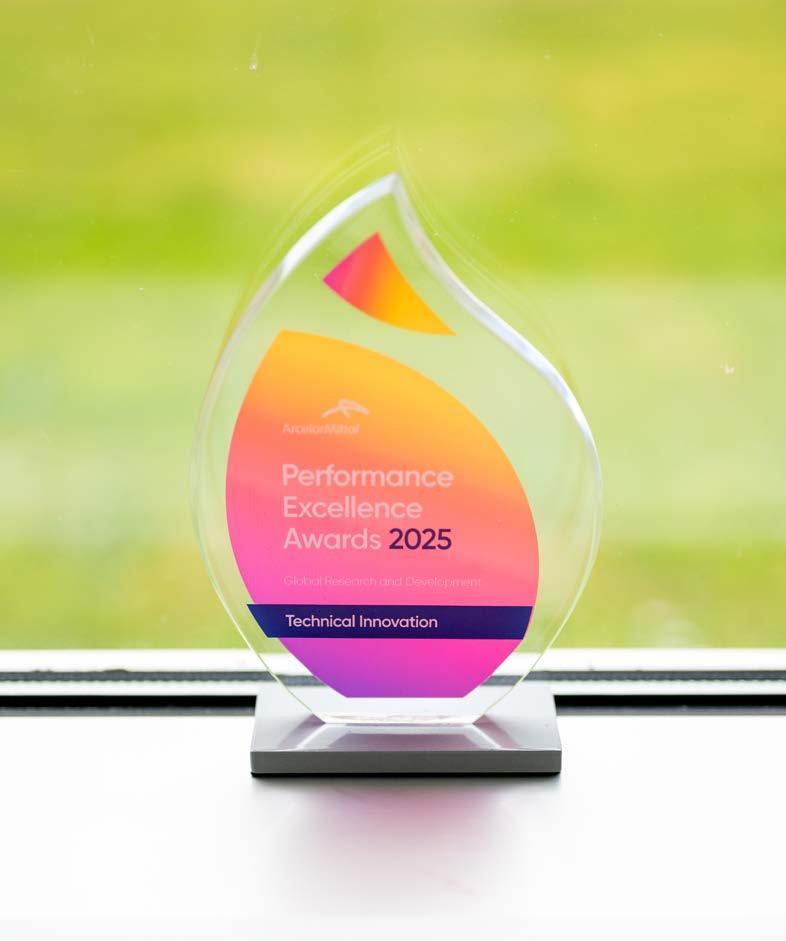
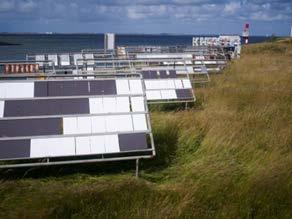
How to protect Europe’s heavy industry, while, at the same time, making it less polluting and less dependent on fossil fuels? OCAS and FINOCAS are actively addressing all these crucial challenges and key EU priorities. For example, recycling steel scrap with higher amounts of impurities provides a key raw material for the steel industry. In addition, advanced zinc alloys used for galvanisation purposes now enable significantly improved corrosion protection of steel structures. Over the past two years, both in the field of reduced, low- and zero-carbon products with increased use of scrap and in new Magnelis®-protected high strength steels for applications such as solar farms, OCAS – together with ArcelorMittal Belgium – has been granted twice in a row the corporate ArcelorMittal Performance Excellence Award in the Technical Innovation category, further strengthening our international recognition.
These activities go hand-in-hand with our decarbonisation efforts as well as new initiatives that support heavy industry. For example, in the field of structural integrity, we help ensure that operations and equipment in the production plants are safe and durable by extending the lifetime of our installations and making structural integrity a cornerstone for process safety management. This is a strong example of high added-value technical services that directly support heavy industry plants.
Leveraging digitalisation
Keeping up with the rapid changes in our industry, we embraced digitalisation early on as a tool to support our mission. By integrating artificial intelligence into materials science, we have industrially implemented the outcomes of projects inspired by internal ideas and initiatives, generating immediate economical valorisation in our neighbouring production plant in Ghent. This approach will certainly be further expanded and applied in other sites.
True to our core values
Amid the world’s current instability, we consider it increasingly important to uphold our core values:
• Safety first
• Innovation for sustainability (extending material lifetime and reducing environmental impact)
• Strength in collaboration (bridging research and application to create tangible results)
• Scientific integrity & quality (ensuring reliable and validated research and testing)
Safety comes first. We conduct our work while safeguarding people, processes and infrastructure with a deep-rooted culture of safety. Without compromise. This commitment is far more than a slogan – it reflects a fundamental mind-set. Every meeting begins with the topic of safety. At FINOCAS, safety is not merely a matter of rules or compliance, but a shared responsibility and a mind-set embraced by every individual, driven by awareness, ownership and the intrinsic motivation to act safely, every day. Over the years, we have maintained a strong track record in this regard; however, we recognise that there is always room for improvement. Sustaining this focus demands constant vigilance and a shared commitment to remain alert and attentive.
In today’s circumstances, we adamantly promote our core values to remain an absolutely trustworthy partner to our joint-ventures, stakeholders and customers. As we are well-positioned through our focus activities in a number of top-priority fields, pursuing our short-term goals and keeping mid- and long-term solutions in mind, we pride ourselves in remaining stable, clear-sighted, flexible and ethical.
FINOCAS Group: in the middle of the action
Over the last two years, FINOCAS and its daughter companies have achieved successes in all of the areas mentioned above. In the years ahead, we will continue to contribute meaningfully, playing our part at the very heart of the action. Our guiding aim is to make a positive difference in these more-than-ever challenging times.
On behalf of FINOCAS and its daughter companies,
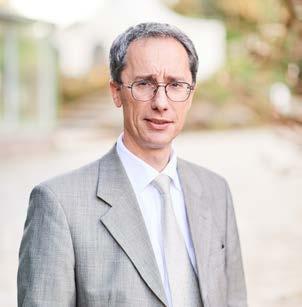
Sven Vandeputte General Manager FINOCAS
At a glance
FINOCAS
A strategic joint venture between the Flemish Region and ArcelorMittal Belgium, acting as a bridge between public and private interests to address societal needs
WHO WE ARE
FINOCAS focuses on society’s core needs: energy, durability, and environment. Through its unique ecosystem of research centres, investment company, and industrial partners, FINOCAS combines multi-disciplinary competences a.o. across renewable power generation, green mobility, lifetime prediction and extension, and environmentally friendly coatings — providing a comprehensive service offer for a world in transition.
OUR PURPOSE
To address society’s needs in energy transition, durability, and environmental sustainability by leveraging an ecosystem of research and investment subsidiaries.
CORE CAPABILITIES
Bridge between public and private shareholders in service of industrial innovation.
Translating research and development into industrial implementation.
Group strategic oversight by managing synergy between daughter companies and partner organisations to maximise collective impact.
MARKETS SERVED
Renewable energy
Nuclear
Heavy machinery
Green steel
Electrification
Defence
Construction
AT A GLANCE
€28.9M
Consolidated turnover (2025)
>210
Employees across the group
>350
Customers worldwide
LEADERSHIP
Sven Vandeputte General Manager
Shareholder structure
FINOCAS Group is a longstanding public-private partnership, also known as the Steel Friendly Flanders Project, set up in its present form in 2004. It has deep roots in earlier structural collaborations between the Flemish Region and the precursor of current ArcelorMittal Belgium, the steel production plant in Ghent.
OCAS NV, Research Centre for the Application of Steel, is FINOCAS’s largest daughter company in terms of workforce and turnover. It focuses on alloy and metallic coating development and a wide range of applicational research, and serves as the proximity lab for the neighbouring ArcelorMittal Ghent production facility. Alongside research, OCAS provides high-value technical services and non-standard testing for the worldwide ArcelorMittal group and external customers across Belgium, Europe and beyond.
FININDUS NV is the investment company of FINOCAS, active as a venture capital partner focusing on smart and green industrial innovation.
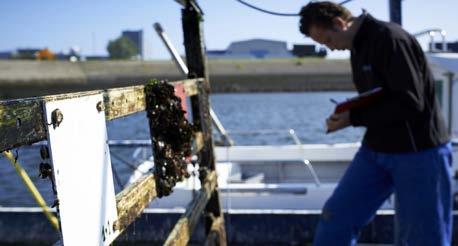
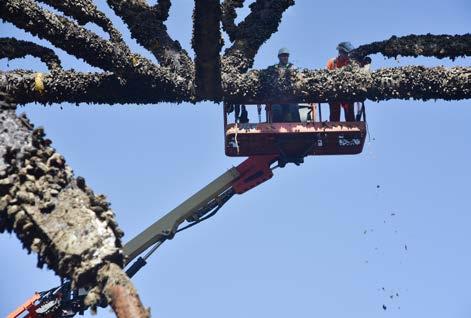
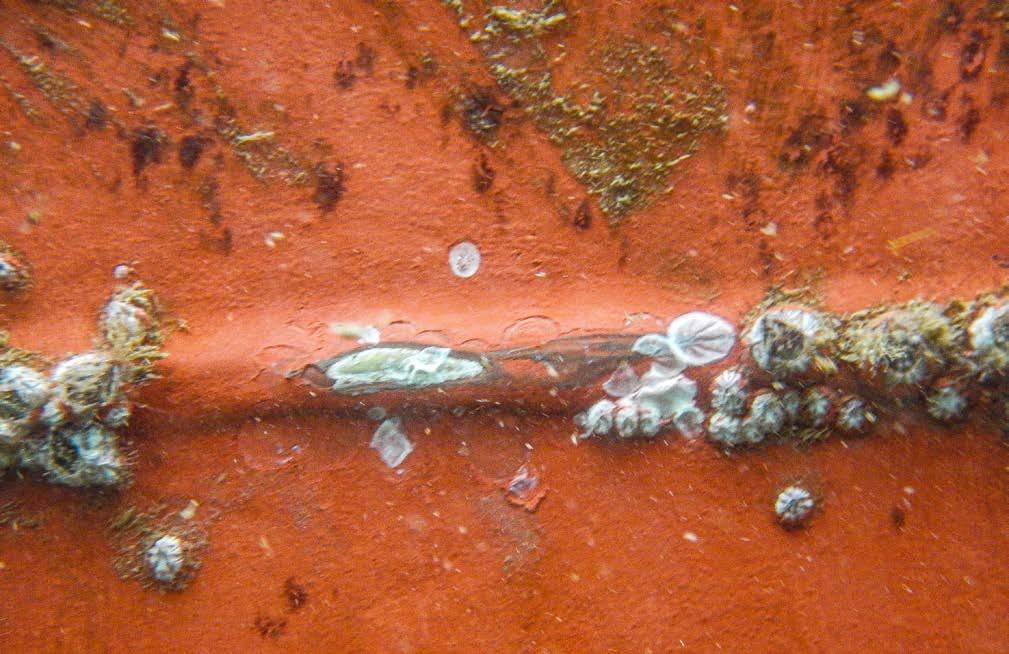
ENDURES BV is a Dutch daughter company active in corrosion-related technical services and research, with specialisation in microbiologically induced corrosion and anti-fouling, using facilities that work with living seawater.
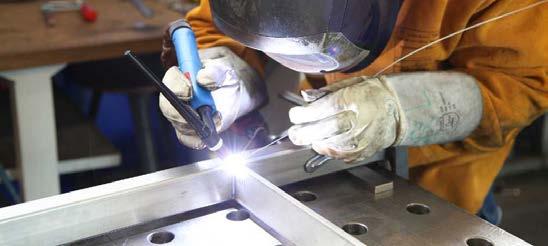
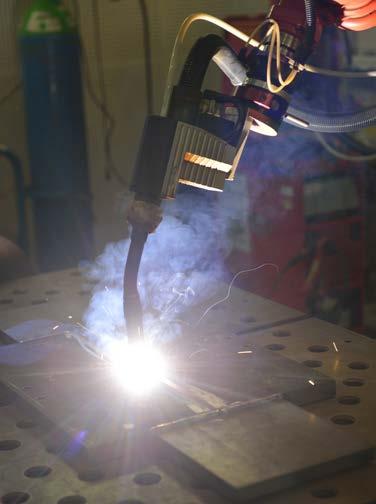
Guaranteed BV is a spin-off founded in 2019 by FININDUS, ArcelorMittal Belgium and OCAS. It builds on core OCAS competences in welding technology, metallurgy and lifetime extension, applying Wire Arc Additive Manufacturing (WAAM) to produce and repair extra-large metal components.
BIL Industry BV is a strategic joint venture of FiNOCAS and the Belgian Welding institute, focusing on technical services and projects in the domains of testing, joining, corrosion and failure analysis.
Together, these companies form a connected ecosystem that bridges public and private expertise, research and industry, and complementary technical disciplines, enabling innovation to move seamlessly from concept to real-world application.
Production spin-off Finindus OCAS AM Belgium
FINOCAS fact sheet
FINOCAS Group consolidated turnover 2025: 28.9 M EUR
The number of staff members of FINOCAS N.V., and its daughter companies OCAS N.V. and ENDURES B.V.:
Status 31/12/2025
OCAS
Transforming advanced metallurgy and materials science into sustainable industrial applications
WHO WE ARE
OCAS is a market-oriented research centre that bridges advanced metallurgical knowledge and industrial application. Leveraging state-of-the-art laboratory facilities, OCAS delivers integrated R&D services spanning alloy design, surface engineering, advanced testing and characterisation, and modelling and simulation.
OUR PURPOSE
To be a premier global partner in metal-based innovation, transforming advanced metallurgy and materials science into sustainable industrial applications through integrated research, specialised testing, and state-of-the-art technological development.
CORE CAPABILITIES
Steel and coating development
Product development of steels and advanced coatings that extend asset lifetimes and reduce material use.
Application research
Testing material response to forming, welding, coating, and other manufacturing processes.
Energy transition research
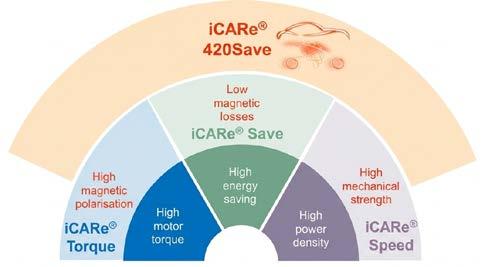
Supporting decarbonised steelmaking, electrical steels for EV motors and generators, and hydrogen and CO₂ infrastructure integrity.
Infrastructure longevity and safety
Structural health monitoring, failure analysis and process safety management.
ENDURES delivers world-class applied research and independent expertise in marine corrosion and antifouling. Operating from its North Sea test facilities in Den Helder, ENDURES supports maritime, offshore, and defence clients with data-driven insights directly linked to operational vessel and asset performance.
OUR PURPOSE
Within the FINOCAS Group synergy, Endures serves as the vital link between advanced material science and real-world durability, specifically within marine and corrosive environments. By providing specialised expertise in corrosion, failure analysis, antifouling and biofilm research, Endures complements a service offer together with OCAS and BIL Industry.
CORE CAPABILITIES
Corrosion and failure analysis
Root cause analysis, material selection advice, coating failure assessment, and corrosion protection consultancy across marine, offshore, and industrial environments.
Biofouling and antifouling
Antifouling strategy, microbiologically influenced corrosion assessment, and global mapping of marine growth for offshore wind and maritime assets.
Cathodic protection and coatings
Design and evaluation of cathodic protection systems, protective coating assessment, and soil corrosion advice for underground structures.
MARKETS SERVED
Offshore wind
Shipping
Naval defence
Maritime infrastructure
Renewable energy
Industrial R&D
AT A GLANCE
>60 years
Experience in marine research
>10 Expert specialists
>100 Customers worldwide
LEADERSHIP
Nico De Wispelaere Team Leader
BIL Industry
Your strong partner for materials testing, failure analysis, and welding in metals and structures.
WHO WE ARE
Founded as a joint venture between the Belgian Welding institute (BiL) and FiNOCAS in 2023, BIL Industry combines world-class welding expertise with the laboratory and materials science infrastructure of the FINOCAS group.
OUR PURPOSE
BIL Industry bridges scientific research and practical industrial application across all joining methods and related techniques. With a focus on highperformance materials and intelligent, sensor-based equipment, BIL Industry supports clients from failure investigation through to welding qualification and funded research projects.
CORE CAPABILITIES
Corrosion and failure analysis
Root cause failure analysis of welded joints and corroded components across petrochemical, industrial, construction, and insurance sectors.
Mechanical and fracture testing
Fatigue testing, corrosion-fatigue, fracture toughness, and WAAM part characterisation, particularly valued in offshore wind and structural integrity applications.
Welding consultancy and R&D
Welding quality system setup, temporary welding coordination, homologation support, and participation in funded research projects.
MARKETS SERVED
Petrochemical
Industrial production
Offshore wind
Construction
Insurance and forensics
AT A GLANCE
>450
Assignments completed in 2025
>16
Expert specialists
6 Active research projects
LEADERSHIP
Bart Verstraeten Managing Director
Guaranteed
Value the future, upgrade the past through large-scale metal additive manufacturing production and repair
WHO WE ARE
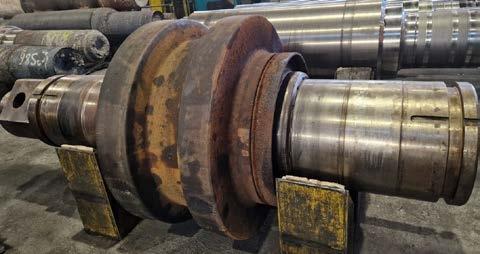
Founded in 2019 as a spin-off of FININDUS, ArcelorMittal Belgium and OCAS, Guaranteed brings together several key historical competence areas of OCAS: welding technology, metallurgy and lifetime extension. Guaranteed’s XL Wire Arc Metal Additive Manufacturing (WAAM) technology enables rapid, on-demand production and repair of large-scale, highintegrity metal components. By replacing and repairing rather than sourcing new parts, Guaranteed helps industries reduce lead times from months to weeks and extends the lifecycle of critical equipment.
OUR PURPOSE
To create customer value by reducing lead time, optimising inventory, extending lifetime, and improving process performance, using large-scale metal additive manufacturing.
CORE CAPABILITIES
Supply chain decentralisation
Localised production reduces dependence on global suppliers, avoiding transportation bottlenecks and mitigating supply chain risks.
Rapid on-demand manufacturing
Large metal components, often several metres in size, produced in days or weeks — critical for industries in which downtime causes significant operational losses.
Repair and re-manufacturing
WAAM adds material directly onto worn or damaged high-value components, extending service life and reducing the need for difficult-to-source replacement parts.
MARKETS SERVED
Steel and metals
Maritime and shipping
Oil and gas
Railway
Aerospace
Industrial machinery
AT A GLANCE
Founded in 2019 7
Partners in the network 2
Active patent applications
LEADERSHIP
Joachim Antonissen General Manager
FININDUS
Helping smart and green industrial innovation succeed
WHO WE ARE
Finindus is a Belgium-based venture capital firm that drives industrial innovation by providing smart capital to technology companies in materials, sustainable manufacturing, and digital industries. Beyond funding, Finindus supports startups through the critical transition from prototype to industrial reality.
OUR PURPOSE
To invest in companies active in materials, sustainable manufacturing, and Industry 4.0, in order to build the next generation of smart and green industrial deep-tech companies in partnership with Flanders and ArcelorMittal.
CORE CAPABILITIES
Smart capital
Providing more than monetary support by bringing industrial, commercial, and technological insights to portfolio companies.
Growth support
Assisting startups in scaling from prototype to industrial reality, with access to the FINOCAS and ArcelorMittal ecosystems.
Global network investing worldwide while maintaining a strong home base in Flanders, with a focus on decarbonisation, electrification, and industrial digitalisation.
MARKETS SERVED
Advanced materials
Sustainable manufacturing Industry 4.0
Green hydrogen
Electrification
Venture capital
AT A GLANCE 24
Portfolio companies
€180M
Assets under management
€60M
Deployed across the portfolio
LEADERSHIP
Dirk De Boever Managing Partner
Hans Maenhout Partner
FININDUS
Finindus invests in smart and green industrial technologies, with a focus on three interconnected domains: advanced materials, sustainable manufacturing, and industrial digitalisation.
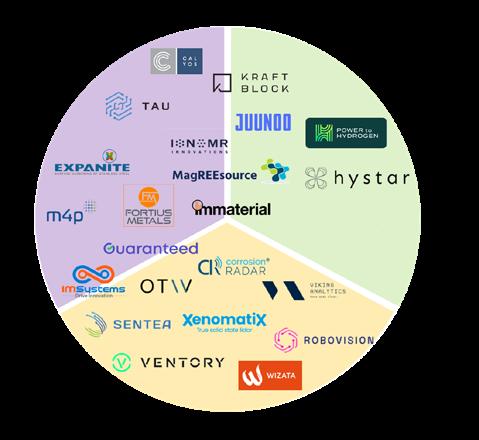
2024 saw steady investment across energy transition and industrial decarbonisation, with notable participations in HyperHeat, Power-to-Hydrogen, and CorrosionRADAR. We also extended our portfolio in additive manufacturing with investments in M4P and Fortius Metals, and we ventured into logistics optimisation together with Ventory. The year also saw portfolio maturation, including the exit of Keystone Technology Systems – demonstrating our ability to recycle capital into new opportunities. Investing from its own balance sheet allows Finindus to take a longterm view and support portfolio companies through volatility.
2025 showed continued momentum across early-stage and scaling companies –including Hystar, Robovision, and OTIV – spanning green hydrogen / electrification and AI-driven industrial software. The investment in Immaterial reflects our commitment to support material development companies that contribute to carbon capture and hydrogen storage. 2025 also brought setbacks: Rein4ced, a portfolio company active in advanced composite materials, had to shut down its operations at the end of the year.
Looking ahead, a tougher macro environment – slower growth, geopolitical uncertainty, conservative corporates – makes long-term, balance-sheet investors like Finindus increasingly valuable in a more challenging environment. Our focus on decarbonisation, electrification, and industrial digitalisation, combined with access to ecosystems such as FINOCAS and ArcelorMittal, positions us well to continue to invest with impact. Within the digital domain, AI for industrial applications is an area of growing focus, although one that demands careful navigation: differentiation between companies in this space is hard to assess and harder to sustain, and investment discipline matters as much as ambition.
SustainableManuf
Exceeding the limits of industrial heat
Industrial heat accounts for a substantial share of global carbon emissions, and it is one of the hardest parts of the energy system to decarbonise. Most industrial processes require heat at temperatures that renewable electricity cannot easily reach through conventional means, and the combustion-based equipment currently in use is deeply embedded in production infrastructure. HyperHeat is dedicated to building solutions to this problem.
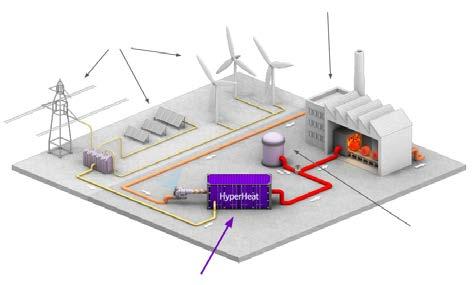
At the core of HyperHeat’s offering is the eBurner: an all-electric heating system capable of delivering process heat at temperatures up to 2000°C, powered entirely by renewable electricity and without any combustion. The
The eBurner
• All electric up to 2,000°C (no combustion)
• 95-98% efficient
• Lifetime of up to 20 years
• Highly scalable (0.1-100+MW)
• Seamless thermal storage integration
• Retrofittable to existing furnaces
• Most cost-efficient solution
system achieves 95 - 98% efficiency, offers a lifetime of up to 20 years, and is designed to be highly scalable – from 0.1 MW to over 100 MW – making it applicable across a wide range of industrial processes. Critically, it is also retrofittable to existing furnaces, meaning that industrial operators do not need to replace their entire process infrastructure to decarbonise their heat supply. The economic case is as compelling as the environmental one. The eBurner is positioned as the most cost-effective electric heating solution available at this temperature range, with seamless thermal storage integration further improving operational flexibility.
Renewable electricity
industrial thermal process
HyperHeat Product
• All electric heater up to 2,000°C
• Target price 100€/kW
• 100% HyperHeat IP
Thermal storage in partnership with storage suppliers
Facilitating the energy transition with densified advanced materials and engineering solutions
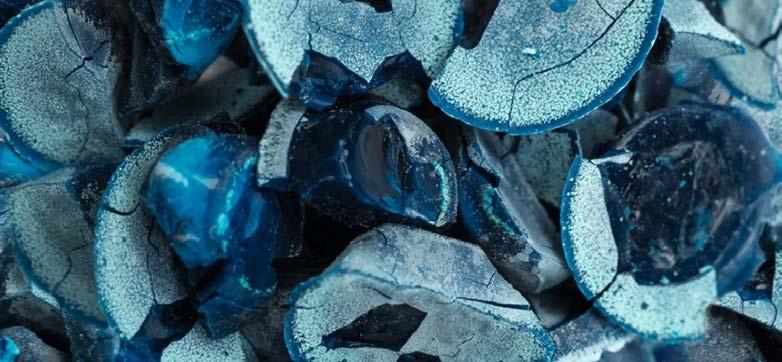
The energy transition depends not only on renewable generation but also on the ability to store and capture carbon at scale. Immaterial is addressing this challenge through a class of advanced materials known as densified monolithic metal-organic frameworks (m-MOFs): highly porous solid materials engineered to adsorb and release gases with exceptional efficiency. Their applications span two of the most critical problems in industrial decarbonisation: carbon capture and hydrogen storage. Immaterial’s scalable, cost-effective production is what sets the company apart from earlier generations of MOF-based solutions.
Metal-organic frameworks have long been recognised for their extraordinary surface area and tuneable chemistry, but translating laboratory performance into industrial-scale, mechanically robust materials has historically been the limiting factor. Immaterial’s densification approach addresses this directly by producing monolithic forms that retain the adsorption performance of powder MOFs while being suitable for real-world deployment in industrial equipment.
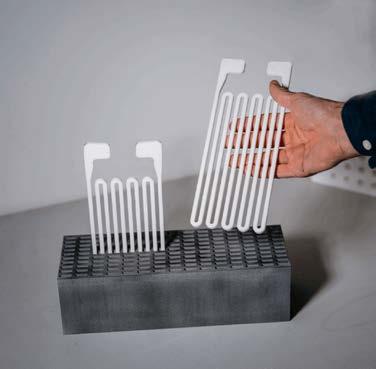
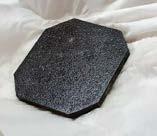
↑ Immaterial’s densified m-MOF monolith: engineered for carbon capture and hydrogen storage at industrial scale.
Building assistance and autonomous solutions for rail
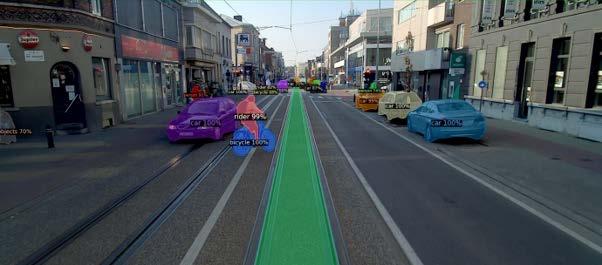
OTIV is a Belgium-based autonomous vehicle company that aims to increase the safety and efficiency of railway vehicles by allowing them to drive (more) autonomously. Its AI-based solutions include assistance systems, remote control solutions, and fully driverless systems – covering a range of rail vehicle types, including trams and light rail, freight trains, industrial locomotives, and mainline systems. Rather than pursuing full autonomy from the outset, OTIV builds trust incrementally. Their approach starts with driver assistance and remote control before moving toward full driverless operation. This pragmatism has proven effective in a sector where regulatory opera-
tional complexities make confidence-building as important as technical capability. OTIV is working with world-leading rail operators, including industrial companies such as ArcelorMittal, which is deploying OTIV’s technology on multiple sites, and rolling stock manufacturers. A significant recent milestone was the award of a contract for the first operational trial of automated and remote-controlled heavy freight trains on the Betuweroute, a double track freight railway between Rotterdam and Germany. This is one of the first projects globally to develop and validate specifications for heavy freight automated train operation.
↑ Real-time object detection and track segmentation: OTIV’s vision system at work in an urban tram environment.
Energy Transition
Renewable energy is only as reliable as the materials behind it
When we talk about energy transition, we often picture wind turbines, solar panels, electric vehicles and hydrogen hubs. But behind every one of these technologies lies a quiet enabler: materials. Steel, coatings, welds and the methods used to test them will decide whether the transition is not only fast, but also safe, affordable and durable.
Europe’s goal is ambitious: reach net-zero emissions by 2050. Achieving this requires replacing fossil fuels, electrifying industry and transport, deploying renewable power at massive scale, and, where emissions cannot be avoided, capturing and storing CO₂. This also requires building and adapting infrastructure: towers for offshore wind, electrical grids, pipelines and storage tanks for renewable fuels and captured CO₂, and equipment that can operate reliably for decades in harsh environments. So, materials are not a side issue, they are central. A wind turbine that fails prematurely, a pipeline that cracks, or a storage tank that corrodes not only creates safety risks, but also undermines public trust, increases costs, slows deployment and, ultimately, delays climate progress.
Furthermore, Europe’s energy transition must succeed under real-world constraints, including high energy prices, global competition, limited access to raw materials and complex permission frameworks. These challenges are particularly acute for energy intensive industries such as steel, metals and chemicals, which are essential to Europe’s economy but difficult to decarbonise. Recent EU policy initiatives, including the industrial Accelerator Act, aim to support sustainable manufacturing in strategic sectors such as steel. Across these policy directions, a common requirement emerges: energy infrastructure must be delivered faster, operate safely and achieve lower lifetime costs. This places materials performance at the centre of the transition.
At OCAS, we are working at the intersection of materials science and structural integrity. Our mission is practical: to ensure that energy transition infrastructure can be deployed at scale, without compromising on safety, reliability, or cost. This chapter explains how materials enable the energy transition, what the key challenges are, and how our competences — especially those reinforced by the OCAS GET-LAB Test Centre — are helping to enable the next generation of energy systems.
Wind at scale: bigger turbines, tougher requirements, higher stakes
Turbine sizes continue to increase: onshore turbines are trending toward 8+ MW, offshore toward 20+ MW by 2030. In Belgium, renewable electricity generation has increased substantially: in 2025, average renewable capacity reached 2.85 GW, covering 31% of electricity demand, with wind contributing 1.37 GW, the third largest source after nuclear power and natural gas.
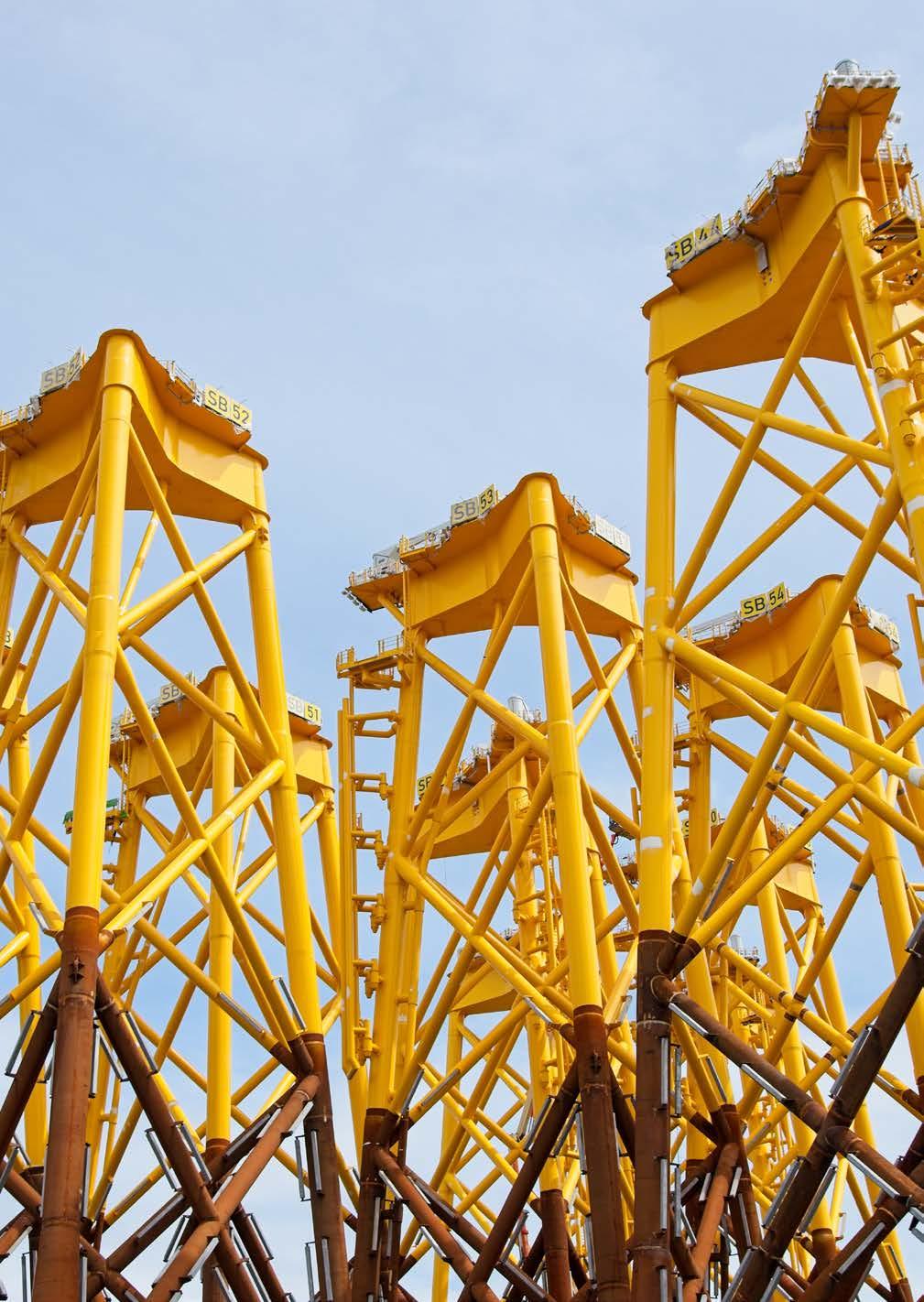
Bigger turbines mean heavier structures, thicker steel plates, and higher performance demands, especially for fatigue resistance, corrosion and durability. For wind energy infrastructure (towers, monopiles, jackets, transition pieces), the key materials challenges are well known, but become more critical at scale. Renewable power is not only a question of turbines and megawatts; it’s a question of materials that can survive decades at sea.
The materials challenge: building reliability into the steel, welds and design OCAS wind R&D work has shown clear directions for differentiation: improving welded plate performance, building confidence through fatigue datasets, and developing steels that perform better in saline environments, especially
in high-corrosivity categories where structures are most challenged.
Weldability at high productivity
Offshore and large onshore towers require kilometres of welds. High-productivity welding routes (such as high productivity submerged arc welding approaches or electron-beambased concepts) can reduce manufacturing time, but they must still deliver consistent toughness and avoid defects that can trigger failures.
Fatigue and corrosion-fatigue
Wind structures experience cyclic loading from waves and wind, millions of cycles over their lifetime. Fatigue is often the governing design constraint. In marine environments, corrosion can accelerate fatigue damage dramatically, especially if coatings degrade or cathodic protection is not optimised.
Corrosion resistance in aggressive environments
Offshore structures face wet, saline environments that are rich in chlorides — some of the most challenging corrosion conditions. Improved corrosion-resistant steels and smarter protective systems can reduce maintenance needs and extend lifetime.
Renewable gases: when electrification is not enough
Not every industrial process can be easily electrified. Some require high-temperature heat, specific chemical reactions or fuel molecules as feedstock. This is why renewable gases –such as hydrogen and derivatives (like ammonia) – or renewable carbon-based fuels are expected to complement electrification.
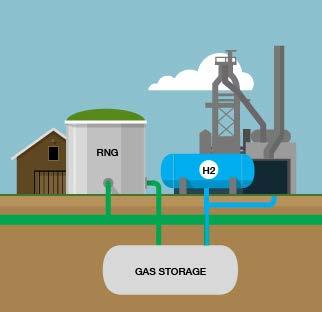
Hydrogen: from potential to practical power Hydrogen is often described as an ‘energy vector’: it can store surplus renewable electricity and deliver energy where direct electrification is difficult. It also has the potential to decarbonise hard-to-abate sectors like steel, cement and parts of heavy transport. But in practice, hydrogen becomes a climate solution only when it can be moved and stored with the same everyday reliability that we expect from today’s energy networks.
Powering hydrogen means building the infrastructure
That is where the challenge shifts from production to infrastructure. Hydrogen at scale is not simply a question of building electrolysers; it is a supply chain challenge: transport, storage, repurposing existing assets and building new infrastructure. For long distances and large volumes, especially in landlocked regions, pipelines are typically the most cost-effective transport solution. Storage is equally essential,
from pressurised vessels and cylinders to larger-scale concepts. And every element of this chain must work safely for decades. However, low-carbon gases also introduce new material degradation risks. Known as Environmental Assisted Cracking (EAC), these are failure mechanisms where the environment (gas composition, impurities, moisture) interacts with stress and microstructure to accelerate cracking and failure. Hydrogen is particularly challenging because it can reduce the fracture resistance of steels, accelerate crack growth, and affect weld zones, often the most vulnerable parts of a system. Ammonia and other carriers introduce their own corrosion and cracking risks, especially when impurities, moisture, or operational upsets occur.
From materials to performance
This is why OCAS not only invests in developing steels, but in demonstrating that they are fit for purpose in real service conditions. In our Emerging Fuels Infrastructure programme, our mission is to ensure the long-term integrity, safety and reliability of materials used in lowCO₂ fuel infrastructure. We do this by anticipating, understanding and mitigating material degradation risks linked to the transport and storage of emerging fuels through materials science, representative testing, standardisation and international collaboration. Steel design for hydrogen infrastructure requires careful attention to hydrogen embrittlement and related material degradation mechanisms. Key considerations include: ensuring steel cleanliness to minimise susceptibility to hydrogen-assisted damage, developing engineered microstructures and improving weld performance to maintain toughness and crack resistance under hydrogen exposure, and implementing advanced surface concepts that restrict hydrogen uptake into the steel itself.
Funded projects
NoHentry (NO Hydrogen ENTRY) project
The Energietransitiefonds project NoHentry1 addresses a practical question concerning hydrogen infrastructure: how fast does hydrogen enter and move through steel under real operating pressures and temperatures? This matters because steel can only suffer hydrogen damage if hydrogen first enters the metal, and the surface can either speed up that entry or act as a barrier. To quantify this, OCAS has developed a gaseous permeation test setup that measures hydrogen diffusion through a steel sample at defined pressure and temperature. The measurements were combined with advanced atomistic simulations to show how surface modifications can reduce hydrogen entry – this supports the design and qualification of safer, tougher steels and pipelines for hydrogen service.
HyWay project
Complementing this knowledge, HyWay2 , funded under Horizon Europe, strengthens the scientific foundations by linking advanced characterisation and modelling to how pipeline steels behave under hydrogen-relevant service conditions. The project develops multi-scale experimental and simulation ’suites’ that connect what happens at the surface and microstructure level (where hydrogen enters, accumulates, and interacts with defects) to what
engineers ultimately care about: deformation, fracture toughness, and fatigue resistance. A dedicated use case on high-strength steels for large- diameter hydrogen pipelines investigates how microstructure inhomogeneity, as well as plastic strain and residual stresses introduced during pipe forming, can influence hydrogen embrittlement mechanisms and the risk of ductile-to -brittle transitions under realistic operating conditions. By combining laboratory evidence with predictive, physics-based models, HyWay helps reduce uncertainty and supports safer, more robust approaches for the design and qualification of future hydrogen transport infrastructure.
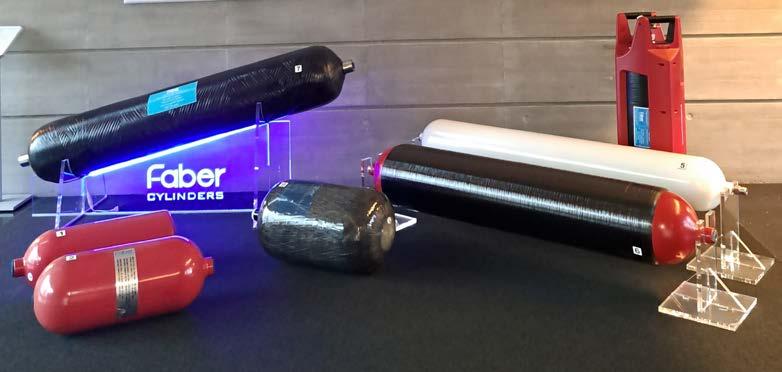
Hydrogen cylinders for mobility, refuelling stations, and distribution represent a critical application for the next generation high-pressure hydrogen storage and transport within the hydrogen economy. The FEATHER3 project –funded by the EU’s Research Fund for Coal and Steel (RFCS) – addresses this essential part of the hydrogen supply chain by developing advanced steel solutions. Aiming for a major increase in strength of up to 1.3 GPa ultimate tensile strength, roughly 30% higher than today’s typical steel, FEATHER focuses on maintaining resistance to hydrogen embrittlement. As project coordinator, OCAS is leading metallurgical concept development through a ‘design–test–validate’ approach: candidate steels are produced via industrially relevant routes, then assessed for hydrogen–microstructure interactions, fracture, and fatigue behaviour in hydrogen. Finally, the most promising concepts are validated through prototype vessel testing with industrial partners to ensure that laboratory gains translate into safe, practical storage hardware.
PilgrHYm project
Evidence-based qualification and integrity assessments are critical for hydrogen infrastructure to be widely accepted and deployed. This requires standardised, reproducible laboratory
methods that can be linked to full-scale behaviour. To support this, OCAS is contributing to the PILGRHYM4 project, funded under Horizon Europe (Clean Hydrogen Partnership), which aims to build a pre-normative framework for repurposing Europe’s existing pipeline network for hydrogen use. This includes harmonised test protocols, a test programme to generate quantitative data representative of 70% of the EU gas grid, and guidance for flaw assessment in hydrogen service via an international inter-laboratory study.
SafeH2Pipe project
The RFCS-funded SafeH2Pipe5 project combines laboratory tests for fracture toughness and fatigue behaviour in H₂ gas with full-scale testing to generate essential data for Fitness-for-Service structural integrity models for hydrogen pipelines with external damage. In this project, a portion of pipeline is used to machine standard laboratory samples, while the remaining section is used to reproduce and assess realistic damage (dents, corrosion metal loss and gouges) in full-scale tests. These projects rely on testing materials under realistic gas environments and mechanical loading conditions that are difficult to reproduce with conventional laboratory equipment. This is exactly the gap the GET-LAB facility was built for to address.
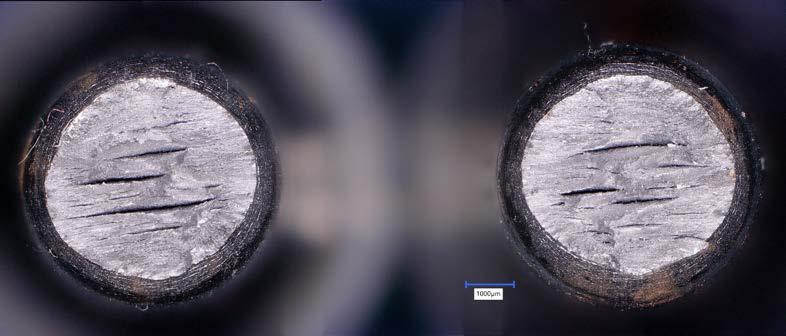
↑ Fracture surface of steel after a slow strain tensile test in 85 bar H₂, showing evidence of hydrogen embrittlement
Carbon capture, utilisation and storage (CCUS): removing emissions at the source
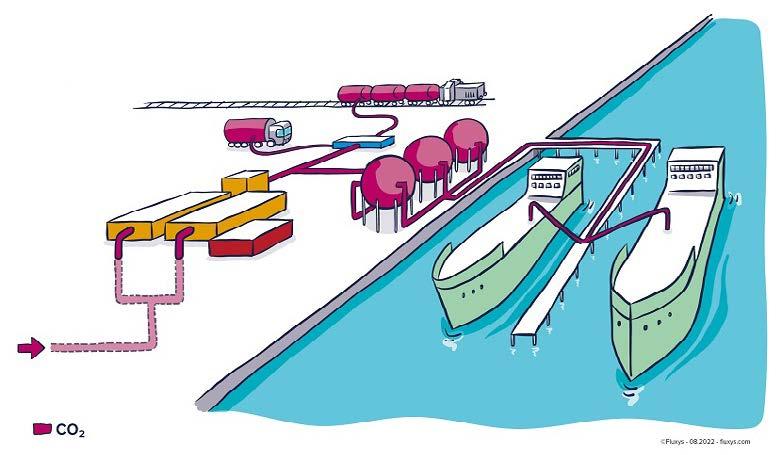
Even as we move towards electrification and renewable fuels, some industrial processes will still produce emissions that are hard to eliminate quickly. Carbon capture, utilisation and storage (CCUS) provides a solution by trapping carbon dioxide (CO₂) at factories and power plants and either: (i) using it as feedstock for fuel and chemical synthesis, or (ii) locking it away permanently, usually deep underground in rock formations. CCUS comprises 3 main steps: first, it captures CO₂ right where it is made; second, it transports the cap -
tured gas using pipelines or ships; and third, the CO₂ is fed to chemical processes or it is stored safely by injecting it into specially chosen underground sites, which keep it out of the atmosphere for good.
In Europe, CCUS is already moving forward, with new projects underway and international transport routes being developed. For example, captured CO₂ is being shipped or piped to storage locations in the North Sea, showing that these systems are becoming a reality rather than just an idea for the future.
↑ Fluxys concept from Ghent Carbon Hub
CO₂ capture
Carbon capture, utilisation and storage (CCUS) from steel gases is the most energy-efficient option for removing large volumes of CO₂ for carbon capture and utilisation (CCU) or producing steel by direct reduction of iron and electric arc furnaces, compared to producing hydrogen by water electrolysis6 As electrification is progressing but cannot yet fully address all industrial requirements, and should there be a full switch to electrified solutions, CO₂ capture serves as a bridging and complementary solution that enables early and significant abatement while low- carbon and low-cost energy systems continue to develop. In Europe, this approach is being increasingly linked to the development of CO₂ transport clusters, where captured CO₂ will be collected in shared pipeline networks meeting defined CO₂ specifications. While most of this CO₂ is expected to be stored permanently, part of the stream may be diverted for utilisation if the market develops. Some possibilities could be to convert it to CO or chemicals, or to bind it
permanently to construction materials as an alternative to underground storage. Therefore, the reliability of capture plants is critical to the integrity of these clustered systems, and materials play a defining role due to the aggressive environments created by CO₂, moisture, solvents, and impurities. Corrosion, solvent degradation, and residue accumulation can lead to unplanned outages that compromise both the reduction of emissions and downstream CO₂ off-takers. Thus, if they are inadequately selected or validated, materials are not simply enabling components but potentially limiting factors for reliable and scalable deployment. More robust materials can enable operation under harsher conditions – such as higher pressures and temperatures, or more aggressive solvents – potentially improving capture efficiency, economics, and system resilience. For these reasons, the reliability of materials under real operating conditions is a prerequisite for the timely deployment of CCS and integrated CO₂ networks in the energy transition.
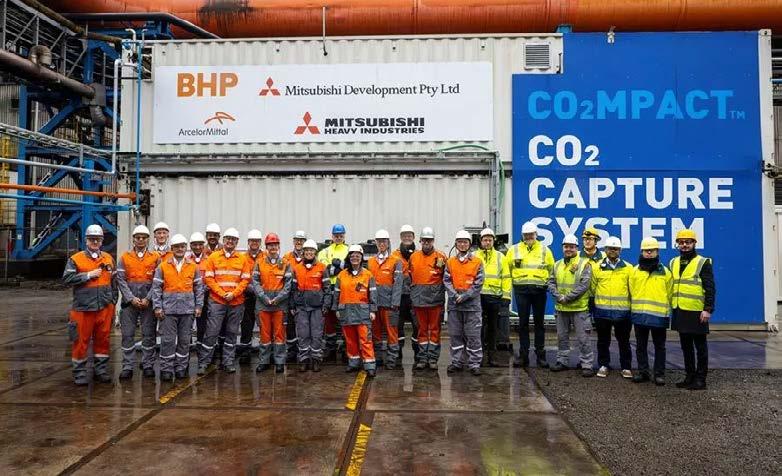
↑ Trial carbon capture unit begins operating on blast furnace at ArcelorMittal Ghent, Belgium
CO₂ transport: a materials integrity challenge
Safe, large-scale CO₂ transport depends on effectively managing both mechanical and environmental risks. The main material challenges involve preventing fractures and combating corrosion.
In pipelines, the worst-case failure mode is a long-running fracture. Preventing this requires sufficient crack-arrest capability and a validated fracture-control design. For CO₂ pipelines, this becomes more demanding because CO₂ is often transported in dense phase: during a rupture, dense-phase CO₂ can undergo a liquid-to-vapour phase change that creates a long pressure ‘plateau’ in the decompression curve. In simple terms, the pressure acting on the opening crack flaps is higher in dense-phase CO₂ pipelines than in natural gas pipelines,
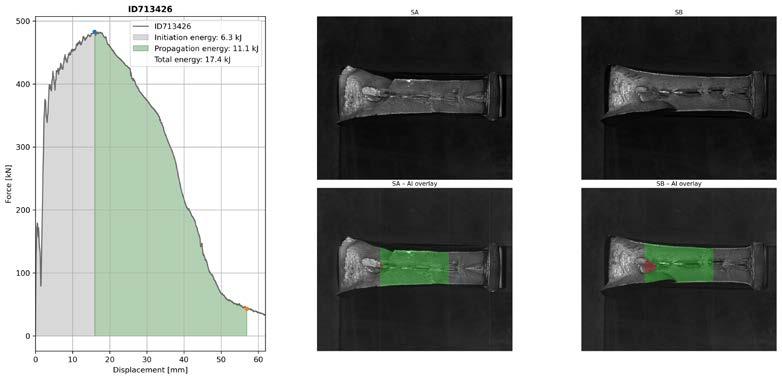
increasing the driving force for crack propagation. In the case of modern high-toughness steels, the conventional Charpy impact energy is not always a reliable indicator of crack-arrest capability. That’s why, in our CO₂Match® programme, we investigate more representative approaches such as instrumented drop weight tear tests (DWTT) and related test variants. Interpretation of the experimental results is supported by fracture surface analysis and computational fracture mechanics simulations. These efforts support safer design practices aligned with standards such as DNV-RP-F104 and ISO 27913, and they help define robust qualification routes for future CO₂ transport networks.
↑ CRACKLE: an AI segmentation model that automatically analyses instrumented DWTT fracture-surface images
Corrosion from impurities
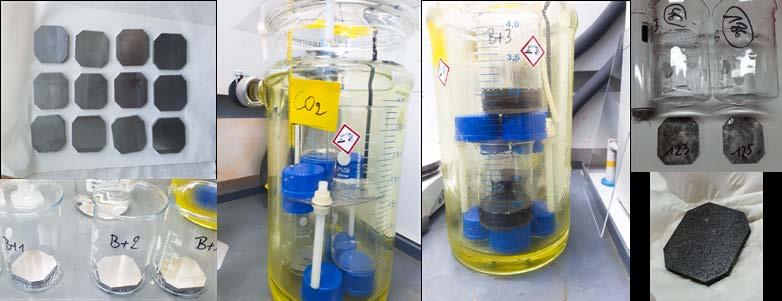
Captured CO₂ is rarely perfectly pure. Trace amounts of water and other compounds – such as H₂S, SO₂, O₂, and NO₂ – may be present in the CO₂ stream. Under certain operating conditions, depending on temperature and pressure, these compounds can react with one another to produce highly corrosive acidic droplets. The resulting acids, primarily in the form of sulfuric and nitric acid, can ultimately lead to severe corrosion of the metallic components in the system. Corrosion can become even more serious when combined with mechanical stress: depending on the CO₂ composition, certain impurities can also make steel more prone to cracking, especially in welded areas where the material and stresses can vary locally. Therefore, so that operators can avoid unexpected damage over long service lives, CO₂ infrastructure needs good specifications and monitoring, and steels and weld procedures that are tested in realistic conditions.
Not only must materials for CO₂ infrastructure be strong and weldable, they must also be tolerant to realistic CO₂ stream variability and operational upsets. That is what ’reliable at scale’ means in practice.
↑ Severe corrosion of corrosion coupons exposed to the typical acid composition that can be formed in a CO2 high pressure operating pipeline
OCAS GET-LAB test centre
A dedicated platform to assess the performance of materials essential for energy transition infrastructure
OCAS is recognised for its expertise in materials and structural integrity, for contributing to energy transition infrastructure by optimising design and fabrication, and for extending lifetime and reducing maintenance costs through functional material properties. In practical terms, we operate where lab knowledge meets industrial deployment. Particularly for hydrogen and CO₂ infrastructure, our competences converge around one key premise: material integrity in the operating environment is the license to operate safely.
The OCAS GET-LAB Test Centre in Zelzate significantly enhances our capabilities as a dedicated platform to assess the performance of materials essential for energy transition infrastructure. The centre supports testing for transport and storage applications involving emerg-
ing fuels such as hydrogen, ammonia, biofuels and captured CO₂.
A critical challenge addressed at GET-LAB is Environmental Assisted Cracking (EAC). The use of new fuels poses EAC risk for steels in energy infrastructure. This risk depends on gas composition, pressure, temperature, and mechanical loading — and it is strongly influenced by welds and microstructural features.
This is why representative testing is so important. GET-LAB facilitates controlled testing under relevant environments, which enables early identification of vulnerabilities, validation of mitigation strategies, support for qualification and standardisation, and accelerates safe deployment by reducing uncertainty.
The facility is designed and operated with a strong focus on safety, an essential requirement when working with high-pressure gases and demanding test conditions. Only a handful of facilities in the world deliver this unique
combination of advanced safety features and versatile, representative equipment. One of the biggest barriers to deploying new energy infrastructure is not the lack of ideas, it is the time needed to prove reliability. Testing and qualification can be bottlenecks. By providing credible, industry-relevant evidence, OCAS helps shorten the path from concept to deployment.
This matters for European competitiveness. A transition that is delayed by material failures, unexpected maintenance, or overly conservative design will be more expensive and will lose momentum. A transition enabled by robust materials and validated design approaches is more likely to scale.
A Flemish perspective
North Sea Port as a living example of the transition
The energy transition is global, but it becomes real in regional ecosystems. In Flanders, the North Sea Port hub is a clear example of the infrastructure shift that is underway. The region generates significant green electricity from solar and wind, which supports hydrogen production. It is also developing infrastructure to import hydrogen. As part of the SwedenBelgium Green Shipping Corridor, North Sea Port aims to enable one of the world’s first green ammonia shipping routes, with ammonia-fuelled ships expected to operate by 2030. In parallel, initiatives like the CO₂ Highway to Norway aim to transport captured CO₂ from North-Western Europe to storage sites in the North Sea, using pipelines and possibly ships. These developments show the transition’s complexity: wind power, hydrogen logistics, ammonia as a carrier, and CO₂ transport and storage all converge in one industrial region. That convergence makes material integrity even more critical, because different gases, operating conditions, and risk profiles must be managed – often using shared infrastructure, shared ports, and shared public acceptance.
OCAS and GET-LAB are positioned within this broader ecosystem. Our role is not to claim that materials solve everything, but rather to ensure that, when society invests in new infrastructure, it performs safely and reliably for decades.
1. NoHENTRY – Ensuring steel’s resilience in the hydrogen economy | Ocas
Can materials enable a reliable and scalable energy transition? Yes, but only if we treat materials as strategic technology, not as a commodity. Reliability at scale necessitates the use of steels and welds that are specifically engineered to withstand fatigue and harsh environments. It is crucial to thoroughly understand and mitigate the risks associated with corrosion and cracking. Testing protocols must accurately reflect real operating conditions, whilst standards and qualification methods should be both rigorous and practical. Furthermore, adopting circular approaches is essential to maintaining performance and reducing reliance on virgin resources.
At OCAS, our contribution is to provide the science, testing, and structural integrity expertise that turn ambitious energy scenarios into infrastructure that can actually be built, operated and trusted. Ultimately, the energy transition is not only about producing clean energy – it’s about building the systems that carry it, store it, and deliver it safely to people and industry, every day, for years to come.
Decarbonisation
Redefining steelmaking: the global decarbonisation challenge
The global steel industry stands as one of the most carbon-intensive sectors in the world economy, contributing approximately 8% of the total global CO₂ emissions annually. This corresponds to an average emission intensity of about 1.85-1.89 tonnes of CO₂ per tonne of steel produced, leading to a total of 3.7 billion tonnes of CO₂ emissions each year. In Europe, emission intensities range from 1.6 to 2.2 tonnes of CO₂ per tonne steel, with total emissions estimated at around 159 million tonnes annually. These figures highlight the scale of the challenge and the urgency of the action.
At the same time, the global demand for steel continues to grow – driven by urbanisation, infrastructure development, and the expansion of renewable energy systems such as wind turbines, solar installations and electrification infrastructure. Steel remains a critical enabler of the energy transition itself, making its decarbonisation both a necessity and a paradox. in response, ArcelorMittal has committed to aligning its operations with the objectives of the Paris Agreement and the European Green Deal, targeting to reach netzero greenhouse gas emissions by 2050. This ambition reflects the group’s strategic intent to lead the transformation of the steel industry toward a sustainable future. In this context, OCAS is playing a central role in enabling the practical transition toward lowcarbon steelmaking within ArcelorMittal. Through a combination of fundamental research, pilot-scale experimentation, and industrial validation, OCAS supports the development of decarbonised steel grades and the optimisation of new production routes based on electric arc furnaces (EAF) and high scrap utilisation.
The work presented in this chapter highlights how OCAS is addressing key technical challenges associated with increased residual elements, process variability, and product performance, while simultaneously supporting industrial implementation, customer collaborations, and future EAF deployments across Europe. By bridging scientific understanding and plant-level application, OCAS acts as a critical driver in ensuring that decarbonisation is achieved without compromising steel quality, reliability, or scalability.
The roadmap to net-zero
Achieving net-zero emissions in steelmaking requires a fundamental transformation of production routes, raw materials, and energy sources. In its 2025 Sustainability Report, ArcelorMittal confirmed its target of reducing Scope 1 and Scope 2 emissions intensity by up to 10% by 2030 (compared to a 2018 baseline), while maintaining its long-term ambition of full carbon neutrality by 2050. This transition is guided by a pragmatic approach that balances technological feasibility, economic realities, and infrastructure availability. Four primary decarbonisation levers underpin this strategy:
Transition to electric arc furnaces (EAF)
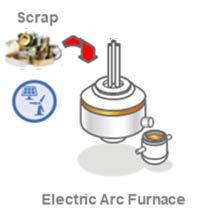
Transitioning from blast furnace–basic oxygen furnace (BF-BOF) routes toward EAF-based steelmaking significantly reduces emissions by relying on recycled scrap and electricity rather than coal-based ironmaking.
Access to clean and competitive electricity
The decarbonisation potential of EAF production is strongly dependent on the carbon intensity of electricity. Therefore, securing long-term access to renewable and low-carbon electricity is critical.
Increased use of high-quality metallic inputs
Expanding access to recycled scrap, as well as alternative feedstocks – such as direct reduced iron (DRI) and hot briquetted iron (HBI) – is essential to enabling low-carbon steel production at scale.
Deployment of breakthrough technologies
Technologies such as hydrogen-based reduction and carbon capture, utilisation, and storage (CCUS) are expected to play a key role in addressing remaining emissions, particularly in primary steelmaking.
The residuals challenge
Metallurgical purity vs circularity
The journey to net-zero emissions relies on increasing the use of low-quality ‘recycled’ scrap. However, this creates a significant metallurgical conflict. Traditional steelmaking has historically focused on purification, tightly controlling chemistry to ensure stable processing windows and predictable product performance. In contrast, circular steelmaking with high scrap levels inevitably introduces residual elements such as Copper (Cu), Nickel (Ni), Chromium (Cr), Sulphur (S), and Phosphorus (P) along with interstitial elements like
Nitrogen (N), which accepts greater chemical variability, challenging existing assumptions about defect formation, surface robustness, coating behaviour, and in-use service performance.
The key challenge is no longer the elimination of residual elements, but rather the understanding and control of their effects. Addressing this requires a paradigm shift: from conservative composition limits to knowledge-driven tolerance levels, supported by mechanistic understanding, targeted experimentation, and robust industrial validation.
OCAS decarbonisation R&D programme
OCAS is playing a key role in supporting the transition to zero-emissions steelmaking through a rapidly expanding and highly focused R&D programme. These activities are designed to address the technical challenges associated with new low-carbon production routes and to prepare ArcelorMittal Europe for the reliable production of high-value steel products under these conditions.
On the one hand, OCAS is actively developing and optimising new physically decarbonised steel grades using existing electric arc furnace (EAF) facilities within the ArcelorMittal group. On the other hand, we are systematically identifying critical knowledge gaps, assessing the practical risks associated with EAF-based steelmaking, and building the scientific and industrial understanding needed to mitigate these risks effectively. OCAS is systematically investigating impurity tolerance levels, as they significantly impact the downstream processing and product properties of conventional ‘pure’ steel production.
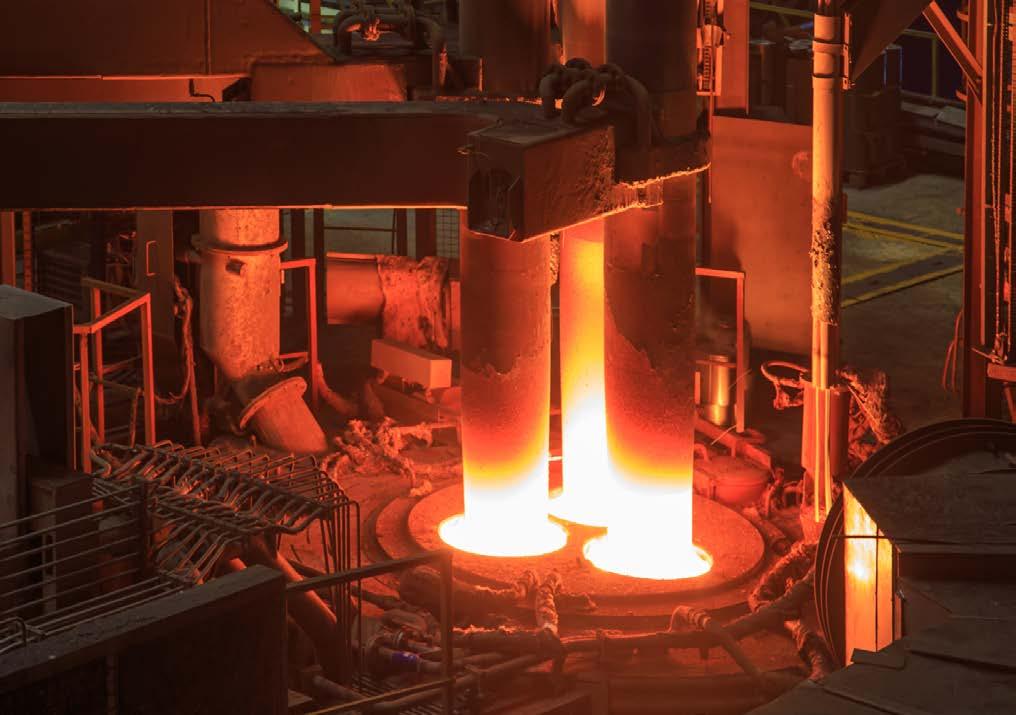
Arc Furnace
XCarb® RRP: Recycled and Renewably Produced
ArcelorMittal’s first commercial physically decarbonised steel towards net-zero
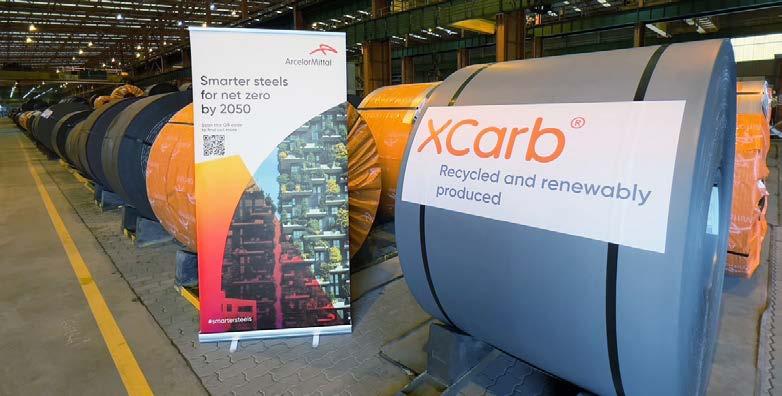
Four years ago, ArcelorMittal launched XCarb®, the flagship brand of its decarbonised steelmaking programme, aimed at supporting the transition to net-zero CO₂ emissions in Europe by 2050. Within this initiative, a new family of physically decarbonised steels – XCarb® RRP (Recycled and Renewably Produced) – has been developed, based on the use of recycled scrap and 100% renewable electricity. These steels achieve an exceptionally low carbon footprint, reaching values as low as approximately 300 kg of CO₂ per tonne of finished steel when produced with near-100% scrap input. This corresponds to a reduction of 60% to 75% compared to conventional steelmaking routes. The electricity used in the EAF process is independently verified and certified through a ‘Guarantee of Origin’ to ensure that it is sourced entirely from renewable energy.
OCAS plays a central role in the development and industrialisation of this short-term XCarb® RRP product offer by addressing a range of multi-dimensional challenges across the value chain. On the one hand, OCAS provides direct support to ArcelorMittal Sestao in fine-tuning electric arc furnace (EAF) steelmaking, casting, and hot-rolling parameters. The objective is to ensure full product equivalency between these newly developed low-CO₂ steels and the
conventional ArcelorMittal product portfolio, while adhering to the philosophy of producing steels with low CO₂ emissions.
On the other hand, a series of new streamlined combinations is being implemented, combining upstream material from EAF with production via specific downstream facilities. This combines several ArcelorMittal high-added-value product offers – such as Amstrong®, HyPer®, Magnelis® and Granite® HDX – with the XCarb® RRP brand to provide uniquely low CO₂ lightweight and durable steels to the market. The key challenge lies in making new combinations of upstream and downstream facilities. OCAS is working on fine-tuning and validating the full metallurgical route – starting from optimising the EAF steel chemistry and downstream processing parameters, to characterising the novel steel products at every production step, to validating the final product conformity in terms of metallurgy and end-user properties.
The first wave of XCarb® RRP products is already being released to the market, where it is being embraced by customers. Their excellent positive reviews and recurring order books are testaments to the success of the XCarb® RRP commercial offer, which can be traced back to the critical metallurgical route designs and processing optimisations performed by OCAS.
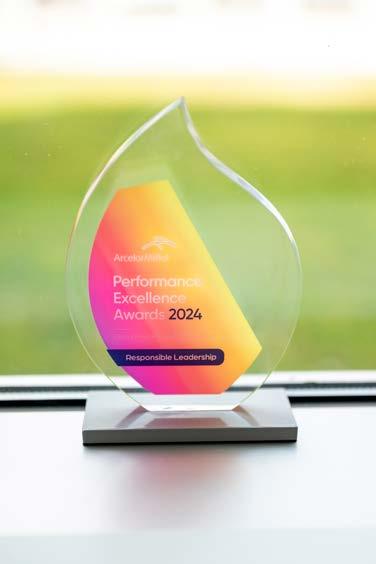
OCAS’s contribution to ArcelorMittal’s decarbonisation journey has been recognised at group level through the Performance Excellence Awards in 2024, where both the XCarb® RRP project and the broader Decarbonisation programme were awarded. Within the XCarb® RRP programme, the development and industrialisation of low-carbon steel solutions –with strong R&D lead from OCAS – resulted in the commercialisation of more than 40 products, from initial concept to market deployment, within a 2-year timeframe. The award also reflects the strength of a highly collaborative project, bringing together over 100 contributors across R&D, CTO, and CMO teams and multiple industrial sites, with OCAS at the core of this network. Through its expertise in metallurgy and process development, OCAS has been instrumental in overcoming key technical challenges, enabling the implementation of EAF-based production routes and supporting the creation of a new generation of decarbonised ArcelorMittal products.
Supporting ArcelorMittal Sestao in health and safety improvement
As part of its commitment to improving workplace health and safety conditions, ArcelorMittal Sestao is currently implementing a new dust extraction system for its 2 electric arc furnaces (EAFs). The project aims to significantly reduce dust concentrations in the steel shop environment. The existing extraction system was originally designed to handle only one EAF, and is therefore no longer adequate. As a result, new suction flows and equipment must be designed to ensure effective dust capture under current operating conditions.
To evaluate the effectiveness of the future system, it is essential to first establish a clear baseline of the current dust exposure levels.
For this purpose, dust measurement campaigns were carried out in September 2024 and March 2025, with the active involvement of the R&D teams from OCAS, Avilés and Sestao. Stationary exposure measurements were performed using pumps and filters at two elevations: EAF floor level and crane walkway level. The collected data, covering both total dust concentrations and elemental composition across 16 measurement locations, served two key purposes: assessing workplace health risks, and providing input for the design of the new extraction system. The installation of the new filtration system is currently underway, with commissioning planned for mid-Septem-
ber 2026. Following its implementation, a new measurement campaign will be conducted to verify the improvement in workplace air quality and overall health and safety conditions.
Customer collaborations
In close collaboration with ArcelorMittal, OCAS is actively engaged in a range of customer-focused projects to support the integration of XCarb® low-carbon steel grades into end-use applications. These collaborations are structured as true partnerships, combining the customers’ application expertise with OCAS’s metallurgical know-how to ensure that the new steel grades meet both sustainability targets and performance requirements. Key elements of these project were the fine-tuning of the metallurgical processing route, including adjustments to alloy design and processing parameters, to ensure that the XCarb® grades deliver the required formability, strength, and durability for final applications, while remaining compatible with large-scale production processes. This was achieved through a series of iterative trials and validations at both material and component levels.
The positive customer feedback and steadily growing order volumes demonstrate the success of the XCarb® RRP product offer. This success is directly linked to the critical metallurgical route designs and process optimisations carried out by OCAS in collaboration with ArcelorMittal.
In parallel, OCAS is developing methodologies to quantify the CO₂ reduction achieved through the use of XCarb® steels in customer applications. These assessments consider the full material impact, enabling ArcelorMittal customers to transparently demonstrate CO₂ emissions savings compared to conventional steel grades. Together, this co-engineering approach not only facilitates the successful introduction of XCarb® grades but also provides a solid, data-driven foundation to support customers in achieving their decarbonisation objectives.”
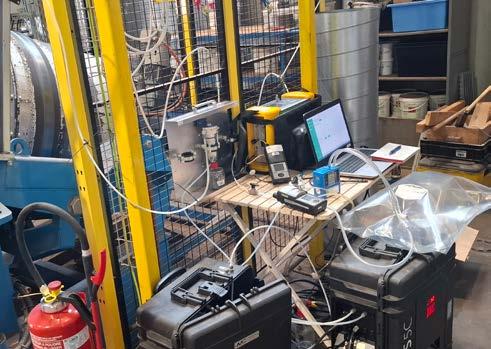
↑ EAF production and detail of the dust sampling devices (pumps and filters)
ArcelorMittal Belgium
Preparation for future electric arc furnaces
Thanks to the electric arc furnace (EAF) steelmaking at ArcelorMittal Sestao, the group has already positioned itself as a leader in the decarbonised steel market. But the ‘net-zero’ journey does not stop there. As the demand for decarbonised steels is growing, ArcelorMittal plans to transform existing coal-based ‘Blast furnace – Basic oxygen furnace’ steelmaking at various European clusters into EAF-based steelmaking. The ambition is to convert the complete ArcelorMittal order book to a decarbonised version without necessitating significant capital investments in the downstream finishing mill capabilities. And when that happens, the downstream plants will be poised to meet the challenges and product risks that will come with decarbonised steelmaking. In order to prepare for this, the theoretical knowledge of academia and lab must be transferred to practical industrial scenarios, which requires extensive R&D
support and expertise. That’s where OCAS plays its role as the R&D bridge between fundamental knowledge of the impact of decarbonised steelmaking and the design of EAF-like industrial trials.
Based on laboratory studies and risk analysis, an intensive risk mitigation trial plan is running in collaboration between several ArcelorMittal plants and OCAS to mimic future steel compositions with high residuals, along with other unwanted chemical elements (like N, S, and P) to monitor their effects industrially. Dedicated sampling and R&D characterisation are being performed at every step of the production chain, starting from the continuous casting slabs to hot-rolled black and pickled products, to cold-rolled annealed and galvanised samples. This will fully prepare the plants to ramp up production with the new equipment quickly, as soon as the tools come online.
Fundamental knowledge-building for decarbonisation
In addition to the risk mitigation industrial trials, a wide range of fundamental knowledge-building activities is ongoing in the laboratory: pilot-scale studies, advanced mechanical and microstructural characterisation from macro to micro to nano-scale levels, and numerical simulations and data-mining efforts focusing on determining whether an increase in residual elements and nitrogen would generate risks during processing or affect the quality of the final products. The knowledge built by these activities is generating a clear view on the maximum levels of residuals that can be tolerated for all product families, including guidelines for possible adjustments in the manufacturing process to enlarge product tolerance to residuals.
Metallurgical fundamentals
The metallurgy team at OCAS is looking into the fundamental effect of increased residual elements in the different steel metallurgies (like C-Mn steels, HSLA and Martensitic grades) in terms of effect on mechanical properties like strength, elongation and toughness, and corresponding process-microstructure-properties correlations. Because EAF-based steelmaking will also lead to increased N, S, P in the steel
compared to BF-BOF routes, these elements are also included in different pilot lab casting experimental matrices to incrementally study their effect on the final product microstructure and mechanical properties. For example, coarse TiN particles are notorious for degrading toughness properties in Nb-Ti HSLA steels, and, in the presence of elevated levels of nitrogen, the increased size and volume fraction of TiN particles further deteriorate the properties. The general inclusion state of EAF-based materials may also differ from standard blast-furnace-based steel grades, which can impact the final mechanical property balances. Both industrial trials and lab trials with elevated levels of N, S-like elements are providing critical guidelines for optimising the casting and rolling parameters to limit the impact of such inclusion-forming elements on the final mechanical properties.
Consequence on steel surface and coatings
In addition to the metallurgy, the surface properties of steel can also be altered by unwanted residual elements in the bulk steel as steelmaking shifts toward decarbonised routes with higher scrap usage and EAF production. These routes introduce greater variability in
steel chemistry, oxidation behaviour, and thermal cycles, increasing risks such as surface defects, hot shortness, and downstream processing issues in the pickling, annealing and galvanising lines.
For example, the residuals on a steel’s surface can have a direct consequence on the ArcelorMittal MASC® (Micro-adhesive scale) guarantees on Amstrong® grades. Hot-shortness defects due to residual elements like Cu can also lead to unwanted surface conditions and can hamper in-use performance of the steel in service conditions. The hot-rolled surface conditions affected by residual elements can lead to effects on different metallic coating performances, including Magnelis®, GI, batch galvanising, electro-galvanising and enamelling layers. Residual element enrichment at the steel
surface – particularly from EAF routes – can alter wetting, oxidation, interfacial reactions, and coating growth.
OCAS’s surface department is addressing these challenges through a structured lab -to-plant methodology that combines advanced surface and coating characterisation, defectology, and digital data analysis to improve the root-cause discrimination between visually similar defects in order to enable targeted corrective actions. This approach aims to define safe operating windows, while avoiding overly conservative limits that would unnecessarily restrict scrap usage. These results translate into robust process windows, defect mitigation strategies, and patented innovations supporting stable coating performance under increasing material variability.
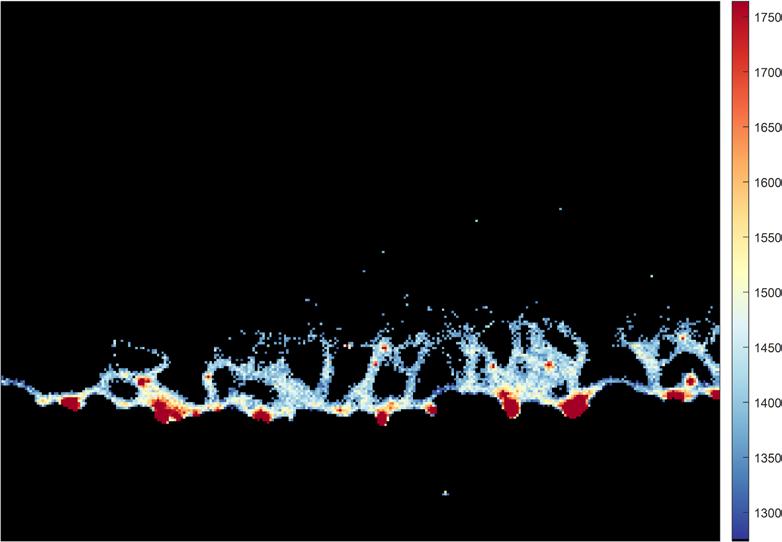
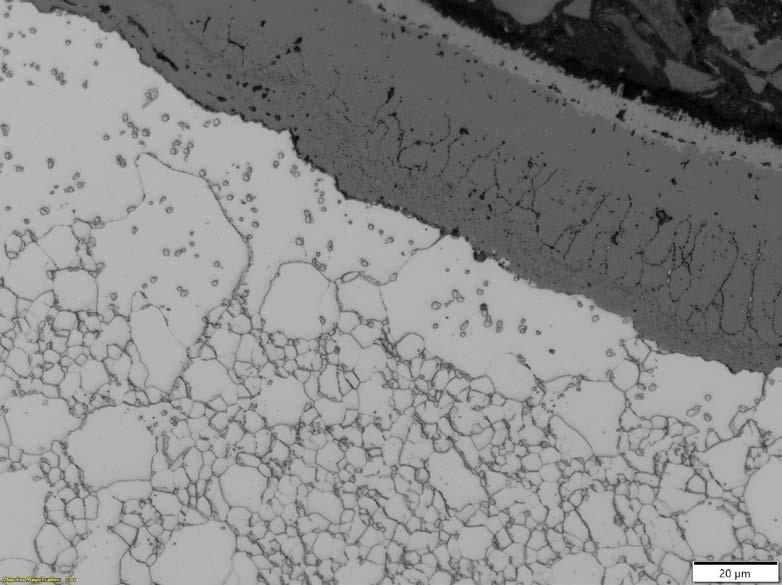
↑ Residual infiltration at steel-scale interface
Multidisciplinary collaborations
On this journey to build the necessary knowledge base for decarbonisation, OCAS is fortunate to collaborate with a variety of Flemish and European funding bodies – like VLAIO, RFCS, and HORIZON Europe – as well as university partners and various research institutions across Europe. Within ArcelorMittal Global R&D as well, OCAS is collaborating with other regional process and product R&D centres to share best practices and complement each other’s individual expertise on decarbonised steelmaking and its impact on product properties.
Project NANO-S-MART
The NANO-S-MART project (Unlocking the effect of residual elements via the NANOengineering of Sustainable MARTensitic steels), funded by the European Union’s Horizon Europe research and innovation programme, is dedicated to the development of innovative steel applications with low CO₂ emissions. The project aims to leverage innovative low CO₂ production methods, combining DRI and EAF, to enhance scrap utilisation (ESU) in as-quenched and quenched & tempered (Q&T) martensitic steels. However, the increased use of scrap is expected to introduce unprecedented levels of residual elements into the steel’s composition, impacting its properties. Consequently, there is a need to re-engineer martensitic steels for compatibility with these new production routes. The objective of this project is to systematically map and evaluate the impact of the increase in residual element levels and the influence of processing at macro-, micro-, and nano-scale levels in asquenched and quenched+tempered martensitic steels.
Project MOWSES
The MOWSES Project (Multi-faceted Assessment and Optimisation of Welded Structural Green Steel Plates for Use in European Sustainable Infrastructure) is an EU-funded research initiative aimed at advancing sustainable green steel solutions for critical infrastructure across Europe. Launched in October 2024, MOWSES focuses on enhancing the safety and performance of
welded scrap-based steel plates, specifically for medium- to ultra-high-strength applications required in industries such as energy and construction. With funding under the EU’s Twin Green and Digital Transition 2024 programme, MOWSES is dedicated to reducing carbon emissions by refining the use of recycled steel, a key step in the journey to climate neutrality by 2050.
Coordinated by OCAS, the MOWSES project unites a diverse team of academic and industry experts from Belgium, Germany, the Netherlands, and the Czech Republic. Each partner brings specialised knowledge in steel production, structural engineering, and advanced analytics methods – forming a multidisciplinary approach to overcoming the technical challenges posed by using increased amounts of scrap in steel production.
VLAIO-supported projects
In collaboration with VLAIO (Agentschap Innoveren & Ondernemen) and ArcelorMittal Belgium, a 3-year joint project led by OCAS on the industrial effects of residual elements resulted in key industrial parameter optimisation guidelines to reduce the impact of residuals on final product properties.
The learnings also provided opportunities for rationalising product chemistries and thermal cycles in the presence of residual elements, leading to significant cost-saving potential for ArcelorMittal Belgium. Moreover, the generated knowledge led to substantial intellectual property: several patents have been filed, protecting not only product-related innovations but also processing concepts and the digital tools used to support long-term studies and decision-making.
Another VLAIO-funded project, focusing on the effect of elevated levels of nitrogen due to EAFbased steelmaking, is underway and already generating insights on how to manage high nitrogen levels in different steel grades – like basic C-Mn grades to very high-strength HSLA steels – without impacting the final mechanical properties and in-service performance.
Towards cleaner steelmaking, without compromising on quality
In February 2026, ArcelorMittal confirmed a major step in its decarbonisation journey with the announcement of a €1.3 billion investment in a new electric arc furnace (EAF) at its Dunkirk site. The 2 million tonne EAF, scheduled for startup in 2029, is expected to reduce CO₂ emissions by a factor of 3 compared to conventional blast furnace operations – achieving approximately 0.6 tonne of CO₂ per tonne of steel through a mix of scrap, HBI/DRI, and hot metal. As construction progresses, significant scientific and metallurgical challenges remain to ensure the robust conversion of ArcelorMittal’s product order book via this new production route. Addressing these challenges inevitably requires R&D knowledge and expertise support using the extensive knowledge generated through ongoing EAF-related research, industrial trials, and laboratory studies. To prepare for the mitigation of the risks when the tool comes online in 2029, OCAS is sup -
porting the industrial quality teams at ArcelorMittal France plants in designing industrial trials with future EAF-like steel chemistries with increased residuals and other unwanted impurity elements.
in parallel, the XCarb® RRP developments via AM Sestao EAF are already experiencing high commercial success and showing no signs of slowing down. Following the successful introduction of the first generation of XCarb® RRP steel grades onto the market, production is now ramping up, with further developments underway for more demanding high-strength applications.
OCAS is actively supporting the optimisation of EAF steelmaking, casting, and hot-rolling processes, as well as downstream finishing routes. Through these efforts, OCAS is ensuring that decarbonised products achieve full equivalency with conventional steel grades, while adhering to the principle of producing steels with low CO₂ emissions.
ArcelorMittal Dunkirk
Material Durability and Sustainability
Sustaining performance and safety over time
Steel is one of the most widely used engineering materials across a broad range of applications. Its success is rooted in a unique combination of properties: it can be produced efficiently, it is easily formed and joined, tailored to a wide spectrum of mechanical requirements, it offers excellent value for money, and it is perpetually fully recyclable. These properties make it a cornerstone material for a circular economy. Yet, a fundamental question remains for every critical application or asset: how well does steel perform over time?
Material durability describes the ability of a material, component or structure to maintain its integrity and functionality throughout its intended service life, under the conditions to which it is exposed. These conditions are often complex and demanding, involving combinations of mechanical loading, environmental exposure, temperature variations and operational constraints. Extending the lifetime of assets, avoiding premature failures, and reducing maintenance and replacement all contribute directly to lowering resource consumption and the ecological footprint.
in practice, the long-term performance of steel components is most often determined by a limited number of damage mechanisms such as corrosion, fatigue, wear and hydrogen embrittlement or combinations of these. Understanding these mechanisms, quantifying their impact, and developing effective mitigation strategies are at the core of our activities, as we approach them from a metallurgical, surface engineering or application-driven perspective.
Over the past few decades, steel developments have enabled weight reduction through higher strength and lifetime extension via improved corrosion and wear resistance. As one of ArcelorMittal’s leading product development laboratories, OCAS has been closely involved in the conception, validation and industrial upscaling of steel grades and coatings that underpin these advances.
In the last couple of years, we have continued to push the boundaries of material durability. This includes the development of new generations of high-strength steels for ArcelorMittal – under the umbrella of the strongly established product family brands like Amstrong® and HyPer® – by pushing established metallurgical concepts like high-strength low-alloy steels and martensitic grades to their maximal performance, and by enabling the industrialisation of emerging concepts, including higher manganese steels.
In addition to this, extending component lifetime further requires continuous innovation in protective coatings and surface engineering. Building on the remarkable success of Magnelis® – the ZnAlMg coating that has rapidly replaced pure zinc in many applications and for which we continue to enable opportunities in new segments – OCAS is already preparing the next generation of highperformance corrosion protection through extensive laboratory screening, pilotscale production, and first industrialisation efforts and performance evaluation.
Another key enabler is the ability to credibly qualify materials and components for their intended service conditions. This requires developing and applying both standard and non-standard methodologies, ranging from small laboratory-scale testing to component-level validation, often under highly representative loading and environmental conditions.
OCAS is not alone in the FiNOCAS group in addressing these challenges: ENDURES complements our efforts through its expertise in analysis, testing and inspection, particularly in demanding marine and offshore environments; GUARANTEED contributes with unique repair, refurbishment and upgrading solutions, extending the lifetime of components and, where possible, improving their performance beyond the original design, and BIL Industry, as structural partner offering testing, failure analysis as well as welding expertise.
It is crystal clear that material durability is a central driver for FINOCAS’s group activities – supporting better steels and coatings, safer assets, longer service lives and more sustainable industrial solutions.
Building strength from the ground up
One straightforward approach to enhancing structural durability is to increase the strength of the materials used. Thick-gauge, highstrength steel components are commonly employed in many heavy, steel-intensive industrial applications, including cranes, tippers, trailers, and agricultural vehicles.
Ultra-high strength steels
Over the past several years, OCAS has been intensively engaged in extending ultra-highstrength hot rolled HSLA strip concepts to greater thicknesses under the Amstrong® Ultra brand. The objective has been to deliver cost-effective alternatives to quenched and tempered plates in the thickness range of 10 to 20 mm. However, increasing both material thickness and strength introduces significant metallurgical challenges, particularly in achieving a combination of high strength and sufficient toughness. Addressing this trade-off requires an optimised balance between chemical composition and processing routes, taking into account the capabilities and constraints of industrial production lines. Consequently, R&D efforts have focused on applying fundamental metallurgical principles, supported by thermo-mechanical modelling, to enable the selection of the most robust processing conditions. Pilot-scale processing facilities, capable of replicating industrial rolling conditions, have been used to screen and validate novel metallurgical routes. These val-
idated approaches have then been transferred to industrial practice, which has led to the successful industrialisation of Amstrong® Ultra grades with yield stress up to 700 MPa at thicknesses reaching 15 mm, positioning this product range uniquely within the European market. In parallel, extensive studies have been conducted to assess the feasibility of even greater thicknesses (up to 20 mm) in the near future. In addition, product development activities have enabled the most cost-effective solutions to be deployed across different production lines. By tailoring metallurgical processing routes to the specific characteristics of individual mills, production at multiple locations becomes possible, thereby enabling flexible supply of local markets.
Martensitic steels
Martensitic steel concepts are currently under development to achieve further substantial increases in the strength of hot-rolled strip products, extending even beyond yield strength levels of 1000 MPa. These concepts are not only aimed at structural applications, but also at applications in which resistance to wear is a critical performance requirement. Since such products require in-line quenching during production, their development necessitated overcoming several manufacturing constraints, including safety-related aspects associated with the handling and processing of the coils. Martensitic steels that are directly quenched
during the manufacturing process, marketed under the Relia® brand, achieve the targeted mechanical properties under the delivered conditions, while maintaining acceptable processability for downstream operations. Quenchable grades from the Durabor® brand provide a full range of achievable properties after customer processing. They are delivered in ready-to-use condition, giving customers flexibility according to their needs in terms of final hardness, abrasion resistance, and complexity of their (forming) process. The data generated at R&D over the years, based on product properties and knowledge of the product’s design, allows us to provide the necessary support to customers, considering the details of their processing.
Breakthrough metallurgies
We are exploring breakthrough metallurgies intensively in order to overcome limitations and technical challenges inherent to such high-strength grades. Applying state-of-the-art metallurgical knowledge, OCAS researchers
combine thermodynamic calculations and pilot-scale experiments to design compositions and processing schemes that allow us to produce the next generation of high-durability steels. Examples of this are steel metallurgies containing intermediate and high Mn levels. By introducing controlled amounts of austenite in a ferritic or martensitic matrix, these steels can reach breakthrough property combinations such as strength-ductility, strain hardening, wear resistance, and low temperature toughness.
In addition to extending the feasibility and durability of conventional metallurgies, having these properties at our disposal opens the door to new applications such as transport and storage at cryogenic temperatures, which will be key enablers in the energy transition. Unlike conventional incremental developments, the industrial feasibility of such breakthrough concepts requires thorough assessments – and OCAS’s researchers are playing a key role in translating lab-based knowledge into industrial reality.
Putting high-strength steels to work
To ensure successful application by end users, comprehensive processability guidelines –covering aspects such as bending, welding, wear or fatigue performance – are provided for each grade. These guidelines are based on extensive product testing and a deep understanding of the underlying material behaviour: For many steel components used in yellow and green goods – such as trucks, tippers, cranes, and heavy mechanical equipment – the primary design challenge is preventing fatigue failure arising from repeated loading during service life. At stress levels below the tensile strength, micro-cracks can initiate and propagate over time, potentially leading to sudden fracture if not properly addressed. Fatigue failure typically originates from stress raisers, which may be inherent to the microstructure (e.g., non-metallic inclusions), related to surface condition (surface quality or roughness), or introduced by joining, cutting, and forming processes. Consequently, fatigue behaviour
is strongly influenced by processing and manufacturing routes, and so the test methodologies we have developed account for these combined effects. For this reason, our steel grades are not characterised solely in the flat condition but also in relevant structural design details such as cut edges, bolted joints, and welded states. In particular, our in-house fatigue testing setup for formed sections captures the effects of cold forming under application-representative stress states. Digital image correlation can be integrated to characterise the full deformation field under cyclic loading. Together with simulations and inspection data, these tests enable accurate fatigue life predictions and ensure safe, durable products. Within the yellow market segment, wear and abrasion resistance are considered critical performance parameters. OCAS has dedicated laboratory testing methodologies, including the ASTM G65 dry sand abrasion test, which enables a reliable and comparative ranking of
steel grades with respect to abrasion resistance. In addition, an in-house tumbler impeller test has been developed to evaluate impact abrasion behaviour. By combining insights from these complementary test methods, and taking into account the specific wear mechanisms associated with different applications, the most suitable material can be confidently selected based on laboratory data. Moreover, we have several field tests running to complement the laboratory assessments. A coal grinder installation at the AM Ghent plant has been selected as a demonstrator case to evaluate the performance of newly developed steels –and this has revealed excellent game-changing performance under real industrial conditions.
Weldability guidelines are provided, which can help our customers choose suitable welding parameters for the welding of parts in their manufacturing. These guidelines become all the more important with the increasing complexity, and thereby sensitivity, in the welding of the base material, as is the case for our advanced high-strength steels. Today, not only chemical composition but also key processing temperatures during rolling are carefully controlled to achieve the desired material properties. Comprehensive guidelines then need to be provided to allow our customers to maintain the desired base material properties in welded
← The coal grinder at ArcelorMittal Ghent is used to evaluate the performance of newly developed steels by subjecting them to real industrial wear conditions
joints. The guidelines include, for example, suitable filler wire classes and the allowable time range for cooling from 800 to 500°C. OCAS can perform numerical and physical simulations as well as actual welding experiments to determine these specifications. From the allowable 800-500°C cooling time range, heat input levels for welding can be determined for various processes, material thicknesses and welded joint
configurations – allowing them to be tailored to all sorts of applications and industries. Often, these specifications are also used as a basis for welding trials for the homologation of our material for critical applications by our customers.
Developing generic steel solutions is a key lever for promoting the ArcelorMittal product offer and stimulating early customer engagement. These solutions address common application challenges across markets and serve
as technical reference concepts rather than finalised designs. A recent example is the development of a generic steel solution for roll-on / roll-off containers, combining performance, durability, and sustainability considerations. Such solutions serve as idea generators for discussions with customers and support the setup of coengineering projects, in which the concepts can be further tailored, validated, and optimised for specific applications and requirements.
The power of co-engineering
High-strength and ultra-high-strength steel grades can offer a lot of advantages in terms of cost and durability (fatigue, wear, weight, longevity and reduced ecological impact). At OCAS, we have amassed considerable knowledge and expertise in the application and implementation of these steel grades. We apply this knowledge together with customers in co-engineering projects, which introduce the latest steel grades to customers so that they can reap the benefits in terms of durability and cost. Marrying the customer’s in-depth experience of their product with our extensive knowledge of advanced steels creates solutions that are mutually beneficial. These projects typically begin with a design optimisation study, using finite-element simulations for which the customer’s insight into load cases, production methods employed, and possible critical experiences is very important. Good, open communication is crucial, when setting the contours of the study as well as throughout the optimisation. The outcome of a new design can be tested immediately in trial runs, or OCAS can further support the implementation by assisting in the fine-tuning of production parameters (such as welding parameters). In certain cases, OCAS will even produce prototypes that can be subjected to experimental testing to validate the new design. Regardless of the specifics of the co-engineering project, OCAS embarks on each one with the mission to spread the benefits of the latest steel grades, and our knowledge thereof, to our customers.
→ Structural analysis model of a solar plant container optimised through co-engineering
Protecting steel: coatings and surface engineering
In addition to bulk material design, OCAS has further strengthened its activities in surface engineering to enhance durability through protective coatings based on dedicated simulators. The Rhesca simulator is a laboratory tool that reproduces hot-dip galvanising under well-controlled conditions. It allows metallic coatings to be developed and tested on steel with precise control of process parameters, while remaining representative of industrial production. This makes it possible to quickly explore and optimise new coating alloy concepts before moving to larger-scale trials. Using this approach, advanced coatings such as Magnelis® have been developed. This zinc–aluminium–magnesium coating offers significantly improved corrosion resistance compared to conventional galvanised steel (more than 3 times longer in many applications), resulting in longer service life and reduced maintenance. A key advantage is its strong performance at cut edges, where stable corrosion products form a protective, self-healing layer that slows degradation. These well-established properties, confirmed through laboratory and field studies, have made Magnelis® a reference solution for applications requiring high durability in corrosive environments.
Durability requirements continue to increase as customers design structures for longer service lifetimes (often extending over several decades), and as applications expand into more demanding environments. A clear example is the solar energy sector. Ground-mounted photovoltaic structures are frequently installed in soils that can be humid, chemically aggressive, or rich in chlorides and sulphates. In such conditions, coated steel must resist not only atmospheric corrosion but also soil-induced degradation.
Increasing coating thickness for severe exposure conditions
A key strategy for improving durability is increasing the coating thickness, especially in highly aggressive environments like offshore
installations, industrial atmospheres, and corrosive soils. Thicker coatings offer a larger protective barrier, which significantly enhances resistance to corrosion over time and provides a stronger safety margin as the material ages. Because of these advantages, research has focused on applying greater thicknesses to zinc-based and zinc–aluminium–magnesium coatings. The emphasis is not only on adding material, but also on ensuring that thicker layers retain essential properties such as strong adhesion, good formability, consistent quality, and reliable processing performance.
Predicting lifetime: from testing to decision-making tools
Because corrosion happens slowly in real conditions, it can take many years before serious damage appears. This makes it difficult to predict how long a material will last. Nevertheless, customers need this information early on to design structures properly and evaluate risks well before any visible rust develops. To address this, a lot of work has gone into developing lifetime prediction tools, especially for corrosion in different environments like air and soils. These tools combine laboratory tests, real field data, and a solid understanding of corrosion mechanisms – making it possible to estimate how long materials will perform in soils with different levels of aggressiveness. With these tools, users can compare different solutions, better understand environmental risks, and make more informed design choices. While no prediction is ever completely certain, these scientific methods are far more reliable than simple assumptions. To support clear comparisons and recommendations, lab (accelerated) corrosion testing must be consistent, repeatable, and close to real-life conditions. For this reason, OCAS has developed a dedicated in-house evaluation method. The focus is not on running more tests, but on selecting the right combination of tests to accurately compare materials in relevant environments. This approach allows different coatings, thicknesses, and protection
systems to be evaluated fairly and consistently. It helps identify the best solution for each application and avoids choosing systems that are either too weak or unnecessarily over-designed. By relying on solid testing and data, durability claims become more trustworthy – they are more transparent, which helps build our customers’ confidence.
Microstructure tailoring: enhancing in-use properties to support durability
Durability is not only defined by corrosion resistance. In many applications, mechanical performance during forming, bending, and assembly is also crucial for long-term protection. Therefore, a key development focus is microstructure tailoring. By adjusting alloy composition and processing conditions, the internal structure of the metallic coating can be optimised. A refined and well-balanced microstructure enhances formability, lowers the risk of cracking during deformation, and supports more uniform corrosion behaviour.
These microstructural characteristics are analysed at OCAS using advanced characterization techniques such as EPMA, EBSD, 3D FIB imaging, and TEM, which provide detailed and reproducible insights into coating structure and evolution. Good formability of the metallic coating is also essential for the proper application of organic coatings to ensure good adhesion and minimise defects in multi-layer coating systems. Overall, improving microstructure and reducing damage during processing or installation directly contribute to enhanced durability throughout the service life of coated steel products.
It is clear that, for the most aggressive environments, metallic protection alone may not be sufficient. In such cases, combining Magnelis® with an organic coating system offers an additional level of protection. This duplex approach brings together the sacrificial and self-healing properties of the metallic coating with the barrier effect of organic layers. The work focuses on compatibility between the metallic sub -
↑ Magnelis microstructure taken at OCAS microscopy centre
strate and the organic system, ensuring good adhesion, long-term stability, and efficient corrosion protection, even in extreme exposure conditions.
Addressing durability challenges: welding and re-protection
Despite major progress, durability also comes with technical challenges that require continuous attention. Particular attention is required when welding galvanised steel, as specific interactions can occur under certain conditions. Extensive research activities are ongoing to better understand the mechanisms of these phenomena and to define mitigation strategies through material design, process adjustment, and application guidelines. Another challenge is weld seam reprotection. As coating thicknesses increase to meet durability targets, conventional weld reprotection techniques are no longer sufficient to restore corrosion protection at joints. This has triggered new developments in weld seam protection technologies that aim to ensure that local protection is consistent with the overall durability level of the coating system.
Next generation metallic coatings: extending durability limits
While Magnelis® already offers outstanding durability, development has not stopped there. New generations of metallic coatings are being prepared to push performance yet again to the next level. Targeted improvements include achieving up to 2 times better atmospheric corrosion resistance compared to existing solutions, without compromising process robustness or application versatility. These targets – achieved via a collective effort with other ArcelorMittal R&D centres – have already been reached through optimised alloy design and controlled microstructures. Performance improvements have been demonstrated through a wide range of accelerated corrosion tests, covering atmospheric exposure, cut edge corrosion, and complex configurations such as bent, perforated, or assembled parts. These are exciting times, as we approach industrialisation of this next generation metallic coating. And yet it doesn’t stop there. Current lab work is exploring new ideas in several key areas of
coating systems, including new alloy compositions, improved process routes, better evaluation methods, and closer integration between metallic and organic protection systems. A major focus is also on gaining a better understanding of corrosion mechanisms – linking laboratory results with real-world performance – and turning this knowledge into practical solutions. These efforts are ensuring that durability remains a key strength of metallic coated steel.
Where coating meets steel –combining Magnelis® with high-strength steel substrates
Over the past 2 years, OCAS has focused on developing advanced high-strength steel (HSS) solutions that enable material efficiency, cost reduction, and CO₂ footprint minimisation, while meeting increasing customer demands for coated products. A central driver of these activities is the possibility to reduce steel thickness through higher mechanical strength, which results in lighter structures, less material consumption, and improved sustainability performance across the value chain.
A key market trend is the growing demand for higher strength steel grades in combination with Magnelis® coatings, particularly for applications requiring enhanced corrosion resistance. At the same time, customers increasingly expect these higher strength steel grades to keep ductility and formability levels as close as possible to those of lower strength conventional steels, in order to ensure robust cold forming performance in downstream manufacturing. Therefore, balancing strength, ductility, and coating compatibility represents a major technical challenge.
To support and accelerate these developments, OCAS’s laboratory implemented a high throughput experimental approach. A broad range of chemical compositions was systematically investigated using accelerated mechanical testing and advanced microstructural characterisation. Image analysis techniques, supported by machine learning, were applied to quantify key microstructural features, enabling objective and reproducible assessment of recrystallisation behaviour. Data-driven methods, including machine learning tools,
were introduced to analyse large experimental datasets, identify critical parameters, and guide alloy design. This integrated approach allowed the research centre to fine-tune compositions and propose new metallurgical routes with clear industrial potential. The impact and relevance of this extensive work has also been clearly recognised within the ArcelorMittal Group. In 2025, the team was awarded the group-wide Performance Excellence Award in the Technical Innovation cate-
gory. The winning consortium brought together Flat Europe CMO, the ArcelorMittal production plant in Ghent, and OCAS, under the project title: ‘HyPer Grades: the commercial and metallurgical success story of a new range of patented galvanised high-strength steels developed with support of AI’. This award highlights the successful combination of metallurgical innovation, digital tools, and cross-functional collaboration – translating research outcomes into tangible industrial and commercial value.
Durability under extreme and complex conditions
Materials for nuclear environments
To address the increasing demands on material lifetime in harsh service environments, OCAS has continued its contribution to research programmes on advanced nuclear materials, in collaboration with partners such as SCK CEN and within European frameworks like EUROFusion and FOSTER. Activities focused on the development and processing of reduced-activation ferritic-martensitic (RAFM) steels and refractory-based alloys such as V-4Cr-4Ti, which are designed for operation under irradiation and elevated temperatures. Key challenges addressed include impurity control, phase stability, and degradation mechanisms affecting mechanical integrity over time. Through laboratory-scale melting, controlled thermo-mechanical processing and dedicated characterisation, OCAS supports the establishment of processing–microstructure–property relationships that are critical for predicting and improving long-term material performance in nuclear environments.
→ Laboratory-scale hot rolled samples
Lab tools for design of better materials
Extending material lifetime also requires a thorough understanding and control of processing routes that determine the final microstructure and performance. Within our lab-scale pilot plant, we have further expanded the use of our infrastructure to develop and validate such processing strategies. The facility integrates vacuum-based melting, flexible casting, thermo-mechanical processing and advanced annealing simulations within a single environment. Computer-controlled rolling and heat treatment installations allow precise control of deformation, temperature and cooling paths, enabling the accurate simulation of industrial processes. Combined with numerical tools for precipitation and microstructure evolution, this approach enables the optimisation of thermo-mechanical routes to achieve stable microstructures with improved resistance to degradation mechanisms such as embrittlement, fatigue and corrosion.
Corrosion-resistant weathering steel for offshore environments
Another core activity related to corrosion lies in the development of protection systems for structural elements such as foundations and towers of offshore wind turbines and offshore substations, which are continuously exposed to severe environmental conditions inherent to marine atmospheres, including high chloride concentrations, humidity, and cyclic loading. In response to the demanding conditions of offshore environments and the associated maintenance costs, the development of a corrosion-resistant and economically viable steel substrate is a key advancement in structural materials engineering. Through a tailored metallurgical approach, a new corrosion-resistant weathering steel (S355WSE) has been designed to deliver an optimal combination of corrosion resistance, mechanical strength, and weldability. Industrial-scale production trials in a heavy-plate rolling mill have confirmed the robustness of the manufacturing process and desired properties for 20 up to 50mm.
Long-term atmospheric exposure testing in bare and painted conditions is being conducted at the ENDURES marine site, classified according to ISO 9223 as C3-C5 (medium and high corrosivity), with exposure durations extending up to 4 years. To complement natural exposure data, accelerated corrosion testing is being used to correlate lab and field performance. Formation of a specific protective patina typically results in an approximately 15-20% corrosion reduction compared to standard S355MLO.
Performance is obtained by adding alloying elements that promote the formation of the patina, which impedes further penetration of corrosive species and stabilises over time. The nature, composition, and morphology of the corrosion products are investigated systematically using advanced surface analytical techniques, including scanning electron microscopy with energy-dispersive X-ray spectroscopy (SEM/EDS) and X-ray diffraction (XRD). These analyses enable phase composition and morphology and provide insight into the protective capabilities of the rust layers.
Additive manufactured materials for enhanced performance and long-term service in complex environments
FINOCAS’s daughter companies – OCAS, ENDURES and GUARANTEED – are participating in an international doctoral network of associated partners in the VUB-EUTOPIA project DurAMat. In the framework of Horizon Europe, and funded via the prestigious Marie Sklodowska-Curie Doctoral Network Grants, 10 highly skilled PhD students are working on the sustainable production, processing and modelling of durable additive manufactured materials for enhanced performance and long-term service in complex environments. The goal is to train excellent innovative researchers for a period of 3 years to maintain Europe’s solid position in additive manufacturing. The focus is on increased lifespan in an ecologically and economically responsible way via improvements in strength and corrosion-resistance. The students work at 5 of the universities in the EUTOPIA alliance: VUB in Brussels (Belgium), NOVA University in Lisbon (Portugal), the University of Gothenburg (Sweden), the Technische Universität Dresden (Germany) and the University of Warwick (UK). The network facilitates secondments taking place at the different partners and organises top-level lectures and student teaching sessions.
One of the doctorates – primarily facilitated at GUARANTEED – is dedicated to understanding and improving the corrosion properties of parts produced and/or repaired via Wire and Arc Ad-
↑ Endures outdoor exposure site (Den Helder, the Netherlands)
ditive Manufacturing (WAAM). The objectives include studying the corrosion mechanisms of the functionalised metal substrates and the differences with conventional metal substrate. Investigations at OCAS are focused on hydrogen embrittlement in additive manufactured stainless steels and hydrogen fatigue corrosion testing.
The performance testing of additively manufactured coatings in marine environments is taking place at ENDURES, which has unique access to outdoor exposure testing equipment in living seawater.
Longer life, lower footprint: the next chapter for durable materials
The work described in this chapter reflects a field that has moved well beyond its traditional boundaries. Durability is no longer treated as a material property to be verified once the design is complete, it is increasingly built in from the earliest stages of alloy conception through to application-level validation and field performance monitoring. The combination of stronger steels, better coatings, and more rigorous qualification methodologies is making it possible to build structures that last longer, require less maintenance, and carry a smaller environmental footprint over their entire service life.
Several directions will shape how this work develops in the years ahead. In high-strength steels, the push toward greater thicknesses to be achieved on hot rolled coils and higher strength levels continues, but the frontier is shifting from what is metallurgically achievable to what can be reliably and flexibly produced at industrial scale across multiple locations. The ability to tailor processing routes to individual mill capabilities, already demonstrated for Amstrong® Ultra grades, will become increasingly important as the product range expands. duplex solutions represents In surface engineering, the next generation of metallic coatings is approaching industrialisation, a significant milestone that will extend the durability ceiling for coated steel in some specific aggressive environments. Beyond this, the integration of metallic and organic protection systems into coherent, application-specific duplex solutions represents a
next frontier, particularly as service environments become more demanding and design lifetimes extend further. Parallel advances in lifetime prediction tools are equally important: the ability to translate laboratory and field data into reliable, quantitative estimates of remaining service life is what turns durability research into decision-making support for customers and asset owners. The energy transition is also reshaping the landscape of durability challenges. Offshore wind structures, hydrogen infrastructure, cryogenic storage, SMR and nuclear fusion infrastructure materials all impose service conditions that go well beyond what conventional qualification frameworks were designed to address. Meeting them requires not only new materials but new testing methodologies, new modelling approaches, and new forms of collaboration — across research centres, universities, and industrial partners — of the kind exemplified by the DurAMat doctoral network and the ongoing work within EUROFusion and FOSTER.
Underlying all of these directions is a principle that has defined OCAS’s approach to durability throughout: that extending the service life of a material or structure is one of the most direct and measurable contributions that materials research can make to sustainability. Less replacement, less maintenance, less waste, and more confidence that what is built today will still be performing as intended decades from now.
Asset Longevity and Safety
Keeping critical assets in service: understanding, monitoring, and extending industrial service life
Industrial and civil assets are increasingly being operated beyond their original design assumptions, while expectations regarding availability, sustainability, and safe operation continue to rise. In the case of ageing welded steel structures and pressure-containing equipment, damage mechanisms such as fatigue cracking, thermal degradation, and corrosion can progressively reduce integrity and increase the risk of unplanned downtime or catastrophic failure. Therefore, this chapter focuses on asset longevity and safety through an integrated approach that combines failure assessment and fitness-for-purpose decision-making, targeted repair and life-extension strategies, and structural health monitoring (SHM).
Building on OCAS’ expertise in metallurgical investigations, failure root cause analysis and non-destructive assessment – and on recent developments in modelbased monitoring using digital twins and online crack detection sensors – the activities presented here aim to move from periodic ‘snapshot’ inspections to continuous condition-based understanding. And yet, even with these measures, unexpected failures may still occur. However, by establishing the root cause and developing a detailed understanding of the underlying mechanisms, it becomes possible to propose and implement effective design improvements and to define risk-based inspection and monitoring plans. The cases and projects in this chapter illustrate how root cause analyses are being performed and how measured operational data, validated models and field-ready sensing can be used to identify critical hotspots, quantify remaining life, prioritise interventions and, ultimately, keep production- and safety-critical assets in service with higher reliability.
Failure analysis: the material integrity assessment of a boiler
Industrial assets are designed to perform well – but real-world operating conditions are often not as predictable as the design phase assumes. When something goes wrong, the speed and accuracy of the root cause diagnosis determines whether an operator faces days or months of downtime, and whether the same failure will happen again. Answering those questions requires a structured investigation that combines laboratory analyses of components that have been removed with in-situ assessment of parts that remain in service – and then translating the findings into concrete decisions about repair, replacement or continued operation.
The case below demonstrates this approach in action: it shows how OCAS in collaboration
with its partner company BIL Industry (Belgian Welding Institute Industry) perform a structured investigation, including joint laboratory work and field assessment, to move quickly from symptom to root cause – and guide the customer towards making confident, evidence-based decisions.
Nine months after commissioning, a boiler experienced an unexpected failure caused by the blockage of several tubes. This obstruction led to internal leakage resulting from ruptured tubes in the rear tube bundle. Repair activities were promptly initiated, during which numerous tubes – particularly those exhibiting severe discoloration, deformation, and blockage – were removed. To evaluate the suitability of the remaining components for continued ser-
View inside the boiler at the moment of sampling
vice, a comprehensive failure analysis was undertaken through close collaboration between OCAS and BIL Industry.
The metallurgical failure analysis performed by OCAS included detailed metallographic examinations, hardness measurements, and hot tensile testing at the design temperature of 200°C. BIL Industry contributed by conducting non-destructive metallographic replica investigations on in-situ boiler tubes, enabling the assessment of microstructural degradation in areas where destructive sampling was not feasible.
The analysis revealed a more complex picture than the initial failure suggested. Metallographic examinations of the economiser tubes and sidewall material revealed grain coarsening at the outer surfaces, indicative of exposure to elevated temperatures. In addition, the microstructure across the full wall thickness exhibited an advanced stage of spheroidisation, a known precursor to creep damage and eventual material failure. While the microstructural evidence pointed to thermal over-exposure, the mechanical performance told a different story: hot tensile tests performed by OCAS showed that the yield strength at 200°C remained well above the minimum required value at this temperature.
The investigation also included the analysis of a blocked tube containing a hard internal deposit. This deposit was identified as boiler
sludge composed of salts, minerals, and corrosion products. Acting as a thermal insulator, the sludge impeded heat transfer and caused localised overheating of the tube material. These conditions accelerated the precipitation of dissolved solids, resulting in the formation of hard scale capable of completely obstructing flow and exposing the tubes to flue gas temperatures, thereby significantly increasing the risk of failure. Due to design constraints, this sludge may be difficult or impossible to remove effectively through blowdown operations, suggesting that the boiler design may not adequately facilitate proper drainage and cleaning. This limitation likely contributed to deposit accumulation and subsequent tube overheating. Although the precise contribution of commissioning practices could not be determined, the findings underscore the importance of considering design aspects, in addition to operational parameters such as water chemistry, to ensure long-term reliability and safety.
Joint discussions with the client enabled the destructive and non-destructive findings to be integrated into a coherent picture. The result was a consensus-based repair strategy: a clear, evidence-backed decision concerning which tubes required replacement and which could safely remain in service. Consequently, while the most severely deformed tubes were replaced, certain areas – such as the boiler
↑ Sampled boiler tubes (left); section cut of a clogged boiler tube (right)
↑ The metallographic image reveals significant grain growth as well as spheroidization of the microstructure
sidewall and slightly deformed finned tubes –were deemed fit for continued operation based on their remaining mechanical integrity.
Overall, this joint OCAS - BIL Industry investigation provided critical insights into the root causes of the failure and supported informed,
consensus-driven decision-making during the repair process. The collaborative approach contributed significantly to the safe, reliable, and long-term operation of the boiler and reinforced the importance of integrated expertise in safeguarding critical industrial assets.
Mitigating long lead times for replacement parts by wire & arc additive manufacturing
As the durability of roughing rolls improves and salinity of cooling water increases, edger rolls have become a bottleneck in hot strip mills, causing strip defects, unplanned mill stoppages, and supply issues. In Europe, the situation is critical due to reliance on a very small number of suppliers for high-performance cast steel edger rolls, while alternative materials offer significantly lower performance. Importing from overseas raises concerns about quality, reliability, and environmental impact. GUARANTEED is participating as a sub-contractor in an RFCS project together with ArcelorMittal to enhance edger roll performance, extend their lifespan, and develop alternative manufacturing and repair methods. A key focus is reducing defects such as edge slivers, which are strongly linked to roll wear.
Wire Arc Additive Manufacturing (WAAM)
Wire Arc Additive Manufacturing (WAAM) is being explored as a means to rebuild worn rolls rather than replace them outright. This approach significantly reduces material use (about 850 kg vs. 16 tons for new rolls), energy consumption,
and CO₂ emissions, especially when powered by green electricity. Experimental steps include testing material deposition on worn rolls, evaluating metallurgical properties, and validating performance through industrial trials. If successful, thicker rebuild layers will be applied to extend roll life. These innovations also aim to modernise the roll manufacturing industry, improving working conditions and safety.
The case for WAAM is compelling on both economic and environmental grounds. Economically, edger roll failures are costly, causing production losses, scrap, and reduced product quality, with individual defect crises costing up to €650,000. Environmentally, roll production is energy-intensive, emitting significant CO₂ – yet rebuilding rolls can reduce emissions by nearly 78%, offering substantial savings at both plant and European levels. Additionally, the project addresses supply chain risks, particularly for smaller edger rolls, by promoting local manufacturing alternatives within Europe. This improves supply security while lowering environmental impact, making the steel industry more sustainable and resilient.
Project FlexWind Lifetime extension of offshore sub-structures
Offshore structures are designed for a lifetime of 20 to 30 years. Once this design life has passed, the standard procedure is to prolong the operation of the structure if it is shown that the actual loading was lower than anticipated during the design phase. This is only possible if accurate monitoring has been performed, and it also ignores the possibility that the structure actually has a larger fatigue resistance than assumed in standards. OCAS, the Belgian Welding Institute (BIL), and the universities of Ghent and Liège are joining forces in the FlexWind project, which is funded through Belgium’s federal Energy Transition Fund. The project pursues 2 parallel lines of investigation: on the one hand, it investigates whether the reserve of a structure’s resistance can be quantified from
geometric measurements; on the other hand, it aims to benefit from the decommissioning of oil and gas assets to evaluate the difference between model predictions and effective fatigue lives.
Butt welds have been produced with different geometries and processes, and their geometries were carefully characterised by 3D measurement systems at OCAS and BIL Industry.
BIL Industry will test these welds in fatigue. The intention is to determine whether a difference in fatigue life can be correlated with geometrical measurements. The long-term objective is that a structure could be inspected at the time of its life extension study, and potentially the resistance to fatigue of some critical welds can be re-evaluated positively.
↑ 3D scanner used for revealing the topology of the welded parts (left), the resulting scanned geometry (right)
↑ Sampling of the decommissioned offshore structure: sampling (left), investigation by OCAS researchers (right)
Components from a decommissioned offshore structure were selected by OCAS. The components have had significant fatigue damage –that is, if subjected to further fatigue loading, they would be expected to exhibit a shorter fatigue life. The components are being prepared to be loaded in one of OCAS’s resonance test
rigs. Depending on the test results, it will be possible to quantify the level of conservatism in the current fatigue assessments of offshore structures. In combination with the estimation of the resistance from the geometry, more accurate rules for predicting fatigue lives will be proposed.
↑ Decommissioned jacket node at OCAS: After cleaning (top), result of the 3D scanning of the full-scale structure revealing welded components (bottom)
Lifetime prediction and condition-based monitoring
The cases outlined above address asset integrity primarily through root cause analysis – an approach that is inherently reactive, responding to failures after they have occurred, and directing efforts toward repair, replacement, or redesign. At the same time, significant work has been directed toward online condition monitoring and remaining lifetime prediction, enabling a more proactive and forward-looking approach to asset management.
In recent years, Structural Health Monitoring (SHM) work at OCAS has focused on cranes and crane runway girder applications. This targeted approach is being driven by the following principal considerations:
• Cranes are integral to a wide range of industrial operations, serving as essential equipment for material handling and supporting production workflows across numerous sectors. Their widespread usage underscores the importance of maintaining their operational integrity.
• The cyclic nature of lifting operations subjects cranes to repeated loads, which makes them particularly susceptible to the development of fatigue cracks. Addressing these vulnerabilities is vital to ensuring reliable performance and prolonging equipment life.
• Beyond their role in supporting production, cranes and related lifting equipment are categorised as safety-critical assets. The potential consequences of failure – ranging from operational disruption to severe safety hazards – highlight the necessity of rigorous monitoring and preventive maintenance measures.
↑ Casting crane at ArcelorMittal Belgium industrial plant
IRIS – structural health monitoring system
The IRIS system provides a means of assessing the remaining lifetime of all of the welds within a crane structure – which potentially comprises thousands of welds spanning more than a kilometre in total length. Its methodology is rooted in a digital-twin approach: a detailed virtual representation of the crane is constructed from an extensive set of finite element analyses, then distilled into a reduced-order model that enables efficient real-time simulation and evaluation. This model is integrated with multiple data streams sourced directly from
the operational crane, including SCADA data and strain measurements from optical fibre sensors. By combining these modelling techniques with real-world operational data, the system can identify critical structural details and predict remaining fatigue life. In addition to facilitating targeted maintenance activities, this capability also enables the implementation of improvement techniques at critical locations, such as weld enhancements, prior to the onset of actual cracks. In this way, the asset’s lifetime can be extended throughout its operations.
CRATUS: crack monitoring system
A different approach is warranted when an asset approaches its end of service life, or when crack initiation at critical locations is already a concern. CRATUS is a specialised crack monitoring system developed for steel structures, operating through sensors installed near identified hotspots to provide continuous online monitoring of crack initiation and growth. Asset owners receive direct access to this data, with expert interpretation from OCAS. Rather than relying on inspection intervals or conservative
assumptions, maintenance decisions can be grounded in actual measured behaviour – improving both safety and the efficient use of maintenance resources.
CRATUS serves as a practical tool for complementing traditional inspection methods, and it supports condition-based maintenance for fatigue-critical steel assets. By providing real-time insights into the structural health of assets, CRATUS helps ensure timely interventions and enhances the overall management of steel structures.
↑ Output of IRIS SHM system: The digital twin of the industrial crane (left) showing fatigue damage at the section view (right) shown by the red arrow on the digital twin
Key capabilities of CRATUS
• Enabling proactive asset management via early detection of fatigue activity in steel structures.
• Monitoring and tracking crack initiation, as well as propagation trends, to understand the progression and potential risks associated with fatigue cracks.
• Facilitating maintenance decisions that are based on actual measured behaviour, rather than relying on assumptions, improving reliability and safety.
↑ CRATUS crack sensor installed inside a crane girder
Understanding why assets fail is only the beginning – predicting remaining life across an ageing asset is where the real value lies
Because the ability to move quickly from symptom to diagnosis has direct consequences for downtime, cost, and the prevention of repeated failures, root cause analysis and failure investigation remain essential. But the emphasis is shifting: from responding to failure to anticipating and monitoring it, and from conservative replacement decisions to evidence-based assessments of remaining life. The question industry is increasingly asking is not simply what went wrong, but how much operational lifetime remains, and how that reserve can be quantified with confidence.
Looking ahead, several developments will shape how asset integrity is managed. Numerical predictions are becoming increasingly central – not as a replacement for testing, but as a means of directing it more efficiently and extending its reach. Microstructure-sensitive fatigue models, corrosion-fatigue interaction frameworks, and digital-twin systems that integrate continuous sensor data are all moving from research environments into practical application. As these techniques mature, fixed inspection intervals will progressively give way to condition-based approach-
es grounded in actual measured behaviour. At the same time, advances in non-destructive characterisation, including portable metallographic techniques and online crack sensing, will extend detailed assessment to locations where destructive sampling is not feasible and to structures that were never originally instrumented.
The energy transition is adding force to these challenges. Offshore foundations approaching the end of their design life, hydrogen infrastructure, and components produced through emerging manufacturing routes such as additive manufacturing, all require qualification approaches that current standards do not yet fully address. Across all of these areas, the need is the same: non-standard methodologies, developed through multi-disciplinary collaboration, that can establish with confidence how a material, component or structure will behave in its real operating environment – and for how long. The growing emphasis on sustainability adds further urgency, making lifetime extension not only an economic priority but also an environmental one.
Electrification
The material behind the electric motor: electrical steels for an electrified world
To meet the European Union’s ambitious 2050 carbon-neutrality targets, innovative breakthroughs in the energy and transportation sectors are essential. A successful energy transition relies heavily on two pillars in the coming years: the expansion of renewable energy sources, and the widespread electrification of infrastructure. At the heart of this transition lies the electric machine. Whether it is the wind energy generator, the traction motor in an electric vehicle (EV), or the industrial motor driving a factory assembly line, these devices are the workhorses of the modern age. In the EU alone, electric motors account for roughly 53% of the total electricity consumption. Therefore, even a fractional increase in the efficiency of these machines can lead to massive cumulative reductions in CO₂ emissions and energy costs. Electrical steel is the core material of every electric machine, providing the necessary efficiency for electromechanical energy conversion. Because the quality of this conversion relies so heavily on the electrical steel’s grade and properties, continuous innovation is required – and OCAS has established significant expertise in this field over the past few decades.
ArcelorMittal’s ambition
The energy transition is boosting the demand for non-oriented electrical steels (NOES), which led to a global production of 16.7 Mt in 2025, of which 11% went into e-mobility. It is estimated that, within the next 10 years, production will rise to up to 25 Mt, including 18% for electric cars. Triggered by this market evolution, ArcelorMittal decided to expand its production capacity through investments in three continents. Currently delivering NOES from its downstream plant in Saint-Chély d’Apcher, ArcelorMittal is going to start the operation of a new facility in Mardyck in 2026, which will triple the group’s capacity to a total of almost 300 kt. In 2027, new downstream lines in Calvert, Alabama (USA), and Changzhou, Jiangsu (China), a joint venture with China Oriental Group, will add capacities of 150 kt and 1,500 kt, respectively. Both state-of-the-art plants will focus on producing high-end silicon steels to support automotive and mobility applications, renewable electricity generation, and a wide range of industrial uses, including electric motors and generators.
OCAS’s role
OCAS, as the ArcelorMittal group’s unique research lab for the development and application of NOES, is playing an important role during this expansion. The expertise built up over the past two decades – in close collaboration with the downstream plant in AM Saint-Chély d’Apcher and with the upstream plants in Fos-sur-Mer and Dunkirk – is a cornerstone of ArcelorMittal’s electrical steels know-how. Our lab is responsible for defining the metallurgical routes of new steel grades and developing new coatings. Over the years, OCAS has constantly improved and extended its capabilities in electric machine and magnetic loss modelling, helping the group to promote and commercialise its steel products. Our own research, combined with countless support activities with bilateral and multilateral collaborations, have enabled us to help customers understand the manufacturing impacts on magnetic properties and to implement effective mitigation strategies to improve their machines.
From coil to core –what electrical steel must deliver
Fully processed non-oriented electrical steel (NOES) is a specialised flat product designed for use in high-performance electric motors and generators. With typical thicknesses ranging from 0.2 to 1.0 mm, and insulation varnish applied to both sides, this material is carefully engineered to deliver precise electromagnetic performance in terms of polarisation and losses. Its design reflects the need for a balanced combination of magnetic efficiency and mechanical robustness to meet demanding application requirements.
The transformation of a mother coil of electrical steel into a finished electric machine involves several critical manufacturing stages, including punching and stamping of laminations, stacking these laminations to form rotor and stator cores, and integrating the cores into the final housing. Throughout each step, the steel must withstand mechanical stresses without compromising its magnetic properties, enabling high-speed mass production while limiting performance degradation. Maintaining the material’s integrity during fabrication is essential to achieving optimal efficiency and quality of the electric machines.
↑ Roll gap view from OCAS’s high-performance rolling mill, HECTOR
Motor topology and NOES choice
The evolving needs of motor producers are driving innovation in non-oriented electrical steel (NOES) solutions, as motor manufacturers seek higher efficiency, lower losses, and greater sustainability. To improve powertrain efficiency and limit battery size in electrical vehicles, motor designers are increasingly requiring thinner NOES laminations that reduce dynamic eddy current losses during high-speed at high electric frequency operation. At the same time, they need to preserve high magnetic polarisation, particularly for designs that aim to reduce or eliminate permanent magnets (otherwise, lower permeability would increase copper usage and associated joule losses). These technical requirements are reinforced by sustainability pressures, as well as by price volatility and geopolitical constraints that affect the supply of heavy rare-earth elements, compelling motor producers to use material-efficient and permanent magnet (PM)-less or PM-free architectures.
↑ Maximum rotational speed of electric traction motors across EV models from 2015 to 2025, showing a clear upward trend in motor speed over time.1
These material requirements are further shaped by motor topology and system-level design choices. Interior permanent magnet (IPM) motors, the most common topology in the automotive traction industry, require NOES with high mechanical strength to withstand centrifugal stresses at elevated speeds, enabling thinner rotor bridges and a reduction in rare-earth magnet content, while rare-earth-free wound rotor synchronous motors emphasise maximum polarisation to achieve torque targets without excessive current. Across all architectures, designers must balance magnetic losses, polarisation, thermal conductivity, mechanical robustness, cost stability, and secure sourcing. At the same time, trends toward higher rotational speeds, more compact motors, simplified cooling systems, and lower environmental impact are intensifying the need for optimised NOES grades. The resulting diversity of specifications places demands on electrical steel suppliers to deliver versatile solutions that align material development with early-stage motor design, long-term sustainability goals, and resilience against raw material price fluctuations and supply risks.
Building a better core: advances in electrical steel grade development
Our laboratory is leading the development of advanced NOES grades for both automotive and industry applications. Our work spans the full development chain, ensuring that emerging market requirements are addressed in a comprehensive and timely manner. Current efforts are focused on thin-gauge materials with thickness below 0.3 mm for automotive traction motors, as well as high-performance material in the thickness range 0.5-0.65 mm for generators – where maintaining a higher mechanical strength often remains key. A major area of recent progress lies in the enhancement of magnetic polarisation, driven by crystallographic texture optimisation in the final product through newly developed alloy compositions and fine-tuned processing routes. While promising in terms of performance, these advances also introduce significant challenges at plant level, requiring close
collaboration between R&D and the production teams.
Our laboratory capabilities are reinforced by pilot installations that enable the simulation of NOES processing from alloy castings through to the final material state. This allows for precise control and validation of metallurgical routes under representative conditions. In parallel, ongoing laboratory trials are being dedicated to tailoring the material process and exploring future pathways. The knowledge generated through these efforts is systematically protected through targeted patent filings. Supported by a team of highly skilled researchers and technicians, and leveraging state-of-theart material characterisation equipment, our R&D activities remain at the forefront of innovation, ensuring a strong link between fundamental research, product development, and industrial implementation.
↑ Crystallographic texture anisotropy as a function of magnetization angle (0°–90°) for electrical steel samples under varying process parameters. Higher process parameter values (yellow) generally yield greater texture anisotropy, particularly at intermediate magnetization angles.
Digital support to product development
In recent years, OCAS has been involved in the development of a specific steel grade that successfully combines high quality with significant cost reduction. In addition to the analyses performed by metallurgical experts, a data-mining exercise was carried out to extract maximum value from historical production data, followed by Pareto optimisation. Beyond the expected process levers, the study clearly highlighted the key influence of one specific process parameter. Three different modelling approaches were tested, and the optimal one was used to define the key influencing parameters. Such an approach – combining metallurgical expertise with data mining – can surely help accelerate the development of future grades.
↑ Modelling results and Pareto front indicating the best possible choices of process parameters balancing two conflicting product properties.
iCARe® product range
developed by OCAS
Considering typical combinations of NOES specifications in the automotive market, ArcelorMittal launched the iCARe® brand in 2012. iCARe® comprises the product families
Speed, Torque, Save and 420 Save –each with a different, suitable balance of polarisation, losses and mechanical strength. Being responsible for the development and industrialisation, OCAS ensures the continuous improvement and renewal of the product offer.
Property #1
Property #2
Fewer
Holding it together: coating and bonding technologies
The insulation coating on an electrical steel lamination does more than protect the surface and its influence on motor performance is anything but minor. Because conventional fixation methods, such as welding and clamping, introduce internal stresses and short-circuit paths between laminations, they degrade the magnetic properties the steel was engineered to deliver. The effect becomes more pronounced as laminations grow thinner and operating frequencies rise. Over the last 10-15 years, an alternative fixation technology has been developed, whereby the laminations are bonded together using adhesives, and this shift places new and more demanding requirements on coating design. Stator and rotor cores are composed of hundreds of stacked laminations, each coated on both sides to obstruct the inter-laminar eddy currents generated by the alternating magnetic field. Two different manufacturing approaches are available: either a glue is applied on the lamellae during the stamping process, or the insulation coating delivered by the steel supplier comes with adhesive properties.
Droplet gluing
The coated electrical steel laminations are joined together by applying an adhesive during the punching process. As the composition of the glue varies with the supplier and comprises organic glue, inorganic glue, or their combinations, it is a challenge to design a coating compatible with different glues.
Full surface bonding
The so-called ‘bonding varnish’ is a more universal solution. Applied directly to the electrical steel strip, it has a double functionality: it acts as an insulating material, and provides the bonding between the ES laminations when it is thermally activated under pressure. In the delivery state, the coating is only partially cured to produce incomplete polymerisation without sticking, allowing the coils to be handled and the laminations to be stacked. The stacks are then bonded by heating under pressure. To maintain the high power density of electric engines, the adhesive layer thickness should be uniform and restricted to a minimum, which makes reaching high strength a challenge. As the demand for bonded assemblies is expected to increase in the near future, OCAS is supporting ArcelorMittal to extend its coating product range with C5 coatings, optimised either for glue adhesion or with double-sided coated bonding varnish. Our contribution is essential: it starts with identifying suitable varnishes based on lab tests and extensive product characterisations, proceeds with industrial trials in the steel plant with the goal of identifying the most suitable application and curing parameters, and continues in various ways during customer tests in the market introduction phase. These efforts have recently enabled ArcelorMittal to provide a number of new products to the automotive market.
↑ 3D surface scan (left) and false-colour topographic map (right) revealing the quality of a stack of coated laminations.
Motor design and material synergy: no unique grade for all applications
Historically, electric machine manufacturers have often relied on standard, off-the-shelf NOES grades that do not fully satisfy application-specific needs. More recently, material development has begun to be integrated earlier into the motor design process. However, because material development cycles are intrinsically longer than machine development cycles, this approach frequently results in a technological delay. Closing this gap requires NOES suppliers to anticipate future traction motor requirements, which are expected to become more demanding in terms of efficiency, power density, and material sustainability. Therefore, identifying optimal trade-offs among magnetic, mechanical, and processing-related properties is a central objective for next-generation traction motor development. Achieving high-performance traction motors requires a close synergy between motor design choices and non-oriented electrical steel material capabilities. In this context, particular attention is given to the combined influence of magnetic polarisation and mechanical strength on torque density and overall efficiency. These properties interact directly with electromagnetic behaviour and rotor mechanical integrity, especially under high-speed operation, making
their balance a key enabler for compact, efficient, and sustainable motor designs. This interaction becomes particularly clear when contrasting traction motor topologies –such as interior permanent magnet synchronous motors (IPMSMs), the prevailing solution in traction applications – and rare-earth-free wound-rotor synchronous motors (WRSMs), which represent the second most common topology and are attracting growing interest from electrical machine manufacturers. Each topology imposes distinct requirements on the steel’s properties. Low-loss, high-polarisation grades, like iCARe® Torque, enable designs focused on maximising magnetic performance and torque density, whereas low-loss, highstrength grades, such as iCARe® 420 Save, meet the mechanical demands associated with high-speed rotor operation. Benchmarking these against a more balanced reference material, iCARe® Save, highlights how targeted material optimisation shapes motor performance and expands design flexibility across different motor architectures. Before optimising the electromagnetic performance, the motor must be designed to meet mechanical constraints at maximum speed. Due to the limited mechanical stress in WRSM at maximum-speed operating conditions,
↑
A. Abouelyazied, E. Yousefi, L. Vandenbossche and L. Lastra,
“Investigating the Role of Non-Oriented Electrical Steels Magnetic Polarisation and Mechanical Strength in Boosting Traction Electric Motor Performance”2
there is no need to consider a specific design parameter. In contrast, the bridge thickness of the IPMSM needs to be optimised based on the utilised NOES grade properties. In other words, using higher strength NOES, it is possible to reduce the bridge thickness, which implies a closer PM position to the airgap and, consequently, results in a higher mechanical torque. Electromagnetic design outcomes clearly differ between the 2 motor types when alternative NOES grades are applied, which reflects the common design goals of maximising energy efficiency and increasing torque density. The results of our numerical simulations, summarised in the table above, clearly reveal a finding that is important in practice: there is no universally optimal grade across motor architectures. For IPMSM, mechanical strength is the decisive material property. The higher yield strength of iCARe® 420 Save allows thinner rotor bridg-
Customer support
Customer support is a key driver of innovation, product robustness, and effective translation of material development into real-world applications. More than a service function, it represents a collaborative approach centred on understanding specific customer needs. In electrified powertrain applications, support typically begins with identifying the most suitable electrical steel grades for hybrid and battery-powered electric vehicles. When standard solutions are insufficient, advanced material expertise is applied to develop customised grades through the precise tuning of electrical steel properties. This engagement extends beyond pre-development – it continues through prototyping, homologation, and industrialisation. Throughout these stages, electromagnetic and mechanical properties are evaluated at each manufacturing step, such as lamination punching and stack welding, to optimise processing routes that balance performance, cost, and manufacturability.
During traction motor production, NOES stator and rotor cores undergo multiple mechanical and thermal processes that introduce residual stresses and microstructural damage, degrad-
es, bringing the permanent magnets closer to the air gap and unlocking meaningful gains in both efficiency and torque density. For WRSM, the relationship inverts: magnetic polarisation dominates, and iCARe® Torque becomes the better-performing grade. The marginal efficiency penalty that iCARe® 420 Save incurs in WRSM is a direct consequence of prioritising strength over polarisation, and serves as a reminder that optimising one topology can work against performance in another.
Taken together, these results underscore the need for close material–machine co-development in next-generation electric powertrains. Selecting the right grade is not simply a matter of choosing the highest-performing steel – instead, it requires understanding the specific demands of the motor architecture from the earliest stages of design.
ing magnetic and mechanical behaviour and reducing motor efficiency. To address this, customer support provides detailed material data that reflect manufacturing effects, supported by both experimental characterisation and numerical simulation. In addition, guidance is offered on mitigating degradation through optimised process parameters and post-treatments, such as stress-relief annealing. Moreover, we support our customers with non-standard electromagnetic/mechanical characterisation to simulate the motor’s real operating conditions.
Close collaborations via funded projects
Dedicated experimental capabilities enable the realistic replication of manufacturinginduced material degradation and the systematic assessment of recovery strategies under controlled conditions. Close cooperation with motor manufacturers, together with involvement in collaborative research programmes –such as the European funded Horizon-MAXIMA project with Emotors and Stellantis, and the RFCS-OPTES project with Valeo – highlight the effectiveness of integrated material and machine co-development.
From research to real-world application
Materials research reaches its full potential when it shapes the products and processes that industry depends on. At OCAS, this takes two forms: close collaboration with customers to match steel properties to specific application requirements, and direct support to ArcelorMittal’s NOES production plants to ensure that new grades and processes are implemented reliably at industrial scale.
Plant support
A close interaction between R&D and ArcelorMittal’s NOES production plants is crucial – not only for product development and industrialisation, but also for support in case of process or product quality issues. Over the past 20 years, equipped with experienced scientists and advanced analytical techniques, OCAS has been able to aggregate a comprehensive and very detailed knowledge of the influence of process parameters on material properties. As a result, our specialists have become an integral part of all relevant NOES product-related working groups.
For example, we were deeply involved in the design of the new downstream plant in Mardyck, supporting the engineering team with a forward-looking vision to ensure that the facility can meet evolving market needs over the next decade. As a matter of fact, OCAS provided recommendations going beyond current state-of-the-art production practices, covering all of the individual production steps of the downstream process. Where necessary, these innovations were validated by means of extensive laboratory and pilot-scale testing. Today, OCAS’s support to Mardyck is going well beyond typical laboratory techniques – since it now includes the on-site deployment of a resident engineer to ensure effective support during the start-up phase of the production line. The group anticipates intensive support for the upcoming NOES production plants in the USA and China. In fact, training sessions for the local operational and laboratory engineers are already underway, partly in close collaboration with our colleagues from ArcelorMittal Process R&D.
Built for depth
Characterisation and processing infrastructure at OCAS
OCAS possesses advanced multi-scale characterisation capabilities in microstructural analyses as well as in composition and texture analyses (Optical Microscopy, Scanning Electron Microscopy, Transmission Electron Microscopy, Electron Probe Micro Analysis, Electron Back Sscatter Diffraction, X-Ray Diffractometry, Atom Probe Tomography) – providing comprehensive insight into material behaviour down to near-atomic scale. This rare combination of production scale processing and cuttingedge characterisation underpins OCAS’ unique role in supporting plant operations and product development across the group.
↑ Multi-scale microstructural characterization of electrical steel. EBSD inverse pole figure map showing grain morphology and crystallographic orientation and corresponding orientation distribution function (ODF) (left); TEM bright-field image of the second-phase precipitates and corresponding selected area electron diffraction (SAED) pattern (middle); atom probe tomography (APT) reconstruction revealing nanoscale solute distribution (right).
OCAS’s sustained support to production plants over the last 20 years is founded on its deep technical knowledge, built largely through extensive experimental work and exceptional laboratory infrastructure. We operate a broad range of state-of-the-art equipment that enables the reproduction of all major industrial processing steps in the lab, including casting, hot rolling, annealing under protective atmosphere, and cold rolling. We are particularly proud of the recent commissioning of a modern, high performance cold rolling pilot mill, which will further strengthen our ability to closely mirror industrial production conditions.
Decarbonisation
Electrical steel decarbonisation and its effect on life cycle assessment (LCA)
Enhancing non-oriented electrical steel (NOES) boosts motor efficiency, lowers energy use and CO₂ emissions during EV operation. But what about the CO₂ emissions caused by the production of the steel, how much do they weigh in the total lifecycle footprint of a vehicle? Is it more important to decarbonise the steel production or to further improve the steel properties? In order to clarify this, we launched numerical simulations and performed a sensitivity analysis of the life cycle assessment of a vehicle in both production and in-use phases over the total lifetime of the vehicle. Different electrical steel decarbonisation levels in combination with several values of the motor efficiency were considered for three power grid emission factors that represent EU electricity grid. The results of this investigation showed that decarbonising NOES must not compromise quality, and even if advanced steel may add some initial carbon cost, this will be minor compared to the lifetime savings. In conclusion, electrical steel quality remains a key lever for emission reduction until full decarbonisation of the power grid is achieved. The outcome of this research was shared with the community in the World Magnetic Conference (WMC2024) that was held during the Coiltech trade fair in Augsburg, Germany.
Lifetime system efficiency
↑ Until full decarbonisation of the power grid, the lifetime system efficiency is far more important for the vehicle’s CO₂ footprint than the production route of the steel.
1. F. Sell-Le Blanc et al., EPTS conference, Karlsruhe, 2025.
2. A. Abouelyazied, E. Yousefi, L. Vandenbossche and L. Lastra, “Investigating the Role of Non-Oriented Electrical Steels Magnetic Polarisation and Mechanical Strength In Boosting Traction Electric Motor Performance,” 2024, 14th International Electric Drives Production Conference (EDPC), Regensburg, Germany, 2024, pp. 1-5, doi: 10.1109/ EDPC63771.2024.10932810.
EV CO2 footprint
Production route
Electrical steel in the era of electrification: targeting performance, scale, and sustainability
The work described in this chapter spans a wide range – from alloy design, coating development and numerical simulations, to direct plant and customer support. What connects it all is a shared direction of travel: towards materials that perform better, in motors that are more demanding, produced at volumes the industry has not previously attempted. The coming decade will test whether that direction can be maintained under the simultaneous pressures of industrial scale-up, decarbonisation, and the growing complexity of what motor manufacturers actually need. The scale-up challenge alone is substantial. Tripling production capacity – while simultaneously introducing new grades, thinner gauges, and advanced coating technologies – is not simply a logistics exercise. It is an industrialisation challenge that will depend on strong collaboration between R&D and production. In this context, the role OCAS plays as the link between fundamental material development and industrial implementation becomes increasingly critical. The future role of R&D is not only to generate new knowledge but to ensure that that knowledge survives the journey from laboratory to production line intact: that magnetic properties optimised in a pilot trial are reproducible at scale, that coatings developed under controlled conditions perform consistently across industrial equipment, and that grades engineered for specific motor architectures behave as modelled when they reach the customer’s stamping press.
Running in parallel with this is a more fundamental point of attention. Improving magnetic performance reduces energy losses in motors, enables smaller batteries, and lowers the overall lifecycle emissions of electric vehicles. But producing higher-grade steel is itself energy-intensive, and as decarbonisation pressure reaches the steel industry directly, the material’s carbon footprint will increasingly influence decisions alongside its technical performance.
Meeting both challenges – industrialisation at-scale and decarbonisation without compromise – will require a form of co-development that goes beyond the traditional relationship between material supplier and motor manufacturer. The results presented in this chapter already point in this direction. it is clear that material selection cannot be separated from motor design. The earlier that conversation happens – between steel developer, motor designer, and the original equipment manufacturers (OEMs) – the greater the performance levels that can be achieved.
Electrical steel sits at the intersection of materials science, electromagnetic engineering, mechanical design, and sustainability: fields that have historically operated in sequence rather than in parallel. With two decades of expertise spanning the full chain from steel development to motor performance, OCAS is well positioned to contribute at exactly this intersection – uniting the metallurgical depth, modelling capabilities, and proximity to the industrial plants and the customers that such collaborations require.
Digitalisation
Digitalisation as a strategic enabler: running a smarter lab
Highly skilled researchers and state-of-the-art equipment have always been the foundation of a high-performing research centre, and it remains so today. But digitalisation has introduced a new challenge as well as a new opportunity that sit alongside that foundation.
The challenge is organisational: as experiments generate enhanced data, projects grow in complexity, and teams span multiple disciplines, the systems that connect people, data, and knowledge become critical. The opportunity is scientific: tools such as data analytics, machine learning, and computer vision are opening up new ways to understand information and accelerating development cycles in ways that were simply not possible a decade ago.
At OCAS, both dimensions are being pursued deliberately. Digitalisation is not a project to be completed; it is a mindset embedded throughout the research and operational cycles to ensure that the people and equipment at the heart of our organisation are supported by the tools and infrastructure. This approach enables us to make the most of every experiment, every datapoint, and every finding.
DICE: Building digital skills across OCAS
Digital solutions and artificial intelligence have become indispensable tools in any future-oriented research approach. Rather than implementing a top-down project-based digitalisation strategy, OCAS is pushing company-wide adoption of digital solutions and skills. Digitalisation is not merely an addition to existing projects but rather a mindset that permeates our entire research cycle. This digital attitude enables us to remain at the vanguard of metals research – providing added value in all activities, and creating opportunities for new, purely digital-driven ideas.
A decade ago, in order to streamline and support the continued development of OCAS’s digital attitude, the transversal Digital Cell ‘DICE’ was established. At its core is a group of artificial intelligence (AI)/machine learning (ML) scientists with a strong digital focus. Their mission is to guide key projects, support digital
activities beyond the cell, and maintain overall strategic oversight. In addition, DICE contains a number of members on a project basis, who develop and apply digital solutions for dedicated projects in their metallurgical area of expertise. Thus, digitalisation is not limited to a select few, but open to all interested staff with relevant use cases.
In its early days, DICE was primarily an executor of digital twin models and virtual metallurgy simulations. Its scope has since broadened, both in the number of people involved and in the range of competencies covered. As an increasing number of OCAS engineers now have hands-on experience with data analysis, machine learning and artificial intelligence, DICE’s core members have now expanded their role in coaching, training, support, and follow-up of the digital activities.
Connecting the dots
OCAS actively supports digital skill-building by ‘connecting the dots’ to facilitate collaboration at all levels. For example, in 2024 we provided our team with easy access to an online customised learning path on data visualisation for starters called ‘When Python plays DICE’. Apart from mastering Python coding, we highlighted our best practices and sharpened awareness about malware by explaining how to install libraries safely. Occasional classroom sessions were used to share experiences. By 2025, AI was welcomed as a game-changer, and the focus shifted from coding to critical thinking about data analytics. Licences to new content providers were added to accompany this shift and to usher in a new phase in our journey to digitalisation.
Operational digitalisation: safety at the forefront
In our research environment – which involves heavy equipment, chemical processes, and intensive laboratory work – health and safety are non-negotiable. In OCAS, digital tools are increasingly playing a role in making the physical work environment safer and better organised. The examples below illustrate how technology is being applied as a direct response to the everyday realities of the working environment in a research facility.
Dynamic signalling for pedestrians and forklifts/ reach trucks
Pedestrian walkways and forklift traffic are separated by default across the OCAS site. In
areas where crossings are unavoidable, a dynamic signalling has been implemented. This system projects a pedestrian pathway onto the ground when no forklift or reach truck is nearby. When a vehicle approaches, the pathway is automatically replaced with a stop signal for pedestrians. This provides a real-time, visible intervention that requires no manual oversight.
The Whereabouts system
The Whereabouts application has been introduced to automate visitor management and meeting room reservations, ensuring that all visitors and contractors are registered before entering the building. The host is notified via
↑ Pedestrian walkways (marked green) and dynamic signalling implemented at OCAS site.
email or through the registration procedure upon the visitor’s arrival. Access to the building is not granted until the visitor/contractor is personally received at the reception by their host. This simple – but effective – safeguard combines safety and security.
Automated storage and inventory of personal protective equipment
Personal Protective Equipment (PPE) is stored in an automated storage cabinet that manages both stock levels and access. This system improves inventory management and ensures that all required PPE is available when needed. By centralising all stock in one location, it eliminates the need for distributed storage points and the resulting loss of space.
Man Down system
For employees working alone in higher-risk locations, a Man down system provides an additional layer of protection. The device first alerts the employee directly and escalates to the intervention team if no response is received, such as in the event of a fall or sudden immobility.
Towards a state-of-the-art laboratory information management system
Since 2009, OCAS has invested in JobManager – an in-house laboratory information management system (LIMS) that brings together materials stock, experiments, quality governance, project information, and budgets into a single integrated platform. The system is one of the cornerstones of OCAS’s BELAC, ISO, and IATF accreditations, and a practical foundation upon which the broader digitalisation strategy relies.
Driven by the recognition that the infrastructure supporting digital research must evolve at the same pace as the research itself, a major upgrade of JobManager is currently underway. In addition to addressing the technical architecture, the redesign also focuses on user experience, cybersecurity, AI-supported planning, and AI-ready data management.
→ OCAS’s in-house developed LIMS system, JobManager
Computer vision: seeing what the human eye cannot
The analysis of microstructural images has long depended on the trained eye of an experienced metallurgist – a process that is thorough but inherently time-consuming, subject to individual interpretation, and limited to what the human visual system can resolve. Computer vision changes this picture fundamentally. By automating the extraction of information from micrographs, it removes the bottleneck of manual analysis, ensures systematic analyses across datasets, and enables the detection of features and patterns that are not perceivable by the human eye.
Collaborating with NASA on microstructural analysis
The breadth of OCAS’s computer vision work is perhaps best illustrated by our collaboration with NASA, in which joint generic research has been conducted into the use of computer vision techniques for the assessment of microstructural images across a generic material set.
The benefits and drawbacks of two distinct approaches were investigated. The first processes microstructural images in a way that mirrors human interpretation: each pixel is classified as belonging to one of multiple phases. The full microstructure is then expressed in terms of
the relative abundance of pixels in each phase, as well as the shapes of the individual single-phase regions. The second approach uses convolutional neural networks to extract socalled latent features from images, representations that lack a direct physical interpretation, but which have proven to be powerful predictors of material behaviour.
Models have been built to predict the mechanical properties of complex materials based on the two types of input features. Both approaches were found to work well, allowing us to accurately predict properties solely based on an image of its microstructure. Physical features have the benefit of easy explainability and insight.
However, building a model that labels each pixel in a reliable way requires pain-staking human annotations to train the model on, as well as a rather involved procedure to train a good segmentation model. Convolutional neural networks lack the interpretability of physical features, but are easy to use, come in a well-performing pre-trained form, and reach the same (or even better) prediction quality without much effort. Therefore, both methods have their own merits and can be used in our lab flow depending on the use case.
Data analytics and modelling: getting the maximum value from data
In metallurgy, the nature of the data itself determines how much can be extracted by means of the ultra-performant AI/ML approaches, techniques and tools available today. However, the data encountered in this field does not conform to a single pattern: it comes in different volumes, different levels of quality, and with different constraints. It can broadly be split into two categories, depending on whether it originates from an industrial production environment or a controlled laboratory setting, each of which presents its own analytical challenge.
Industrial data is typically abundant, with many detailed measurements for every step in the production process. It is precisely this robustness that creates the analytical difficulty. Low variability across a high-dimensional feature space makes it genuinely hard to isolate the effects that matter. This combination – low variability along with high-dimensional feature space – makes identifying the truly interesting effects a non-trivial challenge. Several projects have demonstrated that valuable insights can be obtained by an interdisciplinary approach that combines both advanced statistical numerical methods with state-of-the-art material science expertise. So, an industrial optimisation process tackles the challenge in a 2-fold, parallel research path – where one path approaches the topic from a material perspective, while the other path focuses on numerical and data-driven techniques. At OCAS, both fields of expertise are
intentionally and systematically entangled: insights from one domain are continuously communicated to the other domain, resulting in a rapid feedback loop, accelerated learning, and improved quality of work.
Laboratory datasets, by contrast, tend to exhibit higher variability due to their exploratory nature, but are often limited in size. Still, even with very limited datasets, modern AI/ML techniques for lightweight datamining have proven to reveal underlying correlations that were not observable with common data analysis approaches.
This workflow typically starts with a systematic evaluation of the controlled process parameters and the key output responses. Both material (physical and metallurgical relevance) and statistical (variety, predictive power and independence) arguments are considered to identify the subset of key influential parameters. Numerical models are then developed to capture the relationship and the physical nature that connects the key input parameters with the desired property. These models – ranging from interpretable regression techniques to more advanced deep-learning computational techniques – serve as a foundation and roadmap for further material optimisation. Ultimately, this integrated approach bridges data-driven insights with physical and metallurgical understanding, enabling a more robust and informed decision-making.
The data analytics pipeline
A consistent analytical pipeline underpins this work: beginning with correlation matrices that map the relationships across the full parameter space, continuing through parameter grouping and proxy selection to reduce dimensionality without losing physical meaning, and arriving at regression models and predictive tools that can be validated against known outcomes and applied to new cases. Each step adds a layer of analytical value, and each step requires the judgement to know when the numbers are telling a genuine story and when they are not.
↑ A key process condition is identified and tracked over time (left) and results in a production volume (middle). The right panel shows cumulative material property distributions for four equally sized groups based on the process condition.
Introducing prediction models into steel development
Developing a new steel grade through traditional methods is a lengthy and resource-intensive process. It involves multiple cycles of alloy design, laboratory testing, industrial trials, and iterative refinement – a sequence that, even under favourable conditions, typically takes several years from concept to commercialisation. The development of the ArcelorMittal HyPer® Grade demonstrated what becomes possible when this process is restructured around AI and machine learning tools. In a joint project with ArcelorMittal Ghent, and supported by VLAIO, AI and ML techniques were used not as an analytical add-on at the end of the development cycle, but as a structuring tool from the outset. For the first time, integrating AI and ML into the product devel-
opment process enabled us to significantly cut the time required to define the metallurgical concept, as well as to substantially reduce the number of industrial trials required before commercialisation. This resulted in a more efficient and cost-effective development process. The outcomes were tangible across the board: sharply reduced development time and fewer industrial trials before commercialisation; improved production yield and lower out-of-spec rates; reduced alloying costs; and a strong sales ramp-up with noticeable commercial impact. The success of the project was recognised with the ArcelorMittal Performance Excellence trophy, an award that acknowledges outstanding industrial innovation within ArcelorMittal.
Digital research at full speed
The digitalisation journey at OCAS is as much organisational as it is scientific – and the infrastructure that supports the journey matters as much as the methods built on top of it. A digital mindset is essential to facilitate operational planning, and new tools will continue to be integrated into the experimental workflow. As these systems continue to evolve, research approaches will evolve accordingly – accelerating routine data processing, and liberating resources that can be spent on the questions that require genuine scientific knowledge and decision-making.
Underlying all of these developments is the same requirement that has defined our digital strategy from the beginning: that digital capability must be distributed across the organisation, not concentrated in a specialist cell. The most powerful tools are of limited value if only a few people know how to use them. Building the digital literacy, the critical judgement, and the collaborative culture to use these tools well, at scale, responsibly, and in service of genuinely better science – this remains our central ambition.
Services and Solutions
Expertise in action: FINOCAS’s services and solutions offer
Although research and innovation form the core of the FINOCAS group, a significant and growing share of its activities is dedicated to delivering high-quality services and practical solutions to customers. These service-oriented activities are firmly rooted in the extensive expertise, advanced technologies, and specialised knowhow distributed across the group’s various subsidiary companies. By leveraging these internal strengths, FINOCAS is able to support its customers effectively, applying proven capabilities to address real-world challenges and contribute to the success of their projects. The overarching objective is not only to provide answers, but to deliver tangible, reliable solutions that create value.
A critical success factor in delivering these services is a thorough understanding of the customer’s needs and expectations. This requires close interaction with clients to accurately interpret their questions and translate them into clear, feasible project plans. These plans must strike a careful balance between ambition and practicality, ensuring that the proposed solutions are technically sound, economically viable, and achievable within realistic and agreed lead times. In this context, service excellence is defined by the ability to consistently deliver highquality results while respecting budget constraints and timelines.
Endures | Den Helder
• Marine Corrosion
• Antifouling
• Microbiologically Influenced Corrosion
OCAS | Zelzate
• Surface Engineering
• Corrosion
• Advanced Microscopy
• Hydrogen
OCAS | Zwijnaarde
• Metal Processing
• Welding
• Electromagnetism
• Large Scale Testing
• Mechanical Characterization
BIL Industry | Zwijnaarde
• Corrosion and Failure Analysis
• Materials and Weld Testing
• Weld Consultancy
Engineered for responsiveness: the FINOCAS service structure
The effectiveness of FINOCAS’s service offering is built on a strong balance among 3 key pillars: competence, proximity, and availability. Proximity is ensured through the group’s strong geographical presence across the BENELUX region, which facilitates on-site visits, fosters close customer relationships, and enables efficient logistics, such as the rapid handling and transport of samples. This physical closeness enhances responsiveness and strengthens customer intimacy. At the same time, competence and availability have been significantly reinforced through the establishment of dedicated domain teams within each of FINOCAS’s R&D centres.
Each of these domain teams is led by an experienced project leader, who combines deep
technical expertise with strong leadership skills. These domain leaders are supported by specialised teams of researchers and technicians and are responsible for the continuous growth and development of their field of expertise. Their responsibilities extend across 3 major areas: maintaining and strengthening customer interactions, ensuring the successful execution of projects, and driving the ongoing development of technical competencies within their domain.
Beyond managing projects within their specific areas of expertise, domain leaders also play a crucial role in ensuring the overall coherence and effectiveness of the FINOCAS service offering. They maintain a broad overview of all incoming service requests and the full range of
Zelzate
Den Helder Zwijnaarde
capabilities available within the group. This holistic perspective enables them to efficiently direct customer inquiries to the most appropriate expert, ensuring that each request is handled with the highest level of competence. Moreover, for larger or more complex challenges, domain leaders collaborate across disciplines –
Metal Sample Production
Tailored materials across multiple technology-readiness levels
The Metal Sample Production (MSP) domain at OCAS focuses on the delivery of high-quality, tailor-made metallic materials to support customer R&D, process development, and validation activities across multiple Technology Readiness Levels (TRL) with services available to customers worldwide. The domain covers the full processing route – from alloy design and laboratory-scale melting, through thermomechanical processing and heat treatment, to representative sample production under pilot-scale conditions – enabling the generation of material states relevant for both fundamental studies and application-oriented testing. A broad range of materials is supported, including advanced steels, experimental alloy concepts, and high-performance systems for demanding applications.
combining their expertise to deliver integrated, multidisciplinary solutions. This collaborative approach allows FINOCAS to address complex customer needs in a comprehensive and flexible manner, further reinforcing its position as a reliable and innovative service partner.
Particular attention is given to tightly controlling chemical composition, including low interstitial levels, and reproducibility of processing conditions, ensuring that results are reliable and comparable across test campaigns. Through strong integration with pilot infrastructure and characterisation capabilities, the MSP domain is able to tailor material states to meet specific customer requirements, in terms of thickness, texture, mechanical properties, or surface condition. This positioning, combined with short lead times, allows MSP to effectively bridge the gap between early-stage alloy development and industrial implementation, in order to deliver application-relevant materials that de-risk scale up from laboratory concept to industrial production.
Enabling circular steel
OCAS is supporting Bekaert’s low-carbon wire research
The transition to low-carbon steel production is increasingly relying on the use of recycled scrap and Electric Arc Furnace (EAF) technology. While this significantly reduces CO₂ emissions, it also introduces so-called ‘tramp elements’ – such as copper, chromium, nickel, molybdenum and tin – into the steel. Understanding the impact of these residual elements on processing behaviour and final product performance is essential to enabling higher scrap utilisation without compromising quality.
To support this transition, Bekaert launched a research programme to investigate the influence of tramp elements on high-carbon steel wire production. Within this project, OCAS was responsible for producing a unique series of laboratory-scale steel heats with precisely controlled impurity levels. Starting from industrial C80 steel billets, 9 different compositions were manufactured using vacuum induction melting technology. This approach allowed the systematic variation of copper, chromium and nickel concentrations, while maintaining strict control over oxygen, nitrogen and other residual elements.
The produced materials provide Bekaert and its research partners with a reliable experimental basis for studying the effect of increasing scrap-related residual elements on heat treatment behaviour. By generating highly controlled material variants that are difficult or impossible to obtain through industrial steelmaking routes, OCAS has applied fundamental research to the challenges associated with circular steel production.
Microscopy Service Centre
A dedicated facility for advanced microscopic analysis
Advanced microscopy is an indispensable tool in materials research and development, but the investment required to own, operate, and maintain state-of-the-art instruments places it out of reach for many organisations. OCAS’s Microscopy Service Centre (MSC) addresses this directly, offering companies and research institutions flexible, on-demand access to a comprehensive suite of microscopy capabilities without the associated capital or maintenance burden.
The MSC facility is equipped with a range of advanced microscopy instruments for material analysis. These include SEM systems for general and high-resolution imaging, a FIBSEM for precise modification and 3D analysis, an EPMA for quantitative elemental analysis, and a TEM for structural investigation at the atomic scale. All of the instruments available
at the MSC are state-of-the-art, ensuring the highest level of performance and reliability. Moreover, they are regularly maintained, calibrated, and updated to meet the latest technological standards.
One of the MSC’s defining characteristics is its accessibility. External clients can make use of a wide range of advanced microscopy techniques, either independently or with the support of highly trained operators. For users who already possess the necessary expertise, the MSC offers the possibility to work directly on the instruments after completing a short training programme provided by the facility. This ensures safe and efficient use of the equipment while maintaining high quality standards. For those who prefer assistance, expert operators are available to perform measurements or provide real-time guidance during experiments. In both cases, instrument time can typically be reserved at short notice, allowing users to re-
spond quickly to project needs or unexpected research questions.
For companies and research institutions that need high-level microscopy capabilities on a project basis, the MSC offers a practical and cost-effective alternative to in-house ownership, removing the operational overhead and allowing teams to focus entirely on their research and development goals.
Flexible access to advanced microscopy: OCAS is supporting IMEC IMEC, a world-leading research and innovation hub in nanoelectronics and digital technologies, has been a customer of the Microscopy Service Centre for several years. The collaboration began with Transmission Electron Microscopy (TEM) and later expanded to include Field Emission Gun Scanning Electron Microscopy (FEG-SEM) combined with Electron Backscatter Diffraction (EBSD). Following thorough training, IMEC researchers were able to operate the instruments independently and analyse
their samples in a fully confidential environment.
Access was arranged on a flexible basis, with instrument time bookable just a few days in advance and internal planning organised to accommodate short-notice requests. Clear agreements and regular consultation between both parties ensured that IMEC’s access needs and the MSC’s own project schedule could be balanced smoothly over time.
For IMEC, the principal value was the ability to work with advanced microscopy techniques without a major capital investment – thereby exploring their scientific value in-depth before making any decision about acquiring dedicated instruments of their own. It is precisely this kind of flexible, high-quality access that the Microscopy Service Centre is designed to enable.
Failure analysis and corrosion testing
Every year, FINOCAS’s daughter companies investigate more than 100 cases of metal damage – ranging from corrosion-induced pipe leaks and fatigue fractures in bicycles, to the assessment of steel structures after exposure to fire. Our client portfolio – which includes manufacturing companies, construction firms, insurance companies, and forensic experts – is as diverse as the types of damage we examine. Investigations are carried out by our specialists in mechanical failures, welding-related damage, and corrosion issues. They apply metallurgical techniques, such as optical microscopy and SEM, to identify root causes and provide
recommendations to prevent similar failures in the future.
In addition to failure investigation, FINOCAS operates a comprehensive range of corrosion-testing facilities – including salt spray chambers, climate chambers, classification, labelling and packaging of substances and mixtures (CLP) testing, and custom-made corrosion test set-ups – designed to replicate real service conditions. These facilities make it possible to perform tests in accordance with applicable standards or tailored specifically to the customer’s requirements.
Identifying a manufacturing defect
Broken fastener
Following an unexpected fracture in service, a broken nut manufactured from Nitronic 50, a high-strength austenitic stainless steel, was submitted for failure analysis. Metallurgical investigation revealed the presence of internal and external cavities in the material – defects introduced during the original production and forging process rather than as a result of service loading or environmental exposure. The finding redirected attention from the operating conditions to the supply chain, enabling corrective action at the manufacturing stage.
Stress corrosion cracking assessment
Copper-zinc alloys are susceptible to stress corrosion cracking in certain environments, and understanding this susceptibility is critical for applications in which both mechanical load and corrosive exposure are present simultaneously. In a collaborative project between BIL Industry and OCAS, two complementary test methods were applied to assess and compare the stress corrosion resistance of a series of samples.
The first method followed ISO 6957, exposing samples to an ammonia atmosphere to evaluate their susceptibility under standardised conditions. The second used C-rings immersed in an ammoniacal copper sulphate solution (Mattsson solution) in accordance with ASTM G37, providing a more aggressive and application-relevant test environment. BIL Industry managed the project, supplied the samples, and performed their characterisation; OCAS conducted both test programmes. Systematic comparison of the results across the sample set allowed optimal alloy and process parameters to be identified. Because no samples exhibited cracking under either test condition, the client received a well-founded basis for material selection and process qualification.
Fouling and fouling control
Anti-fouling paint efficacy tests are essential for ensuring that marine coatings effectively prevent the buildup of organisms such as algae, barnacles, and mussels on vessel hulls and submerged structures. These tests help verify performance under real-world conditions, supporting fuel efficiency, reducing maintenance costs, and minimizing the spread of invasive aquatic species. By assessing durability and environmental safety, efficacy testing also ensures compliance with regulatory standards and promotes the development of coatings that balance strong protective performance with reduced ecological impact.
Endures addresses this challenge through a comprehensive suite of anti-fouling testing services, conducted in the real conditions of the North Sea and complemented by advanced laboratory analysis, providing customers with performance data that can be directly linked to operational vessel performance and fuel consumption scenarios.
Three categories of testing are offered, each targeting a different aspect of coating performance:
Anti-fouling efficacy in static conditions
Fouling control coatings are evaluated under static exposure conditions at the Endures raft facility in the port of Den Helder. This exposure site is representative of North Sea coastal waters and one of the most demanding natural test environments available. At each inspection, panels are photographed and assessed in detail, following the methodology set out in the ECHA Guidance Document. Results are applicable both for research purposes and for regulatory submissions under the Biocidal Products Regulation.
Polishing rate of anti-fouling paints (self-polishing copolymer coatings)
Ships operating in the ocean face not only corrosion but also significant fouling, which increases sailing resistance, reduces speed, and leads to higher fuel consumption along with greater greenhouse gas (GHG) emissions. To combat fouling, anti-fouling paints are extensively applied to ship hulls. At present, the most commonly used anti-fouling paints are self-polishing copolymers that gradually erode during service, allowing biocides to be steadily released. As a result, the erosion/polishing rate becomes a critical factor in the development of anti-fouling paints under varying service conditions and serves as a key indicator for assessing coating performance.
Polishing rates are measured on Endures’s rotor systems, where coated panels rotate at simulated speeds of up to 25 knots in filtered
natural seawater at controlled temperature, with dry film thickness measured at regular intervals over a pre-determined test period. The resulting data gives clients a precise and reliable picture of how a coating will perform and degrade under realistic service conditions.
Fouling release tests via rotor drum (FRC coatings)
Fouling release coatings work differently from biocide-based systems: rather than preventing attachment, they reduce adhesion
strength so that organisms are shed as the vessel moves through water. Testing is conducted using a rotating drum, with panels first exposed on the raft facility to allow natural biofouling to develop, then subjected to increasing water speeds. The removal of fouling species at each speed increment is recorded giving customers a profile of the coating’s release performance across a range of operational speeds.
Welding consultancy and weld testing
Within the FINOCAS group, welding consultancy and weld testing are combined into an integrated service offering that supports customers across the full lifecycle of welded structures – from qualification and validation to performance assessment and long-term reliability. Belgian Welding Institute Industry (BIL Industry) operates ISO/IEC 17025 accredited laboratories for destructive testing of base materials and welded joints, serving a wide range of industries such as offshore, aerospace, civil construction, transportation, and defence. These testing capabilities include material validation, welding procedure qualification, and certification testing, complemented by advanced fracture mechanics expertise such as
crack tip opening displacement (CTOD) testing at temperatures as low as -196°C. In addition, fatigue testing under cyclic loading conditions is performed to assess structural integrity, predict service life, and optimise welded designs for demanding applications for which durability and reliability are critical.
These testing activities are closely linked with comprehensive welding consultancy services delivered by a team of experienced welding engineers. BIL Industry supports industrial partners in implementing and maintaining welding quality systems in accordance with international and European standards such as ISO 3834, EN 15085, and EN 1090. Services include welding coordination, the development
↑ Example of a coating before and after rotating drum testing Before spinning
and qualification of welding procedures (PQR), the preparation of welding procedure specifications (WPS), and the set-up of inspection and testing programmes. Particular expertise is also offered in repair welding, where guidance is provided on appropriate repair strategies as well as on the selection and application of non-destructive testing methods before, during, and after welding. Follow-up activities may include structural redesign and the monitoring of crack initiation and growth, often in close collaboration with structural integrity specialists. To ensure continuous innovation and stateof-the-art solutions, OCAS and BIL Industry
actively engage in research and development projects focused on emerging challenges and technologies. These include the integration of sensors and data analysis techniques in welding and inspection processes, the improvement of fatigue performance in offshore structures, and the development and testing of materials for use with new energy carriers such as hydrogen, ammonia, and CO₂. By combining accredited testing, expert consultancy, and advanced R&D, FINOCAS delivers a comprehensive and forward-looking service offer in welding and materials engineering.
Health and product safety
Industrial and commercial processes frequently involve substances whose compliance with regulatory requirements needs to be formally verified. FINOCAS supports clients in navigating these questions by combining advanced analytical capabilities with the expertise to interpret results for health, safety, and environmental analyses. The work spans a wide range of industries and substance types, from the screening of commercial products for hazardous compounds to the assessment of emissions generated during industrial processes.
Quality control of graffiti cleaners
In order to ensure compliance with their internal health and safety policy, a customer required confirmation that a range of graffiti cleaning products did not contain specific hazardous substances, including glycol ethers and aromatic hydrocarbons such as benzene and toluene. OCAS analysed each product using Gas Chromatography coupled with Mass Spectrometry, a technique that enables precise identification and quantification of organic compounds at trace levels. One product was found to be non-compliant. The results gave the client a clear, evidence-based foundation for product selection, identifying which cleaners were both effective and safe for use in their working environment.
Fume analysis during aluminium scrap re-melting
The re-melting of aluminium scrap from building demolitions and greenhouse structures presents a particular health challenge: the organic materials present in the scrap degrade at high temperatures, potentially releasing harmful volatile organic compounds and inorganic gases into the working environment. These scraps contain organic-based compounds such as plastic, rubber and paint. A customer sought to assess the health risks by determining the types of organic compounds released during the melting process at high temperature. In a collaborative project with CRM and OCAS, re-melting trials were performed in a furnace in CRM while OCAS managed the analysis of Volatile Organic Compounds (VOCs), such as benzene or toluene for example, resulting from the thermal degradation of the scraps. During the aluminium melting process, inorganic gases, such as carbon monoxide, were measured and organic gases were collected in sampling bags. The VOCs were then analysed in the laboratory using Gas Chromatography coupled with Mass Spectrometry (GC-MS). The gas composition of each scrap melting allowed the client to compare the behaviours and properly design the scale-up of a pilot or industrial plant.
↑ Samples taking during aluminium scrap re-melting (left); gas sampling station set up next to the furnace (right)
The next step: a more integrated and responsive service offering
The services described in this chapter span a wide range of disciplines and industries, but share a single ambition: to turn a technical challenge into a reliable finding, a validated solution, or a well-founded recommendation in a way that creates direct, measurable value for the customer.
Several directions will shape how our service offering develops in the years ahead. The first is growth: expanding the volume and reach of the service offering across all domains, deepening existing client relationships, and extending the group’s presence into new industries and geographies.
Alongside growth, FiNOCAS group is working to strengthen the integration of its service offering across disciplines and locations. The domain leader model will be developed further to ensure that customer enquiries are transferred rapidly and reliably to the right specialist, wherever in the group that special-
ist sits. This requires domain leaders to maintain an active and current awareness of each other’s capabilities.
Finally, the physical presence of FINOCAS across multiple locations represents an opportunity that goes beyond simple coverage. Each FINOCAS daughter company brings distinct expertise and infrastructure, and the opportunity lies in combining these more deliberately. Sampling and in-situ inspection can be performed locally by the nearest FINOCAS partner, with samples then transferred to our specialist lab location for analysis. Customers benefit from proximity at the point of collection and from specialist depth at the point of analysis, without managing the logistics themselves.
Together, these three directions point toward a service offering that is broader in reach, faster in response, and more effectively coordinated across the group.
Outreach
FINOCAS Group memberships
Inspiring the next generation: STEM outreach at FINOCAS
SteelyHydrogen 2025: OCAS brings the world’s metals and hydrogen research community to Ghent
Scientific publications
FINOCAS Group memberships
The challenges that shape our era, from energy transition and decarbonisation to material durability, digitalisation, and industrial sustainability, call for collaboration across disciplines and sectors. FINOCAS is actively embedded in the networks and organisations that bring people from industry, academia, and government together to address these challenges.
Flanders Metals Valley (FMV) is a bottom-up initiative launched by companies and institutions active in the metallurgical sector in Flanders. The organisation consists of a vast mix of people in the practice of the metals industry combined with universities and knowledge centres who, while being at the core of ground-breaking research for the future, also want to be relevant to the industry’s challenges of today. The main focus of Flanders Metals Valley lies on creating a climate-neutral circular metals industry in Flanders, innovative and future-oriented, recognised as an essential, competitive pillar of the Flemish industry. Training and education are also a significant focus for FMV organisation.
Agoria Energy Technology Club is a unique community of 130 top players from the Belgian technology sector. The club members have services, products or bespoke solutions in-house for oil and gas, nuclear and renewable energy. The business club brings energy companies, contractors and project developers into contact with ground-breaking, innovative technologies that have often already proven their value in other energy forms or industries. The mission of the Energy Technology Club is to develop and maintain an ecosystem of energy technology and energy services companies with a strong international focus.
The Hydrogen Industry Cluster (Waterstof Industrie Cluster, WIC) is an industrial collaborative partnership, uniting companies, knowledge institutions, governments and authorities that want to collaborate on projects involving hydrogen as a storage medium for renewable energy and its use for zero-emission mobility, heat or industrial applications. The cluster encourages collaboration, but also initiates and facilitates possible hydrogen projects. It aims to establish itself as a representative spokesperson and point of contact for policy relating to hydrogen.
Smart Delta Resources (SDR) is a transnational partnership of large energy and resource-intensive companies in the Schelde-Delta region. As a joint effort of the SDR region, SDR companies and the respective governments, SDR strives to play a pioneering role in the industrial energy transition
This cross-border collaboration takes place between major industries from the chemical, steel, energy and food sectors, as well as ports and governments in the Schelde-Delta region (Zeeland/ West-Brabant/East Flanders). The Dutch and Belgian organizations work together for a future-proof, sustainable industry in the region.
The Flemish Airspace Group (FLAG) unites companies active in the aerospace market. FLAG aims to support the development of aerospace and related technologies and to improve the visibility of the Flemish aerospace industry globally to achieve a growing market share.
The Flemish aerospace industry boasts a broad range of technologies and services well suited to address the upcoming challenges of the new era driven by sustainability and (European Green Deal) and urban air mobility. The SMEs and multinationals engaged in FLAG have, or can develop, the innovative know-how in key areas — like structures, systems, propulsion and airport and ground support — to establish and strengthen their place in supply chains. Already today, FLAG members supply OEMs worldwide.
Vlaamse Ruimtevaart Industry (VRI) and Flanders Space are the Belgian and Flemish cluster of the space sector. Flanders Space aims to further shape the space economy in Flanders and put it on the international map. Flanders Space’s activities focus on 4 areas: attracting young talent, supporting competitiveness and entrepreneurship, providing R&D funding and science communication. Flanders Space wants to offer all opportunities to the Flemish socio-economic actors and to graduating young people to work with space data and infrastructure. The ambitious program puts space firmly on the map in Flanders.
The Belgian Association for Surface Techniques of Materials (VOM - Vereniging voor Oppervlaktechnieken van Materialen) provides general and technical information related to all disciplines in surface treatment and represents the sector to industry and government. The association provides a network of companies specialised in surface treatments including: integrated companies, contracting firms, suppliers, control and expert bodies, scientific institutions.
Belgian Industrial Research and Development (BiR&D) is the association of international industrial companies with major R&D operations in Belgium. Its mission is to stimulate and improve the attractiveness and effectiveness of R&D execution in Belgium. Through its network, BiR&D explores, develops, and shares best practices among its members — covering the delivery of excellent R&D, modes of cooperation with universities and research centres, and strategies for attracting, developing, and retaining talent in an R&D environment.
Inspiring the next generation: STEM outreach at FINOCAS
Supporting the education of science, technology, engineering, and mathematics (STEM) is a deliberate investment in the people the industry will depend on tomorrow. Through school visits, partnerships with educational institutions, and active participation in regional STEM networks, FiNOCAS is striving to make technical careers visible, tangible, and appealing to students at every level of education.
School visits
Each year, FINOCAS welcomes students from a range of technical and scientific programmes for guided visits to its facilities. In 2024, groups from VTI Aalst and the Don Bosco Institute visited the site, covering specialisations including mechanics, electromechanical engineering, and technical sciences. In 2025, the programme continued with visits from Edugo Oostakker, VTI Aalst, and the Don Bosco Institute, covering welding and construction, electromechanical engineering, and mechanical forming techniques.
Second-year professional bachelor students in chemistry from HoGent made their annual spring visit to OCAS in Zelzate. Their pro -
gramme combines a theoretical session on electron microscopy and chemical analysis techniques with a hands-on tour of the microscopy laboratory, giving them an early and concrete experience of how advanced analytical tools are used in a research environment. These visits follow a consistent format: a short introduction to FINOCAS’s activities, followed by a tour of the working environment and direct conversations with researchers and technicians. For students considering a technical and/or scientific career, meeting professionals and experiencing a working research environment firsthand is an experience that stays with them.
Regional STEM partnerships
FINOCAS is an active member of the STEM working group of Flanders Metals Valley, a regional initiative to connect industry, education, and government around the promotion of technical careers. In April 2025, FINOCAS participated in an event at Technopolis aimed specifically at secondary school STEM teachers, contributing a presentation titled ‘Swiping left or right on STEM’ and engaging directly with the teachers in discussion afterwards. Connecting with educators is a deliberate part of the strategy: teachers who understand what industrial research actually looks like are better placed to communicate its relevance and interest to their students.
In October 2024, FINOCAS participated in the Beroepenrally Metaal en Technologie, a handson careers event for fourth-year secondary school students organised by TOFAM East
Flanders, Het Beroepenhuis, and the City of Ghent’s Employment and Economic Services. Students explored a range of topics at OCAS’s stand, including steel recycling, sustainability, corrosion-resistant coatings, steel in green energy applications, and material testing. A particularly popular element was the ‘feel steel’ interaction, in which students bent strips of both soft and high-strength steel of identical geometry and experienced the difference in mechanical properties firsthand.
FINOCAS’s engagement with STEM education reflects a broader commitment to the sustainability of the technical talent in the region. By opening its doors and participating in regional initiatives, we aim to ensure that the next generation of scientists, engineers and technicians sees industrial research not as an abstract career path, but as a concrete, interesting, and meaningful one.
↑ FINOCAS at Beroepenrally 2024
SteelyHydrogen 2025 OCAS brings the world’s metals and hydrogen research community to Ghent
Now in its 5th edition, the SteelyHydrogen conference has become a reference point for the global metals and hydrogen research community. Held on 14-16 October 2025 at the historic Handelsbeurs in Ghent, the conference brought together more than 220 participants from over 20 countries, spanning industry, R&D institutes, and universities.
For OCAS, the conference is a platform that positions us at the centre of one of the most active and consequential fields in materials science – the interaction between metals and hydrogen – and that unites and inspires researchers to exchange knowledge and advance the science.
SteelyHydrogen has grown steadily since its founding from a focused gathering on steel and hydrogen embrittlement into a genuinely international forum. For the first time, this edi-
tion was co-organised with Ghent University. Alongside steel, the conference now covers aluminium, nickel, and titanium alloys and addresses the full spectrum of material challenges that arise as hydrogen takes on a role as an energy carrier.
The 2025 programme reflected this breadth: more than 50 oral presentations and over 110 posters covering experimental breakthroughs, alloy design, modelling from atomic to industrial scale, and applications across energy infrastructure and mobility.
The next edition of SteelyHydrogen will take place in 2029. For OCAS, it remains one of the most visible expressions of our commitment to advancing the research of metals in a hydrogen economy, and of Ghent’s role as a hub for that work.
Scientific publications
Evaluation of corrosion impeding concretion layers formed on shipwreck steel in the Belgian North Sea
A. Laureys, P. Richardson, K. Verhasselt, I. A. Chaves; R. E. Melchers, K. Van Den Bergh, T. Depover, K. Verbeken, G. Potters, K. De Baere
Corrosion - The Journal of Science and Engineering - Nace, Vol. 80(5) (2024), pp. 539-555
Phase-field modelling of zinc dendrite growth in ZnAlMg coatings
M. Bengoetxea Aristondo, K. Ammar, S. Forest, V. Maurel, H. Eddine Chaieb, J. Mataigne
Corros. Sci. Tech., Vol.23, No.2(2024), pp.93-103
Excess loss modeling in ferromagnetic materials, including thermal effects
S. Jacobs, J. Rens
IEEE Transactions On Magnetics
Vol. 60 (2024), pp. 1-5
The impact of temperature on the electric, magnetic and thermal properties in the selection of ferromagnetic materials for traction machines
S. Jacobs, J. Rens
JOM
Vol. 76 (2024), pp. 999-1005
Experimental and digital twinning in ZnAlMg coatings
A. Zouari, M. Bengoetxea-Aristondo, F. Siska, A. Bouzid, F. Gaslain, A. Chopin, H. Eddine Chaieb, K. Ammar, P. Bertho, Joost De Strycker, J. Mataigne, S. Forest
Mechanics of Materials
Vol. 199 (2024),105173
investigating the role of non-oriented electrical steels magnetic polarisation and mechanical strength in boosting traction electric motor performance
A. Abouelyazied, E. Yousefi, L. Vandenbossche, Lisa Lastra
2024 14th International Electric Drives Production Conference (EDPC) (2024) pp.1 - 5
Impact of neutron irradiation on the tensile properties of advanced EUROFER97 - type steels
O. Kachko, A. Puype, D. Terentyev, C. Chang, M. Rieth, R.H. Petrov
Journal Of Nuclear Materials
Vol. 599(2024), Article 155176
The effect of κ-carbides on high cycle fatigue behavior of a Fe-Mn-Al-C lightweight steel
A. Gomez, A. Banis, M. Avella, J.M. Molina-Aldareguia, R.H. Petrov, A. Dutta, I. Sabirov
International Journal Of Fatigue
Vol. 184 (2024), 108306
In-situ localization of damage in a Zn-Al-Mg coating deposited on steel by continuous hot-dip galvanizing
H. Eddine Chaieb, V. Maurel, K. Ammar, S. Forest, A. Tanguy, E. Héripré, F. Nozahic, J. Mataigne, J. De Strycker
Scripta Materialia
Vol. 243(2024), Article 115960
Results of the JaCo project: fatigue strength of robot welded tubular joints for offshore wind energy converters
P. Thibaux, J. Van Wittenberghe, W. Fricke, M. Thiele, L. Nielsen, F. Conti
Welding In The World
Vol. 69 (2025), pp. 619–632
Metal bionanohybrids against microbiologically influenced corrosion (MIC) consortia
C. Ortega-Nieto, M. Salta, N. Noël-Hermes
Nanomaterials
Vol 14(17) (2024), p.1376
Simulating offshore oilfield conditions: insights into microbiologically influenced corrosion from a dual anaerobic biofilm reactor
L. Jones, M. Salta, T.L. Skovhus, K. Thomas, T. Illson, J. Wharton, J. Webb bioRxiv
2024.11. 11.622982
Dual anaerobic reactor model to study biofilm and microbiologically influenced corrosion interactions on carbon steel
L. Jones, M. Salta, T.L. Skovhus, K. Thomas, T. Illson, J. Wharton, J. Webb
Npj Materials Degradation
Vol. 8 (1) (2024) p.125
Surface engineering of aerospace aluminium alloys: understanding alloying effects on chemical pre-treatment and sol-gel coating adhesion
J. van Dam, U. Tiringer, S. Abrahami, I. Milošev
Surface and Coatings Technology
Vol. 485 (2024),130901
Influence of friction stir welding on the localised corrosion behaviour of AA2060 T8E30 and AA2099 T83 alloys
V.Garg, J. van Dam, E. Michailidou, Y. Gonzalez-Garcia
Corrosion Science
Vol. 241 (2024), 112519
Initiate: CO₂ capture, re-use and sequestration through industrial symbiosis of the steel and ammonia/urea industries
H.A.J. Dijk, M. Flores-Granobles, A. Perimenis, L. Lukashuk, S. Van der Veer, B. Masciocchi, G. Manzolini, R. Zelm, D. Bellqvist, J. Dobree, M. Lundqvist
SSRN Electronic Journal
Proceedings of the 17th Greenhouse Gas Control Technologies Conference (GHGT-17) 2024
Influence of steel substrate behavior on the deformation and cracking of Zn-Al-Mg coatings on galvanized steel sheets
A. Zouari, S. Forest, Y. Madi, J. Mataigne, H. Eddine Chaieb, P. Bertho, A. Bouzid, A. Chopin, C. Jung
Comptes Rendus. Mécanique
Vol. 353 (2025), pp. 1425-1449
Comparison of resonance and hydraulic testing on large scale fatigue tests of welded tubular joints for offshore wind turbine foundations
P. Thibaux, M. Thiele, J. Van Wittenberghe, M. Baessler
International Journal Of Fatigue
Vol.193(2025), 108797
Machine learning for complex microstructures - latent features as an alternative to physical features in steel structure-property relationships
K. Lejaeghere, J. Stuckner, K. Theuwissen, S. M. Arnold, L. Duprez
Materials Characterization
Vol. 229 Part B(2025), Article 115612
Machine learning for complex microstructures: computer vision quantification of microstructure and relationship to properties
J. Stuckner, K. Theuwissen, K. Lejaeghere, Q. Nguyen, S. M. Arnold, L. Duprez
NASA Technical Memorandum (2025) pp. TM-20250009720
3D/4D imaging of complex and deformed microstructures with pink-beam dark field X-ray microscopy
C. Yildirim, A. Shukla, Y. Zhang, N. Mavrikakis, L. Lesage, V. Sanna, M. Sarkis, Y. Li, M. La Bella, C. Detlefs, H. Friis Poulsen
Nature Communications Materials
Vol.6 (2025), Article 198
In-situ characterization of the mechancial behavior of hot-dip Zn-5Al coating: an overview of deformation and damage mechanisms
H. Eddine Chaieb, V. Maurel, K. Ammar, S. Forest, A. Tanguy, E. Héripré, F. Nozahic, J. Mataigne, J. De Strycker
Corrosion Science and Technology
Vol. 24 (2025) pp. 86-95
The impact of the physical, electrical and magnetic properties of ferromagnetic materials on their excess loss
S. Jacobs, J. Rens
AIP Advances
Vol. 15 (2025) Issue 3
Development of irradiation and high-temperature resistant steels for fusion applications: Belgian contribution
D. Terentyev, O. Kachko, A. Puype, S. Valiyev, K. Iroc, A. Zinovev
Journal Of Nuclear Materials
Volume 606 (2025), Article: 155611
Toward simulating offshore oilfield conditions: insights into microbiologically influenced corrosion from a dual anaerobic biofilm reactor
L. Jones, N. Hanrahan, M. Salta, T. L. Skovhus, K. Thomas, T. Illson, J. Wharton, J. S Webb
Applied and Environmental Microbiology
Vol. 91 (6) (2025), e02221-24
Evaluating biocide efficacy in mixed-species biofilms: insights from a dual anaerobic biofilm reactor
L. Jones, N. Hanrahan, M. Salta, T. L. Skovhus, K. Thomas, T. Illson, J. Wharton, J. Webb
Npj Materials Degradation
Vol. 9 (1) (2025), 97
Effects of sulphate-reducing bacteria mixed-species biofilms on microbiologically influenced corrosion
L. Jones, M. Salta, T. L. Skovhus, K. Thomas, T. Illson, J. Wharton, J. Webb
Environmental microbiology
Vol. 27 (8) (2025), e70116
A case study approach—bridging the gap between theory and practice in microbiologically influenced corrosion management
E. R. Silva, J. B. Lindén, V. Hlavackova, D. Culliton, N.Nöel Hermes, U. Trdan, M. Salta