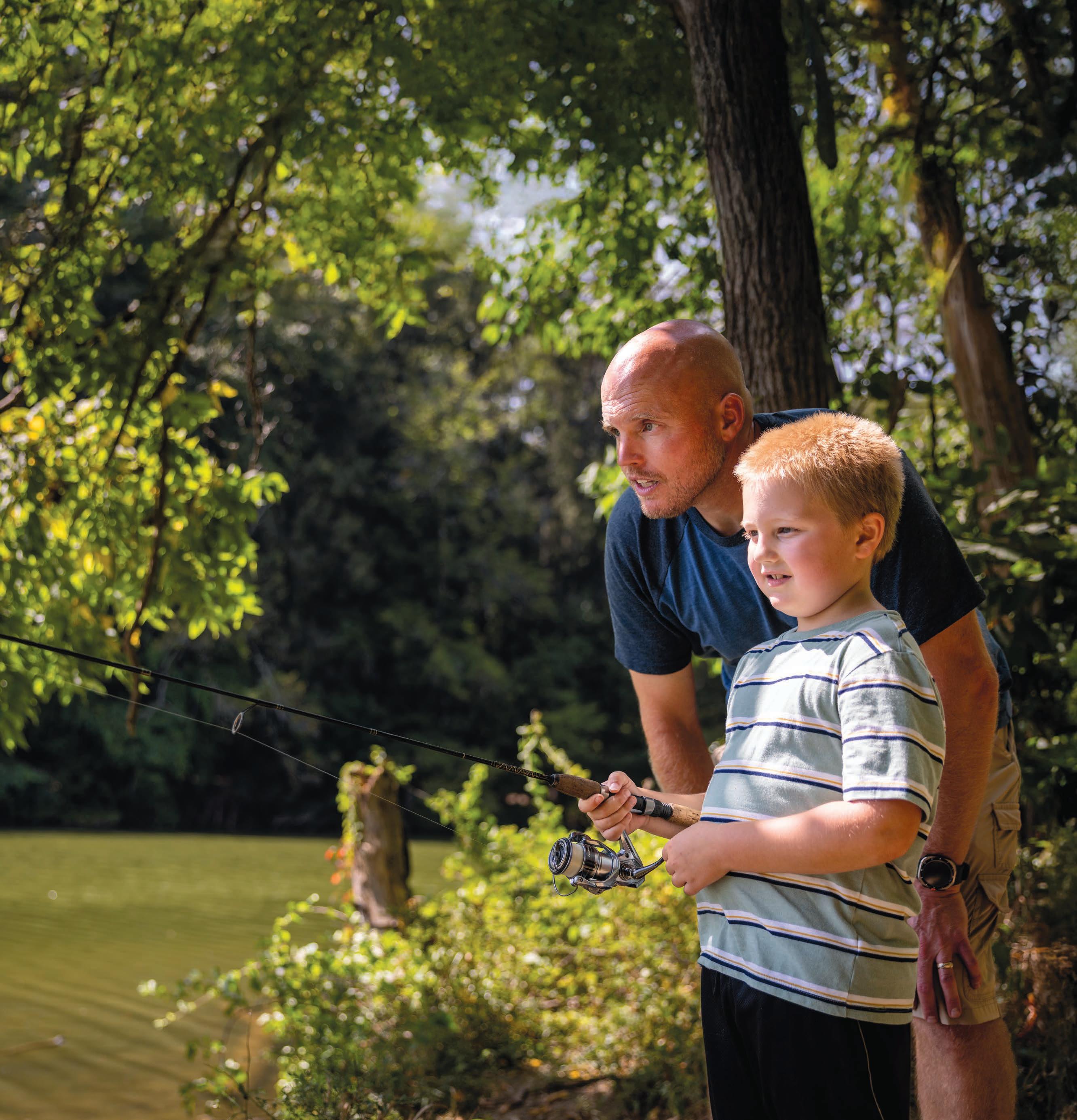
At capacity: The state of animal intake in Washington County
11
7
New kitchen serves up homestyle foods for breakfast, lunch
ERB Physical Therapy offers unique care to Canonsburg 14 A new spin on fitness: The Spineasy Cycle Lounge opens on Pike Street
FROM THE EDITOR
10
New coffee shop a stepping stone for teens with intellectual, development disabilities
20 AI across the district/Therapy dog brings reading confidence to elementary schools
THE LITTLE PLACES THAT KEEP OUR REGION ALIVE
Scrolling through LinkedIn the other day, I came across a really interesting tidbit: small businesses account for 43.5% of U.S. gross domestic product.
That’s the thing about shopping local. It’s never just a transaction. Small businesses are the backbone of economic growth, job creation and innovation.
In our corner of the world, businesses are often woven right into the fabric of the community. The person ringing up your purchase might also be sponsoring the local Little League team. The café owner might be the one hosting fundraisers for the fire department. The shop you visit during the holidays might have been there long before many of us moved to town.
I’ve always loved wandering through local shops, especially the ones tucked along our small-town main streets. Sometimes you go in for one thing and leave with something entirely different. Sometimes you leave with a new recommendation for a restaurant, a local event you hadn’t heard about or a friendly conversation that brightens your day.
And honestly, those moments are part of what makes a place feel like home.
Local businesses carry a lot on their shoulders. They weather unpredictable seasons, shifting trends and the everyday challenges of running a company. Yet many still manage to greet customers by name and ask how the family is doing.
That kind of care can’t be packaged in a box or shipped overnight.
So the next time you need a gift, a cup of coffee or even just a place to browse for a few minutes, consider stopping into one of the many businesses that make our region special. You never know what you might discover — or who you might run into while you’re there.
As always, I’d love to hear your story ideas or suggestions. Feel free to reach out at 724-222-2200 ext. 2421 or tthurston@observer-reporter.com.
Take care, and happy exploring.
122 South Main Street Washington, PA 15301
724.222.2200
EDITOR
21 Dive into summer reading at the Frank Sarris Public Library Editor
Trista Thurston
tthurston@observer-reporter.com
ADVERTISING DIRECTOR
Carole DeAngelo
GRAPHIC DESIGNER
Eric Tomlinson
CONTRIBUTORS
April Barbe
Michele Gillis
Jessica Pettigrew
Amanda Startare
Trista Thurston
At capacity: The state of animal intake in Washington County
By Trista Thurston
Animals
across Washington County need homes, whether they are strays or owner surrenders. The story of owner surrenders is about people in crisis: people running out of options, people trying to make impossible decisions about animals they love.
“There’s not a ton of options in the county,” said Kelly Proudfit, executive director of the Washington Area Humane Society.
Shelters and rescues are full. Waitlists are almost inevitable. And even when there is space, intake is rarely simple. That’s the resounding story from rescues and the shelter: everyone wants to help, but may not have the resources to assist immediately.
“When you only have so much room, you only have so much room,” Proudfit said.
Barb Brown with Angel Ridge Animal Rescue agreed: “Unfortunately, it’s all about space.”
At the Humane Society, there have been 161 surrender request phone calls so far in 2026 as of March 17. On average, the shelter has around 90 animals in the building, between cats and dogs.
“Shelters everywhere are full. We are a closed-door shelter, meaning we do not euthanize to make space for more animals,” Proudfit said. “We are typically 90% full in dogs and 100% full in cats. We almost always have a wait list.”
But the Washington Area Humane Society isn’t the only organization aiming to help animals in need of homes. When people reach out, the Humane Society makes referrals. Rescues also make referrals to one another, said Brown.
Nick Ferraro, co-founder of South Hills Pet Rescue, said that since Jan. 1, 2026, his organization has taken in “just shy of 200 dogs,” mostly as strays or from other rescues.
“We’ve adopted out 92 of those dogs so far,” he added. “Hard times are still hitting people in different ways.”
South Hills Pet Rescue handles mostly dogs. Rescues like Pet Search and Angel Ridge Ani mal Rescue assist dogs and cats throughout Washington County, and as for reptiles and the like, there’s Marie Exotics Reptile Rescue. Founder and owner Jenna Carter said that she’s a fos ter-based rescue that takes in non-native snakes, birds, fish, rep tiles, arachnids and invertebrates of all kinds, averaging about 2,000 to 3,000 animals a year.
Carter recommended that anyone considering a pet, espe cially one that’s not a cat or dog, do extensive research and not impulse-buy.
Organizations across the board report that owner surrenders are on the rise. Proudfit cites rising costs as one potential factor.
“We’re seeing it more and more. People just can’t afford it anymore,” said Sherry Knight, founder of Pet Search.
From food to veterinary care, expenses have in
creased. Even rescues themselves are feeling the strain.
“Dog food has gone up. Vet care has gone up. Everything has gone up,” Knight said. “People are trying to feed themselves and their families.”
Proudfit, along with Knight and Brown, emphasized the need to have a plan for their animals in case of an emergency. Groups are often called in at the last minute, even for evictions, which are not an immediate process.
“Most people don’t have a plan,” Proudfit said. “If you’re going to have pets, you need an emergency plan, just like if you have kids,” Proudfit said.
In many situations, people want an immediate solution to a problem that can take weeks to coordinate.
“We always get called in the last hour,” Proudfit said. “When they’re finally locked out of their house, and the animals are still inside.”
Evictions are one of the biggest drivers. Others include hospitalizations, incarceration, mental health crises and the death of a pet owner. In many cases, there’s no plan in place for what happens next.
“The amount of calls we get with evictions, people dying, animals left behind, it’s unbelievable,” Proudfit said.
Another issue for Washington County residents is finding housing that allows pets, Proudfit said. “A lot of people don’t want to leave them,” she said. “They just can’t find anywhere to go ... You are not going to find housing that allows a dog in a month.”
“We can help with the medical and the food,” she said. “But we can’t find them a house that allows a dog.”
Step one, Proudfit said, is getting on every waitlist for each shelter and rescue. She also encouraged anyone in the unfortunate situation of needing to give up a pet to lean on their network to find someone who might be able to help temporarily, though offering an animal for free on social
Shelters and rescues have intake processes to ensure animal
“We want to make sure everybody is safe,” Knight
Most organizations, like Pet Search and the Washington Area Humane Society, require owners to complete detailed surrender forms that outline everything from medical history to behavior. That information helps determine whether an animal can be safely placed and where. Behavioral issues, lack of vaccinations and limited foster space can all delay or prevent intake. The goal is not just to move animals through the system, but to place them
Brown said some people might have misconceptions about what it means to give an animal to a rescue or shelter, but everyone who works in animal welfare tries to help that stressed pet decompress from a traumatic situation. It’s safer to use a rescue or shelter
Though the situation may seem bleak, there are happy endings. Owners are reunited with their lost pets. Proudfit said about 30 pets are reunited with their owners each year, and they strive to make that process as easy as possible. There are many rescues in the region working on this issue, and it is possible to find placement for pets with the proper coordination and planning.
New kitchen serves up homestyle foods for breakfast, lunch
By April Barbe
Photos courtesy of Shady Elms Kitchen
Alocalevent and wedding venue has expanded with a kitchen that offers a “unique, welcoming experience that goes beyond just a meal,” according to the owner.
Shady Elms Kitchen and Flower Cafe opened last year and is located at 4050 Henderson Road in Hickory. It is owned by the same family that owns Shady Elms Farm.
Joelle Cowden said the farm is family-owned and opened after her 2010 wedding. The farm offers a newly renovated, climate-controlled 120-year-old barn that can accommodate up to 250 guests.
She said the kitchen was a natural addition to the farm, because food is central to weddings, catering and farm events.
“The kitchen truly grew from what we already loved — bringing people together through food and hospitality. Opening Shady Elms Kitchen gave us a place to do that every day, not just on wedding weekends, and a cute little space to host small celebrations as well,” Cowden said.
She added that the business’s wedding chef helped lead the vision and opening of Shady Elms Kitchen, along with their long-time hospitality team.
The kitchen is open 7 a.m. to 2 p.m. Tuesday through Sunday for breakfast and lunch, Cowden said.
“We offer breakfast and lunch with a farm-inspired, made-from-scratch focus,” Cowden said. “Our menu includes breakfast bowls, biscuits and gravy, fresh salads, hearty sandwiches, housemade soups and seasonal specials, along with multiple gluten-free options.”
She said the favorite dishes among customers so far include the Farmhand Bowl, biscuits and gravy, lemon blue-
berry pancakes and a smash burger.
“Business has been going very well. The community support has been incredible, and we’re grateful for how warmly the kitchen has been received. It’s been especially rewarding to see guests return regularly and to watch the space grow into a local gathering spot,” Cowden said.
One customer had this to say:
“The restaurant was such a beautiful atmosphere! All the breakfast options sounded amazing. Everything I had was so good, and the home fries are to die for!”
Guests can enjoy amazing breakfast and lunch alongside a coffee shop, a flower cafe and a thoughtfully curated gift shop featuring many local artisans.
The Flower Cafe portion of the kitchen features a curated coffee program developed in collaboration with Cream N Sugar Coffee Bar, offering a menu of espresso and tea drinks.
The kitchen also hosts small private events, offers on- and off-site catering and has recently introduced monthly steak dinners as a special evening experience.
“Our on-site flower shop and cozy spaces — especially the flower cafe, which doubles as the sweetest little venue — make it a place to explore, gather and linger. Paired with friendly, attentive staff, thoughtful gluten-free options and food made with care, Shady Elms Kitchen is designed to feel warm, inviting and memorable,” Cowden said.
To learn more about catering at the kitchen or farm location, call 724-3561027. According to the website, the business guarantees to bring fresh, handcrafted meals and warm hospitality. For more information, visit shadyelmskitchen.com or find them on Facebook.
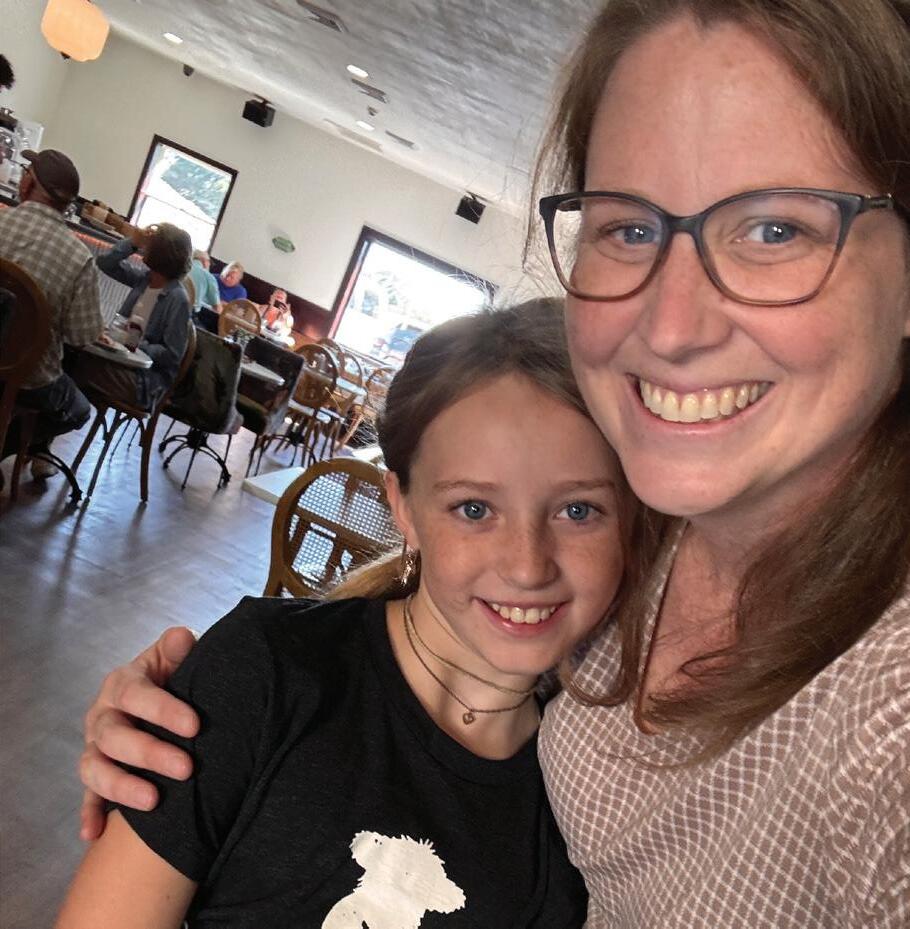
Joelle Cowden and her daughter, Evelyn
CANONSBURG CORNER
New coffee shop a stepping stone for teens with intellectual, developmental disabilities
Photos and story by Amanda Startare
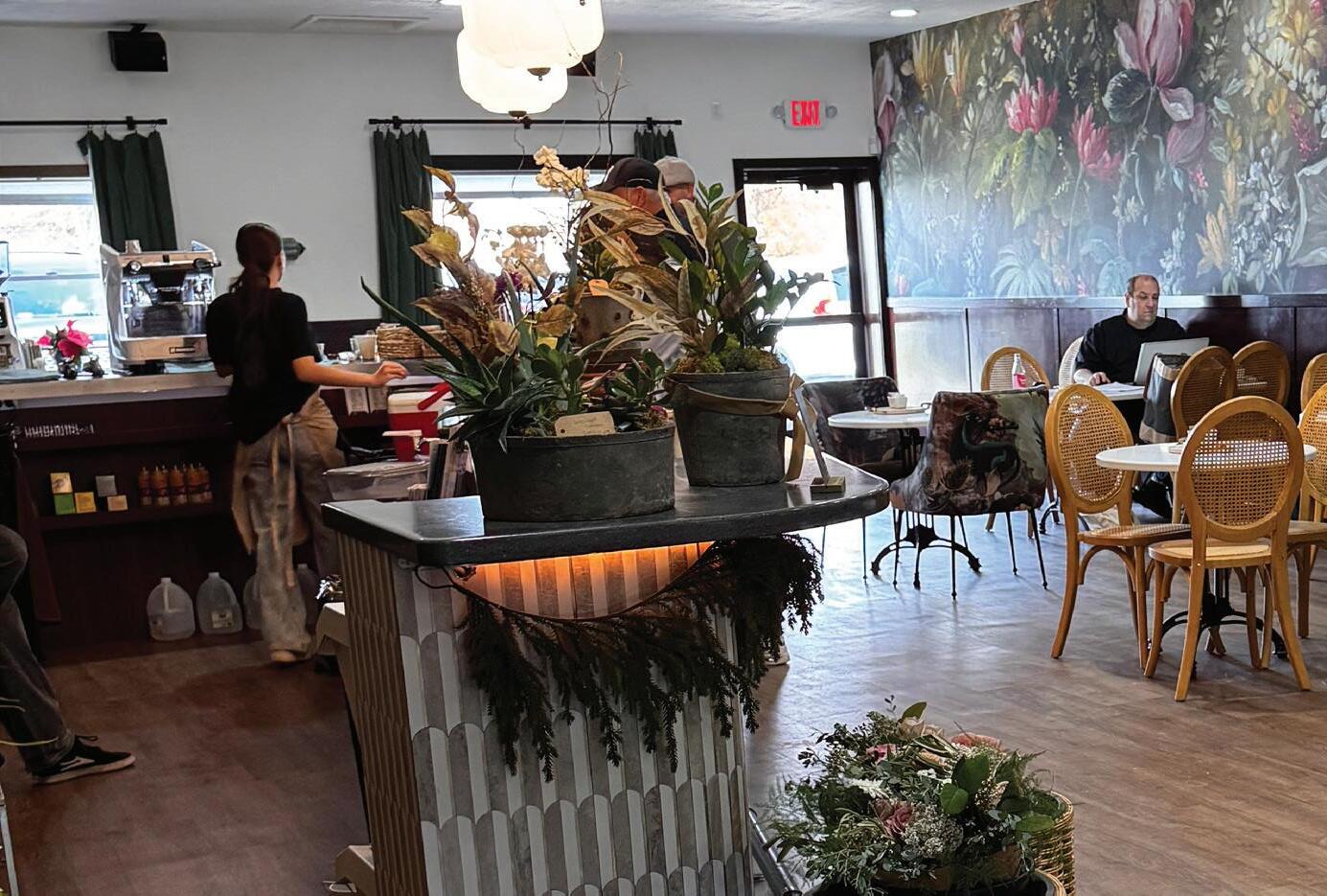
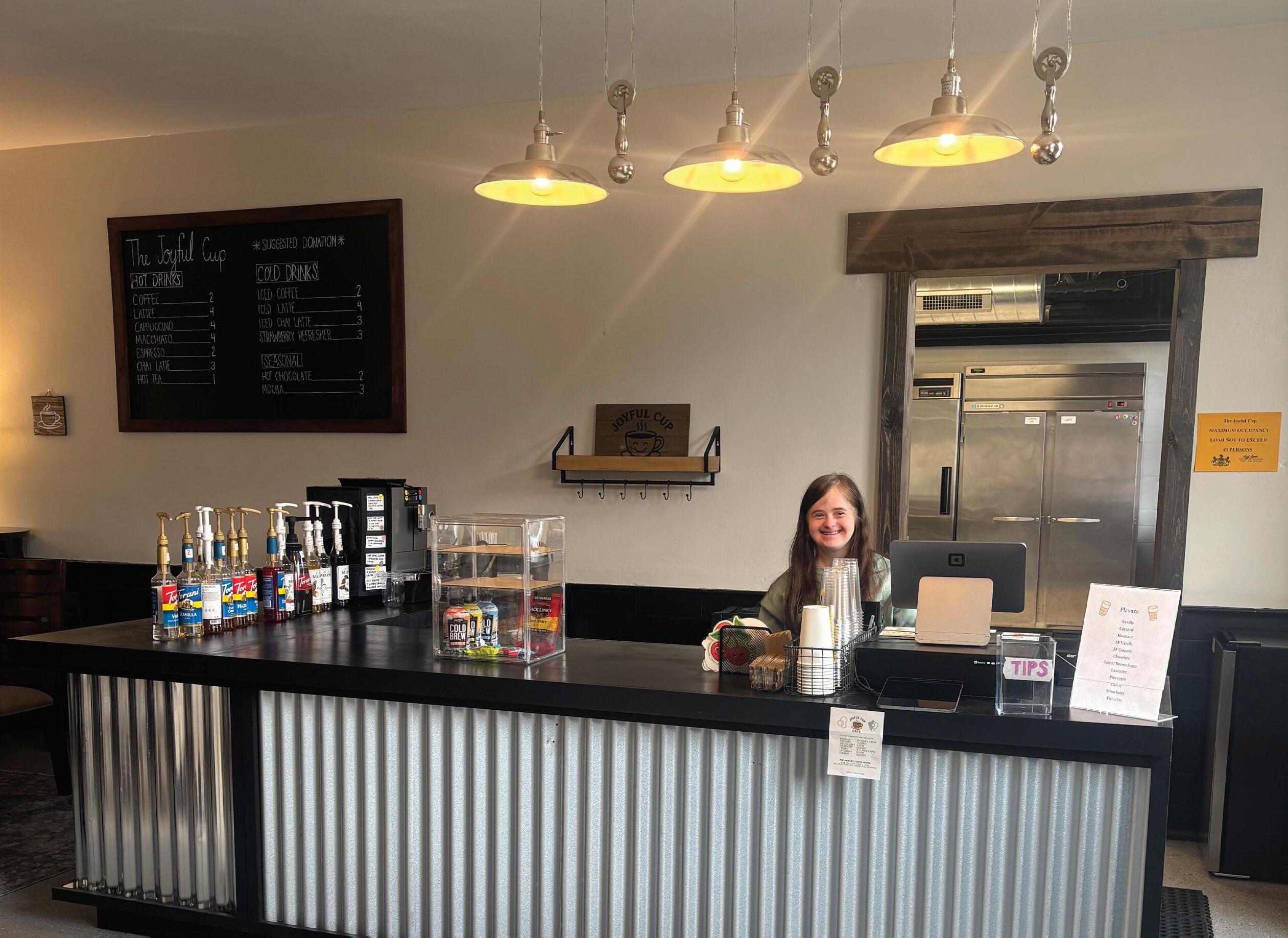
The Armory Youth Center, located at 16 West College St., and directly across from the old Canonsburg Middle School, has recently opened the newest cafe in Canonsburg. The Joyful Cup Cafe, situated at the West College entrance of the building, offers all the usual coffees and baked goods, with one exception: it employs teens and adults with intellectual and developmental disabilities to teach them the ropes of the workforce and adulthood. “The Joyful Cup Cafe is a place where everyone’s unique gifts are valued,” said Emily Ronald, the founder and director of the cafe.
Ronald, having been part of the SEC Club in high school and serving in disability ministries, had the vision to create a space within The Armory that would give IDD teens the chance to learn about Christ and life. With this idea in mind, the cafe was born. Ronald turned an unused recreational room into a beautifully decorated and purposeful cafe. The Armory, as well as the cafe, is a Christian-based initiative led by Youth For Christ Metro Pittsburgh. This organization has turned the building into a place where all children can
be active, social and part of the community. It offers a safe place for teens to spend their free time, with a multitude of free amenities that are educational, faith-based and inclusive. Chris Thompson, the executive director, has transformed The Armory into a place where teens can “serve beyond high school from a Christian perspective,” he said.
There are three positions at the cafe: barista, cashier and runner. Each job is unique and inclusive, giving individuals at different levels of function the chance to volunteer and learn. The runners at The Joyful Cup Cafe are given a card with the drink order they are delivering, and then must match the card in their hand to the card the customer was given. Whereas the baristas whip up some really cool drinks using their coffee machine and abundance of syrups, such as a delicious lavender honey latte on the spring menu. Lastly, the cashiers communicate with the customers and cash them out. The three positions at The Joyful Cup Cafe teach life skills, allowing these teens more freedom than they might otherwise have, and the ability to apply these teachings in their upcoming adulthood. “This job allows people with disabilities the abil-
ity to serve their community and communicate with people,” said Ronald. The cafe also hosts events, including a recurring Bible Study group open to all high school students.
The cafe is currently run on a volunteer basis, meaning all employees volunteer their time, though they hope to partner with an organization that can turn this volunteer work into a paid job. Tips, however, go directly to the shift workers. One volunteer, Brianna Hurley, is a staple at the Joyful Cup Cafe and “loves everything about the place,” she said. “I love being myself here and being kind to others.” Hurley is a cashier and barista and thoroughly enjoys making fun drinks. She even lent a hand to all the decorating in the cafe. She said the cafe “feels like home, and it’s also a lot of fun.” When she’s not at the cafe, she loves watching WWE and writing, and when it gets warmer out, she hopes to be back on the basketball court.
The Joyful Cup Cafe is open to the public and is a wonderful space to hang out with friends, work on projects and be a part of the Canonsburg Christian community. Check out their socials to stay up to date on specials and hours.
ERB Physical Therapy offers unique care to Canonsburg
By Michele Gillis
Photos courtesy of ERB Physical Therapy
Receiving physical therapy after an injury can be daunting. The exercises can be painful, challenging, and you are not always sure you are doing them correctly.
This is especially true if you are at a larger practice where you share your therapist with several other patients at the same time.
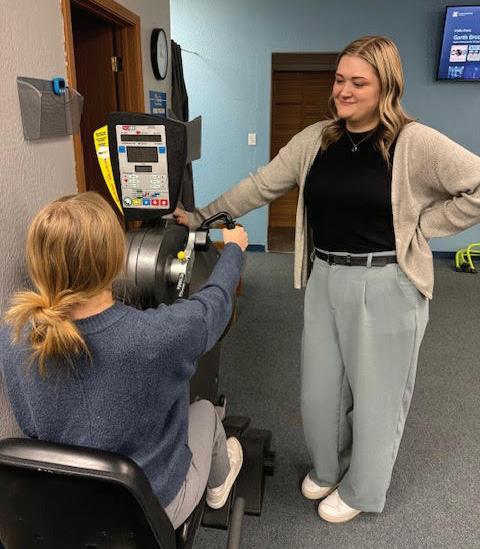
ERB Physical Therapy is different. It offers 45-minute sessions to one patient at a time, ensuring personalized care for each patient.
Paul McGowan is the head physical therapist and location manager at ERB Physical Therapy in Canonsburg, which opened in 2017. He earned his doctorate of physical therapy from Duquesne University. His physical therapy assistant is Sydney Frankert.
Sometimes you can get lost in the shuffle at larger physical therapy offices.
“We are really good at being right there with you, so if you are doing an exercise wrong, we are going to catch it because we are with you in the room,” said McGowan. “We are very personalized, so if someone has a specific recreation, like pickleball or basketball, we are going to work sports-specific drills in the treatment. Or if they have a certain occupation, we will work those types of activities in their treatment.”
For example, if someone climbs ladders in their profession, McGowan said they will be climbing ladders in therapy as well.
One of his patients, Dave W., spoke about how this type of care has changed his perspective on physical therapy.
included a cold laser and blood flow restriction therapy.
“I have become quite fascinated with blood flow restriction therapy, and I use it with a lot of my athletes,” he said. “It sounds kind of wild, but it’s seen as a beneficial treatment for increasing muscle strength. We use it with our ACL repairs that have weakness in their thigh muscles or quadriceps. It sounds extreme, but you put a tourniquet on that blocks 30-50 percent of blood flow, and it tricks the body into thinking that you are at the end of your workout. It traps the lactic acid in the muscle. So, that good burn you get at the gym when you are pushing really hard can happen in 10 minutes using the blood flow restriction therapy. It is very interesting.”
McGowan said he only uses that technique with athletes or people who have experience with weightlifting because it can be uncomfortable, but effective.
The cold laser is a light therapy modality used to accelerate healing. The most research that has been done on it, he said, was on Achilles tendonitis or partial tear of the Achilles tendon.
“That is supposed to help speed up the healing process,” said McGowan. “When you have an injury, muscle strain or tendon issue, scar tissue keeps trying to fill in there. It pops up quickly. The laser helps to, instead, promote healthy tissue formation so you can break out of that cycle of tendonitis.”
People are referred to physical therapy for many different reasons.
therapist, you have that right.
“The only people who can’t do that are people on Medicare because there are very strict guidelines with Medicare,” said McGowan. “But, for everyone else, if you have a pain you want to get checked out, you can go to a physical therapist and cut out the middleman.”
Some things McGowan sees patients for that aren’t pain-related include balance, posture, vertigo or dizziness.
McGowan enjoys immersing himself in the community by serving beer at the Oktoberfest or attending the Christmas events in Canonsburg.
“I try to do as much community engagement as I can,” he said. “I like to shop the local spots and walk around Canonsburg to check out the new businesses that are popping up. It’s been a great town for that. I love the town of Canonsburg.”
Future plans include adding another physical therapist to the practice to increase scheduling flexibility.
Another modality they are looking to add to the practice is dry needling for pain and movement issues associated with myofascial trigger points. With this technique, a provider inserts thin needles into or near trigger points. The needles stimulate muscles, which causes them to contract or twitch. This helps relieve pain and improve your range of motion.
Kim B. has been a patient of ERB Physical Therapy on two separate occasions over the past three years.
“I have been to three physical therapy places since 2023, and I like the service here best,” said Dave W. “I will be coming here for all my physical therapy. The bigger the physical therapy place, the worse the service in my experience. Paul was the first medical provider to give me his cell when I was having some issues early on in my recovery and responded to my messages.”
McGowan said they are a very high-touch facility, so they perform a lot of hands-on treatments while also doing the traditional strengthening and balance training you would expect from physical therapy.
“When patients come here, they usually come back,” said McGowan. “They aren’t going to go back to the old way of doing things. I think many people aren’t aware that this exists. They think they have to go where their doctor sends them. Those big doctors are incentivized to send patients to the company’s physical therapists. We are in network with most insurances out there, Medicare and workers’ comp.”
Since they are such a small and intimate practice, accessing new technology or new practices is easier for them without all the red tape.
Two of the latest modalities he shared
“About three years ago, I was treated for Benign Paraoccipital Positional Vertigo,” said Kim B. “At that time, my dizziness was severe and disruptive. Paul was thorough, knowledgeable, and took time to explain each step, which helped ease my symptoms and my anxiety. The care I received made a significant difference and allowed me to return to my daily activities with confidence.”
She recently returned to physical therapy for her left shoulder and neck.
“Once again, the ease has been exceptional,” she said. “My plan was individualized, thoughtful, adjusted to my comfort level and progress. I especially appreciate the attention to detail, clear expectations and the focus on both pain relief and functional improvement.”
McGowan said getting patients into treatment quickly is a high priority for them.
“We can get them in in 24 hours if they are flexible with their time,” he said.
You don’t have to be under a doctor’s care to be seen by a physical therapist. In Pennsylvania, you can go to see a physical therapist for 30 days without a prescription.
If there is something minor that doesn’t meet the threshold of going to see a doctor, but you want to get checked out by a physical
ERB Physical Therapy is located at 153 E. Pike St in Canonsburg. They also have two South Hills locations in Bethel and Brentwood. ERB Physical Therapy originally opened in Brentwood in 2001 by the president, Kenny Erb, who still practices at the Bethel location and is a resident of Peters Township.
For more information, visit erbphysicaltherapy.net. Hours are Monday, Wednesday and Friday 7:30 a.m to 3:30 p.m., Tuesday and Thursday noon to 9 p.m., closed on the weekends.
10 a.m. to 5 p.m.
Carnegie Library of Pittsburgh – Main (Oakland)
4400 Forbes Ave., Pittsburgh, PA 15213 Free Admission
What’s in Store:
Literary programming for all ages
Locally and nationally recognized authors and poets
Hands-on workshops
Independent bookstores
Literary exhibitors and vendors
And so much more!
A new spin on fitness: The Spineasy Cycle Lounge opens on Pike Street
Photos and story by Amanda Startare
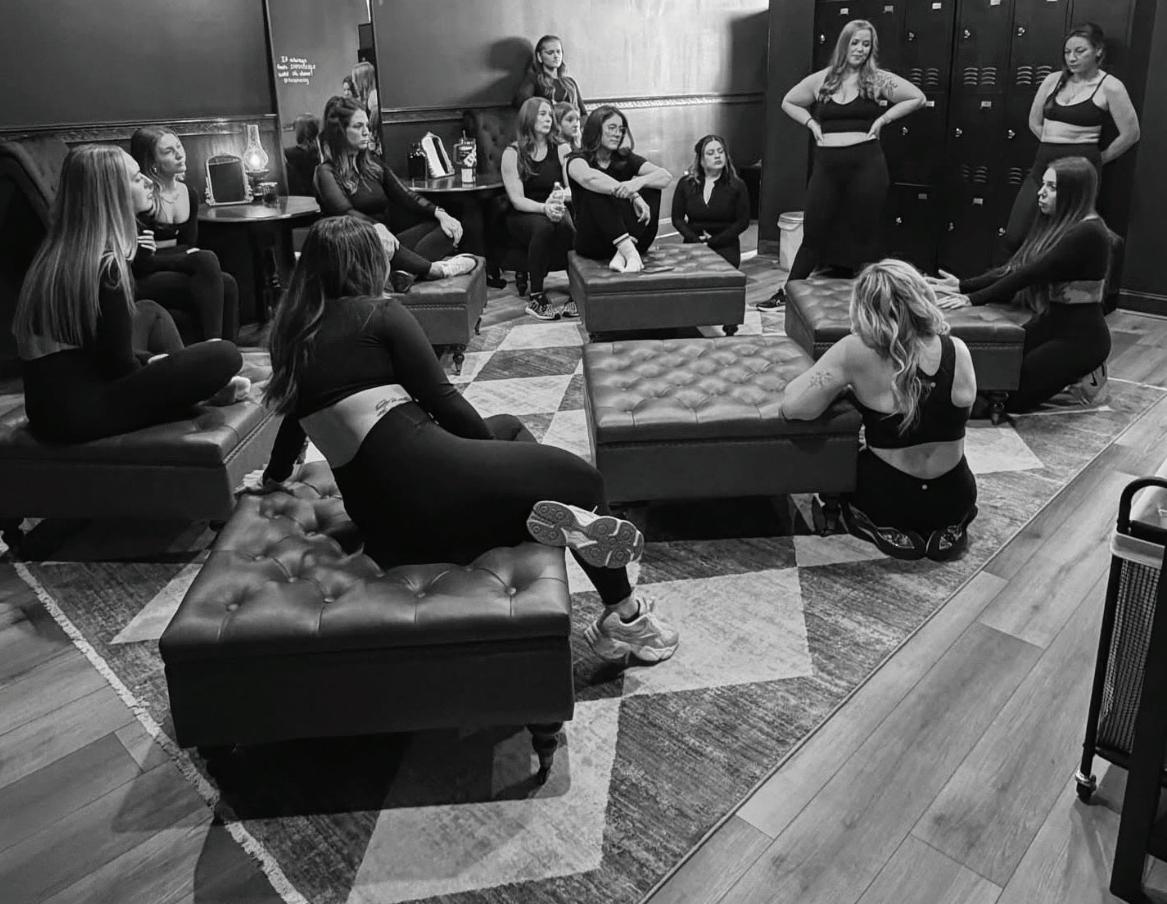
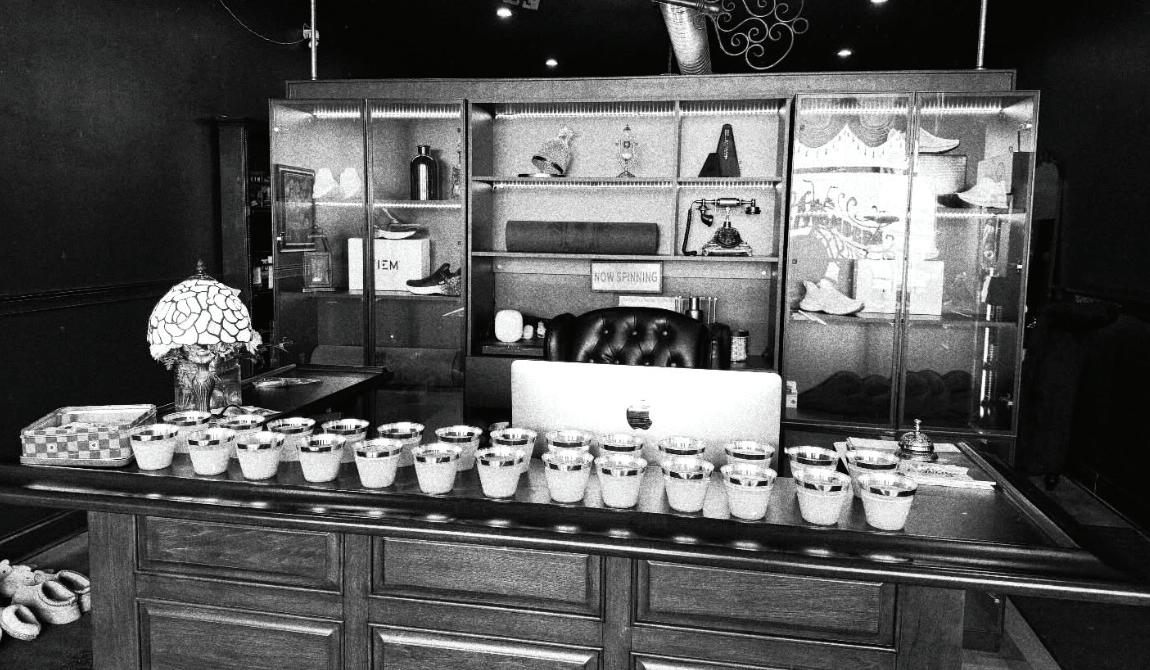
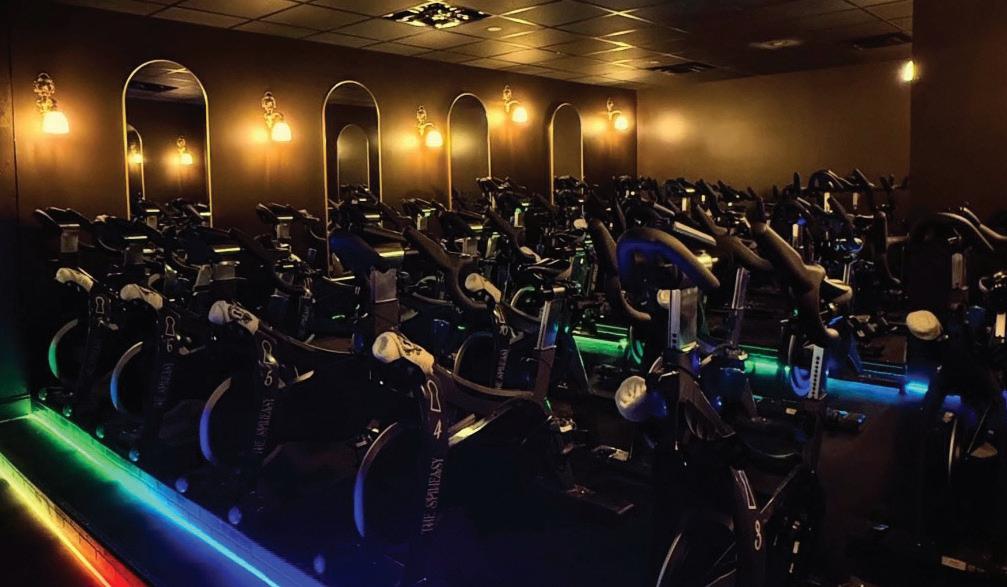
Boutique shops are Canonsburg’s coolest trend, and residents love the creativity and ingenuity they bring to town. The Spineasy Cycle Lounge, a boutique fitness studio, is the newest addition, located at 119 West Pike Street, right in the heart of downtown Canonsburg. The name Spineasy is a play on words, alluding to the elusive speakeasies of the 1920s, but this business has a twist. Instead of offering what traditional speakeasies come with, Spineasy offers a variety of workout classes, with their very own cycle studio and multi-use fitness studio. Jeray Hinda, the owner and artist behind this new studio, wanted to follow her passion for fitness,
“different from the normal.” And because the fitness rooms are in the building’s basement, the idea for Spineasy just clicked.
Hinda offers a variety of classes in the basement of Spineasy, the most anticipated being the spin classes. These classes are rhythm-based with strength and endurance pushes, making it a well-rounded workout with a usual duration of 45 minutes. However, there are certain special spin classes, such as those that include a red light therapy cool-down at the end. These red light therapy classes are an ingenious addition to the workout; they provide a necessary cooldown and a multitude of health benefits, includ-
ing muscle recovery, reduced inflammation and a significant collagen boost.
In the second fitness room, Hinda offers classes ranging from Pilates to yoga to HIIT. These classes all differ and focus on specific parts of the body throughout the week, with the instructors free to curate their own flow. This other fitness room, also equipped with red-light capability, features a special heater that keeps “hot” classes within the desired temperature range so participants can really sweat it out. And once you sweat it out, you might need a shower. The Spineasy offers a fully outfitted bathroom and changing room, with showers and amenities.
Hinda is first and foremost an tattoos
for years and is very successful at her craft. This success, and subsequent artistry, bled over into the renovations at The Spineasy Cycle Lounge. “It’s always been art and fitness, anything that’s active I’ll try it,” says Hinda. Jeray and Joe Hinda did most of the design and construction themselves, and visitors can tell they put their heart and soul into every inch of the place, from the beautiful layout to the intricate artwork. They did have help from a few contractors for the more strenuous parts, like the tile work by S&S Remodeling and the electrical work by James Worsham. They even had family members chipping in to help, especially Joe Hinda Sr. Those looking for a fun, spunky, well-rounded and challenging workout studio right in the heart of downtown Canonsburg should check out The Spineasy Lounge. The studio is also offering quite a few specials at the moment for those wanting to dip a toe in: a $10 first-time drop-in class and a $49 two-week unlimited trial. When you’re ready to commit to a membership, there are four unlimited class options to choose from, each ranging in prices and available classes, though “most of (the Spineasy’s) memberships include everything”, says Hinda. However, if a membership doesn’t work for you, The Spineasy has class packs that might just fit your needs better. A more detailed list of their offerings can be found on their app, The Spineasy, available for download on both the Google Play and Apple App Stores. Keep an eye out for special events that Spineasy hopes to plan in the future as well.
All in all, the Spineasy Cycle Lounge has a great selection of classes, a unique atmosphere and a great community. It would be a perfect fit for anyone looking for a one-of-a-kind workout studio on Pike Street’s main drag.
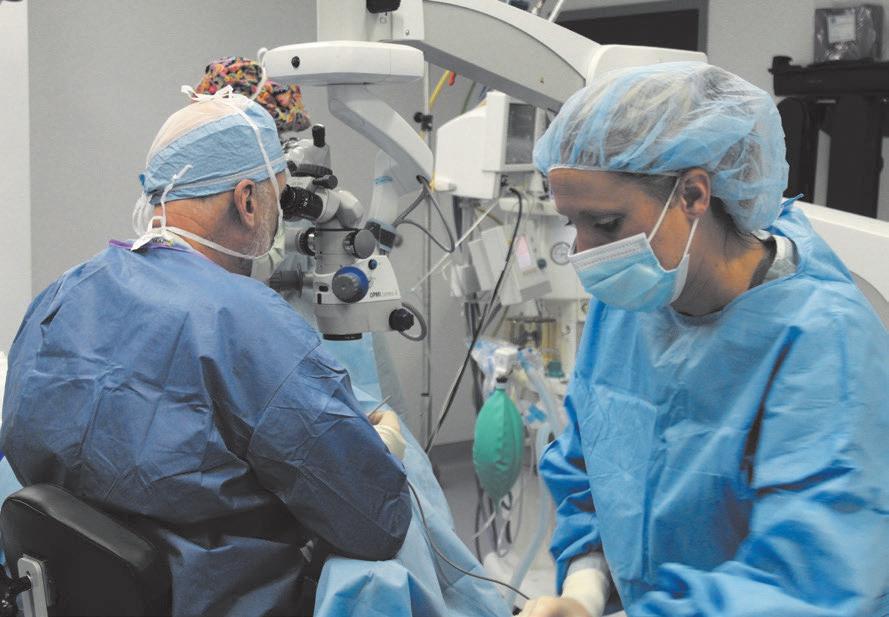
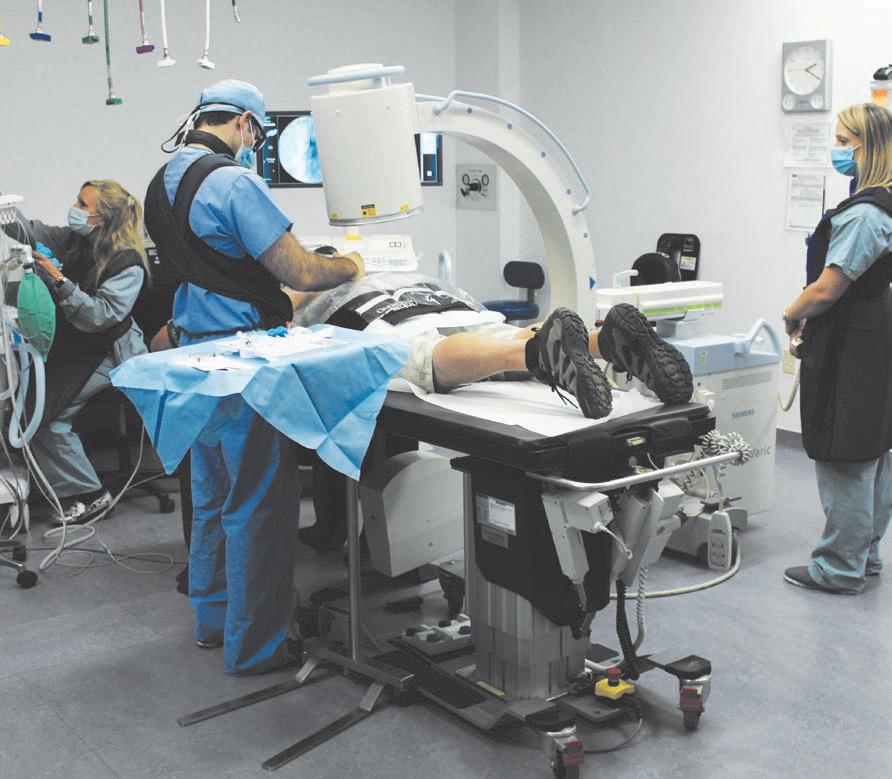
Serving the Mon Valley since 2005, Spartan Health Surgicenter is a freestanding, Medicare certified, Joint Commission accredited, ambulatory surgery center located off of Coyle Curtain Road in Carroll Township.
Spartan strengthens the convenience of health care in the Mon Valley Community by providing greater comfort, more privacy and a relaxed environment for outpatient surgery center patients.
• Experienced physicians, nurses and anesthesiology staff
• State-of-the-art equipment and procedures
• Joint Commission Accredited
• FREE and convenient parking
• Comfortable waiting area for families
SPECIALTIES INCLUDE:
• Ophthalmology (Cataract, Glaucoma, Corneal)
• Pain Management • Gastroenterology
• Orthopaedics • General Surgery • Podiatry
Patrick Garman, M.H.A. Executive Administrator
Jamie Farmer, R.N. Director of Nursing
Vincent Ripepi, D.O. Medical Director
MEDICAL STAFF
Orthopaedic Surgery:
Derrick Fluhme, MD
Greg Habib, DO
Patrick McCullough, MD
Anthony Mustovish, DO
Ari Pressman, MD
Vince Ripepi, DO
Ophthalmology: Aaron Wang, MD
Thomas Findlan, DO
Angela Gauthier, MD
Nisha Dhawlikar Gosai, MD
Anagha Medsinge, MD
Julia Polat, MD
General Surgery: Prakorb Isariyawongse, MD
Pain Management: Anthony Cuneo, MD
Gastroenterology: Nicholas Bellicini, DO
Mark Cedar, MD
Bridger Clarke, MD
Jungmin Lee, MD
Lisa Oliva, DO
Theresa Schuerle, DO
DIGESTIVE HEALTH
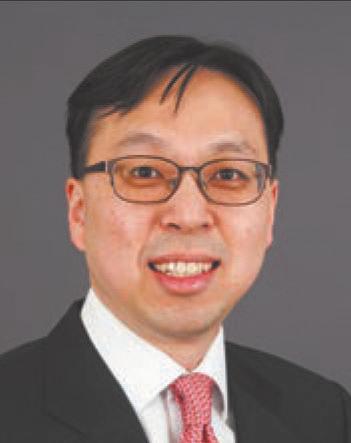
Jungmin L. Lee, M.D.
If you’ve been experiencing any of these symptoms, EGD could be the key to uncovering the cause and finding relief.
Jungmin L. Lee, M.D. Gastroenterologist, Pittsburgh Gastroenterology Associates
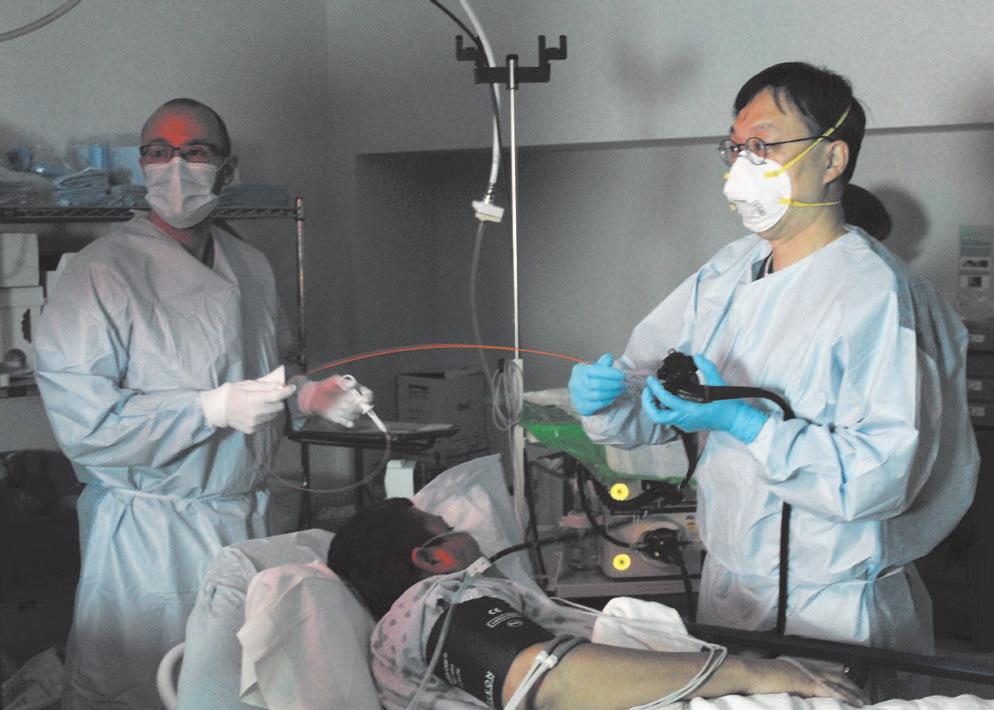
Imagine you’ve been struggling with heartburn or discomfort in the stomach, and despite trying different remedies, the symptoms just won’t go away. This is where Upper Endoscopy (EGD) can help. EGD is a medical procedure that lets doctors examine your upper digestive system— the esophagus, stomach, and the beginning of the small intestine. With the help of a thin, flexible tube with a camera, inserted gently through your mouth while you’re under sedation, doctors can get a close look to find out what might be causing your symptoms.
Acid Reflux and the Role of EGD
For many people, the story starts with acid reflux—when stomach acid escapes into the esophagus, leading to heartburn. Some may also experience symptoms like a cough, a feeling of a lump in the throat, or even hoarseness. While acid reflux is common, untreated, it can lead to serious conditions like esophagitis or Barrett’s esophagus, a precursor to esophageal cancer. If acid reflux persists or new symptoms arise, your doctor may recommend an EGD to determine if these more severe conditions are present and ensure you get the right treatment.
Swallowing Difficulty and EGD for Diagnosis
Imagine sitting down to a meal and suddenly feeling like food won’t go down smoothly. This is a common experience for those with difficulty swallowing, a symptom that may be caused by esophageal narrowing, motility (peristalsis) issues, or something more serious like cancer. EGD allows doctors to directly see what’s happening inside the esophagus, identifying blockages, inflammation, or growths early, which is crucial for proper treatment and avoiding serious complications.
Abdominal Pain, Indigestion, and the Importance of EGD
Now consider a different scenario: you’ve been dealing with indigestion—nausea, bloating, or stomach pain that seems to linger. While indigestion often stems from benign causes like diet or stress, sometimes it’s a sign of more serious conditions like gastritis, ulcers, or even stomach cancer. EGD helps doctors rule out these more severe issues, ensuring that any potential problems are caught early and treated effectively.
If you’ve been experiencing any of these symptoms, EGD could be the key to uncovering the cause and finding relief. Talk to your doctor, call 412-232-8104, or visit https://www.pghgastro.com/ to schedule an appointment at Spartan Health Surgicenter with the specialists from Pittsburgh Gastroenterology Associates
Pittsburgh Gastroenterology Associates: 2589 Boyce Plaza Road, Suite 5 Pittsburgh PA 15241 • 412-232-8104 office
Spartan Health Building 100 Stoops Drive, Suite 280 Monongahela PA 15063 • 412-232-8104 office
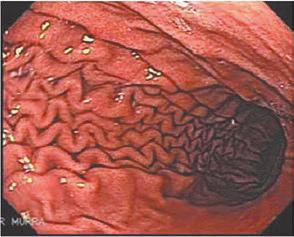
Stomach Ulcer Normal Stomach
Stomach Cancer
Western Area Career & Technology Center expands CDL training through new grant funding
By Jessica Pettigrew
If you have lived in the Canonsburg area for a while, you have likely heard of Western Area Career & Technology Center. What many people do not realize is that WACTC is not just for high school students from the nine local districts, which include Avella, Bethel Park, Burgettstown, Canon-McMillan, ChartiersHouston, Fort Cherry, McGuffy, Peters Township, Trinity and Washington. Adults from across the region have been coming to build new skills and new careers since 1984.
The CDL Training Program began in 2006, and since then, it has helped people take meaningful steps toward stable, good-paying jobs in the transportation industry. Because WACTC is a nonprofit school, it works hard to keep the tuition affordable, partnering with CareerLink and the Veterans Administration to help qualifying students access financial support. The four-week program blends classroom learning, permit preparation and hands-on driving experience so students feel confident and ready for the road.
In March 2025, Western Area CTC received a
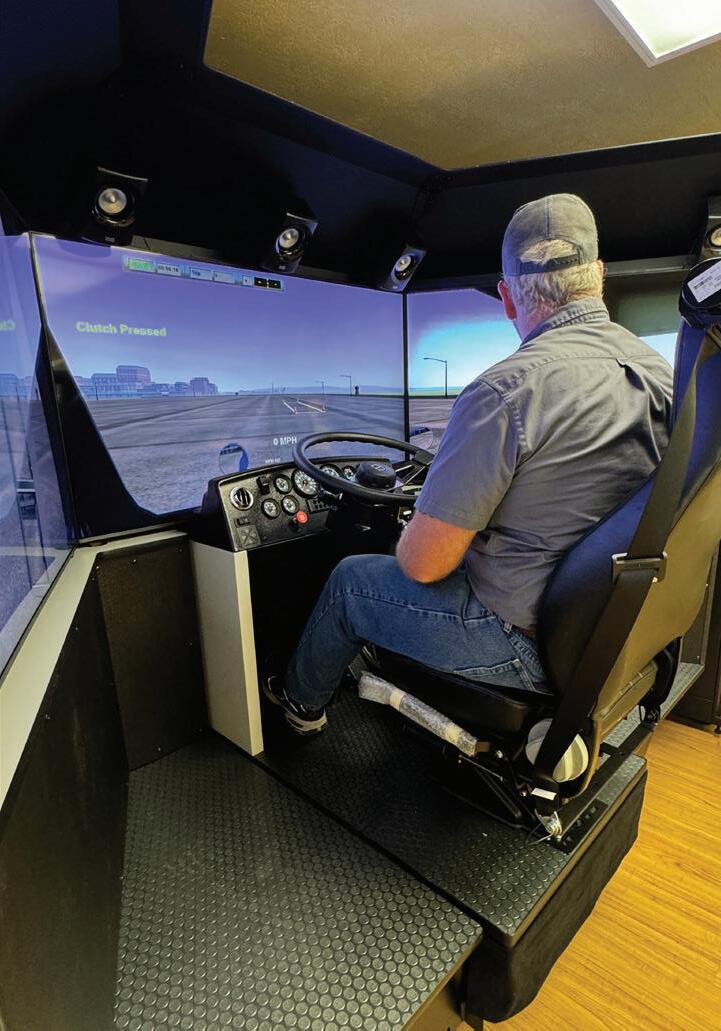
Commonwealth Charities Neighborhood Assistance Program Grant that has allowed the school to update and expand the CDL fleet. Thanks to this support, students now train on a state-of-the-art driving simulator and have access to equipment that reflects what they will see in the field. Class A students can practice on automatic-transmission Internationals, manual-transmission International and Mack trucks, and 48- and 53-foot trailers. Class B students train on a Freightliner bus or an International dump truck, all right on campus.
Potential students are encouraged to stop by, meet the instructors and see the facility for themselves. It is the best way to get a feel for the program and ask any questions. With classes starting every month and flexible day or evening schedules, WACTC makes it easier for working adults to fit training into their lives.
To learn more about Western Area Career & Technology Center and the CDL programs, visit wactc.net or reach out to the program administrator, Janet McClain, at jmcclain@wactc.net or 724746-2890 ext. 162. WACTC would love to help you take the next step toward a rewarding new career.
Upcoming Canonsburg events
The Canonsburg Farmers Market begins June 9 and runs through Sept. 1, every Tuesday from 3 to 7 p.m. in St Patrick’s parking lot. The Greater Canonsburg Chamber of Commerce is still accepting vendors for the markets. Find the application online at canonsburgchamber. com and mail in the completed application for consideration.
The Greater Canonsburg Chamber of Commerce is holding an April Networking event at the new Midtown Market on Pike Street on April 24 from 5 to 7 p.m. All are invited to attend. There will be a networking event at Bailey Center in Southpointe on May 8 at 7:45 a.m., sponsored by Dollar Bank.
On June 14 at 1 p.m., the Betsy Ross flag will be raised at the Roberts Stone House
in Canonsburg.
There will be a celebration of America’s 250th anniversary on June 20 at the Canonsburg Town Park Pool building’s flagpole at 10 a.m. VFW 191, American Legion Post 902, Daughters of the American Revolution, Sons of the American Revolution, Boy Scouts of America and the Young Marines will be in attendance.
AI across the district
Courtesy of the Canon-McMillan School District
As artificial intelligence gains attention in education, the Canon-McMillan School District is taking a research-based approach that prioritizes foundational learning.
“Our approach to AI is intentionally cautious,” said Dr. Ken Crowley, assistant to the superintendent for curriculum and instruction for grades 7-12. “Strong foundational skills must come first. AI should enhance learning, not replace instruction or critical thinking.”
This philosophy is reflected in how AI is introduced at different grade levels. In kindergarten through fourth grade, AI is not used in classrooms at all. Any mention of AI at these levels appears only in student handbooks, addressing expectations for at-home use rather than classroom instruction.
In grades 5 and 6, students are introduced to AI concepts through UB Tech robotics as part of their STEM course, providing early exposure without dependency. In middle school, a three-week AI module within their creative design course introduces students to AI basics, bias awareness and safe use through platforms designed to protect student data.
Once students advance to the high school level, the district is planning to introduce an “AI Foundations I” elective beginning next year, with the potential for an advanced follow-up course in the future. This sequence aligns with the district’s established computer science pathway and emphasizes the importance of gradual, purposeful learning.
Across grades 7-12, AI instruction becomes more intentional, emphasizing effective prompt design while continuing to reinforce data privacy and the ability to recognize AI bias.
A central part of the district’s AI strategy is supporting teachers. All teachers in grades 7-12 participated in a full-day professional development session on AI literacy and ethical applications, with additional focus on effective prompting, identifying and using highquality AI programs, understanding bias and integrating AI into classroom activities.
As AI becomes more prevalent, maintaining academic integrity remains a priority. The district uses tools such as Turnitin to detect plagiarism and potential AI-generated content, as well as Wisdom EDU, which establishes student writing baselines using in-class samples. These tools help teachers identify writing that does not align with a student’s typical style or growth. To learn each student’s voice, teachers are also encouraged to assign more in-class and handwritten work.
Feedback from teachers, students and parents has reinforced the value of this cautious approach. To set clear guidelines, the district has introduced AI-specific handbook language. It plans to roll out a red-yellow-green framework that clearly defines when AI use is prohibited, conditionally allowed or fully permitted. With these guidelines, teachers have reported feeling supported rather than pressured to adopt the new technology, while families have appreciated the clearer rules and the focus on foundational learning.
Canon-McMillan’s approach reflects that while AI can be a powerful tool, it cannot replace the human elements of education, as teachers are essential to building critical thinking, deep understanding and providing a meaningful learning experience.
The District anticipates a gradual increase in AI use over the next few years, informed by ongoing research, while emphasizing how students can use it responsibly.
Therapy dog brings reading confidence to elementary classrooms
Courtesy of the Canon-McMillan School District
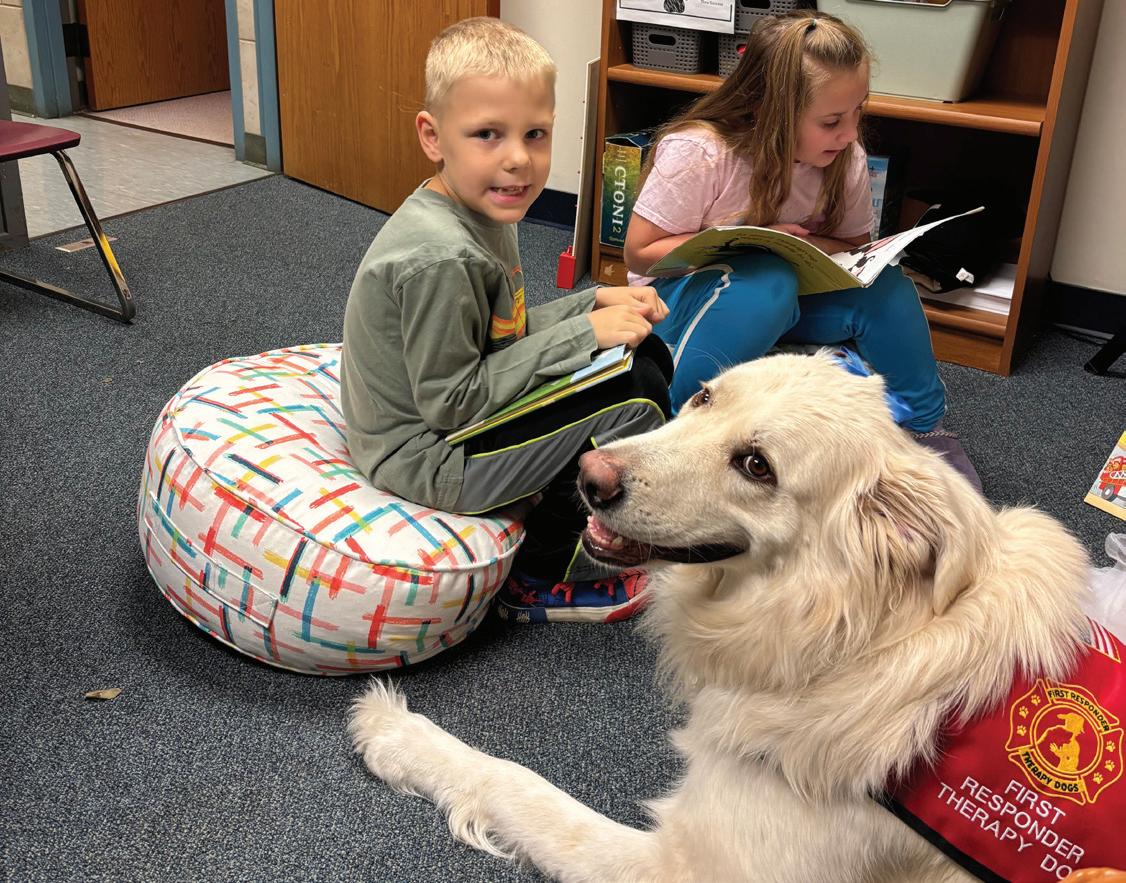
Students at Borland Manor Elementary read aloud to Zion, a 3-year-old Great Pyrenees mix therapy dog whose presence has helped transform reading practice into something students look forward to.
Zion, a calm and patient listener, visits Borland Manor every other week as part of a literacy initiative designed to improve fluency and build confidence.
“I’ve seen students practice a book all week long just because they know they’ll be reading to Zion on Friday,” said secondgrade teacher Jennifer Weiss, who has taught at Borland Manor for 20 years. “They’re motivated on their own — no assignments, no prompting.”
Weiss first connected with Zion through Pets in the Classroom, an organization that matches therapy animals with schools. After filling out an application, she was paired with Zion and her handler, Vesta, and began arranging classroom visits last year.
“There’s been a big push for fluency and for making the science of reading engaging,” Weiss said. “Kids aren’t always excited to read out loud to a grown-up. But a dog that comes to school? That’s different and exciting.”
Most students meet Zion with enthusiasm, though one secondgrader was initially hesitant due to Zion’s size. Within a few visits, Weiss said, “Zion was lying in her lap, and she’s completely comfortable now.”
Beyond reading skills, the program offers hands-on lessons in responsibility and independence. Students manage timers during visits, rotate in pairs and follow protocols they practiced as a group when Zion first arrived.
“At first I didn’t know how to set it up, or even who to reach out to,” Weiss said. “Now the kids handle the routine themselves. Another staff member supervises while I’m teaching, and the whole thing runs smoothly.”
Zion also recently trained as a first responder therapy dog, and Vesta has introduced age-appropriate books about first responders during select visits. Students can choose to read those or other books from Weiss’s classroom library.
“I’m a teacher who wants to make second grade fun,” Weiss said. “This makes reading enjoyable for the kids, and that’s all that matters.”
Dive into summer reading at the Frank Sarris Public Library
Parking: The entrances on Murdock Street and North Jefferson Avenue are open. The free parking lot is located behind the library building and can be accessed from Murdock Street.
Please remember:
• The regular operating hours are as follows:
• Monday – Friday: 10 a.m. to 6 p.m.
• Saturday: 10 a.m. to 5 p.m.
• The drop box for returned items is located on Murdock Street, and there is also one within the parking lot.
• Patrons can explore adult, children and young adult collections on the first floor. They can also use computers to copy, fax and scan documents. For pricing on services such as printing and faxing, please visit the website.
• Computers and study rooms operate on a first-come, first-served basis, with each patron limited to one hour of computer use.
Check the website, franksarrislibrary. org, or Facebook page for updates on service changes or hours.
Summer Reading Camp
Registration for morning, afternoon or all-day camp sessions is now open. Children ages 5-9 are welcome to sign up. The summer camp runs for four weeks, from July 6 to July 31. This year’s theme is “Unearth a Story.” Registration forms are available online and at the circulation desk. Full-day camp registration costs $150 per week. Morning or afternoon camp registration is $100 per week. Completed forms and payment are due at the time of registration.
Bigfoot Crossing
Listen to Sasquatch researcher and author, Doug Waller, from the Southeastern Ohio Society for Bigfoot Investigations on April 18 from 11 a.m. to 1 p.m. Waller will discuss various encounters people have had with the mysterious Bigfoot.
Upcoming programs
Adult programming
FSPL Book Club: The group chooses a mix of fiction and nonfiction books, including New York Times bestsellers. The May selection is “A Calamity of Souls” by David Baldacci. The June selection will
be “Everything is Tuberculosis” by John Green. Book Club meets on the second Wednesday of the month at 1 p.m.
FSPL Comic Book Club: Bring a comic book you’re reading and chat with other comic book fans. It’s a relaxed and fun way to share what you enjoy, discover new titles and connect with people who love comics, too. This book club is for ages 16 and up. Books discussed may be rated teen or mature. Comic Book Club meets every third Saturday of the month at noon.
Mystery Club: Grab your magnifying glass and piece together all the clues in this new book club dedicated solely to mysteries. The May pick is “The Perfect Hosts” by Heather Gudenkauf. The meeting will be on May 8 at 4:30 p.m. The June pick is “The Puzzle Box” by Danielle Trussoni. The June meeting is scheduled for June 5 at 4:30 p.m.
Silent Book Club: Join us for a relaxing, judgment-free reading experience at the Frank Sarris Public Library’s Silent Book Club. There is no assigned reading. Just bring a book, e-reader, audiobook or graphic novel and enjoy an hour of quiet, shared reading in a cozy space. Meetings will start with a quick social chat and then move into an optional discussion of a book of your choice. Silent Book Club meets every third Wednesday of the month at 6:30 p.m.
Children’s programming
Toddlers and preschoolers
Tuesday
Toddler Storytime: Toddler Time harnesses a toddler’s endless energy to spark children’s interest in books and reading. This storytime includes short stories, finger plays, action rhymes and songs. If you think your child might not sit still during a storytime, we don’t expect them to! Come prepared to dance, wiggle and play as we learn together! This 30-minute program is designed for toddlers ages 1 to 3. 10:15 to 10:45 a.m.
Preschool Storytime: Encourage your children to develop a lifelong love of reading by bringing them to the local library for storytime. Enjoy books, songs, activities and more as preschoolers build early literacy skills. Suitable for children ages 3 through 5. 11:15 to 11:45 a.m.
Wednesday
Wiggles & Giggles: Join in for some wiggling and giggling fun! Enjoy this lively movement class with your little one to explore music, rhymes, fine-motor fin-
gerplays and large-motor movements. Designed for children ages 1-4 and their caregivers. Because of the nature of this program, we ask everyone to actively participate with their children by dancing and trying out the motions. Please wear comfortable clothes and shoes that allow you to move. 10 to 10:30 a.m.
Little Picasso: Do you have a young artist at home? Little Picasso is an interactive art program that lets preschoolers explore various art supplies and encourages them to express their creativity and develop their imagination. 10:45 to 11:30 am
School Readiness: This afternoon class for children ages 4 to 6 features singing, storytime and games that help develop key skills such as active listening and following directions. 11:30 a.m. to noon
Junior Engineer: This program is designed to teach preschool children basic engineering principles through exploring picture books. It includes plenty of handson activities, story sharing and active listening. Noon to 12:30 p.m.
Thursday
Family Storytime: Family Storytime is a fun and meaningful way to encourage children’s love of books. It also helps ignite their passion as future readers! Join us as we share stories, rhymes, songs and more together. This program is designed for ages 2-4. To ensure all children get the most out of their experience, we invite you to listen, sing and wiggle along with your little ones. 10:15 to 10:45 a.m.
Children’s programming - afternoon
(All children’s programs begin at 4 p.m. and end at 5:45 p.m.)
Tuesday
Lego Club: Calling all Master Builders! Show off your building skills at Lego Club. For ages 4-12. 4 to 5:45 p.m.
Wednesday
Afternoon Games: Join us at the library if you enjoy board games or would like to try our Nintendo Switch. All games are suitable for ages 6 and up. 4 to 5:45 p.m.
Thursday
Action Lab: Foster your child’s passion for science, math and creativity with this new STEAM program. Ages 6-10. 4 to 5:45 p.m.
I never expected to experience something like this. I knew I had to get to UPMC Washington.
PA
When his heart started racing, former athlete JJ knew something was wrong, so he rushed to UPMC Washington, where he was diagnosed with atrial fibrillation and tachycardia. There, he received comprehensive care delivered by a trusted team of cardiac and vascular experts, as well as access to groundbreaking cardiovascular research and clinical trials, right in his community.
Learn more about JJ’s story at upmc.com/Washington