OBLITERANTS
Letter from theEditors OBLITERANTS
Journal of the Humanities and Social Sciences in Medicine and Public Health
Editors (2011-2012)
Brian Garnet
Paul Rothenberg
Editors (2012-2013)
Myra Jon Aquino
Brigitte Frett
Mary Lan
Editorial Advisor
Gauri Agarwal, MD
Assistant Regional Dean for Medical Curriculum
Front/Rear Artwork
about obliterants
Obliterants is a journal published by students, faculty, and staff of the University of Miami Miller School of Medicine. Its mission is to publish writings and artwork that promote the humanities and social sciences in medicine and public health. Obliterants is not an official publication of the University of Miami School of Medicine. Expressed written opinions are solely those of the authors and artists and do not necessarily represent those of the University of Miami, the School of Medicine, or the Department of Epidemiology and Public Health.
SUBMISSIONS
Obliterants is published quarterly. Faculty, staff, and students are invited to e-mail their submissions to obliterants@gmail.com
WELCOME TO THE
NEWLY-FORMATTED
OBLITERANTS! As you can see, we’ve gone through a design overhaul. We believe that layout design is a work of art in itself, and as a “frame” it enhances the other articles and artwork within it. This issue was a joint effort between student editors at the regional and Miami campuses, with guidance from Dr. Agarwal and Dr. Lichtstein. As such, it is a truly collaborative creation and we are excited to share it with you.
The theme for this issue is “Destinations” and it’s particularly highlighted in our “Features” section, where we’d received submissions from students who did projects in various places around the world this past summer. The “At The Bedside” section showcases insights gleaned from the journeys we’ve taken with our patients. The “Education” section offers experiences and lessons from students on their passage through medical school from the first year all the way through graduation. Additionally, the pictures and paintings studded throughout the publication are meant to enhance the reader’s experience, and we hope that-- through the eyes of the artist-- they provide to you a window into another world.
Our vision for Obliterants this year is to publish three issues during the academic year, with the release of each issue coinciding with the changing of the seasons. Our next issue will be released in the Winter solstice, with a theme on “Diversity.” We are always accepting submissions year-round from students, faculty, and staff on any topic, medical or non-medical, in any form and in any medium. If you’re interested in being a part of the Obliterants Team, feel free to e-mail us at obliterants@gmail.com.
We’d like to thank all the contributing writers, poets, artists and photographers for creatively sharing their experiences with the Obliterants and its readership.
Sincerely,
MYRA AQUINO
BRIGITTE FRETT
MARY LAN
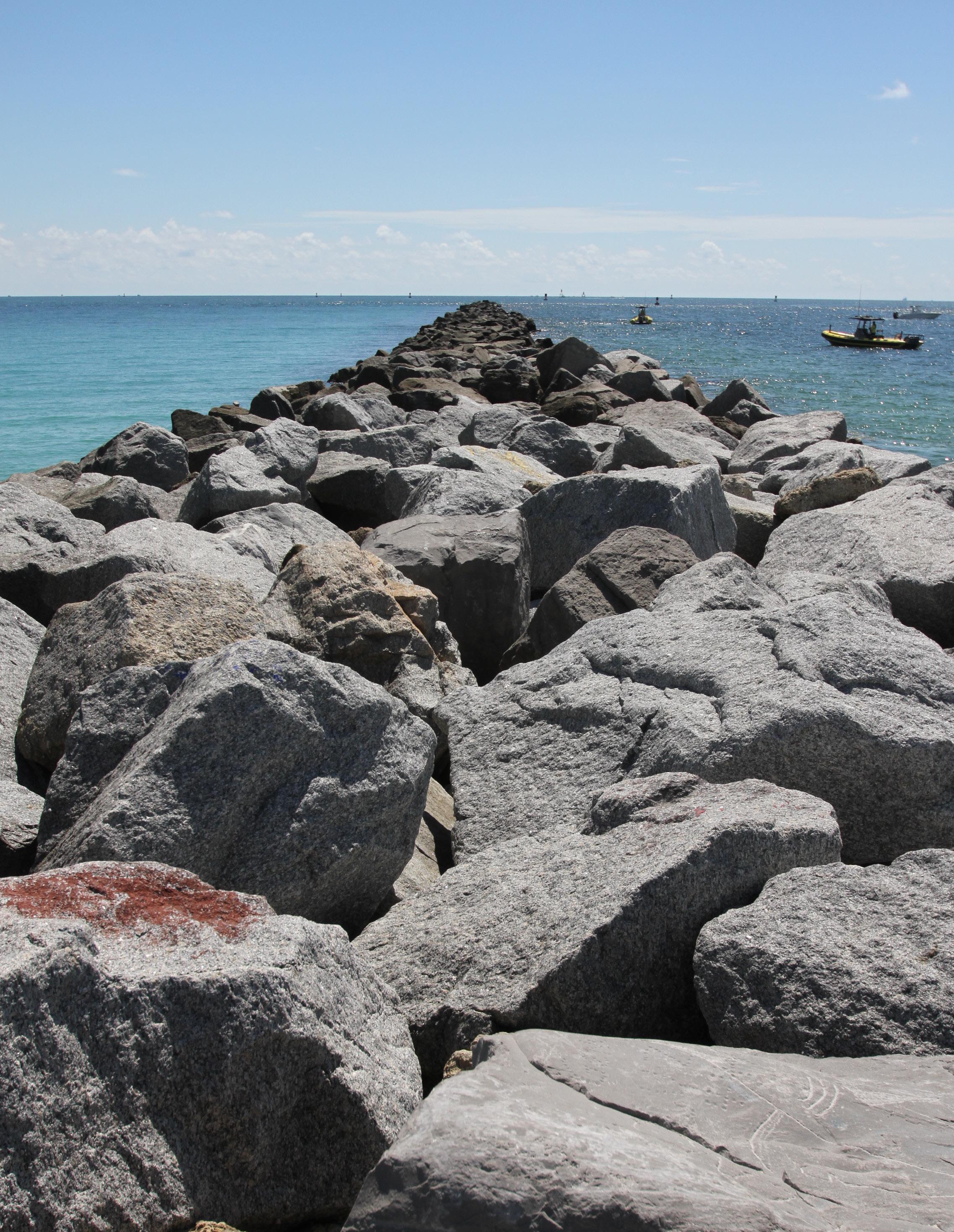
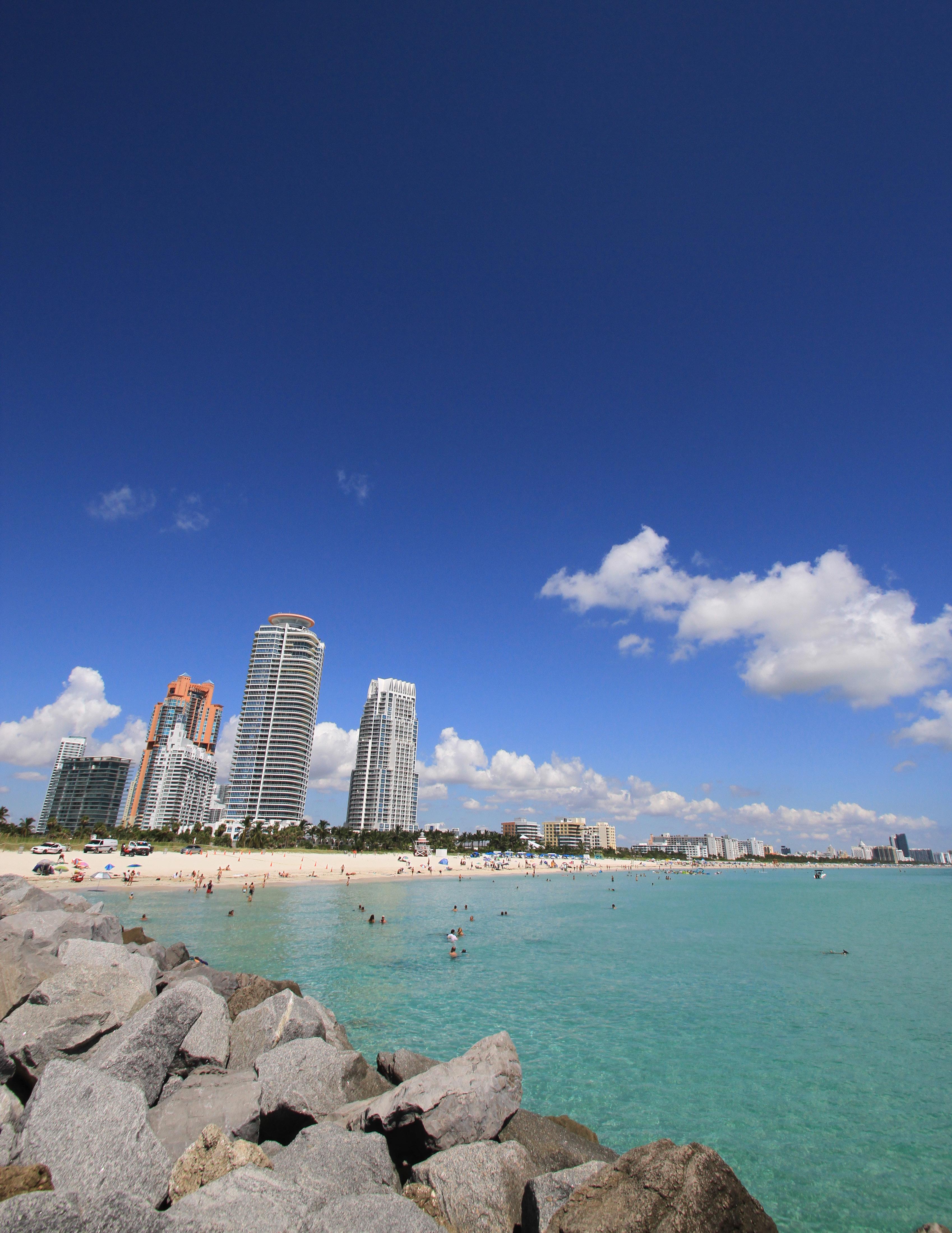
Front/Rear Cover Photo by Myra Aquino
AT THE BEDSIDE
BY NATA SHIA LEWIS
HE HAD JUST TURNED 27 YEARS OLD. A TALL, SLENDER, AND TALKATIVE YOUNG MAN, HE LOOKED OUT OF PLACE SURROUNDED BY THE ILL AND WEAK. Quick to laugh, and even quicker to tell you about his mother’s home cooking that he had missed so much when he was away. The man I met that day in the hospital at first seemed deceptively athletic and strong, but the tubes going in and out of his body betrayed him. As he talked, I glanced down to the leads on his chest and saw that his once powerful body was now frail and hollow. This man, who relied on his youth and physical strength to earn a living, was working 12-hour days as a contractor only months ago. Now, he could only reminisce about playing a pickup game with his friends on the weekend. He was always good at basketball, kind of a star in high school, but that was before it got so hard to breathe. Aside from a back injury last year, which he treated at home, he never got sick. So of course, he had not seen a doctor in years. Doctors were for people who needed looking after, like his girlfriend. She was living with him in Georgia eight months earlier when she found out that she was carrying his child. He knew right then that he would have to work even harder, since he had three people to care for now. His girlfriend needed expensive prenatal vitamins and regular visits
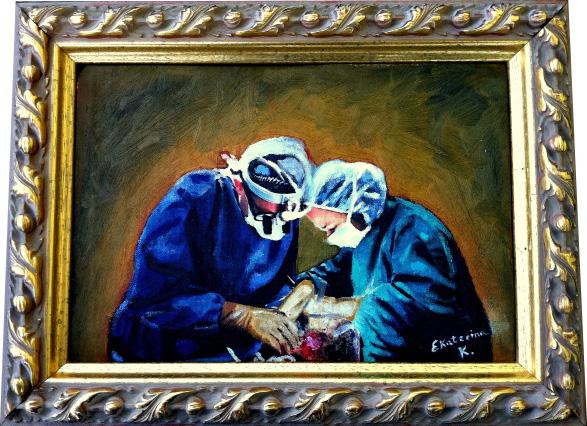
“PREP
at the clinic to monitor her high-risk pregnancy. When the poor economy found him out of work, he had to find a job immediately-- never mind that he’d started feeling sick. He came back to Florida to cut costs, living with his mother while he worked and sent money to his girlfriend. His worsening stomach problems didn’t let him enjoy the food he’d missed for so long, and his clothes were fitting a little looser. But still, he managed to keep working, to be strong for his girlfriend, who needed him to provide for her care. How then, as she was set to deliver any day, did he wind up as the patient?
Admitted to the hospital, on the telemetry floor, surrounded by people two and three times
his age, his girlfriend had to fly in from Georgia just to sit by his bedside. At a time when he should be waiting for her water to break, there they were, facing concerns that his liver might be congested, and that soon he might be waiting on a heart transplant. I heard the diagnosis from his own lips.
I had studied the pathophysiology, and I understood the mechanism by which this could happen to someone so young and alive … and so quickly.
Yet as I stood there, the dissonance of the scene before me resonated more loudly than all of the monitors and alarms and noise of the hospital. It wasn’t the way in which his illness took over his life without warning, the existential unfairness of it all, or that he was fighting for his life as his son’s
AND DRAPE.” EKATERINA KOSTIOUKHINA, OIL ON CANVAS
life was about to start. It wasn’t even the fact that he was only a few months older than myself, that it could be any of my classmates lying in that bed, struggling with a disease that was now a “teaching case” for us. No… instead, I was struck by how much strength he really had. What he lacked in physical firmity, he made up for in mind and will power. Even as he lay there, explaining what led to the eventual diagnosis of his dilated cardiomyopathy, his words carried a vibrancy and
ing process, but the man before me was a true example of forward-looking against all odds. He maintained his positive outlook despite being out of work and living at home, with a pregnant girlfriend in another state, all while having his body ravaged by a sudden and severe “stomach problem” that would later be revealed as anything but. As we study to enter the profession of medicine, we are often prone to thinking about how difficult our present circumstances seem. It can be easy to
As we study to enter the profession of medicine, we are often prone to thinking about how difficult our present circumstances seem. It can be easy to respond to life stressors in unconstructive ways, by acting out, pushing others away, or being overwhelmed to the point of giving up. Nevertheless, we owe it to ourselves, moreover to our patients, not to give up.
determination. He was articulate and intelligent, describing the tests and findings in a manner that would befit an entering medical student. He talked about how much he loved science, and that learning about his disease has made him think about going back to school to work in a job related to science once he recovers. Laughing with him, and hearing him talk excitedly about the future and his plans, it was hard to reconcile that this same young man was supposed to be ill… seriously ill. It made me question how I would react to similar circumstances, how my classmates would respond to such a life-altering diagnosis that could destroy the fabric of your life before you even knew what it was that was making you sick.
We are taught that resiliency aids the heal-
respond to life stressors in unconstructive ways, by acting out, pushing others away, or being overwhelmed to the point of giving up. Nevertheless, we owe it to ourselves, moreover to our patients, not to give up. Most of the patients we see will be facing far greater challenges than anything we are currently experiencing. Taking a moment to reflect helps bring this into perspective. It is not enough to just “get by”, no patient is “just another patient”, and no amount of stress justifies an attitude that makes you difficult to work with. Patients like the 27-year old expectant father remind us that we must take care to prevent burn out, and combat fatigue, because we have a duty to do our best for our patients and ourselves. Although I cannot say whether I would be
able to keep such an optimistic disposition in the face of circumstances as difficult as his, I know that I will think back on the 27-year old man I met that day, and how he chose to combat his challenges. I will think about the man whose inner strength grew steadily as his physical strength diminished; choosing to engage all those around him and participate in his health, instead of mere-
ly accepting his illness. I hope that as I face challenges of my own, as a student and a physician, I will remember his limitless resolve and find within myself the ability to stay positive and persevere. Our patients can teach us so much more than the process of disease. That day on the telemetry floor, from a man not much older than I, I learned that attitude really is everything.
CREEPY CRANIAL NERVE EXAM
BY CAITLIN HODGE
AS SHE WALKS INTO THE OFFICE, YOU SET THE MOOD WITH VANILLA CANDLES TO TEST HER OLFACTORY NERVE.
You look deeply into her eyes, and her visual fields are full, of you (optic nerve). Wideeyed (no ptosis) her eyes lock to yours without straying (oculomotor). As she looks around the room, you assess her oculomotor, trochlear, and abducens nerves. You gently touch her face (trigeminal sensory), and she clenches her teeth at the unexpected touch (trigeminal motor). She may smile, frown, or wrinkle her forehead, but if her face remains expressionless, it might not be you. It might just be that her facial nerve is lesioned. You whisper in each ear, to test her vestibulocochlear nerve. Dizziness or loss of balance would suggest a lesion here. Or she may just gag, but then at least you’d know that her glossopharyngeal nerve was intact. You ask to check for symmetrical elevation of her palate. If she whispers hoarsely that you make her stomach churn, she may have a vagus nerve lesion. Fed up with this exam, she shrugs her shoulders and turns her head towards the door (spinal accessory nerve). As she leaves, she turns back toward you and sticks out her tongue. It is midline. Her hypoglossal nerve is intact.
ABDOMINAL EXAM
YESTERDAY WE WERE TAUGHT THE ABDOMINAL EXAM (THIS IS ONE OF THE FIRST PARTS OF THE PHYSICAL EXAM THAT FIRST YEAR MEDICAL STUDENTS WILL LEARN). I have seen this exam performed many times in the past as I have spent the year before medical school doing research in colorectal surgery. This training session was different, however, because it was the first time it was performed on me.
BY ANTHONY PARK D’ANDREA
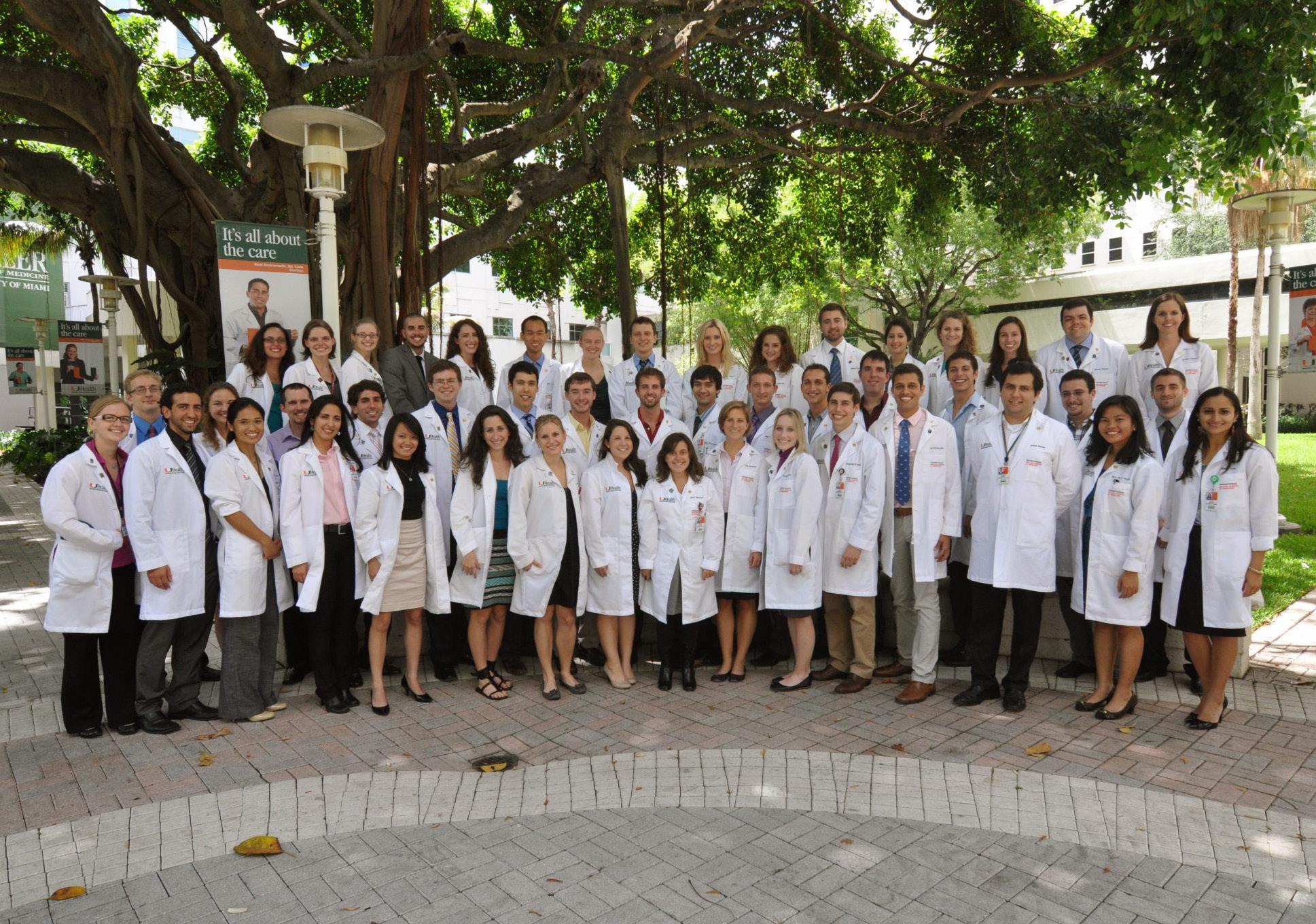
For training, our class of 52 students was divided into groups of four (two male and two female students). We played “paper, rock, scissors” to decide who would serve as the patient for everyone else. Three papers defeated my rock, and therefore I was the one reluctantly lying on the table with abdomen exposed. My shirt was lifted up from xiphoid process to pubic symphysis. Maybe not everyone would feel as awkward as I did at that moment, but I am not used to my belly being
UMMSM MD/MPH CLASS OF 2015.
poked, prodded, and talked about (and stared at). The intensity of the overhead lights forced me to shut my eyes. I could barely see by squinting. To help relax my abdomen, I was asked to bend my knees with the plantar surfaces of my feet facing down on the table. Our trainer started by talking through the four parts of the abdominal exam: inspection, auscultation, percussion, and palpation.
sure, and level of confidence (or timidness). The girls’ were cold and shy, while the guy was warm, clammy and pressed deeply. Then came the part where they palpated my liver and spleen three or four times. That was the most uncomfortable part, but despite the pain, there were no findings of spleno- or hepatomegaly.
Over the course of yesterday’s training ses-
I also had a “visible abdominal pulse”. The words “abdominal pulse” for some reason grabbed the attention of nearby groups, and they rushed to our exam room to see. My audience tripled (or quadrupled) in size, and the chatter added to my discomfort from the blinding light.
I waited there listening with my eyes never being able to adjust to the light.
On inspection, my peers looked for pulsations and asymmetries. They immediately noted that I was “very skinny” with “no abnormal hair growth”. I also had a “visible abdominal pulse”. The words “abdominal pulse” for some reason grabbed the attention of nearby groups, and they rushed to our exam room to see. My audience tripled (or quadrupled) in size, and the chatter added to my discomfort from the blinding light. I lay on the table patiently and waited for the next part of the exam.
The commotion died down, and the other groups left. My peers continued with the training exercise. They now had to auscultate the four quadrants of my abdomen. I felt the diaphragm of a stethoscope being placed onto my right upper quadrant and then my left. My body had no choice but to acclimate to the cold piece of metal that was touching my skin. As my peers took turns listening, I wondered if they would find anything abnormal.
The final parts of the abdominal exam involved percussion and palpation. With each pair of hands I could feel a different temperature, pres-
sion, I thought about all the patients that I had seen in this very same position. Some had a chief complaint of stomach pain while others had already been diagnosed with colorectal cancer. There were patients who were post-op and others who were in the ICU. I remembered some having a sense of humor during the exam, while others were very quiet and apprehensive. Some were even in great pain. I realized that whatever their behavior, it was their way of coping with the unease of being examined, touched, and discussed over. I have never been a patient before, and this was my first taste of what it was like.
Granted that I was not being examined under the same dire circumstances as the patients from my research job, but at least I can now relate somewhat to what they must have felt. Although I may or may never have the exact same feelings as my patient, this experience made me conscious of the fact that those feelings will exist in every physical exam. I believe that communicating to the patient or showing him or her that you are aware of what they are feeling is a way of being empathetic. That is just one thing I learned from that training session.
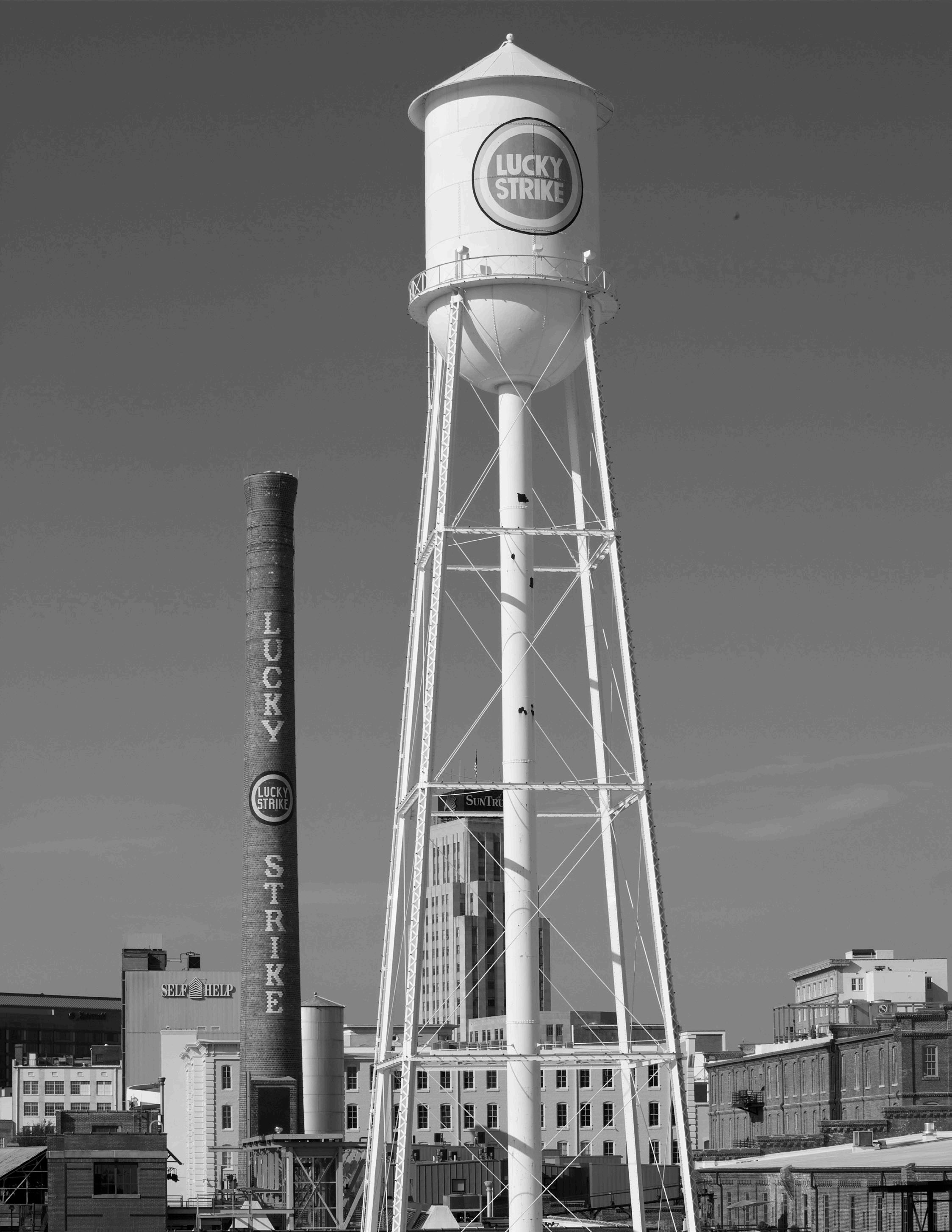
DURHAM, NC. LARISSA LESTER
NOT JUST ANOTHER JANE
SYSTEMS-BASED PRACTICE IN THE 1980S
BY DANIEL LICHTSTEIN, MD
IT WAS MY FOURTH OR FIFTH YEAR IN PRIVATE PRACTICE AND I HAD RECENTLY ASSUMED THE CARE OF AN EIGHTY-FIVE YEAR OLD WOMAN, JANE, IN A LOCAL NURSING HOME. She was extremely pleasant, and sharp as a tack. She had moved to Florida from the northeast a few years before, was widowed without children, and lived in a small home before suffering a hip fracture as a result of a fall. After surgical repair, she was admitted to the nursing home to continue her recovery. The staff, including the social worker, did not feel it was safe for her to return home alone. When I met Jane, she was ambulatory and doing fair-
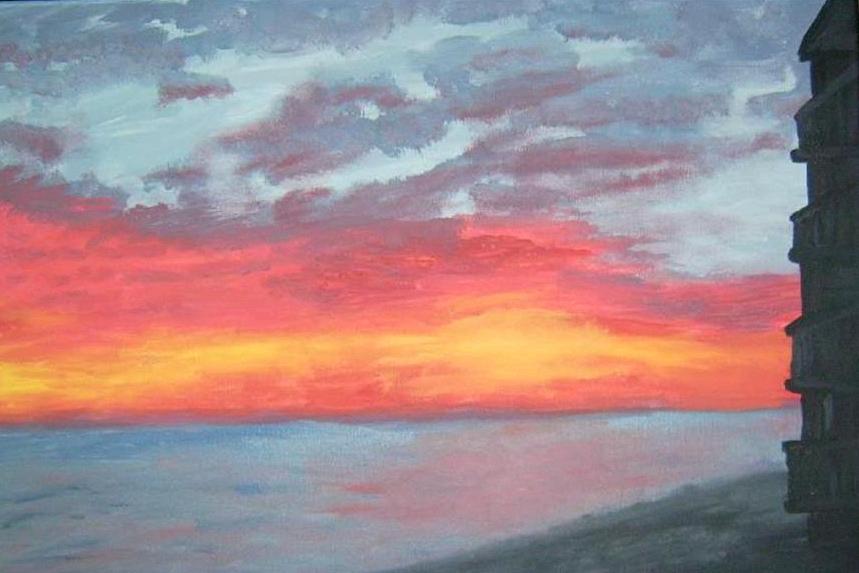
JENNIFER SCHWENK, ACRYLIC ON CANVAS
ly well. She told me she wanted to return to her home, but acknowledged that she would feel more secure if she had an aide or companion living with her. Several weeks later, I received a call from the nursing home informing me that Jane was going to be discharged to her home, and that one of the employees of the home had helped her to find a full-time aide. I asked the nurse to be sure that Jane made an appointment to see me in the office two weeks after she was discharged.
hit, I told my nurse that I was going to go to Jane’s home, and would call her when I was there (this was in the pre-cell phone era).
Jane’s home was in a quiet neighborhood, a few miles from my office. When I arrived, there was a car in the driveway, and as I approached the front door, I could hear the TV on. I rang the bell and knocked on the door without response. After a few minutes, I walked around to the side door of the house, and again had no response. My level of
It was difficult to concentrate on my remaining patients that morning as I was thinking about my next step. My instincts told me something was very wrong.
A few days after her discharge, I noticed that Jane was scheduled to see me in a few weeks, and I felt happy for her that she had been able to return to her home. When the day of the appointment arrived, I was disappointed when she did not appear, and was concerned. I asked my office nurse to phone her to both check on her and reschedule the appointment. My nurse spoke with Jane’s aide who reassured her that Jane was doing well, and made a new appointment for the following week.
During that week, I periodically thought about Jane but was not overly concerned. However, when the day of her rescheduled appointment came around and she again did not appear, my anxiety increased. I called her home but there was no answer. It was difficult to concentrate on my remaining patients that morning as I was thinking about my next step. My instincts told me that something was very wrong. When lunch time
anxiety was now extremely high. I got back in my car, drove to the gas station down the block and called 911. Although I could not say for certain that anyone had been harmed, I shared my feeling that Jane may be in danger.
The police arrived within a few minutes, and when they identified themselves at the front door, Jane’s aide opened the door. The police found Jane locked in a bedroom, scared and disheveled. Several dirty plates of old food were scattered on the floor of her room. Upon further investigation, the police discovered that many of Jane’s belongings (including paintings) were in the trunk of the aide’s car. It was clear that Jane was being mistreated, and that many of her belongings had been stolen.
When I entered the room where Jane had been, she looked up at me and said, “Please take me back to the nursing home.” We drove there together shortly after. O
EDUCATION
I WROTE THIS POEM IN LEARNING COMMUNITY
BY SHARI SEIDMAN
I spent the first six weeks playing cats cradle with a cadaver.
Looping my purple gloved hands and hesitant forceps around the nerves and arteries of its brachial plexus.
I paid attention to our classes in empathy and practiced listening to heartbeats, but as usual the only one I could hear was my own.
I insisted on getting glasses. I traded my point of view for an iPad and got a new cat.
Since last year, I’ve forgotten how to cook.
And how to speak above a whisper
And the last time I picked up a pen to write a story, I found that I no longer could.
Any chi or inner peace that I’ve ever pretended to have is gone yet I’m more in tune with my body than I’ve ever been.
I feel the nerves of my lumbar spine compress after studying for many, many hours.
My eyes have stopped accommodating like they used to my skin has gotten paler, my split ends wider, and I can’t remember the last time I got a pedicure.
I’m exactly where I was last year and still, my biggest thrill is in rearranging the furniture.
Waging war against the bathtub and declaring mutiny on the couch.
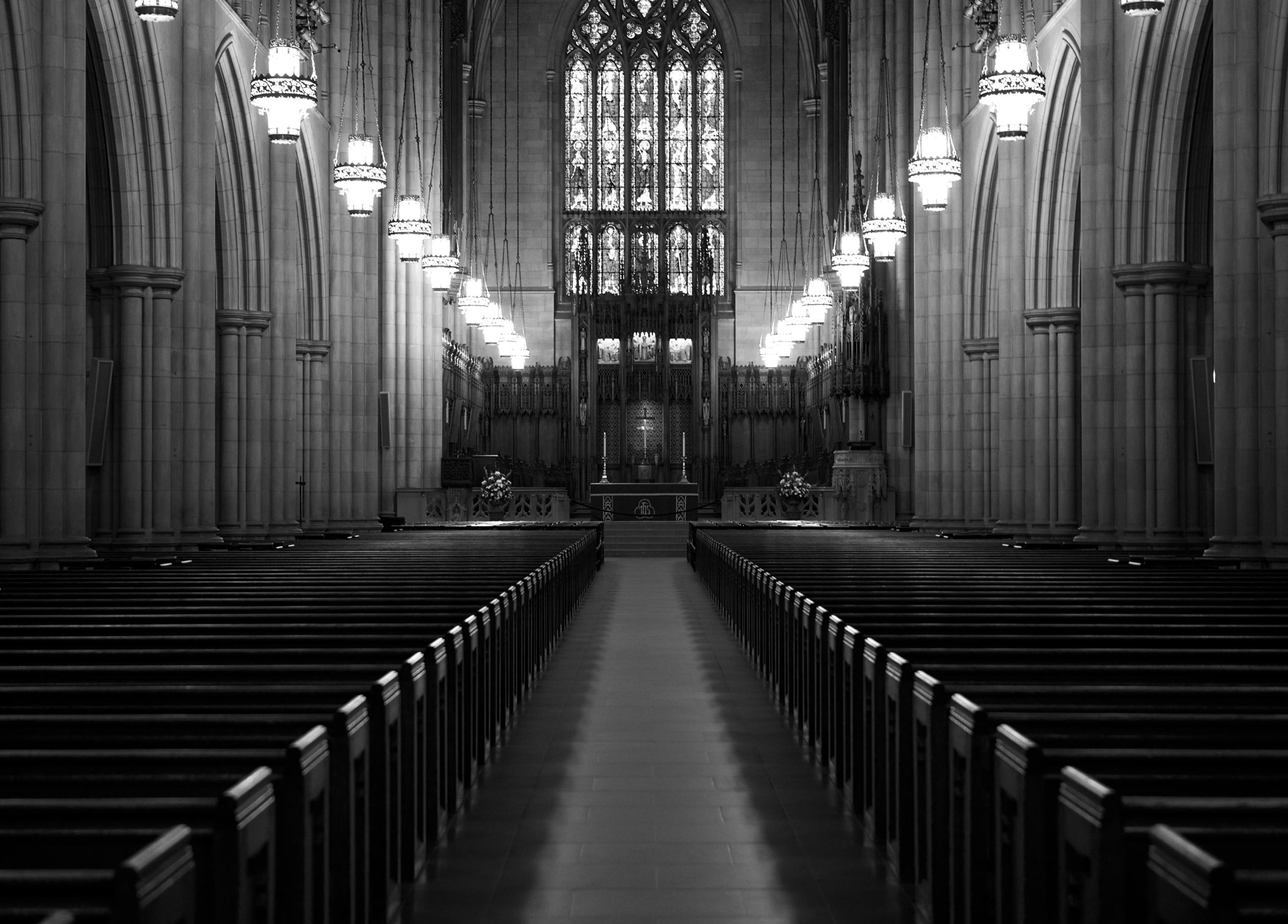
Nuns at Church
BY MYRA AQUINO
Within these gold dusky confines
Sit three women, pious on a pew
Pristine habits of pure black and white
Harsh as the smoldering thrum of the neon blue sky
Soft as the wrinkle of a knuckle in prayer
Bent head, wearied eyes, pursed lips
Three women, dainty as candle tips
Steady as the summer flame’s kiss
If we dare to light one up
Will we receive:
A slow burn, simmering delicate and earnest
A blast of blue torch, blithering, from a slap of the hand
Or nothing?
Nothing but the wind, a whisper
A calling that murmurs your name
And disappears
One looks up and glares at me, black eyes glowing
The second stares at her shoes
The other leaves
What a life. What maiden hair lies unglimpsed. What secret is theirs alone?
LARISSA LESTER
ROSE CEREMONY
SPEECH REPRESENTING THE MD/MPH CLASS OF 2015
The Rose Ceremony is a special event that occurs after the completion of the Anatomy module. It was created by UMMSM medical students several years ago to honor the individuals who participated in the body donation program, and to mark an important passage in the medical education.
UPON ENTERING MEDICAL SCHOOL,
people give you all sorts of advice – the best study strategies, where to live, how to deal with the intimidating daily challenges. I was warned that the anatomy lab would be a daunting place, where students protect themselves from the shock, visualizing machine more than man. I say, this cannot be more untrue. From the first moment I met the donors, I was given a sense of purpose and intent, and granted a deep sense of connection with the donors. This gift entrusted to me, to us, by men and women who hadn’t even met us.
One of our classmates composed a poem, and in that poem reflected: “The patient I never knew made a conscious decision to give… And what can be more dignified to give to what all mankind seeks: knowledge.”
Some have said that this is a rite of passage, an act of tradition. No, this experience is no rite, it is a transformation. For many of us, this experience provides an end to vague notions of the human form and allows meditation on ‘what is human’. Once-avoided thoughts are no more. With our newly-discovered Hippocratic eye, those empty
BY ALEXANDER KAPLAN
spaces of our minds are filled in by this wondrous gift. This metamorphosis provides the student with a compelling respect for death and cherishment of life. In our first year fraught with passages of text and the gradual unraveling of the yarn of human science, we are reminded of humanity.
Some have said that this is a rite of passage, an act of tradition. No, this experience is no rite, it is a transformation.
What a sense of responsibility to know this body in ways the donor never knew. It’s a strange and beautiful sensation to observe the true and intricate workings of the human body. The almost ethereal experience consumes you. You look at the hands – “what did these hands hold?” You examine the lungs – “what air did you breathe?” The heart, the brain – “what did you experience, who did you love?” “What were your passions, your dreams? And who else did you influence in your life?” The face – “whose lips touched these? Who stroked your cheek out of love?”
EDUCATION
In your touching silence, you were my teacher and my first patient. You willed yourself as your last gift, an ultimate sacrifice, and we cannot thank you enough. Through this action, you’ve bestowed upon us an amplified effect; you have influenced fifty-two future doctors and their countless patients. In our hearts and minds, let us give our thanks to our silent mentors and their loved ones. What a privilege this is, and an impact echoing into our future, a grateful blessing.
On behalf of the MD/ MPH Class of 2015, thank you all. O
Forced
BY JOANNE DUARA
Humanized Mice
BY JOANNE DUARA
Smiles. Chatter. Ill-placed and clumsy quips.
Eerie creeks of silence and tautly strung lapses in banter.
Every pause and lapse is fodder for internal monologues
Actors on the stage within read lines and look in mirrors
A fairy tale told beginning to end, murderous and cunning throughout.
Here we have humanized mice
Made naïve and clean, coddled from misfortune
What symptoms do we observe?
in our most human of house pest
See, they have all they want for And look, they are miserable.
“GEL ELECTROPHORESIS.” JOANNE DUARA
WRITTEN BY UNIDENTIFIED STUDENTS IN AN UNIDENTIFIED SOCIAL NETWORKING WEBSITE
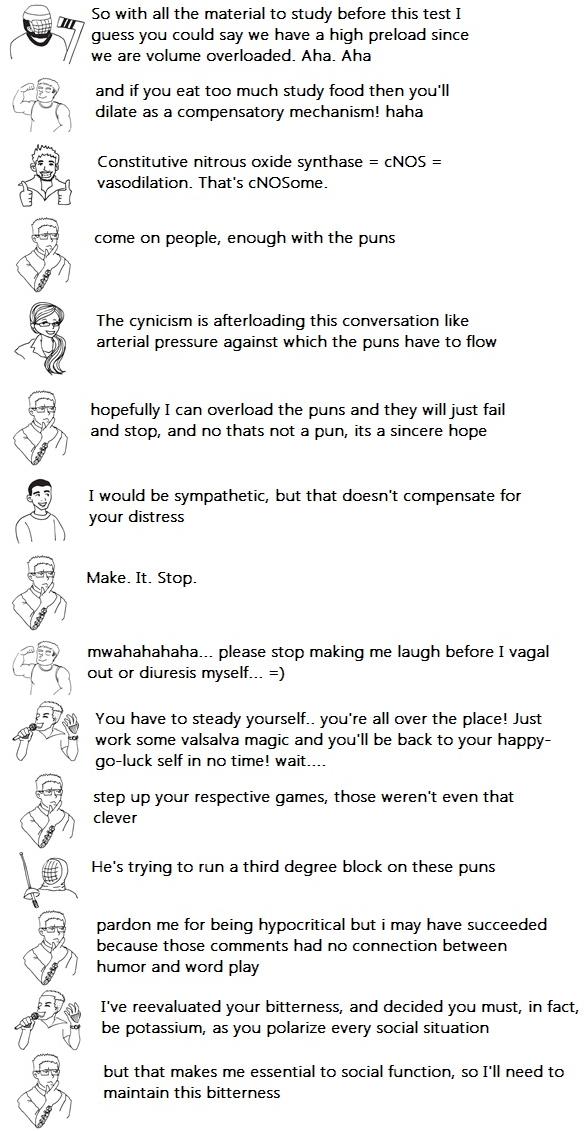
ENOUGH WITH THE PUNS
ARTWORK BY MARY LAN
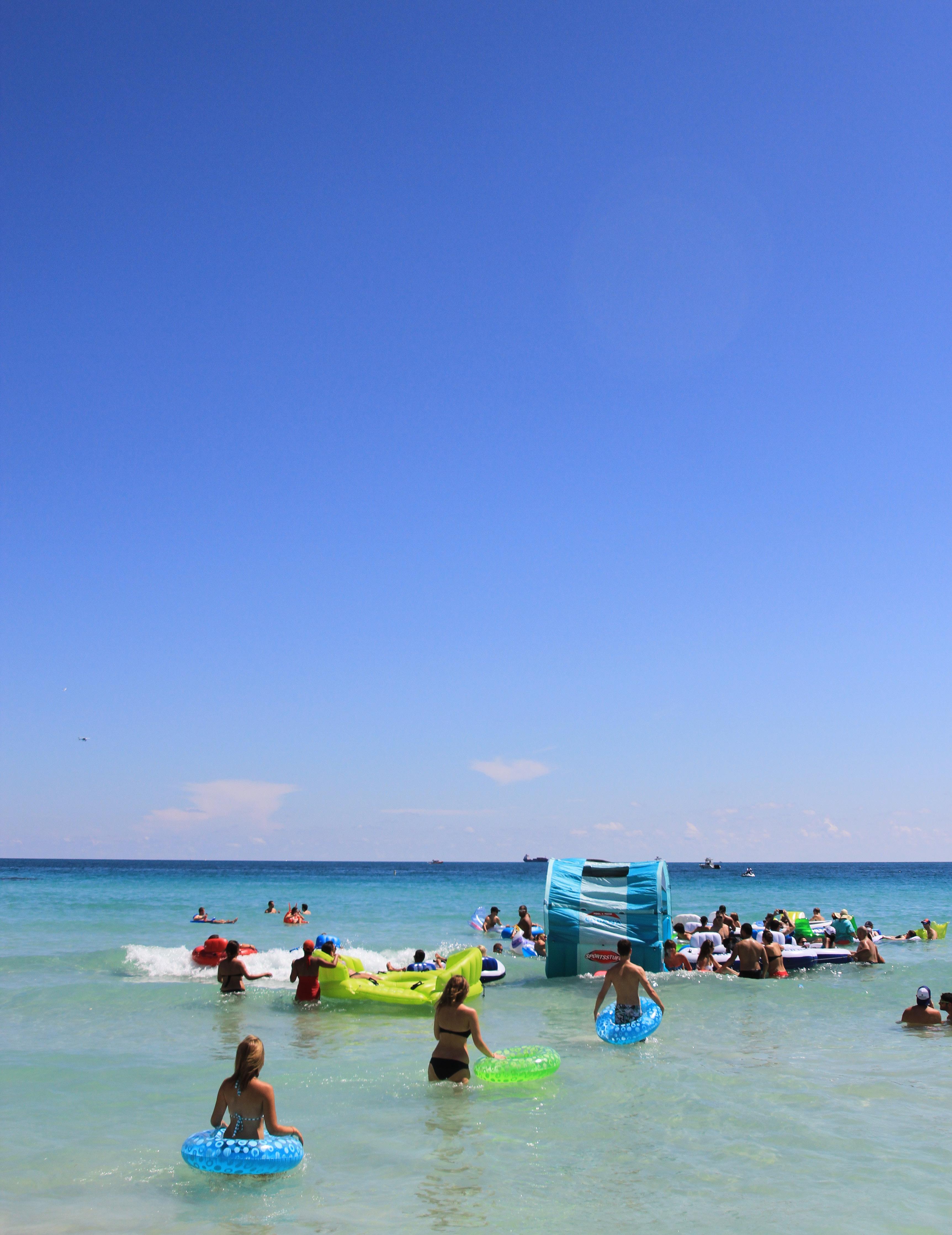
Summer, o summer
Perfect time to stay busy
Or to relive life
HAIKU BY ISAAC LEE
DESTINATIONS
THIS FALL ISSUE FEATURES THE ACTIVITIES OF MEDICAL STUDENTS OVER THE SUMMER AS THEY PURSUED PUBLIC HEALTH PROJECTS, BASIC OR CLINICAL RESEARCH, OR SIMPLY KICKED BACK AND RELAXED-- BOTH IN THE US AND ABROAD.
SAN FRANCISCO, CA
MAI TRAN
FORT SAM HOUSTON, TX
BRYAN STEPANENKO
ALEXANDER KAPLAN
THOMONDE, HAITI
JULIE LEVASSEUR
ADAM CROSLAND
CORNWALL, ENGLAND
JASON HEFFLEY
GENEVA, SWITZERLAND
MICHAEL MAGUIRE
SAN BLAS, PANAMA
ANNE KIMBALL
ADAM CROSLAND
ELAN HORESH
DOMINICAN REPUBLIC
NICK CNOSSEN
BRANDON HENDRIKSEN
CARLY RIVET
KELLY GRANNAN
RAMMY ASSAF
NYARUSHANJE, UGANDA
GREG MILLIGAN
FEATURES
BASIC COMBAT TRAINING
IN FORT SAM HOUSTON, TEXAS
PRIVILEGED
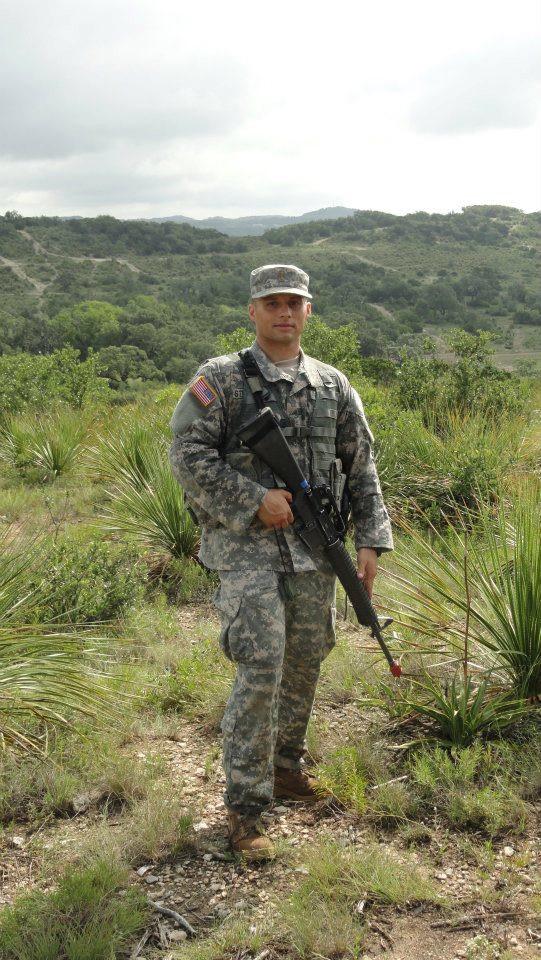
I FEEL PRIVILEGED. But it’s not because I am a medical student in sunny South Florida, nor is it because I’m a local native to gorgeous beaches, indulgent nightlife, and interesting people. I feel privileged because I have an opportunity to do what much less than 1% of the U.S. population gets a chance to do… to serve as a military physician and provide care to our soldiers and their families. I am excited to have joined such a unique organization of individuals, especially since we share many of the same priorities, passions, skills and experiences.
I have an opportunity to do what much less than 1% of the US population gets a chance to do... to serve as a military physician and provide care to our soldiers and their families.
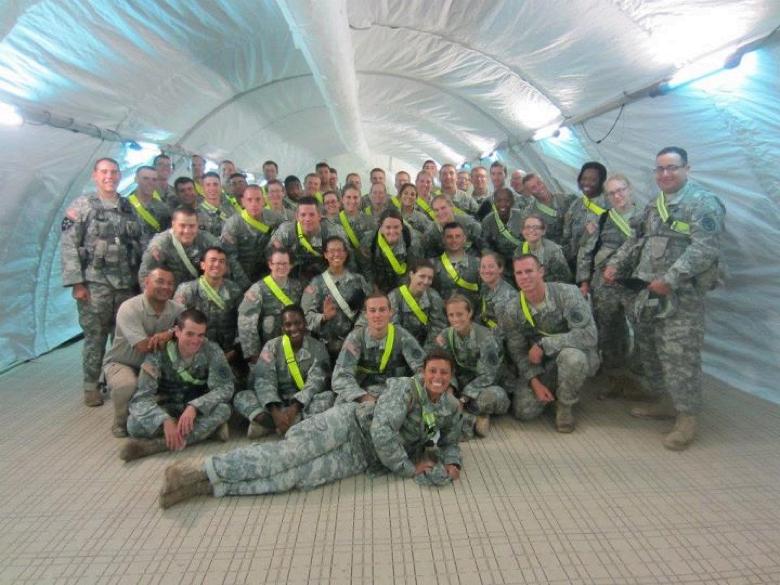
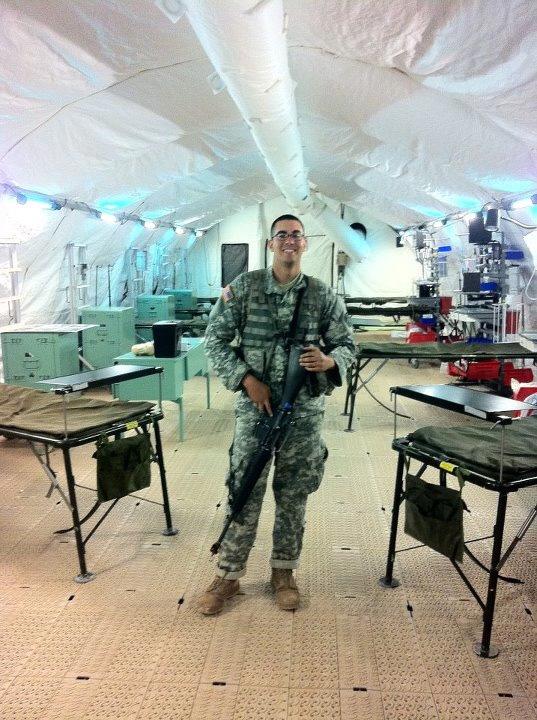
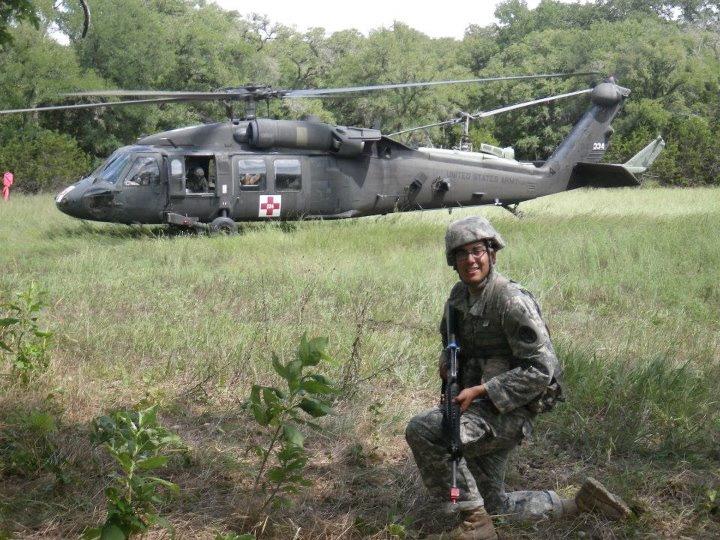
This summer, I attended a six-week Army Basic Officer Leadership Course (BOLC) at Fort Sam Houston, Texas. This is where medical students, dental students, and veterinary students (Army HPSP scholarship recipients) are taught to be soldiers. We were introduced to the roles we will play throughout our future careers in military medicine. We learned about things like being a leader, marching in formation, saluting, commands, military discipline, marksmanship, navigation, convoy travel, and field hospital operations.
FEATURES
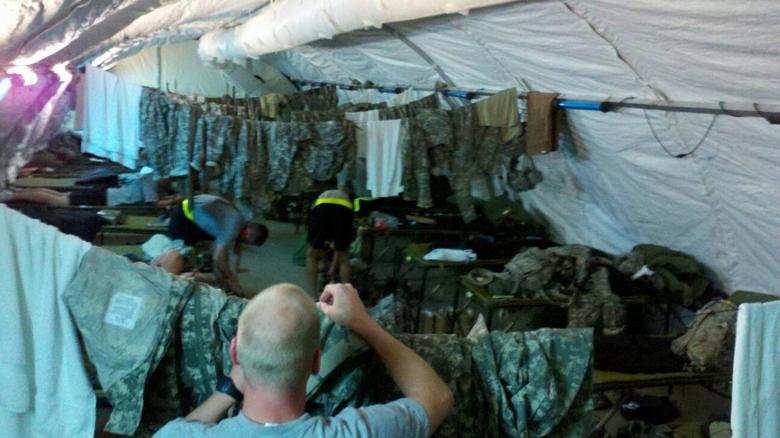
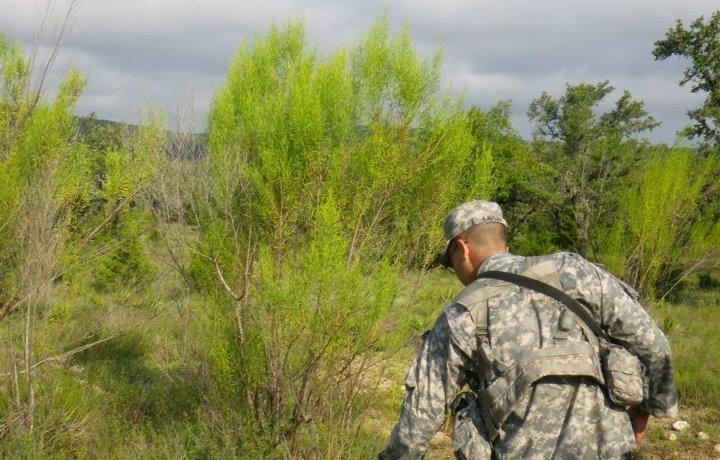
After surviving four weeks of “death by powerpoint,” our class headed to a field camp to live in austere conditions, eat MREs (meal ready-to-eat), and learn practical skills in the 100+ F heat. As a person with an affinity for self-torture, I truly enjoyed the time we spent at the camp.
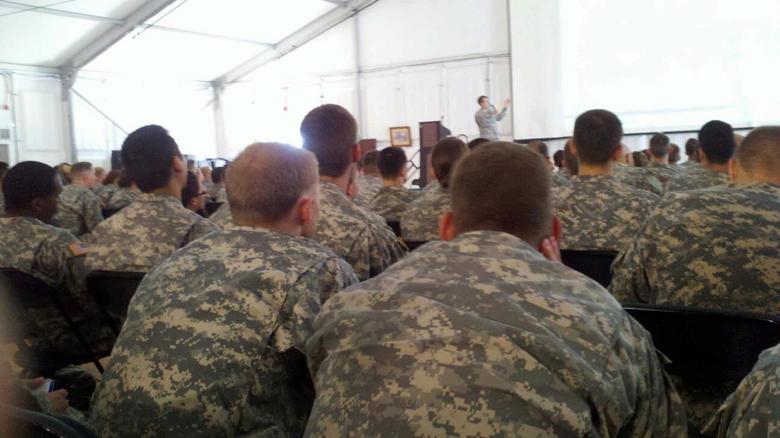
Death by PowerPoint
BY ALEXANDER KAPLAN
Whitewashed walls, monotone voices
Four hundred bodies devoid of choices
Sea of camo, nodding heads
All the soldiers dream of bed
Unfitted suits, yet clean and crisp
One drill captain with a lisp
“Drink, drink water!” It’s only day three
But you must sit still, you may not pee
Yet a rising change flows throughout the room
No longer “I”, but “my platoon”
One fresh lieutenant whistles a marching tune
FEATURES
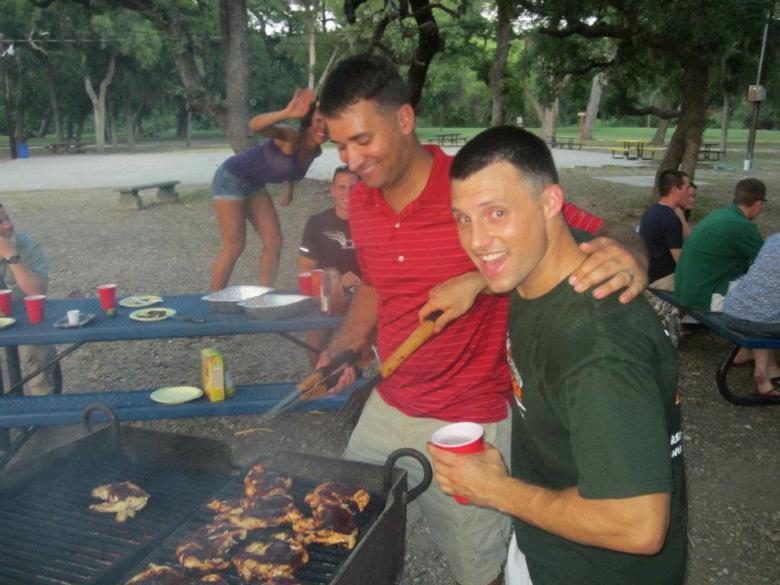
The most enjoyable part of the experience, however, was not training-related at all; it was the people. I made friends with literally hundreds of individuals that I will encounter again in the future, be it in a professional setting during a deployment or in a social setting as one friend enjoying the company of another.
Needless to say, I am glad to be finished with training. The sun, the fun, the friends, and the incoming medical students welcome me. Miami, it’s so good to be home!
Butterbars
BY ALEXANDER KAPLAN
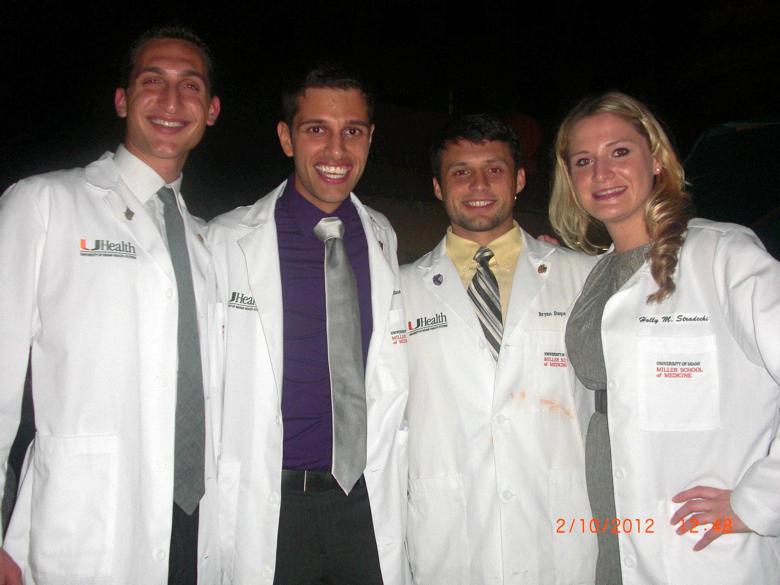
The president has granted us commission
Training for our medical mission
Lieutenants, captains, high in rank
Have yet to see jet, copter, tank
Enlisted men from Middle East
Salute ME, who’s earned the least
Dripping with sweat, a sloppy formation
Must earn their right to represent this nation
Hooah Hooah, must lead by example
Support my troops, no medical gamble
For we represent the stripes and the stars!
We are Medcorps, we are Butterbars!

To Brain Or To Spine
BY MAI TRAN
In San Francisco, at UCSF
I shadowed two surgeons until I left
I saw an operation on the brain
Those four point five hours drove me insane
It was too lengthy, it was too boring
I can’t help it if it got me snoring
I saw an operation on the spine
For that hour, the planets were aligned
It was so exciting, it was so fun
It made me believe that spine was the one
In San Francisco, at UCSF
I chose spinal surgery when I left
NUTRITIONAL HEALTH RESEARCH IN SAN BLAS, PANAMA
BY ANNE KIMBALL, ADAM CROSLAND, ELAN HORESH
DETAILS
Nutritional health analysis for the Kuna; measuring of vital signs and anthropometrics, conducting oral lifestyle survey, and implementing basic nutritional awareness. Conducted a community healthcare assessment and data collection project in the San Blas Health Center Project.
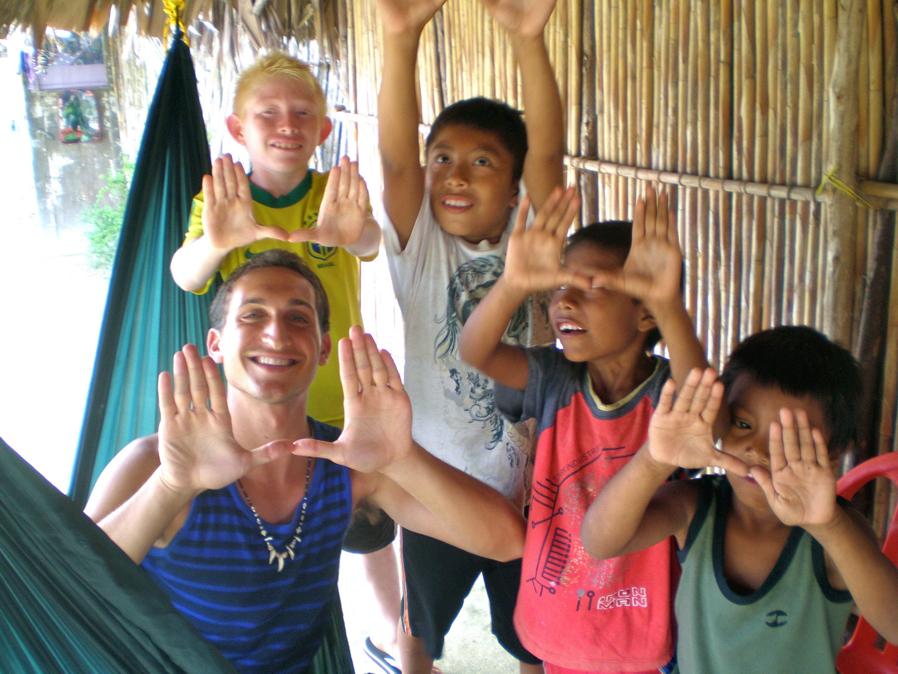
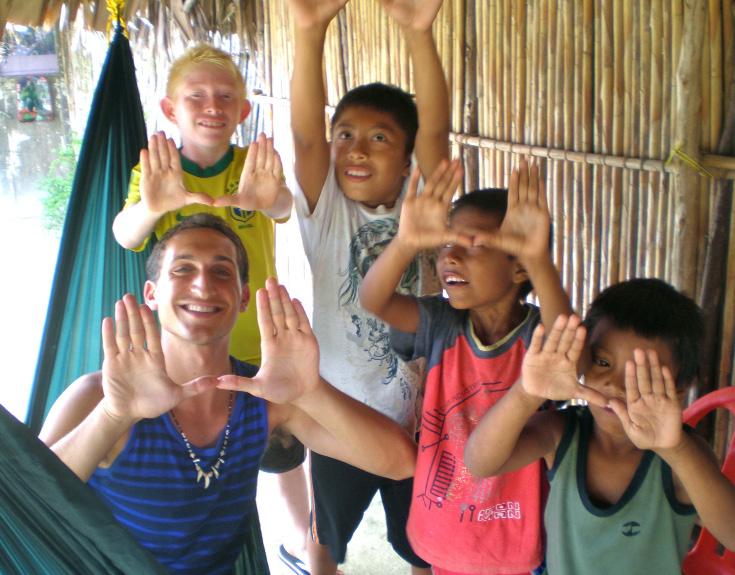
Elan, posing with a group of Kuna boys outside of Sherri Porcelain’s hut on Tikantiki, off the coast of Panama. These kids were so smart, curious, and fun. We built some great friendship in the two weeks we spent on their island.
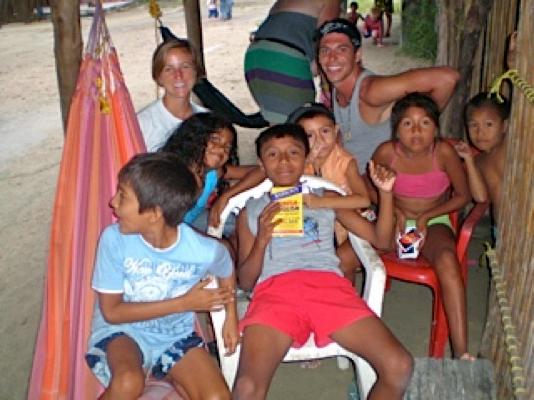
Adam and Anne playing Uno and practicing Spanish with our new Kuna little brothers and sisters. We were treated as part of our host families during our stay on the island.
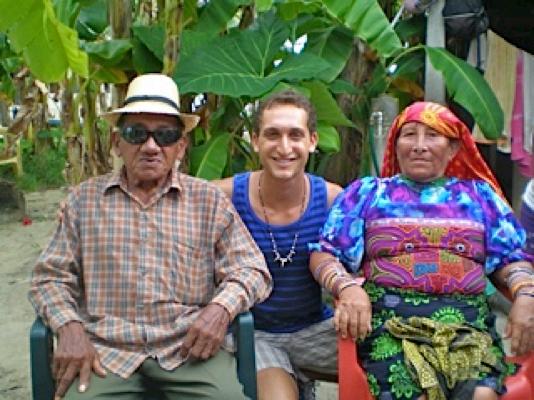
Elan with two prominent elders in the community of Niadup, after taking their blood pressures. As part of his public health project, he went hut-to-hut taking vitals and asking about dietary habits.
FEATURES
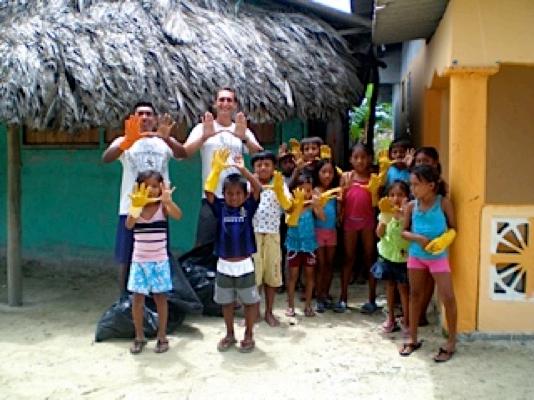
Elan with Octaviano and a bunch of kids, after helping with their weekly trash pick up day. With increased access to mainland Panama and the rest of the world, the community now has cell phones, TVs, and a packaged food-based trash problem.
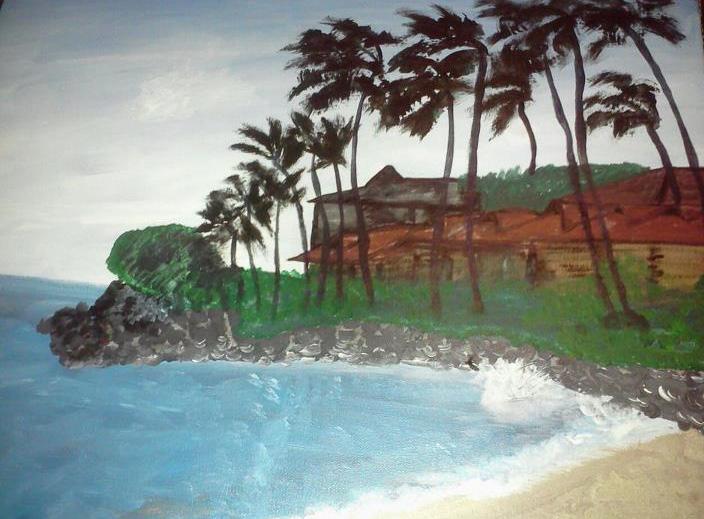
“HAWAII.” JENNIFER SCHWENK, ACRYLIC ON CANVAS
WATER SANITATION PROJECT IN NYARUSHANJE, UGANDAn
BY GREG MILLIGAN
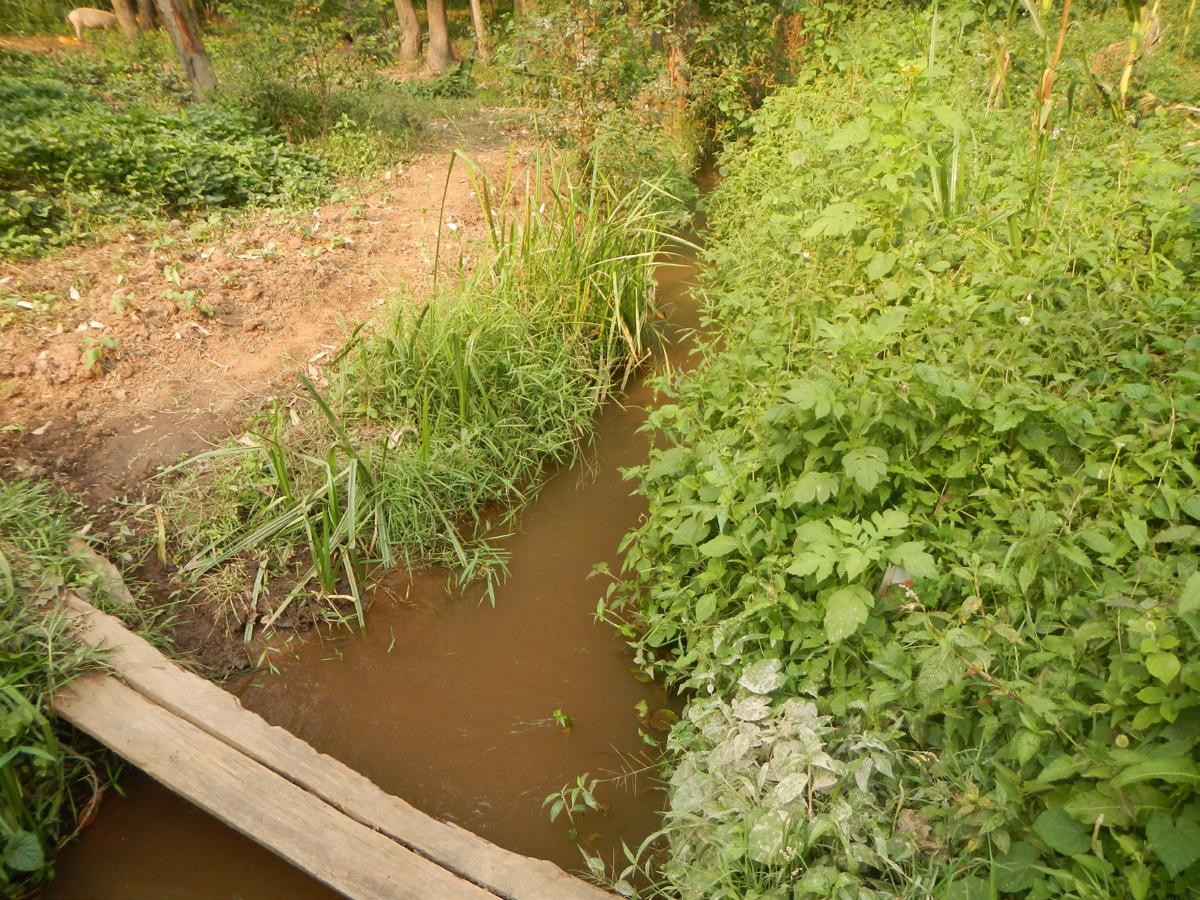
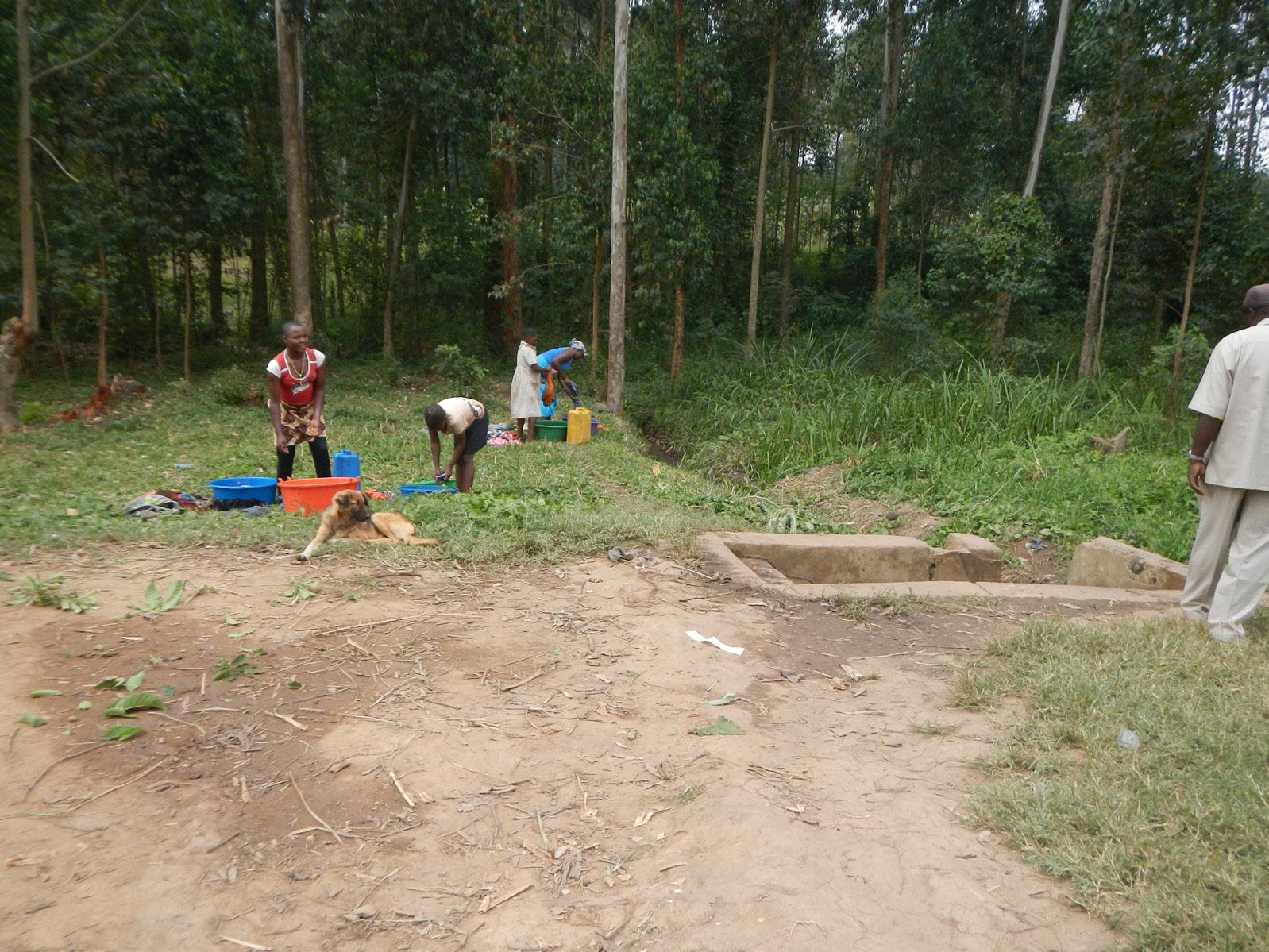
This is a picture of the river nearby the village that I went to. This was the village population’s primary water source.
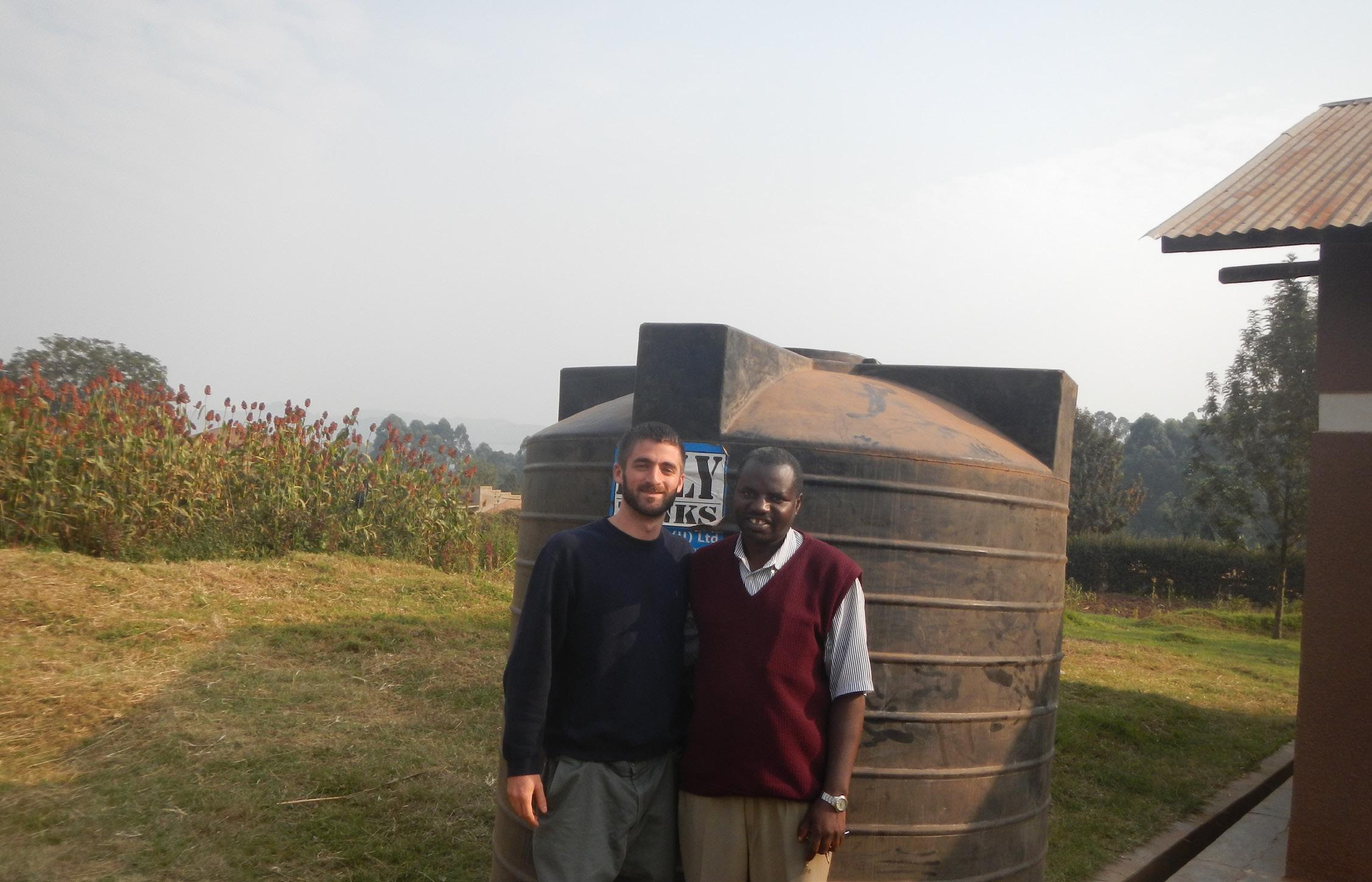
We took this water and had it pumped to a holding tank where the water is then chlorinated for safety prior to distribution to the population.
FEATURES
Of course, taking the water from the river to the tank required quite a bit of work to dig and lay pipework. While I was in the village, students at a local school heard of my project to bring safe water and they were inspired to help. So about 12 students came out for 3 straight days to dig trenches for the pipework.
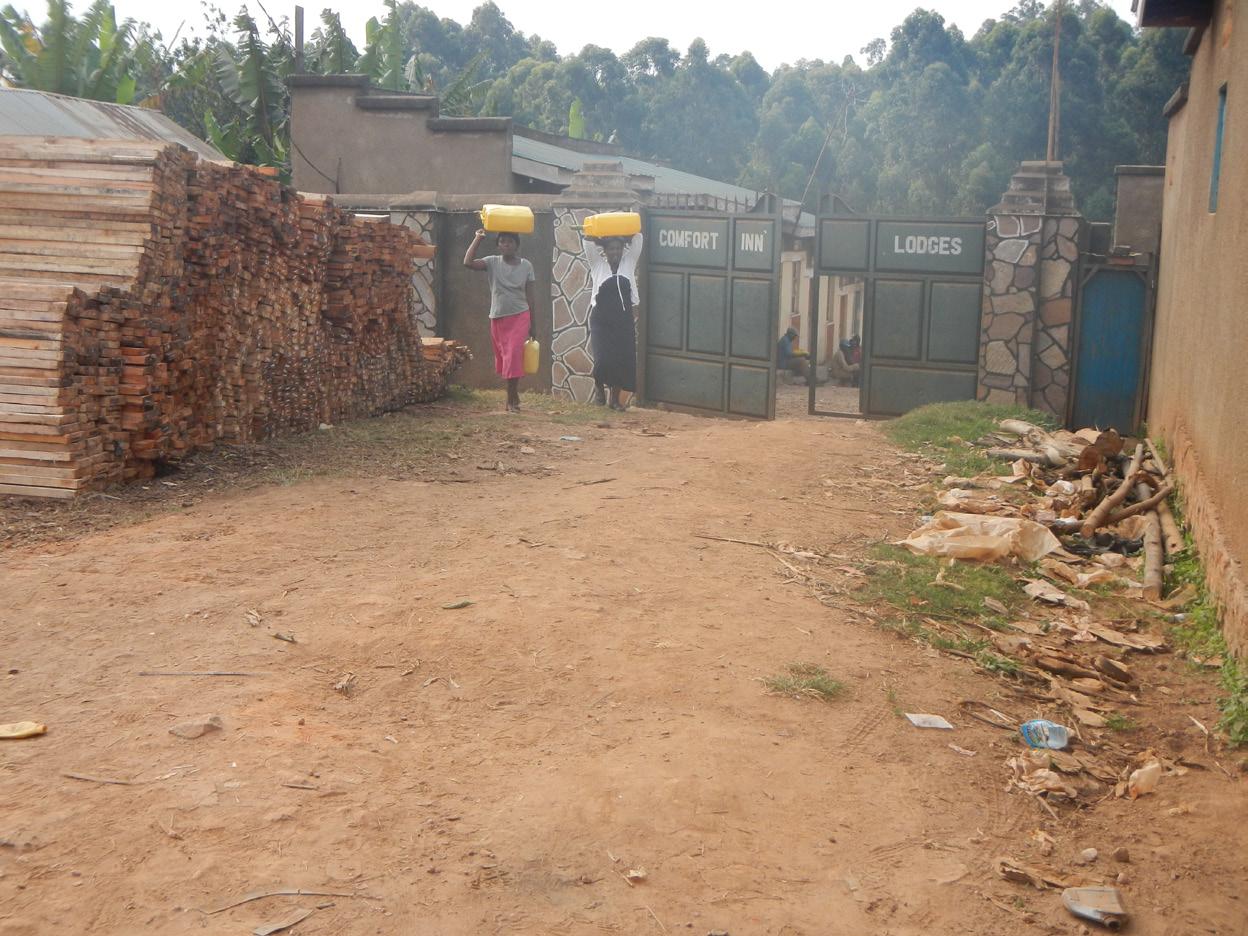
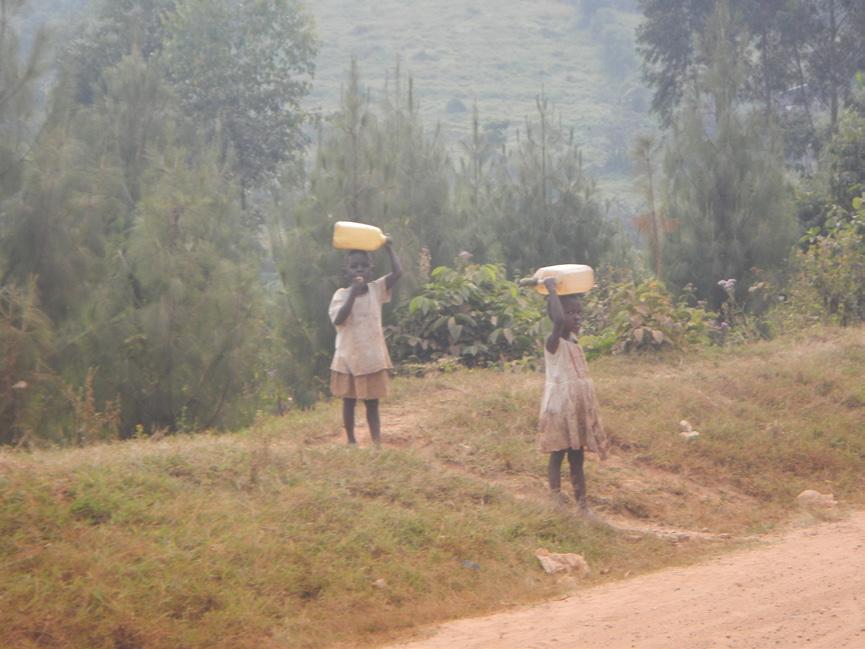
These are children and local nurses carrying water jugs from the river (women and children typically collect the water in Uganda). O
WHO INTERNSHIP IN GENEVA, SWITZERLANDn
BY MICHAEL MAGUIRE
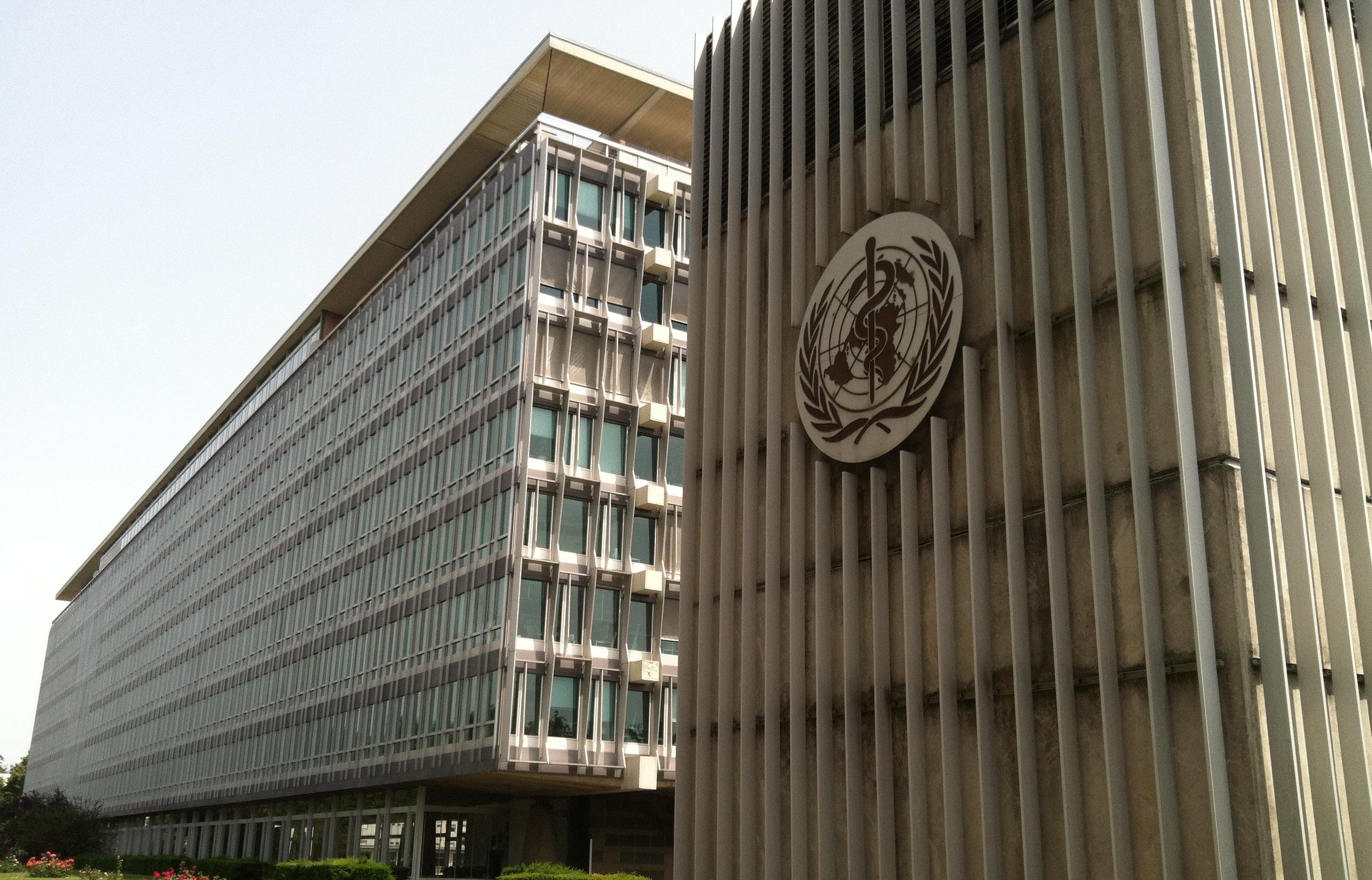
As a Duke University Global Health Fellow, I spent the summer working in the Roll Back Malaria (RBM) Secretariat of the World Health Organization (WHO). The World Health Organization employs about 3,000 people in Geneva, Switzerland on a campus approximately the size of the UM Miller SOM/Jackson Campus. This photograph shows the main headquarters of WHO.
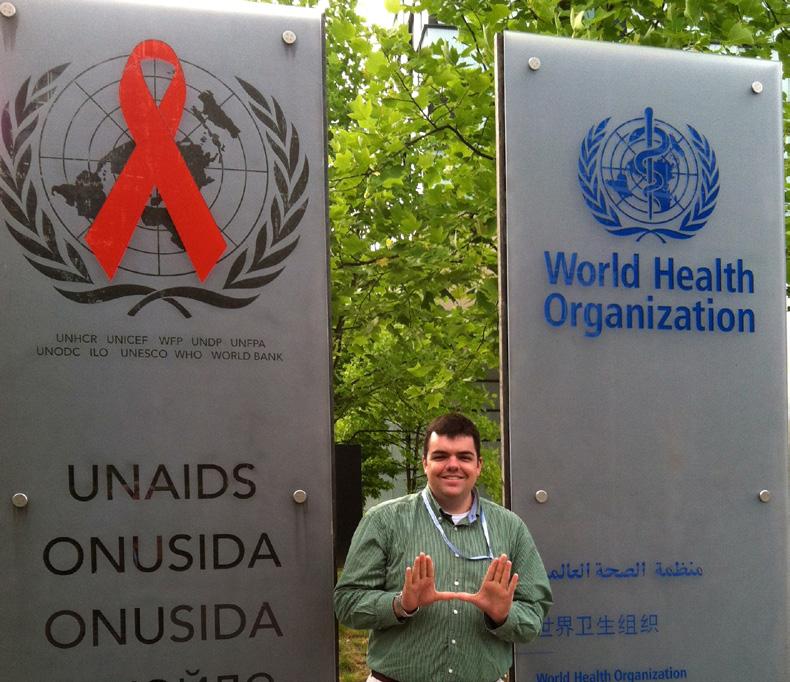
Representing UM.
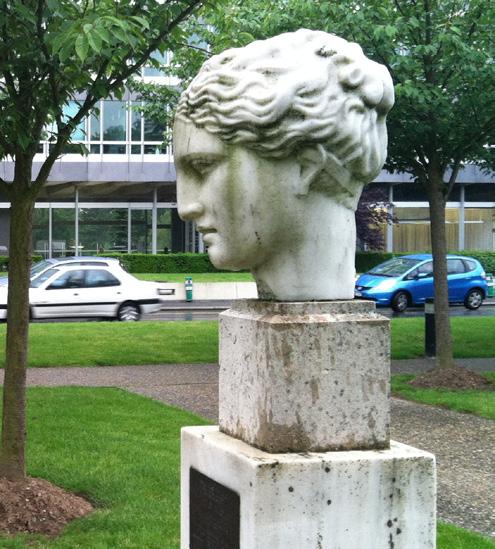
Sculpture of Hygiea outside WHO HQ, similar to cast located at CDC.
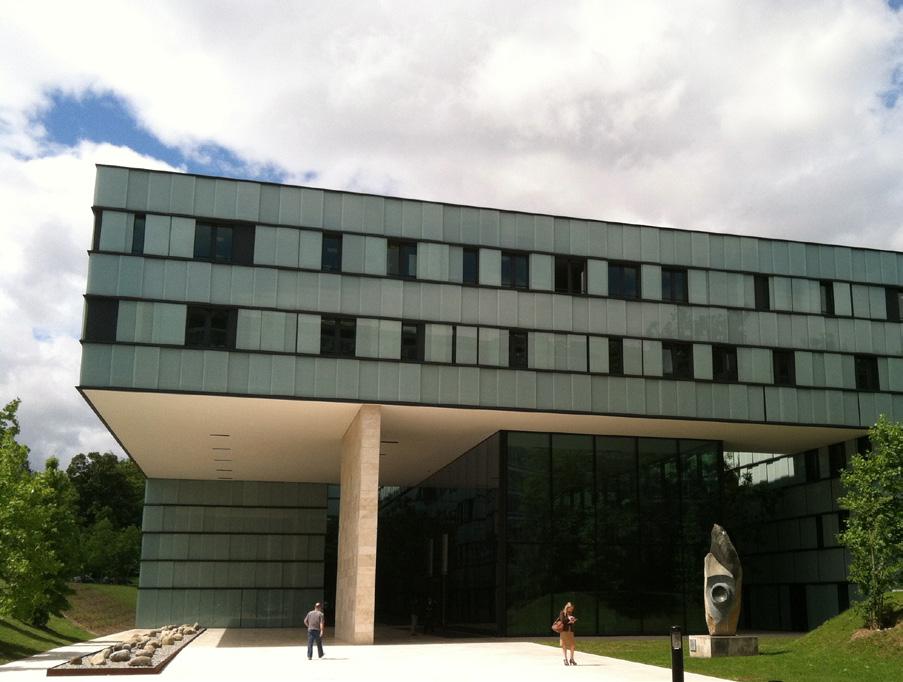
UNAIDS Building which also houses RBM and Stop TB.
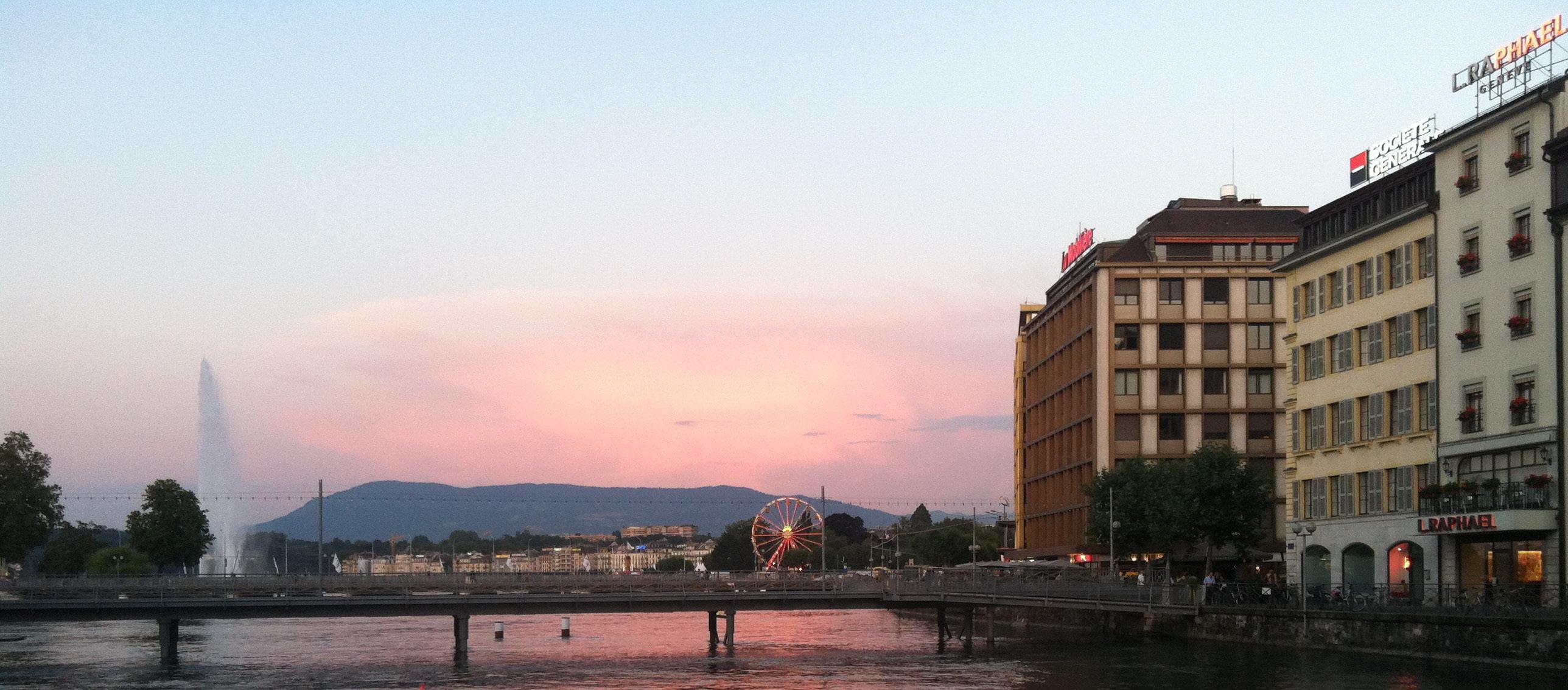
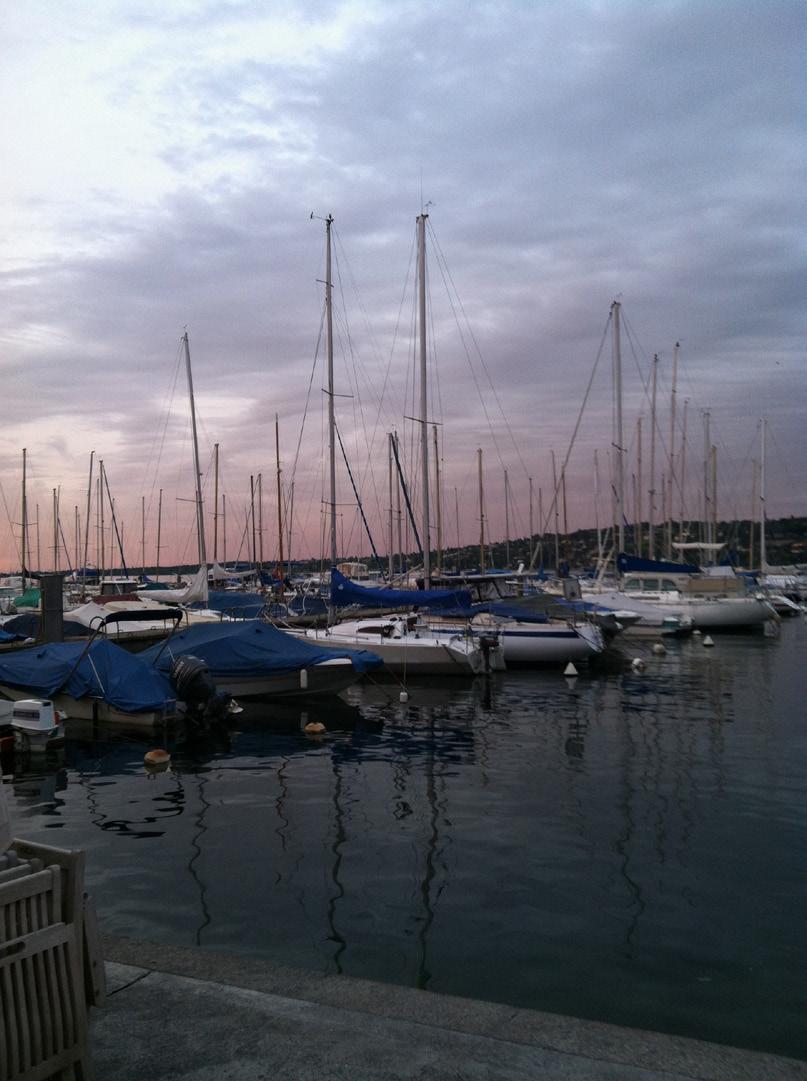
Situated at the western end of Lake Geneva, Geneva is surrounded by the Alps and as a global city it is known for its culture and beauty. This is Jet d’eau in the background at sunset on the River Rhone.
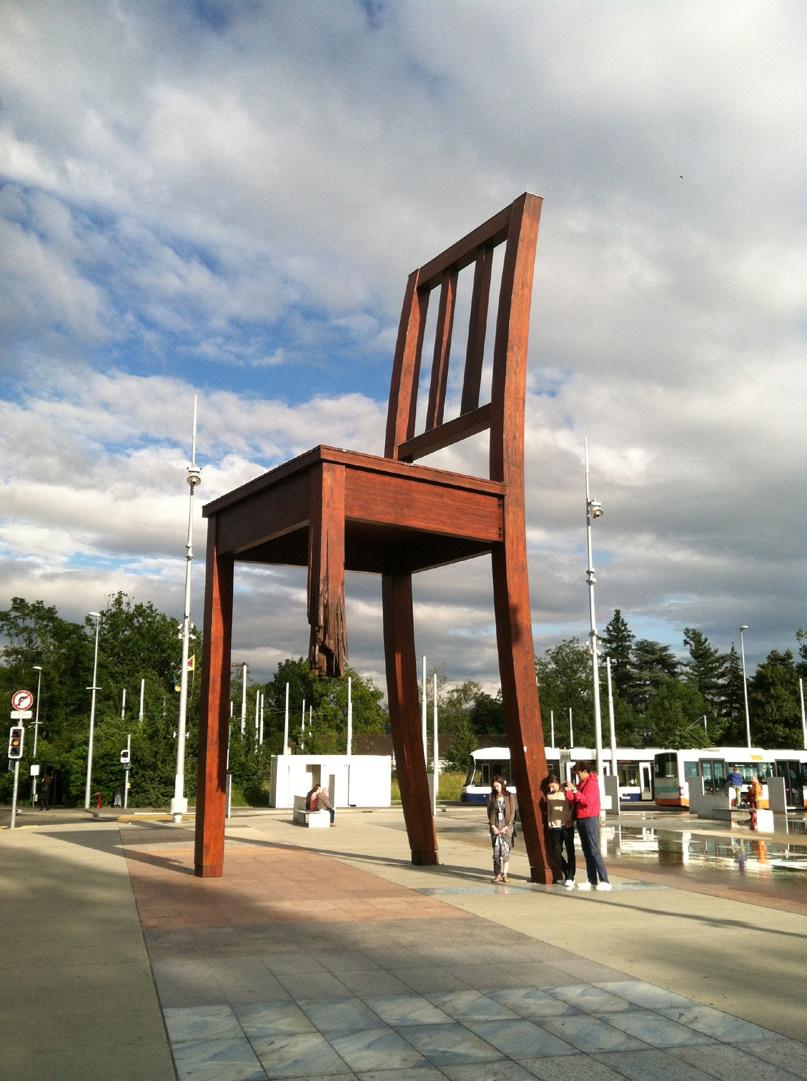
The “broken chair” at Place de Nations, a sculpture symbolizing opposition to the use of land mines and debilitating warfare.
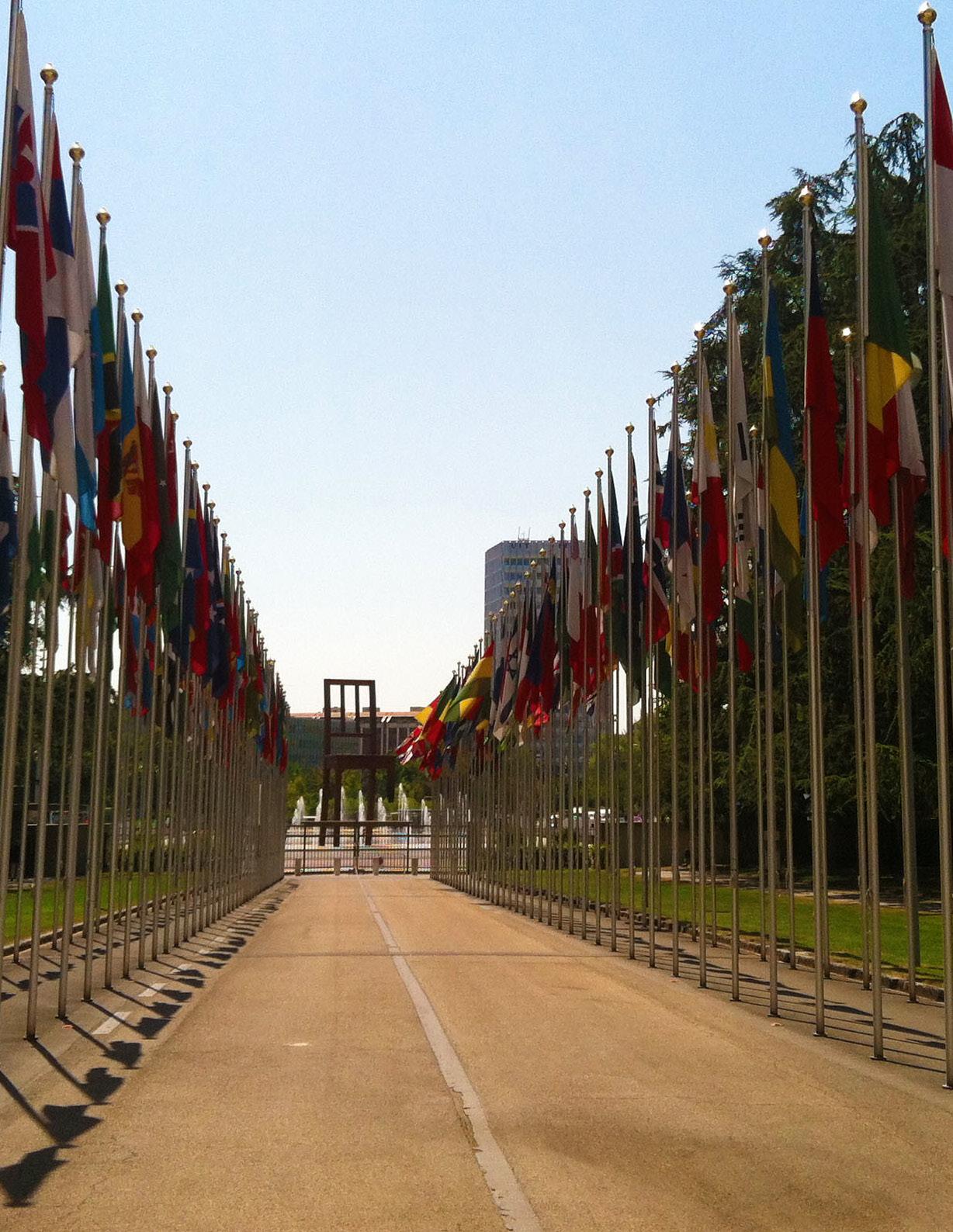
Next page : Besides the World Health Organization, Geneva is known for being the home of the United Nations, the WTO, ILO and many other international NGO’s devoted to labor, trade, global health and peace.
MICHAEL
FEATURES

Fellow University of Miami MD/MPH students, Michael Maguire and Jason Heffley (whose project in Cornwall, UK is featured in the next page) worked in Europe simultaneously on their field experience as Global Health Scholarship recipients.
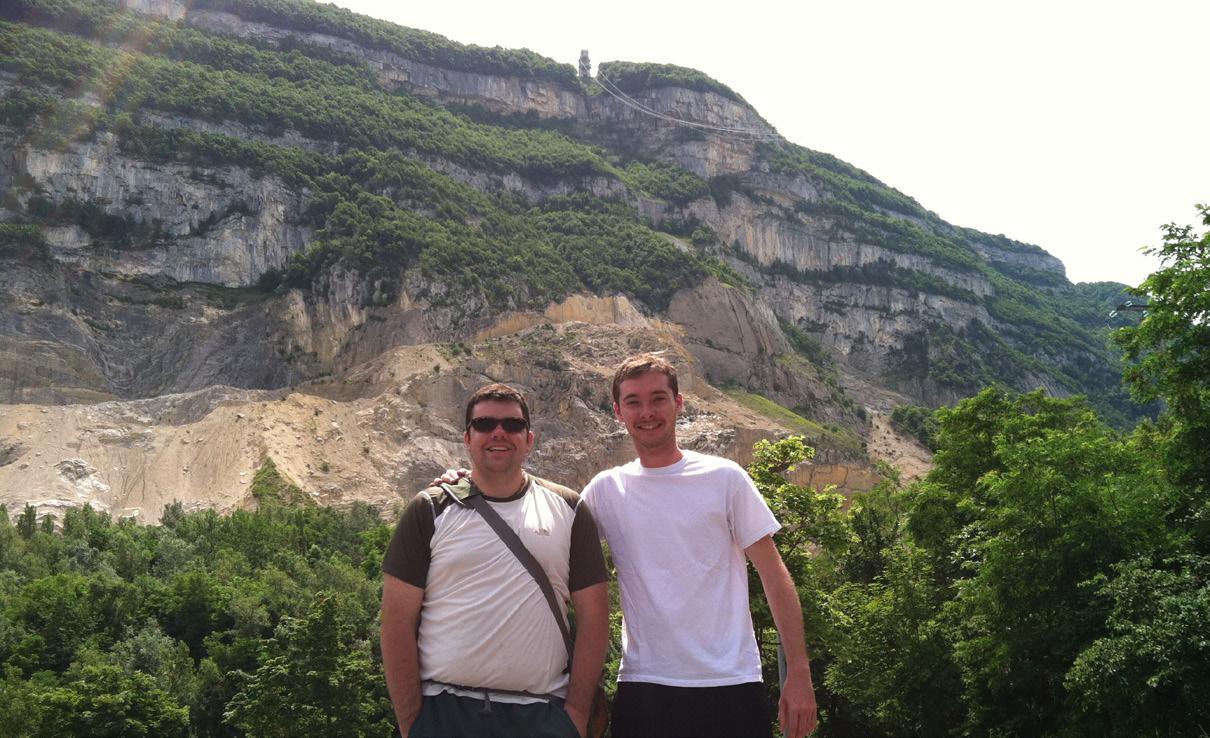
Before climbing Mount Saleve, outside Geneva, Switzerland, a French Alp foothill.
Farmer’s Market in Ferney-Voltaire, France only a short bus ride on public transport from Geneva, Switzerland, where many do their weekly grocery shopping. O
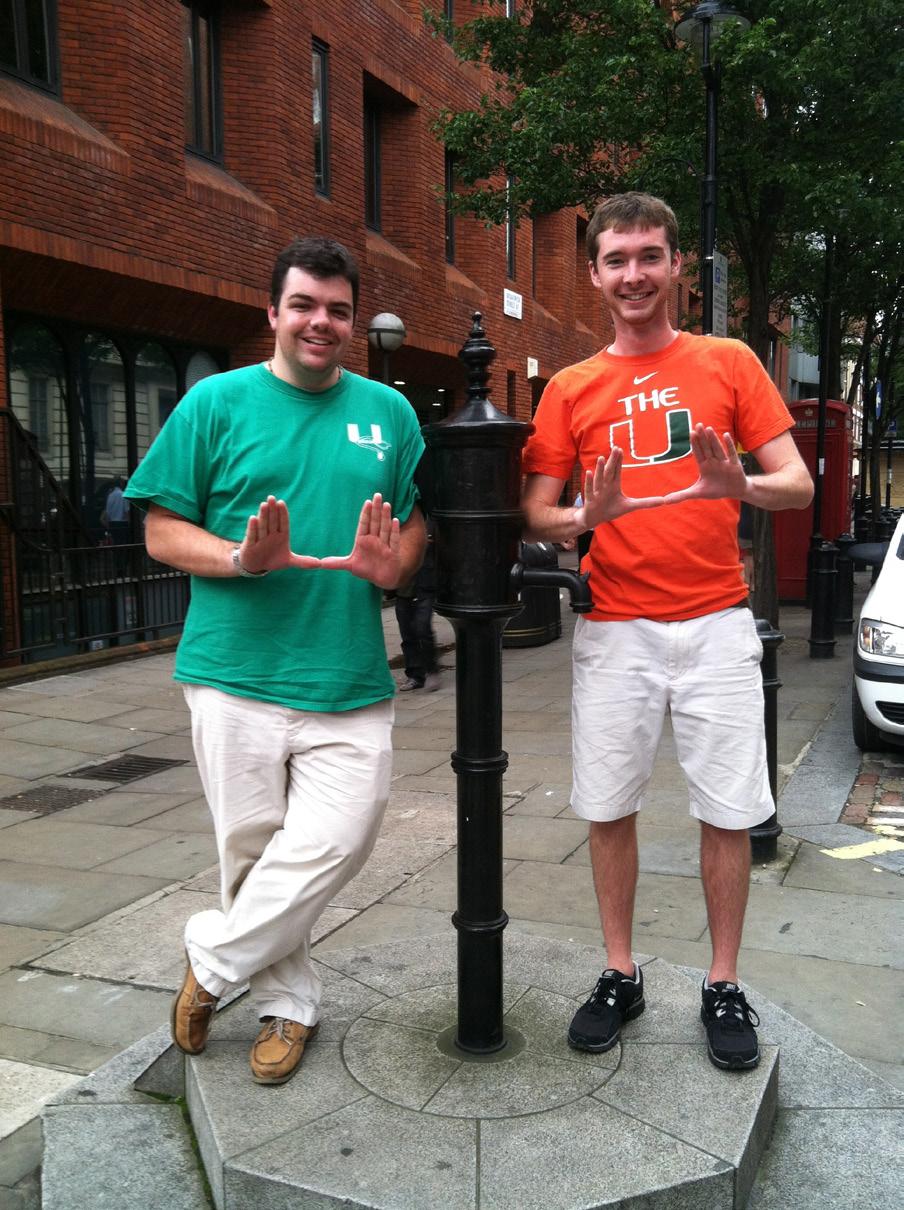
Standing alongside the Broad Street Pump, historical site of London’s 1854 cholera epidemic and John Snow’s contribution to modern epidemiology in London, England.
ENVIRONMENTAL HEALTH RESEARCH IN CORNWALL, ENGLAND
BY JASON HEFFLEY

Cornwall, a peninsular county in the most southwesterly part of England, is a prime location for conducting research in understanding the positive health of effects of human interactions with the sea.
DETAILS
At low tide, as in this picture, the sandy beaches seem endless.
European Center for the Environment and Human Health, Cornwall, United Kingdom. Jason worked in the UK this past summer on investigating pharmaceutical toxins in the environment and evaluating their potential impact on human health.
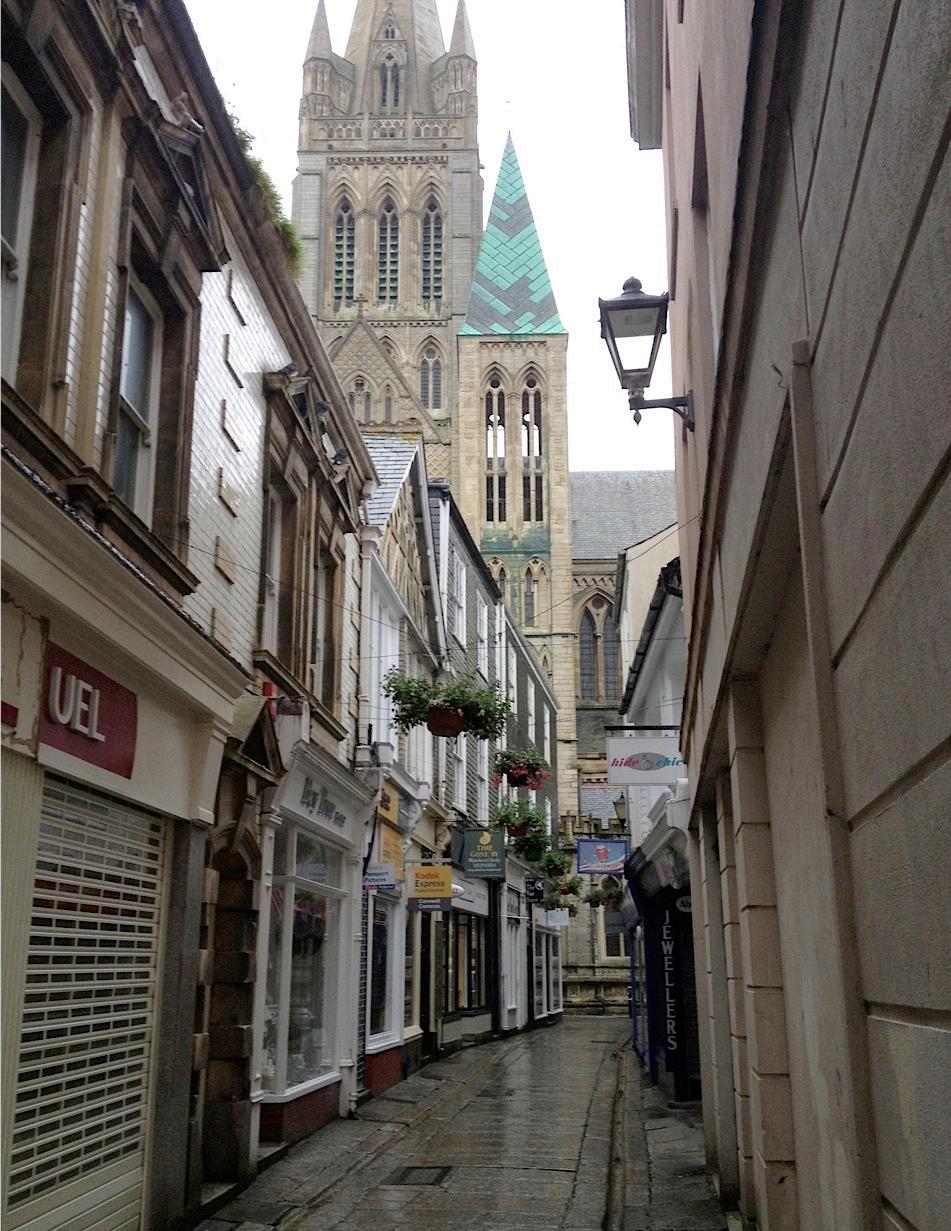
Next page : The European Centre for the Environment and Human Health is located in Truro, Cornwall in the southwest of England. The narrow streets lead up to Truro Cathedral, the centerpiece of the city.
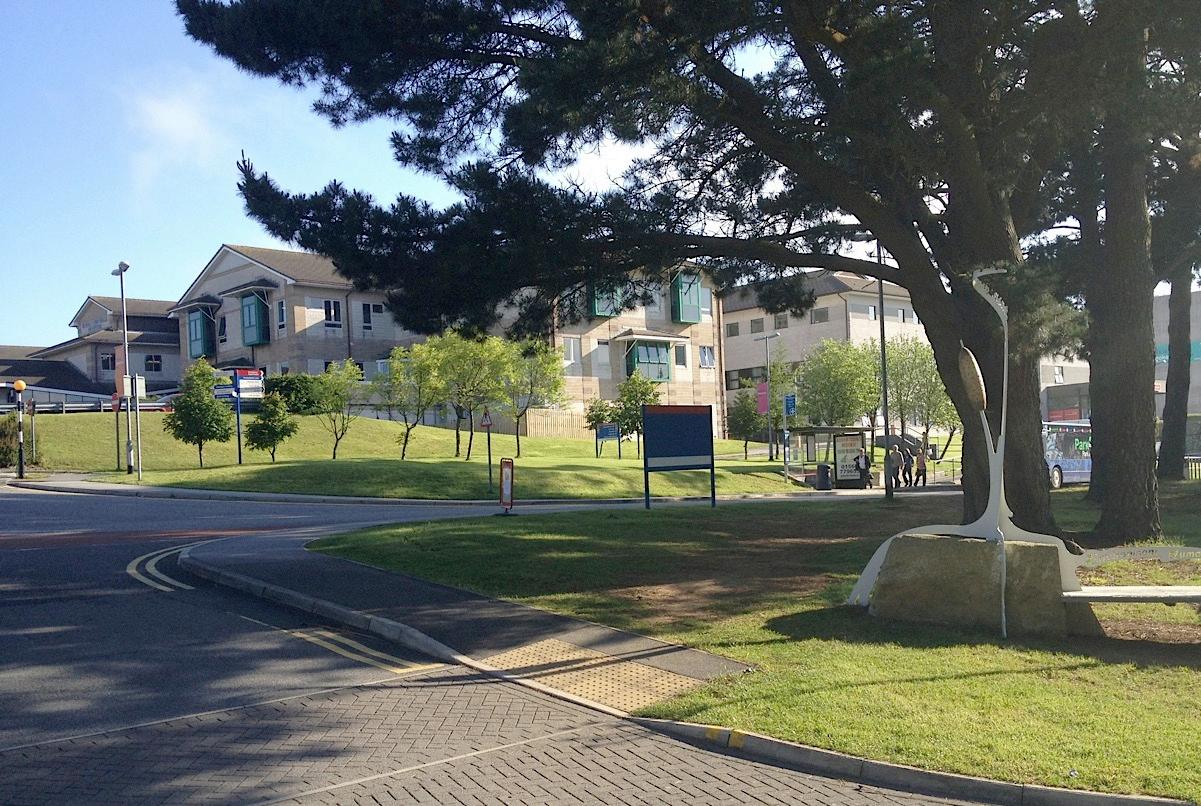
The Knowledge Spa at the Royal Cornwall Hospital is home to the European Centre for the Environment and Human Health.
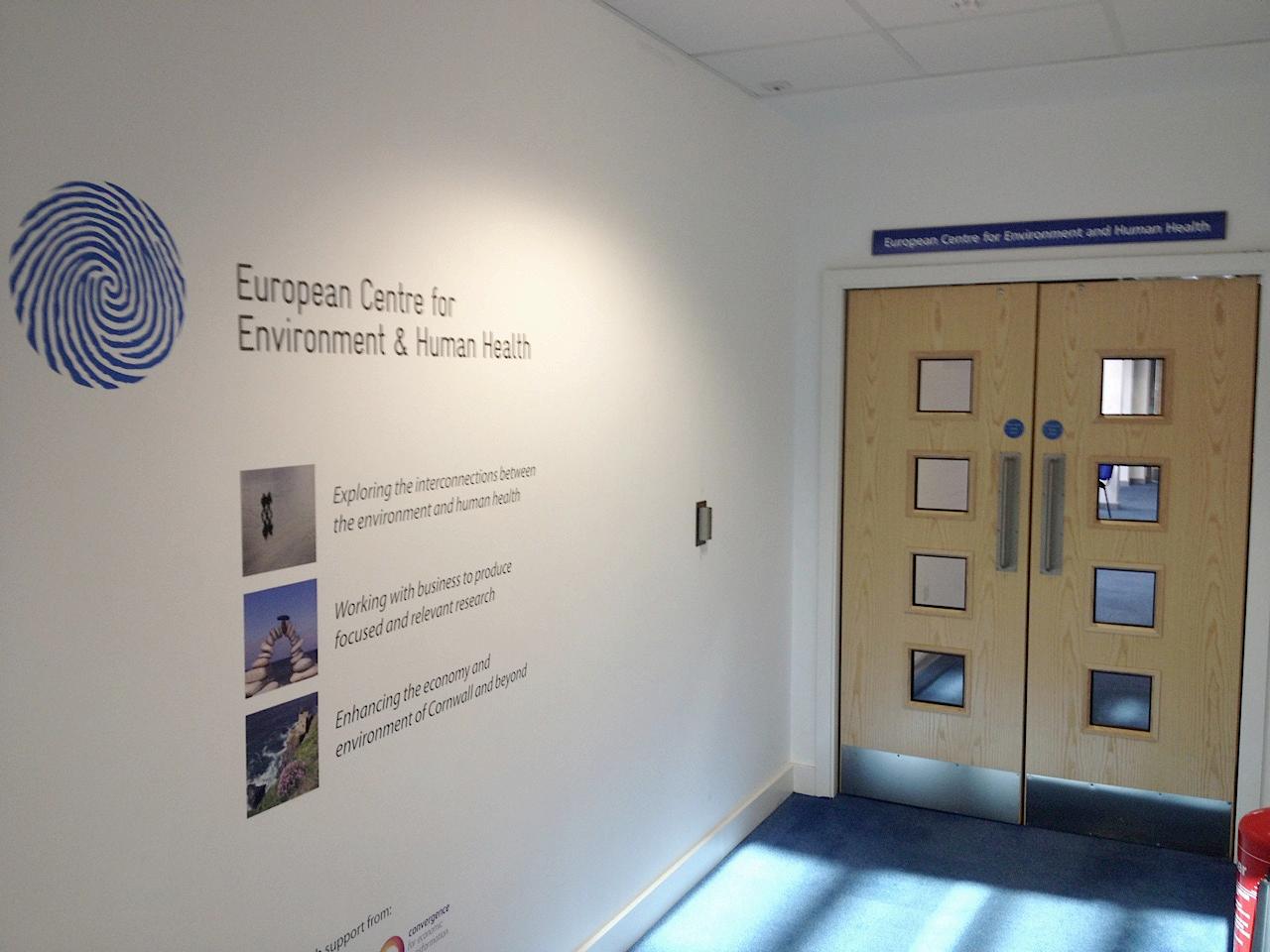
The European Centre for the Environment and Human Health aims to conduct world class investigations that focus on the interaction between human health and the environment. The multidisciplinary centre fosters an environment of intersectoral collaboration amongst the many researchers and students. O
ORAL HEALTH ASSESSMENT IN THE DOMINICAN REPUBLIC
BY NICK CNOSSEN, CARLY RIVET, BRANDON HENDRIKNSEN
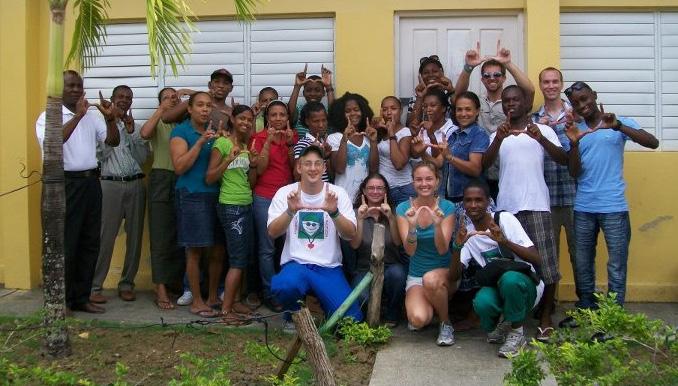
The group with all the community health workers from Puerto Plata.
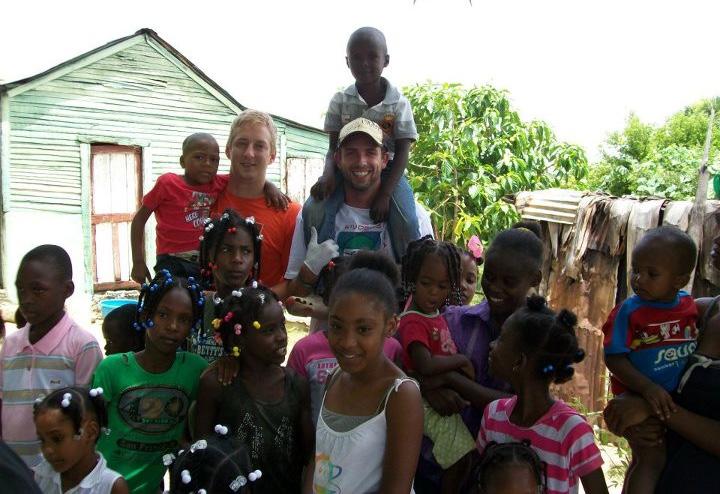
Brandon and Nick with the children of Los Hoyos.
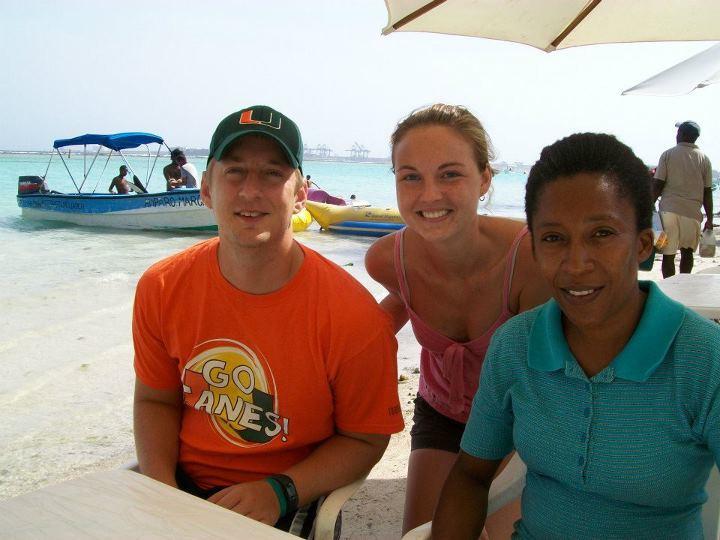
At seven in the morning, the weary travelers head to the local bar for a few Presidentes prior to clinic.
DETAILS
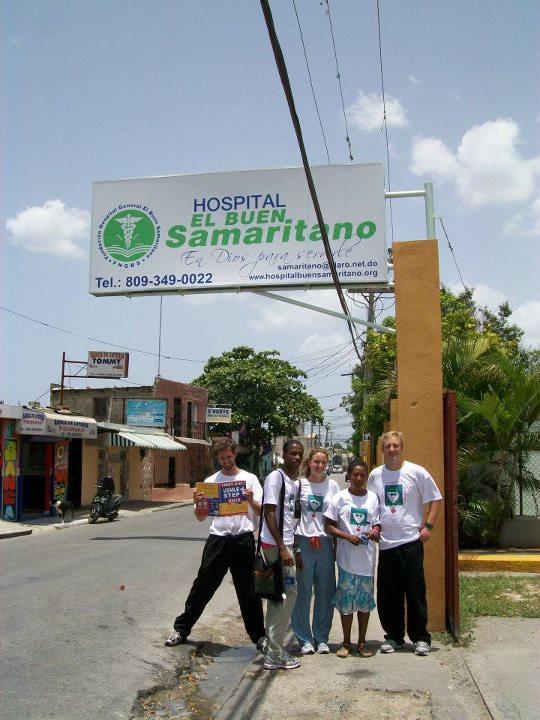
Medical Students in Action, Dominican Republic. Nick, Carly, and Brandon have been traveling to the Dominican Republic to work on completing a baseline assessment to see if it would be feasible and acceptable to implement an oral health intervention aimed at decreasing decay and extractions through the application of fluoride varnish to children.
Brandon, Carly, and Arelis on the beautiful beaches near Santo Domingo.
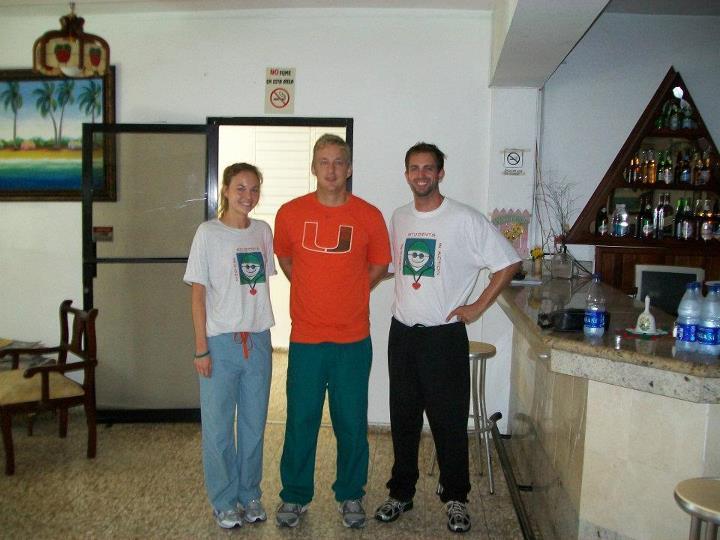
A group shot in front of a hospital in La Romana.
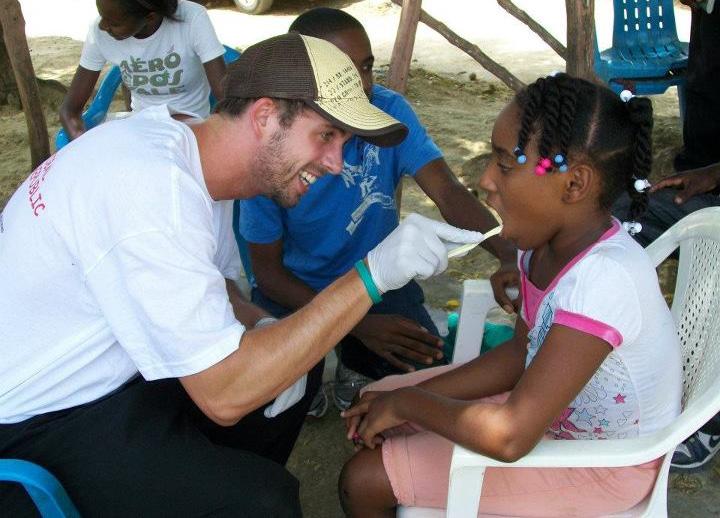
Nick attempts to imbue enthusiasm in an unimpressed patient.
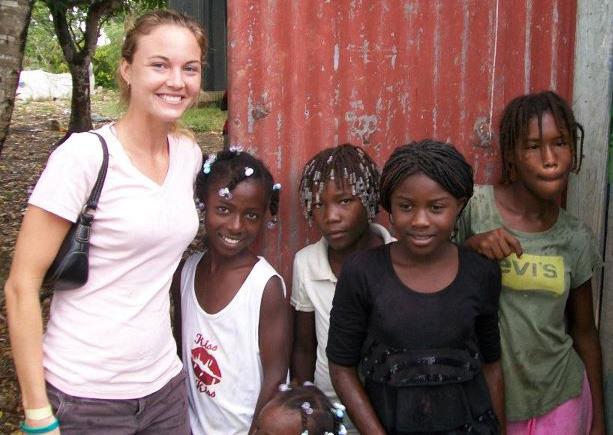
Carly chillin’ with children from a rural immigrant Haitian village.
INTERSECTORAL COLLABORATION IN THE DOMINICAN REPUBLIC
BY RAMMY ASSAF
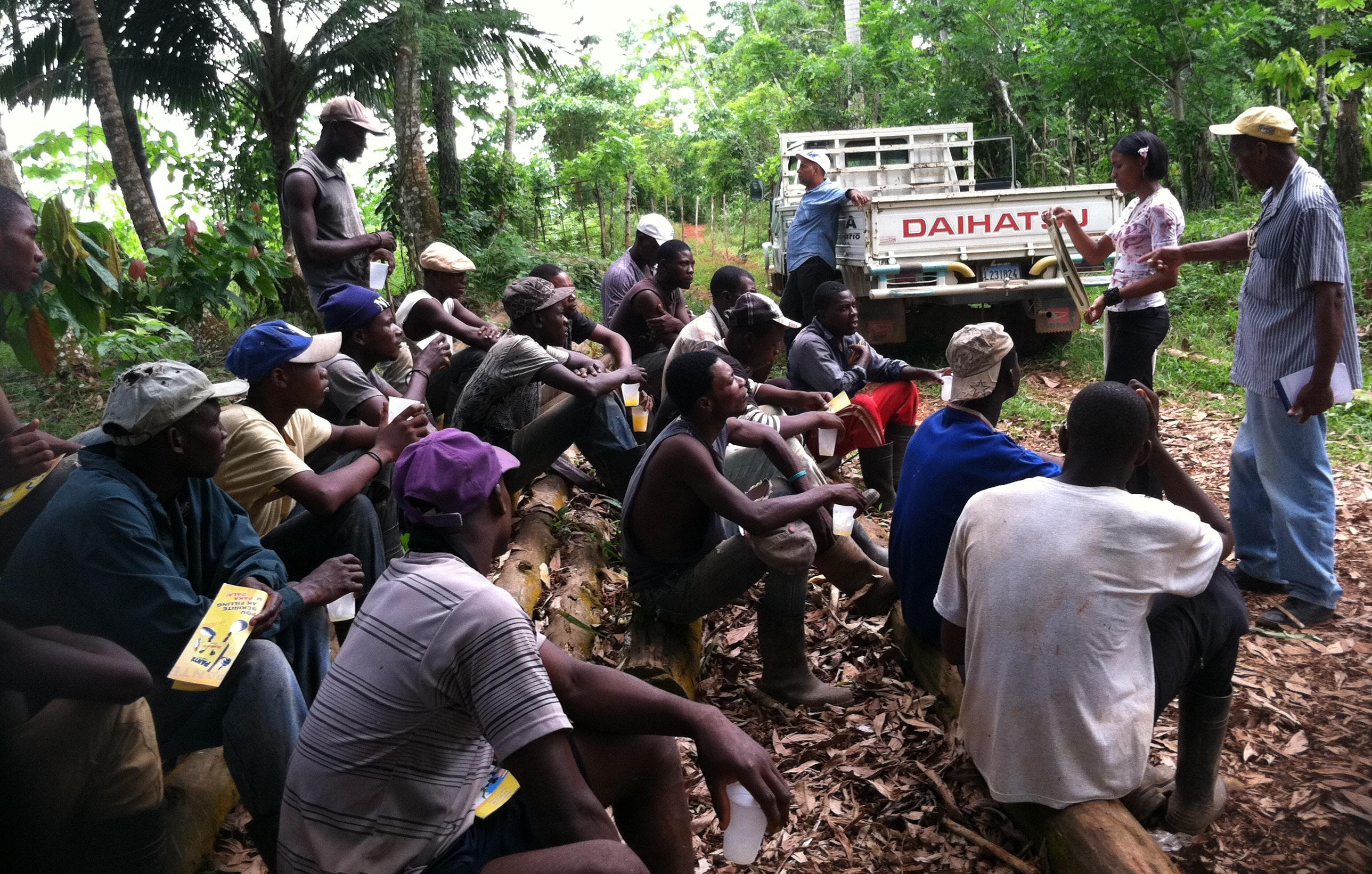
Batey Relief Alliance mobilizes its STD prevention team and leads a culturally sensitive workshop among Haitian agricultural workers by their farmland.
DETAILS
Rammy traveled to Peru and Dominican Republic to gain insight into how to support the health of impoverished populations, while working along the lines of political disenfranchisement. Farmworkers in the Bateyes face severe discrimination from the Dominican government and often lack citizenship documentation. He also hoped to gain a direct perspective of what it takes to operate a humanitarian-based umbrella organization, which incorporates the work of NGOs, governmental agencies, religious groups, and international aid. Additionally, his service in the Kausay Wasi clinic provided first-hand experience in intersectoral collaboration: between the fields of medicine, public health, and local small-scale businesses that draw support from the clinic.
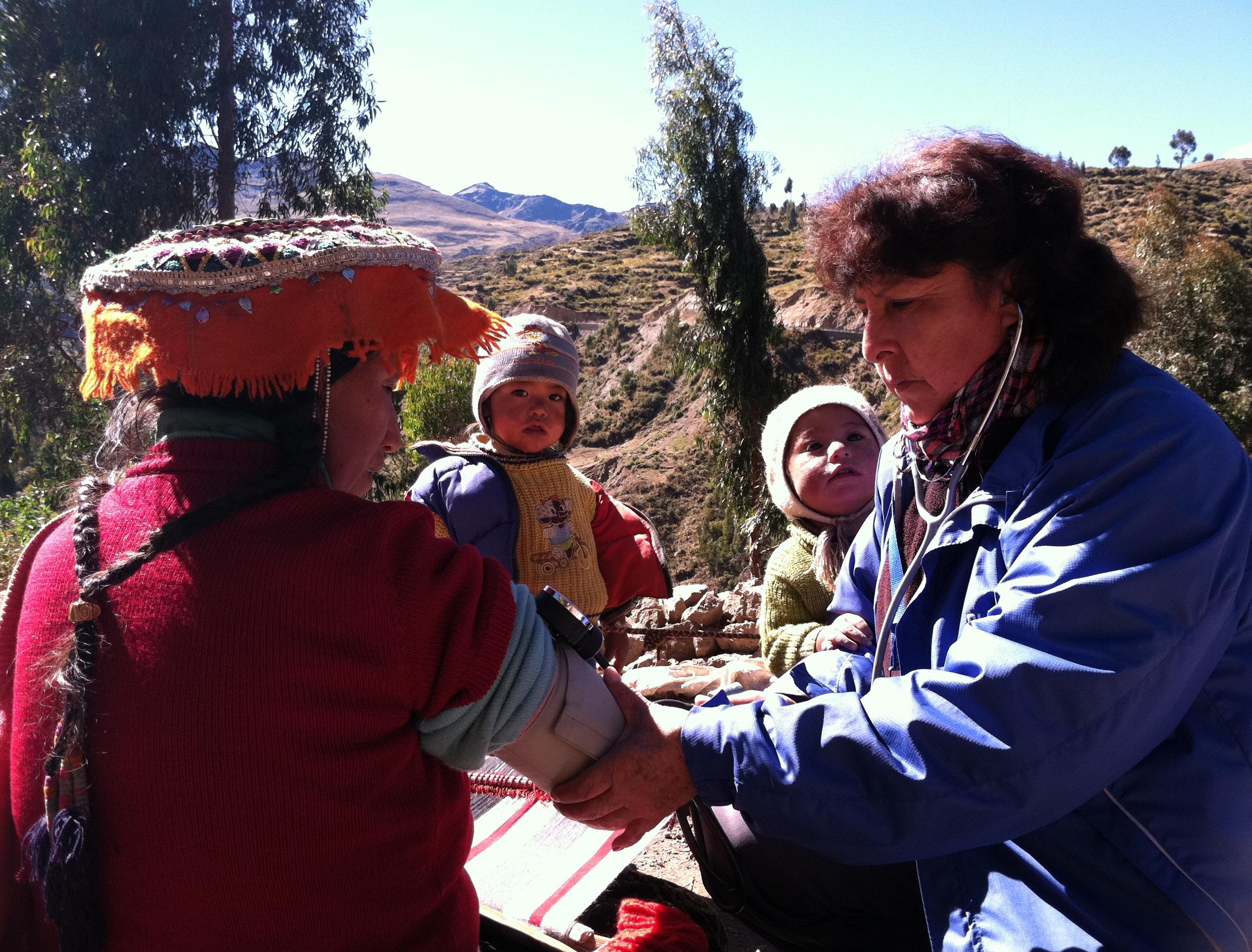
Kausay Wasi clinic’s rural nurse checks the blood pressure of an indigenous Quechua woman while her children watch. The nurse makes weekly hikes to provide continuity of care to rural communities in Peruvian mountain ranges.
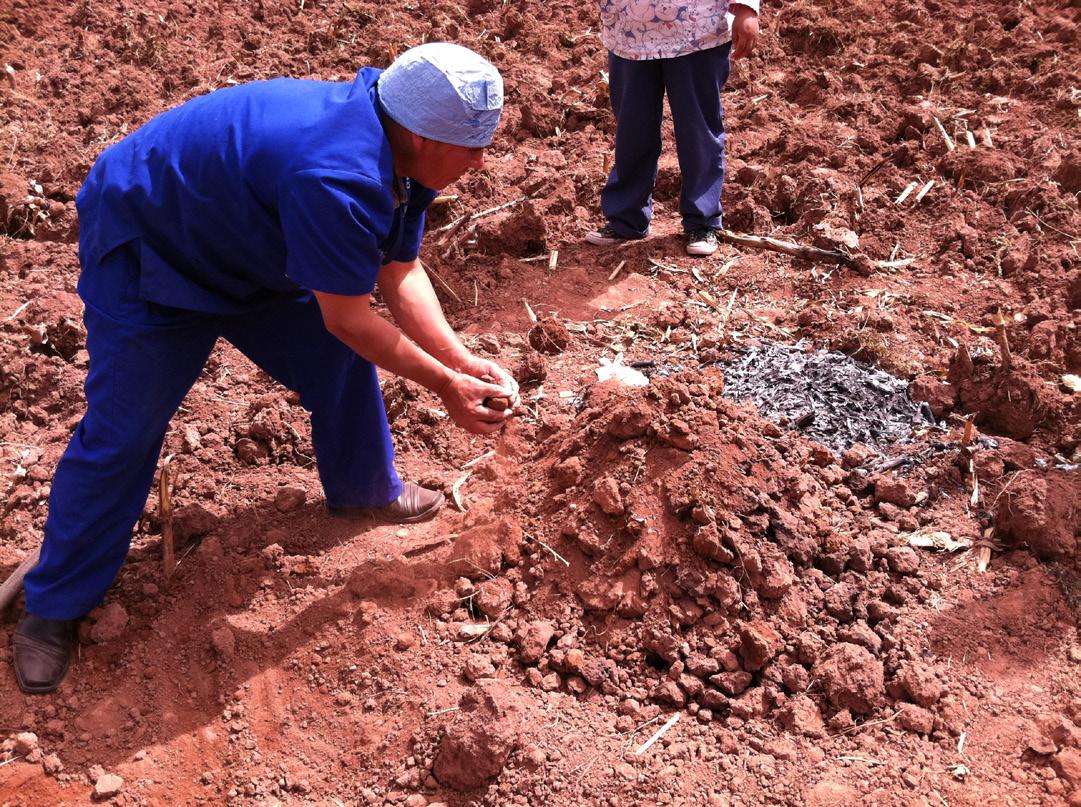
Kausay Wasi clinic worker takes a break from work to prepare a meal for the rest of the staff. Pachamanca, Quechua for “earthen pot” is a tradition in which coals are heated and meat, potatoes and other goods are kept inside. It’s covered with earth and bakes for about 2 hours - then the food is dug out and served. O
HIV/AIDS INTERNSHIP IN THE DOMINICAN REPUBLIC
BY KELLY GRANNAN
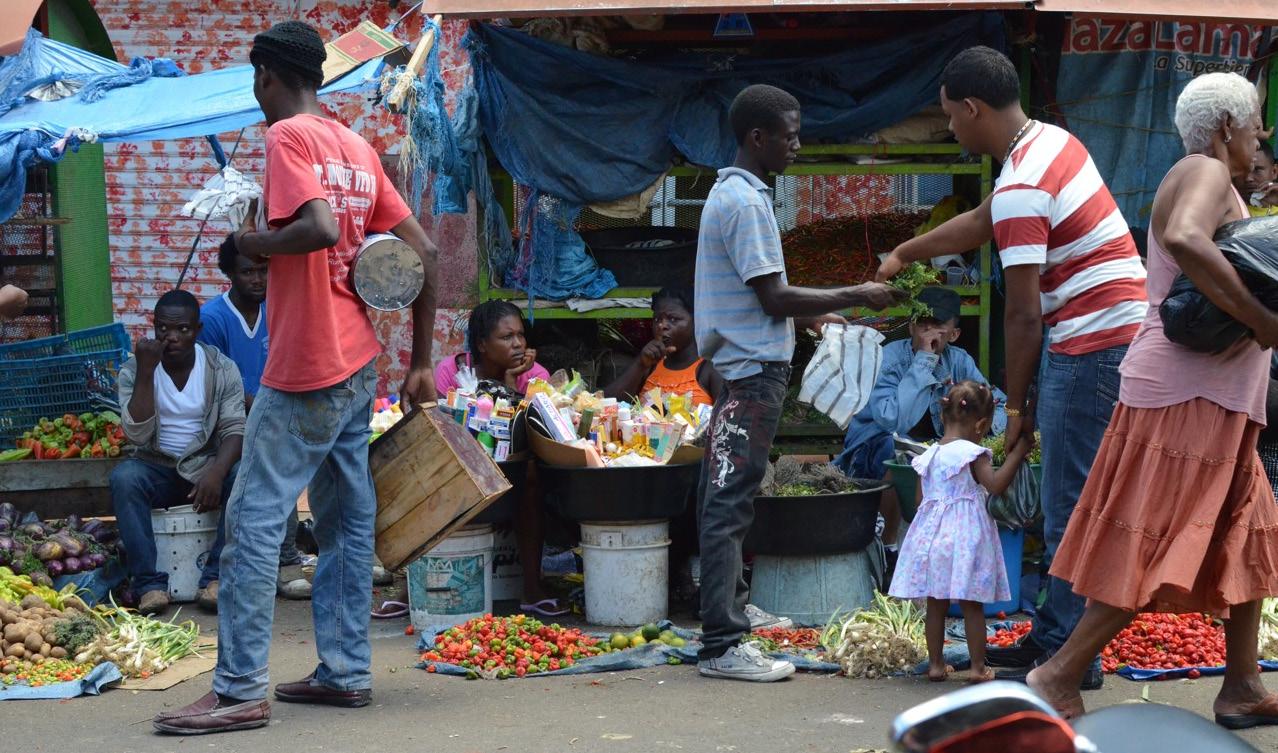
Market place in Santiago, Dominican Republic, where I visited my host family and professor from study abroad during my undergrad.
DETAILS
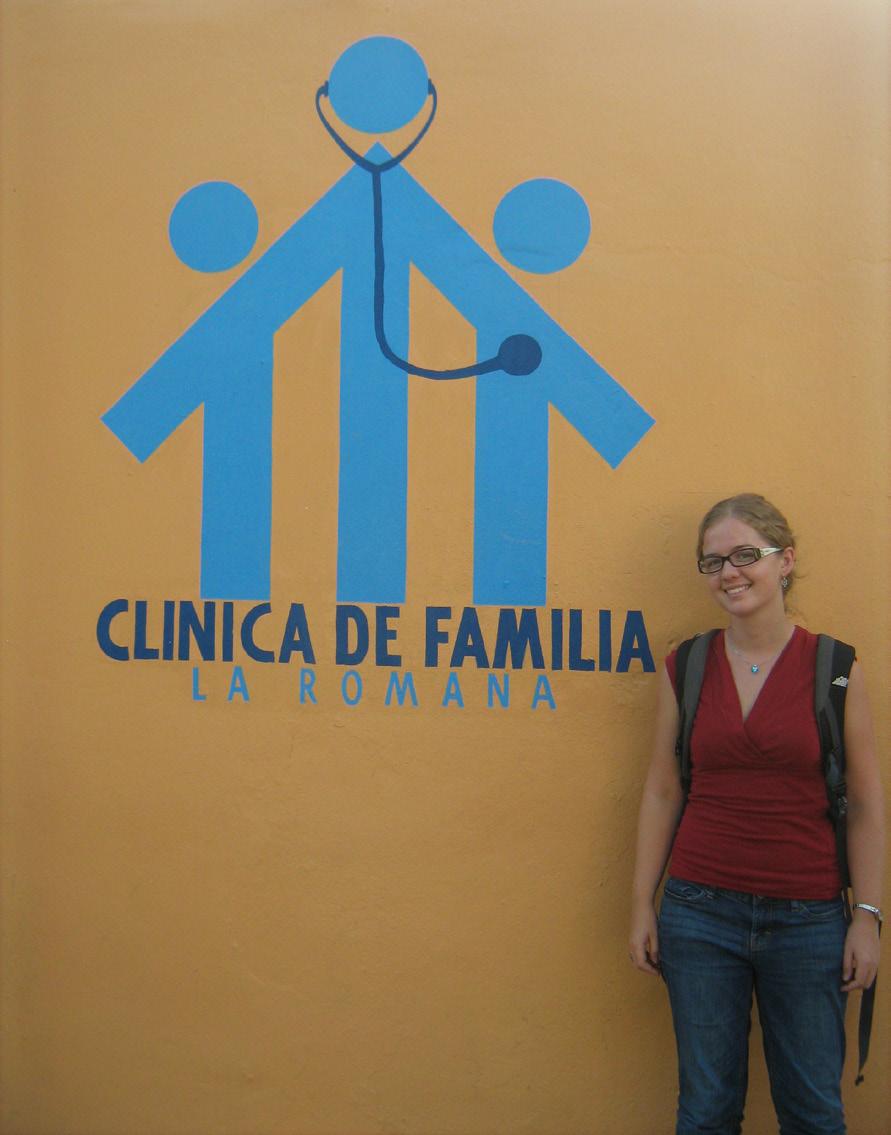
Kelly participated in an internship with International Family AIDS Program in La Romana, Dominican Republic in summer 2012.
This is me in front of the logo for the HIV clinic where I was working at.
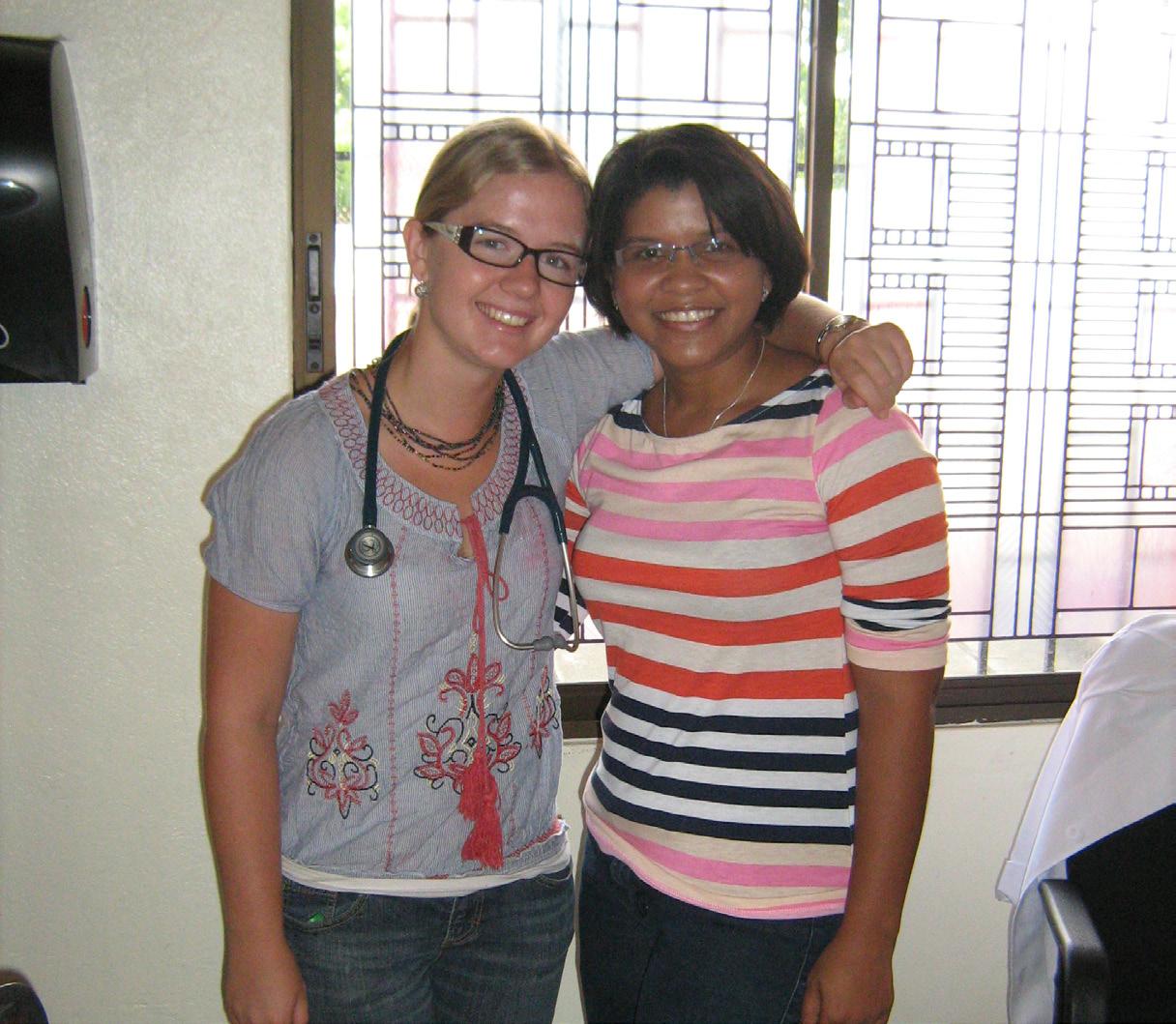
This is me with all of the students from the Columbia University School of Medicine that were also working at the clinic. The leftmost person is the student coordinator of the International Family AIDS program.
This is Dr. Molina. She is an internist that I worked with for the HIV knowledge surveys, and shadowed for long-term maintenance therapy for HIV positive patients. O
MATERNAL HEALTH RESEARCH IN THOMONDE, HAITI
BY JULIE LAVASSEUR AND ADAM CROSLAND
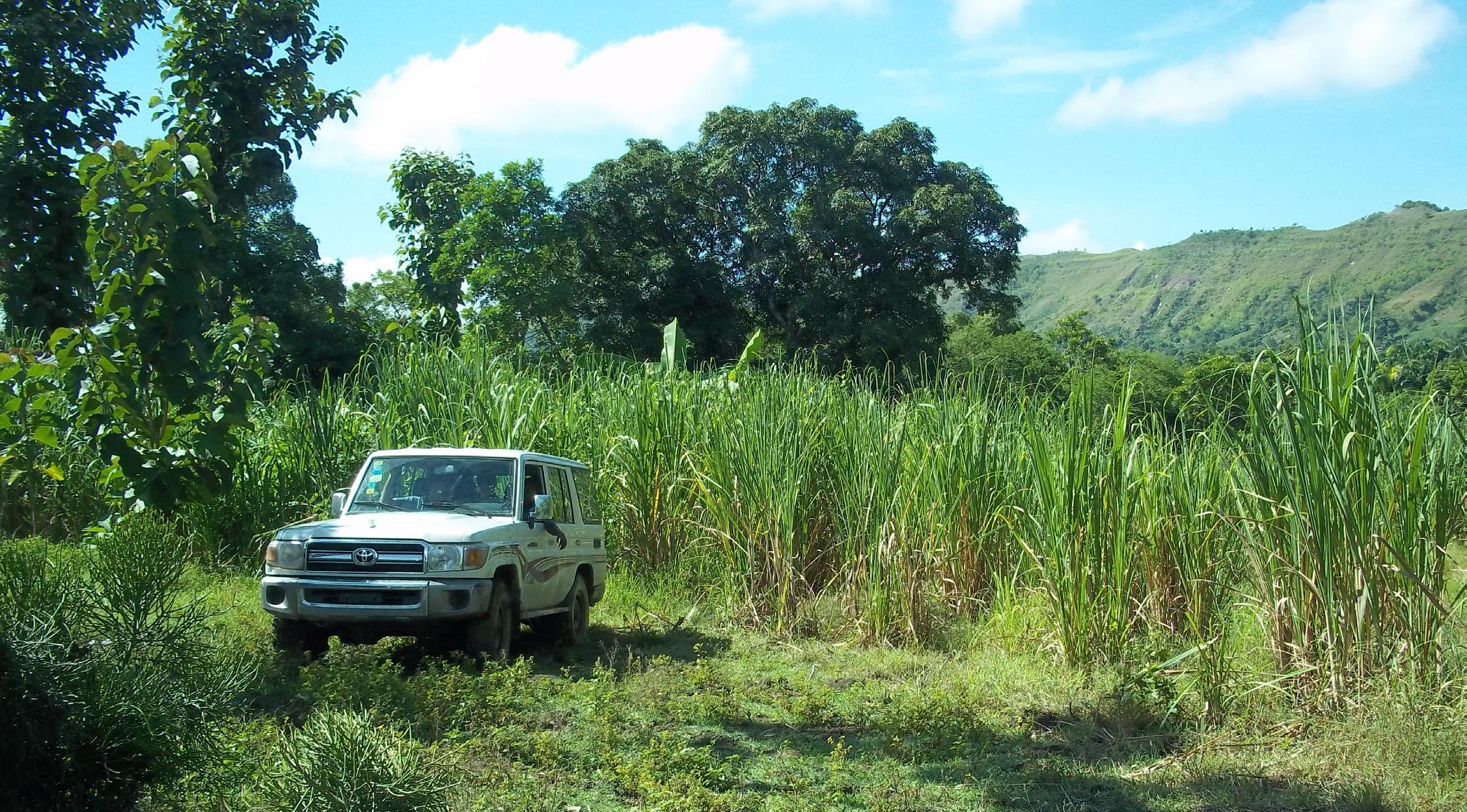
“Off roading in Haiti”-- During our trip out to do community outreach, our jeep got stuck in the mud. This shows how in general roads in the central plateau of Haiti are non-existent. If our 4 wheel drive vehicle had difficulty with transportation, one can imagine how difficult it is for people of the community to travel down the mountain side in search of medical care.
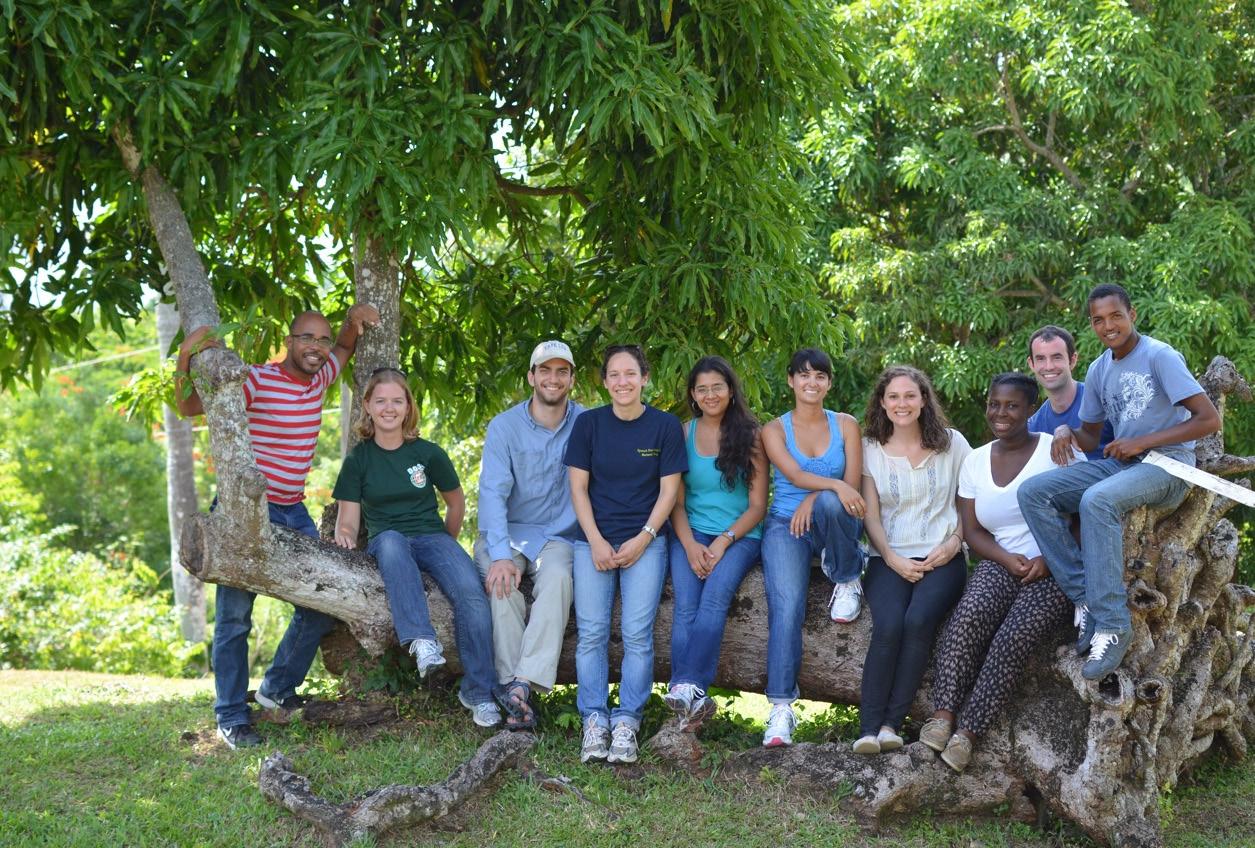
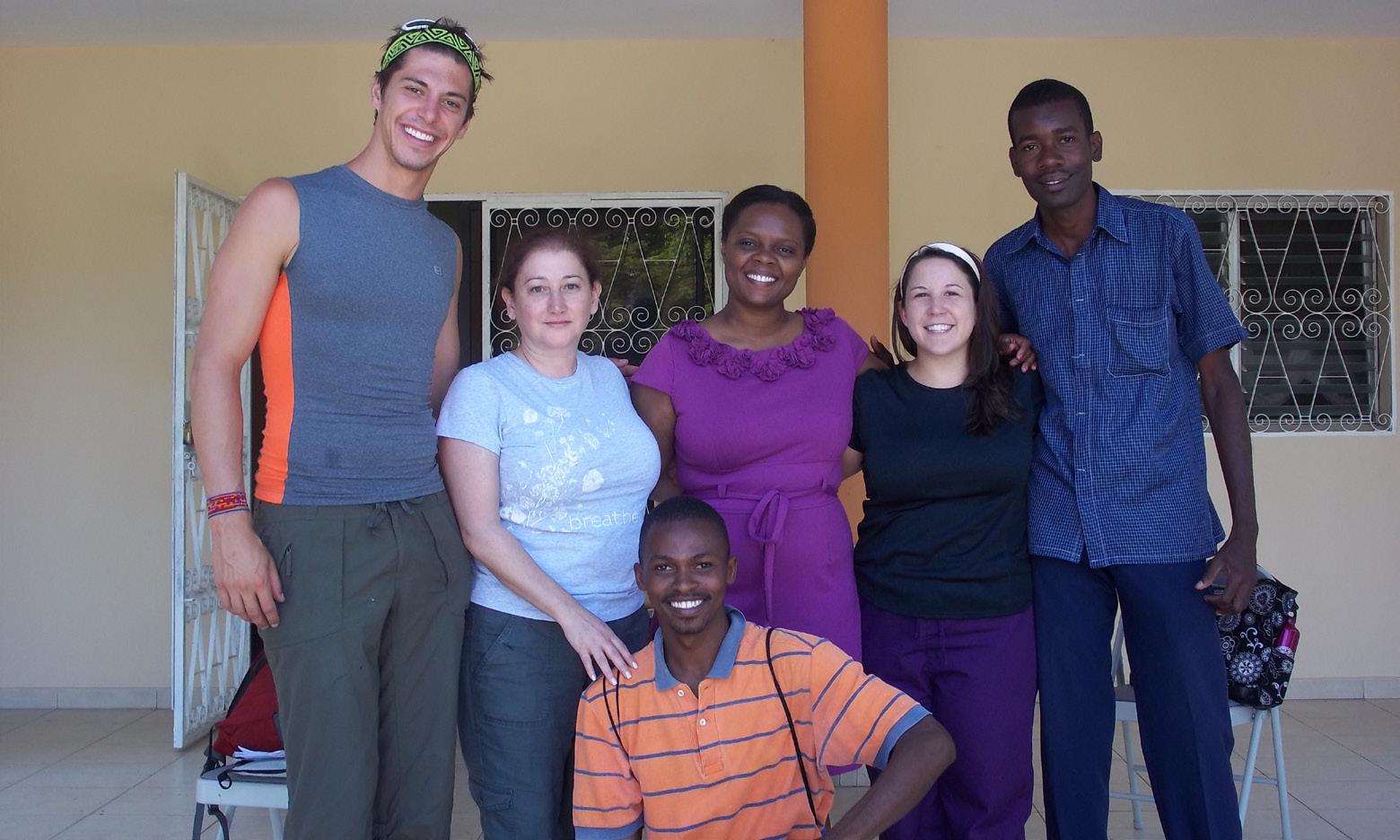
Our public health team working with Project Medishare in Thomonde. From left to right- Adam Crosland (MD/MPH student), Dr. Chakhtoura (MD/MPH), Geralda Duverny (ARNP/MPH), Julie Levasseur (MD/MPH student), Michelet Desire (translator), and in front, Jean Baptiste (translator).
FEATURES
DETAILS
Through the Center for Haitian Studies, Miami, Florida & Project Medishare, Haiti, Julie used her field experience to evaluate the differences in pre-natal care and maternal health between the immigrant Haitian population of Little Haiti and the Haitian women being served at the Medishare Hospital in Haiti.
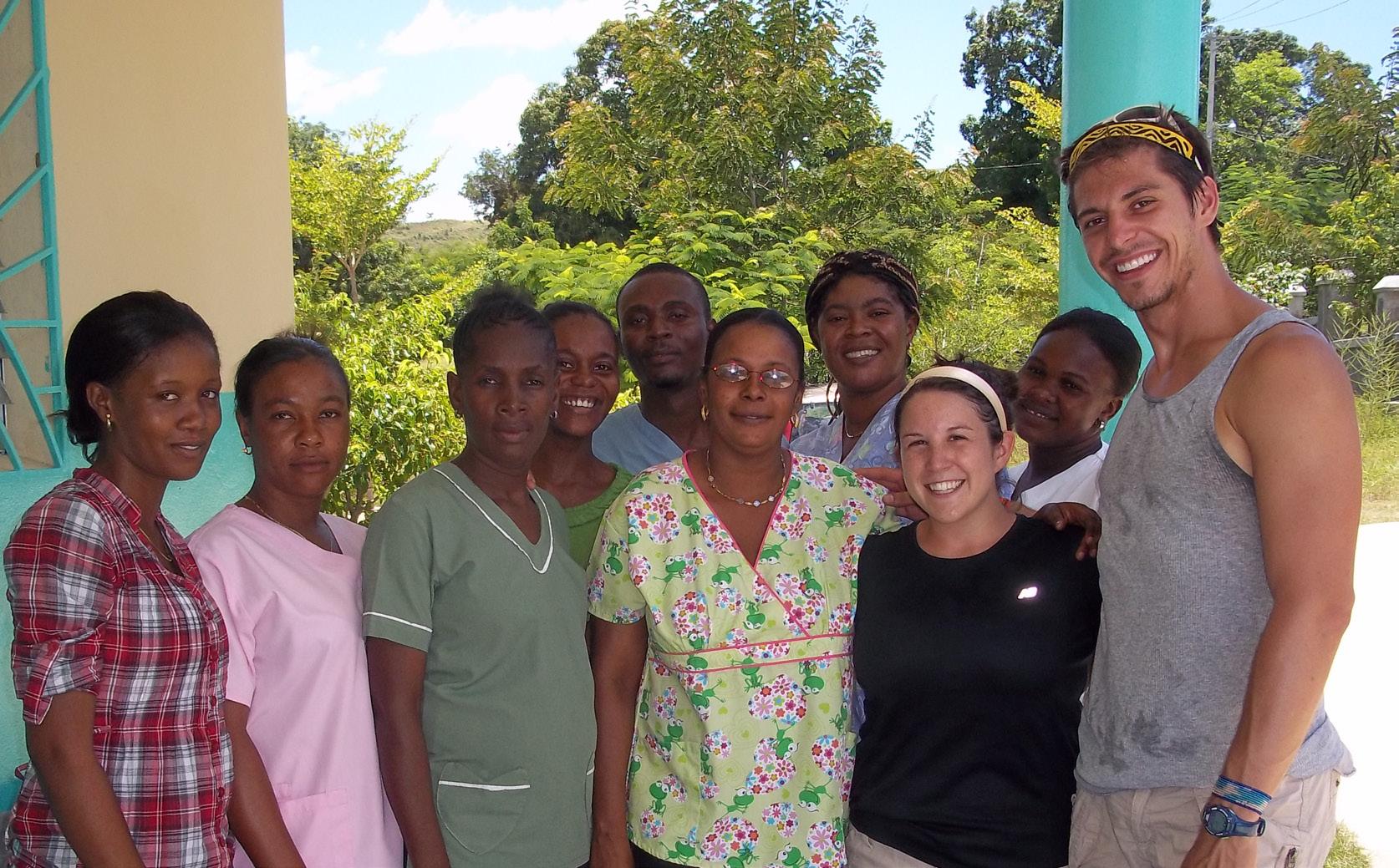
MD/MPH students, Adam Crosland and Julie Levasseur, working with the medical staff at Project Medishare’s Maternal Health Center. The center is located in the central plateau of Haiti and offers pre-natal care, family planning, and a safe place for women of the community to deliver their babies.
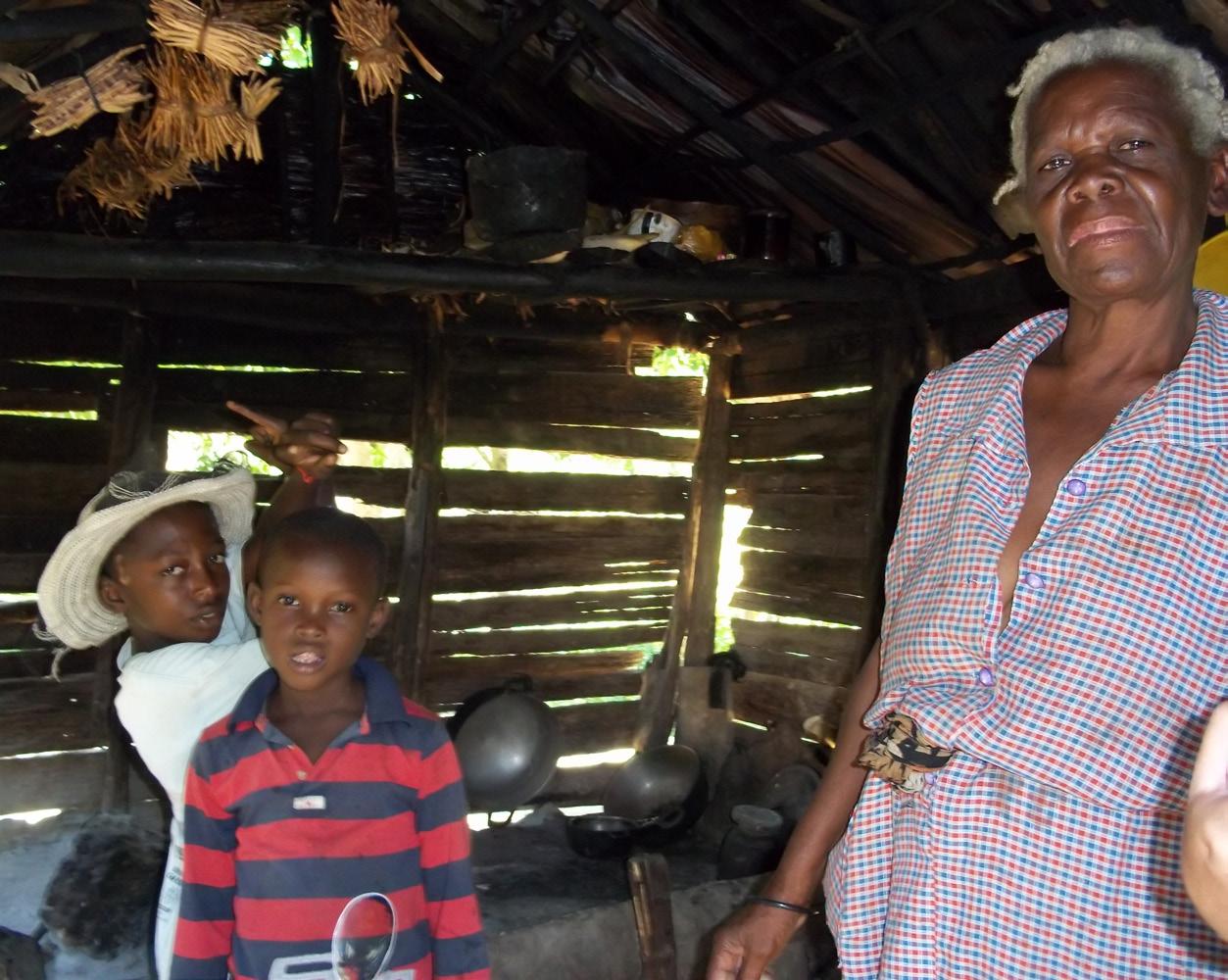
A Haitian grandmother and her two grandsons gracious enough to show us their kitchen and how they prepare the family’s meals. O
DETAILS
In Haiti, Adam Crosland assessed the efficiency of their mobile clinics that extended to rural parts of the community in the Central Plateau. He surveyed women of child bearing age that looked at the difficulties the local women faced in obtaining care in their community and how the mobile clinics assisted in addressing these public health concerns. The survey also inquired about infant mortality rates (IMR) and community perceptions concerning maternal delivery methods and maternal healthcare.
The Car Ride in Fall
BY JOANNE DUARA
Slumping behind the wheel the mist and grime of Autumn and colorless sky
Room made for vibrancy in orange, gold brown red and fading, cowering greens
Fish-scales trim the houses, their comically colored facades withstanding the dreary slight of rain
Two leaves, two Burnt Siena leaves, stay pinned and wind-whipped to the car
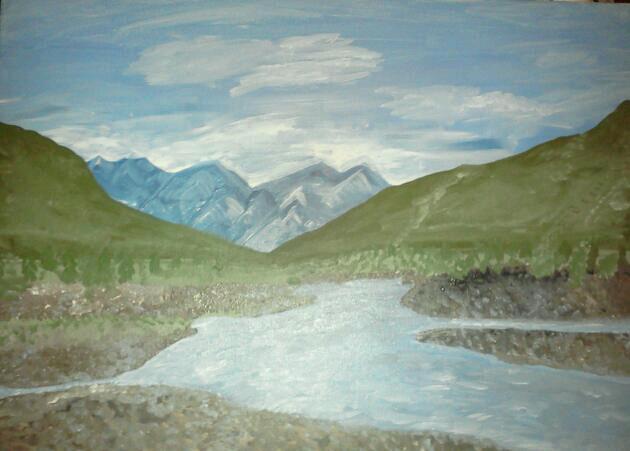
“ALASKA.” JENNIFER SCHWENK, ACRYLIC ON CANVAS
D D I I
The next issue of Obliterants will cover the theme of “Diversity” and we are currently accepting submissions-- essays, op-eds, stories, poetry, artwork, photographs, music, videos -- that go beyond stereotypes and “the single story”, and instead celebrate the richness and complexity of our lives and experiences, within and outside of healthcare. We especially hope to bring to light perspectives, stories, and expressions that are often misunderstood, underrepresented, or even rendered “invisible.”