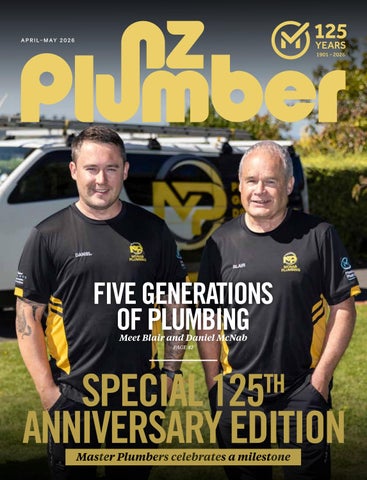
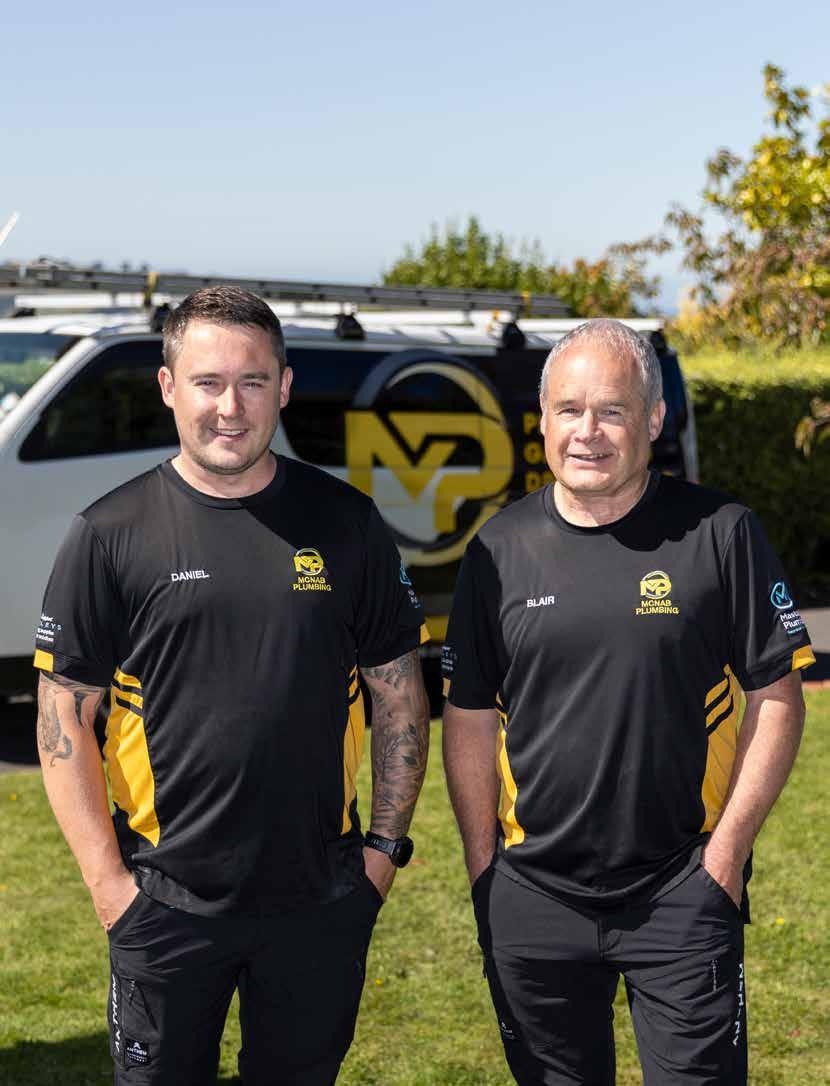
FIVE GENERATIONS OF PLUMBING
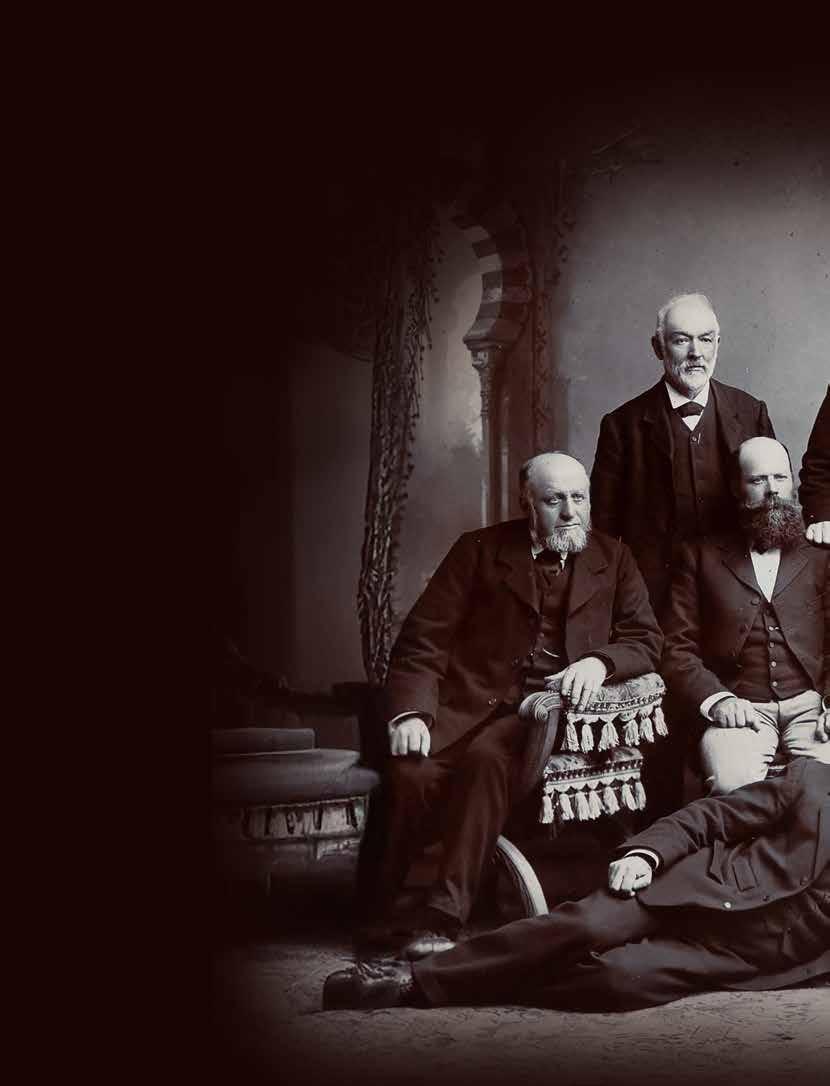
The rapid growth of towns and cities in Aotearoa New Zealand at the turn of the 20th century led to the start of the national Master Plumbers Association in 1901, with public health threats like typhoid driving the need to raise sanitation standards. NZ Plumber looks back over 125 years of history for the plumbing, drainage and gas industry.
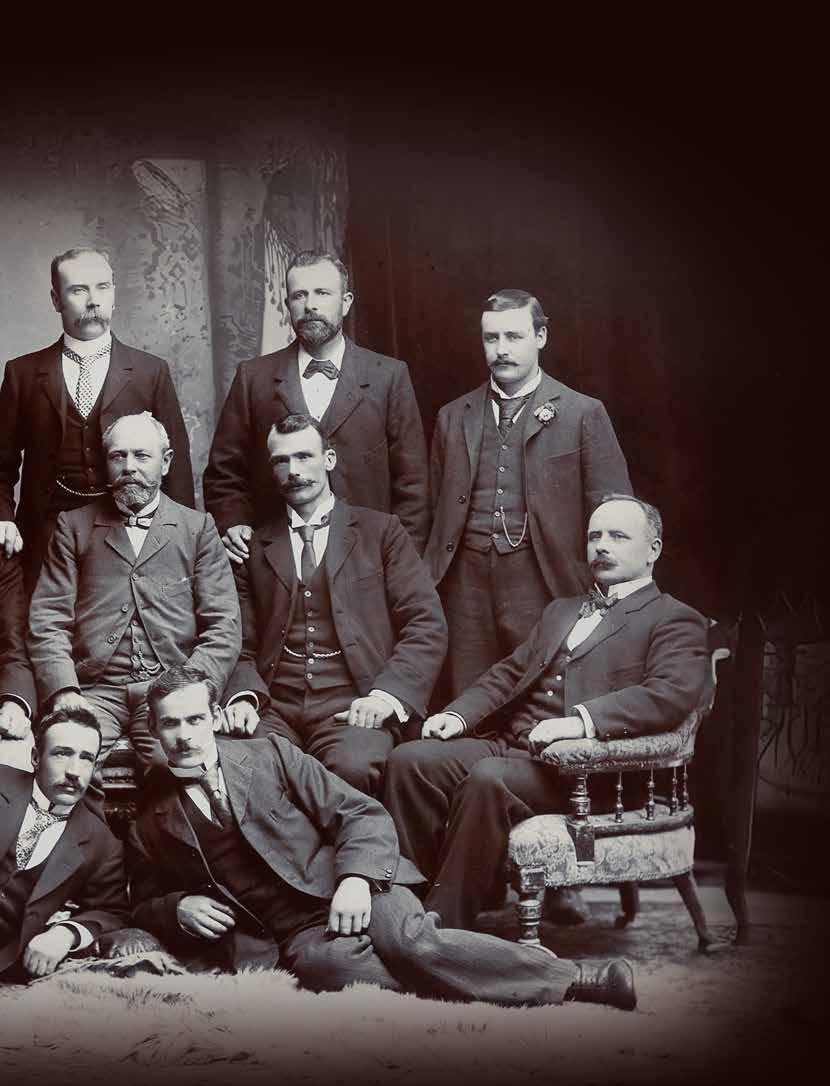
This photograph shows the 11 delegates at the very first national convention of Master Plumbers, held in Christchurch on 8 January 1901. Today’s annual conferences attract more than 300 attendees.
Life in New Zealand in 1901 was very different from today. Most people lived in small towns or rural areas. The largest cities were Auckland (around 67,000 people), Wellington, Christchurch and Dunedin. Many communities were centred around farms, ports, railways and mining towns.
Homes were typically small timber houses heated by coal or wood fires and lit by oil lamps or gas for some. Electricity existed but was rare in homes, with Reefton becoming the first electrified town in New Zealand in 1888.
Many homes lacked running hot water or an indoor bathroom, and toilets were often nothing more than an outdoor privy or 'long drop'. As indoor toilets began to be installed, plumbers would fit the ceramic pans and flush tanks and make the drain connections to the sewer.
To get clean, people used tin baths in front of the fire, and bath night might only happen once a week.
Domestic servants were the biggest female workforce. Many middle-class households had maids, cooks and housekeepers.
Food was simple and locally produced, with families often growing their own vegetables, keeping chickens and making preserves and jams.
Entertainment was social and community based, with popular activities including horse racing, church events, dances and balls, theatre shows and brass band concerts. Rugby and cricket were hugely popular, with the famous 1905 overseas All Blacks tour only a few years away.
Phones were very limited and mostly used by businesses. People used letters, telegrams and newspapers to communicate news and information.
Cars were a rare sight until after 1910. Railways were the main long-distance transport system. Other ways to travel included the horse and cart, walking, and coastal steamship.
Source: Wellington City Archives.
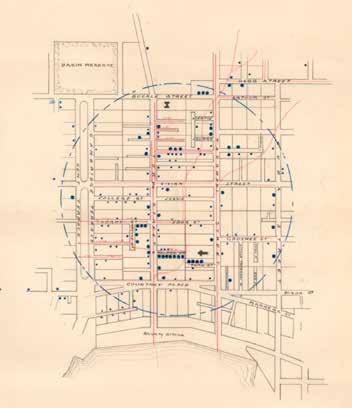
This historic typhoid map shows outbreaks in Wellington city between 1890 and 1892. Drains and toilets were subsequently installed with traps to create a water seal. Death rates from disease plummeted in New Zealand once sewerage systems were introduced.

At their second national convention in 1902, Master Plumbers adopted the motto ‘Salus Populi Suprema Lex’, or the health of the people is the supreme law. Protecting public health is still top priority for member businesses.
Growth of PGD trades
Plumbing, gasfitting and drainlaying were developing trades in New Zealand in 1901. Several businesses sprang up around this time due to the rapid growth of New Zealand towns and cities.
Plumbers, gasfitters, and drainlayers became essential for delivering safe, clean drinking water, sanitary sewage disposal and safe gas supply—and the trades continued to grow into the respected, regulated professions they are today for their role in protecting public health.
Outbreaks of typhoid in growing New Zealand towns in the late 1800s and early 1900s was one of the biggest health threats. Typhoid fever spread through contaminated drinking water, sewage leaking into wells, poor drainage systems, and privies located near water sources.
Plumbers, gasfitters, and drainlayers became essential for delivering safe, clean drinking water, sanitary sewage disposal and safe gas supply.
Repeated outbreaks forced councils to install municipal sewer systems, develop clean piped water supplies, and introduce sanitary bylaws requiring proper drainage.
Although New Zealand avoided large cholera epidemics seen elsewhere in the mid- to late 1800s, there were serious fears of outbreaks arriving by ship at ports like Auckland, Wellington and Dunedin. To combat the risk, authorities introduced quarantine stations, and improved urban sanitation and waste disposal systems.
In 1900, the bubonic plague appeared in Australia. Although outbreaks in New Zealand were small, there was strong government action. This included clearing slums, controlling rats, and upgrading drainage and sanitation.
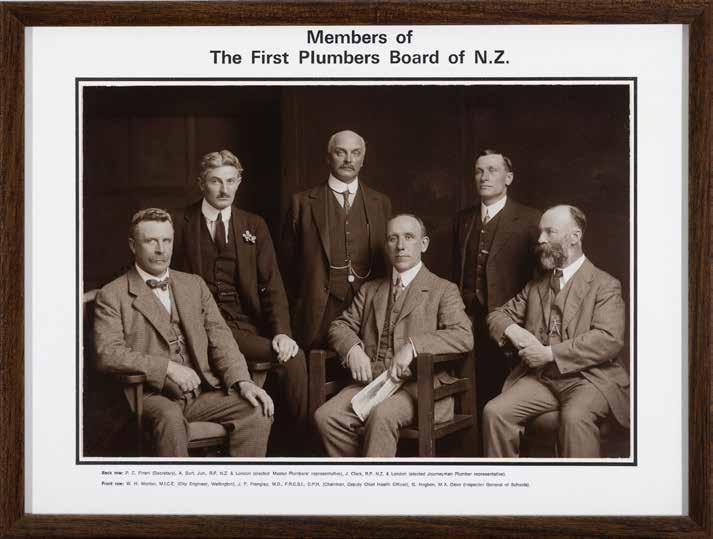
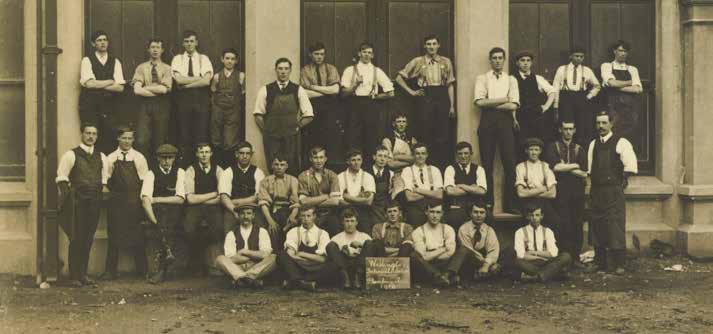
The Plumbers’ Registration Board was established on the passing of the Plumbers’ Registration Act 1912. This photograph shows the first members, including elected Master Plumbers’ representative Alexander Burt Junior (back row, second from left) of well-known Dunedin firm A&T Burt, founded in 1862 by Scottish born brothers Alexander and Thomas Burt.
Courtesy of Martin family.
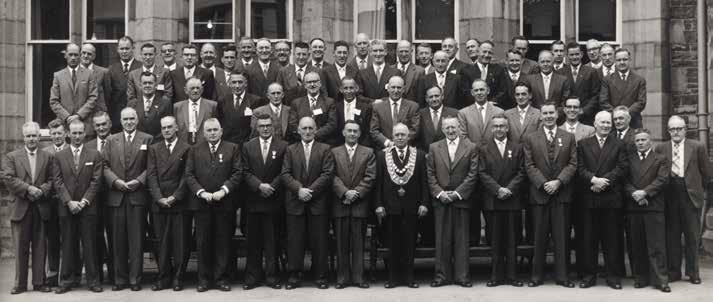
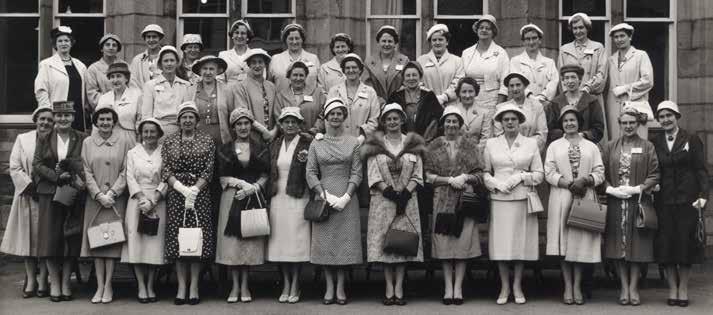
The assembled ladies and gentlemen at the 1960 Master Plumbers Conference.
By the early 1900s, improvements to living conditions through piped water supplies, proper sewage disposal and improved housing sanitation helped New Zealand become known as one of the healthiest countries in the world, with greatly reduced infant mortality rates.
Plumbers
Town water supplies began to be developed from the late 1800s. In more rural areas, water was typically collected from a well or corrugated iron or timber rainwater tank and carried inside by bucket. A plumber’s tasks would include installing sheet metal guttering and downpipes and connecting them to the rainwater tank.
Indoor plumbing was beginning to emerge, as early plumbers ran galvanised iron pipes from the rainwater tank to a kitchen sink, wash tub and maybe a wash basin. Baths were a luxury item for those who could afford them.
Early hot water systems often used a copper tank beside the kitchen range, with the wood or coal fire used to heat the water. As hot water systems become more common in wealthier homes, plumbers would install a copper hot water cylinder with pipes
running to the kitchen or bathroom. These systems continued to work by heating water through the stove fire.
Plumbers also worked on larger projects such as schools, hospitals, railway stations, hotels and government buildings, which were often the first to get modern plumbing systems.
Typical plumbing and drainlaying tools were hands on and fairly basic. They included wrenches, hand augers for drain blockages, soldering irons, bending tools, pipe cutters and threaders, spirit levels and measuring tools.
Tools were kept in timber tool chests and leather tool rolls, with pipe and materials transported by horse-drawn cart.
Drainlayers
Before proper sewers arrived, the population relied on cesspits, ‘night soil’ collection, and open drains.
In the late 1800s, cities such as Christchurch, Dunedin and Wellington embarked on major projects to install municipal sewer systems. This required large numbers of drainlayers to dig trenches by hand, using shovels, picks and spades. Drainlayers
Courtesy of Martin family.
Courtesy of Martin family.