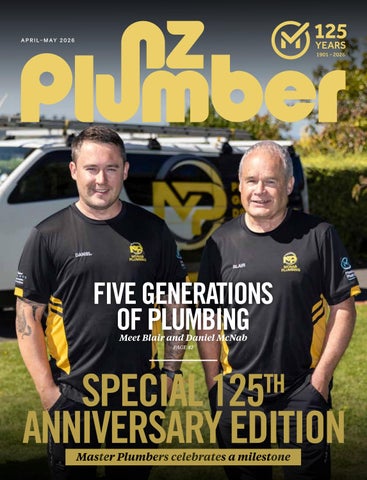
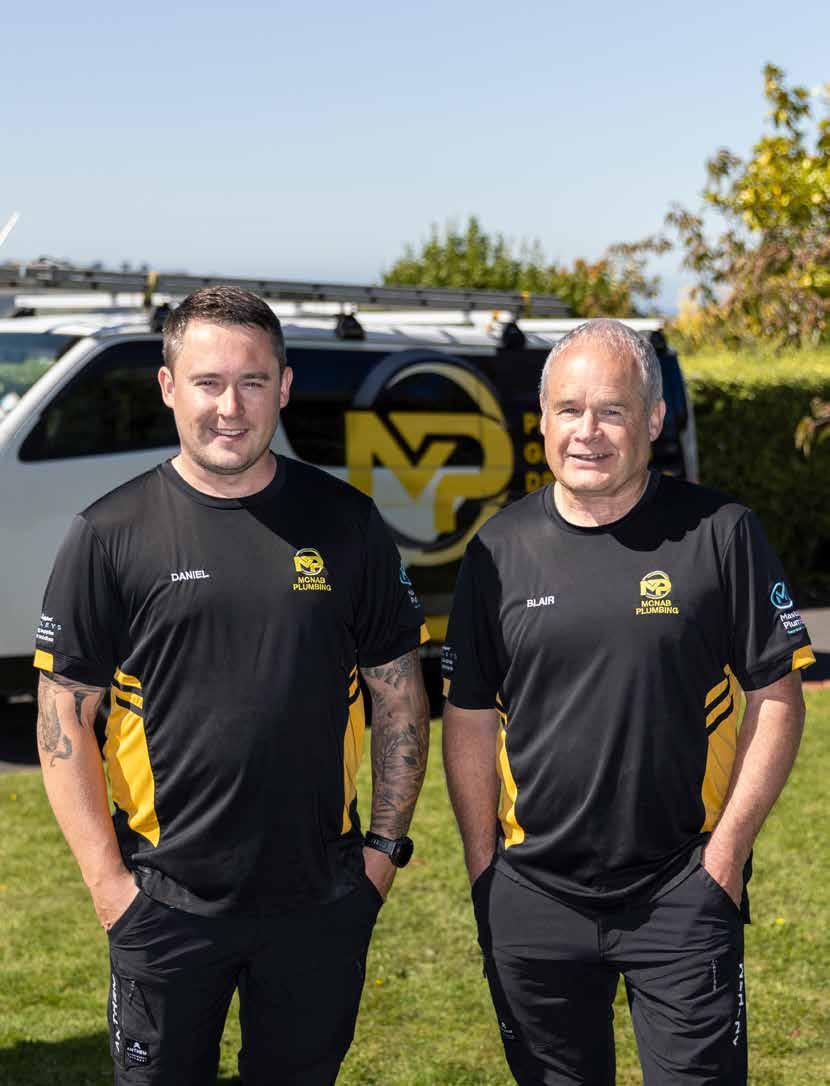
FIVE GENERATIONS OF PLUMBING


Volume 78, Number 2
MAGAZINE TEAM
CEO Greg Wallace
EDITOR
Beverly Sellers 0272 923 923 bsellers@masterplumbers.org.nz
Blue Star 33 Jackson Street, Petone, Wellington
DESIGN
SCG Senior Designer – Julian Pettitt
SCG Designer – Tal Gerassi
SCG Senior Account Director – LauraGrace McFarland scg.net.nz
SUBSCRIPTIONS
NZ Plumber is published six times a year by Master Plumbers, Gasfitters & Drainlayers NZ. Members receive all six editions. If you wish to opt out, please email admin@masterplumbers.org.nz
To order an annual subscription, go to www.masterplumbers.org.nz
MAILING LIST
For enquiries, or to update your details: admin@masterplumbers.org.nz
Non-Master Plumbers’ members with address detail changes should notify the PGD Board direct, giving their registration number: registration@pgdb.co.nz
TO ADVERTISE advertising@masterplumbers.org.nz
NZ Plumber is the official magazine of Master Plumbers, Gasfitters & Drainlayers NZ Inc. Contact details for the Master Plumbers board, staff, branches and associations are available at www.masterplumbers.org.nz
©NZ Plumber 2013. Registered as a Newspaper, GPO, Wellington, ISSN 0111-4379. NZ Plumber is subject to copyright in its entirety. The contents may not be reproduced in any form, either in whole or in part, without written permission of the publisher. All rights reserved in material accepted for publication, unless initially specified otherwise. All letters and other material forwarded to the magazine will be assumed intended for publication unless clearly labelled ‘Not for Publication’. Views expressed in articles in NZ Plumber magazine are not necessarily those of Master Plumbers, Gasfitters & Drainlayers NZ Inc, or of the Editor. While every effort has been made to ensure the accuracy of the information included in this publication, the publisher and the Editor take no responsibility for errors or omissions or for any consequences of reliance on this information. Publication of advertising material implies no endorsement of either a product or service.

A milestone year
Not many (if any?) other trade associations in New Zealand can say they’ve been around for 125 years. Congratulations, Master Plumbers!
It’s been fascinating to research Aotearoa
New Zealand’s plumbing, gasfitting and drainlaying history for this special Master Plumbers 125th Anniversary edition.
Throughout the magazine, NZ Plumber honours people past and present who play a vital part in New Zealand’s plumbing, gasfitting and drainlaying industry—providing our communities
I was interested in the article by Jeffrey Clarke in the Feb/March issue about gas, being a gasfitter myself.
However, I was very surprised no mention of Methanex was made... was this a political decision not to do so? Because you have ignored the elephant in the room.
I can see there is a lot of propaganda directed at terminating the use of gas in the mainstream media, without any attempt at looking at the pros.
Perhaps you could run an article on biogas, which as I understand has the potential to provide 9 plus petajoules and replace natural gas completely in the domestic market.
Abridged
Phil Chandler Chandler Contracts
From the Ed: Thanks for being in touch Phil. Jeffrey Clarke provides a response below. You might also be interested in the article on page 8 about the release of GasNZ’s new Biomethane Strategy and Action Plan.
From Jeffrey Clarke, Chief Executive, GasNZ: Phil Chandler wonders why no mention was made of one of the largest natural gas consumers, the Methanex facility in Taranaki.
with safe sanitation, drainage, hot water and warmth.
We couldn’t be without you.

Beverly Sellers Editor, NZ
Plumber bsellers@masterplumbers.org.nz
Methanex is closely linked to the Maui gas field—but Methanex now normally consumes more natural gas than Maui produces.
Most modelling of natural gas supply and demand in New Zealand assumes that Methanex will leave the New Zealand market when the Maui gas field is depleted and closed—sometime in the next few years. All the information in the article—including the Commerce Commission’s comment that “we expect gas use to continue for at least 20 years”— was made with that knowledge in mind. We probably should have noted that.
The question of when the Maui natural gas field is considered uneconomic to keep open will be a commercial decision for its operator, OMV. Similarly, whether or when Methanex may leave is a commercial decision for them, and GasNZ has no inside knowledge of what either party intends to do.
If Methanex does leave, it will be a significant change to the New Zealand natural gas market, but one that is largely factored into the market’s supply and demand forecasts. Interestingly, because Methanex currently consumes more natural gas that the Maui field produces, if Methanex leaves there may be a temporary oversupply of natural gas in the market.
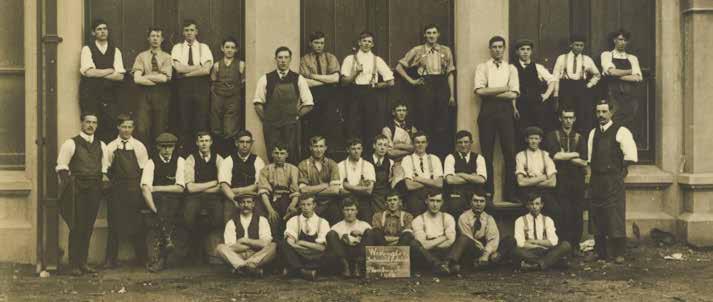
and minimum wage
Meet a former Masterlink apprentice and now business owner
a legend! Who exactly was James Douglas?
10 minutes with... Troy Jeffries, plumbing apprentice and F2 Midget champ
Dodgy plumbing Some things never change
the next generation Rheem launches a new space to learn
Why they’re proving their worth in
Making sense of HWHP performance Without getting lost in COP numbers
Don’t bank on it Don’t be tempted to treat the IR like a bank


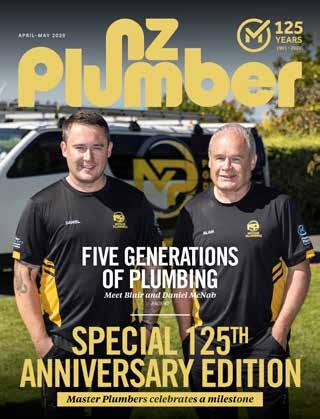
With their historic roots in Scotland, the McNabs have been plumbers for centuries. Today, Daniel McNab is the fifth generation in New Zealand, working with his father Blair at Master Plumbers member business Blair McNab Plumbing in Dunedin. NZ Plumber caught up with Blair to discuss the past, present and future for this incredible family line of skilled tradespeople. Turn to page 42 to read their story.
Master Plumbers marks a huge milestone this year, as we celebrate the incredible impact our organisation has had on the plumbing, gasfitting and drainlaying industry for 125 years.
Back in 1901, a group of plumbing industry professionals came together from around New Zealand to lift standards, protect public health and advance their trade. Today, we have thousands of licensed practitioners within our membership, with 19 branches nationwide and an industry that continues to go from strength to strength.
New Zealand has endured wars, economic downturns, natural disasters and a global pandemic. Throughout, our three trades have turned up to provide communities with safe drinking water, working sanitation, hot water and energy needs.
The fact that Master Plumbers has continued for 125 years is credit to previous generations who contributed to the organisation and realised the value of a collective voice.
As we reflect on our legacy, we also want to ensure Master Plumbers thrives for another 125 years. One of our priorities is to encourage apprentices into the industry to ensure we have a workforce to deliver for all New Zealanders. Knowing the next generation will keep improving the industry well beyond our own lifetimes is something dear to my heart.
I do particularly want to thank the Master Plumbers membership, branch executives and our business partners. Much of the work done by our executive teams is on a voluntary basis and members over the generations have continued to put their hands up to ensure we have a New Zealand-wide industry we can be truly proud of.
You will see from the photos on page 40 that our Government House event was a
CEO’S REPORT

great occasion to mark our anniversary. We will continue to celebrate throughout the year, including at our conference in the mighty Waikato.
In other news, Master Plumbers is devoting time and energy to ensuring members are supported during this time of escalating costs for fuel and PVC and PE pipe products, due to the Middle East conflict.
We've developed some legal guidance around contracts, and our key advice is to withdraw and reprice any quotes not yet accepted, so you can allow for material
“Members over the generations have put their hands up to ensure we have a New Zealand-wide industry we can be truly proud of.”
price movements. Our lawyers also advise adding a temporary fuel surcharge.
For quotes already accepted, talk to the main contractor about procuring products early, or other possible solutions to limit erosion of margins. It’s also a good idea to talk to your merchants and suppliers. PVC and PE pipe is in reasonably good supply at this stage but things can change quickly. Master Plumbers has made a submission to the Government for our industry to be included in the priority fuel bands, which would ensure certainty of fuel supply, if required. We are also attending weekly meetings with MBIE and other industry leaders to keep them informed of our industry ’s current situation.
It is also concerning to see another spike in construction company liquidations,
the largest being Teak Construction in Auckland. Master Plumbers is supporting affected members in a combined approach with the Specialist Trade Contractors Federation and our legal team. We will do everything possible to assist and ensure the Construction Contracts Act has been applied appropriately.
We strongly advise members to carry out credit checks on all customers, new or existing. In a new partnership with Creditworks, members can receive a detailed report for just $35 on a company you plan to work for, outlining the risk profile using a scoring matrix.
As a plumber, gasfitter or drainlayer, when you open any trading account with a merchant or supplier, they will carry out a credit check on you to ensure you’re able to pay what you owe. We highly recommend you do the same with your own clients to check for any debt or liability.
On page 64, we have an article on integrated bidets and backflow prevention requirements. Master Plumbers has been working with MBIE on this matter for over nine months. The delay in determining a sensible approach by building consent authorities is extremely frustrating.
The plumbing sector should be encouraging the use of bidets to support public health while also lessening the impact on infrastructure by reducing paper use.
It is our technical group’s opinion that an air gap is the best method of backflow protection for integrated bidets, and the lack of understanding by councils is costing New Zealand consumers in excess of $2,000 per installation.
Greg Wallace, CEO Master Plumbers, Gasfitters & Drainlayers NZ
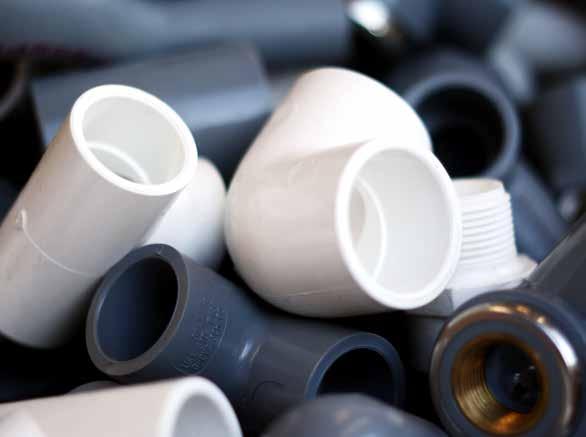
Our industry is facing some restrictions to petroleum-based PVC and PE pipe supplies due to shipping route disruptions.
SUPPLY CHAIN STRAINS
Rising costs and potential restrictions on fuel and PVC and PE pipe are of significant concern for the plumbing industry.
The ongoing geopolitical conflict is putting global supply chains for fuel and petrochemicals under strain. Disruptions to shipping routes have created delays and increased freight costs.
The New Zealand government has announced a 4-phase fuel crisis rationing plan, which was in phase 1 as NZ Plumber went to print. Phase 3 would introduce rationing measures, prioritising supply to life-preserving services. Master Plumbers is lobbying for the plumbing industry to be included in the priority bands.
Petroleum-based PVC and PE pipe products are also affected, with potential supply restrictions and increased costs for our industry.
Master Plumbers recommends businesses engage early with suppliers to confirm product availability, allow for longer lead times in project planning, monitor pricing movements and advise customers of price increases. It is also a good idea to keep records of any supply disruptions affecting your business.
Members have been provided with practical legal advice on managing and mitigating price increases for materials and fuel when quoting for work.
Find the legal advice in the Member Toolbox at www.masterplumbers.org.nz, under Building Contracts.
THIS EDITION’S INDUSTRY NEWS ROUND-UP INCLUDES SUPPORT FOR TEAK CONSTRUCTION SUBCONTRACTORS, AN UPDATE ON THE WELLINGTON WASTEWATER SPILL, AND A NEW BIOMETHANE ACTION PLAN.
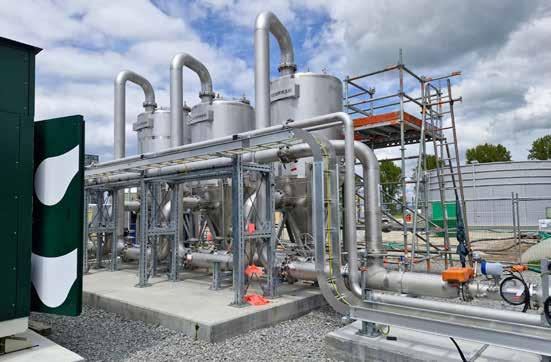
GasNZ releases action plan to support rapid biomethane production growth
Enough to supply the natural gas needs of: 10 industrial consumers, or 2,100 commercial consumers, or 43,500 households
Enough to supply twothirds of the natural gas used by all commercial businesses
Biomethane could meet half of New Zealand’s natural gas demand by 2050, according to a new report from membership organisation GasNZ—and we have almost everything we need to produce huge quantities.
In March, GasNZ presented its new Biomethane Strategy and Action Plan to the Government. The document sets out in detail how New Zealand can accelerate its energy independence and reduce emissions and waste by producing 25 petajoules of biomethane each year by 2050.
Biomethane is produced by recovering the energy and nutrients from organic waste—and is a direct, low-emission substitute for natural gas.
With only one biomethane production facility in
Enough to supply over half of New Zealand’s total expected natural gas demand in 2050
the country to date, New Zealand lags well behind most developed economies. Denmark, for example, has replaced 40-45% of its natural gas use with biomethane sourced largely from animal waste, with a goal of reaching 100% by 2035.
GasNZ’s document sets out the policies and actions needed for New Zealand to rapidly grow production. “It is made out of materials we no longer need, and uses the infrastructure we already have,” says GasNZ CEO Jeffrey Clarke. “That makes it one of the most sensible, practical ways to grow renewable energy in New Zealand.”
Read the GasNZ Biomethane Strategy and Action Plan at www.gasnz.org.nz/biomethane
New Zealand currently has one biomethane production facility, at the Ecogas Reporoa Organics Processing Facility in the Waikato.
STANDARDS SPOTLIGHT
New publication
AS/NZS 1596:2026 – Handling and storage of LP Gas
The main changes made to this Standard are:
Adding appendices regarding alternative gases and mixtures, typical vaporisation rates for cylinders and tanks, the operational characteristics of LP Gas, and static electrical discharge
Consolidating common requirements from cylinder and tank sections in Section 3
Strengthening decant filling requirements
Updating protection requirements against ignition caused by static electrical discharge. Please note: This version is not yet cited for use.

CLAIMS UP TO $60,000 CAN NOW BE TAKEN TO DISPUTES TRIBUNAL
A recent law change means more lower-value claims can now be resolved through the Disputes Tribunal instead of having to take them to the District Court. The Tribunal is quicker, cheaper and less formal than a Court, but until now only claims up to $30,000 could be taken. The new law extends this to $60,000.
There is also a new filing fee tier of $468 for claims of more than $30,001 to aid with cost recovery. Modelling by the Ministry of Justice suggests about 2,000 claims per year could see improved access to justice because of this change.
Find out more at https://disputestribunal.govt.nz
NEW TRANS-TASMAN STANDARDS AGREEMENT
A new agreement between Standards New Zealand and Standards Australia modernises the joint standard partnership.
The new agreement will ensure a stronger voice for New Zealand industry in the early scoping and prioritisation of joint standards work. It also ends commissioning fees, making it easier for SMEs to take part in this work.
The agreement builds on a 2025 standards alignment programme led by
Standards New Zealand, triggered by trans-Tasman businesses’ concerns about fragmentation of joint AS/NZ standards. Through this programme, Standards New Zealand supported 33 additional joint AS/NZ standards projects to progress, including in the gas, building and construction fields. It also rejoined 24 joint AS/NZ standards that had become misaligned, including in the plumbing, building and construction sectors.
MILLIONS OWED TO CREDITORS FOLLOWING TEAK CONSTRUCTION GROUP COLLAPSE
Plumbers are among the subcontractors impacted by the liquidation of Teak Construction Group in March.
Master Plumbers, through its legal team and
the Specialist Trade Contractors Federation, is funding legal advice and representation for members affected by this liquidation, with debts outstanding or retention funds.
WELLINGTON WASTEWATER PLANT FAILURE A SYMPTOM OF DEEPER ISSUES
The inquiry into Moa Point’s major spill in February must take the opportunity to investigate the broader drivers behind New Zealand’s poor wastewater systems—just as the Havelock North inquiry did for our national drinking water systems—says the Public Health Communication Centre (PHCC).
Following the ‘catastrophic failure’ of the plant, which caused sewage to discharge onto Wellington’s south coast for several weeks, Mayor Andrew Little called on the Government to hold an inquiry into the failure to make sure a similar problem never happens again.
According to PHCC, the Moa Point spill is a particularly severe example of what is occurring across New Zealand. “The most recent Water New Zealand performance review recorded more than 3,000 overflows nationally,” it said. “The true number is likely to be higher.”
Failures like Moa Point’s expose both technical faults and broader issues. According to the PHCC, these include inadequate policy and investment, insufficient enforcement, problems with data quality and availability and “murky” inter-agency coordination and accountability.
Community spirit that’s worth its weight in gold.

Penny Cornah and her compatriots at the Master Plumbers’ Association of Queensland have been fundraising in a big way. This March, they were proud to get behind the World’s Greatest Shave in support of the Leukaemia Foundation—their chosen charity for 2026, selected by member vote.
Every dollar raised helps fund critical research and provides practical and emotional support to Australians navigating a blood cancer diagnosis.
While CEO Penny says she might not have been as brave as Member Services Coordinator Deb Hall, who shaved her hair for the fundraiser, she did colour hers in solidarity for their World Plumbing Day Breakfast in Brisbane in March.

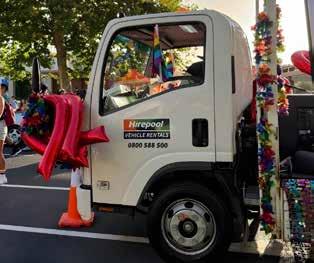
Hirepool say they’re not sure a truck has ever turned this many heads! Body Positive Inc transformed one of their trucks into a Rainbow Parade float in February, carrying something a little different from the usual worksite gear. “Good people. Good cause. One very good looking truck,” say Hirepool.

An anonymous donor has gifted gold bars worth NZ$6 million to the city of Osaka to fix the Japanese town’s aging water pipes, reported One News earlier this year. Osaka’s mayor has promised the donor’s wishes will be respected and the money used towards waterworks projects. Anyone out there wanting to do the same for Wellington?!

Clyne & Bennie have become proud sponsors of the Netball Sports Centre in Christchurch— part of the city’s Ngā Puna Wai sports hub. “Grassroots sport is a huge part of what makes our community great, and we’re excited to help provide a place where players of all ages can train, compete, and have fun,” they say. “Best of luck to all teams this season down at Ngā Puna Wai!”
Penny Cornah and young Piper Millar coloured their hair to show support for MPAQ’s Leukaemia Foundation fundraiser.
MPAQ Member Services Coordinator Deb Hall braves the shave.
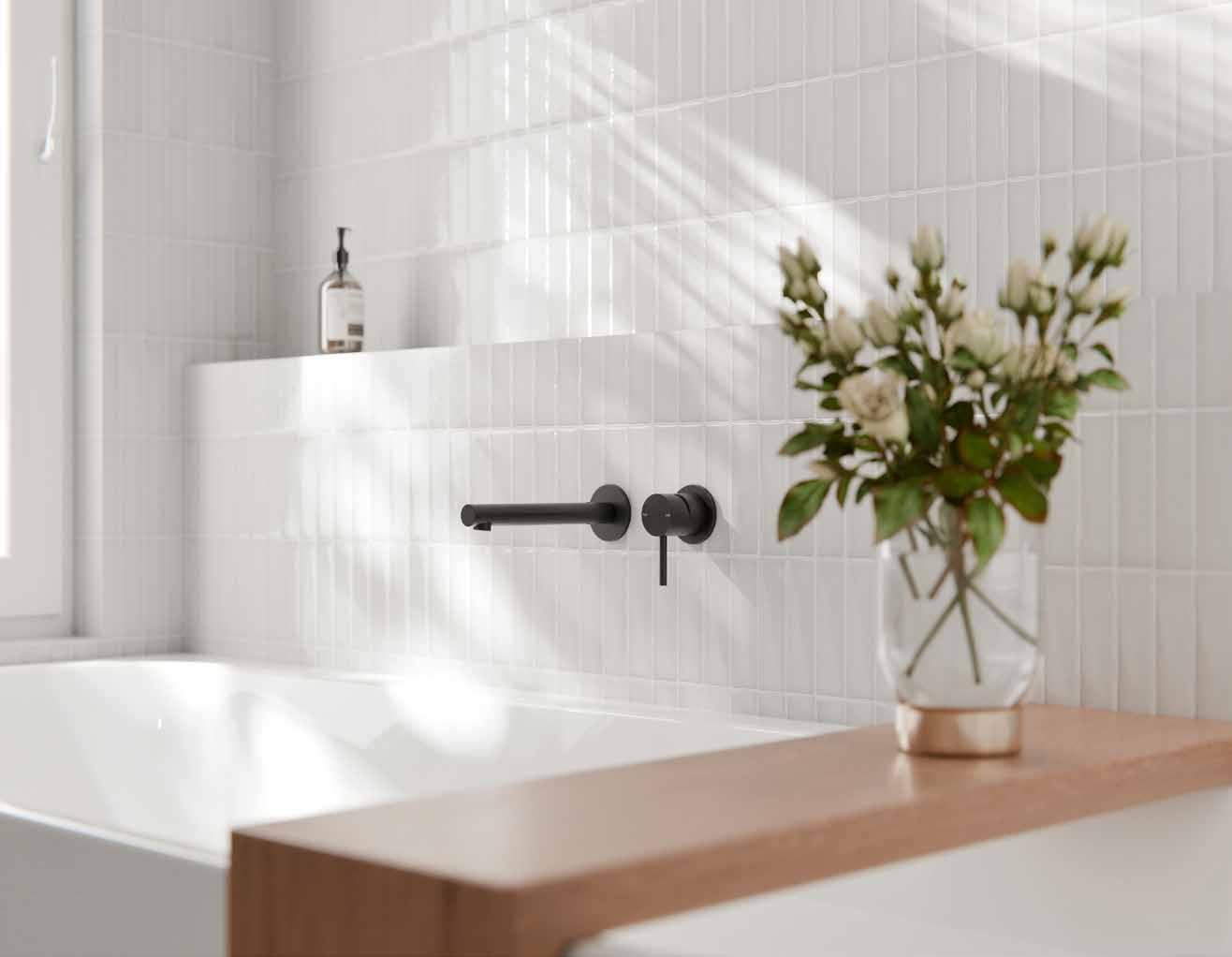
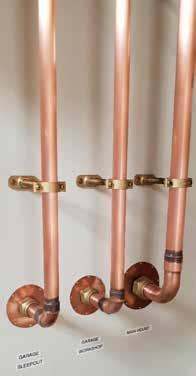
We’re loving this chance to feature absolute peachy plumbing work by trade professionals!
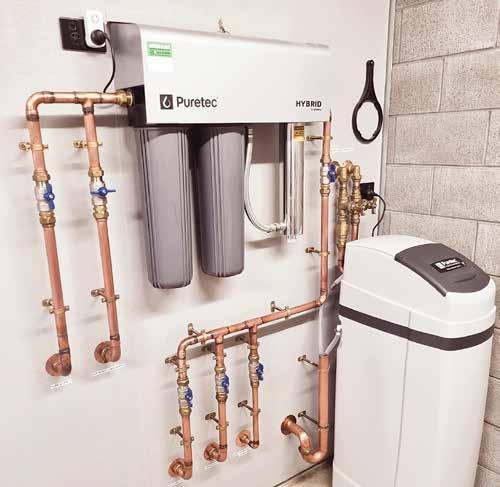
This work of art in polished copper with custom copper flanges is by Kenny Geenty, High End Housing Manager at Advanced Plumbing.
“Kenny is top notch at installing Puretec Water Filters, and we are super proud!” says Project Manager Frances Oldfield.
SEND US YOUR PHOTOS AND BE IN TO WIN!
Can you top this? There are prizes up for grabs for the peachiest work we pick each edition.
Email your photos (original or large size on your mobile phone) to: communications@masterplumbers.org.nz
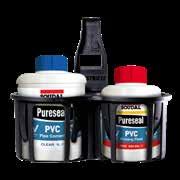
If your project is featured in the next NZ Plumber, you’ll win a Constricta Multi Pot Grip PLUS Soudal’s premium Pureseal PVC Pipe Cement and Primer. Everything you need to keep your glue and primer secure and your connections strong!



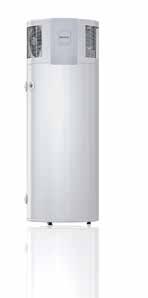
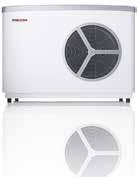
Celebrating 50 Years of Heat Pump Innovation
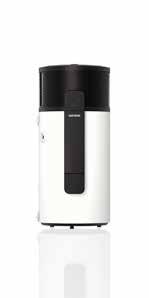
For 50 years, STIEBEL ELTRON has been at the forefront of heat pump technology engineering efficient, reliable, and future‑ready solutions for homes around the world. This milestone reflects our commitment to sustainable innovation, precision German design, and delivering exceptional comfort through smarter hot water and heating systems. www.stiebel-eltron.co.nz
2026 NZ PLUMBING CONFERENCE
This year’s New Zealand Plumbing Conference will be extra special, bringing members together from around the country to celebrate 125 years for Master Plumbers.
WHEN: 24-26 June WHERE: Claudelands, Hamilton BOOK: plumbingconference.org.nz
A warm welcome awaits in Kirikiriroa Hamilton for the 2026 New Zealand Plumbing Conference. The event kicks off in style with the Mico and Iplex Welcome Night at Te Āhurutanga cultural hub—a fabulous gathering space for attendees to meet and mingle on the Wednesday evening.

The Master Plumbers AGM will be held during the day, and there’ll also be a chance to gain your CPD points with the Plumbers, Gasfitters and Drainlayers Board for the 2026/2027 licensing year.
Master Plumbers CEO Greg Wallace will open the first full day of the conference on the Thursday with an update from Master Plumbers and acknowledgement of the organisation’s incredible 125-year journey.
This year’s inspirational keynote speakers include world-leading resilience specialist Dr Lucy Hone.
Other presenters include Nik McIntosh of TradeLab on pricing systems and turning margin into profit, and Ronnie Tan from Creditworks on how to safeguard your business from debt.
There’ll be sessions on apprentice training developments, AI advances and renewable technologies, plus an update from Aleyna
Hall, CEO of the Plumbers, Gasfitters and Drainlayers Board.
The trade show will run throughout in the catering space—all morning teas, lunches and afternoon teas included with conference registration. Take your time to browse the stands and chat to suppliers about their latest technologies and innovations.
Social functions are always a highlight, with this year’s Marley Fun Night at the worldclass Grassroots Trust Velodrome—get your ‘Fast Times in the Tron’ costumes ready! Leisure activities include optional visits to Hamilton Gardens and the Annah Stretton flagship store and Frock Café.
As ever, the conference will culminate in the celebratory New Zealand Plumbing Awards Dinner, sponsored by Plumbing World—a wonderful opportunity to acknowledge top performers at every level in our industry.

Get your ‘Fast Times in the Tron’ costumes ready for the Marley Fun Night at the Grassroots Trust Velodrome—New Zealand’s home of cycling.
Resilience expert Dr Lucy Hone is one of the inspirational keynote speakers at the 2026 NZ Plumbing Conference.
Explore Rinnai’s Hot Water Heat Pump Range

Rinnai HydraHeat® Integrated Hot Water Heat Pump
Using the efficiency of a NZ designed and manufactured Heat Pump head unit, HydraHeat® will quickly heat a home’s water from the top-down while saving you up to 75% on your water heating costs* Available in 275L & 340L capacities.
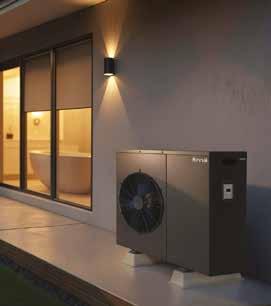
Rinnai HydraHeat® Split Hot Water Heat Pump
Introducing the HydraHeat® Split –a versatile top-down water heating solution compatible with both new and existing cylinders**. Designed and built right here in NZ.
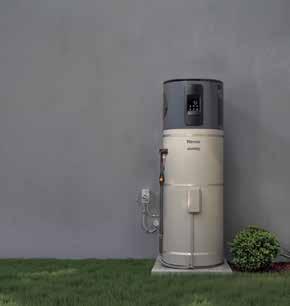
Designed to meet a variety of installation needs across New Zealand, the GR Series offers capacities of 215L, 265L and 300L
*When a comparison calculation is made to a 250L standard electric hot water cylinder when heating water from 19°C to 55 °C.
** Please refer to our cylinder compatibility checklist to find out if your cylinder is compatible with the HydraHeat® Split system.
No matter the installation requirement – Rinnai has a Hot Water Heat Pump to suit any Kiwi home. Find out more at rinnai.co.nz
Rinnai Enviroflo™ GR Series Hot Water Heat Pump
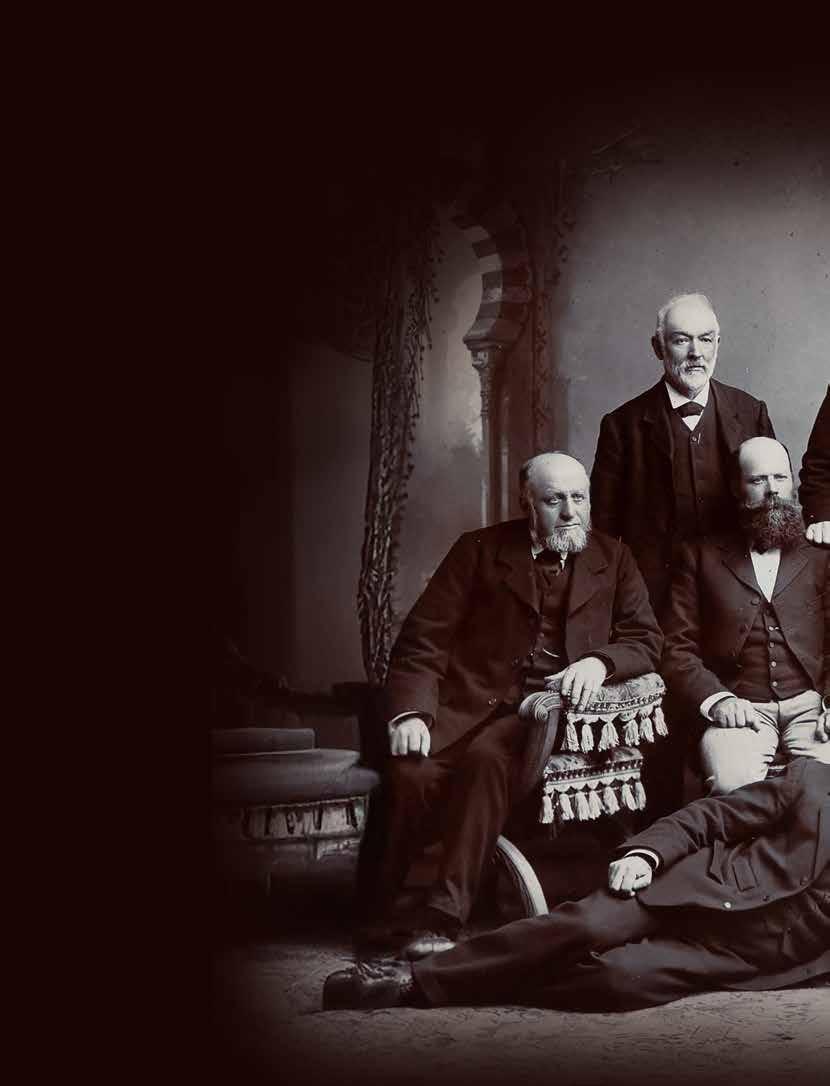
The rapid growth of towns and cities in Aotearoa New Zealand at the turn of the 20th century led to the start of the national Master Plumbers Association in 1901, with public health threats like typhoid driving the need to raise sanitation standards. NZ Plumber looks back over 125 years of history for the plumbing, drainage and gas industry.
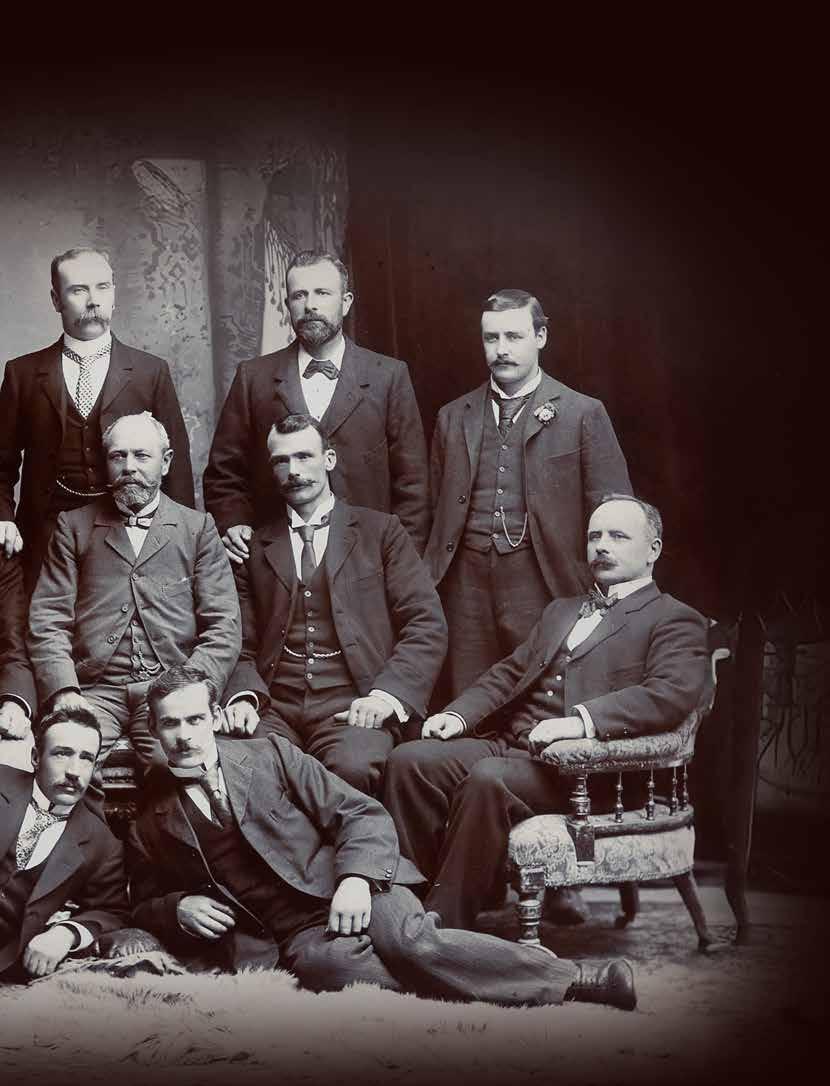
This photograph shows the 11 delegates at the very first national convention of Master Plumbers, held in Christchurch on 8 January 1901. Today’s annual conferences attract more than 300 attendees.
Life in New Zealand in 1901 was very different from today. Most people lived in small towns or rural areas. The largest cities were Auckland (around 67,000 people), Wellington, Christchurch and Dunedin. Many communities were centred around farms, ports, railways and mining towns.
Homes were typically small timber houses heated by coal or wood fires and lit by oil lamps or gas for some. Electricity existed but was rare in homes, with Reefton becoming the first electrified town in New Zealand in 1888.
Many homes lacked running hot water or an indoor bathroom, and toilets were often nothing more than an outdoor privy or 'long drop'. As indoor toilets began to be installed, plumbers would fit the ceramic pans and flush tanks and make the drain connections to the sewer.
To get clean, people used tin baths in front of the fire, and bath night might only happen once a week.
Domestic servants were the biggest female workforce. Many middle-class households had maids, cooks and housekeepers.
Food was simple and locally produced, with families often growing their own vegetables, keeping chickens and making preserves and jams.
Entertainment was social and community based, with popular activities including horse racing, church events, dances and balls, theatre shows and brass band concerts. Rugby and cricket were hugely popular, with the famous 1905 overseas All Blacks tour only a few years away.
Phones were very limited and mostly used by businesses. People used letters, telegrams and newspapers to communicate news and information.
Cars were a rare sight until after 1910. Railways were the main long-distance transport system. Other ways to travel included the horse and cart, walking, and coastal steamship.
Source: Wellington City Archives.
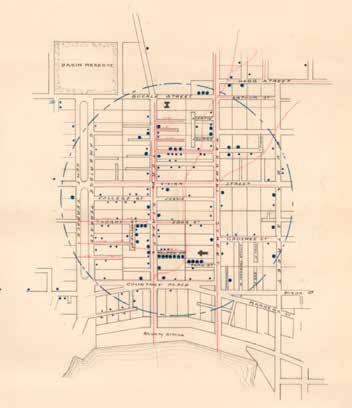
This historic typhoid map shows outbreaks in Wellington city between 1890 and 1892. Drains and toilets were subsequently installed with traps to create a water seal. Death rates from disease plummeted in New Zealand once sewerage systems were introduced.
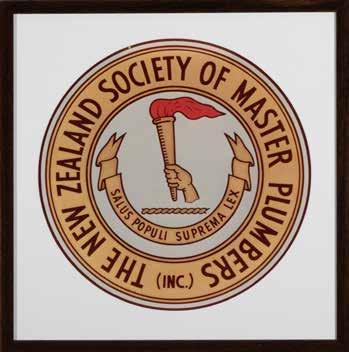
At their second national convention in 1902, Master Plumbers adopted the motto ‘Salus Populi Suprema Lex’, or the health of the people is the supreme law. Protecting public health is still top priority for member businesses.
Growth of PGD trades
Plumbing, gasfitting and drainlaying were developing trades in New Zealand in 1901. Several businesses sprang up around this time due to the rapid growth of New Zealand towns and cities.
Plumbers, gasfitters, and drainlayers became essential for delivering safe, clean drinking water, sanitary sewage disposal and safe gas supply—and the trades continued to grow into the respected, regulated professions they are today for their role in protecting public health.
Outbreaks of typhoid in growing New Zealand towns in the late 1800s and early 1900s was one of the biggest health threats. Typhoid fever spread through contaminated drinking water, sewage leaking into wells, poor drainage systems, and privies located near water sources.
Plumbers, gasfitters, and drainlayers became essential for delivering safe, clean drinking water, sanitary sewage disposal and safe gas supply.
Repeated outbreaks forced councils to install municipal sewer systems, develop clean piped water supplies, and introduce sanitary bylaws requiring proper drainage.
Although New Zealand avoided large cholera epidemics seen elsewhere in the mid- to late 1800s, there were serious fears of outbreaks arriving by ship at ports like Auckland, Wellington and Dunedin. To combat the risk, authorities introduced quarantine stations, and improved urban sanitation and waste disposal systems.
In 1900, the bubonic plague appeared in Australia. Although outbreaks in New Zealand were small, there was strong government action. This included clearing slums, controlling rats, and upgrading drainage and sanitation.
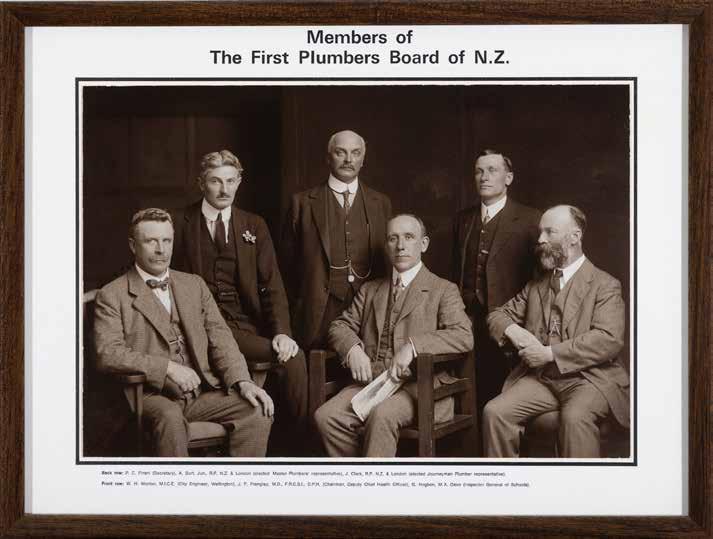
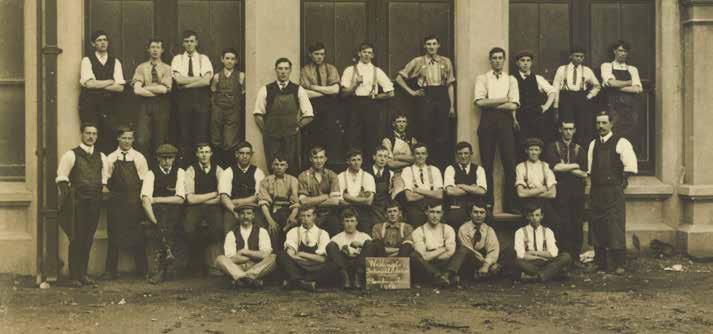
The Plumbers’ Registration Board was established on the passing of the Plumbers’ Registration Act 1912. This photograph shows the first members, including elected Master Plumbers’ representative Alexander Burt Junior (back row, second from left) of well-known Dunedin firm A&T Burt, founded in 1862 by Scottish born brothers Alexander and Thomas Burt.
Courtesy of Martin family.
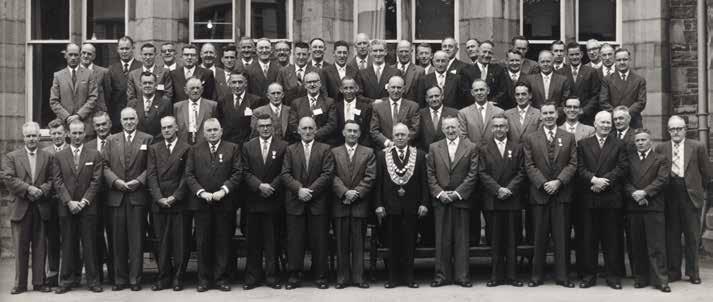
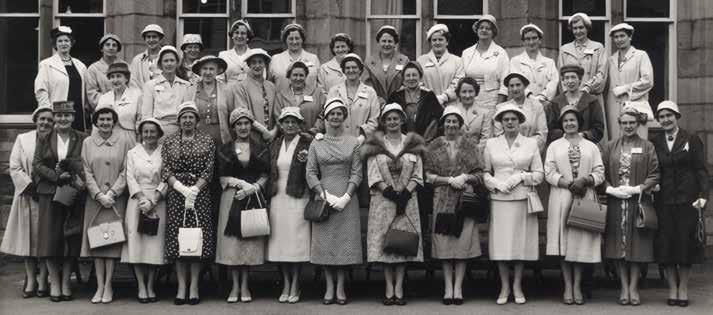
The assembled ladies and gentlemen at the 1960 Master Plumbers Conference.
By the early 1900s, improvements to living conditions through piped water supplies, proper sewage disposal and improved housing sanitation helped New Zealand become known as one of the healthiest countries in the world, with greatly reduced infant mortality rates.
Plumbers
Town water supplies began to be developed from the late 1800s. In more rural areas, water was typically collected from a well or corrugated iron or timber rainwater tank and carried inside by bucket. A plumber’s tasks would include installing sheet metal guttering and downpipes and connecting them to the rainwater tank.
Indoor plumbing was beginning to emerge, as early plumbers ran galvanised iron pipes from the rainwater tank to a kitchen sink, wash tub and maybe a wash basin. Baths were a luxury item for those who could afford them.
Early hot water systems often used a copper tank beside the kitchen range, with the wood or coal fire used to heat the water. As hot water systems become more common in wealthier homes, plumbers would install a copper hot water cylinder with pipes
running to the kitchen or bathroom. These systems continued to work by heating water through the stove fire.
Plumbers also worked on larger projects such as schools, hospitals, railway stations, hotels and government buildings, which were often the first to get modern plumbing systems.
Typical plumbing and drainlaying tools were hands on and fairly basic. They included wrenches, hand augers for drain blockages, soldering irons, bending tools, pipe cutters and threaders, spirit levels and measuring tools.
Tools were kept in timber tool chests and leather tool rolls, with pipe and materials transported by horse-drawn cart.
Drainlayers
Before proper sewers arrived, the population relied on cesspits, ‘night soil’ collection, and open drains.
In the late 1800s, cities such as Christchurch, Dunedin and Wellington embarked on major projects to install municipal sewer systems. This required large numbers of drainlayers to dig trenches by hand, using shovels, picks and spades. Drainlayers
Courtesy of Martin family.
Courtesy of Martin family.
also laid the earthenware sewer pipes, connected houses to the municipal sewers, and built stormwater drains.
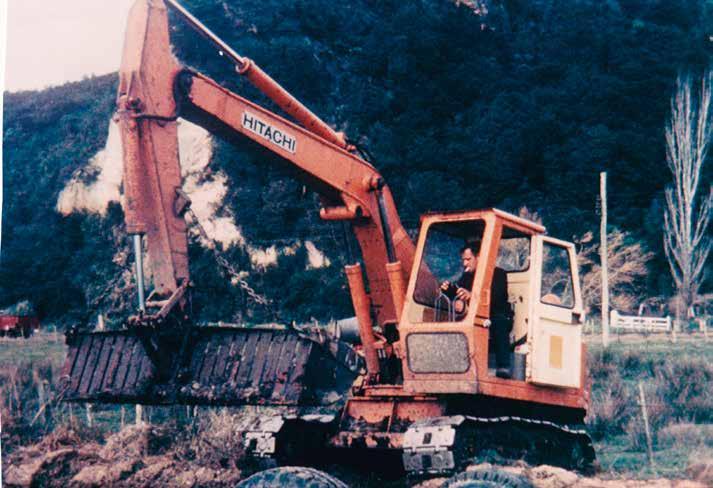
Until cable-operated diggers arrived in New Zealand in the Fifties, followed by hydraulic diggers in the mid-Sixties, digging a hole was a manual job. To install a septic tank in the late 1940s, the truck would be loaded up with moulds, bags of cement, a mixer, water drum, cement drum, shovels, and mould oil to stop the concrete from sticking to the shutters.
This changed with the advent of precast septic tanks, and now plastic tanks.
Roofers
As lead was the main metal used by plumbers in the early days, great pride was taken in the ability to work sheet lead into roof accessories.
Many plumbing workshops had machinery to manufacture 8ft lengths of spouting from flat sheet into Old Gothic (OG) and Quad (quarter round) shapes, with some half-round imported varieties. As many as 100 different spouting profiles are estimated to have been available by the mid 1900s.
NEW ZEALAND IN 1901 10 top facts
In 1901, New Zealand became the first country to have national registration of nurses. National registration of plumbers happened later, in 1912.
Free, compulsory primary education had been available for 24 years, with most children leaving around the age of 12-14 to work.
New Zealand created the world’s first government tourism department , marking the start of organised promotion of New Zealand as a tourist destination.
Immigration increased, especially from Britain and Australia. The 1901 census records a total NZ population of about 815,862.
The Māori population had declined sharply during the 19th century due to disease, land loss and war, reaching its lowest point around 1901 (about 43,112 in the 1901 census) before starting to recover. Leaders like Apirana Ngata later helped lead cultural and economic revival.
The North Island’s population surpassed the South Island for the first time since the gold rush era.
New Zealand was given the option to join the new Commonwealth of Australia as a state but decided to remain separate.
New Zealand troops were fighting in the Second Boer War in South Africa alongside Britain. The future King George V and Queen Mary toured New Zealand to thank the colony for its support.
Sheep farming dominated the economy, with sheep vastly outnumbering people in New Zealand (around 20 million sheep). Refrigerated shipping, introduced in the 1880s, allowed New Zealand to export meat, butter and dairy products to Britain.
The 6.9 magnitude Cheviot earthquake hit Canterbury, causing one death.
Spouting lengths were soldered together with lead, with the kerosene or petrol blowlamp gradually taking over from the original pot and ladle method to weld or melt the lead.
The emergence in New Zealand of continuous spouting and continuous long run roofing manufacturing around the late 1940s/ early 1950s marked the decline of plumbers’ involvement in the roofing industry, though many businesses continue to provide spouting and guttering services.
Gasfitters
Gasfitting in 1901 related to coal gas (known as town gas) rather than natural gas, with the gas industry one of the largest users of West Coast coal.
Coal-fired gasworks had been developed in Auckland, Wellington, Dunedin and Christchurch by the late 1800s and gasfitters would install pipes for street lighting. At the turn of the 20th century, gas lighting was also common in hotels, theatres, shops and council buildings.
A considerable increase in domestic gas consumption in New Zealand in 1896 saw gas mains extended, and new services connected. Gas started to be used for domestic heating and cooking as time went on, although many people still preferred coal ranges. It was the gasfitter’s role to run gas pipes through buildings to install gas cookers and lighting fixtures for those who could afford it.
By 1924, there were 54 gasworks in operation—36 of them in the North Island. This decade saw the advent of the modern kitchen, as electricity and gas became more readily available in homes. The gas stove was welcomed for its cleanliness, convenience and efficiency compared to the wood or coal-fired range.
It wasn’t until 1959, when a drilling rig first struck gas in the Kapuni gas field, that the modern era of natural gas began. The Maui field was to follow in the 1960s, making New Zealand self-sufficient in gas.
The cleaner, more efficient natural gas was initially distributed through local gas networks in nine North Island communities, serviced by the Kapuni transmission pipeline from South Taranaki north to Auckland, and south to Wellington. The system was significantly expanded in the 1980s.
Natural gas wasn’t a direct replacement for town gas supplies, so industrial and domestic appliances had to be converted for use with natural gas. The gas reticulation system also had to be adjusted and new mains installed to suit.
The number of homes connected to LPG for heating, hot water and cooking grew in the 1970s. LPG now powers around 300,000 homes and businesses across New Zealand, and is the only available gas type in the South Island.
Acknowledgement: Hart family.
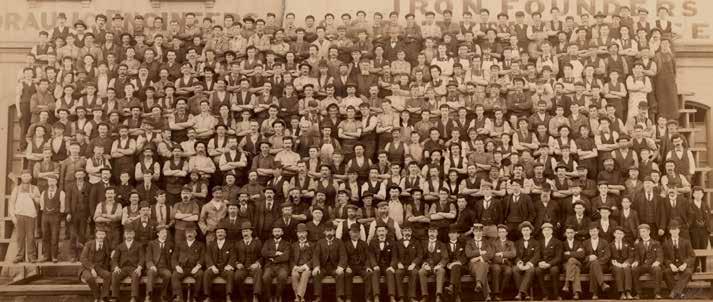
This photograph of A&T Burt Engineering in Dunedin was taken on 9 October 1900.
Plumbing materials
Materials available in the early 1900s included galvanised iron for water supply pipes, cast iron for rainwater goods, and earthenware for sewer drains.
Copper tube gradually replaced galvanised iron as the preferred material for water pipes, becoming firmly established by the 1930s-40s. It continues to be used today, alongside plastic piping options, such as PVC, which emerged in the 1960s.
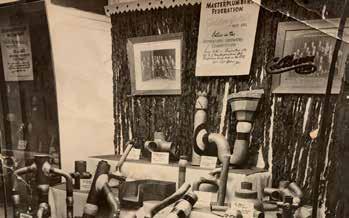
In July 1960, a large turnout of Otago Master Plumbers members came along to a general meeting to witness first-hand a demonstration of this new material, which was to change forever the way plumbers went about their work, as synthetic pipes gradually became the norm.
Lead was also commonly used at the turn of the century for its malleability, corrosion resistance and low melting point. Whilst lead wasn’t used extensively for drinking water pipework, it was used for wastewater pipes, pipe joins, roof flashings and nails.
An alloy of lead and tin—known as ‘plumber’s metal’—was used to carry out pipe repairs and joins (wiped joins) until around the 1940s.
This work required a high level of skill. Plumbers and drainlayers would use ladles to scoop and pour molten lead from a small pot, most often for joining cast iron soil pipes. Before pouring the lead, the pipe opening was packed with hemp to form a watertight seal.
Long, chisel-like tools called caulking irons were then used to hammer and compress the lead around the joint. Finally, a cloth was used to wipe and shape the metal for a smooth, sealed joint— also known as a wiped joint. Apprentices were often tasked with cleaning and preparing the joints ahead of this work and spent years mastering lead jointing techniques.
Safety standards were minimal compared to today, and plumbers faced exposure to lead fumes, among other health risks of the trade.
Lead has continued to be used in the manufacture of plumbing products, including tapware and valves. In a milestone for the industry, new lead-free regulations come into effect from 2 May 2026.
Early apprenticeships
Although the way plumbers are trained has changed frequently over the years, some things have stayed the same.
As today, most plumbers at the turn of the 20th century entered the trade through a formal apprenticeship with a local plumbing
business, learning on the job with a fully trained supervisor. Technical schools began appearing in cities around this time, and apprentices sometimes attended night classes for theory learning. In 1902, the national Master Plumbers Association made it compulsory for all apprentices employed by members to attend technical classes if available in their regions. If not, the apprentice had to have passed City of Guilds of London or local exams.
Plumbing apprentices would typically start in their mid-teens and train for five or six years to master highly skilled and largely manual techniques.
Apprentices were expected to work long hours, often 48 to 60 hours a week, and to learn all aspects of the trade. This included pipe cutting and threading, soldering and lead work, installing water systems, drains and sewer connections, baths, sinks, and hot water systems.
In his book, Handling Water: A Tricky Business, Invercargill plumber and drainlayer ‘Digger’ Eunson recalled, “When I think back to the early days of my apprenticeship in early 1946 and what the plumbing trade is today, the differences are amazing. Even the truck is loaded with totally different items: no huge tin box of galvanised pipe fittings, no large brass fitting box with everything to fit copper pipe, no fire-tin, no soldering irons, no spirits of salts box, and hardly any solder.”
Plumbing apprentices would typically start in their mid-teens and train for five or six years to master highly skilled and largely manual techniques.
Skills shortages have come and gone over the years, with a long period experienced in the 1950s and 1960s.
Master Plumbers established the Masterlink group apprenticeship training scheme in 2002 with the express intention of ensuring a steady pipeline of plumbers, gasfitters and drainlayers entering the industry.
Employment matters
In the early 1900s, HR wasn’t a department—it was probably just the boss having a word over a cup of tea.
Employment was built on handshake deals and hard graft. There were no written employment agreements, no personal grievance claims, and certainly no online inductions. Health and safety largely meant “Try not to fall off that.” Apprenticeships were tough, hours were long, and if you wanted time off… well, you probably didn’t get it.
Over the years, the world of work has changed. Unions strengthened worker protections. Minimum wages were introduced. Paid annual leave became standard, and we moved through the Employment Contracts Act to the Employment Relations Act, bringing more structure, and more paperwork, to the employment relationship.
Health and safety in the trades has seen one of the biggest transformations. What was once reactive is now proactive, with systems, audits, training, and clear accountability. The focus isn’t just on productivity—it’s on making sure everyone gets home safely. Today, HR conversations include flexible work, mental health, diversity, inclusion, and leadership capability. We have payroll software, digital onboarding, performance frameworks, and policies covering everything from social media to working from home.
Advent of Master Plumbers NZ
Master Plumbers, Gasfitters & Drainlayers NZ Inc—the national membership organisation for the plumbing, gasfitting and drainlaying trades—can trace its roots back to September 1897, when a group of 16 plumbers met at the Glasgow Restaurant in


Introducing Greens Tapware’s new Lead Free Trade Ranges. Marrying design with functionally these ranges are both stunning and highly practical.


Greens Tapware - designed and engineered in NZ since 1935 – fostering the plumbing industry today for a bright future tomorrow.
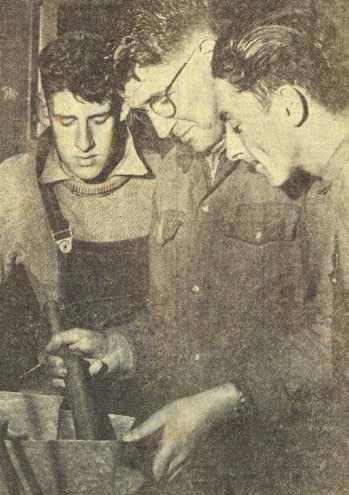
Plumbing apprentices (including Allproof Industries founder Ian Jackson) shaping sheet lead with a wooden ‘dresser’ at the Hutt Valley Memorial Technical College in 1956.
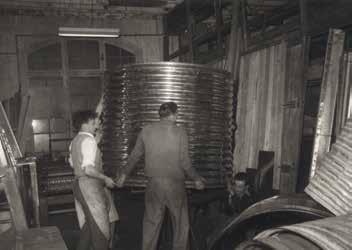
Making circular water tanks by rolling heavy iron sheet was a time-consuming business.
Dunedin to consider forming a local ‘Master Plumbers Union’.
After deciding to go ahead, they set about recruiting more members and, at their second meeting that year, changed the name from Union to Association.
A similar Association had formed in Christchurch by 1899, at which time the city had a population of around 5,000.
Christchurch was the location for the very first annual convention of the National Association of Master Plumbers of New Zealand, held on 8 January 1901.
By December that year, Christchurch, Wellington and Dunedin had become affiliated to the national body. Westland and Wanganui followed the next year, along with dedicated individuals from Southland, Ashburton and Milton.
These early groups were created to improve trade standards, support apprenticeships, share technical knowledge, and represent plumbers to councils and government— roles the national organisation continues to carry out today.
The Auckland Master Plumbers Association had been established in 1894 but remained affiliated to the Australian Association until around 1912, by which time it had joined the New Zealand Association.
These early groups were created to improve trade standards, support apprenticeships, share technical knowledge, and represent plumbers to councils and government—roles the national organisation continues to carry out today.
At the second annual conference, held in Dunedin in 1902, a motto and seal were decided for the national association.
Depicting a crest with a hand holding a torch and the words ‘Salus populi suprema lex’ (the health of the people is the supreme law), this early mark remained in use until 1970, when a new logo was introduced. This was updated in 2016 with the brand in use today.
The second national conference also saw drays ordered for a one-day return drive to Waitati. An order was prepared for two dozen bottles of beer, two dozen bottles of soft stuff, and two bottles of whisky. A smoke concert and dinner followed.
It wasn’t until 1948 that gasfitters were included in the membership, when the New Zealand Society of Master Plumbers and Gas Fitters Inc was officially incorporated as a national body.
There are now 19 nationwide Master Plumbers, Gasfitters & Drainlayers NZ branches from Northland to Southland, and the
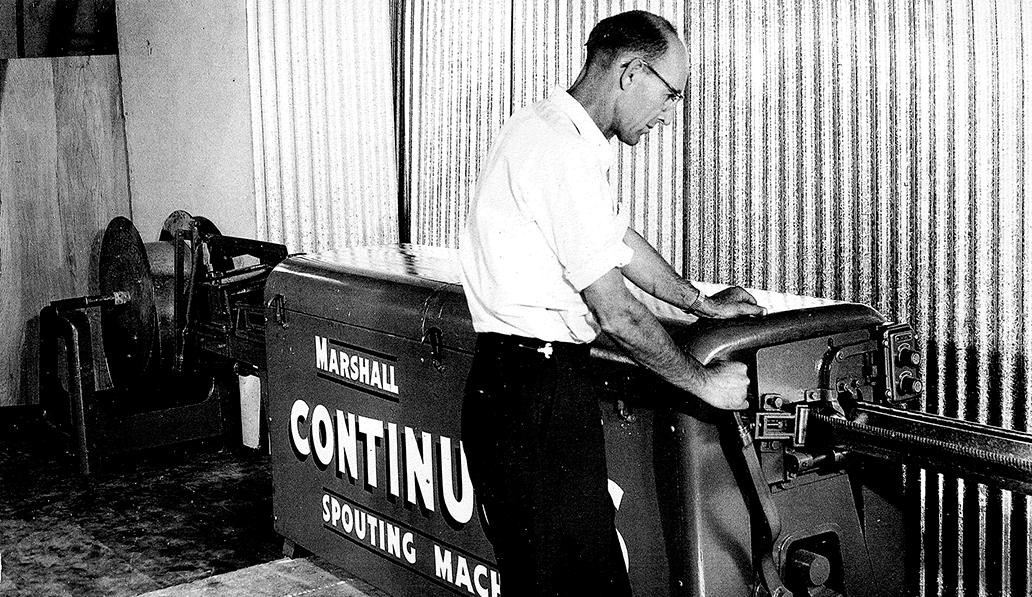
This 1955 photo shows Noel Marshall with his continuous spouting machine. Brothers Noel and Owen Marshall also manufactured some of New Zealand's first long-run roofing steel, sold under the Pioneer Brand. Marshall Industries continues in Southland today, now in its 90th year.
Photograph courtesy of Marshall Industries.
Courtesy of Martin family.
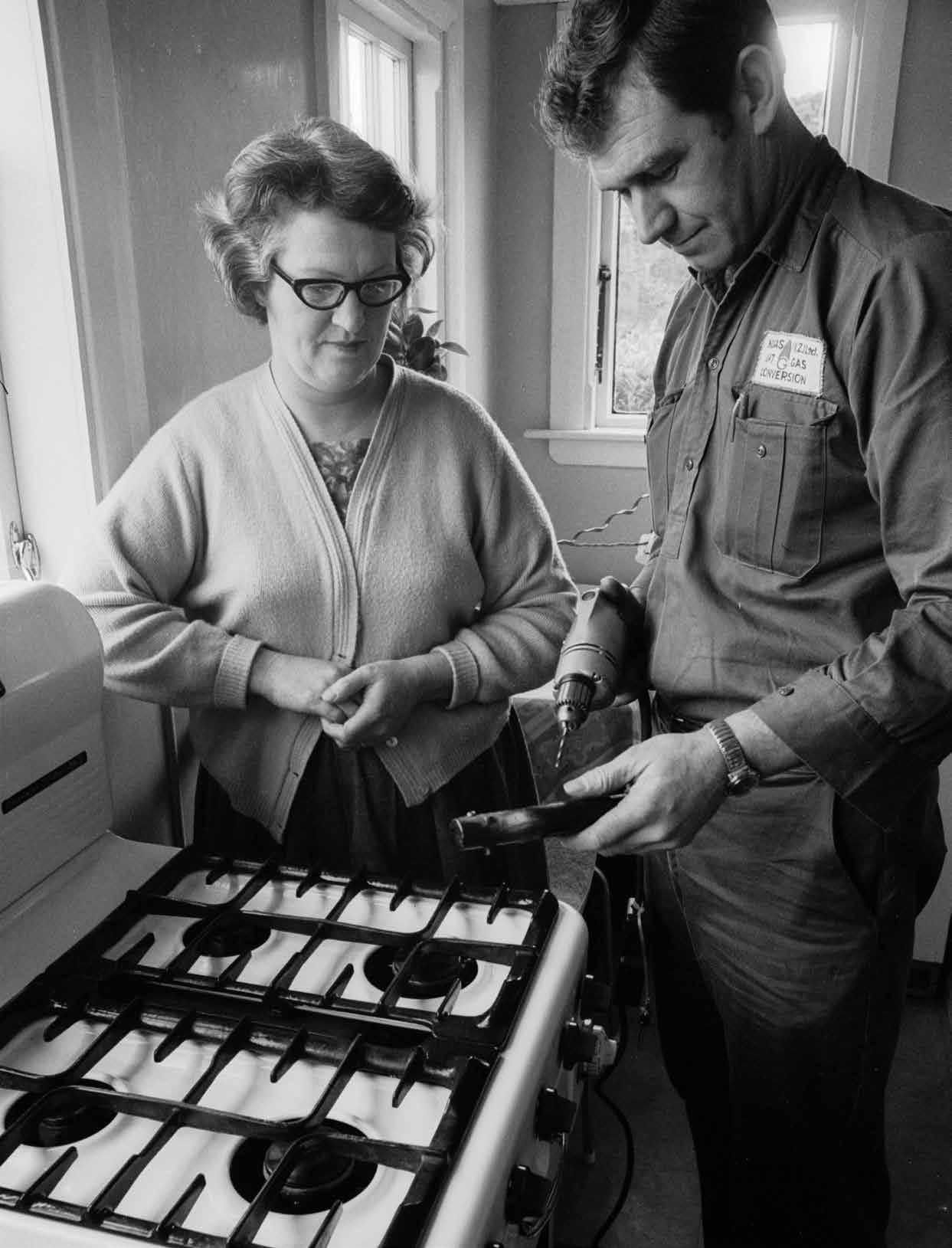
Conversion of an oven from town (coal-fired) gas to natural gas in Newlands, Wellington, in 1969.
annual conference is still the highlight of the year. The focus also remains on public health, and Master Plumbers continues to advocate on behalf of the industry.
Typhoid may be a thing of the past, but the arrival of the Covid pandemic in 2020 saw plumbers and drainlayers take on essential service status.
Natural disasters, including the Napier earthquake in 1931, the Christchurch earthquakes in 2010 and 2011, and Cyclone Gabrielle in 2023, have also resulted in urgent demand for all three trades to carry out emergency and recovery work.
Rules and regulations
Around 1890-1910, many New Zealand towns introduced their first plumbing and sanitation bylaws. These council rules were created mainly to stop disease and improve public health. They controlled how plumbing, drainage, and gas installations had to be done and with what materials.
For example, houses within a certain distance of a sewer line had to install a proper drain connection. Drains had to have a minimum slope and drain systems had to be ventilated to allow sewage to flow properly. Traps had to be installed in plumbing systems to prevent homes filling with dangerous sewer gases, and drain systems had to be ventilated to help sewage flow correctly. Drinking water also had to be protected by covering rainwater tanks, locating wells away from privies, and not allowing water pipes to run through sewage drains.
An early version of today’s consent and inspection system saw plumbing work inspected by a sanitary inspector or council
engineer, with some towns requiring plumbers to obtain permits before installing drainage or sewer connections.
At the Master Plumbers second annual conference in 1902, much discussion was had about the need for the national registration of plumbers, for the protection of public health. Advocacy work continued over many years, resulting in the Plumbers’ Registration Act in 1912—the forerunner of today’s Plumbers, Gasfitters, and Drainlayers Act.
Economic ups and downs
Throughout its history, the construction industry has been known for its boom and bust cycles. After a decade of prosperity, New Zealand experienced a sharp recession in 1908, presenting an early challenge to the viability of the newly formed national Master Plumbers association.
This was followed in 1914 by the outbreak of the First World War, which saw many members called to active duty.
The Wall Street Crash in October 1929 led to the global great depression. This was to hit New Zealand hard in the early 1930s, with unemployment levels reaching an estimated peak of around 20 percent.
The country was again impacted with the outbreak of the Second World War in 1939. For plumbing businesses, manpower shortages were accompanied by material supply issues. Securing tyre supplies and basic petrol allocations to keep vehicles on the road proved challenging.
Fittings such as baths were virtually impossible to procure and, with shortages of galvanised iron and sheet metal to fabricate spouting, operations came to a complete standstill for some.
This photo shows the very first fully hydraulic digger to be brought into New Zealand by Michael Parke-Pittar in 1967, when he was working as a contractor in Te Puke.
Photograph courtesy of Michael Parke-Pittar/Western Bay of Plenty District Libraries.
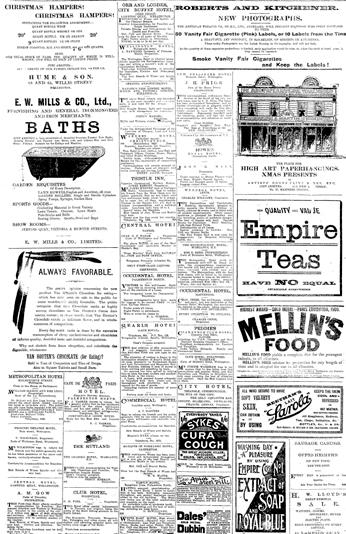
A page from The New Zealand Times on 8 January 1901, the date of the first convention of the national Master Plumbers Association.
The 1950s were a period of prosperity, lasting until the wool price crash in 1966. With nearly full employment, people invested in new homes and whiteware appliances.
As sure as night follows day, there have been other recessionary periods, including the 2008 global financial crisis and the recent downturn following the Covid lockdowns. The current Middle East conflict is the latest concern for the industry, affecting fuel prices and petroleum-based plumbing material supplies.

NZ Plumber would like to acknowledge the following as the primary sources of information in this article:
Complies with NZ Building Code & AS/NZS 1260

The Master Plumbers of Otago: Commemorating the First 100 Years by Eric Shaw and John Simpson (1997)
Canterbury Master Plumbers Association One Hundred Years of History 1899-1999 by Stan Gardner
Handling Water: A Tricky Business by SC 'Digger' Eunson
Centenary of the New Zealand Institution of Gas Engineers, compiled by Daniel Whitfield
Te Ara Encyclopedia of New Zealand (teara.govt.nz)

1901
National Association of Master Plumbers established, with first national conference held in Christchurch
Plumbing and drainage materials include galvanised iron, cast iron, copper, earthenware and lead
1902
Master Plumbers adopts motto Salus Populi Suprema Lex – Health of the People is Supreme Law
1912
Plumbers’ Registration Act 1912 passed, establishing Plumbers’ Registration Board
1914-18
First World War sees many plumbers leave NZ for active duty
1923
Apprenticeship Act 1923 establishes local apprenticeship committees for each industry in New Zealand, and length of apprenticeship
1929
Great Depression, impacts New Zealand communities and businesses
1931
Napier earthquake results in first national Standard Model Building Bylaw in 1935
1935
New Zealand introduces 40-hour week, with shops and factories closing on Saturday mornings
1939-45
Second World War sees many plumbers leave NZ for active duty
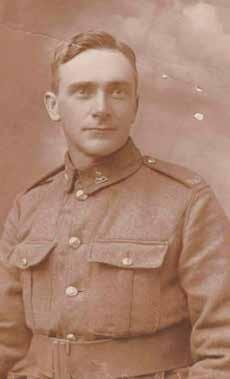
William Percy Riches started Riches Plumbing in Christchurch in 1920, having returned from three years’ fighting in the First World War. One of the earliest members of Master Plumbers, he served on the national executive from 192529. The company continues today as a member of Master Plumbers under great-grandson Dale Riches.
1948
Master Plumbers launches New Zealand Plumbers’ Journal
James Douglas Medallion first awarded
1956
Health Act 1956 mandates proper water supply and sanitary conveniences for all dwellings
1957
Plumbing in New Zealand apprentice textbook published. By this time, common materials include aluminium, copper, brass, bronze, iron, cast iron, malleable cast iron, wrought iron, mild steel, lead, tin and zinc.
1960
PVC pipes emerge, followed by other industry-changing plastic pipe materials
1964
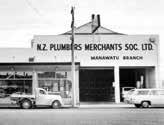
Master Plumbers’ Merchants Society Ltd registered as a cooperative, changing its name to NZ Plumbers’ Merchants Society Ltd later in same year
Source: Riches Plumbing.
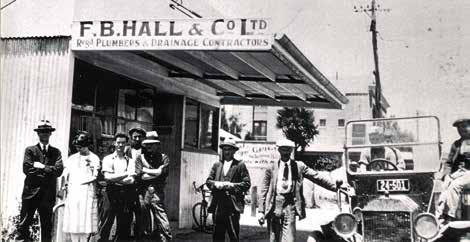
FB Hall was founded in Hamilton in 1923 and is still going strong today. This photo was taken around 1925.
Courtesy of FB Hall.
1976
Plumbers, Gasfitters & Drainlayers Act 1976 passed, establishing Plumbers, Gasfitters & Drainlayers Board
1990
Master Plumbers becomes Master Plumbers, Gasfitters and Drainlayers NZ Incorporated after several name changes over the years
1991
Building Act 1991 establishes first national New Zealand Building Code in following year
1992
Industry Training Act 1992 establishes ITOs (industry training organisations) to take over apprenticeship training (ITOs disestablished 2022)
Health & Safety in Employment Act 1992 comes into effect in 1993
2001
Master Plumbers commissions greenstone Centennial Trophy to be awarded each year to New Zealand Master Plumber of the Year
2002
Master Plumbers establishes Masterlink group apprenticeship training scheme
Hunn Report, commissioned by Building Industry Authority (now defunct), identifies systemic failures leading to national weathertightness ‘leaky buildings’ crisis
2004
Building Act 2004 introduces Licensed Building Practitioners (LBPs)
2008
Global Financial Crisis impacts New Zealand communities and businesses
2010/11
Christchurch earthquakes create urgent and ongoing workload for plumbers, gasfitters and drainlayers
2012
Ministry of Business, Innovation and Employment created, merging Department of Building and Housing with three other ministries
2013
Gasfitter self-certification scheme comes into effect
2015
Health & Safety at Work Act 2015 comes into effect in 2016, superseding previous Act
2016
Contaminated water leads to significant gastroenteritis outbreak in Havelock North, resulting in overhaul of NZ drinking water regulations and establishment of national water regulator Taumata Arowai
2020
Outbreak of Covid pandemic has major impact on New Zealand communities and businesses, and plumbers and drainlayers are given essential services status
National skills training entity Te Pūkenga established (disestablished 2025)
2023
Cyclone Gabrielle devastates regions in the upper North Island, requiring emergency and recovery work by plumbers, gasfitters and drainlayers
2024
Upgrade for Ecogas Reporoa Organics Processing Facility sees renewable gas flowing in a New Zealand pipeline for first time
2026
Industry Skills Boards established to set standards for vocational training in their sectors (replacing Workforce Development Councils under Te Pūkenga)
Master Plumbers works to establish Nexa Training Academy for PGD trades
Significant reform of building consent system underway
Lead-free plumbing product regulations come into effect
Self-certification scheme for plumbers and drainlayers expected to come into effect
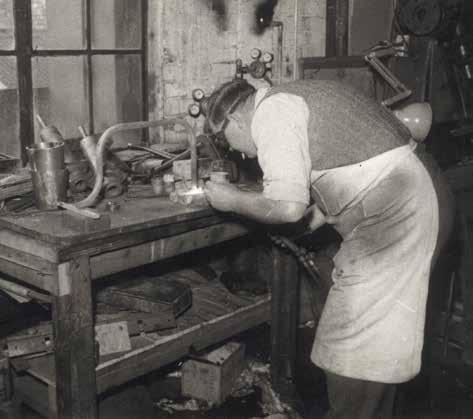
Archive photograph of oxy-acetylene welding (while smoking!).
Courtesy of Martin family
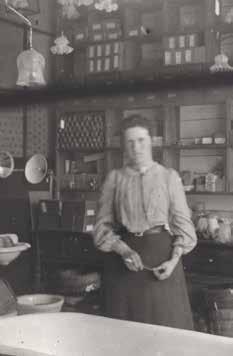
A few years ago, a member of the Martin family got in touch with the Master Plumbers national office to donate a treasure trove of archive material from this illustrious Wellington plumbing family. Their story, first published in the NZ Plumbers’ Journal in 1985, is reproduced here.
PHOTOGRAPHS : COURTESY OF THE MARTIN FAMILY
Chas W Martin Esq was born in England in 1869, the eldest of seven children. A few years later, he spent three months at sea on the sailing ship Conflict en route to New Zealand. The family settled in Wellington and young Charles Martin was a pupil of Newtown School, which opened in 1879.
The next year, however, he left school, taking on a paper run to help support the family budget. His next job in the Government Printing Office was short-lived after being diagnosed as having a ‘weak chest’, so he sought an outdoor job.
Charles Martin joined Thomas Ballinger & Company Ltd as a plumbing apprentice
in 1884. Sixteen years later he left his job as foreman and set up on his own.
While at Ballingers he became the first New Zealand candidate to obtain the City and Guilds of London Technological Certificate. Also, he brought electricity to Wellington! It was his job to wire the show celebrating the introduction of electricity to the capital. To do this, the capable Charles Martin read Thomas Edison’s ABC of Electricity.
At his farewell from Ballingers, he was presented with a beautifully inscribed address. Two days later, on 5 November 1900, CW Martin, Plumber and Electrician,
began trading from a shed in Tory Street in Wellington. By 1905, he had put up the present-day building on the site next door.
An inventor at heart, he created the country’s first domestic electric oven. It was heated by carbon filament lamps, which he also used in a radiator of his invention. The oven had no cooking top because the bare heating elements were considered too dangerous by the inventor. Called ‘The Nitram’, the oven was sold at the same price as gas ovens—£5.
The gas company retaliated by dropping its price to £2 10s installed, which effectively saw the demise of its competition.
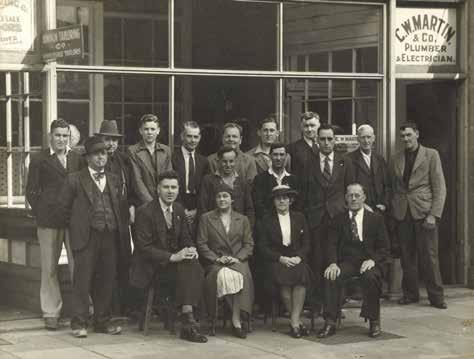
These two photographs were taken inside the CW Martin Ltd showroom in 1910 and outside the building in 1940.
Charles Martin completed his apprenticeship at Thomas Ballinger & Co in Wellington in 1884.
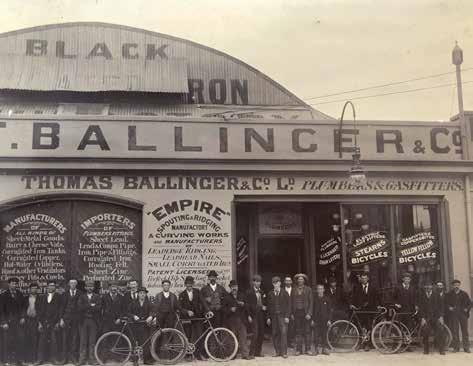
Other invention ideas of his were a dishwasher, tea-making machine, and steam boiler for steam cleaning motor-car engines. Perhaps he pioneered the neon sign also, because the electric illuminated sign on the side of the firm’s building could be seen in Newtown.
The firm of CW Martin and Co has always claimed to have been one of the oldest customers of the Te Aro Branch of the Bank of New Zealand. This, however, was not substantiated until some years ago when the firm’s original deposit slip, dated 5 November 1900 for £60 was found. It was neatly packed in a shoe box with cheque butts to November 1928. The lid itself tells something of the character of the man:
“One of the pleasures of my life has been a pleasure of being able to pay.”
Signed Charles Martin.
The first wages cheque in the box is for £5-0-0, dated 24 November 1900, and the following year, payment for the firm’s first city council permit was made on 5 January—the fee being £2-5-0.
In 1929, Charles Martin was tragically killed in a motor accident. The business lost its founder; the community lost a talented member for not only had he a good business head but was recognised in other ways.
Charles Martin had become Chief Petty Officer in the Wellington Naval Reserves, was a member of the New Zealand contingent to the Coronation of King George V in 1910 and was also a good marksman.
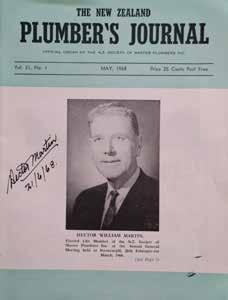
Hector Martin took over the business after his father’s death. At the time, he was working as an architectural draughtsman. In 1937, he qualified for registration as a plumber and joined the Wellington Master Plumbers Association the following year. This was the start of a long career serving the industry, which saw him in these roles:
Wellington Association conference delegate
Auditor of the NZ Society of Master Plumbers and Gas Fitters
Editor of the NZ Plumbers’ Journal for 30 years from 1948
Examiner to the Registration Board of the NZ Trades Certification Board.
An inventor at heart, Charles Martin created the country’s first domestic electric oven. It was heated by carbon filament lamps, which he also used in a radiator of his invention.
Foundation board member and director of the NZPMS cooperative
President of the NZ Society 1955.
In recognition of his unstinting service, he was elected Life Member of the Wellington Association and also of the NZ Society in 1968.
Meanwhile business continued along the lines it had begun—plumbing, gasfitting and sheet metal work. The little shop window in front of the workshop in Tory Street always carried a display of plumbing fittings and appliances. Hector Martin also came up with a first—his invention was a spouting machine which produced 8 foot lengths.
Paul and Peter Martin , brothers and both Craftsmen Plumbers, joined the company in the mid 1950s and early 1960s respectively. This led to a diversification into the production of laboratory (temperature controlled) equipment. In 1973, control of the business was theirs. Paul, another inventor, developed the premature baby incubator in the late 1970s but had little success marketing it in New Zealand. The rights were eventually sold to an American company and Paul emigrated to the States.
Peter Martin carried on in the firm, building up a solid-fuel heating side to the business. Note added in 2026: Peter continued to specialise in supplying fire grates and replacement parts for new and old woodburning and multifuel appliances. The business still operates online, under the name The Grate Place.
Charles B Martin, Hector Martin’s older brother, was also a Life Member of the NZ Society, elected in 1953. Charles was a valued member of the Wellington Association for over two decades and was President from 1940 to 1944. When the Society was formed in 1947, he became a foundation councillor. Charles B Martin’s contribution to the industry was a solid one made at local level, and his interest continued until his death in 1976.
Hector Martin took over CW Martin Ltd after his father’s early death in 1929. He was to become President of Master Plumbers in 1955, Editor of the NZ Plumbers’ Journal for an incredible 30 years, and a National Life Member.
Speaking recently with national Life Member Ray Galt, Master Plumbers CEO Greg Wallace was reminded that the story of Master Plumbers isn’t just about drains and pipework—it's about people.

GREG WALLACE CEO, MASTER PLUMBERS, GASFITTERS & DRAINLAYERS NZ AND MASTERLINK
Ray Galt’s career spans more than 50 of the 125 years Master Plumbers celebrates this year. In the early 1970s, as a 15-year-old who “hated school but was reasonably bright,” Ray was offered an apprenticeship almost by accident, after a casual conversation on a boating trip in the small lakeside town of Kingston.
He started his own business at 22—Ray Galt Plumbers Ltd, based in Invercargill. Later, he would go on to buy into Baxter & Neilson—a firm whose history stretches back to the 1800s—before eventually passing the business on to a former apprentice.
Effort in, reward out
Ray’s journey isn’t unusual in our industry. What stands out is the thread that runs through it: community. “The more you put into something,” Ray says. “The more you get out of it.”
That philosophy defines Master Plumbers and should serve as a signpost for how we move forward as a country. We need to invest in the issues that matter. What does that look like in 2026? It means advocating for sustained investment in water systems and infrastructure that will withstand environmental challenges. It means investigating lead contamination risks in New Zealand’s aging plumbing networks and prioritising high-risk areas for remediation. It means prioritising the training of our future workforce. We cannot meet infrastructure demands or housing targets without enough skilled tradespeople.
New Zealand is in the middle of significant vocational education reform. At the same time, our industry is grappling with a shortage of over 3,000 plumbers. Providing high-quality training and funding support to the next generation of tradespeople is paramount to ensuring our resilience in the years to come.
Over the last 125 years, Master Plumbers has survived wars, recessions, regulatory upheaval, and industry change. Not due to luck or chance, but because of the input and commitment of our membership.
Knowledge shared, knowledge gained
Two months after starting his business, Ray went to get some copper spouting made and was told by the store owner to come along to a Master Plumbers meeting. “That first meeting, the information that was around the table... my head was spinning,” he says. National conferences provided even greater opportunity for knowledge sharing. “You’d meet one-man bands and those with 10- or 100-man businesses,” continues Ray.
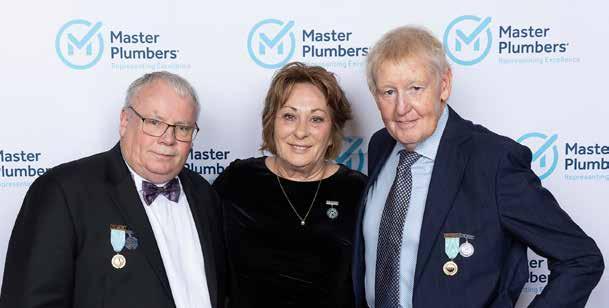
Ray Galt (left) is shown here with Michele DeBernardo, wife of the late John DeBernardo, and Mark Whitehead, who passed away in 2024. All three men received the rare honour of Master Plumbers National Life Membership.
“It didn’t matter. They treated you as an equal. I’ve always been a strong believer that the person sitting next to you knows more about something than you do.”
Through his time as a member and later as both an executive for the Southland Master Plumbers and a national Master Plumbers Board member and President, Ray learned about governance, how to chair meetings, how to build professional relationships and how to pick up the phone to someone 500km away and ask for help. He remembers calling a fellow member in Hamilton, who came down to work alongside his team for two weeks to assist with a complex job. The expectations set by the organisation encouraged him to raise the bar. “You see somebody doing well, then you want to do well as well.”
Supporting a higher bar
Master Plumbers isn’t just a sticker on a van. We are a network. A sounding board. A benchmark.
When we advocate for better regulation, quality training, or lifting standards across the trade, the whole industry benefits. But membership offers something more: a community of expertise, personal development, and a commitment to something bigger than your own business.
This milestone is a celebration of members like Ray who are willing to show up, speak up, listen and adapt to move our industry forward.
Over the last 125 years, Master Plumbers has survived wars, recessions, regulatory upheaval, and industry change. Not due to luck or chance, but because of the input and commitment of our membership.
125 years ago, our founders could not have imagined the complexity of modern compliance, digital communication, or large-scale infrastructure projects. Not to mention the growing diversity of the workforce, a fact Ray—whose wife and daughters worked in the business and who is a champion for women in the trade—is especially proud of.
However, those same founders would recognise the heart of our association immediately: tradespeople committed to a job well done and backing each other along the way.
HE TĀNGATA, HE TĀNGATA, HE TĀNGATA
It’s the people, it’s the people, it’s the people
A panel in the national office of Master Plumbers lists all the National Life Members since its inception in 1901—people who have dedicated time and effort to the organisation while also running successful businesses. It’s a rare honour. Only 24 Life Members
have been elected in 125 years—from the very first, James Douglas (see article on page 84) to the most recent, the late John DeBernardo.
There will doubtless be more to follow in the coming years.

Barry, who lives in Auckland, was a partner at Barnes & Follas, and National Master Plumbers President for the 1988-89 term, receiving Life Membership in 1989. Bryan Heron, who passed away in 2024, received National Life Membership in 2016 for his services to Master Plumbers. Heron Plumbing marks 65 years of Master Plumbers’ membership this year, with Dale and Andrea Lovell at the helm. Graeme Mander, who passed away in 2020, was National Master Plumbers President for the 1985-86 term. Wellington-based Mander & Co Ltd was set up by his father Howard in 1946, with Graeme running the business from 1965 until his retirement in 2019. The business continues to thrive today under Gavin Chambers’ directorship.
Above, from left: National Life Members Barry Watkins, Bryan Heron, and Graeme Mander.
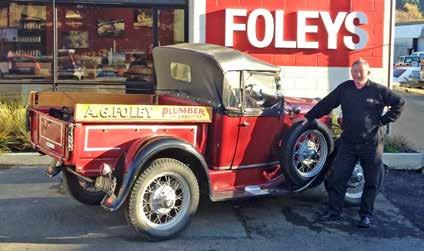
National Life Member Brian Foley of the fourth-generation Foley Plumbing family. Foleys began in Dunedin and now has 12 branches across New Zealand.



Master Plumbers, Gasfitters & Drainlayers NZ thanks the following Partners for their support:

































SILVER
MEMBER BENEFIT
HELP IS A CALL AWAY
Member businesses are encouraged to make good use of the free helplines on offer through Master Plumbers.
A quick phone call is sometimes all that’s needed to answer a work query.
Master Plumbers has free helplines for any technical, legal, employment, or health and safety questions members may have.
There’s a real person at the end of the line during business hours, ready to help you out!
Technical: Rod Miller—Certifying Plumber and Drainlayer, hydraulic consultant, and plumbing industry veteran
Employment, health, safety & wellbeing: Lisa Duston—People & Culture Manager at Master Plumbers and Masterlink Legal: Representative from law firm Duncan Cotterill (first 20 minutes free).
Find all helpline numbers in the Member Benefits & Discounts dropdown at www.masterplumbers.org.nz

Master Plumbers People & Culture Manager Lisa Duston is on the end of the free HR Helpline to help with your employment queries.
PROVIDING A SELF-CERTIFICATION
UPDATE, CONGRATULATING THE WINNERS OF WORLD PLUMBING DAY PRIZES, AND WELCOMING NEW GOLD BUSINESS PARTNER WARM NZ.
Advocacy update
Self-certification
Master Plumbers CEO Greg Wallace appeared before the Parliamentary Transport and Infrastructure Select Committee in late January alongside Lisa Onland, Master Plumbers Advocacy Support, and Certifying Plumber and Gasfitter Josh Harris, Operations Manager at Jason Brown Plumbing. Together, they were there to present Master Plumbers’ viewpoint on the proposed regulations, which will define the details of the plumber and drainlayer self-certification scheme.
“We welcome the intent behind the selfcertification scheme for plumbers and drainlayers and support the efforts to make the consent process more efficient and housing more affordable for New Zealanders,” said Greg Wallace, before going on to stress the importance of ensuring the scheme is practical and workable for the industry.
Master Plumbers has also met subsequently with Construction Minister Hon Chris Penk to discuss the draft regulations.
In March, Labour Party MP and select committee member Arena Williams visited Master Plumbers member business Peter Jackson Plumbing on the Kāpiti Coast to see firsthand an on-site rainwater collection, greywater re-use, and solar water heating installation.
It is being proposed that the new self-certification scheme should apply only to ‘simple’ or ‘low risk’ work. The tour provided a great opportunity to be able to demonstrate how work in the more rural
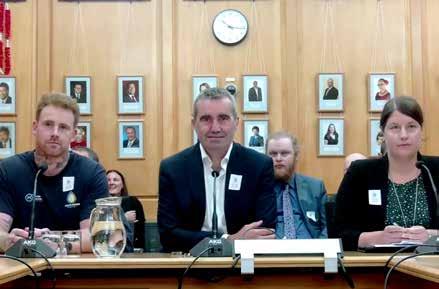
areas of New Zealand, lacking connection to public water supplies, can meet the 'low risk' definition.
Workplace health & safety reform
New Zealand’s work health and safety laws are also undergoing reform. The aim is to put the focus on critical risks and reduce red tape and cost for small business.
The proposed changes would introduce a new statutory definition of critical risk as hazards that are likely to result in death, notifiable injury or illness, notifiable incidents, or occupational disease. They would also introduce a new category of small PCBU for businesses with fewer than 20 workers. Small PCBUs would be required to manage only critical risks for most duties.
Master Plumbers provided feedback on the Health and Safety at Work Amendment Bill 2026 by the March closing date and attended the select committee hearing. Whilst Master Plumbers supports the intention to reduce the compliance burden for smaller businesses, clarification is needed on how this will operate when a small PCBU works on site managed by a larger principal contractor.
Master Plumbers also recommends that the Bill addresses the importance of identifying and addressing non-critical risks for small PCBUs, in addition to prioritising critical risks.
Members can read Master Plumbers’ submissions in the Member Toolbox at www.masterplumbers.org.nz (under Advocacy).
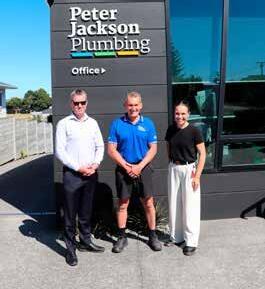
Labour MP and select committee member Arena Williams with Master Plumbers CEO Greg Wallace and Peter Jackson of Peter Jackson Plumbing on the Kāpiti Coast.
Master Plumbers continues to provide an industry leadership voice as the plumber and drainlayer self-certification Bill works its way through Parliament.
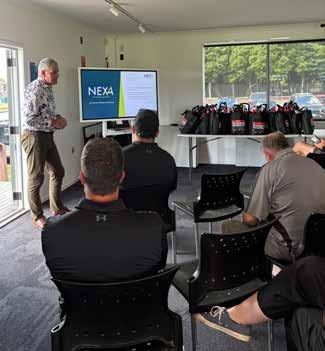
Mike Grumball providing an information session on the new Nexa Training Academy to the Waikato Master Plumbers Branch this March. This photo was provided by Soudal, who were pleased to support the meeting as a proud Master Plumbers Silver Business Partner. “We’re committed to backing the ongoing learning, development, and collaboration happening across the plumbing trade, and it’s great to be part of such a strong and engaged community,” they say.
NEXA TRAINING ACADEMY PROGRESS UPDATE
The work to bring the industry-led and industry-owned Nexa Training Academy is starting to take shape. During February and March, project lead Mike Grumball travelled around the motu presenting at Master Plumbers branch meetings to outline what this private training establishment (PTE) means for the industry, how the industry can support this initiative, and what the future of PGD training for the sector looks like.
“I really appreciated the branches putting these meetings on at short notice and the support we have received by those who attended,” says Mike. “Yes, I was challenged along the way and that is OK. It is an important part of ensuring everyone has had the opportunity to contribute to the discussion.”
Mike thanks all who have provided letters of support following the meetings. “This is a really important part of the application to NZQA to become a PTE, which is being done now,” he says.
The Nexa company registration is also underway, and the directors have been announced. They are Felicity Caird (Chair), Dave Strong, Warwick Quinn and Michael Alsford.
“Nexa Training Academy will be a game changer for the future of PGD training,” continues Mike. “In the meantime, please keep training apprentices through EarnLearn and Skills Trades Training, and signing up new apprentices if you are in a position to do so. The industry needs to keep training.”
NEW GOLD BUSINESS PARTNER: WARM NZ
Master Plumbers extends a warm welcome to new Gold Business Partner Warm NZ.
Warm NZ offers a full range of high-quality, innovative heating products to cover all your central heating needs, including underfloor, radiator, air to water heat pumps, and diesel or gas boilers.
The company was established in 2012 by Certifying Plumber, Gasfitter and Drainlayer Sean Stephens, whose sister company Plumbcraft is constantly seeking to source premium central heating systems for its clients.

Warm NZ has since become one of New Zealand’s premium suppliers of central heating products—and is the exclusive supplier of cast-iron Paladin Radiators, Boilermag magnetic filters and Rehau Rauvitherm and Rauvipex pre insulated heating mains.
Through their partnerships with Rehau and Hunt Heating Australia, Warm NZ can also offer draft and detailed design services for domestic, commercial and industrial heating systems.
Warm NZ only supply product they would install in our own homes. They are here to help like-minded plumbers select great product and get great results.
warmnz.co.nz; 0800 475 8622
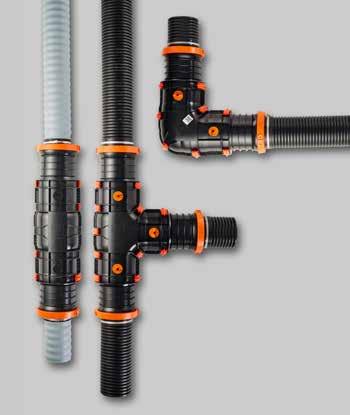
Warm NZ is the exclusive supplier of Rehau Rauvitherm and Rauvipex pre-insulated heating mains.
RINNAI NZ CELEBRATES ONE YEAR OF RINNAI PLUS!
One year on from launching Rinnai Plus, plumbers and gasfitters across New Zealand are seeing the benefits of membership, with the loyalty programme delivering real value for those choosing market-leading Rinnai products.
Rinnai Plus gives members the opportunity to earn valuable reward points on eligible purchases via participating merchants and redeem them across a wide range of rewards.
With more than 6,000 rewards available, members can choose from the latest tech, outdoor equipment, home and garden gear or something for the family, from gourmet food to toys for the kids. For those seeking something more bespoke, the concierge style ‘Dream Rewards’ service allows points to be put towards bigger goals. Whether that’s travel, education costs, or home improvements, the options are virtually endless.
Customer feedback has played an important role in shaping Rinnai Plus, helping to guide improvements and ensure the programme continues to deliver value. Members have great things to say:
“Thank you Rinnai so much. With the extra points, we have been able to buy our grandkids a ride-on car! Really appreciate the support.”
“The Rinnai Rewards programme is fantastic. It's great to be recognised and rewarded for choosing high-quality Rinnai products for both work and our customers. The programme adds real value, and it's awesome to get something back for supporting such a reliable and brilliant brand.”
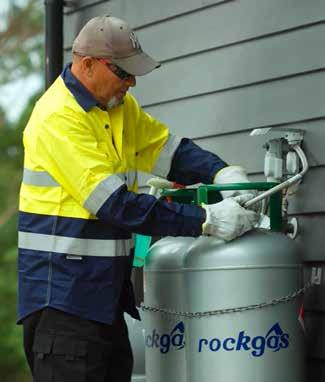

Over the past 12 months, membership has grown steadily, with more than 14.5 million points earned by the plumbers, gasfitters and builders who have enrolled in Rinnai Plus.
“We’re excited to be celebrating one year in market for Rinnai Plus,” says Sarah Moore, Head of Marketing at Rinnai NZ. “The programme is going from strength to strength, with so many exciting opportunities to reward and recognise Rinnai customers in the future.”
Existing Rinnai Plus members can look forward to new promotions every month in 2026, and those not yet signed up can find out more at www.rinnaiplus.co.nz
ROCKGAS AND LPG DELIVERING FOR YOUR CUSTOMERS SINCE 1934
For more than 90 years, Kiwi homes and businesses have relied on Rockgas for their heating, cooking and water heating. Every week, Rockgas trucks across the country deliver thousands of their familiar 45kg bottles. At the same time, businesses receive regular, resilient energy supply through Rockgas’s bulk LPG delivery service.
With branches and franchises across the country, they've got LPG covered wherever you are.
Last month, Rockgas added a new line to their delivery schedule: facts.
Aimed to help home and business owners make informed decisions, LPGfacts.nz is a simple, straightforward website built on information rather than hype or panic about perceived gas shortages.
Rockgas has also funded a public information campaign leading people to the website. As the headlines say, there’s “so much LPG, it’s not even funny”. After you read the ad elsewhere in this issue, you might well agree.
Our World Plumbing Day prize winners!
To celebrate this year’s World Plumbing Day, Master Plumbers members could win fantastic giveaways in the 11 days leading up to 11 March.
“A big thank you to our Business Partners for their support and for providing these awesome prizes to help celebrate our members and the great work they do,” says CEO Greg Wallace. “It was fantastic to see so much engagement from across the industry for World Plumbing Day.”
Congratulations to:
DAY 1 Jared Wood for the Rheem Ultimate Fishing Pack
DAY 2 George Chambers for the custom-designed Mico paddleboard
DAY 3 Hera Eruera & Auckland Plumbers Group team for the Apex Valves factory tour + training
DAY 4 Bruce Wilson for the Soudal Golf Prize Pack
DAY 5 Daniel Thompson for the Marley merch pack + Star Wars TIE-Fighter BBQ
DAY 5 Hamish Reid for Makita Outdoor Essentials Pack
DAY 6 Josh Wansborough for the Mobilcard $250 fuel credit + 2026 Red Bull racing top
DAY 7 Etienne Tolmay, Harry Handford, Jack Verry, Laura Fisher, Georgia Simeon and Geoffrey Collins for memorabilia signed by Kieran Read, thanks to Plumbing World
DAY 8 Daniel Goldsworthy for the Milwaukee $1,500 Packout Kit
DAY 9 Kieran Garcia, Sarah Jamieson, Sara Luke, Cameron Ryder, Brandon Ryder, Scott Garvie, Auckland Plumbers Group, Aspen Plumbing, Jason Douglas and James Coshan for the Allproof tees and water bottles
DAY 10 Peter Jackson Plumbing, Paraparaumu, for the Ecoya gift pack, thanks to Plumbing World
DAY 11 Lisa McBeth for the Kärcher WV2 Premium Window Vac, thanks to Plumbing World.
PLUS, Master Plumbers joined the party with an awesome prize—to win Master Plumbers CEO Greg Wallace for a Day. Look out for a report back from prizewinning business Profile Plumbing in Auckland in an upcoming edition of NZ Plumber!



NEW MEMBERS
A warm welcome to new Master Plumbers member businesses:
Glory Plumbing
Auckland
Kiwi Gasfitting Ltd
Auckland
Tapped In Plumbing Services Ltd
Auckland
Aquaholics
Bay of Plenty/Coromandel
Three Ducks Solutions Ltd
Bay of Plenty/Coromandel
Hydro Plumbing Maintenance
Hutt Valley/Wairarapa
MRG Civil Wellington
Currie Plumbers
Queenstown Lakes District
Arrowtown Plumbing
Queenstown Lakes District
Rawlings Plumbing Ltd
Queenstown Lakes District
WANT TO JOIN?
Master Plumbers is here to support all businesses in the plumbing, gasfitting and drainlaying industry.
Members are Quality Assured and backed by the Master Plumbers Guarantee. We offer a wide range of business resources, health and safety, employment, legal and technical support, plus training and member discounts—and we advocate for our members as a collective industry voice. Get in touch today!
Contact 0800 502 102
membership@masterplumbers.org.nz
Graham McPhail of Marley (right) presenting Daniel Thompson with his Star Wars TIE Fighter Portable Gas Grill.
McBeth Plumbing’s vehicles will have windows that sparkle, thanks to Lisa McBeth’s prize of a Kärcher Premium Window Vac prize, kindly donated by Plumbing World.
Laura Fisher and Andrew Durrans of Auckland Plumbers Group with Laura’s prize All Blacks shirt signed by Kieran Read, thanks to Plumbing World!
Their Excellencies the Governor-General of New Zealand the Rt Hon Dame
Cindy Kiro and Dr Richard Davies hosted over 250 guests at Government House in Wellington this March to mark 125 years of Master Plumbers.
PHOTOGRAPHY: NEIL MACKENZIE
“Plumbing is a highly skilled industry. You are integral to protecting the public health of all New Zealanders,” said Dame Cindy Kiro in her address.
“Congratulations on 125 years of Master Plumbers, an organisation which is undoubtedly intertwined with the history of New Zealand and its people.”
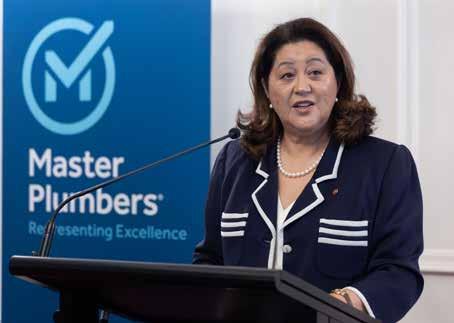
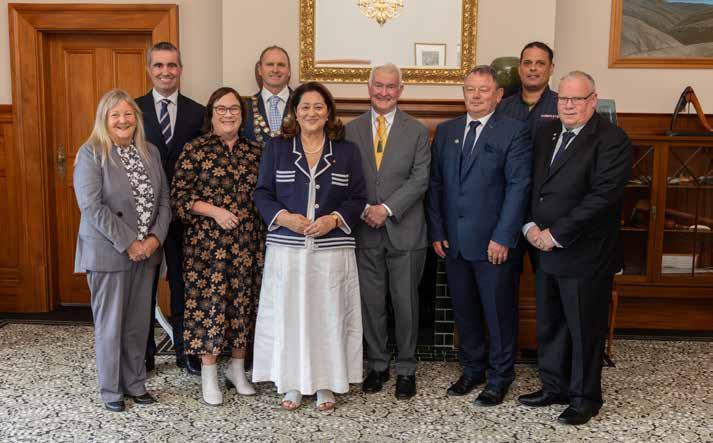
Dame Cindy Kiro, Governor-General of New Zealand, addressing the assembled guests in the ballroom of Government House, Wellington.
Dame Cindy Kiro and Dr Richard Davies (centre) with, from left: Vocational Education Minister Hon Penny Simmonds, Master Plumbers CEO Greg Wallace, Master Plumbers Board Director Felicity Caird, Master Plumbers President Grayson Wallace, Master Plumbers Chair Craig Foley, Master Plumbers Member Tamati Wilson, who opened the event with a special karakia, and Master Plumbers National Life Member Ray Galt.
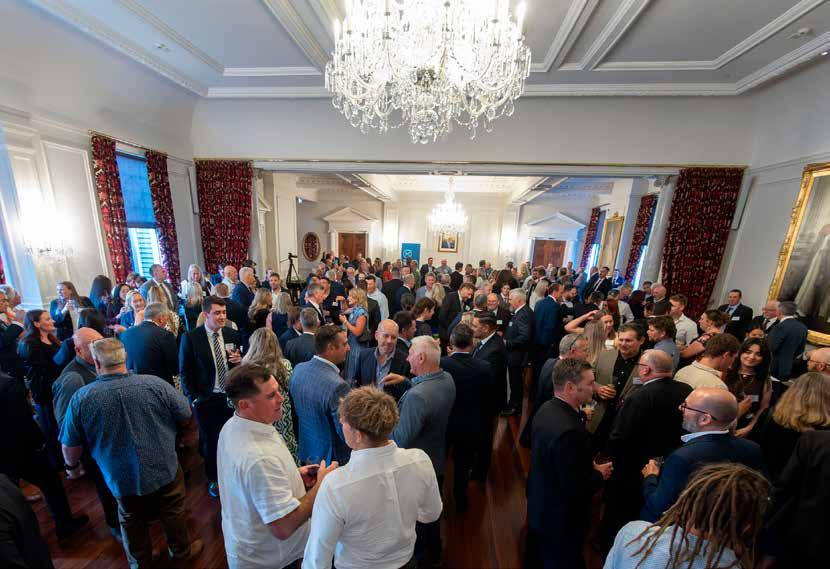
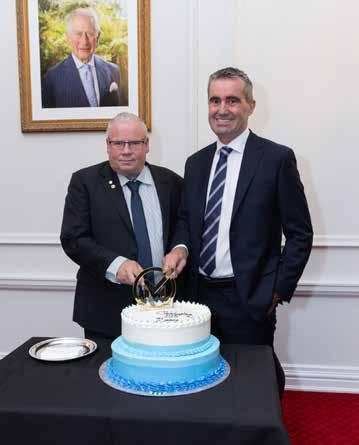

Master Plumbers will continue its celebrations of this milestone year at the 2026 New Zealand Plumbing Conference in Hamilton, from 24-26 June. Booking details at www.plumbingconference.org.nz
Master Plumbers Business Partners and Regional Branch representatives from across New Zealand were among those attending the event.
National Life Member Ray Galt (left) and Master Plumbers CEO Greg Wallace cutting the 125th Anniversary cake.
Listening to 125th anniversary speeches by Dame Cindy Kiro, Hon Penny Simmonds, Master Plumbers CEO Greg Wallace, and National Life Member Ray Galt.
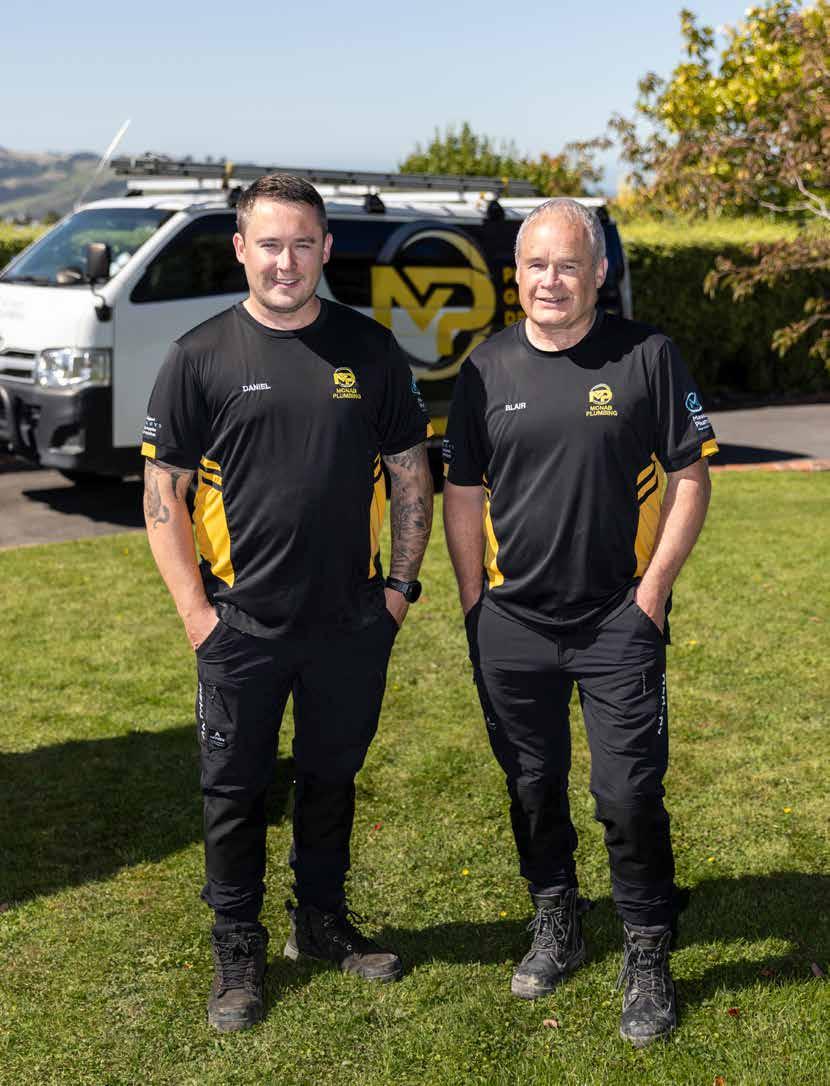
Blair McNab with son Daniel, who works with him as a qualified plumber at Blair McNab Plumbing in Dunedin.
FIVE GENERATIONS OF PLUMBING
Not many plumbers in New Zealand can trace their family plumbing roots back four generations, with a fifth in the making. Dunedin plumber Blair McNab is one such kind, as NZ Plumber discovers.
WORDS: BEVERLY SELLERS
PHOTOGRAPHY: GRAHAM WARMAN
Blair McNab is the great-grandson of Thomas McNab—one of three Scottish brothers who emigrated to New Zealand around 1890.
Thomas and Robert set up in business in Lawrence during the Gold Rush, and James set up in Dunedin. Their mother followed them out when her husband passed away.
Scottish roots
Before arriving, Thomas, Robert and James had been plumbers in Rothesay on the Isle of Bute, as had generations of McNabs before them. It is thought the McNabs of Rothesay are bearers of a Royal Charter, entitling them display a Coat of Arms over their door, having provided plumbing services to royalty in times past.
Blair’s grandfather Dave started his
apprenticeship with Thomas before going overseas to serve in the First World War. On his return, he didn’t want to be in Lawrence, so he started working for James in Dunedin, completing his apprenticeship soon after.
Dave then started his own business, DJ McNab, in Dunedin, later changing the name to DJ McMab & Son when son Barton joined the business.
Motor cars & metalwork
Dave was one of the earliest Master Plumbers’ members in Dunedin to motorise his business, taking possession of a gleaming 1926 Buick, soon followed by a 1928 Chevrolet. Later in life, he was awarded Otago Association Life Membership for his many years of service—as a Past President and having trained many apprentices.
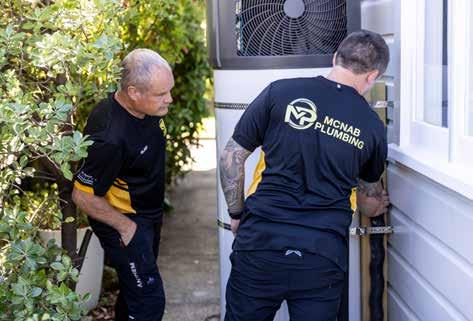
These included Barton, who went on to take over the family business after a stint with A&T Burt in Dunedin on returning from England, where he trained as a heating and ventilation engineer.
While in England, Barton met Christina, who followed him out to New Zealand six months after his return, and the couple married soon after.
Their sons Craig and Blair worked for Barton after school and in the school holidays, manufacturing its ‘Bute’ spouting brackets, which gave them a great work ethic from an early age.
“Our father’s business also had an 8ft hand bender, electric guillotine and hydraulic wing folder,” recalls Blair. “He had a full-time sheet metal worker, who trained me in a lot of sheet metal work. That included fabricating various sheet metal products, including long gutters that were joined together with solid rivets and solder joints—great on a cold, wet, miserable winter’s day to be able to be in the workshop.
“The business also made letter boxes and glass houses back in the day, and had templates for various size droppers that I still have, but not something we use now.”
Blair recalls Barton telling him that one of the worst jobs during his apprenticeship was having to solder up lead-lined coffins being shipped overseas.
“I can’t see the young ones wanting to do this now,” says Blair. “There was real craftsmanship and dedication in those days.”
Today’s technologies
Blair started his apprenticeship at DJ McNab on leaving school in 1980, studying at Otago Polytechnic alongside Craig Foley from another long line of well-known Dunedin plumbers.
Technologies have changed a lot since Blair’s youth, when apprentices were taught how to do lead chimney flashings and galvanised and copper pipework.
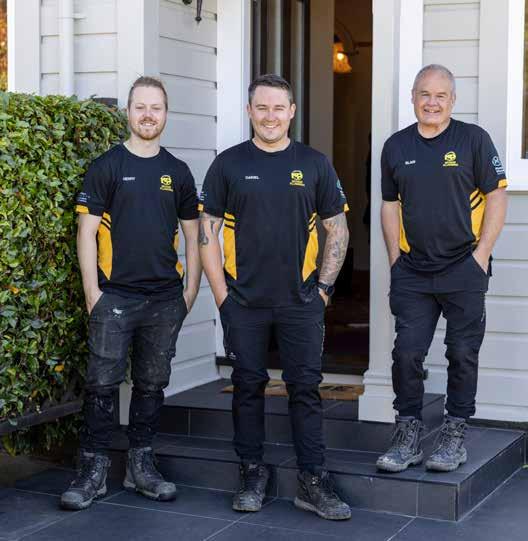
“Our father’s business had an 8ft hand bender, electric guillotine and hydraulic wing folder. He had a full-time sheet metal worker, who trained me in a lot of sheet metal work.”
He worked alongside his brother Craig in their father’s business after Barton passed away. “Unfortunately, brothers working together sometimes doesn’t work out, and I went out on my own in 1996,” says Blair, who has been at the helm of Blair McNab plumbing for 30 years.
With his reputation for commercial projects and plumbing maintenance, jobs soon picked up and he has grown a large, loyal client base over the years.
The team size has fluctuated as workload demands, with one of his first employees taken on for a six-month period and ending up staying for 17 years.
Turning 63 this year, Blair reckons 60 percent of his time is still spent on the tools, with paperwork taking up the rest— though job management software has made that a lot easier.
His son Daniel now works with him and is in the process of completing his registration exams in all three trades, having already got plumbing under his belt.
“Having spent a couple years in
Auckland working at North Sails and doing the Royal NZ Youth Sailing Academy, Daniel got to sail on several expensive yachts to Russell, Tauranga, and match racing in Noumea,” says Blair.
“That was until I got a phone call one day after he had returned to Auckland following a long weekend back home in Dunedin, where he had met a ‘young lady’. He asked if there was any chance of doing a plumbing apprenticeship and I was over the moon that he wanted to carry on the McNab name in plumbing—and that’s how we became a fifth generation plumbing family in New Zealand.”
These days, Blair picks what jobs he does (“no under floor or in ceilings where possible”). They have been installing several heat pumps recently, which people are choosing when their old system fails or they are wanting to change from gas.
Technologies have changed a lot since Blair started, when apprentices were taught how to do lead chimney flashings, and galvanised and copper pipework.
“We used to have four to five welding plants set up in each van, but now we have one set up in the workshop that doesn’t get much use at all, as most copper pipework is all crimped,” he says.
Otago stalwarts
Every year, Blair enjoys catching up with retired members for a lunch organised by their wives. A former Otago Master Plumbers President, committee member and now Life Member, he’s been on the executive for many years and loves the sharing of knowledge that comes with attending meetings.
“Everyone down here gets on really well,” he says. “We get down to the basics of issues and there are always people to call on if you get stuck on something.”
Blair is also on the Mac McKenzie Trust with Neil Burrow, Graeme Millar, Roger Herd, and Ray Galt. The trust provides annual awards to top-achieving apprentices in the Southland, Otago and Queenstown Lakes regions.
Blair’s father Barton was the Otago Association representative trustee on the original trust when it was established in 1976 to commemorate Dunedin head plumbing tutor Mac McKenzie following his untimely death the previous year.
Whilst Blair is training son Daniel up to run the business one day, he has no plans to fully retire—though he says his body might have a different idea! Plumbing runs in the family’s veins and he says he’s not sure what he’d do without it.
As for the future, Daniel’s now nineyear-old son Hudson had a work shirt made for him when he was one, so perhaps the McNab family plumbing legacy will continue for a sixth generation...
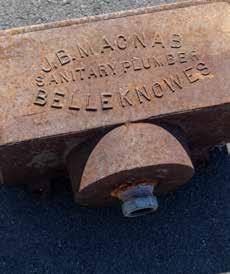
This old cast-iron cistern in Blair’s workshop was made by his great-great-uncle James McNab. “There was some confusion with the spelling of McNab/MacNab, hence the spelling on the cistern,” says Blair. “I’ve been trying to locate one with DJ McNab but as yet to no avail.”
Daniel helps supervise the firm's apprentice Henry (left)—making up the small team of three at McNab Plumbing.
Smart detection Smarter insights
Smart leak detection that helps protect homes from hidden damage. It’s a smoke alarm for leaks.
Quandify Water Grip finds problems before they find you, detecting issues and sending alerts straight to your phone even when you are not there.
Track water usage. Lower costs.
Clamp it on and connect.
Leak alerts anywhere, anytime. Control at your finger tips.
One device. Full-home protection.
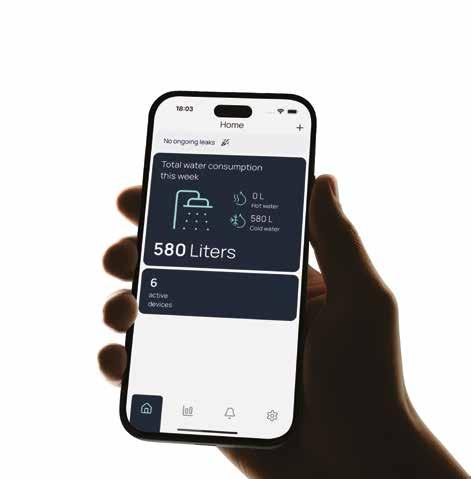

OUT & ABOUT
Master Plumbers branches around the regions have been getting together to gain knowledge and enjoy good times.
Reel wins at the fishing contest!
The Waikato, Northland, Auckland and Volcanic Plateau Master Plumbers all came together with regional suppliers in February for the annual Master Plumbers Fishing Competition in the Coromandel.
Four Masterlink apprentices were also invited along, and National President Grayson Allen came up from the Hawke’s Bay to join the action.
After a morning’s fishing, the group headed back to Coromandel Bowling Club to feast on their freshly caught fish and for the big prizegiving.
By complete coincidence, it turns out 93-year-old Frank Mead, patron of the bowling club, is a former plumber from the Waikato!
Bragging rights go to the Auckland Master Plumbers, as this year’s winning branch.
Ross Higgins from Aqualine took out the Biggest Snapper prize, landing a massive 66cm snapper—and Aqualine also claimed the Sponsor's Cup, with other fantastic sponsors on the day including Marley, Iplex, Buteline and Hirepool.
Let the racing begin!
Southland members and sponsors came together to enjoy some twilight racing at this year’s Southland Master Plumbers Race Day in February. Eight races ensured an action-packed evening of trotting fun.
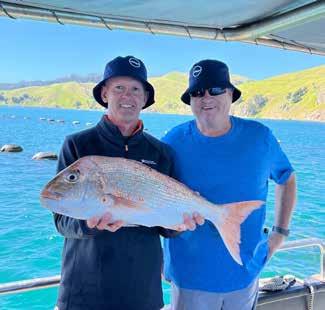
Dave Strong and Ross Higgins with the prizewinning 66cm snapper.
Masterlink apprentice Kevin Watt from Next Level Plumbing didn’t just land the biggest snapper on his boat and the fourth biggest at 51cm, he’d also just passed his drainlayer registration exam—making it a day to remember.
His Regional Manager, Steve Meadows, invited Kevin along to celebrate the milestone. When he picked him up for the trip that morning, he had the framed certificate waiting for him.

Former plumber Frank Mead, 93, with Master Plumbers National President Grayson Allen (right) and Masterlink apprentice Keelan McMullen.


Auckland Master Plumbers President Ben Mayne is all smiles on accepting the trophy for the winning branch.

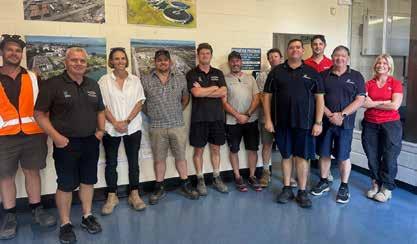
Wastewater treatment plant visit
Bay of Plenty plumbers got to see the wastewater treatment process firsthand on a visit to the Tauranga Wastewater Treatment Plant in February.
Tauranga City Council uses gravity and pumps to move wastewater around the city through a network of wastewater pipes to one of two wastewater treatment plans, including the Chapel Street plant, which has an average daily flow of 15,000m3.
The plant captures methane gas generated in the process and converts it into electricity to power up to 40% of the plant’s daily energy needs.
Together, the two plants clean enough water to fill about 11 Olympic sized swimming pools every day.
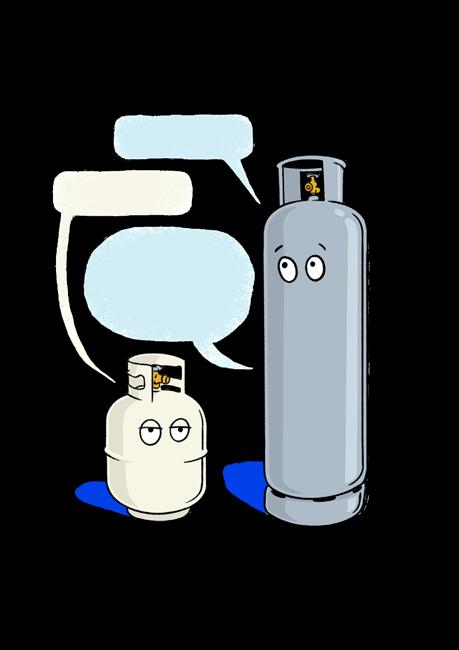
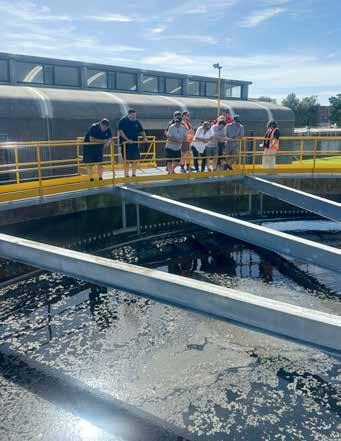
FOR NEARLY QUARTER OF A CENTURY, MASTERLINK HAS BEEN SUPPORTING APPRENTICES INTO THE INDUSTRY THROUGH PLACEMENTS AT TOP-QUALITY PLUMBING BUSINESSES—AND CELEBRATING THEIR SUCCESSES.
Training tomorrow’s tradespeople

“From the beginning, Masterlink focused on finding people with the right attitude and work ethic.”
Rhys Nimmo General Manager, Masterlink and Master Plumbers
Back in 2002, the Master Plumbers Board could see a challenge looming for the trade. Many experienced plumbers, gasfitters and drainlayers were beginning to retire, while fewer young people were entering the industry to replace them. At the same time, there was a strong societal push toward university education, with many school leavers encouraged down academic pathways rather than considering a trade.
The board believed the industry needed to take a long-term view of its workforce. Importantly, the people around the table were not just industry representatives. They were plumbing business owners themselves. They understood firsthand the realities of running a business and the barriers that made taking on an apprentice feel like a big step.
At the time, only a small percentage of plumbing businesses were training apprentices. For many companies the risk felt too high. Running a small trade business is demanding, and employing an apprentice meant committing time, training and responsibility without always knowing how it would work out. Yet without more businesses stepping forward, the industry would struggle to meet the needs of New Zealand’s growing communities.
From that practical perspective came the idea for Masterlink.
Master Plumbers created a group training scheme designed specifically for the plumbing, gasfitting and drainlaying industry. The idea was simple but powerful. Recruit good people, screen them carefully, place them with quality host businesses, and support them throughout their apprenticeship.
From the beginning, Masterlink focused on finding people with the right attitude and work ethic. Plumbing businesses didn’t just want extra hands. They wanted future tradespeople who would take pride in their work, uphold industry standards and build strong careers.
Over the past 24 years, that vision has paid off.
Thousands of apprentices have entered the industry through Masterlink, many going on to become business owners, mentors and leaders within the trade.
What began as a response to a looming workforce challenge has grown into one of the most important talent pipelines for the plumbing, gasfitting and drainlaying sector.
Today, Masterlink remains true to its original purpose. Supporting businesses, developing skilled tradespeople and helping secure the future of the industry. A simple idea in 2002 has become a cornerstone of the trade in New Zealand.
While the industry has evolved in many ways, one thing remains constant. New Zealand will always need skilled tradespeople, and the trade will always need committed businesses willing to help train the next generation. Masterlink continues to play a key role in that partnership, supporting both apprentices and the businesses that give them their start in the trade.
WORLD PLUMBING DAY PRIZE WINNER
Congrats to Masterlink apprentice Aaron Skipper for winning Masterlink’s World Plumbing Day prize draw! Aaron is now the owner of this handy workwear accessory pack from Rebend Industries of a Rebend Constricta multipot grip glue pot caddy, tackle work belt and caddy clip!
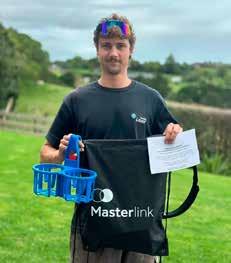
Aaron Skipper with his World Plumbing Day prize.
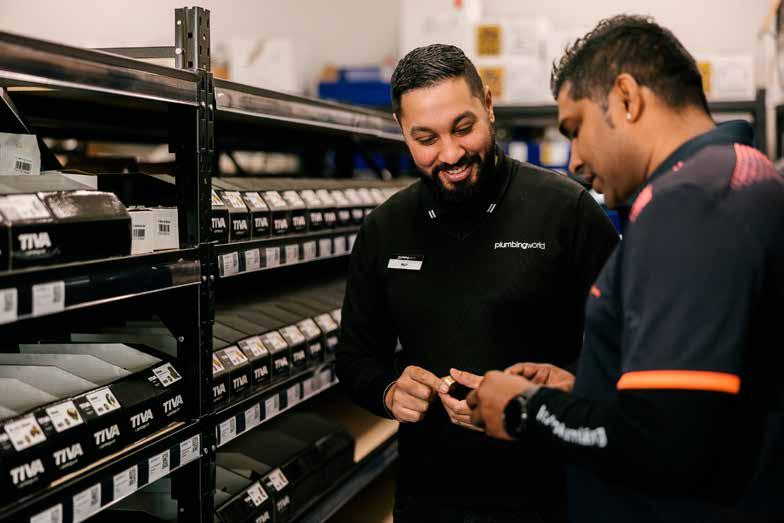
Proudly Kiwi. Proudly Trade.
Plumbing World has been built on the strength of the people we stand beside. For more than 60 years, the loyalty and commitment of our trade has shaped who we are today, and every decision we make is firmly focused on our trade customers.
Proudly owned by more than 1,100 New Zealand shareholders, Plumbing World remains the country’s only 100% locally owned plumbing co-operative with an ethos built on integrity, community, and looking after our own.
Being Kiwi isn’t just part of our story — it’s at the heart of everything we do.
WELCOME
Nau mai, haere mai to new Masterlink apprentices, and huge thanks to your hosts!
Tiaan Coetzee
CF Reese, Hamilton
Eli Donovan
Plumbcraft, Auckland
Jannelle Earle
BOP Plumbing & Gas, Rotorua
QUALIFIED!
Will Kanters
Pipe Masters, Hamilton
Nepia Crowe
J&M Group, Christchurch
Nathaniel Lewis
Illingworth Plumbing, Auckland
Laura Fisher
Auckland Plumbing Group
Astin Scot
Grenfell Plumbing and Gas, Masterton
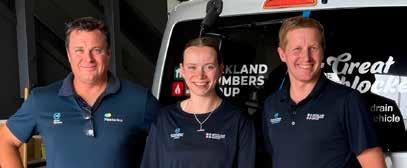
Masterlink celebrates the success of every apprentice milestone. When a Masterlink apprentice completes their apprenticeship, they are presented with a pounamu toki and their framed NZ Certificates to recognise the significant achievement of becoming qualified. Congratulations to:
Plumbing and Drainlaying: Brendan Wood
Gasfitting and Drainlaying: Georgia Simeon
Plumbing: Daniel Muir
Drainlaying: Tukairangi Pitiroi, Mathew Dale, Aaron Dudley and Kevin Watt.
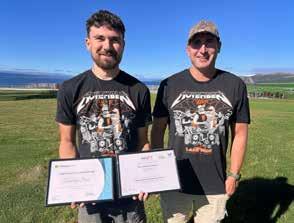
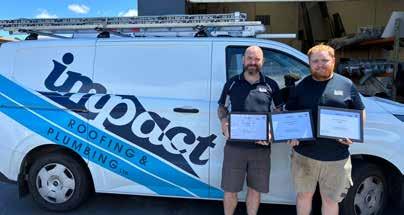
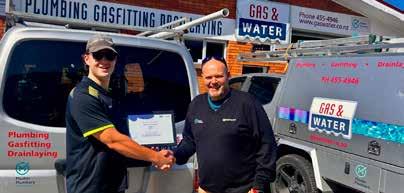
GET IN TOUCH






New Masterlink apprentice Laura Fisher with Masterlink Regional Manager Steve Meadows (left) and Tom Berkley from host employer Auckland Plumbers Group.
Tukairangi Pitiroi with boss xxxx at Lake Wide Plumbing in Taūpo. During his time with Masterlink, Tukairangi’s hard work and dedication earned him the 2025 Master Plumbers Volcanic Plateau Branch Apprentice of the Year. He has now completed his apprenticeship in Plumbing & Drainlaying.
Matthew Leishman (right) receiving his Plumbing, Gasfitting & Drainlaying NZ Certificates alongside his boss Kelly Adam from Impact Roofing & Plumbing in Dunedin.
Masterlink Regional Manager Johnny Allen presenting Trent Toomey with his NZ Certificate in Drainlaying. Trent won the Trustees Apprentice Award for Otago at the 2024 Mac Mackenzie Trust Awards and was the overall Plumbing World Scholarship winner at the 2025 NZ Plumbing Awards.





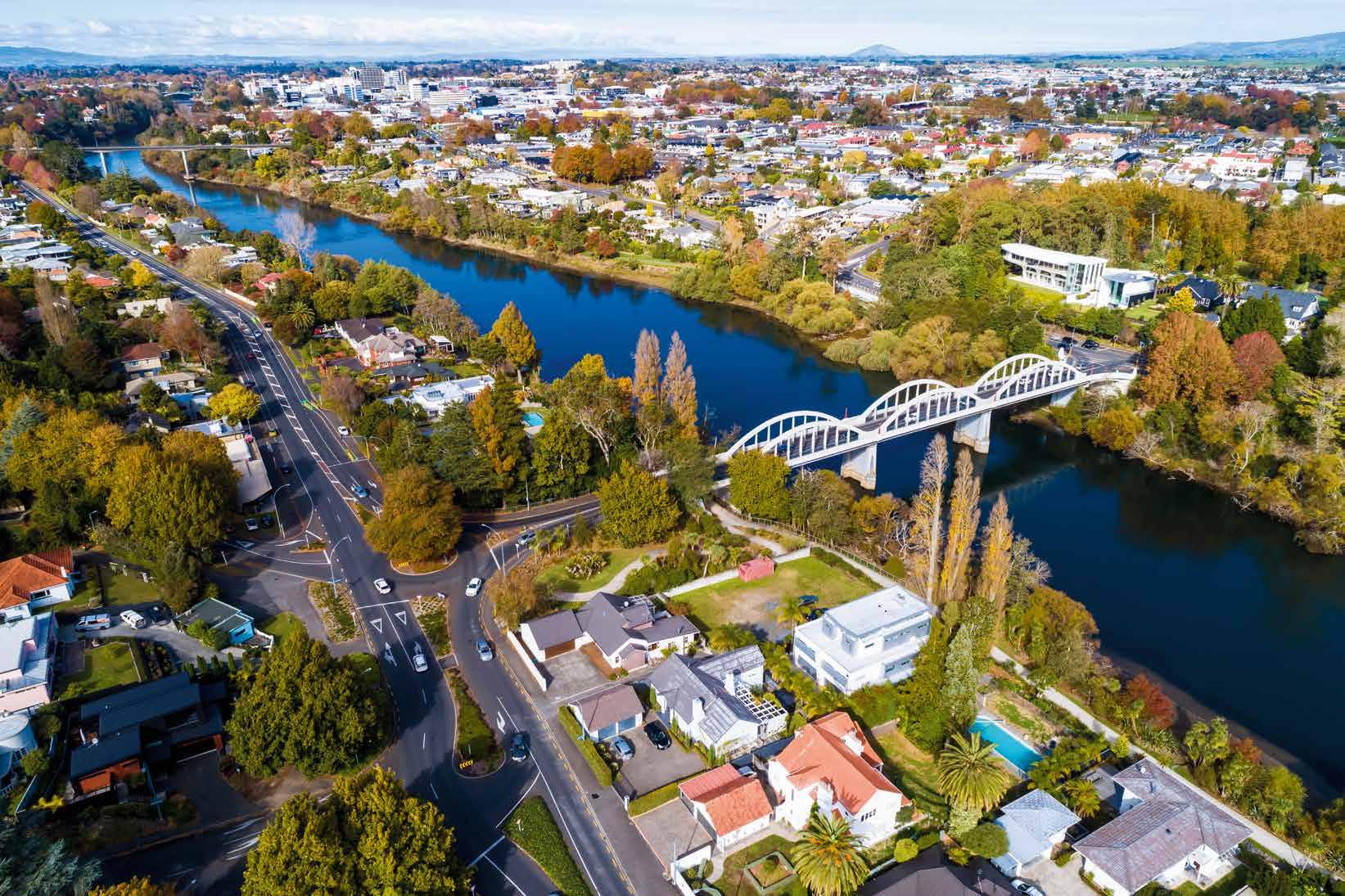




Since 1964, NZPM Co-operative Ltd has stood as New Zealand’s largest 100% Kiwi-owned national plumbing merchant. Their story begins with a bold idea and a shared sense of purpose.
In the early 1960s, a group of forwardthinking Master Plumbers members grew increasingly dissatisfied with the level of service, supply reliability, and pricing structures offered by existing merchants. They needed to control their own destiny—fair treatment, dependable product supply, and the ability to earn reasonable profits—along with greater recognition for the whole plumbing trade nationwide.
In 1962, these industry leaders began exploring a co-operative model. A panel of directors was formed, and the acquisition of a plumbing merchant began. Their vision became reality and on 28 September 1964, the NZ Plumbers Merchants Society Ltd was formally registered, laying the constitutional and governance foundations for what would become a nationwide force.
The NZ Society of Master Plumbers and its nationwide branches offered trade support to help the co-operative develop.
Expanding a national footprint
By the end of the 1970s, NZPM had grown to 15 branches across the country—a clear signal
that this model resonated with plumbing professionals throughout New Zealand.
In 1983, the society’s branch network became more consumer focused with the launch of the Plumbing World brand, further strengthening market presence and operational capabilities with Kiwis nationwide. The removal of import restrictions in 1988 marked another turning point, enabling direct purchasing from importers as well as manufacturers.
This shift transformed the competitive landscape and positioned the company on behalf of its members as a formidable, agile merchant and trader.
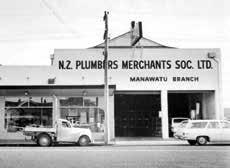
A model that puts members first
NZPM and Plumbing World’s success is measured not just in growth and tenure, but in the value returned to shareholders and members. Today, their focus includes:
Strong and sustainable membership base
Consistent returns to shareholders
Nurturing and mentoring the next generation of industry professionals
Securing long-term supply through trusted Exclusive and Own Brands
A meaningful Social Responsibility and Sustainability programme.
Innovation
Innovation is a defining feature of their modern success. With a drive to meet the real-world demands of the New Zealand plumbing trade, Plumbing World has delivered innovation with its in-house brands, in-house developed pwGO app, and Young Plumbers initiative. Working closely with trusted partners and leveraging national scale, this innovation continues.
Strength in Exclusive and Own Brands
A defining feature is the strength of NZPM’s Exclusive and Own Brands portfolio.
Exclusive and Own Brands play a critical strategic role in providing supply chain security, differentiated dependable products and strengthening the cooperative’s ability to make their customers’ businesses competitive. This ensures they can specify and install products with complete confidence.
Culture, diversity and responsibility
NZPM fosters a culture that promotes and values diversity at every level. Creating an inclusive environment—where people feel safe, respected, with a sense of belonging— is fundamental to NZPM, and a strength beyond its workforce and leadership. Collaboration, expertise, and shared commitment underpin its ability to support members, customers, and suppliers alike.
Today
More than six decades on, their founding purpose still guides them: to serve and deliver sustainable shareholder value—as customers, owners and members of the New Zealand plumbing industry. Owned by the industry, for the industry.
Proudly industry led, NZPM supports Master Plumbers and will continue to innovate and help shape a stronger, more resilient New Zealand plumbing trade. When their members thrive, so does the industry.
More than six decades on, NZPM’s


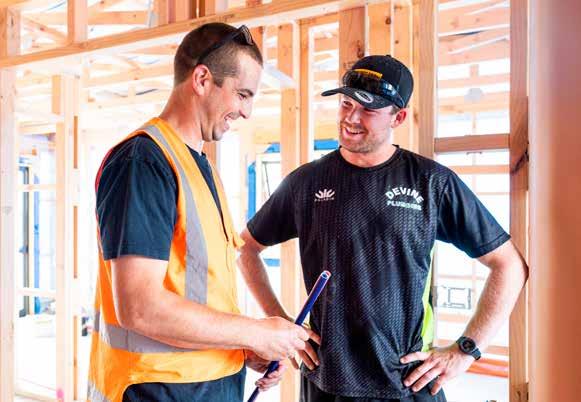
SAVE TIME AND ENERGY.
REDUCES HEAT LOSS
Insulation limits heat escaping through exposed valves, helping reduce energy use and running costs.

PROTECTS OUTDOOR INSTALLATIONS
Prevents freezing in exposed environments and unintended heating of cold-water lines, helping reduce the risk of legionella growth.

FAST INSTALL. EASY ACCESS.
Supplied with zip-ties for quick installation while retaining full access to valve handles for servicing and adjustment.
BUILT FOR THE ELEMENTS
Manufactured from weather and UV resistant closed-cell polymer for long-lasting outdoor performance.
KEEPING SAFE AROUND
ASBESTOS
Too many older generation plumbers had their lives cut short by asbestos-related disease—and it is still New Zealand’s number one workplace killer.
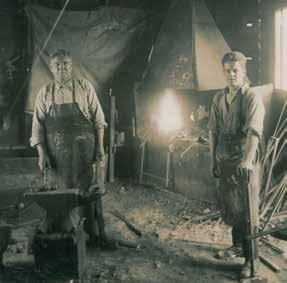
Asbestos came into widespread use in the early 1900s. The introduction of technologies using steam, kerosene and electric saw new fire hazards in homes, schools, theatres and workplaces. This spurred the search for a building and insulating material that was non-combustible and had low thermal conductivity. Enter asbestos, which seemed a miralce material.
According to asbestos removalists ChemCare, unprocessed asbestos was first imported into New Zealand in the late 1930s, and building products made
from asbestos mixed with cement were produced over a 50-year period up until the mid-1980s.
Asbestos was also used for machinery insulating, insulating tapes and cloths, gaskets and seals, and car brake linings.
Because of its wide range of use in construction, asbestos-related disease mainly affects people working in the building trades who have been exposed to asbestos during construction, renovation, and remediation projects.
Around 220 people still die each year from asbestosrelated disease, says WorkSafe, which is urging the sector to work together to remind businesses and tradies there’s no excuse for not protecting workers.
To help spread the message, WorkSafe has a range of resources and information to help you learn about the risks and how to manage them.
These include:
Asbestos management plan example and template Register of licensed removalists and assessors
Recently updated guidance, including on protective clothing and equipment
List of landfill sites that accept asbestos waste.
WorkSafe has also teamed with SiteSafe to deliver training on how to spot and manage the risks of asbestos exposure.
Find guidance: www.worksafe.govt.nz Find course details: www.sitesafe.org.nz/ training/course/asbestos-awareness
Construction trades of all kinds were exposed to asbestos in the course of their work in the 50-year period until the mid-1980s—and risks remain today.
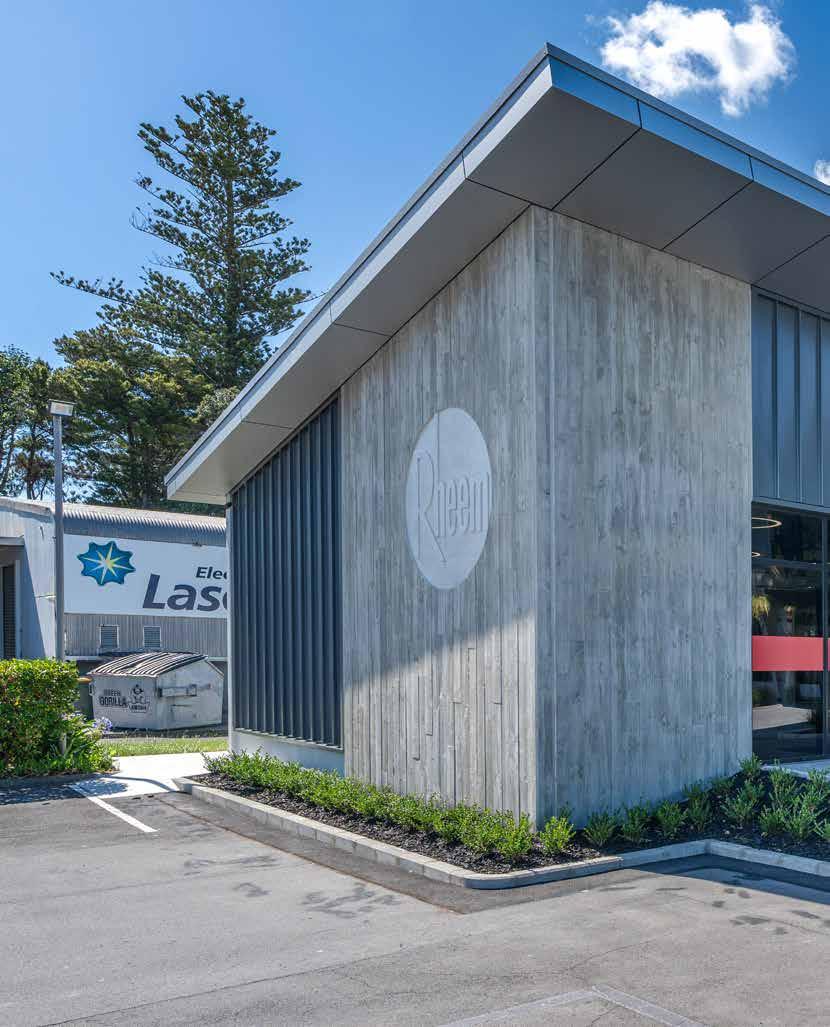
Emerging hot water heating technologies introduce new installation requirements and system considerations for plumbers and gasfitters. Rheem has launched its new Innovation and Learning Centre to help.
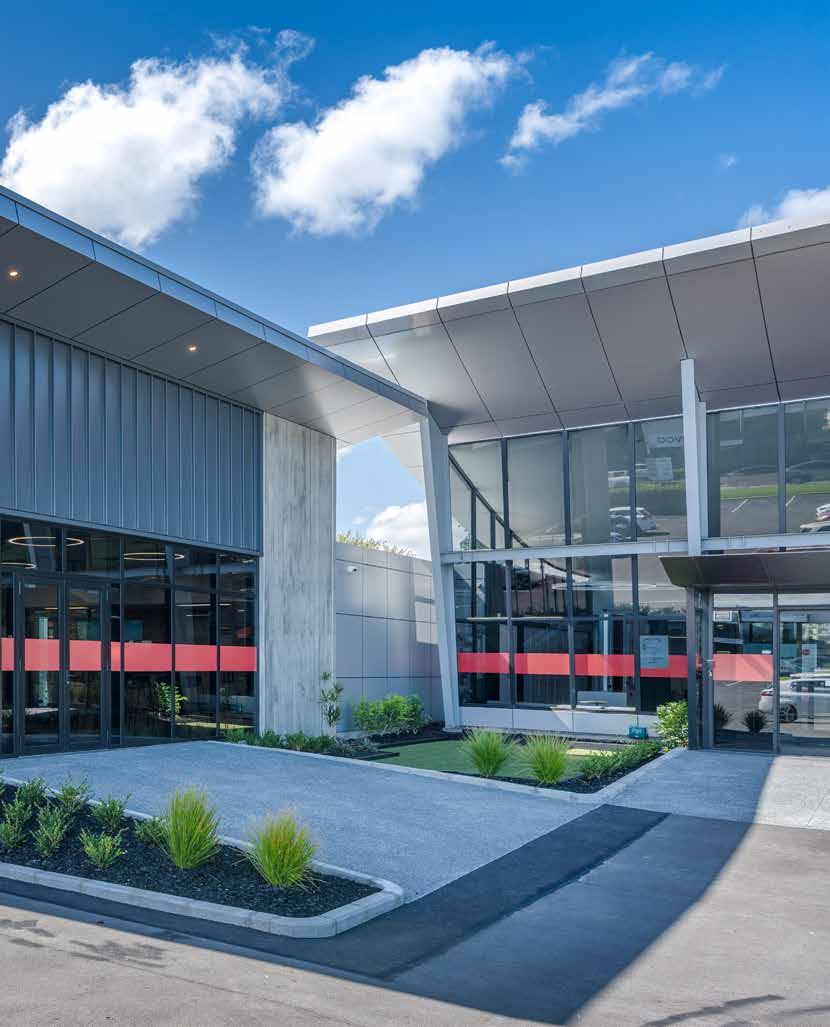
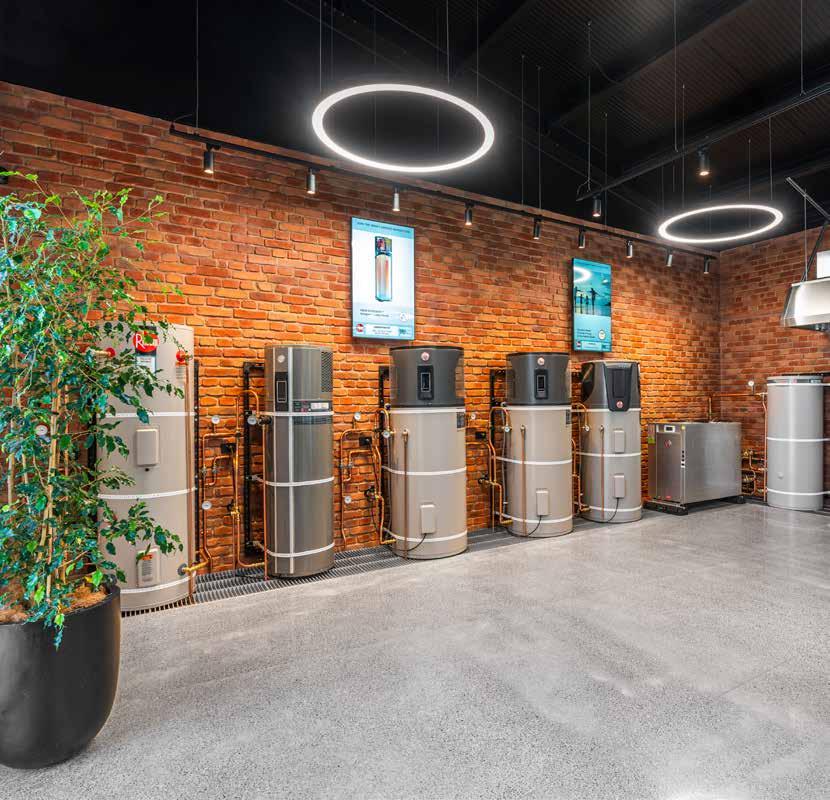
Rheem has been working with plumbers in New Zealand for more than sixty years. Over that time, the role of the plumber hasn’t changed. Installers are still the people homeowners rely on to recommend the right hot water system and make sure it’s installed properly.
What has changed is the technology plumbers are working with. Alongside traditional electric cylinders, the market is now seeing more heat pump water heaters, and there are other emerging technologies soon to be introduced in 2026.
These technologies can significantly reduce the energy needed to heat water, but they also introduce new installation requirements and system considerations. For plumbers, that means keeping up with how these systems work and how they’re installed in real homes.
Training has always been part of Rheem’s approach to supporting the trade. Through programmes—such as Training for Tradies, MyRheemPro, Rheem Learning, and regular training sessions run with merchants and industry partners—plumbers can access practical guidance on installation, product selection and troubleshooting.
The latest step in that commitment is the launch of the Rheem Innovation and Learning Centre (ILC) in Auckland.
Hands-on space for the industry
The ILC has been created as a place where plumbers and others in the industry can see the latest water heating technology up close.
Rather than just reading about new systems in product guides, plumbers can see how the equipment works, how different components connect together, and what installation looks like in practice.
The new Rheem Innovation and Learning Centre in Auckland gives installers the chance to interact with water heating technologies.
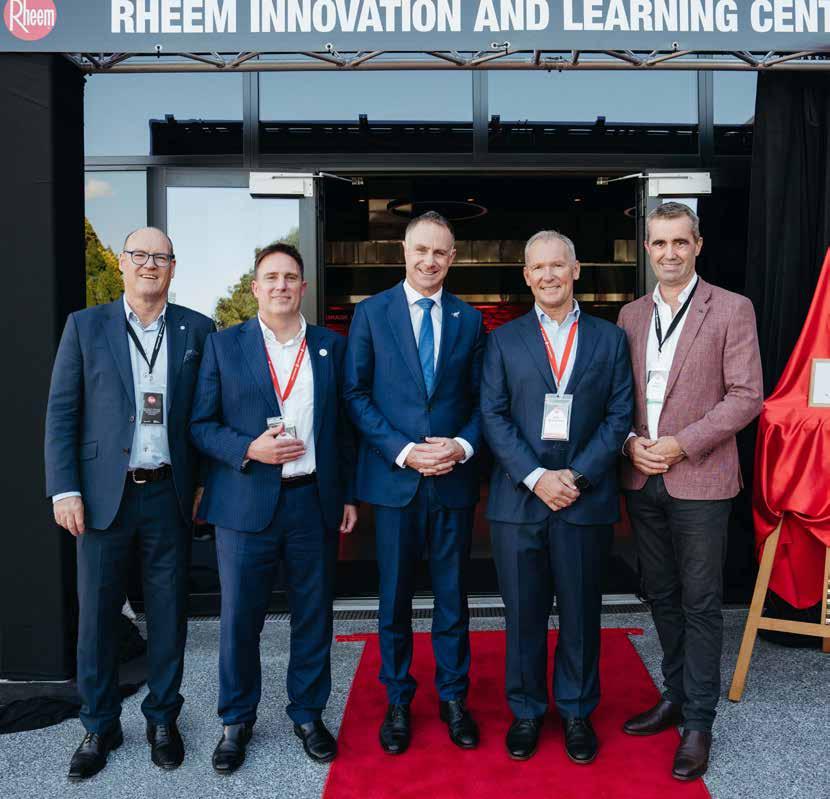
The ILC features a range of technologies that are becoming increasingly relevant in the New Zealand market. The idea is simple: give installers the chance to interact with the technology, so they’re comfortable recommending and installing it.
Why this matters
Water heating is one of the largest users of electricity in New Zealand homes. As the country moves toward greater electrification and more efficient energy use, new technologies are expected to play a larger role in how households heat water.
The idea is simple: give installers the chance to interact with the technology, so they’re
comfortable recommending and installing it.
These new technologies offer clear benefits, but they also require plumbers to understand how they operate and fit into different homes.
Supporting the trade
Rheem has invested heavily in the Innovation and Learning Centre as part of its ongoing commitment to the plumbing industry. More than 1,000 people are
expected to visit the centre during its first year, including plumbers, gasfitters, merchants and specifiers.
Rheem are proud to support tradies in New Zealand. If you’re a plumber looking to upskill on the latest hot water technology, get in touch and book a time to come check out Rheem’s Innovation and Learning Centre soon. rheem.co.nz/contact-us
At the official launch event in March (from left): Phil Love, Deputy CEO and General Manager of BusinessNZ; Chris Taylor, Managing Director of Rheem Australia and New Zealand; Hon Simon Watts, former Minister for Energy; Mark McCutcheon, General Manager of Rheem New Zealand; and Greg Wallace, CEO of Master Plumbers and Masterlink.
Hot water heat pumps
PROVING THEIR WORTH IN NZ
A project is underway by EECA to monitor real-world performance of hot water heat pumps in New Zealand homes. Early results are encouraging, as they report here.
AUTHOR: EECA (ENERGY EFFICIENCY AND CONSERVATION AUTHORITY)
Heat pump space heating technology is already a familiar feature in many New Zealand homes. Yet when it comes to heating water, adoption of hot water heat pumps (HWHPs) hasn’t been as widespread. Currently, they only account for around 1% of the water heating systems installed in New Zealand homes.
The gap in uptake is striking, given their potential. HWHPs are typically two to three times more energy efficient than traditional electric-element storage water heaters and could reduce household energy use by 17% or more.
Performance monitoring
To better understand how the technology performs in real-world conditions, EECA (Energy Efficiency and Conservation Authority) has installed over 80 HWHPs in New Zealand homes and is monitoring their performance.
The project has seen systems installed across a range of household types in New Zealand’s major climate zones. The goal is to reflect a cross-section of the current market while gathering robust performance data over at least 12 months.
Early monitoring results are encouraging. Across most installations, HWHPs are delivering measurable efficiency gains compared with conventional electric storage systems.
Performance has been strongest in warmer climate zones and in households with higher hot water demand—an expected outcome, as heat pumps draw ambient warmth from the surrounding air. Systems in colder regions showed lower efficiency overall, though still within expected ranges, and performance improved as temperatures rose from mid-winter into early spring.
Key research findings
Correct sizing has emerged as a critical factor. In a small number of cases, systems struggled to meet demand because heating capacity or tank size was insufficient, particularly in colder climates where reheat times lengthen. Conversely, in very low-use households, some installed systems were effectively oversized, resulting in
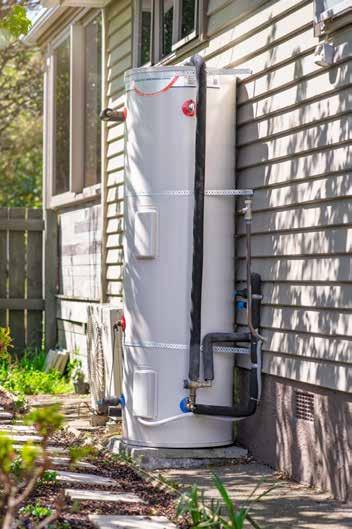
EECA has installed over 80 HWHPs in New Zealand homes and is monitoring their performance, with encouraging results to date.
unnecessary heat loss from stored water. The lesson is clear: tank volume alone is not enough. Heating capacity, local climate and usage patterns must all be considered.
Installation quality and configuration have also proven influential. Encouragingly, installation quality improved as the project progressed. Repeated exposure helped installers to refine their processes and build confidence with the technology. EECA has published an installation guide to encourage a more standardised approach and support industry capability as uptake grows. Installers are encouraged to check out the guide before installing, choosing or sizing HWHP systems.
Replacing low-pressure electric systems with modern mainspressure HWHPs occasionally introduced additional plumbing challenges. Higher water pressure exposed weaknesses in older pipework or fittings, requiring remedial work. Noise from outdoor compressor units was another consideration, reinforcing the importance of careful siting during installation.
Early feedback and results are encouraging. Household feedback has been largely positive. Most participants report reliable hot water supply once systems were properly configured. Some perceived the water as ‘less hot’ than before, a change linked in part to delivery temperatures now being limited to 50°C, rather than a performance issue.
Energy savings are beginning to emerge, though seasonal factors and rising electricity prices have complicated short-term comparisons. Households switching from gas to electric water heating have seen electricity use increase, offset by reduced or eliminated gas bills.
Where to next
The monitoring phase of the project will continue throughout 2026, with detailed analysis of electricity consumption and system reliability to follow. A comprehensive technical report will be published in late 2026.
For now, the early evidence is clear—heat pump water heaters can provide reliable, efficient hot water across a range of New Zealand homes, when they are carefully selected, correctly sized and competently installed.
FIND OUT MORE
Read the Interim Findings Report and download the Installation Guide at www.eeca.govt.nz/HWHP-research


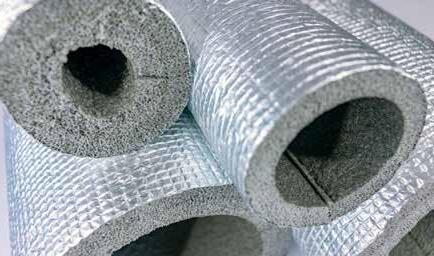
AEROLAM XLPE
Pre-slit Thermal Pipe Insulation
Advanced cross-linked closed-cell polyethylene foam with factory-bonded Alupet foil, designed for thermal control and condensation protection.
Applications:
HVAC ductwork and chilled/hot water pipework. Residential, commercial, and industrial pipe insulation. Suitable for copper and stainless steel pipes.
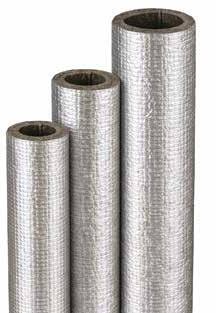
Features:
• Temperature range of -20°C to +110°C.
• Low thermal conductivity. (~0.03555 W/m·K)
• Fire rating EN 13501 B-S1, equivalent to ISO 9705 1-S
MAKING SENSE OF PERFORMANCE
Without getting lost in the COP numbers, it’s useful to understand performance metrics for hot water heat pumps.
AUTHOR: LAUREN PETERSEN, BLACK DIAMOND TECHNOLOGIES
Hot water heat pumps can deliver meaningful savings on space heating and hot water heating running costs when correctly selected and installed.
But one topic continues to cause confusion for consumers and frustration for installers—performance claims, especially COP (Coefficient of Performance).
COP is a useful metric, but it’s often misunderstood. In simple terms, COP is the ratio of heat delivered to electricity consumed. The catch is that not all COPs are measured the same.
Changes with conditions, particularly ambient air temperature, cold water inlet temperature, hot water setpoint, draw-off pattern, and defrost behaviour in colder weather, all affect how the COP is calculated. So, when customers compare one brochure COP to another, they can easily end up comparing apples with oranges.
The industry challenge is that marketfacing performance figures are not always presented under the same test conditions or in the same reporting style. That doesn’t
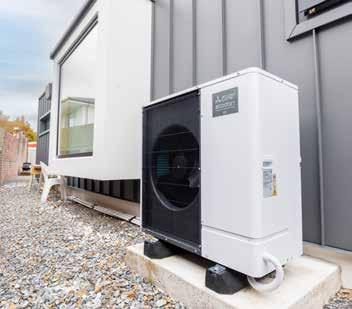
automatically mean anyone is doing the wrong thing—different regions and manufacturers may publish different data sets—but it does mean that headline numbers can be hard to compare.
A high COP quoted at a warmer ambient point may not reflect typical year-round conditions for many NZ installations, particularly in cooler regions or for outdoor units.
For plumbers and specifiers, the best way to cut through the noise is to steer the conversation toward transparent, comparable information. When a COP is quoted, ask what conditions sit behind it: the ambient temperature, inlet/outlet water
KEY TAKEAWAY
When comparing hot water heat pumps: Don’t ask: “Who has the highest COP?”
Do ask: “COP under what conditions—and what does that mean for this NZ home?”
This performance specification table for AquaCore by Black Diamond Hot Water Heat Pumps showcases COPs at different ambient air and inlet water temperatures.
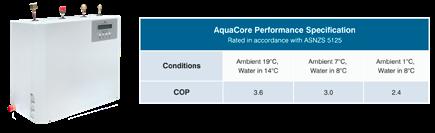
temperatures, and whether the test profile reflects realistic use.
Where possible, look for performance data across multiple ambient points and discuss practical outcomes customers actually care about—recovery time after peak usage, reliability through winter conditions, and whether/when backup elements operate.
This is also where suppliers can help lift confidence in the category. For example, Black Diamond’s approach to AquaCore is to publish performance information with clear test conditions and a focus on NZrelevant installation outcomes, so installers and homeowners can make informed decisions based on context, not just a single headline figure.
That’s not about claiming superiority, it’s about making the purchasing conversation clearer and reducing the gap between expectations and real-world performance.
As adoption grows, the opportunity for the wider industry is simple: more consistent, transparent reporting in consumer materials. Clear conditions, multi-point performance, and plainlanguage explanations will help customers compare fairly, help installers specify correctly, and ultimately strengthen trust in heat pump water heating as a technology.

About the author: Lauren Petersen is Strategic Business Unit Manager at Black Diamond Technologies Ltd (BDT). Through its 45-year partnership with Mitsubishi Electric, BDT provides New Zealanders with market-leading technologies, including hot water heat pumps. bdt.co.nz
In simple terms, COP is the ratio of heat delivered to electricity consumed.
HYDRATION MADE SMART.
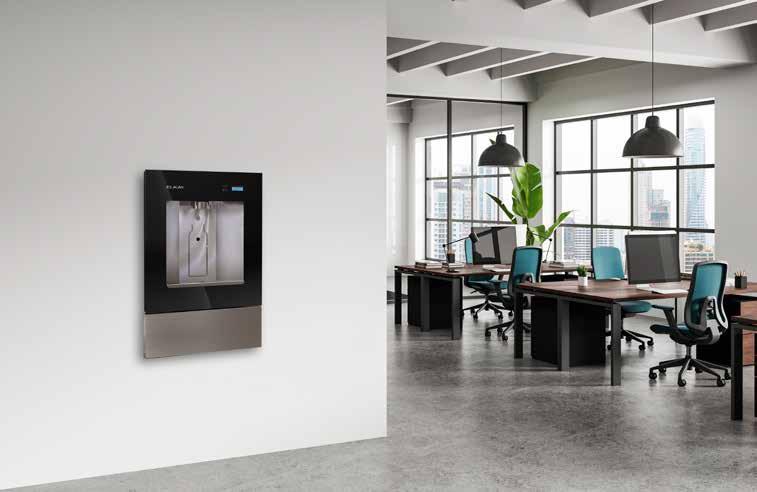

Elkay® Drinking Water Solutions
Now available from MacDonald Industries
Elevate your space with Elkay’s sleek, sustainable hydration stations.
Whether it’s a busy office, school, or public facility, Elkay bottle filling stations and drinking fountains deliver:
pEco-friendly performance
pClean, filtered water
pSmart design

Rod Miller gets daily calls on the Master Plumbers Technical Helpline about backflow installation requirements for bidet seats and suites. Read on for his advice.
AUTHOR: ROD MILLER, CERTIFYING PLUMBER AND DRAINLAYER, BACKFLOW IQP
As plumbers, when we connect any unit to water, we should always ask ourselves if there are any backflow issues that need to be considered with the installation.
Bidet seats and suites are no exception.
Other domestic and commercial examples include (and are not limited to):
Coffee machines
Dishwashers
Washing machines
Swimming pools
Water filters
Drinking fountains
Secondary water supplies Fire sprinkler systems
Garden irrigation systems.
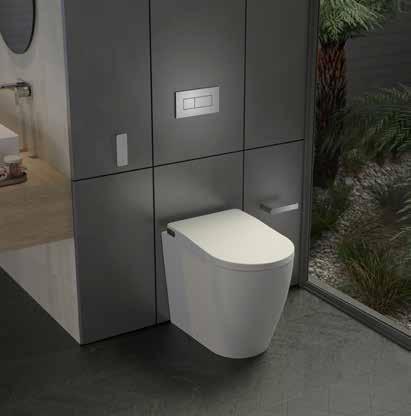
TABLE 2: SELECTION OF BACKFLOW PROTECTION
Paragraphs 3.4.5 and 3.7.2 , G12/AS1.
Type of backflow protection
Air gap (see Note 1)
Reduced pressure zone device
Double check valve assembly (see Note 2)
Pressure type vacuum breaker (see Note 3)
Atmospheric type vacuum breaker
Hose connection vacuum breaker (see Note 4)
Notes:
1. Air gaps must not be installed in a toxic environment.
2. Double check valves can be installed in a medium and low hazard toxic environment.
3. Pressure type vacuum breakers are designed to vent at 7 kPa or less. However, they require a significantly higher pressure to reseat and must be installed only in systems which provide pressures sufficient to ensure full closing of the valve.
4. Hose connection vacuum breakers are designed to be under pressure only when water is being drawn from the water supply system and for short, intermittent periods of time.
Paul Woodhams and Paul Golder of GWA Group worked with Rod Miller to dismantle a Caroma Urbane integrated bidet unit like this one. Their measurements confirmed it complies with the air gap requirements in G12/AS1.
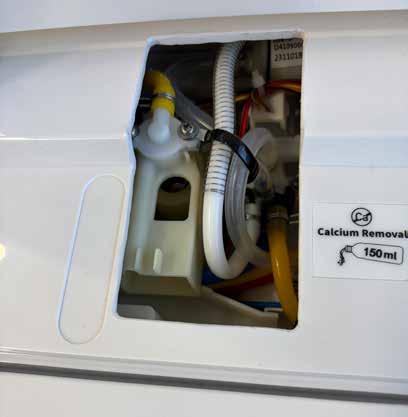
It is the responsibility of the Certifying Plumber (Backflow IQP) to assess the hazard level required for the type of appliance you are installing. If integral backflow is fitted, you must confirm that it is the correct hazard level required for that appliance.
Bidets require one of the high hazard backflow options listed below.
1. Air gap—the preferred option, as it doesn’t rely on any mechanical systems
2. Reduced pressure zone (RPZ) valve
3. Pressure vacuum breaker.
I recently met with GWA Plumber Specialist Paul Woodhams and Business Development Manager Paul Golder. We dismantled a Caroma Urbane II bidet unit and took measurements to see if it complied with Acceptable Solution G12/AS1.
The unit has an open-air gap of 25mm, which would spill into a tray under the seat then discharge into the pan above the flood level. It has a 4mm inlet pipe, so complies with the air gap requirements in Table 2 of G12/AS1 , as shown left.
Air gaps remain one the more efficient and reliable methods for safely controlling the risk of network contamination, according to Dave Gittings, Building Performance and Engineering Manager at MBIE.
Master Plumbers is now seeking clarification on this issue through MBIE’s determination process. The organisation hopes it will get a positive outcome, which would confirm to all councils across New Zealand that an air gap of 25mm or more is an Acceptable Solution for backflow prevention in conjunction with bidets.

About the author: Rod Miller is a Certifying Plumber and Drainlayer, Backflow IQP, and owner of Plumbing Hydraulics & Drainage Consulting. Master Plumbers members can call Rod on the free Master Plumbers Technical Helpline during normal business hours. Find details in the Member Benefits section at www.masterplumbers.org.nz
The NEW Rheem APVE® range is a likefor-like replacement for copper cylinders.
Designed and made for kiwis by kiwis, with longer-lasting materials and a robust 10-year tank warranty.
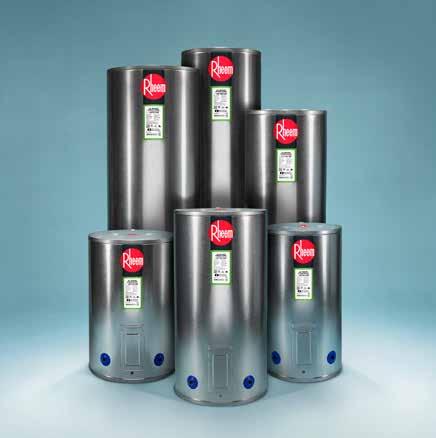
Disassembling the unit.
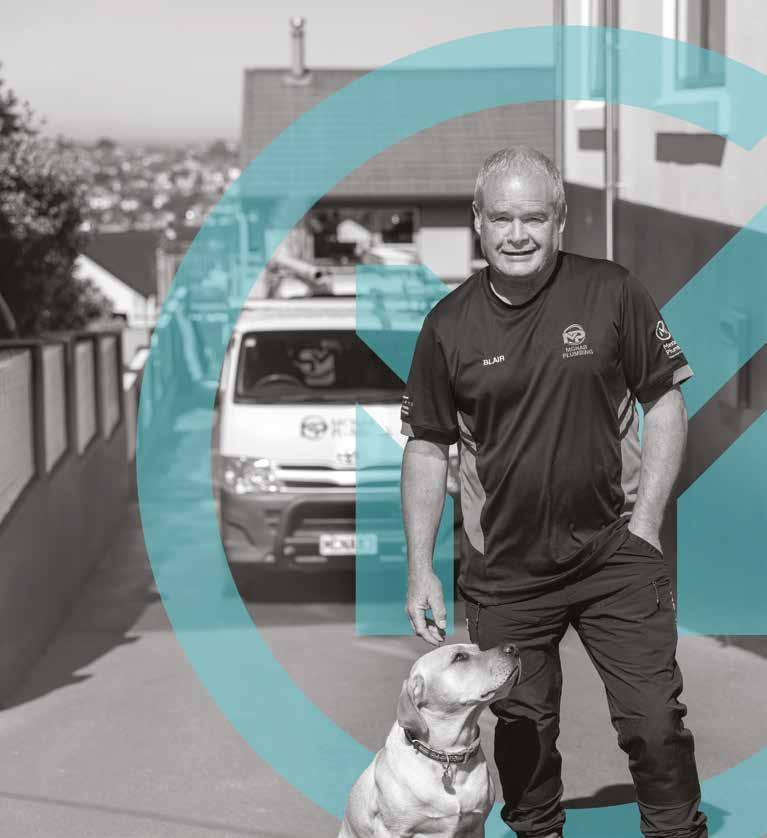
SINCE THE INVENTION OF THE FIRST FLUSHING TOILET, THE PLUMBING INDUSTRY HAS BEEN KNOWN FOR INNOVATIVE PRODUCTS AND TECHNOLOGIES—AND THAT CONTINUES TODAY.
Aerolam XLPE Thermal Pipe Insulation
Aerolam XLPE insulation is now available from Allproof Industries. This high-performance insulation is manufactured from cross-linked closed-cell polyethylene foam, with factory-bonded Alupet foil. Designed for thermal control and condensation protection, it is ideal for HVAC, chilled water, and hot/cold water feeds.
In colder southern climates, Aerolam prevents pipe freezing in ceiling spaces, while its superior thermal efficiency reduces power consumption and offers a sustainable, eco-friendly installation. While suitable for residential use, it is a premium choice for commercial projects, where the pre-slit 2m segments ensure rapid installation,

FixALL High Tack
Plumber’s new go-to adhesive & sealant
When you need instant grab, serious strength and zero fuss on the job, Soudal’s FixALL High Tack delivers. Its 140kg initial tack makes fixing shower linings, securing pipe brackets and sealing around connections quick and reliable without sagging or shrinkage.
Built on MS technology, it’s mould resistant, flexible and bonds to almost any surface, even damp ones. Perfect for bathrooms, kitchens and exterior work, it’s also paintable with water-based paints.
From heavy panels to sanitary sealing, FixALL High Tack gives plumbers a clean, strong, long-lasting finish every time.
Plumbers Recommended

saving significant time and labour costs.
Aerolam XLPE is compatible with copper or stainless steel and handles temperatures from -20°C to +110°C. This durable, professional-grade solution is now available nationwide through Allproof's extensive merchant supply channel, ensuring reliable performance and immediate availability for your next mechanical or plumbing services project.
Spartan Titan Joist and Stud Brackets
Simple. Secure. Reliable.
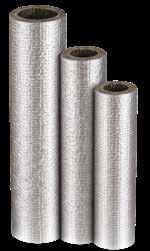
The Spartan Titan Joist Bracket Single (STJB) and Titan Stud Bracket (STSB) are complete solutions for reinforcing penetrated timber framing in residential and commercial construction. Designed to restore the structural integrity of joists, studs, and top plates, these brackets make creating service holes or cutting larger joist openings quick and safe.
Crafted from galvanised steel with a robust 1.6mm thickness, both brackets deliver long-lasting corrosion resistance and heavy-duty support. The STJB suits joists 140–290mm high and 45mm wide, while the STSB accommodates drilled holes up to 60mm in top plates or studs. Installation is straightforward, with all fasteners included and clear step-bystep instructions for reliable results on site.
Independently certified in New Zealand, these brackets ensure compliance and peace of mind for every build. Restore structural strength efficiently.
Trust SPARTAN
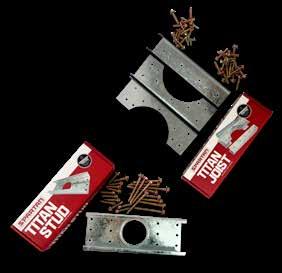
Makita 40Vmax XGT Brushless 125mm Circular Saw
Powered by a high-efficiency Makita brushless motor with Automatic Torque Drive Technology (ADT), this compact cordless 40Vmax XGT Brushless 125mm Circular Saw HS014GZ delivers fast, controlled cutting and handles 45mm framing timber in a single pass, automatically adjusting output under load for consistent performance.
A tool-less removable sub-base enables flush cutting, with a -15° negative bevel for close-to-wall work and bevel capacity through to 45° for standard applications. Fine cutting-
depth adjustment, precise base squareness control, and a rigid aluminium base plate support accurate, clean results on site.
AFT (Anti-Kickback Feedback sensing Technology) detects sudden blade speed drops and stops the blade to help reduce kickback. An LED job light with pre- and after-glow enhances visibility, while blower function and AWS compatibility assist with dust management. The aluminium die-cast base and XPT protection increase durability in demanding jobsite conditions.

Soudal products are Master
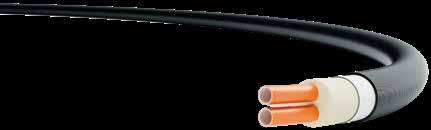
expansion. That’s why Rehau have developed Rauvipex—the universal district heating pipe.
Whether deployed to connect a heat pump in a single building or to transport heat in a district heating network, the pipe always performs. And because it’s truly universal, it is also suitable for cooling.
Quick and flexible to install, Rauvipex offers outstanding insulation and safe operation.
Features
Pe-XA carrier pipes for extreme durability
PUR foam for optimum insulation performance and improved elasticity
Robust outer jacket for flexibility and safety
Coil options from 2.4m to 2.8m in height and up to 1.6m width
Available as UNO and DUO pipe in dimensions d20 to d140
Compression sleeve jointing system without O-rings and welds.
Is this the perfect household pressure pump?
Davey’s new EvoDrive Variable Speed Drive pump is taking the NZ market by storm, thanks to a purpose-built design that solves the key challenges faced by both homeowners and tradies from noise and performance to efficiency, simplicity and cost.
Caroma launches Liano II & Urbane II Heated Towel Rails
For a fully coordinated bathroom upgrade
Caroma has expanded its premium bathroom offering with the introduction of the new Liano II and Urbane II Heated Towel Rail ranges.
Designed to complement modern bathroom renovations and upgrades, this new category delivers both comfort and cohesive styling across Caroma’s most popular collections.
The rails maintain a consistent 40°C (+/–5) surface temperature and come in a full suite of formats—including single bars, ladder styles, and vertical or horizontal designs—giving installers flexibility across a wide variety of bathroom layouts.
Available in the full Caroma colour palette, these heated towel rails seamlessly match existing tapware, showers, and accessories within the Liano II and Urbane II families. The result is a perfectly coordinated finish that helps plumbers deliver a unified, premium look with ease.
For any bathroom refresh or full renovation, Caroma’s new heated towel rails provide a simple, stylish solution that elevates both comfort and design.
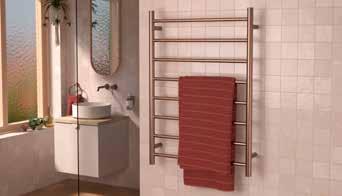
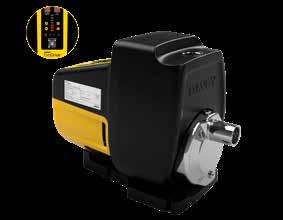
Why it’s perfect for homeowners – Homeowners get constant, quiet pressure no matter how many taps are running. It’s well-priced, efficient, and easy to use, quietly delivering steady pressure whether it’s one or two showers plus the washing machine and the garden sprinkler.
Why tradies love it – The pump is ‘plug and play’ with an in-built pressure tank, reducing pipework and install time. Its wide range of applications from low pressure to high pressure mean an installer can have an EvoDrive ready to go in the van, enabling immediate and easy replacement when the customer really needs it.

New to Apex: Thermostatic Mixing Valves
Apex Valves is introducing a new Thermostatic Mixing Valve range, designed to deliver safe and stable mixed water temperatures in high-risk environments such as hospitals, aged care facilities and schools. The valve precisely blends hot and cold water to maintain a consistent outlet temperature while helping protect against scalding, even when supply conditions change.
The range will be available in two configurations:
TMV20W, supplied with straight union couplings
TMV20BVW, with integrated right-angle isolating ball valves for easier installation and servicing.
Both models feature 20mm connections, accessible check valves and inlet strainers, simplifying installation and maintenance on site.
Manufactured from lead-free materials, the valves are WaterMark certified (WMKA20137) and compliant with AS4032.1 and G12/AS1.
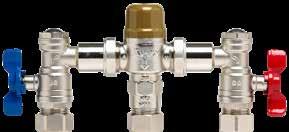
A built-in thermal flush setting allows systems to temporarily reach 65°C for pipework disinfection when required.
Introducing Quandify Water Grip to NZ
As energy costs rise and efficiency becomes a priority, understanding how water is used within the home is more important than ever.
United Supply Co. is bringing Quandify Water Grip to the New Zealand market to help tackle this challenge. Installed directly onto the main inlet pipe, the device uses ultrasonic sensing to monitor total water flow, including hotwater consumption, in real time.
For homeowners, this visibility unlocks meaningful insight— identifying inefficiencies in water and hot water systems, tracking usage patterns, and helping reduce both water and energy waste. For plumbers and system designers, it provides a practical tool to support performance optimisation and system diagnostics without invasive installation.

Combined with instant leak detection, Water Grip offers a simple, retrofit-friendly way to improve system efficiency, reduce running costs, and protect the home.
Find out more at quandify.co.nz
Nero introduces new Dolce II Collection
Continuing the clean and contemporary design language of the original Dolce range, the new Dolce II Collection from Nero Tapware further enhances durability, safety and overall product quality to meet the growing demand for high-performance tapware solutions.
Dolce II is lead-free compliant and manufactured from 304 stainless steel—widely recognised for its excellent strength, corrosion resistance and long-term durability. 304 stainless steel performs exceptionally well in moisture-prone environments such as kitchens and bathrooms as well as meeting the reliability requirements of commercial applications.
Dolce II is available in five contemporary finishes: Chrome, Brushed Nickel, Matte Black, Brushed Gold and Gun Metal. This versatile finish palette allows the collection to complement a wide variety of interior styles, while helping to create a cohesive aesthetic across kitchens, bathrooms, and laundry spaces.

Backed by a 15-year warranty, Dolce II offers a practical balance of design, durability and value, making it a strong choice for contemporary projects. Stay connected. Scan to subscribe to
New Series 4 range Available Now
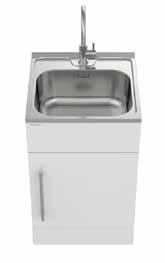
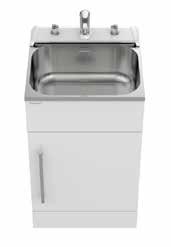
from leading plumbing merchants nationwide Proudly distributed by www.supertub.co.nz


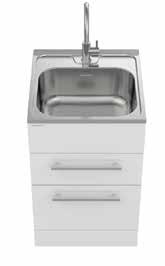






40VMAX XGT® BRUSHLESS 3 SPEED HIGH-TORQUE HAMMER DRILL HP003G NEW
3-Speed Transmission provides optimal balance of speed and torque for maximum efficiency

















PAY & SAVINGS
With the 1 April increases to KiwiSaver rates and the minimum wage, businesses may want to consider reviewing their pricing strategies and wage budgets.
KiwiSaver
Default KiwiSaver contribution rates increased to 3.5% from 1 April both for employers and employees.
The new rate affects all pay days from 1 April.
Some of your employees may prefer to temporarily reduce their contribution rate. This could be because they can’t afford the rate increase or want to save in other ways.
They can apply for a temporary rate reduction in myIR, allowing them to continue contributing at 3%.
As an employer, you are able to match your employee’s temporary rate reduction.
However, when your employee moves to a higher
contribution rate, you’ll need to increase your employer contributions to the default 3.5% rate, or whichever higher rate you choose.
Minimum wage
Wage rates have also gone up as of 1 April.
The adult minimum wage has gone up from $23.50 to $23.95 per hour. The starting-out and training minimum wage has gone up from $18.80 to $19.16 per hour.
All rates are before tax and any lawful deductions— for example, PAYE tax, student loan repayment and child support.



LAW CHANGES TO KNOW ABOUT
With changes for employment, health and safety, and immigration law, Duncan Cotterill provides an overview of what plumbing businesses should know.
AND
AUTHORS: KIRSTY WALLACE, OLIVIA LUND,
NICKY ROBERTSON AT DUNCAN COTTERILL
EMPLOYMENT LAW
The past year has seen some of the biggest employment law changes in New Zealand in a long time—and more are coming. For plumbing businesses, these reforms are not just about compliance. They affect how you engage contractors, pay staff, manage senior employees and calculate leave.
The 2026 reforms aim to shift the balance back towards certainty for employers but only where businesses are proactive and keep their paperwork and practices aligned.
Contractors and the new gateway test
One of the most significant changes already in force is the new ‘gateway test’ for contractors. In the past, calling someone a contractor did not mean much if they worked like an employee.
Under the new law, a worker will be treated as a contractor if all gateway criteria are met. That includes having a written contractor agreement, genuine freedom to work for others, flexibility over hours or the ability to subcontract, no penalty for refusing extra work and a real opportunity to seek independent advice before signing.
For plumbing businesses that rely on subcontractors, this is helpful but it is not a free pass. If the day-to-day reality does not match the agreement, the contractor can still challenge their status. Now is a good time to review contractor arrangements: do they reflect how work is actually allocated and performed on site?
High-income employees and dismissal risk
Another key change is the introduction of a $200,000 income threshold for personal grievances. Employees earning at or above this level can no longer bring a personal grievance for unjustified dismissal. This applies immediately to new employees, while existing employees have a 12-month transition period to decide whether they want to retain those rights or move to different contractual protections.
While dismissal grievances may be excluded, other claims, such as breach of contract or discrimination, remain available. Plumbing businesses may want to use this change as an opportunity to rethink notice periods, exit payments and termination clauses for senior staff.
Remedies and misconduct
The recent law changes also affect what happens when a personal grievance succeeds, particularly where discipline or misconduct is involved. This is an important area for plumbing businesses, where issues such as poor attitude, unsafe behaviour, refusing instructions, time-keeping, or conflicts on site can quickly escalate.
Under the new rules, if an employee’s own behaviour contributed to the problem, the Employment Relations Authority can now reduce compensation, sometimes all the way to zero. Where serious misconduct played a part, no remedies may be available at all. This is a shift from the past, where employers could still face significant payouts even when an employee’s conduct was clearly part of the issue.
In practical terms, this puts much more weight on how disciplinary issues are handled. Clear rules about behaviour, safety and performance expectations are essential, especially in a trade environment where mistakes can have real consequences. Employers also need to run fair and consistent investigations, give employees a chance to respond and keep good written records of what happened and why decisions were made.
Trial periods and collective agreements
This change only applies where there is a union and a collective agreement in place. If your staff are all on individual employment agreements and there is no collective agreement, this does not affect you.
Previously, where a collective agreement covered the work, new employees had to be on collective terms for their first 30 days, even if they were not union members. That often prevented the use of 90-day trial periods. That rule has now been removed. Where a collective agreement exists, a new employee can start on an individual employment agreement from day one, including a 90-day trial period, if both sides agree.
Employers still need to tell the employee that a collective agreement exists, explain their right to join the union, and provide the union’s contact details. If the employee later joins the union, they move onto the collective agreement.
In short, this gives more flexibility when hiring in unionised workplaces, as long as onboarding is handled properly.
Holidays Act reform: more change on the way
In addition to the changes already in force, a major Holidays Act reform Bill has now been introduced to Parliament. The Bill proposes a complete overhaul of how leave is calculated and recorded. Instead of the current model, leave would accrue in hours from the first day of employment, based on ‘standard hours’ set out in the employment agreement. The Bill introduces three categories of hours: standard hours, additional hours where the agreement provides for extra payment and casual hours for genuinely casual employees.
Under the proposed framework, annual leave would accrue at a set hourly rate and be taken in hours, rather than weeks. Sick leave would also accrue in hours, with a cap. Bereavement and family violence leave would remain day-based but could be taken in part-days. A new test for public holidays would apply where work patterns are not fixed and alternative leave would accrue hour-for-hour for work done on public holidays.
For plumbing businesses, this reform is aimed at fixing long-standing payroll headaches, particularly for staff with variable hours, but it will require changes to agreements, payroll systems and time-recording practices.
The 2026 reforms aim to shift the balance back towards certainty for employers but only where businesses are proactive and keep their paperwork and practices aligned.
What should plumbing businesses do now?
Taken together, these changes give plumbing businesses more clarity and flexibility but only if the groundwork is done properly. Contractor arrangements should be reviewed, senior employment agreements checked, disciplinary processes tightened and payroll systems assessed with the proposed Holidays Act changes in mind.
Spending time on this now can reduce disputes, limit risk and avoid costly surprises later, saving time, stress and money down the track.
HEALTH AND SAFETY LAW
In February 2026, the Government introduced the Health and Safety at Work Amendment Bill to Parliament. The aim is to simplify health and safety rules, reduce unnecessary paperwork, and help businesses focus on the risks that really matter.
If passed, the changes will affect how members manage health and safety—particularly small businesses, contractors, and those working on commercial construction sites alongside other trades.
A new focus on critical risks
The biggest shift in the Bill is a move away from trying to manage every possible risk and instead focusing on critical risks—the risks most likely to cause serious harm or death.
A critical risk is one that could cause death or serious injury, lead to a notifiable incident, or relates to certain high-risk hazards as specified in the Amendment Bill.
Plumbing businesses will need to identify whether their work involves these hazards and focus controls on preventing serious harm.
Big changes for small businesses
A small PCBU is defined as a business with fewer than 20 workers engaged for at least nine months of the year. Importantly, workers include contractors, subcontractors, and apprentices— not just employees.
If the Bill passes, small businesses will only be required to manage critical risks. However, they must still provide training, supervision, PPE, and basic welfare facilities such as first aid and washing facilities.
This may reduce compliance requirements for many plumbing businesses but does not remove the obligation to manage serious hazards properly.
No change to shared duties obligations
The Bill does not change the requirement for businesses to consult, cooperate and coordinate where duties overlap on worksites. For members working alongside other trades, clear communication and coordination will remain essential.
Concerns about a two-tier system
Some have raised concerns that size does not always reflect risk, particularly in high-risk sectors like plumbing and construction. There is also a risk that larger businesses may push risk management obligations down the supply chain through contract terms.
Clarifying overlap with other laws
The Bill also aims to reduce duplication between health and safety law and other regulatory regimes, such as building, hazardous substances, and asbestos regulations.
If a business complies with another law that properly manages a risk, it will generally be treated as having complied with health and safety duties for that risk as well. This should reduce confusion and double handling, although businesses should keep clear records of compliance.
What should you do now?
The Bill is still before Parliament and current law continues to apply. The Bill remains subject to the Select Committee process, so further changes are likely to occur and there are some questions being raised as to whether it will have the necessary Coalition support to pass before the next election.
In the meantime, businesses should identify their highest risk work and review the effectiveness of controls for serious hazards. Getting health and safety right does not need to be complicated, but it does need to be practical and focused on the risks that matter most.
IMMIGRATION LAW
The median wage settings for the employment-based residence pathways have increased. There are also two new residence pathways being introduced under the Skilled Migrant Category (SMC) later this year.
Upcoming changes will also be introduced affecting work rights for open work visa holders.
Increase in median wage
The median wage has increased to $35.00 per hour. This increase is relevant to migrants applying for residence under the Straight to Residence (STR) or SMC.
Impact of increase on STR and SMC applications
From 9 March 2026, any migrant applying for residence, such as a plumber, must be paid at or above $35.00 per hour. For those paid an hourly rate for every hour worked, this is a straightforward calculation. However, those on a salary, who do not work a fixed number of hours each week, need to calculate what their effective hourly rate is. Immigration New Zealand (INZ) calculates their hourly rate, based on their salary and maximum hours worked.
Example
A plumber is employed on an annual salary of $63,700. They are required to work a minimum of 35 hours per week. Based on working a 35-hour week, their effective hourly rate is $35.00 per hour. However, their employment agreement stipulates they may also be required to work up to 40 hours per week.
INZ will calculate the effective hourly rate by dividing $63,700 by 52 weeks and 40 hours. Based on this calculation, their effective hourly rate is $30.62 per hour, which is below the median wage. This employee will not meet the minimum remuneration requirement under the SMC.
Claiming points under the SMC
If an employee is claiming points for skilled work experience, their remuneration does not need to increase each time the median wage increases. They are only required to demonstrate they were paid the effective wage threshold at the beginning of the skilled work experience period they are claiming points for.
Example
A plumber is being paid $33.56 an hour. They have been earning this hourly rate since they commenced working on 1 June 2025. They wish to claim points for skilled work experience from this date. As the amount being paid on 1 June 2025 was the median wage in effect at that time, their hourly rate does not need to be increased to at or above $35.00.
If a plumber is claiming points for their income under the SMC such as being paid at 1.5 times the median wage, their remuneration must increase at the time of the application to be at least 1.5 times the median wage in place at the date of application.
Example
An employee wishes to claim points for income, based on being paid at 1.5 times the median wage. They began working on 20 August 2025. At that time, 1.5 times the median wage was $47.41. From 9 March 2025, the employee will need to continue demonstrating they are being paid at or above 1.5 times the median wage, which is $52.50 per hour.
Residence pathways
In August 2026, two additional pathways are being introduced under the SMC. One is the Trades and Technicians pathway. This will provide a pathway for workers in specific listed eligible trades or technician roles with a relevant Level 4 or higher qualification and at least four years’ post qualification experience, including 18 months in New Zealand being paid at or above the median wage.
The other is for migrants in roles that match with ANZSCO Skill Level 1 to 3 occupations, who have at least five years of directly relevant experience, including at least two years in New Zealand earning at least 1.1 times the median wage.
Open work visas
From 20 April 2026, partners of worker and student work visa holders, post study work visa holders and partners of New Zealand citizens/residents work visa holders will continue being able to undertake any work in New Zealand. This includes working for an employer, as a sole trader, or owning and operating a business.
However, other open work visa holders, such as working holidaymakers, must work for an employer, either under an employment or contract for services.
Will there be more changes this year?
As it is an election year, Duncan Cotterill’s opinion is that we may see more changes announced during the first half of 2026. We expect minimal changes, if any, as we move closer to this year’s General Election.
Disclaimer: The content of this article is general in nature and not intended as a substitute for specific professional advice on any matter and should not be relied upon for that purpose.
About the authors:

Olivia Lund leads Duncan Cotterill’s Wellington employment and health and safety, and dispute resolution team, helping clients navigate unexpected major events and crises.


Kirsty Wallace is a litigation and dispute resolution lawyer, specialising in employment law. Kirsty is experienced in representing clients in a wide range of disputes.
Nicky Robertson is a specialist immigration lawyer, providing practical advice and assistance to employers and individual migrants with all types of immigration matters. Duncancotterill.com
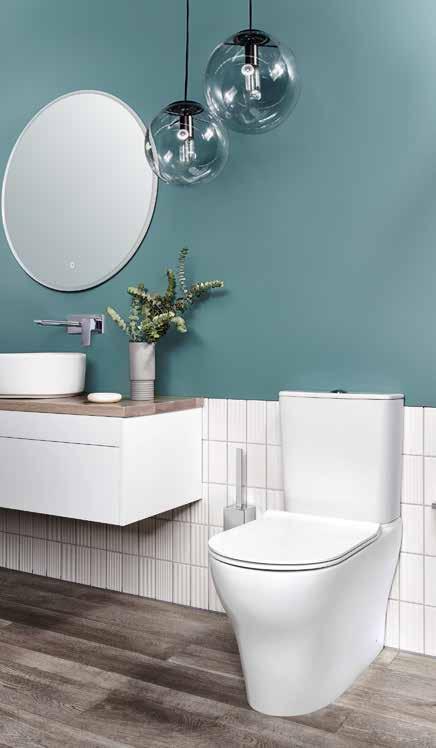

Legal Advice Helpline
Members of Master Plumbers can receive expert advice from Duncan Cotterill on the Master Plumbers Legal Advice Helpline and get the first 20 minutes free, with a 10% discount on hourly rates for new Duncan Cotterill clients. Find the helpline number at www.masterplumbers.org.nz, under Member Benefits & Discounts.
www.monacoplumbing.co.nz
Inspired by life since 1875
For 150 years, American Standard has enabled people to create homes they truly love, through innovative designs and trusted performance shaped by the needs of those who use them. Today, we remain commited to our heritage of delivering care, comfort and hygiene, all inspired by life, love and home.
Don’t bank on it
Treating Inland Revenue like a bank is a bad idea—you’re best to deal with cash flow problems early and honestly.
AUTHOR: INLAND REVENUE
In tough times, cash flow is king. When work slows down or a large bill arrives unexpectedly, it can be tempting to ‘borrow’ from Inland Revenue by hanging on to tax money for a bit longer. Plenty of plumbers have done it—and come to regret it. Treating Inland Revenue like a bank is one of the most expensive mistakes you can make.
The first reason is simple: Inland Revenue is not a cheap ‘lender’. If you miss a tax payment the penalties and interest start stacking up fast. Late payment penalties apply immediately, and interest is charged daily. If you miss a $10,000 PAYE payment, and ignore it for a year, it becomes a $23,500 debt.
PAYE isn’t your money—you’ve simply taken it out of your employees’ wages on behalf of the Government. When you use
PAYE to cover other expenses, you’re spending someone else’s cash. Inland Revenue treats this very seriously.
Then there’s the stress. Inland Revenue has become far more active collecting debt recently; taking money directly from bank accounts or reporting the debt to credit agencies. Tax debt has a nasty habit of sitting in the back of your mind and affecting every decision you make. That time and mental energy could be far better spent running jobs, quoting work, or actually being on the tools.
The best option is to deal with cash flow problems early and honestly. Talk to your accountant or approach your bank for proper finance. If you do fall behind on tax, contacting Inland Revenue early is far better than ignoring it. If you set up a repayment plan and stick to it, then no further late payment penalties are added. You can even do this online, in myIR.
In short, Inland Revenue is not a bank, not a safety net, and not a source of cheap finance. Treating it like one is costly, unethical, and stressful.
Keeping tax money separate and untouchable is one of the smartest habits a tradesperson can build into their business.
Grant Vortex Diesel Boilers

Why professional indemnity insurance matters for plumbers, drainlayers and gasfitters in New Zealand.
AUTHOR: GALLAGHER INSURANCE
Across New Zealand, the work of plumbers, drainlayers and gasfitters goes well beyond straightforward installation. You’re often involved in system design, providing technical advice, offering specifications, and signing off work that relies on your professional judgement.
With this comes increased responsibility, and increased exposure, particularly when clients rely on your expertise, not just to carry out a job, but to design and guide how that job should be done.
This is where Professional Indemnity (PI) insurance becomes essential.
PI insurance protects tradespeople when an error in your professional services, such as design work, calculations, technical advice or system specification, results in a financial loss for a client. These are issues that may not involve physical damage, but can still create significant cost, inconvenience and liability. As you take on more advisory and design-related responsibilities, the role of PI has become increasingly important.
Example 1
If a plumber designs the water reticulation layout for a home—choosing pipe sizes, setting out the network or advising on pressure requirements—there is a professional component to that work. If the design is incorrect and causes problems, such as inconsistent pressure, insufficient flow, or even failures in the system, the homeowner may face real costs to rectify it.
Example 2
Bathroom layouts and wet-area designs are other common areas where you may provide design input. Shower locations, drainage falls, fixture placement and material specifications all rely on your professional judgement. If these details are incorrect, the result can be expensive remediation, even if no immediate damage occurs. In many cases, those who relied on your expertise may seek compensation for the financial impact of the error.
In these examples, the issue lies in the design rather than the physical installation, and a Professional Indemnity policy is what would provide you with the necessary cover.
Even advice that seems informal can fall under the umbrella of professional services. If you recommend a certain pipe type, fitting or join, and that recommendation proves unsuitable, the client may experience performance issues or premature failure. If that advice contributed to a loss, it may be considered a professional error. PI offers protection in exactly these situations.
In today’s building environment, it is increasingly common for firms to handle a job from start to finish including design, installation, and signoff. While this provides efficiency and consistency, it also means the contractor is carrying the responsibility at each stage. Wherever documentation, specifications or professional judgement contribute to the finished work, PI becomes an important safeguard.
COVER COMPARISON AT A GLANCE
Use this table for a quick check on how Professional Indemnity differs from General Liability and Statutory Liability.
What it’s for
Accidental damage or injury caused while physically doing work
Regulatory investigations and defence costs
Loss caused by advice, design, specification or certification
Think of it as… “We broke something while doing the job” “The regulator is investigating us” “Our advice or certification caused a problem”
Covers Third-party property damage and bodily injury from operations
Legal defence costs; some insurable fines/ penalties
Third-party financial loss, property damage or injury from professional services
Typical plumbing example Trenching damages neighbour’s property WorkSafe investigation after incident Incorrect self-certification leads to system failure
Provides cover for issues arising from self-certified work (under gasfitter and upcoming plumber/drainlayer regime)
No
What it usually excludes Professional advice/design activities
Trigger type
Occurrence-based
What triggers cover When damage occurred
No
Yes
Underlying property damage claims Accidental damage, unless arising directly from professional services
Usually claims-made
Claims-made
When investigation/ claim is made When claim is made
If you cancel the policy Past work remains covered No cover for future investigations No cover for future claims—even for past work
Need run-off cover*? No
Usually not Yes—if stopping certification or closing business
Typical run-off period Not required Not typical
Typical run-off cost N/A N/A
Usually 7 years
Often 3–5× annual premium
Common misunderstanding Covers workmanship (generally no) Pays all fines (many aren’t insurable) Had PI at time of job so covered later (not true)
*Run-off cover protects you against future claims on certain types of insurance policies. If your business is being wound up, merged with another company, sold, or you, as a senior manager, are leaving, you could still be held liable personally for a past mistake.
A key point to remember is that PI is not only for large commercial firms or complex projects. Anyone who designs a system, signs off work (including self-certification of work), gives advice, or offers specialist expertise can benefit from the protection it provides. Mistakes in professional judgement can happen even to highly experienced tradespeople, and when they do, the financial implications can be substantial.
What PI ultimately offers is peace of mind. It protects both the business and the individual when something goes wrong. In an industry where systems are growing more complex and expectations around expertise are increasing, it provides a layer of security that allows you to operate with confidence.
Professional indemnity insurance acknowledges the reality of the modern world you work in. Clients depend on your professional expertise as well as your craftsmanship. Having PI in place ensures that, if an honest mistake occurs in that professional capacity, you’re protected—and so is the trust your clients place in you.
Key differences
General Liability (GL) and Professional Indemnity (PI) are designed not to overlap. Each excludes the other’s core activity. The key difference between GL and PI is that, if you stop insurance today, you are still protected for past accidental damage under GL. Under PI, you may have no protection for past certifications, unless you have run-off or continuous cover. Certificates prove you had cover—not that you still do. Stopping PI without run-off can leave historic certifications uninsured.
For more information on how Professional Indemnity insurance can support your business, get in touch with a Gallagher broker today: masterplumbers@ajg.co.nz
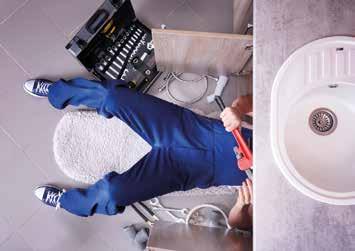
Your work isn’t just your tools, it’s your expertise
Today’s plumbing work includes design, advice and specifications, and that means more risk.
Professional Indemnity insurance covers you when advice or design work leads to financial loss.
Connect with us masterplumbers@ajg.co.nz

*Price excludes on-road costs, tyre fee and accessories. Overseas model shown. New Zealand specifications, configuration, and colours may vary. See Owner’s Manual for details and limitations. 2. Warranty conditions and exclusions apply. Visit www.ford.co.nz/owners/warranty for further information.



























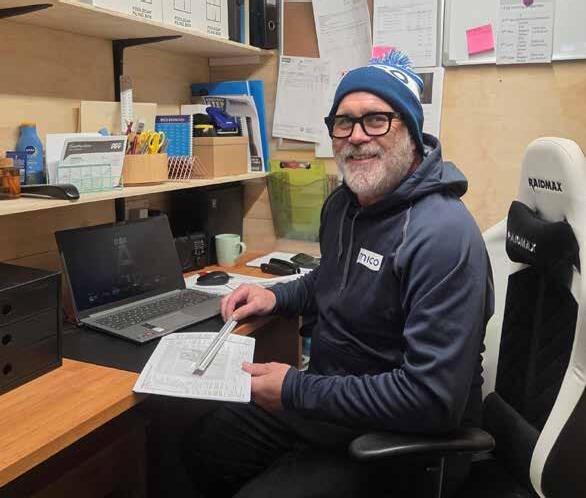
THEN AND NOW
One of the very first Masterlink apprentices from almost 25 years ago, Invercargill-based Nigel Tauwhare reminisces with NZ Plumber about his journey from apprentice to company owner.
WORDS: DAWN ADAMS
Next year will mark a quarter of a century for Masterlink, established by Master Plumbers in 2002 to increase the number of people entering our trades.
During this time, Masterlink has supported many plumbing, gasfitting and drainlaying apprentices into a rewarding career—and Invercargill-based Nigel Tauwhare was one of the first.
“I was at the freezing works, and I was looking for something else to do,” remembers Nigel. “There was an ad in the newspaper—back in the day when you used to have newspapers— and I thought I’d give it a go.”
He says he had felt a bit “institutionalised” at the freezing works, having been there since he left school. Plumbing looked like an opportunity to do something new, with more variety.
Masterlink, “easy as”
Masterlink placed Nigel with Master Plumbers’ member business Bill Sheddan Plumbing in Gore. “It was a one-stop shop—they looked after everything,” he says.
All Nigel needed to do was show up. Easy as. Masterlink handled his ACC, holiday pay, block
Career starters
Nigel Tauwhare started his career journey through Masterlink and went on to set up his own business, Acute Plumbing in Invercargill.
courses and other apprenticeship needs—a service they continue to provide today.
“When I look back at it now, I think it was a really good scheme to get into,” says Nigel. “They supplied me with everything, like the tools, all the gear—and monitored that I was doing what I should be.”
Nigel says Bill was a really good boss and he landed on his feet joining his crew. Work was busy and Nigel would go out on the tools every day with one of the three qualified tradespeople.
Once Nigel finished his apprenticeship, he took work in his hometown of Invercargill for a few years, having found the daily commute to Gore quite tough. He rejoined Bill for a few years during a particularly busy time before finding another job in Invercargill.
Going solo
In 2014, Nigel decided to go out on his own, and set up Acute Plumbing—named to reflect the type of services he offered at the time.
“I was heavily maintenance-orientated, because it was more urgent,” he explains. These days, he still does a small amount of
“They supplied me with everything, like the tools, all the gear—and monitored that I was doing what I should be.”
maintenance plumbing, but his main focus is on renovation projects and new housing.
Nigel’s priority is to deliver a job his customers are happy with, “and be there when they want me to be”. With all his repeat business, it’s clear he’s getting things right. He carries out a lot of work for Kāinga Ora Housing New Zealand, along with five or six builders and his private clients.
Whilst doing the bigger jobs means emergencies are now harder to manage, he still fits in urgent tasks for existing clients. “I would drop everything for them,” he says.
Going solo was a steep learning curve for Nigel at the start. “I think I was a bit naive in regard to the paperwork side of things and legislation, health and safety,” he admits. “Back then I did battle with it, but there was some good advice from accountants and other plumbers, and they got me through.”
Family focus
Nigel enjoys the flexibility of being selfemployed, which lets him to do the school dropoffs and pick-ups for his five-year-old son, and be there for his swimming and piano lessons.
“The little fella keeps me busy. He just started school this year,” he says.
His dad duties mean he doesn’t get to attend many Master Plumbers Southland Branch meetings, but he enjoys getting along to the social activities when he can.
He has also taken advantage of Master Plumbers member benefits, such as family health insurance at competitive rates.
Work also keeps Nigel fully occupied, thanks to the number of builders he works for and a buoyant market in Invercargill.
“You know, if the economy takes a downturn, Invercargill’s got its own wee bubble, in some respects, and if you’re capable and keen, you can always make a living,” he says.
We’ve got the answers to turn down the heat.
LEARN MORE





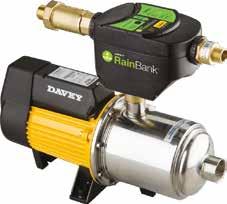


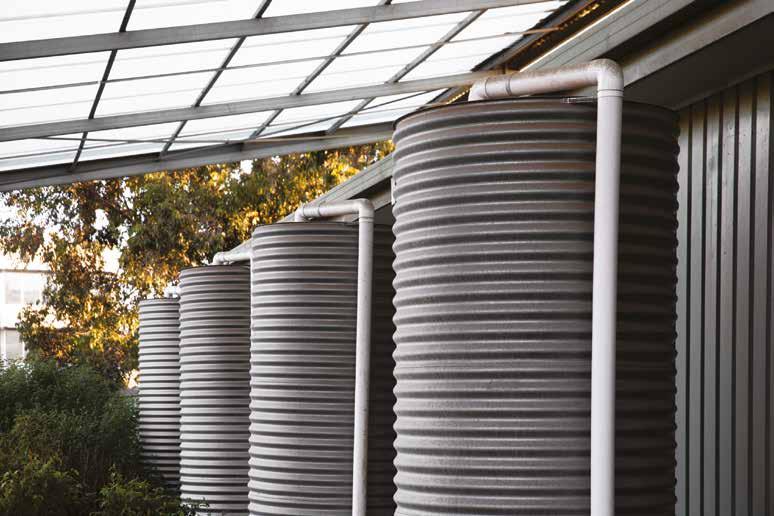

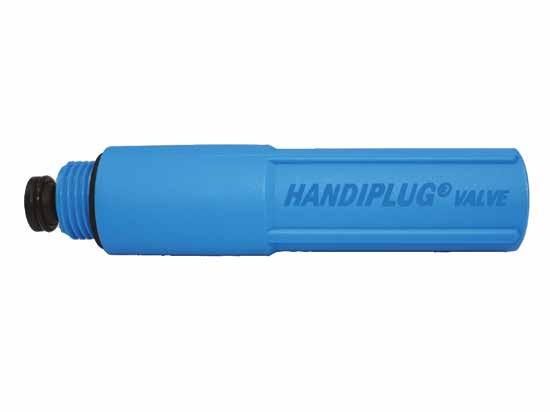
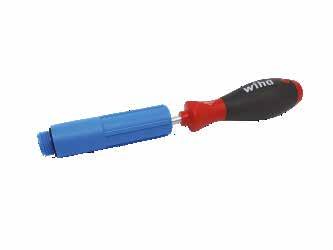
WHAT A LEGEND!
Since 1948, top-performing newly qualified apprentices have been awarded the James Douglas Medallion. But who exactly was James Douglas? NZ Plumber delves into the archives to discover more about this truly inspirational figure.
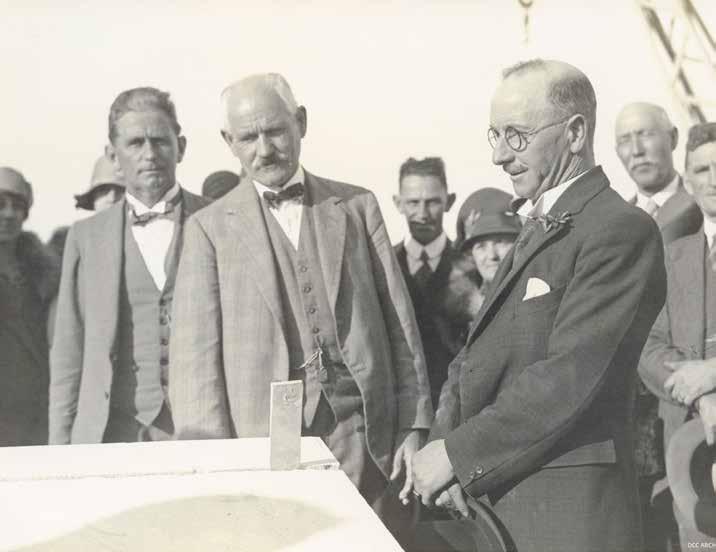
James Sandilands Douglas was a force of nature. Over his 85-year lifetime, he made a massive contribution to Master Plumbers, to the plumbing industry, and to his community.
Born in Dunedin in 1872, he became a plumbing apprentice at local business Corbett and Co in 1888, aged 16. Just as Douglas completed his apprenticeship, owner John Corbett decided to retire, and he found himself co-owner of a business at the tender age of 22.
Six years later, in 1900, he went out on his own, taking over another Dunedin plumbing business and renaming it JS Douglas & Co. The business included plumbing material manufacturing, and Douglas went on to expand it further, diversifying into sanitary drainage services, heating and ventilating engineering, and importing electrical products at a time when electric home lighting was taking off. By 1910, he also owned a second business, the Acetylene Lighting Co Ltd.
Otago Association founding member
In September 1897, James Douglas attended the very first meeting of what was to become the Otago Master Plumbers Association. He may well have been the driving force behind the gathering, having previously shown his passion for the industry as first Secretary of the Journeyman Plumbers’ Union during his apprentice years.
He clearly understood the need for a local organisation to represent the voice
Photograph: CM Collins.
Source: Dunedin City Council Archive.
Plumbing business owner James Douglas (right) was Deputy Mayor of Dunedin when this photograph was taken in 1929. It shows him placing in position the last stone on the coping of the new Dunedin Town Hall.
of skilled plumbers. Douglas lobbied hard for the enactment of the Plumbers’ Registration Act, and records show he had several interviews with former New Zealand Prime Ministers Richard Seddon and Joseph Ward between 1898 and 1909.
By 1903, Douglas had been appointed Secretary of the new Otago Association, whilst also being elected to the Dunedin Drainage Board. Two years later, he served a one-year term as Association President, then Treasurer. After a brief lull in the Association, he was re-elected President in 1910 and went on to serve in the role for an incredible 23 years, until 1933.
Douglas can also be thanked for instigating the annual Master Plumbers National Conference in 1912, bringing together delegates from all the main centres. It seems the National Association went quiet for a few years after the first two conferences in 1901 and 1902, and it took someone of his drive to get things humming again.
He went on to become National Master Plumbers President for three separate terms from 1914-15, 1919-20, and 1923-24.
Regulatory board representative
For a man of his dedication and energy, it’s no surprise to learn that James Douglas also found time to serve as a Master Plumbers representative member on the New Zealand Plumbers’ Registration Board from 1914 to 1946—a jaw-dropping 32 years.
In those days, it wasn’t as simple as hopping on a flight from Dunedin to Wellington to attend board meetings. Instead, Douglas braved tramcar, train, and steamer for the return journey.
The Otago Association minutes for August 1918 record: “The President [Douglas] sent a telegram stating that the
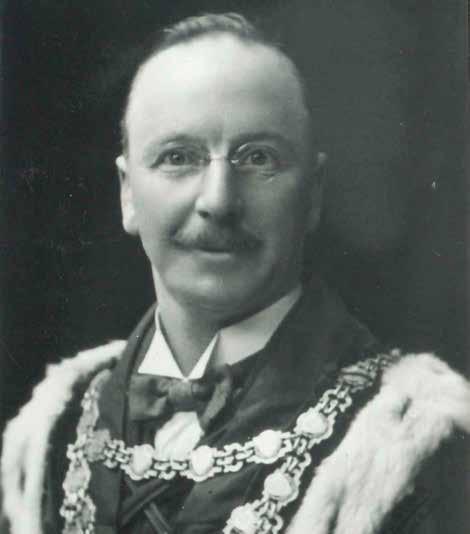
Plumbers’ Board business had delayed his stay in Wellington and that he would be arriving in Dunedin that night by the north express train and would attend the meeting on arrival about 9.30pm.”
An all-day rail journey, after a night sea crossing from Wellington to Lyttelton...
BUT THAT’S NOT ALL...
In addition to his long service for Master Plumbers, the Plumbers’ Registration Board, the Dunedin Drainage Board, and Dunedin City Council, James Douglas held several other positions throughout his life, including:
Member of Executive of Otago Employers’ Association
Chairman of Building Allied Trades Association of Dunedin Dunedin City Councillor Justice of the Peace
Local Body Representative to Council of Kind Edward Technical College
Local Body Representative to Ocean Beach Domain Board
Otago Harbour Board
High Schools Board of Governors
Otago University Council
Major in Otago Regiment
Church Deacon
Secretary of Caledonian Society of Otago
Councillor on Dunedin Scottish Society.
Mayor of Dunedin
As the saying goes, if you want something done, ask a busy person. James Douglas made several unsuccessful attempts to stand down as Otago Master Plumbers President during his 23-year continuous term, due to the pressure of his other commitments—including becoming Mayor of Dunedin.
The Association’s 1921 minutes record his suggestion to retire in favour of one of the Vice Presidents, saying it was “perhaps advisable that he should hold aloof from any office which might tend to interfere with his impartial dealing with any matter which came before him in his official capacity as Mayor or as Chairman of the Drainage Board”.
The suggestion fell on deaf ears. Instead, it was resolved that a deputy Chairman would be appointed to act when Douglas was absent.
Such absences are likely to have been rare. At the 1927 Annual General Meeting of the Otago Master Plumbers, the Secretary read the Report of the President, as
Source: Dunedin City Council Archive.
James Douglas was elected Mayor of Dunedin in 1921 and served in this position until 1923.
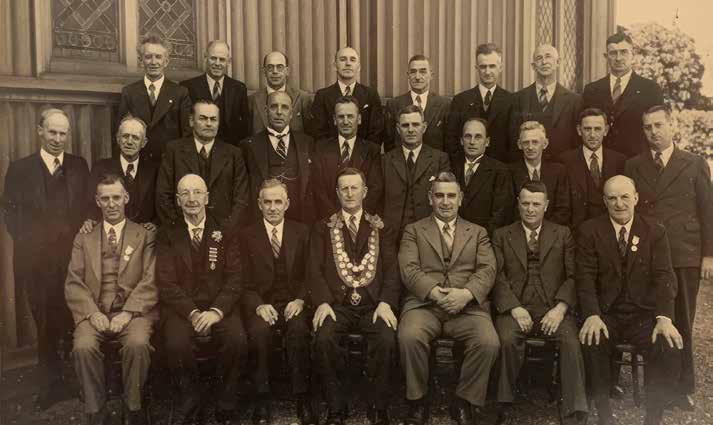
Douglas was unable to attend. It was the first one he’d missed since 1898.
Life Membership recognition
On completion of his marathon term as Association President, James Douglas was honoured by his peers with Association Life Membership. At the 1934 AGM, he was presented with a cheque for his valuable services. The Chairman said it would be impossible to overstate the benefits to the
JAMES DOUGLAS MEDALLION
The James Douglas Medallion is one of the highest honours in the New Zealand plumbing industry, recognising outstanding newly qualified tradespeople.
Today, finalists are acknowledged in all three plumbing, gasfitting and drainlaying trades, with one overall winner. The winner receives a $500 cash prize plus a Career Development Scholarship, worth $2,500, from Skills Trades Training.
Association and the trade through having had him as the employers’ representative on the Plumbers Board of New Zealand during its whole existence.
For his part, Douglas said anything he had been able to do for the benefit of the trade had given him a great deal of pleasure and he was willing to continue to give his services so long as they were desired.
In 1953, he was among three longstanding members to receive National Life
Membership of Master Plumbers—the very first time this honour was bestowed. James Douglas, ‘plumber extraordinary’, died in his hometown of Dunedin in August 1957.
NZ Plumber is indebted to Eric Shaw and John Simpson, authors of The Master Plumbers of Otago: Commemorating the First 100 Years (published 1997), for the information in this article.
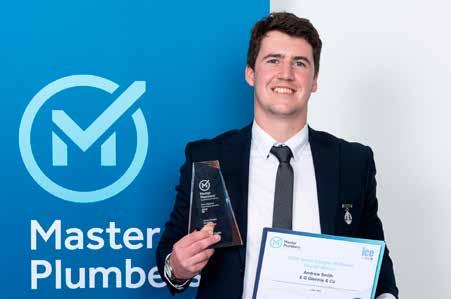
James Douglas, front row second left, attended the NZ Master Plumbers’ Federation Annual Conference in 1940 as the representative on the Plumbers’ Board.
2025 James Douglas Medallion overall winner Andrew Smith of EG Glennies in Wellington.
The 2026 James Douglas Medallion winner will be announced at the NZ Plumbing Awards in Hamilton on 26 June.
The advantages of gas hot water heating

Reliable hot water for modern homes

What is gas continuous flow heating?
Hot water demand in today’s homes is increasing. Multiple bathrooms, back-to-back showers and appliances like dishwashers can quickly exceed the capacity of traditional storage systems. In fact, heating water accounts for around 30%1 of a typical Kiwi household’s energy use.
Gas hot water heating provides instant, reliable hot water on demand, helping ensure households always have the supply they need.
The benefits speak for themselves
• Unlimited hot water – continuous flow systems deliver hot water as it’s needed, making them ideal for busy households with high demand.
• More design flexibility – wall-mounted outdoor systems free up valuable indoor space by removing the need for a hot water cylinder.
• Temperature control – gas systems allow homeowners to set their preferred temperature (many choose 50°C) while maintaining safe, hygienic water. 2
• Energy efficient – water is heated only when required, reducing energy losses associated with stored hot water.
• Resilient performance – some models can operate without electricity, providing hot water even during power outages.
Gas continuous flow systems, also known as califonts, heat water only when required rather than storing it in a cylinder. This provides consistent hot water while reducing energy waste and eliminating the limitations of stored supply.
Well suited to Kiwi homes
Gas hot water systems are well suited to modern homes with higher hot water demand. They are particularly effective in properties with limited indoor space or households where multiple users require hot water at the same time.
Without a storage cylinder, there is also reduced risk of bacteria such as Legionella2 developing in stored water.
Considering gas hot water for your next project?
Gas hot water heating delivers comfort, efficiency and reliability for homeowners, while offering flexibility and performance for modern home design.
Could it be right for your project?
Find out how your clients could get connected to gas.

Kits come with 2x pigtails and bottle chain
Safety features comply with AS/NZS 5601.1
Telemetry-ready for IOS and Android
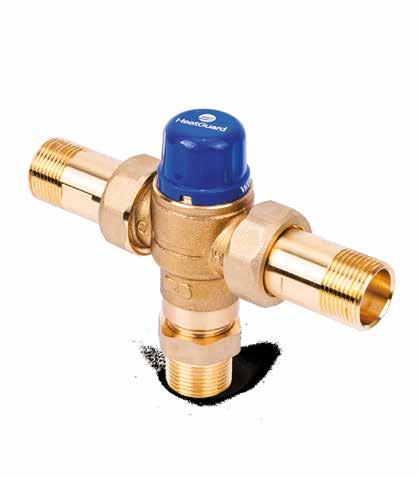
THE SIDE

10 MINUTES WITH...
TROY JEFFRIES
Third-generation apprentice plumber and Formula 2 Midget racer.
Jeffries Plumbing have been providing plumbing, roofing, gas and drainage services in Auckland since 1968.
Born out of a Pat and Roger Jeffries’ garage, Jeffries Plumbing has grown into a successful family business, with a current team of 19.
Pat and Roger’s son Craig joined the plumbing team in 1992, followed by their other two sons Glenn and Brent. The three brothers are now the company directors.
An ever-growing workload prompted the team to shift to a purpose-fitted Henderson workshop in 2015. The new premises includes a sheet metal workshop for fabrication of flashings, stock storage facilities, and plenty of staff office space.
Craig’s son Troy Jeffries, 21, joined as a plumbing, gasfitting and drainlaying apprentice in 2025 and is now completing his apprenticeship through Masterlink.
When he’s not on the tools or studying, Troy loves
to get his F2 Midget on the Baypark Speedway track— bagging his first win in November after four years of competing in the 20-lap F2 class.
Q: Why did you decide to be a plumber?
I’ve been around plumbing my whole life. My grandfather founded Jeffries Plumbing, which my father and two uncles now own.
Q: Tell us about your journey to an apprenticeship I learn better by being ‘hands-on’ rather than sitting in a classroom. I didn’t like school very much except for the trades subjects. I left when I could and had a go being an automotive mechanic, but that wasn’t for me—I was too immersed with my racing.
I worked for a time doing deliveries at a plumbing merchant, then headed to Australia where I was a tyre fitter on the Gold Coast.
Troy Jeffries racing his Hondapowered Formula 2 Midget to a clear 4.2-second winning margin at Baypark Speedway last November.
Photograph: Stuart Whitaker/The Write Angle.
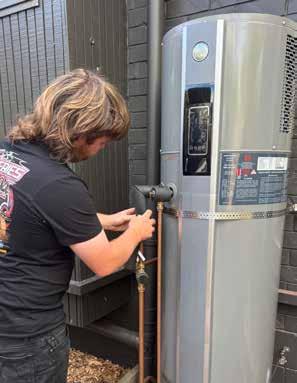


However, I decided to return home, get a trade qualification in the family business and continue racing with family support and of course a generous sponsorship from Rifeng, Marley and Mico.
Q: Are you enjoying your career choice so far?
Even though I’m still at the beginning of the apprenticeship, I’m loving it. I like learning new things every day. It’s been a good mix of support and challenge, and I already feel like my knowledge is growing daily.
I am confident that a mentored apprenticeship is the best way for me to achieve my qualifications as quickly as possible, and
Masterlink offers the ability to do Workplace Assessment with the new Version 4 programme.
Q: When did you start F2 Midget racing?
My passion started at a young age. Dad raced before me and I helped out in the pits, then eventually got behind the wheel myself in 2019. The sport has taught me discipline, patience, and how to stay calm under pressure. So far this season, we have placed first in six out of the nine races we have done.
My sister Reese also races, and has just completed her first season alongside me in the F2 class.
Both Troy Jeffries and sister Reese, who works at Plumbing World, are part of the family’s Lead Head Racing team. Reese is the only female currently racing Midgets in New Zealand.

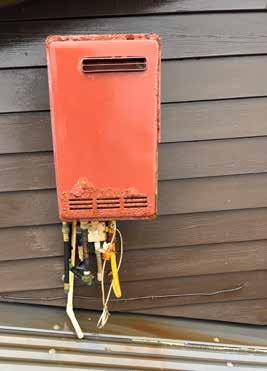
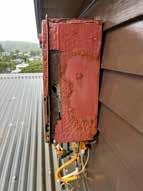
Salty & faulty
Thought I would share this beautiful install of a gas water heater by the ocean,” says Liam Driver of Connect Plumbing of the photo on the left. “Called to site as customer had no hot water—I wonder why. Have never seen one this bad before!”
The photo on the right shows full replacement with a new Rinnai Infinity A26 and upgraded pipework. Nice one, Liam.
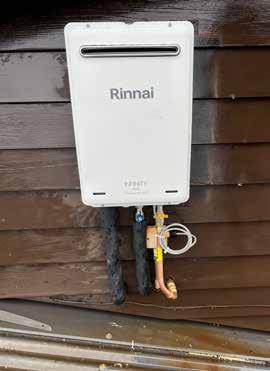
Some things never change over the years... dodgy handywork sadly among them.
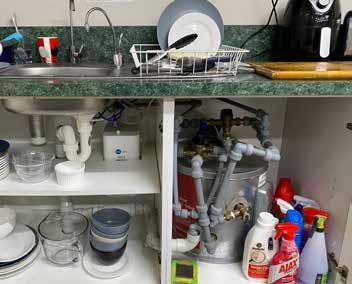
Leaky business
This photo was sent in by Nathan Bays Plumbing. It shows a section of 100mm stack from a 10-storey building that had been pushed together and sealed with silicon. “Needless to say it was leaking,” says Nathan.
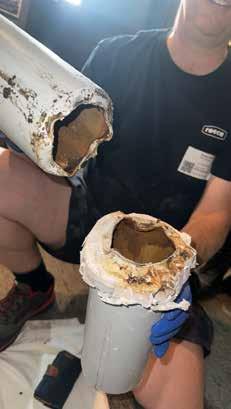
Hot mess
“Even the customer knew that this didn’t look quite right,” says Michael Moffat of this installation abomination. BEFORE
Hot Water Heat Pumps Installation Guide
EECA’s good practice Installer’s Guide for hot water heat pumps helps installers pick the best size and type of system for the home’s hot water needs and climate. It provides details on plumbing, electrical work and refrigerant handling, along with references to key standards and regulations, to ensure the best results for your customers.
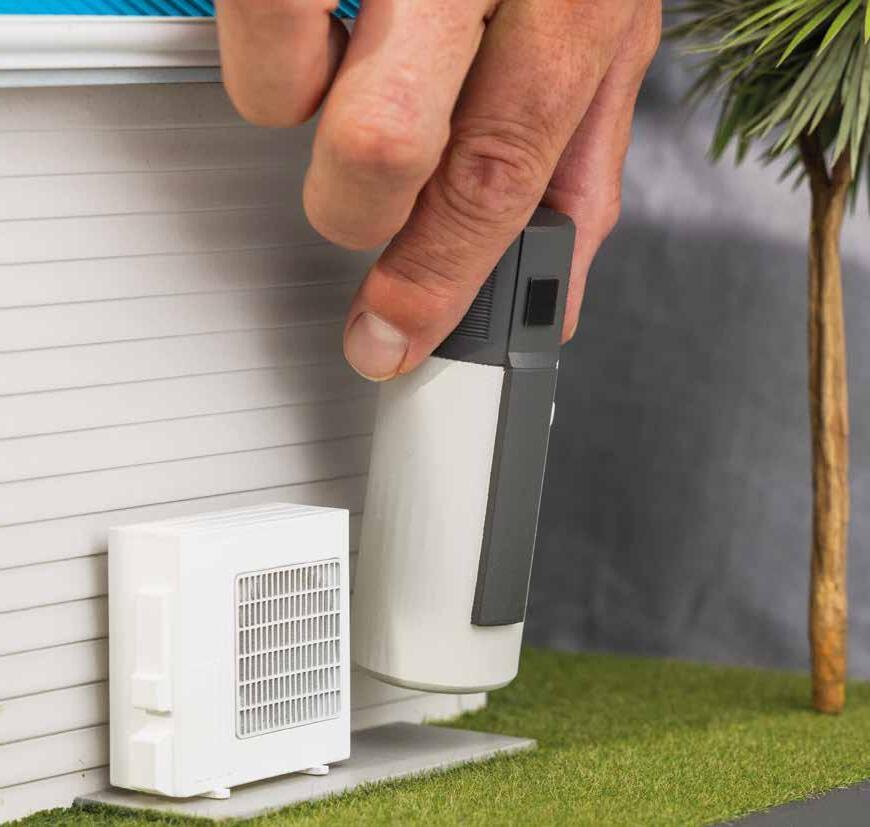
Download the guide, and read EECA’s latest research into the real-world performance of HWHPs, at eeca.govt.nz/hwhp-installers-guide
Tested
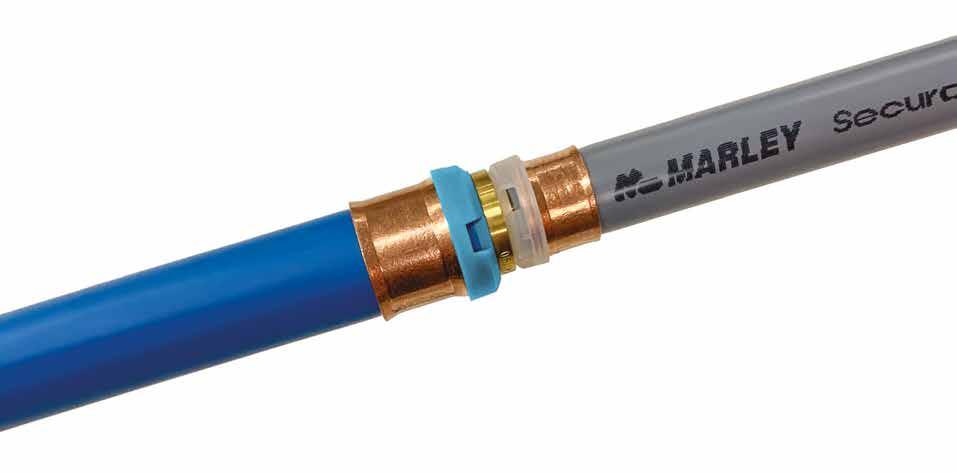
› NZ’s only certified Mains Fittings
› Independently tested and certified to AS/NZS 4129 standards
› Use existing SecuraOne® crimp tools
› Connect from meter to tap with Marley 1200 series MDPE and S ecuraOne® Mains Fittings, PB or PEX
› Light blue end caps and rings to identify the MDPE joint