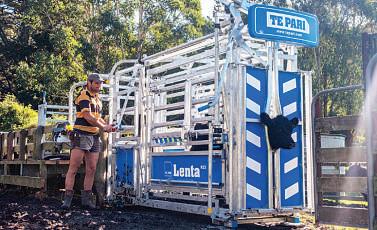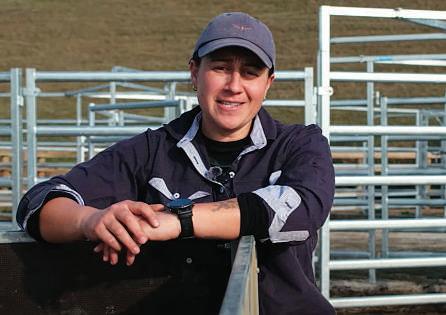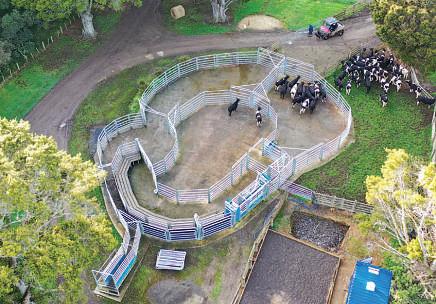



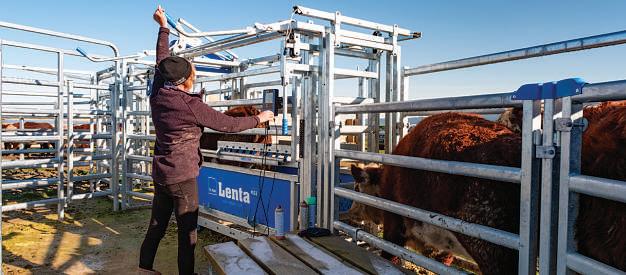

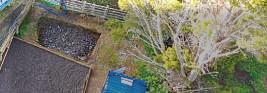
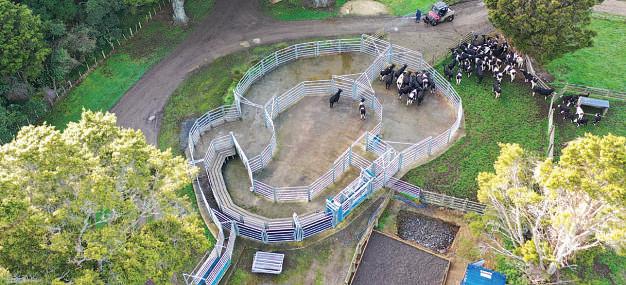




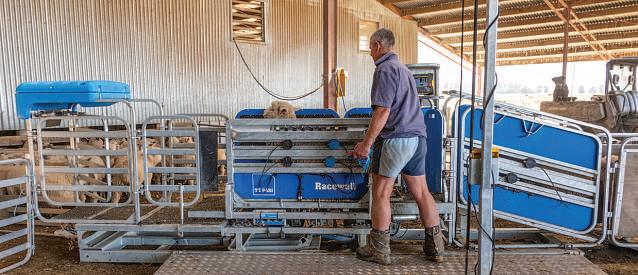

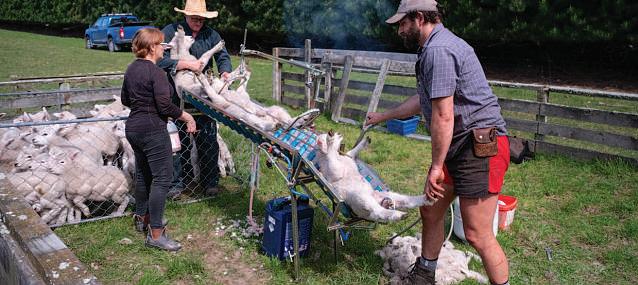





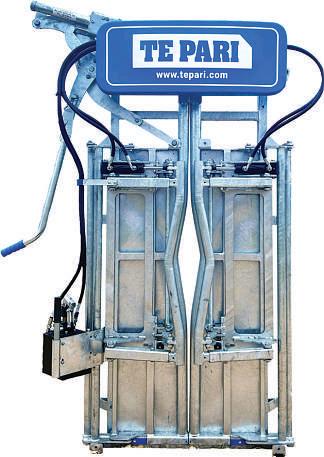


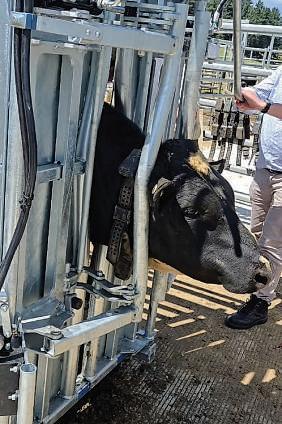





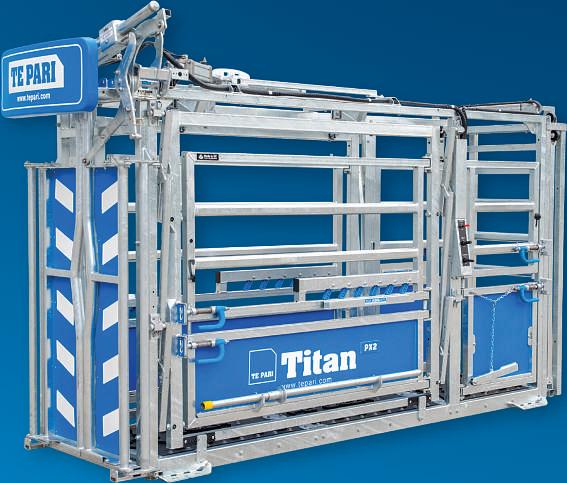




Pneumaticcontrol of headbail, squeezeand rear slidinggate
•Lever controls mountedoncrush frame
•Doublesided parallelsqueeze
•Optionalkick-operated vetaccess gates
•Anti-slip rubberfloor forquiet operation
•Heavy duty hot-dipgalvanisedsteel construction,madeinNZ
•Proportionalcontrol of headbail, squeeze& entrygate

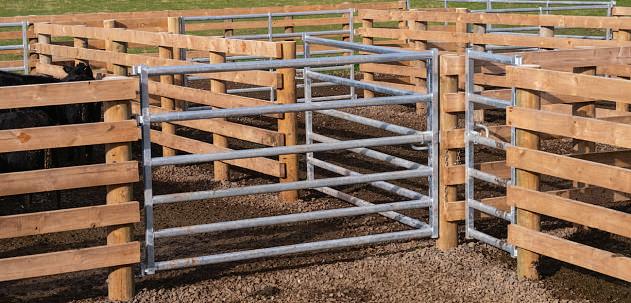
•Heavy-duty25mmshank gudgeons
•Great
•2 week
•Freedeliverytonearest


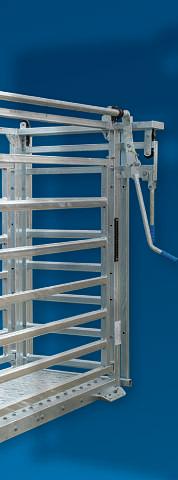
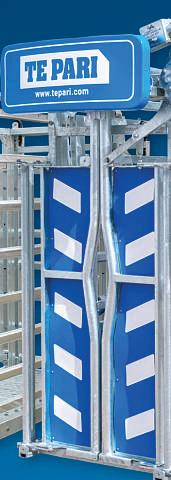

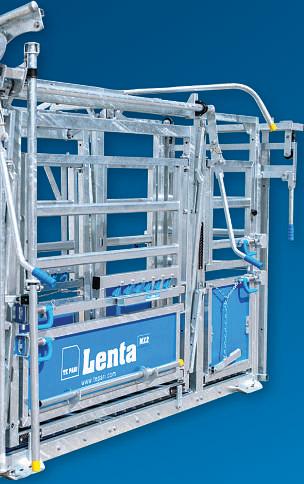



Arange of optionstosuityourfarm!
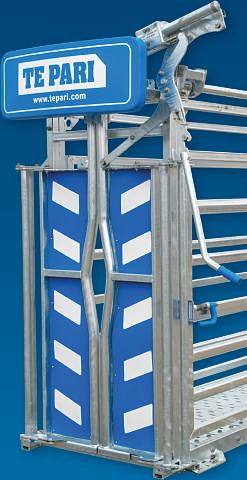
•ReliableTePariC1000 head bail with a lockboxlifetimewarranty
•1,2 or 3piece side gateswithanti-rattle slam latches
•Front andrearhandles to open andclose theC1000 headbail
•Slidingreargatewithautolatch lock
•Optionaldoublesided parallelsqueeze
•Optionalkick-operated vetaccess gates

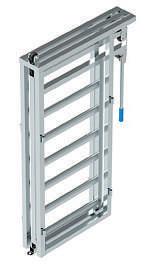

•Easytouse push-pullhandle
•Lifetimewarrantyonthe headbail lockingmechanism
•Qualityhot-dip galvanised steel
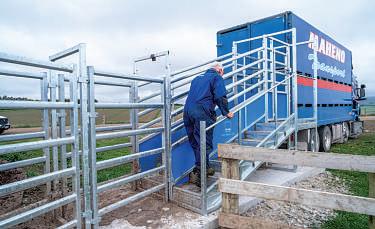
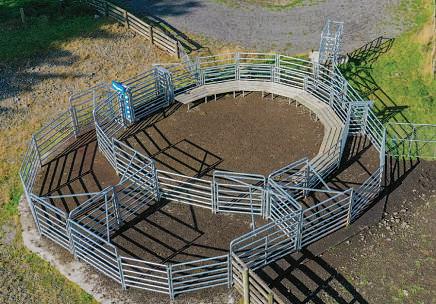
•Easytofittoyourcattleyards
•Qualityhot-dip galvanised steel
•PostorRailmountingbrackets aresoldseparately.
•Autolatchinglocksecures gate shut andautoreleases when handle is pulled

INSIDE: Ministry for the Environment could be swallowed by mega-ministry P10
A new survey shows 80% of Kiwi farmers think imported animal products should be required to meet the same welfare standards they are held to.





Blayne Slabbert
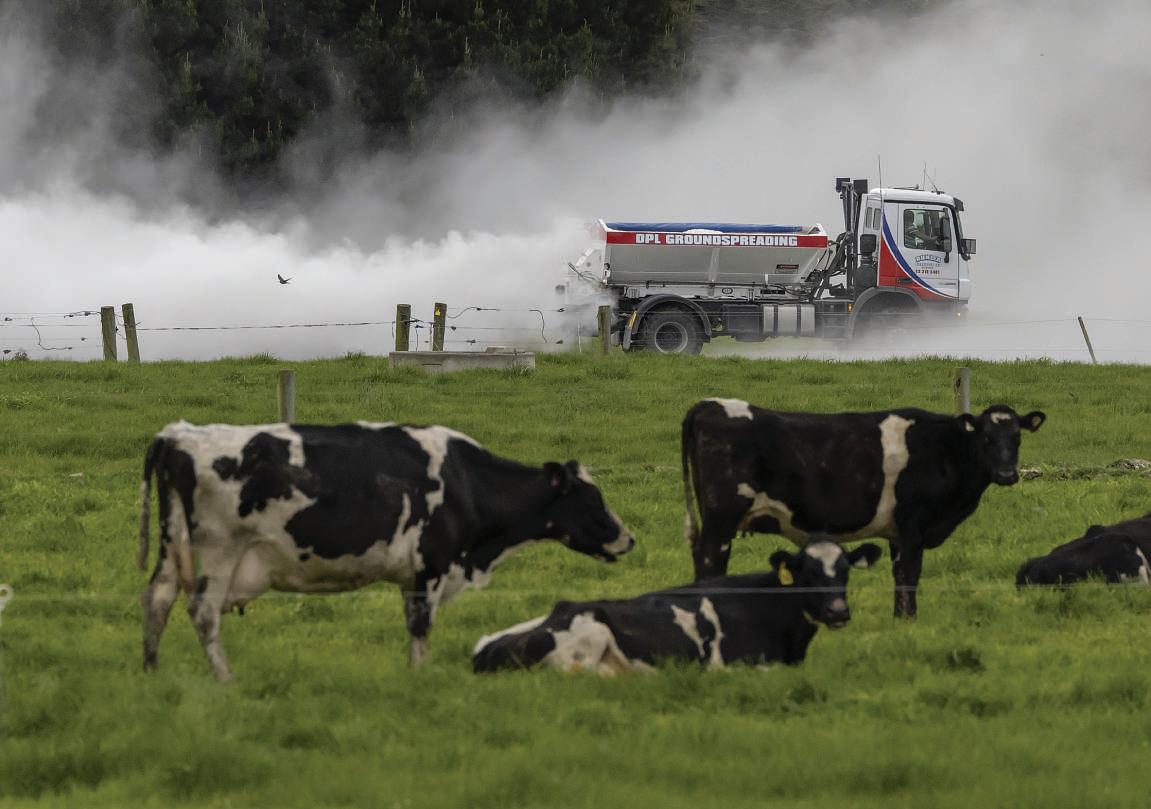
Farmers appear to have avoided an immediate fertiliser shortage, but the bigger bill may still be coming, adding fresh pressure to the cost of producing milk, meat and crops.
Earlier fears of an immediate shortage have eased, with suppliers saying autumn fertiliser volumes are largely covered, but the risk has shifted from whether farmers can get fertiliser to what they will have to pay for it.
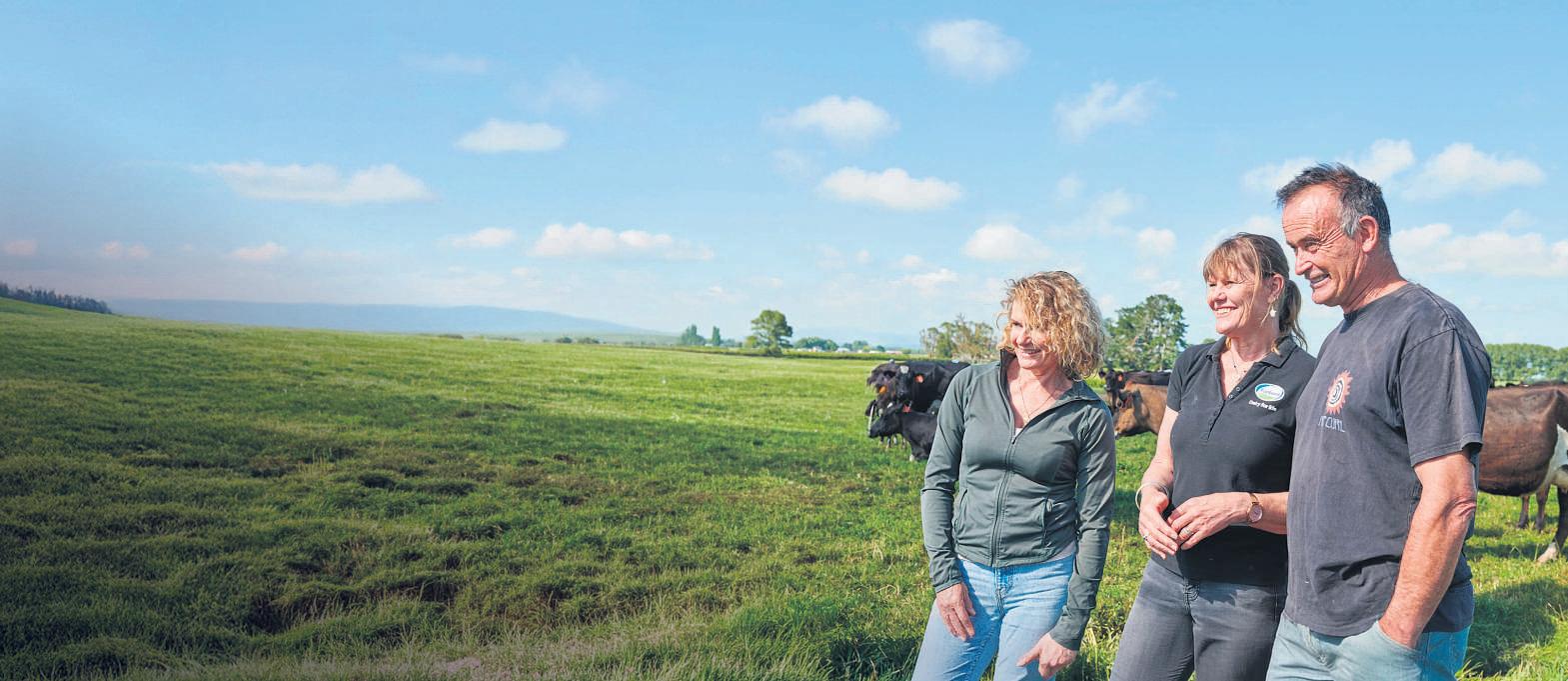
Federated Farmers dairy chairperson Karl Dean said that New Zealand’s usual practice of holding fertiliser ahead of the season had cushioned farmers from an immediate supply squeeze caused by disruption to shipping markets after United States and Israeli strikes on Iran.
But the price of spring fertiliser, some of which would already be on the way, could be “quite horrendous”, Dean said.
That does not mean shoppers will see an immediate jump at the checkout, but it adds further pressure to a food supply chain already exposed to higher fuel, freight and packaging costs.
The warning comes as farmers head into winter with stronger returns for milk lamb and beef, which have helped them absorb higher fuel costs.
But Dean said fertiliser was one of the biggest costs on dairy farms, while fuel affected almost everything that came through the farm gate – from freight to packaging.
Those flow-on costs were likely to start biting in the next three to six months, putting pressure on farm margins and adding to the cost of producing food.
Farmers had already become more careful with fertiliser over the past four or five years, he said, leaving little room to cut applications further without consequences.
“There’s only so much more efficiency that can be gained before it impacts production.”
Rabobank’s May agribusiness report shows why the spring bill could be higher.
It said the cost of key fertiliser ingredients was already rising sharply, with urea up 8% in a month and phosphate up 20%, while a key ingredient

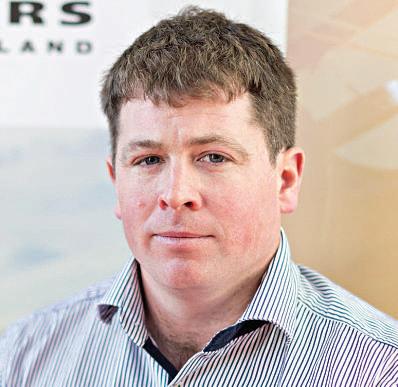
“
There’s only so much more efficiency that can be gained before it impacts production.
Karl Dean Federated

used to make phosphate fertiliser had jumped 87%.
The bank said the Middle East accounted for about half of global sulphur trade, meaning disruption through the Strait of Hormuz had an outsized effect on fertiliser supply.
China had also announced it would halt sulphuric acid exports from May, removing another source of supply from an already tight market.
At the same time, farmers had some protection from stronger returns.
Rabobank’s dashboard showed South Island lamb and bull beef prices were well ahead of last year, while milk production had also been strong
Many Fonterra farmer-shareholders
have also received a capital return from the sale of the co-operative’s Mainland Group consumer business.
Farming has helped make the South Island one of the stronger parts of the economy, with Stats NZ saying South Island gross domestic product (GDP) rose 5.2% in the year to March 2025, compared with 2.8% in the North Island.
But Dean said the next wave of fertiliser, fuel and freight costs could blunt that economic recovery, leaving farmers with less to spend even if headline milk, beef and lamb prices remained strong.
Farmers would carry much of the hit first, leaving them with tighter margins rather than more money to spend.

027 446 6221
Nina Weil, Al Hughes, Kwok Yi Lee, Sam Davenport
David Unwin/Manawatū Standard
OF
& RURAL MARKETS
Kate Boreham 021 279 5361 kate.boreham@stuff.co.nz
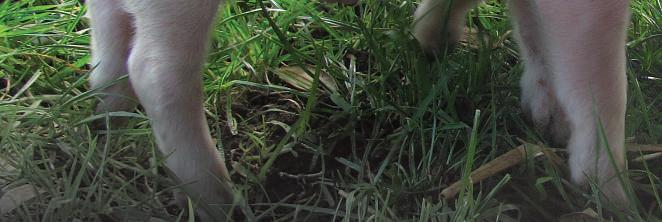
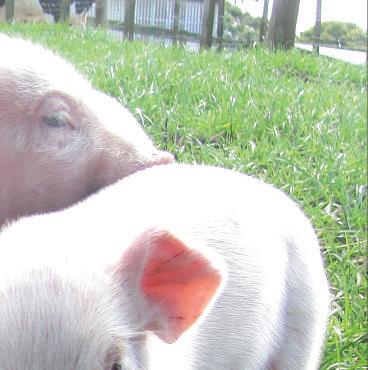
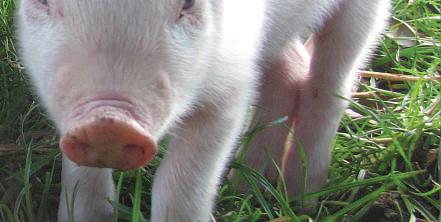
Acouple of years ago on a flight to Auckland, I struck up a conversation with the guy sitting next to me. It turned out he worked for a bacon company After chatting for a bit, he told me: “Almost all bacon sold in New Zealand is from imported meat.”
That took me by surprise because, in all honesty, I hadn’t thought about it before then.
We all do it, go to the supermarket and grab our pork chops, roasts, Christmas hams and bacon, but how many of us actually read the label to find where the meat originated?
And it is not just pork. I refuse to buy beef from Australia or other countries that grain-feed their stock.
It’s not the same in terms of taste and texture, the meat is grainy It bugs me when I see Spanish spare ribs or lamb pieces.
Imported farmed seafood is another bugbear, and poultry meat and eggs. The image of battery hens in cages with a lot of feathers missing is just sad.
Don’t get me wrong: I am not an animal rights activist, but I strongly believe in animal welfare standards.
Standards should dictate that the environment in which those animals are


raised does not give them a miserable existence.
Animals should not be locked up: they should be able to roam, graze and have space to move freely Of course, there are times when animals do need to be confined, but even then those spaces can be large.
New Zealand’s animal welfare standards are among the highest globally. We banned battery cages for hens, and gestation stalls for sows.
These are allowed in other countries like Canada and much of Europe where sows can be confined for up to four weeks of pregnancy, and in most states in the United States, for their entire pregnancy.
Here, castration of animals and disbudding of calves has to be done by a vet, whereas in countries such as Spain, Poland and the United States, anyone can do it and often they do without any pain relief.
New Zealand sows are only housed in farrowing systems during birth and while nursing piglets, for a maximum of five days pre-farrowing and 28 days after. By contrast, the US places no restriction on how long sows can be confined in these systems, and Canada permits confinement for up to six weeks.
So we have some of the strictest laws and our farmers have to abide by them.

The problem comes from importing animal products from countries that don’t have the same standards. This puts our farmers at a disadvantage. It needs to change. Farmers, NZPork and urban residents are all advocating for change, and it is an issue that is not going to go away until it is dealt with.
The Government needs to act and change the imported animal product welfare standards so Kiwi farmers are playing on a level field.
And until the Government takes action, support our local farmers. Look for the pork products that carry the 100% New Zealand Pork label and buy only those products grown and raised here at home.

many of us actually read the label to find where the meat originated?



Rachael Kelly
Ten days out from the deadline, the Government extended the timeframe for Southland farmers to submit freshwater farm plans so they could benefit from an updated national system later this year.
The extension was welcomed by Federated Farmers, although it expressed sympathy for farmers who had already filed their plans, and Environment Southland chairman Jeremy McPhail said farm plans were still “here to stay”. Agriculture Minister Todd McClay, Environment Minister Nicola Grigg and Associate Environment Minister Andrew Hoggard made the announcement on May 18
The Southland Water and Land Plan required farmers to prepare and submit a farm plan by May 27, before improvements to the national freshwater farm plan system were finalised.
“Cabinet has agreed Southland farmers and growers will now have until the end of November 2027 to submit their farm plan and benefit from the updated system,” McClay said.
The extension made sure 2500 Southland farmers remained compliant with the regulations.
Grigg said extending the timeline would remove unnecessary pressure on farmers and help ensure a smooth transition to an improved system.
“This is a common-sense solution that aligns with our approach to streamline or remove many of the burdensome
regulations that are holding back our farmers and growers.”
Hoggard said the Government was maintaining momentum on improving farm plan regulations.
“This change applies only in Southland. The extra time will mean that national and regional farm planning systems are well aligned to avoid duplication and unnecessary cost for farmers,” he explained at last month’s announcement
“The improvements to the system, while supporting effective freshwater management, will clarify what farming activities will need a certified farm plan, along with simplifying parts of the farm plan such as land blocking and mapping
“We are currently testing improvements with the rural community.”
“
The improvements to the system, while supporting effective freshwater management, will clarify what farming activities will need a certified farm plan.
Andrew Hoggard Associate Environment Minister
Southland Federated Farmers president Chris Dillon said the news was “very good” for farmers. “It just shows the good environmental work that everyone’s been putting in without the need for overarching regulatory burden.”
He said the farmers that had got ahead of the regulation and filed a plan early had been charged “a s...load of money” for consultant fees that were unnecessary.
“They’ve had no favours from doing it, it’s just been unnecessary costs,” he said.
Federated Farmers had always pushed for farm plans to be like a live document that farmers were referring to regularly, Dillon said.
Environment Southland chairperson Jeremy McPhail said the extension gave farmers and growers more time to finalise
strong farm plans and make good use of the support available as the updated national settings were finalised.
“Farm plans remain an important part of improving freshwater outcomes, and this extension gives farmers extra time to continue developing plans that are practical, well-informed and tailored to their property and catchment,” he said. “Farm plans are here to stay, and most farm operations in Southland will still need one.”
McPhail said Environment Southland had supported the need for farm plans for a long time as a way for farmers to demonstrate environmental responsibility and increase the uptake of mitigations.
“These are one of the key tools in Southland for improving water quality.”

BNZ’s FirstFarmPackage connects eligible first dairyherd or farm buyers with alocal mentor who’skeentopasson theirknowledge.Scott Armer, CEOofArmer Groupin the BayofPlenty, knowsthe importance of having someone youcan pick up thephone to talk though problems and help make senseofchallenges. Somethinghe’snow lookingtoofferasaFirst Farm mentor.Withreduced depositrequirements, flexiblefunding options,and dedicatedsupport from an Agribusiness Partner, BNZ’s FirstFarmPackage canhelpyou succeedinthe long term.

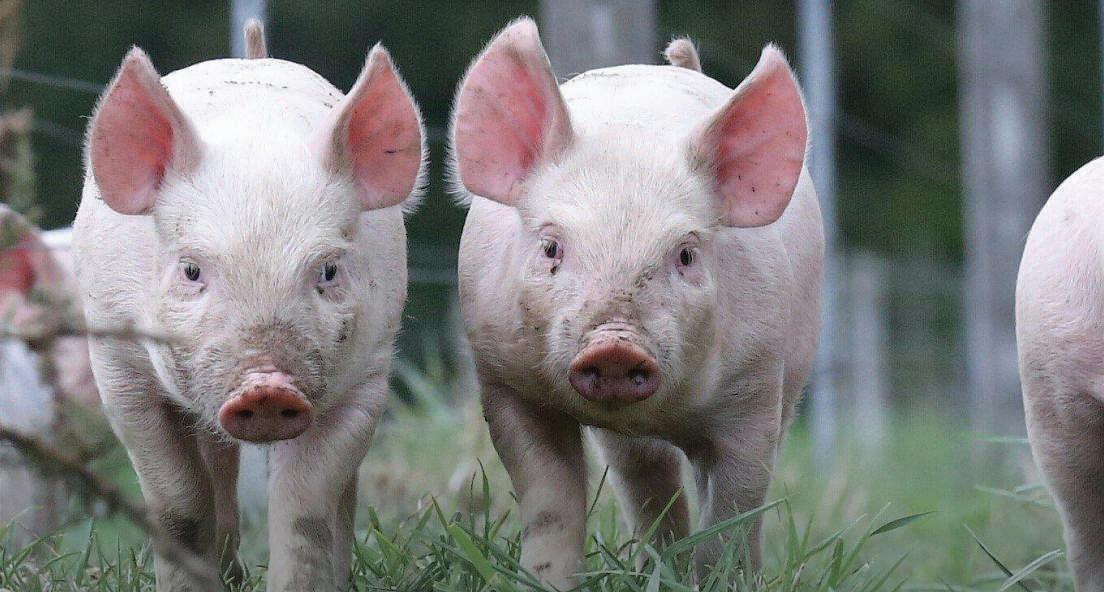
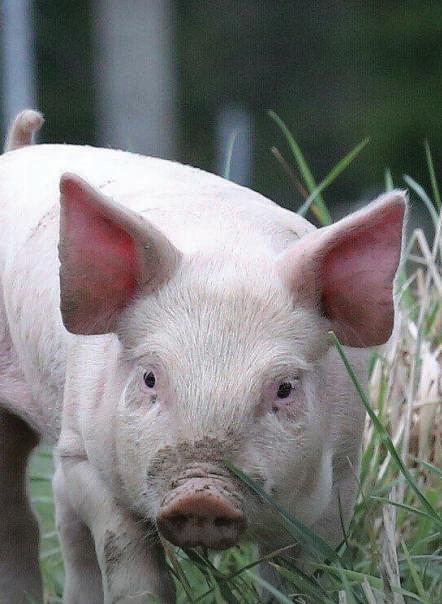
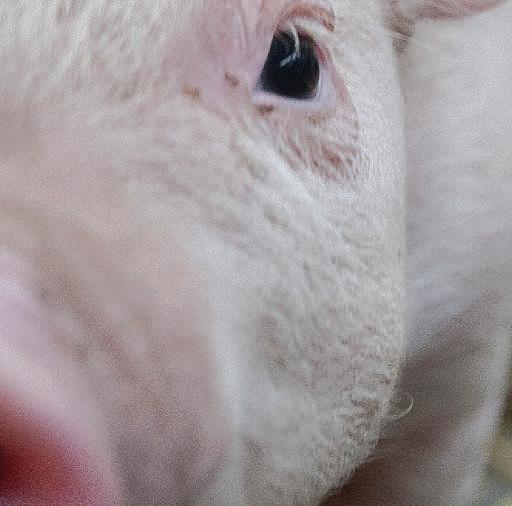
New Zealand imports about 62% of its pork products from countries where animal welfare thresholds are well below New Zealand’s. By
Sonita Chandar
.



Arecent survey conducted by Curia Market Research shows farmers and the wider public are more aligned five months out from the election.
Nearly 80% of Kiwi farmers say imported animal products should be required to meet New Zealand’s welfare standards
The same proportion want political parties to commit to making it happen. Just 10% disagree, according to the poll.
The finding puts farmers squarely in line with the broader public, where Horizon Research polling has consistently shown more than 80% support for the same principle.
Of the 1000 farmers surveyed in April this year, 79% agree imported animal products should be required to meet New Zealand’s animal welfare standards (10% disagree), 78% agree it is important that New Zealand farmers are not undercut by imports produced to lower welfare standards (11% disagree) and 78% agree political parties should commit to ensuring imported animal products meet New Zealand’s animal welfare standards (10% disagree).
Agreement is consistent across age groups and gender. Farmers under the age of 40 showed the strongest support, with 75% strongly agreeing imports should meet domestic standards.
It is an issue NZPork chief executive Brent Kleiss has been backing for some time, saying that while two-thirds of pork consumed in New Zealand is imported, there is no requirement for the products to meet our rigorous pig welfare standards
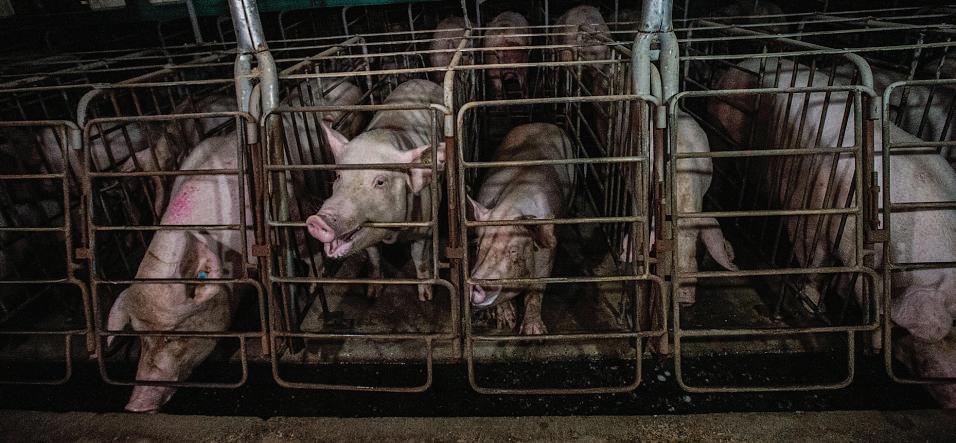
“More than 60% of the pork consumed in New Zealand is imported, with much of it produced to lower standards, particularly in processed products,” Kleiss said Under New Zealand’s animal welfare laws, gestation stalls are banned, whereas in countries like Canada and much of Europe, sows can be confined for up to four weeks of pregnancy, and in most states in the United States, for their entire pregnancy.
New Zealand also prohibits piglet castration by anyone other than a veterinarian, a practice routinely carried
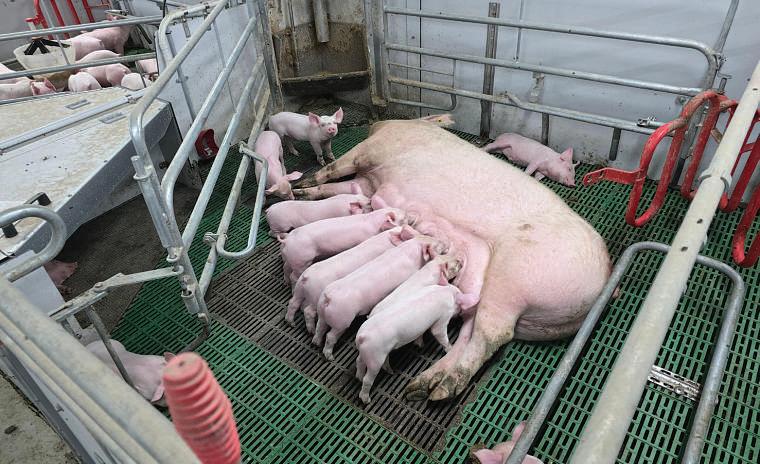
out – often without pain relief – in countries like Spain, Poland and the US.
New Zealand sows are only housed in farrowing systems during birth and while nursing piglets, for a maximum of five days pre-farrowing and 28 days after. By contrast, the US places no restriction on how long sows can be confined in these systems, and Canada permits confinement for up to six weeks
“New Zealand pig farmers deserve a level playing field. The Government should demonstrate its commitment to animal welfare, the environment and local farming by subjecting imported pork to the same stringent standards that are applied to Kiwi farmers,” Kleiss said.
“The pork sector would also like to see government departments backing local farmers through their food procurement Government agencies such as the Department of Corrections, Ministry of Defence and Ministry of Education that are regularly providing food should be required to source that food locally whenever possible.
“We’ve been told by previous ministers that customers will pay more for pork, ham
and bacon produced to more stringent standards, but the Government’s own departments and ministries have been choosing pork from countries with lower standards. We’re hopeful the Government will see this corrected.”
Dairy farmer Walt Cavendish, of Farming with Walt, said farmers had spoken clearly.
“Nearly eight in 10 are saying the same thing, if it’s sold in New Zealand, it should meet New Zealand standards. This is about fairness. Our farmers are being asked to meet some of the highest animal welfare standards in the world and they’re proud to do it. But they should not be undercut by imports produced to lower standards Now it’s up to political parties to listen and commit to a level playing field.”
New Zealand has set domestic animal welfare standards through democratic process – sow stalls and battery cages have been banned or restricted




However, products from systems banned domestically continue to be imported and sold alongside New Zealand produced goods. The poll suggests farmers, in line with the wider public, want the gap closed. Animal Policy International co-executive director Rainer Kravets said the polling raised the stakes for parties heading into the election.
“Reflecting domestic welfare standards at the border is a logical step, supported by the people who produce and the people who buy. Heading into election season, every party will say they back Kiwi farmers and listen to New Zealanders. This is one of the clearest tests of that commitment.”
SPCA New Zealand senior scientific officer (farmed animals) Marie McAninch said: “New Zealand farmers have always taken pride in caring for their animals, and this polling simply reflects that commitment. It’s no surprise to us that farmers want a level playing field where their efforts are respected. As parties shape their policies this election year, it’s clear that supporting animal welfare is something both farmers and the wider public can agree on.”

chief executive Brent Kleiss
The Green Party said the survey findings are consistent with the intent of a member’s bill from Green Party spokesperson for agriculture and animal welfare Steve Abel.
“It’s great to see the strong farmer support for closing the welfare gap and ensuring that imported animal products meet New Zealand’s welfare standards,” Abel said. He said it is unjust and unfair that higher-welfare pork products have to compete on our supermarket shelves with lowerwelfare imported products.
“My bill closes the welfare gap on imported animal products which would make life both better for animals and fairer for farmers.
“The public and farmers alike want to see a level playing field in upholding New Zealand’s strong belief in high animal welfare standards. We want to be sure that
animals live a good life on our farms and in our homes.
“I will continue to invite MPs from across the Parliament to support my bill so it can be brought before the House for the good of farmers and animals.”
Earlier this year, farmers challenged Prime Minister Christopher Luxon on import rules by sending an open letter titled You’re Throwing Farmers Under the Bus The letter to the Government and party leaders challenged unfair double standards on imports as pork imports hit a three-year high of 63% of consumption.
Signed by farmers from across New Zealand’s dairy, pork, beef and sheep sectors, they demanded an end to the double standard that allows animal products like those banned from domestic production to flood the market through imports. Farmers also launched the Fair
how current trade rules undermine New Zealand’s animal welfare standards.
“Products that would be illegal to produce on New Zealand farms are routinely sold in our supermarkets, creating an unfair playing field for local farmers,” the letter said.
“This is happening right now, and it’s throwing our farmers under the bus.”
More than 60% of pork consumed in New Zealand is imported, mainly from countries such as Canada, the US and some European countries that allow the use of sow stalls – narrow cages for pregnant pigs. New Zealand banned sow stalls in 2016 after a public outcry. New Zealand’s ban on battery cages came into force in 2023, yet more than 50% of liquid egg imports in 2023 came from Australia and China, where hens can be kept in battery cages.
The letters, sent to Prime Minister Christopher Luxon, Labour Party leadership, and NZ First, directly challenge Government concerns about trade retaliation.
“When the EU and California did similar things, there was no retaliation from affected trading partners,” the letters noted. “WTO [World Trade Organisation] case law is clear – these measures are permitted. Our trading partners are moving in this direction anyway. If we don’t act, we’re falling behind.”
The farmers argue that exports to New Zealand are a tiny fraction of these countries’ total production, and they
Sows in stalls in Canada, where conditions are cramped and crowded, giving sows no room to move New Zealand imports animal products such as pork from countries that have much lower animal welfare standards
JO-ANNE MCARTHUR
that meet New Zealand standards.
“The pork industry shouldn’t be sacrificed to protect theoretical trade risks while the real damage is happening right now,” the letters said.
The farmers are calling for a “Level Playing Field” policy: if a practice isn’t acceptable on a New Zealand farm, it shouldn’t be acceptable in a New Zealand supermarket.
Cavendish said: “The welfare gap is growing with many imports not up to the high standards that consumers demand of their Kiwi farmers, farmers are not able to compete on a level playing field, and the high animal welfare standards are ignored on many imported products. Farmers and consumers deserve better, and so do our livestock. If better is possible, good is never enough.”
not the underlying welfare standards gap. A member’s bill – the Animal Products (Closing the Welfare Gap) Amendment Bill – currently sits in the biscuit tin.
Independent legal analysis has found that requiring imports to meet domestic welfare standards is compatible with WTO rules and New Zealand’s existing freetrade agreements. Economic modelling published in October 2025 estimates potential growth in the New Zealand pork sector of $17.2m to $29m. Retaliation risk from trading partners is assessed as low. Country of origin labelling is required for some pork products, but consumers have expressed confusion about labels, Kleiss said.
“Current labelling allows prominent New Zealand branding on products made from imported pork, with the country of origin noted only in small print. This misleads shoppers who want to support local farmers by choosing New Zealand products,” he said.
“Many people think New Zealand pork is largely exported, but in fact almost all of it is raised on local family farms and eaten here.
“Whilst almost all fresh pork is from New Zealand, Kiwi shoppers can look out for the 100% New Zealand Pork label and ask their retailer where it’s from, if they’re not sure. That way they know they getting an excellent quality product that’s affordable and produced in New Zealand to high standards.
The letters point to research showing more than 80% of New Zealanders agree that imports should meet the same welfare standards required at home, and economic analysis finding the policy could boost the pig industry by up to $29 million a year.
“The time for talking about this is over. We need action,” the letters conclude. “If it’s not OK to produce in New Zealand, it’s not OK to import and sell.”
The Government’s Product Labelling review, due to report this month,
“That means when you choose New Zealand pork, you’re getting a product that’s produced by Kiwi families for Kiwi families. It’s delicious, affordable and raised right here.”
Pork remains an affordable option for Kiwi households as new data shows it is one of the more affordable meat options for New Zealand households at a time when grocery costs continue to put pressure on budgets.
Figures from Statistics NZ show that while overall food prices have increased over recent years, pork prices have remained relatively steady.
Hardly any pork is exported from New Zealand, making up just 3% by production, which is sent to Fiji, Samoa, Vanuatu, Kiribati, Cook Islands, Niue, Tonga and
Mark Tanner
With global attention focused on how the conflict in the Middle East could affect shipping routes and markets for New Zealand exporters, it is easy to overlook the scale and importance of another market that has underpinned our export success for decades.
China is one of New Zealand’s largest and most valuable trading partners, but how did we reach the point where such a relatively small country became such a significant food supplier to such a vast market?
Despite 15 years working in China, I’m still regularly taken aback by the numbers.
China is the world’s largest trading nation and the top trading partner for more than 120 countries. It is the world’s most competitive food market, and while more than 180 countries export food to China, it is remarkable that our small, faraway land of just 5.3 million people has out-exported every other nation.
This was partly shaped by geopolitical tensions affecting former top suppliers. But even without that disruption, New Zealand remains consistently among China’s top five food exporters. That is no small feat.
New Zealand has punched above its weight in China thanks to long-standing government-to-government relationships, sustained investment on the ground, the way Kiwis do business, and a reputation for trust and quality
When New Zealand became the first OECD country to sign a Free Trade Agreement with China in 2008, it built on

decades of trust following our early recognition of the People’s Republic of China in 1972 and a largely independent foreign policy.
That political goodwill was matched by commercial commitment: deepening diplomatic engagement, countless great initiatives from New Zealand Trade and Enterprise, and spaces like NZ Central in Shanghai. Primary Collaboration New Zealand provides a best-in-class launch pad for exporters navigating China’s complexity
Many exporters have invested to be on the ground, including Fonterra’s large local teams and research facilities, Zespri, Silver Fern Farms, Rockit Apples, K9 Natural, Synlait, and dozens of others. This proximity allows New Zealand companies to better track China’s fast-moving market shifts and build deeper relationships.
Relationships are a key driver of New Zealand’s success. In a market where guanxi still matters, New Zealand’s combination of confidence and humility resonates. Compared with the swagger of some competitors, Kiwi exporters tend to show up
curious, pragmatic and open. As a bicultural country, we’re also better attuned to cultural nuance than many monocultural exporters.
All of this is reinforced by something harder to manufacture: trust. New Zealand consistently ranks at or near the top as a source of high-quality, safe food. Many Chinese consumers associate New Zealand with clean air, sunshine and open spaces It all provides a powerful reinforcement for our quality and purity.
These fundamentals put New Zealand in a strong position as China’s food market evolves. The average Chinese adult is now more than 10 times wealthier than in 2000. As wealth has grown, diets have diversified and premiumised. Meat consumption has doubled over that period. Purchase behaviour is splitting into two distinct types: price-sensitive purchases and purchases based on health, quality and provenance. The latter is where New Zealand sits well.
China’s Tier 1 cities are now mature, but the next wave of opportunity sits in “lowertier” cities. There are hundreds of urban centres larger than Auckland becoming
rapidly more sophisticated in taste and behaviour. These consumers are following Shanghai and Beijing: drinking more coffee, eating more imported fruit and shifting from pork toward red meat.
In 2018, an African Swine Fever outbreak pushed consumers to explore alternative proteins The longer-term driver is health: growing concern around intensive pig farming (with some pigs reared in towers 26 storeys high), food safety, and ultraprocessed diets. This aligns with rising interest in whole foods, protein quality and traceability. New Zealand’s red meat fits neatly into this narrative.
Few categories are better positioned to ride these shifts than New Zealand red meat. Our story aligns with China’s health narrative, and our scale and consistency fit China’s supply chain demands. Our food safety systems, transparency and provenance cues map well to consumer anxieties about food quality. And importantly, New Zealand red meat is earning increasing credibility in both premium food service and everyday home cooking, two channels growing in different ways China is not an easy market by any measure. It is more competitive and more dynamic than any other on the planet. But with disciplined positioning, deeper market literacy, and continued investment in relationships and on-the-ground capability, New Zealand can build on its natural advantages and turn the trust we’ve earned into long-term value for our farmers and meat exporters.
Mark Tanner is managing director of China Skinny, one of the world’s foremost China marketing experts.
Do you get a good deal from your
The Reserve Bank says there needs to be increased transparency in pricing so farmers and SMEs can get a better understanding of whether they are getting a good deal. First, the Reserve Bank’s May 2026
Financial Stability Report noted:
■ Higher oil prices will reduce profits for New Zealand businesses. Prices are now close to the highest level in the past 50 years after adjusting for inflation.
■ Chemical and plastic manufacturers and the transport sector are directly impacted
■ Fertiliser accounts for nearly one-third of banks’ business lending to agriculture
■ Low profitability of SMEs over the last three years has left businesses more vulnerable as cash buffers have dropped from circa 9% of GDP to about 2.5% of GDP.
■ SMEs, including farmers, make up 99.7% of firms, pay 64% of all salaries and wages, provide 68% of New Zealand operating profits, and account for 59% of total assets.
■ Combined bank lending to the business sector totals $138b, of which 40% is to agriculture, 29% to commercial property, and 31% to all other businesses – roughly split between large businesses (16%) and small and medium businesses (15%) At the smaller end, 11% of total bank lending to SMEs ($5b) is secured over residential property
■ Average dairy debt post-GFC peaked at about $32/kgMS and has steadily dropped to about $18/kgMS before the sale of Fonterra’s consumer brands to Lactalis for $3.2b.
Second, ANZ, BNZ and Westpac have recently reported solid half-year results to March 31, 2026. Year-end is September 30.
Note: ASB has a June 30 year-end
Table 1 in the illustration here shows banks with higher net interest margins (NIMs) are charging customers bigger

ratios are a sign of efficiency, but low ratios can also negatively impact customer service, credit approval times and technological capability.

spreads and making more money while achieving a higher return on equity.
The Reserve Bank, in its analysis, has identified that, while residential mortgage offers can be benchmarked, there is a need for increased transparency in pricing so farmers and SMEs can get a better understanding of whether they are getting a good deal. Few people, including relationship managers at their banks, understand their cost of funding.
Estimated net interest margin spreads, as estimated by the Reserve Bank this year over the banks’ cost of funds are shown in table 2 above.
Table 1 reported NIM is lower, reflecting banks’ balance-sheet biases towards mortgage lending, which is priced more narrowly and requires less regulatory capital than business or agri lending.
SME loan pricing naturallyvaries significantly by industry sector, collateral, firm size, and lending and economic conditions. Differences in loan structures, regulatory requirements, and reporting practices mean that it is difficult to make comparisons across countries.
While acknowledging it is difficult to make exact comparisons, the Reserve Bank further estimates that the margin over the cost of
funds for small businesses is circa 4% in New Zealand versus 3% in Australia, and for medium-sized businesses averages 3% in NZ versus 2% in Australia.
To understand New Zealand bank financial statements, you need to go deep into the notes to the accounts – for example, segment reporting, mix of loan advances and analysis of credit losses. In addition, a look at their Australian parents’ presentations to investors can reveal some gems.
During the past decade, residential lending has increased from 50% to 64% of total lending for the big four banks Business lending overall is now 36%. Regulatory capital rules have been a big driver of this At our largest bank, ANZ home loans are now 73.2%, business and agri 15.4%, and institutional 11.4% of total lending of $161b. Net Promoter Scores are used to measure customer satisfaction. A Net Promoter Score above 20% is favourable; 50% is excellent. For the latest period at ANZ NZ, retail was +19.1% – fourth among the major banks – but only -3.5% for business and agri, which placed them third of the four major banks in New Zealand. These results are unsurprising.
Conclusions
Cost-to-income ratios are another measure of profitability tracked by market analysts. A low cost-to-income ratio equals higher profitability as a percentage of revenue. New Zealand banks’ cost-to-income ratios are lower than those of their parents in Australia and their international peers.
ANZ reported 32%, BNZ 39.5%, and Westpac NZ, less profitable, reported a 48.8% cost-to-income ratio. At ANZ, divisional analysis shows cost-to-income ratios of 30% for business and agri, 39% for personal lending and 23% for institutional On the one hand, low cost-to-income
Despite tough economic times, actual losses across all the banks remain minimal – near zero – and, even after a bank inquiry, a key question remains unanswered: the banking system appears to be pricing for risk, but not taking a lot.
Low-risk lending to housing is not conducive to lifting productivity. Small changes are occurring, including changes to the bank capital regime, but it is not enough. We need more transparency over pricing and better information on riskadjusted bank returns on equity by lending segment.
Author’s note: I have deliberately tried to keep this high-level and simple. If you would like a more detailed understanding, please email gordon@chaperon.co.nz.
We’vemovedour dealsonline so youcan see ourlatest offers and what’s in stock right now. Scantoexplore. Plus youcan still getall your rural essentialsatshop.farmlands.co.nz or FarmlandsPRO


Rob Stock












Countries with mega-ministries
ot every country has a pure environment agency, but New Zealand’s plan to merge the Ministry for the Environment into a mega-ministry that is focused on cities, environment, regions and transport is novel among OECD countries.
The Government is moving to create an amalgamation of all those – dubbed MCERT (Ministry of Cities, Environment, Regions and Transport) – and the third reading of the bill to disestablish the Ministry for the Environment was due on May 20
At its first reading in February, thenMinister of Conservation Tama Potaka said the move would “unlock” the potential of New Zealand cities and regions, boosting economic growth and productivity through lower transaction costs, a simpler and more responsive public service, and a more integrated planning and investment environment.
Opposition parties were, and remain, outraged. Labour’s Priyanca Radhakrishnan called it an “absolute disgrace” that spoke to the Government’s “war on nature”.
The Greens’ Lan Pham said burying the Ministry for the Environment in a superministry designed to drive development, growth and infrastructure was the clearest possible signal the Government could give that the environment came last.
At February’s first reading of the bill to abolish the ministry, Pham said the move ended a cross-party consensus dating back to 1986 that, like other developed countries, New Zealand needed a “dedicated voice at the heart of Government” to speak for the environment.
On the eve of the third reading of the Environment (Disestablishment of Ministry for the Environment) Amendment Bill, Pham said: “Forty years of a dedicated voice for the environment disestablished after 40 minutes of select committee.”
Around the OECD organisation of rich nations, the vast majority retain standalone ministries for the environment. There are exceptions, although in all cases there is a close link between the policy areas twinned with protecting the environment. And the “environment” is usually the first function in the name.
In the United Kingdom, for example, there is the Department for Environment, Food and Rural Affairs, and the Department for Energy Security and Net Zero
Austria’s Federal Ministry for Climate Action, Environment, Energy, Mobility, Innovation and Technology has a remit that includes transport infrastructure, which has a natural crossover.
Germany’s Federal Ministry for the Environment, Nature Conservation and Nuclear Safety oversees its atomic reactors, although nuclear energy plays no part in the country’s plans for net zero climate emissions by 2045
Switzerland’s Federal Department of Environment, Transport, Energy and Communications includes responsibility for the country’s communications infrastructure And in highly federal Belgium, the Federal Public Service Health, Food Chain Safety and Environment is a central agency with a broad remit, with many aspects of environmental policy decentralised to the regions.
Ministers given ‘misleading’ paper Whether a merger like the creation of MCERT can work is controversial.
Bronwyn Hayward, a professor of political science at the University of Canterbury, said a paper to Cabinet was presented with “incorrect/misleading statements made by the ministers in charge of the bill”.
“Ministers were informed, ‘Some stakeholders may fear environmental priorities will be diluted. Others may worry they will hinder growth.
“These concerns are unfounded. MCRE (the earlier working name for the megaministry) improves delivery. It does not change what is delivered. Other countries
successfully integrate similar functions. New Zealand can, too’.”
But, Hayward told MPs in her submission: “I can find no evidence of other countries that have successfully integrated such diverse oversight as environment with cities other than the Maldives and Kosovo.”
She added: “Democracies New Zealand normally compare ourselves with retain a focus and co-ordinated objectives around related nature-based solutions and sectors or industries, particularly agriculture, water and food, and sometimes energy.”
Upton suggests MPI merger instead Simon Upton, New Zealand’s Parliamentary Commissioner for the Environment, who has a statutory duty to advise Parliament on matters involving the environment, offered the frankest of advice.
“My advice to you is this change is unlikely to help the environment,” he said.
The ministry into which the Ministry for the Environment will be folded would be very urban-focused – and, Upton suspects, will be dominated by people who live in cities, and focused on urban spatial planning.
Upton said he was also concerned that bulk funding for the ministry could mean that the chief executive could end up making funding “tradeoffs” behind closed doors.
Such tradeoffs between the environment and economic growth should be made in a “contested, public arena, with ministers making the decisions”, Upton told MPs when he spoke to them during select committee hearings that preceded the 40-minute deliberation Pham referred to.
The fear that submerging the Ministry for the Environment into a mega-ministry would see its voice silenced prompted a concession from the Government that the new ministry would have to publicly report each year on progress towards its statutory environmental goals.
Upton, a former National Party MP who served as minister for the environment between November 1993 and December
1999, told MPs that if the ministry needed to be merged, it would make sense to do it with an agency with rural, and heavy scientific capability.
That, he said, would be the Ministry for Primary Industries (MPI).
Farming was the biggest impactor on the environment, Upton said, and he did not avidly support the idea of the Ministry for the Environment and MPI merging, but MPI had serious capabilities on issues much closer to the environment than a “very urban-focused” ministry.
Upton also pointed out how ideological the process could be when deciding which national priorities warranted their own ministry.
“If we can justify a separate ministry for regulation, we can certainly justify a separate ministry for the environment,” he told MPs.
Timing of merger criticised Upton had one last warning for MPs.
He said there couldn’t really be a worse time to merge the ministry into a new mega-ministry just when masses of new legislation was being created and bedded in.
He said the Government did not want ministry staff trying to do their jobs while reapplying for their jobs.
Official Information Act requests made by Pham showed that on many fronts, the restructuring to create MCERT created new risks, and many of those risks were seen as being “high”.
These included staff burnout, key staff leaving and priority work not being delivered on time.
Under questioning from Pham at the Committee of the Whole House (the last stage before the third reading), new Minister for the Environment Nicola Grigg said she was confident of the transitional arrangements.
Pham also wanted assurances that the role of minister for the environment would not be disestablished.
After the hearing, she told The Post: “She [Grigg] didn’t respond at all.”
“This really is the end of an era,” Pham said.



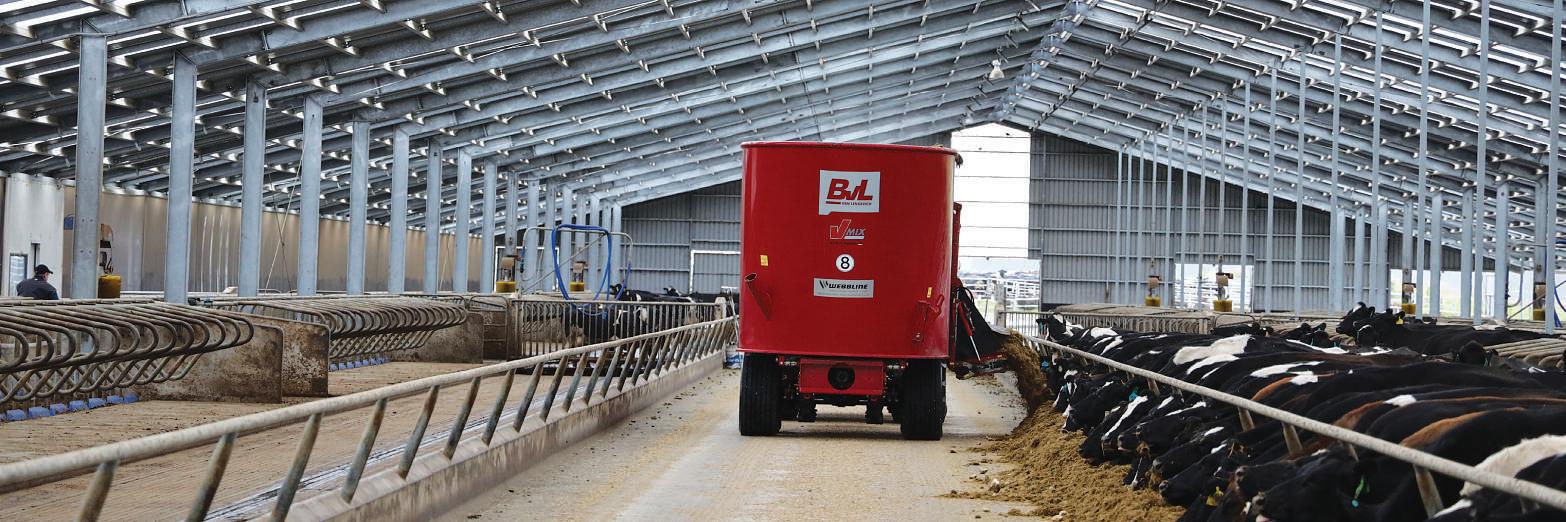
1:Fastest Mixing Speed
-Powermixingauger




Soaring petrol prices could be deepening the cost of living divide between urban and rural communities, with new data suggesting households in parts of rural New Zealand are spending nearly a quarter of their total discretionary spending on fuel and some regions seeing record petrol prices.
Figures and analysis provided to RNZ by Dot Loves Data showed that in April, motorists in many rural districts spent as much as five times more of their household budgets on fuel than city dwellers did.
In Hurunui, fuel accounted for 24% of all household spending in April, compared to 16% in December last year, before the United StatesIran war began. Local consumers in the Mackenzie district, Rangitīkei and rural Waikato regions spent 23% on petrol and diesel (up from 18%, 19% and 21% respectively in December).
Other districts where drivers have been feeling pain at the pump include Selwyn at 22% (up from 16% in December), Southland at 21% (up from 15%), and Ōpōtiki at 21.5% (up from 19%). By contrast, Wellington households spent just 5% of their weekly budget on fuel in April, up from 4% in December.
The national median for April was 13% of total discretionary spending, compared to 10% in December.
Nelson sits at 8% (a 2% increase), and Dunedin and Queenstown at 9% (up 6% and 7% respectively).
Auckland and Christchurch sit at 11% and 10% respectively – up from 8% and 7.5% in December.
Dot Loves Data director Justin Lester said the findings showed fuel inflation was becoming “an increasingly unavoidable financial burden” for rural New Zealanders.
“Fuel isn’t discretionary spending in rural New Zealand. For many families, it’s the cost of getting to work, school, healthcare, and even the supermarket. Rural families are more exposed to the global fuel shock due to longer travel distances.”
-Asymmetrical mixingwedges
-Rolled mixing chamberwalls
-Consistent mixright through
2: LongestLasting Mixer Wagon
-Doubleoverlappedwelding
-Highquality German steel
-Robusttruck stylechassis
-Doubleantispill ring

“When researching
3: Comprehensive ProductRange
-6.5m3 –46m3 capacity
-Trailing or Self-propelled
-Over2000 different combinations
4: Nationwide Backup andSupport
-Fourbranchesnationwide
-Factory trained technicians
-Significant parts stockholding



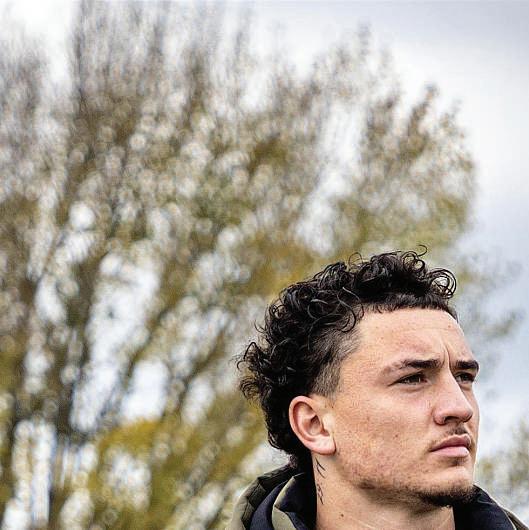


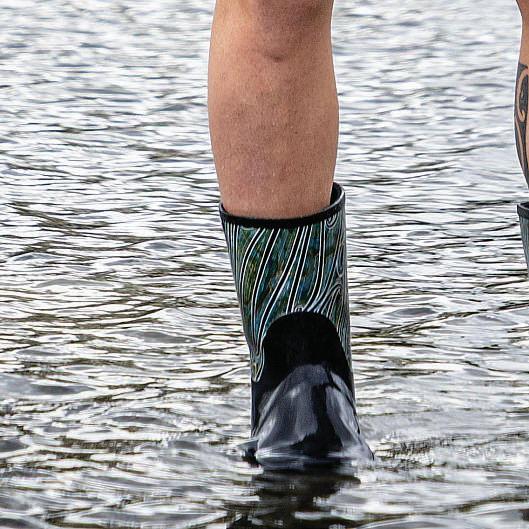





Manawatū’s Malachi Kurei has started a gumboot business called MokoBandz.
PHOTOS: ADELE RYCROFT/ MANAWATŪ STANDARD

Even when he was drawing on his mates’ gumboots at school, Manawatū entrepreneur Malachi Kurei had a vision for what he wanted to achieve.
Kurei, 21, is the founder of the gumboot company MokoBandz. The gumboots are emblazoned with Māori art and are starting to get noticed.
The Feilding man has been working on the business since 2021 and has been selling the boots through his website mokobandz.com, but now the boots are for sale in five Bunnings stores.
Kurei (Whakatōhea) grew up in Whakatāne and his family are from Ōpōtiki, but he moved to Manawatū for rugby two years ago.
A powerful winger for Feilding Yellows, he has aspirations to play professional rugby.
His father lives in Australia and would come home once a year and tell Kurei how Kiwi expats all wanted a piece of home. His father asked him to draw on his gumboots, then Kurei started doing designs for his friends’ kamupūtu, and later sold pairs on social media.
Despite not knowing anything about manufacturing or making gumboots, he began looking at designs online and ordering samples
The King’s Trust Aotearoa New Zealand, which provides funding for young entrepreneurs, helped him with a grant. As one of the grant recipients, Kurei was invited to go to an event in London to meet King Charles for the 50th anniversary of the trust.
After a year of working with manufacturers, he got his first gumboot, but it was “like a knockoff Red Band and I wasn’t happy”, which was a blow to his confidence.
“But I had one vision for the brand and I wanted to become one of the biggest gumboot brands, so I went back to the drawing board
“I had to scrap the year-and-a-half of working with this one manufacturer, went with another one and it just still wasn’t working out.
“I got news that my family was going to move to Australia, so I had to make a decision whether I was going to go with them or stay here.”
With one eye on his rugby career, Kurei stayed and continued working on the gumboots
After tweaking the design for months, he went to China to visit the manufacturers and build a relationship.
He finally got to what is now the finished product.
A run of 200 gumboots in December sold out in about a month.
Now the boots are in five Bunnings stores and he hopes they will soon be stocked in others
He said interest on social media had been huge and many people in Australia wanted a pair. Australian rugby league star Latrell Mitchell had promoted the boots on social media.
Each run of boots is a limited production because Kurei wanted them


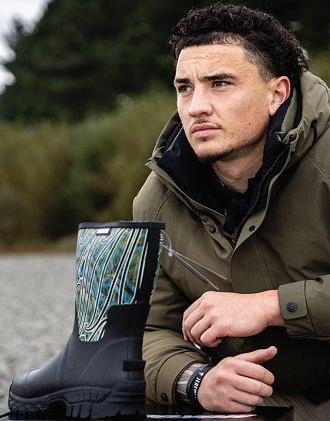
to be unique, dating back to when he was drawing by hand. The run out now is the Voyager collection.
It has a pāua-shell colouring and symbolises the coastline.
“That’s where I’m from, that’s where the brand was born and it just symbolises the arrival of the brand.”
Kurei said even when he was drawing on boots at school, it was to help build trust in the brand “because I knew I was going to launch my boots, probably a long way away, but I didn’t want to keep it at a standstill”.
“I never did art at school, it was all self-taught and whānau taught. Our boots, every pair represents our brand’s mission and our brand to help revitalise te ao Māori through our footwear.
“Whatever the colourway is on our boots, so these ones being a bluey design, it represents something of the natural world.
“So no matter who you are or where you’re from, whether you’re from Australia, China, India, as long as you’re wearing our boots, you’re representing the brand’s mission and you’re contributing to the revitalisation of te ao Māori.”
The boot name and logo came from the mokomoko lizard.
“It’s small, but it senses the movement in the ground. It can feel the vibrations long before there’s anything that’s seen through our footwear I wanted people to experience that same sort of feeling.
“Our footwear keeps you grounded in any space that you walk.”
Kurei does all the work himself, including taking orders, and he created the website.
It makes for a busy day fitting in his business commitments around gym and rugby training, as well as his job at the meatworks
“It makes you a bit more thankful that if you do get an opportunity to play [rugby] or an opportunity to go out and try for a team, you know how hard it is to go to work and work two jobs at the same time and wake up early.”
He has a new design for the next run of boots, and children’s boots are coming.
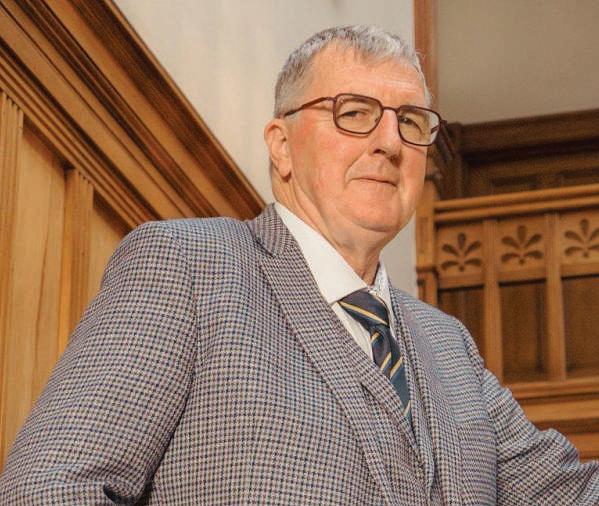
Richard Kells is the only remaining wool broker selling by auction in Napier.
His family-owned and operated business, Kells Wool, has been headquartered in Hawke’s Bay for the past 40 years and takes pride in the fact that it reliably shepherds high-quality wool through the sales process and achieves good prices.
The founder and company director says Kells Wool remains committed to Napier, in spite of the fact that two of the biggest wool brokers in the country have departed, centralising their operations in the South Island. It’s what both the buyers and growers want, he says – their support providing a mandate to continue delivering a focused service from a Hawke’s Bay base.
“At first I was thinking I’d follow along and move south,” says Kells. “It seemed that was where the market would be. But it was the buyers who helped me change my mind.”
His customers shared his concerns about how expensive operating out of Christchurch would be for both broker and buyer.
The cost of freight via the Cook Strait ferry had climbed more than 60% due to fuel prices, and transit times for samples shipped from Napier to Christchurch were three days, if there were no ferry disruptions, ballooning out to two weeks when capacity was tight
“Whereas we were able to pick up a clip off some trading lambs on a Thursday morning, have it in the Monday catalogue and sell on Tuesday.”
Because Kells Wool’s catalogue is small, “out-of-towners are able to fly up from Christchurch or drive from Wellington, view the wool in the morning, buy at auction that afternoon and still be home for dinner,” says Kells.
At its first auction as the sole Hawke’s Bay broker, held at the Hawke’s Bay Club, the mood was buoyant, with multiple buyers expressing their gratitude that
Kells Wool had stood its ground and remained in the region.
At the May 5 event, Kells’ auctioneer achieved a price increase of 19 cents clean, or 2.79% above the national auction held the week before in Christchurch.
“Exporters showed their support, and the biggest and best lot achieved the highest clean price of 619 cents. Full credit goes to the grower electing to shear two months early to reduce weather damage – his average return per bale was $857.”
Lambswool sold well too, with longer lots above 75mm attracting the best prices.
“We had a full bench of buyers and some determined bidding, which delivered prices at the top levels of the wool market recovery we’re experiencing this year,” Kells says.
“It gives confidence that a small independent catalogue can achieve the best results in the market.”
A major factor in Kells’ longevity, Kells believes, is that his buyers can inspect the wool as soon as it is in the door. They see each sample, they know
Richard Kells is the only remaining wool broker selling by auction in Napier
Deena Coster
Some regional councils around New Zealand have spent hundreds of thousands of dollars prosecuting those falling foul of the environment.
And since 2018, these same councils were generally netting more in fines from successful prosecutions than they were spending on costs related to taking the cases to court.
Court action is one of the options available to regional councils in terms of dealing with any environmental breaches. Others include issuing abatement notices or doling out infringement fines.
it’s been tested, and they trust in Kells Wool’s independence in the market. “Our efficiency in post-sale services to our buyers keeps them keen to source wool through us, too,” he says.
Kells Wool isn’t resting on its laurels, however, and Kells says he and his team will continue to innovate. They were already utilising video technology to reach a wider audience.
“We’re planning a number of improvements to our warehouse in Pandora and an investment in laboursaving plant and technology. There will also be an expansion into wool product development, marketing and retail.
“We are continually evolving, innovating and always putting the wool growers’ interests first, while still giving the buyers a fair shake. We know wool auctions afford the best prices and we believe it’s to the growers’ advantage to have easy access to them.
“With the ability to source wool from a larger segment of the North Island, and local wool grower support, we will maintain regular Napier auctions indefinitely.”
Data released under the Official Information Act shows that in the financial years spanning 2018/19 to 2024/25, Environment Southland spent a total of $638,536.42 in legal fees, staff and other related costs connected to its environmental enforcement work.
More than half of those costs were spent in the 2023/24 and 2024/25 financial years, totalling $175,805.35 and $155,049.12 respectively. The fines payable to Environment Southland during the same period totalled $681,084.50.
Another big spender over the years has been Horizons Regional Council, which encompasses the Manawatū and Horowhenua districts.
It spent $444,435.04 on legal fees on cases during the specified period.
However, the court fines it was awarded totalled $751,592.81.
Tasman District Council spent a total of $108,815.12 in legal costs regarding its environmental prosecutions. In terms of fines paid to the district council through the same period, it received a total of $322,375 Meanwhile, how future environmental monitoring and enforcement will be carried out remains unclear after the Government announced its intention to abolish regional councils late last year, in what is considered the biggest shake-up of local government in decades.
George Heagney
The first stage of a $12.5 million wetland project at Lake Horowhenua designed to improve the health of the polluted waterway should be completed this month.
Work began in March on the Arawhata wetland complex on the edge of Punahau (Lake Horowhenua), near Levin. The project involves repurposing a former dairy farm at the southern end of the lake into a huge wetland, which should restore water quality in the lake catchment
The lake was a taonga of the Muaūpoko iwi but was also one of New Zealand’s most polluted waterways, the result of decades of farm runoff and Levin’s sewage being pumped into it.
Water in the Arawhata catchment contained nitrogen, sediment and phosphorus, which contributed to poor water quality in the lake.
The cost of the project, which included buying the land, was $12.5 million, with $1.2m coming from ratepayers and the rest from the Government’s Jobs For Nature
scheme. The entire property was 142 hectares between Lake Horowhenua and Lake Waiwiri, and the area that would end up as a wetland was about 70ha.
Horizons Regional Council’s freshwater and projects manager Logan Brown said the wetlands would reduce the amount of sediment and nitrogen going into Lake Horowhenua.
The first phase should be completed by
the end of this month: building a sediment wetland and a sediment retention pond, with planting also to be done.
Brown said it was part of the jigsaw to improve water quality in the lake and they would monitor the wetland to see what difference the “interventions” made.
“It’s close to six years of working through to get this done. So it’s amazing and it’s really exciting to see this coming to fruition.
Acknowledging it’s only phase 1.1 and there’s a bit more work to be done, but it’s exciting to see.
“There’s been a few challenges along the way and there continues to be, but to actually see work done and something that will, once it’s fully completed, make a meaningful difference for Lake Horowhenua is really exciting.”
Brown said future work would depend on funding, but phase one and two were consented through the Government’s fasttrack process.
The regional council was looking at ways to fund the rest of the work.
The land was originally a wetland until it was drained for farming about 60 years ago.
It still had pumps that were designed to keep groundwater low when it was a farm,
which could be used to circulate water when the property was a wetland.
Aydin Maxfield, the council’s senior river management projects engineer, said weather had slowed the project.
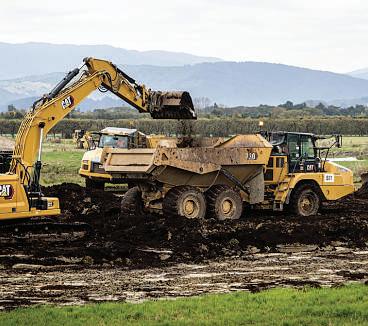
“Right now they are stripping topsoil from one of the restoration wetlands. They’re pulling up peat and they’re just lowering the contours that will eventually receive treated water that’s had positive sediment.
“The restoration of the wetland, it will be planted, so that will be pulling up a whole lot of nitrogen.
“But in order to get water to travel through there at a slow enough pace, it needs to be quite long and a lot of material needs to come out of it to keep that water in.
“So all that material, which is mainly peat by the looks of it, is just getting carted to a stockpile. We’ll probably use that in future cases, building bunds.”
He said the wetland would remove sediment and nitrogen, but had other values for things such as biodiversity, animal habitats and community enjoyment.
There could be a walkway between the two lakes in future
New research from Massey University shows the environment New Zealand’s dairy, beef and sheep grazing systems were built for no longer exists.
The science underpinning Aotearoa New Zealand’s dairy, beef and sheep grazing systems was largely established from the 1950s onward, but Massey University says new analysis shows that the climate those systems were built for has shifted significantly.
Pastoral farms are currently under growing pressure as winters warm and summers become longer and drier.
A research team led by PhD candidate Eru Tait-Jamieson (Ngāti Tukorehe), from Te Kunenga ki Pūrehuroa Massey University’s School of Agriculture and Environment, analysed daily climate records from 1940 to 2024
The analysis confirms a clear warming trend across the North Island, with important implications for how pastures grow and are managed, he said.
Average annual temperatures have risen by 1.1C in Palmerston North and 1.7C in Hamilton, the two key historical pasture research centres, while the number of frost days in Hamilton has effectively halved since the mid-20th century. For rotational grazing systems, that shift is already reshaping annual pasture growth
“These changes align closely with what many farmers are observing on the ground. The climate our grazing systems were built around no longer exists,” Tait-Jamieson said.

The study found pastures are reaching key temperature thresholds for growth at least two weeks earlier between July and October compared to historical norms. As a result, perennial ryegrass is recovering faster through winter, opening the door to shorter grazing rotations and improved pasture recovery during the cooler months.
“Managed well, the warmer winter growing conditions could strengthen root systems and sward resilience before summer stress begins, turning winter into a critical window for building pasture resilience rather than simply holding on until spring arrives,” Tait-Jamieson said
While warmer winters may offer new opportunities, the research shows the other end of the season is increasingly challenging. Although rainfall patterns have not shifted dramatically, rising temperatures are increasing both water loss and demand, drying soils faster and for longer.
Using the Standardised Precipitation Evapotranspiration Index (SPEI), the study found summer soil moisture deficits are becoming more severe and lingering well into autumn. In the most recent decade, moisture deficits have regularly extended until mid to late May.
Tait-Jamieson said these climate pressures may also help explain a puzzling trend recorded in the dairy industry.
Despite improvements in pasture genetics and increased fertiliser use, significant
productivity gains have remained elusive.

“This highlights a growing tension between production pressure and climate limits. While climate change has been gradual, it’s interacting with modern farming realities, including higher stocking rates and increased financial pressure, making droughts feel more intense and harder to recover from.”


He said the findings suggest pasture management strategies developed decades ago may now need to evolve to match changing seasonal patterns.
“The opportunity for increased coolseason growth is there, but only if pasture systems are resilient enough to withstand the longer, thirstier summers that follow.”

The research encourages scientists, advisers and policymakers to revisit whether existing pasture management guidelines remain fit for a changing climate.

“Farmers are constantly adapting how they manage their systems in real time out of necessity The challenge now is making sure that the advice, tools and guidelines they’re working with are keeping pace with these shifting seasonal patterns.”

Read the paper published in the Journal of New Zealand Grassland (nzgajournal. org.nz): Long-term climate variability in Waikato and Manawatū: Have pasture growth, performance, and resilience conditions changed?





forGirls at 10-13 JUNE 2026 MysteryCreek,Hamilton



Preparingconfident,resourcefuland resilientyoung women to make apositivedifference in theirworld.
We invite youtoexplore ourschool,our values, andour vibrant community.A placewherelearning is enriched by faith, character is strengthened by challenge,and everygirl is empoweredtomakea meaningful contributiontothe world. Be apartofthe DioDifference.




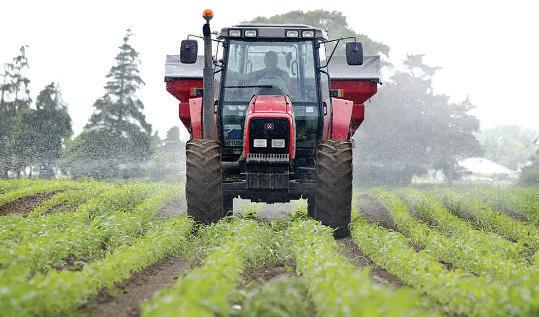
Urea is an amazing fertiliser. It is a granular product that is easy to transport, handle and spread It contains a high concentration of nitrogen (N = 46%), meaning less volume to transport and, most amazing of all, it produces food for about 40% of the world’s population. From this perspective, it is a universal must-have.
But it comes with some important downsides: it is water-soluble and, when it dissolves in water, it rapidly forms initially ammonium-N, which is then transformed in the soil to nitrate-N. For this reason, if it is not captured by plant uptake, the N goes where the water goes – it can run off the soil surface into waterways or it can be leached as nitrate-N into the soil and lost to waterways.
In addition, soil ammonium-N is also subject to volatilisation – in other words, it is converted into ammonia gas and lost to the atmosphere. Put differently, urea is not very efficient.
When applied to pastures, we reckon on about 10kg-12kg of pasture dry matter (DM) per kg of urea N applied. Nationally and internationally, there are powerful environmental and economic reasons to increase the nutrient-use efficiency (NUE) of urea – the amount of produce per kg of N applied.
One approach has been to coat the urea with slowly soluble materials such as elemental S, clay compounds or resins. These products have been successful to a limited extent, but the cost of production limits them to high-value amenity uses
such as golf clubs and similar applications. These products are referred to as slowrelease products.
More recently, attention has focused on what are called Controlled Release Technology products (CRT).
The goal now is to manufacture urea granules with special coatings to give different N release rates, which can then be matched to the rate of plant N uptake.
In theory, this should avoid the large flush of available soil N when soluble urea is applied and thus reduce the losses of N and increase the NUE.
New Zealand is at the forefront of this research and the company TNUE (Total Nutrient Use Efficiency) has now opened a state-of-the-art factory in Taupō, which runs on geothermal energy, to manufacture controlled-release N.
I was asked by the company about 12 years ago to act as its science adviser I jumped at the chance, making it clear that, to protect my science integrity, I
Below:
would not be taking a pecuniary interest in the company or any potential product(s).
Over my career, I had seen too many products rushed onto the New Zealand market without the necessary science to support their claims. Thus, my first advice to TNUE was to understand the science of the product – to get the science right before rushing to the field.
way to examine its effect on ammonium volatilisation and greenhouse gases.
With this science background, the proprietors had the confidence to go to market, leading to the factory in Taupō and a distribution network of TNUE CRT fertiliser, through established fertiliser companies under various trade names, including SmartFert.

Given the current science, the potential uses for TNUE CRT include reducing the frequency of N applications by frontloading N on crops such as maize and on pastures pre-lambing. There is much more fascinating research that could be done. For example, can this coating technology be applied to other water-soluble fertilisers?
Potash causes luxury K in pasture, which can have a detrimental effect on animal health. Similarly, could it be used to extend the effectiveness of soluble cobalt, which is an important animal remedy in New Zealand?
We started in the lab and then went on to the glasshouse. Yes, this was truly a controlled-release urea. We ran field trials and the results were exactly as we expected.
The effects of urea on pasture growth lasted about four to six weeks; the effect of the CRN on pasture growth, while slower initially, lasted two to three months. NUE was increased. Then we went back to the lab and confirmed that it reduced N leaching, and research is currently under
More research is required to define the rate of N uptake of various crops over time and then to manufacture CRN fertilisers that best match the temporal crop demand for N. The economics of CRN use depend on the NUE, and more research is required to define this factor on pastures across a range of soils.
At a personal level, this project is a good finale to my career in applied agricultural science and, I must add, if I was starting my career now, this new frontier would be my starting point.
While previous studies have focused on the production and financial benefits, analysis from Massey University also considers greenhouse gas outcomes.
New research from Massey University suggests sheep and beef farmers could improve both profitability and emissions efficiency by increasing lamb weaning weights.
It could also mean only marginal changes in total greenhouse gas emissions.
The research, led by PhD candidate Joseph Adjabui at Massey University, examined how higher lamb weaning weights affect productivity, profitability, and predicted enteric methane emissions (methane produced during digestion).
While previous studies have focused on the production and financial benefits, this research also considers greenhouse gas outcomes, an increasingly important factor in farm systems decision-making. Using a system dynamics bioeconomic model, the study analysed a North Island hill-country sheep and beef farm under three scenarios: a base system, a 10% increase in weaning weight, and a 20% increase.
The modelling assumed a fixed feed supply, reflecting typical New Zealand pasture-based systems with limited supplementary feeding.
The results showed consistent improvements in farm performance as weaning weight increased
Lamb carcass weight sold per hectare increased by about 2% under the 10% scenario and 14% under the 20% scenario,
“
... there is no tradeoff between profitability and emissions efficiency under this system.
Joseph
Adjabui
relative to the base system.
Cash operating surplus also improved, increasing by about 6% and 51%, respectively.
Adjabui said the gains were driven by improved system efficiency rather than increased inputs.
“Heavier lambs at weaning meant more kilograms of lamb could be produced and sold earlier, improving both total production and farm income.”
The proportion of lambs meeting prime specifications soon after weaning also increased, reaching 84% under the 20% scenario compared with 60% in the base system
Because total feed supply was fixed, ewe numbers were adjusted slightly downward to balance demand, helping keep total emissions broadly stable
Predicted enteric methane emissions declined marginally from the base
scenario as weaning weights increased.
While total emissions remained similar, emissions per kilogram of product improved, decreasing by about 1.8% under the 10% scenario and 3.6% under the 20% scenario. Economic emissions efficiency also increased.
“These results show there is no tradeoff between profitability and emissions efficiency under this system,” Adjabui said.
One of the key drivers of improved performance is earlier finishing.
Increasing weaning weight allows lambs to reach slaughter weight sooner, reducing time on farm, improving feed-use efficiency, and lifting overall system output.
PhD supervisor Steve Morris said the efficiency gains from earlier-finished lambs are clear when viewed at a whole-farm level.
“The most efficient lamb is the one
sold directly to slaughter at weaning. It has been alive for fewer days, eaten less feed, and required fewer animal health treatments, less labour, and no shearing,” he said.
“That feed is then available for other stock classes, improving overall farm performance.
“It is also often sold when prices are strongest, before peak seasonal supply.”
However, School of Agriculture and Environment head Paul Kenyon notes there is a wider industry consideration.
“While earlier finishing improves profitability at the farm level, the industry also relies on a steady year-round supply of lamb to meet export demand, which is a conflict.”
Adjabui’s research was supervised by Steve Morris, Patrick Morel, Peter Tozer, Ramilan Thiagarajah, and Paul Kenyon at Massey University.
MAF Roda NZ talks with recent graduates about agritech and how it can help New Zealand’s agricultural sectors.
From extreme weather events to the fuel crisis, cost-of-living pressures and the accelerating impact of AI across industries, global shock waves are forcing New Zealand to shore up its local talent and capabilities.
The more that Kiwis rely on our own visions, ideas, talent and skills, the better our future standard of living will be.
We will be less dependent on global supply chains, and our place, products and services will be in demand globally
Innovating across sectors where New Zealand has a comparative advantage, and attracting talent to those sectors, is central to this. Agritech, for example, may not be the first-choice destination for our tech talent, but what we do with our land in the AI era will help determine the future of the New Zealand economy.
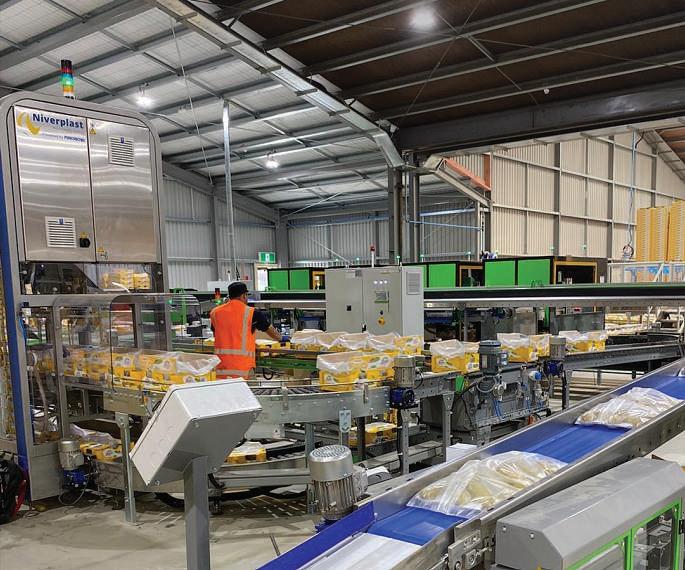
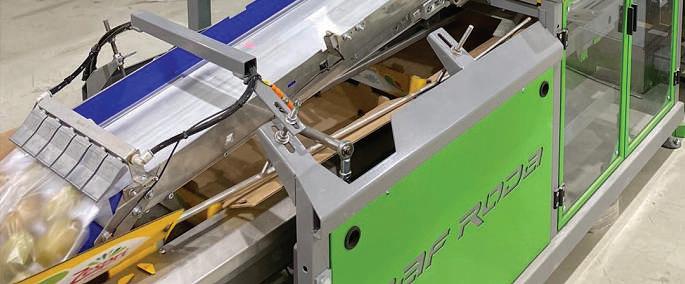
A case in point is the automation of post-harvest processing of fruit and vegetable packhouses, which is the specialisation of MAF NZ – a subsidiary of MAF Roda NZ. First, rapid horticultural growth is a key national growth plank, and the official plan is to double the farmgate value of horticulture by 2035.
Second, the horticulture sector is becoming increasingly automated, and the post-harvest period is the key to efficiently and attractively presenting quality New Zealand produce to the world.
Third, this automated future means our post-harvest workforce needs to rapidly develop new skills.
Building a skilled and sustainable workforce, including investment in post-harvest skills, is a key priority of Horticulture New Zealand’s 2026 election manifesto
MAF NZ business development manager Chris Bray said: “New Zealand needs to attract, train and retain more talented people to the niche value-add technology domains that have economy-transforming potential.”
What’s surprising is that hi-tech knowledge workers are already trailblazing in the post-harvest space – where
AI-enabled sorting, robotics, IoT and datarich packhouses are coming to the fore.
MAF NZ talked with two of its recently employed automation graduates, Ben McNabb and Ben Tortoiseshell, and three key themes emerged. While these relate to horticulture tech, they apply across various industries that can set Aotearoa apart.
1. Demystification, explanation and revelation
Half the challenge is to make young talent aware of attractive career pathways they didn’t know existed. Asked how to explain the job in a nutshell and how they found their way in, graduates said:
“I turn inert pieces of machinery into functional robots that increase efficiency for packhouses and solve any problems that arise from running them day and night. Computer science at school sparked my interest, including the problem-solving and logic needed to understand how technology works. I worked in a cherry packhouse in my university breaks and had a lot of fun working with many people while getting to tinker with machines.
“Working as an operator gave me an appreciation for this sector. I would have never been aware of the technology used as it is always hidden away in a shed. Automation, computer vision, optimisation and data-processing are just a few things you get to work with and make critical decisions around.
“Before any produce-packing season, it is mostly testing and debugging newly installed machines. During the season, it is mostly fixing breakdowns and solving packhouse issues with gear, whether that be adjusting it to their liking or changing logic to fit their needs. Post-season, it’s lots of programming Taking electrical drawings and translating them into programme logic. I worked in a packhouse myself during high school as a part-time job. My robotics and embedded systems courses drove me towards automation
“MAF machines are set up so staff can remote into live programmes and clients’
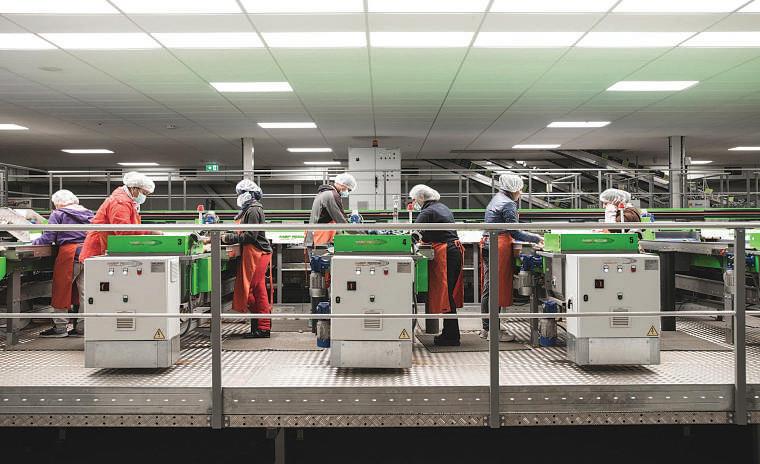

computers to help solve problems. Being able to help packhouses in Nelson or Auckland from my desk in Tauranga is awesome. I have been wowed by the sheer quantities of produce that are processed in packhouses. I had no idea how large the industry was, so getting a better understanding of how much stress the gear is put through really surprised me.”
2. Freedom, responsibility and impact
Making a difference and seeing results rank highly on the rewards wishlist of MAF NZ’s young tech graduates.
They said: “I really like that I am working on physical systems. Being able to write a programme, then download it to a machine, and watching it work is something I really value versus a general software job where it’s much harder to quantify what you’re doing – and when you improve a section of code, you can watch the machine work faster and with more efficiency. I find that really rewarding.
3. Reputation, incentives and competitiveness
New Zealand must build foundations that will drive talent into our hi-tech transformative industries, graduates said.
“Building a better food and fibre sector reputation and increasing public knowledge around it would provide more interest in working in this industry and get it closer to overseas competitors. It may also help retain graduates in the country.
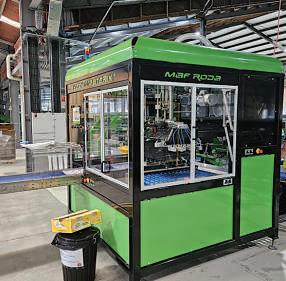
The high-capacity production environment has quadrupled the throughput at Bay of Plenty packhouse Mpac
“New Zealand has an opportunity to better nurture and retain young talent. There are currently few incentives for companies to grab and train graduates or for graduates to stay and develop in New Zealand. Going overseas will almost guarantee more pay and better options for upward mobility in companies.

“Working on new and innovative technology is very rewarding; getting exposed to every aspect of the process means there is always something new to learn. Going from programming non-existent machines for months to seeing it work in real life was my wow moment. It was very rewarding to see my work paying off.”
“I am surprised by how much more responsibility and freedom I am given My peers in larger companies are often supporting and never getting to make final decisions. I get to make decisions that will be permanent features in packhouses.
One graduate says the country’s kiwifruit industry is becoming a blueprint for how to automate packhouses.
“This sector is less advertised, but with amazing job security and every company constantly innovating new tech, there are opportunities for people who want to do R&D, practical roles, software roles and roles that have a mix of all.”
“MAF NZ is constantly working with the global head office in France and with packhouses to advance the technology within packhouses for the fresh produce sector.
“Any new ideas can then be applied to other sectors around the world Some of the packhouse management software designed in New Zealand now being used in many other packhouses around the world.
“New Zealand could be a global test bed for post-harvest automation. The kiwifruit industry in New Zealand seems to be becoming a blueprint for how to automate packhouses in many industries. A packhouse in 2035 will have much more advanced camera grading and predictions around how fruit will store and ripen to make sure that customers will have the perfect kiwifruit.”
As demand for technology skills continues to grow, the industry is creating new opportunities for graduates to contribute meaningful value to New Zealand’s economy.
Kate Judson
AWairarapa agricultural entrepreneur has turned a major personal setback into a soaring success with his drone business.
Bradley Wadsworth started Skyfield Drones in Masterton last year after identifying a gap in the market.
“I’d been watching how drone technology was improving and could see it had a real place in New Zealand agriculture, especially on steep, wet, awkward or hard-to-access country,” he said.
Wadsworth works across farms, vineyards, lifestyle blocks, forestry areas and buildings.
Since launching the business, he has sprayed and spread up to 50 hectares a week, or about 100 hectares per month, weather permitting.
“We have more than 100 clients now ranging from 1ha lifestyle blocks to horse stud farms, and up to 1000ha high-country stations.”
Wadsworth said his drone had covered nearly 900ha since June last year.
“Not bad for a one-man team I now have a second drone and pilot, David, based in Pahīatua, who takes care of all our work up there.”
Wadsworth said a drone wouldn’t replace everything, but it was a useful tool in the right situation.
“Drones can help with spraying weeds, spreading seed or fertiliser, checking stock, mapping areas, inspecting paddocks and getting work done in places where it might otherwise be too difficult or
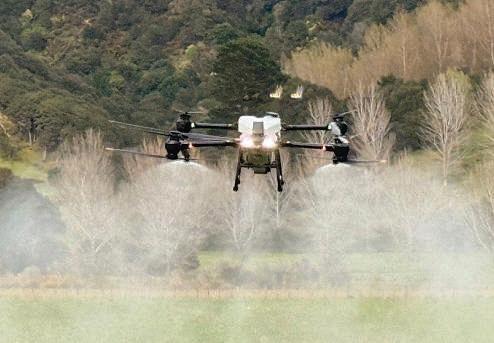
expensive. I’ve always thought of drones, helicopters and ground rigs like knives, forks and spoons – they all have their place.”
Wadsworth, who comes from a farming background in viticulture and agriculture, said his experience gave him a strong understanding of the sector.
“I understand how farms work, how weather windows matter, how stock, paddocks, fences, water and weeds all fit together.
“In Wairarapa, we’ve got a lot of steep country, wet areas, lifestyle blocks, vineyards and paddocks that aren’t always easy to access with traditional gear.”
The biggest challenge Wadsworth has faced in both his business and his life came in November, when he was involved in a serious farming accident
“A rock was thrown up and hit me in the eye and I ended up having two surgeries, but unfortunately I lost sight in that eye completely. Professionally, it made me stop and reassess a lot – but I’ve also
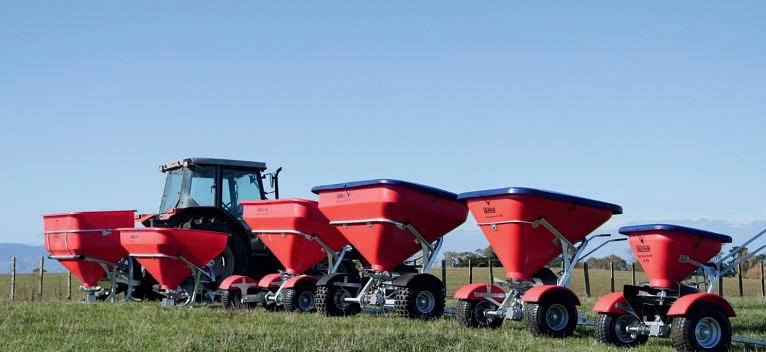

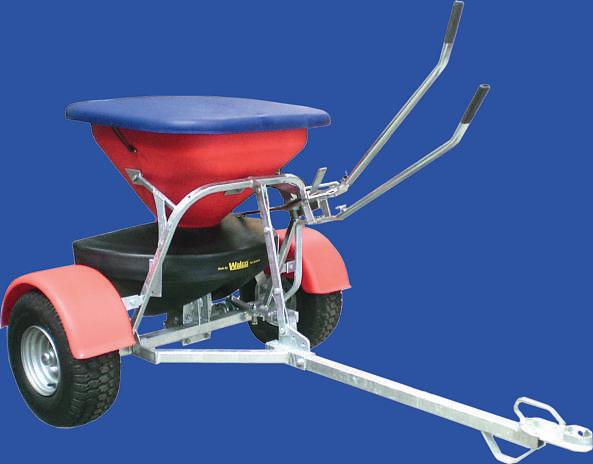
Below: Bradley Wadsworth started Skyfield Drones in Masterton last year after identifying a
had to get on with it.”
There were times when Wadsworth said he wanted to give up, but he pushed through with the support of his wife and family, along with a determination not to let it define him.
of learning how to work with one eye.”
After recovering, he was even more focused on building Skyfield Drones with strong systems, procedures, training and a clear safety culture.
“I need to build confidence again, take things carefully and make sure I’m safe before taking on jobs.”

“Losing vision in one eye changes your depth perception and your confidence, especially early on.”
Even simple things like driving, judging distances and operating safely all took adjustment, he said.
“It made me even more aware of how important safety, preparation and systems are.”
Wadsworth said he quickly realised how easily things could change in a single moment.
“The recovery process has been tough and ongoing, both physically and mentally.
“There were surgeries, appointments, pain, healing time and then the challenge
Wadsworth said depth perception remained an ongoing adjustment, requiring him to adapt the way worked around machinery, trailers, drones and job sites.
“It has also made me more aware of the small things. A small stone, a bad take-off area, a rushed decision or a missed check can turn into something serious.”
Looking ahead, Wadsworth believes drone will continue to grow across agriculture and land management.
“I also think we’ll see more farmers owning smaller drones for day-to-day checks, while businesses like mine handle the bigger spraying, spreading, mapping and compliance-heavy work.
“There’s also a big opportunity for drones to help with sustainability More targeted applications mean less waste, less fuel use compared with some traditional methods and less impact on the ground.”
Wadsworth said his next step would be to continue growing Skyfield Drones and establish it as a trusted name across Wairarapa and the wider North Island.
“I’m also looking more into mapping, crop health, thermal work and helping farmers use drones themselves through training and support.”



By Tony Benny.

One farm has launched a skincare range using colostrum from their own A2 cows.

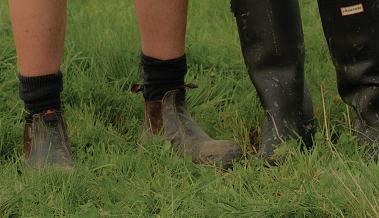
Rachael Comer
Nine months into the job, a deaf South Canterbury tanker driver says he is grateful for the support of his colleagues who have created an inclusive workplace.
Fonterra Clandeboye employee Joe Emmanuel wanted to share what it was like to work at a busy depot.
Emmanuel is part of a fleet of 70 tanker drivers collecting about 2.6 billion litres of milk every year.
His work days start much the same as the other drivers at the factory.
“I arrive at work and wait for the manager to give me the instructions of what I need to do that day,” he said.
“I’ll read it through and then just get stuck in.”
While the team had made simple, practical changes to support Emmanuel, driver trainer assessor Brett Maddren said he was unsure at first how training a deaf tanker operator would work.
“Because of the way we communicate, I thought it would be difficult.
“Then I went home and thought, ‘how could I actually do this and make it work?’” Maddren said.









Growing up on a Manawatū sheep and beef farm, Sarah Kirkland first learnt the importance of colostrum from her father. Today, she and husband Will are building on their childhood lessons with the launch of a colostrum-based skincare range.
“Will and I both knew from our farming parents how important colostrum is. I remember Dad hand-milking cows to get the colostrum into the calf. If they don’t get that colostrum, normally they die or, at best, they fail to thrive,” Sarah says.
Despite growing up on a farm, Sarah is quick to say she doesn’t consider herself a farmer and, before she had children, was a commercial and property lawyer.
But Will is a sixth-generation dairy farmer on Elm Grove, the Taieri Plains farm that’s been in his family since 1853.
In September last year, the Kirklands launched a skincare range using colostrum from their own A2 cows.
shampoo would irritate his skin. I also had a bit of dermatitis from being a mum and always having my hands in water, sterilising bottles, bathing kids and changing nappies.
“That’s why we came out with the wash, the lotion and the hand cream.”
Sarah says she noticed an improvement in both Charlie’s skin and her own hands when she used colostrum, but is careful not to overstate that, conscious of the regulatory line between cosmetics and medicine.

Elm Lab’s baby lotion, baby wash and hand cream have quickly built a loyal following, Sarah says.
“When we launched into this market, nobody knew who we were and now we’ve built up a great customer base and realised there’s just such a demand for natural, gentle skincare. Our formulations use exceptionally high levels of A2 colostrum, up to 70% in the colostrum phase, all sourced from our own herd, and every batch is fully traceable back to Elm Grove.
“The range has recently been recognised internationally at the 2026 Beauty Shortlist Awards in the UK. It is dermatologically and paediatrician-tested for sensitive skin and has already gained early traction with premium retailers, with strong repeat purchasing from customers.”
Sarah discovered the benefits of colostrum when her middle son Charlie suffered from eczema as a baby and she struggled to find gentle, nonfragranced products that also had transparency around the ingredients.
“So we just developed what we needed at the time: a moisturiser for Charlie and a wash that we could wash his hair with because any other
“We describe our products as suitable for dry, itchy, sensitive skin and avoid medical terms like eczema because those fall into therapeutic territory.”
Feedback from customers has been overwhelmingly positive, Sarah says, with more men placing orders than she expected.
“Some farmers tell us they’ve always used colostrum on their hands during calving. It’s something they grew up with and now that there’s a product that looks good, they’re buying it for their partners.”
There are both A1 and A2 cows in the Kirklands’ herd, but they collect only A2 colostrum.
“There’s a significant body of scientific literature around A2 being gentler digestively, so we’ve decided to use only A2 colostrum.”
The surplus colostrum is frozen on-farm and then sent to a specialist freeze-drying company in Christchurch. Some moisture is removed, but the bioactive components remain intact. A New Zealand-based manufacturer reconstitutes the colostrum and uses that as the basis for Elm Lab’s formulations, with everything processed and manufactured in New Zealand.
Launching a skincare brand might seem an unlikely venture for Sarah, a lawyer and mother of three, and Will, a dairy farmer who worked as a rural banker for a time, but Sarah says it turns out they have the right skills
“We’re definitely new to the skincare industry, but while our skillsets initially don’t seem very applicable, they actually have been – both the business side from Will’s banking and, from my law background, the problem-solving and strategic side of the brand.”
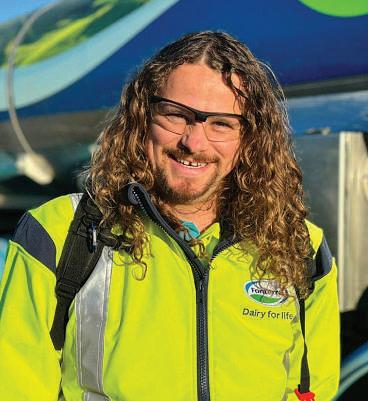
When Emmanuel did his initial interview and driving assessment Maddren said it was clear to see his strengths as a driver.
“We teach a lot of drivers about scanning and looking, but Joe already does that because he’s very good visually, so that was a great attribute to have.”
The next step was induction, which included a lot of group chats, something Maddren did not want Emmanuel to miss out on.
“Brett wore a microphone that was connected to my phone so I could get a live transcript and didn’t miss out on anything,” Emmanuel said. “That was fantastic. It was an immediate adjustment that meant I could be included.”
Throughout his recruitment journey, Emmanuel had the support of New Zealand Relay, a free, government-funded service that helped people with hearing and speech communication difficulties to use the phone.
Since joining the depot last August, Emmanuel said the team had built a supportive, deaf-aware environment.
“Everyone knows they shouldn’t talk to me across the room They need to face me, and they’ve gotten on board with that.
“In the mornings, the team manager will face me and speak slowly so I can lip read.”
He mainly communicated through text and had also developed visual ways of working on site.
“When I’m unloading a tanker, I will turn on a light to signal green, to let people know the valve is open.
“That’s a visual system that lets them know what’s going on.”
Emmanuel said it could be nerveracking meeting new people when they came to the depot environment.
“I wonder how I’m going to communicate and if it’ll go smoothly. But really, I feel like I’m treated as an equal here. I’m the same as every other member of the team.”
Maddren said he believed inclusion benefited the whole team.
“If people feel left out, that’s not good for morale. Inclusivity is important, regardless of what language you speak. We don’t discriminate, and everyone is treated the same.”
That connection also showed up day-today, he said.
“We get on well and like to have a laugh. Especially across the room, because Joe is very good at reading your face.”
New Zealand Sign Language Week celebrates New Zealand Sign Language as one of the country’s three official languages, alongside English and Māori. Marked every May, it was a chance for Emmanuel to build awareness and connection.
“I’m so happy that I’m meeting people that know about New Zealand Sign Language, that want to learn it,” he said.
“It’s a really special week for us in the deaf community.”
Dita De Boni
China’s Bright Dairy, the majority owner of NZX-listed Synlait Milk, has found its first-quarter results impacted by its New Zealand subsidiary’s losses.
Bright Dairy released results from the first three months of this year to the Shanghai Stock Exchange on April 30.
The company, which owns just over 65% of Synlait, noted a significant reduction year-on-year in total profit, being driven mainly by Synlait’s losses during the quarter.
These were concentrated in January. Synlait’s first half-year to the end of January recorded a loss of $80.6 million, compared with a $4.8m profit in the previous comparative period, and an 88% growth of debt to $472.1m. It withdrew guidance for the full year
At the time, chief executive Richard Wyeth described the result as “frustratingly disappointing” and “the result of a period where Synlait faced multiple headwinds and had little choice as to how to deal with them”.
The result prompted the company to release a roadmap to recovery called “Stabilise, Simplify and Scale”, and one of its first actions was to sell its North Island assets.
The assets included Synlait’s Pōkeno manufacturing facility and its leasehold Auckland sites (assets held at the blending and canning facility on Richard Pearse Drive and the leased warehouse facility on Jerry Green St).
That sale was completed in early April when the company sold the assets to global healthcare firm Abbott for NZ$307m (US$178m at the time)
Synlait’s losses in February and March were smaller, and that was reflected in


“The Chinese company is also fighting off fierce competition within China from rivals like Yili and Mengniu, and has seen sales in its home base of Shanghai slip.
both Synlait’s and Bright Dairy’s results announcements.
Bright Dairy, which is one of China’s largest dairy players with a 41% share of the country’s fresh milk market, but also large stakes in yoghurt, infant formula, butter and cheese, recorded a slightly lower revenue in the first three months of the year – 5.66 billion yuan for the quarter (about NZ$1.42 billion), down from 5.76b yuan in the previous quarter.
Its losses had widened to 236.43 million yuan (NZ$59.3m), from 130.02m yuan in the last quarter.
Bright Dairy initially purchased a 52%
stake in Synlait in 2010, spending $82m to establish a market-leading position in the infant formula and milk powder categories in China by leveraging New Zealand's reputation for food safety and quality.
For Synlait, the relationship offered a bridge into the massive Chinese consumer market
In 2020, Bright Dairy boosted its investment, spending a further $78m.
But it was also on the hook when Synlait had to take action to prevent a formal insolvency process in 2024, and chipped in with a NZ$130m loan and a NZ$185m equity injection while increasing
its stake in the company to 65.3%.
While Bright Dairy’s first-quarter losses were largely a result of the Synlait profit slump, it is also fighting off fierce competition within China from rivals like Yili and Mengniu, and has seen sales in its home base of Shanghai slip back as price wars squeeze margins Synlait was established in Canterbury in 2000 by Waikato dairy farmers and entrepreneurs to disrupt traditional dairy processors, primarily Fonterra, by focusing on high-value alternatives to milk powder.
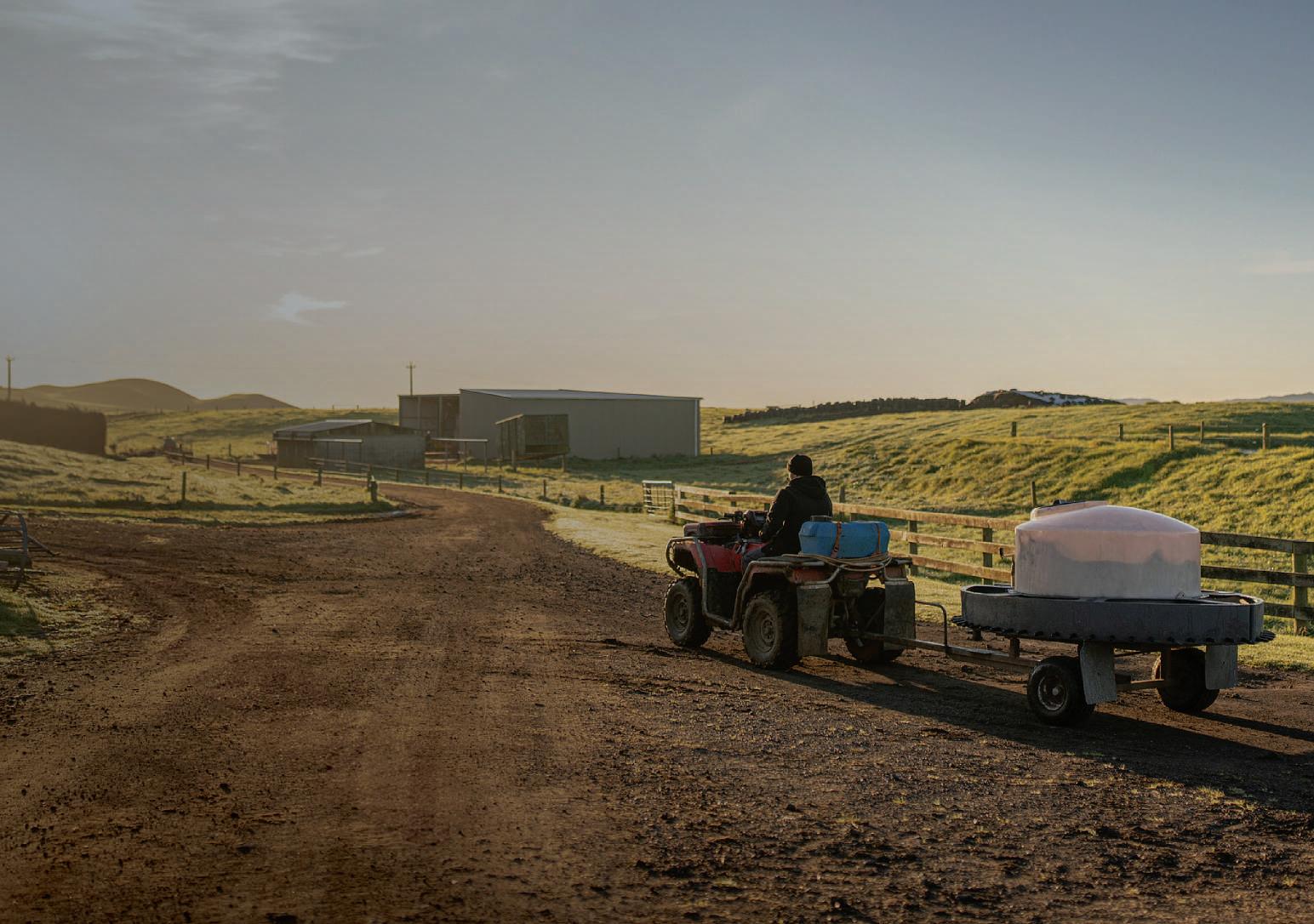
AtPie Fundsweunderstandthatfarming families carrymore risk than most.Incometiedtoone commodity, oneclimate, oneoperator. Diversifying into managedinvestments doesn’t mean stepping back from thefarm, it meansthe farm hasa backstop. Real money, in real markets, managedbypeople who’ve done this throughgood yearsand bad. Visit piefunds.co.nz to exploreyouroptions.
The creme de la creme of New Zealand dairying shows the industry is in good hands.
The biggest night on the dairy calendar was once again a dazzling display of all the finest the industry has to offer as the winners of the National Dairy Industry Awards were announced at a gala dinner held at Energy Events Centre in Rotorua last month.
More than 640 people celebrated the theme of the evening, Te Puna o te Mana, highlighting the source of excellence in the dairy industry.
The 2026 New Zealand Dairy Industry Awards winners and finalists represent a group of people who are acutely aware of environmental issues and the dairy industry’s role in farming responsibly, with use of technology and data interpretation driving environmental benefits through improved systems.
2026 New Zealand Share
Farmers of the Year
Scott and Stacey Mackereth from Southland/Otago were named 2026 Share Farmers of the Year
Scott, 42, and Stacey, 40, won $28,000 in prizes, along with taking home three merit awards; the Trelleborg Sustainable Pasture Award, DairyNZ People & Culture Award and Federated Farmers Leadership Award.
The couple are contract milking for Fortuna Group at Edendale, milking 1400 cows on 464 hectares.
The couple have worked their way up through the dairy industry and have experience across multiple systems and business structures. They wanted to enter the Dairy Industry Awards again this year to benchmark their business and challenge their thinking.
The couple have their eyes set on a larger-scale business with governance roles and want to follow a pathway to senior leadership and ultimately chief executivelevel responsibility.
“One of our key achievements has been [being] able to build and manage largescale, high-performing farming operations and develop strong teams,” Stacey says.
“I want to thank my dad, who was a dairy farmer when I was growing up, for his support. There is so much work that goes into this and it’s really overwhelming to win.”
Scott says the awards highlight the depth and capability in the dairy industry
“Standing here is such a huge honour and humbling There is a high calibre of people in this industry and this is not just recognition of us, it isn’t about us, it reflects the people who work alongside us, who challenged us and those who helped us improve.
“More broadly, this award reflects what is possible in our industry. New Zealand dairy is world class not just because of our pasture systems, but because of the mindset of the people who work within it.”
Scott says people working in the industry are willing to adapt, improve and lift

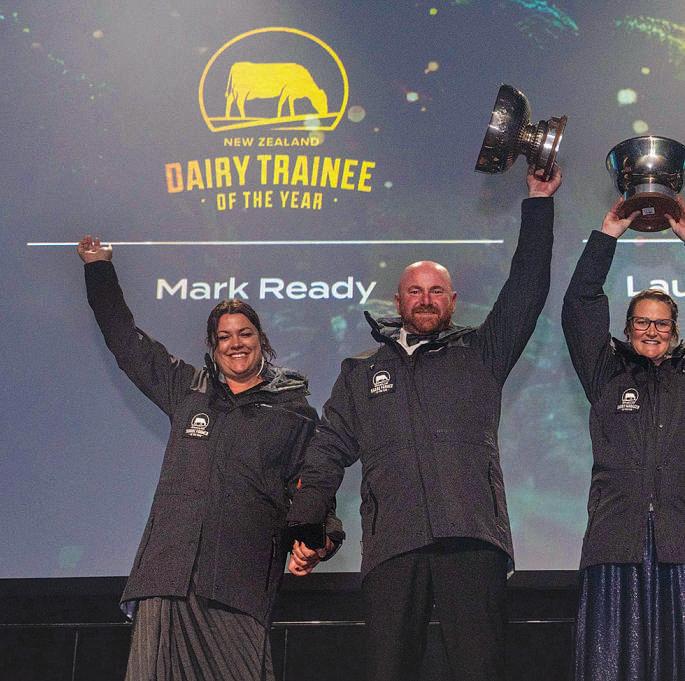
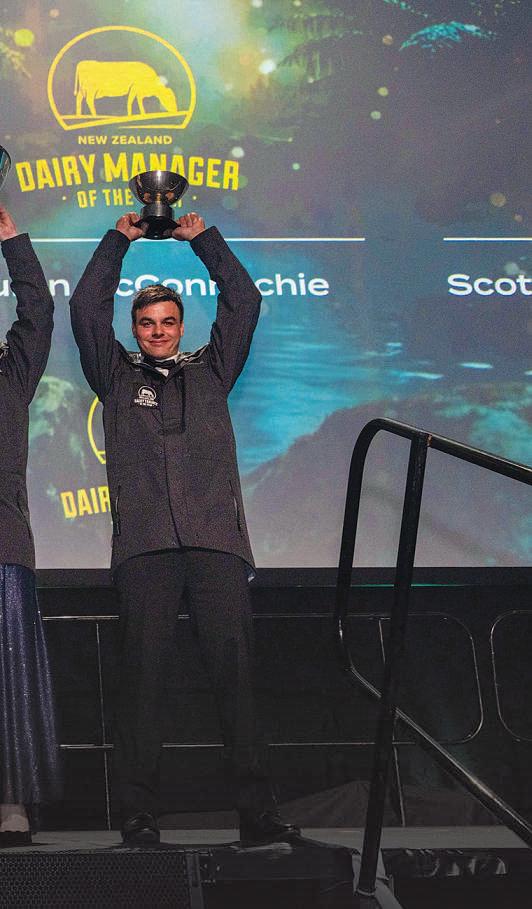

standards despite the challenges they face to keep it world-leading
“I am incredibly proud to be part of the New Zealand dairy industry, which has been built on hard work, innovation and a real connection to the land. It is something we take a great deal of pride in and don’t take it for granted.”
Head judge and dairy farmer Robert Ervine said Scott and Stacey make a dynamic team.
“Their skills complement each other. Scott is very data driven and wears multiple hats, overseeing multiple operations and managing 13 staff who are all driven to perform every day, and Stacey is very grounding – she’s the glue.”
The couple have great attention to detail while farming at scale, but people and family are still at the centre of everything they do.
They have implemented the Te Whare
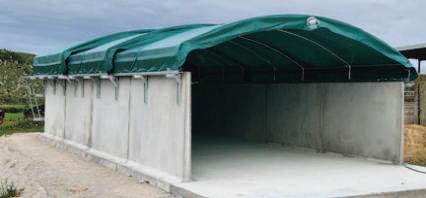
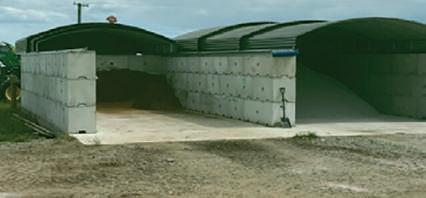

on their
even allocating half an hour to all of their staff every week to fill in a reflection journal.
The runners-up in the Share Farmer of the Year competition are Glenn and Georgie van Heuven from Waikato, who judges said had a genuine commitment to their community, including inviting local school children to learn maths in practical settings on farm.
The couple are 50-50 sharemilking 405 cows on 103ha for Sid and Dellas Anderton at Matamata.
Karl and Jess Wood from Manawatū placed third in the National Share Farmer of the Year. They are 50-50 sharemilking 230 cows on 85ha for John Gardner in Palmerston North.
The judges said Karl’s passion for cows was evident and he was very articulate around his breeding plan and it was clear
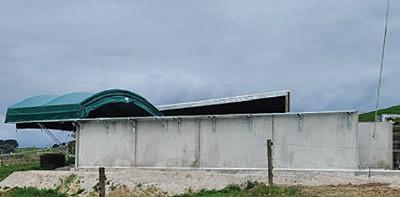
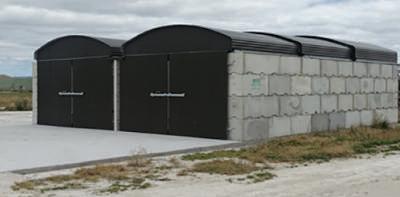
they had respect for the farm they were looking after, and caring for the land and their employer’s wider farm business was a high priority.
2026 New Zealand Dairy Manager of the Year
Canterbury/North Otago farmer Lauren McConnachie was named the 2026 Dairy Manager of the Year for displaying excellence across all aspects of the farm with high-level knowledge and excellent practical farming skills.
The 35-year-old is Rob and Jenine Screen’s farm manager for Theland Farm Group at Purata, milking 2170 cows on 563ha.
She held back tears as she thanked her employers, supporters, friends and team and said, “It is an absolute honour to win”.
McConnachie ventured from the tourism industry into dairy farming during the
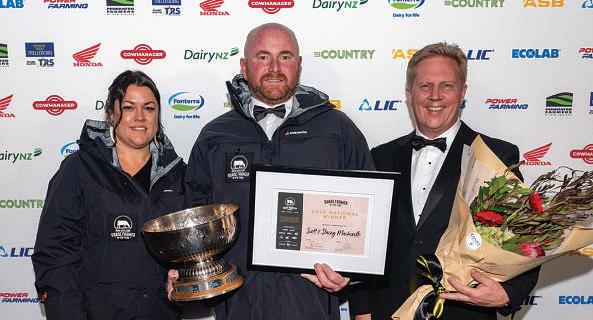
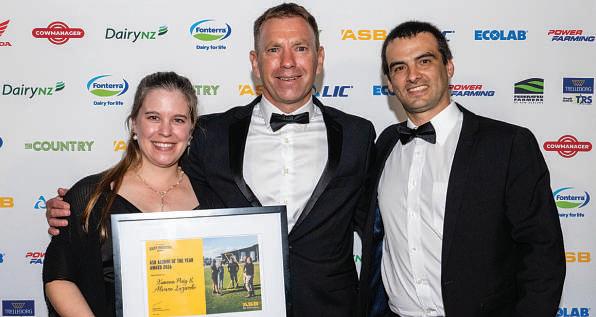
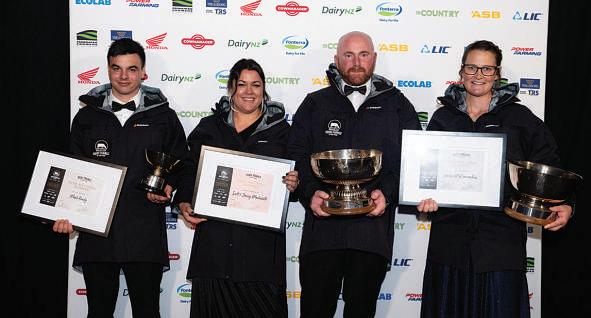
Covid pandemic, which was “only supposed to be a one-year deal”.
“As I have learnt and developed in the dairy industry, I began to see why many people choose this career. The main thing I love about farming is working with people both in the team and the wider farming community, and working with the cows to provide them with a happy, healthy life.”
She has advanced quickly through the industry ranks and one of her proudest achievements has been maintaining an empty rate under 10%.
The judges said McConnachie had extremely strong theoretical knowledge, was very organised and brought a structured approach to her planning and farm management.
“Lauren scored consistently across the board. She’s operating at scale, managing multiple people and she’s able to convert the complex into simple steps for her team.”
Scott and Stacey Mackereth with Minister of Agriculture Todd McClay.
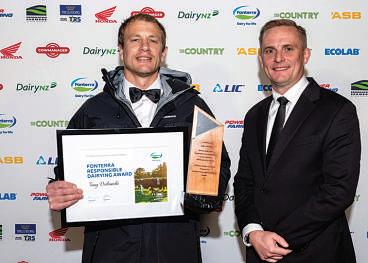
2026 ASB Alumni of the Year Award winners Alvaro Luzardo and Ximena Puig with ASB’s Greig Sinclair
The 23-year-old is farm manager for Michael Shearer on the Inch Family’s 130ha farm at Maruia, milking 250 cows. He worked for two years as a farm assistant before stepping up to his current management role. Entering the Dairy Industry Awards appealed to his competitive nature.
“I love the opportunities the industry has to offer and the various skills you learn along the way. Also the huge scope for personal development and selfimprovement.”
The 2026
and Lauren McConnachie.
They said she has identified areas to work on and is actively upskilling in personal development – leadership is a good example of that.
“She’s really aware of areas she wants to grow and how to help her team grow.”
Runner-up was Taranaki’s Miriam Lauridsen, who is the pasture, forage and herd manager for Liam O’Sullivan at New Plymouth, milking 370 cows on 137ha. Annie Gill from Waikato placed third. She is farm manager for Doug and Lorraine Courtman on their 56ha farm at Ōtorohanga milking 144 cows.
2026 New Zealand Dairy Trainee of the Year
The 2026 New Zealand Dairy Trainee of the Year was awarded to Mark Ready from the West Coast/top of the south, who impressed judges with his planning and progress.
“I feel very privileged to be here tonight to represent my region and all the trainees I have spent the week getting to know,” he says. “Thanks to my mentor and boss Michael Shearer, who has helped me on this journey. This is an amazing achievement for me and I hope to continue to make you all proud.”
“He has managed to save and buy his first line of cows, which will enter the herd this year, and has set himself a timeline to achieve herd ownership,” judges said.
“We absolutely believe he will achieve that. Mark set himself a plan and he’s implementing it and we look forward to his progress going forward
“He’s surrounded himself with good employers and has made strong relationships – he’s not going to be easily knocked down.”
Avery close runner-up in the Dairy Trainee of the Year was Sam O’Neill from Canterbury/North Otago. He is herd manager for Trevor Manson, milking 850 cows on 231ha and has a bachelor of agricultural science, with first-class honours from Lincoln University. Third place went to Conor Attrill-Mundt from Hawke’s Bay/Wairarapa. He is 2IC for Greg and Gail Mitchell at Patoka, milking 845 cows on 341ha.
2026 Fonterra Responsible Dairying Award
Tony Dodunski from Canterbury/North Otago won the Fonterra Responsible Dairying Award.
Beaumaris Dairies is in the environmentally sensitive Lake Ellesmere/ Te Waihora catchment, and the judges cited Dodunski’s outstanding leadership in delivering responsible dairying outcomes on farm, while also making a significant and
sustained contribution to the wider New Zealand dairy industry.
“Tony has demonstrated that high environmental performance can be achieved through deliberate system design, evidence-based decision-making, and longterm commitment.
His work exemplifies responsible dairying in action: delivering verified environmental outcomes, building capable and motivated people, and strengthening the long-term sustainability of the dairy sector.”
The prestigious award was created to recognise and celebrate dairy farmers who demonstrate leadership in their approach to sustainability and who are passionate about the four pillars of responsible dairying – people and community, finance, environment and animal welfare.
2026 ASB Alumni of the Year Award
Alvaro Luzardo and Ximena Puig from Hawke’s Bay/Wairarapa won the 2026 ASB Alumni of the Year award. The couple are sharemilking 465 cows for Geoff Arends and Ester Romp in Eketāhuna
Originally from Uruguay, the judges noted Luzardo and Puig arrived in New Zealand in 2015 with a backpack and minimal English skills and are an exceptional example of what can be achieved in the dairy industry.
“Their story can be repeated by any Kiwi – this is the land of opportunity. They haven’t been blinkered by geography or perceived barriers and have been open to opportunities anywhere in New Zealand.”
Their involvement with the Dairy Industry Awards has been a key part of their progression and building relationships in New Zealand.
This award is a collaboration between ASB and NZDIA to specifically encourage and reward NZDIA Alumni who have made significant contributions to the programme and the industry.
2026 Fonterra & ASB First Farm Award
The Fonterra & ASB First Farm Award is a collaboration between ASB, Fonterra and the NZDIA Trust, which aims to remove barriers to farm ownership by offering to help the best in the industry successfully transition into farm ownership, ensuring good succession to ownership and the future of the dairy industry.
Each winner receives up to $1 million of ASB business term lending fixed at 1% per annum for three years, along with a Fonterra launch package that includes $20,000 of Farm Source account credit to drive productivity and sustainability, mentoring, and additional support to help them successfully transition into ownership.
The 2026 Fonterra & ASB First Farm Award winners were:
■ Johno and Tania Burrows – Canterbury/ North Otago
■ Jonathon and Stacey Hoets – Canterbury/ North Otago
■ Marc and Nia Jones – Waikato.

Forprevention and treatment ofcalf scourscausedbyRotavirus 6&10, Cryptospordia. Rotagen Combo is anti-biotic FREE and GMO FREE.
Enerlect is ahigh energy source electrolyte that also supplies all theimportant electrolytes lost during diarrhoea casuedbyinfectious agents or due to anutritional imbalance.
Virucide,biocide and deodoriser for all surfaces onfarm including farm sheds and animal housing such as calf pens. Vetsan is active against all the important pathenogenic micro-organisms that can cause calf scoursincluding Rotavirus, Cryptosporidia, Salmonella, Ecoli, Coronovirus and Mycoplasma Bovis.
and Rotagen
Wool Impact teams up with ASB and they set their sights on a higher-value future.
Wool Impact has signed a new partnership with ASB, with the bank providing financial backing to support the revitalisation of New Zealand’s strong wool industry.
ASB is the first bank to partner with Wool Impact, which supports New Zealand’s wool sector to build a more resilient, higher-value future for strong wool by strengthening market connections, stimulating demand and building essential sector capability.
Wool Impact chief executive Andy Caughey says: “We produce around 100,000 tonnes of wool per year in New Zealand. Over the past 12 months, we’ve seen average prices for strong wool increase by more than $2 per kilogram.
“Sustaining that increase means an extra $200 million for rural communities Wool is now appearing in new categories and new uses through the work of innovative brands, investment in product and value chain innovation and new businesses working with wool. ASB has come on at a pivotal time, an its support will help amplify these new opportunities.”
ASB general manager, rural Aidan Gent says: “Wool is part of our national identity, and we see the potential for significant gains to be made in farm returns by improving its market relevance.
Wool Impact has been making great strides over the past three years, and we want to help accelerate that momentum.”



“The partnership is the latest demonstration of the bank’s commitment to helping drive growth across New Zealand’s food and fibre sector. The bank is backing Kiwi businesses and farmers through initiatives such as Every Hectare Matters, a programme that provides access to advice, insights and capital to maximise farmers’ land potential and


There is a real opportunity for strong wool products to improve wellbeing in a range of applications, particularly in interior spaces where architects and designers are seeking ways to improve building quality.

Andy Caughey Wool Impact chief executive





ultimately build resilience and productivity over long term.
ool Impact’s aligns strongly with our focus on unlocking greater value for the food and fibre industry. Strong wool is a natural, renewable fibre with significant potential, and teaming up with Wool Impact will allow ASB to back practical initiatives that support rural communities, sustainable land use and long-term sector growth,” says Gent.
Caughey says the bank has signed on at an important time for the sector. “There is a real opportunity for strong wool





products to improve wellbeing in a range of applications, particularly in interior spaces where architects and designers are seeking ways to improve building quality for occupant health and productivity, and to reduce the environmental toll of construction. Partnerships like this give us the confidence and capability to keep investing in the initiatives that will help unlock that value.”
Wool Impact works with wool businesses across the sector and is part of a Wool Alliance with Campaign for Wool New Zealand, Wool Research Organisation of New Zealand and Beef + Lamb New Zealand, working on what’s needed for a vibrant wool sector and how this can be funded long term.

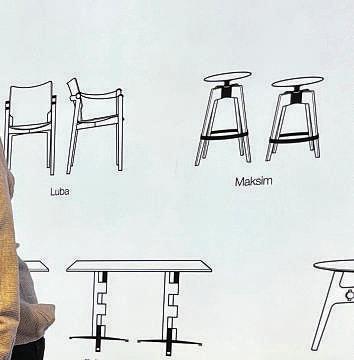
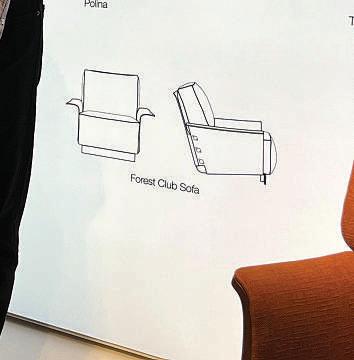

Caughey says the partnership is both a practical investment in wool’s future and a recognition of the work already under way He credits Ministry for Primary Industries’ (MPI) investment via its Sustainable Food and Fibre Futures fund, WoolWorks, New Zealand’s wool scourer, Silver Fern Farms and the four other main meat companies for Wool Impact’s initial backing and vision.
Wool Impact was established in 2022 to solve problems with wool and in doing so, to reinstate demand and value for New Zealand’s strong wool and wool growers. In addition to ASB, the organisation is also supported by MPI, WoolWorks, Silver Fern Farms, Alliance Group, ANZCO, AFFCO and Progressive.
Alliance Group’s main stakeholder, Dawn Meats, has acquired German import and distribution company Alexander Eyckeler GmbH (AEG), cementing a longstanding relationship.
AEG has imported and distributed Alliance’s Ashleybranded lamb, mutton and venison for many years in Germany, as well as premium beef from Argentina, Ireland and the United States.
“This acquisition supports Dawn’s ongoing integration with
Alliance and strengthens our ability to serve customers in-market,”
Dawn Meats chief executive Niall Browne said “It brings Dawn closer to key customers in Germany, improves co-ordination across supply and logistics and provides continuity for the Eyckeler team and its customers.”
The sale price has not been disclosed. Last year Dawn Meats, an Irish meat company, acquired a 65% stake in Alliance Group, with New Zealand farmer shareholders retaining 35%.
Alliance commercial director James McWilliam said the Ashley brand had a strong presence in
Germany and a proud history with customers across the market.
“Alexander Eyckeler GmbH has played an important role in building that presence through longstanding relationships for decades.”
Alliance’s relationship with the Eyckeler family spanned almost 40 years, beginning when the family established an exclusive butcher shop in Düsseldorf.
The relationship continued when Alexander Eyckeler, who died last year, established AEG almost 20 years ago, serving Germany’s most prominent retail, food service and cash and carry brands
It’s been 100 years since New Zealand began exporting to the United States It’s still a vital partner for the red meat sector. By
AKate Acland
.
recent visit to the United States with Nathan Guy, the Government’s special agricultural trade envoy, was a reminder of just how important this market remains for New Zealand red meat.
As the sector marks 100 years of exports into North America, the milestone is worth celebrating, but it is also a prompt not to become complacent.
The US is one of our most sophisticated and valuable trading partners.
More than that, it is a market where New Zealand has earned trust over decades. We are not simply another supplier.
We are seen as dependable, consistent and credible, and in a more volatile global trading environment, those qualities are becoming more valuable.
The scale of the US market can be overwhelming, but the underlying pressures are familiar: farmers managing risk, governments worrying about food prices and consumers demanding value as well as quality.
That shared reality helps explain why New Zealand’s reputation for safe, traceable and compliant product lands so well.
Right now, the US wants protein You can see it in retail, where protein content has become a selling point, and in the broader shift back toward red meat as consumers reassess diet and nutrition
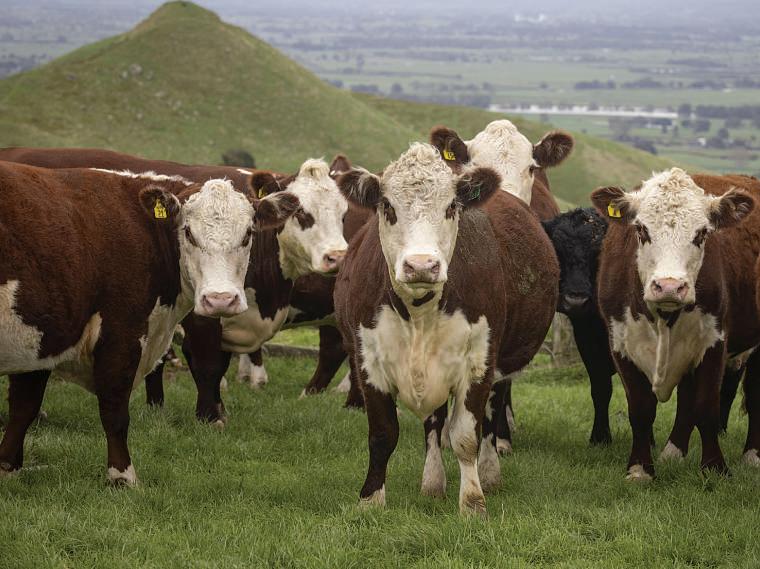
That demand matters for New Zealand, but so does the context around it.
Cost of living is a dominant political issue in America, and the pressure to lower beef prices is intense.
The US administration would clearly like to see a larger domestic herd, but drought, capital constraints and the long biological cycle of cattle production mean that recovery will not happen quickly.
For now, the gap between demand and domestic supply remains real.
That creates opportunity, but it also sharpens competition New Zealand’s 240,000-tonne WTO quota enters at minimal tariff, while many competitors face much higher rates.
That remains a major advantage. Even so, market access settings can change, and countries closer to the US market are watching closely for any opening.
What stands out is that New Zealand’s role is not merely tolerated, it is useful.
Our lean manufacturing beef complements US domestic product and supports the ground beef market at enormous scale. We are not going headto-head with grain-finished steak; we sit alongside it.
At the same time, grass-fed beef is building a more distinct premium position, with growing recognition among wholesalers and consumers alike.
Sheep is more politically sensitive. US
flock numbers have declined for decades without the productivity lift New Zealand has achieved, and imports can quickly become a target when domestic sectors feel pressure.
Even so, the visit also showed that there is room for practical engagement.
Discussions with American beef and sheep organisations were constructive and, in some cases, more collaborative than you might expect.
We also heard familiar land-use concerns, particularly around grazing land shifting into solar development, a reminder that New Zealand is not alone in debating how productive land should be used.
The main lesson is straightforward. New Zealand is well placed in the US, but this is not a market where we can relax. Our strengths – trusted relationships, reliable supply, strong standards and a clear grass-fed point of difference – are real.
But they will only keep working for us if we continue to protect and promote them. A century into this trading relationship, the opportunity is still there. So is the need to earn it, shipment by shipment.
Acland is the Beef + Lamb New Zealand chairperson and a mid-Canterbury sheep, beef and dairy farmer.
Dose alldogswho reside near sheepwith
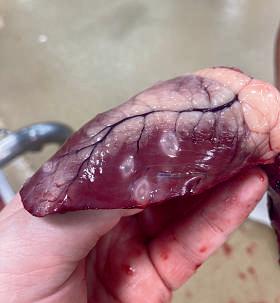

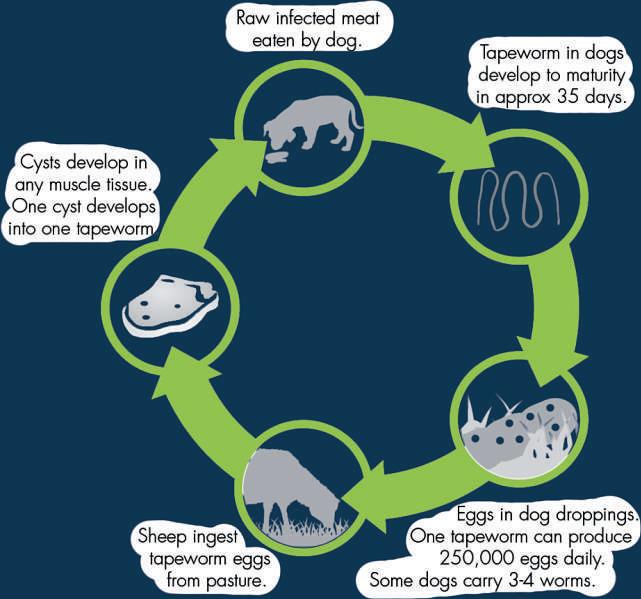
We’re heretohelp when the season getsbusy…er!
Check out our videos with tips and tricks from KarenFraser, Farmlands’calving expert,as shecoversall things cowtocalf.
Karen Fraser Farmlands Technical Specialist
AsMystery CreekFieldays approaches,it’satimely opportunity to reflect on the realities of calf rearing in NewZealand and the pressuresthatcome with it. While autumn is oftenframedasan“easier”window compared to spring, the truth ismorecomplex. Regardlessofthe season, behindevery calf is achain of stressors, on the cow, the calf,and the people managingthem; it’s the difference between a calf thatthrives and one thatstrugglesall season.
Autumn canbeacracker time to rear calves. Warmer weather, calves weanedsooner,lesspressureonspring pasture. But no season comeswithout itscatch. Even autumn-born calvesstill face stress, inflammation, andcontend with extra heat load, sometimesbeforethey’re even on the ground.
Our role as calf experts —alongsidethe nutrition specialists is to take thenoiseout of the decision-making and get back to basics
One of those basics:electrolytes. Calvesborn from stressed cows,whetheritisfromheatduring autumn or typical winter stressors,carry higher bacterial loads and aremorevulnerable to scours, and can face immune challenges from dayone Farmlands’Reliance Blue Boostelectrolyte wasdeveloped off the back of this —something practical foron-farm use, not just in the technical space
Alongside hydration, managing the downstream effectsofstress iscritical. Bacterial challenge, inflammation, micronutrient deficiencies, and early coccidial exposureall compound to hold calvesback. Addressing these factorsrequiresabroader nutritional approach. Reliance LevelUp, awhole milk additive alignedwith the latest science-backedrecommendations, was designed to do just that -supporting gut and respiratory health, improving dry matter intake,balancing essential nutrients that arelacking in whole milk,and providing early cocci control. Nowwell provenafter multiple seasons, it’sbecome akey tool for reducing pressureinwhole milk calf systems and helping animals perform despite challenging conditions.
“Evenwith thehighest-curding milk,not every calf will successfullyform astrong curd- particularly when early-life stresshas already been compounding”
Another area to factor in is the composition of colostrum and whole milk, and the role protein plays in early calf growth. Whole milk is made up of roughly80% casein and 20%whey, whereas colostrum shifts that balance significantly-around 35%casein and 65% whey.Those whey components, including albumins and globulins (such as immunoglobulins), are not just numbersonalabel; theyplayacriticalrole for the immune system influencing faster absorption for growth and development. With colostrum delivering around three times morewheyprotein than whole milk, it highlightsjust how important whey is for calf success
Research shows some calvesdon’t form an abomasalcurdatall even when on the highest traditional casein proteins—which can affectappetite,vigour,and appearance.Inone studylooking at whole milk being fed, of 29 calves, 21 formedalarge curd mass. Eight didnot. Whey-based CMR sidestepsthis entirely.
Forspring-born calvesthat burn energy to staywarm, science-backedguidelinesconfirm thatoften protein becomes the limiting nutrient for growth and theright balance of energy is alsoneeded —another reason to look closely at the label beforeyou lock in your bulk agreement.
Casein vs.whey—what’s actuallyhappening
In the first fewweeks of life,calvesdigestmorelike amonogastric,with the abomasum actingasthe primary site of digestion. During this phase, whole milk or casein milk replacer providesthe main source of nutrients. When whole milk entersthe abomasum, casein proteins form aclot under the action of enzymesthat aresecretedcalledrenin. This clot is then slowly broken down, allowing nutrients to be released steadilyinto the small intestine for absorption.
Wheyproteins, however, behave differently. Theypassthrough the abomasum without forming aclot and aredigestedand absorbed morerapidly in the small intestine,providing readily available nutrients and energy.While traditionalthinking has favoured curd formation, research shows thathigh quality whey-based milk replacerscan supportcalf growth and performancejust as effectively.Inpracticalterms, whey offers ahighlydigestible, efficient protein source -one thatcontinues to proveits value acrossbothanimal and human nutrition.
RelianceKiwiPowerWhey
Off the back ofall of this,wedeveloped RelianceKiwiPower Whey—aproduct formulatedwith 26%protein and 20%fat, that offers betterenergy and protein levels. It includesessential oils and prebioticswhich aregut health additivestosupport calvesnavigating environmental challenges and transition issues. It alsocontains asafer coccidiostat, decoquinate,which makes it safer around dogs. Made from NZ rawmaterials,it supports local milk processors and addresseslocal challenges It’sbuilt for themodern rearing programme.Considering these factors, andthe manycalls we receive about transitioning issues, health problems, and slowgrowth rates,this is aproduct we’regenuinelyproud to put our name on.
Reporter Rob Stock takes a walk through the supermarket aisles with experts from the Marine Stewardship Council, which owns the blue tick sustainable fisheries certification trademark
New Zealanders use a mental shortcut to choosing fish for the table that do not come from fisheries being fished to death: Buy New Zealand-caught fish As a strategy, it has something to recommend it.
The Ministry for Primary Industries says most of our fish stocks of known status are in good shape, with 130 of the 149 stocks being measured as above the “soft limit” under which their biomass is deemed to be overfished or depleted, and needs to be actively rebuilt.
And fish from those 130 stocks make up 97% of catch by weight.
That makes walking the aisles of a Woolworths supermarket with Rupert Howes, the head of the global Marine Stewardship Council (MSC), a relatively positive experience.
Even where MSC’s blue tick label is not on fish products, a good proportion is locally caught.
Howes was in New Zealand recently to take part in celebrations in the fishing industry around a hoki milestone.
It’s been 25 years since the $230 million-ayear hoki fishery was certified as sustainable by MSC, making it the longest certification held over any white-fleshed fish anywhere in the world.
MSC is a private, not-for-profit certification scheme set up by the World Wildlife Fund in the late 1990s in a bid to create a market mechanism to help promote sustainability in ocean fishing.
It came shortly after the collapse of the Atlantic cod fishery off Newfoundland in Canada, which saw about 30,000 people
lose their livelihoods. The idea of MSC was to create a system that participating commercial interests could communicate to shoppers, giving them confidence they could buy their fish without fearing they were stripping the oceans bare.
Overfishing remains a massive problem, but just over a fifth of the world’s roughly 100 million tonnes of wild catch is now covered by MSC certification, 100% of New Zealand hoki, and 59% of the global tuna catch.
The investors from which many major fishing companies seek capital are often requiring companies have sustainability credentials before they will invest, Howes says.
And Howes said in April that he hoped to see a major milestone for fisheries.
That the Atlantic cod fishery is bouncing back.
“It’s now got the biggest spawning stock biomass of any cod fishery in the world,” said Howes. “I’m hoping maybe even there’s a big seafood show in Barcelona in about four weeks that they’re going to announce going into full assessment, and I can retire then because it’s like a proof of concept
“You can fish a fishery down to almost the point of destruction, but with management, it bounces back. Nature’s resilient.”
Certification labelling on fish is not as common in New Zealand supermarkets as it is in some European markets.
“I think that all of the Dutch retailers have like a 99% commitment,” says Howes. “Germany is our biggest market. It’s funny because Germans don’t spend much on food.”
Germans want the cheapest fish, but they
want it to come with verified sustainability badging.
Product labelling can be a little confusing.
Labels are packed with information and, confronted with multiple labels per shop, people are unlikely to reach for the magnifying glass to read them all, or seek to understand what each label signifies.
And, confusingly, not all products derived from fish caught in MSC-certified fisheries can carry them
There are hoki products in Woolworths that do not bear the blue tick Instead, the packaging bears the phrase “sourced responsibly”, perhaps because some of the processing was done in a non-certified factory.
Would MSC’s experts buy fish that did not have an MSC label?
Yes, says Matt Watson, senior fisheries programme manager at MSC for Asia Pacific, who accompanied Howes to New Zealand. But he qualifies his answer.
“I’ve got a degree in marine biology and a masters in sustainability, so I’m well informed as a consumer.”
A key thing to remember about private certification systems is they are user-pays and voluntary.
A fishery could be sustainable, but the operators in it simply choose not to pay MSC for certification.
Howes chips in that he had a meal of snapper in Australia while breaking his journey to New Zealand. Snapper is not certified by MSC. New Zealanders’ preference for New Zealand-caught fish is their expression of a worldwide trend towards people wanting to know about where their food comes from.
“Consumers are very powerful, they should definitely be empowered to ask questions of their supermarkets,” Howes says But no ordinary consumer can ask all the right questions.
“The reality is seafood is so complex. It’s the most globally traded commodity, so it’s moving around the world,” Howes says “The prawns that you buy will be from Indonesia, Ecuador or India. The hoki that is eaten in the UK is coming from New Zealand.”
It’s important to remember what the labels are not.
Importantly, the blue tick is about sustainable catches, not human rights of workers on trawlers
“We were founded in 1997 to contribute to ending overfishing. All of our expertise and governance is focused on ecological sustainability,” Howes says “We can’t do everything. We’re not Interpol. We’re not the world’s policemen.”
Joanne Naish
Talley’s has closed its Westport fish processing factory, with 92 jobs affected.
Talley’s Seafood Limited chief executive Tony Hazlett said it was “consolidating” its Westport fish processing operations and all affected staff would be offered other jobs.
The last day for processing at the site was May 15 It made the decision after formal consultation with staff.
Talley’s has been processing fish in Westport since the 1970s. It has been a tough year for Buller as Westport’s only airline announced it would abandon the route in May without more government funding.
Westland Mineral Sands (WMS) announced in March it was disestablishing 40 roles and putting its mine near Westport into “care and maintenance”, citing sustained weakness in global markets and ongoing uncertainty arising from events in the Middle East.
Hazlett said the Westport site would continue to operate forvessel unloads, weigh-in, chiller and logistics functions
A spokesperson was unable to confirm how many jobs would remain in Westport, citing seasonality and demand fluctuations.
Hazlett said the decision followed a strategic review of Talley’s Seafood processing network aimed at productivity and efficiency improvements across its operations.
“These gains have been supported by ongoing investment in technology and innovation, ensuring Talley’s remains efficient and competitive. As a result, the company can process its full volume of fish
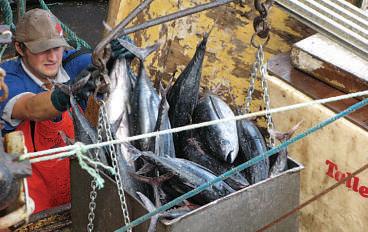
While
it’s positive that Talley’s is offering alternative roles, the loss of processing jobs locally will still be felt across the community.”
Heath Milne Development West Coast chief executive
through its two larger facilities located in Motueka and Timaru.”
Affected staff would be offered employment opportunities, including some for roles that will remain in Westport “The company is working closely with
employees to support their transition, including opportunities across its Motueka, Blenheim, Canterbury, Timaru and Greymouth sites, as well as at sea on factory vessels,” he said.
Additional support would include CV assistance, job search and training opportunities, wellbeing services and some assistance with relocation and accommodation where possible.
“Our Westport team have made a significant contribution to Talley’s Seafood over many years. This is a difficult decision, but it reflects how our business has evolved and how we need to operate into the future.”
Operations at Talley’s Seafood’s other fish processing sites were unaffected, he said.
“Talley’s Seafood remains a strong and stable business committed to New Zealand’s seafood industry and its people.”
Buller District mayor Chris Russell said it was difficult news for Westport and for the wider Buller District
“My first thoughts are with the Talley’s staff and their families who are directly affected. These are local people, and the impact of a decision like this is felt well beyond the workplace,” he said.
“Talley’s has indicated that fish will continue to be received over the wharf, so there will still be activity connected to the port. However, the loss of local processing is significant for Westport and for the people connected to it.”
He said Buller had faced difficult economic changes before and he and the council would work, along with government and industry, to support people and communities to ensure the long-term resilience of the district.
Development West Coast chief executive Heath Milne said it was a tough outcome for
Westport. “While it’s positive that Talley’s is offering alternative roles the loss of processing jobs locally will still be felt across the community.
“Our thoughts are with the workers and families affected.”
He said seafood processing contributed more than $9 million to the Buller economy but the impact went well beyond that, supporting local businesses, contractors and services.
“It also comes at a time when Buller is already dealing with a number of economic pressures, which makes this particularly challenging.”
However, he said opportunities were emerging and recent Stats NZ data showed the West Coast had the strongest employment growth in the country over the year to March, with around 380 new jobs, up 2.5%, compared to a national increase of just 0.3%.
“A big part of this growth has been in the minerals sector. We’re seeing a growing pipeline of activity, particularly around Reefton, where gold projects are creating new roles and attracting investment,” he said.
Promoting Buller Inc chairperson Jessie Creedmore said the community’s immediate priority was working together to support the workers, families and businesses impacted by Talley’s closure.
“Looking ahead, no single industry will offset what we’ve lost with Westland Mineral Sands and Talley’s. Buller’s path forward is about diversification; which includes leveraging the conservation land that defines our district to grow nature-based jobs and tourism, while also building community resilience around the fundamentals like food and energy,” she said.
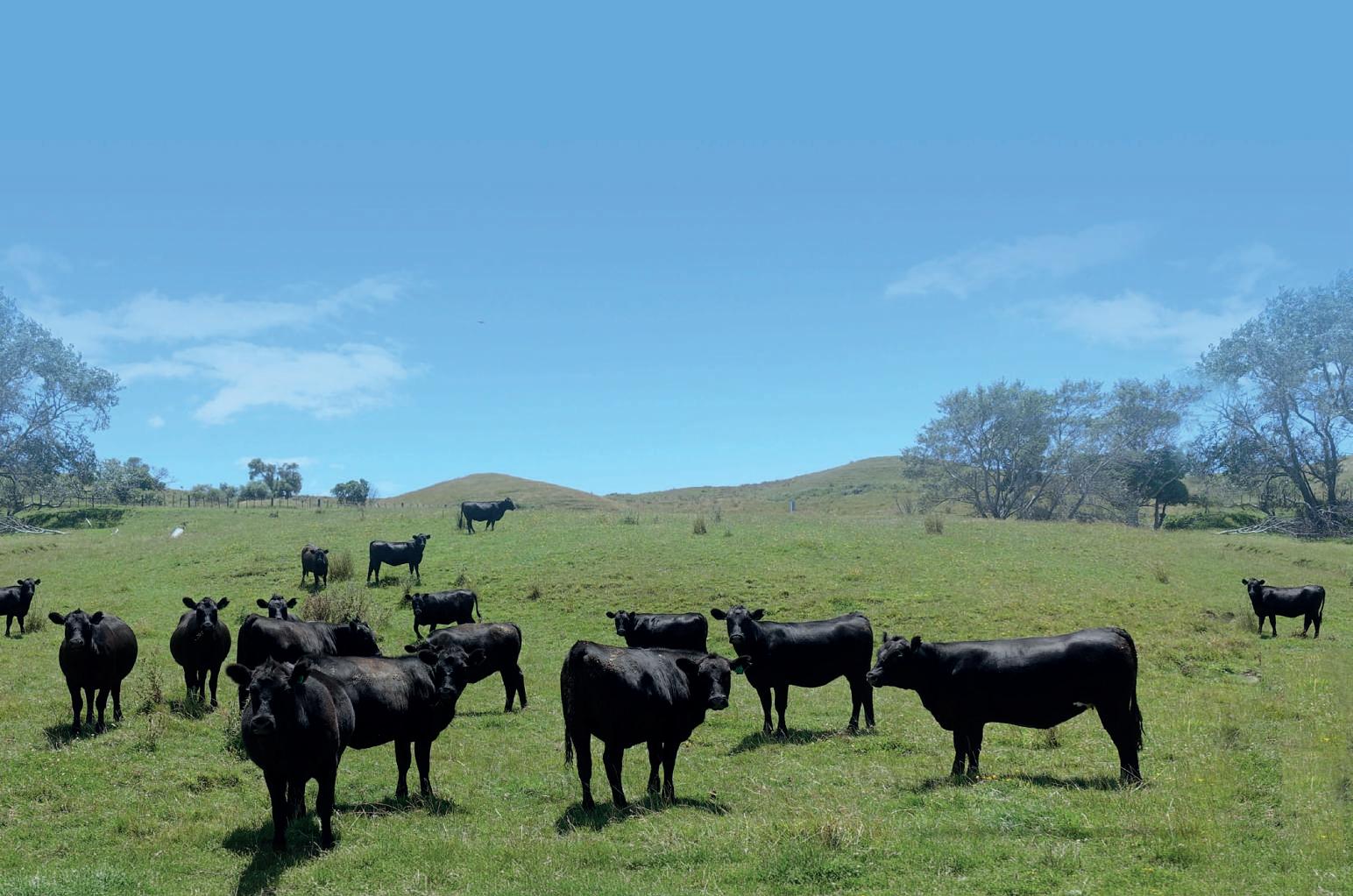
When the veryfirst McDonald’s restaurant opened its doors in Porirua in 1976,the menu was remarkably simple.Customers queued up for asmall range of burgers, fries, and drinks,parting with just 85 centsfor a Big Mac.
Fast forward to 2026, and the operations under the Golden Arches look very different, but the core range remains just as popular. Today, McDonald’s New Zealand operates anationwide network of 177restaurants, operated by53franchisees, with10,500 crew servingmore than 1.5 million customers every single week.
While the scale of the operationhas changed completely, one ingredient in the ‘secret sauce’ with this impressive half-century of growth is anenduring partnership with NewZealand producers and suppliers. Across the agribusiness value chain, McDonald’s represents more than just a famous global brand; it is ahighly reliable, longterm buyer that continues to shape domestic fooddemand.
For New Zealandfarmersand rural suppliers, visibility over where agricultural productsend up at scale is crucial. McDonald’s continues to stand as asignificant partner to the country’s primary industries, spending around$200 million annually with local producers. In addition, hundreds of millions of dollars of New Zealand
produce, primarily beef and dairy, is exported to other McDonald’s markets eachyear.
Almosteverything on the menu originates fromdomestic agribusinesses. Fromdairy used in cheese, milk and shake and sundae mix, to potato growersharvesting the perfectcrop for fries, the ongoing success of McDonald’s New Zealand is deeply woven into the hard work of provincial business communities.
The enduring powerof New Zealand beef
New Zealand beef remains a fundamental core of the Macca’smenu. Iconicstaples like the Big Mac, Quarter Pounder, and Cheeseburger rely on high-quality, locally sourced beef, made into millions of patties ayear in Waitara by ANZCOFoods.Beef is in hot demand overseas as well,with around ten percentofNew Zealand’s beef exports eachyear just going to McDonald’s.
ANZCO Foods Beef














ahead to next sourced millions a year
Shifting tastesand reliable markets-the rise of chicken Consumer behaviour directly dictates fooddemand, and McDonald’s makes key supply decisions based on these evolving market dynamics
While beef remains acornerstone, chicken represents aprotein category that continuestogrow.Chicken is a key part of McDonald’s global plan, and the local menu options have extended significantly over the last few years. Classics like the McChicken and McNuggets sit alongside popular new additionssuch as the McSpicy, McCrispy and McWings ranges. For local poultry producers, this growing demand signals strongfuture category growth and aclear directionfor longterm supply requirements.
Meeting the demands of modern diners
Just as the menu has adapted to changing tastes, the modern restaurant








experience has to meet new
market
experience has evolved to meet new market dynamics
Over the past decade, traditional front counter and Drive-Thru channels havemade way for majoroperational improvements. Customers now seamlesslynavigate dual-lane DriveThru systems, tap their orders into selforder kiosks, read from dynamicdigital menu boards,and use the MyMacca’s app for mobile ordering and payment. Crucially, McDonald’s does not roll out these advancements simply as technology for technology’s sake. Instead, these are necessary, direct responses to changing customer expectations. Today's dinersdemand speed, absolute convenience, and total operational efficiency. By investing in these modern service models, McDonald’s ensures it can serve more customers efficiently, which in turn drives consistent volume for the farmers supplying the food.
Looking ahead to the next 50 years
Over the past decade, As New
As McDonald’s New Zealand celebrates 50 years of operation, the link between the restaurant network's success and the resilience of rural producers has never been stronger.
The future of food service in New Zealand relies on credible, grounded partnerships. For the farmers, growers, and rural suppliers who form the backbone of the country, Macca’s remains atrusted, long-term partner ready to grow alongside them for the next 50 years.
Visit https:// www.mcdonalds. com/nz/en-nz/ about-us/our-ingredients.html to learn more.
Mystery Creek will be buzzing once more as the gumboots, Swanndris and utes come out for the New Zealand National Fieldays. It is an annual pilgrimage for many who return year after year.
This iconic four-day event, now in its 58th year, is the largest agricultural event in the southern hemisphere, and New Zealand National Fieldays Society chief executive Richard Lindroos says this year’s Fieldays is shaping up to be a good one, with 100% of available exhibitor sites officially sold out.
Preparations are charging ahead for what is promising to be four days of innovation, entertainment and connection.
More than 1115 exhibitors across 1335 sites will showcase their products and services. From cutting-edge agri-tech and advanced farm machinery to artisan food and new-to-market vehicles, visitors can expect a wide range of products and services.
“To have every available exhibitor site sold underscores that the industry sees Fieldays not only as an essential agricultural event but signals strong confidence from the agricultural sector,” says Brett Beagley, general manager of commercial and marketing.
Returning as the creative theme, “Your Place” taps into something every Fieldays regular knows. It’s the feeling you get when you arrive at Mystery Creek, grab a coffee and bump into mates you haven’t seen since last year
As a visitor, it becomes more than an event; it’s a place to reconnect, discover and be part of something uniquely Kiwi.
For exhibitors, it has long been said: “Fieldays is our home for four days each year.”
As Lindroos explains: “Fieldays isn’t just an event, it’s a national strategic asset that














because of the breadth of entries, and the evolution of technologies, but as we near the 60th year of the awards, I’m pleased that they still showcase the new, bold and practical solutions they always have,” says New Zealand National Fieldays Society programme manager Steve Chappell. Also returning is the eternal favourite, Tractor Pull; this loud competition with big machines never fails to attract the crowds Also back to thrill are the fencing and excavator competitions.




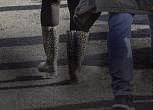




By Sonita Chandar.
brings together the best of our primary industries in one place. If you want to see what drives New Zealand, Fieldays is where it happens.”
Fieldays is the ultimate launch platform for cutting-edge technology and innovation. Technology has been at the forefront of that progression.
Fifty-eight entries will compete for cash and the opportunity to help launch or accelerate their new product. These include automation, robotics and AI
Tent Talks, in association with the University of Waikato, is also back, where you can join industry experts as they share valuable insights on topics that matter to you


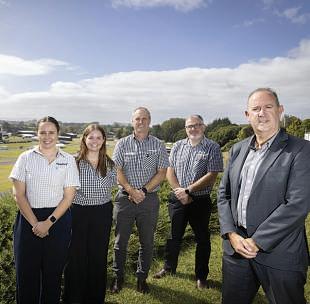
innovations, alongside practical on-farm efficiency-increasing devices and ‘problemsolvers’. They will be displayed in the Innovation Hub or on the exhibitor’s site, and on the Innovation Trail.
“People will notice the awards look different from 10 to 15 years ago,
The Fieldays Rural Advocacy Hub, Careers Hub and Forestry Hub return along with the Hauora Taiwhenua Health & Wellbeing Hub, which operated in collaboration with Mobile Health and attracts tens of thousands of visitors each year. It is the perfect time to get your annual health and wellbeing WOF done. And there are plenty of fun and entertainment options, including the Family Fun Zone, Fieldays Creative Space and the Red Bull Cut It lawnmower races. Fieldays 2026 will take place from June 10-13 at Mystery Creek Events Centre, Hamilton. Tickets can be bought online via the Fieldays website or at the gate during the event. Every ticket purchased is a chance to win the ultimate Fieldays prize package consisting of a JAC T9 Ute and $10,000 of Stoney Creek gear.
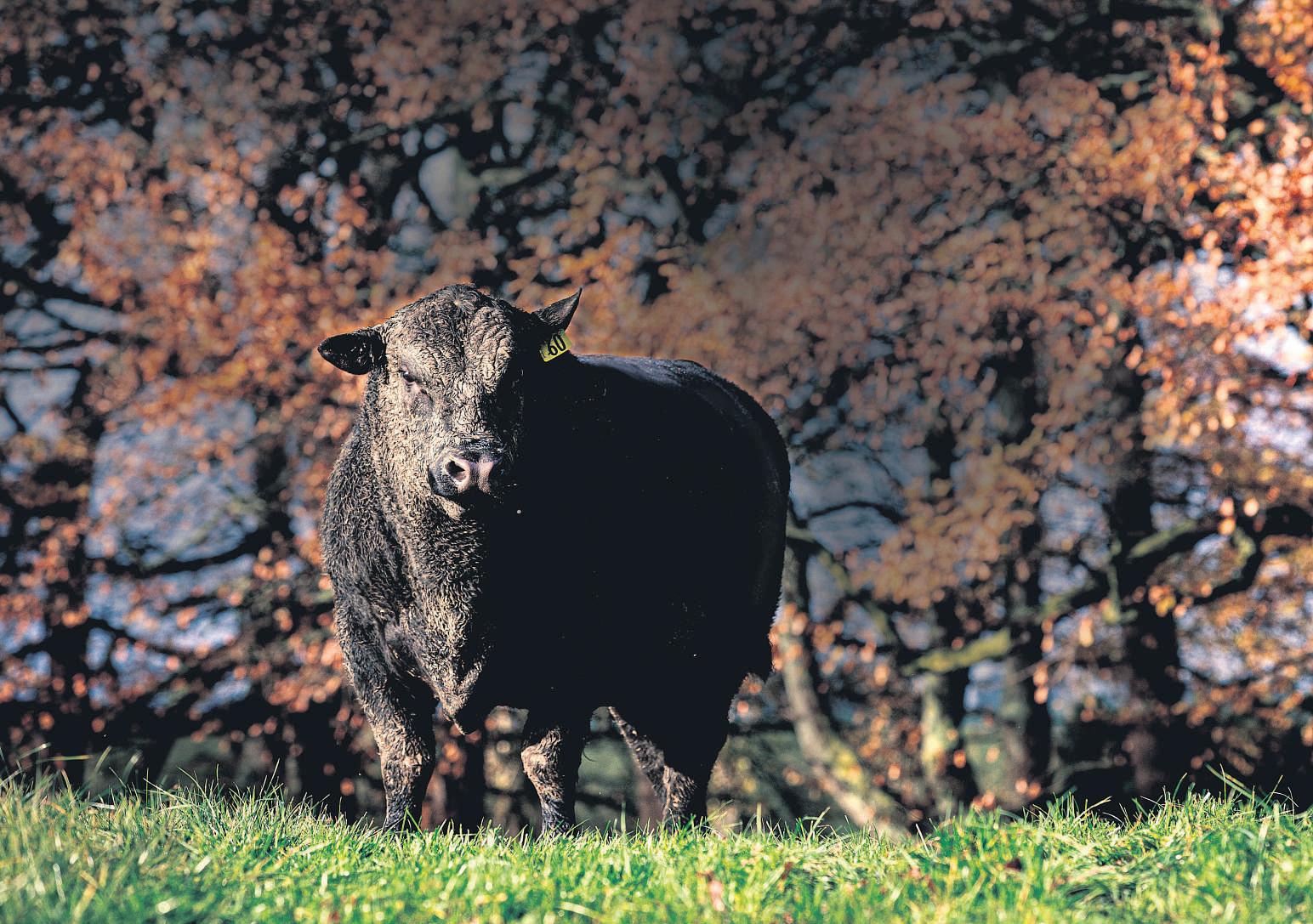
Everyone has aFieldays story.This June, head to Mystery Creek and createyours.
Some events feel bigger than the calendar. They become part of the rhythmofthe country, part of the way we talk about ourselves, and something that connects town and country.
Fieldays is one of those events.
Returning to Mystery Creek from 10 to 13 June, Fieldays 2026 will once again bringtogether the people, ideas, innovation, and unmistakable energy that make it one of NewZealand’s most iconic events. With tickets nowonsale, it is time to start planning avisit to what has become atrue fixture of the national identity.
More than an event
Grounded in agriculture and built on thestrength of the primary industries and the exhibitors who bring it to life each year, Fieldays has become a meetingplace for people from across the country.
As New Zealand National Fieldays Society Chief Executive Richard Lindroos puts it, “Fieldays stands as one
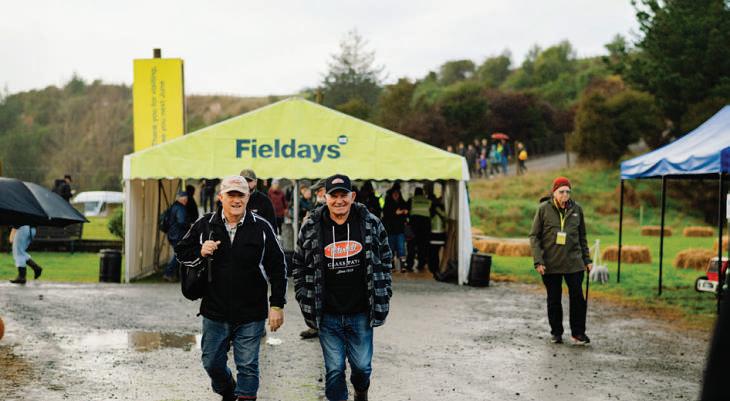
of New Zealand’s true national assets,a place where industry, community, and innovation converge at scale.”
That is part of whatmakes it so special. For many New Zealanders, Fieldays is not just something you attend, it is something you know. It sitsalongside thesmall things that feel distinctly Kiwi, andjust about everyone is only acouple of degrees removed from aFieldays story. If you have never been, it is one of thoseexperiences that helps explain us to ourselves.
Where New Zealand shows up This year, more than 1,000 exhibitors will showcase products and services
across agri-tech, advanced farm machinery, heavy equipment, finance, insurance, and new-to-market vehicles.
Alongside the exhibitor sites, Fieldays offers astrong line-up of feature areas focused on the future of agriculture and ruralindustries. Visitorscan explore the Innovation Hub, Hauora Taiwhenua Health &Wellbeing Hub, Careers & Education Hub, Forestry Hub, Rural Advocacy Hub, and the Drone Zone. There is alsoplenty of action, with crowd favourites including the Fieldays Tractor Pull, with PTS Logistics, Fieldays Fencing Competitions, and Excavator demonstrations bringing energy and skill to the event.
Aticket that could go alot further
For anyone needing another reason to lock in theirvisit, the Gate Prize is back, and it is abig one.
Every personalised Fieldays ticket goes in thedraw to win aJAC T9 Ute, valued at $49,990, along with $10,000 of Stoney Creek gear.
Visitors can even triple their chances of winning during the event by visiting the JAC site at I30and Stoney Creek at F55, making the prize one of the standoutfeatures of this year’s Fieldays.
For many, that is the kind of bonus that turns agreat day out into an even better one.
AFieldays experience
Whether you are there to do business, keep up with thelatest in the primary industries, explore new technology, or simply take it all in,Fieldaysoffers a uniquely New Zealand experience.
For thosewho know it well, it is a tradition. For those who have never been, this might be the year to see why it holds such astrong place in New Zealand life. Book your ticket at fieldays.co.nz.




Horticulture
Miriam Bell
The closure of McCain’s Hawke’s Bay factory adds to the pressure on vegetable growers already dealing with squeezed margins and the cost impact of the Middle East war, Hawke’s Bay grower Hugh Ritchie says.
Frozen food giant McCain has announced it is closing its vegetableprocessing plant in Hastings by January next year. After reviewing operations at the site, it was unable to find a sustainable pathway under the current model. The news follows Heinz Wattie’s announcement that it plans to close three factories – in Auckland, Christchurch and Dunedin – and stop selling a range of products.
This comes at a time when sectors and businesses nationwide are struggling to deal with the impact of the Middle East war on fuel prices and supply.
Hugh Ritchie is the owner of Drumpeel Farms in Hawke’s Bay, growing peas, corn and carrots among other crops for McCain He said about a quarter of the farm’s total gross annual income would be lost with the closure of the factory. It was the only vegetable-processing
“So who is making the margins? How do we get disclosure? Banks have to disclose their margins. Why can’t everyone in this business – be in the same boat?
Hugh Ritchie
factory on that scale in the region, and it would be hard to pivot and use the same scale of production to go somewhere else.
“Seeds and cereals are the only other real options, and cereals are under pressure if you look globally So it’s a significant blow – it’s a good rotational crop, and ensures diversity in the business, and now that has been removed.”
But he was not surprised by the announcement as there had been signs of problems and once Heinz announced its
plans, he could see McCain following suit.
“We need to understand the environment these businesses are operating in. Fundamentally, when it comes to food production – vegetables, dairy or wheat – there are limited margins for growers and processors.”
That’s why he was not blaming McCain. It was saying, like Heinz, that those factory sites could not make money, so the question was why, he said.
“I know what I’m paying, and processors, like growers, are operating at margins that don’t seem realistic. With peas, they are under $2 a kilogram to grow, but then look at the cost of frozen peas in the supermarket [selling for between $3 and $6 per 1kg bag].
“So who is making the margins? How do we get disclosure? Banks have to disclose their margins. Why can’t everyone in this business – growers, processors, retailers –be in the same boat?”
He would like to see transparency around margins and the value being captured as there was a real imbalance for growers, and an investigation into what was going on was required.
Ritchie said growers were also coming under pressure from the influx of cheaper overseas products – which did not have to conform to the same standards as
domestic products – onto the market.
And now the impact of the war in the Middle East on fuel and fertiliser prices was dealing growers another blow, he said.
“We have done a lot of work previously to reduce our fuel costs, which has been helpful, but there has been a significant increase in fuel costs for our operation.
“With fertiliser, the price has gone up by about $180 a tonne already, and we’d expect to see that increase more as a large amount of fertiliser comes from the Middle East. We used to get nitrogen-rich fertiliser from the Kapuni urea plant [in Taranaki], but now that’s changed. That has the most impact.”
The tightening up of fuel and shipping imported products to New Zealand could lead to less coming in, or more expensive prices for the products, which could impact positively on local growers, he said.
“But it also makes it more expensive to export products too, so it goes both ways.”
In Ritchie’s view, the broader crisis should provide an opportunity to investigate the problems in the system, make the structural changes required and build a better, more sustainable system.
“If you can’t grow food effectively and efficiently for a realistic return, it’s a serious issue of concern, economically and in terms of food security.”
Lifestyle Wei Shao
Just three years ago, Alice Dong and Feng Liu had never planted a crop in their lives.
Dong was managing a kindergarten in Auckland, frustrated by a three-hour daily commute, while Liu operated a printing shop.
Looking for “a better lifestyle” – and a way to turn Liu’s growing interest in agribusiness into a career – the couple packed up and moved to Christchurch in 2021. Today, they run Alice Garden, a 4-hectare lifestyle block in Rolleston supplying fresh produce to local Asian communities.
“I’m not from a rich family – growing up, my focus was always on making money,” Dong said, reflecting on the family’s move south.
She first came to New Zealand in 2005, studying English in Christchurch for six months before relocating to Auckland
“I told Jay [Liu] that finding a job you truly love is a luxury. If he genuinely wanted to study agriculture, then we should move to where the best education is – Lincoln University.”
Their focus is on hard-to-source Asian produce that many customers grew up eating but struggled to find fresh locally.
The couple planted six bean varieties last season, including oriental oily beans and Chinese white pole beans, with customers saying it was the first time they had seen them grown in Canterbury. “We didn’t grow snake beans – Canterbury is too cold for them,” Dong said.
Other crops include celtuce, or “wo sun” – a Chinese stem lettuce prized for its crunchy texture and nutty flavour – sweet waxy corn used in soups and desserts, and “bei bei” pumpkins, a small squash with a chestnut-like taste
Pricing sits at the higher end of the local Chinese vegetable market, something Dong does not shy away from.
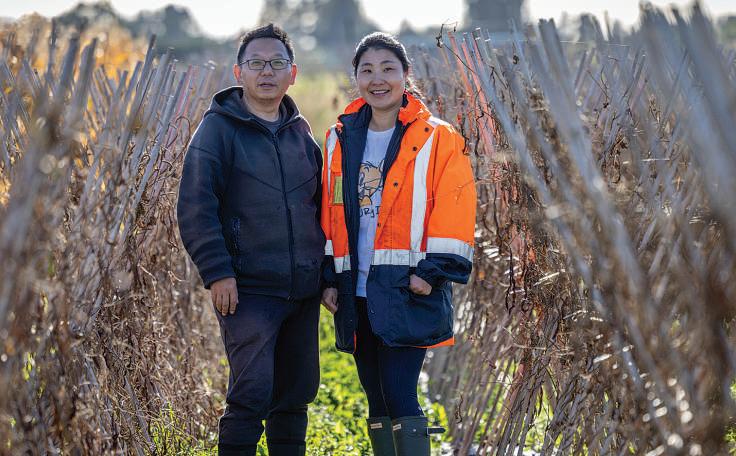
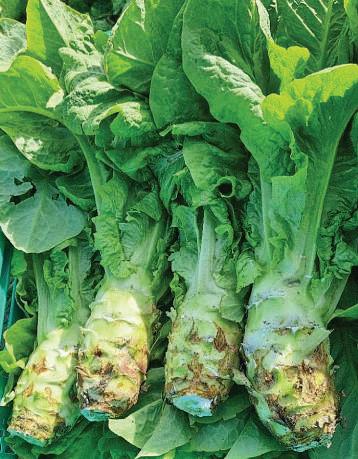
“Our prices are probably the ceiling in Christchurch. But I’m not fighting a price war – I’m fighting a quality war.”
They previously supplied Chinese supermarkets but ended those partnerships this year to focus on directto-consumer sales.
“Many Chinese supermarkets in Christchurch are too small and lack proper refrigeration for fresh vegetables,” Liu said.
“Our produce is spray-free, and sometimes has insect holes – but it needs cold-chain storage to stay fresh.”
Alice Garden now operates entirely through a single WeChat group capped at 500 active customers, with inactive users removed. “We don’t want ‘ghost’ followers,” Dong said. “Veges and fruit are regular shopping. If you haven’t bought from us in three months, it means our style doesn’t fit you – and that’s OK.”
Business is “pretty good,” she said, with deliveries made twice a week. They started
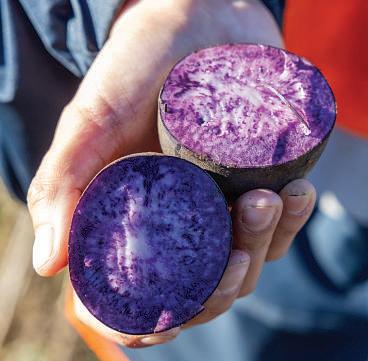
with Rolleston, Prebbleton and Lincoln, and have since expanded to Rangiora and Christchurch suburbs including Avonhead, Riccarton and Fendalton.
But the couple acknowledge the wider industry is under pressure, with Liu pointing to a sharp decline in small-scale growers, particularly those operating spray-free or organic systems.
“There are probably only four Chinese vegetable growers left in Canterbury. Mao Produce is the biggest, and the rest are just small blocks,” he said.
Because their own production is still relatively small, Alice Garden supplements its supply by buying spray-free and organic produce from a small network of local growers who share the business’ approach. “Small growers often struggle to
Inset: Purple heart potatoes are rich in anthocyanins the same antioxidant pigments found in blueberries and purple cabbage.
sell efficiently We have plenty of produce in local networks, but it can’t always be moved or sold efficiently,” Liu said.
“Instead of solving the supply chain problem directly, we want to find an efficient way to educate consumers about local produce and organic farming, and give growers an alternative channel to sell.”
For him, shorter supply chains are a necessity. The couple lost their entire baby pumpkin crop last spring due to sudden temperature swings.
“If there is another lockdown or transport crisis and local growers have disappeared, what will we do? We need to support local now – so they are still here when we truly need them.”
HortNZ chief executive Kate Scott says pressure from adverse weather events, geopolitical issues and rules and regulations makes growers’ jobs harder.
New Zealand’s growers are central to this country’s food security. Every day, they do the work of getting healthy produce onto the plates of families across the country and across the globe, and that role has never been more important Growers have always had to manage risk, from droughts and floods to the uncertainty that comes with working so closely with the land and the weather. But those pressures have intensified, making it harder and harder for growers to keep doing that essential job.
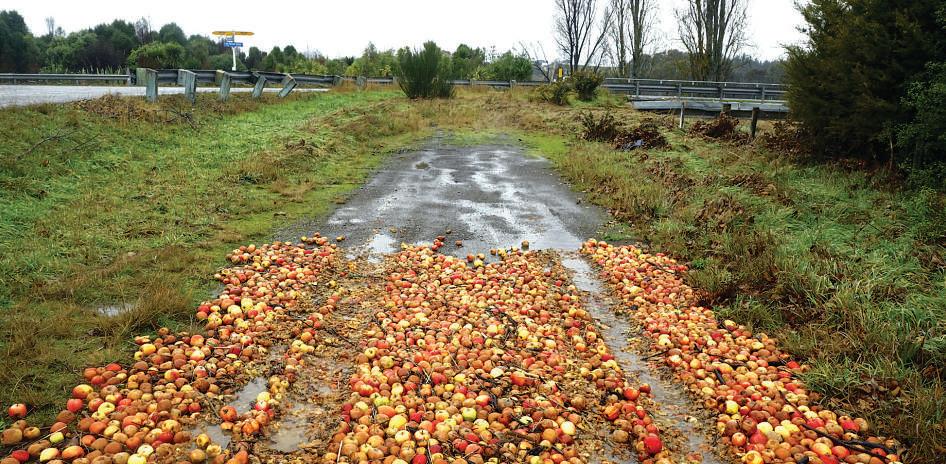
take a genuinely effective, co-ordinated national approach to supporting food production.
recently, conflict in the Middle East has again highlighted the risks that come with disruption to shipping, freight and global input markets.
We need to do the same, and in the case of vegetables, introduce a national direction for commercial vegetable production.
New Zealand growers produce about 90% of the country’s fresh vegetables. When that system comes under strain, food security is not an abstract policy issue – it is a direct threat to the affordability, availability and resilience of the food on New Zealanders’ tables. That is why the Government must

New Zealand faces challenges that many other horticultural nations simply do not. Our remoteness means we live with the tyranny of distance in a very real way. Because we are so geographically isolated, our sector depends on long, complex supply chains for the inputs it needs to keep producing food. Fuel, fertiliser and agrichemicals are not optional extras Without them, food cannot be grown, harvested or reliably delivered to market.
The pandemic exposed just how fragile those supply chains can be. More
At the same time, extreme weather events are becoming more frequent and more severe.
The implications for New Zealand horticulture are serious. If growers cannot access the tools, infrastructure and policy settings they need, productivity will suffer – and so will the resilience of our food system.
Australia has recognised the scale of this challenge and is developing Feeding Australia, a national food security strategy that is designed to strengthen the resilience and security of its food system.
Some vegetable growers are still facing unworkable regional plans that could leave them unable to secure a consent in areas like Waikato or the Horizons region.
Given that New Zealand can’t import the vegetables needed to feed our own people, it is essential for public health and domestic food security that vegetable growers can keep growing.
Providing for the supply of fresh fruits and vegetables in the goals of the respective planning and natural environment bills will help growers continue to produce healthy food to feed New Zealanders.


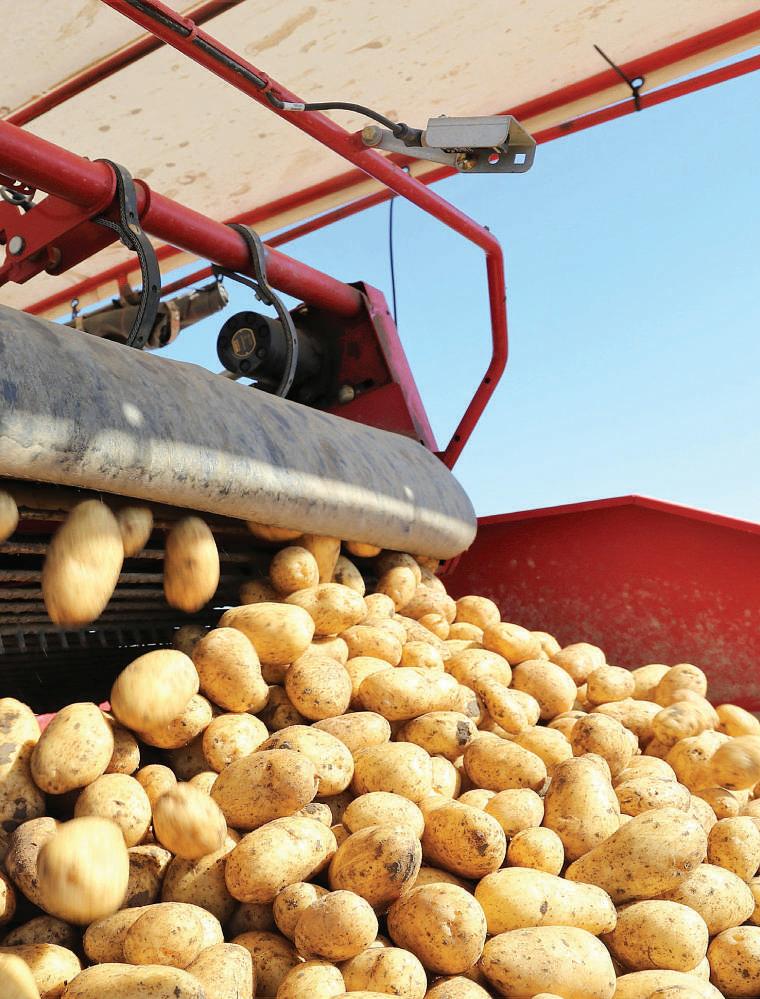
difficult harvesting conditions.
By Tony Benny
Faced with increasingly difficult harvest conditions year by year, large-scale Canterbury arable farmer Fairfield Farms has invested in two new generation combine harvesters – larger and more efficient than previous models – to make sure crops can be brought in on time.
The past summer in Canterbury has been unusually wet, said Fairfield Farms managing director Aaron Chudleigh, who’s also noticed changing weather patterns more generally.
“Our summers seem to be changing from dry, hot, 30C-plus days with regular nor’west winds. They were the traditional Canterbury harvest conditions, but now we’re into lower temperatures and I could count on one hand how many days we had over 30C this year and how many nor’westers on the same hand.
“So the window of opportunity to pick up our year’s worth of growing to finish
the job is narrowing and in a wet season like this one every extra minute counts,” he said.
After trialling a New Holland CR11 combine over summer, Chudleigh said Fairfield Farms decided to buy two of the machines, replacing the three smaller CR10.90s it had previously run.
“With the CR11, we can pick up two windrow rows at our normal harvesting speed, and in grass seed, it’s basically doing the work of two machines,” he said.
Fairfield Farms is a New Zealand familyowned operation formed six years ago on land previously attached to Silver Fern Farms’ Fairton meat works, just north of Ashburton, sold when the plant was closed down in 2020.
That 450-hectare block has since been expanded to just under 3000ha in Canterbury through buying neighbouring farms. A further 1200ha near Blenheim is primarily devoted to viticulture.



The Canterbury operation produces grass, clover, brassica and vegetable seed as well as processing vegetables (potatoes, carrots, peas and corn), which are supplied to the Seasons Best (formerly Talley’s) factory near Ashburton.
There’s also a significant store lamb and beef finishing operation.
“Our diversity allows us to manage the ups and downs of the arable operation,” Chudleigh said.
“We’ve had two tough years in arable, but some of our high-value seeds and processed veges are doing well and the livestock business has come up, with record prices for lamb and beef.”
While some Canterbury arable farmers are reportedly considering a switch to dairy to survive economically, Fairfield has no such plans, Chudleigh said
“We’ve had enough diversity to not need to head there. Don’t get me wrong, it’s something we think about but we haven’t gone down that track as of yet or into the near future.”
Chudleigh grew up on the local farm his parents worked on, but his first job was in agricultural machinery and then transport and logistics, where he stayed for 12 years. But he always had a passion for farming.
“Even when I was in my transport days, I’d still spend a lot of time going home to the farm where mum and dad were in summers and weekends and keeping a keen eye on what was happening.”
He had the opportunity to get back to farming when he was appointed managing director of the newly formed Fairfield Farms and oversaw the land purchase and expansion of the business. His background in logistics turned out to be valuable in his new role.
“I think you could say that apart from the technical piece of growing the crops and finishing the lambs, farming is a big logistics operation. You’re dealing with logistics whether it’s livestock, cropping
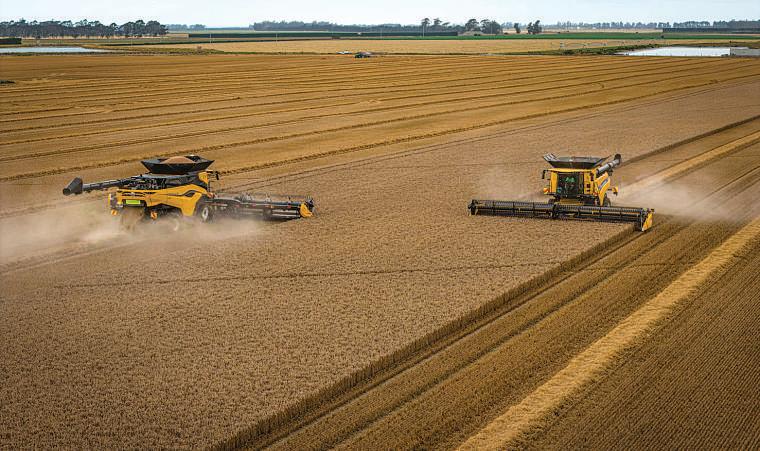
or machinery and arable is a big logistics puzzle. So there were some natural fits there.”
While the business’s scale and diversity insulates it from some of farming’s ups and downs, it still faces many challenges including changing weather patterns, rapidly rising input costs, compliance costs and volatile world markets.
“We’ve just come off two extremely challenging summers for harvest, which is our biggest income for the year off our arable crops.
“And we’ve got the war going on at the moment, which is driving fuel and fertiliser prices to record highs and compliance regulation is always a challenge.
“Most of what we’re dealing with is global commodity-driven pricing, so the rest of the world is not that interested

CM142isa next-generationepoxy-janthitrem endophytedeveloped by Cropmark Seeds.
High-yieldingpasture with reliable growth in winter andearly spring
Densetillering forpasture stability
Compatibilitywithmoderngrazing systems
Abalancedapproachtopasture persistence, insect protection andanimalsafety
So if youare lookingfor aperennial ryegrass with strong insect control, topanimalperformance andbackedbymarketleading genetics -you can’tgopastStampedeCM142.

if we have to spend another X amount per hectare on health and safety or environmental compliance.”
demonstrator for probably one of the toughest summers we’ve seen in Canterbury that I can remember,” Chudleigh said.
He was in the paddock personally trialling the CR11 when conditions were at their toughest. Across key crops he recorded the CR11 delivering about 1.7 times the capacity in wheat, 1.9 times in clover and up to 2.2 times in grass seed, while maintaining a clean sample and low losses.
“The biggest gains for us have been in the pickup work,” Chudleigh said.
The business relies heavily on machinery to grow and harvest its crops and with prices skyrocketing and seasons getting trickier, getting the right machine for the job has become ever more important
So in the summer just past, Fairfield trialled a New Holland CR11 combine alongside the older CR10.90s it had used for six years.
“Our harvest conditions are getting tougher year on year and we had the

“Around 60% to 65% of our vest is lifting windrowed grass, brassica and other small seeds, so I was really focused on how the CR11 coped with those heavy, highvalue crops on large pickup fronts.
“In a wet season like this one, every extra minute counts. There were times when the CR11 could go out 30 to 60 minutes earlier in marginal conditions, pick up two rows do a tidy job, which was the difference between getting a paddock done before the next rain or not.”
At the end of the trial, Fairfield Farms elected to buy two of the new machines to replace the three combines it had been using.
“Being able to sell three other machines helps the efficiency piece to try to make arable successful.
“And with less moving parts, lower maintenance and servicing costs, it all reflects as a lower cost per hectare, so the proposition was reasonably favourable.”
Scott Downs Director of sales and marketing
PF Olsen
Every day, ships leave New Zealand ports loaded with raw logs bound for overseas mills. Forestry remains one of the country’s largest export industries, yet much of the value-added processing takes place offshore rather than here at home.
As global timber markets evolve, perhaps it is time to ask whether New Zealand is capturing the full value of its forest resource.
Raw log exports have been an important part of the forestry sector for decades. Export demand, particularly from China, has provided strong competition for domestic processors and helped support forest values and harvesting activity across many regions.
The Chinese market has been especially important, with rapid urbanisation and construction growth driving huge demand for imported timber
However, China’s domestic timber supply is now becoming an increasingly important factor for exporters supplying that market For many years, imported logs and sawn timber dominated because economic growth pushed demand well beyond what local forests could supply. That is now beginning to change.
Following decades of heavy harvesting in northeast China, the government imposed logging bans in natural forests and invested heavily in plantation forests in southern provinces such as Guangdong and Guangxi. Those forests are now reaching harvest age and contributing
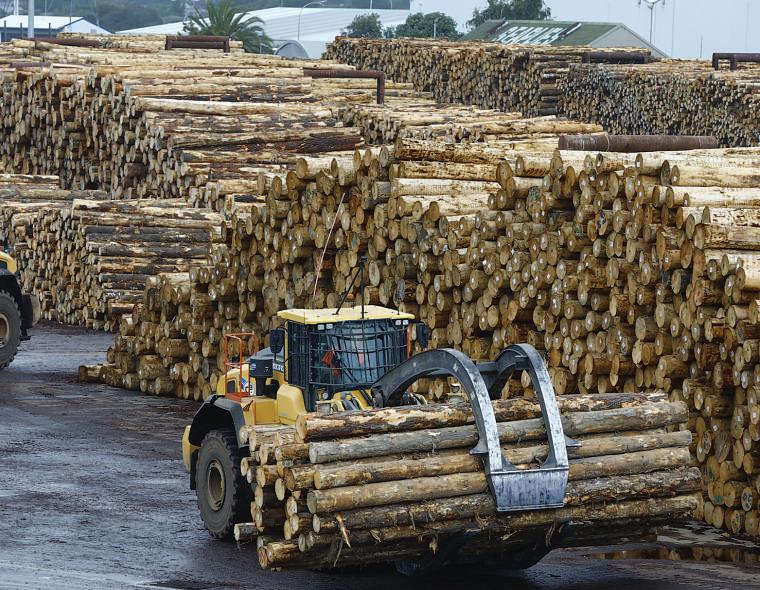
growing timber volumes to the market. China’s domestic timber production has increased significantly in recent years, with much of the growth coming from plantation forests. While large areas of eucalyptus are mainly used for pulp and panel products, substantial plantings of masson pine and Chinese fir are also increasing competition for imported softwood logs and sawn timber

Chinese plantations generally produce smaller and lower-quality logs than New Zealand forests due to slower growth rates, poorer stem form, and inferior silvicultural regimes. That means imported radiata pine is still likely to retain advantages in higher-value appearance-grade and structural markets. However, competition for lower-grade and smaller-diameter logs is expected to intensify as China’s
domestic supply continues to expand.
This raises important questions for New Zealand’s forestry sector. If lowergrade logs face increasing competition, should we continue relying so heavily on exporting unprocessed wood? Or should we focus more on creating value domestically through processing and manufacturing?
New Zealand grows some of the most productive plantation forests in the world, yet several domestic wood-processing mills have closed in recent years. High energy costs, labour shortages, regulatory pressures, and international competition have all made local processing more challenging. At the same time, we continue exporting large volumes of raw material and importing many higher-value wood products back into the country
There are significant opportunities in engineered timber, laminated products, biofuels, wood fibre, and low-carbon building materials. These industries create skilled regional jobs, diversify export earnings, and make better use of the full forest resource rather than simply shipping logs offshore.
Forestry has always been a longterm industry, and the global market is changing. China’s growing domestic timber supply is a reminder that New Zealand cannot rely indefinitely on exporting increasing volumes of commodity logs.
The future may depend more on how intelligently we process and market them. New Zealand’s forests remain one of the country’s great strategic assets The challenge now is ensuring we capture as much value as possible from every hectare we plant.
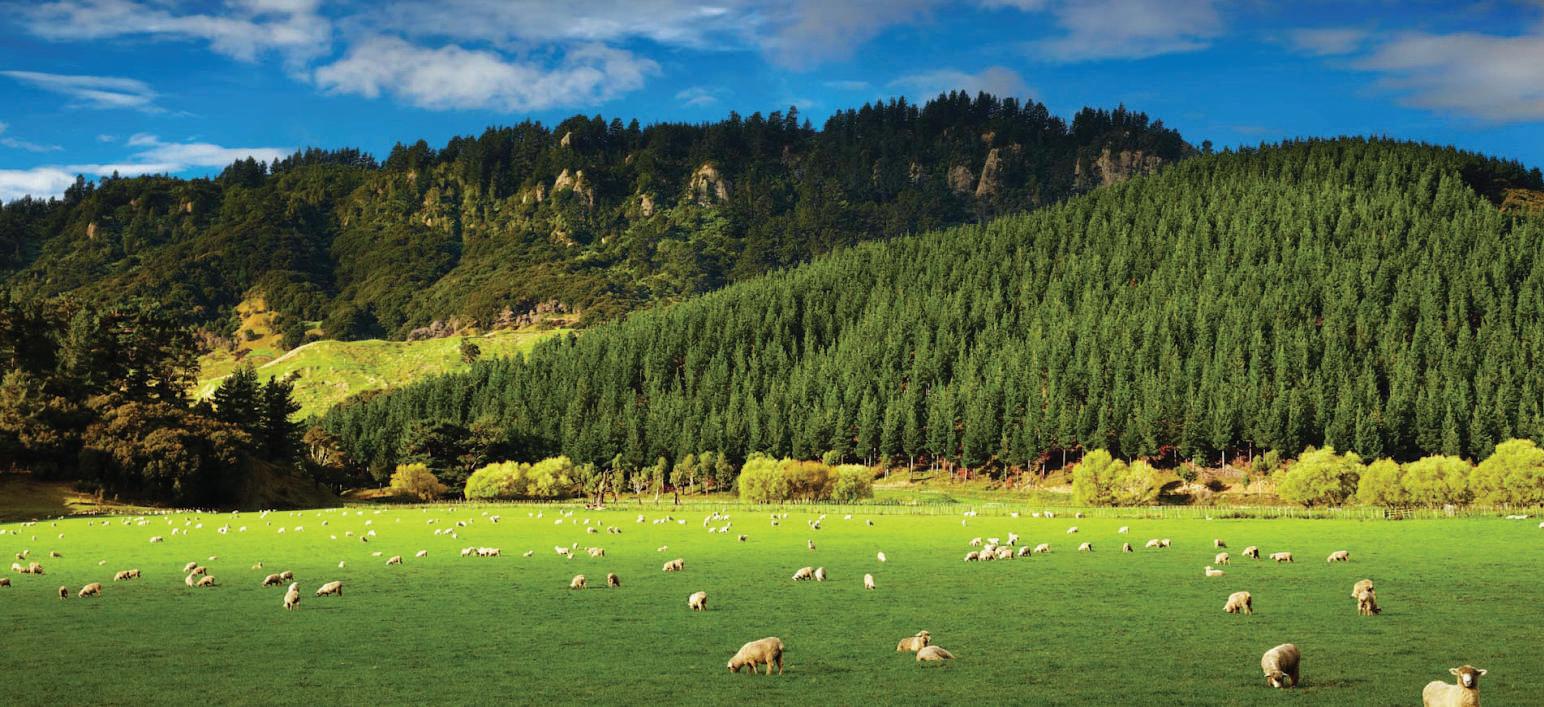
Tomorrow’s performance starts with whatyou feed your herdtoday. Fromcustomdairy blends andpellets,totailored on farm advice, we delivernutrition withmeasurablebenefits. Talk to your Nutrition Specialist nowtobuild your plan forthe season ahead.
Call0800287 325and askfor your localNutrition Specialist.
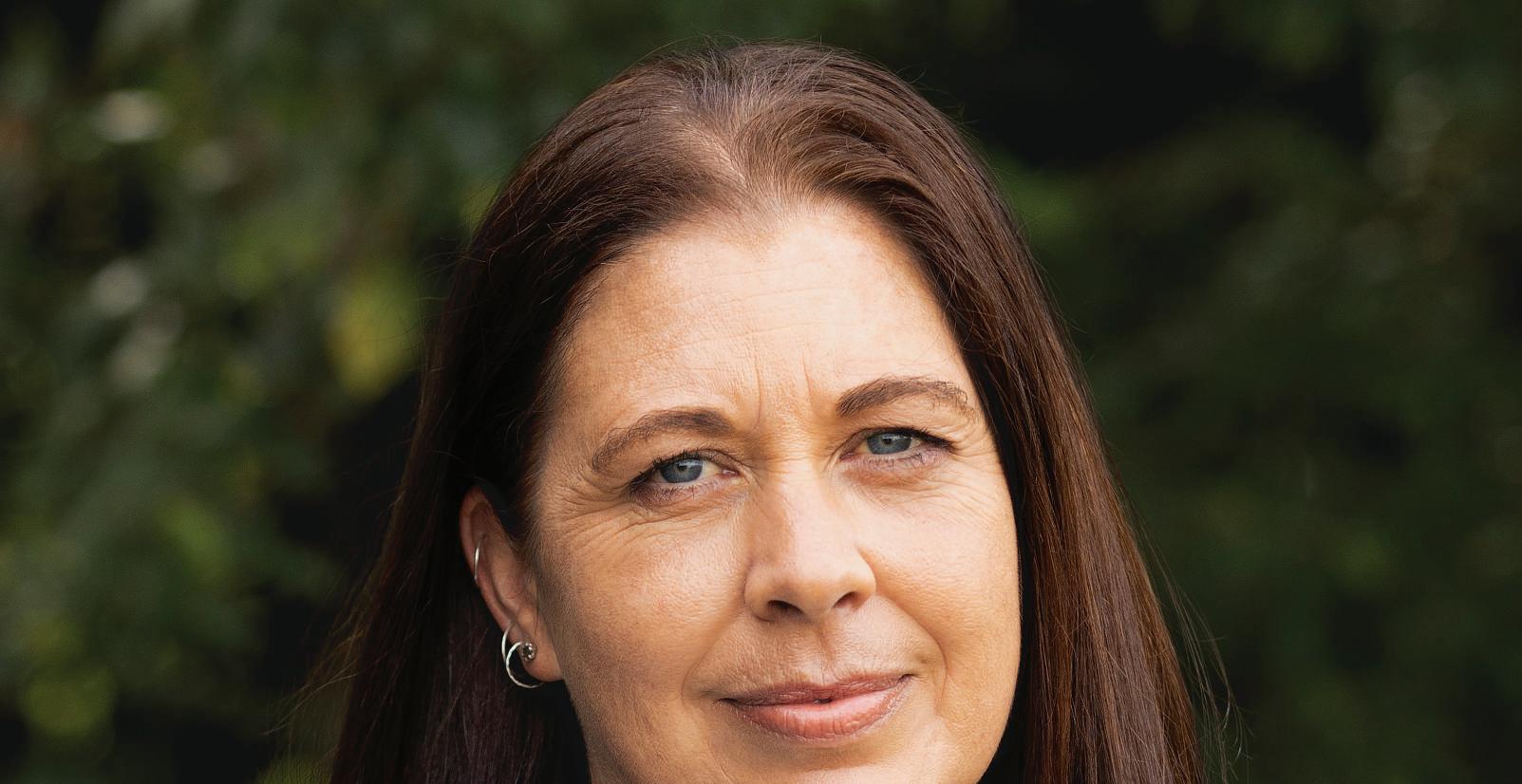


As the sector prepares for another production year, dairy businesses are facing a combination of familiar challenges and new change.
Labour shortages persist, robotic milking technology is being adopted at pace and environmental management reforms replacing the Resource Management Act (RMA) continue to reshape on-farm expectations.
All of this places renewed importance on getting health and safety systems right ahead of the busiest period of the year.
Calving season demands preparation, not reaction
Calving brings long hours, higher animal activity and intense physical demands for workers.
When systems are under strain, incidents are more likely to occur – particularly where fatigue, inadequate supervision or unclear procedures come into play
Preparing early allows farm owners to reduce risk before pressure builds.
Reviewing calving plans now means there is time to identify hazards, confirm roles and responsibilities, and address gaps in training or equipment availability. Once the season begins, opportunities to reset are limited.
Looking after newborns safely protects people too
Caring for calves is a critical part of early-season success, but it also introduces health and safety risks if carried out under time pressure or without proper controls.
Manual handling during difficult births, exposure to biological hazards and working in confined spaces all require clear,
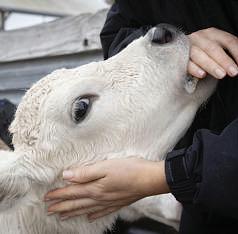
consistent approaches.
For dairy farmers, calving season is a known pressure point. While peak workloads are traditionally in August, the reality is that the most effective safety planning happens well before the first calf arrives, writes Peter McDevitt.
Well-planned calf management procedures should include clean, well-designed facilities, appropriate personal protective equipment and guidance on safe animal-handling techniques. Where mechanical aids or team lifting are required, these expectations should be agreed in advance – not improvised during peak demand.
Safe operating procedures must reflect real farm conditions
One of the most effective steps dairy farms can take ahead of calving is reviewing their safe operating procedures (SOPs). These documents are only useful if they’re practical, easy to understand and actively followed. Key areas to revisit are:
■ Animal handling and behaviour management;
■ Manual handling and lifting controls;
■ Procedures for assisting difficult calvings;
■ Isolation of aggressive or injured animals;
■ Fatigue management and break scheduling; With seasonal and new staff often joining
ahead of calving, induction and refresher training are essential. Everyone on the farm should understand not only what is expected, but why those procedures matter.
Technology supports efficiency –when risks are managed
Increasing numbers of dairy farms are investing in robotic milking and automated systems to improve productivity.
While these technologies reduce certain manual tasks, they introduce new types of risk that require attention well before they are relied upon during peak production
Workers need clear instruction on operating, cleaning and maintaining automated equipment, alongside robust lockout and isolation procedures.
Pre-season training and equipment checks help prevent breakdowns and injuries when time pressures are highest.
Environmental reform adds another layer of responsibility
Broader regulatory change continues to influence dairy operations, particularly around environmental management and
land use. While reforms replacing the RMA are still evolving, the direction of travel is clear – stronger integration of environmental responsibility into everyday operations.
For farmers, this has direct health and safety implications, especially around effluent management, chemical use and storage, and waterway protection. Addressing these risks early helps avoid compliance issues later.
Strong preparation
supports a strong sector
Dairy remains one of New Zealand’s most important agricultural industries. Protecting the people who keep farms operating through their most demanding seasons is essential to the sector’s long-term resilience.
At Peninsula, we work with dairy farm owners and managers to put practical, workable health and safety systems in place before pressures peak.
From reviewing farm-specific SOPs and training programmes to supporting compliance and worker consultation, our Health & Safety Advice team helps businesses prepare with confidence.
With calving season approaching, now is the time to step back, review systems and make sure your farm is ready for change. Preparation today can prevent incidents tomorrow – and help ensure a productive, safe start to the season for everyone.
Peter McDevitt is the head of Health & Safety at Peninsula New Zealand.
For further information or advice on health and safety and HR, go to peninsulagrouplimited.co.nz.


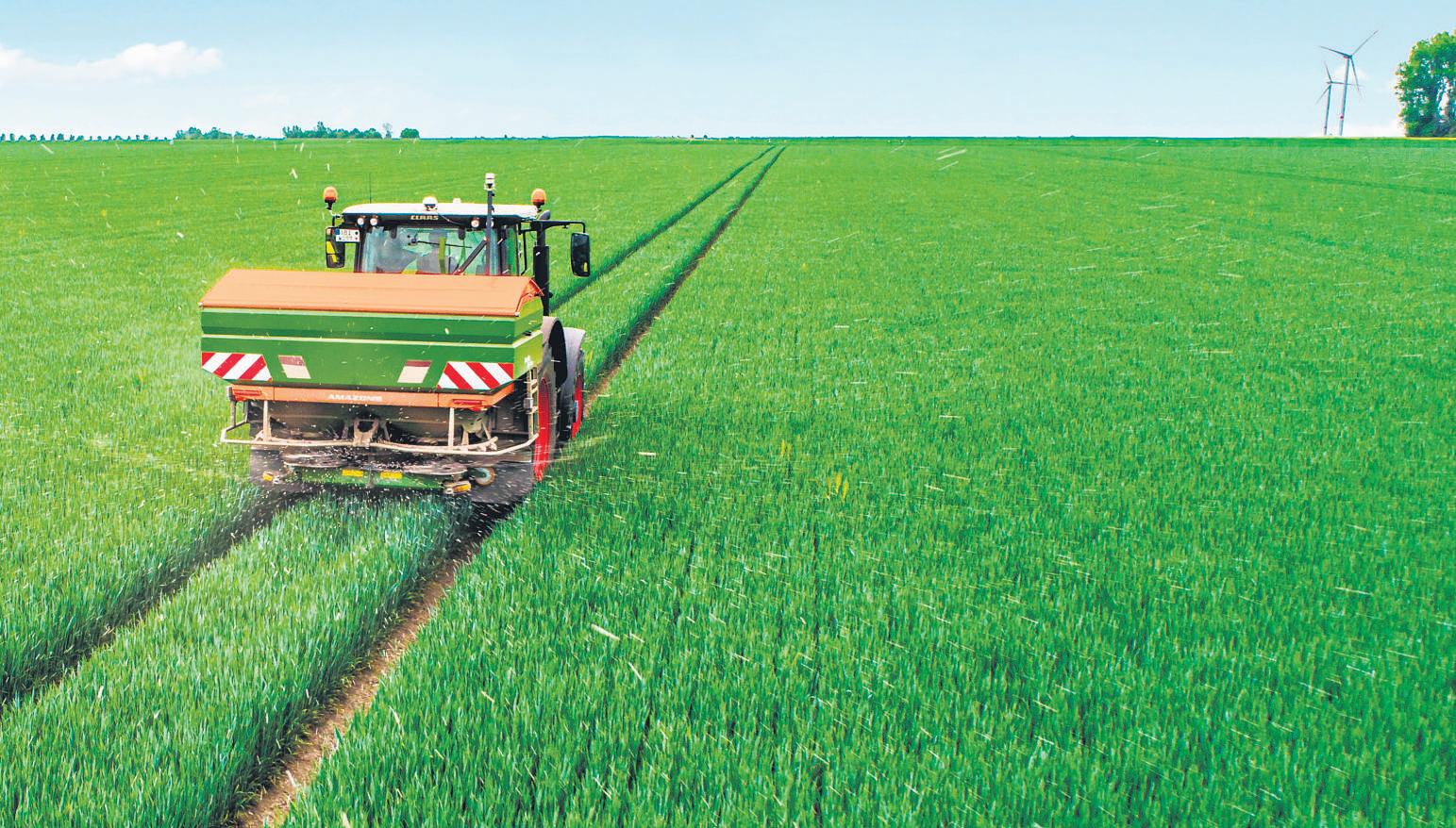


Speed and a momentary lapse in concentration resulted in a side-by-side rollover, which is now the subject of the latest safety alert from Safer Farms.
Fortunately, the vehicle was fitted with crash rollover technology and safety nets, and the farm worker was wearing a helmet and a seat belt, which helped prevent serious injury
The farm also had a GPS Safetrax alert system in place, which meant the worker’s team was alerted to the incident immediately and they reached the scene in 22 minutes, so the farm worker received care quickly.
Now the farm has shared the experience with Safer Farms, to be used as a safety alert to provide education from real-life incidents.
The worker was travelling on a downhill section of road when they lost concentration and drove too far to the left side of the road, where the vehicle bellied out and rolled over twice, landing on the driver’s side.
The worker was also travelling at 44kph, 14kph over the farm’s speed limit. They had a cut and bruising on the face, bruising from their seat belt, and had to take a week off work, but the personal protective equipment (PPE) and the fact that they were found quickly meant they avoided serious injury.
If the vehicle had been driven at the farm’s 30kph speed limit, the impact of the rollover may have been reduced even further.
Safety alerts can be downloaded as easy-to-read one-page handouts and shared with farm teams to promote discussions about safety.
This particular alert can be used to talk about key safety approaches, including:
■ Make sure you are up to the job when you head out on farm. Fatigue and distraction affect focus Stop, think and do the job safely.
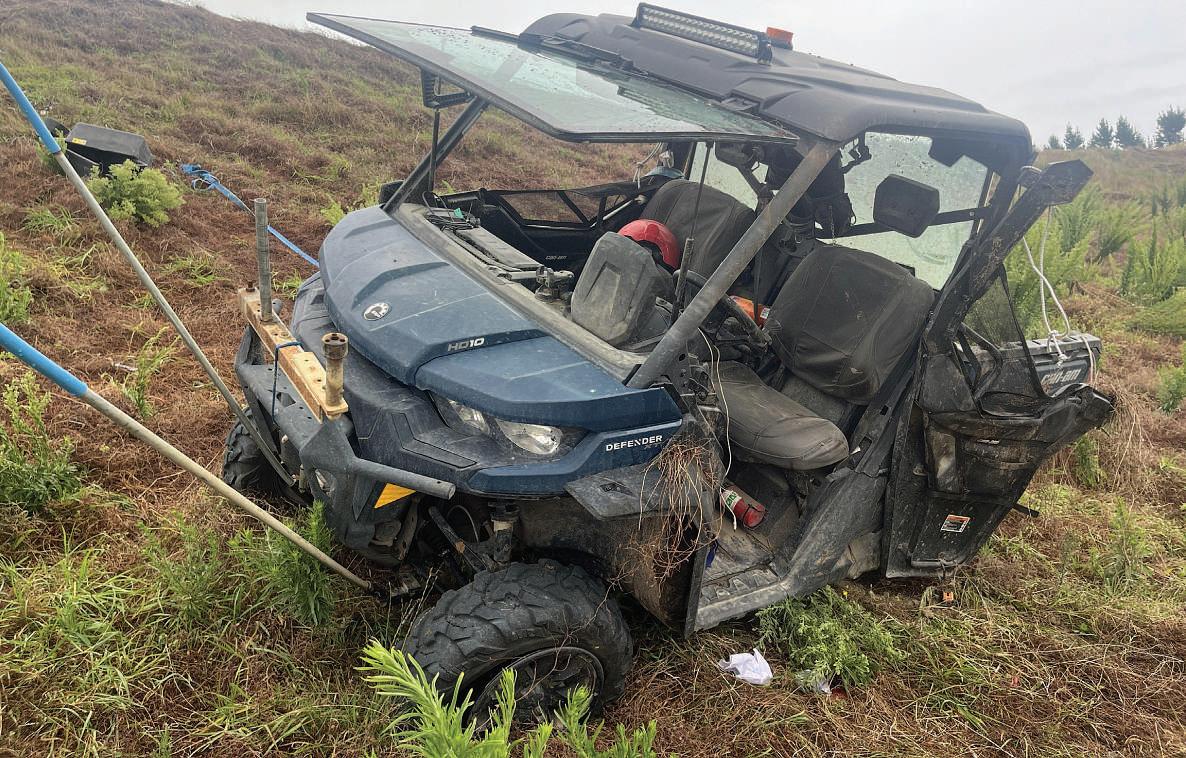
■ In this incident, having GPS tracking on the vehicle meant help got to the injured worker quickly. Investing in technology like this for yourself and your workers could literally be a lifesaver.
■ Other PPE (fitted and used) meant that the farm worker in this incident avoided serious injury. Measures included safety nets, a helmet and crash rollover technology. Make sure you and your team have and use the right PPE for the job.
Who are we Safer Farms is a membership organisation that recognises that the whole sector benefits from improved health and safety It brings together farmers and senior leaders from agribusiness, agricultural industry groups and government.
The safety alerts are real-life documented incidents and key lessons which have been provided by farmers, condensed into handouts that managers can use in safety discussions with their teams.
New alerts are added each month.
Safety alerts are a great way to learn from incidents that have happened on other farms.
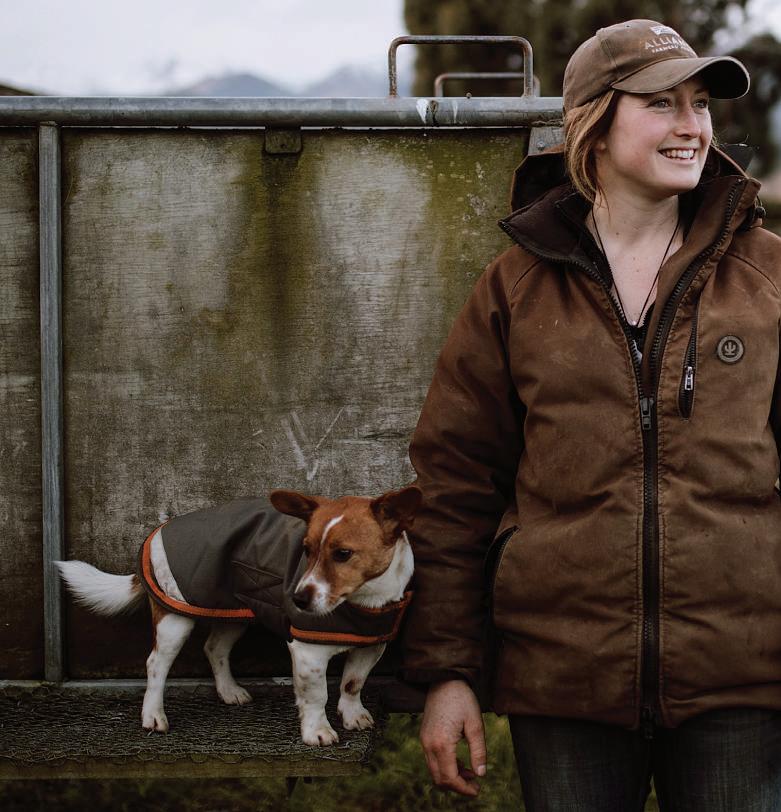
Ask yourself:
■ Could this happen on my farm?
■ What do I have in place to prevent this from happening?
■ How can I implement these learnings?
New safety alerts are added regularly to the website.
To download the latest safety alert for discussion, see others, or to subscribe to have safety alerts emailed to you, see: farmwithoutharm.org.nz/safety-alerts.
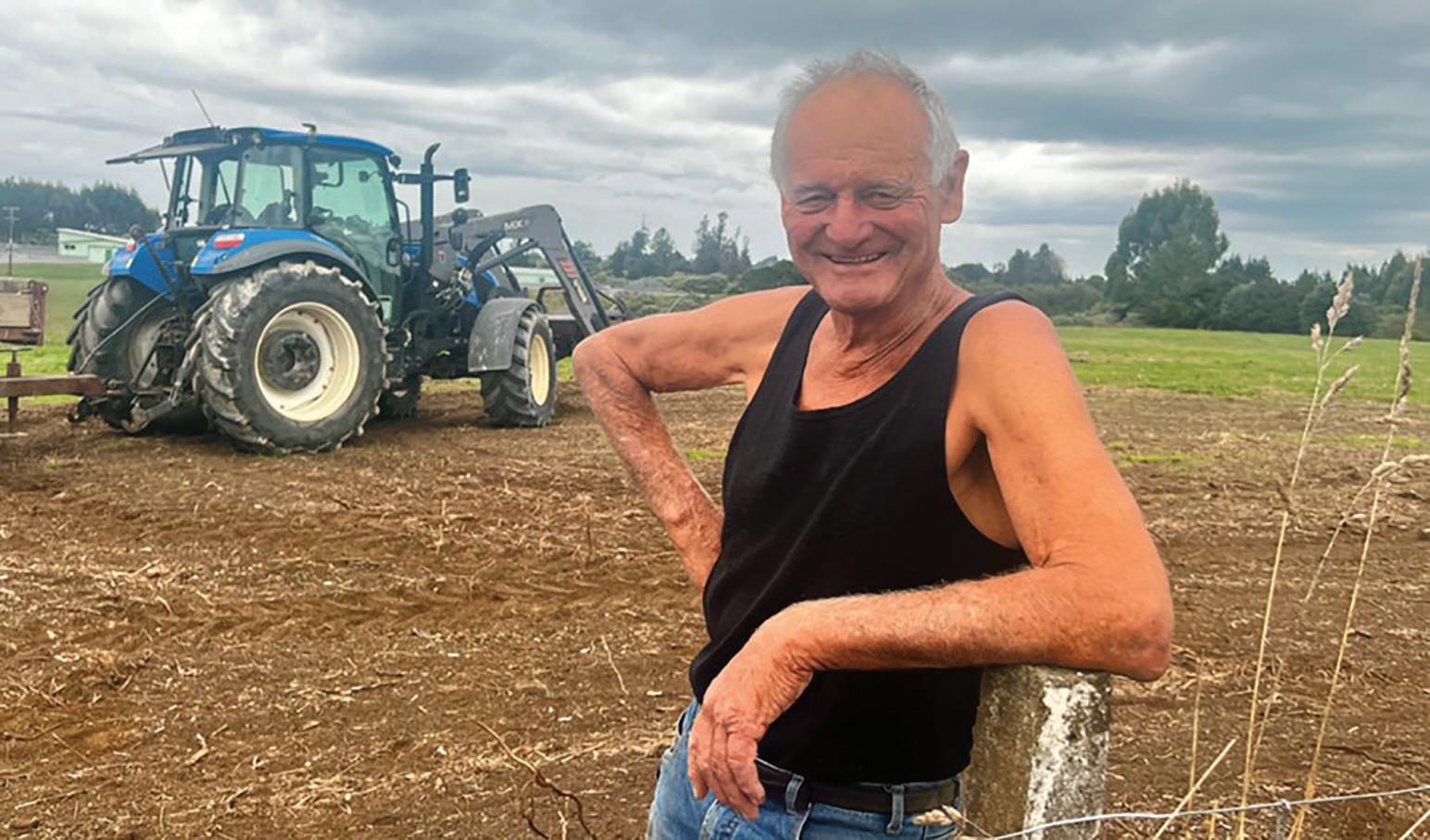
When you can’t tell whetherit’sthe John Deere or the old Masseyfiring up down the road, there’s afair chance the ears aren’t what they used to be Most Kiwi farmers are pretty good at looking after the stock, keeping an eye onthe weather,and knowing when amachine doesn’t sound quite right. But hearing?That’susually somewhere near the bottom of the list, right next to replacing that gate you’vebeen meaningtofixfor three years.
The thing is, farming’shard on yourears. Betweentractors, chainsaws, motorbikes, milking sheds, and barking dogs, there’s plenty of noise on the jobevery day.And hearing loss doesn’thappenovernight either.Itcreeps up slowly until you’re nodding along to conversations you didn’t actually hear, blaming the wind for missing half the chat,orturning the ute radio up loud enough for the wholedistrict to enjoy
Nearly one million Kiwis experience hearing loss, and plenty of them are blokeswho’ve spent years working outdoors and around machinery.Ifthe missus reckons you’re going deaf,oryou’re constantly saying “eh?” at the yards, it might be worth taking 15 minutes for afree hearing check at your local Triton Hearing clinic.
Afarmer from Taumaranui shared:
“My wife who always complained about myhearingmademetakethe test andsure enough it showed problems.I gota phone call referring me overto the Triton Hearing clinic in Taupo and pretty much got it all sorted. And now just waiting on ACCfor myhearingaid. Icertainly think my wifewill be super happy.”
As part of Triton Hearing’s, Better Hearing Guarantee,clients have access to
the very latest advancements in hearing technology -ensuring solutions are tailoredtoindividual lifestyles, environments and levels of hearing loss.
For farmers and rural Kiwis who spend time in noisy sheds, stock sales, community events or around machinery,the Phonak Audéo™Sphere is designedtohelp conversations stand out from background noise to make speech clearer and easier to follow,even in busy environments*.
For those seeking acustom-made solution,the Phonak Virto™R Infinio combines advanced sound technology with an ear-bud style design that workswell for active,hands-on lifestyles. Suitable for mild through to profound hearingloss, it delivers clear,natural sound without getting in the wayofdayto-day work.
Hearing technology has come along way from the clunky old whistle-andfeedback jobs people remember.These days they’re smart, discreet and built to handle real-world environments, including windy paddocks, noisy machineryand busy sheds.
At Triton Hearing, there’s no surcharge for ACCapproved clients on selected hearing aids. Plus Farmlands cardholders can get an exclusive 15% rebate
Because better hearingisn’t just about hearing clearly,it’sabout staying connected to your farm, your family and the life happening around you, from the milking shed, to the dinner table,and everywhere in between.
Call 0800 45 45 49 to discuss your hearing with the Triton Hearing experts or book your freehearing check online at tritonhearing.co.nz.
*Real-time AI means thatthe AI DNN (Deep Neutral Network) has been trained on sound samples to separate speech from background noisebyprocessing the audio signal in real-time.This approach is fundamentally different from the use of AI for sound or acoustic scene classification,which is used in current hearing aids in the market. The real-time AI signal processing is performed by the DEEPSONIC™ chip,which is included in the Phonak Audéo Sphere Infinio platform together with the Phonak ERA™chip

● June 3: Beef + Lamb NZ and Ballance Agri-Nutrients
Making YourFertiliserCount workshop,Otago
Grow more grass consistently through the season. Essential information and practical strategies on soils and nutrient management for sheep and beef farmers.
Info at beeflambnz.com/events
● June 3: Dairy Women’s Network and Agrihealth
Strong Start,Strong Future live webinar
Following a tough spring 2025 season, you’ll learn practical tips and tricks through real-life scenarios from New Zealand case studies, to inform and guide your 2026 season to success.
Info at dwn.co.nz/events
● June 3: B+LNZ
FarmerForum with MPAndrewHoggard,Northland Come and hear from Andrew Hoggard, Minister for Biosecurity and Associate Minister for Agriculture and the Environment Info at beeflambnz.com/events
● June 4: B+LNZ
Manawatū Farming forProfit afternoon session, Manawatū-Whanganui/ Wellington
Gain practical insights into alternative income streams, off-farm investment opportunities and making smart financial decisions for the future Info at beeflambnz.com/events

● June 8 and 9: Organic Dairy & Pastoral Group/Quorum Sense
Two-dayconference: Enhancing Dairy Farm Resilience in a Changing World
At a time of multiple challenges to farming – including changing weather patterns, fertiliser shortages and fluctuating input costs – farmers embracing low-input/regenerative/ organic systems have built-in resilience to these pressures.
Info at events.humanitix.com/ resilient-dairying
● June 9: B+LNZ and FAR Wormwise workshop for arable farmers,Southland
Learn how to respond effectively with strategies that go beyond routine drenching, including improved monitoring, pasture management and breeding.
Info at beeflambnz.com/events
● June 10: DairyNZ
Benchmarking forBetterFarming, Canterbury
Explore the latest Canterbury farm data and benchmarking insights to identify opportunities, lift productivity and profitability and help plan for the season ahead.
Info at dairyevents.co.nz
● June 10 and 11: West Coast Farm Plan Project Climate Adaptation workshop, West Coast
A new Climate Adaptation workshop that offers a practical, no-nonsense session designed to help you get ahead of the curve.
Info at farmplanningnz.corsizio.com
See us at Mystery Creek Field Days, Site C42.
● June 12, 18 and 19: B+LNZ Protecting YourPatch workshops, Brightwater,Hokitika and Darfield On-farm biosecurity is so much more than disinfectant tub washes of boots at the gate.
Info at beeflambnz.com/events
● June 16 and 18: Dairy Women’s Network and DairyNZ People Expo, Manawatū and Waikato Hosted by DairyNZ and Dairy Women’s Network, this year’s People Expo events are designed for dairy farmers who are thinking seriously about what’s next.
Info at dwn.co.nz/events
● June 17: DairyNZ Taranaki DairyEvent
The Taranaki Dairy Event is a one-day look at the future of dairy –covering emerging technology, sector collaboration and the dairy trade outlook, with keynote speaker Wayne Langford.
Info at dairyevents.co.nz
● June 17 and 18: B+LNZ Mastering YourFarm Financials workshops,Kurowand Geraldine
Together with the Farm Focus team, Beef + Lamb NZ has designed a workshop to help farmers understand their financial position.
Info at beeflambnz.com/events
● June 18: B+LNZ
Ladies’Long Lunch,Gore
Attend an inspiring Southern Ladies’ Long Lunch, featuring keynote
speaker Hilary Barry and an exceptional panel of women leading change across farming, business, governance and innovation.
Info at beeflambnz.com/events
● June 19: B+LNZ
Growth Performance Trial Comparing Beef on DairyGenetics field day, Gisborne/Hawke’s Bay
The first in a series of Dairy Beef Project open days about on-farm research that follows cattle from calves to finished animals over an 18-month period.
Info at beeflambnz.com/events
● June 25: SIDDC
SIDDC WinterFocus day
Benchmarking – Season in review, HawkEye Pro and pasture-based wintering systems explore and compare three different wintering approaches.
Info at siddc.org.nz
● Rural Support Trust
GrowUS Well – Rural Men’s Wellbeing Programme, various dates and locations
Grow US Well is a practical, wellbeing programme designed with tools specifically for rural men to build health and strengthen their mindsets
Info at rural-support.org.nz/events
● Primary ITO
Various dates and locations
Primary ITO will be holding several courses over the next few weeks. Info at primaryito.ac.nz
Registration is essential for many events. Check out the various websites for more events.






mor ss t effo
ltimate
Getm in les less e Berni is the extra-large wheelbarrow, engineered to last from aluminium andmoulded plastic, with a5 Year Guarantee.
ie’s e u large edone, ime, with rt Barrow
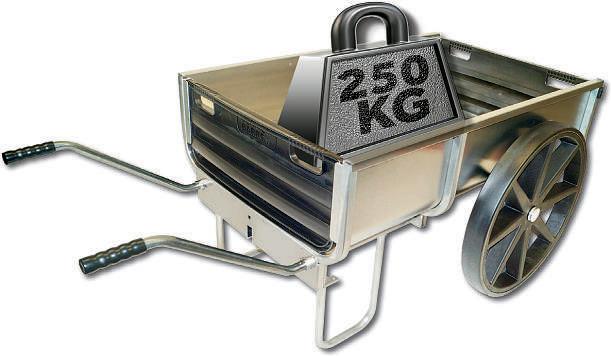
•Extra-large capacity– 4times standardwheelbarrow.

•Removableend panelstocarry long loads
•Ergonomically engineered forlightweight,easyand comfortablehandling.
•Ideal forfirewood, hay bales,buckets of calf feed, etc.
•Two largewheelsrolleasily even withheavyloads and no more flattyres!
•Tool-lessconversion to aride-on mowertrailer(optional).
•Flatdecktray(optional). Converts your Bernie’s Barrowtoa mobile workbench.
•Caddy (optional)clipstoeither side of your Bernie’s Barrow.
• Highsides kit(optional). Doubles thecapacityofyour Bernie’s Barrow
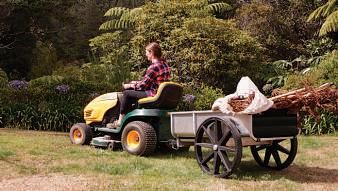

Whether you’re thinking about upgrades, expansion or ways youcan lift day-to-day efficiency,we’llhelpyou explore the rightsolutionsfor amore profitable and productive operation.
Talk to ourteamatthe FIELDAYS!
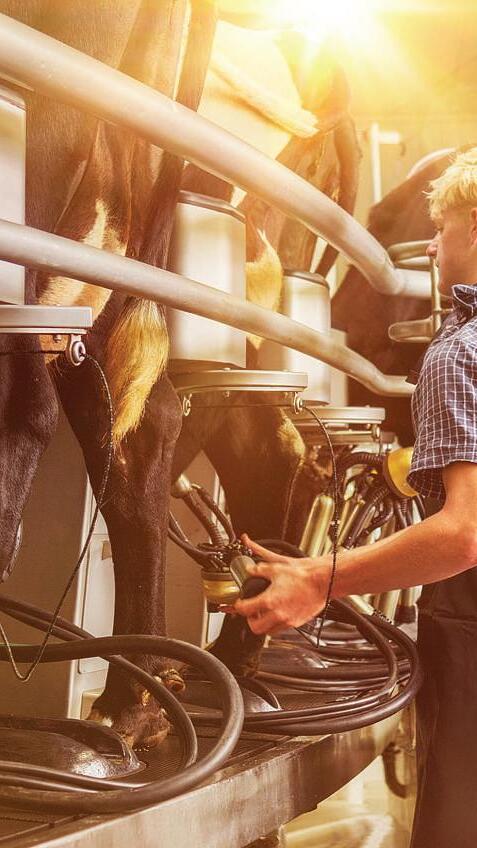








Robyn Stephens, a Te Rohe Pōtae King Country farmer and grandmother of nine, took up dog trials at the age of 59, following in her father’s footsteps, and at 76 is still working as a casual musterer. Here, she reflects on her connection to the past and how her whānau Māori has influenced her.
As told to Arpége Taratoa-Rangikura (Ngāi Te Rangi, Ngāti Raukawa, Ngāpuhi, Ngāti Rārua).
Photos by Maija Stephens (Rongomaiwahine, Ngāti Kahungunu Ki Heretaunga, Ngāti Rangi).
I’m Robyn Stephens, formerly Robyn Knight, and I grew up exactly where I’m living now. It’s quite a remarkable story, our farm.
My maternal grandfather was a Boer War veteran; he went to South Africa, taking his horses with him, and upon his return he was granted, or balloted, 73 hectares of land that was covered in fern.
He was in close contact with the original custodians of the land, and as a young bachelor, he’d share his resources with Māori still living there and they would share theirs; there was a mutual respect.
He eventually married and raised six children with my grandmother. My mum, Peggy, was the youngest, and she was very deeply connected to the land.
The others drifted off and got married, while she remained, marrying my dad, Les Knight, who was a shepherd in the district at the time. He was a World War II veteran, and they, in turn, raised six children – three girls, then three boys.
I think Dad was impatient to have a son, so he called me Bob. I was a tutū kind of kid, and my mum used to say, “Oh, Les, can you get this child out of my hair?”

So he took me everywhere – on his horse and in the old army jeep We would go shifting stock, fencing, and doing all the chores that you just did on a farm.
My sister Carol and I spent a lot of time with puppies, kittens, chooks and whatever else – just outside in the paddocks, climbing trees, exploring and just taking risks the way children used to do.
I was outside every day, and I still am,
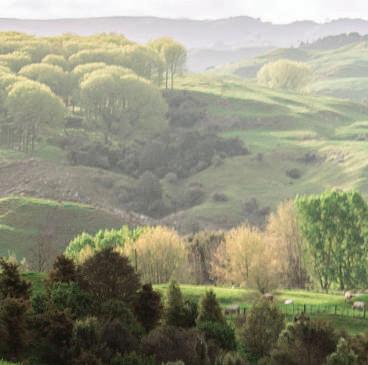
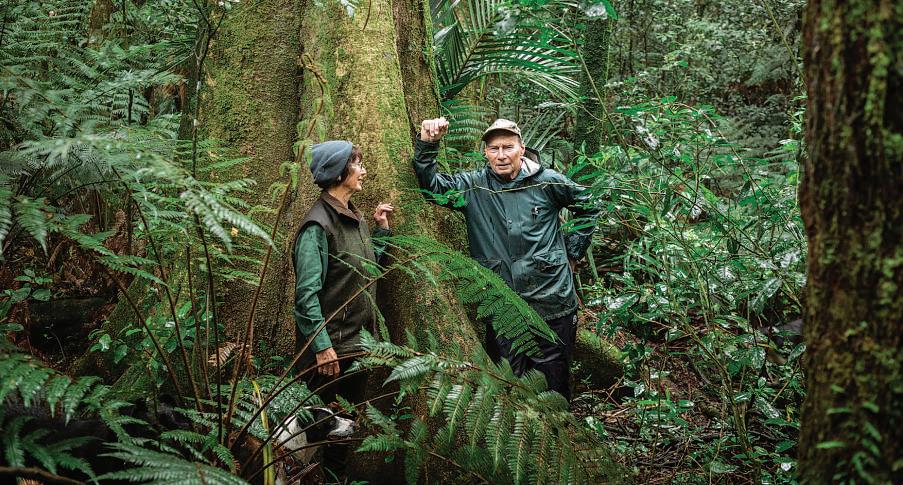
apart from when we have family visiting.
When my parents decided to sell the land in the early 1970s, my husband, Bruce, and I were sitting up in this bare paddock in the grass, and we thought, “Oh, wouldn’t it be wonderful to raise our family here?”

for them to learn the Māori language and culture, because that was something that had been lacking in my life. We’re Pākehā, but that’s just the way they grew up – they became immersed in it.
So we asked if we could buy 20ha before they sold. We gradually built it up and now have an 80ha farm, which is just a beautiful spot – north facing, looking down the Oparure Valley and out upon my parents’ home.
We raised our children – Scott, Lara (now Lara Hania), and David, known as Rāwiri – here They went through primary and secondary school in Piopio, and one of the things that was so important to me was to open the doors
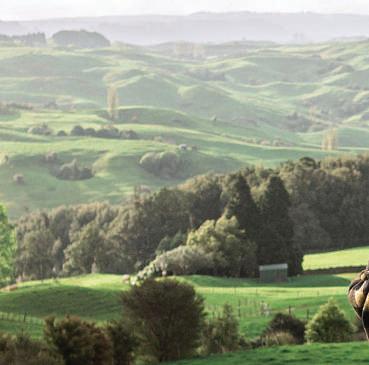

I remember there was a certain amount of criticism about my children learning the language, but it has enriched their lives beyond belief. All three learned it, but two of them are now fluent, and Rāwiri, our youngest, teaches te reo Māori at Karamū High School in Hastings.
Lara lives down in Māpua, Tasman, and is passionate and dedicated to the revival of te reo Māori. Both Rāwiri and Lara have married tangata whenua, so five of our grandchildren are of Māori descent, and they’ve taught us a lot.
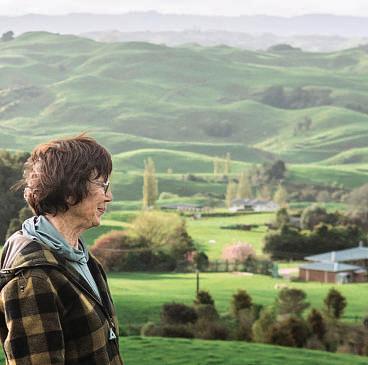

My grandmother lived with us when I was little. Dad passed away 20 years ago now, and Mum in 2017, but my children grew up right next door to them, and they were involved in their daily lives –very much so. Likewise, we’ve carried on that caring for the next generation. Rāwiri and his wife, Kristy, raised Maija and Quin, their two children, here – the family was living with us for 17½ years, which was very enriching for us.
My dad was a nationally revered dog trialist and champion. His kaupapa was always passing his knowledge on to younger people – there was a succession of visitors through our house. He passed on this knowledge freely in an era when his competitors jealously guarded theirs.
Likewise, I now have young people here all the time and try to pass on my knowledge.
Although I was working dogs on the farm, and I’d been training puppies from a young age, I didn’t take up the sport until three years after Dad passed away, because I thought people would expect too much of me.
I was pretty hopeless to begin with, but I had some very good mentors. It took me five years to win my first open trial
Since then, I’ve had a succession of open dogs – dogs that have reached the highest level of competition by winning a standard open sheepdog event – and have been qualifying for North Island and South Island New Zealand dog trials, which is quite awesome.
When I started, everybody came up to me and said, “Your dad gave me my first pup”, “Your dad is the reason I am farming today” or “Your dad helped me.”
It kept his memory alive for me, which was pretty wonderful, really. My mum was disabled with a very bad stroke in 2014 but lived on for another three years, and on my way home from a trial, I’d always call in to her home on the farm and talk to her about the people I’d met.
She’d gone everywhere with Dad, everywhere, and so she was able to relive that through me, too, in a way. Even though Dad had passed on, I’d be using his phrases, his whistles, his turn of phrase – which was sometimes a bit “blue” – but it all just came flooding back I hadn’t actually gone to trials specifically with him, and I had to learn all over again I’ve watched his videos, read his book and taught myself along the way.
For the last five years – since the King Country joined the Growing Future Farmers scheme – I have been one of two pup-training tutors. Students get a heading pup in the first month on farm and, depending on progress, they get a huntaway pup by August.
We meet the students every two to three weeks for formal pup training, and I often give individual lessons at home to build the students’ confidence in handling their pups. They learn about caring for and forming a bond with their pup, and the importance of regular training and maintaining consistent control.
The pups learn how to balance and handle stock with care, learning specific commands to seek out and gather stock
stop, go left or right – and how to drive stock away. Most students graduate after
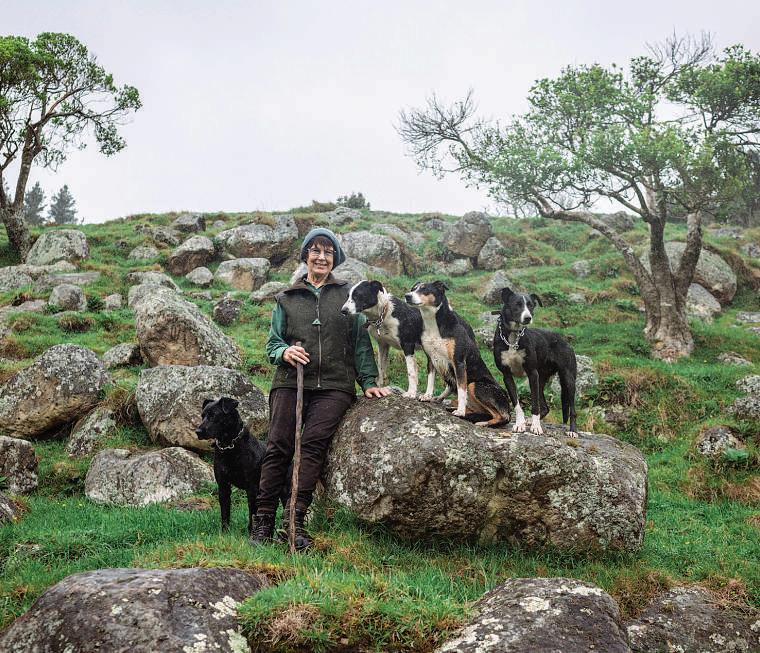
“After
“
When I started, everybody came up to me and said, ‘Your dad gave me my first pup’. ‘Your dad is the reason I am farming today.’
Robyn Stephens
two years, with two broken-in dogs, ready to begin full employment.
I’m really fortunate that I’m still fit and physically able. I take my part on the docking chain when I go down to Paparata Station. After mustering large mobs of
ewes and lambs, I take my place in a group of six to eight people. I usually pull the lambs into the roller docker and apply Scabine to prevent scabby mouth. No lamb-lifting for me these days!
At other places, I’m just the musterer. It’s usually at crunch times of the year that I go, and I’m fortunate to still be invited. I usually have either a motorbike or a side-by-side, and my dogs all pile in the back. And depending on where you’re working, you may or may not have a radio telephone.
At Raupuha Stud, I’ve been going there often enough now that they can give me any instructions and I know where all the paddocks are and I can go off on my own.
But when I go to Paparata, I stay down there for a week or so with the manager and his wife, and I usually work in a team.
It’s really pleasurable – when you’re out mustering, you’re completely lost in the moment You’re just concentrating on what you’re doing. And it’s, for me, the
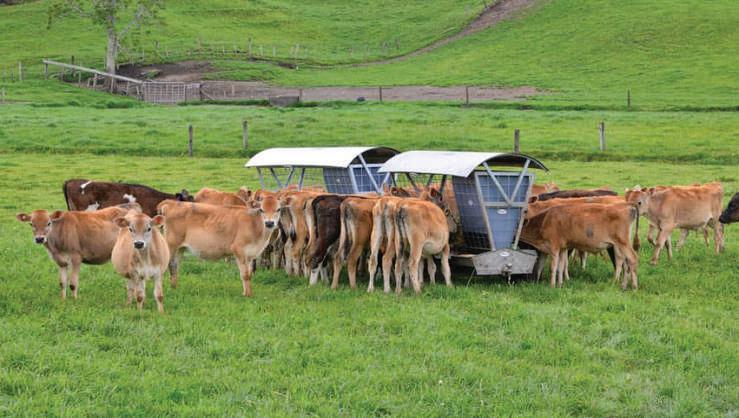
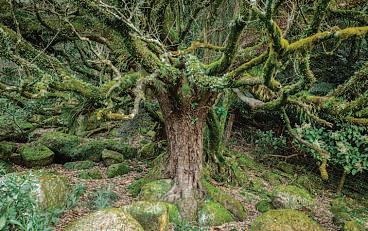
most satisfying thing in the world to do.
As I grow older, I can pick and choose –now, if I have family come to stay, I would say, “No, I’m not available.”
I’m very fortunate that way, but I’ll still go as often as I can.
My husband is a retired secondary school principal, but in the 1970s, he taught himself to shear, fence and do all the physical chores on a farm, and he still does – he’s out all day, every day. So he’s as immersed in the land as I am.
He’s been so supportive of me and he doesn’t mind me going away – he’s built my dog kennels, built containers for the back of my ute, kept the home fires burning when I’m gone and looked after any dogs that are left behind. He’s a remarkable person, really.
It was always my dream to come home – it’s where I live; it’s beautiful rolling country. This particular piece of land is very loved by all of the family – it’s still a wonderful nest or meeting ground for everybody, and those family reconnections are just so valuable. It’s what my husband and I value the most.
Glossary Kaupapa, purpose.
Mangeao, native tree.
Pā, fortified village.
Tangata whenua, Indigenous people. Tawa, native tree.
Te reo Māori, the Māori language. Tutū, mischievous, curious. Whānau, family.
This story appears in the Ngahuru Autumn 2026 edition of Shepherdess magazine. Find this issue in supermarkets, dairies and specialty book and design stores across the motu. Subscribe and order your copy online at shepherdess.co.nz.


Ouruniquerange of feedersprotect feed from badweather andensureyour stockhavefeed when they need it. We have arange of sizesand typestosuit everyone’s needs.
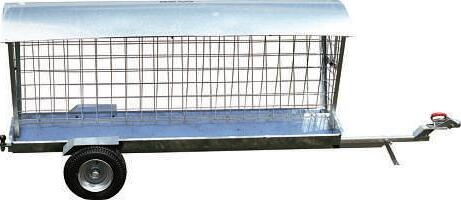



Meal Feeders • HayFeeders • PK Feeders
• ATVTrailers • Motorcycle Trailers Visitour websitefor ourfullrange or seeusatthe FieldDays F20




Charlotte Graham
Turning 100 years old is a milestone that not many reach, but Tui Trow says there are no real secrets to getting there other than living a “hard but happy” life.
Sharp as ever, Trow recounted a life well lived. But it was one not without its trials, having lived through World War II, multiple polio outbreaks and working on the land for much of her life
Trow celebrated the occasion on April 5 with family, good food and a cutout of Queen Elizabeth II. The celebration was made doubly special as it coincided with Rural Women New Zealand’s centennial celebrations.
Trow is the organisation’s oldest member and has been part of Rural Women New Zealand since 1964, when she joined the Women’s Division of Federated Farmers in Kihikihi and later became part of its Te Rahu branch, serving as president for “donkey’s years” at both places
She’s a rural woman through and through, having spent much of her life on the farm and milked dairy cows until she was 79.
Originally from Richmond in Nelson, Trow, then a Burnett, came to the North Island when she was 11
“I was a farming girl right from the start. My father was a farmer and so I came up to the North Island in 1937 My father had his farm for seven years and he’d had seven years of bad luck.”
A polio outbreak sealed the decision with Nelson crawling to a halt as shops, theatres
and schools shut. The family of five packed up and jumped in their new Austin car to make the drive up to Ōpōtiki, where a family friend was in need of a milker.
The drive itself was a “horrendous” one, with the car’s radiator overheating in the Waioeka Gorge and them having to boil the billy up every morning for food. The family settled and Trow went on to attend Woodland School.
“When I first started there, a taxi would come for the children; it was an old Chevrolet car. It was fairly big, but there were 17 of us jammed into it; we were four wide in the back and piled on top of each other.
“We were first on the pick-up in the early morning and last to get home at night around 5pm.”
The family stayed there for three years before her father took over a dairy farm in Putāruru. Trow finished her schooling at the local college before leaving at 15
“It was during the war years and my only teacher was pregnant with her second child and used to come 1½ days a week. Mum said ‘well, you’re not learning anything at school, so we might as well find work for you’.”
Trow worked as a typist for a local solicitor for 18 months before she became unwell.
After a short recovery, her father sent word for her to return to the farm. By that time, the war was in full swing and young women were working as land girls, but her father couldn’t afford to pay for labour.
Trow recalled hearing the familiar beat of soldiers’ boots on the roads as they marched in the night from Tirau to Putāruru.
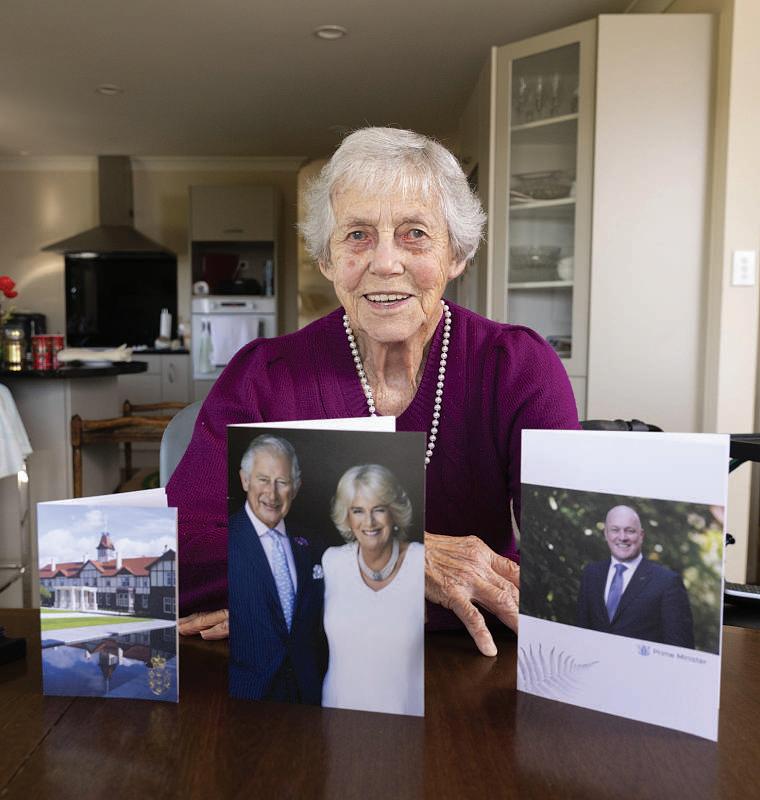
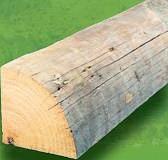

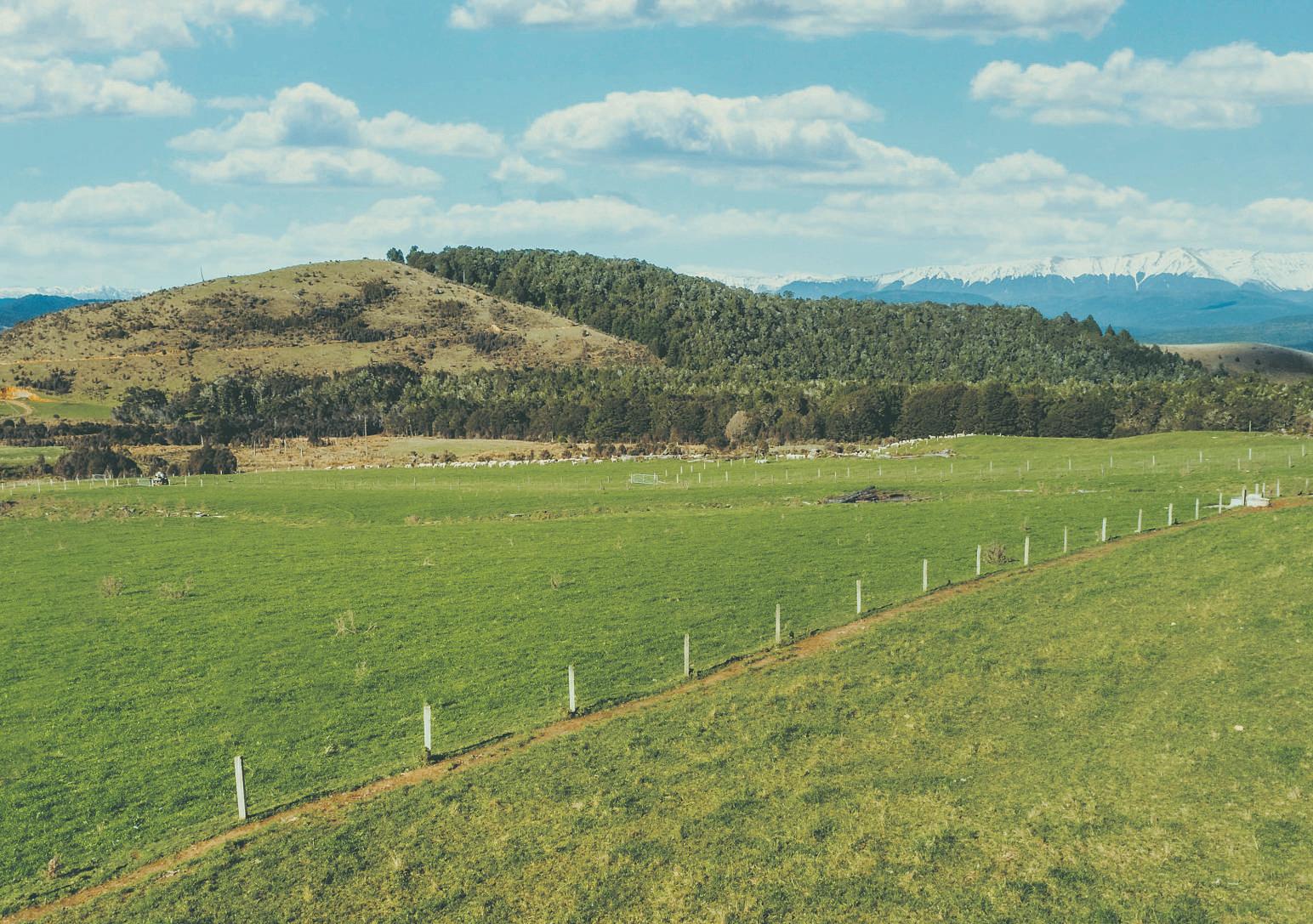




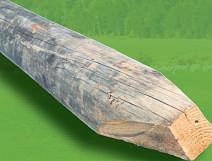



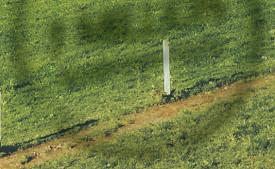
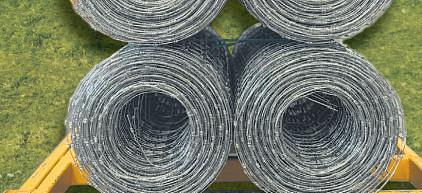
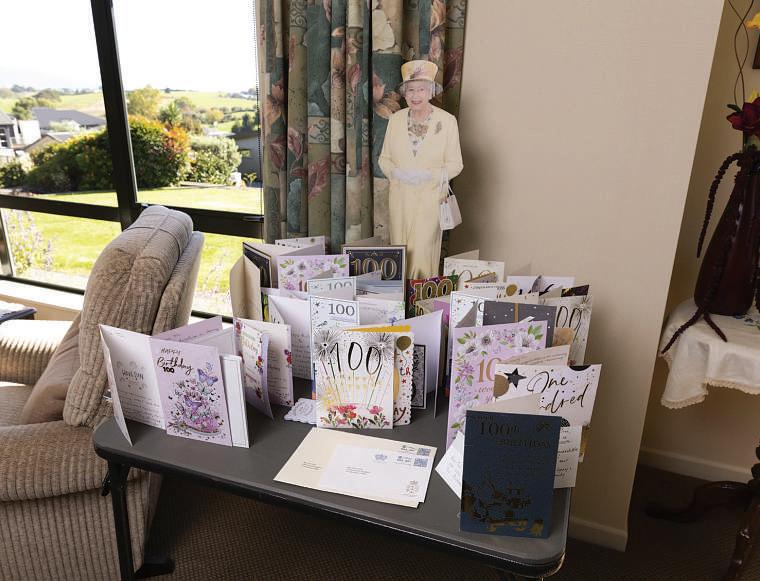
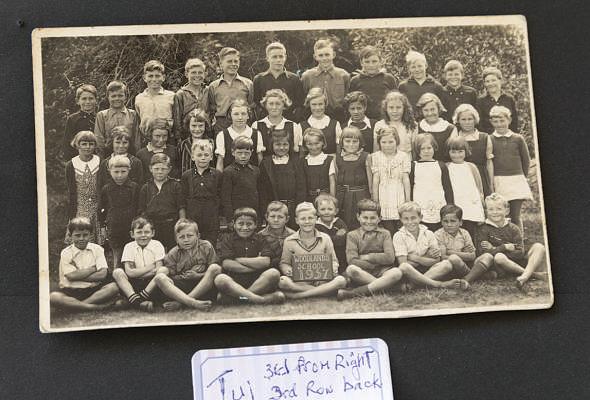

The family had about 40 cows, as well as pigs they fed the skim milk to.
“To do the haymaking, we only had a pitchfork and we had to go around on New Year’s Day turning the hay because we had such wet weather. We had nothing mechanical, just horses and a sledge.
“I used to get up in the morning and make sure Mum and Dad were awake and make them a cup of tea. Then I’d walk off looking for the cows in the dark.”
Trow left shortly before she was 20 to train as a nurse at Waikato Hospital.
Not long after, another polio outbreak started. She said they used to apply hot blankets to patients to try and stop paralysis.
“I was in charge in the children’s medical ward at that stage and the first case I saw was a little 3-year-old boy from Mangakino.
“He got out of bed in the middle of the night and came running down the passage looking for his mother. So I just picked him up and carried him. I said ‘well, if anyone’s going to get polio, I will’, but I didn’t.”
In her four years there, Trow won a silver medal for nursing. After finishing her training, she and a friend went to Nelson for a month to pick raspberries and thin apples.
“We used to have a lovely time singing all
day and we were right by the stream so when we got too hot we’d strip off with our togs underneath and go swimming.”
With no power at the property, they used coal burners to cook and lived on raspberries for breakfast, raspberry jam for lunch and more fresh ones at tea-time
At 24, Trow got a letter from her then boyfriend, John Trow, a former patient of hers at the hospital, asking her to come back and marry him: so she did.
The couple were married in 1950 and would stay together for over 60 years and have three children.
The couple sharemilked on his parents’ farm at the foot of Maungatautari Mountain. During this time, Trow had their first child and continued milking and prepared large roast lunches for the 12 men who would come help at haymaking time
“I love farm work and the animals, but I’ve always been happy with everything I’ve done.”
Finally, they settled on St Ledger Rd just outside Te Awamutu and farmed there for about 41 years until they moved into town in 2006 They milked about 260 cows on the 160-acre property.
She continued to work on the farm, as well as raise kids and work with Rural Women New Zealand.
Over the years, Trow has experienced a few scares with polymyalgia, heart issues, bronchitis and had rheumatic fever and hepatitis as a child, but she keeps trooping on.
“I think it’s in my genes. My mother lived to 103 I’ve just always had good friends, been cheerful of nature and lived plainly with lots of fruit and vegetables.
“I just take it day by day now and so far I’m here. I’m so much better since Christmas when we didn’t think I was going to make it home.”
She’s still living in her Te Awamutu home and is up at 6.30am every day with the daily paper.






Skip the jetlag – Monarto Safari Resort delivers giraffes, game drives and golden-hour G&Ts just an hour from Adelaide, writes Ivy Carruth.
The giraffes appear at eye level while I’m chin-deep in the spa, and my god, their eyelashes. Why can’t I have a flutter like that? The floor-to-ceiling glass that divides us frames them as an animated canvas, all vertical ambition and, in spite of their size, awkward vulnerability.
Monarto Safari Resort is still dusting off the new-hotel halo after opening to the public in May 2025. Its glamping tents, called The Lodge, opened in April this year.
An upscale Journey Beyond property, this marks the first time visitors can stay overnight (and in style at that) right beside Monarto Safari Park’s Wild Africa precinct, an hour from Adelaide. So what if you could experience an African safari without the punishing flight across three time zones?
Here, you can, and it’s complete with the dust, the wonder, the heat and the wildlife that makes your heart skip a beat or two.
Size matters
Let’s start with scale, because Monarto Safari Park is genuinely colossal. Covering more than 1500 hectares, it’s Australia’s largest “zoo”, and the world’s largest open-range safari park outside the wildlife mother ship – Africa.
You could fit all of Australia’s major zoos inside it with room to spare. It’s a grassland that stretches to the horizon, populated with animals that actually have the space to behave like they’re in the wild.
The resort life
The resort itself has been designed with a tenderness to the environment and sightlines in mind.
A generous waterhole directly in front of, though a respectful (for the animals’ sake) distance from, the main common area acts as nature’s cocktail party. It’s visible from the restaurant, both pools, the spa and the deck.
Giraffe and zebra regulars. There’s also delightfully confused ostrich who has apparently decided he’s a plus-one to the giraffe gang, having chosen them as his family. Where they go, he goes.
About those pools: there are two, and one is adults-only, which is a BIG yes for me in this super family-frien sanctuary.
I’ll be honest, thou By the time you visit they have added more shade. The South Australian sun is no joke, and while the views are spectacular and the water is refreshing, a bit more shelter wouldn’t go astray.


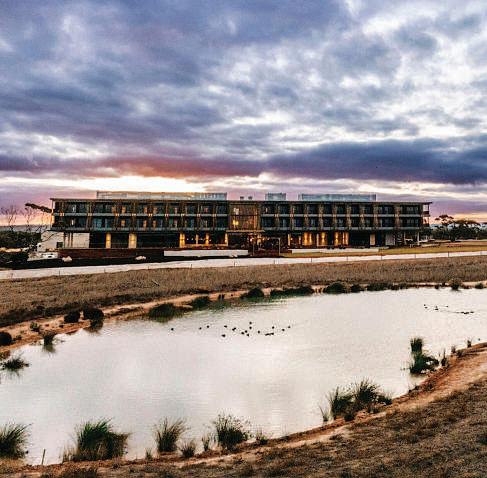
But the Marula spa? Pure magic
There’s a languor about it, as there should be. After my massage, I make the most of my now-elastic limbs in the Soak House, alternating between the hydropools. The extremes in temperature do wonders for my energy level, a perfectly timed jolt before I climb into a safari vehicle at golden hour for my sunset game drive.
The drive-through safari is the main event, and the commentary is genuinely
Fact file:
Rooms at Monarto Safari Resort start from A$340 (NZ$412) per night.
See: monartosafariresort.com
Getting there: Air New Zealand and Qantas fly non-stop from Auckland to Adelaide, while Air New Zealand also flies from Christchurch.
See: airnewzealand.co.nz; qantas.com
Monarto Safari Resort is 70 kilometres from Adelaide Airport. Journey Beyond offers transfers, or you can hire a car at the airport.
Best time to visit:
A year-round destination, though South Australian summers (December to February) can be remarkably hot. Autumn and spring offer comfortable temperatures for safari activities.

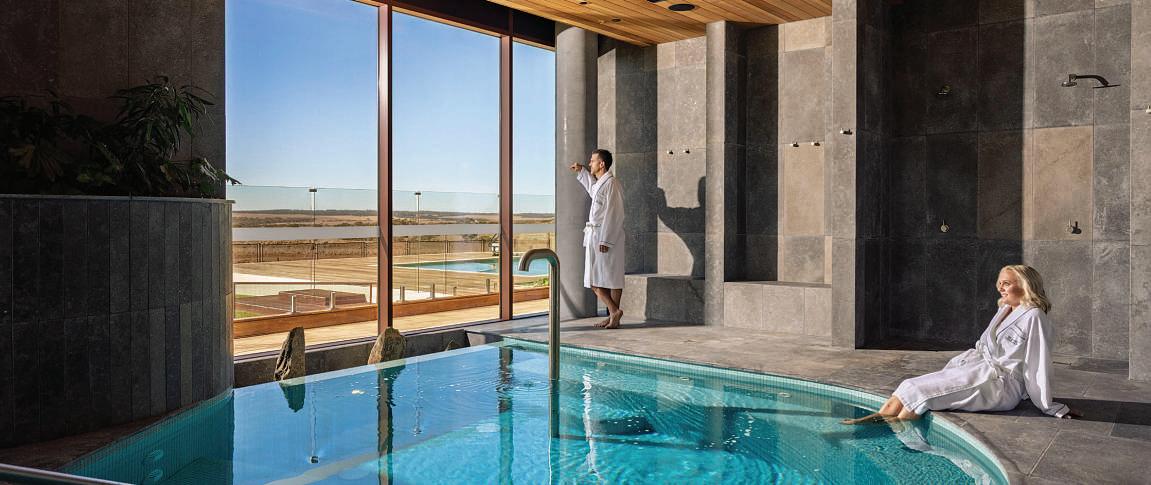
excellent. Our guides, Mikayla Amy, are knowledgeable being dry, taining without dumbing things down.
We plod along, with windows thrown back, and the occasional fly finding its way into someone’s gawpedopen mouth, as we roll past antelope and scimitar-horned oryx grazing.
Hot tip: Pack the binoculars thoughtfully placed in your room. Trust me on this.
We spot barrel-bodied hippos in one of the watering holes, and a few tense-muscled cheetahs who give us a suspicious side-eye.
We learn that Barbary sheep can stand motionless for up to six hours to hide in plain sight Zebra, in their spectacular streaks (did you know they’re black with
white stripes, not the other way around?), are like optical illusions with hooves.
But one of the most moving sightings is of a southern white rhino, with its prehistoric body plates and, importantly, a gloriously intact horn – probably the closest I’ll ever come to seeing a unicorn.
The elephant in the room
This isn’t entertainment dressed as education. Monarto is doing serious conservation work. Those scimitar-horned oryx? Declared extinct in the wild.
However, thanks to breeding programmes here and at other facilities, their status has improved to endangered. Monarto has been crucial to breeding a genetically diverse population, and contributing to global reintroduction efforts. Calves born here have gone on to bolster wild populations.
There are also native endangered fish being bred in those waterholes that dot
the reserve. It’s the behind-the-scenes work that matters enormously, but doesn’t get the attention it deserves.
Golden-hour magic
The sunrise and sunset safaris are an additional cost, but they’re worth every cent. They’re popular, so be sure to book ahead. The sunset safari is my pick –there’s a stop for sundowners in one of the flatland compounds, because what’s an African safari without a G&T while the day lays down its burden?
It’s not Africa, but honestly? After a few days here with the giraffes (and their ostrich “relative”), you won’t mind. The animals are close enough to thrill without it feeling ethically unsound, and no matter if you’re coming with the family, as a couple or as a group of friends, there’s something about this place that welcomes you into a world you don’t need long-haul flights to get to.
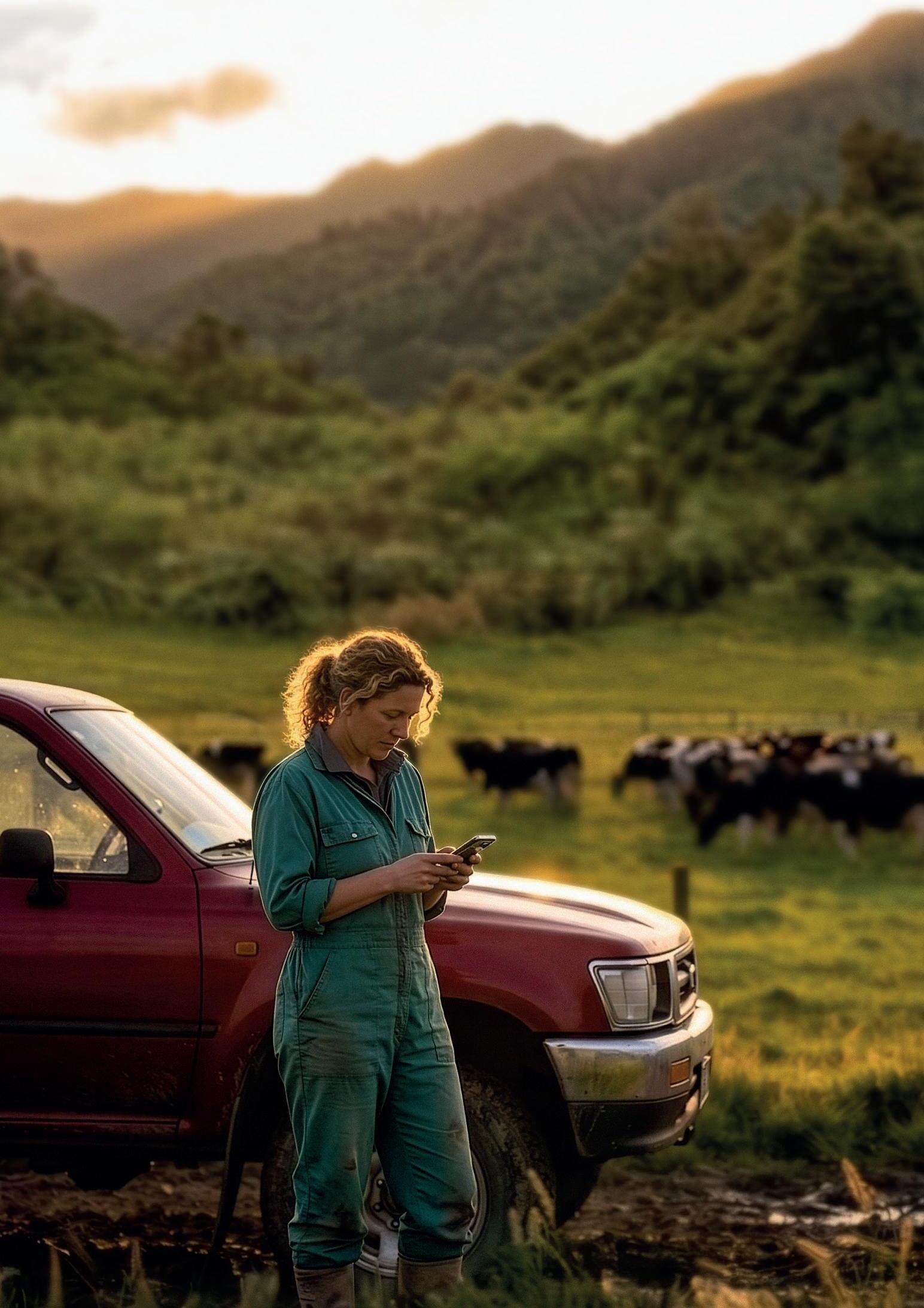
Payroll in your pocket
Farmingisn’t alwaysstraightforward,but payday can be. PaySauceisdesigned to giveyou peaceofmindand makepayroll theleast of your problems. Simply visit paysauce.com to get started.
New Zealand’s rural property market remained mixed through the 12 months ending March 2026, with performance diverging across sectors. From the highs of the finishing and dairy sectors (including dairy support) to the challenges facing forestry and viticulture, overall results reflected a market adjusting to shifting commodity conditions, input costs and market sentiment across different land uses.
The latest data released by the Real Estate Institute of New Zealand (REINZ) highlights a market shaped by increased confidence and positivity. This is not driven by any single factor, but reflects a convergence of strong commodity prices improved balance sheets, accessible credit, and a marked shift in public perception of the farming sector.
“There are still concerns around cost inflation for the rural sector, which remain at the forefront for those in the industry, with tight on-farm operating costs. These pressures continue to weigh on overall sector confidence, prompting businesses across the rural economy to reassess budgets, adapt operating models and look for greater efficiency as they navigate a persistently challenging cost environment, in many sectors,” said REINZ rural spokesperson Shane O’Brien.
Although there are these areas of concern, confidence in the New Zealand rural market has increased nationwide.
The dairy sector was the standout performer over the period, in an exceptionally favourable position, underpinned by multiple years of strong Fonterra payouts and robust bank support for expansion.
Nationally, dairy sales increased by 38.2%, and key regions, including Northland, Otago and Southland, were particularly active with dairy confidence flowing through into broader provincial economies.
“Performance has been supported by strong farmgate returns, with demand clearly concentrated in tier-one properties. Activity continues to be driven
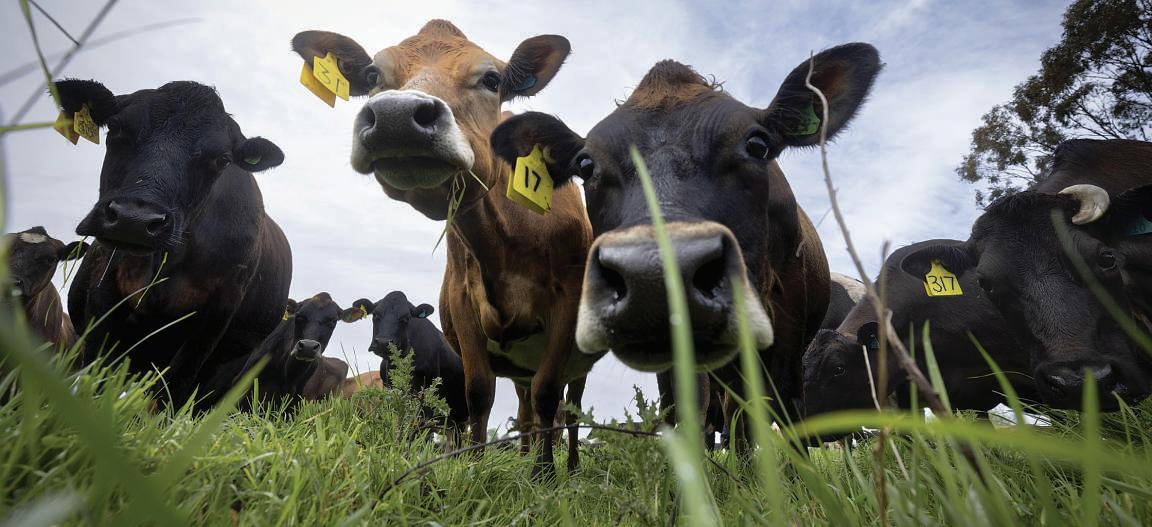
primarily by large-scale family businesses and farmer-to-farmer transactions.
In the 12 months to March 2026, there were more dairy farm sales exceeding $10 million than in any equivalent 12-month period since records began in 1997. This comparison is based on nominal values and has not been adjusted for inflation,” said O’Brien.
“Buyers across New Zealand tend to prioritise farms that deliver consistent performance, with proven production, established infrastructure, and being environmentally compliant while most farming sectors have displayed varied activity this quarter.”
The finishing sector also strengthened, with strong demand for finishing farms, as buyers aimed to grow on the back of the strength of both dairy and red meat Yearon-year sales growth was concentrated in Canterbury (+25%), Otago (+71.4%) and Manawatū-Whanganui (+38.2%). However,
while growth was substantial, this did not translate into a lift in median prices per hectare, which declined by 1.3% year-onyear.
“Buyers are looking for farms that deliver consistent performance and reliable returns. In both dairy and finishing, properties that combine scale, infrastructure and sound environmental management are commanding attention,” O’Brien said.
“While finishing farm sales activity was strong, rising livestock costs have created a working capital constraint. The substantially higher cost of stocking finishing blocks, together with the total purchase price of these properties, is increasingly affecting purchasers’ assessment on value.”
Sectors including horticulture and lifestyle recorded stable conditions over the year. Within the horticulture sector, kiwifruit orchards are the key driver of
property values and the Bay of Plenty is the epicentre. With far greater institutional investment, this sector plays a unique role in the market, unlike dairy, arable, or pastoral land. It brings liquidity and pricing dynamics that stand apart from the farmer-to-farmer transactions that shape other sectors.
Lifestyle activity is often closely tied to the success of the residential market, and demand is steady rather than strong. Nationally, in the year ending March 2026, Lifestyle Farmlet sales increased by 16.2%, and all but two regions reported an increase in sales
Heading into the next quarter, the rural and lifestyle market is expected to hold steady, with buyers focused on operational performance. Dairy, finishing and grazing farms are likely to remain the strongest performers, while sectors such as forestry lag due to regulatory constraints.
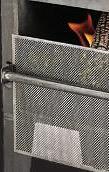
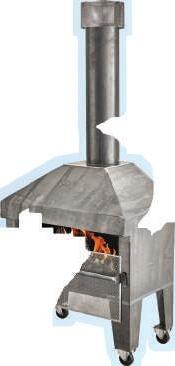



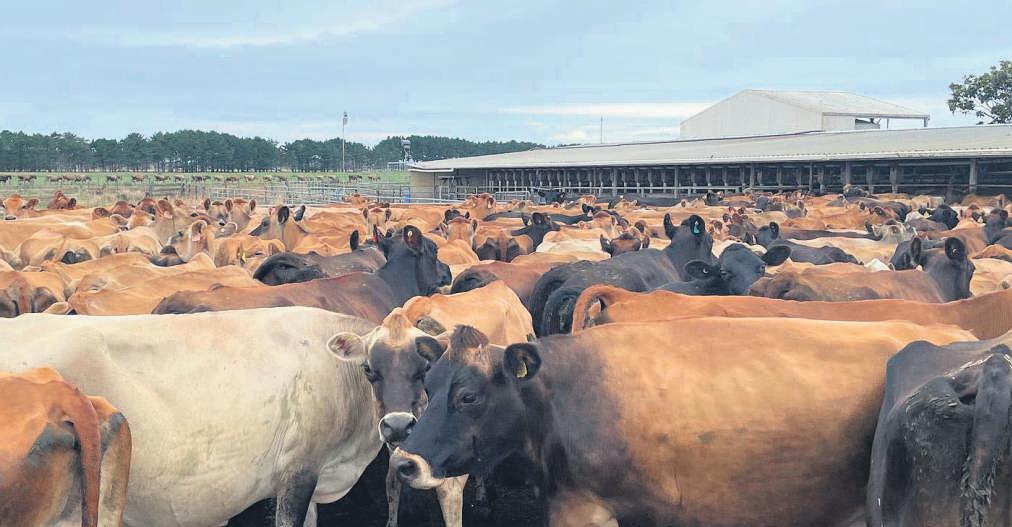
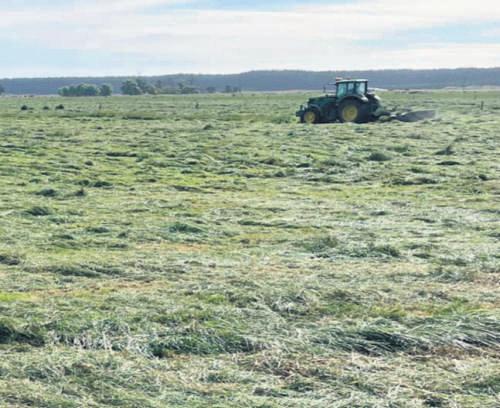
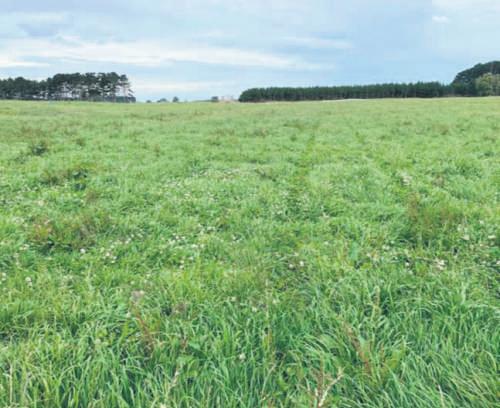
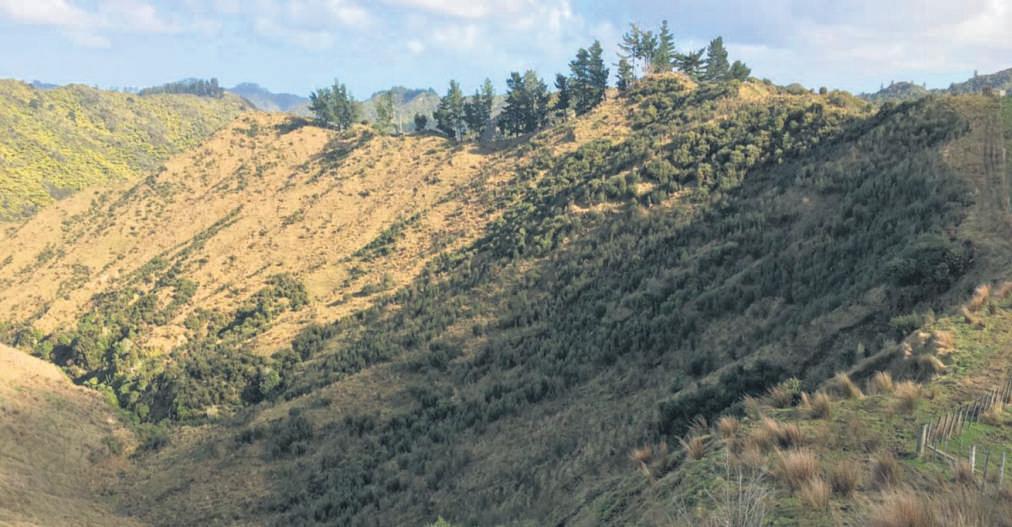
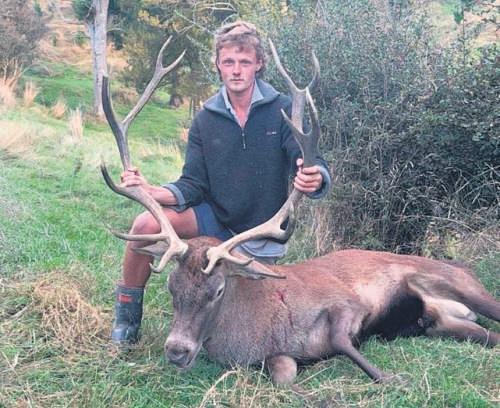
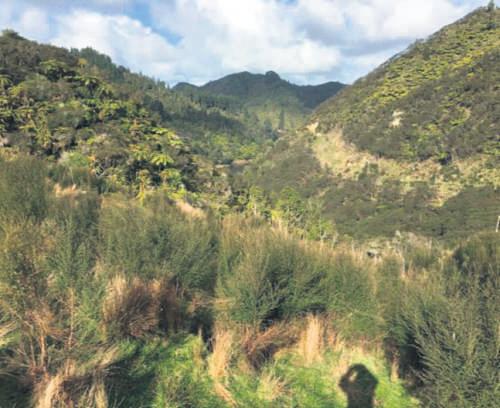
•Haveyou ever wanted to feed lots of grassand make supplement over summer? If yes, then this farm could be foryou.
•Situated in theBulls district of the Rangitikeiisthisflattogently undulating 214 ha Dairy Farm.
•Currently runasa level2 operation with no feed padormixer wagon.
•Thispropertygrows lots of grassand milks600 cows that enjoy eatingit.
•Witharound200 ha under irrigation, good dairy andhouse, alongwith excellent layout this,isaneasyto manageoperation.
•Wouldbea greatinvestment or first farm with some scale
•Pricedtosellat$8.5million (+GSTifany), with settlement to suit
Call Lestoinspect anddiscuss your options on 0274 420 582 Photos takenJanuary 2026
•Situated in Waverley in theSouth Taranaki District,isthis1229 acre hill country property
•Ina previous life,thisfarmhas been a sheep and cattle property
•Inrecentyearsithas been allowedto regenerate andisnow growinga significantamountofmanuka, along with itsestablished native forest
•Currently thepropertygenerates allits income from thehoney industry,and the200 beef cows.
•Carbonfarming and forestry couldbe future income streamsifyou are consideringa greeninvestment
•Withgreat access and afantastic growingenvironmentalong with privatelocation, this investment has potentialtogrowintothe future
•Offersover$1.45 Million. (+ GSTifany) Call Lestoinspect anddiscuss your options on 0274 420 582
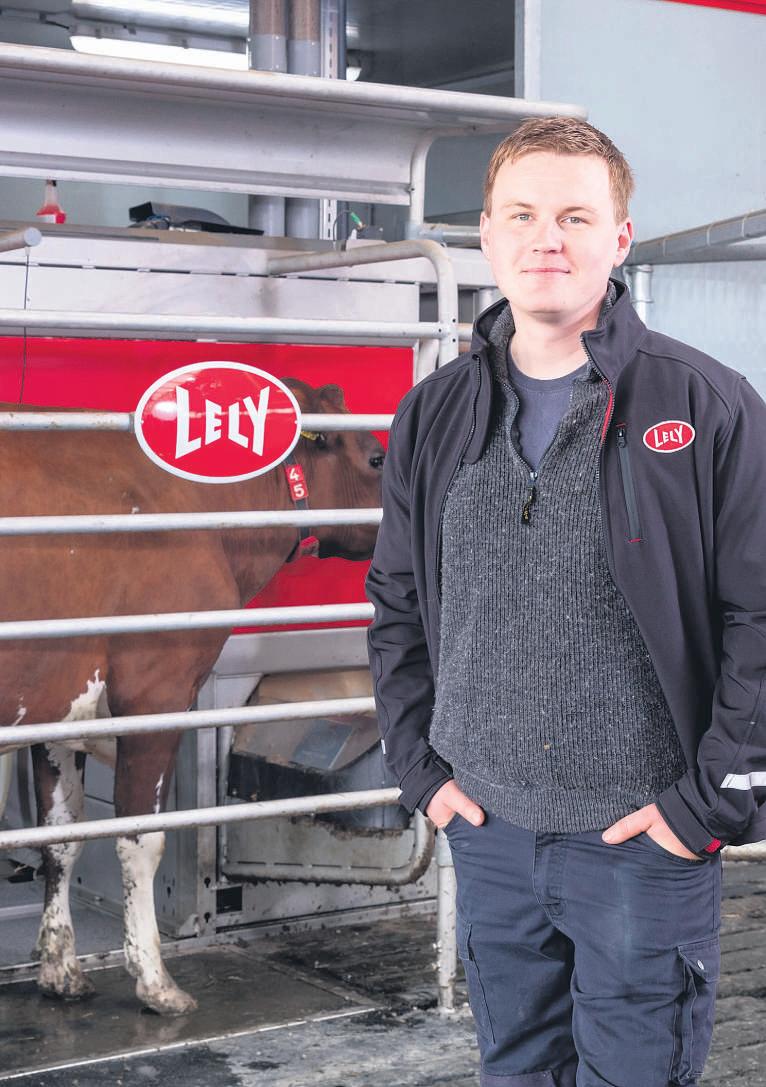


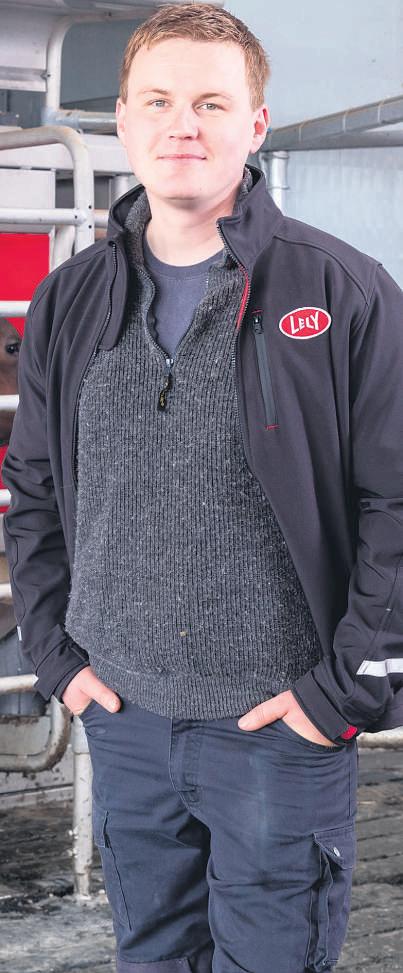

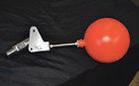


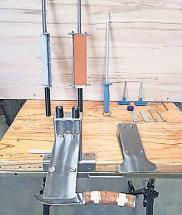

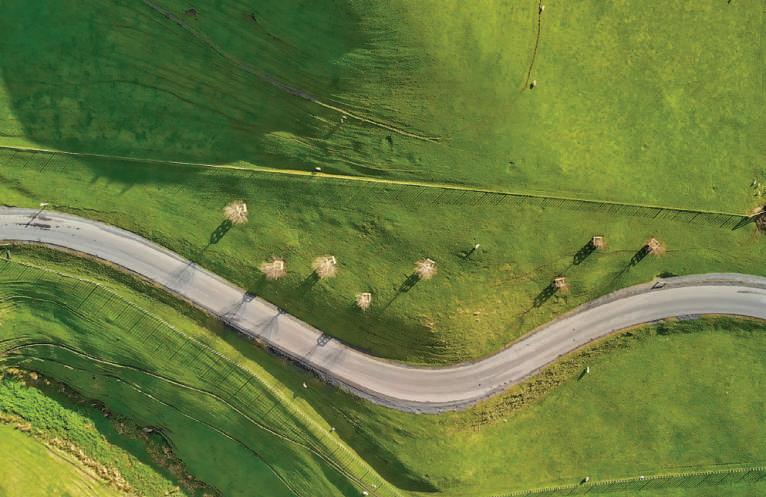
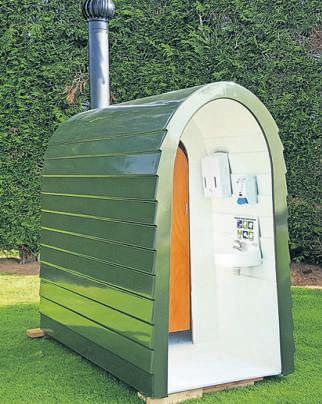












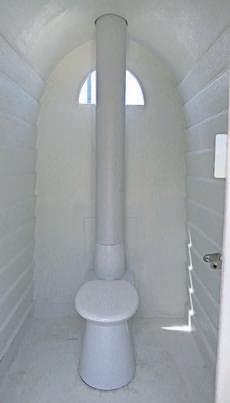
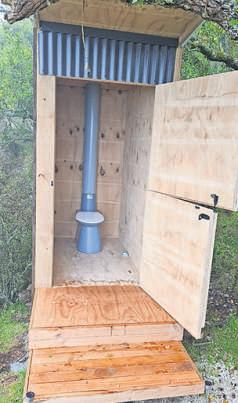





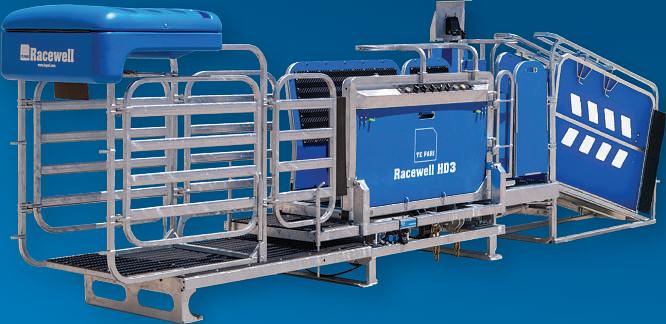


Makescrutching,weighing, drafting &tagging easy!
•Auto-catchclamp with greataccess
•Sidetilt &rearaccessflap foreasy crutching
•Fastdraftingwith3,4 or 6way auto gates
•Easytouse with foot pedal& remote control
•Heavy duty hot-dipgalvanisedsteel construction,madeinNZ

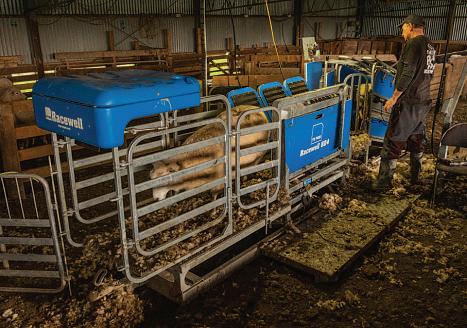



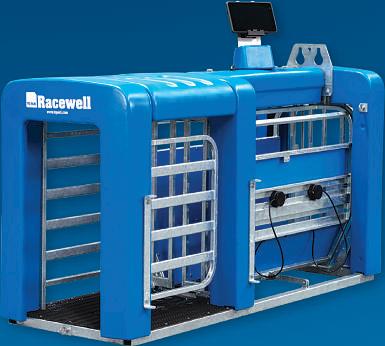
Auto-draft 800+ lambsper hour
•Autoweigh &draftingbyweightorEID tag
•Availablewith3 or 5way drafting gates
•Reliable& easy to usedesign
•One-personoperation with remote control
•Suspended weighcrate with integrated loadcells forconsistentaccuracy
•Strong, hot-dipgalvanisedsteel frame




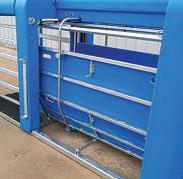



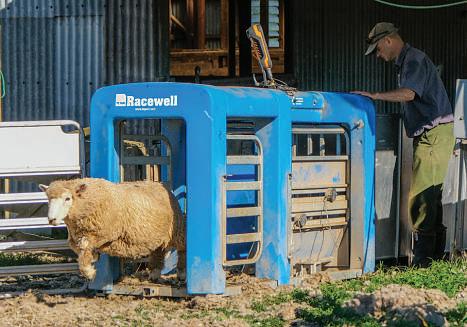

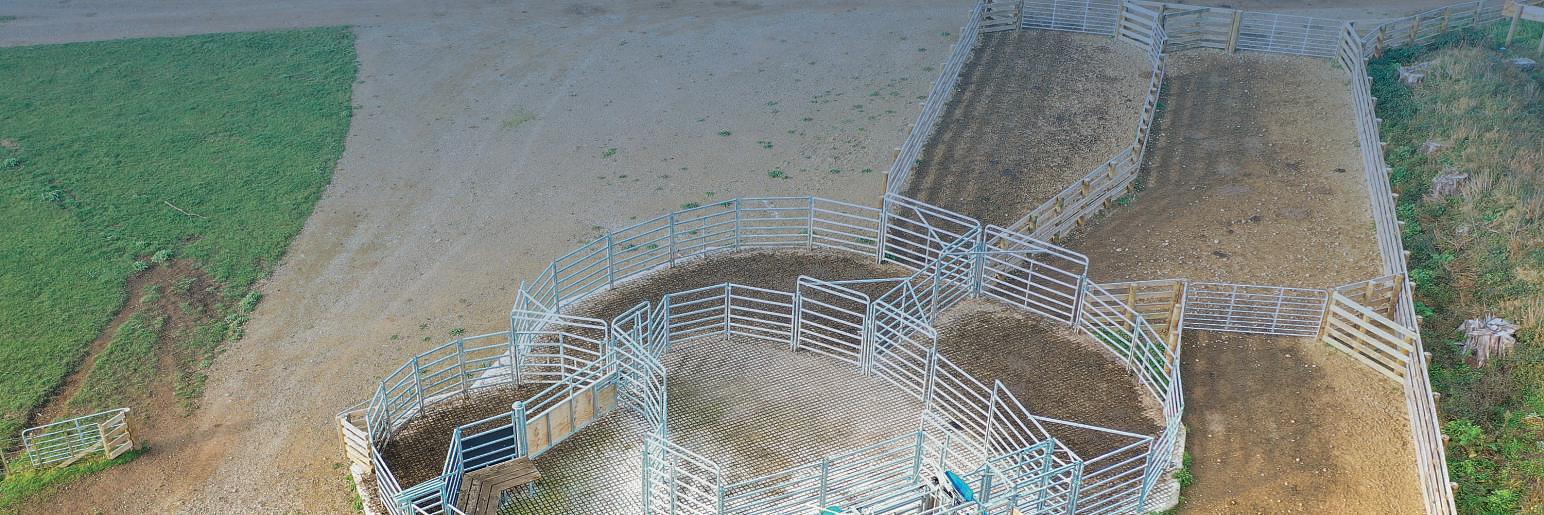



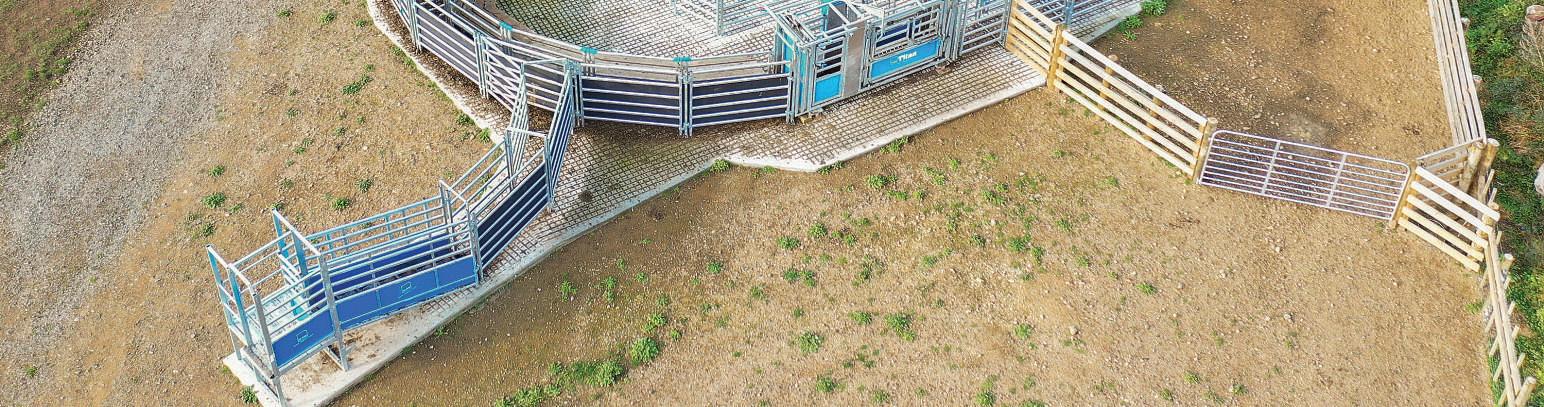
From design to engineeringand installation theTePariteamwill work with youtoensurethe best possibleoutcomes.
Proven designsthatimproveefficiency &safety
Knowledgeableteamwith over 25 yearsofexperiencebuildingyards in NZ
Greatrange of cattlecrushes &draftingsystems
Made in NZ with high qualitysteel that is hot-dip galvanised after fabrication
Free deliverytoyourfarm& we have an experiencedinstall team