Ingestible Beauty, Biohacking, and the Next Frontier of Cosmetic Science …Michael
Anthonavage
The ingestible beauty category sits squarely at the intersection of cosmetic science, dermatologic research, and whole-body wellness, and it is expanding rapidly Now exceeding $7 5 billion in revenue globally, the category reflects a fundamental shift in how consumers define beauty outcomes Increasingly, skin, hair, and overall appearance are viewed not merely as surface-level phenomena, but as expressions of inter nal biological function
At the same time, biohacking often described as data-driven, do-ityourself biology aimed at optimizing perfor mance, longevity, and health span has moved from fringe experimentation into mainstream wellness culture. Together, ingestible beauty and biohacking are reshaping consumer expectations and creating new opportunities for cosmetic chemists, for mulators, and product developers to think beyond the jar
Beauty Is No Longer Just Topical
For decades, cosmetic science has focused on optimizing topical delivery: improving penetration through the stratum cor neum, stabilizing actives, and enhancing sensorial appeal While these innovations remain critical, consumers are increasingly aware that visible radiance, resilience, and longevity are influenced by inter nal biological processes such as collagen synthesis, extracellular matrix integrity, hydration regulation, oxidative stress, microbiome balance, and circadian rhythms
This expanded understanding of skin biology has redefined what qualifies as “beauty care ” Ingestible beauty products, alongside biohacking tools, allow consumers to support these inter nal pathways in ways topical products cannot achieve alone. Rather than competing modalities, topical and ingestible strategies are becoming complementary components of a more comprehensive aesthetic wellness system.
Why the Ingestible Beauty Market Is Accelerating
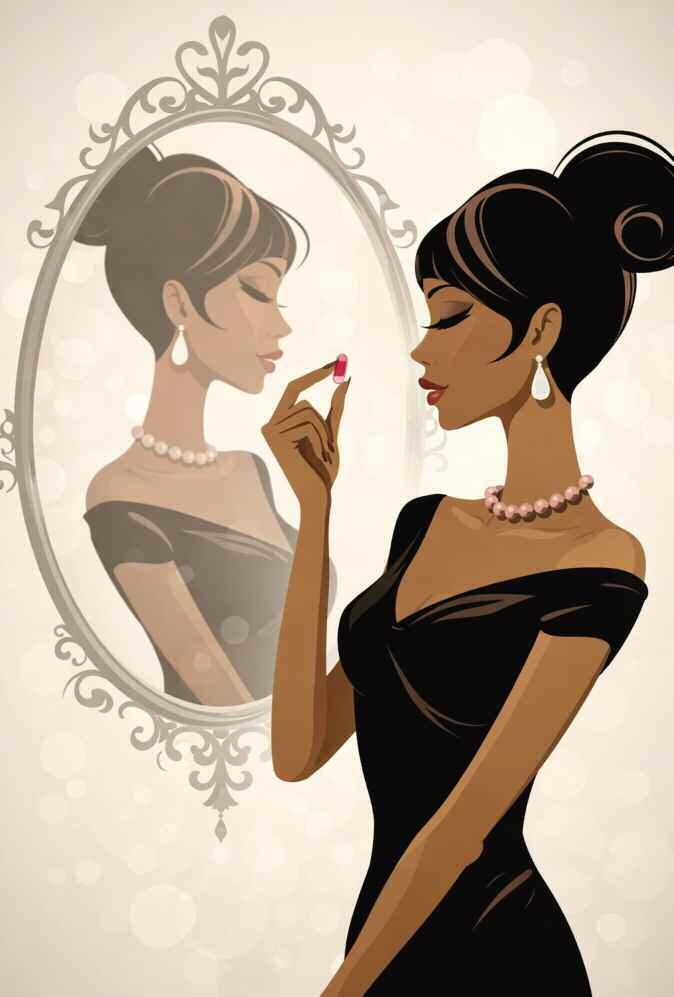
The sustained growth of ingestible beauty is fueled by several converging forces. Consumers are prioritizing long-ter m, preventative self-care and are increasingly comfortable with regimen-based supplementation Digital platfor ms amplify before-andafter transfor mations, accelerating adoption across age groups and genders.
Biohacking further accelerates this momentum by introducing personalization, self-tracking, and continuous optimization into daily routines Wearables, diagnostics, and lifestyle data now infor m how consumers choose supplements, skin care products, and even cosmetic procedures In many ways, biohacking has become an epigenetic pressure shaping consumer expectations, driving demand for products that align with individual biology rather than one-size-fits-all solutions
(continued on Page 4)
2026 NYSCC
EXECUTIVE BOARD & COMMITTEE
Chair
Anushka Nadkar ni chair@nyscc org
Chair-Elect
Afam Okoro chair-elect@nyscc org
Secretary Anne Young secretary@nyscc.org
Treasurer Diane Dabkowski treasurer@nyscc org
Treasurer-Elect
Brian Ecclefield treasurer-elect@nyscc.org
Advisor
John Carola advisor@nyscc org
Program and Special Events
Alexis Piterski program@nyscc org
At Home Live Series
Susanna Fer nandes Susanna.Fer nandes@tri-k.com
Scientific Committee Chair
Michael Anthonavage manthonavage@vitaquest com
Social Media
Dejour Waite, Revathi Nair, and Gabriella Yankovich socialmedia@nyscc org
House Chair
Arielle Nausieda house@nyscc.org
Cosmetiscope Editor
Roger McMullen roger mcmullen@gmail com
Cosmetiscope Advertising
Bret Clark rbclark@ashland com
Letter from the Chair …Anushka
Heading into March, there is powerful energy across the NYSCC Even as winter lingers, our Chapter continues to build momentum through education, collaboration, and now, conversation in an entirely new way
I am thrilled to officially announce the launch of the NYSCC’s new podcast, The Science Shaping Beauty, designed to amplify the voices driving innovation across our industry. This initiative reflects our 2026 theme, Breaking Beauty Boundaries with Science, by creating space for deeper dialogue around for mulation, research, entrepreneurship, and the evolving future of beauty.

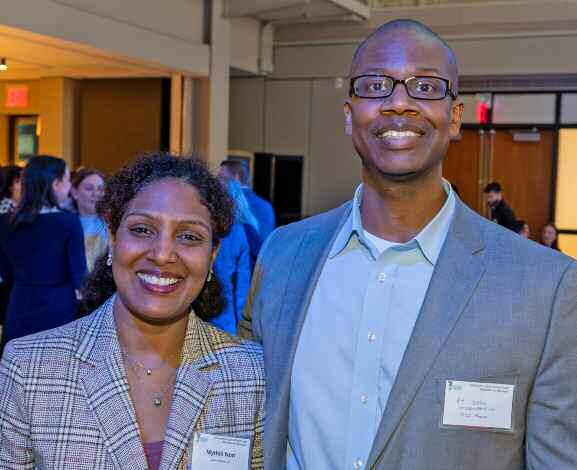
Our inaugural guest is Mythili Nori of BASF, a respected scientist, business leader, and past NYSCC secretary. Fittingly, Mythili also served as Program Chair for February’s sold-out educational event, Driving the Future of Hair Care: Product Development Powered by Innovation Her leadership helped deliver an exceptional evening of scientific insight and practical expertise a testament to the strength of our volunteer community and the appetite for advanced technical education within our Chapter
The momentum continues in March with The Beauty We Build: DIY-ing DEI in Beauty, an important and action-oriented program focused on practical strategies to foster diversity, equity, and inclusion within product development and organizational culture. Featuring Terri Bryant, a celebrity makeup artist and education executive, these conversations are essential to building a more innovative and representative industry
In April, our Sustainability Symposium will take center stage bringing together experts to explore circular beauty, responsible sourcing, biotech innovation, and the measurable impact of sustainable for mulation strategies. As regulatory expectations evolve and consumer awareness grows, this forum will equip our community with the tools to lead responsibly and competitively
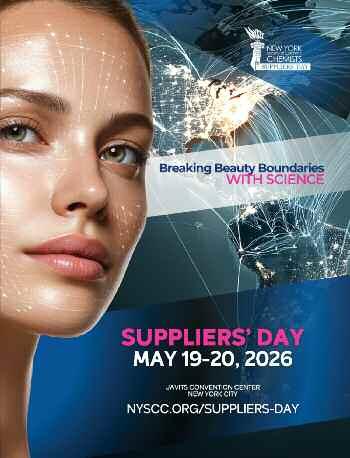
And of course, the countdown is officially on for Suppliers’ Day, May 19th–20th at the Jacob K. Javits Convention Center. Each week brings us closer to the largest ingredients and formulation event in North America where science, creativity, and collaboration converge Under this year ’ s theme, Breaking Beauty Boundaries with Science, Suppliers’ Day 2026 will once again serve as the nexus of innovation for our global community
We are also proud to announce that Suppliers’ Day has received another industry recognition as one of Trade Shows Executive’s (TSE) Fastest 50 events in number of exhibitors and square footage for 2025!
Submissions are now open for the CEW Supplier’s Beauty Awards, recognizing standout ingredients and for mulations shaping tomorrow’s beauty and personal care products Finalists will be announced during the NYSCC Awards Night on May 19th d unforgettable Week of Beauty Visit www.cew.org to submit your in by March 27th
As always, thank you to our members, volunteers, partne sponsors who continue to elevate the NYSCC through their engage and leadership. Whether through a live program, a podc conversation, or the show floor at Suppliers’ Day, you are helpi shape the science behind beauty’s next chapter
Let’s continue breaking boundaries
The Beauty We Build: DIY-ing DEI in Beauty
Thursday, March 19th • 5:30 – 8:30 p.m.
Maxwell Social, New York, NY
For more infor mation and to register for the event, visit the Events section of the NYSCC website (www.nyscc.org).
n Celebrity Makeup Artist – Terri Bryant
For 25 years, Terri Bryant was a celebrity makeup artist and education executive working for major brands such as Smashbox, Dior, and Josie Maran She saw the world through an artist’s eye, finding unique beauty to be celebrated in the face of each person that sat in her makeup chair Throughout her time as a makeup artist, Bryant worked with people of all skill sets and abilities. She found that while her enthusiasm for makeup seemed to be shared almost universally, her skillset and natural ability as a makeup artist was not, and was always, looking for ways to make makeup better and easier for everybody
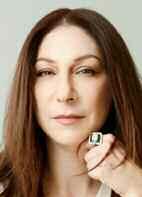
Then a life-changing event accelerated these efforts When Bryant was diagnosed with Parkinson’s disease in 2015, her first thought was: “What if I lose the ability to apply my makeup?” This wasn’t a question of vanity, but one of a lifelong passion and connection to a community. She got to work designing a line that would make application easier and better not only for her, but also for all those people she had met over the years who struggled with applying the looks she had created for them This resilience led to the launch of GUIDE Beauty, a collection of makeup tools and products mindfully and intentionally designed with users across all levels of skill, ability, and disability to create products that can be enjoyed by all GUIDE Beauty’s thoughtfully designed products have won multiple beauty industry awards including Allure Best of Beauty Breakthrough Award; O, The Oprah Magazine Beauty O-Wards for Best Eyeliner; Essence Best in Black Beauty; and Harper’s Bazaar Beauty Icon Award.

Call for Papers
The Cosmetiscope editorial committee invites all interested parties to submit feature technical articles for publication in the NYSCC monthly newsletter Authors of feature articles are eligible to win the prestigious NYSCC Literature Award ($2,000) for the best front-page article published during the calendar year Authors also receive $200 reimbursement to attend a theatrical performance of their choice Writing an article for your peers is a very rewarding experience, both personally and professionally, and will ensure your place in NYSCC history You may choose whatever topic you feel would be interesting to fellow colleagues in our industry. We also welcome any other types of commentaries or articles that may be published in the Career Corner, Technical Tidbit section, or as a Letter to the Editor.
Please send correspondence to: roger mcmullen@fdu.edu
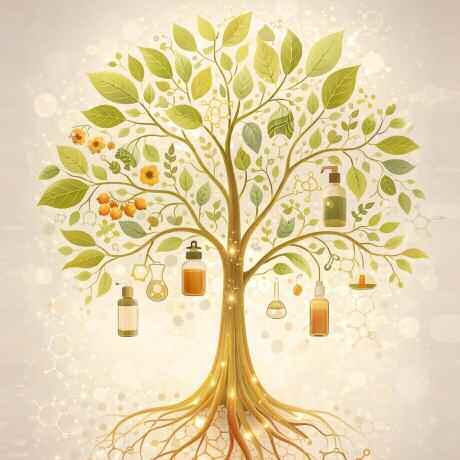
Ingestible Beauty, Biohacking, and the Next Frontier
Readily available research continues to suggest that select nutritional strategies support tissue vitality, metabolic balance, cognitive perfor mance, weight management, and emotional wellbeing These benefits extend ingestible beauty beyond aesthetics into measurable wellness outcomes, creating powerful crossovers with sports nutrition, women ’ s health, gut health, and longevity science
Topical Limitations and the Systemic Advantage
From a for mulation standpoint, topical products face inherent biological constraints The epider mis and hair cuticle are designed to protect, not absorb, necessitating continual innovation in delivery systems, encapsulation technologies, and penetration enhancers

Ingestible approaches bypass these barriers by supporting the biological systems responsible for producing skin’s structural components from within. Collagen production, antioxidant defense, hydration pathways, and inflammatory modulation are all systemically regulated processes Biohacking expands this internal strategy by incorporating nutrigenomics, biomarker tracking, and lifestyle engineering to fine-tune outcomes over time. For cosmetic chemists, this shift opens new conceptual territory: designing beauty ecosystems rather than standalone products
Biohacking as a Catalyst for Category Expansion
Biohacking innovation is broadening the definition of beauty by integrating epigenetic influence, nutrient–gene interactions, metabolic modulation, and personalized timelines for results Consumers increasingly experiment with how nutrients, behaviors, sleep, stress, and product usage influence gene expression, skin response, and most of all self-confidence
The growing availability of data from continuous glucose monitors, sleep detectors, and heart-rate variability trackers has expanded the feedback loop between product use and perceived efficacy This data-rich environment is directly influencing new product development, ingredient selection, and claims language across both ingestible and topical categories.
Consumer Needs Drive Innovation
One critical distinction between topical and ingestible beauty is time to outcome Ingestible protocols often require weeks or months to demonstrate visible effects, making adherence essential As a result, tools that support consistency and compliance such as digital jour nals, progress photos, and wearablelinked habit tracking devices are becoming integral to product ecosystems Equally influential is authentic storytelling Practitioner insights, peer experiences, and even celebrity-driven routines shape how consumers evaluate efficacy and trust For brands and for mulators, this underscores the importance of transparency, scientific credibility, and realistic expectations. Brands that score consistently with consumers on these various fronts will enjoy differentiated loyalty which translates to longer product life cycles and reliable revenue

Ingestible beauty and biohacking represent a meaningful evolution in cosmetic science rather than a departure from it These trends expand the role of the cosmetic chemist from surface-level for mulation expert to contributor within a broader biological and wellness framework As the NYSCC continues to serve as a global hub for beauty innovation, health science, and longevity research, professionals who understand how inter nal and exter nal strategies intersect will be best positioned to lead the next era of product development.
The future of beauty lies not in replacing topical care, but in integrating it intelligently with ingestible and biohacking approaches that reflect the complexity of human biology, self-image, and social interaction
About the Author:
n Michael Anthonavage
Michael Anthonavage serves as Vice President of Innovation at Vitaquest Inter national, where he is dedicated to expanding the company ’ s footprint in the dietary supplement market and helping customers achieve a meaningful competitive advantage. He brings extensive expertise in translating emerging technologies into commercially successful products, championing innovation, and driving growth across multiple areas of health and nutrition.
W ith more than 30 years of experience in skin and hair care product development, Michael is a seasoned skin biologist, research scientist, and educator. His career has been defined by a strong commitment to scientific rigor, ingredient innovation, and evidence-based product development

Michael is an active member of the Inter national Probiotics Association, the Council for Responsible Nutrition, and the American Botanical Council He has also served on the Scientific Advisory Board of the NYSCC for the past six years, contributing to the advancement of cosmetic science and professional education within the industry
Sustainability Symposium
April 23, 2026
3:00 – 8:00 p.m.
Liberty House Wedding and Event Venue

For more infor mation and registration, visit the events section of the NYSCC website (www.nyscc.org)
NYSCC Employment Section
Are you looking for a candidate that loves the personal care industry, wh the thrill of designing a make-up product or shampoo? Or perhaps seeking someone with expertise in raw materials. Maybe you need so around the lab and could use a tenacious inter n who wants to start their career in the personal care space
The NYSCC Chapter supports you and your business with FREE postings to our webpage Contact employmentadmin@nyscc.org to have passionate candidates apply to your roles. Recent postings include companies such as Lucas Meyer Cosmetics, Kenvue, Olaplex, and Symrise for roles in Sales, Marketing, For mulations, and Regulatory
Below are some positions in the personal care industry that are currently posted on the NYSCC website For a full description of the jobs, visit https://nyscc.org/jobs
• Senior For mulation Manager – North America – Clariant (New Providence, NJ)
• Senior Scientist – Microbiology – Arxada (Morristown, NJ)
• Analytical Chemist III – Arxada (Florham Park, NJ)
• Senior Scientist – Frida (Miami, FL)
• Synthesis Chemist I – Colonial Chemical Inc. (South Pittsburg, TN)
• Senior Chemist – R&D – ChemAid/KDC (Saddle Brook, NJ)
• R&D Program Lead – Suave Brands (Hackensack, NJ)
NYSCC Suppliers’ Day Earns Prestigious Trade Show Industry Recognition from TSNN and Trade Show Executive
The NYSCC proudly announces that its flagship event, Suppliers' Day, has received two of the trade show industry’s highest honors recognition on the Trade Show News Network (TSNN) Top 250 Trade Show list for both 2023 and 2024, and selection as a 2025 Fastest 50 honoree by Trade Show Executive (TSE)
These accolades reinforce Suppliers’ Day’s position as the premier ingredients and for mulation event in North America for the beauty an personal care industry The TSNN Top 250 is the industry’s only comprehensive ranking of the largest U S trade shows based on net square footage of exh space, attendance, and number of exhibiting companies
Further solidifying its momentum, Suppliers’ Day has been selected as part of Trade Show Executive’s Fastest 50 Class of 2025, recognized for strong percentage growth in net square feet of paid exhibit space and number of exhibiting companies It also received Next 50 honors for attendance
Inclusion in both these lists underscores Suppliers’ Day’s continued scale, relevance, and year-over-year strength within one of the most dynamic industry sectors beauty and personal care product development.
As the NYSCC continues its mission of Breaking Beauty Boundaries with Science, Suppliers’ Day remains a cornersto event bringing together the global cosmetic scienc community to advance for mulation, ingredient innovation, sustainability, biotechnology, and next-generation product perfor mance
Registration is Open for Suppliers’ Day Early Bird Savings are in Effect
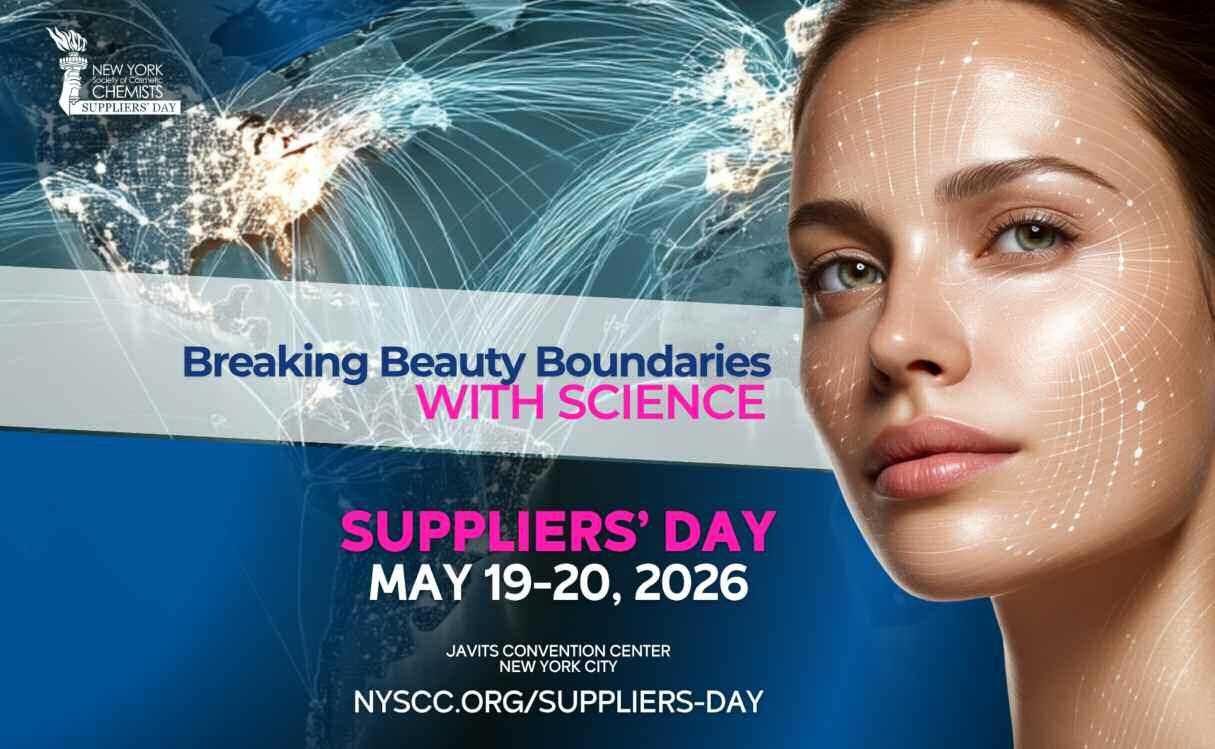
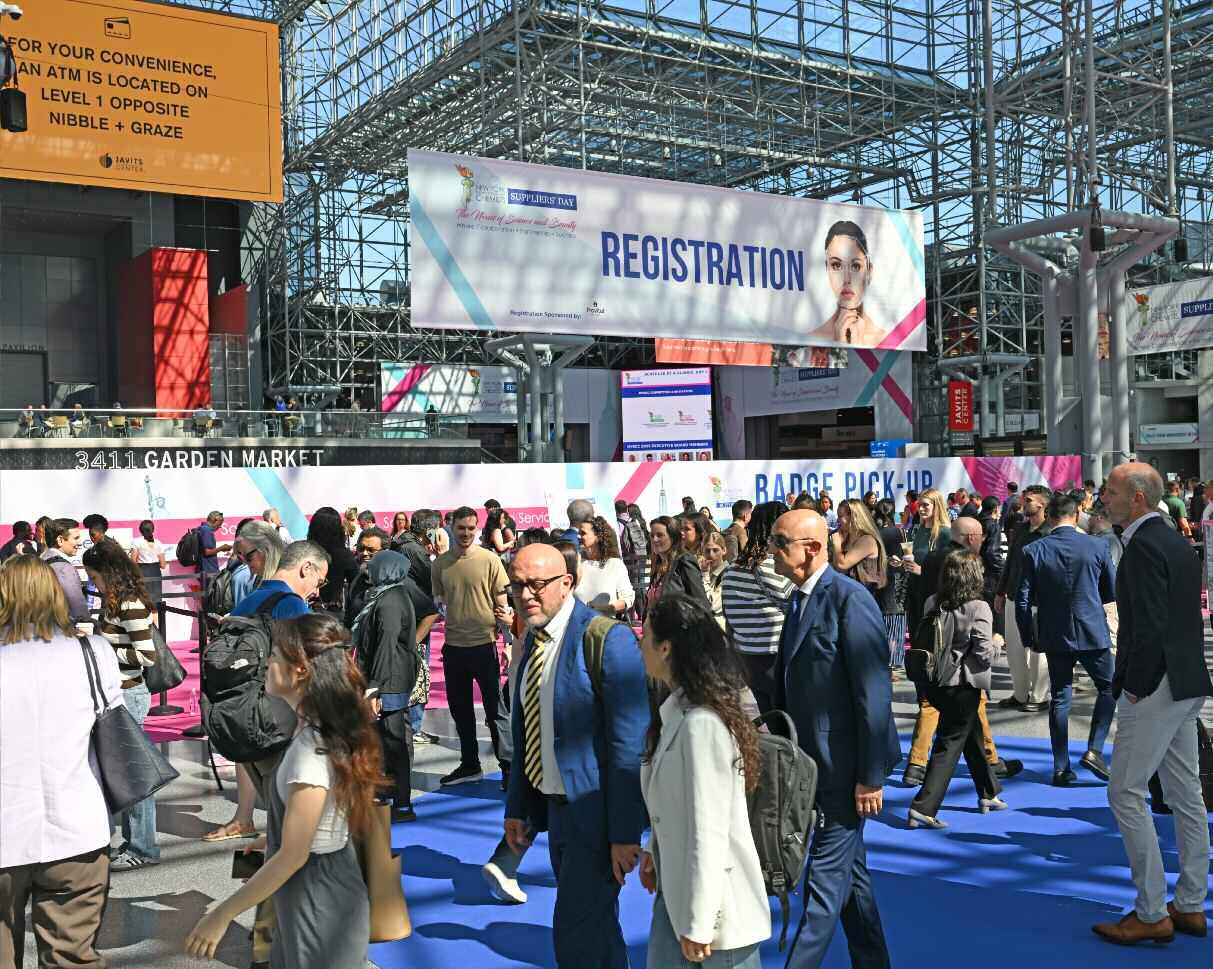
Registration is now open for NYSCC Suppliers’ Day 2026, the U S beauty industry’s premier ingredients and for mulation event, retur ning to the Jacob K. Javits Convention Center in New York City on May 19th–20th.
W ith the 2026 theme, Breaking Beauty Boundaries with Science, Suppliers’ Day will spotlight how science is driving the next era of beauty pushing beyond traditional categories to redefine performance, sustainability, inclusivity, and wellness. This year ’ s show will feature new immersive show-floor activations, expanded sensory and K-Beauty education, and a live recording of the NYSCC’s new podcast, The Science Shaping Beauty.
More highlights include:
• Leading Keynote presentations on the Main Stage.
• Biodesigned innovations that are shaping the next era of personal care.
• Best from the IFSCC award winning global presentations
• For mulators’ Tour meet the exhibitors who are demonstrating how beauty is powered by plant life.
• Inspiration Hive is back with a new class of curated breakthrough ingredients and for mulations
In addition to the core programs on sustainability, hair care, microbiome, fragrance, and regulatory and compliance, Suppliers’ Day will present content on consumer trends, tariffs, China beauty market, and more
The Catalyst Cor ner will be a new show-floor program spotlighting innovation and emerging ideas. In addition, CEW will hold a connections event and moderate a panel of the Innovators Awards winners in Science and Design.
Make plans to attend this unmatched Week of Beauty, register now at www.nyscc.org/suppliers-day
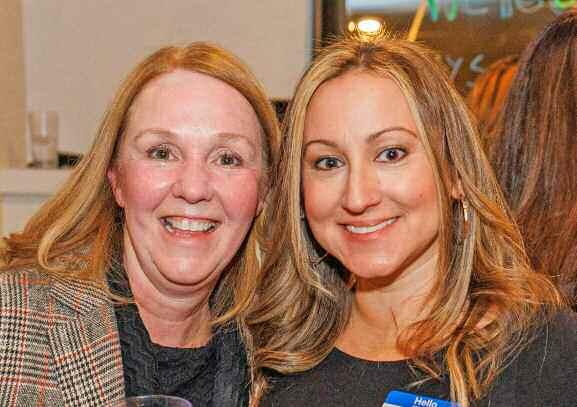
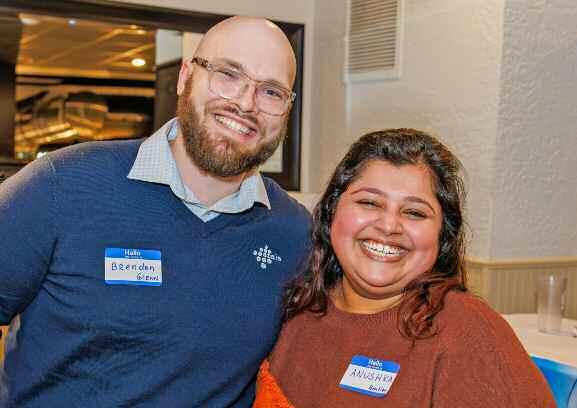
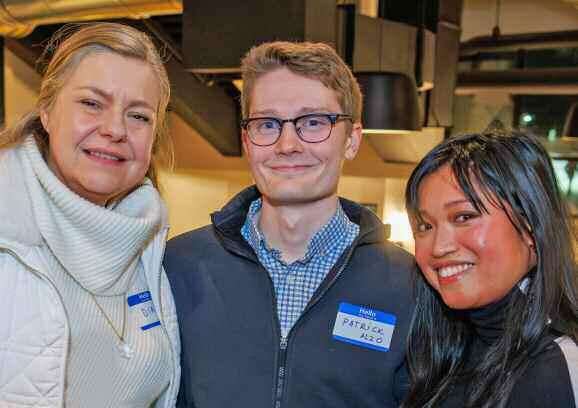
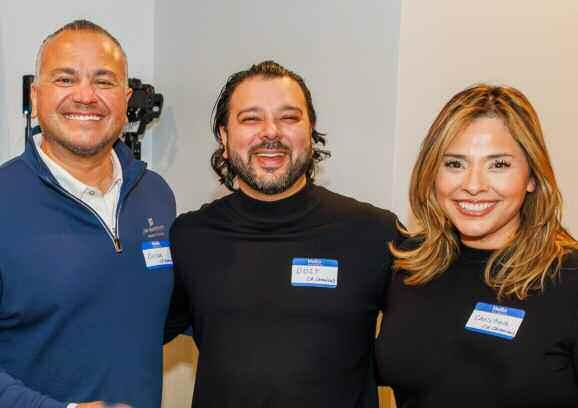
Killington, VT
Friday, January 30 – Sunday, February 1, 2026






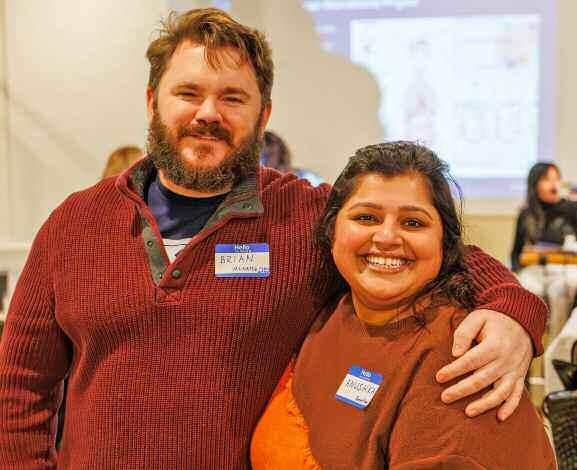
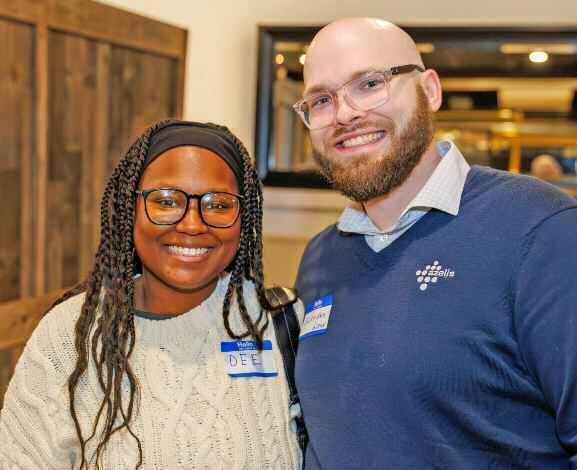
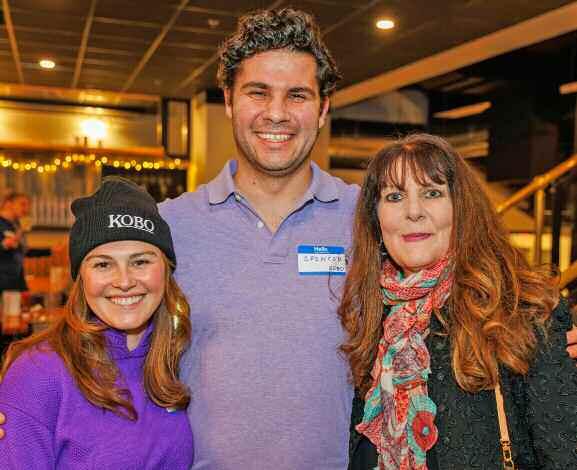

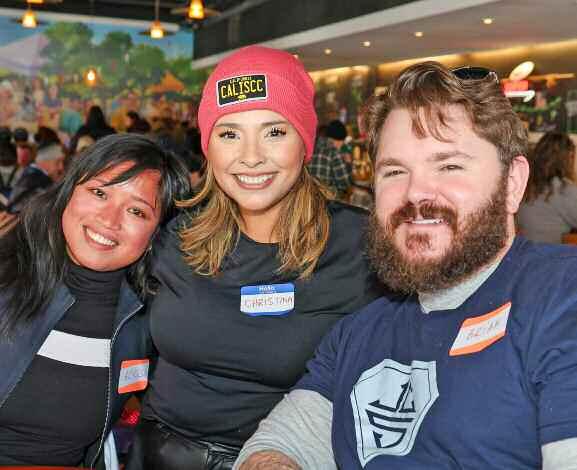

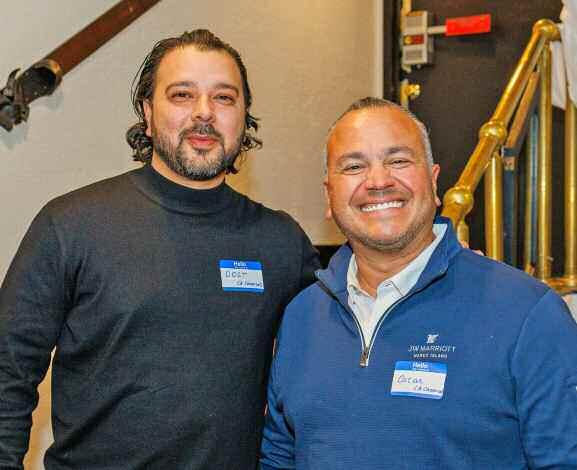

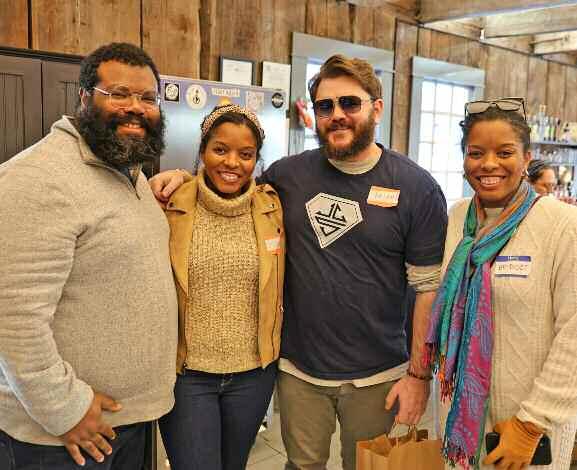



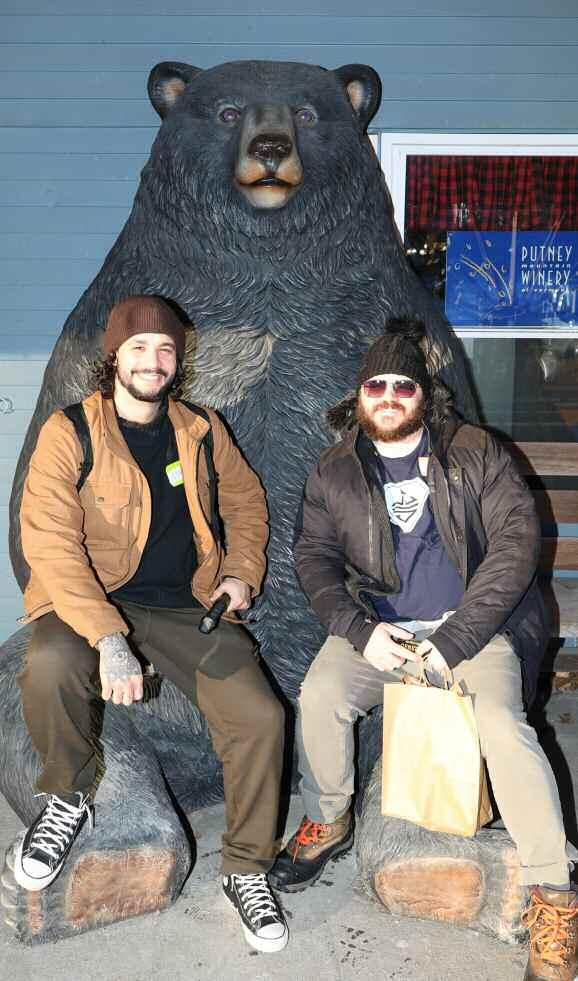

The Time Capsule –An Interview with Ken Klein
There is an inter net resource known as the Wayback Machine (https://web archive org) It archives one trillion web pages, a few of which are from the NYSCC websites of the 1990s
Starting in 1998, the C o s m e tis c o p e under the project named “The Time Capsule” interviewed four industry leaders about the state of the cosmetic industry: Ken Klein, Henry F. Maso, David C. Steinberg, and Paul Thau This was fortunately captured by the Wayback Machine. In installments we will reproduce their contributions, beginning with Ken Klein
The Time Capsule contains personal views of the past, present, and future state of the cosmetic industry written by for mer chairs of the NYSCC chapter Each statement deals with broad issues of historical and/or scientific interest
n
About the Interviewee

Ken Klein is a consultant and the for mer president of Cosmetech Laboratories He is a Fellow of the SCC and the American Institute of Chemists. He has been in the cosmetic industry for more than 40 years working for finished goods companies (Lever Brothers, Carter Wallace, JB W illiams) and raw material suppliers (Henkel Corp. and Van Dyk Company). Ken has published extensively, is a frequent speaker at industry meetings, holds several patents, and is an instructor for the SCC where he teaches courses in Cosmetic For mulation, Sunscreens, and Advanced Emulsion Technology
n
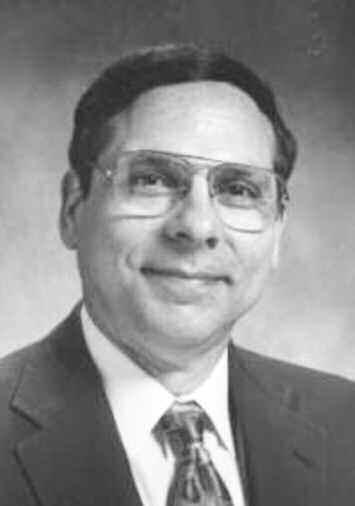
Opening Remarks by Ken Klein
The Society of Cosmetic Chemists, both at the National level and at he Chapter level, has played a major role in advancing my career and has given me a real measure of personal satisfaction. I can only imagine what it must have been like for those early cosmetic chemists who worked at a time before our society was for med. There was no jour nal where the best of our technology could be subjected to peer review and see the light of day to benefit us all while giving recognition to our science and scientists. Just think of not knowing anybody outside of your own company or other companies in which you have worked Talk about isolation and lack of cross-fertilization! The SCC has helped legitimatize our science and profession and separate it from the art of cosmetic ormulation Above all we are scientists! The SCC has given me the invaluable ortunity to meet and interact both professionally and personally with people who share my interests and enthusiasm and challenge me to reach ever further in our glorious profession. Isn't this the essence of why we have chosen this profession? I know it is for me! When I look back over the many years I have been practicing my trade, I have seen so many changes that it is hard to pick out a few to focus on; nevertheless, I will try!
n Cosmetic Emulsions
Perhaps the most important vehicle for cosmetic chemists is the emulsion It is in this area that the most dramatic advances have taken place Just think of transparent emulsions that are made by matching indices of refraction while reducing particle size. This allows for products that were unheard of just a few short years ago: clear water-resistant sunscreen gels, clear AHA gels, and even clear antiperspirant gels (All emulsions, all unique!). And what of the new water-in-oil emulsions! I was taught that water-in-oil
emulsions were greasy and notoriously unstable, while requiring special manufacturing equipment. Enter the silicone emulsifier and these problems all but vanish! Try doing it with beeswax/borax and you will be doomed to failure
Another rather recent advance in emulsion for mulation deals with the introduction of a class of emulsifiers that is specifically designed to for m emulsions that are stabilized by liquid crystal structures The concept of liquid crystal stabilization was developed many years ago and has been extensively investigated by Dr Stig Friberg It was well known that if we added a small amount of fatty alcohol to our o/w emulsion, the viscosity would increase accompanied by improved stability Some of us even knew that liquid crystals were for med and that was a good thing But now we no longer must hope to stumble on this stabilization mechanism is there for the asking Along with it is a myriad of products waiting to be developed.
n Moder n Shampoos
Another area where I have found real creativity is shampoos In the old days, for mulators knew that if you added oils to shampoos to provide some degree of conditioning, the foam would all but disappear and the viscosity would be impossible to control It seemed obvious at the time Enter the moder n 2-in1 shampoo, which proved all, at least many of us (including me) wrong We were trying to solubilize the oils and this was the wrong approach. What was needed was somebody to figure out that the oils must be emulsified into the shampoo, which will leave the surfactants alone and thus they will still maintain their functionality (foaming and cleaning). Somebody thought outside the proverbial box. And this above all is the beauty and joy of our fine art and science Each of us has at our disposal an almost limitless palette of materials from which to choose more options than were available to those who preceded us! Our limit is only ourselves

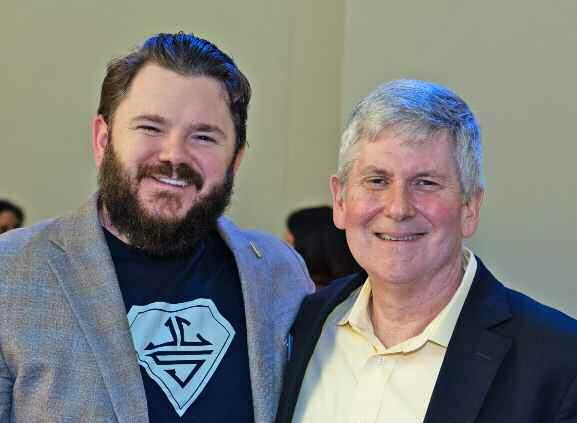
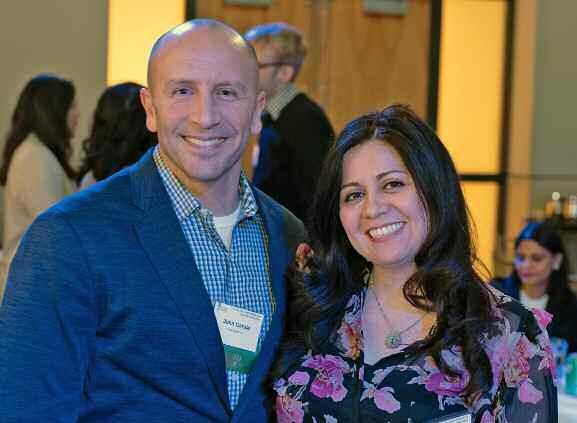
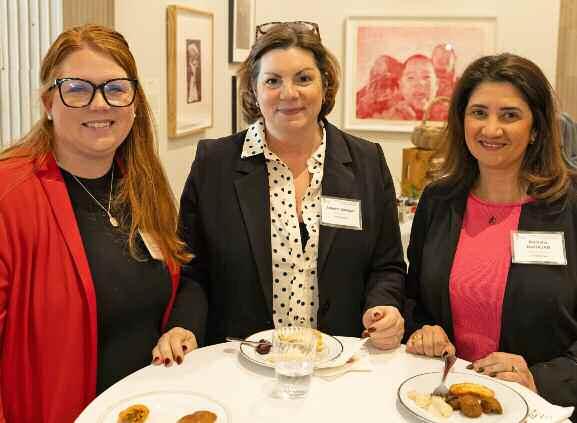
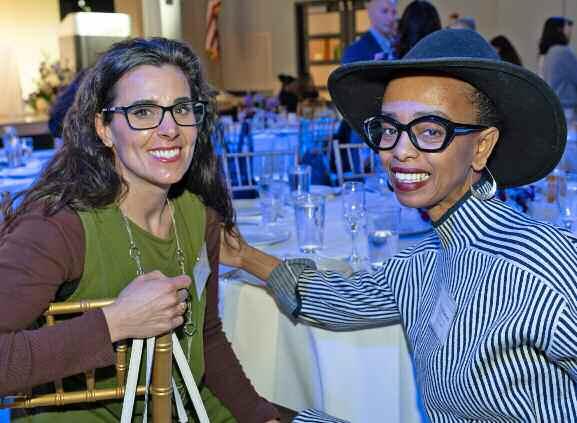
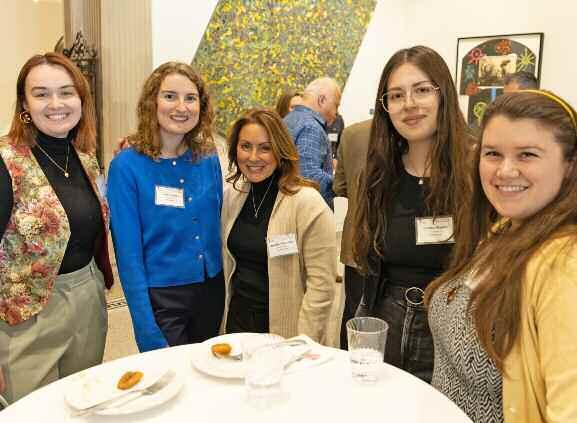
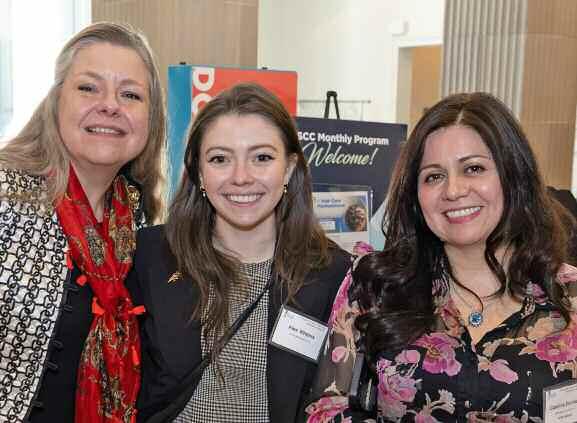
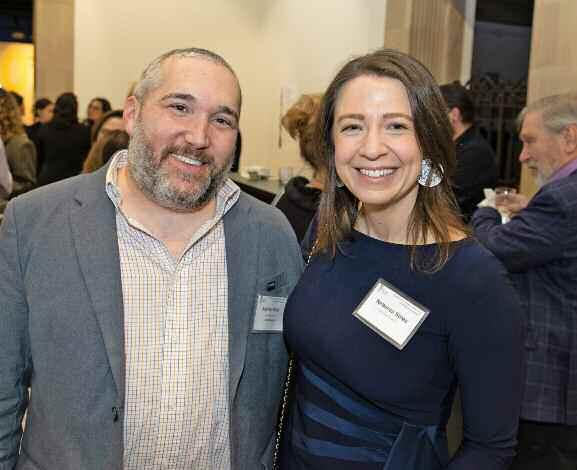
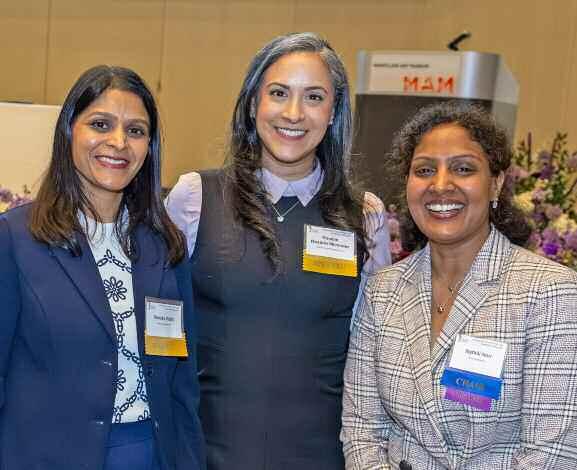
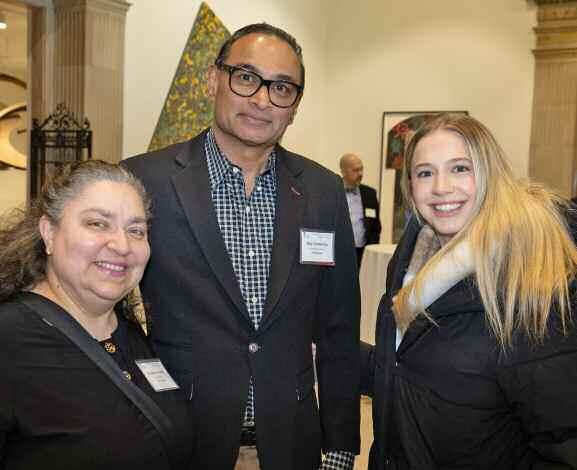
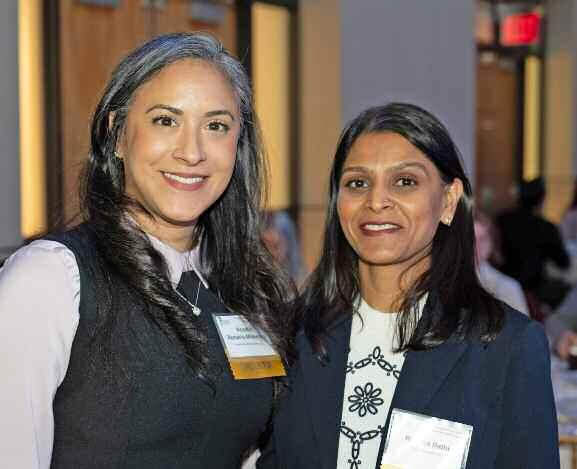
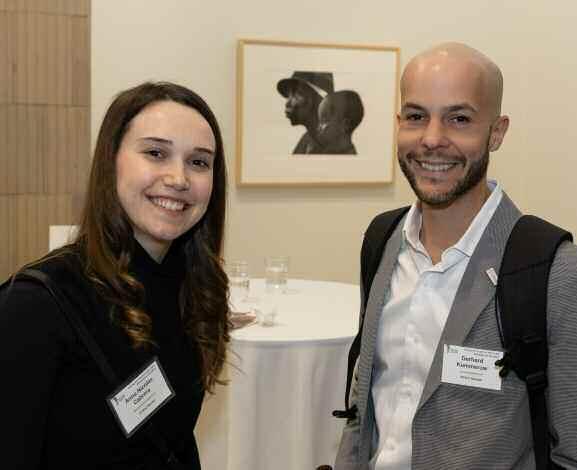
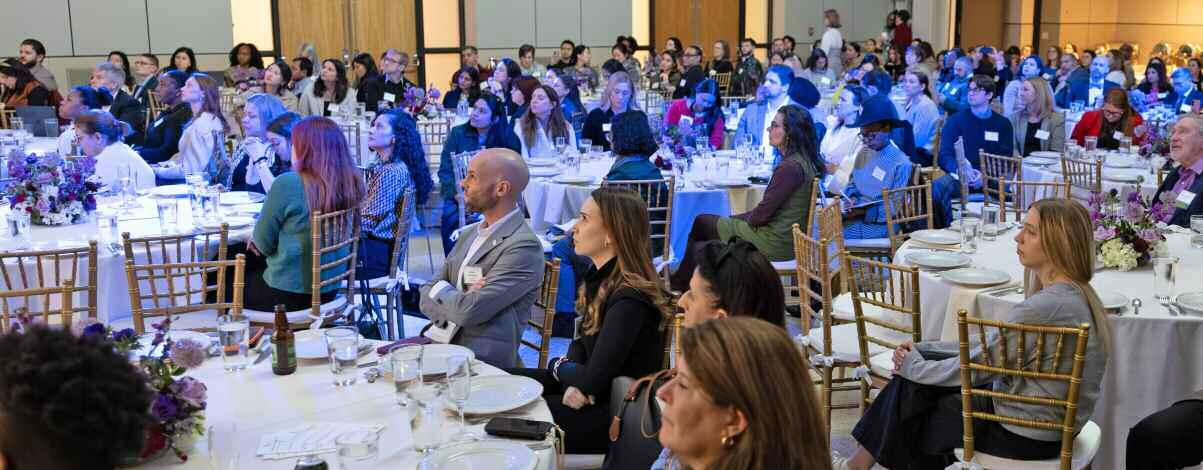
Driving the Future of Hair Care
Montclair Art Museum
February 24, 2026













NYSCC Golf Event July 27th

2026 NYSCC Events Calendar
• For updated NYSCC infor mation, visit us on the web at: www.nyscc.org
• For National SCC infor mation: www.scconline.org
March 19
April 23
May 19 – 20
May 19
July 27
August 8
September 8
September 17
October 8
November 12
November 30 – December 2

The Beauty We Build: DIY-ing DEI in Beauty
Maxwell Social, New York, NY
Sustainability Symposium
Liberty House, Jersey City, NJ
NYSCC Suppliers’ Day
Jacob K Javits Convention Center, New York, NY
NYSCC Industry Awards Night
Hard Rock Hotel, New York, NY
NYSCC Golf Event
Crystal Springs Resort, Hamburg, NJ
NYSCC Fishing Trip
Atlantic Highlands, NJ
Suncare Event
Pleasantdale Château, West Orange, NJ
NYSCC Culinary Event
Location TBD
The Skin Barrier as a Living Interface: Biology, Disruption, and Repair
The Legacy Castle, Pompton Plains, NJ
Innovations Event
Bell Works, Holmdel, NJ
SCC Scientific Meeting & Showcase
JW Marriott LA Live, Los Angeles, CA

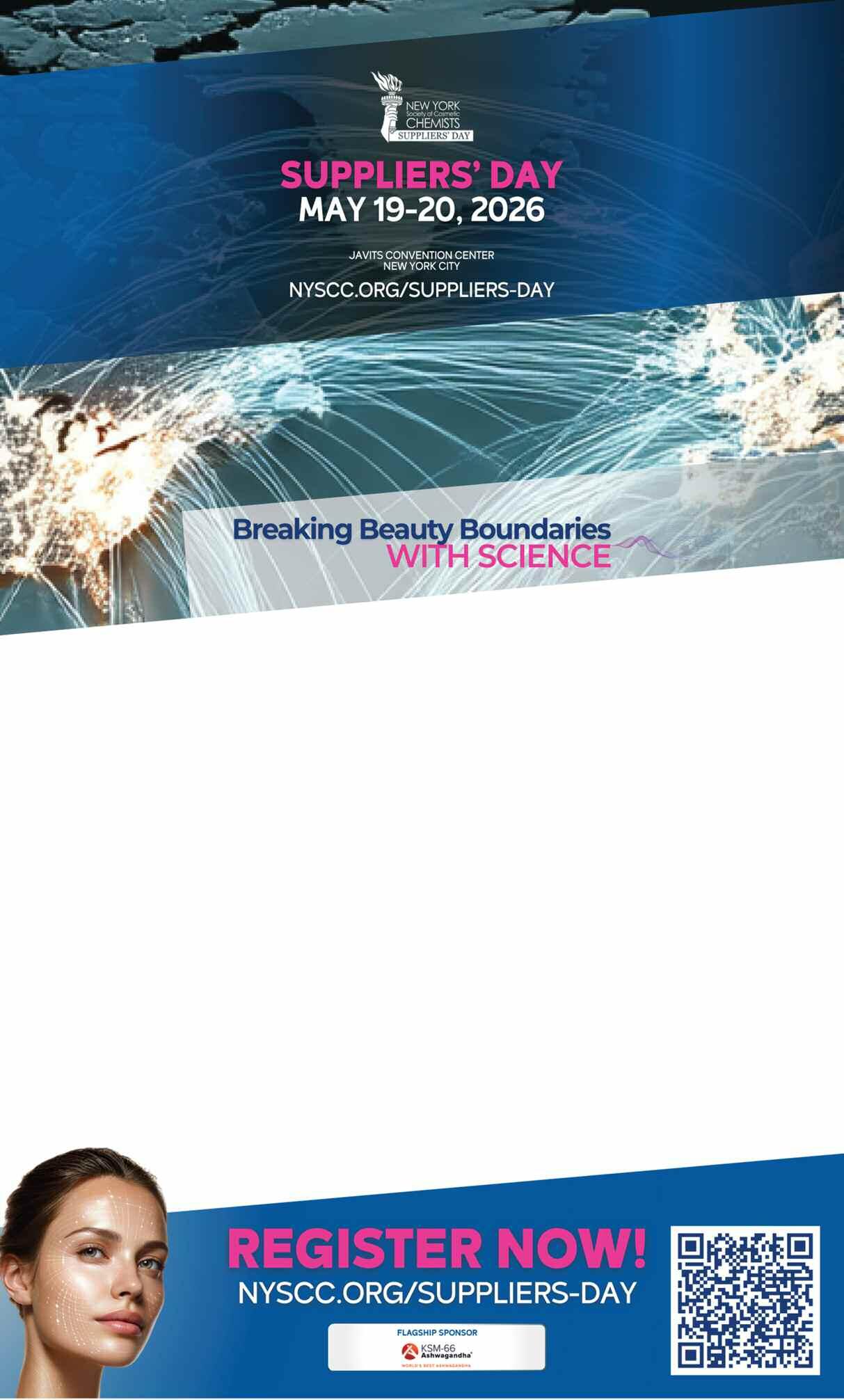
New and enhanced content in 2026 along with staples in hair, sustainability, microbiome, and regulatory and compliance makes SUPPLIERS’ DAY a mustattend. REGISTER TODAY to ensure you get the latest on all that is happening! Here’s a sampling of WHAT’S NEW:
• K-BEAUTY IMMERSION @ SUPPLIERS’ DAY...a deep dive with programming, a tour and more!
• BIODESIGNED CARE: lear n how biotechnology is shaping the next era of personal care.
• SENSORY WORKSHOP @ SUPPLIERS’ DAY: an experiential program focusing on sensory evaluation methods.
• BEST FROM IFSCC: experience award-winning Cannes presentations in NYC!
• THE FORMULATORS’ TOUR: join the tour that will demonstrate how beauty is powered by plant life.
Couple this with nearly 700 exhibitors, thousands of solutions, and unparalleled networking with 11,000+ industry professionals - there is no doubt you need to be there! Act today so you can start planning your jour ney in this true WEEK OF BEAUTY.