Knowledge is Power: Creating a Database of Reconstructed Oral Tissue Model Applications for Personal Care Industry and Beyond
…Megan Creelman and Gertrude-Emilia Costin
The personal care industry is an ever-expanding field of products that come into contact with our mouths daily, such as lipsticks, toothpastes, mouth-washes, and whitening products 1,2 W ith a multitude of new products being released each year, how are they all being evaluated for consumer safety? One option that has become increasingly popular is that of 3D (threedimensional) reconstructed human tissue models 3 These models are comprised of layered, differentiated cells intended to replicate various phenotypes of human tissue, thus making them relevant for replicating the response of native tissues to various types of products topically applied While some academic laboratories are creating such tissues in-house, not all are equipped to handle large-scale productions, and as such there are a few companies that provide these tissues commercially 4
As an easily scalable platfor m for toxicity testing, it is crucial to be aware of all the applications for such tissue models to avoid the unnecessary or premature use of expensive, time-consuming, or potentially unethical animal or human testing This is what prompted us to compile a comprehensive database of academic sources discussing all manner of use cases for one such category of tissue models We primarily focused on commercially available models given their production under strict manufacturing conditions that make them standardized, reliable, and in some cases validated test systems generated within established, acceptable biological perfor mance ranges
n Tissue Models and Providers
The tissue production process has been optimized commercially for a wide variety of phenotypes, including but not limited to dermal, ocular, buccal, gingival, and vaginal tissue models Each phenotype has a plethora of use cases to be found in the safety testing of personal care products; however, we chose to focus solely on those models most relevant to oral applications buccal and gingival

For these two phenotypes there are several commercial providers (Table 1), of which two might be considered primary suppliers of these tissues based on the considerable number of published peer-reviewed papers or posters captured in our database: EpiSkin (Lyon, France) and MatTek Corporation, now part of Sartorius (Ashland, MA, USA). EpiSkin produces the (continued on Page 4)
2026
EXECUTIVE BOARD & COMMITTEE
Chair Anushka Nadkar ni chair@nyscc.org
Chair-Elect
Afam Okoro chair-elect@nyscc org
Secretary Anne Young secretary@nyscc org
Treasurer Diane Dabkowski treasurer@nyscc.org
Treasurer-Elect
Brian Ecclefield treasurer-elect@nyscc org
Advisor John Carola advisor@nyscc.org
Program and Special Events
Alexis Piterski program@nyscc org
At Home Live Series
Susanna Fer nandes Susanna Fer nandes@tri-k com
Scientific Committee Chair
Michael Anthonavage manthonavage@vitaquest.com
Social Media
Dejour Waite, Revathi Nair, and Gabriella Yankovich socialmedia@nyscc org
House Chair
Arielle Nausieda house@nyscc org
Cosmetiscope Editor
Roger McMullen roger.mcmullen@gmail.com
Cosmetiscope Advertising
Bret Clark rbclark@ashland com
Letter from the Chair …Anushka
Spring has sprung, and the energy across the NYSCC continues to build. From education and outreach to industry engagement, it has already been a very productive and inspiring year.
In March, we hosted The Beauty We Build: DIY-ing DEI in Beauty, which was a tremendous success Held fittingly at Maxwell Social, a private club built for nurturing communities, the program sparked thoughtful discussion and meaningful dialogue around diversity, equity, and inclusion Programs like this remind us that innovation is not only about new ingredients and technologies, but also about building a more inclusive and representative industry

Our Future Chemist Workshop Committee also held its first “ on the road” formulation program at NJIT as part of National Engineers Week It was an incredible event with strong student participation and a great example of our commitment to supporting and inspiring the next generation of cosmetic chemists
Looking ahead, we are excited for our upcoming Sustainability Symposium this month. Sustainability remains one of the most important focus areas for cosmetic scientists and product developers, and this program will bring together experts from academia, brands, and across the supply chain to discuss practical solutions and responsible approaches shaping the future of beauty and personal care Education remains at the core of NYSCC’s mission, and this symposium is a great example of the high-quality programming our volunteers deliver.
We also look forward to participating in MWSCC Teamworks in Chicago, which highlights the collaboration and strong connections across SCC Chapters and creates valuable opportunities for knowledge sharing and professional growth.
On the global front, we are thrilled to continue our inter national outreach with our upcoming Press and Friends Breakfast in Paris. Following the success of our January event in Miami, these gatherings help us connect with media, industry leaders, and partners from around the world as we build momentum toward Suppliers’ Day
And of course, May will be here before we know it, and we are incredibly excited for NYSCC Suppliers’ Day, May 19th–20th at the Jacob K Javits Convention Center in New York City. W ith nearly 700 exhibitors, our largest exhibit floor to date, and more than 100 hours of education and programming, Suppliers’ Day showcases the very best of our industry from breakthrough ingredient technology and for mulation science to marketing insights, sensory experiences, and global trends. This year ’ s theme, Breaking Beauty Boundaries with Science, truly comes to life across the entire event from for mula to finish If you are planning to attend, I encourage you to register in advance, review the conference program, and begin mapping out your schedule so you can make the most of this week of beauty
Thank you, as always, to our volunteers, committee members, and partners who make all this possible Your dedication and continue to drive the NYSCC forward and help us truly break boundaries with science.
The Executive Board and I look forward to seeing many of you in coming weeks at our Sustainability Symposium, MWSCC Teamwor in Paris, and very soon at Suppliers’ Day!

Registration is Open for Suppliers’ Day
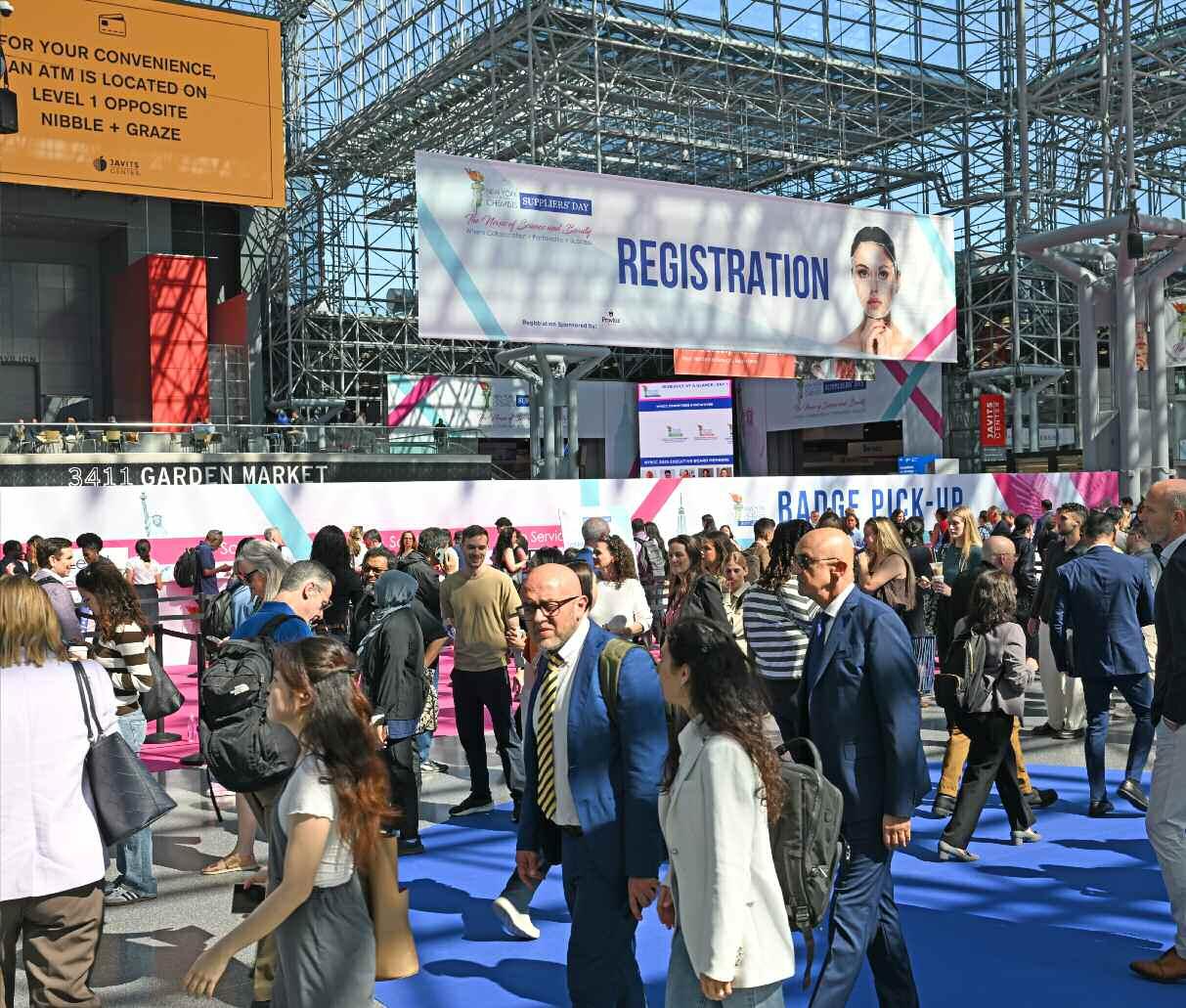
Registration is now open for NYSCC Suppliers’ Day 2026, the U S beauty industry’s premier ingredients and for mulation event, retur ning to the Jacob K Javits Convention Center in New York City on May 19th–20th
W ith the 2026 theme, Breaking Beauty Boundaries with Science, Suppliers’ Day will spotlight how science is driving the next era of beauty pushing beyond traditional categories to redefine performance, sustainability, inclusivity, and wellness This year ’ s show will feature new immersive show-floor activations, expanded sensory and K-Beauty education, and a live recording of the NYSCC’s new podcast, The Science Shaping Beauty
n More highlights include:
• Leading Keynote presentations on the Main Stage
• Biodesigned innovations that are shaping the next era of personal care.
• Best from the IFSCC award-winning global presentations.
• For mulators’ Tour meet the exhibitors who are demonstrating how beauty is powered by plant life
• Inspiration Hive is back with a new class of curated breakthrough ingredients and for mulations.
In addition to the core programs on sustainability, hair care, microbiome, fragrance, and regulatory and compliance, Suppliers’ Day will present content on consumer trends, tariffs, China beauty market, and more.
The Catalyst Cor ner will be a new show-floor program spotlighting innovation and emerging ideas In addition, CEW will hold a connections event and moderate a panel of the Innovators Awards winners in Science and Design
Make plans to attend this unmatched Week of Beauty, register now at www.nyscc.org/suppliers-day

SkinEthic™ Human Oral Epithelium (HOE) model and the SkinEthic™ Human Gingival Epithelium (HGE) model, while MatTek Corporation produces the EpiOral™ and EpiGingival™ models, which represent the buccal and gingival phenotypes, respectively Histologically, these cultures are similar to each other and have been shown to replicate the respective human native tissues well. Two other commercial providers (Creative Bioarray and Sterlab Store) offer their own reconstructed models that replicate the buccal or gingival tissues (Table 1) Finally, REVIVO BioSystems recently made available an in vitro oral barrier-on-chip, which provides a complex testing platfor m to be used for but not limited to the investigation of oral diseases Depending on their geographic location, the perfor mance of these test systems needs to be evaluated through shipping studies and their reliability for toxicological studies should be assessed for the endpoints of interest 5
Table 1. Human reconstructed oral/gingival tissue models Note: Manufacturers are listed in alphabetical order
Manufacturer Tissue Model Website
Creative Bioarray In vitro Oral https://www.creativeMucosa model bioarray.com/mucosa.htm
SkinEthic™ Human https://www.episkin.com/ EpiSkin Oral Epithelium (HOE) Archives/HOE-Oral-Epithelium
SkinEthic™ Human https://www.episkin.com/ Gingival Epithelium (HGE) HGE-Gingival-Epithelium
MatTek EpiOral™
https://www.mattek.com/mattekCorporation EpiGingival™ product/epioral-epigingival/
REVIVO In vitro oral
https://www.revivobio.com/post/theBioSystems barrier-on-chip future-of-oral-care-research-the-world-sfirst-in-vitro-oral-barrier-on-chip
Human Oral
https://www.sterlab-store.com/ Epithelium Products/reconstructed-tissues/ Sterlab Store human-oral-epithelium/
Human Gingival https://www.sterlab-store.com/ Epithelium Products/reconstructed-tissues/ human-gingival-epithelium/
Our database includes sources (peer-reviewed articles and posters) that reported on the use of any of these tissue models; also provided in the database is a summary of the materials tested, endpoints investigated, application type used, and key conclusions of the results obtained Excluded from our evaluation were tissue models not offered commercially, developed by academic institutions for specific, unique research programs, or models not based on human cell lines Overall, ninety-nine sources were identified to have used 3D reconstructed oral tissues for safety evaluations and were compiled into an easily accessible, searchable database that is available at the 3D Oral Model Reference Database
The ninety-nine sources are organized alphabetically by the first author; however, an end user of the database can organize the entries in any other order of choice The database is made available to end users in a locked and view-only mode to prevent incorrect associations of entries compared to the original data file; to use the search functions, users may download a copy of the file and enable editing.
n Chemical/Product Classes Covered
Between all sources included and analyzed in the database, the endpoints were organized into six categories, the materials tested were filtered into seven categories, and they all can be cross-referenced with the type of tissue models used and resource that reported the associated results (article or poster) (Table 2)
Table 2. Searchable umbrella categories included in the database. Note: Abbreviations are spelled out in their respective tab within the database
Endpoints
CLSM
Cytokeratin
Histology, FTIR
Imaging, Histology (H&E)
Morphology
Histology (Ki-67)
SEM
TEM
Impact on DNA
Gene expression
Genetic
Material Genotoxicity
RNA
Chemokine
Markers
Cytochrome Cytokine
Per meability, TEER
Absorption TEWL
Protein Assays Wester n Blot
CCK-8
Viability, Cellular functions
Cytotoxicity
Materials
Chemicals, Ethanol
Ingredients
Hydrogen peroxide
Surfactants
Drugs
Actinomyces
Candida
Infections Fusobacterium
HIV
Porphyromonas
Streptococcus
Medical Devices W ires
Misc
Oral Care
Radiation
Mouthwash
Toothpaste
Whitening
CORESTA
Tobacco
Nicotine
Snus
LDH MTT
In ter ms of its functionality, the database is easily searchable using dropdown menus in the “Source Search” tab and facilitates narrowing searches to specific interests and testing needs based upon these major categories (Figure 1)
Title:
Can NanoHydroxyapatite
Permeate the Oral Mucosa? A Histological Study Using ThreeDimensional Tissue Models
Evaluation of an Oral Care
Product Safety Screening Program
Utilizing the In Vitro EpiSkin
Human Gingival Epithelium (RHG) and Oral
Buccal (RHO) Models
Tissue Model (Provider, Model): Format: First Author: Year: Endpoints: Materials tested:
EpiSkin
SkinEthic™
HOE, EpiSkin
SkinEthic™ HGE
EpiSkin
SkinEthic™
HOE, EpiSkin
SkinEthic™ HGE
Article Komiyama 2019
Confocal laser scanning microscopy (CLSM), Histology (Dahl, OsteoSense 680EX, Von Kossa), Permeability
Two types of nanohydroxyapatite, SKM-1 and MiHAP
Conclusions:
The nanoparticles did not penetrate the gingival stratum corneum and only the outermost layer of cells in the oral epithelium. No permeation into the deeper layers of the epithelium was observed for either model. The nano-hydroxyapatite particles were observed in the cytoplasm and extracellular matrix of the outermost cells in the non-cornified model, but they were not observed in the deeper layers. The stratum corneum acts as a barrier to penetration of nano-hydroxyapatite into the oral epithelium and nano-hydroxyapatite is unlikely to enter systemic tissues with an intact oral epithelium.
Poster Wurzburger 2011
Histology (H&E), IL-1!, MTT (ET-50)
Teeth whitening products including hydrogen peroxide, sodium bicarbonate
The oral model was found to be more sensitive than gingival model. Increases in IL-1! expression correlate with cell membrane damage. IL-1! may be more difficult to detect in shorter exposure times due to the time needed for the diffusion of this marker into the medium.
Figure 1: Searchable umbrella categories included in the database. Example of database sorting for sources comparing the EpiSkin SkinEthic™ HOE, EpiSkin SkinEthic™ HGE tissue models HGE, Human Gingival Epithelium; HOE, Human Oral Epithelium Spelling of the abbreviations listed in this example can be found in the “Abbreviations” tab within the database
(continued on Page 6)

Across all categories, some of the most common materials tested were ingredients specific to final for mulations of typical oral care products, such as toothpastes, mouthwashes, and whitening products. These personal care categories also align with common products within a consumer ’ s household, thus demonstrating the necessity of safety testing. As the demand for oral care products rises, though, so too does the rate of manufacture of new products
For each new for mulation created, the active and inactive ingredients within must be approved for use up to certain concentrations (monographed). However, any possible synergistic effects from varied ingredient combinations may not be predefined and thus due diligence safety testing remains an ideal step in the preparation of novel products.6 7 In these cases, the first step is to consult existing literature for ingredient combinations and concentrations like the envisioned product design This is where having a curated database is exceptionally useful, as it is timesaving and significantly more efficient than perfor ming research from scratch each time a new product is developed
W ith the ability to sort the extensive list of sources by the specific ingredients classes tested, type of endpoints, or tissue model, any relevant publications can be accessed within seconds. By perfor ming a preliminary search, the existing plan for a for mulation could be adjusted based on results reported by p
knowledge arsenal
n Tissue Model Comparisons
A curated database of relevant sources also offers ease of comparison between tissue models that might be relevant for safety testing and for offering a complete profile of a new oral care product For example, when designing a cytotoxicity study for a new material, the tissue model chosen is integral to the success and applicability of the assay conducted The choice between a buccal or gingival phenotype is key to human accuracy in a clinical trial, and it is one best made from a highly infor med position Further more, for companies familiar with a particular tissue model or that have already established a database based on one, it is most prudent to continue using the same test system This is also particularly important when benchmark/reference materials have also been used historically to evaluate or qualify the test system, as the safety assessment needs and their acceptable ranges have been established with a particular tissue model.
Using our database, we were able to quickly identify the sources that compared the use of buccal and gingival phenotypes from the same provider Most of these sources compared the EpiOral™ and EpiGingival™ models provided by MatTek Corporation; however, there were some that compared the two phenotypes provided by EpiSkin as well (this example is provided in Figure 1), and even a few sources that compared the same phenotype from each provider. These comparative studies also allow the selection of the tissue model that best fits the needs of the testing to be conducted or to establish alter native options for models with similar perfor mance, should there ever be a need to use one or the other alter natively
Surfactants and oral care products were the most common materials tested in the intra-provider phenotype comparisons, thus offering plentiful references for deciding which option is the most relevant for each new product By choosing the most fitting model from the start, it is possible to eliminate wasted time and resources and thus allow for more efficient development.
n New Applications of Oral Reconstructed Tissue Models
While most of the publications identified during the creation of this database included what could be considered “standard” testing for viability, cytotoxicity, or histology, there was a significant number of articles that reported about applications for the tissues that are recently gaining popularity within the commercial safety testing field
One of the applications that is of particular interest is the safety testing of oral medical devices As the creation of this product class is beholden to different requirements than the design of a new toothpaste formulation, so too can it require different safety evaluation strategies, which can often involve animal testing and clinical trials While clinical trials cannot be entirely substituted, replacing animal testing with in vitro testing methods is possible, as it is more cost-effective, human-relevant, and ethical.
Currently, EpiSkin and MatTek Corporation provide reconstructed human epider mis models that are validated for assessing the cytotoxicity of medical device extracts (ISO 10933-23, 2021), however the
oral models are not yet approved for this same purpose.8 If an effort were to be made to validate the oral models commercially available (Table 1) for medical device cytotoxicity testing, an archive of previously tested medical devices would be an exceptionally useful tool
Another evaluation that could be particularly useful in conjunction with both new product development and medical device testing is based on the exposure of tissues to irradiation All studies that investigated the response of the tissues to this exter nal factor reported that there was a clear doseresponse to the treatment W ith this knowledge, the irradiation could be applied in tandem with other safety and efficacy endpoints for the evaluation of Sun Protection Factor (SPF)-containing products, for instance Irradiation could also be an infor mative treatment to include in the testing of certain medical devices such as adhesive dental primers, which are light cured 9
Lastly, a frequently reported testing approach (in approximately 20% of sources) captured in our database was application or culture of bacteria, viruses, or fungi on the tissues For the most part, bacterial species naturally occurring in the oral space were tested, like Candida albicans. This method is most applicable for the study of oral infections rather than the development of oral care products; however, it opens a new realm of possibilities for other fields that could benefit from these human test systems By compiling all the sources that test a common strain, like C. albicans, it may be possible to create a standardized methodology based on the multitude of results obtained in laboratories worldwide
n Key Takeaways
• There is a wealth of infor mation available to the scientific community and the public at large, so a tool such as a curated database is especially useful to wade through the mire of data and quickly and efficiently locate the most relevant sources for a project or product design
• To make the most infor med decisions possible during product development and to avoid incurring extra costs or elongating projects, a comprehensive list of academic references is a highly cost-effective tool for perfor ming preliminary research
• The process of creating this database alone was a worthwhile and enlightening endeavor, not only because it is an advantageous tool but also because several novel applications were brought to light The database captures the scientific knowledge existing at the moment of its inception and therefore requires maintenance or updating every several years to keep its relevance and infor mative usefulness
n Conclusions
While the construction of the database was time-consuming and meticulous, we consider that the degree of depth of research was justified by the abundance of sources that are now easily accessible. This effort has made the sharing of this resource possible for the benefit of the entire scientific community New materials and applications are perpetually in development and could profit from the use of these in vitro reconstructed human tissue models, so it is vital to remain balanced on the cutting edge of this rapidly expanding field to ensure that this type of test system is explored and used to its fullest potential
n References
1 Jardim JJ, Alves LS, Maltz M The history and global market of oral home-care products Braz Oral Res 2009;23 Suppl 1:17-22 doi: 10 1590/s1806-83242009000500004 PMID: 19838554
2 MarketsandMarkets (2025) Oral Care Market worth $53 29 billion by 2030 with 6 4% CAGR Available at: https://www.prnewswire.com/news-releases/oral-care-market-worth-53-29-billion-by-2030-with6-4-cagr--marketsandmarkets-302505187.html
3 Krewski D, Andersen ME, Tyshenko MG, Krishnan K, Hartung T, Boekelheide K, Wambaugh JF, Jones D, Whelan M, Thomas R, Yauk C, Barton-Maclaren T, Cote I Toxicity testing in the 21st century: progress in the past decade and future perspectives Arch Toxicol 2020 Jan;94(1):1-58 doi: 10 1007/s00204-01902613-4. Epub 2019 Dec 17. PMID: 31848664.
4 Klausner M, Handa Y, Aizawa S In vitro three-dimensional organotypic culture models of the oral mucosa. In Vitro Cell Dev Biol Anim. 2021 Feb;57(2):148-159. doi: 10.1007/s11626-020-00539-1. Epub 2021 Jan 14 PMID: 33447968; PMCID: PMC7808300
5 Raabe HA, van der Zalm AJ, Clippinger AJ, Costin GE Organizing shipping studies to evaluate the transferability of cell- and tissue-based test systems and reagents: An end-user perspective ALTEX 2025;42(3):556-560 doi: 10 14573/altex 2503131 Epub 2025 Mar 27 PMID: 40205779
(continued on Page 8)

6 Hitzman R, Creelman M, Al-Hiti H, Costin G-E Toxicity and inflammatory responses to common Magic Mouthwashes in a 3D oral reconstructed tissue model, R. Hitzman, M. Creelman - National Capital Area Chapter of Society of Toxicology (NCAC-SOT) and Center for Food Safety and Applied Nutrition (CFSAN) Joint Fall 2023 Symposium – November 2nd, College Park, MD, USA (2023).
Abstract available at: https://www.toxicology.org/groups/rc/NCAC/docs/NCAC-CFSAN-FallSymposium-2023-Program-booklet pdf
Poster available at: https://iivs.org/wp-content/uploads/2023/11/Magic-Mouthwash-PosterFINAL.pdf
7 Walker H, Lear E, Phillips J, Creelman M, Acquaviva E, Costin G-E Safety assessment of monographed OTC cold/cough medicine using an in vitro testing platfor m based on human reconstructed oral tissues – 12th ASCCT Meeting: Spotlight on NAMs: Elevating New Approaches in Risk Assessment – October 23rd-25th, Silver Spring, MD, USA (2023)
Abstract available at: https://virtual.oxfordabstracts.com/event/4299/submission/28
Poster available at: https://iivs org/wp-content/uploads/2023/11/Bayer-IIVS ASCCT-poster pdf
8. ISO 10993-23:2021. Biological evaluation of medical devices. Part 23: Tests for irritation. Available at: https://www.iso.org/standard/74151.html
9. Vande Vannet BM, Hanssens JL. Cytotoxicity of two bonding adhesives assessed by three-dimensional cell culture Angle Orthod 2007 Jul;77(4):716-22 doi: 10 2319/052706-212 1 PMID: 17605479
About the Authors: n Megan Creelman, B.Sc.
Megan Creelman joined the Institute for In Vitro Sciences (IIVS) in 2022 and currently holds the position of Senior Biologist and Specimen Archivist Ms Creelman specializes in the conduct of a wide variety of in vitro methods based on 3D tissue models, including oral and gingival types. Ms. Creelman also contributes to the training of these assays inter nally and as part of IIVS Practical Methods Workshops organized three times per year. She can be contacted at mcreelman@iivs org
n Gertrude-Emilia Costin, Ph.D., M.B.A., ATS, ERT
Dr Gertrude-Emilia Costin joined the Institute for In Vitro Sciences (IIVS) in 2007 and is currently the V ice-President, Lab Operations. Her primary area of expertise is in the use of in vitro test methods for the der mal safety assessment of ingredients and final for mulations manufactured by the cosmetic and personal care industry, or products to be registered under the U S Environmental Protection Agency (EPA) or Food and Drug Administration (FDA) Dr Costin is involved with IIVS educational workshops promoting New Approach Methodologies. Dr. Costin received her Ph D (Cum laude) from the Institute of Biochemistry of the Romanian Academy and holds the ER T and ATS toxicology certifications. She can be contacted at ecostin@iivs org

Call for Papers


The Cosmetiscope editorial committee invites all interested parties to submit feature technical articles for publication in the NYSCC monthly newsletter Authors of feature articles are eligible to win the prestigious NYSCC Literature Award ($2,000) for the best front-page article published during the calendar year. Authors also receive $200 reimbursement to attend a theatrical performance of their choice Writing an article for your peers is a very rewarding experience, both personally and professionally, and will ensure your place in NYSCC history You may choose whatever topic you feel would be interesting to fellow colleagues in our industry We also welcome any other types of commentaries or articles that may be published in the Career Corner, Technical Tidbit section, or as a Letter to the Editor
Please send correspondence to: roger mcmullen@fdu.edu.






































Sustainable Cosmetics Through Multiple Lenses: Science, Technology, Regulation, and Market Perspectives
April 23rd • 3:00 – 8:00 p.m.
Liberty House Event Venue 76
Audrey Zapp Drive, Jersey City, NJ 07305
For more information and to register for the event, visit the Events section of the NYSCC website (https://nyscc.org/events/sustainability-symposium/).
Event Chair: Hang Ma, Ph.D.
Sponsored By:
Event Agenda


3:00 p.m. Reception and Registration – Welcome, refreshments, and networking
3:20 p m Opening Remarks – Hang Ma, Ph D (University of Rhode Island)
3:30 p m AI-Powered Molecular Design: A Digital Chemistry Approach to Sustainable Personal Care Product – Haidong Liu, Ph.D. (Schrödinger, Inc.)
4:00 p m
Sustainable Product Development in a Global Marketplace: Understanding Key Trends and Drivers for 2026 and Beyond – Maggie Spicer (Source Beauty)
4:30 p m Green Fer mentation-Powered Hyaluronic Acid Innovations: Novel Bioactive Ingredients for Sustainable Anti-Aging – Lois Lu (Bloomage Biotechnology USA Inc )
5:00 p m Molecule to Market: How Parëva Beauty Is Bringing Biotechnology and Transparency to Beauty – Smitha Rao (Parëva Beauty)
5:30 p m Panel Discussion and Audience Q&A
6:00 p m Dinner and Networking Reception
Speaker Abstracts and Biographies
Opening Remarks: Symposium Chair
Hang Ma, Ph.D. (University of Rhode Island)

Hang Ma, Ph D , is an Assistant Professor in the Department of Biomedical and Phar maceutical Sciences at the College of Phar macy of the University of Rhode Island (URI) Dr Ma is the Head of the Research Unit for Nutraceutical and Cosmeceutical Applications (RUNCA) at URI He has over 20 years of research experience in natural product chemistry. His group, the Bioactive Botanical Research Laboratory at URI, studies the phytochemical and biological investigations of natural products from medicinal plants and functional foods for their nutraceutical and cosmeceutical applications Dr Ma is the author of over 110 original peer-reviewed research articles and the inventor of an inter national patent on novel botanical extracts for cosmetics He holds a Master’s and Doctoral degree in Phar maceutical Sciences from URI His membership activities include the Society of Cosmetic Chemists and the Chinese American Cosmetic Professional Association. He is also a member of the NYSCC Scientific Committee.
AI-Powered Molecular Design: A Digital Chemistry
Approach to Sustainable Personal Care Products
Haidong Liu, Ph.D. (Schrödinger, Inc )
This presentation will explore the prediction of natural ingredient perfor mance within a for mulation, on hair, and inside its packaging prior to laboratory experimentation It will demonstrate how the integration of Artificial Intelligence (AI) with molecular simulation facilitates this capability today Real-world applications include screening natural antioxidants for potency, predicting the stability and texture of shampoos based on composition, elucidating the mechanisms behind natural colorant fading, and evaluating packaging safety under authentic use conditions The underlying principle is that physics-based simulation fur nishes molecular-level understanding and training data, AI accelerates the discovery process, and only the most promising candidates are advanced to the laboratory bench. This digital-first methodology leads to accelerated innovation and enhanced insights for developing personal care products that are effective, safe, and sustainable.
n Haidong Liu, Ph.D.
Dr Haidong Liu is a computational scientist in the Materials Science Group at Schrödinger, where he has served as a CPG (Consumer Packaged Goods) Application Scientist since 2022 He specializes in molecular modeling of complex systems, with expertise in integrating quantum chemistry, multi-scale molecular dynamics, and machine lear ning His work focuses on applying these advanced computational models to drive innovation and provide scientific understanding across consumer goods, food science, and personal care He is dedicated to translating molecular insights into practical product development, enabling R&D teams to make faster, smarter, and greener decisions.

Sustainable Product Development in a Global Marketplace: Understanding Key Trends and Drivers for 2026 and Beyond
Maggie Spicer (Source Beauty)
The global beauty industry is undergoing a fundamental transfor mation, driven by mounting pressure from consumers, regulators, and investors to embed sustainability into every dimension of product development and brand operations This presentation examines the key macro trends reshaping the competitive landscape in 2026 and beyond, equipping the audience with the market intelligence needed to make more infor med, forward-looking decisions at the bench and beyond.
(continued on Page 12)
n Maggie Spicer, J.D.
Maggie Spicer is an attorney and the founder of Source Beauty, a Washington, D.C.-based strategic advisory firm. She specializes in building sustainable business strategies for global beauty brands Prior to launching Source Beauty, she was an inter national trade attor ney at White & Case and the supply chain regulatory counsel at Amazon
Green Fermentation-Powered Hyaluronic Acid Innovations: Novel Bioactive Ingredients for Sustainable Anti-Aging
ILois Lu (Bloomage Biotechnology USA Inc.)

n the field of sustainability-driven cosmetic science, ingredient innovation must balance efficacy, environmental responsibility, and technological advancement Building on extensive research into sodium hyaluronate, Bloomage has developed a portfolio of anti-aging actives produced through green fer mentation processes.
Through proprietary dual enzymolysis technology, ultra-low molecular weight (approximately 400 Da) hydrolyzed sodium hyaluronate can be generated, enabling enhanced skin penetration and interaction with key biological structures, including the extracellular matrix (ECM) This material demonstrates high bioavailability and contributes to the improvement of fine lines and periorbital appearance
In addition, a covalent conjugate of vitamin C and hyaluronic acid has been developed using green chemistry principles to improve vitamin C stability This approach combines the hydrating properties of hyaluronic acid with the antioxidant and brightening effects of vitamin C, supporting multiple pathways associated with skin appearance, including hydration, fir mness, and smoothness
Both ingredients are produced using efficient, sustainability-focused processes and are designed to deliver multifunctional perfor mance while supporting reduced environmental impact. This presentation will highlight in vitro and in vivo data demonstrating that high-perfor mance cosmetic ingredients can be developed in alignment with principles of sustainability.
n Lois Lu
Lois Lu serves as General Manager of Bloomage Biotechnology USA Inc., a global pioneer in bioactive ingredient innovation for cosmetics and personal care
W ith over 15 years of integrated expertise spanning R&D, technical leadership, and business strategy, she brings a profound understanding of both scientific rigor and market needs Lois remains steadfastly committed to delivering cutting-edge, sustainable bioactive material solutions that empower global customers to drive innovation in high-perfor mance skincare and personal care products

Molecule to Market: How Parëva Beauty Is Bringing Biotechnology and Transparency to Beauty
Smitha Rao (Parëva Beauty)
Parëva Beauty was founded by Smitha Rao, a scientist, innovator, and accomplished beauty veteran who filed her first biotech patent application in her 20s. She has created more than 200 products across 15 brands in the beauty and wellness space in her 18-year career An independent, femalescientist founded skincare brand, Parëva Beauty is on a mission to extend skin health with clinically crafted, pro-grade products for skin longevity The brand does this with the power of good science, the spirit of radical transparency and the joy of transfor mation. Rao has developed a patent pending technology (Molecur 3) from plant stem cells targeting exosome activation and NAD+, designed to rejuvenate skin to look up to two years younger. Rao was chosen as an honoree for the Inc. 2026 Female Founders 500, 2025 Beauty Independent Bridge Mentorship, ULTA Beauty 2025 MUSE Accelerator program, and was named to the 2025 INNOCOS Longevity100 in Beauty and Wellness


NYSCC Golf Event
July 27th

NYSCC Employment Section
Are you looking for a candidate that loves the personal care industry, wh the thrill of designing a make-up product or shampoo? Or perhaps seeking someone with expertise in raw materials Maybe you need so around the lab and could use a tenacious inter n who wants to start their career in the personal care space
The NYSCC Chapter supports you and your business with FREE postings to our webpage Contact employmentadmin@nyscc.org to have passionate candidates apply to your roles. Recent postings include companies such as Lucas Meyer Cosmetics, Kenvue, Olaplex, and Symrise for roles in Sales, Marketing, For mulations, and Regulatory

Below are some positions in the personal care industry that are currently posted on the NYSCC website. For a full description of the jobs, visit https://nyscc.org/jobs.
• For mulation Chemist – Mativ (Dallas, TX)
• Senior Scientist Product For mulation – Color – Mary Kay (Lewisville, TX)
• Regional Sales Manager – Patech Fine Chemicals (Remote)
• Senior Director – Contract Manufacturing – Carpe (Durham, NC)
• Engineering Consultant – Carpe (Durham, NC/Remote)
• Senior Account Manager – Solabia (Parsippany, NJ/Remote)

No Tears, No Compromise: Advancing Cosmetic Eye Safety
…Sarah Risse and Janina Tiemann-Hesselbarth
The Gap: Why Standard Tests Often Fall Short for Moder n Cosmetics
This year ’ s NYSCC theme, Breaking Beauty Boundaries with Science, highlights just how important robust results from scientific test designs are for the cosmetics industry. Trust, along with a commitment to sustainability and ethics, is becoming increasingly important to an increasingly infor med and discer ning consumer base and is becoming a decisive factor in the acceptance and long-ter m success of cosmetic products The question for testing institutes such as Der matest is whether established standards are still sufficient for cosmetics manufacturers, and how new, innovative methods can best support moder n cosmetics.
Der matest has conducted an in-depth examination of testing procedures for the tolerability of the ocular mucosa, demonstrating that there is a methodological gap for cosmetic products and that both scientific and ethical limitations must be considered in conventional test designs 1

Established methods include the Bovine Cor neal Opacity and Per meability (BCOP, OECD TG 437) test, which uses corneas from slaughtered cattle; and the Hen’s Egg Test – Chorioallantoic Membrane (HET-CAM), which utilizes the vascular reactions of incubated chicken eggs 2-5 While these methods are suitable for identifying severe irritants, they continue to rely on animal material, which complicates their transferability to the human eye. Another approach is the human ocular instillation test, which, although it measures directly at the target organ, is highly problematic from an ethical standpoint due to its invasive nature and the risk of eye damage.6
The current regulatory gold standard is OECD TG 492 7-9 Although OECD Test Guideline 492 uses advanced reconstructed human cor nea-like epithelium (RhCE) models, it presents a diagnostic gap for the cosmetics field The method is widely used for general chemical hazard assessment and provides only a binary outcome, identifying substances as either “No Category” or requiring further evaluation, without distinguishing between different levels of eye irritation.
Cosmetics, however, have different requirements The question is not whether a cosmetic product is irritating or highly damaging. What matters instead is how gentle a product is on the eyes. This is particularly relevant for products designed for the face and hair or aimed at particularly sensitive user groups such as babies Here, testing standards are required that offer a far higher resolution to identify subtle differences in the ‘mild’ to ‘extra-mild’ range. This is a level of precision that OECD methods cannot provide due to their single-point measurement of vitality
n The Solution: The Der matest ‘No Tears’ Test Design
To address this gap, Der matest has established the ‘No Tears’ test design This approach utilizes the same advanced RhCE tissue technology as the OECD methods and is based on the published definition of the ET50 value for classifying the mildness of products into the categories non-irritating-mild-moderateextreme 1,10
The results are presented via the ET50 value (Effective Time), which plots the relationship between tissue vitality and exposure duration on a linear scale, thereby precisely demonstrating the degree of mildness of a product The metabolic activity of the cells is precisely quantified using the colorimetric MTT assay. Consequently, the test design allows for a differentiated assessment between surfactantcontaining cleansing products (e g , shampoos) and surfactant-free products such as eye serums This
flexibility ensures that the exposure scenarios correspond to real-world use.
Products that successfully pass this certification process may be awarded the Der matest ‘No Tears’ seal (Figure 1) It serves as an evidence-based quality indicator that goes far beyond simple marketing claims and guarantees the end consumer scientifically proven gentleness.
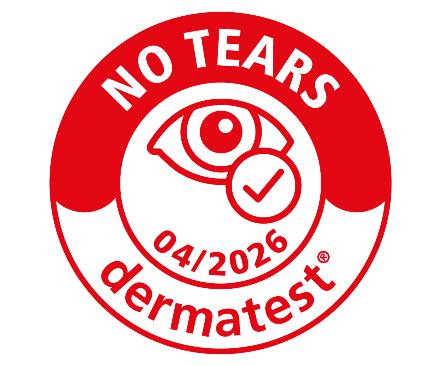
Figure 1: Dermatest No Tears Seal provided for cosmetic manufacturers as a labeling option if their products can be classified as mild or extra-mild
n The Benefits: Where Science Meets Trust and Transparency
Der matest’s No Tears fills the existing gap and offers the possibility of clearly and precisely demonstrating the mucosal tolerance of cosmetic products Compared with all other common methods, Der matest’s No Tears offers decisive advantages (Table 1): The data are objective and reproducible. The test design can be individually adapted, allowing a wide range of leave-on and rinse-off products to be tested The transferability of the results is guaranteed using a human cell model
Table 1 Characteristics of eye safety test designs

No Tears is a moder n testing approach that fulfils the requirement to inextricably link scientific rigor with ethical responsibility. It offers a 100% animal-free solution that does not rely on animal models or invasive testing on human subjects W ith almost 50 years of experience in der matology, science, and cosmetics, ethical testing and scientific responsibility for m the foundation of all services provided by Der matest
The Der matest ‘No Tears’ seal thus offers manufacturers a scientifically sound and transparent way to demonstrate the properties of their products, whilst simultaneously creating a credible basis for communication and fostering trust between manufacturers and increasingly well-informed end consumers
n References
1. Tiemann-Hesselbarth J, Risse S, Meyersick-Püchel T, Voss M. ‘No tears’ testing for cosmetic products Personal Care Global 2025;4,106–110
2 OECD (2009a): Test No 437: Bovine Cor neal Opacity and Per meability Test Method for Identifying Ocular Corrosives and Severe Irritants. OECD Guidelines for the Testing of Chemicals, Section 4 Paris: OECD Publishing
3. OECD (2013c): Test No. 437: Bovine Cor neal Opacity and Per meability Test Method for Identifying (i) Chemicals Inducing Serious Eye Damage and (ii) Chemicals Not Requiring Classification for Eye Irritation or Serious Eye Damage OECD Guidelines for the Testing of Chemicals, Section 4. Paris: OECD Publishing.
4 Luepke NP Hen's egg chorioallantoic membrane test for irritation potential Food Chem Toxicol. 1985 Feb;23(2):287-91. doi: 10.1016/0278-6915(85)90030-4. PMID: 4040077.
(continued on Page 16)
5 Luepke NP, Kemper FH The HET-CAM test: An alter native to the Draize eye test 1986;24(67):495-496. https://doi.org/10.1016/0278-6915(86)90099-2.
6 McNamee P, Hibatallah J, Costabel-Farkas M, Goebel C, Araki D, Dufour E, Hewitt NJ, Jones P, Kirst A, Le Varlet B, Macfarlane M, Marrec-Fairley M, Rowland J, Schellauf F, Scheel J. A tiered approach to the use of alter natives to animal testing for the safety assessment of cosmetics: eye irritation Regul Toxicol Phar macol 2009 Jul;54(2):197-209 doi: 10.1016/j.yrtph.2009.04.004. Epub 2009 Apr 22. PMID: 19393279.
7 Pfannenbecker U, Bessou-Touya S, Faller C, Harbell J, Jacob T, Raabe H, Tailhardat M, Alépée N, De Smedt A, De Wever B, Jones P, Kaluzhny Y, Le Varlet B, McNamee P, Marrec-Fairley M, Van Goethem F Cosmetics Europe multi-laboratory pre-validation of the EpiOcular™ reconstituted human tissue test method for the prediction of eye irritation Toxicol In Vitro 2013 Mar;27(2):619-26 doi: 10 1016/j tiv 2012 11 007 Epub 2012 Nov 16 PMID: 23159500
8 Kaluzhny Y, Kandárová H, Hayden P, Kubilus J, d'Argembeau-Thor nton L, Klausner M
Development of the EpiOcular™ eye irritation test for hazard identification and labelling of eye irritating chemicals in response to the requirements of the EU cosmetics directive and REACH legislation. Alter n Lab Anim. 2011 Sep;39(4):339-64. doi: 10.1177/026119291103900409. PMID: 21942547
9 OECD (2015): Test No 492: Reconstructed Human Cor nea-like Epithelium (RhCE) Test Method for Identifying Chemicals Not Requiring Classification and Labelling for Eye Irritation or Serious Eye Damage OECD Guidelines for the Testing of Chemicals, Section 4 Paris: OECD Publishing
10. McCain NE, Binetti RR, Gettings SD, Jones, BC. Assessment of ocular irritation ranges of market-leading cosmetic and personal-care products using an in vitro tissue equivalent The Toxicologist, 2002;66(S1): 243
About the Authors:
n Sarah Risse, Ph.D.
Dr Risse works in business development within the cosmetics industry, combining scientific expertise with a strategic market focus Having completed her Ph.D. in Biochemistry, she has over 12 years of experience in der matological research and clinical trials Her focus lies on translating scientific findings into relevant claims and distinctive product positioning. Contact: dr.risse@dermatest.com.
n Janina Tiemann-Hesselbarth, Ph.D.
Dr Tiemann-Hesselbarth holds a Ph D in Biochemistry and has many years of experience working with human cell cultures and in aging research. She is a leading researcher at Der matest GmbH and, as the lead author of the “No Tears” publication, set up the test design in collaboration with other experts from Der matest to meet the cosmetic industry’s specific requirements for reproducable and reliable safety data Contact: dr tiemann@der matest com





TThe Time Capsule –An Interview with Henry F. Maso
here is an inter net resource known as the Wayback Machine (https://web archive org) It archives one trillion web pages, a few of which are from the NYSCC websites of the 1990s
The Time Capsule contains personal views of the past, present, and future state of the cosmetic industry written by for mer chairs of the NYSCC chapter Each statement deals with broad issues of historical and/or scientific interest

Starting in 1998, the Cosmetiscope under the project named “The Time Capsule” interviewed four industry leaders about the state of the cosmetic industry: Ken Klein, Henry F Maso, David C Steinberg, and Paul Thau. This was fortunately captured by the Wayback Machine. Last month, we printed an interview with Ken Klein This month, we bring you an interview with Henry Maso
n About the Interviewee
Henry F Maso was a consultant and principal of H F Maso Associates He was also a Senior Research Scientist at Johnson & Johnson and Senior Vice Presid at Amerchol Corporation. In addition to chairing the New York Chapter, h served as president of the Society of Cosmetic Chemists (SCC) and of the Inter national Federation of Societies of Cosmetic Chemists (IFSCC).
n Remarks by Henry F. Maso
I believe that the most significant advances and contributions to personal care technology have occurred in the enor mous proliferation of ingredients now available to the cosmetic chemist.
When I first became involved in this industry in 1944, there were only a few hundred ingredients available for the relatively primitive technology of the early 1940s. Today there are over 9,000 ingredients and over 14,000 trade names in the CTFA-INCI Dictionary This spectacular expansion o ingredient technology has been truly mind boggling in its complexity a creativity, and I am glad that I was able to be a witness to this industrial gr and development in personal care

While numerous innovations have occurred in surfactants, synthetic oils, polymers, silicones, botanicals, "active" ingredients, and many other areas, there is one area, a particular favorite of mine, that I wish to emphasize. I refer to "hydrophobically modified polymers." I think these should be described more accurately as "lipophilically modified polymers " The development of this group of ingredients has had a major impact on emulsion stabilization. They have provided structural stabilizing effects which minimize dependence on conventional emulsifiers In my opinion, these polymeric stabilizers have not yet achieved the full recognition they deserve Many new lipophile-modified polymers are being developed that will make these emulsifying polymers the most significant contribution of the past decade to emulsion technology
In contrast to conventional oil-in-water (o/w) emulsifiers, the bulky configuration of the polymer backbones limits the extent of positioning of their lipophiles in interfacial films However, these modified polymers have a unique stabilizing effect on inter nal oil phases and dispersions because of their associative activity The lipophilic side chains, essentially foreigners in the aqueous environment of an o/w emulsion, bond together for ming cells which entrap inter nal phase droplets or particles Lipophilemodified polymers have proven to be powerful stabilizers for o/w systems, and in some instances practically eliminate the need for conventional emulsifiers The main backbones currently used for these modifications are hydroxyethylcellulose and acrylate copolymers, but the future should bring us many new developments in this technology
NYSCC Suppliers’ Day 2026 Unveils Comprehensive Conference Program Highlighting Science Driving Beauty Innovation
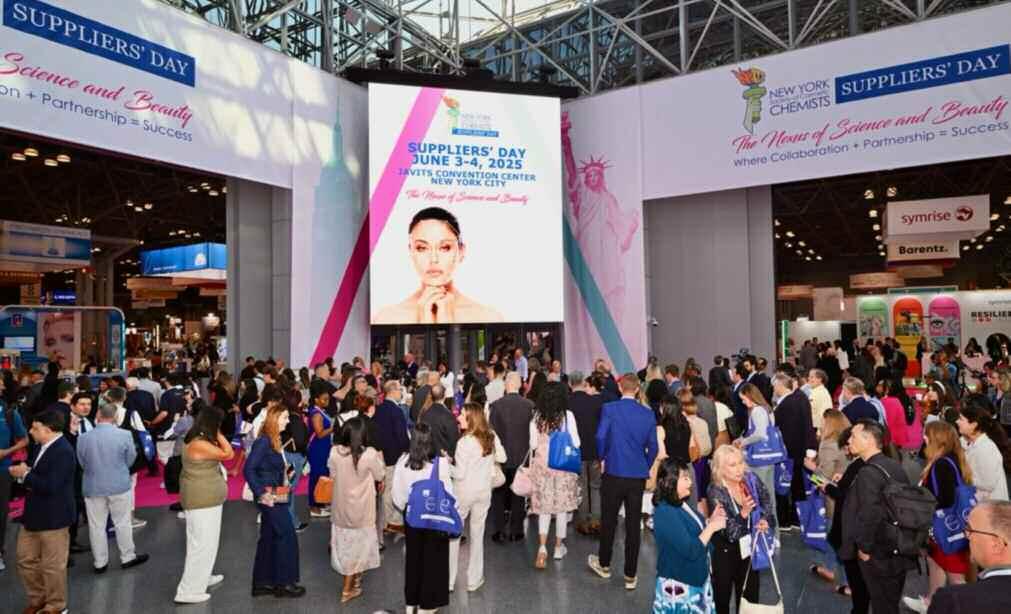
The New York Society of Cosmetic Chemists will present an expanded and forward-looking conference program at Suppliers’ Day 2026, taking place May 19th–20th at the Jacob K Javits Convention Center in New York City. Recognized as the largest ingredients and for mulation event in North America, Suppliers’ Day will feature more than 100 hours of education and technical programming aligned with this year ’ s theme, “Breaking Beauty Boundaries with Science ”
“Innovation in beauty begins with science, and our conference program showcases how scientific discovery is redefining the future of beauty and personal care, ” said Anushka Nadkar ni, Chair of NYSCC “The program is designed to support professionals across the entire innovation pipeline from discovery in the lab to finished product development and market launch ”
n New and Featured Programs Reflect Emerging Industry Trends
Several new and expanded educational features will debut at Suppliers’ Day, along with an unprecedented number of brands speaking, including:
• K-Beauty Immersion and Tour, exploring Korea’s influence on global beauty innovation and for mulation trends
• Biodesigned Care, focused on biotechnology-enabled ingredients and next-generation sourcing and development
• Sensory Science Workshop, examining how texture, feel, and perception influence product perfor mance and consumer experience.
• Idea Ignition, a new Main Stage program spotlighting emerging concepts
• IFSCC Presents: Where Cosmetic Science is Going Next, highlighting how innovation is expanding beyond traditional for mulation work
Together, these programs reflect the industry’s shift toward science-led innovation, where biotechnology, for mulation expertise, and consumer insight converge to deliver high-perfor mance products.
The conference will also bring a strong global and regulatory perspective, with sessions addressing evolving compliance requirements, inter national market opportunities, advanced scientific research from leading industry organizations including SOCMA, and the retur n of CACPA’s program on China’s ingredient innovations
Returning educational favorites include Discover Sustainability, Fragrance: The Invisible Art and World of Chemistry, alongside specialized technical tracks presented by the NYSCC Scientific Committee
covering Der maBeauty, Hair and Scalp Care, and Microbiome Science.
Two Main Stage keynote conversations will anchor the program Day one will feature Supergoop! executives discussing how the brand transfor med SPF into a daily skincare essential, while day two will feature a conversation with L’Oréal Groupe on collaboration and advanced research driving global innovation
Education and discovery will extend across the exhibit floor through curated experiences including The Inspiration Hive, Innovations Theater, INDIE 360° Pavilion, Catalyst Cor ner, Technical Poster Presentations, and The Formulators’ Tour, as well as a live broadcast of NYSCC’s new podcast, The Science Shaping Beauty
Suppliers’ Day also continues to invest in future industry talent through expanded student and earlycareer programming, including the Future Chemists Workshop (expanded to two days), University Row, mentorship programs, and a career fair connecting emerging professionals with industry leaders
n A Must-Attend Week of Beauty Experience
Through expanded partnerships with leading industry organizations, Suppliers’ Day is part of a broader “Week of Beauty” in New York City Programs include SCC CEP courses, NYSCC Industry Awards Night, CEW Connections, and a post-show regulatory forum hosted by the Independent Beauty Association (IBA), reinforcing Suppliers’ Day as a global hub for collaboration and innovation.
W ith close to 700 exhibitors, the largest exhibit floor in the show’s history, and a comprehensive conference program spanning science, regulation, marketing, and product development, Suppliers’ Day 2026 will provide attendees with a complete view of beauty innovation from discovery to finished product
For more infor mation and to view the full conference program, visit: www nyscc org/suppliers-day
2026 NYSCC Events Calendar
• For updated NYSCC information, visit us on the web at: www.nyscc.org
• For National SCC information: www.scconline.org
April 23 Sustainability Symposium
Liberty House, Jersey City, NJ
April 29 Spate Ingredient Trends Report: The Ingredients Shaping Beauty in 2026 – Virtual Event
May 19 – 20
May 19
July 27
August 8
NYSCC Suppliers’ Day
Jacob K. Javits Convention Center, New York, NY
NYSCC Industry Awards Night
Hard Rock Hotel, New York, NY
NYSCC Golf Event
Crystal Springs Resort, Hamburg, NJ
NYSCC Fishing Trip
Atlantic Highlands, NJ
September 8 Suncare Event
Pleasantdale Château, West Orange, NJ
September 17
NYSCC Culinary Event
The Legacy Castle, Pomptom Plains, NJ
October 8 The Skin Barrier as a Living Interface: Biology, Disruption, and Repair
November 12
November 30 – December 2
The Legacy Castle, Pompton Plains, NJ
Innovations Event
Bell Works, Holmdel, NJ
SCC Scientific Meeting & Showcase
JW Marriott LA Live, Los Angeles, CA
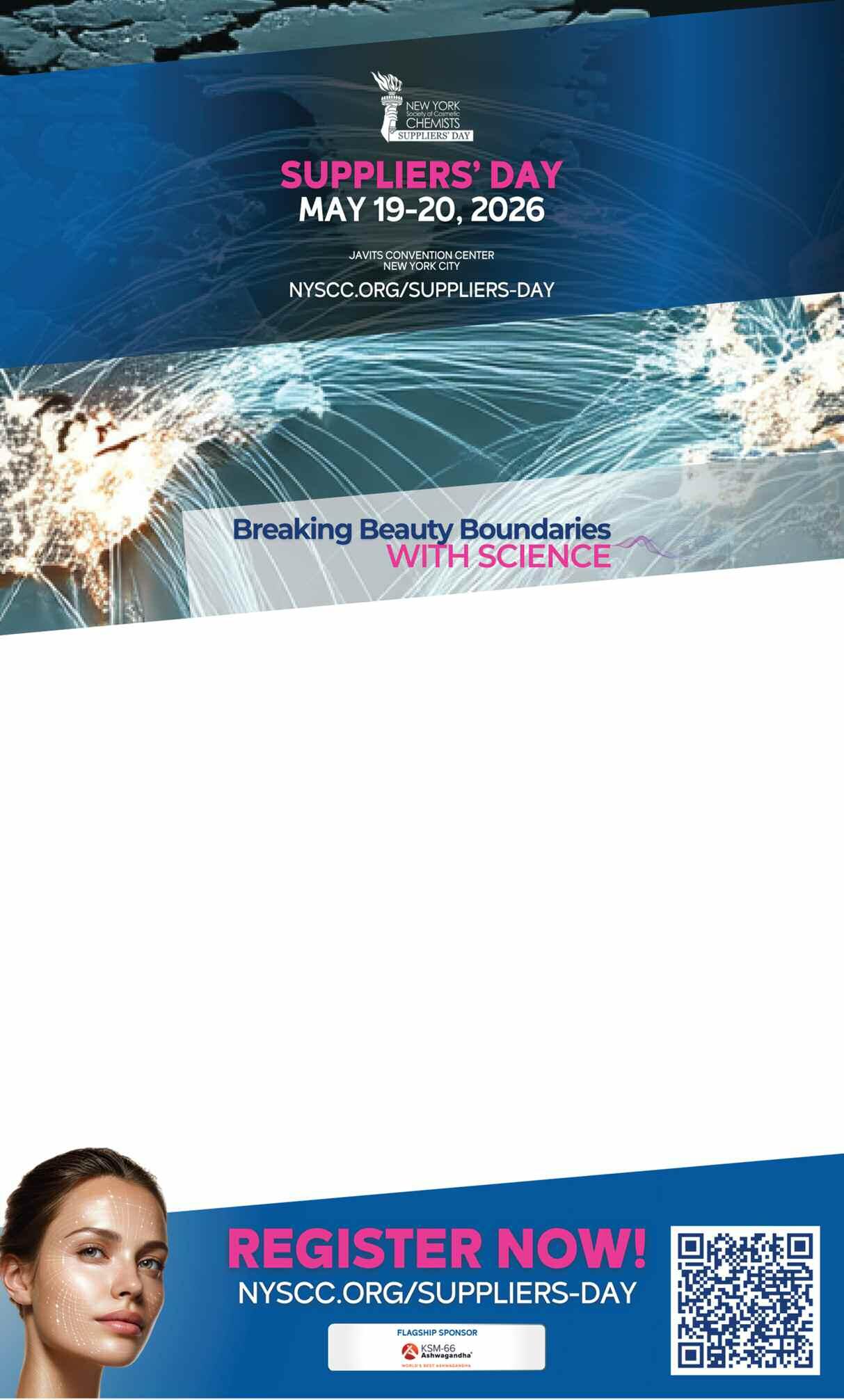
New and enhanced content in 2026 along with staples in hair, sustainability, microbiome, and regulatory and compliance makes SUPPLIERS’ DAY a mustattend. REGISTER TODAY to ensure you get the latest on all that is happening! Here’s a sampling of WHAT’S NEW:
• K-BEAUTY IMMERSION @ SUPPLIERS’ DAY...a deep dive with programming, a tour and more!
• BIODESIGNED CARE: learn how biotechnology is shaping the next era of personal care.
• SENSORY WORKSHOP @ SUPPLIERS’ DAY: an experiential program focusing on sensory evaluation methods.
• BEST FROM IFSCC: experience award-winning Cannes presentations in NYC!
• THE FORMULATORS’ TOUR: join the tour that will demonstrate how beauty is powered by plant life.
Couple this with nearly 700 exhibitors, thousands of solutions, and unparalleled networking with 11,000+ industry professionals - there is no doubt you need to be there! Act today so you can start planning your journey in this true WEEK OF BEAUTY.