
자체 투표권법을 제정한
KCS한인봉사센터,
KCS 한인봉사센터(Korean Community Services of Metropolitan New York)는 뉴욕
시 노인국(NYC Department for the Aging, NYC Aging)의 지원
을 받아 뉴욕시 거주 60세 이상 시
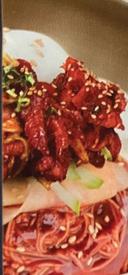
니어를 위한‘특별 농산물 나눔 행사(Pop-up Produce Distribution)’를 오는 8월 한 달
간 총 4차례 개최한다.
이번 행사는 여름철
지역
건강한
돕기 위해 마련됐다.
최근 지속되는 생활물가
각종 복지 혜택 축소로 인 해 어려움을 겪고 있는 시니어들 에게 실질적인 도움이 될 것으로
기대된다.
행사 기간 동안 매회 선착순 최
대 600명, 총 2,400명의 시니어들에 게 신선한 농산물이 무료로 제공
될 예정이다.
주가 됐다. 이 법은 2022년 처음 발의된 이 후 4년간의 시민 단체들의 옹호 활 동 끝에 통과됐으며, 상원에서 25 대 14로 가결돼 주지사에게 송부 됐다. 시민 단체들은“최근 10년간 인
종 간 투표율 격차가 전국적으로, 뉴저지에서도 꾸준히 벌어졌다”
며, 연방 차원의 투표권법 보호가
후퇴하는 상황에서 이번 입법이
민주주의를 지키는 의미 있는 진
전이라고 평가하고 있다.
‘유권자 권익 보호법’주요 내
용은 다음과 같다.
▲선포 목적: 모든 유권자 자

격을 갖춘 시민의 참여를 장려하 고, 인종·피부색·언어 소수자 집단을 포함한 보호대상 계층이 정치 과정에 동등하게 참여할 기 회를


오는 8월부터 시작되는‘특별농산물 나눔 행사’일정은 8월달 매주 월요일 인 8월 3일, 10일, 24일, 31 일에‘플러싱 제일교회 주 차장(38-24 149th Street, Flushing, NY11354)에 서 오전 10:00 ~ 오후 2:00

까지 진행되고, 물량 소진 시에는 조기 마감될 수 있다.
수혜 대상은 만 60세 이상 뉴욕 시 거주자로 제한되고, 연령과 뉴 욕시 거주를 증명할 수 있는 사진 이 부된 유효한 신분증을 반드시 지참해야 한다.
자세한 내용 및 업데이트는 KCS 한인봉사센터 웹사이트 www.kcsny.org를 방문하거나, 대표 전화 718-939-6137로 문의하 면 된다. [최은실 기자]


주 전역의 선거 정보를 담은 중앙 공공 데이터베이스를 마련해 선거 관행에 대한 감시를 강화한 다. ▲불필요한 장벽 제거: 유권자 등록과 투표 참여를 가로막는 불 필요한 장벽을 없애는 지침 원칙 을 세우는 동시에

뉴욕한인변호사협회는 KCS 한인봉사센터, 뉴욕한인회와 함 께 매달 첫 번째 화요일 정기 무료 법률상담 세미나를 진행해 오고 있다. 8월 법률상담 세미나는 오는 8 월 4일 비대면 전화상담으로 오후 4시 ~ 오후8시까지 진행될 예정이 다. 심상구 변호사, Stacy Hong 변호사, 이선재 변호사가 이번 세


“미국에서 자라나는 청소년들
에게 우리 한국의 역사와 문화, 인
물을 공부하게 하여 한국에 대한
올바른 인식과 자긍심을 갖게 함
으로써 한인으로서의 정체성을 키
워주자”
대뉴욕지구 경기여고동창회
(회장 이정희) 산하, 경운장학회
(회장 강용진)는 5월 2일(토) 오후
1시(동부시간) 맨해튼에 있는 코
리아 소사이어티에서 제16회 영어
웅변대회를 화상 및 대면 하이브
리드(hybrid)로 개최했다. 올해
주제는 ‘한국 문화와 나(K-
Culture & Me)’였다. 수상자는 △대상(상금 1,500달 러): 최연수(Yeonsoo Chloe Choi, 조지아 주) △1등상(1,200 달 러): 간시현(Sihyun Kan, 버지이 아 주) △2등상 2명 (각 1,000 달 러): 트르쟌 류(Trajan Ryu, 뉴욕 주), 나탈리 타(Natalie Tha, 캘리 포니 주) △3등상 3명(각 500 달 러): 사할 유수프자이(Sahar Yousufzai, 뉴저지 주), 권 아이린 (Irene Kwon, 캘리포니아 주), 김 세아(Seah Kim, 캘리포니아 주) △장려상 3명(각 300 달러): 엠마
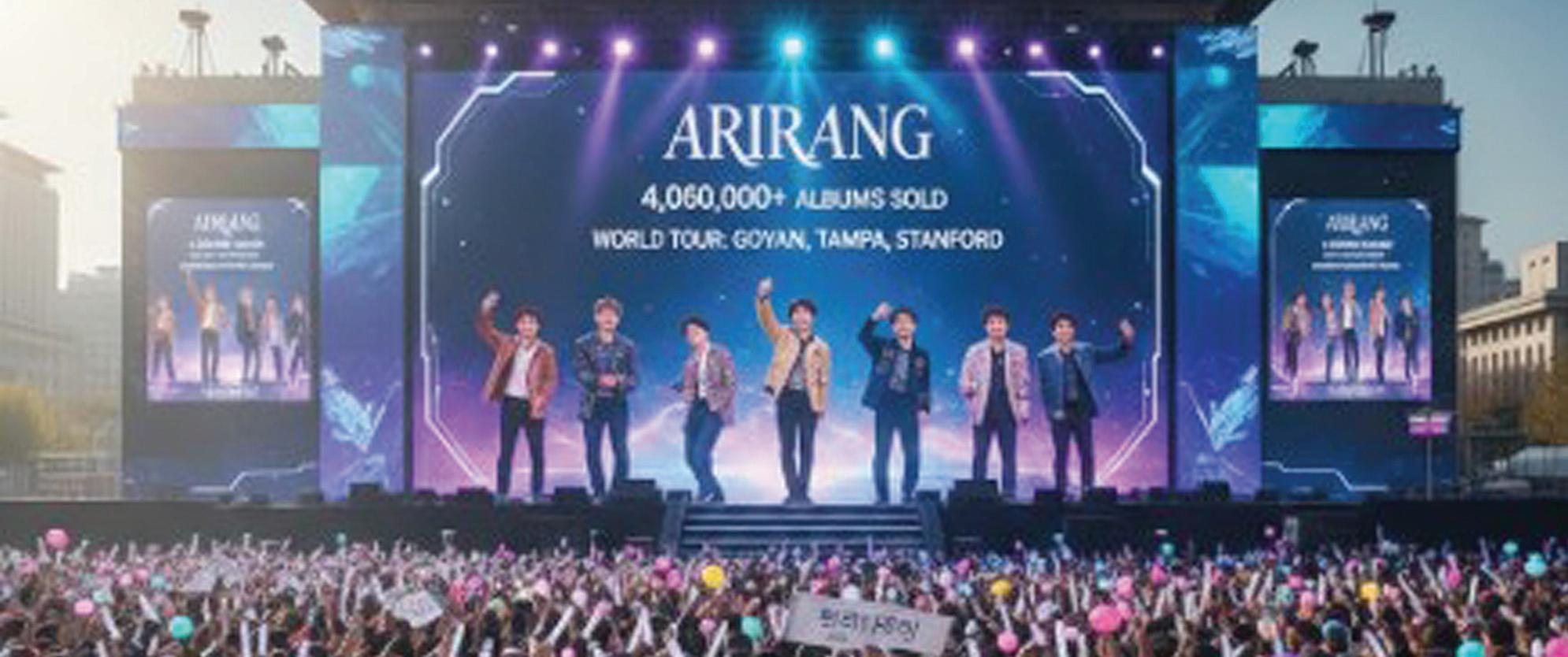
The most anticipated comeback album of this year is BTS’ s new album “Arirang,” named after the centuries-old Korean folk song one that has survived colonization, war, division, and despair. Arirang, the unofficial anthem of Korea, is the pinnacle of Korean soulfulness and storytelling. So when the biggest K-pop group in the world names their comeback after it, they are doing more than releasing an album. As I see it, they are reaching backward, inward and outward all at the same time.
I grew up hearing arirang sung in my halmoni’ s Gyeongsang-do satoori. To me, Arirang is reminiscent of old photographs and memories that belonged to another time: a relic of the past. Every Thanksgiving, my halmuni and all of my elders would gather around and sing their favorite Korean folk songs late into the night. When arirang made its round, there was an especially unique cadence within their collective voice. When I heard them sing arirang, I associated it with nostalgia and their yearning for the simpler days in the fields of their youth. As immigrants, each of my relatives had toiled away working hard, long days. To me, it was wonderful to see them connecting to each other and to their past lives. As they sang arirang, you could hear it in their voices the longing for home.
When I got a little bit older, I found out that arirang was sung as a resistance to Imperial Japan and to showcase Korean pride. Since discovering this, I started to notice the power and emotion behind my halmuni’ s performance of arirang. I wondered whether through singing she was mourning the division of North Korea and South Korea following the Korean Civil War, like many of her generation. Or maybe, she was thinking of her hometown Songchon, a faraway place both in distance and memory. All Koreans across borders and oceans intimately know and feel arirang in their hearts. My halmuni calls it the song of ‘woori nara’
While in middle school, my halmuni and I were watching the K-pop channel on On Demand Korea and eating peeled and cut up persimmons when we encountered BTS’ s 2016 performance of arirang in Paris. I was shocked to hear the familiar, classic melody against modern, upbeat background music and the cheers of Parisian fans. I could not help but feel pride at how wide-
유 레즈닉(Emma Yoo Reznik, 뉴욕 주), 장하나(Hana Jang, 뉴 욕 주), 이 올리비아(Olivia Lee, 메릴랜드 주) △결선 진출상 6명 (각 200 달러): 김션경윤(Sean Kyung Yoon Kim, 뉴저지 주), 윤윌리암(William Yoon, 메릴랜 드 주), 권유진(Eugene Kwon,캘 리포니 주), 예준 조엘 아멜링(Ye Joon Joel Ameling, 워싱턴 주), 최윤아(Yunah Choi, 캘리포니아 주), 김예서(Yeseo Kim, 매사추 세츠 주)였다.
웅변대회 이전에 원고 점수만
으로 결정되는 원고상(각 500 달 러)은 김션경윤(Sean Kyung Yoon Kim, 뉴저지 주)과 엠마 유 레즈닉(Emma Yoo Reznik, 뉴욕 주)이 수상했다. 원고심사는 장하나(동문), 강 난원, 김은영(동문), 김혜숙(동 문), 제니퍼 I 김, 김윤정(MD), 이 미윤, 이원숙(동문), 문귀향(동 문), 목정혜(동문), 피터 스미트, 양현주(지난 대회 대상수상자) 씨 가 맡았다.
대회 심사위원은 허준옥 박사 (동문), 박찬경 동문(전문 통역

사), 이유진 의학박사, Linda Tobash(코리아 소사이어티 수석 고문), 양현주(지난 대회 대상수 상자) 씨가 맡았다. 경운장학회 관계자들은“대회 를 거듭할수룩 응모 학생들이 많 아지고, 특히 외국계 학생들도 늘 어 한국에 대해 올바를 인식을 갖 게하는 등 교육적 효과가 크다. 우 리 학생들이 학교에서 배우지 못 하는 한국의 역사, 문화, 상황, 인 물, 디아스포라(전 세계에 진출해 살고 있는 한인들)을 스스로 공부 하는 과정에서 한국에 대한 자긍
EmmaYooReznik<SaintAnn’sHighSchool, NY>
reaching the music and pop culture of woori nara had achieved. I found myself deeply curious about how this song I associated with the Korea of my halmuni’ s time was taking center stage inside a stadium filled with thousands of global fans.
As I explored further, I wondered whether beyond the enormous talent, appealing visuals and highly perfected performances, there was something else, something deeper. My personal theory is that behind K-pop fandom lies intense feelings of jeong between the Korean artists and their fans. Across the globe, K-Pop artists have forged deep connections with their fans, through post-concert vlogs and relatable behind the scenes vignettes where audiences are invited to witness the artists as everyday people, unfiltered and unmasked. For all of K-Pop s glossiness, there is a rawness, a realness to be found in the person behind the idol image. K-pop fans do not just consume content. They join a community. They discover jeong a sense of belonging to something larger than themselves, to something that has no borders and does not require translation.
Jeong is the invisible yet profound communal connection and shared feelings of belonging and loyalty that all Koreans share. Jeong is not simply friendship or affection but a bond, an attachment, a deep sense of belonging. I have experienced jeong in Korean restaurants when we continue to order more food and talk for hours. Our hunger has been satiated, yet we crave camaraderie and connection. As my halmuni continues to pile food onto my plate, I revel in our unspoken jeong. Koreans know all too well the joy of experiencing jeong.
But, jeong does not exist alone.
“… Arirangmayhaveitsoriginsfromatimelongpast, butitssoulfulnessisverymuchalivetoday. Theotherday, asIsatbesidehalmuni, I askedhertosingarirangwithme. MyAmericanaccentmergedwithhersatooriandalignedintoharmoniousunity. IbelievethatKorea’ s greatestexportisnotpoptunesoraddictivek-dramas—itisemotionaltruth, Koreansoulfulnessandthehopeforrealconnection. Andthat, unliketrends, willneverexpire.”
Han is its counterpart. Han is the internalized feeling of lingering grief, sorrow and resentment embedded deep in the Korean psyche. Born from historical suffering, it is an emotional inheritance, passed down through generations. I myself have experienced han when reading novels by Han Kang and feeling her grief as if they were my own. Han is clear to see and feel in movies like Parasite or shows like Squid Game which are full of resentment, pain and catharsis. They offer up stories Korean stories that do not have neat, happy endings. Han persists in the Korean narratives passed down to me, of the Japanese occupation, the Gwangju uprising, the LA Riots, or even the story of my own family’ s immigrant struggles.
To me, it is han and jeong, two sides of the Korean psyche, and the unique way they are interwoven into Korean storytelling, that makes Korean content so compelling. Han remembers pain; jeong insists on connection. Korean artists are especially adept at giving creative expression to both. I call it Korean soulfulness. The same soulfulness behind the haunting yet beautiful melody of arirang. I believe it is this soulfulness that resonates so powerfully with global audiences. While han and jeong may be uniquely Korean, their universal themes of the human
experience speaks to global audiences. The most popular Korean storytelling are those that are not “whitewashed” for non-Korean audiences but instead are born from the Korean experience, which is full of historical pain and trauma yet also of heart and humanity. For me, K-Culture is not just entertainment it is affirmation. It ties my identity, feelings, and experiences to a history, a people, and a culture larger than myself. Has K-Culture reached its peak? I don’ t think so. As long as Korea continues to tell stories rooted in han and jeong, its cultural influence will evolve rather than fade. BTS naming their album “Arirang” is proof of that. In doing so, they put Korean soulfulness on the world stage and share it with their global fans hungry for more meaning and connection for more jeong. Arirang may have its origins from a time long past, but its soulfulness is very much alive today. The other day, as I sat beside halmuni, I asked her to sing arirang with me. My American accent merged with her satoori and aligned into harmonious unity.
I believe that Korea’ s greatest export is not pop tunes or addictive k-dramas it is emotional truth, Korean soulfulness and the hope for real connection. And that, unlike trends, will never expire.