

SUMMER 2026
SUMMER 2026
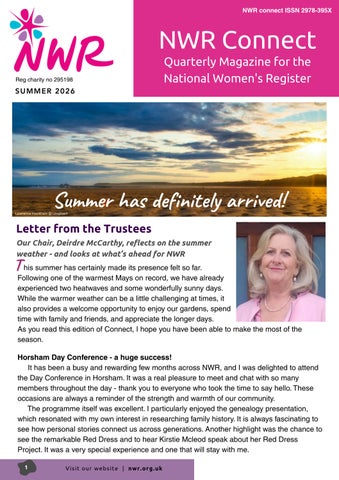
OurChair,DeirdreMcCarthy,reflectsonthesummer weather-andlooksatwhat’saheadforNWR
This summer has certainly made its presence felt so far. Following one of the warmest Mays on record, we have already experienced two heatwaves and some wonderfully sunny days. While the warmer weather can be a little challenging at times, it also provides a welcome opportunity to enjoy our gardens, spend time with family and friends, and appreciate the longer days. As you read this edition of Connect, I hope you have been able to make the most of the season.
Horsham Day Conference - a huge success!
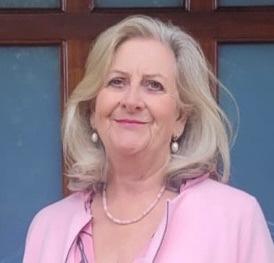
It has been a busy and rewarding few months across NWR, and I was delighted to attend the Day Conference in Horsham. It was a real pleasure to meet and chat with so many members throughout the day - thank you to everyone who took the time to say hello. These occasions are always a reminder of the strength and warmth of our community
The programme itself was excellent. I particularly enjoyed the genealogy presentation, which resonated with my own interest in researching family history It is always fascinating to see how personal stories connect us across generations. Another highlight was the chance to see the remarkable Red Dress and to hear Kirstie Mcleod speak about her Red Dress Project It was a very special experience and one that will stay with me
and connected. The weekly Week Ahead and monthly newsletters, emailed
subscribed members, are full of useful information, links, and opportunities to e please do take the time to explore them.
What’s next in the calendar?
Looking ahead, I hope many of you will be able to join us for the AGM on 16 Zoom It is always an important moment in our calendar and a chance to come a membership. And beyond that, our National Conference in Norwich on Thursd September promises to be a real highlight of the year - I very much hope to see you there. A big thank you to everyone who booked early and made the confer viable. We are not at capacity so can take bookings through to the end of Augu
With best wishes for a warm and enjoyable summer!

TheNWRteamhaveanimportantannouncementaboutachangetakingplace withintheorganisation
After careful consideration, we have decided to retire the Mary Stott Award. The award has been an important part of NWR for many years, recognising members who have made exceptional contributions through their commitment, leadership and support of others. We are grateful to everyone who has been nominated or received the award, and to those who have helped keep its legacy alive.
In recent years, however, nominations have declined, prompting us to review how we recognise and celebrate members’ contributions We want our approach to reflect the many different ways members make a difference across NWR today.
To achieve this, we are introducing a quarterly NWR Champion feature in NWR Connect from the next issue in the autumn Members and groups will be invited to nominate individuals whose enthusiasm, creativity, commitment or support has had a positive impact, helping us celebrate contributions more regularly and inclusively throughout the year
We look forward to continuing to recognise the members who make NWR such a vibrant and supportive community.
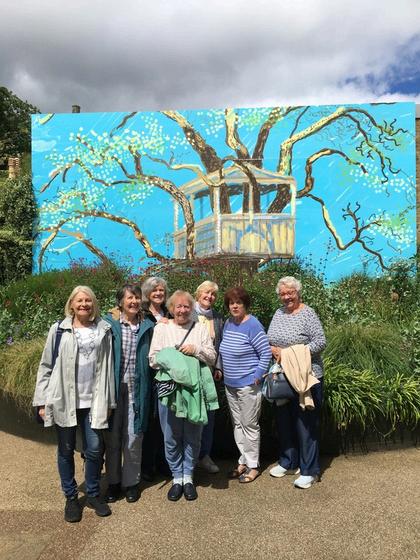
Members from Sutton and Carshalton group visited the Serpentine Gallery in Hyde Park to see the art exhibition by David Hockney called ‘A Year in Normandie’.
Inspired by the Bayeux Tapestry, this work was conceived during lockdown, using digital painting directly onto an iPad.
A beautiful work - and made even more poignant as we learnt of the artist’s death the day before
It’sthattimeofyearwhenNWRgroupsstridethelengthandbreadthof theland!Hereareafewofourfavouritewalks....
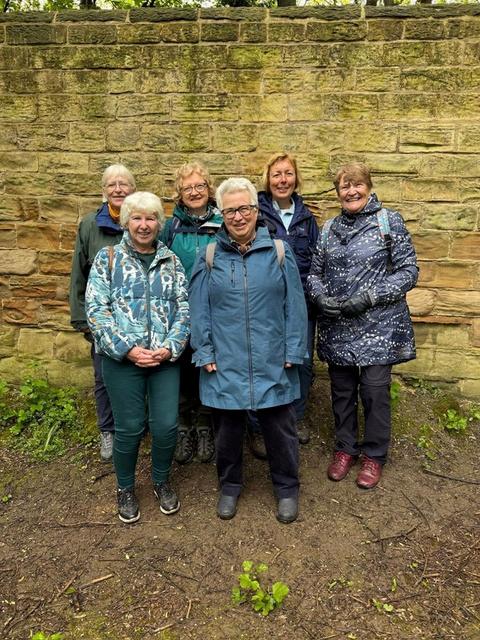
annual May walk
ow a beautiful rural landscape popular with walkers, Waterton Park estate once belonged to the pioneering naturalist Charles Waterton, whose father built the Palladian mansion Walton Hall on an island in Waterton Lake. Today, the Hall is a luxury hotel and much of the estate is a golf course, but the woodland areas are popular with walkers 200 years ago, the world’s first nature reserve was created here when Charles Waterton built a three-mile-long, nine-foot-high stone wall around his estate, intended to keep out poachers, foxes, badgers, and deer, so that small mammals and birds were safe from predators. Within his reserve, he built a watch tower and used a hollow tree to observe wildlife - possibly the country’s first nature hides
Sections of the wall are now crumbling and in need of urgent repair, so a group of enthusiastic locals have pledged to do all they can to preserve it.
These ‘Friends of Waterton’s Wall’ have the full support of Sir David Attenborough, who has made a promotional video to endorse their fundraising efforts. He describes Waterton as one of his personal heroes, recognising him as a pioneering conservationist, whose vision of protecting birds and wildlife was remarkable at a time when conservation was almost unheard of.
While walking past a stretch of the wall, we were thrilled to meet a crew from BBC Look North interviewing members of the Friends’ group at a recently repaired section. The Friends members showed us the new information board explaining the history and purpose of the wall to the public and we wish them well in their endeavours to preserve it
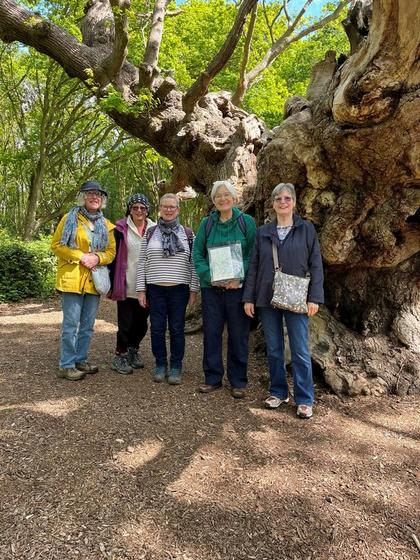
THarwich and Dovercourt group undertook a walk through Manningtree, Essex, that was inspired by the 17 Century Witch Trials. This 800-yearold tree, known as Old Knobbly, is thought to be a witch hanging site t h
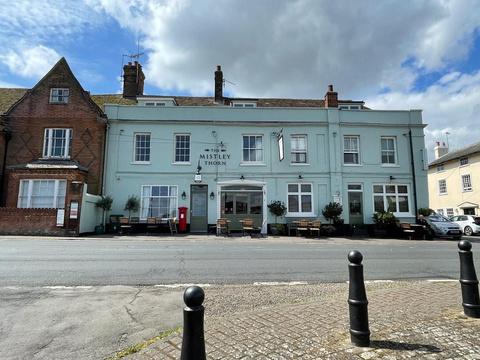
Mistley Thorn is reputed to be the home of the former Witchfinder General, Matthew Hopkins responsible for the deaths of over 200 ‘witches’
Wantage has a Walking Group which walks every Friday morning, usually incorporating a coffee stop. It was suggested that as part of NWR's Walking Month and also Living Street's National Walking Month we would arrange a walk which could appeal to the whole group, especially those who find our usual walks too long or who are worried about "holding everyone up"
So, we arranged a short, local walk with options to drop out if necessary We met at Wantage museum and proceeded down Betjeman Lane to wander round Betjeman Park. John Betjeman lived in Wantage for a while, and there is a half statue of him in front of the museum. The park is a wildflower meadow, full of snowdrops followed by daffodils in the spring, and mainly cow parsley now.
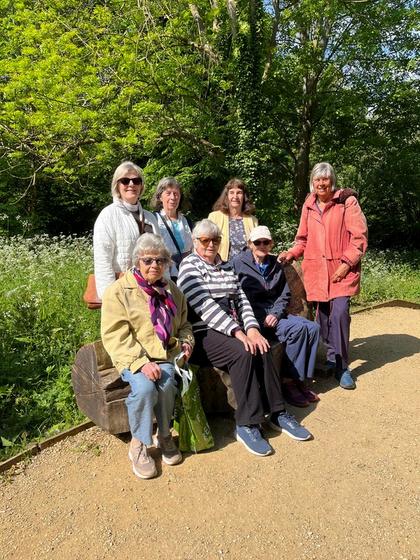
We had a photo opportunity in the park, sitting on a bench donated by a local benefactor The sun actually came out!
We then proceeded along a path bordering the property where Betjeman lived, crossed a bridge over a brook and returned to the museum via a road of what used to be tanners' cottages Tanning started in the 16th century and developed into a thriving industry in the town up until the 19th century.
Refreshments were taken in the museum and several members said that they would like some "shorter walks" or maybe join in for part of the longer walks, so it turned out to be a popular idea.
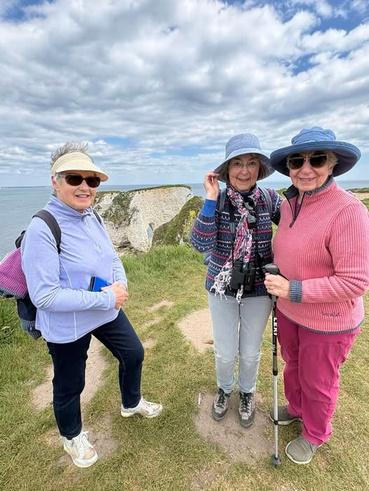
Three of us from three different NWR groups Truro, Bramcote and Dronfield walked a small part of the new King Charles III England Coast Path to Old Harry Rocks in beautiful sunshine with a very fresh breeze!
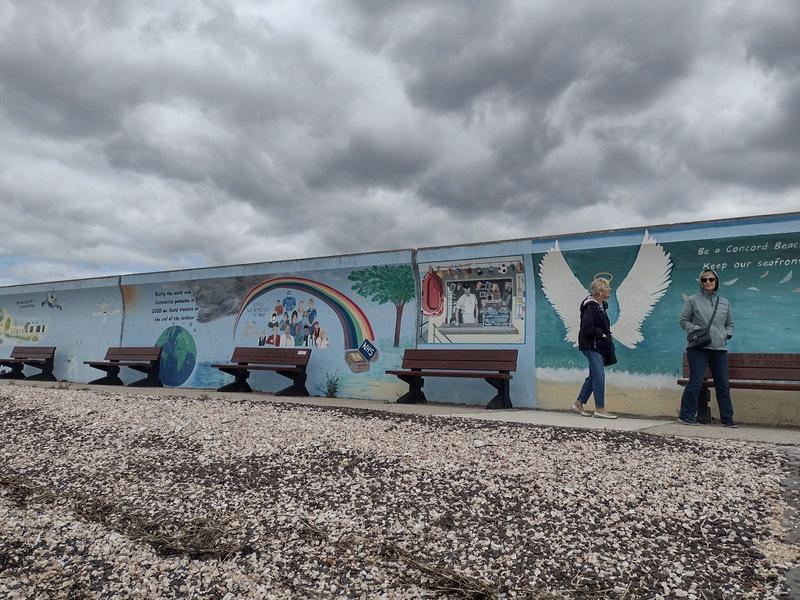
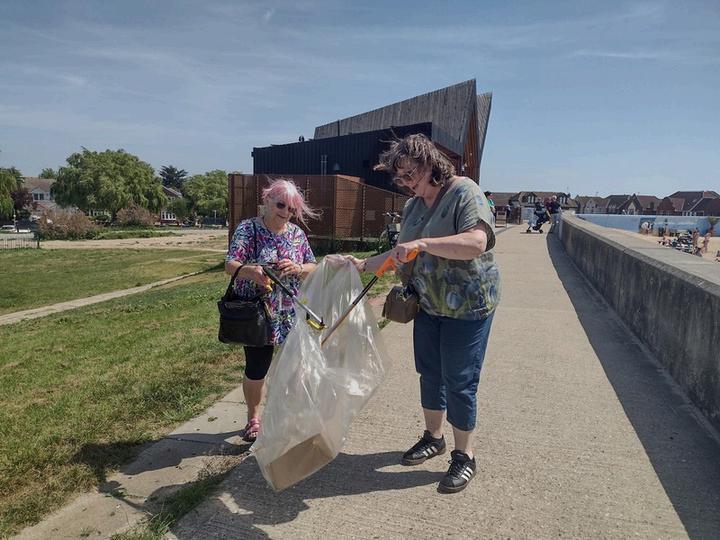
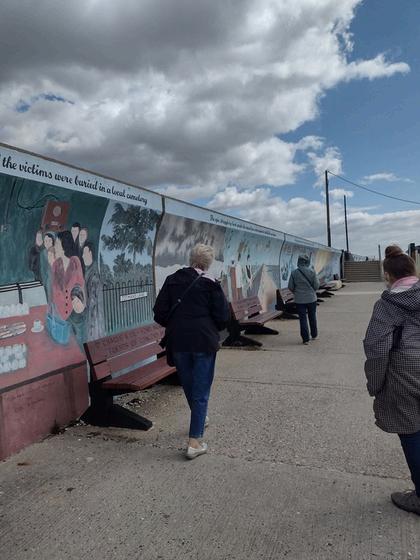
Hadleigh/Southend group walked on two days to accommodate everyone We strolled along Canvey Island sea wall admiring the murals depicting the Island’s history and celebrating some local heroes. The paintings commemorating the terrible floods of 1953 are especially poignant One group did a litter pick to incorporate the Ripple Effect
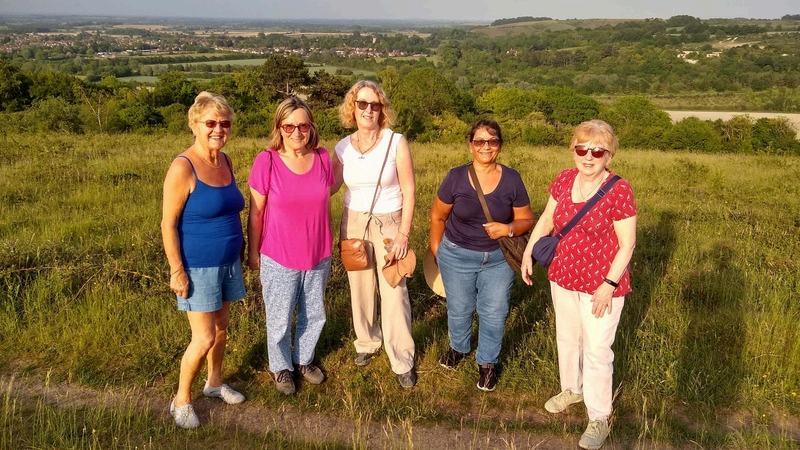
ix members of Luton and South Beds Villages group enjoyed an early evening walk around Sharpenhoe Clappers. Luckily the sun went behind a cloud so it was cool enough to walk through the meadows as well as under the trees We had good views over the countryside
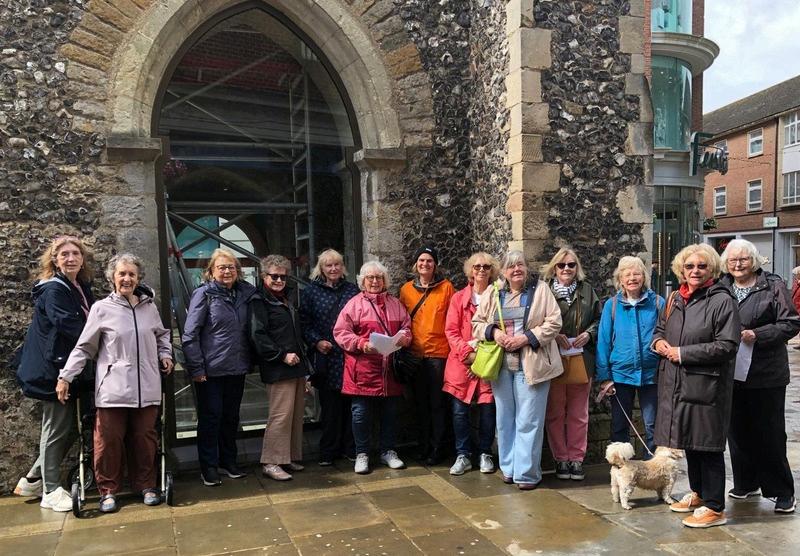
welve of us chose to do a City Walk in Canterbury, based on the various associations that Christopher Marlowe had had with the City, where he was born Although we had some rain, it kept dry most of the time and we had a lovely lunch afterwards. The mileage was short - less than two miles but there were a dozen stops to look at and read information. This picture is taken in front of the Clocktower The Marlowe home was a few yards behind us. No longer there of course - it was on the site of what is now Fenwicks!
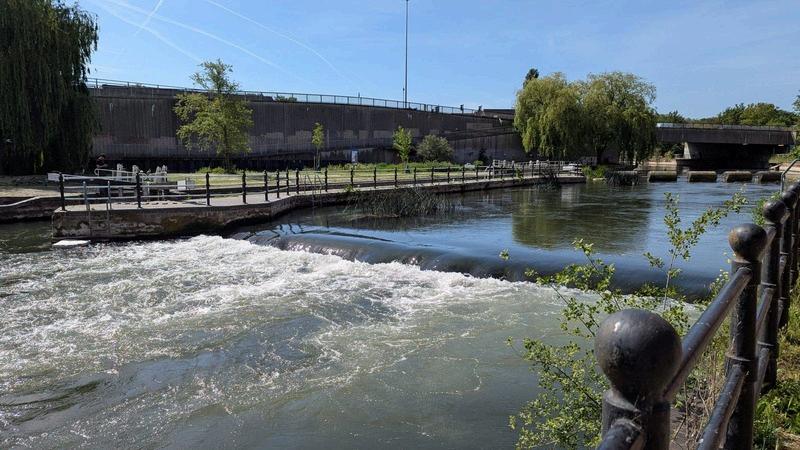
Down to three members plus one husband, the intrepid trio from Woodley group set off on a very hot day to follow the Kennet and Avon canal away from Reading, then veered course to make it a circular route Our numbers were swollen by those who manfully and womanfully joined us for lunch. Our walk was taken from the book Exploring the Elizabeth Line by Jeff Lock, a book which we’re sure other groups based near said line would find fascinating
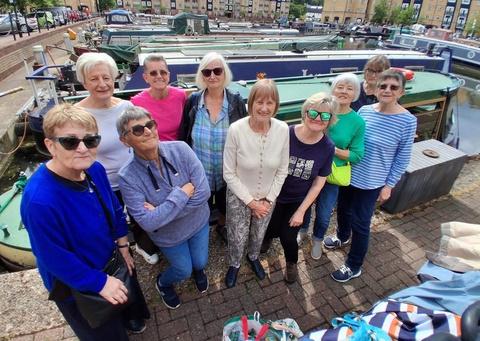
LeightonBuzzardgroupexploredthe countrybyboataswellasonfoot!
Ten intrepid explorers set off from Leighton Buzzard to Apsley for the annual canal boat day out. This year we were delighted to include members from both LB1 and LB2 to the crew Even prior to leaving, the boat owner had phoned to check that we were still up for it as the weather forecast was dire. Did I say that we were intrepid, so of course we stuck with the plan.
All was going well, even the weather, with the boat ably steered by long-time boater Gwyn, and perfect locking by Karen, a CRT volunteer lock keeper, and Sandy, a keen helper refreshing childhood memories, and then....we got stuck behind a very slow and very wide trip boat which, despite very polite enquiries from Heather, would not let us past The sun did come out but we were so delayed that we had to cancel our planned pub lunch. Another pub option was found for the majority of the group, and the rest were meant to catch up but the ground was too hard to secure the boat and leave it Sandwiches sufficed for those who remained.
It was as we all finished our various lunches that the promised thunder, lightning and heavy rain found us at last. Rather damply, we meandered back to the marina to end an enjoyable day.
RotherhamandAstongroupstookatriptotheIsleofMan-and discoveredamagicalplacesteepedinsuperstitionandlegend
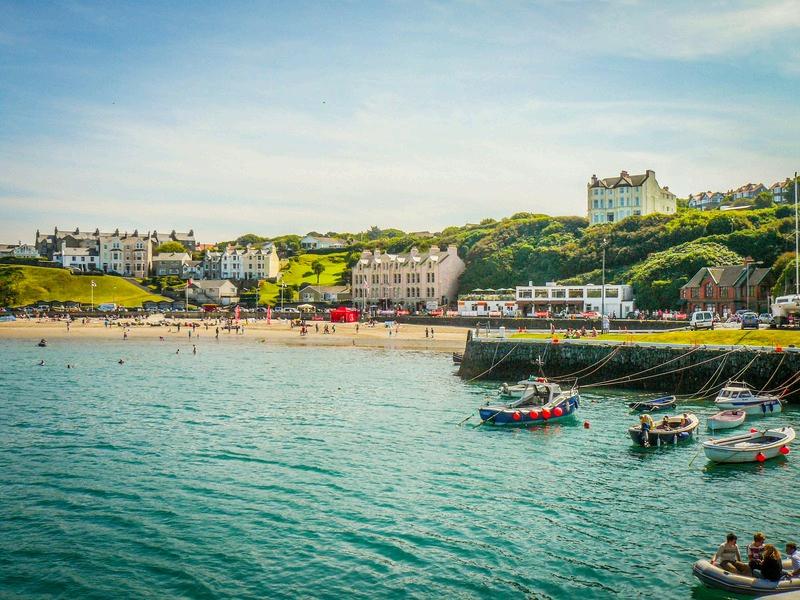
Ashort break away has become an annual event for our group of intrepid explorers, and this year we visited the Isle of Man. In a short space of time, and with an excellent guide, we were immersed in the history, the culture, the governance and the people.
In keeping with local tradition and superstition, we greeted the fairies with a cheerful "Moghrey mie" ("good morning") at the Fairy Bridge near Santon Burn. We also noted the May Eve (Tein' Aalin) crosses - small crosses made from twigs, often rowan, which are placed on doors to prevent fairies from entering the home The Isle is steeped in superstition and legend, and we saw evidence of this folklore wherever we went.
Our itinerary over two-and-a-half days was intense, starting with a journey by horse and electric tram from Douglas to the village of Laxey on the first day. This saw some of us climbing up to the iconic Laxey Wheel - the world’s largest surviving original working waterwheel - which was no mean feat for those of us who managed to get to the top of this incredible example of Manx engineering.
Next morning we began a full day trip with our guide, which included stops at Douglas Head, for a panoramic view and history of Douglas; a brief walking and history tour of Castletown; a visit to Cregneash Folk Museum to see Harry Kelly’s thatched cottage to learn about the reintroduction of the native Manx language and to deepen our understanding of the harsh working lives of the village’s last inhabitants; and a lunch stop overlooking the Calf of Man, for a view of the Sound, the seals and the precarious nature of the waters there
In the afternoon, our journey through Port Erin and up the stunning west coast took us to a farm with a history of internship during the wars, and where Pilates was first ‘invented’ to keep internees fit and healthy.
Then on we went to Peel, where the Cathedral and the museum - the House of Manannan - did not disappoint
We ended our day at Tynwald Hill, the Viking Parliament, where the open-air parliament sitting is held each year in July. This stop provided a comprehensive backdrop to the island’s governance when we undertook a guided tour of the current Tynwald building in Douglas on our final day.
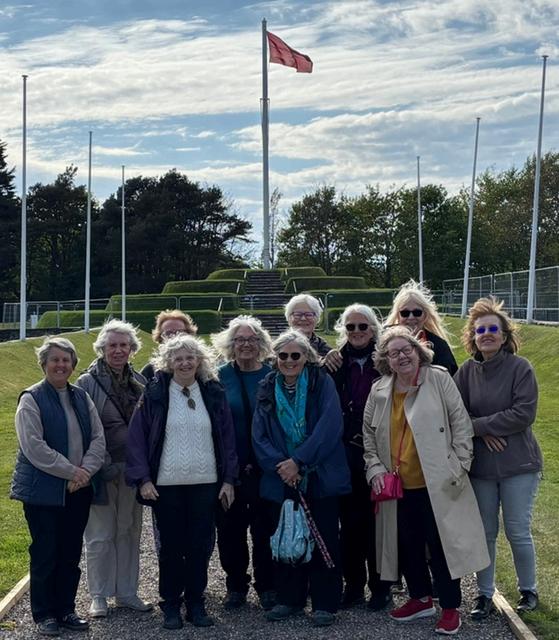
The Manx Museum, our ultimate visit before lunch and our departure for the airport, consolidated all we had learned over the previous two days So the ‘ripple’ of ideas some months ago, regarding what the island might offer us, turned into a tidal wave of adventure and learning we could never have anticipated.
We left satiated and saturated in our knowledge and understanding of the island, hungry to learn more and overwhelmed by the friendliness and helpfulness of everyone we met. “Gura mie eu’” (“thank you everyone”)!
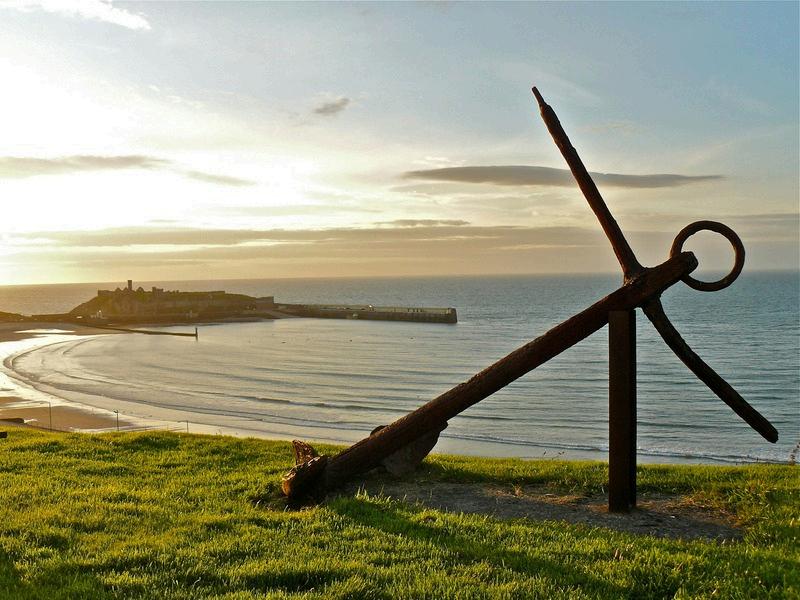
The view towards Peel
OnablusterydayinearlyMarch,threemembersofHarwichandDovercourtgroup setofftovisitan‘energyfromwaste’facilityatGreatBlakenhamnearIpswich
After lunch at Jimmy’s Farm we joined eight others on a public tour of the plant, operated by Suez Recycling and Recovery UK Ltd A PowerPoint presentation by the Community Liaison Manager provided an overview of the process, which uses modern energy-fromwaste technology to generate energy from residual waste that remains after recycling or from materials that cannot be practically recovered. The Suffolk site receives waste from Suffolk, Norfolk, and Southend in Essex.
One thing that startled us - although probably shouldn’t have surprised us - was the packaging from frozen green beans that had been pulled from a landfill site. It had been cleaned but was pristine - and dated from 1971!
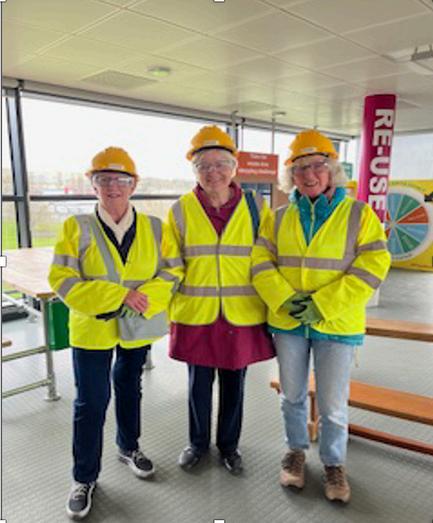
After the Health and Safety Procedure talk, we donned our Personal Protective gear and set off with the CLM leading the tour. First stop was the Control Room, where Operational Staff monitor all areas and aspects of the plant via a bank of computers and screens. The waste received is discharged into a huge bunker, which we viewed from behind enclosed glass panels. A grab crane operator mixes the waste to ensure an even burn before feeding it into the furnace The waste then moves through the furnace, where it dries and combusts at temperatures of up to 1000°C.
The tour is not for the faint-hearted, as we ascended and descended 323 stairs and various walkways during the different stages of the process. It was explained to us how different components are added, such as lime, carbon and urea, to ensure zero pollutants before gases are released outside It’s a complex but efficient process which results in approximately 97% of the waste being incinerated, with a minimal amount going to landfill.
The hot gases from the incineration process pass through a boiler, heating water which turns into steam that in turn drives a turbine generating electricity The resultant ash from the process passes along a conveyor where magnets extract ferrous metals for recycling, with the remaining ash being used as an aggregate replacement in construction materials.
Approximately 10 million tonnes of waste are processed at the site we visited; the electricity generated is sent to the National Grid, sufficient to provide energy to 50,000 homes
An extremely interesting and informative experience on a very topical subject as energy security is vital to us all
WorksopgrouptookatriptohistoricClumberParkinNottinghamshireand exploreditsfamous,one-of-a-kindWalledKitchenGarden
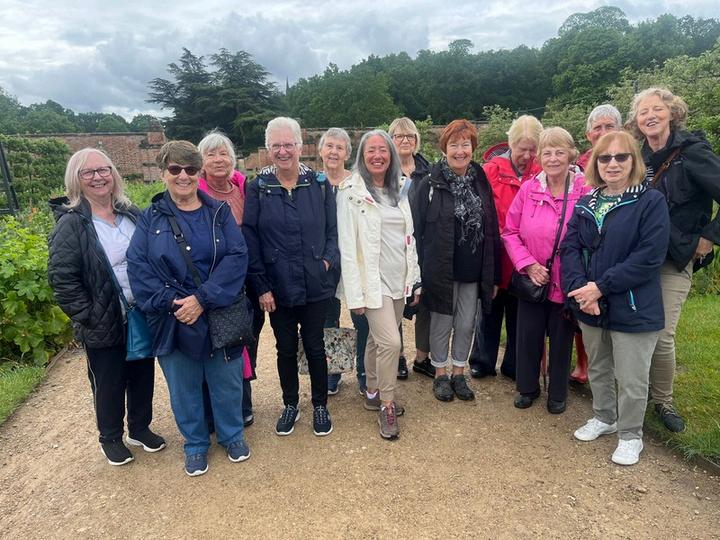
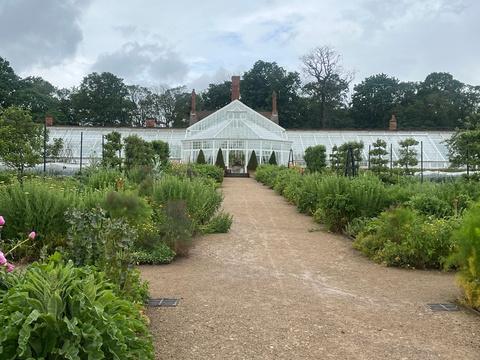
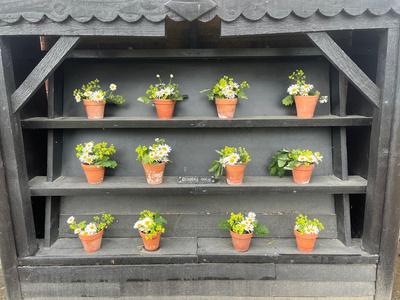
Our group is lucky to have National Trust Clumber Park on our doorstep. Thirteen members of Worksop group visited the four-acre Walled Kitchen Garden for a guided tour. The garden hosts the National Rhubarb Collection, fabulous flower borders, soft fruit beds, no-dig vegetable beds, espalier, fan and stepover trained fruit trees - and even liquorice plants (Worksop was once famous for its liquorice). It has a magnificent glasshouse which has been restored and is home to grapevines, a tool store, a room for drying flowers and seed heads, a terracotta pot store and information boards.
DianeHopeofChinehamandOldBasinggrouprealisedalifelongdreambycowritinganovel-andyoucanallreadit!
Ihave been a member of NWR for over 40 years. So long ago, it was actually called NHR (National Housewives Register) when I first joined
For even longer than 40 years I have wanted to write, and have written, mostly short stories and flash fiction. Then Martin from my Creative Writing Group said: “Let’s write a novel together, it will be fun”
Well it was fun (mostly). First I wrote a chapter and then Martin wrote a chapter and slowly our characters took shape and our story emerged. But it took a lot longer than expected Not so much the initial writing, that was the easy part as it turned out, but the editing and then re-writing and re-writing again...and again... We also both had house moves and life in general getting in the way, but now it is done and we are ready to let our story into the world.
If you liked Me Before You by Jojo Moyes, we think you will like our story. It explores the same very topical issue of assisted dying but with a light touch, even moments of humour, wrapped in a tender, later life romance. It is the story of Ella and Alain, their fateful meeting, the decisions they face and the difficult choices they make. The first 6 chapters are available in a free sample, and if these pique your interest we hope you will want to read more
Our title is Let Me Go by Mariane Ditin (Martin and Diane) and is available now on Amazon Please check out the link here: LetMeGo
We hope you enjoy our story, and if you do, please leave a review.