Inspiring, Informing, Enriching

Inspiring, Informing, Enriching
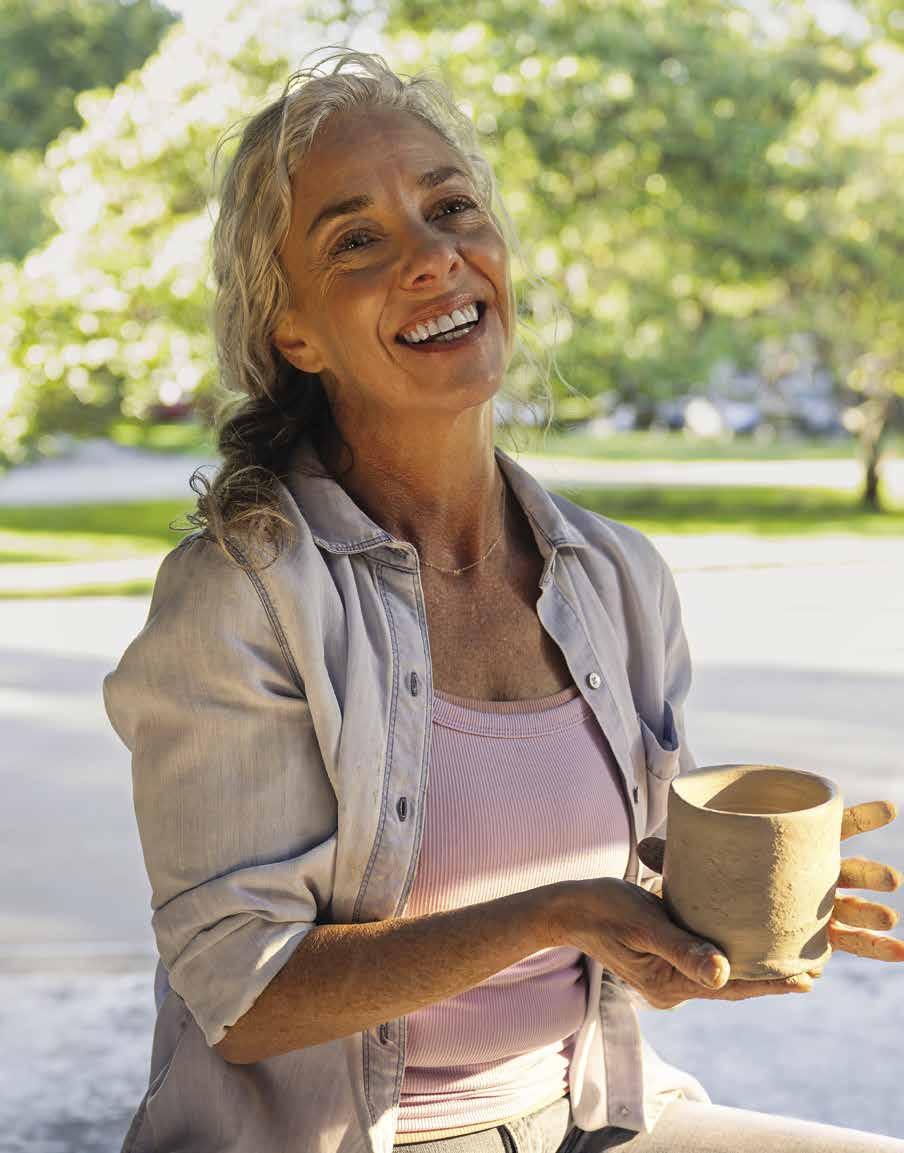
It’s never too late to break the mold. Erica needed time to realize she already had what it takes to be an artist — and that tapping her creativity could add new color to the rest of her life. The pieces may not always go as planned, but a hobby that boosts body, mind and spirit? That’s a beautiful thing.





For many years, my palate for foreign cuisine consisted of Chinese and Mexican food. I remember the first time I ate at a Mexican restaurant thinking that it was the best food I’d ever had. Later, on a trip to Cozumel, I discovered that authentic Mexican food tastes nothing like the Americanized version.
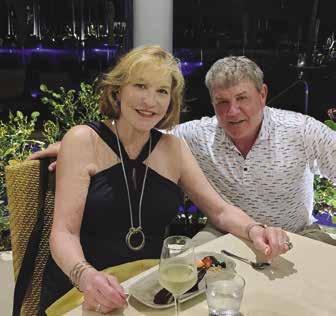
These days, my husband, Jerry, and I often try new international restaurants for the experience and pleasure of sampling dishes from around the world, so Kathy Patrick’s global restaurant roundup on page 30 really piqued my interest. We have three Indian restaurants within a few miles of our house that we frequent. The closest one, Chaska, is vegan and features a robotic server that delivers meals to the tables. There’s also a fantastic Thai restaurant in Marietta we like called Lemon Grass. One of the reasons I fell in love with my husband is his enthusiasm for trying new, sometimes daring adventures like skydiving and hang gliding. Jerry can convince me to tandem jump out of a plane or get muddy spelunking — things that never sounded enjoyable to me but turned out to be amazing experiences I’ll never forget. When he chose to run with the bulls in Pamplona, Spain, I told him he was crazy and that I’d watch him safely from a balcony. He survived it and ran it again the next day!
Jerry’s zeal for trying new cuisines is equally appealing. While I’m picky like Mikey from the iconic ’70s ad for Life cereal, Jerry would eat a grilled toad, eyeballs and all. I remember we went to an authentic Korean restaurant in Chamblee once and Jerry ordered one of his favorite dishes, bulgogi, for us. It consists of marinated beef that’s grilled or stir-fried, and is so good. They brought us several small bowls as side dishes, one of which was kimchi, a traditional fermented cabbage. Jerry was enthusiastically enjoying another one of the side dishes and kept trying to get me to taste it. I asked him if he knew that what he was devouring looked like beady-eyed pickled minnows, and he just grinned and said, “Taste one. They’re squishy.” Uh, no thank you.
We went to an interesting Korean barbecue place in Marietta not too long ago called Tofu Village, and it was nothing like the Southern barbecue I’m used to. It was a fun, interactive, social dining adventure, with marinated meats you cook yourself on a grill built directly into the table. Cartersville has several of these Korean barbecue places now, which is further proof that you don’t have to drive far to have an authentic international dining experience. So go ahead, order the bulgogi with kimchi, but just leave off the minnows!
Besides learning about some new area eateries to try, this issue’s menu of stories includes an introduction to the sport of bouldering (page 22), a profile of the owner of an old-fashioned soda fountain in Cartersville (page 16), and, in commemoration of America’s upcoming semiquincentennial, a visit to some of the historic presidential sites across our state (page 28). It’s a full plate, so bon appétit!
Publisher and Founder
Editor-in-Chief
Laura Wood Erickson Editor Jill Becker
Creative Director Andi Counts
Designer Mackenzie Allanson
Copy Editor
Elin Woods
Contributing Writers
Jill Becker Ande Frazier
Harley Jebens
Carrie Karnes-Fannin
Chris Reinolds Kozelle
Kathy Patrick
Robert Smyth
Elin Woods
Web Master
Veridian Design Group Sales
Laura Wood Erickson
wood.laura@yahoo.com
Contact us at: (706) 346-9858
wood.laura@yahoo.com
NW Georgia Living P.O. Box 72546
Marietta, GA 30007
We welcome all contributions, but we assume no responsibility for unsolicited material.
NW Georgia Living is published bimonthly by L. Wood LLC.
Copyright © 2026. All rights reserved. No portion of this publication may be copied, scanned, or reproduced in any manner without prior written consent from the publisher.


Living in AmericaJames Brown
Mar 3-July 12
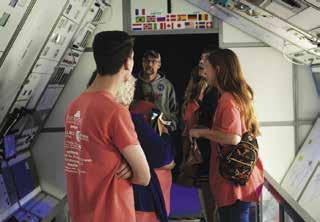
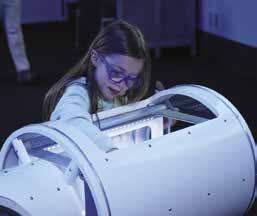
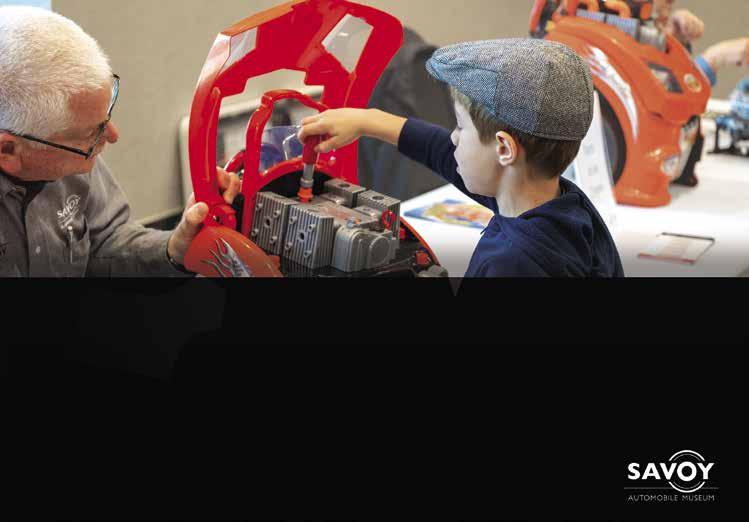
Savoy Automobile Museum, Cartersville
James Brown is an American music legend, and the Savoy has been given exclusive rights to be the first to display some of the singer’s cars and other personal items.
savoymuseum.org
Shenandoah
Mar 6, 7:30pm
Forum River Center, Rome
The country group known for hits like “Two Dozen Roses” and “Next to You, Next to Me” performs. forumrivercenter.com
Berry Half
Mar 7, 8am
Berry College, Mount Berry
The event features a half marathon, 10K, and 5K that wind through the scenic Berry College campus. berryhalf.com
FREE Family Thursday
Mar 12 & Apr 9, 4-8pm
Booth Western Art Museum, Cartersville
Enjoy free admission from 4 to 8 pm on the second Thursday of each month. boothmuseum.org
St. Paddy’s Pub Crawl
Mar 13-14
Downtown Cartersville
Excite your inner leprechaun with a two-day St. Patrick’s Day pub crawl. Your ticket includes a free drink at a dozen stops across downtown Cartersville.
downtowncartersville.org/ pub-crawl
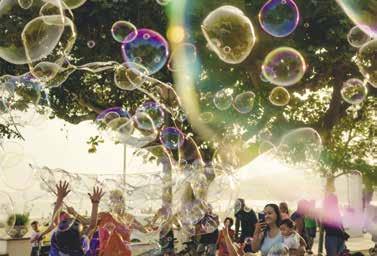
Circus Pop! The Giant Bubble Show
Mar 14, 7pm
Rome City Auditorium, Rome
In this fun one-man show, Logan Jimenez performs circus stunts and creates huge jaw-dropping bubbles that float through the air, amazing audiences of all ages. romeauditorium.com
Murder at the Shamrock Shindig
Mar 14, 6pm
Cave Spring City Hall Prepare to be a character in this interactive murder mystery and help solve the crime of the unfortunate guest who turns up face-down in a bowl of emerald punch. cavespring.ga.gov/events
St. Patty’s Babes Bayou Bash
Mar 14, 7pm
Forum River Center, Rome Country act Babes Bayou returns to Rome with special guest Mason Thompson. forumrivercenter.com
The SpongeBob Musical
Mar 20-29, Fri & Sat at 7:30pm, Sun at 2:30pm
DeSoto Theatre, Rome
Rome Little Theatre presents a dynamic allsinging, all-dancing stage show starring SpongeBob and other irresistible Bikini Bottom characters, who must come together when a volcano threatens their undersea world.
romelittletheatre.com
Mar 21, 7pm
Forum River Center, Rome
This debut event features WWE Hall of Famer Arn Anderson returning to his Rome roots. The lineup includes other wrestling notables like Billy Gunn, Paul Walter Hauser, and Jeff Jarrett. forumrivercenter.com
Georgia String Band Festival
Mar 27-28
Harris Arts Center, Calhoun
This annual event celebrating traditional string band music kicks off with a concert by Bruce Molsky and Darol Anger on Friday and various string band competitions on Saturday. harrisartscenter.com/ stringband
Pumphouse Improv Comedy
Mar 27, 8pm
Legion Theatre, Cartersville
A fast, fearless night of improv where anything can happen and usually does. pumphouseplayers.com
Euharlee Egg Hunt
Mar 28, 10am-2pm
Osborne Park, Euharlee
The Euharlee Police Department sponsors this free community event featuring vendors, kids’ activities, and a visit from the Easter Bunny. euharlee.com
Lowriders
Mar 31-Aug 2
Savoy Automobile Museum, Cartersville
Lowriders aren’t just impressive; they’re detailed cars built by true craftsmen. Come witness well-known examples from both the West Coast and closer to home. savoymuseum.org
Rome Emperors Opening Home Game
Apr 2, 6:45pm
AdventHealth Stadium, Rome
Rome’s minor-league baseball team opens the 2026 season with a home opener against the Asheville Tourists. milb.com/rome
Wings Over North Georgia
Apr 3-4, noon-9pm
Russell Regional Airport, Rome
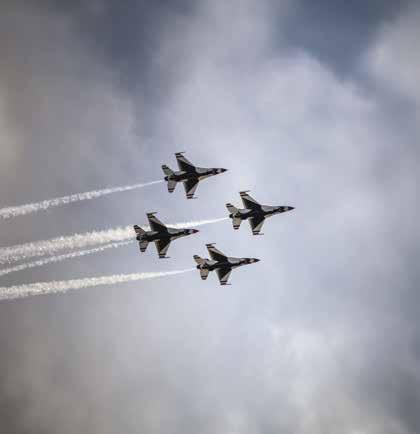
The USAF Thunderbirds elite air demonstration squadron headlines this year’s air show, which also features a lighted drone show and fireworks extravaganza. wingsovernorthgeorgia.com

Jeremy Lipking-30 Years a Painter (1996-2026)
Apr 11-Aug 16
Booth Western Art Museum, Cartersville
A major retrospective celebrating realist artist Jeremy Lipking, with more than 30 works from across his distinguished career. A special artist talk with Lipking will be held April 12 at 2pm. boothmuseum.org
Rosencrantz & Guildenstern Are Dead
Apr 17-26, Fri & Sat at 8pm, Sun at 3pm
Legion Theatre, Cartersville
This absurdist comedy flips Hamlet on its head. Clever, philosophical, and wildly funny, the play explores fate, free will, and the chaos of existing offstage. pumphouseplayers.com
BBQ & Brews
Apr 18, noon-8pm
Downtown Cartersville
Cartersville’s biggest festival of the year returns, with the best BBQ pitmasters around, plus locally crafted beer, live music, a kids’ zone, and more. facebook.com/share/185vgis92f
Porches and Pastries
Apr 18, 6pm
Downtown Cave Spring
A walking tour of five charming area porches, each featuring live entertainment and a delicious sweet treat to enjoy.
cavespring.ga.gov/events

Schubert Symphony No. 4
Apr 18, 7pm
Rome City Auditorium, Rome
The Rome Symphony Orchestra presents Franz Schubert’s "Tragic" symphony, a bold turning point for the then 19-year-old Austrian composer. romesymphony.org
Spring Market
Apr 18, 10am-3pm
Dowdy Park, Summerville
Free event featuring more than 100 artists and crafters, food vendors, musical acts, a petting zoo, and kids’ activities. facebook.com/cityofsummerville
The Steeldrivers
Apr 18, 7:30pm
Forum River Center, Rome
The Grammy-nominated bluegrass band from Nashville performs. forumrivercenter.com
BBQ & Boogie
Apr 24-25
Downtown Calhoun
This family-friendly festival includes a kickoff concert on Friday night and live bands, craft beer, food vendors, pop-up shopping, and a Kids’ Zone on Saturday. bbqboogie.com
Apr 24-25
La Scala, Rome
This fundraiser for the Rome Shakespeare Festival features Shakespeare, spirits, and delicious tapas. romeshakespearefestival.com
Great American Clean-Up Day
Apr 25, 9am-noon
Logtown, Adairsville
Join the City of Adairsville and Keep Bartow Beautiful to pick up litter, beautify public spaces, and show pride in the community. adairsvillega.net/community/ events






Five perfect book and beverage pairings.
BY ELIN WOODS
Atrend I’ve been seeing across the book-tracking apps I use lately is readers pairing their books with specific drinks. Sometimes it’s just them sharing their go-to drink, like an iced coffee, with whatever they’re reading, while others take the idea to a whole other level. I wondered if I could do the same here and inspire you all to not only pick up some good books, but also pair them with a delicious beverage to boot. Challenge accepted! Below you’ll find a selection of five books with the drink I think would go best with each of them. Enjoy.
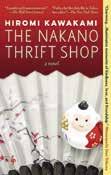
By Hiromi Kawakami
Perfect pairing: A hot matcha latte, with just a bit of honey
I have fallen in love with Japanese literature. I’m not sure how it happened, but I’m all the better for it. I particularly enjoy the Japanese cozy genre (characterized by comforting, slice-of-life stories), and books like The Nakano Thrift Shop are one of the reasons why. It’s just the perfect book to get cozy with. Celebrating the ordinary lives that venture into the thrift shop, it’s not overly sensational and there’s very little action (as in nothing blows up). Instead, it’s a sweet story about Hitomi, a young woman who takes a job at a small secondhand shop run by the eccentric Nakano family. Each chapter focuses on quiet moments between coworkers, customers, and the things they’re buying or selling, and there’s even the tiniest touch of romance. There’s beauty to be found in the everyday, and this little book will have you feeling just as warm as the matcha latte will.


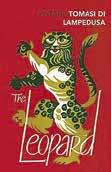
By Giuseppe Tomasi di Lampedusa
Perfect pairing: A glass of Nero d’Avola wine
The Leopard is one of my absolute favorite films (although I have yet to watch the recent Netflix adaptation) and books of all time. The historical novel, set in 19th-century Sicily during the Italian unification, follows Prince Fabrizio di Salina, an aging aristocrat who struggles as power changes hands from the nobility to the people. He observes the changes and the passing of time, much like he observes the stars, and debates on where he stands and possibly where he should stand as Italy is born, as well as how much of himself and his family will have to change with it. I’ve paired this with a favored wine from Sicily, which is bold, much like the aristocratic family and Sicily itself, with fruit-forward flavors and sometimes a hint of some spice and tobacco — a dramatic wine for a sometimes dramatic book.
By Howard Bryant
Perfect pairing: A cold beer during baseball season
Baseball is my favorite sport, and there’s a wealth of baseball history in Georgia. None better, perhaps, than Hammerin’ Hank Aaron. This book is more than just the known stats and facts about the Atlanta Braves slugger; it’s a whole story of who he was before any of us knew him, who he was as a baseball player, and why his off-the-field stories truly cement him as a legendary figure. Most of us know about his historic run to pass Babe Ruth’s home run record and some of the struggles he faced in doing so. Still, we might not understand why Aaron has remained one of the greats, not just because of
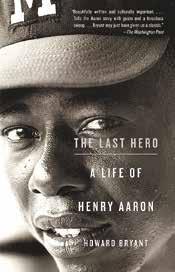

his records and stats, but because of his community work and efforts to make the world a better place. Celebrate one of the best, on and off the diamond, with your favorite cold beer, and may your favorite team have a great season.
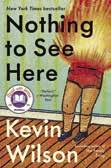
By Kevin Wilson
Perfect pairing: A peach-flavored Nehi soda Vintage sodas delight me, especially when their neon color announces the flavor long before you’ve read it on the bottle. They’re quirky, a little bit kitschy, and usually satisfying. That’s exactly how I felt about this book, which takes quirky to new heights. But I promise it’s worth it. The main characters, Lillian and Madison, have been friends since boarding school, and not even a scandal that took Lillian out of said school could break their bond. It does get tested, though, when Madison begs Lillian to become the nanny to her twin stepkids, who just so happen to burst into flames when they’re upset. No big deal, right? Children never get upset, right? Lillian, however, is desperate and takes on the job. I’ll spoil nothing more because this is a book you have to read for yourself, much like you have to experience the taste of a vintage soda like peach-flavored Nehi for yourself. If you love a found-family story, I’m sure you’ll fall in love with Nothing to See Here.
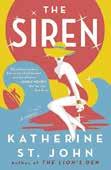
By Katherine St. John
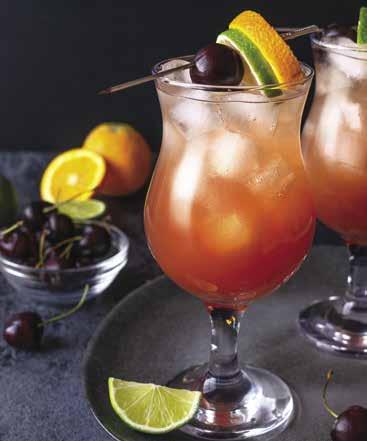
Perfect pairing: A Hurricane, ideally on the beach but definitely with a paper umbrella Take one Hollywood superstar, place him on an island in the Caribbean to film his latest movie The Siren, and cast him opposite his unstable ex-wife. Juicy enough, right? But wait, a hurricane rolls in, trapping them there and bringing out the absolute worst in all of the people associated with the film, including an up-and-coming producer and her shady-seeming assistant. Before you go thinking this is just some basic beach read, though, it’s actually a thriller, with buried secrets galore, and where no one is safe from truth, or from one another. Who survives? And who’s destroyed? The story will be revealed, and it’s just as yummy as the drink I’ve paired it with.

Elin Woods is a librarian from the mountains of western Pennsylvania. When she's not busy reading, she enjoys baking historical treats and exploring the East Coast. She balances her mostly nonfiction history reading with the occasional modern romance novel and plenty of cookbooks.
BY ANDE FRAZIER
Scroll social media long enough and you’ll start to believe that if you’re not running a side hustle, you’re doing adulthood wrong. Sell something online, drive something after hours, monetize a hobby, build a brand, create “passive income” — everyone seems to have a second (or third) stream of income, and they make it look easy. And wildly profitable.
But here’s the question most hustle culture never asks: What’s the real return once you factor in time, stress, and taxes? Money isn’t just math, it’s personal, and the side hustle equation has more variables than people like to admit.
The Promise of the Side Hustle On paper, side hustles make sense. Extra income can:
• Help pay down debt faster.
• Build emergency savings.
• Fund vacations, renovations, or college costs.
• Create a sense of independence or control.
In uncertain economic times, the appeal is understandable. Many people aren’t hustling because they’re greedy, they’re hustling because they want
Extra income can be helpful, but only when it fits into a bigger, intentional plan.
security, flexibility, or breathing room.
But that’s where the spreadsheet version of the story ends and real life begins.
The Hidden Cost of Time
Time is the first expense most people underestimate. A side hustle isn’t just the hours you’re “working.” It’s the mental energy before and after. It’s evenings that disappear and weekends that quietly fill up. It’s the constant low-level awareness that there’s always more to do.

you decide. When people are stretched thin, financial decisions often become reactive instead of intentional. And that’s when burnout creeps in and money starts feeling heavier, not freer.
If you’re working a full-time job, managing a household, caring for family, or simply trying to be a human being, time isn’t an unlimited resource; it’s already fully allocated. So, the real question shouldn’t be “How much extra can I make?” but rather “What am I giving up to make it?” Things like sleep, rest, relationships, margin, and presence don’t show up on an income statement, but they absolutely affect quality of life.
Side hustles often come with emotional overhead no one advertises, like deadlines, client expectations, inventory issues, platform changes, algorithm anxiety, and feast-or-famine income. The pressure is to keep saying yes because “this is supposed to be worth it.” So what starts as a way to feel empowered can quietly turn into another source of stress layered on top of an already full life. And here’s the tricky part: Stress doesn’t just affect how you feel, it also affects how
This is the part many people discover too late. Side hustle income is still income and is often taxed differently than your regular paycheck. There’s selfemployment tax, quarterly estimated payments, fewer withholdings, and less margin for error.
That $20,000 you made on the side? It may not feel quite as impressive after taxes, expenses, software subscriptions, mileage, supplies, time, and other factors are fully accounted for. Gross income is flashy. Net income is what matters.
To be clear, this isn’t an argument against all side hustles. Some make a lot of sense. The difference comes down to alignment.
A worthwhile side hustle usually checks at least one of these boxes:
• It builds a skill you want long-term.
• It supports a future goal, not just short-term cash.

• It fits naturally into your life instead of consuming it.
• It energizes you more than it drains you.
A problematic side hustle often:
• Exists solely because “everyone else is doing it.”
• Fills a cash-flow gap that should be addressed structurally.
• Relies on constant effort with no scalability.
• Leaves you exhausted and resentful. Again, money isn’t math. It’s personal.
The Opportunity Cost Question
Here’s a question I often encourage people to ask themselves before committing to a new income stream: “Is this the best use of my time for the return I need?” Sometimes the answer is no. Not every financial problem is solved by working more hours. Instead, the right thing to do might be:
• Negotiating pay or role changes at work.
• Reducing financial leakage in overlooked areas.
• Reprioritizing spending to align with values.
• Investing in skills that increase primary income.
• Building a strategy instead of stacking obligations.
Bigger
Extra income can be helpful, but only when it fits into a bigger, intentional plan. Without that plan, side hustles can become a coping mechanism for deeper issues, like a lack of clarity, fear about the future, or the belief that rest must be earned through constant productivity.
The goal isn’t to be busy; it’s to be sustainable. The goal isn’t to monetize every free moment; it’s to build a life where money supports the things that really matter: relationships, health, faith,
purpose, and peace of mind.
You don’t have to reject hustle culture entirely to question it. You’re allowed to pause, evaluate, and choose what actually works for you, not what looks impressive online. Before adding another stream of income, it’s worth running the full equation by asking:
• What does this give me financially?
• What does it cost me personally?
• Does it move me closer to the life I want or just keep me busy?
When money decisions are made with clarity instead of pressure, the return isn’t just financial. It’s peaceful. It’s margin. It’s a life that feels intentional, not exhausted. And that’s a return worth protecting.

Ande Frazier is a nationally recognized author and financial expert based in Rome, Georgia. Specializing in behavioral finance, she writes and speaks about how emotions and mindset shape our financial decisions. She is a frequent contributor to outlets like CNBC, HuffPost, and Yahoo Finance, and is the author of the Amazon best-seller Fin(anci)ally Free.







BY JILL BECKER
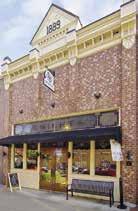
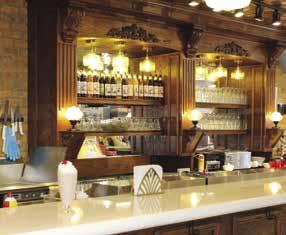
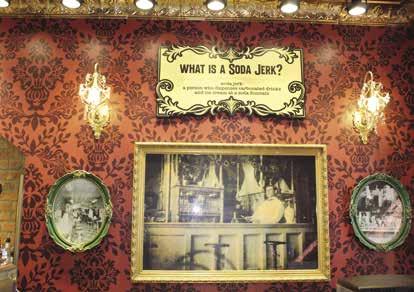
Company owners typically don’t want their employees being called jerks, but at Justin Earl’s year-old business in downtown Cartersville, that’s their official job title. That’s because Justin is co-owner of The Jerks, an old-fashioned soda fountain where the staffers slinging drinks behind the bar are called soda jerks, just like back in the day.
The 51-year-old Justin and his wife, Rachel, opened the business last January after purchasing the 1800s-era building it occupies and doing extensive renovations. “We brainstormed for weeks about what downtown needed and what could complement the history of the building,” says Justin. “Many people think of soda fountains as a 1950s-era diner, but actual soda fountains, usually as part of a pharmacy, experienced their biggest boom in the late 1800s, with another boom in the 1930s due to Prohibition.”
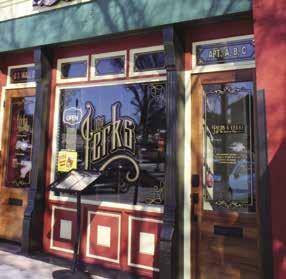
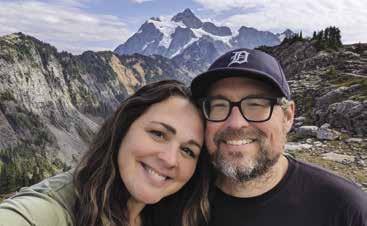
Justin learned quite a bit about the history of soda fountains after he and Rachel decided that’s what would go in their new building. He even led a lecture on the topic at the Bartow History Museum last year. He can tell you, for example, that restaurants today still use jargon that originated in soda fountains, like “86” and “in the weeds.”
The research he’s done has transformed The Jerks into quite the authentic soda fountain experience, with everything from lemon sours and egg creams to lime rickeys and Roy Rogers on the menu. They also serve ice cream floats, and given their countless possible ice cream and soda combinations, you could try a new version every visit for a long, long time. “We’re also getting known as a unique lunch place with our grilled cheese sandwiches we make on our cast-iron waffle machines and our deviled eggs,” says Justin. “We just launched chicken salad and pimento cheese, too—all made in-house from scratch.” Another selling point is that sodas in cans and bottles just can’t compare to their fountain sodas. “They just taste different, better,” swears Justin. Here’s more about Justin and The Jerks.
How long have you lived in Cartersville? Almost 46 years.
Did you grow up going to soda fountains?
I didn’t. As a kid growing up in Cartersville, the closest thing to a soda fountain I remember was the
lunch counter at Woolworths in Cartersville Plaza.
What’s been people’s reaction to The Jerks so far?
We’ve been overwhelmed with fans of what we’re doing. In fact, we had to close last March to restaff and recalibrate. We never expected the crowds we experienced those first couple of months.
Are most of your customers older individuals who are familiar with soda fountains, or are there also a lot of younger folks who are new to the concept?
The variety of customers has been the biggest, most pleasant surprise. We knew older folks would enjoy the nostalgia and kids would enjoy anything sweet and delicious, but that’s just a small part of who enjoys The Jerks and why. We have teenagers and young adults who come for the unique experience, we have young families and others who come specifically because we don’t serve alcohol, we have downtown workers who come for lunch, and we have people come to see us for date night. What we see most is everyone sharing their special occasions with us: birthdays, anniversaries, holidays, guests visiting from out of town, even a gender reveal.

Above the shop, you have three pieds-à-terre that you rent out on Airbnb, correct?
Yes, we have three complete apartments on the second floor of the building. All have full kitchens and all amenities for a short or long stay.
Tell us about the other Cartersville business you own.
In 2008, I started Porkchop BMX, which specializes in restoration parts for vintage BMX bicycles. The idea to open Cartersville Bicycle in 2019 stemmed from a need for a larger storefront. Between a bigger demand than expected for bicycle repairs and parts and the huge bump in sales of bicycles during COVID, we grew quickly and moved from our 5,000-square-foot building on West Avenue to our current 18,000-square-foot building downtown.
What do you like to do in your free time?
I work on cars and house projects, both of which have been neglected the past two years because of The Jerks building and restaurant project. I look forward to revisiting many unfinished projects at home in the near future.
What’s your favorite place or activity in Northwest Georgia?
I love walking and hiking. About 10 years ago, I ran both loops regularly (but slowly) at Pine Mountain, and I try to get back to hike it when I have time. I do walk to work downtown every day, though.
What’s your go-to vacation spot?
Anywhere with low humidity. I'm probably most fond of the Olympic National Forest and Peninsula in Washington state. I also recently visited Tokyo and really want to go back to explore Japan even though it breaks the humidity rule.
What did you want to grow up to be when you were a kid?
An architect, mostly, and I did go to school briefly for mechanical engineering. Despite not achieving that goal, I’ve enjoyed the four building/ restoration projects I've been involved with the past 10 years. It scratched that architecture itch, and it’s been very satisfying to save three downtown buildings and my 80-year-old house for future generations.
What’s the craziest job you’ve ever had?
I've had a few. I did data center cleaning in college (crawling under the raised floor with vacuums). I moved on to industrial cleaning and vacuumed beams 50 feet off the ground in the hangars at Boeing in Everett, Washington, and refinished floors in labs at the University of Washington. And for years, I hauled the spent brewer’s grain out of Budweiser here in Cartersville and dumped it at dairy farms all over the tri-state area.
What do you do when you need inspiration?
I imagine how good accomplishing something feels, even if the doing part is miserable.
What’s something that always makes you smile?
Seeing my dog play with his dog friends. He’s sort of a rock star at Mission Road Kennels.
If you could meet anyone alive or dead, who would it be?
Probably Elvis. But not for reasons most people might want to meet him. I’d really want to talk to him about decisions he made with Graceland. I'm also a big Teddy Roosevelt fan. I think we would have gotten along.
What’s something you’re addicted to?
I can't resist a good sandwich.
Where waterfalls, warm welcomes, and walkable trails shape a South Carolina city in motion.
BY HARLEY JEBENS
On some trips, it’s the food you remember. On others, the scenery. Greenville, South Carolina, offers both. It also adds something more subtle but lasting: the feeling of being welcomed. During a long weekend a few months ago, my wife, Nina, and I found ourselves taking walks, chatting with strangers, and slowing our pace just enough to notice how naturally this city draws you into its orbit.
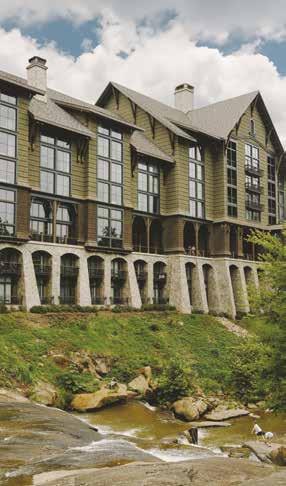
We based ourselves at the Grand Bohemian Lodge, located just steps from the cascading Reedy River in Falls Park
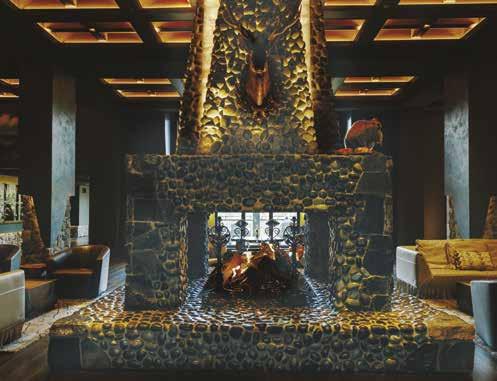
Our room looked directly out over the falls from a private balcony — a view that shifted from soft mist at sunrise to a golden glow in late afternoon. Our first day involved a long walk to do some exploring, and we were surprised when someone stopped us just to ask where we were visiting from and then wished us a good stay. But it wouldn’t be the last time. People in Greenville talk to you — in line, on the trail, while walking their dogs (my wife stopped to pet several, each time sparking friendly conversation). That openness set the tone for the entire trip.
Dinner on our first night was at Indaco, an Italian eatery with a woodfired oven and Sunday specials worth planning around. My chicken Parmesan arrived crisp and comforting. Nina chose squid-ink pasta with Broadwater shrimp, smoked tomato, ’nduja, and horseradish crema. For dessert, we shared a cheesecake with honey-fig sauce that I’m still thinking about.
The next morning, fueled by breakfast at
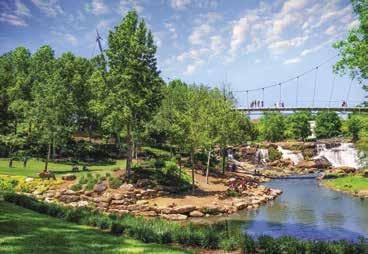
the Eggs Up Grill, we set out to explore Falls Park. It’s easy to take its beauty at face value — the rushing water, the curved Liberty Bridge, the gardens filled with locals of all ages biking, jogging, birdwatching, or simply sitting near the
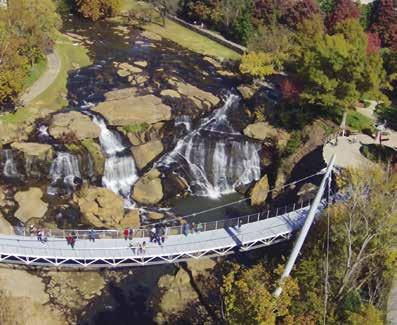
spray. But Greenville’s revitalization is relatively recent. For decades, the falls that are now the heart of downtown were hidden under a four-lane highway bridge, and the river itself suffered from textile mill pollution. Downtown emptied out, industry retreated, and the Reedy River became something you drove past, not toward.
Removing that highway bridge in 2002 and unveiling the waterfall below was a turning point — a literal unearthing. The pedestrian Liberty Bridge followed, then greenways, public art, restaurants, new hotels, and walkable streets. Today, the riverfront is lively and photogenic, yet reminders remain that the work isn’t finished. We inquired about fishing and were cautioned that


Greenville, South Carolina
it’s better to catch-and-release than to eat fish caught in the river. Official local guidance is that the river is generally safe for fishing, but that water quality can vary, especially after rainstorms. In Greenville, history sits in plain sight, but it sits beside progress.
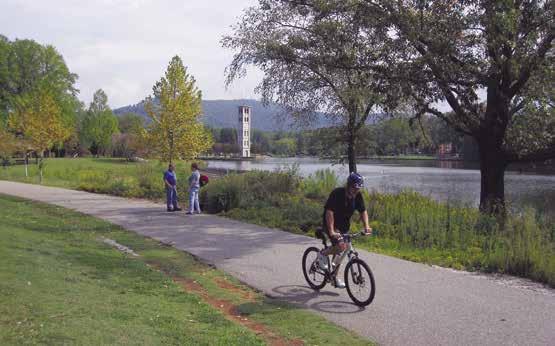
That balance is felt strongly as you continue along the Swamp Rabbit Trail, a 20-plus-mile greenway built along a former rail line. Nina and I walked north into Unity Park, a 60-acre gathering space intentionally named to reflect reconciliation. Once, the area held segregated parks — one for Black residents, one for white residents. Over time, the land was neglected. Today it’s filled with children sprinting between playground towers, families picnicking on open lawns, and seniors walking laps along the Reedy. It’s a park that remembers where it came from without being defined by it.
Rising 125 feet above the Reedy, the new Thomas and Vivian A. Wong Honor Tower provides a 360-degree
lookout offering sweeping views of downtown, Falls Park, and even the distant Blue Ridge Mountains. At its edge sits The Commons, a food hall overlooking the trail that serves up coffee, beer, burgers, baked goods, and picnic-style seating. Cyclists rolled up, ordered lunch, and were back on the trail in minutes. It’s an easy place to pause and a hard place to leave quickly.
A little farther north, we reached the Swamp Rabbit Café & Grocery, which is part café, part local-food market, part community living room, and like nothing we’ve ever experienced before. Kids played, dogs lounged under tables, and parents shared pizza and pastries on the outdoor patio. It feels like the beating heart of the trail system — informal, neighborly, and proud of its mission to support local farmers and makers.
Dinner that night took us to Pomegranate on Main, where delicious Persian dishes arrived bright with saffron and citrus. We ate outside under string lights, ending with tea and conversation.
The next day, we grabbed breakfast at The Flying Biscuit Café, then wandered into M. Judson Booksellers, a downtown gem inside the historic courthouse building. The shop blends
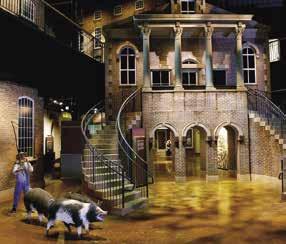
staff-curated reads with coffee, gifts, and a sense that people truly gather here. It felt like another piece of Greenville’s connective tissue — a place built for lingering, not rushing.
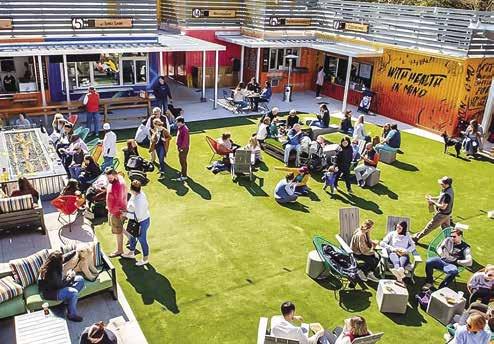
Another communal dining stop awaited later in the day: Gather GVL, an open-air village of food stalls pieced together from color-splashed shipping containers. Families spread out at long tables, students played cornhole, and live music drifted across the courtyard. You can eat global or Southern comfort food depending on your mood.
We finished our second full day with dinner and cocktails at UP on the Roof, a restaurant perched above downtown with panoramic sunset views stretching toward the Blue Ridge Mountains. As dusk settled, the river darkened into silver ribbons below and the trail lights began to glow. People were still out there cycling, strolling, and walking dogs long after the sun dipped. Greenville isn’t just something you look at; it’s something you move through.
On the way out of town, we made one last stop, the Upcountry History
Museum, which features standing exhibits on the history of the South Carolina Upcountry, extending from the time it was part of the Cherokee Nation through the American Civil War and more recent times. The museum also features a variety of interesting and eclectic rotating exhibits. When we visited, there were exhibits devoted to the costumes and props from the Marvel Avengers: Endgame movie and the miniature sets from the movie The Nightmare Before Christmas. The Upcountry History Museum is part of Greenville’s Heritage Green arts and cultural campus, which also includes the Greenville County Museum of Art, Greenville Theatre, Children’s Museum of the Upstate, and Sigal Music Museum, which we’ll be sure to check out the next time we visit. We found Greenville so interesting and inviting that one thing is certain — we’ll be back.

Harley Jebens is a Georgia-based writer with a love for walkable cities, one-of-akind experiences, and places with strong local character. He enjoys travel that mixes food, history, and conversation with strangers, and is always looking for the next city that invites him to slow down.






My treadmill is developing an attitude. About halfway through yet another cardio session, as sweat seeps through my T-shirt, the soft whoosh of the treadmill’s belt starts to sound like a sigh. The machine seems to ask, “Why are we doing this?”
Honestly, I’m questioning it myself as my mind wanders away from the straight line I’m trudging under the glare of my gym’s fluorescent lights. I’m about ready to climb the walls. I don’t want to spend another day counting 10,000 steps. I want … a problem.
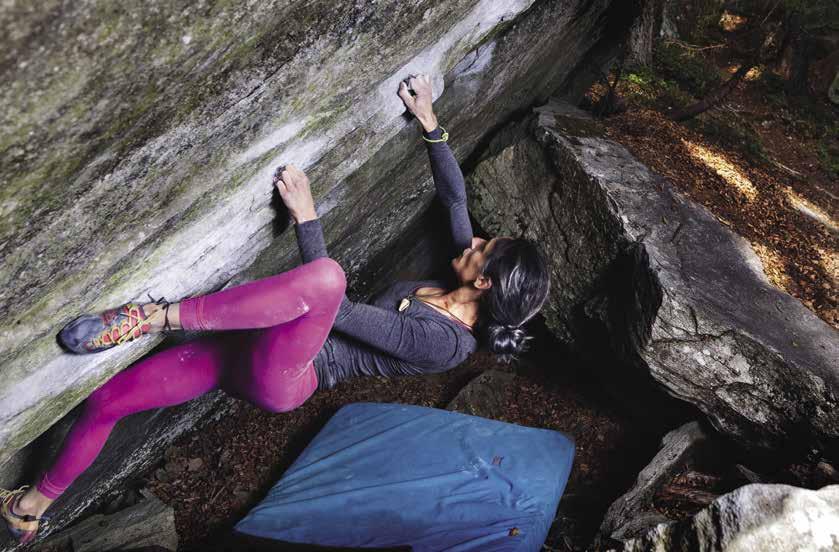
Problems aren’t just flat tires, missed work deadlines, and exercise routines that bore you out of your mind. I’m talking about rock-climbing, where problems refer to sequences of holds that you puzzle out while ascending along an invisible line leading to the top of a wonderfully large rock.
More specifically, I’m talking about bouldering, a type of climbing where there’s no ropes, no harnesses, and no carabiners. Bouldering takes climbing
and strips it down to just you, your mind, and a rock with a series of puzzles to be solved.
Don’t get me wrong — I’m no elite athlete. Until recently, my exercise wardrobe was mostly yoga pants chosen for their stretchiness, and my peak climbing achievement was getting about halfway up a loblolly pine tree growing in my family’s backyard back in 1982.
A couple of years ago, though, a casual Northwest Georgia hike with my husband and our dog through the Rocktown trailhead sparked something in me, setting me on the path back to that tree-climbing girl from so long ago. Rounding a bend on the trail, the trees gave way to a labyrinth of sandstone giants. It felt like I’d stumbled into a lost world formed from a prehistoric beach. I scrambled up an easy one. Then another. And another.
Those boulders were hardly Yosemite’s Half Dome, but they were still enough to scuff my sneakers while putting a smile on my face. Suddenly, I wasn’t just worrying about burning
It Turns out the best way to feel liGhter is to Pull yourself uP.
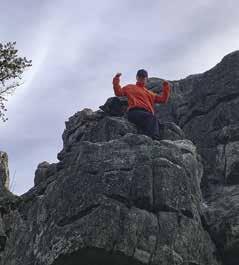
The author celebrating a successful climb.
calories or looking good in a swimsuit. I was a kid on the playground again and utterly hooked.
It turns out the best way to feel lighter is to pull yourself up.
Long before a forest covered this region, it was a sandy beach at the edge of a prehistoric sea.
An unimaginable number of years’ worth of crushing pressure forged the dunes into sandstone. Wind and water
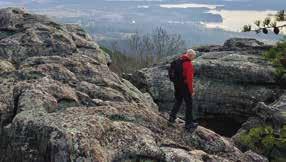
slowly carved the bedrock, fracturing it into a maze of gritty boulders now known for their perfect friction. This “Southern sandstone” is famous worldwide for its quality, with climbers flying in from places like France, Japan, and California to visit the boulders of Northwest Georgia.
The good news is you don’t have to buy a plane ticket to experience world-class bouldering. Here are a few of Northwest Georgia’s top spots.
Considered the crown jewel of Southern bouldering, Rocktown offers plentiful boulders perfect for beginners. Located in the Crockford-Pigeon Mountain Wildlife Management Area (Georgia WMA), it requires the purchase of a Georgia hunting/fishing license or a Georgia Outdoor Recreation Pass (GORP), both of which are very modestly priced. Check for seasonal closures.
2. Zahnd Wildlife Management Area (Lookout Mountain)
This quiet area with approachable lines is also in the Georgia WMA and thus requires a hunting/fishing license or GORP. The short walk from the parking area to the warm-up blocks makes this one extra-friendly for beginners.
Hidden limestone boulders are just a short trek from the trailhead, and access is free. The small, mellow climbs make for fun first outdoor sends.
The indoor sandbox
If heading straight into the wild feels intimidating, a good place to start is indoors. Climbing gyms feature soft, padded floors and color-coded routes identifying the different difficulty levels, and often feature both group classes and one-on-one instruction. Many gyms offer day passes, making it easy to give it a try
without committing to a membership. One to check out is the Central Rock Gym in Kennesaw. safety tiPs
Whether you’re pulling on plastic indoors or real rocks outside, gravity works the same way. Here’s how to respect it.
Rule 1: Never boulder alone. Even though you aren’t that high off the ground, you can still fall and hit your head or roll an ankle.
Rule 2: The golden rule of sandstone. If the ground is wet, the rock is wet. A damp rock can snap, ruining both your day and a climbing path that has existed for thousands of years. If it’s rained, give the area a day to dry out.
Rule 3: Leave no trace. When it comes to hiking, you’ll often hear it said, “Take only memories and leave only footprints.” The same applies to bouldering.
One reason the sport appeals to so many people is its low barriers to entry. You don’t need an SUV full of equipment nor an Olympic level of fitness to enjoy it. Here are a few basic items to get you started:
Shoes: The proper footwear, called approach shoes, should be snug but not painful, with a good level of stiffness in the body of the shoe.
Comfortable clothes: Think stretchy and rip-resistant, especially for pants.
A crash pad: Do your research and don’t skimp.
A chalk bag: A little chalk goes a long way in keeping your hands dry and your grip on the rock firm.
A friend: To repeat, always go with a trusted buddy to act as your spotter. Safety first!
Gear and geology are just details. The real draw is the mindset. Unlike many workouts, bouldering rewards rest, reflection, and trying again. Standing on top of a boulder in the middle of the Georgia pines, or looking out for miles to the horizon, is addictive. Somewhere on top of that first boulder, I stopped chasing steps and found a better path. So go for it. You might find that climbing rocks is precisely the kind of problem you’ve been looking for.
Southeastern Climbers Coalition
As champions of Southern climbing, they buy land and enable access to places like Rocktown. Check their site for trail days and access status. seclimbers.org
The “search engine” of rock-climbing features photos of specific boulders, difficulty ratings, and GPS coordinates. mountainproject.com
Ladies Climbing Coalition
A fantastic organization connecting women who climb. They host meetups and trips, often in the Chattanooga/ Northwest Georgia area, making it a low-pressure way to get into the sport. ladiesclimbingcoalition.com
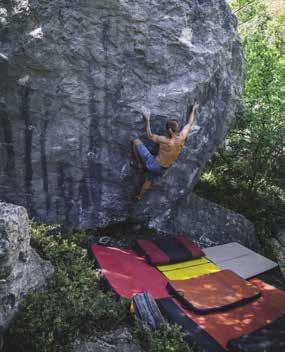

Carrie Karnes-Fannin is the president of Archadeck of Northwest Georgia, a custom outdoor living design and construction company. When not scaling boulders or avoiding treadmills, she writes stories, like her upcoming nonfiction picture book, Universe Pie (Gnome Road, 2027). She is likely currently stuck between a rock and a hard place.
BY CHRIS REINOLDS KOZELLE
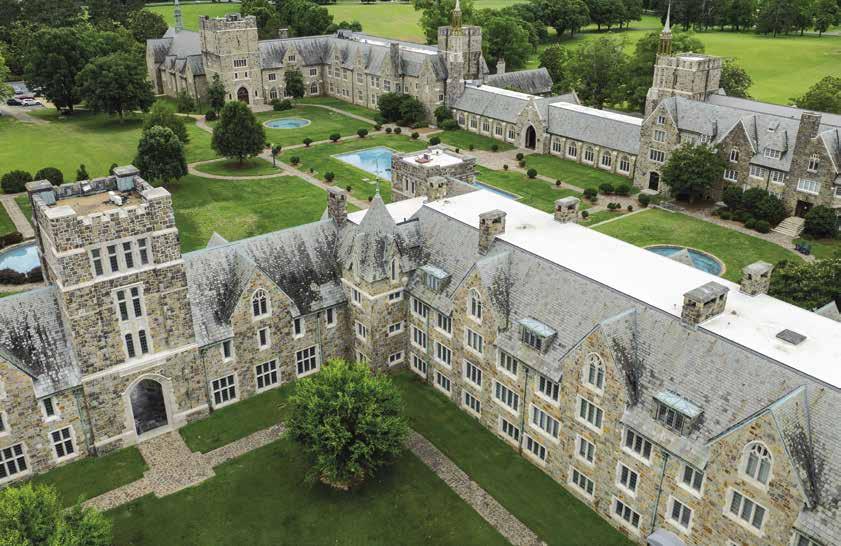
Century-old Berry College remains true to its founding principles while adapting to the changing times.
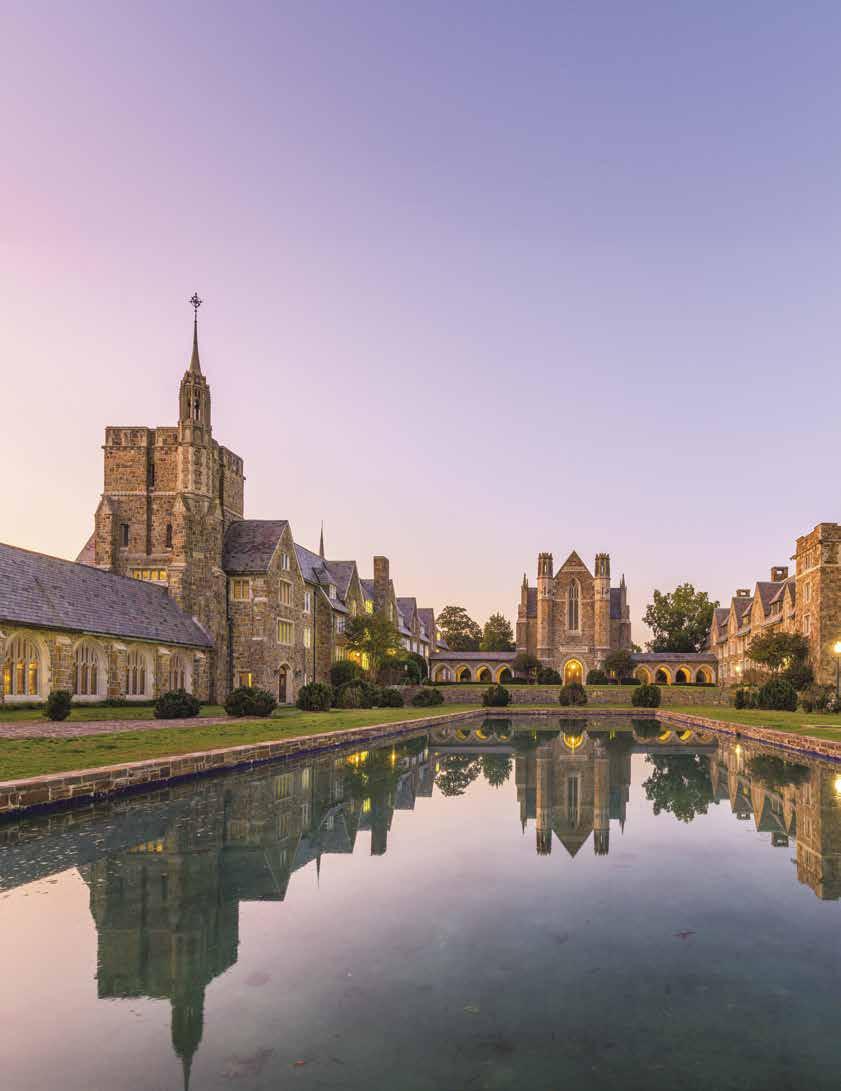
Amorning mist settles over the fields as herds of deer move unbothered through the tall pines. This little slice of tranquility is a recurring scene at Berry College, a private university boasting the largest contiguous college campus in the world, with more than 27,000 acres of forests, lakes, and trails. Located near Rome, Georgia, between the bustling cities of Atlanta, Birmingham, and Chattanooga, it’s a place where history isn’t just preserved, but lived in and carried forward into the future.
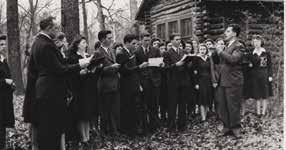
To understand how Berry College has navigated a century of change in education, you have to return to its unlikely beginnings as a Sunday school in a tiny cabin where young children gathered around Martha Berry, the daughter of a prosperous local family, who saw a need that others overlooked. By 1902, she had transformed her inherited 83 acres into the Boys Industrial School, which was built on a premise as practical as it was visionary — that students would work to help run their school in exchange for a quality education.
That simple equation, learning through doing, has guided Berry through decades of cultural upheaval, economic turbulence, and technological transformation. Today, as the college faces a new century’s worth of questions about relevance, affordability, and purpose, Berry continues to answer them by leaning into what made it distinctive from the start.
The philosophy Martha Berry articulated all those years ago — education of the head, heart, and hands — remains a living mandate.
Walk the Berry campus today, and it’s clear not only how much the school
has grown, but also how much of Martha Berry’s founding ethos still shapes the institution. The philosophy she articulated all those years ago — education of the head, heart, and hands — remains a living mandate.
Martha McChesney Berry founded the Berry Schools for the poor children of the rural South who typically couldn’t afford to go to other schools. Within three decades, those schools of the early 1900s grew into Berry College, a comprehensive liberal arts institution. As a result of her 40 years of work in education, Martha Berry is among Georgia’s most prominent women of the first half of the 20th century.
In the early years, Berry students built their classrooms, tended the livestock, and maintained the land. Work wasn’t an extracurricular; it was the backbone of the academic model. By 1914, Berry officially integrated work as a central part of the educational program, helping keep operating costs low while reinforcing responsibility and self-reliance.
That founding principle, experience as education, turned out to be quite
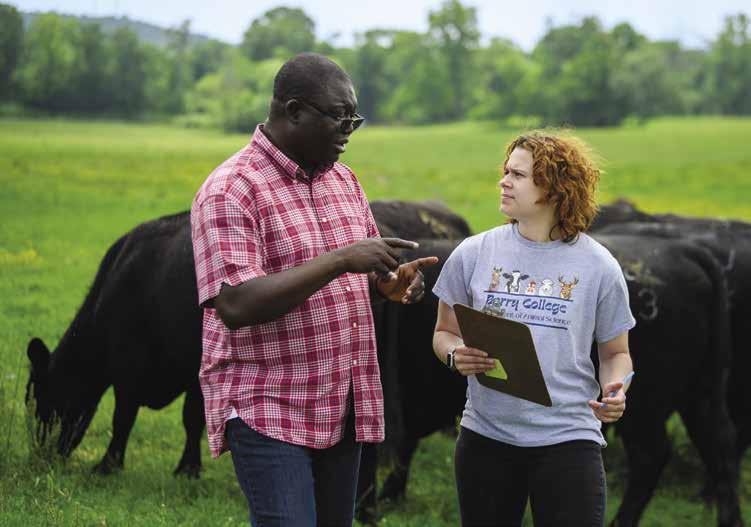

forward-looking. What Martha Berry pioneered in the foothills of Appalachia is now widely recognized as experiential learning, a core but voluntary expectation for today’s 21st-century students.
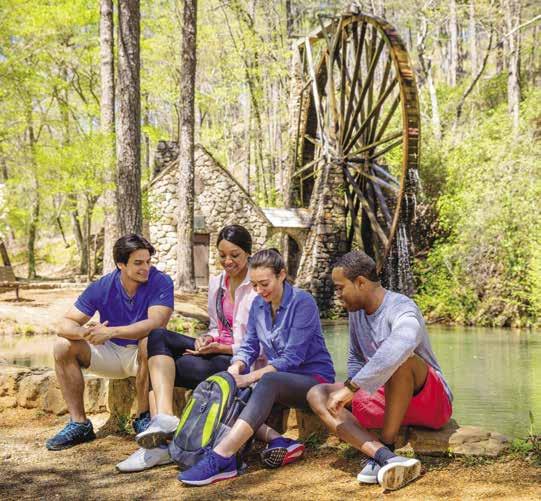
Berry’s campus is often described with reverence, and with good reason. To wander its vast acreage is to understand its role as a laboratory, sanctuary, and classroom. It has been named one of the most beautiful colleges in the country by magazines like Architectural Digest and Travel + Leisure. But its landscapes support more than beauty. They provide research environments, agricultural
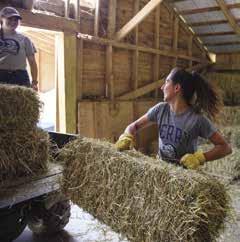
operations, ecology labs, arts and outdoor spaces, and more than 1,000 student jobs. The college’s scale is not a boast; it’s a profound academic resource. Modern higher education works to integrate applied experiences into the curriculum, but Berry has always had those experiences waiting outside every classroom door.
Across the country, colleges are investing heavily in career development, internships, and experiential education. Berry’s answer, a program called LifeWorks, arrives with a confidence earned over a century of practice.
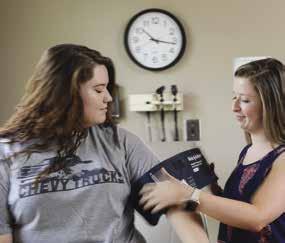
LifeWorks isn’t merely a job program. It’s a structured ecosystem where students spend eight paid semesters gaining practical, professional experience across more than 150 departments, from animal care and research labs to outdoor leadership and public relations.
Students develop transferable skills, work with mentors, and build a portfolio long before graduation. All the while, they’re forming networks and discovering what inspires them. Berry’s Center for Personal and Professional Development supplements the experience with LinkedIn Learning access, skill-building workshops, internships, and advising.
LOCATION: MOUNT BERRY, GA
CAMPUS:
27,000 ACRES PRIMARY
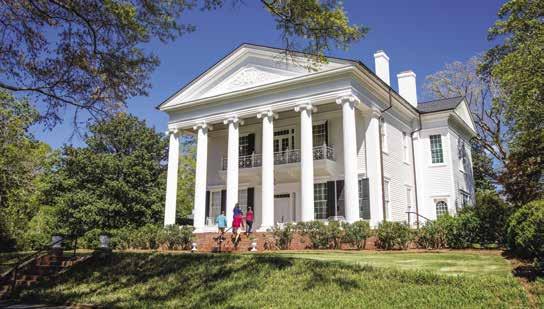
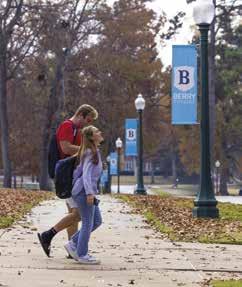
Work has been central to the Berry student experience since the institution’s founding, but efforts by the Center for Personal and Professional Development have increased the educational ideas rooted in the historic program. These enhancements are meant to ensure that all of the job opportunities available to the 95% of students who choose to work on campus during their time at Berry emphasize skills that add value for the student, the college, and future employers.
“Anyone who knows Berry knows there is a wide variance of jobs here, from the dairy to the Academic Success Center, the president’s office to the grounds crew, and everything in between,” explains Marc Hunsaker, Berry’s dean of personal and professional development. “Providing consistency was key so that even though the jobs are very different, the caliber of work is consistent, as are the expectations placed on the students.”
“A good school is going to make sure you grow intellectually,” Hunsaker continues. “At Berry, we strive to be a great school because we also promise
to promote students’ personal and professional development. And we’re not going to leave that growth to chance. We tell students we’re going to help them every step of the way, from the first semester to the last. The LifeWorks program is a key part of delivering on that promise.” It’s an updated expression of the founding bargain: Your contribution helps build your community and your community helps build you.
Inclusion as a Modern Imperative Higher education has broadened its understanding of access and inclusion, and Berry has embraced this shift with initiatives that remain true to its service-centered roots. In 2024, the college launched a new Inclusive Post-Secondary Education program, expanding the opportunities for students with intellectual disabilities. The program’s leaders emphasize self-advocacy, leadership, and community engagement. At a moment when colleges are scrutinized for how well they live their values, Berry’s
A mission sturdy enough to last and flexible enough to grow.
commitment is both modern and consistent, and true to its long-standing ethos of service and community.
In the last two decades, Berry has invested in a host of state-of-the-art facilities that support contemporary learning, including:
• McAllister Hall, which houses a museum and the School of Mathematical and Natural Sciences
• Cage Athletic and Recreation Center
• Sisters Theatre and Bell Recital Hall
• Briggs Hall, a dedicated animal sciences building
• Morgan-Bailey Hall, a three-story health sciences building that’s home to the nursing program, exercise science program, and the new PA program
In July 2025, Dr. Sandeep Mazumder stepped into the role of Berry’s ninth president, a moment that signals both
continuity and renewal. From the outset, Mazumder rooted himself in the college’s mission. “It is an honor to serve as the next president of Berry College,” he said upon his appointment. “I adore Martha Berry’s philosophy of teaching students ‘not to be ministered unto, but to minister,’ and I intend to share Berry’s unique distinctives for the nation to see.”
Mazumder has described Berry as a “secret” in higher education — one that he hopes to make more widely known. He advocates for global engagement, urging students to pursue study abroad. “It’s valuable training,” he said, “as they’re learning how to be global citizens.”
President Mazumder’s vision and leadership frame Berry as both deeply rooted and widely reaching, a college honoring local commitments while preparing students for an interconnected world.
Today, Berry College stands as solid proof that evolution and identity can coexist. Its history shows how a school can expand academically, culturally, and
physically without losing the spirit that formed it.
From its humble 1902 beginnings to becoming a 21st-century liberal arts institution with research opportunities, inclusive programs, global aspirations, and nationally recognized experiential learning, Berry has found a way to move forward without drifting away.
The secret? A mission sturdy enough to last and flexible enough to grow.
As new generations of students arrive — studying under those same pine trees as their predecessors — they step into an educational tradition designed not just to prepare them for the world, but also to shape it.
For more information about Berry College, visit berry.edu.

s America prepares to commemorate its 250th anniversary later this year, travelers are increasingly seeking meaningful destinations that tell the story of our nation’s past. With that in mind, we’ve put together a list of some of the surprising and authentic places right here in Georgia where visitors can walk in the footsteps of our country’s leaders, witness the moments that shaped their lives, and connect to American history in a personal way. From FDR’s treasured retreat to Woodrow Wilson’s boyhood home, Georgia’s presidential sites offer immersive and often intimate windows into leadership, resilience, and some of the turning points that shaped our country.
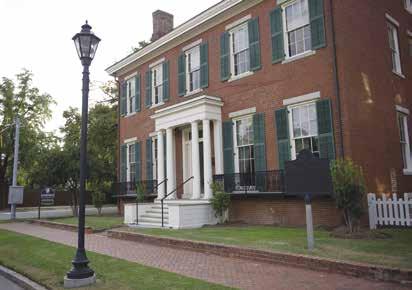
At the Boyhood Home of Woodrow Wilson in Augusta, visitors can explore the childhood experiences that influenced America’s 28th president during the turbulent era of the Civil War and Reconstruction. This National Historic Landmark offers guided tours that illuminate Wilson’s upbringing and the Georgia setting that helped inform his worldview. wilsonboyhoodhome.org
Also in Augusta is The Patridge Inn, where, in 1923, they hosted an elaborate dinner for President Warren G. Harding that was once described as “the grandest in the history of the city.” Today, the hotel remains one of Georgia’s most iconic heritage properties, offering a rare glimpse into the glamour and political culture of the early 20th century. partridgeinn.com
On the eve of the nation’s quarter millennium celebrations, we explore some of the most presidential sites across our state.
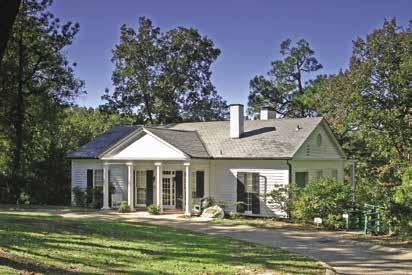
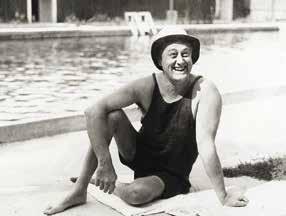
Perhaps the most emotionally powerful presidential site in the Southeast, Franklin Roosevelt’s Little White House in Warm Springs captures FDR’s search for healing and his deep ties to Georgia. Roosevelt first visited Warm Springs in 1924 after contracting polio and becoming paralyzed from the waist down. Swimming in the 88-degree hot springs didn’t provide a miracle cure, but did offer improvement. The pools are still present and, along with the Historic Pools Museum, just underwent a renovation in 2025. Visitors can tour the home FDR built there and view personal artifacts, like his 1938 Ford convertible and the unfinished portrait he was sitting for at the time of his death. Nearby F.D. Roosevelt State Park invites visitors to enjoy scenic overlooks like Dowdell’s Knob, which was one of the president’s favorite places to reflect. gastateparks.org/ littlewhitehouse
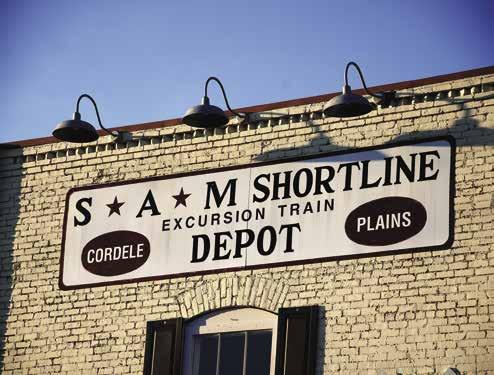
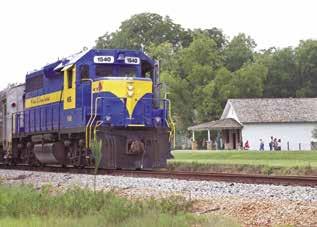
A vintage 1949 railcar journey on the SAM Shortline takes travelers from Cordele through rural landscapes to Plains, the birthplace of President Jimmy Carter. Stops along the route include Carter’s boyhood home, his campaign headquarters at the historic train depot, and the Jimmy Carter National Historic Site, which offers a nuanced look at his early life, presidency, and decades of humanitarian work. gastateparks.org/samshortline
Jimmy Carter’s Legacy at His
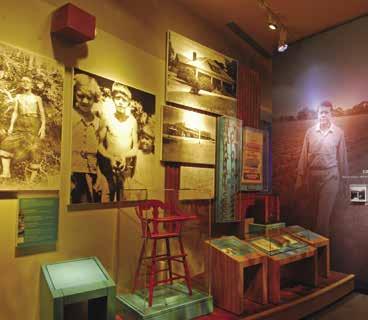
The life and presidency of Jimmy Carter are also celebrated at the Jimmy Carter Presidential Library and Museum in Atlanta. Exhibits include a life-size replica of the Oval Office, a collection of gifts from heads of state, and an interactive map that takes you along as the Carters traveled the world to monitor elections, fight diseases, and undertake other altruistic efforts. jimmycarterlibrary.gov
the
for an informational
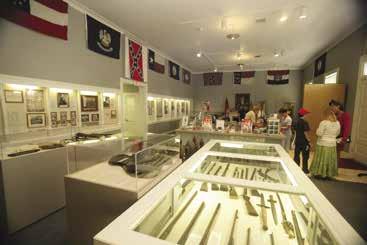
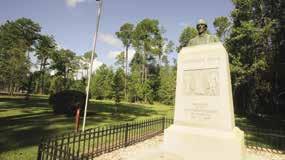
President Jefferson Davis, a staunch defender of slavery, was a controversial figure, and a visit to the Jefferson Davis Memorial Historic Site in Fitzgerald reveals the spot where the Confederate leader was arrested for treason by Union forces in 1865. Davis and his remaining staff members were camped in the area, not realizing that two different Union troops were in hot pursuit. At dawn, gunfire ensued, until the federal forces realized they had been unknowingly shooting at one another. A monument now marks the spot of Davis’ arrest, and you can learn more about the battle at the on-site museum. gastateparks.org/jeffersondavismemorial
BY KATHY PATRICK
ne of the perks of traveling is seeing the ways people live in other countries, including how and what they eat. I mean, what’s better than discovering new foods and deliciously different tastes from around the world? Luckily, there are restaurants in and around Northwest Georgia serving authentic international cuisine that will make you feel like you’re miles from home without you even having to pack a suitcase. Here are a few recommendations.
223 Turner McCall Blvd. Rome, 30165 and 2519 Redmond Circle Rome, 30165 jerusalemgrillga.com
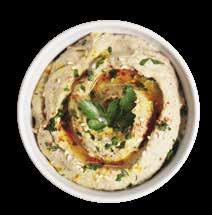
Jerusalem Grill is consistently the best Mediterranean restaurant in Rome. Turner McCall is the original location, with the West Rome locale added a few years ago. Both offer in-store dining, takeout, and catering services. The food is delicious, authentic, and fresh, and served in generous portions. Look for the hilarious camel in front of the West Rome location; it’s guaranteed to make you smile.
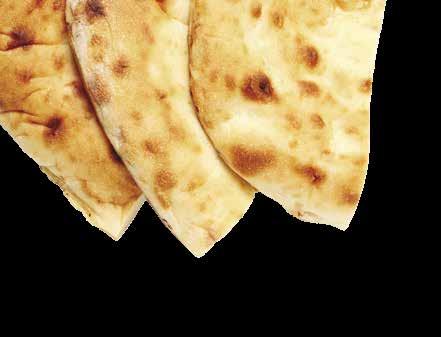
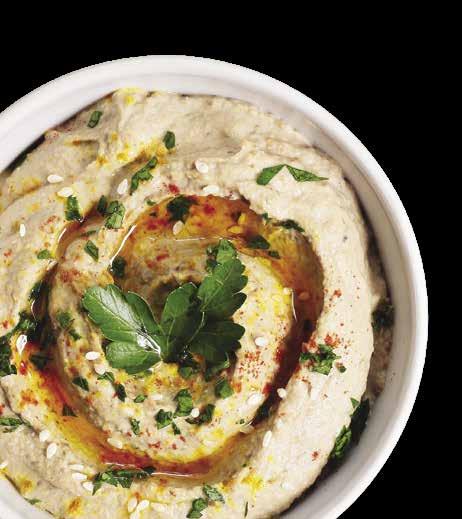
Some of my favorite dishes include the baba ghanoush (a grilled eggplant and tahini spread served with pita bread), hummus, tabbouleh salad, stuffed grape leaves, and falafels (a Middle Eastern version of hushpuppies, only better). These protein-packed treats are all meatless, but the restaurant also offers mouthwatering beef, chicken, lamb, and kofta kabob plates served with rice, cucumbers, tomatoes, and purple onions. Oh, and don’t forget the baklava; it’s worth the calories!
2606 George Busbee Pkwy. NW Kennesaw, 30144 eatsoi3.com
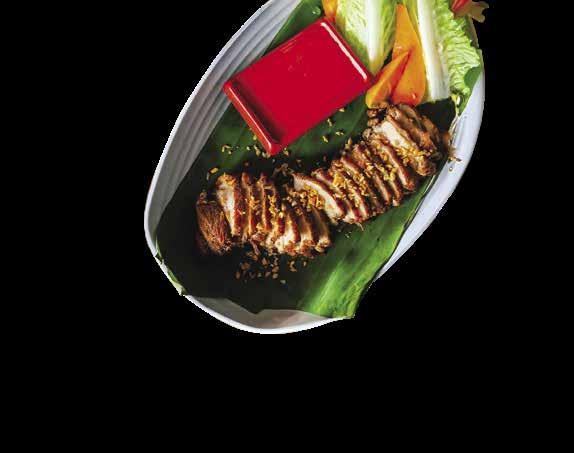
Soi 3 offers simply amazing Thai street food (it’s named after a street near a train junction in Bangkok after all). The restaurant has an extensive variety of unique tastes with menu items listed in categories such as Khong Yang Phiset (chargrilled specialties), Khao Gaeng (slow-cooked curries), and Aharn Tum Sung (foods for whatever mood you’re in). The menu thoughtfully includes info regarding gluten, nut, egg, and shellfish allergies, and whether the item can be made vegetarian or pescatarian. Whatever your taste desires or diet demands, the Soi 3 staff are knowledgeable and helpful in explaining the various options.
Soi 3 features locally sourced meats, purple jasmine rice, and extensive and creative bar selections. The melding of flavors in the curries and side sauces for other dishes are works of art in my opinion. For dessert, the mango sticky rice does not disappoint. Each meal I’ve enjoyed at Soi 3 has been wonderful thanks not only to its excellent food, but the fantastic atmosphere and service.
212 S. Tennessee St. Cartersville, 30120 (470) 315-4477
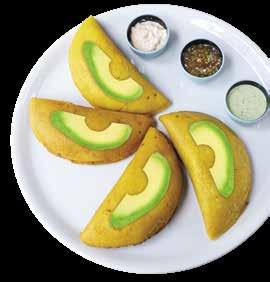
Recommended by a friend who lived in Honduras, Marisqueíra El Barro is a seafood restaurant with a Latin heritage. A favorite of the authentic south-ofthe-border options is ceviche, available solo or in combinations of shrimp, octopus, fish, crab, and oysters. Other Latin selections include an amazing guacamole, shrimp empanadas, carne asada, tacos, fajitas, and burritos. In the mood for fish? There are snapper and tilapia dishes that can be fried, broiled, deviled, or grilled, then topped with garlic butter or house sauce. Shrimp is another all-star across the menu, whether included in traditional Latin dishes or served sautéed, fried, or cheese-stuffed and wrapped in bacon. Marisqueíra El Barro also serves a daily buffet filled with authentic dishes from the sea and land. Karaoke nights, sweet desserts, and reasonable pricing round out the experience.


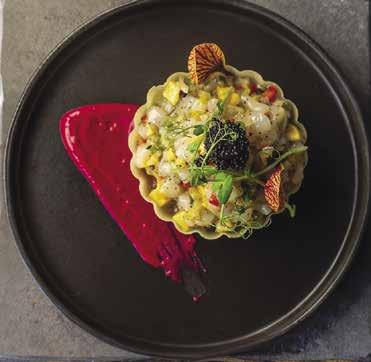
361 E. Main St. Canton, 30114 cestlaviegeorgia.com

With its romantic atmosphere and impeccable menu, C’est la Vie is French dining at its finest. Owners and chefs Vincent and Laetitia Fernandez are from the Provence region of France, where fresh seafood, meats, fruits, and vegetables thrive year-round. Their goal in creating this elegant establishment was to offer area patrons the experience of being in a European home while enjoying a refined style of dining. A peek at the restaurant’s decor and carte du jour is proof they’ve achieved their goal.
The lunch menu features French classics like croque madame, quiche lorraine, salade Niçoise, and tomato tarte tatin. French masterpieces on the dinner menu include escargot, steak frites, foie gras poêlé, moules marinère (sailor-style mussels), lapin à la moutarde (rabbit in mustard sauce), and caviar service. Each dinner item has a suggested wine pairing, while the bar offers French versions of familiar cocktails, such as the French Mule, Blueberry French 75, Margarita Fraise, and French Martini. Look for specials like Crepes Tuesday or Wellington Wednesday (beef or salmon), happy-hour drink discounts, and specialty wine tastings to discover everything the restaurant has to offer. Chef Vincent claims C’est la Vie represents “a taste of the European lifestyle, where time ceases and living in the moment becomes bliss,” and I wholeheartedly agree with him.
5989 Groovers Landing Rd. SE Acworth, 30102 agsteakhouse.com
AG Steakhouse, formerly the Allatoona Grill, has gone through an amazing makeover. What was once a fun waterfront beach bar on Lake Allatoona that served standard bar food, spectacular sushi and oysters, and the most impressive Bloody Mary I’ve ever had has morphed into AG Steakhouse, an elegantly refined steak and sushi restaurant with gorgeous lake views, a distinctly international vibe, and, thankfully, that same impressive Bloody Mary.
steak flight. There are 15 side dishes to choose from; multiple surf-and-turf combinations; and extensive beer, wine, cocktail, and sake options.
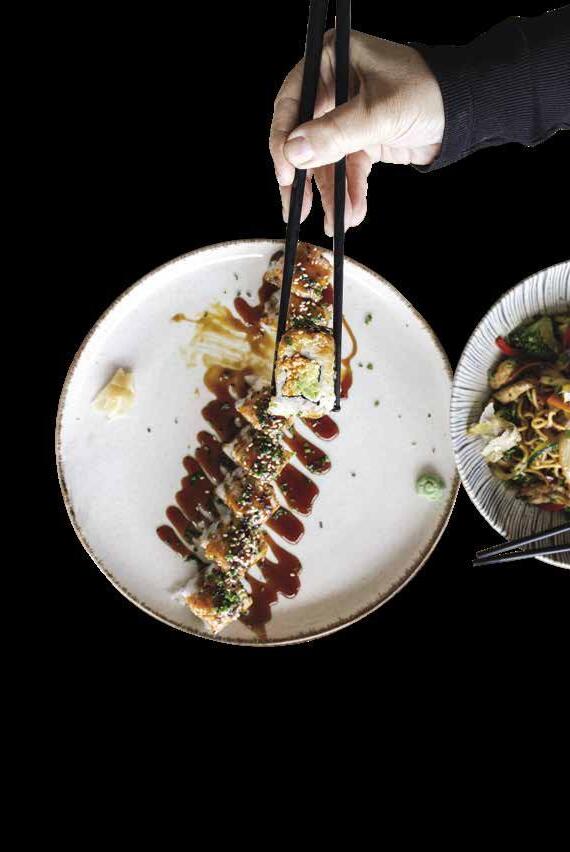
You’ll find excellent sushi, nigiri, and sashimi dramatically presented using the freshest seafood. Choices include the bluefin tartare, sushi ceviche, salmon tataki, yellowtail himachi, uni sea urchin, and all sorts of specialty rolls. Items from the seafood and steak and chop portions of the menu are great, too, with the latter featuring prime cuts, dry-aged beef, Wagyu selections, and even a

The food, service, and atmosphere at AG Steakhouse are all simply wonderful. In warm weather, it’s fun to arrive via the water and tie up at the Holiday Marina guest boat docks, throw on a cover-up and sandals, and enjoy a lunch or brunch. AG is also an exceptional nighttime destination, a great place for corporate outings, and the perfect spot for special celebrations.

Kathy Patrick, a resident of Rome, Georgia, loves cooking, traveling, book club, slalom waterskiing, and gym workouts, but her favorite activities are polka dancing and bicycle trips with her husband, Marty Cipollini. A retired software sales professional, Patrick volunteers with the Rome Little Theatre and Georgia chapter of The American












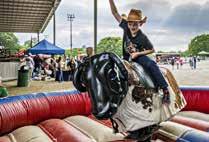
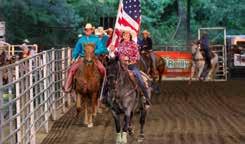
Celebrate America in downtown Alpharetta’s Wills Park this May with the Celebrate Freedom Rodeo!
This family-friendly event is filled with thrilling rodeo action and special activities for all ages—guaranteed to get everyone in a hootin’ and hollerin’ mood!
Whether you’re a seasoned rodeo fan or experiencing the excitement for the first time, you won’t want to miss the thrilling live action as cowboys and cowgirls compete in Bareback Bronc Riding, Breakaway Roping, Bull Riding, Calf Roping, Cowgirl’s Barrel Racing, Saddle Bronc Riding, Steer Wrestling, and Team Roping
As an NCPRA-sanctioned event, the Celebrate Freedom Rodeo upholds the highest standards for animal welfare, stock quality, fairness, and professional cowboy personnel. Arrive early to enjoy BBQ, funnel cakes, and more!










Here are three dishes that not only taste great, but are budgetfriendly as well.
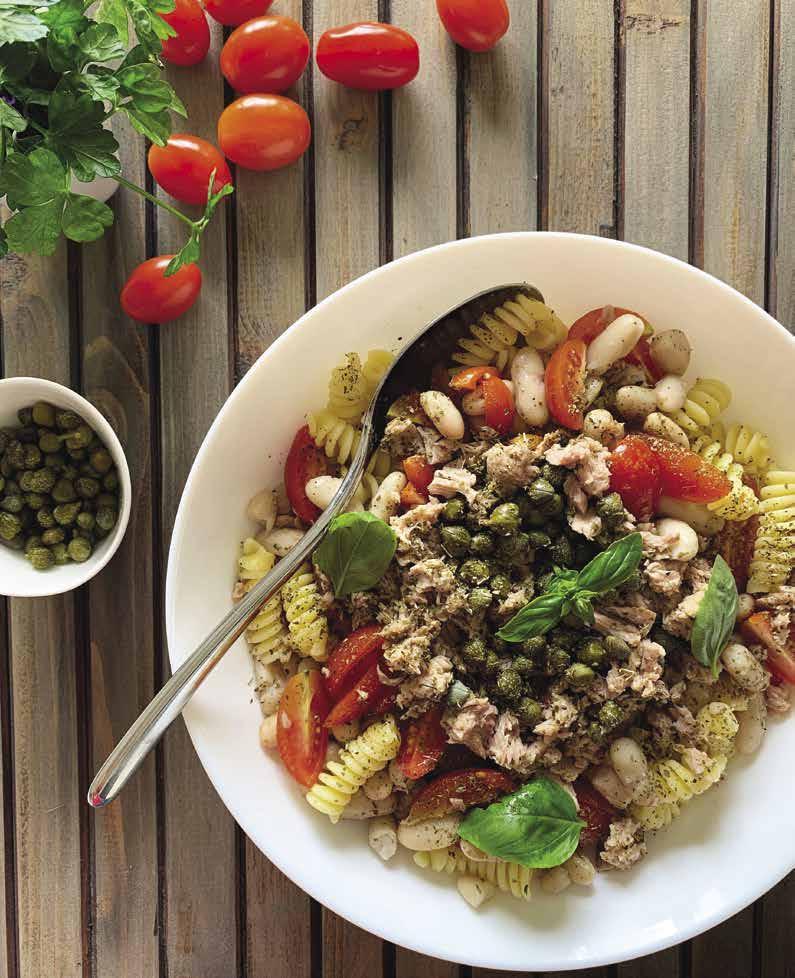
Eating is pricey, and most folks agree it’s not optional. The cost of groceries continues to climb and dining out on a regular basis can zip right through your food budget. But there are some healthy, delicious meals you can make that won’t break the bank. The three featured here boast grocery bills under $20 apiece (excluding standard pantry items).
The meals pictured are representations of the recipes featured in
Serves 4-6 | This tasty low-cost dish packs a protein punch.
Total approx. cost: $12
Kosher salt
1 lb. spaghetti, linguine, or orecchiette
¼ c. extra-virgin olive oil
3 cloves garlic, minced
1 15.5-oz. canned cannellini beans, drained and rinsed
2 3.2- to 5-oz. cans albacore tuna, drained and flaked with a fork
½ lemon, juiced
Freshly ground black pepper
Optional toppings: roughly chopped fresh parsley, toasted breadcrumbs, drained capers, sliced green onions, crushed red pepper flakes
Serves 4 | Great with mashed potatoes, rice, or over pasta to soak up the delicious sauce. Add a green salad for a terrific and easy meal.
Total approx. cost: $18
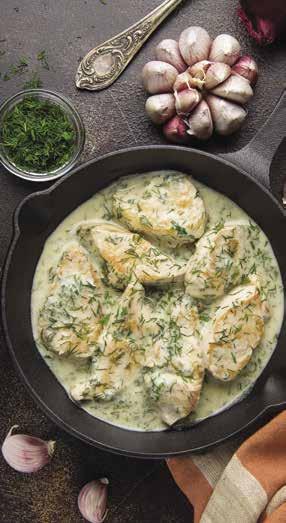
Bring a large pot of well-salted water to boil. Add pasta and cook until al dente, per package instructions. In large sauté pan, heat oil over medium heat. Add garlic, sauté until fragrant and soft but not brown, about 30 seconds. Add beans and tuna to pan and stir to combine. Cook until flavors meld and tuna warms through, about 2 minutes. When pasta is cooked, reserve ¼ c. pasta cooking water, drain the pasta, and add pasta to sauté pan. Use tongs to coat the noodles. Add reserved pasta water a little bit at a time until it’s the desired consistency. Add lemon juice and season with salt and pepper. Garnish as desired and serve immediately.
2 boneless, skinless chicken breasts or boneless thighs (1½ pounds)
½ tsp. Italian seasoning
½ tsp. salt
¼ tsp. freshly cracked black pepper
¼ c. all-purpose flour
2 tbsp. olive oil
2 tbsp. butter, divided 9-10 garlic cloves, peeled
1 c. chicken broth
3/4 c. heavy cream
½ tsp. garlic powder
Salt and pepper, to taste
Optional for serving: chopped fresh parsley, sliced green onions
Fillet chicken breasts or thighs into thinner cutlets (or use thin-cut boneless chicken). Season each piece with Italian seasoning, salt, and pepper. Sprinkle flour over both sides of chicken and rub until evenly coated. Heat large skillet over medium heat, then add olive oil and 1 tbsp. butter. Once hot, add chicken and cook on each side until golden brown and cooked through (about 4 minutes per side). Transfer cooked chicken to a plate and cover to keep warm. Peel garlic cloves and smash them with the side of a large chef’s knife (press down on the side of the knife with the heel of your hand). Add smashed garlic and remaining 1 tbsp. butter to skillet. Sauté garlic on medium-low heat, stirring frequently, for 3 minutes or until lightly browned and fragrant. Pour broth and heavy cream into skillet, and add garlic powder. Scrape up any brown bits from bottom of skillet. Let sauce simmer 8-10 minutes, or until thickened. If the sauce is too thin, thicken by adding a half tsbp. of flour at a time until desired consistency is reached. Add salt and pepper to taste. Return cooked chicken to skillet and spoon sauce on top. Let chicken heat through. Serve with optional parsley or green onions.


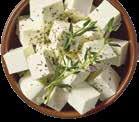
Serves 4 | It’s almost like eating dip for dinner.
Total approx. cost: $20
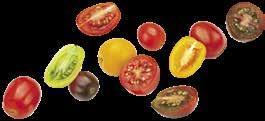
16 oz. cherry tomatoes, stemmed and washed
1 14.5-oz. can chickpeas, drained and rinsed
4 garlic cloves, finely chopped
¼ c. extra-virgin olive oil, plus more for drizzling
3/4 tsp. kosher salt
¼ tsp. crushed red pepper flakes
Freshly ground black pepper
1 4" × 3" 8-oz. block feta cheese
Toasted bread, for serving Optional: fresh basil leaves for serving

Arrange rack in center of oven and preheat to 400°. In 13" × 9" baking dish, toss tomatoes, chickpeas, garlic, oil, salt, and red pepper flakes, and season with black pepper. Roast until tomatoes burst and start to release their juices, about 15 minutes. Use sharp knife to cut feta lengthwise into 4 planks, about 3/4" thick. Nestle feta planks into tomato mixture and drizzle with oil; no stirring needed. Continue to roast until feta is soft and tomatoes burst and are saucy, about 10 to 15 minutes. Remove from oven and heat broiler. Broil, watching closely, until tomatoes and feta are blistered, about 2 to 3 minutes. Serve with toast and add basil leaves as optional topping.
Kathy Patrick, a resident of Rome, Georgia, loves cooking, traveling, book club, slalom waterskiing, and gym workouts, but her favorite activities are polka dancing and bicycle trips with her husband, Marty Cipollini. A retired software sales professional, Patrick volunteers with the Rome Little Theatre and Georgia chapter of The American Chestnut Foundation.
BY ROBERT SMYTH
I’ve noticed several changes in myself now that I’ve passed the 60-year-old mark, and they’ve led me to some conclusions. Perusing the ye olde web recently, I found this tidbit on aging: “Some changes in thinking are common as people get older. For example, older adults may be slower to find words and recall names, have problems with multitasking, and experience mild decreases in the ability to pay attention.”
The part in the quote about us being slower to find words is absolutely real, but I think it has to do with the fact that most of the things we’d want to comment on are just mind-boggling. Honestly, a lot of the words that do come to mind shouldn’t be used in polite company. Just look at any news website these days and you’ll fully understand what I mean.
In terms of older adults having problems multitasking, once again, it’s perception. It’s not that we can’t multitask, but rather the fact that a lot of what we’re supposed to be doing is stupid and pointless. Stuff like filing paperwork that’s never to be seen again and having meetings about when we’re meeting next to talk about the next meeting. Or putting that appointment on umpteen different calendars so everyone can know how busy we are. There are statistics out there that show that people waste about two hours per day on nonessential tasks and distractions, which amounts to around one month per year. Just so you understand, when you get to be my age, every month counts, so excuse me if I’m not multitasking my life away.
Now that I’ve turned 60, the main thing that’s changing is my outlook.
is that we’re just less interested in what’s being said, because what’s being said is something we’ve already heard, seen, or experienced before.
As we age, the things we used to pursue as being important have taken a back seat to the things that actually are important.
Lastly, in terms of the statement that it gets harder to pay attention as we age, I think the reality
I realize, of course, how grouchy I sound, which is an attribute often associated with getting older. I prefer to see it, though, not as someone who’s starting to throw in the towel, but rather someone focusing on new priorities. As we age, the things we used to pursue as being important have taken a back seat to the things that actually are important. Chasing a bigger house, nicer cars, and pocketfuls of cash have been replaced by the appreciation of having a roof over our heads and manageable debt, with time left over to experience and enjoy what’s happening in our friends’ and families’ lives. The young ideal of immortality in name and conquests is replaced by just trying your best and being there for the people in your life who matter most. Here in the U.S., less than 1% percent of the companies in business are over 100 years old. In 200 years, how many of those firms will be gone? And what about all the people who worked there? And what about the people who did great works for their family? I bet their stories get told through the generations and the good they did grows. I think, in the end, that’s what I’m worried about when it comes to aging. Will my story be told through the generations, or when I go, does my story end there? Also, where are my keys? I had them a second ago. I guess some of the things on the “when you get old” list might be closer than I think.


“Some old-fashioned things like fresh air and sunshine are hard to beat.”
— Laura Ingalls Wilder





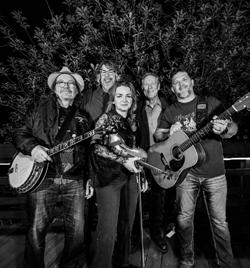

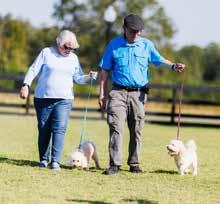
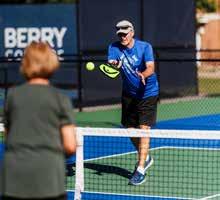
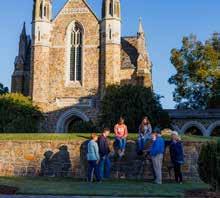
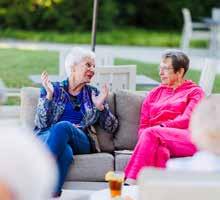

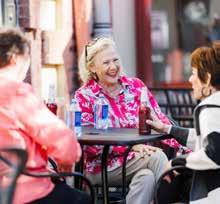
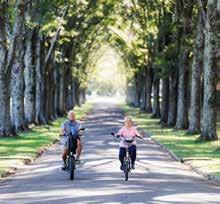
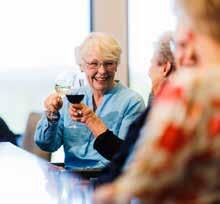
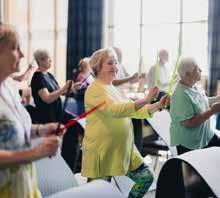
Five years of extraordinary senior living.
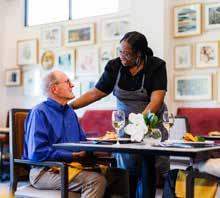
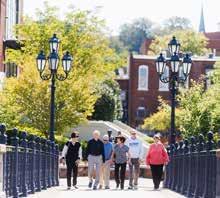
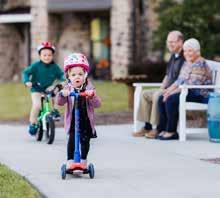
There’s no shortage of energy and excitement when you live at The Spires at Berry College — whether hiking around our scenic lakeside location, raising a glass at our pub for happy hour or exploring Rome’s charming attractions with friends. While immersed in Berry’s lively campus culture, residents have countless opportunities to attend university athletic events, arts performances and even lectures — not to mention form meaningful relationships with students. At the heart of it all, you’ll find the spirit of togetherness that makes our community one of a kind.