


You’re only as old as you feel. And Barbara? She feels like she could go for another game of catch in the backyard. Playing with her great-grandkids is precious and invigorating. Barbara proves that we get to decide how much life is in our years. Each new day is a gift — another chance to live fully and feel whole.














AT BARNSLEY RESORT, WE INVITE YOU TO ENJOY A FEAST FOR THE SENSES. Experience the intersection of eld, farm and re at Jules, our new signature restaurant from acclaimed Chef Shaun Doty. Sample upscale Southern avors at Woodlands, while enjoying a pecan-infused bourbon. Sip on a local cra beer in our Biergarten, one of the many new amenities that makes the experience here unforgettable. With renovated cottages, new activities and legendary dining options, we have set the table – come make it your own.

















Growing up, whenever my mom decided to throw a party, chaos inevitably followed. Despite our beautiful home, she would become overwhelmed — sometimes to the point of tears — by perceived imperfections. The whole family was assigned a daunting list of chores, and everything had to be perfect, which is why I’ve long associated entertaining with stress.

Have apron, will party.
Over the years, my husband Jerry and I have hosted many Thanksgivings, Christmas dinners, other holiday gatherings, birthday celebrations, and impromptu dinner parties. Each time, Jerry teases, “Are you going to Crazy Town?” because, in many ways, I am my mother’s daughter. Jerry’s pre-party checklist is simple: straighten his desk, shower, and dress before the guests arrive. Mine, on the other hand, includes cleaning the entire house (even the areas no one will see, just in case someone wants a tour), agonizing over the menu, and setting the table with a floral arrangement a day ahead. But after reading Kathy Patrick’s article on stress-free entertaining (page 24), I decided it was time for a new approach. With my fresh new outlook, I invited two couples over to dinner and vowed to actually enjoy myself this time, without making Jerry want to run for the hills. I chose a menu that could be prepared in advance, which is probably the best tip for any host. I also included some store-bought dishes alongside homemade ones. Years ago, a relative of mine showed up at a family gathering with an impressive batch of fried chicken in a Tupperware container and later confessed it was from Bojangles. My family thought she’d labored over a hot stove, but she just winked at me and I knew better.
For my dinner party, I created a beautiful tablescape to make the evening feel special. I also set up a self-serve drink station so guests could help themselves. With gorgeous spring weather, people mingled on the deck or in the sunroom, where appetizers and beverages awaited. This kept everyone out of the kitchen until dinner was ready. Jerry earned bonus points for grilling a tri-tip to perfection and having it ready on time. Staying true to my new relaxed style of entertaining, everyone served themselves from platters in the kitchen.
For entertainment, we threw axes on our front lawn. Jerry built an axe board a few years back, and it’s always a hit. It’s hilarious to watch everyone take a turn: some are surprisingly skilled, while others provide comic relief. We capped off the evening with desserts inside. All in all, it was a wonderful night, and most importantly, I actually had fun.
Your guests may not recall the exact meal you served or that your floorboards were spotless, but they’ll remember the conversations, the laughter, and how welcome they felt in your home. If I can become a relaxed host, you can, too.
Elsewhere in this issue you’ll find a story about the three-day luxury reset (page 22), a vacation taken as it was meant to be so that you come home rested and recharged. Also, given that it’s halfway through the year, we introduce you to the concept of a mid-year audit (page 26), which is intended to help you examine your actions thus far and get you back on track. Enjoy the longer days of summer, and happy reading!
JULY/AUGUST 2026
17 | Issue 4
Publisher and Founder
Editor-in-Chief
Laura Wood Erickson Editor
Jill Becker
Creative Director
Andi Counts
Designer
Mackenzie Allanson
Copy Editor
Elin Woods
Contributing Writers
Jill Becker
Ali Booker Ande Frazier
Bisi MacGregor
Kathy Patrick Robert Smyth
Elin Woods
Web Master
Veridian Design Group Sales
Laura Wood Erickson
wood.laura@yahoo.com
Contact us at: (706) 346-9858
wood.laura@yahoo.com
NW Georgia Living P.O. Box 72546
Marietta, GA 30007
We welcome all contributions, but we assume no responsibility for unsolicited material.
NW Georgia Living is published bimonthly by L. Wood LLC.
Copyright © 2026. All rights reserved. No portion of this publication may be copied, scanned, or reproduced in any manner without prior written consent from the publisher.

Free Summer Movie Series
Thru Sept 13, Tue & Thur at 1 & 7pm
GEM Theatre, Calhoun
Enjoy free classic and family-friendly movies throughout the summer. calhoungemtheatre.org
Seven Generations of NASCAR
Thru Sept 27
Savoy Automobile Museum, Cartersville
This exhibit chronicles the
history of NASCAR, from its origins hauling moonshine to the high-tech sport it is today. savoymuseum.org
City of Summerville
Celebrate Independence Festival & Fireworks
July 2, 6-10pm
Chattooga County Agricultural Center, Summerville
A free family-friendly event featuring a patriotic parade, kids zone, live concerts, and dazzling fireworks display. facebook.com/ cityofsummerville
Adairsville
Celebrates America
July 4, 5-9:30pm
Manning Mill Park, Adairsville
Celebrate America’s 250th with live entertainment, food vendors, a kids zone, and fireworks. adairsvillega.net
Cave Spring 4th of July Parade
July 4, 9am
Downtown Cave Spring
A beloved community tradition featuring antique cars, wagons, bicycles, horses, and plenty of patriotic spirit. romegeorgia.org/events/cavespring-4th-of-july-parade
Rome’s 2026 Fireworks
Extravaganza Independence Day Celebration
July 4, 4pm
Ridge Ferry Park, Rome
Celebrate Independence Day with food trucks, inflatables, face painting, outdoor games, and a spectacular fireworks show set to patriotic music. rfpra.com/events

Stars & Stripes at the Depot
July 4, noon-3pm Summerville
Depot, Summerville
Welcome the Tennessee Valley Railroad’s 4501 steam engine passenger train arrival. Also enjoy free sliced watermelon while it lasts, visits with Uncle Sam, food, music, and more. facebook.com/ cityofsummerville
Fourth of July
Celebration Concert
July 5, 7pm City Park, Calhoun
Celebrate Independence Day with a free patriotic concert by the Harris Arts Center Community Band. facebook.com/ harrisartscenter
Happy Birthday, America! Exhibit
July 9-Aug 27
Rockmart Cultural Arts Center
Local artists exhibit new works honoring America’s semiquincentennial birthday. rockmart-ga.gov/ rockmartculturalartscenter. aspx
Downtown Rome Free Concert Series
July 10, 7pm
Downtown Rome
A free night of fun featuring a performance by The Answer. romegeorgia.org/event
We Are the Champions (Queen Tribute)
July 10, 7:30pm
Rome City Auditorium, Rome The ultimate Queen tribute band channels one of the country’s greatest rock bands. romega.us/426/rome-cityauditorium-events
Back to School Bash
July 11, 10am-3pm
Downtown Cartersville Free family-friendly festival benefitting Helping Hands for Bartow Kids. helpinghandsforbartow.org
Colombian Independence Day
July 12, noon-7pm
Downtown Cartersville Free multicultural festival with dancing, music, food, and art. cartersvillemuseumcity.com/ events
Jeep: From War to America’s Weekend Warrior
July 14-Nov 8
Savoy Automobile Museum, Cartersville
This exhibit examines the history of the Jeep and how it has evolved and maintained an almost cult-like following. savoymuseum.org
Multicultural Festival of Friendship
July 18, 10am-3pm
Summerville Depot, Summerville
Enjoy a variety of international foods, performances, face painting, craft vendors, and a celebration of global traditions.
facebook.com/ cityofsummerville
Music by the Tracks
July 18, 7-9pm Downtown Cartersville Free concert featuring country music artist July Turner. cartersvillemuseumcity.com/ events
Peek Park Summer Concert Series
July 18, 7-9pm
Peek Park, Cedartown
Catch summer vibes at this free family concert featuring local favorite Southland Soul. cedartowngeorgia.gov/peekpark-summer-concert-series
Roman Rumble
July 18, 7:30pm Forum River Center, Rome
In an event sanctioned by USA Boxing, rising boxers from across the Southeast compete in the ring. forumrivercenter.com
Cave Spring Downtown Block Party
July 25, all day
Town Square, Cave Spring
Free event with music and fun galore at the Lumberyard. romegeorgia.org/event
Soul and Wellness Fest
Aug 1, 9am-1pm
Downtown Cartersville
Wellness market with free health screenings, classes, panel discussions, and a live DJ. eventbrite.com/e/ soul-and-wellness-festtickets-1987580556950
Hwy 27 Longest Yard Sale
Aug 6-8, 8am-7pm Dowdy Park, Summerville Dowdy Park provides a unique opportunity for shoppers to find treasures of all kinds.
facebook.com/ cityofsummerville
Downtown Rome Free Concert Series
Aug 7, 7pm Downtown Rome
An evening of family fun with live music from Curiosity Shoppe and Crews & Company. romegeorgia.org/event
Poe Nights: Dinner With a Side of Drama
Aug 14, 7pm
La Scala, Rome
An evening of Edgar Allan Poe readings, cocktail pairings, and a multicourse dining experience. romeshakespearefestival.com
Dog Daze
Aug 15, 10am-3pm Summerville Depot, Summerville
Bring your pup (over 6 months old) for this celebration of man’s best friend that includes a photo booth, a pup cup station, dog grooming, and more. www.facebook.com/ cityofsummerville
Downtown Rome Drone Show - America250
Aug 17, 7:30pm
Town Green, Rome
This free show will feature synchronized drones creating stunning visuals and animations in the night sky. romegeorgia.org/event
Matilda the Musical
Aug 28-30, Fri & Sat at 7:30pm, Sun at 2:30pm
Rome City Auditorium, Rome
The Rome Little Theatre performs the beloved Roald Dahl story of a precocious child prodigy. romelittletheatre.com
Backpack Buddies 5K
Aug 29, 8am-10am
Downtown Cartersville
Tenth anniversary of the Peachtree Road Racequalifying 5K race benefitting Backpack Buddies. https://runsignup.com/ race/ga/cartersville/ thedowntowncartersville5k
Meet the Magic: Immersive Live Character Event
Aug 29, 10am-2pm
Forum River Center, Rome
Enjoy meet and greets with your favorite princess and hero characters, dance parties, singalongs, performances, and more.
forumrivercenter.com

Interested to know the most checked-out library books of late? Here’s a select few.
As a librarian, I love watching reading trends unfold, and one thing is always true: Readers don’t care when a book was published if the story is good. Some of the most popular books of 2025 weren’t even released last year. Take Theo of Golden, for example. This 2023 novel is one of the most requested books of 2026 so far — three years after it came out!
So, let’s have a peek at a few of the books that managed to secure themselves a spot in the list of topmost checked-out titles at libraries across the country last year. Have you already read them? Or are you going to add a couple of them to your TBR shelf?

By Kristin Hannah
There was one title readers seemed unable to stop checking out of the library catalog in 2025. It was The Women, Kristin Hannah’s bestselling tale from 2024 about brave female nurses fighting in the Vietnam War, confirming that the author’s engaging and emotional stories continue to attract fans. The story tells of Frankie McGrath, a sheltered young woman who, after her brother is shipped off to Vietnam, impulsively joins the Army Nurse Corps and quickly realizes that coming back home surviving the war is not nearly as difficult as coming home to a divided country determined to forget it. Heartbreaking, powerful, and deeply human, it’s no wonder it remained one of the most checked-out books long after its publication.

By Liz Moore
The second-most frequently borrowed book of 2025 was The God of the Woods. Clearly, Liz Moore’s novel managed to grab readers’ attention from the very first page. Set in the Adirondacks in the summer of 1975, the story starts with everyone’s worst nightmare: a child goes missing. The disappearance of young summer camper Barbara Van Laar becomes much darker, however, as she’s not just any camper. Her wealthy family owns the camp where her brother disappeared 14 years ago, and still, nobody knows what happened to him. As rumors begin to circulate in the
BY ELIN WOODS
camp, readers find themselves entangled in a complex mystery where secrets of a dysfunctional family begin to emerge, class warfare rages, and the whole time, one question remains the same: Is there any connection between the two mysterious disappearances? Obviously, yes.

By Jonathan Haidt
One of the biggest nonfiction hits of 2025, The Anxious Generation proved that readers were still flocking to 2024 releases. The book had readers everywhere exploring the question, What exactly is social media doing to kids and teenagers? In this widely discussed investigation, Jonathan Haidt explores how an entire generation shifted from a play-based childhood to a phone-based childhood, and what that change has meant for anxiety, mental health, and growing up online. Blending research with relatable real-world examples, the book struck a chord with parents, teachers, librarians, and other readers alike. Whether people picked it up out of curiosity, concern, or simply to join in the conversation, it quickly became one of the year’s most checked-out nonfiction titles.

By Richard Osman
Richard Osman proved once again that readers can’t resist a good mystery mixed with lovable characters. His 2024 release, We Solve Murders, follows retired investigator Steve Wheeler, a man perfectly content living a quiet life filled with pub quizzes and routine, until his adrenaline-loving daughterin-law Amy, who works private security for celebrities, finds herself entangled in a dangerous international murder case. Suddenly, Steve is pulled far out of his comfort zone as the two race across the globe, dodging danger and trying to unravel a mystery that seems to grow larger at every turn. Funny, clever, and full of heart, it’s easy to see why readers kept checking this one out all year long.

Elin Woods is a librarian from the mountains of western Pennsylvania. When she's not busy reading, she enjoys baking historical treats and exploring the East Coast. She balances her mostly nonfiction history reading with the occasional modern romance novel and plenty of cookbooks.

EVERY TUESDAY & SATURDAY
8:00AM - 12:00PM
CITY PARK | 308 N WALL ST DOWNTOWN CALHOUN, GA

MARKET SEASON RUNS FROM MAY 23 THROUGH SEPT 19 RD TH



supported in part by






Take heed, as those traditional financial customs handed down to you may or may not work in today’s economy.
BY ANDE FRAZIER
There’s a certain comfort in the financial advice we inherit.
Like these pearls of wisdom: “Pay off your mortgage as fast as you can,” “Never rent. Owning is always better,” and “Debt is bad. Cash is king.”
These aren’t just strategies. They’re echoes of how previous generations survived, built, and protected what they had. And to be fair, those rules worked in a different world. The question is: Do they still?
Today’s financial reality looks very different than the one your grandparents navigated. Blindly following old money rules without context can quietly cost you more than it saves.
Let’s start with the sacred cow: paying off your mortgage early. The emotional appeal is undeniable. Owning your home free and clear feels safe and certain, like you’ve made it. But financially, it isn’t always the most effective move. If you’re sitting on a 3% mortgage while your money could be working harder elsewhere, aggressively paying it down may actually limit your long-term growth and liquidity. You can be rich in equity and tight on flexibility at the same time. But that doesn’t mean paying off your house is wrong. It just means it’s not automatically right.
Then there’s the “never rent” rule. For

decades, homeownership was practically a rite of passage, a symbol of stability, success, and smart money management. But renting can offer something many homeowners don’t have: mobility and optionality. No property taxes creeping up, no surprise roof replacements, and no being locked into a market cycle you didn’t choose.
In some cases, renting and investing the difference can actually put someone in a stronger financial position than carrying a mortgage that stretches their budget thin. Not exactly what grandma had in mind, but worth a real conversation.
And then there’s debt. Older generations were taught to avoid it at all costs. Context still matters here. High-interest debt? Still a problem. But then not all debt is created equal. Strategic debt, used thoughtfully, can actually be a tool. Think of a business owner using a line of credit to bridge a growth opportunity, or someone leveraging a low-rate mortgage while their investments compound. That’s debt working for you, not against you. The goal isn’t the elimination of debt at all costs. It’s understanding the role it plays in your overall financial picture.
Here’s where this really lands: Most traditional money rules were built for a time when pensions were common, life expectancy was shorter, markets were less accessible, and financial products were simpler. Today, you’re
likely responsible for creating your own retirement income. You have access to more tools than ever before. And you’re navigating longer lifespans, rising costs, and a level of economic complexity that previous generations simply didn’t have to plan for.
So no, the old rules aren’t irrelevant. But they’re incomplete. The real goal isn’t to reject them; it’s to evolve them. Good financial planning today isn’t about following rules. It’s about building a strategy that reflects your life, your goals, and the world you’re actually living in, not the one someone else grew up in. Sometimes that means paying off the house, and sometimes it means keeping the mortgage and deploying capital differently. Sometimes renting makes sense and sometimes buying is the way to go.
There isn’t a one-size-fits-all answer. And, honestly, there never was. The best financial decisions aren’t the ones that sound the most familiar. They’re the ones that are the most intentional. So the next time someone says, “This is just what you’re supposed to do,” take a pause. Because in today’s world, “supposed to” might be the most expensive advice you ever take.

Ande Frazier is a nationally recognized author and financial expert based in Rome, Georgia. Specializing in behavioral finance, she writes and speaks about how emotions and mindset shape our financial decisions. She is a frequent contributor to outlets like CNBC, HuffPost, and Yahoo Finance, and is the author of the Amazon best-seller Fin(anci)ally Free.





BY JILL BECKER
Phoenix Air, the Cartersvillebased company founded by Mark Thompson back in 1978, has been called the biggest company you’ve never heard of. From its headquarters at the CartersvilleBartow County Airport, it silently provides lifesaving air services all over the world. It employs 350 people, owns and operates more than 45 aircraft, has satellite offices in places like Germany and Crete, and is the planet’s most prominent commercial provider for longhaul ICU-level medical transports.
Despite its international reputation, the company had humble beginnings. Thompson, a former Army helicopter pilot, was attending West Georgia College and teaching a skydiving class for PE credit when he decided to open a local skydiving center. What spawned from that has today become, among other things, a world leader in military electronic warfare training, an animal transporter for facilities like the Georgia Aquarium, and an awardwinning air ambulance business, whose revolutionary rescues during the 2014 Ebola crisis have been captured in a page-turning new book called No One’s Coming, by Kevin Hazzard.
The technology the company developed at the time became the world’s first airborne biocontainment
Phoenix Air’s revolutionary rescues have been captured in a page-turning new book.

system, or ABCS, which allows them to safely transport patients with highly communicable diseases to advanced medical treatment facilities. Their ABCS-outfitted planes were also recently pressed into service during the April outbreak of the deadly hantavirus aboard the Dutch cruise ship MV Hondius.
For all his achievements, Thompson was inducted into the Georgia Aviation Hall of Fame in 2024 at the age of 72. Here’s more about this fascinating local airman and businessman.
Your parents were both pilots, correct?
Yes. They got their licenses around 1947.
Was the Army where you got your first flying experience?
There was a glider port south of Atlanta, so I had some basic experience flying gliders just prior to going into the Army.
Your brother Dent is the senior VP and COO of Phoenix Air. Do you work with any other family members?
Yes, my son Matthew is a first officer flying G-IIIs and Learjets.
How many types of aircraft can you fly?
I’ve flown everything from little Cessnas to Beech 18s; DC-3s; Learjets; Falcons; Citations; Gulfstream Is, IIs, and IIIs; and many types of helicopters. I still fly a Citation V on a regular basis and an Agusta S109 helicopter.
Is it true that every summer you fly one of your helicopters from your 325-acre horse ranch in rural Bartow County to your cabin in Alaska to go fishing?
Yes. I’ve been flying from Cartersville

to my cabin outside of Anchorage every June for the last 26 years.
You have another high-octane interest. Tell us about your time as a professional NASCAR driver.
I had a full-time job, so I was only a parttime driver, but I competed in a little more than 100 races. Winning was fun, but I logged some hospital time from things that happened on the racetrack. None were my fault, but it’s easy to get collected up in the accidents of others.
You hold the record for being the oldest driver to ever compete in the Daytona 500. How old were you at the time? It was 2018, and I was 66. I finished 22nd.
What’s the fastest you ever driven?
I think we tested at Talladega once over 210 mph. They’ve slowed the cars down a bit from those speeds now.
Do you have any other interesting or adventurous hobbies?
I’m a fair pistol shooter.
What’s a mantra or motto you live by?
Almost anything can be done if enough thought is put into it. I also like Clint Eastwood’s quote, “Don’t let the old man in.”
You started Phoenix Air more than 45 years ago. Any thoughts about retiring? This is a fun, interesting, and entertaining job. We deal with world events. I think I’ll be around awhile yet.
What’s your guilty pleasure?
An ice cream sandwich after dinner.







During these long, hot summer days, we long for fall’s cooler weather. When the crisp autumn air arrives in Alpharetta, so do some of the season’s most anticipated events. If you’re seeking a vibrant weekend getaway filled with live music, inspired dining, and walkable charm, Alpharetta delivers it all, blending Southern hospitality with a dynamic cultural scene.
Start your adventure October 9-10 at the Wire & Wood Alpharetta Songwriters Festival, Downtown Alpharetta’s signature music event and one of the region’s most beloved festivals. For two days, the city transforms into an open-air stage with more than 30 local, regional, and national singersongwriters performing on multiple stages throughout downtown, including Brooke Street Park and intimate pop-up venues tucked between shops and restaurants. This year’s headliners, Corey Smith and Sister Hazel, lead a lineup packed with talented artists sharing not only their music, but also the stories and inspiration behind each song.



Unlike a traditional concert, Wire & Wood creates an intimate experience where audiences connect directly with performers in outdoor venues, cozy restaurants, and unique gathering spaces throughout downtown. Best of all, the festival is free to attend, making it easy to spend the weekend exploring Alpharetta while discovering your next favorite artist.
Alpharetta Music City performs year-round, with shows at venues ranging from the intimate listening room atmosphere of The Velvet Note to the speakeasy vibes of Roaring Social and the larger concerts at Ameris Bank Amphitheatre. Visitors can also catch live music at The Avalon, Downtown Alpharetta’s Town Green, and seasonal outdoor series that bring the community together under the stars. Music lovers will find plenty of reasons to stay a little longer.
After the final note of Wire & Wood, another Alpharetta favorite takes center stage. From October 10-17, Alpharetta Restaurant Week invites visitors to experience the city’s nationally recognized dining scene. More than 45 restaurants participate in this weeklong culinary celebration, offering prix-fixe menus, curated pairings, and chefdriven specials designed to showcase the best of Alpharetta’s food culture.

Known as one of the Southeast’s premier dining destinations, Alpharetta boasts more than 270

restaurants representing flavors from around the world. During Restaurant Week, visitors can sample everything from elevated Southern cuisine and farm-to-table fare to authentic Italian, coastal seafood, craft barbecue, and globally inspired dishes. Many menus highlight seasonal ingredients and local partnerships, giving diners a true taste of Alpharetta’s culinary variety. Whether you’re trying a newly opened restaurant or returning to a longtime favorite, Restaurant Week offers the perfect opportunity to explore the city’s diverse culinary landscape.
Between performances and meals, visitors can enjoy Alpharetta’s effortlessly walkable districts. Stroll through Downtown Alpharetta’s treelined streets; shop and dine at Avalon’s upscale, open-air setting; unwind on lively patios; and take in public art and green spaces that add to the city’s inviting atmosphere. With 31 hotels, many located just minutes from the action, turning a day trip into a full weekend escape is seamless.
This fall, come hungry and bring your playlist. From unforgettable music and inspiring stories to exceptional dining and Southern hospitality, Alpharetta offers a weekend experience you’ll want to savor long after the final encore. Learn more about all that makes Alpharetta awesome at www.awesomealpharetta.com.







Explore the wonders of Cartersville, located right in your own backyard.
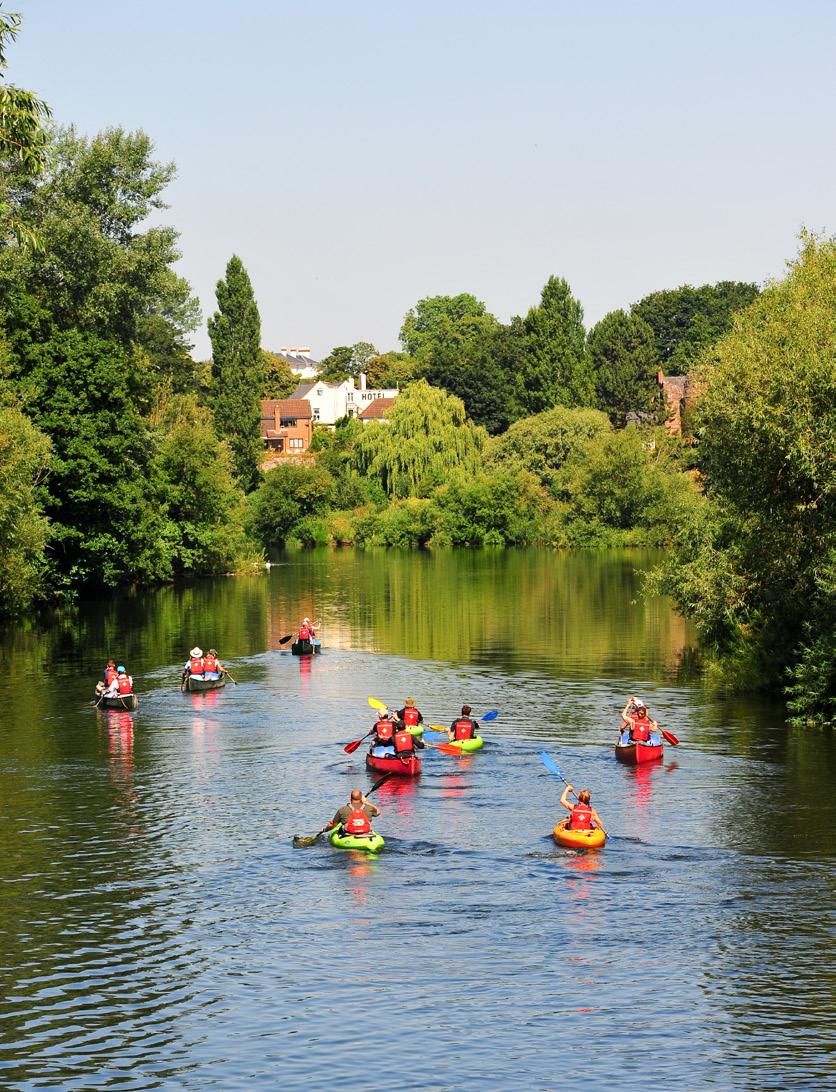
Do you enjoy an early morning paddle or a sunset cocktail? Would you rather lace up your hiking boots or stroll through an art gallery? Is your idea of a perfect weekend wandering through luxurious gardens and visiting a local brewery tucked into a historic downtown, or standing beneath a life-size T. rex fossil and exploring a 1,000-year-old Indigenous site? At some other destinations, you have to choose, but in Cartersville, you don’t.
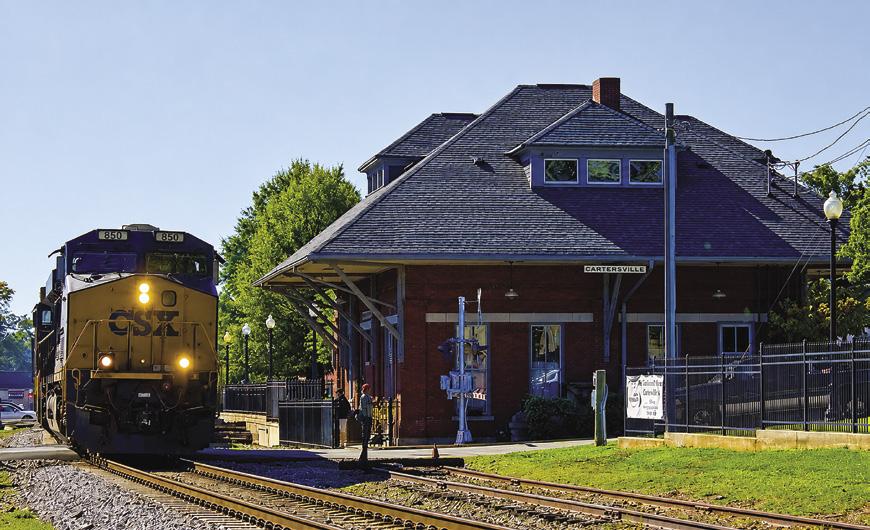
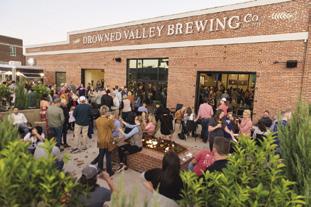
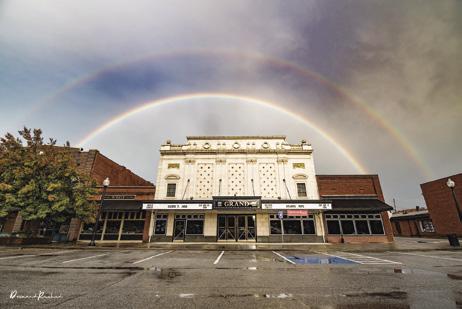
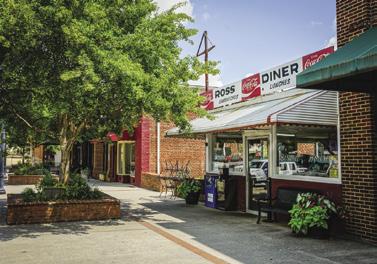
In Cartersville, nicknamed Museum City, no two experiences are the same. Some visitors arrive with a detailed itinerary, while others pull into town with no plans beyond grabbing a cup of coffee at Noble & Main and seeing where the day takes them. On a summer Saturday morning, you might fill a tote bag at the farmers market, or head for the trails at Red Top Mountain State Park. You might explore the fabulous Booth Western Art Museum, home to the largest permanent exhibition space for Western art in the country, or settle into a slow breakfast at Ross’s Diner before spending the afternoon exploring the 18th-century ruins or playing a round of golf on the Jim Fazio-designed championship course at Barnsley Resort.
Of course, Museum City got its name

for a reason. For a community of its size, the concentration of noteworthy museums is remarkable.
Within just a few miles, visitors can find institutions celebrating everything from amazing artworks and classic automobiles to space memorabilia and local history. You could spend a whole weekend exploring museum after museum. At the Booth, for example, you’ll find galleries filled with hundreds of paintings, sculptures, and artifacts from the American West. Cars take the spotlight at the Savoy Automobile Museum, a world-class facility housing a rotating collection of vehicles of all makes and models, along with a selection of original automotive art. Nearby Old Car City is the world’s largest classic car junkyard, where you can walk among an eclectic assortment of aged vehicles slowly overtaken by vines and Georgia pines. At the Tellus Science Museum, you can explore everything from replica spaceships to giant fluorescent minerals to dinosaur skeletons dating back millions of years, or take a seat and enjoy the planetarium show.
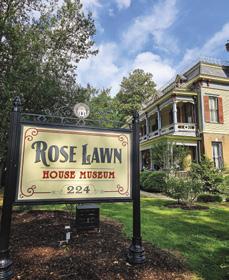
For a local perspective, head to the Bartow History Museum, where
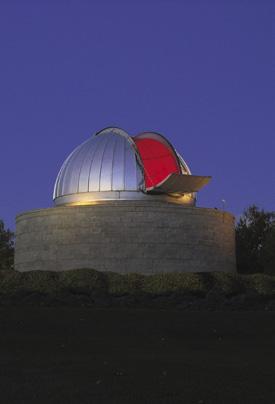



you’ll find exhibits showcasing the people, places, and events that helped shape the region. Even its location, a refurbished 1869 courthouse building, offers a glimpse into the past. The Noble Hill-Wheeler Memorial Center preserves the legacy of one of Georgia’s few remaining Rosenwald Schools, an early 20th-century network of modern teaching facilities built primarily for African American children in the rural, segregated South. At the Rose Lawn Museum, the Victorian-era home of Rev. Sam P. Jones, one of the most celebrated evangelists of his time, offers a look at another chapter in the South’s history book. Together, they reveal a place where history isn’t confined to a textbook; it’s woven throughout the landscape.
But some of Museum City’s most fascinating stories aren’t found inside a museum at all. They rise from the top
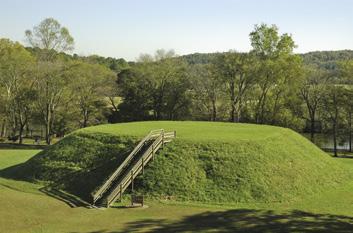
of the Etowah Indian Mounds, where visitors can stand on the same land that supported a thriving Indigenous civilization centuries ago. They continue along the African American Heritage Trail, at places like the Euharlee Covered Bridge, the state’s oldest remaining covered bridge, and George Washington Carver Park, which was founded in 1950 as Georgia’s first state park open to African Americans. Even the towering Allatoona Dam Visitors Center & Museum tells a story of engineering, industry, and the waterways that continue to shape life in Northwest Georgia.
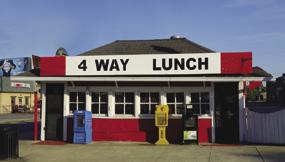
New Cartersville stories are still being written every day. Yours could include a little shopping as you browse the selections at Lulu Boutique, Periwinkle, It’s About Time, and R. Adams Antiques & Fine Gifts. You could chow down at places like Maine Street Coastal Cuisine, which serves up ocean-sourced seafood and more, or the legendary meat-and-three spot Doug’s Place in nearby Emerson. And anytime is a good time to enjoy an old-fashioned egg cream, brown cow, or other nostalgic treat at The Jerks soda fountain. If you want to get back to nature, there’s always paddling and tubing on the Etowah River, hiking along the scenic Pine Mountain Trail, or taking a selfie with a capybara at Pettit Creek Farms.
If you plan to stick around, hotel options include the pet-friendly

Element by Marriott, the waterfront Cottages at Redtop Mountain State Park, or the Sage Cottage in neighboring Adairsville.
In Cartersville, there’s no right way to do a weekend, and no reason to put yourself in a single box. Art, history, nature, science, food, and culture exist side by side, giving you room to follow whatever interests you most. By the time you’re headed home, you still won’t know exactly how to describe Museum City. A mountain town? Not quite. A museum town? More than that. An outdoor getaway? It certainly can be. The truth is, Cartersville, Georgia, is a little different for everyone who visits. No matter what brings you here in the first place, you’ll find even more reasons to come back.

To learn about Cartersville and all it has to offer, visit cartersvillemuseumcity.com.


• Chicken salad and pimento cheese made in-house
• Grilled cheese sandwiches cooked on our cast-iron waffle makers
• Deli sandwiches
• Deviled eggs
• Creamy tomato soup




(2-4 days compared to weeks from other Atlanta area shops)
























How to take a vacation you don’t need a vacation to recover from.

Somewhere along the way, vacations became exhausting. What was once meant to restore us has, for many people, turned into another form of performance.
Travelers rush from airport gates to dinner reservations to endless activities, trying to maximize every minute and justify every dollar spent. Days become so scheduled that there’s little room left for the very thing vacations were intended for: rest and rejuvenation. People return home from vacation feeling depleted, overstimulated, and oddly disappointed, and end up needing a day off after their time off. As a travel advisor, I’ve seen it firsthand.
Introducing the three-day luxury reset.
That frustration is exactly why the idea of a three-day luxury reset resonates with so many travelers right now. It reframes travel not as escape, but as intentional recovery.
The premise is simple: A successful vacation isn’t the one where you do the most; it’s the one that changes how you feel when you return home. And just to be clear, the “luxury” part of the three-day luxury reset has very little to do with extravagance. Luxury in this context refers to time without urgency, fewer decisions to be made, comfortable spaces, quiet mornings, long meals, and an atmosphere that supports rejuvenation. It’s not about consumption as much as it is about ease. In many ways, calm has become the new status symbol.

BY ALI BOOKER
The beauty of this idea is that for travelers across Northwest Georgia, restoration doesn’t necessarily require an international flight or a two-week itinerary. Some of the South’s most restorative destinations are only a few hours away. Places like Blue Ridge, Asheville, Blackberry Farm, McLemore Resort, and Montage Palmetto Bluff offer the kinds of environments increasingly associated with intentional recovery: fresh air, mountain views, walkable surroundings, slower rhythms, quiet luxury, and enough space to finally exhale. At Montage Palmetto Bluff, for example, that may look like a refreshing morning dip in the pool, a leisurely bike ride beneath the pines, and a quiet evening on the May River. At Blackberry Farm, it could mean a delicious glass of wine on the porch with nowhere to be and nothing to do.
The challenge for many travelers isn’t finding beautiful destinations, but rather planning trips to them in a way that feels recuperative instead of overwhelming. That’s where working with an experienced travel advisor becomes part of the luxury itself. The company I work for, Magical Travel & Events, helps travelers simplify the planning process, eliminate unnecessary stress, and create getaways intentionally designed around ease, comfort, and restoration. Having someone else handle the details for you, like restaurant reservations, accommodations, and transportation logistics, contributes to the feeling of effortlessness.
The three-day luxury reset works because it replaces the packed itinerary with something far more valuable — ease and renewal.

Day One is dedicated to decompression. Most people make the mistake of treating arrival day like the official start of vacation, but it should actually be viewed as recovery from everyday life. The nervous system doesn’t immediately shift from constant stimulation into calm the moment a hotel key is handed over.
The most restorative trips begin slowly: Arrive early enough to avoid rushing, unpack immediately rather than living out of a suitcase, and skip overscheduling. Those simple acts send an important message to the brain: I’m here, I’m staying, I can stop moving now. Beyond that, the goal for day one is minimal effort: a quiet dinner, a stroll through a local park, or maybe nothing more than sitting on a balcony overlooking the mountains as evening settles in.
Day Two is where the actual reset happens. Instead of trying to see and do everything, the most successful reset trips revolve around one intentional anchor activity: uninterrupted hours beside the pool, a round of golf, a trip to a museum, or a winery tour. Everything else remains flexible.
That openness matters more than people realize. Modern life creates extraordinary cognitive load, with every day involving constant decision-making, notifications, multitasking, stimulation, planning, and reacting. Researchers often refer to the resulting exhaustion as decision fatigue, and many vacations unintentionally make it worse. A trip can be filled with endless questions like, What should we do next? Where should we eat? How do we get there? Should we book another excursion? Are we missing something? Did we maximize the trip enough? And thus, the brain never actually rests.
The three-day luxury reset intentionally removes some of that pressure. Fewer decisions create more mental space, and unstructured time allows the nervous system to regulate and settle. Studies continue to show that time outdoors, quieter environments, and periods of reduced stimulation positively impact mood, stress levels, creativity, and mental clarity. That’s why travelers often describe their favorite vacation moments as the least-planned ones, whether it’s a long conversation over dinner, a guilt-free nap, coffee before anyone else wakes up, or an afternoon reading beside a fire.
Interestingly, the most restorative trips are also usually the least documented ones. Experiencing and performing are not the same thing.
Day Three is the final day of the reset and perhaps the most important.
The final day is where many travelers unintentionally undo all the progress they made. Early flights, frantic departures, packed schedules, and attempts to squeeze in one last thing immediately reactivate stress. A true reset protects the transition home.
The five luxury reset rules. There are a few practical guidelines that make a trip more restorative.
1. Cut the itinerary in half. Whatever feels reasonable probably still includes too much.
2. Stay in one place. Hotel-hopping disrupts rest more than travelers realize. One comfortable, well-located property almost always creates a calmer experience than frequent moving.
3. Eliminate avoidable decisions. Preplan a dinner reservation for the first night, decide on one morning activity, and then leave the rest open.
4. Pack lighter. Overpacking adds friction. Comfortable, repeatable outfits create ease. In fact, many reset travelers are embracing what some advisors now call the luxury reset packing list, which consists of cozy basics, one elevated dinner outfit, minimal skincare and selfcare items, comfy walking shoes, and perhaps most importantly, a real book instead of another device. The goal is less stimulation, not more.
5. Build in white space. Unscheduled time isn’t wasted time; it’s often where restoration actually happens. People aren’t necessarily craving more excitement; they’re craving relief from noise, urgency, and the constant feeling that every moment should be optimized.

People are increasingly realizing that travel luxury isn’t just the destination itself; it’s also the feeling of arriving without stress, journeying without chaos, and returning home restored. Thoughtful planning makes that possible, which is why travelers are turning to companies like Magical Travel & Events to curate trips that feel intentional from beginning to end. Because ultimately, the best vacations aren’t the ones that impress everyone else, but rather the ones that quietly recalibrate YOU.

A great gathering is one that everyone can enjoy, including the host. Here are some tips to help make throwing a party a little less taxing.
BY KATHY PATRICK
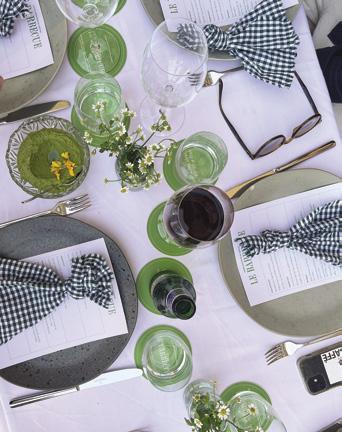
Most of us love going to parties, but we may not be quite as thrilled about planning and hosting one. The secret to organizing a stellar get-together is focusing on how entertaining the party will be rather than how perfect it needs to be. The key is to put the spotlight on the celebration, not on over-the-top food, decor, and activities. In the end, a cozy, welcoming, fun time together is what people remember more so than the fancy napkins you pressed or the cucumber curls you made as garnishes. With a bit of planning, your party can be enjoyed by everyone—including you! Consider these tips for creating a spectacular and low-stress gathering.
(Party) Deal?
What are the reasons to get folks together? A birthday, backyard cookout, movie/sports watching, or patio party, to name a few. But “it’s time to see one another” is also a perfectly valid option.
What is your preferred way to entertain? Is it casual and mingling, or a more formal meal? Will the group be multigenerational, and will they bring other guests, including pets? Think of how to include all attendees comfortably while honoring the theme.
It’s important to be realistic about the number of guests you can host, considering how much space you have and where you want guests to mingle. Do you need seating for everyone? Are you going to be outside? Parties where people get a little cozy are great, but you probably want to avoid the packed house-party vibe of years past.
Budget
Entertaining involves a financial commitment, so put together an estimate of costs for food, decor, supplies, entertainment,

and other expenses. Decide which of those areas are a priority that you’re willing to shell out for and look for creative ways to reduce expenses in other areas.
How do you plan to get the word out about the party? Will you mail printed invitations, send texts or emailed invitations, or rely on word of mouth? (Apps like Evite are great to use for larger gatherings.) Be crystal clear on the date, the time the gathering starts (and ends), the location, and any special instructions or requests, like preferred attire, “BYOB,” or “no gifts please.” Share a contact number or email, and don’t forget to ask guests to RSVP. Having them confirm if they’re coming or not will help you set expectations regarding food, drinks, and activities and help ensure that you don’t overspend or overplan. Closer to the party, send an update with parking details, changes due to weather, and a reminder of the info you’ve previously sent (people do forget things!).
Getting things done ahead of time is vital to stress-free entertaining. Make a timeline for yourself, starting from the time guests arrive and work backward to see when and how many things can be done ahead of the big day. Write the timeline down, then check off tasks as they’re done or delegated.
Speaking of delegation, guests are often happy to contribute to the success of the party, so as you make your plans, don’t be afraid to designate items guests could bring if they ask, like a bottle of wine, mixers, extra ice, an appetizer, dessert, or additional chairs. Set aside tasks they could help with as well, like refilling the food and drinks, picking up empty plates and

cups, keeping the beverage area neat, or directing where to put purses and coats. Asking for help makes guests feel at home.
If the party has a theme, consider ways to incorporate it into your menu. If you’re going with a grazing-style menu, have a nice variety of things, some of which don’t require utensils. For sit-down dinners, go easy on appetizer portions and serve entrees that don’t need last-minute attention. Foods that are fresh, simply cooked, and presented in an attractive manner are what’s memorable.
Look for recipes that can be made ahead of time, refrigerated, or frozen to make the day of the party easier on you. Prepackaged, store-bought items save time and stress and often taste just as good as what you could make yourself. Put them in your own serving dishes, adding fresh herbs or garnishes for that homemade flair. Using crockpot, Instant Pot, or oven recipes can reduce hands-on cooking time and save valuable kitchen real estate, too.
Be sure to offer a couple of items for special dietary needs. Fresh veggies and hummus, gluten-free chips and dips or salsa, or perhaps a dairy-free dish are easy items to meet those needs. If grilling is in the plan, marinate any vegetables you’re serving and cook them before the meat options so there’s no cross contamination.
At most parties, everyone always seems to end up converging in the kitchen. If your kitchen space is limited, do your best to ensure it’s uncluttered and organized so you and your helpers can work your party magic. Create a convenient landing spot for any items guests bring. Make sure your prep items are washed and put away. Don’t have items stacked in the sink, and make sure the dishwasher is empty. Organize the refrigerator so you can easily find party items. And have to-go containers for leftovers in an easy-to-find spot.
If you’d prefer the party be elsewhere, plan what other room(s) you want to utilize and then put the social lures of food and drink in those areas.
If you’re planning to serve cocktails, consider making them in large batches with extras in reserve. Sangria, margaritas, mojitos, and Aperol Spritzes are all crowd favorites and can be
made ahead, adding the fizzy ingredients just before serving. And don’t forget a mocktail or two on the drink menu. Choose wine bottles with screw tops or appoint someone to uncork bottles, and have beer, ciders, and sodas in a cooler for guests to grab. Having a water station with an ice bucket and scoop in several locations is a good idea as well.
Individual bottles of water can get mixed up in the crowd and make for a lot of trash. Likewise, using plain glass or plastic cups can lead to the age-old “Is that my cup?” conundrum. Consider having colorful cups and using erasable markers to write funny names or sayings on them. Guests are more likely to stick with one cup that doubles as a fun conversation starter, thus reducing waste and confusion.
Music can help set the tone of a party and gets people in the mood to socialize. Consider where to place speakers, what kind of music your guests would enjoy, and whether to switch the music up or down as the party progresses. Just keep in mind that music shouldn’t dominate the party or make your neighbors uncomfortable.
Games are a great way to liven up a party. Go retro with board games, Twister, or charades. Cornhole, horseshoes, and ping-pong are great if you have the room and the equipment. Increase the competitive spirit with prizes like a bottle of wine, a coffee shop gift card, or a white elephant type item.
A great party isn’t about perfection. It’s about the fun people had and the hospitality you shared. And, equally important, it’s about you enjoying your own party. So, when people leave your party smiling, talking about what a great time they had, and already asking about when the next gathering will be, you know you’ve thrown a fabulous low-stress party.


You knew by March. By July, you’d built an entire routine around pretending you didn’t. That goal you made for yourself in January still sounded impressive, but something in you no longer moved toward it.
You could still function. Answer emails. Show up. Still keep the peace. Still call it discipline. But the first half of the year had already given you evidence of stagnation. July was simply the moment you could no longer pretend the pattern was unclear.
This is why, as a life coach, I believe in a mid-year life selfassessment, and, more importantly, that it should be a deep dive, not just a progress report. Most people are skilled at honoring commitments — to jobs, to projects, to other people’s needs and timelines — but commitments to ourselves often become quietly optional. A goals review simply tells you what got done, while an agreement audit asks what you keep honoring, and what it’s costing you.
I call these commitments “outdated agreements” — the silent contracts we continue to honor even after our lives, bodies, desires, or capacities have changed. I know this pattern because I’ve lived it. I spent years in corporate finance, in rooms where the numbers were clear, the job title made sense, and the path looked stable. I knew how to measure performance on a spreadsheet before I knew how to admit my own life was asking for a different agreement concerning power, ambition, and freedom.
What July reveals about the goals you set in January, and the life you’re still maintaining.
BY BISI MACGREGOR, CERTIFIED LIFE COACH
Many agreements you make with yourself form at a moment when praise, belonging, safety, or survival are on the line. They get you through. The problem is that agreements formed under pressure tend to outlive the pressure itself. They become identity. They become just who you are. And identity doesn’t update itself automatically; it waits to be examined.
The reason outdated life agreements are so difficult to see is that they dress well. They show up as responsibility, patience, loyalty, discipline, maturity, or gratitude. They sound noble until you calculate what they’ve been costing your actual life.
For example, a client once came to me with a sharp mind and a full life, but very little room inside it truly belonged to her. She was almost 50, unmarried, childless, and still carrying an invisible scoreboard she never consciously agreed to play by. Her details were specific, but the pattern was common: When someone steps outside the expected path, they may start overfunctioning to prove they’re still responsible, still worthy, still allowed to want what they want.
What she needed, though, wasn’t a better plan. She needed to see the agreement underneath the plan. The agreement said: If I’m not following the expected path, I must compensate by being extra responsible, extra useful, extra available. So her dreams kept being pushed aside, and things like travel and desire were put on hold.
By mid-year, the issue was no longer confusion. She’d been building the second half of every year around a role she had
long outgrown — the woman who keeps postponing herself so nobody can accuse her of choosing wrong. And that’s what makes old agreements hard to spot. They often look like the so-called right thing to do, until you notice how much they’re actually costing you.
By July, the agreement has usually left the tracks. The exhaustion has a pattern, the resentment has a schedule, and the avoidance has a favorite excuse. The goal may still look worthy, but the version of you who chose it may no longer be leading your life. A mid-year audit is useful because it gives you evidence — enough repetition to show what your life has been doing when you weren’t curating it.
A traditional mid-year review asks: Am I on track? But an agreement audit asks: On track toward what? And does that still belong to the life I’m actually living or building?
The old agreement often speaks in ordinary sentences: “I don’t want to make it a thing.” “I already said yes.” “I should be grateful.” On the surface, these may sound reasonable, but underneath, they may point to a place where your life has changed while your agreement hasn’t. Here are five questions to ask yourself to help you read what the first half of the year has already shown you.
Move through these slowly. The most important piece is to be honest with yourself.
1. What has the first half of the year repeatedly shown me? Look at what actually repeated, whether it’s the dynamic that kept requiring explanation, the desire you kept moving to later, or the body signal you kept overriding. Patterns are data.
2. What agreement am I still honoring? Name it plainly. I must be available. I must be impressive. I must not disappoint. I must finish what I started. Then ask yourself, Does honoring this make me more alive, or is it costing me something I can no longer afford?
3. What is this agreement costing me now? Be specific. Is it time, energy, truth, creative authority, financial clarity, health, or presence? Look at your body, your calendar, and the relationships where you’re present but not fully there.
4. What has changed since January that I now need to respect? Maybe your capacity changed, maybe your desire changed, or maybe your circumstances changed. What you were willing to carry in January may no longer be yours to keep carrying.
5. If the rest of the year follows the same pattern as the first half, where would it leave me? Be honest. Repeated for another six months, a pattern becomes a direction, and if that direction doesn’t match the life you want to build, what needs to shift?
Self-awareness that doesn’t move can become its own performance: understanding everything and changing nothing. A mid-year audit is only useful if it touches something real. So the invitation isn’t to overhaul everything; it’s to make one honest move. Cancel one expired commitment. Have one clean conversation. Remove one goal that no longer carries truth. Stop giving your prime energy to a life you’re quietly done maintaining. Ask for the support you’ve been too composed to name. The shift doesn’t have to be dramatic to be real; it just has to be true. A small move made honestly will do more than a large plan made from guilt.
The pattern was never the mystery. You were living inside an agreement that made it feel necessary, familiar, or easier to explain. The first half of the year gave you evidence, and now the second half is where you decide what to do with it. When you begin cleaning up the agreements you’ve been living under, your life starts to feel less crowded. Your “yes” becomes cleaner, your “no” stops needing a closing argument, your calendar begins to reflect your actual priorities, and your energy returns from places it’s been leaking.
That’s what periodic checkpoints make possible: You stop waiting for collapse before telling the truth, and you catch the drift while there’s still time to choose differently. You don’t have to spend the rest of the year maintaining what March already revealed. The second half deserves a plan that tells the truth.

In honor of this, in July, I’m offering a complimentary Mid-Year Calibration, which you can book here: https://stan.store/liberationb/p/the-midyear-calibration

Bisi MacGregor is a Certified Life Coach, TEDx speaker, former corporate finance leader, and founder of Fear2Freedom LLC. With over two decades of corporate finance experience, she helps highachieving women stop maintaining lives they’ve outgrown and close the gap between what they know and what they’re ready to live. Book here: https://stan.store/liberationb/p/the-midyear-calibration

Simple yet special meals for a romantic night in.

The meals pictured are representations of the recipes featured in this article.
Why go out for a date night dinner when a fantastic and equally romantic meal at home could be on the menu? These recipes are easy to make, less expensive than restaurant prices, and truly are a special treat. So set out some flowers, light some candles, pop the champagne, and enjoy a magical dinner for two.

Serves 4 | Great with remoulade sauce (see recipe below), a green salad, and corn on the cob.
2 large eggs
2 tsp. Worcestershire sauce
⅓ c. mayonnaise
½ tbsp. Dijon mustard
1 tbsp. Old Bay seasoning
¼ tsp. cayenne pepper
½ tsp. table salt
¼ tsp. freshly ground pepper
1 lemon, zested then cut into wedges for garnish
2 tbsp. chopped fresh parsley
2 tbsp. chopped fresh chives
⅓ c. chopped celery
2⁄3 c. panko breadcrumbs
1 lb. Maryland lump crabmeat, drained and picked through for shell pieces
Serves 8
½ c. mayonnaise
¼ c. ketchup
¼ c. Dijon mustard
1 clove garlic, grated
2 tbsp. fresh lemon juice
2 tsp. prepared horseradish
1 tsp. Old Bay seasoning
1 tsp. Worcestershire sauce
In medium bowl, beat eggs with whisk, then add Worcestershire, mayonnaise, mustard, Old Bay, cayenne, salt, pepper, lemon zest, parsley, chives, celery, and panko. Stir until combined. Gently fold in crabmeat and stir until just incorporated. Using a ½ c. measuring cup, scoop crab mixture into 8 mounds on a baking sheet. Using wet hands, form mounds into flat patties, cover with plastic wrap, and refrigerate 30-60 minutes. Preheat oven to 375°. Remove plastic, bake for 15-20 minutes on one side, then flip and bake for 10 minutes or until crab cakes are golden brown. Serve immediately with lemon wedges.


1 tbsp. capers, drained and rinsed


Combine ingredients and stir. Cover and refrigerate 1-24 hours. Stir again before serving.
Serves 4
1 lb. pork tenderloin, patted dry
2 bacon slices, halved lengthwise
1 tsp. kosher salt
½ tsp. black pepper
1 tbsp. butter
¼ c. bourbon
2 tbsp. apple cider vinegar
1 tbsp. molasses
½ tsp. Dijon mustard
½ tsp. chopped fresh rosemary

Preheat oven to 400°. Cut tenderloin into 4 equal filets, 2½ inches thick, then press each to 1¾ inches thick. Wrap 1 bacon half around outside edge of each pork filet, securing with a toothpick. Sprinkle with salt and pepper. Melt butter in 10-inch cast-iron skillet over medium-high. Add pork to skillet, bacon side down. Cook, turning occasionally, until bacon is browned, about 6 minutes. Put filets cut side down; cook, undisturbed, about 4 minutes. Flip filets; transfer skillet to oven. Bake until inserted thermometer registers 145°, about 8-10 minutes. Place filets on plate without wiping out skillet; let rest 5 minutes. Add bourbon to skillet; cook on mediumhigh 30 seconds, scraping skillet to loosen browned bits. Stir in vinegar, molasses, and mustard and cook, stirring often, until slightly thickened, about 1-2 minutes. Remove from heat; add rosemary. Discard toothpicks; return pork to skillet, spoon sauce over pork, then serve.

Serves 2 | Use baking chocolate bars or fèves (chocolate baking discs) rather than chocolate chips. Chocolate chips include stabilizers that inhibit melting and will negatively affect the texture.
3 tbsp. butter, cut into cubes, plus more for ramekins
3 tbsp. granulated sugar, plus more for ramekins
3 oz. 70-74% cacao baking chocolate, chopped
1 large egg
1 large egg yolk
½ tsp. vanilla extract
⅛ tsp. kosher salt
2 tbsp. all-purpose flour
Confectioners’ sugar, to serve Ice cream or whipped cream to serve (optional)
Heat oven to 425°. Butter 2 6-oz. ramekins and dust with sugar. Combine chocolate and 3 tbsp. butter in heatsafe bowl set over pan of simmering water. Cook, stirring occasionally, until melted (or microwave in 30-second blasts, stirring after each round until melted). Remove from heat and set aside. In medium bowl, combine 3 tbsp. sugar, egg, egg yolk, vanilla, and salt. Whisk vigorously until mixture is thick and foamy, about 2 minutes. Whisk in flour until smooth. Using a spatula, add chocolate to egg mixture and stir gently until combined. Pour mixture into ramekins. Bake for 7-9 minutes until edges are set and puffed but center is still soft when lightly pressed. Use small knife to loosen edges of cake from ramekin. Place plate over ramekin and, using an oven mitt or clean kitchen towel, carefully invert the warm cake. Remove ramekin, dust cake with confectioners’ sugar, and serve with ice cream or whipped cream.

Kathy Patrick, a resident of Rome, Georgia, loves cooking, traveling, book club, slalom waterskiing, and gym workouts, but her favorite activities are polka dancing and bicycle trips with her husband, Marty Cipollini. A retired software sales professional, Patrick volunteers with the Rome Little Theatre and Georgia chapter of The American Chestnut Foundation.
BY ROBERT SMYTH
With time, I’ve discovered that the secret to living a happy, fulfilled life is a little bit of perspective.
What do I really want? That’s a question that plagues most of us from the time we wake up to the time we finally, fitfully fall asleep. What are the real things our hearts desire, and what are the things we can actually obtain? What does our soul need versus what the world tells us we should want? I know, deep questions from me were not what you were expecting, but to be honest, I wasn’t expecting them either. It’s just that as time goes by faster and faster every day, these pesky questions sneak into my ADHD brain and make a mess of it.
First, let’s start with accomplishments. What have I actually done versus what I think I should have accomplished? My ego thinks I should be independently wealthy, speak seven languages, cure cancer, be in top physical shape, be a master musician, and possibly mend sick puppies back to health in my spare time on the weekends. Just in case you were wondering, I am zero for six.
The reality is, I’ve helped raise five incredibly wonderful children, I have an outstanding spouse, I own a home, the lights are still on, I eat (a lot) every day, and I’m still walking upright under my own power most days. So my ego needs to get it together and call that category a win.
business, but full of compassion and charity when needed. And, of course, boyishly handsome. The truth is, I’m goofy and often say the wrong thing. I try to make the right decisions in business and life, but I find I usually do better when I ask people I trust for advice. I’m chubby and bald, but I have nieces and nephews who like to play with me and are comfortable enough with me that when I hold them, they fall asleep. I have a wife, kids, and family who love and worry about me. So, once again, my ego must take a back seat, because the reality isn’t so bad.
I am way more Fred Flintstone than Magnum P.I., but then, Fred wasn’t such a bad guy.
Now let’s look at how others see me. Once again, my ego thinks people look at me as suave and debonair, witty and charming, strong and ruthless in
Finally, what about my soul? My ego sees a righteous, upstanding man of principle who walks the straight path without stumbles each and every day, and a man who always makes the right decisions with his abundance of wisdom and glowing spirituality. (Please hold your laughter.) But the reality? I struggle every day, even now in my sixties, with anger and forgiveness. I stumble like a drunk man through each decision, hoping to make good choices and to be able to see past my own blinders and find the good in others.
Don’t get me wrong, I’m sure my ego will creep back in soon enough and cloud my judgment once again, but for this moment at least, I have some perspective. I am way more Fred Flintstone than Magnum P.I., but then, Fred wasn’t such a bad guy.











Cave Spring 4th of July
Parade
July 4
Downtown Cave Spring
Rome’s
Fireworks
Celebration
July 4
Ridge Ferry Park
Celebration at 4pm & Fireworks at 9:30pm
Cave Spring
Block Party
July 25
Downtown Cave Spring
Downtown
Rome Concert
August 7
Downtown Rome
America 250 Drone Show
August 17
Downtown Rome
RLT’s Matilda the Musical
August 28-30
Rome City Auditorium
Meet the Magic: Live Character Event
August 29
Forum River Center




Memory Care at The Spires at Berry College has been intentionally designed to provide a specialized, secure and supportive environment for those with memory loss. Every day is full of opportunities for a more connected, more purposeful way of life — not to mention expert caregivers and a progressive care curriculum. Discover the many ways your loved one can benefit from Memory Care at The Spires:
• Family-style dining featuring multiple entrée selections with fresh, wholesome ingredients
• Dedicated horticulture therapist–led gardening programs with hands-on activities in the courtyard
• Emphasis on individualized attention and family involvement
• Secure outdoor courtyard featuring winding paths, raised garden beds and inviting seating areas
• Purposeful programming that incorporates art, music and personal interaction
• Intuitive neighborhood design promoting safety, comfort and easy navigation