DEVESA PLANET NEWS Nº13 2026
Edita
La Devesa School /JoanFuster 13, Altabix 03203
Elche / Alicante / Tel: 96 545 83 49
Área de Marketing y Comunicación externa Responsable de redacción
Victoria Hernández Martínez
CON TENI DOS
Unañodereconocimientosparaenmarcar.
PrincipiosCooperativos.
“VuelaAlto”:elprogramaquetransformala educacióndevuestroshijosehijas.
InnovaciónpedagógicaenGrupoSorolla Educación:Transformandoelaprendizajeen elsigloXXI.
Cuatroidiomas,unfuturosinfronteras.
Literacyeneducacióninfantil:elenfoque oxfordreadingtree.
Laimportanciadelashabilidadesdehablar enpúblico.
Auxiliaresdeconversación:elmundoentra enelaula.
DeElcheaFinlandia:asíseaprendea cambiarelmundo.
EstratégicayDesarrolloSostenible.
Ecoschool:uncompromisoconel futuroenLaDevesaSchool.
Elpatioesdetodos:asíloconstruimosen LaDevesaSchool.
KindergartenNews. 10accionescontraelcambioclimático:los alumnostomanlapalabra.
KiVa:unaescueladondetodoscuentan,hoy másquenunca.
Cadaalumno/aesunahistoriaque mereceserleída.
ProyectoEquipodeMediación:“Sitú quieres,mediamos.”
Covitalidad:lafuerzaquenosprepara paraelsaltoasecundaria.
AllTogether:unaredquesostienea cadaalumno.
Menoresytecnologíadigital:educar paravivirenelmundoreal(yenel digital).
LaDevesaSchoolesSTEMReference School2026.
SolidaridadenLaDevesaSchool: educarparatransformarelmundo.
Pensamientocríticoyhabilidades ejecutivaseneducación.
InternationalDepartment.
Lasartesnosonunextra:sonuna formadeeducar.
SorollaSports:cuandoeldeporte educadeverdad.
Másqueuncolegio.Másqueuna extraescolares.
InspiringArt,EmbracingCultures.
BecasalaexcelenciaGSE.
UN AÑO DE RECONOCIMIENTOS PARA ENMARCAR
LA DEVESA SCHOOL ELCHE ACUMULA MÁS DE 15 GALARDONES
NACIONALES E INTERNACIONALES EN EL CURSO 24-25
La Devesa School Elche acumula más de 15 galardones nacionales e internacionales en el curso 24-25
El curso 2024-25 fue un año extraordinario para nuestra comunidad educativa. Los reconocimientos cosechados no son simples trofeos: son el reflejo de un proyecto educativo sólido, del talento de nuestro alumnado y del compromiso de todo el equipo docente. Os presentamos los logros más destacados.
Excelencia en la gestión del centro
La calidad de nuestro proyecto educativo ha sido avalada por tres reconocimientos institucionales de primer nivel. El Sello EFQM +600, otorgado por la European Foundation for Quality Management, certifica nuestro alto estándar en liderazgo, estrategia y resultados. La Certificación EFR (Empresa Familiarmente Responsable) reconoce nuestro compromiso con la conciliación laboral y familiar. Y el sello Ecoschool por ADEAC nos acredita como referente en educación ambiental y sostenibilidad.
Líderes nacionales en innovación educativa
Este curso hemos obtenido el Premio Nacional de Innovación Educativa al mejor proyecto de integración de la inteligencia artificial, un reconocimiento que nos posiciona como centro de referencia en tecnología educativa a nivel nacional. A esto se suman el Sello UECOE como Colegio ODS Cooperativo — por nuestra integración real de los Objetivos de
Arantxa Armero Dirección.
Desarrollo Sostenible—, el reconocimiento como Colegio eTwinning por proyectos colaborativos europeos, la certificación Pantallas Responsables (oro) y el Sello Colegio Saludable del Ministerio de Educación, que reconoce nuestro enfoque integral del bienestar físico y emocional.
Reconocimiento nacional al proyecto de centro
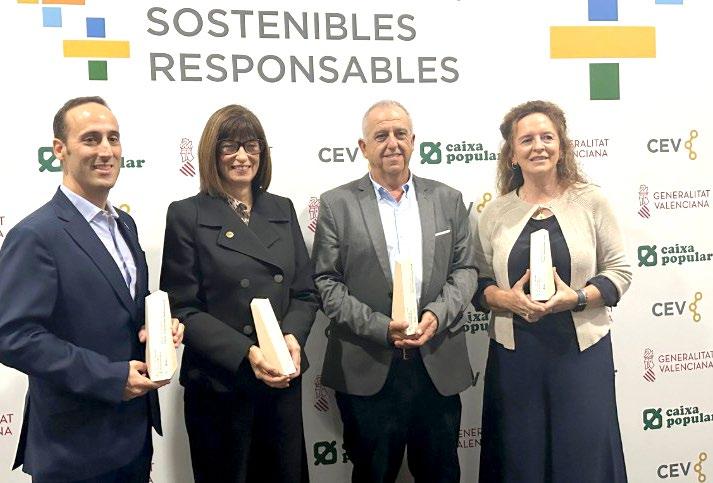
Nuestro Grupo Sorolla Educación recibió el Premio Cope Valencia en la categoría de Educación, reconociendo más de 43 años de excelencia, innovación y valores cooperativos. Asimismo, fuimos distinguidos con el premio “+ Sostenibles + Responsables” en la categoría de Sostenibilidad de Gobernanza, por nuestro modelo de gestión cooperativo y centrado en las personas.
Nuestro alumnado brilla en el escenario nacional
Los estudiantes de La Devesa han protagonizado logros que van mucho más allá del aula:
•1.º Premio Nacional Pechakucha (1.º de Bachillerato), por su creatividad y capacidad de comunicar ideas con impacto.
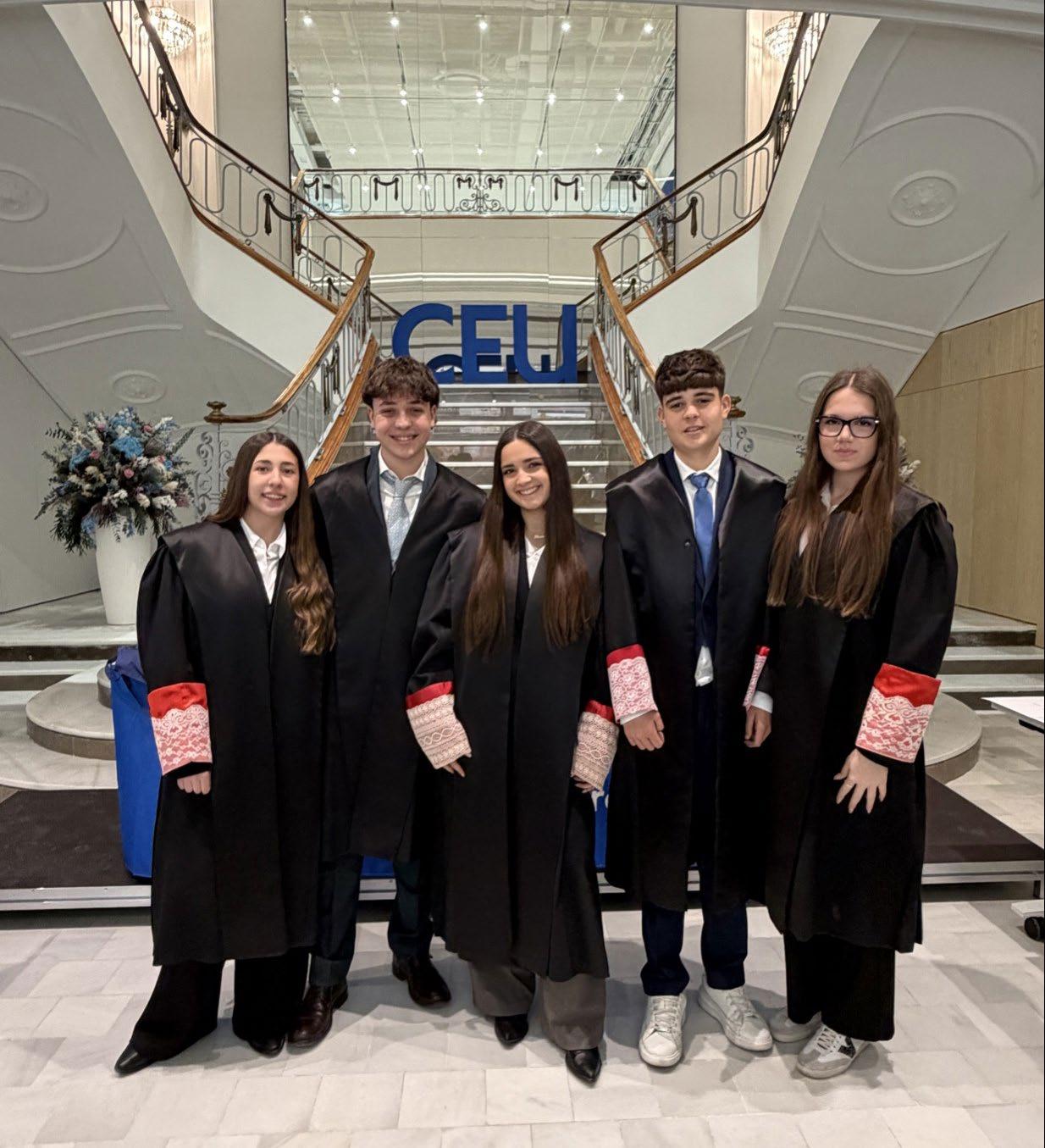
•Seleccionados para la final internacional del Modelo de Parlamento Europeo en Helsinki (una alumna de 2.º de Bachillerato).
•Excelencia en SYMUN (Universidad Carlos III), en oratoria y debate académico de alto nivel.
•1.er Premio Nacional RTVE “Un juguete, una ilusión”
(alumnado de 2.º de Primaria), por una iniciativa solidaria premiada en todo el país.
•Finalistas en el Premio Gloria Fuertes y reconocimiento como centro solidario Conciéncia-T.
•Premio Nacional “Nos Duele a Todos” y Premio Libertad y Educación (ACADE) por el proyecto “All Together” en convivencia e inclusión escolar.
•Finalistas en la Olimpiada de Biología y Salud del CEU y reconocimiento en la Olimpiada Matemática AL-KHWARIZMI.
•Premio Nacional Acción por el Clima y reconocimientos en sostenibilidad ambiental con el programa Recreo sin Residuos.
Cada uno de estos reconocimientos pertenece a toda la comunidad educativa: al alumnado que da lo mejor de sí, a las familias que confían en nuestro proyecto y al equipo docente que cada día trabaja para que vuestros hijos e hijas vuelen alto.
A YEAR OF RECOGNITION WORTH FRAMING
La Devesa School Elche accumulates more than 15 national and international awards in the 202425 school year
The 2024-25 school year has been an extraordinary one for our educational community. The recognition we have received is not simply a collection of trophies: it reflects the strength of our educational project, the talent of our students, and the commitment of our entire teaching team. Here are the highlights.
Excellence in school management
The quality of our educational project has been endorsed by three top-level institutional recognitions. The EFQM +600 Seal, awarded by the European Foundation for Quality Management, certifies our high standards in leadership, strategy and results. The EFR Certification (Family-Responsible Company) acknowledges our commitment to work-life balance. And the Ecoschool seal by ADEAC accredits us as a benchmark in environmental education and sustainability.
National leaders in educational innovation
This year we received the National Educational Innovation Award for the best Artificial Intelligence integration project, positioning us as a national reference centre in educational technology. Added to this are the UECOE Seal as a Cooperative SDG School — for our genuine integration of the Sustainable Development Goals —, recognition as an eTwinning School for collaborative European projects, the Responsible Screens certification (gold), and the Healthy School Seal from the Ministry
of Education, which recognises our holistic approach to physical and emotional wellbeing.
National recognition for the school project
Our Grupo Sorolla Educación received the Cope Valencia Award in the Education category, honouring more than 43 years of excellence, innovation and cooperative values. We were also distinguished with the “+ Sustainable + Responsible” award in the Governance Sustainability category, for our cooperative, people-centred management model.
Our students shine on the national stage
La Devesa students have achieved results that go far beyond the classroom:
•1st National Prize at Pechakucha (Year 1 of Bachillerato), for their creativity and ability to communicate ideas with impact.
•Selected for the International Final of the European Parliament Model in Helsinki (a student from Year 2 of Bachillerato).
•Excellence at SYMUN (Carlos III University), in oratory and high-level academic debate.
•1st National RTVE Prize “A Toy, A Dream” (Year 2 of Primary), for a solidarity initiative recognised across the country.
•Finalists for the Gloria Fuertes Award and recognition as a Conciéncia-T Solidarity Centre.
•National Award “It Hurts Us All” and Freedom and Education Award (ACADE) for the “All Together” project on school coexistence and inclusion.
•Finalists at the CEU Biology and Health Olympiad and recognition at the AL-KHWARIZMI Mathematics Olympiad.
•National Climate Action Award and sustainability recognitions through the Recess Without Waste programme.
Each and every one of these recognitions belongs to the entire school community: to the students who give their very best, to the families who place their trust in our project, and to the teaching team who work every day so that your children can soar high.
DEVESA PLANET NEWS Nº13 2026
<< IR AL ÍNDICE
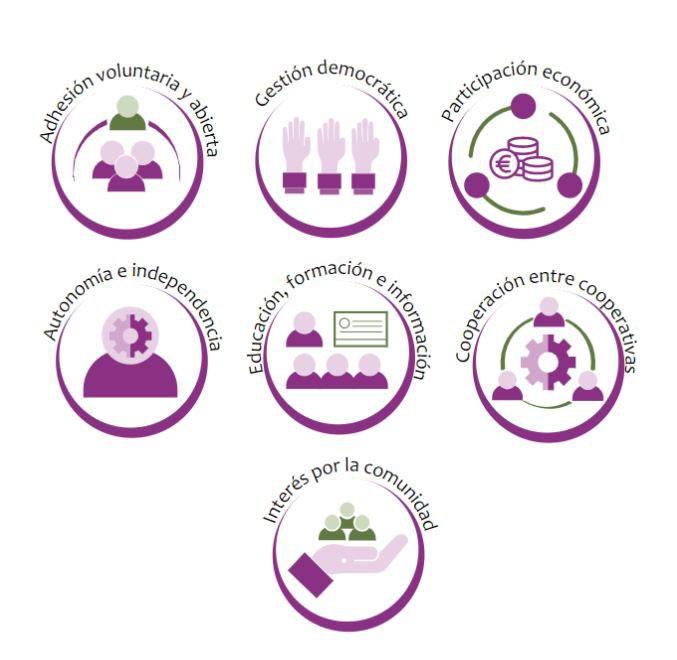
PRINCIPIOS COOPERATIVOS
Mª Teresa Ramos, Dirección General de Grupo Sorolla Educación.
Cuando en 1980 un pequeño grupo de maestras se constituyó en cooperativa de enseñanza, estaban haciendo una auténtica declaración de intenciones. Les preocupaba, por un lado, construir un proyecto educativo diferenciador, que diera respuesta a su manera de entender la educación.
Por otro, la constitución como cooperativa ponía negro sobre blanco su clara intención de construir un proyecto que trascendiera a las personas, en el que se esforzarían por generar puestos de trabajo estables, para lo que reinvertirían todo lo que generaran en la mejora y crecimiento del proyecto. Más de 40 años después, cuando declaramos nuestra voluntad de continuar siendo una empresa constituida bajo la fórmula jurídica de cooperativa, insistimos en la misma idea. Desde el inicio y hasta hoy, ¿cuáles son nuestros principios cooperativos?
Adhesión voluntaria y abierta
Celebramos el orgullo de formar parte de un movimiento universal que, a través de la solidaridad, la transparencia, la responsabilidad, la equidad, la educación y la democracia, hace una economía diferente, una economía centrada en las personas.
Así lo hemos querido reflejar en nuestra misión: “Centrados en las personas, que son nuestro objetivo, nuestra fuerza y nuestra razón de ser”. Un movimiento en el que alrededor del 90% de los puestos de trabajo son indefinidos; la tasa de empleo femenino es de un 49% y casi un 40% de los puestos de trabajo están ocupados por jóvenes. En nuestro caso, el 88% de los puestos de trabajo son indefinidos, el 71% somos mujeres y la media de edad es de 43 años. Un proyecto en el que las personas que encuentran en nuestro proyecto su futuro profesional y personal pueden acceder voluntariamente, siempre que cumplan con las condiciones necesarias de capacitación profesional, puesto y jornada estable.
Gestión democrática por parte de las personas socias
La gestión de la cooperativa se ha profesionalizado a lo largo de los años. Actualmente tenemos una estructura de gestión que va desde la Dirección General y el Consejo de Dirección hasta las direcciones y mandos intermedios de los colegios. En esta estructura es donde se desarrolla la gestión estratégica y operativa. Como cooperativa,
tenemos una estructura societaria encabezada por el Consejo Rector, elegida democráticamente por las personas socias, que supervisa y controla esa gestión. Cada año se rinden cuentas a las personas socias de los proyectos que se quieren poner en marcha, de la propia evolución del proyecto. Cada persona socia controla, apoya y asume la gestión, bien por delegación en el Consejo Rector, bien en votación, tomando las decisiones en asamblea, democráticamente, donde cada persona es un voto.
Participación económica de las personas socias
Ponemos el capital al servicio del proyecto. Cada año reinvertimos nuestros beneficios en la mejora del proyecto, desde las instalaciones a los servicios, para que siga generando “valor sostenible”. Analizamos nuestros logros y proyectamos metas para la contribución a los Objetivos de Desarrollo Sostenible. De manera directa con acciones, como la reducción de la huella de carbono o proyectos sociales para acabar con la pobreza en nuestro entorno, pero también de manera indirecta, como mejor lo sabemos hacer, despertando la conciencia del alumnado que está en nuestras aulas y que serán los que lideren el futuro.
Autonomía e independencia
Nos comprometemos con la ética y el buen gobierno: - Adhesión a la iniciativa promovida por la Generalitat Valenciana. - Desarrollo de un Código de Conducta al que estamos adheridas todas las personas que trabajamos en GSE, así como los proveedores importantes. - Desarrollamos la Función de Cumplimiento, cuyo objetivo principal es la generación de un sistema estructurado y orgánico de prevención y control del riesgo penal. - Cada año publicamos en el portal de transparencia la información institucional, económica y estadística, así como del destino de las subvenciones y convenios. - Cada año publicamos nuestra Memoria de Responsabilidad empresarial, en la que rendimos cuentas del ejercicio, con información financiera y no financiera.
Educación, formación e información
Parte de nuestros resultados los destinamos al Fondo de Formación y Promoción Cooperativa, destinada una cuota de sus beneficios a la formación de las personas que trabajan en la cooperativa, aunque sean no socias. De esta manera, nos esforzamos en la actualización profesional, la empleabilidad, el desarrollo de la carrera profesional de las personas que trabajan en GSE, de manera que puedan volar tan alto como deseen.
Cooperación entre cooperativas
Somos conscientes de que no estamos solos y no queremos estarlo. Sabemos que cada día podemos aprender de nuestros iguales, lo mismo que les decimos a nuestros niños y niñas. Sabemos que la cooperación entre empresas, en este caso cooperativa, nos da herramientas para poder dar un mejor servicio a nuestras familias y alumnado y hacer mejor nuestra labor. Es por ello que GSE
coopera con diferentes empresas cooperativas con las que compartimos nuestro propósito, que pueden ser proveedores de productos y servicios.
Interés por la comunidad
Contribuimos al desarrollo del entorno de nuestros centros. - Generamos empleo local: 100% de los principales productos y servicios se adquieren a proveedores locales/Comunidad Valenciana; mantenemos relaciones activas con las comunidades locales: colaboramos con ONG y asociaciones del entorno. La excelencia es uno de nuestros valores, aunque realmente es más que un compromiso, es una manera de ver y entender la vida, el trabajo, las relaciones, las organizaciones. Cada año intentamos mejorar en ese camino de la excelencia y cada tres años nos sometemos a una evaluación externa, que en 2021 nos reconoció con el sello 600 en el modelo EFQM. Es esta excelencia la que nos lleva a seguir mejorando nuestro modelo pedagógico, el perfil de salida del alumnado, que nos compromete con nuestras familias y alumnado a ofrecer el mejor servicio posible. En momentos duros, como los que hemos vivido estos dos últimos años, en GSE hemos seguido transformando nuestra cooperativa para conseguir que fuera el mejor lugar posible para trabajar, educar, convivir, escuchar, participar, reír y compartir. Y, aunque no ha sido fácil, hemos disfrutado de entornos seguros. Considero que, gracias a ser una cooperativa, a ser como somos, podemos celebrar la recompensa al trabajo bien hecho, que como cada año es volver a abrir las puertas un curso más, seguir desarrollando nuestro proyecto, incorporar nuevas caras a nuestros colegios y darle la bienvenida al futuro, a esas generaciones que se incorporan para que podamos hacer realidad nuestro propósito “Formando personas para volar alto”, para que “cuando tengan que volar, estén preparados”.
COOPERATIVE PRINCIPLES
When in 1980 a small group of teachers formed a teaching cooperative, they were making a genuine declaration of intent. On one hand, they were concerned with building a distinctive educational project that reflected their own vision of education. On the other, becoming a cooperative made their intention crystal clear: to build a project that would outlast its founders, one in which they would strive to create stable jobs, reinvesting everything they generated into the improvement and growth of the project. More than 40 years later, as we reaffirm our commitment to remaining a company operating under the legal form of a Cooperative, we stand by that same idea. From the very beginning to today, what are our Cooperative Principles?
Voluntary and Open Membership
We celebrate the pride of being part of a universal movement that, through solidarity, transparency,
DEVESA PLANET NEWS Nº13 2026
<< IR AL ÍNDICE
responsibility, equity, education and democracy, builds a different kind of economy — one centred on people. This is what we have sought to reflect in our Mission: “Centred on people, who are our goal, our strength and our reason for being.” A movement in which around 90% of jobs are permanent; the female employment rate stands at 49% and almost 40% of positions are held by young people. In our case, 88% of jobs are permanent, 71% of us are women and the average age is 43. A project in which people who find their professional and personal future with us may join voluntarily, provided they meet the necessary requirements in terms of professional qualifications, role and stable working hours.
Democratic Management by Members
The management of the cooperative has become increasingly professional over the years. We currently have a management structure ranging from the General Directorate and the Board of Directors to the heads and middle managers of each school. This is where strategic and operational management takes place. As a Cooperative, we have a corporate structure headed by the Governing Board, democratically elected by the members, which oversees and monitors that management. Each year, members are given an account of the projects planned and the progress of the organisation. Each member controls, supports and takes part in management — either by delegating to the Governing Board or by voting, with decisions made democratically in assembly, where every person has one vote.
Economic Participation of Members
We put capital at the service of the project. Each year we reinvest our profits into improving the project — from facilities to services — so that it continues to generate “Sustainable Value.” We assess our achievements and set targets for contributing to the Sustainable Development Goals. We do so directly through actions such as reducing our carbon footprint or social projects to combat poverty in our community, and indirectly in the best way we know how: by raising awareness among the students in our classrooms, who will be the ones to lead the future.
Autonomy and Independence
We are committed to Ethics and Good Governance:
• Adherence to the initiative promoted by the Valencian Regional Government
• Development of a Code of Conduct to which all staff at GSE, as well as key suppliers, are bound
• Implementation of a Compliance Function whose main objective is to establish a structured and systematic system for the prevention and control of
criminal risk
• Annual publication on our transparency portal of institutional, financial and statistical information, as well as details on the use of grants and agreements
• Annual publication of our Corporate Responsibility Report, providing both financial and non-financial information
Education, Training and Information
Part of our results are allocated to the Cooperative Training and Promotion Fund, with a share of profits dedicated to the training of all staff — including nonmembers. In this way, we invest in professional development, employability and career growth for everyone at GSE, so that they can fly as high as they aspire to.
Cooperation Among Cooperatives
We are aware that we are not alone — and we do not wish to be. We know that every day we can learn from our peers, just as we tell our children. We know that cooperation between businesses — in this case, cooperatives — gives us the tools to provide better service to our families and students and to do our work more effectively. For this reason, GSE cooperates with various cooperative enterprises that share our purpose, which may act as suppliers of products and services.
Concern for the Community
We contribute to the development of the communities surrounding our schools:
•We generate local employment
•100% of our main products and services are sourced from local suppliers within the Valencian Community
•We maintain active relationships with local communities
•We collaborate with NGOs and local associations
Excellence is one of our core values — though in reality it is more than a commitment; it is a way of seeing and understanding life, work, relationships and organisations. Each year we strive to advance further along the path of excellence, and every three years we undergo an external evaluation, which in 2021 awarded us the EFQM 600 seal. It is this commitment to excellence that drives us to keep improving our Pedagogical Model and the graduate profile we offer, reinforcing our promise to families and students to provide the best possible education.
During difficult times, such as those we have experienced over the past two years, GSE has
continued to transform — striving to become the best possible place to work, educate, coexist, listen, participate, laugh and share. And, although it has not been easy, we have maintained safe and nurturing environments.
I believe that, thanks to being a cooperative — to being who we are — we can celebrate the reward of work well done. As every year, that reward is
opening our doors once more, continuing to develop our project, welcoming new faces to our schools and embracing the future: those generations who join us so that we can fulfil our purpose of “Shaping people to fly high” — so that “when the time comes to fly, they are ready.”
“VUELA ALTO”: EL PROGRAMA QUE TRANSFORMA LA EDUCACIÓN DE VUESTROS HIJOS E HIJAS
ictoria Hernández, Dirección Operativa Pedagógica.
Más que un proyecto académico: una manera de entender la educación del siglo XXI
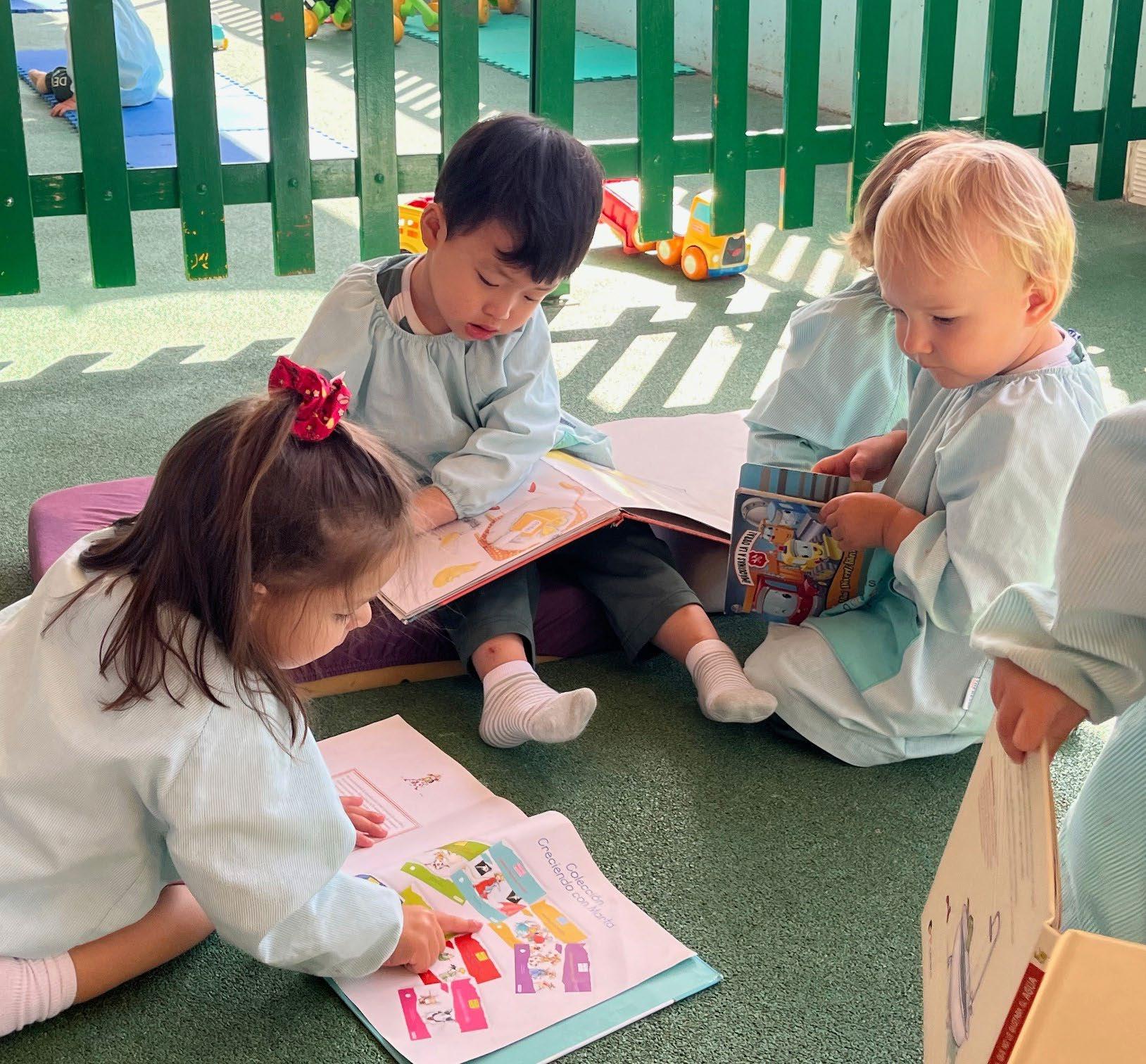
En La Devesa School Elche creemos que una buena educación va mucho más allá de los contenidos del currículo. Por eso pusimos en marcha el programa competencial “Vuela Alto”: un conjunto de iniciativas pensadas para que cada estudiante desarrolle todas sus capacidades —académicas, personales, digitales, sociales y creativas— y llegue al futuro con las herramientas que de verdad necesita.
3L – Long Life Learners: aprender a aprender para toda la vida
Uno de los grandes retos del siglo XXI no es saber
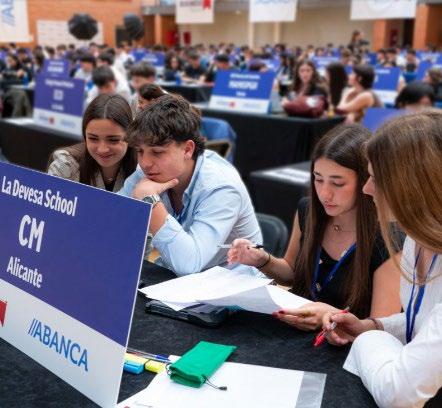
muchas cosas, sino saber seguir aprendiendo cuando el mundo cambia. El componente 3L trabaja precisamente eso: la autonomía, la curiosidad y la capacidad de aprender de forma continua. A través del aprendizaje basado en proyectos, la investigación dirigida y herramientas digitales innovadoras, el alumnado no solo adquiere conocimientos, sino que desarrolla las estrategias para seguir construyéndolos a lo largo de su vida. Las experiencias inmersivas —laboratorios de innovación, proyectos de investigación científica, colaboraciones con universidades y empresas— conectan lo que aprenden en el aula con el mundo real.
V
DEVESA PLANET NEWS Nº13 2026 << IR AL ÍNDICE
Tell Me More: comunicar bien, en cualquier idioma y contexto
Saber expresarse con claridad, convencer, debatir y escuchar son habilidades imprescindibles en cualquier carrera o proyecto de vida. El programa Tell Me More va mucho más allá de la enseñanza de idiomas: desarrolla competencias comunicativas integrales en múltiples ámbitos. El alumnado participa en debates internacionales, producciones multimedia, podcasts educativos y presentaciones científicas que les preparan para comunicarse con eficacia en cualquier entorno, académico o profesional. No es casualidad que este año nuestros estudiantes hayan cosechado premios nacionales en oratoria, debate y comunicación creativa.
Be International: ciudadanos del mundo
El mundo en el que vivirán vuestros hijos e hijas es global, diverso e interconectado. Be International es el componente del programa que los prepara para habitarlo con confianza. A través de intercambios internacionales, proyectos colaborativos con centros de otros países, certificaciones lingüísticas y participación en competiciones globales, los estudiantes desarrollan no solo su competencia en idiomas, sino también la sensibilidad intercultural y la perspectiva global que hoy son tan necesarias.
Digital Empowerment: creadores, no solo usuarios
La tecnología no es solo una herramienta: es el idioma del futuro. Por eso nuestro programa no se conforma con que el alumnado use dispositivos, sino que los convierte en creadores y líderes tecnológicos. A través de programación, robótica educativa, diseño de aplicaciones, inteligencia artificial aplicada y análisis de datos, los estudiantes aprenden a construir soluciones reales. Han participado en competiciones nacionales de robótica, han desarrollado aplicaciones para resolver problemas sociales y han colaborado en proyectos de investigación con empresas del sector.
Proyectos para Cambiar el Mundo y Vivimos los Valores: educación con propósito
Queremos que nuestros estudiantes sean ciudadanos comprometidos con el mundo que heredarán. A través de proyectos reales sobre sostenibilidad, justicia social y ayuda comunitaria —algunos reconocidos por organizaciones como UNICEF o UNESCO—, aprenden que su acción tiene impacto. Y junto a vosotros, las familias, trabajamos los valores desde el programa Vivimos los Valores: talleres conjuntos, proyectos colaborativos padres-hijos y actividades intergeneracionales que refuerzan en casa lo que cultivamos en el aula.
Grow Healthy y Critical and Original Thinkers: bienestar y pensamiento crítico
Un alumno o alumna sana y equilibrada aprende mejor. Grow Healthy trabaja el bienestar desde una perspectiva integral: educación nutricional, actividad física, gestión del estrés, mindfulness y apoyo emocional. Porque el rendimiento académico y la salud mental van de la mano. Por su parte, Critical and Original Thinkers estimula el emprendimiento y la resolución creativa de problemas: los estudiantes aprenden a identificar retos, generar ideas originales e implementarlas con impacto real, a través de metodologías como el Design Thinking o las simulaciones empresariales.
“Vuela Alto” no es un programa más: es la forma en que en La Devesa School Elche entendemos la educación. Una educación que prepara a vuestros hijos e hijas no solo para superar exámenes, sino para construir una vida con sentido
“VUELA ALTO”: THE PROGRAMME THAT TRANSFORMS YOUR CHILDREN’S EDUCATION MORE THAN AN ACADEMIC PROJECT: A WAY OF UNDERSTANDING 21ST-CENTURY EDUCATION
At La Devesa School Elche we believe that a good education goes far beyond curriculum content. That is why we launched the competency-based “Vuela Alto” programme: a set of initiatives designed so that every student develops all their capabilities — academic, personal, digital, social and creative — and reaches the future with the tools they truly need.
3L – Long Life Learners: learning to learn for life
One of the great challenges of the 21st century is not knowing many things, but knowing how to keep learning as the world changes. The 3L component works on precisely that: autonomy, curiosity and the ability to learn continuously. Through project-based learning, guided research and innovative digital tools,
students not only acquire knowledge, but develop the strategies to keep building it throughout their lives. Immersive experiences — innovation labs, scientific research projects, collaborations with universities and companies — connect what they learn in the classroom with the real world.
Tell Me More: communicating well, in any language and any context
Knowing how to express yourself clearly, persuade, debate and listen are essential skills in any career or life project. The Tell Me More programme goes far beyond language teaching: it develops comprehensive communicative competencies across multiple areas. Students take part in international debates, multimedia productions, educational podcasts and scientific presentations that prepare them to communicate effectively in any academic or professional setting. It is no coincidence that this year our students have picked up national prizes in oratory, debate and creative communication.
Be International: citizens of the world
The world your children will live in is global, diverse and interconnected. Be International is the component of the programme that prepares them to navigate it with confidence. Through international exchanges, collaborative projects with schools in other countries, language certifications and participation in global competitions, students develop not only their language skills, but also the intercultural sensitivity and global perspective that are so essential today.
Digital Empowerment: creators, not just users
Technology is not just a tool: it is the language of the future. That is why our programme is not satisfied with students simply using devices — it turns them into creators and technological leaders. Through programming, educational robotics, app design, applied artificial intelligence and data analysis, students learn to build real solutions. They have taken part in national robotics competitions, developed applications to address social problems, and collaborated on research projects with companies in the sector.
Projects to Change the World and We Live Our Values: education with purpose
We want our students to be citizens committed to the world they will inherit. Through real projects on sustainability, social justice and community support — some recognised by organisations such as UNICEF and UNESCO — they learn that their actions have an impact. And together with you, the families, we work on values through the We Live Our Values programme: joint workshops, parent-child collaborative projects and intergenerational activities that reinforce at home
what we cultivate in the classroom.
Grow Healthy and Critical and Original Thinkers: wellbeing and critical thinking
A healthy, balanced student learns better. Grow Healthy approaches wellbeing from a holistic perspective: nutritional education, physical activity, stress management, mindfulness and emotional support. Because academic performance and mental health go hand in hand. Meanwhile, Critical and Original Thinkers stimulates entrepreneurship and the creative resolution of problems: students learn to identify challenges, generate original ideas and implement them with real impact, through methodologies such as Design Thinking and business simulations.
“Vuela Alto” is more than just a programme: it is the way we understand education at La Devesa School Elche. An education that prepares your children not only to pass exams, but to build a life with meaning.
INNOVACIÓN PEDAGÓGICA EN GRUPO SOROLLA EDUCACIÓN: TRANSFORMANDO EL
APRENDIZAJE EN EL SIGLO XXI
¿Está preparada la educación para los desafíos del futuro?
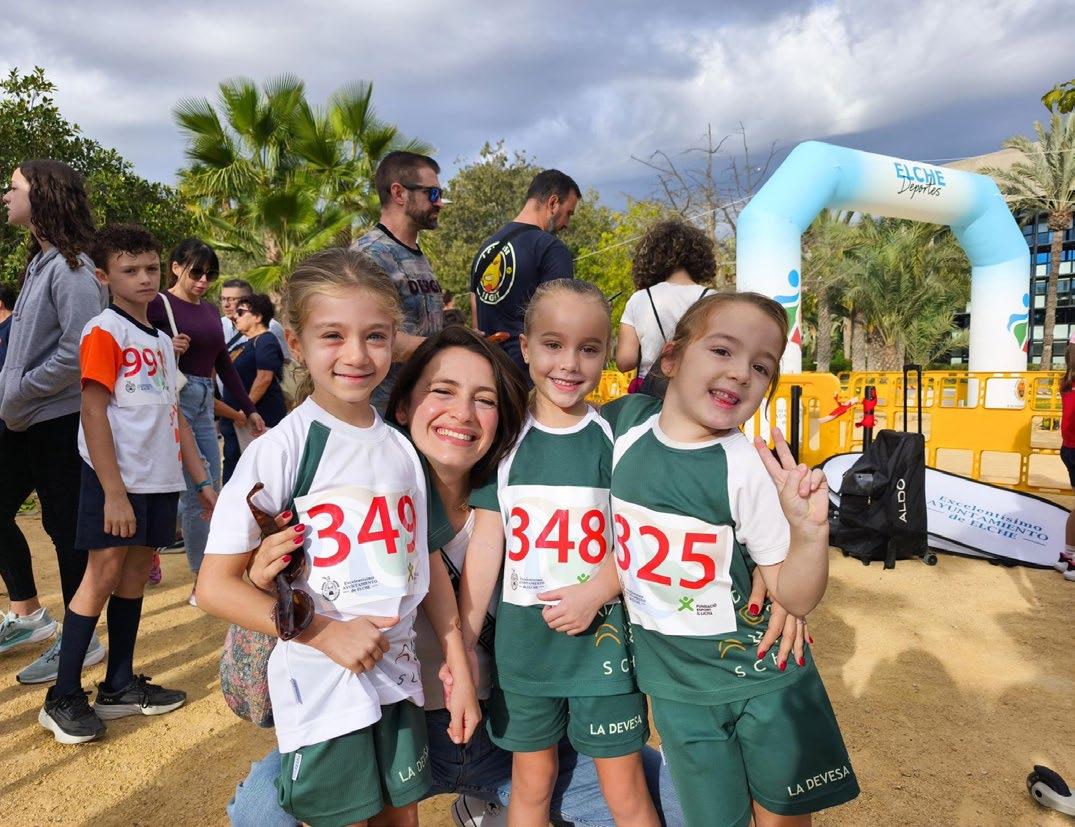
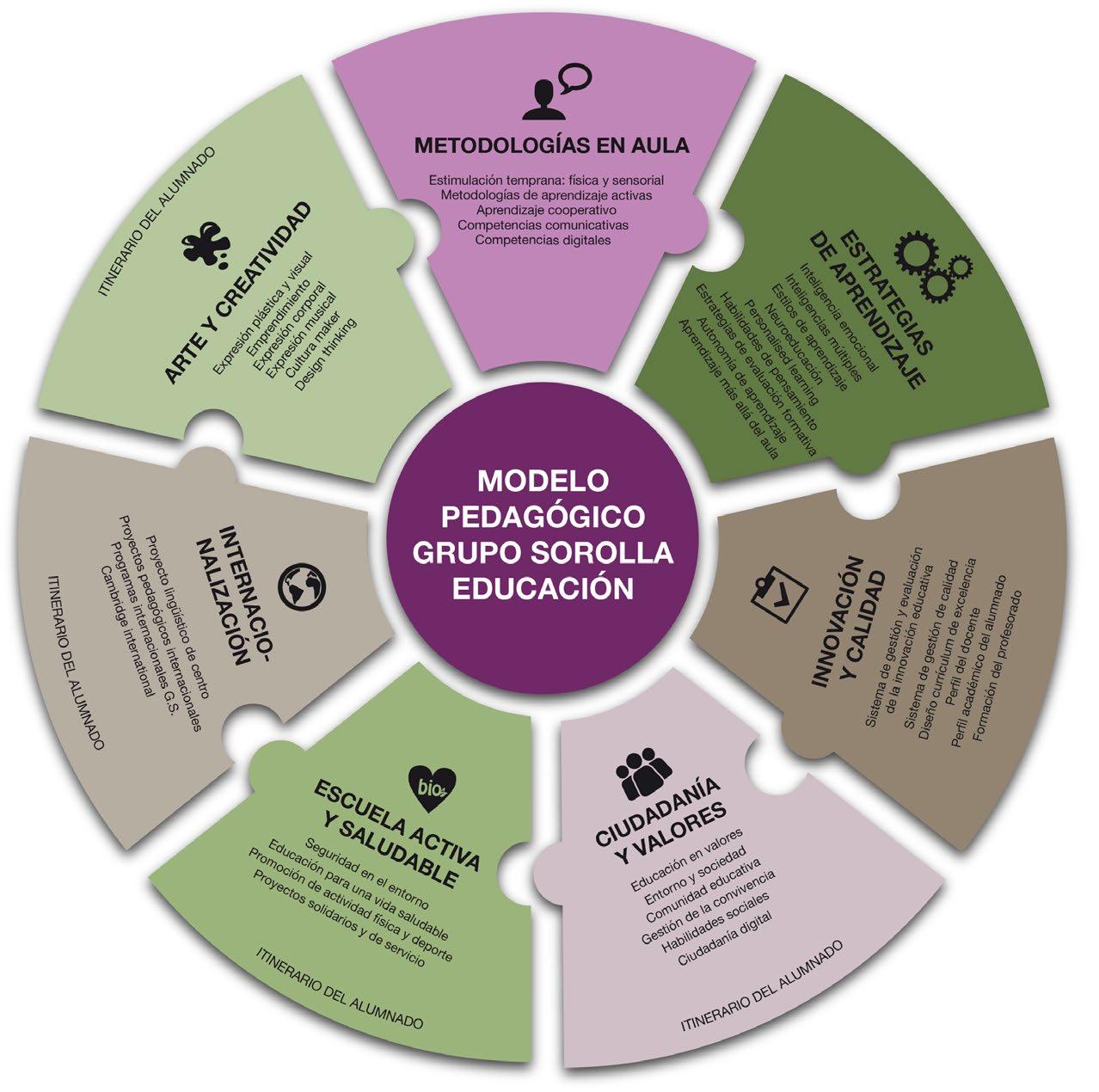
El mundo cambia a un ritmo vertiginoso, y con él, también deben evolucionar las formas en que enseñamos y aprendemos. En Grupo Sorolla Educación, no solo nos hacemos esta pregunta, sino que actuamos para dar respuesta a ella con un modelo pedagógico que pone al estudiante en el centro del aprendizaje. Este modelo se sustenta en pilares esenciales que garantizan una educación integral, innovadora y de calidad.
Vicky Poveda Gunn, Coordinadora Metodológica.
Metodologías en el aula: El Motor de la transformación educativa
La educación del siglo XXI demanda una forma de enseñanza que vaya más allá de la mera transmisión de conocimientos. ¿Cómo logramos que los estudiantes no solo retengan información, sino que la comprendan, la cuestionen y la apliquen en contextos reales? La clave está en las metodologías activas de aprendizaje.
En Grupo Sorolla Educación, apostamos por
metodologías innovadoras que potencian la participación y la autonomía del estudiante. La estimulación temprana, tanto física como sensorial, permite que los más pequeños desarrollen habilidades fundamentales desde el inicio de su etapa escolar. A medida que crecen, el aprendizaje cooperativo se convierte en una herramienta clave para fomentar el trabajo en equipo, la resolución de problemas y la construcción de conocimiento compartido.
Pero, ¿sirve de algo implementar nuevas metodologías sin trabajar las competencias esenciales? En nuestro modelo, damos una especial importancia al desarrollo de competencias comunicativas y digitales. La comunicación efectiva es un pilar de la sociedad moderna, y preparar a los estudiantes para expresarse con claridad, defender sus ideas y comprender diferentes puntos de vista es esencial. Del mismo modo, la competencia digital no es un lujo, sino una necesidad: el uso de herramientas tecnológicas en el aula permite un aprendizaje más dinámico, interactivo y adaptado a las necesidades del mundo actual.
Estrategias de aprendizaje: ¿Cómo aprender a aprender?
El aprendizaje no solo debe centrarse en el “qué”, sino también en el “cómo”. Por ello, nuestra metodología incluye estrategias que favorecen el pensamiento crítico, la reflexión y la autonomía del alumnado. La evaluación formativa permite que los estudiantes sean conscientes de su propio proceso de aprendizaje, mientras que la neuroeducación les ayuda a comprender cómo funciona su cerebro y cómo pueden optimizar su estudio.
Innovación y calidad: ¿Es posible medir la excelencia educativa?
La innovación en el aula debe ir acompañada de un sistema de evaluación y mejora continua. En Grupo Sorolla Educación, contamos con un sistema de gestión y evaluación de la innovación educativa que nos permite garantizar la calidad del proceso de enseñanza-aprendizaje. Además, la formación constante del profesorado es un elemento clave para asegurar que nuestros docentes estén siempre al día con las mejores prácticas pedagógicas.
Ciudadanía y valores: ¿Qué tipo de personas queremos formar?
Más allá del conocimiento académico, nuestro compromiso es formar ciudadanos responsables y comprometidos con su entorno. La educación en valores y la gestión de la convivencia son aspectos fundamentales de nuestro modelo. A través de proyectos solidarios y el fomento de la ciudadanía digital, nuestros estudiantes aprenden a ser agentes de cambio en la sociedad.
Escuela activa y saludable: ¿Puede el bienestar influir en el aprendizaje?
Un estudiante sano y activo aprende mejor. Por ello, promovemos un entorno escolar seguro, saludable y que fomente la actividad física. El deporte y la
educación para la salud son elementos esenciales en nuestra metodología, porque sabemos que un cuerpo sano es el mejor aliado para una mente activa.
Internacionalización: ¿Cómo preparar a los estudiantes para un mundo globalizado?
En un mundo interconectado, la competencia lingüística y cultural es imprescindible. Nuestros programas internacionales, como Cambridge International, y nuestro proyecto lingüístico de centro aseguran que los estudiantes desarrollen habilidades en varios idiomas y una visión global que les permita desenvolverse en cualquier contexto internacional.
Arte y creatividad: ¿Por qué fomentar la innovación desde el arte?
La creatividad es el motor de la innovación, y en Grupo Sorolla Educación la potenciamos a través de la expresión plástica y visual, el emprendimiento y la cultura maker. Metodologías como el design thinking ayudan a nuestros estudiantes a desarrollar soluciones innovadoras y a ver el mundo con una mirada crítica y creativa.
¡Transformemos la educación juntos!
El modelo pedagógico de Grupo Sorolla Educación no es solo un conjunto de estrategias, sino una visión de futuro. Un compromiso con la excelencia, la innovación y el desarrollo integral de cada estudiante. ¿Estás listo para ser parte de esta revolución educativa?
PEDAGOGICAL INNOVATION IN
GRUPO SOROLLA EDUCACIÓN: TRANSFORMING LEARNING
IN THE 21ST CENTURY
Is education ready for the challenges of the future?
The world is changing at a dizzying pace, and with it, the ways in which we teach and learn must also evolve. At Grupo Sorolla Educación, we not only ask ourselves this question — we act to answer it with a pedagogical model that places the student at the heart of learning. This model is built on essential pillars that ensure a comprehensive, innovative and high-quality education.
Classroom Methodologies: The Engine of Educational Transformation
21st century education demands a form of teaching that goes far beyond the mere transmission of knowledge. How do we ensure that students not only retain information, but understand it, question it and
DEVESA PLANET NEWS Nº13 2026 << IR AL ÍNDICE
apply it in real-world contexts? The key lies in active learning methodologies. At Grupo Sorolla Educación, we are committed to innovative methodologies that enhance student participation and autonomy. Early stimulation — both physical and sensory — allows the youngest learners to develop fundamental skills from the very start of their school journey. As they grow, cooperative learning becomes a key tool for fostering teamwork, problem-solving and the coconstruction of knowledge.
But is there any point in implementing new methodologies without developing essential competencies? In our model, we place particular importance on the development of communication and digital skills. Effective communication is a cornerstone of modern society, and preparing students to express themselves clearly, defend their ideas and understand different points of view is essential. Equally, digital competence is not a luxury but a necessity: the use of technological tools in the classroom enables a more dynamic, interactive and relevant learning experience.
Learning Strategies: How to Learn How to Learn?
Learning should focus not only on the “what” but also on the “how.” Our methodology therefore includes strategies that promote critical thinking, reflection and student autonomy. Formative assessment allows students to become aware of their own learning process, while neuroeducation helps them understand how their brain works and how they can optimise their study habits.
Innovation and Quality: Is It Possible to Measure Educational Excellence?
Innovation in the classroom must be accompanied by a system of continuous evaluation and improvement. At Grupo Sorolla Educación, we have an educational innovation management and evaluation system that allows us to guarantee the quality of the teaching and learning process. Furthermore, ongoing teacher training is a key element in ensuring that our staff are always up to date with the best pedagogical practices.
Citizenship and Values: What Kind of People Do We Want to Shape?
Beyond academic knowledge, our commitment is to nurture responsible citizens who are engaged with the world around them. Education in values and the management of school coexistence are fundamental aspects of our model. Through solidarity projects and the promotion of digital citizenship, our students learn to become agents of change in society.
Active and Healthy School: Can Wellbeing Influence Learning?
A healthy, active student learns better. We therefore promote a safe, healthy school environment that encourages physical activity. Sport and health education are essential elements of our methodology, because we know that a healthy body is the greatest ally of an active mind.
Internationalisation: How to Prepare Students for a Globalised World?
In an interconnected world, linguistic and cultural competence is indispensable. Our international programmes — such as Cambridge International — and our school language project ensure that students develop skills in several languages and a global outlook that enables them to thrive in any international context.
Art and Creativity: Why Foster Innovation Through Art?
Creativity is the engine of innovation, and at Grupo Sorolla Educación we nurture it through visual and plastic arts, entrepreneurship and maker culture. Methodologies such as design thinking help our students develop innovative solutions and see the world through a critical and creative lens.
Let’s Transform Education Together!
The pedagogical model of Grupo Sorolla Educación is not merely a set of strategies — it is a vision for the future. A commitment to excellence, innovation and the holistic development of every student. Are you ready to be part of this educational revolution?
CUATRO IDIOMAS, UN FUTURO SIN FRONTERAS
ASÍ PREPARAMOS A VUESTROS HIJOS E HIJAS EN LA DEVESA SCHOOL
Paul O’ Neil, Coordinador de Habilidades Comunicativas.
En La Devesa School Elche creemos que dominar idiomas no es solo una habilidad académica: es una puerta abierta a nuevas culturas, oportunidades universitarias y profesionales, y a una comprensión más rica del mundo. Por eso, nuestro Proyecto Lingüístico de Centro apuesta por una inmersión real, progresiva y certificada desde los primeros años de vida escolar.
Un programa plurilingüe desde el primer día
El alumnado trabaja cuatro lenguas a lo largo de su escolaridad. El castellano como lengua materna con dominio pleno de la expresión oral y escrita; el valenciano hasta un nivel B2-C1; el inglés con una meta de C1-C2, casi nativo; y una iniciación al alemán y al francés hasta niveles A2-B2. No se trata de aprender gramática de manera aislada, sino de desarrollar competencias interculturales reales y la capacidad de pensar en diferentes idiomas.
Bilingüismo progresivo
Como Cambridge International Primary School, implementamos un modelo CLIL (Content and Language Integrated Learning) que acompaña al alumnado desde sus primeros años hasta el final de su etapa escolar. La clave está en la progresión: los más pequeños viven una inmersión total en inglés a través de juegos, canciones y rutinas diarias, de modo que el idioma se convierte en algo natural antes incluso de aprenderlo formalmente. A medida que crecen, el inglés evoluciona con ellos, integrándose de forma cada vez más rica y exigente en su vida académica. Este contacto continuo y sostenido a lo largo de los años es lo que marca la diferencia: no se trata de horas de clase, sino de construir una relación profunda con el idioma que se traduce, al final del recorrido, en una fluidez real y una confianza genuina para comunicarse en cualquier contexto.
Resultados que hablan por sí solos
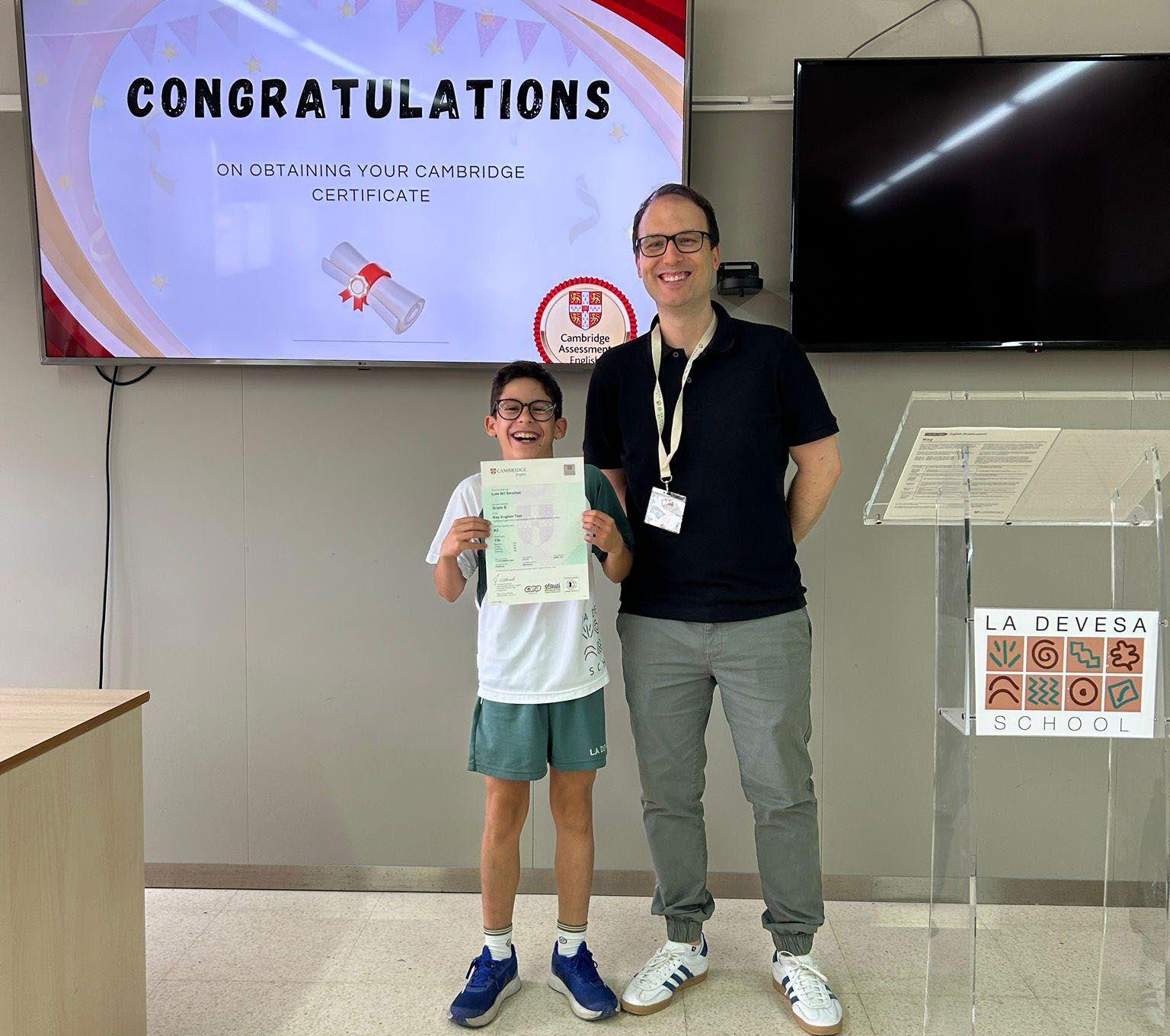
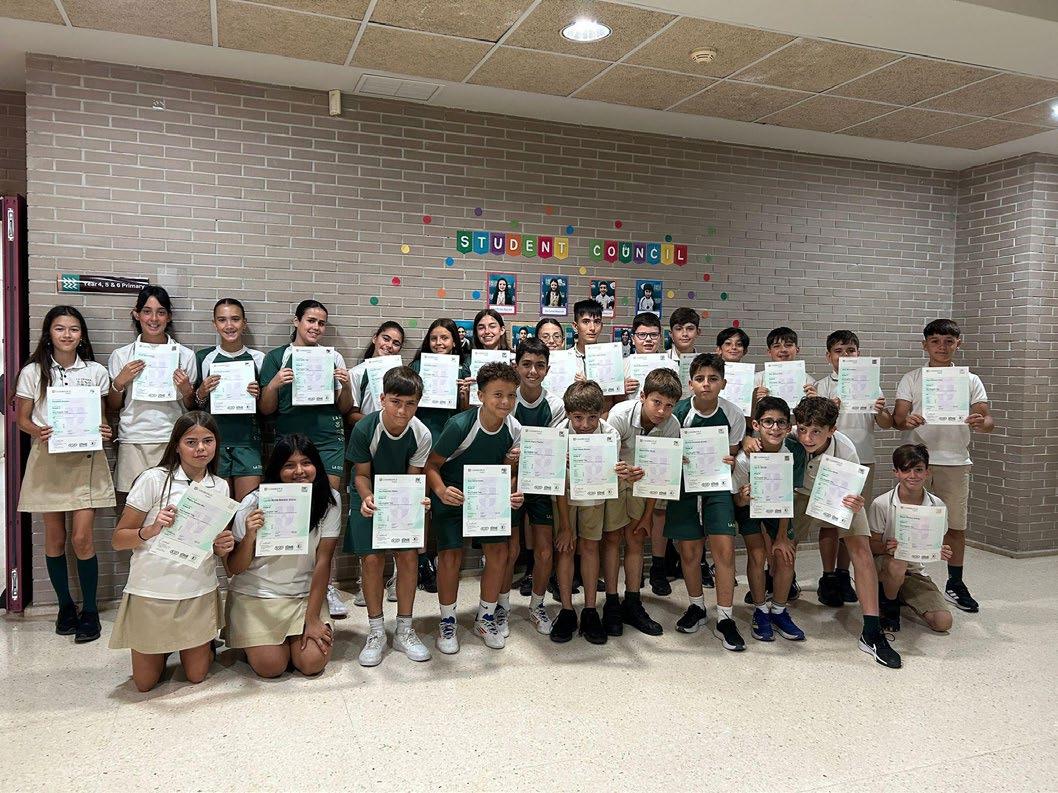
Somos centro preparador oficial de Cambridge Assessment English y Trinity College London. Los resultados de nuestro alumnado son el mejor aval: 100 % de aprobados en YLE, KET y PET; un 90 % de éxito en el FCE (B2); y un 85 % en CAE y CPE (C1-C2). Estos títulos son el pasaporte que abre las puertas de las mejores universidades y empleadores del mundo.
Más allá del aula: el mundo como clase
El aprendizaje lingüístico se completa con experiencias que transforman. Organizamos campamentos y estancias en Reino Unido e Irlanda, cursos de verano de inmersión y un programa de intercambios culturales y académicos con instituciones en Carolina del Norte (EE. UU.), Suecia, India, Francia y Alemania. También participamos activamente en el programa Erasmus+ y Etwinning. Nuestro Departamento de Relaciones Internacionales gestiona cada experiencia de principio a fin para que sea segura, enriquecedora e inolvidable.
DEVESA PLANET NEWS Nº13 2026 << IR AL ÍNDICE
FOUR LANGUAGES, A FUTURE WITHOUT BORDERS HOW WE PREPARE YOUR CHILDREN AT LA DEVESA SCHOOL ELCHE
At La Devesa School Elche, we believe that mastering languages is not just an academic skill: it is an open door to new cultures, university and professional opportunities, and a richer understanding of the world. That is why our School Language Project is built around a genuine, progressive and certified immersion from the very first years of schooling.
A multilingual programme from day one
Our students work across four languages throughout their school years. Spanish as their mother tongue, with full command of both oral and written expression; Valencian up to a B2-C1 level; English with a C1C2 target, close to native proficiency; and an introduction to German and French reaching A2-B2 levels. The goal is not to learn grammar in isolation, but to develop real intercultural competences and the ability to think naturally in different languages.
Progressive bilingualism
As a Cambridge International Primary School, we implement a CLIL (Content and Language Integrated Learning) model that accompanies students from their earliest years right through to the end of their schooling. The key lies in progression: the youngest children experience full immersion in English through
games, songs and daily routines, so that the language becomes something natural even before they learn it formally. As they grow, English grows with them, becoming an increasingly rich and demanding part of their academic life. This continuous, sustained contact over the years is what makes the difference: it is not about classroom hours, but about building a deep relationship with the language — one that translates, by the end of the journey, into genuine fluency and real confidence to communicate in any context.
Results that speak for themselves
We are an official preparation centre for Cambridge Assessment English and Trinity College London. Our students’ results are the best proof: 100% pass rate in YLE, KET and PET; a 90% success rate in FCE (B2); and 85% in CAE and CPE (C1-C2). These qualifications are the passport that opens the doors of the world’s top universities and employers.
Beyond the classroom: the world as a classroom
Language learning is completed with experiences that truly transform. We organise camps and stays in the United Kingdom and Ireland, summer immersion courses, and a cultural and academic exchange programme with institutions in North Carolina (USA), Sweden, India, France and Germany. We also take an active part in the Erasmus+ and eTwinning programmes. Our International Relations Department manages every experience from start to finish to ensure it is safe, enriching and unforgettable.
LITERACY EN EDUCACIÓN INFANTIL: EL ENFOQUE OXFORD READING TREE
En Grupo Sorolla Educación, apostamos firmemente por ofrecer a nuestros alumnos y alumnas más jóvenes una base sólida y fundamentada en la investigación para el aprendizaje de la lectoescritura en inglés. En nuestras aulas de Educación Infantil, implementamos el programa Oxford Reading Tree,
Danniella Holding, English teacher
utilizando la metodología de fonética sintética (synthetic phonics), un enfoque sistemático y contrastado para la enseñanza de la lectura y la escritura en inglés, ampliamente reconocido como uno de los marcos más eficaces disponibles en la actualidad.
¿Qué es la fonética sintética?
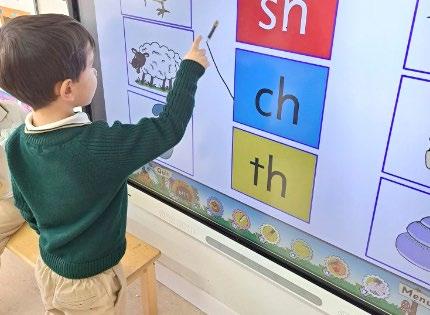
La fonética sintética es un método estructurado de enseñanza de la lectoescritura que parte del nivel del sonido. En lugar de presentar las letras por su nombre, los estudiantes aprenden primero los fonemas individuales —los sonidos distintivos de la lengua inglesa— y desarrollan progresivamente la habilidad de combinarlos para formar palabras. Este enfoque sitúa la conciencia fonológica en su núcleo: la capacidad de escuchar, identificar y manipular los sonidos dentro del lenguaje oral.
Esto supone una diferencia significativa respecto al enfoque anteriormente predominante, conocido como fonética analítica (analytic phonics), en el que el alumnado era introducido a los nombres de las letras y comenzaba la lectura a nivel de palabra, no de sonido. La investigación ha demostrado de manera consistente que la fonética sintética permite a los estudiantes adquirir destrezas lectoras de forma más rápida y más efectiva, proporcionándoles desde las primeras etapas de su educación un potente conjunto de herramientas para la decodificación del lenguaje escrito.
Nuestra metodología en la práctica
El recorrido de fonética sintética en nuestras aulas de Educación Infantil sigue una secuencia clara y progresiva:
• Adquisición de fonemas — aprendizaje de los sonidos asociados a cada letra
• Reconocimiento de grafemas —comprensión de cómo se representan esos sonidos por escrito
• Combinación de sonidos (blending) —unión de sonidos individuales para decodificar y formar palabras
• Segmentación —identificación de los sonidos que componen una palabra
• Tricky Words — A los cinco años, el alumnado se familiariza con palabras de alta frecuencia cuya ortografía irregular queda fuera de los patrones fonéticos estándar.
Los personajes de Oxford Reading Tree: Aprender a través de la historia
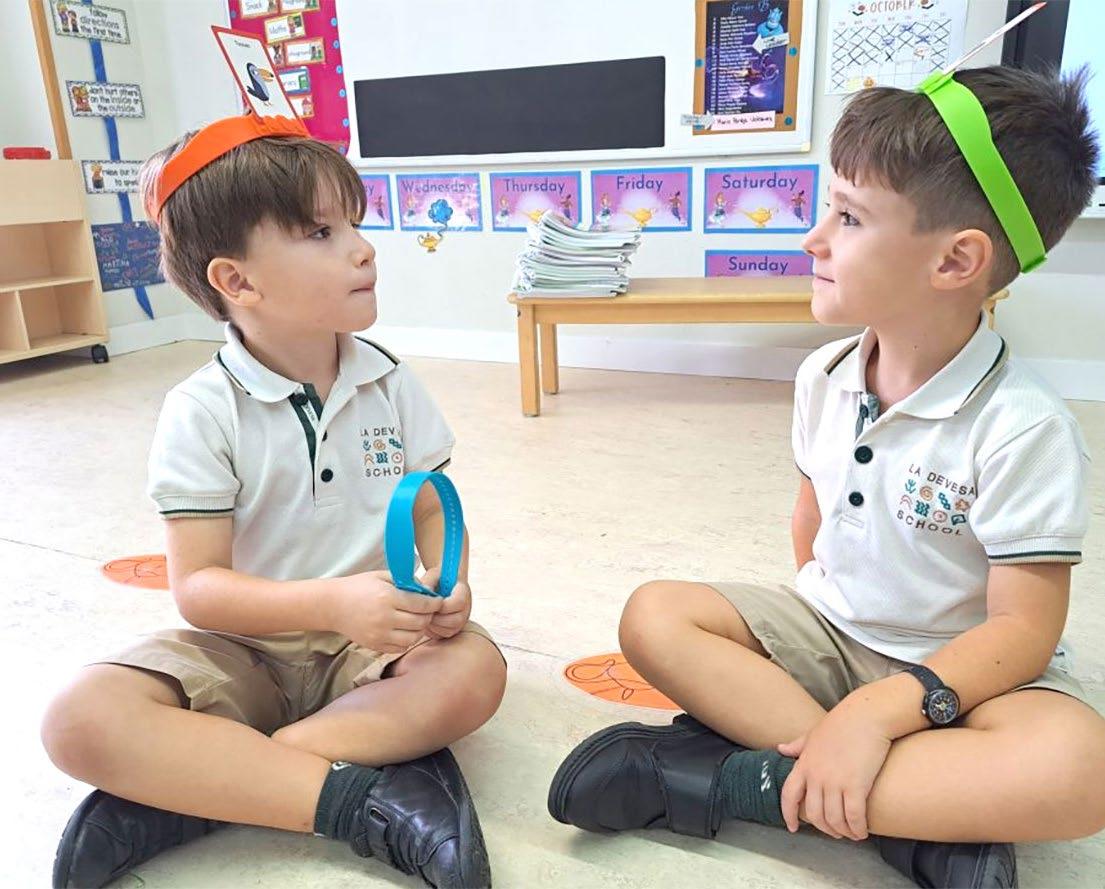
En nuestras aulas de infantil, el proceso de aprendizaje se enriquece con tres entrañables personajes del programa Oxford Reading Tree — Inky Mouse (el ratoncito), Snake (la serpiente) y Bee (la abeja)— que acompañan al alumnado a lo largo de todo su recorrido fonético. Estos personajes, que cobran vida a través de peluches y cuentos, crean un contexto emocionalmente significativo y memorable para el aprendizaje, haciendo que los conceptos abstractos resulten tangibles y estimulantes. ¡Nuestros niños y niñas los adoran!
Un enfoque multisensorial y activo
Una de las grandes fortalezas del programa de fonética sintética de Oxford Reading Tree es su
diseño multisensorial. Cada fonema se introduce a través de una combinación cuidadosamente diseñada de recursos:
• Cuentos cortos que contextualizan el sonido en una narrativa significativa.
• Láminas (freeze cards) que presentan el fonema acompañado de ilustraciones evocadoras.
• Canciones y recursos nemotécnicos que refuerzan la correspondencia entre sonido y símbolo gráfico.
• Acciones físicas asociadas a cada fonema, que favorecen el aprendizaje kinestésico.
Esta rica variedad de estímulos garantiza que cada alumno y alumna —independientemente de su estilo de aprendizaje predominante— disponga de múltiples vías para interiorizar, recordar y reproducir cada sonido. Las actividades manipulativas y el enfoque práctico (hands-on approach) del programa fomentan la participación activa, animando al alumnado a implicarse en su propio aprendizaje desde el primer momento.
El resultado es una experiencia de lectoescritura que no solo es académicamente rigurosa, sino genuinamente motivadora —una experiencia que despierta en nuestros estudiantes el amor por la lengua y les proporciona una base sólida y segura sobre la que construir todas sus futuras competencias lectoras y escritoras.
DEVESA PLANET NEWS Nº13 2026 << IR AL ÍNDICE
LITERACY IN EARLY YEARS
EDUCATION: THE OXFORD
READING TREE APPROACH
At Grupo Sorolla Educación, we are firmly committed to providing our youngest learners with a strong, research-based foundation for learning literacy in English. In our Early Years classrooms, we implement the Oxford Reading Tree programme using the synthetic phonics methodology — a systematic and evidence-based approach to teaching reading and writing in English, widely recognised as one of the most effective frameworks currently available.
What is Synthetic Phonics?
Synthetic phonics is a structured method of teaching literacy that begins at sound level. Rather than introducing letters by name, children first learn the individual phonemes — the distinctive sounds of the English language — and progressively develop the ability to blend these sounds together to form words. At the heart of this approach lies phonological awareness: the ability to hear, identify and manipulate sounds within spoken language.
This represents a significant shift from the previously predominant approach known as analytic phonics, in which pupils were introduced to letter names first and began reading at word level rather than sound level. Research has consistently shown that synthetic phonics enables children to acquire reading skills more quickly and effectively, equipping them from the earliest stages of their education with a powerful toolkit for decoding written language.
Our Methodology in Practice
The synthetic phonics journey in our Early Years classrooms follows a clear and progressive sequence:
• Phoneme acquisition — learning the sounds associated with each letter
• Grapheme recognition — understanding how these sounds are represented in written form
• Blending — combining individual sounds to decode and form words
• Segmenting — identifying the sounds that make up a word
• Tricky Words — by the age of five, pupils become familiar with high-frequency words whose irregular spelling falls outside standard phonetic patterns
Oxford Reading Tree Characters: Learning Through Storytelling
In our Early Years classrooms, the learning process is enriched by three much-loved Oxford Reading Tree characters — Inky Mouse, Snake and Bee — who accompany the children throughout their phonics journey. Brought to life through soft toys and stories, these characters create an emotionally meaningful and memorable context for learning, making abstract concepts tangible, engaging and enjoyable. Our children absolutely love them!
A Multisensory and Active Approach
One of the greatest strengths of the Oxford Reading Tree synthetic phonics programme is its multisensory design. Each phoneme is introduced through a carefully structured combination of resources:
• Short stories that contextualise the sound within a meaningful narrative
• Freeze cards presenting the phoneme alongside evocative illustrations
• Songs and mnemonic devices that reinforce the relationship between sound and written symbol
• Physical actions linked to each phoneme, supporting kinaesthetic learning
This rich variety of stimuli ensures that every child — regardless of their preferred learning style — has multiple pathways through which to internalise, remember and reproduce each sound. The programme’s hands-on approach and practical activities actively encourage participation, enabling children to engage in their own learning from the very beginning.
The result is a literacy experience that is not only academically rigorous, but genuinely motivating — one that fosters a love of language while providing children with a confident and secure foundation upon which to build all future reading and writing skills.
LA IMPORTANCIA DE LAS HABILIDADES DE HABLAR EN PÚBLICO
Paul O’ Neil, Coordinador de Habilidades Comunicativas.
que lo parece, capta fácilmente nuestra atención y consigue que escuchemos con interés.
Aquí, en La Devesa School Elche, estamos haciendo todo lo posible por educar a una generación de estudiantes bilingües en las habilidades de hablar en público y en el arte del debate. Desde 2018, el Departamento de Lenguas Extranjeras trabaja intensamente en un proyecto a largo plazo cuyo objetivo es proporcionar a nuestro alumnado la capacidad de expresarse con seguridad en inglés delante de otras personas. Pero ¿por qué hemos decidido convertir este aspecto del aprendizaje en un elemento tan fundamental para su desarrollo personal y académico?
algún momento de sus vidas, nuestros deveseros tendrán que dirigirse a un grupo de personas, ya sea en un acto, en un entorno profesional o en la
Queremos que nuestro alumnado tenga un impacto positivo en los demás, y esto también puede lograrse a través de la oratoria. Las personas con carisma y capacidad de persuasión inspiran seguidores, y deseamos que nuestros estudiantes motiven a quienes vienen detrás de ellos a continuar el legado cuando abandonen el colegio. Al aprender no solo a hablar en público, sino también a debatir cuestiones importantes, desarrollan habilidades de pensamiento crítico, aprenden a colaborar en equipo y adquieren conocimientos sobre temas que antes desconocían. Los debates también les permiten no solo adquirir conocimientos, sino demostrar lo que saben.
En el futuro, cuando se incorporen al mundo laboral, estas habilidades de oratoria los diferenciarán de los demás y podrían convertirlos en líderes inspiradores. Además, nuestro objetivo de inculcar
que ejercerán ese liderazgo desde una perspectiva ética y responsable.
DEVESA PLANET NEWS Nº13 2026 << IR AL ÍNDICE
Fuimos invitados a participar en el prestigioso Torneo de Debate de IE University junto a colegios de toda España. A pesar de ser principiantes, nuestros estudiantes de Secundaria tuvieron una actuación admirable y, al mismo tiempo, aprendieron importantes lecciones sobre el arte del debate gracias a equipos con más experiencia. Un año después regresaron y obtuvieron resultados tan positivos que uno de nuestros alumnos formó parte del equipo ganador de la final.
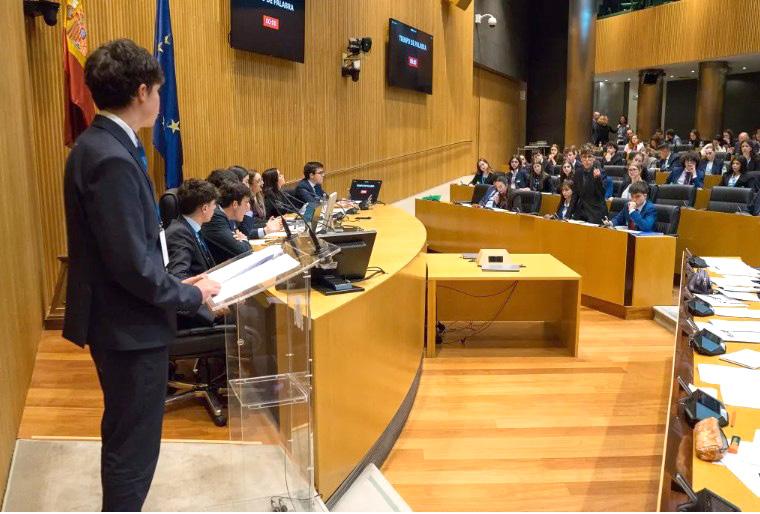
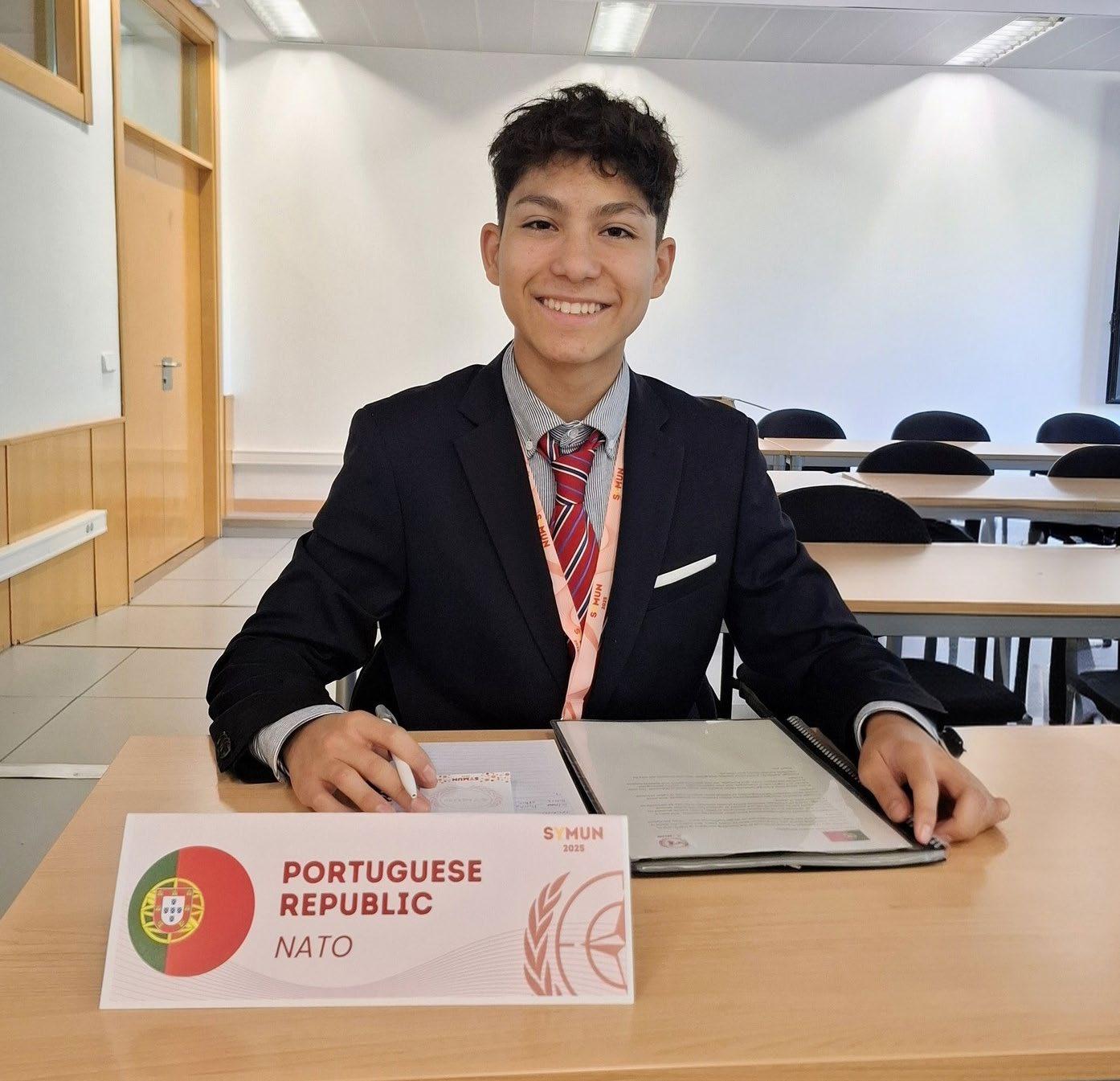
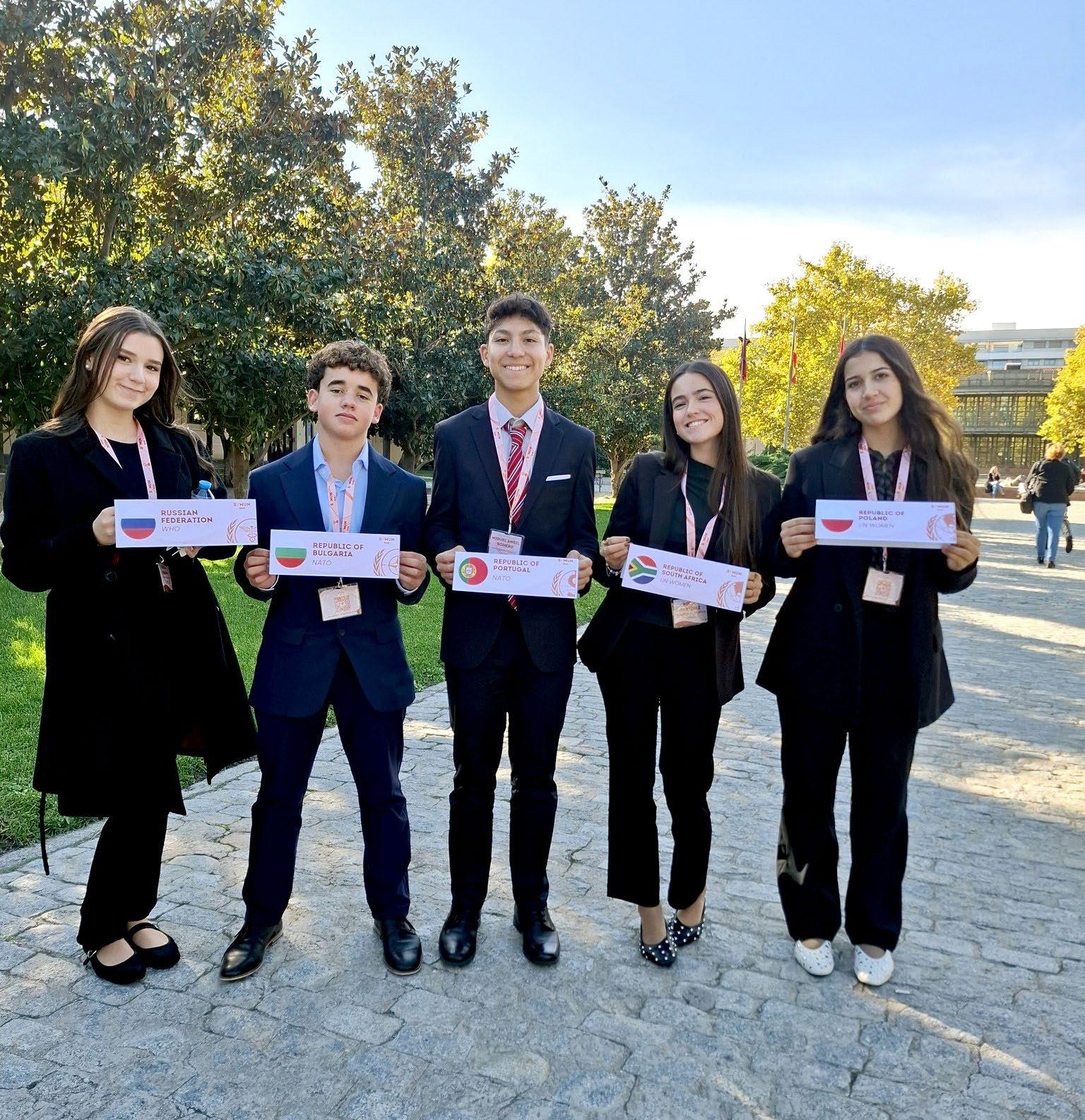
El evento Model United Nations en el que participamos también supuso uno de los momentos más destacados de las primeras etapas de nuestro proyecto. Seis alumnos de 4.º de ESO viajaron a Madrid para participar, junto a colegios de todo el mundo, en una actividad de simulación en la que asumían el papel de embajadores de “sus países”. Además de conocer cuestiones diplomáticas de las que antes ni siquiera habían oído hablar, disfrutaron enormemente relacionándose con jóvenes de su edad, creando amistades y, sin darse cuenta, mejorando sus habilidades sociales, un aspecto al que también damos una gran importancia.
Nos llena de orgullo ver los pasos que estamos dando para ofrecer a nuestros estudiantes estas oportunidades, y aún más orgullo comprobar la rapidez y el entusiasmo con los que se implican en ellas. Una de las mayores satisfacciones como docente es descubrir alumnos que no eran conscientes de su potencial para participar en este tipo de proyectos y eventos, y ver cómo florecen. Mis compañeros y yo seguiremos trabajando para que estas experiencias se conviertan en la norma y no en la excepción en La Devesa School.
Así pues, competentes en TIC, sólidos en valores, multilingües y ahora también aprendiendo el arte de hablar en público. El perfil del alumnado de La Devesa continúa evolucionando constantemente, y seguiremos impulsando su crecimiento.
THE IMPORTANCE OF PUBLIC SPEAKING SKILLS
They say that a picture is worth a thousand words, but it is undeniable that words too can have a lasting impact on us, and that very effect that words have is directly proportional to just how convincing the speaker sounds. When someone truly believes in what they are saying, or at least appears to, we are easily hooked, they have our full attention.
Here at La Devesa School Elche, we are doing our
utmost to educate a generation of bilingual students in the ways of public speaking, as well as the art of debating. Since 2018, the Modern Languages Department have been working hard on a long-term project which is intended to provide our students with the ability to express themselves confidently in front of others, in English. Yet why have we chosen to make this aspect of learning such a crucial one for their personal and academic development?
Public speaking boosts one’s self-confidence and is an effective way of getting one’s message across. At some point in their lives, our deveseros will be faced with the task of talking to a group of people, whether it be at a function, in a professional situation, at university, and thus it is awe-inspiring to see the way that they take to this practice like a duck to water from such a young age. By training them to do so, from Primary level, by the time they reach the end of Secondary school, they are naturals.
We want our students to have a positive impact on others, and this can also be achieved through public speaking. Those who have charisma and persuasiveness create a legion of followers and we want our students to inspire those younger than them to take on the mantle when they leave school. By learning not just to speak in public, but also to debate serious issues, they learn critical-thinking skills, how to collaborate as a team and gain knowledge on topics that were previously unknown to them. Debates also allow them not just to gain knowledge but to demonstrate it as well.
One day, when they enter the workplace, these public speaking skills will set them apart from others and they could become inspiring leaders. The fact that we aim to instill solid-citizen values in our students means that they will be leading from a morally strong standpoint.
We were invited to take part in the prestigious IE University Debate Tournament with schools from all around Spain. Despite being novices, our Secondary students performed admirably, while also learning some tough lessons about the art of debating from more expert teams. A year later, they returned and did well enough for one of our students to be part of the winning team in the final.
The Model United Nations event that we took part in was also a high point of the early stages of our project. 6 students from 4th Secondary travelled to Madrid to participate with schools from all over the world in a simulation-type activity, imagining themselves to be ambassadors for “their countries”. As well as gaining an insight into diplomatic issues that they had not even heard of before, they also had a wonderful time mixing socially with people of their own age, striking up friendships and, without realizing it, improving
their people skills, something we also place great value on.
It fills us with great pride to see the steps we are taking to provide our students with these opportunities, and even greater pride to see them get into them so quickly and enthusiastically. One of the greatest satisfactions as a teacher is discovering students who did not realise they had the potential to be part of these projects and events, and then blossoming, and
my colleagues and I will strive to ensure that these types of events become the norm, not the exception for La Devesa School.
So, ICT-proficient, strong in values, multilingual, and now learning the art of public speaking. The profile of a La Devesa student is in constant evolution, and we will only seek for them to progress further.
AUXILIARES DE CONVERSACIÓN: EL MUNDO ENTRA EN EL AULA
Paul O’ Neil, Coordinador de Habilidades Comunicativas.
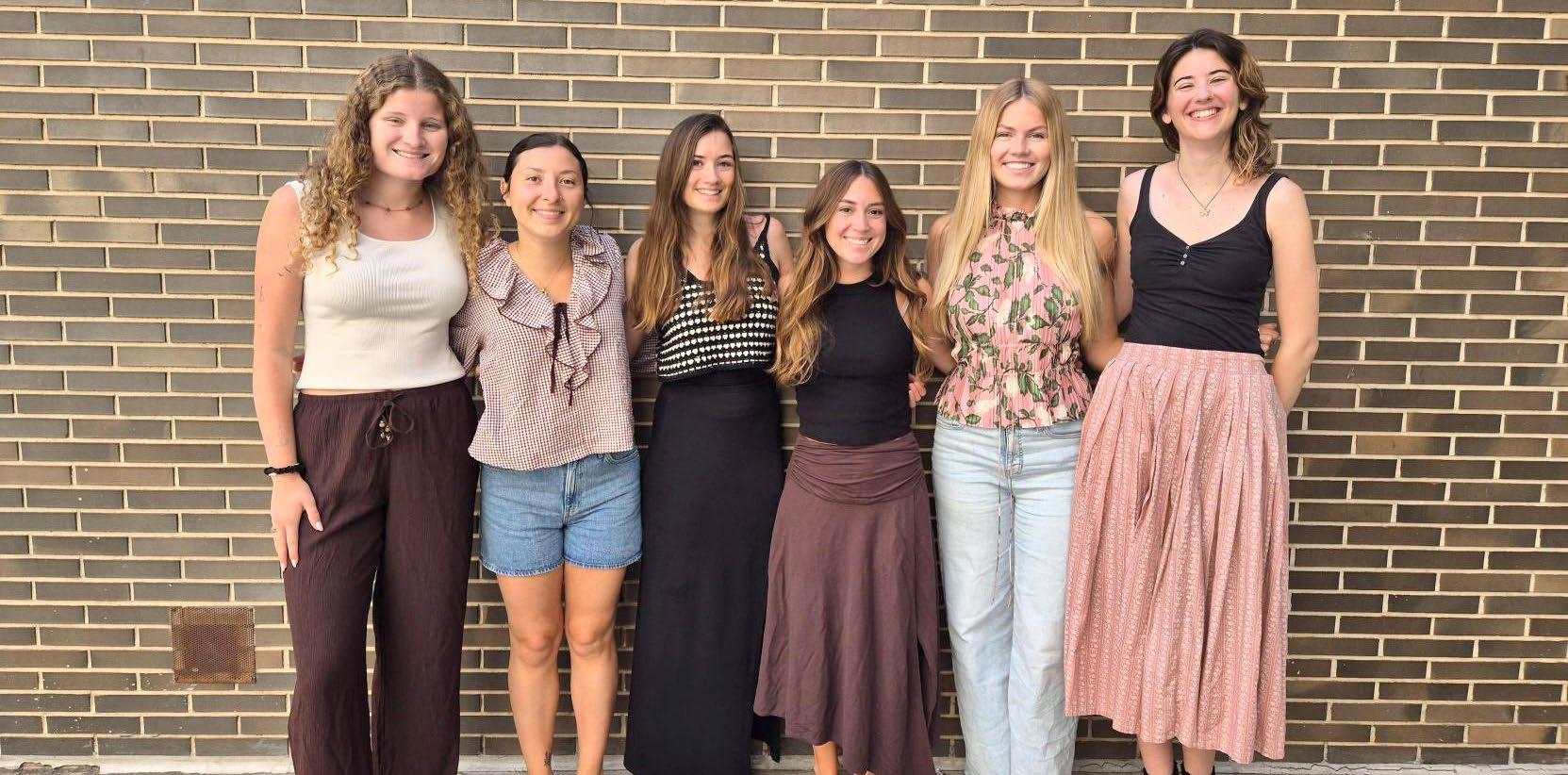
Inglés, alemán y francés con voz propia, desde Infantil hasta Bachillerato.
En La Devesa School English Section los idiomas no son una asignatura más: son una experiencia viva. Y nada lo hace más real que la presencia de hablantes nativos en el aula cada día.
Contamos con varios auxiliares de conversación de inglés, alemán y francés que trabajan con nuestro alumnado desde Educación Infantil hasta Bachillerato. No son simplemente un recurso didáctico: son un puente entre culturas, una ventana abierta al mundo y una fuente de motivación genuina para quienes aprenden un idioma.
¿Qué aportan al centro?
Su impacto va mucho más allá de la clase de idiomas:
• Mejoran la pronunciación, la comprensión oral y la fluidez del alumnado con una exposición auténtica al idioma.
• Enriquecen el ambiente del centro promoviendo la interculturalidad y la curiosidad por el mundo.
•Son colaboradores clave en la preparación de exámenes de certificación oficial, gracias a su conocimiento profundo de cada etapa y sus objetivos.
•Generan vínculos reales con el alumnado al compartir su propia historia, cultura y experiencia de
DEVESA PLANET NEWS Nº13 2026 << IR AL ÍNDICE
vida.
En sus propias palabras
Nadie mejor que ellos para contar lo que significa formar parte de nuestra comunidad educativa:
“Mi experiencia en La Devesa School ha sido increíble. Los profesores me dieron una bienvenida calurosa y me ayudaron enormemente a adaptarme a mi nuevo entorno. He notado que los alumnos sienten una curiosidad genuina hacia mí como persona venída de fuera: quieren saber de dónde vengo, cómo es mi cultura, cómo vivo. Eso ha creado entre nosotros un vínculo muy especial.”
CONVERSATION
ASSISTANTS: THE WORLD WALKS INTO THE CLASSROOM
English, German and French — with a native voice — from Early Years through Sixth Form.
At La Devesa School English Section, languages are not just a subject — they are a living experience. And nothing makes that more real than having native speakers in the classroom every single day.
We have several conversation assistants in English, German and French who work with our students from Early Years through to Sixth Form. They are far more than a teaching resource: they are a bridge between
cultures, a window onto the world, and a genuine source of motivation for language learners.
What do they bring to the school?
Their impact reaches far beyond the language classroom:
•They improve students’ pronunciation, oral comprehension and fluency through authentic exposure to the language.
•They enrich the school environment by promoting interculturality and curiosity about the world.
•They are key collaborators in preparing students for official certification exams, thanks to their in-depth knowledge of each stage and its objectives.
•They build genuine bonds with students by sharing their own story, culture and lived experience.
In their own words
Who better to describe what it means to be part of our school community than the assistants themselves?
“My experience at La Devesa School has been amazing. The teachers gave me a warm welcome and helped me enormously to settle into my new environment. I have noticed that the students are genuinely curious about me as someone from abroad — they want to know where I come from, what my culture is like, how I live. That has created a very special bond between us.”
DE ELCHE A FINLANDIA: ASÍ SE APRENDE A CAMBIAR EL MUNDO
Paul O’ Neil, Coordinador de Habilidades Comunicativas.
Hay asignaturas que se aprenden sentado. Y hay experiencias que te cambian de pie. SYMUN y MEP pertenecen a la segunda categoría.
Cada vez que un alumno de Devesa School se sienta ante un comité simulado de Naciones Unidas, algo cambia. Ya no es un estudiante respondiendo preguntas de un examen: es un delegado que debe defender una posición, escuchar a sus adversarios,
buscar alianzas y, si hace falta, ceder para avanzar. El mundo real funciona exactamente así.
Los programas SYMUN y MEP conectan directamente con el ODS 16 —Paz, justicia e instituciones sólidas— y con el ODS 4 de Educación de calidad. Pero ningún objetivo de desarrollo sostenible explica del todo lo que ocurre cuando un chico de quince años se levanta a hablar sobre
refugiados climáticos o conflictos armados y lo hace con datos, con convicción y con respeto hacia quien piensa distinto. Eso no se mide en indicadores.
Simular para comprender
La preparación es exigente. Investigar el país al que representas, conocer su historia, sus alianzas y sus contradicciones. Construir un discurso que aguante la réplica. Aprender que argumentar no es gritar más alto. Todo eso ocurre antes de que empiece la simulación, y es precisamente ahí donde más se aprende.
A través de las simulaciones, el alumnado se enfrenta a problemas globales reales: conflictos armados, crisis climáticas, vulneraciones de derechos humanos, migraciones forzadas. No como espectadores, sino como delegados que deben estudiar, argumentar y negociar posiciones. Este enfoque transforma la actualidad informativa en experiencia vivida.
La oratoria como herramienta de vida
En SYMUN y MEP, la oratoria deja de ser un ejercicio retórico para convertirse en una habilidad con consecuencias reales. Los estudiantes aprenden a estructurar un discurso, a modular el tono, a escuchar antes de responder y a defender una posición sin perder la compostura. Aprenden, sobre todo, que argumentar no es lo mismo que imponer: que la negociación exige tanto rigor intelectual como inteligencia emocional.
Estas competencias trascienden el aula. La capacidad de hablar en público con claridad y seguridad, de sostener una postura con argumentos sólidos o de encontrar puntos de acuerdo en situaciones de conflicto son habilidades que acompañarán al alumnado a lo largo de toda su vida personal y profesional.
Logros que hablan por sí solos
Este curso, ese trabajo ha tenido un reconocimiento concreto: nuestro alumnado fue seleccionado para participar en la fase nacional del MEP. No es un detalle menor. Significa que lo que se hace en las aulas de Devesa School tiene nivel, tiene rigor y tiene proyección.
Y luego está Finlandia
Una de nuestras alumnas participó este año en una de las fases del MEP internacional celebrada allí. Defender posiciones ante delegados de toda Europa, en otro idioma, en un entorno de máxima exigencia, con todo lo que eso implica de nervios, de preparación y de valentía. Es el tipo de experiencia que no se olvida. Y que demuestra, sin necesidad de más argumentos, hasta dónde puede llegar el alumnado de este centro cuando se le da la oportunidad y las herramientas.
Valores que se practican, no se proclaman
Más allá de los resultados, lo que SYMUN y MEP dejan en el alumnado es una forma de relacionarse
con el mundo. Estas experiencias promueven el respeto hacia posiciones distintas, la tolerancia ante la ambigüedad y el diálogo como método para construir soluciones. Los estudiantes comprenden, de forma práctica, que los grandes problemas de la humanidad no tienen dueño y que resolverlos exige cooperación, compromiso y voluntad de ceder.
Ciudadanos antes que estudiantes
SYMUN y MEP no preparan únicamente para superar una etapa educativa. Preparan para participar en la vida democrática con criterio, para comprender las reglas del juego global y para contribuir al bien común desde el lugar que cada uno ocupe.
En Devesa School creemos que la ciudadanía activa no es una asignatura optativa. Es una práctica. Y cada comité, cada discurso, cada resolución negociada en una sala llena de estudiantes con ganas de cambiar algo es, en pequeño, un ensayo de lo que queremos que sean cuando salgan de aquí.
DEVESA PLANET NEWS Nº13 2026 << IR AL ÍNDICE
FROM ELCHE TO FINLAND: HOW TO LEARN TO CHANGE THE WORLD
Some subjects are learned sitting down. And there are experiences that change you standing up. SYMUN and MEP belong to the second category. Every time a student from Devesa School takes a seat before a simulated United Nations committee, something changes. They are no longer a student answering exam questions: they are a delegate who must defend a position, listen to their opponents, seek alliances and, if necessary, compromise in order to move forward. The real world works exactly like that.
The SYMUN and MEP programs connect directly with SDG 16 — Peace, Justice and Strong Institutions — and with SDG 4 on Quality Education. But no sustainable development goal fully explains what happens when a fifteen-year-old stands up to speak about climate refugees or armed conflicts and does so with data, with conviction, and with respect for those who think differently. That cannot be measured in indicators.
Simulating to understand
The preparation is demanding. Researching the country you represent, learning its history, its alliances and its contradictions. Building an argument that holds up under scrutiny. Learning that arguing is not the same as shouting louder. All of that happens before the simulation even begins, and that is precisely where the most learning takes place.
Through the simulations, students confront real global problems: armed conflicts, climate crises, human rights violations, forced migrations. Not as spectators, but as delegates who must study, argue and negotiate positions. This approach transforms current affairs into lived experience.
Public speaking as a life skill
In SYMUN and MEP, public speaking ceases to be a rhetorical exercise and becomes a skill with real consequences. Students learn to structure a speech, modulate their tone, listen before responding and defend a position without losing their composure. Above all, they learn that arguing is not the same as imposing: that negotiation demands both intellectual rigor and emotional intelligence.
These skills extend beyond the classroom. The ability to speak in public with clarity and confidence, to hold a position with solid arguments, or to find common ground in situations of conflict are skills that
will accompany students throughout their personal and professional lives.
Achievements that speak for themselves
This year, that work has received concrete recognition: our students were selected to participate in the national phase of the MEP. This is no small detail. It means that what happens in the classrooms of Devesa School has quality, rigor and reach.
And then there is Finland
One of our students participated this year in an international MEP phase held there. Defending positions before delegates from across Europe, in another language, in a highly demanding environment — with everything that entails in terms of nerves, preparation and courage. It is the kind of experience that is never forgotten. And one that demonstrates, without needing further argument, how far students from this school can go when given the opportunity and the tools.
Values that are practiced, not proclaimed
Beyond the results, what SYMUN and MEP leave with students is a way of engaging with the world. These experiences foster respect for differing viewpoints, tolerance for ambiguity and dialogue as a method for building solutions. Students come to understand, in a practical way, that humanity’s greatest challenges belong to no one and that addressing them requires cooperation, commitment and a willingness to compromise.
Citizens before students
SYMUN and MEP do not only prepare students to complete an educational stage. They prepare them to participate in democratic life with informed judgment, to understand the rules of the global game and to contribute to the common good from whatever position they come to occupy.
At Devesa School we believe that active citizenship is not an elective subject. It is a practice. And every committee, every speech, every resolution negotiated in a room full of students eager to change something is, in miniature, a rehearsal for who we want them to be when they leave here.
ESTRATÉGICA Y DESARROLLO SOSTENIBLE
Belén Fuster, Responsable Estrategia y Desarrollo Sostenible.
En el curso 21-22, Grupo Sorolla Educación decide crear la responsabilidad “Estratégica y Desarrollo Sostenible”, la cual se fundamenta en una misión clara: impulsar la sostenibilidad económica, ambiental y social en todos los centros escolares. Este compromiso refuerza la visión de una educación que, además de ofrecer excelencia académica, integra la responsabilidad con el entorno y las generaciones futuras como parte esencial de su identidad.
Esto implica no solo adoptar prácticas responsables, sino también integrarlas en los procesos educativos, en la gestión del día a día y en la cultura organizativa.
En este sentido, desde la responsabilidad y junto con los equipos directivos de los centros, hemos estado trabajando durante los últimos cuatro años en un proyecto que ha sido reconocido con el premio Buenas Prácticas en Gestión 2025 en Educación, por el Club de Excelencia en Gestión.
Hemos creado y consolidado un modelo propio de evaluación de impacto de la sensibilización del alumnado, mediante el cual se cuantifica el impacto de las acciones ambientales y sociales desarrolladas en los centros GSE y también cuantificamos el impacto económico de las mismas, desde que se planifican hasta que se llevan a cabo, incluyendo si llevan una donación asociada. Así, medimos el impacto, analizamos su eficacia y eficiencia y establecemos objetivos y metas concretas.
Además, hemos premiado el esfuerzo de los centros para conseguir los objetivos, mediante la concesión de insignias propias de Impacto Ambiental GSE e Impacto Social GSE. A través de este sistema, cada centro puede fijar sus propias metas de impacto ambiental y social, con el incentivo de alcanzar una de las tres insignias: Oro, plata y bronce.
Tras la experiencia piloto en el curso 24-25, los centros La Devesa School Elche y Julio Verne School han conseguido las insignias de plata en Impacto Social e Impacto Ambiental, respectivamente.
Otras áreas en las que estamos trabajando son el cálculo y reducción de nuestra huella de carbono, la gestión de residuos y la mejora de la sostenibilidad de nuestros centros. En definitiva, ser menos contaminantes y más respetuosos con nuestro entorno.
En Grupo Sorolla Educación, la sostenibilidad es una decisión consciente e intencionada. La
sostenibilidad, entendida como una forma de gestión integral y ética e integrada en el currículo educativo, se convierte en un eje vertebrador que aporta valor añadido y diferenciación de nuestros centros, consolidándolos como referentes educativos responsables, innovadores y comprometidos con la sociedad.
STRATEGY AND SUSTAINABLE DEVELOPMENT
In the 2021-22 school year, Grupo Sorolla Educación decided to create the “Strategy and Sustainable Development” role, built on a clear mission: to drive economic, environmental, and social sustainability across all its schools. This commitment reinforces the vision of an education that, alongside academic excellence, integrates responsibility towards the environment and future generations as an essential part of its identity.
This means not only adopting responsible practices, but also embedding them into educational processes, day-to-day management and organisational culture.
With this in mind, working from this role and alongside the leadership teams of each school, we have spent the last four years developing a project that has been recognised with the 2025 Good Practices in Management Award in Education, granted by the Club de Excelencia en Gestión.
We have created and consolidated our own Student Awareness Impact Assessment model, through which we measure the impact of the environmental and social actions carried out across GSE schools. We also quantify their economic impact, from the planning stage through to implementation, including any associated donations. In this way, we measure impact, analyse effectiveness and efficiency, and set specific objectives and targets.
We have also recognised the efforts of our schools in meeting these objectives through the award of our own GSE Environmental Impact and GSE Social Impact badges. Through this system, each school can set its own environmental and social impact targets, with the incentive of achieving one of three badge levels: Gold, Silver and Bronze.
Following the pilot experience in the 2024-25 school
DEVESA PLANET NEWS Nº13 2026 << IR AL ÍNDICE
year, La Devesa School Elche and Julio Verne School have been awarded Silver badges in Social Impact and Environmental Impact, respectively.
Other areas we are actively working on include calculating and reducing our carbon footprint, improving waste management, and enhancing the overall sustainability of our schools — in short, becoming less polluting and more respectful of our environment.
At Grupo Sorolla Educación, sustainability is a conscious and deliberate choice. Understood as a form of comprehensive, ethical management integrated into the educational curriculum, sustainability becomes a defining axis that adds value and sets our schools apart, establishing them as responsible, innovative educational benchmarks committed to society.
ECOSCHOOL: UN COMPROMISO CON EL FUTURO EN LA DEVESA SCHOOL
Victoria Hernández, Dirección Operativa Pedagógica.
En La Devesa School, la sostenibilidad no es solo un concepto, sino una forma de vivir y educar. Desde que el colegio obtuvo la prestigiosa Bandera Verde de Eco-Schools, este símbolo ondea con orgullo como reflejo de nuestro compromiso con el medio ambiente, la conciencia ecológica y la acción colectiva. Sin embargo, mantener este estatus requiere algo más que buenas intenciones: exige trabajo continuo, reflexión crítica y renovación constante. Por eso, la importancia de la renovación de la Bandera Verde el curso pasado va mucho más allá de un simple reconocimiento: es la prueba viva de que seguimos avanzando, aprendiendo y mejorando como comunidad educativa responsable.
¿Qué es la Bandera Verde de Eco-Schools?
La Bandera Verde es una distinción internacional otorgada por la Foundation for Environmental Education (FEE), que reconoce el esfuerzo de los centros educativos por integrar prácticas sostenibles en su funcionamiento diario. No es un premio puntual, sino un proceso educativo continuo que implica a todo el colegio: alumnado, profesorado, personal no docente y familias. Obtenerla, y más aún renovarla, significa demostrar que la sostenibilidad está integrada en la vida del centro de forma real y efectiva.
¿Por qué es tan importante renovarla?
1. Refleja un compromiso constante:
Renovar la Bandera Verde cada dos años garantiza que seguimos trabajando con altos estándares de exigencia. Es fácil caer en la rutina o considerar que lo hecho en el pasado es suficiente, pero los desafíos ambientales actuales exigen un esfuerzo constante. Al renovar, nos obligamos a revisar, mejorar y actualizar nuestras prácticas ecológicas.
2. Impulsa la participación del alumnado:
El programa Eco-Schools pone al estudiante en el centro del proceso. Gracias al Comité Ambiental, el alumnado se convierte en protagonista del cambio, aprendiendo a identificar problemas, proponer soluciones y liderar proyectos. Esta implicación fomenta el pensamiento crítico, la responsabilidad y el liderazgo, cualidades fundamentales para su formación personal y ciudadana.
3. Conecta la educación con la realidad:
Los problemas ambientales como el cambio climático, la pérdida de biodiversidad o la gestión de residuos no son ajenos al alumnado. Renovar la Bandera Verde permite tratar estos temas desde una perspectiva práctica y vivencial. No se trata solo de teoría, sino de acciones concretas: reciclaje, ahorro energético, huerto escolar, campañas de sensibilización y mucho más.
4. Mejora el entorno escolar y social:
Cada renovación trae consigo nuevos objetivos y
proyectos que impactan directamente en nuestro entorno. Desde la reducción del consumo de papel hasta la plantación de árboles o la creación de zonas verdes, cada pequeña acción contribuye a hacer de nuestro colegio un lugar más saludable, agradable y coherente con los valores que promovemos.
5. Proyecta una imagen de escuela responsable y consciente:
En un mundo cada vez más preocupado por el futuro del planeta, ser una Eco-School activa es una gran carta de presentación. Muestra que somos un centro educativo moderno, con valores sólidos, que prepara a su alumnado no solo académicamente, sino también como ciudadanos globales comprometidos con el bien común.
Un camino que se recorre en equipo
Renovar la Bandera Verde no es tarea de una sola persona o grupo. Es un proyecto colectivo. Requiere la implicación de toda la comunidad educativa: desde el profesorado que integra la sostenibilidad en sus clases hasta las familias que refuerzan esos hábitos en casa. Todos sumamos: cada papel reciclado, cada grifo cerrado, cada idea compartida es un paso más en la dirección correcta.
Mirando al futuro
En La Devesa School estamos orgullosos del camino recorrido, pero sabemos que aún queda mucho por hacer. La sostenibilidad no es una meta, sino un proceso continuo. Por eso, renovar la Bandera Verde no es solo una obligación, sino una oportunidad: la oportunidad de seguir aprendiendo, de mejorar nuestro impacto en el mundo y de formar parte activa de una transformación global.
Como colegio, tenemos la responsabilidad de educar a ciudadanos preparados para enfrentar los retos del siglo XXI. Y eso solo se consigue integrando valores ecológicos, sociales y éticos desde la base. Renovar la Bandera Verde es, en definitiva, renovar nuestro compromiso con un futuro más justo, verde y esperanzador para todos.
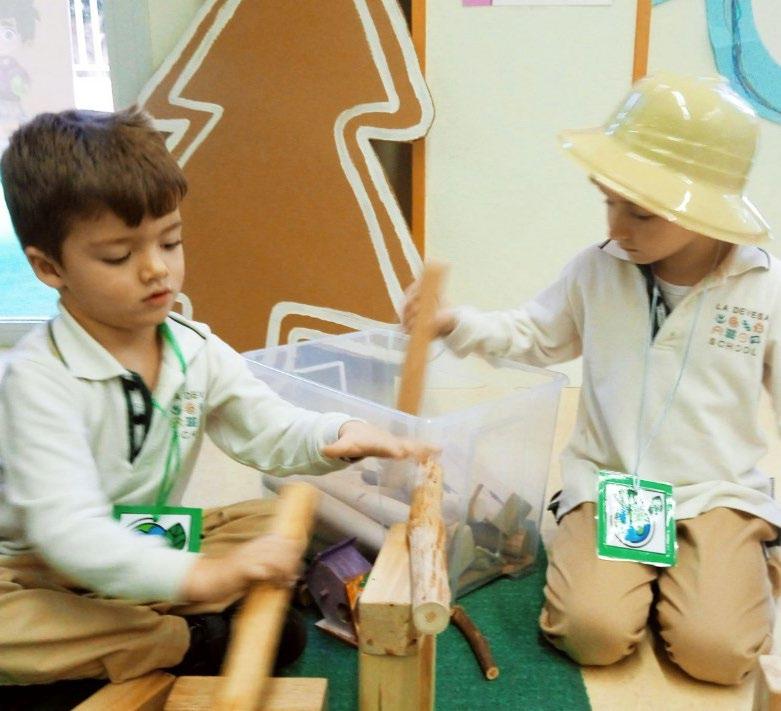
ECOSCHOOL: A COMMITMENT TO THE FUTURE AT LA DEVESA SCHOOL
The Green Flag is not a trophy on a shelf. It is a living symbol of what we do every day.
At La Devesa School, sustainability is not just a concept — it is a way of living and teaching. Since the school was awarded the prestigious Eco-Schools Green Flag, this symbol has flown with pride as a reflection of our commitment to the environment, ecological awareness and collective action. Yet maintaining this status requires more than good intentions: it demands continuous effort, critical reflection and constant renewal. The renewal of the Green Flag last year is therefore far more than a simple accolade: it is living proof that we keep moving forward, learning and improving as a responsible school community.
What is the Eco-Schools Green Flag?
The Green Flag is an international distinction awarded by the Foundation for Environmental Education (FEE), recognising the efforts of schools to integrate sustainable practices into their daily operation. It is not a one-off prize but an ongoing educational process that involves the entire school: students, teachers, non-teaching staff and families. Earning it — and even more so renewing it — means demonstrating that sustainability is genuinely and effectively woven into the life of the school.
Why does renewal matter so much?
1. It reflects a lasting commitment
Renewing the Green Flag every two years ensures we continue working to high standards. It is easy to fall into routine or assume that past achievements are enough — but today’s environmental challenges demand constant effort. Renewal forces us to review, improve and update our ecological practices.
2. It drives student participation
The Eco-Schools programme places the student at the heart of the process. Through the Environmental Committee, students become the drivers of change — learning to identify problems, propose solutions and lead projects. This involvement builds critical thinking, responsibility and leadership: qualities that are fundamental to their personal and civic development.
3. It connects education to real life
Environmental issues — climate change, biodiversity loss, waste management — are not abstract to our students. Renewing the Green Flag allows these topics to be addressed through a practical, handson lens. This is not about theory alone: it is about concrete actions — recycling, energy saving, the
DEVESA PLANET NEWS Nº13 2026 <<
school garden, awareness campaigns and much more.
4. It improves our school and local environment
Each renewal brings new goals and projects that have a direct impact on our surroundings. From reducing paper use to planting trees or creating green spaces, every small action contributes to making our school a healthier, more welcoming place — one that is genuinely aligned with the values we promote.
5. It shows the world who we are
In a world increasingly concerned about the planet’s future, being an active Eco-School is a powerful statement. It shows that we are a modern school with solid values — one that prepares its students not only academically, but as globally engaged citizens committed to the common good.
A journey taken together
Renewing the Green Flag is not the work of any one person or group. It is a collective project. It requires the involvement of the entire school community: from
teachers who embed sustainability into their lessons, to families who reinforce those habits at home. Every contribution counts — every sheet of paper recycled, every tap turned off, every idea shared is one more step in the right direction.
Looking
ahead
At La Devesa School we are proud of the ground we have covered, but we know there is still much to do. Sustainability is not a destination — it is an ongoing process. Renewing the Green Flag is therefore not just an obligation: it is an opportunity. An opportunity to keep learning, to reduce our impact on the world and to play an active part in a global transformation.
As a school, we have a responsibility to educate citizens who are ready to face the challenges of the twenty-first century. And that is only achieved by embedding ecological, social and ethical values from the ground up. Renewing the Green Flag is, in the end, renewing our commitment to a fairer, greener and more hopeful future for everyone.
10 ACCIONES CONTRA EL CAMBIO CLIMÁTICO: LOS ALUMNOS TOMAN LA PALABRA
Diez hábitos, un mensaje claro y la demostración de que el cambio empieza en el aula.
Los alumnos de Primaria de La Devesa School han protagonizado una nueva edición del concurso de vídeos organizado por Consum con motivo del Día del Consumidor. El resultado es una pieza donde los propios estudiantes explican, con sus propias palabras, diez acciones concretas que ya practican cada día para cuidar el planeta.
No son propósitos ni intenciones. Son hábitos reales, adquiridos en el aula y en el patio, que forman parte de su rutina diaria. Esta es la demostración más sólida de que la educación ambiental funciona cuando se vive, no solo cuando se explica.
Consumo responsable desde la infancia
Participar en este tipo de iniciativas tiene un valor que va más allá del reconocimiento: pone a los niños en el papel de comunicadores, de portavoces de una causa que les importa, de agentes de cambio con voz propia. Y eso, pedagógicamente, es enormemente potente.
Las 10 acciones: pequeños gestos, gran impacto
Estas son las diez acciones que los alumnos presentan en el vídeo y que practican de forma cotidiana en el colegio:
•Separar correctamente los residuos en los contenedores de reciclaje del aula y del centro.
Elena Lara, Tutora de Primaria.
•Usar materiales reciclados en las manualidades y proyectos escolares.
•Apagar las luces y los equipos electrónicos cuando no se utilizan.
•Reducir el consumo de plástico de un solo uso: sin botellas de plástico, sin envoltorios innecesarios.
•Llevar el almuerzo en recipientes reutilizables.
•Usar papel por las dos caras y evitar impresiones innecesarias.
•Cuidar las zonas verdes del colegio y participar en el huerto escolar.
•Desplazarse al colegio a pie, en bici o en transporte público siempre que sea posible.
•Participar en campañas de concienciación medioambiental dentro y fuera del colegio.
•Compartir estos hábitos con la familia para que el impacto se extienda más allá del aula.
Mira el vídeo de nuestros alumnos: (133) 10 acciones para proteger el planeta contra el cambio climático.
- YouTube:
Una iniciativa enmarcada en nuestro compromiso EcoSchool.
Este proyecto forma parte de un compromiso más amplio: La Devesa School es titular de la Bandera Verde de Eco-Schools, distinción internacional que reconoce a los centros que integran la sostenibilidad de forma real y efectiva en su proyecto educativo.
El Comité Ambiental del centro, formado por alumnos de distintas etapas, trabaja a lo largo del curso para identificar áreas de mejora, proponer proyectos y liderar campañas de concienciación. La participación en el concurso de Consum es uno de esos proyectos: una manera de que el aprendizaje trascienda las paredes del aula y llegue a la comunidad.
“El cuidado del planeta no empieza en las cumbres internacionales. Empieza en el patio, en el aula, en casa. Y en La Devesa School, empieza desde bien pequeños.”
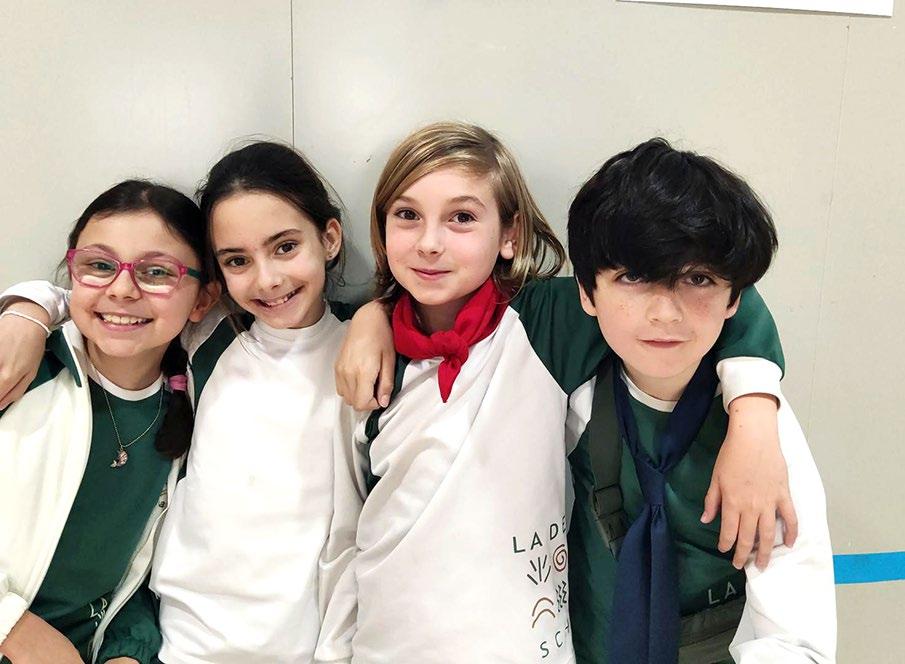
10 ACTIONS AGAINST CLIMATE CHANGE: STUDENTS TAKE THE FLOOR
Ten habits, one clear message and proof that change begins in the classroom.
Primary students at La Devesa School have taken centre stage in the fifth edition of the video competition organised by Consum to mark Consumer Day. The result is a piece in which the students themselves explain, in their own words, ten concrete actions they already practise every day to look after the planet.
These are not intentions or promises. They are real habits, developed in the classroom and the playground, that form part of their daily routine. This is the most compelling evidence that environmental education works — when it is lived, not merely taught.
Responsible consumption from an early age
Taking part in initiatives like this has a value that goes beyond any prize: it puts children in the role of communicators, of spokespersons for a cause they care about, of agents of change with their own voice. And from a pedagogical standpoint, that is enormously powerful.
The 10 actions: small gestures, real impact
These are the ten actions the students present in the video and practise as part of their daily school life:
• Sorting waste correctly into the recycling bins in the classroom and around the school.
• Using recycled materials in art, craft and school projects.
• Switching off lights and electronic devices when not in use.
• Reducing single-use plastic: no plastic bottles, no unnecessary packaging.
• Bringing lunch in reusable containers.
• Using both sides of paper and avoiding unnecessary printing.
• Looking after the school’s green spaces and taking part in the school garden.
• Walking, cycling or using public transport to get to school wherever possible.
• Taking part in environmental awareness campaigns inside and outside school.
• Sharing these habits at home so that the impact extends beyond the classroom.
Watch our students’ video: (133) 10 acciones para proteger el planeta contra el cambio climático.YouTube
DEVESA PLANET NEWS Nº13 2026 << IR AL ÍNDICE
An initiative rooted in our EcoSchool commitment
This project is part of a broader, long-standing commitment: La Devesa School holds the EcoSchools Green Flag, an international distinction that recognises schools which genuinely integrate sustainability into their educational project.
The school’s Environmental Committee, made up of students from different year groups, works throughout the academic year to identify areas for improvement, propose projects and lead awareness campaigns. Participating in the Consum competition is one such project: a way of taking learning beyond the classroom walls and out into the wider community.
“Caring for the planet does not start at international summits. It starts in the playground, in the classroom, at home. And at La Devesa School, it starts from a very young age.”
E L PATIO ES DE TODOS:
ASÍ LO CONSTRUIMOS EN LA DEVESA SCHOOL
El recreo dura treinta minutos. Pero para muchos alumnos, esos minutos son los más largos del día.
No siempre porque sean aburridos. A veces porque no saben dónde encajar. Porque el fútbol lo ocupa todo y ellos no juegan al fútbol. Porque necesitan calma y el patio es ruido. Porque quieren relacionarse, pero no encuentran el cómo.
El recreo, ese espacio que en teoría es libre y espontáneo, puede ser también el lugar donde la exclusión se vuelve más visible. El proyecto de patios inclusivos de Devesa School parte de una convicción sencilla: que el entorno no es neutral. Que el modo en que diseñamos un espacio determina quién se siente bienvenido en él.
Un espacio para cada uno
La propuesta no pasa por eliminar el fútbol ni por reglamentar el juego libre. Pasa por ampliar el repertorio. Por diseñar un patio que ofrezca opciones reales a alumnos con necesidades, intereses y ritmos distintos.
• Zonas tranquilas para quienes necesitan bajar la intensidad sensorial antes de volver a clase.
•Espacios de juego cooperativo donde la participación no depende de la habilidad física.
• Rincones de lectura, de creación y de conversación.
Merche Urendez, Coordinadora de Primaria.
• Actividades que invitan a mezclarse a alumnado de distintas edades y capacidades.
Cada uno de estos espacios responde a algo concreto: la necesidad de que ningún alumno llegue al final del recreo sintiéndose sobrante.
A convivir también se aprende
Uno de los efectos más interesantes del proyecto es el que ocurre casi sin que nadie lo planifique: el encuentro entre alumnado que normalmente no se cruza. Cuando el patio está pensado para que convivan alumnos de distintas edades y capacidades, empiezan a pasar cosas difíciles de provocar en el aula.
“Un alumno mayor que ayuda a uno más pequeño. Un estudiante con necesidades específicas que lidera una actividad en la que los demás le siguen. Relaciones que rompen las jerarquías invisibles del patio tradicional y que construyen, sin grandilocuencia, los valores del respeto y la empatía.”
El proyecto conecta directamente con el ODS 10 —Reducción de las desigualdades— y con el ODS 3 de Salud y bienestar. Porque un alumno que se siente incluido, que tiene donde estar y con quien estar, es un alumno que llega a clase en mejores condiciones de aprender.
El patio como laboratorio de convivencia
Lo que ocurre en el recreo no es un paréntesis de la vida escolar. Es parte de ella. Los conflictos que no se gestionan en el patio llegan al aula. Las amistades que se construyen en el recreo sostienen el clima del grupo. La sensación de pertenencia o de exclusión que un alumno experimenta fuera del aula condiciona su disposición dentro.
Por eso en Devesa School entendemos el patio como un espacio educativo más. Uno que merece ser pensado, diseñado y acompañado con el mismo cuidado que cualquier otra propuesta pedagógica.
“La inclusión no es un proyecto de papel. Es un patio donde todo el mundo encuentra su sitio.”
THE PLAYGROUND BELONGS TO EVERYONE: HOW WE BUILD IT AT LA DEVESA SCHOOL
Break time lasts thirty minutes. But for many students, those are the longest minutes of the day.
Not always because they are boring. Sometimes because students do not know where they fit in. Because football takes over everything and they do not play football. Because they need calm and the playground is noise. Because they want to connect with others, but cannot find a way in.
Break time — that space which in theory is free and spontaneous — can also be where exclusion becomes most visible. The inclusive playground project at Devesa School starts from a simple conviction: the environment is not neutral. The way we design a space determines who feels welcome in it.
A space for everyone
The aim is not to ban football or to regulate free play. It is to widen the options. To design a playground that offers real choices to students with different needs, interests and rhythms.
•Quiet zones for those who need to lower their sensory load before returning to class.
•Cooperative play areas where participation does not depend on physical ability.
•Reading corners, creative spaces and areas for conversation.
•Activities that bring together students of different ages and abilities who would rarely meet in a conventional playground.
Each of these spaces responds to a specific need: ensuring that no student reaches the end of break time feeling like they do not belong.
Learning to live together
One of the most interesting effects of the project is the one that happens almost without anyone planning it: encounters between students who would not normally cross paths. When the playground is designed for students of different ages and abilities to share the same space, things start to happen that are very hard to engineer inside a classroom.
“A older student who helps a younger one. A student with specific needs who leads an activity that the others follow. Relationships that break the invisible hierarchies of the traditional playground and quietly build the values of respect and empathy that are so hard to teach from a worksheet.”
The project connects directly with SDG 10 — Reduced inequalities— and SDG 3 on Good health and wellbeing. Because a student who feels included, who has somewhere to be and someone to be with, is a student who arrives in class in a much better state to learn.
The playground as a living laboratory
What happens at break time is not a pause from school life. It is part of it. Conflicts that are not resolved in the playground follow students into the classroom. Friendships built at break time sustain the group’s atmosphere. The sense of belonging — or exclusion — that a student experiences outside the classroom shapes how they engage within it.
That is why at Devesa School we see the playground as an educational space. One that deserves to be thought through, designed and supported with the same care as any other pedagogical proposal.
“Inclusion is not a paper project. It is a playground where everyone finds their place.”
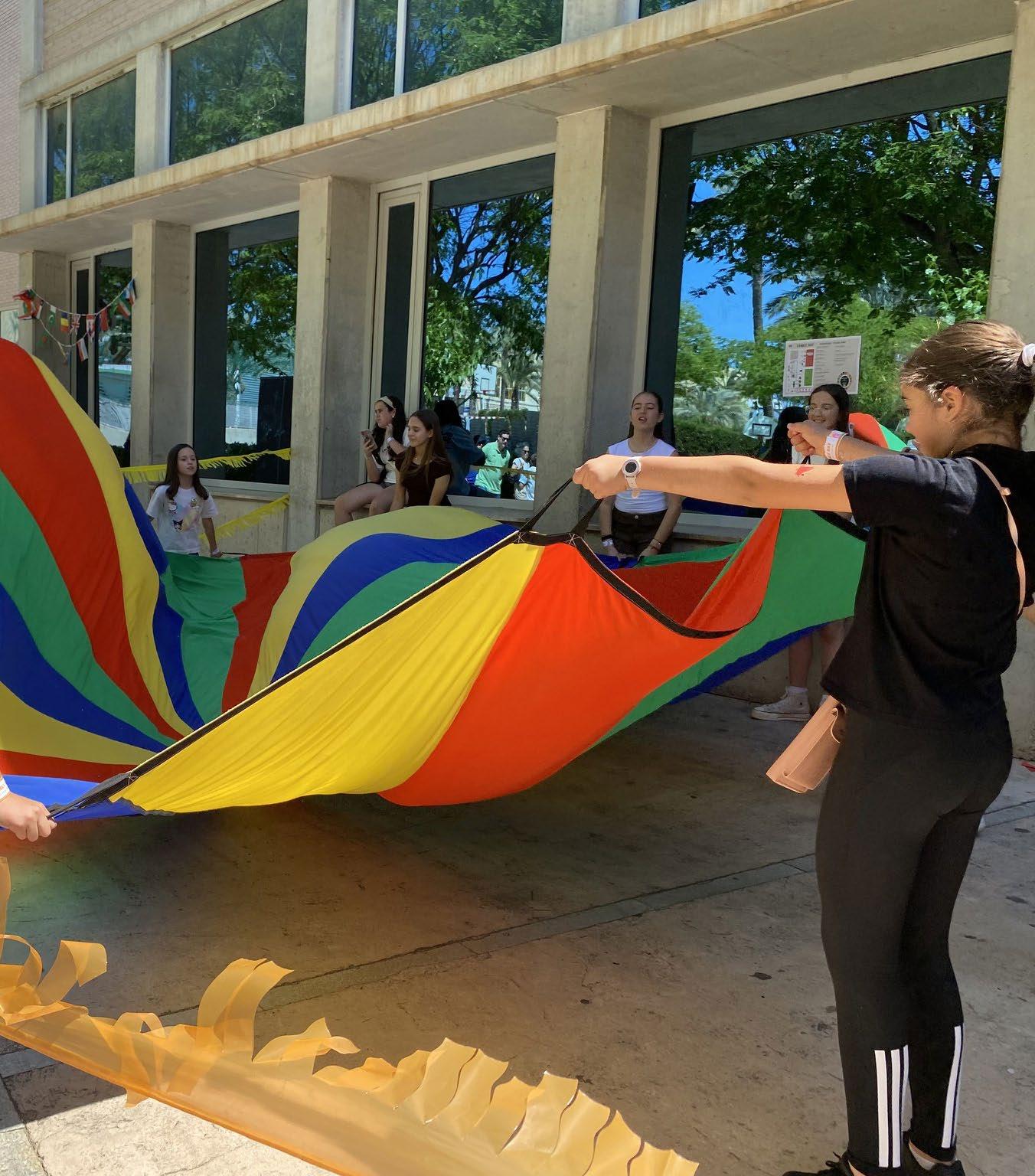
AULA 1 AÑO A Y
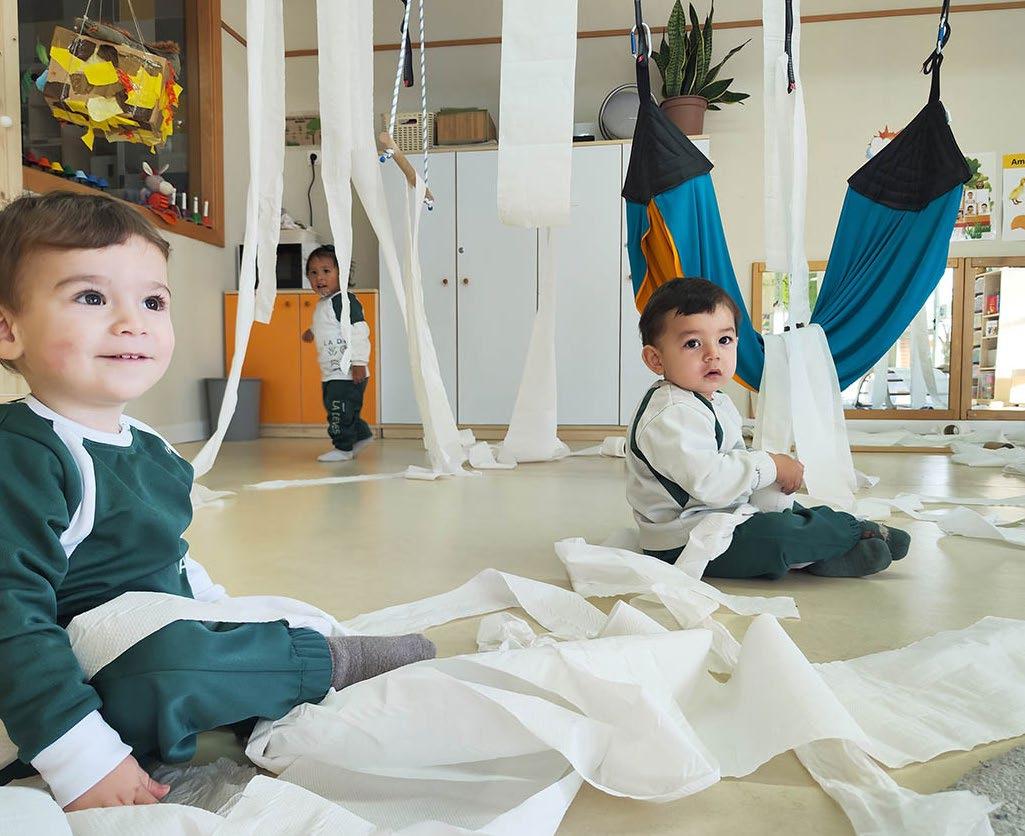
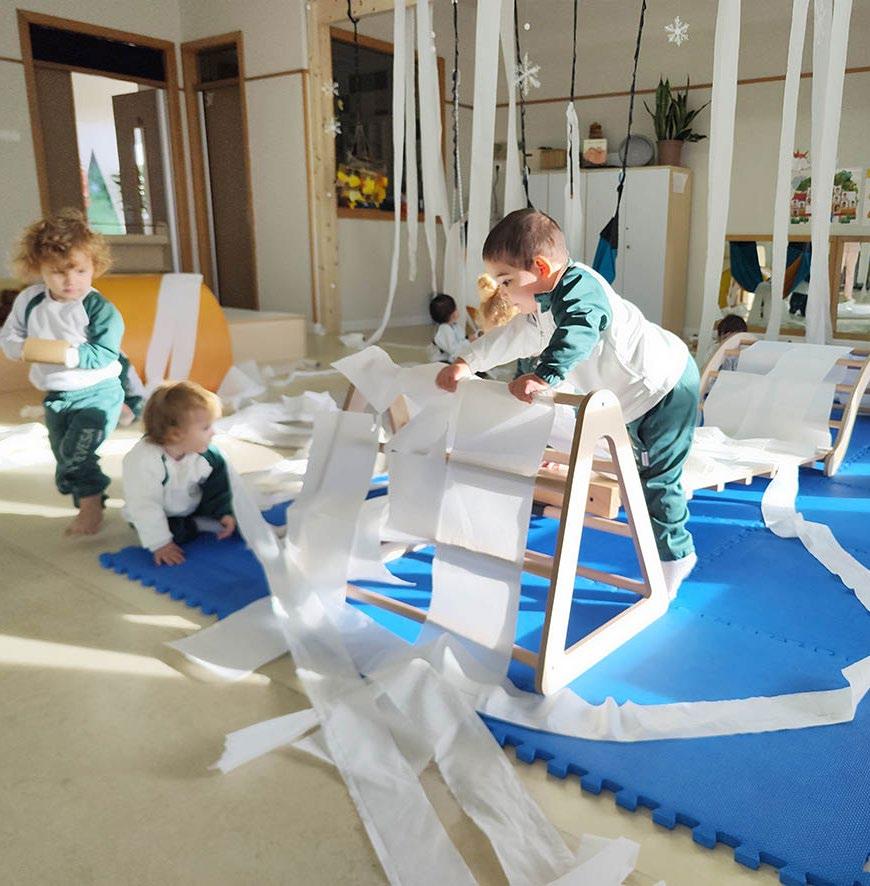
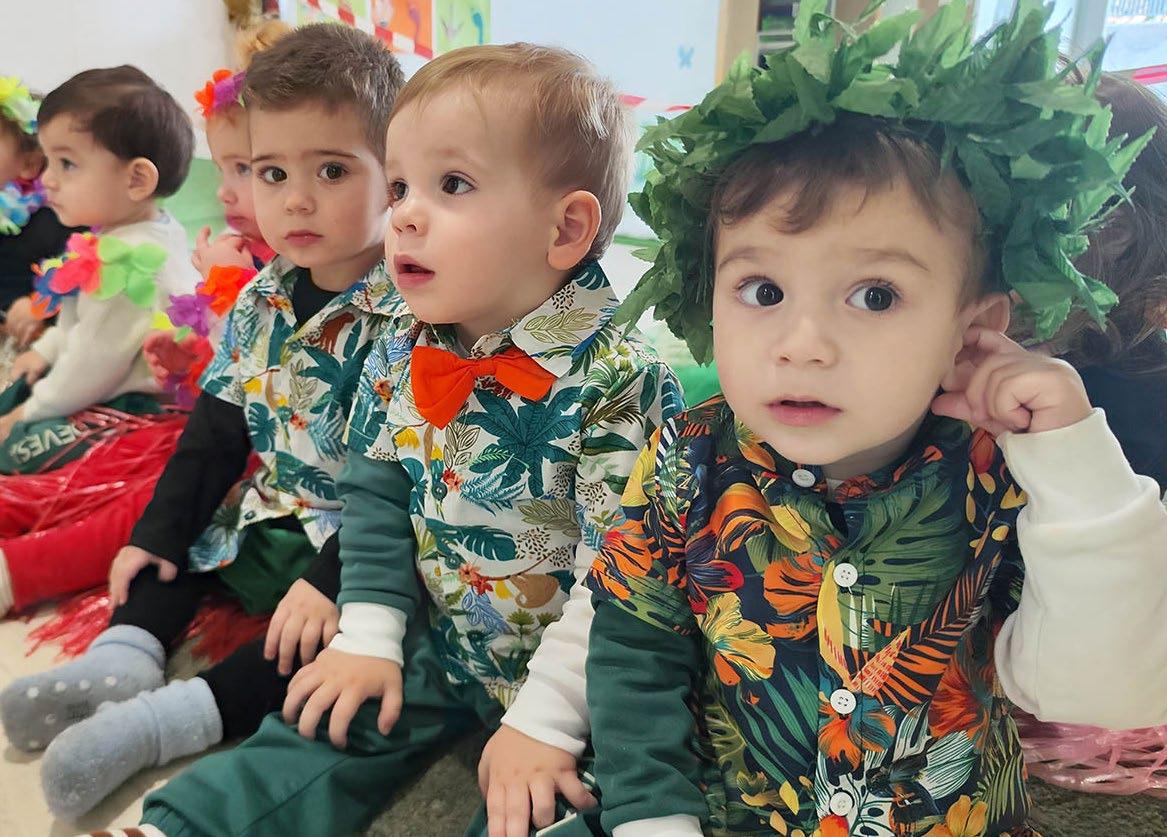
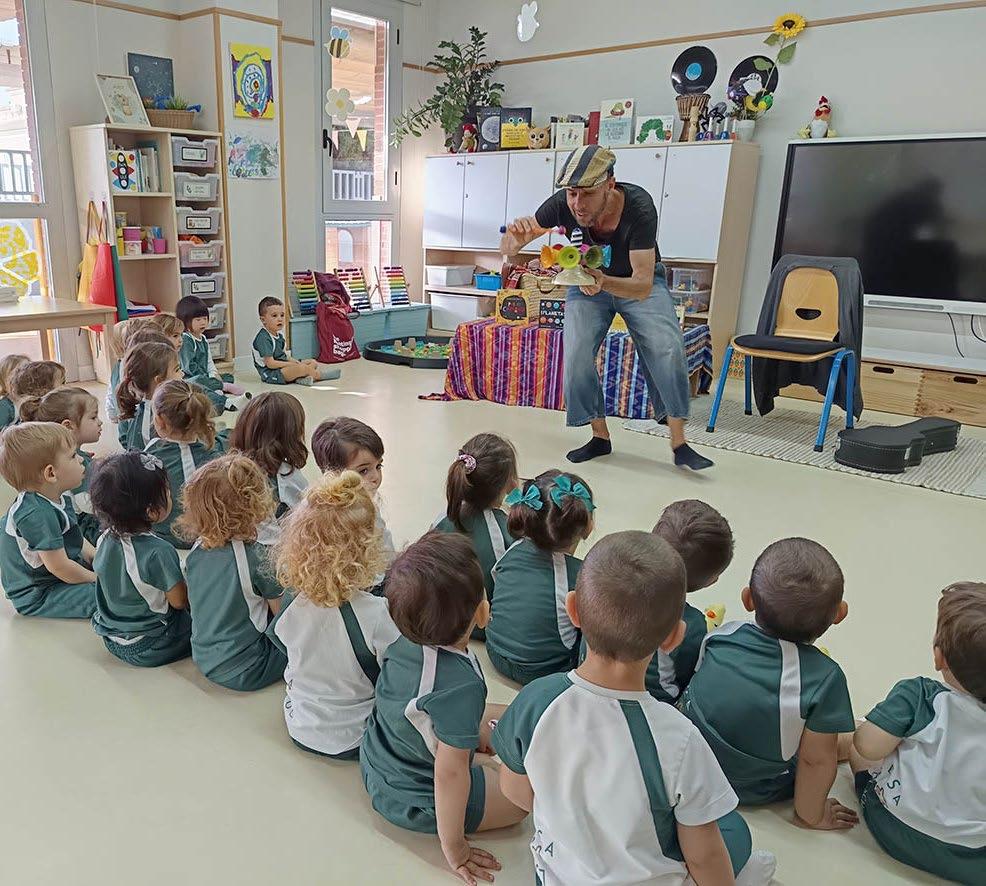
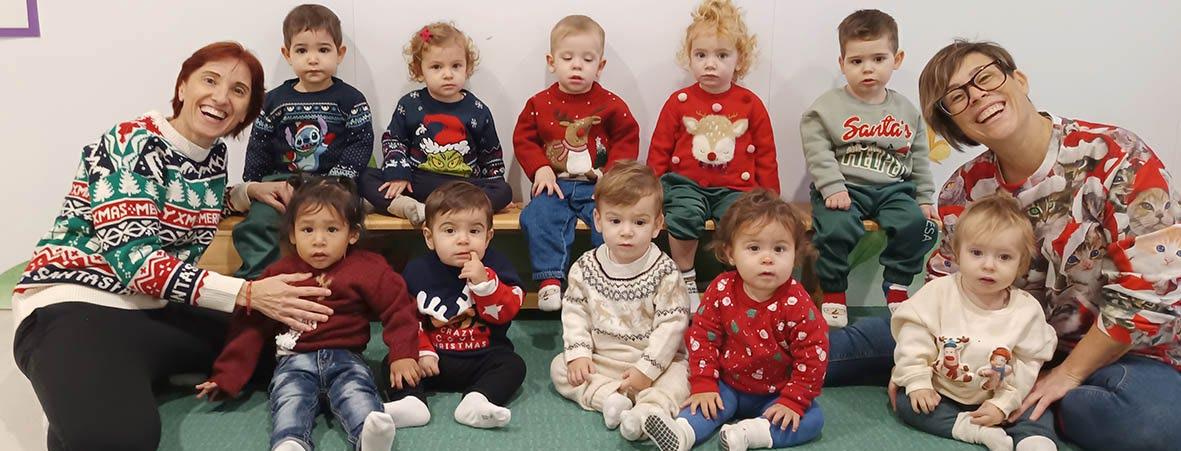
2 AÑOS OWLS
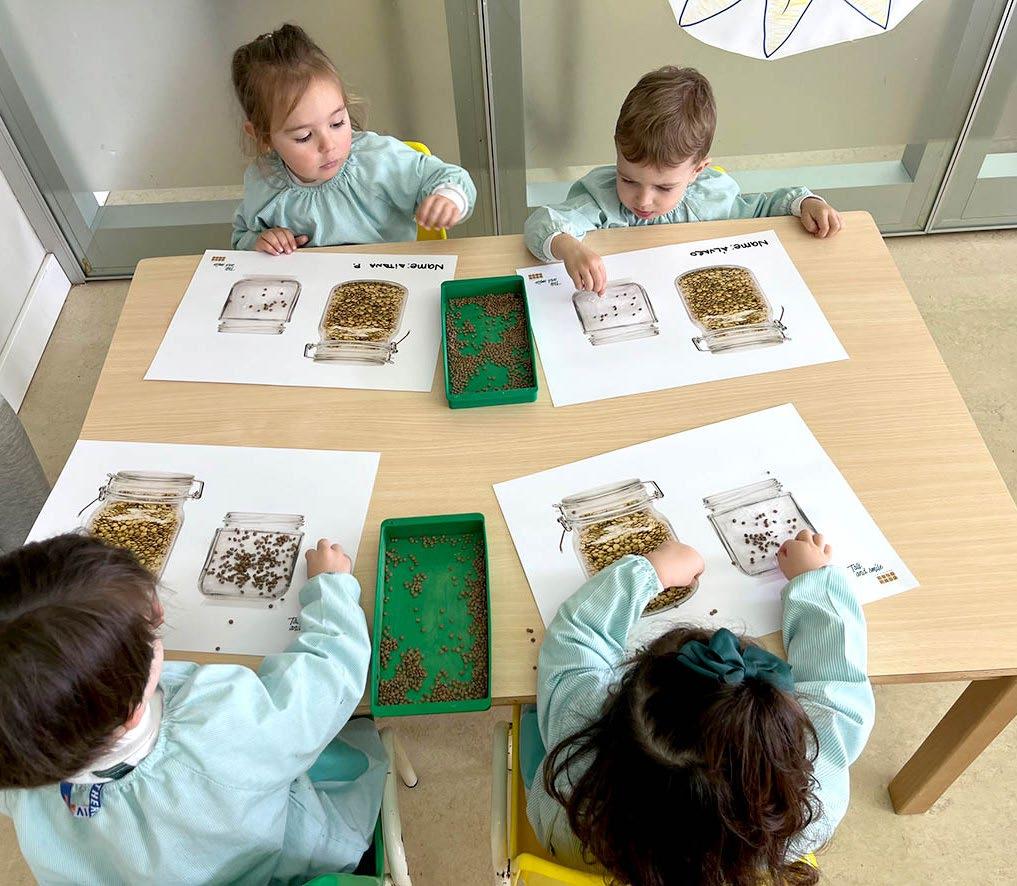
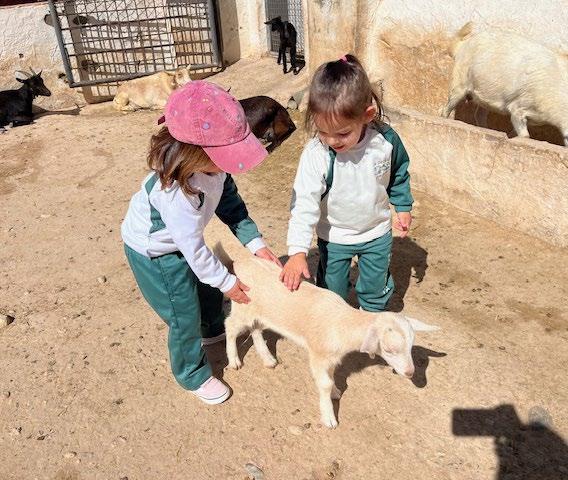
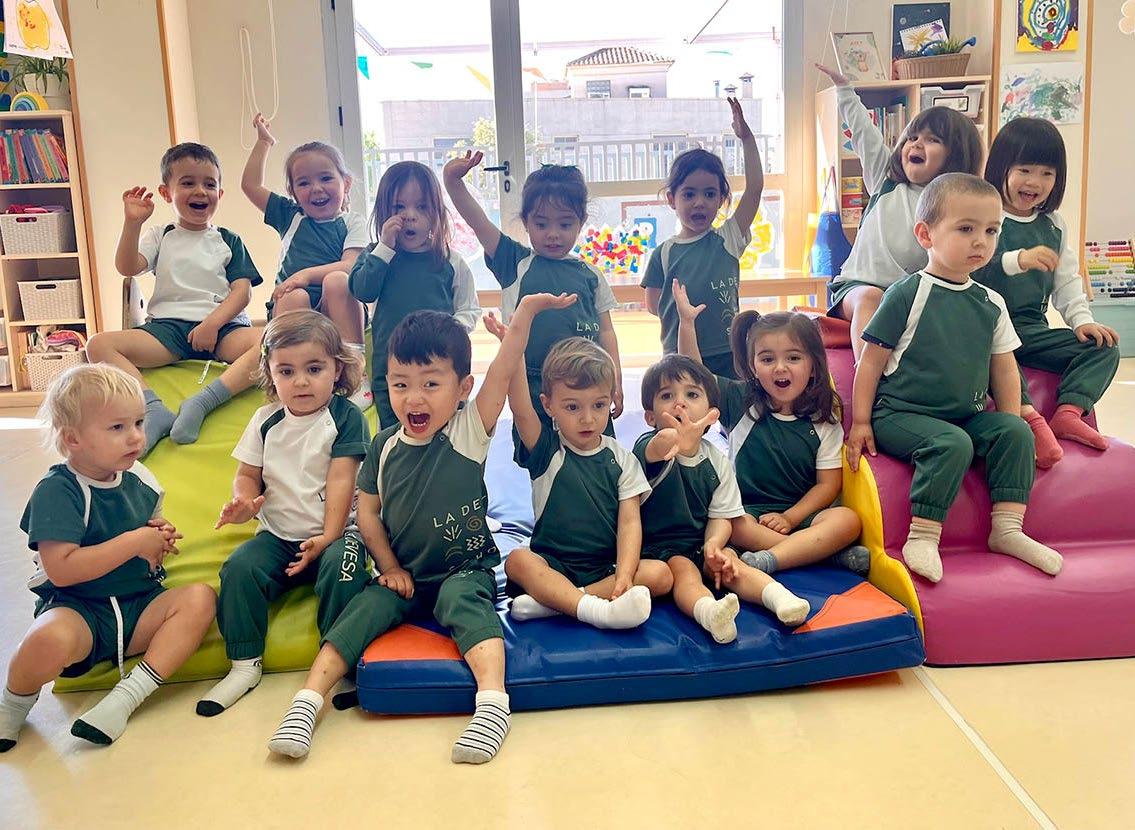
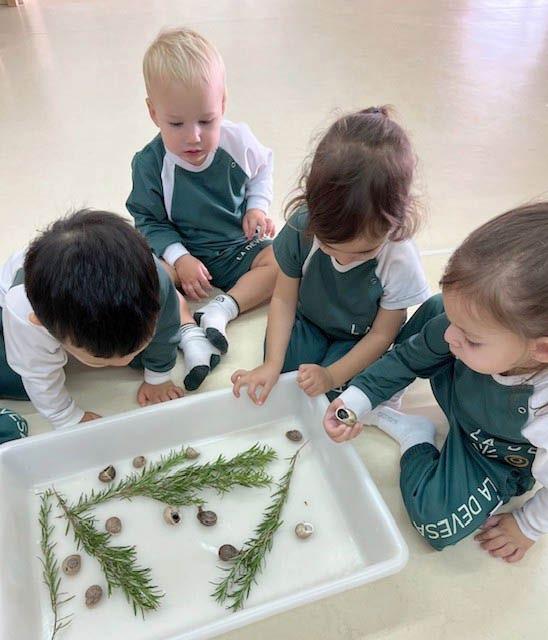
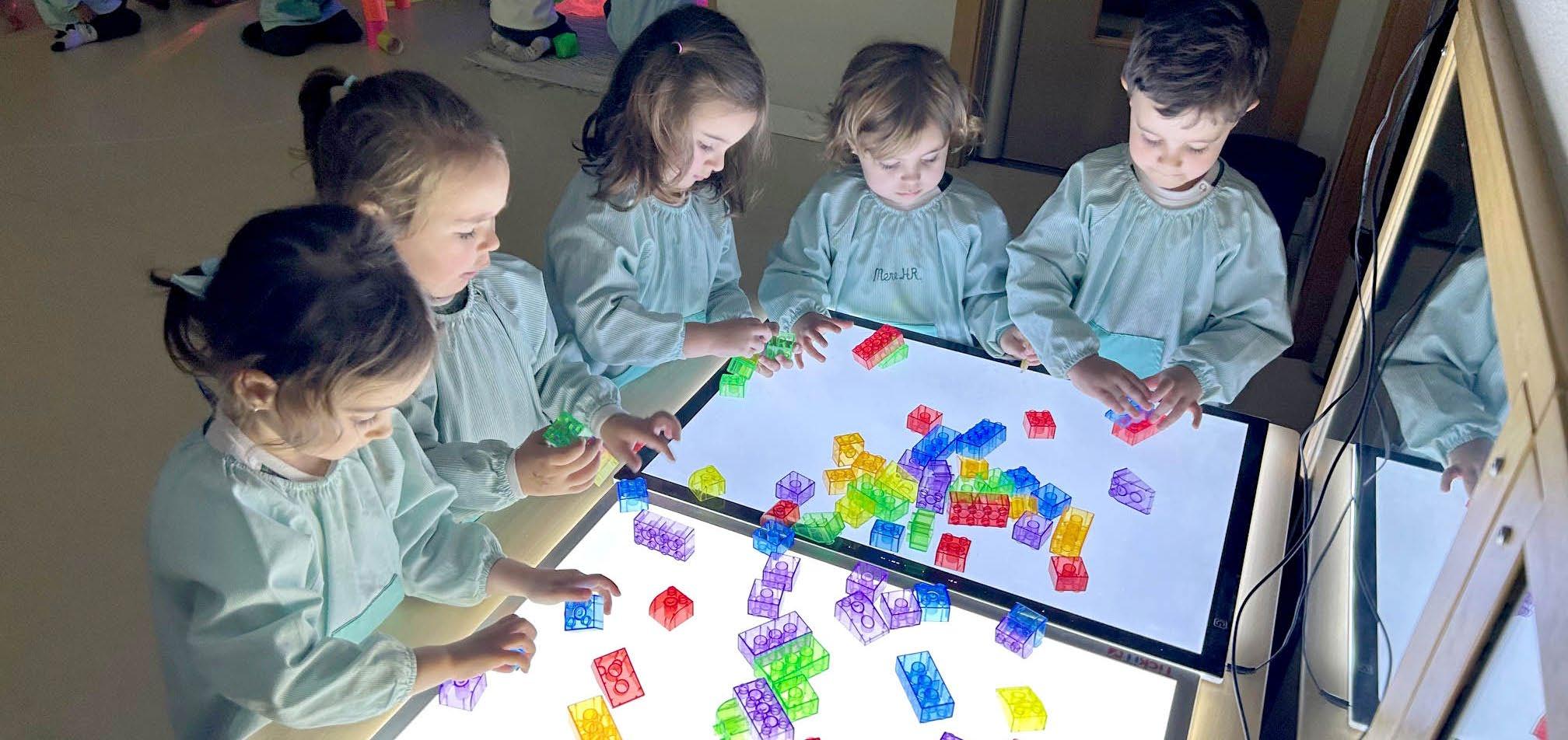
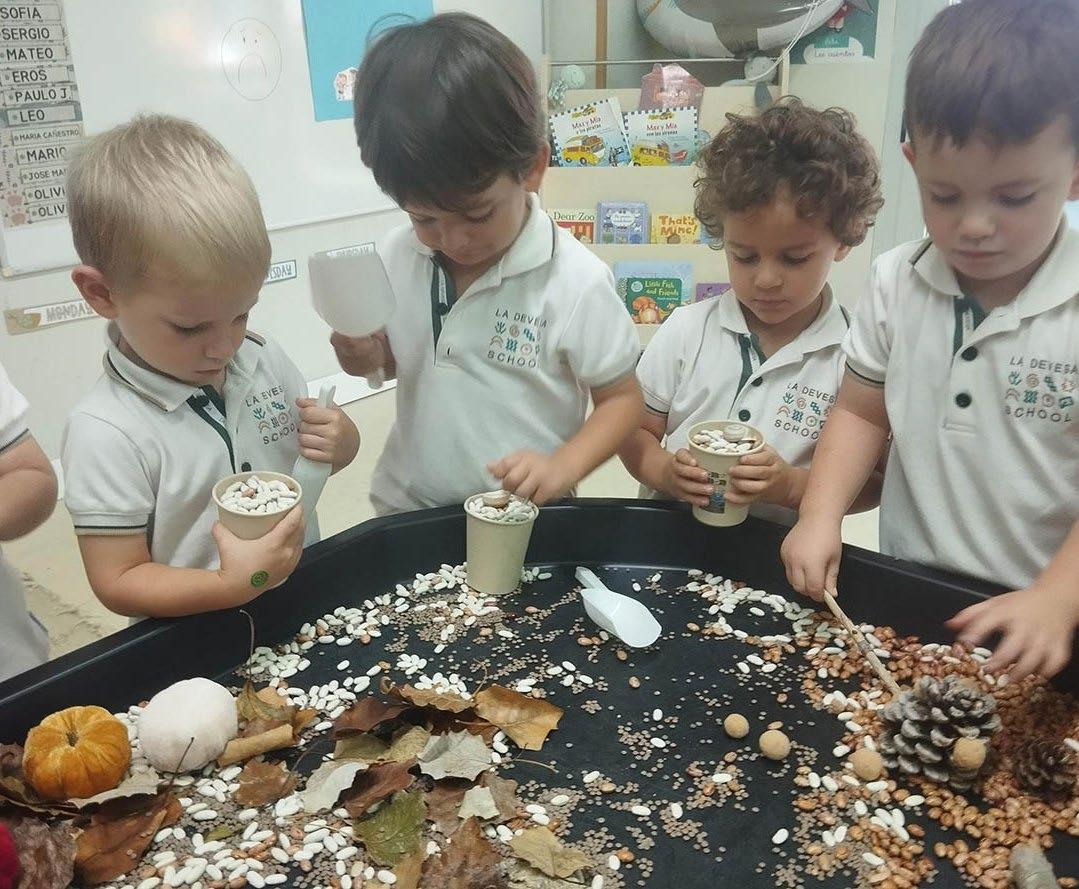
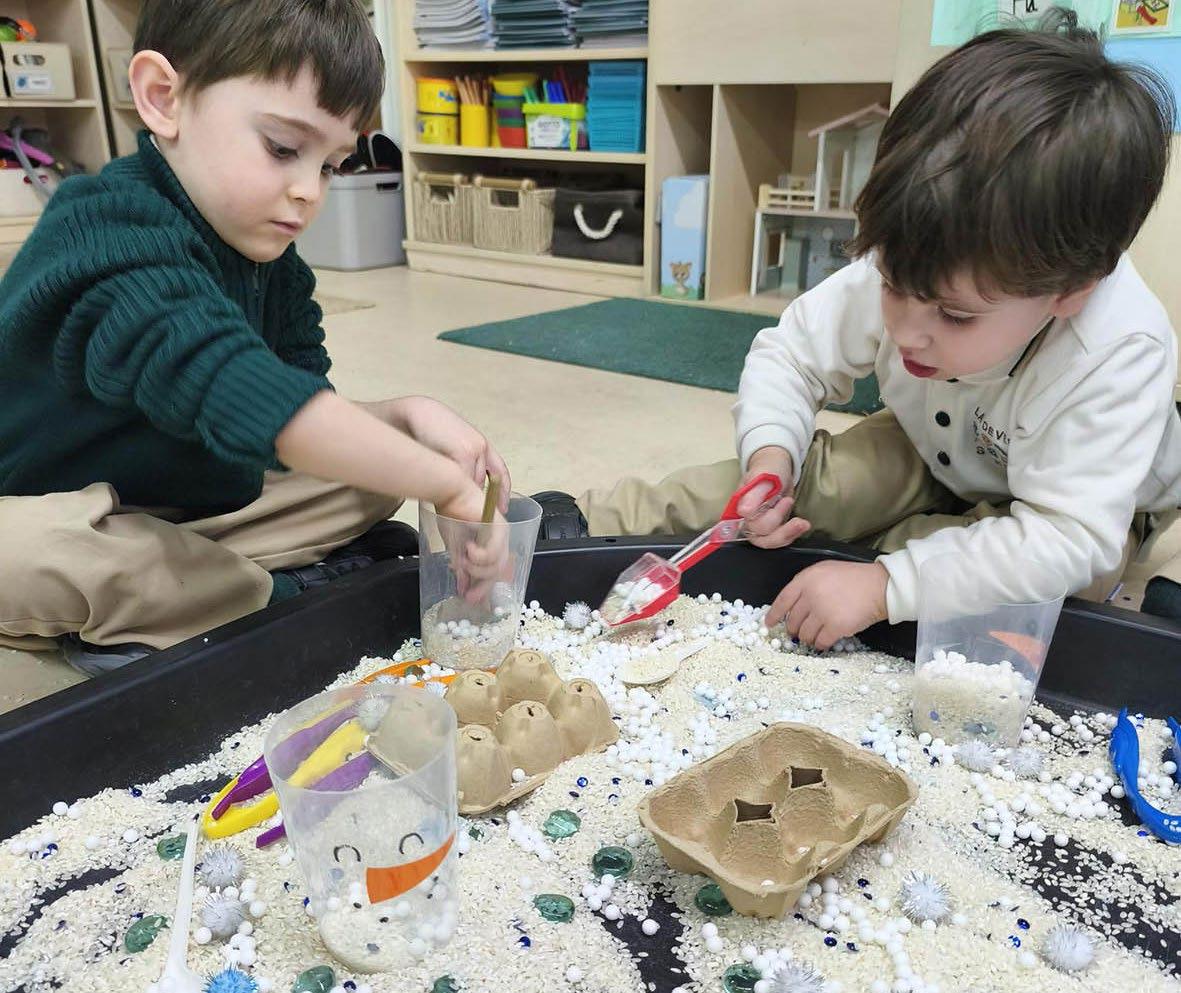
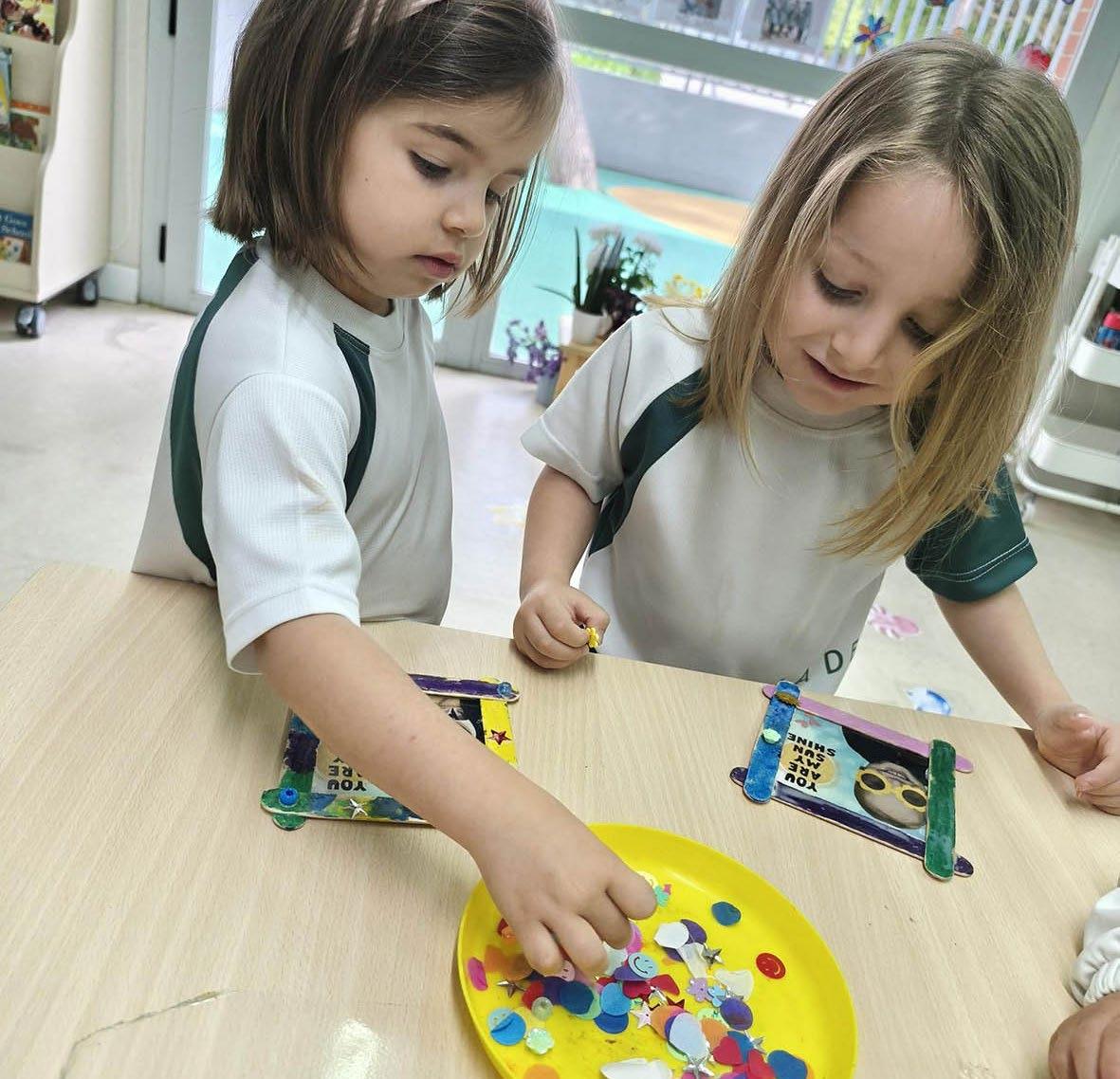
3 AÑOS A PIRATES
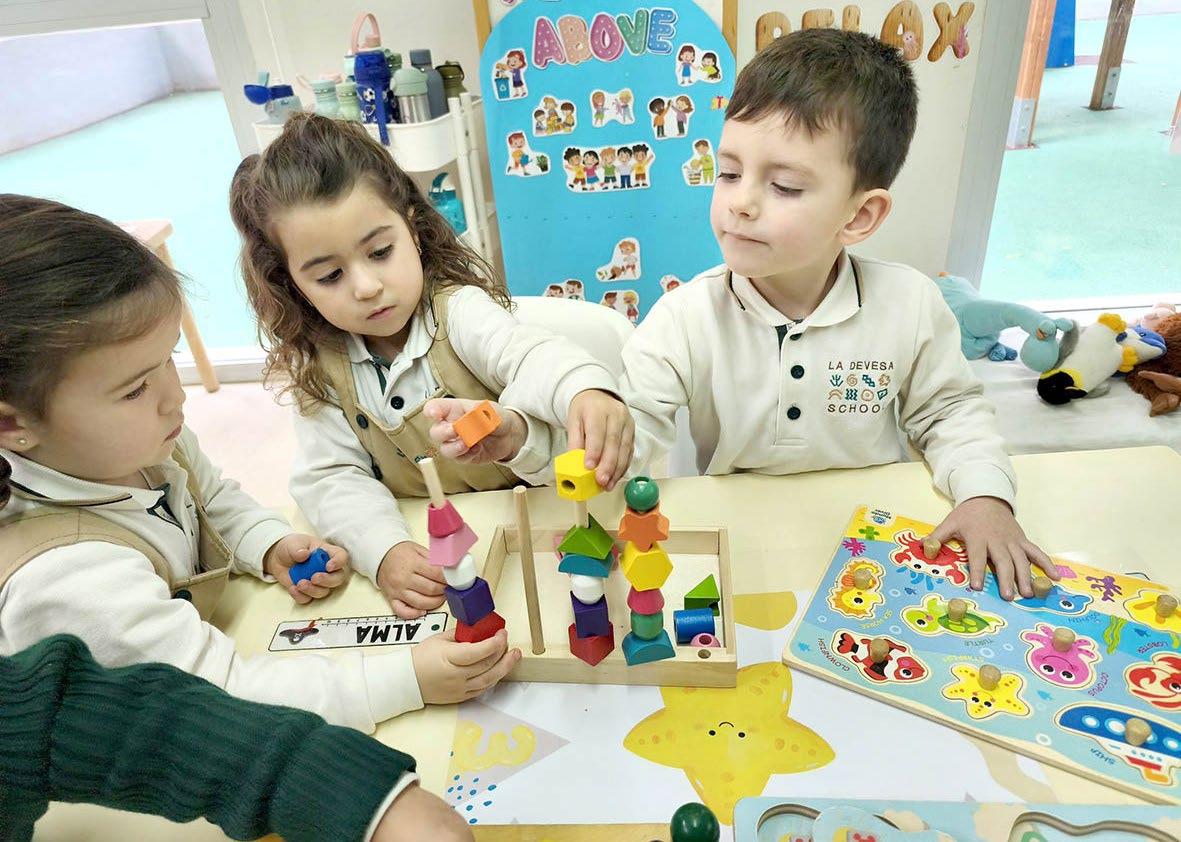
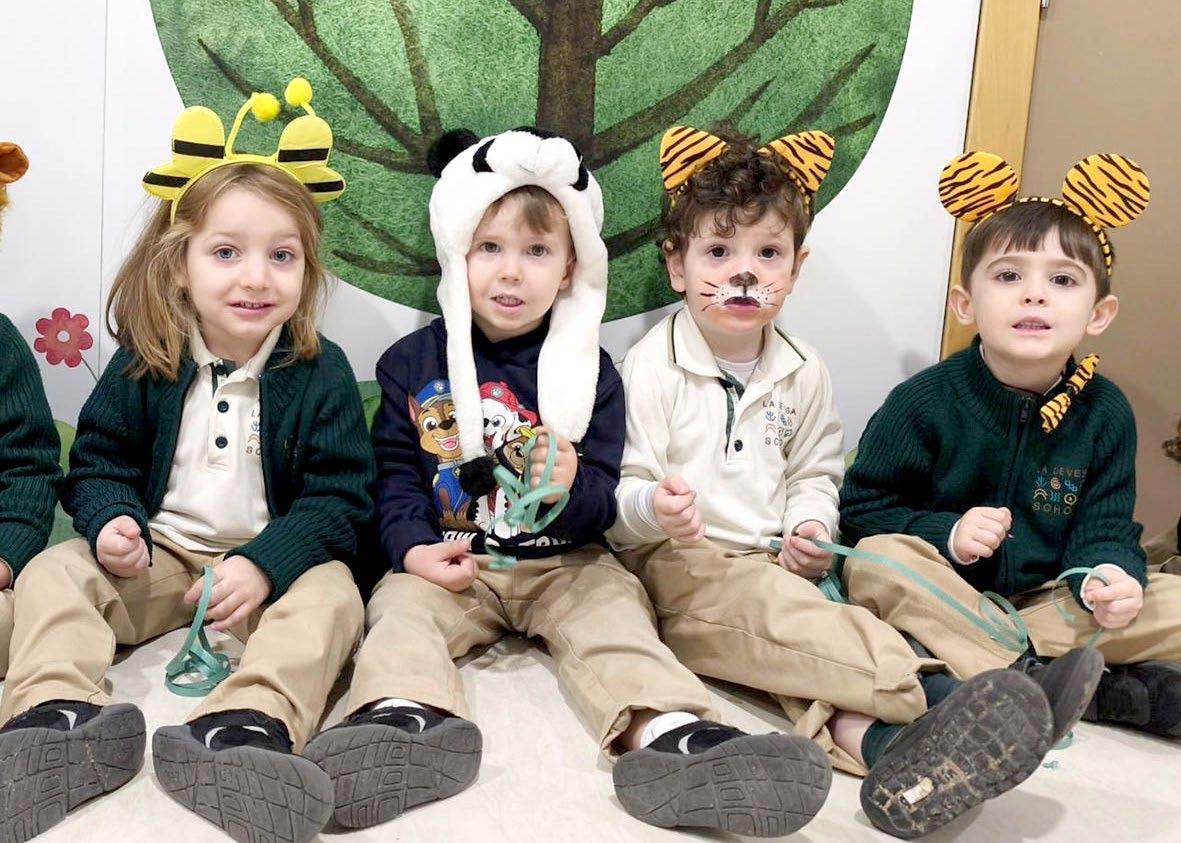
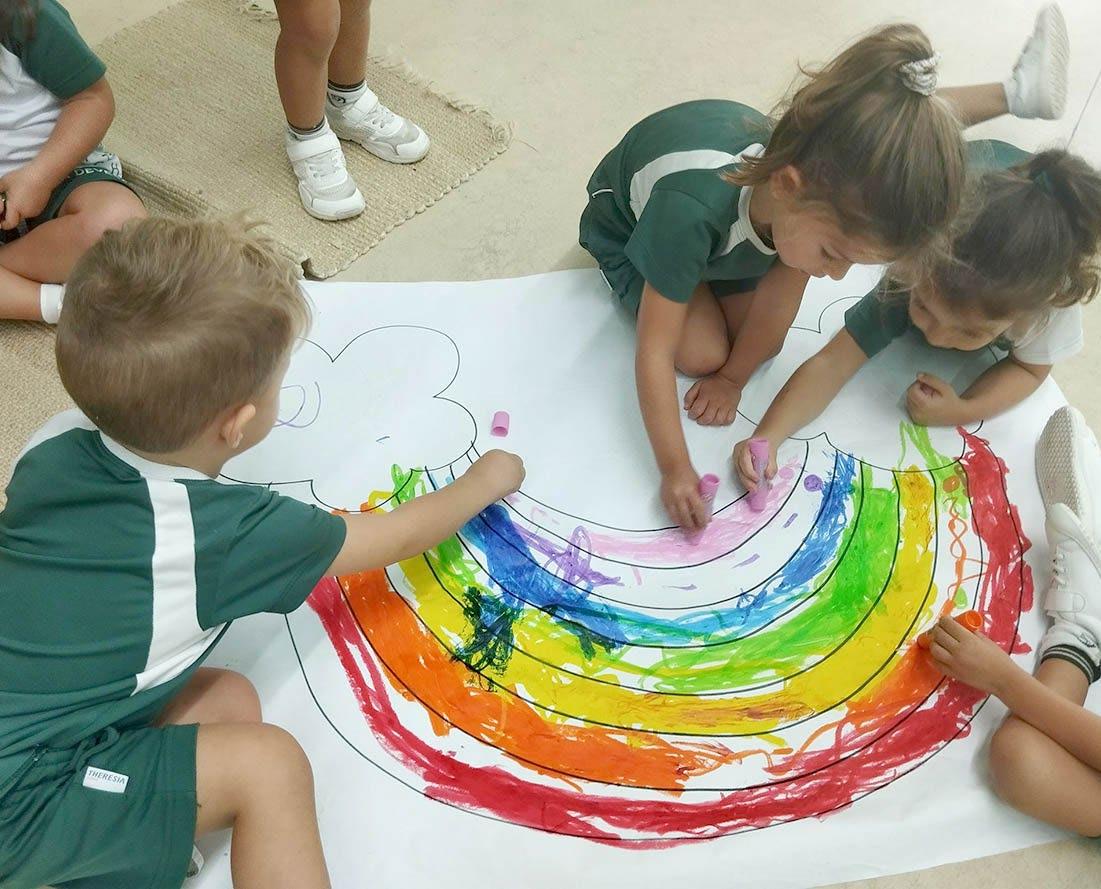
3 AÑOS B MERKIDS
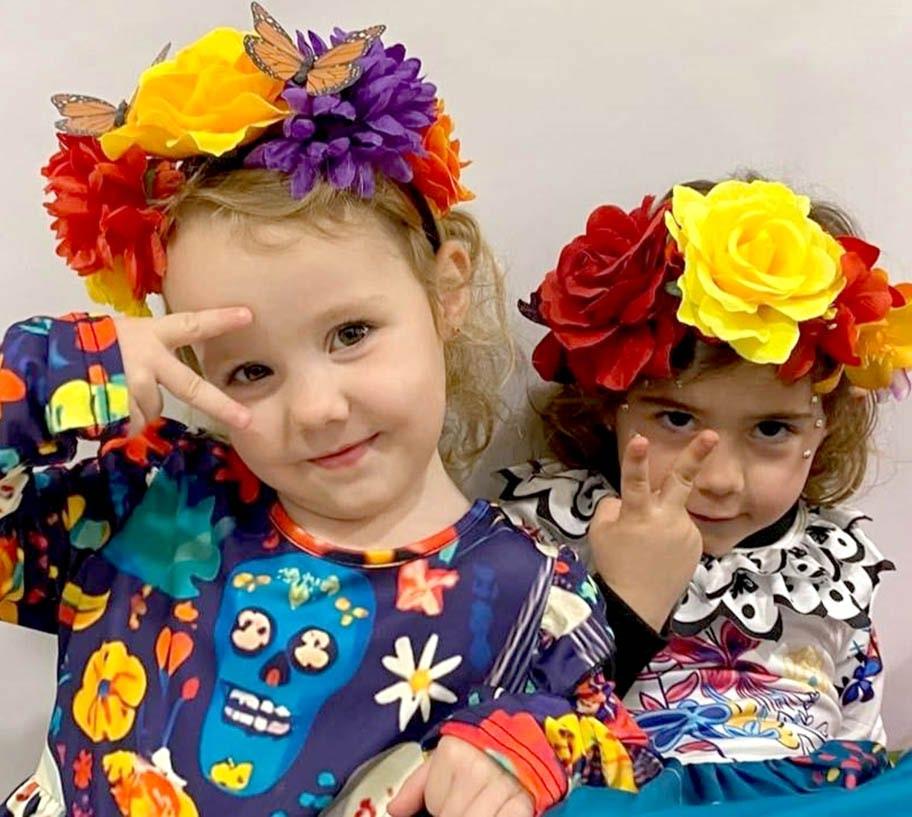
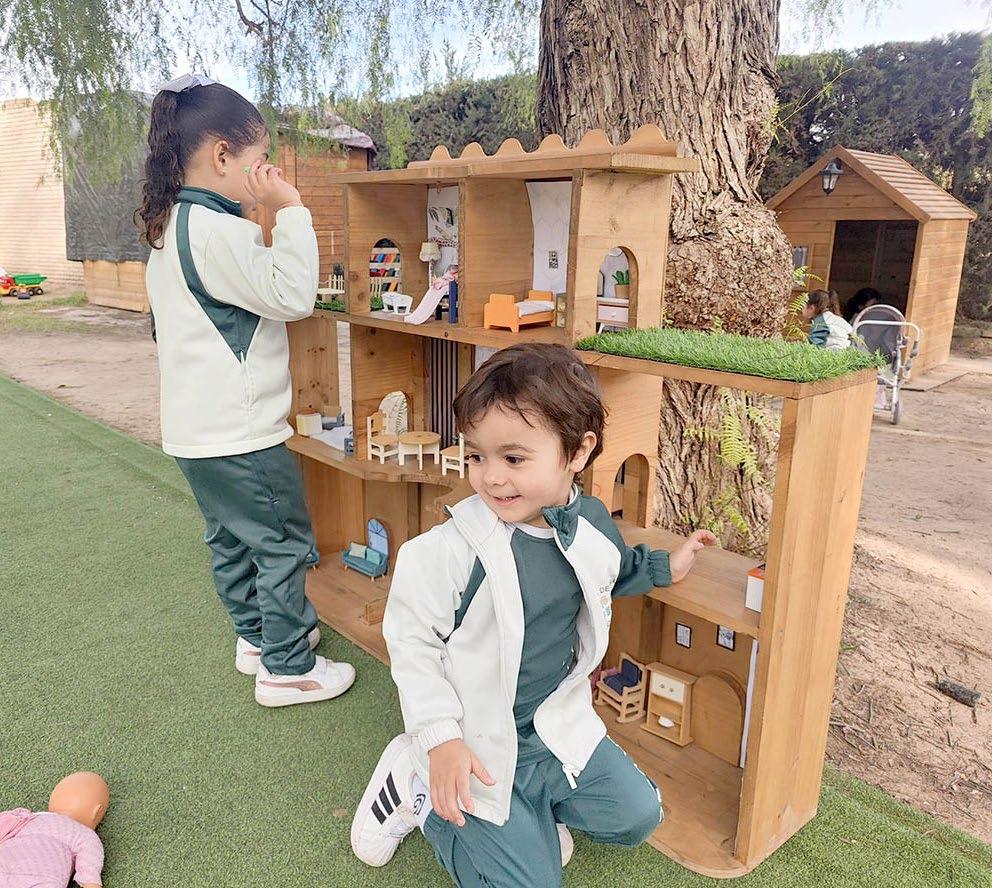
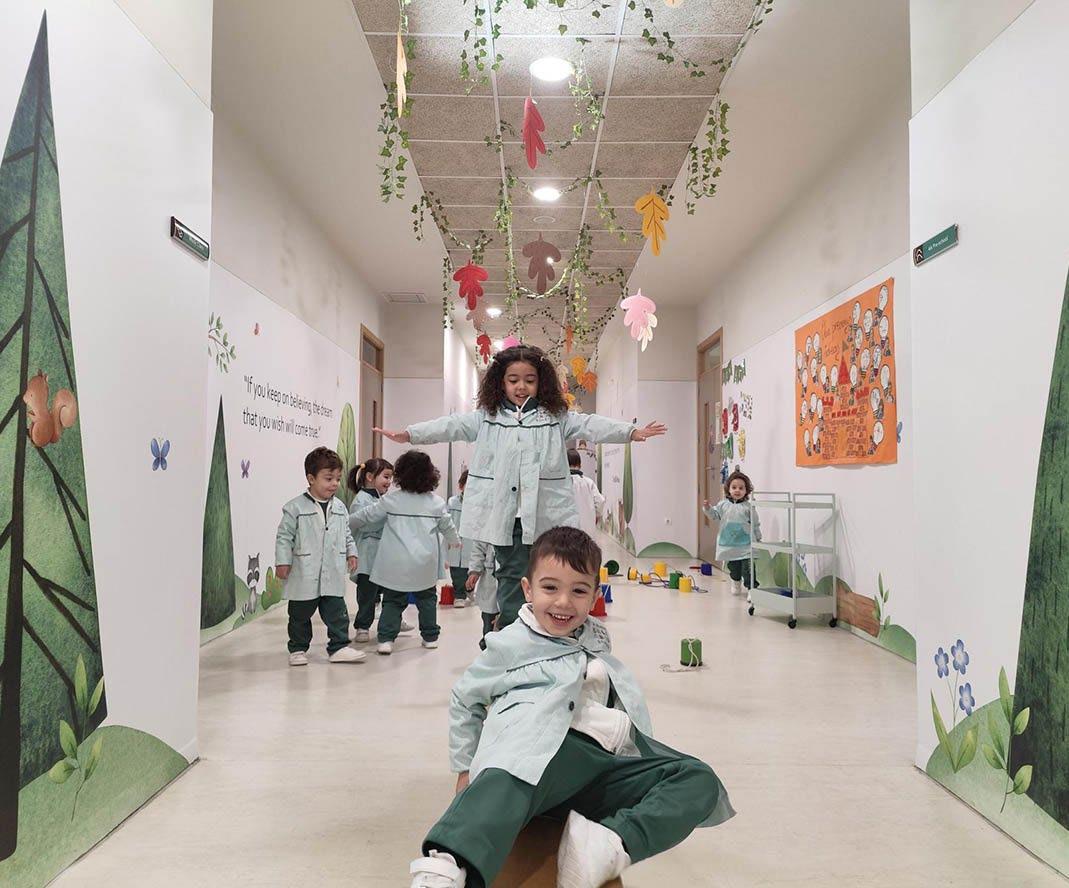
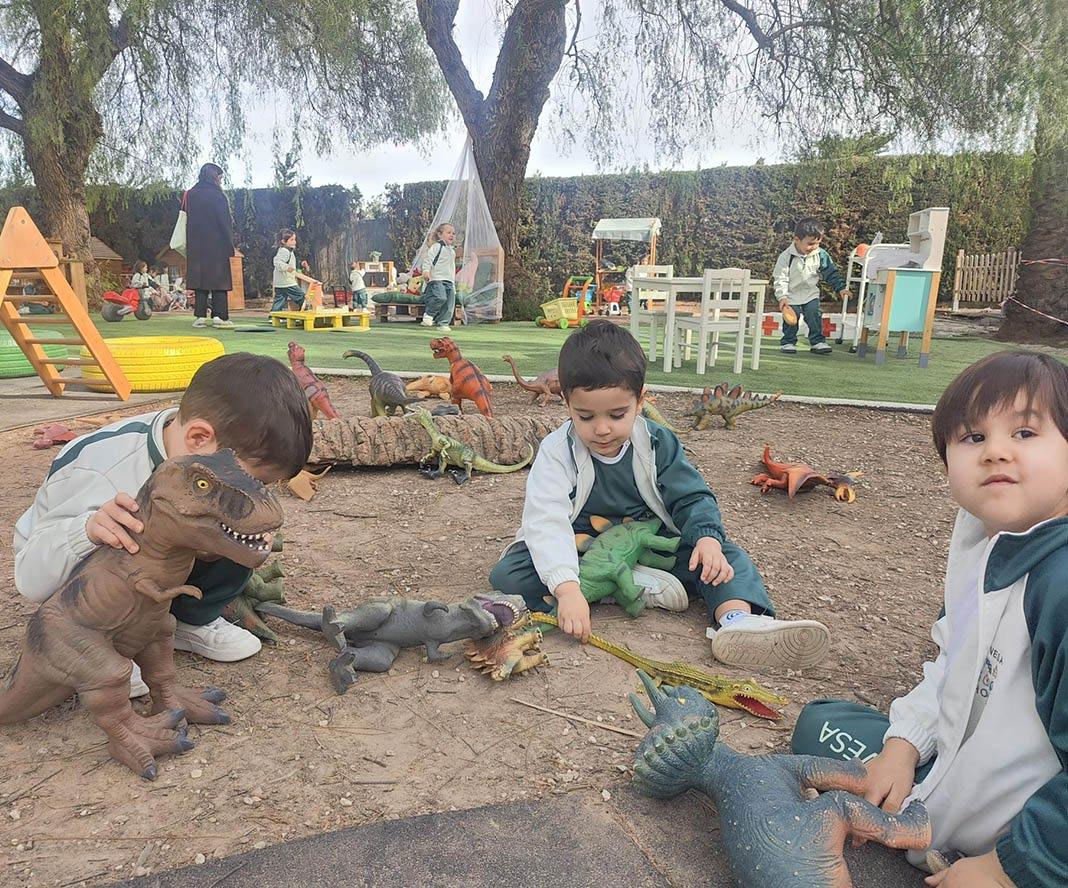
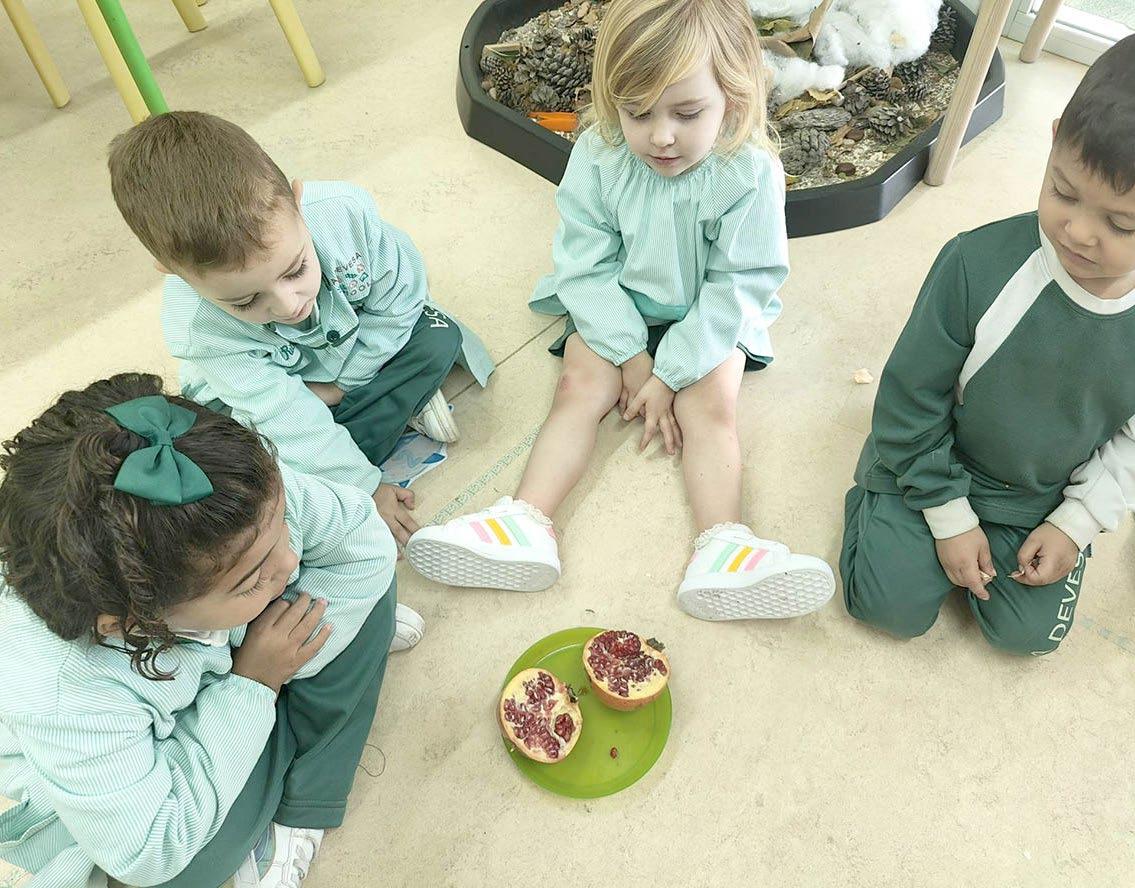
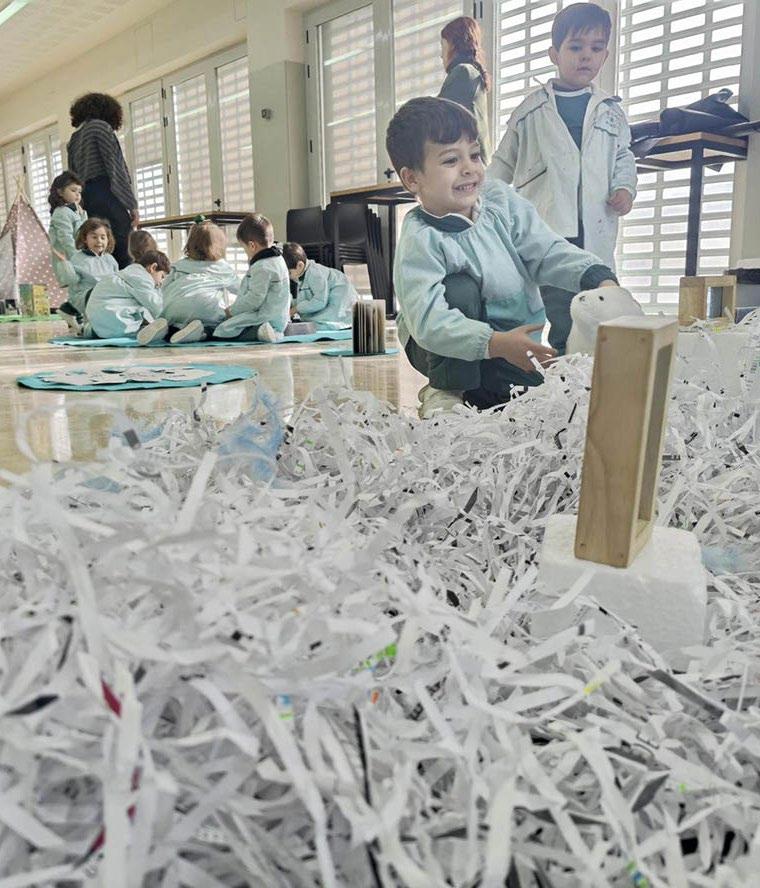
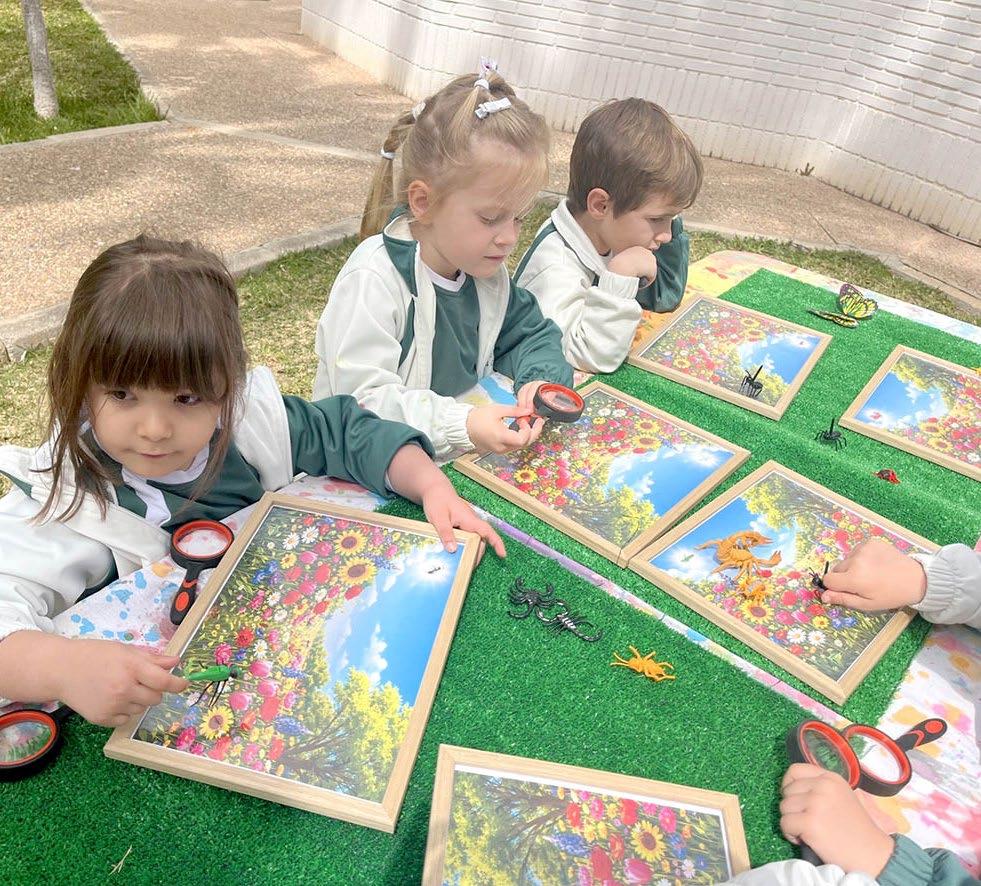
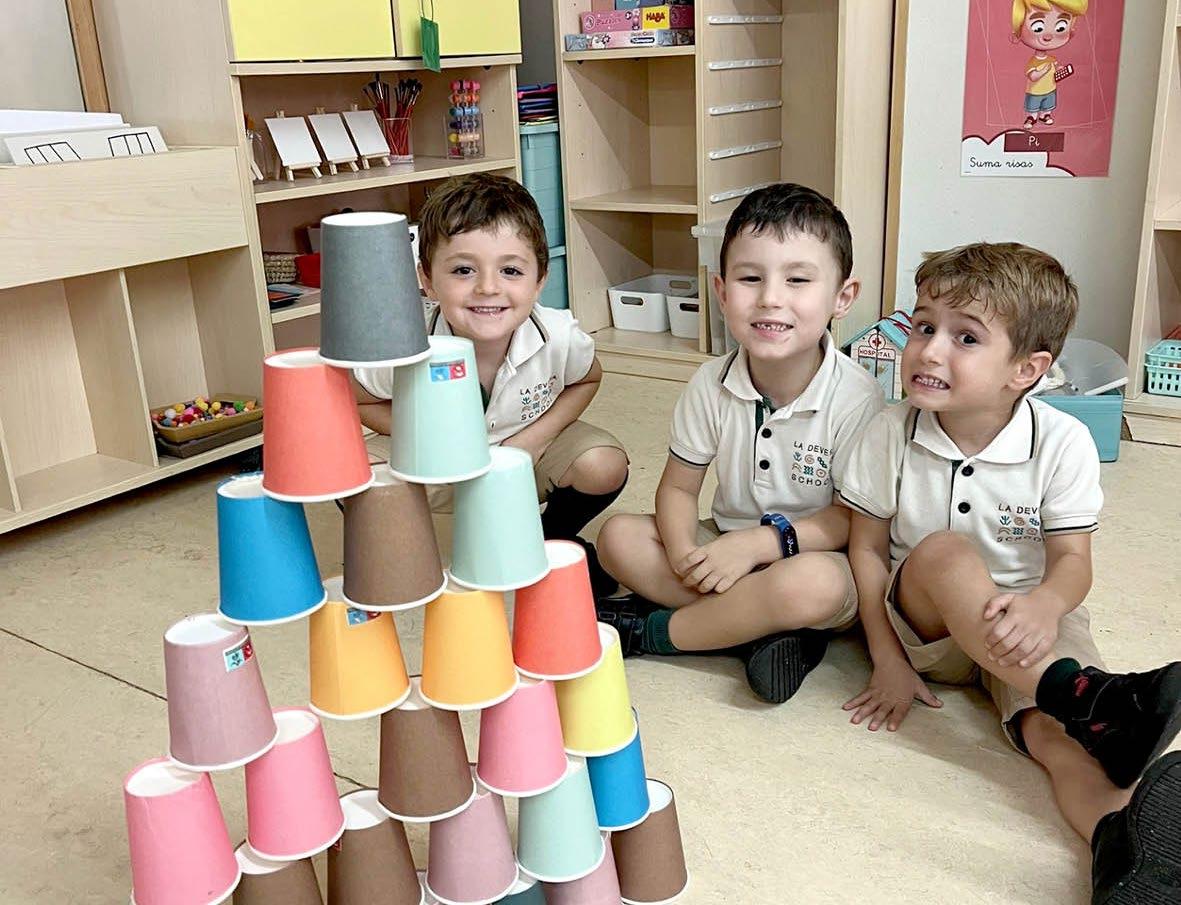
4 AÑOS A UNICORNS
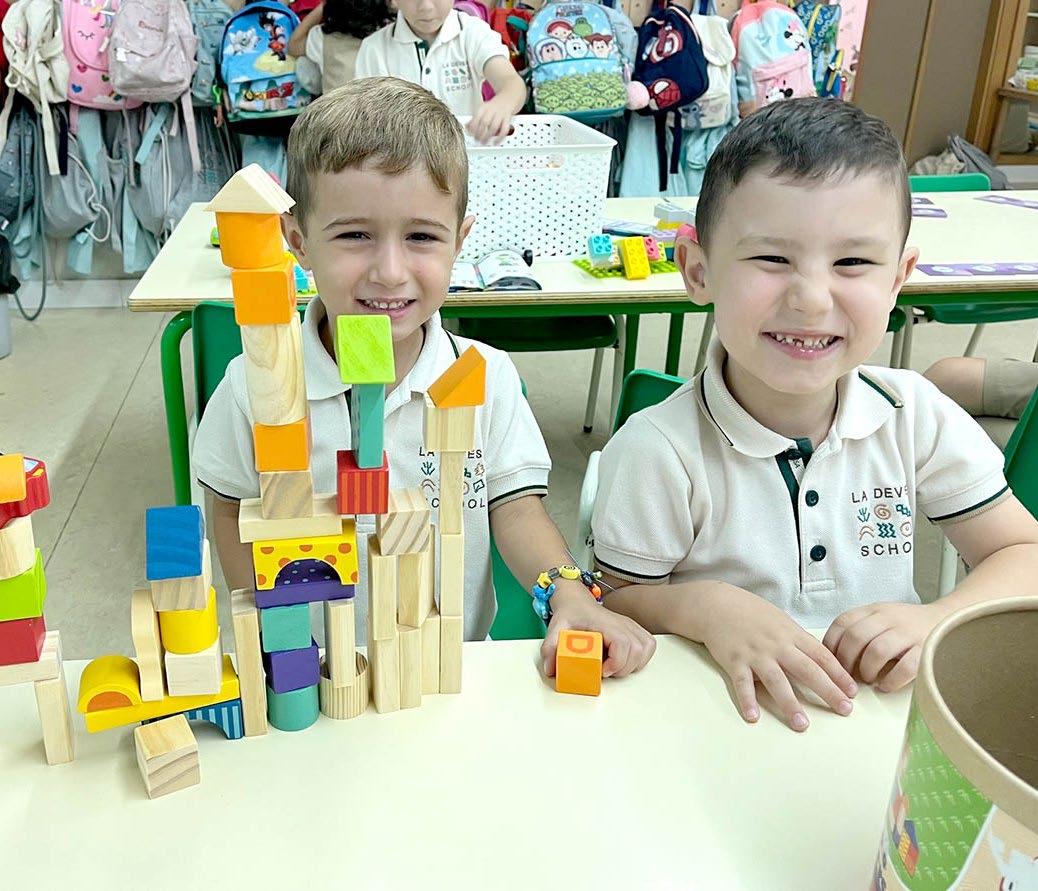
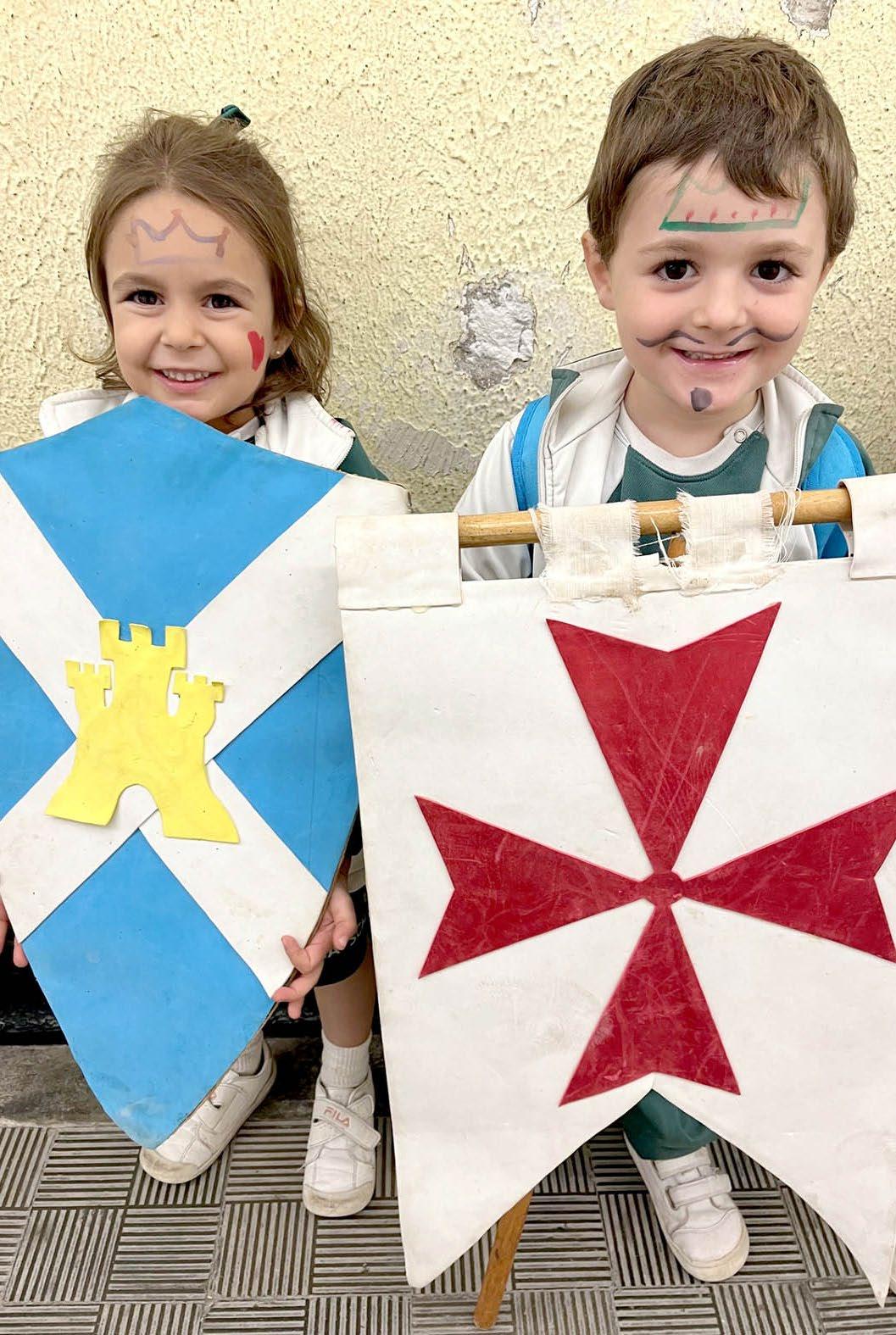
4 AÑOS B DRAGONS
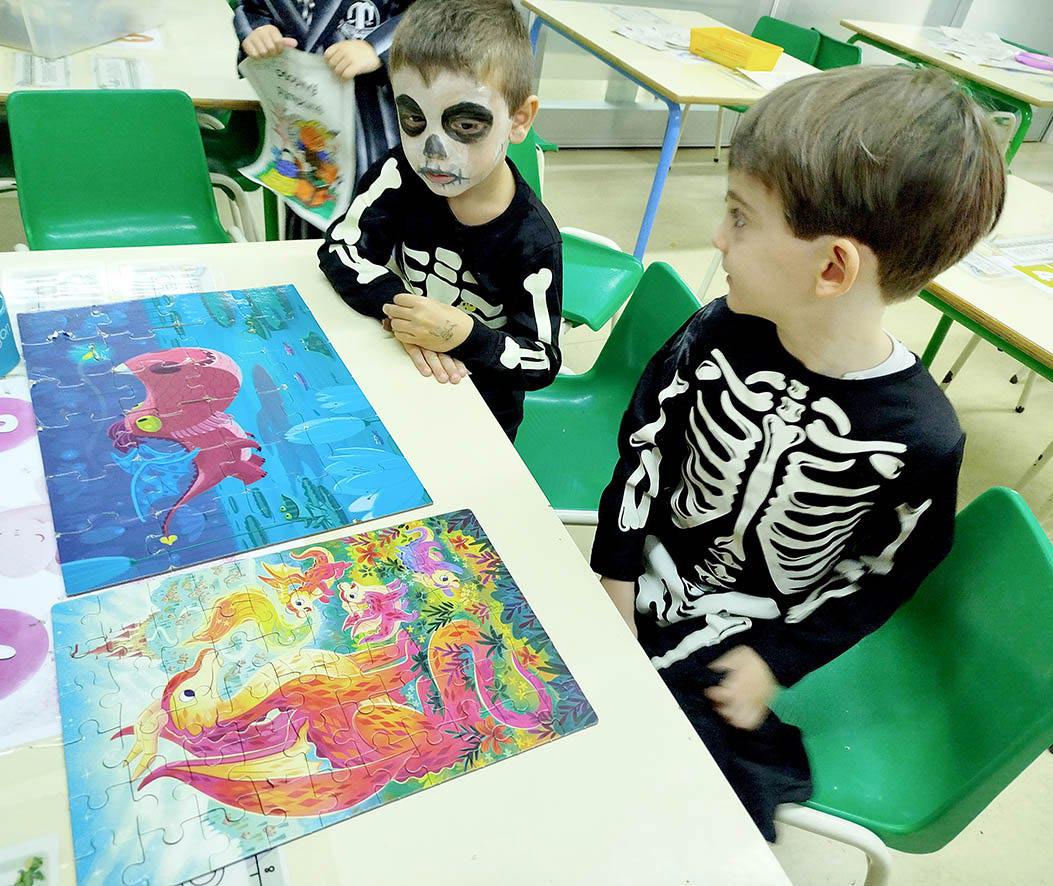
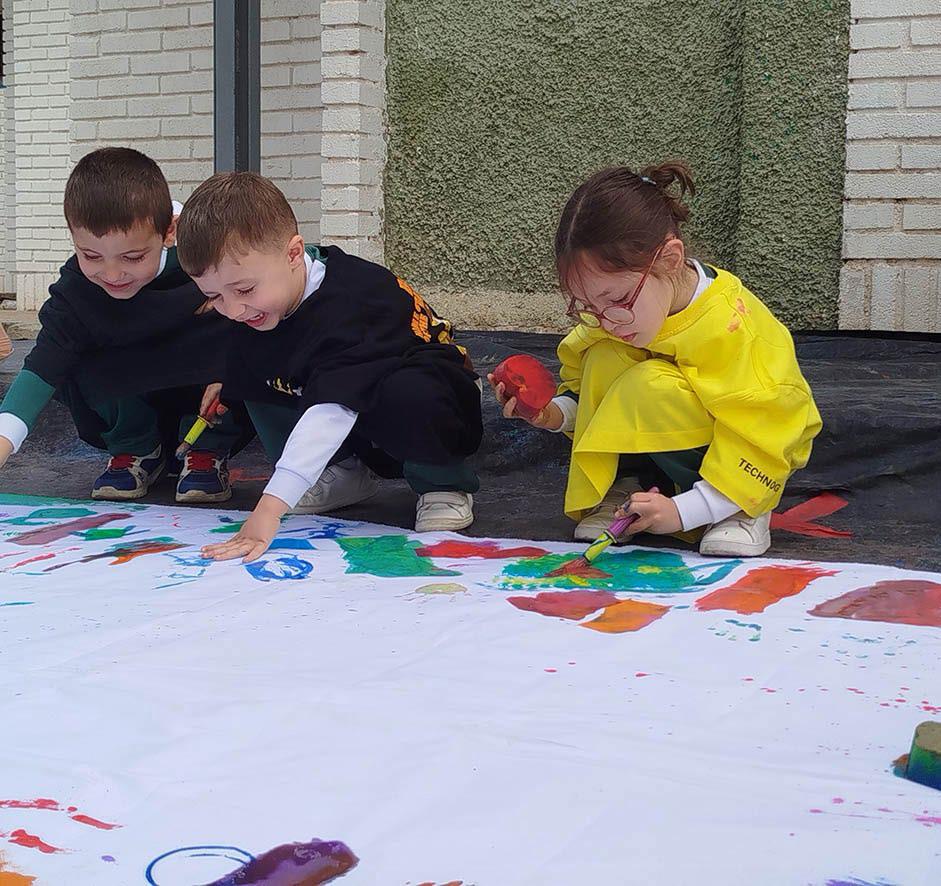
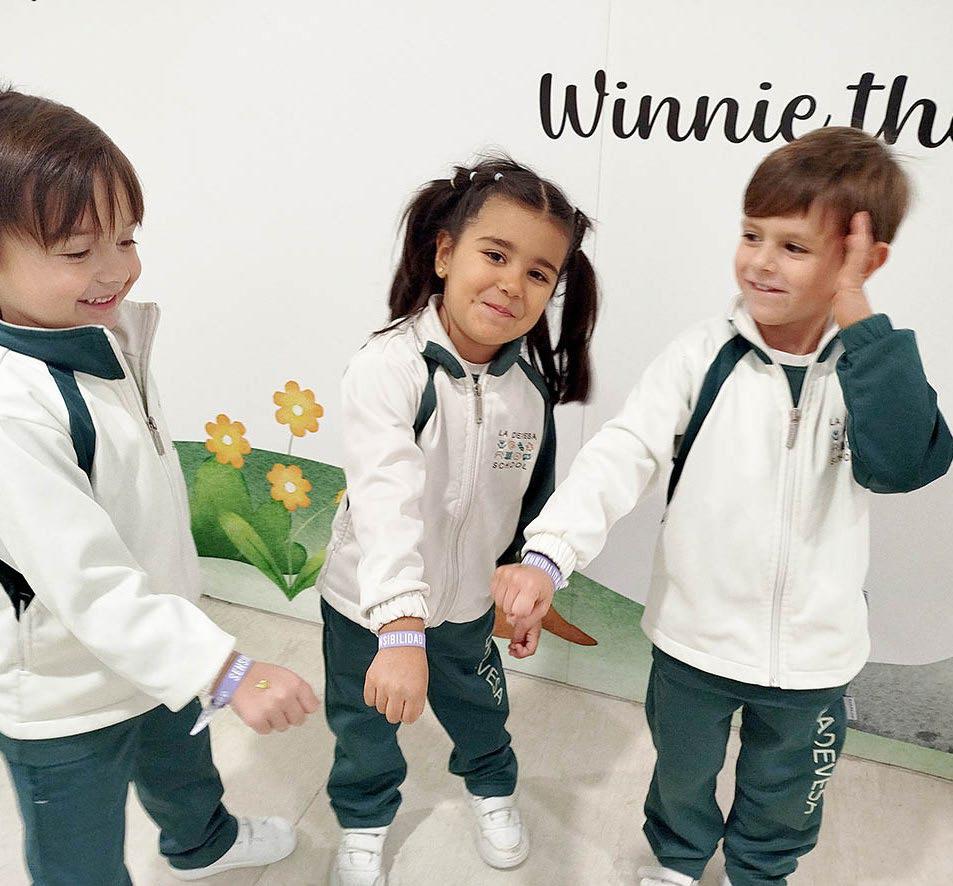
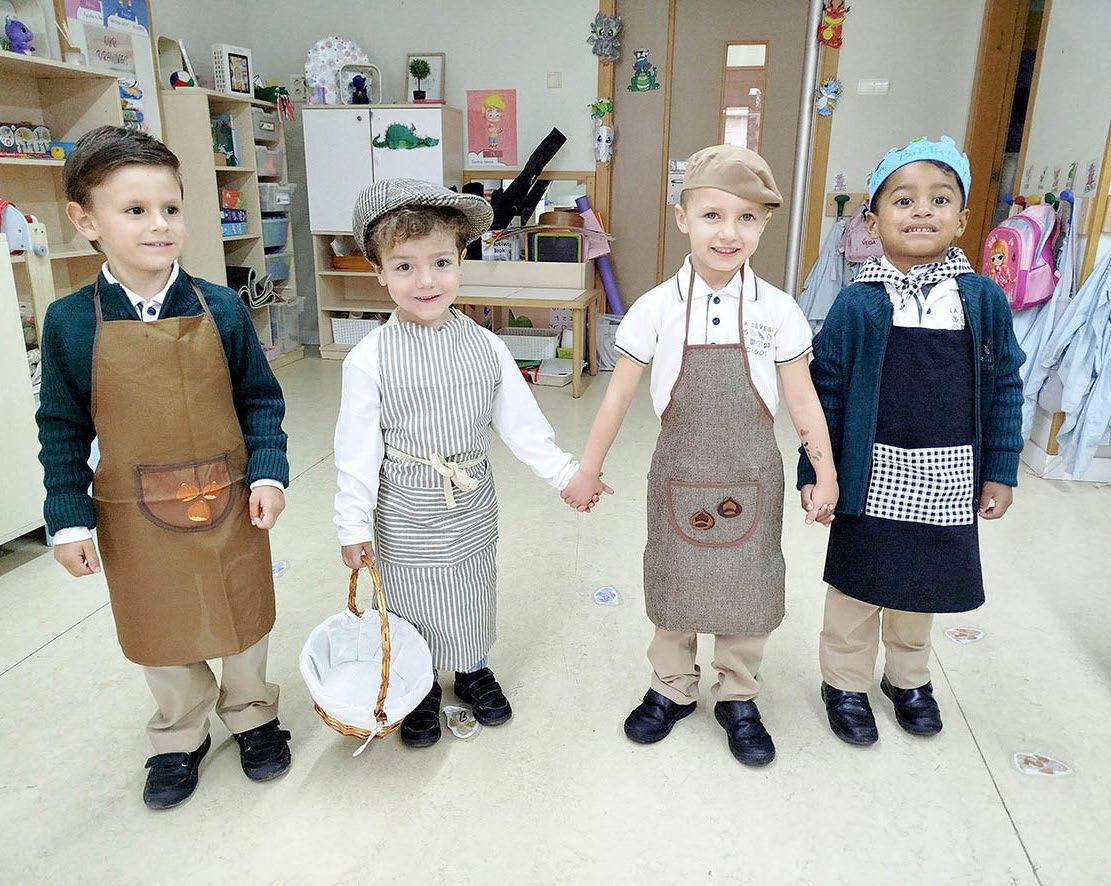
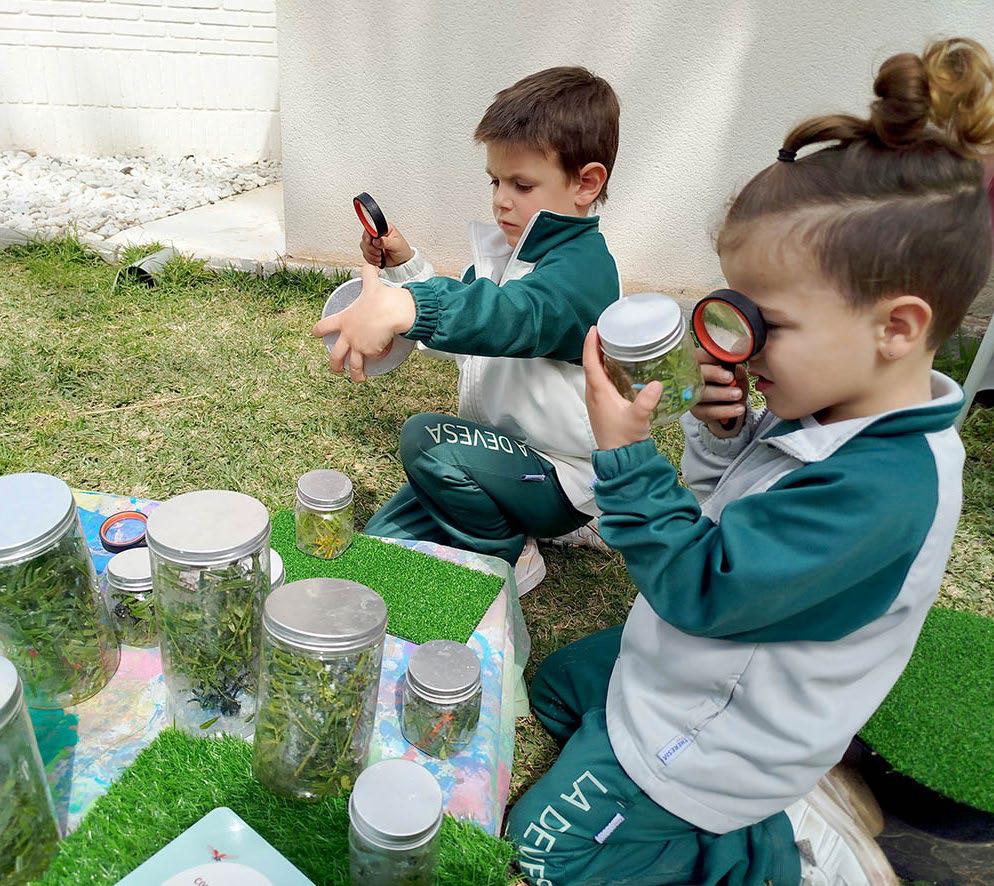
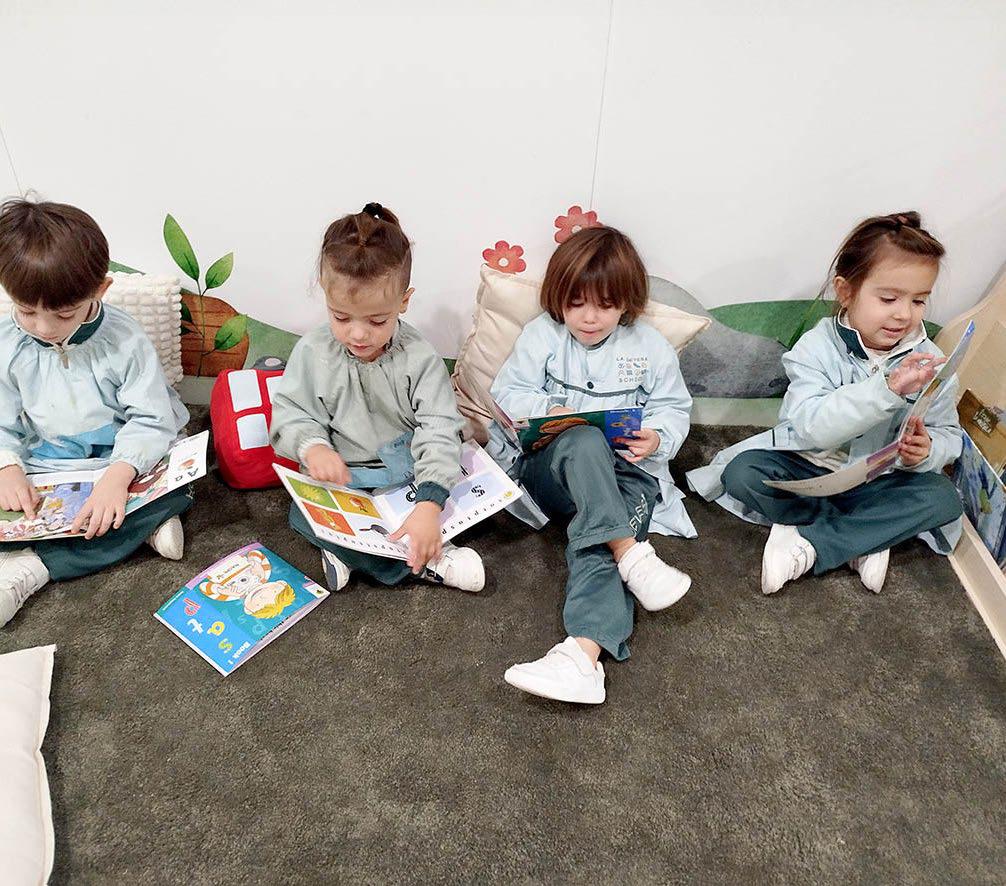
5 AÑOS A GENIES
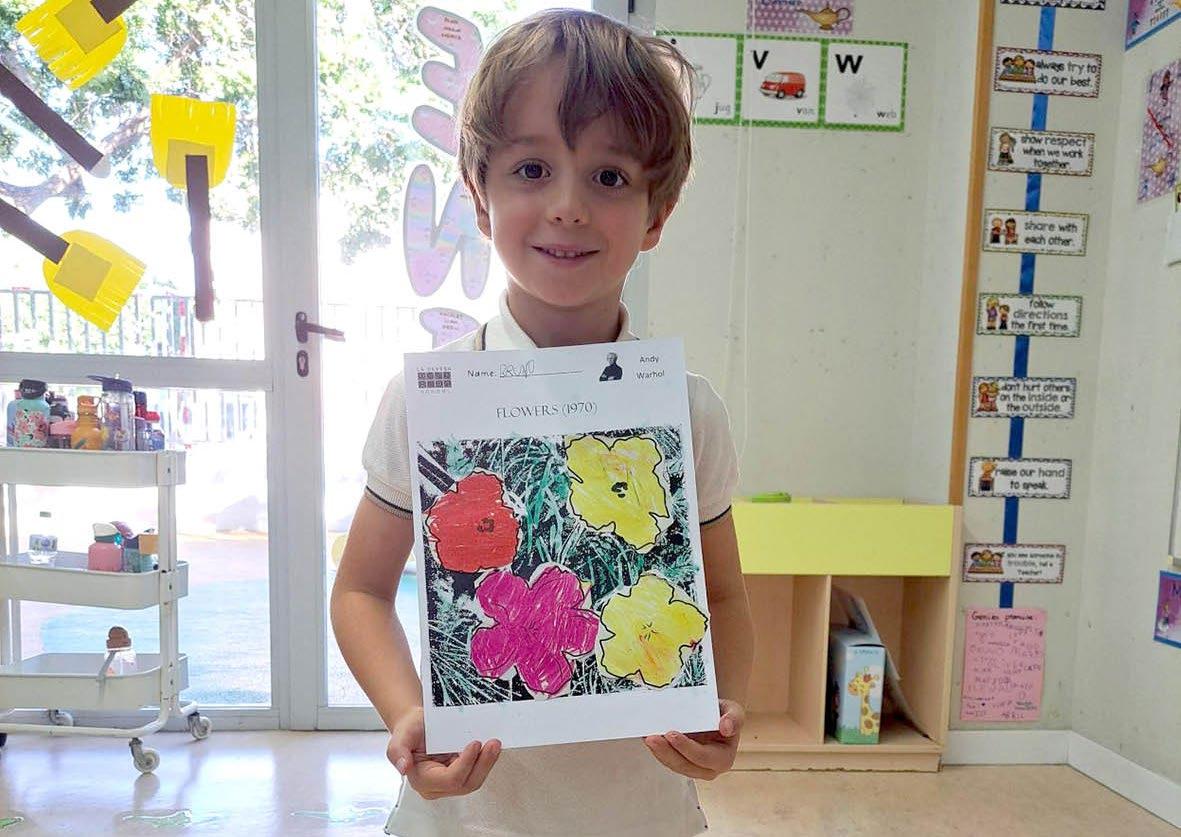
5 AÑOS B WIZARDS
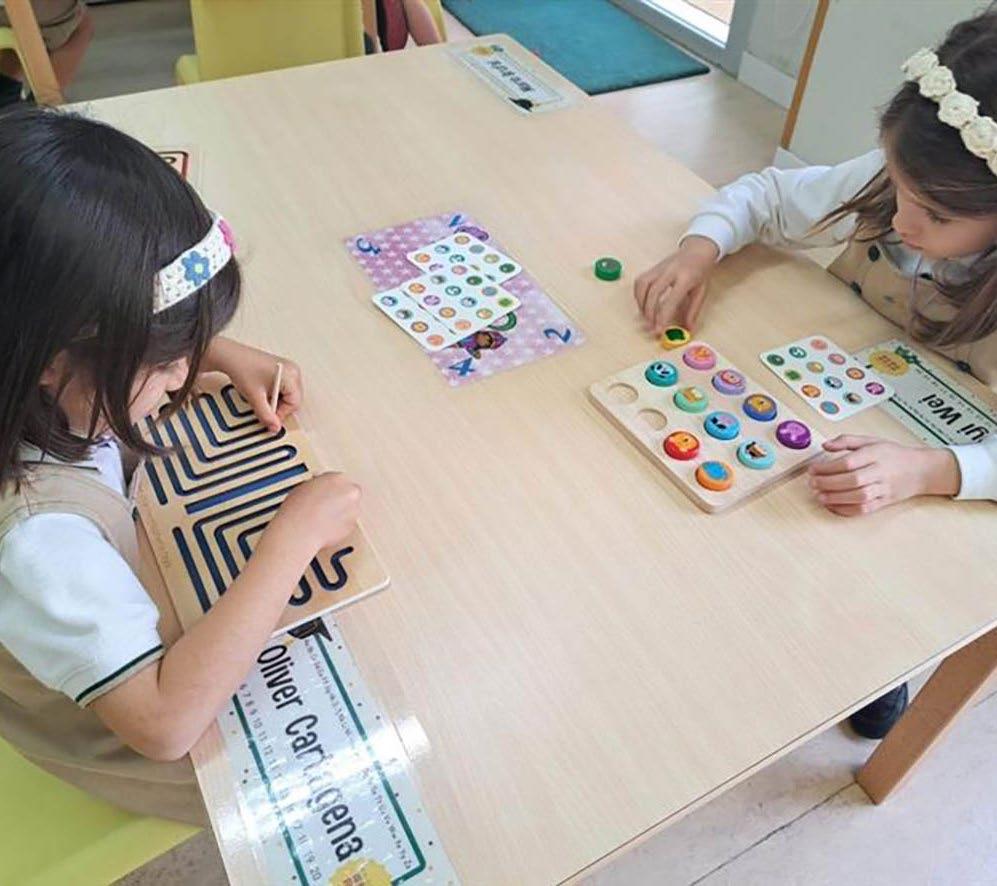
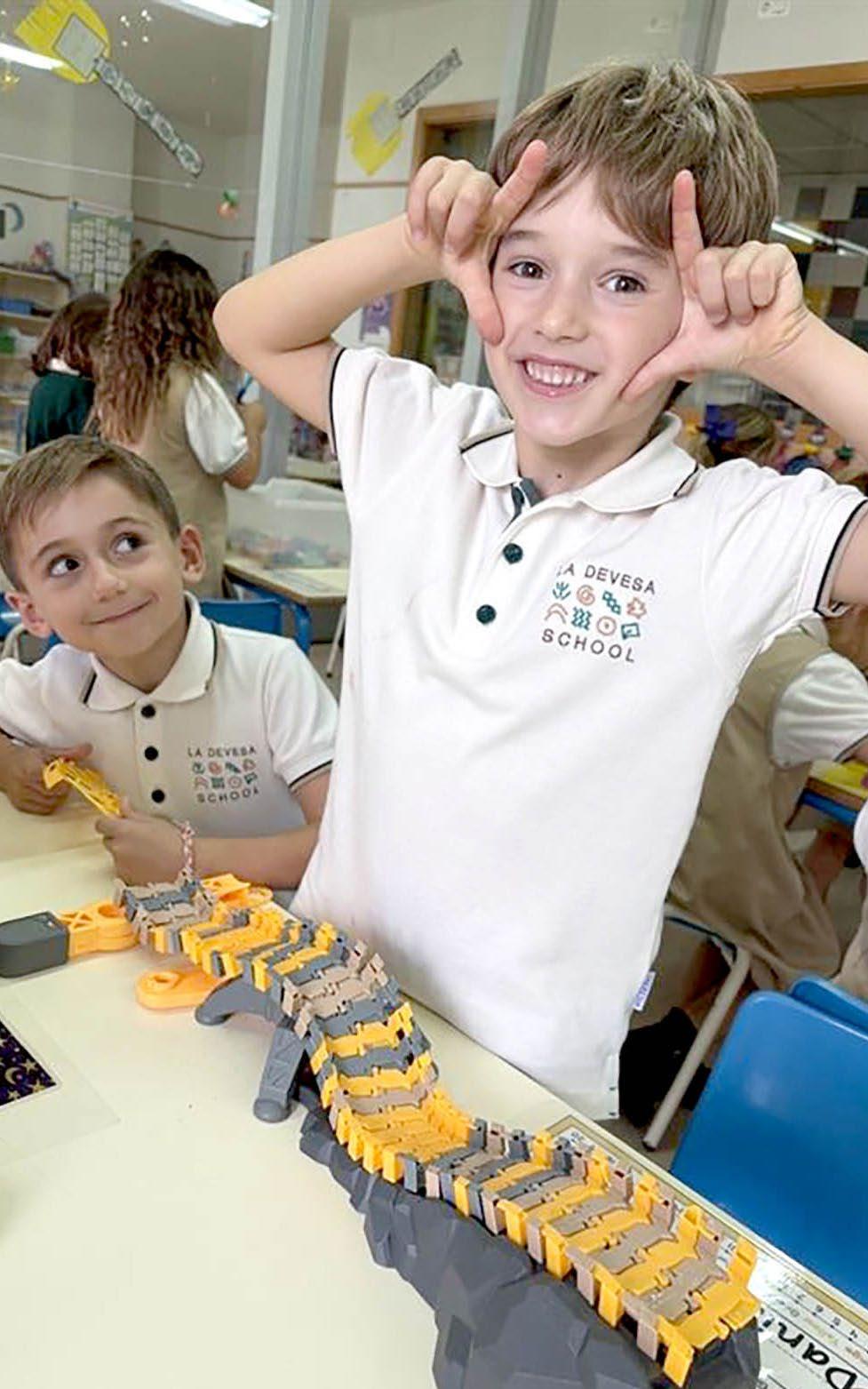
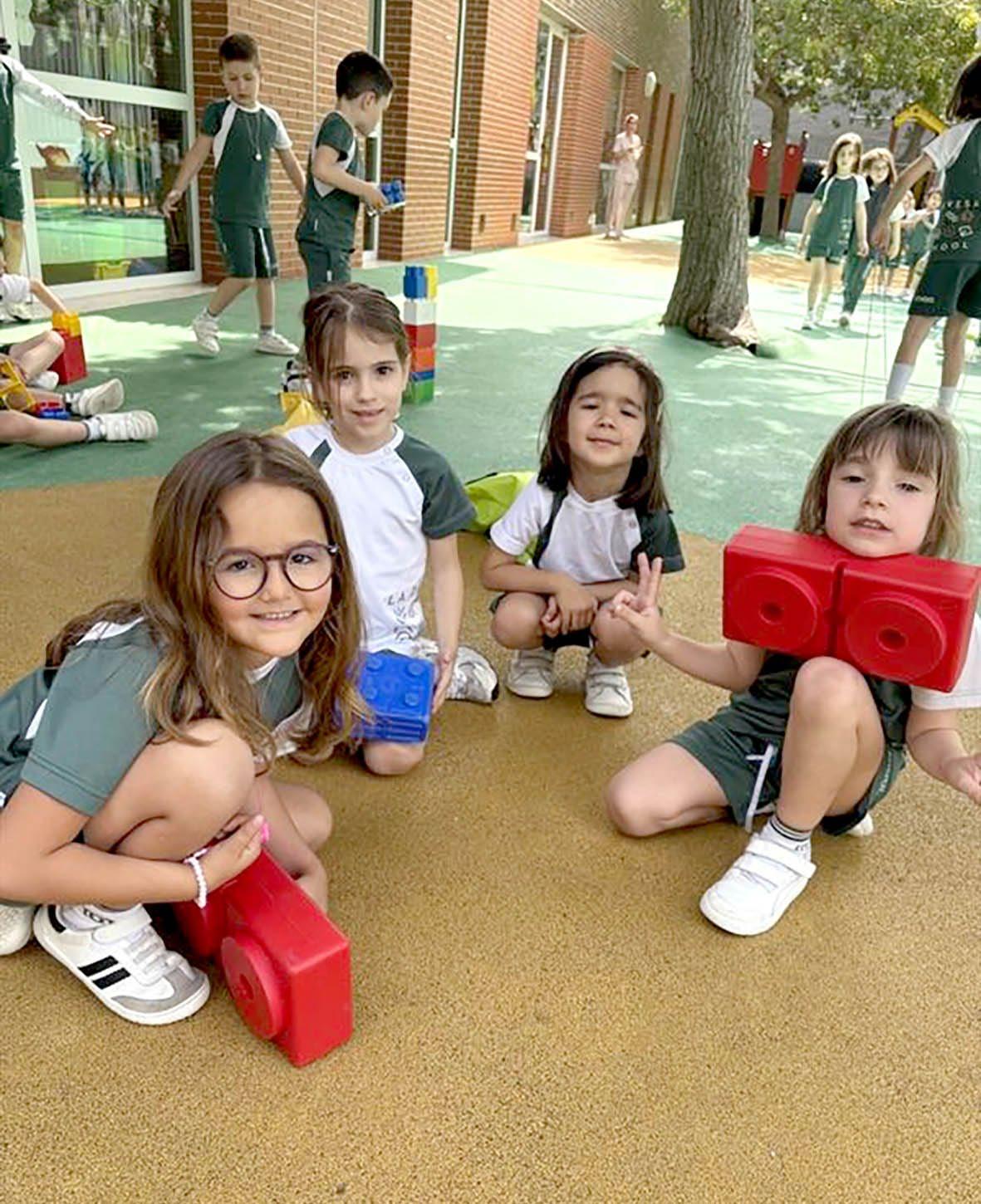
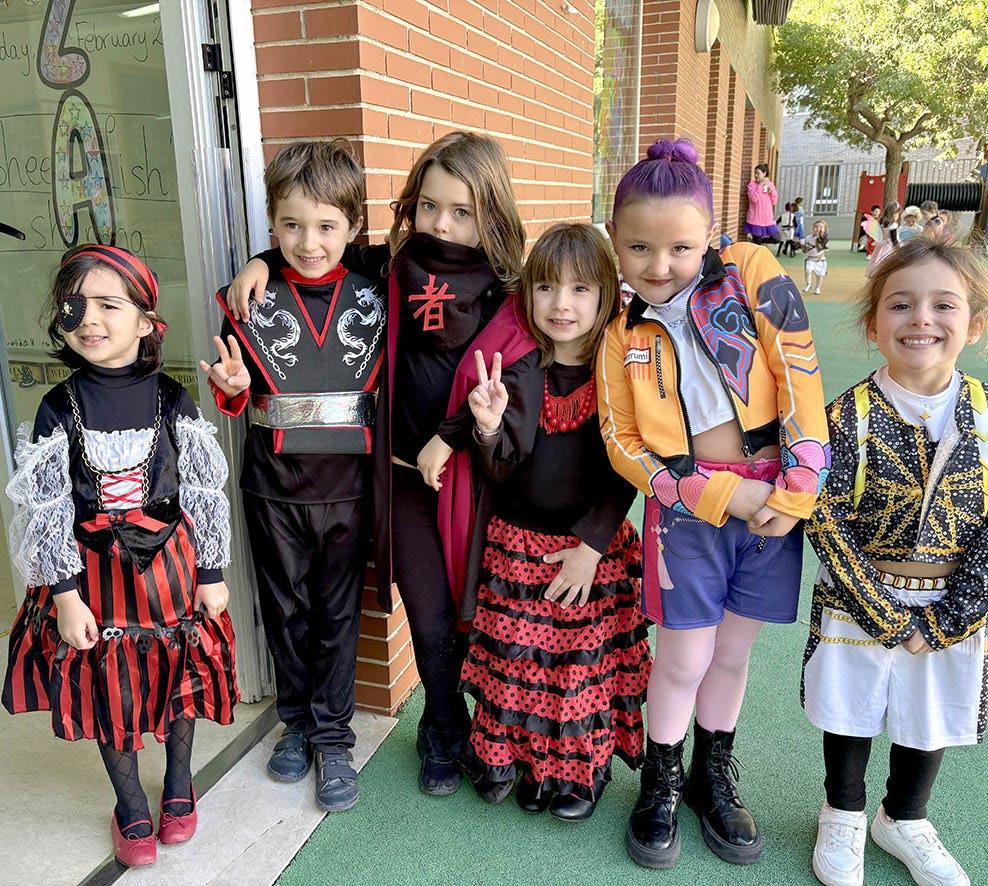
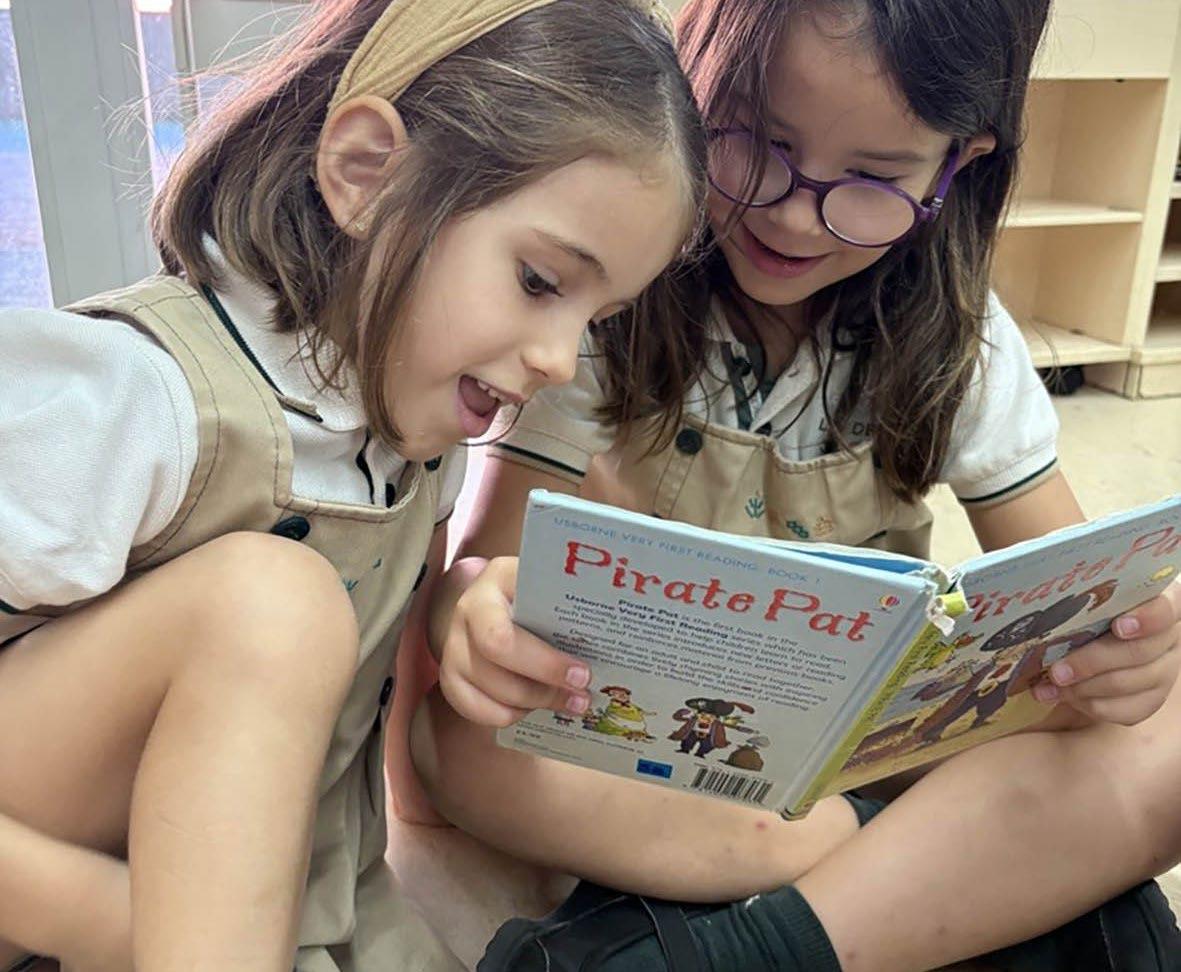
DEVESA PLANET NEWS Nº13 2026 << IR AL ÍNDICE
KIVA: UNA ESCUELA DONDE TODOS CUENTAN, HOY MÁS QUE NUNCA
Patricia De Francisco Gómez, Dirección Operativa de Etapa.
En la Devesa School Elche, la implantación del programa KiVa no es solo una innovación educativa, sino una respuesta firme y consciente a uno de los mayores retos actuales en los entornos escolares: el acoso. En una sociedad cada vez más compleja, donde las relaciones interpersonales también se trasladan al entorno digital, educar en la convivencia se ha convertido en una prioridad ineludible. En este contexto, KiVa se alinea directamente con el ODS 3: Salud y bienestar, el ODS 4: Educación de calidad y el ODS 16: Paz, justicia e instituciones sólidas KiVa —acrónimo de Kiusaamista Vastaan, “contra el acoso escolar”— es un programa desarrollado por la Universidad de Turku y respaldado por el Ministerio de Educación de Finlandia. Su eficacia ha sido ampliamente demostrada en estudios científicos a gran escala, logrando reducir significativamente los casos de acoso en los centros donde se aplica. No
se trata, por tanto, de una iniciativa puntual, sino de un modelo educativo basado en evidencia que ha transformado la convivencia escolar en numerosos países.
Un compromiso real de la Devesa School
La apuesta de la Devesa School Elche por KiVa responde a su visión de formar personas en valores, promoviendo un entorno “seguro, positivo y basado en el respeto y la escucha activa”. Tal y como se ha comunicado también en sus canales como Facebook, la implementación del programa implica a toda la comunidad educativa: alumnado, profesorado y familias participan activamente en talleres, formación y seguimiento.
Este enfoque integral es clave. KiVa no actúa solo cuando aparece un problema, sino que trabaja desde la prevención, integrándose en el día a día
del centro. En la Devesa School, el programa se desarrolla a través de sesiones semanales de tutoría adaptadas a cada etapa educativa, consolidando un aprendizaje continuo y progresivo.
El cambio de paradigma: el grupo como protagonista
Uno de los elementos más innovadores de KiVa es su forma de entender el acoso escolar. Tradicionalmente, las intervenciones se centraban en la víctima y el agresor. Sin embargo, KiVa introduce una idea clave: el acoso es un fenómeno de grupo.
Los estudios demuestran que el comportamiento de los espectadores es determinante. Cuando el grupo guarda silencio o incluso refuerza al agresor, el acoso se mantiene. Por ello, KiVa trabaja directamente con esos observadores, enseñándoles a posicionarse, a apoyar a la víctima y a romper el silencio.
Este enfoque tiene un impacto profundo: transforma la cultura del aula. El alumnado aprende que todos tienen responsabilidad en la convivencia y que sus acciones —o su inacción— tienen consecuencias. Así, se construye una comunidad donde el respeto no es una norma impuesta, sino un valor compartido.
Tres pilares para una convivencia real
El programa KiVa se estructura en torno a tres grandes ejes, que en la Devesa School se aplican de manera coherente:
• Prevención: actividades y dinámicas que desarrollan la empatía, el respeto y la inteligencia emocional.
• Intervención: protocolos claros y eficaces para actuar ante situaciones de acoso.
• Seguimiento: evaluación continua para garantizar que las medidas adoptadas funcionan
Además, el programa incluye formación específica para docentes, herramientas para el alumnado y orientación para las familias, creando una red de apoyo sólida y coordinada .
Educación emocional y bienestar: una necesidad del siglo XXI
En la actualidad, el bienestar emocional del alumnado es uno de los grandes desafíos educativos. Problemas como la ansiedad, la baja autoestima o el aislamiento están cada vez más presentes, y el acoso escolar puede agravarlos considerablemente.
KiVa responde a esta realidad trabajando competencias emocionales fundamentales: reconocer emociones, gestionar conflictos, comunicarse de forma asertiva y desarrollar empatía. Estas habilidades no solo previenen el acoso, sino que contribuyen al desarrollo integral del alumnado.
En este sentido, el programa refuerza el ODS 3, al promover la salud mental y el bienestar, y el ODS 4, al garantizar entornos de aprendizaje seguros e inclusivos.
Más allá del aula: formar ciudadanos comprometidos
El impacto de KiVa no se limita al entorno escolar. Al aprender a respetar, a intervenir ante la injusticia y a cuidar de los demás, el alumnado desarrolla competencias esenciales para la vida en sociedad.
Este enfoque conecta directamente con el ODS 16, que promueve sociedades pacíficas e inclusivas. La escuela se convierte así en un espacio donde se aprende a convivir, a dialogar y a construir soluciones colectivas.
Además, en un contexto donde el ciberacoso es una realidad creciente, KiVa también prepara al alumnado para actuar en entornos digitales, reforzando la responsabilidad y el respeto en cualquier espacio de interacción.
Una educación que deja huella
La implantación de KiVa en la Devesa School Elche refleja una convicción clara: educar no es solo transmitir conocimientos, sino formar personas capaces de convivir, respetar y transformar su entorno.
En un mundo donde el acoso sigue siendo una realidad preocupante, programas como KiVa demuestran que el cambio es posible. Pero ese cambio no depende solo de normas o sanciones, sino de la implicación de toda la comunidad educativa.
Porque cuando una escuela enseña que todos cuentan, no solo mejora la convivencia: construye el tipo de sociedad que queremos para el futuro.
KIVA: A SCHOOL WHERE EVERYONE MATTERS, NOW MORE THAN EVER
At La Devesa School Elche, implementing the KiVa programme is not just an educational innovation — it is a firm and considered response to one of the greatest challenges in schools today: bullying. In an increasingly complex society, where interpersonal relationships also extend into the digital world, educating for positive coexistence has become an unavoidable priority.
In this context, KiVa aligns directly with SDG 3: Good Health and Wellbeing, SDG 4: Quality Education and SDG 16: Peace, Justice and Strong Institutions.
KiVa — an acronym of the Finnish Kiusaamista Vastaan, meaning “against bullying” — is a programme developed by the University of Turku and backed by the Finnish Ministry of Education. Its effectiveness has been widely demonstrated in large-scale scientific studies, achieving significant reductions in bullying in every school where it has been applied. This is not a one-off initiative: it is an evidence-based educational model that has transformed school life in countries around the world.
DEVESA PLANET NEWS Nº13 2026 << IR AL ÍNDICE
A genuine commitment from La Devesa School
La Devesa School Elche’s decision to adopt KiVa reflects its vision of educating people in values and fostering an environment that is safe, positive and grounded in mutual respect and active listening. Implementing the programme involves the entire school community: students, teachers and families all take an active part in workshops, training and ongoing follow-up.
This whole-school approach is essential. KiVa does not only act when a problem arises — it works through prevention, woven into the daily life of the school. At La Devesa School, the programme runs through weekly tutor sessions adapted to each educational stage, building a continuous and progressive learning journey.
A shift in thinking: the group takes centre stage
One of KiVa’s most innovative features is the way it understands bullying. Traditionally, interventions focused on the victim and the aggressor. KiVa introduces a key insight: bullying is a group phenomenon.
“Research shows that bystander behaviour is decisive. When the group stays silent or even reinforces the aggressor, bullying persists. KiVa works directly with those bystanders, teaching them to take a position, to support the victim and to break the silence.”
This approach has a profound impact: it transforms classroom culture. Students learn that everyone shares responsibility for how the group lives together, and that their actions — or their inaction — have consequences. In this way, a community is built in which respect is not an imposed rule, but a shared value.
Three pillars for real coexistence
The KiVa programme is built around three core strands, all applied consistently at La Devesa School:
• Prevention: Activities and dynamics that develop empathy, respect and emotional intelligence.
• Intervention: Clear and effective protocols for responding to bullying situations.
• Follow-up: Continuous evaluation to ensure that the measures taken are working.
The programme also includes specialist training for teachers, practical tools for students and guidance for families — creating a strong, coordinated network of support.
Emotional education and wellbeing: a 21stcentury need
Student emotional wellbeing is one of the great educational challenges of our time. Issues such as anxiety, low self-esteem and social isolation are increasingly present, and bullying can make them significantly worse.
KiVa addresses this reality by developing fundamental emotional competencies: recognising emotions, managing conflict, communicating assertively and building empathy. These skills do not only prevent bullying — they contribute to the whole development of each student.
“In this sense, the programme reinforces SDG 3 by promoting mental health and wellbeing, and SDG 4 by guaranteeing safe and inclusive learning environments.”
Beyond the classroom: educating committed citizens
The impact of KiVa is not limited to school life. By learning to respect others, to act in the face of injustice and to look out for those around them, students develop essential competencies for life in society.
This approach connects directly with SDG 16, which promotes peaceful and inclusive societies. The school becomes a space where students learn to live together, to dialogue and to build collective solutions.
In a context where cyberbullying is a growing reality, KiVa also prepares students to act responsibly in digital environments — reinforcing respect and accountability across every space where they interact.
An education that leaves its mark
The implementation of KiVa at La Devesa School Elche reflects a clear conviction: education is not only about transmitting knowledge, but about shaping people who are capable of living alongside others, respecting them and transforming their environment for the better.
In a world where bullying remains a serious concern, programmes like KiVa show that change is possible. But that change does not depend solely on rules or sanctions — it depends on the commitment of the entire school community.
“Because when a school teaches that everyone matters, it does not only improve daily life: it builds the kind of society we want for the future.”
Gertru Guillén, Responsable de Orientación Educativa.
CADA ALUMNO/A ES UNA HISTORIA QUE MERECE SER LEÍDA
La orientación personalizada en la Devesa School responde al ODS 4: Educación de calidad y al ODS 8: Trabajo decente y crecimiento económico, al facilitar la toma de decisiones académicas y profesionales fundamentadas. En un sistema educativo que tiende a medir a todos con el mismo rasero, apostar por la personalización es un acto pedagógico y ético a la vez.
Cada alumno/a, un punto de partida único
Cada alumno/a llega al centro con un ritmo propio, unas capacidades específicas y unos intereses que no siempre encajan en los moldes tradicionales. La orientación no busca uniformar, sino todo lo contrario: identificar esos elementos singulares para acompañar a cada estudiante en su desarrollo integral, ayudándole a conocerse mejor y a tomar decisiones con mayor conciencia y seguridad.
Este acompañamiento cobra especial relevancia en los momentos de transición: el paso de Primaria a Secundaria, la elección de itinerario en Bachillerato o la decisión entre estudios universitarios y formación profesional. En estas encrucijadas, contar con una orientación cercana y bien informada puede marcar la diferencia entre una elección que ilusiona y una que genera frustración.
El trabajo del departamento de orientación
El departamento de orientación de Devesa School desarrolla una labor que va mucho más allá de la aplicación de pruebas estandarizadas. Su trabajo incluye evaluaciones psicopedagógicas rigurosas para detectar necesidades específicas de aprendizaje, entrevistas individuales y un seguimiento continuo que permite ajustar las intervenciones a la evolución real de cada alumno/a.
Pero más allá de los datos, la orientación eficaz se construye sobre algo que ningún programa puede sustituir: la escucha activa. Comprender al alumnado, sus miedos, sus aspiraciones y sus circunstancias personales es el punto de partida de cualquier acompañamiento verdaderamente útil.
La familia como aliada
La colaboración con las familias es un pilar irrenunciable de este modelo. Cuando el centro y el entorno familiar comparten información, criterios y objetivos, se crea un ecosistema de apoyo que multiplica el impacto de la orientación. Las familias dejan de ser receptoras pasivas de informes para convertirse en agentes activos del proceso educativo de sus hijos/as.
DEVESA PLANET NEWS Nº13 2026 << IR AL ÍNDICE
Esta alianza es especialmente valiosa cuando el alumnado atraviesa momentos de dificultad emocional, desmotivación o incertidumbre vocacional. La coordinación entre orientadoras, tutores y familias permite actuar con rapidez y coherencia, evitando que pequeñas dificultades se conviertan en problemas mayores.
Construir un proyecto de vida
El objetivo último de la orientación personalizada no es colocar a cada alumno/a en la casilla académica que le corresponde según sus notas. Es ayudarle a construir un proyecto de vida propio: uno que integre sus capacidades, sus valores y sus sueños, y que le permita desenvolverse con autonomía y confianza en un mundo en permanente cambio.
Este enfoque no solo mejora los resultados educativos a corto plazo, sino que contribuye a formar personas seguras, reflexivas y capaces de adaptarse a entornos laborales que hoy ni siquiera existen. Así conecta la orientación con el ODS 8: preparar a jóvenes que no solo encuentren trabajo, sino que sean capaces de crearlo, transformarlo y darle sentido.
En Devesa School, orientar es, antes que nada, creer en el potencial de cada alumno/a y comprometerse a acompañarlo hasta que ellos también lo crean.
EVERY STUDENT IS A STORY THAT DESERVES TO BE READ
Personalised guidance at Devesa School responds to SDG 4: Quality Education and SDG 8: Decent Work and Economic Growth, by supporting well-informed academic and professional decision-making. In an education system that tends to measure everyone by the same yardstick, choosing personalisation is both a pedagogical and an ethical act.
Every student: a unique starting point
Every student arrives at the school with their own pace, their own specific abilities and their own interests — ones that do not always fit neatly into traditional moulds. Guidance does not seek to standardise: quite the opposite. It seeks to identify what makes each student singular, and to walk alongside them in their development, helping them to know themselves better and to make decisions with greater awareness and confidence.
This support becomes especially important at moments of transition: moving from Primary to Secondary, choosing a pathway in Sixth Form, or deciding between university and vocational training.
At these crossroads, having access to close, wellinformed guidance can be the difference between a choice that excites and one that leads to frustration.
The work of the guidance department
The guidance department at Devesa School does far more than administer standardised tests. Its work includes rigorous psycho-pedagogical assessments to identify specific learning needs, individuales interviews and continuous follow-up that allows interventions to be adjusted to the real progress of each student.
“But beyond the data, effective guidance is built on something no programme can replace: active listening. Understanding students — their fears, their aspirations and their personal circumstances — is the starting point for any support that is genuinely useful.”
The family as an ally
Collaboration with families is a non-negotiable pillar of this model. When the school and the family share information, criteria and goals, they create a support ecosystem that multiplies the impact of guidance. Families move from being passive recipients of reports to becoming active agents in their children’s educational journey.
This partnership is especially valuable when students go through periods of emotional difficulty, loss of motivation or uncertainty about their future direction. Coordination between guidance counsellors, tutors and families allows the school to act quickly and coherently, preventing small difficulties from becoming larger problems.
Building a life project
The ultimate goal of personalised guidance is not to slot each student into the academic category their grades suggest they belong to. It is to help them build a life project of their own — one that integrates their abilities, their values and their ambitions, and that gives them the autonomy and confidence to navigate a world in constant change.
This approach not only improves educational outcomes in the short term: it contributes to shaping secure, reflective people who are capable of adapting to working environments that do not yet even exist. This is how guidance connects with SDG 8 — preparing young people who will not only find work, but who will be capable of creating it, transforming it and giving it meaning.
“At Devesa School, guiding a student means, above all, believing in their potential — and committing to walk with them until they believe in it too.”
PROYECTO EQUIPO DE MEDIACIÓN: “SI TÚ QUIERES, MEDIAMOS”
Gertru Guillén, Responsable de Orientación Educativa.
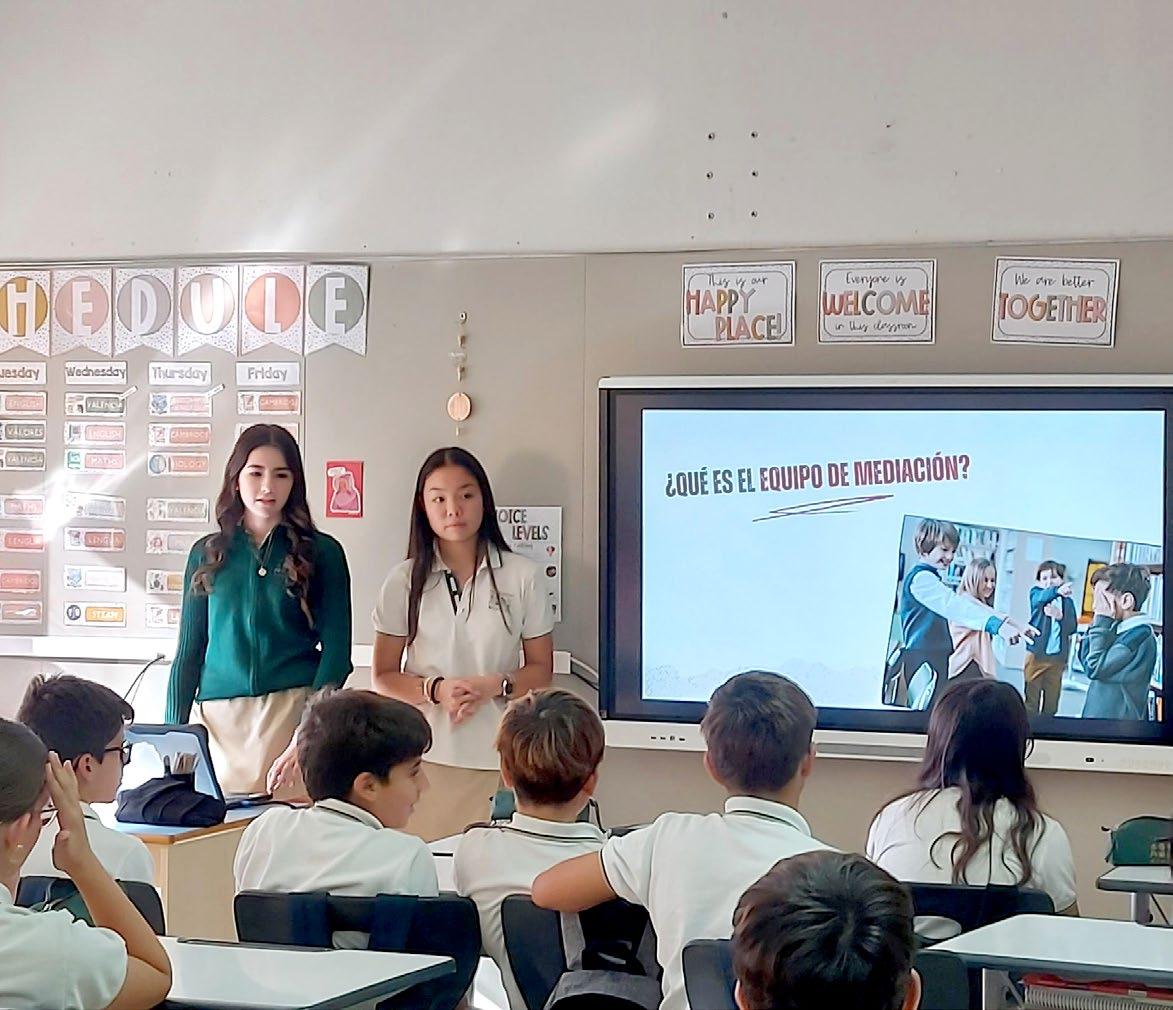
Los centros escolares tienen una importancia decisiva en el desarrollo personal y académico del alumnado. Las situaciones conflictivas acompañan el día a día de los centros y es imprescindible fomentar programas para el desarrollo de estrategias adecuadas para la resolución de conflictos.
En este proyecto vamos a incluir la mediación como una de las medidas dentro del Plan de Convivencia Escolar para prevenir, mediar y resolver los conflictos que pudieran plantearse en el centro entre los distintos miembros que forman la comunidad educativa. La existencia de este Programa/Servicio de mediación es una instancia de prevención por sí misma, ya que admite la presencia de fenómenos conflictivos y abre una vía pedagógica para afrontarlos positivamente.
La metodología en valores del centro hace más fácil la creación e implementación de la mediación, ya que es una institución donde la importancia del desarrollo de estrategias personales de los alumnos es imprescindible para el correcto funcionamiento; a su vez, fomentan el diálogo, el respeto, la cooperación o la solidaridad, siendo valores fundamentales que reflejan la identidad y el día a día de la Devesa
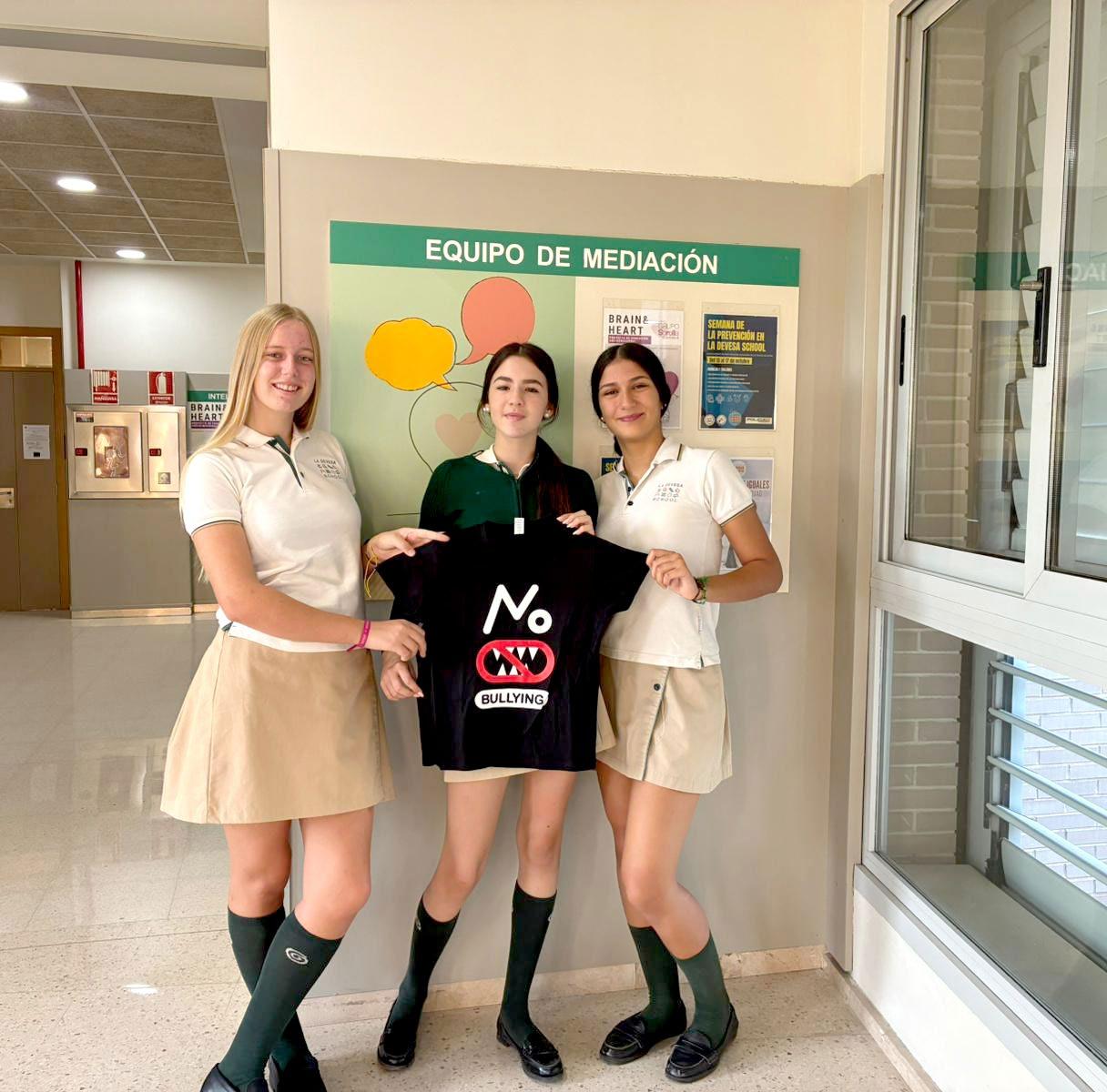
School.
El proyecto pretende, por lo tanto, crear y formar un grupo de mediadores, compuesto por diferentes alumnos voluntarios de primaria/secundaria/bachiller, que sean capaces de escuchar y acompañar a otros compañeros en sus necesidades, ayudándoles a llegar a soluciones equitativas y realistas para sus conflictos. Con todo ello se pretende introducir una filosofía de gestión de convivencia basada en las capacidades de negociación y respeto mutuo, fomentando la empatía y la mejora de las relaciones interpersonales.
MEDIATION TEAM PROJECT:
“IF YOU WANT, WE CAN MEDIATE”
Schools play a decisive role in the personal and academic development of their students. Conflict is a natural part of daily school life, and it is essential to promote programmes that develop effective
DEVESA PLANET NEWS Nº13 2026 << IR AL ÍNDICE
strategies for resolving it. This project introduces mediation as one of the key measures within the School Coexistence Plan — to prevent, mediate and resolve conflicts that may arise between any members of the school community.
The very existence of this Mediation Programme is itself a form of prevention: it acknowledges that conflict is a real and human phenomenon, and opens a pedagogical pathway for addressing it constructively.
The school’s values-based approach makes the creation and implementation of mediation a natural fit. Devesa School is a community where the development of students’ personal strategies is central to how it functions — and where dialogue, respect, cooperation and solidarity are not just aspirations, but the fabric of daily life.
“Mediation is not a response to failure. It is an expression of who we are: a community that believes conflict can be a starting point for growth, not just a problem to be managed.”
The project aims to create and train a group of
mediators — volunteer students from Primary, Secondary and Sixth Form — who are capable of listening to and supporting their peers, helping them reach fair and realistic solutions to their conflicts.
Through this programme, the school introduces a philosophy of coexistence management grounded in negotiation skills and mutual respect. The focus is on building empathy, strengthening interpersonal relationships and giving students the tools to resolve their own disagreements with confidence and maturity.
Mediation is not imposed from above. It is offered: “If you want, we can mediate.” That invitation alone carries a powerful message — that students are trusted to take responsibility for their own relationships, and that the school believes in their capacity to do so.
“At Devesa School, we do not simply manage conflict. We use it as an opportunity to practise the values that define us: respect, empathy and the conviction that listening is always the first step.”
COVITALIDAD: LA FUERZA QUE NOS PREPARA PARA EL SALTO A SECUNDARIA
Gertru Guillén, Responsable de Orientación Educativa.
Un proyecto pionero de la Universidad Miguel Hernández llega a La Devesa School para acompañar a los alumnos de 5.º y 6.º de Primaria y 1.º de ESO.
“Educamos para la vida, y la vida pide mucho más que conocimientos: pide fortalezas.”
Cambiar de etapa nunca es sencillo. Nuevos profesores, más asignaturas, aulas distintas, compañeros que no conoces… El paso de Primaria a Secundaria es uno de los momentos más intensos en la vida de un estudiante. Para que ese salto sea un trampolín y no un tropiezo, La Devesa School ha puesto en marcha el Proyecto de Covitalidad, desarrollado en colaboración con la Universidad Miguel Hernández.
En La Devesa School creemos que acompañar al alumno en su crecimiento integral es parte esencial de nuestra misión educativa. Por eso, cuando conocimos este programa, no dudamos en ser uno
de los primeros centros en implementarlo.
“La madurez emocional no siempre viene de serie. Hay que trabajarla — y ese trabajo empieza en el aula.”
¿Qué es exactamente la covitalidad?
No se trata de ser siempre optimista, ni de aguantar cualquier dificultad con una sonrisa. La covitalidad va mucho más allá: es la suma de las fortalezas personales puestas a trabajar en equipo. Autoconocerse, creer en los demás, comprometerse con la vida y gestionar las propias emociones son los cuatro pilares sobre los que se construye este modelo.
LOS 4 PILARES
• Pilar 01 Creer en uno mismo Autoconciencia · Autoeficacia · Persistencia ,
• Pilar 02 Creer en los demás Apoyo familiar · Apoyo de iguales · Apoyo escolar
• Pilar 03 Compromiso con la vida Gratitud · Optimismo · Entusiasmo ,
• Pilar 04 Competencia emocional Empatía · Autocontrol · Autorregulación
¿Por qué en La Devesa School?
El equipo investigador de la UMH identificó cuatro grandes retos que afrontan los estudiantes al cambiar de etapa: mayor exigencia académica, nuevas relaciones sociales, mayor autonomía y la necesidad de gestionar las emociones con más madurez. La Devesa School, convencida de que la educación integral va mucho más allá de los contenidos curriculares, apostó por ser uno de los centros pioneros en implementar este programa.
¿Cómo funciona en el día a día?
El proyecto incluye una formación mensual para el profesorado, diseñada para que pueda aplicarse directamente en el aula sin interrumpir la dinámica habitual de las clases. Los docentes reciben herramientas concretas para trabajar las fortalezas personales de sus alumnos de manera transversal, integradas en las actividades cotidianas.
¿Qué conseguimos? Mayor bienestar emocional del alumnado · Mejor clima de aula · Grupos más unidos · Estudiantes preparados para afrontar los retos de la adolescencia.
Para las familias, el mensaje es claro: este proyecto no añade carga, sino que refuerza la red de apoyo que los niños y niñas ya tienen. Y para los alumnos, supone descubrir que sus fortalezas — las que ya tienen dentro — son la mejor herramienta para crecer.
COVITALITY: BUILDING THE STRENGTHS TO THRIVE IN SECONDARY SCHOOL
A pioneering programme from Miguel Hernández University arrives at La Devesa School to support students in Years 5, 6 and 7 through one of the most important transitions of their lives.
“We educate for life — and life demands far more than knowledge. It demands strength of character.”
Moving up to secondary school is never straightforward. New teachers, harder subjects, unfamiliar classrooms, friends who might take different paths — it is one of the most intense moments in any student’s life. To make that leap a springboard rather than a stumble, La Devesa School has launched
the Covitality Project, developed in partnership with Universitas Miguel Hernández.
At La Devesa School, we believe that accompanying every student in their holistic growth is an essential part of our educational mission. When we learned about this programme, we had no hesitation in becoming one of the first schools to put it into practice.
“Emotional maturity doesn’t come pre-installed. It has to be cultivated — and that work begins in the classroom.”
So what exactly is covitality?
It is not about being endlessly cheerful or simply bouncing back from setbacks. Covitality goes much further: it is the sum of personal strengths working together as a team. Knowing yourself, believing in others, committing to life, and managing your own emotions — these are the four pillars on which the whole model is built.
THE 4 PILLARS
• Pillar 01 Believing in yourself Self-awareness · Self-efficacy · Persistence ,
• Pillar 02 Believing in others Family support · Peer support · School support
• Pillar 03 Commitment to life Gratitude · Optimism · Enthusiasm ,
• Pillar 04 Emotional competence Empathy · Selfcontrol · Self-regulation
Why La Devesa School?
Researchers at UMH identified four key challenges students face when changing educational stage: higher academic demands, new social relationships, greater independence, and the need to manage emotions with growing maturity. La Devesa School, firmly committed to holistic education that goes far beyond the curriculum, chose to be among the first schools to implement this programme.
What does it look like in practice?
The project includes monthly professional development sessions for teachers, designed to be applied directly in the classroom without disrupting normal routines. Staff receive practical tools to weave the development of personal strengths into everyday activities across all subject areas.
What do we gain? Greater emotional wellbeing for pupils · A more positive classroom atmosphere · Closer, more cohesive groups · Students ready to face the challenges of adolescence with confidence.
For families, the message is clear: this project does not add pressure — it strengthens the support network that children already have around them. And for the students themselves, it means discovering that the strengths already inside them are the most powerful tool they will ever need.
DEVESA PLANET NEWS Nº13 2026 << IR AL ÍNDICE
ALL TOGETHER: UNA RED QUE SOSTIENE A CADA ALUMNO/A
Marta Antón, Orientadora Educativa-Etapa de Infantil.
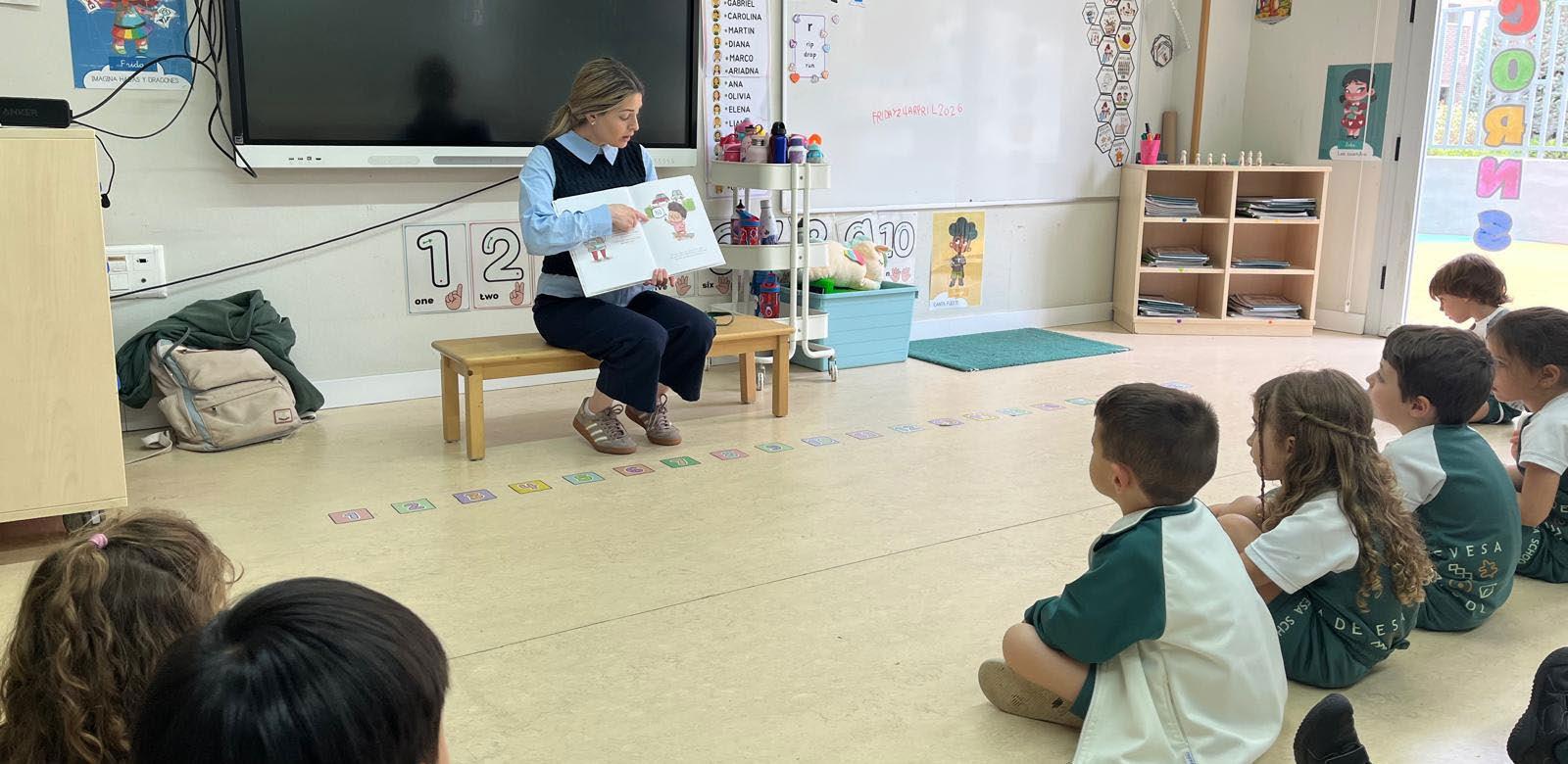
Diez proyectos, una misma convicción: ningún alumno/a debe sentir que está solo.
En La Devesa School, la orientación educativa no es un servicio al que se acude cuando algo va mal. Es una red que acompaña al alumnado desde el primer día: en los momentos de duda, en los de transición, en los de descubrimiento. El proyecto All Together reúne todas las iniciativas que tejemos juntos — orientadoras, tutores, familias y alumnado— para que cada estudiante tenga el apoyo que necesita, cuando lo necesita.
Estos son los diez proyectos que lo forman:
1. Escuela para familias online
Un espacio de formación para familias en el que ponentes de prestigio —Juan Guerrero, Carmen Cortés, Javier Urra,, entre otros— abordan temas de vuestro interés: crianza, comunicación, emociones, adolescencia. Organizado en coordinación con los centros del Grupo Sorolla Educación. La inscripción se realiza a través de nuestro Facebook, desde donde también os hacemos llegar el enlace de acceso.
2. Tutoría entre iguales
Cuando un alumno nuevo llega al centro, dos compañeros de su misma clase son seleccionados para acompañarle en sus primeros días: las instalaciones, la dinámica del aula, el recreo, la integración social. Un método de aprendizaje cooperativo que es tan valioso para quien recibe el apoyo como para quien lo da.
3. Proyecto Valores
Somos un colegio de valores —tolerancia, respeto, empatía, solidaridad, compromiso, pensamiento positivo— y este proyecto los hace tangibles. Cada valor tiene su Día Monográfico, una jornada en la que las familias entran al cole y participan junto al alumnado en actividades diseñadas para vivirlos, no solo aprenderlos.
4. Proyecto de Educación Emocional
La emoción es la puerta del aprendizaje. Este proyecto trabaja la inteligencia emocional en el día
a día: en el pasillo, en la entrada, en el aula. Desde algo tan básico como el tono de voz o una sonrisa, hasta la resiliencia, el duelo, los miedos o la cohesión de grupo. Sin emoción no hay aprendizaje, y sin aprendizaje emocional no hay persona preparada para el mundo.
5. Equipo de Mediación: “Si tú quieres, mediamos”
Alumnos voluntarios de Secundaria y Bachillerato, formados por la psicóloga de etapa, que ayudan a sus compañeros a resolver conflictos. Un recurso cercano, entre iguales, integrado en el Plan de Convivencia. La mediación no se impone: se ofrece.
6. Voluntariado Académico
Un grupo de alumnos de Secundaria que apoya a quienes lo necesitan en lo académico: refuerzo de contenidos, inmersión en el idioma —castellano o inglés—, uso de tecnología, organización del estudio. La ayuda llega de quien más se parece a ti.
7. Proyecto Biblioteca
Una biblioteca pensada también para las familias. Cuentos, libros de terapia y manuales para madres y padres que buscan recursos para su día a día. Leer en familia estrecha lazos, abre conversaciones y enriquece a todos. Un pequeño gesto con mucho fondo.
8. Orientación Académica y Profesional
Desde 3º de ESO, el alumnado comienza a explorar su futuro profesional: sesiones de investigación vocacional, charlas con profesionales de distintos sectores, talleres universitarios. Un proceso que acompaña al alumnado hasta Bachillerato para que su elección sea informada, reflexiva y suya.
9. Devesa Work Experience
Prácticas reales en empresas del entorno. Los alumnos viven durante unos días el día a día de la profesión que les atrae. Así confirman —o descartan— sus preferencias vocacionales antes de tomar decisiones académicas que marcarán su futuro.
10. Tutor Personal en Bachillerato
Además del tutor de aula y de la orientadora de etapa, cada alumno de Bachillerato elige a una persona de confianza —por afinidad o por su perfil profesional— que le acompaña durante esta etapa especialmente exigente. Tres personas para un mismo objetivo: que ningún alumno/a de Bachillerato afronte la selectividad sintiéndose solo/a.
All Together no es solo un nombre. Es una filosofía. En La Devesa School creemos que el acompañamiento es la base de todo aprendizaje, y que una red de apoyo bien tejida puede cambiar la experiencia escolar de cualquier alumno.
ALL TOGETHER: A NETWORK THAT SUPPORTS EVERY STUDENT
Ten projects, one shared conviction: no student should ever feel alone.
At La Devesa School, educational guidance is not a service you turn to when something goes wrong. It is a network that walks alongside every student from the very first day — through moments of doubt, transition and discovery. The All Together project brings together every initiative we build together — guidance counsellors, tutors, families and students — so that each student has the support they need, when they need it.
These are the ten projects that make it up:
1. Online Family School
A training space for families where renowned guest speakers — including Juan Guerrero, Carmen Cortés, Javier Urra, etc. — address topics of interest: parenting, communication, emotions and adolescence. Organised in coordination with other schools in the Grupo Sorolla Educación network. Registration is via our Facebook page, from which the access link is also shared.
2. Peer Tutoring
When a new student joins the school, two classmates are chosen to accompany them through their first days: the school layout, classroom routines, break time and social integration. A cooperative learning method that is just as valuable for the student giving support as for the one receiving it.
3. Values Project
We are a school built on values — tolerance, respect, empathy, solidarity, commitment, positive thinking — and this project makes them tangible. Each value has its own dedicated day: a session in which families come into school and take part alongside students in activities designed to live those values, not just learn about them.
4. Emotional Education Project
Emotion is the gateway to learning. This project works on emotional intelligence every day: in the corridor, at the door, in the classroom. From something as simple as tone of voice or a smile, to resilience, grief, fear and group cohesion. Without emotion there is no learning — and without emotional learning, there is no person truly ready for the world.
5. Mediation Team: “If you want, we can mediate”
Volunteer students from Secondary and Sixth Form, trained by the school psychologist, who help their peers resolve conflicts. A close, peer-to-peer resource embedded in the School Coexistence Plan. Mediation is not imposed. It is offered.
DEVESA PLANET NEWS Nº13 2026 << IR AL ÍNDICE
6. Academic Volunteering
A group of Secondary students who support those who need it with their studies: subject reinforcement, language immersion in Spanish or English, use of technology and organisation of homework. Help delivered by someone who knows exactly what it feels like to be in your shoes.
7. Library Project
A library designed with families in mind too. Stories, therapy books and practical guides for parents looking for resources to support their daily lives. Reading together as a family builds bonds, opens conversations and enriches everyone. A small gesture with a great deal of depth.
8. Academic and Professional Guidance
From Year 9 (3rd ESO), students begin exploring their professional future: vocational research sessions, talks by professionals from different fields and university workshops. A process that continues through to Sixth Form, ensuring that every student’s choices are informed, thoughtful and genuinely their own
9. Devesa Work Experience
Real work placements in local businesses. Students spend several days living the day-to-day reality of the profession they are drawn to. In this way they confirm — or reconsider — their vocational preferences before making the academic decisions that will shape their future.
10. Personal Tutor in Sixth Form
In addition to their class tutor and their Sixth Form guidance counsellor, every Sixth Form student chooses a trusted person — by affinity or professional background — to accompany them through this particularly demanding stage. Three people, one shared goal: ensuring that no Sixth Form student faces their university entrance exams feeling alone.
“All Together is not just a name. It is a philosophy. At La Devesa School we believe that support is the foundation of all learning — and that a wellbuilt network of care can transform any student’s experience of school.”
MENORES Y TECNOLOGÍA DIGITAL: EDUCAR PARA VIVIR EN EL MUNDO REAL (Y EN EL DIGITAL)
Kepa García, Coordinación de Aplicaciones Tecnológicas en el Aula.
Los menores crecen hoy en un mundo atravesado por pantallas, notificaciones y algoritmos. No es una elección: es el ecosistema en el que viven. Ante esta realidad, familias, docentes, expertos y responsables políticos nos preguntamos qué papel debe jugar la tecnología en la educación. El debate suele plantearse en términos de prohibición o permisividad, como si el problema estuviera en la presencia de los dispositivos y no en algo mucho más profundo: cómo enseñamos a convivir con ellos en una sociedad que ya es, irremediablemente, digital. Porque es innegable que existen riesgos asociados
al uso de la tecnología digital. Algoritmos diseñados para captar y retener la atención, la preferencia constante por la inmediatez frente a la reflexión, el cyberbullying, la desinformación, las conductas adictivas o la superficialidad en el análisis de la información forman parte de nuestra realidad. Estos problemas no surgen en la escuela, sino en un contexto social mucho más amplio que afecta tanto a menores como a adultos.
Reducir este fenómeno a una cuestión exclusivamente educativa sería, por tanto, simplificar en exceso un reto complejo. La tecnología no aparece en la vida
del alumnado cuando entra en el aula ni desaparece cuando sale de ella. Está presente en su entorno familiar, social y de ocio, configurando su manera de comunicarse, informarse y relacionarse con el mundo.
La otra cara de la tecnología
Sin embargo, centrarse únicamente en los riesgos ofrece una visión incompleta. La tecnología digital también proporciona oportunidades extraordinarias. Facilita la conexión con otras personas, amplía el acceso al conocimiento, potencia la creatividad y multiplica nuestras posibilidades como individuos. Bien utilizada, es una herramienta que permite crear, colaborar, explorar y aprender de formas impensables hace apenas unos años.
En el ámbito educativo, estas ventajas se concretan de manera especialmente clara. La tecnología no sustituye al profesorado ni al esfuerzo intelectual, pero sí amplía y enriquece el proceso de aprendizaje. Permite adaptar los ritmos a las necesidades de cada estudiante, ofrecer distintos formatos para acceder a la información y utilizar recursos como mapas interactivos, herramientas audiovisuales o entornos digitales que hacen el aprendizaje más significativo y vivencial.
Además, abre la puerta a una mayor personalización, a la diversificación de metodologías y a una enseñanza más inclusiva, capaz de atender mejor a la diversidad del aula. En este sentido, la tecnología no empobrece la educación: la expande.
¿Prohibir o educar?
Ante esta realidad, algunas voces proponen una solución aparentemente sencilla: retirar la tecnología de los centros educativos. Sin embargo, esta postura plantea una paradoja difícil de ignorar. El centro educativo es, precisamente, uno de los pocos espacios donde el uso de la tecnología puede darse de forma controlada, acompañada y con un propósito claramente formativo.
En la escuela no solo se utilizan dispositivos; se aprende a utilizarlos. Se trabaja la ciudadanía digital, el pensamiento crítico, la gestión del tiempo, el respeto en la comunicación, la protección de la privacidad y la comprensión de los mecanismos que influyen en lo que vemos y consumimos en la red. Fuera del entorno escolar, en cambio, la exposición a la tecnología suele producirse sin apenas guía ni reflexión, a menudo en soledad.
Por ello, la alternativa real no es prohibir o usar sin límites. La alternativa es educar: integrar la tecnología de manera consciente, ética y pedagógicamente fundamentada, ayudando al alumnado a desarrollar criterios sólidos que le sirvan dentro y fuera del aula.
Reconocimientos que avalan el camino
Este compromiso no es solo una declaración de intenciones. Tiene reconocimiento externo y contrastado.
Devesa School ha obtenido la Medalla de Oro de Pantallas Responsables, una distinción que reconoce a los centros educativos que trabajan de forma rigurosa y sostenida el uso saludable y responsable de la tecnología. No se consigue con una actividad puntual ni con un taller de una tarde: requiere que la cultura digital responsable esté integrada en el día a día del centro.
Contamos también con el Sello Common Sense Media, una certificación internacional que acredita que el centro cumple con los más altos estándares en educación digital. Common Sense es una de las organizaciones de referencia mundial en este ámbito, y su sello garantiza que el enfoque del centro es coherente, actualizado y centrado en el bienestar del alumnado. Implica, entre otras cosas, que las familias reciben formación y recursos, que el currículo digital está alineado con criterios de calidad internacionales y que el centro revisa y actualiza continuamente sus prácticas.
Ambos reconocimientos sitúan a Devesa School entre los centros más comprometidos con la educación digital responsable, no solo en la Comunidad Valenciana, sino en el conjunto del país.
Una apuesta educativa responsable
En esta línea se sitúa el enfoque educativo de Grupo Sorolla Educación, donde la tecnología no es un fin en sí misma, sino una herramienta al servicio del aprendizaje. Su uso está planificado, adaptado a las distintas etapas educativas y acompañado de una formación explícita en valores y responsabilidad digital.
La tecnología no sustituye la reflexión, el esfuerzo ni las relaciones humanas; los complementa. Se utiliza para ampliar horizontes, enriquecer experiencias y ofrecer más y mejores recursos, siempre con un sentido pedagógico definido. El objetivo no es formar estudiantes dependientes de las pantallas, sino personas capaces de utilizarlas con criterio, autonomía y responsabilidad.
Educar hoy implica asumir que la tecnología forma parte del presente y, aún más, del futuro del alumnado. No podemos prepararlo para el mundo que le espera ignorando una de sus dimensiones fundamentales. Lo que sí podemos —y debemos— hacer es acompañarlo, enseñarle a pensar, a elegir y a usar la tecnología de manera segura, ética y consciente.
Porque la pregunta no es si la tecnología estará en sus vidas. La pregunta es si habrán aprendido a convivir con ella de la mejor manera posible.
DEVESA PLANET NEWS Nº13 2026 << IR AL ÍNDICE
CHILDREN AND DIGITAL TECHNOLOGY: EDUCATING
TO LIVE IN THE
REAL WORLD
(AND THE DIGITAL ONE)
Children today grow up in a world shaped by screens, notifications and algorithms. It is not a choice: it is the ecosystem they live in. Faced with this reality, families, teachers, experts and policymakers ask themselves what role technology should play in education. The debate tends to be framed in terms of prohibition or permissiveness, as though the problem lay in the presence of devices and not in something far deeper: how we teach children to live alongside them in a society that is already, irremediably, digital.
Because it is undeniable that risks associated with digital technology exist. Algorithms designed to capture and hold attention, the constant preference for immediacy over reflection, cyberbullying, misinformation, addictive behaviours and superficial engagement with information are all part of our reality. These problems do not arise at school, but in a much broader social context that affects adults and children alike.
To reduce this phenomenon to an exclusively educational issue would therefore be to oversimplify a complex challenge. Technology does not enter students’ lives when they walk through the school gate, nor does it disappear when they leave. It is present in their family life, their social life and their leisure time, shaping the way they communicate, seek information and relate to the world.
The other side of technology
However, focusing solely on the risks gives an incomplete picture. Digital technology also offers extraordinary opportunities. It facilitates connection with other people, broadens access to knowledge, enhances creativity and multiplies our possibilities as individuals. Used well, it is a tool that allows us to create, collaborate, explore and learn in ways that were unthinkable just a few years ago.
In the educational sphere, these advantages are particularly clear. Technology does not replace teachers or intellectual effort, but it does extend and enrich the learning process. It makes it possible to adapt pace to the needs of each student, to offer different formats for accessing information, and to use resources such as interactive maps, audiovisual tools and digital environments that make learning more meaningful and experiential.
It also opens the door to greater personalisation, to a
diversification of methodologies and to more inclusive teaching, better able to respond to the diversity of the classroom. In this sense, technology does not impoverish education: it expands it.
Ban it or educate with it?
Faced with this reality, some voices propose an apparently straightforward solution: remove technology from schools. However, this position raises a paradox that is difficult to ignore. The school is, precisely, one of the few spaces where technology can be used in a controlled, supported way and with a clearly educational purpose.
In schools, devices are not merely used — students learn how to use them. Digital citizenship, critical thinking, time management, respectful communication, privacy protection and an understanding of the mechanisms that influence what we see and consume online are all worked on in school. Outside the school environment, by contrast, exposure to technology tends to happen with little guidance or reflection, often in isolation.
For this reason, the real alternative is not to ban or to use without limits. The real alternative is to educate: to integrate technology in a conscious, ethical and pedagogically grounded way, helping students to develop solid criteria that will serve them inside and outside the classroom.
Recognitions that validate the journey
This commitment is not merely a statement of intent. It has external, independently verified recognition.
Devesa School has been awarded the Gold Medal for Responsible Screens, a distinction that recognises schools working in a rigorous and sustained way on the healthy and responsible use of technology. It is not achieved through a one-off activity or an afternoon workshop: it requires that a culture of responsible digital use be woven into the daily life of the school.
We also hold the Common Sense Media Seal, an international certification that accredits the school against the highest standards in digital education. Common Sense is one of the world’s leading organisations in this field, and its seal guarantees that the school’s approach is coherent, up to date and focused on student wellbeing. This means, among other things, that families receive training and resources, that the digital curriculum is aligned with international quality criteria, and that the school continuously reviews and updates its practices.
Both recognitions place Devesa School among the most committed schools in the field of responsible digital education — not only in the Valencian Community, but across Spain as a whole.
A responsible educational approach
This is the line taken by Grupo Sorolla Educación, where technology is not an end in itself but a tool in the service of learning. Its use is planned, adapted to the different educational stages and accompanied by explicit training in values and digital responsibility.
Technology does not replace reflection, effort or human relationships — it complements them. It is used to broaden horizons, enrich experiences and offer more and better resources, always with a defined pedagogical purpose. The aim is not to produce students who are dependent on screens, but people capable of using them with judgement, autonomy and responsibility.
Teaching today means accepting that technology is part of the present and, even more so, of the future of our students. We cannot prepare them for the world that awaits them by ignoring one of its fundamental dimensions. What we can — and must — do is walk alongside them, teach them to think, to choose and to use technology in a safe, ethical and conscious way.
Because the question is not whether technology will be in their lives. The question is whether they will have learned to live with it in the best way possible.
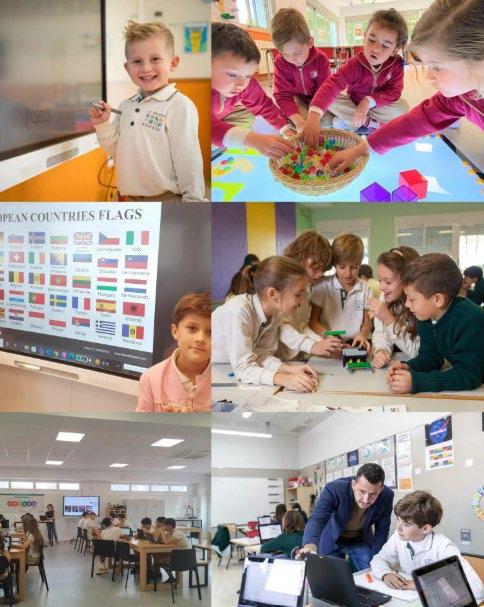
LA DEVESA SCHOOL ES STEM REFERENCE SCHOOL
2026
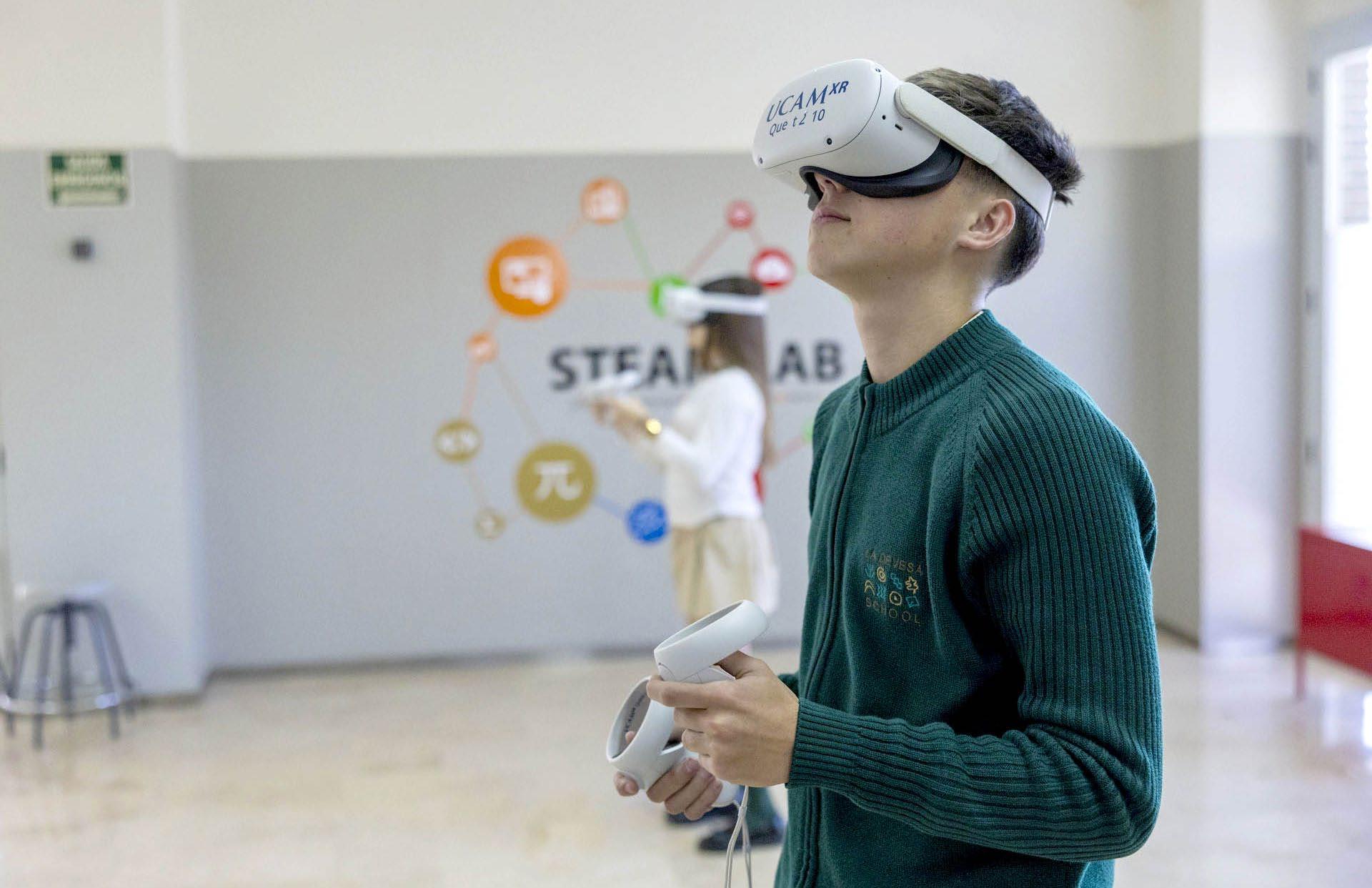
Daniel Brotons, Coordinación Steam.
DEVESA PLANET NEWS Nº13 2026 << IR AL ÍNDICE
Un sello que certifica lo que ya sabíamos: que la ciencia, la tecnología, la ingeniería y las matemáticas no son asignaturas. Son una forma de pensar.
El reconocimiento llega como resultado de años de metodología activa, proyectos reales y una apuesta firme por preparar al alumnado —especialmente a nuestras alumnas— para los retos tecnológicos del mañana.
Sello otorgado por ASTI Talent & Tech Foundation
· STEM Reference School 2026.
¿Qué acredita el sello STEM Reference School?
El sello STEM Reference School distingue a los centros que:
• Integran de manera efectiva las disciplinas STEM en su proyecto educativo.
• Aplican metodologías activas y experienciales en el aula.
• Impulsan el desarrollo del pensamiento crítico y científico desde edades tempranas.
• Fomentan las vocaciones científicas y tecnológicas, preparando al alumnado para los retos del futuro.
• Promueven una educación conectada con la realidad social, tecnológica y profesional actual.
Un compromiso con el futuro del alumnado
En nuestro caso, este reconocimiento destaca especialmente el compromiso del centro con una educación STEM transversal, inclusiva y orientada al desarrollo integral del alumnado, poniendo un especial énfasis en el impulso del talento y el interés por la ciencia y la tecnología.
Ser reconocidos como STEM Reference School 2026 supone un impulso para seguir avanzando en nuestro modelo educativo y para continuar ofreciendo experiencias de aprendizaje significativas, conectadas con el mundo real y con las necesidades de la sociedad actual.
“Ser reconocidos como STEM Reference School 2026 no es un punto de llegada. Es el impulso para seguir construyendo una educación que de verdad transforme vidas y prepare a nuestros estudiantes para un mundo que cambia cada día.”
LA DEVESA SCHOOL IS A STEM REFERENCE SCHOOL 2026.
Seal awarded by ASTI Talent & Tech Foundation · STEM Reference School 2026
A seal that certifies what we already knew: that science, technology, engineering and mathematics are not just subjects. They are a way of thinking.
• This recognition is the result of years of active methodology, real-world projects and a firm commitment to preparing our students — especially our female students— for the technological challenges of tomorrow.
What does the STEM Reference School seal recognise?
• The STEM Reference School seal distinguishes schools that:
• Effectively integrate STEM disciplines into their educational project.
• Apply active and experiential methodologies in the classroom.
• Foster the development of critical and scientific thinking from an early age.
• Encourage scientific and technological vocations, preparing students for the challenges of the future.
• Promote an education connected to today’s social, technological and professional reality.
A commitment to our students’ future
In our case, this recognition highlights the school’s commitment to a cross-disciplinary, inclusive STEM education focused on the integral development of each student, with special emphasis on nurturing talent and sparking genuine interest in science and technology.
Being recognised as STEM Reference School 2026 gives us momentum to keep advancing our educational model and to continue offering meaningful learning experiences connected to the real world and the needs of today’s society.
“Being recognised as STEM Reference School 2026 is not a finishing line. It is the drive to keep building an education that truly transforms lives and prepares our students for a world that changes every day.”
SOLIDARIDAD EN LA DEVESA SCHOOL: EDUCAR PARA TRANSFORMAR EL MUNDO
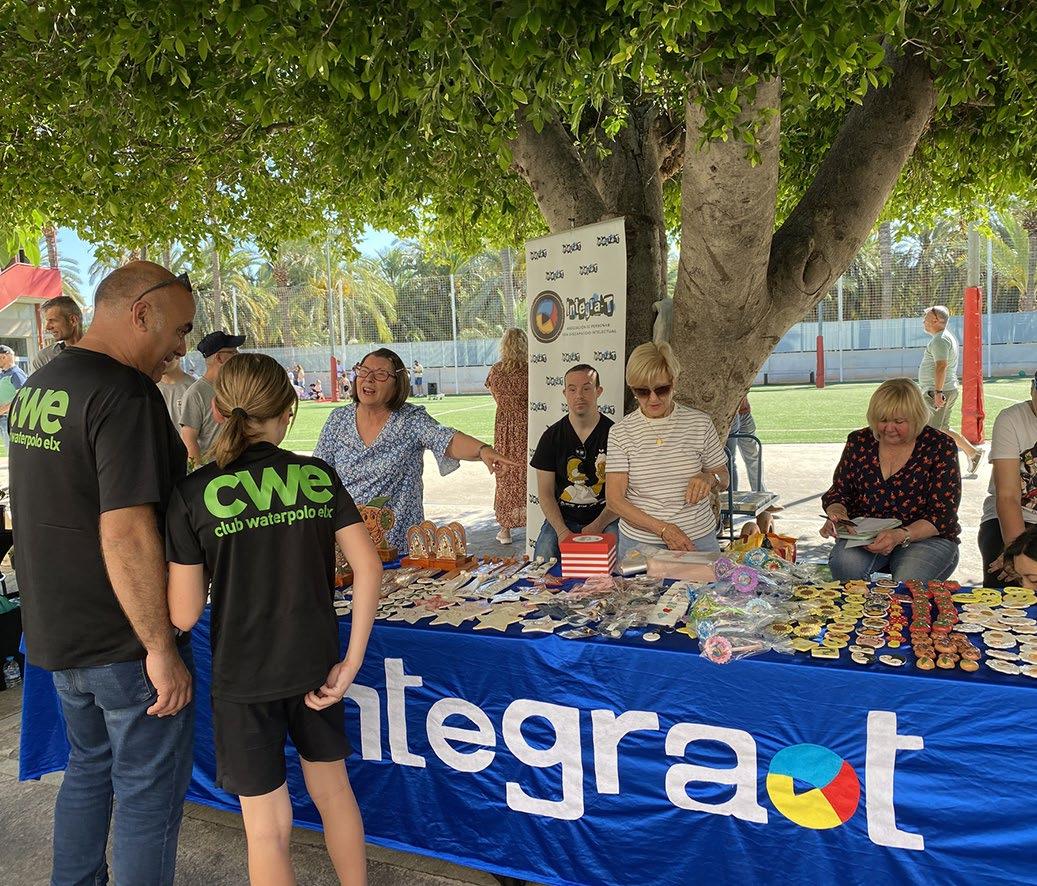
La solidaridad en la Devesa School Elche constituye mucho más que un conjunto de actividades puntuales: es un eje vertebrador del proyecto educativo que busca formar personas comprometidas, conscientes y capaces de transformar su entorno. Esta línea de acción conecta de forma directa con varios Objetivos de Desarrollo Sostenible, especialmente el ODS 1: Fin de la pobreza, el ODS 2: Hambre cero, el ODS 10: Reducción de las desigualdades y el ODS 17: Alianzas para lograr los objetivos.
A lo largo del curso escolar, el centro impulsa múltiples iniciativas solidarias que implican a toda la comunidad educativa. Campañas de recogida de alimentos, ropa o material escolar permiten dar respuesta a necesidades reales del entorno cercano. Estas acciones, en colaboración con organizaciones sociales y entidades locales, no solo tienen un impacto inmediato, sino que también fomentan en el
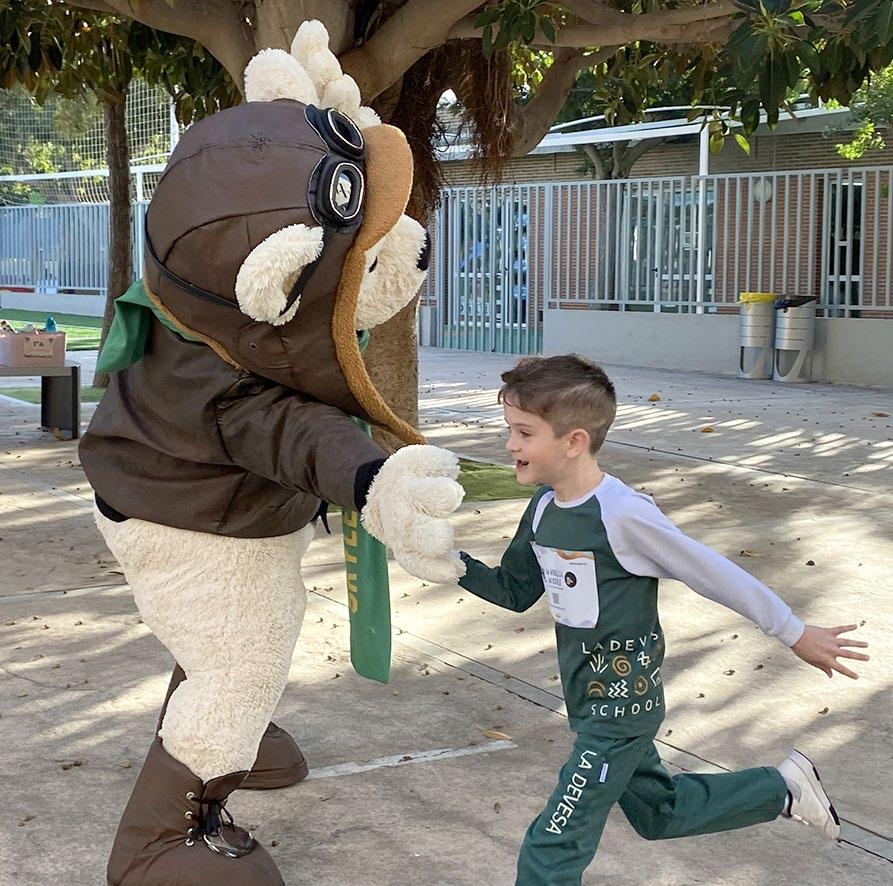
alumnado una conciencia social crítica.
Sin embargo, el valor diferencial de la Devesa School reside en cómo se integran estas experiencias en el proceso educativo. La solidaridad no se presenta como un gesto aislado, sino como una actitud permanente. El alumnado reflexiona sobre las causas estructurales de la pobreza y la desigualdad, comprendiendo que los problemas sociales requieren respuestas complejas y sostenidas en el tiempo.
En este sentido, muchas de las iniciativas solidarias se desarrollan desde un enfoque pedagógico basado en el aprendizaje-servicio. Esto significa que los estudiantes no solo participan, sino que también investigan, analizan y proponen soluciones. Por ejemplo, al organizar una campaña solidaria, el alumnado trabaja competencias como la planificación, la comunicación y el trabajo en equipo, al mismo
Anna Mis, Coordinadora Secundaria.
DEVESA PLANET NEWS Nº13 2026 << IR AL ÍNDICE
tiempo que desarrolla empatía y responsabilidad social.
Otro aspecto clave es la dimensión global de la solidaridad. El centro no limita su acción al entorno local, sino que también promueve proyectos con impacto internacional. Esto permite al alumnado comprender la interconexión entre sociedades y la importancia de la cooperación global, en línea con los principios del desarrollo sostenible.
La implicación de las familias refuerza aún más este compromiso. Las campañas solidarias se convierten en proyectos compartidos que trascienden el aula, generando una cultura comunitaria basada en la ayuda mutua y la corresponsabilidad. Este enfoque responde claramente al ODS 17, al fomentar alianzas entre distintos agentes para lograr objetivos comunes.
Además, la solidaridad en la Devesa School está estrechamente vinculada con la educación emocional. El alumnado aprende a ponerse en el lugar del otro, a reconocer situaciones de vulnerabilidad y a actuar desde el respeto y la dignidad. Este aprendizaje resulta fundamental para la construcción de sociedades más justas y cohesionadas.
En un contexto global marcado por desigualdades crecientes, educar en la solidaridad no es una opción, sino una necesidad. La Devesa School entiende que formar ciudadanos del siglo XXI implica dotarlos no solo de conocimientos, sino también de valores y herramientas para actuar.
SOLIDARITY AT DEVESA SCHOOL: EDUCATING TO TRANSFORM THE WORLD
Solidarity at Devesa School Elche is far more than a set of one-off activities: it is a core pillar of the educational project, aimed at shaping committed, aware and empowered individuals capable of transforming their environment. This strand of action connects directly with several Sustainable Development Goals, particularly SDG 1: No Poverty, SDG 2: Zero Hunger, SDG 10: Reduced Inequalities and SDG 17: Partnerships for the Goals.
Throughout the academic year, the school drives multiple solidarity initiatives that involve the entire school community. Food, clothing and school supply drives provide a direct response to real needs in the local area. These actions, carried out in collaboration with social organisations and local bodies, not only
have an immediate impact but also foster critical social awareness in students.
The distinctive value of Devesa School, however, lies in how these experiences are integrated into the educational process. Solidarity is not presented as an isolated gesture but as a permanent attitude. Students reflect on the structural causes of poverty and inequality, coming to understand that social problems require complex, sustained responses over time.
In this sense, many of the solidarity initiatives are developed through a service-learning approach. This means that students do not simply take part — they also research, analyse and propose solutions. When organising a solidarity campaign, for example, students develop competencies such as planning, communication and teamwork, while simultaneously building empathy and social responsibility.
Another key aspect is the global dimension of solidarity. The school does not limit its action to the local context, but also promotes projects with international impact. This enables students to understand the interconnection between societies and the importance of global cooperation, in line with the principles of sustainable development.
The involvement of families further strengthens this commitment. Solidarity campaigns become shared projects that extend beyond the classroom, generating a community culture grounded in mutual support and shared responsibility. This approach responds clearly to SDG 17, by fostering partnerships between different agents in pursuit of common goals.
Furthermore, solidarity at Devesa School is closely linked to emotional education. Students learn to put themselves in others’ shoes, to recognise situations of vulnerability and to act from a place of respect and dignity. This learning is fundamental to the building of fairer, more cohesive societies.
In a global context marked by growing inequalities, educating for solidarity is not an option — it is a necessity. Devesa School understands that forming twenty-first century citizens means equipping them not only with knowledge, but also with the values and tools to act.
PENSAMIENTO CRÍTICO Y HABILIDADES EJECUTIVAS EN EDUCACIÓN
Victoria Hernández, Dirección Operativa Pedagógica.
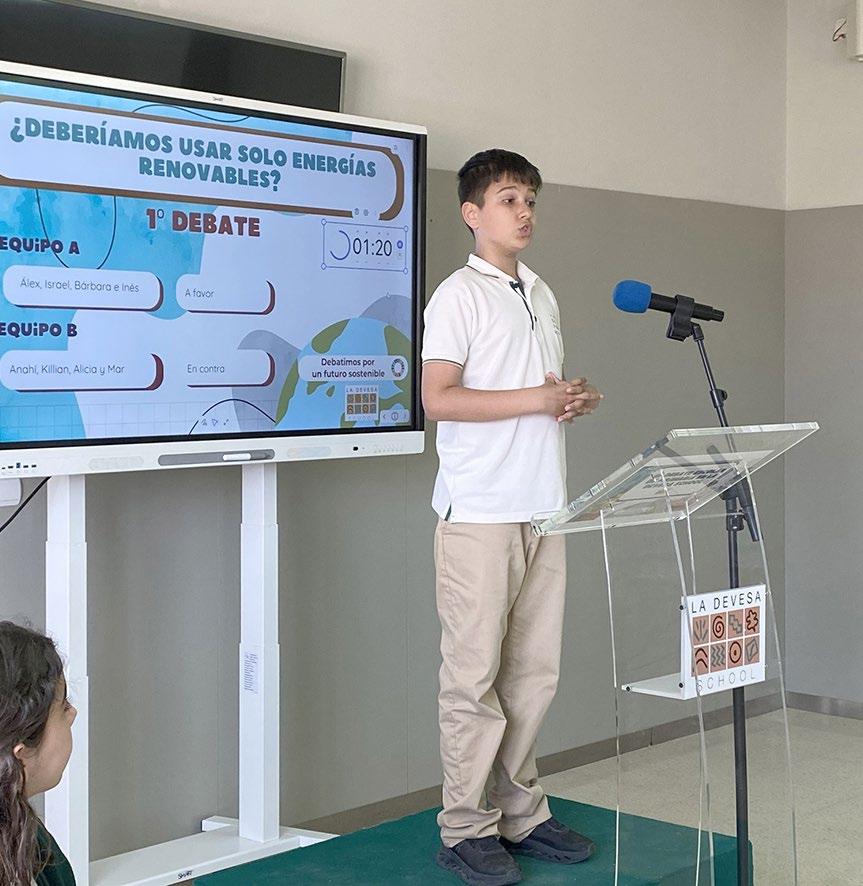
El desarrollo del pensamiento crítico en la Devesa School Elche se alinea con el ODS 4: Educación de calidad, especialmente en su dimensión de formar ciudadanos capaces de analizar y transformar su entorno. Esta apuesta no es meramente declarativa: se concreta en metodologías, programas y prácticas de aula que sitúan al alumnado como protagonista de su propio aprendizaje.
Más allá de la memorización
El pensamiento académico implica ir mucho más allá de la memorización. Supone analizar información con rigor, contrastar fuentes diversas, formular hipótesis y construir argumentos sólidos que puedan sostenerse ante la crítica. En un contexto marcado por la sobreinformación y la proliferación de contenidos de dudosa veracidad, esta competencia deja de ser un lujo intelectual para convertirse en una necesidad ciudadana.
Las metodologías activas, como el aprendizaje basado en proyectos o el debate estructurado, sitúan al alumnado en el centro del proceso. El error, lejos de ser sancionado, se convierte en una oportunidad de aprendizaje; la pregunta, en el verdadero motor del conocimiento. Este cambio de paradigma transforma
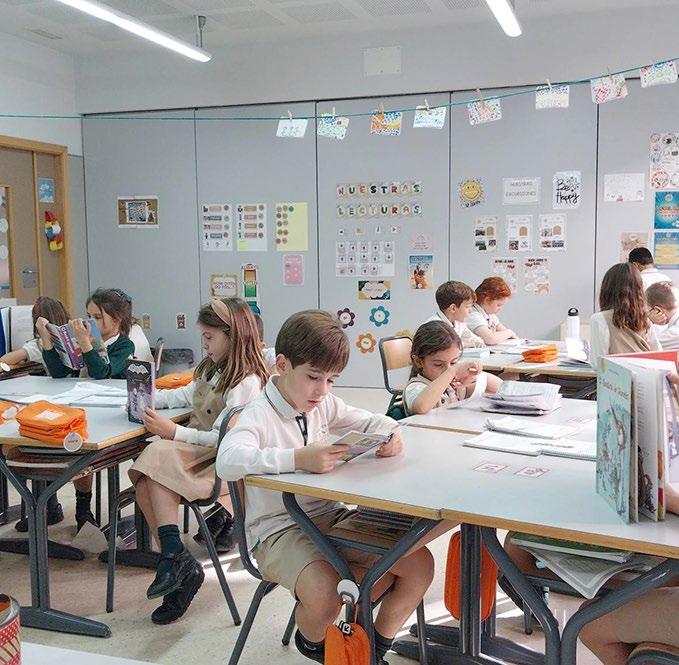
la relación del estudiante con el saber: ya no recibe respuestas, sino que aprende a construirlas.
Se fomenta también la interdisciplinariedad, conectando distintas áreas del saber para comprender problemas complejos como el cambio climático, las desigualdades sociales o los dilemas éticos de la inteligencia artificial. Esta mirada transversal prepara al alumnado para participar activamente en la sociedad, tomando decisiones informadas y responsables frente a retos que no reconocen fronteras disciplinares.
El papel de las funciones ejecutivas
Para que el pensamiento crítico florezca, necesita un sustrato sólido: las llamadas funciones ejecutivas. Se trata del conjunto de habilidades cognitivas de orden superior —planificación, memoria de trabajo, control inhibitorio, flexibilidad cognitiva— que permiten al cerebro organizar, regular y dirigir la conducta hacia metas concretas. Sin ellas, el conocimiento queda atrapado en la inmediatez y la reacción impulsiva.
La neurociencia educativa lleva décadas subrayando que las funciones ejecutivas son mejores predictores del éxito académico que el cociente intelectual. Un alumno con buenas funciones ejecutivas sabe
DEVESA PLANET NEWS Nº13 2026 << IR AL ÍNDICE
cuándo parar y revisar, cómo gestionar la frustración, de qué modo distribuir su atención en una tarea compleja. Y lo más relevante: estas capacidades no son innatas e inmutables, sino que se entrenan.
Progrentis: entrenando el cerebro que aprende
En Devesa School trabajamos las funciones ejecutivas de forma sistemática a través del programa Progrentis, una herramienta digital de entrenamiento cognitivo diseñada específicamente para el contexto escolar y respaldada por la evidencia científica. Mediante actividades adaptativas y progresivas, Progrentis ejercita de manera estructurada las principales funciones ejecutivas del alumnado de Primaria y Secundaria.
Sus sesiones, de entre 15 y 20 minutos, se integran con facilidad en la jornada escolar. El programa ajusta la dificultad en tiempo real al rendimiento de cada estudiante, garantizando el nivel de reto óptimo: suficiente para activar el progreso, sin llegar a generar bloqueo o desmotivación. Los docentes acceden a informes individuales y grupales que permiten ajustar las intervenciones pedagógicas con criterios objetivos y hacer visible el avance.
Las habilidades que Progrentis trabaja son, entre otras: el control inhibitorio (la capacidad de frenar respuestas impulsivas y reflexionar antes de actuar), la flexibilidad cognitiva (adaptar el pensamiento ante nuevas perspectivas o cambios de tarea), la memoria de trabajo (retener y manipular información mientras se opera mentalmente), la planificación (organizar pasos y recursos para alcanzar objetivos complejos) y la autorregulación emocional (gestionar el estado interno para mantener el foco y la perseverancia)
El vínculo entre función ejecutiva y pensamiento crítico
Pensar críticamente exige, en primer lugar, controlar el impulso de aceptar la primera respuesta que nos viene a la mente. Requiere memoria de trabajo para mantener presentes varios argumentos a la vez y compararlos. Demanda flexibilidad cognitiva para cambiar de perspectiva cuando los datos lo exigen, y planificación para estructurar un razonamiento coherente de principio a fin.
Cuando Progrentis fortalece estas capacidades, no realiza una tarea paralela al currículo: construye el andamiaje que hace posible todo lo demás. El pensamiento crítico deja de ser un objetivo difuso para convertirse en una habilidad practicable, observable y mejorable.
Ciudadanos del siglo XXI
Este enfoque integrado —pensamiento crítico, metodologías activas y entrenamiento de funciones ejecutivas— prepara al alumnado de Devesa School no solo para superar exámenes, sino para navegar la complejidad del mundo real. En una sociedad que exige adaptabilidad, criterio propio y capacidad de colaboración, invertir en las funciones ejecutivas del alumnado es la apuesta más responsable por su futuro.
El ODS 4 no habla solo de acceso a la educación, sino de calidad: una educación que forme personas capaces de pensar, decidir y contribuir. En eso trabaja Devesa School, cada día, dentro y fuera del aula.
INTERNATIONAL DEPARTMENT
Jennifer Dormer, Head of International Relations GSE.
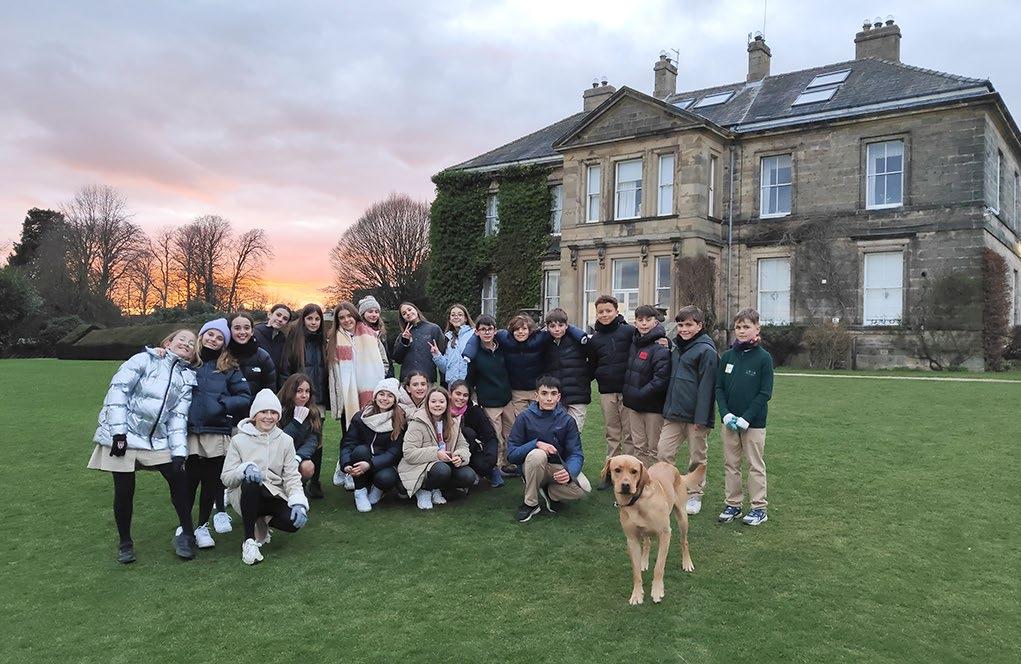
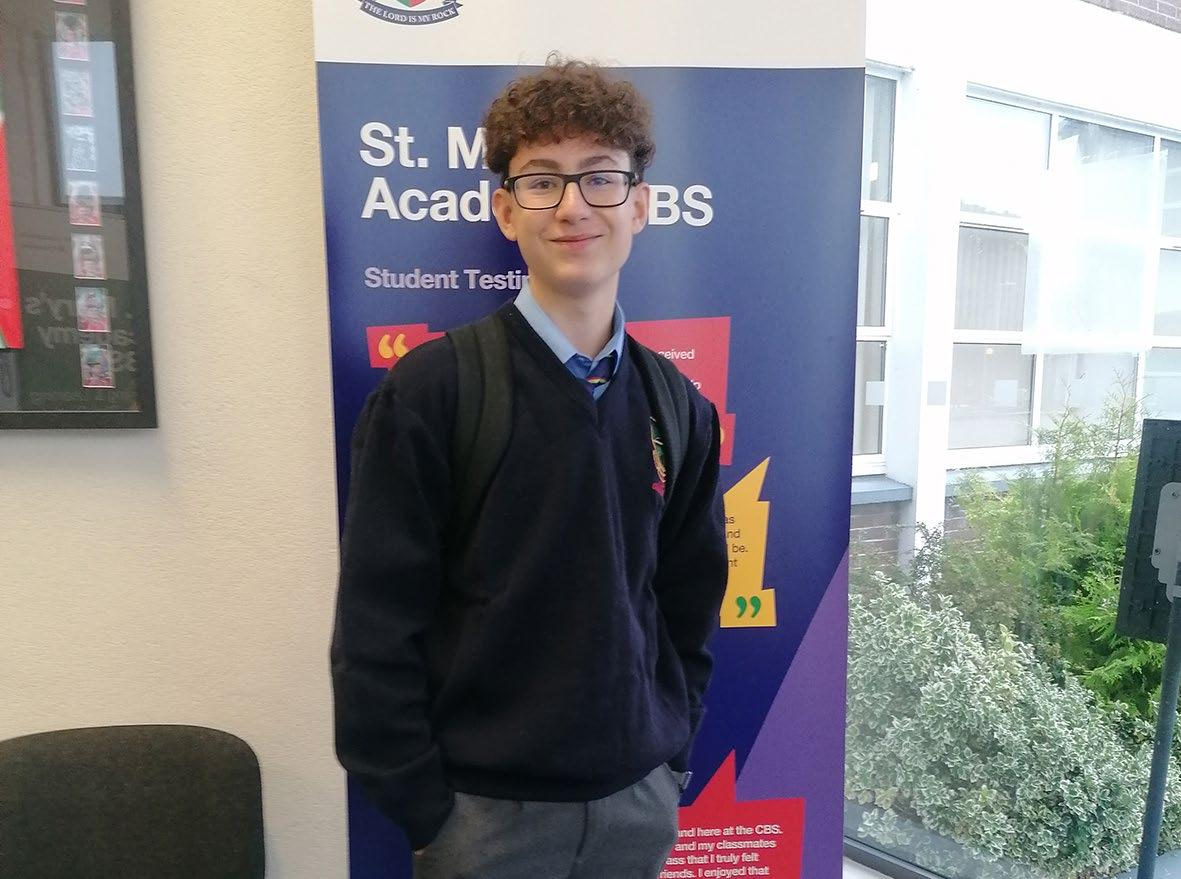
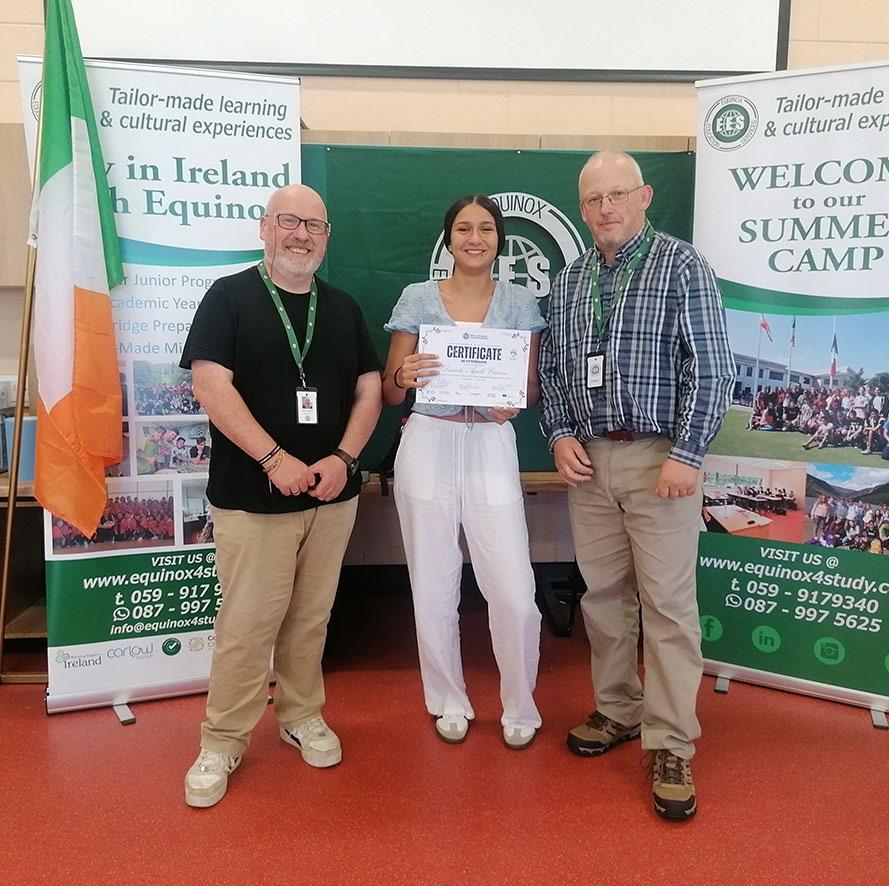
Our International Department continues to grow and shine, offering our students unforgettable experiences beyond the classroom.
Once again, our European Summer Camps were a great success. Students from all GSE schools, along with external participants, travelled to several destinations. One of our most popular destinations was Ireland where students improved their English while living an authentic cultural adventure, always accompanied by our team of dedicated teaching staff.
Participants enjoyed several exciting weeks at our Residential Camp in Kilkenny or at our enriching Camp in Carlow with host family accommodation. Guided by our International Relations Coordinator and GSE teachers, students gained confidence, independence, and lifelong memories.
In Carlow, our work experience programme allowed students to perfect their English through full immersion in the professional world, complemented by cultural trips and leisure activities that enriched their stay even further.
Our youngest learners also began their international journey this summer by taking part in international camps within the Valencian Community—a perfect first step into global education.
Our long-term academic programmes were another highlight. Students from 2nd ESO to 1st Bachiller successfully completed a term or a full academic year in Ireland, developing both academically and personally in an international environment.
Some students crossed the Atlantic to study a semester in the USA or Canada—an extraordinary cultural contrast and a truly life-changing experience.
Innovation and excitement came together with the launch of our STEAM League Camp in Orlando, Florida, held in the iconic Disney Parks. A unique educational experience and, without a doubt, a trip
of a lifetime.
Our 6th Primary students also enjoyed an immersive English cultural programme at a private boarding school in Northumberland, England. Accompanied by their teachers, Vicky Poveda y Elisabeth Alonso, they attended classes, celebrated Halloween, and discovered historic landmarks.
During their stay, they practiced English in reallife situations and attended classes, which allowed them to gain confidence and improve their fluency. The experience also strengthened their autonomy, responsibility, and social skills, becoming a very enriching experience both academically and personally.
International exchange remains a key pillar of our programme.
Looking ahead, we are looking forward to continuing with our French and German cultural exchange programmes with France and Germany, opening new doors for our students to practise French, German and English and embrace yet another culture.
At GSE, we don’t just teach languages—we create global citizens.
Una vez más, nuestros Campamentos de Verano en Europa han sido todo un éxito. Alumnos de todos los colegios GSE, junto con participantes externos, viajaron a varios destinos. Uno de los más populares fue Irlanda, donde los estudiantes mejoraron su inglés mientras vivían una auténtica aventura cultural, siempre acompañados por nuestro equipo de profesorado altamente comprometido.
Los participantes disfrutaron de varias semanas llenas de emoción en nuestro Campamento Residencial en Kilkenny o en nuestro enriquecedor campamento en Carlow con alojamiento en familias de acogida. Guiados por nuestra Coordinadora de Relaciones Internacionales y el profesorado de GSE, los alumnos ganaron confianza, independencia y recuerdos para toda la vida.
En Carlow, nuestro programa de prácticas permitió a los estudiantes perfeccionar su inglés mediante una inmersión total en el mundo profesional, complementada con excursiones culturales y actividades de ocio que enriquecieron aún más su estancia.
Nuestros alumnos más pequeños también iniciaron su trayectoria internacional este verano participando en campamentos internacionales en la Comunidad Valenciana, un primer paso perfecto hacia una educación global.
Nuestros programas académicos de larga duración fueron otro de los grandes logros. Estudiantes desde 2º de ESO hasta 1º de Bachillerato cursaron con éxito un trimestre o un curso académico completo en Irlanda, desarrollándose tanto a nivel académico como personal en un entorno internacional.
DEVESA PLANET NEWS Nº13 2026 << IR AL ÍNDICE
Algunos alumnos cruzaron el Atlántico para estudiar un semestre en Estados Unidos o Canadá, viviendo un contraste cultural extraordinario y una experiencia verdaderamente transformadora.
La innovación y la emoción se unieron con el lanzamiento de nuestro Campamento STEAM League en Orlando, Florida, celebrado en los emblemáticos parques de Disney. Una experiencia educativa única y, sin duda, el viaje de una vida.
Nuestros alumnos de 6º de Primaria también disfrutaron de un programa cultural de inmersión en inglés en un internado privado en Northumberland, Inglaterra. Acompañados por sus profesoras, Vicky Poveda y Elisabeth Antequera, asistieron a clases, celebraron Halloween y descubrieron lugares de gran interés histórico.
Durante la estancia, practicaron el inglés en situaciones reales y asistieron a clases, lo que les permitió
ganar confianza y mejorar su fluidez. La experiencia también fortaleció su autonomía, responsabilidad y habilidades sociales, convirtiéndose en una vivencia muy enriquecedora tanto a nivel académico como personal.
El intercambio internacional sigue siendo un pilar fundamental de nuestro programa.
De cara al futuro, estamos ilusionados por continuar con nuestros programas de intercambio cultural con Francia y Alemania, que abrirán nuevas oportunidades para que nuestros alumnos practiquen francés, alemán e inglés y se sumerjan en nuevas culturas.
En GSE no solo enseñamos idiomas: formamos ciudadanos globales.
LAS ARTES NO SON UN EXTRA: SON UNA FORMA DE EDUCAR
Carlos Riera, Responsable de Creatividad. Grupo Sorolla Educación.
Hablamos con Carlos Riera, responsable de Sorolla Arts y Talento & Creatividad del Grupo Sorolla Educación, sobre qué significa hacer del arte una experiencia educativa sólida y con futuro.
Cuando piensas en un colegio con música, danza y teatro, puede que imagines extraescolares simpáticas o una función de fin de curso. Pero lo que Carlos Riera lleva entre manos es otra cosa:
construir un ecosistema donde las artes no sean un complemento, sino parte esencial de cómo se aprende y de quién se llega a ser.
¿Qué significa, en la práctica, ser responsable de Sorolla Arts?
La pregunta tiene trampa, porque la respuesta no cabe en un párrafo. “A veces se piensa que este tipo de proyectos van solo de montar actividades”, reconoce Carlos. “Pero el reto es mucho más amplio: se trata de construir un ecosistema donde la música, la danza y el teatro aporten valor real al día a día del alumnado.”
En la práctica, eso significa planificar y coordinar propuestas artísticas, dar seguimiento a los grupos, cuidar que los horarios y los espacios funcionen, mantener contacto con los partners del proyecto y, en los momentos difíciles, tomar decisiones guiadas por tres criterios muy claros: sostenibilidad, calidad y coherencia con la identidad del centro. “No es una responsabilidad de despacho”, subraya. “Se nota en el aula, en el ensayo, en el escenario y en la experiencia que vive cada familia.”
El musical del 40º aniversario: un antes y un después
Si hay un momento que marcó un punto de inflexión, fue el musical del 40º aniversario del centro. “Nos permitió comprobar hasta qué punto las artes pueden unir a toda la comunidad educativa, crear ilusión compartida y dejar un aprendizaje emocional que el alumnado recuerda durante años”, recuerda Carlos.
“Ese es el objetivo: que lo artístico no dependa de un gran evento cada cierto tiempo, sino que forme parte de la cultura del centro y se desarrolle con continuidad, metodología y calidad.”
A partir de esa experiencia, el reto ha sido trasladar esa energía a un modelo estable. Que la vida artística del colegio no sea un pico de emoción cada año, sino un tejido presente y vivo en el día a día.
Talento en sentido amplio
Más allá de Sorolla Arts, la responsabilidad de Carlos incluye Talento & Creatividad, un enfoque que mira más lejos. “No solo el talento artístico”, aclara. “También la creatividad, el liderazgo, la comunicación, el pensamiento crítico, la iniciativa, la sensibilidad social o tecnológica. Se trata de abrir caminos para que cada alumno y alumna encuentre su manera de brillar.”
Esto implica detectar oportunidades, proponer proyectos que activen capacidades diversas y acompañar a los equipos docentes para que la cultura del centro valore el talento en sentido amplio: el que se ve en un escenario, sí, pero también el que aparece cuando alguien crea, investiga, emprende o se supera.
Una visión estratégica, un trabajo de equipo
Carlos tiene claro que este tipo de proyectos no se construyen solos. “Las decisiones no deberían
tomarse en solitario. Escuchar, pedir consejo y contrastar con el equipo hace el proyecto más robusto y da sentido a cada paso.” Su mirada es a largo plazo: elegir bien las líneas a seguir, cuidar los detalles y mantener la ambición de seguir creciendo sin perder el norte.
“Cuando el trabajo está bien hecho, se nota en cosas sencillas: un alumno que se atreve a salir a escena y lo disfruta, alguien que descubre que se le da bien algo que no sabía, una familia que percibe que lo que hacemos tiene propósito.”
Eso, en definitiva, es lo que persigue Sorolla Arts y Talento & Creatividad: que las artes no sean un extra al margen de la educación, sino una forma de educar que deja huella.
THE ARTS ARE NOT AN EXTRA: THEY ARE A WAY OF EDUCATING
We speak with Carlos Riera, Head of Sorolla Arts and Talent & Creativity at Grupo Sorolla Educación, about what it means to make the arts a solid, forwardlooking educational experience.
When you think of a school with music, dance and theatre, you might picture pleasant after-school clubs or an end-of-year show. But what Carlos Riera is building is something else entirely: an ecosystem in which the arts are not a complement, but an essential part of how students learn and who they become.
What does being Head of Sorolla Arts actually mean?
The question is deceptive, because the answer does not fit in a paragraph. “People sometimes think that this kind of project is just about putting on activities”, Carlos acknowledges. “But the real challenge is far broader: it is about building an ecosystem where music, dance and theatre bring genuine value to students’ daily lives.”
In practice, that means planning and coordinating artistic proposals, monitoring groups, ensuring timetables and spaces work properly, staying in close contact with the project’s partners and, in difficult moments, making decisions guided by three clear criteria: sustainability, quality and coherence with the school’s identity. “This is not a desk-bound responsibility”, he stresses. “It is felt in the classroom, in rehearsal, on stage and in the experience that every family takes away.”
The 40th anniversary musical: a turning point
If there is one moment that marked a before and after, it was the school’s 40th anniversary musical. “It showed us just how powerfully the arts can bring the entire school community together, generate shared excitement and leave an emotional imprint that students carry with them for years”, Carlos recalls.
“That is the goal: for the artistic life of the school not
ÍNDICE
to depend on a major event every so often, but to be part of the school’s culture and to develop with continuity, methodology and quality.”
From that experience, the challenge has been to translate that energy into a stable model — one where the arts are not an annual emotional peak, but a living, constant presence in daily school life.
Talent in the broadest sense
Beyond Sorolla Arts, Carlos’s responsibility extends to Talent & Creativity — an approach with a wider ambition. “Not just artistic talent”, he clarifies. “Also creativity, leadership, communication, critical thinking, initiative, social and technological sensitivity. The idea is to open pathways for every student to find their own way to shine.”
This means identifying opportunities, proposing projects that activate diverse abilities and supporting teaching teams in building a school culture that values talent in the fullest sense: the kind that shows up on a stage, yes — but also the kind that emerges
when someone creates, researches, takes initiative or surpasses themselves.
A strategic vision, a team effort
Carlos is clear that projects like this are not built alone. “Decisions should not be made in isolation. Listening, seeking advice and checking ideas with the team makes the project more robust and gives every step genuine meaning.” His outlook is longterm: choosing the right lines to follow, attending to the details and keeping the ambition to grow without losing sight of what matters.
“When the work is done well, it shows in simple things: a student who dares to step onto the stage and enjoys it; someone who discovers they are good at something they did not know; a family that senses that what we do is thoughtful and purposeful.”
That, in the end, is what Sorolla Arts and Talent & Creativity are about: ensuring that the arts are not a margin note in education, but a way of educating that leaves its mark.
SOROLLA SPORTS: CUANDO EL DEPORTE EDUCA DE VERDAD
Inteligencia emocional, valores y tecnología al servicio de una educación física que va mucho más allá del marcador.
España lidera en Europa la prevalencia de problemas socioafectivos entre niños y adolescentes, según UNICEF. Un dato que incomoda y que obliga a actuar. En GSE Sports lo hemos tomado como punto de partida para construir algo distinto: un modelo donde el deporte no es solo actividad física, sino el mejor laboratorio que tenemos para aprender a gestionar emociones, respetar al otro y construir hábitos que duran toda una vida.
Detrás de Sorolla Sports no hay una lista de actividades. Hay una convicción: que cada partido, cada entrenamiento y cada recreo es una oportunidad educativa que no podemos desperdiciar. Los proyectos que lo componen no son iniciativas independientes, sino piezas de un mismo modelo que combina inteligencia emocional, tecnología y valores de forma coherente y progresiva a lo largo de toda la etapa escolar.
“Cada actividad recreativa, cuando es gestionada de manera constructiva, no solo favorece la liberación emocional, sino que también estimula la resiliencia y una mentalidad abierta frente a los desafíos.”
EI x PE: La clase de Educación Física como espacio emocional
El primer pilar del modelo arranca en el aula de EF. La legislación educativa vigente —LOMLOE y sus reales decretos— ya reconoce la educación emocional como principio pedagógico fundamental. Pero reconocerla no es lo mismo que trabajarla. EI x PE (Emotional Intelligence × Physical Education) toma las dinámicas propias de la Educación Física —el juego, la competición, el equipo, el esfuerzo— y las convierte en el contexto ideal para enseñar a reconocer y gestionar emociones.
No se trata de añadir una sesión de “inteligencia emocional” al horario. Se trata de aprovechar lo que ya ocurre en cada clase: la frustración de perder, la euforia de ganar, la tensión del trabajo en equipo, el miedo a fallar delante de los compañeros. EI x PE da
Alberto Soler, Responsable Sorolla Sports GSE.
herramientas para que esos momentos se conviertan en aprendizaje real.
Emohabits Hackathon: tecnología al servicio del bienestar
El segundo pilar conecta el deporte con la competencia digital. Dirigido al alumnado de 3º de ESO, el Emohabits Hackathon propone un reto concreto: diseñar, en pequeños grupos y con herramientas de inteligencia artificial, una plataforma web que promueva hábitos de vida saludables.
En un mundo donde la tecnología suele señalarse como parte del problema —mal uso, sedentarismo, dependencia—, aquí se convierte en parte de la solución. Los participantes desarrollan creatividad, trabajo en equipo y habilidades digitales mientras investigan cómo el bienestar físico y emocional puede promoverse desde una pantalla bien utilizada.
InterSchool Cup: competir desde los valores
La InterSchool Cup —”La Copa de los Valores GSE”— reúne a cuatro colegios en una jornada deportiva que no se mide solo por el marcador. El alumnado del último ciclo de Primaria se prepara durante cuatro sesiones de entrenamiento multideportivo y culmina en una jornada con partidos de fútbol y baloncesto.
Los equipos son valorados no solo por el resultado deportivo, sino también por la aplicación de los valores GSE —inteligencia emocional, respeto, solidaridad— y la copa final reconoce los logros colectivos en ambas dimensiones.
“El objetivo es preparar al alumnado no solo para la competición, sino también para gestionar sus emociones en situaciones de éxito y fracaso, entendiendo el deporte como una herramienta de superación personal y colectiva.”
Level Up – Sorolla Sports Values: los valores en el día a día
Un modelo solo es sólido si funciona también fuera de los grandes eventos. Level Up nació con esa convicción: hacer visible lo que ocurre cada día en el recreo y en la clase de EF. Durante el mes de marzo, cada aula cuenta con un panel donde el alumnado puede ganar hasta tres copas simbólicas diarias cuando demuestra comportamientos que reflejan los valores del proyecto: juego limpio, actitud positiva, compañerismo, respeto, buen uso de los espacios.
Lo más interesante del sistema es que es el propio alumnado quien, al final de cada jornada, vota a los compañeros que merecen ser reconocidos. Un mecanismo sencillo con un efecto profundo: aprender a valorar al otro.
GSE Sports Legends: el talento que convive con nosotros
En nuestros centros hay alumnos y alumnas que compaginan sus estudios con carreras deportivas exigentes, representando a clubes, selecciones autonómicas e incluso nacionales. GSE Sports Legends los hace visibles a través de un espacio
en el centro donde se exponen sus fotografías e historias, convirtiendo su experiencia en inspiración colectiva.
No se trata solo de celebrar sus éxitos: se trata de que el resto del alumnado vea de cerca qué hay detrás. Esfuerzo diario, gestión del fracaso, disciplina, pasión. Los mejores referentes no están siempre en la televisión: a veces están sentados a dos pupitres de distancia.
“El verdadero éxito está en el trabajo constante y en la pasión por lo que uno hace.”
Un modelo, no una lista
Sorolla Sports no es un catálogo de iniciativas. Es un modelo educativo que parte de una pregunta sencilla: ¿qué pasaría si aprovecháramos cada momento de actividad física para construir personas más capaces emocionalmente, más comprometidas con los valores y más preparadas para los retos del siglo XXI?
EI x PE, Emohabits Hackathon, InterSchool Cup, Level Up y GSE Sports Legends son respuestas distintas a esa misma pregunta. Cada una actúa en un contexto diferente —el aula, el recreo, la competición, la vida real del centro—, pero todas apuntan en la misma dirección: un alumnado preparado para volar.
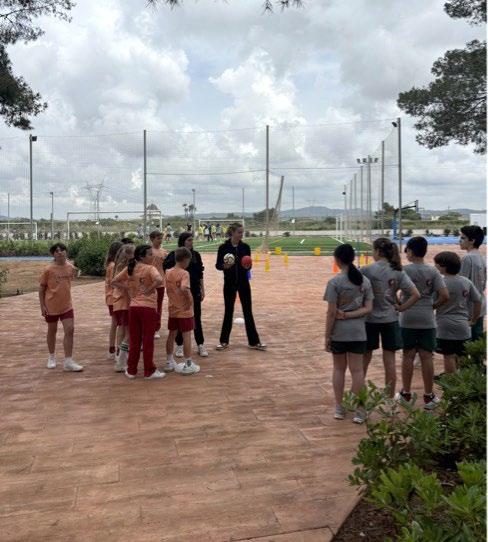
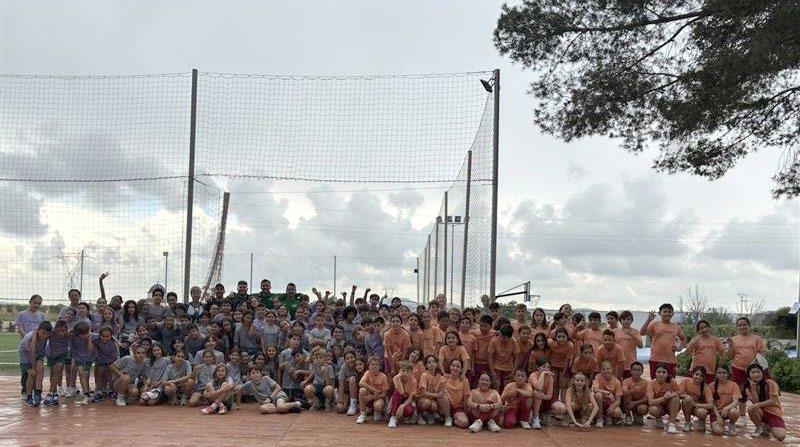
DEVESA PLANET NEWS Nº13 2026 << IR AL ÍNDICE
SOROLLA SPORTS: WHEN SPORT TRULY EDUCATES
Emotional intelligence, values and technology in the service of a physical education that goes far beyond the scoreboard.
Spain leads Europe in the prevalence of socioemotional problems among children and adolescents, according to UNICEF. A figure that is uncomfortable — and that demands action. At GSE Sports, we have taken it as our starting point for building something different: a model in which sport is not just physical activity, but the best laboratory we have for learning to manage emotions, respect others and build habits that last a lifetime.
Behind Sorolla Sports there is not a list of activities. There is a conviction: that every match, every training session and every break time is an educational opportunity we cannot afford to waste. The projects that make it up are not independent initiatives — they are pieces of the same model, combining emotional intelligence, technology and values in a coherent and progressive way throughout the entire school journey.
“Every recreational activity, when managed constructively, not only supports emotional release but also builds resilience and an open mindset in the face of challenges.”
EI x PE: the PE class as an emotional space
The first pillar of the model begins in the PE classroom. Current educational legislation already recognises emotional education as a fundamental pedagogical principle. But recognising it is not the same as working with it. EI x PE (Emotional Intelligence × Physical Education) takes the dynamics that are unique to PE — play, competition, teamwork, effort — and turns them into the ideal context for teaching students to recognise and manage their emotions.
This is not about adding an “emotional intelligence” session to the timetable. It is about making the most of what already happens in every class: the frustration of losing, the joy of winning, the tension of working as a team, the fear of failing in front of classmates. EI x PE gives students the tools to turn those moments into real learning.
Emohabits Hackathon: technology in the service of wellbeing
The second pillar connects sport with digital competence. Aimed at Year 9 students (3rd ESO), the Emohabits Hackathon sets a concrete challenge: to design, in small groups using artificial intelligence tools, a website that promotes healthy lifestyle habits.
In a world where technology is often identified as part of the problem — misuse, sedentary behaviour, dependency — here it becomes part of the solution. Participants develop creativity, teamwork and digital skills while researching how physical and emotional wellbeing can be promoted through a screen that is used well.
InterSchool Cup: competing through values
The InterSchool Cup — known as “The GSE Values Cup” — brings four schools together for a sporting event that is not measured by the scoreboard alone. Students in the final cycle of Primary prepare over four multi-sport training sessions before competing in a day of football and basketball.
Teams are assessed not only on their sporting results, but also on how they apply GSE values — emotional intelligence, respect, solidarity — and the final trophy recognises collective achievement in both dimensions.
“The goal is to prepare students not just for competition, but to manage their emotions in situations of success and failure — understanding sport as a tool for personal and collective growth.”
Level Up – Sorolla Sports Values: values in everyday life
A model is only solid if it also works outside the big events. Level Up was born from that conviction: making visible what happens every day in the playground and the PE class. During the month of March, each classroom has a panel where students can earn up to three symbolic trophies a day when they demonstrate behaviours that reflect the project’s values: fair play, positive attitude, team spirit, respect and responsible use of shared spaces.
The most interesting aspect of the system is that it is the students themselves who, at the end of each day, vote for the classmates who deserve recognition. A simple mechanism with a profound effect: learning to value others.
GSE Sports Legends: the talent that lives among us
In our schools there are students who balance their studies with demanding sporting careers, representing clubs, regional and even national teams. GSE Sports Legends makes them visible through a dedicated space in the school where their photographs and stories are displayed, turning their experience into collective inspiration.
It is not just about celebrating their achievements: it is about letting the rest of the students see close up what lies behind them. Daily effort, managing failure, discipline, passion. The best role models are not
always on television — sometimes they are sitting two desks away.
“True success lies in constant work and in the passion for what one does.”
A model, not a list
Sorolla Sports is not a catalogue of initiatives. It is an educational model built around a simple question: what would happen if we used every moment of physical activity to build people who are more
emotionally capable, more committed to values and better prepared for the challenges of the twenty-first century?
EI x PE, Emohabits Hackathon, InterSchool Cup, Level Up and GSE Sports Legends are different answers to that same question. Each one operates in a different context — the classroom, the playground, competition, the real daily life of the school — but all of them point in the same direction: students who are ready to fly.
MÁS QUE UN COLEGIO. MÁS QUE EXTRAESCOLARES
Carlos Moreno, Coordinador de Servicios Generales.
Todo lo que tu hijo o hija puede descubrir este curso en La Devesa School
En La Devesa School Elche creemos que el crecimiento de vuestros hijos e hijas no sucede solo dentro del aula. Por eso, curso tras curso, construimos un programa de actividades extraescolares que va mucho más allá del simple entretenimiento: es un espacio donde cada niño y niña descubre sus talentos, hace amigos, supera retos y crece como persona.
Este ano el catálogo es más amplio que nunca. Deportes acuáticos, artes marciales, robótica, danza, idiomas, teatro, ajedrez... más de 30 actividades organizadas en cuatro grandes bloques para que cada familia encuentre lo que mejor encaja con su hijo o hija.
Sabías que... Las actividades comienzan en septiembre y terminan en junio. Las cuotas se domicilian trimestralmente. Para que una actividad se ponga en marcha se necesita un mínimo de 8 alumnos inscritos.
WATER ACTIVITIES
Nuestra piscina climatizada, abierta todo el curso
Aquababy | 0-18 meses
El primer chapuzón de tu bebe... contigo.
Una experiencia única para padres y bebes. Las sesiones guiadas combinan movimiento, contacto y agua para estimular el desarrollo motor del bebe y fortalecer el vínculo afectivo familiar. Tranquilas, respetuosas y llenas de sonrisas.
Natación Prenatal
Cuida de ti y de tu bebe a la vez.
Actividades acuáticas especialmente diseñadas para el embarazo. Trabajan el bienestar físico (musculatura, zona pélvica, alivio de molestias) y el vínculo emocional madre-bebe. Grupos reducidos de 4 a 12 mujeres, sesiones de 45 minutos.
Swimming Lessons | Educación Infantil
Confianza en el agua desde pequeñitos.
Clases individuales (desde los 9 meses) y grupales (2-6 alumnos) para niños de Infantil. El objetivo es que cada alumno/a gane autonomía y seguridad en el medio acuático e inicie el aprendizaje de las técnicas de natación. Prima siempre el nivel sobre la edad.
Natación Grupos | Todos los niveles
Técnica, resistencia y mucha diversión.
DEVESA PLANET NEWS Nº13 2026 << IR AL ÍNDICE
Clases grupales de 2 a 6 personas desde nivel medio-bajo hasta avanzado. El alumnado realiza una prueba de nivel para ser asignado al grupo correspondiente y progresa con entrenamientos variados y motivadores.
Grupo Adultos
Para todas las edades y niveles. Instructores cualificados que te ayudan a alcanzar tu meta, ya seas principiante o nadador con experiencia.
Bano Libre
Uso libre de la piscina climatizada para nado individual, rehabilitación u otros objetivos personales.
Waterpolo | Educación Primaria
El deporte de equipo que se juega en el agua.
Actividad extraescolar dinámica y divertida. Trabaja la técnica de natación aplicada al waterpolo, el manejo del balón, la coordinación, los reflejos y la resistencia. Se trabajan valores como el compañerismo y el respeto. Adaptada a diferentes niveles.
SPORTS CLUB | LA DEVESA SCHOOL
Deporte, valores y mucha energía
Predeporte | Educación Infantil
Las bases de todos los deportes, en un ambiente lúdico.
Proporciona los recursos físicos y técnicos necesarios para iniciarse en cualquier deporte. Los niños y niñas aprenden a moverse, coordinarse y disfrutar del ejercicio físico de forma jugada.
Multideporte | Primaria
Un deporte diferente cada semana.
Mejora la capacidad aeróbica, la fuerza muscular, la coordinación, la velocidad, la agilidad y la flexibilidad. Fomenta también la disciplina, el esfuerzo y la autoestima del alumnado.
Futbol 8 | Club Federado
Entrena, compite y forma parte de algo grande. Club de futbol federado con entrenadores expertos. El alumnado desarrolla habilidades técnicas, tácticas y físicas, participa en partidos y torneos competitivos y forma parte de una comunidad apasionada por el futbol.
Balonmano | En colaboración con el Club BM
Elche
El deporte de las manos en el mejor club de la ciudad.
Programa para todos los niveles, con entrenadores cualificados. Se trabajan habilidades técnicas, tácticas y físicas, además de valores como el trabajo en equipo, la disciplina y el respeto.
Taekwondo
Disciplina, respeto y patadas espectaculares.
Arte marcial coreano que trabaja técnicas de patada, mano, puño, codo y pie, además de técnicas de defensa personal. Desarrolla la concentración, el auto control y el respeto.
Judo
Contacto, juego y superación personal.
Deporte de contacto sin violencia practicado sobre tatami. A través del juego los niños y niñas mejoran su coordinación, el equilibrio y los valores de respeto y esfuerzo.
Gimnasia Rítmica
Ballet, gimnasia y música en uno solo.
Combina elementos de ballet, gimnasia deportiva, danza, expresión corporal y manejo de aparatos (cuerda, aro, pelota, mazas, cinta). Desarrolla la fuerza, la flexibilidad, la coordinación y el ritmo.
Commercial Dance | 2o y 3o ciclo Primaria
Jazz, break dance, afro y danza contemporánea.
Estilo de danza muy bailable que trabaja la coordinación, el ritmo y la flexibilidad. Movimientos muy coreografiados, intensos y expresivos.
Ballet
Control, elegancia y precisión.
Disciplina que desarrolla el control total del cuerpo a través de técnicas y movimientos específicos. Exige concentración, elasticidad y fortaleza.
FitKid
Acrobacias, ritmo y expresión corporal.
Saltos, giros, equilibrios y acrobacias entrelazados con el ritmo de la música y pasos de baile de distintos estilos. Desarrolla la flexibilidad, la fuerza, la resistencia y la coordinación.
Tenis
Técnica, reflejos y mucha diversión en pista.
Para todos los niveles. Entrenadores certificados que guían al alumnado en los fundamentos del juego, la mejora de golpes y el desarrollo de estrategias. Entrenamientos divertidos y desafiantes.
Entrenamiento Personal | 22 Training
Tu mejor versión, con atención personalizada.
Grupos reducidos de máximo 8 personas dirigidos por el equipo experto de 22 Training. Atención individualizada y ambiente de apoyo para alcanzar tus objetivos fitness de forma eficiente.
CULTURAL LABORATORY
Creatividad, tecnología, arte y cultura
Dramatización | Infantil, Primaria y Secundaria
Sube al escenario y descubre tu voz.
Fortalece las habilidades comunicativas, la capacidad creativa y el trabajo en equipo. Nuestros grupos de Primaria y Secundaria participan en certámenes de la ciudad.
Creatividad | Infantil y Primaria
Las manos en la masa y la imaginación al poder.
Colores, cartulinas, materiales reciclados y mucho más para crear manualidades divertidas. Fomenta la psicomotricidad y la ilusión por construir cosas propias.
Art Club | 4 y 5 años
El arte como proceso, no como producto final.
Una hora semanal en la que los niños y niñas exploran materiales poco habituales: escayola, arcilla, collage, papel mache. Técnicas inspiradas en arteterapia (garabateo, manchas, dibujo bilateral) y momentos de movimiento, danza y música para enriquecer la experiencia artística.
Ajedrez | Infantil y Primaria
Piensa antes de mover. Estrategia desde pequeños.
Desarrolla habilidades cognitivas y sociales de forma lúdica: concentración, memoria, lógica, toma de decisiones y respeto por las normas. Introducción progresiva mediante juegos, retos y dinámicas motivadoras.
Francés | Todos los niveles
Un idioma más es una puerta más abierta al mundo. Clases grupales o individuales en función del nivel de cada alumno/a. El idioma se aprende de forma divertida y motivadora.
Nanobots | Infantil 3-5 años
Tecnología a medida de los más pequeños.
Proyecto tecnológico de 8 meses (octubre-mayo).
Cuatro módulos adaptados a la etapa infantil:
• Robótica
• Programación
• Motricidad fina
• Realidad aumentada
Bytebots | 1o, 2o y 3o de Primaria
Construyen, programan y dan vida a sus ideas.
Proyecto tecnológico de 8 meses (octubre-mayo) organizado en módulos dinámicos:
• Robótica / Programación de videojuegos / Realidad virtual
• Drones / Modelado e impresión 3D
• Electrónica creativa / Minecraft
Megabots | 4o EP - 2o ESO
Tecnología avanzada para los que ya quieren más.
Proyecto de 8 meses (octubre-mayo). Módulos de alto nivel:
• Robótica / Programación de videojuegos / Realidad virtual
• Drones / Modelado e impresión 3D
• Electrónica creativa / Minecraft / Desarrollo de apps para móvil
ACADEMIC TRAINING
Apoyo, refuerzo y atención individualizada
Clases de Repaso | Todas las etapas
Para consolidar lo aprendido y ganar confianza.
Clases de refuerzo o profundización de las diferentes materias, organizadas por etapa y nivel. El objetivo es que el alumnado afiance los contenidos trabajados durante la jornada lectiva.
Clases de Idiomas
Inglés, francés, alemán, valenciano y más.
Clases de idiomas en las instalaciones del centro. Los horarios se adaptan a las necesidades de cada familia.
Logopedia y Psicología
Atención especializada y personalizada.
La especialista trabaja de manera individualizada con cada alumno/a, atendiendo a sus necesidades específicas en el área del lenguaje y el bienestar emocional.
Cuando el cuerpo aprende, la mente avanza.
Intervención de profesionales especializados en terapia ocupacional. Mejora la autorregulación, la atención, la motricidad, la escritura y el bienestar emocional del alumnado. La integración sensorial es la capacidad del sistema nervioso para organizar la información recibida a través de los sentidos y responder adecuadamente. Cuando no funciona correctamente pueden aparecer dificultades en la atención, la conducta o el aprendizaje.
DEVESA PLANET NEWS Nº13 2026 << IR AL ÍNDICE
LEISURE ACTIVITIES
Mas tiempo en el cole, más momentos para disfrutar
Ampliación Matinal
Un buen comienzo del día, desde las 7 de la mañana.
Servicio de ampliación de jornada por la mañana, de 7:30 a 9:00 h. Incluye desayunos y actividades lúdicas y dirigidas para empezar el día con energía.
Ampliación de Tarde
Tarde activa y entretenida hasta las 18 h.
Servicio de ampliación de jornada por la tarde, de 17:00 a 18:00 h. Incluye meriendas y actividades lúdicas y dirigidas.
Happy Birthday
Celebra tu cumple en el cole con tus mejores amigos.
La Devesa School ofrece la posibilidad de que vuestros hijos e hijas celebren su cumpleaños en el colegio rodeados de sus compañeros/as. La celebración incluye piñatas, pintacaras, cuentacuentos, talleres de cocina y juegos tradicionales, a cargo de monitores cualificados.
Devesa Night
Una noche en el cole que nunca olvidaran.
Varias veces al trimestre, el alumnado tiene la opción de quedarse en el colegio al terminar las clases hasta el día siguiente a las 12:30 h. Pasan la noche del viernes al sábado realizando actividades lúdicas, deportivas (incluyendo natación), talleres, manualidades, actividades de repostería y nuevas tecnologías. Todo adaptado a las diferentes edades.
Inscríbete y no te quedes sin plaza.
Para más información, escribe a: extraescolareslde@ gruposorolla.es
Los horarios indicados son provisionales y pueden estar sujetos a cambios.
MORE THAN A SCHOOL. MORE THAN EXTRACURRICULAR ACTIVITIES.
Everything your son or daughter can discover this year at La Devesa School
At La Devesa School Elche, we believe that the growth of your children doesn’t happen only inside
the classroom. That’s why, year after year, we build an extracurricular programme that goes far beyond simple entertainment: it’s a space where every child discovers their talents, makes friends, overcomes challenges and grows as a person.
This year our catalogue is broader than ever. Water sports, martial arts, robotics, dance, languages, drama, chess... more than 30 activities organised into four major blocks so that every family finds what best suits their child.
Did you know... Activities begin in September and end in June. Fees are collected by direct debit each term. A minimum of 8 enrolled students is required for each activity to go ahead.
WATER ACTIVITIES
Our heated pool, open all year round
Aquababy | 0–18 months Your baby’s first splash... with you. A unique experience for parents and babies. Guided sessions combine movement, contact and water to stimulate the baby’s motor development and strengthen family bonds. Calm, respectful and full of smiles.
Prenatal Swimming Take care of yourself and your baby at the same time. Aquatic activities specially designed for pregnancy. They focus on physical wellbeing (muscle strength, pelvic area, relief of common discomforts) and the mother-baby emotional bond. Small groups of 4 to 12 women, 45-minute sessions. Schedule: Tuesdays 09:30 | Fridays 15:45
Swimming Lessons | Early Years Building water confidence from the very start. Individual lessons (from 9 months) and group lessons (2–6 students) for Early Years children. The aim is for each student to gain autonomy and confidence in the water and begin learning swimming techniques. Ability always takes priority over age.
Group Swimming | All levels Technique, endurance and lots of fun. Group lessons of 2 to 6 people, from lower-intermediate to advanced level. Students take a level assessment to be placed in the right group and progress through varied, motivating training sessions.
Adult Group For all ages and levels. Qualified instructors to help you reach your goal, whether you’re a complete beginner or an experienced swimmer.
Free Swimming Open use of the heated pool for individual swimming, rehabilitation or other personal goals. Provisional schedule: 17:00–19:00
Water Polo | Primary School The team sport played in the water. A dynamic and fun extracurricular activity.
Students work on swimming technique applied to water polo, ball handling, coordination, reflexes and stamina, as well as values such as teamwork and respect. Adapted to different levels. Schedule: Wednesdays and Fridays 13:00–14:00
SPORTS CLUB | LA DEVESA SCHOOL
Sport, values and loads of energy
Pre-Sport | Early Years The foundations of every sport, in a fun environment. Provides the physical and technical skills needed to take up any sport. Children learn to move, coordinate and enjoy physical exercise through play. Schedule: Mondays and Wednesdays 12:30–13:30 (provisional)
Multi-Sport | Primary A different sport every week. Improves aerobic capacity, muscle strength, coordination, speed, agility and flexibility. Also develops discipline, effort and self-esteem. Schedule: Mondays and Wednesdays 13:30–14:30 (provisional)
Football 8 | Federated Club Train, compete and be part of something bigger. A federated football club with expert coaches. Students develop technical, tactical and physical skills, take part in competitive matches and tournaments, and become part of a passionate football community.
Handball | In partnership with Club BM Elche The hands-on sport with the best club in town. Programme for all levels, with qualified coaches. Technical, tactical and physical skills are developed alongside core values such as teamwork, discipline and respect. Schedule: Years 2–3 Primary: Mon & Wed 13:00–14:00 | Years 4–5 Primary: Mon & Wed 14:00–15:00 (provisional)
Taekwondo Discipline, respect and spectacular kicks. Korean martial art focusing on a wide variety of kicking, hand and arm techniques, as well as selfdefence skills including grabs, blocks and sweeps. Develops concentration, self-control and respect. Schedule: Years 3–4 Primary: Tue & Thu 13:00–14:00 | Years 1–2 Primary: Tue & Thu 14:00–15:00 (provisional)
Judo Contact, play and personal growth. A nonviolent contact sport practised on a tatami mat. Through play, children improve their coordination, balance, and values of respect and effort. Schedule: Age 5: Mon & Wed 12:30–13:30 | Primary: Tue & Thu 13:00–14:00 | Early Years: Wed 13:00–14:00
Rhythmic Gymnastics Ballet, gymnastics and music all in one. Combines elements of ballet, artistic gymnastics, dance, body expression and apparatus work (rope, hoop, ball, clubs and ribbon). Develops strength, flexibility, coordination and rhythm. Schedule: Years 3–6 Primary: Mon & Fri 13:00–14:00 | Years 1–2 Primary: Mon & Fri 14:00–15:00 (provisional)
Commercial Dance | Years 3–6 Primary Jazz, break dance, Afro beats and contemporary dance. A highly danceable style that develops coordination, rhythm and flexibility. Highly choreographed, intense and
expressive movements with a focus on arms and upper body.
Ballet Control, elegance and precision. A discipline that develops total body control through specific techniques and movements. Requires concentration, flexibility and strength. Schedule: Mondays 13:00–14:00 or 14:00–15:00
FitKid Acrobatics, rhythm and body expression. Jumps, spins, balances and acrobatics woven together with music and dance steps from a variety of styles. Develops flexibility, strength, stamina and coordination. Schedule: Tuesdays and Thursdays 14:00–15:00 (provisional)
Tennis Technique, reflexes and great fun on court. For all levels. Certified coaches guide students through the fundamentals of the game, stroke improvement and match strategy. Fun and challenging training sessions.
Personal Training | 22 Training Your best self, with personalised attention. Small groups of up to 8 people led by the expert team at 22 Training. Personalised attention and a supportive environment to help you reach your fitness goals efficiently.
CULTURAL LABORATORY
Creativity, technology, art and culture
Drama | Early Years, Primary and Secondary Step onto the stage and find your voice. Strengthens communication skills, creative ability and teamwork. Our Primary and Secondary groups take part in drama competitions across the city. Schedule: Early Years (age 4): Mon & Wed 13:00–14:00 | Primary: Thu & Fri 14:00–15:00 | Secondary: Fri 17:00–19:00
Creativity | Early Years and Primary Hands-on fun and imagination at full power. Colours, card, glue, recycled materials and much more to create fun crafts. Encourages fine motor development and the joy of making things. Schedule: Early Years: Thu & Fri 12:00–13:00 | Primary: Thu & Fri 13:00–14:00 (provisional)
Art Club | Ages 4–5 Art as a process, not just a final product. One hour a week exploring unusual materials: plaster, clay, collage, papier-mâché. Techniques inspired by art therapy (scribbling, markmaking, bilateral drawing) combined with moments of movement, dance and music to enrich the artistic experience.
Chess | Early Years and Primary Think before you move. Strategy from an early age. Develops cognitive and social skills in a fun way: concentration, memory, logical thinking, decision-making and respect for rules. Chess is introduced progressively through games, challenges and motivating activities.
French | All levels One more language is one more door open to the world. Group or individual lessons according to each student’s level. The language is learnt in a fun and motivating way.
Nanobots | Early Years, ages 3–5 Technology tailored
DEVESA PLANET NEWS Nº13 2026 << IR AL ÍNDICE
to the youngest learners. An 8-month technology project (October–May) with four modules designed for Early Years:
• Robotics
• Coding
• Fine motor skills
• Augmented reality
Schedule: Mondays 12:00–13:00 (provisional)
Bytebots | Years 1–3 Primary They build, they code, they bring their ideas to life. An 8-month technology project (October–May) with dynamic modules:
• Robotics / Video game programming / Virtual reality
• Drones / 3D modelling and printing
•Creative electronics / Minecraft
Schedule: Mondays 14:00–15:00 (provisional)
Megabots | Years 4–6 Primary – Years 1–2 Secondary Advanced technology for those who are ready for more. An 8-month project (October–May) with highlevel modules:
• Robotics / Video game programming / Virtual reality
• Drones / 3D modelling and printing
• Creative electronics / Minecraft / Mobile app development
Schedule: Primary: Mondays 13:00–14:00 | Secondary: Mondays 17:00–18:00 (provisional)
ACADEMIC TRAINING
Support, reinforcement and personalised attention
Revision Classes | All year groups To consolidate learning and build confidence. Reinforcement or extension classes across different subjects, organised by stage and level. The aim is for students to consolidate the content covered during the school day.
Language Classes English, French, German, Valencian and more. Language lessons on school premises. Timetables are adapted to each family’s needs.
Speech Therapy and Psychology Specialist, personalised support. The specialist works on a one-to-one basis with each student, addressing their specific needs in the areas of language and emotional wellbeing.
Sensory Integration When the body learns, the
mind moves forward. Intervention by professionals specialised in occupational therapy with a sensory integration approach. Improves self-regulation, attention, motor skills, handwriting and emotional wellbeing. Sensory integration is the ability of the nervous system to organise information received through the senses and respond appropriately. When this process doesn’t work correctly, difficulties may arise in attention, behaviour or learning.
LEISURE ACTIVITIES
More time at school, more moments to enjoy
Morning Extension A great start to the day, from 7 in the morning. Extended morning service from 07:30 to 09:00. Includes breakfast and guided leisure activities to start the day with energy.
Afternoon Extension An active and enjoyable afternoon until 18:00. Extended afternoon service from 17:00 to 18:00. Includes afternoon snacks and guided leisure activities.
Happy Birthday Celebrate your birthday at school with your best friends. La Devesa School offers your children the chance to celebrate their birthday at school surrounded by their classmates. The celebration includes a piñata, face painting, storytelling, cooking workshops and traditional games, all led by qualified monitors.
Devesa Night A night at school they’ll never forget. Several times each term, students have the option of staying at school after classes finish until the following day at 12:30. They spend Friday night enjoying leisure and sports activities (including swimming), workshops, crafts, baking and technology activities — all adapted to the different age groups.
Sign up now and don’t miss your place. For more information, write to: extraescolareslde@ gruposorolla.es Timetables shown are provisional and subject to change.
INSPIRING ART, EMBRACING CULTURES
Victoria Hernández, Dirección Operativa Pedagógica.
Un proyecto de internacionalización, creatividad y diversidad cultural para el curso 2025–26.
El proyecto de centro para el próximo curso nace de una convicción compartida: que educar hoy significa abrir ventanas al mundo. Que la diversidad cultural no es un contenido más del currículo, sino una forma de entender la vida. Y que el arte, en todas sus manifestaciones, es el lenguaje que mejor nos permite cruzar fronteras y encontrarnos con el otro.
Bajo el título Inspiring Art, Embracing Cultures, el centro propone un viaje colectivo a través de las culturas, las lenguas, las tradiciones y las expresiones artísticas de los pueblos del mundo. Un proyecto vertebrador que impregna todas las etapas educativas y convierte el aula en un espacio de encuentro intercultural.
Internacionalización como actitud
La internacionalización que promueve este proyecto
va más allá de conocer otros países: es una disposición ante el mundo. A través de actividades como el pasaporte cultural, la celebración de días internacionales y proyectos de intercambio e investigación sobre migraciones y culturas, el alumnado aprende a situarse en un contexto global, a reconocer la diversidad como riqueza y a desarrollar la empatía necesaria para comprender realidades distintas a la propia.
El proyecto trabaja de forma transversal temas como la inclusión, las lenguas del mundo, la gastronomía, las costumbres y el arte como patrimonio compartido de la humanidad. No se trata de estudiar culturas desde fuera, sino de habitarlas, aunque sea brevemente, con curiosidad y respeto.
Creatividad y expresión artística
El arte es el hilo conductor de todo el proyecto. Plástica, música, teatro, danza y cine se integran de manera viva y progresiva a lo largo del curso, convirtiéndose en herramientas de expresión, reflexión y conexión emocional con las culturas trabajadas.
Desde la exploración sensorial de colores, sonidos y formas hasta la creación colectiva de obras que sintetizan el viaje cultural compartido, pasando por proyectos de teatro basados en historias reales de migración: cada expresión artística tiene su espacio en Inspiring Art, Embracing Cultures. Porque el arte no decora el aprendizaje; lo hace posible.
Diversidad cultural como valor educativo
En un mundo cada vez más interconectado y, paradójicamente, más fragmentado, educar en la diversidad cultural es un acto pedagógico y también ético. Inspiring Art, Embracing Cultures parte de la convicción de que conocer al otro, su historia, su lengua y su arte, nos hace más libres, más críticos y más humanos.
El proyecto genera espacios de encuentro genuino: momentos en los que la cultura deja de ser un contenido abstracto para convertirse en una experiencia compartida. El alumnado no solo aprende sobre el mundo; aprende a habitarlo con apertura, responsabilidad y admiración.
“Inspiring Art, Embracing Cultures no es solo un proyecto. Es una forma de entender la escuela: como un lugar donde el mundo cabe entero y donde la creatividad y la diversidad son la mejor herramienta para aprender juntos.”
DEVESA PLANET NEWS Nº13
INSPIRING ART, EMBRACING CULTURES
A project built around internationalisation, creativity and cultural diversity for the 2025–26 academic year.
This year’s school project grows from a shared conviction: that educating today means opening windows to the world. That cultural diversity is not just another item on the curriculum, but a way of understanding life. And that art, in all its forms, is the language that best allows us to cross borders and truly encounter one another.
Under the title Inspiring Art, Embracing Cultures, the school embarks on a collective journey through the cultures, languages, traditions and artistic expressions of the peoples of the world. A unifying project that runs through every educational stage and turns the classroom into a space for intercultural encounter.
Internationalisation as an attitude
The internationalisation at the heart of this project goes beyond learning about other countries: it is a disposition towards the world. Through activities such as the cultural passport, the celebration of international days and exchange projects and research into migration and cultures, students learn to situate themselves in a global context, to recognise diversity as a source of richness and to develop the empathy needed to understand realities different from their own.
The project works in a cross-curricular way with themes such as inclusion, the languages of the world, gastronomy, customs and art as the shared heritage of humanity. The aim is not to study cultures from the outside, but to inhabit them — however briefly — with curiosity and respect.
Creativity and artistic expression
Art is the thread that runs through the entire project. Visual arts, music, theatre, dance and film are woven into daily school life in a vivid and progressive way throughout the year, becoming tools for expression, reflection and emotional connection with the cultures being explored.
From the sensory exploration of colours, sounds and shapes, to the collective creation of works that capture the shared cultural journey, to theatre projects based on real stories of migration: every form of artistic expression has its place in Inspiring Art, Embracing Cultures. Because art does not decorate learning — it makes it possible.
Cultural diversity as an educational value
In an increasingly interconnected — and paradoxically fragmented — world, educating for cultural diversity is both a pedagogical and an ethical act. Inspiring Art, Embracing Cultures is built on the conviction that knowing the other — their history, their language, their art — makes us freer, more critical and more fully human.
The project creates spaces for genuine encounter: moments in which culture ceases to be an abstract concept and becomes a shared experience. Students do not only learn about the world — they learn to inhabit it with openness, responsibility and wonder.
“Inspiring Art, Embracing Cultures is not just a project. It is a way of understanding school: as a place where the whole world fits, and where creativity and diversity are the finest tools we have for learning together.”
BECAS
alaExcelenciaAcadémica “ACADEMIC
SCHOLARSHIPS” GRUPO SOROLLA EDUCACIÓN
Grupo Sorolla Educación es una empresa educativa comprometida con la excelencia.
Nuestra misión señala: “Nuestra organización quiere satisfacer de forma excelente las necesidades de formación, crecimiento intelectual y desarrollo integral de las personas. Esta responsabilidad queremos afrontarla realizando nuestro trabajo de forma óptima y que el mismo se asocie a los valores de calidad, compromiso y profesionalidad”.
En Grupo Sorolla Educación llevamos más de treinta y cinco años aplicando la responsabilidad social a nuestra actividad, ya que esta forma parte de nuestra naturaleza como cooperativa. Estamos avanzando en este camino, incorporando de forma sistemática la RSE a nuestra estrategia empresarial. Dentro de este marco, nuestro Programa de Becas, que bajo el nombre de “ACADEMIC SCHOLARSHIP” premia a jóvenes con buen expediente académico, con descuentos sobre la escolaridad y los servicios que prestan los colegios de Grupo Sorolla Educación.
Esta iniciativa va dirigida al alumnado, tanto interno como externo, de los centros escolares de Grupo Sorolla, que esté cursando 4º de Educación Secundaria Obligatoria (E.S.O.) en el momento de la solicitud.
ACADEMIC EXCELLENCE SCHOLARSHIPS
Grupo Sorolla Educación is an educational organisation committed to excellence. Our mission states: “Our organisation seeks to meet, to the highest standard, the needs of people in terms of education, intellectual growth and holistic development. We wish to fulfil this responsibility by carrying out our work in an optimal way, one that is associated with the values of quality, commitment and professionalism.”
At Grupo Sorolla Educación we have been applying social responsibility to our work for more than thirty-five years, as it is part of our very nature as a cooperative. We are continuing to advance along this path by systematically incorporating Corporate Social Responsibility into our business strategy. Within this
framework, our Scholarship Programme — known as the Academic Scholarship — rewards young people with strong academic records with discounts on tuition fees and services provided by Grupo Sorolla Educación schools.
This initiative is open to both current and prospective students at Grupo Sorolla schools who are enrolled in Year 10 (4th ESO) at the time of application.
https://gruposorollaeducacion.es/educacioninnovadora/becas-gse/
Arantxa Armero Picazo, Dirección