ignite
Research from the National University of Singapore

AI is growing, and getting hungrier.
AI is reducing the cost of creativity to zero. That's a problem. Accelerating frontier AI research for real-world impact.

AI is growing, and getting hungrier.
AI is reducing the cost of creativity to zero. That's a problem. Accelerating frontier AI research for real-world impact.
Be part of a community dedicated to driving innovation and change in education, research, and service.
16 Colleges, faculties and schools
Research centres and institutes, and Research Centres of Excellence > 40
4.2k
Research staff
at https://www.nus.edu.sg/careers/
Artificial intelligence (AI) stands as one of the most transformative technological advancements of our time. It is changing the way people live, work, communicate, study, and travel, and is reshaping industries, economies and societies at an unprecedented pace.
AI has the potential to solve some of the most pressing challenges facing our world today. As AI systems become more sophisticated and are integrated into our daily lives, it is imperative that we not only understand the benefits, but assess any associated risks.
In this inaugural issue of Ignite Magazine, we explore the vast array of AI applications, in fields spanning healthcare, finance, climate science, sustainability, manufacturing, microelectronics, and materials science, and describe how NUS is contributing to the global effort to push AI further through foundational AI research. We also discuss the importance of reducing AI’s carbon footprint, and ensuring it serves to augment industries, rather than simply imitate and replace.
NUS has long been a key player in the AI field. Our contributions are set to continue, with the establishment of the NUS AI Institute (NAII) in March 2024. The objective of this institute is to advance fundamental research, development, and application of AI technologies in areas such as education, healthcare, finance, sustainability, science and engineering. NAII will also conduct research on how to address the ethical concerns and risks associated with AI. Through strategic partnerships with government agencies and industry, NAII will become NUS’ focal point to synergise our wide range of capabilities as we aim to translate research outcomes into innovative solutions for the benefit of society.
AI is not just a tool. It promises to be a catalyst for change across various domains. It is therefore crucial that we manage the benefits and risks of AI, and are prepared for future technological, ethical or societal issues that may arise from it.

It is an exciting time to be engaged in research. With many grand challenges still to solve, and the potential for AI to open new avenues for data-driven solutions, I encourage academia and industry to come together, to cross disciplines, engage extensively with stakeholders, and nurture research collaborations. In this way, we can enable AI to reach its full potential in a sustainable and ethical manner.
Professor Liu Bin Deputy President (Research & Technology)
Editor-in-Chief
Professor Liu Bin
Editorial Advisory Board
Professor Aaron Thean
Associate Professor Benjamin Tee
Professor Chng Wee Joo
Professor Joanne Roberts
Associate Professor Leong Ching
Professor Mohan Kankanhalli
Managing Editor
Dr. Steven John Wolf
Editors
Lim Guan Yu
Low Yuan Lin
Editorial Designer
Koh Pei Wen
Illustrators
Dr. Naoki Ichiryu
Koh Pei Wen
Published by
Office of the Deputy President (Research & Technology)
© 2024 National University of Singapore. All rights reserved. This magazine and its contents are the property of the National University of Singapore (NUS) and are protected by copyright law. Unauthorised use, reproduction, or distribution of the material contained in this magazine, including but not limited to text, images, and other media, is strictly prohibited without the prior written consent of NUS. The views and opinions expressed in the articles are those of the authors and do not necessarily reflect the official policy or position of NUS or the Office of the Deputy President (Research & Technology). While every effort has been made to ensure the accuracy of the information contained in this magazine, NUS assumes no responsibility for errors or omissions, or any consequences arising from the use of the information.
For permissions and other inquiries, please contact the Office of the Deputy President (Research & Technology) at NUS.
research@nus.edu.sg

Innovative DNA origami modulates cell signalling for arthritis treatment
Fine-tuning plant responses to stress
Stapled relaxin-3 analogs found to mediate biased signaling
Radical polymer membrane for wastewater treatment
Advancements in material design for highperformance spintronic memory devices



by Prof Simon Chesterman & Dr Steven Wolf
Within just a couple of years, generative artificial intelligence (AI) systems like ChatGPT, Midjourney, and DALL-E have gone from beta-testing to producing works that adorn motorway billboards. The online world is awash in AI-generated imagery and text. Even scientific journals have begun incorporating AIgenerated content into their publications.
While generative AI has undoubtedly reduced costs for marketing and communications teams, it has left artists pondering an uncertain future. Illustrators, graphic designers, animators and writers are already lamenting lost income and seeking ways to stay relevant. There is genuine fear for what the future holds amongst creatives.
Generative AI is certainly impressive, yet humans could already create images, tell stories and write literature. We have done so for millennia. Imitating the process may reduce expenses or boost productivity, but these benefits come at a price.

Most people are now aware of the problem hallucinations or confabulations, when generative AI’s creativity diverges from reality. Yet larger concerns may come from the economic impact of reducing the cost of creativity to zero. If everyone is able to produce ‘art’, will anyone pay for it? And if the answer to that is ‘no’, then what happens to artists?
That, in a microcosm, is one of the fundamental economic questions posed by AI. Will we use it to do things that no human could do — discover new drugs, develop better models for climate change — or simply to do things more cheaply than a human could?
Professor Erik Brynjolfsson from the Stanford Digital Economy Lab recently posited1 that excessive deployment of human-like artificial intelligence, where AI is developed to imitate human-like intelligence in order to automate processes and reduce labour costs, brings with it the risk of what he called the ‘Turing Trap’.
In this situation, AI is developed to perform tasks that could already be performed by humans with certain skills or abilities — if someone was willing to pay for it. The product may be developed at a faster speed, and almost certainly a lower cost. Yet, when this occurs at scale, there is a risk that the social equilibrium shifts, with power and wealth taken away from a majority, and concentrated on a minority. Those who would have otherwise performed the task lose out, while AI developers reap the spoils.
In his essay, Brynjolfsson argues a need for governance in order to ensure values and incentives align between governments, corporate bodies and AI developers. However, if generative AI is taken as an example, it may seem we are already teetering on the edge of this ‘Turing Trap’.
In October 2023, one of the longest strikes in the entertainment industry ended when the Writers Guild of America came to an agreement with the Alliance of Motion Picture and Television Producers to protect writers and human creativity against generative AI.2 Under the terms of the agreement, generative AI remains a creative tool under the control of the writers, not their employers, and ensures writers will not be replaced by AI or forced to work from AIgenerated scripts.
However, most creatives do not have unions to represent them, and they remain in the fight alone.
In June 2024, there were reports of a mass exodus of artists from Facebook and Instagram.3 Meta, the parent company of both platforms, had indicated that they would train their generative AI algorithms using public content posted by their userbase. For many, there was no means to opt-out, and consent was implied if users continued to use the platforms.
For many artists and freelance creatives, client bases are built solely through social media platforms and personal websites. These platforms have for decades provided a simple and cost-effective way to display and sell art. They allow artists to take their art global, providing access to new audiences. As networks grow, artists find inspiration in each other’s work. Human creativity can flourish.
All that is changing. Social media is now rife with AI-generated content, from bots posting comments and reviews to AI-generated voice overs and advertisement visuals. Analogous to how excessive unwanted email gave rise to ‘spam’, there is a new term for this excess of synthetic content: ‘slop’.
Spam is a nuisance that threatens to overwhelm our emails, but slop is more insidious. Since it is trained on the work of artists and photographers, it is using their past output to undermine the economic viability of their future.
Visual media may be the canary in the coal mine. Generative AI is also producing text, audio, and video.
In theory, copyright protects artists and authors from misappropriation of their work. In practice, developers of generative AI models have been reluctant to disclose how those models are trained. Lawsuits have been brought by Getty Images, the New York Times, the Recording Industry Association of America, as well as a host of artists.
Others are seeking ways to monetise the use of their data, with Open AI concluding licensing deals with News Corporation, the Financial Times, and Reddit.
In the context of visual media, however, many artists remain reluctant to provide their art for AI training because there are no avenues for compensation should their style be replicated.
AI developers might respond that all artists learn their craft by copying — to a greater or lesser degree — the methods and styles of their predecessors. But there is surely a distinction between being inspired by Seurat’s pointillism or Warhol’s pop art, and making a digital copy of every artistic work ever produced and then running algorithms to produce infinite variations on those themes.
The adoption of generative AI has been driven by its speed and the increasing quality of its outputs. However, without professional creatives taking responsibility for the content created, truth and integrity are at stake. We have all seen examples of political campaigns or established brands using images of people that were revealed to have had too many arms or fingers. But underlying these embarrassing errors are deeper questions of responsibility for the veracity and reliability of the content being produced.
Unfortunately, there is very little transparency on ownership, copyright or fair use issues from developers, as they remain locked in a generative AI arms race. Adobe4 and Meta3 are two companies who recently altered their terms and conditions to allow the use of data saved or uploaded to their platforms to train AI algorithms without clarifying how data would be used, who owns the data, or how creators would be compensated if their work or ideas are plagiarised. Public backlash ensued.
While developers focus primarily on out developing each other, the onus is placed on users to be responsible and use the technology fairly. This is already proving somewhat naïve. Users are essentially learning as they go, and many are pushing the boundaries of what would be considered acceptable. Misleading and at times harmful images and text are already being generated and propagated online.
The battle against mis-, dis- and malinformation — often termed ‘fake news’ — is part of a new project called Information Gyroscope, at the NUS Centre for Trusted Internet and Community. This is looking at a broader approach to what we call ‘digital information resilience’, which emphasises the role of consumer behaviour in understanding why people consume fake news and how it affects


them, as well as the important role of technology. Only by understanding the life cycle of fake news can we adopt regulations and policies that will affect both supply and demand.
This research is highlighting that media consumers cannot be relied upon to pursue a balanced coverage of media content, or identify, let alone weed out falsities in social media posts or professional news articles. The ease with which people can now produce believable media using generative AI is compounding the issue; yet the cost of truth must not be ignored.
Since most generative AI tools construct media from text-based prompts, it is technically possible for developers to block the generation of imagery depicting historically false, or inflammatory content. In this case, malicious intent can be assumed based on prompt cues. Similar approaches could be used to prevent blatant plagiarism. However, imposing limitations on the models would delay their development and would likely play into the hands of less-ethically minded developers.
Transparency may therefore hold greater sway in rooting out misuse of generative AI. Watermarks and other digitaltags are easily removed with basic image or video editing software, and this necessitates that developers retain all media generated by their systems, at least for a defined period. Such data should be searchable against circulated or similar media, thereby allowing consumers to verify the legitimacy and source of the media they consume, and provide grounds to flag AI-generated content for what it is.
Generative AI will likely continue to improve. It will increasingly pass the ‘Turing Test’ where people will fail to distinguish between “real” content and AI-generated content.5 However, it is also possible that AI systems will end up training themselves on the inaccurate or false media they create, further amplifying their limitations. Many consumers seem unconcerned with inaccurate depictions of what is created and, alarmingly, many users fail to discern AI-generated content from artist-generated content, despite the presence of inaccuracies or flaws.
Imitating human creativity is impressive on its own. Yet, it draws attention away from the true potential of AI, which is to serve as a tool that enables humans to achieve what is currently unachievable and solve hard problems. Already, AI is finding patterns and relationships amongst vast quantities of biological and medical data. Drug development, energy, urban design, finance, logistics and manufacturing are all
industries that face grand challenges and address hard problems. AI should be developed to assist experts in solving these problems.
At the same time, AI must be developed with a holistic understanding of the costs involved. The economic costs, and the costs to truth and integrity, are just two examples that cannot be ignored. Over the past two decades, social media infused our politics and our culture. Notionally ‘free’ we belatedly realised that it was not the product: we are. In the generative AI space, there is a realisation that a similar transformation may be happening — and that if we do not manage to govern it, AI itself may end up governing us.

NUS Law
Vice Provost, Educational Innovation Dean, NUS College

Brynjolfsson E. The turing trap: The promise & peril of human-like Artificial Intelligence. Stanford Digital Economy Lab. 2023 Jan 3 [accessed 2024 Aug 16]. https://digitaleconomy.stanford.edu/news/the-turing-trap-thepromise-peril-of-human-like-artificial-intelligence/
Beckett L, Anguiano D. How Hollywood writers triumphed over AI – and why it matters. The Guardian. 2023 Oct 1 [accessed 2024 Aug 16].
https://www.theguardian.com/culture/2023/oct/01/hollywood-writersstrike-artificial-intelligence/
Hunter T. Artists flee Instagram for new app cara in protest of Meta Ai scraping - The Washington Post. 2024 [accessed 2024 Aug 16].
https://www.washingtonpost.com/technology/2024/06/06/instagrammeta-ai-training-cara/
Weatherbed J. Adobe overhauls terms of service to say it won’t train AI on customers’ work. The Verge. 2024 Jun 10 [accessed 2024 Aug 16].
https://www.theverge.com/2024/6/10/24175416/adobe-overhauls-termsof-service-update-firefly
Scott C. Study finds chatgpt’s latest bot behaves like humans, only better. Stanford School of Humanities and Sciences. 2024 Feb 22 [accessed 2024 Aug 16]. https://humsci.stanford.edu/feature/study-finds-chatgpts-latestbot-behaves-humans-only-better/


The artificial intelligence (AI) revolution has ushered in a new era in computing technologies; however, its rise has coincided with a hard truth - “voracious” AI models are consuming more transistors and memories than can be integrated into a single chip. Classical Moore’s Law scaling has ended and we are now entering an era of high-speed interconnected multi-chiplet systems leading to complex 3D superchips.
The destinies of AI models and semiconductor technology are now intertwined. Large Language Models (LLMs) like ChatGPT only became usefully responsive when the neural networks (transformers) in them were scaled to include billions of parameters (connections). Training these models and making them available to the millions of users worldwide, required huge compute resources. A recent benchmark showed that one would need to cluster more than 3500 Nvidia H100 GPU chips to train a GPT3 (175 billion parameters) model in about 2 days. Each H100 chip integrates over 80 billion 5nm transistors manufactured by TSMC. Less than two years after its release, the B200 GPU was released. It contains 208 billion 4nm transistors, capable of running at 1000W total peak power. It is a superchip composed of 2 chiplets connected by high-speed interconnects that reportedly operates at 30x neural network performance for inference processing compared to the H100.
It is within recent memory that a deep neural network breakthrough was enabled by improved chip capability. In 2012, Geoffrey Hinton and colleagues published their seminal paper on the training of a large convolution neural network (62 million parameters) to classify 1.3 million images accurately. This breakthrough was enabled by now “vintage” GPU chips with hundreds of millions of transistors. Their success paved the way for deeper and more complex neural network models, like the transformers, and this in turn has fuelled the hunger for more powerful chips with more transistors. We are now on our way to trillion-transistor superchips and multi-trillion-parameter AI models that assimilate multimodal data, including images, text, sound, and video.
AI will continue to grow with the convergence of data resources, compute power, and advances in microelectronics.

There are of course ways to improve performance such as moving memory as close to the processors as possible, adding more processors into multi-processor chips, and networking more GPUs together. This is the current approach taken by AI-chip manufacturers, and for the time being, performance will continue to be gained.
Unfortunately, this approach is not sustainable. Not only are there economic and practical limitations in simply adding more of the same technology, but the environmental cost is extremely high. The energy required to train current LLMs is huge, and although the performance of each new
‘AI chip’ has increased substantially, so too have their energy demands. Hence, we are in urgent need for green AI solutions. This requires researchers to work with industry partners to solve emerging technological problems, as well as ideate disruptive hardware and software solutions. The goal is to not only achieve quantum leaps in computing system performance, but also in energy efficiency.
For this reason, researchers are now conceiving what will be needed to drive AI applications beyond the next 10 years. Such research is often done in collaboration with industry. Indeed, researchers at the Singapore Hybrid-Integrated Next-Generation μ-Electronics (SHINE) Centre at NUS are redefining semiconductor chip integration. Focusing on innovative heterogeneous integration, starting at the material and chip levels, SHINE researchers are developing solutions to process, system, and thermal challenges of stacked chiplets. Besides working with major industry partners on technology solutions, researchers working with SHINE, and NUS’ E6NanoFab, also explore topics such as neuromorphic computing – where processor architecture is modelled after the human brain. Whether silicon and carbon-based circuits can one day rewire themselves will remain to be seen, but early results are promising. The incorporation of 2D functional materials will be instrumental in this. Already, the development of synaptic memristors capable of both Hebbian and anti-Hebbian spike learning is progressing. Successful engineering in this domain would introduce plasticity into artificial neural network learning, allowing parameter weightages to be changed and relearned, just like the brain does over its lifetime.

be integrated with the GPU, which will enable compute tasks to be performed within the memory stack itself, negating the need for energy intensive data retrieval and transfer.
Another approach actively being pursued at NUS is to move inference queries away from the cloud and into user devices, while at the same time, improving energy efficiency of those devices. Indeed, the energy to move bits of information over the wireline network from devices to cloud is several orders of magnitude higher than processing that data in the cloud. In other words, green AI computing mandates efficient processing directly in user devices to drastically reduce the power consumed by the cloud and the intermediate network infrastructure.
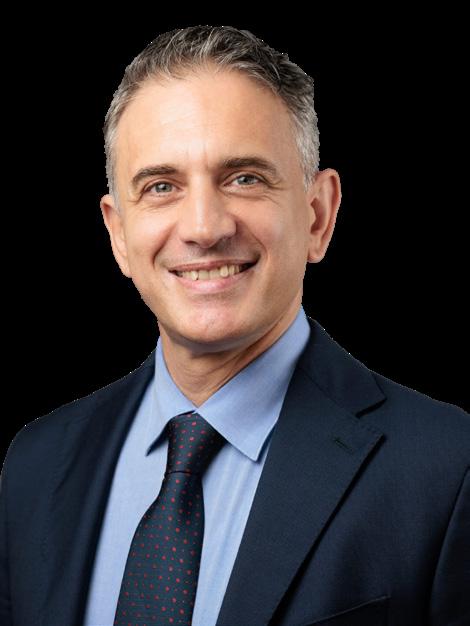
Along these lines, the innovation from Professor Massimo Alioto’s Green IC group from NUS Electrical and Computer Engineering has disrupted several areas of on-chip AI with record-breaking energy efficiency, as supported by leading foundries and fabless players (e.g., TSMC, GlobalFoundries, Soitec, NXP Semiconductors). Representative examples of such innovation are the first demonstration of a battery-less complete AI vision system, in-memory computing with true end-to-end processing from signal conditioning to AI, the first accelerator based on fully automated design with energy efficiency above 100 TOPS/W (as good as state-of-the-art in-memory computing), and CPU-based flexible AI computing with accelerator-like energy efficiency, among the others.
Envisioning the future of computing is also providing the inspiration needed to address limitations of hardware today, especially in relation to AI’s sustainability issues. Researchers at SHINE are, for example, integrating 3D memory directly on top of processors, and developing wider and more effective interconnects to improve the retrieval and transfer of data from memory. Eventually, memory will
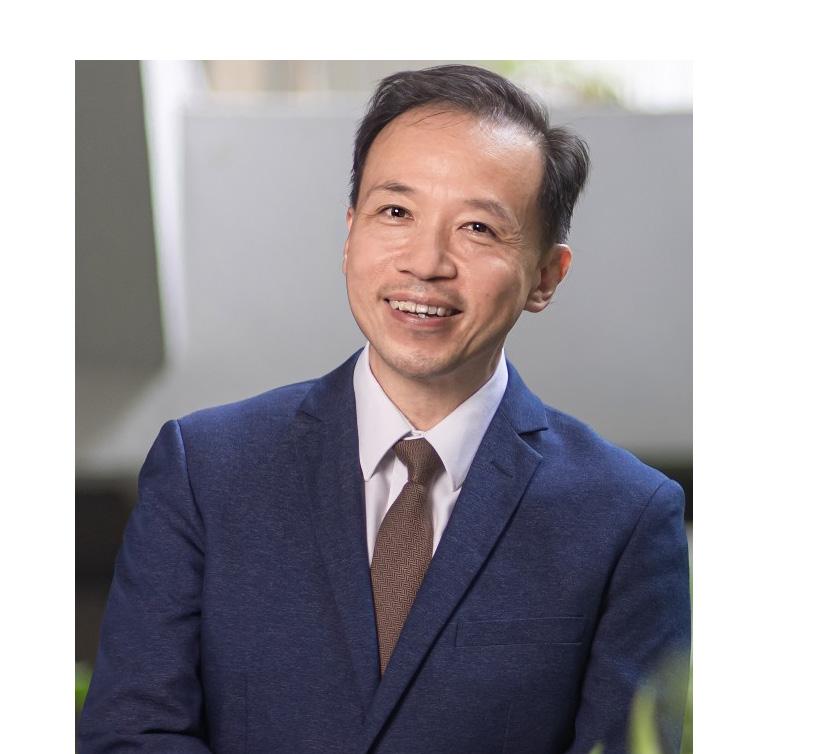
Professor Aaron Thean Deputy President, Academic Affairs and Provost NUS Electrical and Computer Engineering
AI has boomed in recent years, and yet it remains very much in its infancy. How we will use it in the future will depend on multiple factors, but it is almost certain that future computing hardware will dictate its full capabilities. What is certain is that a major shift in our approach to AI chip design is needed. New materials, new architectures and new AI-devices are required so that AI can continue its current development trajectory, to one day serve as a tool that truly augments humans in solving the world’s hardest problems.
NUS Electrical and Computer Engineering

The rapid adoption of ‘generative AI’ tools like ChatGPT has shone the spotlight on artificial intelligence (AI). While its popularity has boomed in just the last couple of years, it was not developed overnight. Instead, it is the result of decades of research and innovation in computer science, mathematics, and materials engineering.
To most lay readers, the very essence of AI is mysterious and unknown. Neural networks and transformers (the T in GPT), large language models and denoising diffusion models, and backpropagation methods all represent somewhat intangible concepts. While it promises to augment human expertise to solve problems beyond our current capabilities, there are very real concerns surrounding the technology. Will it replace workers? Will it contribute to the spread of ‘fake news’, or compromise our personal data?
NUS has long been a key player in AI research. Since its establishment in 1975, the NUS Department of Computer Science has been an active contributor, and in 2019, the NUS AI Lab (NUSAIL) was established within the School of Computing to focus on fundamental AI research domains such as theory, machine learning, reasoning, optimisation, decision-making and planning, modelling and representation, computer vision and natural language processing. More recently, the University bolstered its AI research efforts and established the NUS AI Institute (NAII), a University-level research institute, in 2024.
Through these initiatives, we bring experts together to work on computer science domains that are foundational to AI including hardware and software systems, theory, reasoning, resource efficiency, and system trustworthiness.
NAII is dedicated to advancing the frontiers of AI through fundamental research, innovative development, and practical applications for the betterment of society. Focusing on areas such as education, healthcare, finance, sustainability, and logistics, NAII is set to address some of the most pressing challenges of our time. NAII is also committed to ensuring that AI technologies are developed and deployed with transparency and accountability, addressing related ethical concerns and risks.
Since its establishment, the research institute has received substantial funding, including S$20 million from NUS and S$8 million in external research grants, to support NAII's foundational AI research, policy implications, and real-world applications.
Director of NAII, Professor Mohan Kankanhalli from NUS Computing will lead the institute of more than 20 AI/domain leads across different disciplines, working on more than 10 research programmes.
“NAII aspires to become a global node of AI thought leadership, bringing together domain experts from within and beyond NUS to collaborate on impactful research problems to address societal issues. Recognising the importance of growing a pipeline of AI talent, the institute will also provide exciting hands-on opportunities for NUS students who are keen to pursue a career in AI or explore entrepreneurial pursuits in this fast-growing field,” said Prof Kankanhalli.
NAII will play a crucial role in training the next generation of AI talent, offering comprehensive education programmes and hands-on learning opportunities such as internships
for students, in a bid to nurture the next generation of researchers, engineers, business leaders and policymakers.
Close collaboration with government agencies and industry is paramount in translating research into solutions for the good of the society and the economy. For a start, NAII will be collaborating with industry partners IBM and Google Cloud for research and domain applications development with the goal of spurring technological advancements into impactful societal and economic benefits.
Professor Liu Bin, NUS Deputy President (Research and Technology), added, “The impact of AI on our lives, society, and economy will depend on how we develop, deploy and govern these technologies to maximise their benefits while addressing the challenges and the risks. Through strategic partnerships with local and international experts from both academia and industry, the new AI Institute will be the University’s focal point to synergise our diverse range of capabilities and create a dynamic ecosystem, where sound fundamental research will drive cutting-edge advances in AI, and where interdisciplinary collaborations will translate research outcomes into innovative solutions with deep impacts on our society.”
As the AI hub of NUS, NAII is poised to make significant contributions to the field of AI and its application for the greater good, both within Singapore and globally.
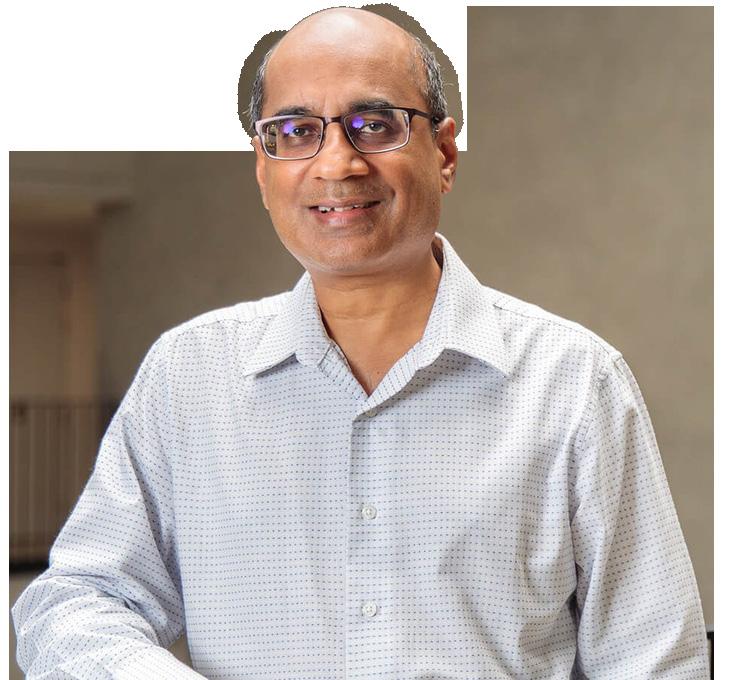
Prof Mohan Kankanhalli
Provost's Chair Professor, NUS Computing Director, NUS AI Institute
AI and big data including text, images and videos are become increasingly prevalent. Systems built around them should benefit people, who should be able to use them without worries and with full trust.
Prof Mohan Kankanhalli focuses on Multimedia Computing by building AI models that process multimodal information to enable applications such as search, recommendation, and security. These systems should not only be useful, but they also need to respect people’s privacy, should not be fragile and should not be easily misused. Hence his second major focus is on Trustworthy AI where he works on mitigating the harms of AI systems by making them privacy-aware, robust, explainable, fair and aligned to societal values.

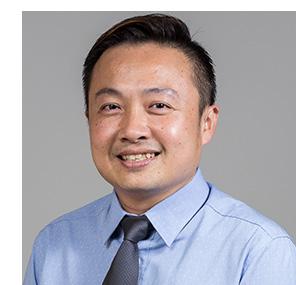
NUS Computing
Deputy Director, NUS AI Institute
Improving the overall performance of machine learning (ML) models requires laborious fine manipulation of the model and data.
In response to this efficiency concern, Assoc Prof Bryan Low designs automated ML (autoML) techniques, such as neural architecture search and Bayesian optimisation, to automatically select the "best" model architecture and optimise its corresponding parameters for a given dataset. AutoML also automates tedious tasks in ML model building like model selection and optimisation.
Assoc Prof Low also designs and develops datacentric AI methods, such as active learning and data selection, valuation, and synthesis, to automatically select and synthesise the "best" data for a given model. He is currently working towards integrating AutoML and data-centric AI methods.

Provost's Chair Professor, NUS Computing
Energy-efficiency is critical for the advancement of AI and this will be especially relevant as inference processing moves to edge devices.
Prof Peh Li Shiuan's work in on-chip networks, commonly used in ultra-low-power wearable chips, has transformed the landscape of computational efficiency, within the domain of AI.Her innovative approach of using interconnecting chip islands that operate in parallel has led to an increase in computational throughput with a simultaneous reduction in power consumption. This architecture has found a critical application in modern data centres, where AI-driven workloads demand efficiency. Prof Peh's contributions to energy-efficient computational systems promise AI technologies that efficiently handle aggressive workloads.


NUS Computing
Vice Dean, Research
Robust AI systems must undergo rigorous training using massive datasets before they can make predictions on new data. These processes consume significant computational resources and energy, making current AI systems unsustainable. Hardware and software systems must therefore be redesigned.
To achieve this, Prof He Bingsheng is employing hardware and software co-design strategies, whereby dedicated hardware and software can be designed and optimised specifically for AI tasks. This strategy has the potential to enhance the performance, energy efficiency and capabilities of AI. Prof He also uses AI to build cost models, and recommend hardware and software design choices that could achieve better performance based on set parameters.


NUS Computing
Robust machine learning models that preserve privacy, while enabling meaningful analysis and collaboration, can mitigate data privacy and security issues in AI.
Prof Xiao Xiaokui specialises in data management and analysis. He focuses on algorithms and systems research, with an emphasis on privacy protection in data sharing and big data analysis.
He has been developing algorithmic techniques that mitigate privacy disclosure in data sharing. His work has focused on differential privacy (DP), a rigorous privacy-preserving technique that has been adopted by tech giants such as Google and Apple. Prof Xiao has devised techniques that enable the usage of DP in various applications such as synthetic data generation, mobile data collection, and private data analysis.

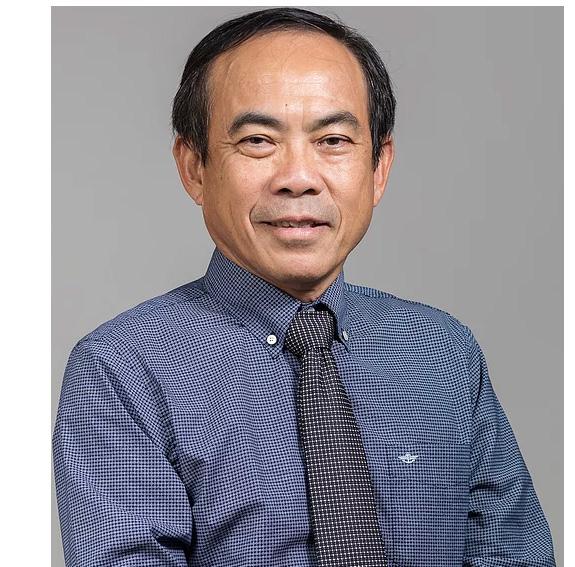
KITHCT Chair Professor, NUS Computing
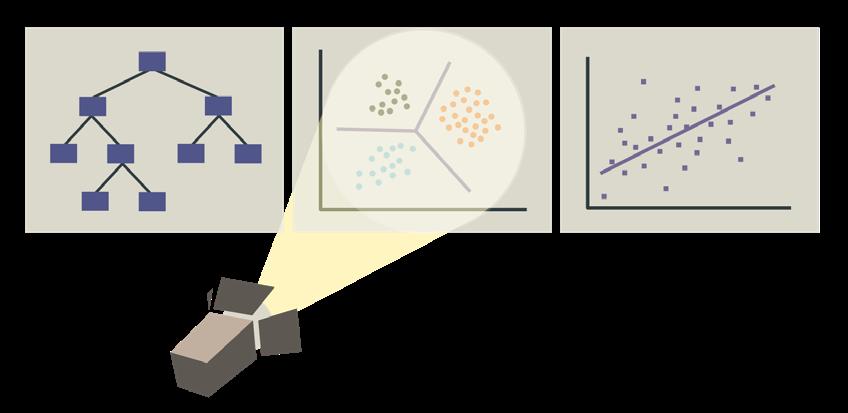
Effective retrieval and analysis of multimedia content requires sophisticated algorithms that can understand and interpret different data modalities.
Prof Chua Tat Seng’s research focuses on the analysis of large unstructured multi-source multimodal data. He aims to develop a task-specific network of experts (NoE) framework. In this framework, each expert is an AI agent specialising in one task in a specific domain who can communicate and collaborate to solve more complex problems. The framework is designed to be adaptable and trustworthy.
Prof Chua is looking to apply NoE to advance research in tasks and domains that require collaborative effort among various experts, such as video generation, generative recommendation, event detection and forecasting, Fintech and legal tasks.


Prof Lee Wee Sun is a renowned figure in the field of AI reasoning and planning at NUS. His research focuses on bridging the gap between deep learning and reasoning, planning, and inference algorithms.
Prof Lee recognises that recent breakthroughs in generative AI have enabled AI agents to operate in very general environments. For example, chatbots can now converse with humans on virtually any topic. However, current AI agents are often unable to reason and plan effectively. In Prof Lee’s research, he seeks to understand and design effective methods for reasoning and planning with generative AI agents, such as generating step-by-step actions, or searching for the best action sequence for a given prompt.

Prof Wynne Hsu Director, NUS Institute of Data Science
Provost's Chair Professor, NUS Computing
Assoc Prof
Jonathan Scarlett
NUS Computing
NUS Institute of Data Science
Assoc Prof Jonathan Scarlett seeks to understand when, why, and how data-centric algorithms work, focusing on understanding their fundamental limits, and developing algorithms whose performance comes as close as possible to those limits. His previous work has led to a precise theoretical understanding of statistical problems such as blackbox optimisation, inverse problems with generative models, and group testing, along with algorithmic advances such as exploiting adaptivity to achieve more reliable noisy group testing with fewer tests. Overall, his work helps to ensure that data-centric algorithms are both theoretically sound and practically effective.
AI-based healthcare technologies are made possible by increasingly sensitive data acquisition and machine-learning-based analysis methods.
A leader in the field, Prof Wynne Hsu has developed numerous data mining, analytic, and knowledge discovery tools for biological and medical applications.
SELENA+ is an AI-powered screening system developed for automatic detection of diabetic retinopathy, cataract and glaucoma. The system meets the clinical requirement for screening purposes while incorporating deep learning into the model. In addition, to encourage clinicians to trust the AI model, Prof Hsu has investigated ways to generate faithful explanations for the model’s prediction. A smaller model with the same performance accuracy was developed for ease of deployment in clinical settings.


Professor Tulika Mitra
Vice Provost, Academic Affairs Provost's Chair Professor, NUS Computing
Generative artificial intelligence (AI) is literally at our fingertips. With just a browser and basic computer we can create images, videos, and prose almost instantaneously. However, where this generated content comes from often feels somewhat intangible. Rarely do users consider what is going on under the hood of the AI tools they use, and this means the costs of AI remain out of sight, and out of mind.
It may seem as though AI does not consume any more power than a PC does. After all, everything is done in the ‘cloud’ — that intangible storage and compute resource that, to many, exists somewhere in the ether. In reality, the carbon footprint of AI is massive. Powering inference queries, or user-initiated prompts, on OpenAI's ChatGPT alone, requires approximately 260 MWh of energy daily. This is comparable to the energy consumed by 200,000 Singapore households.
Yet, inference processing is just the tip of the iceberg. Most energy is used in AI training. Depending on the size of the model being trained, thousands of GPUs will run complex computational algorithms that optimise hundreds of billions of parameters over several months. In fact, it is forecasted that by 2030, the amount of energy required for AI training will be more than 400 TWh. The International Energy Agency projects that global electricity demand from AI, data centres
and cryptocurrency may exceed 1000 TWh in 2026 — an exorbitant amount that is counter to other industries’ efforts to reduce their carbon footprint.
For AI to continue its current trajectory, it must become a more sustainable technology. However, until the discourse encompasses not only how AI will change our lives but also how it could impact our planet’s health, there is little to motivate AI developers, users, or chip manufacturers to prioritise energy-efficient and sustainable AI.
Restricting the use of AI to professional needs, limiting daily inference queries, or raising subscription costs may be one solution, however, this will make AI exclusive at the expense of individuals who could benefit most from its use, especially in terms of knowledge acquisition.
Instead, focus should be placed on technological innovations and collaborative efforts, prioritising research into more efficient algorithms, hardware designs, and operational practices while fostering education about AI's true impact.
‘Greening AI’ is a team effort. Ultimately, improvements in AI efficiency can be sought, without compromising accessibility or capabilities.
Since energy consumption lies primarily in the running of GPUs or AI chips, manufacturers must take some responsibility for the efficiency of their products. New hardware is sold on the promise of its ability to make training and inference query processing faster, and more intelligent. However, the pursuit for compute power has been uncompromising. Without the ability to shrink transistor size further, manufacturers are now scaling by adding more processing cores and memory. Redefining the semiconductor architecture, starting at the material and chip level is one step that can be taken. This is discussed in an article by Professors Thean and Alioto, on page 5 of this magazine.
What may hold greater sway in reducing AI’s energy appetite are new approaches in algorithm and software development. Large language models, like ChatGPT, required billions of parameters before they became responsive and useful. However, this is because their purpose is to predict responses to queries that could cover any topic, context and intent. Future AI models that are tailored for specific purposes may incorporate only a subset of parameters and be trained on specific datasets relevant only to their intended use. Not only would refined models enable energy-
efficient deployment of AI, and reduce the environmental cost of deployment, but they could also be moved from the cloud to edge devices like mobile phones, PCs or even wearables. Doing so would make users responsible for the energy they consume when employing AI.
At NUS, researchers from the NUS Computing and College of Design and Engineering are exploring ways to reuse pre-trained AI models for specific tasks, while avoiding the need to re-train them. These models are distilled, tuned, and pruned to become faster, smaller and easier to use, which reduces the energy needed for inference queries, and removes training requirements altogether. They are also researching model quantisation, to reduce latency, memory consumption and bandwidth requirements. Already, alternatives that replace massive models with concise, interpretable models that capture complex relationships with minimal parameters for specific purposes have been presented. Researchers are also investigating system-level techniques that leverage computing architectures beyond traditional GPUs. Here, more flexible and energy-efficient infrastructure that is capable of adapting to the varied computational patterns of different AI workloads are explored.
AI tools were rolled out to popular communications and social media platforms, integrated into content production software, and made available for subscription or betatesting without developers disclosing to users how much energy was being consumed to generate their text or images. In most cases, it would not have been possible to quantitate a meaningful value.
Energy and water efficiency ratings have been shown to influence consumers’ decisions on which appliances to purchase for many years. Requiring manufacturers of AI devices, as well as software developers, to disclose the energy efficiency or carbon footprint ratings of their products may be a necessary step to nudging user behaviour. This will be especially relevant when AI is moved to specialised consumer devices. Measuring the energy demands of an algorithm or AI model is not straightforward, as it will depend on multiple factors. However, this should not deter such an approach but rather motivate research and regulation in this area.
AI remains in its infancy. There is still time to prioritise sustainable AI by focusing on energy-efficient systems, encouraging accountability from AI developers and chip manufacturers, and educating users on the true costs of AI.
F or years, robots have been automating manufacturing processes, sensors have been used to predict equipment failures, and digital twins have been used to simulate and optimise operations. However, it is only recently that these technologies could be integrated as one, to optimise manufacturing, and turn factories into smart, responsive, and efficient production lines. This is not only thanks to artificial intelligence (AI) but also augmented reality (AR).
Integrating AI and AR gives factories the brains and eyes to operate with unprecedented efficiency and precision. AI functions as the cognitive powerhouse that processes data, optimises operations and provides predictive insights. AR serves as the eyes, overlaying digital information onto the physical world to enhance real-time decision-making, training, and maintenance. This combination can transform manufacturing by reducing downtime, improving accuracy, and enabling remote assistance.
Given the benefits of integrating AI and AR into their processes, many companies are jumping on the bandwagon. At Siemens, for example, AI algorithms process equipment data such as temperature, vibration and performance metrics to predict when a machine is likely to fail or require maintenance. The real-time data and predictive insights from AI are fed directly into the AR interface. Through AR glasses or AR-enabled devices, technicians can see predictive maintenance alerts and diagnostic information overlaid on the equipment, helping them make informed decisions quickly. When AI detects a potential issue, it can also trigger AR-guided maintenance procedures. By combining AI's data analysis and predictive power with AR's immersive and interactive visualisation, Siemens significantly improved its maintenance operations, leading to reduced downtime, increased efficiency, and greater accuracy.
AI and AR are also essential and complementary elements for the construction of digital twins and human-robot collaboration.

Digital twin technology uses AI to process real-time data and create simulations of factory operations with AR displaying the equipment status through digital control dashboards. As a digital replica of the physical system, digital twins can replicate processes, including failures predicted by the AI.
A full digital twin representation of an entire factory shop floor is rarely obtained. Instead, digital twinning of individual equipment is common, however this limits the full potential of the technology.
At NUS, Associate Professor Ong Soh Khim from NUS Mechanical Engineering is pioneering AR technologies to address this limitation. Of particular interest is the integration of AR, AI and robotics.
Collaborative robots (cobots), which are robots that interact with human workers, benefit as AR provides workers with intuitive interfaces to control and interact with them. AI then enables these robots to understand and respond to complex commands and adapt to changing conditions. This type of collaboration enhances productivity and allows for more flexible and efficient workflows.
Integrating AI with AR is no easy feat. The issue of interoperability must be overcome since they are entirely different technologies. Other challenges include the requirement for specialised skills to develop, use, and maintain these technologies. For instance, in AR, workers must have sufficient knowledge and training in the wearing of AR-eyeglasses or head-mounted devices, to overcome possible nausea from prolonged wearing.
There is also the issue of data privacy and security which are always present in any form of digital application. The advice by Assoc Prof Ong is to design interfaces with external networks to ensure robust security measures are in place to prevent potential data loss and protect against malware attacks.
“AI is often considered a double-edged sword, it can facilitate and provide great assistance to the users. On the other hand, it can also open up huge security risks, loss of information and data, scams and hackings by malicious means. University and research institutions can play a role to design training modules to counter the downside of AI proliferation,” she added.
However, as technology advances and becomes more accessible, these challenges are likely to diminish. Advances
in AI, such as improved machine learning algorithms and more powerful data processing capabilities, will enhance the intelligence and responsiveness of AR applications.
As with every technological advancement introduced to the world, concerns of being replaced by technology are etched in peoples’ minds. “People worried about job displacement when automation and robots were first introduced to the shop floor, but this never happened. It is highly unlikely that this “displacement” would take place,” said Assoc Prof Ong.
Redesigning jobs and helping workers gain a better understanding of how these tools can assist in their daily tasks is crucial to alleviating such concerns.
While challenges remain, the ongoing advancements in both AI and AR suggest a future where manufacturing becomes even more efficient, flexible, and innovative. Together, AI and AR will create a powerful combination where the brain (AI) thinks, learns, and make decisions, while the eyes (AR) see, guide, and interact. This will enable workers to make informed actions in training, maintenance, quality control and human-robot collaboration, leading to enhanced productivity, efficiency and accuracy in manufacturing.

I
n the battle against climate change, peatlands have emerged as unsung heroes. These wetlands, which are composed of organic material that has accumulated over thousands of years, store vast amounts of carbon dioxide. In fact, 31% of terrestrial carbon is stored in peatlands, despite them covering only 3% of the Earth’s land area.
Like many of the world’s ecosystems, peatlands are under threat. Agricultural expansion, commercial peat extraction and wildfires all contribute to the depletion of this carbon sink. Compounding the issue are the fragile environmental factors unique to this ecosystem that must be kept stable for it to effectively store carbon. Increasing soil temperature will accelerate the decay of organic material, while moisture levels influence not only the rate of decomposition but also plant diversity on the surface. Any shift in these conditions, whether from natural changes or human interference, could severely hamper efforts to reign in climate change.
Restoring and preserving peatlands is therefore essential.
Monitoring the extent and health of peatlands, and detecting illegal activities like deforestation and drainage, traditionally required labour-intensive field surveys for data collection. While these methods work for short-term monitoring of confined regions, they are less viable for comprehensive long-term monitoring across large regions.
Now, researchers are turning to specialised artificial intelligence models in their fight to conserve Southeast Asia’s peatlands. Of particular use is AI’s ability to process vast amounts of data and identify patterns. Enabling this approach are the growing number of data sources available for environmental monitoring. Satellite imagery, for example, reaches even the most isolated peatlands, and covers vast regions. Ground-based sensors and imaging measurements can also be incorporated to offer detailed insights into microclimatic conditions, microtopography, water chemistry, and biodiversity.
At NUS, the Integrated Tropical Peatlands Research Program (INTPREP), led by Associate Professor Sanjay Swarup from the NUS Environmental Research Institute, monitors reforestation in retired commercial peat-based plantations. In this research, the team used satellite images, airborne LiDAR, and an in-house logistic regression model developed to track forest regeneration over time, identify regeneration hotspots, and identify the types of trees that are growing back. Focusing on the hotspots, the team collect detailed, multi-year measurements of tree growth and physiology and carbon emissions. They also assess the soil microbiome to learn more about the mechanisms of forest regrowth.
Beyond monitoring, predictive AI models are being developed to forecast changes in the flow of carbon in response to climate change and human activities. Such modelling aids in the formulation of adaptive management strategies. To enable such models, Assoc Prof Swarup's team is collecting and curating multi-year record datasets of predictor variables that cover a wide range of spatial scales.
Using this data, AI-based methods can be employed to identify markers that predict peat health and forest regrowth, and condense large-scale microbiome gene datasets to parametrise multi-scalar predictive models.
While AI offers promising solutions, its application in peatland conservation is not without challenges. Data privacy, algorithm bias, and the need for robust infrastructure in remote areas must all be addressed.
Ethical considerations also come into play, particularly concerning data ownership and governance. In indigenous territories, where traditional knowledge intersects with scientific data, there is a need to navigate complex issues of ownership, access, and control over data. Respecting indigenous rights and perspectives is crucial in integrating AI technologies responsibly.
Collaborative efforts involving scientists, policymakers, local communities, and technology developers are crucial to overcoming these challenges. Looking forward, Assoc Prof Swarup's team aims to collaborate with various stakeholders to develop culturally sensitive, science-based guidance and climate-smart agricultural practices to future-proof the livelihoods of communities who reside on coastal peatlands.
To do this, the team will first identify coastal peatlands that are most vulnerable to sea level rise using remote sensing and predictive AI models. This work will be done

in collaboration with NUS Centre for Remote Imaging, Sensing and Processing (CRISP) and NUS AI Institute. Next, they will collaborate with researchers from NUS Centre for Nature-based Climate Solutions (CNCS) to conduct field campaigns with the local communities, to better understand their needs and practices. With this knowledge, and using a combination of carbon, vegetation, and microbiome process measurements collected at multiple spatial and temporal scales, the team will refine predictions of carbon outcomes to climate vulnerabilities in current models. Finally, the team hope to share these predictions with the local communities to develop agricultural practices that are climate-smart, yet culturally inclusive.
By promoting transparency, inclusivity, and accountability, the team hopes to harness the full potential of AI to safeguard peatlands and enhance global carbon sequestration efforts.

I magine computers that operate a million-times faster than today’s supercomputers, that consume only a fraction of the energy of our mobile devices, where electricity can be generated, transmitted, and utilised with minimal loss, where telecommunications are instantaneous and perfectly secure, and where electronic devices are not only more efficient, but are adaptable.
It is possible that future computing technologies will demand such advancements, and yet, we are already reaching the theoretical and practical limits of traditional silicon-based semiconductor architecture. To achieve the future we all envision, completely new foundations on which technologies will be developed, are required.
Quantum materials may provide the basis on which our future computing technologies can be built. At their core, quantum materials possess key electronic and magnetic properties that enable unique behaviours and functionalities. These properties arise from the interactions of their electrons at the atomic and subatomic scales, where solid matter loses its conventional order and exhibits wavelike properties. It is at this level that we see quantum phenomena such as superconductivity, topological insulation, and exotic magnetic phases.
The ability to understand, create and control quantum materials is revolutionary. However, quantum materials possess a level of complexity that demands sophisticated, powerful tools and methods for their production, manipulation and application.
Despite advances in materials research, it remains challenging to precisely fabricate and tailor the properties of quantum materials at the atomic level. Current methods,
such as on-surface synthesis, are unable to provide the level of selectivity, efficiency and precision required for many applications. Existing methods are also costly, time-consuming and technically demanding.
Developing new methods for material discovery requires a rethink of traditional manufacturing processes. To enable discovery and achieve accuracy, efficiency and cost-effectiveness, researchers at the NUS Institute for Functional Intelligent Materials (I-FIM) are integrating AI, automation and robotics to their approach.
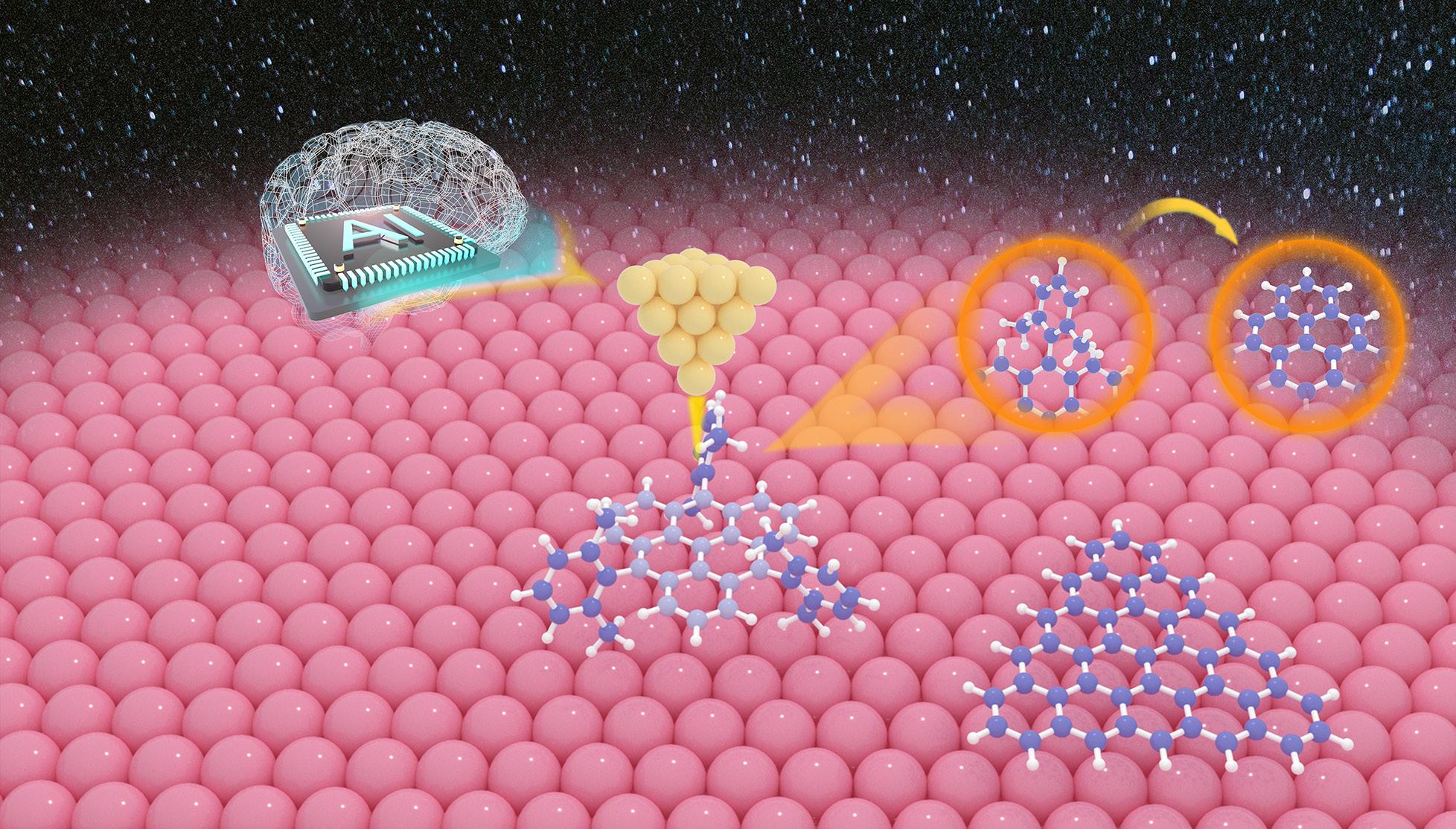
For example, in work led by Associate Professor Lu Jiong from NUS Chemistry and I-FIM, an AI-assisted atomic robotic probe was developed to mimic the decision-making process of chemists. This innovation seeks to revolutionise the fabrication of quantum materials with greater control and precision.
Their innovative concept comprises a chemist-intuited atomic robotic probe (CARP), which combines scanning probe microscope techniques with deep learning, to achieve precise fabrication of a carbon-based quantum material known as magnetic nanographene.
Assoc Prof Lu explains, “Our main goal is to work at the atomic level to create, study, and control these quantum materials. We are striving to revolutionise the production of these materials on surfaces to enable more control over their outcomes, right down to the level of individual atoms and bonds.” This research breakthrough was published in Nature Synthesis in February 2024.
A key feature of CARP lies in its ability to harness the knowledge of human chemists through a deep neural framework. For example, the expertise of chemists is used to annotate training datasets, which may include scanning tunneling microscopy (STM) images. This helps the intelligent modules understand what they need to focus on and how to achieve their goals efficiently. To achieve this, the team developed various layers of convolutional neural networks, a type of deep learning model used for image recognition and processing. The CARP framework was then trained on chemists’ knowledge of site-selective cyclodehydrogenation, which is a complex synthesis method for nanographenes.
In tests, the CARP framework demonstrated satisfactory performance in both offline and real-time operations, successfully triggering single-molecule reactions at a scale smaller than 0.1 nm. This marks the first instance of a probe chemistry reaction being assisted by AI.
The team also uncovered deep insights within the intelligent modules. Results indicated that CARP could effectively capture features such as the correct atomic sites, which are crucial in initiating reactions for the successful synthesis of nanographene, something challenging for human operators to notice. STM images typically contain both structural and electronic information, and chemists often struggle with distinguishing the correct atomic site within the range of
0.1 to 0.2 nm. This conventional but time-consuming approach relies on density functional theory (DFT)-based simulation to calculate the possible reaction pathway. With features uncovered by the intelligent modules in CARP, chemists can quickly comprehend possible reaction mechanisms and DFT can then verify and detail the reaction mechanisms using less effort and resources.
“Our goal is to extend the CARP framework further to adopt versatile on-surface probe chemistry reactions with scale and efficiency. This has the potential to transform conventional laboratory-based on-surface synthesis process into on-chip fabrication for practical applications. Such transformation could play a pivotal role in accelerating the fundamental research of quantum matters and usher in a new era of intelligent atomic fabrication,” added Assoc Prof Lu.
The implications of their findings on the fabrication of quantum materials could hold significant promise for the design of future technologies in the fields of data storage, computing, manufacturing, medicine and beyond.
As AI continues to advance, its role in the understanding, creation and application of quantum materials would become increasingly significant. It will herald a new era of precision and possibility, that we can all embrace.
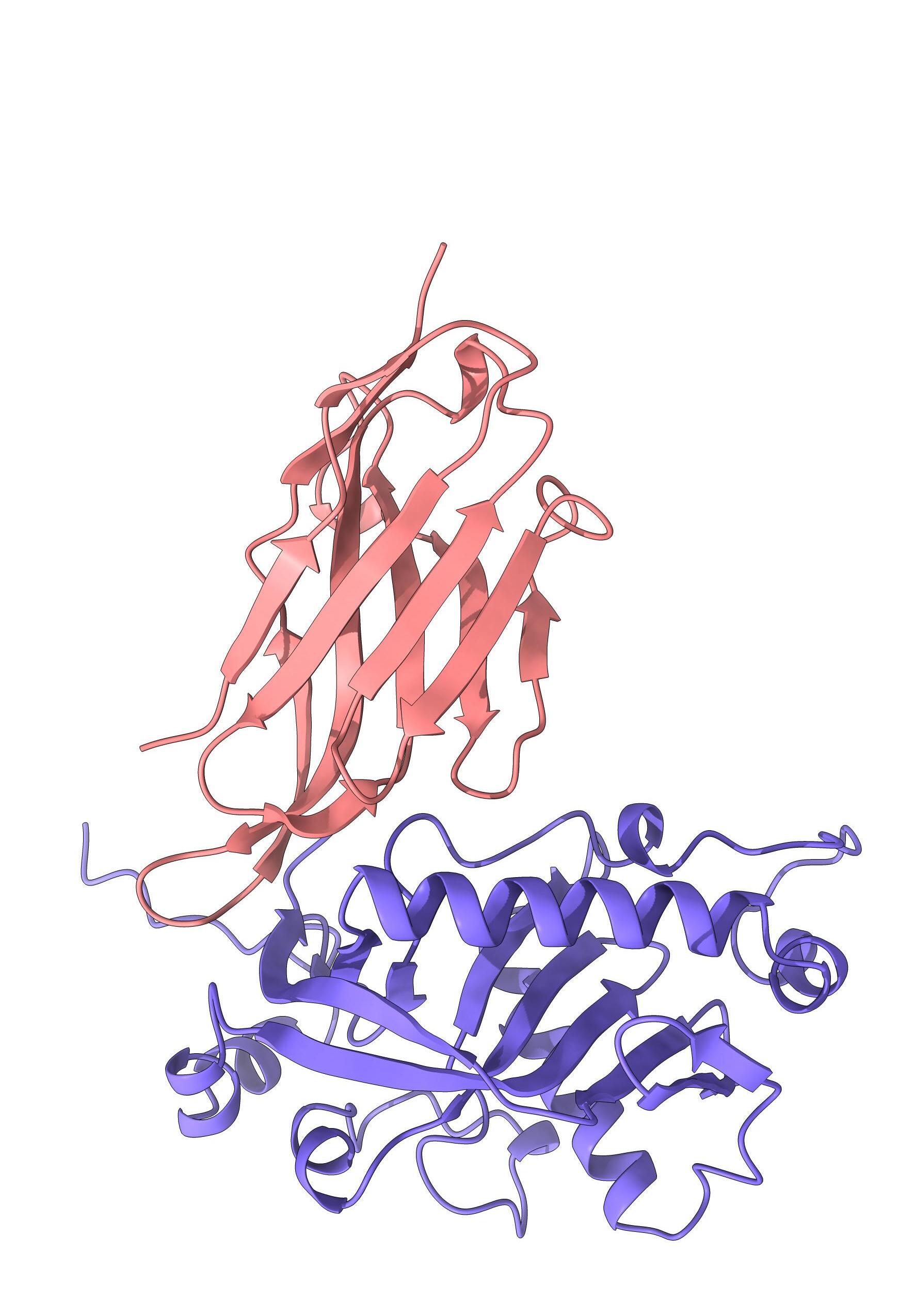
roteins are complex biological molecules. The folding and twisting of basic amino acid chains give rise to intricately detailed shapes, with coils, ridges, grooves, exposed surfaces and hidden pockets. This precise structural arrangement confers stability, integrity and functionality.
Most proteins are also dynamic. They may undergo conformational changes induced by their cellular environment, or be subjected to biochemical alteration by other protein types. These modifications may activate or suppress protein function.
However, one of the most complex aspects of protein life lies in the fact that they nearly always function within a vast network of biochemical pathways or signalling cascades. In some cases, a protein may contribute to multiple pathways, while in other cases multiple proteins may serve the same function in critical pathways, providing redundancy in the event that one protein is damaged or functions erratically.
In fact, nearly all proteins interact with other proteins. These protein-protein interactions (PPIs) include antibodyantigen interactions, which enhance an organism's ability to fight pathogens and diseases; ligand-receptor binding, which initiates cellular signalling and enzyme-substrate interactions, which facilitate metabolic processes.
Extensive effort has gone into determining the three-dimensional (3D) structures of proteins in complex with other proteins. These studies seek to understand how two or more proteins physically interact and how these interactions impact their function and regulation — providing knowledge that is key to drug discovery efforts, and in understanding the cause of certain diseases.
Although traditional techniques used to determine protein structure, like X-ray crystallography and Cryo-Electron Microscopy, offer precise structural insights, they also require significant time and financial investment, and lack scalability.
Now, researchers are turning to artificial intelligence (AI) and the computational prediction of protein structures. Algorithms like AlphaFold2 developed by DeepMind have proven to be impressively accurate in predicting more than 200 million 3D structures of proteins from amino acid sequences.
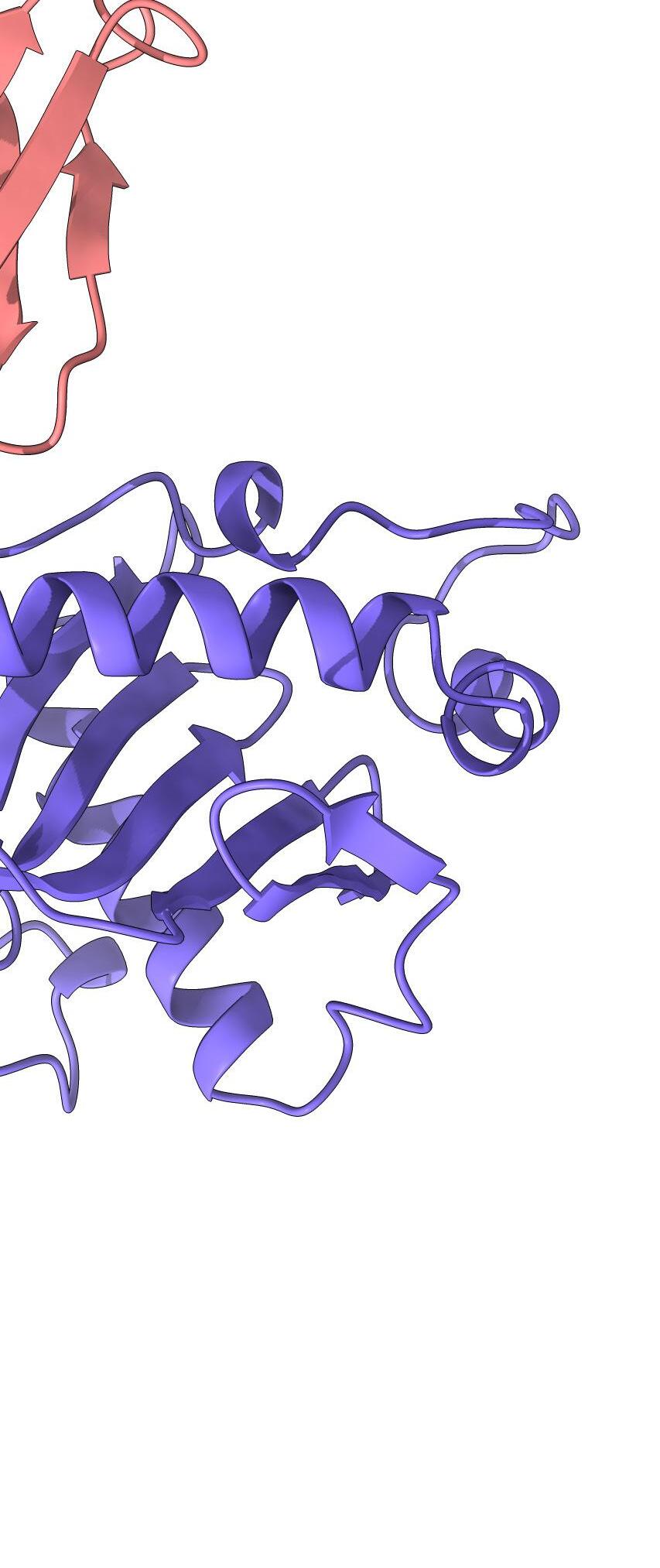
Created by Professor Zhang Yang from NUS Computing, I-TASSER is a pipeline which combines protein fold recognition with physics-based Monte Carlo simulations, developed for iterative protein structure assembly and refinement. I-TASSER has been ranked the most accurate method for automated protein structure prediction in community-wide CASP experiments.
Recently, Prof Zhang extended I-TASSER to D-I-TASSER by integrating advanced AI and deep-learning techniques with the I-TASSER folding simulations for atomic-level protein structure and functions. D-I-TASSER is able to combine multiple AI techniques with physics-based force fields. This not only significantly enhances the structural modelling accuracy of individual AI methods but also allows tracking of folding simulation trajectories. The latter capability is critical to model protein folding dynamics, which is a long-term challenge in the field, given that most AI-based methods only predict one static structure model.
Another advantage of D-I-TASSER is modelling the structures of multi-domain proteins, which contain more than one distinct structural unit or domain with different functions. Such structures are often hard to predict even with the state-of-the-art algorithm AlphaFold2, due to the complexity of domain-domain interactions. The blind test results from the most recent CASP15 experiment showed that D-ITASSER achieved higher accuracy on multi-domain proteins when compared with AlphaFold2. This demonstrates a new avenue for complex protein structure and structure-based function predictions.
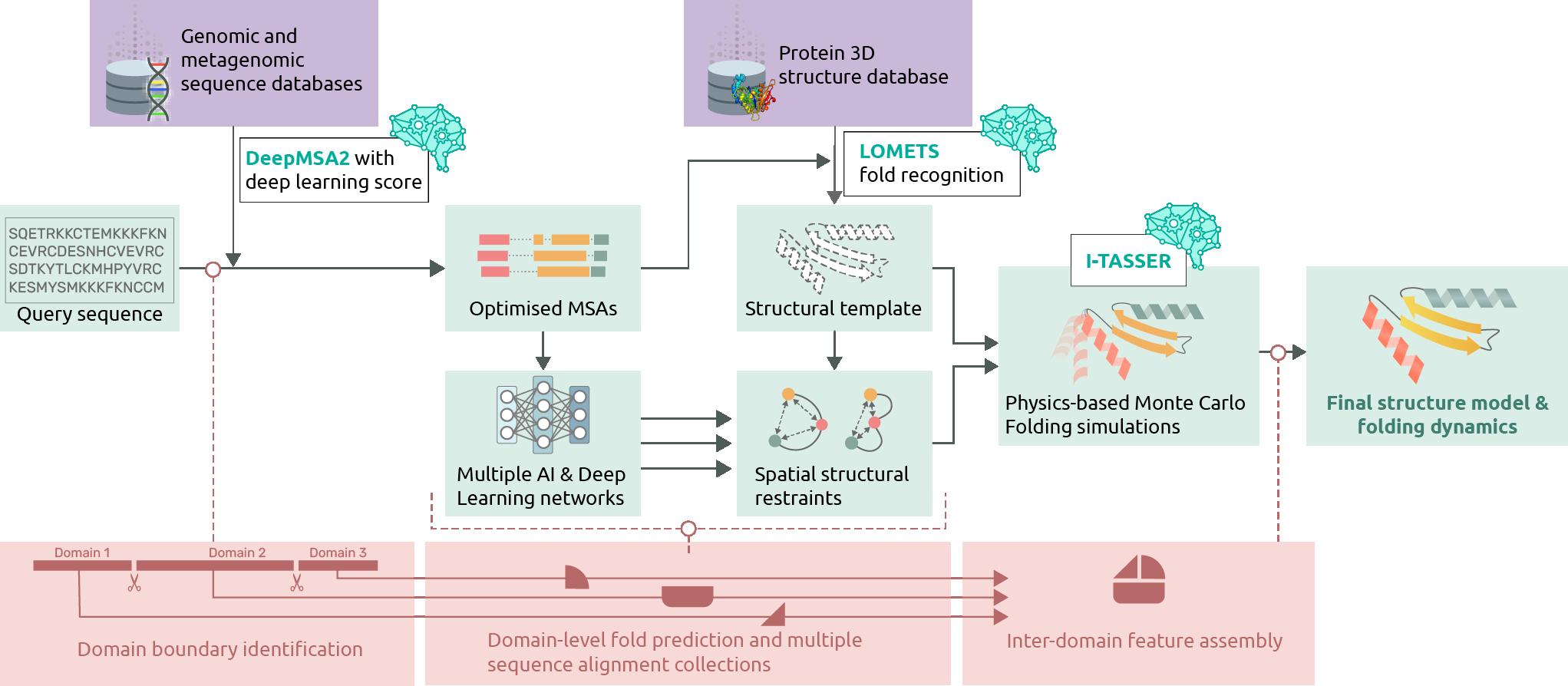
The accuracy of protein structure prediction algorithms like I-TASSER and D-I-TASSER is dependent on the quality of input data sources. Common bioinformatic inputs used for structure prediction algorithms include multiple sequence alignments (MSAs), which contain information that helps to find conserved regions or evolutionary relationships between biological sequences, including the amino acid sequence that defines protein structure. MSA collection tools may highlight important functional regions to improve structure prediction reliability, or reveal structural variations between similar proteins.
In a recent study, Prof Zhang reported a pipeline to create high-quality MSAs known as DeepMSA2. The method uses iterative searches across huge genomic and metagenomic sequence databases that contain a total of 40 billion sequences. A deep learning-based scoring strategy is applied to optimise MSA selection.
Compared with existing MSA construction methods, the iterative search and model-based preselection strategy of DeepMSA2 has been shown to construct MSAs with more balanced alignment coverage and homologous diversity — higher quality MSAs for structural prediction. In the recent CASP15 competition, Prof Zhang combined DeepMSA2 and cutting-edge AI models to develop DMFold, which significantly outperformed all other state-of-the-art PPI complex structure predictions.
Determining the structure and function of proteins by leveraging AI and deep learning techniques is a cornerstone
of modern biology and medicine. Having already made substantial contributions to the field, and as the domain lead of AI for Science at NUS AI Institute (NAII), Prof Zhang hopes to continue accelerating in the computational structural biology field to enhance its impact on future biomedicine and drug discovery efforts.
AI has brought about significant progress in protein structure prediction, but critical challenges remain in protein dynamics and complex structure prediction.

The rising frequency and severity of extreme weather events, driven by human-caused global warming1, are placing significant socioeconomic and environmental burdens on communities and ecosystems around the globe.
These events are caused by significantly anomalous weather conditions relative to what is expected in a certain region, and they can lead to both direct and indirect impacts. Heatwaves, for example, may cause health-related issues, like heatstroke, energy-grid and infrastructure failures, as well as agricultural issues, such as crop failure. When heatwaves are compounded by persistent dry conditions, water scarcity and wildfires may also result.
Many governing bodies have declared climate change a global crisis, prompting efforts to not only better understand the root causes, but to also consider measures necessary to protect economies, infrastructure, and ecosystems from future weather extremes.
However, much work needs to be done. Identifying and implementing preventative measures starts with gaining a better understanding of the drivers of extreme weather and improving prediction capabilities. It is also essential that policymakers are informed of the vulnerabilities their region may be subject to.
To tackle this understanding-prediction-mitigation challenge, experts are now able to augment their own knowledge and experience with artificial intelligence (AI)-based tools, which tap on the wealth of data available from weather observations, satellite images, and textual data.
Organisations such as Google DeepMind, NVIDIA and the European Centre for Medium-Range Weather Forecasts (ECMWF), are embracing the challenge and producing competitive AI models for predicting the weather, such as GraphCast, FourCastNet, and Artificial Intelligence/ Integrated Forecasting System (AIFS).
While these AI systems demonstrate an ability to make efficient weather predictions from large historical datasets, they are unable to provide insights into why the prediction was made or which variables were the most important in their prediction. They are essentially black-boxes for domain experts and scientists alike, and this hinders our ability to learn new knowledge about weather and climate.
However, if we were able to understand what data the AI system deemed important (and possibly how it used those data), scientists can potentially try to explain why the machine deem those specific data important, and subsequently discover new knowledge. By embedding this new knowledge into existing prediction systems, or by shaping AI model behaviour, better forecasts of extreme weather may result.
To unlock this enormous potential, ‘explainable AI’ (XAI) plays a pivotal role. XAI refers to a framework that allows human users to better understand the results and outputs provided by machine learning algorithms. This includes, for example, providing accurate information on what data an AI system used, and possibly how it used those data to obtain a particular decision, prediction, or recommendation. An XAI system could not only predict extreme weather events,
but also explain what factors determined its prediction. Unusual temperatures, pressure, wind speed patterns, or humidity levels, are some factors it may consider. XAI allows researchers, meteorologists and policymakers to work with AI models, applying their domain knowledge to interpret AI insights, and obtaining more accurate weather and climate predictions. XAI models are also more trustworthy as it is clearer on how the algorithms obtain their output. This is important in the context of AI regulation and responsibility.
Pioneering the development and use of XAI for the understanding, prediction and mitigation of extreme weather events is Assistant Professor Gianmarco Mengaldo from NUS Mechanical Engineering.
He proposes the use of XAI to investigate the precursors of extreme weather events and identify region or city-specific vulnerabilities associated with these events. This approach aims to enhance the understanding and predictability of extreme weather events, to potentially improve forecasting and warning systems.
Specifically, Asst Prof Mengaldo focuses on the tropical Indo-Pacific region, where it is notoriously challenging to distinguish between natural variability and global warming trends. His preliminary findings, obtained with tools from dynamical system and extreme value theory, have revealed critical changes in weather patterns that are significantly aggravating extreme weather events, especially heatwaves and extreme precipitation. These extreme events are frequently linked to heat-induced illnesses and potentially devastating flooding respectively. He is currently collaborating with the Centre for Climate Research Singapore (CCRS), NVIDIA, Brown University, the French National Centre for Scientific Research (CNRS) and the University of Cambridge, among others, to expand this work to other regions worldwide and apply XAI for better understanding of extreme weather event precursors, and region-to-city-level vulnerabilities to these events.
Asst Prof Mengaldo’s research in XAI stands to significantly advance our ability to predict and mitigate extreme weather events. His approach not only promises to enhance the accuracy and reliability of weather forecasting, but also provides valuable insights into the underlying mechanisms driving these phenomena. These efforts may lead to more effective early warning systems and disaster response strategies, and may benefit policymakers who, when equipped with these advanced tools, would be better positioned to protect communities, reduce economic losses, and improve overall resilience in vulnerable urban areas.
1.
Summary for all climate change 2021: 2022 [accessed 2024 Aug 16]. https://www.ipcc.ch/report/ar6/wg1/downloads/outreach/IPCC_AR6_ WGI_SummaryForAll.pdf

A rtificial Intelligence (AI) has emerged as a transformative technology across many sectors. In healthcare alone, it is revolutionising diagnosis, treatment, and patient care. In clinical oncology, for instance, AI tools can analyse histopathology images and mammography scans for diagnostics, identify novel therapeutic targets to advance drug discovery and development, and personalise cancer treatments by optimising drug dosages for individuals. This means not only minimising side effects, but also identifying the most effective combinations for treatment.
However, AI is still a relatively new technology and faces substantial hurdles in clinical adoption due to trust and understanding issues. Many patients and healthcare providers struggle to grasp how AI works, and regulators are cautious about trusting AI in a clinical environment due to concerns about its reliability and safety. Ethical considerations such as data privacy and security, and potential biases in AI algorithms may also be raised regarding its use. These factors tend to lead to delays in the approval process, which subsequently delays implementation in clinical practice.
A lack of understanding and trust, however, can be resolved through effective communication between researchers, regulators, healthcare providers and AI developers. With good communication, rigorous evaluation and accelerated delivery of impactful modalities will ensue, and this is what ultimately transforms healthcare and saves lives.
CURATE.AI, which is an AI-based platform designed to dynamically optimise and personalise drug doses for individual patients, is a prime example. This platform was developed by Professor Dean Ho and his team from NUS Biomedical Engineering, The N.1 Institute for Health (N.1) and The Institute for Digital Medicine (WisDM). During its development, frequent discussions with the relevant regulatory bodies took place, and according to Prof Ho, this was instrumental in bringing the technology to clinical trials in Singapore.

The N.1 Institute for Health
The Institute for Digital Medicine
This began with a pilot trial (PRECISE.CURATE) that showed that colorectal cancer patients were able to receive doses that were 20% lower on average than standard treatment regimens dictate, yet exhibited the same efficacy. Since this initial trial, CURATE.AI and related platforms have gone on to be assessed in clinical trials for various cancers, including breast, GI, glioma, sarcoma, and multiple myeloma.
It has been a long road for both Prof Ho, and CURATE.AI, but what has stood out to him along the way were the rapid responses and active engagement of Singapore’s regulatory authority, the Health Sciences Authority (HSA).
With regulator engagement and curation came efficient turnaround times for trial initiation. The trials, particularly the individualised N-of-1 studies, involved highly personalised dosing plans that change over a time
— a hallmark of CURATE.AI’s unique capabilities, and required careful risk assessment and regulatory discussions to ensure their safe and efficient implementation. In addition, the team also conducted extensive Institutional Review Board (IRB)-driven user engagement and acceptability studies to integrate CURATE.AI into clinical workflows.
According to Prof Ho, CURATE.AI’s clinical workflow is a breakthrough for the prospective use of AI to guide actual patient treatment. “This is a marked difference from the more prevalent studies of AI that pertain to the validation of AI models that have not yet been used to guide patient care.
When paired with the recent featuring of CURATE.AI as a real-world use case in the WHO Regulatory Considerations of AI in Health guidance1, this represents a full roadmap of ideation all the way to policy impact.” he said.
Prof Ho’s CURATE.AI clinical workflow was published in the ASCO Educational Book (EdBook)2, in May 2023 — a milestone for NUS given the global influence of this publication on practice-changing clinical oncology education.
Currently, most approved AI healthcare models are validated retrospectively with existing data. Applying AI prospectively to make real-time decisions as seen in CURATE.AI warrants a behavioural shift from all stakeholders, including patients, doctors, AI experts, bioengineers, ethicists, and behavioural scientists that will eventually see an acceptance of AI in clinical practice.
Prof Ho acknowledges that one of the barriers to fostering better engagement between regulators and AI developers is the lack of early and frequent interaction. Typically, technology developers seek regulatory input only when their innovation is ready for approval. Given that most innovations would probably never reach this stage, this approach leaves many innovators and developers unfamiliar with regulatory expectations, making later interactions more challenging.
To overcome these hurdles, Prof Ho recommends that several strategies are employed. Firstly, regular dialogues between regulators and developers can help align expectations. Conducting programmes that educate developers about regulatory expectations early in the development process is also useful.
Finally, focus groups could also be established to enhance interaction among stakeholders including developers, healthcare providers, behavioural scientists and patients. Together, these steps will foster behavioural change and greater acceptance of AI in clinical practice.
Given the quickly-evolving nature of AI and digital medicine, the agility of a country’s research and development ecosystem would not only facilitate rapid access to discussions with all stakeholders, but would also be vital in supporting innovation, including new discoveries and clinical trial designs. For instance, the establishment of the Ministry of Health (MOH) TRUST platform facilitates data sharing for AI model validation. The data exchange platform calls for healthcare professionals, institutions, and private healthcare providers to contribute their data for research. Having access to larger and more diverse datasets helps researchers advance the discovery of novel associations, and enables breakthroughs in health research that will have benefits extending beyond Singapore’s population.
Ultimately, the integration of AI in healthcare holds immense potential, but its successful deployment requires robust engagement and communication between regulators and developers to ensure AI innovations are safe, effective, and beneficial for all stakeholders.
1.
Royalty-free licenses for genetically modified Rice made available to developing countries. World Health Organization. 1970 Jan 1 [accessed 2024 Aug 16]. https://www.who.int/iris/handle/10665/267990
2.
Kumar K, Miskovic V, Blasiak A, Sundar R, Pedrocchi AL, Pearson AT, Prelaj A, Ho D. Artificial Intelligence in clinical oncology: From Data to Digital Pathology and Treatment. American Society of Clinical Oncology Educational Book. 2023;(43). doi:10.1200/edbk_390084


NUS Real Estate
Real estate economics in Singapore is a balancing act. Global economic activity, GDP growth, interest rate forecasts, and housing availability all work alongside unique factors such as land scarcity, population density, and an ageing population to direct long-term urban planning strategies. These, in turn, aim to ensure housing and social support remain accessible across all socioeconomic groups.
With many empirical factors at play, the domain of real estate economics is expected to see a significant shift, driven by artificial intelligence (AI), in the coming years. AI-based modelling, simulation and prediction tools may redefine how policy is formulated, making use of current and historical data to optimise land-use and mitigate price surges or market crashes.
In 2023, researchers and thought leaders from various departments across NUS came together to exchange ideas and discuss avenues for interdisciplinary research related to the development and use of AI in Finance and Economics. Many possibilities were discussed, with palpable excitement surrounding the potential uses for generative AI and Large Language Models (LLM). Tools for real-time nowcasting and forecasting of financial and macroeconomic indicators, fraud detection and forecasting for national security are just some of the possibilities that AI may unlock. The use of AI and LLM in handling large data sets, including unstructured and image-based data, was also explored for sustainability reporting and Anti Money Laundering/Know-Your-Customer compliance.
There have been many applications envisioned for AI. However, without extensive data for training, analysis, or pattern recognition, these applications will struggle to make an impact. AI development for finance and real estate applications will, however, benefit from the availability
of economic data in the public domain, which dates back decades and can readily be associated with world events and local trends. AI power could be further enhanced if private and behavioural data could be made accessible for the training of AI models. This, however, still poses some challenges to finance and economic researchers at this stage.
Indeed, research that taps into both historical data and the power of AI is already underway at NUS.
For example, Dr Jesse Yang, Associate Professor Yu Shi Ming and I published a paper in 2021 titled "Boosted Tree Ensembles for Artificial Intelligence Based Automated Valuation Models (AI-AVM)" in the Journal of Real Estate Finance and Economics. The highly autocorrelated nature of real estate transactions could destabilise AI predictions, causing high variances in model outcomes. Attempting to overcome the constraints, we used bagging and boosting methods to develop AI-automated valuation models (AI-AVM) to predict housing values in the private and public housing markets of Singapore. The models outperformed standard hedonic and decision tree models with the same dataset covering the period from 1995 to 2018. In the out-of-thesample "horserace" conducted, the proposed boosting AIAVM could predict up to 91% of the variance in prices in the private market and 94% in the public housing market. To further improve predictive accuracy, new data on buyers' behaviours and pictures of housing conditions could be extracted, if available, and used in the training of the AI-AVM models.
In another example, Dr Zou Yiheng and I published a paper titled "Improving search efficiency in housing markets using
Unlike traditional print media, online portals contain highquality information, including visual content and virtual tours, and are designed with search algorithm features to enhance search efficiency. We ran textual analyses on words and numeric characters in listing descriptions and used the "Fox index" to measure the readability of texts. We found that agents who used more readable and less hyped property descriptions in their online listings had more effective listings in terms of searchability. We could further improve online search outcomes in the future by training the models to learn about sentiment-based descriptions and from images and pictures used in the listings.
Although these examples harness the power of AI for data extraction and verification, they focus primarily on "how" and "what" questions. However, as AI develops further, it will be critical for AI-based tools to augment domain experts in understanding and answering the "why" questions.
Increased accessibility to high-quality databases, together with enhanced AI features that allow extraction and processing of complex, unstructured, and even unobservable data, mean that machine learning will only become smarter and more intelligent in the future. In the fields of finance and real estate economics, it should also entail asking the right questions to discover insights that could not be identified in the past. This way, AI models can also help improve policy formulation, even as new challenges present themselves in the future.

D ata serves as the cornerstone of artificial intelligence (AI) algorithm development and refinement. To an AI model, each data point represents an example or experience that relates, either strongly or weakly, to other data points in the set. When datasets are large enough, models can be trained to recognise patterns, make predictions, and autonomously decide based on learned insights.
Recent advances in machine learning, such as the development of responsive large language models or foundation models, have been driven by the collation of massive training datasets. Foundational models are AI models trained with massive amounts of data for a wide range of applications. Large language models are specialised foundation models focused on language comprehension.
Data scraped from websites, social media, and proprietary cloud services contributes to the massive collection of datasets. While such datasets are extensive, they are also often noisy and unreliable, carry legal and security risks, and can be expensive when used to direct training on all available data.
Despite these limitations, research remains focused on modelling improvements, rather than optimising the use of available data.
To address this gap, Associate Professor Bryan Low, Deputy Director of the NUS AI Institute, aims to maximise the value of existing training data to create highly efficient and robust large language and vision-language foundational models. This work will be conducted in collaboration with Assistant Professor Koh Pang Wei, an expert in reliable machine learning systems at the University of Washington, under the Singapore Global AI Visiting Professorship.
This grant scheme was recently launched by Singapore’s Ministry of Communications and Information (MCI), and offers research grants of up to S$4 million. As the first AI visiting professorship awarded in Singapore, it aims to attract worldclass AI researchers to establish collaborations in Singapore and build up the nation’s AI research ecosystem, with each professor spending at least 20% of their time working in collaboration with a Singapore-based researcher.
To approach this challenge the pair will work through a comprehensive four-pronged strategy.
A limitation of proprietary datasets is the lack of transparency, and in particular, what factors give rise to effective training.
To address this, the team is developing a set of rigorous, large-scale benchmarks for creating and curating training datasets. This allows a systematic approach to integrate performance benchmarks into the development process and guides optimisation efforts of the datasets.
As a first step, Asst Prof Koh developed DataComp, a benchmark for multimodal image-text dataset design for contrastive training of vision-language models. DataComp includes the largest publicly available collection of imagetext pairs, with over 6 billion samples. Now, Asst Prof Koh and Assoc Prof Low will work on using the benchmarks to curate datasets for training foundation models and adapt them to specific domains and tasks.
Data synthesis generally consists of two steps: first, a generative foundation model is used as a teacher to generate a small subset of targeted samples. Following this, a smaller student model is trained using the generated dataset.
To improve efficiency and cost-effectiveness of inference processing, Assoc Prof Low and Asst Prof Koh aim to train a small but highly specialised model with datasets synthesised from existing foundational models, instead of curating from scratch. Such models perform more efficient inference processing, and have the potential to outperform larger models in specific downstream tasks.
The ability to attribute model output to a particular data point is critical in today’s foundation models, as it improves transparency, accountability and the overall integrity of AI systems. With this aim, Assoc Prof Low and Asst Prof Koh will develop efficient methods, such as watermarking, where model behaviour can be attributed to specific data points. In addition, the team is looking into developing methods to “unlearn” data points to maintain model performance, improve data quality, and uphold privacy and security standards in machine learning systems.
Standard models often make inferences based on a fixed set of parameters obtained during the training phase. However, this makes the model restrictive. Assoc Prof Low and Asst Prof Koh aim to develop and study retrieval-based language models that can directly use an external data store for inference. Such models can be more robust by adapting to shifts in data distribution, more efficient at using the available data, and naturally attribute behaviour to data points.
The key challenge in many applications of machine learning is how to efficiently adapt and specialise foundation models to specific domains and tasks. Assoc Prof Low and Asst Prof Koh hope that findings from this work will be beneficial to a wide variety of applications, including those beyond core machine learning research.
NUS Computing
Deputy Director, NUS AI Institute
AI Research Director, AI Singapore

NUS recently secured significant funding through Singapore's Low-Carbon Energy Research (LCER) Programme that will go towards research aimed at reducing Singapore's carbon footprint.
The funding will be distributed through the Direct Hydrogen Programme (DHP) and Emerging Technology Grant Call (ETGC), with NUS leading one DHP project and six ETGC projects. In total, S$55 million has been awarded through the scheme nationwide.
One project funded under this scheme is led by Assistant Professor Zhang Huangwei from NUS Mechanical Engineering. It will aim to develop an efficient ammonia cracking system to bolster Singapore's hydrogen infrastructure. Other projects focus on energy-efficient carbon capture technologies and electricity-powered catalysts for hydrogen extraction from ammonia. Each project aligns with NUS's goal of advancing sustainable energy solutions and underscore our commitment to enhancing Singapore's capabilities in low-carbon technologies.
NUS Mechanobiology Institute receives a boost to develop biomedical innovations for agerelated conditions
The NUS Mechanobiology Institute (MBI) secured S$49 million from Singapore’s National Research Foundation (NRF) to further advance its research in the field of mechanobiology over the next seven years. A pioneer in the field, the institute explores how physical forces affect biological processes. This is particularly relevant to our understanding of age-related ailments like infertility, chronic inflammatory diseases, muscle atrophy, and cancer.
MBI’s research spans three thrusts: the cellular response to mechanical forces, the role of mechanical forces in organism development, and the application of mechanobiological principles to medical diagnostics and therapies.
Within these thrusts, MBI’s researchers are now developing advanced imaging techniques to see individual cellular interactions, culturing ovarian follicles to aid in fertility treatments, and creating precise diagnostic tools for diseases like Alzheimer’s disease and cancer.
The funding also aims to enhance Singapore’s biomedical research capabilities, attract global talent, and foster collaborations with industry for technology commercialisation.
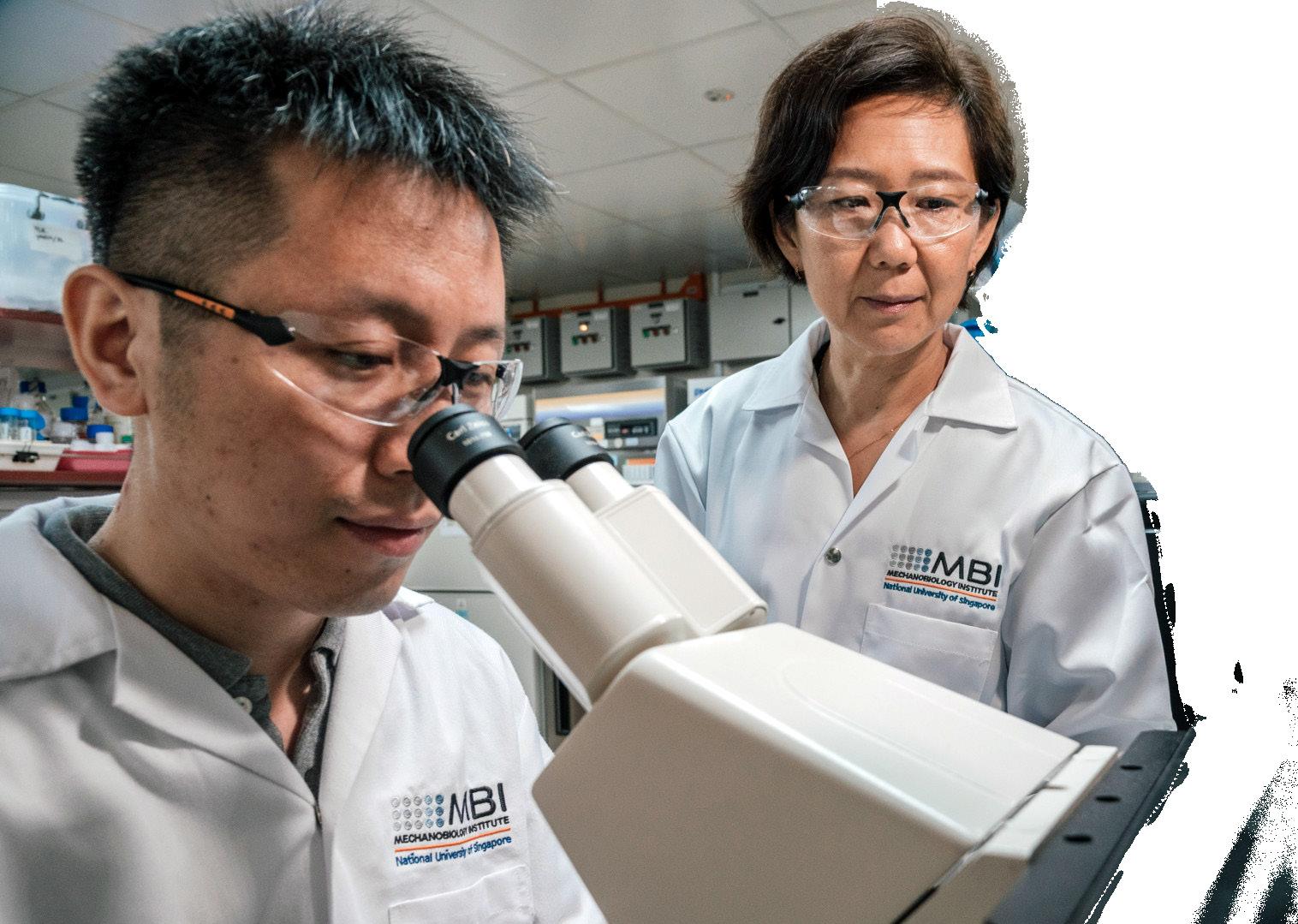
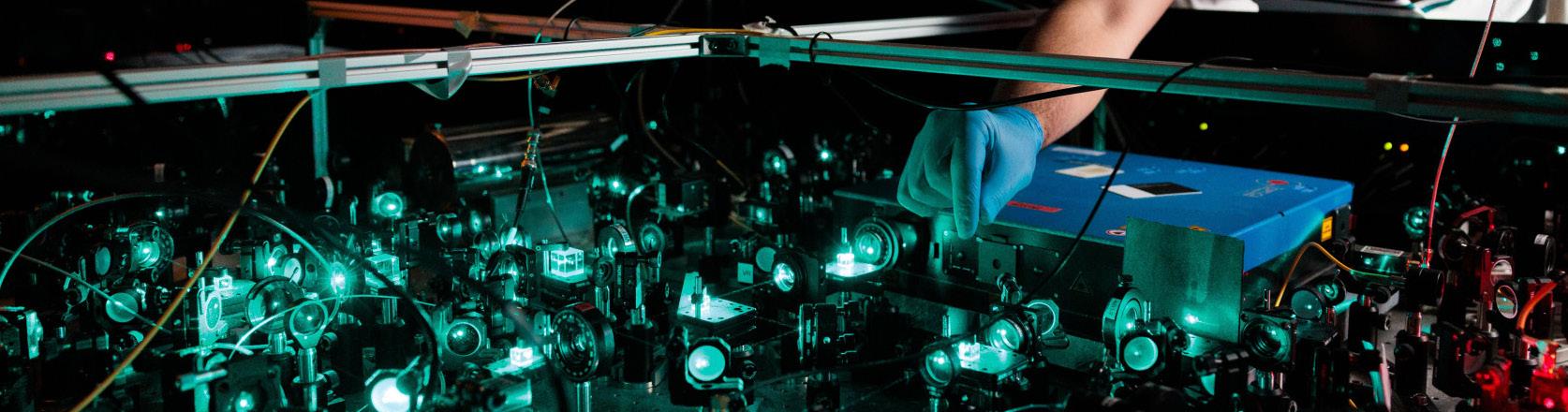
The Centre of Quantum Technologies (CQT) at NUS has been elevated to a flagship national research centre under Singapore's new National Quantum Strategy (NQS), which aims to bolster the nation's leadership in quantum technologies.
NUS and cybersecurity firm ISTARI, supported by Cyber Security Agency of Singapore (CSA), organised the inaugural ISTARI CHARTER APAC Congress earlier this year. This event aimed to drive innovation in Asia-Pacific’s cybersecurity landscape. With over 200 participants including Chief Information Security Officers, government representatives, academics, and start-ups, the congress underscored cybersecurity’s role in economic resilience and societal wellbeing. Keynote speeches, panel discussions, and an Innovation Showcase featuring leading start-ups supported by NUS highlighted strategic cybersecurity challenges. Discussions led by experts explored building a robust cyber ecosystem through talent, capital, and innovation, paving the way for initiatives like NUS-CSA CyberSG Talent, Innovation and Growth (TIG) Collaboration Centre international outreach and supporting NUS-backed start-ups GuardRails and Protos Labs.

As a national research centre, CQT will spearhead research in quantum communication, cryptography, processors, computing, and sensing. Its role extends to fostering scientific excellence, advancing engineering capabilities, nurturing talent through education and scholarships, and driving the commercialisation of quantum technologies. The strategy emphasises collaboration between academia, industry, and government to create a robust quantum ecosystem in Singapore.

NUS
A gift from the late Mrs Gloria Lee Woo's family will support several projects under the Health District @ Queenstown (HD@QT) initiative, a multi-stakeholder collaboration by Housing & Development Board, National University Health System, and NUS, together with many other agencies and partners. With the gift, NUS has established the Gloria Lee Woo Award to provide seed funding for research projects under HD@QT. These include an intergenerational programme for mental health, a study on health needs of Malay women caregivers, and an investigation into the impact of part-time work on retirees' wellbeing. These projects aim to develop scalable interventions for a healthier and more engaged community in Queenstown and beyond.
NUS Presidential Young Professor (2022) NUS Materials Science & Engineering 01
Understanding the properties of novel quantum materials is crucial for advancing fundamental condensed matter physics and developing practical devices in fields such as quantum sensing, ultra-fast communications, and green computing. However, this pursuit remains a significant challenge.
Asst Prof Denis Bandurin's lab explores novel materials with properties governed by strong interactions among charge carriers and non-trivial band topology. His group has developed a multi-messenger measurement system to investigate the electronic, thermal, and magnetic properties of these materials using terahertz and infrared excitation across a wide range of temperatures and under strong magnetic fields. By applying this approach and using innovative nanofabrication methods, they discovered an anomalous change in the conductivity of interacting electron fluids when exposed to technologically challenging terahertz radiation. This phenomenon could be used to design ultrafast detectors, with potential applications in the navigation of self-driving vehicles and beyond 5G communications.
For his contributions to advancing science and technology, Asst Prof Bandurin was included in the 2023 edition of the MIT Technology Review Innovators Under 35 (Asia Pacific).
NUS Presidential Young Professor (2021) NUS Computer Science 02
The commercialisation of text-to-image diffusion models (DMs) such as those used in AI-driven image generation raises significant copyright concerns. Despite efforts to protect DMs from copyright issues, effective solutions have yet to be implemented.
Looking to address this issue is Asst Prof Kenji Kawaguchi. He developed SilentBadDiffusion to show how easily these models could be manipulated to produce copyrighted images without access to the training process. By inserting copyrighted information and text references into the training data, the AI can be tricked into generating these images when prompted with specific text. Experiments show that DMs trained with just a 0.20% poisoning ratio can produce copyrighted images when prompted, with more sophisticated DMs being more vulnerable. This exposes critical flaws in current copyright protections and highlight the need for increased vigilance to prevent the misuse of DMs.
Asst Prof Kawaguchi hopes his work can bridge the gap between theoretical research and real-world applications, ensuring that AI models remain robust and efficient.

NUS Presidential Young Professor (2019)
NUS Biological Sciences
Presidential Young Professorship Presidential Fellowship
During embryonic development, genes need to turn on and off at the right time. This is crucial as derepression of unwanted genes during embryogenesis can cause birth defects.
Asst Prof Xue Shifeng is recognised for her work on gene regulation in development and disease, and in particular, epigenetic repressors like SMCHD1. Her research revealed that mutations in SMCHD1 can lead to two distinct diseases: facioscapulohumeral muscular dystrophy, a muscle degenerative disorder caused by the loss of function in SMCHD1, and Bosma arhinia microphthalmia syndrome, where missense mutations in the extended ATPase domain of SMCHD1 result in patients being born without a nose.
Her lab also investigates rare congenital diseases, particularly those affecting craniofacial and skeletal development. By modelling these diseases using patient-derived cells and animal models, she aims to understand the genes and pathways involved, which could facilitate genetic diagnosis and treatments for patients.
Ultimately, Asst Prof Xue hopes her work in molecular biology will expand our understanding of embryonic development as well as provide insights into human genetic disorders. For her achievements, she was awarded the L’Oréal-UNESCO For Women in Science Award 2023. Join the ranks! Join the ranks!
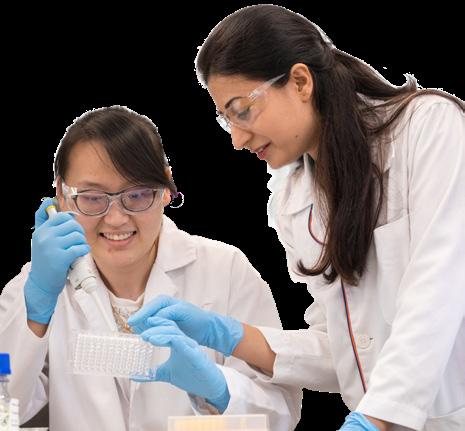
We aim to attract, support, and empower talented young academics to work alongside a diverse and dynamic community of experts and students, shaping the future through cuttingedge research and innovative teaching.
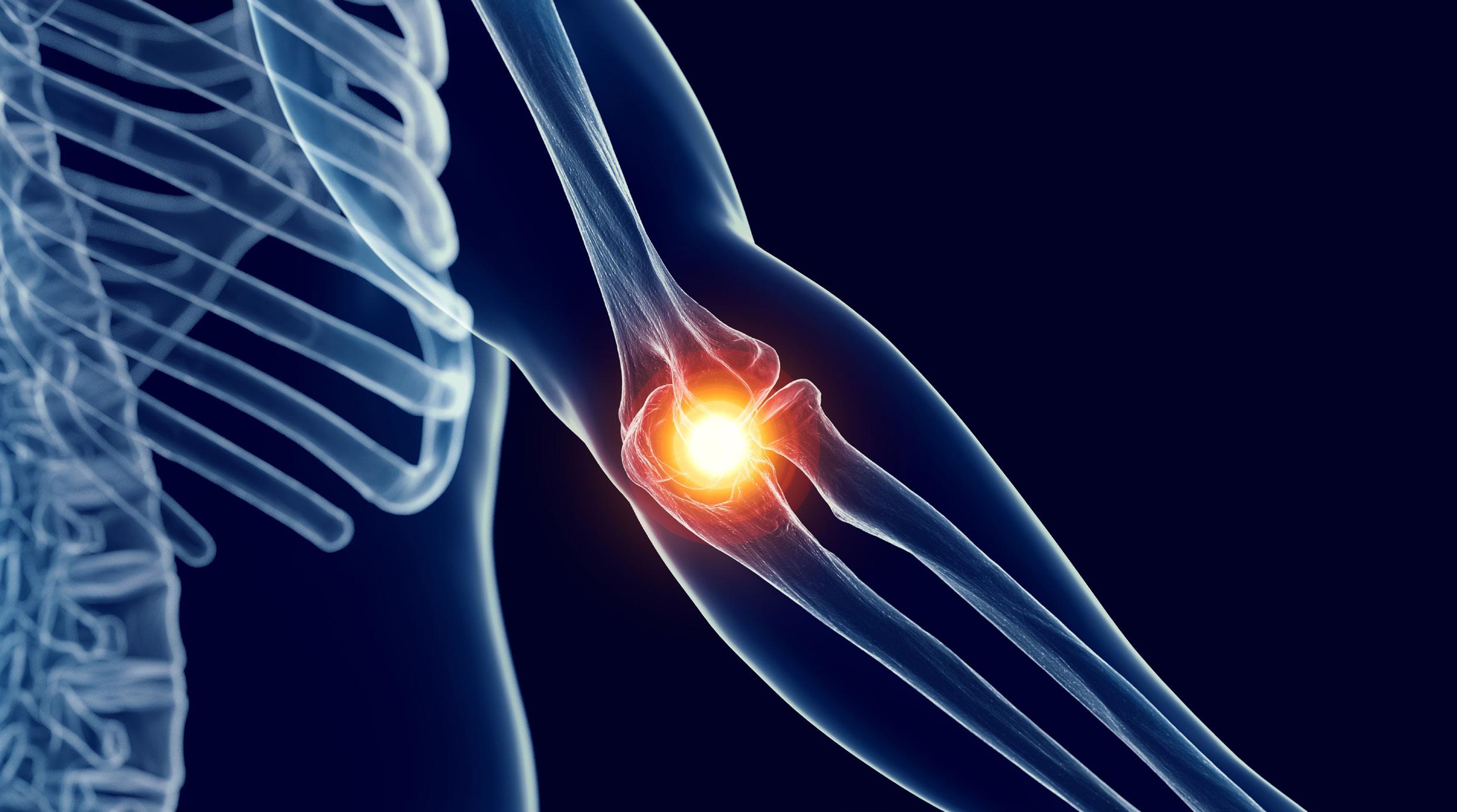
Professor CHEN Xiaoyuan (Shawn)
NUS Chemical and Biomolecular Engineering
NUS Biomedical Engineering
NUS Medicine
DOI: 10.1038/s41563-024-01865-5
characterised by inflammation of the joints, leading to pain, swelling, stiffness and eventually joint and bone damage. This results from the infiltration of immune cells, such as T cells, B cells and macrophages, into synovial tissue, which comprises membranes that line joint cavities and tendons.
First-line treatment of RA typically involves non-steroidal anti-inflammatory drugs (NSAID) or corticosteroids. In severe cases, disease-modifying antirheumatic drugs (MDARD) such as methotrexate (MTX) or anti-TNF-α monoclonal antibodies (mAbs), may be used to slow the progression of the disease. However, no option is curative, and patients receiving MDARDs face the additional burden of severe side effects like liver toxicity.
Now, a potential treatment option has been described by Professor Shawn Chen Xiaoyuan from NUS Biomedical Engineering, NUS Medicine and NUS Chemical and Biomolecular Engineering, where cell signalling molecules known to activate programmed cell death are delivered to immune cells within synovial tissue via an emerging nanotechnology-based method known as DNAorigami. Together with Prof Zhen Yang (Fujian Normal University), Dr Jie Chao (Nanjing University of Posts and Telecommunications) and Dr Ling Li (Sichuan University), DNA scaffolds are designed to deliver and present signalling molecules to their receptor molecules on immune cells in inflamed joints. This work, which showed a reduction in inflammation post treatment in in vivo models was described in Nature Materials in April 2024.
DNA origami is an emerging technique that involves folding DNA into precise nanoscale two-dimensional (2D) or three-dimensional (3D) shapes. These can then be used as scaffolds to carry molecules whose functionality is dependent on a precise spatial arrangement.
In their work, Prof Chen’s team fabricated a 2D scaffolding structure from a DNA origami nanosheet, upon which the cell signalling ligand CD95L was arranged in a precise hexagonal pattern with 10 nm intermolecular spacing, mimicking their natural arrangement in the body.
In vivo, CD95L binds to and activates CD95, which in turn initiates programmed cell death. It is proposed that if CD95 signalling pathway could be activated in the immune cells responsible for synovial inflammation, then inflammation would subside, thus providing relief for RA sufferers.
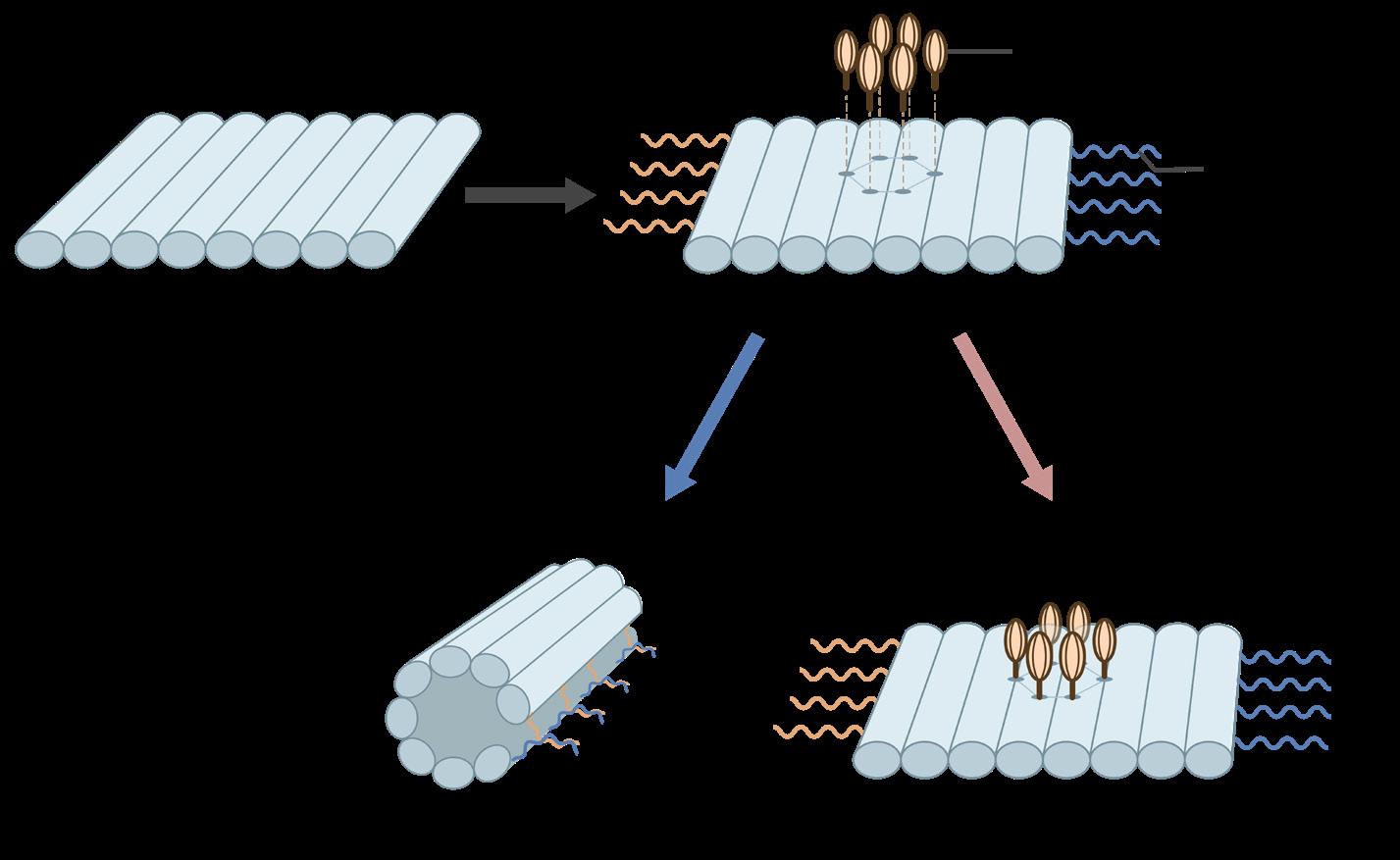
To better control the activation of CD95 signalling, the team added DNA-based fasteners to the DNA origami, which allowed it to roll into a tube-shaped nanodevice, effectively wrapping the CD95L within the cylindrical structure. The fasteners then allowed the nanodevice to open in response to a change in acidity. In healthy tissues with neutral conditions (pH ~7.4), the DNA origami nanodevice remains closed,
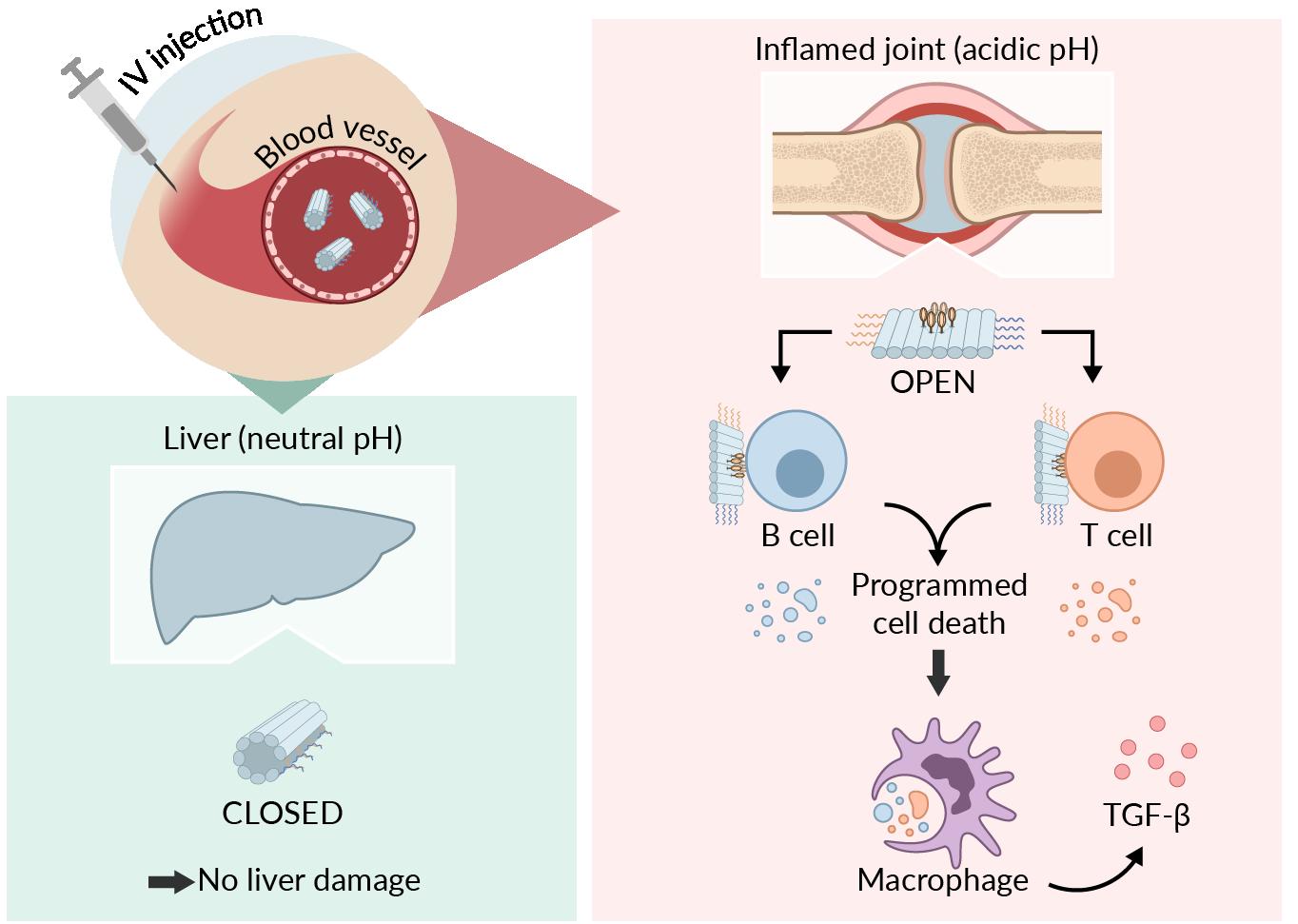
shielding the CD95L array inside. At the inflamed joints where the pH is typically more acidic (pH: 6.5), the nanodevice will open up, exposing the CD95L array.
The advantage of their design over conventional intravenous administration of soluble CD95L lies in the cylindrical structure, which serves to protect CD95L until it reaches the inflamed site. In the in vivo model used in their study, the DNA origami nanodevice was found to successfully activate CD95 signalling in the inflamed synovial tissue, while sparing healthy tissues in the liver. Liver damage was therefore not observed. There were also significantly reduced levels of circulating inflammatory molecules, indicating a reduction in inflammation.
Combined, these results demonstrate how designer DNA origami can be used to precisely control cellular signalling, offering a promising approach for developing targeted cell signalling-based treatments for RA and certain cancers.

Professor YU Hao
Temasek Life Sciences Laboratory
NUS Biological Sciences
DOI: 10.1038/s41477-024-01638-7
Plants, like all living organisms, face constant challenges from the environment. In order to thrive and survive, plants have developed intricate mechanisms that allow them to respond to various stressors, including environmental ones such as drought, high salinity, and cold temperatures.
One key player in the plant stress response is the hormone abscisic acid (ABA), which is produced in response to environmental stress. ABA helps plants adapt to adverse conditions by regulating physiological processes such as stomatal closure and seed dormancy.
While ABA is essential for plant survival, a hypersensitive response to this hormone can have detrimental effects on plant development including stunted growth and reduced yield. With extreme weather events and climate change threatening agriculture and biodiversity around the world, it is becoming increasingly important to understand plant stress responses, including the regulation of ABA signalling.
To this end, Professor Yu Hao and his team from NUS Biological Sciences, together with their collaborator, Dr Lisha Shen’s team from Temasek Life Sciences Laboratory
(TLL), delved into the genetic pathways that regulate ABA signalling in the model plant Arabidopsis. In their work, the team identified a novel ABA regulation mechanism involving a specific RNA modification known as N6-methyladenosine (m6A) and its reader protein ECT8, which controls the fate of PYL7, a gene that encodes an ABA receptor, and thereby regulates ABA sensing within plant cells. This work was published in Nature Plants in March 2024.
In this study, it was reported that ABA exposure triggers an increase in ECT8 expression, leading to the formation of stress granules in the plant cells. At present, not much is known about stress granules except that they store RNA molecules under stress conditions. Temporary storage of the RNA molecules plays a role in mediating the levels of resulting proteins in response to various stresses.
In Prof Yu’s experiments, it was shown that following ABA treatment, ECT8 facilitated the formation of dropletlike structures in the cell’s cytoplasm. These structures, often referred to as liquid-liquid phase-separated (LLPS) condensates, are the building blocks of stress granules.
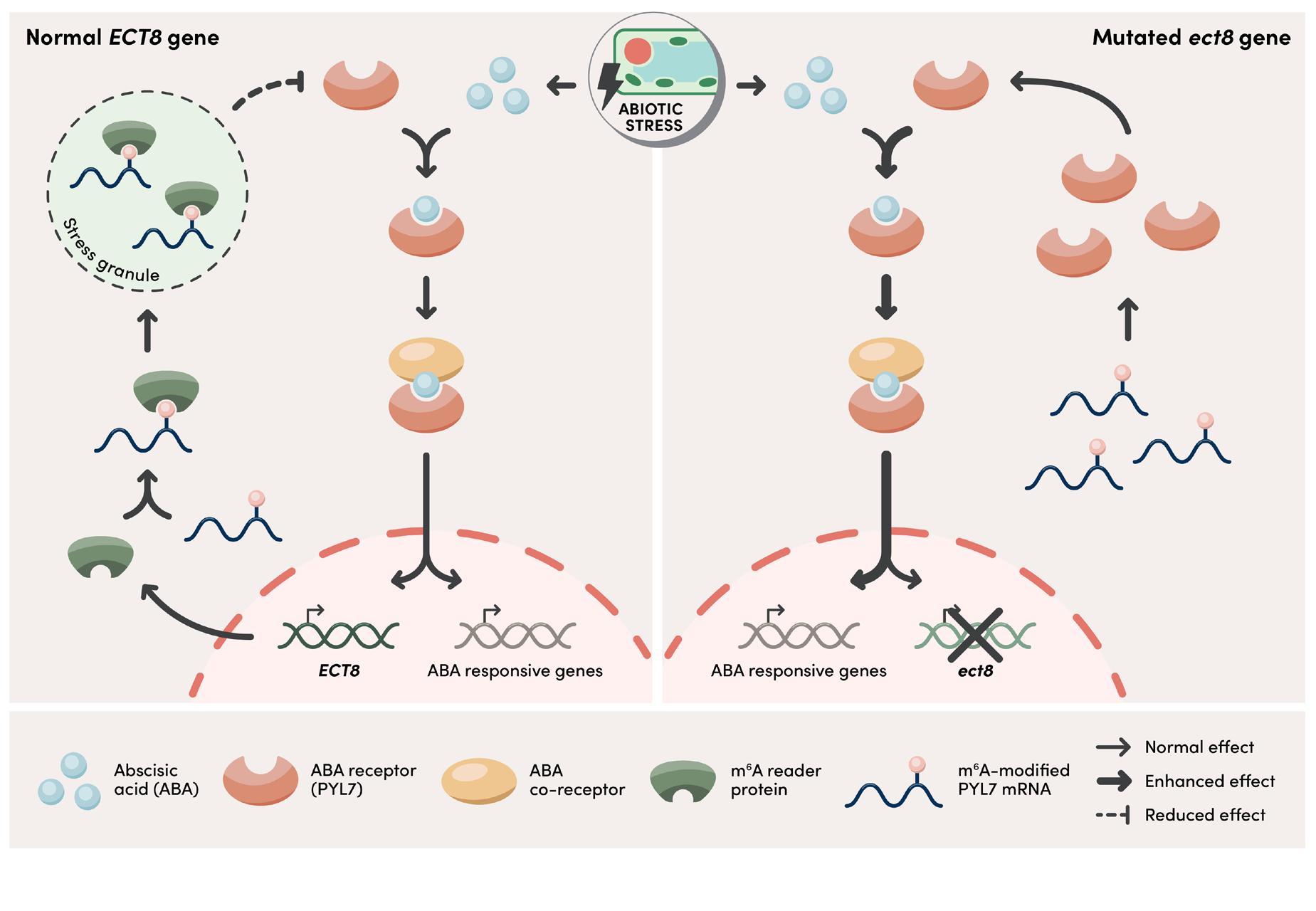
Further investigations revealed that ECT8 selectively recruits certain m6A-modified RNA transcripts, including PYL7 into stress granules. This process partially depletes PYL7 mRNA in the cytoplasm, thereby reducing PYL7 protein levels and regulating ABA signalling. The process prevents hypersensitive reactions to the environmental stresses.
The team also showed that plants lacking functional ECT8 were unable to sequester PYL7 transcripts in stress granules even under the same ABA conditions. This saw more PYL7 transcripts translated into protein, leading to an overaccumulation of PYL7 and hypersensitive plant behaviours to stresses such as drought resistance.
To understand how ECT8 accomplishes this, they used advanced sequencing techniques to analyse the m6A modification patterns of mRNA molecules within stress granules. m6A is a chemical modification that occurs on RNA molecules in eukaryotic cells, and plays a crucial role in regulating various cellular processes, including cell differentiation, embryonic development, and stress responses. They found that ECT8 primarily recruits m6A-modified mRNAs that are involved in stress responses, metabolism, and protein synthesis.

Overall, this study sheds light on a novel regulatory paradigm in which m6A RNA modification plays a crucial role in enabling feedback regulation of ABA perception and signalling to prevent plant cells from overreacting to specific environmental stresses. It also demonstrated, for the first time, the underlying link between RNA modification, stress granule formation, and systemic ABA signalling in plants.
By studying the stress response of Arabidopsis, which is closely related to significant crop plants like choy sum, cabbage and broccoli, Prof Yu hopes the findings will contribute to the development of stress-tolerant crops with traits such as drought-resistance, in the future.
Associate
Professor Gavin DAWE
NUS Pharmacology | DOI: 10.1126/scisignal.abl5880
Neuropeptides are essential to the physiological function of the many organs and tissues that make up the human body. They are typically composed of between three to 36 amino acids each, and to date, over one hundred have been discovered. Neuropeptides are produced by neurons to convey signals within the brain or from the brain to specific cells or tissues. Upon their release from the neuron, these messenger molecules bind to corresponding receptor proteins embedded in the membrane of the cell. Activation of the receptor protein subsequently induces the recruitment and activation of other ‘downstream’ signalling molecules already present in the cell. And thus, a signal is propagated through the body, often slowly, and often with long lasting effects.
For neuropeptides to function correctly, their structural integrity must be maintained. Any alteration to their shape or stability may result in weaker or inhibited binding to their receptor protein, and thus reduced potency. Altered neuropeptide-based signalling manifests in a variety of ways, from the onset of disease symptoms to altered feelings or emotions.
Relaxin-3, is one such neuropeptide that, through its interactions with its corresponding receptor RXFP3, plays a role in mediating multiple states and processes. These include stress and anxiety, arousal, food intake and processes involved in aging and age-related diseases.
To better understand the signalling events mediated by relaxin-3, Assoc Prof Gavin Dawe together with colleagues from NUS Pharmacology, Yong Loo Lin School of Medicine, and other collaborators, sought to identify and characterise possible agonists of RXFP3 using ‘stapled’ relaxin-3 variants. Peptide stapling involves replacing specific amino acids in the peptide sequence, to enable the formation of a physical,
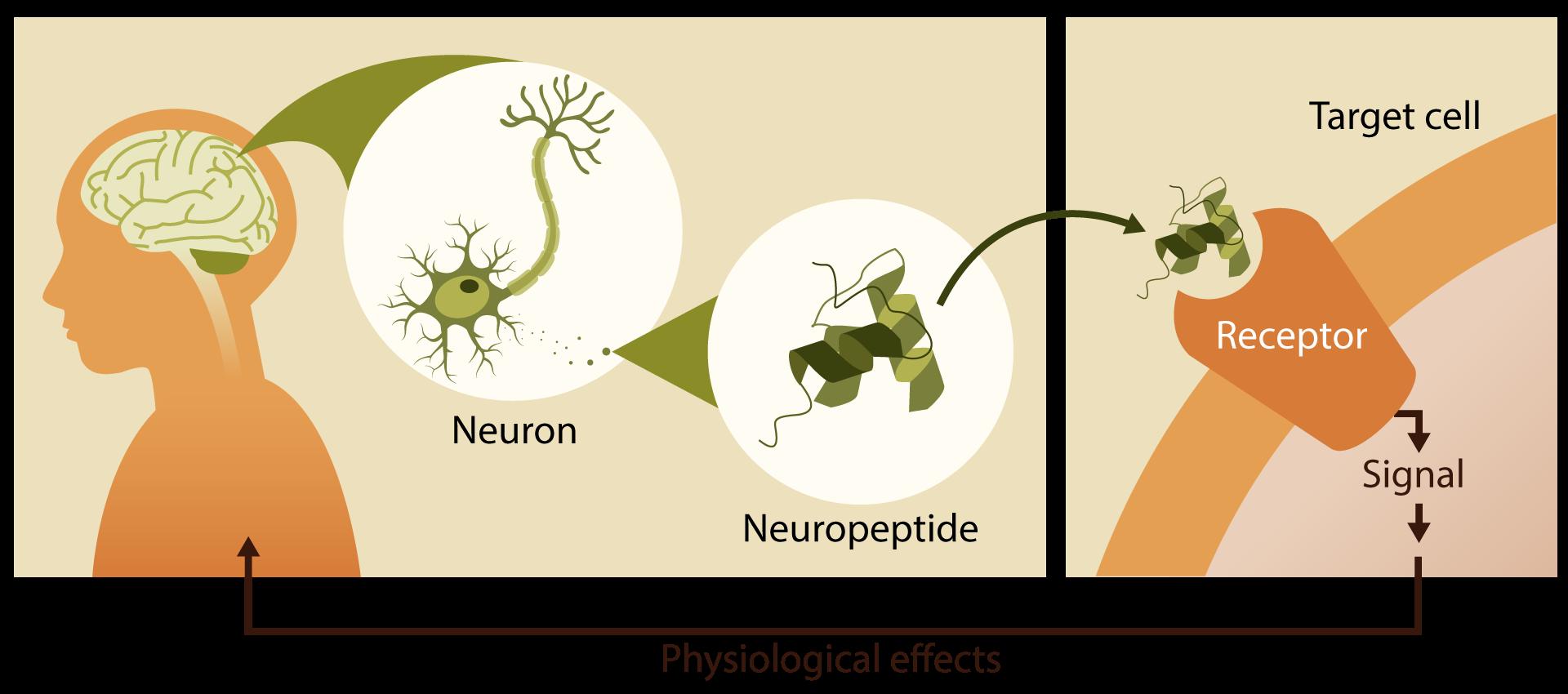
hydrocarbon-based link between them. Depending on the position of the ‘staple’ linker, peptide function can be retained, altered or lost. When functionality is altered, it is possible for only a subset of downstream signalling events to be activated in what is termed biased signalling. Modified peptides that induce biased signalling are termed biased agonists.
In their work, Dawe and colleagues — including first author Dr Tharindunee Jayakody, an alumna of NUS Pharmacology who is now a lecturer leading a research group at the Department of Chemistry, University of Colombo, Sri Lanka — identified biased signalling whereby the stapled peptide analogs induced activation and coupling of specific G-protein sensors (Gαi1 and Gαo) to RXFP3. The same G-proteins are known to be activated by relaxin-3 and hence it was determined that binding and functionality of the ‘stapled’ peptides was retained, albeit at a lower potency. However, unlike unmodified relaxin-3, these stapled proteins did not stimulate β-arrestin recruitment to RXFP3. This was likely due to conformational changes in RXFP that resulted from its binding to the ‘stapled’ relaxin-3 analogs. β-arrestin recruitment could otherwise induce desensitisation and internalisation of the receptors, as a means to regulate relaxin-3 mediated
signalling. Thus, the stapled analogs were identified as biased agonists of RXFP3.
In addition to this key finding, the team also characterised subsequent steps in the signalling cascade, including the inhibition of ERK1/2 activation and reporter gene activation, which was attributed to the lack of β-arrestin at the receptor.
Although the relaxin-3-RXFP3 signaling pathway remains to be fully characterised, the work of Dawe and colleagues has important implications
in appreciating the potential of peptides as therapeutic alternatives to traditional small molecule drugs.
Traditionally, peptides are limited in their therapeutic potential due to membrane impermeability and subsequently, their poor uptake into cells. They also exhibit poor stability in vivo. However, ‘stapling’ of peptides has been shown to improve both cellular uptake and stability of the peptide.
For neuropeptides to be viable therapeutic options, characterisation of their target signalling pathways remains a priority. Protein interactions are highly complex, and the inhibition of one step in a signalling pathway can have unforeseen consequences on another. Biased signalling may overcome this if it can be determined that only a subset of signalling events is targeted.
Thus, with further research on the stability and integrity of stapled neuropeptides, and a full characterisation of the signalling pathways that they mediate, it is hoped that new avenues for the treatment of neurological disorders may be on the horizon.
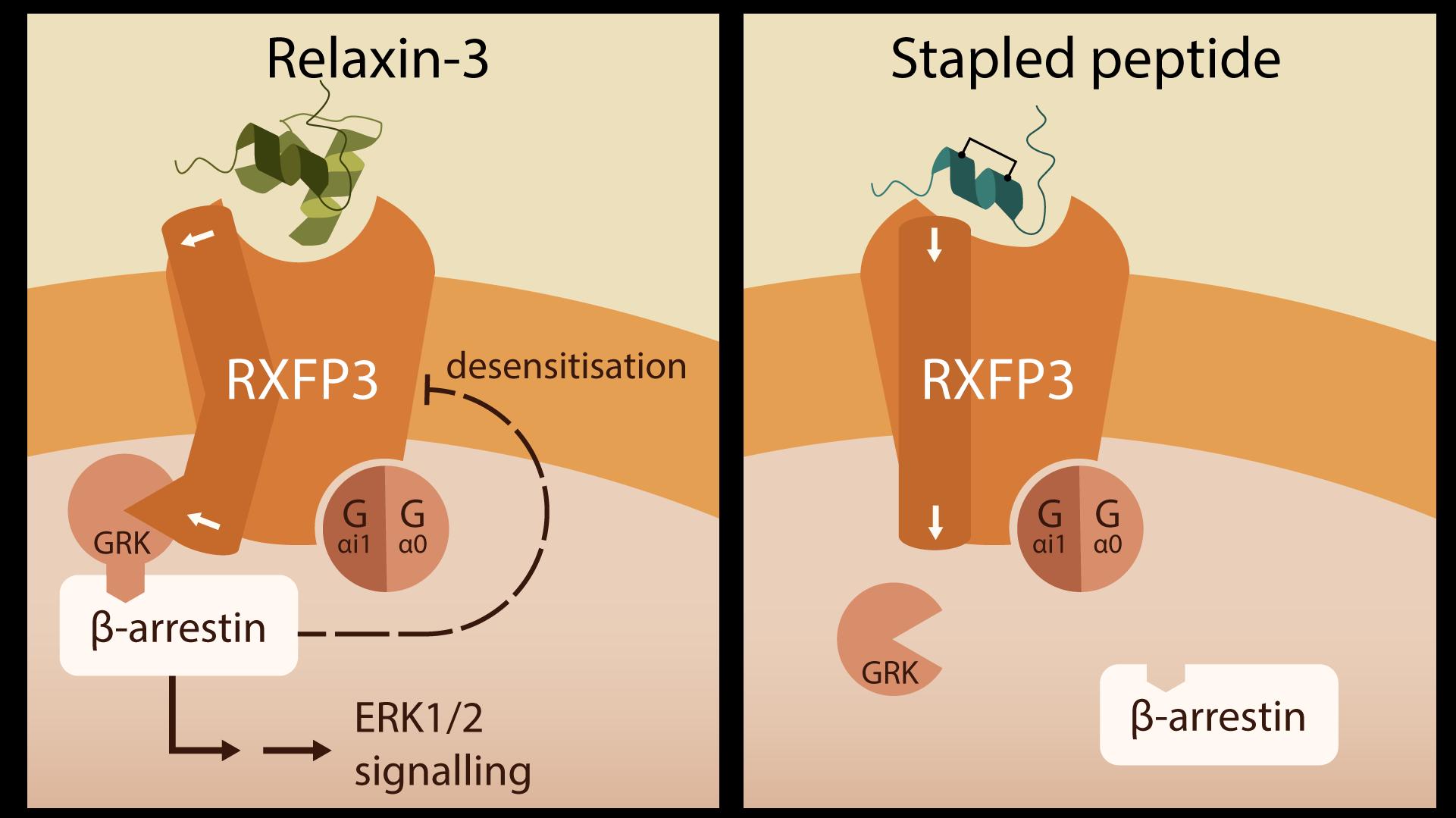
Binding of both the neuropeptide Relaxin-3 and the stapled peptide to the transmembrane receptor RXFP3 induced activation and coupling of specific G-protein sensors (Gαi1 and Gαo). However, unlike Relaxin-3, stapled peptides did not stimulate β-arrestin recruitment to RXFP3 via GRK. This is believed to be due to Relaxin-3 inducing a different degree of conformational change in RXFP3 compared to the binding of the stapled peptides.

Associate Professor ZHANG Sui
NUS Chemical and Biomolecular Engineering
DOI: 10.1073/pnas.2315688121
T he treatment of wastewater and potable water typically uses ultrafiltration (UF) methods, or membrane bioreactors (MBR), where membrane filtration is combined with biological treatment techniques. While these methods can remove suspended solids, microorganisms, and large contaminant molecules, they are ineffective at removing smaller organic molecules, such as pharmaceuticals, pesticides, hormones, surfactants, and plasticisers. Complicating the issue is the biorefractory nature of these pollutants, meaning they are often resistant to biological degradation.
To remove biorefractory contaminants from water, alternative methods are required. One solution is the use of Advanced Oxidation Processes (AOP), which are chemicalbased treatment methods that involve the generation of highly reactive hydroxyl or sulfate radicals capable of oxidising and breaking down organic pollutants into less harmful byproducts.
Despite the effectiveness of AOP in degrading small organic pollutants, there are some limitations. For instance, hydroxyl radicals have very short lifespans, restricting both their diffusion range and duration of action. Hydroxyl radicals are also typically generated through the activation of an oxidising agent (e.g. hydrogen peroxide, ozone, ultraviolet radiation) or catalyst (e.g. metal oxides) which adds
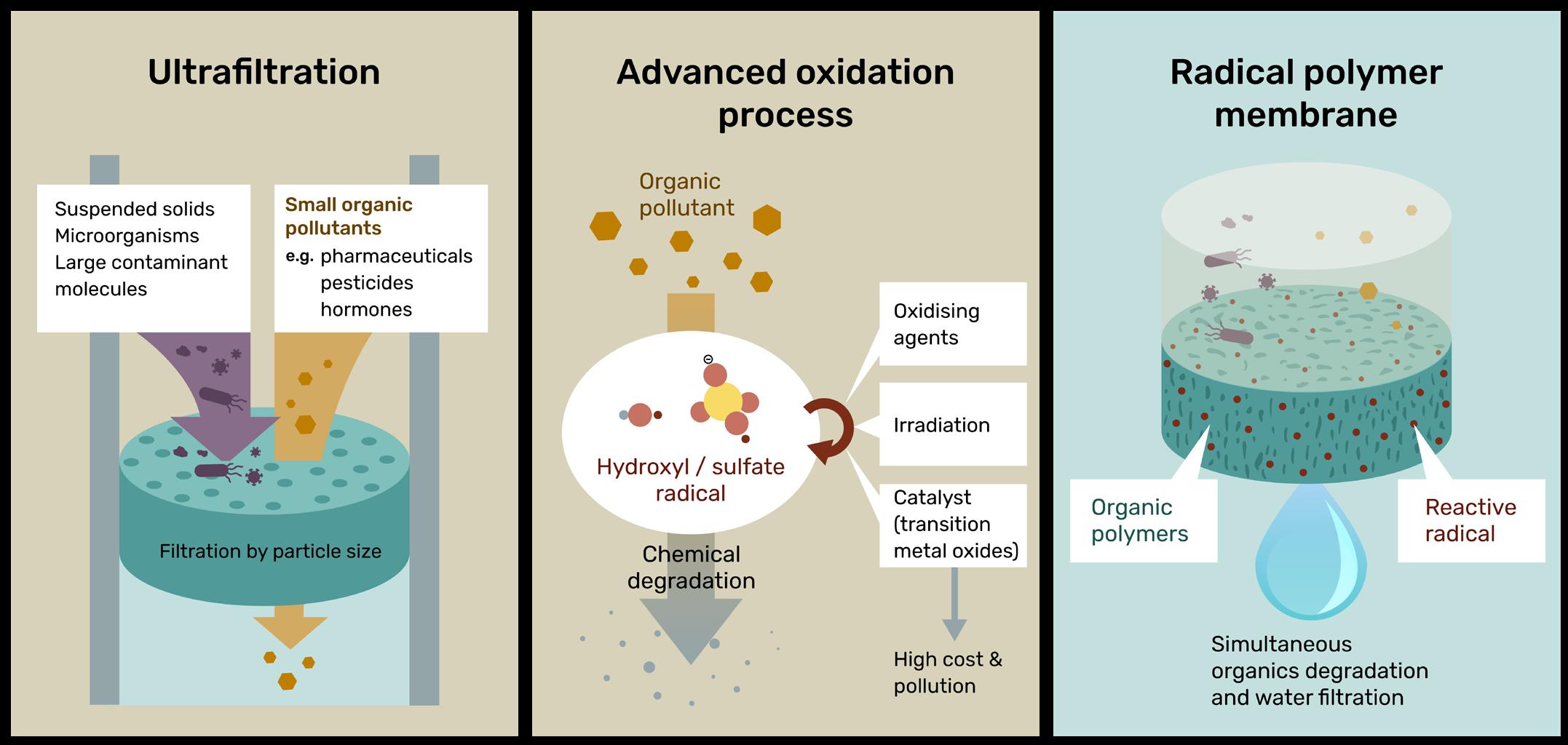
Ultrafiltration selectively blocks larger contaminants while permitting the passage of small organic pollutants, while advanced oxidation process utilises hydroxyl or sulfate radicals which are constantly generated in situ to break down organic pollutants. The radical polymer membrane integrates both processes to achieve simultaneous organics degradation and water filtration.
complexity and cost to the treatment process. The metals used as catalysts may also damage membranes, or leech into the water, becoming pollutants themselves.
To overcome these challenges, Associate Professor Zhang Sui from NUS Chemical and Biomolecular Engineering, turned to an alternative source of free radicals that could be safely combined with membrane technology to essentially combine AOP methodology with traditional filtration. This would result in the simultaneous removal of larger molecules, and the degradation of smaller organic molecules, from wastewater.
As described in their paper, which was published in the Proceedings of the National Academy of Sciences (PNAS) in February, Assoc Prof Zhang and her team investigated the inclusion of radical polymers (RP) in a filtration membrane. Not only did the membrane filter larger molecules, but it provided an alternative source of free radicals for AOP. Importantly, unlike hydroxyl radicals, which are highly reactive
chemical species, free radicals originating from radical polymers are persistent and stable.
Mechanistic investigations revealed that peroxyl radicals, which were created from the radical polymer, could directly trigger oxidative degradation of sulfamethoxazole (SMX), one of the most prevalent antimicrobial contaminants detected in groundwater in the United States.
Molecular stimulations verified that the radicals could be regenerated in the presence of oxygen, which is key to the continuation of reactions for degradation of organic molecules. Replacing oxygen by nitrogen drastically decreased degradation efficiency.
Using this information, Assoc Prof Zhang and her team designed a RP-based membrane that could filter and degrade pollutants in the same treatment cycle. To improve the mechanical strength and stability of the membrane, they fabricated an interpenetrating membrane network comprising of polyvinyl alcohol (PVA) and RP.
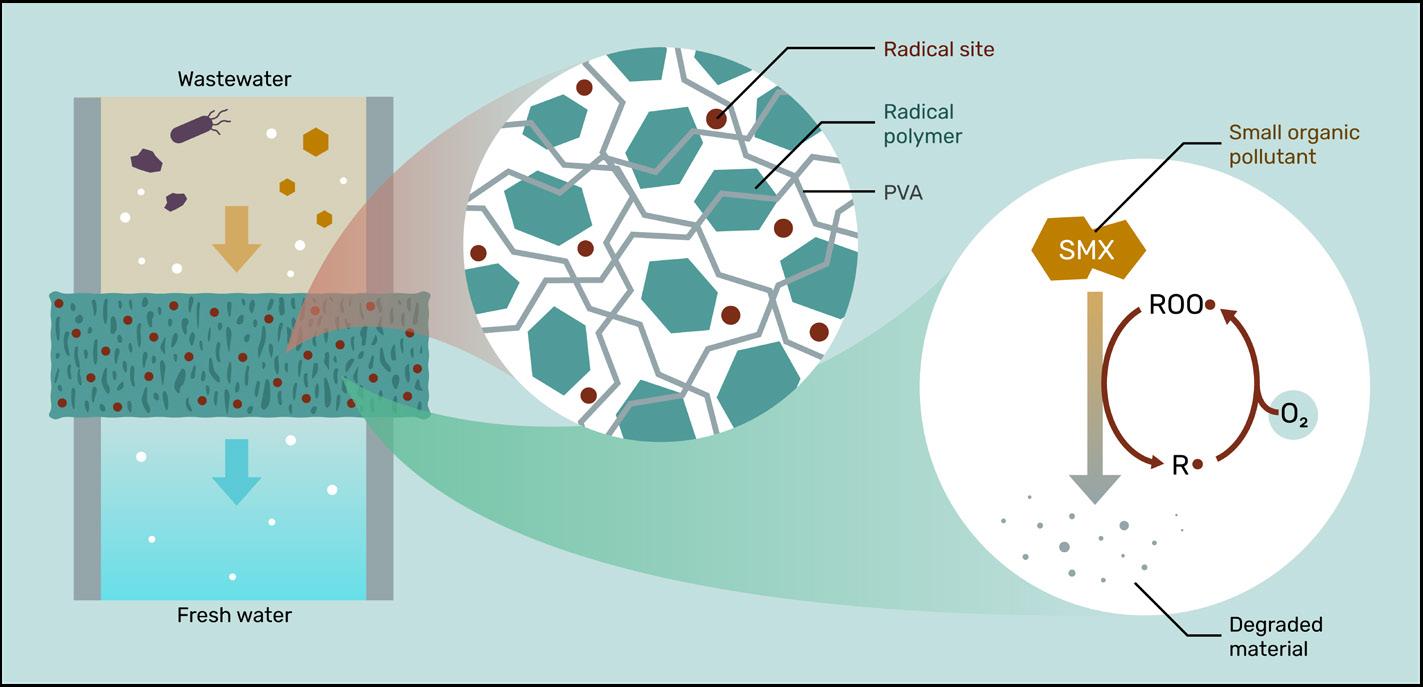
To further demonstrate the effectiveness of their technology, the team employed a model wastewater solution containing 2000 ppm of humic acid and 20 ppm of SMX. Humic acids are complex molecules that exist naturally in soils, peats, oceans and fresh waters.
The membrane could filter large humic acid molecules and subsequently degrade SMX. With humic acid rejection rate exceeding 98.5%, their membrane is comparable to an ultrafiltration membrane. Furthermore, the SMX degradation rate remained high. In addition, the degradation efficiency remained constant throughout the 120-min tests, proving the stability of the membrane.
The findings from this work highlights the potential for novel innovative membranes that function not only in filtration, but can drive other processes like radical polymer-based AOP. Such an approach offers an energy-efficient solution for the degradation of organic compounds and water filtration in wastewater treatment.
The radical polymer membrane is composed of a radical polymer intertwined with polyvinyl alcohol (PVA). This membrane effectively degraded a common antimicrobial contaminant, sulfamethoxazole (SMX) in the presence of dissolved oxygen, while simultaneously filtering a larger contaminant, humic acid.

Professor YANG Hyunsoo
NUS Electrical and Computer Engineering
DOI: 10.1038/s41563-023-01774-z
I nnovative technologies that can accommodate the burgeoning volume of digital information the world generates, without compromising on computing performance or sustainability, are increasingly needed. Such innovations require the development of memory and storage solutions that strike a balance between cost-effectiveness, energy efficiency, steadfast stability, and scalability.
Spintronics-based memory devices, which leverage a magnetic property of electrons known as electron spin, provide an attractive solution to meet these demands. Unlike conventional electronics, which primarily rely on the manipulation of electron charge, spintronics devices use electron spin, an intrinsic angular momentum of electrons that determines their alignment. Manipulating the electron spin can be used to encode and process information. Such devices show tremendous potential to create more efficient, faster, and low-power memory technologies.

Seeking such solutions is Professor Yang Hyunsoo from NUS Electrical and Computer Engineering. An expert in spintronics-based memory devices, terahertz spintronics and unconventional computing, Prof Yang turned to two-dimensional (2D) materials in his search for materials that could form the foundation of future spintronics-based technologies.
In an article published in Nature Materials, Prof Yang explored the potential of specific 2D materials in spintronic-based memory devices.
2D materials, are atomically thin materials, whose properties can be easily tuned by external factors, exist in various forms, including metallic, insulating, ferromagnetic, antiferromagnetic, and semiconducting. These materials can also be stacked in any order and combination, which makes them potentially ideal for memory technologies, where the interfaces between ultrathin materials can be refined to enable required functionalities. For example, 2D materials such as graphene and transition metal dichalcogenides exhibit unique electronic and spintronic properties, offering potential solutions to overcome some of the limitations associated with traditional materials.
Spin Hall conductivity is the ability of a material to efficiently induce a spin current under the effect of an external electric current, while z spin is the component of the electron spin in the out-of-plane (z) direction.
Prof Yang found that individually, Tungsten Ditelluride, or WTe2, exhibits z spins but with a small spin Hall conductivity, while PtTe2, or Platinum Ditelluride, shows a large spin Hall conductivity without z spins. When combined however, the bilayer exhibits
a 17-times larger in-plane spin Hall conductivity and eight times larger out-of-plane spin Hall conductivity compared to WTe2 monolayer.
The team also explored a phenomenon known as Spin-orbit Torque (SOT) switching. This involves the transfer of the angular momentum between the electron’s spin and its orbital motion in a material, resulting in a torque that can manipulate the orientation of the magnetic moment in ferromagnetic materials.
To manipulate a ferromagnetic material with perpendicular magnetisation for high-density data storage applications, an external assisting magnetic field is often required. However, if a material exhibits z spins, it can overcome the limitation of requiring an external magnetic field, hence lowering the energy required to power the device.
The SOT efficiency and fieldfree switching of perpendicular magnetisation are determined by the y spins and z spins of a material under the influence of an external current. In their study, Prof Yang discovered that the high out-of-plane spin Hall conductivity observed is attributed to the conversion from y spin in PtTe2 to z spin in WTe2,
induced by the crystal asymmetry of WTe2. This creates an ample supply of z spins for efficient fieldfree SOT switching of perpendicular magnetisation. This out-of-plane spin Hall conductivity is also the highest out of other low-symmetry materials and antiferromagnets, indicating that the PtTe2/WTe2 bilayer is a promising 2D heterostructure that allows an all-electric room temperature manipulation of the perpendicular magnetisation at low power consumption without any external magnetic field. It was also found that the associated field-free switching of perpendicular magnetisation was 67 times lower in power consumption than that of the Pt-based control sample (Pt/CoFeB heterostructure).
The realisation of 2D heterostructures with high spin Hall conductivity via z spins without the use of external magnetic fields significantly enhances the SOT performance in spintronic devices. Prof Yang anticipates that such SOT heterostructure engineering may expand to other materials systems in the future and may lead to nextgeneration memory applications that are fast, efficient and consume significantly less power than traditional memory devices.
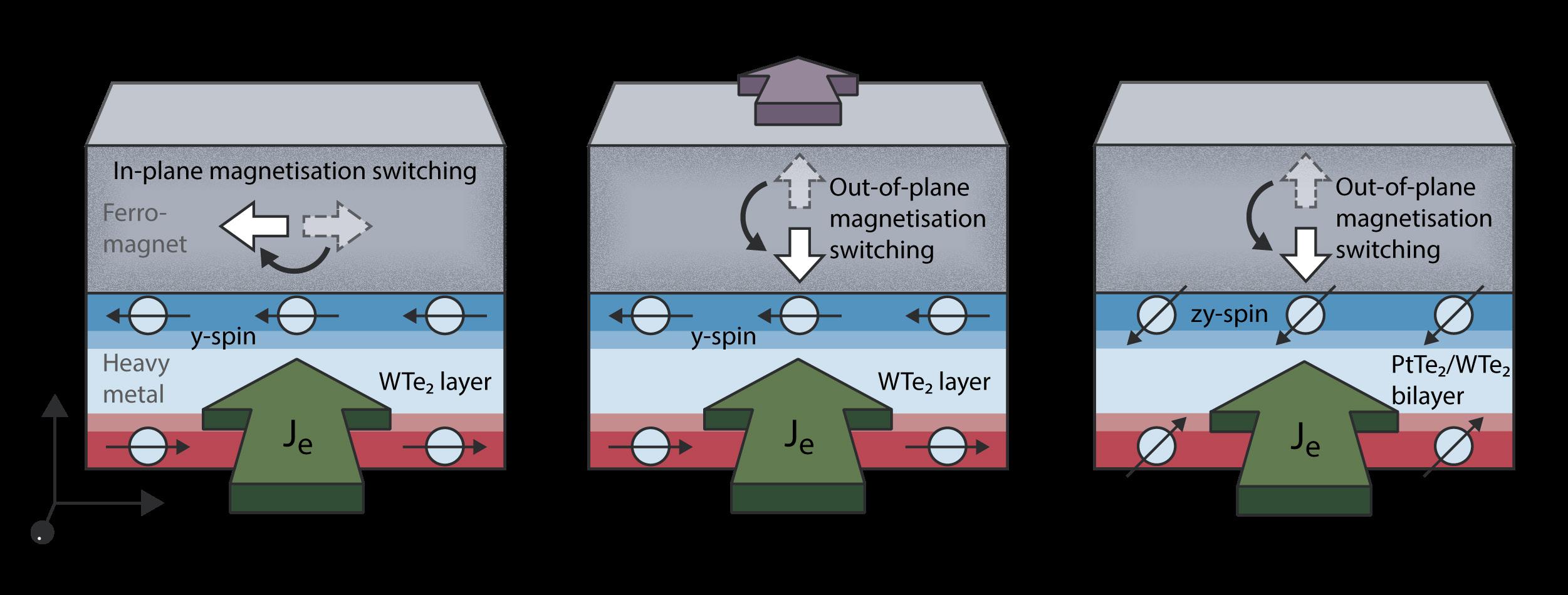
Under an external electric current, the spin current induced and y-polarised spin requires an external magnetic field to allow out-of-plane magnetisation switching. However, z-polarised spin in the PtTe2/WTe2 bilayer is able to switch the out-of-plane magnetisation without any influence of external magnetic field.
Professor NG Hwee Tou NUS Computing
DOI: 10.1093/jamia/ocad133
The effectiveness of cancer treatment is most commonly determined using radiology reports that incorporate bioimaging results from computed tomography (CT), X-ray imaging or Magnetic Resonance Imaging (MRI) scans. For decades, these techniques not only shed light on the effectiveness of treatment, but also guided clinical decision-making for patient care and management.
The volume of radiological scans and their reports has increased, providing much potential value and insight to medical research. However, much of this clinical data still remains in free text, which has limited the speed at which real-world insights can be discovered to improve and advance patient care and research.
Now, advances in AI technology are providing new avenues to streamline image analysis and results reporting, with advances promising to not only ease the workload of oncologists, but also provide more accurate and objective analysis for patients.
Automated analysis of bioimaging results has been pursued in recent years. Early efforts in this area utilised convolutional neural networks and natural language processing (NLP) models to assess disease response from radiology reports, and infer progression-free survival. This is a clinically relevant endpoint that indicates the length of time during and after treatment of a disease that a patient may survive without further progression of the disease.


Working to advance the field further, and evaluate the relative performance of newer large language models against previous cancer disease response classification methods, a team of researchers led by Professor Ng Hwee Tou assessed multiple models, with model accuracy as the chosen performance metric. Their work was published in the Journal of the American Medical Informatics Association in July 2023.
In this work under the National Medical Research Council Industry Alignment Fund Pre-Positioning Fund (IAF-PP) CaLiBRe project, more than 10,000 deidentified radiology reports were retrieved for patients seen at the National Cancer Centre Singapore (NCCS), with colorectal, lung, breast, and gynaecological cancer of all stages. The team randomly divided the radiology reports into training (80%), development (10%), and test sets (10%) while preserving the representation of all 4 tumour types. The conclusion section of a radiology report was used as the input, while disease response was used as the target output in the experiments.
Out of the several models tested, the team found that the best-performing model with the highest model accuracy was the GatorTron transformer.
Response Evaluation Criteria in Solid Tumors (RECIST) is a set of standardised guidelines commonly used to assess tumor response in cancer patients undergoing treatment, particularly in clinical trials and research settings. The team further tested the GatorTron transformer model on a set of RECIST-based datasets for validation. It was found that the model achieved an accuracy of 89.19%, which suggests that the model performed well in correctly classifying or predicting disease responses according to RECIST criteria and
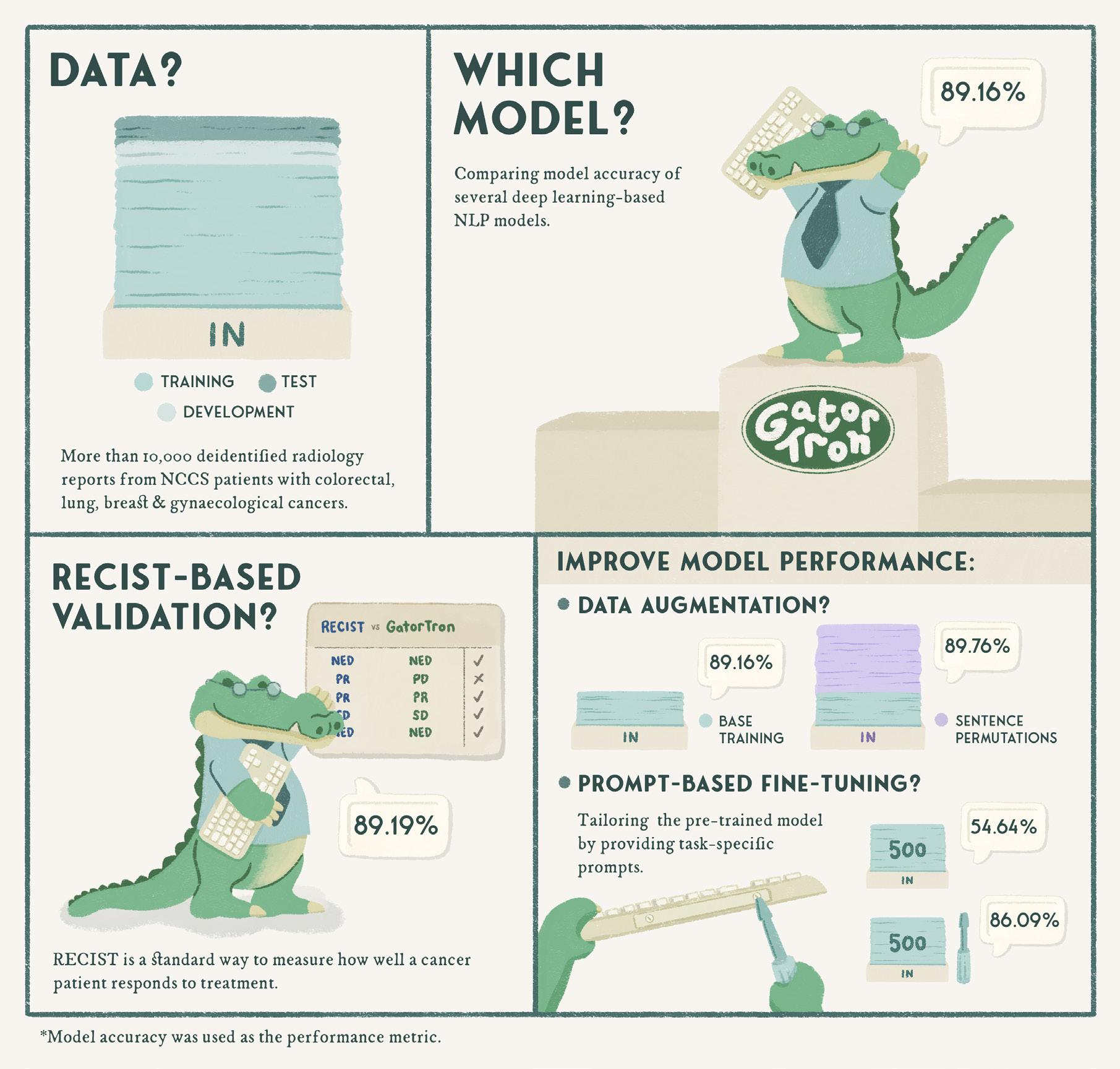
Methodology to evaluate large language models against cancer disease response classification methods, validate GatorTron transformer model and improve model performance with data augmentation.
points to the model’s potential in clinical trials. In addition, the team also explored the effects of data augmentation techniques on model performance. Here they found that when using sentence permutations, new synthetic radiology reports could be generated to augment training data and increase the number of training samples. This further improved the accuracy of the GatorTron model to 89.76%. It was also observed that data augmentation improved the accuracy of all models.
Finally, the team explored prompt-based fine-tuning — a technique used in NLP to tailor a pre-trained language model, such as the GatorTron model — to specific tasks or domains by providing task-specific prompts during the fine-tuning process. In these experiments, it was found that prompt-based fine-tuning with GatorTron achieved a relatively good accuracy of 86.09% after training on only 500 reports, while GatorTron without prompt-based fine-tuning had an accuracy of only 54.64% after training on 500 reports.
In conclusion, Prof Ng’s research demonstrated the feasibility of using deep learning-based NLP models to infer cancer disease response from radiology reports at scale. Large language models based on transformers consistently outperformed other methods, with GatorTron being the best-performing model for this NLP task. Data augmentation is useful to improve performance while prompt-based fine-tuning was shown to significantly reduce the size of the training dataset. Medical researchers currently use these models to derive time to cancer disease progression in analyses of large cancer datasets, speeding up the process of cancer registry building to uncover new observations, such as the effectiveness of cancer drugs in various realworld patient subgroups, and provide novel hypotheses for subsequent research. With further research, it is hoped that such models may one day also be considered as a clinical decision support tool for clinicians, by providing an automated second opinion of disease response for radiology reports, highlighting reports with disease progression to ordering physicians for earlier attention and review.
Professor Barbaros ÖZYILMAZ
NUS Materials Science and Engineering
DOI: 10.1038/s41563-023-01779-8
Assistant Professor Ahmet AVSAR
NUS Materials Science and Engineering
F aster data transmission rates and low-power consumption are increasingly desirable properties in today’s digital technologies. However, traditional electronics are reaching their limits due to the fundamental properties of their materials and architectures.
Spintronics, a field of physics that explores and harnesses the intrinsic angular momentum of electrons, or electron spin, is providing a promising alternative to achieving the desired high data transmission rates and low-power consumption in electronic devices. In these technologies, functionality is linked closely to the control and manipulation of electron spin, which requires unique materials and carefully designed architectures. This represents a challenge that has seen increased interest in recent years. Already spintronic devices have been shown to dissipate less heat compared to traditional electronics.
Now, a research team from the National University of Singapore, led by Assistant Professor Ahmet Avsar and Professor Barbaros Özyilmaz, has achieved a significant breakthrough in this area with the discovery of the highly anisotropic spin transport nature of two-dimensional black phosphorus. Their findings were published in Nature Materials.
Monolayers of graphene and its heterostructures have been shown to allow electron spin to be controlled in spin-based devices. Black phosphorus, an allotrope of phosphorus, is similarly a 2D material that exhibits favourable spintronics properties. In particular, it can form spin channels, which are conduits or wires capable of transporting electron spins within the material, a process known as spin transport. The confined geometry and electronic structure of such 2D materials can influence the behaviour of spin channels, to enhance spin transport and thus enable advancements in the materials information processing and transmission abilities.
The unique and inherent puckered crystal structure of black phosphorus imparts directional characteristics to the electron spin. This means that the behaviour of electron spin is dependent on the direction of measurement. Asst Prof Avsar highlights: “Black phosphorus showcases highly anisotropic spin transport, deviating from the normal isotropic behaviour seen in conventional spin channel materials.”
Anisotropic spin transport is the directional dependence of the transport properties of electron spin in a material. Understanding spin transport anisotropy is crucial to efficiently manipulate and control spin states.
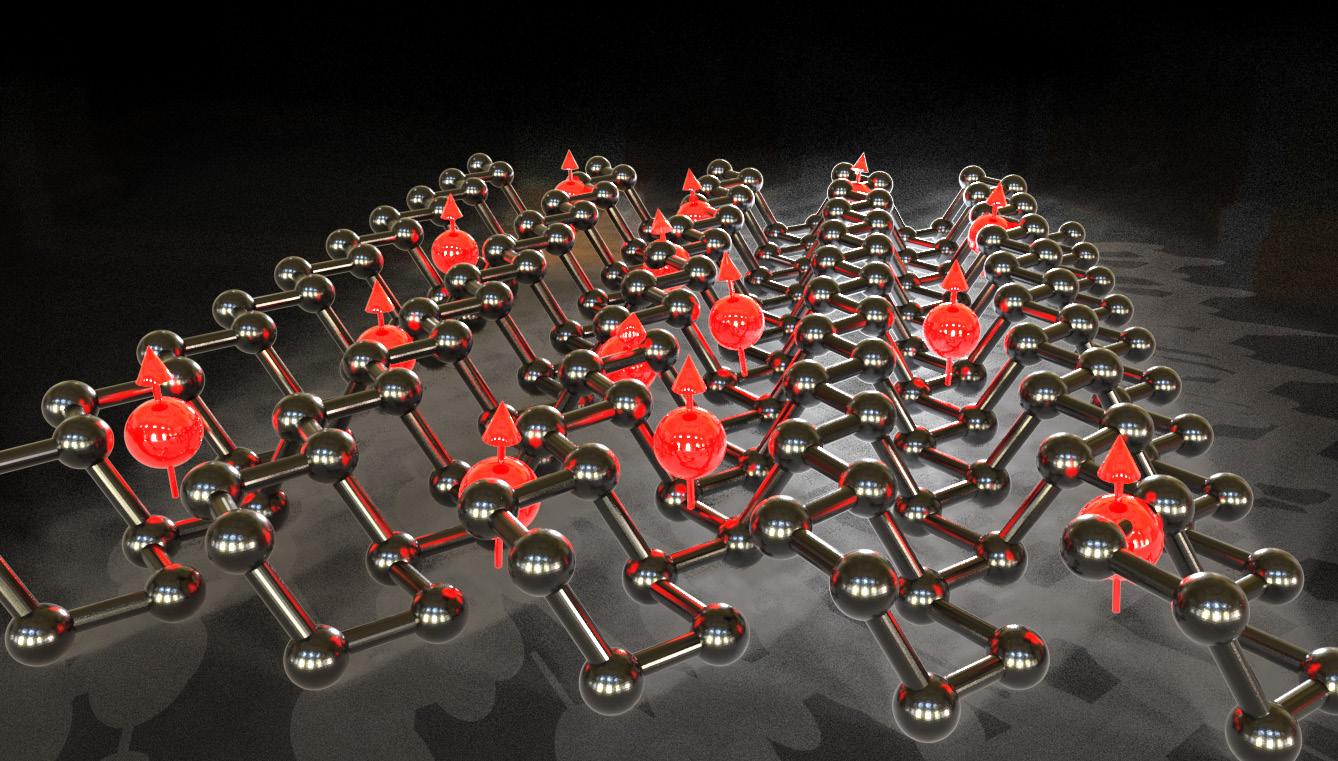
In their study, a black phosphorus layer (BP) serving as the spin channel was placed on a hexagonal boron nitride (hBNB) substrate which promotes high carrier mobility by reducing scattering effects. The heterostructure was then encapsulated by an hBN layer (hBNT) to protect the spin channel from the adsorption of airborne contaminants, which can degrade channel performance. Additionally,
this top hBN layer acts as a tunnel barrier to increase the efficiency of spin injection into the black phosphorus layer. The structure constitutes to a four-terminal spin-valve geometry, which is widely utilised in the study of spindependent transport to spatially separate the paths of the charge current and the detected spin current, providing a reliable measurement of spin transport.
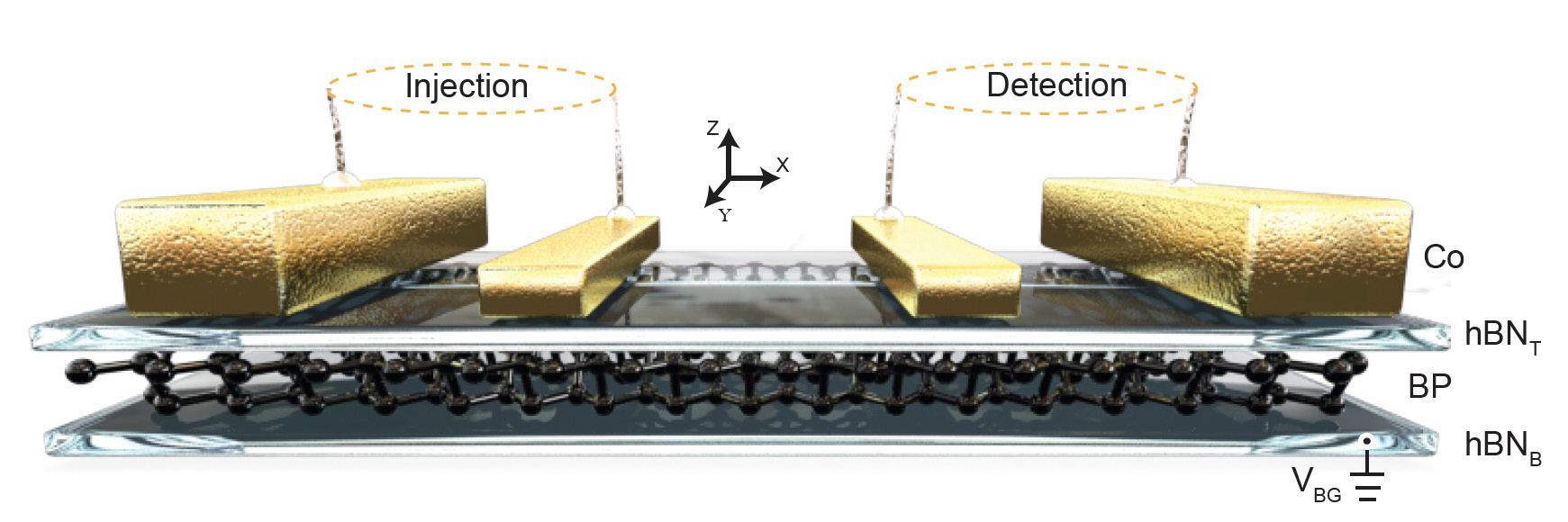
Spin transport anisotropy was then studied by injecting electron spins into the black phosphorus at the injector and measuring the spin signal at the detector.
The team found that applying a strong magnetic field (B > 0.25 T) resulted in a large increase in the spin signal, with a five-fold enhancement in the out-of-plane spin signal
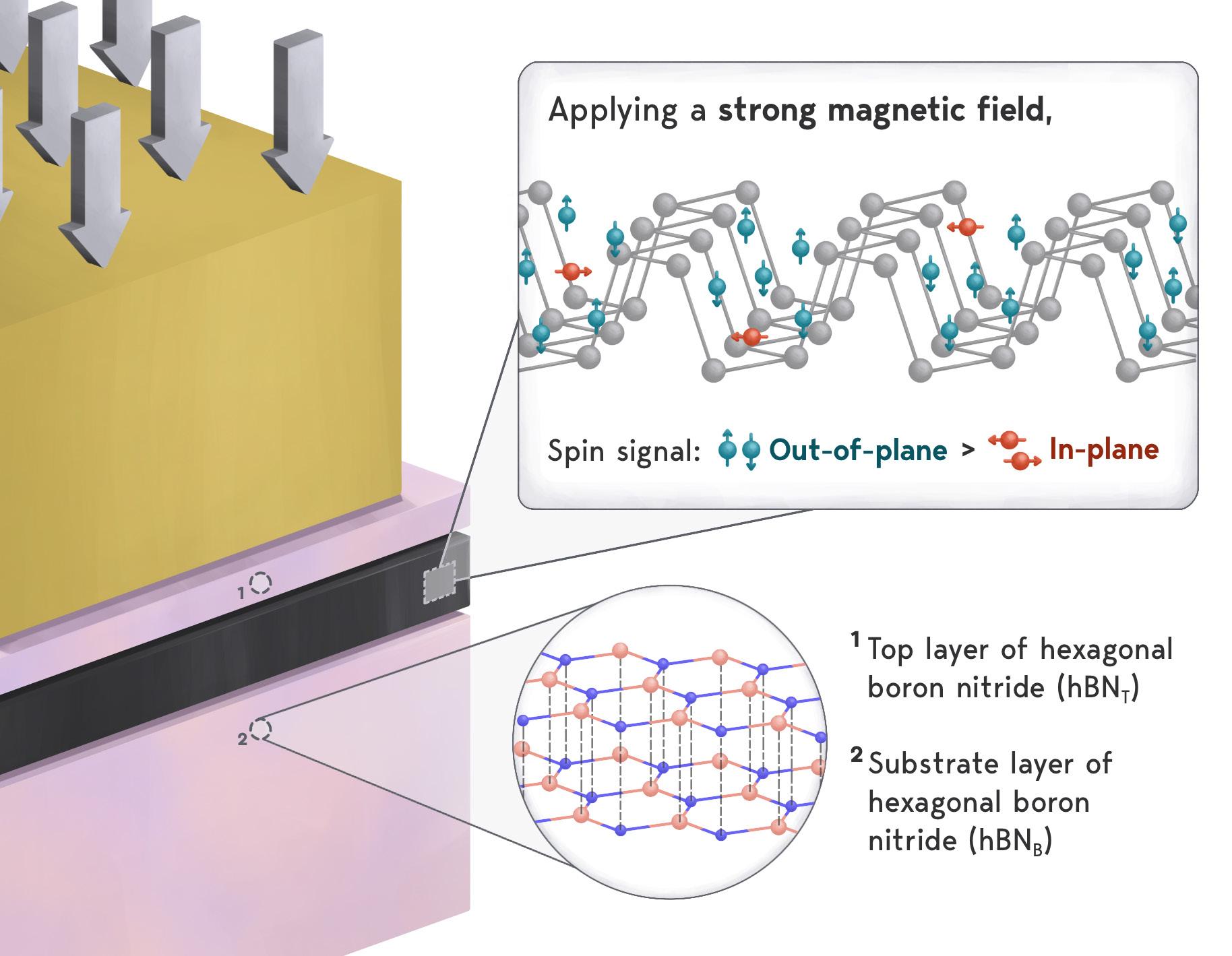
compared to in-plane. The spin signal was also estimated to have a spin-lifetime anisotropy of approximately six. This interesting observation was also confirmed by standard oblique Hanle measurements.
Observation of such anisotropic spin transport along three orthogonal axes in a pristine material is unique to black phosphorus and its origin is related to black phosphorus’ puckered crystal structure. In such anisotropic crystals, direction dependence in the effective mass of carriers can cause anisotropy in the strength of spin-orbit coupling, which is the quantum interaction between the intrinsic spin of charge carriers and their orbital motion. This phenomenon affects the dynamics of spin transport, resulting in such anisotropic spin transport observed.
The exceptional spin transport anisotropy observed, coupled with the ability to electrically modulate spin transport, positions black phosphorus as a unique platform for the manipulation of electron spins — utilising spin anisotropy to realise directional-controlled spintronics devices. Findings from this study not only expand the horizons of potential spintronic applications but also hold the promise of achieving high data transmission rates and other unprecedented functionalities in future spintronic devices.
For young and outstanding academics in science, medicine and engineering
6 to 12-month fellowship for young faculty members and researchers from ASEAN universities and research institutes
Postdoctoral talents incorporating AI techniques into the natural sciences, engineering, and mathematical science