Nuclear Strategy | Great Britain: Event Edition - April 2026
LEARN + NETWORK + COLLABORATE
Contents Page
Page 1&2 Content and founder welcome
Page 3 Bridegwater and cavendish
Page 5&6 Cavendish and agenda
Page 7&8 Roxtec
Page 9&10 Tarmac
Page 11&12 NS Euro venue asset and NS GB27 venue asset (spring 2027)
Page 13&14 WSP
Page 15&16 Booth Industries
Page 17&18 Axis
Page 19&20 AMRC
Page 21&22 Translation and mactech ad
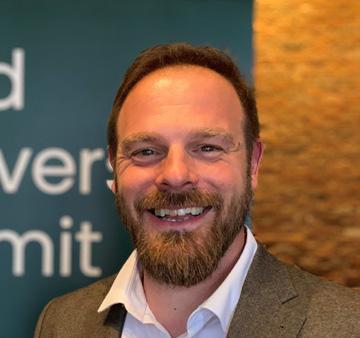
Photo taken on 8th May 2024 at the inaugural Enhancing Nuclear Economy Conference, showing Mike Roberts presenting.
Welcome from the founder
We are delighted to welcome you back for the third edition of Nuclear Strategy Great Britain.
This year, our focus expands to reflect the full nuclear lifecycle, bringing together insights across licensing, policy, regulation, finance, and technology, alongside key updates from major projects. The combination of lessons learned and a growing emphasis on more streamlined processes is helping to establish a stronger, more effective framework for delivering new nuclear in Great Britain.
Since we last met, there has been significant progress across the sector. Final Investment Decision has been reached for Sizewell C, Rolls-Royce SMR has been selected in the GBE-N competition and announced Wylfa as a site, while new partnerships such as Centrica and X-energy, alongside alliances between EDF and Holtec, signal increasing momentum and collaboration across the industry.
At the same time, the recommendations from the Nuclear Regulatory Taskforce are driving a shift towards greater alignment across regulatory bodies, with a clearer focus on outcomes rather than process. The establishment of the National Wealth Fund, aimed at supporting strategic infrastructure and clean energy investment, alongside a renewed focus on energy security and rising demand, means the conditions are increasingly aligning for nuclear to play a defining role in the UK’s energy future.
Nuclear has a real opportunity to come to the forefront—and we are pleased to be on that journey with you.
Thank you,
Jonathan Torrealba
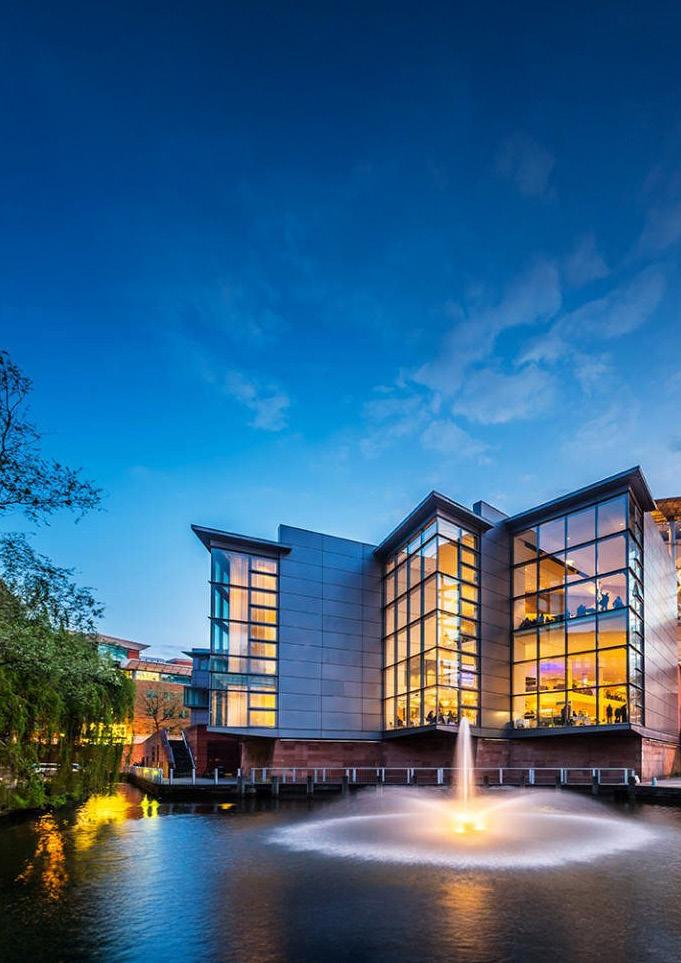
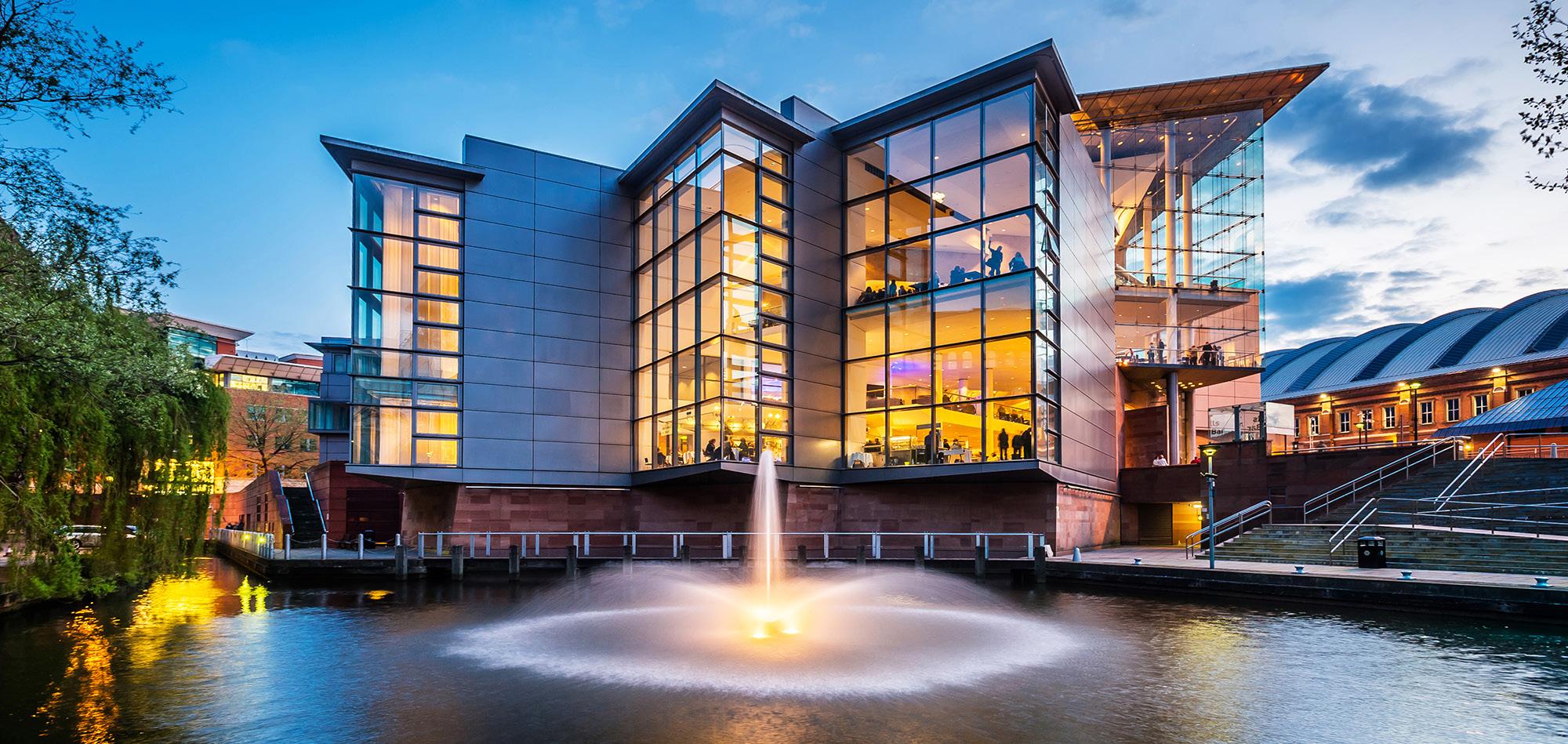
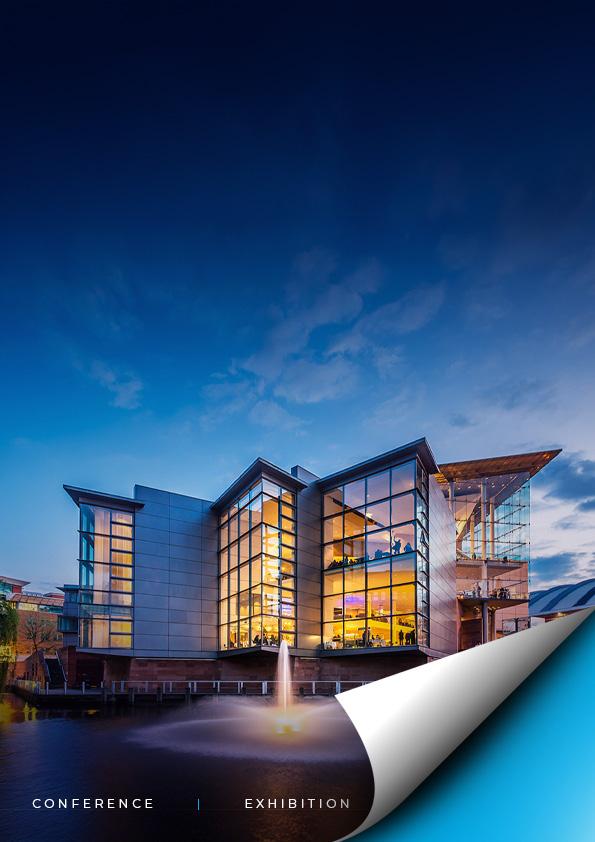
Bridgewater hall
Nuclear Strategy Summit Enhancing the aNuclear Economy
8th May at the Bridgewater Hall, Manchester UK
The Bridgewater Hall is Manchester’s international concert venue, built to give the best possible space for music. The Hall hosts over 300 performances a year including classical music, rock, pop, jazz, world music and much more.
This has been the home to the Halle Orchestra since 1996 and it also hosts the BBC Philharmonic and Manchester Camerata regularly.
The former Free Trade Hall, faced replacement proposals after World War II due to damage. In the 1990s, a site east of Lower Mosley Street was chosen for a new hall. Architects were invited to submit designs, leading to Renton Howard Wood Levin (RHWL) winning the bid. The Bridgewater Hall, which opened its doors in 1996, became not only a symbol of Manchester’s modernization postdeindustrialization and the 1996 bombing but also received royal recognition as Queen Elizabeth II officially opened it on December 4th, 1996.
Outside, the plaza showcases the “Ishinki Touchstone,” a striking sculpture made of Italian Carrara marble, while a sculpture of Sir John Barbirolli graces the main entrance, adding to the hall’s aesthetic charm.
Hannah Vaughan Jones
Introducing Hannah Vaughan Jones, an Emmynominated British journalist celebrated for her hosting and moderating prowess. With prime-time shows for CNN and Sky News under her belt, Hannah is a seasoned professional known for her insightful interviews and engaging presence.
Having moderated for prestigious organizations such as the IAEA and the WHO, Hannah has had the privilege of interviewing world leaders, including the likes of Bill Gates and His Majesty King Charles III. Her notable achievements include hosting the CHOGM London Malaria Summit alongside Bill Gates and fifteen Heads of State.
Beyond her media career, Hannah runs her own successful company, Lewnah Ltd, and holds influential roles on the McCain Institute’s Global Advisory Council and as Senior Counsel to Incisive Health.
With her wealth of experience and charismatic demeaner, Hannah Vaughan Jones is the perfect choice to host and moderate the “Enhancing the Nuclear Economy” event, ensuring it’s both informative and captivating for all attendees.
A Digital Blueprint for New Nuclear Delivery
Dassault Systèmes enables nuclear organisations to accelerate innovation, boost productivity and deliver sustainable, future-ready infrastructure through virtual twin experiences.
Using a digital blueprint for new nuclear delivery powered by the 3DEXPERIENCE platform, drive down the capital costs of projects with enhanced traceability, predictability and transparency.
Visit our stand to speak with our experts and explore how we can collaborate!
Delivering sovereign capability, energy resilience and economic growth
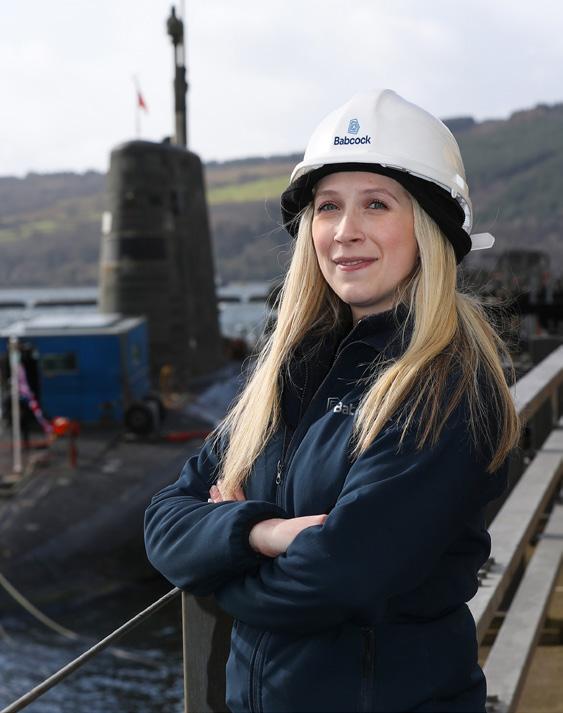
Cavendish Nuclear, a wholly-owned subsidiary of Babcock International Group, delivers critical nuclear solutions across Clean Energy, Defence, and Civil Decommissioning in the UK and internationally.
We support the full life cycle of nuclear assets from design and build, to operate, defuel and dismantle. Our work enables the UK to clean up the nuclear legacy and ensures that new nuclear energy contributes to national security, energy supply, and the UK’s net zero goals by 2050.
We maintain existing reactors, buwild new plants, and develop advanced technologies for the future. In Defence and Civil Decommissioning, we lead complex engineering projects, offering fully integrated solutions for infrastructure and equipment delivery and waste retrieval.
Our strategy prioritises UK operations while expanding exports and international presence. With deep technical expertise and regulatory knowledge, we extend reactor life, manage outages, and deliver projects across the UK’s 36 nuclear licensed sites.
Backed by 11,300 skilled professionals and decades of experience as a nuclear site licence holder, we work closely with customers to provide safe, efficient, and reliable solutions. Our services support low-carbon energy generation and secure national infrastructure, keeping civil power stations and defence assets running smoothly and supporting the delivery of new assets.
Nuclear Strategy
Great Britain 2026
28 April 2026
Bridgewater Hall, Manchester
Agenda
Hannah Vaughan Jones Host & Moderator
Welcome refreshments available in Circle Foyer from 8am
BREAKOUT SESSIONS
11:15am Roxtec 13:55pm Charles Hallé Foyer (Ground Floor)
Panel – Building Britains Nuclear Future, NWF, Egis, Laing O’Rourke, Amentum, ARK Data
12:10 pm Rolls-Royce SMR – Title TBC
12:25 pm Cavendish Nuclear – Engineering the Uk’s Nuclear future
12:40 pm Bureau Veritas – De-risking delivery and strengthening confidence
Lunch
14:25 pm Deloitte – Driving Change in the Nuclear Sector
14:40 pm
Hochtief - Execution Matters: Getting big things done
14:55 pm AMRC - Engineering Excellence: Supporting the UK Nuclear Supply Chain
15:10 pm Kaefer – Final thoughts
15:15 pm Nuclear Strategy – Closing remarks
15:20 pm Post drinks reception
The complete solution –protecting nuclear plants against multiple hazards
By Gavin Cornall, Global Segment Manager, Power, Roxtec International AB
The importance of internal and external hazard protection in nuclear facilities, particularly in terms of barriers and separation, cannot be overstated.
These protective measures are essential for ensuring the safety and integrity of nuclear power plants and small modular reactors (SMRs). Nuclear facilities can face multiple hazards simultaneously. For example, an earthquake can be followed by extreme weather, fire, and flooding.
Robust barriers and separation systems must address these challenges, be designed to prevent accidents, protect health and safety of the public, limit environmental
impact, and ensure the long-term viability of nuclear energy.
The process of designing and gaining regulatory approval for a nuclear facility involves an approach that integrates requirements, engineering design, safety considerations, and regulatory compliance.
All this calls for a multidisciplinary approach, with input from engineers, safety experts, regulators, and others. Adherence to strict regulatory standards ensures that nuclear designs meet safety requirements and mitigate both internal and external threats. Continuous updates and periodic safety reviews are essential to ensure that the facility remains resilient
to evolving hazards throughout its operational life and to guarantee the safety of the staff, the public, and the environment.
The safety standards drawn up by the International Atomic Energy Agency (IAEA) highlight the wide scope of the “human induced” and “natural” events that have to be considered.
The human induced events listed range from accidental aircraft crashes and explosions to electromagnetic interference. While the list of natural events is equally wide ranging, and includes tsunamis and storm surges as well as dam failures, cyclones and hurricanes, dust and sandstorms and volcanism.
‘Redundancy’, ‘diversification’, and ‘separating barriers’ are the crucial principles when it comes to enhancing safety and mitigating those multiple risks and threats. Redundancy involves having multiple, identical, or diverse safety systems or components that can perform the same safety functions. It ensures that if one system or component fails, there are backups to maintain safety.
Diversification is the practice of using different technologies, materials, or approaches in safety systems and processes. It minimises the risk of failures where multiple components or systems fail due to a shared vulnerability.
However, the first two principles can only be maintained if hazards and their associated consequences are prevented from spreading to multiple systems, components, or structures.
And this must be accomplished by establishing and maintaining robust barriers and separation systems, which puts a strong focus on the role of cable and pipe seals. Physical separation systems are designed to address, contain, withstand, and mitigate the impacts of multiple simultaneous challenges. Their function is to prevent, slow down or limit the effects in the event of an accident.
‘Defence in depth’ is a fundamental multi-layered safety principle applied in the design, operation, and regulatory oversight of nuclear
power facilities. The goal is to ensure that even if one or more barriers fail, there are reliable additional layers of protection.
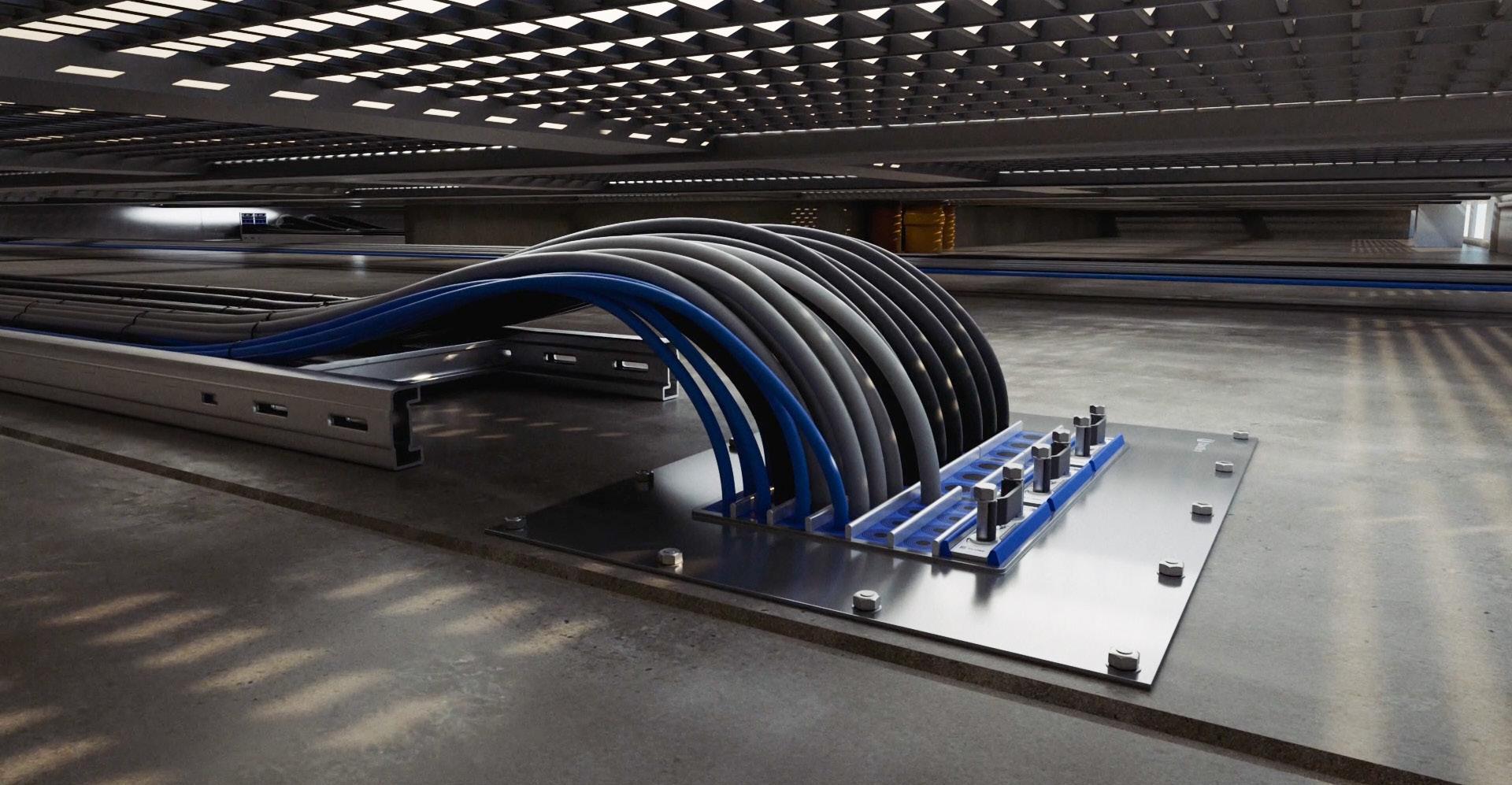
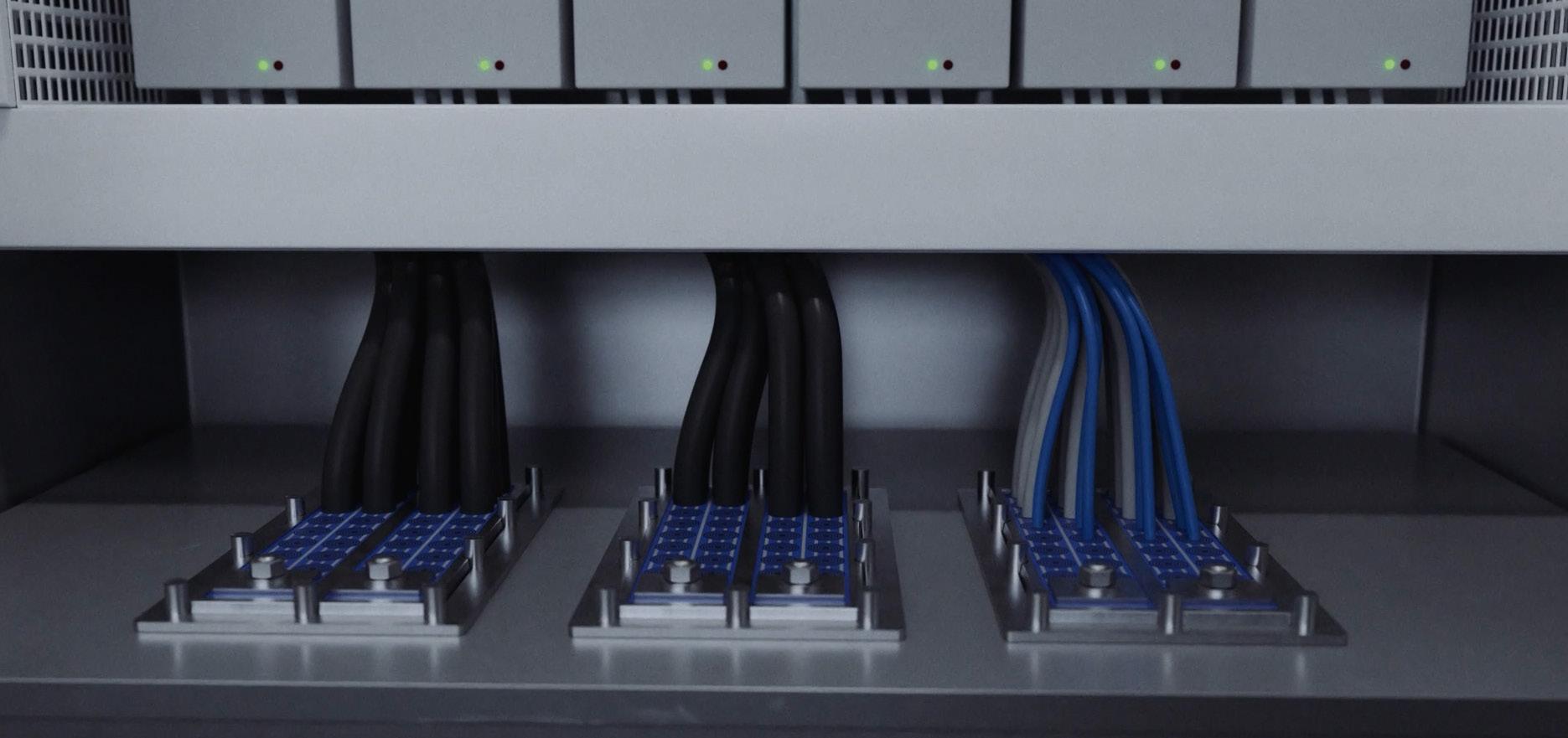
The seals that we produce at Roxtec are tested for everything from seismic events, effects of lightning strikes and electromagnetic interference to fire, gas, and flooding.
As well as preventing multiple risks they deliver certified protection against concurrent and consequential hazards. They can maintain safety even when one event causes another and the threats accumulate. They can also limit the effect and severity of occurring external and internal hazards.
They add blast protection, reduce the risk of partial discharge activity, and limit the effects of an arc-flash. They also provide electromagnetic shielding as well as bonding and grounding.
And since they are area efficient and capable of handling very high cable density in a neat and orderly manner, they make it possible to reduce the number of openings needed in a fire barrier.
Roxtec cable and pipe transits are gastight and enable full control of gas, steam, smoke, and particles. They respond to the need for preventing gas leakage and to requirements regarding separation of different combustible materials. And standardising our modular-
based seals in walls, floors, and cabinets adds both flexibility and scalability to projects.
Our products may be small modular components in a huge plant or a series of small modular reactors, but simplify expansion to nuclear power projects, and protection for all layers of conventional defence.
We have the sealing expertise and a regulatory compliant technology, as well as a full range of services, including technical support, customisation, installation training, safety inspections, and digital tools for transit design and cable management.
Put all that together and we deliver the complete solution – protecting against multiple hazards and delivering that defence in depth that is so vital to the nuclear industry and those that work in it.
About Roxtec
Roxtec is the world leader within flexible cable and pipe transits. Since the business was founded in Sweden in 1990 it has grown successfully to cover all continents.
The business is now the global leader in the manufacture of innovative cable and pipe transit systems, supplying many of the world’s biggest firms. It employs more than 1,000 staff across 30 sales companies.
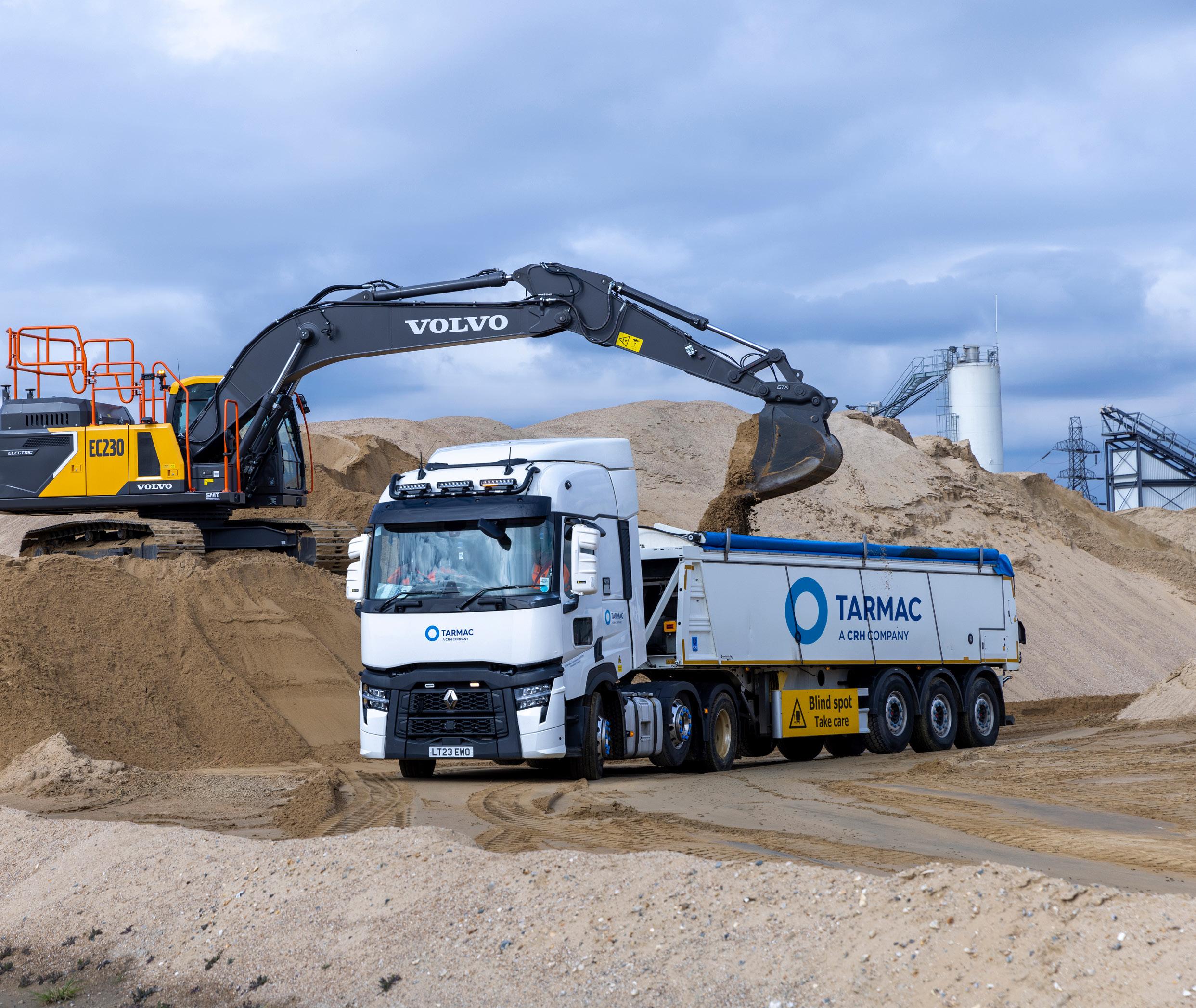
Tarmac is the UK’s leading supplier of construction and building materials, providing vital services for major infrastructure projects. It has also contributed to nationally significant programs such as HS2 and the 2012 Olympics.
Building on this foundation of major project delivery, the services that Tarmac delivers in the nuclear sector have been developed around continuous learning from its support of nuclear programs in the UK, and internationally through its parent company, CRH.
Tarmac’s experience includes long term batch plant operations at Sellafield, Aldermaston, and
Capenhurst, as well as provision of specialist products to sites, such as Devonport, and ongoing aggregate supply contracts for Sizewell C.
Across this activity, Tarmac’s work is underpinned by a strong nuclear safety culture. Core to this nuclear safety culture is an ISO 19443 accredited management system which provides quality assurance and traceability through the production of materials at its UK quarries, right through to site delivery.
With a top-down commitment within the business to our nuclear safety policy, there is a clear understanding of the individual
responsibility all personnel has to safeguard the quality of materials and services in support of nuclear safety.
To help embed this culture, Tarmac personnel undertake specific training and development coordinated by its Ofsted Outstanding rated Safety Park in support of their work in the nuclear industry.
Tarmac supports customers through the project lifecycle, with early engagement enabling its innovation team to undertake research and development capabilities within our UKAS laboratories in support design development and verification
for specialist nuclear concrete requirements.
Supporting this work, the innovation team has access to the dedicated nuclear personnel in the UK along with teams of experts from across the CRH business who bring knowledge and experience of a wide range of nuclear programs against varying design standards and specification.
At the delivery stage, technical experts work with customers teams through delivery offering support in material selection, grading, testing and in the development of quality regimes at each stage of the delivery process ensuring traceability and verification against defined quality requirements.
Logistics management is also key, with the organisation being the sectors largest rail freight operator delivering 9mt of materials annually. A multi modal approach using rail, marine and road provides sustainable, flexible and reliable logistics.
Working closely with its customers and consultants, Tarmac helps optimise delivery solutions within constraints as set out in Development Consent Orders to minimise the impact of the works on the local community.
On site, Tarmac has a team of security vetted, suitably quality and experienced site operations
personnel enabling delivery of infrastructure within site boundaries. This includes the erection and operation of batching plants on or adjacent to customers site to enable reliable, secure, quality assured supply of concrete for nuclear construction.
Across the UK, Tarmac’s operations support communities in and around its production sites, many of which are located in areas with ongoing nuclear operations or contributing to the current new build programs. Tarmac’s materials form the very foundations and structures which enable the safe operations of nuclear facilities.
NUCLEAR STRATEGY
EUROPE 2026
Summit & Exhibition
30th June 2026
Olivia Star Top, Gdańsk, Poland
To find out more, visit the website or contact the team at:
hello@nuclearstrategy.earth
Nuclear is not special but this moment is.
Stuart McLaren, Head of Nuclear, WSP
There is a long standing habit of treating nuclear power as something uniquely complex and separate from the wider economy. In reality, most of a nuclear project relies on the same disciplines that shape other major infrastructure programmes. Around 70 percent of a new plant is non nuclear in nature. Only the reactor island carries truly specialised regulatory and safety requirements. The wider project follows familiar industrial principles.
What’s genuinely special today is the moment.
Advanced nuclear now sits at an inflection point familiar to every capital intensive industry. Early phases reward discovery: technology competition, diversity of concepts, and rigorous first of a kind discipline. But long term value is created during deployment. Cost curves do not fall because technologies exist; they fall when delivery systems repeat. Learning compounds when designs stabilise, interfaces standardise, and projects are delivered in series rather than as isolated demonstrations.
This is where advanced nuclear must now focus. The opportunity to move from isolated projects to a predictable, repeatable and scalable industrial programme is within reach. Achieving that shift requires the same discipline that underpins every successful sector: protected standardisation across the whole delivery system, not just the technology.
Aerospace provides a clear parallel. The Airbus A320 family became one of the most successful aircraft programmes in history not through continual redesign, but through protection of core design baselines. That consistency allowed supply chains to mature and production to expand across multiple sites without resetting learning curves. Crucially, the discipline applied as much to manufacturing processes and certification artefacts as to the aircraft itself.
Advanced nuclear is also a global contest for capital, capability and industrial advantage. Investors want markets that combine near term credibility with visible long term scale. Manufacturers and suppliers invest where they can see sustained, repeatable demand rather than one off deployments.
The UK Advanced Nuclear Framework is an important step in strengthening national credibility. It gives privately led projects a route into a recognised pipeline. But credibility alone is not enough. Industrialisation requires the UK to demonstrate that projects sit within a coherent programme rather than a sequence of individual builds. Scale emerges when financing, regulation, infrastructure planning and governance reinforce repeatable delivery.
Offshore wind illustrates this clearly. Early projects proved feasibility, but meaningful cost reduction and supply chain investment only arrived
when projects were delivered in series under consistent frameworks. The same pattern appears in South Korea’s nuclear programme, where convergence around the APR1400 enabled multiple domestic builds and a major export capability.
The risk for the UK is the missing middle between discovery and deployment. Without a deliberate pathway that gradually favours convergence around shared baselines and delivery systems, learning will not compound and supply chains will not invest with confidence. Neutrality without direction risks drift.
This moment matters because demand is rising sharply.
Artificial intelligence growth zones, hyperscale data centres, defence infrastructure, advanced manufacturing and hydrogen production are reshaping energy requirements. These loads require standardised, repeatable energy systems delivered at scale.
The Advanced Nuclear Framework does not need to choose winners. Its value lies in signalling the shift from project readiness to programme intent. Nuclear is not inherently special. But this moment is. The countries that move decisively now will build not only reactors, but the industrial ecosystems capable of delivering entire fleets.
Engineering Certainty Starts with our People
Fusing experience and innovation to deliver the future of Nuclear
Booth Industries International Ltd is among the few manufacturers globally with the in-house capability to deliver complete door systems to Nuclear QC Grade 1 standard, from design and manufacture through to installation and commissioning, supported by a controlled and fully traceable process
For nuclear operators and contractors, reducing risk is critical Booth provides a single, accountable delivery model that removes unnecessary interfaces, simplifies compliance and strengthens control across the project lifecycle
This approach is driven by the expertise of our people Engineers, project teams and specialists work together from concept through to commissioning, applying sector knowledge to resolve complexity and ensure delivery with confidence
Nuclear environments demand more than single-function
solutions Access systems must often withstand blast pressure, resist ballistic attack, contain contain fire, prevent radiation ingress and maintain integrity under seismic conditions, while continuing to operate reliably
Booth delivers integrated, multiperformance door systems designed to meet these demands within a single engineered solution By removing the need for multiple systems and contractors, we reduce failure points, simplify installation and improve long-term reliability
Assured Delivery Through Control and Expertise
Delivering to Nuclear QC Grade 1 standard requires strict control of process, documentation and verification Booth’s structured approach ensures rigorous design review, configuration management and comprehensive testing of both mechanical and control systems
Full traceability of components and verification of performance requirements are embedded
throughout, ensuring systems are not only compliant, but proven in operation
Recent projects have included power-operated door systems integrating mechanical and EC&I scope, with PLC-controlled operation and associated software These projects demand precision, achieved through tight control of alignment, flatness and tolerances, supported by bespoke jigs and in-house tooling
Reducing Risk Through Early Engagement
Early supplier involvement leads to better outcomes Engaging Booth at the design and specification stage enables clearer definition of requirements, reducing the risk of redesign, delay and cost escalation
Our teams work with clients and regulators from the outset, ensuring compliance requirements are understood and addressed early, supporting
clearer documentation and stronger alignment across stakeholders
Proven in Safety-Critical Environments
Booth Industries’ expertise has been developed over decades, supporting critical infrastructure across nuclear, defence, offshore oil and gas, and aviation sectors
Work with organisations such as Sellafield, AWE, BAE Systems and RNAD Coulport reflects consistent delivery in highly regulated environments where performance and reliability are essential
Ongoing investment in research, testing and product development ensures continued alignment with the demands of new nuclear programmes and existing assets
These capabilities are engineered to perform together as a unified system, maintaining integrity under combined loading and real-world conditions
In an industry where failure carries significant consequences, certainty is essential That certainty comes from both robust systems and the expertise of the people behind them
Booth Industries delivers highintegrity door systems that perform throughout their lifecycle, combining engineering capability, regulatory understanding and integrated delivery to provide confidence where it matters most
For further information or technical discussion, contact:
sales@booth-industries co uk 01204 366 333
From SMR Ambition to Deliverable Infrastructure: Why Planning Strategy Will Define UK Nuclear Deployment
By Alistair Yates, Technical Director, Axis | Axis will be exhibiting in the Choir Circle Foyer at Nuclear Strategy 2026
The UK nuclear sector is entering a decisive phase
After years focused on policy ambition, funding models, and reactor innovation, the conversation is now shifting firmly towards delivery.
Small Modular Reactors (SMRs) present one of the most significant opportunities for the UK’s energy system we’ve seen in decades. If deployed successfully at scale, they could play a central role in strengthening UK energy security, supporting industrial decarbonisation, and providing reliable low-carbon power for generations to come.
The UK Government’s ambition to expand nuclear capacity significantly by mid-century, alongside the development of a national SMR programme, underlines the scale of the opportunity now emerging for the sector.
But the next differentiator in SMR deployment will not be reactor design alone. It will be delivery strategy.
From technological innovation to deliverable infrastructure
As the sector moves from ambition into implementation, a new reality is becoming clear - successful deployment will depend not only on reactor technology, but on the ability, via a compatible planning strategy, to translate that technology into deliverable infrastructure.
In the UK context, that challenge is defined by land, planning, and consent.
Every nuclear project ultimately becomes a place-based decision. Site selection, environmental limitations, grid connectivity, community acceptance, and the consenting route all shape programme certainty. For SMR developers entering the UK market, these factors can quickly become the critical path to delivery.
Why planning and consenting shape programme certainty
This is particularly important as developers consider how SMR programmes will be rolled out
nationally. Questions around whether sites fall within the Nationally Significant Infrastructure Projects (NSIP) regime, how Development Consent Orders compare with local authority planning routes, and how cumulative environmental impacts are assessed will significantly influence timelines.
These are not simply procedural questions. They shape risk, investment confidence, and ultimately the pace of deployment.
Experience from complex regulated infrastructure projects (including those within the nuclear fuel cycle and other major energy developments) demonstrates that planning strategy is most effective when it’s embedded early. Waiting until a preferred site is selected before considering consenting pathways or environmental limitations can introduce unnecessary delays and cost.
Embedding planning strategy at the earliest stage
Conversely, integrating planning, environmental assessment, and stakeholder engagement at the site
selection stage can significantly de-risk projects.
Early strategy enables developers to understand the planning landscape, identify potential consenting routes, assess environmental sensitivities, and engage constructively with local communities and decisionmakers. It also allows programme sequencing to be aligned with realistic consenting timelines.
For first-of-a-kind SMR projects in particular, this integrated approach is critical. Novel technologies will inevitably attract scrutiny, and confidence in delivery will depend on demonstrating credible pathways from concept to consent.
What good delivery strategy looks like
Successful programmes typically bring together planning, environmental, and infrastructure specialists alongside engineering and commercial teams from the outset. This allows developers to move beyond theoretical deployment models and begin shaping projects that are genuinely buildable within the UK regulatory framework.
When this alignment happens early, planning becomes an enabler rather than a constraint. It provides clarity to investors, confidence to communities, and structure to complex infrastructure programmes.
Turning national ambition into deliverable projects
The scale of the opportunity for the UK nuclear sector is substantial. But so too are the risks of underestimating the planning and consenting landscape.
As the industry moves from ambition to delivery, the interaction between reactor innovation and land-use reality will increasingly determine which projects succeed.
Axis has a long and demonstrable record of supporting complex energy and nuclear infrastructure projects for our key clients across the UK, helping associated companies and developers to navigate planning, environmental assessment, and stakeholder strategy to translate nationally significant ambitions into consented, deliverable schemes
If you’re attending Nuclear Strategy Great Britain, we’d love to speak with you. The Axis team will be in the Choir Circle Foyer throughout the day. We would welcome the opportunity to discuss how early planning strategies can help accelerate SMR deployment in the UK.
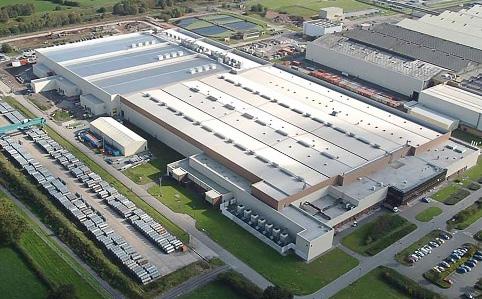
The University of Sheffield Advanced Manufacturing Research Centre (AMRC) is home to world-leading research and expertise.
With a track record of delivering innovation-led impact, we’re supporting manufacturers to industrialise and scale up production of globally competitive clean energy technologies, committed to developing cheaper, quicker and more efficient ways to power our homes and workplaces for decades to come.
As governments and multinationals with large data centres look for a clean, reliable power source, we are working with our partners, as part of the High Value Manufacturing (HVM) Catapult) to help the UK become a world leader in the nuclear global market, with huge potential for economic growth and highly skilled jobs back home in our regions.
Thanks to our cutting-edge facilities, we are able to conduct manufacturing research on a larger scale than anywhere else in the UK.
From helping Rolls-Royce SMR develop a factory-manufactured nuclear power station, to researching and developing Suiso’s breakthrough pyrolysis technology which removes carbon from commonly-used fuels, the AMRC is at the forefront of the new era of clean energy.
Within the AMRC’s South Yorkshire facilities, Rolls-Royce SMR is producing working prototypes of the individual modules that will be assembled into Rolls-Royce SMR power plants.The AMRC is directly influencing the design and operation of the full-scale production factory which has the potential to create hundreds of job opportunities.
In our facilities, we can develop advanced techniques for the whole process of manufacturing for nuclear, all in one place. We are distinct in the world to offer both sub-scale and full-scale automation.
Our ability to manufacture demonstrator components at full scale means that we can solve realworld manufacturing challenges and test new processes before they are rolled out in industry.
We’ve collaborated with Deep Isolation, a leader in nuclear waste disposal technology, to validate its patented borehole disposal technology for spent nuclear fuel (SNF) and high-level radioactive waste (HLW), focusing on both canister design validation and assessing the UK’s manufacturing supply chain capabilities.
The nuclear sector requires large structures that resist radiation and do not corrode. With our expertise in
advanced joining technologies and some of the largest welding research facilities in the world, we are well placed to support it.
Our research ranges from the latest power electron beam and arc welding techniques, to using AI to improve traceability and manufacturing speed. We have worked on nuclear waste disposal, built large steel structures for the nuclear sector, and developed affordable welding technology for the nuclear supply chain.
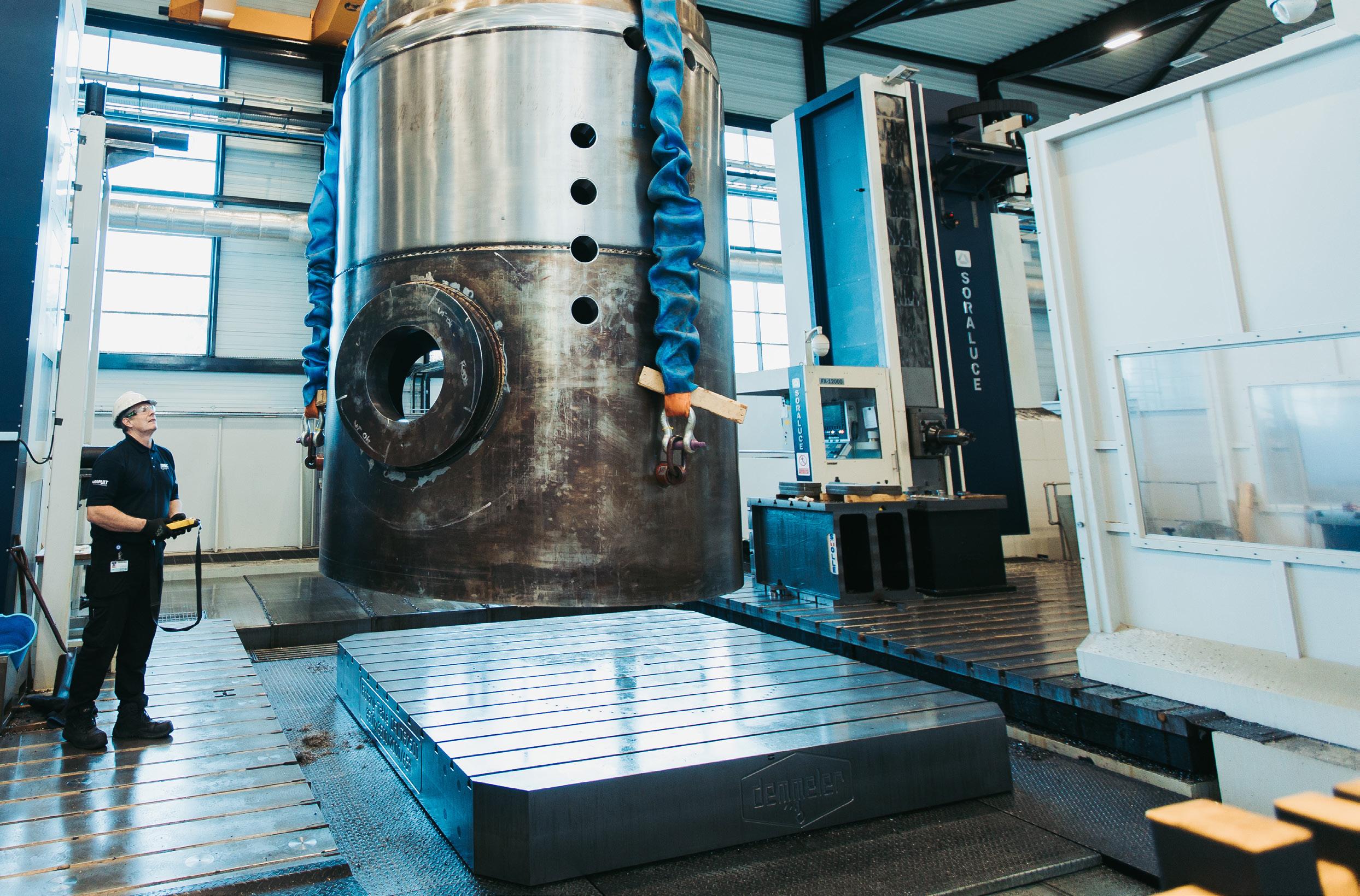
At our Future Energy Factory, we’ve worked with Kairos Power and Cambridge Vacuum Engineering (CVE) to fabricate a complete test unit reactor vessel under one roof, using our capability to manage machining, cutting-edge electron beam welding technology, and inspection in a single location.
We’ve been working on the digital thread - a seamless, end-to-end flow
of digital information, connecting all aspects of the product lifecycle - since 2016, at the forefront of designing and using digital tools for manufacturing, including in the nuclear supply chain.
We work with a number of partners, including software providers, to develop new technology and digitise assembly techniques and methods of manufacture - all to make things cheaper, faster and cleaner.
By demonstrating new techniques and technology to regulators, we help them stay on top of new developments in nuclear - and allow manufacturers to innovate without unexpected blockages down the line.
With the capability to build code cases for standard bodies, and support the development of code cases by being able to test at scale by using advanced manufacturing technologies, safety and assurance
runs through everything we do in nuclear manufacturing.
With our skills, expertise, facilities and industry knowledge, the UKand in particular South Yorkshire - has the potential to lead the world on nuclear energy the way we once did in steel production.
The government’s modern Industrial Strategy is the biggest nuclear rollout for a generation, set to revive Britain’s industrial heartlands. Supporting the clean power mission - clean, secure homegrown energy - with strategic innovation, collaborative research and a shared vision can not only accelerate technological development, but unlock monumental industrial opportunities for the UK - with the AMRC at the heart.
www.amrc.co.uk
Experts in Nuclear Workforce Solutions for Net Zero
Mactech supplies professional, technical and skilled staff to the UK nuclear and defence sectors. At Hinkley Point C, over 2,000 of our people support the principal contractor and tier 1 and tier 2 partners across construction, surveillance, project management, supervision and trades.
Explore our full range of solutions and services on our website: mactech.co.uk
Bireta Professional Translations is a leading Polish language services provider with over 24 years of experience supporting international projects and business communication. The company provides specialist translation and interpreting services, with a focus on large-scale, technically complex assignments.
Bireta works with leading global companies in sectors such as energy, engineering, and infrastructure, supporting both ongoing operations and strategic projects. In the nuclear sector, it has delivered translation and interpreting services for projects related to SMRs, the first Polish nuclear power plant programme, and major industry events, including the Baltic Nuclear Energy Forum and supplier symposiums.
Quality and security are central to its work, supported by ISO 17100, ISO 18587 and ISO 27001 compliance. Bireta is also the only LSP recommended by the Polish Chamber of Power Industry and Environmental Protection and the Ministry of Climate and Environment in the publication Polish Industry for Nuclear Energy.