TIER 1 PROCUREMENT OVERVIEWS
Below is a list of the Tier 1’s we engaged with and a table showing the sectors they work in. The following pages summarise each organisation’s procurement approach, outlining how they engage suppliers, what they typically source from SMEs, and the key considerations to be aware of when approaching them. Click on the Company Name to go direct to their summary.
AtkinsRéalis
Website: aecom.com
SME Enquiries: sme.enquiry@aecom.com
Procurement Portal: aecom.com/our-supply-chain/supplier-portal
AECOM is recognised as a global infrastructure leader, delivering professional services across the full project lifecycle, from planning, design and engineering through to programme and construction management. The company is an established provider to the nuclear sector, bringing more than 60 years of experience in delivering complex, highly regulated infrastructure in the UK and internationally. Its teams are committed to applying the breadth of AECOM’s capability to the sector, building on a strong heritage and contributing to a sustainable long term legacy.
Internal SME Engagement:
AECOM positions long term partnerships with SMEs as central to creating sustainable, mutually beneficial growth. Supplier engagement happens through project specific procurement, industry events and AECOM hosted activities, with qualification and onboarding managed through the Coupa Portal, where SMEs receive support to ensure a smooth transition into the supply chain.
What They Source from SMEs:
AECOM commonly procures professional services to support our innovative design delivery (e.g., engineering, nuclear HVAC, safety case, reliability specialists), specialist contractors for bespoke engineered items, and wider services to imbed lifecycle considerations (construction, commissioning etc) into the design phase.
Identified Gaps and Growth Areas:
AECOM expects SME involvement to grow in areas requiring innovation and technical agility, including robotics and AI for complex nuclear challenges, specialist engineering and bespoke component design, and technologies that enhance project delivery efficiency. These reflect rising demand for tailored, highly skilled SME capability.
Routes to Engagement:
SMEs can engage with AECOM through direct engagement: email submissions via: sme.enquiry@aecom.com, AECOM routinely attend and sponsor nuclear industry events such as BECBC, Nuclear Week in Parliament and Women in Nuclear, or direct contact with their project/framework or procurement leads.
Forward Pipeline of Work:
AECOM highlights the important role SMEs play in helping the company meet its environmental, social and governance (ESG) goals under its Sustainable Legacies strategy. Opportunities are typically communicated through project specific procurement activity or via engagement at industry events.
What They Value in SMEs:
AECOM values SMEs that bring forward thinking, innovative approaches and demonstrate a collaborative mindset. They particularly appreciate suppliers who challenge accepted norms constructively, deliver dynamically, and offer deep technical knowledge with clearly articulated capabilities.
Causes for Concern:
AECOM works with suppliers who meet its rigorous quality standards and whose values align with its own. The company expects its supply chain partners to demonstrate the same commitments to health and safety, sustainability and ESG performance.
Website: amentum.com/doing-business-with-us Procurement Portal: Amentum Supplier Management System (from 1 April)
Amentum provides integrated engineering, project management and operational services supporting the safe delivery of the UK’s civil nuclear mission. The organisation enables lifecycle solutions across decommissioning, new build and defence-adjacent civil nuclear programmes, with a strong focus on safety, compliance and value for money.
Internal SME Engagement:
SME engagement typically occurs through Project Delivery Teams, supported by Procurement and Supply Chain functions. Amentum does operate dedicated SME engagement routes, with teams holding authority and input into supplier selection. Onboarding is managed through a supplier registration form (transitioning to the Amentum Supplier Management System), where SMEs must provide complete, accurate and compliant information.
What They Source from SMEs:
Amentum commonly procures site-based delivery services (construction, installation, maintenance, commissioning), professional services, and a range of technical, engineering, HSE, catering and logistics support.
Identified Gaps and Growth Areas:
Amentum expects SME involvement to increase as the organisation grows across the Energy and Defence sectors. Opportunities are likely to expand in technical and engineering services, specialist support functions and areas aligned with innovation and emerging programme needs.
Routes to Engagement:
SMEs typically engage through the supplier registration portal, direct contact with Procurement and Supply Chain teams, or participation in supplier briefings and engagement events. Amentum also attends wider industry forums and “meet the buyer” sessions. Early engagement is encouraged through supplier days and sector events.
Forward Pipeline of Work:
Amentum does not currently publish a forward pipeline for SMEs. Engagement events and industry forums are the primary routes for visibility of upcoming opportunities.
What They Value in SMEs:
Amentum values SMEs that demonstrate innovation, flexibility, clear differentiation, enthusiasm and reliability. Alignment with Amentum’s mission and ethics is important, as is clarity on what makes the SME’s offer distinct within the sector.
Causes for Concern:
Concerns typically arise where SMEs struggle with documentation quality, traceability or capacity, or where onboarding information is incomplete. Misunderstanding of due-diligence timescales or expectations can also create friction.
Website: assystem.com/en/country/united-kingdom
Supplier Portal: Supplier registration portal (commercial team contact currently)
Assystem plays a key role in the UK civil nuclear sector, delivering engineering, digital and project management services that support the design, construction, operation and decommissioning of nuclear facilities. The organisation works with major operators and developers to accelerate the energy transition while maintaining the highest standards of safety, security and regulatory compliance.
Internal SME Engagement:
SMEs most commonly engage with Assystem through Procurement or Supply Chain teams. While there is no dedicated SME engagement team, these functions manage supplier interaction and have authority in supplier selection. Engagement typically begins through the supplier registration portal, with frameworks expected to be released in early 2026. SMEs must provide complete, accurate information, and are encouraged to indicate if they are working towards required certifications.
What They Source from SMEs:
Assystem commonly procures engineering, design, human factors, fire safety and project management services, alongside commissioning support and selected goods and equipment. These span professional services, technical disciplines and site-based delivery.
Identified Gaps and Growth Areas:
Assystem anticipates increased SME involvement in engineering, project management and commissioning services, particularly as the organisation expands its work across new build, decommissioning, digital engineering and long-term programme delivery. Growth is expected where SMEs can offer specialist skills, capacity and innovation aligned with lifecycle needs.
Routes to Engagement:
SMEs typically engage through the supplier registration portal, direct contact with the commercial team, or participation in supplier capability reviews. Framework agreements will become a key route from 2026. Assystem also engages through industry events and periodic supplier briefings.
Forward Pipeline of Work:
Assystem does not currently publish a forward pipeline for SMEs, though this is expected to change. Future frameworks and capability-led engagement models will provide clearer visibility of upcoming requirements.
What They Value in SMEs:
Assystem values SMEs that demonstrate agility, strong technical skills, clear differentiation, reliable delivery and a commitment to long-term partnership. Responsiveness and the ability to integrate effectively within multidisciplinary teams are also seen as key strengths.
Causes for Concern:
Concerns typically arise where SMEs over-commit resources, lack depth or scale, or fail to meet required insurance, security or standards expectations. Inadequate documentation or weak traceability can also undermine confidence during onboarding.
Website: atkinsrealis.com/en/about/working-with-suppliers
Procurement Portal: Ariba Spend Management
AtkinsRéalis is a global engineering and project delivery organisation with more than six decades of experience developing, licensing and supporting nuclear technologies. In the UK civil nuclear sector, it delivers solutions across the full lifecycle, from concept design and new build programmes to asset management, decommissioning and environmental remediation. The company also stewards CANDU® reactor technology and provides deep technical expertise across global regulatory frameworks.
Internal SME Engagement:
SMEs most commonly engage with Project Delivery Teams, supported by Procurement and Supply Chain functions. While there is no dedicated SME engagement team, procurement personnel oversee supplier onboarding through the IAND system, ensuring information is complete and aligned with the nuclear quality level required for upcoming work.
What They Source from SMEs:
AtkinsRéalis commonly procures topographical surveys, niche technical expertise, management training, bid support and first of a kind (FOAK) subject matter expertise, particularly in fusion and specialist design areas such as marine tunnelling.
Identified Gaps and Growth Areas:
Growth is expected in FOAK capability areas, especially around fusion projects and specialist design disciplines. Social Value commitments are also driving increased engagement with local and regional SMEs, particularly around major programmes such as Sizewell. Future expansion into component design and manufacture is anticipated, creating further opportunities for SMEs with specialist engineering capability.
Routes to Engagement:
SMEs typically engage through Meet the Buyer events, direct contact with procurement or supply chain leads, or invitations to join the IAND Supplier Management System. Initial engagement often comes via Delivery Teams, but AtkinsRéalis emphasises the importance of also contacting the relevant Procurement Lead, to avoid delays or missed opportunities.
Forward Pipeline of Work:
AtkinsRéalis does not currently publish a forward pipeline for SMEs, though frameworks and structured engagement routes are expected to evolve. Supplier capability reviews and major project events provide the best visibility of upcoming needs.
What They Value in SMEs:
SMEs that demonstrate reliability, responsiveness, flexibility, personal service and strong technical capability. A clear understanding of nuclear expectations and the ability to support long term relationships are also important.
Causes for Concern:
Concerns typically arise where SMEs lack basic compliance requirements, such as appropriate insurance levels, ISO certifications or plans to obtain them, or where suppliers rigidly apply contracting prerequisites without considering risk based adjustments. Over committing resources or lacking depth can also create delivery risks.
Website: balfourbeatty.com
Supplier Portal: Procurement/Supply Chain teams (no single portal)
Balfour Beatty is a leading Tier 1 contractor delivering major nuclear programmes across the UK, operating at multiple stages of the lifecycle. The company supports new build, decommissioning and fusion projects, drawing on extensive experience in complex infrastructure delivery.
Internal SME Engagement:
SMEs most commonly engage with Procurement or Supply Chain teams. While there is no dedicated SME engagement team, suppliers interact through project specific procurement activity and direct contact with relevant business units. Registration of interest is managed locally within each business area.
What They Source from SMEs:
Balfour Beatty commonly procures steel fabrication (structural and secondary), commissioning services, blue collar labour, HVAC, and instrumentation, measurement and control systems. These span goods, equipment, professional services and site based delivery.
Identified Gaps and Growth Areas:
Growth is expected in fusion related technologies and in SME capability around nuclear quality assurance requirements. Social Value commitments are also driving increased engagement with local and regional SMEs, particularly on major projects such as Sizewell. Additional opportunities are emerging where SMEs can support specialist design and FOAK related capability.
Routes to Engagement:
SMEs typically engage through Meet the Buyer events, direct contact with procurement or supply chain leads, and outreach to relevant business units. Balfour Beatty publishes pipeline information through conferences, webinars and project level communications, though there is no single centralised portal.
Forward Pipeline of Work:
Pipeline visibility varies by project and business unit. Information is shared through industry events, webinars and project specific briefings rather than a single published source.
What They Value in SMEs:
Balfour Beatty values SMEs that demonstrate proactive research into project requirements, relevant experience, willingness to invest in additional capabilities, strong financial health and a commitment to developing long term relationships.
Causes for Concern:
Concerns typically arise where SMEs show poor financial health, lack relevant experience, or have limited understanding of client expectations, particularly around carbon commitments, safety, quality and risk. Incomplete tender responses or difficulty navigating complex procurement requirements can also create challenges.
Website: capula.com
Supplier Portal: Procurement/Supply Chain teams (no public portal)
Capula, part of Dalkia UK and EDF Group, provides full lifecycle support to clients across civil and defence nuclear, covering everything from fuel production through to new build, construction, operations, waste management and decommissioning. The company specialises in control, automation, digital and cyber systems that underpin safe and reliable nuclear operations.
Internal SME Engagement:
SMEs most commonly engage with Project Delivery Teams, supported by our Procurement and Supply Chain functions. The company does not operate a registration of interest system; instead, new suppliers are welcome to contact Capula if they believe their services would be of relevance to our projects or are approached directly when specific capabilities are needed and invited to complete a Pre-Qualification Questionnaire.
What They Source from SMEs:
Capula commonly procures site installation services, control software, controls hardware and prototype control cabinet testing. These span goods and equipment, professional services and site based delivery.
Identified Gaps and Growth Areas:
Capula identifies capability gaps in experienced testing laboratories and controls hardware OEMs. As nuclear programmes expand, demand is expected to grow for SMEs with strong testing capability, specialist controls expertise and robust quality assurance processes.
Routes to Engagement:
SMEs typically engage through direct market contact with procurement or supply chain leads. Capula does not use a supplier registration portal; instead, suppliers are invited to complete a PQQ when a requirement arises. The company works collaboratively with SMEs during onboarding but cannot proceed where suppliers do not meet required standards.
Forward Pipeline of Work:
Capula does not publish a forward pipeline.
What They Value in SMEs:
Capula places strong emphasis on supplier quality processes and understanding of nuclear safety. SMEs that demonstrate rigorous quality control, strong planning discipline and a positive safety culture are viewed most favourably.
Causes for Concern:
Concerns typically arise where SMEs show poor quality checking, weak planning or an adverse safety culture. Lack of awareness of CFSI requirements, import/export licensing, nuclear documentation standards or staff security processes can also create barriers.
Website: cavendishnuclear.com
Supplier Contact: Programme/Project Procurement Leads (via COUPA invitation)
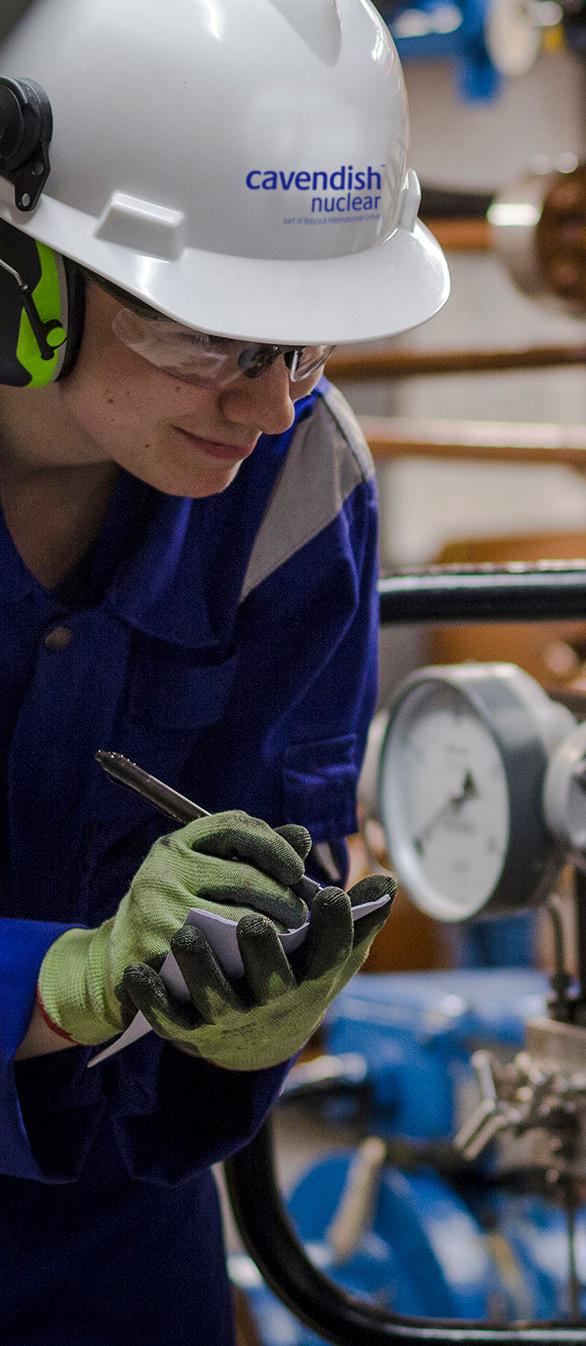
Cavendish Nuclear, a wholly owned subsidiary of Babcock International Group, delivers critical nuclear solutions across clean energy, defence and civil decommissioning in the UK and internationally. The company supports all stages of the nuclear lifecycle—from new build and operations to waste management and decommissioning—combining specialist expertise with advanced manufacturing capabilities to help secure the UK’s energy future and meet net-zero commitments.
Internal SME Engagement:
SMEs most commonly engage with Procurement or Supply Chain teams. Cavendish Nuclear has an SME engagement strategy and dedicated initiatives, supporting the Programme & Project Procurement Leads who directly select suppliers. The company continually onboards suppliers but aims to do so at the right time, when there is a realistic prospect of suitable work.
What They Source from SMEs:
Cavendish Nuclear procures a wide range of goods and services from SMEs, including professional and technical services (such as design), machining and fabrication, and site-based delivery across construction, installation, maintenance and commissioning.
Identified Gaps and Growth Areas:
Cavendish Nuclear is actively seeking to grow its SME base across capability gaps and emerging growth areas. Priority areas include specialist technical services, manufacturing capability and niche expertise aligned with programme needs. SME engagement is a strategic focus across all parts of the business.
Routes to Engagement:
SMEs typically engage through direct market contact with procurement or supply chain leads. Suppliers receive a COUPA link to create an account when onboarding is appropriate. Early engagement is supported through outreach activities, enabler tasks, lunch-and-learns and training opportunities
Forward Pipeline of Work:
Where possible, Cavendish Nuclear shares pipeline information at programme or project level. This may be delivered through briefings, events or direct communication rather than a single published source.
What They Value in SMEs:
Cavendish Nuclear values SMEs that bring niche expertise, flexibility, agility and a collaborative approach. They also appreciate suppliers who work with them to develop pragmatic contract terms and demonstrate a willingness to engage openly and constructively.
Causes for Concern:
Concerns typically arise where SMEs are slow to complete registration steps, show limited engagement, or lack a questioning and learning mindset. Poor communication or reluctance to collaborate can also hinder progress.
Website: costain.com
Supplier Portal: https://secure.sourcedogg.com/profile/e4f39bd7e4d6-44e5-afb5-96449a9d2b33/requests/32718
Costain is an infrastructure services partner delivering major programmes across the UK nuclear sector, with a strong presence in decommissioning and adjacent fusion projects. The company provides integrated professional services and site based delivery, supporting complex infrastructure and programme requirements.
Internal SME Engagement:
SMEs most commonly engage with Procurement or Supply Chain teams. Costain does not operate a dedicated SME engagement function, but procurement leads play a central role in early engagement, supplier development and ongoing relationship management. Suppliers are required to register through the SourceDogg portal, which is monitored frequently with automated alerts to support timely completion. Costain also runs Supply Chain Academy events to help SMEs develop their competencies and strengthen their readiness for future opportunities.
What They Source from SMEs:
Costain commonly procures surveys, civils, plant, materials and specialist design services. These span professional services and site based delivery across construction, installation, maintenance and commissioning.
Identified Gaps and Growth Areas:
Costain anticipates increasing SME involvement across all areas as infrastructure demand grows and supply chain capacity becomes more constrained. As nuclear and defence programmes expand, there will be particular demand for specialist Mechanical and Electrical Services, as well as niche technical disciplines relevant to nuclear energy and nuclear decommissioning works.
Routes to Engagement:
SMEs typically engage through direct supply, the supplier registration portal, and contact with Procurement or Supply Chain representatives. Meet-the-Buyer events and wider industry engagement sessions also provide routes for introduction and early dialogue.
Forward Pipeline of Work:
Costain does not currently publish a forward pipeline for SMEs, though this is under review. Opportunities are shared through project level communications, conferences and webinars.
What They Value in SMEs:
Costain values SMEs that demonstrate flexibility, responsiveness, specialist expertise and strong relationship management. Innovation and value engineering approaches are particularly well received, as are suppliers with a continuous improvement mindset who are willing to challenge established ways of working. Successful SMEs understand how to position their capability within Costain’s programmes and maintain engagement across multiple organisational levels.
Causes for Concern:
Concerns typically arise where SMEs provide incomplete information in PQQs, misrepresent specific competencies, or struggle to comply with tender requirements, particularly those relating to mandatory nuclear specific site standards. Costain also highlights the importance of holding appropriate accreditations (such as ConstructionLine, CHAS or Achilles), Cyber Essentials certification, and suitable insurance cover. A solid financial standing and the ability to invest in future growth are also important considerations.
Website: cyclife-edf.com/en/our-governance/cyclife-uk-ltd
Supplier Contact: procurement@cyclife-edf.co.uk
Cyclife UK specialises in decommissioning and waste handling, supporting Site Licence Companies and Tier 2 contractors across all aspects of decommissioning, specialist equipment design and manufacture, waste management and waste treatment. The company operates across multiple stages of the nuclear lifecycle, providing technical, operational and site based expertise.
Internal SME Engagement:
SMEs most commonly engage with Procurement or Supply Chain teams. Cyclife does not have a dedicated SME engagement team but maintains clear routes for supplier contact through dedicated sales and procurement email addresses. Three different approval forms are used depending on supplier criticality, with annual renewals for critical suppliers and two to three year cycles for others.
What They Source from SMEs:
Cyclife commonly procures transport services, treatment services, project management specialists, specialist engineers and contaminated laundry services. These span goods and equipment, professional services and site based delivery.
Identified Gaps and Growth Areas:
Cyclife anticipates SME opportunities across all areas of its operations and is open to expanding its SME base. Capability gaps exist in testing laboratories and specialist controls hardware OEMs, with further growth expected as decommissioning and waste programmes evolve.
Routes to Engagement:
SMEs typically engage through direct supply, Meet the Buyer events and direct contact with procurement or supply chain leads. Cyclife does not operate a public registration portal; instead, suppliers are issued the appropriate approval form when engagement begins. The company works collaboratively with SMEs to complete onboarding, though it cannot proceed where minimum standards are not met.
Forward Pipeline of Work:
Cyclife does not publish a forward pipeline. Opportunities are driven by Site Licence Company tenders, which can be unpredictable. Once tendered, turnaround times are typically 4–6 weeks, requiring SMEs to respond promptly and accurately.
What They Value in SMEs:
Cyclife values SMEs that demonstrate flexibility, sufficient compliance with terms and conditions, niche expertise, lean processes and strong operational discipline. A robust safety record and sound financial standing are also important.
Causes for Concern:
Concerns typically arise where SMEs struggle with safety culture, financial stability, insurance levels or compliance with contract terms. Inability to complete approval forms due to limited resource, or difficulty meeting flow down requirements from client contracts, can also create barriers.
Website: dalkia.co.uk
Supplier Portal: Full PQQ issued directly by Procurement Team
Dalkia Facilities Management delivers planned and reactive maintenance, minor project works and wider facilities support across nuclear client sites in the UK. As a Tier 1 provider for site-based delivery, the company manages a broad supply chain covering mechanical and electrical services, building fabric, civils and specialist maintenance activities.
Its procurement approach is structured and compliancedriven, with a strong emphasis on ensuring subcontractors meet robust safety, quality and accreditation requirements before onboarding. This positions Dalkia as a key gateway for SMEs seeking to access facilities management and minor project opportunities within nuclear.
Internal SME Engagement:
SMEs engage with Dalkia primarily through the Procurement Team, who hold authority and input into supplier selection. Onboarding requires completion of a full PQQ and submission of all supporting documentation, and ConstructionLine Gold accreditation is mandatory for subcontractors working on nuclear client sites.
What They Source from SMEs:
Dalkia commonly procures planned and reactive maintenance services, mechanical and electrical spares and materials, building-fabric components and civils-related works. Their supply chain also supports the provision of goods, equipment and professional services, with minor project works identified as a particular area of growth.
Identified Gaps and Growth Areas:
Dalkia identifies minor project works as its primary growth area, with increasing volumes of small-scale construction, refurbishment and facilities-related tasks expected across nuclear client sites. While they did not highlight specific capability gaps, their emphasis on ConstructionLine Gold accreditation, complete documentation and strong financial stability suggests that many SMEs still fall short of baseline compliance expectations. Opportunities are likely to expand for SMEs that can demonstrate consistent quality, robust safety performance and the ability to mobilise efficiently within a regulated site environment.
Routes to Engagement:
SMEs typically engage with Dalkia through Meet the Buyer events or by contacting the Procurement Team, who act as the primary gateway for supplier qualification. Before any work can be awarded, suppliers must complete the full PQQ and provide all required documentation, which forms the basis of Dalkia’s onboarding and assurance process. The company emphasises early engagement with procurement rather than project teams to avoid delays or misalignment.
Forward Pipeline of Work:
Opportunities are expected primarily in minor projects, alongside ongoing planned and reactive maintenance across nuclear client sites. Dalkia does not publish a formal forward pipeline; visibility typically comes through procurement engagement and Meet the Buyer events.
What They Value in SMEs:
Dalkia places strong emphasis on SMEs demonstrating a mature and proactive health and safety culture, supported by consistent, high-quality service delivery and competitive pricing. They also value suppliers who bring innovation and who arrive fully prepared, with the correct PPE, documentation and a clear understanding of site rules.
Causes for Concern:
Dalkia’s main concerns arise where SMEs submit incomplete PQQs, provide missing or incorrect documentation or fail to hold the required ConstructionLine Gold accreditation. Limited geographic coverage and weak financial stability can also undermine confidence in a supplier’s ability to deliver reliably within a regulated, site based environment.
Website: framatome.com/en
Supplier Contact: dominic.jones@framatome.com
Framatome plays a key role in supporting the UK’s nuclear ambitions through its contribution to new European Pressurised Reactor (EPR) construction and its maintenance and long term operational support to existing plants. The company is actively developing UK-based capability across engineering, project management, site services and outage support, helping to strengthen the national nuclear supply chain.
Internal SME Engagement:
SMEs typically engage with Framatome through Procurement or Supply Chain teams. There is no dedicated SME function; suppliers are onboarded through established internal processes rather than self registration. Engagement is opportunity led, with suppliers introduced when their capability aligns with defined project needs.
What They Source from SMEs:
Framatome procures project engineering, fabrication, stainless steel machining and specialist technical services, including CSR-related support. Requirements span professional services and the supply of goods and equipment.
Identified Gaps and Growth Areas:
SME involvement is expected to grow, particularly in specialist technical support aligned with nuclear specific disciplines. As the UK new build programme expands, demand will increase for niche engineering capability and high grade quality assurance and compliance expertise.
Routes to Engagement:
SMEs engage through Meet the Buyer events, direct contact with procurement leads and responses to RFIs. Supplier onboarding is managed internally, with guidance provided throughout. For high QA grades or safety related work, relevant accreditations and certifications are essential.
Forward Pipeline of Work:
Framatome does not publish a dedicated SME pipeline. Engagement is driven by emerging opportunities and alignment with specific project requirements, meaning SME involvement is largely reactive and opportunity led.
What They Value in SMEs:
Framatome values SMEs with strong understanding of nuclear regulatory and safety requirements, and a flexible, proactive approach to delivery. Established sector networks and a clear, well defined value proposition also strengthen an SME’s position.
Causes for Concern:
Concerns typically relate to gaps in readiness and compliance, including incomplete PQQs or missing accreditations. SMEs may struggle if they cannot demonstrate how required standards will be met, particularly for high QA grades or safety critical roles where robust quality assurance systems are essential.
Website: kbr.com
Supplier Contact: procurement@sl-ppp.co.uk
Supplier Portals: supplier.kbr.com competefor.com/sellafield/opportunities
KBR is the Integration Partner on the Programme and Project Partners (PPP) framework at Sellafield, supporting the delivery of major decommissioning projects. The company works across the nuclear lifecycle with a focus on decommissioning, providing professional services, engineering, construction and digital capability through Tier 1 and Tier 2 delivery partners.
Internal SME Engagement:
SMEs most commonly engage with Procurement or Supply Chain teams. While KBR has an SME engagement function, it does not influence supplier selection. SMEs typically engage via Tier 1 or Tier 2 delivery partners, with onboarding managed through framework agreements and structured procurement processes.
What They Source from SMEs:
KBR commonly procures design services, professional services, construction contractors, digital and 4D capability, MEICA, and civils support. These span professional services, goods/equipment and site based delivery.
Identified Gaps and Growth Areas:
Growth is expected in civils minor works and specialist capability areas aligned with PPP delivery needs. As decommissioning programmes expand, KBR anticipates increased SME involvement across digital, engineering and construction disciplines.
Routes to Engagement:
SMEs typically engage through supplier briefings, PPP supply chain events, Meet the Buyer sessions and the CompeteFor platform. Registration is required and monitored, with completion expected within a week. KBR encourages SMEs to learn the sector and engage early through PPP events.
Forward Pipeline of Work:
KBR publishes opportunities through CompeteFor and PPP engagement events. Framework agreements also provide visibility of upcoming requirements.
What They Value in SMEs:
KBR values SMEs that demonstrate collaboration, proactive engagement, willingness to work closely with delivery partners and a personalised, relationship driven approach. Preparedness and sector understanding are key differentiators.
Causes for Concern:
Concerns typically arise where SMEs rely on a single individual to complete onboarding, struggle to understand PQQ or tender documentation, or hesitate to ask for help. Non compliance with prerequisites such as Cyber Essentials Plus, capacity limitations and lack of experience can also create barriers.
Website: macegroup.com
Supplier Information: macegroup.com/corporate/supply-chain
Mace is a delivery partner providing construction, logistics, PMO, project controls, programme delivery and project management services across the UK nuclear sector. The company supports new build, decommissioning, fusion and waste programmes, bringing expertise in professional services and complex project delivery.
Internal SME Engagement:
SMEs most commonly engage with Project Delivery Teams, who lead early conversations and identify potential partners for specific pursuits. While Mace has an SME engagement function, it does not influence supplier selection; instead, engagement is driven by project needs, and the relationships SMEs build with sector leads. Onboarding only takes place once a defined scope has been agreed.
What They Source from SMEs:
Mace primarily procures professional services, including PMO, HR, digital services and engineering support. Their supply chain is therefore more specialist and relationship-driven than goods- or equipment-heavy Tier 1s.
Identified Gaps and Growth Areas:
Growth is expected in digital services and HR capability, with opportunities emerging through project specific needs. SME involvement is typically driven by relationships and alignment with upcoming pursuits rather than broad category gaps.
Routes to Engagement:
SMEs usually engage through direct market contact, networking discussions and introductions at industry events. Appointments are made directly following conversations about specific opportunities. There is no proactive early engagement route beyond responding to issued opportunities.
Forward Pipeline of Work:
Mace does not publish a forward pipeline. Opportunities arise through developed relationships and project specific pursuits rather than open calls.
What They Value in SMEs:
Mace values SMEs that demonstrate agility, fresh thinking and the ability to integrate effectively with project teams. A relationship driven approach and clarity on scope are key differentiators.
Causes for Concern:
Concerns typically arise where SMEs struggle to work as part of the team or where behaviours do not align with collaborative delivery. Lack of clarity on scope or expectations can also create challenges.
Website: morgansindallinfrastructure.com
Supplier Contact: msgsupplychain@morgansindall.com
Supplier Portal: app.localsupplychain.co.uk/signin/morgansindall
Morgan Sindall Infrastructure delivers world class, mission critical projects across the civil nuclear and defence sectors. As a UK multi discipline delivery partner, the company provides programme, design, construction and engineering services from early contractor involvement through to installation and commissioning.
Internal SME Engagement:
SMEs most commonly engage with Project Delivery Teams, supported by Procurement and Supply Chain. Morgan Sindall does not have a dedicated SME engagement team, but suppliers can contact the central supply chain inbox to express interest in working with the Nuclear Business Unit. Onboarding is managed through Constructionline, which acts as the supplier qualification portal.
What They Source from SMEs:
Morgan Sindall commonly procures PPE, small tools and consumables, timber, cable containment and manufactured components. These span goods and equipment, professional services and site based delivery.
Identified Gaps and Growth Areas:
Electrical engineering, both goods and services, is a key growth area, with increasing demand expected across nuclear new build, plant life extension and decommissioning programmes.
Routes to Engagement:
SMEs typically engage through direct market contact, email introductions to the supply chain team and participation in industry networking events. There is no requirement for a pre submission form; suppliers simply email the supply chain inbox with basic company information and their interest in nuclear work.
Forward Pipeline of Work:
Morgan Sindall does not currently publish a forward pipeline for SMEs. Opportunities are shared through project level engagement and industry events.
What
They Value in SMEs:
Morgan Sindall values SMEs that offer value for money, strong service levels, and the ability to deliver reliably. Successful SMEs demonstrate readiness, relevant capability and a willingness to engage constructively with qualification processes.
Causes for Concern:
Concerns typically arise where SMEs are reluctant to engage with Constructionline, struggle to complete qualification questions, or bid for work beyond their capacity. Lack of required insurances, accreditations or understanding of security clearance requirements can also create barriers.
Website: mottmac.com/en-gb/markets-and-services/energy/nuclear
Supplier Contact: nuclear@mottmac.com
Mott MacDonald is a global engineering and management consultancy with more than 60 years of experience in the nuclear sector. The company delivers multi disciplinary expertise across defence, decommissioning, fuels, civil new build and plant life extension, supporting clients from early design through to project delivery and maintenance.
Internal SME Engagement:
SMEs most commonly engage with the development team at Mott MacDonald, who act as the first point of contact for early conversations. Mott MacDonald does not have a dedicated SME engagement team. Suppliers wishing to join the approved supplier list complete a short registration process and a risk profile assessment.
What They Source from SMEs:
Mott MacDonald primarily procures professional services, including engineering, design, nuclear waste and environmental expertise, and project management support. As a consultancy, they rarely procure goods, focusing instead on specialist service providers.
Identified Gaps and Growth Areas:
As a multi disciplinary consultancy, Mott MacDonald is open to conversations with organisations from a wide range of disciplines and backgrounds. Growth areas are opportunity driven and linked to client needs across major programmes.
Routes to Engagement:
SMEs typically engage through direct market contact, early discussions with the development team and participation in periodic supplier capability reviews. Regular engagement is encouraged, as the approved supplier list is a live database.
Forward Pipeline of Work:
Mott MacDonald does not publish a forward pipeline for SMEs. Opportunities are driven by client funding cycles and programme specific requirements.
What They Value in SMEs:
Mott MacDonald values SMEs that demonstrate proactivity, clear and concise communication, and a focused value proposition. Suppliers who tailor their approach to specific opportunities and articulate where their experience adds value stand out.
Causes for Concern:
Concerns typically arise where SMEs over commit, adopt a pushy approach or fail to provide clear, relevant information. Lack of a focused value proposition or “random” engagement can also hinder progress.
Website: nuvia.com
Supplier Contact: supply.chain-UK@nuvia.com
Supplier Portal: hellios.com/sme-portal
NUVIA has extensive experience across the full lifecycle of nuclear activities, from new build through operations and maintenance to waste management and decommissioning. The company operates across all segments of the nuclear market, supported by highly experienced teams in engineering, consultancy and health physics.
Internal SME Engagement:
SMEs most commonly engage with Procurement or Supply Chain teams. NUVIA does not have a dedicated SME engagement team but maintains a monitored supply chain inbox where SMEs can register interest. The company is a buying member of JOSCAR and encourages SMEs to register via the Hellios SME Portal to streamline onboarding and improve visibility.
What They Source from SMEs:
NUVIA commonly procures specialist recruitment, engineering consultancy services, manufacture and fabrication, corporate professional services, and plant equipment and hire. SMEs also support specialist technical staffing, systems engineering, human factors, safety case development and niche digital capability.
Identified Gaps and Growth Areas:
NUVIA expects SME involvement to grow significantly in specialist technical disciplines, driven by the sector-wide need for around 40,000 new roles by 2030. SMEs with niche digital innovation, high-integrity machining and fabrication capability, or specialist engineering expertise will be increasingly important.
Routes to Engagement:
SMEs typically engage through Meet-the-Buyer events, direct contact via the supply chain inbox, and registration through JOSCAR or the Hellios SME Portal. Nuvia monitors enquiries daily and responds where there is potential alignment. Onboarding is supported collaboratively, with guidance provided to SMEs unfamiliar with nuclear quality requirements.
Forward Pipeline of Work:
NUVIA does not publish a forward pipeline. Opportunities are driven by client tenders and programme needs, making early visibility and proactive engagement particularly important.
What They Value in SMEs:
NUVIA values SMEs that bring innovation, niche technical expertise, flexibility and agility. They also appreciate suppliers who communicate clearly, maintain open dialogue and demonstrate readiness through strong policies, insurances and certifications.
Causes for Concern:
Concerns typically arise where SMEs underestimate nuclear quality and assurance requirements, overclaim capability, or lack understanding of nuclear documentation such as Life Time Records. Increasing security expectations also require SMEs to demonstrate resilience and compliance.
Website: rolls-royce-smr.com
Supplier Portal: suppliers.rolls-royce-smr.com
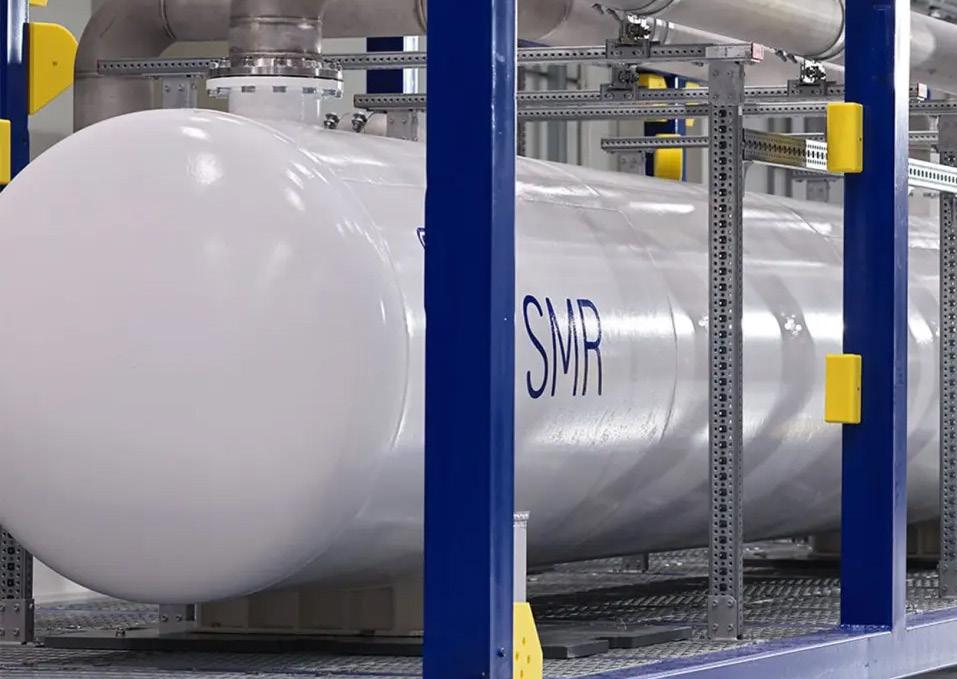
Rolls Royce SMR is developing a UK designed and UK engineered small modular reactor technology, supported by a predominantly domestic workforce and supply chain. As a new entrant with significant long term growth potential, the organisation’s supply chain scope spans the full delivery solution, including design, manufacture, construction, assembly and commissioning.
Internal SME Engagement:
SMEs most commonly engage with Procurement or Supply Chain teams. Rolls Royce SMR has a dedicated SME engagement function with authority and input into supply chain development. Supplier registrations are made through the RRSMR Supplier Portal and reviewed weekly. Engagement is intentionally phased to avoid unnecessary cost burdens on SMEs and to ensure suppliers are brought in at the right stage of programme maturity.
What They Source from SMEs:
Rolls Royce SMR procures a wide range of goods, equipment and services, including engineering services, project and programme management, specialist valves, civil construction support and nuclear and non nuclear components such as tanks, vessels, heat exchangers and fabrications.
Identified Gaps and Growth Areas:
Key areas where SME involvement is expected to grow include lower tier manufacturing and fabrication, advanced manufacturing technologies such as welding, inspection and modularisation, specialist engineering services including safety analysis and EC&I design, and testing, qualification and validation services to support new supplier development.
Routes to Engagement:
SMEs can engage through the RRSMR Supplier Portal, supplier conferences held twice a year, Meet the Buyer webinars and direct engagement with publicised Tier 1 organisations. Rolls Royce SMR shares key requirements and supporting documentation on the portal to help SMEs understand where they fit within the wider supply chain solution and what is expected of them.
Forward Pipeline of Work:
A forward pipeline is being developed and will be incorporated into the Supplier Portal as the programme matures, covering both UK and global opportunities. Engagement routes will expand as the SMR programme progresses through key delivery stages.
What They Value in SMEs:
Rolls Royce SMR values SMEs that can demonstrate strong capability and appropriate quality maturity, an understanding of what it means to support production at scale, proactive engagement and responsiveness, and niche skills or innovative solutions that add value to the SMR programme.
Causes for Concern:
Concerns typically arise where SMEs struggle to understand where they fit within the wider supply chain, have difficulty interpreting requirements or opportunity scale, or cannot demonstrate readiness to join a production scale solution. Limited communication or incomplete information can also hinder progress.
Website: uknnl.com
Supplier Contact: uknnl.com/suppliers — Procurement & Commercial Team
United Kingdom National Nuclear Laboratory (UKNNL) is the UK’s national laboratory for nuclear fission, delivering research and development that supports every stage of the nuclear lifecycle. Its work spans nuclear science, technology development and innovation, providing expertise that benefits society across energy, security and defence, environment and health.
Internal SME Engagement:
SMEs most commonly engage with Procurement or Supply Chain teams. UKNNL does not have a dedicated SME engagement team, but supplier registrations are monitored daily and typically completed within two weeks once due diligence is satisfied. As a research driven organisation, UKNNL procures a broad range of goods, services and specialist equipment to support laboratory operations and scientific programmes.
What They Source from SMEs:
UKNNL commonly procures scientific equipment, engineering and design services, MROs and laboratory consumables. SME involvement is also significant in specialist technical services, consultancy and niche scientific capability.
Identified Gaps and Growth Areas:
Future SME growth is expected in nuclear medicine and nuclear fuels, where UKNNL anticipates increasing research activity. However, due to the evolving nature of R&D programmes, forecasting specific capability gaps is challenging. SMEs with specialist scientific, technical or innovative digital capability may find increasing opportunities as programmes mature.
Routes to Engagement:
SMEs typically engage through direct contact with Procurement, Meet the Buyer events and wider industry engagement. Early engagement is encouraged, with UKNNL emphasising two way dialogue and constructive feedback. Supplier registration requires a formal submission, and incomplete information, missing certificates or misunderstanding of standard questions are common pitfalls.
Forward Pipeline of Work:
UKNNL publishes a forward pipeline where possible, with information made available through its website and direct communication. Opportunities are often linked to specific research programmes and may be advertised or shared through targeted engagement.
What They Value in SMEs:
UKNNL values SMEs that demonstrate enthusiasm, innovation and agility. A clear understanding of the requirement, strong communication and a willingness to invest time in understanding processes are seen as strong differentiators.
Causes for Concern:
Concerns typically arise where SMEs lack experience, struggle to meet sustainability or social value expectations, or provide incomplete or unclear information during onboarding. Security requirements can also be challenging, particularly where information sharing or site access is involved.
Website: urenco.com
Urenco is an industry leading uranium enrichment company with operations across the UK, Europe and the USA. Its mission is to deliver trusted and innovative nuclear services and solutions, supporting a sustainable net-zero future through the provision of enriched uranium, next-generation fuel technologies and related services.
Internal SME Engagement:
Urenco engages SMEs through its Procurement and Category Management teams, supported by structured qualification processes. Initial expressions of interest are submitted via the external supplier portal before progressing into SAP Ariba SLP for risk based assessment. SMEs are expected to provide complete, accurate documentation and maintain clear communication with the relevant Category Manager.
What They Source from SMEs:
Urenco commonly procures valves, pipework, traps, pumps, MRO spares and engineering design services. These requirements span goods and equipment, professional services and site based delivery, reflecting the broad technical support needed across their operations.
Identified Gaps and Growth Areas:
Urenco expects increasing SME opportunities as work expands in nuclear medicine, nuclear fuels and the development of specialist engineered components to address obsolescence, CFSI risks and ageing assets. Additional growth is anticipated through government backed programmes such as HALEU and Small Modular Reactors, where strengthened supply chain resilience and higher QA/ QC expectations will create further demand for specialist and second tier SME capability.
Routes to Engagement:
SMEs can engage with Urenco through the external supplier registration portal, which provides an initial route into Category Management, followed by qualification via SAP Ariba SLP using a risk-based assessment. Engagement also takes place directly with Procurement or Category Management teams, and SMEs are encouraged to submit concise capability portfolios that can be shared internally to support visibility and alignment with upcoming needs.
Forward Pipeline of Work:
While forecasting remains challenging, Urenco expects evolving activity in nuclear medicine, nuclear fuels and government-backed programmes such as HALEU and SMRs. These areas are likely to create increased demand for specialist SMEs able to support resilience, innovation and stringent assurance requirements.
What They Value in SMEs:
Urenco values SMEs that engage proactively, complete qualification requirements thoroughly and provide accurate, well-evidenced documentation. Clear capability portfolios, credible client references and strong quality systems are viewed positively, as is a demonstrable commitment to ESG, particularly carbon reduction and broader sustainability.
Causes for Concern:
Concerns typically arise where SMEs lack ISO 9001 certification or progress towards it, have weak or basic quality management systems, or do not report standard health and safety metrics such as LTIs, MTIs and near misses. Limited understanding of nuclear security and site-access requirements can also undermine confidence during onboarding.