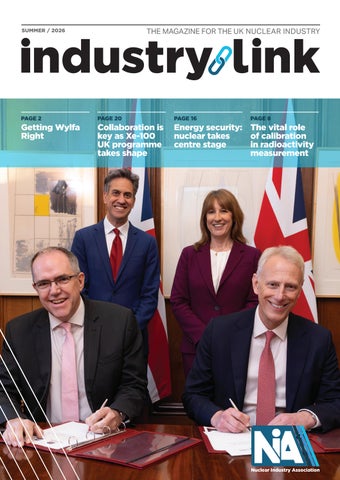
Collaboration is key as Xe-100 UK programme takes shape
Energy security: nuclear takes centre stage
The vital role of calibration in radioactivity measurement
OPEN 1 JULY 2026
Welcome to the Summer 2026 edition of Industry Link. This issue arrives at a defining moment for the UK nuclear sector. The agreement to take forward SMRs at Wylfa marks a major step in turning national ambition into delivery, and our lead article from Simon Roddy explores what that means for Great British Energy–Nuclear, for North Wales and for the next phase of the nuclear programme. His message is clear: getting Wylfa right is about more than a single project. It is about demonstrating that Britain can once again deliver nuclear infrastructure at pace and lay the foundations for a future fleet.
Energy security is again front and centre. Charlotte Nichols MP argues that Britain cannot afford another gas price shock, while Malcolm Grimston examines why increasingly volatile global energy markets continue to reinforce the value of reliable, low-carbon nuclear
Getting Wylfa Right
A defining moment for Great British Energy Nuclear and the UK
When I joined Great British Energy—Nuclear, one of the first things that struck me was the depth of experience, commitment and belief across this organisation and the wider industry. There is a shared understanding that what we are doing here matters deeply to the UK’s future.
I have also learned very quickly that success in this sector is never just about engineering or delivery in isolation. It is about how we work together: the relationships we build with government, regulators, communities and partners, and the culture we create within our own organisation. That is what ultimately determines whether we succeed. And nowhere is that more important than at Wylfa.
Why Wylfa Matters
Wylfa is far more than a project site. It is the moment where ambition meets responsibility. For decades, the UK nuclear industry has carried both extraordinary potential and hard-earned lessons. Wylfa now represents our opportunity to reset to take those lessons and apply them with discipline, clarity and purpose.
As I have spent time with colleagues, stakeholders and partners, one message has come through consistently: if we get Wylfa right, we set a new standard not just for this organisation, but for the entire sector. That is why this project matters so much not only to us, but to the country.
As outlined in our internal narrative, our mission is simple but demanding deliver Wylfa safely, costeffectively and at pace, and lay the foundations for a future SMR fleet.
A Moment We Cannot Miss
We are operating at a time of profound change. The global energy landscape has shifted, and the need for secure, reliable and clean electricity has never been clearer. At the same time, there is renewed political and public focus on nuclear as a critical part of that solution.
This creates a rare alignment of need, capability and intent. Opportunities like this do not come often. And when they do, they demand that we rise to meet them. Wylfa is our opportunity to demonstrate that the UK can deliver nuclear projects differently more effectively, more transparently, and with greater confidence from those we serve.
In my short time here, it has become clear to me that we have extraordinary capability across this organisation and our partners, but we must continue to bring that capability together as one
team. Delivery at this scale depends not just on what we do, but how we work together. It is equally critical that pace and discipline go hand in hand. We have already made significant progress moving at a speed many thought impossible, but the real test now is maintaining that momentum while remaining rigorous in our approach.
And finally, something I have seen throughout my career, including in oil and gas: trust is everything. Trust from government. Trust from regulators. And critically, trust from the communities around Wylfa. That trust is earned through consistency, openness and, above all, delivery.
GBE-N: A world-class delivery organisation
The agreement with Rolls-Royce SMR marks a major milestone, but it is only the beginning of the most demanding phase of this programme.
We are now moving into detailed design, capability building, and the preparatory work required to reach a Final Investment Decision. Alongside that, we are addressing the practical realities of delivery site access, infrastructure, workforce accommodation and supply chain mobilisation.
This is complex, multi-layered work. But it is also where we begin to define a new delivery model one that brings together public and private sector strengths, and puts cost, schedule and outcomes at its core.
Getting Wylfa right is our responsibility. It means learning from the past and applying those lessons with intent. It means being clear about the standards we expect on safety, on quality, on behaviour and holding ourselves to them every day. It means delivering not just infrastructure, but confidence.
Because ultimately, this is about more than building reactors. It is about building capability in the UK supply chain, economic growth and jobs for the long term. And it’s about ensuring that nuclear plays its full role in delivering a secure, low-carbon energy future.
As we look ahead, it is clear industry is entering a new phase. International attention is growing not just on nuclear, but on what we deliver at Wylfa, and what that says about GBE-N, the UK, and the future of SMRs.
The journey ahead will be demanding, but it is also full of opportunity. We are not simply delivering a project; we are helping to define the future of nuclear in this country. And that future starts with getting Wylfa right.
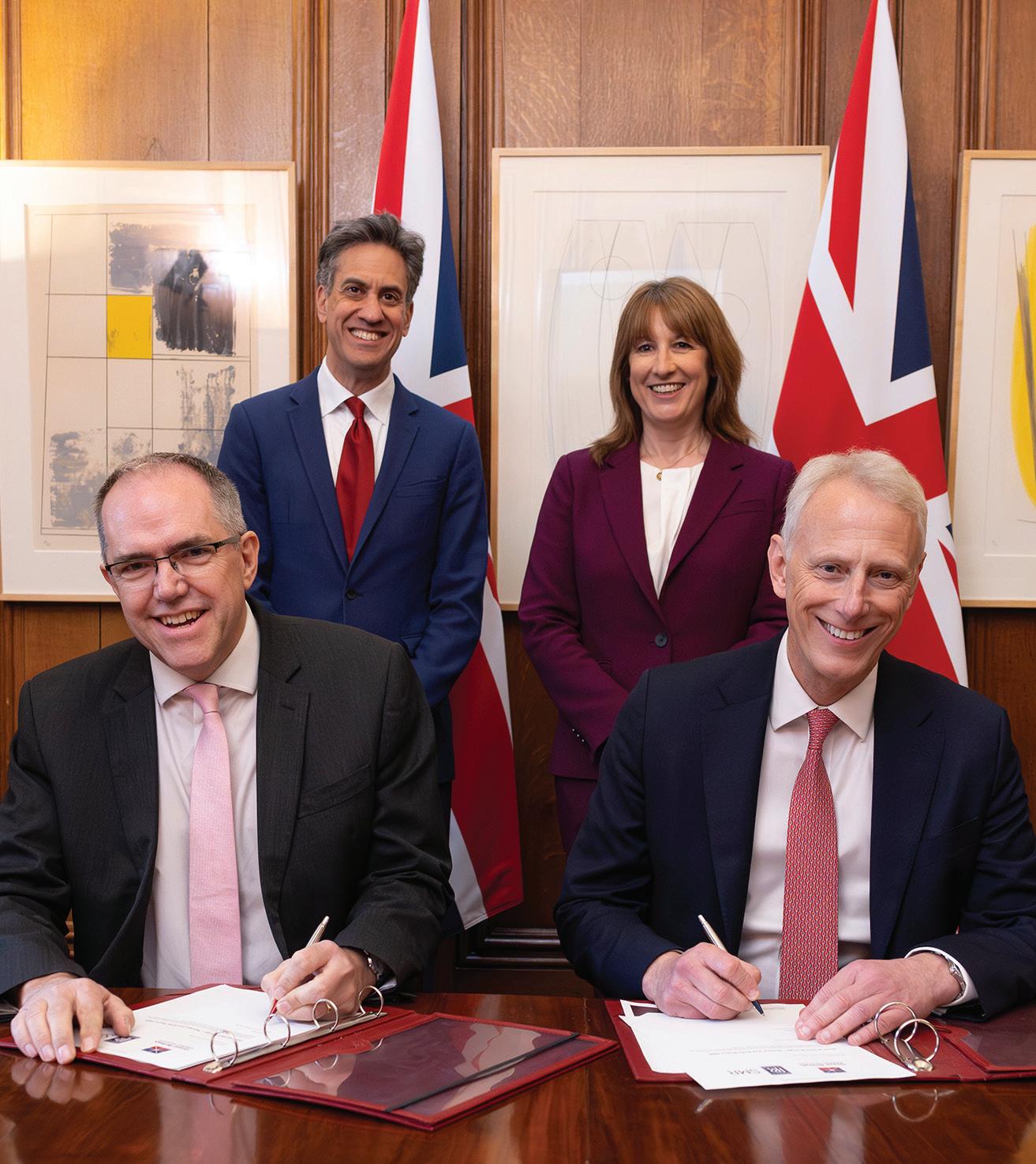
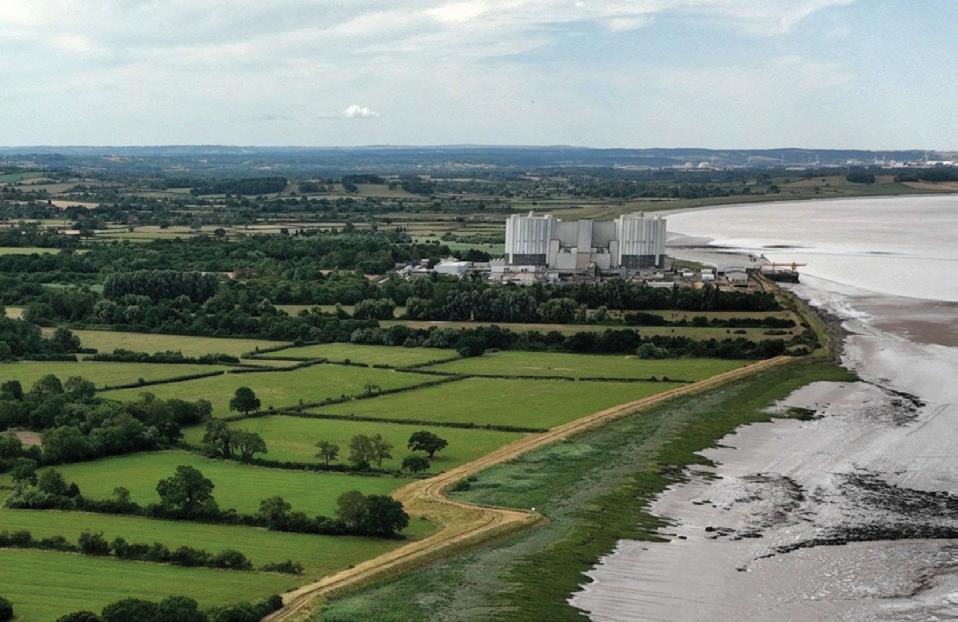
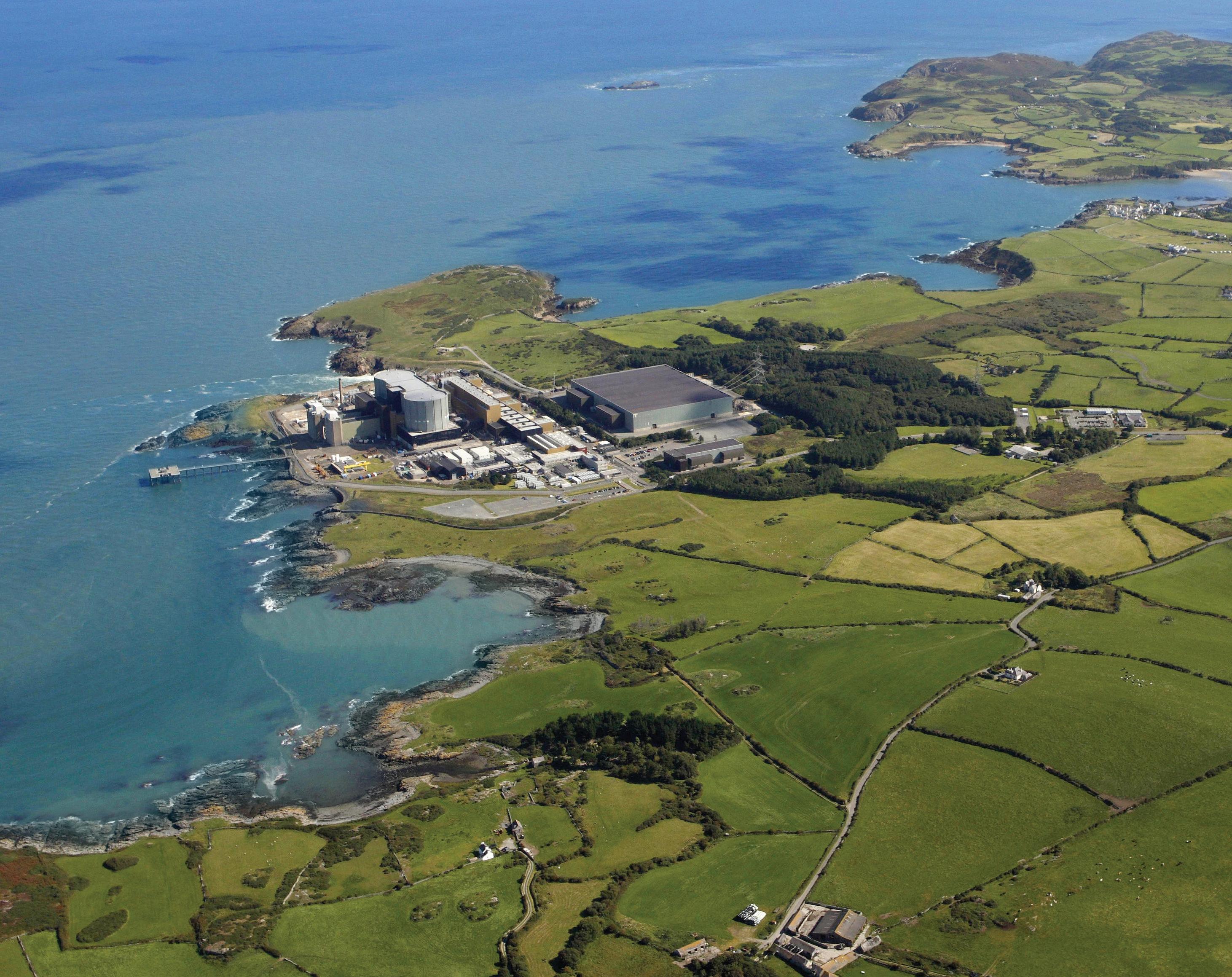
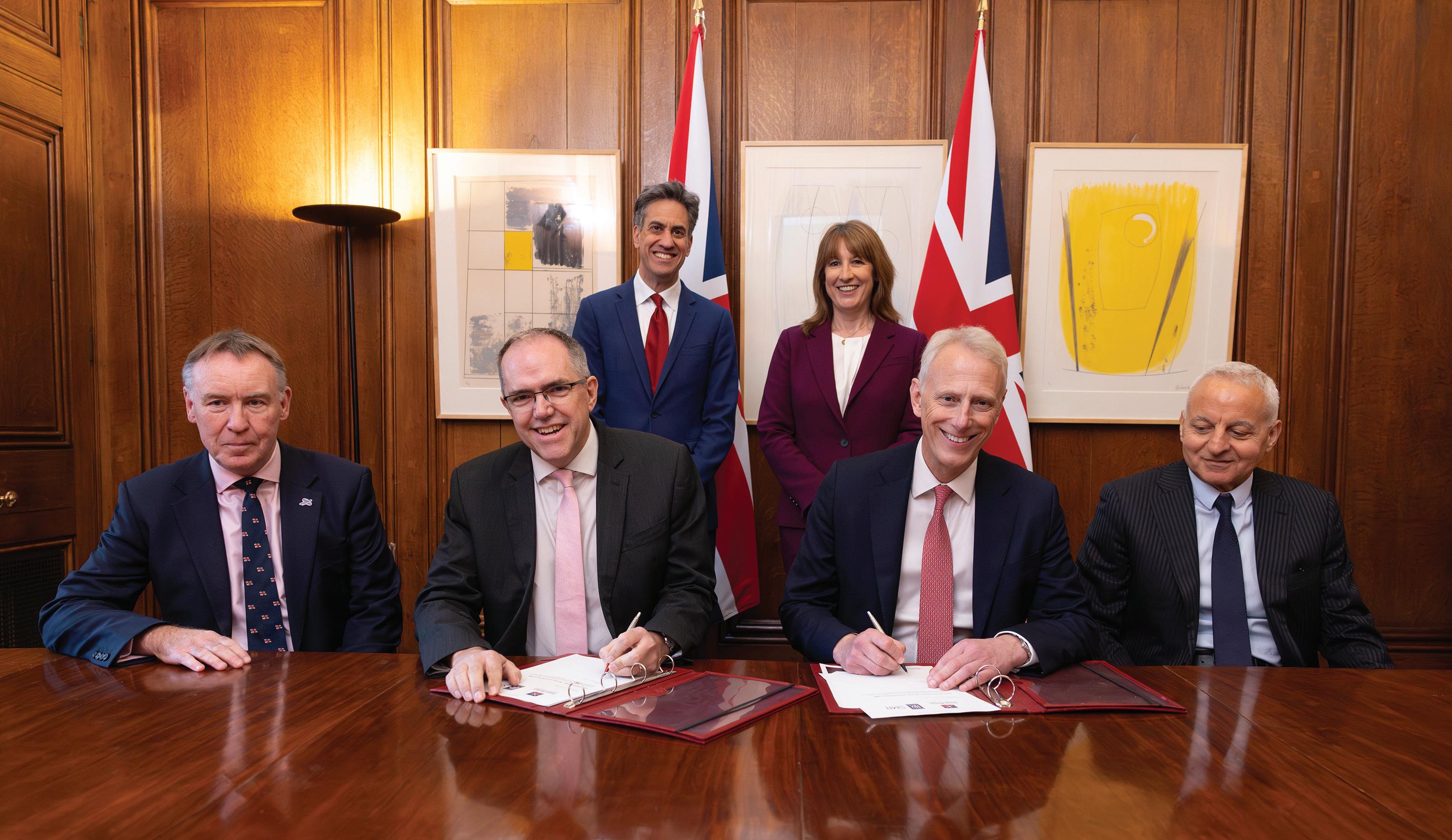
▲ Aerial view of Wylfa courtesy of Great British Energy Nuclear; Secretary of State for Energy Security and Net Zero Ed Miliband and Chancellor of the Exchequer Rachel Reeves attend a Government SMR (Small Modular Reactor) contract signing, alongside Chris Cholerton, CEO of Rolls-Royce SMR; Simon Bowen, Chairman of GBE-Nuclear; Tufan Erginbilgic Chief Executive Officer (CEO) of Rolls-Royce Holdings and Simon Roddy, CEO of GBE-Nuclear. Photo Shaun Curry / DESNZ
Britain can’t afford another gas price shock—nuclear is the answer
As conflict in the Middle East drives instability in global gas
prices are rising again—and with them, the cost of living for
and businesses across the UK.
We have been here before. Not long ago, surging gas prices fed directly through to bills and inflation, placing enormous pressure on families and stifling growth. This is a stark déjà vu moment and a reminder that Britain remains dangerously exposed to volatile international energy markets.
Over-reliance on gas leaves us vulnerable not just to price shocks, but to the weaponisation of energy by states and geopolitical events far beyond our control. When energy becomes a tool of leverage, it is ordinary people and businesses who pay the price.
That is why speeding up new nuclear is not just a climate imperative, but a matter of national resilience. It provides firm, reliable, low-carbon power, strengthens our energy independence, and protects consumers from precisely these kinds of shocks.
The government has now responded in full to the Nuclear Regulatory Taskforce, led by John Fingleton, with a clear message: keep strong environmental protections, but fix a system that too often confuses process with outcomes.
That matters, because the pace at which we build clean, reliable power will shape both our energy security and the future of our natural environment. Climate change remains one of the biggest drivers of biodiversity loss.
If we are serious about protecting nature, we must also be serious about deploying clean energy faster. I support the government’s decision to take forward the core of the Fingleton recommendations. This is about protecting nature as much as it is about deploying clean energy. It is about making our existing standards and protections work for nature, for communities and for Britain’s long-term resilience.
markets,
households
The United Nations has found that nuclear uses the least land, produces the lowest emissions and has the lowest impact on ecosystems of any electricity source. In short, nuclear takes the least from the earth, puts the least into the atmosphere, and treads the lightest on nature.
Yet our regulatory system has lost sight of that. Too often, it has prioritised speculative risks over real-world outcomes, requiring developers to prove negatives or chase down unlikely scenarios, even where the overall impact on ecosystems is negligible compared to the damage caused by climate change itself.
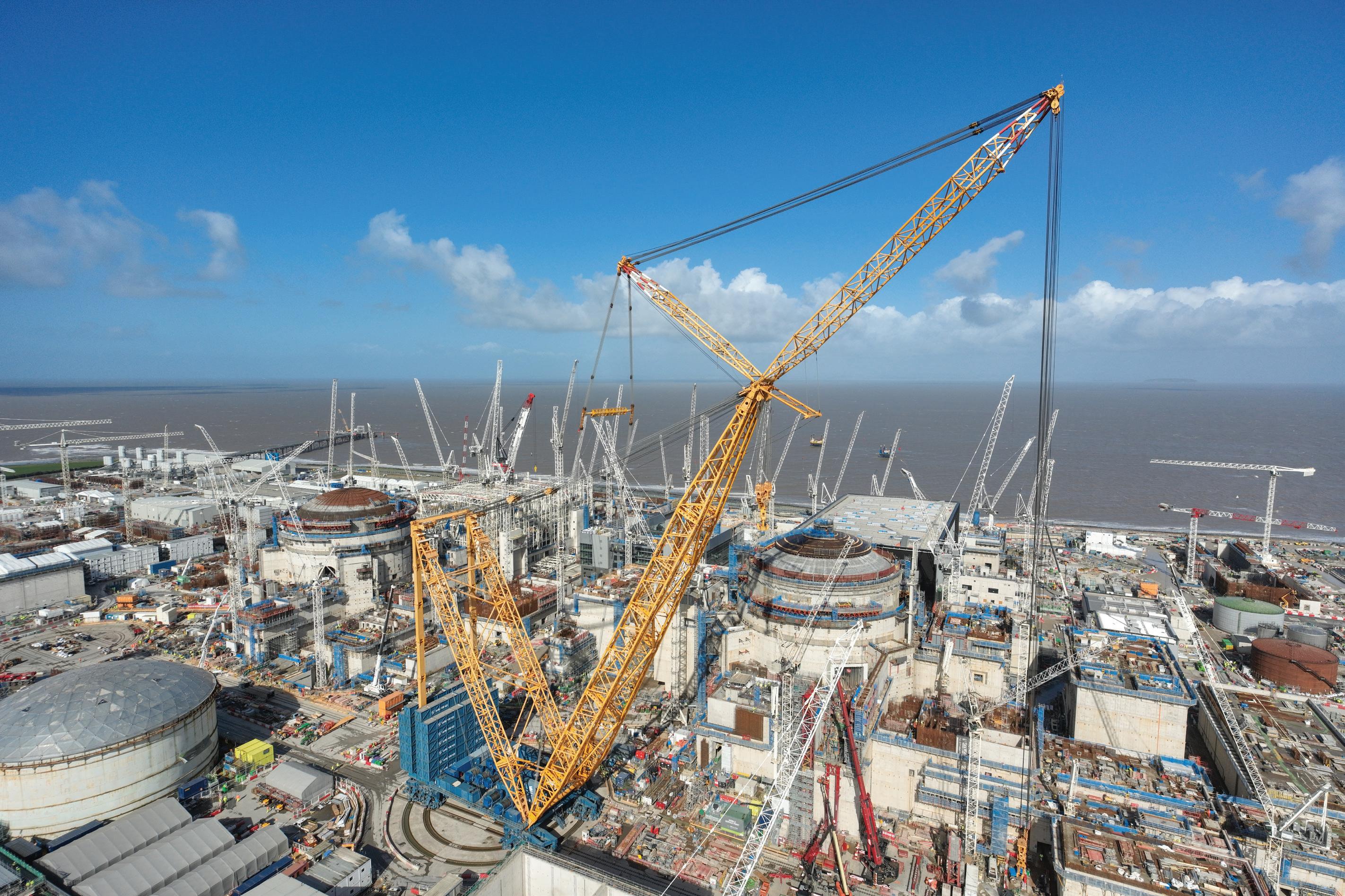
Take Hinkley Point C. EDF has spent £700M complying with Habitats Regulations on protected fish species, funding three separate fish protection systems. Yet the total impact on fish populations is expected to be comparable to that of a single small trawler—around 44t—out of a UK annual catch of 745,000t. That is not a case for ignoring impacts, but for applying proportionality and directing resources where they will do the most for nature.
At Wylfa, the Planning Inspectorate acknowledged a project that could have powered 5.5M homes for decades, yet recommended refusal because it could not be proven beyond doubt that a tern colony would not abandon its site.
In effect, the developer was asked to prove a negative—something next to impossible scientifically. The result is that instead of a 3GW plant now delivering clean power, cutting emissions and supporting jobs, we are starting from scratch again. That is not a system protecting nature in the round; it is one that has lost sight of the wood for the trees.
The government’s response recognises exactly this. It retains protections for habitats and species, but reforms how they are applied; focusing on material impacts, streamlining duplication, and enabling strategic, outcome-focused compensation that delivers real environmental gain. Some critics have claimed that these reforms amount to “irresponsible deregulation”. That misrepresents both the problem and the solution.
The current system too often diverts time and money into delay and litigation rather than into habitat restoration or environmental improvement. The reforms do the opposite. They create clearer, faster routes to securing meaningful environmental compensation alongside development, so that funding for nature is delivered earlier and at greater scale.
We should also be clear about the alternative. Every year of delay locks in higher emissions, greater environmental damage and continued exposure to volatile gas markets we do not control, as the current instability in the Middle East once again makes clear. A system that cannot deliver infrastructure at pace is not environmentally responsible; it is environmentally self-defeating.
To protect nature, we must focus on what delivers: cutting emissions, protecting habitats, and building the clean energy system Britain needs—including new nuclear—at the pace the climate crisis and today’s energy security challenge demand.
As global instability once again drives up gas prices, the cost of delay will be measured not just in emissions, but in bills and resilience. The real test will be delivery, and I urge the government to follow through with all possible speed.
IOLO JAMES
The Financial Times featured comments from NIA Chief Executive Tom Greatrex in its examination of the UK’s expanding nuclear programme and the growing momentum behind SMRs. He said the UK now has “a real opportunity to turn ambition into delivery” and emphasised the importance of maintaining long-term policy certainty to support investment, supply chain growth and delivery confidence across the sector. The coverage reflected the NIA’s continued focus on nuclear’s role in strengthening energy security, supporting economic growth and providing reliable low-carbon electricity alongside renewables.
BusinessGreen reported industry reaction to the King’s Speech, highlighting NIA support for the Government’s renewed focus on infrastructure, energy security and clean growth. Tom Greatrex stressed that “economic stability and climate ambition go hand in hand” and argued that achieving net zero while maintaining affordability and industrial competitiveness will require firm lowcarbon generation as part of the UK’s future energy mix.
The Herald featured NIA analysis linking Scotland’s opposition to new nuclear with rising electricity costs and growing concerns over energy resilience. Tom Greatrex argued that “Scotland is increasingly becoming an outlier” by continuing to exclude new nuclear from its energy strategy, warning that the approach risks increasing dependence on imported electricity and intermittent generation. The coverage highlighted NIA’s continued calls for a more technology-inclusive approach to net zero, with nuclear recognised as a proven source of stable low-carbon power.
BBC News included NIA perspectives in coverage of the UK Government’s continued backing for nuclear energy as part of the wider clean power transition. NIA contributions focused on the need for reliable low-carbon generation to complement renewables and meet rising electricity demand. The reporting reflected NIA’s position that nuclear remains “essential infrastructure for a secure clean energy system”, supporting long-term energy security, grid stability and affordable decarbonisation.
The Guardian reported that Rolls-Royce SMR had secured nearly £600 million in Government support to advance SMR development, with Tom Greatrex welcoming the announcement as “a hugely significant moment” for the nuclear sector. He highlighted the economic and industrial opportunities associated with a fleet approach to SMRs, including job creation, export potential and supply chain investment.
The Scotsman highlighted NIA-backed analysis showing that Torness power station has reduced electricity costs by around £2 billion since the 2021 gas crisis through its provision of reliable low-carbon power. Tom Greatrex said the figures demonstrated “the enormous value nuclear power provides during periods of gas price volatility” and stressed the importance of the existing fleet in protecting consumers and maintaining system resilience. The article reflected the NIA’s continued calls for both the lifetime extension of existing stations where possible and the development of replacement nuclear capacity to secure Scotland’s long-term energy future.
Belgian government nationalisation talks
The Belgian government has begun talks to take direct ownership of the country’s nuclear power reactors.
Engie, parent of Electrabel, and the Belgian government said their Letter of Intent covers a proposed transaction which encompasses the full scope of the nuclear activities currently owned and operated by Engie and Electrabel, including the complete nuclear fleet of seven reactors and decommissioning and dismantling obligations.
Holtec and Rwanda SMR Plans
Holtec International and the Rwanda Atomic Energy Board have signed a development agreement to work together on the deployment of SMR-300 units.
Rwanda has been developing plans to adopt nuclear energy for a number of years, with President Paul Kagame saying in March that it plans to have its first small modular reactor operational in the early-2030s.
Holtec has been developing its SMR unit since 2011. The SMR-300 is a pressurised water reactor producing
about 300 MW of electrical power or 1050 MW of thermal power for process applications. It plans to deploy two SMR-300 reactors at the Palisades Nuclear Generating Station site in Michigan, demonstrating viability for additional orders both domestically and abroad.
Italy prepares for return of nuclear
Italian Prime Minister Giorgia Meloni has said her government is preparing to launch a new framework in the coming months aimed at reintroducing nuclear energy into the country’s energy mix.
In October 2025, Italy’s Council of Ministers approved for final consideration a bill delegating responsibility for the reintroduction of nuclear energy in the country to the government. The mandate includes, among other things, the development of a National Programme for Sustainable Nuclear Power, the establishment of an independent Nuclear Safety Authority, the strengthening of scientific and industrial research, the development of new skills, and the implementation of information and awareness campaigns.
Italy operated a total of four nuclear power plants starting in the early
1960s but decided to phase out nuclear power in a referendum that followed the 1986 Chernobyl accident. It closed its last two operating plants, Caorso and Trino Vercellese, in 1990.
Canada announces new nuclear strategy
Minister of Energy and Natural Resources Tim Hodgson announced the government’s intention to release a “transformative” Nuclear Energy Strategy for Canada.
Citing the endorsement by 38 countries of the goal of at least tripling global nuclear capacity by 2050, Hodgson said this was a time of opportunity for Canada to grow its nuclear industry to achieve energy affordability and security at home while seizing the global opportunity of an industry that is expected to grow by up to CAD200 billion per year by 2030.
Recognising the underpinning role of science, research, technology and innovation for these plans, the minister noted the federal government’s commitment of CAD2.2 billion over 10 years in capital investments at the Chalk River Laboratories, Canada’s national nuclear labs, including the new Advanced Materials Research Centre and other critical infrastructure across the campus.
The vital role of calibration in radioactivity measurement
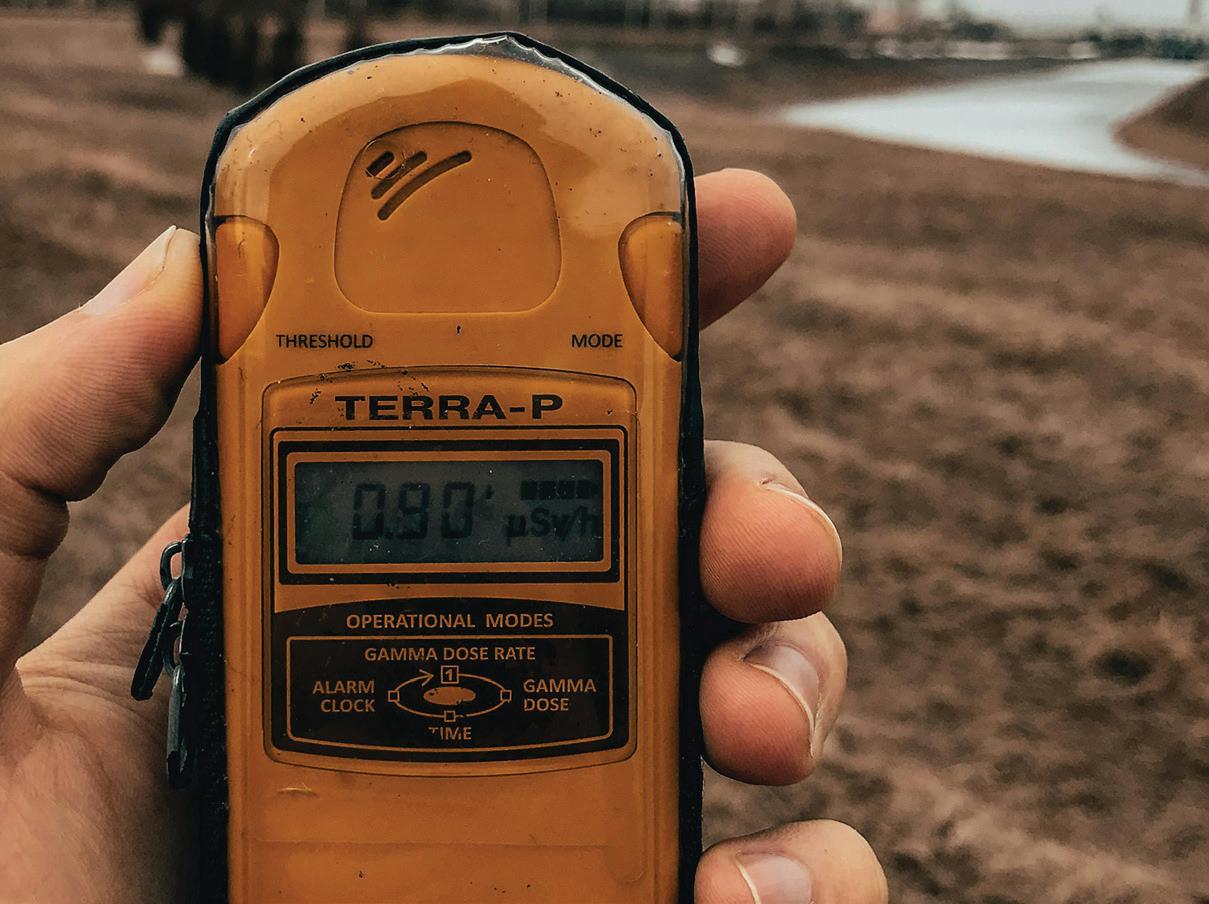
Accurately measuring trace levels of radioactivity is a routine task across a range of key sectors. In healthcare and life sciences, precise measure-ments guide patient dosing and effective treatment delivery while minimising radiation exposure, whereas national security operations depend on accurate detection to manage radiological threats. Equally, environmental and regulatory agencies rely on reliable data to assess radioactivity levels in both marine and terrestrial environments.
For each of these applications, even small deviations in instrument performance can affect measurement accuracy and introduce inconsistencies that reduce confidence in data and create risks for safety, regulatory compliance and decision-making, making precise instrument calibration critical.
The role of calibration in measurement reliability
Calibration provides a framework to ensure that radiation detectors are accurate, reliable and traceable to recognised standards across instruments, operators and laboratories. The National Physical Laboratory (NPL) is the UK’s National Metrology Institute, and plays a key role in standardising measurements.
NPL develops and supplies a range of radionuclide standards with high purity and low measurement uncertainties to underpin the calibration of instruments used in various industries.
NPL also provides proficiency testing programmes and technical guidance for the implementation of best practices in calibration and measurement, allowing laboratories to assess their performance and demonstrate compliance with national and international requirements.
Applications across sectors
Healthcare and life sciences
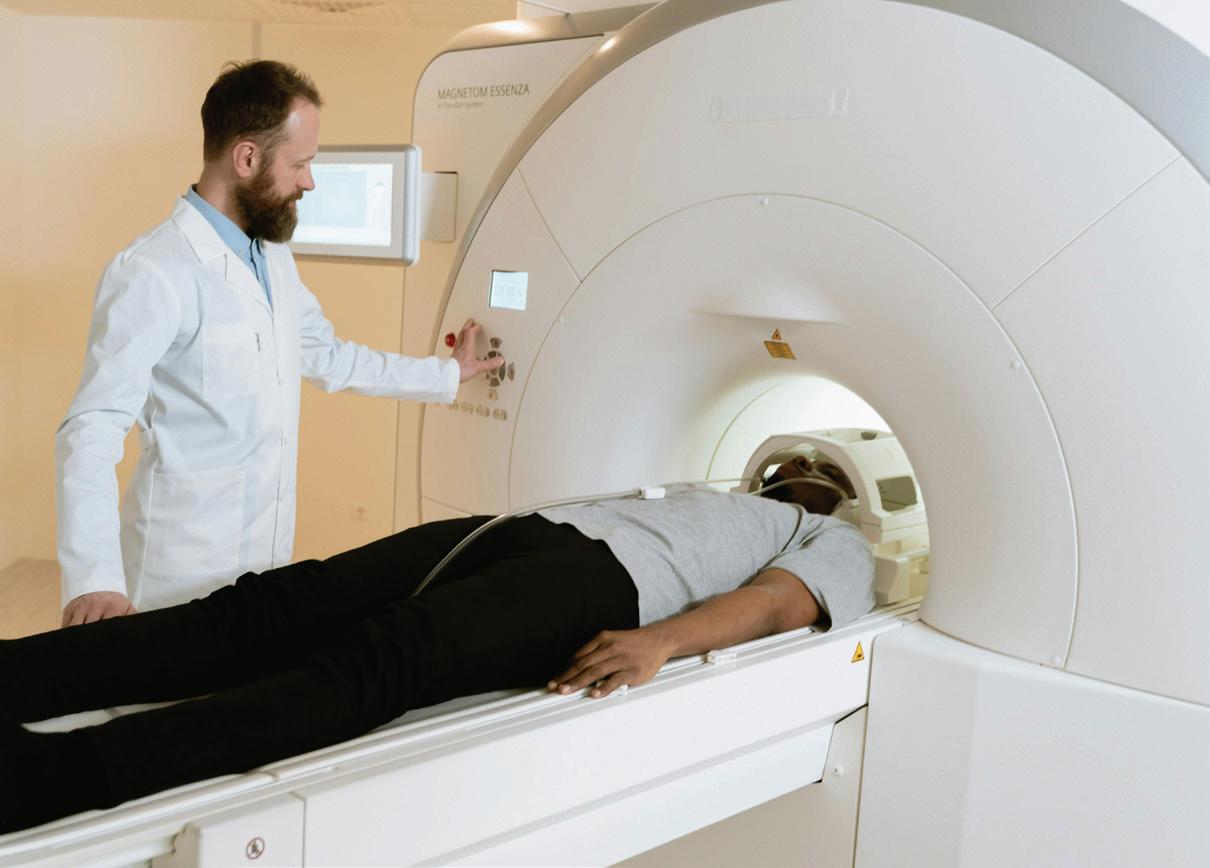
Calibration supports accurate radiation dosimetry in nuclear medicine. Hospitals and radiopharmaceutical manufacturers rely on calibrated measurements to ensure correct activity levels in diagnostic imaging and treatment. This reduces the risk of underdosing or unnecessary radiation exposure, and supports the development of new radiopharmaceuticals.
NPL collaborates with partners such as Oncoinvent to develop new methods for accurately measuring and delivering radiopharmaceutical doses, helping to improve confidence in advanced radiotherapy treatments for better patient outcomes.
Environmental monitoring and compliance
Environmental laboratories routinely need to detect very low levels of radioactivity in complex samples, which requires sensitive instruments and carefully controlled calibration. Certified radionuclide standards help to ensure that measurements remain accurate and comparable over time.
National security
Accurate radioactivity measurements are critical for incident response and nuclear forensics. The ability to measure and analyse radioactive materials quickly and reliably supports effective decision making-during radiological events.
Industrial and energy applications
Reliable calibration reduces uncertainty and helps organisations to manage risk more effectively, leading to safe and efficient operations. This includes nuclear decommissioning, where accurate measurements enable correct waste classification, affecting both environmental protection and costs.
Looking ahead
As measurement requirements become more complex, the need for traceable calibration continues to increase. New technologies, emerging radionuclides and evolving regulatory expectations all place greater demands on measurement performance. Ensuring accuracy in radioactivity measurement depends on robust standards, validated methods and consistent calibration practices.
Explore NPL’s radioactivity calibration services, radionuclide standards and proficiency testing programmes to learn how to achieve precise radioactivity measurements. Visit npl.co.uk to find out more.
The challenge
Oncoinvent is a small life sciences company, delivering innovative cancer treatment by injecting radiopharmaceuticals directly into affected areas. This technology has the potential to allow more targeted treatment to regions of organs and the body which are difficult to access, while minimising harmful radiation doses. Its products deliver treatment using radiopharmaceuticals incorporating the alpha-particle emitting radium-224 (Ra-224). The challenge is to quantify the amount of radioactivity administered to the patient and ultimately understand the dose delivered to the tumour.
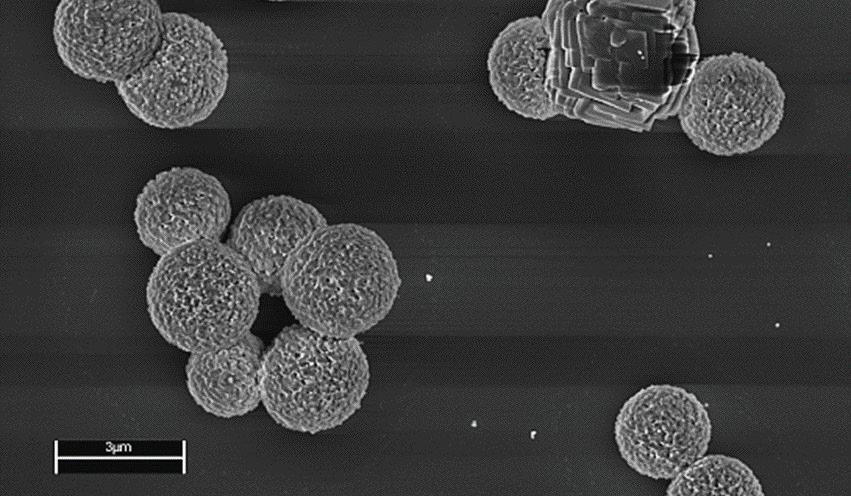
Oncoinvent are developing Radspherin®, an inorganic microsphere containing Ra-224, which has been shown to cause a reduction in tumour cell growth in model systems and significantly increase survival rates. It has the potential to treat several forms of metastatic cancer.
The complexity of the decay chain and ingrowth equilibrium of Ra-224, and the decayed radioactive species, means significant expertise is required to develop primary and secondary standards and enable in-situ measurement traceability. It is vital that accurate radioanalytical procedures are in place for the quality assurance checks of the product which will enable preclinical and clinical trials.
The solution
With its expertise in nuclear metrology, NPL has supported Oncoinvent by performing the world first primary standardisation of Ra-224 decay, enabling further studies of relevant nuclear decay data. The radiochemistry team at NPL also developed a highly efficient procedure for impurity checks which allows the detection of trace levels of impurities of other alphaparticle radioemitting nuclides. NPL used its particle technology expertise to measure the morphology, crystal phase and surface chemistry of different batches of the inorganic delivery particles.
The impact
Quality and reproducibility of data is absolutely key for medical treatments, and our multi-disciplinary approach enabled Oncoinvent to have confidence in the nuclear data and the particle characterisation.
NPL developed primary standards for Ra-224, which had not previously been established for this complex element. This work underpins future secondary standardisations of this radionuclide in a cost effective and traceable manner. This will be used by Oncoinvent as well as being more widely available to the nuclear medicine community.
Fusion Energy: Living the shift from Science to Industrialisation
For much of its history, fusion energy has occupied a curious place in public and political discourse: scientifically compelling, strategically important, but always framed as a distant prospect.
Over the past two years, we have witnessed a shift. Fusion energy is no longer siloed as a physics challenge, but discussed as an industrial, economic, and energy security opportunity. One that governments, investors, and developers are now treating with increasing seriousness.
The UK is at the heart of this shift. Having invested in fusion research for more than 60 years, we now find ourselves moving into a new phase: turning our global scientific leadership into industrial delivery. This mirrors a broader global trend which embeds fusion energy into national strategies and long-term energy planning rather than being treated as a standalone research endeavour.
The UK’s fusion energy strategy: a national endeavour
In March 2026, the UK Government published its updated Fusion Strategy, “A New Energy Revolution: The UK’s Plan for Delivering Fusion Energy.” This document marks a clear transition from research ambition to commercial intent, setting out how the UK intends to anchor a domestic fusion industry that extends from R&D through to first of a kind power plant delivery.
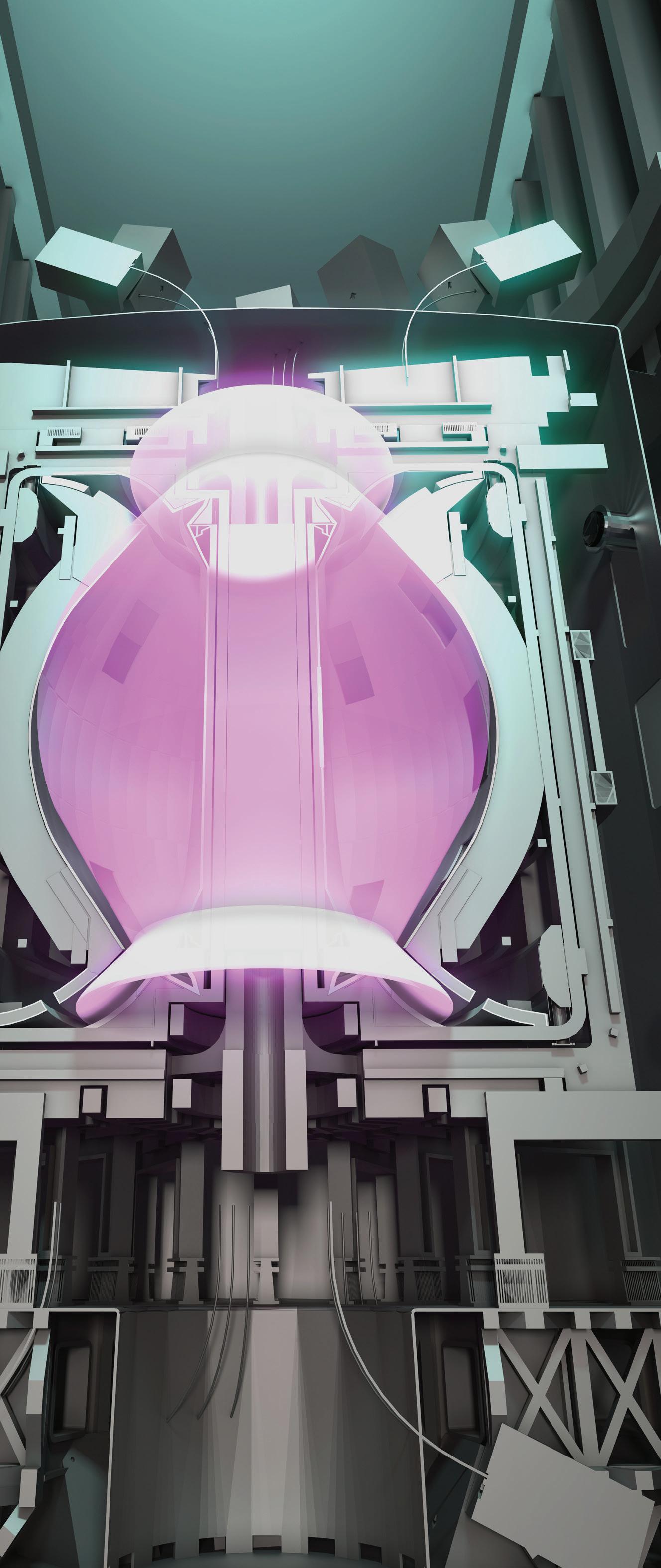
Central to this approach is Spherical Tokamak for Energy Production (STEP), the UK’s prototype fusion device being built at West Burton. Backed by £1.3bn of government funding and delivered through UK Fusion Energy Ltd, STEP will not only be an impressive demonstration of plasma performance, but function as a full systems integration exercise: power plant design, construction, regulation, operability and (ultimately) grid relevance.
Crucially, the Fusion Strategy recognises that success will depend on more than a single flagship project. It places strong emphasis on:
● Developing fusion specific regulatory and market frameworks.
● Growing UK supply chains and skills.
● Attracting private investment and international partnerships.
● Ensuring fusion technologies generate near term economic spill overs as well as long term energy value.
This systems level thinking reflects an important lesson learned from other large scale energy programmes (e.g. SMR) in which technology leadership is matched by industrial capability, finance, and delivery discipline.
UK institutions aligning for delivery
Alongside the government strategy, both the UK Atomic Energy Authority (UKAEA) and UK Fusion Energy have published updated organisational strategies for 2026-2030, aligning national laboratories, industry partners, and government funding behind a shared delivery pathway.
UKAEA’s role is increasingly focused on de risking critical technologies, including materials and tritium handling to remote maintenance and digital engineering, while enabling UK companies to export fusion derived capabilities into related sectors. UK Fusion Energy, meanwhile, is positioned as a national systems integrator, responsible for coordinating industry involvement in STEP and laying the groundwork for following plants.
The result is a significant transition to a more coherent and national architecture. For international partners and investors, this provides something fusion has often lacked in the past: clarity about who does what, and how progress will be monitored.
Global momentum: from experiment to execution
The UK’s approach sits within a rapidly evolving global landscape. According to the International Atomic Energy Authority’s (IAEA) World Fusion Outlook 2025, fusion energy is now entering a phase of “real world implementation,” with more than 160 fusion facilities operational, under construction, or planned worldwide, and nearly 40 countries pursuing active fusion programmes.
What distinguishes the current moment is not just scientific progress, but institutional commitment. Governments are publishing dedicated fusion strategies; regulators are developing tailored frameworks; and energy users (from utilities to data centre operators) are beginning to consider how fusion might fit into future power systems.
Investment trends underline this shift. Global public and private investments in fusion have now exceeded $10bn, a ten-fold increase since 2021. While the USA remains the single largest recipient of private capital, Europe and Asia are accelerating rapidly, with Germany, the UK, China, and Japan all backing fusion at scale.
The USA and wider international investment
In April 2026, the US Department of Energy’s Advanced Research Projects Agency–Energy (ARPA-E) announced a $135m programme, its largest ever single commitment to fusion, targeting the key engineering barriers to commercial deployment, from advanced plasma heating to power conversion systems.
This public investment is explicitly designed to catalyse private capital. Over the past year alone, fusion companies raised more than $2.5bn, with major funding rounds for firms pursuing diverse confinement approaches. While timelines vary, most developers now frame their next milestones in terms of pilot plants and first of a kind facilities, rather than indefinite research horizons.
The emergence of bodies such as the IAEA World Fusion Energy Group, alongside bilateral initiatives like the UK-US fusion collaboration, reflects growing recognition that international coordination will be essential, not only on science, but on regulation, supply chains, and workforce development.
From energy promise to system value
For the nuclear industry, fusion’s significance is not confined to its long-term energy potential. The technologies developed (advanced materials, high-temperature superconductors, robotics, AI driven design, remote handling) have immediate relevance across fission, defence, space, and advanced manufacturing.
Equally important is fusion’s role in future energy systems. As global electricity demand rises—driven by electrification, digital infrastructure, and industrial decarbonisation—fusion energy offers the prospect of baseload, low carbon power that complements renewables rather than competes with them. The IAEA’s modelling suggests fusion could play a meaningful role in long term decarbonised power systems under a range of cost and deployment scenarios.
A moment of opportunity and responsibility
Despite the positivity and progress, realising a commercial fusion energy ecosystem is still a way off. Significant challenges remain in engineering, materials durability, regulatory confidence, and cost reduction. The Fusion Industry Association’s (FIA) own assessments highlight that we will need substantial further investment before the first commercial plants are achieved.
But what has changed is the framing. Fusion energy is no longer waiting for a single breakthrough to justify belief. Instead, it is being built, step by step, through deliberate public policy, industrial engagement, and international cooperation.
For the UK nuclear sector, this represents both an opportunity and a responsibility. The opportunity lies in capturing industrial value, export markets, and skilled jobs. The responsibility lies in ensuring that fusion energy develops with the same attention to safety, realism, and delivery discipline that underpin the credibility of today’s nuclear industry.
If we succeed, fusion energy will not replace fission or renewables, but it may well become one of the defining energy technologies of the second half of this century—and the UK, uniquely, has positioned itself to help lead that journey.
Concept cross-section of the STEP prototype machine courtesy of UK Fusion Energy Ltd
Clarity creates
As nuclear and fusion programmes accelerate under intense public, investor and political scrutiny, clarity of communication becomes as critical as delivery itself.
Faster decision making and compressed timelines leave little room for ambiguity: when organisations do not communicate early and consistently, gaps are quickly filled with assumptions, fragmented narratives and loss of trust.
The shift to rapid delivery models therefore demands stakeholder engagement and communications that run in parallel with – or ahead of – design, regulation and financing, not behind them.
Clear alignment across leadership, regulators, communities and investors creates confidence; confidence enables pace. Without that clarity, speed becomes a liability rather than an advantage.
Ear to the ground
In almost every conversation we have with leaders across defence, nuclear, energy, government, technology and infrastructure, the same challenge keeps surfacing: how to keep pace with constant change.
Standing still is now riskier than moving forward.
Scrutiny is intensifying. Expectations are rising. And the sectors that once operated largely out of public view – nuclear, security, energy and infrastructure – are now playing out daily in the global news cycle, shaping livelihoods, public confidence and national resilience in real time.
Nowhere is this more evident than in nuclear and fusion energy.
Nuclear is gaining momentum
The publication of the UK’s Advanced Nuclear Framework in February and the UK Fusion Energy Strategy 2026, published in March, marks a clear shift in mindset. Government is no longer asking whether these technologies can deliver, but in fact, how quickly they can be delivered at scale, and what must change to make that possible.
The Advanced Nuclear Framework deliberately moves the UK away from a slow, state led delivery model towards one where private capital leads, underpinned by a clear, credible and investable policy environment. It is designed to replace fragmented decision making with a coordinated pathway that allows small, advanced and micro modular reactors to move from proposal to construction far more quickly – without compromising safety, security or value for money.
That urgency exists for a reason. Electricity demand is rising sharply, driven by electrification, industrial decarbonisation and the explosive growth of AI and data infrastructure. Nuclear provides firm, low carbon power that complements renewables and underpins energy security. Without faster nuclear deployment, commitments to zero carbon electricity by 2030 and net zero by 2050 simply do not stack up.
The stakes are high. Faster delivery strengthens energy security by reducing exposure to volatile international fuel markets and stabilises the power system as renewables scale. It enables competitive, decarbonised industry, hydrogen production and the digital infrastructure underpinning AI and growth. Crucially, delivery at pace creates skilled jobs, stimulates private investment and drives regional regeneration, reinforcing the UK’s position as a global leader in clean energy and advanced nuclear deployment.
For over 30 years, Forepoint have been creating communications that shift public and stakeholder perception and engage communities in the nuclear sector.
Strategy | Brand | Digital | Motion
pace.
Fusion is joining the ‘pace race’
Fusion Energy has now reached a critical stage in its development too.
The UK Fusion Energy Strategy sets out a clear ambition to accelerate research, technology development and commercialisation, recognising that global energy demand is expected to double by 2050, with AI and data driving a significant new load. Fusion offers the prospect of firm, clean, sovereign power that could fundamentally strengthen long‑term energy resilience. Accelerating delivery is therefore not just a scientific imperative, but an economic and strategic one: it underpins growth, energy security, technological leadership and wider societal benefit.
Driving a competitive edge
Delivering both nuclear and fusion at pace is how the UK will stay globally competitive, capture emerging markets and secure clean, reliable energy for the future.
Across both sectors, pace is no longer optional. But moving faster introduces new pressures.
Decisions now carry greater consequence and take longer to land. When action slows, the space doesn’t remain neutral, it fills quickly with assumption, misinterpretation and unintended messaging.
Large, complex organisations –many designed for robustness rather than responsiveness – are wrestling with public attention, investor scrutiny and regulatory change, often without the internal alignment needed to move confidently.
Communication is a pace-setter
This is why stakeholder engagement and communications must move at the same pace as delivery.
Accelerated programmes of work demand early clarity, not late reassurance. They require engagement to run in parallel with – or ahead of – design, planning and financing, not trail behind them. When communications lag, friction amongst stakeholders grows. When narratives fragment, trust erodes.
The risk of communication failing to keep pace is loss of control over narrative. This creates a communications void that is quickly filled with misinformation, ultimately undermining confidence at precisely the moment when maintaining momentum is most critical.
The opportunity is equally significant. When communication is setting the pace, it drives alignment, prevents misinformation, and builds momentum – a clear strategic advantage.
At Forepoint, we help leaders operate and communicate in exactly this space – helping to form strategies and drive decision making before perfect information exists, navigating disruption, and moving forward without losing alignment or control.
Because when clarity is established early, pace follows.
If you’re balancing speed, risk and complexity – while managing scrutiny, engagement and expectation – you’ll recognise the challenge.
Let’s talk about how we can help you move at pace.
www.forepoint.co.uk
+44 (0)1772 511001 louise.w@forepoint.co.uk
“I AM HUGELY PROUD OF THE COLLABORATIVE WORK BY SO MANY PEOPLE AND ORGANISATIONS TO BRING US TO THIS POINT. IT HAS BEEN A MASSIVE EFFORT BY ALL INVOLVED. WE NOW LOOK FORWARD TO WELCOMING OUR NEW COLLEAGUES INTO THE NRS FAMILY ON 1 APRIL AND EMBARKING ON THE EXCITING NEXT PHASE OF THE SITE’S LIFETIME THE JOURNEY OF SAFE, SECURE AND SUSTAINABLE DECOMMISSIONING.”
Andrew Munro, Managing Director (AGRs and Paired Sites), NRS
New licensee for Hunterston B
Hunterston B has now moved into the ownership of the Nuclear Decommissioning Authority, and the decommissioning work will be led by its subsidiary Nuclear Restoration Services (NRS) on behalf of the UK government.
NRS has assumed responsibility as site licensee for Hunterston B Power Station after approval from the Office for Nuclear Regulation (ONR). This marks a significant milestone for the Ayrshire site in Scotland as Hunterston becomes the first of EDF’s Advanced GasCooled Reactor sites to transfer to NRS. It is the first of seven, with the others following on a rolling basis over the next decade.
Having operated for 46 years, Hunterston stopped generating and was taken offline in 2022. Both reactors have since been successfully defuelled—a key landmark point overseen by ONR— and the site now enters its next phase.
During its operating lifetime Hunterston B produced enough low carbon electricity to power every home in Scotland for more than 30 years and it was the first AGR site to defuel. Decommissioning is being carried out using funds from the Nuclear Liabilities Fund, a ring-fenced £20.7 billion fund set up in 1996 specifically to pay for the decommissioning of the current nuclear fleet.
The decision to grant NRS the site licence follows a rigorous assessment by ONR’s specialist inspectors, who are satisfied that NRS has demonstrated the necessary capability and competence to hold the licence.
Two hundred and forty-six staff will also transfer from EDF to NRS, bringing their existing expertise and ensuring the continuation of skilled, well-paid jobs at the site. The transfer will bring the number of nuclear sites being decommissioned by NRS in Scotland to four, employing around 2,500 people.
Energy security: nuclear takes centre stage
▲ UK wholesale gas price, GBp per therm (Source – Trading Economics website)
I’m (just) old enough to remember huddling round a candle with my parents and sister during the 1974 rolling power cuts that ultimately brought down the government of Edward Heath. Since then, large-scale power outages of that nature have been extremely rare and it is easy to take security of supply for granted. However, the outage in Iberia in April 2025, and other examples such as those which hit the US and Italy in 2003, have shown how destructive such outages can be, outages that are sadly still quite frequent in other areas of the world. The ‘value of lost load’—the damage done by failing to meet demand—is often calculated at anything up to 1,000 times the cost of a delivered unit. Further, we are much more dependent on secure power supplies in this electronic age than we were back in my childhood.
Maintaining effective power supplies—i.e. supplies that fit within the very narrow envelope of voltage and frequency on which modern electronics depend—is no simple matter. We need enough power stations to fulfil demand; enough fuel to keep them operating; enough wires to carry the output where it is created to where it is used. Each source available to us faces different challenges. Renewables, for example, are heavily dependent on China for equipment—China accounts for over 80% of global solar panel manufacture and dominates the wind blade market. It is also responsible for more than half of the world’s rare earth production and processing. The variable output of renewables causes challenges, not just at night when the wind
isn’t blowing but also on windy sunny days when the problem is too much output rather than too little. High renewable penetration also requires a much larger grid to collect the relatively dilute output and carry it often large distances to the centres of demand.
However, recently attention has been more focused on the implications of geopolitical tensions, especially regarding natural gas. Although the fracking revolution in the US means that America is at present the largest producer of natural gas, with 25% of the world total, over two thirds of global reserves are in the Middle East (40%) and the former Soviet Union (30%). With sanctions against Russia and Iran, and uncertainties over the future of the Straits of Hormuz, concerns about the physical security of gas supplies are at a recent high. These concerns sit alongside ongoing fears over wholesale gas prices which, though well below the levels they reached in the early days of the Ukraine crisis, remain well above the levels of a decade ago.
Gas is important for electricity production. Although its market share has been falling for some time, accounting for 28% of supply in 2025, it remains the ‘swing’ fuel, the one we rely on to keep supplies flowing when other sources are not available. UK gas production has fallen from a peak of 113.5 billion cubic metres in 2000 to 30.7bcm in 2024. We now import about half of our gas usage from Norway. Though this means the UK is not directly heavily dependent on the Middle East or the former USSR for gas supplies, pressures elsewhere
in the global gas market affect prices in the UK. Other countries are not so lucky.
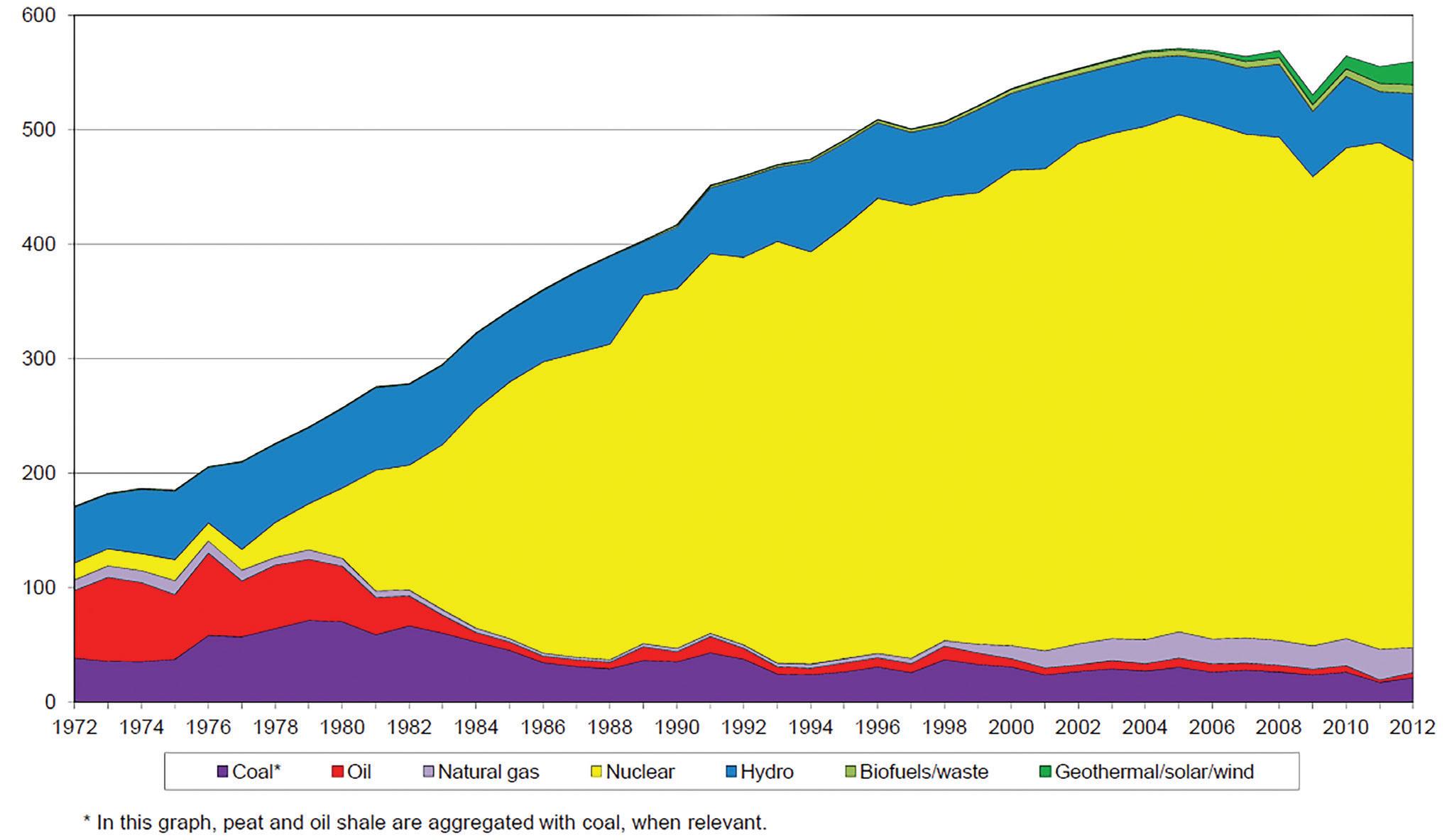
History never repeats itself but the global response to the oil shocks of the 1970s may offer some interesting parallels. We tend to forget that in 1973, just before the oil price quadrupled and concerns about security of supply quite suddenly became acute, oil was producing around a quarter of the world’s electricity, second only to coal. To take France, dependent on imported oil for over 70% of its total energy consumption, as an example, coal and oil accounted for more than half of electricity production, with most of the rest coming from hydro.
The world’s response to this crisis was to seek to diversify its oil production outside OPEC, and where possible to switch to alternative fuels. In the realm of electricity this was overwhelmingly nuclear. Global nuclear output grew from 370TWh in 1975 to over 2,300TWh in 1995—an increase of over 500%. In Japan the increase was 11-fold; in France 20-fold. The debate in France was often portrayed as “no coal, no oil, no choice”.
The lessons of the 1970s remain highly relevant in today’s world. First, with the right regulatory and industrial framework and government commitment such as that of Pierre Messmer in France, nuclear can be built very rapidly indeed. France added over 50GW of nuclear capacity in just twenty years—that is not much short of the equivalent of Hinkley Point C or Sizewell C every year. Second, France’s carbon emissions from its electricity sector since its nuclear programme was completed have been consistently lower, by almost an order of magnitude, than those in neighbouring Germany, despite the latter’s deep commitment to renewables. Third, French power prices have remained well below those in the
UK as the inflation-resistant nuclear fleet has provided stability.
Nuclear energy is not entirely homegrown either, of course. Major UK nuclear new build projects still rely heavily on overseas firms for a range of specialist, high-value components and manufacturing capabilities that do not currently exist at scale in the supply chain here. But once built, a nuclear station might be expected to last for 80 years, unlike the 20 years for solar panels and wind generators. Its wire requirements, as a large concentrated ‘point source’, are modest and its output is reliable. Uranium is a widespread resource, with Kazakhstan and Canada the top producers in 2025 and Australia holding the greatest reserves—the UK uses less than 1,000 tonnes of uranium per year and has considerable stockpiles. And the output of a nuclear plant does not require favourable weather conditions.
The famous ‘energy trilemma’—managing the often competing needs of secure supplies, economic supplies and environmentally acceptable supplies—is not static. From time to time one or other of these requirements will move to the forefront—security of supply in the 1970s and 1980s, the environment in the 1990s and 2000s, cost more recently. Nuclear power has a powerful story to tell across the piece but as security of supply and cost, have once again moved to the centre of the debate it is noticeable that even German Chancellor Friedrich Merz has recently labelled the country’s nuclear phase-out a “serious strategic mistake” that left Germany with insufficient energy generation and high costs. As the 1970s and 1980s showed us, with single-minded political and industrial determination nuclear power can rapidly move to underpin security of supply in an increasingly uncertain world.
▲ French electricity generation by fuel 1972-2012 (Source IEA Energy Statistics)
Unlocking ASEAN’s Nuclear Potential:
A case for regulatory convergence on small modular reactors (SMRs)
Ming Tan, Global Practice Lead for Nuclear at Mott MacDonald, asserts that the future of small modular reactors in Southeast Asia will depend as much on regulatory cooperation between ASEAN nations as on the technology itself.
Southeast Asia’s electricity demand is projected to rise sharply over the coming decades as industry activities expand, living standards improve and transport electrifies. At the same time, governments across the Association of Southeast Asian Nations (ASEAN) have committed to ambitious decarbonisation pathways, despite continued reliance on imported coal and gas in the energy generation mix.
Within this context, Small Modular Reactors (SMRs), nuclear power plants typically in the 50–300MW range, factory fabricated and assembled on site, could provide dependable, low-carbon generation to complement renewable generation such as wind and solar.
The central proposition is that technology alone will not determine whether SMRs are successfully deployed in ASEAN. Regulatory frameworks, specifically on nuclear safety regulation and licensing, will be required. A greater harmonised regional approach could reduce duplication, strengthen safety outcomes and improve the bankability of first deployments in ASEAN.
Regional status and shared ASEAN constraints
Currently, no ASEAN member state operates a commercial nuclear plant, but intent and institutional readiness varies:
● Thailand has reintroduced SMRs into power planning processes, while clarifying regulatory responsibilities.
● Vietnam has revisited earlier nuclear plans within its net zero pathway.
● The Philippines has reaffirmed its national position on nuclear power and is actively assessing SMRs.
● Malaysia has reopened the option of nuclear power beyond 2035 and initiated preparatory work aligned with international guidance.
● Singapore has recommissioned Mott MacDonald to carry out a study of advanced nuclear energy technologies to assess safety and feasibility without a deployment commitment.
● Indonesia has outlined ambitions for multi-gigawatt capacity by 2040 to enhance energy security and support renewable integration.
Common constraints are evident: fragmented regulation, uneven institutional capacity, financing uncertainty, limited specialist skills and challenges around public acceptance.
Interviews and regional assessments suggest that even with strong political will, most countries will likely require close to a decade to build the regulatory frameworks, skills and institutional confidence required for first operation. How quickly these progress will depend on the effectiveness of regional cooperation.
Rising demand and climate commitments
Electricity consumption across ASEAN is expected to nearly triple by mid-century, driven by industrialisation, urbanisation and the rapid growth of digital infrastructure. Regional initiatives such as the ASEAN Power Grid are
expanding cross-border interconnection to facilitate higher penetration of renewables. However, exposure to volatile fossil fuel markets and the long lead times associated with firm, low-carbon generation create growing system risks.
While nuclear power is not currently part of ASEAN’s generation mix, it has re-entered policy discussions as governments assess options for energy security and net-zero delivery. SMRs are attracting particular attention due to their compact physical footprints, inherent safety features and modular construction enabling repeatable deployment. Early international screening exercises have identified more than a hundred advanced reactor concepts; detailed analysis tends to focus on the more mature designs where evidence is stronger. As “safety is absolutely non-negotiable”, the licensing processes progress remains as critical as performance on paper.
The challenge: fragmented regulatory scrutiny undermines the benefits of SMRs modularity
At present, each country maintains its own standards, codes, design requirements, safety classification systems and licensing sequences. For first-of-a-kind technologies such as SMRs, this results in multiple national reviews of the same reactor design, often requiring near identical evidence packages in different formats.
The result is vendors face repeated and resourceintensive submission processes; smaller regulators scaling up to interrogate complex designs separately; timelines lengthen; overall costs rise; and investor confidence suffers. Without ASEAN-wide convergence and harmonisation of regulatory frameworks, the attractiveness of SMRs, particularly on standardisation and repeatability, will be at risk of being undermined.
The proposed solution: three pillars for regulatory convergence
Maximum commonality
ASEAN countries could pursue shared regulatory building foundations such as harmonised terminology, aligned evidence structures and common core safety expectations. Convergence of industrial codes and standards, combined with mutual recognition of common regulatory outputs where appropriate, would significantly reduce duplication.
Technology centric licensing
The most demanding scrutiny should be applied once to the reactor design through a joint generic design evaluation undertaken collectively by ASEAN regulators, while sitespecific considerations remain under national jurisdiction. This shifts effort from repeating full design reviews in each jurisdiction to a shared technical assessment with clearly defined national addenda.
Supplier and technology neutrality
All vendors should be assessed against transparent, evidence-based criteria. Neutral supplier qualification, referencing standards such as ISO 19443 or NQA1, would broaden participation from eligible manufacturers and support the development of a resilient regional supply chain.
Fuel strategies should also remain technology neutral. Where certain advanced designs require High Assay Low Enriched Uranium (HALEU), coherent regional approaches to supply, transport and safeguards will be beneficial, without allowing fuel choice to become a barrier to regulatory convergence.
From cooperation to convergence: a phased and practical roadmap
A practical phased approach to achieve convergence in ASEAN could include:
● Establishing governance and a shared regulatory language, using the ASEAN Network of Regulatory Bodies on Atomic Energy (ASEANTOM) to convene a dedicated SMR convergence forum to develop aligned terminology, International Atomic Energy Agency (IAEA)-aligned evidence maps and standardised documentation templates.
● Conducting joint technology evaluations, against ASEAN regional needs. Recognising that each ASEAN member state faces distinct drivers and challenges in pursuing SMRs, a pragmatic solution could be to subdivide SMR technologies into categories based on their intended purpose, such as grid-connected baseload, industrial applications, or remote deployment, and to select a handful of suitable technologies rather than attempting to converge on a single option.
● Aligning codes, standards and supplier quality requirements, by converging materials, fabrication and inspection requirements, and introducing an ASEAN vendor qualification framework referencing ISO 19443/ NQA1 with mutual recognition of supplier audits.
● Addressing fuel assurance and lifecycle considerations, covering regionally coherent strategies for fuel procurement (including potential HALEU), transport security, waste management and decommissioning, consistent with IAEA safeguards.
● Clarifying finance and market framework, through standardising revenue models and risk allocation mechanisms recognised by lenders across ASEAN and linking dispatchable nuclear capacity to the intermittency of renewables and the evolving ASEAN Power Grid initiatives.
● Transposing common outputs into national frameworks, incorporating common outputs into national licensing process and iterating real project data from early projects to reduce cost and schedule risk over time.
Implications for policymakers and industry
Regulatory convergence would streamline engineering deliverables across multiple markets, reduce rework and ambiguity in classification and testing and enable pooling of scarce specialist expertise in ASEAN. This improves both the speed and robustness of regulatory decisions, while preserving national sovereignty over siting and operations. For investors, clearer and predictable timelines and region-wide processes would enhance bankability. For manufacturers and suppliers, common specifications and recognised quality systems would facilitate Southeast Asian participation in the global SMR supply chain.
In conclusion, SMRs will not substitute the need for rapid renewable deployment, but they will provide firm, low-carbon capacity that strengthens energy security and supports net zero objectives across ASEAN.
Their successful deployment at scale will depend less on the physics than on the regulatory process. Maximum commonality, technology centric licensing and supplier neutrality offer a credible and practical pathway for ASEAN to translate promising reactor designs into bankable projects, firmly evidence-based, guided by safety as the first principle.
▲ X-energy listed on the NASDAQ exchange in April, opening up access to a wider pool of capital for the company as it continues to grow Nasdaq, Inc.
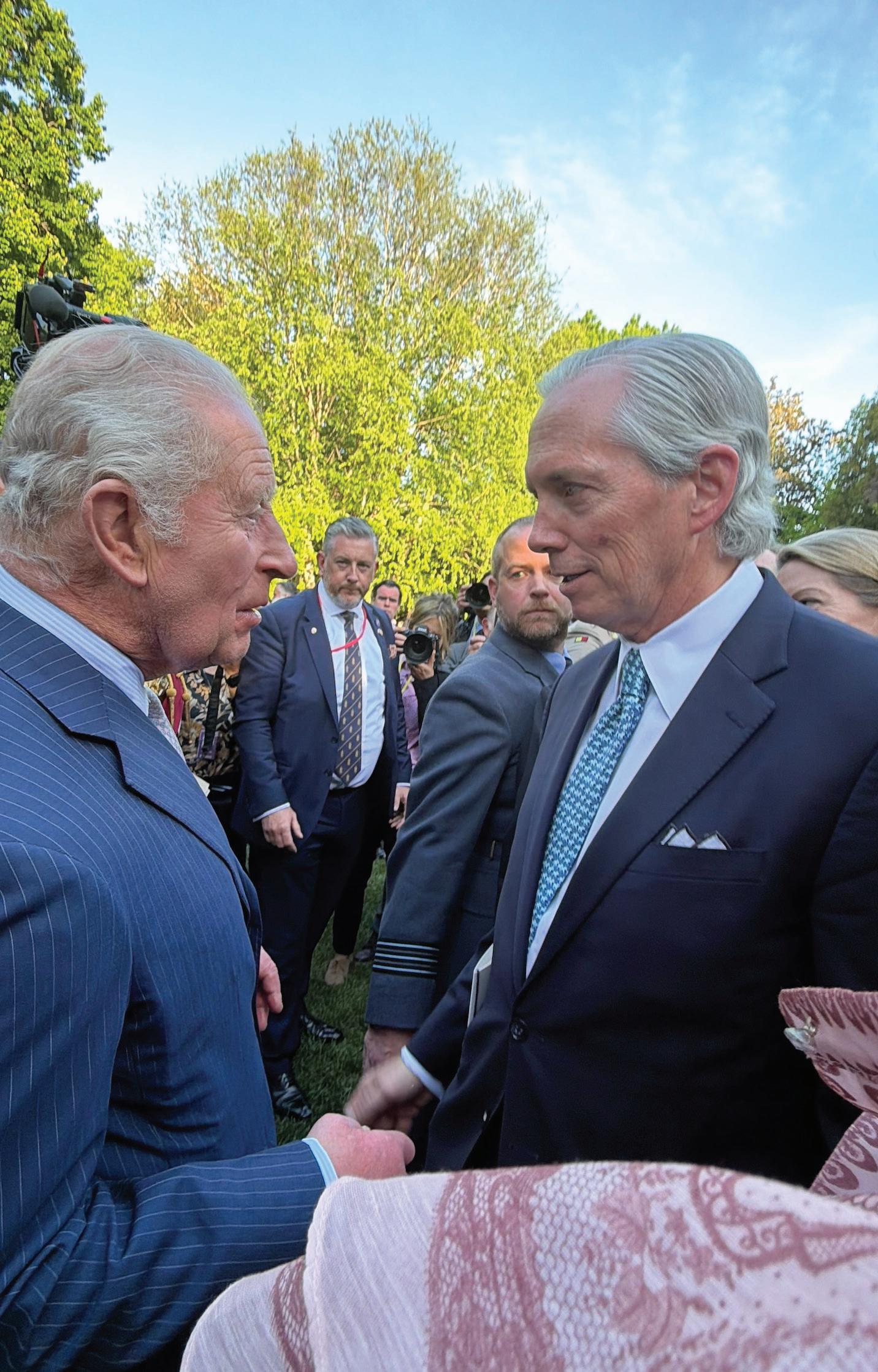
▲ J. Clay Sell, CEO of X-energy, discusses nuclear energy with King Charles III in May 2026
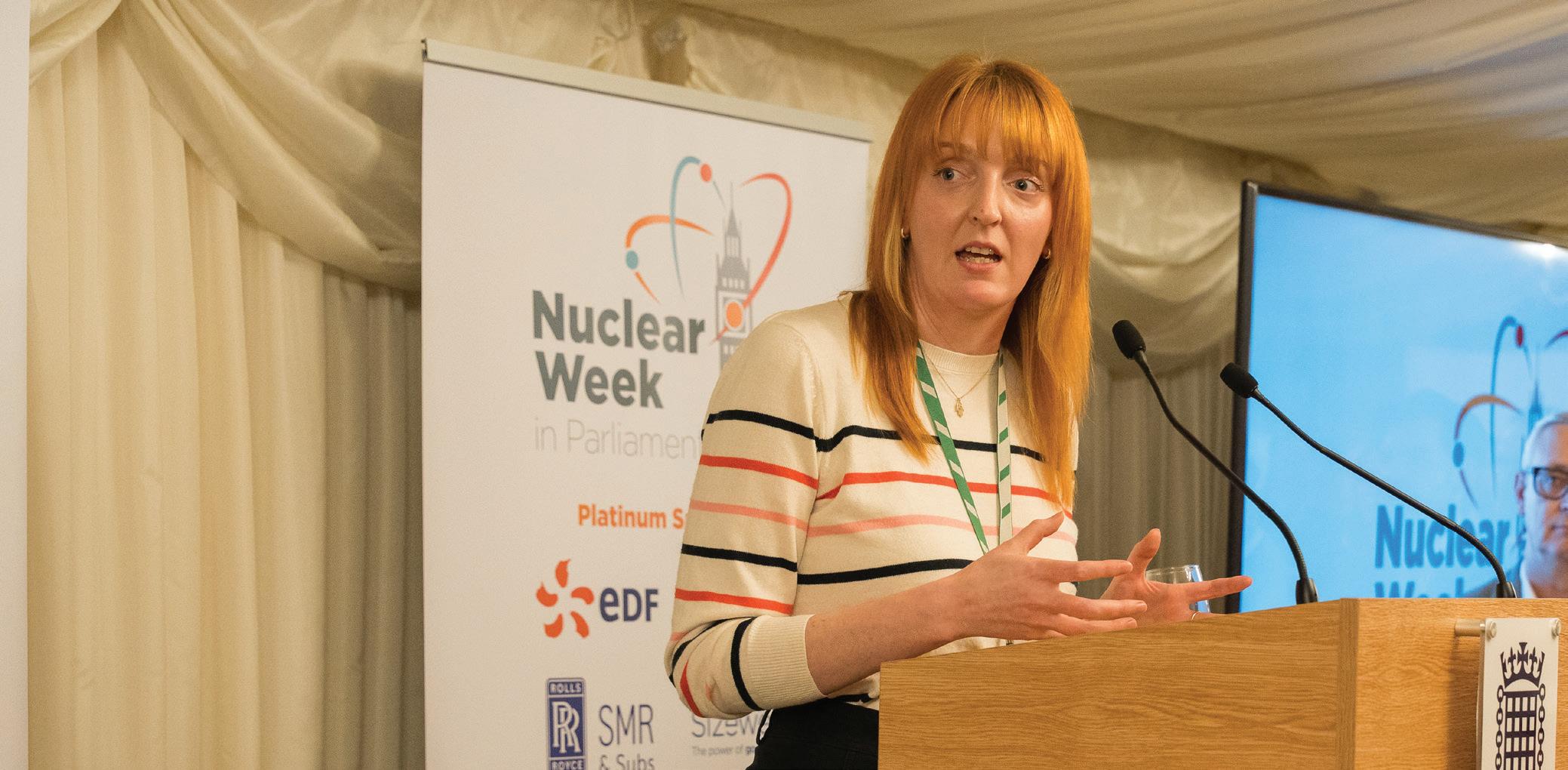
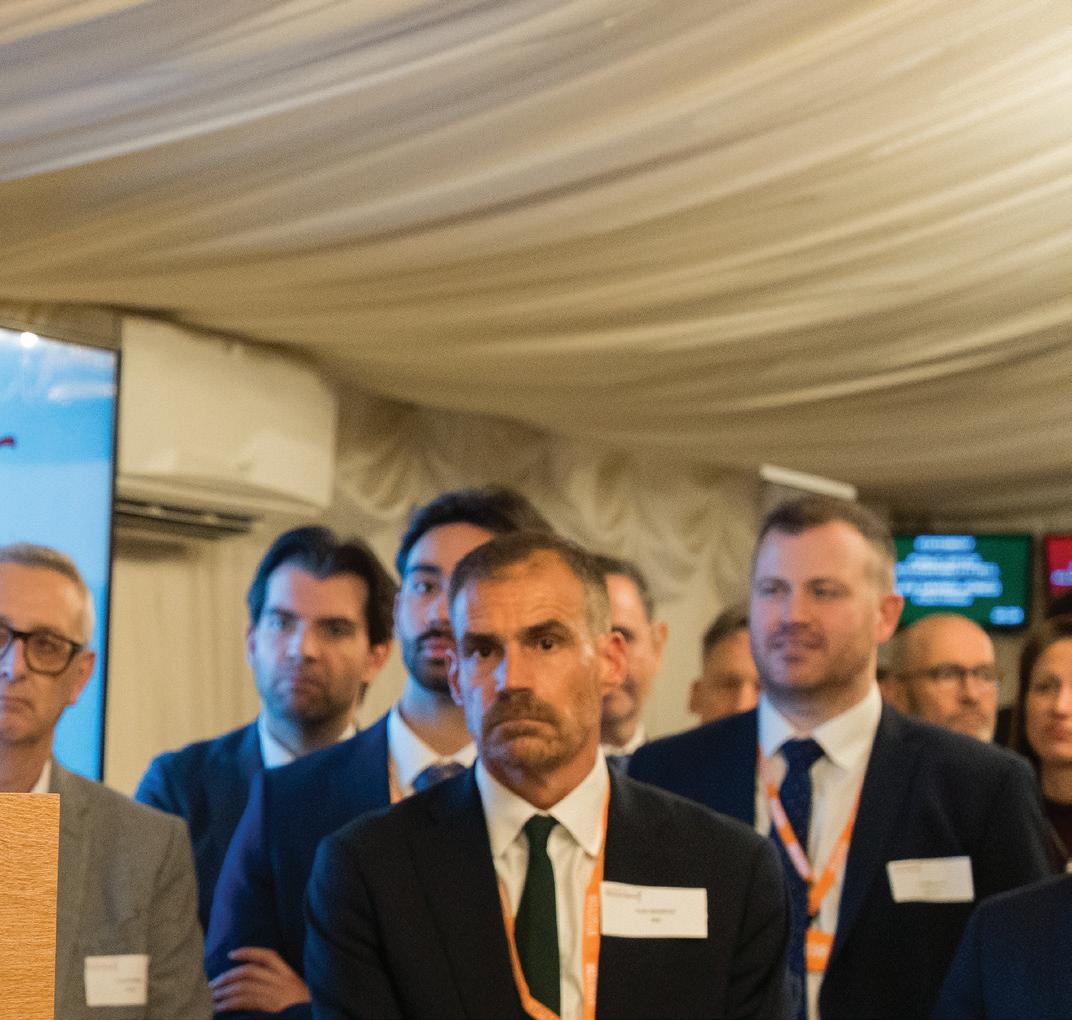
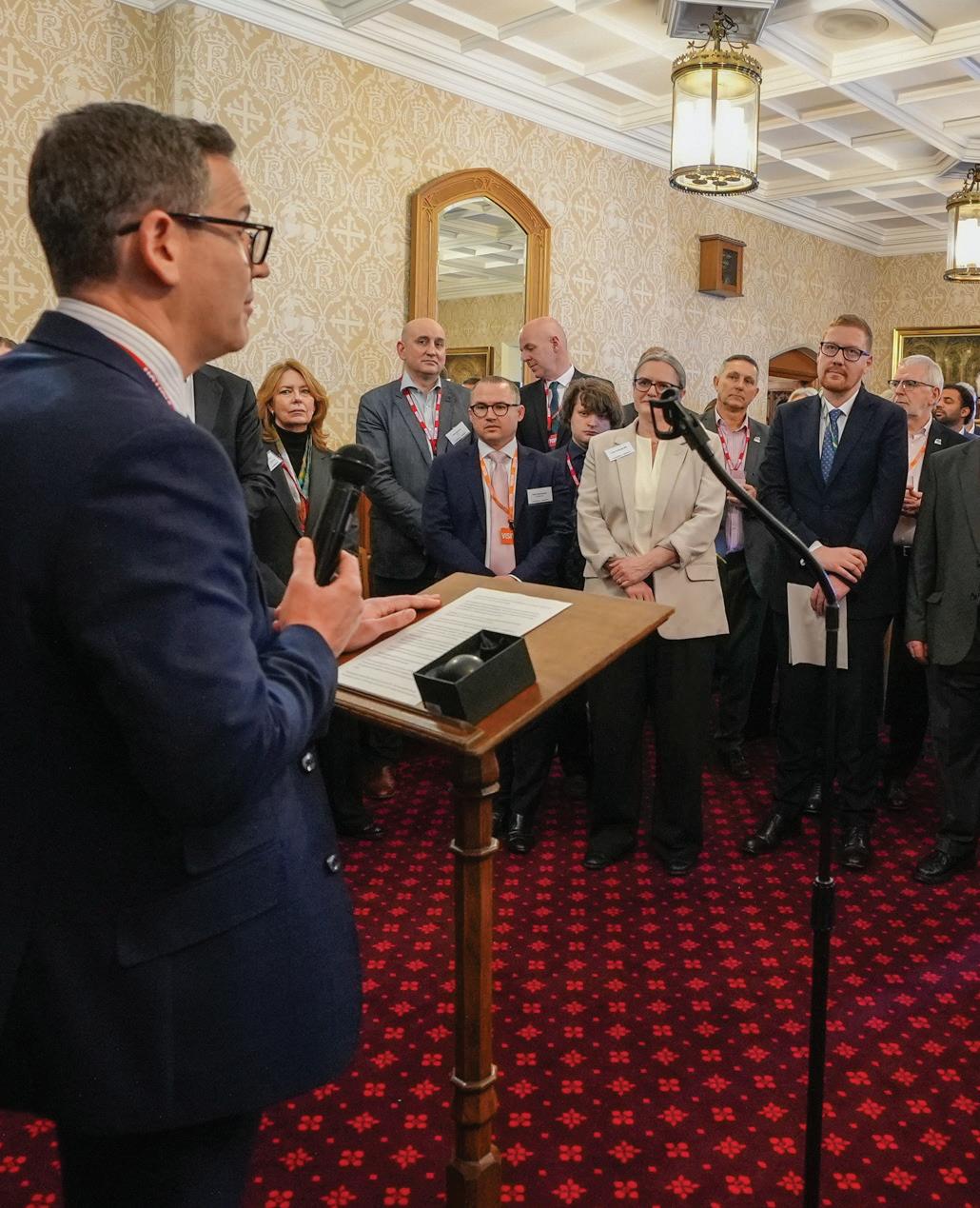
▲ Alistair Black, Vice-President X-energy UK, speaks to Parliamentarians in Westminster
Collaboration is key as Xe-100 UK programme takes shape amid broader industry momentum
As
the UK nuclear sector accelerates through 2026, Centrica and X-energy’s Hartlepool HTGR deployment advances alongside GW Scale construction and SMR development at Wylfa
The UK nuclear sector has moved through the first half of 2026 at pace. Contracts were signed for the Wylfa Rolls-Royce SMR project. The Advanced Nuclear Framework launched. Political momentum behind new nuclear appears sustained.
For X-energy UK, the period has been defined by the commercial, regulatory and development work for the Hartlepool project. Following the US-UK state visit announcement last year—where the President and Prime Minister confirmed X-energy and Centrica’s Joint Development Agreement for a potential 6 GW Xe-100 fleet—the focus has shifted to delivery milestones.
Hartlepool remains the preferred first location with a 12-unit deployment which would deliver 960 MW of electricity or 2400 MW of heat. Nuclear Week in Parliament in January provided a forum to present these plans to a cross-party audience, with Energy Minister Michael Shanks, Hartlepool MP Jonathan Brash, ESNZ Committee Chair Bill Esterson, and Lord James Wharton in attendance.
The publication soon after of the Advanced Nuclear Framework represents a welcome step forward. Centrica and X-energy submitted proposals immediately the assessment opened in March. The process is expected to yield outcomes later this year, shaping the commercial pathway for privately-led projects where capital flows will follow Government signals of support.
X-energy’s NASDAQ listing in April was a major step forward in the evolution of the company and provides access to capital to support both organisational growth and project development.
This was followed by His Majesty the King’s state visit to the US, neatly underscoring the theme of transatlantic links, and the King’s Speech to Parliament in May which confirmed the Government’s intention to implement the recommendations of the Fingleton-led Nuclear Regulatory Taskforce review in full. The Energy Independence Bill signalled continued policy focus on domestic generation capacity as the existing fleet retires.
Transatlantic co-operation is also proving beneficial to X-energy’s UK regulatory timeline. The Memorandum of Understanding between the US Nuclear Regulatory Commission and the Office
for Nuclear Regulation enables direct transfer of design documentation and safety, security, safeguarding and environmental analyses between jurisdictions. This will enable the UK regulators conducting the Generic Design Assessment to gain direct benefit from X-energy’s Construction Permit Application for Long Mott Generating Station— presently under NRC review with a determination expected by year-end.
Fuel supply remains a key workstream and X-energy is developing its strategies across the pond. Here in the UK, Urenco’s important enrichment plant at Capenhurst is taking shape and will provide a valuable source of HALEU into the market, and in the US we have licensed and begun vertical construction on our TRISO-X fuel fabrication facilities in Oak Ridge, Tennessee. These are the first commercial US fuel manufacturing plants to be licensed for 50 years, and the first ever commercial advanced fuel fabrication facilities in the United States.
Finally the collaboration that matters most to many of our stakeholders; we are working with the community around Hartlepool on plans to enable local people to take advantage of the opportunities a new power station will bring. As we prepare for formal statutory engagements in support of a Development Consent Order, planning is underway in earnest on a Nuclear and Electrical Trades Academy for Hartlepool.
This follows a Memorandum of Understanding signed earlier this year between Centrica, X-energy, Hartlepool Borough Council, Hartlepool College of Further Education, and the Hartlepool Development Corporation. The facility aims to address workforce requirements for the proposed new power station and the broader regional supply chain.
We don’t expect the pace to let up in the second half of the year. With appropriate arrangements agreed with EDF, which operates the existing power station, we will begin site studies and investigations at Hartlepool. Positive progress in Government support discussions will lead to the establishment of a new Joint Venture company to develop and deliver the project. And we’re looking at further site opportunities beyond Hartlepool. Watch this space as recruitment ramps up and we begin formal supply chain engagement in 2027.
FUSION.
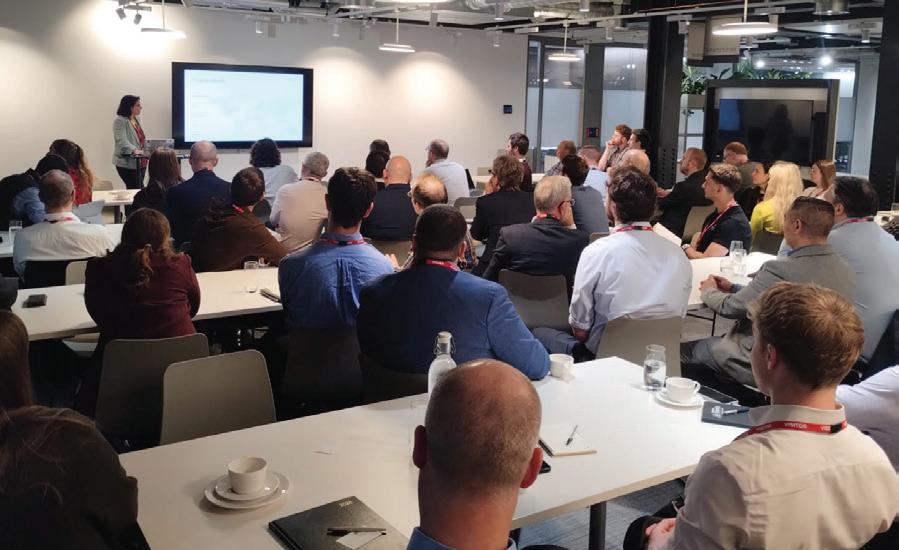
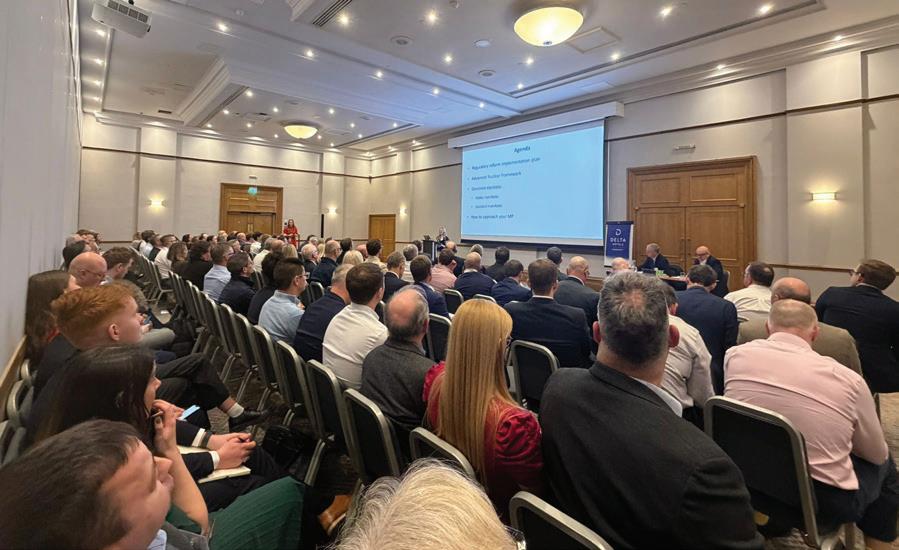
Our Fusion Group met in April at Arup’s offices in London. We welcomed over 70 delegates to this event, and it showed in the quality of networking and room-wide discussions throughout the day.
The agenda looked at the pivot from science to engineering which encompassed a wide variety of topics. We heard a valuable session on insurance and risk mitigation from Zemfira Knott, NC Fusion, who outlined practical considerations for organisations navigating emerging project risks in a rapidly evolving landscape.
Millie Beaver, Head of Public Affairs for the NIA, provided a detailed and engaging overview of how to effectively engage with your local MPs and interpret recent government funding announcements relevant to the fusion sector.
DECOMMISSIONING & WASTE MANAGEMENT.
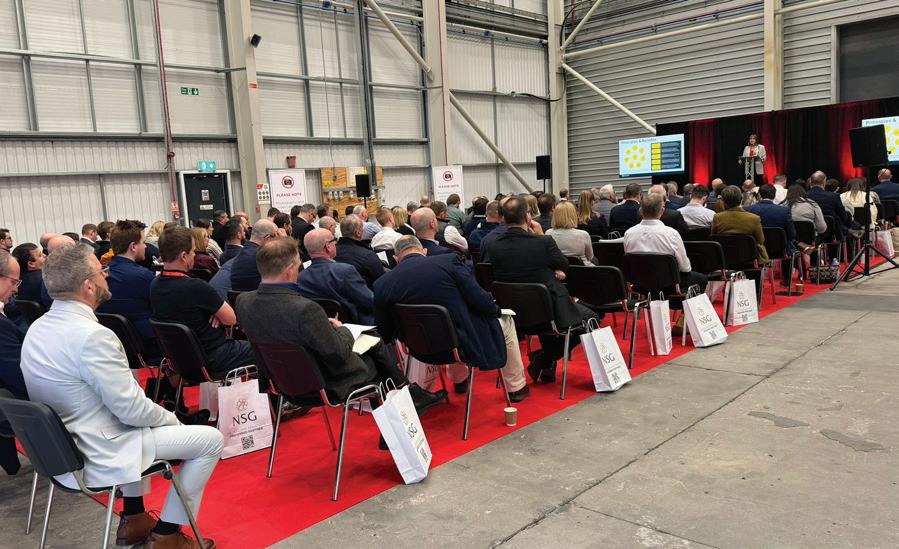
Our Decommissioning & Waste Management group held its largest session in April, hosted by NSG Environmental at their Chorley facility.
The meeting brought together over 140 stake-holders to discuss strategic direction, current opportunities, and the future pipeline across the NDA group, and examined the growing role of AI, Sellafield’s Overarching Acquisition Strategy, and developments within the Decommissioning and Nuclear Waste Partnership.
A highlight was the procurement and supply chain panel moderated by Ciara Middlehurst, featuring Matthew Armstrong, Stephanie Atkinson, Grant Cawte and Maxine Riley. Having such a huge NDA presence at this event was
The meeting also highlighted new developments in the Fusion Industry Association and its strength-ening relationship with the NIA going forwards, a relationship that will benefit both organisations and its members.
A particularly insightful technical presentation came from Ezzat Nasr, STEP Head of Whole Plant Performance at UK Fusion Energy Ltd, who delivered a deep dive into the system of systems in the STEP programme, offering attendees a clearer understanding of the complexity and integration challenges involved. A topic which could have been its own event and one which delegates were keen to hear follow up on.
The afternoon workshop focused on identifying the systems required for a future fusion plant, sparking lively debate and productive discussion among participants. The outputs from this session provided valuable insight into the technical and organisational considerations needed as the industry progresses toward construction and commercialisation of fusion energy.
A huge thank you to member company Arup for hosting us, big thanks to our new Chair Steve Lawler, and to our new Deputy Chair, Rob Sharratt. Thank you for your combined expertise and infectious enthusiasm for the sector.
a real treat for both delegates and the NDA as it offered both the opportunity to answer questions face-to-face. The discussion focused on what effective industry engagement looks like, stressing the importance of consistency, clarity, and the creation of meaningful opportunities for suppliers.
With examples showing that AI is already delivering measurable benefits across the sector, speakers including NDA’s Carl Darby and PA Consulting’s Derreck van Gelderen emphasised how digital tools are improving efficiency, decision-making, and operational outcomes in complex decommissioning environments.
Further insight came from NIA’s Tom Greatrex, who addressed AI deployment at both national and project levels. He highlighted that progress is being driven through collaboration rather than siloed approaches, reinforcing the value of shared knowledge and coordinated effort.
A huge thank you to member company NSG Environmental Ltd for hosting this event and to all our speakers for their contributions to a highly informative and collaborative event that reflected the sector’s shared ambitions and forward momentum.
Thank you also to our Chair, Connor Deehan, and Deputy Chair, Phil McLoughlin, for your expertise and commitment to these events.
NEW BUILD & EXISTING GENERATION.
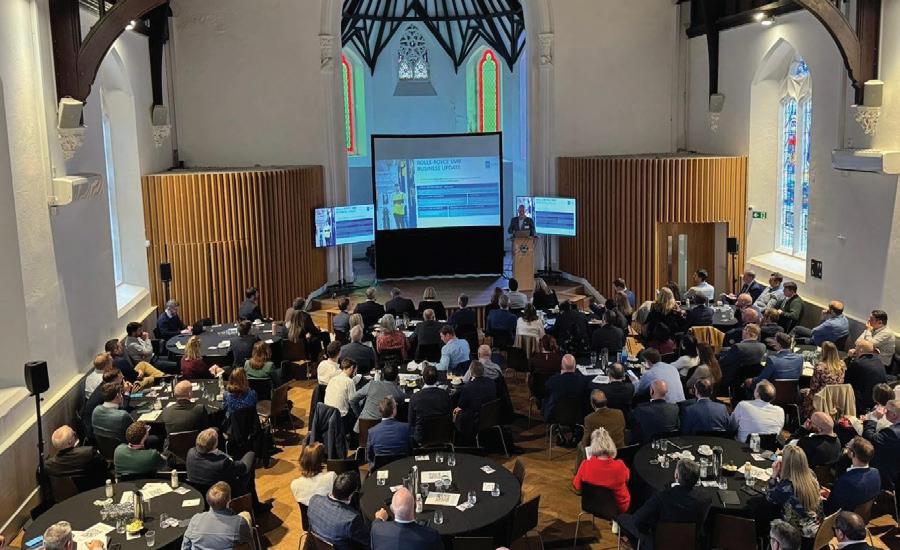
Recent government announcements and the incredible progress made in 2025 meant this was always set to be an event not to miss and it certainly delivered. With 180 delegates in attendance and a packed agenda, the day proved to be both insightful and energising for everyone involved.
We kicked off the day with Joe Rippon, Deputy Treasury Director at Sizewell C, who gave an excellent overview of how financial close was achieved and outlined the next steps for the project.
This was followed by Sasha Wynn-Davies of the Wales Nuclear Forum and Tom Whitehead, Mobilisation Director at GBE-N, who discussed
Back in 2025, we brought together our largest member group, the SMEs, for our very first SME Group meeting. The response was overwhelmingly positive, with feedback ranking among the best we’ve ever received. Naturally, the only question was: when can we do it again?
Since then, the group has continued to grow and evolve. Earlier this year, members voted to appoint a Chair that would help shape the future direction of the SME community. We were delighted to welcome Jon Baggs of Abbott Risk Consulting as Chair, alongside Dave Gorringe of M5tec as Deputy Chair.
In March 2026, we hosted our second SME Group meeting, bringing together more than 150 members for a day packed with insight, discussion, and collaboration. The agenda focused on the real-life experiences and challenges faced by SMEs—from setting up a business and entering the nuclear sector, to finding a place within the supply chain and planning a successful exit strategy that maintains long-term value.
Alongside these discussions, we also wanted to provide practical support that could directly benefit our members’ businesses. Friends from
why we are entering a “golden age of nuclear” and shared much-anticipated updates and reactions surrounding the Wylfa project.
Following the morning sessions we returned for presentations from Hinkley Point C, sharing valuable supply chain lessons learned and future opportunities, Framatome and LTI Vessco, alongside insightful taster sessions from new members, Ocular and Copper Consultancy.
Post-lunch, we welcomed keynote speaker Rebecca Evans, Cabinet Secretary for Economy, Energy and Planning for the Welsh Government, who set out the Welsh Government’s ambitions for nuclear in Wales. The afternoon concluded with further excellent contributions from Rolls-Royce SMR, Amentum, Egis Group and Mott MacDonald.
We finished strong with Kerry Bangle, Major Projects Director at WSP. Her session, “The Hard Truths,” was a compelling and thoughtprovoking look at what industry has learned, what must change, and why Wales is uniquely positioned to lead and had everyone leaving with plenty to think about.
A fantastic start to the year’s New Build & Existing Generation programme, and a strong reminder of the momentum building across the UK nuclear sector.
ADS joined us to share guidance on Security Vetting, while new member RCK Partners provided valuable insight into R&D tax credits and opportunities available to SMEs.
There was a real buzz throughout the day, particularly in the exhibition area where 31 SMEs showcased their capabilities. The event created opportunities for members to reconnect with familiar faces, make new contacts, and learn more about the expertise that exists across the SME community.
A highlight of the event was welcoming Tier One organisations into the conversation. SMEs had the opportunity to meet directly with them through dedicated one-to-one sessions, helping strengthen connections and further promote the value and capability of the SME sector.
Importantly, the event was not just about networking—it was also about shaping the future of the group. Throughout the day, members shared feedback on what they would like to see moving forward. The results showed a strong appetite for receptions, events, and webinars, supported by an accessible information resource within the members’ section of the website.
Members also voted on future discussion topics, many of which will feature at our next event on 16 July in Birchwood. As one attendee summed it up: “Events like this are invaluable for bringing the industry together, and we’re already looking forward to the next one!”
The NIA has also launched a practical guide to help SMEs understand Tier One expectations, navigate supply chains, and engage with greater confidence. Thank you to the team at Acuity Engineering Limited for their hard work pulling the information together. You can access the guide on the Members Hub on the NIA website.
NEWS FROM THE HUB.
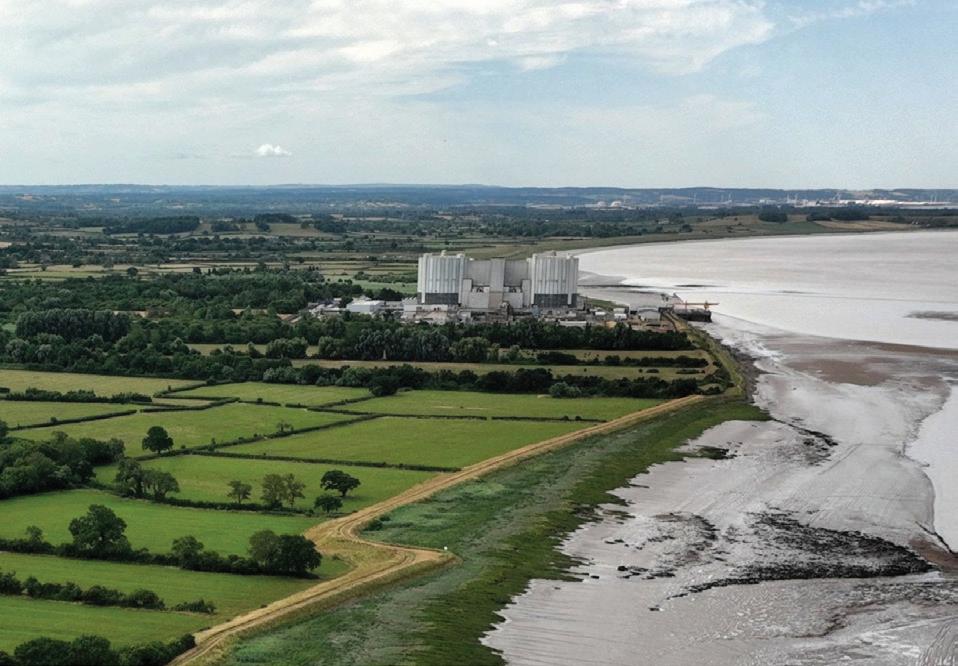
Jacobs to provide environmental baseline for Oldbury
Jacobs has been selected by Great British Energy —Nuclear to provide environmental services for the Oldbury site in South Gloucestershire, supporting the potential development of new nuclear generation in the UK.
Jacobs will develop environmental baseline data across terrestrial and marine environments, along with environmental assessments, Habitats Regulations Assessment and associated activities to inform future potential planning, design and permitting decisions. Jacobs will deliver the services with AtkinsRéalis and AECOM as subconsultants, bringing together a multidisciplinary team to support environmental surveys, impact assessments and regulatory approvals.
“Jacobs has supported some of the most complex nuclear programmes in the UK and globally, working across the full lifecycle from early development through delivery. We bring that experience to Great British Energy—Nuclear at Oldbury, helping lay the environmental foundations needed to support long-term project success.”
Richard Sanderson, Executive Vice President, Jacobs
The contract builds on initial site characterisation activities and will help assess the suitability of the Oldbury site for potential nuclear development. The work will support the evidence base needed to
inform planning and consenting decisions, as well as future design and construction considerations. Jacobs’ appointment builds on more than 60 years of experience delivering global civil nuclear solutions across the full asset lifecycle in highly regulated environments—from new build programmes to decommissioning and waste management and disposal. The company continues to play a leading role in the UK’s civil nuclear industry, contributing to major programmes such as Sizewell C, Hinkley Point C and Sellafield. This experience planning for nuclear technologies will also have increasing relevance across the globe as the energy sector looks to keep pace with demand.
£30m contract for Dassault Systèmes
UK Fusion Energy Ltd, the organisation delivering the UK’s first prototype fusion energy plant, has signed a £30 million contract with software development company, Dassault Systèmes, to expand delivery and capability within the 3DEXPERIENCE platform, a core part of STEP’s Plant Information Management System (PIMS).
This marks a significant milestone in the creation of the information baseline for the STEP Prototype Fusion Powerplant at West Burton, supporting the management of plant information across the entire engineering and product lifecycle.
The 3DEXPERIENCE platform will give STEP a single, trusted source of plant information, where technical teams and partners can design data, requirements, simulations and system models in one shared environment. This will improve engineering accuracy, reduce risk and support the smooth delivery of Britain’s first prototype fusion powerplant.
The platform will also lay the foundations for the digital shadows and twins of the plant. This will enable engineers to model, test and optimise systems in a virtual environment both
before physical constructions and throughout the plant’s lifecycle.
PIMS will also strengthen collaboration with partners across industry and academia, helping the UK build the capability required for future commercial fusion energy.
“As we begin the journey towards a virtual twin for STEP using the 3DEXPERIENCE platform, UKFE Ltd is building the digital engineering foundations that will support the development of future fusion powerplants. This collaboration will help strengthen innovation and collaboration as the STEP prototype fusion powerplant progresses.”
John Turnbull, EURONORTH Managing Director at Dassault Systèmes
The agreement strengthens the digital engineering foundations for the STEP programme, helping ensure that engineering decisions, plant information and system designs remain fully connected throughout the lifecycle of the prototype powerplant. It also reinforces the UK’s ambition to lead the development of commercial fusion energy.
Launch of Medical Radionuclide Taskforce
The Medical Radionuclide Taskforce (MRNT), has launched to secure the UK’s sovereign supply of medical radioisotopes.
These materials are vital for the diagnosis and treatment of cancer, with more than 700,000 NHS patients relying on them every year. Despite this critical need, the UK remains vulnerable, importing approximately 90% of its supply from overseas.
The formation of the MRNT follows a leadership summit held during Nuclear Week in Parliament. It was established to provide a single, authoritative voice for a sector currently fragmented across multiple government departments. The Taskforce brings together members from across the NHS, industry, and academia to ensure that nuclear medicine becomes a central pillar of the UK’s Industrial Strategy.
Sizewell C surpasses 1,000 UK suppliers
Over 1,000 UK suppliers have now benefited from work at Sizewell C, as the nuclear power project continues to make progress on the Suffolk coast.
The milestone, announced in May at Utility Week Live, reflects the significant value that Sizewell C is already delivering across the UK. Sizewell C has so far delivered on its pledge to deliver 70% of its construction value to UK suppliers, and its spend in the UK so far is just under £5bn.
In Sizewell C’s host region in the East of England, over 300 suppliers have now benefitted from work on the project. Sizewell C’s spend in Suffolk, where it is based, has now reached £1bn, rising to £1.4bn in the East of England.
Essex-based logistics company Wilson James is one of the many companies in the East of England to benefit, picking up a contract to manage all aspects of Sizewell C’s logistics from the project’s Orwell Logistics Park in Ipswich—creating 350 local jobs.
On site, the Sizewell C project has made significant progress. It has built the first of three bridges which connects two of its construction sites; welcomed its first engineering trains to its Ancillary Construction Area (ACA); opened two park and ride sites to limit impacts on local roads; built two new roundabouts, improving local infrastructure; and progressed development of new roads and a beach landing facility.
Over a third of the project’s 2000+ onsite workforce come from the local area; over two thirds of its 120 apprentices are from Suffolk; and it has also announced a new post-16 college for the area, making good on the jobs, skills, and local opportunities promised to local people.
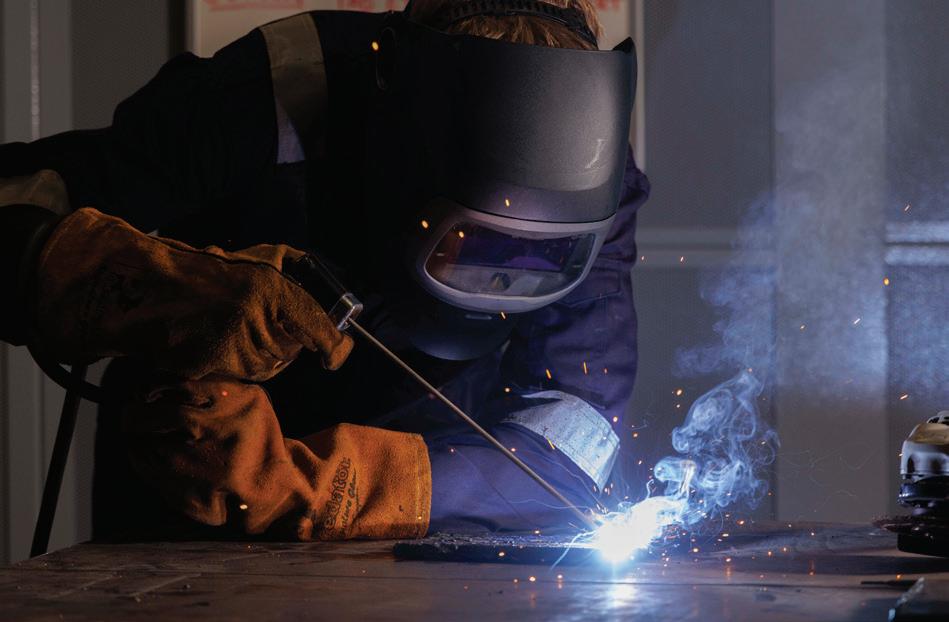
ECITB develop welding upskill programme
An upskill welding programme has been developed to help address a predicted 47% increase in demand for welders across the engineering construction industry (ECI). The Engineering Construction Industry Training Board’s (ECITB) Labour Forecasting Tool predicts that the number of welders required in the ECI could rise to more than 2,150 by 2030, up from 1,470 in 2025.
To help tackle this industry-wide shortfall in skilled welders, the ECITB has released a six-week programme designed to upskill individuals with limited or basic welding experience, developing their knowledge and skills through a blended learning approach.
Following a successful pilot, the ECITB is calling for training providers to deliver the Multi-position Fillet Welding (MMA) programme as part of a wider rollout across Great Britain.
“Attracting, upskilling and retaining an agile, diverse and competent workforce in sufficient numbers to meet projected growth in demand is a big priority of our Leading Industry Learning strategy 2026-30. Upskilling programmes like this help address industry skills shortages and allow workers to move between nascent and traditional industries.”
Andrew Hockey, Chief Executive, ECITB
The programme provides a structured pathway from foundational welding skills to multi-position MMA welding capability and technical test readiness. It is delivered through a blend of theory and practical training, enabling learners to progressively develop their welding capability and underpinning technical knowledge.
As well as those with limited experience, the programme is designed for learners seeking to transition into welding roles or those requiring structured development before formal welder testing to verify competence.
The theory element provides essential knowledge to support safe, compliant and high-quality welding practice. The practical component develops capability across increasing levels of complexity, focusing on technique, control, consistency and quality, aligning with industry expectations.
Learner progress is measured via the completion of a course workbook, a multiple-choice knowledge test and a practical observation and assessment.
Any training providers wishing to deliver the upskill welding programme should email programmeadmin@ecitb.org.uk.
NEW MEMBERS
PACE PEOPLE LTD
pace-people.com
PACE builds leadership and specialist technical teams that power the nuclear sector, across both new and conventional programmes. We partner with SMR, AMR, MSR and MMR developers, large-scale reactor vendors, utilities, investors and nuclear supply chain organisations.
BRODER METALS GROUP
broder-metals-group.com
Broder Metals Group is a stockist and distributor of high specification stainless steel, nickel alloys, titanium and metal powders. It supplies into worldwide markets for nuclear, aerospace, motorsport, oil and gas and power generation.
MBY CONSULTANTS
mby-consultants.co.uk
MBY Consultants Ltd provides senior commercial leadership to complex nuclear and major engineering programmes in the UK and internationally. We work with boards and executive teams where contractual exposure, regulatory scrutiny and financial risk materially affect delivery.
MCGILL & PARTNERS mcgillpartners.com
McGill and Partners are a specialist insurance and reinsurance broker designed for large clients and complex risks. We focus where it matters most to bring together deep expertise, strong relationships and cutting-edge technology to deliver smarter, faster and exceptional placement outcomes.
SHIRLEY PARSONS LIMITED shirleyparsons.com
Shirley Parsons is the world’s leading health, safety, environmental, quality and sustainability professional services business. Our mission is simple; to help create a better, safer and more sustainable world.
RED ENGINEERING firstlightfusion.com
For organisations operating in nuclear and other highly regulated sectors, RED Engineering provides fast, intelligent, end-to-end engineering solutions backed by a broad capability. RED integrates design, manufacturing, testing and verification within one agile team—accelerating time to solution and reducing project risk.
FIELDFISHER LLP fieldfisher.com
Fieldfisher is a European law firm with market-leading practices in technology, financial services, energy & natural resources and life sciences. From conventional power to low carbon and renewables, our knowledge in the key segments of the energy sector brings commercial legal expertise to our clients.
GLENAIR glenair.com
Glenair manufactures high-reliability connectors and cables for missioncritical land, sea, air, and space applications. We offer dozens of fullspectrum connector product lines designed to meet every electrical and optical interconnect requirement.
HELIXOS helixos.co
Helixos is a global strategy consulting and technical advisory firm specialising in cleantech commercialisation, with a focus on nuclear energy and fusion. We support the full journey of technology development and deployment helping accelerate real world outcomes while strengthening relationships between people, technology, and nature.
4C ASSOCIATES 4cassociates.com
A leading consultancy specialising in commercial, procurement, supply chain and operations, helping nuclear organisations deliver safe, efficient and compliant programmes. 4C bring hands on delivery and commercial excellence to complex, regulated environments.
ARABELLE SOLUTIONS arabellesolutions.com
Arabelle Solutions is a leading provider of nuclear turbine island technology and services. Our innovative solutions and highly skilled teams energize the world with reliable, low-carbon electricity —critical for a sustainable future.
FERMI DEVELOPMENT fermidevelopment.com
Fermi Development is a UK based nuclear energy developer applying proven development expertise to accelerate the delivery of Small and Advanced Modular Reactors in the UK, helping unlock investment, strengthen energy security and deliver reliable low carbon power at pace.
Not a member? To find out about the NIA and benefits of membership scan the QR code. To discuss membership options available to your company email membership@niauk.org
ALTEN LTD alten.co.uk
A world leader in outsourced engineering and IT services. ALTEN works with prestigious companies in the energy sector where it provides engineering and consulting services. ALTEN offers a wide range of services to meet its customers’ needs.
LOCKTON COMPANIES LLP global.lockton.com
Lockton is the world’s largest independent insurance broker providing comprehensive insurance advisory and placement services. We service companies in nuclear industry across fuel cycle through our Global Nuclear Solutions group.
CENTRICA centrica.com
A leading integrated energy company focused on meeting the evolving energy needs of households, businesses and governments. Through its portfolio of energy supply, services and infrastructure assets, Centrica plays a critical role in energy security and the transition to a lower-carbon energy system.
AMS NUCLEAR ENGINEERING LTD ams-nuclear.com
AMS Nuclear Engineering Ltd consult, design, and build right-first-time safety-critical Electrical, Control and Instrumentation (EC&I) systems for existing and new nuclear facilities. We combine technical rigour with a deep understanding of our clients’ needs to enable safe, long-term operations.
SIEMENS ENERGY siemens-energy.com
As a global leader in energy technology, Siemens Energy support companies and countries to reduce emissions across the energy landscape—for a more reliable, affordable and sustainable energy system.
CUTTING AM cuttingam.com
We deliver integrated digital asset management solutions that span the entire lifecycle—from strategic planning and data governance to digital twin development and predictive maintenance. Our services are designed to drive performance, compliance, and efficiency through better use of asset intelligence.
Terry Gilbert — a tribute
My friend and colleague Terry Gilbert died on 10 April after a short illness at the age of 77. Terry was an active participant in and highly valued supporter of the work of NIA from the late 1990s to his retirement from the NIA Board in 2018.
He brought his immense experience and understanding of the industry developed over 30 years with Amec as Nuclear Business Development Director to bear in his position as an influential member of the NIA Board.
He joined the Board in 2003, at the same time as I was appointed Chief Executive and we got to know each other well, both in the business environment and socially.
Terry was a formidable and proud champion for the industry and never lost his belief in its bright future despite the setbacks in the early 2000s to the projected new build programme. Indeed, he made a significant personal contribution to the revival of industry’s fortunes with the advent of the new build programme and improvements in public, media and political attitudes towards nuclear.
Within NIA he was one of the key initiators of the “New Build Capability Report”, a valuable directory of the UK’s nuclear skills and capabilities; the Nuclear Programme Management Board which brought together senior representatives of the developers and supply chain companies to work towards better delivery of nuclear projects; and the SC@Nuclear programme designed to highlight opportunities in the industry for existing and new supply chain companies.
In addition, Terry was deputy Chairman of the New Build Working Group and the Nuclear Exports Group. He also Chaired of the Organising Committee
of the highly successful International Civil Nuclear Showcases held in 2014, 2015 and 2016.
Terry served as Chair of the Nominations Committee tasked with appointing the NIA Chairman. Lord Hutton who was appointed by that committee in 2011 recalls of Terry that “It was a pleasure and an honour to know and work alongside him”.
His fellow Nominations Committee and NIA Board member, Desmond Cecil, has written “Although we came to the NIA with different experiences we quickly became close colleagues and friends. He was a joy to work with…”
Desmond also recalls that Terry’s wisdom was occasionally interspersed with “an irreverent witticism”. Terry did indeed have a great, often mischievous, sense of humour and a strong capacity for friendship. When he came into the office he made a point of greeting everyone with a smile.
Veronica, the NIA office administrator and a good friend of Terry’s, remembers his mischievous streak…”He was a Manchester United supporter and he and Nikki (my PA), who is an Arsenal supporter had many a discussion on their respective teams. Nikki had an Arsenal mascot on her desk and Terry took great delight in hiding the mascot and waiting for Nikki to find it and he would wait with his mischievous grin as she looked for it.”
As well as the serious and lasting contribution Terry made to the nuclear industry and to NIA, as these reminiscences demonstrate he was also great fun, excellent company, and a good and generous friend to me, the staff at NIA and his colleagues in the industry. He will be greatly missed.
Our thoughts and sympathy go out to his wife, Lorraine and his daughters Jackie and Tina.
KEITH PARKER • NIA CHIEF EXECUTIVE 2003-2016
LINCOLN HILL • DIRECTOR OF POLICY AND EXTERNAL AFFAIRS • NIA
GAS SHOCKS DEMAND A GIGASCALE RESPONSE
Surging gas prices underline the need for proven, large-scale tech alongside fleet deployment of SMRs
The US and Israel’s war with Iran has administered a sharp and painful reminder that we have gone to slow to get off gas. The brutal reality is that the UK has not improved its structural position nearly enough in the four years since Russia invaded Ukraine.
We have much more renewable capacity and more interconnection, so gas—and by extension imported gas—is setting the price of electricity during fewer hours, which is positive. However, when the wind is down, we rely every bit as much on gas to keep the lights on as we did four years ago. A little more in fact, as we have one fewer nuclear power station to provide baseload electricity, with the retirement of Hinkley Point B. When we look beyond electricity, to transport, home heating and industry, the picture has barely changed at all. Electricity demand has only just ticked up in the last year or two, after prolonged decline, and its share of our overall energy use is still bumping around the 20% mark.
I would say nuclear is the answer, wouldn’t I?
But let me put it like this. In the four years after the oil shock of 1973, France began construction on 22 reactors, with a total capacity of 20,545 MW. In the 4 years after Russia invaded Ukraine, the UK has approved 2 more reactors, with a total capacity of 3,260 MW. Which one looks more like a solution to recurring energy crises?
At the very least, we need to shrink the gap between Final Investment Decisions dramatically. Sizewell C FID came 9 years after Hinkley Point C. If we can’t do better, that would put FID on GBE-N’s Wylfa project with Rolls Royce SMR at 2034—much, much too slow. We have to do better than that, and I am confident that we will. As I wrote last time, the full-throated implementation of the Fingleton review recommendations on regulation is the most important thing we need to do as a country and as an industry. That should cut the baseline of cost, and the baseline of time, for all nuclear projects in the country. We then have to have a hard look at the numbers, though.
Hinkley, Sizewell C and Sizewell B gets us to 7.7 GW. With 3 units of Rolls Royce SMR, that becomes 9.1 GW, a number we first hit in 1984. All our signed contracts get us back to 1984. We know that won’t be enough. If, for the sake of argument GBE-N and Rolls Royce SMR are allowed to build 8 units at Wylfa, as they should be to maximise the use of the site and the benefits of replication, that
gets you to 11.45 GW. If, for example, X-Energy and Centrica can deploy 12 Xe-100s at Hartlepool, that’s 12.4 GW, and then with Holtec SMRs at Cottam, that would push us over 13 GW.
Then, and only then, we would finally surpass the peak nuclear capacity we hit in 1995. Does anyone believe that 13 GW will be enough nuclear to get us the energy security, environmental sustainability and economic prosperity we are after? Even cautious estimates tend to land in the 16-20 GW range. And even to get to 13 GW in the pathway I outlined means putting an awful lot of pressure on First of a Kind, or First in Country, technologies, to deliver within a narrow window. And while urgency on that delivery is important, we have to be mindful not to repeat the mistakes of so many nuclear projects past, where political pressure pushed projects to pour concrete before designs were ready. If we make mistakes like that, they could spell the end of the nuclear renaissance.
All of that, the pressure of delivering FOAK units, the urgent need to get off gas, the reality of the electricity supply needed for the economy to grow and compete, tells us that we need to build more proven, large-scale nuclear as part of our overall energy security and industrial strategy. We must have fleet deployment of advanced nuclear technologies, and we must have the security and the confidence of building next of a kind largescale units to ensure we have the capacity this country will need.
NESO’s Strategic Spatial Energy Plan should account for that reality. The study on feasible largescale sites commissioned by the government from GBE-N takes on an added importance, as it will point the way to a feasible project. And feasible projects are what we require, not ambitions or targets necessarily, but a plan to deliver.
What is our alternative? The UK government, before the closure of the Strait of Hormuz, estimated the cost of building and operating a new gas-fired power station at £147/MWh. The gas price per therm is up about 60% since then.
Some people believed that the shock from Russia invading Ukraine was a one-off. No one should believe that now. To paraphrase Oscar Wilde, once is a misfortune, twice is carelessness, and we cannot be careless with this country’s future. We have to be rigorous, realistic, and ambitious, and that demands that we add gigawatt nuclear back into the mix as a guarantee of our long-term energy security.