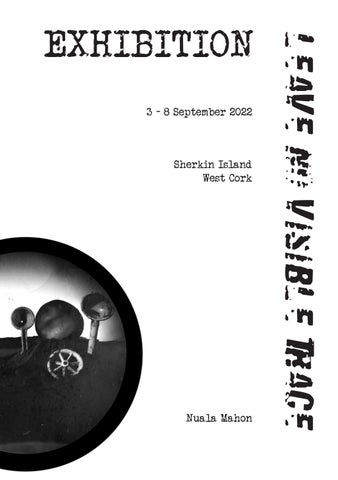
TracevisiblenoleaveNuala EXHIBITIONMahon3-8September2022SherkinIslandWestCork
My family for their advice and patience as I developed the project. A special thanks to my sponsors: Cork County Council, SIDs, Copylines pr and OCA Enterprise Enhancement Fund.
Teddy Brown for helping me to get sponsorship.
ThankAcknowledgements:youtothefollowing people for their assistance with this project.
Patsy Atkinson, Copylines pr, for publicity and Deirdre Ní Luasaigh for help with formatting my publications.
It is, surely, our responsibility to do everything within our power to create a planet that provides a home not just for us, but for all life on Earth.
Sir David Attenborough
Ann Davoren, Bernadette Burns, Les Monaghan, John Doherty and Brian Lalor for their advice and suggestions about curating this exhibition.
Jo Ashby, Maria and Mona O’Driscoll and the children and parents of Sherkin Island for their commitment to creating the art piece for the exhibition.
3 ArtistContentsStatement . ....................................................... 4 Map of Sherkin Island ....................................................... 7 Introduction ....................................................... 8 The Video ....................................................... 11 Studio Posters ....................................................... 12 The Cameras . ....................................................... 20 Negatives ....................................................... 24 Chance ....................................................... 27 Pinhole Images printed on linen ....................................................... 28 Curriculum Vitae ....................................................... 36 Contacts ....................................................... 37
Artisttrees.Statement
My seafaring ancestry and island location create a powerful background to and influence on my work. I embarked on this project to capture and convey to others the story of the enormous increase in plastic waste washed up on Sherkin Island’s beaches. As a twelve-year-old I first discovered photography when my father gave me a secondhand box Brownie. I was captivated but frustrated. Making images was an expensive exercise and there was little extra money for Myluxuries.maternal ancestors were seafaring men and net mending women in Howth, County Dublin. The sea is in my genes and I now live on Sherkin island off the south west coast of Ireland. I obtained a BSc and an MSc in chemistry from University College Dublin and moved to London and then Luxembourg to work. From there I moved, as a volunteer, to West Africa where I witnessed the detrimental effects of global commercialism. Carrying a plastic bag was a status symbol. It meant one could afford to buy something. There was no means of disposing of plastic: when it was discarded it lodged itself in the sand or hung from the
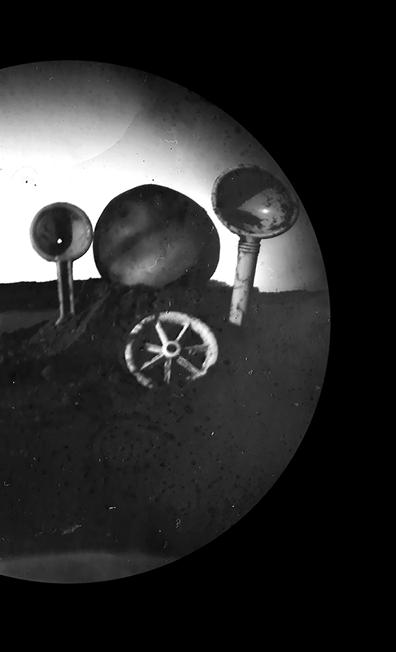
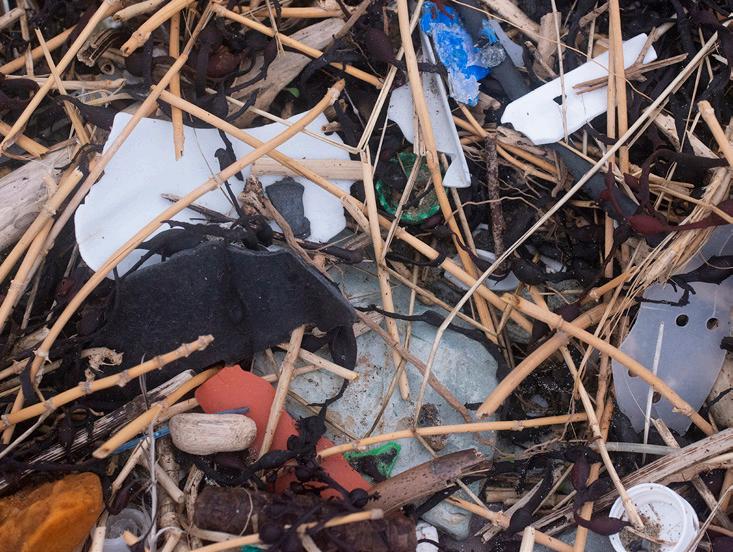
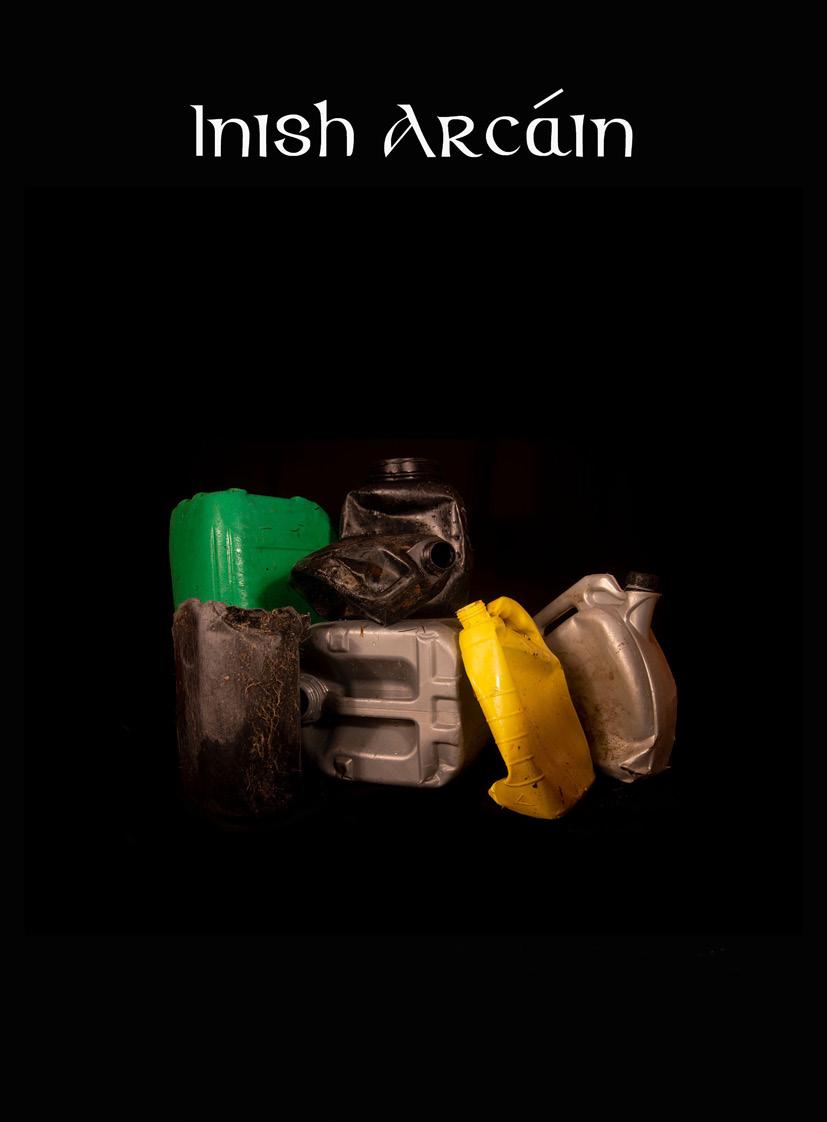
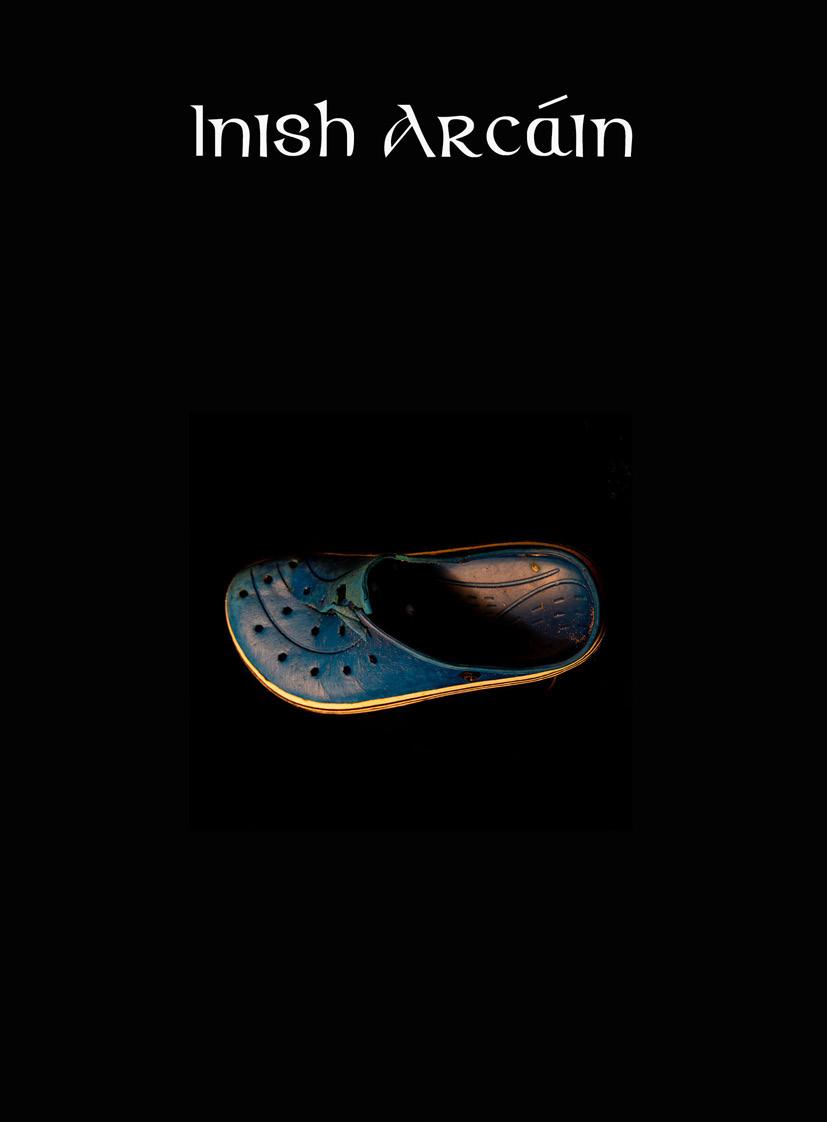
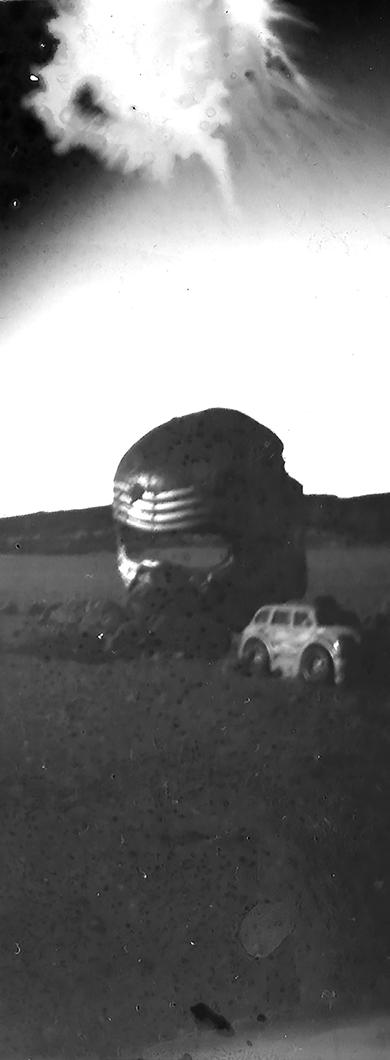
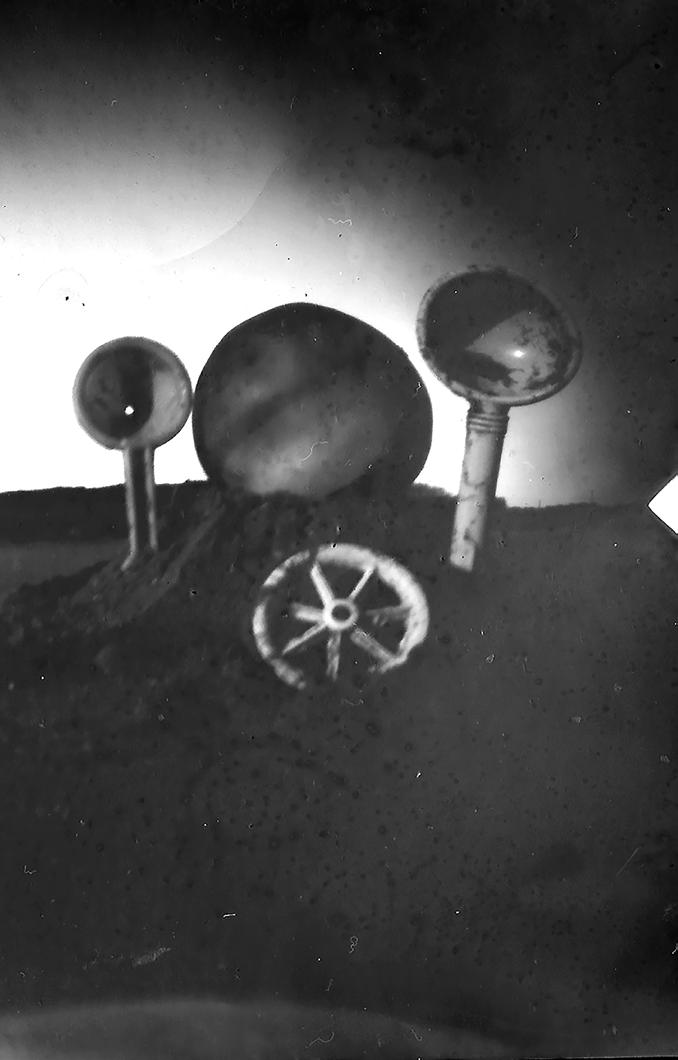
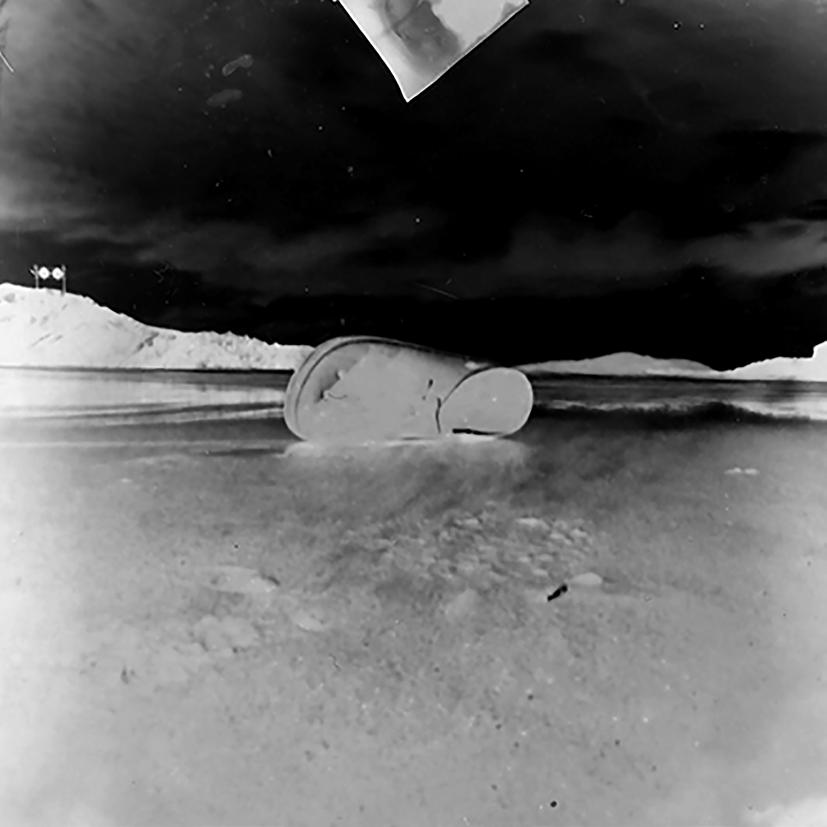
Returning to Sherkin Island I became acutely aware of the global increase in plastic production and coincidentally the exponential increase in ocean plastic pollution. Most of the detritus on the island, where I live, comes from detached fishing gear which is described as ‘Ghost Gear’. Oil containers and children’s toys make up a great proportion of the rest of the polluting items. Rather than creating beautifully fashioned images of this plastic I decided to create something subtler and yet realistic. I fabricated pinhole cameras to record the work and used my chemical knowledge to make developer from seaweed. The resultant images are included in the exhibition.
© Sean Baker
7

Our oceans are facing two major crises. Climate change is causing ocean temperature to rise which means sea levels will rise and low-lying areas may be wiped out. At the same time our oceans are becoming dumping grounds for discarded plastic waste. Approximately nine billion tons of plastic have been fabricated since the 1950s. Society has benefited enormously from the invention of plastic. But we seem incapable of distinguishing between beneficial plastic innovations and unnecessary plastic usage. Consequently, plastic waste is growing exponentially and we are at risk of being overwhelmed by the waste disposal problem. Plastic’s durability is both its advantage and its disadvantage. We are still unable to confirm how long plastic will remain in the environment. Plastic production is expected to double by 2030 and oceans will be most visibly affected by this increase. One-third of all plastic waste generated, or 100 million metric tons is polluting nature each year (WWF (2019). Because of its durability, the ecological consequences will be detrimental. The leakage of plastic debris into the ocean occurs at all stages from production through usage to disposal. To date, there has been very little scientific work to determine exactly how long it will
Introduction
The final images are exhibited in the environment where they were created. WWF Solving Plastic Pollution Through Accountability (2019) At: tainableChamas,worldwildlife.org/publications/solving-plastic-pollution-through-accountabilityhttps://www.A.etal.(2020)Degradationratesofplasticsintheenvironment.ACSSusChemEng8:3494--3511.DirectedbyChamas,A.etal.(s.l.):(s.n.) 9
on
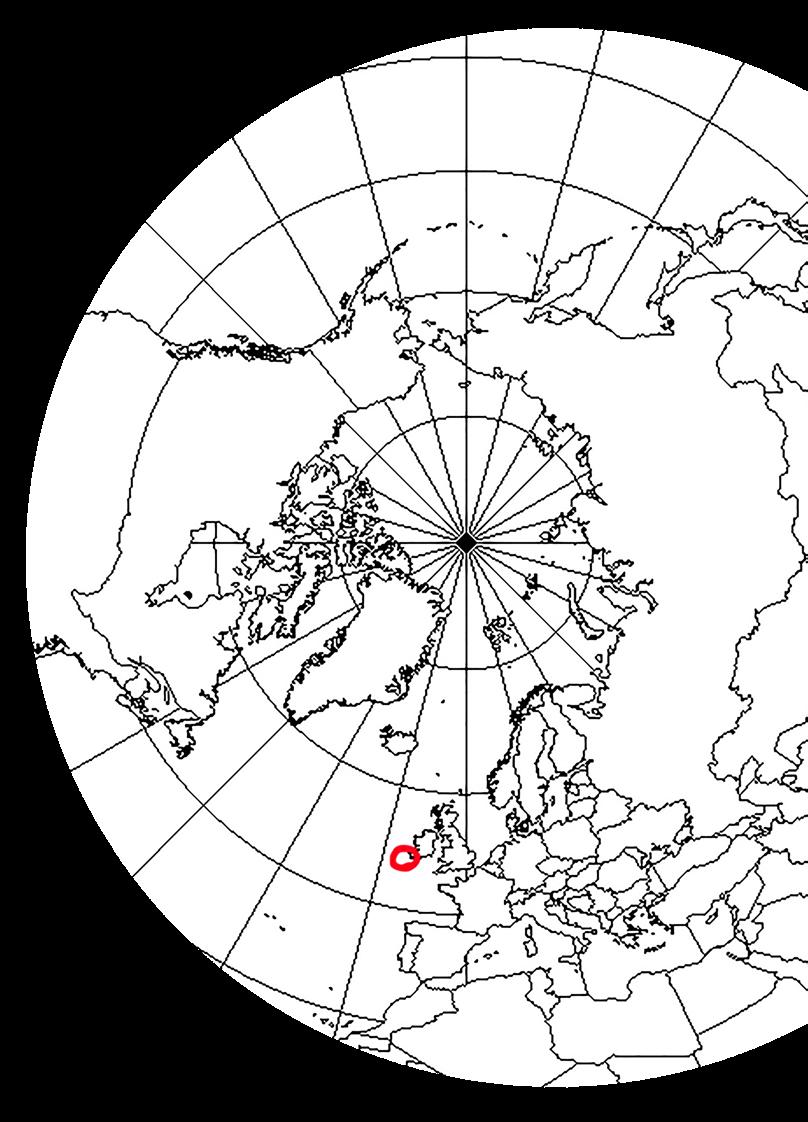
take for plastic to degrade. to Chamas et al (2020) degradation of plastic depends on the type, the temperature, the exposure to UV light whether the plastic is above or below ground level on land or in the ocean. recording washed up ocean beach plastic debris a small island five kilometers by three on the western Atlantic coast of Ireland.
According
or
This exhibition traces the process of
1:Part
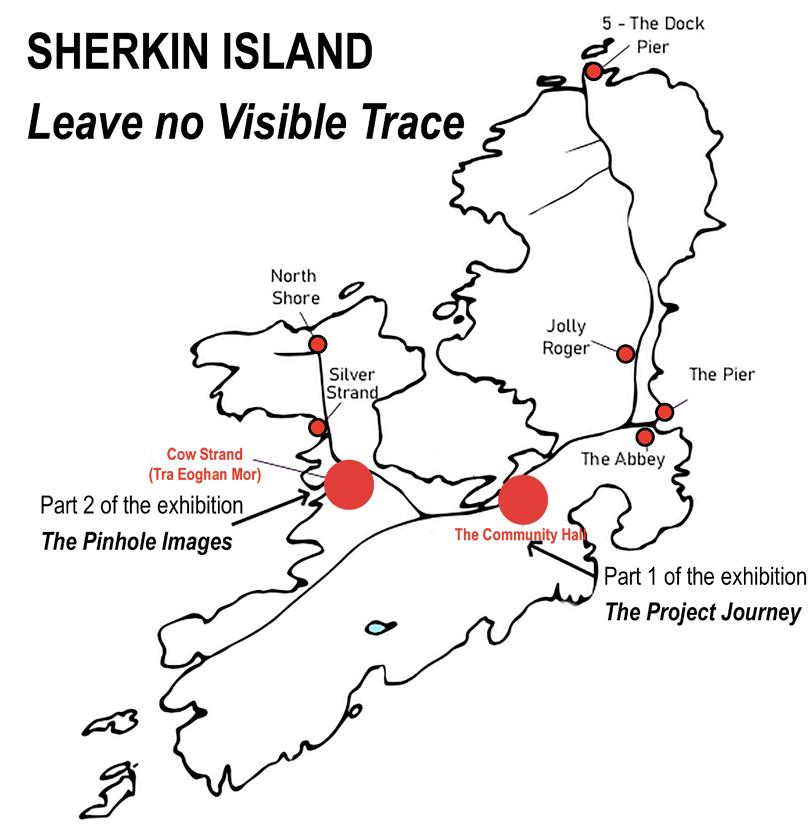
JourneyProjectThe Sherkin island, my home, has a number of beautiful sandy beaches. Every year the amount of ocean plastic debris being washed up increases. On my daily walks to the beach during the pandemic in 2020 I became acutely aware of this increase. I began to question how I was contributing to plastic waste. I examined and photographed my own plastic intake. I made a video to highlight the location where this project was carried out.
LeavenoVisibleTrace The SherkinLocation:Island, West Cork, Ireland. This location and the early steps of the project are shown in theThevideo Video 11

12 Studio Posters
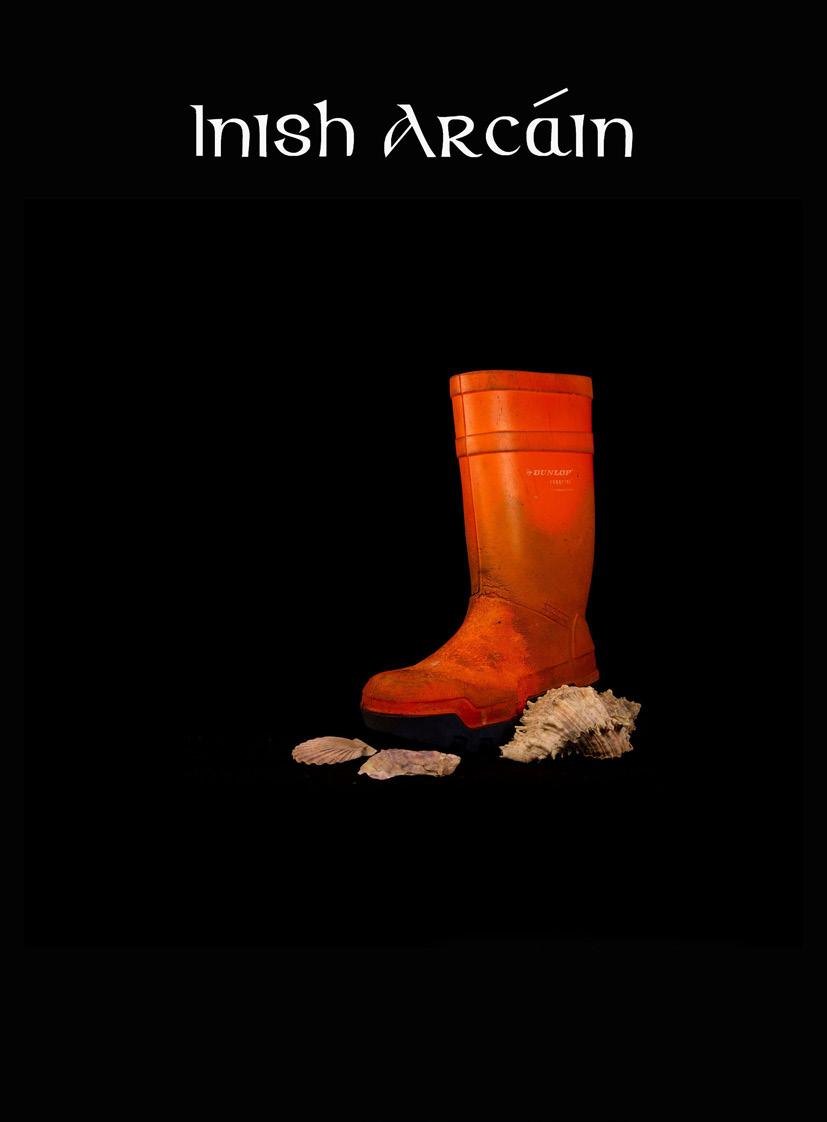
I collected beach plastic waste and made images in the studio using camera based photography. I questioned if such images would stimulate a desire in the viewer to reduce plastic usage. Luo et al (2022) research showed that visualising consequences to marine life can reduce plastic use. My studio images did not, I believe, demonstrate the adverse effect of plastic on marine Luo,life.Y.
et al. (2022) ‘Reducing Plastic Waste by Visualizing Marine Consequences’ In: Environment and behavior 54 (4) pp.809 - 832.
In:
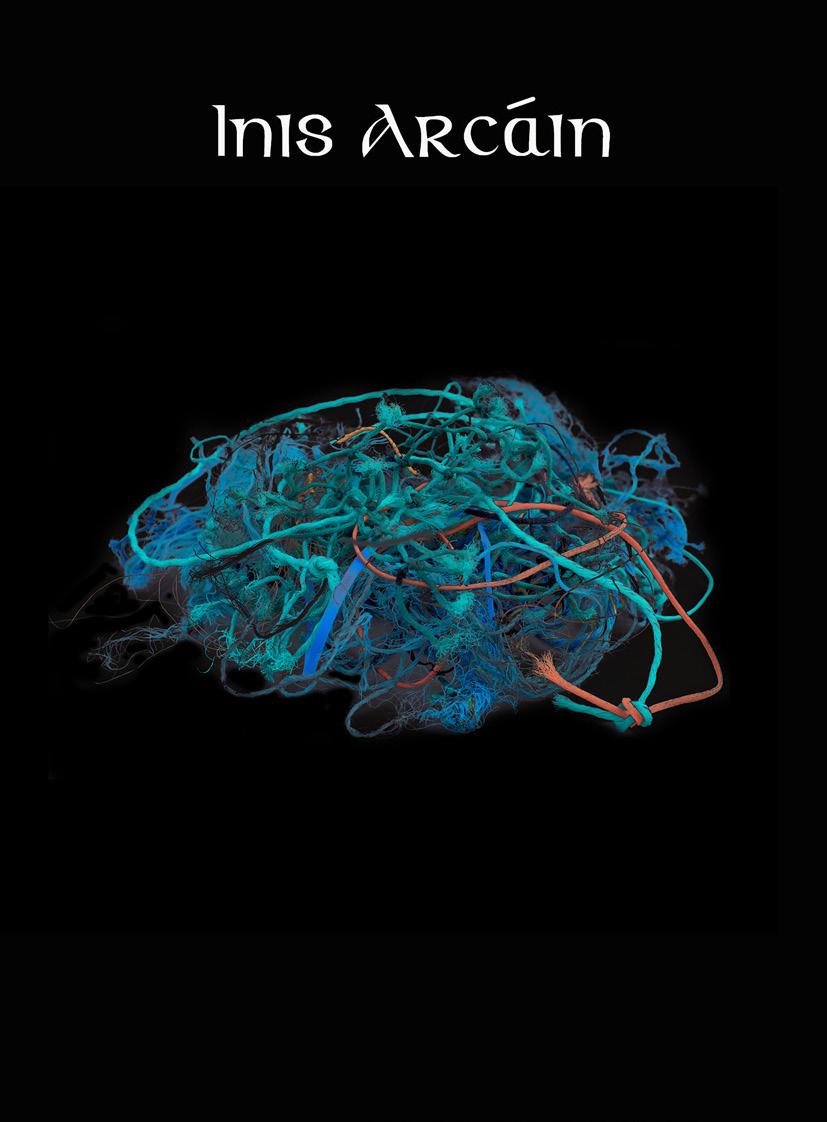
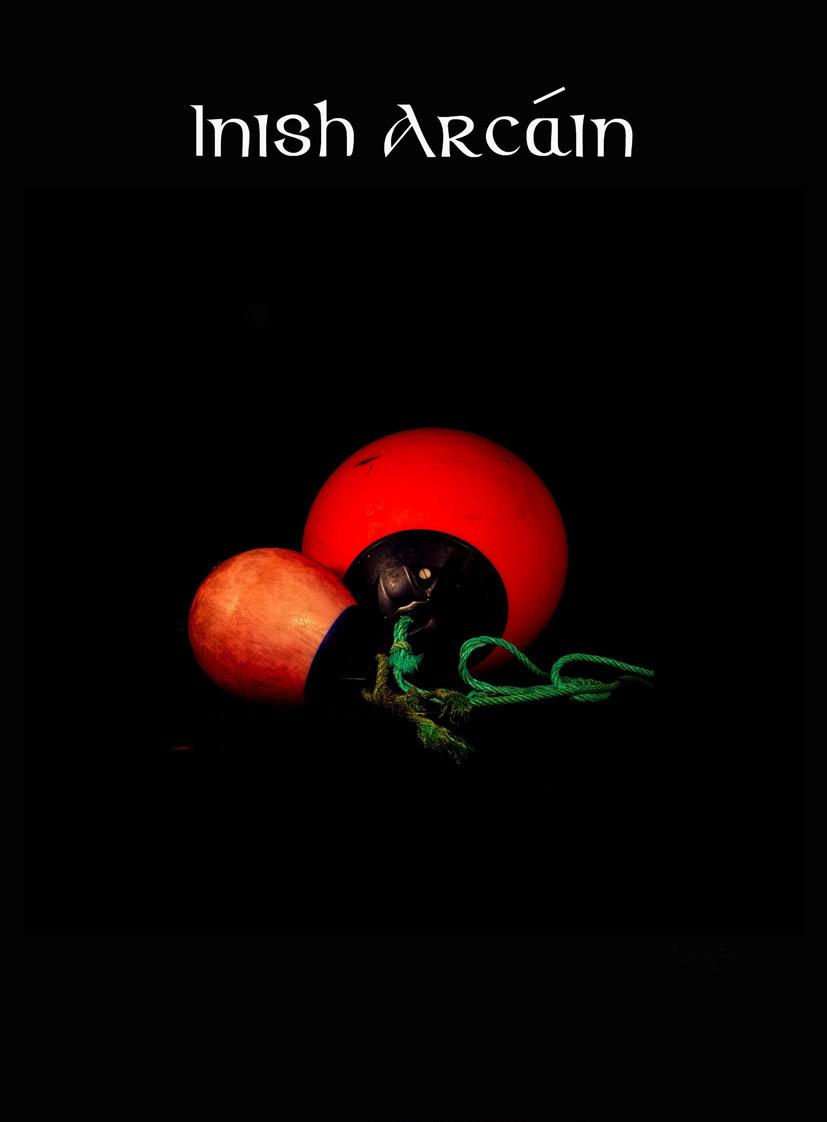
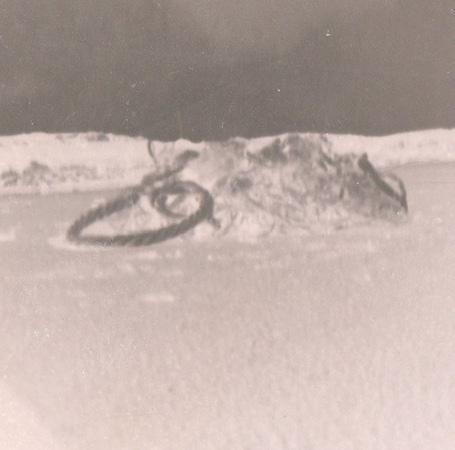
My observations agree with Morales-Caselles’ research ......that:synthetic ropes, strings, threads, buoys and nets represented the majority of items found in open waters (61% of the total items). These items tend to be part of fishing gear that has been lost or discarded. (MoralesCaselles C. 2021)
Morales-Caselles, C. et al. (2021) ‘An inshore/offshore sorting system revealed from global classification of ocean litter’ Nature Sustainability 4 (6) pp.484-493
Annual waste generation could increase by 41 per cent over the next 15 years due to accelerated production of plastics driven by the falling production costs (WWF (2019). WWF Solving Plastic Pollution Through Accountability (2019) At: accountability.www.worldwildlife.org/publications/solving-plastic-pollution-through-https://Accessed19/06/2022
Thebeach.Cameras 20
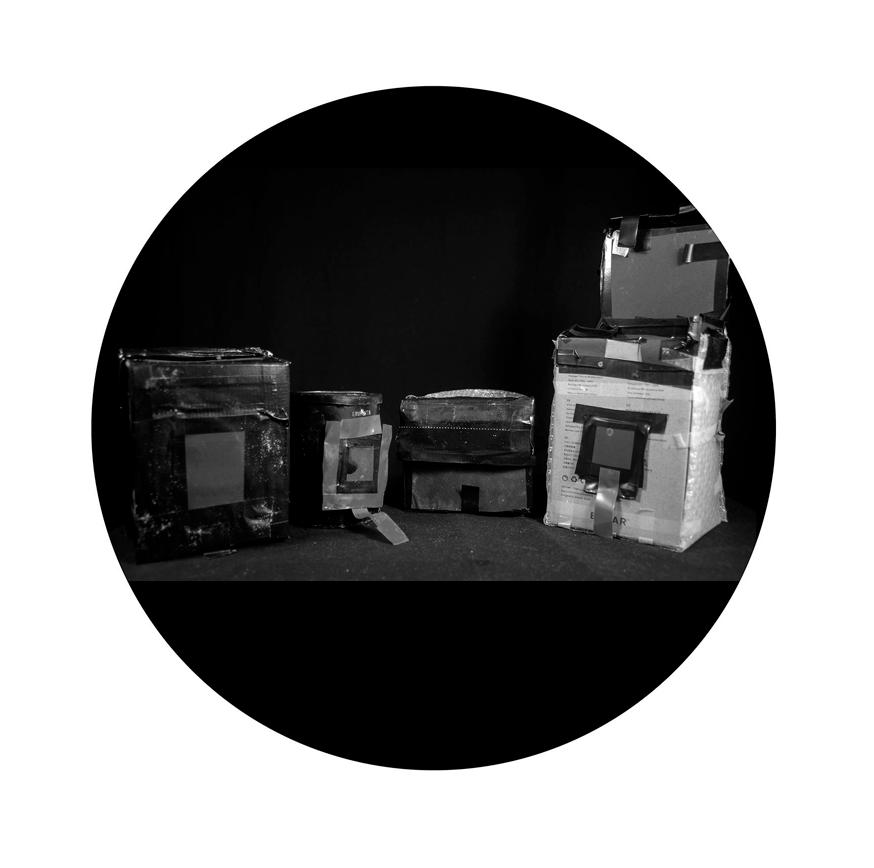
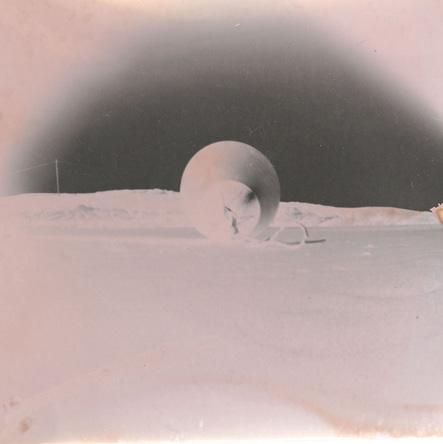
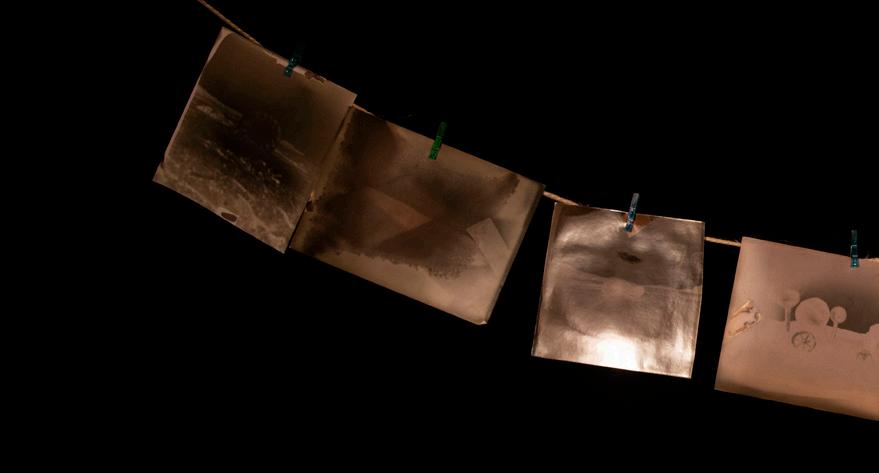
In order to increase the impact I decided the work needed to be created sustainably. I used sustainable photo-based materials to create the images. I made pinhole cameras from recycled coffee cans and cardboard boxes. Photographic paper was placed in the camera in the darkroom and the camera sealed. I carried the pinhole cameras to the beach in all weathers and placed them on the sand. Exposure times were altered depending on the natural light available on the
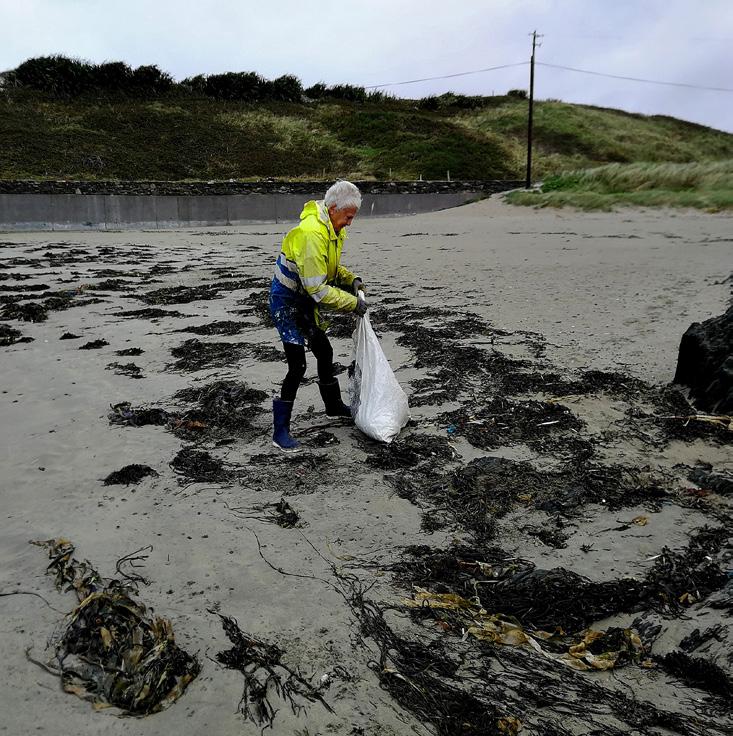
Once an image was detected in the developing tray I stopped the process and fixed the images using a salt solution.
I collected and made developer using bladderwrack seaweed.
23
Negatives
25
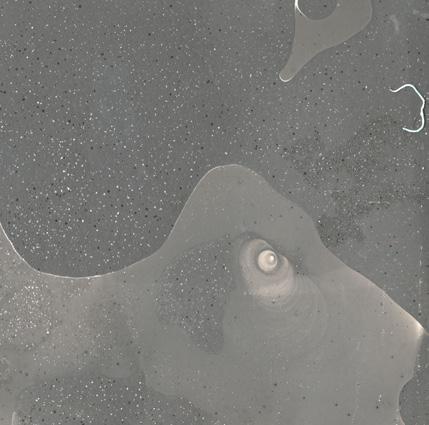
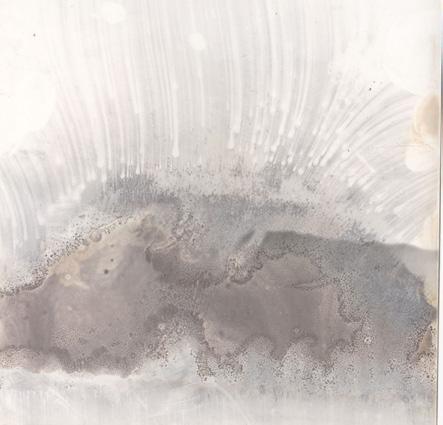
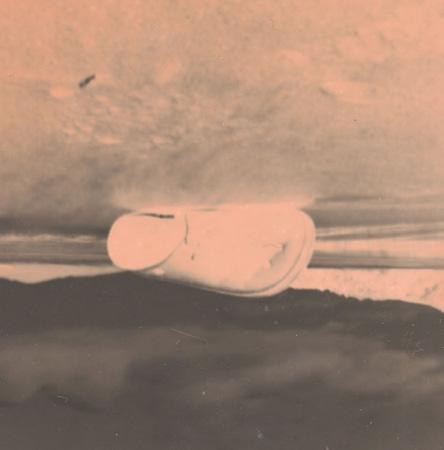
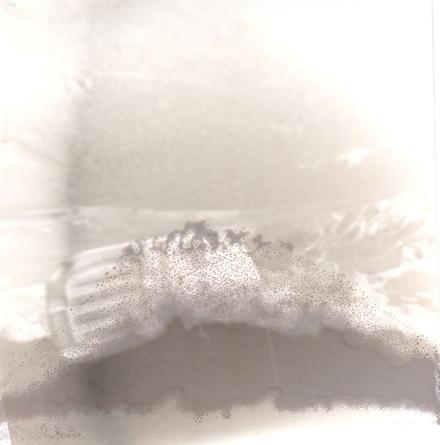
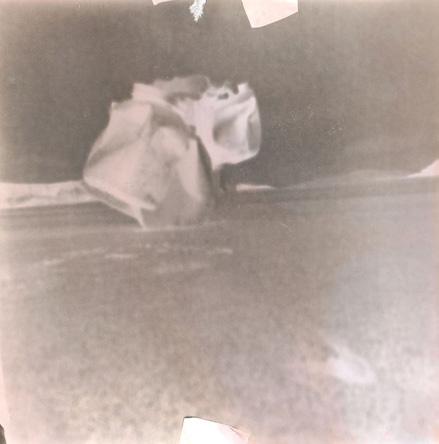
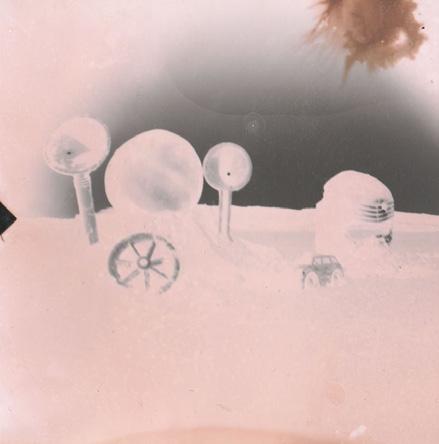
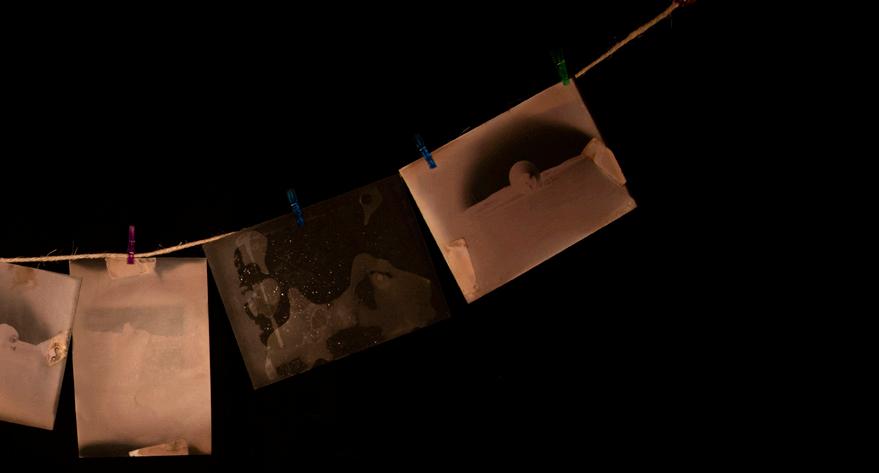
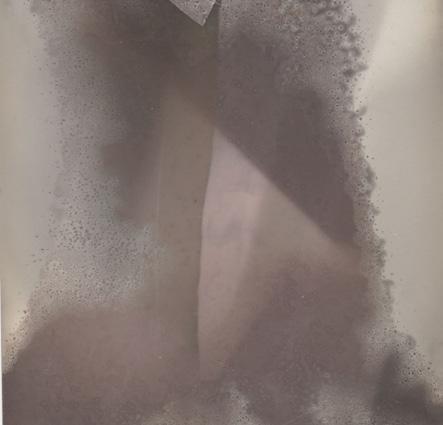
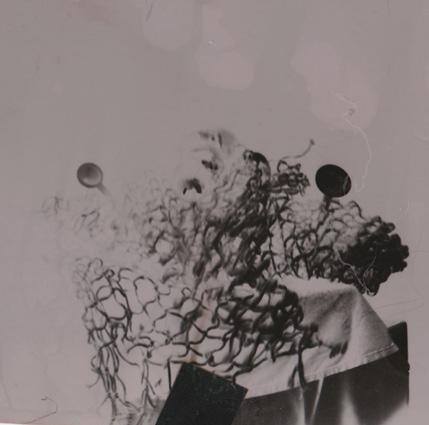
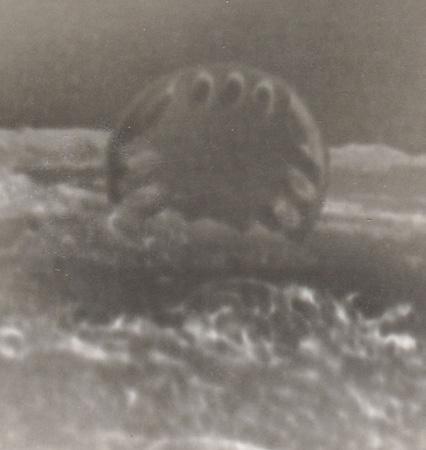
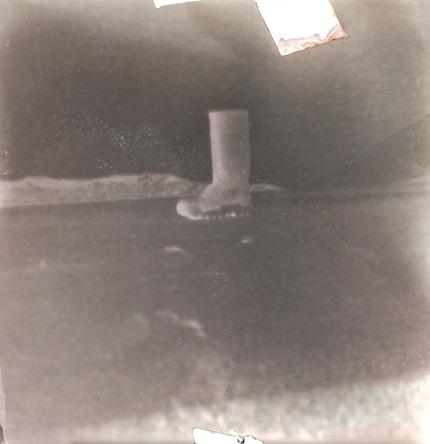
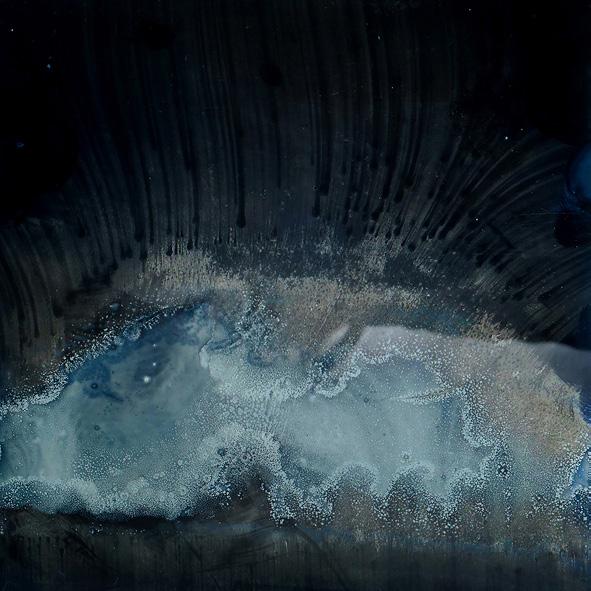
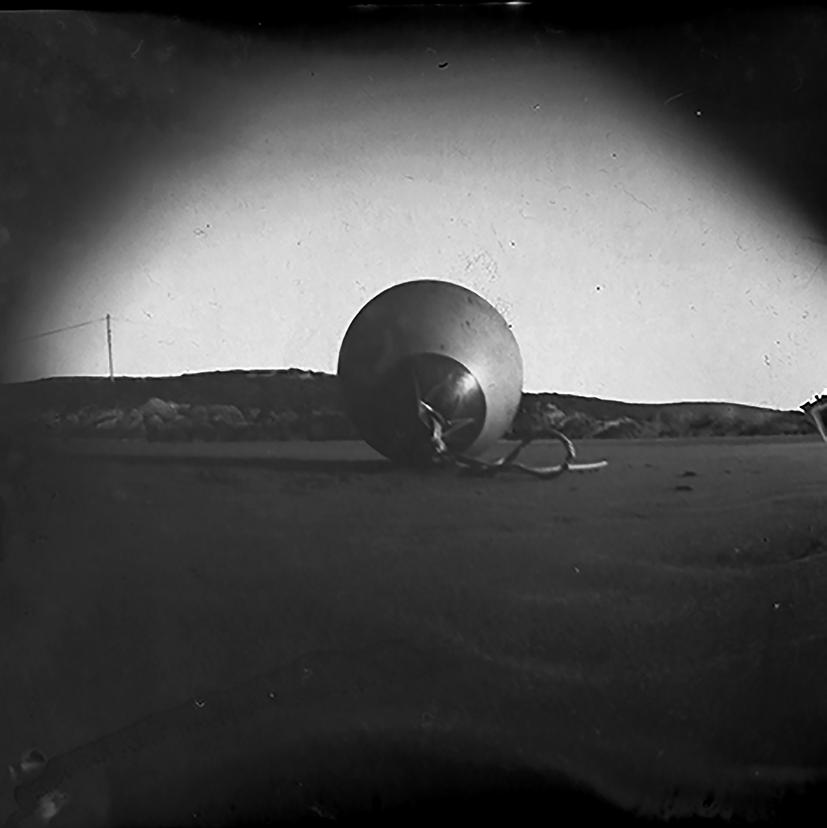
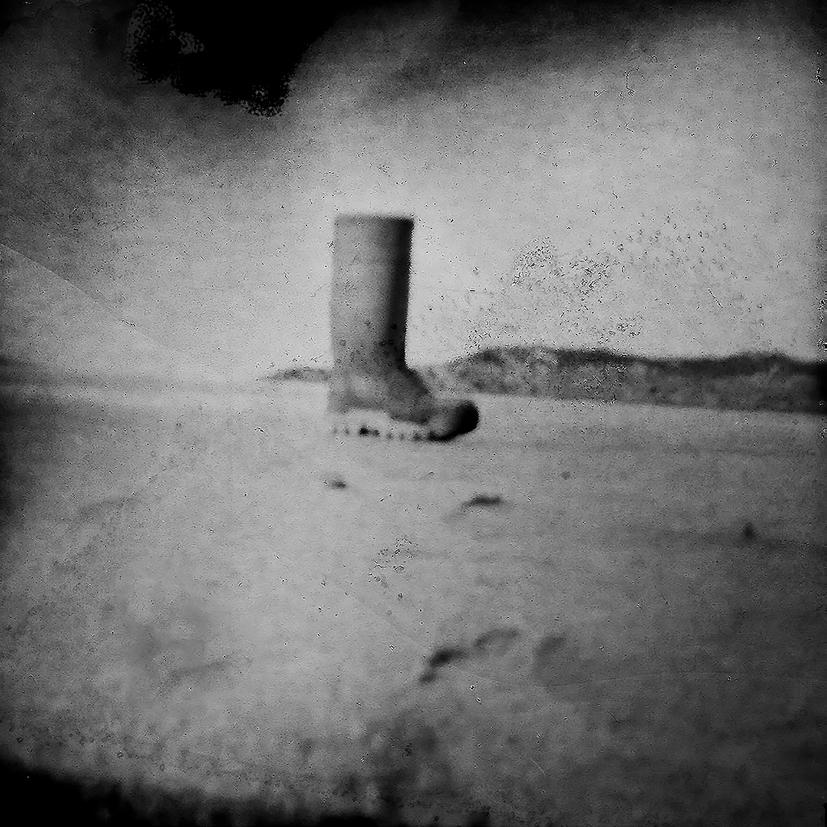
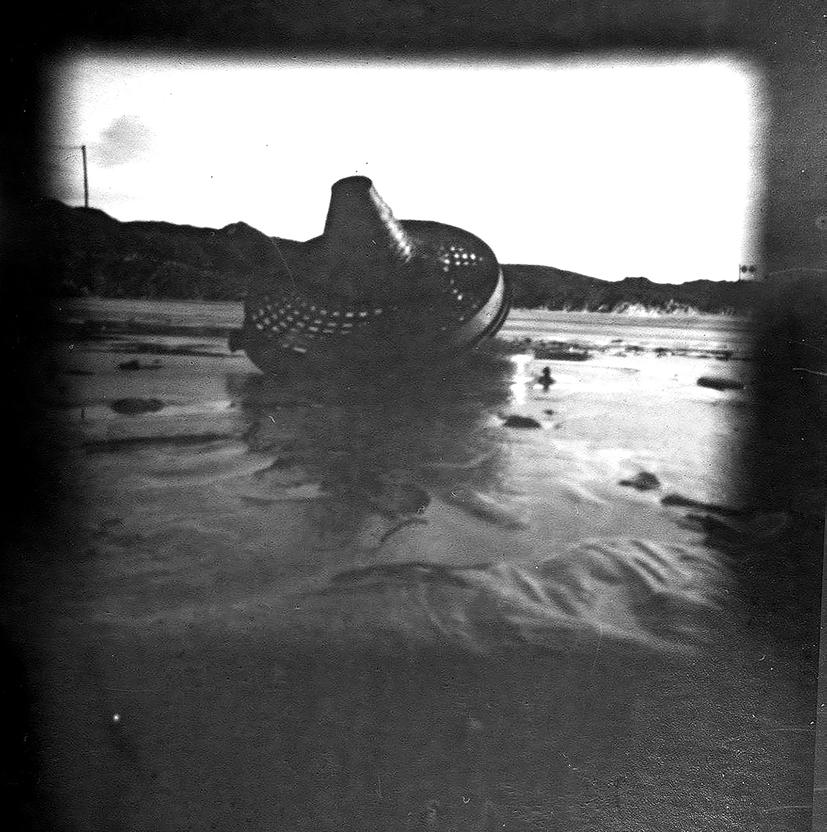
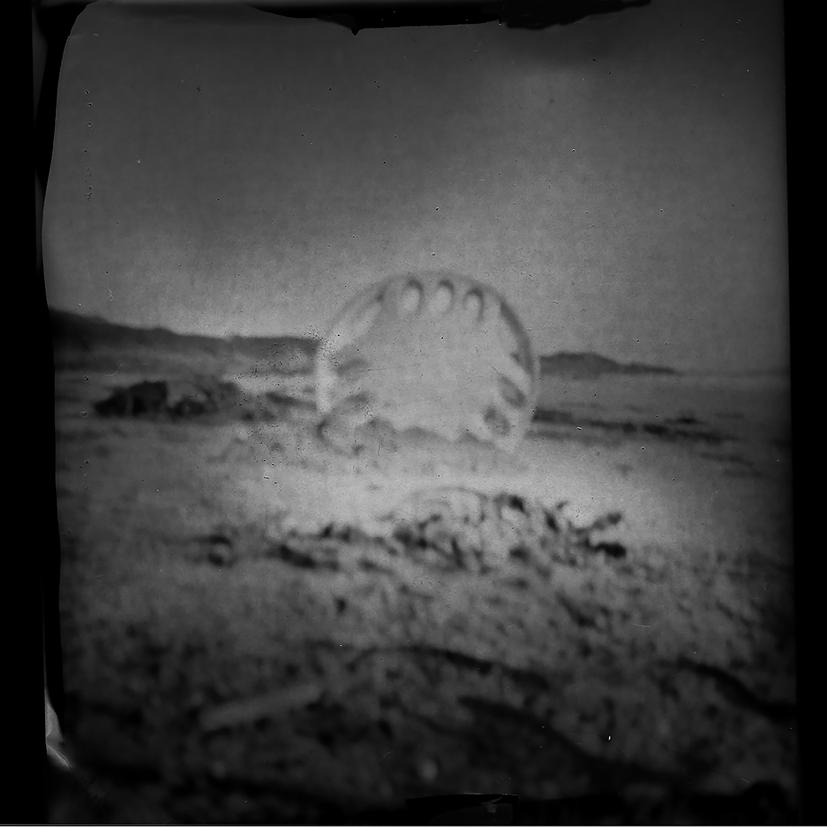
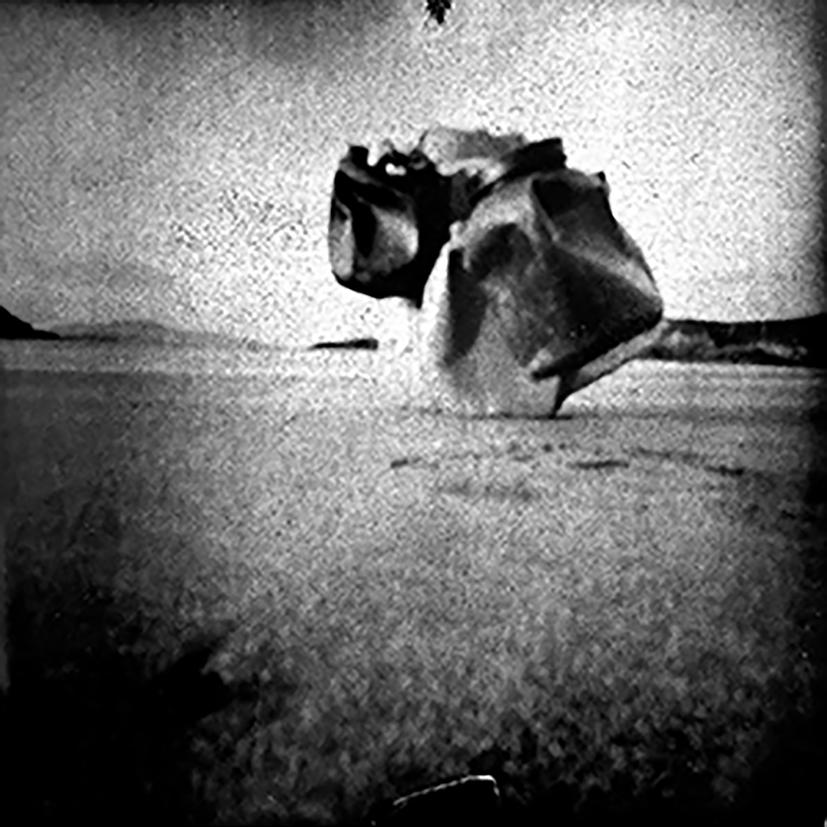
The ‘success’ rate of readable pinhole images was about ten percent. Some images were not representative of what was photographed but were, nonetheless, intriguing. Many resembled maritime scenes or sea monsters. 27 Chance
2:Part linenonprintedimagesPinhole
29
31
33
35
2022 Group exhibition The Bluehouse Gallery, Schull, Co Cork Ireland
2022 Shutterhub group show in Saint Gilles Croix de Vie, 2022FranceJanuary
March, Open Eye Gallery Liverpool , Climate Change Lab 2022: Ways of Living: Then there was Us, Liverpool, United Kingdom
2016 Solo exhibition Organico Bantry Co Cork, exhibition, The Bluehouse Gallery, Schull, Co Cork Ireland
2010FranceSolo
2010 Solo exhibition in Ocre Jaune, Cucuron, France
The Aisling Gallery, Ballydehob, Co. Cork, Ireland
2015IrelandGroup
2013 Group show Église Saint Barthélemy, Vaugine, exhibition Biblioteque, Vaugines, France
2015 Solo exhibition Biblioteque, Vaugines, France
2007 Group Show, Doswell Gallery, Roscarbery, Co Cork, Ireland 2007 Group exhibition Ocre Jaune, Cucuron, France
Curriculum Vitae
EXHIBITIONS2022Groupexhibition
2014 Member’s group show West Cork Arts Centre, Skib bereen, Co Cork, Ireland
CONTACTS:EMAIL: nuala@mahons.org WEBSITE: FACEBOOK:INSTAGRAM:www.mahons.org@nualamahonphotography@nualamahonphotography37
Open College of the Arts Sherkin Island Development Society COPYLINES Public Relations and Copywriting