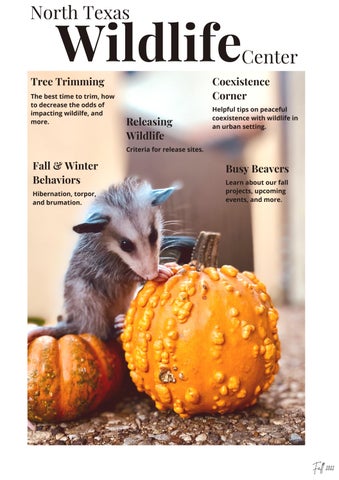
The best time to trim, how to decrease the odds of impacting wildilfe, and more. Tree Trimming Hibernation, torpor, and brumation. Fall & Winter Behaviors Learn about our fall projects, upcoming events, and more. Busy Beavers Criteria for release sites. Releasing Wildlife Helpful tips on peaceful coexistence with wildlife in an urban setting. Coexistence Corner Wildlife Fall2022 North Texas Center
ming
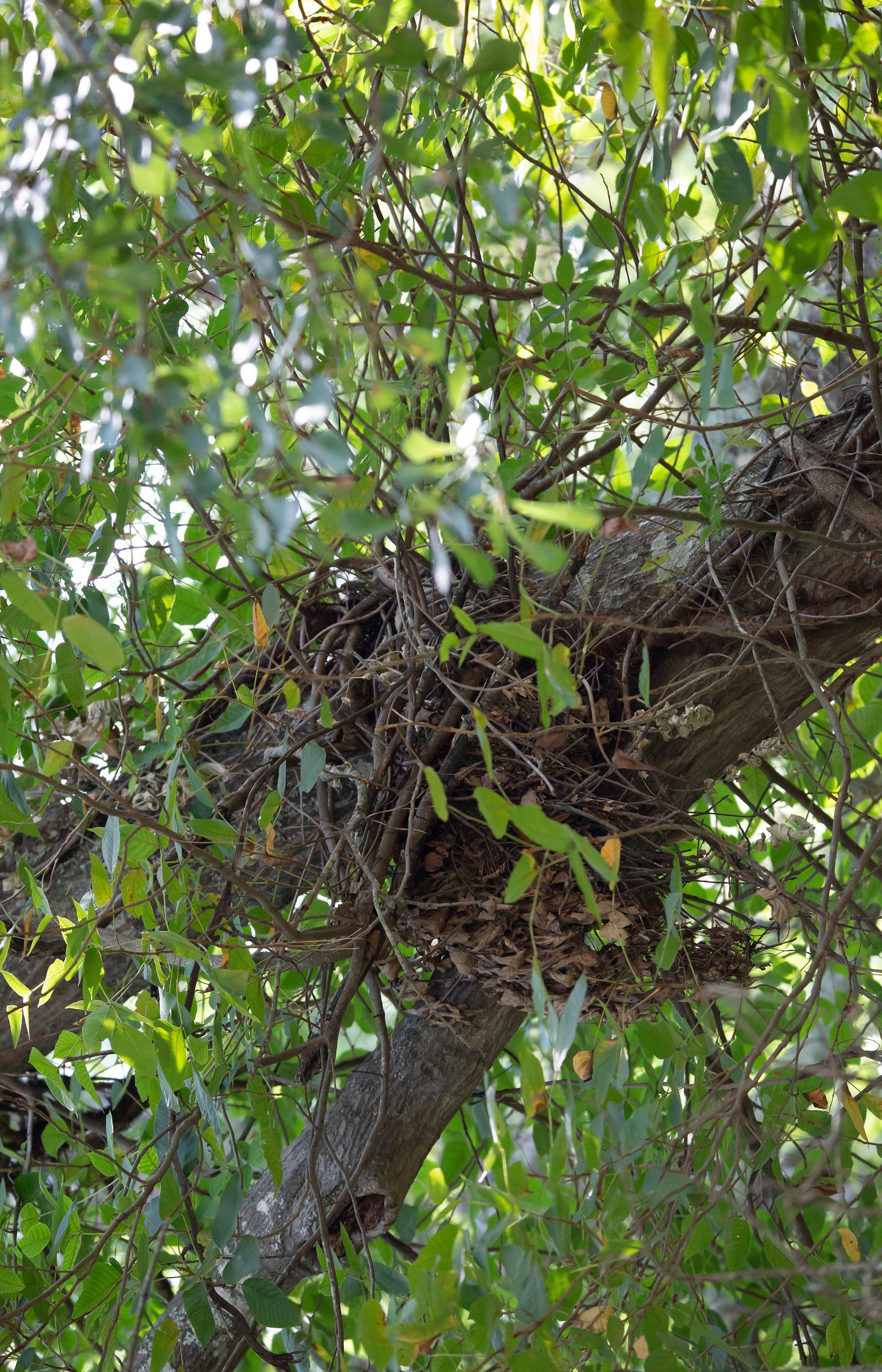
Squirrel nests are called dreys, and consist of clumped together collections of leaves, twigs, bark, moss, and other materials. They are usually 20 30ft high in trees.
ime to trim trees?
or trim trees and shrubs ths From November es are dormant which ecause trees are less d diseases during this
This time of year is well outside of the breeding season for most species It’s still best to inspect the tree for active nests and/or dens before you begin cutting or pruning. Inspect trees and other vegetation in the surrounding area for wildlife activity before climbing or trimming. If possible, survey the work area at dawn or dusk when birds are more active Look at all sides of the tree, and make sure you can see the tallest branches
T
N
Releasing Wildlife
Upon successful recovery, rehabilitated animals are released back into their natural environment
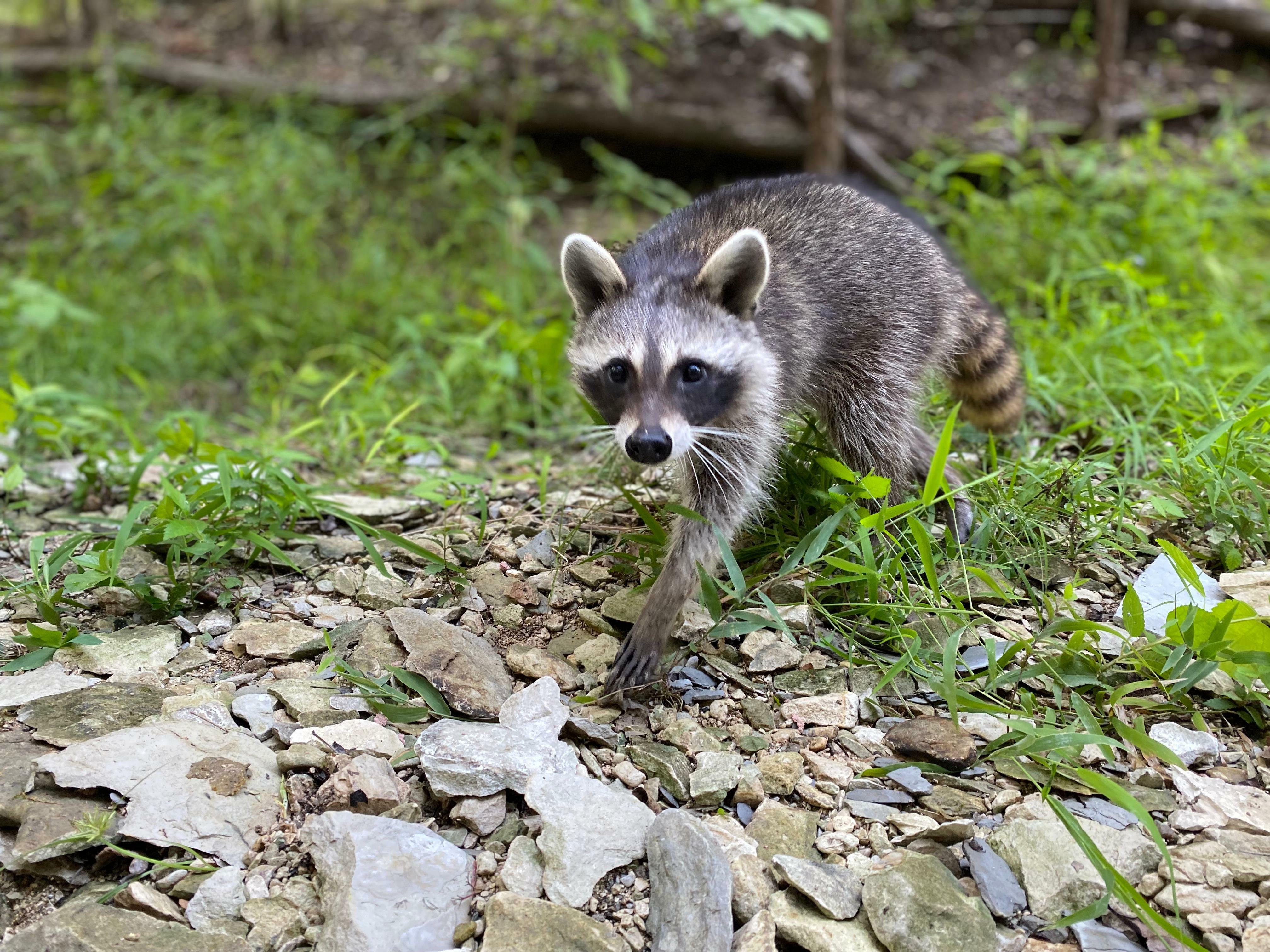
These animals are in optimal condition for release fearful of humans, healthy, wounds/injuries healed, foraging, climbing, and have received vaccines and prevententative care where applicable
When possible, they are returned to their encounter site Depending on the circumstances, we may make an exception and release on private property with land owner approval For example, if the animal was injured due to pets, traffic, or other hazards, we chose a more suitable habitat
Certain criteria must be met when releasing wildlife This includes:
Year round water source
Available shelter, ground cover, trees, etc
Suitable vegetation and food/prey availability
Same species already present if they aren't, this is an inidication that this area may not be suitable
Minimal human activity
Away from major roads
Consideration of territorial species
If you are interested in donating land for the release of rehabilitated wildlife, email info@ntxwildlife org for more information
North Texas Wildlife Center
Release is the goal with every intake
Wildlife Behaviors during Fall & Winter
As temperatures drop, the days become shorter and maybe a little snow falls, humans have a multitude of ways to stay warm. We can layer up, wear a big coat hats, gloves and scarves can cover areas of skin that may be more exposed to the elements or we seek shelter in a warm building. While animals cannot seek the same methods of keeping warm and thriving in winter, they have adapted to survive through frigid temperatures.
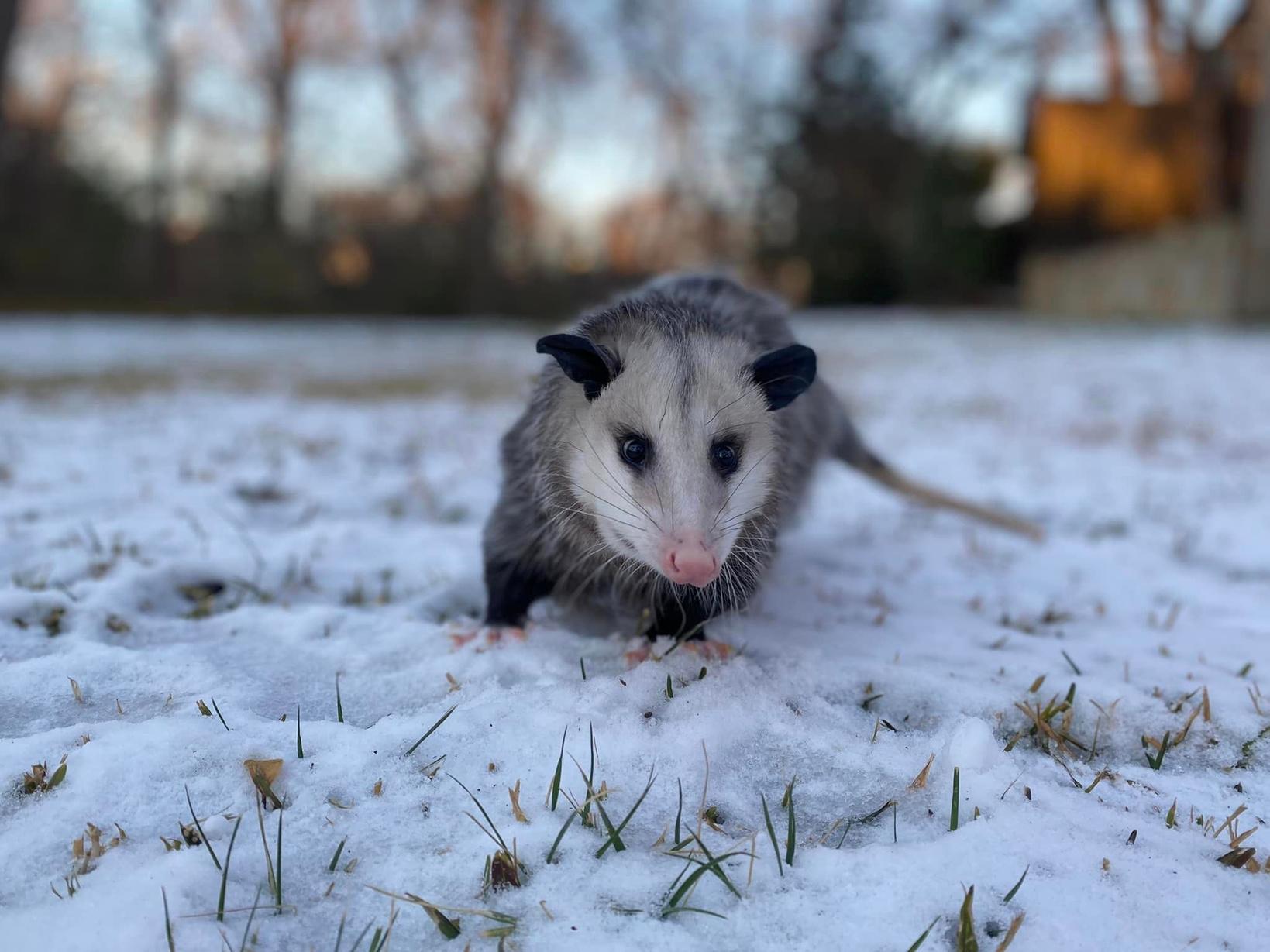
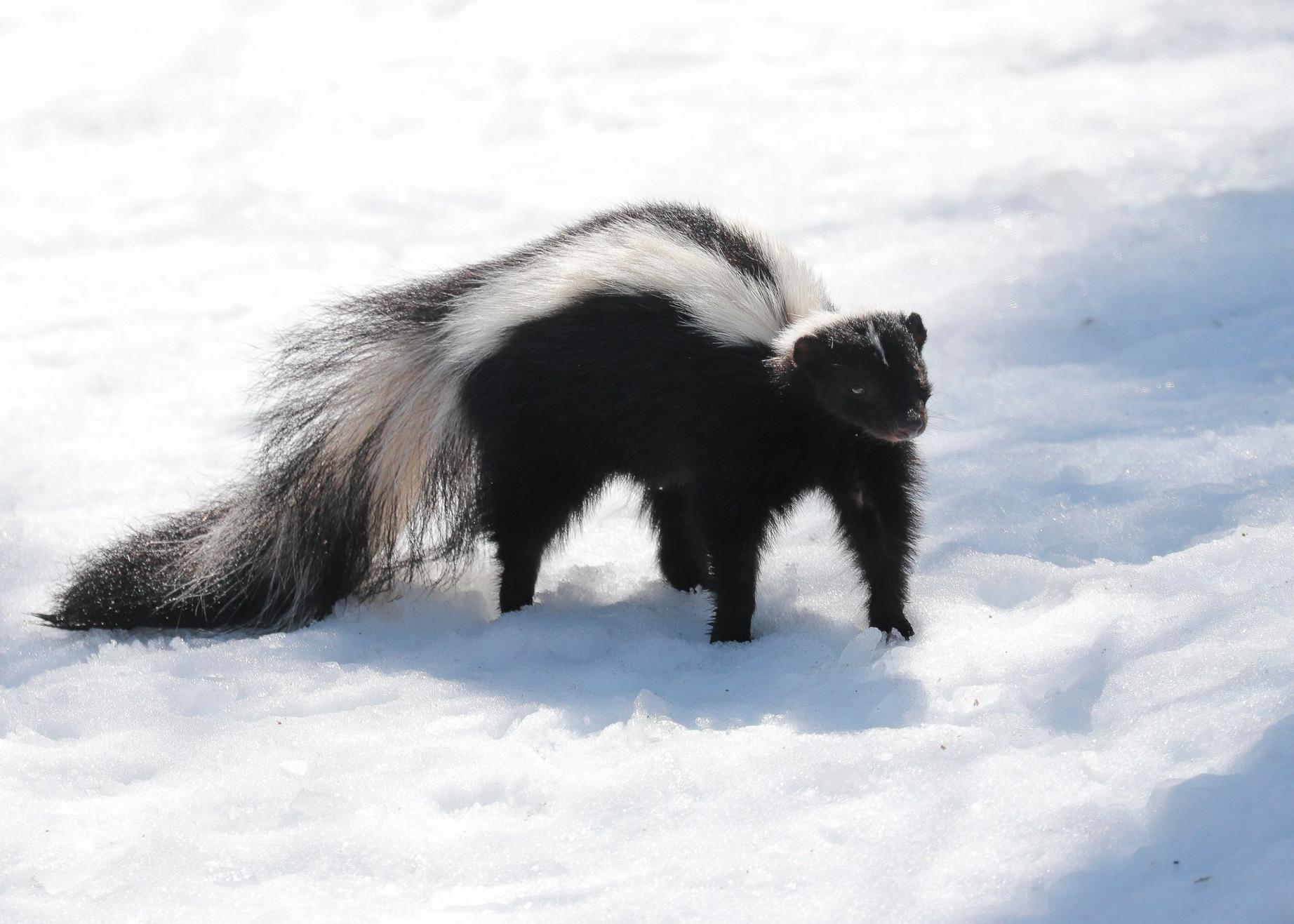
Wildlife, depending on the species and location, can migrate, undergo hibernation, enter into torpor, or brumate to protect themselves against the harsh elements winter weather brings.
North Texas Wildlife Center
Hibernation
Migration
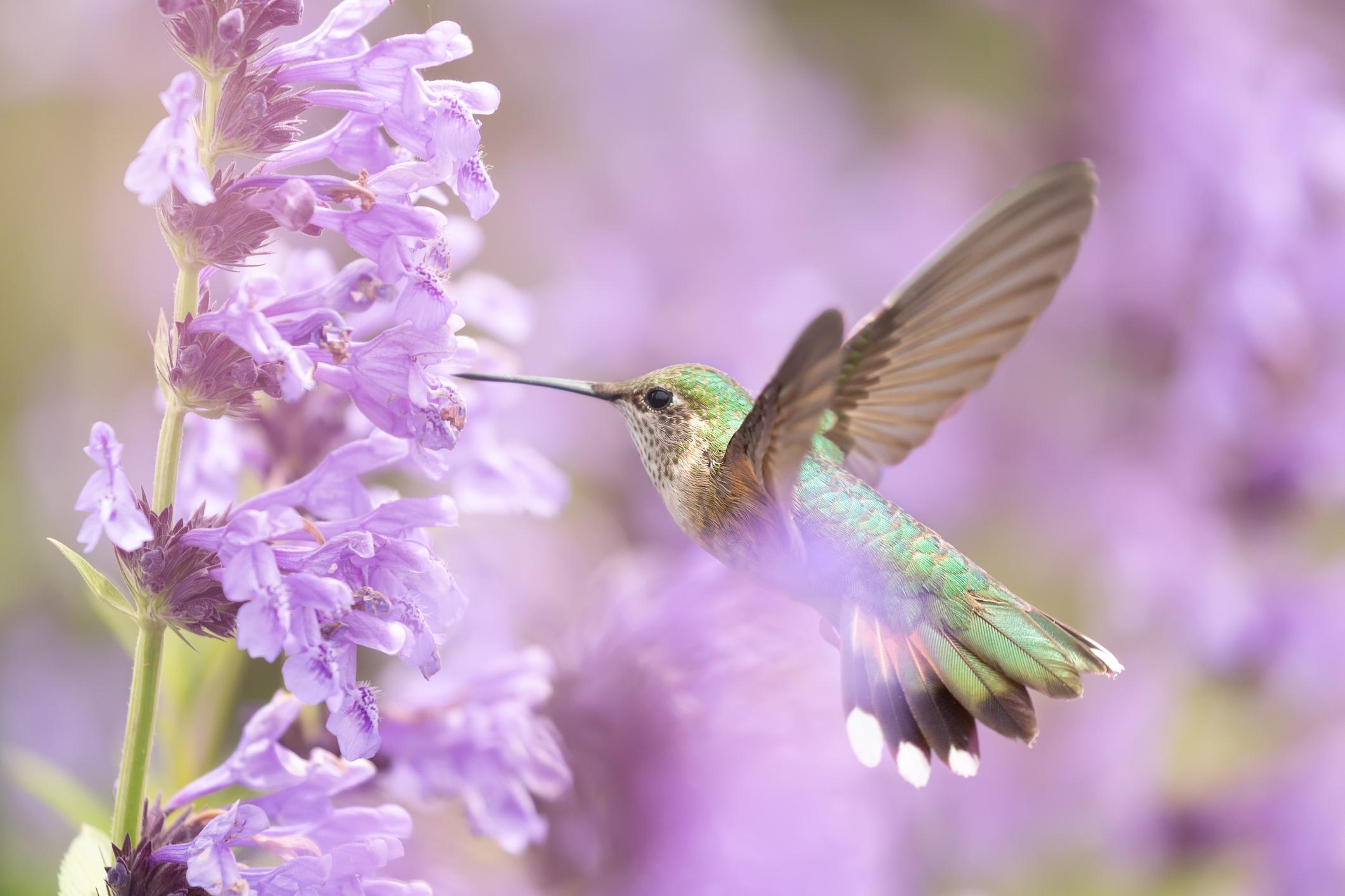
Birds need abundant food supplies because of their high metabolic rate. In the Northern Hemisphere when the weather changes, birds move north in the spring and south for the winter. Milder regions provide more food options, but also more daylight hours to find the food they and their nestlings need. Fall migration spans a longer time range, late August into mid-November.
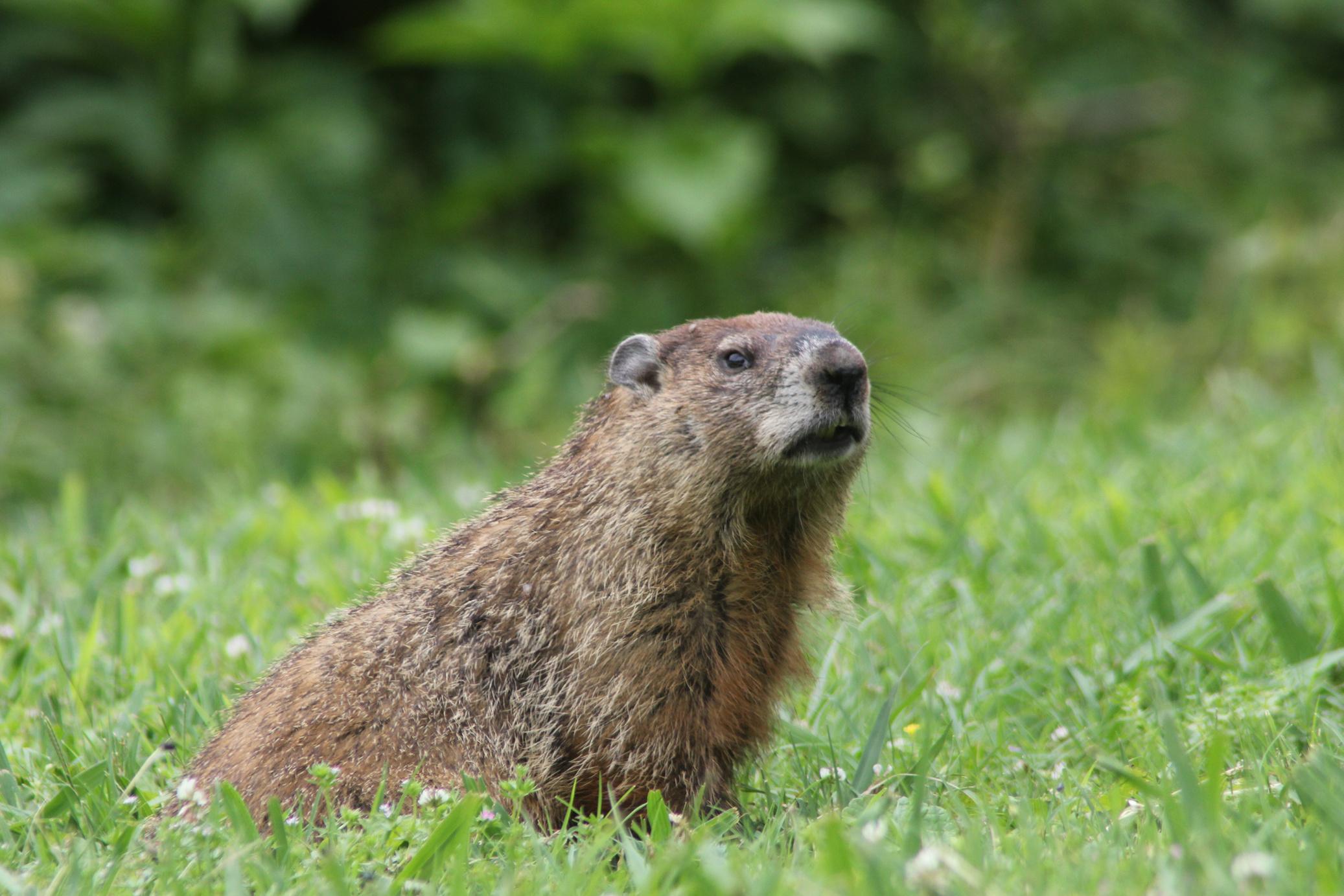
Around October/November, groundhogs crawl down into their burrows and begin to hibernate Some hibernate for only two to three months, depending on temperatures in the area As the days shorten, temperatures drop and plants begin to die or go dormant for the winter, a groundhog's body releases a hormone that helps guide the animal into hibernation until the weather warms and the days begin to grow longer around February/March
Torpor
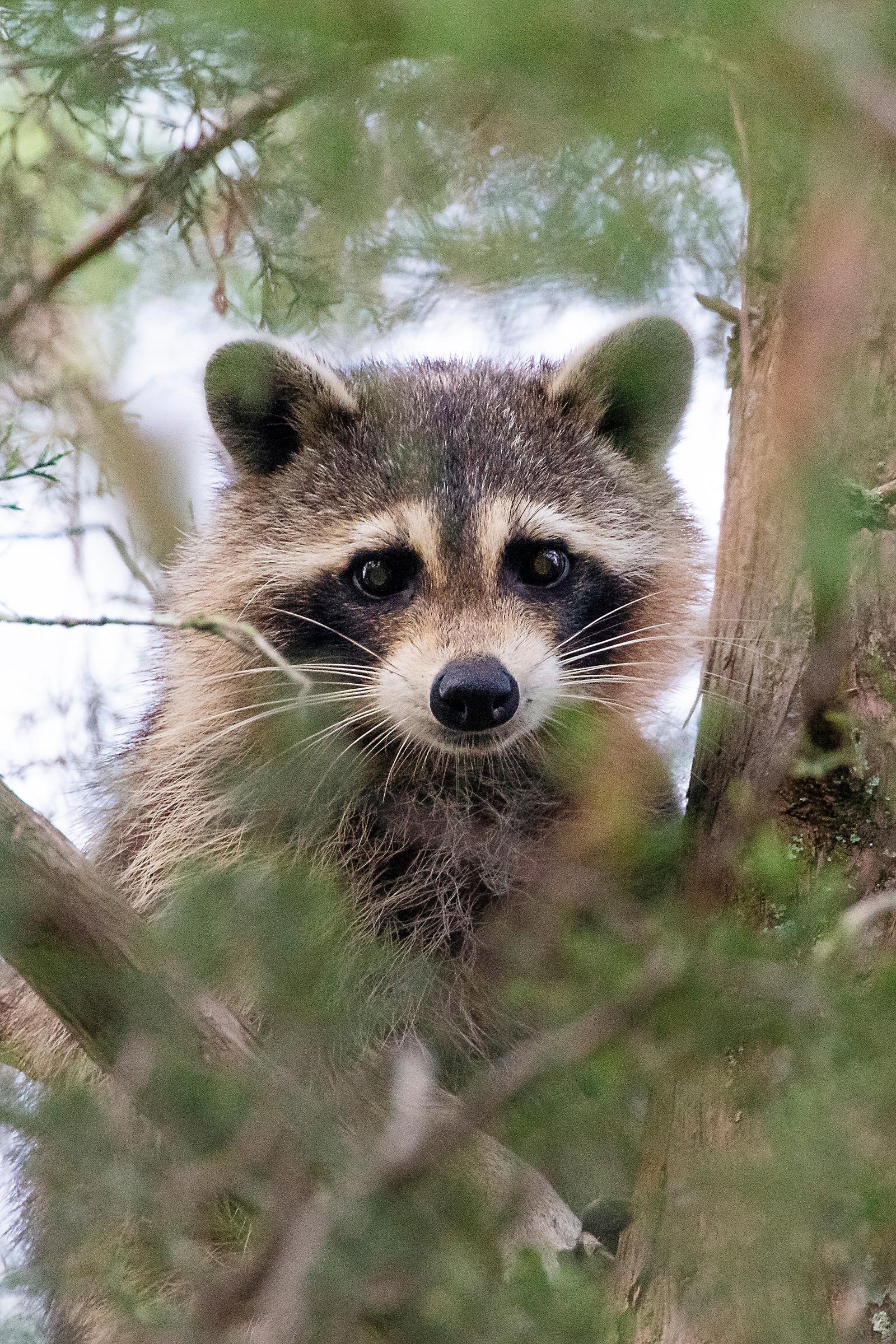
Torpor is a state of decreased physiological activity in an animal, usually marked by a reduced body temperature and metabolic rate Torpor enables animals to survive periods of reduced food availability
Brumation
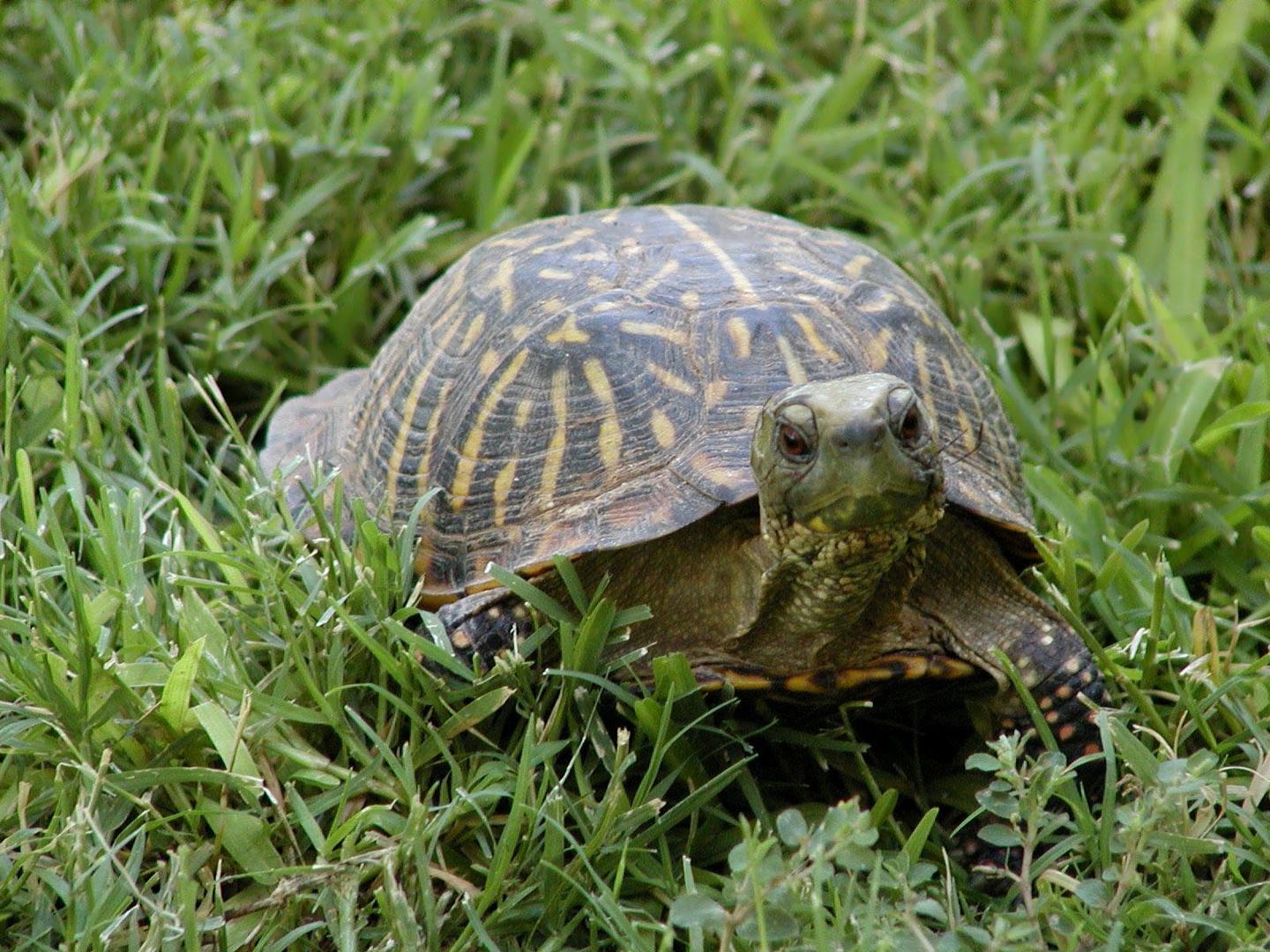
Brumation is a winter cool down which allows the turtle to survive when food is scarce, and temperatures are lower. Turtles burrow into soft soil and enter into a period of sluggishness, inactivity and torpor They live off stored fat and their metabolism slows but they can still move around if needed
North Texas
The Urban Coyote
Coyotes are members of the Canidae family and share many traits with their relatives wolves, dogs, foxes and jackals.
Some of greatest threats to the survival of wildlife in the US are climate change, habitat loss, pollution, and disease As a result of habitat loss, wildlife are adpating to the available resources
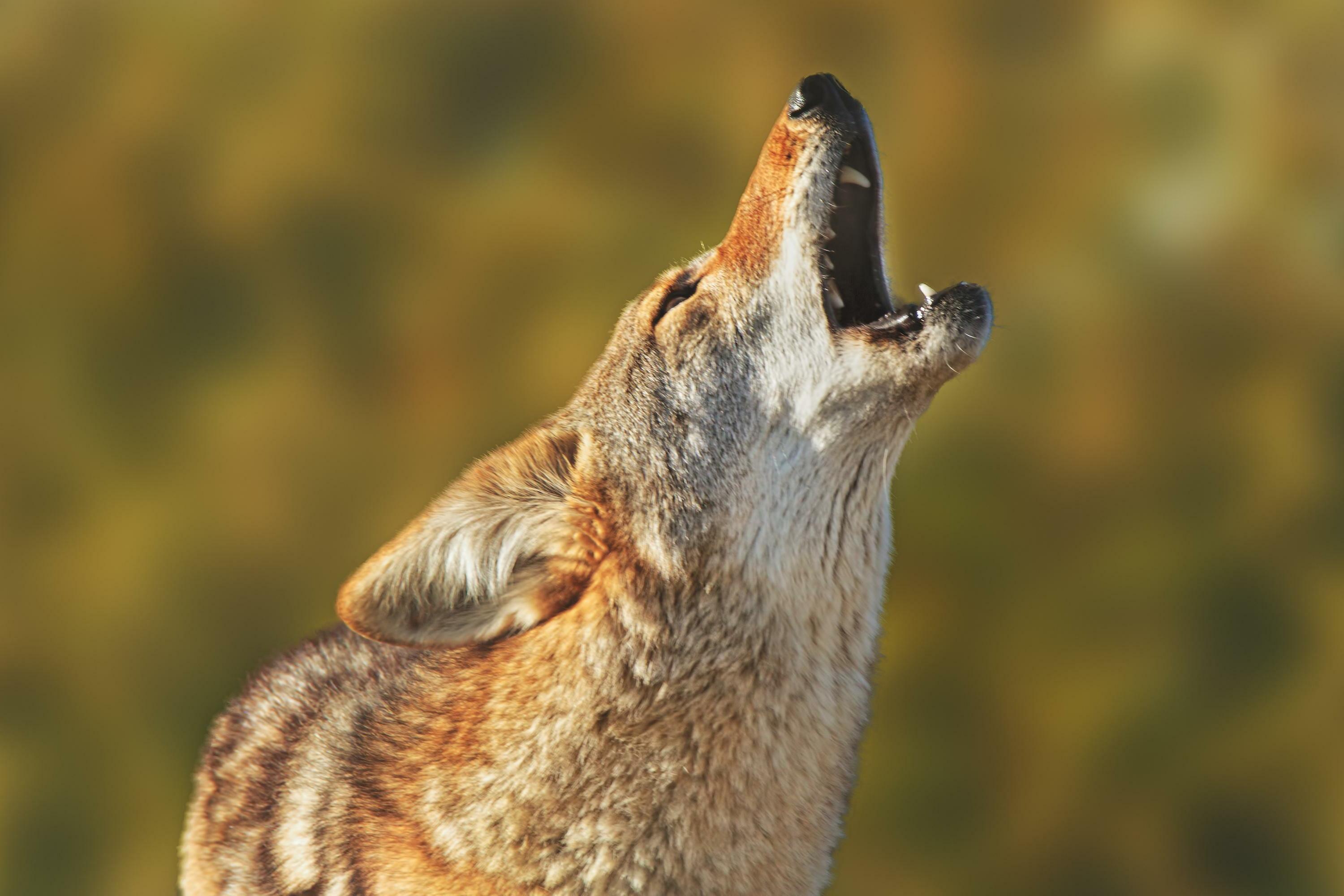
Specifically, coyotes have adapted well to living in densely populated urban environments while avoiding contact with humans Coyotes provide benefits to both urban and rural communities by managing rabbit, rodent, and other small mammal populations
HazingaCoyote
What is hazing? Hazing simply means scaring a coyote away from you, your yard, or your neighborhood. Coyotes are members of the dog family, and just as we train our dogs to adopt good behavior, we can reinforce a coyote’s natural instinct to avoid people without harming them
Don’t haze if you think the coyote is sick or injured. Call your local wildlife rehabilitation center or animal control/services office
Haze if a coyote approaches you in a park or in a neighborhood, or if you see a coyote who is comfortable walking your street or visiting yards Be consistent and persistent: haze every time you see this too close for comfort behavior.
How to haze: Make and keep eye contact Wave your arms, a stick or jacket over your head; jump up and down, yell, or throw objects toward, not at, the coyote The bigger and louder you are, the better the coyote will get the message that you are something to be afraid of! Keep at it until the coyote leaves.
Did you know?
Coyotes create an auditory illusion called the Beau Geste effect by producing a variety of sounds that distort in the environment This can make 2 coyotes sound like a pack of 8
Wildlife Center
North Texas Wildlife Center
Coexistence Corner Drop the Rake!
It's fall, y'all! The leaves are piling up and while it may look unkempt to you, they serve a great purpose for our wildlife friends.
Removing leaves also eliminates vital wildlife habitat Critters ranging from turtles and toads to songbirds, mammals and invertebrates rely on leaf litter for food, shelter and nesting material
Help wildlife this winter with these simple tips:
Animals struggle to survive the season because there is less food, and the cold temperatures reduce their core b temperature.
Let your garden grow this provides ground cover and a food source that can help wildlife survive Break the ice break up ice to make water e accessible Check for animals before lighting your outdoor fire pi Gather fallen leaves, sticks, and natural debris away f your house for animals to scavenge from Continue to fill feeders and offer water at varying heights
Install an owl house owls nest much earlier than other species, so boxes should be put up by January to give the owls plenty of time to find their new home
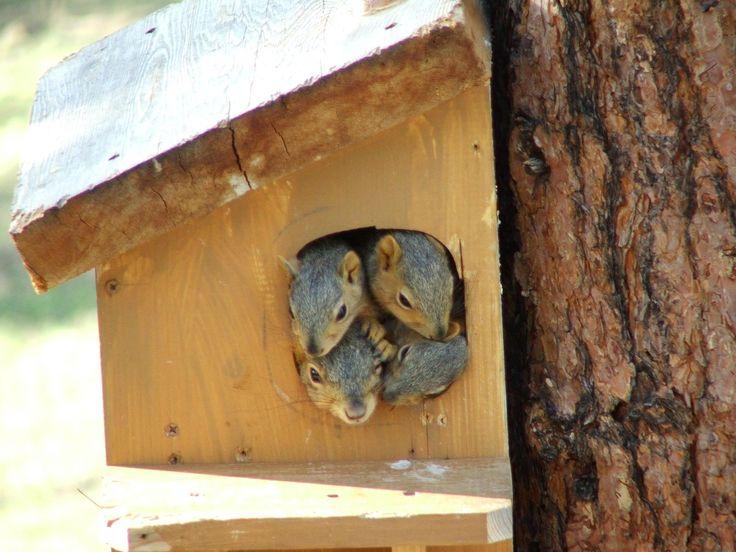
In a separate area, consider installing a squirrel nesting box they should be set out in the fall, since the heaviest use is in winter
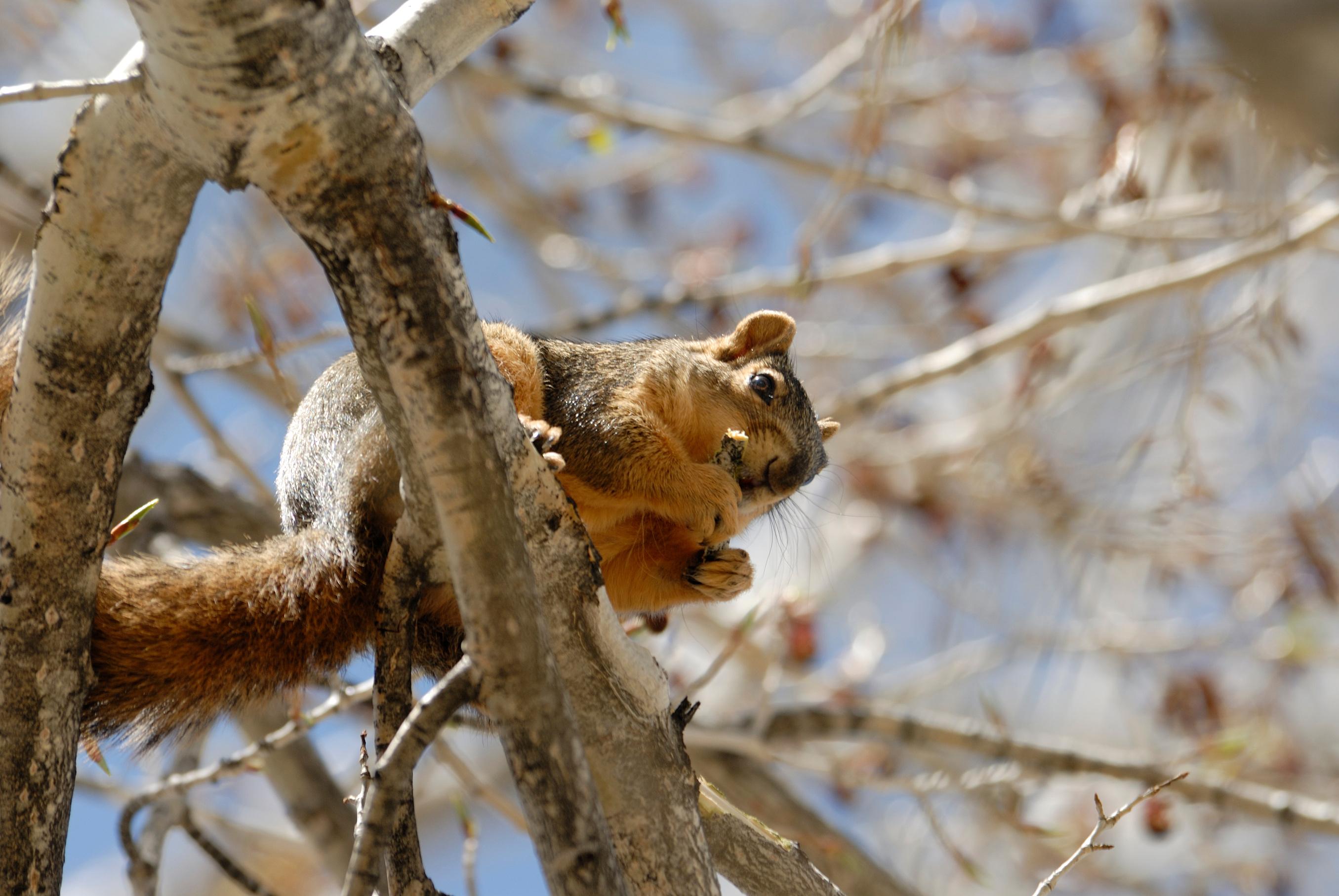
Squirrels tucked away into their nesting box
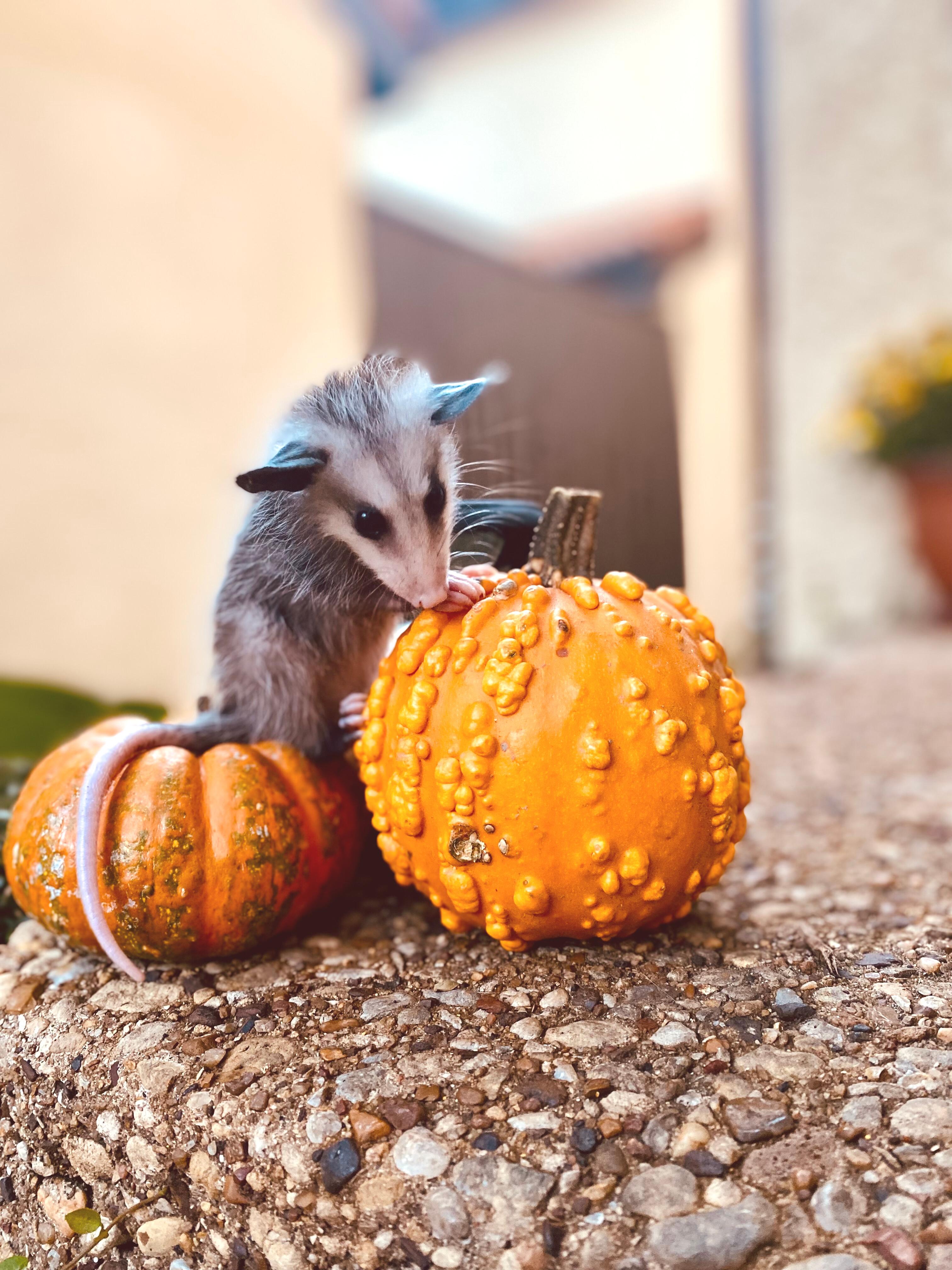
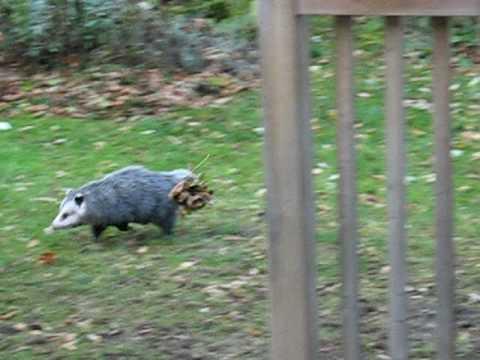 A Virginia opossum carrying leaves to insulate his winter home
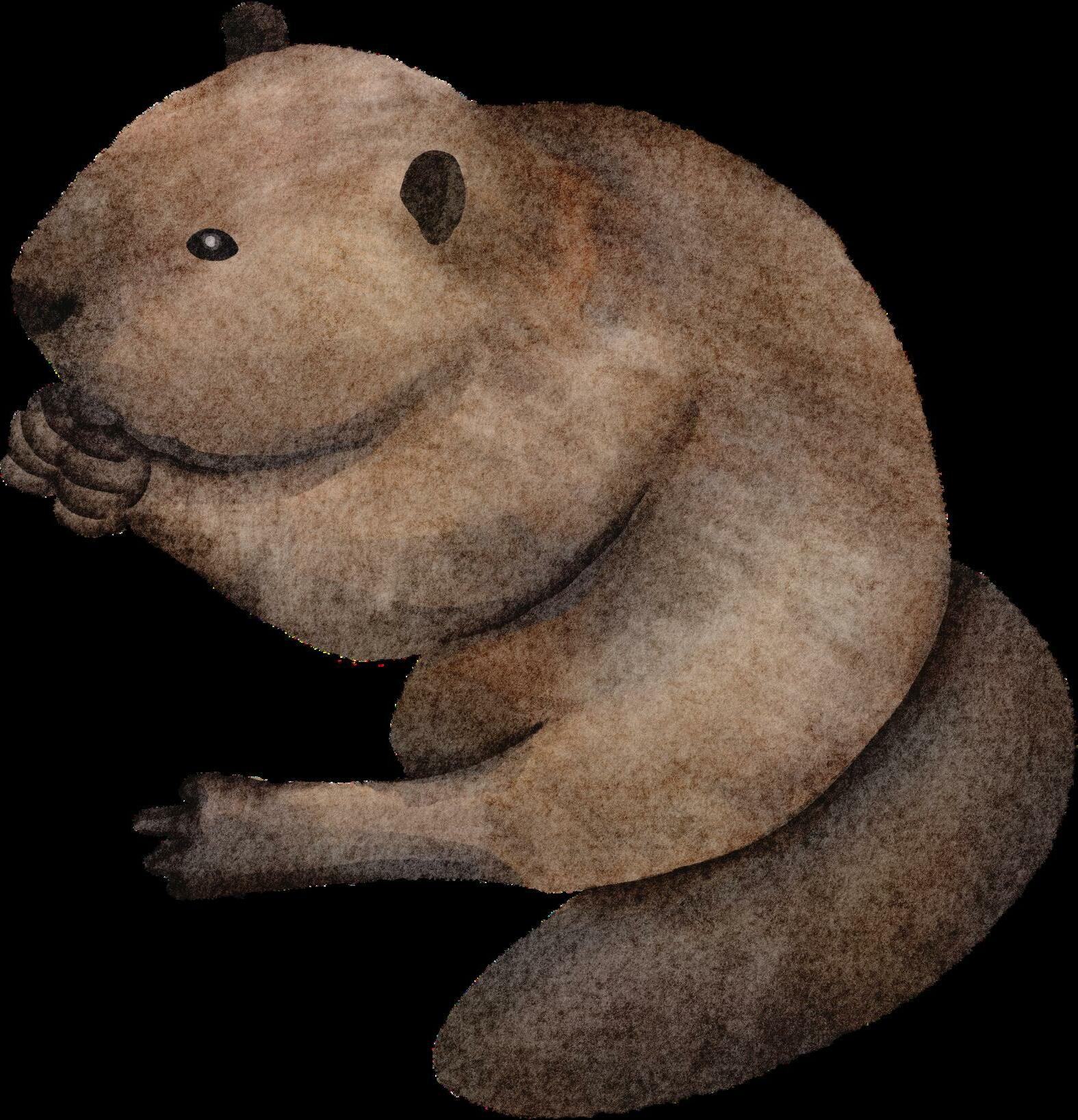
We'll be busy beavers this winter
Winter projects
This winter, we'll be working on reorganizing the center, inventorying kennels and cages, fundraising, and planning our spring gardening project
Interested in joining us? Email rebecca@ntxwildlife org for winter volunteer opportunities.
Upcoming events
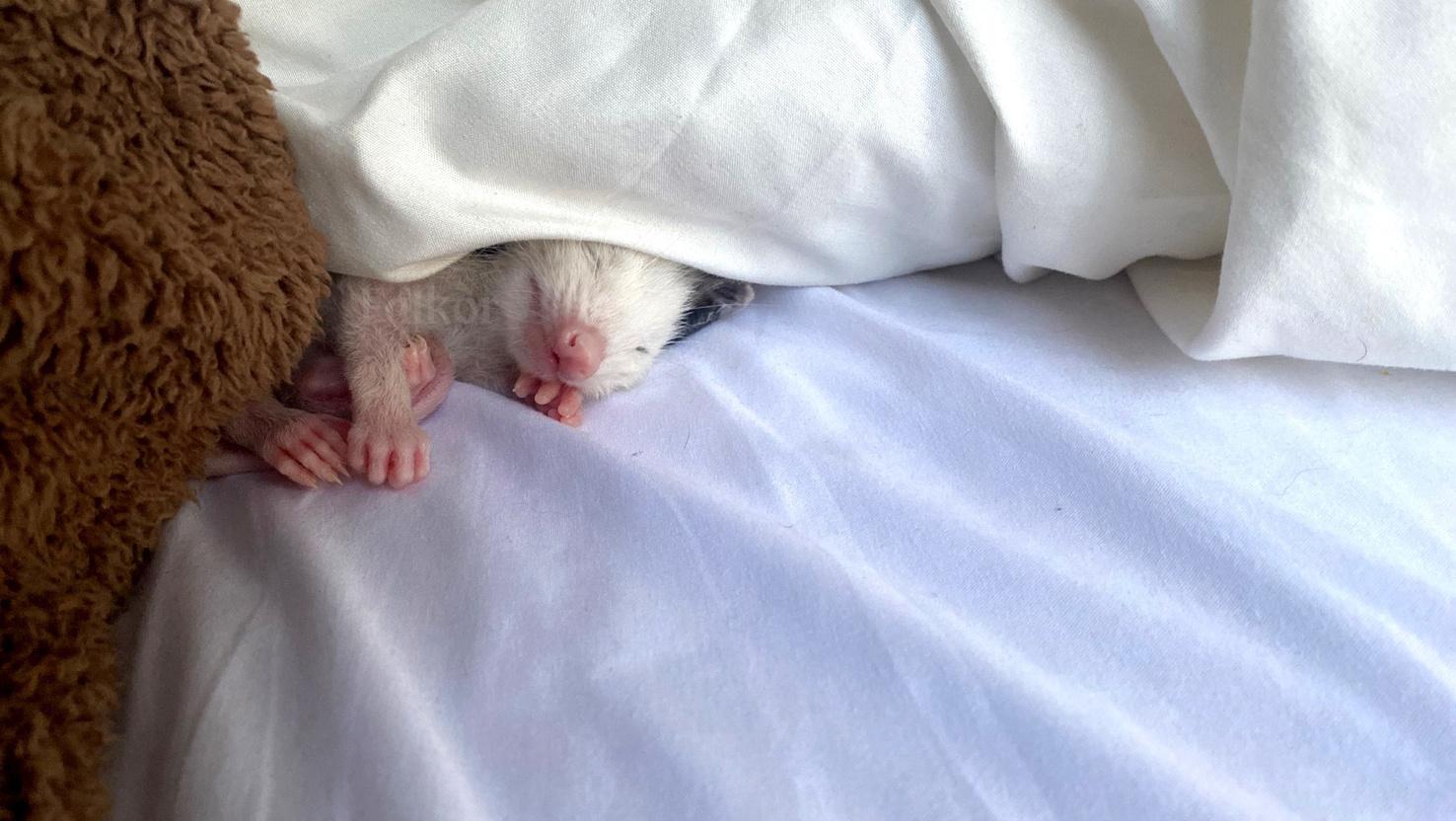
Follow us on Facebook for upcoming events. We are planning a few bake sales across DFW.


We'll also have Wildlife Angel trees at a couple of local vet clinics You can drop in, grab an ornament, and help us prepare for next baby season

Make a tax-deductible donation today www.ntxwildlife.org AFalkor mbassador in training
Thank
youfor your support thisyear. MELA, JENIFFER & REBECCA

We burn this candle in remembrance of the animals that didn't make it to release.