Rebecca Hamlin President Shift Lead Alternate
Rebecca Hamlin President Shift Lead Alternate
Lindsay Dreher Vice President Intake Center Manager
Mela Singleton Founder, Board Chair
Jeniffer Coats Co-founder, Secretary
Lisa Ferre Treasurer
Danielle Goff Director of Business Development
Mo Yarbrough Board Alternate
Kim Marino Special Initiatives Coordinator
Rebecca Hamlin President Shift Lead Alternate
Lindsay Dreher Vice President Center Manager
Amaris R. Shift Lead
Stephanie E. Weekend Shift Lead
Darienne M. Weekend Shift Lead
Rachel G. Evening Shift Lead
Sarah S. Evening Shift Lead
Colleen A. Shift Lead
Adam U., Jeniffer C., Mela S., Teah F. Shift Lead Alternates
Mela Singleton
Wildlife Intake Director
W I L D L I F E I N T A K E C O O R D I N A T
Jeniffer Coats
Phone Systems Coordinator
Carie Juettner
Wildlife Intake Coordinator
Sarah Stovall
Wildlife Intake Coordinator
Sandy Roberts
Wildlife Intake Coordinator
Renée Clark
Wildlife Intake Coordinator
Rebecca Hamlin
Wildlife Intake Coordinator Alternate
E N T E R
Adrian Martinez
Alexandra Saleh
Alissa Kimball
Amanda Dupler
Amaris Riddle
Amya Shepard
Ange Berenguer
Angela Bacon
Ashton Harwood
Asya Mantey
Ayuko Daniels
Barbara (BC) Miller
Benjamin Marek
Beth Bargar
Brian Spraetz
Carie Juettner
Carleigh Schafer
Chandler Choate
Charity Coleman
Cheryl Brymer
Chloe Davis
Chris Wring
Colleen Allen
Crissy Dickinson
Danielle Goff
Danielle O'Neil
Dawn Fisher
Dawn Sellers
Desiree Pollan
Elisa Baek
Ema Rivera
Emma McIntyre
Encarnacion Bargas
Gavin Martinez
Genealen Teixeira
Gretchen Peterson
Hannah Zillmer
Heather Alvis
Holli Watts
Inna Baker
Jacqueline Ashley
Montgomery
Jayné Anthony
Jimmy Ho
Jonathan Ashton
Jordan Wilhelm
Juli Turner
Julian Villamar-Robbins
Katie Lau
Katie Welsh
Kayla White
Kayley Barton
Kelly Day
Kim Larson
Kim Marino
Kim Spall
Krissy Palley
Kristy Yu
Lily Lurid
Lindsay Davis
Lindsay Dreher
Lisa Ferre
Lisa Tanski-Cook
M’Liss Stringer
Mady Reynolds
Marci Castro
Maria DeFino
Marissa Dailey
Mary J Flanagan
Mary Riley-Samuels
Megan Steinberg
Melanie Epstein
Miriam Letoto
Mo Yarbrough
Natasha McDonald
Nehesmarie Torres
Pamela Sieling
Patricia Nichols
Rachel Dreher
Rachel Ehrenberg
Raquel Eichelmann
Rebecca Hamlin
Renée Clark
Rob DenBleyker
Ruby Findley
Sam Vorsino
Sandy Roberts
Sara Reffett
Sarah Garner
Sarah Hale
Sarah Martinez
Shane Hamlin
Shayna VanLehn
Shweta Kapshikar
Skylar Adell
Stephanie Ebbeler
Summer Urzua
Susan Hunter
Sydney Yarbrough
Taylor Adams
Tonja Thurman
Tomas U.
Tommy Sparlin
Valerie Hinojos
Venus Delaney
Xavier R. Yesenia Springer
O L U N T E E
S A T E L L I T E
Adriana
Allison
Amy
Amy D.
Angela
Ashley
Barbara
Beth
Bethany
Camie
Carly
Chandler
Colleen
Darienne
Genealen
Heather
Jeffrey
Jeniffer
Jesse
Joan
Joann
Joanna
Jordan
Katherine
Kimberly
LaTonja
Laura
Leann
Liz
Loylee
Marnie
Mary
Mary
Mica
Millie
Monique
Pamela
Rebecca
Rebecka
Renée
Sara
Sarah
Sarah G.
Sarah H.
Sherri
Stephanie
Venus
O L U N T E E
T R A N S P O R T
Alissa
Amanda
Angela
Ange
Anjie
BC
Beth
Brittany
Camie
Carie
Carleigh
Casey
Cassie
Chana
Chandler
Chris
Chrissy
Danielle
Debbie
Genealen
Gretchen
Heather
Jazmin
Jim
Jimmy
Jordan
Karen
Katie
Kim
Lisa
Mary
Millie
Mo
Pam
Rachel
Rebecca
Renée
Rachel
Sandy
Sarah
Summer
Syd
Tasha
Taylor
Venus
Joel
We had an amazing year, accomplished wonderful things for wildlife, and are excited about the future of North Texas Wildlife Center.
In 2025, North Texas Wildlife Center experienced its busiest year ever, with more than 4,350 patients admitted for care. This record number reflected both the growing challenges wildlife face and the trust our community places in us.
At the same time we faced the serious
Because of that support, the possibility of a new wildlife center location became real. We are deeply grateful to everyone who stood with us during this pivotal year and helped ensure we can continue caring for wildlife for years to come.
"The greatness of a nation and its moral progress can be judged by the way its animals are treated."
ms | 641 cottontails | 385 squirrels | 225 mourning doves | 215 mallards
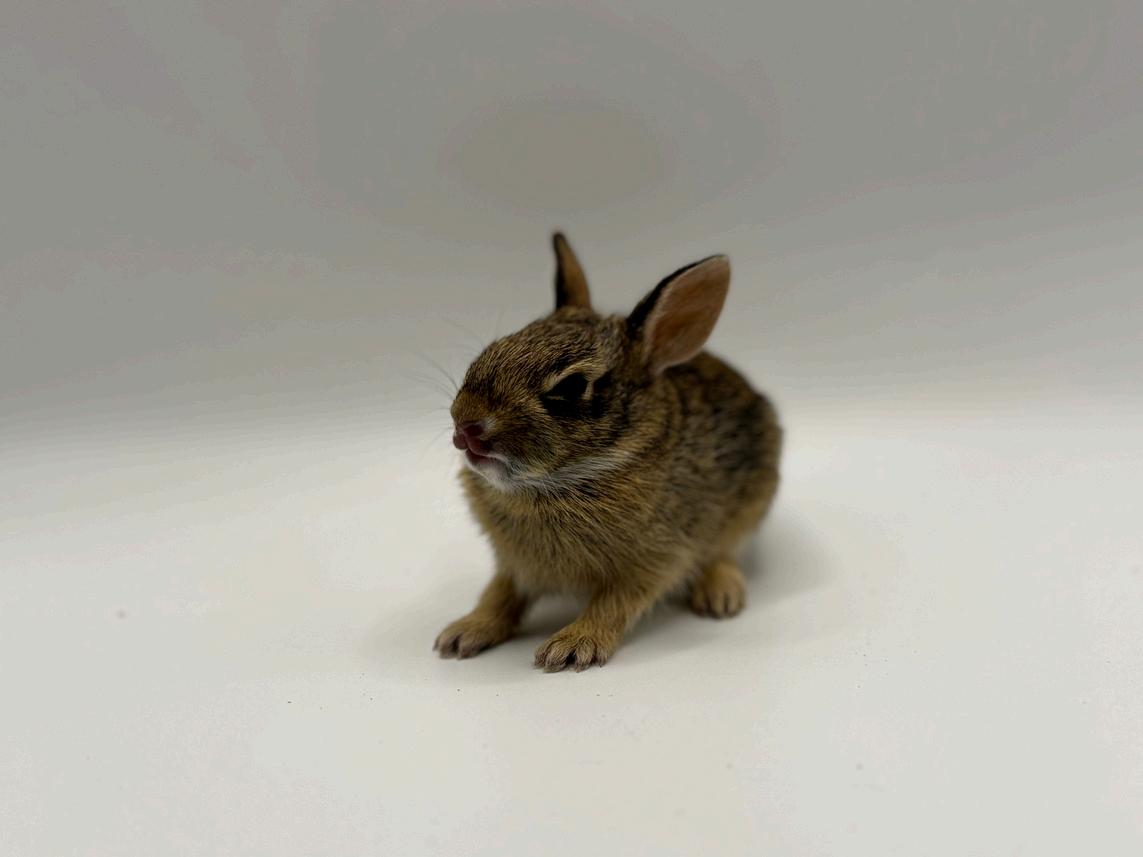
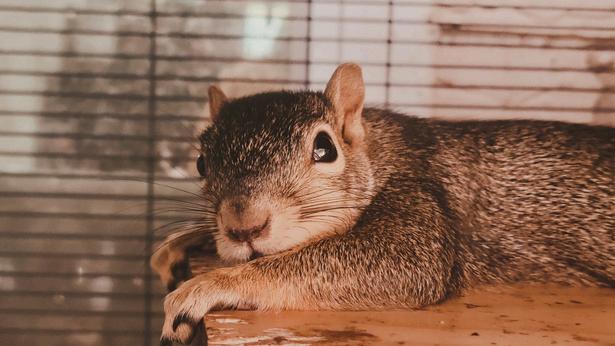
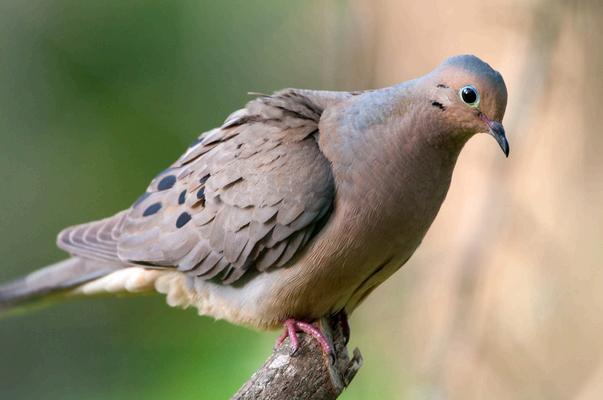
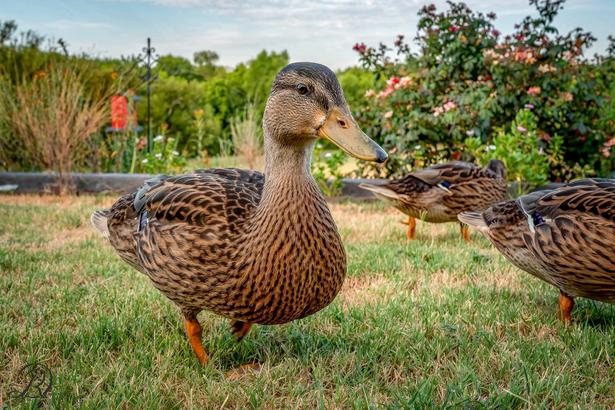
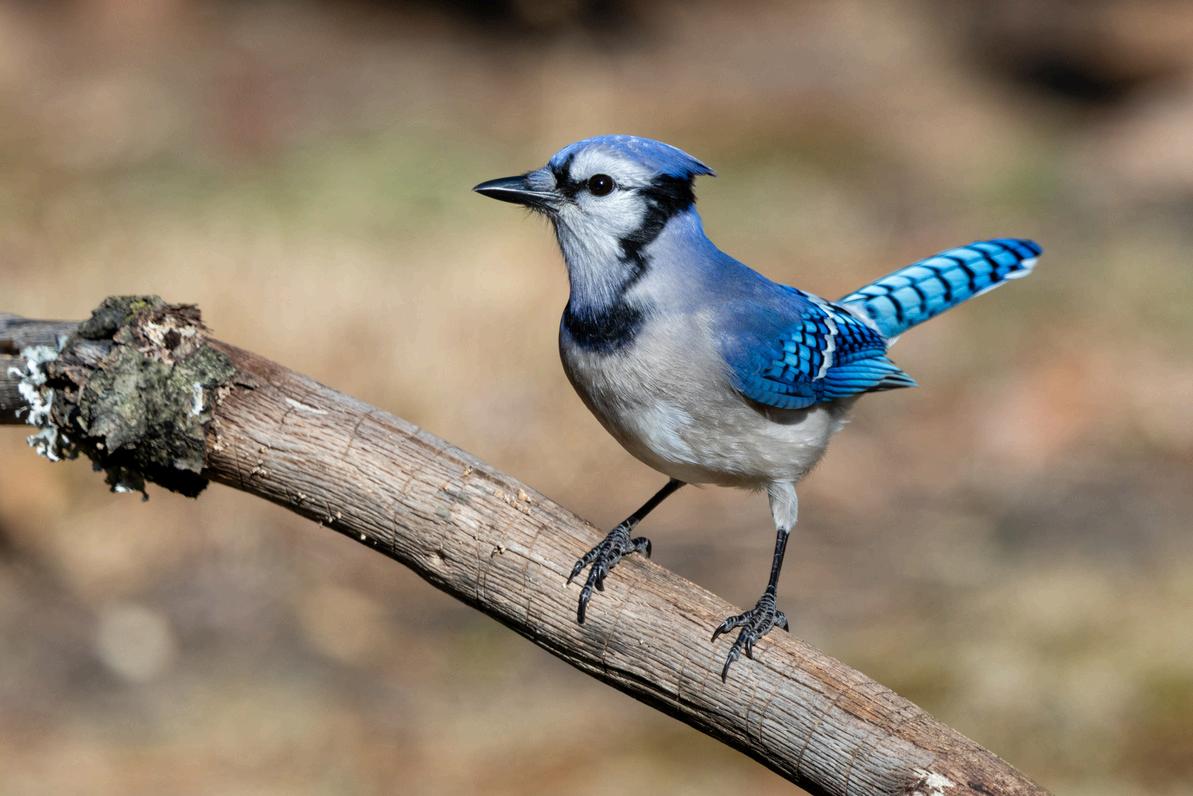
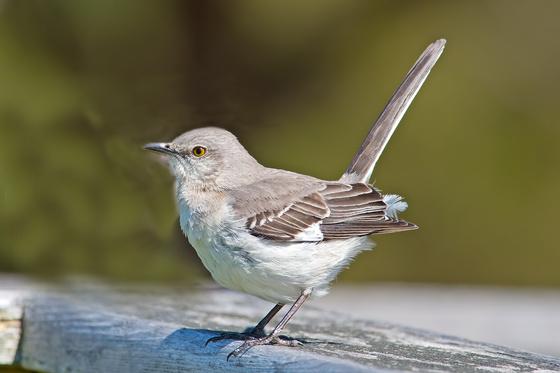
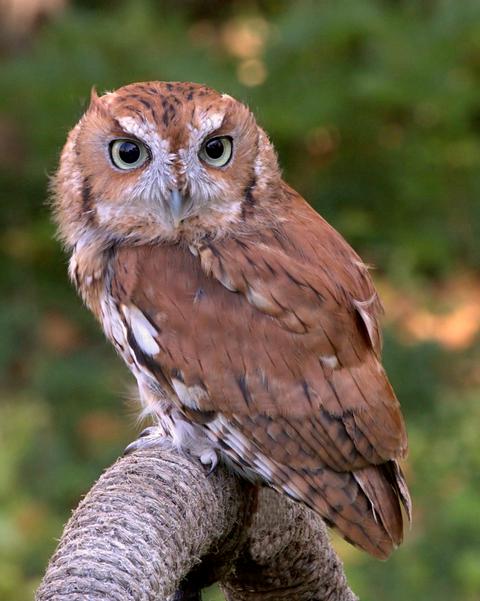
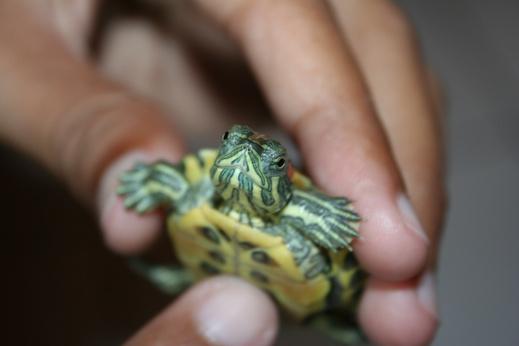
87.5%
INCREASE IN PATIENTS COMPARED TO 2024 TOP 5 COUNTIES
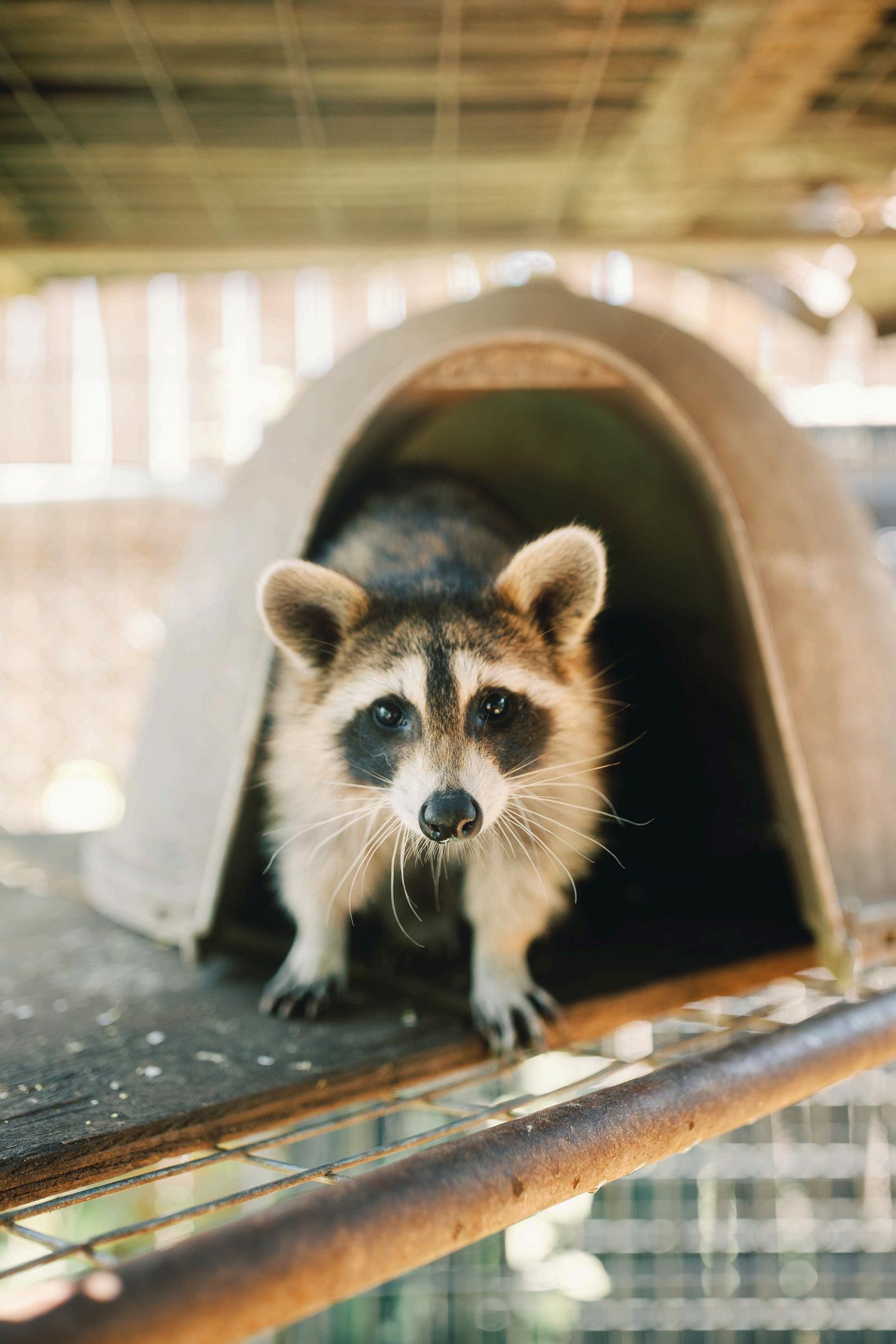
North Texas Wildlife Center (NTXWC) is a nonprofit 501(c)3 organization committed to the rescue, rehabilitation, and release of local injured or orphaned wildlife.
We support 3 separate but interwoven communities; local injured or orphaned wildlife, the public trying desperately to find help for the animals, and other rehabbers who need help with both time and resources.
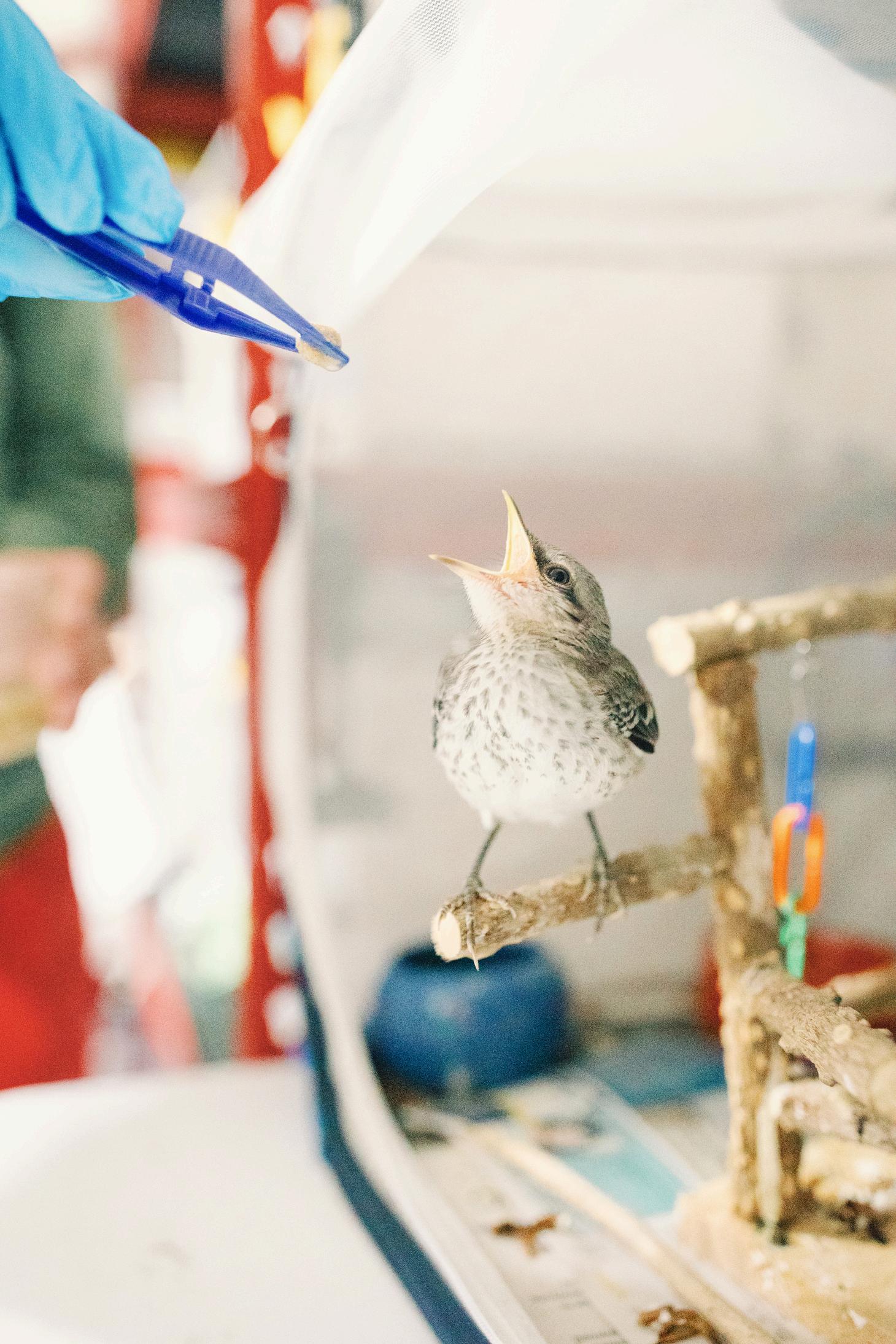
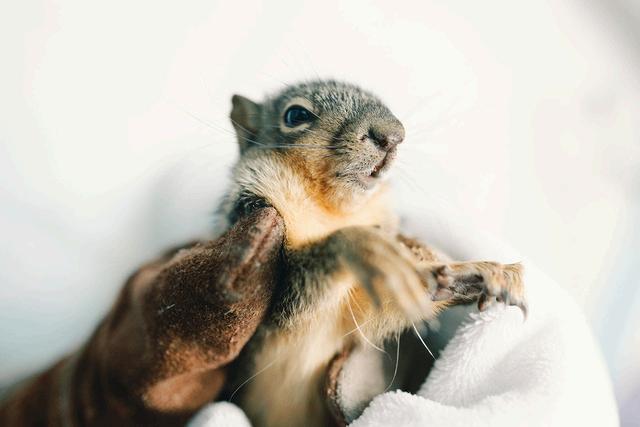
We serve all North Texas counties by rescuing, rehabbing, and releasing native wildlife. We exist because of your support. Help us, help them.
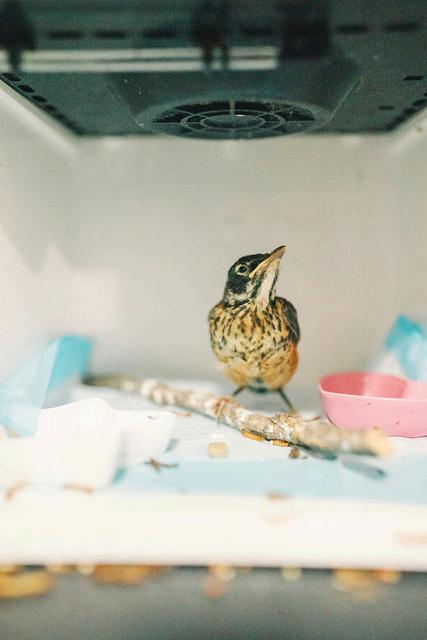
Full Examination: Every animal we receive gets a thorough exam by our trained team.
Custom Care Plan: We create a treatment plan tailored to their unique needs.
Veterinary Care: If needed, we’ll send them to a licensed vet for specialized treatment.
Orphan Care: Young animals stay with us until they're healthy, strong, and wild-ready.
Injured Adults: Adult animals stay with us until they’re fully recovered.
Transfer: Some species get transferred to rehabbers offsite or with specialists on our team.
Critical Wildlife: Some patients arrive with severe trauma or nonrecoverable injuries. We do not take these situations lightly and evaluate for quality of life and consult with our vets as needed to determine the best course of action.
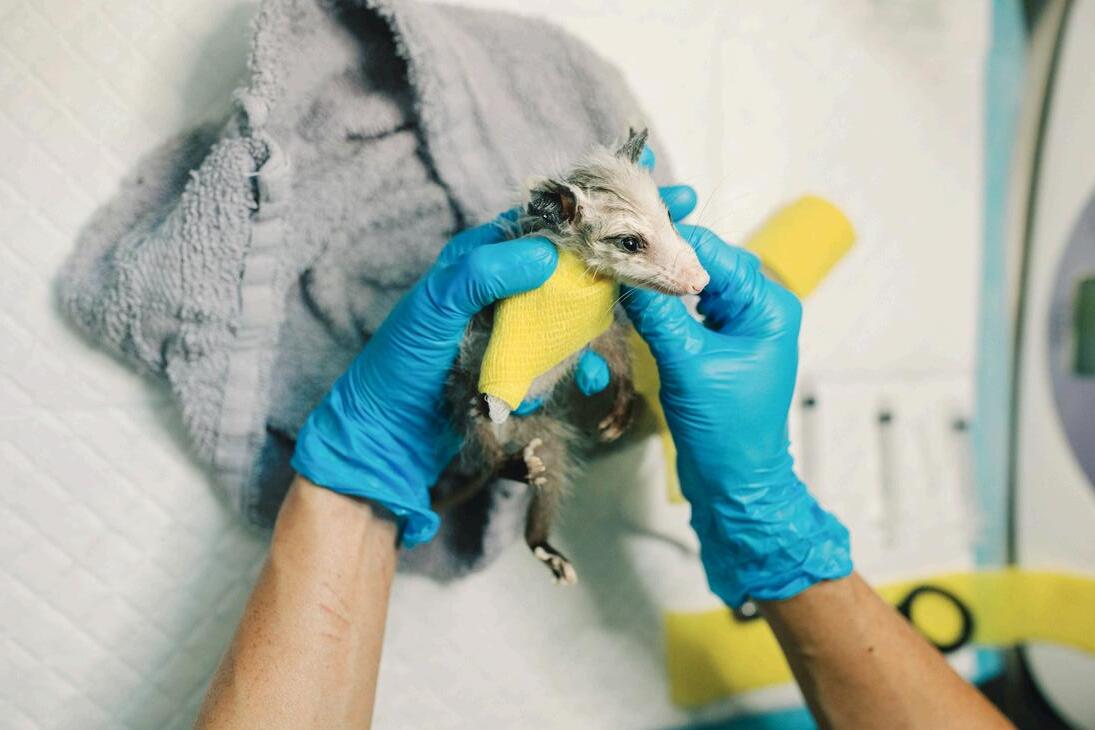
Wild R l O r #1 goal is to release every animal back into th tat.
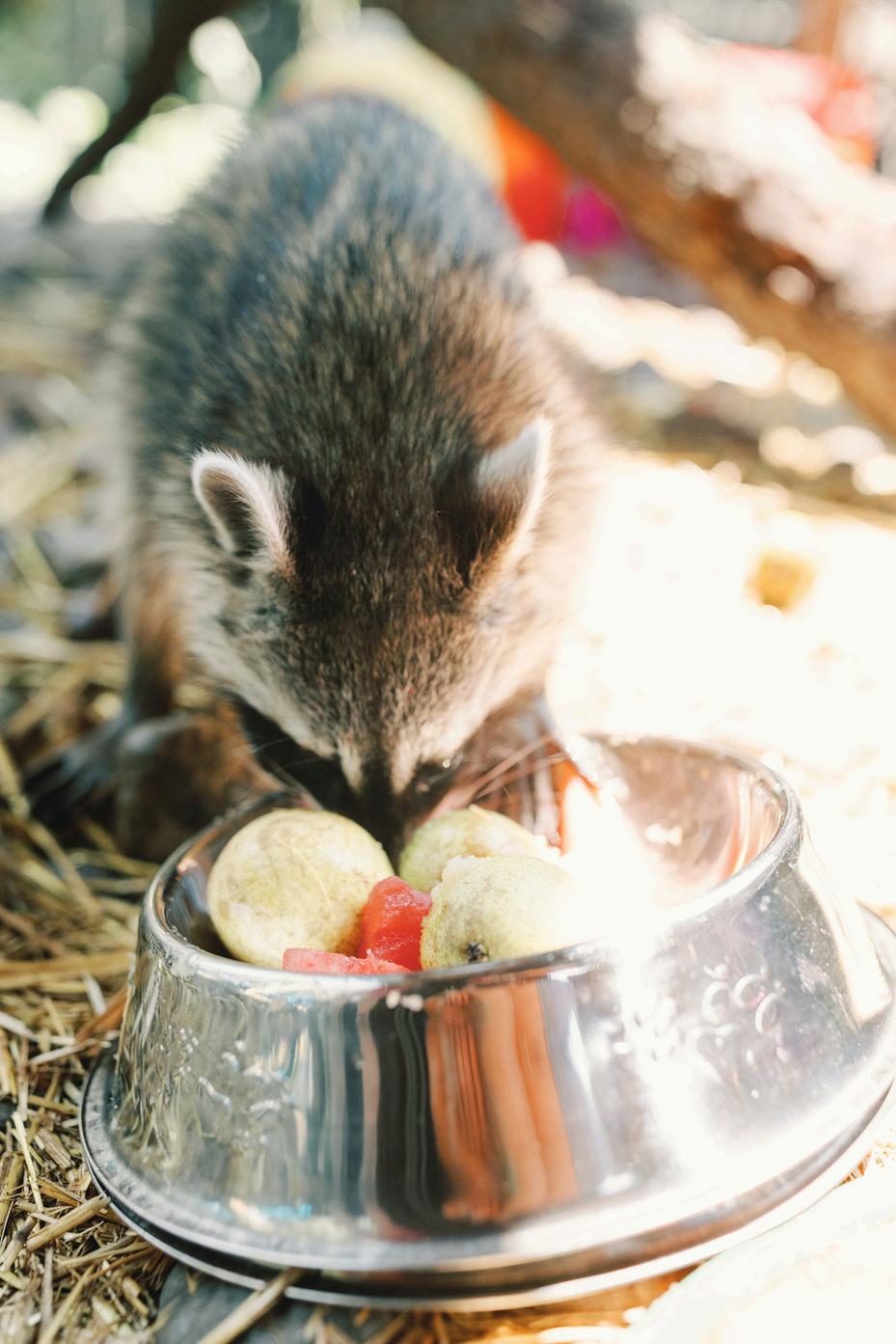
We give our wildlife patients a variety of opportunities to refine their natural skills and enrichment during their time with us. This varies by species. Orphans are always paired with foster siblings to learn and grow with. We give species-appropriate enrichment which ranges from foraging boxes and bins to toys and climbi t t We do daily meal er we nc
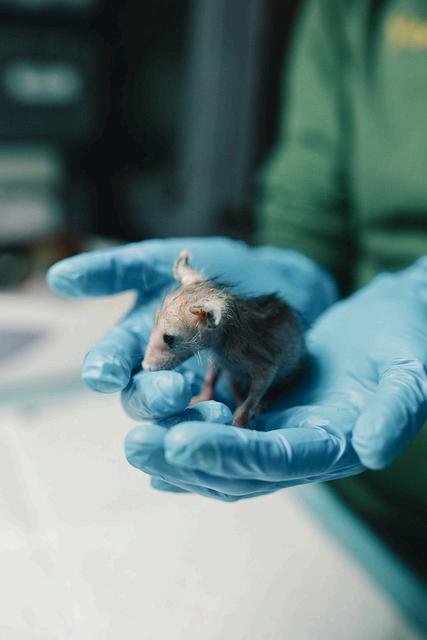
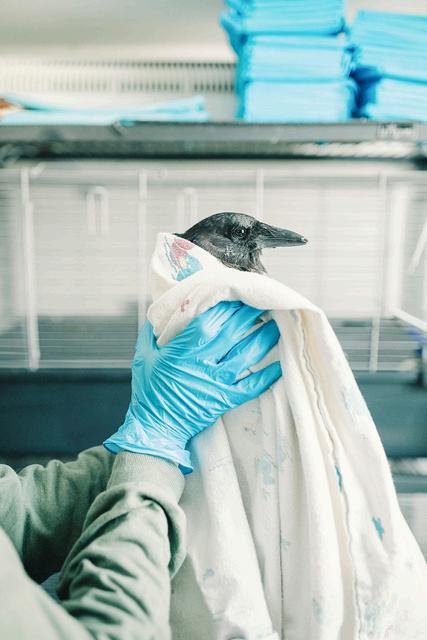
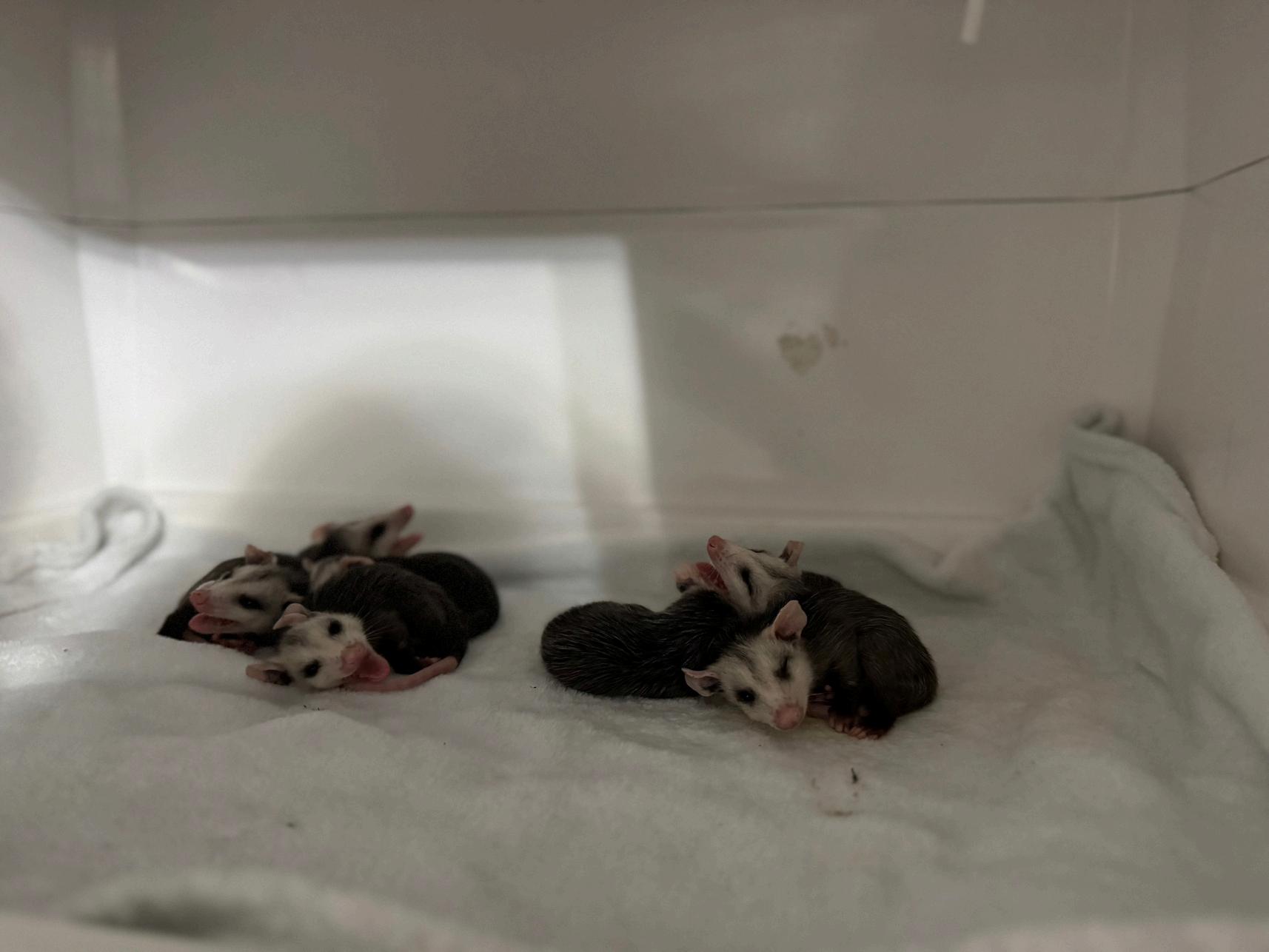
April-May averaged nearly 500 mammals in care, with 350+ being opossums
June-Aug averaged about 375 mammals in care, with 250+ being opossums
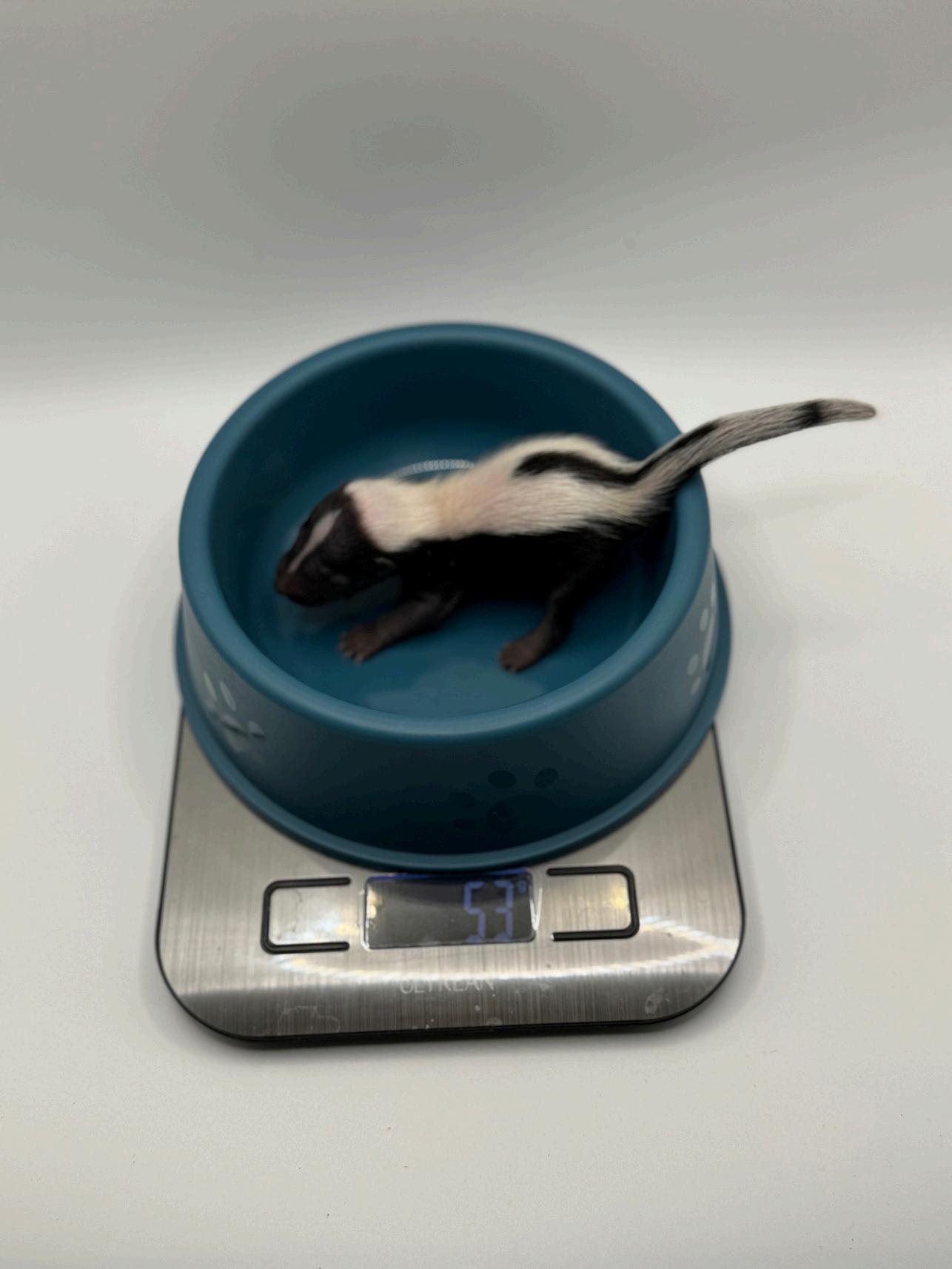
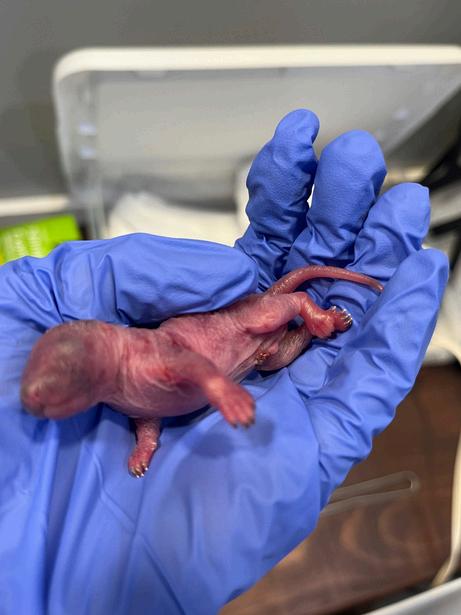
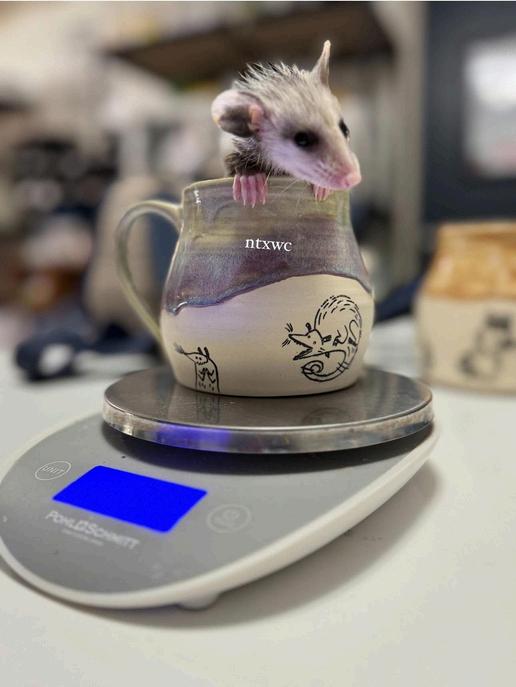
Smallest surviving opie weighed 14g on intake. Of those released, 261 were under 100g when they came to us
128 of those were under 50g
80 of those were under 40g
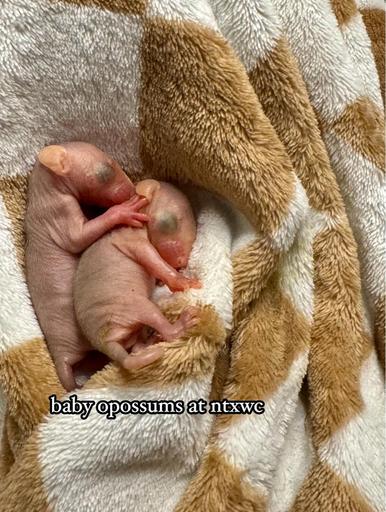
36 of those were under 30g
12 of those were under 20 g
Orphaned
Hit by car
Cat/dog caught
Rodenticide poisoning
Illegally and poorly raised as a pet



BY CARIE JUETTNER
My phone dings It’s Monday, December 1st, which should be off-season for wildlife emergencies, but I’ve already answered six messages, and it’s only 10:00AM. The text contains no words, just two videos of a decorated Christmas tree and a strange clicking-chirping-chittering sound.
I text: “I got your videos Something’s in your tree? Do you know what it is?”
They respond: “Correct. No idea.”
This is my first situation involving a mystery animal in but it’s not the most unusual call I’ve ever received, no
Sometimes, all people need is a little reassurance.
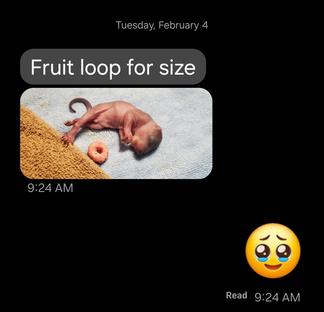
Best size comparison ever. I named this baby squirrel Fruit Loop.
I started working the intake phone for NTXWC in August 2024. Working the wildlife emergency number is an important job. Finders reach out to us in various states of awe, panic, sadness, or excitement, and it’s our job to help both the animal and the human experiencing the crisis. Frequently, we direct them to our wildlife center so they can bring the animal to us for care. Sometimes we refer them to a rehabber closer or search for a volunteer to transport.
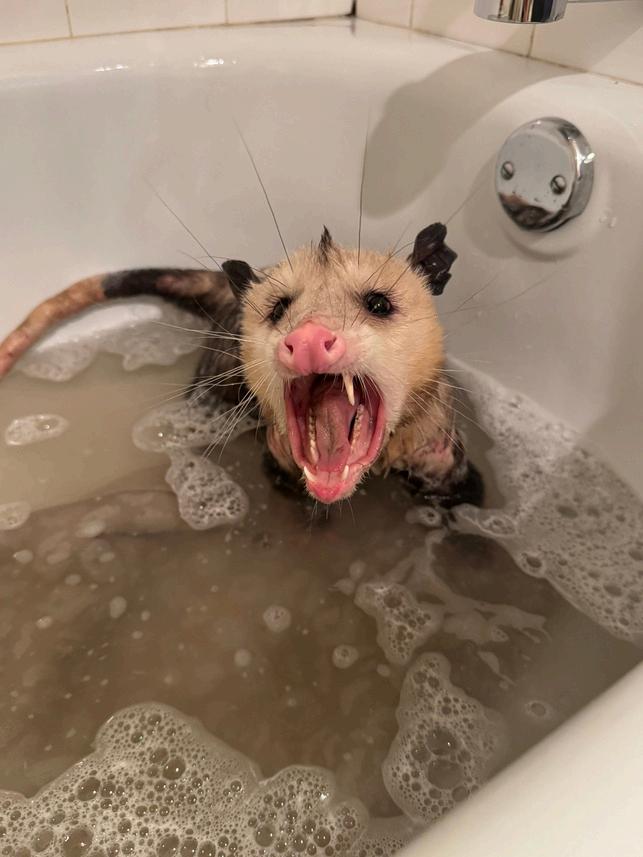
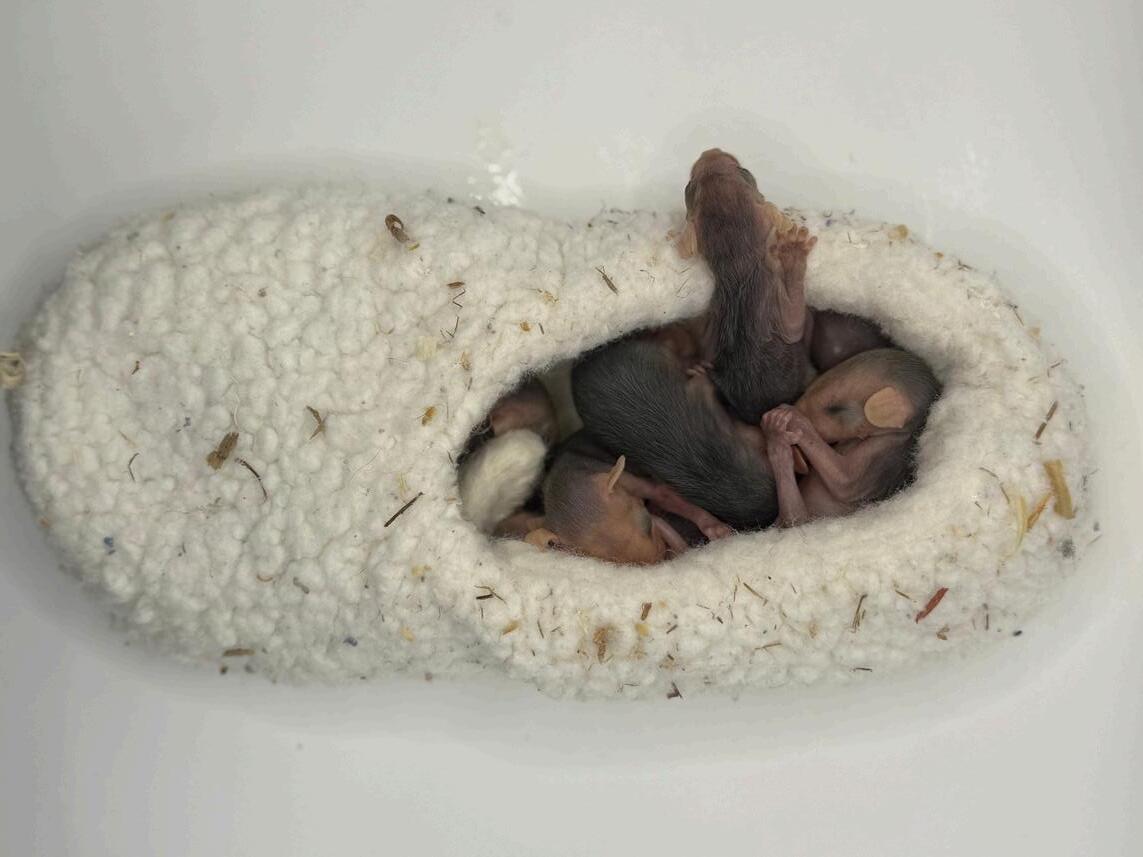
During my time on intake, I’ve dealt with birds caught by cats, bunnies bit by dogs, turtles hit by cars, bobcats in backyards, raccoons stuck in chimneys, owls that flew into windows, skunks caught in traps, and baby opossums… well, everywhere. Opies have been discovered in yards, sheds, pools, schools, trees, garages, lawn furniture, and even shoes
But a mysterious noise coming from a Christmas tree? That’s new.
I can’t identify the sound, so I ask my supervisors for input In the meantime, I suggest she look for the guest in her tree But first, I advise her to put her dogs in another room, turn off ceiling fans, and open doors in case whatever’s inside decides to make a quick exit. I help other callers while I wait for answers.
Working the intake phone often brings a roller coaster of emotions. Conversations range from uplifting to heartbreaking, hilarious to infuriating The situations we encounter can make us feel both helpless and heroic all in the same day hour One of my favorite things is talking someone through a task they’re afraid to do, like securing an injured bird in a box or helping a baby squirrel reunite with their mother. An especially difficult part of the job is witnessing someone learning a hard lesson, like the impact of poisons and glue traps on unintended victims
I really wanted the tale of the Christmas tree critter to have a happy ending. Unfortunately, it had no ending at all. The staff was able to rule out any type of bird based on the audio, and the homeowners found no furry friends when they searched their tree Plus, whatever it was had stopped singing for the moment.
It wasn’t until several days later that the covert Christmas caroller was finally revealed Their tree came with a Strecker's Chorus frog! Luckily, the little guy was fine and did not need our rehab services Mystery solved.
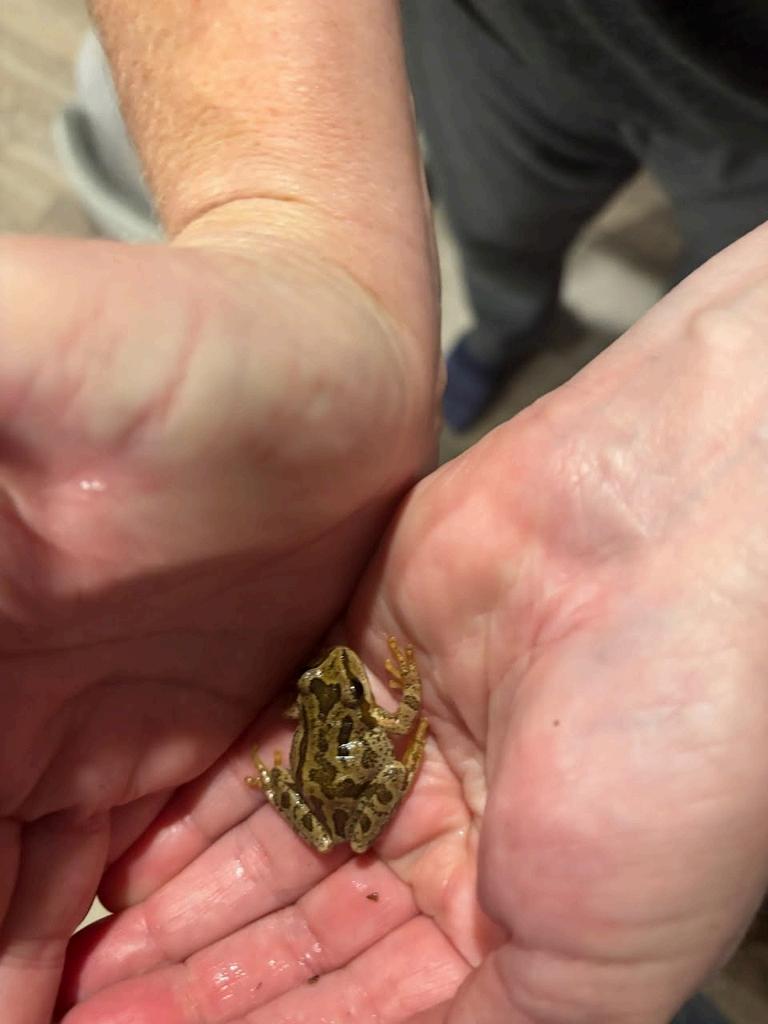
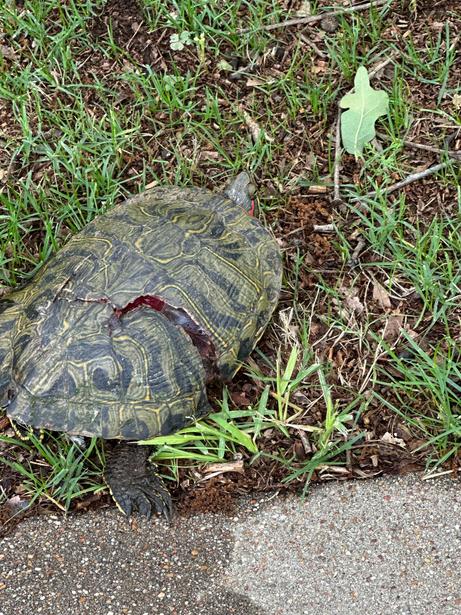
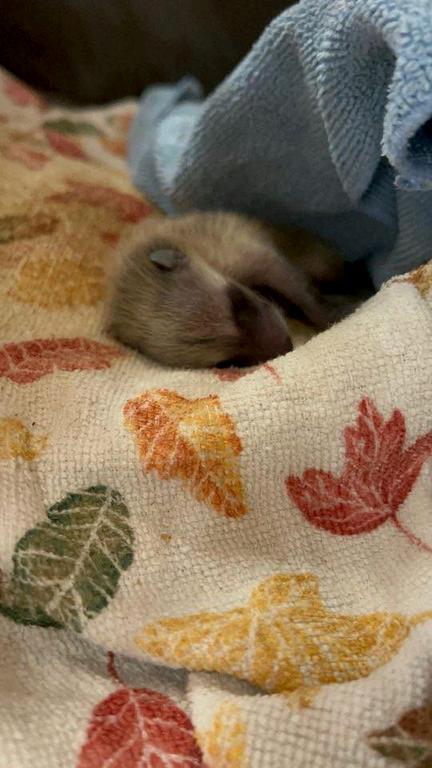
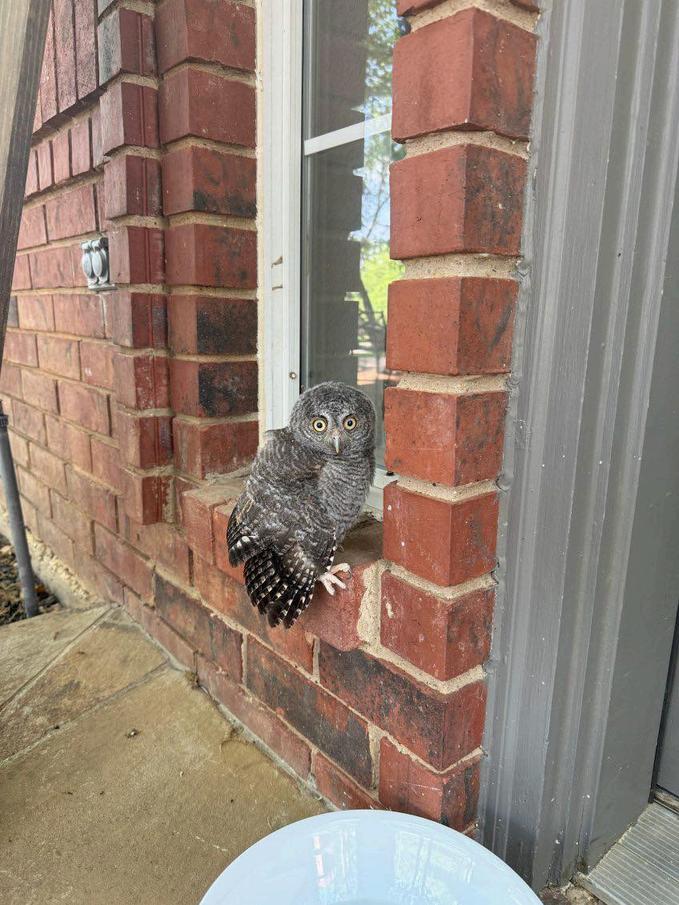
At North Texas Wildlife Center, finder photos are often the very first glimpse we get of an animal’s journey to us. These are the photos sent to our intake line by the everyday heroes across North Texas who find and rescue injured, sick, or orphaned wildlife.
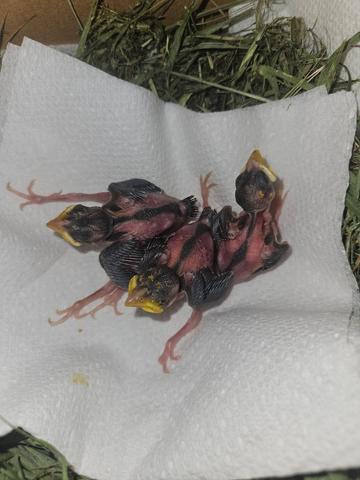
These images can stir up a mix of emotions. Sometimes they make us smile with admiration at a cozy rice sock bed or a makeshift sanctuary built with love. Other times, they prepare us for the hard realities of our work, showing the trauma, injuries, and urgency that demand immediate care.
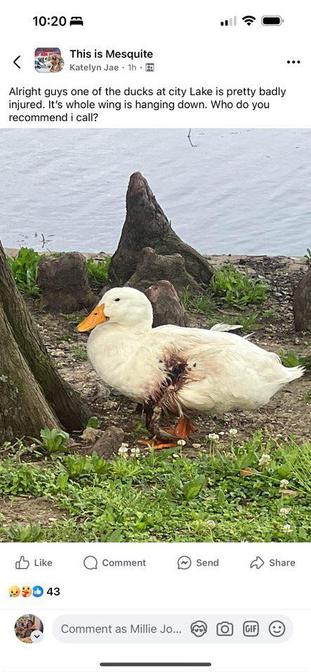
Each photo tells a story of compassion, quick thinking, and hope. And thanks to these glimpses, we ’ re better equipped to act swiftly and give these animals the second chance they deserve.
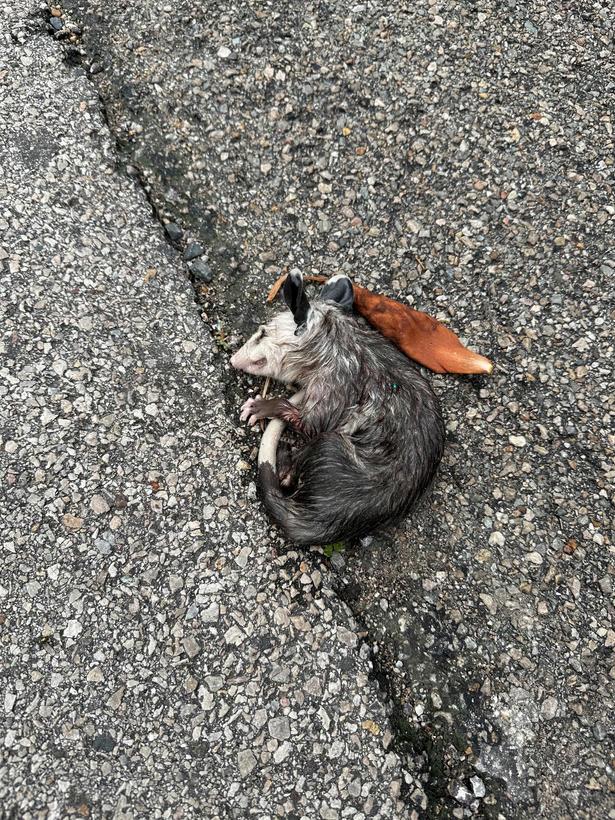
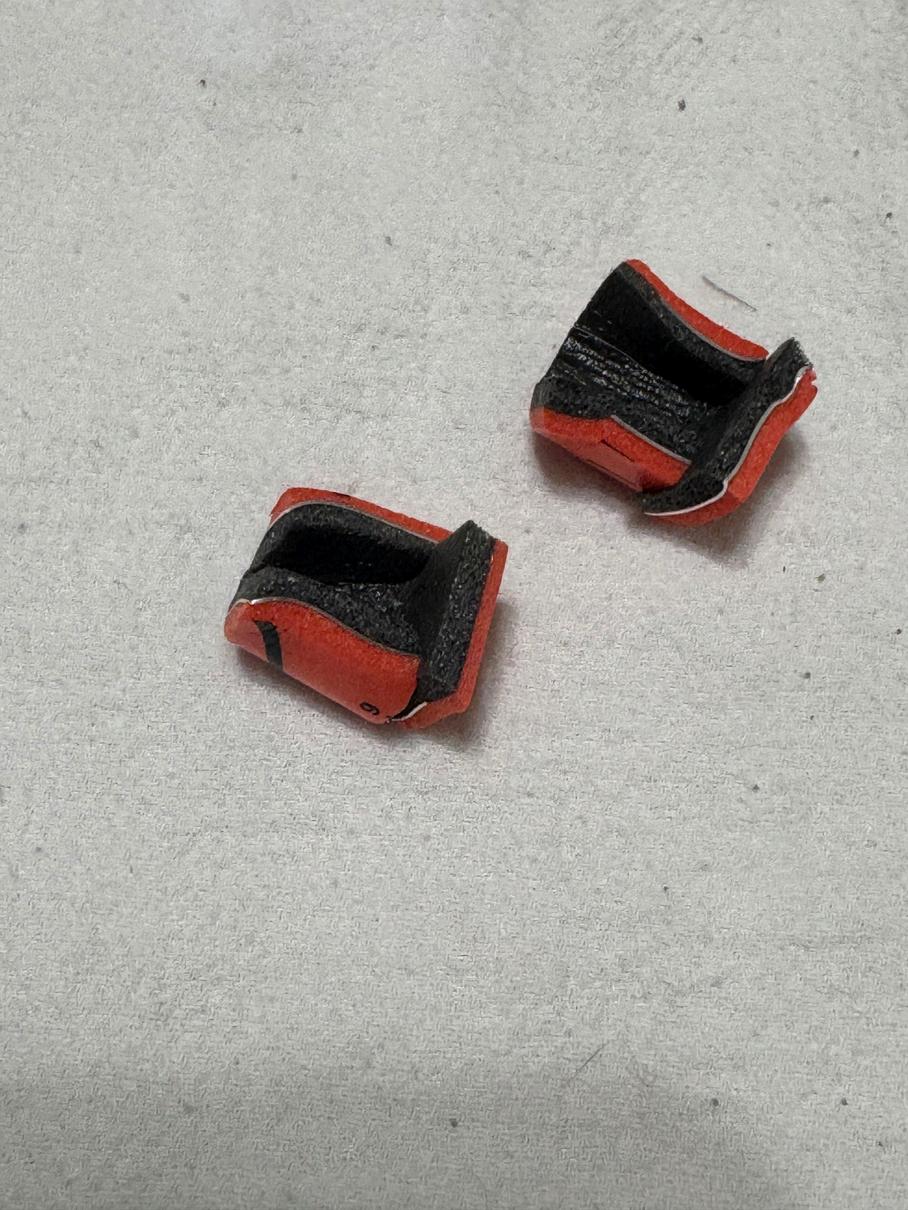
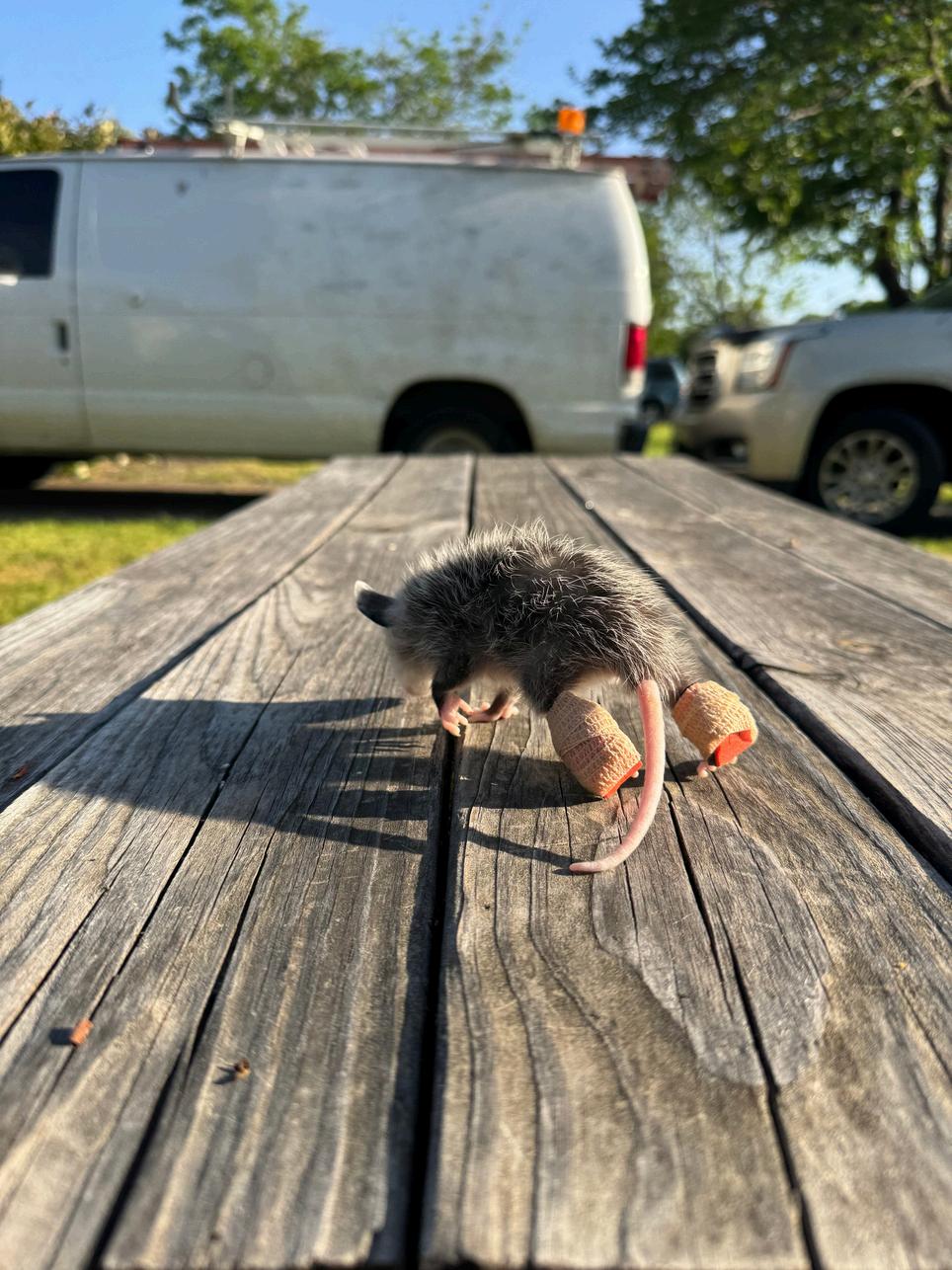
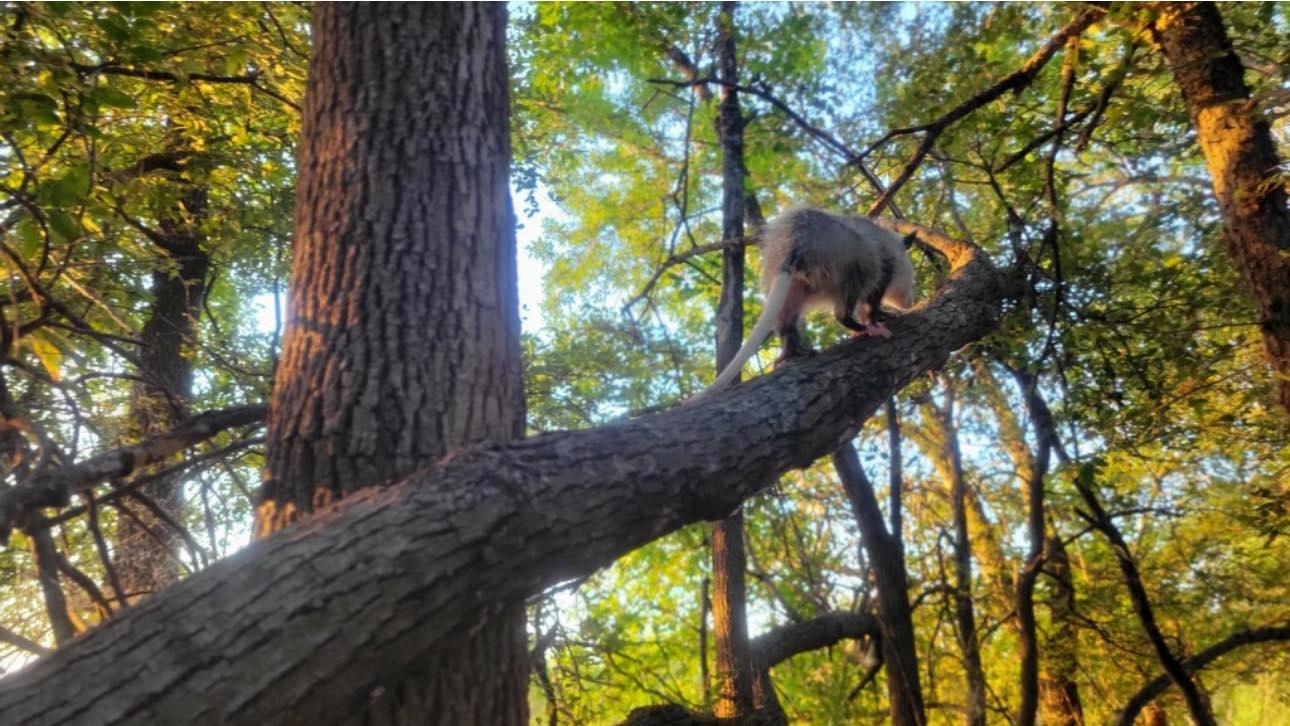
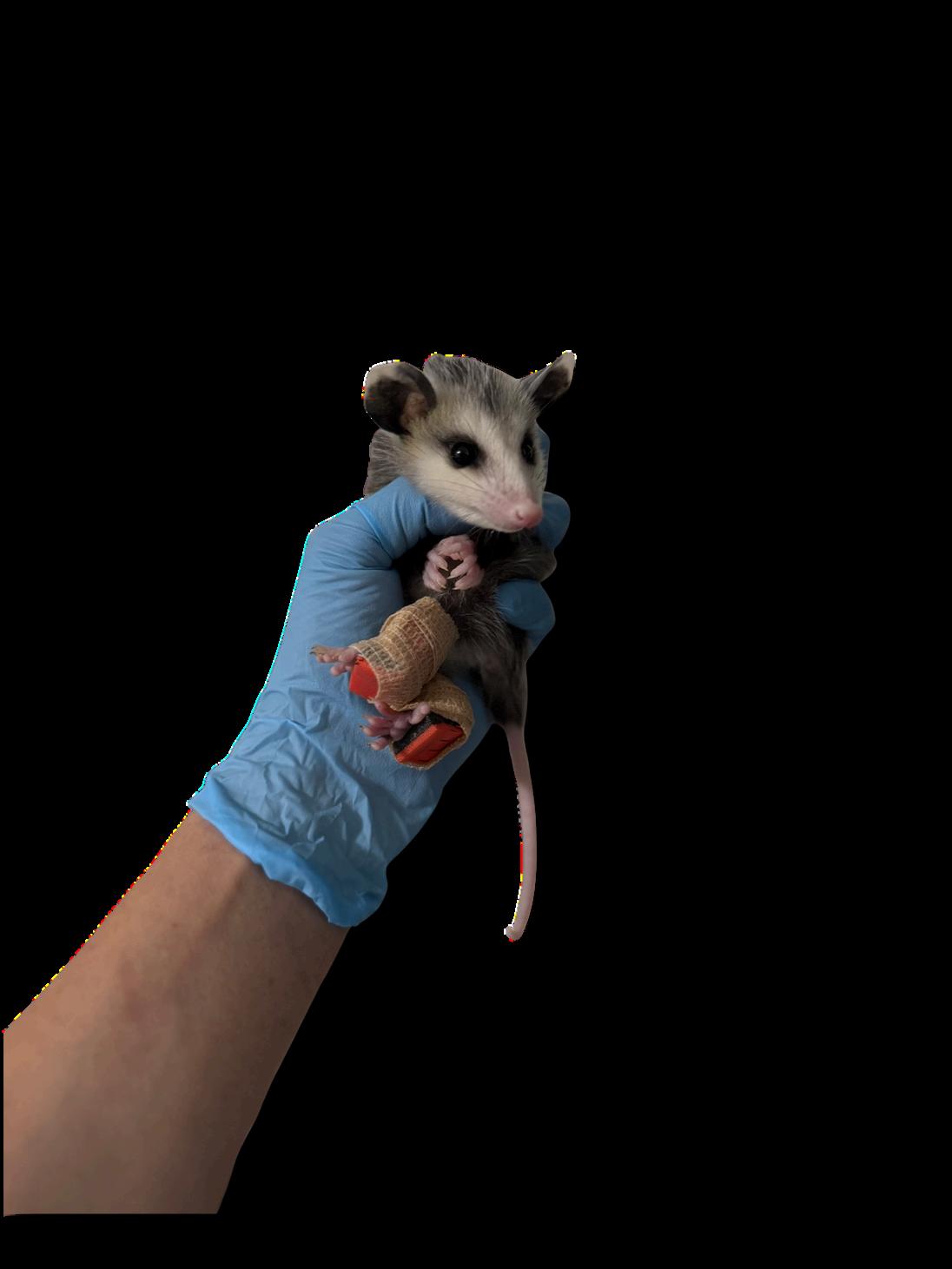
Tiny steps, big recovery! TipToe the opossum walked on the top of his back feet. This was a condition that could cause injuries and discomfort. To help, we created tiny correction boots. These boots had soft padding inside, a lightweight outer shell for gentle support, and grippy soles for traction. Adjustable straps made with wound wrap keep them snug but comfy. Worn during activity, the boots protected TipToe’s feet and helped retrain his gait over time.
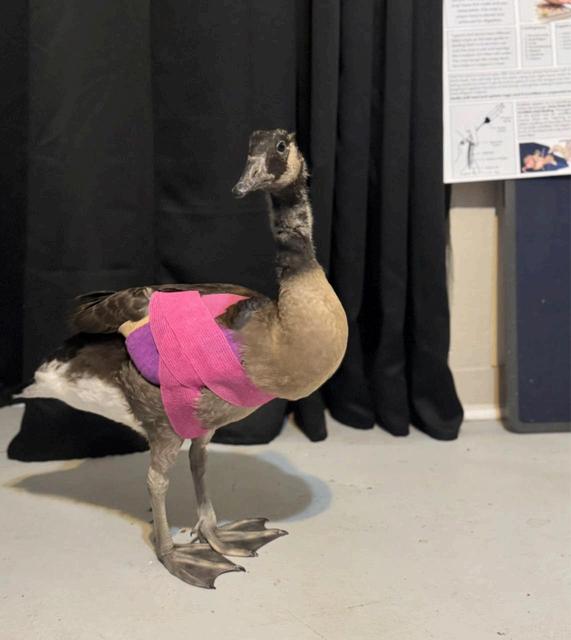
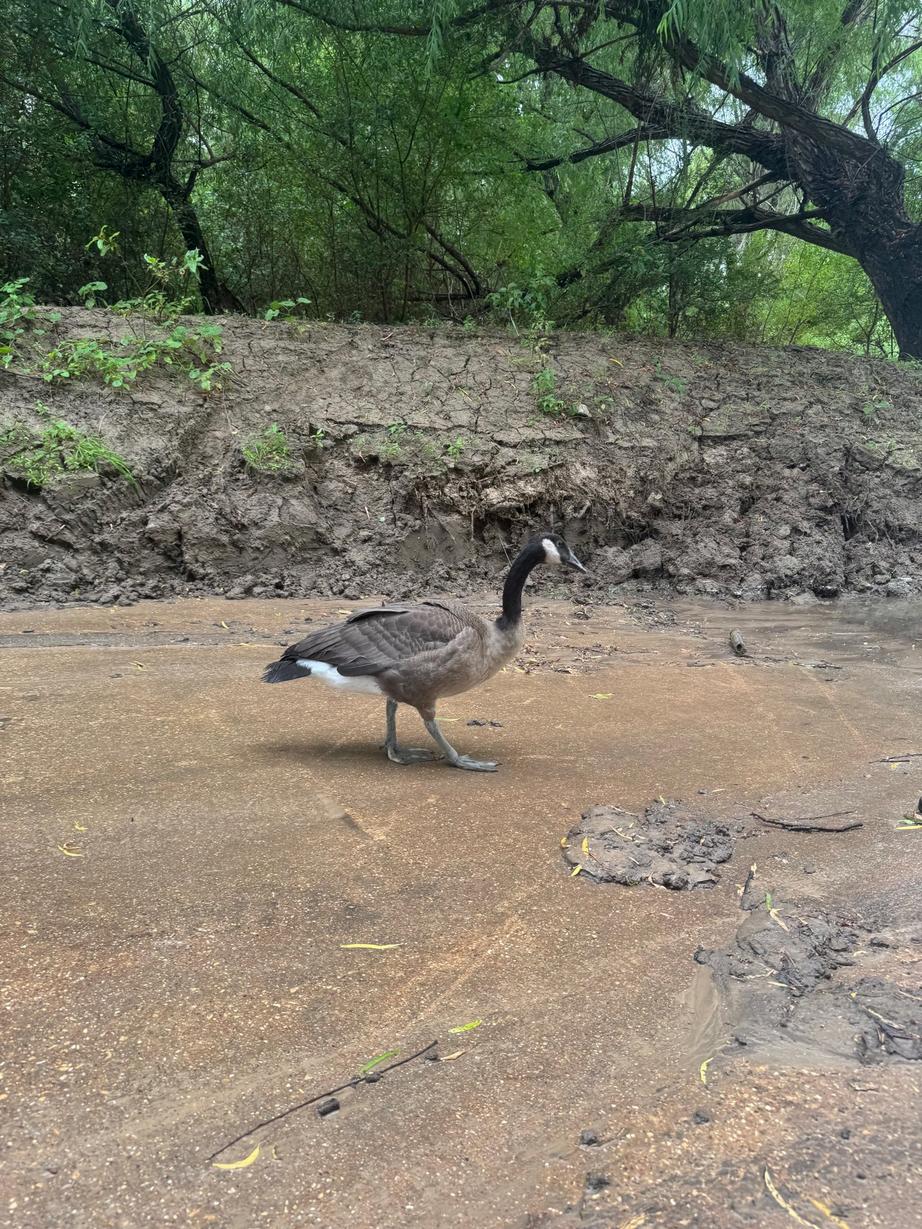
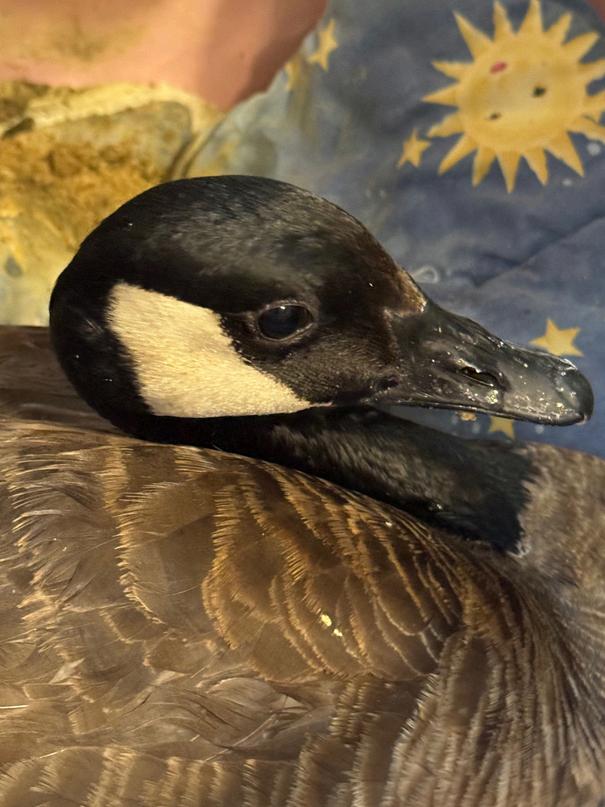
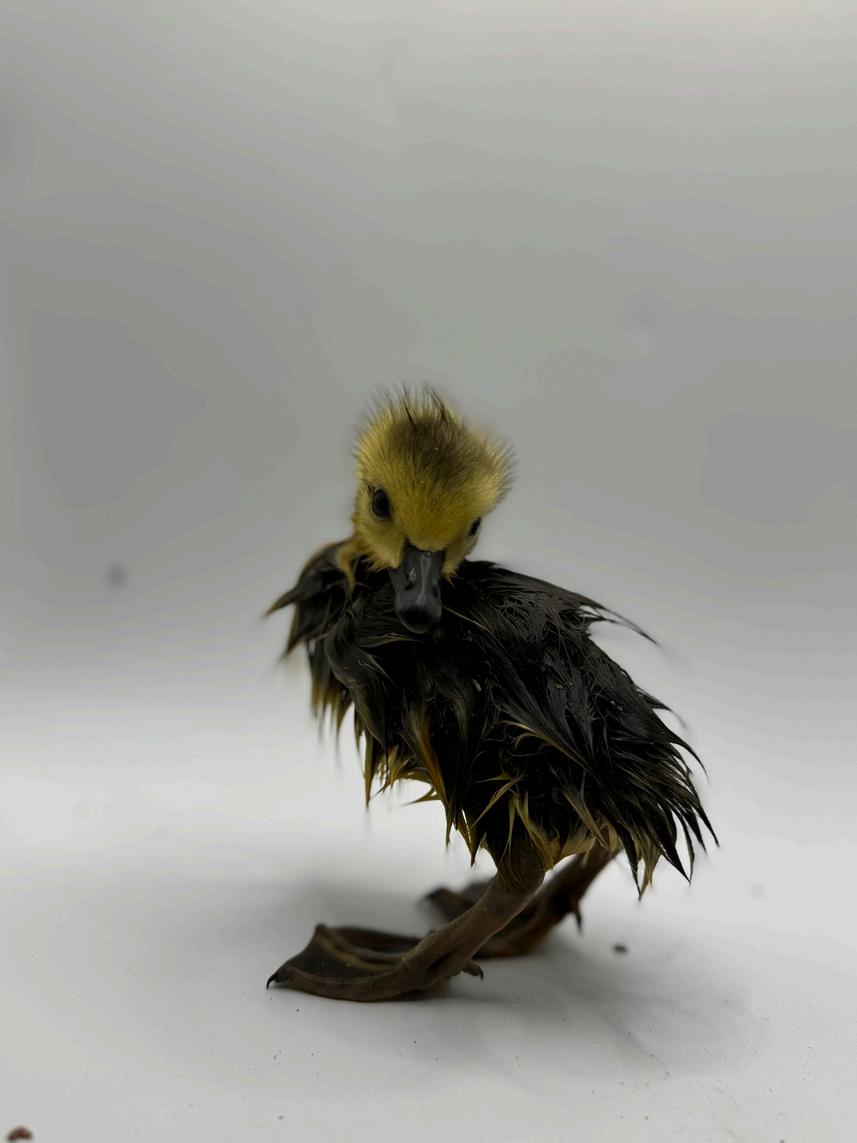
A minor setback in recovery: A group of goslings arrived after being orphaned in the May storm. While they were raised together, they were not true siblings. Somewhere along the way, one of the goslings developed angel wing. This caused last wing joint to twist outward, causing feathers to stick out rather than lying flat. There are a number of reasons this condition can occur including genetic pre-dispositions, dietary, and environmental factors.
We don’t know exa and that uncertaint predisposition, or rehabilitators, we h seriously, but we a So, we took action. monitoring. Over t properly aligned. H life in the wild!
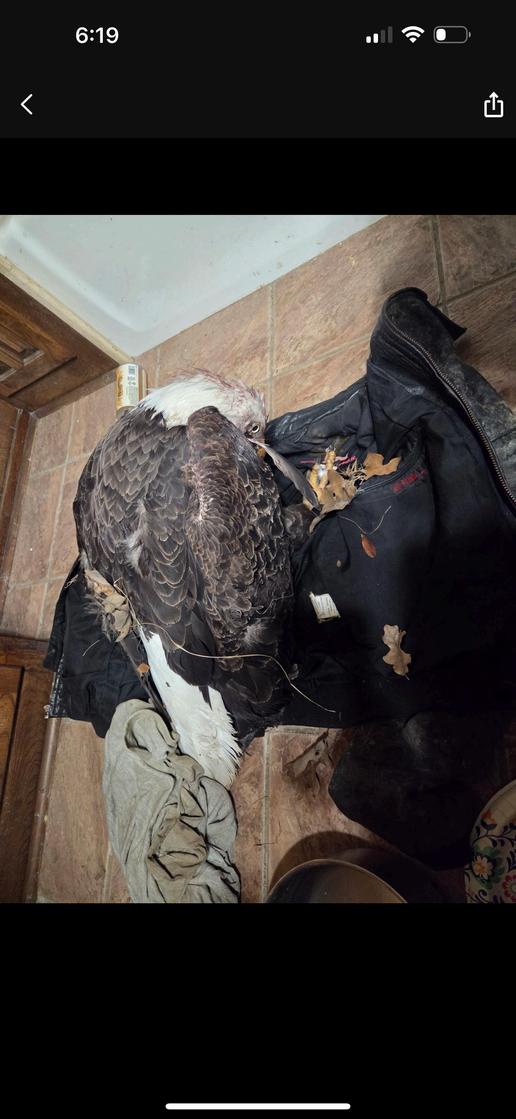
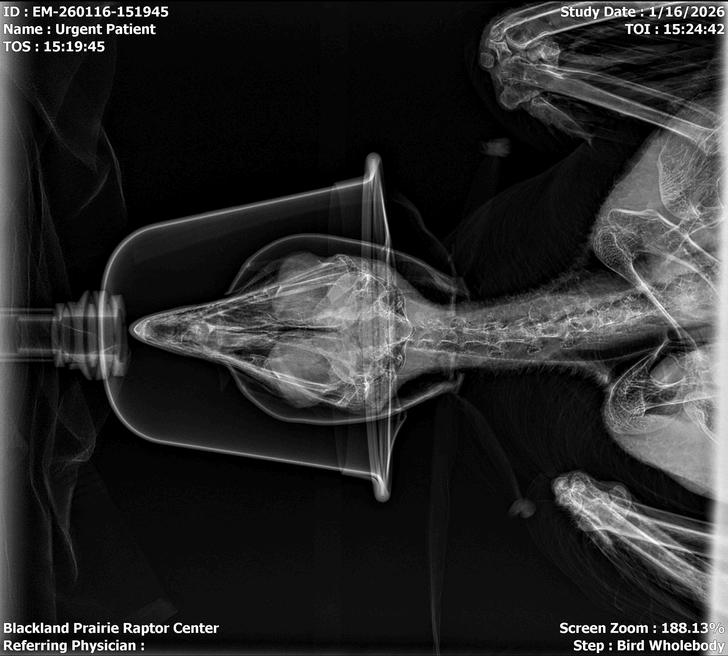
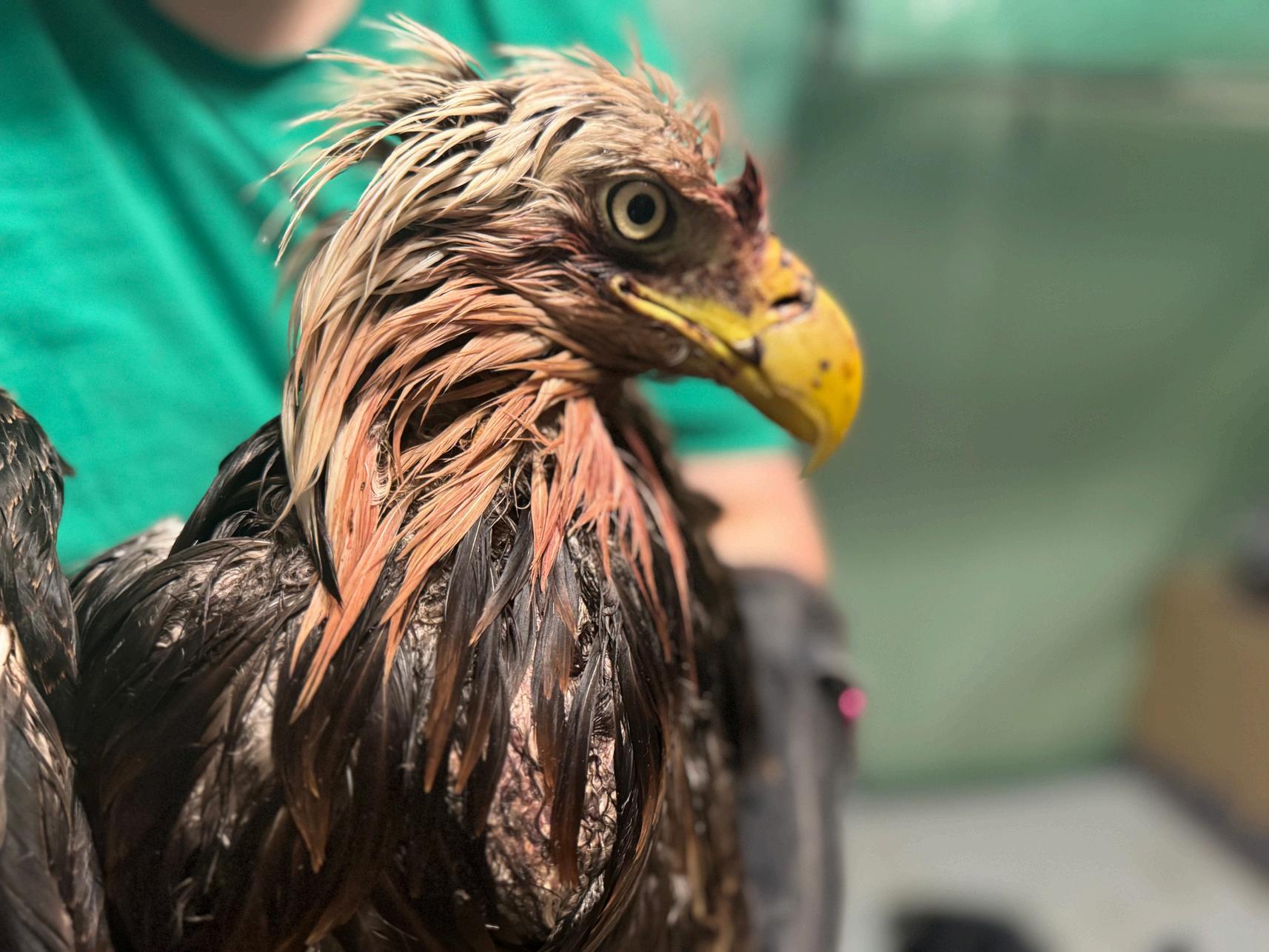
Thanksgiving Day Eagle Intake! We received an after hours call on about an injured eagle. The finder photo was absoutely heartbreaking to look at. Mela, NTXWC founder, drove to Wills Point to pick up the eagle. Upon on arrival, he was cleaned, examined, and dosed for medication. He was then transferred to Blackland Prairie Raptor Center for continued care.
Adult male eagle
Likely attacked by another eagle/wild animal
3275g
Dehydration
Eye trauma
Soft tissue wounds to wings and legs
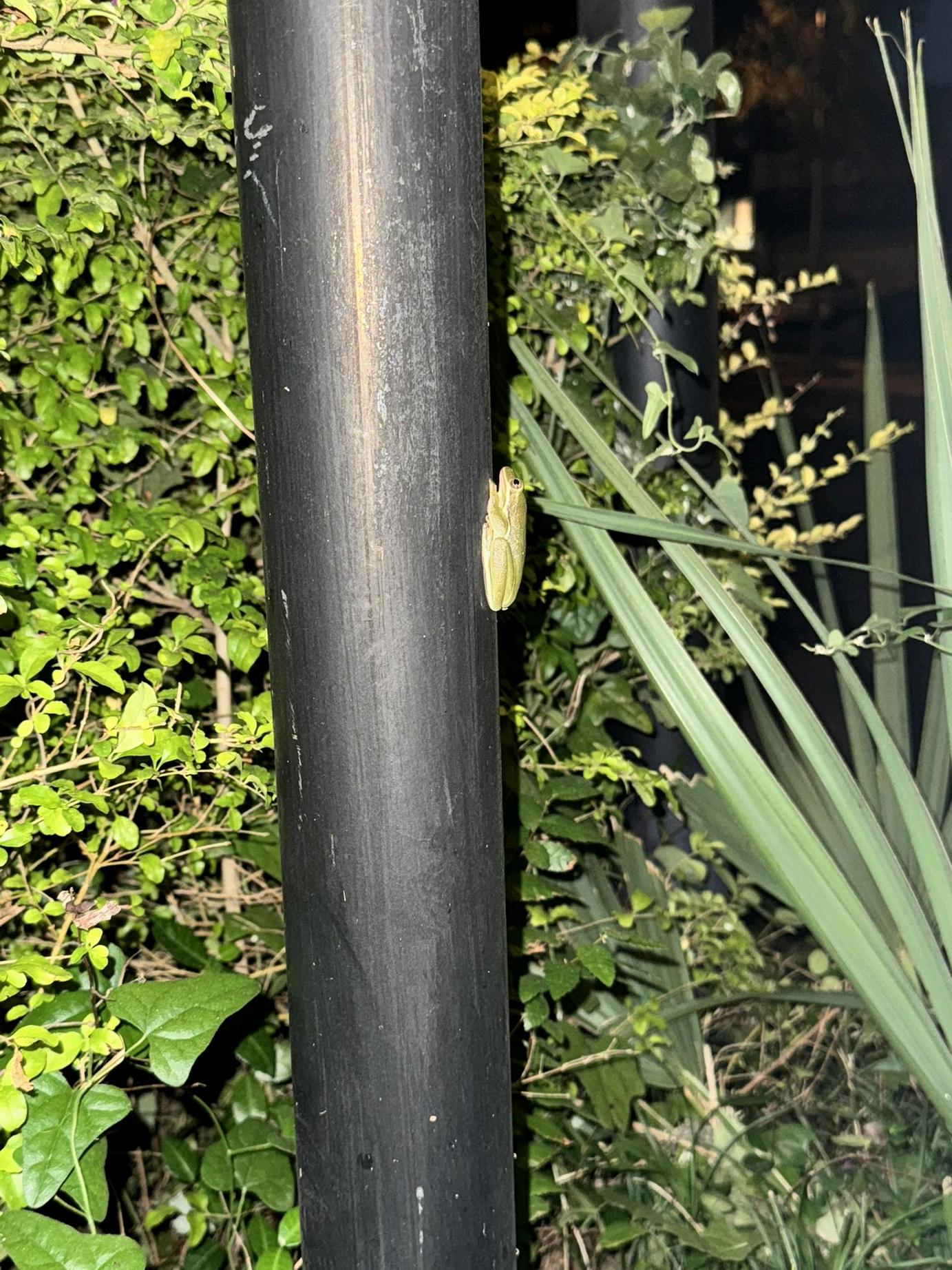
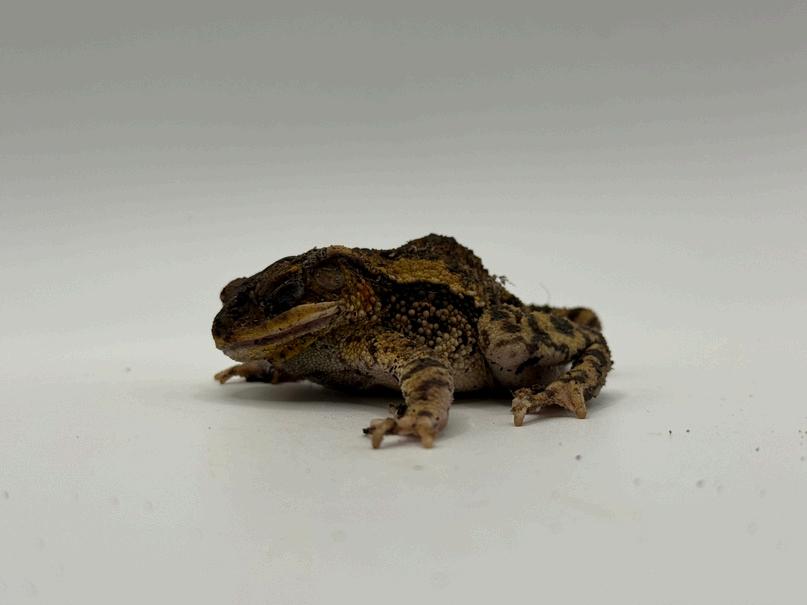
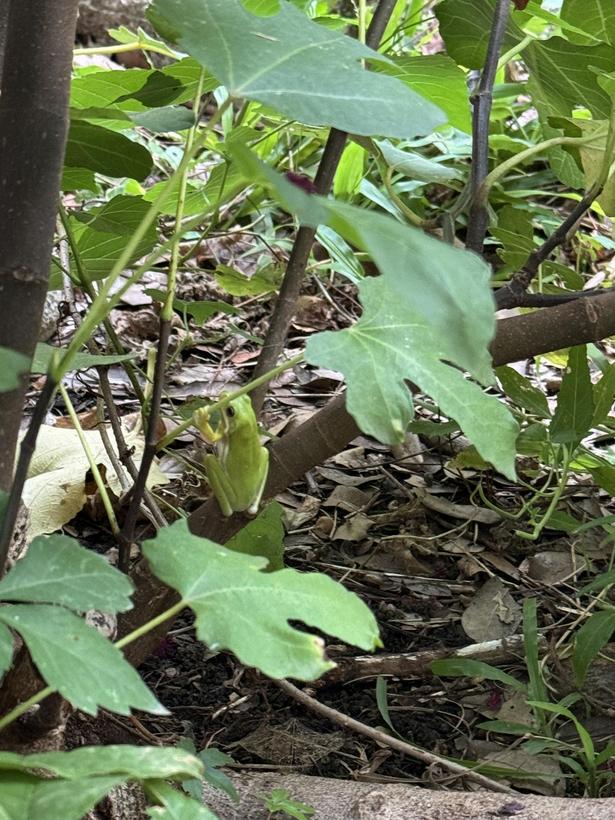
Our first Green Tree Frog: This patient was admitted after a lawn mowing incident. He arrived bright, alert, and respsonive although it was obvious he was injured and in pain. After a couple of weeks of safety, a clean enclosure, food, water, wound care, and medication, he was successfully returned to the wild. The best part is, about 4 weeks after he was released, he was spotted again for several days in a row!
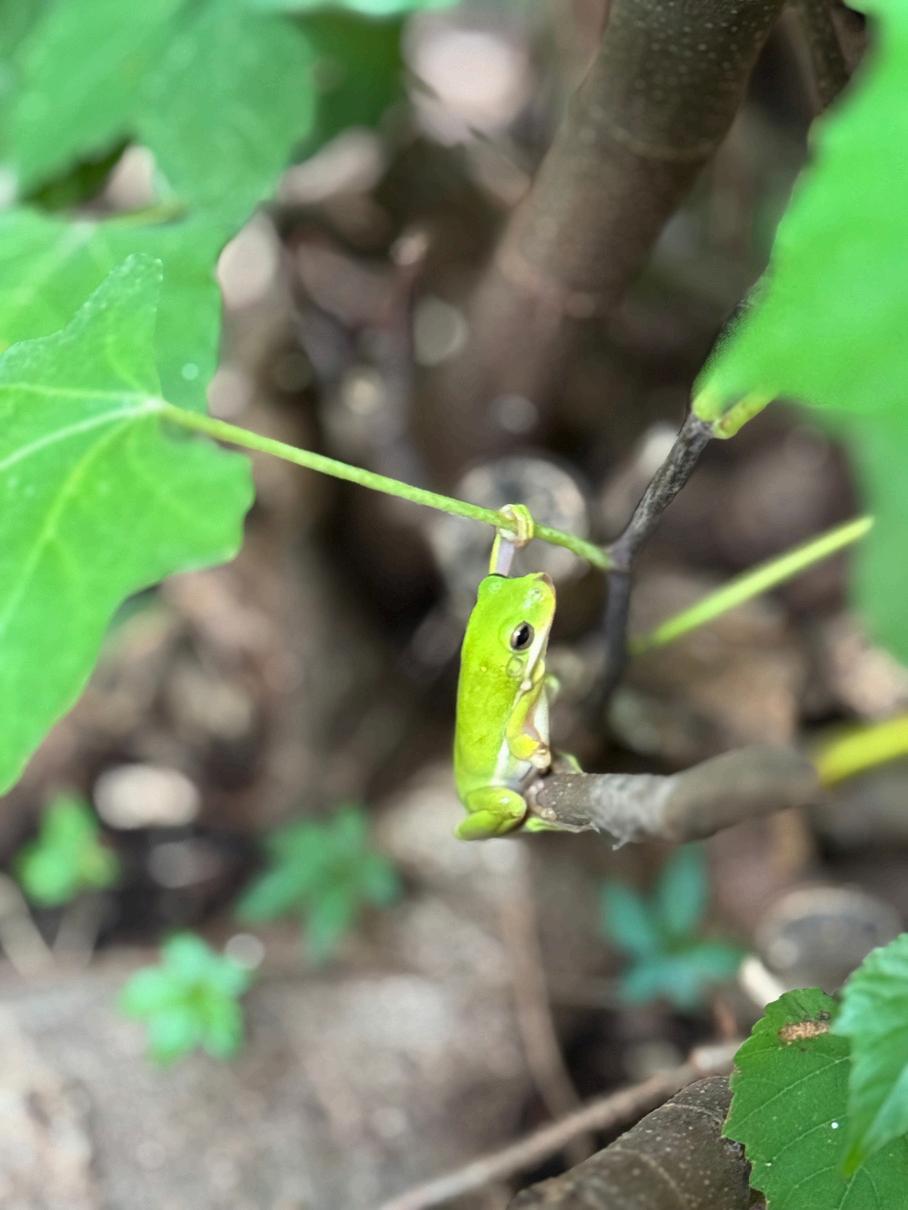
Green tree frogs change color, shifting between bright green, olive, brown, or grey to regulate body temperature and camouflage.
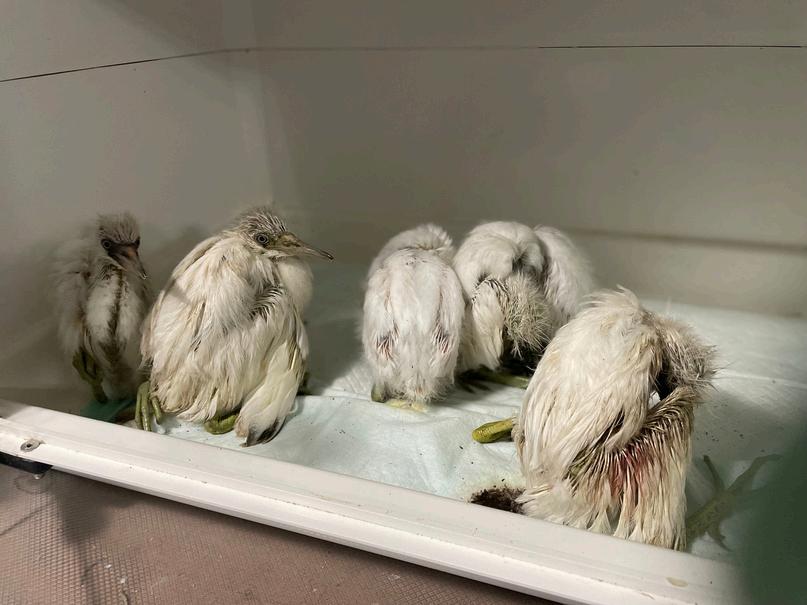
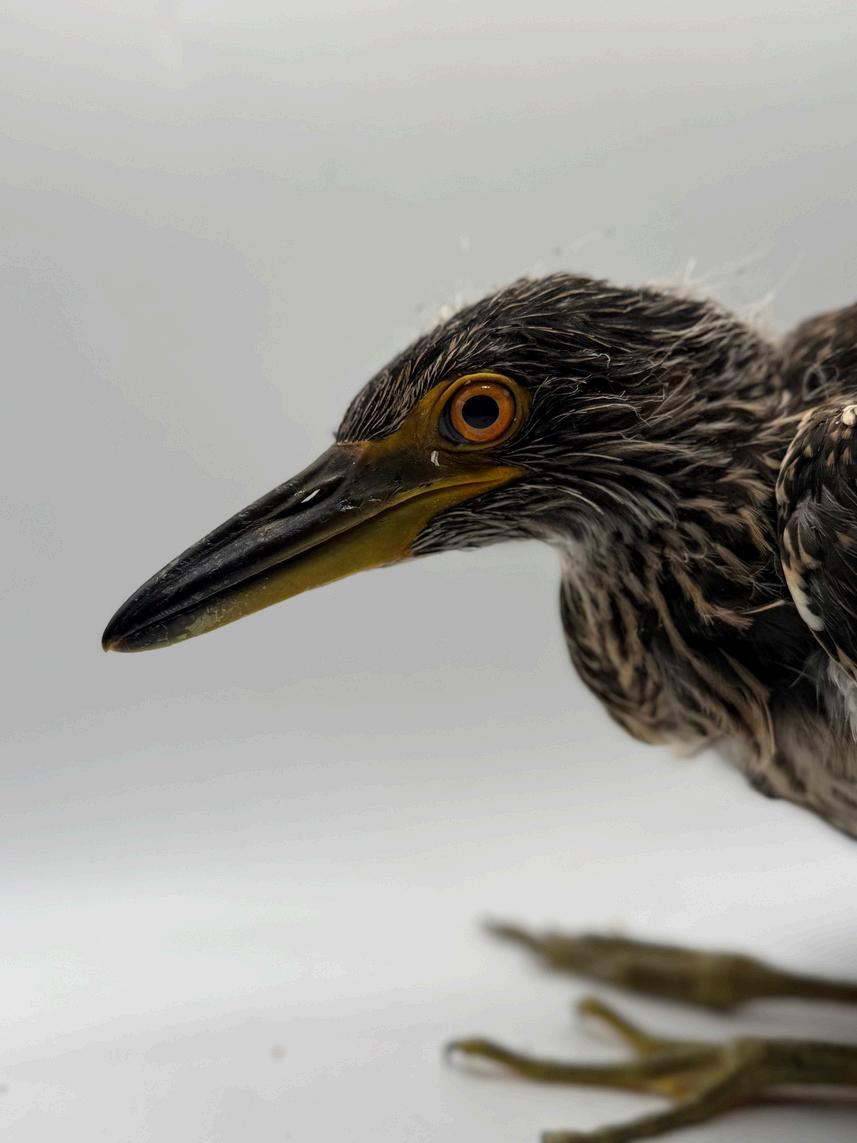
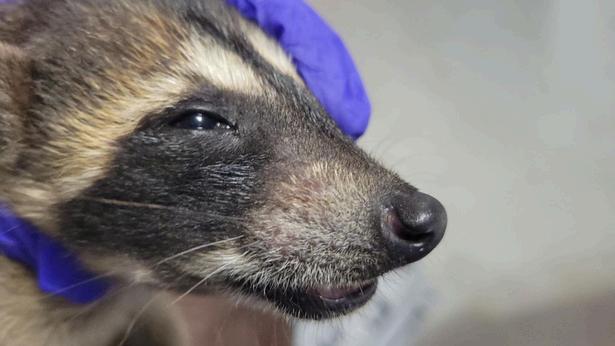
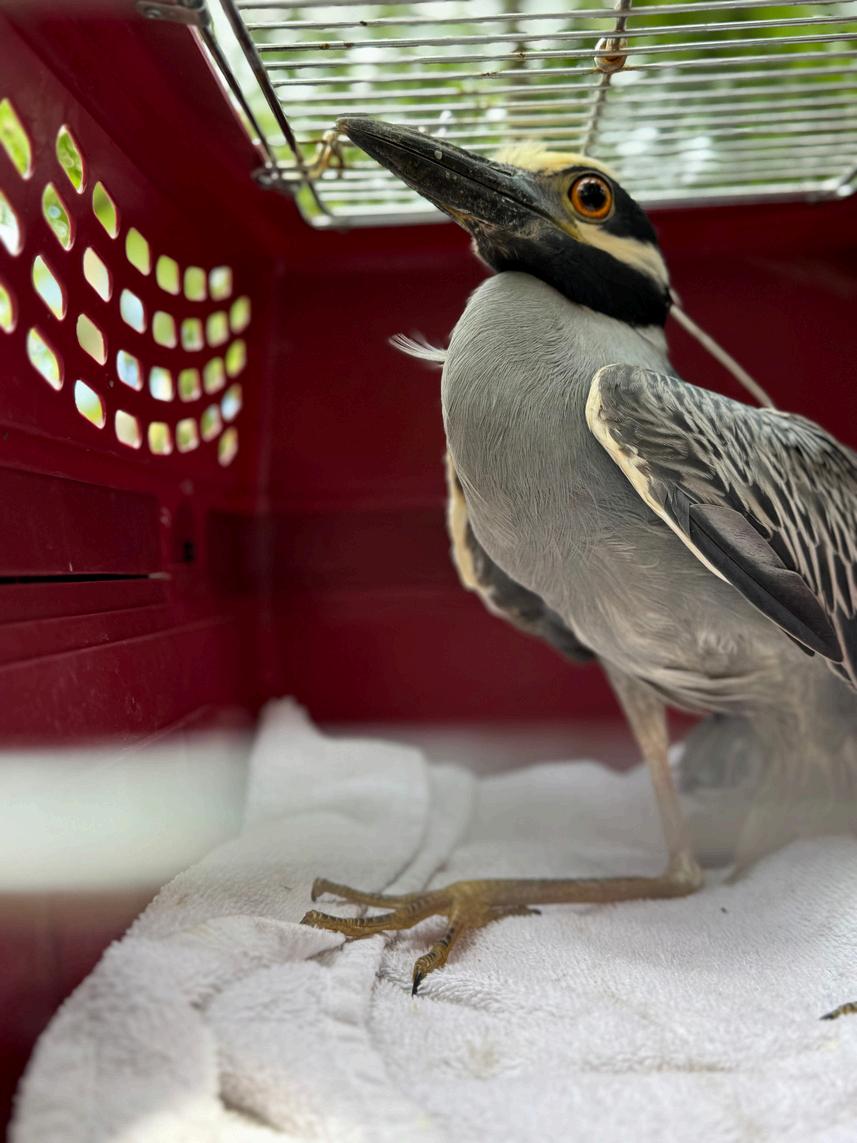
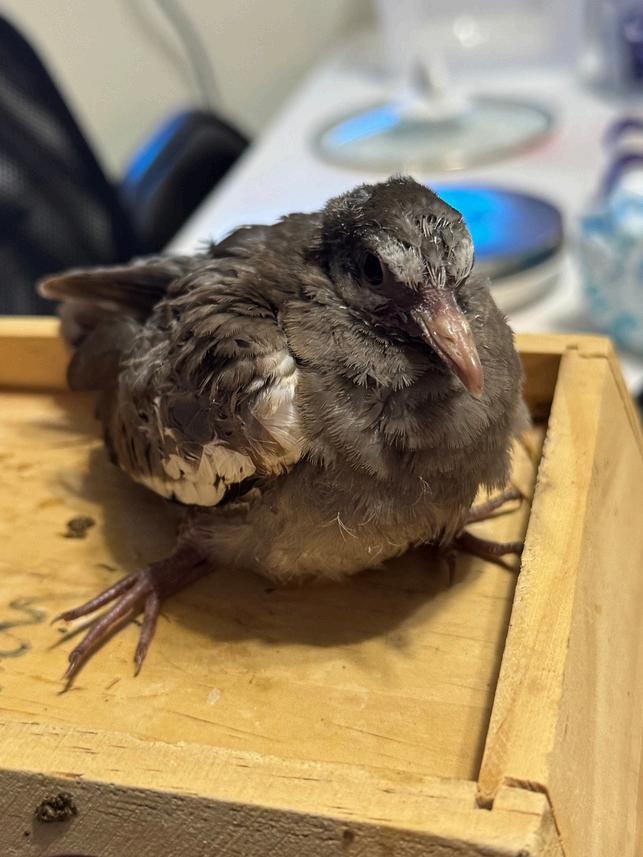
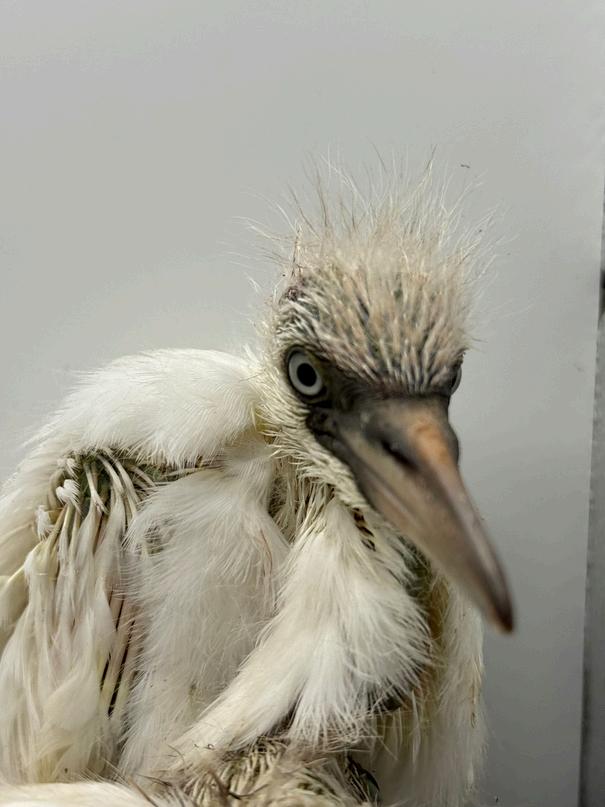
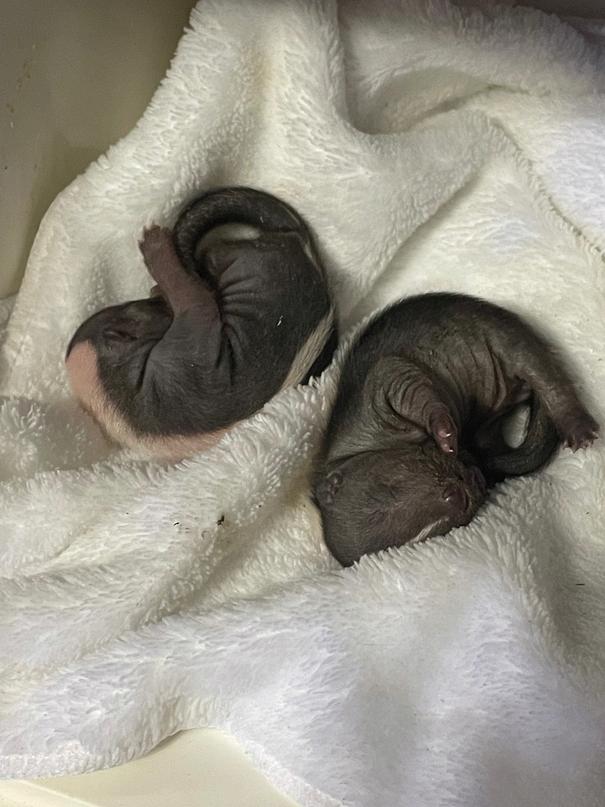
On June 27th, we received devastating news: North Texas Wildlife Center would either need to shut down or find a new home. What followed was nothing short of extraordinary. Our dedicated team, the City of Plano, and countless members of our community rallied together with urgency and heart.
Through that collective effort, we raised $250,000 toward the down payment on a new facility. This was proof of how deeply our mission is loved and supported. We are endlessly grateful to everyone who stepped up, gave generously, and belie in the future of wildlife care in North Texas.
Because of you, countless lives will continue to be rescued, rehabilitated, and released.
We are excited and hopeful as we plan to move into our new home in the first quarter of 2026, ready to save even more lives for years to come.
“Alone we can do so little, together we can do so much”
$4,225 ON LIVE MEALWORMS
$3,889 ON MEDICAL SUPPLIES
$13,146 FOR VET VISITS & DIAGNOSTICS
$22,370 ON SPECIES-SPECIFIC ENCLOSURES, INCUBATORS, AND CAGES
$30,995 ON SPECIALTY FORMULAS, FOOD, FEEDING SUPPLIES
This list reflects direct costs only and does not address essential operating expenses such as facility fees, utilities, maintenance, supplies, insurance, transportation, enrichment, or other critical costs that keep our work running safely and effectively, including staff wages
One of the things rehabbers hear often is "I don't know how you do it! I wouldn't be able to let them go. "
The public (you amazing humans) only see a snippet of what we endure as rehabbers. There is blood, sweat, tears, ugly sobbing, laughing while sobbing, stomach churning events, we see things we can't un-see and we feel things we can't un-feel
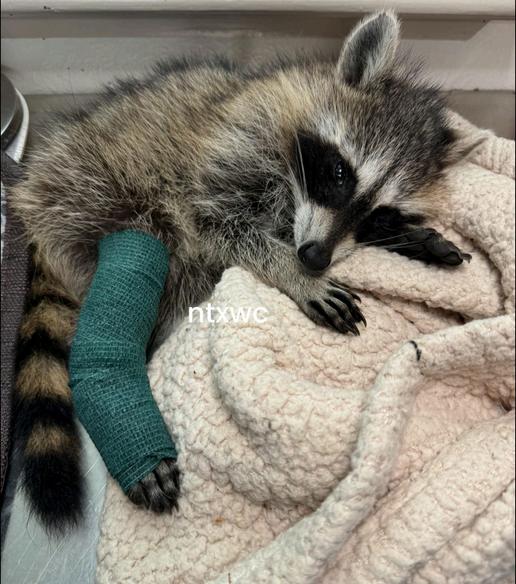
We get animals that are injured, sick, orphaned, broken, wounded, abused, scarred, fighting for their lives, clinging to life, losing their lives We work with blood, urine, feces, vomit, eye infections, abscesses, lacerations, and other gore.
But in the midst of it all, something beautiful happens
The dependent orphans learn to eat on their own. The broken leg heals and allows for bearing weight The eye infection clears up and vision is restored The wound scabs over. The wing heals. The pain fades.
Then one day, the very animals that we poured our heart, soul, time, money, and energy into are loaded up. The kennels are opened...in that moment, everything we ' ve worked for, everything YOU have supported, comes to fruition.
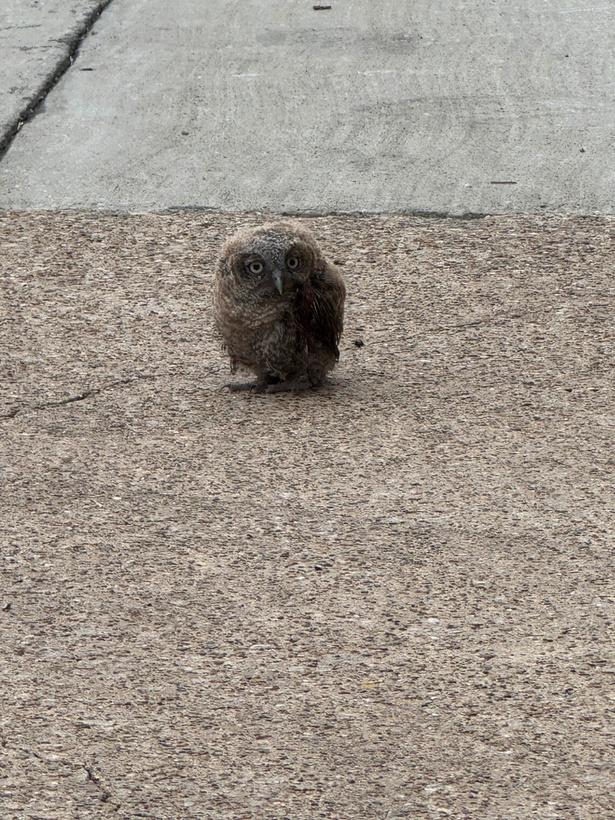
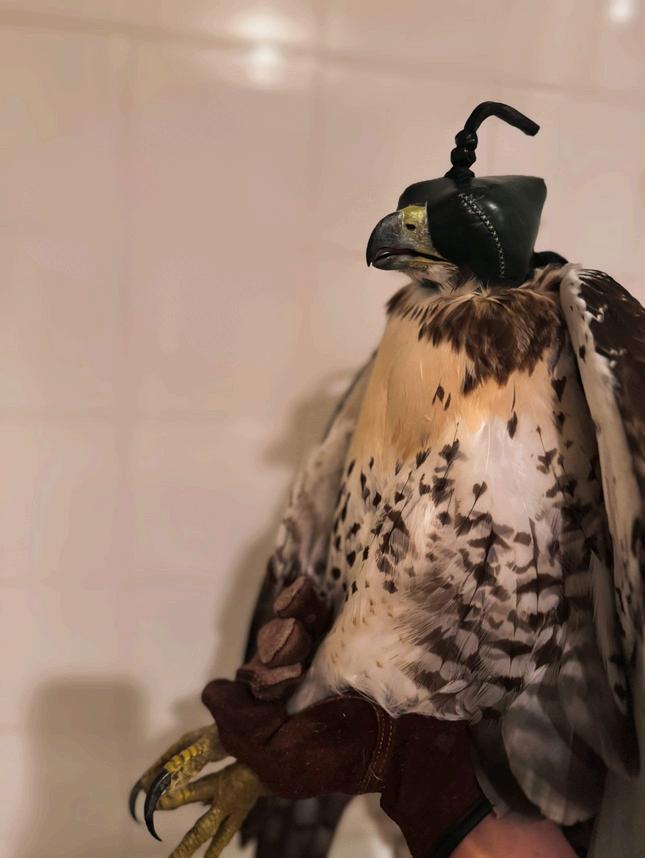
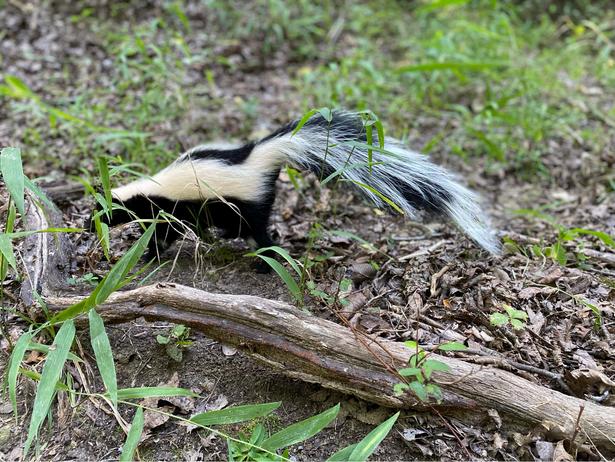
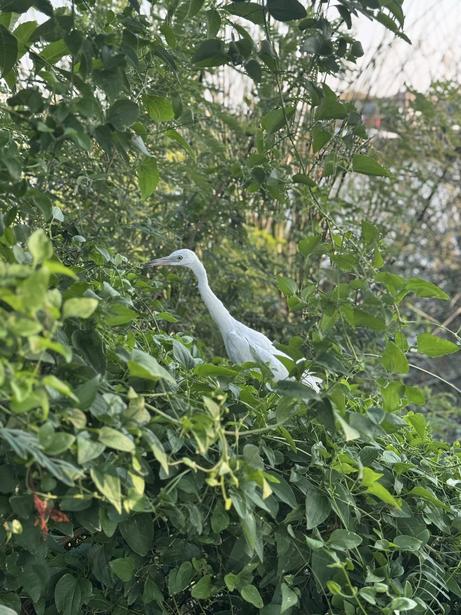
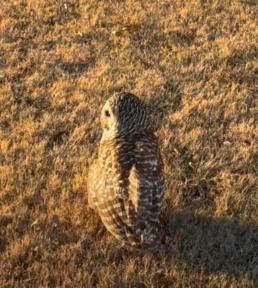
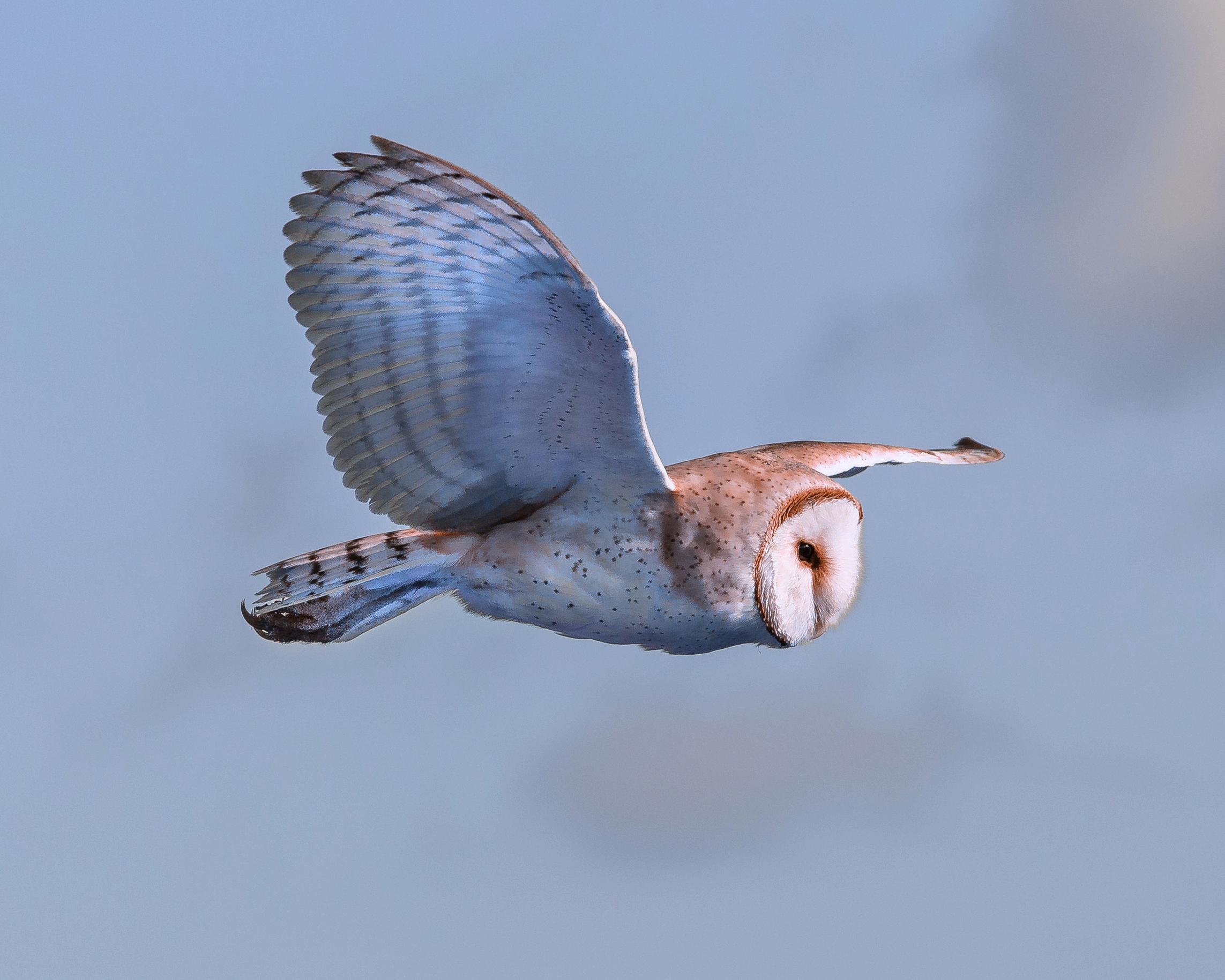
The bird walks then flies off. The skunk feels fresh grass under his paws and waddles away. The owl spreads his beautiful wings and takes fl cautiously takes that first step into her second chance tree. And...
We walk away. We let go.
Yes, we cry. We worry.
They were never ours to begin with.
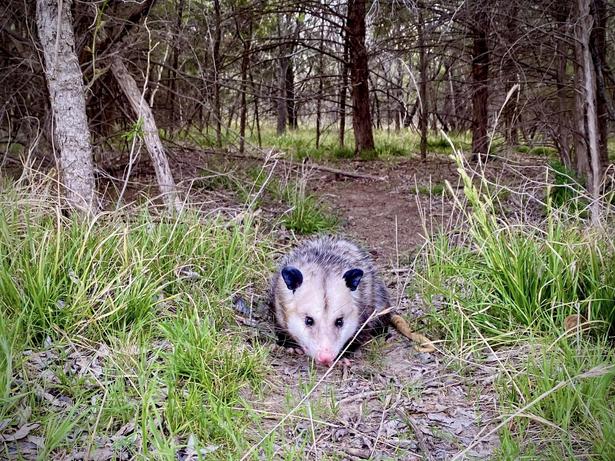
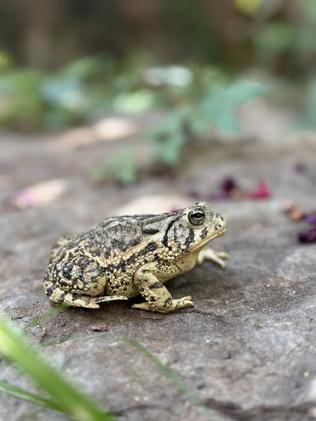
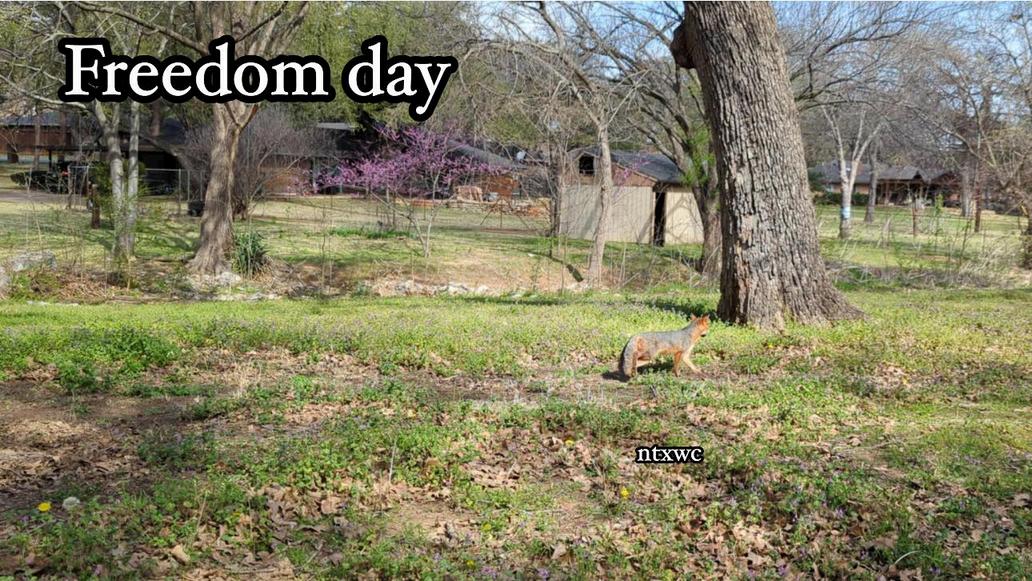
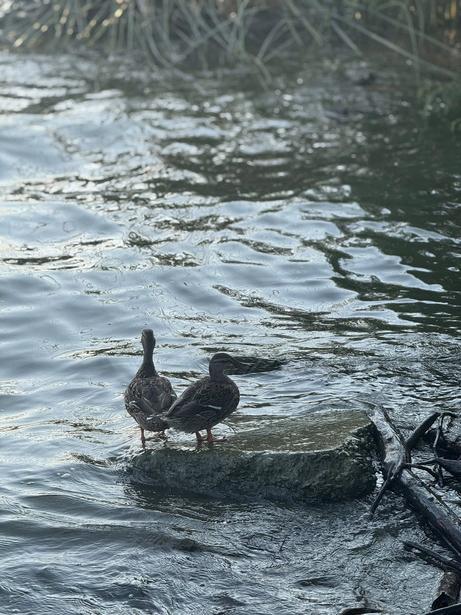
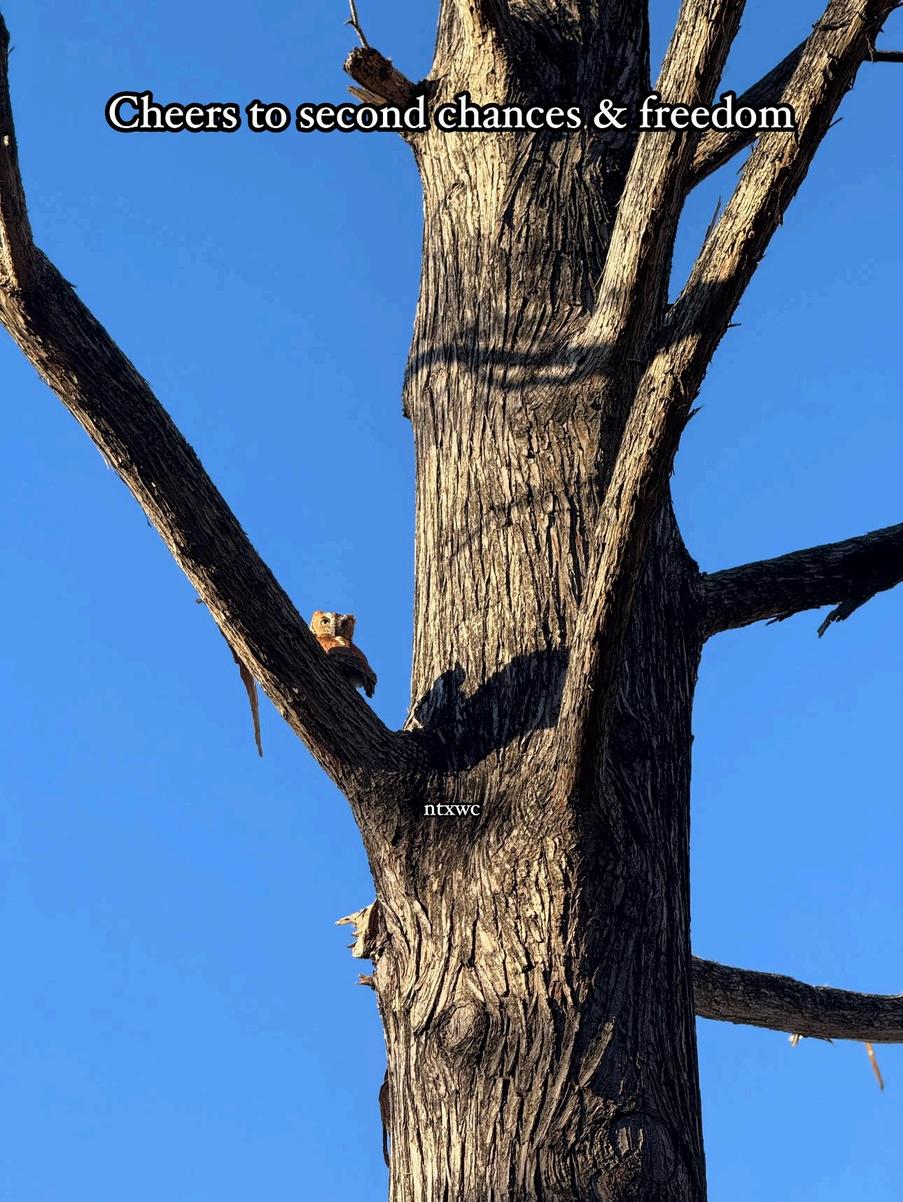
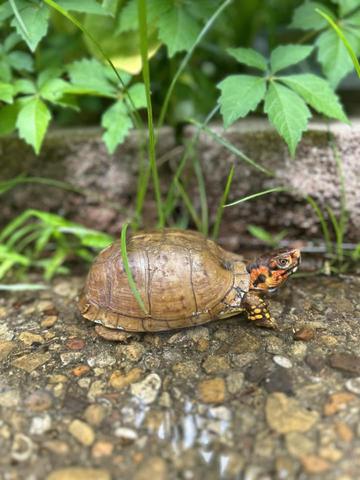
1.
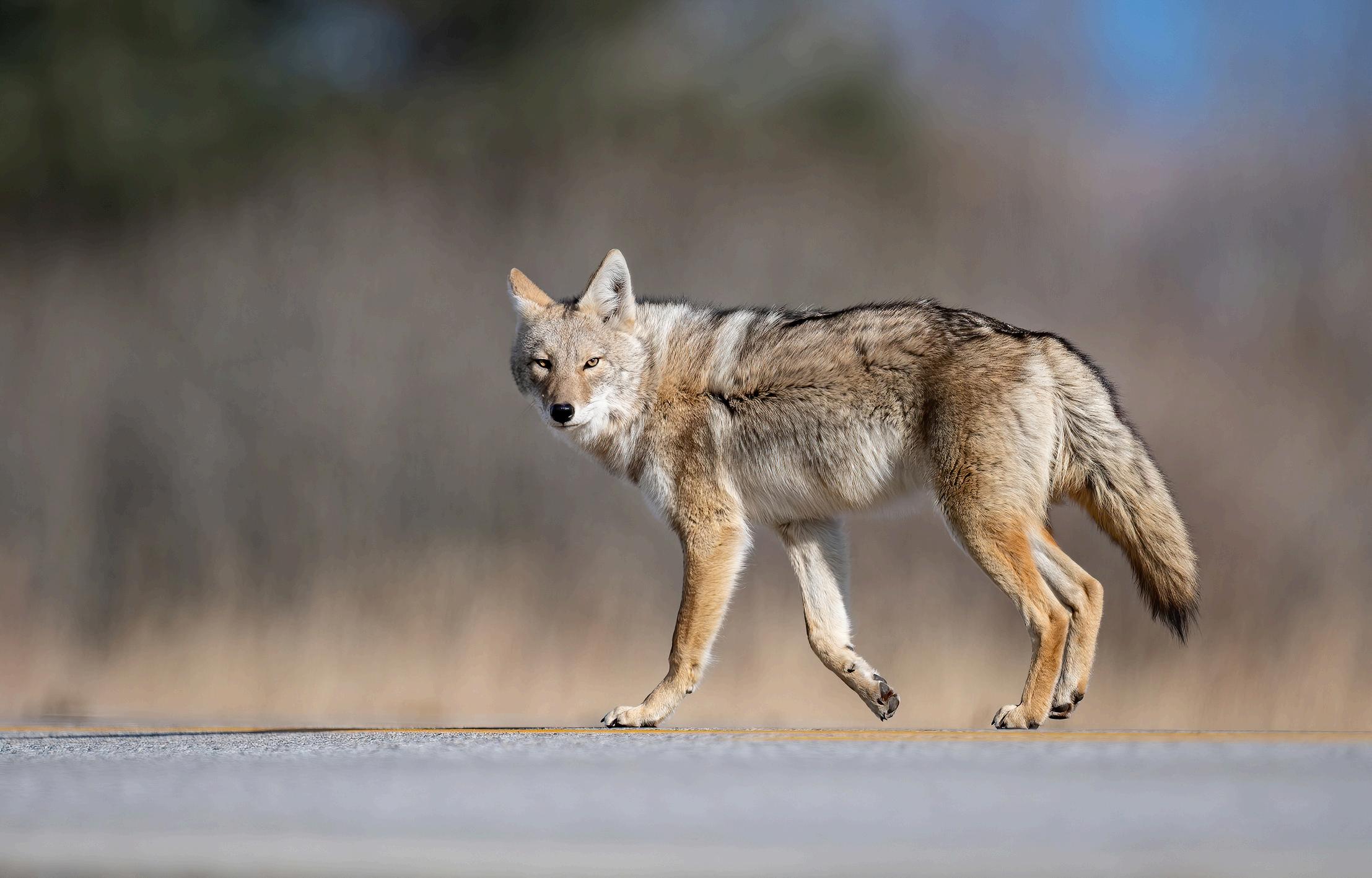
HERE ARE A FEW TIPS TO HELP YOU STAY PREPARED, SAFE, AND INFORMED ON COYOTES IN YOUR NEIGHBORHOOD.
2.
KEEP CATS INDOORS OR SUPERVISED IN CLOSE PROXIMITY. KEEP DOGS LEASHED AND SUPERVISED. BE PREPARED TO PICK UP YOUR PET. AVOID USING RETRACTABLE LEASHES.
REMOVE POTENTIAL FOOD AND WATER SOURCES FROM YOUR YARD LIKE PET FOOD, FALLEN FRUIT AND BIRD SEED, AND STANDING WATER.

3.
KNOW HOW TO HAZE AND DO IT! IF YOU SEE A COYOTE, STAND TALL, CLAP YOUR HANDS, MAKE NOISE. THIS WILL REINFORCE THE COYOTE'S INNATE FEAR OF HUMANS. DO THIS UNTIL THE COYOTE LEAVES.
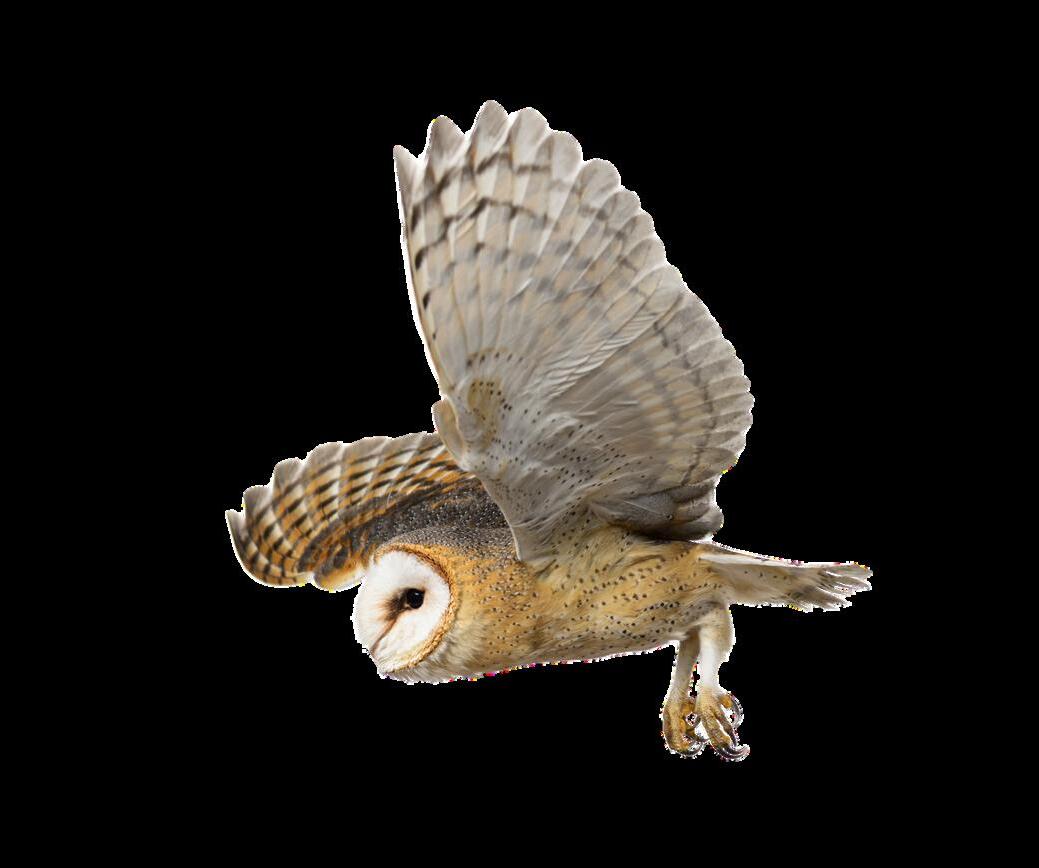
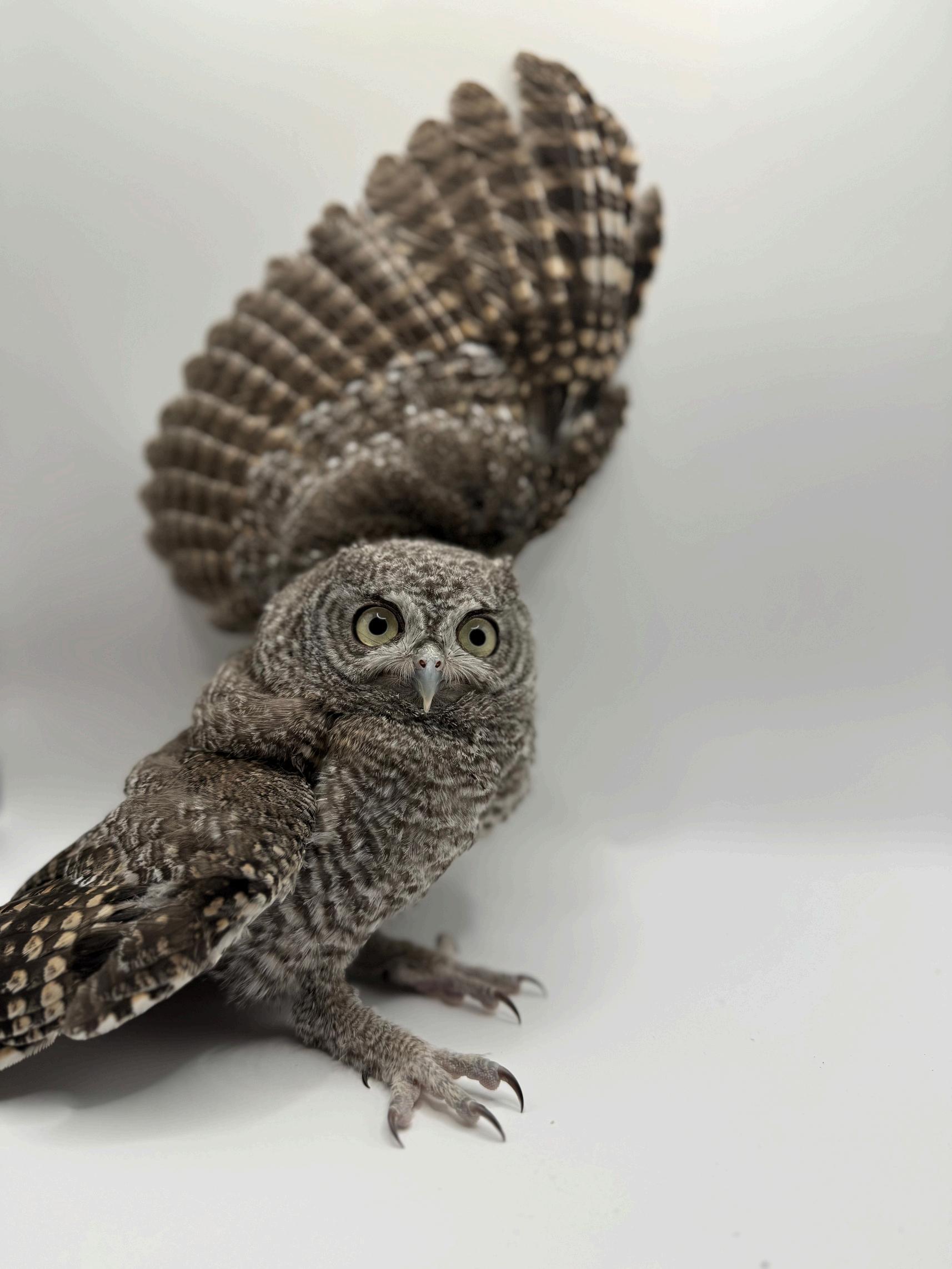
illness caused by rodenticide poisoning after eating contaminated prey.
Additional admissions include vehicle collisions and general weakness related to habitat loss, highlighting both the risks these birds face and the importance of wildlife rehabilitation. Each owl receives care aimed at recovery and release.
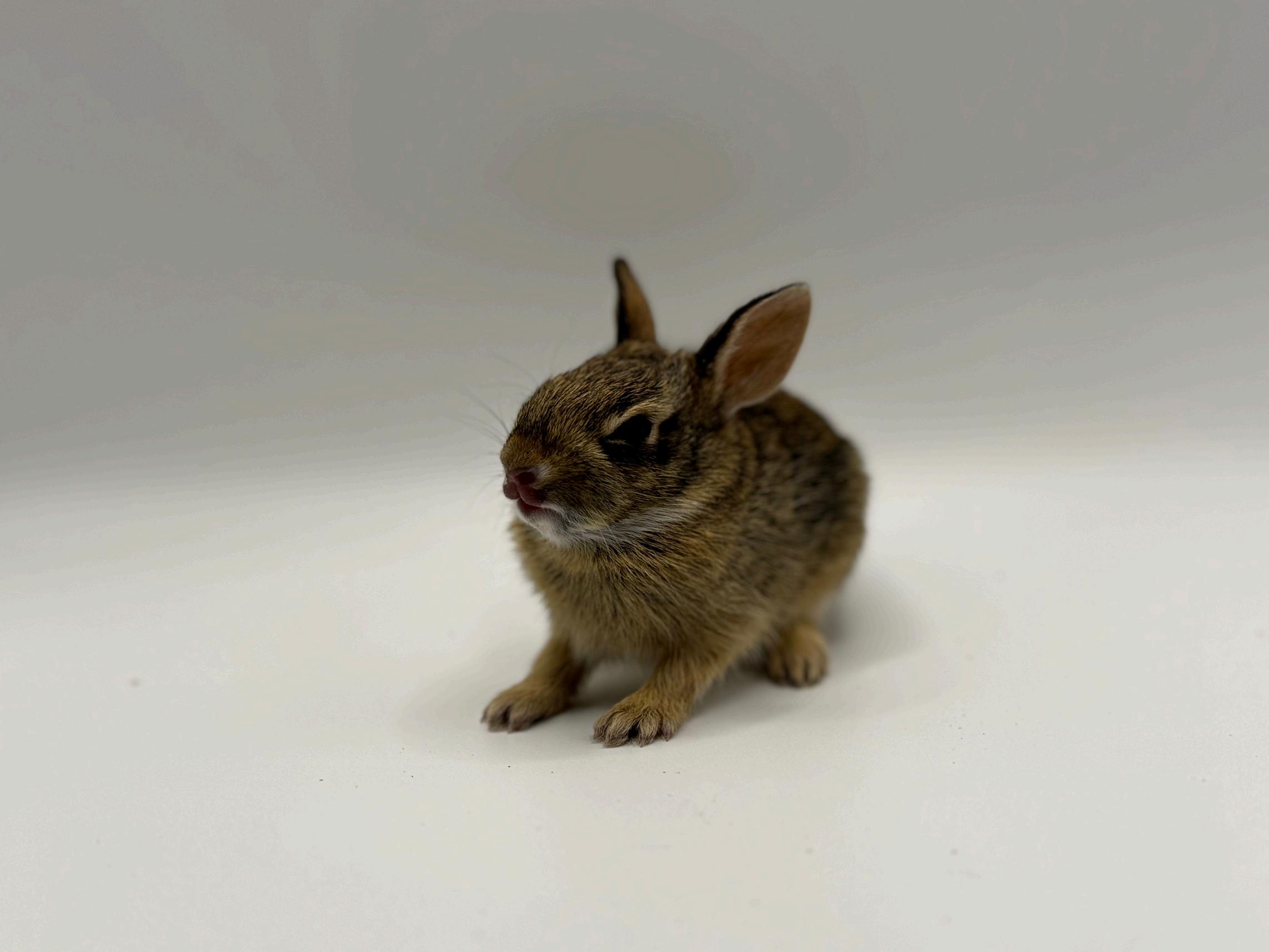
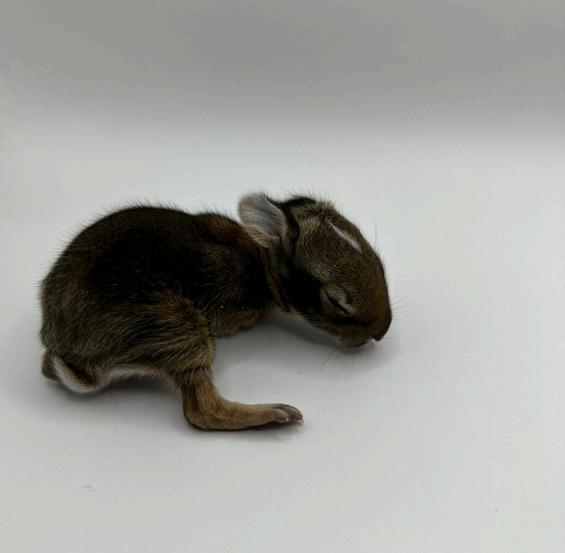
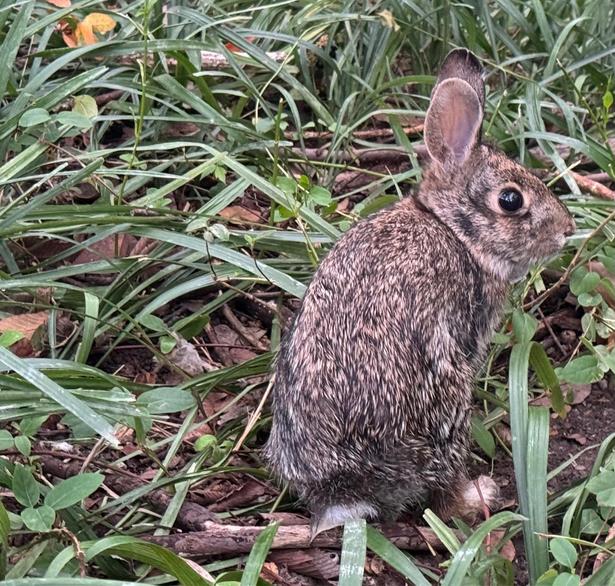
If a baby bunny is not sick, injured, or truly orphaned, the best thing to do is put them back where they were found. Mother eastern cottontails do not stay with their babies during the day; they visit only a few times, usually at dawn and dusk, to avoid attracting predators. A nest that looks unattended is often being cared for exactly as nature intended. Removing a healthy baby unnecessarily can reduce their chances of survival.
Coexisting with cottontails means understanding their natural behaviors and giving them space. If a nest is in your yard, keep pets and people away and allow the babies time to grow. By leaving healthy bunnies where they belong, we help ensure they can thrive in the wild.
Trapping is ineffective because if you do not remove the attractant and effectively secure all entry points, other wildlife will move in.
There are three main reasons why trapping and relocating is no longer considered humane:
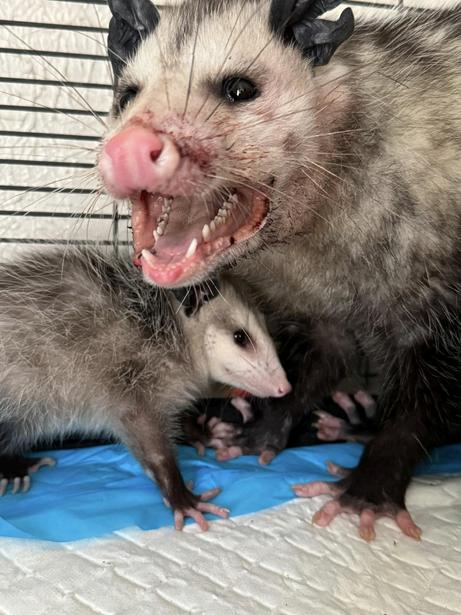
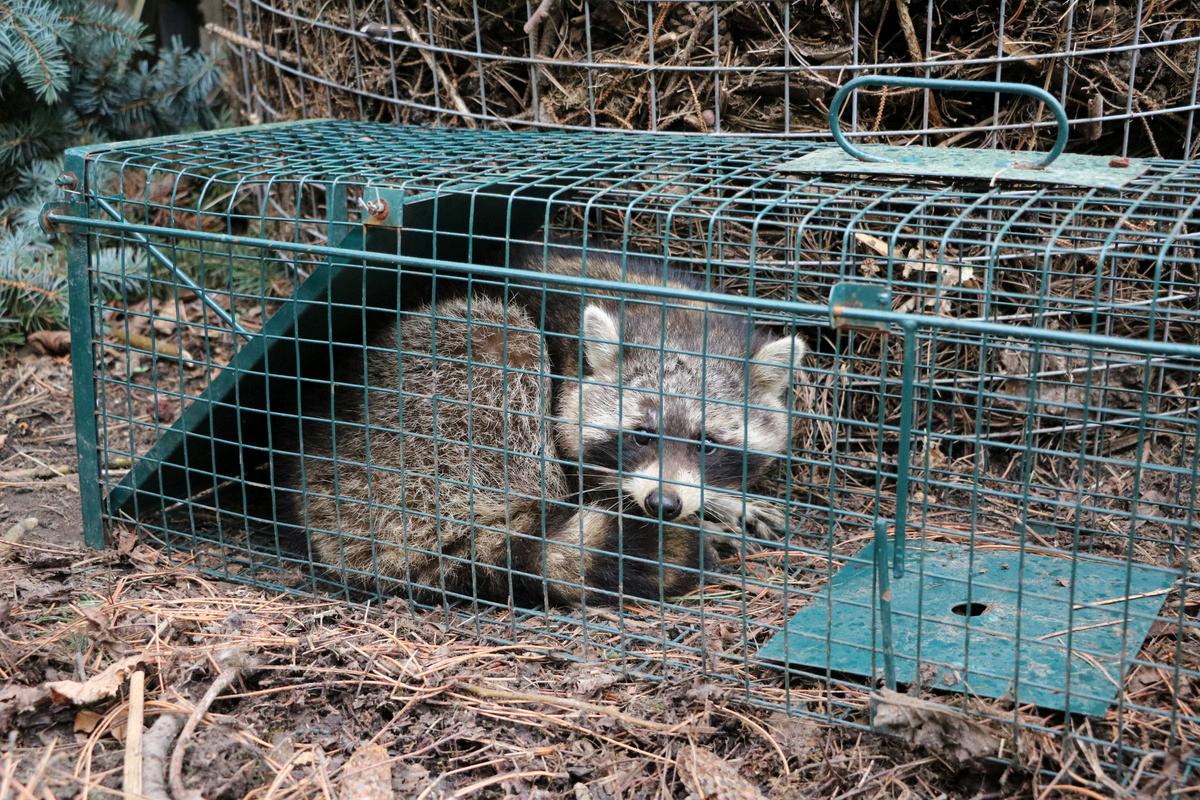
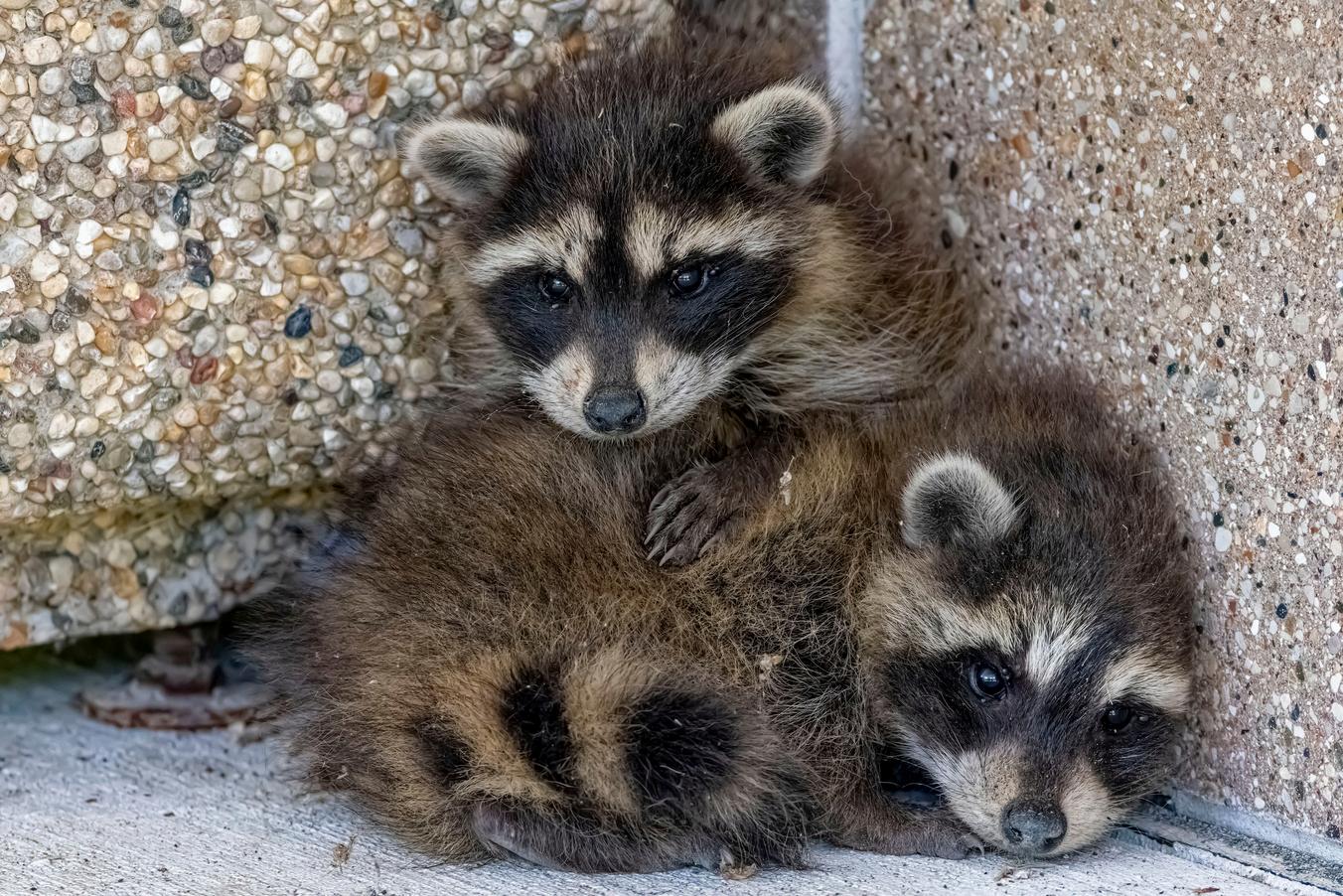
A majority of our 2025 raccoon patients arrived after being inhumanely separated from their mom during trapping and removal efforts by local pest control companies.

Wesaidgoodbyetoourspeciallittleguy, Coconut.Hewasourambassador for2.5years.
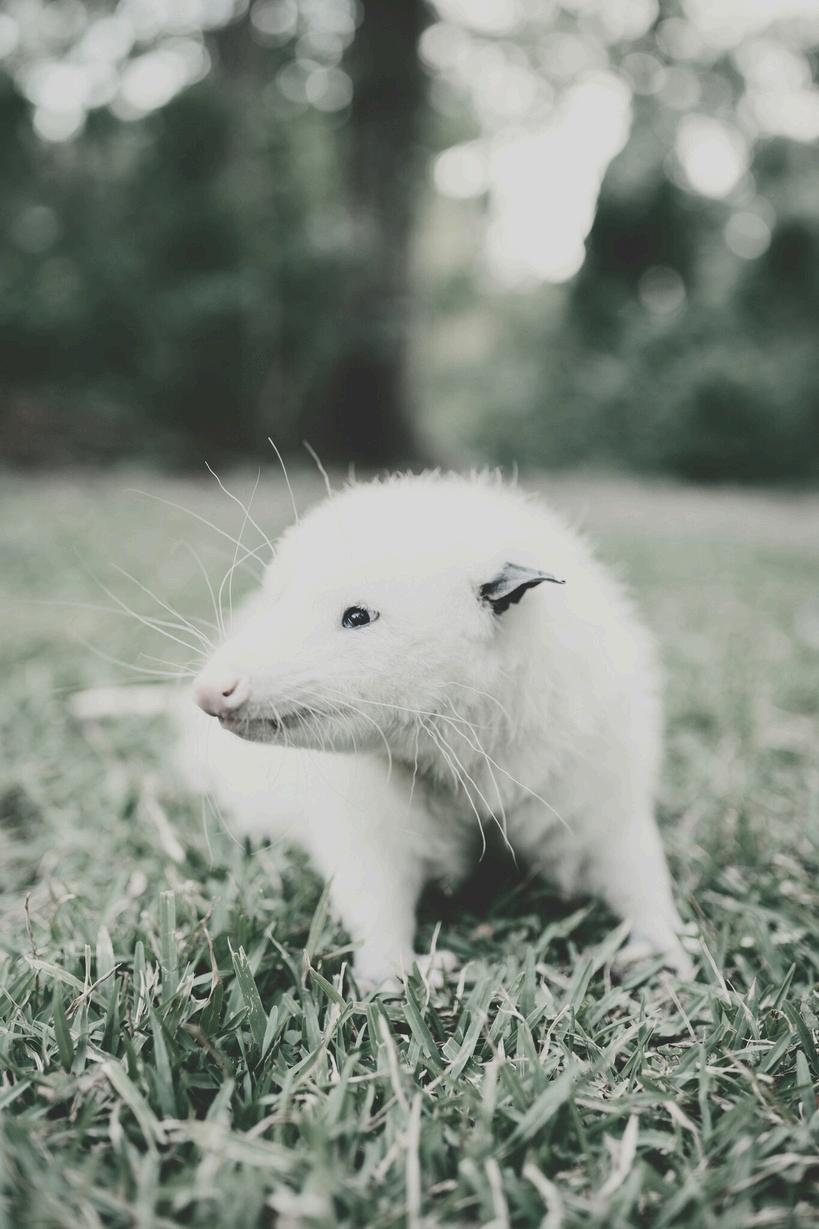


With the close of 2025, Your ongoing support makes our life-saving work possible.

BY D MAGAZINE









FourBulletsBrewery
IntrinsicBrewing
LockwoodDistillingCompany TheBeardedMonk TurningPointBeer
VectorBrewing


Baskets of McKinney, Thank you to Libby!