YELLOW BASICS

As Australia’s leading specialist insurance provider in transport and logistics, NTI’s range of products and services goes beyond traditional insurance. We’re committed to delivering our purpose: To keep Australian industry moving towards a safer and more sustainable future.
This involves helping customers and partners deal with today’s challenges through sharing expert knowledge and content, in collaboration with industry experts and authorities.
We hope this ‘Yellow Basics’ book will be a useful guide for you on basic heavy construction and earth-moving equipment, information and terminology, and that it will help supplement your service and advice to clients, no matter what role you play in supporting the industry.
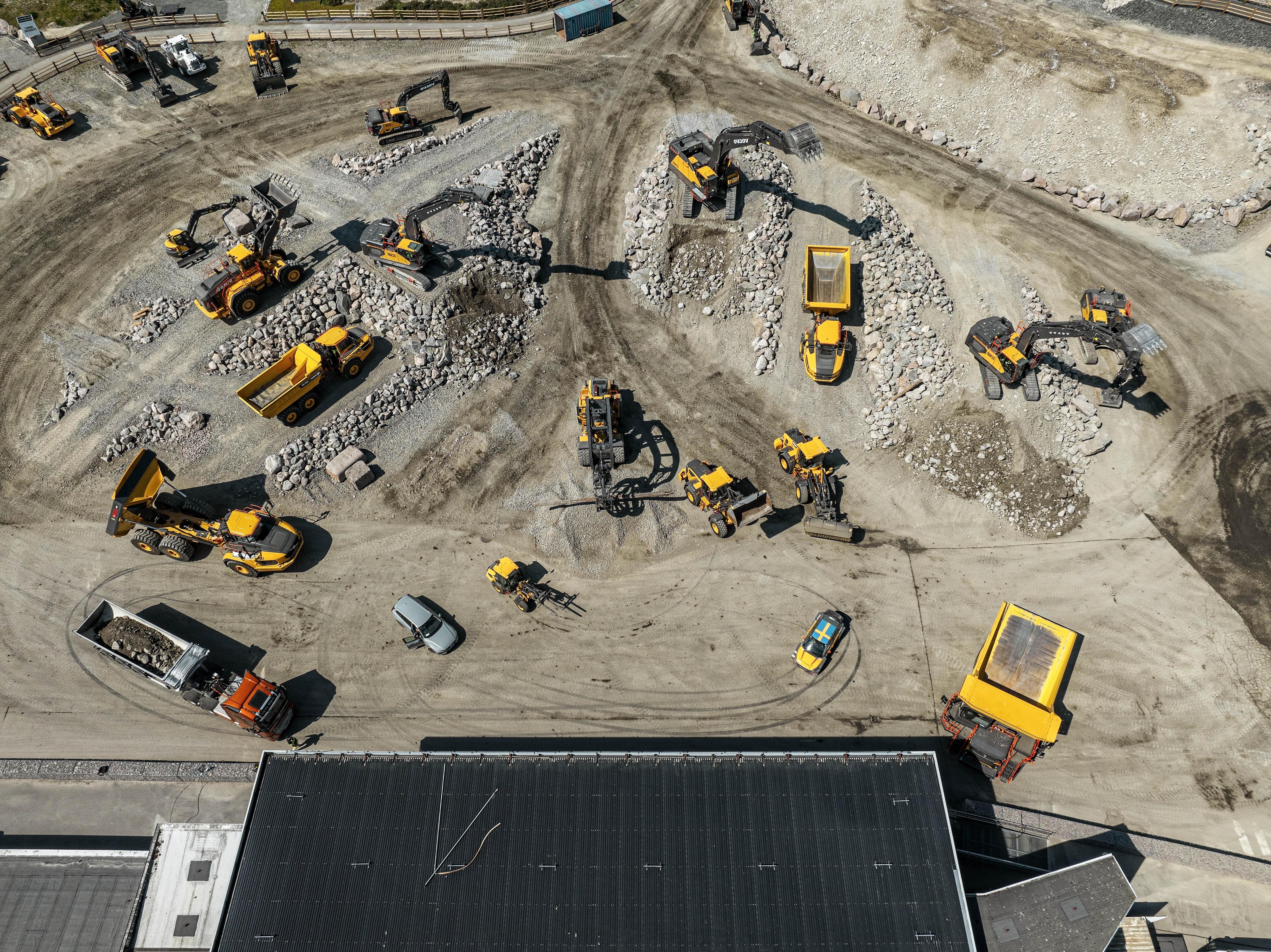

Mobile plant and equipment (MPE) are the muscles of the modern economy. Wherever hard work is being done, you’ll likely find an array of powerful machines multiplying the work that can be completed, driving efficiency and productivity.
“Mobile plant and equipment is productivity in motion”.
- David Kidd National MPE Portfolio Manager

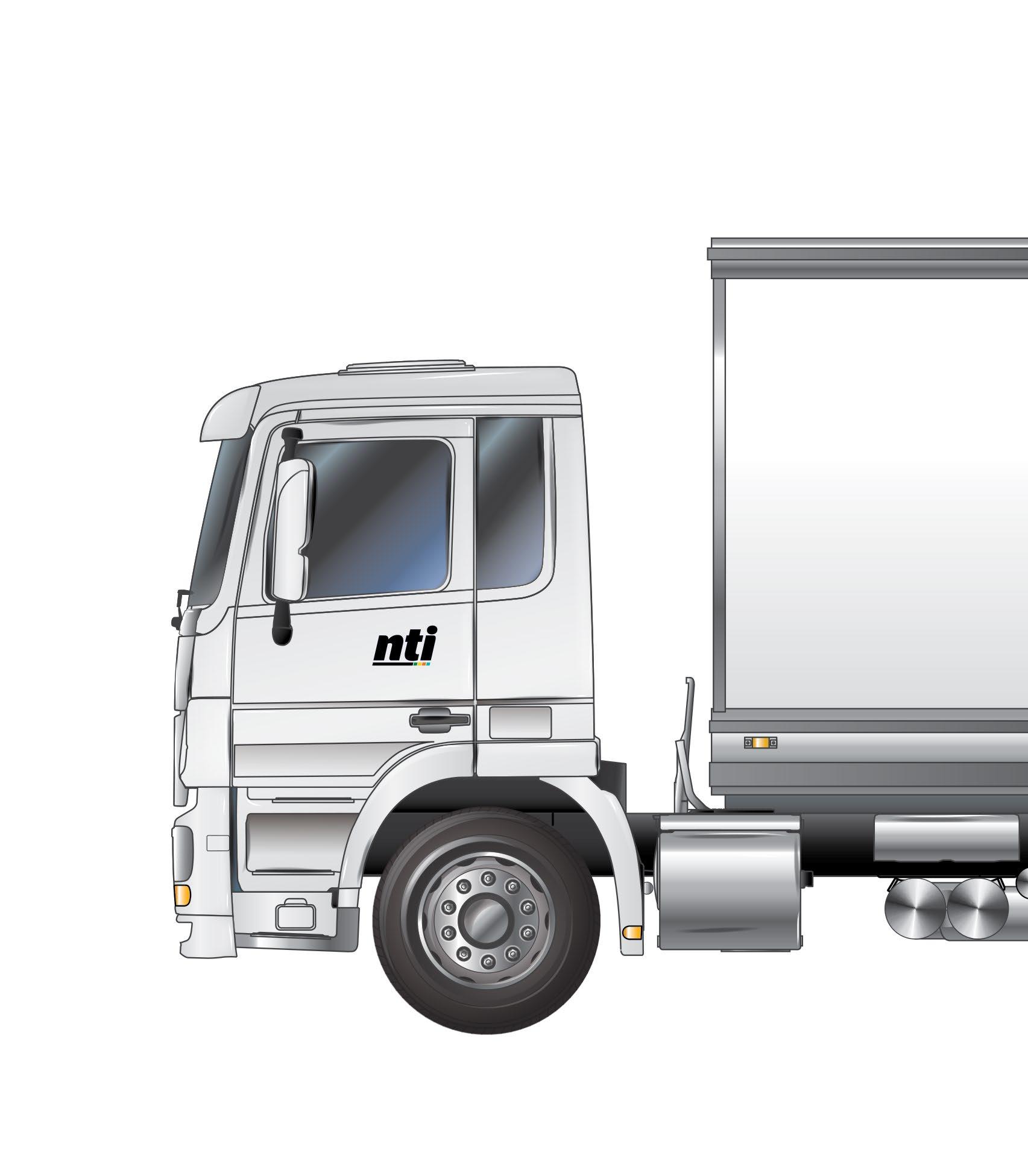
A selection of the most common machines and their key components.
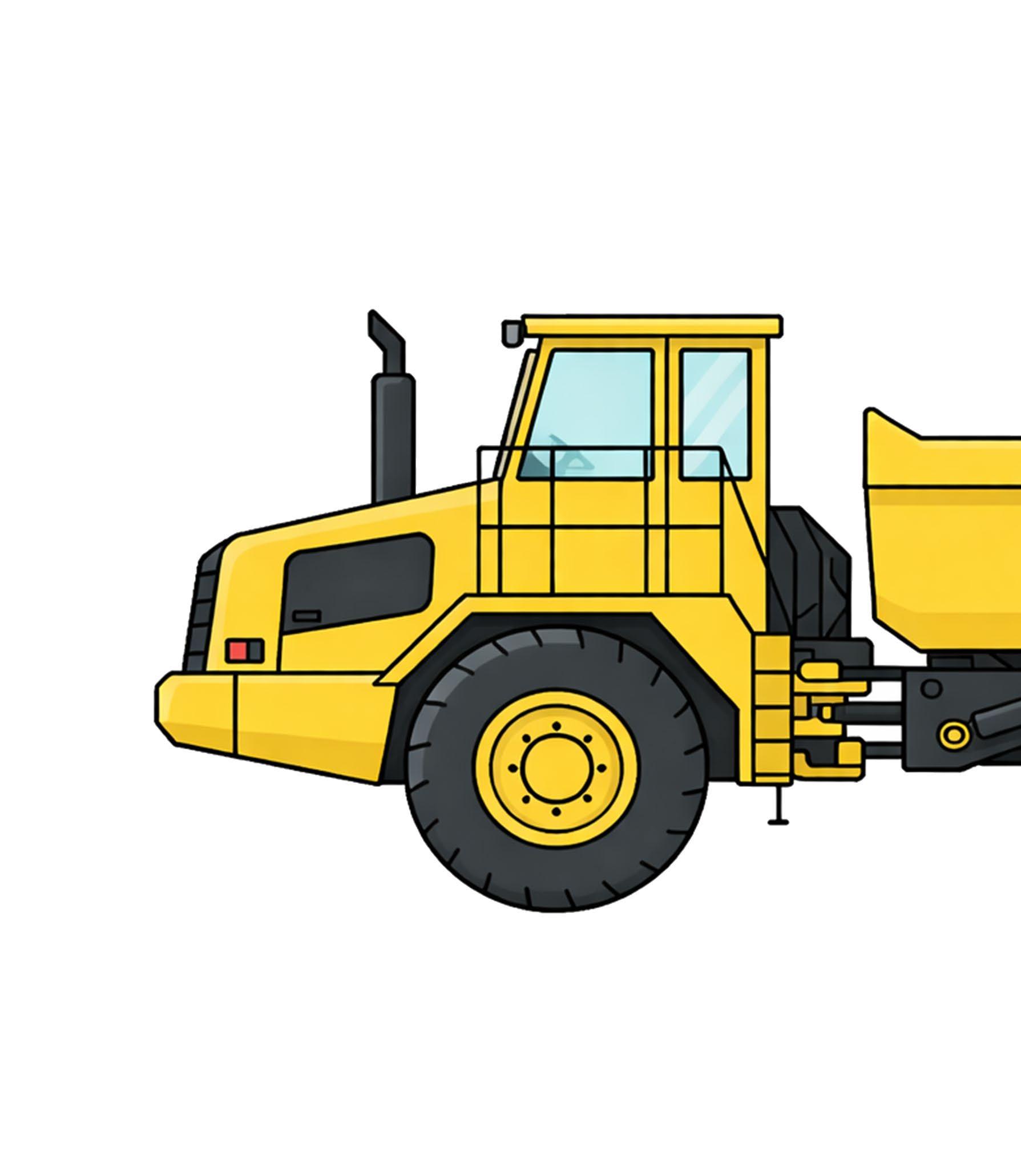
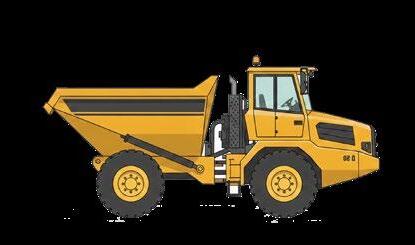
Tipping Cylinder


















Payloads from 6.5t to 55t.














Operating weights from 12t to 98t. Operator’s Cab


















Articulation Pivot





















Steering Cylinder
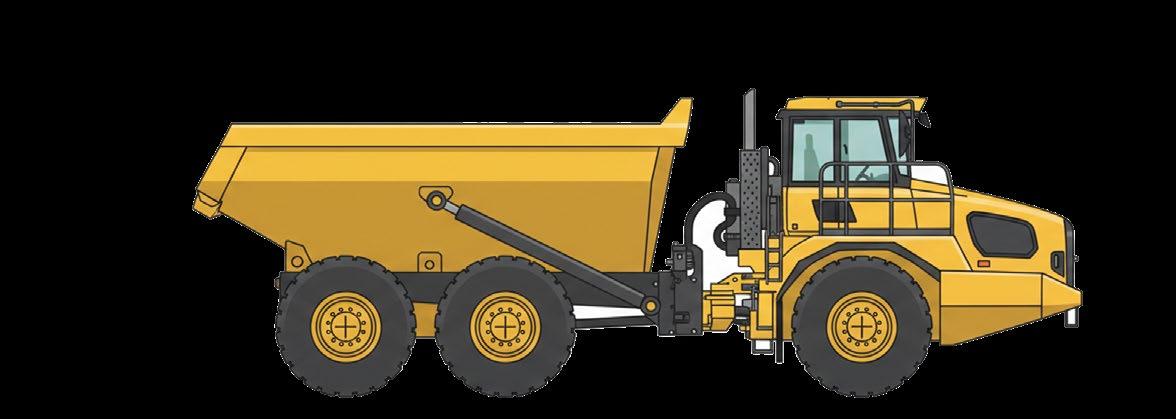
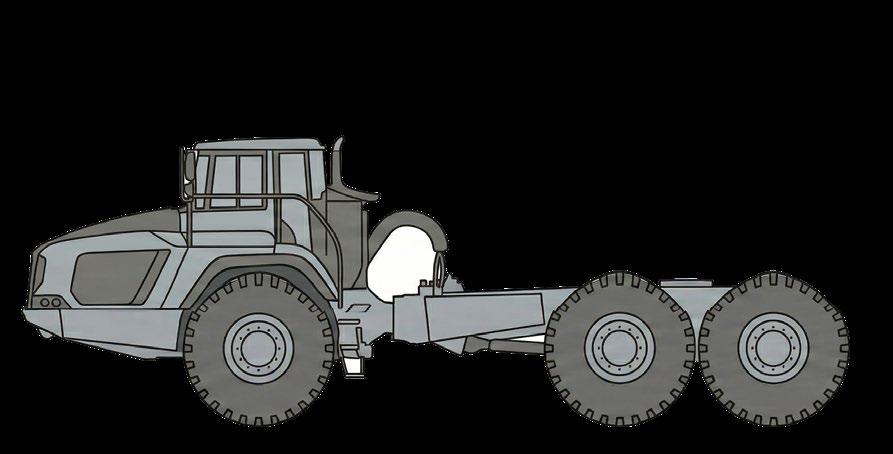
Articulated Dump Trucks (ADTs), sometimes known by the trade name ‘Moxy’ allow the transport of bulk materials over short to medium distances.
Typically loaded by either wheel loaders or excavators, they allow large volumes of materials such as soil, ores or demolition waste to be moved efficiently and self-unloaded by tipping.
They are limited to off-road use, with truck-based tippers used where on-road travel or longer distances are involved.

Power outputs from 36kw to 110kw.
Operating weights from 3.2t to 12t.
Operator’s Cab
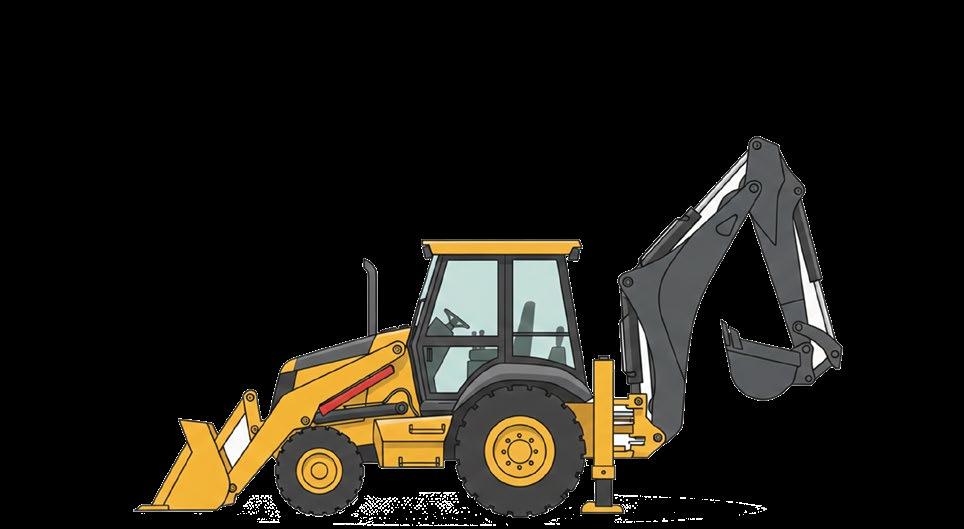
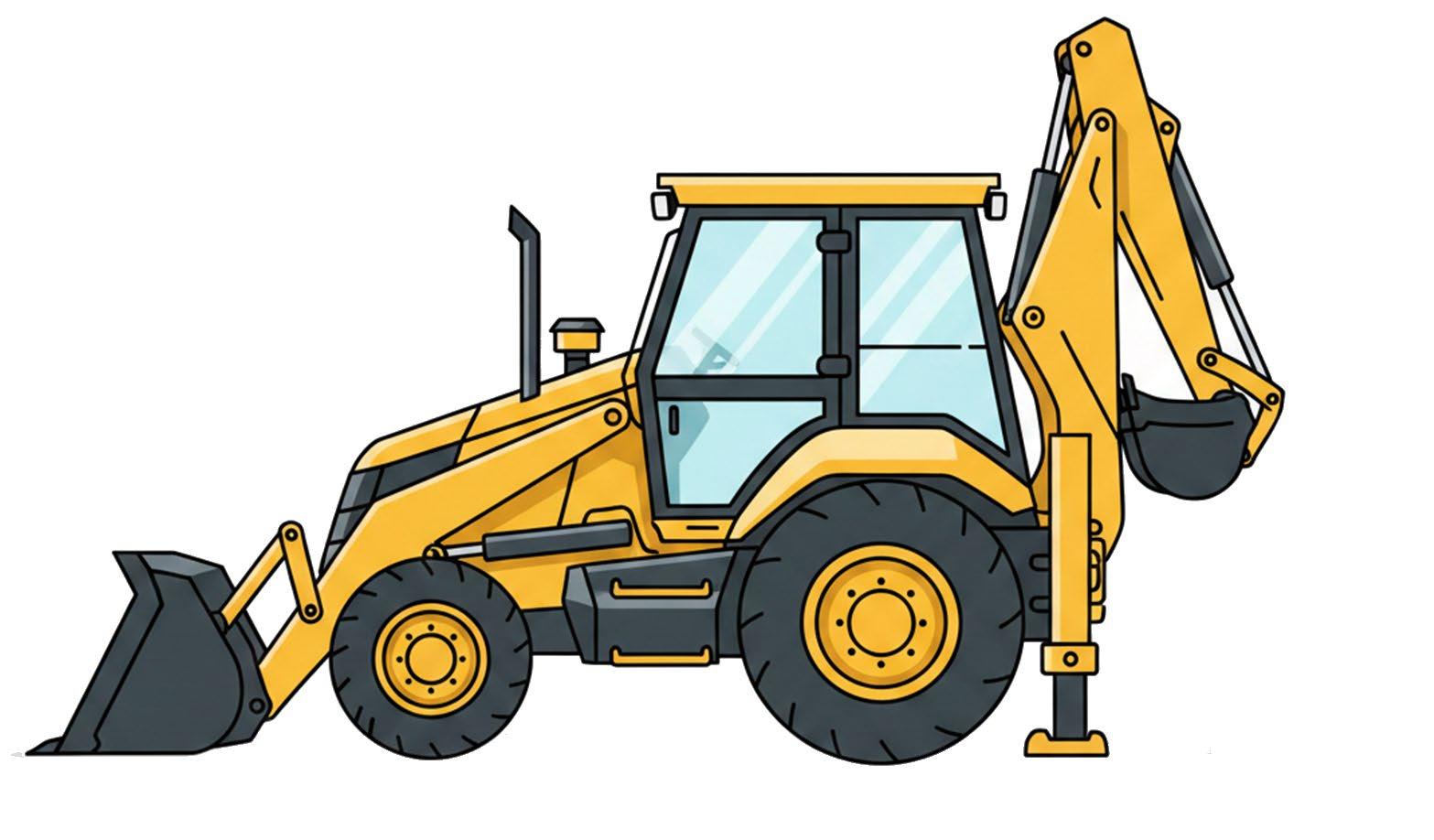
Backhoes are the swiss-army knife of MPE. Their front-end-loader (FEL) can lift and load, while their backhoe is a versatile digging tool.
They have high travel speeds (by MPE standards) and can be fitted with many different attachments for specialised tasks.
This versatility makes them popular where one machine needs to do a range of jobs, such as in local government.
Operating weights from 1.5t to 25.6t.
Power outputs from 15kw to 160kw.

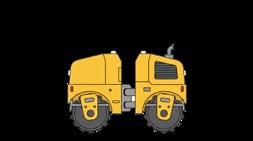
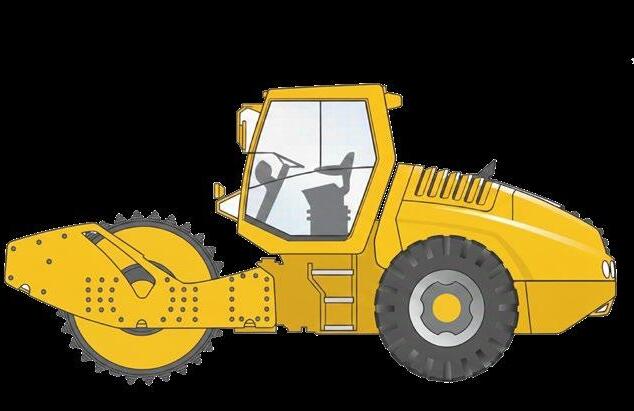
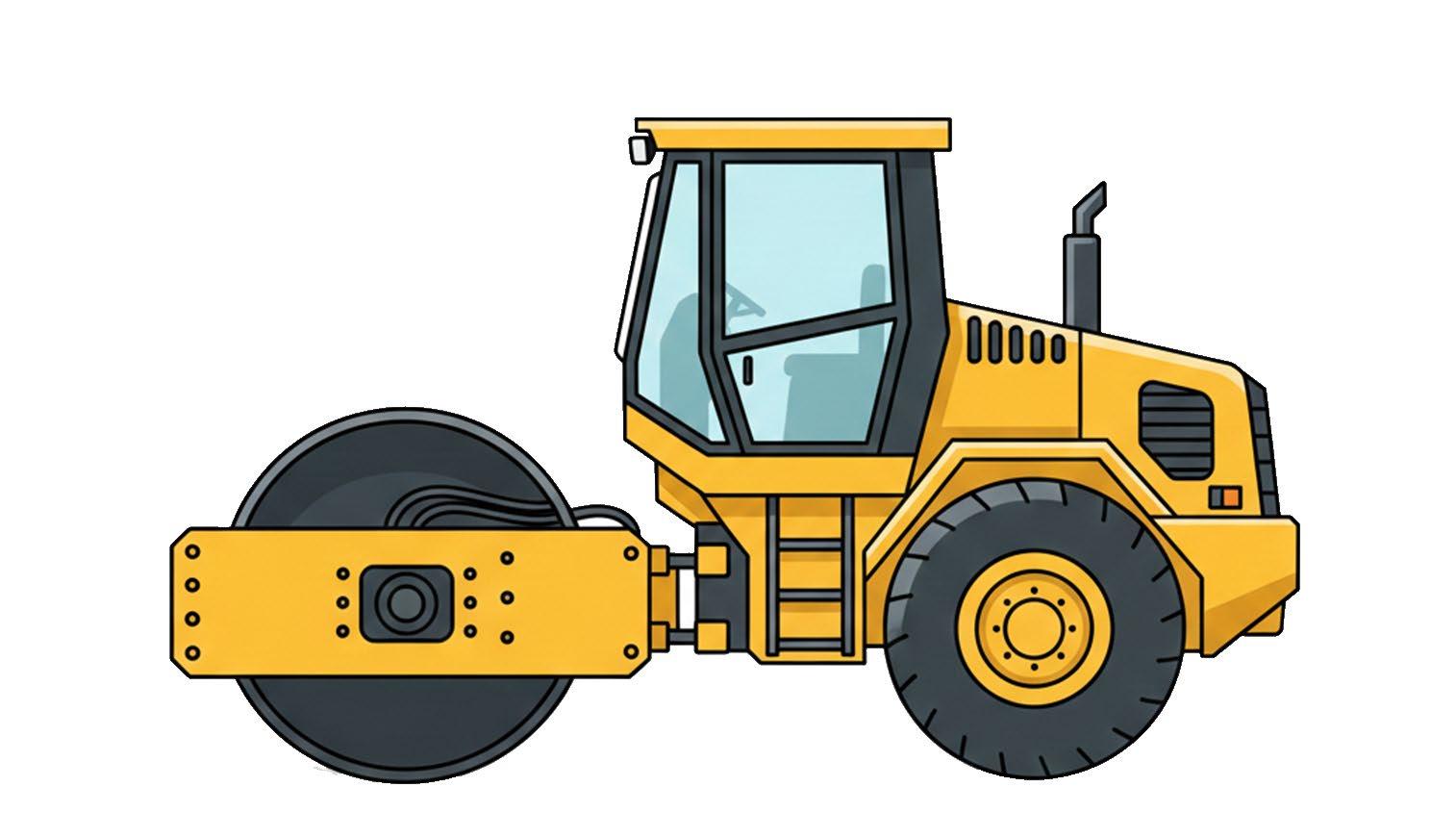
Compactors (also known as Roller Compactors) use a large and heavy roller, in combination with vibration, to compact materials. In construction it is often necessary to ensure recently moved earth is well compacted prior to having other structures built above it.
Compactors may feature ‘lumpy’ rollers (known as ‘pad foot’ or ‘sheeps foot’) or smooth rollers, with the former often used for greater compaction and the latter for final finishing passes. Single drum rollers have a roller drum at the front and typicallyrubber tyres at the rear, while double/tandem drum rollers use a roller at both ends.

Operator’s Cab
Power outputs from 50kw to 860kw.
Operating weights from 7t to 153t.
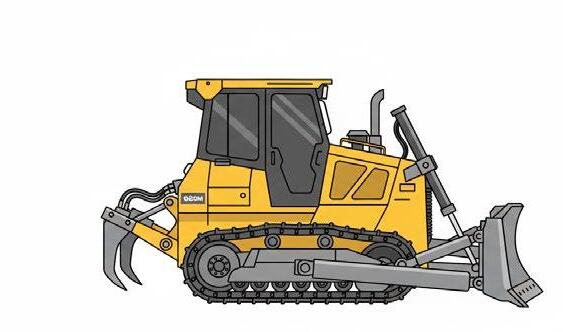
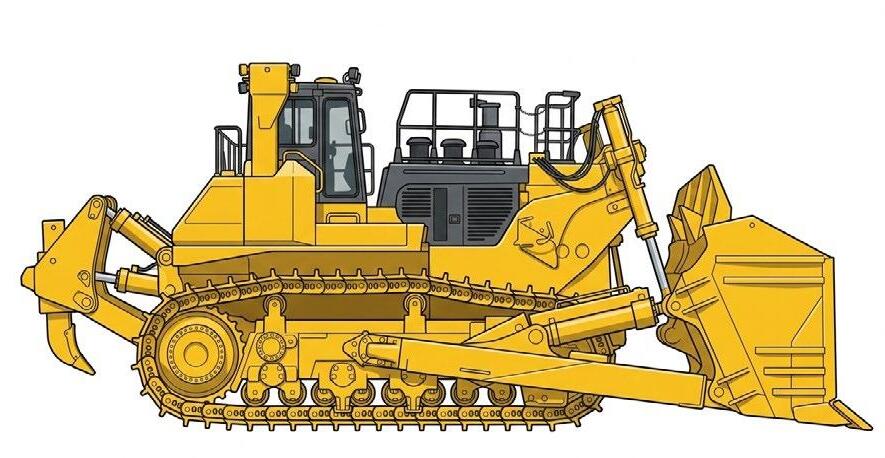
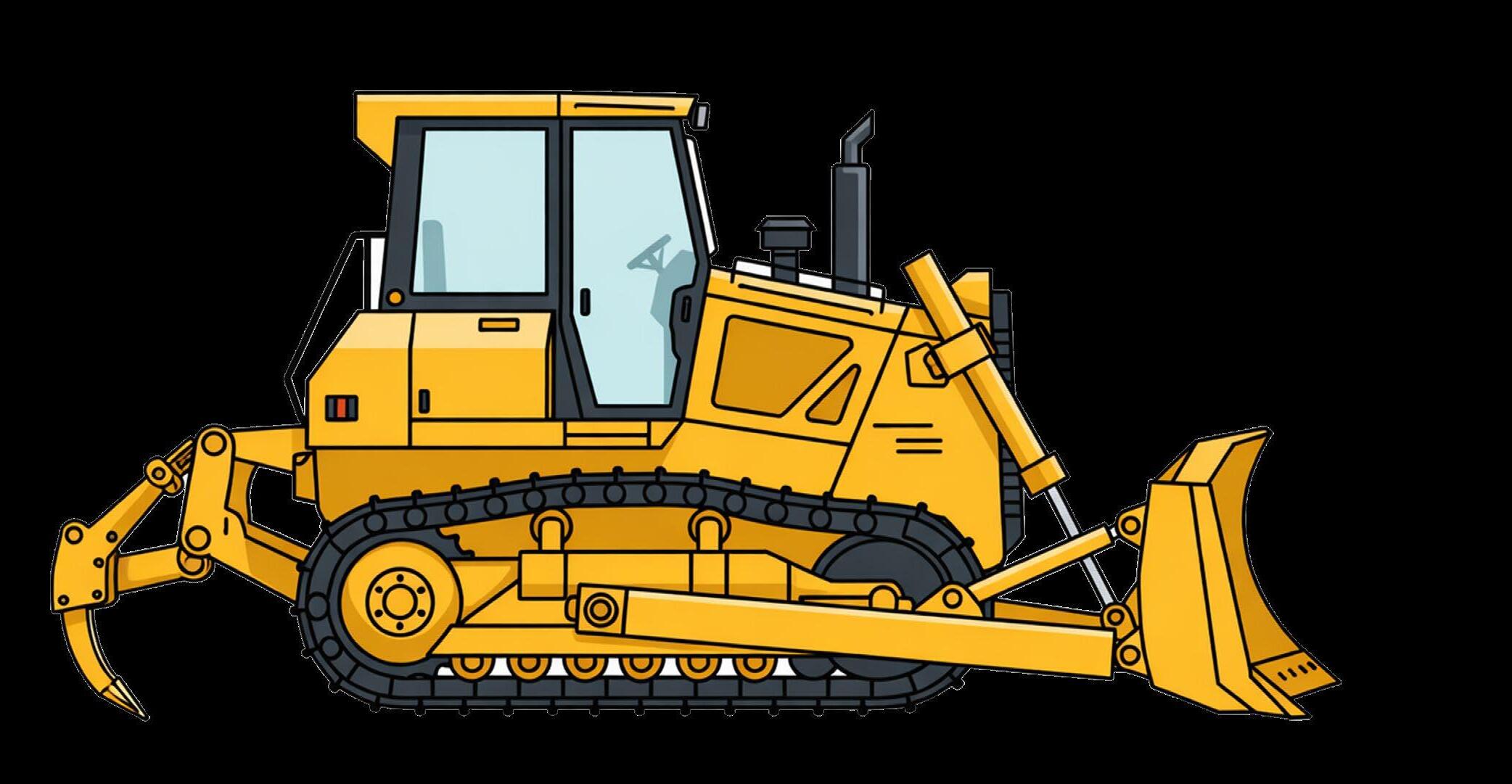
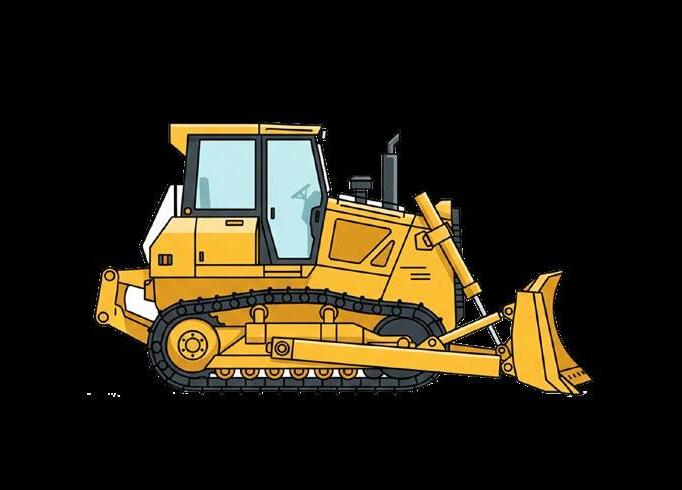
Dozers (also called Bulldozers) are the heavy muscle of the MPE space. The combination of heavy mass, high power and the traction of tracks means they can create huge pushing forces.
They can dig or push with their front mounted blade or break up hard materials with their rear mounted ripper. They are also used where high pulling or pushing forces are required, often in tandem with other equipment.
Heights as low as 2m to over 60m tall.
Drilling depths from 2m to 500m+ .
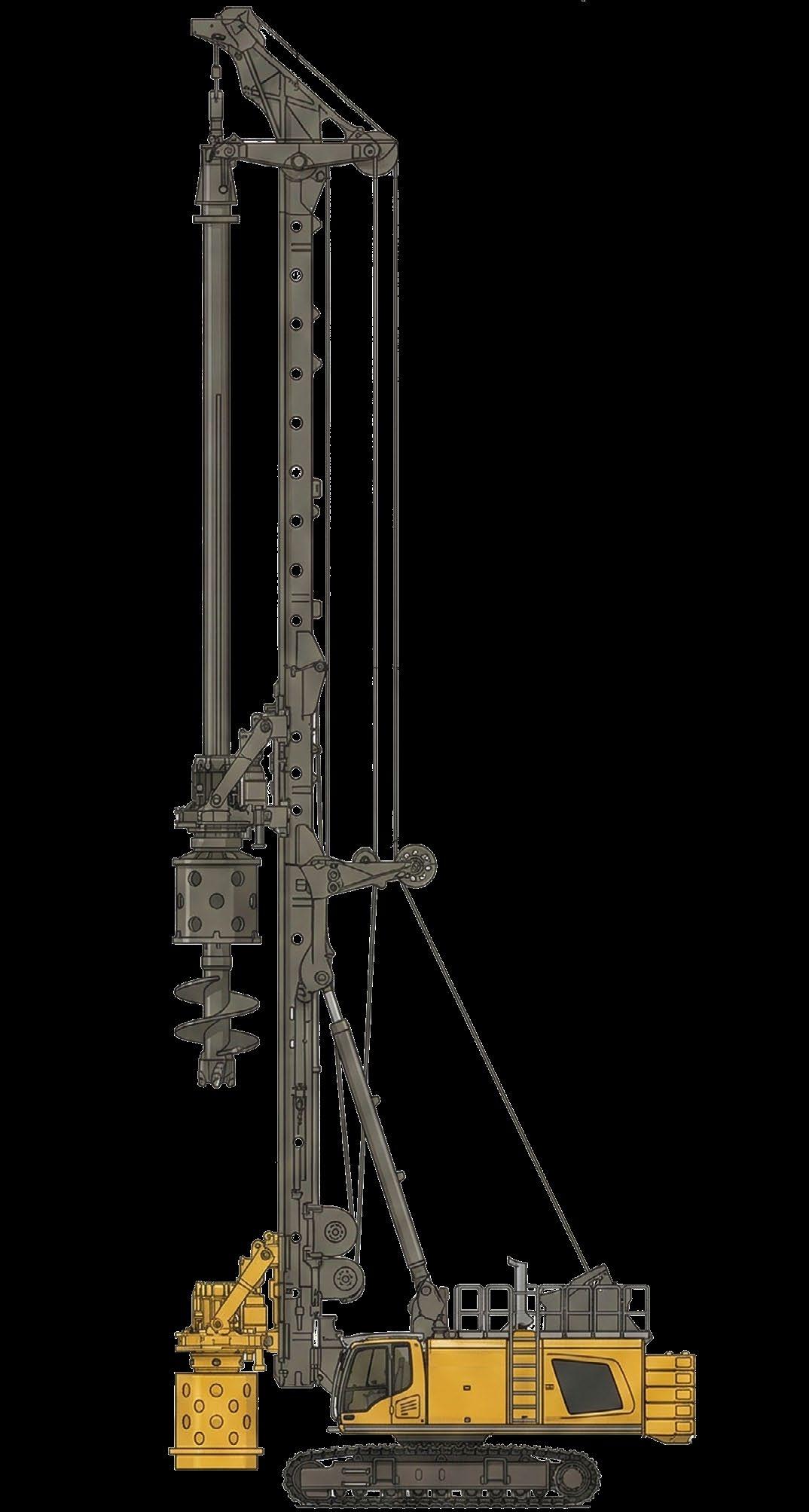
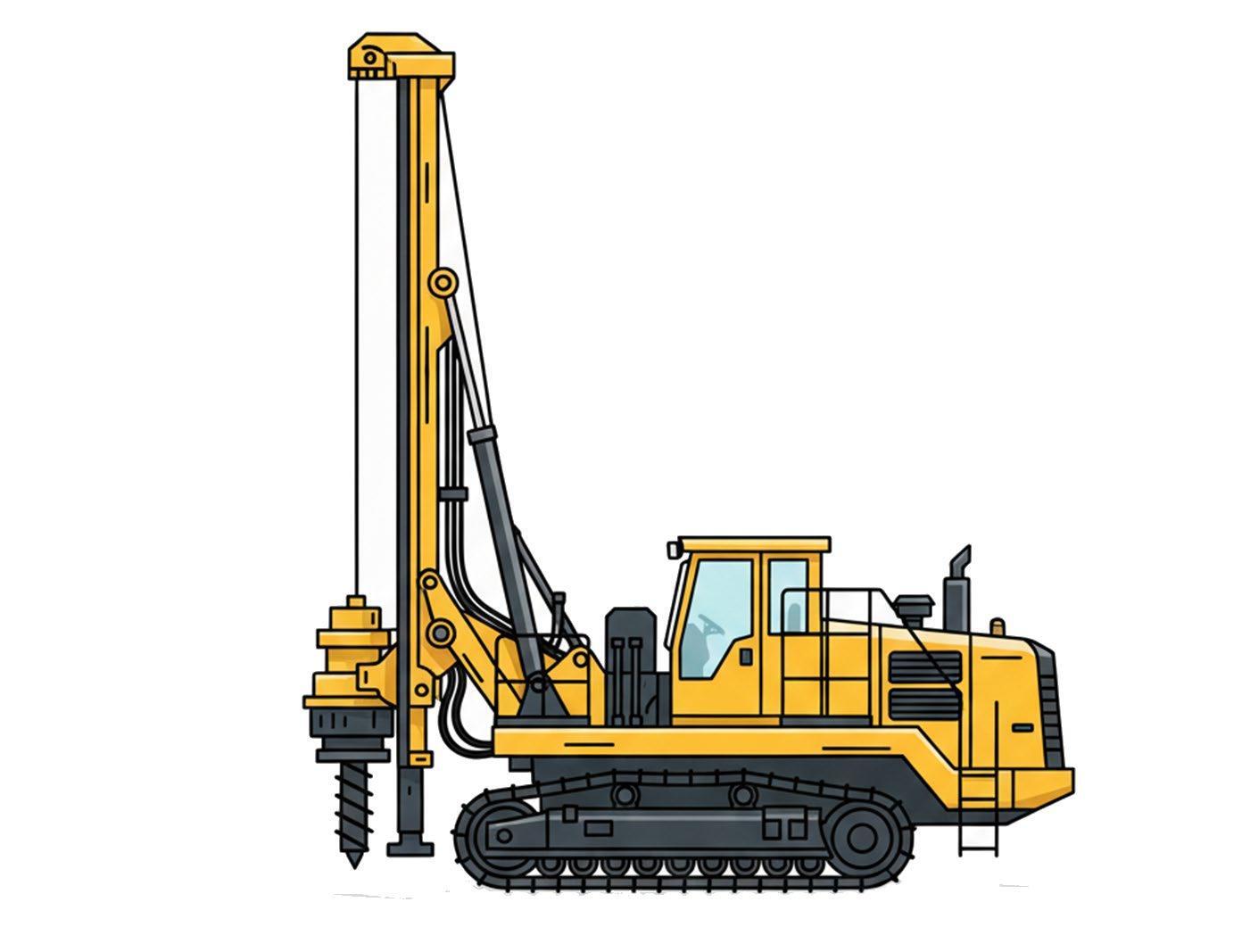
Drill rigs are used to make holes in the ground, this can be for piling, water bores, oil/gas wells, soil testing, blasting and a range of other purposes.
Drill rigs use a rotating cutting head to create the hole, often in combination with percussive impact. Hammers for percussive drilling can either be mounted on the mast (top hammer) or at the drill bit (down the hole).

Material removed in drilling, known as cuttings, can be removed by a spiral auger or carried back out of the hole by compressed air or by liquid drilling fluid, known as drilling ‘mud’.
Arms
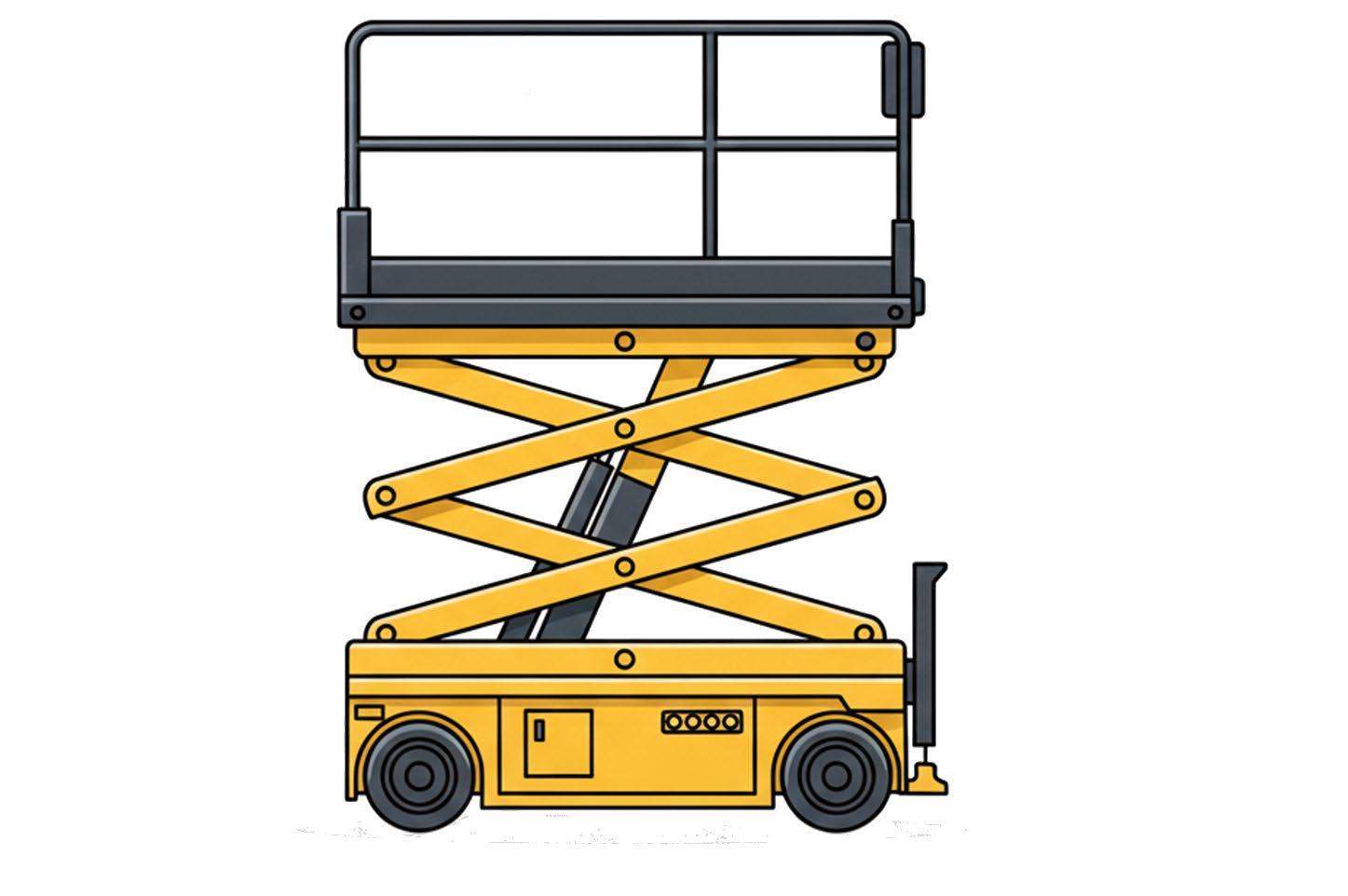
Maximum heights from 1.5m to 80m and operating weights from 330kg to 43t.
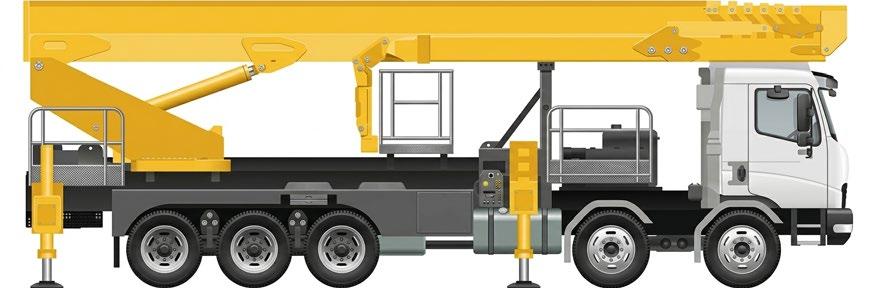
When you need temporary personnel access at height, an Elevated Work Platform (EWP) is the tool for the job. They vary widely in form-factor, with differences in height, capacity and reach.
Smaller units are generally self-propelled and the ‘scissor lift’ style is very common. For larger reach, truck mounted units may be more suitable.
Some EWPs may have special features such as electrical isolation or extendible platforms.


type of implement)
Sizes from 300kg/2.6kw to 1000t/3,360kw.
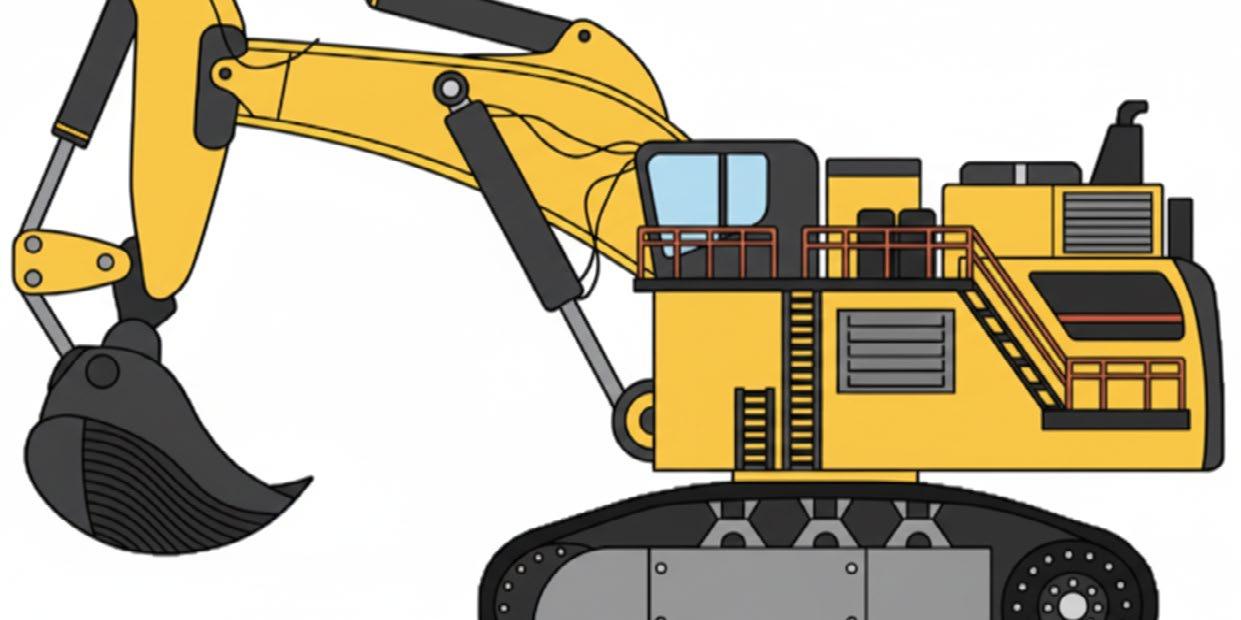
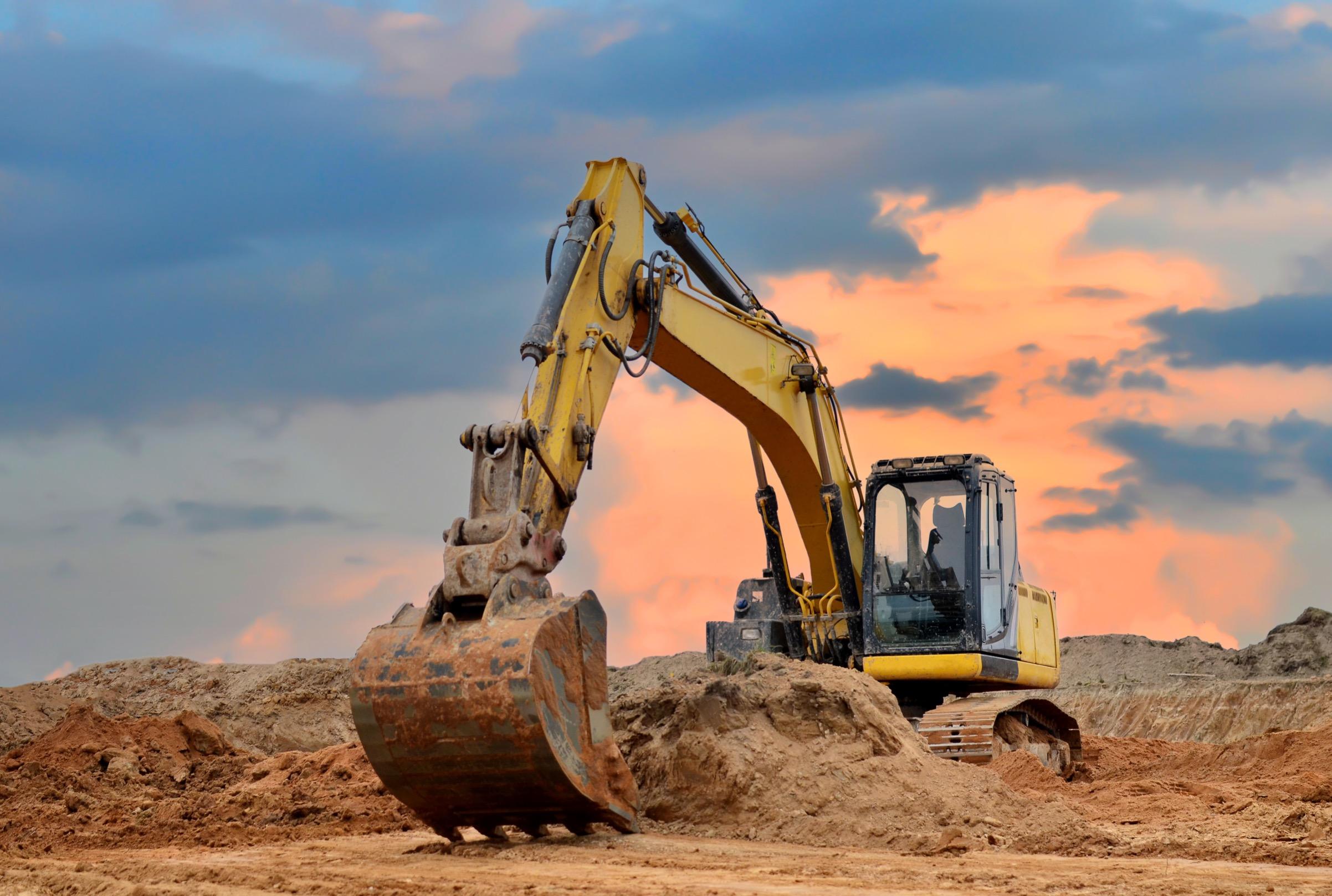
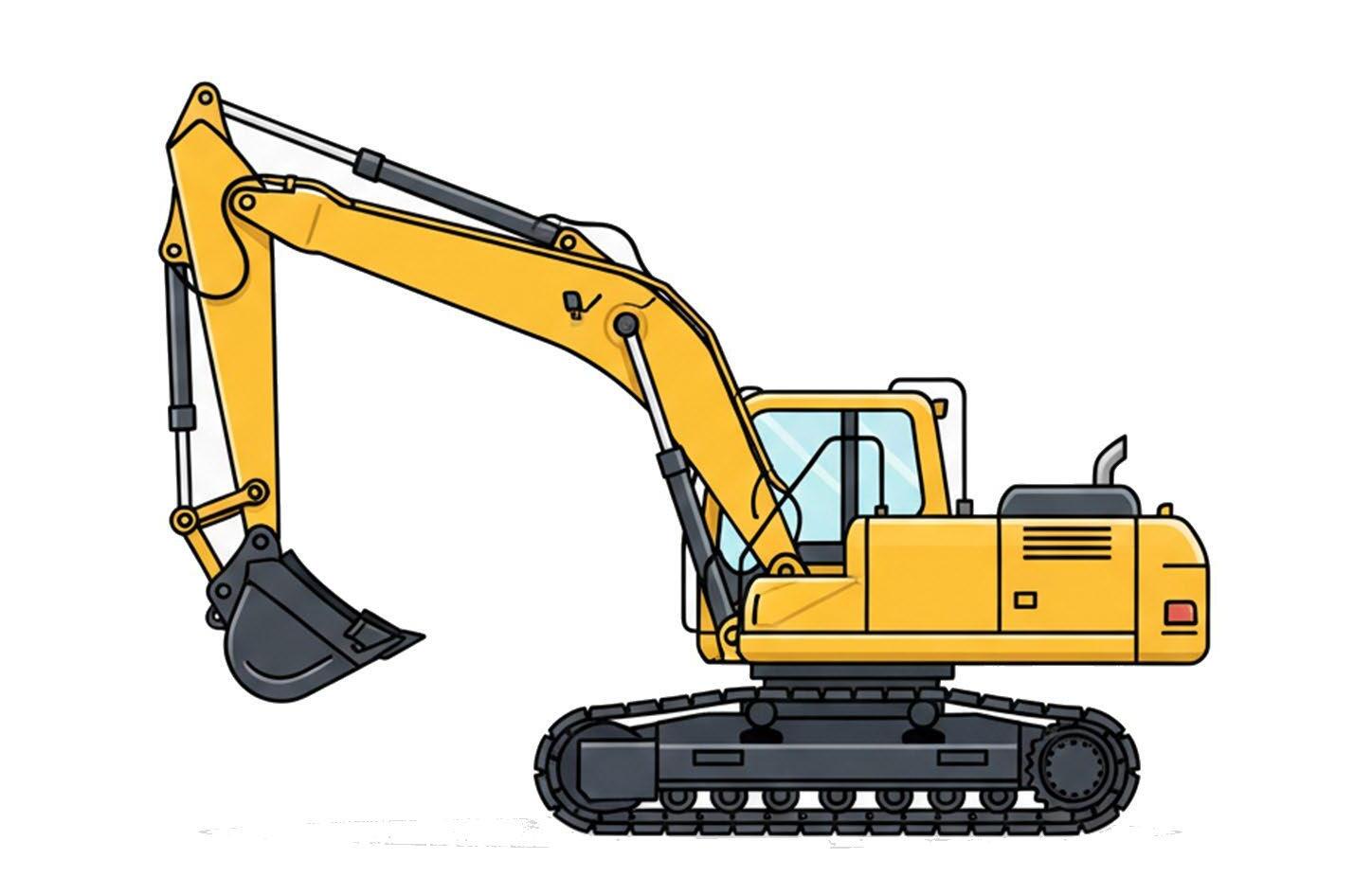
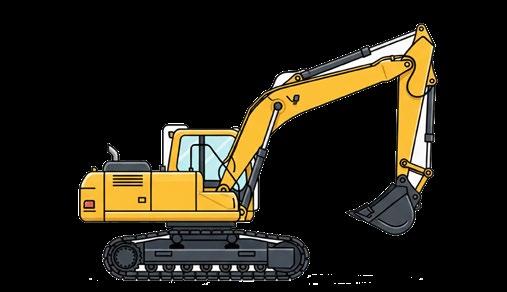
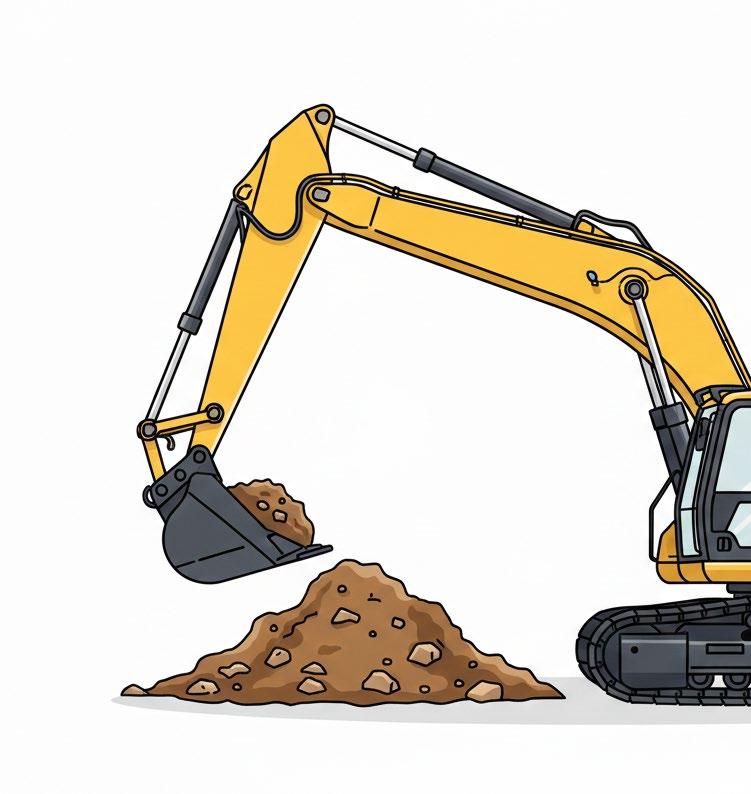
When it comes to digging, there is no better tool than an excavator. The feature an articulating arm with powerful hydraulics used to move a ground-engaging implement, most commonly a toothed scoop known as a bucket.
The arm is mounted to a chassis which can rotate on its undercarriage. The undercarriage most commonly features tracks, however rubbertyred models are available which can provide higher travel speed and reduce damage to the ground surface.
Lift capacities of 600kg to 85t.
Operating weights of 1.4t to 98t.

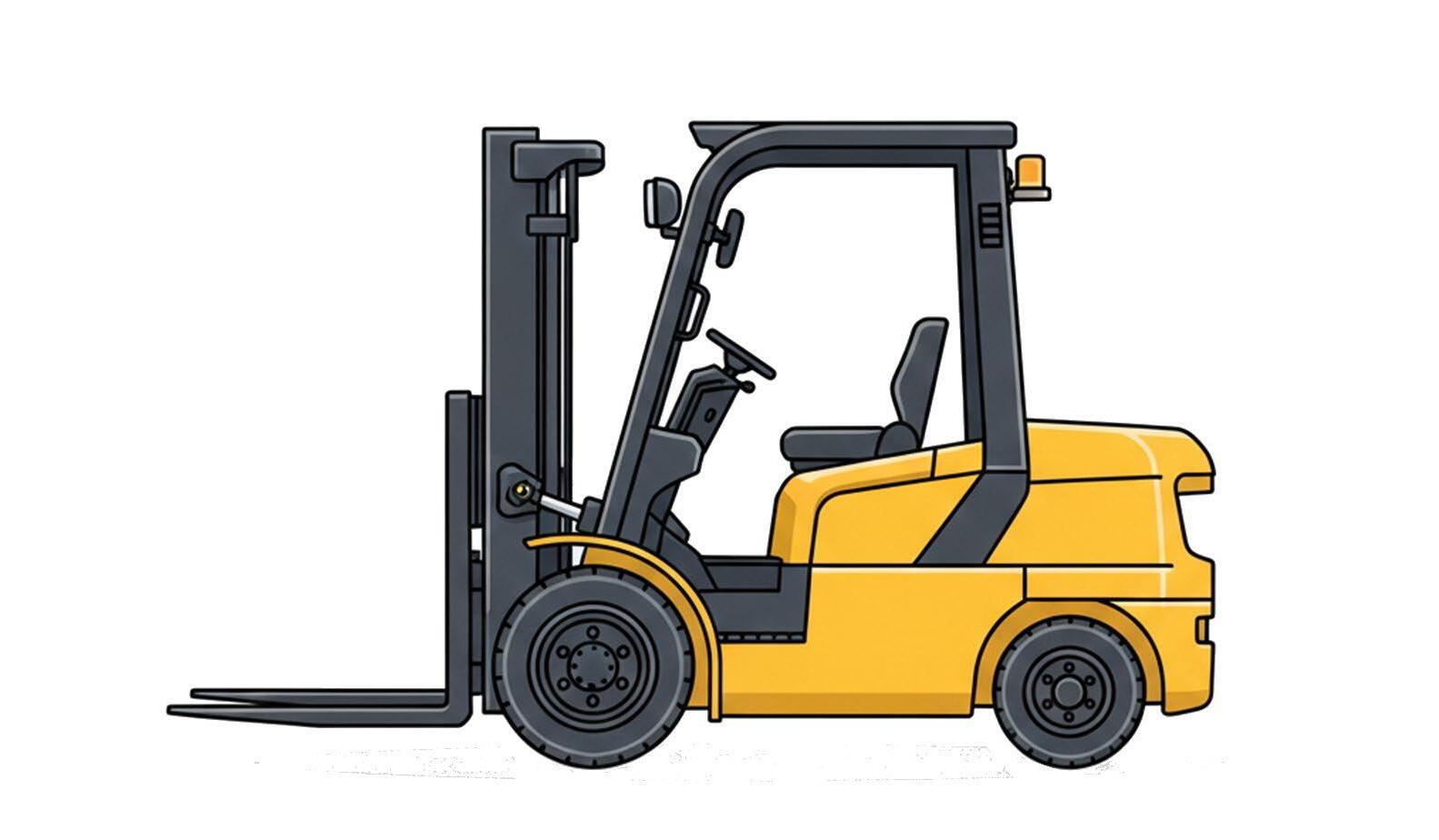
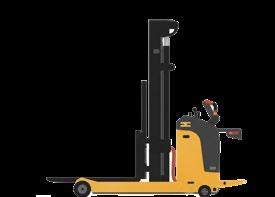
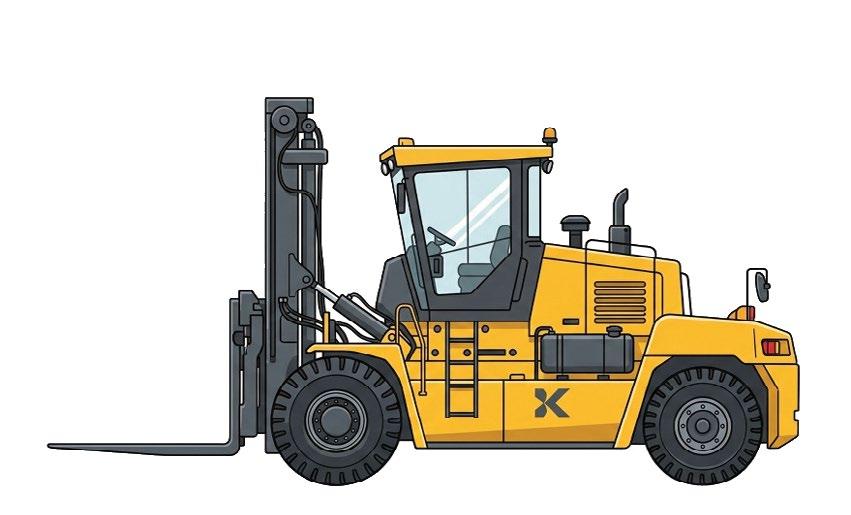
Forklifts are the backbone of supply chain materials handling. Combining high strength steel tynes with powerful hydraulics, they lift and carry a wide variety of unitised and palletised loads.
The exact design of forklift is customised to the task, with ‘container mast’ forklifts designed to operate inside containers and other limited-height spaces, reach forklifts allow double depth stacking, sideway forklifts allow carrying of long lengths products, the list is nearly endless.

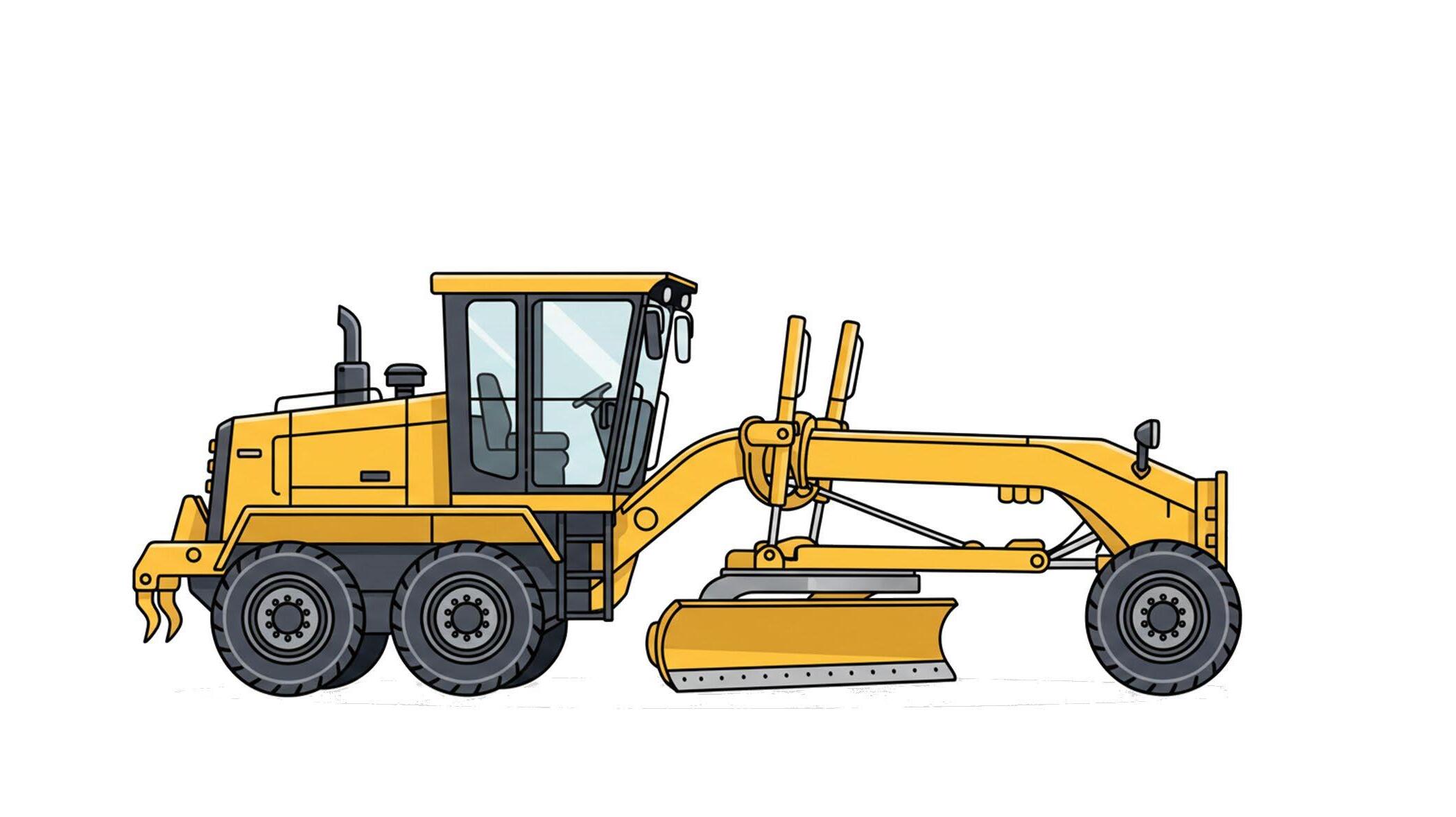
Weights from 7.2 tonnes to 74.8 tonnes. Power outputs from 97kw to 399kw.
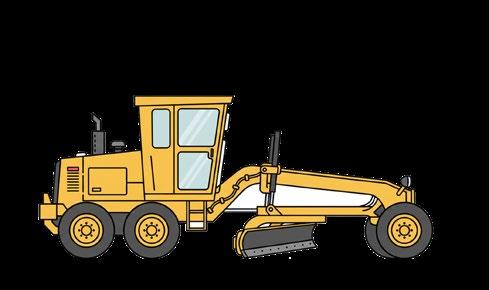
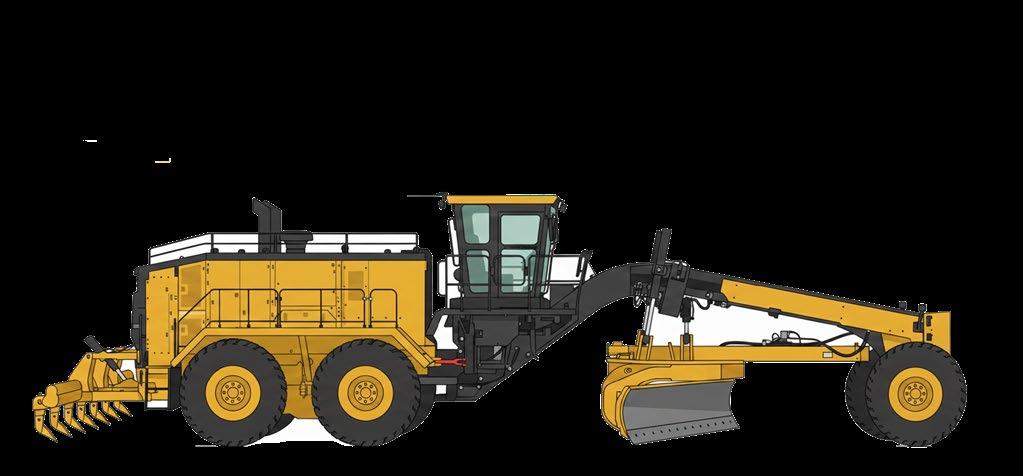
Graders allow precise finish trimming of soil, most commonly in road construction and maintenance.
They feature a blade which can move to a wide range of positions, it is mounted onto a long wheelbase chassis, most commonly combined with a ‘cantilever’ tandem drive axle, this ‘averages out’ any imperfections in the existing ground and allows the grader to trim the surface to a precise and smooth finish.
Graders often work in tandem with roller compactors, with the compactor preparing the surface and the grader trimming to the final desired position.
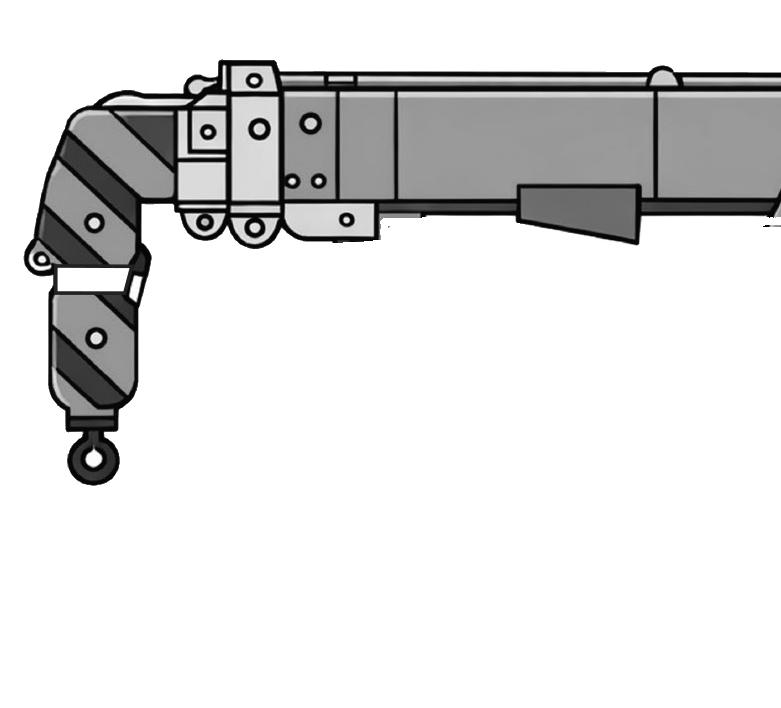
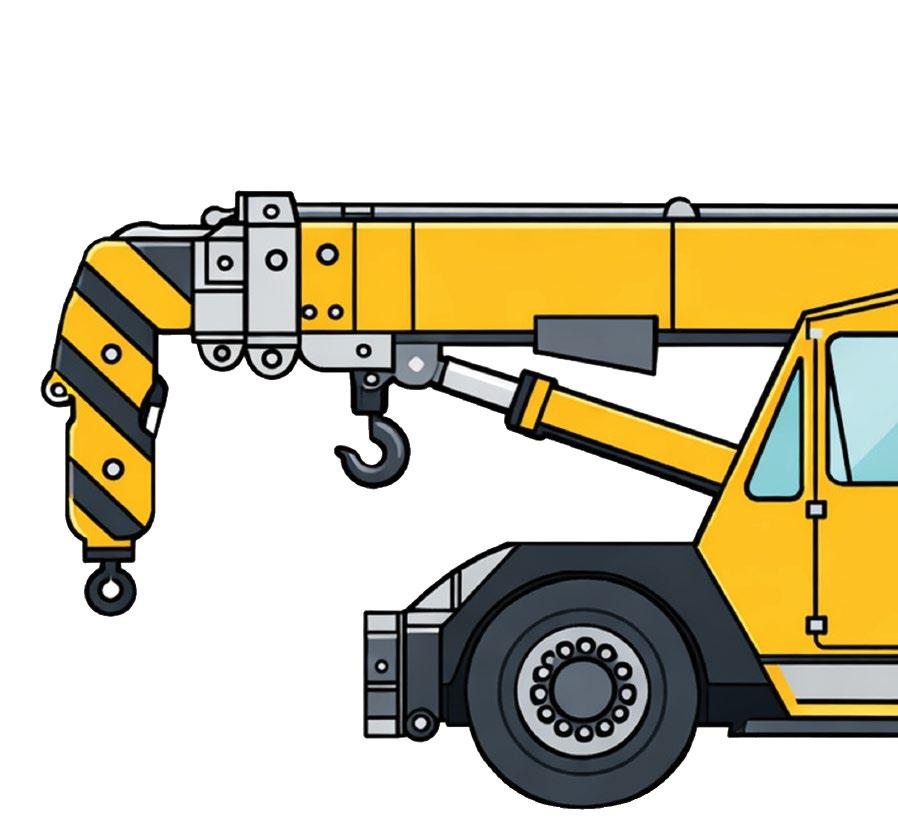
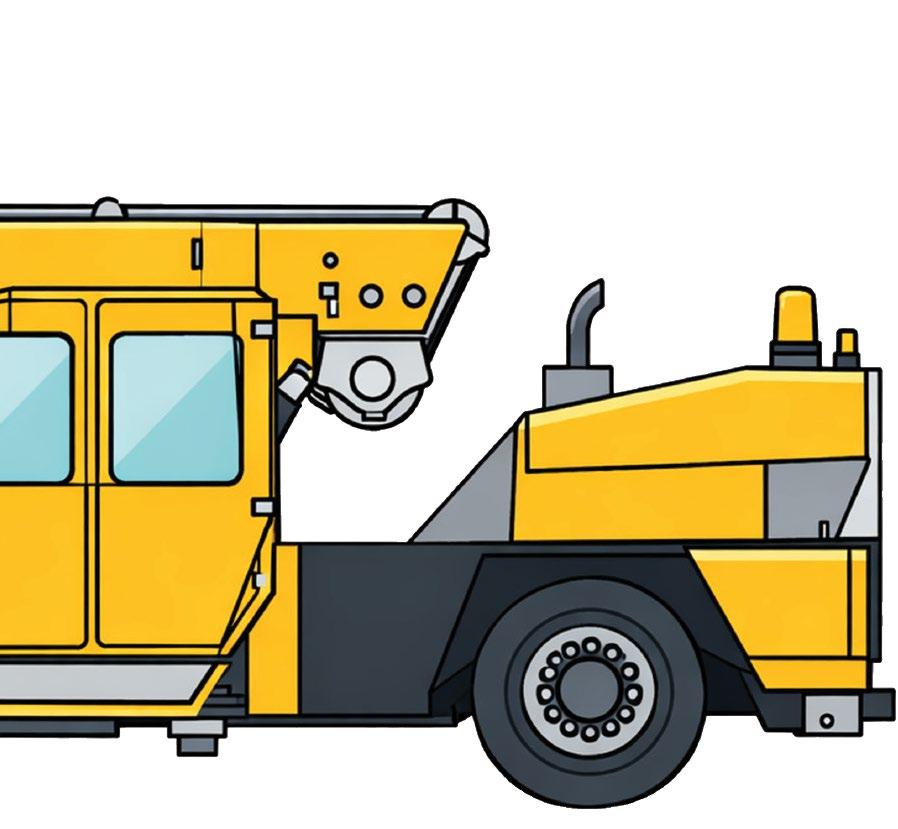

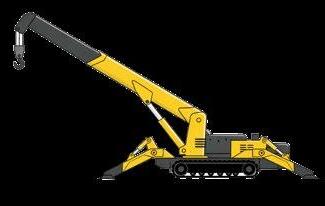
Some models have the ability to lift loads and drive while the load remains suspended, known as ‘pick and carry’ operations. Lift
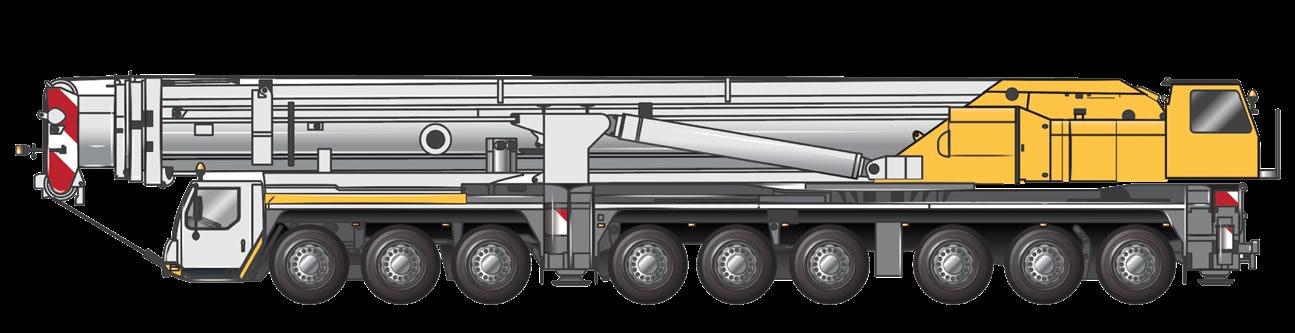
Mobile cranes provide lifting capability across a wide range of applications.
With the combination of an extending boom and powerful winch, they can lift and either remove or place objects. Their mobility means that in many cases they are able to self-transport to work sites.

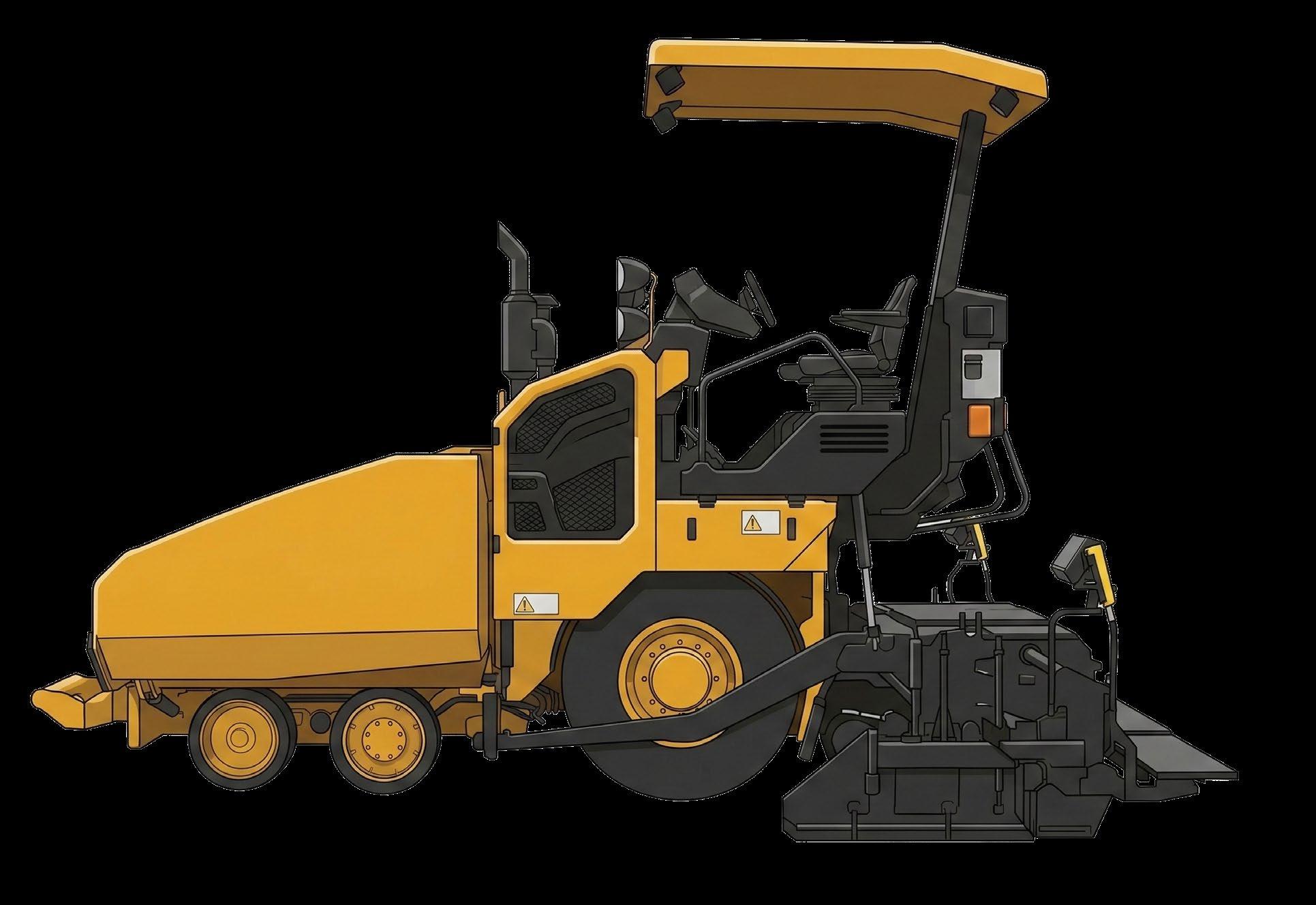
Paving Widths from 1m to 24m.
Power Output from 10kW to 354kW.
Operator’s Cab
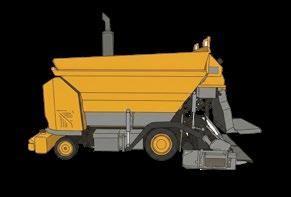
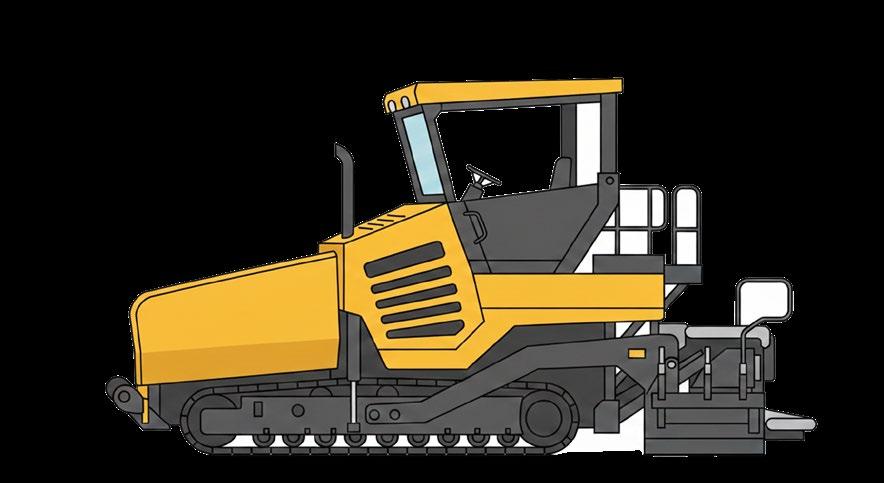
Pavers are specialised equipment used in the construction of asphalt or cement roads. Material is tipped into the hopper and then fed by a conveyor ahead of a screed which profiles the material to the desired thickness for the finished road.
The levelling arm helps make the position of the screed independent of small changes in the position of the underlying ground surface.

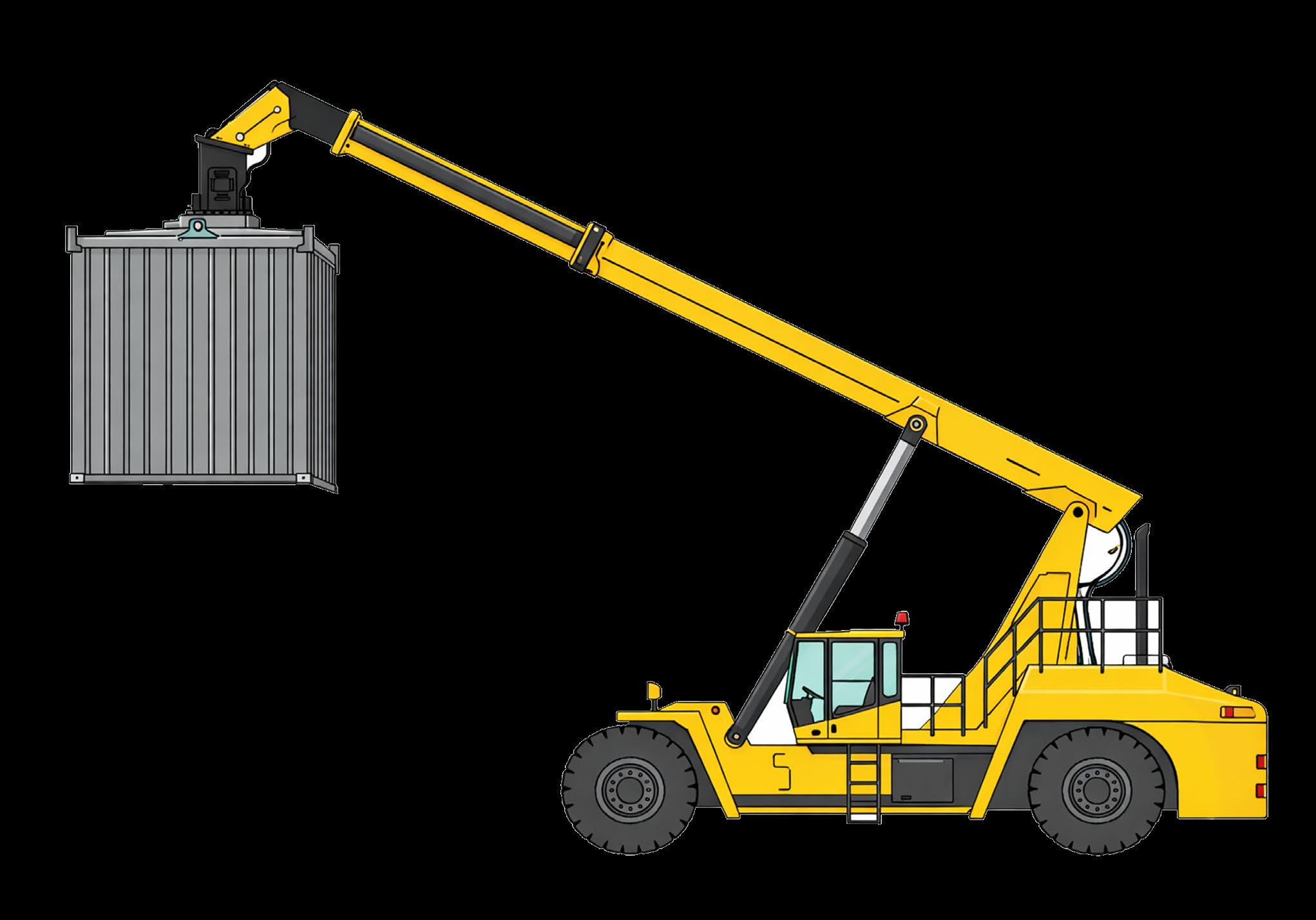
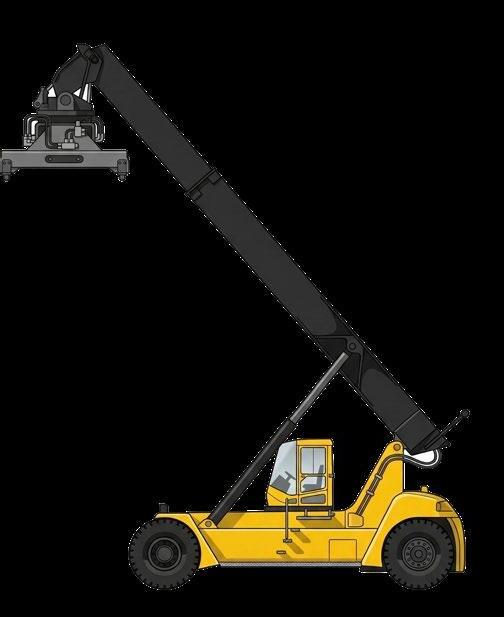
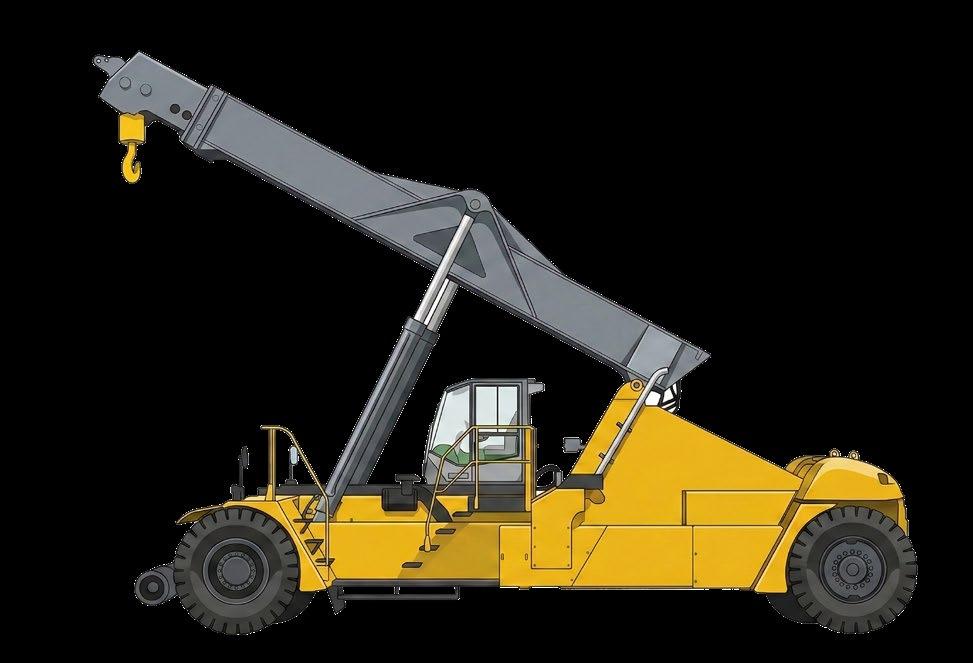
Reach stackers are a workhorse of the port and logistics industries. They combine a telescoping boom with powerful hydraulic lift cylinders to allow containers and other cargo to be lifted, carried and placed.
They are most commonly seen with lifting spreaders to suit standard intermodal ‘shipping’ containers, but can also be fitted with specialist implements such as oversize hooks for moving steel coil.
Cylinder
Can be self-propelled (motor scraper) or towed.
Bowl Capacities up to 48m3.
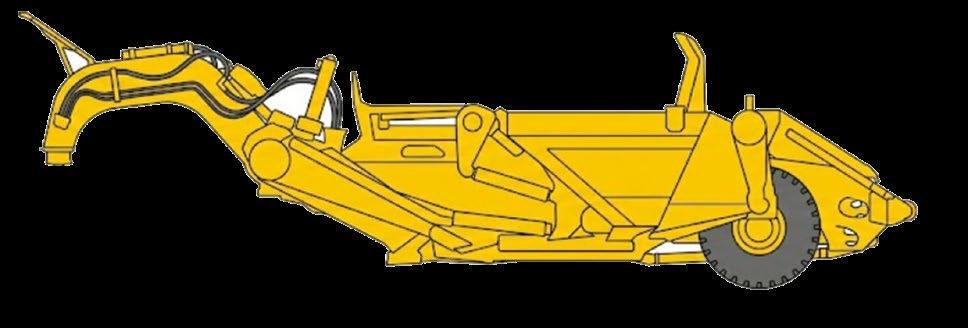
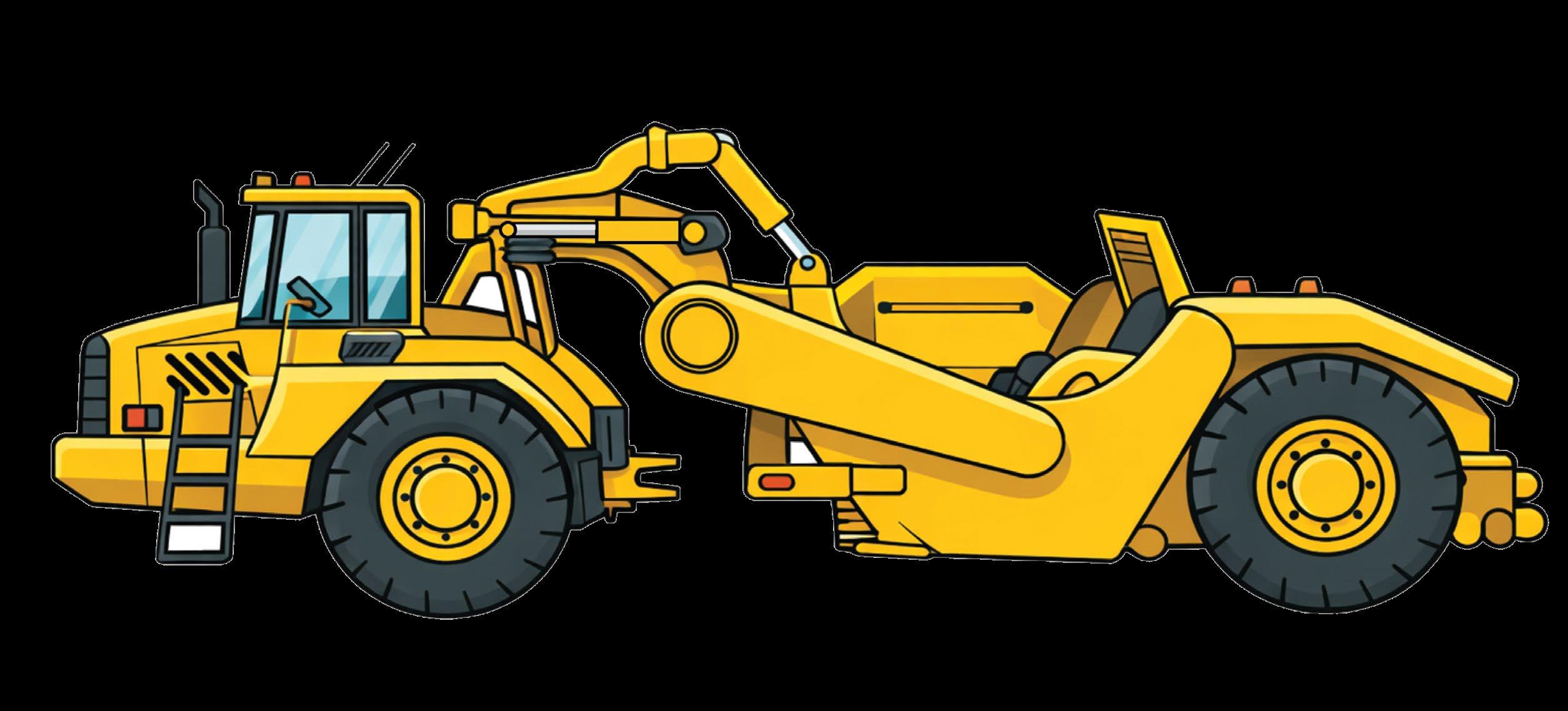
Scrapers are a specialised piece of equipment where bulk re-profiling is required, such as in road construction projects.
They feature a height adjustable bowl with a cutting edge which can be lowered to self-load with material, transport it to the desired location and then self-unload using the ejector.
By repeatedly driving a scraper along the desired route, material is progressively removed from areas higher than the desired profile and used to fill areas lower than the desired profile.
Operator’s Cab
Cylinder
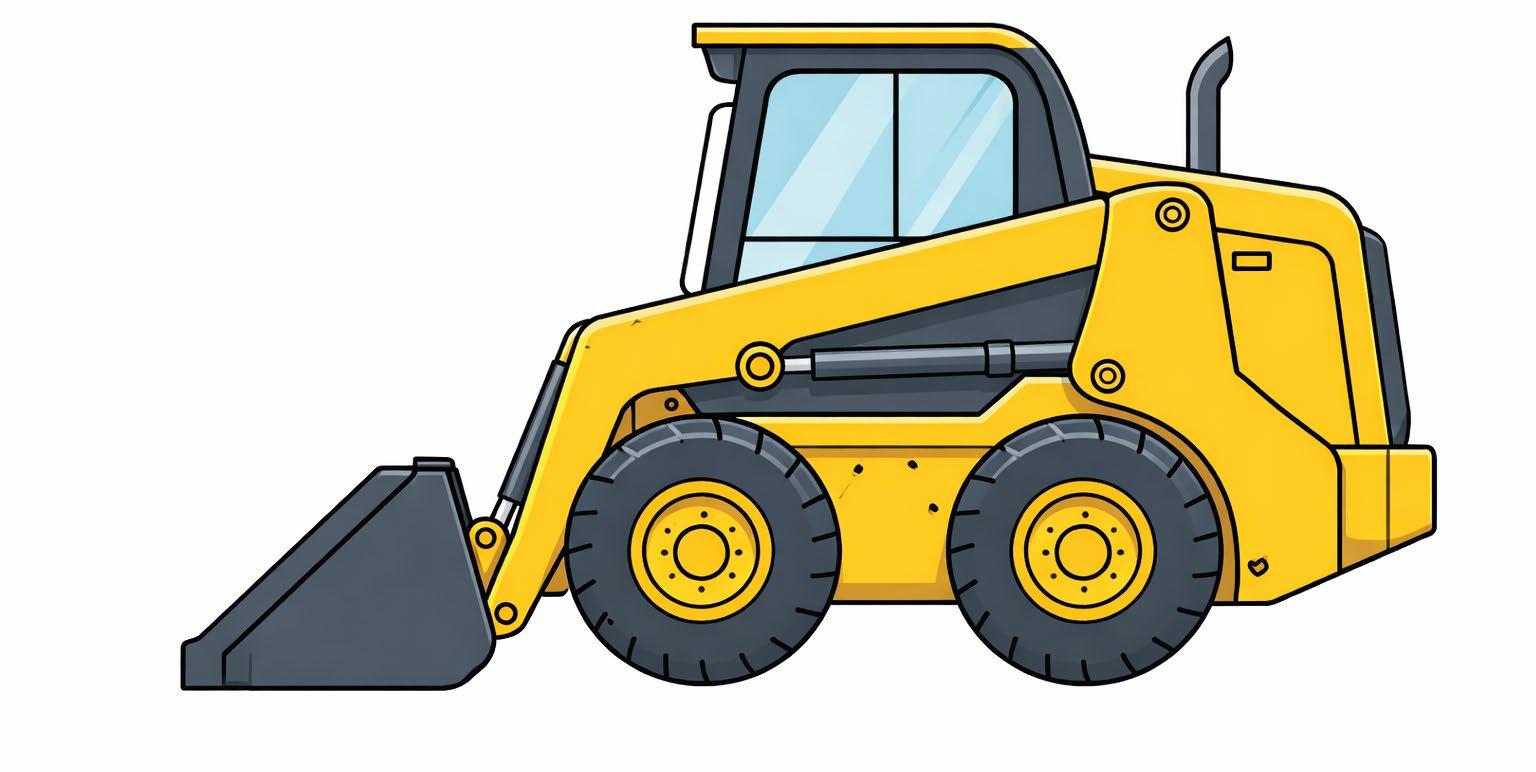
Operating Weights from 162kg to 7.3t.
Power Outputs from 15kw to 85kw.
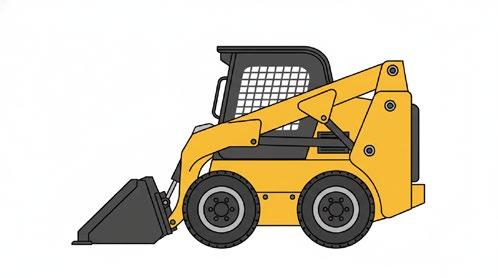
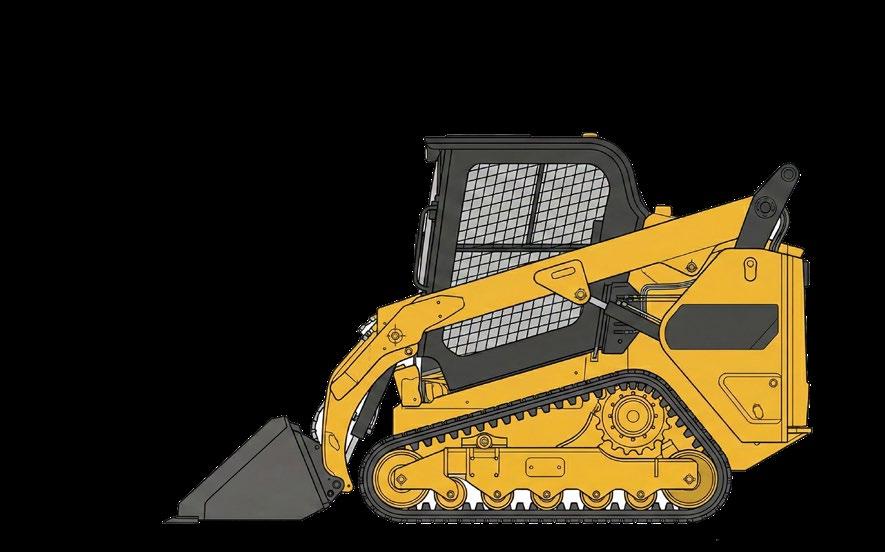
Skidsteer loaders bring powerful lifting and loading capability in a compact package by using the same hydraulic power pack for both their lift arms and drive system.
They can feature either rubber tyres or tracks, where they can be known as a ‘Compact Track Loader’ or ‘CTL’. Regardless of drive type, they steer by driving the left- and right-hand sides of the vehicle at different speeds or for tight turns, in opposite directions.
Most commonly seen with fixed or ‘4-in-1’ buckets, the latter can scoop, push, grab and scrape/grade.
Lift capacities from 1.4t to 50t
Maximum lift heights from 4m to 30m.
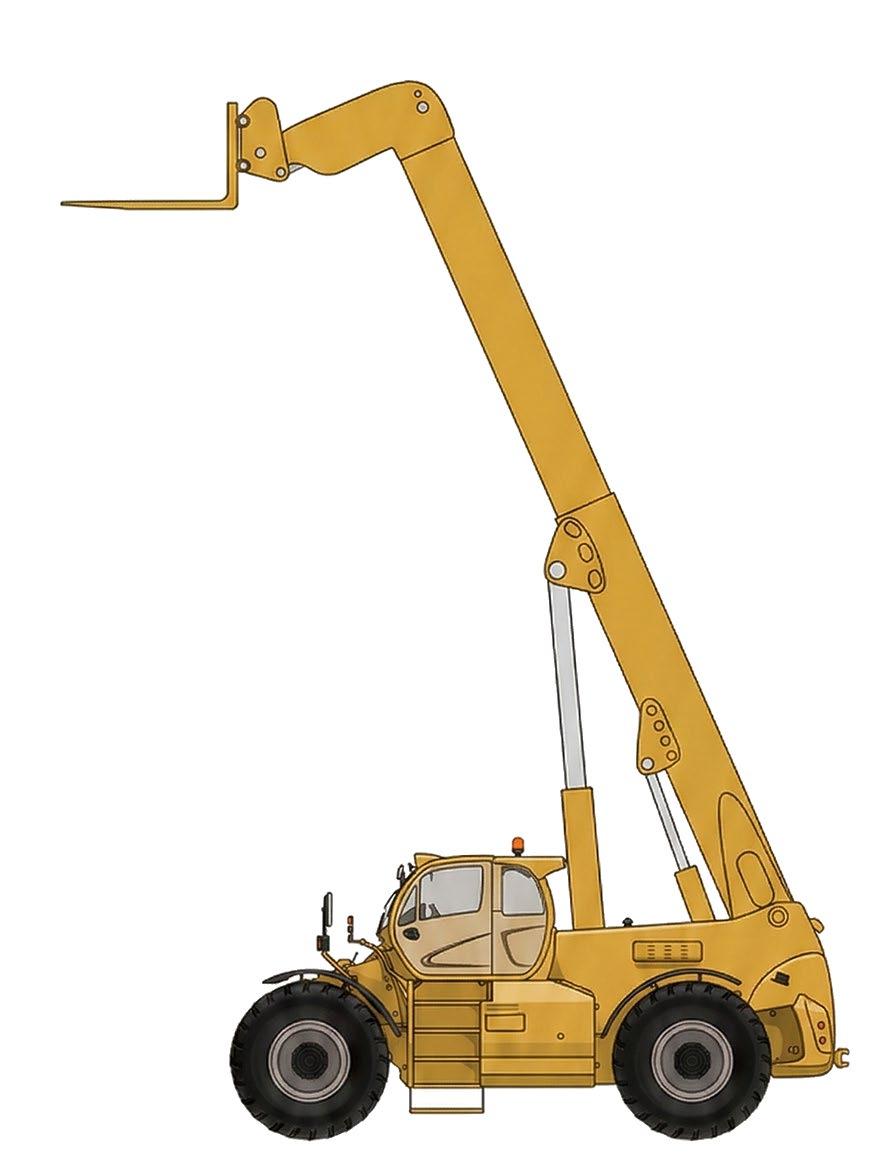
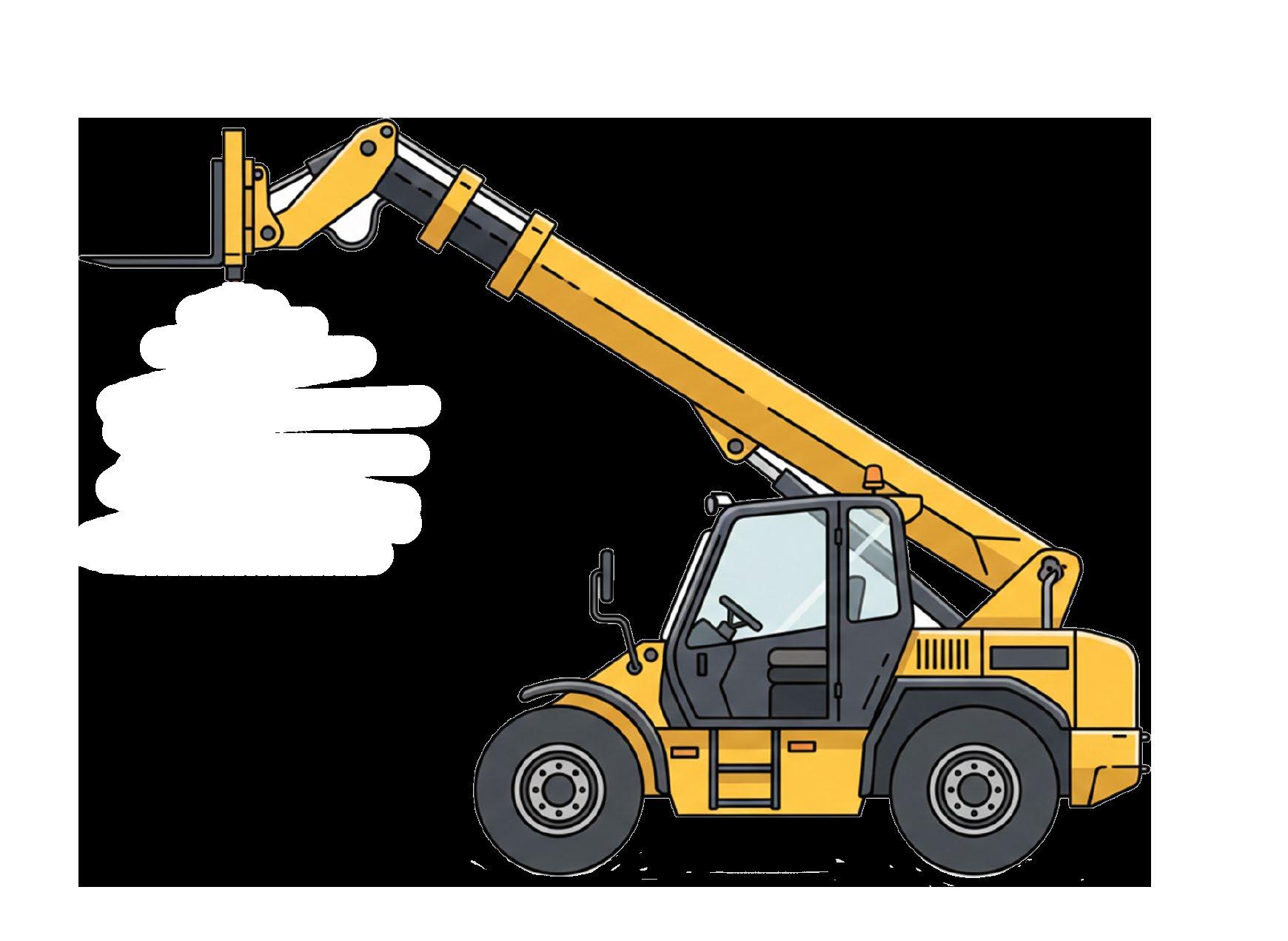
Telehandlers feature a telescoping boom arm mounted alongside an offset operator’s cab. The end of the arm is most-commonly fitted with forklift tynes however a wide range of accessories are available.

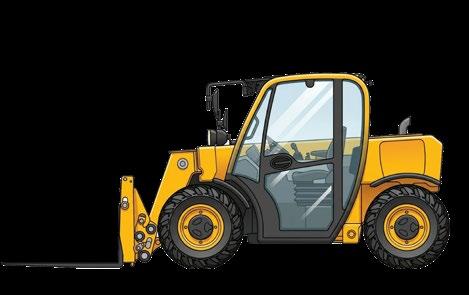
Telehandlers utilise four-wheel steering to provide good manoeuvrability and most models utilised four-wheel-drive for traction on- and off-road.
They are popular where the combination of lifting, stacking and mobility are needed, such as handling and stacking large hay bales in agriculture.
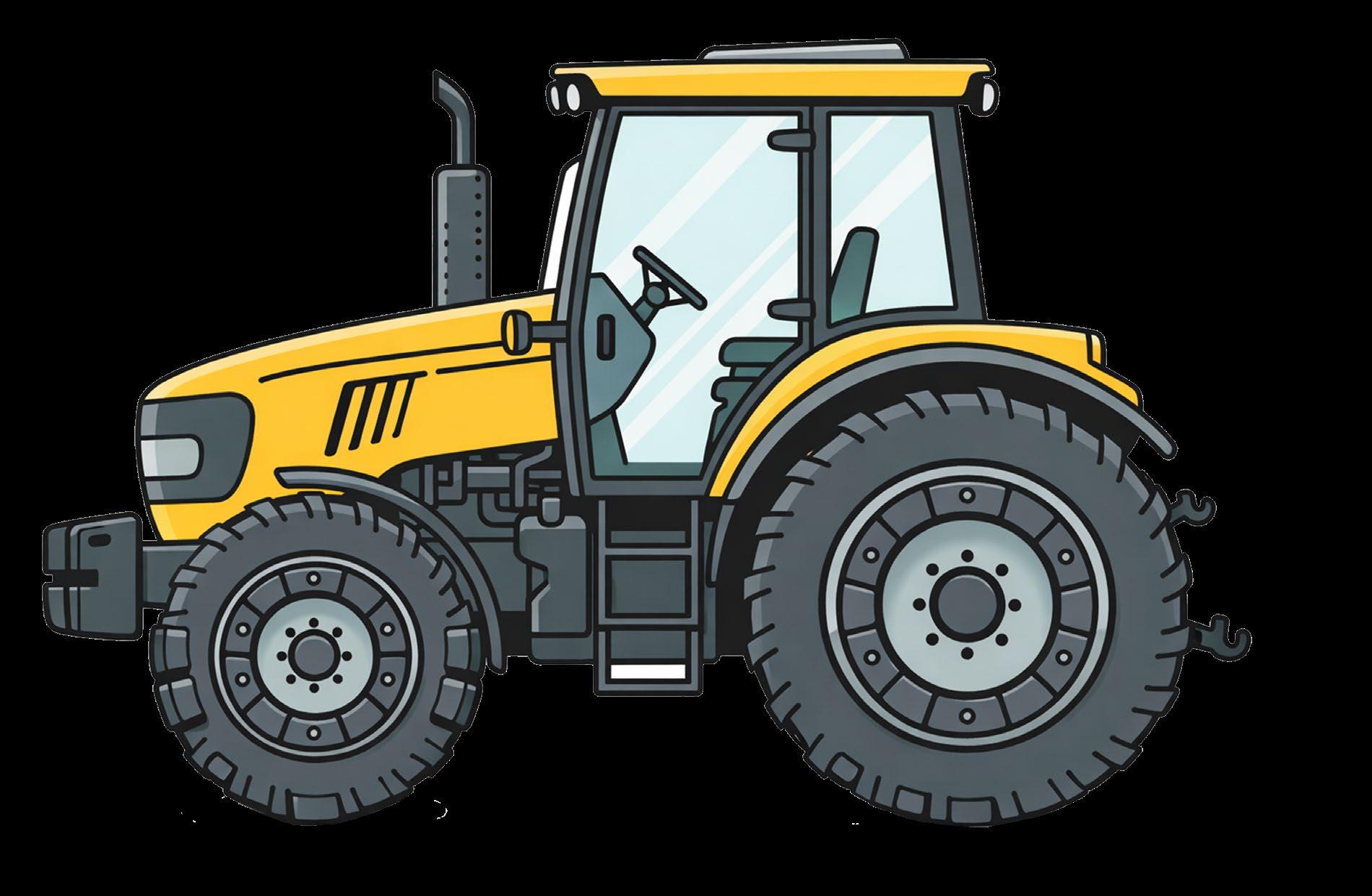
Power outputs from 16kw to 672kW Operating
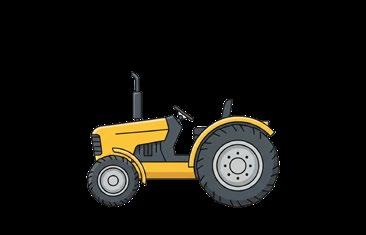
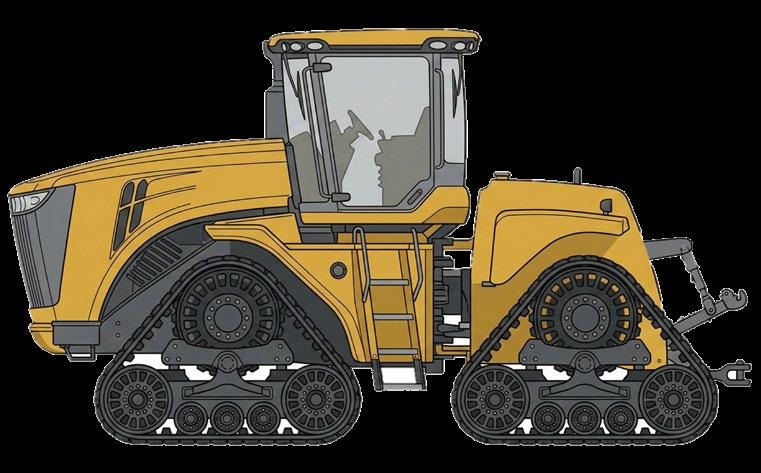
Tractors are the workhorses of the farming sector. Developed to replace horses pulling ploughs, they’re now used to power a range of machinery.
At the rear is the three point linkage, a versatile method of attaching implements and adjusting their position. Also at the rear is a Power-Take-Off (PTO), a splined shaft driven by the engine to which shafts can be attached to take power to implements.
Tractors may also be fitted with Front-End-Loaders, so they can do basic digging, lifting and loading operations.

Operating weights from 1.1t to 272t.
Power outputs from 19kw to 1715kw.

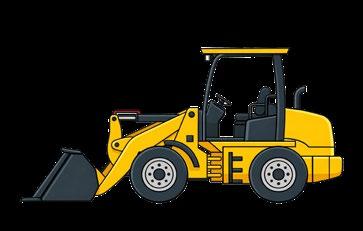
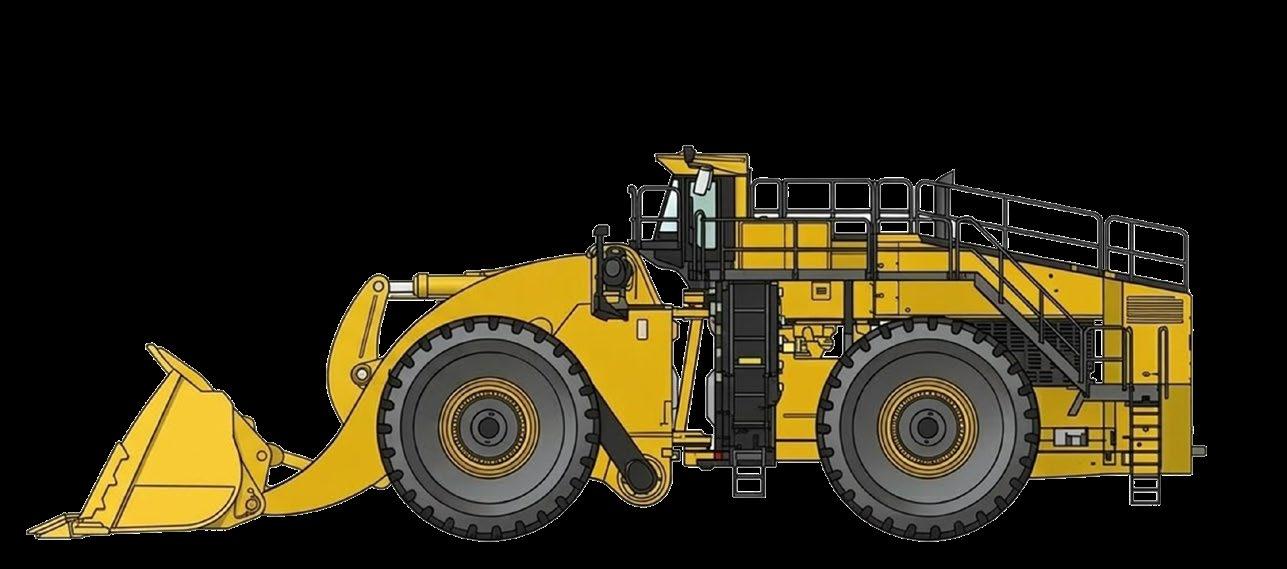
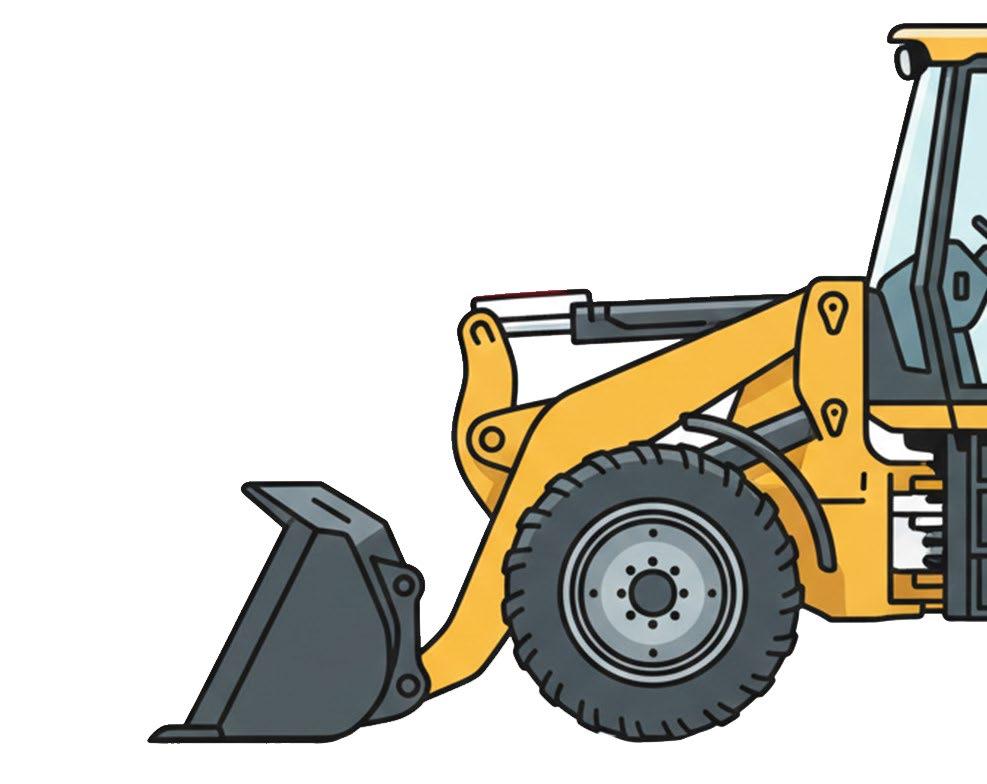
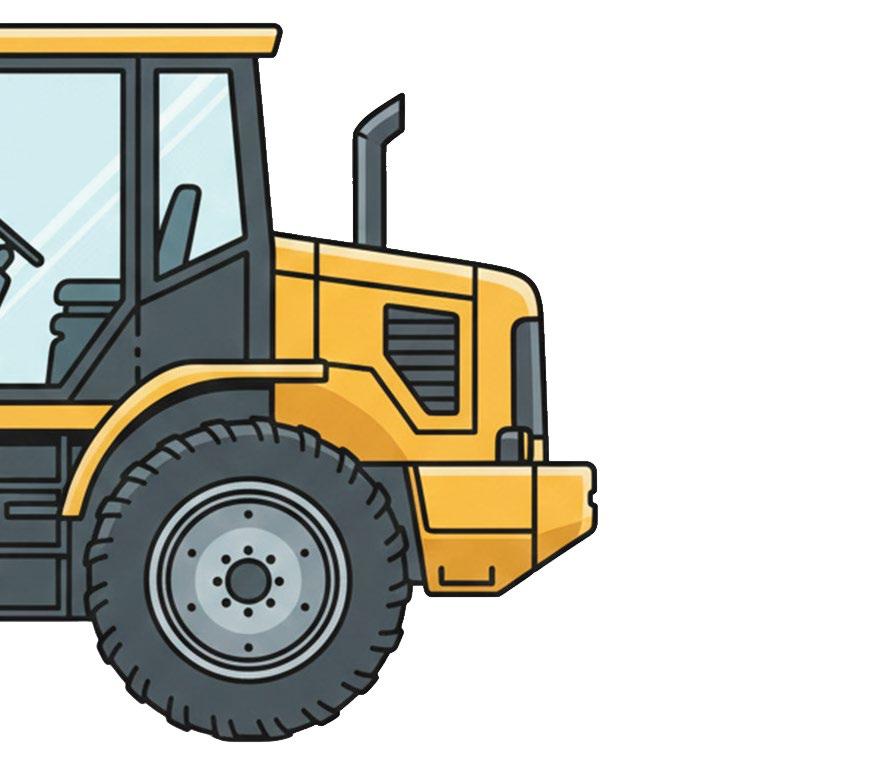
Wheel loaders are the bulk loading specialists, with good manoeuvrability and comparatively high travel speed, they allow efficient loading of bulk materials.
Available in a range of sizes to suit jobs from small landscaping tasks through the rapid loading of mining dump trucks.
While a bucket is the most common implement, they can be fitted with grabs for moving logs or tynes to function as an off-road capable forklift.
When equipped with a quick-change tool hitch (often with a different tilt linkage design), they may be known as an Integrated Tool Carrier (ITC) or just ‘tool carrier’.
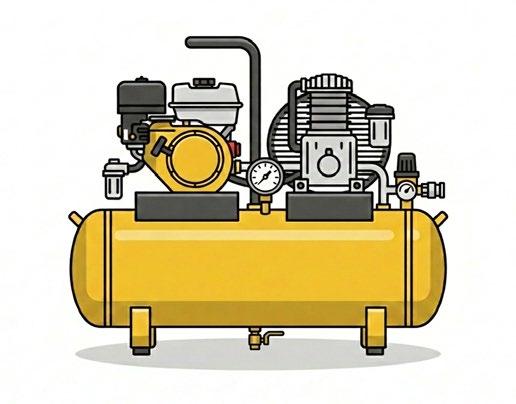
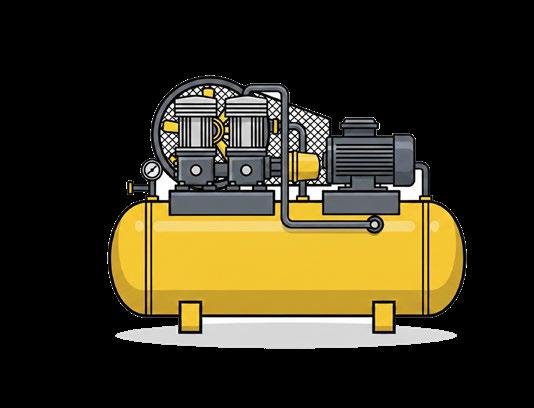
Compressed air is a critical source of energy for a wide variety of industrial processes. Air compressors use an energy source (electrical or internal combustion) to power a pump which compresses the air. This may be coupled to a dryer which removes moisture. The air is then stored in a high-pressure tank known as a receiver.
Power ratings from 100w to 300kw.
Operating weights from 500g to 15ft.
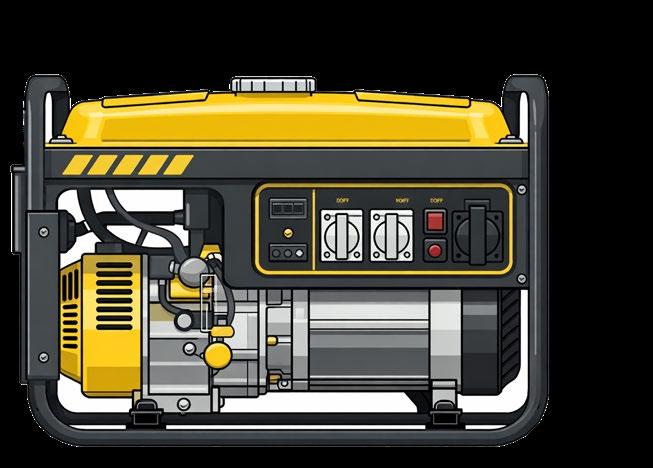
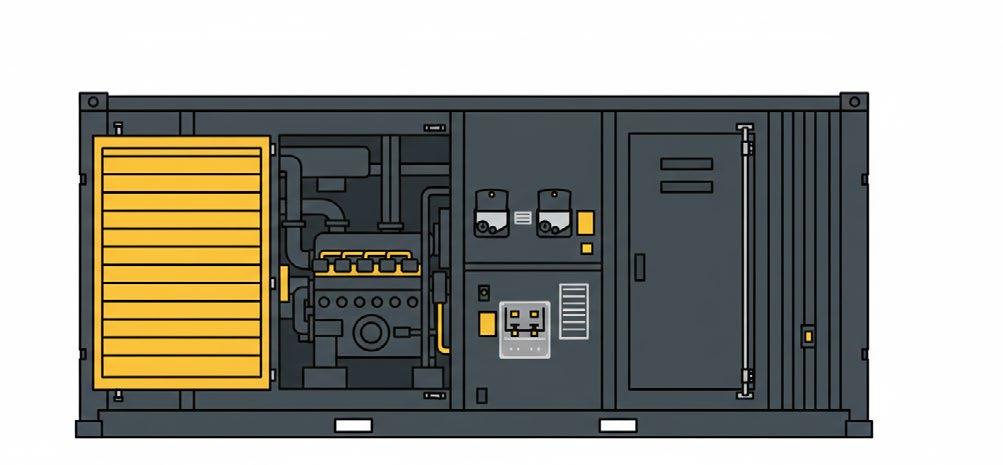
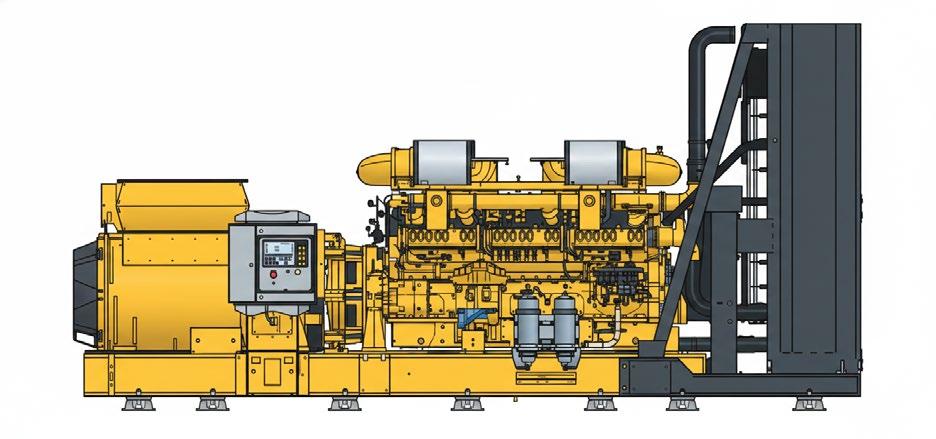
A generator is a device that converts mechanical energy into electrical energy. It acts as a source of electrical power, particularly when access to the electrical grid is unavailable ideal for construction sites, civil road projects and remote mine sites where electrical power is needed.
Outputs from 600w to 3.5MW. Displacements from 63mL to 95L.
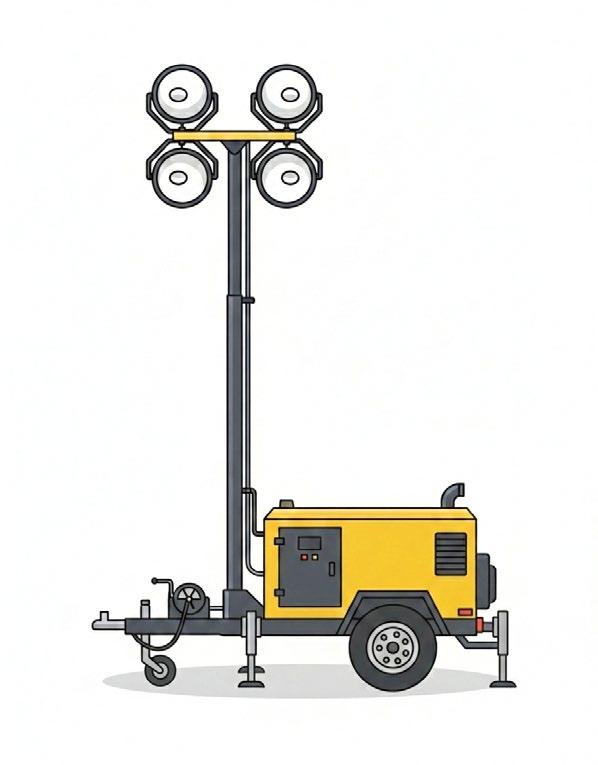
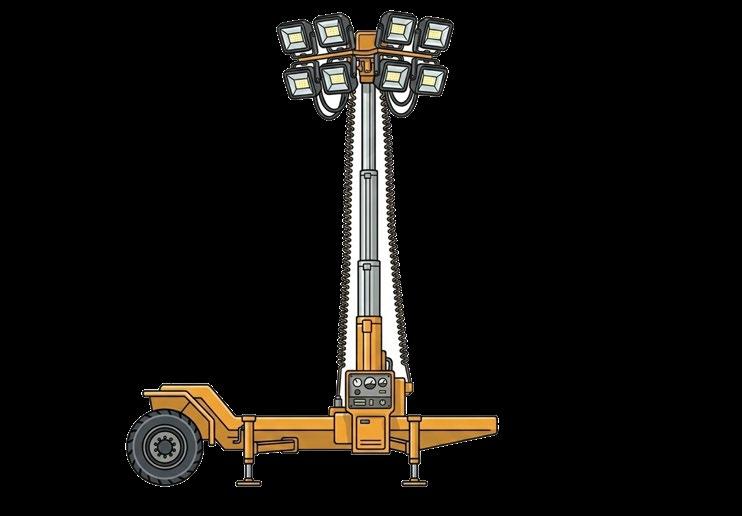
Lighting rigs provide short-term portable illumination to allow works to be undertaken safely at all times of day.
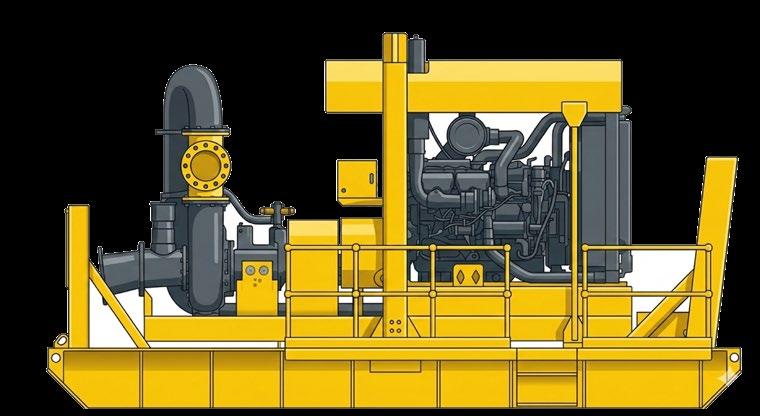
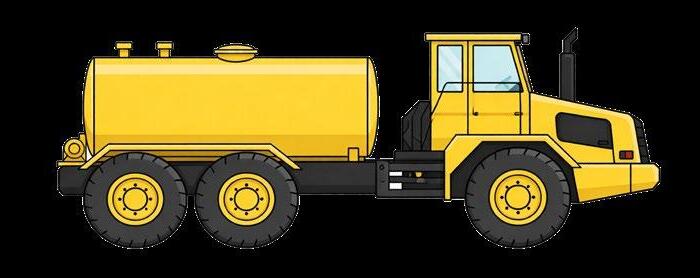
Water pumps are commonly used for dewatering pits, construction sites, quarries and open cut mines, where the water table is above the works being performed. Lighting
They consist of a power source, a luminaire (light source) and a structure to position the light source where it is required.
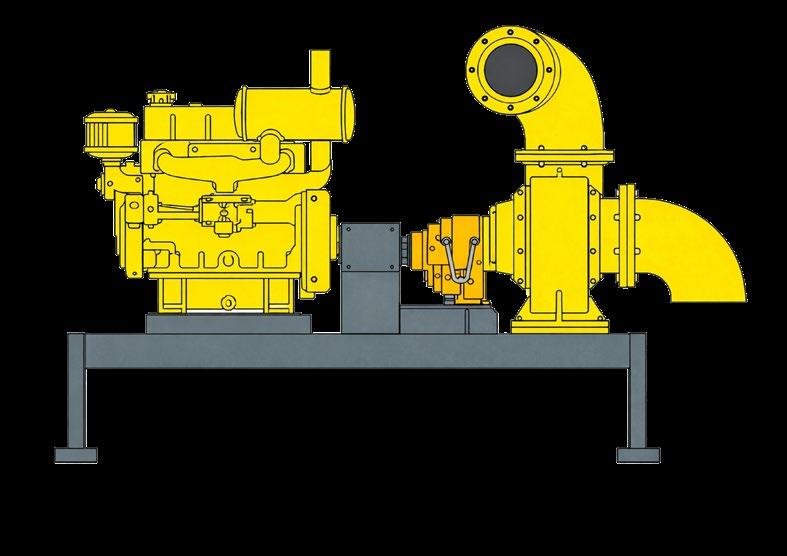
Sizes from fish-tank pump to 800kw. Outlet sizes from 3mm to 250mm.

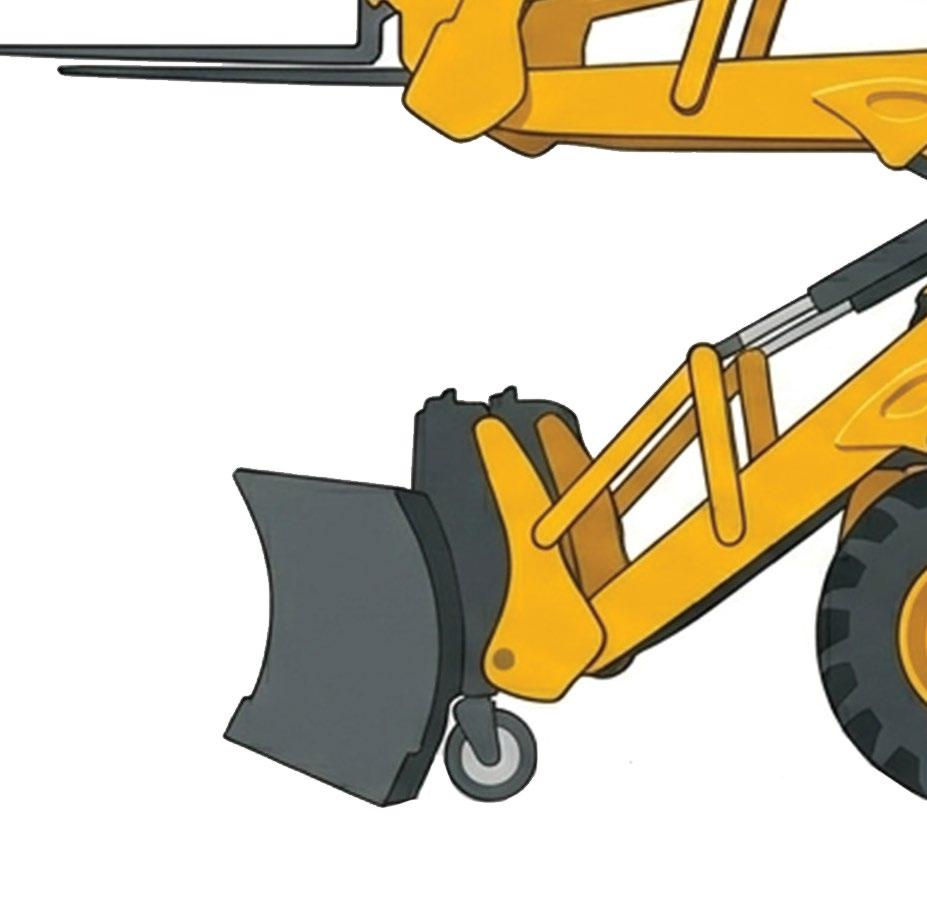
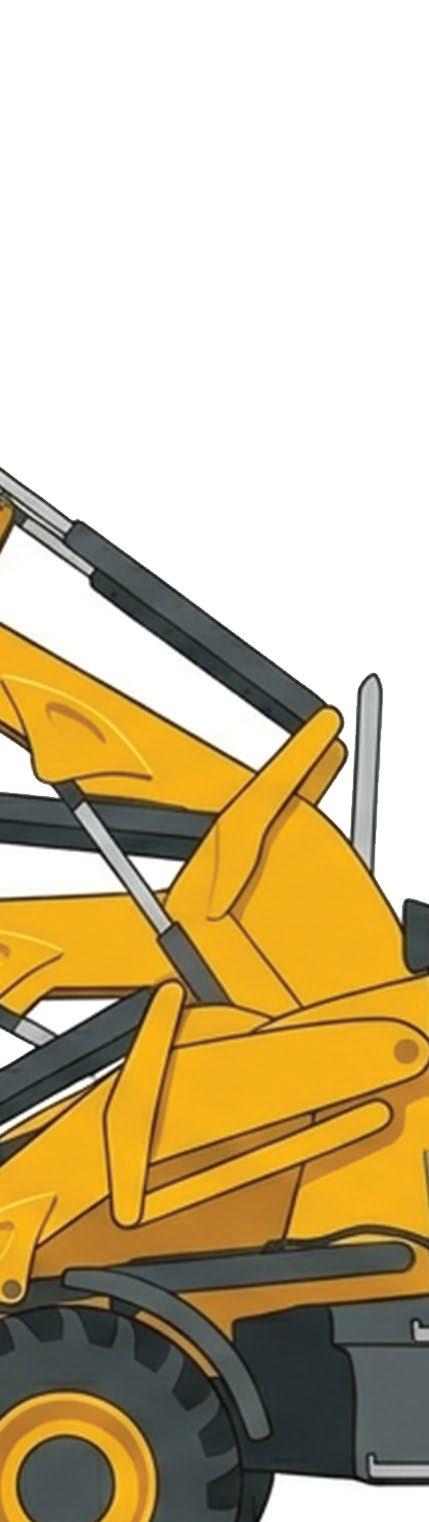
Attachments and accessories adapt machines to be more efficient at specific applications.
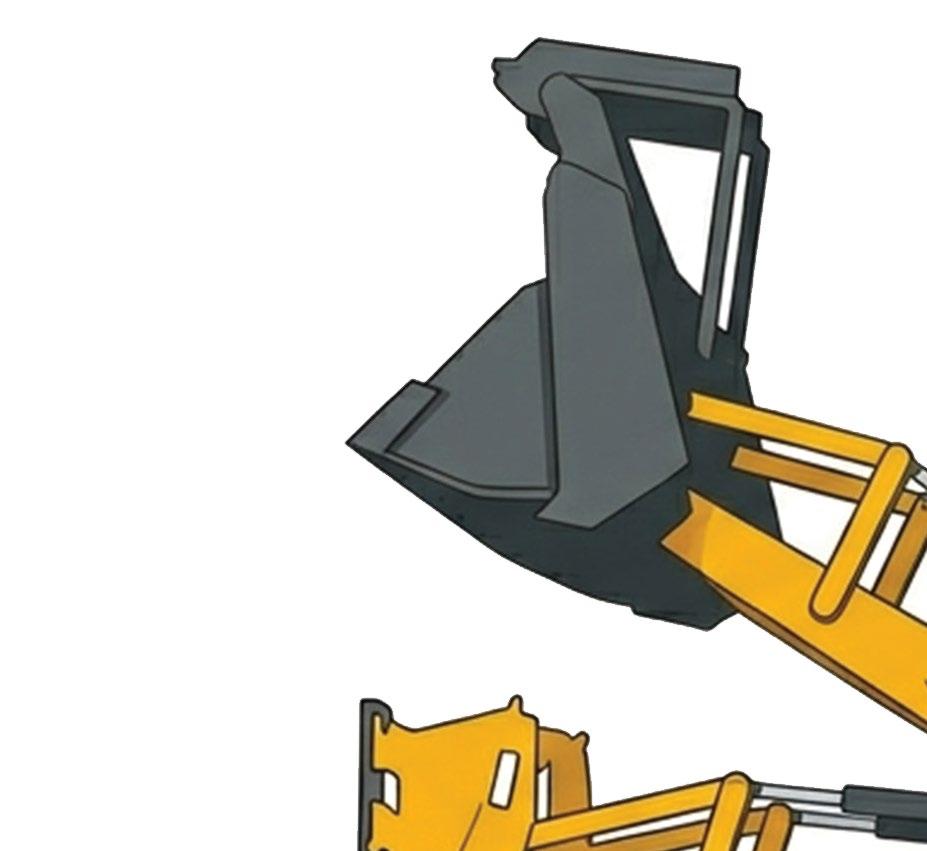
Device or Component permanently fitted to augment key functonality.
Interchangeable component designed to be readily fitted in-field for specific tasks or functions.

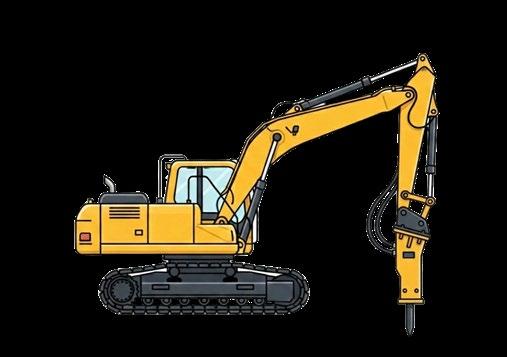
Major permanent changes which change the key functionality of the equipment.






















Loader Bucket with Grab
Dig, grab, carry and load
Backhoes are a great example of the flexibility that interchangeable attachments can provide:
Pallet Tynes
Load pallets and IBC’s
Grade and final trim
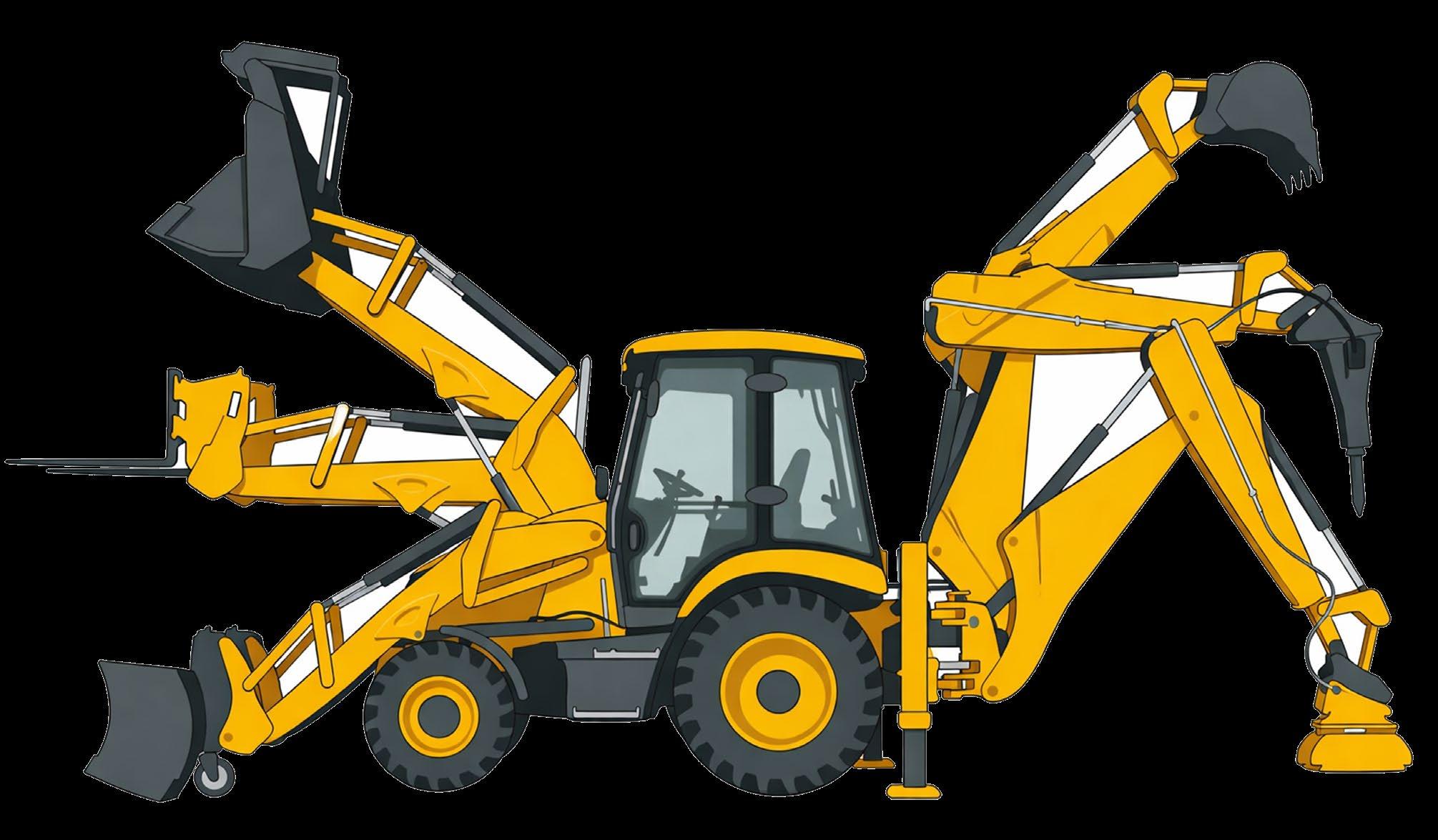
These represent only a small selection of the attachments available.
dig and load
Global Positioning System (GPS), also known as Global Navigation Satellite Systems (GNSS) use an array of satellites to determine position and movement with high accuracy. These can be used to inform the machine operator or enable semi-automatic operations.
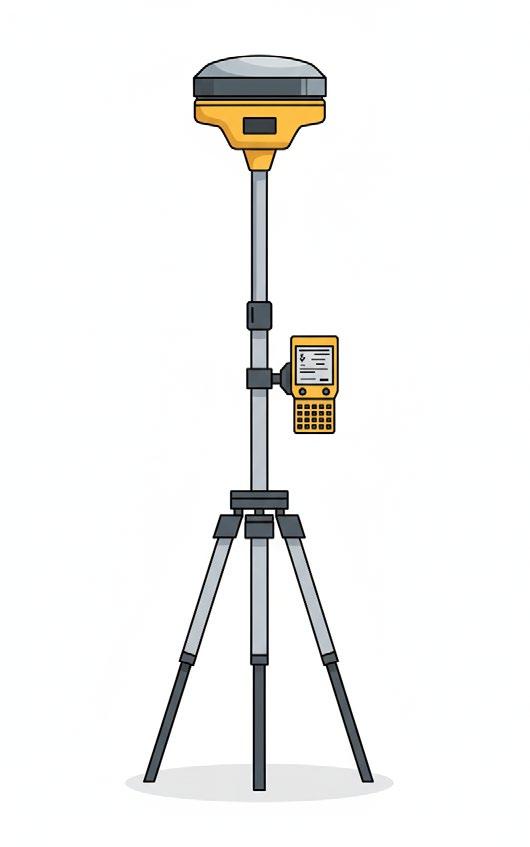
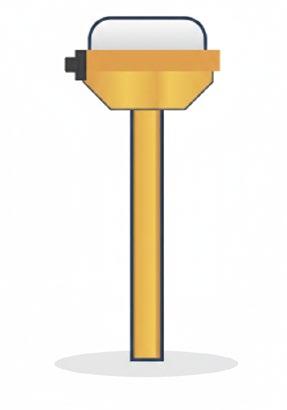
Determines location with high accuracy and re-broadcasts to machine-mounted receivers.
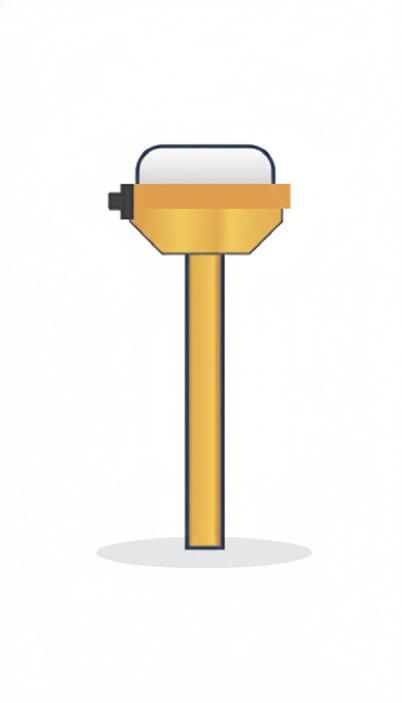
Fitted to machines to determine location. Two or more receivers provide detailed direction and position of implements.
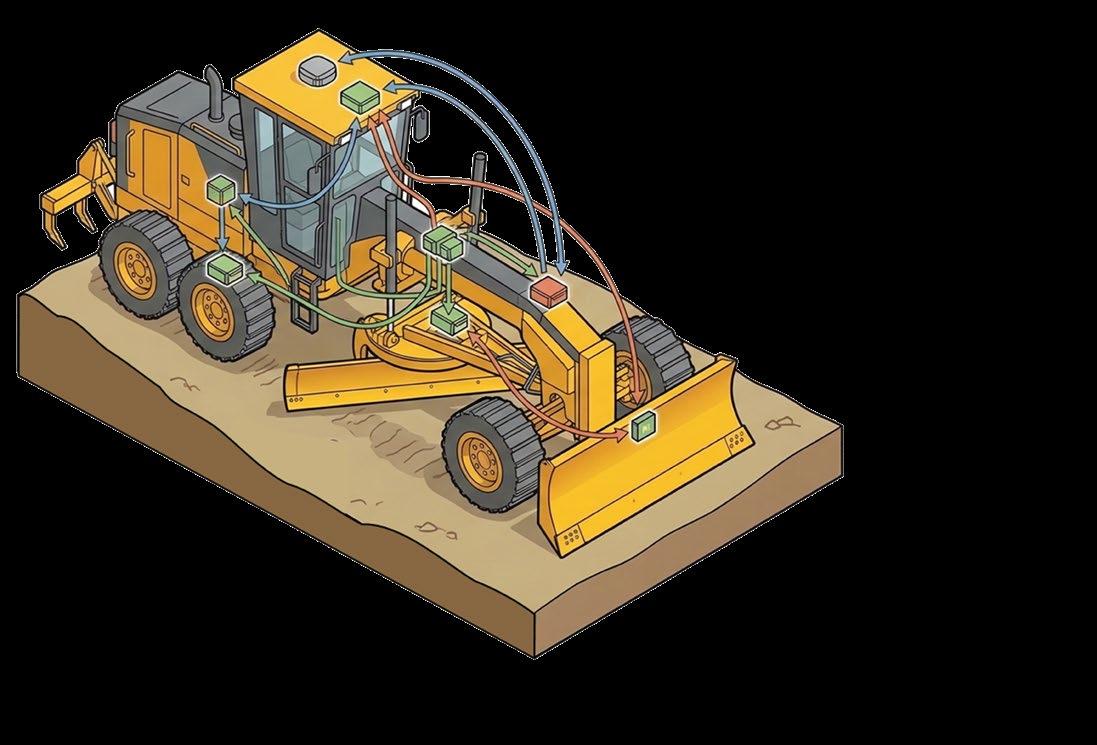
Fitted to machines to determine location. Two or more receivers provide detailed direction and position of implements.
MPE exists to do work, here are some industry segments which utilise MPE.
Agriculture in Australia is not just limited to grain, crop and fruit harvesting. There are many farming applications that use specialised Equipment.
Drone and GPS Automation Applications are becoming more accepted across the agriculture industry, primarily assisting with Farm management and labour costs.
Applications include: Fence line and water bore checks, crop mapping, spraying, harvesting and livestock monitoring just to mention a few.
Australia is a major agricultural producer and exporter with around 292,200 people employed in the agriculture and the forestry industries in 2025.
Australia’s farm gate (production) output was $100 billion a year for a 5.5% share of GDP in 2024-25. Agriculture, fishery and forestry used nearly 440 million hectares of land, over 57% of Australia’s total land area.
(Sources: ABS, Labour Force Index, 2026. ABARES, Snapshot, 2026)
Construction is the act of creating and maintaining the built environment in which we all live.
It often involves re-shaping the natural environment and so utilises a lot of digging and carrying focussed MPE.
Common on many construction sites are excavators, cranes, dump trucks and various types and sizes of loaders.
Construction employees over 1.3 million people in Australia.
While there are nearly half a million (452,937 in June 2024) construction businesses in Australia, the vast majority (91.7%) are small, with fewer than 20 employees.
(Sources: ABS, Labour Force Index, 2026. ABS, Counts of Australian Businesses, 2025.)
The forestry industry grows, harvests and processes trees to make timber building materials, woodchip for paper and cardboard production and a range of other timber products.
Forestry is often split into hardwood and softwood forestry, with the latter generally being faster growing. It can also be split into native and plantation forestry, with the latter being preferred for sustainability.
Australia’s forests store over 19 billion tonnes of carbon, with 3.9 billion tonnes stored in production native forests and plantations.
There were 1.71 million hectares of plantation forests in Australia in 2022-23.
(Sources: DAFF, Forests Australia, 2024. DAFF, Australian Plantation Statistics Update, 2024.)
The logistics industry is the distribution system for the entire economy, it takes raw materials to factories and finished products to stores and increasingly, directly to consumers.
The MPE in logistics if focussed on loading and unloading products. Products may be unitised or palletised or may be in bulk form. Many products will be packaged in intermodal ‘shipping’ containers for ease of transport.
The Australian domestic transport task is over 780 billion tkm (moving one tonne by one km is a tkm).
This is equivalent to moving an SUV to the moon a million times.
(Source: BITRE, AI&TS Yearbook 2025, 2025.)
Mining is the removal and processing of naturally occurring mineral resources. It is a key raw material input to nearly every facet of modern life. Mining generally involves moving large volumes of earth (burden) to access the material carrying the desired mineral (ore).
Mining can be split into open-cut and underground operations. Underground mining requires less earth to be removed to access ores but comes with its own unique challenges, risks and equipment.
Australia’s mining industry exports in FY2024-25 were $385 billion.
Australia is the largest exporter of iron ore in the world, the largest producer of lithium, the largest exporter of metallurgical coal, the 2nd largest exporter of thermal coal. Australia is also the world’s third largest producer of gold.
(Sources: DISR, Resources & Energy Quarterly, 2025. MCA, Commodity Outlook 2030, 2022.)