An enchanting breed
Pages 4–5

Pages 4–5
BY PAUL CAMPBELL
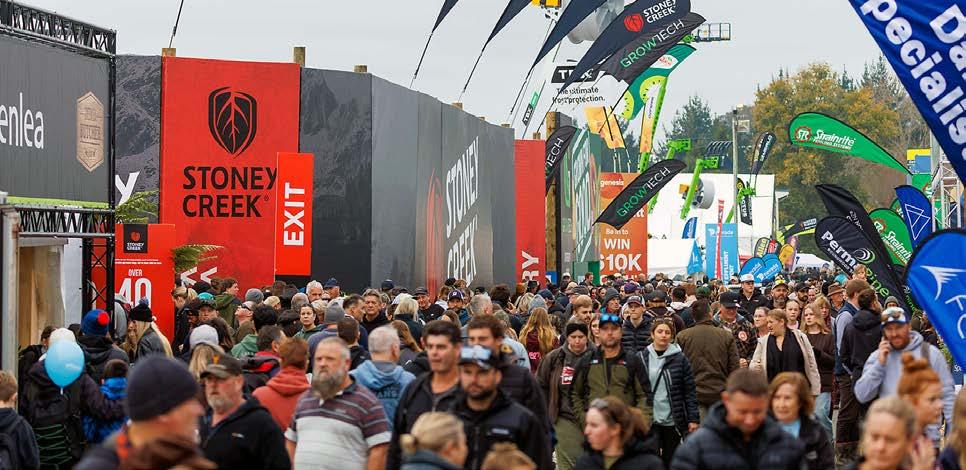
More than 132,000 visitors came through the gates over four days of the 58th Fieldays, with Wednesday gate numbers recorded as the largest opening day attendance in the event’s recent history.
Among the visitors were political aspirants targeting the rich captive audience with the coming general election in mind, with parliamentary identities out on the hustings.
Overall event attendance was up 20% on last year, and exhibitor sites were sold out. The final day with Super Saturday offered visitors one last opportunity to do business, secure Fieldays-only deals and enjoy a packed programme of competitions, demonstrations and entertainment.
Mystery haircuts, crowd favourites racing, food, family fun and rural experiences were all on the schedule.
Adding to the excitement was the chance to win a $57,000 prize package. The result was not available at publication time, along with the People’s Choice Innovation Award winner.
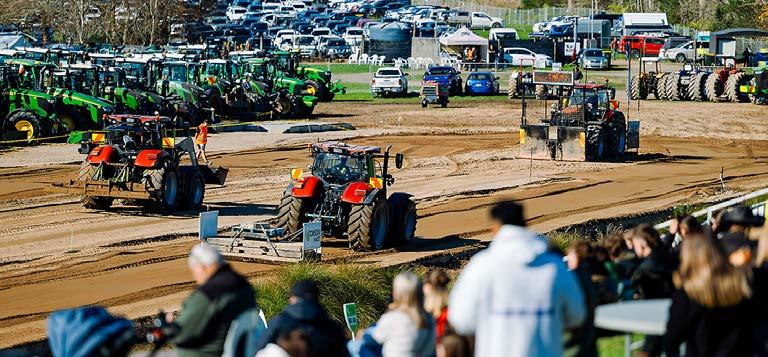
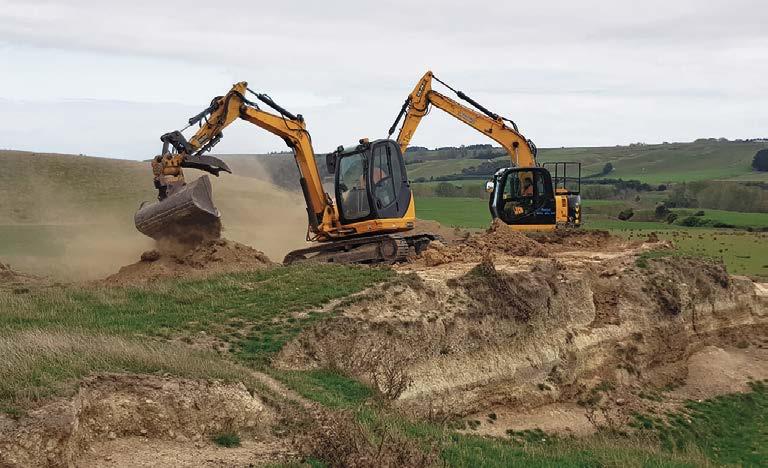
Saturday saw the finals of Tractor Pull as well as the Excavator Competition, with operators from across Waikato and the Bay of Plenty competing for the title of Regional Excavator Champion. Visitors could also get involved, with the family-friendly Doug the Digger activity for children and Have a Go excavator experiences for adults. Families found no shortage of action in the Family Fun Zone. Packed with free, hands -on activities,
THE MANAWATU FARMING LIFESTYLES IS PUBLISHED WITH PRIDE BY RURAL MATTERS
A PRIVATELY OWNED NZ COMPANY.
Phone: 0800 466 793
Email: info@rml.nz
Postal Address: PO Box 474, Dargaville Physical Address: 107 River Road, Dargaville
Editor: Andy Bryenton
Journalists: Denise Gunn | Andy Bryenton | Amy Fifita
Advertising: Monique McKenzie 027 525 9172
Production: Gavin Bainbridge | Marnie Fuller | Daniel Foster | Liz Clark
Accounts: accounts@rml.nz
Distribution: Laurie Willetts Printed by: NZME
Website: farminglifestyles.co.nz
Opinions
10,680 copies DELIVERED FREE to every rural delivery address in Manawatu.
No Moore Hassell Pet Food is an MPI approved and recognised primary meat processor. Based in Levin we offer local farmers a free and highly professional pick-up service for unwanted healthy cows and horses in the Manawatu-Wanganui region. If you would prefer to transport your animal yourself or have your horse or cow put down on the farm then we can arrange this with a No Hassell guarantee.
Our in-house processing plant enables us to guarantee the consistent quality and reliability of the process from the picking-up to the putting-down of the animal. As a recognised specialist you can rest assured that our years of expertise and close connection to the farming industry makes our service as convenient, respectful and professional as it can be.

the zone invited kids and parents alike to scale the rock wall, try the bungy trampoline, test their swing on the golf simulator, or burn off energy on the inflatables.
Families wandered through the Heritage Village, where highlights included a historic church, the old Kihikihi jail and the National Dairy Museum. For those interested in rural art, the Creative Space celebrated storytelling and humour.
Some of New Zealand’s finest artisan producers were showcasing locally-made cheeses, chutneys, boutique wines and other specialty products while the finals day saw the opportunity to take advantage of exclusive exhibitor promotions and Fieldays-only offers before the event wrapped up.
“Fieldays continues to be where the primary industries come together to do business, share ideas and build connections,” said Fieldays Society CEO Richard Lindroos. “Fieldays isn’t just an event, as this year has proved, it is a national strategic asset that brings together the best of our primary industries
& container plants
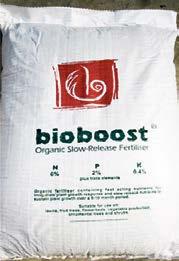
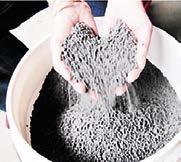
• Bioboost is available from: Selected Garden Centres, Commercial Horticultural, Agricultural & Turf Service Centres


This year’s strong attendance and exhibitor demand highlight the confidence in the sector and the vital role Fieldays plays in enabling growth.”
Across the event, visitors engaged with cutting-edge agri-tech, hundreds of exhibitors, live demonstrations, and practical tools to support on-farm productivity, while also taking the opportunity to reconnect face-to-face with industry peers.
Lindroos says he has received overwhelmingly positive feedback, driven by a buoyant rural sector, four days of good weather, and the significant effort behind the scenes from a passionate and dedicated team.
“Beyond the numbers, success isn’t just reflected in attendance figures, it’s seen in the energy on site, the conversations happening, and the genuine connections being made,” Lindroos said.
The full economic impact will take time to emerge, as the benefits extend well beyond the four days of the event, but planning is already underway for Fieldays 2027, June 16–19.
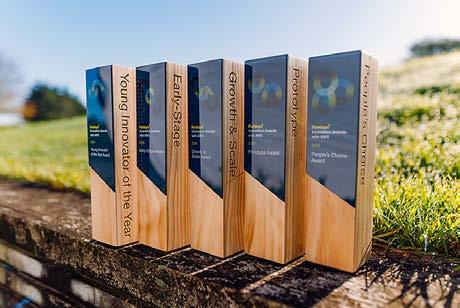
A flagship event was the Innovation Awards, and programme manager Steve Chappell said the awards continued to highlight the depth and diversity of innovation emerging from New Zealand’s primary industries.
“Many of the challenges facing our primary industries are global. It is encouraging to see New Zealand innovators developing solutions that not only address local needs but also have relevance and impact on the world stage.”
The Young Innovator of the Year Award was won by Wellington-based Enivo for its biodegradable plant pots made from New Zealand forestry and primary industry waste.
The Prototype Award went to Scanabull for its Scanabull WeighApp. The solution uses 3D LiDAR and AI to deliver accurate, real-time cattle liveweights via a simple phone scan.
The Early-Stage Award, recognised both emerging innovation and practical application. Elm Lab Skincare received a highly-commended award for its A2 Colostrum Baby Lotion.
The category winner was Hamiltonbased Elert for its Elert EQ device, a wearable technology designed to monitor equine health. Judges described it as a compelling, real-world solution.
The Growth and Scale Award went to Trussed Systems for its Truss House Portal Frame. Out in the field there was farm action, and New Zealand’s top fencers brought sharp focus and grit to demonstrating their skills with the everreliable number-eight wire.
The NZ Fencing Competitions organisers said this year’s event was highly competitive and showcased the growing strength of the fencing community, with nine new entrants competing in the heats and the first female competitor since the 1980s, Tiffany Garrick.
Tony Bouskill came out on top in the prestigious Golden Pliers final, with judges also awarding him best quality, for producing the highest standard of workmanship, precision and finish under intense competition conditions.
The competition is judged on a combination of speed, quality, and the overall strength and durability of the finished fence, with the ‘first off the line’ component highlighting how quickly a competitor can complete their work without compromising standards, all assessed by a team of 15 volunteer judges.
Bouskill also took out the Fieldays Silver Spades™ Doubles Championship with his father, Shane Bouskill. The pair will head to the Tornado Wire Fencing Competition at the NSA Sheep Event in the United Kingdom in July.
The Bill Schuler competition, established in memory of the late Bill Schuler to support newer and developing fencers, was won by Kupu Lloyd. The Fieldays Silver Staples cadet competition went to Smedley Station’s Noah Glasgow and Mark Chambers.



BY DENISE GUNN
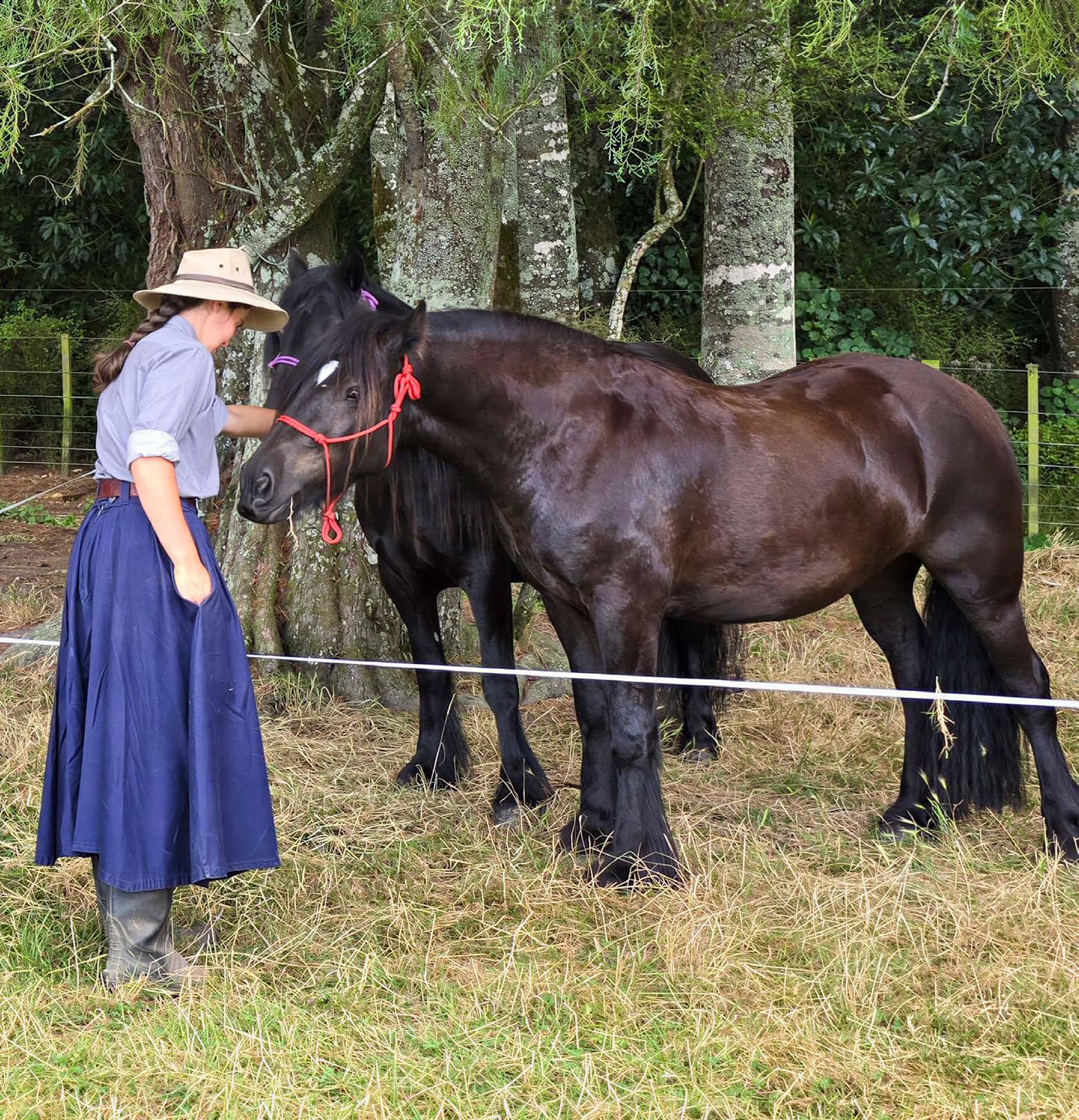
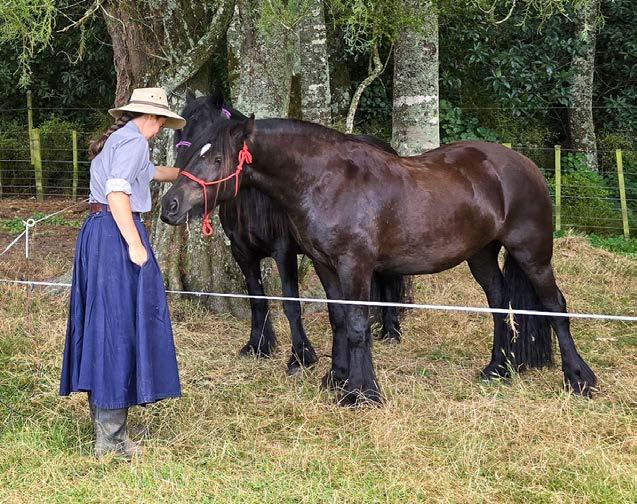
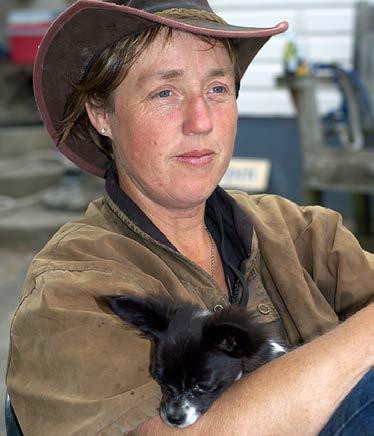
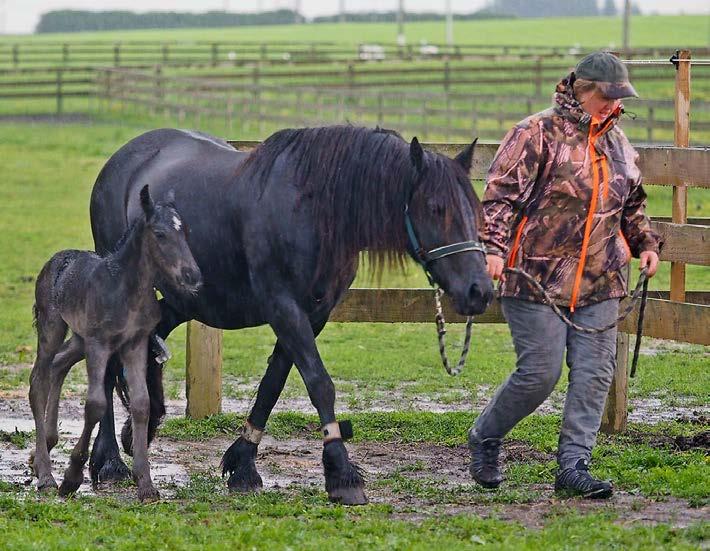
When Tania Chisholm’s four imported Fell pony mares foaled in 2019, she was considered to be the first Fell pony breeder in New Zealand and the owner of one of just two studs in Australasia.
Tania previously bred purebred Clydesdales on a 730ha hill country farm north of Whanganui. As she got older, she found the heavy lifting involved with a large breed became more difficult.
“I had bred pedigree Clydes for much of my life but made the hard decision to disperse the stud and look for something smaller. I wanted something suitable for ladies going into their 50s that are sensible, sure-footed and easy to get on and off.
“When I started looking, the only breed that came close was a cob-type horse around 14hh. It’s an easy height to get on and off, and open gates from.
“There weren’t many cobs in New Zealand at the time and the Gypsy
Vanners were at a very high price. So I decided to go to Australia and look at the Gypsy Cobs over there.”
While in Australia, Tania visited a Fell pony stud farm. When the Fell herd trotted over the hill towards her, she fell in love with the breed.
In 2016, she imported four mares into New Zealand; three pedigree and one registered Gypsy Cob/Fell cross. Initially, she bred Gypsy Cob/Fell crosses.
“Then I brought in another Fell that was in-foal by AI, from the same breeder. We broke in those mares and I rode the crossbred, which was really nice and quiet, but the Fells have such a nice walk on them. The crossbred ended up going back to Australia.”
In 2017, Tania travelled to England to talk to top Fell pony breeders and look at their stock, making several contacts along the way.
“I thought I could buy semen but there wasn’t any available for the southern hemisphere.”
However, Tania was able to contact a breeder to find her a colt, which was transported by international horse transport company IRT to New Zealand as a three-year-old.
Tania said the colt has worked out well and she now has 10 mares in total, including six purebred fillies.
“Last year a couple of English girls came over on their OE and started some of the horses and started taking them out.

•
•
•

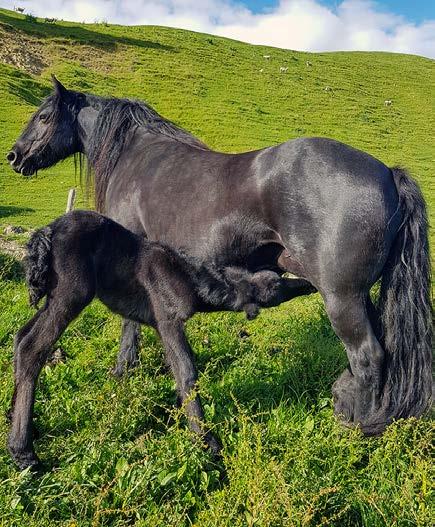
Mare and foal on Tania’s
go out on a
“The first gelding I bred is now down south teaching kids to ride. I have another Gypsy-cross out and about locally.
“At the moment, I have quite a few partbreds; Clydesdale, Hanoverian, Gisborne stationbred and they are all crossing well.”
Tania is currently saving up funds to import another Fell.
Native to the mountains and moorlands of northern England, the Fell pony is a versatile, sure-footed breed. Farmers used the breed for light draft work and mustering, and Fell ponies were also used in British mines.


The late Queen Elizabeth II rode a Fell pony for 15 years, and the late Duke of Edinburgh used a team of Fell ponies for carriage driving.
Tania said Fell ponies can jump their own height and are proving popular on the hunt field in England.
“When people first meet them, they discover how quiet they are. They are like old souls.
“To me, the reason I brought them in is that granny can buy one as her last horse, but her son can also take the horse pighunting and the grandkids can ride it.”
Breeding purebred Fell ponies and crossbreds has become a pet project as Tania looks towards her retirement years.


“With the two studs in the southern hemisphere, the breed is now preserved for maintaining genetic diversity. Fells are very long-lived.”
Tania now lives on her Fordell property where she runs her Home of Enchanting Fells stud. She has also developed a farmstay, The Stockman’s Rest. She plans to incorporate the Fell ponies into the farmstay where guests can unwind and spend time with them.
“There are enough Fell pony genetics here now to keep the line,” she said.
“I want to find the right people out there to take over the reins, so to speak. It would be nice to secure more people to pass the baton to.”





BY DENISE GUNN
Finding a breed of cattle to suit a lifestyle block market led Michelle Goodwin to establish a stud breeding Dexters.
Michelle researched various cattle breeds before deciding Dexters would best suit the conditions on her 22-acre lifestyle block near Whanganui.
“My goal from the beginning was to breed beef cattle, and the idea of helping preserve a rare breed deeply resonated with me. I also wanted the option of hand-milking one day, so choosing a dualpurpose breed was important.
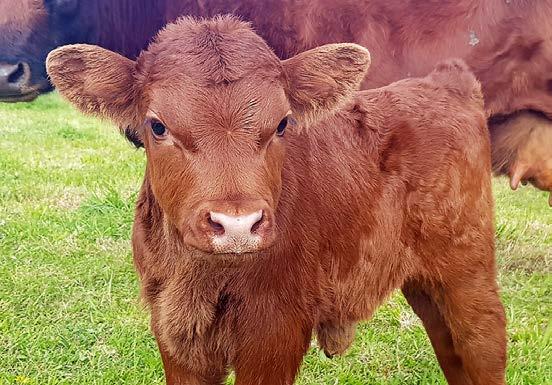
“Dexters stood out for their calm temperament, compact size and impressive hardiness. Traits that suit our land perfectly.”
Together with her daughter Elizabeth, the pair began to build their foundation herd with the purchase of four purebred Dexter cows, each with a calf at foot, and one heifer.
“We were fortunate to find a nearby seller offering beautiful Dexters with
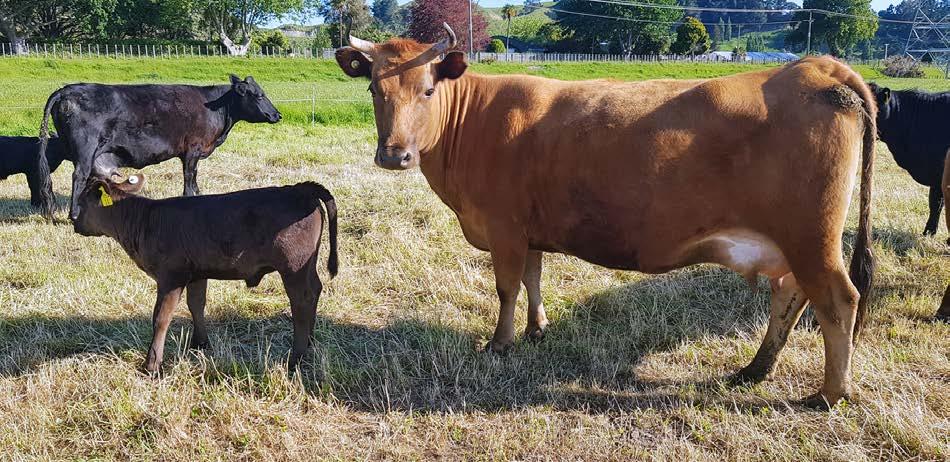
strong heritage lines. They were just a short drive away, and even better, they offered delivery.
“It was a smooth and exciting start to our journey with Dexters,” she said.
Soon afterwards, Michelle purchased two more cows and a bull from Otago, marking the official start of their breeding programme.
“Our first breeding season was in 2015, and so this makes 10 years of breeding for us.”
Michelle said since then, they’ve bred their own bulls, and now have a thirdgeneration bull on the property.
“He’s a two-year-old purebred, homozygous polled bull with a wonderfully quiet temperament. His calm nature makes him ideal for lifestyle block breeders.”
This bull has already been out on lease to several breeders. Feedback received
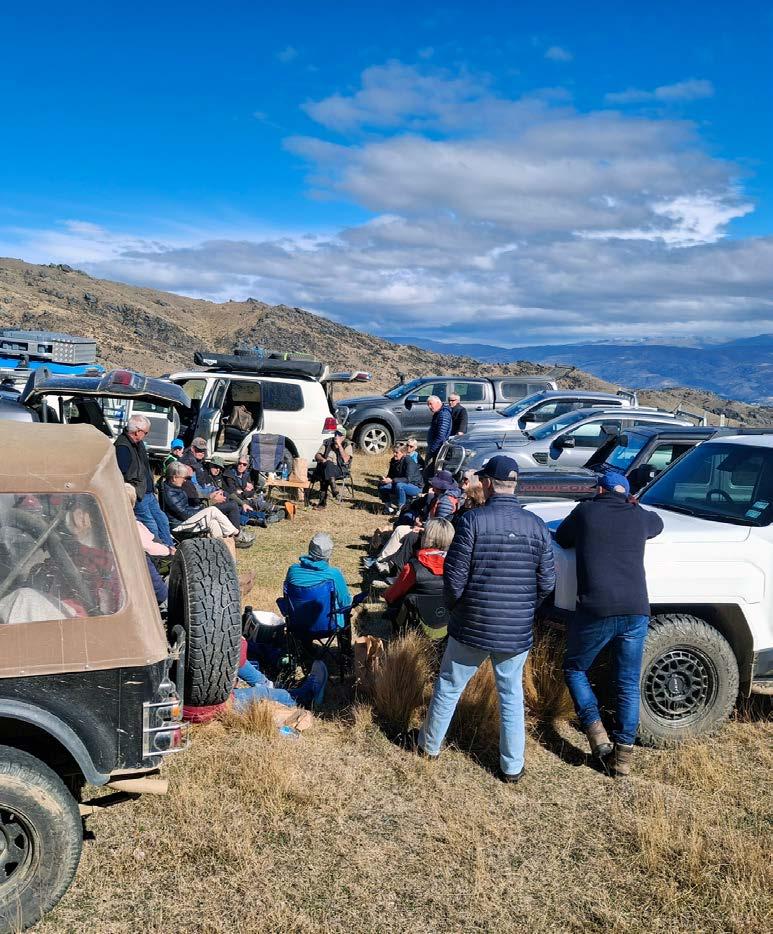


describe him as an absolute gentleman. Breeding a homozygous polled bull was one of Michelle’s goals with her operation breeding, so she doesn’t have to continue dehorning calves.
“I have achieved that with Pearson Hanley. So now I’m just content to keep my two lovely boys, Pearson Hanley and Pearson Imperial Prince. Careful breeding selection means that “I have two lovely

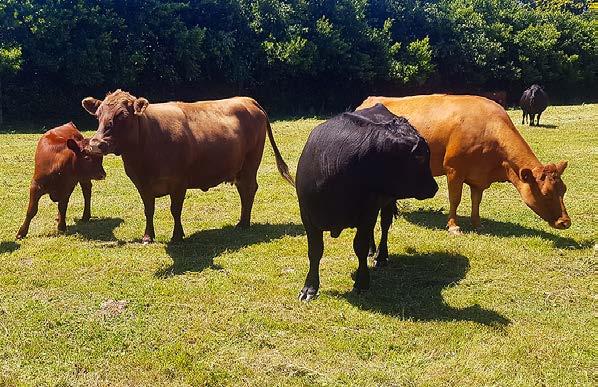

quiet bulls, one red and one black, that I can utilise over my herd to keep my genetics clean.”
The breed is known for its easycalving ability. Newborns typically weigh between 15–25kg, which means Michelle can comfortably carry a calf to shelter if needed.
“The milk they produce rivals Jersey cows in fat content, helping calves grow rapidly. They have a high boneout ratio and their meat is beautifully marbled.”
After the herd expanded to 35 breeding animals, Michelle decided to reduce the headcount to make way for some Wiltshire sheep and more horses.
Currently, the herd is made up of 20 breeding stock, along with eight steers destined for the market.
“It’s been a rewarding progression, built on careful selection and a deep respect for the breed.”
Michelle grew up with a farming background. Her grandfather was a stock and station agent during the 1960s and 1970s, driving cattle on horseback from the east coast to Waikato.
It was through her grandfather that she inherited a love of horses and cattle.
“He continued farming well into my childhood. I spent countless days on his property helping with the cattle, and soaking up the atmosphere at the sale yards chatting with farmers.
“That’s where my understanding of what makes a good cow was shaped. I knew I wanted to breed cattle one day.”
Michelle said her mother also played a part in shaping that dream.
“Mum raised bobby calves, and we milked a house cow to feed them. I’d often be up early to milk before school. Our Jersey cow produced enough milk to supply our household with milk and butter, plus feed five calves and two



pigs. Those early experiences instilled in me a deep appreciation for farm life, and a strong preference for being outdoors, working with animals rather than sitting behind a desk.”
All of Michelle’s cattle are purebreds and registered with the Dexter Cattle Society of New Zealand. As a tribute to her grandfather, Michelle named her stud Pearson Dexter Stud.
“Our animals are registered with the Pearson stud prefix, which is after my grandfather’s middle name,” she said.
With a breeding focus putting temperament first, followed by carcass weight, Michelle’s homebred cattle are naturally quiet and well-handled.
She said lifestyle block owners value cattle that are calm, easy to manage, and yield a solid hook weight with a good bone-out ratio, but don’t yield so much meat that it doesn’t fit in a big freezer.
Read part two next month.


$22,093 + GST KIT
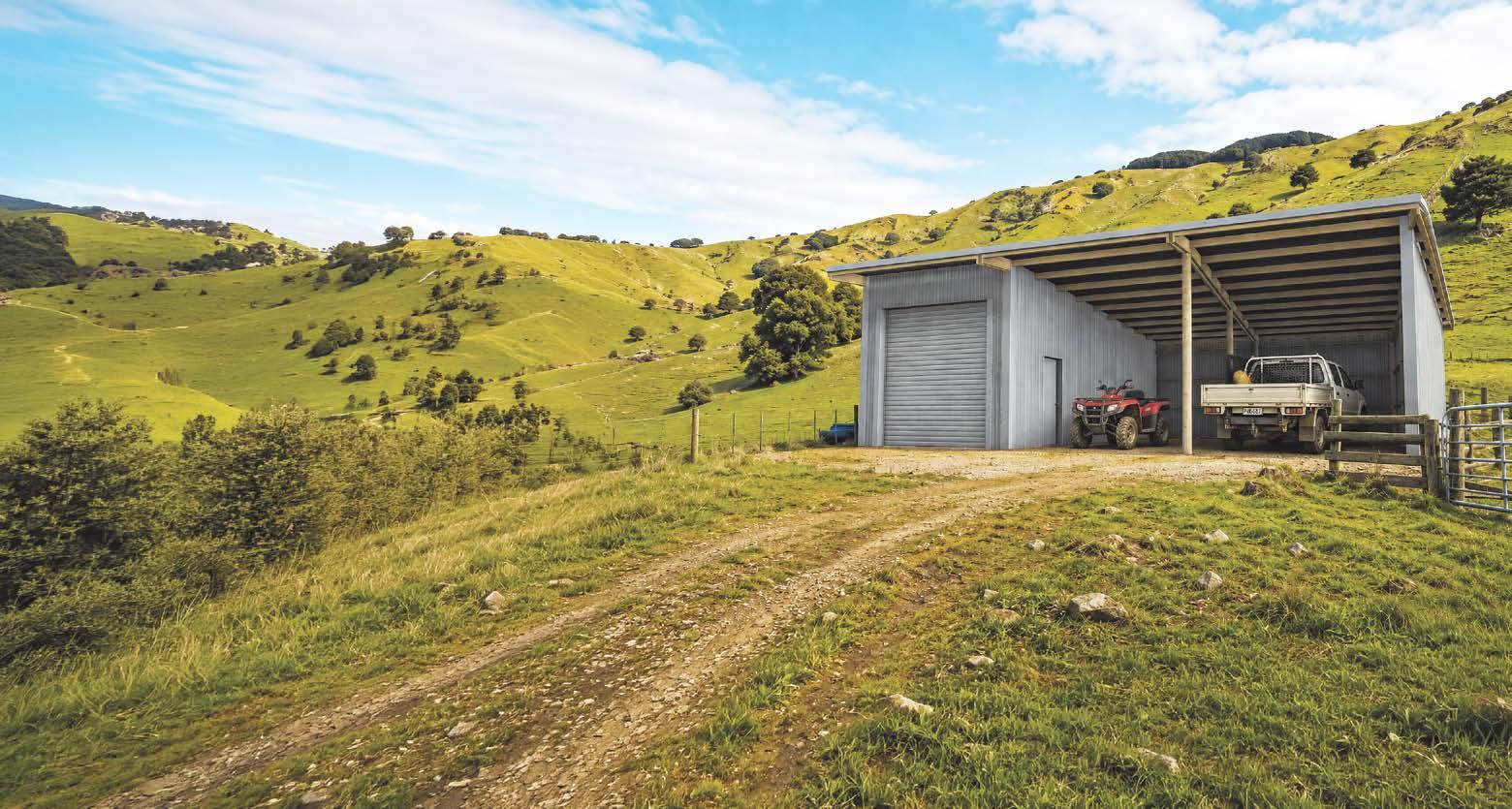
Don’t miss out - this super affordable shed is how to protect your gear from winter ’s worst: at 12m wide x 9m deep, 3 to 3.8m high, there’s cover for vehicles and boats, secure lock-up for tools and toys and wow-factor savings! Also, no permit required on qualifying blocks of land. *Conditions



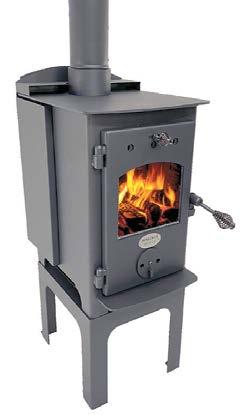
The Wagener Sparky is New Zealand’s ultimate compact multifuel solution, handcrafted for tiny homes, cabins and even boats. Despite its small footprint, the Sparky delivers an impressive 7–10kW output, featuring a heavy-duty 5mm steel chassis and a brick-lined firebox for maximum heat retention.
This multi-fuel versatile performer isn’t just a heater; it features a dedicated top surface for cooking and an optional “Lion” wetback to provide independent hot water. Available in Clean Air and Rural models with customisable base and colour options, the Sparky offers robust, long-lasting warmth wherever space is at a premium.

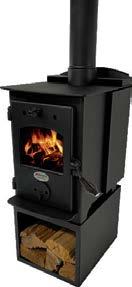
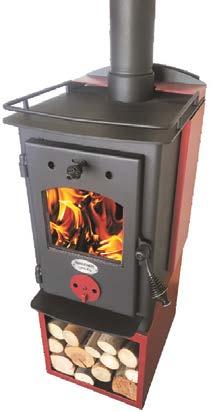
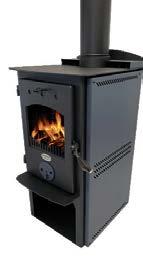
The Wagener Leon is the “big brother” to the Sparky, designed for those who love compact styling but need massive 16–18kW heating power. Named after the family business founder, this handcrafted powerhouse features a deep firebox and a large glass window for a stunning view of the flames. Built from 5mm NZ steel, the Leon includes a built-in log box for convenience and a dedicated cooking surface for self-sufficiency. With an optional 3kW wetback capable of heating a full household’s water, the Leon is a hardworking, enduring heart for any medium-to-large home.



by Liz Clark
Many years ago, my grandparents had a big old farmhouse, complete with draughty corners and big wooden verandahs that went right around.
Beyond was the garden full of fruit trees and rose bushes, all lovingly pruned with every colour a rose bloom could ever be found in. Grandma was very proud of her house and her garden.
Being very house proud, Grandma, of course, had a broom. It wasn’t just any broom she had beside the farm kitchen door. It was a special willow broom made by Grandpa’s own steady hands, just for Grandma to use. Woe betide anyone else who touched Grandma’s special broom. There, it would sit beside the farm kitchen door seemingly unused, and yet the floors were always swept clean.
As youngsters, we were never allowed to touch that sacred broom. No matter how much we asked and pleaded to use that big old broom, it was always the same. “Don’t you dare touch my special broom!”
One fine day, when Grandma was in the kitchen, a big bull jumped over the fence straight into her prized rose garden. Those roses were her pride and joy, but as all bulls can, and do, those roses were soon being turned into mashed-up compost. He tore, he ripped, he stomped and he snorted those roses into the ground. Just for good measure, that big old bull gave a few more a good belting with his big heavy head.
He was almost done with the roses when Grandma saw him through the

kitchen window. Her bellow could be heard clear to the next town. “Out of there!” she shouted, running towards the kitchen door. On the way out, Grandma armed herself with her special broom, never mind she still had her dressing gown and slippers on — after that bull, she went.
Now, it was the bull that bellowed with all of his might. Off he went, with Grandma and her broom in hot pursuit. Through the fence went the bull, and so did Grandma, who gave that bull two hard wallops as a reminder to never mess with her and that broom.
It wasn’t the first time that bull had come, and it wouldn’t be the last time, either. At last, the truth about that broom came out. It wasn’t to sweep the dust off the floor — it was to sweep the bull out of the garden.
by John Arts
If you’re hoping to win Lotto or Powerball in New Zealand, your odds are about 1 in 38 million. However, here’s a statistic with far greater relevance: the chance of developing knee osteoarthritis (OA) is approximately 50% — that’s a bet none of us want to take.
Osteoarthritis is a condition that can creep up silently, often beginning years — even decades — before the first signs of discomfort appear. You might notice a slight twinge in your knee, pain in your hip, or stiffening fingers, but OA’s real damage may have started long before. The disease can accelerate rapidly following joint trauma and is typically diagnosed through symptoms and scans. Unfortunately, we rarely focus on the actual causes driving this degenerative process.
OA is marked by the loss of cartilage, the essential tissue that allows smooth joint movement and shields bone ends like a shock absorber. Though cartilage seems inert, it’s maintained by living cells called chondrocytes. These cells play a vital role in repairing damaged cartilage, but they are susceptible to harm from free radicals and destructive enzymes. When chondrocytes are damaged, their ability to maintain healthy cartilage diminishes.
Fortunately, there are several nutrients available as supplements that can
help chondrocytes resist damage and regenerate cartilage more effectively. Among these, chondroitin sulphate stands out. Supplementing with chondroitin encourages chondrocytes to produce cartilage matrix and shields them from free radicals, harmful enzymes and inflammation. Its importance is underscored by its availability in Europe on prescription at doses of 800–1,200mg daily. Yet, many joint supplements contain little or no chondroitin — likely due to its high cost.
Combining premium chondroitin with glucosamine and 100% water-soluble curcumin from turmeric can offer significant benefits, especially when paired with an anti-inflammatory diet.
John Arts (Adv.Dip.Nut.Med) is a qualified nutritional medicine practitioner and founder of Abundant Health. To read more articles by John and learn more about the Abundant Health products he has formulated, visit healthhouse.co.nz, call 0800 140 141, or email john@ healthhouse.co.nz.
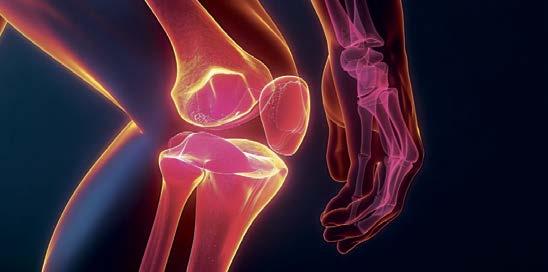
For many, joint health deterioration is the first obvious sign of aging. Gradual erosion of cartilage, is by far the most common issue.
What is Bettaflex?
Bettaflex is the most popular supplement in the Abundant Health range because of its positive support for joints affected by wear and tear, helping Bettaflex users to support mobility and quality of life.
How does Bettaflex work?

and
Why use Bettaflex?
Bettaflex has been formulated to support joint comfort and mobility, making it an ideal supplement for those seeking support for joint comfort and stiffness. Bettaflex combines high-grade chondroitin Always read the label and use as directed. If symptoms persist see your healthcare professional.
Bettaflex formulator John Arts comments, “I formulated Bettaflex with a single objective; that those concerned about joint health can support mobility and comfort helping them to enjoy better quality of life.”
by Andy Bryenton
The information is out for the year in rural property, and the numbers tell a story of opportunity.
The Real Estate Institute of New Zealand issued its annual rural market report last week, and though it’s been a mixed 12 months, thanks largely to
international factors and geopolitics, news at the farm gate has been positive for many of the subsectors of farming and country living. That’s translated into what REINZ is calling increased confidence and positivity, expressed through bellwether figures, such as national dairy farm sales, up 38.2 per cent.
“There are still concerns around cost inflation for the rural sector, which remain at the forefront for those in the industry, with tight on-farm operating costs. These pressures continue to weigh on overall sector confidence, prompting businesses across the rural economy to reassess budgets, adapt operating models and look for greater efficiency as they navigate a persistently challenging cost environment, in many sectors,” said REINZ rural spokesperson, Shane O’Brien. As mentioned earlier, strong Fonterra payouts and a projected continuation of this trend have seen dairy property action surge. Otago and Southland are areas of major movement, but Northland makes up the final leg of this triumvirate.


“In the 12 months to March 2026, there were more dairy farm sales exceeding $10 million than in any equivalent 12-month period since records began in 1997. This comparison is based on nominal values and has not been adjusted for inflation,” said Mr O’Brien.
“Buyers across New Zealand tend to prioritise farms that deliver consistent performance, with proven production, established infrastructure, and being environmentally compliant while most farming sectors have displayed varied activity this quarter.”
escapees. Sales of this kind of property are reportedly up 16.2 per cent, with an increase in sales recorded everywhere that sunshine and rural views are on offer.
Dairy has proven strong, but the red sector is also making progress, with strong demand for finishing farms defining a trend, especially in the south. Meanwhile, horticulture remained stable, with growth in areas that have access to irrigation, with kiwifruit farms showing strong appeal.
Lifestyle blocks and small farmlets are also in demand, with regional centres offering some choice examples close enough to cities to appeal to urban
‘Heading into the next quarter, the rural and lifestyle market is expected to hold steady, with buyers focussed on operational performance,’ concludes the REINZ report.
‘Dairy, finishing and grazing farms are likely to remain the strongest performers, while sectors such as forestry lag due to regulatory constraints. Overall, investment is expected to be selective rather than broad across New Zealand’s rural property market.’


by Paul Campbell
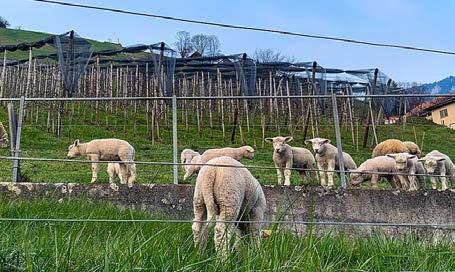
Sheep farmers could improve both profitability and emissions efficiency by increasing lamb
changes in total greenhouse gas emissions according to research at Massey University.
PhD candidate Joseph Adjabui examined how higher lamb weaning weights affect productivity, profitability and predicted methane produced during digestion. While previous studies have focussed on the production and financial benefits, this research also considers greenhouse gas outcomes, an increasingly important factor in farm systems decision-making.
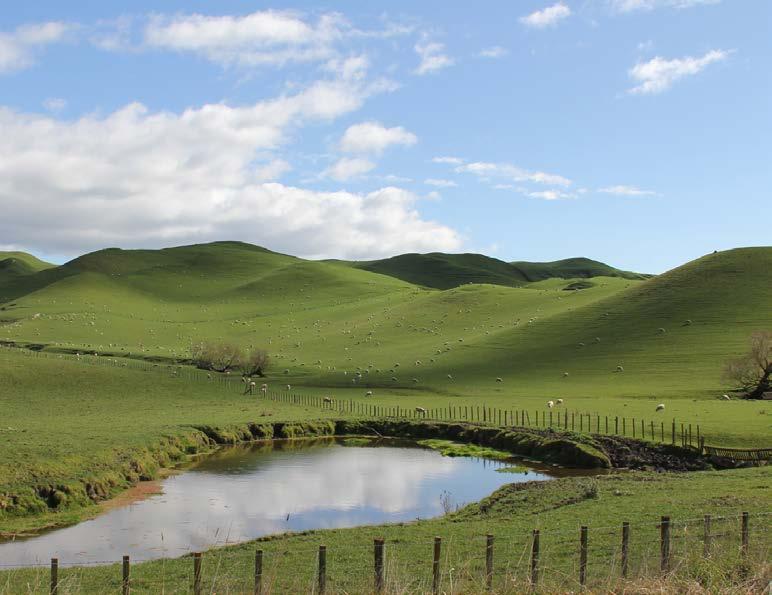
The study analysed a North Island hill country sheep and beef farm and assumed a fixed feed supply, reflecting typical New Zealand pasture-based systems with limited supplementary feeding.
The results showed consistent improvements in farm performance as weaning weight increased. Lamb carcass weight sold a hectare increased by approximately two per cent under a 10 per cent scenario, and 14 per cent under a 20 per cent scenario, relative to the base system.
Cash operating surplus also improved, increasing by around six per cent and 51 per cent respectively. Mr Adjabui says the gains were driven by improved system efficiency rather than increased inputs.
“Heavier lambs at weaning meant more kilograms of lamb could be produced and sold earlier, improving both total production and farm income.”
The proportion of lambs meeting prime specifications soon after weaning also increased, reaching 84 per cent under the 20 per cent scenario compared with 60 per cent in the base system.
One of the key drivers of improved performance is earlier finishing. Increasing weaning weight allows lambs to reach slaughter weight sooner, reducing time on farm, improving feed use efficiency and lifting overall system output.
PhD supervisor Emeritus Professor Steve Morris says the efficiency gains



from earlier-finished lambs are clear when viewed at a wholefarm level.
“The most efficient lamb is the one sold directly to slaughter at weaning. It has been alive for fewer days, eaten less feed and required fewer animal health treatments, less labour and no shearing,” he said.
“That feed is then available for other stock classes, improving overall farm performance. It is also often sold when prices are strongest, before peak seasonal supply.”
However, the head of the school of agriculture and environment Professor Paul Kenyon notes there is a wider industry consideration. “While earlier finishing improves profitability at farm level, the industry also relies on a steady year-round supply of lamb to meet export demand, which is a conflict.”
Mr Adjabui’s research was supervised by Emeritus Professor Steve Morris, Professor Patrick Morel, Professor Peter


by Andy Bryenton
Letting a learner driver loose in your family car is nail-biting enough, but what about giving a trainee the keys to a powerful
tractor or bulldozer?
It’s a real concern, as the next generation of tractor and machinery operators have to learn somewhere. Autonomous control is touted as part of a future solution, but human drivers will still be needed for many operations. That’s where virtual reality comes in, or as one of the heavyweights in the industry call it, John Deere Extended Reality.
At the big US CONEXPO 2026 Deere developers debuted a compact, portable headset and hand controls, which put the wearer into the driver’s seat of a range of John Deere machines. It’s a logical step for training, and even has some
crossover with the popularity of farming and construction simulator games among youngsters. This is no toy, but it’s a new window into a virtual world familiar to gamers.
The first two machines simulated are a big excavator and bulldozer, but making this technology embrace the whole construction and farming fleet in green and yellow is just a matter of programming. The JDXR system creates an immersive environment in which it’s possible to get familiar with powerful machines safely and without using a drop of diesel.
“This technology represents a major step forward in how we prepare our customers and operators to be successful from any location,” said Curtis LeConte, project manager for next-generation training at John Deere. “By making our training more portable and accessible, we’re delivering a powerful new way to train users in machine operations, maintenance, as well as key features, without the limitations of traditional training simulators.”
That’s another good point, because previously, simulating the cab of a tractor, excavator or harvester required building a mock-up that could be as costly as the real thing, and nearly as hard to move about. As well as training a new generation and giving students a taste of a career behind the controls of a Deere, this technology can help demonstrate a wide range of machines to existing customers too. Imagine shopping for the right tractor by test driving a whole range in virtual reality, and getting familiar with the controls before the keys are in your hand.
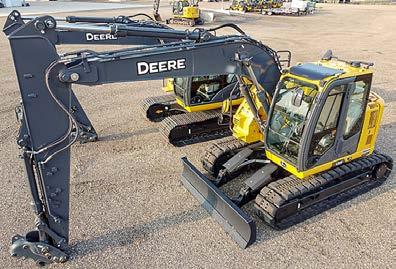
Currently, the JDXR system features operator-focussed virtual reality lessons, including daily maintenance walkarounds, controls familiarisation, and direct interaction modules, such as trenching and spreading. There’s a sandbox mode in which operators can pilot a variety of machines in a simulation of John Deere’s Coal Valley training site. The possibilities, both in construction and agriculture, are limited only by the imagination of programmers. John Deere Extended Reality could be a hit at field days events as well; a chance to try before you buy.

by Andy Bryenton
Beef and Lamb New Zealand has released the results of research the organisation has undertaken into
emissions policymaking, and how the moves enacted by our own government
The key point of the report, building on earlier research completed in 2024, is that no country is looking to include agriculture in its Emissions Trading Scheme equivalent programme, and virtually none have plans to price agricultural emissions. The implication is that most of our peers on the global stage are focussed on industrial and infrastructural-based emissions.
A high estimate of New Zealand’s greenhouse gas emissions puts us at 0.17 per cent of the global total. Half of this is estimated to come from agriculture. Cutting back this figure is perhaps more problematic than imposing greater efficiencies on heavy industry or power generation could be for foreign governments. Furthermore, an argument can be made that if pasture, orchards, crops, native forest and other flora were counted toward carbon totals, rural New Zealand would already be carbon neutral.
The B+LNZ research shows that most of our peers are directing large-
scale public funding to incentivising and subsidising farmers to achieve climate change outcomes. The recent budget would argue that there is little left in Wellington’s coffers to fund such schemes locally. However, B+LNZ chief executive Kate Acland says other solutions exist.
“B+LNZ is not advocating for subsidies for our sector. We’re asking for more creative approaches, such as exploring ways to incentivise reductions through a focus on efficiency gains and options, such as emissions reduction credits for technology uptake. We believe reductions in emissions should primarily be driven by customers and the market.”
Additionally, the research Ms Acland’s colleagues have undertaken highlights the point that recent reductions in biomethane targets and limits on carbon afforestation are on-trend with global opinion.
“New Zealand’s decision to revise its methane targets down is not out of line internationally,” she said. “For example,

the Australian government released its Agriculture and Land Sector Plan last year, which does not have specific targets for reductions in agricultural emissions. Australia is not, at this stage, aiming to reduce gross reductions from agriculture until after 2040.”
Advocacy and debate in this space is ongoing, with B+LNZ instrumental in calling for a split-gas approach to
climate change control, reflecting the scientific differences between CO ² and methane.
“Forty-one organisations across 16 countries have now signed the joint statement. The expanding coalition reflects growing international recognition that biogenic methane must be treated differently to long-lived gases such as carbon dioxide,” Acland said.


by Amy Fifita
A phenomenon discussed as far back as 1798 by Scottish physician Sir Alexander Crichton, helping your ADHD child traverse academia is sometimes an uphill battle.
As if childhood wasn’t a venture of confusion and fun already, adding a neurodivergency to the mix can




seem daunting to any parent.
Yes, as parents, we love our children, but also want them to have ample opportunity and success, and sometimes that medical diagnosis can make it challenging.
So, how do you hone in on bringing out your child’s best abilities when they won’t sit down and do their schoolwork like the rest of the normies?
Home can be made into a supportive learning environment, especially for that horrible ‘h’ word — homework.
As a parent of an ADHD child myself, it is not as easy as giving them a stern word to just do their homework. That leads to raised voices. Those children need movement, and home helps like a designated homework space stripped of distraction, and maybe some background music.
Here’s where the fun begins. Your child can start designing their own homework

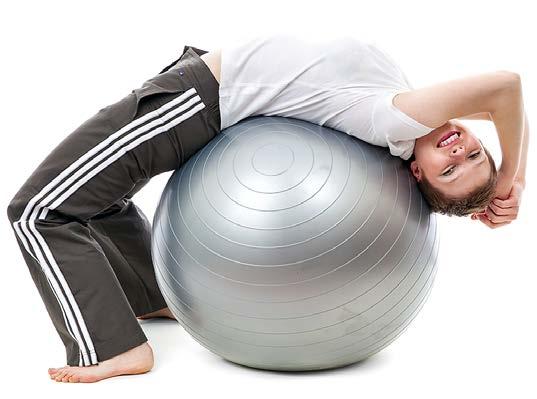
Having movement-friendly furniture like exercise balls or swivel chairs can help ADHD learners stimulate their minds and learn better at the same time space, giving them freedom to create an uncluttered environment where they can hopefully hyperfocus on their homework to succeed.
Using a desk or table to help lay out their area and seating, like swivel chairs and exercise balls, which encourage movement. When someone with ADHD moves, it is not about distraction.
It is about firing off the part of their brain that produces dopamine, the reward chemical that fosters motivation, memory, behaviour, cognition, learning and attention, all needed for studies. Moreover, because movement matters, having space to pace while reading or memorising things also helps.
Teaching them to break down tasks into small, obtainable achievements helps make big projects more bite-sized. Reduce the visual noise by having coloured or patterned folders for different subjects. Not only does it add creativity to the space, but it also lowers the cognitive energy needed for memory.
For a more anecdotal technique from those with ADHD themselves, body doubling is said to help. Simply being in the room with your child could help them focus and discourage hyperactivity and distraction.




by Andy Bryenton
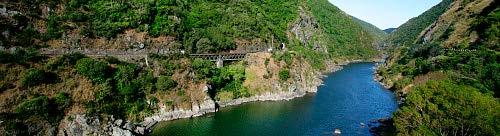
The Ngāti Hāua Iwi Trust and the Department of Conservation have teamed up to help restore and revitalise the Whanganui River, and what they have discovered about the ecosystem has included some big surprises.
Despite big barriers in their path, DOC and Ngāti Hāua-established surveying sites have found longfin eels and freshwater torrentfish 297km upstream from the river mouth. It’s a marathon effort for the species to reach Waimiha in the Ongarue River, and shows that they have a healthy drive to survive.
“There’s a lot against these fish. The tiny juveniles that migrate upstream are swimming against the flow, steep climbs, waterfalls, pollution, floods and predation; not to mention human-made barriers. The fact that any of them make it is astounding,” says DOC programme leader Jane Taylor.
It’s a positive sign for the restoration of the river, which rises far away on the slopes of Mount Tongariro, and since pre-European times has been both a conduit for travel and trade, and a lifegiving natural taonga for the regions it flows through. The Whanganui River is not just a body of water; it was the first river in the world to be granted legal personhood. A landmark court case was concluded in 2017, vindicating 160 years

of advocacy by local iwi who insisted on the special importance of the awa. Today it’s recognised that the fish inhabiting it are a bellwether of its health.
“Some of the fish, like eels, are great climbers, but natural waterfalls and

man-made dams, fords and culverts can block their passage. If a fish isn’t able to complete both the freshwater and saltwater parts of its lifecycle, you can imagine which way the population will go,” Jane says.
Pou Taiao Te Whiringa Kākaho Kuru Ketu says Whanganui iwi, as river people, have an inalienable interconnection with Te Awa Tupua (the Whanganui River), and its health and wellbeing.
“Through this joint effort we take another step towards fulfilling our shared responsibilities as tāngata tiaki, enhancing both the wellbeing of Te Awa Tupua and the relationships that connect people to it,” Kuru says.
Jane Taylor says that information gathered as part of this recent environmental research will help to build a better picture of biodiversity in the catchment and influence shared restoration efforts. Already, there’s important data informing where resources could best help protect native fauna. The Manganui-o-te-Ao and its tributaries have been pinpointed as a biodiversity
hotspot, with seven threatened species present, including piharau (lamprey), torrentfish, īnanga and two species of mayfly.




Yourlocalfarmservices partner,specialisingin:
Yourlocalfarmservices partner,specialisingin:
Yourlocalfarmservices partner,specialisingin:
Yourlocalfarmservices partner,specialisingin:
• Effluentsystems
• Effluentsystems
• Effluentsystems
• Effluentsystems
Yourlocalfarmservices partner,specialisingin:
Yourlocalfarmservices partner,specialisingin:
• Watertreatment&pumps
99RidgwayStreet,Wanganui
Tel.0800667867 machinerymaintenance.co.nz
99RidgwayStreet,Wanganui Tel.0800667867 machinerymaintenance.co.nz
99RidgwayStreet,Wanganui Tel.0800667867 machinerymaintenance.co.nz
• Effluentsystems
• Effluentsystems
• Effluentsystems
99RidgwayStreet,Wanganui Tel.0800667867 machinerymaintenance.co.nz
• Watertreatment&pumps
• Watertreatment&pumps
• Watertreatment&pumps
• Milkmachineryupgrades
• Milkmachineryupgrades
• Milkmachineryupgrades
• Registeredmachinetesting
• Registeredmachinetesting
• Registeredmachinetesting
ProudServicePartnerof:
• Watertreatment&pumps
• Watertreatment&pumps
• Watertreatment&pumps
• Milkmachineryupgrades
• Milkmachineryupgrades
• Milkmachineryupgrades
• Milkmachineryupgrades
• Registeredmachinetesting
• Registeredmachinetesting
• Registeredmachinetesting
• Registeredmachinetesting
• Machineservicing
• Machineservicing
• Machineservicing
• Machineservicing
• Newmilkingmachineryinstalls
• Newmilkingmachineryinstalls
• Newmilkingmachineryinstalls ProudServicePartnerof: 99RidgwayStreet,Wanganui
• Machineservicing
• Machineservicing
• Machineservicing
• Newmilkingmachineryinstalls ProudServicePartnerof:
Yourlocalfarmservices partner,specialisingin:
• Effluentsystems
• Newmilkingmachineryinstalls
• Newmilkingmachineryinstalls
• Newmilkingmachineryinstalls
99RidgwayStreet,Wanganui Tel.0800667867 machinerymaintenance.co.nz
• Watertreatment&pumps
• Milkmachineryupgrades
• Registeredmachinetesting
• Machineservicing
• Newmilkingmachineryinstalls

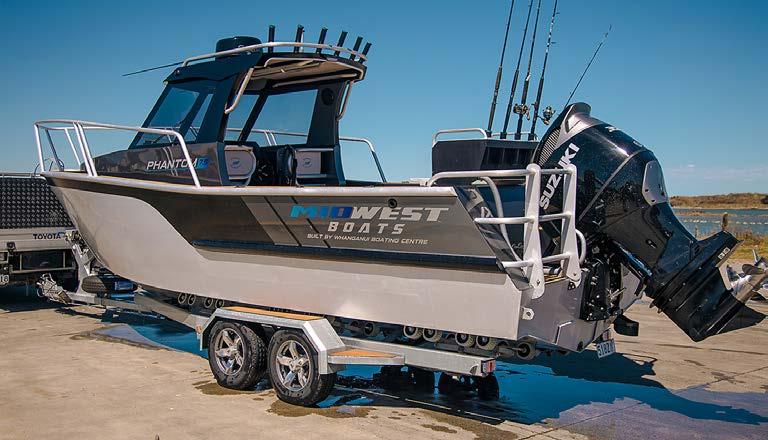
Whether you’re heading offshore for a day’s fishing, maintaining a family runabout, or operating a commercial vessel, Whanganui Boating Centre (WBC) has become a trusted name for boat owners throughout the lower North Island.
Located and regionally convenient in Whanganui, WBC is a true one-stop shop for all boating requirements. The experienced marine team services and repairs all makes and models of outboard motors, as well as inboard engines, helping recreational and commercial operators keep their vessels performing at their best.
As an authorised Suzuki Marine dealership, WBC also supplies and services the latest Suzuki outboards, renowned for their reliability and fuel efficiency.
Beyond servicing, WBC offers a full range of boat modifications, repairs and custom marine solutions. Through its in-house manufacturing division, Midwest Boats NZ, the team designs and builds quality aluminium boats that are purpose-built for New Zealand conditions. The company is also proud to support the boating community through its ongoing relationship with Coastguard. Most recently, Midwest Boats NZ completed the build of the new Whanganui Rescue vessel and continues to service and maintain Coastguard vessels throughout the Whanganui, Manawatū and South Taranaki regions.
WBC also specialises in complete vessel refits, helping breathe new life into ageing boats — ensuring they remain safe and
reliable on the water. Inside the retail store, customers will find a comprehensive range of marine essentials, including lifejackets, safety equipment, anchors, VHF radios, sounders and fishing tackle and bait. If preparing for a weekend adventure or replacing essential safety equipment, the knowledgeable team is always happy to help with a reputation built on quality workmanship, practical advice and, of course, a genuine passion for boating. Whanganui Boating Centre continues to be
the first port of call for boaties across the region — open Monday to Friday 8am–5pm.
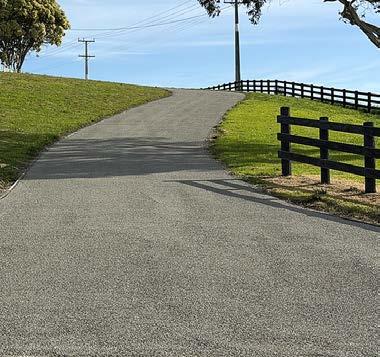
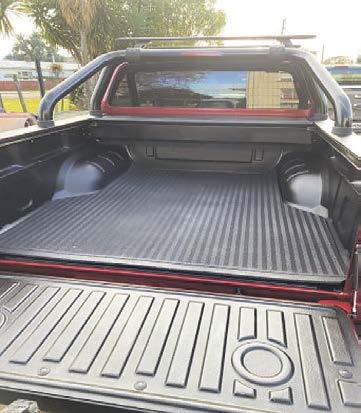
gravel and fighting winter mud? Give us a call for a quote on (06) 347 9657
■ Driveway Experts
■ Hotmix, Chipseal & Concrete
■ Pothole Repairs
■ Council Approved Tired of
office@tartek.co.nz / www.tartek.co.nz




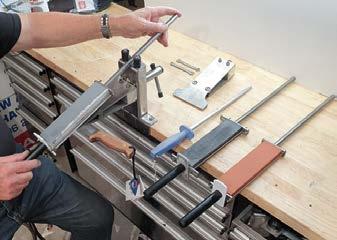
by Amy Fifita
Building a home isn’t just about having four walls with stuff in it, it’s about
comfort and practicality, all aspects people can discover at the Manawatū Home and Lifestyle Show — July 17–19.
Based out of the Fly Palmy Arena in Palmerston North, the annual show provides homemakers with three days of exploring what they want in their home. Fresh and exciting ideas can be found there, whether it is looking at the wonders on display or talking to people in the industry.
With stalls showcasing what their home could look like, and interior accessories, people can explore the possibilities that could one day take form in their personal spaces. What is great about this event is that each stall has its own expert to talk about bringing dream homes, kitchens, bathrooms and gardens to life.
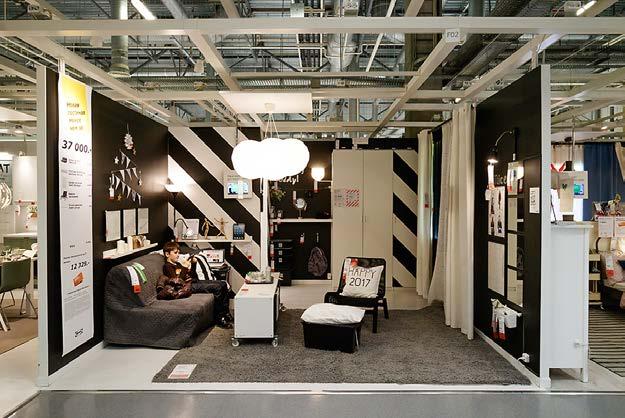
showcased, making the affair useful for any home needing some warmth.
Outdoor areas are not left wanting either. With gardening and outdoor items, solar energy and spas and pools featured at the event, creating a welcoming and relaxing atmosphere is more than achievable.
Whether attendees are starting from scratch and looking at a new build project or having their kitchen, bathroom or other rooms renovated and refreshed. The show is also an opportunity to pick up some
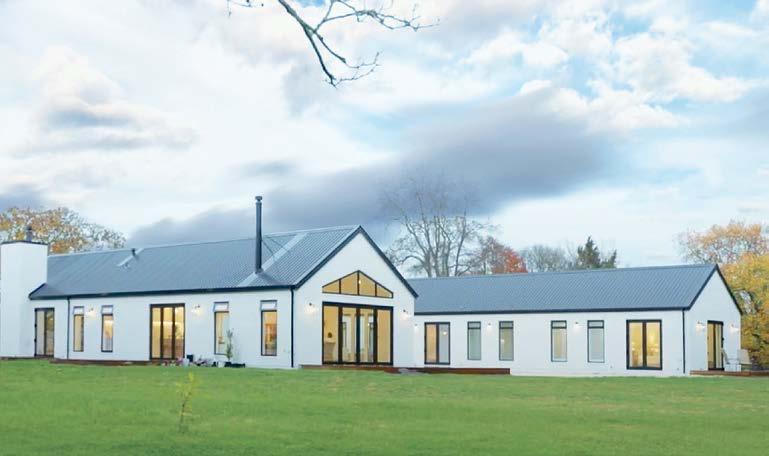
for all those doit-yourself interior designers or renovators out there.
Everyone needs to revitalise their indoor spaces at some point, and with a selection of lifestyle and homeware products and furniture available, the show offers a treasure trove of options. Practical means of heating and insulation are also
While discovering new trends and picking up wonderful deals is the mainstay of the event, there are also plenty of gourmet foods and beverages to delight visitors with. With happy bellies and opportunities to make a happier home, the Manawatū Home and Lifestyle Show has it all.
Explore the possibilities on Friday and Saturday, from 10am to 5pm and Sunday, from 10am to 4pm. Tickets can be purchased online at an affordable price at homeandlifestyleshow.co.nz/manawatu.
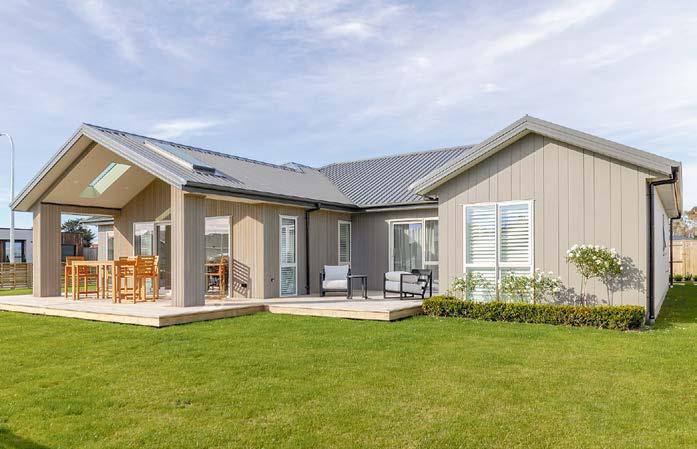
by Andy Bryenton
There’s no room in your home that polarises opinions like the bathroom, and getting the design right can mean the difference between an oasis of calm and a space you regret.
Bathrooms and kitchens are two spaces in every home, which must combine form and function. While most other rooms fulfil their purpose by being a blank canvas, ready to become what furnishings and floor coverings make them, bathrooms have to be ergonomic, practical, easy to keep clean, and also aesthetically pleasing.
This is reflected in surveys rating the rooms that sway the opinion of home buyers. A cramped kitchen is one thing, but an ugly bathroom is a dealbreaker. Conversely, the most renovation ‘bang for your buck’ can come from giving a tired old bathroom a makeover.
There are limitless options out there, from antique free-standing baths to monsoon showers and his-and-hers counter tops, but before you head down to your local building supplier to pick a fresh look, it’s very advisable to take a look beneath.
That’s because the heart and soul of a bathroom is in running water, and only an experienced plumber can tell you what’s physically possible with the
pipes that make your bathroom function. The experts in this field agree; countless ambitious plans have foundered due to homeowners putting inspiration before consultation.
The solution is to get inspired with a general theme for your new bathroom, and the particulars of what you’d like to see installed. Then come and talk to your local plumber, and make a plan ensuring everything connects, flows and fits in with the architecture of your home. After all, hiring a qualified plumber to take care of this kind of work is often a necessity, so getting the benefit of their knowledge before you buy is a great idea.
You can even talk to your local plumber before you buy a home, to see if the bathroom renovation you’d like to do as soon as you get the keys is practical. In many cases, this kind of input can prevent disasters, and having seen all kinds of looks and styles achieved in all kinds of spaces, the advice of a veteran plumber is like talking to a master mechanic about which car to buy — it will save you in the long run.
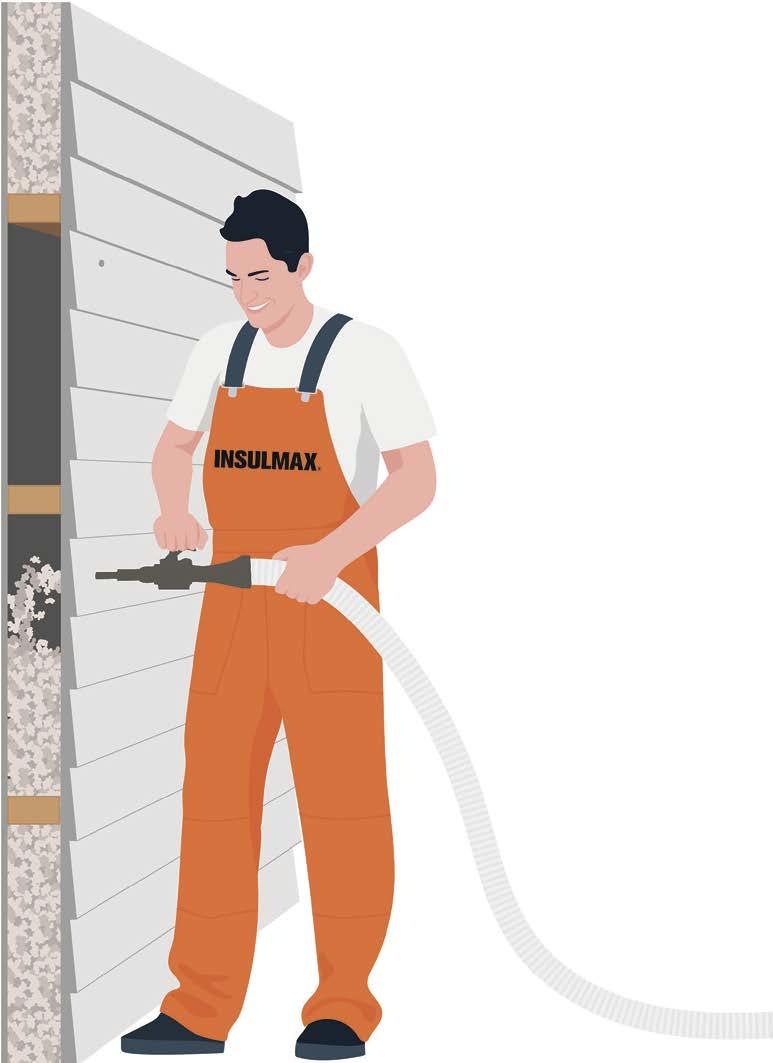
healthy homes start with blown insulation. If cold or damp are words you’d use to describe your home or if you’re tired of high heating bills, insulation is a major part of the solution. While heating solutions seem like the answer, reducing the amount of heat escaping from your home is the most cost effective way to get an energy efficient, warm, dry home.