

May 2026 Consultation Version

Please submit any comments to CIAdmin@churchofengland.org with the title ‘FFA Part F Feedback’ by 30th June 2026. Thank you
Part F of Flourishing for All: Anti-bullying Guidance for Church of England schools deals with preempting and tackling sexual harassment and violence against women and girls (VAWG). It focuses on preventing bullying, discrimination and harassment on the basis of gender, demonstrating the ongoing commitment to addressing all forms of bullying in Church schools while developing an environment of mutual respect where pupils and adults thrive.
This guidance for Church schools is rooted in the belief that everyone is made in the image of God, therefore are inherently worthy and deserving of love and respect. Through Jesus’ ministry there are many examples of his humble, servant leadership which uplifted women and provided positive examples of masculinity for men and boys.
In Church schools, responses to sexual violence and harassment against women and girls must be rooted in practical wisdom and theological understanding, with a clear regard for legal obligations. This guidance utilises a relationship-based approach that challenges harmful stereotypes while building empathetic dignity into interactions.1 It further recognises that schools must demonstrate justice and empathy while supporting the victim, perpetrator and bystanders of harmful behaviours. Through this, Church schools can develop an environment where women and girls are free from harm and all are supported to flourish.
- Bullying, discrimination and harm towards girls in school – including within Church of England schools - is a serious issue, rooted in cultural, social and institutional factors.
- Church schools must take any harm perpetrated extremely seriously, following the core belief that each and every person is made in the image of God.
- Church schools have a remit to ensure all pupils and adults are treated with the utmost dignity and respect; sexual harassment and VAWG damages the dignity of both the victim and the perpetrator.
- Church schools should also be aware that pornography and the sharing of explicit images is widespread amongst children and young people, with a rise in consumption of misogynistic online content.
- Church schools need to work closely with parents and carers, and in some cases external agencies, to protect pupils in all contexts being mindful of the dangers within the digital world, harm such as FGM and any signs of grooming or exploitation.
1 See also: Love Matters: Final report of the Commission | The Church of England
- Church schools should draw upon the Bible, providing positive and varied examples of women, as well as drawing upon Jesus’ example in modelling positive masculinity.
- Whilst it is recognised that there may be differences in theology with regards to the role of women in the church, safeguarding women and girls must take precedence.
- Church schools should be proactive in creating a positive culture towards women and girls, and use a framework, such as the ‘challenge, support, report’ framework to deal with any incidents of sexual harassment in, or outside of, school.
- Church schools will need to be mindful of behaviours that can become increasingly harmful and monitor situations before they reach the threshold of a safeguarding incident. They must keep records of all incidents. For example, what may start as ‘banter’ can quickly lead to more harmful behaviours if left unchecked.
- Church schools should review their curriculum, ensuring robust RHSE teaching as well as checking that positive messaging about sex and gender are consistent throughout the curriculum. The explicit teaching of consent should form part of this teaching. Special attention should be given to more vulnerable pupils, for example those with SEND.
- Church schools should provide training for staff to be able to proactively teach about positive relationships (of all kinds), with topics included such as dealing with rejection when relationships end.
- Church schools should also provide training for staff to be able to notice any signs of sexual harassment, grooming or VAWG alongside safeguarding training. They will also need upskilling in understanding how pupils communicate online.
- There is a cross-over with a range of vulnerabilities, such as socio-economic disadvantage and social care involvement. Harmful behaviour towards girls can also be impacted further by other protected characteristics.
- The voices of pupils should shape this work at all phases
1) What kind of bullying or harmful behaviour is happening in all schools including Church schools?
Violence against women and girls (VAWG) refers to acts of violence or abuse that disproportionately affect women and girls2. This includes the attitudes, actions and behaviours that cause harm, fear and/or distress which undermine the safety, value and dignity of women and girls. It can be harm through physical, sexual, emotional, or verbal behaviours occurring in person and online.
Harm is best understood as a continuum, starting with low level behaviours such as ‘banter’ and offhand comments that can, and often will, escalate into more serious behaviours and incidents. Where the initial behaviour went unchallenged, there can be a significant impact on the victim3. Harm can be the unintended impact of actions. In any case, pupils and adults are responsible for the harmful impact of their behaviour, regardless of the intent.
2 Riaz, A. and Mutebi, N. (2025) Violence against women and girls in schools and among children and young people. POSTnote 750. London: Parliamentary Office of Science and Technology (POST), UK Parliament. Available at: https://researchbriefings.files.parliament.uk/documents/POST-PN-0750/POST-PN-0750.pdf
3 Scottish Women’s Aid. (2022) ESiP Continuum of Violence. Edinburgh: Scottish Women’s Aid. Available at: https://womensaid.scot/wp-content/uploads/2022/12/ESiP-Continuum-of-Violence.pdf
Bullying rooted in gender stereotyping, unwanted sexual attention or unsolicited sexual harassment can lead to girls minimising their participation in school. A review undertaken by Ofsted (2021) found that sexual harassment and violence against girls in school has become normalised, with the majority having been subject to sexism and received unsolicited pictures 4 1 in 3 girls aged 7 – 10 reported experiencing comments from boys at school that made them uncomfortable. 1 in 10 girls aged 11-16 have missed school in order to avoid sexual harassment5. Such experiences would include girls within Church schools.
Sexual harassment and violence against women and girls are not limited to sizeable, extreme or overt examples, and instead also encompass everyday attitudes and behaviours which disrespect and harm women and girls. A part of this lies within the attitudes and expectations placed on boys and men to act in ways demonstrating a particular form of masculinity. This, despite a report stating that 79% of secondary aged boys were not clear on what masculinity was.6 Where this socially constructed norm translates into expectations that emphasise aggression and control without space for healthy emotional expression, there is a higher risk of negative actions that cause harm to those boys and those around them.
As Church schools with Christian distinctiveness, these attitudes directly conflict with the belief that everyone is made in the image of God and deserving of respect, love and dignity. Through Jesus’ ministry there are many examples of how He constantly elevated women whilst teaching positive masculinity (John 4:1-41; 12:1-8; 20:1-18). These teachings form the basis by which schools are called upon to maintain a culture of high respect and dignity between the genders, ensuring that women and girls are fairly and justly treated. As Church schools with considerable influence, there is a legal, moral and religious duty to ensure that women and girls are free from harm and able to flourish.
Children and young people’s growing access to digital spaces, often with minimal supervision, means that pupils are accessing and engaging with more harmful materials than ever before. There has been a significant rise in misogynistic content online and in public spheres, particularly from high profile influencers, targeting young men who are negatively affected by consuming, engaging and parroting this messaging. Women and girls experience the everyday impact of this, and in some cases this has led to very serious incidents occurring7 .
Pornography and the sharing of explicit images is widespread amongst children and young people, affecting a majority of secondary pupils and increasingly Key Stage 2 pupils in primary school.8 Whilst
4 Ofsted. (2021) Review of sexual abuse in schools and colleges. London: Ofsted. Available at: https://www.gov.uk/government/publications/review-of-sexual-abuse-in-schools-and-colleges/review-ofsexual-abuse-in-schools-and-colleges
5 Girlguiding. (2025) Girls’ Attitudes Survey 2025. London: Girlguiding. Available at: https://www.girlguiding.org.uk/globalassets/docs-and-resources/blogs-and-case-studies/gas/girlguiding-girlsattitudes-survey-2025.pdf
6 Male Allies UK. (2025) The voice of the boys: How boys in secondary school education feel about being a boy today. Male Allies UK. Available at: https://maleallies.org.uk
7 Hope not Hate. (2024) Plugged in but disconnected: Young people and hateful attitudes. London: Hope not Hate. Available at: https://hopenothate.org.uk/wp-content/uploads/2024/07/Plugged-in-but-disconnectedyoung-people-and-hateful-attitudes-hope-not-hate-2024.pdf
8 See for example information from the Children’s Commissioner: cc-pornography-and-young-peopleinformation-sheet.pdf (2023)
recent legislation has sought to curtail the ease of access to pornographic material, it does not mean that pupils are no longer able to get access to it. Alongside the damage this does to women and girls, it also harms boys and men, often distorting their understanding of body image, consent and healthy relationships. A rise in AI technology has provided further risks and potential harm to women and girls, with a rise in people developing deep fakes – AI generated explicit images – often of women and girls without their consent.9 This can be very distressing to those who have experienced this harm and schools need to be prepared to deal with such harms occurring involving their pupils.
The online space can, and is, used to groom children, mostly but not exclusively girls. Technologyenabled violence against women and girls is a growing area with image-based abuse in the sharing of intimate images, verbal abuse through social and gaming platforms and continual harassment via social media. While there are some legislative changes being made nationally, schools must be prepared to support parents and carers to understand the risks and the steps they need to take in order to safeguard their children.10 School staff and senior leaders must also be prepared for and attuned to a rapidly changing and developing digital space, ensuring training for staff equips them appropriately.
Harmful behaviours towards girls can also be further shaped by other protected characteristics such as actual or perceived sexual orientation, race or gender questioning. Research highlights, for example, the disproportionate adultification and harsher treatment of Black girls11 which puts them at increased risk inside and outside of school, particularly when experiencing harm. This also increases Black girls risks of experiencing sexual abuse or exploitation, and of signs being missed or dismissed by adults in positions of authority12. It is important that extra consideration is paid to the adultification of Black girls when thinking about monitoring, reporting and restorative processes, ensuring that the rights and dignity of Black and marginalised girls are upheld and not further harmed by engaging in these processes.
There are some girls who are harmed through practices enacted at home, including those which are linked to specific cultures which practice Female Genital Mutilation (FGM) and forced marriage, which are issues that schools need to be alert to and equipped to tackle. This must be done in a way that is measured and careful, and does not unduly penalise families and instead must be evidence-led to avoid discrimination on the basis of national, ethnic or religious identity. Where a teacher has established that FGM has or has appeared to have occurred, they must follow school safeguarding
9 Children’s Commissioner “One day this could happen to me” - Children, nudification tools and sexually explicit deepfakes | Children's Commissioner for England (2025)
10 UK Parliament Parliamentary Office of Science and Technology (POST) 2025, Violence against women and girls in schools and among children and young people, POSTnote 750. https://post.parliament.uk/researchbriefings/post-pn-0750
11 National Education Union (NEU). (2023) Adultification of Black girls: A report. London: NEU. Available at: https://neu.org.uk/sites/default/files/202308/NEU2971%20Adultification%20of%20Black%20girls%20report%20v3_0.pdf
12 BLAM UK. (2023) The end of innocence: The adultification of Black girls in the UK. London: BLAM UK. Available at: https://blamuk.org/2023/06/06/the-end-of-innocence-the-adultification-of-black-girls-in-the-uk/
procedures and report it to the police.13 This is a legal duty and is covered in the Safeguarding section of Keeping Children Safe in Education.14
Similarly, undertaking specific practices, such as forced marriage, female impurity or female inferiority, through the lens of religion, especially when coerced through threat and violence, can be categorised as VAWG. The restriction of body autonomy, physical and psychological harm caused constitutes a danger to those who experience it. There is a duty on schools and school staff to report these incidents whenever it is noted.
Pupils with Special Educational Needs and Disabilities (SEND) can be particularly vulnerable to sexual harassment, abuse and violence, especially if their type of need means that they have limited understanding of what is happening to them. Pupils with SEND might require additional support to navigate online spaces safely, avoiding exploitation, or pressure to send explicit images of themselves. Schools must give focused attention to managing their behaviours around the risk, both in and outside of school as these pupils will be more vulnerable, have less understanding of the implications of their actions but may also face more barriers in reporting experiences of harm. 15
There is a crossover with a range of vulnerabilities, such as socio-economic disadvantage and social care involvement, that can increase the risk of girls experiencing harm in person and online, as well as increasing the witnessing of violence that is perpetuated towards women. This is not to say that pupils who are not disadvantaged, minoritised or vulnerable do not experience harm, but instead to say that there are times where pupils have increased likelihood of experiencing or being exposed to it. Schools have a duty of care to ensure that they safeguard all staff and pupils, particularly women and girls, and ensure that where pupils have multiple characteristics, that they are equipped to understand how it can impact upon their experiences of violence and harassment.
2) Why is this important for Church schools to engage with, and what are the specific considerations for Church schools?
Church schools have a responsibility to ensure that all pupils and adults are treated with the utmost dignity and respect; sexual harassment and violence against women and girls damages the dignity of both the person who has been harmed and the person who has caused harm. It is vital that Church schools are proactive in preventing, tackling and dealing with harm directed at women and girls. Following the core Christian belief that women and girls are made in the image of God, it is imperative that schools take seriously any harm perpetuated against them. This is not an optional inclusion and instead it is a direct expression of Christian faith in action.
13Department for Education (DfE). (2025) Keeping children safe in education: Statutory guidance for schools and colleges. London: Department for Education. Available at: https://assets.publishing.service.gov.uk/media/68add931969253904d155860/Keeping_children_safe_in_educ ation_from_1_September_2025.pdf
14 ibid page 16
15 Coram Life Education. (2023) RSHE plays a crucial role in protecting learners with SEND from bullying. London: Coram Life Education. Available at: https://www.coramlifeeducation.org.uk/blog/rshe-plays-a-crucial-role-inprotecting-learners-with-send-from-bullying
As a direct expression of Christian faith, it is important that Church schools promote positive messaging about women and girls, and ensure that all of their pupils and staff uphold this expectation. Schools must also provide examples of positive masculinity for boys and young men to support them in their development, recognising that they might not always have great examples and are often being exposed to sexist and harmful content online. As schools with a Christian distinctiveness, Church schools are able to draw upon the Bible to support in this teaching, ensuring that young people understand how Jesus’ words and actions exemplify the dignified treatment of both men and women
Church schools should be intentional in modelling positive masculinity – following Jesus’ example to ensure that we are developing boys and young men in His image. These teachings not only benefit the pupils, but the whole community. In the Bible, Jesus constantly demonstrated what can be considered positive masculinity and sets forth a strong example of modelling humble, servant leadership. He demonstrated continuously how His leadership was not power over, but power with. This can be seen in His entry into Jerusalem on a donkey as opposed to the triumphant entrance that others would have expected of Him (Matthew 21:1–11). He washed the feet of His disciples, demonstrating His willingness to serve and not to dominate (John 13:1–17). He did not shy away from emotional vulnerability, weeping over the death of his friend Lazarus (John 11:35). He displayed righteous anger against injustice (Matthew 21:12-13), and forgave people for their sins, many times (Luke 23:34). In the Gospels, Jesus consistently elevated women – ministering to vulnerable women and prioritising their voices within His community. He ignored the societal norms of the time and engaged in religious discourse with women frequently (see for example, Luke 10:38-42).
These are powerful examples of positive masculinity for boys and young men in Church schools as they are navigating the world and growing into themselves. Church schools can draw upon these examples, as well as other contemporary exemplars of masculinity. In doing so, they play an important role in developing boys who will become men who uphold the rights and justices of women and girls in their community.
At the point of creation, God declared that men and women are made equally in God’s image (Genesis 1:27). This frames that the same intrinsic value and agency should exist for both. Scripture goes further in speaking about the protection of women who are in vulnerable positions (Exodus 22:22) and those who are unable to speak up for themselves.
Jesus’ actions mirror this expectation. Throughout the Bible, there are a multitude of examples of women as witnesses to Jesus’ ministry and as some of the first missionaries. For example, Mary Magdalene who features prominently across the gospels as a key witness to His crucifixion, burial and resurrection (Mark 15:40). Susanna, who followed Jesus and financially supported His ministry (Luke 8:1-3), or Salome, mother of the apostles James and John, who supported Jesus during His ministry in Galilee and Jerusalem. He intervened to stop the violent stoning of a woman (John 8:3-10), he spoke publicly with the Samaritan woman (John 4:1-26) and defended women from judgement of others (Luke7:36-50). In doing so he rejected, violence, gendered restriction and shaming of women. Schools, especially Church schools, are called on to do the same.
Church schools should be careful to ensure that pupils are not unduly restricted to specific gender roles or expectations. As schools mirror societal structures, such limitations could build a weak foundation of self-identity which is then reinforced through interaction, play and expectations. This
may contribute to learned behaviours around gender that affect academic aspiration, motivation and peer cultures.
Shame is often used as a tool to oppress women and girls. When women and girls are made to feel ashamed, it can prevent them from reporting sexual harassment and violence, and can result in girls feeling coerced into actions, such as sending explicit pictures. Furthermore, where a girl has engaged in such a behaviour, she might be reluctant to report incidents of sexual harassment or violence following it for fear of being shamed by teachers or peers. Jesus demonstrates compassion and forgiveness, showing grace and non-judgment especially to the most vulnerable As shown in John 8:111, Jesus draws out the hypocrisy of others, recognising and teaching that there is no one without sin. This story also quietly demonstrates how women and girls are often shamed and punished, but men and boys are not shamed nor punished in the same way. Whilst Jesus does not condone sin, he calls on others to transform their life, and in doing so, not be cast out from His word or His people, but remain in His fold. This passage can be a power teaching and refection piece for pupils, demonstrating Christianity which is compassionate and just.
Within the Church, there are a broad range of opinions and theological positionings on the role of women in the Church, family and society. This is also true amongst many different faith and cultural groups, some of which may be represented in Church schools. However, differences in theology do not negate the Chrisian duty to treat everyone with dignity and respect, and the commitment of Church schools to the flourishing of all pupils.
Church schools and churches may find it helpful to utilise the Church of England’s pastoral principles to support them in navigating conversations of theological difference, and this can be done carefully and respectfully. Regardless of theological difference, there is a shared belief that children are made in the image of God and are entitled to be kept safe from harm. This means that safeguarding the vulnerable must come first in any situations of differing theological opinion.
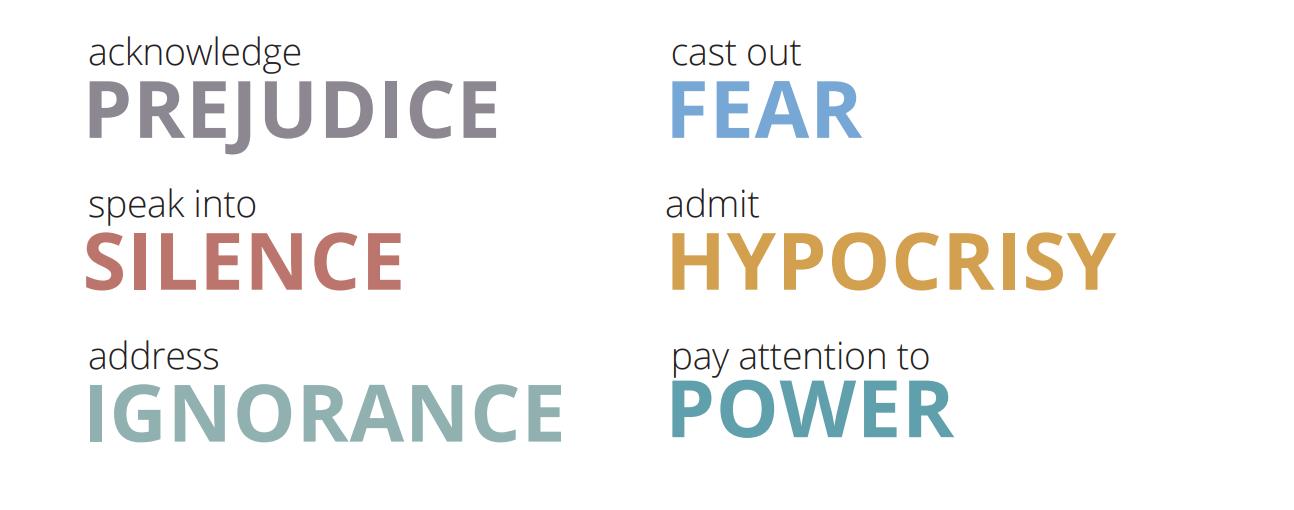
Church schools should work with their clergy, governing board and local community to ensure that messages communicated to pupils always dignify women and girls and protect them from harm of any kind. Explicit messaging must be backed up by robust monitoring and reporting procedures, taking
extremely seriously any harm perpetrated towards a woman or girl, following the core belief that each and every person is made in the image of God.
As Church schools, there is a duty and responsibility to educate the whole pupil – educationally, socially, morally and socially. If we fail to adequately uphold the rights and dignities of women and girls, not only is harm caused to those in the school community, but also to those outside as pupils venture out into the world. Boys must be supported to grow into men who treat women and girls with dignity and respect, whilst girls grow into women who know they are worthy of respectful treatment and can lead in whatever ways they are called to. In educating young people, Church schools should ensure that they go into the world, socially justice minded with a strong Christian foundation.
Church schools and systems leaders play an important role in preventing women and girls from experiencing harassment and violence, and ensuring that when they do, there are supportive and just processes in place. This means that Church schools must take a broad approach in order to tackle such a pervasive issue, ensuring that the approach encompasses comprehensive education and training for pupils and staff, with robust monitoring, reporting and restorative processes in place for when harm does occur. This will enable Church schools to play a key role in keeping women and girls safe and free from harm, both inside and outside of the school gates.
In order for such an approach to be effective, Church schools must develop a positive school culture which celebrates and uplifts women and girls, and makes it clear that any kind of harm directed at them is unacceptable in their school and in the wider Christian community. The Bible is full of stories of strong, respected women, such as Pheobe (Romans 16:1), Junia (Romans 16:5), and Lydia (Acts 16). Deborah, a prophetess and honoured judge (Judges 4:5) is one among many other leaders and we must ensure that pupils understand the role and impact of these women, and the continued importance of women and girls.
It is important that schools develop an inclusive culture which celebrates all women, especially those who are minoritised as a result of their protected characteristics such as Black and Brown women, those with disabilities, or those who are LGBT+. Women and girls from minoritised groups can often be at an increased risk of experiencing gender-based violence and harassment, and additional attention should be paid by school leaders to their experiences. Schools should seek to embed their voices and the voices of all pupils broadly in shaping and developing a strong, comprehensive and just approach to tackling violence and harassment against women and girls.
Church schools must ensure that their curriculum actively celebrates and uplifts women and girls, promoting positive and respectful messaging about sex and gender which does not lean into limiting or harmful gender-based attitudes. Such attitudes can be intentionally and unintentionally reinforced, making it essential schools undertake regular and thorough curriculum reviews. Opportunities can be sought throughout the curriculum for this positive messaging, for example through the study of English literature written by women, or through the study in RE of how different religious and nonreligious worldviews elevate and empower women.
A robust and reflective approach to RSHE teaching16 is essential to ensuring that the dignity, value and importance of women and girls are clearly affirmed as part of our Christian distinctiveness. Church schools must recognise that pupils are growing up in a fast-changing world where digital access without significant oversight is the norm for many pupils. This means that they can have access to attitudes and messaging that are not aligned with our Christian distinctiveness nor our teachings on the value of women and girls. This presents issues for the way our pupils interact with and relate to women and girls inside and outside of our schools, reinforcing the need for a robust curriculum where women and girls are central. School leaders in both primary and secondary phases must ensure that pupils are taught explicitly about consent, ensuring that pupils understand it in relation to themselves and others, and have the means and ability to discuss and report when someone breached their consent. For more vulnerable pupils e.g. pupils with SEND, additional attention should be paid to ensure that they understand consent and there are regular opportunities to check and revisit understandings of consent. Schools can teach and engage pupils in ways that are appropriate and meaningful.
Furthermore, this access to the digital world, whilst beneficial in so many ways, also places pupils at great risk. It does not only expose them to messaging and content, but it also provides greater opportunity of access from those wishing to cause them harm. It is imperative that Church schools intentionally teach online safety for pupils at all ages, reinforcing positive messaging and challenging attitudes which do not align, and ensuring that pupils are equipped with the skills to navigate the digital world. This teaching should be proactive and not reactive, and should presume that pupils have access to the digital world without supervision. This ensures that Church schools can take a proactive approach which keeps all pupils safe and reinforces the dignity of women and girls.
Church schools must ensure that teachers are equipped not only to educate pupils, but also to keep them safe inside and outside of school. Training should be provided so that staff can proactively teach about positive relationships, ensuring that examples and messaging are diverse and reinforce the value of all relationships in the eyes of God. Schools can also refer to other sections of the Flourishing for All guidance to support with this.17 Schools should also ensure that they are proactively teaching about positive masculinity, drawing upon strong examples of role models to support boys to develop healthy and respectful understandings of masculinity.
In the primary phase, schools must recognise that pupils are navigating friendships and relationships, often for the first time, and need support and guidance in dealing with rejection and relationships ending. They need to be supported so that they can develop positive foundations for future healthy relationships, seeing falling outs not as personal failings, but as a natural part of life. The Church of England’s ‘Love Matters’ report provides helpful guidance to schools and staff on this 18
16 Department for Education (2025) Relationships Education, Relationships and Sex Education (RSE) and Health Education: Statutory guidance for governing bodies, proprietors, head teachers, principals, senior leadership teams, and teachers. London: Department for Education. Available at: https://assets.publishing.service.gov.uk/media/6970e7e67e827090d02d42e0/Relationships_education_relati onships_and_sex_education__RSE__and_health_education__for_intro_1_September_2026_.pdf
17 Inclusion: Flourishing for all National Society for Education
18 https://www.churchofengland.org/about/archbishops-commissions/families-and-households/love-mattersfinal-report-commission
The changing nature of pupils’ lives and their access to the digital world means that it is important that teachers are upskilled to understand how pupils access and communicate online, and how harms can be experienced (and prevented) online. Alongside scheduled safeguarding training, school staff also need training to support them in understanding, spotting and reporting signs of sexual harassment, grooming, or violence against women and girls.
3.3 Monitoring, reporting and dealing with incidents of harm
3.3.1 Monitoring
Whilst preventing sexual violence and harassment against women and girls is the goal, it is important to recognise that schools must monitor and report on incidents that do take place as part of a responsible and intentional approach that keeps women and girls safe inside and outside of Church schools. Where harm does occur, schools and school leaders must ensure that there are processes in place that compassionately supports those who have been harmed, and deals with and supports those who have caused harm
Violence towards women and girls can and does become increasingly harmful and what can begin as small and isolated incidents of harm, can quickly escalate in severity and frequency. Without monitoring and reporting processes in place, it can be difficult to identify patterns of behaviour by individuals or groups of individuals before they reach the threshold of a safeguarding incident. Subsequently, this leaves teachers and school leaders in a position where they are unable to effectively identify and tackle harm, and subsequently are unable to keep women and girls in their schools safe. When monitoring incidents of harm, schools must ensure that close attention is paid to characteristics such as race, ethnicity, sexuality, gender questioning, and SEND to ensure that any patterns in behaviour are quickly identified and tackled. Research has shown that women and girls with protected characteristics are more likely to experience violence and harassment, and therefore we have a duty to ensure that they are protected in Church schools. Women and girls cannot flourish if they are not safe and protected at home, at school, online and in their workplaces,19 and research has shown that sexual harassment and violence is increasing absenteeism of girls in school,20 highlighting the pressing nature of the issue.
Incidents of harassment and violence against women and girls in Church schools must be reported and recorded, with a clear and consistent process in place. This means that all incidents must be recorded, with schools keeping and maintaining these records as part of an approach to tackle sexual harassment and violence against women and girls. Reporting processes must be clear, accessible and not burdensome for those reporting incidents of harm.
Schools must recognise that girls might be reluctant to come forward and report incidents of violence or sexual harassment for a multitude of reasons including fear of reprisals or ostracisation from peers, fear of not being believed or blamed for the incident occurring, and teachers being unable or unwilling
19 https://www.gov.uk/government/publications/international-women-and-girls-strategy-2023-to2030/international-women-and-girls-strategy-2023-to-2030
20 https://www.agendaalliance.org/news/sexual-violence-absenteeism-girls-school/
to tackle incidents, particularly the use of sexist or derogatory language.21 Alongside feelings of internalised and external shame, it can make it a very difficult environment for girls to report incidents, and therefore schools must make an effort to ensure that reporting is accessible and supportive. It is recommended that Church schools use a framework to deal with any incidents of sexual harassment and violence that occur inside or outside of school. This includes situations that do not meet the threshold of a safeguarding incident. The escalating and increasingly harmful nature of harassment and violence targeted at women and girls means that following consistent reporting processes will allow school teachers and leaders to intervene and address harmful patterns of behaviour before significant incidents of harm occurs. The challenge, support and report framework is a clear, accessible and compassionate framework that can enable Church schools to keep women and girls safe:
- Challenge – Challenge the attitudes and behaviour consistently and directly, ensuring that those who have caused harm understand that it is unacceptable. Where pupils who have caused harm have SEND, extra time will need to be taken to ensure that they understand why it is unacceptable, with approaches adapted appropriately. Where they are the ones harmed, time needs to be taken to ensure they understand why it was harmful as this might not always be clear to them.
- Support - Support the pupil or staff member who has experienced harm, ensuring that if the pupil has SEND, they are given additional support to ensure they too understand why the incident is unacceptable and why the person who has caused harm has been challenged. Pupil(s) who have caused harm also need to be supported so that they understand why their behaviour was harmful and the impact that this harm has on not only the individual harmed but all women and girls. Schools should ensure that there is support available to help students to navigate emotions that may arise through this process. Take time to consider the emotional wellbeing, communication needs, and safety of those who have been harmed and those who have caused harm
- Report – Incidents should be reported and recorded appropriately, ensuring that any specific considerations relating to SEND or protected characteristics are included in safeguarding and follow up actions and responses.
When dealing with incidents of harm, many Church schools draw on their Christian distinctiveness to develop restorative practices that are just for all. Restorative practices are those which focus on supporting those who have caused harm to understand the impact of their actions, supporting them to take accountability for them, and to do the work to reconcile or work towards reconciliation. Restorative processes must be adapted to meet the needs of the pupils, ensuring that they are able to understand and effectively participate in order for such an approach to be impactful. For pupils with
21 https://www.gov.uk/government/publications/review-of-sexual-abuse-in-schools-and-colleges/review-ofsexual-abuse-in-schools-and-colleges#what-did-we-find-out-about-the-scale-and-nature-of-sexual-abuse-inschools
SEND, restorative processes can be key in helping them to understand the harm they have experienced or have caused to another person, including harm which was not intended as such.
Church schools are guided by the belief that all people are made in the Image of God (Genesis 1:27) and this means that as we celebrate each other, we can also recognise that even when we cause harm, we are still worthy of forgiveness. Through restorative justice processes, those who have caused harm whether intentionally or unintentionally, can be supported to take accountability and work towards making amends, allowing us to be reconciled with one another (Matthew, 5: 23-24). By recognising that harm hurts not only the individual, but the whole community, we can take a just approach which centres the person who has been harmed, but also recognises that we must work towards repairing harm as a community. Students can play an important role in developing restorative justice approaches, as well as providing feedback to ensure that the approach is best serving the whole school community, most importantly those who have been harmed.
Schools should develop an approach whereby everyone in the school community is responsible for creating and maintaining an environment where women and girls are respected. This means that pupils should be encouraged to challenge and report incidents of violence and harassment, whether as someone who has been harmed, or as someone who has witnessed harm being caused by another pupil. When one woman or girl is harmed, the whole community is harmed:
If one part of the body suffers, all the other parts suffer with it; if one part is praised, all the other parts share its happiness - 1 Corinthians 12:26
Preventing and tackling sexual harassment and violence against women and girls should be positioned as the responsibility of everyone in the school community, and those who are not intervening or reporting, could also be seen as contributing and perpetuating harm against women and girls.
This section sets out recommendations for Church schools and is broken down first into whole school recommendations, followed by phase specific recommendations, recognising that efforts to prevent and tackle sexual harassment and violence against women and girls needs to be developmentally appropriate. Finally, it sets out recommendations for Diocesan Boards of Education and for the National Society for Education.
4.1 Whole school recommendations
Areas of focus Recommendations
School culture In order for an approach to be effective, Church schools must develop a positive school culture which celebrates and uplifts women and girls, and makes it clear that any kind of harm directed at them is unacceptable in their school and in the wider community. It should also promote positive messaging around masculinity, thereby allowing space and guidance as pupils develop their understanding of each other.
Collective worship Through collective worship, Church schools have the opportunity to draw upon scripture and biblical figures to uplift women and girls. It can be a powerful opportunity for all pupils to reflect upon the role and lives of women and girls in their community, and to challenge the disparaging content that pupils, particularly boys, may be consuming elsewhere.
Curriculum Ensure that there is a wide variety of examples of contributions of women and girls throughout the curriculum that go beyond stereotypical or limiting roles. For younger pupils, ensure that activities and role plays are varied and pupils are supported to develop their understanding. Ensure that pupils at all ages are supported to navigate the online world safely, and understand what they can do when they feel unsafe or encounter inappropriate or harmful content.
Pupil voice Ensure that pupil voice is embedded in the school culture, particularly when developing strategies, resources, and reporting mechanisms. Ensure a variety of tools, including access to trusted adults, are available for students to report on incidents and issues of concern.
Staff training Ensure that staff are upskilled to understand how pupils access and communicate online, and how harms can be experienced (and prevented) online. Alongside scheduled safeguarding training, school staff also need training to support them in understanding, spotting and reporting signs of sexual harassment, grooming, or violence against women and girls. Staff should be trained in how to deal with sex specific issues that may arise in the classroom such as gender identities, sexism or sexual harassment. Monitoring and reporting Schools should use robust monitoring and reporting practices, ensuring that they monitor and report incidents before they reach the threshold of a safeguarding incident. The challenge, support and report framework is a clear, accessible and compassionate framework that can enable Church schools to keep women and girls safe. Approaches should seek to support those who have been harmed as well as those who have caused harm through restorative processes.
The principles of preventing and tackling sexual harassment and violence against women and girls applies across all phases, but the developmental differences at each stage mean that phase appropriate strategies and guidance are needed.
Early years foundation stage phase
In early years, children are at a crucial time of their development and will need support to ensure that they are practising kindness and care; positive messaging is particularly key in supporting their understanding.
Schools should:
- Ensure that pupils are exposed to a range of role models and messaging, ensuring that examples are not stereotypical and do not inadvertently limit the role of women and girls
- Recognise that some pupils might be accessing the digital world for example through YouTube, and parents and carers might need support and guidance around this
- Model positive behaviour and attitudes, reinforcing the value of women and girls. Choose resources accordingly and ensure they are varied and reflective of a range of cultures and identities
- Support children in developing their understanding of their bodies and consent, reinforcing the need for boundaries and their ability to identify behaviour which violates their boundaries
Primary phase In primary school, pupils are often still developing their sense of self, but might be encountering digital spaces for the first time and will need support to identify and challenge behaviours which harm women and girls
Schools should:
- Support pupils to develop positive understandings of women and girls, rooted in theology and reinforced through appropriate activities and example
- Model positive masculinity, drawing upon theological and contemporary examples
- Support pupils in developing their understanding of navigating the digital world safely
- Introduce pupils in an age-appropriate way to forms of misogyny and support pupils to recognise damaging content, particularly online
- Explore the use of peer support systems to help pupils challenge and report incidents of sexual harassment or VAWG
- Be alert to signs of sexual exploitation, sexual abuse and grooming22
Secondary phase In secondary schools, many pupils are navigating their identity, relationships and their understanding of social justice.
Schools should:
- Ensure that positive, uplifting and varied representations of women and girls are embedded throughout the curriculum
- Ensure that pupils are provided with positive examples of masculinity, drawing on theology and contemporary examples
- Use RSHE, collective worship and other opportunities for pupils to explore topics affecting women and girls, ensuring that time is taken to explore misogyny, particularly in the online space
- Invite pupils to reflect on their Christian faith and how they are called to act to uphold the rights of women and girls
- Challenge and proactively tackle any incidents of violence or harassment aimed at girls and women, recognising that not doing so risks an escalation into more harmful behaviours
- Ensure that pupils with SEND are provided with additional support and opportunities to explore consent to ensure that they are adequately equipped and supported
- Enable pupils to report incidents of violence or sexual harassment in ways that are free from judgement and non-burdensome
- Be alert to signs of sexual exploitation, sexual abuse and grooming, and support students to recognise the signs
4.3 Specific guidance for Diocesan Boards of Education (DBEs) and the National Society for Education (NSE)
Diocesan Boards of Education DBEs have an important role in supporting Church schools to tackle and prevent sexual harassment and violence against women and girls. This can include:
- Providing theological guidance and support to schools and school leaders, ensuring that the rights of women and girls are upheld through varied biblical examples
- Providing opportunities for senior leaders, governors, and clergy to engage in theological and practical training on VAWG23
- Facilitating regional networks where schools can share good practice and case studies, and navigate shared challenges
- Encouraging schools to collect monitoring data, reflect on its analysis and act accordingly to tackle sexual harassment and VAWG National Society for Education
The NSE has a national voice with government, the wider education sector, including other providers of faith-designated schooling, and the Church of England. As part of its deeply rooted commitment to serving the most vulnerable, the NSE will:
- Advocate for the needs of women and girls to be met in Church schools and throughout the education system
- Use its voice to influence policy which impacts women and girls
- Communicate a clear theological rationale for the importance of this work
- Provide high-quality professional learning opportunities for school leaders and teachers, in partnership with DBEs
23 For example, utilising the resources from White Ribbon UK