In our schools we felt restricted by the subject disciplines and wated to create a way of bringing learning together through the subject lenses. Having a chance to think about curriculum design, subject disciplines and interdisciplinary relationships provoked some interesting thinking and discussions across our staff as we navigated our way through this project We soon realised that recognising the importance of subject knowledge and subject discipline does not preclude using knowledge across more than one subject We felt, however, that we needed to plan carefully for this to happen and encourage leaders, teachers and pupils to be brave enough to think across subject boundaries rather than keep ideas in subject silos.
Currently RE and Science are planned separately in all phases of education with very little opportunity to develop connections between the two in a lasting way. In Science we think and speak as scientists and in RE we develop our understanding of faith and theology, asking the questions such as,
During this project, we were repeatedly drawn to the Epistemic Wheel This has been explored through the NPQLT and the research lectures we attended through the project We noted that within our subject networks there was a fatigue around children focusing on only one subject at a time and children were missing the opportunity to focus on more thematic learning
When planning this project, the lead teachers focused on developing subject knowledge in discrete subjects under a common theme This ensured that the subject disciplines were respected but links were made between the subject silos which enabled teachers to be confident about facilitating discussions drawing on specific knowledge
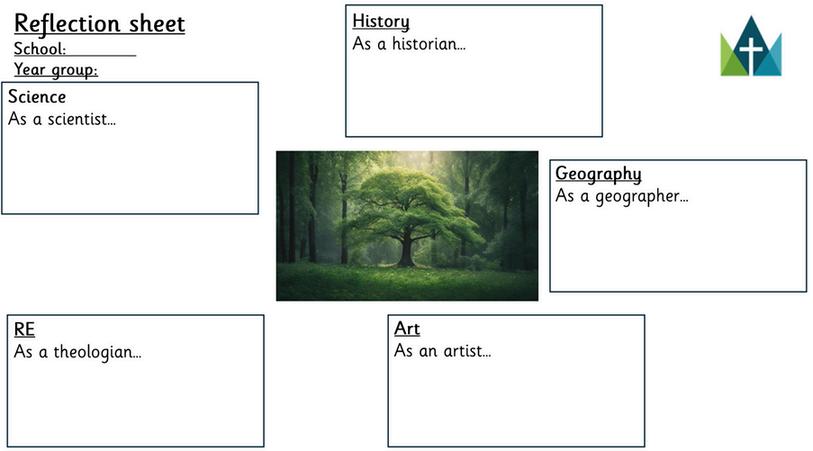
Teachers were helped through shared planning to understand how the perspective of a theologian might be different to the perspective of a scientist The work then went further and thought about perspectives of artists, historians and geographers
Thinkingaboutthe EEFImplementation Considerations
The most important parts of the implementation process to consider were the shared vocabulary and vision of all those participating and the scaling up of a small project to a wider audience of practitioners. Working as a small project team, meetings and planning sessions were carefully documented due to the commitment of the lead practitioners and the shared understanding of the importance and potential of the project.
Carefully planning each stage has allowed us to build incrementally, ensuring that the change can be sustained The NPQs have supported the knowledge of the team working on this project, allowing them to plan and share ideas and resources confidently with the wider staff in all schools
Some teachers from the wider group were daunted and nervous about being led by questions children would raise rather than a pre-written plan with pre-planned resources A variety of people within the project team were able to reassure and coach teachers to understand the longerterm benefits of working in this way and ensuring that they felt safe in allowing the learning to be led by children rather than themselves.
We were able to offer teams 1:1 support and meetings as the project team came from across both Key Stages and a range of subject leadership.
Sustainingthisworkinthe future
A key part of the project was taking feedback from all those involved about what had worked well and what could be done differently next time We see this as a journey of evolving practice through shared experiences and that exploring thematic learning on an increasing scale will help us to progress people’s confidence to build understanding across subjects.
Valuing each child’s contribution across a range of subjects will contribute to our Trust-wide work around belonging, ensuring that every child is seen, heard and recognised across a range of subject disciplines The next stage of our work will be to work with Secondary colleagues, our chaplain, partners in faith and STEM partners across our communities.