The Nova Scotia College of Social Workers (NSCSW) is in Mi’kma’ki, the ancestral and unceded territory of the Mi’kmaq, whose inherent rights were recognized in the Peace and Friendship Treaties that were signed from 1725 to 1779.
This series of treaties did not surrender Indigenous land, resources, or sovereignty to the British Empire, but instead, established rules for an ongoing relationship between nations. The treaties were later reaffirmed by Canada in Section 35 of the Constitution Act, 1982, and remain in place to this day.
NSCSW joins our members and our communities in the labour of reconciliation, and we are grateful to live and work together as treaty people in Mi’kma’ki.
Decolonization
The College affirms Treaty Rights of the Mi’kmaq in Mi’kma’ki and in the rich legacy of Mi’kmaq sacred knowledge, teachings, land-based traditions,
language, and ceremonies. We stand in respect and recognition of Etuaptmumk, or Two-Eyed Seeing, which teaches us to integrate Indigenous and Western knowledge systems for a more balanced and meaningful understanding of the world.
With Land Back as both a call to action and a path to justice, we honour the inherent connection of the Mi’kmaq to their ancestral lands and strive to support the reclamation of stewardship over these sacred spaces. Our work is driven by a shared philosophy and consciousness, one that seeks to uplift and strengthen Mi’kmaq and Indigenous approaches to social work, while supporting their unique practices and worldviews.
We are committed to fostering trust and understanding with Mi’kmaq and Indigenous communities, as well as advancing education and awareness among all social workers. Our vision is rooted in justice, guided by a hope for building a new, more equitable framework for social work. Through this, we recognize the need for a new Code of Ethics—one that is resilient, adaptable, and inclusive of the principles of Indigenous knowledge systems.
Together, we pledge to uphold these values as we continue to evolve, ensuring that our collective philosophy remains a living, breathing commitment to justice, empowerment, and respect for the Mi’kmaq and all Indigenous peoples.
Reparations
The College firmly recognizes that reparations are both a moral and material obligation to atone for the deep-rooted history of anti-Black racism within Nova Scotia and the broader Canadian context, which has led to human rights violations and crimes committed against people of African Descent. We are unequivocally committed to engaging with our members in proactive efforts toward reparations for the historical enslavement of peoples of African descent and addressing the systemic disenfranchisement faced by African Nova Scotian communities.
Reparations transcend mere monetary redress. They embody a comprehensive approach to healing and justice, addressing crucial areas of injury through five forms of reparation:
Restitution: We advocate for measures that aim to restore lost rights and statuses, reversing the injuries endured by African Nova Scotians and their ancestors.
Compensation: We support economic recompense to address damages experienced due to employment discrimination, healthcare disparities, and other quantifiable losses.
Rehabilitation: Beyond financial compensation, we champion the restoration of land and the acknowledgment of stolen intellectual properties, and providing services that foster healing and recovery.
Satisfaction: Our commitment includes the cessation of harms through public apologies, commemorations, and tributes to the victims and survivors of historical injustices, recognizing their enduring impact on families and communities.
Guarantees of Non-repetition: We pledge to work towards preventing future human rights violations by adherence to ethical codes of conduct and promoting awareness and education on these issues.
The history of people of African descent in Nova Scotia is marked by resilience, contribution, and profound influence on the province’s social fabric. From the Black Loyalists and the Maroons to the Southern American Black Refugees, the legacies of these communities have indelibly shaped Nova Scotia’s cultural landscape. Their stories, marked by perseverance in the face of adversity, are central to our shared history and necessitate both recognition and restitution.
In committing to these principles of reparations, the College aims to honour the significant contributions of African Nova Scotians and ensure a future where equity, justice, and respect for human rights are not just ideals but realities for all. We stand dedicated to transforming this commitment into tangible actions that contribute to the healing, empowerment, and upliftment of African Nova Scotian communities, laying the groundwork for a more equitable and inclusive society.
Your Council
Executive Officers
President: Robert Wright
Vice-President: Michelle Ward
Treasurer: Kate Matheson
Secretary: Crystal Hill
Past President: Lynn Brogan
To connect with the President of Council, please email: President@NSCSW.org
Board of Examiners
Chair: Angela Penney
Regional Representatives
Northern: April Munro-Wood, vacant
Eastern: Claire Sampson-MacDonald, vacant
Central: Eva Burrill, Stephanie Leblanc
Western: Iain Ford, Alexandra Earle- Lambert
Other Representatives
CASW Board Member: Ezra Wexler
Dalhousie University School of Social Work Faculty: Judy MacDonald
Dalhousie University School of Social Work
Student: vacant
Cape Breton University Faculty: vacant
Cape Breton University Student: vacant
Universite Sainte Anne Faculty: Veronique Brideau-Cormier
Universite Sainte Anne Student: vacant
Nova Scotia Association of Black Social Workers: Jasmine Hochman
Indigenous Member: Holly Meuse
Upholding the Public Trust
A message from the NSCSW Council President
I am honoured to reflect on the work of the Council over the past year. Our efforts have been guided by the College’s mandate, as outlined in its Objects, to:
1. Serve and protect the public interest;
2. Preserve the integrity of the social work profession; and
3. Advocate for policies that improve social conditions and promote social justice.
These principles are the foundation of our work, and they compel us to address not only individual professional conduct but also the structural issues that perpetuate harm.
Reconciliation and reparations are central to protecting the public interest — and therefore essential to regulatory operations and goals — because they address deeply rooted systemic inequities that cannot be resolved through oversight of individual practitioners alone. Instead they require
ongoing reflection, policy reform, and a commitment to evolving values.
In this spirit, the NSCSW has engaged deeply with structural issues over the past year, advancing initiatives that align with our mandate and reflect our commitment to equity, justice, and community well-being.
Advancing the Code of Ethics: A Reflection on Social Work’s Evolution
One of the Council’s most significant achievements in 2025 was the development and support of three core governance documents, including the creation of an updated Code of Ethics. This foundational work reflects the evolving nature of social work and its critical role in addressing systemic inequities while fostering ethical and transformative practices.
Social work in Canada has a long history of
advocating for the well-being of individuals, families, and communities. However, the profession’s roots are intertwined with colonial ideologies that prioritized state control and economic productivity over community-based care. Early social work often sought to assimilate marginalized populations into capitalist structures, sidelining Indigenous and culturally rooted practices.
In Mi’kma’ki, the traditional territory of the Mi’kmaq people, community healers practiced holistic traditions that emphasized interconnectedness and balance. Similarly, African Nova Scotians and Acadians brought rich traditions of healing and resilience, rooted in their cultural heritage and histories of resistance.
Contemporary social work must acknowledge this history and prioritize ethical values such as social justice, equity, and cultural responsiveness.
The Code of Ethics serves as a reflection of this evolution, grounding the profession in its commitment to reconciliation, equity, and systemic change.
The Safe(R) Social Work Framework: Protecting the Public Interest
In 2025, the NSCSW continued its commitment to proactive and progressive regulation through the development of the Safe(R) Social Work Framework. This framework embodies the College’s core responsibility to regulate the profession with integrity while advocating for policies that promote social justice.
The framework aligns safe and ethical practices with the broader aim of equity and justice, safeguarding
public well-being while advancing policies that impact care and enhance public safety. It emphasizes accountability, transparency, and adaptability, addressing emerging challenges in the field and fostering trust in the profession.
By integrating principles of equity and justice into its regulatory practices, the NSCSW can have an impact to ensure social workers are equipped to deliver safe, ethical, and impactful care.
Reimagining Governance Through EDIRA Principles
The NSCSW has taken transformative steps to embed Equity, Diversity, Inclusion, Reconciliation, and Accessibility (EDIRA) principles across all aspects of its governance. This initiative represents a critical shift away from traditional regulatory models rooted in colonial structures, which often emphasize hierarchy and control.
Instead, the EDIRA framework advocates for a relational approach to governance, rooted in interconnectedness, collective responsibility, and community engagement. By integrating Africentric and Indigenous perspectives, the framework seeks to redefine professional standards to embrace inclusivity and equity.
Key elements of the EDIRA framework include:
• Acknowledging Systemic Biases: Recognizing and addressing systemic barriers within regulatory policies and practices.
• Promoting Intersectionality: Valuing diverse perspectives and experiences in social work regulation.
• Fostering Relational Accountability: Building trust and mutual respect among regulators, professionals, and communities to uphold ethical standards and protect the public interest
This approach challenges the colonial emphasis on compliance and control, offering a more inclusive and holistic understanding of regulation.
Grounding Strategy in Critical Reports
The NSCSW’s work in 2025 was informed by pivotal reports and reviews that highlighted areas for systemic reform. These included:
The Truth and Reconciliation Commission of Canada’s Calls to Action, which provide a roadmap for reconciliation and transformative change.
Reclaiming Power and Place, the final report of the National Inquiry into Missing and Murdered Indigenous Women and Girls, which underscores the need for culturally sensitive social work practices.
Journey to Light, the final report from the Nova Scotia Home for Colored Children Restorative Inquiry, which emphasizes trauma-informed care and addressing racial discrimination.
Turning the Tide Together, the final report of the Mass Casualty Commission, which offers recommendations on public safety, mental health support, and community resilience.
Robert Wright, RSW-Clinical Specialist NSCSW Council President
Creating the Future We All Deserve, a social policy framework for Nova Scotia, which outlines the components of a fair and equitable society. By integrating these insights into its governance and regulatory practices, the NSCSW has strengthened its commitment to advancing safer, ethical practices while promoting equity, justice, and community well-being.
Gathering momentum
As I reflect on the past year, I am deeply grateful for the dedication and hard work of the NSCSW Council, staff, and members. Together, we have made significant progress in addressing systemic inequities, fostering ethical practices, and reimagining governance to better serve Nova Scotians.
From the development of the Code to the creation of the Safe(R) Social Work Framework, our efforts have laid a strong foundation for the future. Looking ahead, we remain committed to building on this momentum. By continuing to prioritize equity, inclusion, and justice, we can ensure that social workers are equipped to meet the challenges of today and tomorrow.
Thank you for your continued support and collaboration as we work toward a safer, more equitable future for all.
Building a Safer Profession
A message from the NSCSW Executive Director/Registrar
As I reflect on the past year, I am proud of the progress the Nova Scotia College of Social Workers (NSCSW) has made in advancing its strategic plan. Our efforts have been guided by a steadfast commitment to strengthening our regulatory mandate, fostering ethical practices, engaging in meaningful dialogue, and upholding responsibility and transparency. These pillars have shaped our work to ensure that social workers across Nova Scotia can deliver safe(r) and ethical services to the communities they serve.
Strengthening Our Regulatory Mandate and Governance Framework
This year, we made significant strides in enhancing our regulatory framework. A key milestone was the review of the Code of Ethics and Standards of Practice.
A series of in-person workshops on the new Code traveled from Sydney to Yarmouth, and saw strong attendance and positive engagement. To ensure accessibility, a French-language version of this training will also be released in 2026. While feedback for the roadshow was overwhelmingly supportive, participants expressed a desire for deeper discussions on policy issues.
Our work on the Equity, Diversity, Inclusion, Reconciliation, and Accessibility (EDIRA) Governance Framework also progressed significantly. We engaged in consultations with diverse communities, including newcomers, 2SLGBTQIA+ youth, African Nova Scotians, individuals with disabilities, seniors, and Acadian and Francophone populations. These discussions provided valuable insights into how social work is perceived and how we can co-create policies that empower the communities we serve.
The Africentric Clinical Cohort continued to evolve in collaboration with the Association of Black Social Workers (ABSW). This initiative integrates Africentric clinical supervision principles into practice. This year, we worked to register the cohort and evaluate our assessment process to ensure it captures Africentric clinical experiences effectively.
Additionally, the Clinical Standards of Practice were launched and set to take effect on February 1, 2026, marking a significant milestone in advancing clinical social work and clarifying the role of clinical practitioners.
Cultivating Ethical Social Work Practices Toward Safer Services
The Safe(R) Social Work Framework was launched on our website and became a focal point of our engagement activities and press releases. Most professional development activities under this framework were completed. The Professional Standards Committee explored guidelines for Trauma-Informed Communication, while competencies for child and family well-being are currently under development.
Our healthcare project advanced to its second consultation stage, sparking critical discussions about the role of social work in healthcare settings. These conversations are essential as we work to define clear competencies and standards that ensure safe and ethical practice in healthcare environments. The Candidacy Program also saw significant developments. A survey conducted during the winter informed consultations and strengthened
engagement. This feedback has helped us better support candidates as they transition into the profession.
Advocacy remained a cornerstone of our work. We recognize that addressing public safety issues related to reconciliation and reparations in social work requires tackling the structural policy issues that perpetuate harm. To this end, we collaborated with the Nova Scotia Action Coalition for Community Well-being on a webinar series addressing the social determinants of health. Additionally, our partnership with the Canadian Centre for Policy Alternatives (CCPA) continued, culminating in the release of the Alternative Budget Report in February 2026. This initiative presented actionable strategies for achieving greater equity in Nova Scotia.
Fostering Meaningful Dialogue
Building and maintaining strong relationships with our partners remained a priority. In October, our meeting with Cape Breton University (CBU) highlighted the strength of our collaboration, particularly in supporting field placements and conferences. Similarly, meetings with the Deputy Minister and Minister of Opportunities and Social Development (OSD) focused on recruitment and retention challenges. Our ongoing collaboration with Dalhousie University also demonstrated a commitment to aligning child and family well-being competencies with core educational standards.
Upholding Responsibility, Accountability, and Transparency
Transparency and accountability remained central to our operations. This year, we updated our practices to include publishing Council minutes on our website, ensuring openness and accessibility. We also monitored our performance against outcomes to maintain the standards of good regulation.
In 2025, we were pleased to onboard Kyiaisha Benton as Associate Registrar, a role designated to the African Nova Scotian community as part of our
commitment to reparations. Kyiaisha‘s strong voice and equity-focused lens have had a profound impact on our work.
Looking Back & Moving Forward
As we close the year, I reflect with gratitude on the dedication of our staff, Council, and members. Together, we have made significant progress in advancing safe(r) social work in Nova Scotia. From
the launch of the Safer Social Work Framework to the ongoing development of the EDIRA Framework, our work reflects a deep commitment to equity, inclusion, and the well-being of our communities.
As we prepare to transition regulation under the Regulated Health Professions Act, we remain committed to preserving the strengths of our organization while adapting to new requirements.
Reflections & Advancements in Regulatory Practices
A message from the Chair of the NSCSW Board of Examiners
I am pleased to present this year’s evaluation reflecting on a period of meaningful progress, growth, and continued commitment to excellence in social work regulation. We have been busy this past year, with a marked substantial growth in applications and registrations. We remain committed to transparent, objective, and fair registration processes, which are essential to maintaining public trust and upholding the integrity of the profession.
In 2024 we shifted from a broad focus on private practice toward a more defined emphasis on clinical specialization. This transition has since strengthened our ability to assess qualifications efficiently, enhance service quality, and reinforce the professional identity of clinical social workers across the province.
This work would not be possible without the dedication of our staff and Board members, who remain deeply committed to principles of effective and responsible regulation. As the Board of Examiners, we take pride in supporting applicants and social workers to develop a comprehensive understanding of the profession’s requirements and
expectations, while also advancing and strengthening the social work profession.
Enhancing Efficiency in Assessments
Findings from the Fair Registration Practices Act (FRPA) annual survey confirmed our continued adherence to transparent, objective, and fair registration practices. This year was marked by substantial growth across all registration streams. Total registrations increased from 3,128 to 3,309, reflecting a 6% growth in membership. Growth in 2025 was driven primarily by new applicants, which increased to 294.
Interprovincial applications increased to 147, while international applications reached 54, alongside a corresponding increase in overall approvals. We continue to demonstrate efficiency in processing interprovincial applications, reflecting our commitment to timely and responsive service. In alignment with the Canadian Free Trade Agreement (CFTA), we support labour mobility by facilitating the recognition of registered social workers across
provinces, enabling qualified professionals to move and practice more seamlessly throughout Canada.
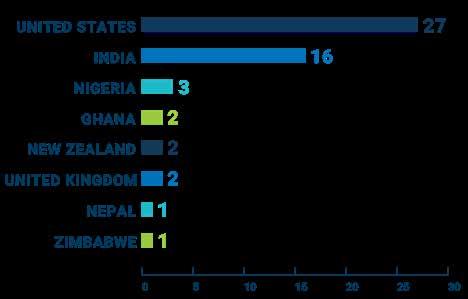
Our engagement with international applicants underscores our commitment to accessibility and inclusivity. Applicants from countries, including the United States, United Kingdom, India, Ghana, Zimbabwe, Nigeria, Nepal, and New Zealand have successfully entered practice as social workers in Nova Scotia, strengthening the diversity and capacity of the profession. International applications require additional time for processing, primarily influenced by external factors, including applicant response times and documentation requirements. These trends highlight both increased interest in the profession and the continued effectiveness of our assessment processes.
Strengthening Practice Through Clinical Specialization
The transition from private practice to clinical specialization has marked a significant step forward in enhancing regulatory efficiency. More importantly, it reflects a strengthened commitment to protecting the public through the delivery of competent and ethical care. By emphasizing clinical specialization, we are better positioned to assess and support practitioners within a structured and focused framework, enhancing both the quality of client care and the professional development of social workers pursuing clinical designations.
The clinical guidelines, developed in partnership with NSCSW Clinical Committee, address key priorities, including anti-racist practice, reconciliation, and unconscious bias, while reinforcing core values of dignity, social justice, and competent clinical professional services.
Strengthening Professional Identity
One of the key accomplishments this year has been the continued success of the Candidacy Mentorship Program (CMP). Notably, full registrations increased to 2,493 Registered Social Workers, reflecting the strong progression of candidates completing CMP
and transitioning into full licensure, and signaling the continued strengthening of the profession.
CMP remains a vital initiative, providing new social workers with a structured and supportive environment to reflect on complex issues such as power, privilege, and ethics, with the support of experienced mentors.
Through the program, participants continue to develop competencies in areas including confidentiality, informed consent, and professional boundaries, while also building resilience and effective strategies to manage occupational stress.
Further enhancements to the program are underway, including the integration of safety assessments and the updated Code of Ethics, as well as a comprehensive review to support candidates as they transition into the profession.
Advancing Ethical Practice
This year marked a significant milestone with the implementation of the new NSCSW Code of Ethics and Standards of Practice. This updated framework reinforces core professional values, including respect for dignity and worth, social justice, integrity, and competence, while emphasizing anti-oppressive, anti-racist, and culturally responsive practice. This framework strengthens guidance for social workers by highlighting ethical decision-making, accountability, advocacy, and the evolving role of practitioners within complex systems of care.
To support implementation, a workshop roadshow travelled across the province in Fall 2025. The database was updated which required social workers to declare adherence to the new Code at the time of renewal. The adoption of the updated Code underscores our continued commitment to equity, inclusion, and excellence in social work practice.
Addressing Broader Systemic Challenges
While meaningful progress has been achieved, broader systemic challenges persist. Our regulatory risk management report highlights that, although CMP significantly reduces risk factors associated with inexperienced practitioners, broader systemic issues — such as organizational culture and workload pressures — must also be addressed.
The Board of Examiners, in collaboration with Council, ensured that the updated Code of Ethics and Standards of Practice incorporate principles addressing anti-Black racism, reconciliation, and bias awareness, supporting our profession that remains responsive to Nova Scotia’s diverse sociocultural landscape.
Public Accountability and Protecting the Public
Our commitment to protecting the public remains central to all regulatory activities. The FRPA review confirmed full compliance, with no issues identified in our registration practices. This affirms the integrity, fairness, and transparency of our processes.
We also advanced efforts to address risks associated with individuals practicing without registration. Through proactive monitoring and early intervention, situations were resolved informally, reflecting a right-touch regulatory approach while maintaining a strong focus on public safety.
Future Vision
Looking ahead, our focus remains grounded in advancing the profession while safeguarding the public interest.
In early 2026, the government announced the repeal of the Nova Scotia Social Workers Act and the transition of regulation under the Regulated Health Professions Act (RHPA). This marks a significant shift in governance and regulatory structure, presenting both challenges and opportunities.
NSCSW remains committed to advocating for systemic reform and structural change to address issues, such as workload pressures, underfunding, and systemic inequities. We will continue to apply a right-touch regulatory approach that balances public safety with principles of equity, justice and accountability. Ongoing engagement will also remain a priority, ensuring members are informed, supported, and actively involved in decision-making as we navigate this transition together.
Closing Reflections
This year’s progress reflects the dedication and leadership of those committed to strengthening the profession. Together, we are shaping a regulatory framework grounded in equity, quality, and accountability.
Thank you for your continued commitment to excellence and for contributing to this important and evolving work.
Angela Penney, RSW Chair, NSCSW Board of Examiners
by Lisandra Hernandez, JD, Complaints Committee Chair
The NSCSW is mandated under the Social Workers Act to serve and protect the public interest by addressing concerns regarding the conduct, competence, and ethical practice of registered social workers in Nova Scotia. The Complaints Committee, a subcommittee of the Board of Examiners, fulfills this mandate by reviewing, investigating, and resolving complaints in a manner that is fair, transparent, and procedurally sound.
2025 Complaint Intake
In 2025, the College received 85 complaints, representing an increase from 2024 and exceeding the historical range observed between 2019 and 2023. Of the 85 complaints received:
• 45 met the threshold to proceed to formal investigation
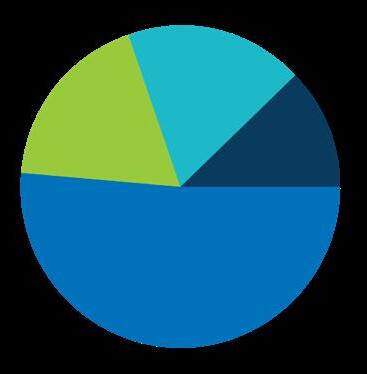
Sources of Opened Complaints (%)
• 22 were assessed and determined to fall outside the College’s jurisdiction and were not advanced through the complaints process
• 18 did not meet required intake criteria (e.g., were not signed, the complainant’s identity could not be verified, insufficient detail was provided to identify specific allegations, or insufficient information was available to proceed)
Each submission required jurisdictional review, documentation assessment, and correspondence, regardless of whether it proceeded to investigation. The 45 investigations opened in 2025 represent the highest number of matters advanced in the past seven years. Between 2019 and 2023, opened complaints ranged from 21 to 31 annually. This increase reflects sustained public engagement with the College’s regulatory processes.
Department of Opportunities and Social Development (OSD) 24 complaints (11%)
Health Sector (Employer & Client) 8 complaints (18%)
Internal / Registrar / Member Initiated 8 complaints (18%)
Public / Client (Non-OSD) 45 complaints (51%)
Most opened complaints arose from statutory child protection practice environments. OSD child protection complaints have consistently represented a significant proportion of matters before the Complaints Committee. These environments involve high-conflict situations, statutory authority, and emotionally complex circumstances, which may increase the likelihood of complaints being filed.
Files Closed in 2025
The Complaints Committee closed 22 matters in 2025:
• 14 were opened and closed within the same calendar year
• 8 were carried forward from 2023 or 2024
The Committee continued to prioritize timeliness while ensuring thorough and procedurally fair investigations.
Outcomes of Closed Matters
Most matters were resolved at the Complaints Committee level without referral to formal discipline.
Beyond these matters, the Discipline Committee in 2025 resolved 1 complaint matter through consent
revocation. This represents a small proportion of overall complaints received and reflects appropriate escalation where required to protect the public.
Observations & Trends
Increased Volume
Complaint intake increased significantly compared to 2024 and exceeded prior historical norms. The Committee responded to this increase while maintaining investigative integrity and procedural fairness.
Statutory Practice Concentration
Over half of opened complaints arose from OSD child protection environments. This trend mirrors prior years, and reflects the complex and high-stakes nature of statutory social work practice.
Resolution at Committee Level
Most matters continued to be resolved at the Complaints Committee stage through dismissal, informal resolution, or issuance of Letters of Counsel. The limited number of referrals to Discipline demonstrates that most concerns can be addressed without formal hearing.
Communication and Professional Conduct Themes
Consistent with prior years, recurring themes included communication breakdowns, documentation concerns, boundary clarity, and the exercise of statutory authority. In many cases, concerns did not involve intentional misconduct but arose from relational strain, misunderstandings, or perceived lack of transparency in decision-making processes.
The Committee continues to encourage members to reflect on how professional tone, clarity, and transparency influence public trust and regulatory risk.
Commitment to Public Protection
The Complaints Committee remains committed to:
• Fair and impartial investigation
• Timely file management
• Clear and defensible decision-making
• Transparent communication with parties
• Continuous learning from emerging trends
The College recognizes that complaint processes are challenging for all parties involved. The Committee approaches its work with seriousness, respect, and an unwavering focus on public protection.
The Discipline Committee plays a critical role in the College’s public protection mandate. When the Complaints Committee determines that concerns may warrant formal adjudication, matters are referred to the Discipline Committee for hearing under the authority of the Social Workers Act. The Discipline Committee is responsible for conducting fair, independent, and procedurally sound hearings to determine whether professional misconduct, conduct unbecoming, incompetence, or breach of the Code of Ethics or Standards of Practice has occurred.
2025 Discipline Activity
In 2025, one complaints matter proceeded to the Discipline Committee.
This matter was concluded in accordance with the College’s legislated authority and procedural requirements.
Consent revocation represents a serious regulatory outcome. It results in the removal of a member’s ability to practise social work in Nova Scotia and is imposed only where circumstances warrant such action to protect the public and preserve confidence in the profession.
Observations
The Discipline matter completed in 2025 represents a small proportion of the total complaints received by
2025 Discipline Committee Members:
the College. Most concerns continue to be resolved at the Complaints Committee level through dismissal, informal resolution, or Letters of Counsel.
The limited number of referrals to Discipline demonstrates that:
• Escalation thresholds are applied carefully and appropriately
• Most concerns can be addressed without formal hearing
• The Complaints Committee’s investigative and resolution processes remain effective
At the same time, the Discipline Committee remains an essential safeguard. Its role ensures that serious concerns are addressed transparently and decisively when necessary to protect the public and uphold professional standards.
Commitment to Procedural Fairness
All Discipline proceedings are conducted with attention to:
• Natural justice and procedural fairness
• Proportionality of outcome
• Transparency and accountability
• Protection of the public interest
The College recognizes that Discipline proceedings are significant for all parties involved. The Committee approaches its work with care, seriousness, and respect for both the public and the profession.
A report from the Professional Standards Committee
Our Mandate
The mandate of the Professional Standards Committee evolves annually to address specific tasks and objectives that fall within the College’s Code of Ethics and Standards of Practice. The Council tasks this committee with creating working groups and recruiting subject matter experts. Together, we develop professional standards and guidelines for a range of issues affecting Nova Scotian social workers.
Our work focuses on areas where social work practice intersects with new laws and social policies, as well as identified areas of concern relevant to the Safe(r) Social Work Framework.
2025 Achievements
In 2025, the committee successfully finalized the Guidelines for Writing Medical Certificates for Employee Absence. We convened and collaborated with current members of the NSCSW to draft guidelines that align with the NSCSW Code of Ethics and Standards of Practice. These completed guidelines provide clear direction for social workers and uphold the thorough standards expected by the College.
In 2026, the committee is focused on developing Trauma-Informed Communication Guidelines.
Our Team
We extend our gratitude to the dedicated individuals who contribute their time and expertise to this committee.
A special shout-out goes to Bria Symonds for her outstanding work as the former staff liaison for this committee in 2025. Bria’s dedication, expertise, and unwavering support have been instrumental in assisting the committee with its projects, including the successful completion of the Guidelines for Writing Medical Certificates for Employee Absence. Her ability to coordinate efforts, provide valuable insights, and ensure smooth collaboration has been truly remarkable. Thank you, Bria, for your incredible contributions!
The Professional Standards Committee remains committed to advancing the practice of social work in Nova Scotia. We will continue to monitor emerging issues, recruit knowledgeable experts, and draft standards that uphold the integrity and ethics of our profession.
2025 Professional Standards Committee Members
Eva Burrill, RSW (chair); Cara Fabre, RSW-Clinical Specialist; Brenda Gear, RSW-Clinical Specialist; Haley Keeping, RSW; Stephanie Leblanc, RSW-Clinical Specialist; April Munro-Wood, RSW-Clinical Specialist; Ellen Reid, RSW; Melinda Robb, RSW-Clinical Specialist; Bria Symonds, RSW
Ongoing Competence & Quality Assurance
In 2025 the Professional Development (PD) Committee continued developing, delivering and evaluating PD opportunities for social workers. The committee continued to be led by co-chairs Helen Luedee-Boone and Rose Scott-Lincourt.
The committee met twice a month throughout the year, to support the design, delivery, and evaluation of over 130 hours of PD content for our members, with over 2300 attendees in virtual and in-person programs.
The membership of the committee reflects a diversity of membership classes, practice areas and interests, regions, years of experience, and identities. The committee continues to be a team of committed and engaged volunteers.
Throughout the 2025 registry year the committee contributed to the success of numerous activities and initiatives including:
• Anti-oppressive documentation workshop
• Relational learning opportunities including closed group spaces for Indigenous, Black/ ANS, and 2SLGBTQIA+ social workers
• Climate justice and adaptation focused learning opportunities
• Design, recruitment, and planning for the Circle of Learning, an alternate pathway for NSCSW registrants in planning for, completing, and reporting on their professional development.
• Ongoing planning, evaluation, and revisions of the professional development program.
There were additional investments of resources and collaboration on larger professional development activities.
Cultivating Critical Hope
In May 2025 the PD committee planned and hosted a 1-day virtual mini-conference on Building Connections & Activating Hope. Building off the work of African Nova Scotian social workers and scholars, including Senator Wanda Thomas Bernard, the event focused on:
Quality Assurance
To enhance the professional standards of social work, the NSCSW has adopted the Nova Scotia Regulated Health Professions Network’s “Standards for Good Regulation” as its measure of performance. Standard Ten requires that the regulator encourages quality of practice through continuing competence requirements to support registrants in meeting standards of practice.
“hopeful
action that is
based
on the critical analysis of a situation and the recognition that wishing alone
is not
sufficient to make change. It involves an understanding of the forces that produce injustice and an imagining of what the world without these forces, and without the injustice, might look like.”
From Race and Well-Being: The Lives, Hopes and Activism of African Canadians by James, C., Este, D., Thomas Bernard, W. Benjamin, A., Lloyd, B., and Turner, T. 2010, p. 27.
The session used elements from social innovation and human-centered designed practices to support social workers in co-creating what critical hope could look like in social work practice, a panel discussion with social work leaders and advocates, and insights and contributions from NSCSW staff on the purpose and power of fostering critical hope.
Roadshows
In the fall of 2025, the PD committee supported the planning and delivery of a series of workshops across the province supporting the integration of the newly revised NSCSW Code of Ethics & Standards of Practice. The sessions in Sydney, Antigonish, New Minas, Yarmouth, Halifax, and online supported the development of ethical practice in social workers, with a priority on developing capacity for advocacy and social justice in social work practice.
As part of our continuing commitment to ensuring safe(r) social work practice in our province, NSCSW began a new quality assurance (QA) process in 2023.
Our most recently completed QA review audited professional development activities reported by members in 2023 and 2024, and was published in 2025. The PD committee helped review the summarized results, and the insights have been used to guide interventions and programmatic adaptations in the PD policy and standards.
Read NSCSW’s QA reports at nscsw.org/quality-assurance
The audit for 2023 and 2024 involved the review of 140 social worker professional development entries from every member class across the two years. The audit resulted in nearly half of the audited members receiving letters of guidance for future PD submissions, while also establishing a framework and procedure for future audits. It also led to revisions and clarifying of the PD standards and the annual PD process.
The audit and quality assurance process for 2025 is currently underway; this report will be available to registrants and the public in the summer of 2026. The findings and recommendations that arise from our recurring QA reports will continue to inform the College’s development of member services and resources, as well as the improvement of policies and procedures related to professional development tracking and registration renewal. By prioritizing
quality assurance, the NSCSW is paving the way for a future where social workers are well-equipped to meet the evolving needs of society, ensuring that individuals and communities receive the highest standard of care and support.
Reflecting Forward
The work of our committee continues to be justice and future focused, practice-based, reflexive, collaborative, sustainable, and relevant to the field of social work. We continue to reflect on and
consider how the mandated topics and emerging evidence from complaints, candidacy, and our quality assurance processes can guide the PD program and activities towards safe(R) social work practice.
In 2025 the committee lost one of its key members. On December 6, 2025, Joanne Sulman, MSW, RSW, passed away. Joanne was a long-standing member of the PD committee and a great supporter of the work and initiatives of the NSCSW. The committee members were saddened by her passing, and she is remembered fondly for her fierce spirit, advocacy, and contributions to social work practice.
2025 Professional Development Committee Members:
Ayeshah Ali, RSW Clinical Specialist; Tyler Colbourne, RSW (staff liaison); Michael Esin, SWC; Lesley Finch, RSW Clinical Specialist; Holly Johnson, SWC; Rose Scott-Lincourt, RSW (co-chair); Helen Luedee-Boone, RSW-Clinical Specialist (co-chair); Lindsay Murphy, SWC; Mario Spiler, RSW; Joanne Sulman, RSW; Marie Westhaver, RSW
Increasing Clarity for Social Work Within Health Care
A report from the Health Committee
Overview and Mandate
We are pleased to present this account of our committee’s progress over the past year. Formed as an ad-hoc council group, our committee is focused on advancing safer(r) social work practice within Nova Scotia’s healthcare system. Our mandate is to investigate and strengthen social workers’ contributions to healthcare delivery, working toward a system that is safer, more equitable, and better regulated.
This reporting period has been marked by thorough analysis and active engagement. We focused on understanding social work practice across varied healthcare settings: acute and primary care, community mental health, long-term care, and specialized programs for Indigenous and vulnerable communities. Our work was guided by a clear recognition of ongoing systemic challenges — the persistent dominance of the traditional medical model, shifts in policy direction, and pressures of managerialism — all of which have limited the scope for ethical and safer social work.
Our vision is a province where social workers can deliver holistic, client-centered care that reaches beyond clinical tasks. By focusing on identifying and strengthening practices, the Health Committee seeks to improve care for all service users and foster a healthier, more inclusive Nova Scotia.
Key Risks & Challenges Identified
Throughout the year, we engaged in formal and informal consultations, internal reviews, and collected feedback from practicing healthcare social workers. This ongoing process identified several key hurdles that affect the effective integration of social work in healthcare.
Lack of Role Definition & Consistency: Committee reviews revealed ongoing ambiguity surrounding social workers’ responsibilities, leading to confusion and inefficiency. Often, social work roles are overshadowed by the broader medical model, which hinders their ability to address social determinants of health or provide comprehensive advocacy and psychosocial support.
Limited Support & Supervision: Reports highlighted insufficient access to structured clinical supervision—essential for ethical practice and professional growth. In high-stress settings like acute care or child and family services, social workers risk isolation when dealing with difficult situations, ethical dilemmas, and complex clients.
Resource Constraints & High Caseloads: High workloads, staff shortages, and limited resources stretch teams thin. Heavy caseloads reduce time for meaningful client interaction and heighten risks of burnout, ultimately affecting care quality.
Siloed Work & Fragmented Collaboration:
Fragmented services, where teams lack coordination, make fully integrated, interdisciplinary care difficult. Robust connections with allied disciplines are critical, yet systemic boundaries remain a barrier.
These challenges were confirmed through direct feedback from practitioners and extensive committee literature reviews. The key risks we identified—role ambiguity, lack of supervision, resource limitations, and fragmented care—mirror broader national and international issues. This strengthens our resolve to pursue solutions that draw on both global best practices and local context, ensuring effective, tailored responses for Nova Scotia’s healthcare system.
Opportunities for Improvement
While the committee acknowledges these gaps, much of this year’s work has focused on practical,
actionable solutions to advance the profession. Several promising opportunities have emerged:
Defining Roles & Scope of Practice: There is an urgent need to collaboratively develop, communicate, and educate across disciplines about the unique scope and contributions of social work within healthcare. By codifying expectations— through written protocols and cross-professional workshops—we aim to ensure that social workers can fully exercise their diverse skillsets and that other healthcare professionals truly understand the value they bring.
Expanding Management & Support Structures:
To maintain ethical practice, social workers require timely supervision, mentorship, and professional support. We will recommend to regulatory and employer bodies the implementation of standards for clinical supervision, including mandatory regular supervision sessions and resources for professional peer support. Such steps protect both workers and clients, and reduce the risk of professional isolation.
Leveraging Community Momentum: The Health Committee recognizes that recent years have brought a positive shift in public attitudes toward mental health, trauma-informed care, and the broader determinants of health. We must channel this momentum to allow social workers to advocate for changes in care delivery, integration of social work into front-line response teams, and greater public awareness of the full spectrum of professional social work.
Engaging in Advocacy: Social workers will be able to influence policy as a principal focus of practice. By coordinating with associations, unions, and advocacy groups, health care social workers need to shape legislation and funding priorities in ways that advance family and patient-centered, preventative, and community-based care. This includes pushing for funding models that recognize the value of relational and psychosocial work, not only clinical interventions.
Over the last year, we have been working with system leaders and policymakers, fostering dialogue
and advocating for targeted improvements. By prioritizing collaboration across disciplines and championing practical reforms, we began advancing solutions such as clearer role definitions and stronger support for supervision and mentorship. Our committee focused on translating community and partner feedback into actionable strategies, helping shift perceptions about social work’s value and paving the way for more holistic, integrated care.
Moving Forward
The Health Committee has laid important groundwork, but we recognize that the journey toward full empowerment and integration for healthcare social workers is far from finished. The recommendations and opportunities outlined here will form the blueprint for our work in the coming year. Our next steps will include consulting on role
definition frameworks in collaboration with major employers, developing supervision standards, and fostering new models of community engagement that will ensure service users’ voices guide our work.
Our committee is committed to regular monitoring and evaluation, ensuring our progress is measured and responsive to emerging needs. We thank all who have provided their insights, critiques, and enthusiasm throughout this process.
In closing, we reaffirm our mandate to advocate, innovate, and support the critical work of social workers in healthcare. Together, we will continue to challenge outdated models, champion ethical and effective practice, and build a healthcare system with social justice at its heart. The Health Committee looks forward to another year of partnership, growth, and progress.
The social work workforce in Nova Scotia in 2025 exemplifies a robust, skilled, and dedicated group of professionals, central to the delivery of vital services to communities throughout the province.
A Strong & Educated Workforce
In our province, 42.7% of social workers hold a Master’s degree and 30.8% a Bachelor’s degree. This strong educational foundation ensures that social workers are well equipped to address the complex and evolving needs across Nova Scotia’s communities.
Diverse Roles & Titles
A closer look at the workforce composition shows that Registered Social Workers represent the largest segment at 47.7%, while Social Worker Candidates comprise 21.3% and Clinical Specialists account for 19.7%. This distribution highlights the breadth of professional development and specialization within Nova Scotia’s social work sector, reflecting a committed pipeline from new practitioners through to advanced clinical roles.
Age & Experience
Nova Scotia’s social work workforce in 2025 is characterized by a balanced mix of early-career and highly experienced professionals. The average age among social workers is 44.3 years, with the largest portion (42%) falling within the 35 to 49 year age range. This age profile supports a workforce that combines both fresh perspectives and mature expertise, ensuring the sector is well-positioned to respond to current and future challenges.
The workforce demonstrates a depth of experience, with an average of 12.4 years in the profession, illustrating the combination of both emerging talent and established expertise within the sector. Notably, 31.2% of social workers are early in their careers with between zero and five years of experience, 34.9% have accrued six to fifteen years, and over 27% offer sixteen to thirty years of professional knowledge. This
distribution underscores the sector’s ongoing capacity for knowledge transfer, mentorship, and the sustained delivery of quality services throughout Nova Scotia.
Where They Work
In 2025, the social work workforce in Nova Scotia is distinguished by its broad distribution and involvement across a wide variety of sectors. Social workers contribute their expertise in government agencies, health care (including acute, primary, and continuing care), community organizations, private practice, education, Indigenous organization programs, longterm care, justice, disability support, telepractice, and more. This comprehensive engagement demonstrates the workforce’s flexibility and ongoing commitment to address the diverse and changing needs of individuals and communities across the province and beyond.
This robust workforce spreads across multiple sectors, underscoring the roles social workers fulfill in government agencies, health care, private practice, community organizations, education, justice, Indigenous programs, and more.
Halifax remains the primary employment center, engaging 44.4% of social workers, closely reflecting its share of the provincial population (49.2%). Cape Breton also stands out, with 13.2% of the workforce and only 9.2% of the provincial population, demonstrating a significant commitment to service in this region.
Additional strongholds of social work activity are found in Kings, Colchester, and Pictou counties, further emphasizing the workforce’s widespread influence and service delivery across Nova Scotia.
In summary, the 2025 workforce data highlights that Nova Scotia’s social work sector is driven by a highly trained and experienced group of professionals, strategically positioned across a range of settings and communities. Their collective expertise and broad distribution are key in ensuring the sustained delivery of critical services and support throughout the province.
In Our Communities
We asked our members where they work. Based on their responses, here’s a snapshot of where you might find social workers practicing in Nova Scotia:
DOSD: Other
Nova Scotia Health: Mental Health & Addictions
IWK:
Social
495
Applications Processed by the NSCSW in 2025
New International Applications by Country (54) Social Workers by Designation
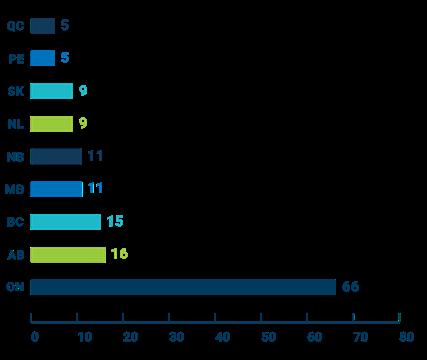
New Applications by Interprovincial Transfer or Telepractice (147)
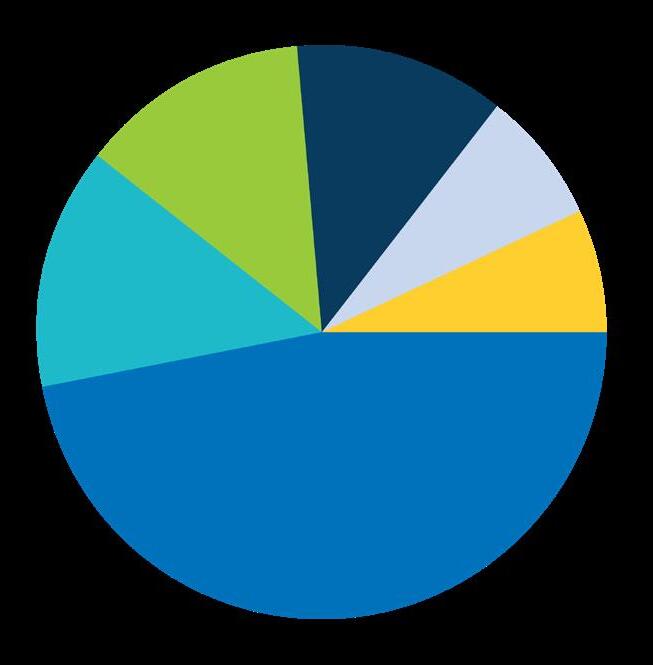
1,384 Registered Social Workers (RSW)
557 Clinical Specialists (RSW)
376 Telepractice (RSW)
618 Social Worker Candidates (Active)
159 Associates
79 Retired Associates
210 Students
3,383
Total
Voice of Social Work
As part of our work towards the strategic goals of our College, we have continued to be active in public discourse about issues that affect safe(r) social work in Nova Scotia.
Here’s a small sample of what we were up to in 2025:
Alec Stratford, executive director of the Nova Scotia College of Social Workers, says the college has recommended the province adopt caseload ratios based on the Child Welfare League of America standard, which suggests that workers carry 16 to 20 cases. But he says even those numbers are outdated, and wants to see an independent review.
Why these N.S. social workers are worried kids are falling through the cracks
Andrew Sampson, CBC News May 1, 2025
…over the course of three hours, representatives from eight organizations tasked with regulating their professions raised a litany of concerns. … Valerie Heard from the Nova Scotia College of Social Workers was concerned about less qualified workers from Alberta— where professionals can be licensed with a diploma rather than a university degree—diluting the quality of care in the province.
Inside the great untangling of Canada’s internal trade mess Catherine McIntyre & Joanna Smith, The Logic Mar 28, 2025
The data underscores a collective call to address child and family poverty in Nova Scotia. With the temporary decline in children entering care reversing as pandemic supports and restrictions eased, it has become evident that poverty elimination must be at the forefront of government priorities.
Financial lifeline during COVID-19: CERB helped keep vulnerable families together
NSCSW media release Jan 15, 2025
“Social workers confront significant systemic obstacles that directly impact their ability to provide safe and ethical services,” said Stratford. “Our framework seeks to address these inequities, ensuring better outcomes for structurally vulnerable populations across Nova Scotia.”
NSCSW introduces Safe(R) Social Work Framework to strengthen ethical practices and promote justice
NSCSW media release Jul 24, 2025
“A lot has changed since [2014] in terms of our human rights codes as well as the political responses to protecting 2SLGBT kids and youth,” said Alec Stratford, president of the Nova Scotia College of Social Workers. Under the current guidelines, the NSCSW sees “inconsistencies” in how schools support 2SLGBTQ+ students.
The new public school year started without an update to protections for Trans students
Jenn Waugh, CKDU News Sep 12, 2025
“The public system is still grossly underfunded ... Our services are not meeting needs,” [Alec Stratford] said, adding that the province especially needs to boost support to community groups that provide specialized mental-health support for African Nova Scotians, Indigenous and LGBTQ+ people.
… participants affirmed that social workers are uniquely positioned to confront systems of harm, promote non-violence, and create safer, more just communities. The conference served as a powerful reminder: the profession of social work must lead ongoing efforts to ensure that violence is neither normalized nor tolerated in any form.
Mental health advocates say Nova Scotia is continuing to fall short on access to care
Lyndsay Armstrong, The Canadian Press Nov 18, 2025
NS social workers lead the call for systemic change at GBV/IPV conference
NSCSW media release Nov 25, 2025
Cultivating Mentorship
Candidacy mentors are an important link in NSCSW’s model of secondary assessment and developing professional identity for new and returning social workers.
We are grateful to all of the mentors who have guided Social Worker Candidates through the successful completion of candidacy in 2025.
Wendy Aboud
Stephanie Allan
Linda Bent
Jami-Leigh Bishop
Katie Blackie
Paula Boutillier
Meagen Bowers
Chelsea Butler
Kelly Byrne
Jacqueline Carrier
Hannah Cavicchi
Kristen Cockerill
Tyler Colbourne
Samantha Collier
Margaret Coombes
Corinne Coughlan
Quinn
Ashlee d’Entremont
Jason Delorey
Christie Duru
Jennifer Fougere
Meagan Gaudet
Marissa Hadley
Cassandra Hanrahan
Linden Hardie
Shannon Hardy
Valerie Heard
Stephanie Inness
Nada Johnson
Teresa Johnson
Phoebe Johnston
Calandra Kandziora
Crystal Lahey
Brett Laidlaw
Tay Landry
Louise Layton
Stephanie LeBlanc
Natasha LeBlanc
Nicole MacFarlane
Lana M. MacLean
Lana Maclean
Katelyn MacPhail
Darcey Maillet
Shaelyn Marsh
Wanda McDonald
Angela Penney
Megan Power
Tanya Rafter
Hanaa Rashid
Laura Roberts
Aliya Rubin
Katherine Ryan
Annette Samson
Samantha Sarty
Rebekah Skeete
Tasha Smith
Shauna Stuart
Scott Thomas
Jillian Watters
Debra Wells-Hopey
Holly White
Laura May Wilbur
Lori Wilson
Turner Wolfe
Our Budget
Sustaining Our Work Together
A report from the NSCSW Council Treasurer
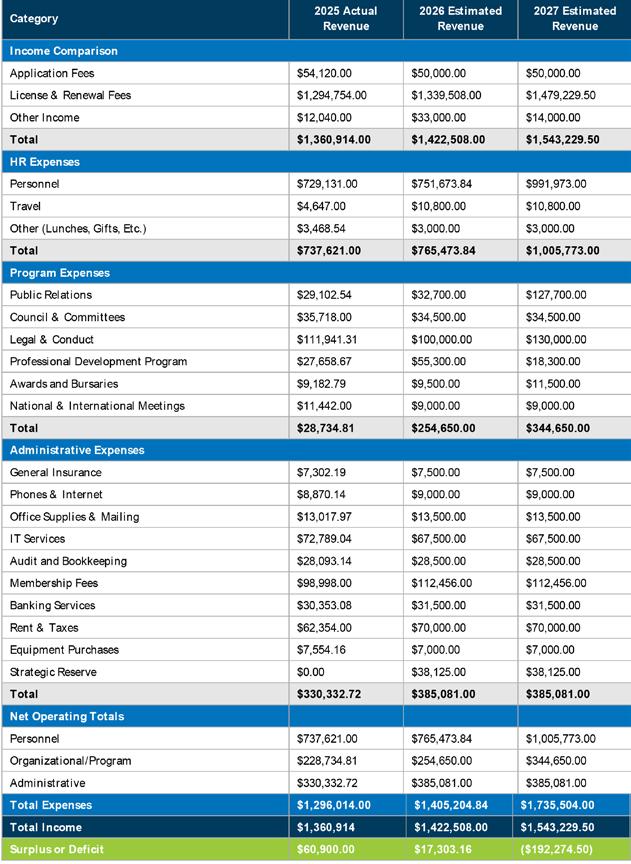
As Treasurer of the NSCSW, I am pleased to reflect on the financial performance of the College over the past year. Fiscal Year 2025 (FY25) was a year of strong financial outcomes, strategic investments, and lessons learned. Despite challenges in some areas, the College closed the year in a solid financial position, with a net income of $64,900. This success reflects the dedication of our team and the careful stewardship of resources to support the College’s mission and strategic goals.
Reflecting on FY25: Financial Highlights
The College’s financial performance in FY25 was driven by higher-than-expected income and prudent management of expenses. Below, I outline the key highlights and variances that shaped the year.
Income Performance
The College’s total income for FY25 reached $1,360,914.00. This strong performance was largely due to higher-than-anticipated application fees, license renewals, and membership growth. These
areas exceeded expectations and provided a solid foundation for the College’s operations.
Expense Management
Personnel Expenses: Personnel costs totaled $737,621, always a higher area of expense, however one of our most important areas to spend on. It should be noted that in 2026 there is a independent review of compensation occurring; it’s likely that staff compensation as fallen out of pace with the rest of the social work sector, and we expect corrections will be applied.
Organizational and Program Expenses: Organizational and program expenses totaled $228,734.81. This overage was primarily driven by legal fees, which were over budget due to unforeseen costs related to a judicial review. Additionally, professional development programs exceeded the budget largely due to the Domestic Violence Conference. While this event incurred costs, some of these were recovered through external funding.
Administrative Expenses: Administrative expenses totaled $329,332.72. While overall spending was close to budget, there were notable overages in specific areas. Website hosting costs, for example, were over budget due to upgrades such as integrating the Code of Ethics into the website. Office supplies also exceeded the budget driven by the adoption of a new project management tool, These overages were partially offset by savings in postage and IT strategic expenses, which helped to balance the overall administrative budget.
Special Projects: Special project expenses totaled $14,589.05 and included costs related to the Code of Ethics, the Decolonization commitments, and the purchase of a photocopier. These investments supported key initiatives that align with the College’s strategic priorities.
Looking Ahead: 2027 Budget Overview
As we look to the future, the 2027 budget reflects the College’s commitment to strategic growth and operational excellence. The budget incorporates a 7% increase in membership fees and projects a 2% annual membership growth. These adjustments are designed to support the College’s expanding responsibilities and strategic initiatives under the Regulated Health Professions Act (RHPA).
Income Performance
The total projected income for 2027 is $1,611,229.50, representing a 15.89% increase over FY25. Membership revenue is expected to account for $1,405,009.00.
Expense Projections
Total projected expenses for 2027 are $1,715,504.00, reflecting a 33.12% increase over FY25. Key expense categories include:
While the budget projects a deficit of $192,274.50, this is a deliberate decision to invest in strategic initiatives to migrate under the RHPA that will strengthen the College’s capacity and impact.
Strategic Investments
The 2027 budget includes several key investments: .
• Addition of a full-time administrative support role for applications.
• Creation of a paralegal position to alleviate the compliance workload.
• Enhanced marketing (website, branding…etc) and policy development under the RHPA.
Closing Reflections
FY25 was a year of financial strength and strategic progress for the NSCSW. The College’s ability to exceed income projections while managing expenses effectively is a testament to the dedication and hard work of our team. As we move forward, the 2027 budget reflects our commitment to investing in the future of the profession while addressing the operational needs of today.
Kate Matheson, RSW NSCSW Council Treasurer
Independent Auditor’s Report
To the members of Nova Scotia College of Social Workers
Qualified Opinion
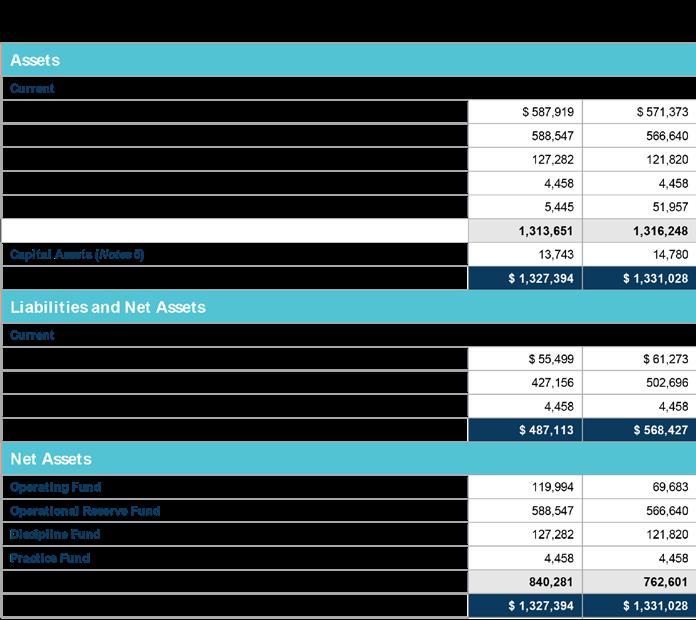
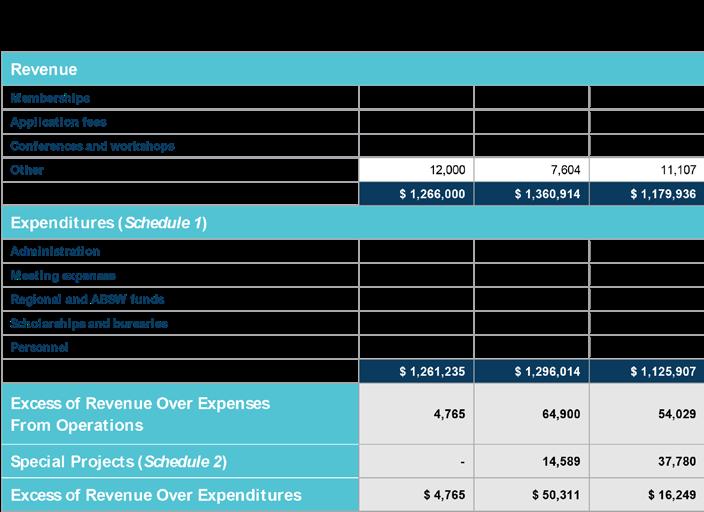
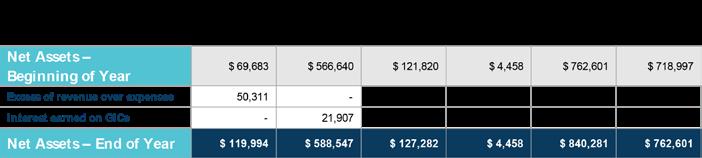
We have audited the financial statements of Nova Scotia College of Social Workers (the “College”), which comprise the statement of financial position as at December 31, 2025, and the statements of revenues and expenditures, changes in net assets and cash flows for the year then ended, and notes to the financial statements, including a summary of significant accounting policies.
In our opinion, the accompanying financial statements present fairly, in all material respects, the financial position of the College as at December 31, 2025, and the results of its operations and cash flows for the year then ended in accordance with Canadian accounting standards for not for-profit organizations (ASNPO).
Basis for Opinion
We conducted our audit in accordance with Canadian generally accepted auditing standards. Our responsibilities under those standards are further described in the Auditor’s Responsibilities for the Audit of the Financial Statements section of our report. We are independent of the College in accordance with ethical requirements that are relevant to our audit of the financial statements in Canada, and we have fulfilled our other ethical responsibilities in accordance with these requirements. We believe that the audit evidence we have obtained is sufficient and appropriate to provide a basis for our opinion.
Management’s Responsibility for the Financial Statement
Management is responsible for the preparation and fair presentation of the financial statements in accordance with ASNPO, and for such internal control as management determines is necessary to
enable the preparation of financial statements that are free from material misstatement, whether due to fraud or error.
In preparing the financial statements, management is responsible for assessing the College’s ability to continue as a going concern, disclosing, as applicable, matters related to going concern and using the going concern basis of accounting unless management either intends to liquidate the College or to cease operations, or has no realistic alternative but to do so.
Those charged with governance are responsible for overseeing the College’s financial reporting process.
Auditor’s Responsibility
Our objectives are to obtain reasonable assurance about whether the financial statements as a whole are free from material misstatement, whether due to fraud or error, and to issue an auditor’s report that includes our opinion. Reasonable assurance is a high level of assurance, but is not a guarantee that an audit conducted in accordance with Canadian generally accepted auditing standards will always detect a material misstatement when it exists. Misstatements can arise from fraud or error and are considered material if, individually or in the aggregate, they could reasonably be expected to influence the economic decisions of users taken on the basis of these financial statements.
As part of an audit in accordance with Canadian generally accepted auditing standards, we exercise professional judgment and maintain professional skepticism throughout the audit. We also:
• Identify and assess the risks of material misstatement of the financial statements, whether due to fraud or error, design and
perform audit procedures responsive to those risks, and obtain audit evidence that is sufficient and appropriate to provide a basis for our opinion. The risk of not detecting a material misstatement resulting from fraud is higher than for one resulting from error, as fraud may involve collusion, forgery, intentional omissions, misrepresentations, or the override of internal control.
• Obtain an understanding of internal control relevant to the audit in order to design audit procedures that are appropriate in the circumstances, but not for the purpose of expressing an opinion on the effectiveness of the College’s internal control.
• Evaluate the appropriateness of accounting policies used and the reasonableness of accounting estimates and related disclosures made by management.
• Conclude on the appropriateness of management’s use of the going concern basis of accounting and, based on the audit
evidence obtained, whether a material uncertainty exists related to events or conditions that may cast significant doubt on the College’s ability to continue as a going concern. If we conclude that a material uncertainty exists, we are required to draw attention in our auditor’s report to the related disclosures in the financial statements or, if such disclosures are inadequate, to modify our opinion. Our conclusions are based on the audit evidence obtained up to the date of our auditor’s report. However, future events or conditions may cause the College to cease to continue as a going concern.
• Evaluate the overall presentation, structure and content of the financial statements, including the disclosures, and whether the financial statements represent the underlying transactions and events in a manner that achieves fair presentation.
We communicate with those charged with governance regarding, among other matters, the planned scope and timing of the audit and significant audit.