THE ‘LOOPs’
The Guild of Recycling & Weaving
Nurul Aliya Afiqah Binti Shahidan
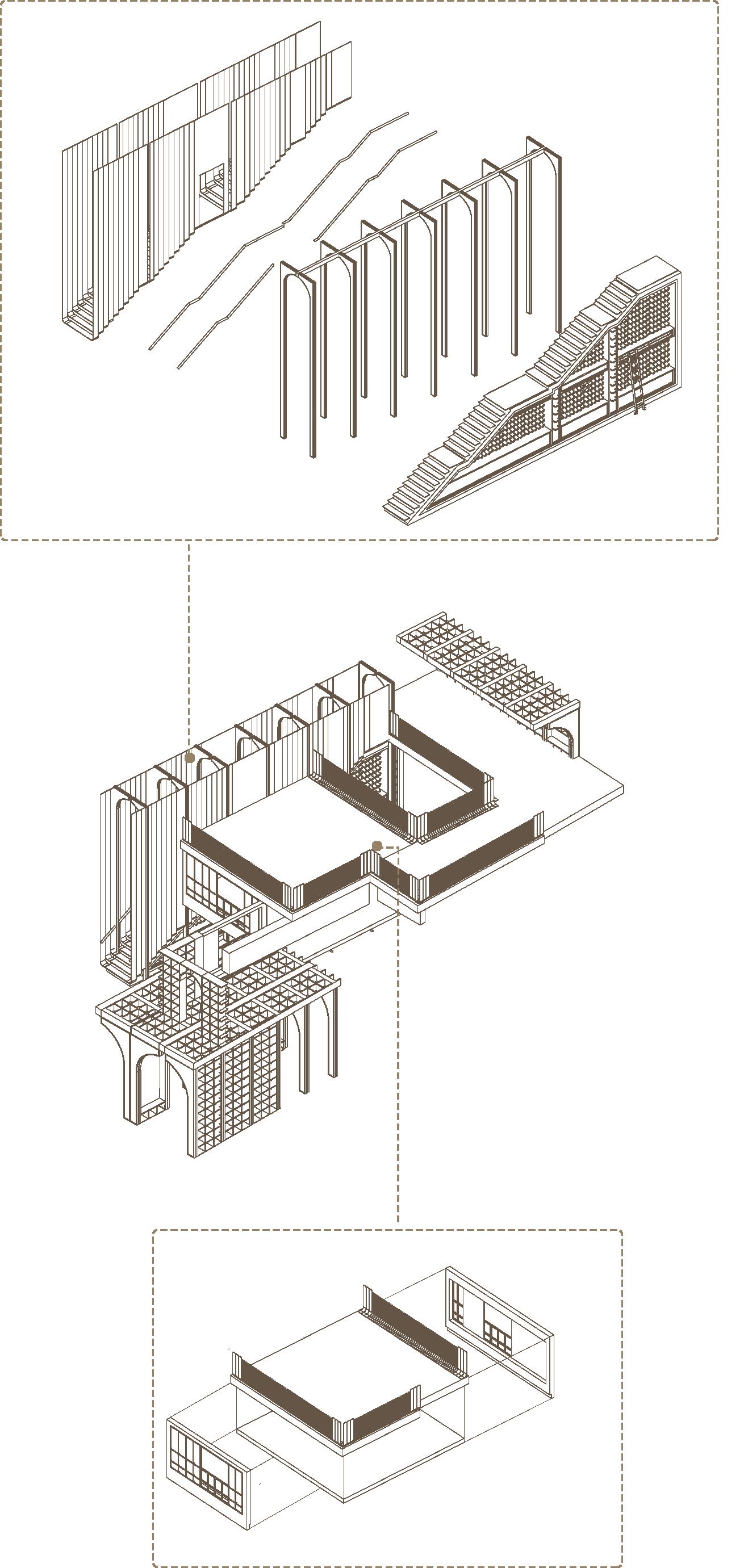
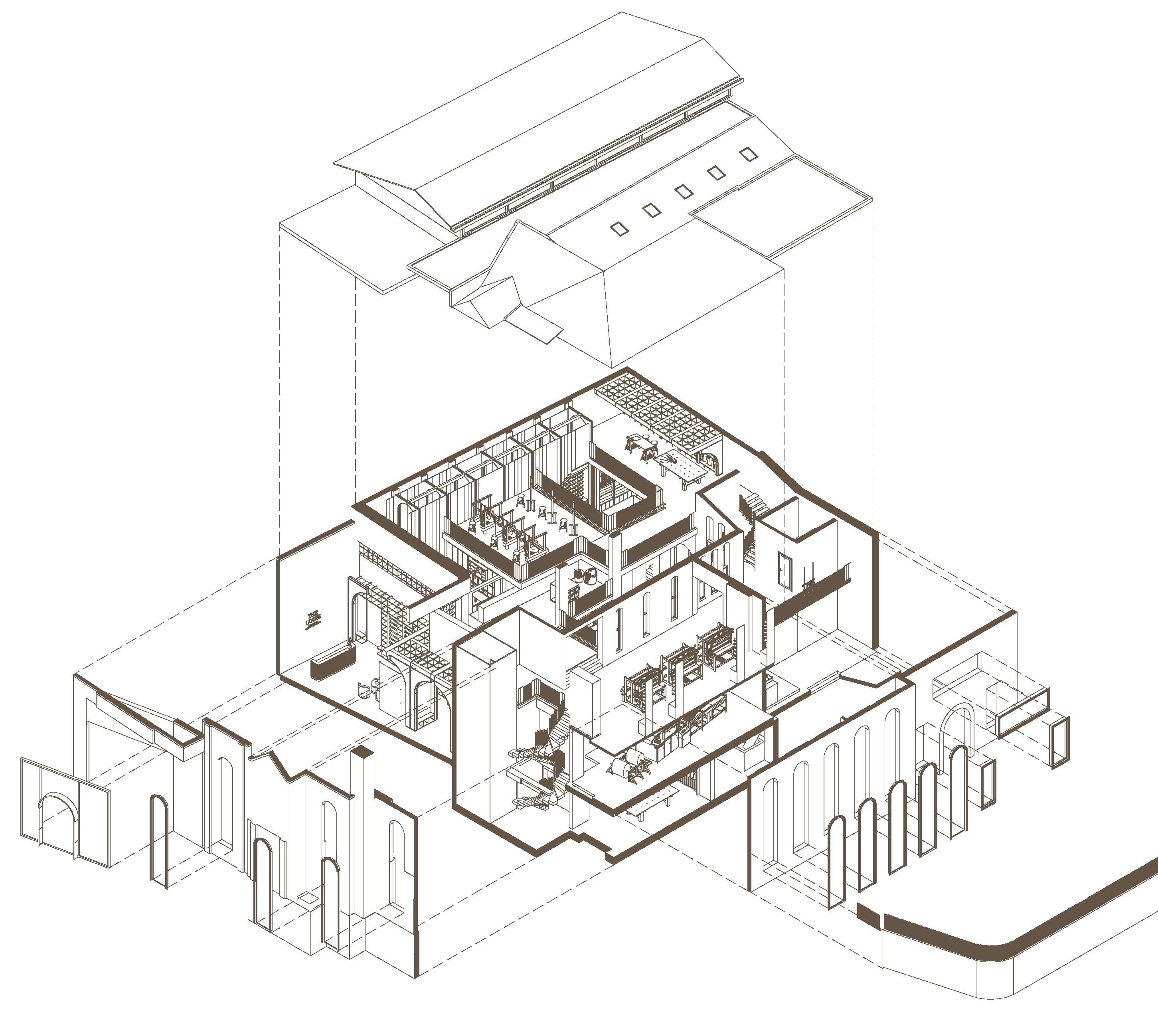
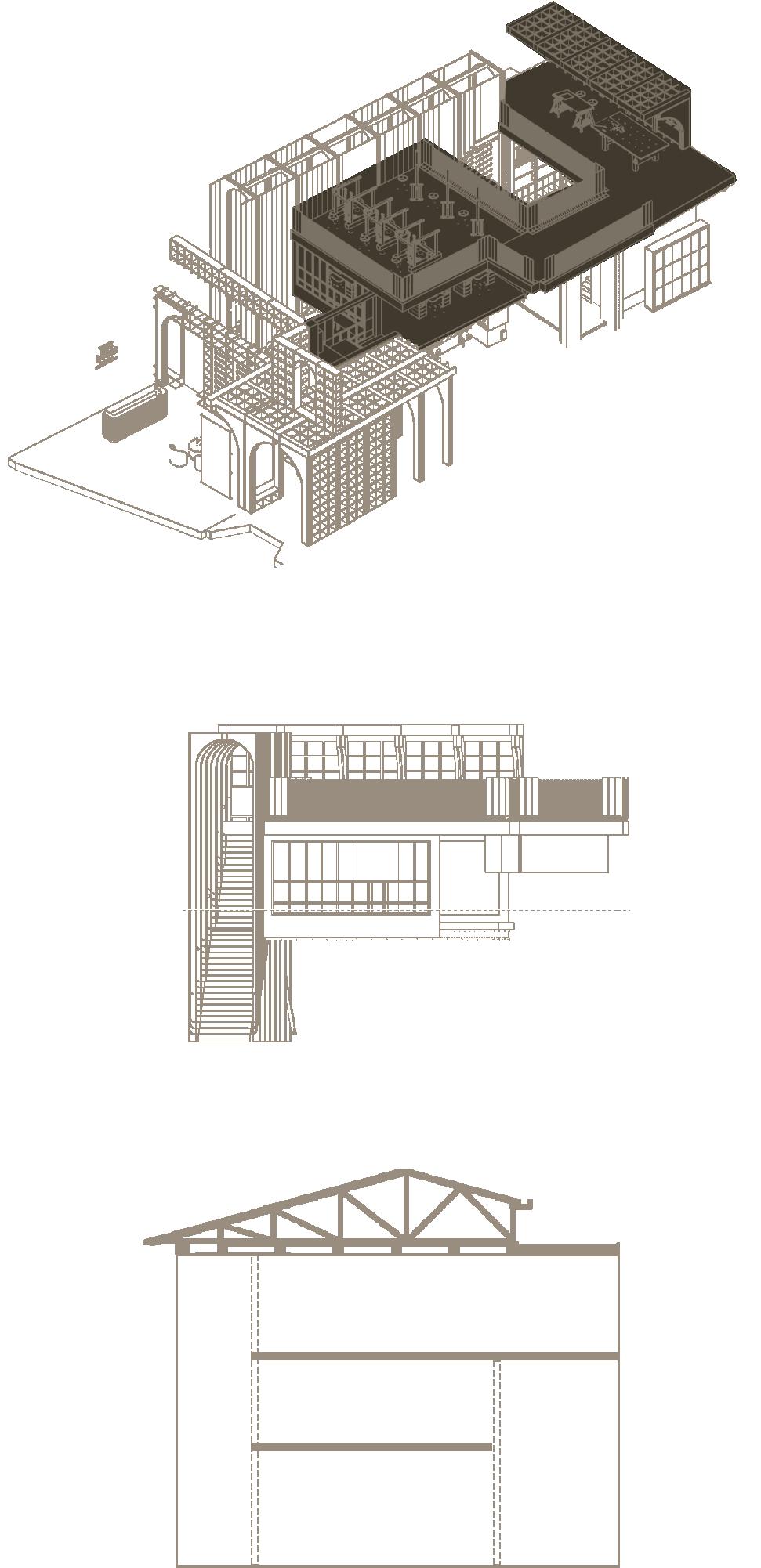
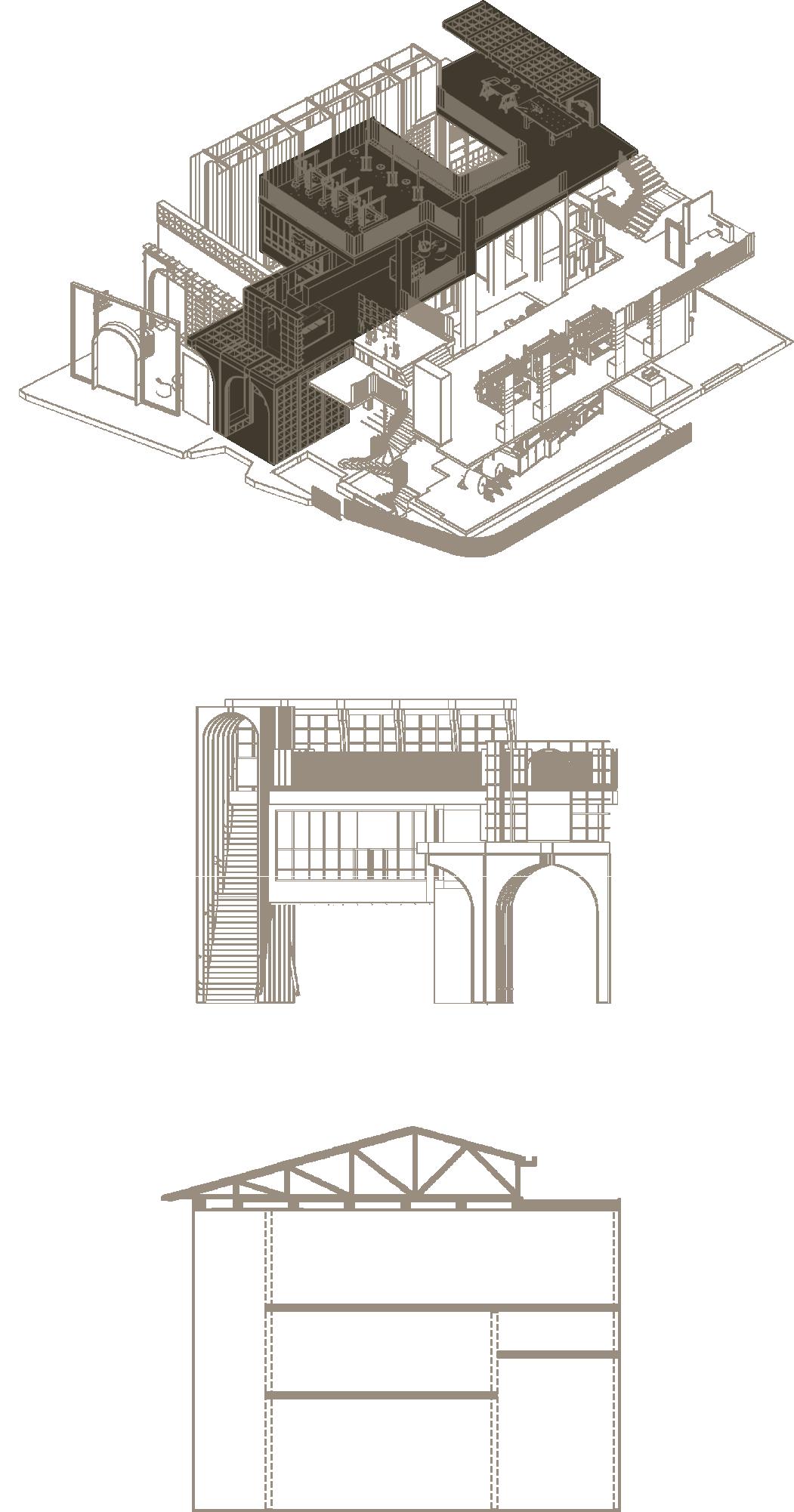
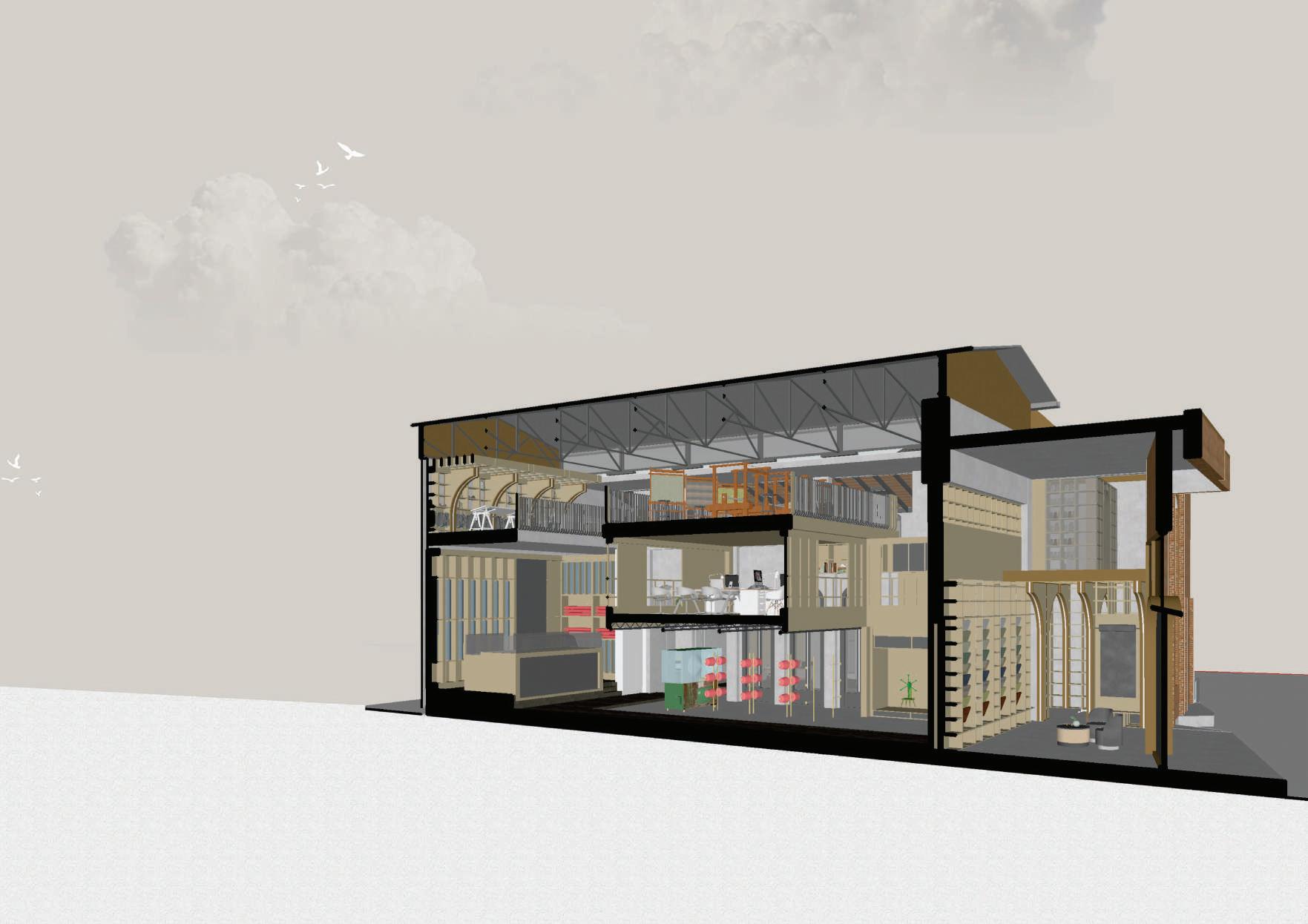
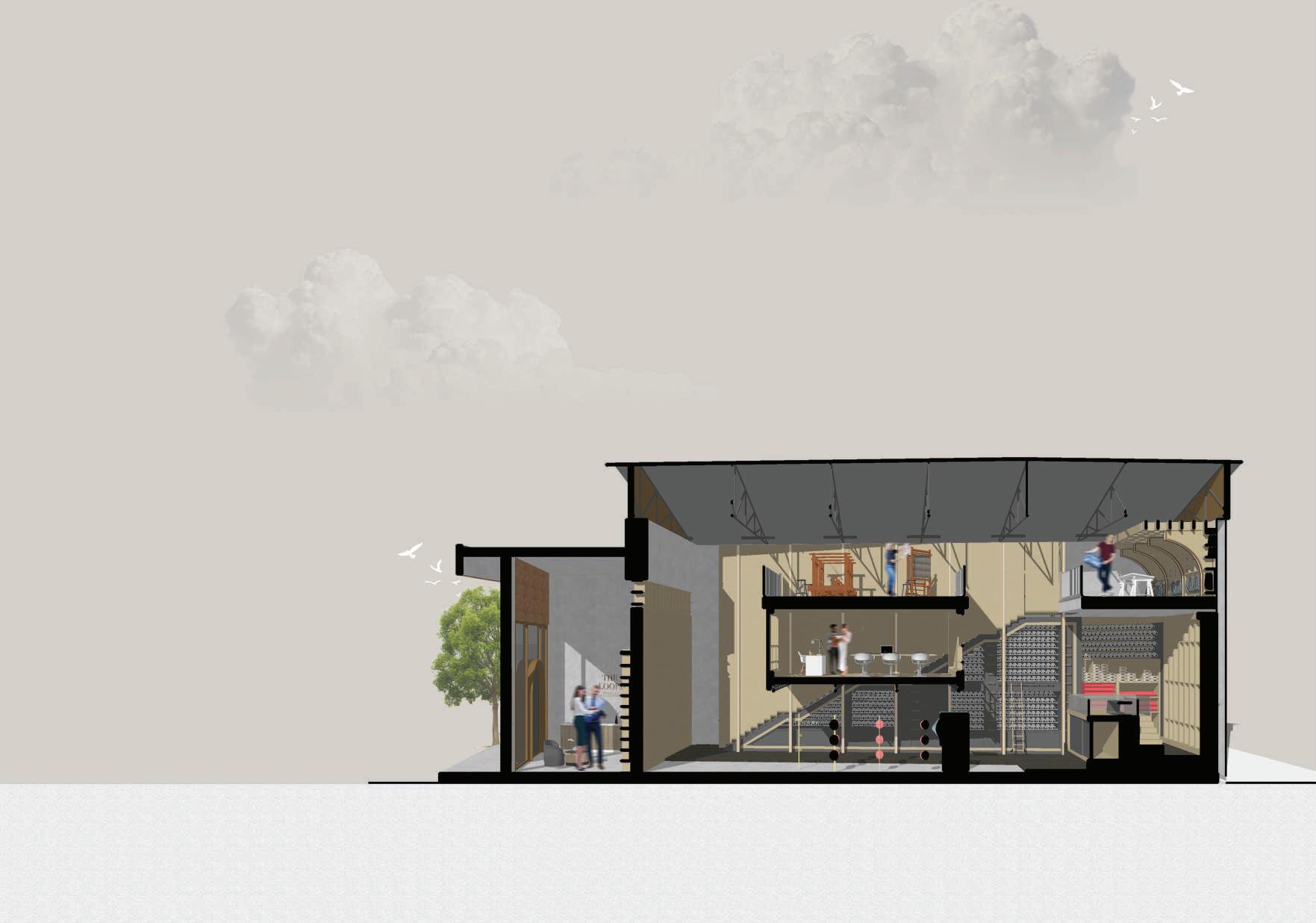
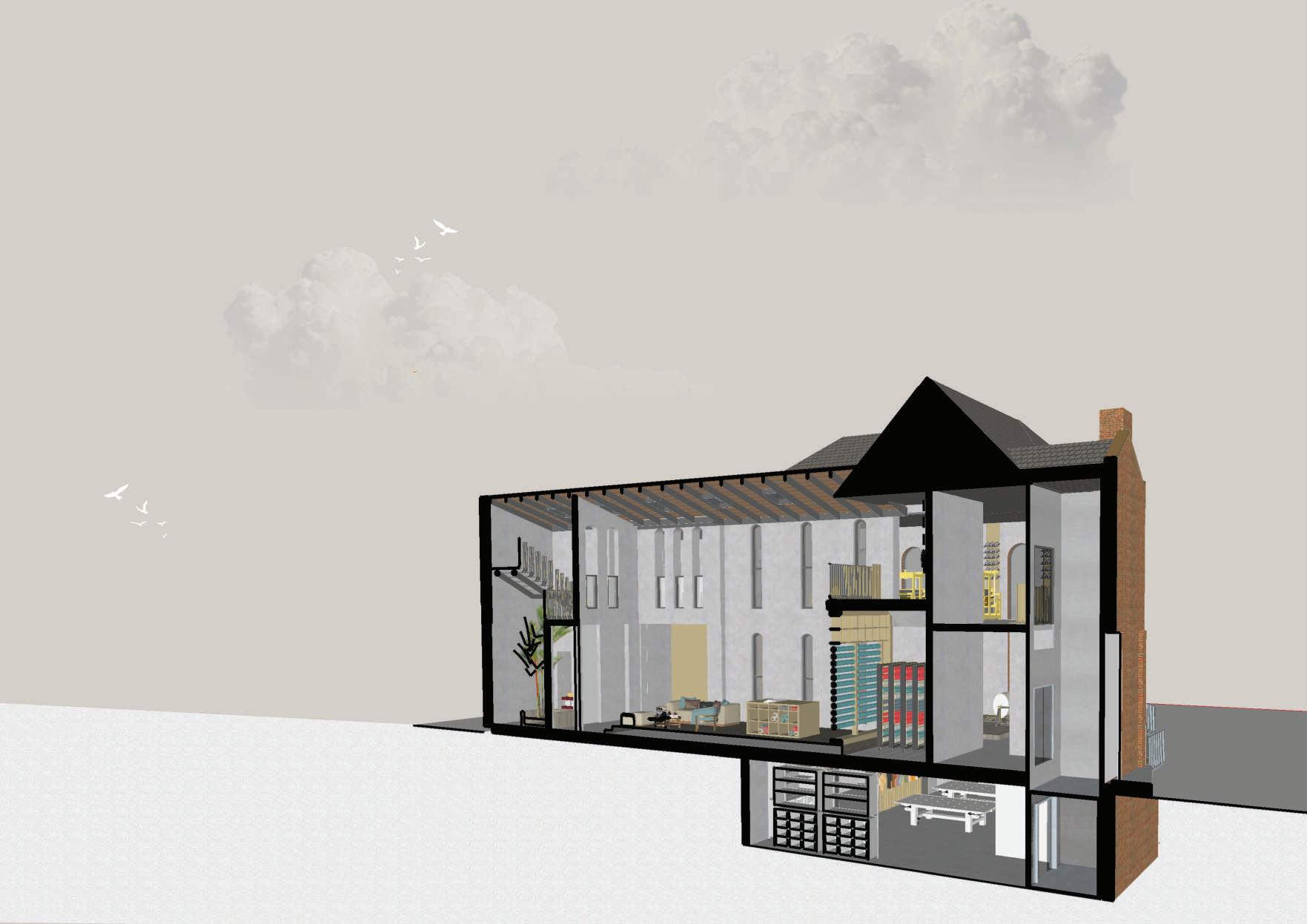
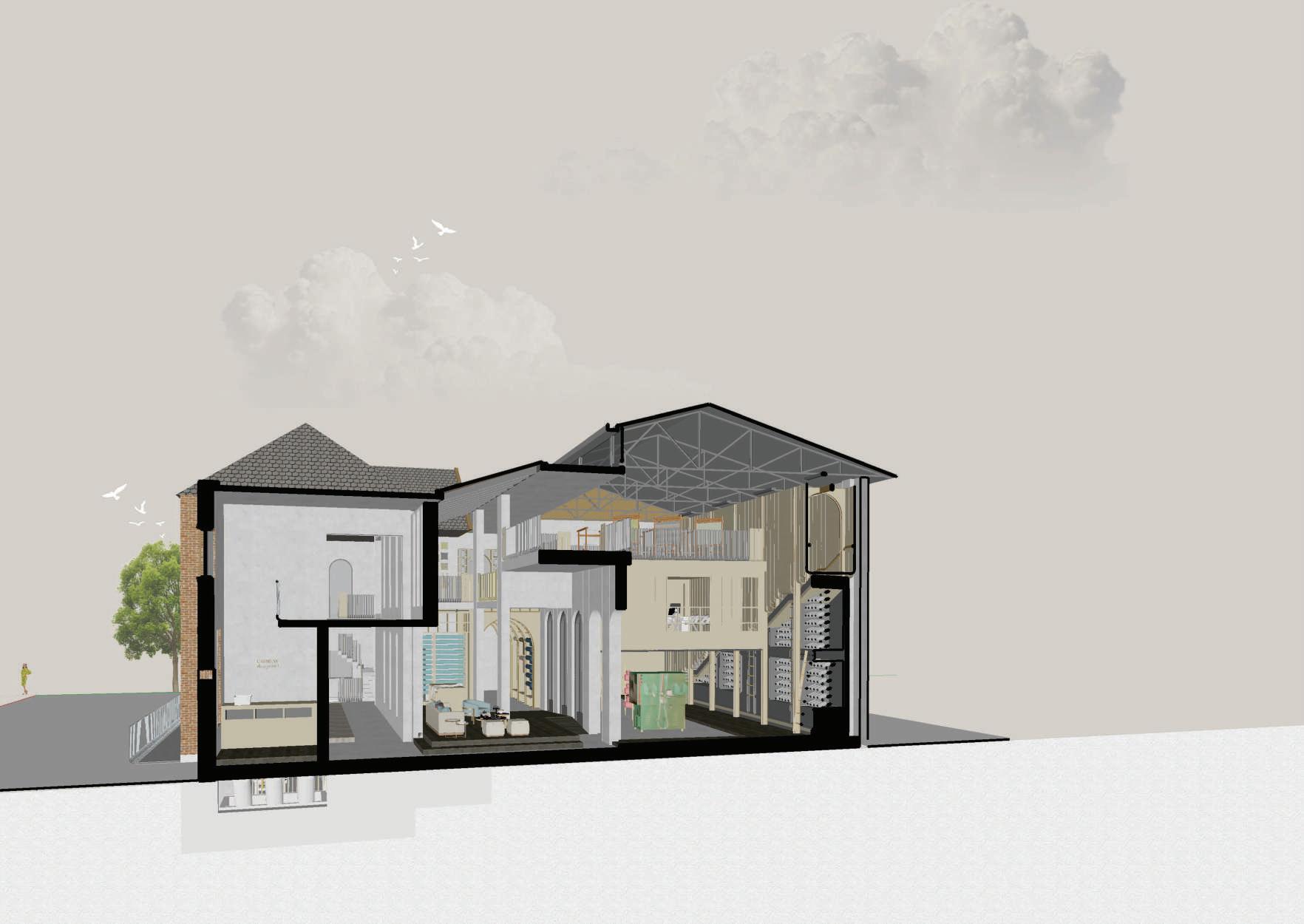
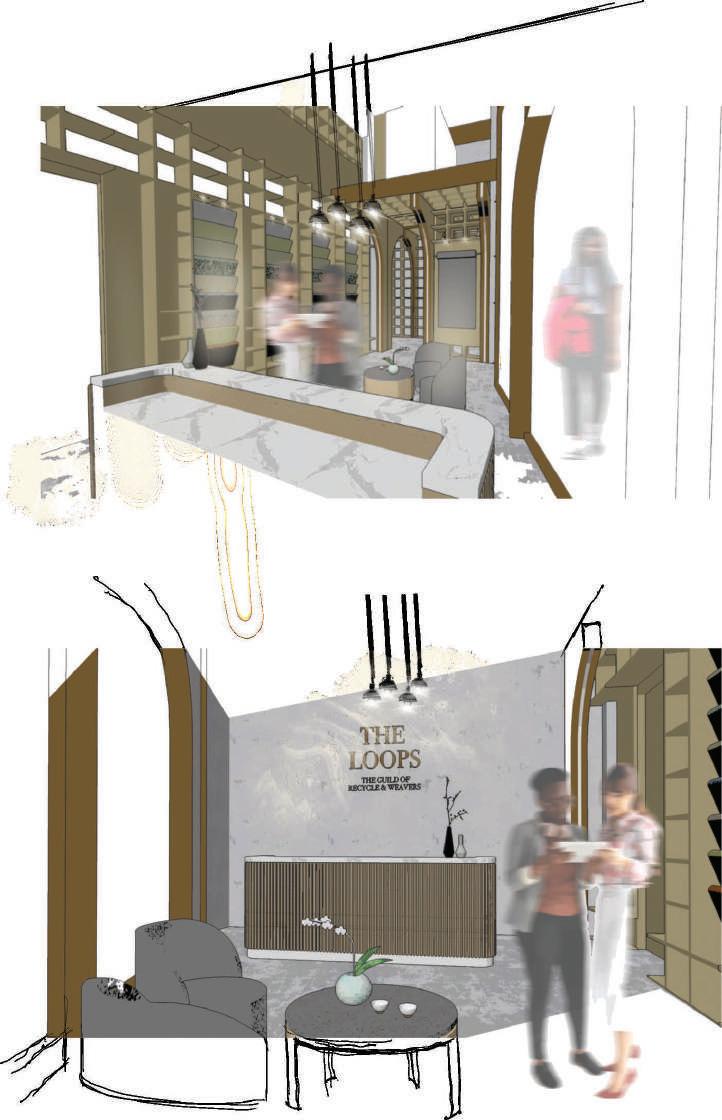
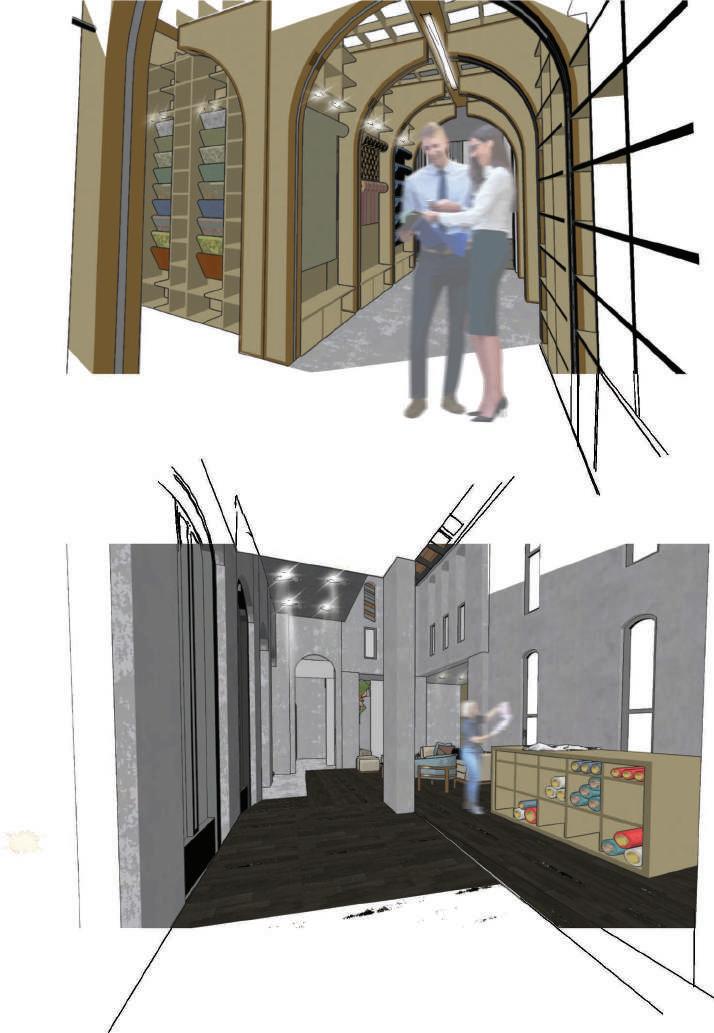
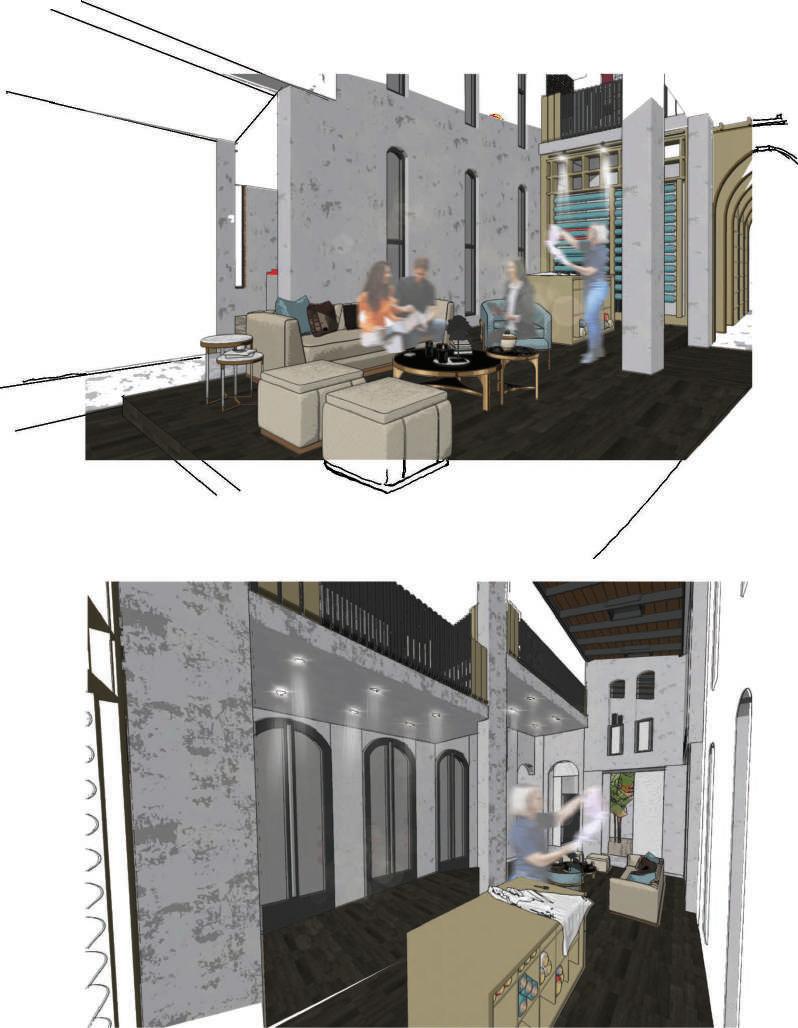
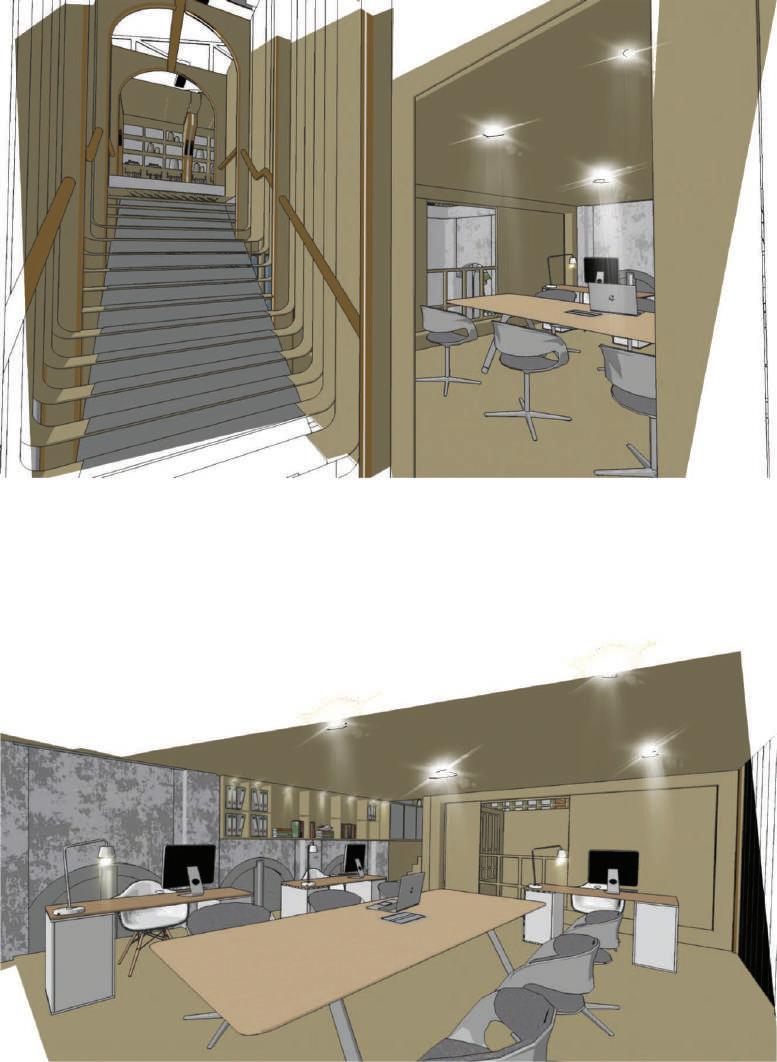
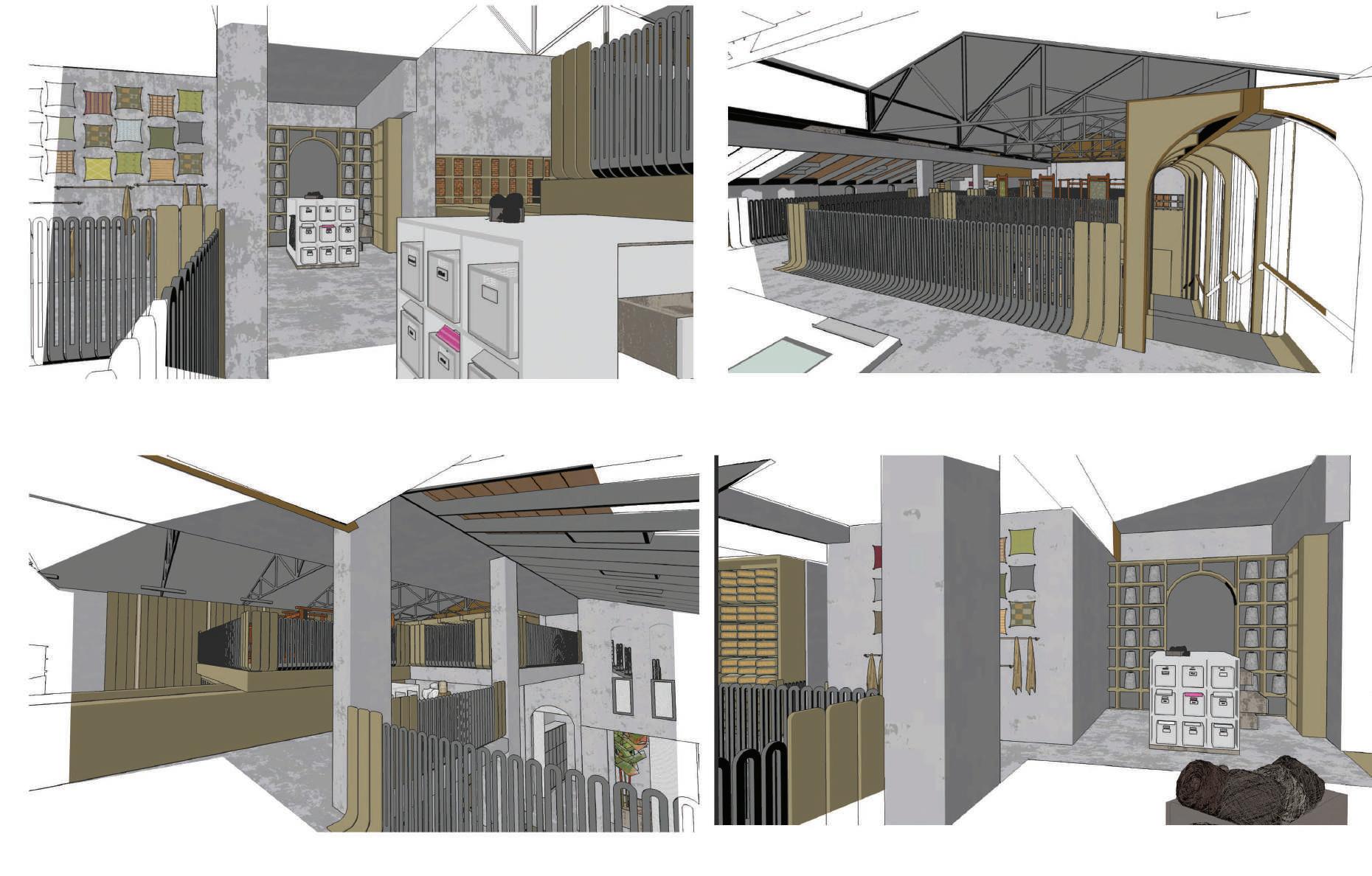
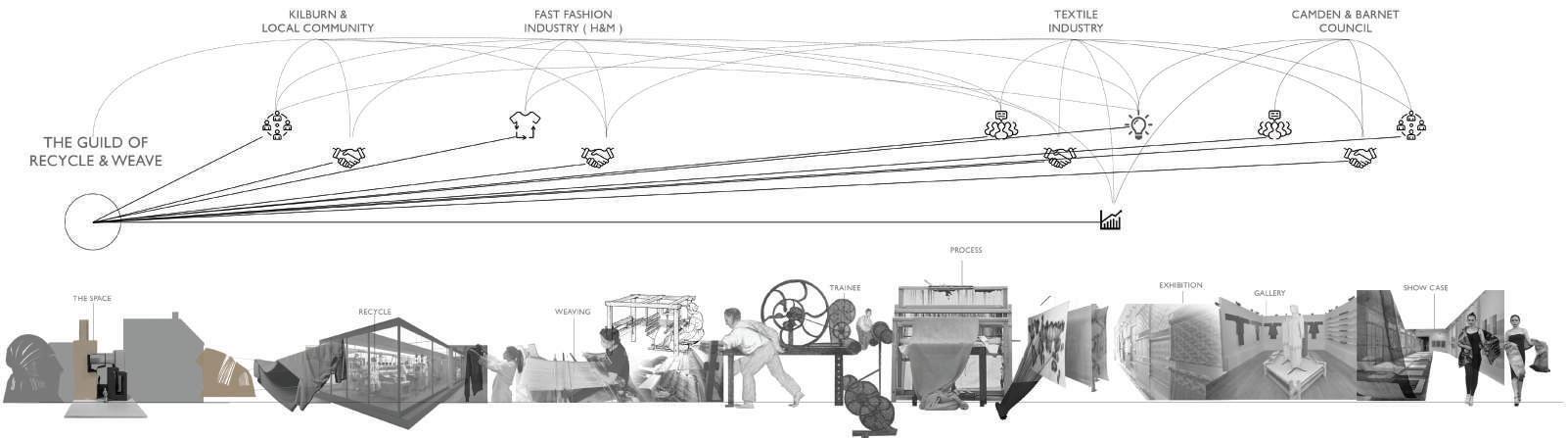
The ‘Loops’ is a guild of recycling and weaving. The combination of these two programmes creates a cycle of remaking and reusing. The primary purpose is to introduce skills & craft into the Kilburn area in collaboration with the local community. The Guild of Recyling and Weaving brings a range of new skills and knowledge to the area. With this expertise, Kilburn can benefit from the increase in knowledge value, which in turn improves the cultural capital of the locality. The scheme makes use of the building’s vernacular to respond to the demands of this new set of functions that enable and celebrate Kilburn as an ‘art city’, increasing visitor numbers, reinvigorating the area to reduce crime rates and improve the local economy.
THE LOOPs
THE GUILD OF RECYCLE & WEAVING
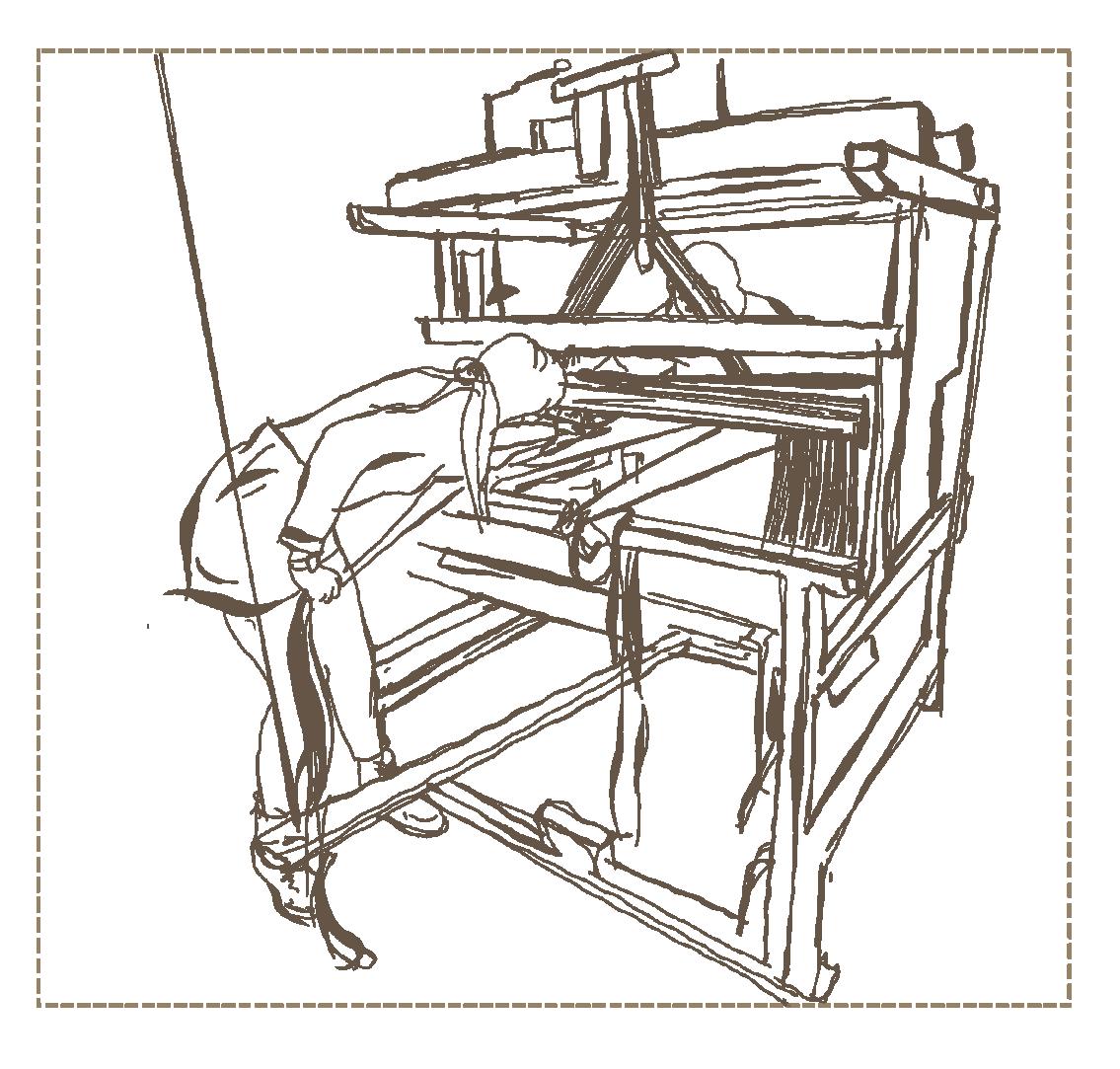
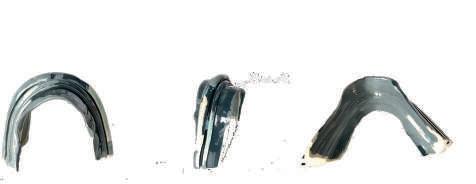
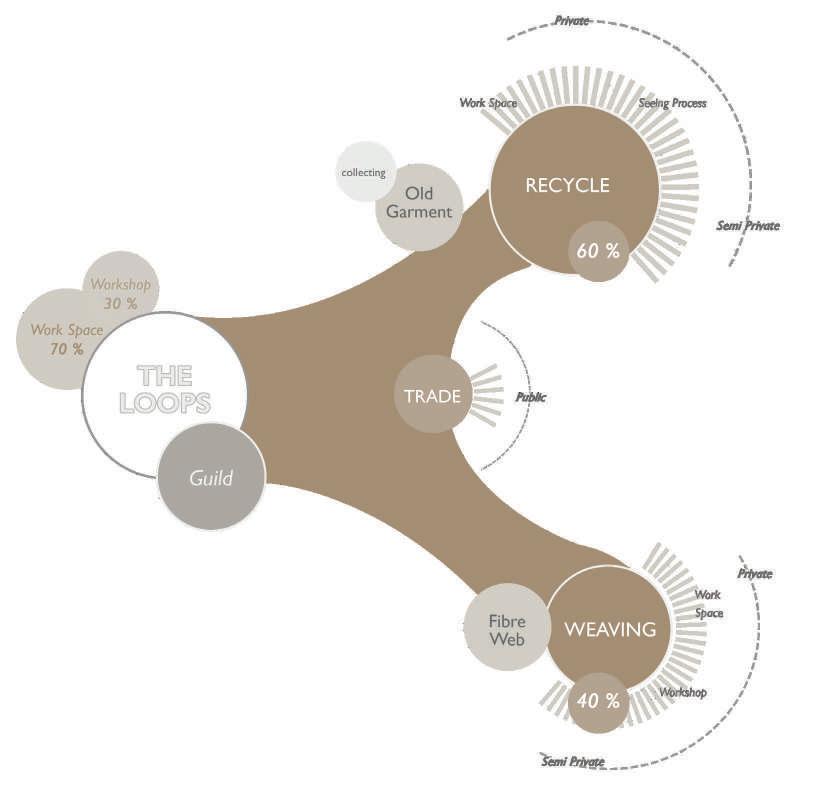
THE LOOPs, given because the process in this guild is like a cycle and also it is the same as the typologies of weaving ie looms.
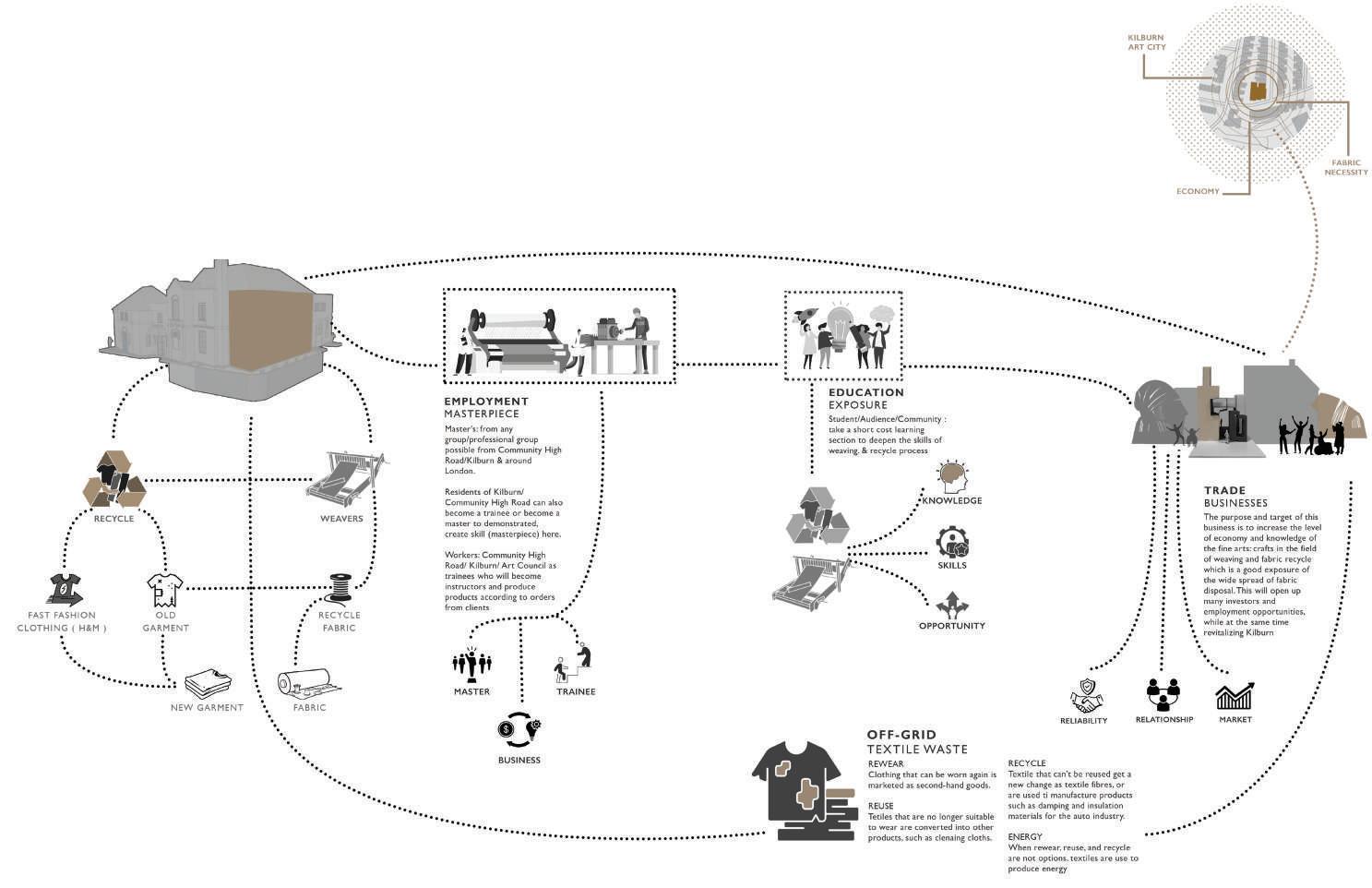
The three cores in this guild are to make Kilburn Art City such as the exposure of knowledge, skills and opportunity. Next, upgrade the economy level in the Kilburn area with employment and production opportunities, and Fabric necessity which is to return to Off-Grid (Rewear, Reuse, Recycle, Energy)
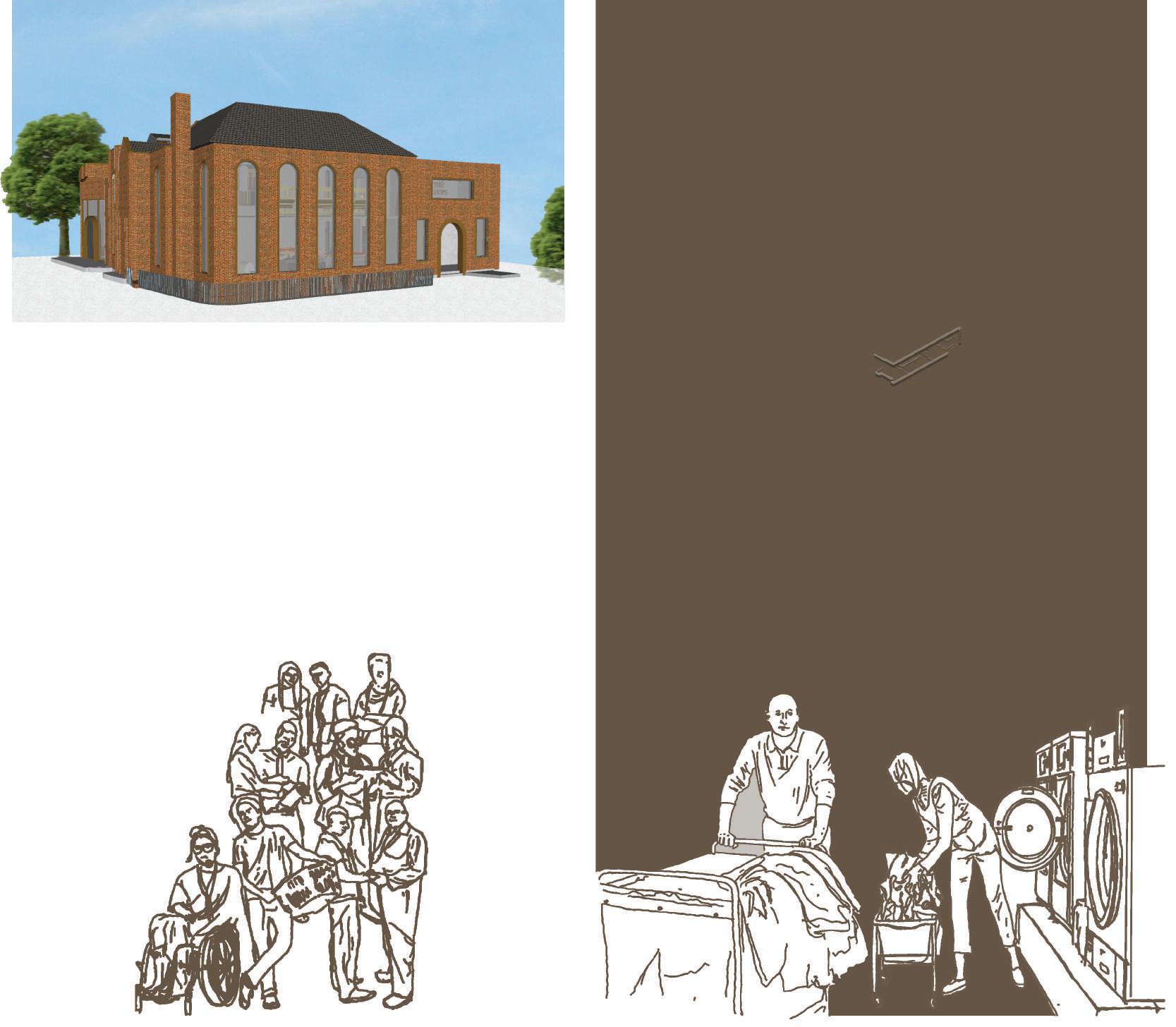
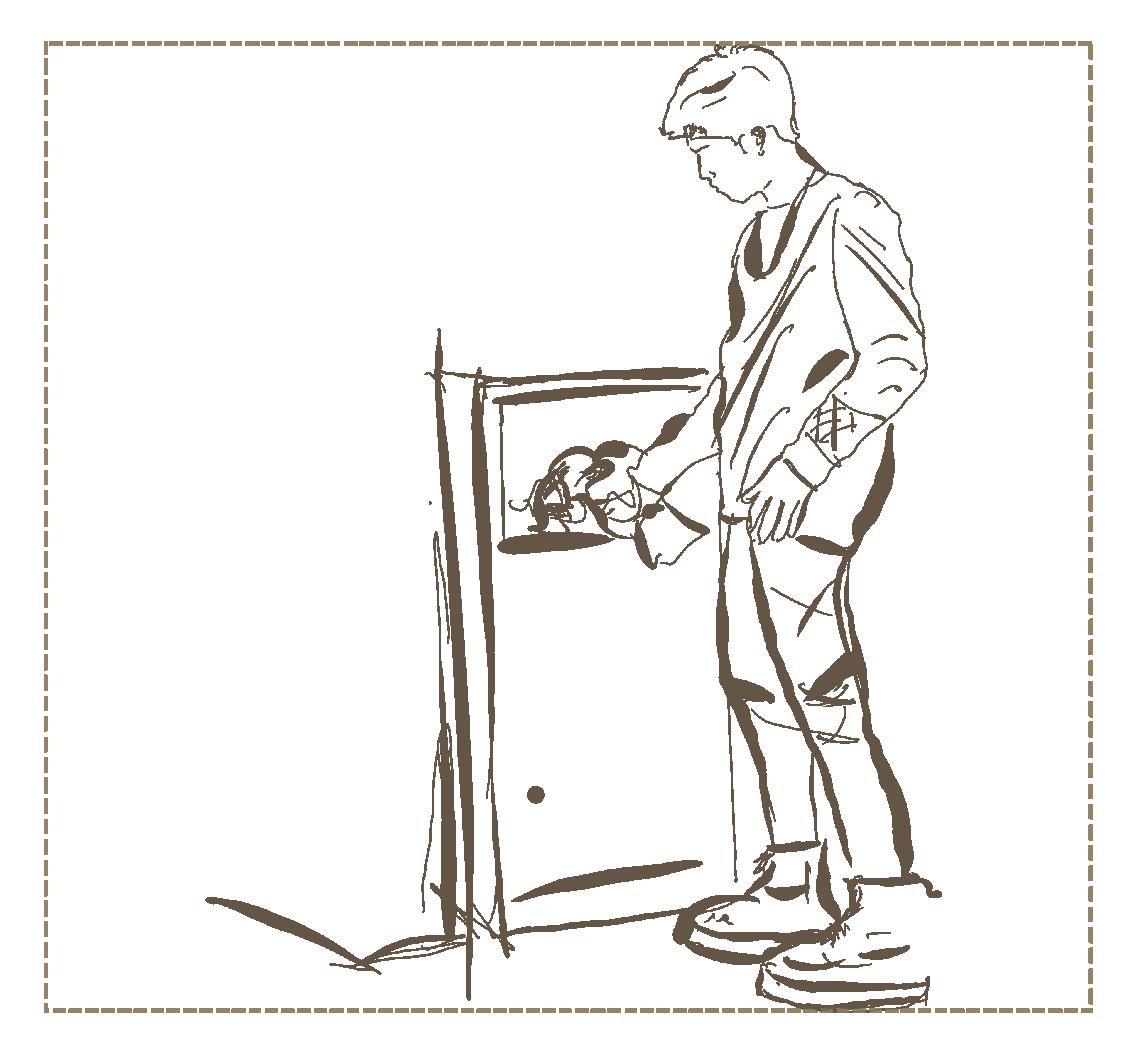
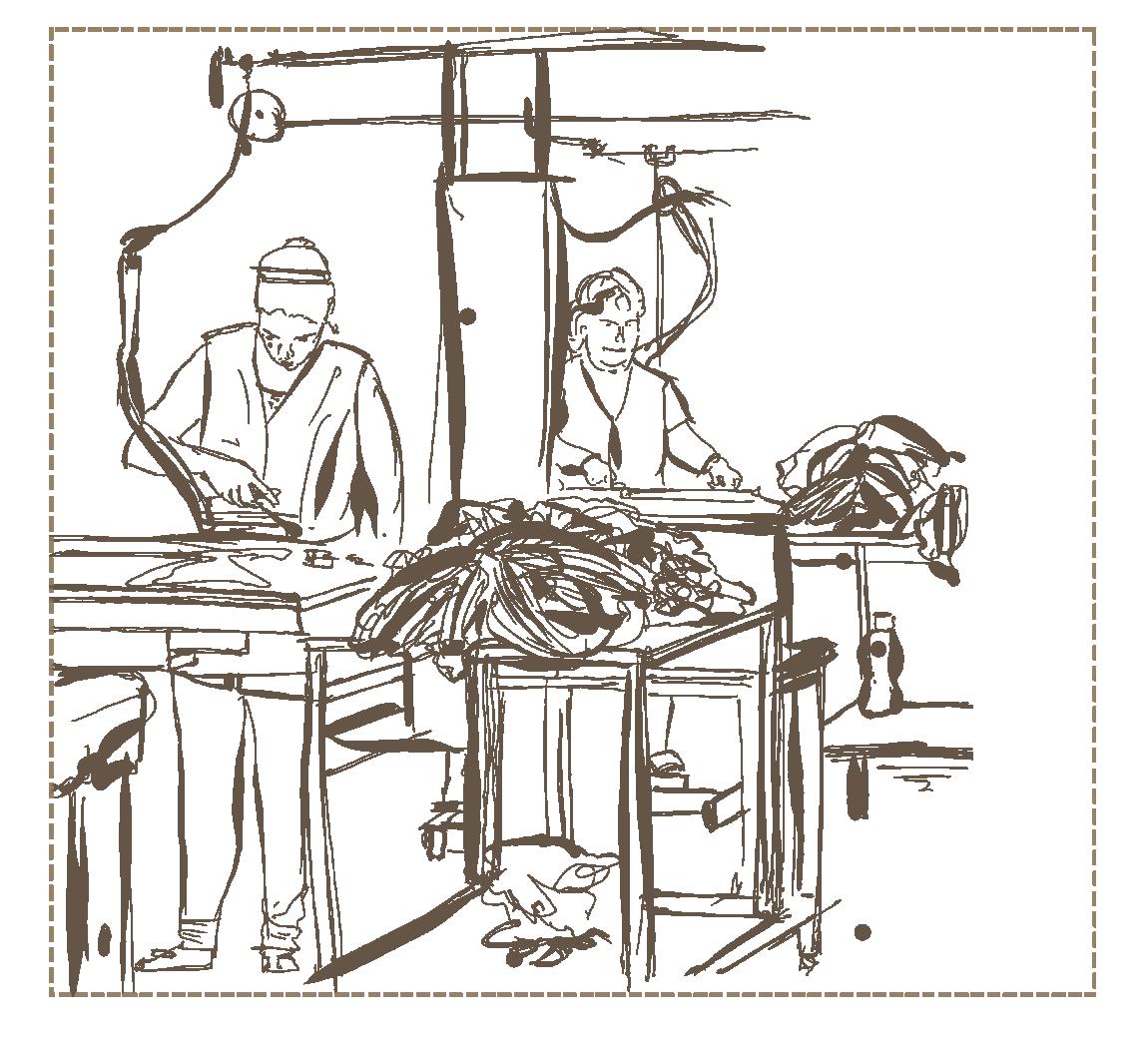
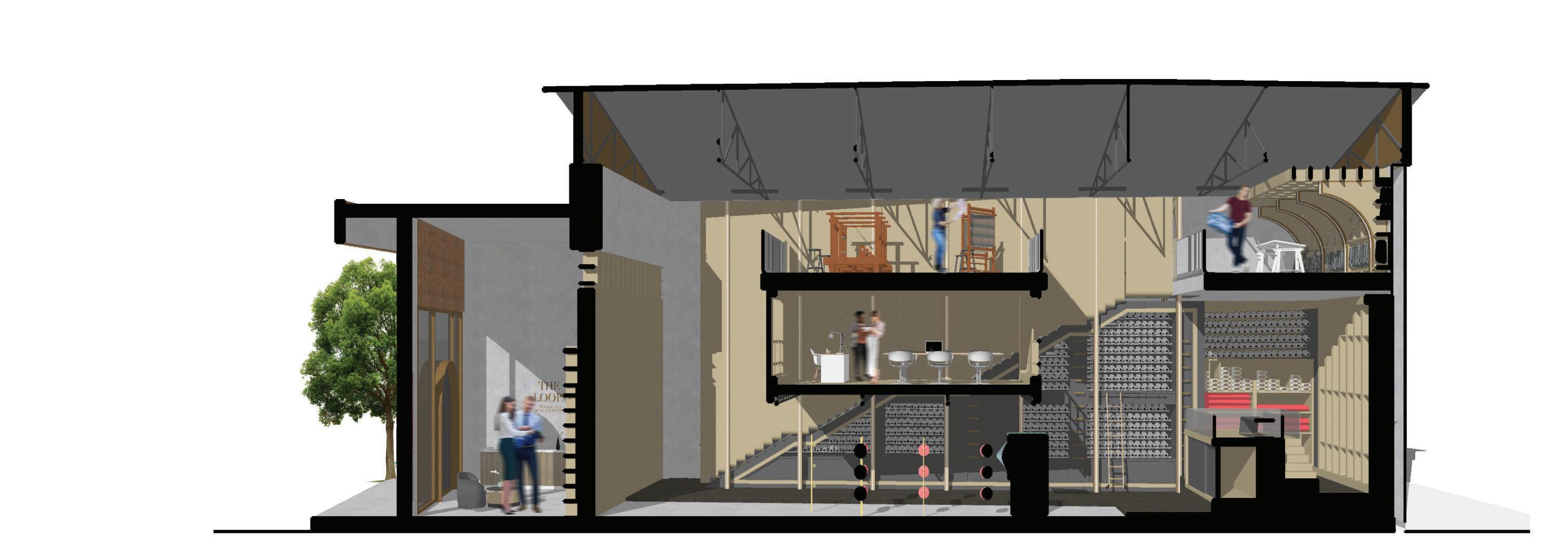
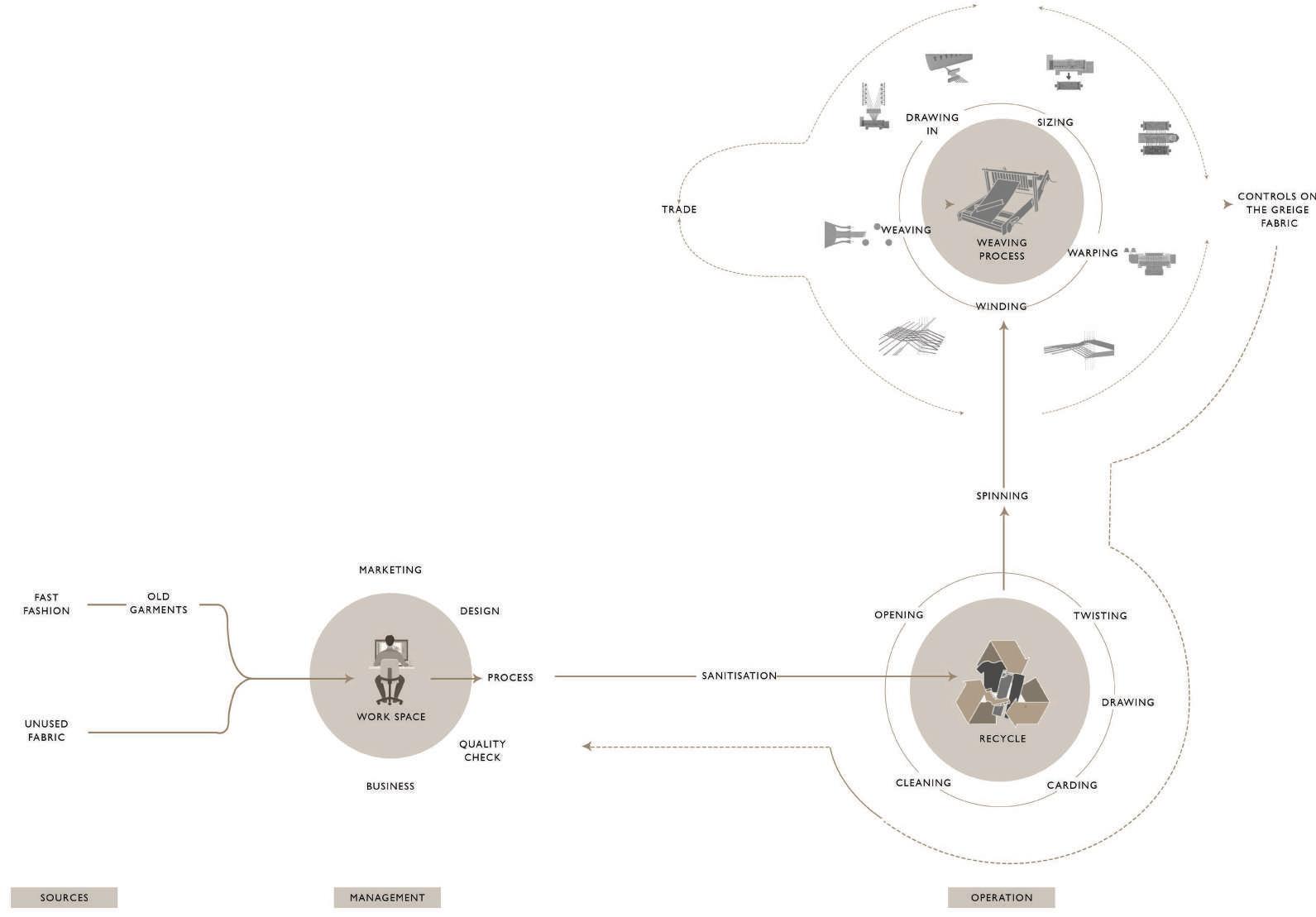
The Fast Fashion Industry (H&M) and Public send used clothes or old fabric to the drop point provided through the laundry chute and directly to the old garment collection room for the sanitation and saperate process and directly to the recycle area on the ground level.
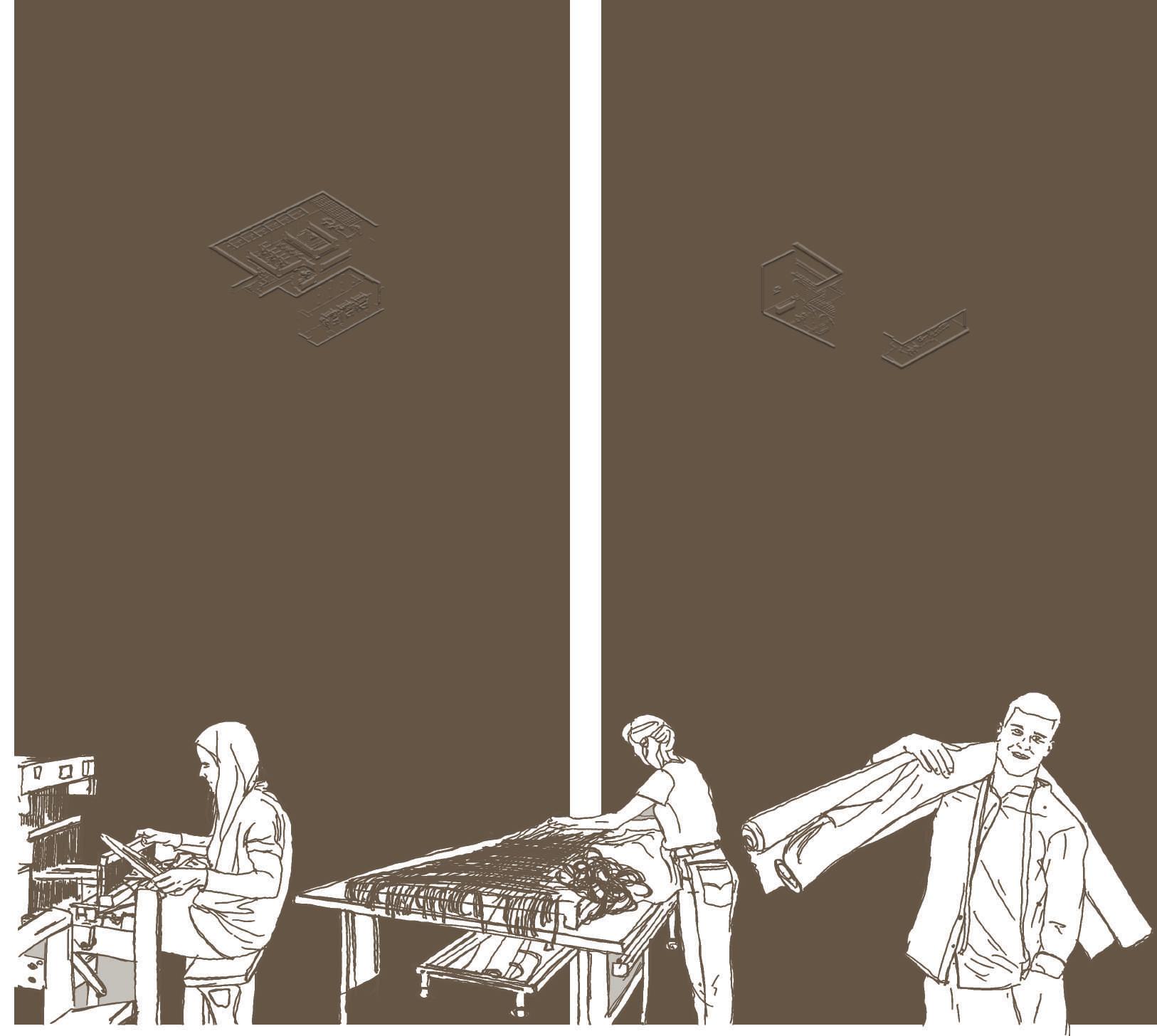
A DAY IN THE LOOPS
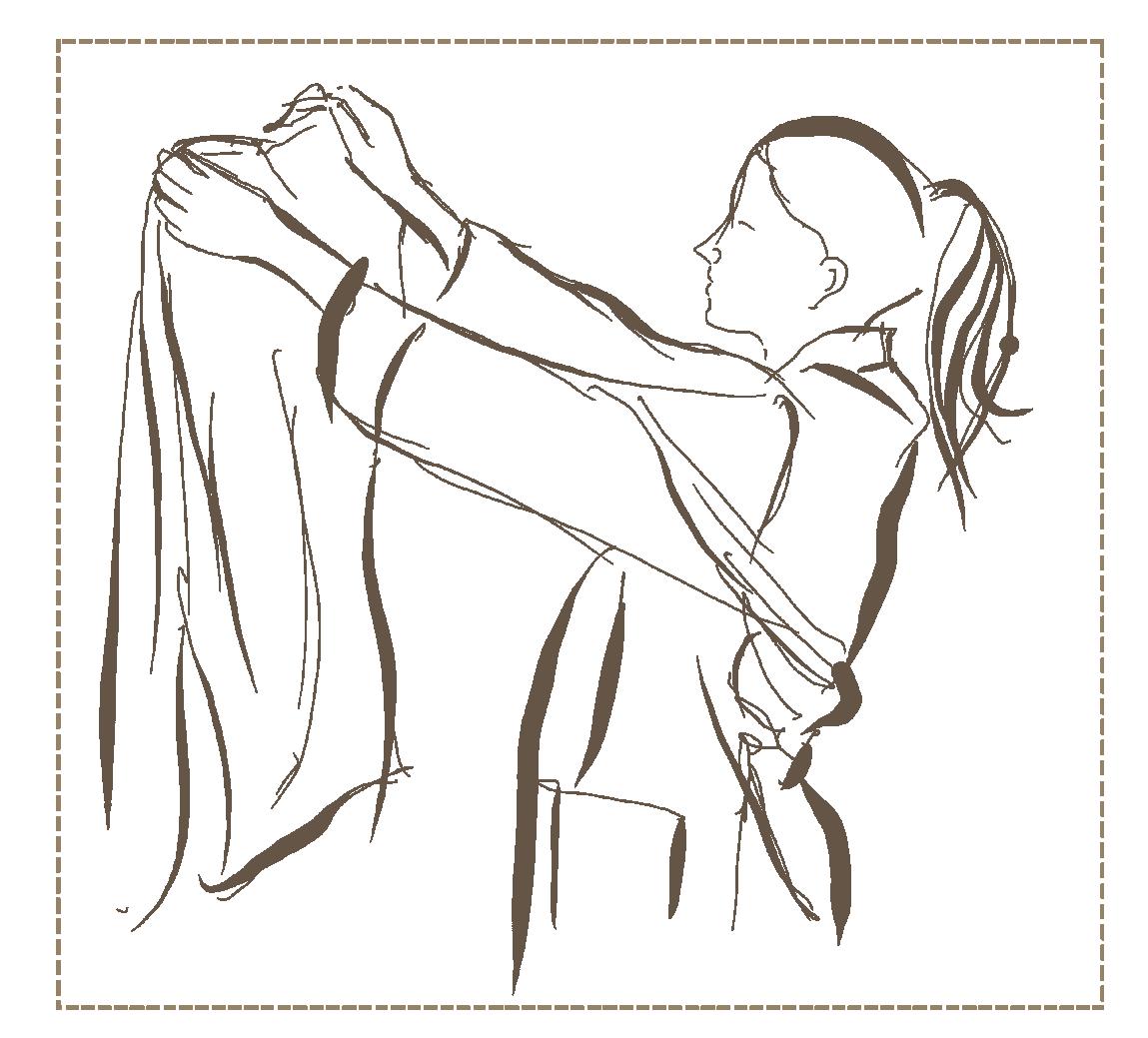
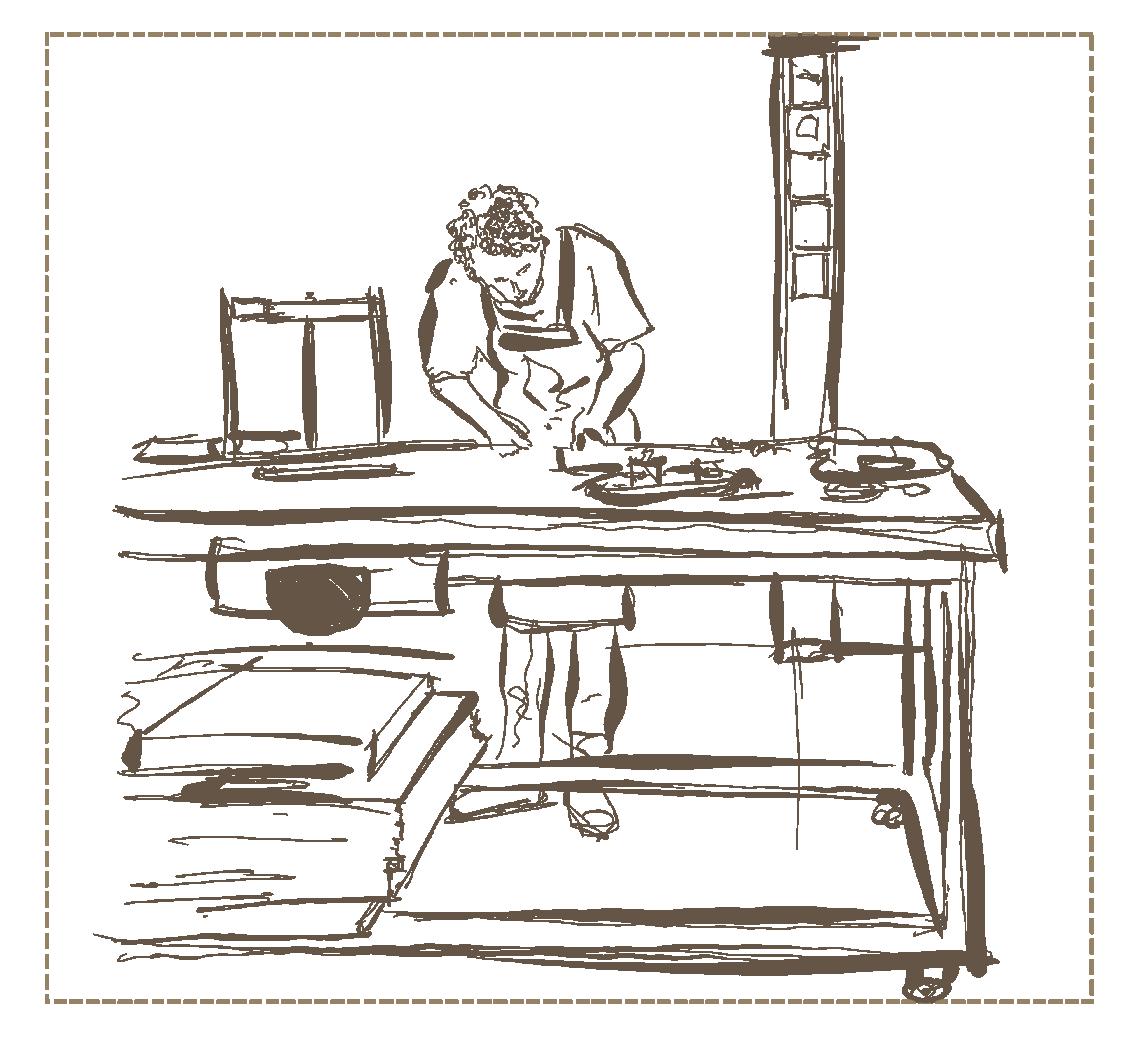
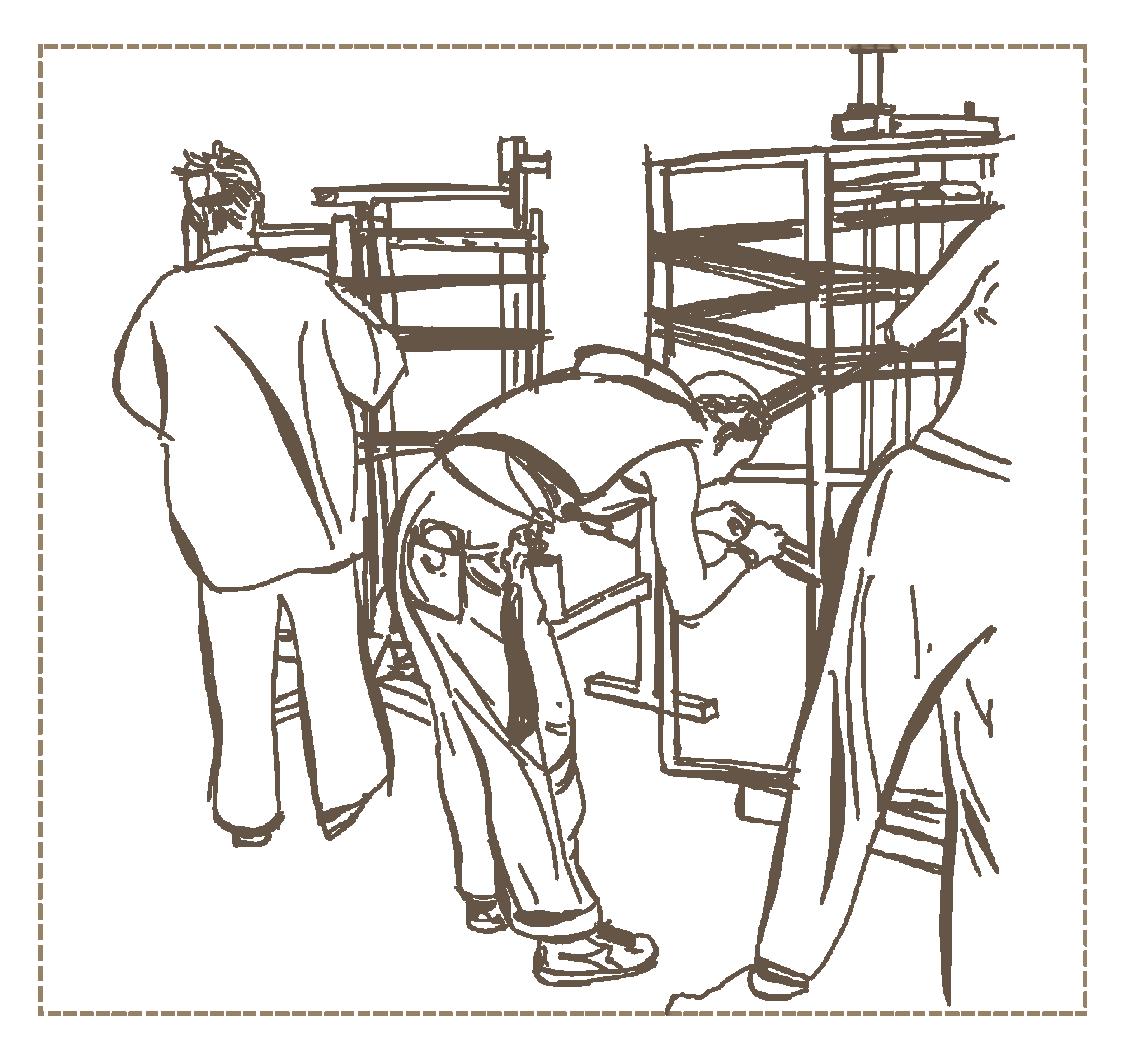
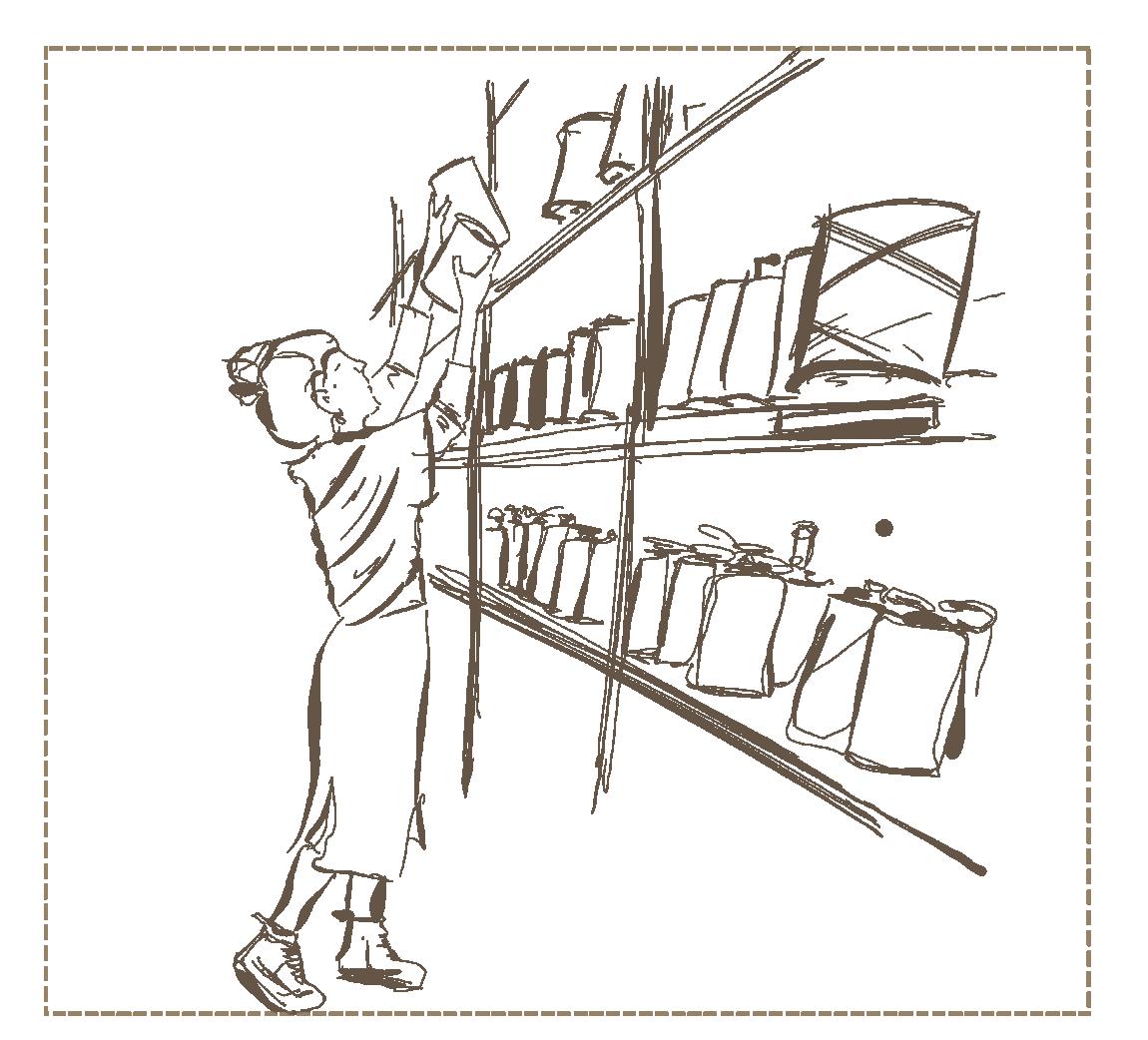
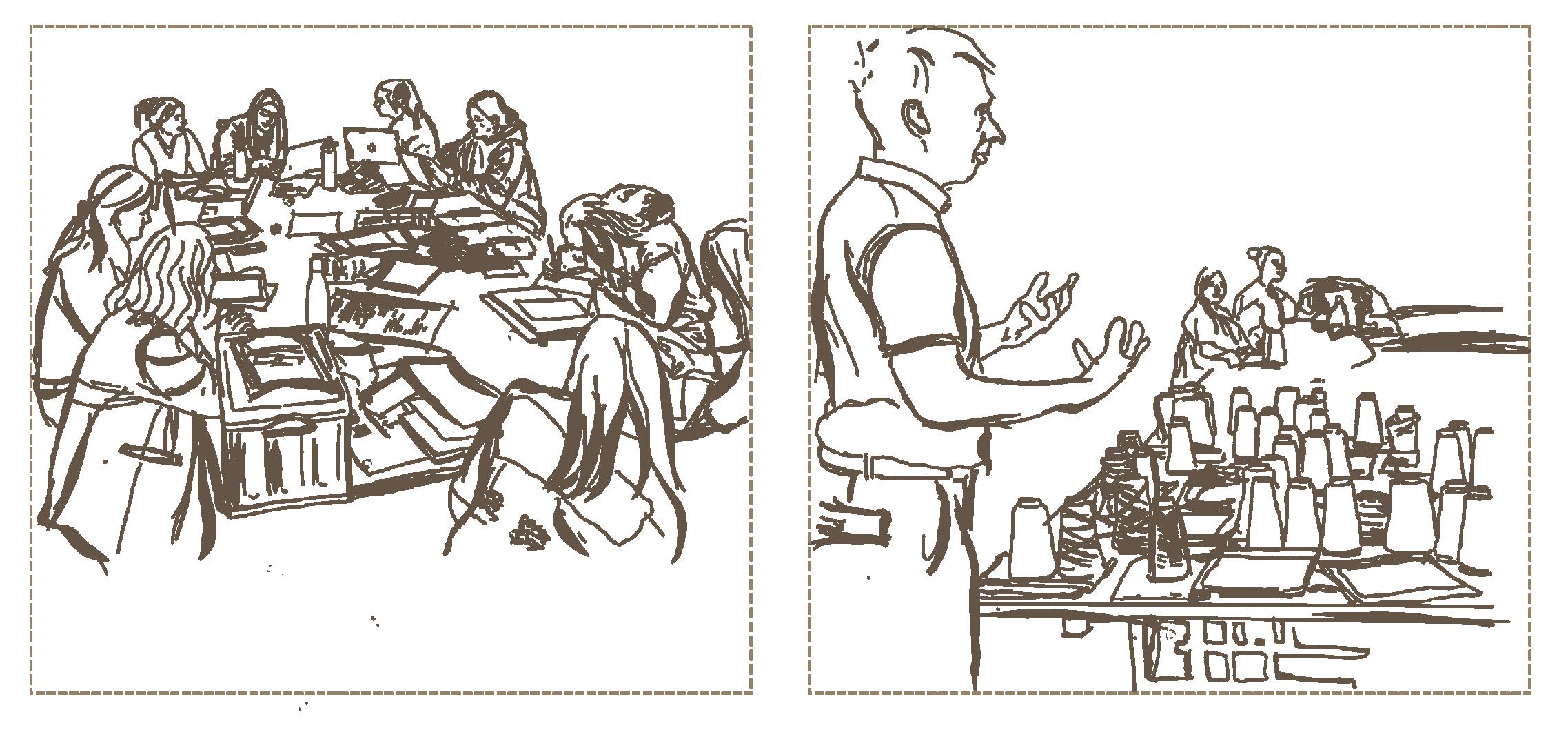
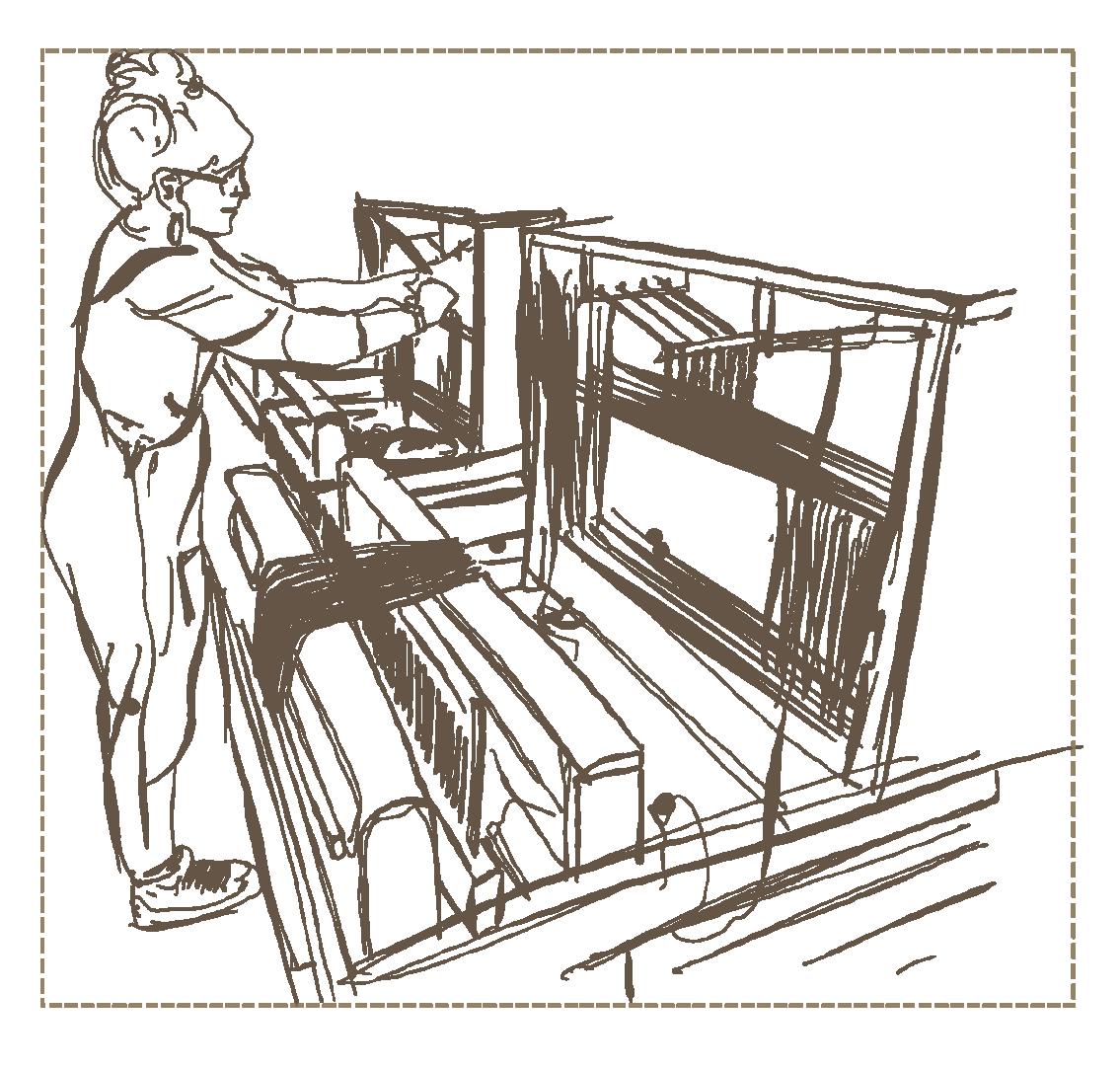
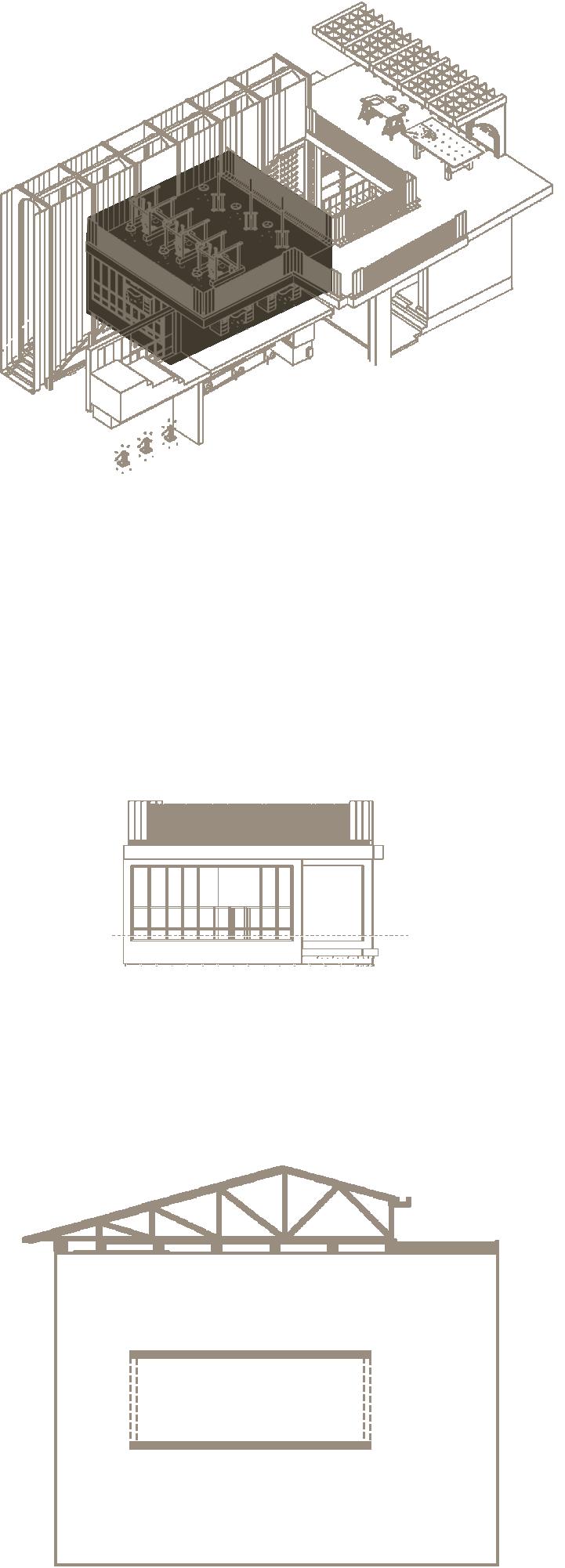
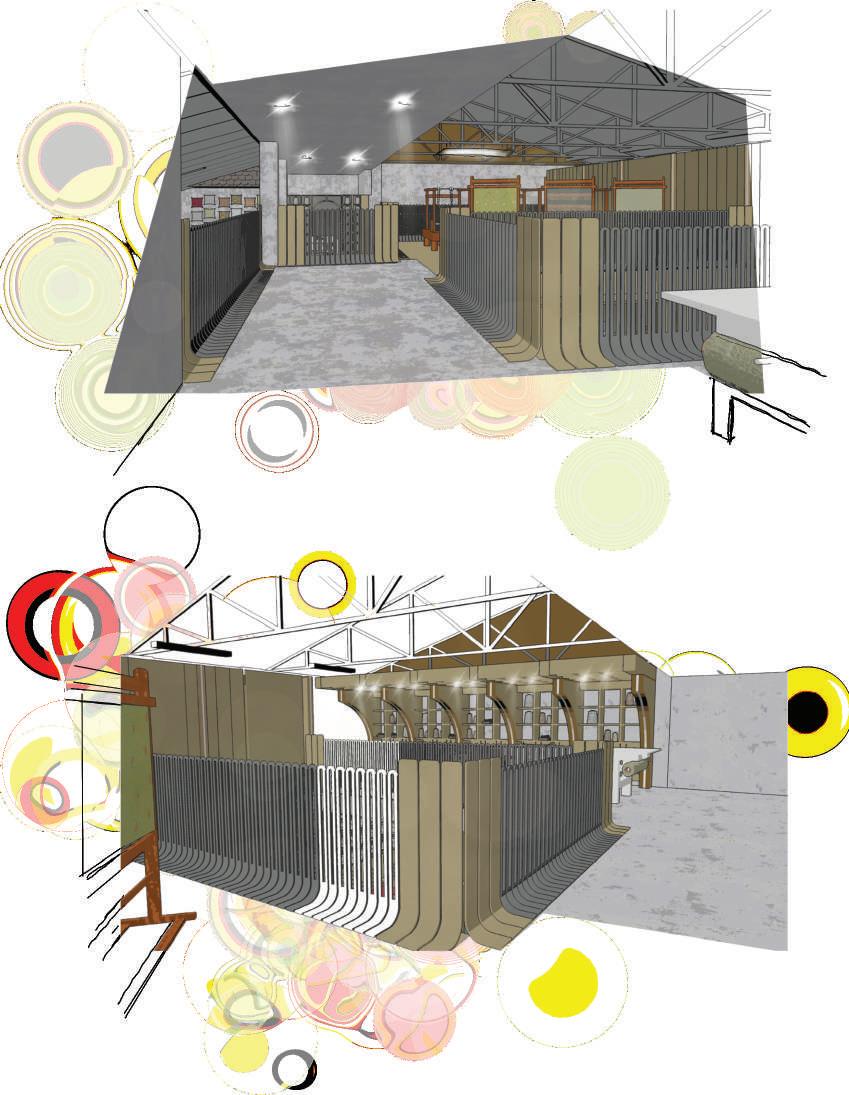
From the sanitation process, recycle directly to the spinning & winding operation to separate the yarn and process it again into a weaving fabric. There are two sections of weaving, namely commercial/trade weaving and weaving workshop & design for students and the public who want to deepen their weaving skills.
Trade the results of weaving which is from commercial weaving and also from students on a small scale while commercial weaving is sold on a large scale. It can indirectly support those involved (students/locals) in terms of interests, finances and skills.