2.Secure Your Financial Future: How Real Estate Can Create Wealth and Build the American Dream
3. NREIA Legislative Update
3. America Is Good, and I’m Lucky to Live Here
4. Capitalizing on Repairs and Maintenance
5. FinCEN Update
Joe O’Brien is a Phoenix-based real estate investor, Realtor, landlord, and mentor who built his portfolio through persistence, creativity, and a belief that real estate can completely change someone’s future. Since starting in 2001, Joe has focused on helping everyday people create wealth through ownership, cash flow, and long-term vision. He is an active member of the Arizona Real Estate Investors Association (AZREIA).
Please tell us a little about who you are and what you did before getting into real estate investing.
I’m a Phoenix-based investor, Realtor, mentor, husband, father, and entrepreneur. Before real estate, I
on Page 8
5. Is Your Business Speaking a Secret Language?
10. Is a ‘Landlord Exodus’ Reshaping the Market?
12. New Report Details State of Pet Inclusivity in Rental Housing
14. Good Properties Get Crushed by Bad Capital
Midyear Housing Market Review
By Rick Sharga
After more than three years of sluggish home sales, the housing market looked like it was gaining momentum over the last half of 2025: Affordability was improving due to moderating home prices and declining mortgage rates, and sales were up yearover-year. It felt like we were entering 2026 on an upswing.
In fact, January and February both started out strongly, until Mother Nature weighed in with unusually severe weather across the Northeast and Midwest. And March also began well, until an unexpected war with Iran caused oil prices to spike, roiling the bond markets and causing mortgage rates to rise. So, the first quarter, which showed some promise, fell flat in terms of home sales.
But as we move through the spring and into summer, there are still signs that the market may be ready to awaken from its long hibernation. Pent-up demand and changing market dynamics (along with – hopefully – a near-term resolution of the conflict in the Middle East) might be enough to propel home sales past the numbers we’ve seen in recent years. Let’s take a look at what the data says.
year ago, mortgage rates ticked up over the past month due to the impact rising oil prices had on the bond markets, and specifically on yields for 10-year U.S. treasuries, which remain near 4.5% in late May. Mortgage rates plateaued between 6.3% and 6.5% on 30-year, fixedrate loans, and mortgage purchase loan applications declined in April, even briefly dipping below 2025 levels, before rebounding in May. But recent indications suggest that prospective buyers are beginning to come back, as application volume is now about 9% higher than it was a year ago.
Pending Sales Index Improves
After starting the year by declining in January, the Pending Sales Index from the National Association of Realtors
(NAR) rose for the second consecutive month in March. After February’s index rebounded modestly, up 1.8% from the prior month, March showed similar growth, increasing by 1.5%, to a score of 73.7 – better, but still below the score of 100 that marks a healthy housing market.
On an annual basis, the index was down by 1.1%, but that decline was driven once again by an extreme fall-off in the Northeast region, which was down by more than 6.5% annually. The Midwest (-3.1%) and West (-1.7%) also reported annual declines, while the South increased by 2.3%. On the other hand, the Northeast also experienced the largest monthly gain in the index, up by 4.4%, followed by the South, which had a 3.9% improvement. The West had the
Continued on Page 15
Self-Directed IRA Rules You Should Know Before Buying Property
By Carl Fischer
Real estate investors are used to looking at numbers: Purchase price. Rent. Repairs. Debt. Cash flow. Exit value.
But when you buy real estate with a self-directed IRA, the rules matter just as much as the deal.
A self-directed IRA can hold alternative assets such as real estate, private loans, mortgage notes, private placements, and other non-publicly traded investments. For real estate investors, that can open the door to using retirement funds in ways many people do not
realize are possible.
But here is the key point: Your IRA owns the property. You do not own it personally.
That one concept drives most of the rules.
The IRA Owns the Property, Not You
If your self-directed IRA buys real estate, the asset belongs to the IRA. That means the property should not be titled in your personal name. Rental
Continued on Page 6
Joe O’Brien
Secure Your Financial Future
How Real Estate Can Create Wealth and Build the American Dream
By Rebecca McLean Executive Director, National REIA
As Executive Director of the National Real Estate Investors Association (National REIA), I am filled with profound excitement as our nation approaches its 250th birthday in 2026. This milestone is more than a celebration of independence—it is a powerful reminder of the enduring American Dream: The belief that through hard work, opportunity, and smart decisions, anyone can build a better life and a secure future for themselves and their families. At the heart of that dream lies real estate, the proven vehicle that has helped generations of Americans create lasting wealth and stability.
Real estate is not just about owning a home or rental property. It is about securing your financial future in a way few other investments can match. In an era of market volatility, inflation concerns, and economic uncertainty, real estate stands out as a tangible asset that builds equity over time, generates passive income, and appreciates in value. This was true when Benjamin Franklin was a rental-property owner in the 1770s and still is true today. Whether through single-family rentals, multifamily properties, commercial spaces, or creative strategies like private lending or seller financing, house hacking and short-term rentals, real estate empowers everyday Americans to take control of their financial destiny. It turns monthly expenses into revenue streams and provides a hedge against uncertainty that stocks and traditional savings often cannot.
This is why I am so passionate about the work we do at National REIA. For decades, our organization has been at the forefront of empowering real estate investors at every level—from beginners taking their first steps to seasoned professionals scaling large portfolios. We believe that real estate investing should be accessible, ethical, and education-driven. Through our comprehensive resources, training programs, and networking events, we help investors learn the fundamentals: How to analyze deals, navigate financing, manage properties effectively, comply with regulations, and maximize tax advantages. Our motto is simple: When investors succeed, communities thrive, and the American Dream grows stronger. We are building better communities
one home at a time.
What makes National REIA truly special is our national network of local chapters and affiliates across the country. These grassroots groups serve as vital hubs in cities and towns from coast to coast, providing in-person education, resources, and peer support. Whether you are in a bustling metropolitan area or a growing suburban market, there is likely a National REIA chapter nearby ready to welcome you. Our chapters host regular meetings, workshops, and deal-making sessions where new and experienced investors share knowledge, form partnerships, and stay ahead of market trends. They often extend this support even further, offering specialized resources tailored to specific investor needs.
In this landmark year leading to America’s 250th anniversary, we are doubling down on our mission. We are committed to helping more Americans—first-time homebuyers, aspiring landlords, and seasoned investors alike—leverage real estate to build generational wealth. Our advocacy efforts in Washington and state capitals work to protect property rights and promote sensible policies that encourage responsible investing.
We believe that when more citizens own and invest in real estate, our neighborhoods become stronger, our economy becomes more resilient, and the promise of the American Dream becomes more attainable for all.
I invite you to join us in this exciting journey. Whether you are just starting out or looking to expand your portfolio, National REIA and our chapters stand ready to support you. Together, we can secure financial futures, strengthen our communities, and honor the spirit of innovation and opportunity that has defined our nation for 250 years.
The American Dream is alive and well—and real estate is one of the most powerful tools we have to keep it thriving. Let’s build it together.
Rebecca McLean is the Executive Director of National Real Estate Investors Association.
NREIA Legislative Update
Moving the Finish Line on Federal Housing Bill
NREIA has been monitoring the progress of H.R. 6644, the 21st Century Road to Housing Act, as it winds its way through Congress. The last update detailed the bill. Recently, housing providers took some interest in the Senate-added ban on institutional investors from owning more than 350 homes (still in the bill), and a provision banning ownership of more than 350 individual units within build-to-rent (BTR) communities. That provision required such units be sold to homebuyers within 7-10 years.
The U.S. House passed an amended version of this
bill in the spring, sending it back to the Senate with the build-to-rent language removed. This came after hard lobbying on the issue by housing-provider groups. The House listened, and about 100 House members signed a letter calling for removal of the language. House Financial Services Chairman French Hill (R-AR) and Ranking Member Maxine Waters (D-CA) both expressed concern about the language and hammered out a bill that won White House approval.
In the weeks and/or months ahead, the Senate can move this bipartisan legislation to the President for signature. But the final lap may be bumpy. Senators aren’t entirely happy out being outmaneuvered by the House and had banked on direct support from Trump for their version of the bill — including the build-torent language — to jam the House into accepting their package.
The House-Senate tension isn’t the only challenge the housing industry faces. At the moment, Senate Republicans are frustrated with President Trump. Between mixed signals, insistence on passing legislation many Senators oppose, and the defeat of two incumbent members by Trump-endorsed candidates in primaries in Louisiana and Texas, Senate Republicans have little trust in or good will toward the White House. They are
in no hurry to give Trump a bipartisan achievement on housing. Nevertheless, expect final passage of the 21st Century Road to Housing Act within the next two months.
250 Years Ago This Quarter
July 4, 1776 — Congress adopts the Declaration of Independence.
August 27, 1776 — British win the Battle of Brooklyn and gain control of a valuable port. Washington retreats to Manhattan, saving his army.
September 15, 1776 — British occupy Manhattan.
September 16, 1776 — Americans win the Battle of Harlem Heights, boosting morale, but ultimately they would retreat to New Jersey.
September 22, 1776 — British execute Nathan Hale, a Continental soldier, for spying. His last words: “I only regret that I have but one life to lose for my country.”
America Is Good, and I’m Lucky to Live Here
By Kevin Coughlin
America’s 250th birthday is upon us, and with your indulgence, I’m going to use this space to share my appreciation for this amazing republic and my optimism for its future.
In the grand scheme of history, 250 years is nothing. It’s scarcely a long weekend by the measure of Rome or Athens. But what we’ve done with those two-and-ahalf centuries is nothing short of astonishing. We went from a handful of men writing revolutionary letters to King George to becoming the richest, most powerful, and most inventive society the world has ever seen. And we did it while arguing the whole time.
Start with the founding itself. The words set down on the parchment of the Declaration of Independence established a new nation on a previously unheard-of premise: That all men are endowed by their Creator with natural rights—not by governments or rulers. These natural rights—life, liberty, and the pursuit of happiness—are essential for humankind to flourish.
Then we had the audacity to defeat the British Empire, the superpower of its day, and follow that up by inventing the Constitution. Our Founders had two main imperatives when designing our new government: 1) Don’t let anyone get too much power, and 2) Prevent the majority from trampling the minority. Their final product was a masterpiece of political wisdom—a system of checks, balances, and federalism that has endured for more than two centuries.
What followed was a period of dynamic growth never seen before. We expanded westward. The ancient curse of slavery — which America did not invent but which she resolved in blood and fire — was ended forever on this continent. We unleashed the innovation and entrepreneurship of our people by ending government chartering of businesses. We industrialized, electrified, motorized, and computerized the world. America faced down tyranny and fascism in Europe twice, put men on the moon, and buried Soviet communism, freeing Eastern Europe from decades of darkness. Sure, 2026 America has problems. Our government spends more money than it takes in and has neither a plan nor the will to stop. Social Security and Medicare are heading toward a cliff. Our large cities are badly governed. China is emerging as a true rival—smarter and economically stronger than the former Soviet Union. And K-12 education in some places is dismal. But America has always had challenges. Pick any year in our history and you will find problems to be solved, panic, scandal, and predictions of imminent collapse. Yet here we are at 250—richer, freer, and more American than ever.
After all this time, the constitutional system our Founders created still affords more rights and freedoms
to its citizens than any other place on the planet. America’s institutions have shown remarkable resilience, surviving wars, scandals, pandemics, impeachments, financial crises, market collapses, and bad leaders. Americans are freer than at any time in history, and the restorative powers of our constitutional order make that unlikely to change.
The standard of living in 2026 America? It’s obscenely good, economist and George Mason University professor Don Boudreaux once detailed how much better the present-day American lives compared to John D. Rockefeller in 1916—the year he became the world’s first billionaire. Today’s ease of travel, HVAC, package delivery, entertainment options, communications, automobiles, cuisine, technology, medicine, basic health care, and dramatically lower rates of maternal and child mortality were out of reach in 1916, even for the mighty Rockefeller. Yet the ordinary American of 2026 enjoys all this and more. Largely speaking, we have the same access to these things as Elon Musk and Bill Gates—private jets excluded.
Compared to citizens of other Western countries, Americans are living quite well. Alabama’s median family income is nearly 25% higher than the median family income in the United Kingdom, and Alabama families enjoy a much lower cost of living than their UK counterparts. American household income is 38% higher than that in Canada.
Our economy is the envy of the world, with incredible staying power even in the face of global turmoil. Natural disasters, wars, pandemics, and market crashes have routinely been brushed aside by America’s modern economy, which dwarfs the combined economies of all European Union nations.
We have the highest concentration of top-ranked universities, the best scientists and engineers, the most Nobel Laureates, and loads of highly skilled tradesmen.
America has abundant natural resources, energy dominance, plenty of land, and fresh water. No rival nation can squeeze our energy supply and force blackouts or heat-free winters.
In 1838, Abraham Lincoln said that no foreign army could, by force, take a drink from the Ohio River. That remains true today, thanks to the most effective, efficient, and feared fighting force in the world.
But the real miracle of this country is its people. One cannot truly love America without also loving Americans. We are extraordinary.
Americans give more charity than anyone. We’re inventive and entrepreneurial, holding more than 3.5 million patents—more than any other country except China. (That deserves an asterisk: China incentivizes patent filings with subsidies, prioritizing volume over quality. In other words, most of China’s patents are garbage.)
We are the most enterprising people in the world, leading all nations in business starts. Four of the top five cities for startups are in the United States. Ninety-nine percent of all U.S. businesses are small-to-medium enterprises, meaning the little guy still dreams big in this country.
Although the percentage of Americans who say faith is an important part of their lives has fallen to just under half, there are encouraging signs that young people are returning to faith in growing numbers.
Yeah, the media and online algorithms love to highlight Americans behaving badly. One would think we are a country of airplane brawlers and pot-addled losers. But the numbers say otherwise. According to Gallup, only 15% of U.S. adults smoke marijuana, and only 9% use it regularly. Only 3% of American adults have been to prison, and only 8% have felony convictions. A mere 14% have misdemeanor convictions.
Finally, Americans are opinionated and argue loudly. Even before the Founders put pen to paper in 1776, they were arguing—and we’ve been doing it ever since. Political disagreements can almost always be overcome. We are bound by one purpose: Chasing that bright horizon called the American Dream. For most of us, the dream is modest but attainable: Get an education or training, work hard, follow the rules and be able to afford a decent living, to raise a family, to live in a comfortable house in a safe neighborhood, and leave a better future for our kids.
Each of us gets a chance at that dream, thanks to the happy circumstance of being born or naturalized in the United States of America. America is good. And I am damn lucky to live here.
Our pursuit of happiness—as the Founders envisioned it, guided and protected by the resilient constitutional order they crafted—propels us forward into the next 250 years. For in the hearts of our people—in our courage, our decency, and our restless spirit of invention—lies the promise that America’s best days are still to come.
So on America’s birthday, I offer a short phrase that we often take for granted. It is an aspiration—a short prayer asking for divine protection and guidance for this country we love so much: God Bless America.
Kevin Coughlin is a public affairs consultant for National REIA.
Published quarterly for chapters, associated real estate investor associations, their members and guests.
Editor Brad Beckett brad@nationalreia.org
For inquiries regarding Membership, Legislative, REIA organization information or to become a industry partner, call National REIA toll free at 888-762-7342
Fax: 859-422-4916
Hours of operation: 9:00a.m. to 6:00p.m. Eastern time zone
Find us online at: info@nationalreia.org www.NationalREIA.org
RE Journal is published by Rental Housing Journal, LLC, publishers of Rental Housing Journal www.rentalhousingjournal.com
Capitalizing on Repairs and Maintenance
By M. Jane Garvey
One of the least recognized opportunities in real estate is the call for maintenance or repairs. Most housing providers dread it. It usually means getting our hands dirty, working with contractors, and spending money. It is among the main reasons people say they don’t want to invest in rentals – “tenants, trash and toilets.”
What if repair and maintenance calls could be used to build respect, referrals, lasting loyalty and minimize turnover? They are truly a great opportunity if recognized and handled as such.
To take advantage of this opportunity we need to put ourselves in the resident’s shoes. How would you want to be treated if you were renting and had a problem? What would be important to you?
Responsiveness – As a resident I want to make one call, one text, one email, or one online portal notice and have it start a transparent process. If the problem is an emergency, I want to have a way to reach someone who will treat it as such. If possible, having a friendly, knowledgeable human who can take the call, triage the problem, and then let the resident know what to expect would be ideal. In today’s world of unreachable humans, this would make your operation a standout success.
ing repairs. By doing so, we can get ahead of issues, show concern for the property, and keep things running smoothly. This saves money in the long run and bolsters the image of a concerned housing provider. You may need to have a discussion with your maintenance team to shift their perspective.
Publisher John Triplett john@rentalhousingjournal.com
Editor Linda Wienandt linda@rentalhousingjournal.com
Associate Editor Diane Porter
Advertising Manager Terry Hokenson terry@rentalhousingjournal.com
Flexibility – Most of our residents have jobs and other obligations. Flexibility of how and when the service is handled is important. Should the resident need to take off work to wait for the maintenance worker? If they want to, great. If not, can you or your maintenance staff handle it without them being there, or at least work around their schedule? Give them choices. They are already inconvenienced by having some of what they are paying for not working. Make it as easy as possible to get it fixed.
Friendly – Make sure that you and your staff are treating your residents with respect. You can be a wonderful owner, but if your maintenance staff is surly, rude, disrespectful, or anything but friendly and professional you will not get the same results.
Quality – The repairs need to provide a true solution. Cosmetic coverups, temporary patches, and similar “solutions” will not serve you. If they are needed to provide relief while parts come in, make sure the resident is aware that is what is going on. Let them know what is needed, and what steps are being taken to make that happen.
Care and Concern – If I were the resident, I would want it to be evident that all involved in the process want to make things right. I want to see and hear concern that the repairs are being made. I want them to acknowledge that this is an issue for me that I should not be having to deal with. When it is not a problem I caused, I don’t want people being annoyed with me. If I did cause the problem, I want them to let me know what I need to do differently so that I don’t cause it to recur.
Attention to Details – The best maintenance people I have, keep their eyes open for other issues when they are mak-
Communication – You can do everything perfectly, but without the communication piece it will all fall flat. We are living in a world where communication is easy. A text to let someone know that the parts have been ordered and when they are expected to arrive will let them know progress is being made. Checking in with them about schedules, and other concerns is important. If they are having to reach out to you after the initial call, you are falling short on this piece.
Follow-up – After the repairs are made, check in with your resident to make sure they do not have further issues, and that everything went smoothly.
All of these things in combination will make your service stand out. It is a key to long-term success. The right attitude about repairs as an opportunity will make the calls easier to take.
Once again, put yourself in the resident’s shoes. What would you do if the housing provider didn’t treat your maintenance requests as a priority? I would:
• Stop reporting minor issues. If I reported something that needed repairs and no one dealt with them, I would probably live with it while becoming increasingly irritated.
• When the time came for a renewal, I would look for a new place to live.
• If it was a major problem, I would make follow-up calls, and document them.
• Start using legal means to make the repair – i.e. repair and deduct statutes
• Adopt alternate solutions where possible
What would you do if the housing provider went above and beyond in taking care of your calls for repairs, provided maintenance on a regular basis, and even asked if there were things you were aware of that needed work? As a resident I would:
• Work harder to keep things clean and in good repair
• Stay longer since I have found a housing provider who cares
• Ask what other units they have available when I need to move
• Refer my friends
• Reach out about minor problems that could become major
• Alert my housing provider of potential problems around the property
• When possible, give great reviews on websites or social media Every time the phone rings with a resident seeking a repair, the opportunity is there for relationship building. Even though you will have an expense for parts and labor, you will have the longterm benefits that come with happy residents: Residents who stay, referrals of new residents, great reviews, less work needed during turnovers since maintenance issues are dealt with as they happen, and fewer (if any) complaints about rent increases because residents are getting what they are paying for. In addition, when you do have an issue where something doesn’t go as intended, you are more likely to have an understanding, flexible resident to work with. This is truly a win-win for treating others as you would like them to treat you.
Jane Garvey is president of the Chicago Creative Investors Association.
Is Your Business Speaking a Secret Language?
Why Numbers are Actually Stories, and What Happens When We Forget How to Listen
By Gita Faust
When a language disappears, it’s not just words that go away. Entire histories, stories, and secrets vanish with them. This usually happens because nobody bothered to write the stories down while there was still time.
There’s a heavy word for that: phonocide. It basically means “killing a sound.” It’s what happens when a language is silenced until the wisdom and the rhythm of those people slowly fade out.
Believe it or not, I see this happen every single day in the world of business. Not with spoken words, but with numbers.
Especially in real estate.
I see the “flipper” who knows every detail of a house in his head but has zero paperwork. I see the “syndicator” (the person who gathers money from investors) who can talk a big game but can’t actually explain where the money is going. I see the person running vacation rentals who thinks they are making money but can’t figure out why their bank account is empty at the end of the month.
When the story of the money stays trapped in one person’s brain rather than being written down in a system, the business eventually goes quiet. It’s not because the money stopped moving—it’s because the business forgot how to speak.
The Forest is Never Truly Quiet
If you walk into a deep forest and stand very still, you’ll realize it isn’t silent at all.
There are patterns everywhere. The wind tells you which way the weather is turning. Birds have specific calls to warn each other about a cat or a hawk. Water moving underground makes a tiny sound if you’re listening.
Accounting works exactly the same way.
Good financial records aren’t just boring piles of paper. They are signals. Your “cash flow” (the money moving in and out) usually whispers a warning before it screams a problem. You can see a “margin” (the profit you keep) start to shrink long before the business actually runs out of cash.
But most business owners never hear these whispers because their records are too “noisy.” They have:
• The same bill was paid twice.
• Business money mixed up with their personal grocery money.
• Three different computer programs say three different things.
The numbers are there, but they are just a big jumble of noise. The business has lost its voice.
The Rhythm of the Music
Think about your favorite song. It works because the drummer and the guitar player are on the same beat. If the drummer is even one second off, the whole song sounds like a mess.
Business is the same. You can be making millions of dollars, but if your timing is off, you’re in trouble.
I once worked with an investor who had a bunch of beautiful vacation rentals. On Instagram, everything looked perfect. The houses were full! But the “books” (the records) told a scary story. The cleaning fees were a mess, the credit card bills were piling up in secret, and nobody was checking the math.
On the outside, it looked like a hit song. On the inside, the cash flow was gasping for air.
A good system creates a rhythm. Money comes in, money goes out, and the reports make sense. When you have that rhythm, you feel confident. Not “fake” confident, but the kind of calm confidence that makes other people want to do business with you.
Don’t Let the History Vanish
One of the saddest things I see is a business that was successful for 20 years just ... fall apart.
Why? Because the person in charge kept all the secrets in their head. When they retired or moved away, the “language” of that business died. No one knew how the bills were paid or how the profit was calculated. That is financial phonocide.
Keeping clean records isn’t just for the tax man. It’s about protecting the “brain” of your business. It’s about making sure that if you hire someone new or want to
sell your business one day, the story is already written for them to read.
The Secret to Being “Rich”
I’ve worked with some incredibly wealthy people over the last 50 years. Do you want to know their secret? They keep things simple.
They aren’t messy. They have a structure. They’ve learned that when your numbers are organized, you sleep better.
• You stop guessing.
• You stop being afraid of “surprises” in your bank account.
• You stop making choices based on how you “feel” and start making them based on what is actually happening.
Growing a business is hard. Growing a business when you can’t “hear” what the numbers are saying is almost impossible.
Languages die when nobody protects them. Businesses fail when nobody protects the language of money. If you want your business to have a long, loud, and successful life, you have to make sure you’re listening to the story the numbers are trying to tell you.
Gita Faust is the founder & CEO of HammerZen, which helps businesses save time & money by keeping track of The Home Depot purchases and efficiently importing receipts and statements into QuickBooks. She brings together real-world rental property experience and accounting expertise to help investors and property managers build stronger financial systems. National REIA members receive discounts on QuickBooks services and software. Visit www.hammerzen.com/nreia to learn more.
FinCEN Update
By Jeffery S. Watson
Real estate investors, private lenders, and title and escrow companies have operated in confusing regulatory uncertainty since a federal judge vacated the Financial Crimes Enforcement Network’s (FinCEN) Anti-Money Laundering Regulations for Residential Real Estate Transfers—commonly known as the RRE rule—in March of 2026.
The situation became even muddier when FinCEN filed a notice of appeal of that ruling on May 11, 2026, seeking to have the rule reinstated. I believe the Trump-led Department of Justice will NOT zealously prosecute this appeal. I expect this appeal to be a mere formality, and even if aggressively pushed, I expect the Court of Appeals to affirm the lower court.
The FinCEN rule — for those of you who don't recall — was based upon the presumption that if you were using cash or non-bank financing, then you were deemed to be engaged in a "suspicious" activity that needed additional reporting. The federal trial court flat-out rejected the notion that using cash was a suspicious activity.
FinCEN is offering important clarity for real estate investors, private lenders, and title and escrow professionals, courtesy of a new FAQ guidance on the RRE rule it issued on May 18, 2026. One answer in partic-
ular stands out: “No, you won’t need to file retroactive RRE reports.” This is good news for real estate investors, private lenders, and many others in the real estate space, because compliance with the FinCEN rule has significantly hindered and complicated scheduling and completing closings in a timely manner.
If FinCEN wins its appeal — which I highly doubt — and the overreaching RRE rule is reinstated, FinCEN will not require title and escrow companies to submit retroactive Real Estate Reports for non-financed residential real estate transactions involving legal entities and trusts that occurred while the federal court’s vacatur of the "cash reporting rule" was in effect.
According to the new guidance FinCEN wrote, “If the order is overturned and the RRE rule again becomes legally effective, reporting persons will not be required to file reports for transactions that would have been reportable during the period the court’s order was in force. If the rule is reinstated, FinCEN will provide further guidance on when reporting will resume.”
That’s meaningful information for real estate investors, private lenders, and title and escrow companies who have concerns over how possible retroactive reporting of those types of "cash" transactions might be reported or handled.
Additionally, FinCEN reiterated what it’s been saying
since the March 2026 court decision that determined the invalidity of the the RRE rule: Title and escrow companies are not currently required to file real estate reports on RRE-covered transactions and are not subject to liability if they fail to do so while the court’s order remains in force.
Remember when we had the crazy FinCEN reporting rule for all domestic United States entities, such as LLCs, partnerships, and corporations? Recall the backand-forth that happened regarding various court rulings and retroactivities and stay, etc.? I believe the current Treasury Department leadership has a completely different perspective on these rules than the leadership in place when the rules were established.
Jeffery S. Watson is an attorney who has had an active trial and hearing practice for more than 25 years. As a contingent fee trial lawyer, he has a unique perspective on investing and wealth protection. He has tried more than 20 civil jury trials and has handled thousands of contested hearings. Jeff has changed the law in Ohio four times via litigation. Read more of his viewpoints at WatsonInvested.com.
Self-Directed IRA Rules You Should Know Before Buying
income should not go into your personal bank account. Repairs should not get paid from your personal checking account.
The IRA pays the expenses. The IRA receives the income.
For example, if your IRA owns a rental property, rent payments go back to the IRA. If the property needs a new roof, the IRA pays the contractor. If the property sells, the proceeds return to the IRA.
You still make the investment decisions. You still choose the property. You still direct the account. But the money needs to move through the IRA properly.
No Personal Use
This is one of the most important rules: You cannot personally use property owned by your IRA.
That means you cannot stay in an IRA-owned vacation rental for a weekend. Your spouse cannot use it. Your children cannot live there. Your parents cannot rent it. You also should not buy a property through your IRA with the idea that you will use it later.
The property must serve the IRA as an investment.
Here is a simple example:
Allowed: Your IRA buys a rental property, leases it to an unrelated tenant, collects rent, and pays expenses from IRA funds.
Not allowed: Your IRA buys a rental property, and your daughter lives there, even if she pays market rent.
The issue is not only whether the trans-
action looks fair. The issue is whether the IRA asset benefits you or certain related people.
Know Who Counts as a Disqualified Person
Self-directed IRA rules do not only apply to you.
They also apply to certain family members and related parties known as disqualified persons. This generally includes you, your spouse, your parents, grandparents, children, grandchildren, the spouses of your children or grandchildren, fiduciaries, certain business partners, and certain employees or service providers connected to the IRA.
That means your IRA should not buy property from your father. It should not sell property to your son. It should not lend money to your spouse. It should not rent property to your child.
The safest way to think about it is this: Your IRA should transact with unrelated third parties.
Real estate investors often find deals through family, business contacts, and personal networks. That can create opportunity. It can also create risk. Before your IRA buys, sells, leases, lends, or invests with anyone connected to you, get guidance from a qualified tax or legal professional.
No Sweat Equity
Real estate investors often like to do work themselves.
Members of National REIA can save up to $784 — including a free consultation with the founder, one year of VIP customer service, and the opportunity to set up a new account — for only $1. Plus, there are no annual fees until your first investment. You’ll also receive one free expedited transaction processing and two complimentary outgoing wires for your real estate deals.
For more information, please visit
That does not work the same way when your IRA owns the property.
If your IRA buys a fixer-upper, you should not personally paint the walls, install flooring, repair plumbing, manage renovations, or provide unpaid labor. Even if you are trying to save the IRA money, your work may be viewed as providing services to the IRA-owned asset.
Example:
Your IRA buys a rental property that needs repairs. You want to paint the house yourself to save $2,000. That may feel harmless, but it can create a prohibited transaction concern.
A cleaner approach is to have the IRA hire an unrelated contractor and have the IRA pay that contractor directly.
Your IRA Pays the Bills
Before buying real estate with an IRA, make sure the account has enough cash.
Real estate comes with expenses. Taxes, insurance, repairs, maintenance, utilities, HOA dues, closing costs, and professional fees can all come up.
Those expenses should be paid by the IRA.
If the property needs work and the IRA does not have enough cash, you cannot simply pull out your personal checkbook and pay the bill. That can create problems.
This is why reserves matter. A property may look good on paper, but if the IRA has no liquidity after closing, one unexpected repair can create stress.
Be Careful With Debt
An IRA can invest in real estate with financing, but debt adds another layer of complexity.
In most cases, debt used by an IRA must be non-recourse. That means you personally do not guarantee the loan. The lender’s recovery is generally limited to the property itself.
Debt-financed real estate may also trigger UBIT, or unrelated business income tax. This can apply when an IRA uses leverage to buy real estate or invests in a leveraged real estate deal.
Debt does not automatically make a deal bad. But investors should understand the tax impact before moving forward.
The Custodian Does Not Approve the Investment
A self-directed IRA custodian or administrator handles custody, paperwork, recordkeeping, and reporting.
It does not tell you whether the property is a good investment.
That responsibility stays with you.
Before buying, review the property, title, rent assumptions, repairs, insurance,
taxes, debt terms, closing documents, and exit strategy. If you are investing in a fund, syndication, or private placement, review the offering documents carefully.
You should also speak with the right professionals. A CPA, attorney, tax advisor, or financial advisor can help you understand the risks.
Final Thoughts
A self-directed IRA can give real estate investors more flexibility with retirement funds. But flexibility does not remove the rules.
The biggest thing to remember is simple: The IRA owns the investment.
That means you cannot use the property personally. You cannot benefit disqualified people. You cannot pay expenses personally. You cannot collect the income personally. And you should not provide labor or services to the IRAowned asset.
Before buying property with a self-directed IRA, ask two questions:
1. Does the deal make sense?
2. Can my IRA own it the right way?
Both answers matter.
Carl Fischer is one of the founders and principals of CAMA Self-Directed IRA, LLC (dba CamaPlan). CamaPlan is a national, self-directed tax advantaged plan administrator company headquartered in Ambler, PA.
CamaPlan provides self-directed IRA administration and education. CamaPlan does not provide investment, tax, legal, or financial advice, and does not endorse or evaluate any investment opportunity. This article is for educational purposes only and does not constitute investment advice. Investors should conduct their own due diligence and consult qualified tax and financial professionals before making investment decisions.
Open a Self-Directed IRA with CamaPlan and receive A $50 discount on account opening fee
No Annual Fees until your first deal
No Fees when in all cash
Free Consultation with CamaPlan Founder
One year VIP Customer Service
One free expedited transaction
Two complimentary outgoing wires
Dedicated NREIA phone number
PHONE: (386) 742-6888
"CamaPlan has helped me increase my ROI and opened my eyes to different diversification strategies so much that I recommend them to both of my National REIA Chapters at every meeting! National REIA education with CamaPlan provides a way to have more cash in the local individual REIA to do deals and provide tax-free income for life." Pete Youngs
Member Spotlight — Joe O’Brien
was searching for something bigger than just earning a paycheck. I realized early that wealth isn’t built by trading time for money forever — it’s built by owning assets, controlling cash flow, and thinking long term. Real estate became the vehicle that changed my life. I graduated Damen College in Buffalo, New York with a physical therapy degree. I have worked in hospitals, skilled-nursing facilities, and home health. I used my W2 income to fund and grow my properties. I am now 20 years later able to retire and live off the cash flow.
Where is your current market and what is your focus or area of expertise?
My primary market is Phoenix, Arizona. I specialize in rental properties, creative finance, Section 8 investing, value-add opportunities, and helping investors build long-term wealth through strategic acquisitions. I love finding overlooked opportunities and turning them into long-term, cash-flowing assets. I have done multiple wholesale and fix-and-flips, too.
How did you get started?
I got started by taking imperfect action. I didn’t come from a background where people handed me deals or gave me a blueprint. I studied, networked, made mistakes, adjusted, and kept moving forward. Looking back, every setback became part of the education that helped build the portfolio I have today. One of the most important things I ever did was to join AZREIA. I networked, learned and met a lot of people in the space and formed friendships, etc.
Describe a typical work week for you as a real estate investor:
No two weeks are the same, and that’s part of what I love about this business. My weeks are filled with analyzing deals, touring properties, solving problems, mentoring investors, creating content, managing operations, and building relationships. Real estate is part strategy, part psychology, and part execution.
What are your current and future goals?
My goal is to continue building a strong portfolio while helping more people achieve financial freedom through real estate. Long-term, I want to leave a legacy through affordable housing, education, mentorship, and opportunities that create generational impact. I love and hate the social media part but I am pushing through that noise. I would love to have a social-media team in the next year or two.
What has been your top struggle in this business?
One of the biggest struggles is learning patience and emotional discipline. Real estate will test your mindset constantly. The investors who survive long-term are usually the ones who stay focused during difficult moments and continue operating with vision. Also focus on what you are good at. Avoid the “shiny object syndrome.”
Do you have a tip or advice that you would pass along to other investors?
Take action before you feel fully ready. Most people stay stuck waiting for certainty that never comes. Real estate rewards people who continue learning, adapting, and moving forward consistently over time. The best advice is to push yourself. Fear is just an illusion; once fear is met with resistance it will fold its hand and leave the path open to you.
How important is joining a local REIA to a new investor?
It’s incredibly important. Real estate is a relationship business. One conversation at a local REIA can completely change your direction, introduce you to partners, or help you avoid expensive mistakes. You never stop learning, You never stop networking.
Continued on Page 9
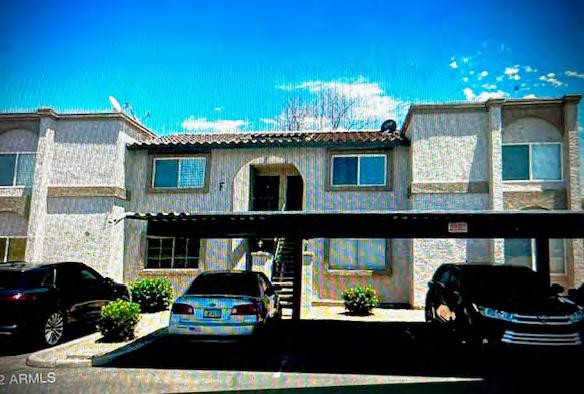
Union Hills deal that was bought below market back in 2018 for 205k using a hard money loan. Joe still owns & rents out it today with positive cash flow.
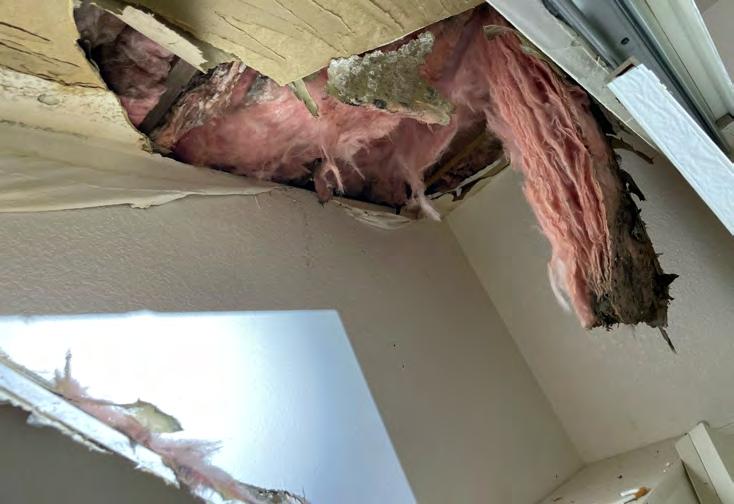
This is a 4-plex that had roof damage and purchased with hard money off of the MLS. After remodeling, it too has good positive cash flow.
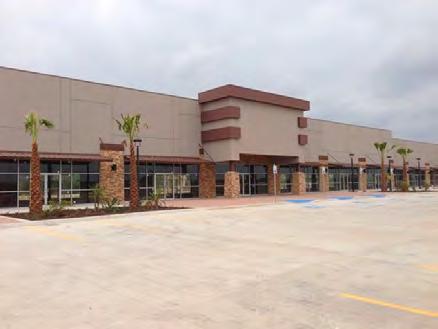
This property was bought post-COVID and has been rented since 2021.
This was a seller finance deal that has positive cash flow.
Member Spotlight — Joe O’Brien ...
What do you like most about what you do?
I love helping people see what’s possible. Real estate isn’t just about properties — it’s about freedom, opportunity, and changing the trajectory of someone’s future. I enjoy the chase; I enjoy the properties and the projects. Working for yourself isn’t work if you love what you do. Make it passionate!
How long have you been investing in real estate?
I’ve been investing in real estate since 2001 and working as a licensed real estate agent since 2003-2004. Over the years, I’ve experienced multiple market cycles, interest-rate environments, crashes, booms, and everything in between. One thing I’ve learned is that real estate rewards consistency more than perfection. If you stay in the game long enough and continue learning, opportunities eventually compound.
Tell us about your first deal:
My first deal was a House Hack Play in Tempe by Arizona State University. It was a 2-bed 2-bath condo and I used a FHA loan. I lived in it for a year and did some fix-ups. It definitely wasn’t some HGTV success story. I made mistakes, underestimated costs, and learned quickly that real estate is a business — not a hobby. But that first property taught me more than any course ever could. It taught me how important cash flow, reserves, tenant screening, and patience really are. Looking back, I’m grateful it wasn’t perfect because it forced me to become a better operator. I actually still own it today as a rental and it has turned into a cash-flowing asset.
How do you fund your investments?
I use a combination of conventional financing, DSCR loans, private lending, seller financing, partnerships, and reinvesting cash flow from existing properties. I also have used hard money loans. I’m a big believer in creative finance and structuring deals properly instead of relying only on large amounts of cash. Real estate is really about solving problems and understanding leverage responsibly. Understanding all funding options is key to success.
Do you have a real estate license?
Yes. I’ve been licensed since 2003 and actively work as both an investor and a Realtor. I think being both gives me a huge advantage because I understand the investment side, the operational side, and the retail side of the market.
In addition, I do believe MLS and AAR contracts are beneficial.
What projects are you currently working on?
Right now, I’m focused heavily on affordable housing and Section 8 investing in the Phoenix market, along with helping newer investors understand how to buy and manage rental property correctly. I’m also building educational platforms, investor partnerships, such as my Landlord in a Box System, which I trademarked. Editor’s note: Joe discusses his Section 8 investing on a recent AZREIA podcast featured on RealEstateInvestingToday.com.
How much time do you put into your real estate education?
Honestly, I never stop learning. Real estate evolves constantly — financing changes, laws change, markets shift, and technology changes everything. I spend time every week studying markets, underwriting deals, networking, listening to podcasts, attending events, and learning from people who are actively doing business at a high level. Honestly, I try to devote at least five hours a week educating myself.
Has coaching or mentoring played a part in your success?
Absolutely. Mentorship shortens the learning curve dramatically. I’ve learned from investors, brokers, property managers, lenders, and even mistakes from
other operators. I also believe mentoring others sharpens your own knowledge because it forces you to simplify and communicate concepts clearly. If you are serious about this business and this is your path, find a mentor. It’s worth the time and money. Hence why I have become one at AZREIA. I want to give back and get people on a faster learning curve.
What is your favorite self-help or business book?
One book that really stuck with me is Rich Dad Poor Dad by Robert Kiyosaki because it changed how I viewed assets, cash flow, and financial freedom early on. I also enjoy books around mindset, leadership, and psychology because real estate is just as much mental as it is financial.
I also love The Entrepreneur Success Formula by my friend Greg Slaughter. Shout out to him! It teaches you systems, balance, and how to escape those day-to-day tasks and how to scale effectively.
Do you have any interesting hobbies or something unique that you like to do?
Outside of real estate, I’m heavily involved in baseball. I’m the commissioner of the Arizona Men’s Senior Baseball League; we have over 700 players in the valley — 32 teams and age groups 18-65. This baseball league is a non-profit, and a huge passion of mine is to keep playing ball. This is for those dads who still want to swing it and show the travel-ball kids they still can hit. Baseball actually teaches a lot about investing — consistency, patience, failure, adjustments, and playing the long game.
Does your business have a website?
Yes: www.realestatejoe.org
Social Media:
Instagram: joe_the_realestate_pro
LinkedIn: Joe O’Brien
Facebook : Joe The Real Estate Pro
YouTube: @joebrien-pv11tn
Tiktock : @jobrien628
AZMSBL is men’s senior baseball league. They are the 3rd largest in the country. Joe has been playing since 2005 and running the league since 2018. He says it is great group of friends and has created a lot of good memories.
Joe has been playing since 2005.
Is a ‘Landlord Exodus’ Reshaping Market?
By Scot Aubrey
Agrowing number of small landlords are choosing to sell their rental properties; a trend many are calling the landlord exodus which is reshaping the rental housing market.
For almost all of human history, the word “exodus” has represented a mass departure or emigration of a large group of people from a specific location at the same time, often used to describe a group of people fleeing a situation.
Across the United States, a growing number of small landlords are choosing to sell their rental properties, a trend many are calling the “landlord exodus.” While large institutional investors have continued expanding in some markets, independent landlords — those who own one to 10 rental units — are increasingly stepping away from the business.
This shift is beginning to reshape the rental-housing landscape, affecting tenants, local communities, and the future of affordable housing.
In most markets, small landlords have played a critical role in providing rental housing for decades. Many own and rent out a single-family home, duplex, or a small apartment building as a source of retirement income or longterm wealth-building. Unlike corporate property owners, they often manage their own property, maintain direct relationships with their tenants, and operate on relatively thin profit margins that they hope to maintain for years to come. However, in recent years, rental ownership has become significantly more challenging due to unforeseen changes in the market.
One of the primary drivers behind the landlord exodus is something we are all
experiencing, regardless of the market we are in, and that is rising operating costs. Property taxes have increased in many cities and counties, placing additional financial pressure on owners. Insurance premiums have also skyrocketed, particularly in areas affected by severe-weather events, natural disasters, or increased liability claims. At the same time, maintenance and repair costs have surged due to inflation, labor shortages, and higher prices for building materials. For landlords managing older properties, unexpected repairs such as HVAC replacement, plumbing failures, or roof repairs can quickly erase months or even years of rental income.
Interest rates have added another layer of difficulty. Landlords who purchased or refinanced properties during the “glory days” of low interest rates are generally in a stronger position to weather market changes. Unfortunately, if you find
yourself among those seeking to expand, refinance adjustable-rate loans, or purchase replacement properties, you face much higher borrowing costs. Higher-priced financing and shrinking cash flow combine to make rental ownership less attractive, especially to landlords who are new to the industry.
If the previously listed challenges were not enough, regulatory changes are also influencing decisions. Changes like new tenant protections, extended eviction timelines, rent-increase restrictions, and additional compliance requirements have changed the risk profile of rental ownership. It’s true that while many of these policies were designed to protect tenants, they are not exactly landlord-friendly. With the added legal complexity and delayed ability to address nonpayment or lease violations, sustaining a profitable business is challenging – especially for owners without professional management teams or legal resources.
The long-term effects of the pandemic also continue to affect the market. Many of you and your fellow landlords experienced delayed rent payments, eviction moratoriums, and rising vacancy concerns during and after COVID-era protections. The financial strain left lasting effects on many small property owners, even years after the pandemic’s end.
These varied challenges have taken a toll on some and as a result, some landlords are choosing to sell while property values remain relatively strong. Buyers include owner-occupants, local investors, or large real estate firms, which has resulted in a reduction in the number of independently owned rental units in a community, leading to a consolidation within the housing market.
The long-term impact of the landlord exodus remains uncertain. For tenants, the change could mean fewer housing options in certain neighborhoods, less flexibility in lease negotiations, or a shift toward professionally managed properties. For communities, it holds important implications about who will own and manage local housing in the years ahead. For investors like us, being a small landlord has long been an essential part of the housing ecosystem, providing valuable housing where needed. As more of us exit the market, policymakers, investors, and renters alike will need to adapt to a changing rental landscape. The same can be said for those who decide to stay in the landlord game and find new ways to thrive.
Scot Aubrey is vice president of Rent Perfect, a private investigator, and fellow landlord who manages short-term rentals. Subscribe to the weekly Rent Perfect Podcast (available on YouTube, Spotify, and Apple Podcasts) to stay up to date on the latest industry news and for expert tips on how to manage your properties.
Members of National REIA can take advantage of special pricing from RentPerfect; the solution for rental property owners and managers for screening & managing tenants.
New Report Details State of Pet Inclusivity in Rental Housing
By John Bradford
It’s an indisputable fact: Americans love pets. According to data from the American Pet Products Association, 71% of U.S. households own a pet.
But that high percentage doesn’t tell the full story. Research by the Pew Research Center found that 97% of U.S. pet owners say their pets are part of their family, to some extent. About 51% of pet owners go further and say their pet is as much a part of their family as a human member.
All of this leads to another indisputable two-fold conclusion: Today’s rental-housing operators have to create great living experiences for pet-owning residents. They also have to minimize
pet- and animal-related risks and ensure compliance with applicable rules and regulations.
With its 2026 State of Pets in Rental Housing Report, PetScreening aimed to discover how operators are balancing these two needs.
Benefits and Restrictions
Based on the feedback of 673 property managers and leasing professionals in the multifamily and single-family rental sectors, the report found that most operators believe their communities are appealing to pet owners, with 68% rating their properties a four or five — on a scale of one to five —f or pet friendliness. Additionally, 81% reported a recent
growth in pet-owning residents in their portfolios.
However, among the portfolios surveyed, only 43% of renters reported having pets, a figure notably lower than national pet ownership estimates. This suggests that many pets in rentals may be unauthorized or underreported because residents are trying to avoid pet fees or perhaps have a dog that belongs to a banned breed. Without having a way to accurately track onsite pets, operators may be missing pet-related revenue that they are owed and also unknowingly exposing themselves to pet-related risks.
The report also found that the benefits of allowing pets onsite include increased resident applications (mentioned by 40.78% of respondents), increased resi-
Real Estate Investor Portfolio Coverage
Real Estate Investor (REI) insurance protects multiple properties in a real estate portfolio under one master policy, with the option to issue and cancel coverage as needed.
Written as a master policy with the Investor as the Insured, this policy enables the Insured to cover Residential (1 -4 Family) dwellings for Property coverage as well as Contents and Loss of Rental Income. Liability and Flood coverages are also available.
• Available coverages include Hazard, Liability, Flood, Wind-only, X-Wind, Earthquake, Ordinance and Law, Contents and Loss of Rents
• Flexible coverages, limits, & deductibles
• Coverage and premium remittance offered on an annual or monthly basis
• Written by carriers with at least an A.M. Best ‘A’ (Excellent) rating
• FIC services claims, providing a single point of contact and streamlining the claims process
• Refunds issued quickly on a pro-rata basis
• Manage your coverage using FIC’s online system, Protector
dent satisfaction (26.95%) and increased lease renewals (23.40%). These improvements should prompt operators to consider relaxing breed, weight and other restrictions as much as possible and evaluate pets and owners on an individual basis. By doing so, operators can effectively gain a larger renter pool and remain competitive with communities that are more pet-inclusive.
As for restrictions, pet limits per household was the most cited by respondents (78.4%), while other traditional restrictions such as breed (66.7%) and weight limits (59.8%) continue to be prevalent as well.
Onsite Attractions for Pet Owners
To attract and retain pet owners, operators are offering a variety of amenities. The most common features — pet waste stations (45.43%) and pet parks (32.08%) — support cleanliness, damage mitigation and shared outdoor use, but offer limited differentiation in competitive markets. Amenities designed to enhance the pet-owning experience and foster community engagement are far less prevalent. Only 24.95% of respondents offer dog-walking services, and just 11.82% host pet-focused events, suggesting that many operators have yet to tap into services that directly support convenience, connection and lifestyle value for pet owners.
More operationally complex services are virtually absent from most rental portfolios. Onsite boarding (0.71%) and pet daycare (0.49%) are offered by fewer than 1% of respondents, indicating that operators either perceive these services as cost-prohibitive or lack scalable models to deliver them.Across the industry, most operators provide baseline pet accommodations, but relatively few deliver amenities that create a meaningfully enriched pet experience. As renters evaluate housing through the lens of their pets’ quality of life, this gap represents a competitive opportunity.
Property Damage and Challenges
Welcoming pets onsite can increase demand and revenue, but it’s not without certain risks. Survey respondents report that, on average, 31.47% of units experience pet-related damage, with a mean repair cost of $567 per affected unit.
Having pets and assistance animals onsite can pose a wide array of challenges for onsite teams beyond the risk of property damage. The biggest challenges cited by respondents were unauthorized pets onsite, property damage and screening assistance-animal-accommodation requests. Other challenges, in order, include pet waste, pets off-leash, bites or physical harm, pets in unauthorized community areas and pet noise.
The Big Picture
There’s no way around it: To attract
Continued on Page 15
Good Properties Get Crushed by Bad Capital
By Jason K. Powers
Imagine owning a 200-unit apartment complex that is 95% occupied. The rents are being collected. The property is well maintained. Tenants are renewing. The local market remains healthy. From the outside, it looks like a success story.
Yet the deal is in trouble.
For many real estate investors, especially those involved in larger multifamily projects and syndications, this scenario is becoming increasingly familiar. The property itself is performing. The business plan is largely working. Occupancy remains strong. Revenue is coming in. But the financing behind the deal is creating challenges that strong operations alone cannot solve. It is one of the most important lessons emerging from today’s real estate market.
Good properties get crushed by bad capital.
Over the past several years, investors have been forced to adapt to an environment few expected. Interest rates rose faster than many underwriting models anticipated. Lending standards tightened. Refinancing became more difficult. Capital became significantly more expensive.
The result is that many properties purchased during the low-rate years of 2020 through 2022 are now facing a very different reality.
According to Multi-Housing News, approximately $310 billion in multifamily debt matured during 2025, with another $539 billion expected to mature during 2026. Many of those loans were originated when borrowing costs were dramatically lower than they are today. Investors who underwrote acquisitions using debt costs in the 3% range are now facing refinancing environments that may be double that amount.
At first glance, the difference between 3% debt and 6% debt may not seem dramatic. In practice, however, it can completely alter a property’s economics. A deal that once generated healthy cash flow can suddenly face significant pressure. Debt service increases. Debt coverage ratios tighten. Refinancing options become limited. Sponsors may be forced to inject additional capital or renegotiate loan terms simply to keep the business plan intact.
How it Happens
The property did not suddenly become a bad property.
The financing structure simply became a bad fit for the environment.
The numbers support this reality. According to
CRED iQ, the overall CMBS distress rate climbed above 12% in early 2026, reaching the highest level recorded by the firm. Trepp reported that CMBS delinquency balances increased during the first quarter of 2026, with multifamily properties contributing to the rise alongside office assets.
Headlines often focus on struggling office buildings, and understandably so. Yet multifamily investors should pay close attention to the broader lesson. Distress does not always begin with vacancies, declining rents, or poor management. Sometimes it begins with financing assumptions that no longer work.
This distinction matters because most investors spend tremendous energy learning how to evaluate properties. They learn how to identify opportunities, analyze markets, manage renovations, improve operations, and underwrite acquisitions. Those skills are essential and often determine whether a property succeeds or fails.
Time to Learn Another Skill
But the events of the past few years have revealed another skill that may be just as important: Understanding capital.
The reality is that many investors spent the last decade building portfolios without spending much time thinking about capital systems. They accumulated assets, built equity, and expanded their holdings, but often without creating reliable access to liquidity along the way. That oversight rarely mattered when financing was plentiful and values were rising. In today’s environment, however, the ability to access capital quickly can be just as important as owning the asset itself.
This is why conversations about liquidity, reserves, and private capital systems are becoming more common among experienced investors.
Rather than viewing liquidity as something that exists only in a savings account or an available line of credit, some investors are building dedicated reservoirs of capital designed to grow in the background while remaining accessible when needed. The objective is not simply to accumulate money. The objective is to create options.
Options matter in real estate.
Options allow investors to bridge financing gaps without scrambling for outside capital. Options allow investors to fund unexpected repairs, navigate vacancies, pursue acquisitions, or simply survive periods of uncertainty without being forced into unfavorable decisions.
One approach that has gained increasing attention
involves the use of carefully structured life insurance contracts issued by mutual insurance companies. While many people associate life insurance primarily with death benefits, certain policy structures can accumulate significant cash value over time.
More importantly, that cash value can often be accessed through policy loans without traditional underwriting and without interrupting the policy’s internal growth.
That last point is worth considering carefully.
Many financial assets stop working for you when you use them. Selling an investment halts future growth on the portion sold. Pulling funds from an account reduces the amount available to compound. Even refinancing a property changes the trajectory of future equity accumulation.
A properly structured private capital system operates differently. Rather than withdrawing the underlying asset, the owner borrows against its value. The result is that the capital can remain positioned for long-term growth while simultaneously being used elsewhere.
For real estate investors, that creates a unique dynamic. It introduces the possibility of funding opportunities from a source of capital that continues growing in the background while remaining available for future use.
Strong Foundation is Key
The goal is not to replace real estate as the primary wealth-building vehicle. Rather, it is to strengthen the financial foundation underneath the portfolio so that opportunities can be pursued from a position of flexibility rather than dependence.
Think again about the investors facing refinancing challenges today.
Many of them own quality properties. Many have capable management teams. Many executed their business plans exactly as intended. Yet some are still struggling because they lacked flexibility when the financing environment changed.
That is ultimately the lesson.
The property itself is only part of the investment. The capital structure, financing strategy, and liquidity plan all play critical roles in determining long-term success.
Ignoring those pieces can turn a good property into a difficult experience. Building them intentionally can transform a difficult environment into an opportunity.
As we move further into 2026, real estate markets appear to be stabilizing. Inventory has improved. Mort-
Continued on Page 15
Midyear Housing Market Review ... continued from Page 1
largest monthly decline at -2.6%, followed by the Midwest, where the score fell by 1.3% from February.
Weekly pending home sales data from HousingWire tells a similar story, with more recent numbers showing improvements in late April and early May, and pending sales surpassing last year’s totals. Both of these reports indicate that more buyers are coming to market and suggest that May and June home sales may benefit.
Existing Home Sales Improve Modestly
April existing home sales improved slightly from March, increasing by 0.2% from the previous month. On an annualized basis, home sales crept back over four million to 4.02 million – a number similar to annual existing home sales for the past three years. April sales were flat year-over-year, but this was an improvement, as March was the third consecutive month that existing home sales declined on a year-over-year basis. First-quarter sales had their share of challenges: January and February sales were undoubtedly affected by unusually severe weather across the Northeast and Midwest, and in March the war in Iran caused oil prices to soar, moving bond yields higher and mortgage rates with them. Consumer confidence came in at the lowest level in history, and consumer uncertainty likely contributed to slowing home sales as well.
New Home Sales Rebound
New home sales in March were at an annualized rate of 682,000, after starting the year at a dismal rate of 587,000 in January – a number probably affected by the bad weather in the Northeast and Midwest. Sales improved by 7.4% from February, and by 3.3% from March 2025.
The median sales price of a new home in March was $387,400, more than $30,000 less than the median price of an existing home as reported by the NAR. While it’s very unusual for the median price of a new home to be less than the median price of an existing home, this does not mean that a new home is necessarily less expensive than an existing home in a given market. Builders have adjusted to today’s higher financing costs by building smaller, less-expensive homes and building most of the new inventory in less-expensive markets. There’s more inventory available in the new-home market as well: The Census Bureau estimates that there were more thab 481,000 new homes available for purchase in March, representing an 8.5-month supply. Much of the inventory consists of homes under construction, so builders are being very circumspect about starting new homes, and instead focusing on selling off their current inventory of completed and in-progress properties – permits and single-family housing starts are both down slightly year-over-year.
Existing Home Inventory Growth Continues to Slow
The NAR also reported that inventory was 5.8% higher than it was a year ago, a much lower annual growth rate than we saw last year, and amounting to a 4.4-month supply of homes for sale. The NAR estimates that 1.47 million homes were available for sale during the month, as the market enters the time of year when inventory historically begins to climb.
More recent data from HousingWire shows that inventory is growing at only 1.47%, well below the double-digit growth rates we’ve seen over the past few years. New listing activity is the likely culprit, as listing activity briefly dipped below 2025 levels and is currently just keeping pace with last year’s rate of activity.
The number of days on market remains relatively high but is down from recent peak levels. The NAR existing home sales report showed that median days on market declined from 41 in March to 32 in April but was up from 29 days a year ago. Realtor.com reported that the median number of days on market declined from 57 days in March to 52 days in April, which was just slightly higher than 50 days on market a year earlier.
Home Price Appreciation Slows Further, Declines in a Growing Number of Markets
The most recent report from the FHFA shows home prices increasing by just 1.7% annually – down from last year’s 4.1% annual growth rate. Home-price growth varied significantly by region, with three regions reporting price declines: The West, South, and Central region at -0.1%, the Mountain region at -0.7%, and the Pacific region at -0.4%. The Middle Atlantic had the highest annual price increase at 4.2% and is the region with the lowest inventory of homes for sale. The Case-Shiller National Index also reported slow price growth at just 0.7% on a year-over-year basis. Over half of the 20 metro areas included in the Case-Shiller analysis reported declining home prices compared to last year. There continues to be a strong correlation between available inventory and home price appreciation. Almost one-third of the 300 largest metro areas in the country have seen prices decline on a year-over-year basis, with the largest declines in Florida and Texas, and metros such as Denver, Phoenix, Las Vegas, and Seattle, where prices soared post-COVID. Markets in the Northeast and Midwest, where inventory continues to be limited, continue to see the highest home-price appreciation.
Real Estate Investors Account for About 30% of Home Purchases
Real estate investors purchased more than 32% of all
Good Properties Get Crushed by Bad Capital
gage rates have moderated. Transaction activity remains steady, even if it is not booming. In many ways, this is a healthier environment than the one investors experienced just a few years ago.
But healthier markets often expose weaknesses that rapidly rising markets conceal.
The next cycle will likely reward investors who think beyond the property itself. Investors who understand capital, value liquidity, and focus on building systems
single-family residential properties sold in the fourth quarter of 2025, down slightly from the third quarter when they purchased 34%, but the third consecutive quarter where investors purchased more than 30% of all homes sold nationally. Overall, investors purchased 1.32 million homes in 2025, down 4.5% from the 1.39 million homes purchased by investors in 2024, according to the Q4 2025 Investor Pulse Report from BatchData. The largest investors – those owning 1,000 or more homes – continued to shed properties, selling 5,970 properties in the fourth quarter while buying only 4,336. This marked the eighth consecutive quarter where the largest investors were net sellers. For the year, these large investors sold 20% more homes than they purchased.
In total, investors own roughly 18% of the 86 million single-family residential homes in the country. Small investors who owned between one and five properties held almost 92% of the single-family homes owned by investors, and those owning six to 10 properties just under 4%. So, the real estate investment market is not controlled by large institutional investors. In fact, the largest investors – those owning 1,000 or more properties – account for just 2% of all investor-owned homes and appear to be shrinking their ownership positions.
Closing Thoughts
April was the first time in four months when existing home sales didn’t lag the prior year. After two months affected by historically bad winter weather in the Midwest and Northeast, March started out well but was derailed by the war in Iran which caused turmoil in the bond markets and caused mortgage rates to rise. Despite these higher rates, April existing-home sales improved slightly from the prior month and were on par with the prior year’s sales.
New-home sales improved for the second straight month in March after a dismal January, as builders offered concessions on prices, upgrades, and financing. Permits and single-family housing starts remain weak as builders work through an oversupply of existing and under-construction inventory.
Recent pending sales reports and purchase loan application volume suggest that May and June home sales may see improvements. While the long-range outlook for home sales remains uncertain, there’s a chance that summer sales may rebound from what was a very difficult first quarter, and help the market begin its long-awaited recovery.
...
rather than simply accumulating assets will have a significant advantage.
Because when markets shift, good properties often survive.
The question is whether the capital behind them can survive too.
Jason K Powers is a multi business owner, real estate
Rick Sharga is President & CEO of the CJ Patrick Company.
continued from Page 14
investor, and financial strategist. Partnering with the National Real Estate Investor Association, he helps real estate investors around the country build greater control over their capital and cash flow. Visit 1024Wealth.com/ NREIA to access free educational resources, watch additional training, and schedule a conversation if you’d like to explore how these concepts could work in your own investing journey.
Report Details State of Pet Inclusivity in Rental Housing ... continued from Page 12
and retain the modern renter and optimize NOI, operators must provide residents and their pets with a firstclass living experience.
When rental-housing properties embrace pet-inclusivity, they can boost demand and drive revenue. Forward-thinking operators who reduce pet-related restrictions as much as possible and implement cutting-edge amenities and services can create considerable competitive advantages.
But as PetScreening’s report also shows, welcoming pets and assistance animals onsite presents an array of operational and risk-management challenges. The current labor market, where many communities are shortstaffed or face frequent associate turnover, only exacerbates these challenges.
By using the right tools and consulting with the right partners, operators can have the best of both worlds: They can welcome pets to boost property performance
while knowing they’re protecting their assets. To read the full report, visit RealEstateInvestingToday.com and search “pets” or visit www.petscreening. com.
John Bradford is the founder and CEO of PetScreening.
WE DELIVER ON YOUR SCHEDULE
The Home Depot has exactly what you need in stock and ready for delivery precisely when you need it: next-day, same-day or any day direct to your job site.