Walla Walla University Report to the Constituency
August 23, 2026
p. 3 Prologue
p. 4 Building faith
p. 14 Excellence in thought
p. 24 Purposeful stewardship
August 23, 2026
p. 3 Prologue
p. 4 Building faith
p. 14 Excellence in thought
p. 24 Purposeful stewardship
Some 4,000 colleges and universities in the United States prepare students for the workforce. There is no shortage of options.
Our modern world is awash in information … and yet, it is starving for wisdom. Our culture produces specialists … and yet, it struggles to form saints.
Walla Walla University stands firmly in this gap. We cultivate wisdom through deep education in the way, truth, and life of Jesus Christ. We form competent citizens, consumers, and employees who engage in professions and community through the lens of Christian faith, hope, and love.
Of course, a Walla Walla University education must be academically excellent.
We are called to prepare students for jobs, the marketplace, health professions, and graduate schools with superior skill. This spirit of excellence is biblical—“Whatever you do, work at it with all your heart, as working for the Lord … .” (Colossians 3:23). We take academic preparation seriously, and our success is certainly something we can be proud of.
But academic excellence is not a big enough objective, not an adequate ambition to respond to the God who asks us to cultivate true wisdom and deploy faithful servants to a world that desperately needs them. This is what each of us—you and I—are called to do.
Following this calling demands a reverent commitment, and yes, even bold sacrifice.
We must prioritize classrooms that become sanctuaries of worship and service, where excellence itself gives glory to God. We must strive for technical expertise and champion whole-person Adventist education—spiritual, social, physical, and mental training. We must invest our time, our money, our words, and our prayers in efforts that cultivate the wisdom of God in big and small moments, every day of the week.
That is what we, the caretakers of Walla Walla University, are doing here.
Some 134 years ago, Walla Walla University made a promise to provide young people with “a Christian education, surrounded with influences favorable to the development of the Christian character.” Thank you for heeding God’s call, and for joining us on the journey to make good on that promise so that we can prepare the world for His return.
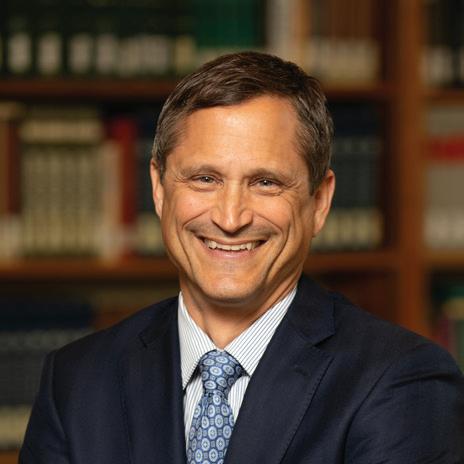
Alex Bryan President
“True education means more than the pursual of a certain course of study.
“It means more than a preparation for the life that now is. It has to do with the whole being, and with the whole period of existence possible to man. It is the harmonious development of the physical, the mental, and the spiritual powers. It prepares the student for the joy of service in this world and for the higher joy of wider service in the world to come.”
More than a century after they were published, these words from Ellen White* still stir in our hearts, strengthen our hands, and quicken our steps at Walla Walla University. Our mission statement reflects the important work to translate academic achievement into responsible citizenship, generous service, a deep respect for the beauty in God’s creation, and the promise of recreation through Jesus Christ.
Here, the purpose of learning is not merely to make a living, but to make a life that honors God.
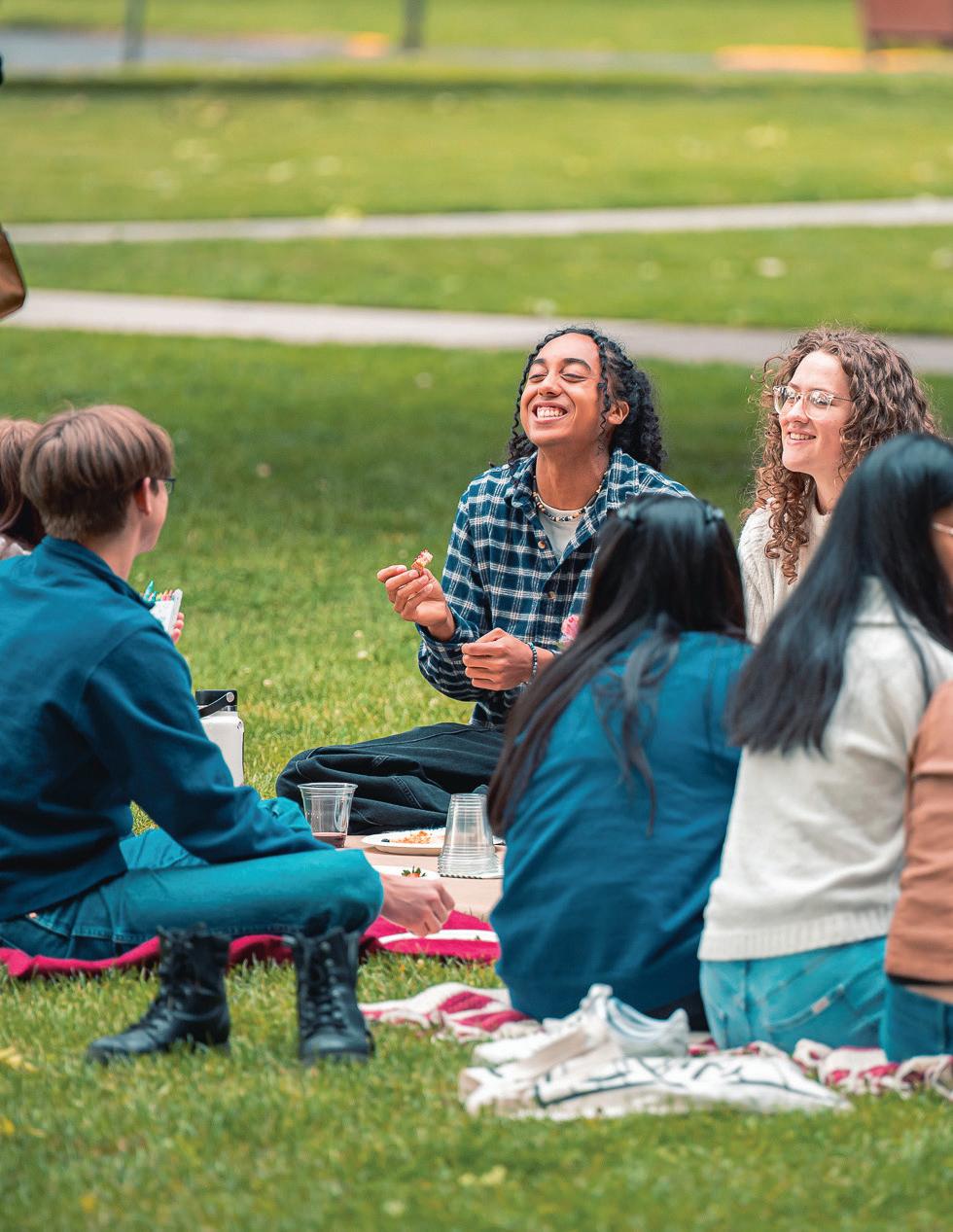
For some, it happens in a room full of voices. For others, it happens in a small group, or a quiet moment in a faraway country. At Walla Walla University, faith is nurtured through countless moments activated from a shared sense that God is with us, and He is moving in the middle of it all.
Campus ministries. On our campuses, the Chaplain’s Office supports 11 weekly worship and church options,
*Education, Chapter 1
and dozens of small-group worships throughout each week. Friday-night Vespers, a popular worship option, is led by Campus Ministries staff and students. Between 400 and 700 students attend per week, and many also attend Sabbath Sigh.
On average, between 450 and 600 people attend the
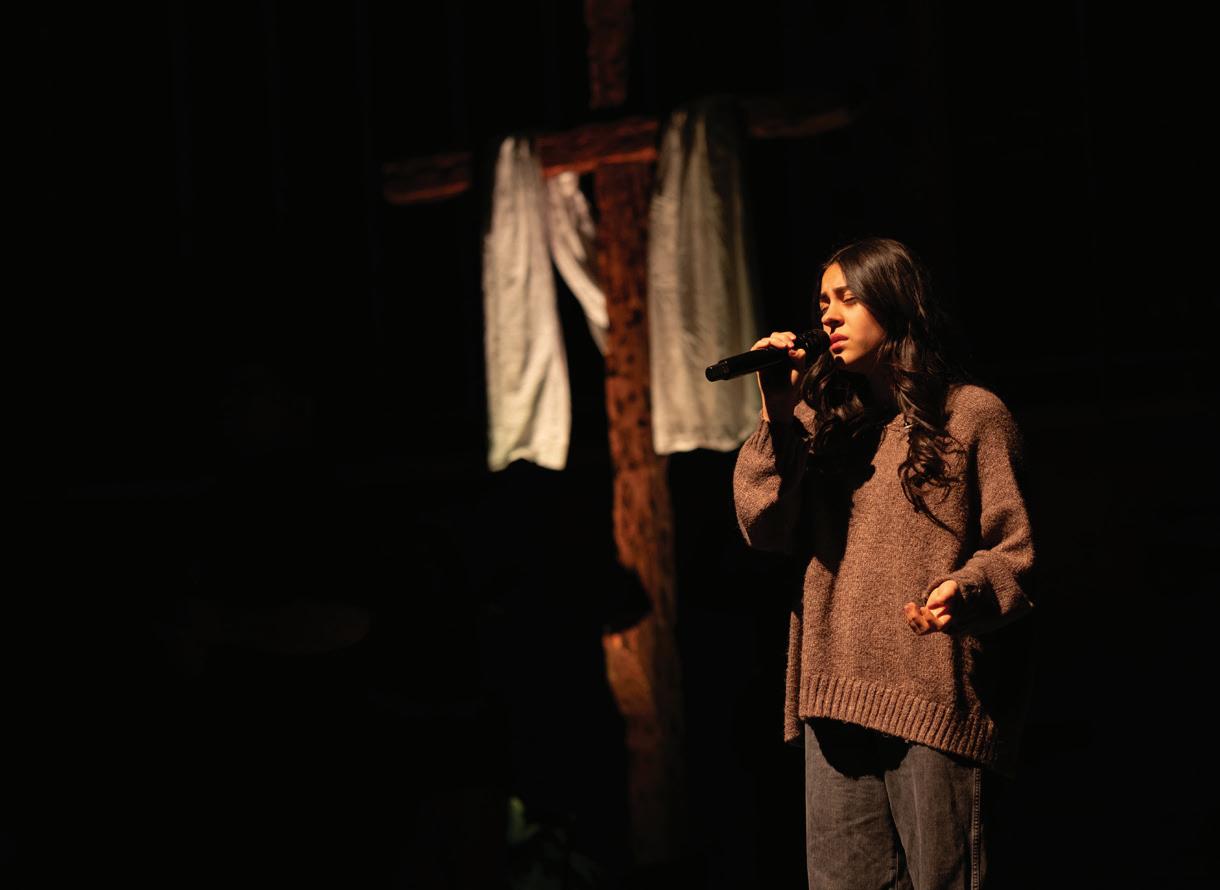
three Sabbath-morning churches, and one study gathering organized and pastored by students. Starting at around 10:30 a.m. each Sabbath during the school year:
• Berean Fellowship offers a lively, African Americanstyle service, sometimes overflowing into the hallways of the Canaday Technology Center.
• Circle Church’s service features stirring worship music in a contemplative, contemporary setting.
• Nuestra Iglesia’s fully bilingual service is held in Conard Hall Chapel, welcoming all people into its growing community. In 2023, Nuestra Iglesia was
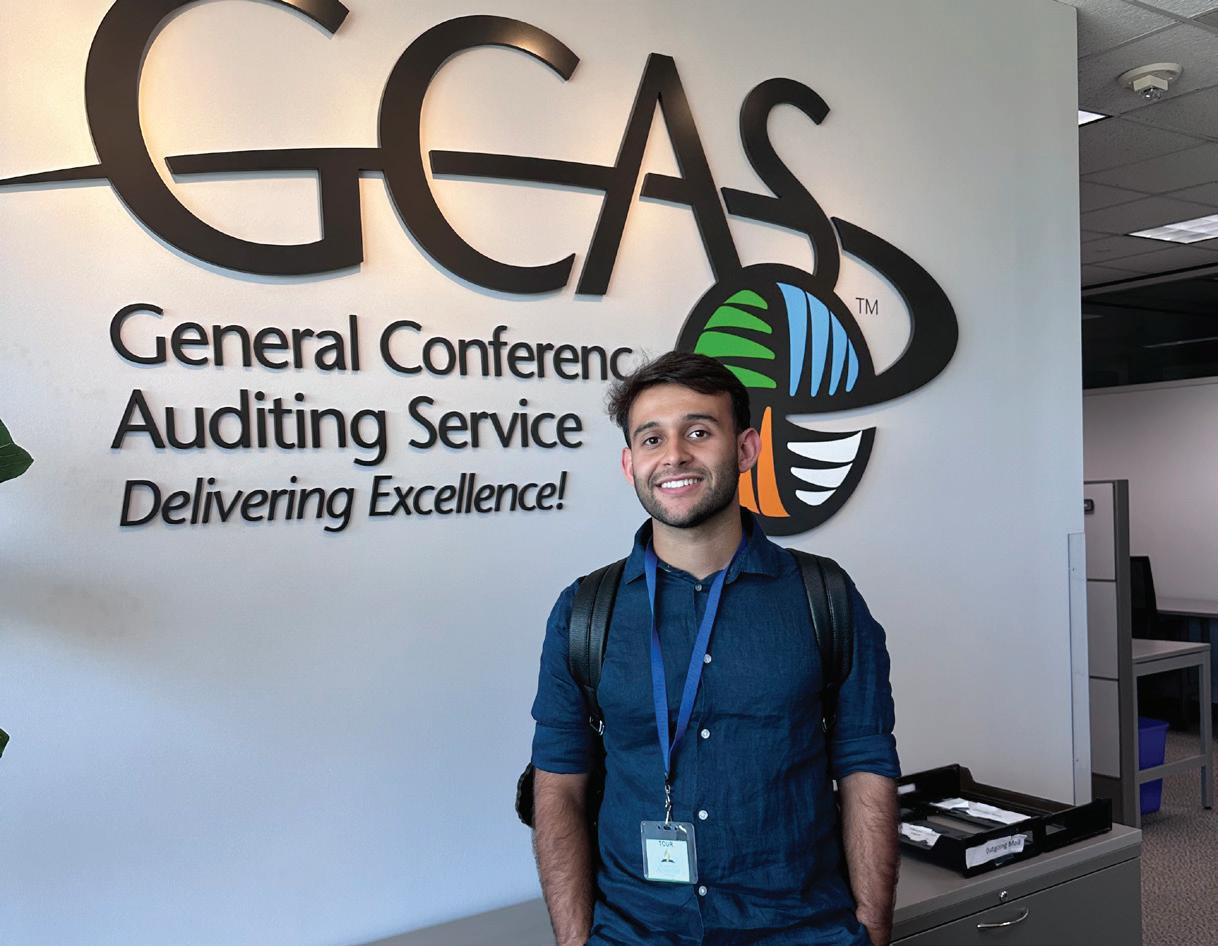
When I got to Walla Walla, I immediately became involved with Berean Fellowship. When a friend recommended me as their next student pastor, I was apprehensive at first. I prayed about it, and asked God to show me what He's calling me to do, and then I got the answer that I needed.
Berean isn't just a church, it's a family. We make an effort to interact with our members outside
WA)
of church services. Without the people there is no church, the people are what makes a church thrive.
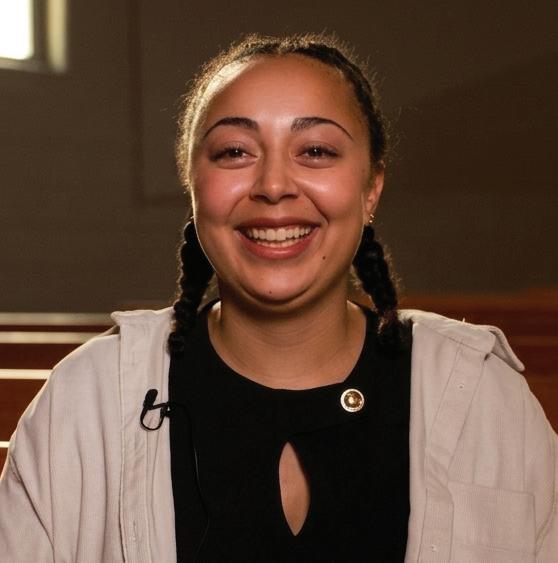
I've learned to never take for granted the people who want to help. They also have the drive and passion to serve, so allow them the opportunity.
awarded a grant through the North Pacific Union Conference’s Spark Tank initiative, allowing the ministry team to renew “La Sociedad de Jó venes Adventistas” through afternoon programming.
• Renew offers a more traditional worship experience, including hymns around a piano and Sabbath lesson study.
During the 2025–26 academic year, more than 50 student leaders prayed and planned, and ministered to our campus communities, facilitating experiences ranging from Vespers to fireside worships to service opportunities.
“Here I am, send me!” Our students continue to participate in the university’s 66-year-old tradition of taking their faith beyond our campus borders, serving as missionaries and task force workers in 20 countries since 2022.
This year alone, student missionary assignments included teaching English in South Korea; assisting refugees in Colombia; assisting with medical procedures in the Philippines; maintenance and electrical engineering assistance in Guam; and youth pastor internship in Hawaii.
Paused by the 2020 pandemic, WWU’s robust missions program has since seen a resurgence, growing from just 18 student missionaries in 2022–23 to 41 in 2025–26.
Those who aren’t able to commit to an extended missions call are connected to short-term mission opportunities in places like Guatemala, Peru, and Thailand.
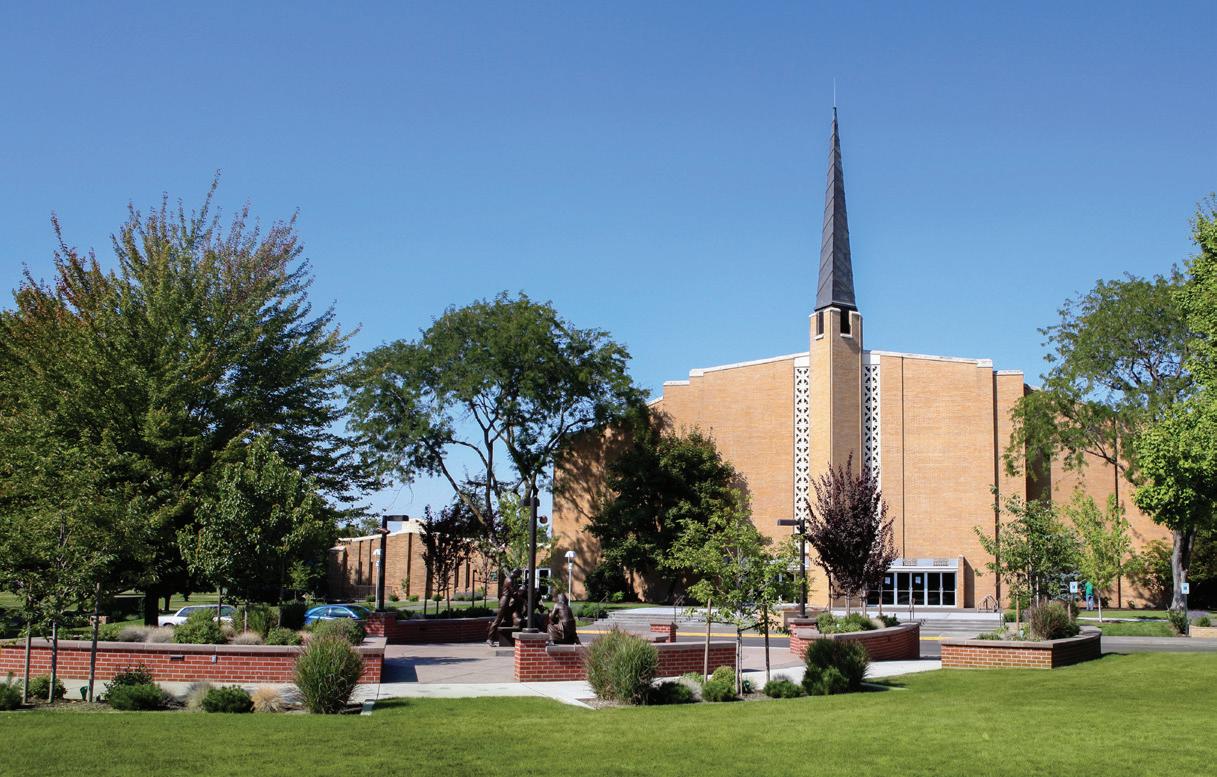
Enriching, multigenerational partners. The Walla Walla University Church continues to support our campus
For Walla Walla University student leaders, facilitating a Sabbath experience starts as a calling and often becomes so much more: lifelong leadership lessons and unexpected blessings.
Friday-night Vespers may officially begin Sabbath at Walla Walla University, but a popular companion program welcomes students into the joy of Sabbath rest together. Called Sabbath Sigh, the event is held immediately after Vespers to facilitate connection with others, “just as Jesus did on earth,” says Lindsey Monterroso, ASWWU spiritual vice president for the 2025–26 year.
Popular gatherings have included games, gratitude card making, an Agape Feast, make-your-own soda, and baked goods provided by community members.
“It may appear that we just set up a table and offer refreshments, but this is our avenue of inviting others into a space where they can connect and enter into Sabbath rest in community,” Monterroso says. “This gives them opportunity to see others, have conversations, listen, and to ultimately see their Creator through one another.”
Organizing Sabbath Sigh has required attention to mission, Monterroso adds. “Sabbath Sigh has shown me that Sabbath rest can be experienced in a holistic way,” she says. “I’ve found wisdom in these words from John Mark Comer: ‘On the Sabbath all we do is rest and worship … I mean, worship in the wide, holistic sense … anything to index your heart toward grateful recognition of God’s reality and goodness.’”
Walk into Walla Walla University Church’s Fellowship Hall on a Sabbath morning and you’ll find a contemporary worship set and hundreds of students. At the same time, in Conard Hall Chapel,
scores of warm smiles and enthusiastic “¡Feliz Sábado!” greetings fill the room. In Canaday Technology Center’s Black Box Theater, even more students pack around a full worship set—sometimes spilling out into the hallways. And in Havstad Alumni Center, a smaller but equally enthusiastic group gathers around the piano to sing hymns and study the Sabbath lesson.
Sabbath worship at WWU is shaped by many student leaders who take their roles seriously and personally.
Alexis Altamirano was involved with Nuestra Iglesia as a freshman, but she stepped away for a time. Then, she felt the Lord slowly reigniting a vision in her. “I was not sure if I was ready to take this on,” she admits, “but God continued to instill in me confidence and trust in his plans.”
Co-pastoring Nuestra Iglesia during the 2025–26 school year meant preserving an environment of welcome and a culture of participation. “Nuestra Iglesia is attractive because of the warmth of the culture. There is a special intimacy that is fostered
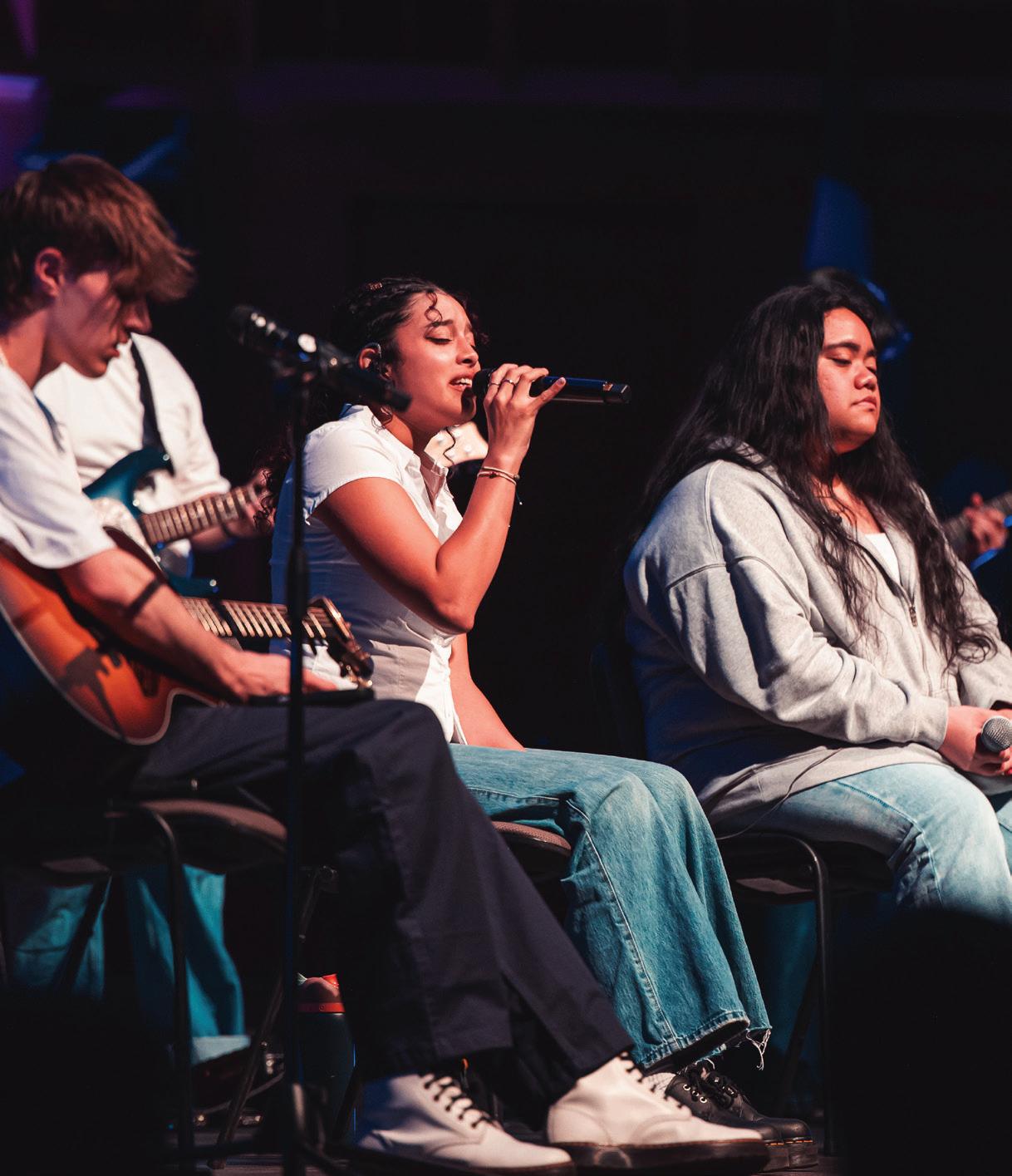
here with a soul that is Spirit-led,” she says. Her role was to encourage and facilitate in a way that kept the congregation active in their church’s mission. “We hosted volunteer and board meetings, and we supported our various ministry leaders in areas like greeting, food, community service, and music.”
Among the most meaningful things Altamirano is taking with her is the value of slowing down. “I’ve learned to appreciate stillness, and to apply contemplativeness into my ministry. My tendency is to anxiously rush and speed through responsibilities. Through the help of mentors, peers, team, and my incredible co-pastor, I’ve re-evaluated my approach. God certainly blessed me by bringing them into my life.”
Ashley Cox spent her student missionary year wrestling with whether leading a WWU student church was something God was asking of her. “I told God I needed someone to reach out to me from the Chaplain’s Office if this was something he was putting on my heart,” she says. Months later, she received a text with the leadership application link.
During the 2025–26 school year, Cox served as a co-pastor for Circle Church, a popular worship option among students. Serving her congregation well required consistent, intentional planning. “A lot of my job was communicating between speakers, our core volunteers, and other members of the Chaplain’s Office,” she says. Circle Church followed a different theme for each quarter—in fall it was “Living Like Jesus,” winter’s theme was “Wrestling in the Hard Questions,” and spring addressed the tension between religion and personal faith with the theme “Bridging the Gap.”
The work has been personally transformative for Cox. “I’ve learned how to listen to God’s voice better, how important it is to carve out time just to sit and listen. He is faithful to provide the words for sermons, a whole other level of faithfulness I’ve experienced from Him this year.”
Weekly university worship options build faith and foster meaningful connection:
Small groups
Explore the Bible in depth with supportive friends.
Morning worship
Weekday morning worships in Heubach Chapel.
OPS/AGA worships
Worships in the residence halls.
Heubach worship
All-music worship on Tuesday nights.
CommUnity
Weekly all-campus gathering.
Residence hall worship
Organized by each hall’s resident assistant.
Fireside worship
Songs and stories by the fire.
Vespers
Friday-night campus gathering.
Sabbath Sigh
Gather after vespers to connect and reflect, and welcome the Sabbath.
ReNew Sabbath School class exploring biblical themes.
Circle Church Contemporary church service.
Berean Fellowship
An African Americanstyle service.
Nuestra Iglesia
Bilingual worship service.
CARE weekends and service outreach
Students connect with the community.
University Church
Sabbath schools and traditional church service.
community’s spiritual well-being through space sharing, leadership training, and programming.
WWU’s chaplain is considered part of the church’s staff, and the church’s pastor is a member of WWU President’s Cabinet, ensuring collaborative planning between the church and university.
Students have been welcomed into the church’s community, and they are incorporated into its ministry opportunities. Participating in roles that include musicians, preachers, sound and camera technicians, story tellers, food bank helpers, and ministry assistants, students expand their experiences and learn how to participate alongside community members.
During the JumpStart orientation week for freshmen, church volunteers roast hundreds of ears of corn, offering a tasty and friendly “hello” to new students. And, at the start of each school year, the church offers our campus community a glimpse of heaven through The Longest Table, setting hundreds of tables with mouth-watering food and warm hospitality.
The university’s Portland nursing campus is also blessed by the support of nearby church communities. Sunnyside Seventh-day Adventist Church offers spiritual support for the university’s Portland nursing campus, providing students with a hot homemade meal each week before Bible studies, and helping with the Bible studies and monthly vespers programs. Pleasant Valley Seventh-day Adventist Church partners with Portland’s ASWWU program to sponsor a pizza lunch each week. Both churches’ pastors stop by occasionally to connect with students for a meal or during breaks.
Scripture reminds us that believers are intended to live in community—offering Christ’s love, encouragement, and connection to one another. Our campuses are intentional about curating opportunities for each student to find their place, and to welcome others into their community.
ASWWU. Led by four elected officers, with 14 departments staffed by more than 100 students, the Associated Students of Walla Walla University continues to offer events and activities that develop lifelong friendships and memories.
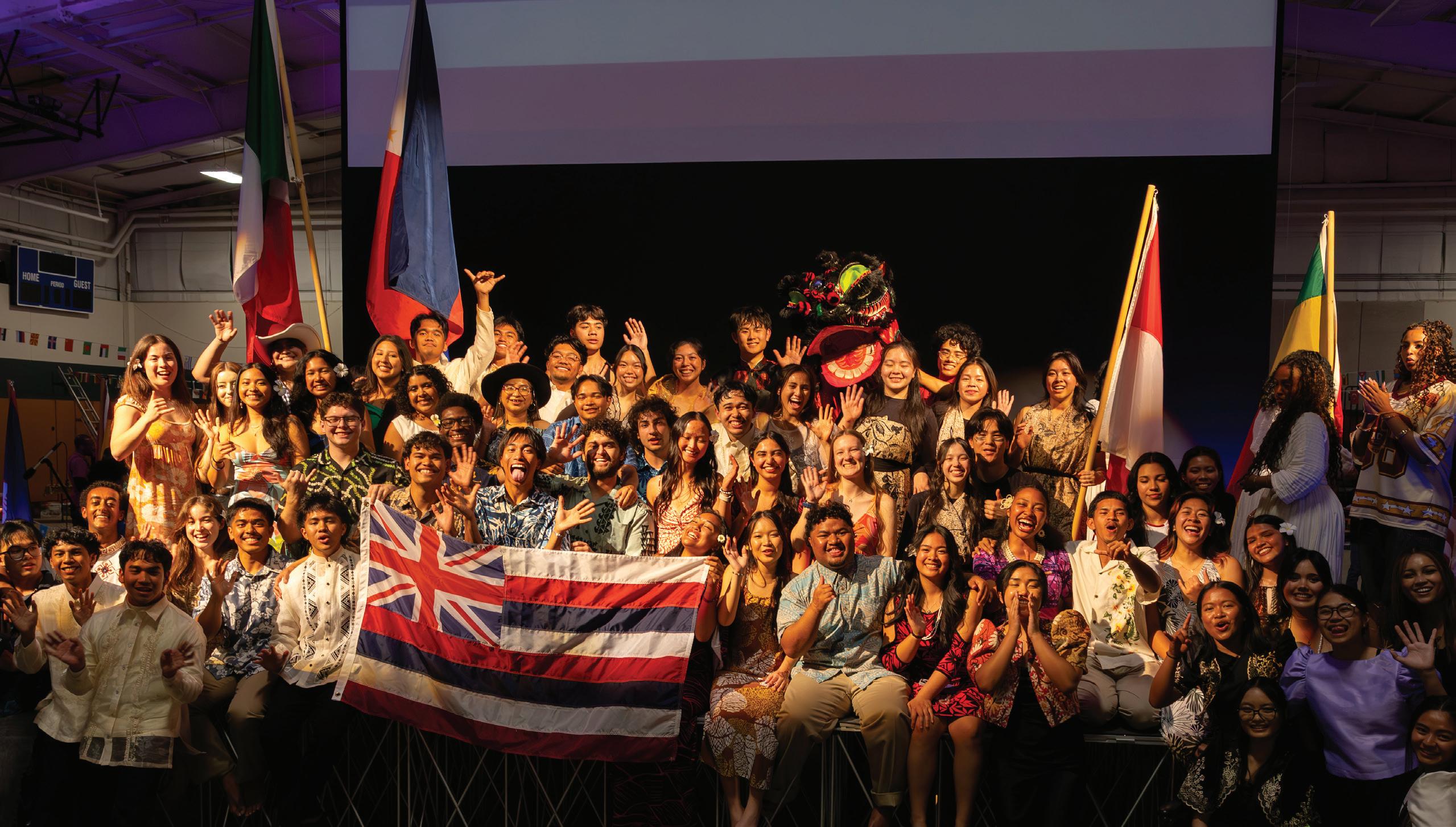
During the 2025–26 school year, ASWWU offered more than 150 events on the College Place campus alone. From Sabbath Sigh gatherings to banquets, open-mic nights to wilderness adventures, pickleball tournaments to concerts, ASWWU teams strive to offer something for everyone.
On the Portland campus, ASWWU is led by elected officers and is staffed by seven students who organize activities. Social events include sports outings or cultural visits, and weekly social events, often including food, allow students to form stronger connections during their School of Nursing training.
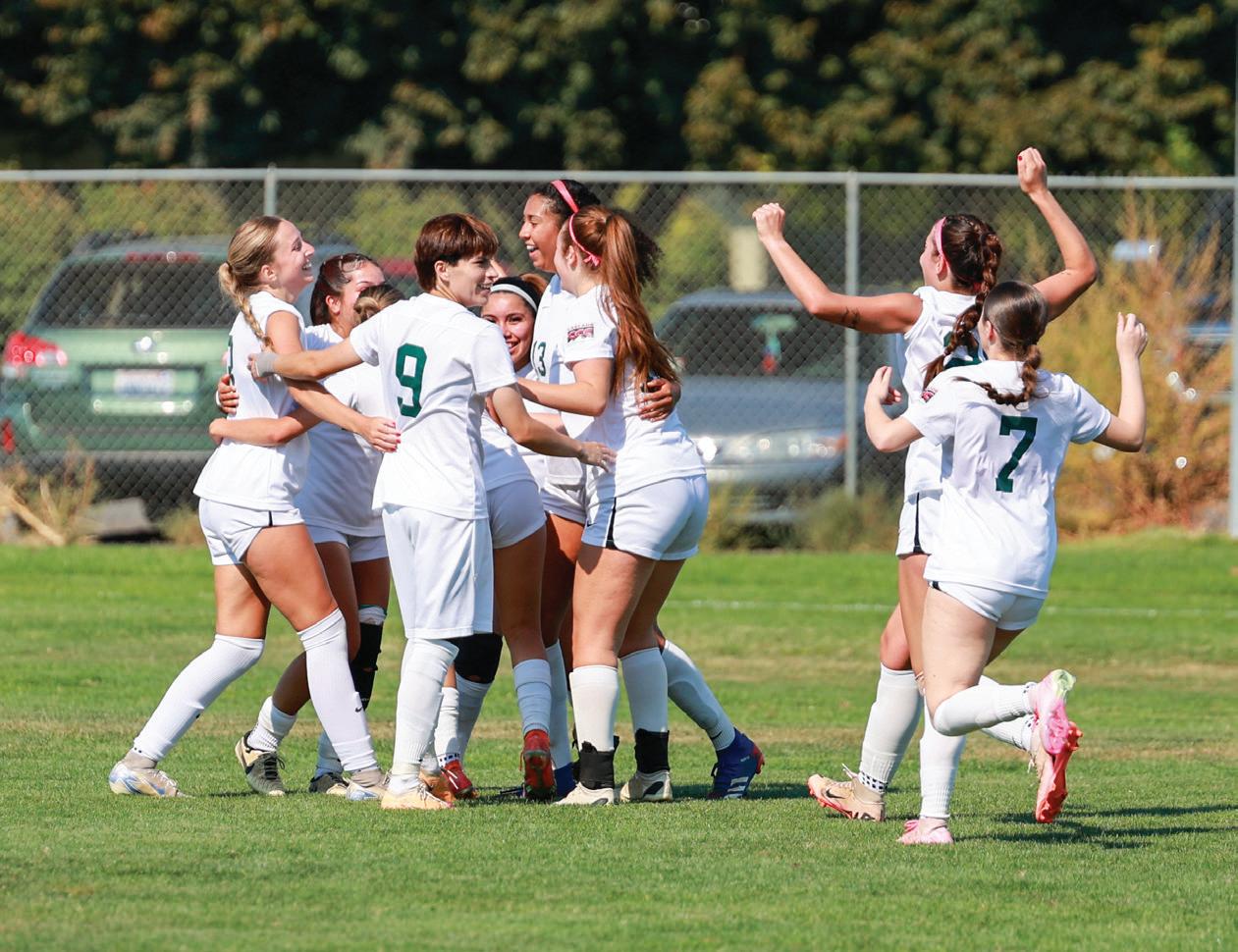
Athletics. Committed to excellence in sport, fair competition, and God and the sharing of faith, the Walla Walla University Wolves athletics program has more than doubled in size since 2022, now serving more than 150 athletes who are involved in men’s and women’s varsity teams in:
• Basketball.
• Cross country.
• Golf.
• Soccer.
• Volleyball.
In both 2024 and 2025, WWU Athletics earned The National Association of Intercollegiate Athletics’ (NAIA) Champions of Character Gold Five-Star award based on points awarded for character training, conduct in competition, academic focus, character recognition, character promotion, and high student-athlete grade point averages.
89% said Sabbath worship opportunities at WWU are a positive influence.
Belonging. For decades, the university has developed events and learning opportunities to celebrate and enhance our welcoming community. The Office of Belonging works collaboratively to support academic programming, student interests, and faculty and staff connections.
In recent years, the university’s Donald Blake Center for Race, Ethnicity, and Culture has hosted annual conferences that explore important academic topics on inequality and injustice.
In addition, professional development and compassionate learning opportunities are available through intentional collaborations such as the Adaptive Toy Program, festive cultural awareness activities like the April Multicultural Festival, and focused training sessions such as a Neurodiversity in Higher Education seminar.
Campus clubs. There’s something for everyone, by design, through the university’s campus clubs system. Students are automatically part of ASWWU and their residence hall clubs, and they can choose to join more than 40 additional clubs, such as:
• Fitness Club.
• Fly Fishing Club.
• Honors Club.
• Investment Club.
• Legal Forum.
• Music Club.
• Pegasus Club.
• Pre-professional Club.
• Tabletop Games Club.
• Village Club.
Students are also encouraged to start new clubs around their interests.
Intramurals. Recreational sports are a popular way to promote health and stay connected at WWU, and hundreds of students participate each year.
During the 2025–26 academic year, more than 150 students participated in intramural sports like flag football, volleyball, softball, soccer, basketball, pickleball, and mushball.
We believe that doing life together is a unique Walla Walla University distinction. Here, it is a priority and commitment intended to foster healthy relationships and encourage social confidence.
Housing. The majority of WWU students live in university housing that is close to their campus, an intentional university arrangement designed to create an active, connected, and accessible community.
Under the direction of the vice president for student life, the residential life and housing program covers the university’s College Place and Portland campuses. A fiveperson dean team cares for residence hall students, and village housing facilitates off-campus arrangements.
Last fall on the College Place campus, more than 750 students lived in four residence halls:
• Conard Hall
• Foreman Hall
• Meske Hall
• Sittner Hall
The university offers apartments and houses for students who qualify for off-campus arrangements, housing more than 200 students last fall.
On the Portland campus, Hansen Hall offers separate
men’s and women’s housing that is overseen by an on-site dean. In fall 2025, 52 students lived in Hansen Hall.
Dining. Meal time is one of the best spots to meet friends and strengthen connections. Step into Kellogg Hall, and you will find round tables, many full of students interacting with one another over a meal.
Vegetarian and vegan meals are provided by Sodexo. Popular choices this year range from hearty biscuits-
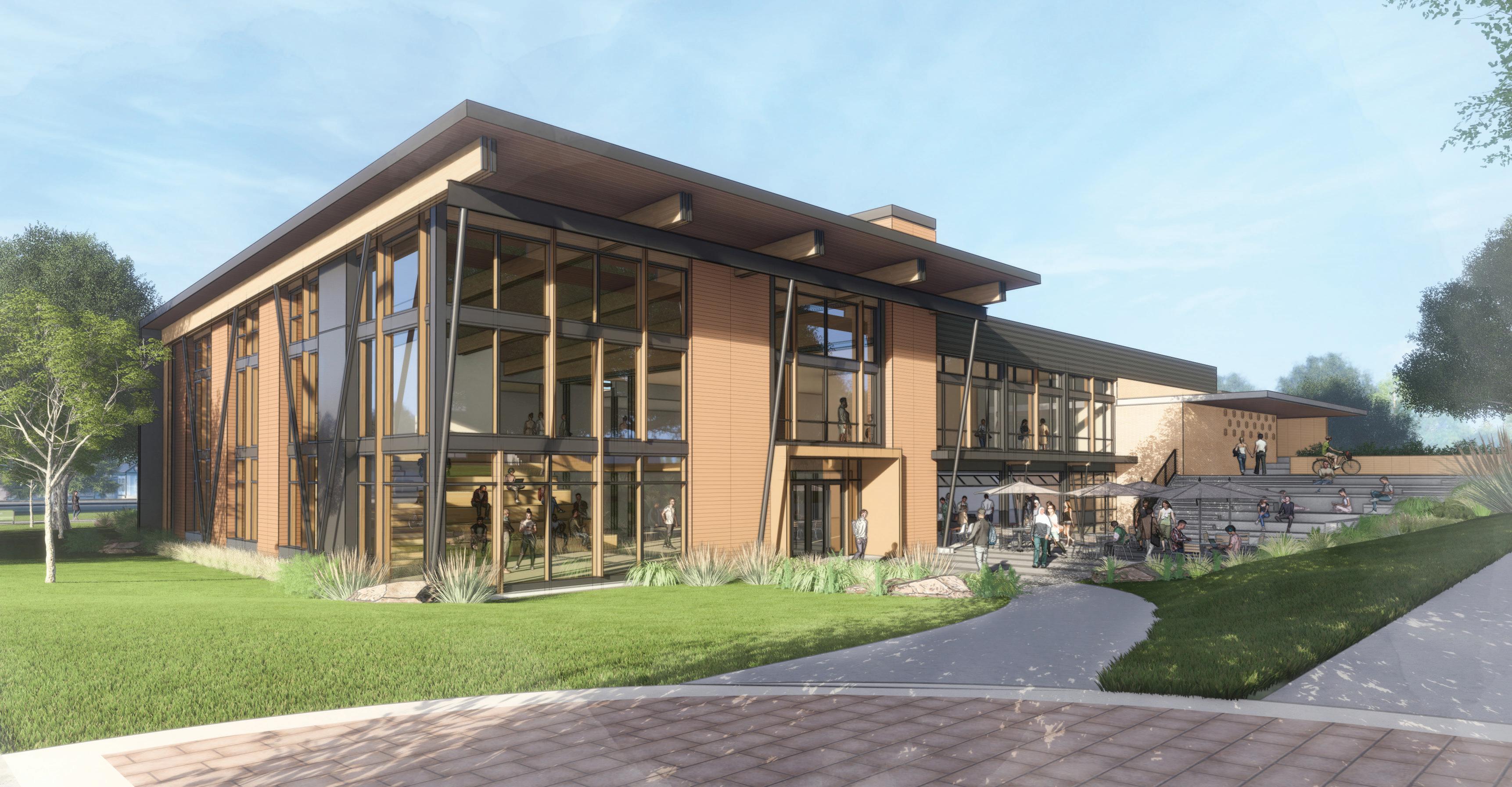
The heart of a home may be the kitchen, but a living room is essential for gathering, too. For that reason, the university has launched a complete renovation of 68-year-old Kellogg Hall to continue its durable service well into the future.
The renovations and a new addition will:
• Result in more than 22,000 square feet devoted to gathering, ministry, and student life.
• Feature Campus Ministries and Student Life offices, living-room gathering spaces, The Atlas, dining hall, game areas, a band practice room, and more.
• Modernize kitchen and servery areas to better accommodate hundreds of students.
In April 2025, the university broke ground on the project, and in April 2026 announced the successful completion of fund raising for the $23 million renovation.
“Community is ingrained in every aspect of our campus, from academics to spiritual life. Students want to enjoy time with one another, make new friends, and spiritually mature together,” says Noah Brown, 2025–26 ASWWU president. “The Student Life and Ministry Center is the realization of these desires, in the form of a central building designed specifically for human connection.”
Work is planned so that students can access the dining hall during the academic year. Students are expected to fully occupy the new Student Life and Ministry Center in December 2027.
93% said their experience at WWU increases the likelihood that they will be involved in service in the future.
and-gravy breakfasts to sushi and “Cam’s Curry,” made-to-order wraps, and a fresh salad bar. Students may choose from four meal options, each structured around the number of cafeteria meals a student needs for each week. Last year, Sodexo served 183,911 meals.
Electric cars. Thanks to an electric vehicle car-share program launched on our campus in September 2025, students now have convenient access to clean, affordable electric cars when they need them. Through a convenient app, students can rent an electric car for just $5 per hour, not including a small usage fee and taxes. In the first seven months of the program, four electric cars were driven 30,764 miles, with approximately 45 drivers utilizing them per month for everything from medical care and grocery trips, to social excursions in our region and beyond.
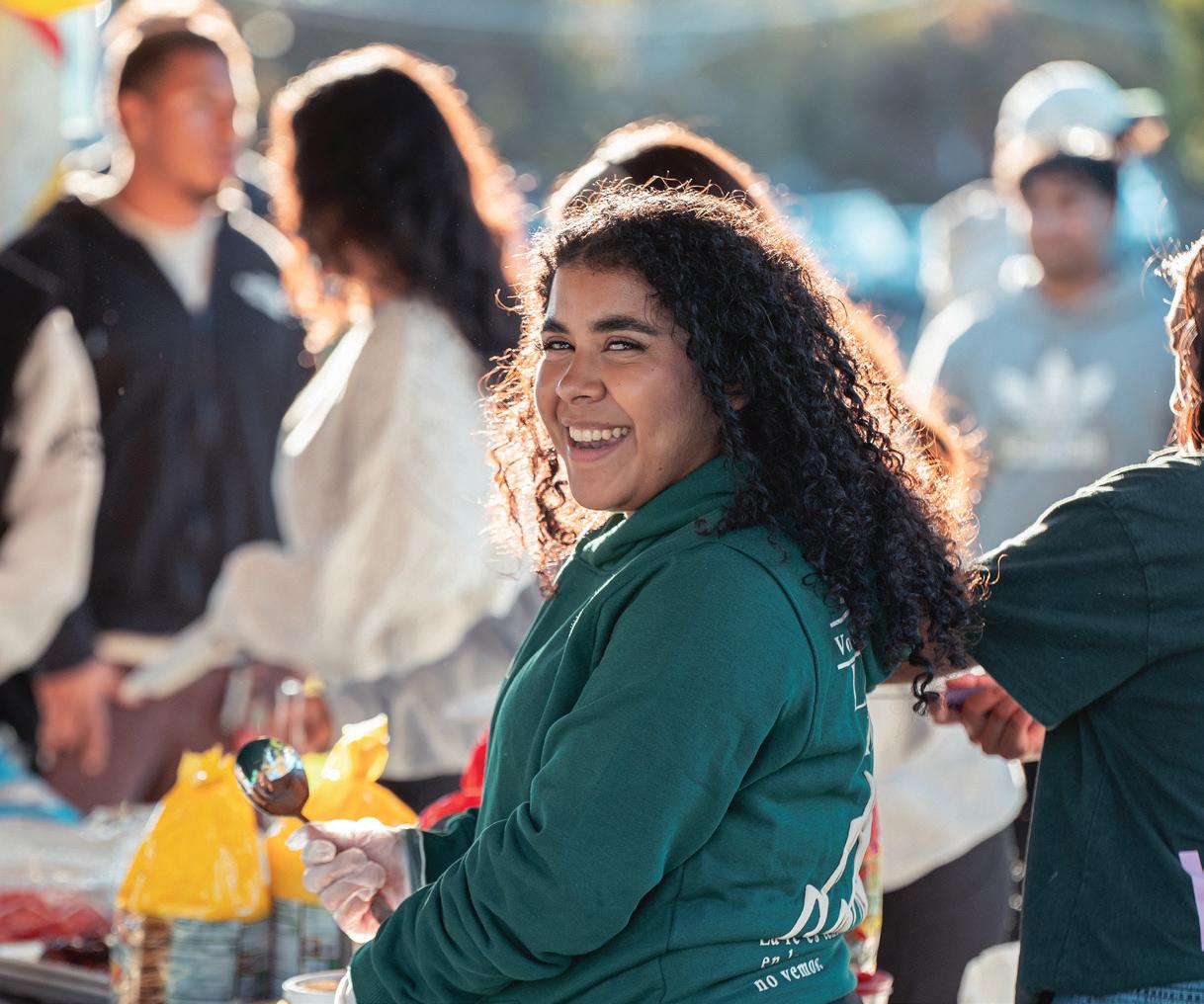
Practicing generosity in service is central to our mission, and one of the best ways to facilitate closer connections and a kinder community.

Center for Humanitarian Engagement. Founded in 2018, the CHE continues its work to develop leaders, connect students to service opportunities, and engage our local community.
During the 2025–26 year, the CHE employed 24 students and facilitated 201 service initiatives impacting thousands of local community members throughout our region. These initiatives include:
• Hey Neighbor Neighbor! community engagement program.
• Walla Walla Tool Library.
• Fall Service Day.
• Tri-College Community Day.
• Short-term mission trips.
• Weekly service opportunities to connect students with local nonprofit organizations and community partners.
Enactus Club. Through the Enactus Club, students are invited to apply business concepts to develop entrepreneurial projects that transform lives and improve our world. Students connect with business leaders to propose and launch projects.
In recent years WWU’s Enactus Club has been recognized by awards, including:
• University of Washington EarthLab Community Impact Prize, finalist.
• Alaska Airlines Connie Bourassa-Shaw Award, first place.
• Loma Linda University Virtual Healthcare Business Case Competition, second place.
• Hyve Student Pitch Competition, third place.
I wanted to try something really different and out of my comfort zone, so I served as a student missionary at a home for girls ages newborn to 12 in Kenya, in the hills above the Maasai Mara. Life in Kenya is much simpler—being around the same people all of the time, washing clothes
by hand, no microwaves, worship every night. You form deep connections in ways we don't here. I am bonded for life to the people I served with, and to the people we served.
My time there showed me that it is possible to make deep connections with someone that I could barely understand at first, and if I could do that, nothing can stop me from connecting with people now.
Engineers Without Borders. EWB at WWU offers students opportunities to apply classroom learning in real local and global communities. Through EWB, WWU’s engineers partner with communities in developing countries. In August 2025, WWU’s EWB team traveled to Manda, Tanzania, to build and launch their designed solar-powered water pump system, providing 5,000 people with potable water.
His Kids in Action Club. On Sabbaths, these WWU club members offer afternoon programming and mentorship to children in at-risk environments in the Walla Walla area. WWU students lead out in games, singing, Bible stories, and crafts, offering a safe and welcoming place to be during the weekends.
Though serving hundreds of students is the primary focus of Walla Walla University, the university is also committed to engaging with its alumni and our church constituency in the Pacific Northwest.
Connecting alumni. An engaged alumni community is essential to advancing Walla Walla University’s
mission and supporting students.
At its annual business meeting in April 2025, the WWU Alumni Association combined with the university’s alumni engagement team, leaving control of alumni endowments to the newly created Alumni Foundation. The change was prompted by the alumni officers’ desire to more accurately reflect the role the separate nonprofit organization plays in managing the alumni endowment funds that support the university, and to return day-to-day alumni engagement activities to the university. Additionally, a seven-member Alumni Council was formed to provide alumni with opportunities for continued relationship with the university community.
Currently, services to alumni include:
• Transcript requests (facilitated through Academic Records).
• Career services, including help with graduate school applications, and internship and job searches.
• Events throughout the year, including the annual homecoming weekend each April.
• Havstad Guest Room reservations.
• Social networking on Facebook, LinkedIn, and Instagram.
• Westwind magazine three times each year.
• Free baby bibs for our newest “Baby Wolves.”
• Alumni prayer requests.
Supporting NPUC churches and schools. Walla Walla University cherishes its place among the Adventist churches and schools in the Pacific Northwest.
In addition to serving the NPUC’s students, the university:
• Makes professors available for preaching and teaching through the WWU Speakers Bureau (wallawalla.edu/speakers).
• Helps with academy weeks of worship, Senior Survival trips, and vespers and chapel programs.
• Offers dual-credit classes for Adventist academies.
• Provides tournaments and music festivals for Adventist academies.
• Offers job-embedded NAD certification courses for NPUC teachers.
• Offers space for executive meetings and conferences.
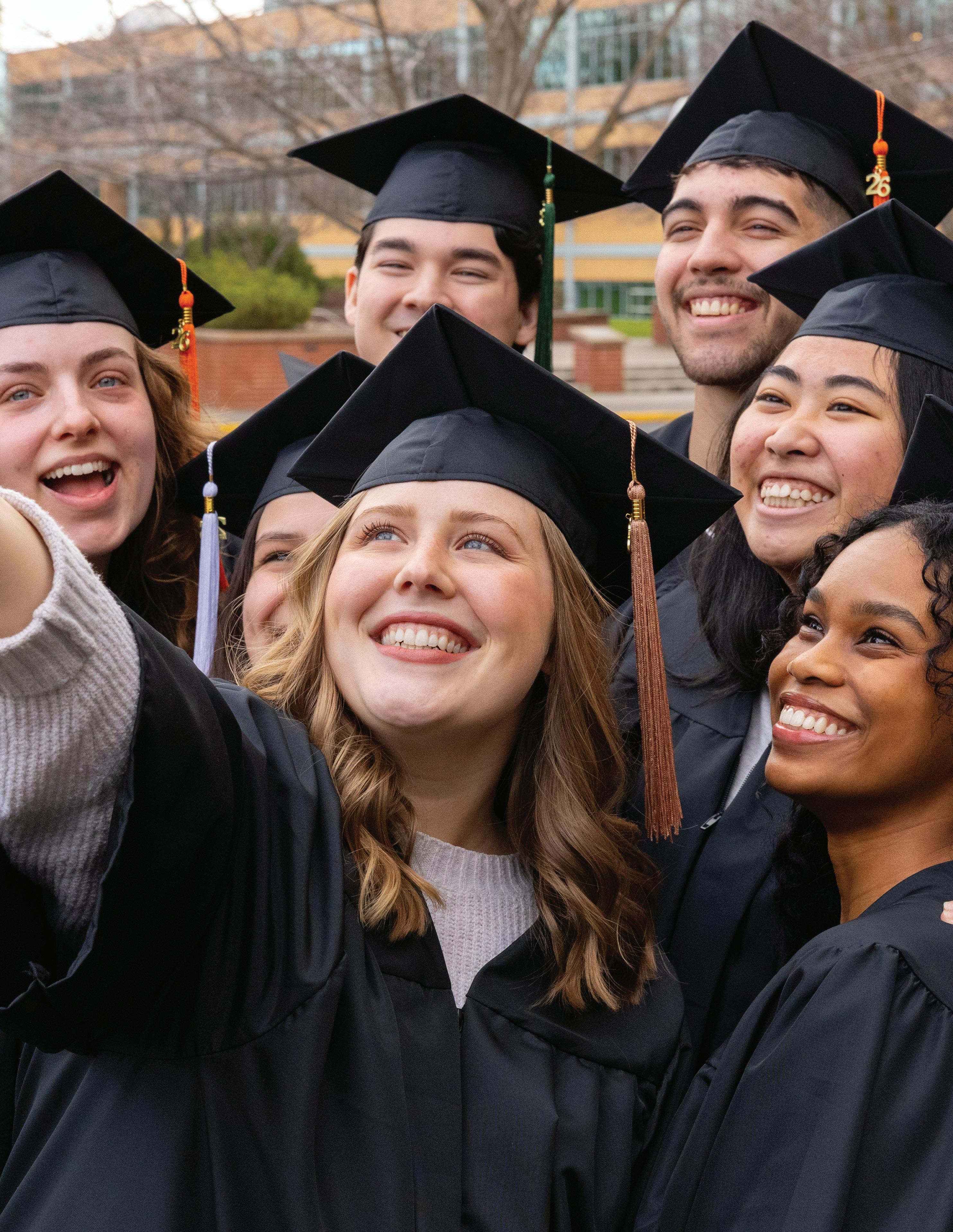
“We are a community of faith and discovery.”
For 134 years, this identity, now succinctly expressed in our mission statement, has called Walla Walla University to serve as a hub of discovery where learning—curiosity, exploration, discerning, practicing—prepares students both for the here and now, and for the “world to come” that Ellen White refers to in her book, Education
Walla Walla University alumni routinely report that they were well-prepared for successful careers and leadership opportunities. While these heartening reports validate the university’s focus on excellence in thought, we continue to insist on attention to whole-person education—academic, spiritual, and social. Here at WWU:
• Students learn in smaller class settings, taught by Seventh-day Adventist full-time faculty who are not only excellent in their areas of study, but who feel called to teach from an Adventist Christian perspective.
• WWU’s general studies program is structured to prepare undergraduate students for “responsible citizenship, generous service, a deep respect for the beauty in God’s creation, and the promise of re-creation through Jesus Christ” (WWU mission statement). For example, students participate in Ministry of Jesus, an academic general studies course, which requires up to 10 hours of service during the academic quarter.
• Graduate students take religion courses, such as Social Work, Religion, and Spirituality; Issues
95% of seniors agree that encouragement from faculty in their primary academic department contributed to their personal academic success.
in Religion and Culture; and Compassion and Wholeness.
• Weeks of Worship and Tuesday-morning CommUnity programs offer opportunities for entire campuses to gather as a community of faith and discovery, exploring topics centered around faith development and well-being.
To ensure that our hearts and minds are attuned to God’s call to serve our students well, university faculty and staff gathered at the beginning of the 2025–26 school year for what promises to become a yearly tradition—a dedicated week of worship focused on building faith and modeling the ways of Jesus to our students.
While our commitment to holistic Christian education remains the same, our rapidly-changing world calls for new skills and integrated learning opportunities.
New degrees and programs. In recent years, Walla Walla University has introduced new degrees and programs
MICAH FIRST-YEAR AVIATION MANAGEMENT MAJOR (EMMETT, ID)
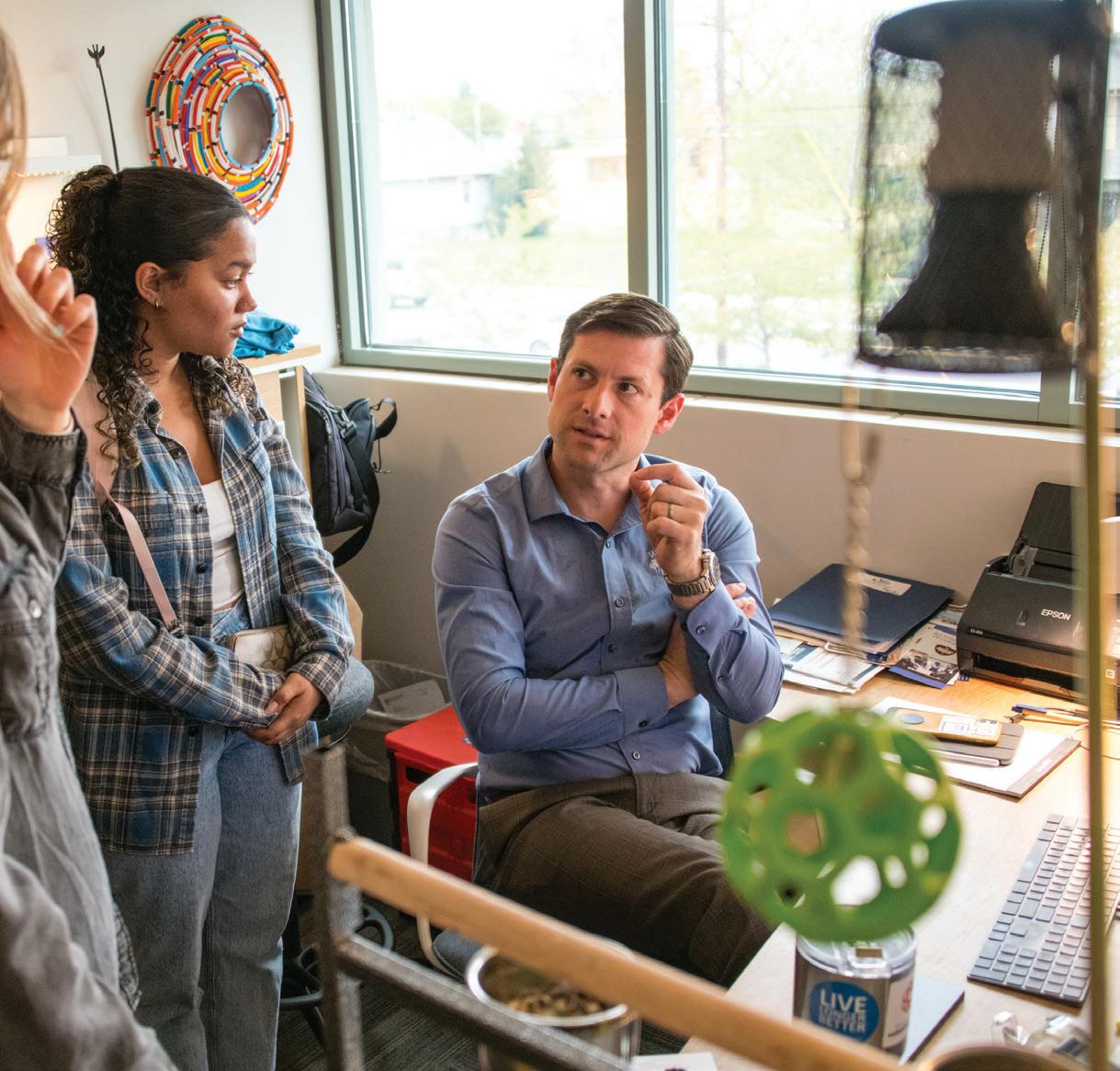
Starting college this year was an adjustment, but in a good way. I set a goal of always being able to sit at a table in the cafeteria and know the people. I made good friends, and that has been helpful.
Time management is important here, using time well to complete my studies. I learned the importance of balance, too. Aviation is a time-consuming major— you have to be physically and mentally capable to
do it well, which means getting sleep and exercise. In the fall I took Ministry of Jesus and it was not easy. But that class started me off on the right foot, and has helped me a lot spiritually. Yes, I'm on a tighter schedule here, but the way I see it, my attitude and outlook will affect how it goes.

to meet the demands of the future, including:
• Undergraduate degrees in:
• Artificial intelligence (B.S.).
• Cybersecurity (B.S.).
• Digital communication (B.A.).
• Game development (B.S.).
• Human biology (B.S.).
• Marine biology (B.S.).
• Religious studies (B.S.).
• Science education (B.S.).
• Visual arts (B.A.).
• The university’s first three-year undergraduate degree—a bachelor of applied science (BAS) degree in computer science.
• A newly-formed Visual Arts Department that offers undergraduate degrees in:
• Graphic design (BFA).
• Film (BFA).
• Fine art (BFA).
• A two-year associate of science (A.S.) degree in allied health.
• A new fully online and self-paced M.Ed. (master of education) program designed for working educators who want to complete a full degree or take individual certificates, including:
• Integrative STEM.
• Integrative Teaching and Learning.
• Integrative Teaching and Learning: Professional.
• K-12 Educational Leadership.
• K-12 Educational Leadership: Advanced.
• K-12 Educational Leadership: Professional.
• Special Education.
• Special Education: Advanced.
• Special Education: Professional.
• A fully online and asynchronous MBA (master of business administration) program that offers a general master’s degree, as well as six specialization or graduate certificate options:
• Artificial intelligence.
• Business analytics.
• Cybersecurity.
• Faith-driven healthcare.
• Finance.
• Ministerial leadership.
• A fully online MSW (master of social work) degree.
Adjustments and re-alignment. To ensure university resources meet the demands of the future, the university consistently conducts strategic review of degrees and programs. In recent years, some university programs were
At the core of our academic programming is an accessible and involved School of Theology team whose priority is developing future leaders equipped for a ministry of proclamation, worship, and nurturing within the Seventh-day Adventist Church. Through their expertise, WWU students can:
• Explore their faith in courses such as Exploring the New Testament, History of Adventism, World Religions, Christian Ethics, and Jesus and The Gospel.
• Learn to lead through courses such as Community Engagement for Churches, which familiarizes students with strategies to plan community service
adjusted or discontinued, including:
• Spanish major.
• Cinema, Religion, and Worldview master’s degree.
• The Wilma Hepker School of Social Work and Sociology Montana MSW campuses in Billings and Missoula were closed as the university anticipates growth in the fully online master of social work program. In-person MSW studies are still available on the College Place, Washington, campus.
The rapid development of technology is reshaping higher education in profound ways. To ensure the success and
well-being of our students, both now and as they graduate into professions, the university is taking intentional steps to discover and apply new resources.
Leading AI literacy. WWU has launched classes, degrees, and initiatives to ensure students, faculty, and staff are prepared to utilize artificial intelligence with skill and discernment, including:
• A bachelor of science degree in artificial intelligence, offered through WWU’s Department of Computer Science, to teach students how to build AI systems, and also to evaluate, critique, and responsibly use them.
• An MBA with artificial intelligence specialization for working professionals interested in driving business innovation, efficiency, and ethical decision-making through a strong understanding of AI technologies.
• Embedded AI learning in every WWU School of Education and Psychology education technology course.
• A summer course for experienced teachers on using AI to support standards-based learning.
• AI Ready training for faculty and staff, offered through the Council of Independent Colleges, that focuses on pedagogical and business uses for AI.
for church groups.
• Learn wholistic approaches to planning and deploying evangelistic initiatives in Public Evangelism class.
• Participate in internships focused on training and mentoring for future pastors.
• Discover firsthand perspectives on Christian service and biblical history through trips to Thailand or the Holy Land.
School of Theology faculty who are highly skilled in religious scholarship and their respective areas:
• Teach more than 2,300 credit hours to WWU students from all majors each quarter.
• Share their expertise at the university’s convocations and colloquiums.
• Participate in the university’s worships and studentled churches.
• Provide a weekly Sabbath School at the Walla Walla University Church.
• Preach in regional churches and at Seventh-day Adventist camp meetings.
• Produce The Good Word, a weekly 13-minute podcast that explores biblical and theological topics.
• Publish articles, books, and Bible commentaries, including contributions to The Andrews Bible Commentary.
Presentations and posters shared during recent WWU
Academic Symposiums:
The Brain as an Integrated System Through the Constructionist View of Emotions—Maia Mejia
The Influence of Media Framing on Professional Athlete Reputation—Stephani Castro
Night Owls vs. Day Dwellers: Zooplankton of Rosario Straight—Claire Schaffer, Ryan Coon
“The Question of Palestine” and Recognition of Palestinian Statehood Within UN Resolutions —Caidyn Boyd
Are Clams Picky Eaters? Growth and Filtration Rates of Purple Varnish Clams Consuming Toxic and Nontoxic Diatoms—Zach Blood, Wren Dawson, Garrett Ellis
The Correlation Between Anxiety and Gratitude—Grace Gonzales
A Model of ECM-Mediated Wound Angiogenesis—Molly Ahola
Choose Your Character: An Examination of the Relationship Between Personality and Video Game Genre Preferences—Joanna Lasher
Investigation into First-Date Expectations and their Effect on First-Date Enjoyment—Lauren Vizcarra, Caeden Rogers
A Cable Equation LACE Model for Octopus Rubescen—Elijah Haynal
The “Why” Behind Early Marriages Within Religious Contexts—Lorelei Harbour, Megan Carreon
Center for Teaching, Learning, and Technology. To make the most of an increasingly complicated learning environment, WWU established the Center for Teaching, Learning, and Technology to help faculty deliver exceptional learning experiences.
Center staff:
• Research and promote new instructional technologies.
• Help facilitate online courses.
• Provide support for using instructional tools.
• Advise on best practices in teaching, accessibility, and course assessment.
Student success is more than an institutional goal at Walla Walla University—it’s a sacred calling to “foster the unique gifts of every individual within this Christian community of faith and discovery.”
The university offers a variety of services to help students succeed, even well beyond their college years.
Career services. Students can access countless opportunities for experiential learning and career exploration and planning, including:
• Internship databases.
• Employment application preparation.
• Interview training.
• Career fairs.
• LinkedIn profile preparation.
• Business etiquette training.
• Personality and interest assessment and counseling.
• Connections to industry leaders.
Freshman mentoring program. First-year students are paired with a trained personal mentor to help them navigate their first year at WWU.
More than 30 freshman mentors and four academic case managers connect with students weekly to offer support and promote resources for help with academics, physical and mental health, finances, social opportunities, choosing a major, job exploration, and spiritual matters. Students’ grade point averages are improved, and the program increases the likelihood that the student will stay in college.
Health and wellness. Whole-student wellness is coordinated through our Student Health and Wellness program. Three full-time counselors serve around 250 students each year, offering problem-solving resources in an environment of respect and acceptance.
WWU’s College Place Health Clinic, provided by Columbia County Health System, offers primary care, family medicine, and preventative medicine services; sports physicals; chronic disease management; and medication management services for behavioral health.
Disability services. We are committed to promoting educational access and inclusivity for all students. Nearly 350 students have received assistance, such as:
• Electronic books.
• Test access assistance.
• Housing and dietary accommodations.
• Interpreter accommodations.
• Lecture and note-taking assistance.
• Adaptive technology and equipment loans.
Internship services. An important part of the academic learning process, internships help develop skills and confidence, and they help students make important connections for their future. WWU students use Handshake, a job internship platform, to connect undergraduates and alumni find the right job for them. In 2025–26, 130 unique external organizations employed WWU student interns.
Peer tutoring. Experts in their subject areas, peer tutors train to connect students with resources, identify students at risk, and utilize strategies for effective tutoring
sessions. Twenty-three peer tutors have received national certification from the College Reading and Learning Association. Each year they serve on average 421 students through 3,635 tutoring visits.
Student employment is an important tool for academic and personal development. A campus job can reinforce classroom learning by offering practical experience and improving personal discipline while helping to reduce college debt.
The average WWU student works 8.66 hours per week during the academic school year, representing nearly $4,500 of earnings (not including summer work) that can help offset college costs.
Nearly 70 percent of the university’s undergraduate population works on campus in more than 1,380 positions. Through their work, students not only support WWU’s
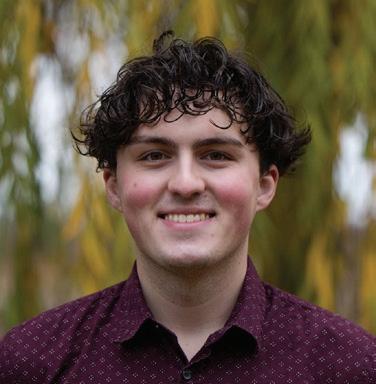
For the last two years, I have tutored math, engineering, and physics. I am an engineering major who really loves math, so I have tried to help others find a little joy in it, too. It has been nice to work at the SDC. I know the people I work with, and I often know the students coming in.
This job definitely strengthened my fundamental math skills, and interacting with others also
strengthened my social skills. I learned to tailor my tutoring approach for each student's learning style. Now a graduate entering the work force, I am sure I will draw on this experience when I have to explain what I am working on to my coworkers or clients.
$17.13 per hour is what students earn when they work at WWU, an added benefit for on-the-job learning.
essential functions, but they can build impressive resumes and expand their professional networks, better equipping them for the search for employment after graduation.
Each year, Walla Walla University supervisors are invited to nominate exceptional student employees for the Student Employee of the Year Award. Selected students receive a scholarship, and they are formally recognized at the university’s Awards CommUnity Celebration in May.
Recent winners include:
• 2022—Noahnna Slaton, Grounds Department
• 2023—Samuel Schaffner, Campus Sound
• 2024—Alex Wiedemann, Athletics Program
• 2025—Allie Clapp, Student Development Center
• 2026—Josue Mendez, Chaplain’s Office
1 of 7
WWU is one of only seven private colleges in the U.S. where you can study marine biology at a marine laboratory.
#3
WWU ranks third in Washington state for percentage of graduates earning doctorates in science or engineering, and first among North American Division Adventist universities.
6
Specializations offered through the MBA program, including artificial intelligence, business analytics, cybersecurity, faithdriven healthcare, finance, and ministerial leadership.
10
Aircraft in WWU’s aviation program fleet, allowing nearly 80 students to learn at a tower-controlled airport.
18
Specialized labs in the Edward F. Cross School of Engineering, one of WWU’s largest academic programs.
93%+
Nursing boards pass rates for WWU’s nursing graduates consistently exceed the national average—95 percent in 2023 and 93 percent in 2024.
1948
First WWU master’s degree launched (master of biology).
98%
Percentage of WWU’s student tutors achieving certification from the College Reading and Learning Association.
$5,000
First-prize award earned by WWU’s Enactus Club at the Alaska Airlines 2023 Environmental Innovation Challenge.
63,667
Total number of student credit hours taken so far in 2025–26.
100%
Acceptance rate for WWU’s engineering, history and philosophy, and humanities graduates into competitive graduate schools. Also, job placement rate for WWU’s automotive graduates.
Student credit hours (SCH) by year
For many students, learning is enhanced by field trips and study abroad options that offer new perspectives and opportunities to expand academic networks.
Since 2022, more than 80 WWU students have participated in the Adventist Colleges Abroad program, immersing themselves in languages and cultures around the world.
ACA is a consortium of accredited Seventhday Adventist colleges and universities across Europe, South American, and Asia. Currently, WWU students can choose to study in Argentina, Austria, Brazil, France, Israel, Italy, South Korea, or Spain.
In the last four years, more than 300 field trips and tours have allowed WWU students to learn and polish their skills by attending academic conferences, performing at churches, visiting businesses, and presenting academic work at
meetings and workshops, such as:
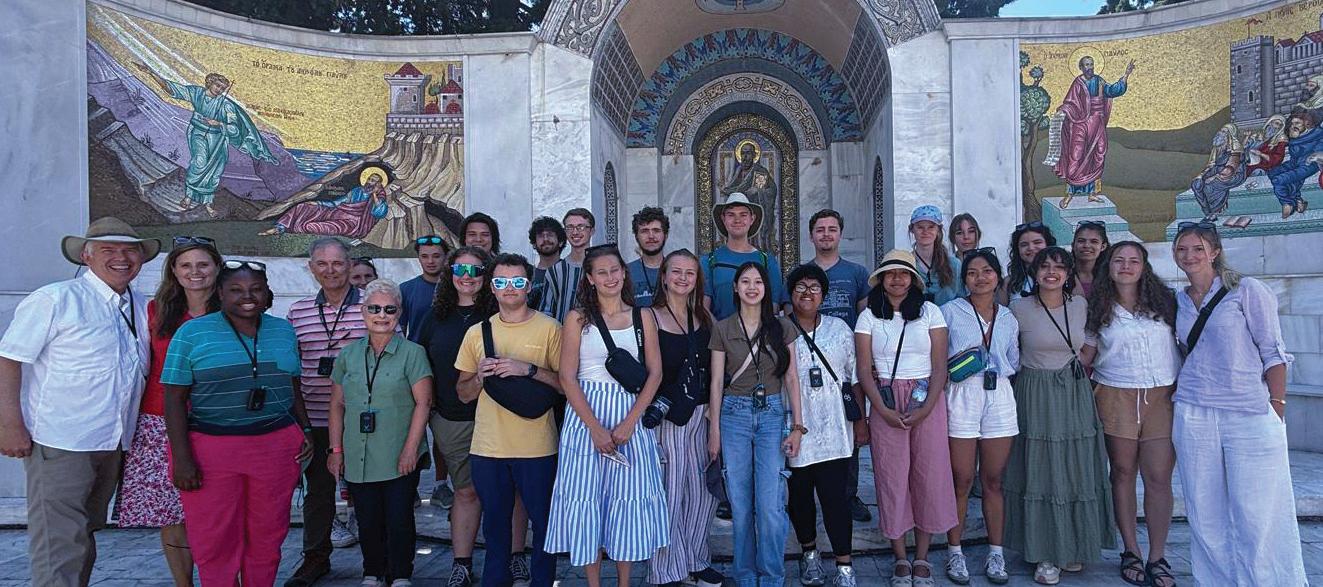
• A biennial Bible Lands Study Tour which offers students eight academic religion credits, earned while they explore the ancient biblical world in countries like Egypt, Greece, Israel, Jordan, and Turkey.
• School of Business Enactus Club competitions in places like Dallas, Texas; Loma Linda, California; and Seattle, Washington.
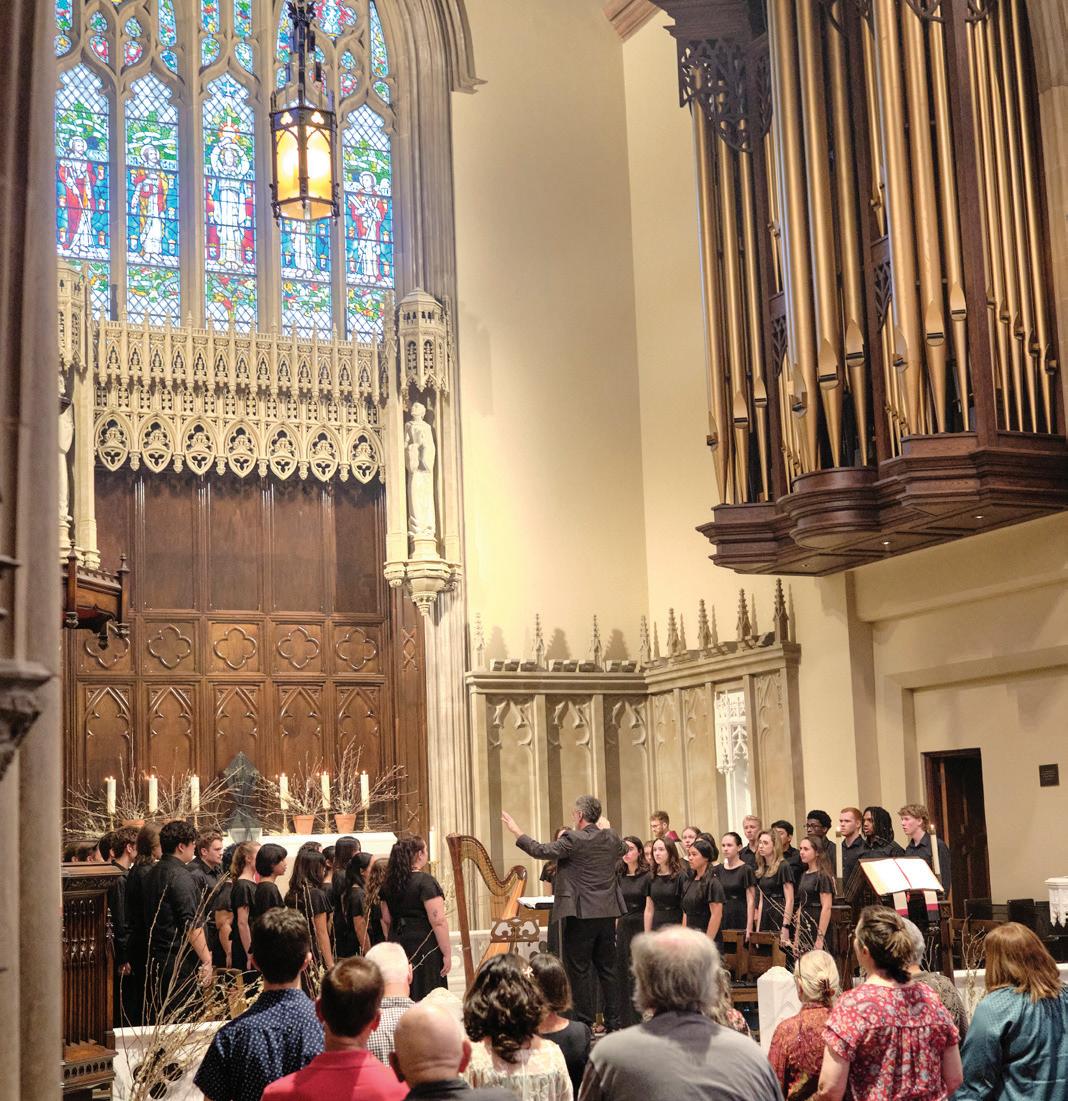
• ICantori Southern California Tour, featuring concerts at the University of Redlands, Loma Linda Academy, Loma Linda Korean Seventhday Adventist Church, Campus Hill Seventhday Adventist Church, Loma Linda University Church, and St. James’ in-the-City Episcopal Church.
• A Scotland Golf Trip, which combined learning about the cultural history of Scotland with opportunity to play golf, the national sport of Scotland, on its most iconic and historic links.
• SEMA (Specialty Equipment Market Association) Auto Show, where the university’s automotive majors explore trends in the automotive aftermarket industry.
• Shakespeare Festival Study Tour in Ashland, Oregon, where students enjoy the plays and musicals of the Oregon Shakespeare Festival, and then take a backstage tour to learn more about how multiple productions are presented each day.
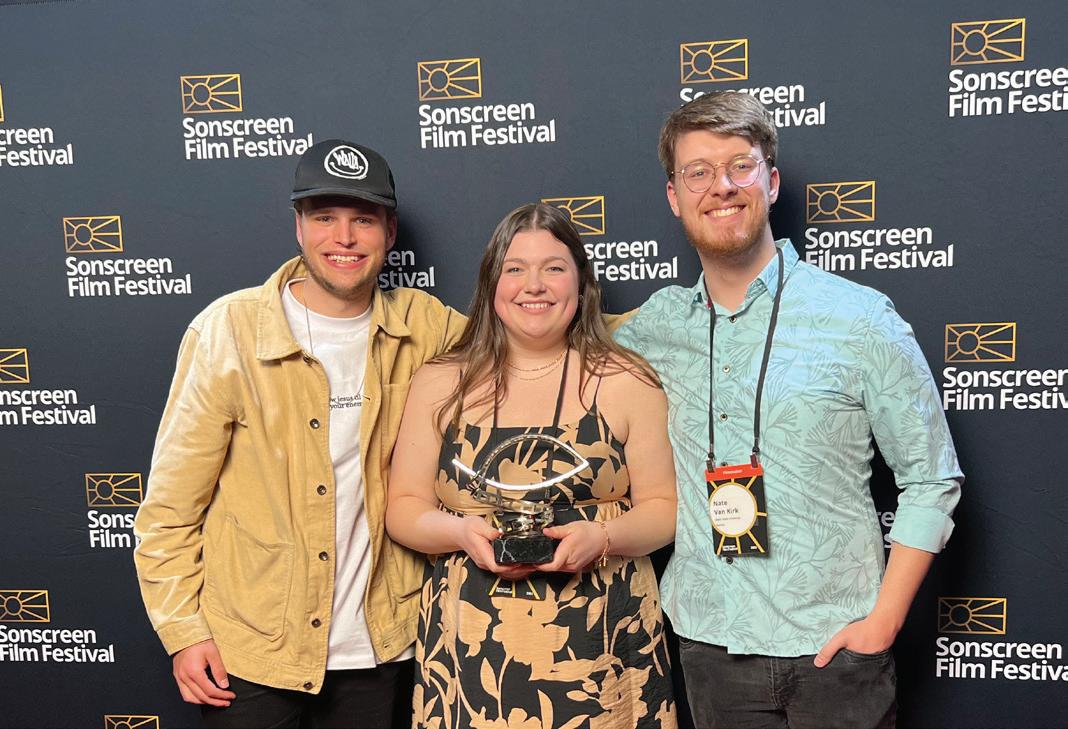
• Sonscreen Film Festival, where students can present their films and network with media industry professionals.
• The annual Thailand Outreach and Cultural Tour, which combines service projects with cultural experiences.
• World Trade Center in Tacoma, where students from WWU’s Principles of Marketing class present final projects to more than 50 business leaders and professionals.
• A biennial United Kingdom Study Tour that offers students up to eight hours of academic credit through literature and history courses, and the chance to explore iconic sites in the UK.
• Visits to companies like Alaska Airlines, Amazon, Boeing, Costco, Echodyne, Key Technology, Microsoft, and Starbucks.
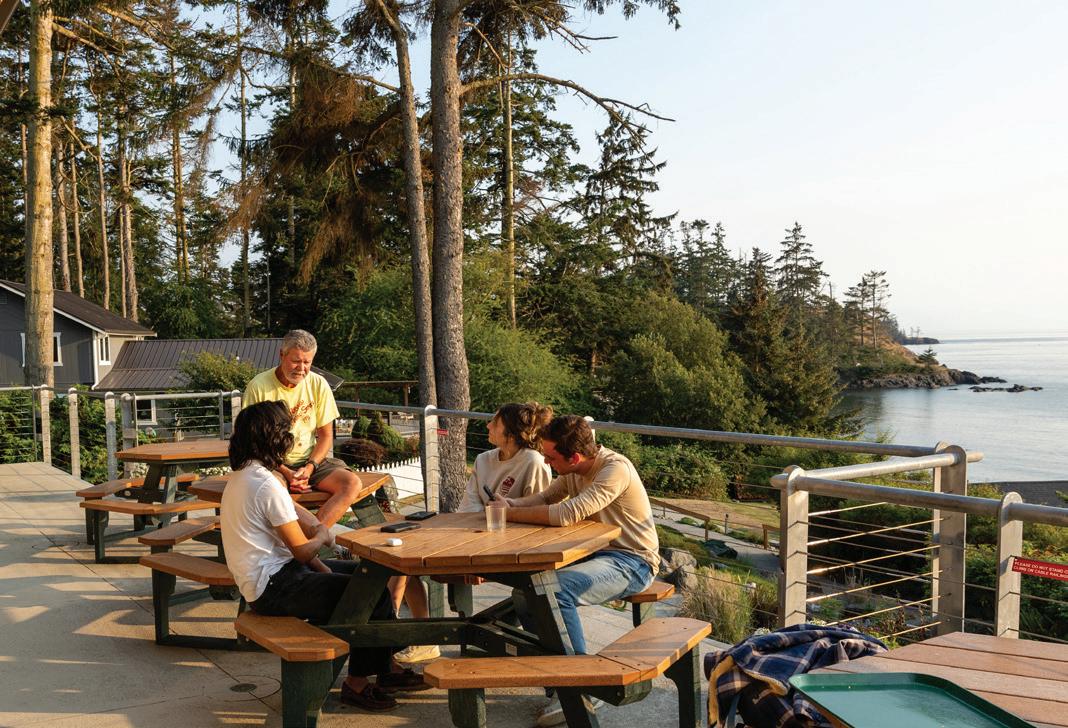
Since 1955, summer sessions at Rosario Beach have trained undergraduate and graduate students in marine, field, and experimental sciences in a Christian setting.
Established on 40 stunning acres nestled next to Deception Pass State Park, Rosario Beach Marine Laboratory is ideally situated—due to its cold water and ocean currents, the waters are filled with nutrients. Multiple marine habitats are just steps from the beachfront classrooms—tide pools, rocky shorelines, sandy beaches, mud flats, and deep water.
At Rosario, students can take courses such as general biology, marine invertebrates, cancer biology, and ornithology. In summer 2025, 37 students studied at Rosario.
This stress is prompted by shrinking student populations; shifts in federal policies that impact financial aid and international student attendance; and higher operational expenses, such as increase in wages, and increase in cost of materials and benefits like health insurance.
In service to its mission and to ensure strength and relevance well into the future, Walla Walla University continues to focus on cultivating revenue sources and carefully managing university resources.
Since 2021, overall WWU enrollment decreased from 1,601 to a low of 1,357 in 2023, but it has been steadily increasing since. In fall 2025, 1,496 students enrolled at WWU, the result of initiatives to both attract new students and retain current students, including:
• Hiring a partnership development recruiter to engage NPUC churches with the university’s programs and offerings.
• Launching the Pastor’s Visit Stipend Program for pastors who arrange campus visits for high school juniors or seniors who don’t already visit through NPUC academies.
• Strengthening connections with local high school guidance counselors and college-prep program advisors.
• Expanding the university’s visit programs to include group exploration events for home school students.
WWU is grateful for generous support and investment from NPUC church members, alumni, and partner organizations committed to helping even more students access Seventh-day Adventist higher education.
Investments in WWU. In 2025, the university received more than $11 million in gifts from private donors and partner organizations like the NPUC to help with student tuition costs; university academic, spiritual and social programming; and facility improvements. Of that, more
than $6 million was raised directly by the university, and more than $4.5 million was provided through NPUC subsidies.
In the last five years, NPUC capital funds provided assistance for major university projects, including upgrades for science education in Rigby Hall and the bioengineering lab, residence hall improvements, stage equipment, land purchases, and emergency pandemic costs. The NPUC has also invested $2 million in targeted scholarships to nourish Seventh-day Adventist education in our region, including the Bright Future Scholarship program for public school students and NextGen Scholarship program to help develop future pastors and teachers.
Life.Changing. Campaign completed. In April 2026, the university announced the successful conclusion of its ambitious comprehensive campaign to improve facilities and grow its endowment. As a result of the campaign:
• Bowers Hall, built in 1924, was completely renovated in 2017 to become home to the School of Business.
• WWU’s endowment funds were increased by more than $18 million, providing permanent financial support for scholarships, programs, and facilities.
• Kellogg Hall, now 68 years old, is undergoing a comprehensive $23 million transformation into a vibrant Student Life and Ministry Center. An
21% less—WWU's tuition and fees cost less than the national average for private colleges and universities.
addition and existing space renovations will create much-needed student gathering space, move Campus Ministries into the hub of student life, and modernize important student services like the cafeteria to serve WWU durably for years to come.
Supportive grants. Careful planning and focused grant writing has led to a variety of helpful awards in recent years, including:
• $235,000 M.J. Murdock Charitable Trust grant in 2023 to fund undergraduate research on harmful algal blooms.
• $2 million Clean Buildings Performance Grant from the Washington State Department of Commerce in 2025 to upgrade lighting and improve WWU buildings’ energy efficiency.
• More than $105,000 Washington Student Achievement Council grant in 2026 for nursing simulation and skills labs in Washington state.
Managing resources is an important part of the university’s stewardship plan. Each academic year, university leadership begins an intentional budget process based on enrollment projections for the following academic year, culminating in a final review and approval by the Walla Walla University Board of Trustees in spring.
Strategic adjustments. Post-pandemic dips in enrollment impacted the university’s revenue and added challenge to the budgeting process. In 2023, university senior leadership conducted an extensive review of the university’s programs to better match staffing and activities
with student demand, and to invest strategically in future growth.
In 2024, Walla Walla University was recognized as ranking third in overall best-value university and secondbest university for student living costs in Washington state. This designation was possible because of committed alumni, board members, and donors who helped to offset the costs to attend, and careful budget management to keep tuition affordable. The annual increase in tuition for the five years prior to June 30, 2025, averaged 3.4 percent.
Liquidity, debt, and financial health. As of June 30, 2025, the university recorded $15.3 million of cash on hand. External debt was $693,000, down from $1.8 million in 2021.
The Composite Financial Index (CFI), a tool for analyzing the overall health of an institution, is determined by four common financial ratios: primary reserve ratio (financial flexibility), net operation revenues ratio (operating performance), return on net assets ratio (asset return and performance), and viability ratio (ability to cover debt with available resources). CFI scores can range from -4 to 10, and the higher the score, the better.
In 2021, Walla Walla University’s CFI was 8.5, and in 2025 it was 5.9. For context, the average CFI score for all Seventh-day Adventist colleges and universities is 4.1. A CFI score of 6 or above indicates strong financial health and the ability to weather financial difficulties and/or invest in new programs..
Careful management of financial resources demands thoughtful maintenance of the university’s spaces and equipment. Some campus accomplishments from the last five years include:
• Improved nursing simulator equipment and laboratories.
• New well between Sittner Hall and the Power Plant.
• New chemistry mass spectrometer.
• New bioengineering lab and equipment.
• Winter Educational Complex parking improvements, and bike lane installation along 4th Street.
• Energy efficiency and lighting upgrades on our College Place campus.
Our net assets increased more than $10 million over the five years that ended June 30, 2025.
0.4% loan default rate for WWU students with federal direct loans, well below the national average of 11.3%.
• New classrooms in Lindgren Hall on Rosario Beach Marine Laboratory campus.
• Golf simulation room in Winter Educational Complex.
• Renovations to Portland Nursing Campus library space.
• New pavement for campus roads and parking lots.
Recent research shows that college graduates earn approximately $1.2 million more in their lifetime than those with only a high school diploma. But a Walla Walla University education offers priceless benefits beyond a paycheck—it stirs in our students a Christ-centered purpose, creates a strong foundation for professional success, and encourages lifelong friendships.
Despite its proven value, cost to attend Walla Walla University is still a worry for many, and the university works diligently to keep a Christian education within reach. Consider:
• WWU’s tuition and fees cost 21 percent less than the national average for private colleges and universities.
• 95 percent of WWU students qualify for financial aid, with an average annual award of $28,336.
• More than $40 million in financial aid is awarded to WWU students each year.
About loans. At WWU, we believe debt should never be considered lightly. For that reason, our Student Financial Services team offers financial literacy resources to help students and their families make thoughtful decisions:
• Cash Course.
• Guidance from financial counselors.
• A Public Service Loan Forgiveness Workshop.
• Tips for managing student loans.
• Exit Counseling.
In 2021, 68 percent of WWU seniors graduated with loans, and their average loan indebtedness was $34,023. In 2025, 59 percent of WWU seniors graduated with loans, and their average loan indebtedness was $32,281— nearly 24 percent lower than the national average loan indebtedness for a private, nonprofit institution.
And, our students make good on their loans. Our loan default rate is 0.4 percent, well below the national average of 11.3 percent for federal direct loans.
Scholarships. Academic excellence, leadership, and other accomplishments are rewarded by scholarships that don’t have to be repaid, including:
• Freshman and transfer scholarships for achievement, based on grades or test scores.
• Camp-Match Scholarship for students who work at overnight camps.
• Colporteur-Match Scholarship for students who work as colporteurs.
• Honors General Studies Program Scholarship for students in the WWU Honors Program.
• National Merit Scholarships Award for freshmen who achieve commended, semi-finalist, or finalist statuses.
• Out-of-Area Grant for students who reside outside of Washington or Oregon.
• Pell Partnership Scholarship for students whose
families report less than $60,000 in adjusted gross income.
• Spirit of Excellence Scholarship for select students who meet specific grade and test score requirements, and also apply via an essay.
• NPUC Bright Future Scholarship.
• NPUC NextGen Scholarship.
• More than $1.3 million in annual and endowed scholarships awarded to 932 current WWU students in May.
• Graduate student assistantships, the Graduate Dean’s Scholastic Achievement Award, and scholarships for social work and education graduate students.
Grants. Grants are awarded based on financial need, and do not have to be repaid, including:
• Church-Match Grant to match gifts from an undergraduate student’s home church.
• Federal grants (Pell, Supplemental Education Opportunity).
In recent years, the North Pacific Union Conference launched innovative investments in Adventist education to strengthen the church in our region, both now and into the future, including:
The Bright Future Scholarship was created in 2022 to support WWU students who showed financial need, with focus on supporting Adventist students from the NPUC areas.
Recently, the scholarship has been refocused to assist Seventh-day Adventist students in Alaska, Idaho, Montana, Oregon, and Washington who do not attend an Adventist academy or college. The scholarship helps with the student’s first year at WWU, enabling even more students to enjoy Adventist education.
To-date, 199 students have received the Bright Future Scholarship.
The NextGen Scholarship was established in 2022 to equip and recruit pastors and teachers for service in the NPUC.
In the last four years, 61 NextGen Scholarship students—35 theology majors and 26 education majors—have either graduated from or are currently enrolled in Walla Walla University programs.
NPUC tuition support may be available to pastors or teachers who wish to earn their MBA with a ministerial leadership specialty or certificate.
• Washington state grants (Washington College Grant, Washington State College Bound Grant).
• NPUC Grant, in partnership with WWU.
• Clyde and Mary Harris Grant for undergraduate students from Pendleton, Oregon.
• WWU Theology Grant.
• WWU Grant.
• Lewiston/Clarkston/Pomeroy Seventh-day Adventist Church Grant for undergraduate student members of these churches.
• Bureau of Indian Affairs Grant.
How to Pay for College workshops. Each year, WWU’s financial aid experts offer in-person workshops at NPUC academies and online workshops that cover:
• The process of applying for financial aid to most colleges and universities.
• Details about grants and scholarships.
• Data on the affordability of Christian education. You can find this online presentation and more at wallawalla.edu/webinars
Campus visit programs. A visit to campus offers the best way for a student to evaluate what is available to them, and what is important as they plan their future. WWU offers:
• Individual campus visits, both in-person and online, where we plan an entire visit around the student and their accompanying guests. See wallawalla.edu/visit for details.
Up to $900 is available per year to pastors who arrange WWU visits for qualifying members of their church.
• U-Days, offered in 2027 on March 4–6 and April 4–6. Join hundreds of juniors and seniors to explore college classes, academic majors, student life options, and to enjoy friend-making activities. (NPUC academies typically attend the April U-Days.) See wallawalla.edu/udays for details.
Resources for pastors. Pastors can help students as they step toward college, cheering them on and providing trusted counsel. To help, WWU offers:
• wallawalla.edu/guidewithpurpose , an information portal that includes FAQs about college, at-a-glance enrollment steps, and common myths and answers about WWU.
• Visit Stipend Program for Pastors, providing up to $900 in stipend per year for pastors who arrange WWU visits for qualifying members of their church. See wallawalla.edu/guidewithpurpose for details.
Walla Walla University is founded on Christian teachings and values as understood and appreciated by the Seventh-day Adventist Church. Central to these teachings is the belief that every person is created in the image of God as a being of inestimable value and worth, imbued with powers of intelligence, stewardship, and creativity akin to those of the Creator. Walla Walla University, therefore, seeks in its mission to foster the unique gifts of every individual within this Christian community of faith and discovery. Committed to excellence in thought, the university seeks to impart a broad knowledge of the arts, sciences, and professions by careful instruction and open inquiry at both the undergraduate and graduate levels. Recognizing that God is the source of all truth, goodness, and beauty, the university seeks to convey to students a wisdom that translates academic achievement into responsible citizenship, generous service, a deep respect for the beauty in God's creation, and the promise of re-creation through Jesus Christ.
Generosity in service
Beauty in expression
Faith in God