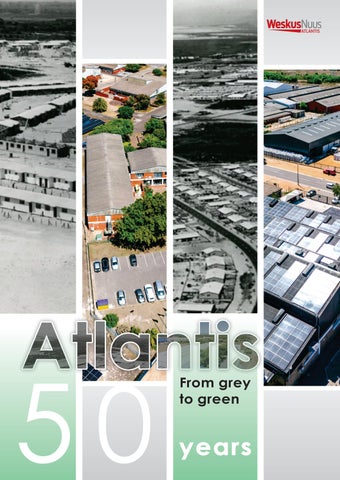
What a wonderful occasion to reflect on the journey of Atlantis – both as a community of people and as a critical part of Cape Town's future plans – as it celebrates its 50th anniversary. This milestone o�ers an opportunity not only to look back on a rich and complex history, but also to celebrate a future defined by innovation and transformation.
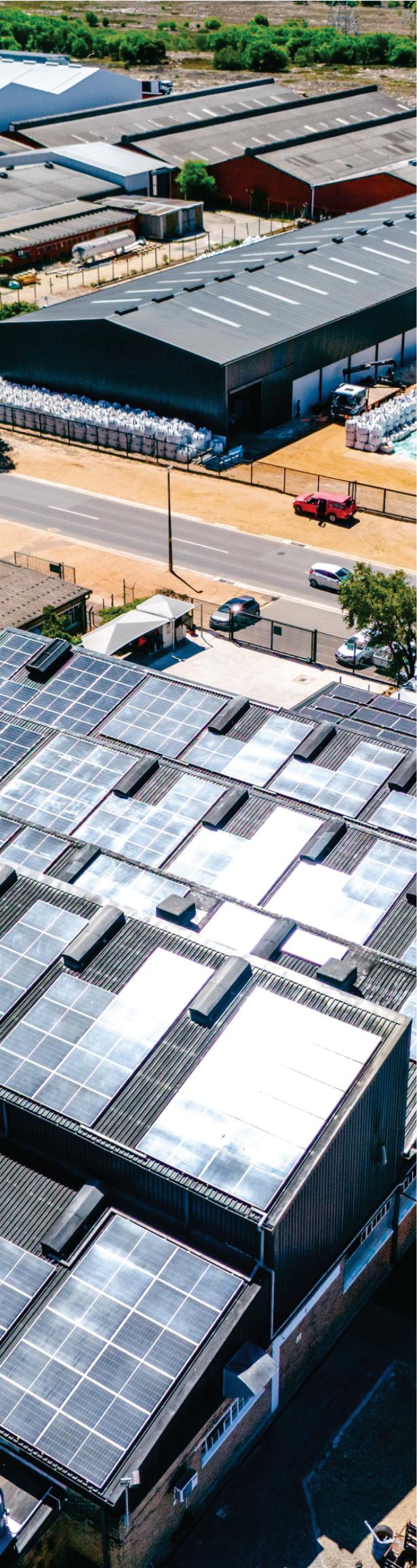
Atlantis, today, stands at the forefront of Cape Town's green revolution, embodying our vision to build Africa's most sustainable and future-focused city. This transformation has been driven by deliberate investment, strong partnerships with the likes of Wesgro, GreenCape and Invest Cape Town, and a commitment to improve the lives of the residents of Atlantis through increased economic opportunities.
A key milestone came with the establishment of the Atlantis greentech manufacturing hub in 2011, attracting pioneering green industries and laying the foundation for an ecosystem of innovation. This was further advanced with the launch of the Atlantis Special Economic Zone in 2018, and the transfer of City-owned properties to the SEZ in 2025.
Today, the Atlantis SEZ stands as a cornerstone of Cape Town's green economy agenda. With its strategic location and focus on renewable energy and sustainable technologies, it continues to attract investment that drives economic growth while positioning Cape Town as the green economy capital of Africa.
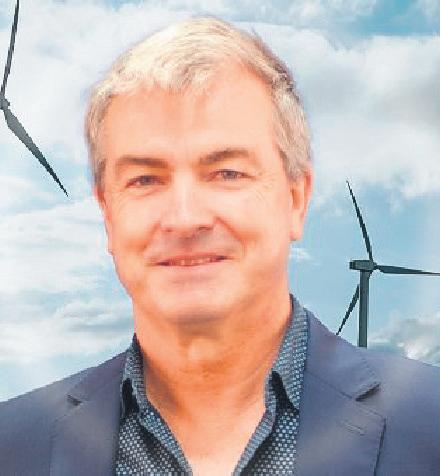
Foreword by the Executive Mayor
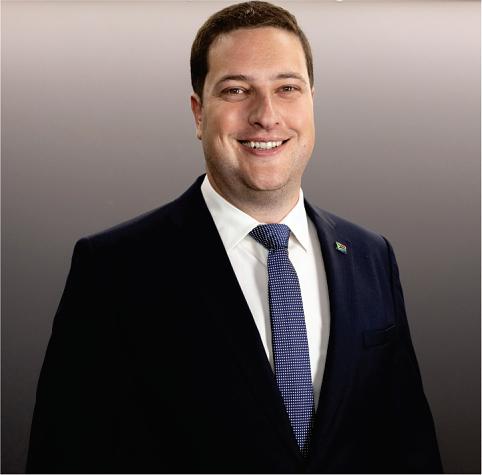
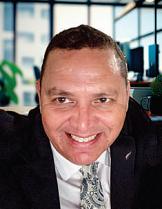
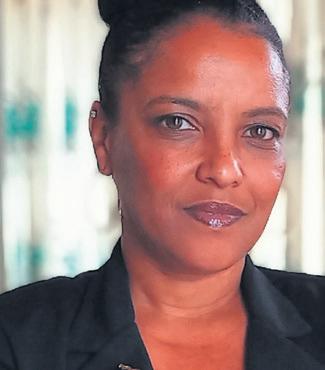
Geordin Hi ll-Lewi s Cape Town Mayor
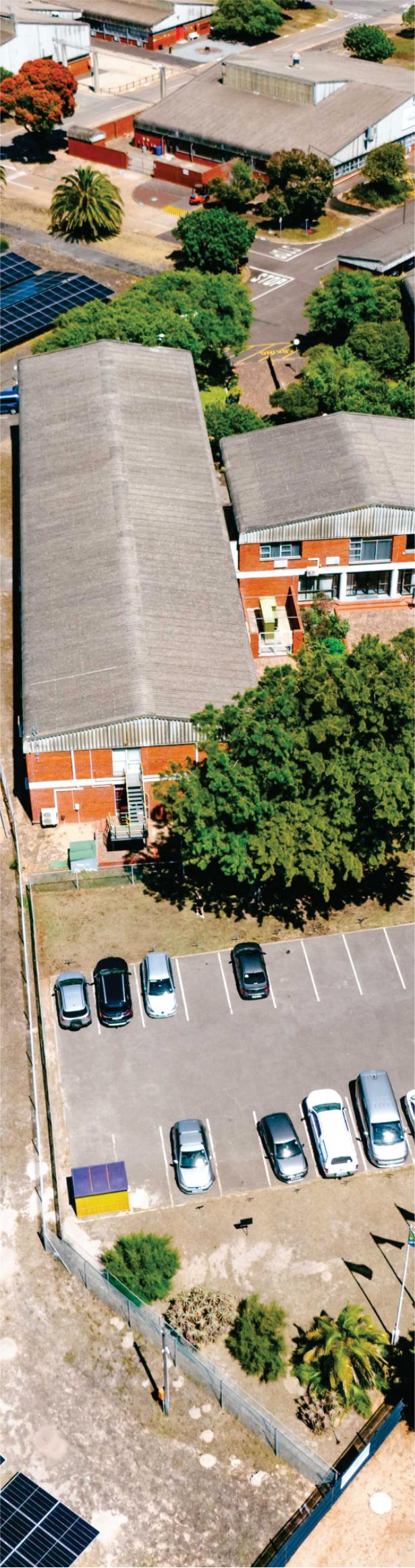
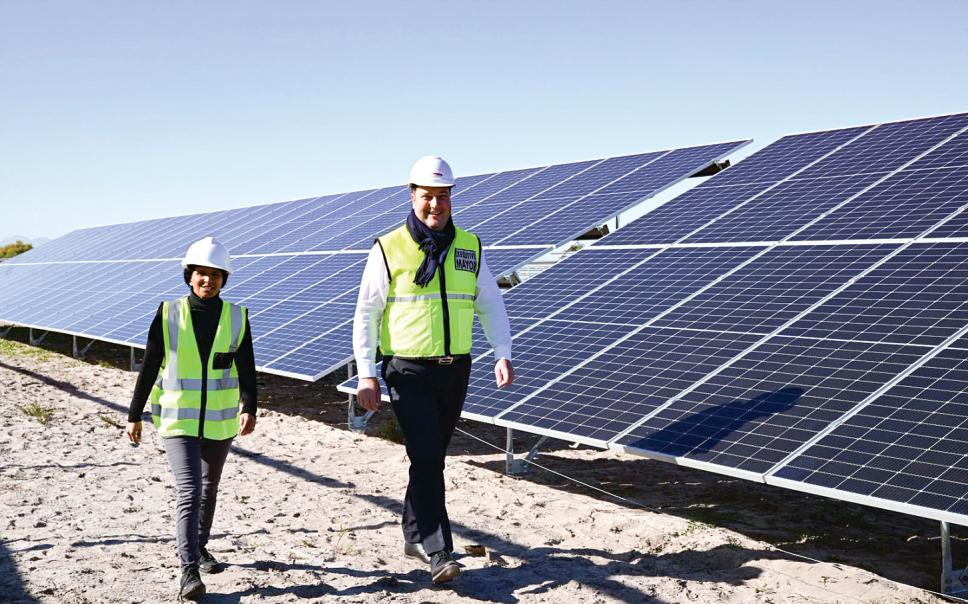
Atlantis is also home to the very first City-owned solar photovoltaic plant in South Africa – a flagship project in Cape Town's broader transition to alternative energy. As we work towards sourcing 35% of our electricity supply from renewable sources by 2030, initiatives like this signal meaningful progress.
Importantly, this transformation is creating real opportunities. Green investment in Atlantis is driving job creation, supporting local enterprise, and building a skilled workforce equipped for the green economy.
Congratulations to Atlantis on this wonderful milestone. The journey from grey to green continues, and the future is bright!
A promising future
The Atlantis Special Economic Zone (Asez) proudly serves a community on the move. The town looks to the next 50 years with much excitement. In this time there’ll be much growth and development, and a burgeoning green economy.
The transition of Atlantis “from grey to green” over this period is as much about changing technology as it is an opportunity for redefining the identity of Atlantis.
It is a journey to becoming the pioneering place that leads in living, playing and working sustainably.
When Atlantans imagine a “Green Future” they see a future when a parent in Pella, Witsand, Avondale or anywhere else knows their child has a pathway to a high-value career right at home.
To them they are building a zone, not to mention a shared future.
Atlantans are supporting the evolution of their community from a tough industrial heritage into a flourishing green future.
SEZ’s impact over the past five years has resulted in significant benefit for the local community, with more than R2,7 billion in
private-sector investment attracted, R24,4 million in procurement spent during the implementation of Zone 1 civil infrastructure and 496 jobs created for the Atlantis community.
Cullingham, CEO of Atlantis Special Economic Zone
More than 4 143 people have benefited from enterprise-development and skills-training initiatives in the same period.
Over the next 10 to 15 years alone at least another 15 factories, representing close to R10 billion in combined top structure and plant invested, are expected to be built. Those should create a combined 1 000 direct jobs and many more indirect and associated opportunities for a range of small business and companies in the value chain.
The total capacity of the SEZ when fully occupied is between 60 and 65 new factories, which will see new investment and growth for many years to come. In that time It will also see a growing number of initiatives in the enterprise- and skills-development space.
Local schools must, meanwhile, be supported in going green in all aspects and encourage businesses, government and the
ICONIC GASES, is a manufacturer of acetylene, oxygen and Nitrogen ga se s and ar e a ra pi dl y ex pan di ng co mp any su pp ly in g a comprehensive portfolio of Industrial and Speciality Gasses and Equipment for projects in the Oil and Gas, Offshore and EPC environments.
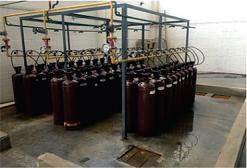
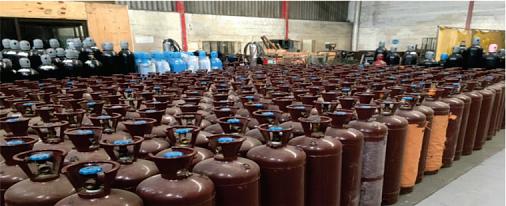
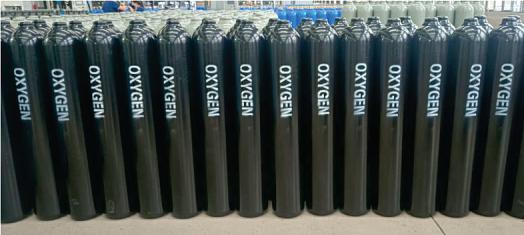
Iconic invested in their own cylinders and have over 3000 in stock for various gas applications.
OUR MISSION
We strive to create economic value to our clients so that we can set new standards of excellence.
OUR VISION
Iconic Gases to build on their ability to design, fabricate and operate their own gas plants and equipment to bring value to the speciality gas market.
ICONIC GASES ACETYLENE PLANT
Our Acetylene plants are designed and fabricated by in-house team of experienced engineers. Our commitment to excellence and customer sa ti sf ac ti on is un ma tc he d, al lo wi ng yo u to ac hi ev e to p- le ve l per formance with confidence.
ICONIC GASES HAVE BEEN SUPPLYING GASES TO A NUMBER OF OFFSHORE AND ONSHORE PROJECTS
community to invest in green technologies that green not only schools, but hospitals and public spaces too. What’s more, there should be a Spatial and Design Plan that imagines a totally green future for the town.
In all this there should also be a recognition that Cape Town is growing closer to Atlantis. So too does the potential for Atlantis as a whole town grow.
For example, Atlantis Industria is a quick and easy commute for anyone living on the West Coast (Parklands or Melbos) or the northern suburbs (Durbanville). With traffic congestion for the traditional industrial and residential areas increasing Atlantis becomes a great choice to investors to locate and grow.
With this the rising incomes and opportunities must be catered for by ensuring up-market housing and residential development in and close to Atlantis.
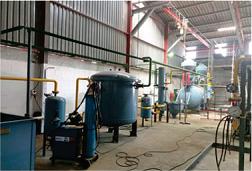
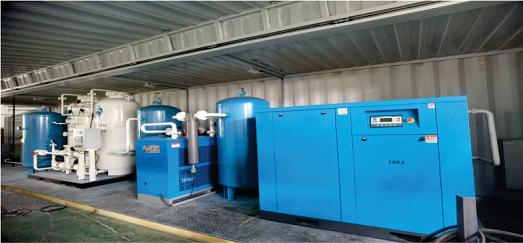
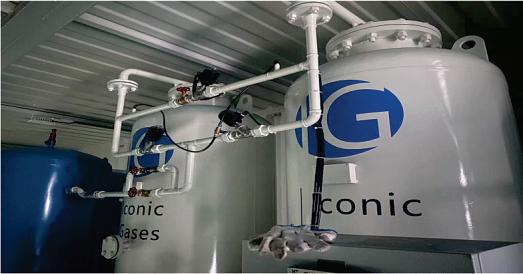
ICONIC GASES OXYGEN PLANT
With over 20 years of experience in this field, Iconic Design and Fabrication has continued with innovative improvements of the Pressure Swing Adsorption (PSA) process and strengthened its position as a leader in this field of technology
and
Matt
Design
Fabricate our own oxygen plants, driven by our in-house exper tise.
A brief history of Atlantis
F
orty kilometres from Cape Town, along the windswept West Coast, lies Atlantis. White sand dunes roll around factory buildings and rows of modest houses, creating a landscape that seems both stark and surreal.
It is a town born of a government plan, yet shaped by the lives of those who refused to be defined by itIn the 1970s the apartheid government chose the West Coast as the site of a new industrial city. Thousands of coloured residents were relocated from Cape Town to this barren stretch of land. They were promised modern homes and jobs in factories lured by government incentives. Atlantis was not a place that grew naturally; it was drawn on maps and built with purpose. Its creation was part of a larger vision of separate development, an attempt to segregate populations and direct economic activity away from the major cities.
Factories rose quickly. By the early 1980s Atlantis was home to around 50 industrial companies, employing workers from nearly 8000 households. Tedelex and Atlantis Diesel Engines dominated the skyline, their smokestacks punctuating the dunes. For many families these factories were the promise of stability. Workers such as Sylvia Brandt and John Markus found steady wages for the first time, while young people hoped the town’s schools and sports facilities would open doors to futures beyond the city limits.
projects just to put food on the table.
Even as the economy struggled, the community refused to stay silent.
In 1978, residents formed the Atlantis Civic Association to demand better access to services like water and electricity. By 1985, frustrated with a government-controlled management committee, local leaders created the Atlantis Residents’ Association. The association organized protests, street committees, and campaigns to resist evictions. It set up legal advice offices and gardening projects and challenged the town’s governance at every turn. Residents like Noel Williams and Abe Croutz became household names, speaking out not only for survival but for the right to have a voice. The ARA worked to make Atlantis ungovernable under apartheid while preparing its
GREEN TECHNOLOGY COMPANIES AND MULTINATIONALS HAVE INVESTED OVER R1 BILLION IN THE TOWN.
the town. The household-appliances company Hisense opened a factory in 2013, creating 300 jobs and a skills transfer programme with technicians from China. GRI South Africa followed, with wind-turbine manufacturing, adding more than 200 positions. Today Atlantis hosts more than 90 companies and seven government agencies, and has become a hub for renewable-energy manufacturing.
people for self-determination.
But prosperity was fragile. In the mid-1980s the government ended incentive programmes and defence-manufacturing contracts were withdrawn. Factories closed, jobs disappeared, and the town’s economy began to falter. Atlantis experienced mini-booms and busts, but uncertainty became part of everyday life.
Families who had relied on factory work scrambled to survive. Some households turned to small-scale trading, informal markets or gardening
Political life in Atlantis was complicated. The town had representation in the tricameral parliament through the Labour Party, but local governance was divided between the white-elected Industrial Council and the Coloured Management Committee. For ordinary residents it often felt as if the town was run by others, yet community activism created spaces where people could assert control over their lives.
The end of apartheid brought both freedom and uncertainty.
Factory structures still stood, but the companies that had inhabited them were gone. In recent years Atlantis has found a new identity. Green-technology companies and multinationals have invested more than R1 billion in
Chase Stafford, an honours student of history at Stanford University in the US, featured Atlantis in his 2005 thesis. He heard residents’ pride in what had been achieved. Annie Hewel recalled how her first job in a Tedelex factory gave her independence and a sense of purpose. Quinton Pick remembered helping neighbours fight evictions as a residents’ association. Sylvia Brandt worked in the green manufacturing sector and said that seeing Atlantis grow into a hub for renewable energy shows the town can transform even when the odds seem impossible.
US, featured Atlantis in his 2005 thesis. pride in what had been achieved. Annie Hewel recalled how her first job in a Tedelex factory gave her independence and a sense of purpose. remembered helping neigha residents’ association. the green manufacturing sector and said that seeing Atlantis grow into a hub for renewable
Atlantis’ story is ultimately about resilience. From a government experiment in segregation to a modern industrial and green technology hub, the town has been reshaped by the determination of its residents.
The factories, schools and streets may have been planned on paper, but the real heart of Atlantis is its people, who fought for their own rights and continue to pursue opportunities in a changing South Africa.
Today Atlantis is proof that communities can reclaim spaces and make them their own. It is a testament to how human agency, ingenuity and hope can endure in hostile circumstances designed to control people.
50 industrial companies,
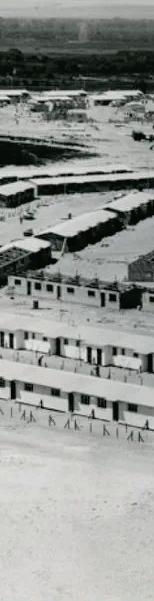
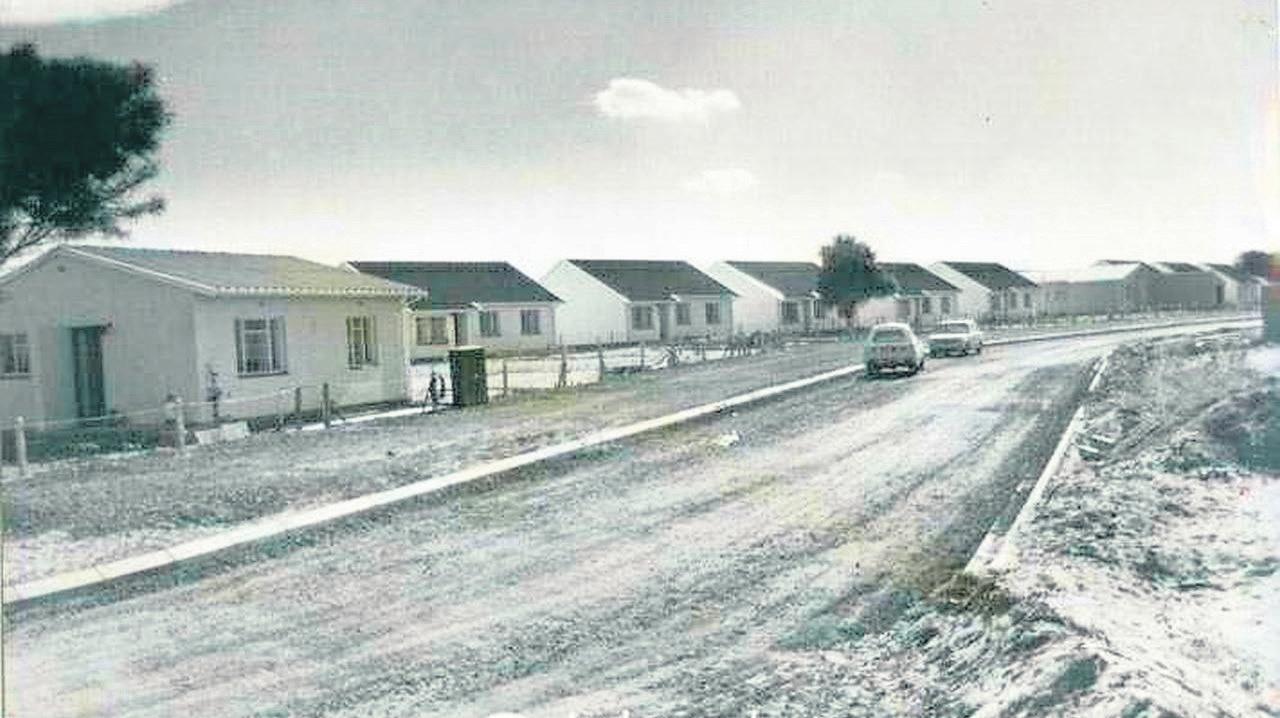
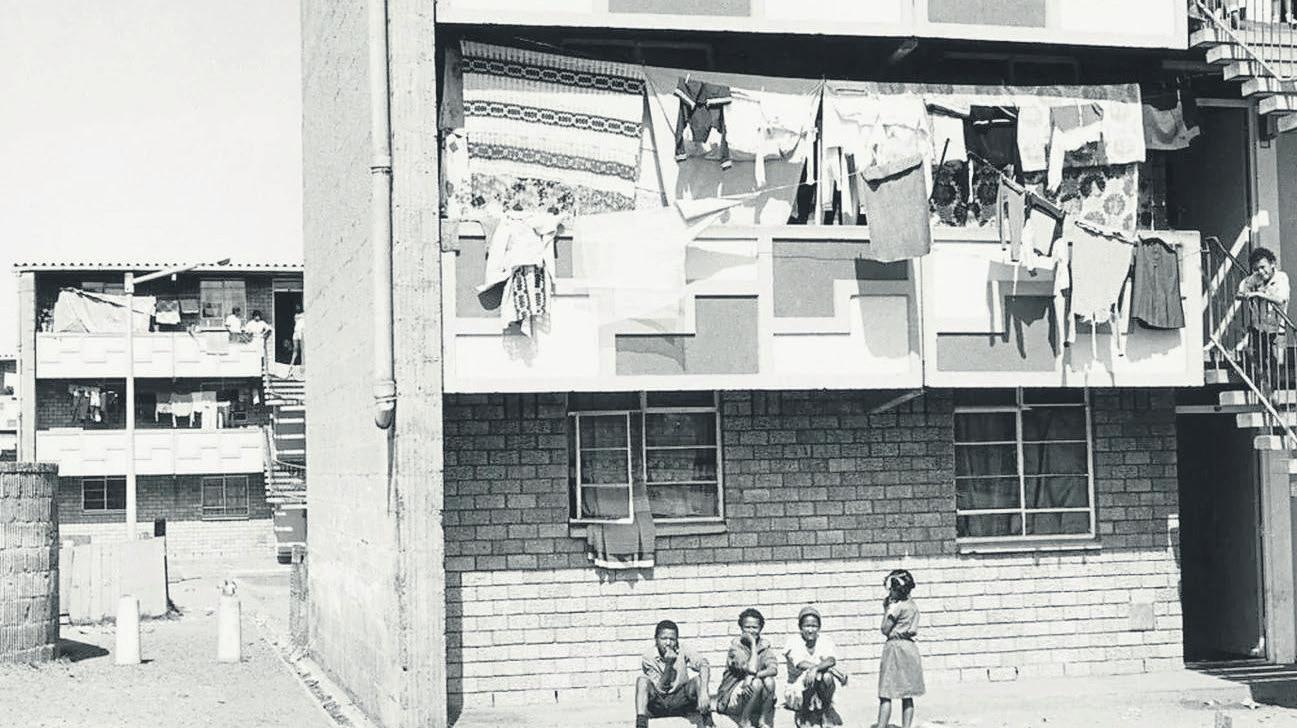
A street in Atlantis in the ’80s. Photo: Independent Newspapers
Atlantis SpecialEconomicZone:
Theplace whereAfrica's Green Economy thrives
TheAtlantis Special EconomicZone(ASEZ)ismorethanalocation, it’s acatalystfor sustainablegrowthand innovation.Situated just 40 km from Cape Town,the Atlantis SEZisstrategically positionedtoserve as ahub forgreen technology andadvanced manufacturing.Our visionistobecome thepioneering placewhere Africa's Green Economy thrives. Ourgoalistoattract investment,createjobs,and driveSouth Africa’s transition to alow-carbon economy
• Access to skilledtalentthrough partnerships with local traininginstitutions,
• Access to the Western Cape supportecosystem for ease of doingbusiness,
• Supportfor greentechnologies,includingsolar,wind, energy storage,waste-to-value and circularity solutions.
NowaCustoms-Controlled Area (CCA)
We areproud to announcethatthe ASEZ hasbeen designated as aCustoms-ControlledArea. This status unlockssignificant benefits forbusinessesengagedin importand exportactivities.Companies operatingwithin the CCAenjoy simplified customs procedures,reduced tariffs, and improved supplychain efficiency, making ASEZ theidealbase forglobaltrade.
Building aGreener Future Together
QuantumV3, OurFirst Factory
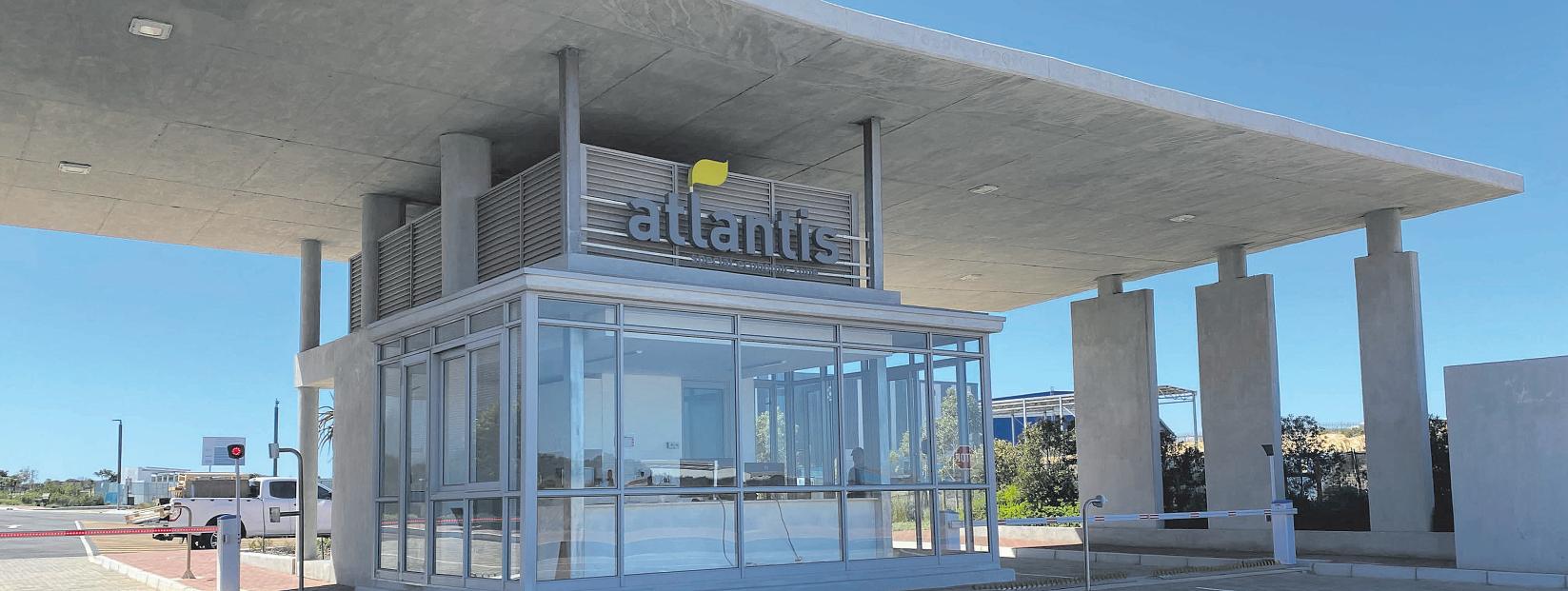
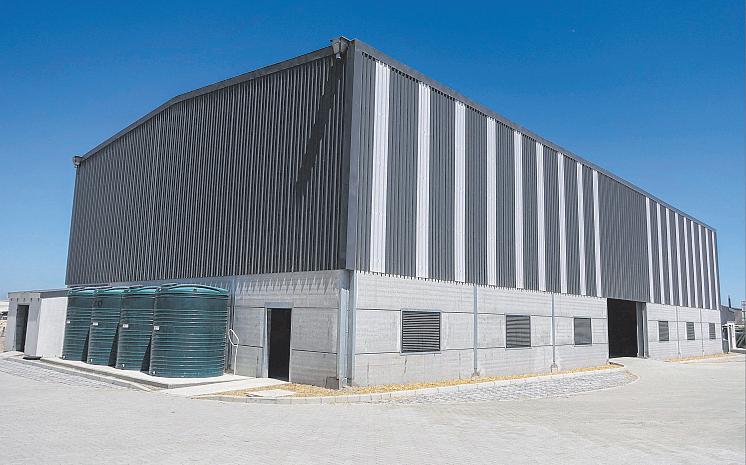
QuantumV3, thefirstfactory within theASEZ,isunder constructionand will manufacture Acetylenegas for advanced industrial applications. Builtwith sustainability in mind,itfeaturessolar energy systems, hempcreteconstruction, andadvanceddigital technologies. Theseinnovations alignwith national prioritiesofdecarbonisation, digitalisation, and diversification, positioning QuantumV3asa model for futuregreen manufacturing in SouthAfricasupplychain efficiency, making ASEZ theidealbase forglobaltrade
TheAtlantis SEZ is shaping thefutureofsustainableindustryinSouth Africa by creating an environmentwhere innovation and responsibility converge.Byattractingleading manufacturersand technology pioneers,weare building adynamic ecosystem that balanceseconomicgrowthwithenvironmentalstewardship. Throughcollaborationwithgovernment, industry,and communities, we arelayingthe foundationfor agreener andmoreresilient economy, settinga benchmark forsustainable industrial developmentinthe country
Asez Phase 1 takes off
Murphy Roberts
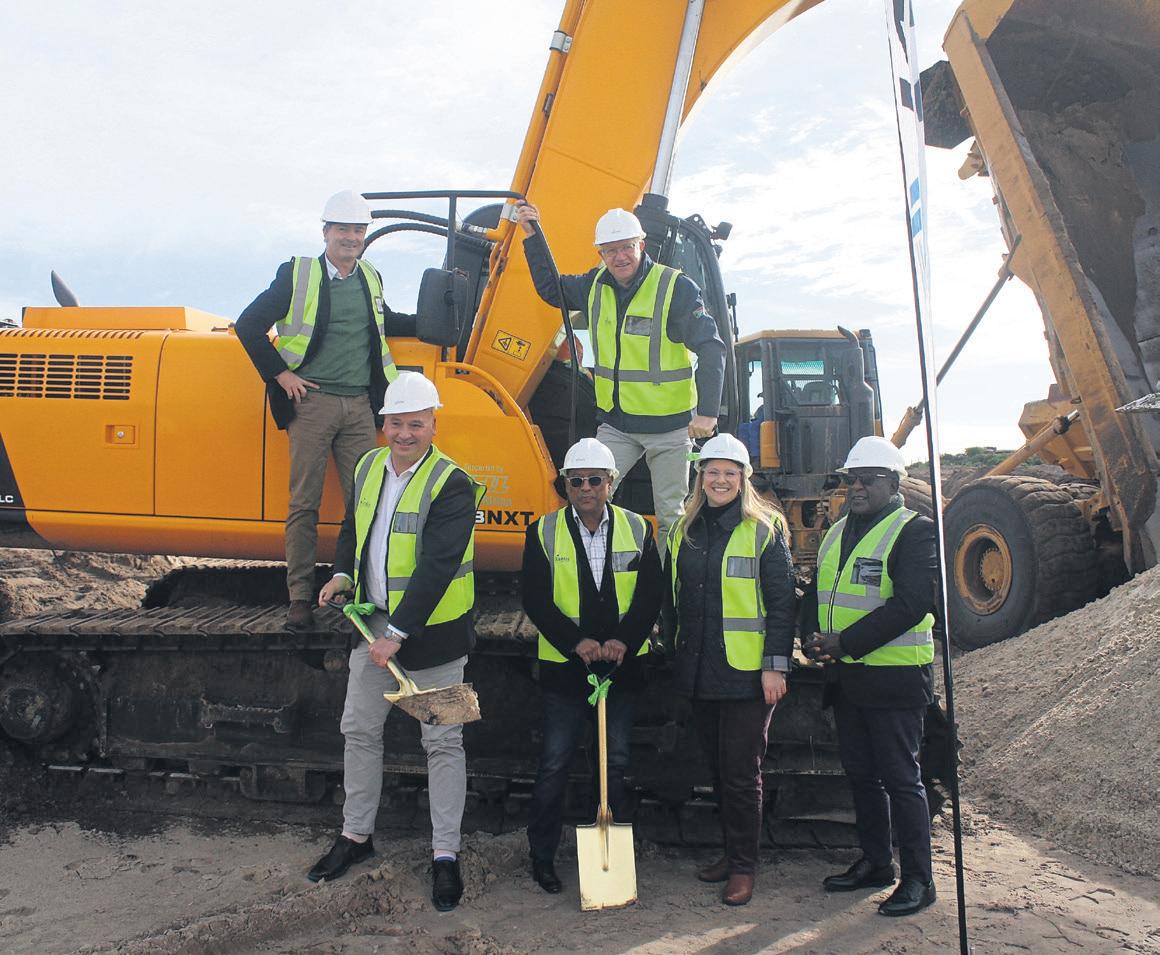
The first phase of the Atlantis Special Economic Zone (Asez) project officially moved forward in 2025, with a site visit a ended by Western Cape Premier Allen Winde, Mireille Wenger, Provincial Minister of Finance and Economic Opportunities, James Vos, Mayco member for Economic Growth and Tourism, and local ward councillors Allister Lightburn and Moosa Raees. Construction work on the project has already begun.
Speaking at the sod turning on Monday 5 June 2025, Winde said the project reached a milestone in the effort to make the province energy-resilient while creating economic opportunities for local residents. “Skills development is key to equipping people with the abilities they need to support themselves, their families and their communities.” Winde praised the partners involved in the project and called for continued collaboration to unlock Atlantis’ full economic potential.
Wenger said “With the enormous potential of the green economy, there is a need to ensure the energy supply our economy requires to create more jobs.” She noted that the Atlantis SEZ forms
a key part of the government’s plan to expand green-manufacturing opportunities.
Vos said the City was proud to be part of an initiative that would help meet both current and future energy demands in the metro and the province. Cullinan said the project was already beginning to make a positive impact and has the potential to grow even further. “Through cooperation and collaboration between all stakeholders and the community we
can ensure the success of this initiative.”
Local ward councillors also expressed their excitement about the project’s prospects and confirmed three local contractors had already been appointed. One contractor had completed their portion of the work, while the second is currently continuing with construction. The development is expected to contribute to job creation, skills development and economic growth in Atlantis as the project progresses.
Atlantis het my én ander gevorm
David Rossouw
Die subraad 1-voorsi er, Allister Lightburn, vertel van Atlantis se reis oor 50 jaar – van ’n nywerheidsmekka tot ’n inklusiewe, trotse gemeenskap:
Atlantis is in 1976 as ’n nywerheidsdorp gestig en groot nywerhede is met regeringsubsidies aangetrek. “Die wit sandduine het ’n unieke landskap geskep wat mense van die Noord-Kaap en die Kaapse Vlaktes hierheen gelok het. Vir baie gesinne was dit ’n nuwe begin; ’n kans om ’n bestaan te maak en ’n gemeenskap te bou.”
Namate die regering die subsidies on rek het, het werkloosheid toegeneem. Inwoners het swaargekry, maar tog het Atlantis nie stilgestaan nie. Met die oorgang na demokrasie het die dorp begin ontpop as ’n veerkragtige en ontwikkelende gemeenskap. “Atlantis sien vandag anders daar uit. Ons sien
beleggings in hernubare groen energie, en die totstandkoming van die Atlantis- spesiale ekonomiese sone waar al drie vlakke van regering saamwerk. Dit is ’n bewys dat Atlantis sy regmatige plek inneem as ’n sentrum van volhoubare groei en ontwikkeling.”
Die dorp het oor die jare met nuwe woonbuurte en infrastruktuur uitgebrei. Waar Atlantis vroeër as ’n “bruin dorpie” bekendgestaan het, is dit vandag ’n inklusiewe gemeenskap waar mense van verskillende agtergronde saam ’n toekoms bou.
Op die vraag waarom hy in Atlantis woon en nie in ’n ander dorp of voorstad van Kaapstad nie, antwoord Lightburn: “Die samehorigheid van ons mense. Ons staan saam teen terugslae en uitdagings. Atlantis is ’n passievolle gemeenskap wat nie skroom om sy hande vuil te maak nie. Die kultuur van saamwerk is net iets anders vir my.”
Hoewel hy in Elsiesrivier gebore is, het Lightburn op ’n jong ouderdom na Atlantis verhuis.
“Ek het verlief geraak op hierdie dorp,” sê hy. “Atlantis het my gevorm en ek glo dit het dieselfde vir duisende ander gedoen.”
Vy ig jaar later is Atlantis ’n simbool van volharding, liefde en nalatenskap. Die gemeenskap het swaarkry geken, maar ook groei en trots beleef. “Atlantis is die plek waarvoor ek en ander liefgeword het. Al was daar hartseer en verdriet, het hierdie dorp my ook vreugde en ’n gevoel van behoort gegee. Dit is ’n dorp nie en ’n plek waar onbekendes mekaar ontmoet en ’n tuiste geskep het, wat Atlantis tot 50 jaar geneem het.”
Die raadslid en subraad 1voorsitter Allister Lightburn. Foto: David Rossouw
Matt Cullinan, Asez CEO, with Premier Allen Winde on the bulldozer behind him, James Vos, Mayco member for Economic Growth and Tourism, Dean Pillay, first zone investor, Mireille Wenger, Minister of Finance and Economic Opportunities, and Michael Marote, former chairperson of Asez’s Corporate ocial Investment.
Photo: Murphy Roberts
Economic hardship in the early 1990s placed enormous pressure on the Atlantis community. Many young people who finished school struggled to find work and some became involved in gangs, drugs and crime. Alcohol abuse also became a growing concern, particularly among poorer households. Unlicensed alcohol outlets known as shebeens became common in residential areas. In some streets as many as three shebeens operated within a single block. These pressures contributed to rising violence.
In 1989 Atlantis reportedly had one of the highest per capita homicide rates in the world. Despite these challenges community leaders, churches and organisations continued working to support residents and address social problems while advocating for better opportunities. Source: Chase Sta ord, Stanford University Department of History, Honours Thesis, May 2005. Photo: Council housing in Atlantis | South African History Online
Atlantis 50 years old
David Rossouw
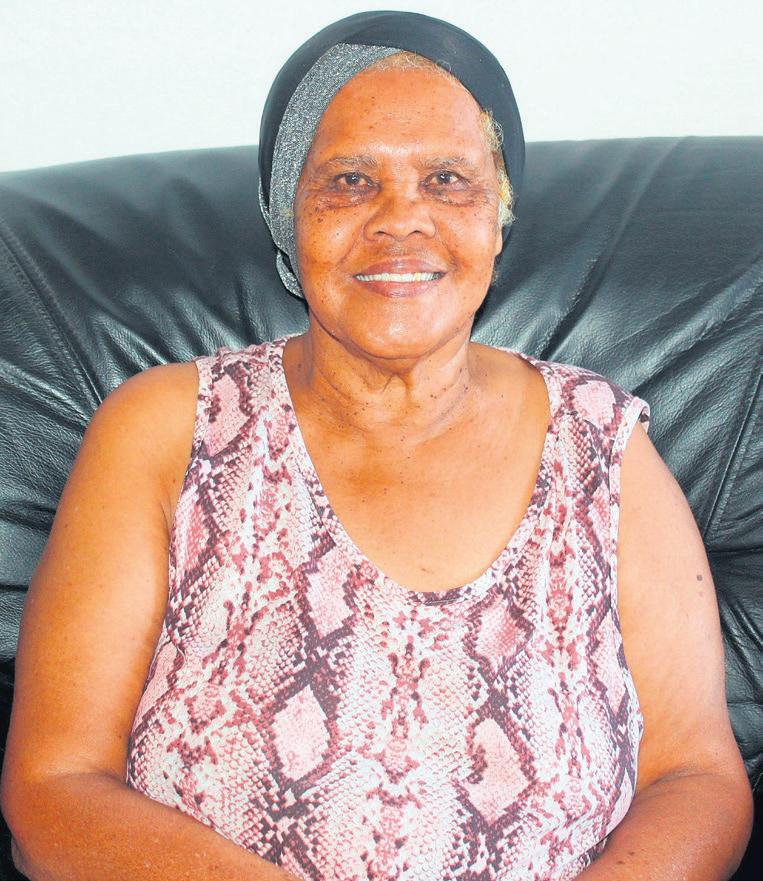
Atlantis, the city created in the 1970s by the apartheid government, recently marked its fi ieth anniversary. What was intended as a “coloured area” to separate communities gradually became a symbol of resistance and perseverance. The history of Atlantis is closely intertwined with the life of Sylvia Brandt, an activist, community leader and later one of the first councillors of the town in the democratic era.
When the government established factories in the area, coloured residents were lured with promises of jobs and housing. When subsidies ended the factories closed, leaving families to fend for themselves. Brandt was among those who arrived under these false promises.
She had hoped to secure a house and work to care for her three children, only to discover that the Divisional Council evicted residents mercilessly if they could not pay their bills.
Despite these hardships the community refused to remain silent. In the 1980s residents of Atlantis marched to the district office, handing over memorandums to demand their dignity.
Brandt was at the forefront of these efforts. She witnessed how officials
opened a new path
treated people like animals, using members of the community to enforce harsh policies, but she also saw the strength of collective action. Neighbours supported one another, and their voices were finally heard.
Sylvia Brandt
In 1979, a chance meeting with two men from Plumstead, a certain Ronnie and Alf, opened a new path for Brandt and her community. They began Bible studies and Sunday school in her home, which led to the founding of St Andrew’s church.
Built within 14 days, it became a symbol of faith and community, a place where people could find hope in the midst of oppression.
Brandt’s commitment extended beyond faith. In the late 1980s she and other community members a ended entrepreneurship training in Hanover Park. They le home at four o’clock every morning, o en without seeing their children, determined to build a be er future for Atlantis. Their sacrifices laid the foundation for a community intent on growth despite
Brandt’s commitment extended beyond faith. In the late 1980s, she and other community members attended entrepreneurship training in Hanover Park.
the obstacles imposed by apart-
Atlantis’ struggle a racted allies from outside the town as well.
Atlantis’ struggle a racted allies from outside the town as well.
A journalist from ing the community and shared strategies for confronting the
A journalist from Die Burger began supporting the community and shared strategies for confronting the Council. Because she was white the journalist could not be silenced, and Atlantis gained a valuable advocate.
With the arrival of democracy Brandt’s activism took on a new dimension. She was elected one of the first councillors of Atlantis during the transition period, representing a community that had long been denied a voice. Her work helped bridge the pain of apartheid with the promise of a new era.
Fi y years later Atlantis still stands. The town and its people carry the spirit of those who once fought against the apartheid government. They did not merely survive they grew alongside the town. This milestone is a testament, not only to hardship endured but also to pride, growth and perseverance.
Sylvia Brandt’s story mirrors the story of Atlantis. From oppression to dignity, from exclusion to participation, her legacy and the community’s determination show that the people of Atlantis never bowed. They continue to shape the town and grow together.
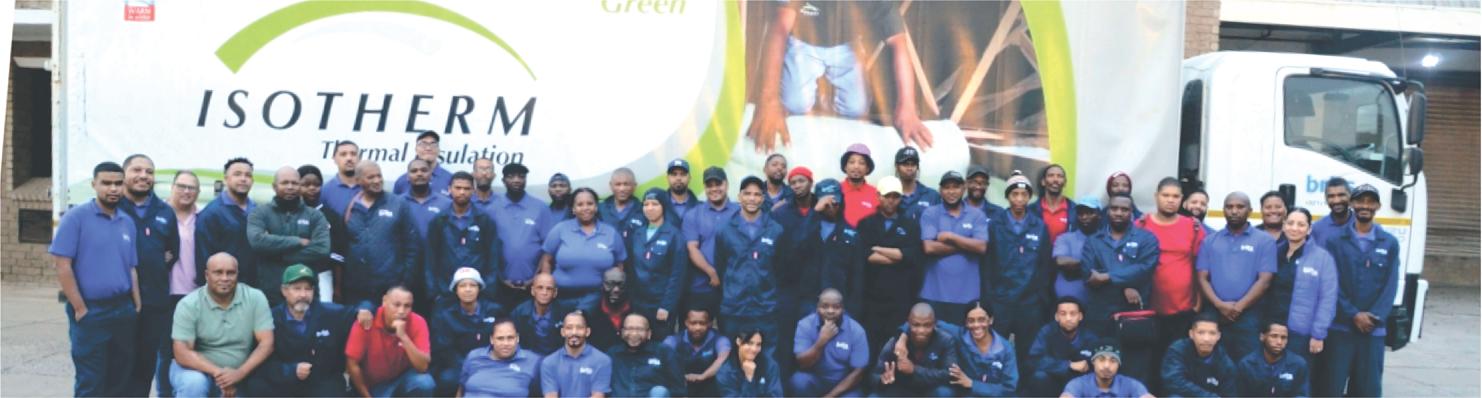
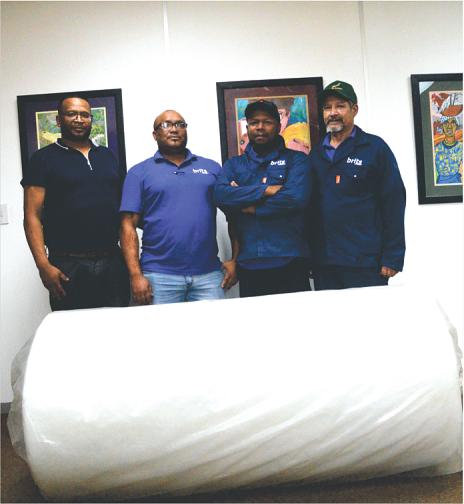
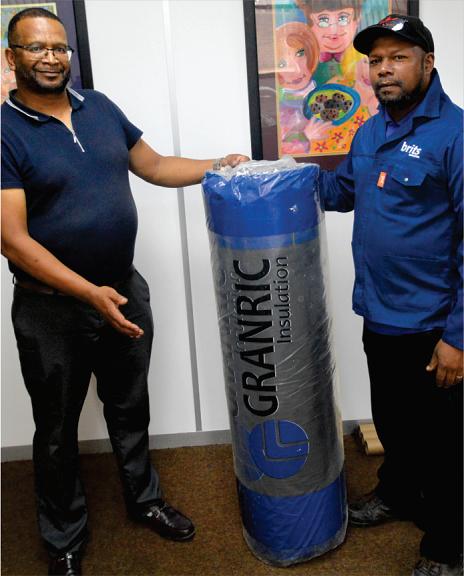
Brits Nonwoven
Brits Nonwoven is a leading South African manufacturer
of nonwoven materials, servicing a wide range of industries and applications across local, regional, and inter national markets.
Dedicated to pushing the boundaries of innovation and product development, our goal is to deliver high-quality products that consistently exceed expectations.
Our vision is to establish world-class nonwoven manufacturing ex ce lle nc e in So ut he rn Af ri ca by de li ve ri ng in no va ti ve , environmentally conscious, and sustainable alternatives, along with customer-focused nonwoven solutions for South Africa and beyond.
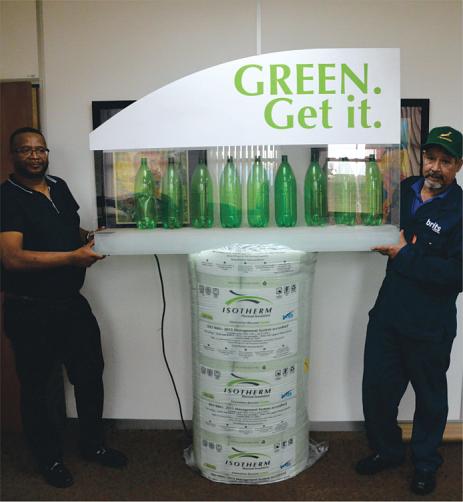
A key focus is on new recycling concepts that support the implementation of a circular economy A significant portion of our raw materials is sourced from recycled inputs, and 100% of
Murphy Roberts
our nonwoven finished products can be fully repurposed into new nonwoven end products.
We source our environmentally responsible materials from certified organisations to ensure we contribute to the protection of natural resources. We believe in a future built on the increased use of natural raw materials and bio-based solutions.
Brits is registered with the Department of Environment, Forestry and Fisheries as an approved textile waste processing facility.
On a monthly basis, we recycle and convert between 100 and 150 tons of discarded pre-consumer textile waste into shoddy flock at our New Germany facility, which is then used to ma nu fa ct ur e new fu nct ion al re cy cl ed pr od uct s fo r th e automotive, flooring, pet and mattress market in South Africa, helping to prevent large volumes of textile waste from ending up in landfill.
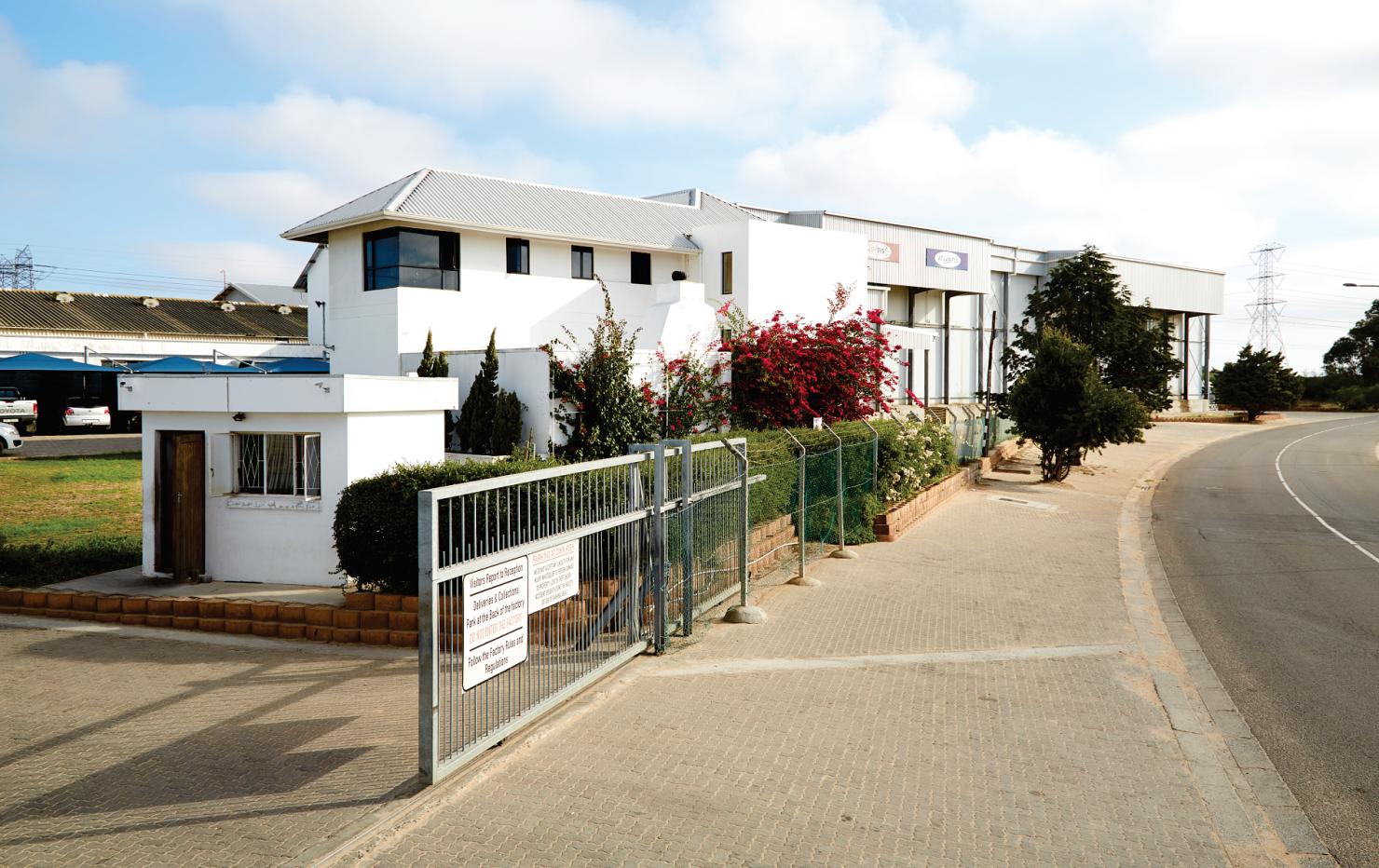
Over the past ten years, Atlan�s has con�nued its remarkable transforma�on from an apartheidera reloca�on town into one of the Western Cape's mo st dy nam ic in du st ri al hub s. It s st or y is inseparable from the businesses that chose to invest deeply in its people - and few have shaped the area's economic landscape as profoundly as Atlan�s Foods and its processing arm, Atlan�s Seafood Products.
Atlan�s was established in the 1970s under the apa rt he id go ve rn me nt 's Gr ou p Ar ea s Ac t, designated as a residen�al and industrial zone for the coloured community of Cape Town. Despite the hardships of its origins, the town has grown into a resilient, industrious community with a
strong manufacturing backbone and a workforce known for its skill, loyalty and determina�on.
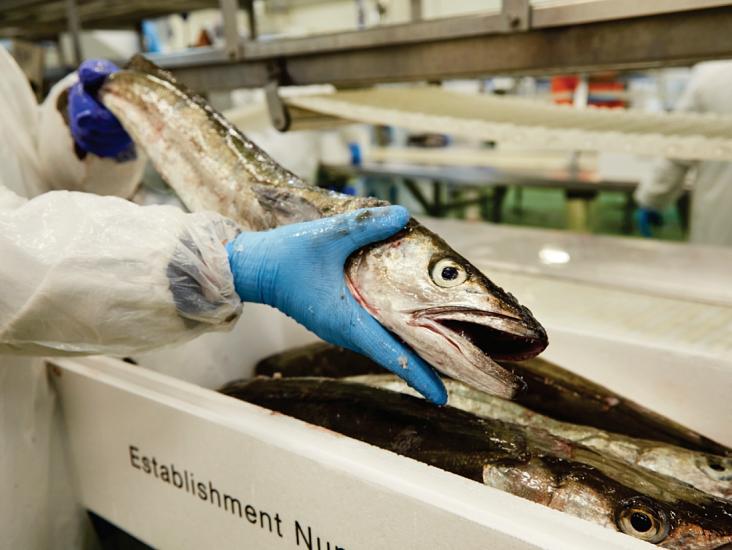
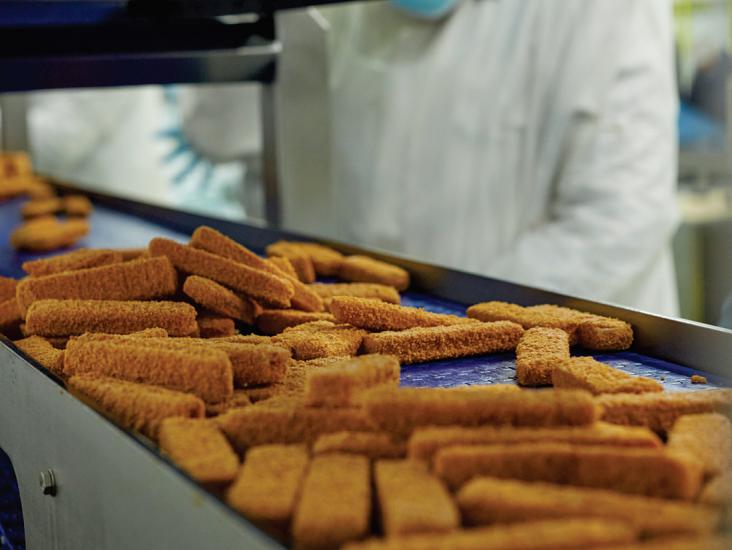
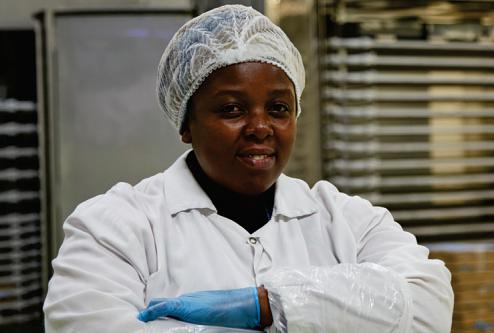
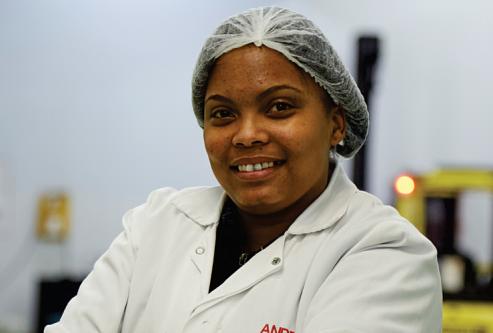
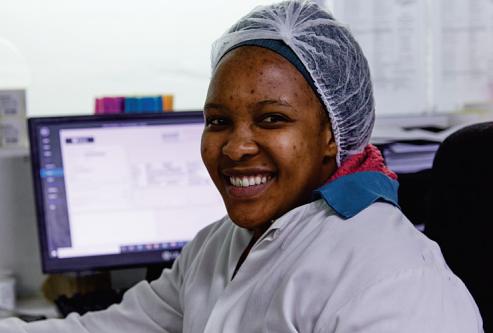
Atlan�s Seafood Products, founded in 2007, has evolved from a single processing department with 54 employees into one of South Africa's most significant seafood processing opera�ons. Today, th e fa ct or y em pl oy s ov er 70 0 wo rker s, th e ma jo ri ty of wh om co me fr om pr ev io us ly disadvantaged communi�es in Atlan�s. Many are wo me n, o� en si ng le mo th er s su pp or �n g extended families, and more than half have been with the company for over five years.
This stability is no accident. It reflects a long-term commitment to skills development, career growth
and meaningful economic par�cipa�on.
The Atlan�s Workers' Trust: Real ownership, real returns
A defining milestone in the company's journey was the establishment of the Atlan�s Workers' Trust, a pioneering BEE ini�a�ve that transferred 100% of the economic rights of the factory to community be ne fic ia ri es wi th a st ro ng em phas is on empowering women.
th,opportunity impact
Payouts over the years:
• 2021- R2 million
• 2022 - R2 million
• 2023 - R3 million
• 2024 - R6 million
• 2025 - R8,5 million
These payouts have become a vital economic en gi ne in At la n� s, su ppo r� ng ho us eh ol ds , educa�on, and local businesses, and reinforcing the company's belief that shared value is the most sustainable form of transforma�on.
The 2017 merger with Breco Seafoods marked a turning point for the group. The integra�on of Br ec o' s im por t wh ol es al e and di st ri bu� on ex pe r� se wi th At la n� s Fo od s' pr oc es si ng ca pa bi li �e s cr ea te d a ve r� ca ll y in te gr at ed se af oo d bu si ne ss wi th na� on al re ac h and interna�onal compe��veness.
Since the merger, the group has expanded its pr od uc t ra nge , st re ng th en ed it s co ld -c ha in logis�cs, and increased its footprint in both retail and food-service markets.
A modern factory serving global markets
Atlan�s Seafood Products has been purpose-built to me et th e de ma nds of in te rn a� on al and domes�c customers.
The facility now includes:
• A wet-fish processing plant
• A crumbed and coated products department
• A smoked-fish division
• A 6 000-ton cold store with state-of-the-art mobile racking
The factory is accredited with:
• IFS (one of the strictest global food safety standards)
• ISO 14001 (Environmental Management)
• HACCP, NRCS, and full EU compliance
• Kosher and Halaal cer�fica�on
• MSC and ASC cer�fica�on
These accredita�ons posi�on the company as a trusted supplier to global markets.
The company con�nues to grow its presence in Europe through:
• Chilled hake exports to established European markets
• A major strategic push to expand frozen hake exports into addi�onal EU territories
This export growth is supported by the company's long-term security of supply
Securing the future: Fishing rights and fleet development
In the 2021 fishing-rights alloca�on process, the group secured:
• Deep-sea hake quotas
• Hake long-line quotas
• Hake in-shore quotas
• KZN prawn
• Horse mackerel
• SCRL
To strengthen supply even further, the company is leading a concerted effort to collaborate with smaller quota holders, consolida�ng volumes to en su re co ns is te nt pr od uc �o n an d ma rk et reliability
A major milestone is currently underway - the construc�on of the company's first fishing vessel, Atlan�s 1, which will secure chilled hake supply for ex po rt ma rk et s an d de ep en th e gr ou p' s integra�on into the value chain.
At la n� s Fo od s is no w ente ri ng a ne w er a of environmental responsibility with one of the most sign ifi cant renewa ble-energy invest ment s ev er undertaken in Atlan�s.
The company is implemen�ng a 1 MW solar-power system with inte grated ba�ery storage at the Atlan�s site, designed to offset 33% of the factory's annual electricity consump�on.
Be yo nd th e fin an ci al im pac t, th e sy st em dr am a� ca ll y st re ngt he ns en er gy se cu ri ty in a re gi on hi stor ic al ly affec te d by lo ad -s he dd in g, ensuring uninterrupted produc�on and protec�ng jobs for more than 700 employees. This transi�on from grid-dependence to green energy is more than an opera�onal upgrade, it is a lo ng- te rm co mmi tm ent to re si lie nc e, envi ro nmental stewardship and shared prosperity for the people of Atlan�s.
Atlan�s today: A community rising The story of Atlan�s over the past decade is one of pr og re ss, par tn er sh ip and sh ar ed pr osp er it y. Th ro ug h sus
cr ea �o n, em po we rm en t and gl ob al ma rket ex pansi on , Atlan�s Foods and Atlan�s Seafood Products have become catalysts for economic upli�ment - proving that when a business grows with its community, everyone rises.
Van Die Vlak na Atlantis
David Rossouw
V
ir Pieter en Helen van Graan – in 1976 ’n jong getroude paartjie in hul vroeë twintigs – was daardie jaar ’n keerpunt in hul lewe. Hulle het in Februarie 1976 hul eenvoudige woning in Richmondpark – beter bekend as Die Vlak –agtergelaat en ’n nuwe tuiste in Antelopelaan in Avondale, Atlantis, gevind. Dit was ’n sprong na groener weivelde –’n besluit wat nie net sekuriteit en hoop vir hul gesin gebring het nie, maar ook die belo e van ’n vars begin.
Saam met hul twee seuns, Jonathan en Shaun, het Pieter en Helen die onbekende aangedurf en ’n nuwe lewe begin bou. In die jare wat gevolg het, het die gesin verder gegroei met die geboorte van drie dogters – Ingrid in 1977, Petula in 1981 en Renata in 1982. So het die Van Graans hul plek in Atlantis gevestig as ’n jong gesin wat hand aan
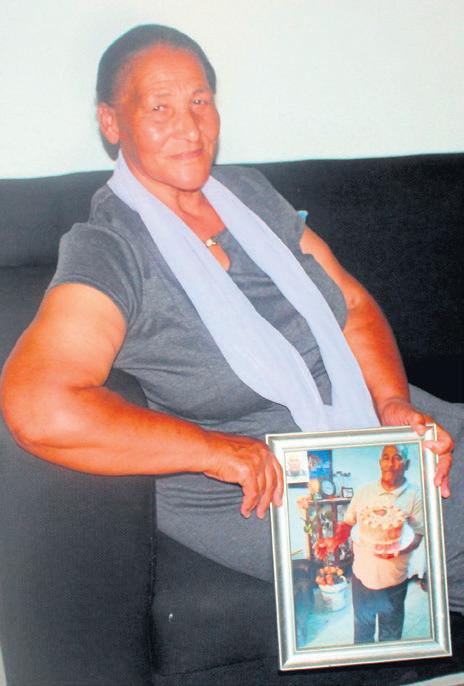
Helen van Graan (72) met ’n foto van haar gestorwe man, Pieter. Foto: David Rossouw
hand saam met ’n jong dorp gegroei en saam met die ontwikkeling van die gemeenskap hul eie verhaal van hoop en volharding geskryf het.
“Ons het geglo dat God vir ons sal voorsien,” vertel Helen. “Om van ’n sink- en houtstruktuur na ’n baksteenhuis met twee slaapkamers te kon trek, was vir ons ’n groot seën.”
Die besluit was nie maklik nie; sonder vervoer en met min geriewe was die gesin aanvanklik vasgepen. Tog het die wete dat hulle ’n stewige huis sou hê, die swaarkry ligter gemaak.
Helen onthou hoe sy haar kinders elke oggend na Wesfleur Primêr geneem het – te voet – en hulle later weer gaan haal het. Winkels was skaars; kruideniersware moes in Saxonwoud gekoop word of hulle moes saam met afleweringsvoertuie Kaapstad toe reis. “Ons kinders
het op grondhope gespeel, want speelplekke was daar nie,” sê sy.
Die gemeenskap was ’n hegte eenheid. Misdaad was skaars, want inwoners het self toegesien dat orde gehandhaaf word. “Ons het mekaar beskerm. Jy kon buite slaap sonder vrees. As iemand iets verkeerd gedoen het, het die gemeenskap ingegryp,” het Helen gesê.
Die naaste polisiekantoor was in Philadelphia, en die gesag van die manne in blou en khaki was onbetwisbaar.
Die beginjare was moeilik. As huur nie betaal is nie, is besi ings summier in die straat uitgegooi. Tog het dinge stadig verbeter. ’n Busdiens het later gekom en Avondale het sy eie winkelsentrum gekry, wat later as Village Reef sou bekend staan – ’n plek waar vars groente, vrugte en vis gekoop kon word.
“Atlantis het vir my en my familie ’n dorp van hoop geword,” sê Helen. “Ek sou dit nie vir ’n ander plek verruil nie. As werkloosheid en misdaad verdwyn, kan Atlantis weer een van die spogdorpe in die Weskus raak, soos in die dae toe jy op ’n Vrydag kon bedank en Maandag by ’n nuwe werk instap.”
An Atlantis by design
Allison Samantha Adams
This year, Atlantis turns 50. Fi y years is long enough for temporary structures to show whether they were meant to last and enough time for a community to decide whether it will remain defined by its origins or intentionally redefine itself. It was created by policy, as families were uprooted and relocated.
My own family was among those displaced. Yet what stands out is resilience. The generation that arrived here did not build
its identity around grievance. They built it around responsibility, raising families, starting businesses, establishing schools, and creating community networks. Their quiet revolt was discipline and they raised children who would not be defined by the past. This foundation became Atlantis’ first real infrastructure. One example is the healthcare facility built as a temporary hospital, which still serves the community decades later. It symbolizes endurance but also illustrates the risk of le ing provisional
solutions become permanent. The Atlantis Special Economic Zone signals a shi to strategic reinvention. Renewable energy, green technology, and sustainable manufacturing are reshaping the town. True infrastructure blends industry with human capacity. If the first 50 years proved survival, the next 50 must prove deliberate design.
During the early 2000s cooperation among political parties helped drive several development projects in Atlantis. These initiatives aimed to improve living conditions after years of economic decline and job losses. New housing extensions were developed to accommodate the town’s growing population. A multi-purpose centre was also built to provide space for community programmes and services. In addition, a new shopping complex created opportunities for businesses and employment.
Source: Chase Sta ord, Stanford University Department of History, Honours Thesis, May 2005. Photo: An old photo of the
neighbourhood | South African History Online - SAHO
Allison Samantha Adams
Saxonsea
From prefab beginnings
Avondale Primary School first opened its doors on 12 April 1977, welcoming approximately 550 learners and 24 staff members under the leadership of founding principal Petrus Kastoor. Guided by the motto “Excel through Victory,” the school quickly became a vital part of the Atlantis community.
The original school building was a prefabricated structure. Over the years regular maintenance was carried out, but time took its toll. Cracks appeared in walls and balconies, raising serious safety concerns. By 2015 the Western Cape Education Department had classified the school for maintenance rather than replacement, a decision that frustrated parents and the school-governing body (SGB).
Determined to secure a safe learning environment, in October and November 2015, the SGB closed the school for three weeks, locking learners and staff out. In this period it partnered with community organisations, activists and
parents forming a pressure group to demand a permanent solution. The department eventually announced that Avondale Primary would be rebuilt and while awaiting construction critical repairs were effected to keep the old building functional. Teachers worked tirelessly to recover lost curriculum time, even holding Saturday classes. In 2016 construction of the new school began. The playground was reduced to half its size, discipline issues emerged, educators supervised learners without breaks, and sports activities were suspended, but staff and learners persevered.
By 2019 the move into the new school building took place. Excitement was tempered by sadness, as principal Michael Scholtz, who had looked forward to the new facility, died shortly before the transition. Just as Avondale Primary settled into its new home the Covid-19 pandemic struck, limiting the use of its modern facilities. Learners and staff endured restrictions and, as conditions eased, sport and cultural activities resumed.
Today Avondale Primary School serves 1 312 learners with a team of 33 teaching staff. Supporting them are two general workers, a foreman, an administrative clerk and a finance officer. Together this team forms the backbone of a school that has grown from humble prefab beginnings into a vibrant, modern centre of learning.
The school has built a reputation for academics and excellence in sport and culture. Its majorette team is internationally recognised, competing at national and provincial championships. Rugby, netball, soccer, chess, table tennis, choir, drama and dance are also offered, ensuring a holistic education for learners.
With growth in enrolment, the management structure has expanded to include a permanent principal, Lawrence Poggenpoel, two deputy principals, and four department heads. While many experienced staff have retired or died a younger generation of educators now carries the vision forward.
More than 40 years of serving Atlantis
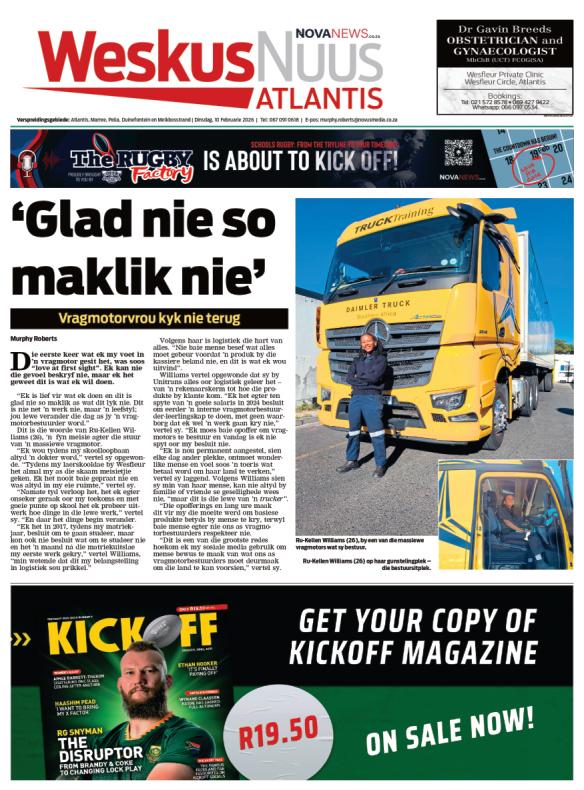
For more than 40 years, WeskusNuus has been the heartbeat of Atlantis and its surrounding communities, delivering quality journalism with a warm heart for the people it serves. From local news to community events, from sporting highlights to human-interest stories WeskusNuus has been there, telling the stories that matter most. As times change and the media landscape evolves WeskusNuus continues to adapt. Readers can now access the news online at weskusnuus.co.za, follow stories on Facebook and Instagram, keep up via the WhatsApp channel, and even catch updates on TikTok. Despite these new platforms the commitment remains
the same: covering all local news, connecting with the community and providing trusted, accurate reporting. "WeskusNuus is proud to be part of Atlantis, celebrating the resilience, achievements, and everyday life of its people over forty years,” said Alida Buckle, editor. “Whether in print or online, the team continues to serve with dedication, ensuring the town’s stories are heard far and wide.” For story tips, feedback or to share news, email weskusnuus@novusmedia.co. za. “We are proud to be at the service of Atlantis, bringing the community together, one story at a time.” WeskusNuus forms part of the Novus Media group.
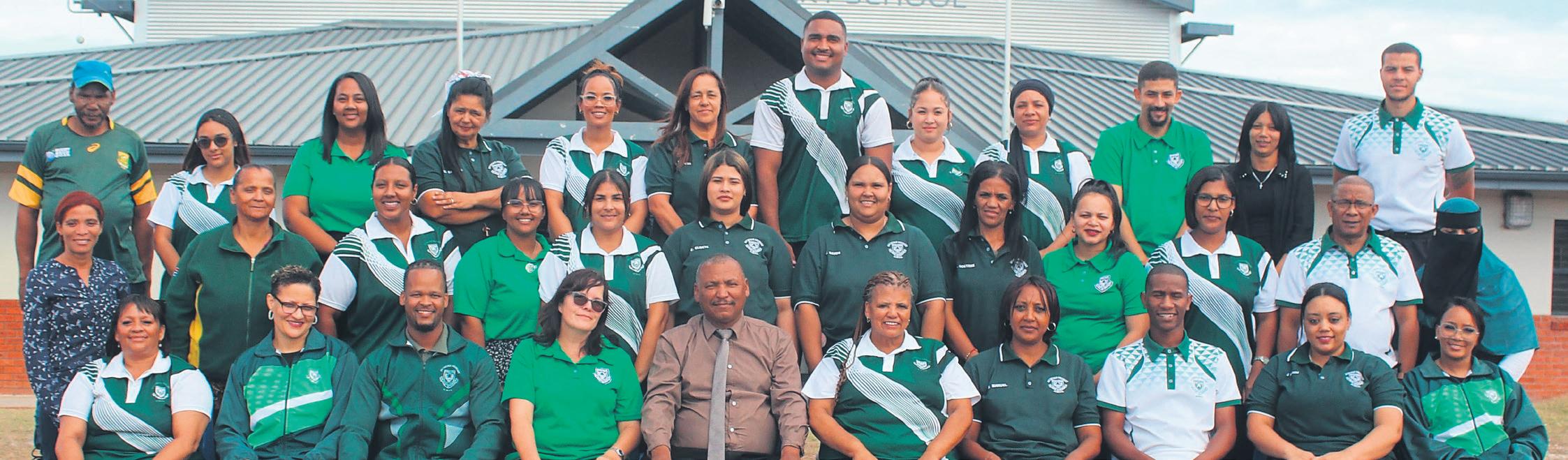
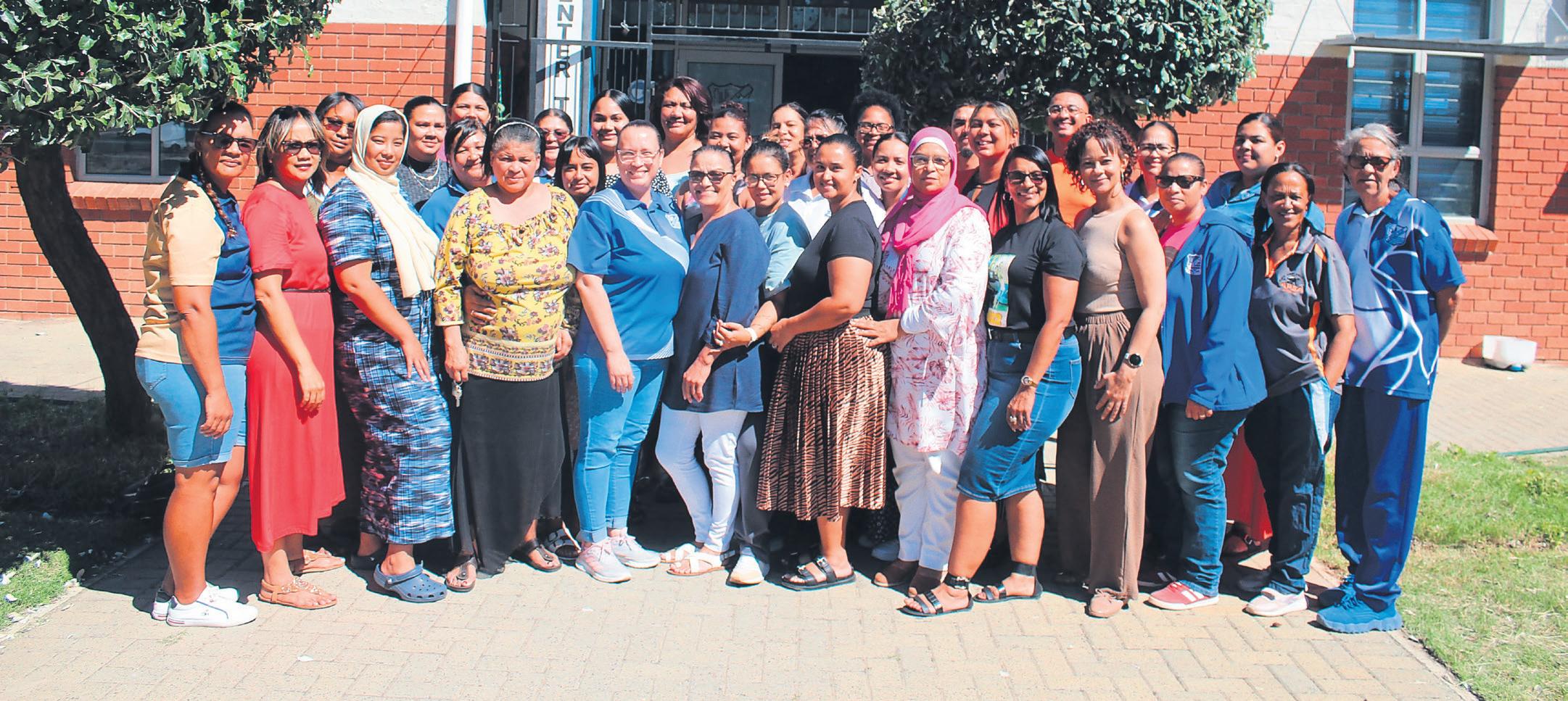
The Avondale Primary School team.
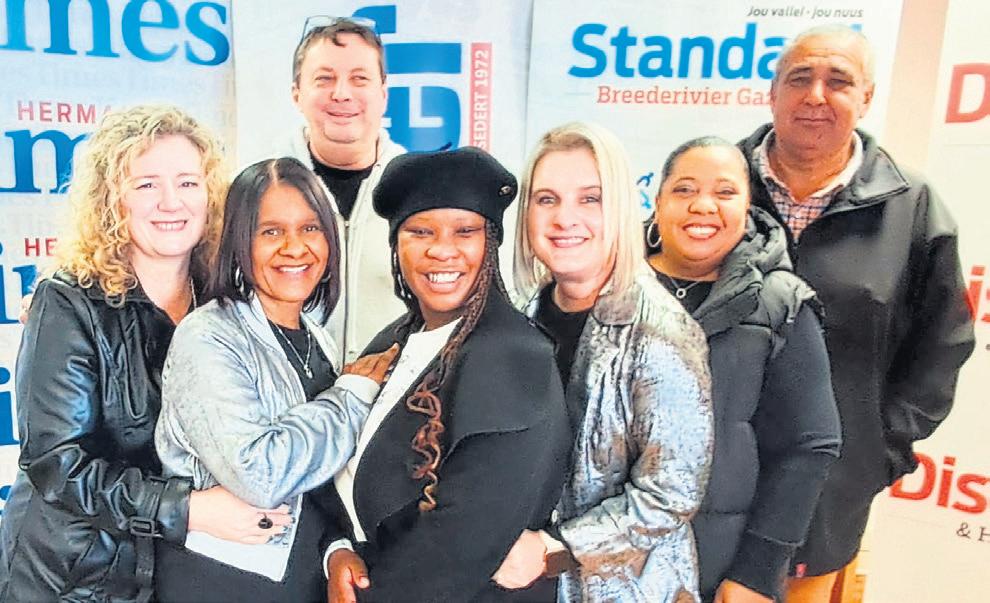
Weskus Media’s personnel are (front, from the left) Alida Buckle (Editor), Linda Luyt (classifieds), Noluvu Ludidi (Weslander journalist), and advertising Madelie van Tonder (Weslander advertising), Yvette Smith (WeskusNuus and Weslander advertising). At the back are Stefan Kolver (Publisher) and Murphy Roberts (WeskusNuus journalist). Photo: Rasaad Adams
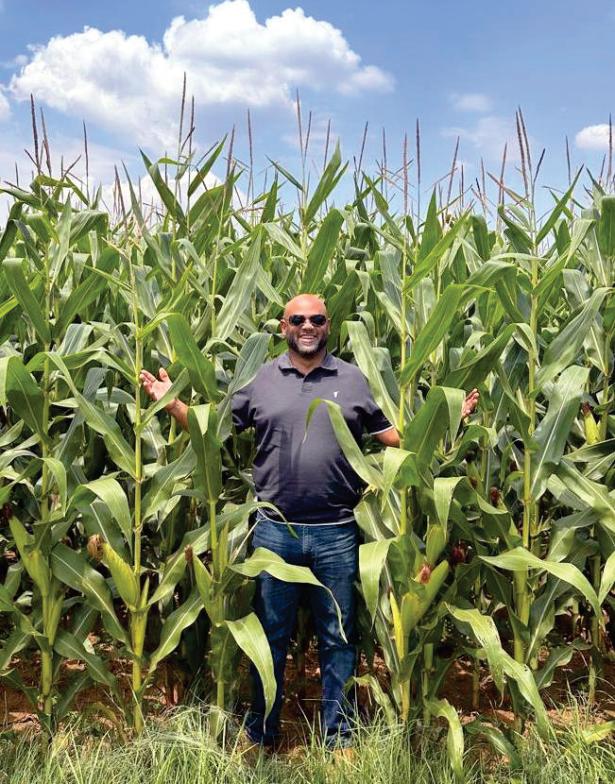
Regan Paulus, CEO of Mint & Honey, says they are feeding the future. prepares for production.
Born in Swartland and raised in Atlantis, Regan
Paulus is more than just an entrepreneur; he is a reflection of the community he now actively uplifts Having completed his secondary schooling at Atlantis Secondary, his journey is rooted in resilience, ambition, and a deep understanding of the challenges faced by many South African communities
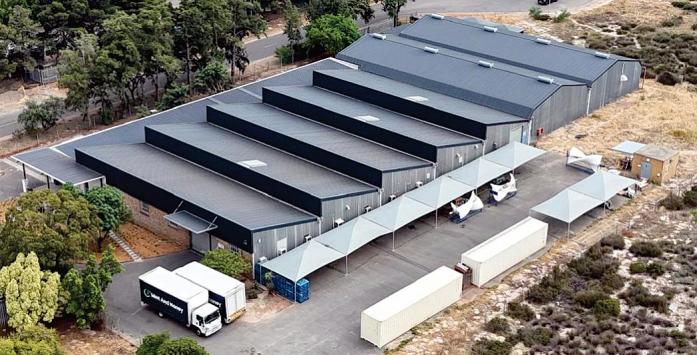
What began as a logistics operation distributing essential food products has evolved into Mint & Honey (Pty) Ltd, a dynamic and fast-growing agro-processing company focused on addressing one of Africa's most pressing challenges: food security
The company's impact on the local economy is already significant.
Mint & Honey contributes to job creation, supports local suppliers, and plays a role in strengthening Atlantis as a manufacturing hub.
far ms supply most of the products
At the same time, its expansion plans signal even greater ambition With investments in advanced processing technologies, increased production capacity, and a clear pathway into African export markets, Mint & Honey is positioning itself as a leading player in the global fight against malnutrition.
What truly sets Mint & Honey apart is its commitment to impact beyond profit.
The business is built on principles of empowerment, with a st ro ng fo cu s on wom en an d you th pa rt ic ip at io n, leadership development, and inclusive ownership. By em be ddin g em po we rm en t in to its st ru ct ur e, th e company ensures that growth is shared and sustainable, creating opportunities for future generations within Atlantis and beyond.
Mint & Honey is feeding thousands of children wh ile co ntr ibuting me an ing fully to im prov ed health and educational outcomes.
From Grey to Green: How Mint & Honey is Feeding the Future
Looking ahead, the vision is bold yet purposeful: to
be co me a le ad in g gl ob al prod uc er of fo rti fie d nutrition while continuing to uplift communities and strengthen local economies.
As Regan Paulus aptly states, “We are not just building a business, we are building a solution to hunger.” From its roots in Atlantis to its growing footprint across Africa, Mint & Honey stands as powerful proof that world-class impact ca n em er ge fr om lo ca l be gi nn in gs , tu rn in g gr ay la nd sc ap es in to gr ee n op po rt un it ie s fo r gr ow th , nourishment, and hope.
Established in 2018 and strategically located in the Atlantis Special Economic Zone, Mint & Honey has positioned itself as a pioneer in the Western Cape's agro-processing sector The company manufactures fortified cereals and grain-based products designed to combat malnutrition and support vulnerable communities. Its products, ranging from instant cereals (CSB++) to soya and maize-based ingredients are supplied to school feeding programmes, go ve rnme nt nu tr it io n in it ia ti ve s, NG Os , an d fo od manufacturers. Through this work, Mint & Honey is already fe ed in g th ou sa nd s of ch ild re n wh ile co ntr ib uti ng mea ni ng fu ll y to im pr ov ed hea lt h an d ed uc at io na l outcomes.
30 Charles Matthews Street, Atlantis Industrial, WC, SA, 7394 Info@mintandhoney.co.za | 021 879 0592 www.mintandhoney.co.za
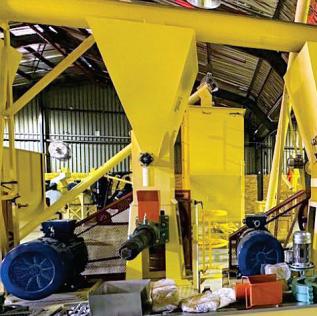
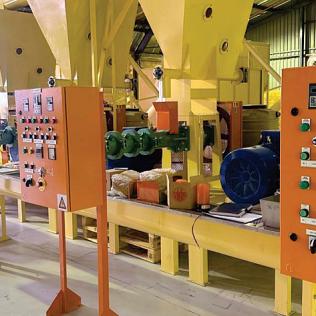
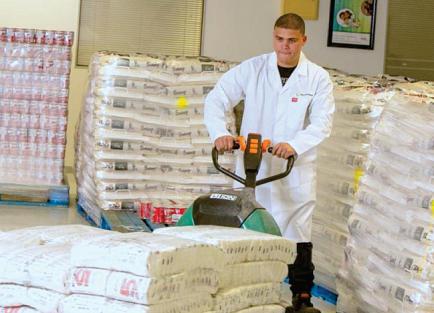
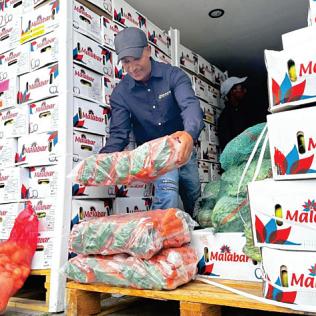
At the heart of Mint & Honey's success is its fully integrated value chain. Raw materials such as maize and soya are sourced from local farmers, supporting regional agriculture and ensuring quality and traceability. These inputs are then processed using advanced extrusion technology, fortified with essential vitamins and minerals, and distributed efficiently to reach communities in need This “farm-tofood” approach not only strengthens local supply chains but also ensures affordability and scalability, key factors in addressing widespread food insecurity
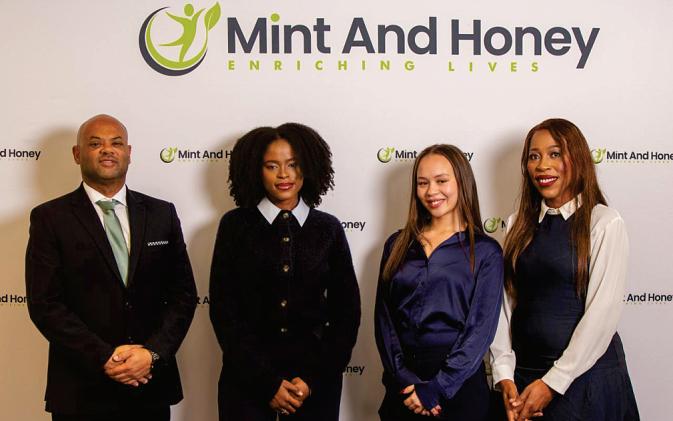
From left to right: Regan Paulus (Shareholder/Director & CEO), Isabella Nedouvhada (Compliance Officer, Storme Paulus (Shareholder/Director & HR Officer) and Fulufhelo Nedouvhada (Shareholder/Director & COO).
A schooling cornerstone
David Rossouw
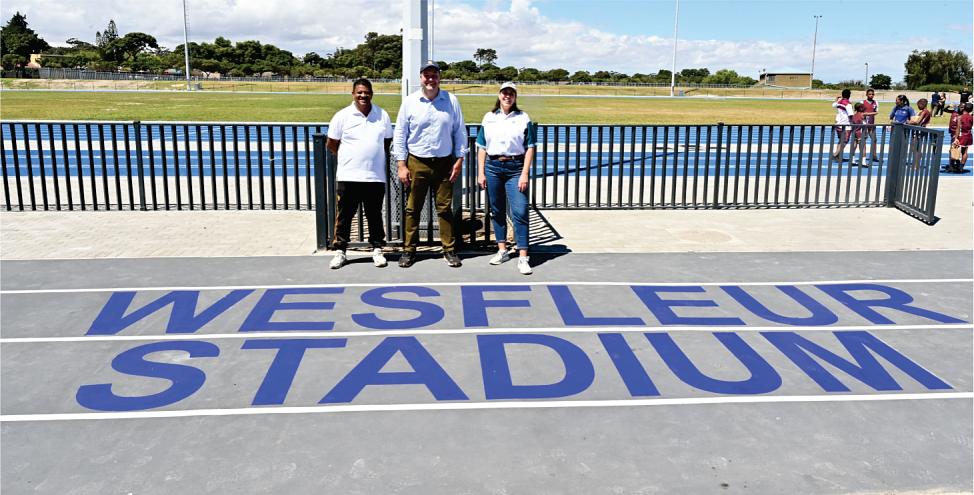
For half a century, Wesfleur Primary School in Atlantis, has been a cornerstone of local education, shaping young minds and nurturing generations. With 1 497 learners and 39 educators, it is one of the largest schools in the area.
Founded in the mid-1976, Wesfleur has grown with the Atlantis community, weathering social changes, economic challenges and the evolving demands of education.
What has remained constant is its commitment to providing a safe, caring environment in which children are not taught, seen, heard and supported.
Principal Azeza Jacobs describes the school as “a family with deep, strong roots in the community.”
That sense of belonging is woven into the daily life of Wesfleur. Teachers are educators as well as being mentors, role-models and guardians of the values sustaining the school for five decades. Parents are observers and active part-
ners, reinforcing the school’s belief that education is a team effort.
The school’s mission has always extended beyond academics, placing emphasis on character-building, resilience, and social responsibility.
Learners are encouraged to grow into confident, capable young people contributing to society. This holistic approach has produced generations of alumni who carry the values of Wesfleur into their adult lives, strengthening the fabric of Atlantis itself.
Over the years Wesfleur has become a trusted safe space for the nearly 1 500 learners who are guided by almost 40 educators.
At Wesfleur mentorship and community spirit occur daily. From cultural events and sports days to parent-teacher partnerships, Wesfleur embodies the idea that education is about more than textbooks.
It’s about building resilience, fostering hope and creating opportunities. As Wesfleur celebrates its 50th anniversary the school reflects proudly on its
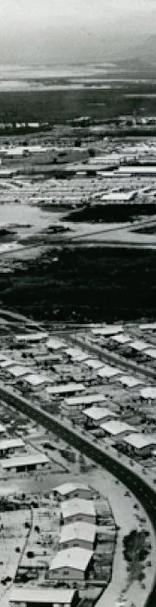
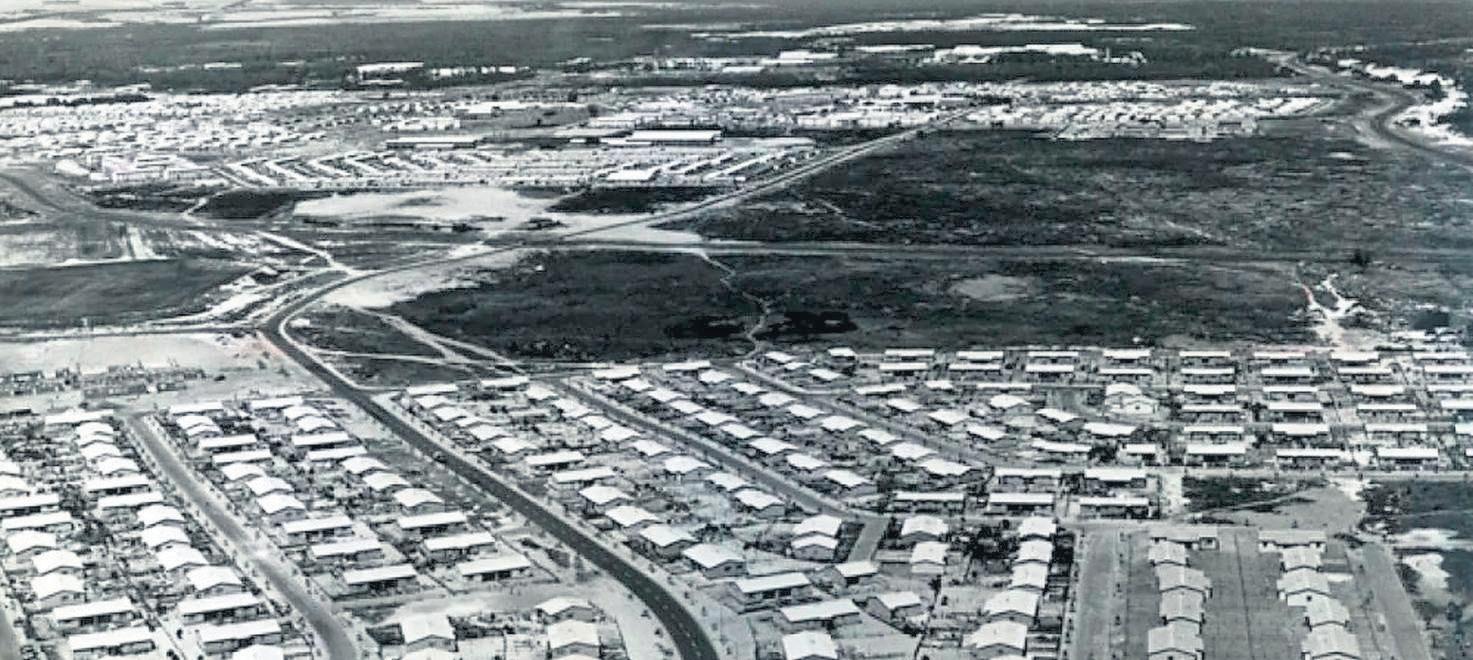
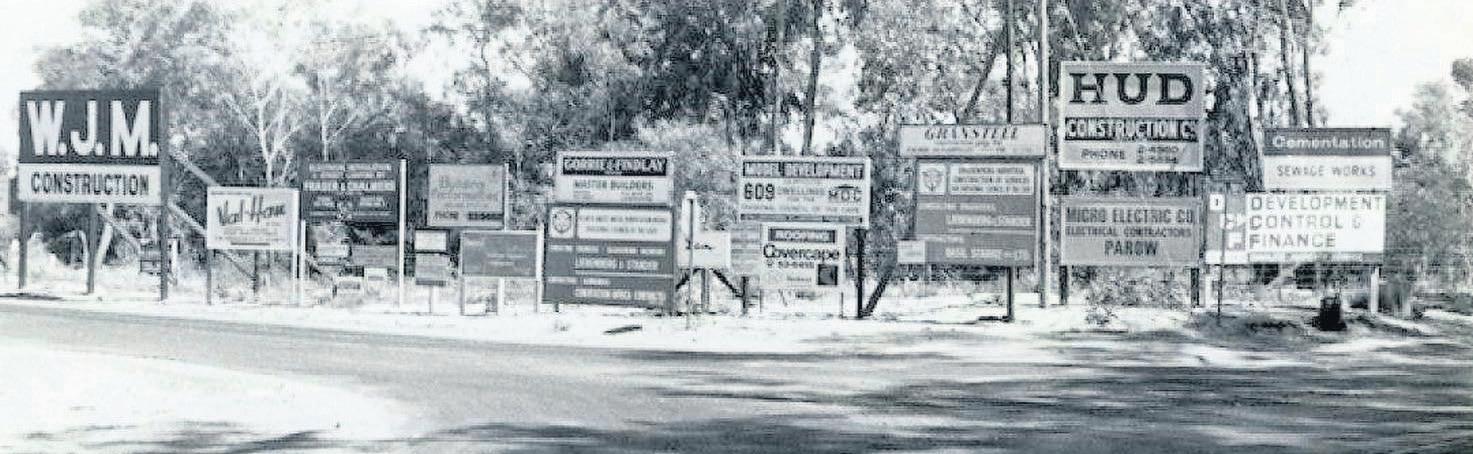
When Atlantis was first developed the government promoted the town as a place of opportunity. Housing was constructed quickly to accommodate workers and their families relocating from other parts of the Western Cape. Many residents came from areas closer to Cape Town, often moving because of the promise of employment in the new industrial area. Within a few years Atlantis had grown into a large and vibrant community with schools, churches, sports clubs and local organisations. Despite the difficult circumstances under which the town was created residents built strong community networks and identities. Over time Atlantis developed its own character and culture, shaped by the resilience and determination of the people who made it their home. Photo: South African History Online
journey.
Generations of families have passed through its gates, with parents watching their children follow in their footsteps. The school has become a living archive of Atlantis, carrying stories of perseverance, achievement, and unity.
Looking ahead, Wesfleur is determined to continue evolving. The next chapter promises innovation in teaching methods, stronger community partnerships, and a renewed commitment to nurturing learners in both academics and life skills.
For Atlantis Wesfleur Primary is not simply a school; it is a legacy of 50 years of love, learning, and belonging.
It is a place where children are given the foundation to succeed, where parents find partners in education and where the community sees its future taking shape.
As Jacobs reflects: “We are proud of our past, but even more excited about our future. Wesfleur will always be a place where children are nurtured, supported and given the chance to shine.”
Team of Wesfleur Primary School.
Setting biblio standards
David Rossouw
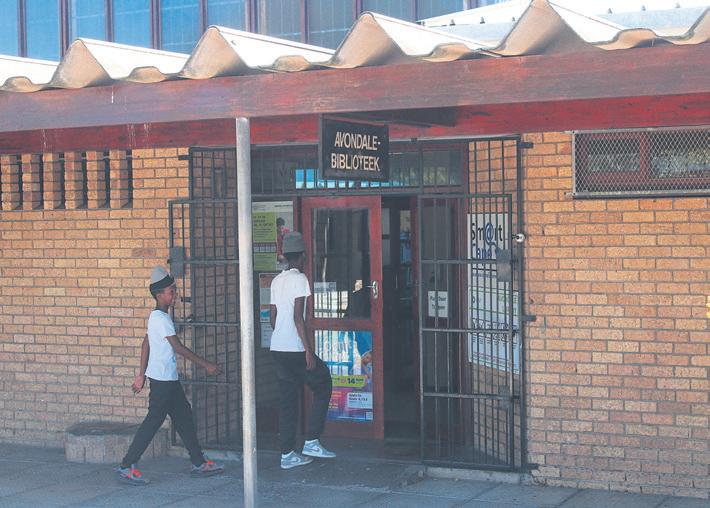
When the Avondale Public Library opened its doors on 2 October 1978 few could have imagined the profound role it would play in shaping the Atlantis community. Established by the Divisional Council of Cape Town and stocked under the guidance of Regional Librarian Sandra Rhode, the library quickly became a beacon of learning and a gathering place for residents.
In its early years the library was staffed by dedicated pioneers such as Christine Fransman, Mildred Geduld and later the late Theresa Lengeveldt. Their commitment laid the foundation for a service that grew alongside Atlantis itself. Geduld, in particular, became a familiar face, returning years later to serve once again as librarian in the ever-evolving Avondale community.
For more than a decade Avondale was the only library between Cape Town and Malmesbury until the Wesfleur Library opened in 1989, followed by the Mamre Library in 1996. Yet Avondale remained a cornerstone, adapting to the needs of its people and providing access to books, information, and a safe communal space.
The library’s history extends far beyond books. At various times, its rooms served as a courthouse, a
traffic department annex for driver’s licence examinations, a church on Sundays, and even a venue for council staff functions.
Within its first five years the library hosted President Robert Mugabe, highlighting its importance within the broader community.
Avondale also became a training ground for young professionals. Three school librarians completed their practical training here, later rising to become two school principals and a television producer. Its influence reached local schools, old-age homes and frail-care facilities through block-loan services that delivered books directly to those unable to visit. At its peak the library circulated an average of 13 500 items annually, with Afrikaans fiction dominating both adult and juvenile readership.
Strong English and non-fiction collections ensured that its shelves reflected the diverse needs of the community.
Today, under the leadership of Senior Librarian André Davids, Avondale Library continues to thrive. The current team includes Librarian Glenda Leukes, Assistant Librarians Estelle Basson and Regina Joseph, and Library Aid Faith Bantam, supported by Year Beyond candidates, volunteers and Expanded PublicWP assistants. Together they run programmes, create displays, and extend outreach into the community, ensuring the library remains vibrant and relevant.
Despite challenges, including the loss of historical pamphlets and photographs due to poor record keeping in earlier years, the library has endured. Its resilience is a testament to the dedication of staff and the loyalty of the community it serves.
As Avondale marks its 50th anniversary it stands as more than a repository of books. It is a living archive of Atlantis, a place where generations have discovered stories, built friendships and found inspiration. In the words of Davids, “our library is not just shelves and books. It is a living memory of the power of knowledge and the strength of community.”
For Atlantis, the Avondale Public Library is not simply celebrating 50 years. It is celebrating 50 years of identity, resilience, and hope.
Atlantis al 50 jaar hul tuiste
David Rossouw
Toe Hendrik Hesselman in die middel van die sewentigerjare ’n vaste betrekking by Eskom in Melkbos kry, het dit die begin van ’n nuwe hoofstuk vir hom en sy gesin ingelui. Johanna, sy vrou, hul vier dogters – Joan, Maureen, Delene en Elmarie – en hul seun, Nicolas (Nicky), het hul sinkhuisie in Ravensmead agtergelaat en by hul moderne drieslaapkamerhuis met rooi baksteen in Maria-einde 2 in Atlantis ingetrek.
Vir die gesin was dit ’n sprong van armoede na ’n nuwe bestaansvlak – luukshede soos elektrisiteit, warm water en ’n huis wat bestand was teen wind en reën – dinge wat hulle nooit geken het nie.
Johanna onthou nog die kinders se gesigte toe hulle vir die eerste keer ’n ligskakelaar druk en ’n helder lig die kamer vul. “Ons was gewoond aan kerse en ’n vuur in die sinkhuisie. Skielik het ons ’n huis gehad wat nie deur die wind bedreig is nie. Dit was ’n wonder,” vertel sy. Die beginjare in Atlantis was egter nie sonder
uitdagings nie. Winkels was skaars en Johanna moes elke Saterdag saam met ander inwoners na Philadelphia of Milnerton ry om inkopies te doen. Salarisse was klein, maar sy het geleer om elke sent waardevol te gebruik. Tog het die kinders gou aangepas en saam met die bure se kinders in die sirkel gespeel, terwyl die gemeenskap mekaar ondersteun het.
Wat Johanna die meeste onthou, is die veiligheid van daardie jare. Kinders kon vrylik in die strate speel sonder vrees, want motors was skaars en die bure het vir mekaar omgegee.
Haar jongste kind, Nicky – die enigste seun tussen die vier meisiekinders – het dikwels by sy peetouers gebly, terwyl haar dogters alleen by die huis was wanneer sy moes werk. Tog het sy nooit bekommerd gevoel nie, want Atlantis was ’n veilige plek om kinders groot te maak. Met die verloop van jare het Johanna swaar verliese geken – bure wat afgesterf het, en uiteindelik ook haar man, wat sy aan die dood afgestaan het. Die hartseer was swaar, maar ten spyte daarvan het Atlantis vir haar ’n goeie
tuiste gebly. Hier het sy herinneringe opgebou, liefde beleef en haar kinders grootgemaak. Nou, 50 jaar later, kyk sy met trots terug. “Atlantis is die plek waarvoor ek en ander lief geword het,” het sy aan WeskusNuus gesê. “Al was daar hartseer en verdriet, het hierdie dorp my ook vreugde en ’n gevoel van behoort gegee. Dit is nie net ’n dorp nie, maar ’n plek waar onbekende mense mekaar vir die eerste keer ontmoet en ’n tuiste geskep het wat Atlantis tot 50 jaar geneem het,” het die 85-jarige Johanna gesê. Atlantis se verhaal is dus nie net dié van ’n dorp nie, maar van mense wat hoop en volharding gekies het.
En al dra die herinneringe baie hartseer, is daar ook opwinding en trots – ’n gemeenskap wat 50 jaar later steeds as ’n tuiste vol liefde en nalatenskap staan.
Avondale Public Library
Johanna Hesselman (85).
Foto: David Rossouw
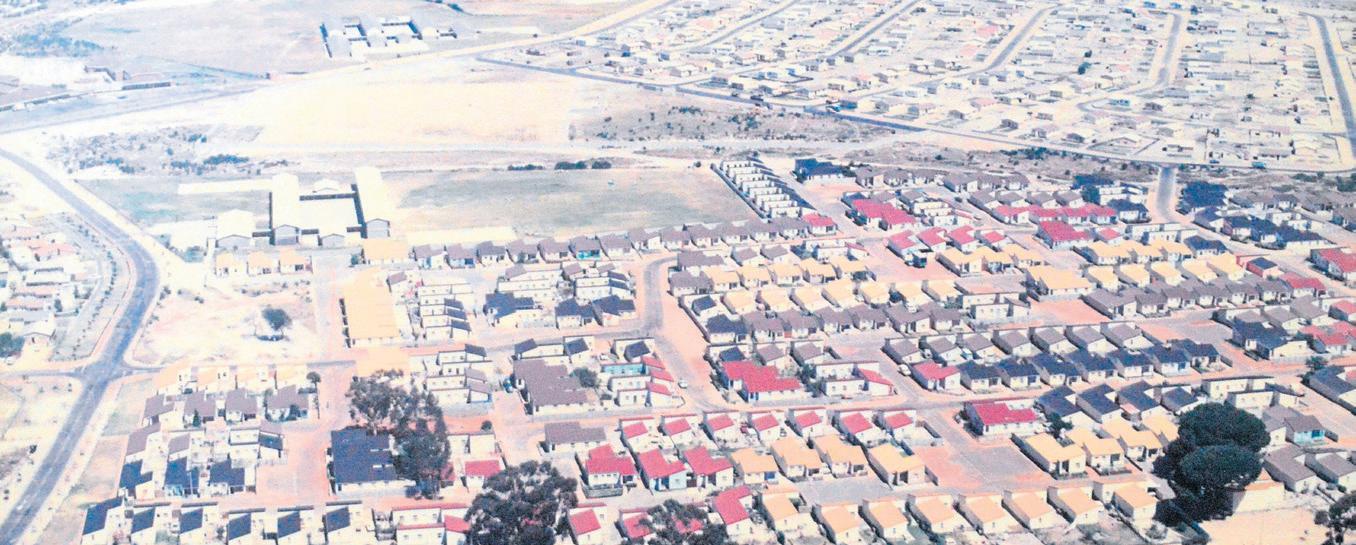
Did you know? Atlantis did not immediately vote for the ANC in 1994; South Africa’s first democratic elections, on 27 April 1994, marked a historic turning point for the country and for the town of Atlantis. In the Western Cape the election was closely contested between the National Party (NP) and the African National Congress (ANC). At the time coloured voters made up about 56% of the province’s electorate, and roughly the same percentage spoke Afrikaans as their home language. The NP focused strongly on these demographics during the campaign. In Atlantis the NP won the majority of votes while the ANC secured about 16%. Control of local government therefore remained with the NP through the newly-created Blaauwberg Municipality, which governed the coastal corridor from Milnerton through Table View to Atlantis. For many long-time ANC activists in the town the result was a disappointment after years of struggle for democracy. Source: Chase Sta ord, Stanford University (USA) Department of History, Honours Thesis, May 2005.Photo: The beginning of the development of the Atlantis residential suburbs in the early years | South African History Online
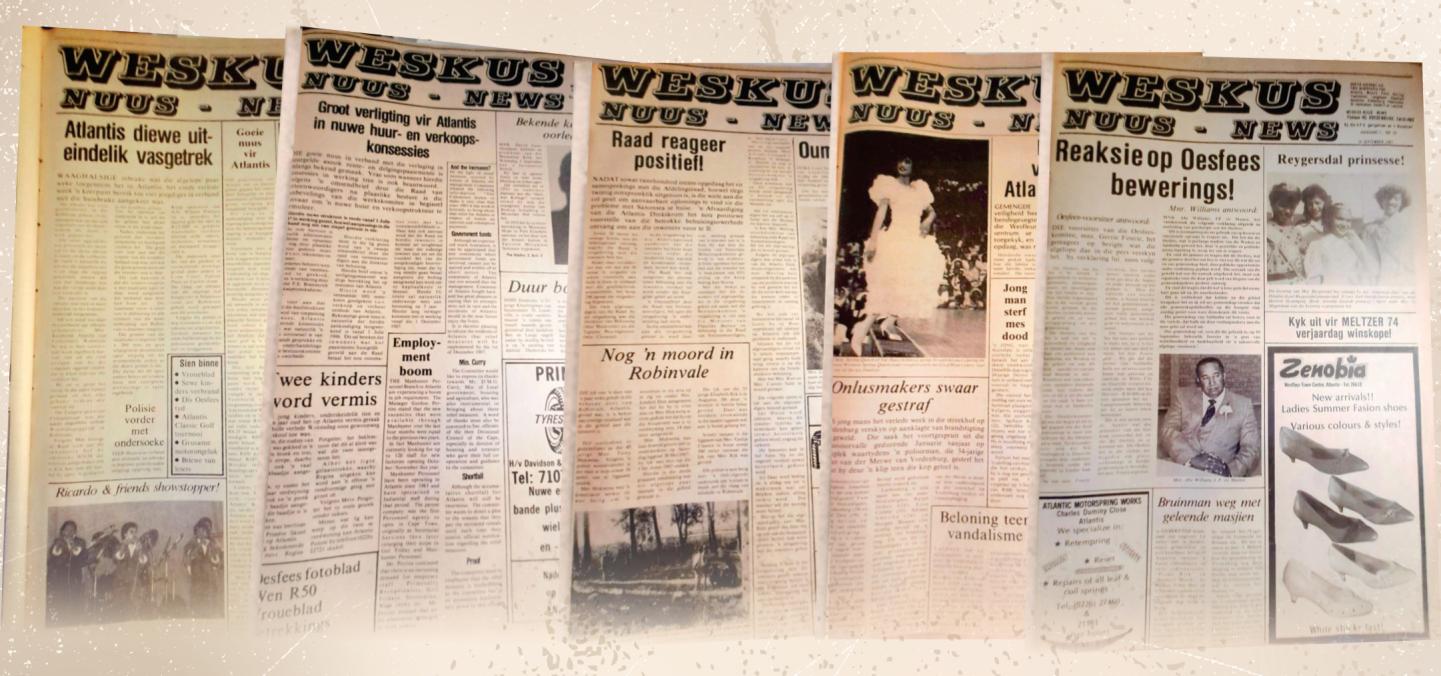
First editor remembers the beginning of ‘WeskusNuus’
“I SIMPLY COULD NOT STAND BY AND WATCH THE PEOPLE OF ATLANTIS BEING HUMILIATED UNDER THE APARTHEID ACTS”
Murphy Roberts
“ These were difficult times, but I had to make the best of it.”
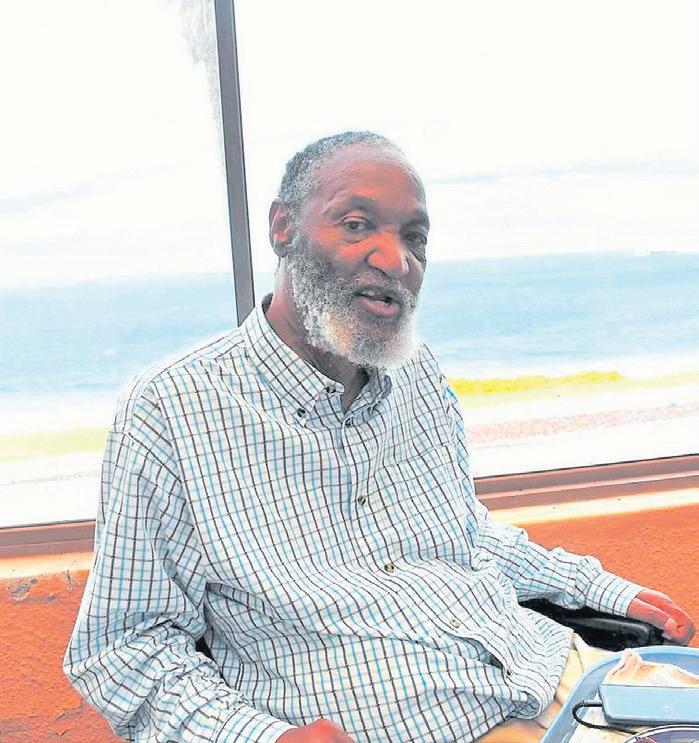
This according to Maxwell Moss (66), the first editor of WeskusNuus
The newspaper is celebrating 42 years this year.
According to Moss, who originally wanted to become a lawyer, he became involved with the newspaper at age 20 while it was still AtlantisNuus.
The owner sold the newspaper and it became The Atlantan
“I had to leave Saldanha and live in Atlantis, which was quite an adjustment for me.”
The first owner bought the newspaper back and WeskusNuus was born in November 1984.
“Atlantis had many challenges at the time, and the owner did not want me to write about them, which frustrated me a
lot,” he said.
“I met several community leaders and, with my connection to the thenaffiliated ANC, did a lot of underground work with leaders such as Noel Williams and the late Cybil Makenia, without my boss knowing, of course.
“I simply could not stand by and watch the people of Atlantis being
humiliated because of the apartheid Acts.
“The time at WeskusNuus opened many doors for me, and I met a lot of people, which opened more doors.
“At that time I had to do everything on my own and also had to distribute the newspaper and sell advertisements.”
Demands made of him later led him to leave the newspaper, but newspapers by then were in his blood, and he wasn’t inclined to do anything else.
He later became involved with a church newspaper, entitled Alternatief
“I have also founded several community organisations across the West Coast and other areas to educate young people, in particular, politically.
Moss, who was paralysed from the chest down in a serious car accident in 1993, served in Parliament from 1999 to 2009.
“I later decided to retire and serve my community in various areas, and these days I am very involved in sports administration,” he said.
First WeskusNuus editor Maxwell Moss.
Photo: Murphy Roberts
On a footing with best
David Rossouw
In 1976, on the dusty fields of Richmond Park in Milnerton, known to local footballers simply as “Die Vlak,” a group of passionate players and community leaders founded Jomo’s Power Football Club. Their vision was simple yet profound: to promote football culture, nurture talent and give young people from disadvantaged communities a chance to compete on equal footing with established clubs in the Safa Cape Town, Western Province.
But history intervened. The apartheid regime’s Group Areas Act forced families out of Richmond Park, relocating them to the newly-created industrial town of Atlantis. What could have ended the dream instead became the beginning of a remarkable journey. Jomo’s Power FC rebuilt itself in Atlantis, carrying with it the determination of a displaced community and the belief that football could be a tool for unity, pride, and opportunity.
From its humble start with just two senior teams and 24 players the club has grown to include eight junior teams and three senior teams, with almost 200 junior players, 60 senior players, and dozens of officials. Jomo’s Power FC quickly became a powerhouse in the Atlantis Local Football Association, winning countless trophies, league titles, knockout competitions, and grand challenges.
The club’s success extended beyond Atlantis. Jomo’s Power competed in regional promotional leagues, proving their quality against the best in the Western Cape. They won the Safa Shell League, the Castle League three times, and made history as the only club from Atlantis to play in the second division of SAFA Western Cape’s ABC Motsepe League. Most notably, the club has qualified three times for the Bayhill Premier Cup, the most prestigious u-19 youth tournament on the African continent. This achievement placed Atlantis firmly on the footballing map and showcased the depth of talent nurtured by Jomo’s Power FC.
Jomo’s Power FC has been a factory of talent. From its ranks emerged coaches, administrators and players who went on to shine nationally and internationally. Nathaniel van Graan, grandson of founder Jan van Graan, became the first Jomo’s Power player to represent an international club in India.
Mario van Graan, Yusuf Maart, Zandré Booysen and Dillarenzo Lombard advanced to play for Mamelodi Sundowns, Orlando Pirates, and Cape Town City. Other names like Valentino Thomas, Wayne Hare, Sheldon Jacobs, Grant Gertze, Timothy Arendse, and many more have carried the club’s legacy into provincial and national competitions. Beyond football, Atlantis has produced stars such as Udo Carelse, Robin Adams, and Shasha-Lee Davids, all part of the wider community that Jomo’s Power FC represents.
Jomo’s Power FC has always been about more than sport. In a community plagued by unemployment, crime and drug abuse the club has served as a beacon of hope.
Its mission is to unite Atlantis, reduce poverty and create opportunities for young people. Plans for a sports academy reflect this vision, aiming to develop future heroes while fostering discipline, education, and community service.
The club’s Executive Committee continues to look for ways to improve the lives of its players, raising funds through community support and proving that with unity and determination, anything is possible. Their ambition is not only to sustain the club but to ensure it thrives for another 100 years.
Today, Jomo’s Power Football Club stands as a symbol of strength and pride. From forced removals to league triumphs, from dusty fields to continental youth tournaments, the club’s journey reflects the power of sport to transform lives. Nearly 50 years after its founding, Jomo’s Power FC continues to inspire Atlantis and beyond, proving that even in the face of hardship, determination and community spirit can build a legacy that echoes across generations. With its track record of producing champions its commitment to youth development and its vision for the future, Jomo’s Power FC is a living testament to what a community can achieve when it refuses to give up.
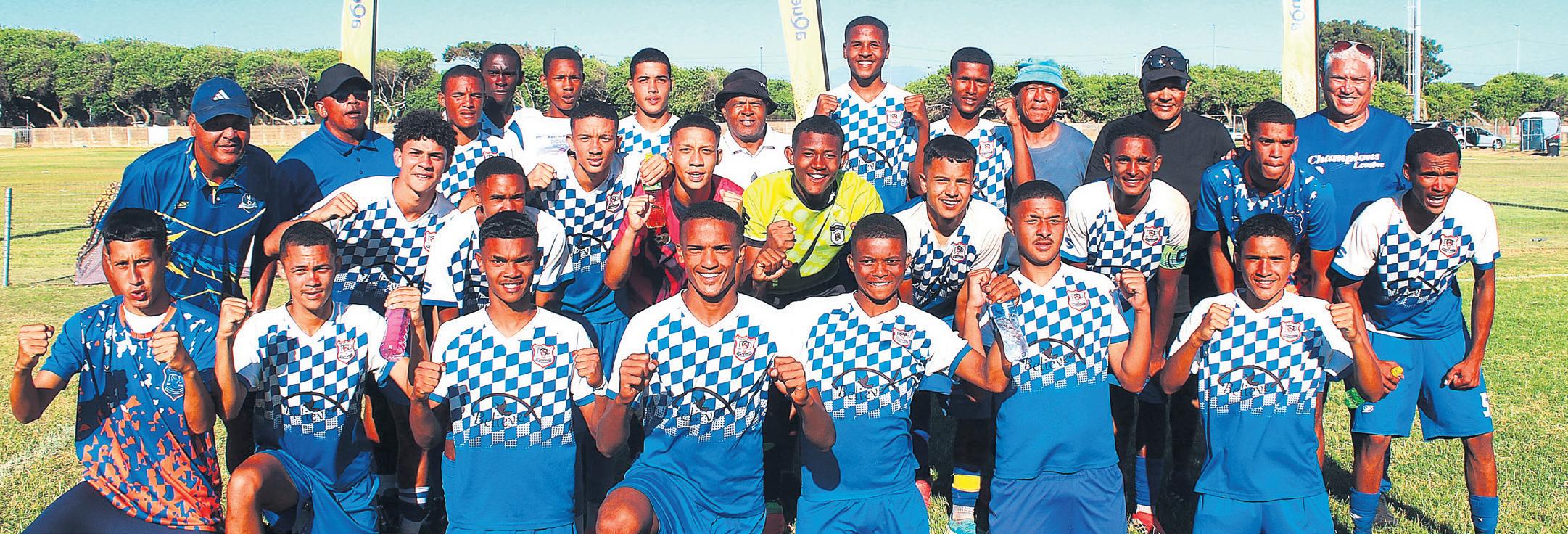
Jomo’s Power are one of the top teams in Atlantis today. Photo: David Rossouw