To the memory of my Grandmother, Margaret. Without her, none of this would be possible.
A.W. E.J.
To Tom, who was born full of love and curiosity for nature.
F irst published 2018 by Nosy Crow Ltd.
The Crow’s Nest, 14 Baden Place, Crosby Row London SE1 1YW www.nosycrow.com
ISBN 978 1 7880 0339 1
‘The National Trust’ and the oak leaf logo are registered trademarks of The National Trust (Enterprises) Limited (a subsidiary of The National Trust for Places of Historic Interest or Natural Beauty, Registered Charity Number 205846)
Nosy Crow and associated logos are trademarks and/or registered trademarks of Nosy Crow Ltd.
Text © Anna Wilson 2018 Illustrations © Elly Jahnz 2018
The right of Anna Wilson to be identif ied as the author and Elly Jahnz to be identif ied as the illustrator of this work has been asserted.
All rights reserved
This book is sold subject to the condition that it shall not, by way of trade or otherwise, be lent, hired out or otherwise circulated in any form of binding or cover other than that in which it is published. No part of this publication may be reproduced, stored in a retrieval system, or transmitted in any form or by any means (electronic, mechanical, photocopying, recording or otherwise) without the prior written permission of Nosy Crow Ltd.
A CIP catalogue record for this book is available from the British Library.
Printed in Italy
Papers used by Nosy Crow are made from wood grown in sustainable forests. 3 5 7 9 8 6 4 2
Nature
A Children’s Alm a n a c
Anna Wilson Elly Jahnz
The first almanacs were created about 3,000 years ago! They were written by the ancient Egyptians who used a kind of paper made from reeds known as papyrus. The writers listed all the dates that were thought to be lucky or unlucky, and made predictions about the weather. Farmers used these almanacs to help them know when to plant seeds and when to harvest crops.
Nowadays you can also find almanacs (like this one!) which have fun facts about each month – things to do indoors and outdoors, animals to spot, festivals to celebrate and seasonal food to grow, cook and eat. They also contain information about the weather, the night sky and all sorts of other amazing facts.
This book contains activities which involve things like knives, saws, hammers and nails and hot ovens. There are also a lot of fun things to do outside which involve fire and very cold water! All the activities are safe if you are sensible, follow safety guidelines and take a grown-up along to look out for you.
January
February
March
April
May
June
July
August
September
October
November
December
Calendar
Notes
6-19 20-33 34-47 48-61 62-75 76-89 90-103 104-117 118-131 132-145 146-159 160-173 174-179 180-185 186-189 190-192
1st New Year’s Day/First Footing
6th Epiphany/Twelfth Night/ Wassailing
13th Lohri (Punjabi midwinter festival)
21st Tu B’Shevat (Jewish New Year)
25th Burns Night
180 years ago . . .
On 9 January 1839 a French man called Louis Daguerre announced the invention of the daguerreotype – one of the first ever ways to create photographs. 110 years ago . . .
On 9 January 1909 Sir Ernest Henry Shackleton led the famous Nimrod Expedition to plant the British flag 180 kilometres from the South Pole. This was the furthest south anyone had ever reached at this time.
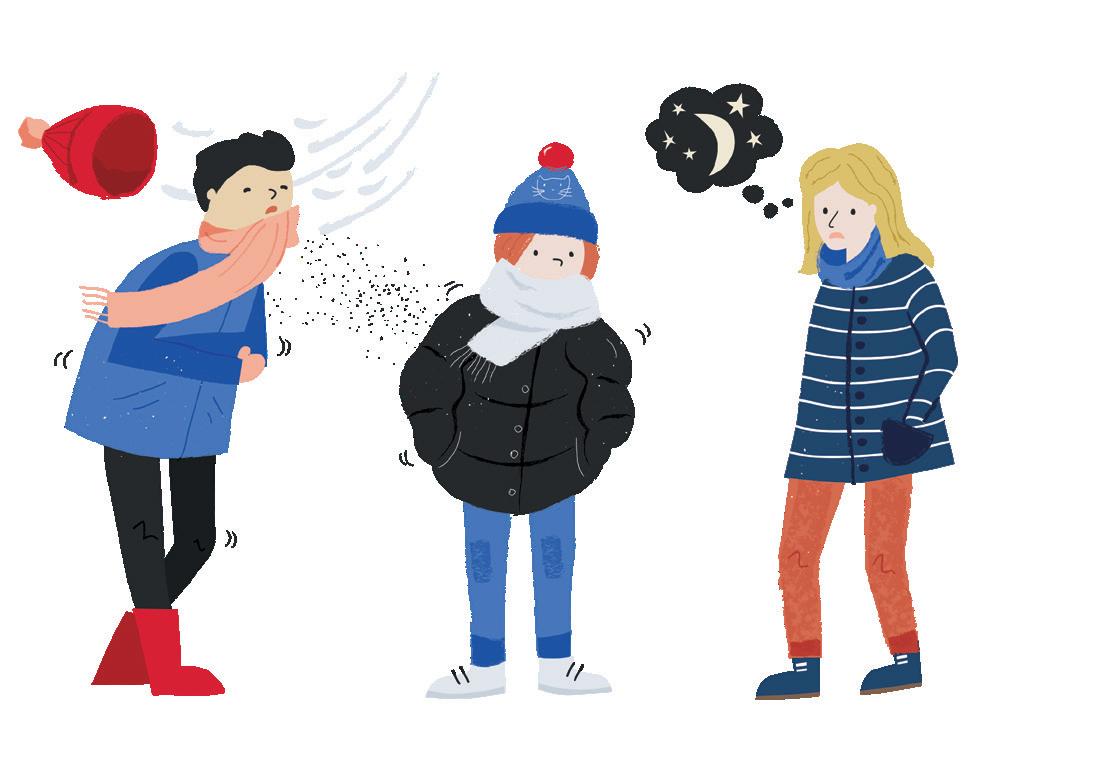
People often talk about January as though it is the worst of all the months.
“The sky is so grey!”
“It’s so cold!”
“The days are so short!”
It’s true that we don’t see much daylight at this time of year. But wherever you live, you’ll be able to find lots of things to get excited about in January. Yes, it’s cold outside, but if you wrap up warm you can still enjoy walks and games and activities in the garden or park – or even by the sea. There are also some wonderful festivals in January which celebrate looking forward with hope to the year to come. So January’s not that bad after all!
Why is January Called January?
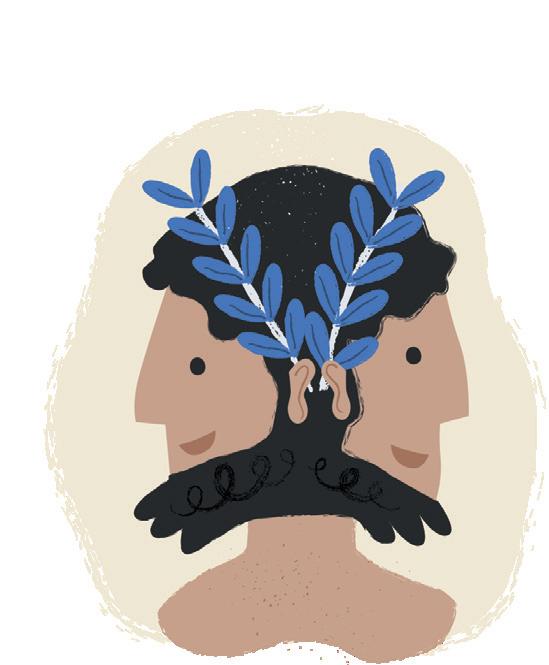
The calendar we use today was invented by the Romans. January was named after the Roman god Janus who was the god of gates and doorways. He was always drawn with two faces looking in opposite directions – one face looked back at the year that had passed, and the other looked forward into the new year.
January used to have 29 days until the Roman Emperor Julius Caesar came along and named July after himself! Then the months had to be reorganised and January ended up with 31 days.
New Year’s Resolutions
On 31st December we often talk about ‘making resolutions’ for the new year. Why do we do this?
The tradition of making resolutions started with the Romans, too. Because the January god, Janus, was looking backwards and forwards at the same time, he became a symbol for the Romans of forgetting what had happened in the past and moving on into the future. January therefore became known as a month in which to forgive people and be kind.
Nowadays people seem to worry more about getting fit and not eating chocolate – maybe we should be more like the Romans and make resolutions to be kinder instead?
Here are some ideas for resolutions that you might manage to keep . . .
• Look out for someone at school who needs a friend.
• Have a cake sale or organise a sponsored silence or a sponsored walk for charity.
• Clear out your old toys and clothes and take them to a charity shop. (Check with an adult before you give these things away!)
• Help out around the house and/or garden, if you have one.
The colourful December festivals of light such as Christmas, Hanukkah and Diwali might be over, but January has its fair share of celebrations to look forward to.
6th January Twelfth Night
For Christians, Twelfth Night used to be the day when Christmas was celebrated. In some countries, 6th January is still the day on which children get their presents.
It is also known as Epiphany, St Nicholas’s Day and the Feast of the Three Kings. For most people in Britain it’s when the Christmas decorations come down, so it’s not such a fun day.
6th January Wassailing
Wassailing is a pagan tradition. The word wassail comes from the Anglo-Saxon words waes hael which mean ‘good health’. The festival is like many other winter celebrations in that it looks forward to what people hope for in the new year to come: good weather, good health and a good harvest.
Wassailing involves going out into the countryside to bless the apple trees.
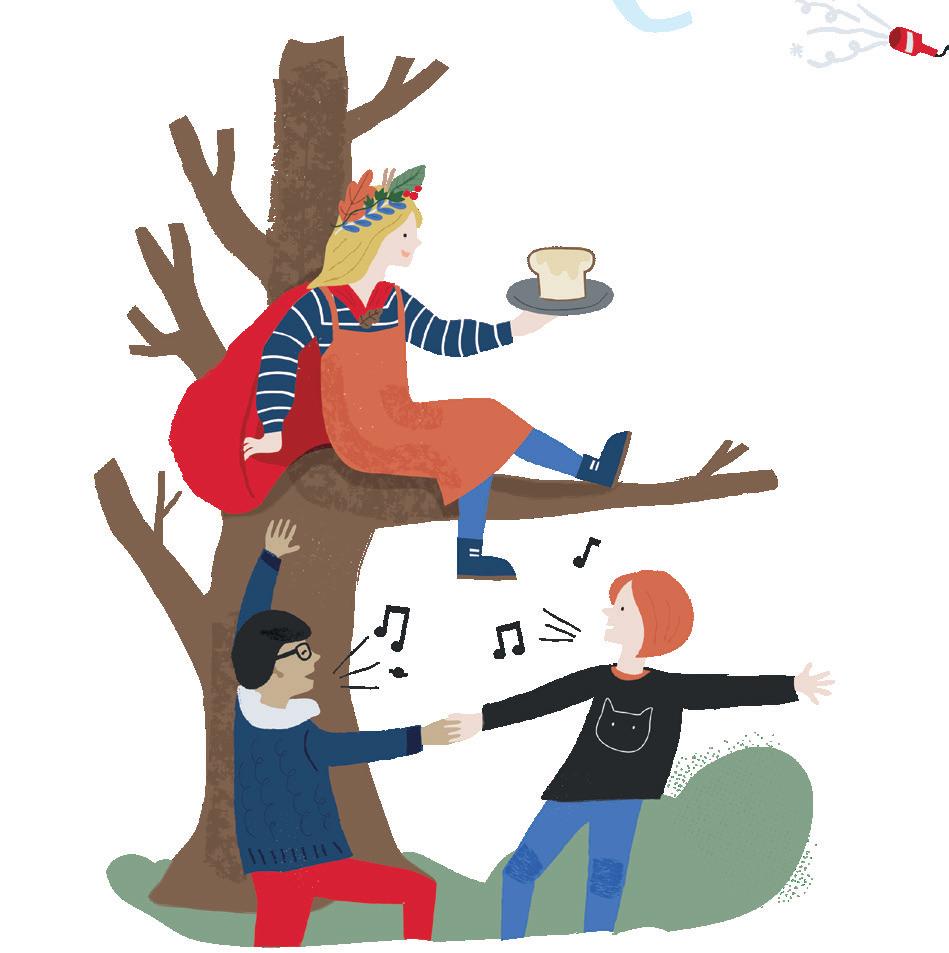
The wassail king and queen lead everyone in a sing-song around the tree to encourage it to produce lots of apples.
The wassail queen sometimes climbs the tree and offers it some bread soaked in cider. You could make mulled apple juice to soak bread in instead.
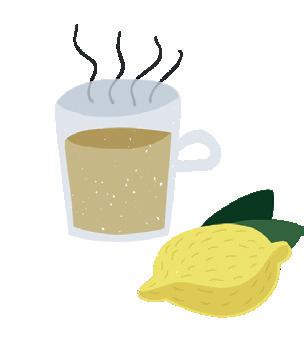
Recipe for Mulled Apple Juice
You will need:
Large saucepan
Wooden spoon
Ladle Sieve
1 litre carton of apple juice
1 cinnamon stick
Zest of 1 large orange
Zest of 1 lemon
Small piece of root ginger, peeled and grated
1 piece of star anise
2 teaspoons of runny honey
Pour the apple juice into a large saucepan.
Put the cinnamon stick, orange and lemon zest and grated ginger into the juice.
Place the saucepan over a low heat and warm the juice, allowing it to simmer gently for about 10-15 minutes.
Stir in the honey.
Once the honey is melted, strain the liquid through a sieve while pouring it out into a heat-proof jug. The sieve will catch all the bits so you are left with only the yummy warm juice.
Serve in warmed mugs and drink it while it’s still hot. Delicious! 1 2 3 4 5 6
13th January Lohri
Hindus and Sikhs all over the world celebrate Lohri. During Lohri songs are sung to the sun god, Surya, thanking him for his warmth and praying for his return after the cold weather.
People drink gurh – a delicious sugary drink made from sugarcane. Gajak is also eaten –a thin, dry sweet made from roasted sesame seeds cooked in sugar syrup and spices. Children go from house to house singing folk songs and are given sweets. In the evening, a bonfire is lit and people gather together to dance.
It can be very hard to get up in the mornings in January. The sun doesn’t seem to appear until school has begun – if it appears at all! But the dark mornings can be an exciting time for spotting wildlife. Even if you are not lucky enough to see an animal or bird, you might hear one instead if you listen hard.
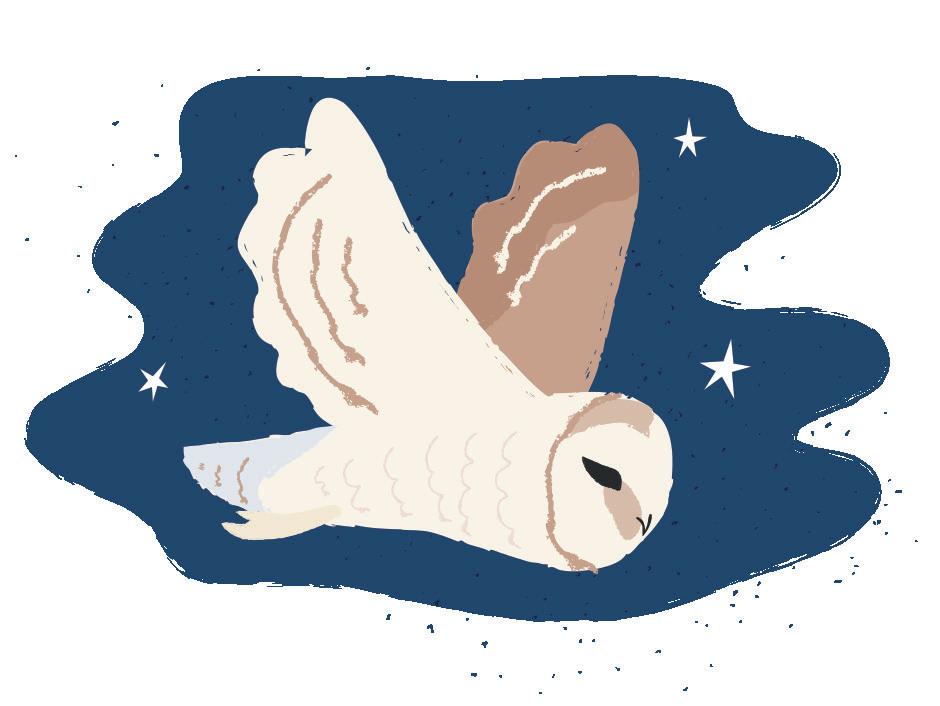
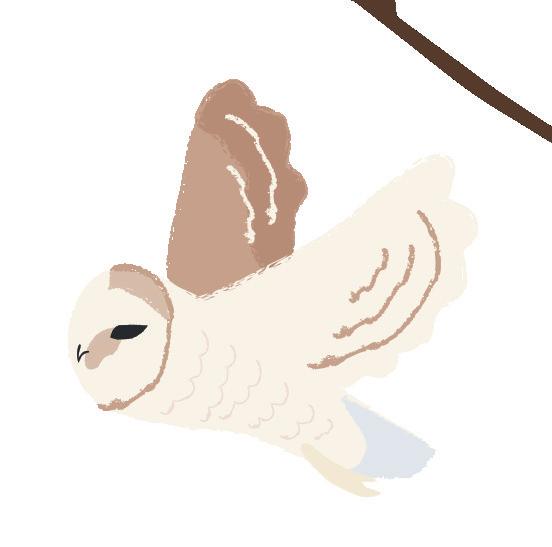
Owls become very noisy at this time of year. You might catch sight of the large, silent shape of a tawny owl or a barn owl flying past you on your way to school.
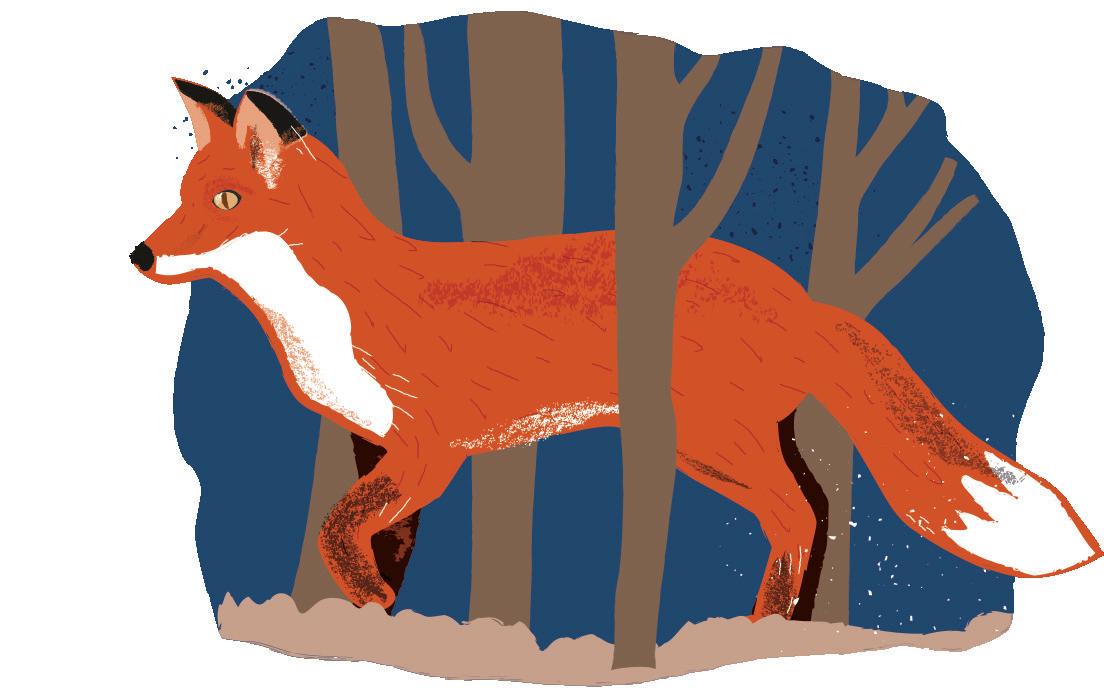
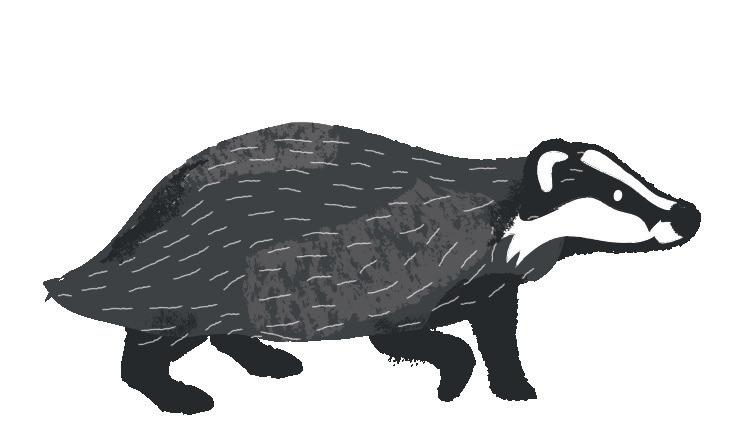
Foxes and badgers are busy at this time of the year, too. They have to work hard to find food to keep them alive through the cold winter. Sometimes you can see them knocking over rubbish bins in their search for food!
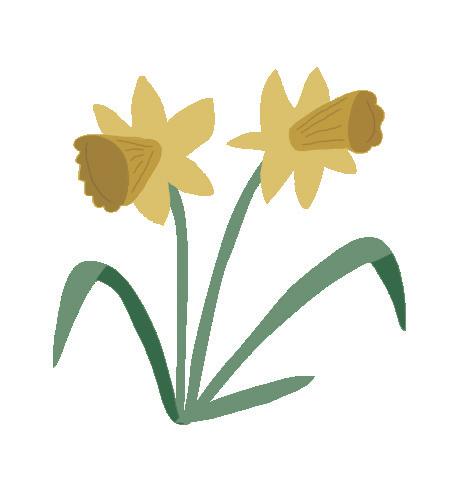
If you go out into the garden, the park or the woods near where you live, you will see signs of new life even on the darkest day. In colder northern regions, plants take longer to appear, while down in the south you might see daffodils as early as 1st January.
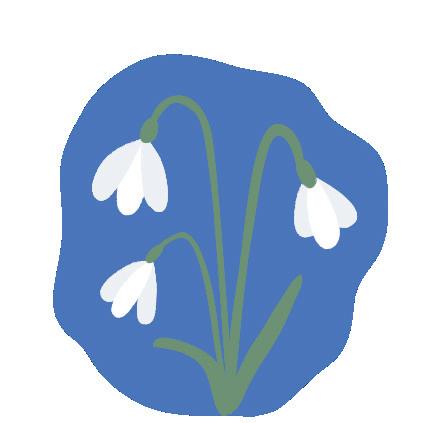
Snowdrops are already in bloom in January. Their tiny white and green heads look so delicate, but they are strong enough to survive the coldest weather – even snow and ice!
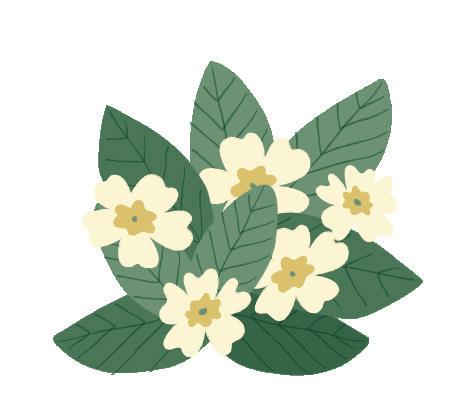
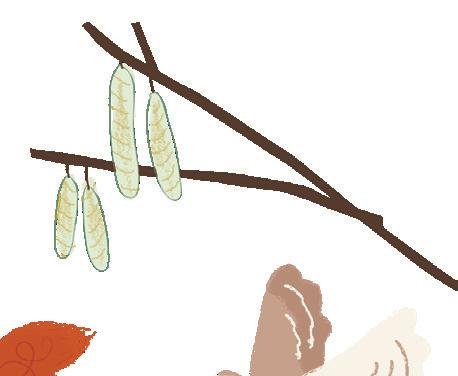
Other plants are quietly peeping out of the damp, dark ground too. Hazel catkins can be seen hanging from the trees, even before the leaves start to show their shoots. Sometimes little yellow primroses start to appear now.
How to Make a Nature Notebook
Take some sheets of scrap paper, fold them in half to make a booklet, then staple them together where you’ve made the fold.
Remember to make the notebook small enough to fit into a pocket so that you can take it with you wherever you go.
Tie a piece of string to a pencil and stick the loose end of the string into the notebook with sticky tape or make a hole in the pages and thread the string through. Use the pencil to note down where and when you see things while you are out and about.
Badger
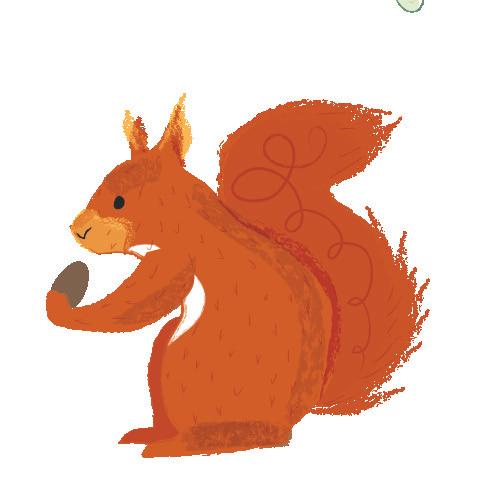
Owl Squirrel
Daffodils Snowdrops
Hazel catkins Primroses Fox
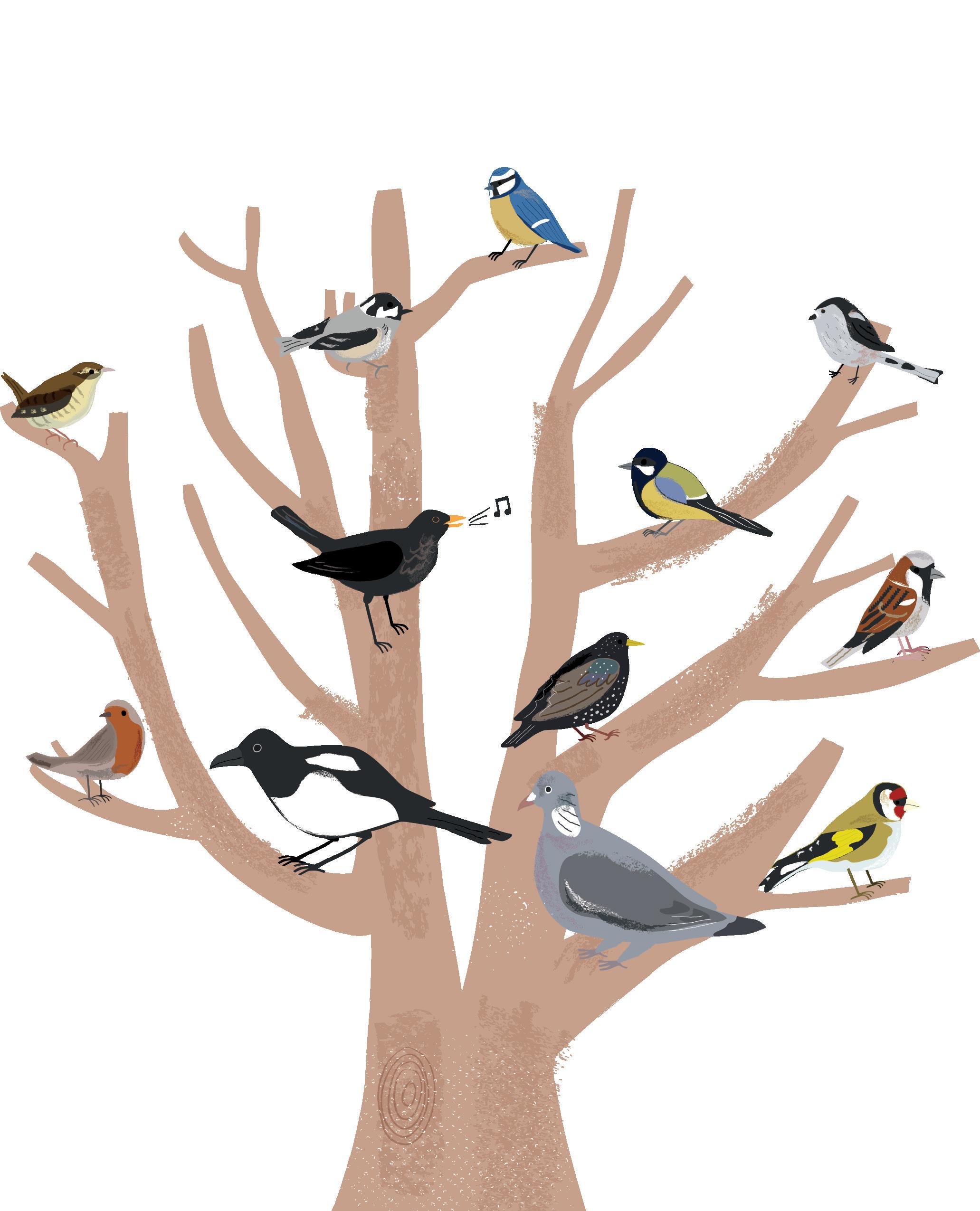
The RSPB holds a survey called The Big Garden Birdwatch at the end of January every year. This is to encourage people to record the different types of birds that regularly visit our gardens and streets so that we can keep an eye on their habits and see how the weather has affected them. More than half a million people get involved every year. Check the RSPB website to see how you can get involved. www.rspb.org.uk
Great tit
Coal tit
Long-tailed tit
Blue tit
Blackbird
Starling
Wren
Robin
Goldfinch
Magpie House sparrow Wood pigeon
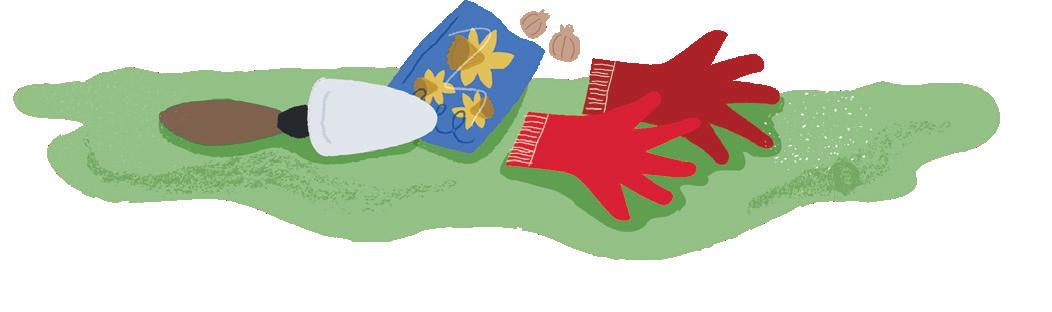
The garden might seem empty and bleak in January, but there are still things you can do to get ready for spring. Maybe this will be the year that you have a go at growing your own vegetables? You don’t need a garden to do this – you can grow things in pots or ‘grow bags’ which you can buy from garden centres or DIY shops.
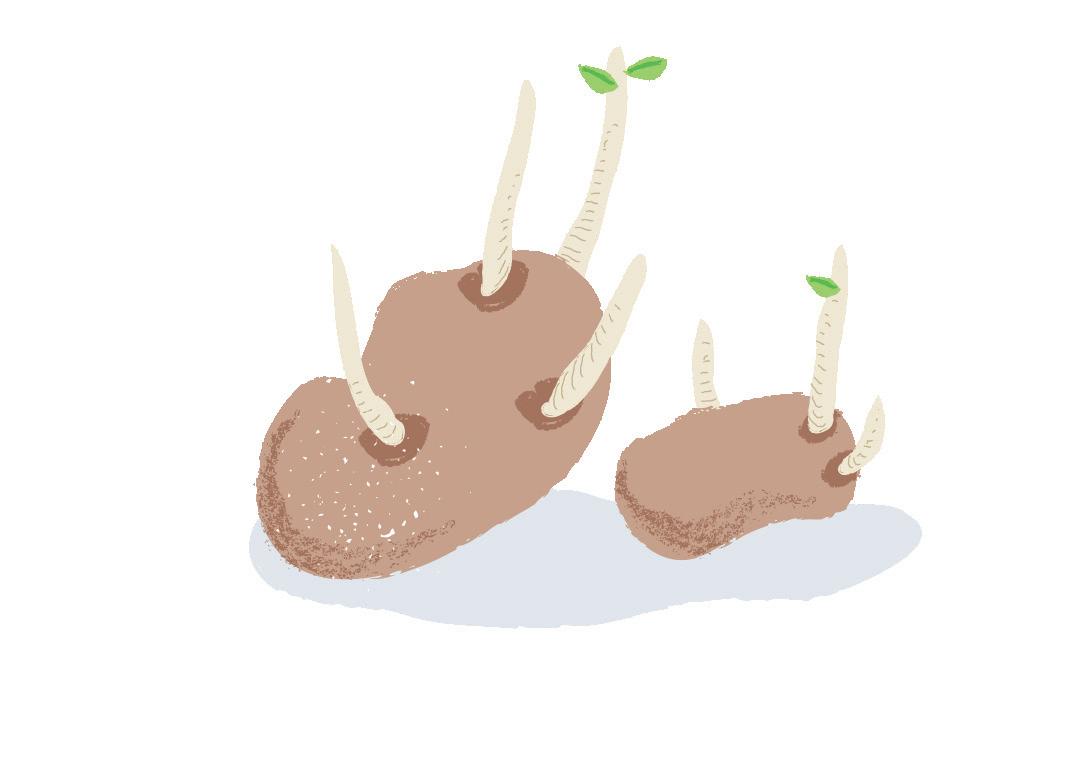
Potatoes are a good vegetable to start with. In January you can buy potatoes to ‘chit’. These are potatoes with shoots growing from them which will eventually grow into new potato plants. These small shoots need light and a cool temperature (about 4°C) to start them off.
Stand the potatoes in egg boxes on a windowsill in a cool room or garden shed, making sure that the ends with the most shoots are facing upwards. After about 4-6 weeks, the potatoes will have grown quite a bit. Wait until the shoots have grown to about 3 cm long and then you can plant them in the earth.
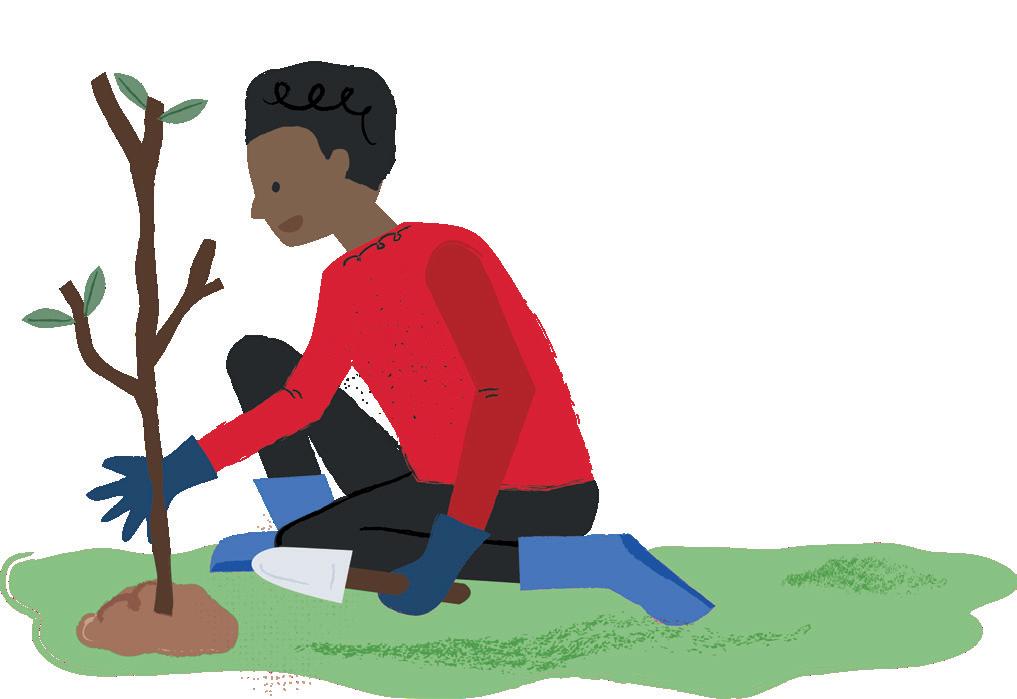
You can also plant a tree in January. How about asking your school if you could plant an apple tree? Or even start a small vegetable garden, beginning with those potatoes?
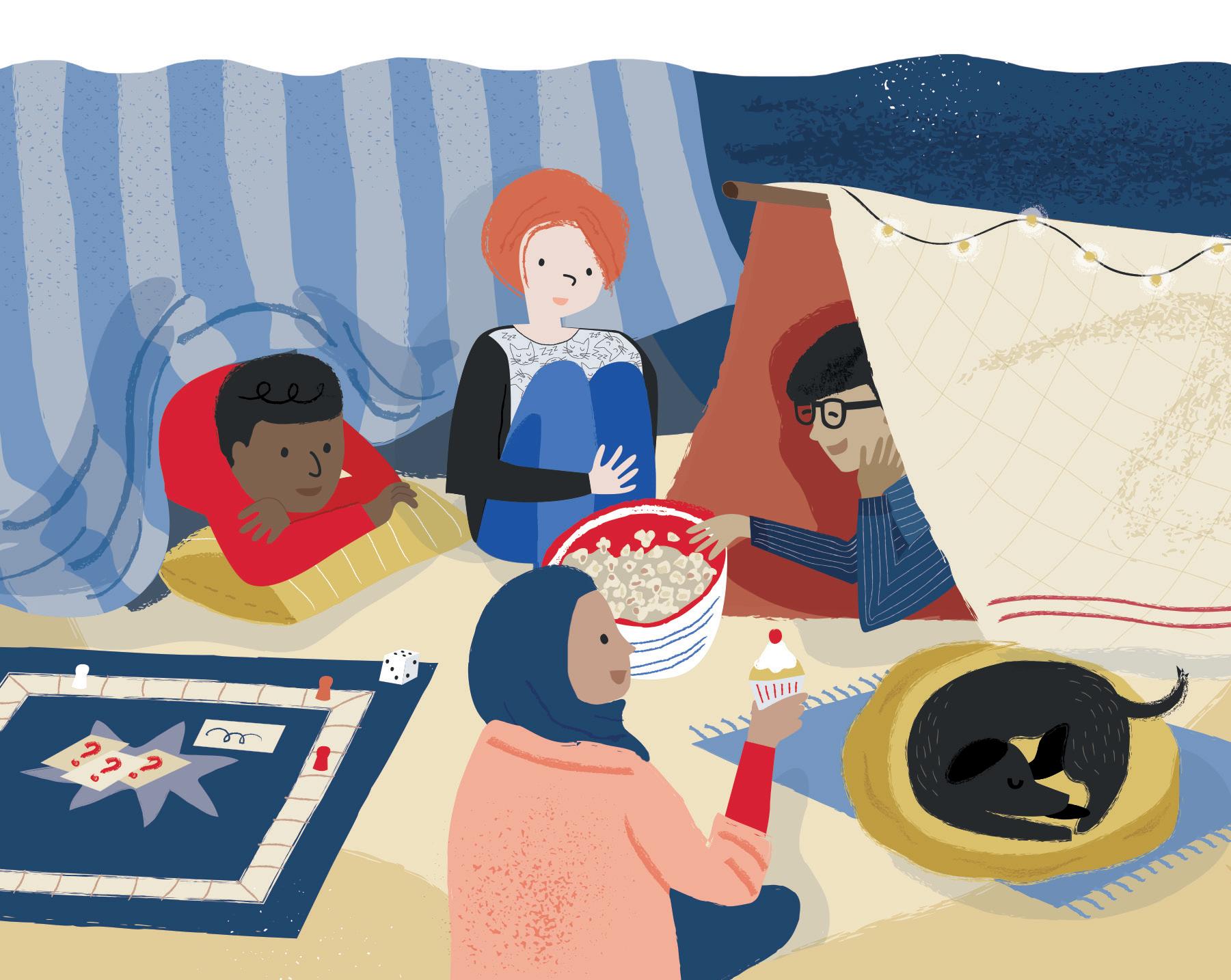
The long, dark evenings can be a time to get cosy and enjoy spending time with your family and friends playing games. Board games such as Monopoly, Cluedo or Settlers of Catan are perfect for January afternoons and evenings as they take a long time to play. A large jigsaw puzzle can be fun to do on a dreary afternoon, too. Make some mugs of hot chocolate, get into onesies or snuggle under blankets to make things extra cosy.
If you are feeling too sleepy to play games, you could just relax and have an indoor picnic instead. Get together some of your favourite snacks, lay out a rug and have your picnic straight away. Or you can spend the afternoon baking your favourite cakes, heating up sausage rolls and making sandwiches. You could put on a good film too, and turn your picnic into a ‘movie night’ with homemade popcorn.
Make Your Own Popcorn
You will need:
Large saucepan with lid
Large bowl for serving
3 tablespoons of sunflower or groundnut oil
75 g popping corn
1 tablespoon of melted butter
Salt and/or sugar to taste
Ask an adult to help you heat the oil in the saucepan on a high setting.
Once the oil is bubbling slightly, add two or three popcorn kernels to the pan.
When these kernels pop, add the rest of the corn to the oil in an even layer across the bottom of the pan.
Put the lid back on the pan and immediately remove the pan from the heat, but do not turn the stove off.
Count to thirty, nice and steadily. (Say, “One elephant, two elephants, three elephants,” etc, so that you don’t count too fast!)
Now put the pan back on the heat, keeping the lid on the pan.
The corn will start popping. Gently shake the pan by moving it back and forth on the heat to make sure all the corn pops.
Once the popping has slowed down to several seconds between pops, take the pan off the heat.
Carefully remove the lid and tip the popcorn into the bowl.
Pour the melted butter over the popcorn and add sugar or salt (or both!) to taste. Give the popcorn a light stir to make sure the butter and sugar or salt cover all the pieces.
Snuggle up, start the movie and enjoy!
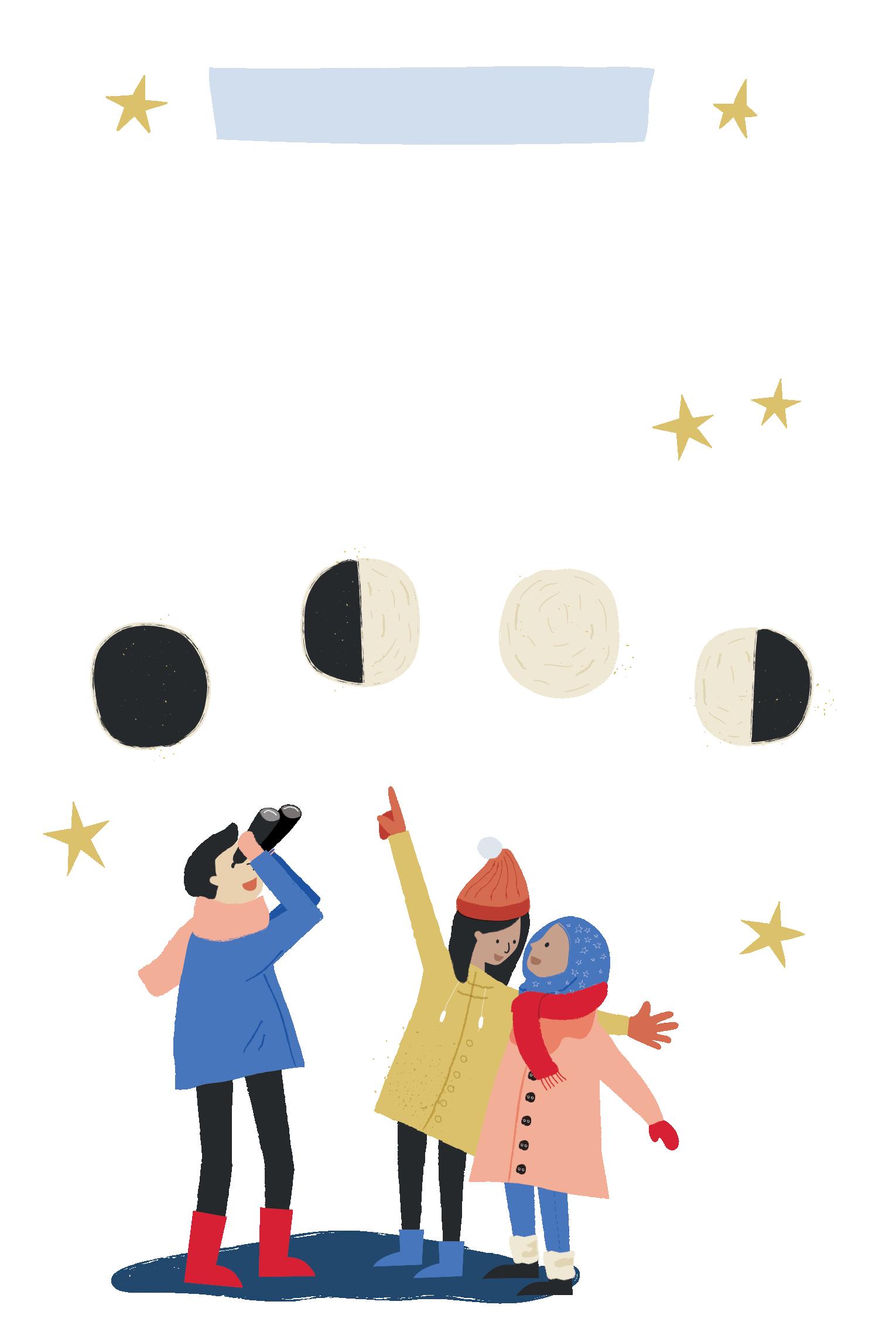
If there are no clouds, January is a great time for stargazing. As it gets dark so early, you can wrap up warm and go outside to look at the night sky.
Sometimes we see only part of the moon, depending on where the moon is in its journey across the sky. The different stages of this journey are called the ‘phases of the moon’.
Phases of the Moon in January 2019
First Quarter
14th January
New Moon
6th January
Full Moon
21st January
Last Quarter
27th January
The full moon in January is known as the Wolf Moon.
The Seaside in Winter
The seaside is not an obvious place to go for a holiday or a day trip in the winter time. Just as the weather changes throughout the year, so does the temperature of the sea. In winter the sea temperature in Britain ranges from 6°C to 10°C. So it’s a bit chilly for swimming and making sandcastles, and you can’t exactly sunbathe! However, you can still hunt for shells and pebbles, seaweed and fossils, and you can look out for interesting seabirds and other creatures. A blustery coastal walk can be a lovely thing to do on a dull January day.
There are grey seals and common seals to be seen along the whole of the UK coast. In Cornwall and Wales you might also see porpoises. Along the seashore in Scotland, Northumberland, Yorkshire, Northern Ireland, and Wales you might also be able to see puffins.
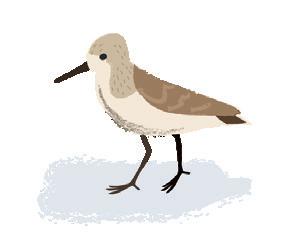
Sandpiper
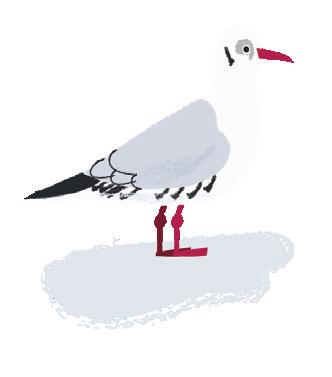
Black-headed gull
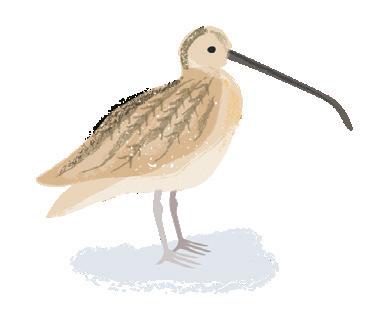
Curlew