Purpose in Motion: ACHENTX Leaders Shine at ACHE 2026 Congress

Bringing Shadow AI Out of the Shadows
WRITERS &
Amanda Brummitt, FACHE
Audrianne Schneider, FACHE
Bert Witherspoon, FACHE
Cindy Jones
Court Wakefield
Elizabeth Reitman
Harleen Kaur
Holly Hrabik
Joshua Lewis
Julie Jenkins
Juwayriyya Dayala
Kean Villarta
Kristina Roberson
Laura Saleem, PT, MPT, MHA, FACHE
Mark Riordan
Mike Belkin, FACHE
Natalie Cobble
Nnamdi Edeoga
Sarah Sentmore
Tom Peck, LFACHE
Vanessa Lee
William Evans
Zaurez Khan
ADVERTISING / SUBSCRIPTIONS
info@achentx.org
ACHE of North Texas
Editorial Office, c/o Executive Connection
P.O. Box 224732, Dallas, TX 75222-4732
p: 972.413.8144
e: info@achentx.org
w: achentx.org
President - Kris Sanders, FACHE
SVP/Northern Market Growth & Development
Children’s Health
President-Elect - Tim Bowen, FACHE
President, Baylor Scott & White - McKinney
Immediate Past President (Foundation Liaison)Ajith Pai, FACHE
President, Texas Health Harris Methodist Hospital
Southwest Fort Worth
Treasurer - Michael Talley, RRT, FACHE
(Sponsorship Liaison)
VP of Clinical Operations & Virtual Care, CHRISTUS Health
Community Culture & Inclusion Officer (CCI Liaison)
Cassandra Self, FACHE
Professional Services & Finance Officer, Texas Health Resources, Azle
Secretary - Jared Lange, FACHE
(Communications Liaison)
Vice President, Parkland Health
The ACHE of North Texas e-magazine, The Executive Connection, is published triannually and includes information on the latest regulatory and legislative developments, as well as the quality improvement and leadership trends that are shaping and influencing the healthcare industry. Readers get in-depth reporting on the issues and challenges facing hospital and health system leaders today. We make it our job to tell you about the great things the organization and Chapter are doing every day to ensure the health of our community. If you have any news and updates that you want to share with other members, please e-mail your items to info@northtexas.ache. org. Microsoft Word or compatible format is preferable. If you have a graphic or picture that you'd like to include, please send it as a separate file. The following are the types of information that our members shared in past ACHE of North Texas magazines: Advocacy Issues, Legislative Issues, Educational Opportunities, Awards / Achievements, Promotions (Members On the Move), Committee Updates, Journal Submissions, Conference Submissions, and Workshop Participations, Member Highlights.
Lee Ann Benson, FACHE Advancement Liaison & Chair
Senior Vice President, Maternal Child Program Children’s Health
Crystal Brown, WHEN Liaison & Co-Chair Vice President Operations/COO Methodist Mansfield Medical Center
John Carter, FACHE Communications Liaison
Brand Ambassador, Pinnacle Healthcare Consulting
Chad Collins, FACHE Sponsorship Liaison
COO / VP Operations, Texas Health Resources
Felixia A. Colón, FACHE, ACHE Regent-At-Large, District 4
Senior Vice President, SCP Health
Phillip P. DeBruzzi, Jr., FACHE Sponsorship Chair & Liaison
Principal, Forvis Mazars
Barton Gill Student Council Liaison
Chair, Dept of Health Administration & Health Policy, UNT Health Science Center
Brandon Goertz, PhD, FACHE Education Liaison President, Texas Health HEB
Nick Kagal, FACHE Advancement Liaison
HX Client Success Manager, Press Ganey
Christina Mathis, MHA Membership Liaison
Chief Executive Officer, Medical City Las Colinas
Angela Vincent Michael, FACHE CCI Liaison
Director, Performance Improvement & Project Deployment Office, Methodist Health System
Laura Parsons-Yanez Mentorship Liaison
Senior Manager, Quality & Patient Safety, Walmart Health
Jared Shelton, FACHE
ACHE Texas – North Regent President, Texas Health Harris Methodist Hospital Fort Worth
Timothy Wilson Networking Liaison
SVP, Population Health Management, Parkland Health
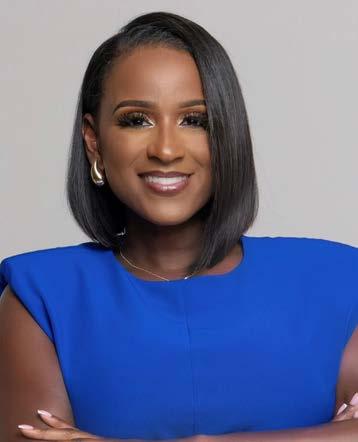
Dear Members and Volunteers,
As we reach the midpoint of 2026, I want to take a moment to reflect on the strength and momentum of our ACHE of North Texas chapter and that begins with you.
Your dedication, engagement and commitment to advancing healthcare leadership in our region continue to inspire. Whether you’ve attended events, signed up to mentor emerging leaders for our upcoming mentorship program, volunteered your time, sponsored our chapter, or contributed behind the scenes, your efforts are what make this chapter thrive. Thank you for being the driving force behind our shared mission.
This year also brings a significant moment of transition for ACHE of North Texas. After more than 10 years of exceptional service, our esteemed Executive Director, John Whittemore, will be retiring. John’s leadership has been instrumental in shaping our chapter into what it is today—vibrant, impactful and deeply connected. His passion, steady guidance and unwavering support for our members have left a lasting legacy. While we will certainly miss his presence and his leadership, we are profoundly grateful for all he has given to our community and wish him the very best in his well-earned retirement.
Looking ahead, we have an exciting lineup of events and opportunities designed to connect, educate and inspire. I encourage each of you to stay involved, attend events and continue contributing your ideas and energy. Just as in the world of healthcare, our chapter’s success depends on the collective strength of this community and there is so much more ahead.
Thank you again for your continued support and dedication. It is an honor to serve alongside each of you.
Warm regards,
Kris Sanders, FACHE President, ACHE of North Texas Chapter
You can achieve anything you put your mind to. The power to crush any goal is in all of us. Let’s set it free.


Jared C. Shelton, FACHE
As we enter the long, hot days of another Texas summer, it can be tempting to slow down, step back and defer professional engagement until fall. School is out, summer trips are planned and many of our normal routines are disrupted. But don’t let that be an excuse not to stay engaged with ACHE of North Texas! ACHENTX provides a steady professional anchor—offering opportunities to sharpen our leadership skills, broaden our perspectives and strengthen our networks even during traditionally quieter months.
I encourage each of you to remain actively engaged with ACHENTX and the broader ACHE community. Attend an upcoming education session, participate in networking events, or consider giving back by mentoring an emerging leader. Volunteering your time and expertise within our chapter not only strengthens the organization, but also reinforces our shared commitment to advancing healthcare leadership excellence. These connections are what enable us to lead effectively in an increasingly complex healthcare environment.
Additionally, I would like to encourage qualified members to consider applying for the Texas-Northern Regent position. I have found serving in this role is a meaningful way to help shape the future of ACHE and represent the interests of our region. For more information and to apply, please visit the Official Notice for Council of Regents.
Finally, I would be remiss if I did not acknowledge the tremendous impact John Whittemore has had on our ACHENTX chapter over the course of his 11 years with us. John’s constant professionalism, excellent communication skills, and expertise in forging relationships with broad swaths of the healthcare community have been a tremendous asset for ACHENTX. John, I will miss your welcoming smile at every event, but I’m very excited for you to enjoy your well-earned retirement. Thank you for everything you’ve done for me and our chapter!
Sincerely,
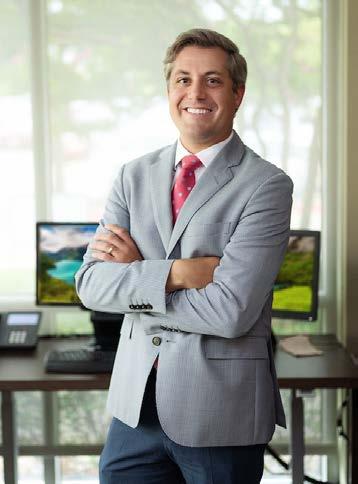
Jared Shelton, FACHE Regent, District 4 – Texas Northern


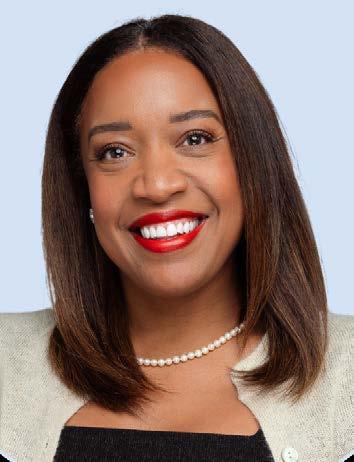
As we move into the summer season, I am honored to serve as your new Regent-At-Large for District IV and support the outstanding Regents of our local chapters. I would also like to recognize and thank Jim Allard for his dedicated service and leadership as the prior Regent-At-Large. His commitment to this district created a strong foundation that I am proud to support to see continued growth and success.
Reflecting on the recent 2026 ACHE Congress on Healthcare Leadership, I was reminded of both the strength of our profession and the significant headwinds facing healthcare today and in the future. Workforce challenges, financial pressures, access disparities and rapid transformation continue to test even the most seasoned leaders. In this environment, resilience has become one of the most important leadership competencies we can develop. Resilience is not simply endurance; it is the ability to lead through uncertainty with agility, purpose and strategic focus. We strengthen this skillset by investing in people, remaining adaptable and continuing to learn from one another.
That is why engagement with the American College of Healthcare Executives matters now more than ever. I strongly encourage our members to stay active within their local ACHE chapters, attend educational and networking events and continue pursuing Fellowship advancement. The FACHE designation represents more than a credential; it reflects a commitment to leadership excellence, lifelong learning and advancing our profession. As your Regent-At-Large, I look forward to supporting our chapters, encouraging professional growth and engaging with leaders across our region. North Texas continues to be a model for innovation, collaboration, and leadership and I am proud to serve this community.
Felixia Colón, FACHE Regent-At-Large, District IV



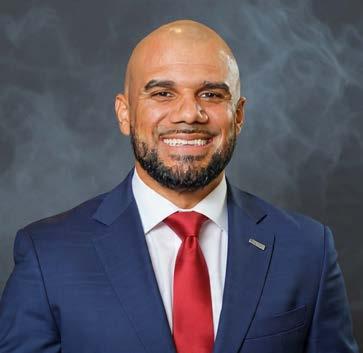
Chad Collins, MHA, FACHE, CHFP
Vice President of Operations, Texas Health Presbyterian Hospital Plano
Chad has served as the Vice President of Operations at Texas Health Presbyterian Hospital Plano since 2023. His role includes executive leadership for the day-to-day operations of the 390-bed hospital’s 11 inpatient departments and four outpatient departments. Previously, he worked in various healthcare leadership capacities with for-profit and not-for-profit health systems.
Chad was named to the Mobile Bay Magazine’s 40 under 40 in 2021. He was also selected by the American College of Healthcare Executives (ACHE) as a Thomas C. Dolan Executive Diversity Scholar. He was recognized nationally by Becker’s as one of 75 Black Healthcare Leaders to Know in 2022 and 2023. He received the ACHENTX Regents Early Careerist Award and Best of Plano Rising Star Award in 2024.
Chad earned a bachelor’s degree in Psychology from Faulkner University and a master’s degree in Health Administration from Louisiana State University – Shreveport. He is a Fellow of the American College of Healthcare Executives. He serves on the Board of Directors for the Assistance Center of Collin County, Board of Directors for the Hendricks Scholarship Foundation, Advisory Board for Auburn University of Montgomery’s Health Administration Program, ACHE North Texas, and NAHSE – DFW.
Chad and his wife, Brittany, have one daughter and three sons. He enjoys hunting, golfing, fishing, and traveling with his family.
I initially pursued a career in healthcare to help people with mental health challenges, specifically early childhood IDD. As I became more aware and got exposed to hospital operations while caring for my grandmother, I felt more compelled to be on the operations side. I was inspired by a few individuals I encountered during one of her stays at a hospital in my hometown who later became informal mentors. I also realized that being in operations gave me the opportunity to impact the lives of both patients and healthcare workers.
Selfishly, I stay in healthcare because I enjoy connecting with people. My whole life has been based on working within a team, from sports to the military and now hospital operations. The gratification I get from knowing the smallest decisions can have the greatest impact is incredible. I also like the turbulence at times as there is nothing mundane about healthcare administration. As a kid, I really enjoyed challenging puzzles and games that forced me to get creative to find a solution, and healthcare affords me that same opportunity.
How long have you been a member of ACHE?
I have been a member for 10 years. I first joined ACHENTX in 2015 and served on the Mentorship Committee until I left the market in 2019. I then served on the ACHE of Alabama Board from 2020 to 2023, ultimately serving as President in 2022.
What advice would you give early careerists or those considering membership?
I would say, as with anything, you get out of ACHE what you put into it. The time and financial commitment you make should be viewed as an investment in your career. Find ways to connect with other members and leaders in the organization and see how you can help. Make sure you get involved with a committee or event planning. If you are not ready to commit to anything formal, then prioritize attending meetings and events. I started my ACHE journey by attending one event a quarter which eventually led to me serving on a committee and then ultimately becoming President of the Alabama chapter. Make it a priority to attend ACHE Congress at some point. Lastly, be sure to set a goal of becoming certified as a healthcare professional by obtaining your Fellow designation.
Tell us one thing that people don’t know about you.
I am a lover of all things outdoors. I spend a lot of my time hunting and fishing. Any opportunity I get to be in the woods, I am happy.
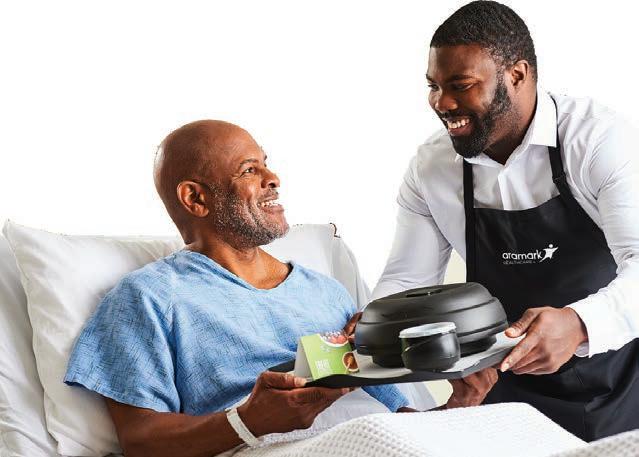

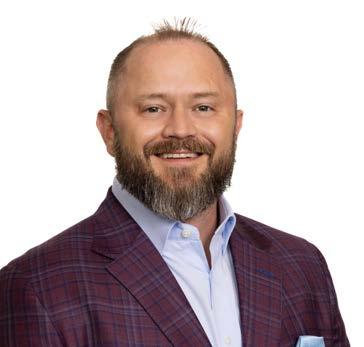
John P. Carter, FACHE Brand Ambassador, Pinnacle Healthcare Consulting
John P. Carter is a nationally recognized healthcare executive and strategic advisor known for helping organizations lead through disruption and transformation.
As Brand Ambassador for The Pinnacle Family of Companies, John serves as a trusted voice across the healthcare industry, sharing insights through national speaking engagements, executive forums and thought leadership focused on the future of care delivery. He also partners with hospitals, health systems, physician networks and private equity-backed enterprises to accelerate strategic alignment, operational excellence and the transition to value-based care.
With nearly two decades of healthcare experience and 14 years of military service as an Army artillery and strategy officer, John brings a disciplined, yet adaptive leadership style rooted in mission clarity, decentralized execution, and cross-functional team alignment. His expertise spans strategy, operations, clinical integration, provider alignment, growth strategies, and organizational leadership development.
John holds healthcare-focused master’s degrees in Business, Healthcare Leadership and Management. He is a Fellow of both the American College of Healthcare Executives and the American College of Health Data Management and is certified in Healthcare Informatics Leadership.
Why did you go into healthcare? Why do you stay?
What drew me to healthcare is the same thing that originally drew me to the military: service above self and the challenge of leading in complex adaptive environments. In both, the stakes are real, the systems are dynamic, and outcomes depend on leaders who can think clearly, act decisively, and empower others under pressure.
Healthcare demands agility, situational awareness, and alignment across diverse stakeholders, often with incomplete information and competing priorities. That environment is where I do my best work.
I stay in healthcare because there is no better place to practice servant leadership. Every role, from clinicians, operators, administrators, advisors, etc., exists in the service of patients and communities, even when the system itself is strained. The work requires humility, discipline and a long-term mindset. When done well, healthcare leadership creates clarity amid complexity and enables others to perform at their best. Plus, I get to learn something new every day as my work crosses the entire ecosystem.
How long have you been a member of ACHE?
I’ve been an ACHE Member for 10+ years and actively involved with ACHENTX since 2018.
What advice would you give early careerists or those considering membership?
Be intentional and show up! ACHE offers far more than passive membership, and its value compounds when you engage. Attend events consistently, volunteer, ask questions, and build relationships across disciplines and career stages. Seek mentors, but also look for ways to contribute early. Healthcare leadership is learned through exposure, reflection, and service. ACHE accelerates all three if you lean in.
At HDR, we’re helping our clients push open the doors to what’s possible, every day. hdrinc.com I 972-960-4000


















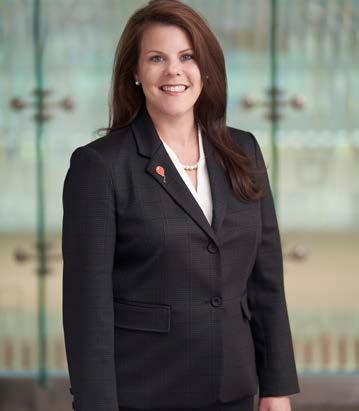
Lee Ann Benson, FACHE, MSHA, MBA
Senior Vice President, Maternal-Child Program Development at Children’s Health
Lee Ann Benson serves as the Senior Vice President, Maternal-Child Program Development for Children’s Health and UT Southwestern Joint Pediatric Enterprise (JPE). In this role, Lee Ann is responsible for leading strategic planning, development and execution of the Maternal-Child Program, including Obstetrics, Maternal-Fetal Medicine and Neonatology.
Lee Ann holds a bachelor’s degree in Healthcare Administration from Auburn University and master’s degrees in Health Administration and Business Administration from the University of Alabama at Birmingham. She serves as Chair of the Advancement Committee and is on the Board of Directors for the American College of Healthcare Executives of North Texas. Lee Ann also serves on the Board of Directors for the Women in Healthcare Leadership organization at the University of Alabama at Birmingham.
Outside of work, you can find Lee Ann and her husband, Beau, cheering on their 9-year-old twins, Lynlee and Reid, at sporting events or just enjoying the great outdoors.
Why did you go into healthcare? Why do you
From a young age, my life was profoundly shaped by my mother’s courageous battles with breast cancer and lymphoma. Watching her navigate the complexities of treatment and care opened my eyes to both the remarkable compassion of healthcare professionals and the very real opportunities for improvement within the system. These experiences left a lasting impression on me, fueling a deep desire to make a difference in the lives of others facing healthcare challenges.
When my mother passed away from lymphoma during my sophomore year of high school, I was determined to honor her memory by dedicating myself to a career that could positively impact the future of healthcare. Her journey inspired me to look beyond my own experience and consider how I could contribute to meaningful change—ensuring that every patient and family receives the support, empathy, and quality care they deserve.
A pivotal moment came when I participated in my high school’s career day by shadowing a hospital administrator. This experience opened my eyes to the broader impact that leadership can have on patient care and organizational culture. I realized that, while clinicians deliver hands-on care, administrators play a crucial role in shaping the systems and environments that enable exceptional healthcare delivery. It was in that moment that I discovered where my passion and skills could have the greatest impact.
Continued on pg. 18

You want a partner who really understands the local needs of your hospital, and who puts patients and community first. A partner who listens to your unique challenges and comes to the table with solutions. That’s Sound. Our physician-founded and physician-led medical group is all about doing and being better — for our partners, our clinicians, and our patients.
A better partnership in hospital medicine, and in all our specialties.
Mihir Patel, MD, MBA, CPE CEO, Hospital Medicine
What keeps me in healthcare is the unwavering belief that every day presents an opportunity to make a difference. Whether it’s advocating for patients, supporting dedicated teams, or driving initiatives that increase access to care, I am continually inspired by the resilience and commitment of those around me. I am grateful for the opportunity to contribute to a field that touches so many lives, and I remain committed to honoring my mother’s legacy by striving for excellence, compassion, and innovation in all that I do.
How long have you been a member of ACHE?
My first exposure to ACHE occurred when I was an undergraduate student at Auburn University. I joined the Health and Hospital Administration Organization (HHAO), the student ACHE organization on campus, and began learning about the wealth of resources ACHE made available to healthcare professionals. I continued my engagement with ACHE through graduate school at the University of Alabama at Birmingham and was honored to be the recipient of the Foster G. McGaw Graduate Student Scholarship to support my studies.
How would you encourage other members to maximize their ACHE memberships?
The American College of Healthcare Executives (ACHE) has been a cornerstone in my journey, shaping both my personal and professional development in ways I could not have anticipated. One of the most impactful steps I took was getting involved with local ACHE chapters wherever I lived. By attending educational events, I gained insights into both local and national healthcare trends, which broadened my perspective and kept me informed about the ever-evolving landscape of our industry. These events are not just about
learning; they are about connecting. Each session offered opportunities to meet peers, share experiences, and build relationships that have become invaluable throughout my career. Serving on committees was another avenue that deepened my engagement. Committee work allowed me to collaborate with dedicated professionals, contribute to meaningful projects, and develop leadership skills in a supportive environment.
I am a passionate advocate for pursuing the Fellow of the American College of Healthcare Executives (FACHE) credential. Earning the FACHE designation is more than a professional milestone; it is a testament to your commitment to excellence, ethical standards and lifelong learning. The process of obtaining this credential challenges you to expand your knowledge, reflect on your values and demonstrate your dedication to the field. If you are considering this path, I highly recommend connecting with the ACHENTX Advancement Committee. This local resource is dedicated to supporting members through every step of the FACHE journey, from understanding the requirements to preparing for the Board of Governors Exam. Their guidance and encouragement can make the process more manageable and rewarding.
Tell us one thing that people don’t know about you.
Most people are surprised to learn that I once made a brief appearance on a nationally televised reality show! Back in 2013, I was living in Nashville and had the opportunity to dine at a restaurant while Chef Gordon Ramsay was filming an episode of Kitchen Nightmares. Reruns of the episode still air today, and it is not uncommon for people to reach out and let me know they saw me on TV. Based on my brief cameo in the show, it’s clear that I did not miss my calling as a TV star!

US Acute Care Solutions (USACS) is the leading Clinician-centric provider of hospital-based emergency and inpatient medicine services. We are committed to building an enduring Clinician support system that powers fulfilling careers in medicine. We deliver the stability, resources, and protection needed to safeguard the futures of both our Clinicians and our hospital and health system partners.
Patient-centered care is at the forefront of everything we do. Our mission is simple: to care for patients. It’s where USACS began, and it’s where we begin each day. By living our core values, Servant’s Heart and Owner’s Mind, we’ve helped hundreds of hospitals and health systems across the nation improve their quality and service.




















































6,000+



USACS staffs 65 hospitals in Texas, where we serve more than 2,200,000 patients each year through our emergency, hospital, critical care, and observation medicine services. We partner with several renowned health systems, including Ascension Seton, Baptist Health, Baylor Scott & White, CommonSpirit, Emerus, Houston Methodist, Tenet, and Texas Health, to provide exceptional high-quality, patient-centered care to communities across Texas every single day. We host an emergency medicine residency program and several fellowships at Dell Seton Medical Center at the University of Texas and staff three pediatric emergency departments, providing an array of clinical settings for our Physicians and APPs to build fulfilling careers.









































To submit your update, milestone, award or accomplishment, CLICK HERE.
SILVIA ROSE, Chief Nursing Officer at Baylor Orthopedic and Spine Hospital Arlington, was selected as one of the DFW Great 100 Nurses for 2026.
KEAN VILLARTA started as Senior Director at Scottish Rite for Children.
DR. KEVIN STEVENSON, former Chapter President (2018), started Stevenson Transformative Healthcare after retiring last summer as COO at Ascension Providence in Waco.
CRISTAL RETANA LULE received the Young Alumni Achievement Award from her alma mater, Texas Woman’s University, at their Annual Alumni Achievement Awards ceremony.
TRINI TAYLOR was awarded a scholarship to attend the 2026 ACHE Executive Program, Executive Cohort.
KELLI THOMAS-DRAKE, a clinical laboratory professional at Baylor Scott & White Health and graduate student at The University of Alabama at Birmingham, was recently selected as the 2026 recipient of the Samuel B. Barker Award — the university’s highest honor awarded annually to a master’s student across all graduate programs.
SARAH SENTMORE started a new role at UT Southwestern as Manager of Medical Group Operations and Analytics.


Amanda Brummitt, FACHE
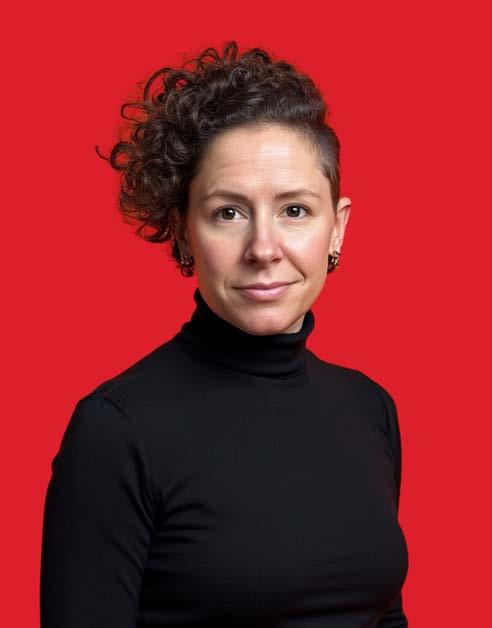
Sarah Matt, MD, MBA
If you ask most hospital system leaders whether their clinicians are using ChatGPT, Claude, or Gemini to help care for patients, you will hear some version of “not as far as we know.” That phrase, more than any policy or platform, is the heart of what Dr. Sarah Matt calls the shadow AI problem.
Dr. Matt is a physician executive who has spent her career standing in two places at once, at the bedside as a practicing physician and at the strategy table as a healthcare technology leader. The former clinical leader of AI strategy at Oracle Health, she now runs a boutique consultancy advising health systems and early-stage health technology companies while still practicing in a safety-net hospital and participating in clinical trials. Few people see this issue from as many angles, and few are as direct about what hospital leaders should do next.
Dr. Matt’s awakening to shadow AI didn’t come from a headline or a board memo. It came from client conversations, one after another, in which clinicians and operators kept asking questions about AI tools that were not on any enterprise contract, and asking them in a way that made clear they were already using them.
“Everyone was experimenting and being curious,” she says. “At the same time, those hospital systems were probably in a pretty tricky spot, because ultimately they have to deal with the liability.”
That tension between the curiosity of front-line clinicians and the potential liability of the enterprise is the real story of shadow AI in healthcare today. And in Dr. Matt’s view, hospital system leaders can no longer afford to leave it unspoken.
Shadow AI is rarely the product of bad actors. It is the product of busy ones. Dr. Matt describes physicians and nurses opening a consumer chatbot on a personal phone to check a drug interaction, work through a differential diagnosis, or summarize a guideline. They aren’t doing it to evade the enterprise, but because the sanctioned tools either don’t exist for the task or don’t work fast enough.
“It comes down to convenience and workflow,” she explains. “These are the people we’re trusting to take care of patients in their most vulnerable times. They don’t have time for a tool that doesn’t work. They don’t have time for something that’s going to require a ticket. So, they’re going to do something so they can take care of the patient.”
That reframing matters because it turns shadow AI from a discipline problem into a workflow diagnosis.
“If people are using tools that are not from the enterprise, it’s because something in the enterprise workflow is not working for them,” Dr. Matt says.
“Everyone who’s worked in a hospital has been part of a workaround at some point. This is the latest workaround.”
Dr. Matt is careful not to play compliance officer, but she draws a clear line between the kinds of shadow AI use that are likely harmless and the kind that should keep a chief information officer up at night. Looking up a medication interaction in a consumer chatbot probably doesn’t put protected health information in the wrong place. Pasting a patient note into one almost certainly does.
“If they’re putting in PHI, you’ve got a big problem from a liability perspective for your institution,” she says. “But it’s hard to say. What are they putting in there?”
That, she points out, is exactly the problem. In most systems today, leaders simply don’t know. And what leaders don’t measure, they tend not to manage.
Most health systems, Dr. Matt argues, are still behind on AI governance generally. They are well practiced at procuring technology, much less practiced at monitoring algorithms over time, validating performance across patient populations, and deciding who owns what when something goes wrong. Adding a bring-your-own-AI question on top of that gap can feel out of reach.
But silence, she warns, is not safety.
“You’re not going to hear about shadow AI,” Dr. Matt says. “Your dashboards may show 100% and be all green. It just depends on what you’re measuring. And you might not be measuring the right stuff.”
The absence of complaint, in other words, is often the absence of trust. “If you don’t have bootson-the-ground people asking real questions, suggesting new things, trying to understand,” she adds, “it just means they’ve given up on whatever is being implemented and they’re doing whatever they need to do to get through the day.”
Asked what courage looks like in this moment, Dr. Matt’s answer is practical rather than heroic.
“It looks like having those conversations that are difficult,” she says. “Being okay with not being perfect. Finding a solution that works. And then being okay with it not working in a day, a week, or a month, iterating, and actually doing something better the next time.”
If a chief medical officer or chief information officer called her tomorrow and said it was time to bring shadow AI out of the shadows, Dr. Matt says week one is not a technology week. It is a discovery week. The questions are deceptively simple. What AI is already running in our systems, including embedded capabilities clinicians may not realize they are using? What policies are already on the books? Who are the stakeholders, clinical and operational, who should be at the table?
But she cautions that the inventory will only be as honest as the culture allows. “If you have a culture that hasn’t taken feedback well in the past…if it doesn’t have that trust between leadership and the people doing the heavy lifting…you’re not going to get information. It doesn’t matter if it’s an anonymous paper box. It’s not going to work.”
If trust is the bottleneck, she says, fix the culture before the policy.
Dr. Matt is skeptical that IT or compliance can carry this alone. She is also skeptical of the cross-functional AI committee that has become the fashionable answer. Too often, she says, those committees are weak, being more of a yes committee watching decisions that have already occurred.
Whether a health system stands up a chief AI officer, a chief digital officer, or some other configuration matters less than what that role can actually do. “Someone has to have the authority to stop implementation,” Dr. Matt
says. “To stop something that’s not going well in the midst of using it. And to work across all the parts of the organization with that authority.”
The fastest way to push shadow AI further underground, Dr. Matt warns, is to build policy without the people who will live in it.
“The worst-case scenario is someone on the executive team comes to an amazing conference, sees something cool, and says, ‘We’re implementing this,’” she says. “But they aren’t necessarily solving a real problem that people want solved.”
The fix is to start with the problem definition, not the product demo, and to bring clinicians and other end users into the room before procurement, not after. Not coincidentally, that is also how sanctioned tools start beating the ones in clinicians’ pockets.
From her years on the vendor side, Dr. Matt’s standard for an enterprise AI tool that clinicians will actually choose over the consumer one in their pocket is unsentimental.
“It has to work. That’s all there is to it,” she says. And it has to do more than add to the pile. “Right now, we’re doing a lot of additive technology. Everyone’s bolting on. We’re not taking anything away. If we can take away two things by adding one thing and make the workflow easier, that might actually be a positive.”
She is equally direct about pilots. The pilot department is, by design, the easiest one. “When you bring it to the next department or the next role, you can’t expect it to be perfect,” she says. “You’re going to have to be ready to change things.”
Dr. Matt is emphatic that AI readiness in healthcare starts with the people in the corner offices. “You can’t have an innovative organization without innovative leadership,” she says. “Try things. Teach things. Learn things.”
She also suggests an unlikely source of training data.
“Ask your kids. They’ll tell you how to put cat heads on everything. Ask them how they’re cheating on their homework. They’re doing great with AI.”
The point isn’t the cat heads. It’s the comfort. Leaders who use AI in their own lives recognize what is possible in an enterprise discussion. Those who don’t will keep approving roadmaps they cannot really evaluate.
Dr. Matt also urges leaders not to wait for the industry to catch up. “There’s not going to be an AI standard anytime soon,” she says. “You cannot wait for someone to make that standard. You have to make your policies and your standards for your organization now and start from there. If you can have a seat at the table to speak and be part of the discussions around those standards, that’s a great place to be, especially if you’ve seen things that have worked or not worked in your own organization.”
Asked what she would want every health system CEO to take from this conversation in a single paragraph, Dr. Matt doesn’t hesitate long.
“It’s not too late to start. Start now,” she says. “Be transparent, and include everyone who actually has a stake in the success.”
For health system leaders navigating the next phase of digital transformation, the lesson is clear. Shadow AI is already in your building. The choice is whether to bring it into the light and shape it or pretend it isn’t there and inherit its consequences anyway.



Dr. Imamu “Mu” Tomlinson is the CEO of Vituity, a physician-owned and led company that provides staffing services to hospitals and health systems. Located in 29 states, serving nearly 14 million patients, Vituity has been transforming care for the past 51 years while continuing to improve patient outcomes and support clinical teams.
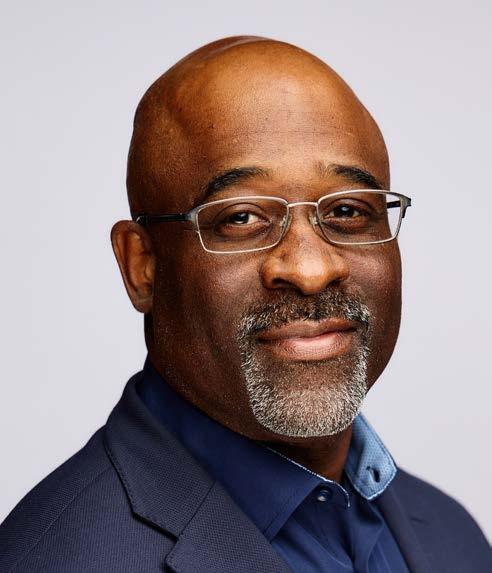
Born and raised in Toronto, Canada, to Jamaican parents, Mu is a multifaceted leader. Not only has he been an Emergency Department physician for more than 20 years, but he is also an author, podcaster, and the Chief Executive Officer of Vituity and
President of its charitable arm, Vituity Cares. Mu is passionate about making care accessible to all and about developing a strong culture within his teams. Mu empowers his team members, especially frontline clinicians, by emphasizing “frontline innovation” – whether developing new processes, doing things differently, or doing them more efficiently. With over 13,000 team members across many geographies and service lines, Mu ensures the culture he leads shows up every day by aligning with the organization’s goals, evaluating success based on how team members help each other, communicating with courage, coaching and mentoring and measuring job fulfillment instead of job satisfaction.
“Care innovation” often refers to technology, including artificial intelligence, remote patient monitoring, wearables, etc., but for Mu, he believes that innovation in care models (including staffing and sites of care) is just as important. As a selfproclaimed optimist whose favorite trait is his relentlessness, Mu believes in the power of human
interaction and the courage to disagree and reject the status quo.
Mu and his team have a few ways of managing capacity, quality of care and cost simultaneously as the labor and physician workforces continue to face constraints and healthcare organizations continue to feel the pressure of rising costs. By offering providers better tools such as AI documentation and ambient listening, and asking questions such as “what do you need to be more effective” instead of “can you be more effective,” the leadership team at Vituity is empowering its front-line and administrative staff, improving care efficiency and maintaining the connection to the community. He noticed that the labor force is overwhelmed with administrative bureaucracy; as a result, he often partners with hospitals on emergency medicine and anesthesia to develop creative solutions.
In Mu’s mind, the biggest threats to delivering sustainable, high-performance care over the next five years are the payer/provider patient relationship and complex healthcare legislation. However, there are “sleeper” opportunities, including longevity and patients now having the ability to manage their own care with the evolving technology, such as wearables.
Partnerships are essential to achieve common goals and transform the care model. For Mu, good partners are those who are transparent with finances, communicative, and prioritize the relationship. On the other hand, he notes that common partnership failures stem from new players not understanding the priority of the patient/provider interaction.
Mu stays ahead of the innovation curve by constantly finding ways to disrupt healthcare. As an industry, healthcare is fairly reactive and often behind most industries. Vituity’s healthcare innovation hub, Inflect, identifies, develops and invests in new technologies and companies that
improve care. Vituity has also launched a longevity initiative with MOOV, its own health and wellness studios that provide personalized care for clients.
Looking ahead to 2030 and beyond, Mu believes that patients will be more knowledgeable and empowered about their own healthcare. As AI continues to develop, providers will have to find more efficiencies in delivering care and be more creative in disrupting healthcare. Mu also believes health influencers on social media might become more influential than healthcare providers in educating patients. Despite all of this, Mu shares it’s an exciting time to be in healthcare, as great sailors aren’t made on smooth seas.
Learn more about Dr. Tomlinson at https://www.imamutomlinson.com/.
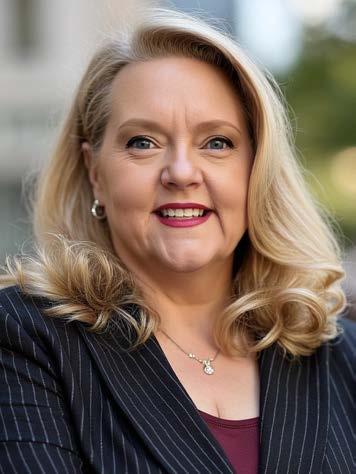
Healthcare delivery has traditionally functioned in silos, with emergency physicians, hospitalists and intensivists operating independently of one another. While each team provides valuable expertise, fragmented communication can lead to delays in care, duplicated testing, inefficiencies and unnecessary stress for patients and families during some of their most vulnerable moments.
In more than 14 years of physician leadership, I have seen the full spectrum of strategies health systems leverage to provide acute care. Without question, hospitalized patients and their families have a better experience when the physicians, advanced practice providers (APPs) and nurses they encounter throughout their hospital journey work together as a united team. So do the health systems where these clinicians work.
At US Acute Care Solutions (USACS), the largest multi-specialty physician-owned practice in the United States, we encourage our health system partners to consider an Integrated Acute Care model in which USACS provides emergency medicine, hospital medicine and often critical care services under a single unified team. This model has produced measurable operational and financial benefits for many of our partners.
At the heart of the Integrated Acute Care model is the belief that patients receive the highest quality care when the physicians and APPs treating them in the Emergency Department work seamlessly alongside their inpatient colleagues. Care plans are discussed earlier in the patient’s journey, allowing teams to anticipate needs, reduce redundancies and implement treatment strategies without unnecessary delays. Improved coordination can help hospitals achieve faster admission decisions, lower left without being seen rates, reduce Emergency Department boarding, initiate diagnostics and treatment plans earlier and increase overall capacity with the appropriate utilization of Emergency Department, medical floor and ICU beds.
Such efficiencies become critical when we look ahead to the Centers for Medicare and Medicaid Services’ new Emergency Care Access & Timeliness (ECAT) electronic clinical quality measures, which will tie hospital reimbursement to Emergency Department boarding by 2030. This new policy treats throughput as a safety issue and will press hospitals to work across service lines to address the many factors that contribute to Emergency Department boarding. Health systems utilizing the USACS Integrated Acute Care model have a head start.
In one Texas health system where USACS expanded its long-time emergency medicine
partnership to include hospital medicine in June 2025, the emergency medicine clinicians and hospitalists immediately began working together to streamline the process for admitting patients from the ED. Using the electronic medical records platform, the emergency medicine team now uses secure messaging to directly contact and provide patient details to the hospitalist who is on call to accept admissions. As a result, the average time from admission decision to admission order across the system was 15 minutes faster in the second half of 2025. Emergency Department length of stay for admitted patients was 48 minutes shorter.
The Integrated Acute Care model impacts inpatient metrics, as well. Another Texas health system where USACS and its legacy groups had provided emergency medicine services for more than 35 years added hospital medicine and critical care services at several sites in October 2024 and February 2025. In USACS’ first full year providing Integrated Acute Care services, clinical leaders optimized shift maps, standardized multidisciplinary rounds, enhanced consultant culture, and fostered strong cross-hospital collaboration. In addition to a 14% reduction in time from admission decision to ED departure over the course of that year, the four largest hospital medicine programs saw a 5% drop in length of stay index for patients discharged to home, as well as 43% improvement in the percentage of discharge orders written by 10 a.m.
The Integrated Acute Care model helps ensure that quality remains at the center of every decision. Increased collaboration among physicians and APPs creates an environment where clinical expertise is shared openly, patient needs are identified earlier and care delivery is more proactive than reactive. As part of a single team with shared training, tools, philosophies and performance expectations, clinicians can coordinate treatment decisions across care settings.
These advantages truly shine when we aim to reduce readmission rates, healthcare-acquired infections, sepsis mortality and other indicators of effective hospital-wide quality initiatives. Among the most powerful tools in the Integrated Acute Care belt are cross-departmental care strategies. In a health system in Oklahoma where I oversee the Integrated Acute Care partnership we launched in late 2024, our integrated Emergency Department, hospital medicine, and critical care team helped reduce sepsis mortality in each quarter of 2025, moving from an observed over expected rate of 0.96 in the first quarter to 0.53 in the fourth. We achieved this while onboarding 30 new clinicians at the health system’s request. In 2026, we have shifted our focus to a crossdepartment strategy for improving sepsis bundle compliance in alignment with the system’s goals.
As a Regional Vice President, I oversee several of our Texas and Oklahoma partnerships and am responsible for ensuring that we meet or exceed each health system’s expectations. I find one of the greatest benefits of the Integrated Acute Care model to be the single point of accountability for our health system partners across service lines. Collaborative leaders are the key to making this a reality. When we launch a new hospital partnership in my region, I am always looking for leaders who will roll up their sleeves and work as a team with other departments to accomplish
hospital- or system-wide goals.
Most of the time, those leaders are already in place. On average, USACS retains approximately 95% of clinicians when we transition a clinical program from another group or an employed model. We have developed extensive training opportunities and mentoring strategies that equip incumbent medical directors to thrive in our practice. In addition to adopting USACS collaborative care philosophies, new leaders become owners in the practice and are trained to use USACS’ data-driven performance monitoring tools to guide their teams in improving care in alignment with USACS performance expectations.
Integrated care also promotes more responsible utilization of healthcare resources. USACS Integrated Acute Care teams utilize common clinical management tools and evidence-based guidelines across hospital departments, which helps reduce unnecessary or duplicative testing and avoid delays. Patients receive the right care at the right time and in the right setting. This contributes to shorter lengths of stay, improved throughput and ultimately lower overall cost of care. Streamlined transitions between the Emergency Department and inpatient units also helps hospitals improve patient flow without necessarily adding coverage or bed capacity.
Patients and families who transition from the Emergency Department to inpatient settings often experience acute care as fragmented and confusing. Integrated Acute Care helps create a more coordinated experience by ensuring care teams communicate consistently and transitions occur more smoothly. This enhanced coordination improves not only operational efficiency, but also the overall patient experience. Patients benefit from consistent operations and approaches to care across the
continuum, smoother transitions between levels of care, more consistent communication from their healthcare teams, reduced wait times and a greater sense that everyone involved in their treatment is working toward the same goal. Many of our Integrated Acute Care sites have seen improvement in net promoter scores, Press Ganey rankings, and HCAHPS performance associated with these changes.
We have found that the IAC model yields better job satisfaction for physicians and APPs, as well. When all clinicians—from the ED to the floor to the ICU—share the same values and mission, it makes for a more collegial and collaborative environment. Coordinated workflows help reduce burnout and common clinical management tools strengthen interdisciplinary collaboration. This all supports better physician and APP retention, a critical component of health system performance in an increasingly competitive labor market.
Integrated Acute Care is more than a staffing model—it is a system-wide strategy designed to help hospitals improve quality, efficiency, patient experience, and financial performance. By integrating emergency medicine, hospital medicine, and critical care services into a unified framework, USACS helps health systems improve operational efficiency, enhance quality and outcomes, strengthen care coordination, reduce unnecessary costs and create a more satisfying experience for patients and clinicians. At USACS, Integrated Acute Care represents a commitment to helping hospitals deliver the right care at the right time by the right team—every step of the patient journey.






Holly Hrabik, MHA, MBA
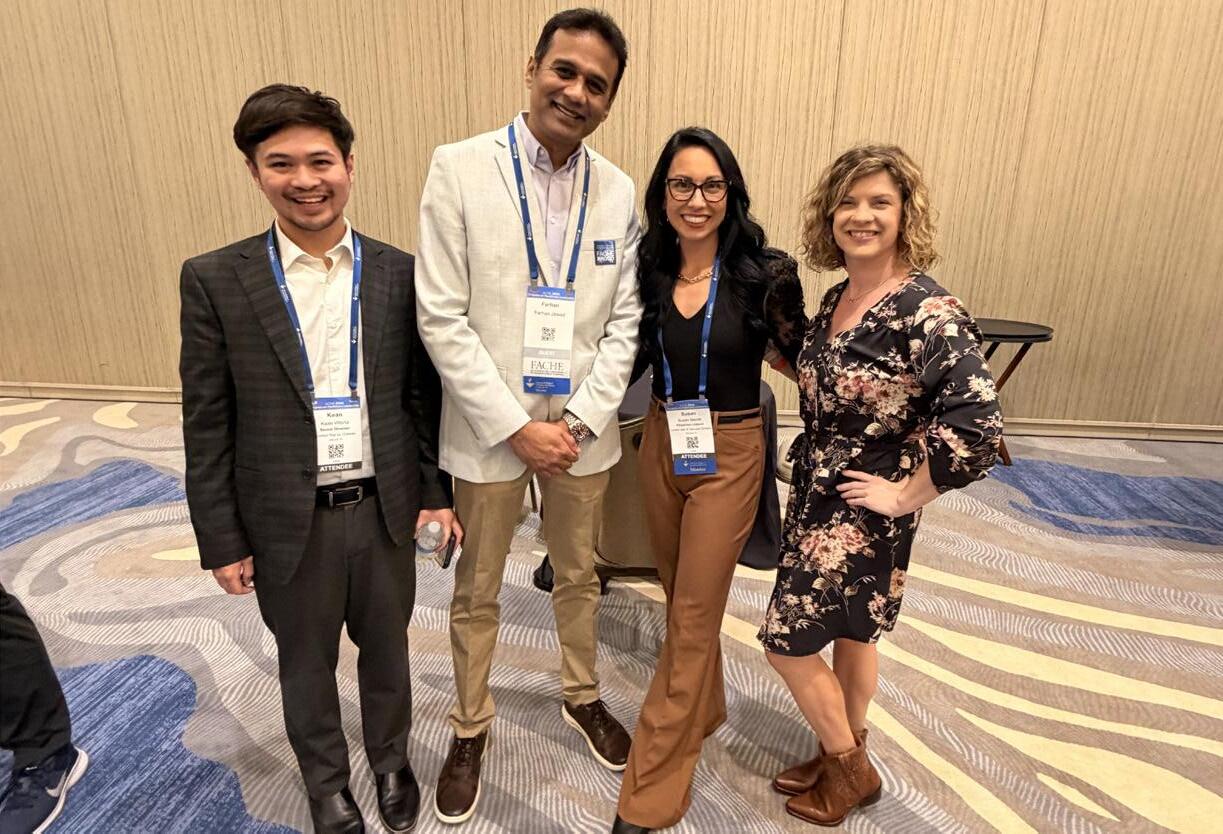
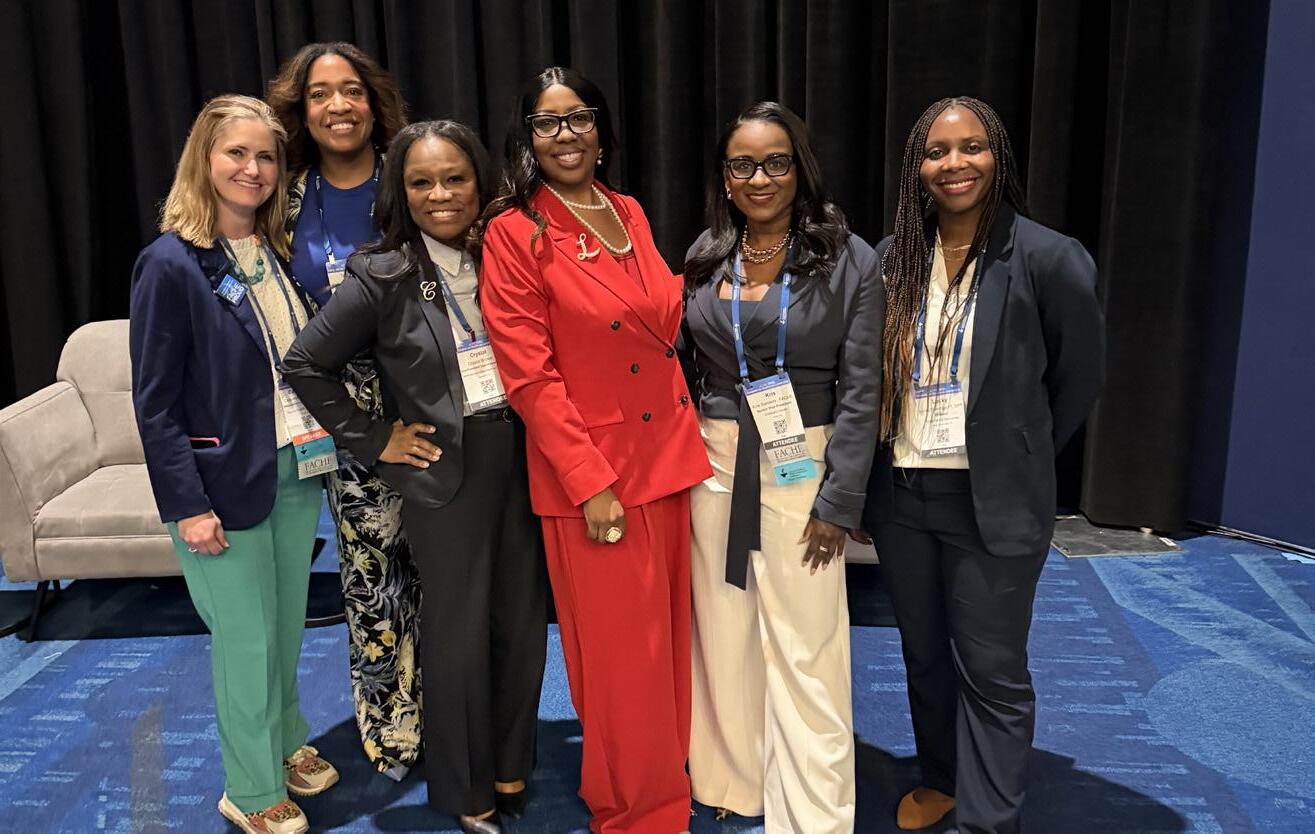
Healthcare leaders from across the country gathered in Houston this spring for the American College of Healthcare Executives Congress on Healthcare Leadership, one of the nation’s premier events for advancing leadership, innovation, and collaboration across healthcare. This year’s Congress 2026 theme, “Purpose in Motion,” challenged attendees to think boldly about the future of healthcare while remaining grounded in compassion, resilience, and service.
Throughout the week, several key themes emerged consistently across educational sessions, keynote presentations, and networking conversations.
• Leaders emphasized that healthcare organizations cannot successfully navigate today’s environment through operational excellence alone. Sustainable transformation requires cultures built on trust, adaptability, psychological safety and people-centered leadership.
• Workforce well-being and retention remained major discussion points, with many speakers highlighting the importance of caring for healthcare teams with the same intentionality organizations bring to patient care. Conversations focused on leadership strategies that support resilience, engagement, and long-term workforce sustainability in an increasingly demanding healthcare landscape.
• Innovation and technology also played a central role at Congress 2026. Sessions explored how artificial intelligence, digital transformation and data-driven operations are shaping the future of care delivery, improving access and enhancing the patient experience. At the same time, leaders emphasized the importance of implementing innovation responsibly, ensuring technology strengthens human connection rather than replacing it.
ACHENTX members and leaders made a remarkable impact throughout Congress, further demonstrating the strength and influence of healthcare leadership across North Texas. Special recognition goes to ACHENTX members Lenetra King, Cassandra Self, FACHE and Jared Lange, FACHE, who each contributed their expertise by leading educational sessions and sharing insights with healthcare leaders from across the nation. Their participation reflected the depth of talent, innovation, and thought leadership within the ACHENTX community.
Congress 2026 was also a moment of celebration for ACHENTX as the chapter was recognized nationally for its continued excellence and impact! We proudly received both the Award of Chapter Merit and the Award for Sustained Performance, honors that recognize chapters demonstrating exceptional leadership, member engagement and advancement of ACHE’s mission.
Additionally, we celebrated Ajith Pai, FACHE, with special recognition for his nomination to the 2025 Chapter President Award. This nomination reflects his dedication, service and commitment to advancing healthcare leadership within ACHENTX and the broader healthcare community.
Congress is always a powerful reminder of the importance of lifelong learning and collaboration in healthcare leadership. With thousands of leaders gathered from across the country, the event created opportunities to share perspectives, foster mentorship and build meaningful professional connections that will continue influencing healthcare organizations long after the conference concluded. As Congress concluded, one message remained clear: healthcare leadership today demands courage, adaptability, empathy and purpose. The future of healthcare will be shaped by leaders willing to embrace innovation while keeping people, patients, teams and communities at the center of every decision.
To learn more about ACHE Congress on Healthcare Leadership and future opportunities to engage with ACHENTX, visit ACHE of North Texas and the American College of Healthcare Executives Congress on Healthcare Leadership.

William
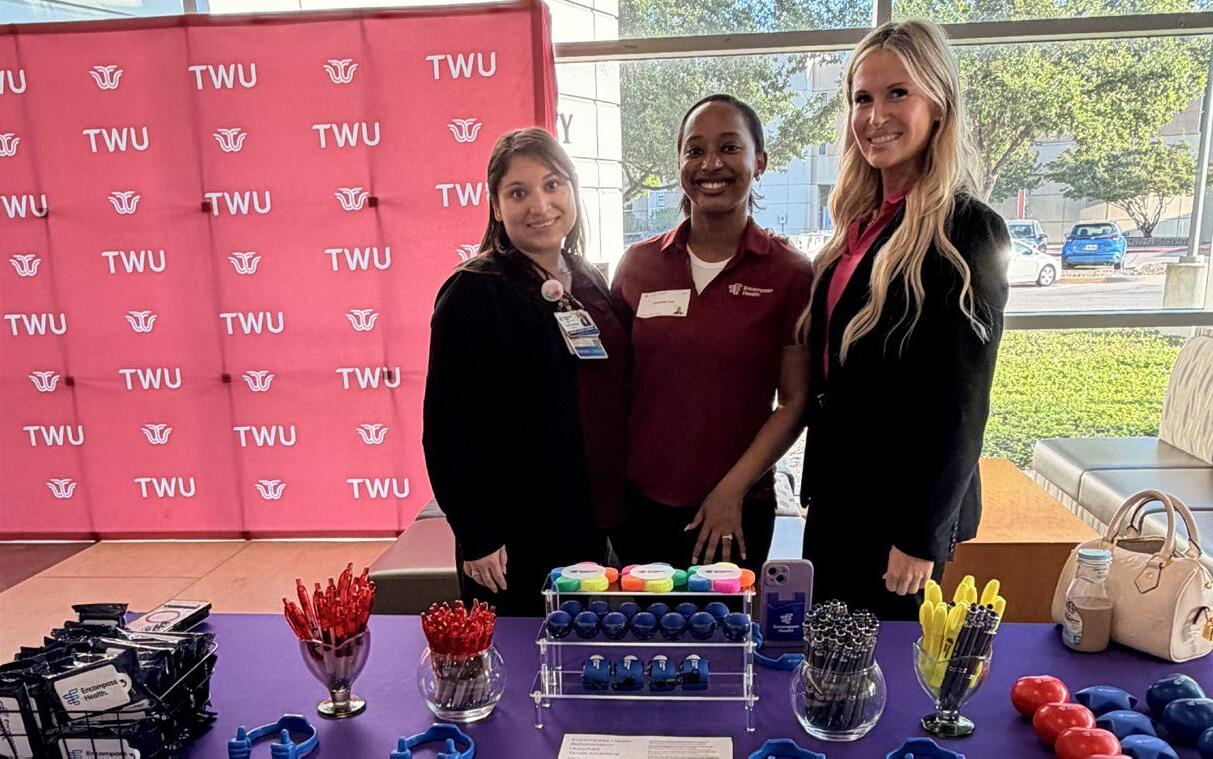
University of North Texas Health in Fort Worth (UNT Health) and our ACHENTX Student Council were strongly represented at ACHE Congress in Houston this year. We had 17 UNT MHA graduate students attending sessions, networking events and professional development opportunities. For students preparing to enter healthcare administration, Congress connected classroom learning with real-world issues facing health systems, executives, and communities.
One major theme throughout Congress was the continued shift toward value-based care. Sessions such as “Leadership Insights: Kaiser Permanente and Risant Health: Scaling ValueBased Care” helped students understand how organizations approach outcomes, affordability, care coordination, and long-term strategy.
Another common theme was the growing role of artificial intelligence and agentic AI in healthcare. Leaders discussed how these tools may shape clinical workflows, administrative processes, patient engagement, and organizational strategy. For students, these conversations reinforced the idea that future healthcare administrators will need to understand both the benefits of AI and the challenges of its implementation.
Behavioral health integration was also a meaningful focus. The session “Managing Behavioral Health Crisis: Contemporary Approaches” highlighted how behavioral health affects patient outcomes, staff safety,
risk management, emergency department operations, and organizational performance. This reinforced the importance of viewing behavioral health as part of whole-person care rather than as a separate silo.
Networking remained a cornerstone of the student experience. Throughout Congress, we connected with healthcare executives, early career professionals, faculty, alumni and students from other graduate programs. These conversations helped students learn more about career paths in healthcare administration and the importance of building relationships early. The Administrative Fellowship Fair also allowed students to explore postgraduate fellowship programs and learn what organizations look for in emerging healthcare leaders.
For the 17 UNT Health MHA graduate students who attended, ACHE Congress was a valuable opportunity to represent not only our program but also ACHE of North Texas, strengthen our cohort connections and gain insight into the broader healthcare landscape. Our experience reinforced that a career in healthcare leadership requires continuous learning, collaboration, and a willingness to meet future challenges in our industry head-on, no matter what career stage we are in.

A
career move you can have faith in.
At CHRISTUS Health, we unite under a shared mission: to extend the healing ministry of Jesus Christ. Our organizational roots are strong, dating back more than 150 years. We continue to expand into new communities each year, adding more physicians and more services and bringing care closer to more people. Join a purpose-driven team where you can grow, inspire and lead.


FEBRUARY 2, 2026
Healthcare leadership journeys rarely follow a straight line — and neither does meaningful organizational growth.
The Breakfast with the President series hosted by ACHENTX (North Texas Chapter of the American College of Healthcare Executives) — widely recognized as one of the chapter’s most popular and well-attended programs — recently featured Tim Bowen, President of Baylor Scott & White Medical Center – McKinney, who shared insights on leadership development, hospital expansion and the practical application of technology and AI to advance patient care.
Bowen’s path into healthcare leadership began far from a boardroom — on a cattle farm in Mena, Arkansas — where an early decision to pursue education ultimately led him to become a nuclear medicine technologist. Exposure to leaders who successfully bridged clinical expertise with business strategy sparked his transition into healthcare administration. With mentorship and persistence, he completed an MBA, accepted an unpaid fellowship at Cooper Clinic and became CEO of his hometown hospital at just 27 years old, gaining firsthand experience leading within the constraints of a rural facility operating without corporate infrastructure.
His career later expanded through system leadership roles with Integris Health in Oklahoma and Baptist Health in Arkansas, including overseeing the opening of a new hospital in Conway — an experience that reinforced the complexity of building operations, staffing models, and culture from the ground up.
Today, Baylor Scott & White Medical Center –McKinney reflects both strategic growth and disciplined execution. The 192-bed, Leapfrog Grade A facility serves as a regional anchor for North Texas and Southern Oklahoma, supported by a high-volume women’s and NICU program averaging approximately 240 births per month and a Level II Trauma Center. The campus is undergoing significant vertical expansion, including a new 550-space parking garage, with long-range plans to grow toward approximately 500 beds, 16 operating rooms and 48 emergency department rooms.
Equally notable is the system’s patient-centered digital strategy. Innovations such as the awardwinning myBSW app, AI-enabled “Help Me Decide” triage and DAX virtual scribing technology illustrate how thoughtfully deployed AI can reduce clinician documentation burden while improving access and patient experience.
A consistent leadership theme emerged: while technology accelerates progress, empathy, mentorship, intentional networking and investment in experienced teams remain the defining characteristics of effective healthcare leadership.
Events like Breakfast with the President continue to provide healthcare executives with rare access to practical leadership insight — and a clear view of how strategy, culture and innovation intersect in real-world health system growth.
FEBRUARY 21, 2026
Nnamdi Edeoga
SPEAKERS
Aaron Bujnowski, DSc, FACHE Managing Director, Alvarez & Marsal
Chad Collins, FACHE Vice President Operations, Texas Health Resources
Felixia Colón, FACHE
Senior Vice President in Business Development SCP Health
Richard J. Dixon
Founder & Managing Director Future Way Health Strategies
Emily Flahaven Director of Nursing Informatics UT Southwestern Medical Center
Dr. Richard G. Greenhill, FACHE Principal and Founder, SmartSigma AI
Lisa Kilgore Director of Enterprise Connected Medical Device Systems, Baylor Scott & White Health
Christina Mathis Chief Executive Officer, Medical City Las Colinas
Kris Sanders, FACHE
Senior Vice President, Northern Market Growth & Development, Children’s Health Plano
Timothy Wilson Head of Program Integrity, Parkland Health
Bert Witherspoon, FACHE Founder & Managing Partner, Triaxiom Advisors, LLC
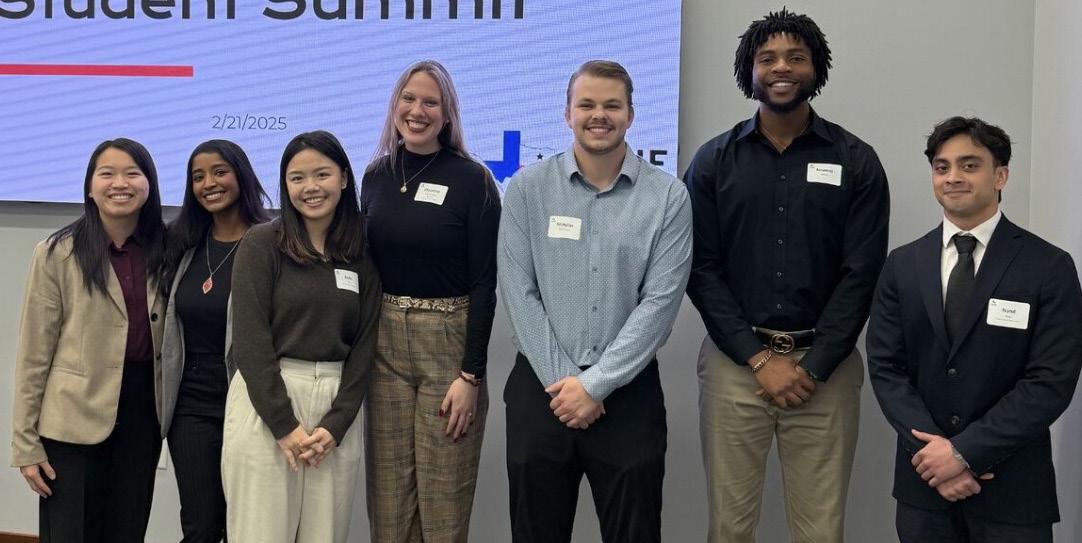
The 2026 American College of Healthcare Executives of North Texas Healthcare Student Summit brought together emerging leaders and experienced executives to explore critical topics shaping the future of healthcare. The event featured engaging discussions on executive strategy and the expanding role of AI, offering practical insights applicable across healthcare organizations.
A key theme reinforced throughout the summit was the importance of continuous learning and intentional professional growth. In a rapidly evolving healthcare landscape, actively seeking opportunities to learn from experienced leaders remains essential, especially for prospective leaders in the space. Through panels on executive strategy and the utilization of AI in healthcare, attendees gained valuable perspectives from seasoned executives who shared their career journeys, decisionmaking approaches, and insights into complex organizational challenges.
A central concept discussed throughout the summit was the importance of aligning strategy with purpose. Leaders emphasized understanding the “why” before the “how” or “wow” when approaching innovation. Successful initiatives are grounded in clear value, whether measured financially, through quality outcomes, or improvements in patient and employee experience. Equally important is incorporating feedback from frontline teams, as those closest to the work often generate the most effective and sustainable innovations.
Culture emerged as a dominant driver of organizational success. Building trust, maintaining visibility as a leader, and fostering open communication were consistently emphasized by all of the panelists. Ultimately, a strong culture rooted in respect, accountability, and shared purpose was seen as outweighing even the most well-designed strategies. This aligns with the broader principle that investing in people leads to better patient outcomes and organizational performance. In addition to this concept, effective communication and prioritization were also highlighted as essential leadership skills. Preventing initiative overload requires alignment on top priorities, identification of and recognition for achievable early wins, and the use of structured tools whenever possible. Leaders must anticipate questions, provide clear expectations, and maintain consistent follow-up to ensure accountability and progress across their teams.
The summit also underscored the evolving role of AI in healthcare. Emerging tools such as ambient listening are streamlining clinical documentation, allowing physicians to
focus more on patient interaction. However, successful implementation depends on strong foundational processes. As noted by Dr. Richard Greenhill, “Automating inefficient systems only amplifies existing issues.” Organizations were encouraged to take a focused approach, targeting specific use cases, ensuring readiness before implementation, and developing contingency plans for system failures.
Across all panelists, several core competencies stood out as essential for future healthcare leaders: strong analytical capabilities, a solid understanding of policy, and most importantly, effective interpersonal and communication skills. Remaining informed on industry trends and maintaining confidence in professional environments were also emphasized as critical for continued growth.
Overall, the summit reinforced that successful healthcare leadership requires a balance of strategy, culture, adaptability, and continuous learning, principles that will continue to shape the next generation of healthcare executives for years to come.
Laura Saleem, PT, MPT, MHA, FACHE
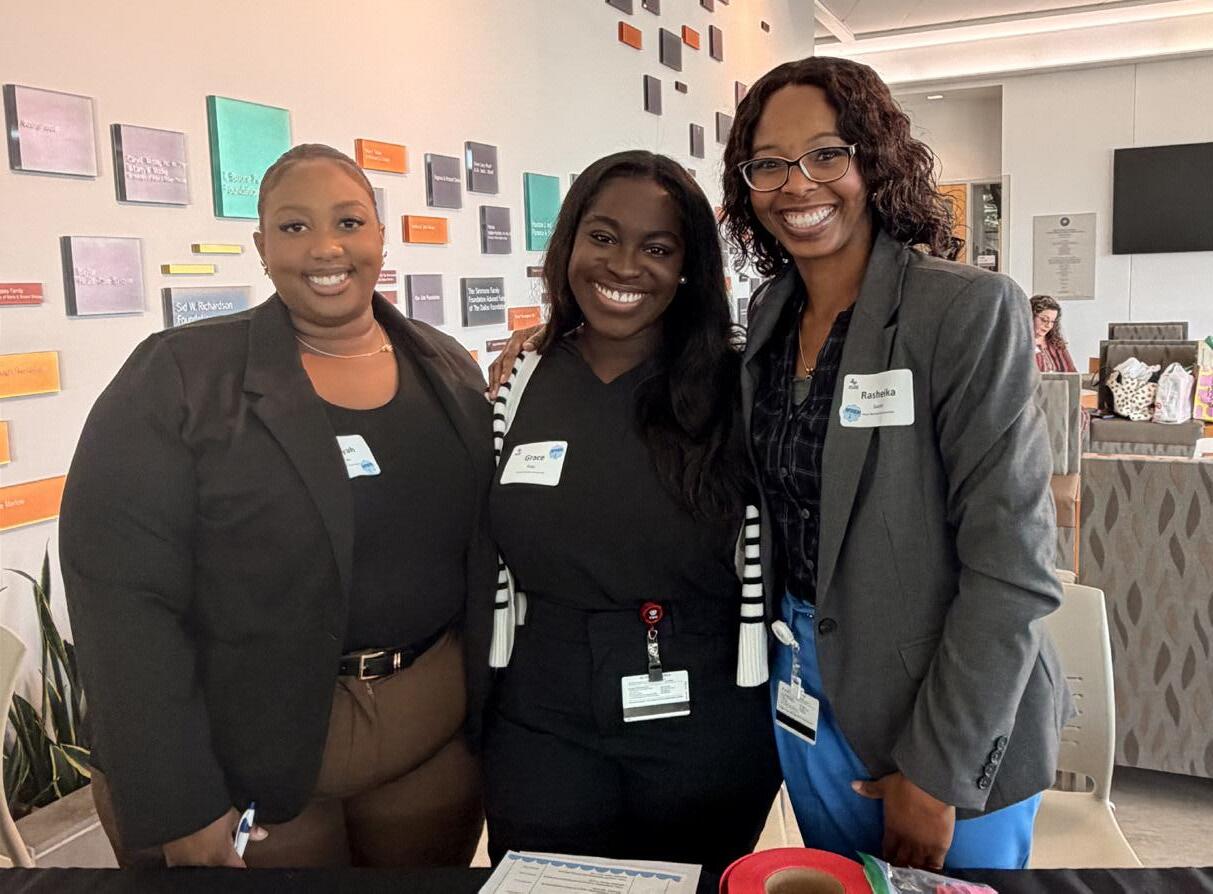
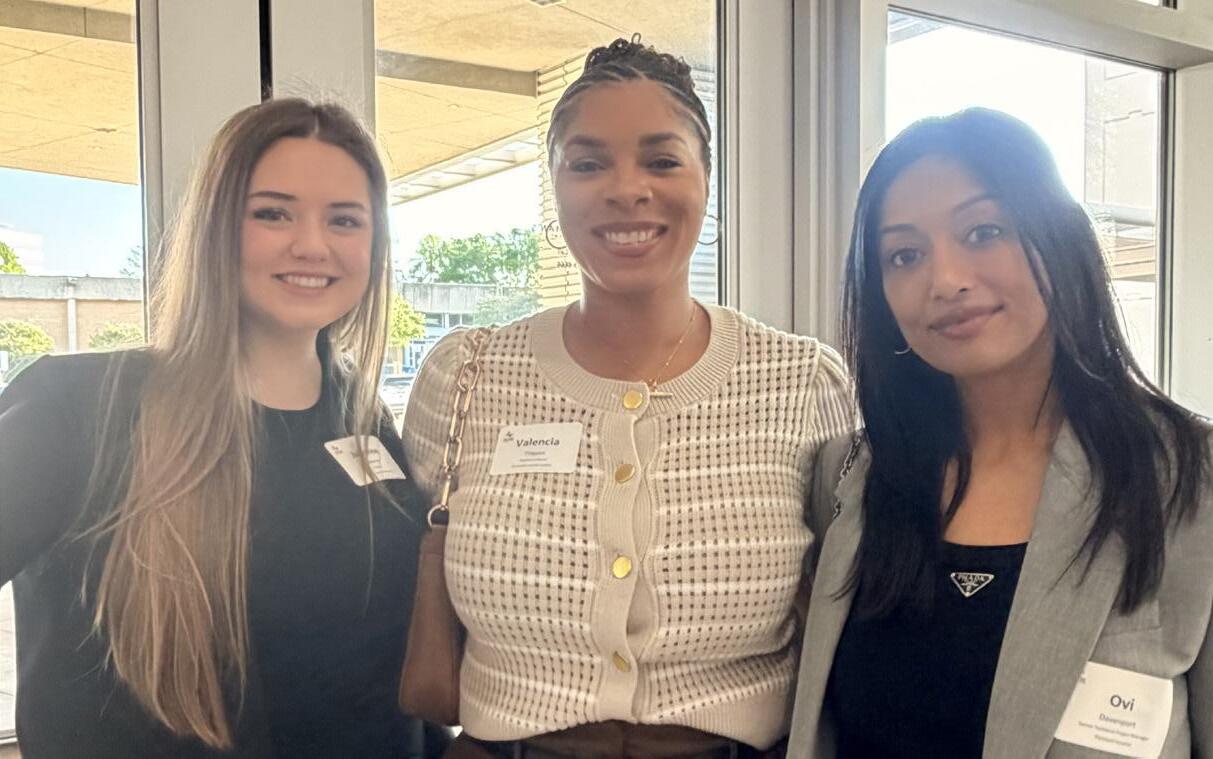
The ACHENTX WHEN Conference is recognized as a premier leadership experience designed by women, for women, where rising and established healthcare leaders are brought together for a day of insight, connection, and strategic growth. The conference has grown in attendance year over year.
The theme this year, “Journeys Not Ladders: Redefining Your Success,” was intentionally present throughout the conference. The program projected: owning one’s brand is essential to owning one’s career. It was emphasized that while performance may open doors, long-term advancement is influenced by intentional brand positioning, developed through visibility, storytelling, and strategic choices. Attendees were encouraged to move beyond traditional career ladders and define success by aligning with their personal values, lifestyle, and long-term vision.
The message that career growth is rarely linear was consistently reinforced. Through shared experiences of reinvention, the importance of courage, adaptability and a willingness to pursue opportunities before full readiness was achieved was highlighted. This mindset, grounded in curiosity, resilience, and grit, was presented as a key differentiator for high-impact leaders.
Communication was also identified as a critical leadership currency. The importance of clarity, empathy and authenticity in executive presence and daily interactions was emphasized as
essential for influencing outcomes and building trust across organizations.
The significance of visibility, both in-person and online, was underscored. It was recommended that professional narratives be actively shaped, platforms such as LinkedIn be leveraged and networks be expanded beyond immediate teams.
The overarching takeaway was that while results may earn a seat at the table, long-term leadership success is determined by presence, influence and intentional self-advocacy.





Panel
Bert Witherspoon, FACHE
Healthcare organizations are facing growing pressure to modernize aging facilities while balancing capital constraints, changing patient needs, operational disruption, and emerging technology demands. This panel explored the decision-making behind whether to rehabilitate, renovate, or fully replace healthcare facilities.
Moderated by John Klitsch, FACHE, President of Texas Health Flower Mound, the discussion featured insights from Kathi Cox, COO of THR Ambulatory & Virtual Care; Whitney Higgins, Administrator of Baylor Surgicare Dallas; and Julie Frazier, Principal at Perkins & Will. John brought humor and energy throughout the panel, while the speakers grounded the conversation in the real complexity of facility planning.
A key takeaway was that facility decisions are not simply about how a building looks inside or out. They are about protecting patients’ dignity, safety, comfort, and experience—while also supporting the employees and staff who work in those environments every day. The panelists also highlighted how difficult these projects can be from a financial, operational, and strategic standpoint. In some cases, full replacement may be the better long-term solution, but cost, return on investment and the organization’s broader corporate structure often determine what is realistically possible.
Kean Villarta, MHSA
Panelists Josh Bourgeois, Sharita Butler and D. Scott Phillips discussed the importance of optimizing patient throughput and adapting to internal and external factors to improve their systems’ financial performance. Moderated by Klitsch, the panel also highlighted the changing landscape of healthcare, from the rise of AI and technology to evolving staffing models. While each hospital system had its own specific challenges, there were opportunities to collaborate and be creative, especially in the post-COVID era. The panelists also stressed the importance of data and decision-making governance that impact metrics such as lengths of stay, discharge milestones, readmissions and patient experiences.

Architecting the Future of Care: Strategy, Leadership and System Redesign in a Technology-Driven World
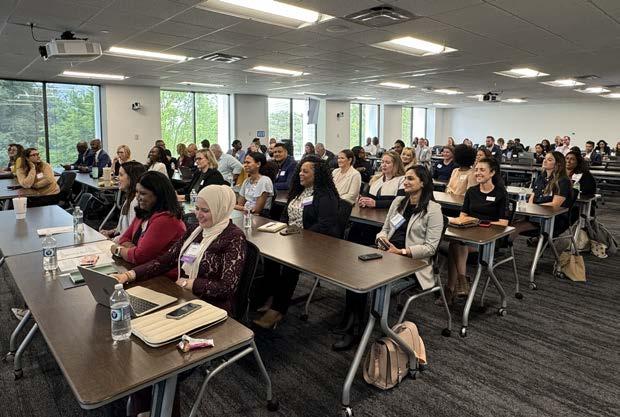
Healthcare leaders from across North, East and Central Texas gathered for the Texas ACHE MultiChapter Education Symposium to discuss the evolving future of healthcare leadership, technology, quality improvement, and executive strategy. The event was hosted at Baylor Scott & White Health Heart Hospital – Plano on May 14, 2026.
Healthcare Leadership in the 4th Industrial Revolution
Moderator: Ken Hutchenrider – President, Methodist Richardson
Panelists:
• Mary Wylie, Vice President and Chief Operating Officer, Baylor Scott & White Medical Center – Plano
• Jeff Stewart, Vice President, Strategic Marketing, CHRISTUS Health
• Clint Abernathy, President, Texas Health Presbyterian Hospital Plano
During the first panel, executives from Baylor Scott & White Health, CHRISTUS Health and Texas Health Resources explored how artificial intelligence and emerging technologies are impacting healthcare delivery.
A consistent theme throughout the discussion was that technology and AI initiatives must align with an organization’s mission, vision, values and strategic priorities. Panelists emphasized that clinicians must remain actively involved in technology discussions to ensure innovation enhances patient care and operational effectiveness.
Quality Management Systems: Ensuring High Quality Care
Moderator: Bert Witherspoon, Founder & Managing Partner, Triaxiom Advisors, LLC
Panelists:
• Dr. Amer Aldeen, Chief Medical Officer, US Acute Care Solutions
• Jackie Lopez, Vice President, Ambulatory Quality and Safety, CHRISTUS Health
• Patty Kallal, Director Quality Outcomes THPG/ Hospital, Texas Health
The second panel focused on quality management systems and the challenges healthcare organizations face in creating consistent quality standards and metrics.
Panelists discussed the importance of executive ownership, frontline engagement and strong communication in driving quality improvement efforts. The conversation also highlighted the critical role of IT and analytics teams in providing accurate, actionable data, while emphasizing the need for physician champions to help build sustainable cultures of quality improvement.
Moderator: Brandon Lewis, President, US Acute Care Solutions
Panelists:
• Cody Hunter, President, Methodist Hospital Celina
• Pete Larose, Associate Vice President of Healthcare Technology Management, Texas Health Resources
• Vern Rennier, CEO, Oceans Healthcare Longview
The third panel addressed how younger leaders can effectively lead more experienced teams.
Panelists agreed that leadership effectiveness is built through trust, humility, consistency and service. Successful leaders listen well, remain present with their teams, communicate transparently, and focus on supporting both team members and organizational goals. The discussion reinforced that leadership credibility is earned through consistent actions and accountability rather than age or tenure.
Moderator: John Carter, Brand Ambassador, Pinnacle Healthcare Consulting
Panelists:
• Nelson Mann, Senior Partner, WittKieffer
• Stacy Dorsey, SVP & Chief Workforce Officer, Parkland
• Cory Edmondson, President & CEO, United Regional Health Care System
• Bert Witherspoon, FACHE, Founder & Managing Partner, Triaxiom Advisors, LLC
The final panel explored executive compensation as an important component of organizational strategy.
Panelists emphasized the importance of clearly defining organizational goals and developing accurate executive role profiles before conducting leadership searches.
Boards and compensation consultants must evaluate current market dynamics to position organizations competitively and attract leaders aligned with long-term strategic objectives.
Across all four panels, several themes consistently emerged: strategic alignment, mission-driven leadership, organizational transparency, quality improvement, and the thoughtful integration of technology into healthcare delivery.
The symposium provided attendees with valuable perspectives on how healthcare organizations can successfully navigate transformation while remaining focused on patient-centered care and long-term organizational success.


Discover personalized insights that help guide the patient journey, create treatment efficiencies, and lead to the right treatment at the right time. Haystack’s ultrasensitive minimal residual disease (MRD) testing delivers novel insights that can help inform treatment decision-making, personalizing guidance for patients and helping healthcare providers make decisions with confidence.
The future of precision oncology starts in your lab.


Discover how you can redefine your precision oncology vision with Haystack MRD.
Ratana Lim
Stella May
Elise McMillin, MBA
Elgin Meredith
Nagee Merriman, BS
Whitney B. Milson
Nicole M. Mochama
Jennifer D. Morgan
FNU Nidhi
Abdiel O. Nunez
Jason Oliver
Grace Poku
Joseph Ramos
Kassandra Salazar, BSN, RN
Sada Tadesse, MHA,MPH,PMP
Isabella L. Talerico
Natalie K. Whitmer
Brittnee Wooldridge
Britney Xiques, MHA
Joella Akozar
Amber Alexander
Karen Allen
Warrenreshia Avery
Olufunke Awosogba
Hamid Bangura
Jeremy Bolden
Nancy Bowman, MHA
Dusten Cardinal, PA-C
Destiny Childs
Habin Chung, CPA
Natalie Cobble
Jose E. Coello Alvarado, MHA
Chris Cole
Christina K. Cossette
Stephanie Davis
Kashaf Duja
Aemeh Eghdami
Willie Ellis, BS, MHA
Taylor Flowers, MS
Leticia I. Garcia
Suni George, DHA, MHA
Mary R. Guerra
Rama Hamoudeh
Felicia Hicks
Frances N. Ilika
Adarsh Jha
Jabeen P. John, PharmD, FACHE
Kimberly Klupsch, MBA
Courtney Knight, RN, BSN
Brandy Lanns
Ellen Lockhart, MD
Jacob Mathew, RRT
Andrew Morrison, Jr., MHA
Ozioma Nwaobia
Tiffany Odum , MOT, OTR/L
Pareen Parag
Ryan Paredes
Angel Rollins, MBA, BSN, RN
Veronica Sandoval
Matthew Sartorius
Stephanie O. Summers
Elana Taylor, BS, MHA
Christy Vedia
Preston Vigil
Catherine Wallace, MBA
Roberta Wea
Amanda L. Wells, MBA
Sabrina Williams
Evin Wood
Chariell Ancar
Beatriz Ann L. Betito, MHA
Savannah H. Bickhaus
Devonte Buckner, DHA, MBA
Miguel Castroman
Peter Casu
Jennifer Chavez, DNP, MBA
Ravin R. Cline
Nicole Cummings, MHA
CPL Javier J. DeCastro
Samantha R. Ellis
Christine E. Engel Craven
Michelle Forbes, MD
Blake Fox
Chad Friece, PharmD, MBA
Tyler Giess
Chris Glenney, FACHE
Jimmy Gonzales
Morgan Haynes
Lori Hebert, MS
Dana Hicks
Leslie Huntington, MBA, MSN, RN
Sofia Hurmuzlu, BS
Tamika Kelley, BSc
Farhan Khan, MD, MBA
Natasha R. King
Shayla Lewis
Rubria Marines-Price
Travis Marker
Krystle McCloney
Kim McGuire, RN
Shreya Mekala
Marlon Montoya
Mailan Nguyen
Andrew T. Obenshain
Lakshmi Pamidimukkala
William M. Robison
Anthony Salazar
Nedra Sliti
Priscilla R. Smith
Leticia Streuling
Destiny L. Turner
Adriane Vasquez
Aaron Young, PhD
Maribel Zuniga-Rodriguez
MARCH
Karin Buitendag, FACHE
APRIL
Terrence T. Crooks, FACHE
Jennifer Rodosta, FACHE
Peter Yacoub, FACHE
FEBRUARY
Laurie W. Breedlove, FACHE
Tammy S. Cohen, PharmD, FACHE
Donas H. Cole, FACHE
Gina M. Griffin, FACHE
MARCH
Claudia A. Eisenmann, FACHE
Tiffany Capeles, FACHE
Jabeen P. John, PharmD, FACHE
Rick Montelongo, FACHE
Eric Stephens, MBA, PMP, FACHE
APRIL
William Garner, DrPH, FACHE
Elise M. Hulsebos, MBA, MPH, FACHE
Brian K. Lauer, FACHE
Robin M. Moreno, EdD, FACHE
Justin J. Shiver, MBA, FACHE
Angela N. Stevenson, FACHE
Walter L. Taylor, PhD, FACHE
WE APPRECIATE THE SUPPORT OF OUR ACHENTX DIAMOND SPONSOR

WE APPRECIATE THE SUPPORT OF OUR ACHENTX PLATINUM SPONSORS












WE APPRECIATE THE SUPPORT OF OUR ACHENTX GOLD SPONSORS