See how the NPGA has been working for the producer in 2025 and what’s to come for 2026! See how the NPGA has been working for the producer in 2025 and what’s to come for 2026!
President
Matt McCabe | Ekalaka | mccabe mjm@gmail com
Vice President
McKade Mahlen | Sidney | mckadem@gmail com
Secretary
Gary Steier | Hettinger | bgsteier@ndsupernet com
Treasurer
Blake Rasmussen | Antelope | blake d rasmussen@gmail com
Directors
Sam Arnson | Williston | sam.arnson@yahoo.com
Ryan Davidson | Tioga | rdavidsonfarm@gmail.com
Kevin Haas | Jamestown |kevin@legumematrix.com
Tyler Han | Inverness | than7130@gmail com
Ryan Kopp | Fairview | ryanlkopp@gmail.com
Associate Directors
Dr. Frankie Crutcher | Sidney | frankie.crutcher@montana.edu
Dr Audrey Kalil | Willison | Akilil@horizonresources coop
Staff
Executive Director
Shannon Berndt | Bismarck | berndt@nothernpulse com
Montana Field Rep
Tom Allen | Great Falls | tallen@northernpulse.com
Office Assistant
Sarah Massey | Bismarck | sarahm@nothernpulse com
pulse@mgga.com mtpulsecrops.org
A Letter From The Director
A New Horizon for Northern Pulses
By Shannon Berndt Executive Director, Northern Pulse Growers Association
As we settle into the winter of 2026, I find myself reflecting on the incredible resilience and innovation of our producers across Montana and North Dakota. Winter is often a time of quiet in the fields, but at the Northern Pulse Growers Association (NPGA), it is our busiest season for planning educational activities, developing market opportunities, prioritizing research for the 2026 crop year, and championing issues on behalf of producers
Our mission remains clear: to increase the profitability and sustainability of pulse production in the Northern Plains. Whether you are growing dry peas, lentils, or chickpeas, our work is driven by the check-off dollars you invest and the passion you bring to your operations.
Strengthening Our Roots
As we look toward the spring, remember that the NPGA is your association. We are here to be your voice at the table and your partner in the field. To ensure our industry remains resilient and competitive, we are focusing our efforts on three core areas:
Expanding Our Communication Ecosystem
We are bridge-building between the association and the farm gate. By diversifying our digital platforms and increasing face-to-face engagements, we ensure that every producer has a direct line to share insights, voice concerns, and receive real-time industry updates.
Investing in Research That Matters
Our commitment to innovation is driven by your feedback We are directing resources toward practical, on-theground research designed to solve immediate field challenges from pest management and soil health to optimizing yields.
A Unified Voice on the Global Stage
Whether in state capitols, Washington D.C., or international trade forums, the NPGA is your champion. We represent the interests of our producers at regional, national, and international levels to support the long-term viability of your operations.
The global demand for sustainable, nutrient-dense protein is only growing. Together, we are ensuring that Montana and North Dakota remain the premier pulse-producing region in the world.
Wishing you a safe and productive winter season
Growing Together Rotation Matters
A Big Win for Our Small Workshop
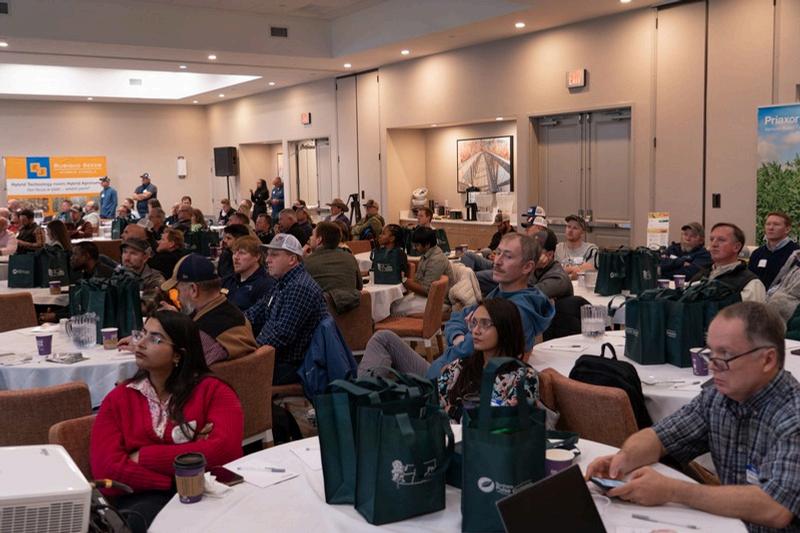
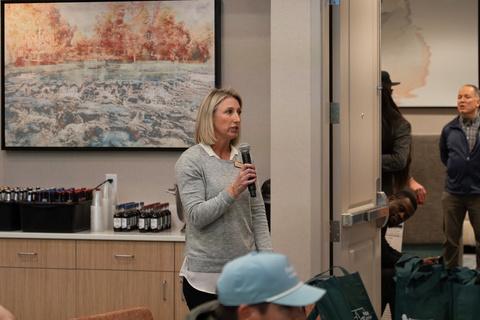
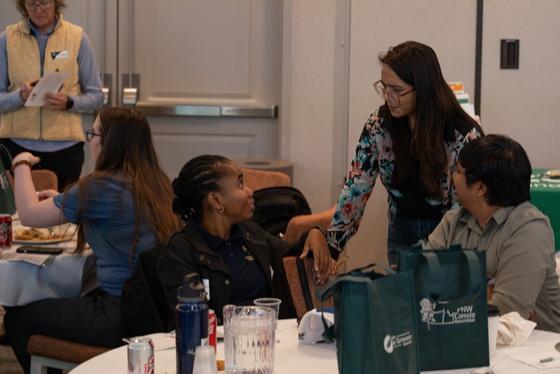
On Monday, December 1st, 2025, the Northern Pulse Growers Association and the Pacific Northwest Canola Association hosted what we assumed would be a low-key Grower Workshop at the Hilton Garden Inn in Great Falls, Montana Instead, it became clear within minutes that “small workshop” wasn’t the right description at all, the room filled, then filled again, until it was standing-room only It was the best kind of surprise: growers showing up in a big way, ready for real conversations about rotation, policy shifts, opportunities on the horizon, and the challenges we’re all working through together
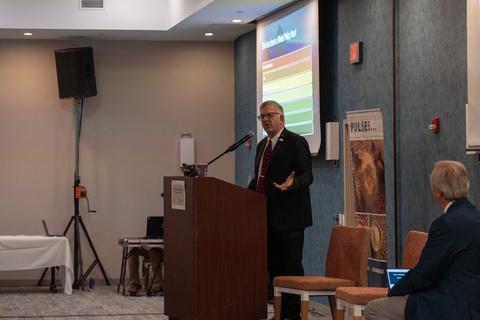
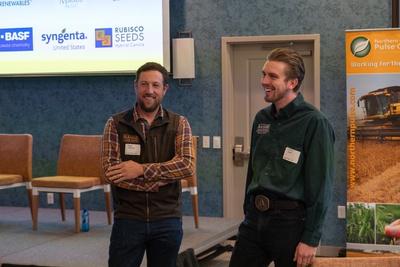
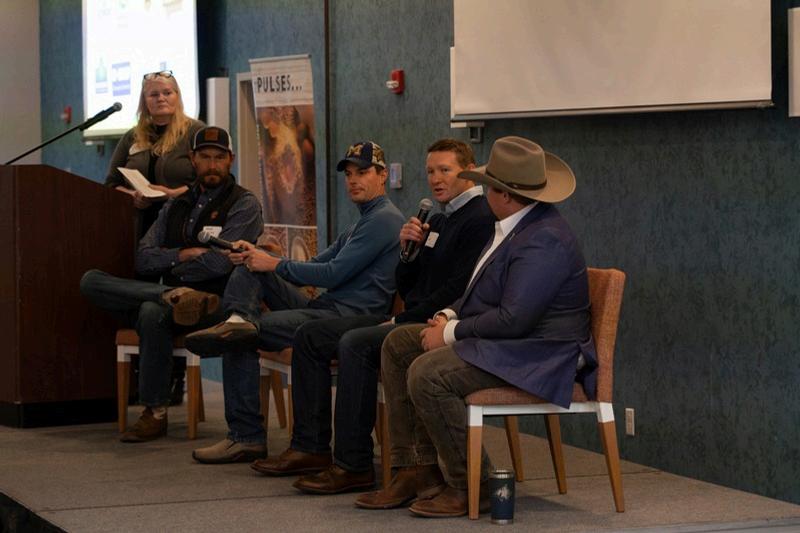
The day opened with welcomes from NPGA Executive Director Shannon Berndt and PNWC Executive Director Karen Sowers, who were instrumental in designing a program that reflected the questions and priorities we hear directly from growers. Their planning and coordination set the tone for a smooth, well-paced, information-packed workshop. From there, we moved into a grower panel that anchored the day. Chase Braidy (Fairfield), Erik Engellant (Geraldine), Matt McCabe (Ekalaka), and McKade Mahlen (Brockton) shared rotation insights from operations across Montana. Real, on-the-ground perspectives that sparked some of the most engaged discussion of the event.
Additional sessions rounded out the agenda with market updates, agronomic research, and policy intel from across the canola and pulse sectors, including:
Continued on next page...
Continued...
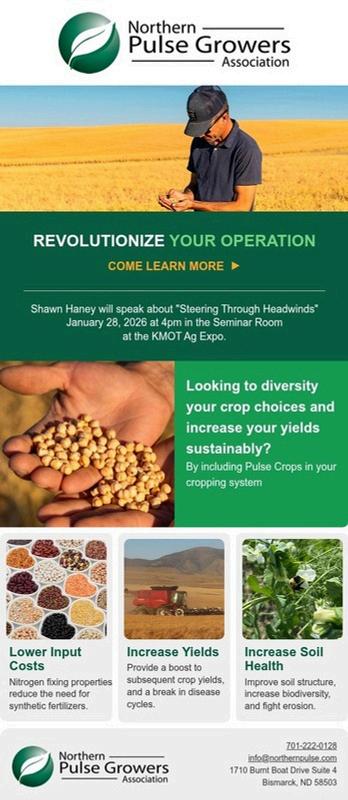
Shaun Haney, providing an ag policy outlook and a look at market dynamics affecting both canola and pulses
•Jim Elliot, sharing opportunities for winter canola in Montana.
•Dale Flikkema and Todd Schultz, delivering Farm Bill and policy updates relevant to both industries
•Dr. Brian Jenks, digging into drought implications for weed control strategies
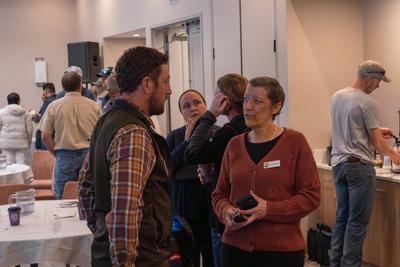
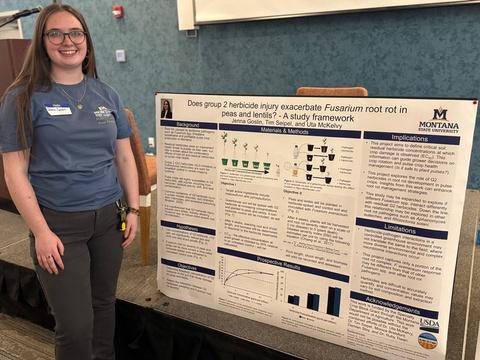
Throughout the day, growers asked questions, swapped notes, and kept the conversations going well into the social and poster session that wrapped the evening.The energy in the room said everything: Montana and regional growers are interested, engaged, and eager for more rotation-forward programming.
We also want to recognize the leadership of our NPGA board officers who joined us and continue to champion these regional collaborations:
•President Matt McCabe (Montana)
•Vice President McKade Mahlen (Montana)
•Secretary Gary Steier (North Dakota)
Their support and the support of our growers helped make this workshop a strong lead-in to our biggest event of the year
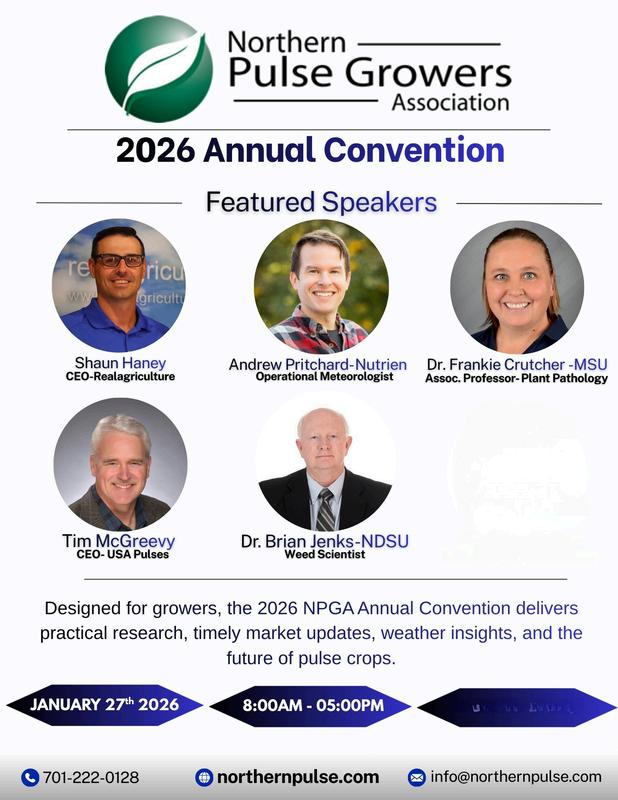
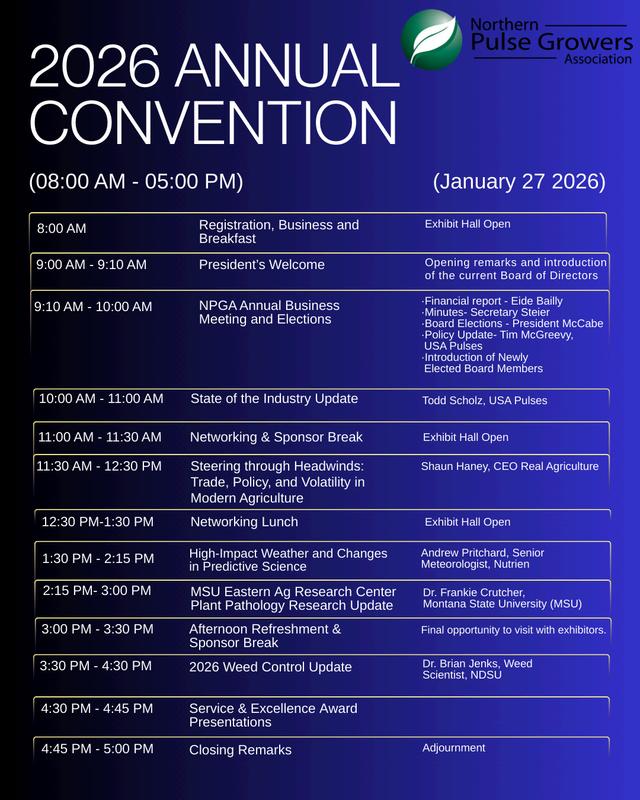
MeetourSpeakers
Andrew Pritchard- Meteorologist
Andrew Pritchard is a Senior Meteorologist and Atmospheric Scientist with Nutrien Ag Solutions, where he specializes in forecasting high-impact and disruptive weather events and helping agricultural professionals make weather-informed decisions. He focuses on weather risk mitigation, severe weather safety, and providing tailored meteorological insight to support growers, crop consultants, and retail teams across North America In his role, Andrew delivers daily regional and macroscale forecasts, scientific analysis, and weather communications designed for the agricultural community. He collaborates with safety and environmental teams to provide critical weather training and alerts, helping protect both people and assets during severe conditions
Dr. Frankie Crutcher- Plant Pathologist, MSU
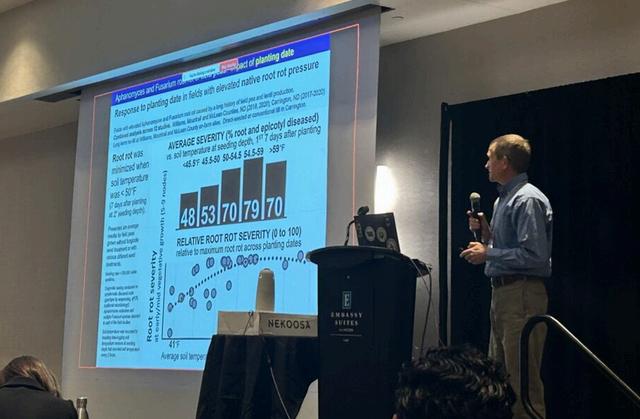
Dr. Frankie Crutcher has been a plant pathologist at the MSU Eastern Ag Research Center in Sidney since 2016. She leads a multifaceted research program focused on developing IPM strategies for fungal pathogens of pulse crops and cereals. Her current research includes evaluating varieties for disease resistance, directing fungicide efficacy trials, improving methods of crop disease detection, and understanding how agronomic practices such as utilizing cover crops, crop rotation, and planting date contribute to disease development.
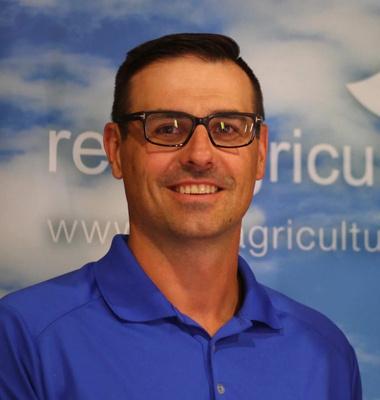
Shaun Haney — Founder & CEO, RealAgriculture
Shaun Haney is the founder and CEO of RealAgriculture, one of North America’s leading independent agricultural media companies. Raised on a family seed farm in southern Alberta, Shaun brings a practical, producer-focused perspective to agricultural news, policy, markets, and farm business strategy. Since launching RealAgriculture in 2008, he has helped build it into a trusted source of timely, insightful content delivered through digital media, podcasts, and radio. Shaun is the host of RealAg Radio, broadcast daily across North America on SiriusXM Rural Radio Channel 147, where he leads conversations with farmers, industry leaders, economists, and policymakers
MeetourSpeakers
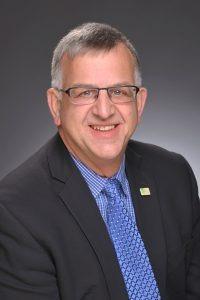
Dr. Brian Jenks
Tim McGreevy
Tim McGreevy is the Chief Executive Officer of USA Pulses, the unified national organization representing U S pulse growers, processors, and industry stakeholders with a mission to expand pulse production and consumption at home and abroad. A farmer himself, Tim raises pulse crops including peas, lentils, chickpeas, dry beans and more, bringing firsthand experience to his leadership role. Under his guidance, USA Pulses has set ambitious goals to double both consumption and production of nutrient-dense, sustainable pulse crops by 2030, while driving research, market development, policy initiatives, and global collaboration He also serves as Chairman of the Finance Committee for the Global Pulse Confederation, helping coordinate pulse industry strategy on the international stage. Tim’s work champions the role pulses play in healthy diets, resilient agricultural systems, and rural economies.
Dr Brian Jenks is a seasoned weed scientist with North Dakota State University’s North Central Research Extension Center in Minot, where he has conducted applied weed control research since 1997. He holds a Ph.D. in Weed Science from the University of Nebraska–Lincoln and focuses on understanding and managing herbicide resistance and other weed challenges across crops common to western North Dakota, including pulse crops. Dr. Jenks’s work emphasizes practical solutions for growers, helping them navigate evolving weed pressures such as resistant kochia, waterhemp, and other difficult species His research and outreach efforts support effective weed management strategies, integrating diverse herbicide modes of action, crop rotations, and cultural practices to improve crop performance and sustainability
Todd Scholz
Todd Scholz is the Vice President of Research & Member Services for USA Pulses and the American Pulse Association, where he supports growers and industry partners across the U.S. pulse value chain. He has been with the organization since 2000 and brings more than two decades of experience in pulse crop research, pest management, and industry advocacy Todd works closely with researchers, regulators, and international partners to advance innovation and protect market access for pulse crops He also represents the industry on several national research and regulatory committees. Raised on a wheat farm in eastern Washington, Todd brings a practical, producer-focused perspective to his work. He holds a degree in Business Administration from Oregon State University and is based in Moscow, Idaho.
The engine light is on…
As someone directly affected, I want to offer my perspective on the aid now being proposed for agriculture.
To start, I want to be clear about one thing: farmers deserve support We work long hours, take on serious financial risks, and depend on forces we can’t control weather, markets, and global events The food we produce feeds this country, and when farmers struggle, the effects reach far beyond rural communities Many of the challenges we’re facing right now weren’t caused by bad management or poor choices on our part They came from national policy decisions made far away from our farms When those decisions cause harm, offering help is the right thing to do
That said, it’s important to look beyond the aid itself and consider how we got here What’s happening now is not a normal market correction. Tariffs were put in place that disrupted exports, reduced demand, and drove prices down for many commodities. Farmers didn’t vote on those policies, yet we absorbed much of the impact. Now, the same government responsible for those disruptions is stepping in with financial assistance to offset the losses.
I don’t blame any farmer for accepting that help. For many operations, it’s the difference between staying afloat and shutting the doors. But the deeper issue isn’t whether aid is justified it’s the system that made it necessary in the first place.
Increasingly, economic outcomes are being shaped by decisions made by a very small number of people One policy can damage an entire sector almost overnight Another can partially repair it Markets that once felt predictable can disappear just as quickly as they arrived When that much influence is concentrated at the top, it creates uncertainty for everyone working below it and planning for the next year is as risky as betting in Vegas
On our operation we depend on long-term planning like many others We make decisions years in advance, we focus on sustainable pulse, oil seed, and small grain rotations instead of chasing the golden ticket We pay the bills that are due, and store the leftover grain until the markets begin to rise We invest heavily in land when able and equipment when interest is low. We have been groomed to accepted thin margins in exchange for stability. Now that policies change suddenly and without clear rules, that stability disappears and we are left trying to plan around decisions we have no control over and little warning about.
Supporting farmers is important. What’s concerning is a growing pattern where government actions create economic harm and then require taxpayers to fund the cleanup. Those costs don’t vanish. They show up in higher prices, larger subsidies, and a lingering sense that the system is being managed through reaction rather than foresight.
Most farmers don’t want bailouts We want consistency We want policies that don’t put us in a position where emergency aid becomes the only way to survive We need a trade policy that focuses on a decade-long commitment, not a four year term
Farmers are owed honesty about the impacts of policy, taxpayers are owed transparency about where their money goes, and this nation is owed a system built on steady rules, not sudden shifts that leave rural communities bearing the consequences I say this as someone who nurtures the farm, listens to our consumers, and is concerned about the legacy we are passing on.
McKade Mahlen, VP
ROOT ROT IN PULSE CROPS WORKSHOP:
RESISTANCE
BREEDING,
AGRONOMIC SOLUTIONS, AND COLLABORATIVE STRATEGIES
By Dr. Audrey Kalil
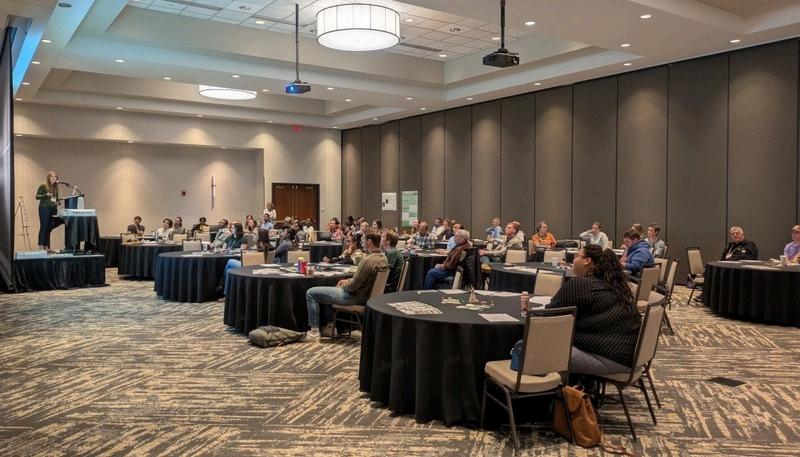
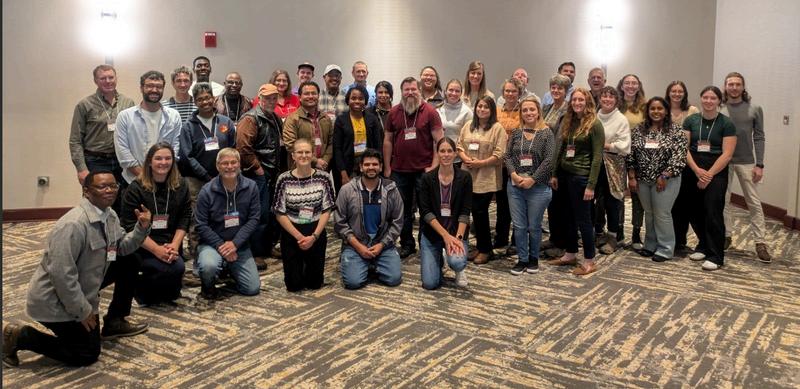
At the beginning of November pulse crops researchers and industry members from across the globe participated in the Bean Improvement Committee & North American Pulse Improvement Association biennial meeting in Lincoln, Nebraska. A root rot workshop hosted by the Western Integrated Pest Management Center Pulse Crops Working Group was held in conjunction with this event Over 80 individuals representing more than a dozen institutions from the U S , Canada, India, France, the Netherlands, and several African nations including universities, federal agencies, and industry partners participated in the root rot workshop to share new insights, align strategies, and discuss actionable next steps for managing the root rot disease complex in pulse crops
The scientific program opened with updates on pathogen biology and surveillance, including long-term survival of Aphanomyces euteiches and the use of novel imaging technologies to measure root disease Plant pathologists shared updates on the effectiveness of fungicide seed treatments, tolerant varieties, crop rotations and soil amendments to manage root rot while agronomists discussed the practical barriers that growers face when implementing recommendations. The breeding and genetics session showcased progress in screening germplasm, mapping resistance traits, and modernizing breeding pipelines, while also noting challenges such as the inconsistency between greenhouse and field disease resistance ratings.
At the beginning of November pulse crops The afternoon featured breakout sessions to identify shared challenges, barriers to progress and potential solutions. Groups discussing diagnostics and risk forecasting emphasized the need for more precise diagnostic tools, meaningful action thresholds and expanded communication between and amongst researchers and stakeholders Participants stressed the importance of long-term funding, cross-border collaboration, and technologies that can scale especially molecular tools, computational capacity, and AIenabled approaches. Agronomy discussions underscored growers’ need for practical, timely solutions, while breeding groups emphasized the value of pre-breeding programs, improved germplasm sharing, and reduced bureaucratic barriers. The outreach group highlighted the shrinking extension workforce, communication barriers between researchers, growers and industry partners, and opportunities to broaden engagement with consultants and retail agronomists
Continued on next page...
ROOT ROT IN PULSE CROPS WORKSHOP:
RESISTANCE BREEDING, AGRONOMIC
SOLUTIONS, AND COLLABORATIVE STRATEGIES
Continued
Attendees
The meeting concluded with a shared commitment to coordinated, multiinstitutional work that connects diagnostics, biology, agronomy, breeding, and extension. The strong participation of researchers, commodity groups and industry partners in this workshop demonstrates the pulse community’s determination to develop actionable, science-based solutions for managing root rot to support the long-term resilience of pulse production.
The Pulse Crops Working Group would like to thank the Saskatchewan Pulse Growers Association and the Northern Pulse Growers Association for their financial support of the root rot workshop.
“The purpose of this show is to follow some pulse crop farmers through the growing season and to dive into the research that’s helping them through some of the challenges they face. We’ll also talk to a number of other industry stakeholders along the way
Demand for these nutrient-dense, high-protein foods continues to grow There is also interest from farmers to include more pulses into diverse rotations for benefits like nitrogen fixation and soil health. The industry continues to face challenges, and we are eager to address these head on. So if you’re a pulse grower or in any way interested in these important crops, hit subscribe and stay tuned for future episodes. We’ll be back with plenty of information about challenges pulse farmers are facing throughout the U S and what solutions are working ”
Episodesofinterest
MRLs and Pre-Harvest Desiccation With Greg Bartley
Know Thy Enemy: Anthracnose and Stemphylium Blight of Lentil
Managing Broadleaf Weeds in Peas and Chickpeas With Kyle Okke
Pulse Crop Breeding Program at Montana State University With Kevin McPhee, Ph.D.
Seeding Rate and Fertility Research for Lentil and Peas With Chris Holzapfel of IHARF
Pulse Potential Webinar
The Northern Pulse Growers Association and Northern Crops Institude have collaborated to bring you the Pulse Potential Webinars! This webinar series focuses on providing education on pulse production and its uses to increase demand and farmer’s desire to grow pulses Topics throughout the series include uses and benefits of pulses, trends & innovations, market drivers, and the path from producer to the processor. A new speaker will be featured each month.
Scan Here for upcoming webinars!
STAY IN THE LOOP WITH NPGA’S TEXT CONNECT
Stay Ahead with NPGA’s Text Connect: Your Essential Info Hub
Hey growers and agriculture enthusiasts! We know how crucial it is for you to stay informed about the latest happenings in the agriculture world.That’s why we’re thrilled to introduce NPGA’s new Text Connect service –your direct line to must-have updates and alerts.
Imagine getting vital information like USDA sign-up deadlines, crop insurance details, and industry alerts straight to your mobile device With Text Connect, you’ll never miss a beat. Gone are the days of sifting through countless emails or relying on snail mail. Our quick and easy text updates mean you’ll always be in the know, right when you need it.
Why should you subscribe? Simple Broadcasting important deadlines and updates via text ensures you’re always prepared and ahead of the game.Whether it's a deadline reminder for USDA programs or crucial changes in crop insurance, we’ve got you covered.
How to get started? Easy as pie! Just sign up for Text Connect, and you’re all set to receive fast, reliable info tailored specifically to your needs.
Join our free text alert system by scanning the QR Code below Didn’t recieve a message?
Join Now!
Thank you for joining NPGA Text Alerts! We’re here to communicate with you more frequently and easily!
Stay informed, stay connected, and most importantly, stay ahead with NPGA’s Text Connect. Sign up today and experience hasslefree updates like never before. Because when it comes to your livelihood, every piece of information counts
Remember, a quick text can make all the difference. Let’s make farming smarter together!
NPGA
How the NPGA is Working for the Producer
You might have heard the NPGA's slogan, "Working for the Producer," but what does it really mean? In simple terms, it's about making sure that the dollars producers contribute to the NPGA are used in ways that directly benefit them. Think of it like a community fund focused on everything from education and outreach to market promotion and research. It's all about improving producers' profitability and success. Decisions being directed by farmers for farmers!
Research and Development: The Backbone of Success
Let's dive into what makes producers successful. Whether it’s a better yield or a resilient crop, research plays a crucial role. The NPGA invests significantly in research projects to tackle those pesky production challenges like disease, weeds, and insects. Plus, we’re blending agronomic research with breeding and genetics to create crop varieties that serve what both farmers and consumers need. This means healthier soils and more sustainable farming practices.
A Collaborative Effort
The NPGA doesn’t work in isolation. We have great partnerships with stakeholders, universities and organizations. The focus is on crafting high-quality, products that can compete in global markets. For example, with funds from the ND Dry Pea & Lentil Council, the NPGA is pumping over $300,000 each year into vital regional research projects that specifically address the needs of producers in North Dakota and Montana.
Cross-Border Cooperation
The NPGA's research projects often span across state borders, benefiting producers across the Northern Tier Since its inception, the NPGA has made some pioneering strides, like establishing the nation's first pulse quality lab at North Dakota State University, a pulse breeding program, pathology program and pulse specific work at Northern Crops Institute. Most recently, through funds contributed by the ND Dry Pea & Lentil Council, the NPGA was able to invest in the Peltier Complex in Fargo. This investment supported a protein lab which will benefit the success of the entire pulse industry for years to come.
Annual Highlights and Future Plans
Each year, the NPGA and USA Pulses organize an annual research review. This is the event where all submitted research proposals are thoroughly reviewed by committee members from across the U.S. Proposals are submitted directly to the NPGA or USA Pulses for consideration. NPGA grants are awarded based on priority and available funding and determined by its own research committee. Interested in hearing the most recent projects funded? Be sure to attend the annual poster session held at the NPGA Convention. In addition, highlights of these projects are widely distributed in publications, newsletter, and on social media. A full list of projects is available on the website as well. (Pardon our dust as this resource will return once our website is updated!)
Continued on page 22...
How the NPGA is Working for the Producer
If you’re into podcasts and webinars, the NPGA supports the Growing Pulse Crops podcast and the Pulse Potential webinar series. Or if you prefer, take in a field day or two which are held across the region between June and July. All fantastic ways for producers to stay updated on the latest industry trends and research findings.
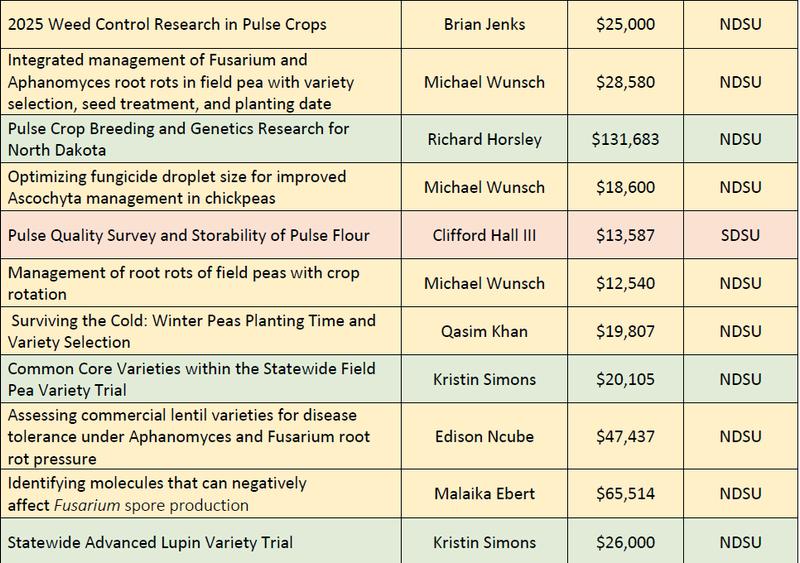
Looking ahead to the 2026 crop year, the NPGA is already gearing up.With more than $440,000 from ND Dry Pea & Lentil Council and $100,000 from the Montana Pulse Crop Committee, the NPGA is set to fund groundbreaking research initiatives.The research process kicks off in December, and by the time February rolls around, funding decisions are made.
So there you have it! The NPGA is tirelessly working behind the scenes, ensuring that producer dollars are invested wisely, leading to sustainable growth and success for the farming community Whether you're a producer or just someone interested in agriculture, it's reassurances like these that highlight how the NPGA is dedicated to supporting the backbone of the pulse industry
2025 NPGA Funded Research Project
Award
The KMOT Ag Expo is back for its 55th year, bringing together more than 350 exhibitors and an estimated 25,000 agricultural producers over the course of three action-packed days Set for January 28–30 at the North Dakota State Fairgrounds, this annual event continues to serve as a major hub for innovation, education, and networking in the ag industry.
A key highlight is the Living Ag Classroom, where more than 700 fourthgrade students from area schools will learn how food gets from the farm to the table through interactive exhibits hosted by local commodity groups. Attendees can also look forward to daily educational seminars sponsored by Birdsell Grain and Seed, and generous support from this year’s daily sponsors: BASF (Wednesday), AgCountry Farm Credit Services (Thursday), and Northern Pulse Growers (Friday) With free parking, shuttle service to the door, and West Dakota Chevy returning as the official truck sponsor, the KMOT Ag Expo remains one of the premier ag events in the region. Doors are open from 9 a.m. to 5 p.m. on Wednesday and Thursday, and from 9 a m to 4 p m on Friday
$500.00
Newsletter listing and online directory profile
Sponsor recognition on NPGA social media before the event
1 company attendee pass + 1 grower pass
Reserved booth space in the NPGA Trade Show Area
Cultivator
1/4-page Sponsor Spotlight in NPGA newsletter or social media
Company profile in NPGA’s online directory
Dedicated sponsor recognition on NPGA social channels
2 company attendee passes + 2 grower passes
Booth space in the NPGA Trade Show Area
Harvester
½-page Sponsor Spotlight in NPGA newsletter or social media
Sponsor recognition on NPGA Facebook and Instagram before the event
2 company attendee passes + 4 grower passes
Reserved exhibit booth in the NPGA Trade Show Area
Priority Booth Space
Logo featured on NPGA website “Thank You” banner all year
Full-page Sponsor Spotlight in NPGA newsletter or social media
Company profile in NPGA’s searchable industry directory
Company name and logo featured in NPGA event programs
Included in NPGA radio advertising flights
Priority booth space at NPGA Sponsored Events
$1000.00
$2000.00
$3000.00
Sponsor Content with the NPGA
Get the most out of your sponsorship between paper publications and digital marketing. We have opportunities for every business' budget! Reach hundreds of producers when you sponsor with the NPGA!