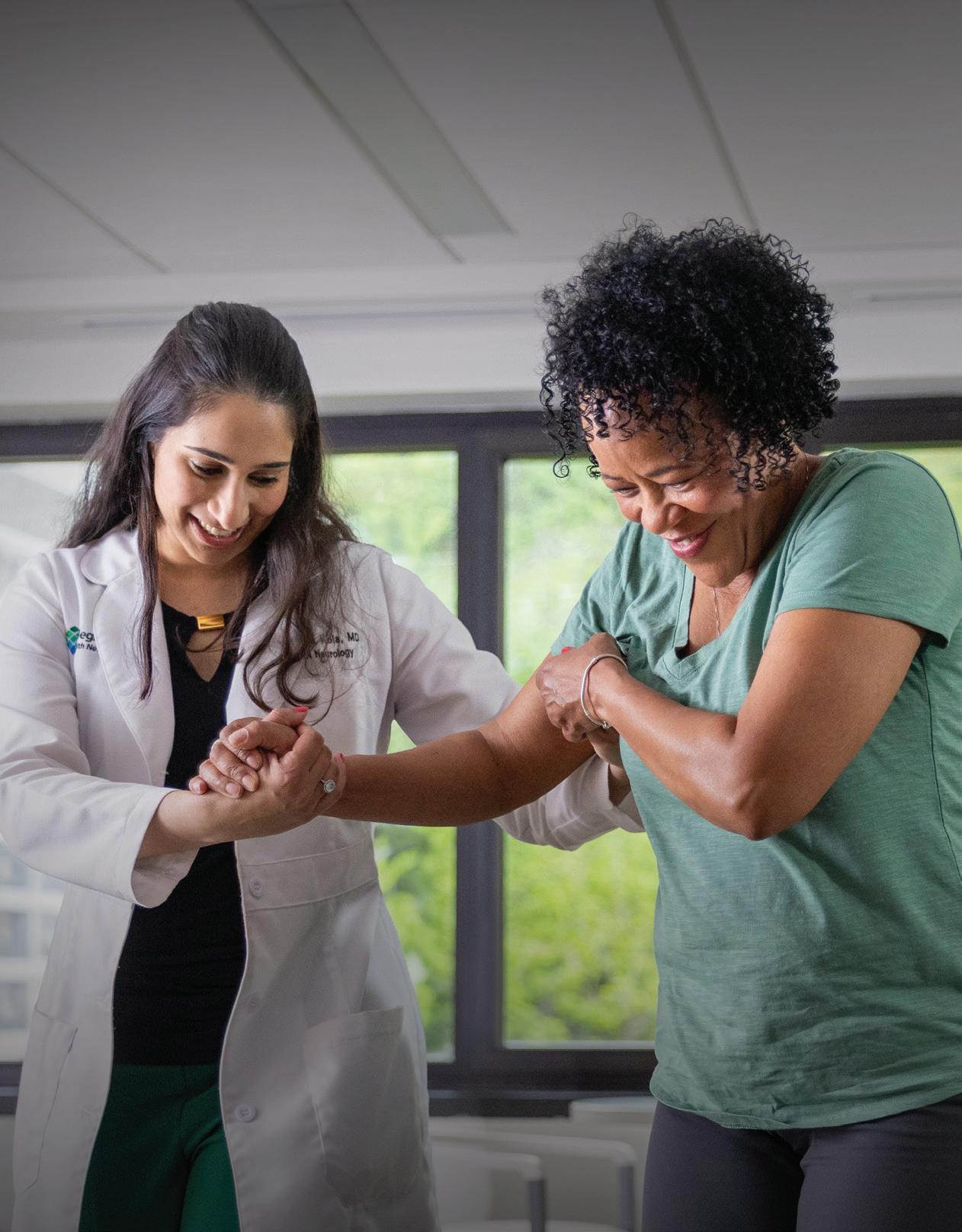
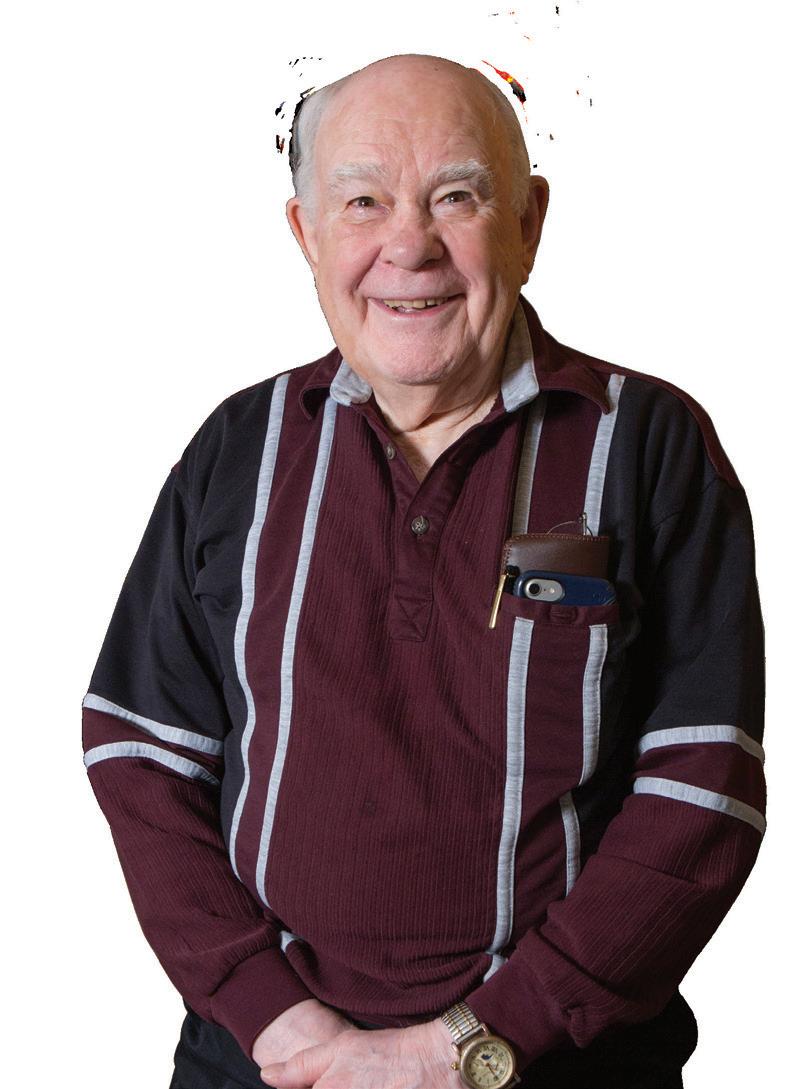
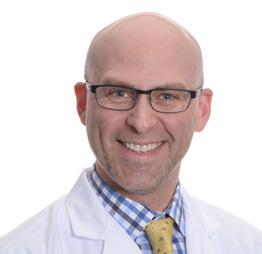
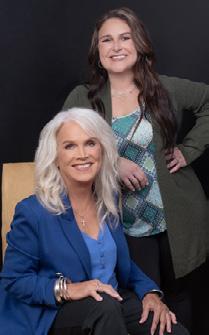
From prevention to joint replacement, Dr. Noelle DiGioia Guthrie shares how patients can maintain mobility and independence for years to come.
At UPMC Senior Communities, you’ll have fewer burdens and more activities, fun, and friendships.
Visit one of the UPMC Senior Communities near you and see how true independence can mean less of the things you have to do, and more of the things you want to do.
Call 1-800-324-5523 or visit srcare.org/UPMC
Communities located in: Allison Park • Hampton Monroeville • Washington, PA
Scan the QR code to learn more.
For many homeowners in the North Hills of Pittsburgh, a home represents decades of memories, milestones, and hard work. Whether you’ve lived in your home for 10 years or 40 years, deciding what comes next is one of the biggest financial and emotional decisions you’ll make.
As a local Realtor® with Coldwell Banker Realty and a Senior Real Estate Specialist® (SRES®), I work closely with seniors, retirees, and families throughout the North Hills and surrounding Pittsburgh communities to help simplify the process of buying, selling, downsizing, or relocating.
The real estate needs of the 55+ community are different. It’s not just about selling a home — it’s about understanding timing, finances, lifestyle goals, family dynamics, and future planning.
The North Hills market continues to remain strong, especially in desirable communities throughout areas such as Wexford, Cranberry Township, McCandless, Gibsonia, Franklin Park, Ross Township, and surrounding neighborhoods. Many buyers today are actively searching for well-maintained homes in established communities, creating excellent opportunities for longtime homeowners considering a move.
As someone born and raised in Pittsburgh, I understand the local market and the importance of community. My goal is always to help clients make informed decisions while protecting their long-term interests.
Every move is different. Some clients are looking to simplify and reduce maintenance. Others want to move closer to family, transition into a patio home community, or find a property better suited for retirement living. No matter the situation, the process should feel manageable, organized, and supported from start to finish.
If you or a family member have questions about the North Hills real estate market, downsizing options, or simply want to understand what your home may be worth in today’s market, I would be happy to help.
Phone: 724 -940
Email:
Laura Lyn Arnold
Publisher Emeritus & Contributor
Marion Swanson Piotrowski
Executive Editor Emily King
Managing Editor/ Public Relations Coordinator
Paula M. Green
Marketing & Account Executives
Mary L. Simpson
Sharon Yezerski
Design & Production
Kostilnik & Assoc. Graphics, Inc.
Web Master
Swanson Publishing, LLC
Contributing Writers
Joseph C. Maroon, MD, FACS
Janice Lane Palko
Pittsburgh Fifty Five Plus Magazine is published four times a year by Swanson Publishing, LLC (P.O. Box 425, Mars, PA 16046, 724-940-2444) and is distributed free of charge throughout the Greater Pittsburgh region. Subscription can be purchased from the publisher at $25 for one year.
The mission of Swanson Publishing, LLC is to connect the people of Pittsburgh by publishing the area’s finest senior publication, Pittsburgh Fifty Five Plus Magazine. The publication is dedicated to the people, communities, educational, religious, travel, health, and recreational needs of seniors in our area. The contents of Pittsburgh Fifty Five Plus Magazine may not be reproduced or copied in whole or in part without written permission from the publisher. Pittsburgh Fifty Five Plus reserves the right to refuse editorial or advertisements that do not meet the standards of this publication.
“Growing older doesn’t mean accepting pain or giving up activities that you love.”
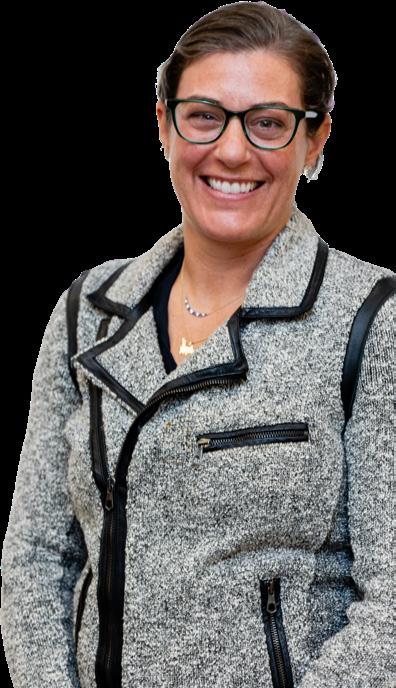
Dr. Noelle Guthrie
Osteoarthritis: A Growing Epidemic
Osteoarthritis is the leading cause of disability in the United States. More than 33 million Americans are living with this progressive condition which is triggered by the gradual deterioration of the cartilage that cushions the joints, leading to significant pain and disability. Many people incorrectly assume that joint pain simply comes with age, but reduced mobility, independence, and quality of life doesn’t have to be your fate.
Osteoarthritis may be common, but living with pain doesn’t have to be. Dr. Noelle DiGioia Guthrie, an orthopaedic surgeon specializing in hip and knee arthritis, helps patients understand all their options – from prevention and lifestyle modifications to injections to advanced surgical treatments when indicated. Her focus is on helping patients stay active, maintaining independence and participating in the activities they enjoy..
Understanding Degenerative Joint Disease
Osteoarthritis, sometimes called degenerative joint disease (DJD), occurs when the cartilage that cushions the end of the bones
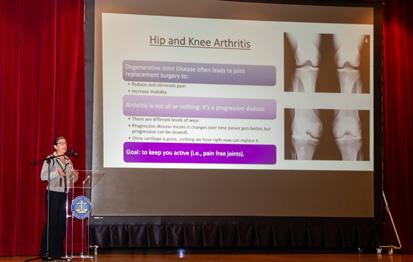
wears away. As that protective layer breaks down, the bones will begin to rub against one another, leading to pain, swelling and loss of function. This final stage is referred to as “bone-on-bone.” Since this process is gradual, early evaluations are important in order to slow down the process.
While arthritis has traditionally been associated with older adults, today’s patients are developing symptoms and seeking treatment earlier than previous generations. In fact, adults ages 50 to 65 now represent one of the fastest-growing groups undergoing joint replacement surgery.
As Americans live longer, remain active later in life, and rates of obesity continue to rise, more individuals are experi-
encing joint pain that affects their ability to stay independent, exercise, travel and enjoy daily activities.
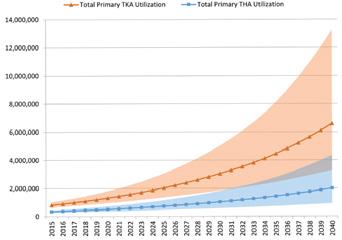
Because of this, the demand for joint replacement is also growing. By 2040, annual knee replacements are projected to
exceed 3.4 million and hip replacements nearly 1.5 million.
Dr. Guthrie’s approach focuses on helping patients maintain mobility and independence through a combination of prevention, lifestyle changes, exercise, weight management, physical therapy, injections, and other non-operative treatments, while offering joint replacement surgery when appropriate. She begins by asking a simple question: “What matters to you?” Understanding a patient’s goals helps guide treatment decisions and ensures care is focused on preserving the activities that bring meaning, purpose, and enjoyment to daily life.
Symptoms You Shouldn’t Ignore
One of the biggest mistakes patients make is delaying an evaluation.
Pain is the most common symptom of arthritis, whether it affects the entire joint or only part of the joint. Other symptoms include:
• Stiffness and swelling
• Grinding, clicking, or popping sensations
• Difficulty going up and especially down stairs or hills
• Limping
• Bow-legged or knock-kneed deformities
• Difficulty performing daily activities
Early evaluation creates opportunities for prevention, allowing patients to explore lifestyle changes, exercise programs, injections, and other treatments before symptoms progress and function declines.
Don’t ignore these symptoms–persistent pain or loss of function are serious concerns to share with a doctor.
The Ripple Effect of Arthritis
Untreated arthritis affects far more than the joint itself. As mobility declines, everyday activities become harder, and you become less active. This loss of movement can contribute to falls, weight gain, diabetes, heart disease, osteoporosis, and loss of independence. Early evaluation helps slow down the wear, preserve mobility, overall health, and quality of life.
“Osteoarthritis is progressive, and not all or nothing,” Dr. Guthrie explains. “The earlier patients understand their condition and treatment options, the more opportunities they have to reduce pain and slow the progression.”
When Is It Time for Joint Replacement?
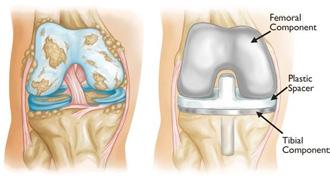
For some patients, even the most tried and true non-operative treatments eventually stop providing adequate pain relief. When X-rays show little to no cartilage, and pain stops responding to non-operative treatments and lifestyle changes, it’s likely time to consider joint replacement surgery.
The leading factor in deciding about surgery is pain. When pain starts affecting sleep, limiting independence, or preventing participation in daily activities. This is the time when joint replacement becomes the best option to restore function and improve quality of life. Ultimately patients are the ones that tell us when it’s time for surgery, since in the end, it’s a pain driven decision and this is why shared decision making is such an important process with your providers.
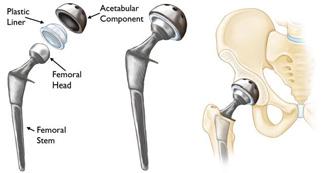
Total hip and knee replacement surgery remains the most effective treatment for pain from arthritis, offering patients the opportunity to eliminate pain, regain mobility, and return to the activities they love. We can “cure” you of your arthritis by removing all of the arthritis and resurfacing the joint. After surgery, most of our patients say that the process was “life changing”.
If the thought of surgery brings concerns about recovery, it’s important to know that advances in joint replacement have transformed the patient experience. Our team not only prepares patients for surgery, but also provides the most up to date surgical and pain management techniques. Remember that the best prepared patients (and families) have the fastest recoveries and best outcomes.
One unique service offered by Dr. Guthrie is pre-operative cryotherapy (cold therapy) that is an advanced pain management technique available through only a small number of orthopaedic surgeons nationwide offer. Dr. Guthrie is one of the only surgeons in our region to provide this kind of pre-operative pain management treatment.
In addition, with the newer rapid rehab and multi-modal pain management programs, most patients now return home the same day of their surgery or after a single overnight stay, allowing them to recover comfortably and safely in the comforts of their homes.
Can You Delay Joint Replacement Surgery?
Healthy habits are key for reducing symptoms of arthritis and slowing cartilage deterioration.
“It’s never too late to get stronger, become more active, lose a little weight, and focus on an anti-inflammatory diet,” says Dr. Guthrie. “The best thing you can do for your joints is increase muscle strength around them which will help protect your joints and act as “shock absorbers”. Movement is medicine, and strength is protection.”
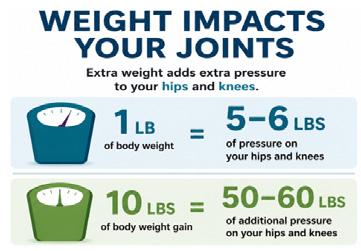
Weight management and regular exercise play a major role in joint health. Every additional pound of body weight increases the force placed on the hips and knees. For example, every pound of
body weight causes your hips and knees to experience 5-6 pounds of pressure. So losing 10 pounds can remove up to 60 pounds of pressure on your joints. Strong muscles also help absorb stress and protect joints. Low-impact activities such
as walking, swimming, cycling, yoga, and Tai Chi can improve strength, balance, flexibility, and mobility.
Dr. Guthrie also encourages patients to seek care early. Early evaluations are key to know “where you stand” as far as how much cartilage you have and ways to slow down the progression to the end stage of bone on bone. Remember that not
everyone needs joint replacement surgery. A growing number of non-operative treatments, including injections such as PRP, a natural anti-inflammatory, and newer cryotherapy techniques, can provide meaningful pain relief, improve function, and help patients stay active longer before surgery becomes necessary.
An Interview with Dr. Noelle Guthrie
Q: If you could recommend one habit everyone over 50 should start now to protect their joints, what would it be?
A: It’s never too early to focus on bone and joint health. Movement is medicine! Stay active with low-impact aerobic exercises and strength training. This will help you achieve a healthy weight and strengthen the muscles around your joints that act as “shock absorbers” and this routine will help prevent osteoporosis as well.
Q: Are bone and joint issues more common in women than they are in men?
A: Yes, studies have shown that women are more likely to develop degenerative joint disease and are less likely to seek treatment, even though early evaluation is critical for slowing down the wear and reducing pain. Women are also more likely to postpone total joint replacement surgery than their male counterparts. As a result, they may be less prepared for surgery and often have greater preoperative muscle weakness, which can negatively affect both short- and long-term outcomes.
Q: What is your strongest advice for someone who is considering joint replacement surgery?
A: Don’t ask yourself, “Can I live with this pain?” Ask instead: “What is this pain costing me?” When pain starts taking away sleep, movement, independence, or joy, it’s worth exploring surgical options. Remember as well, that the best prepared patients have the fastest recovery and best long-term outcomes, too.
Addressing Disparities in Arthritis Care
Although arthritis affects millions of Americans, access to care is not always equal. While innovations in care have improved outcomes for many, access to arthritis care remains uneven across different communities and populations.
Women Face Unique Challenges
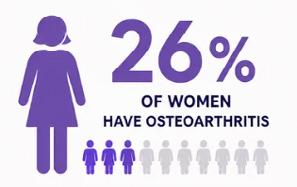
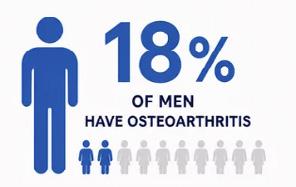
Women are disproportionately affected by osteoarthritis, accounting for the majority of joint replacement patients. In fact, 26% of women have osteoarthritis compared to 18% of men. Research has shown that women often report greater pain and lower function than men, even when X-rays show similar levels of arthritis.
Women are also more likely to delay evaluation and treatment.
“One thing I encourage women to remember is: don’t minimize your pain or delay seeking help,” says Dr. Guthrie. “Early evaluation gives patients more options and can help preserve function and quality of life.”
Geographic and Economic Barriers
Where a person lives can also influence access to care. Rural communities often have fewer specialists, longer travel distances, and transportation challenges that can delay diagnosis and treatment.
Economic barriers, including insurance limitations and difficulty accessing specialty care, can further prevent patients from receiving timely evaluation.
Bringing Prevention and Care Into the Community
Despite the prevalence of osteoarthritis, public awareness and understanding of the disease is surprisingly low. “Bone and joint health is a “low-awareness, high-impact” sector of healthcare,” says Dr. Guthrie. “Unlike diabetes, and heart and lung conditions, most people don’t think about their bones and joints until they’re in pain, develop a “fragility” fracture from osteoporosis or lose mobility. Increasing awareness is essential.”
Preventing and addressing bone and joint conditions require more than treating patients once symptoms become severe. Education, community outreach, and early intervention are key in helping those who are suffering.
Many of the factors that contribute to loss of mobility and independence—including arthritis, osteoporosis, poor balance, muscle weakness, and fall risk—can be identified early and addressed before they lead to more serious problems.
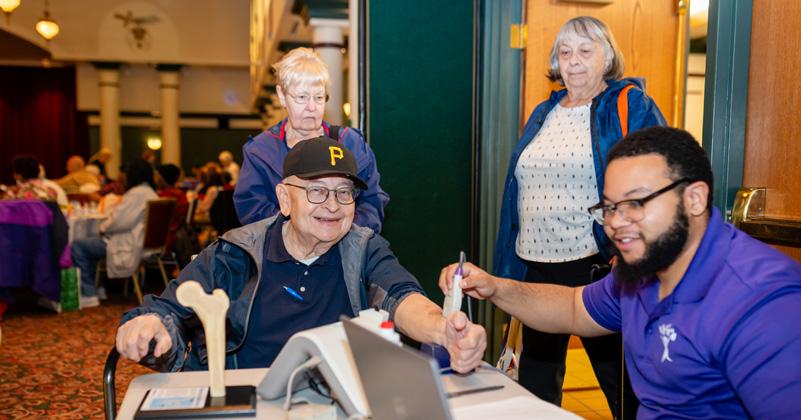
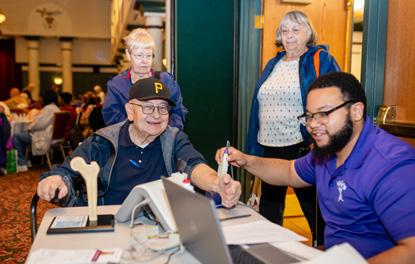
The Wellness Center for Bone and Joint Health, of which Dr. Guthrie is the comedical director, in conjunction with the not-for-profit, AMD3 Foundation, holds free community screenings and public education events that help individuals recognize symptoms sooner and understand available treatment options.
These screenings are designed not only to identify arthritis, but also to detect other risk factors that can contribute to pain, falls, fractures, loss of mobility and declining independence. By identifying warning signs early, patients have more opportunities to take preventive action before problems become more serious.
Our FREE five-point screening program is designed to identify bone and joint health concerns before they become debilitating. The program focuses on:
• X-ray evaluation of knee and hip arthritis
• Bone density screening for osteoporosis
• Fall-risk assessment to prevent fractures
• Nutritional assessment for healthy bones and joints
• Grip-strength testing to evaluate overall muscle strength
These screenings help raise the awareness of bone and joint wellness, identify issues earlier, provide non-operative treatment options, improve prevention, and
increase access to bone and joint care in communities where health disparities are more common. Upcoming events can be found at www.boneandjointhealth.org
Bridging the Gap Through Outreach
By providing underserved communities with education, screenings, and care, Dr. Guthrie and her team can help identify bone and joint issues earlier and intervene and prevent these conditions before they cause pain and disability. Early evaluations provide more options—from lifestyle changes and exercise programs to
injection and other non-operative treatments that can maintain function and independence.
Patients who otherwise wouldn’t have access to care are now evaluated sooner and have more prevention and treatment options, better pain control, and less functional decline than those who wait until the problems become severe.
Community outreach programs also help address disparities by bringing education and screening opportunities directly to underserved populations, creating a pathway to earlier diagnosis and more equitable care. n
Why This Moment Matters
Whether you are 50 or entering your 90’s, growing older does not mean accepting pain and loss of the ability to enjoy life.
Protecting your joints starts with staying active, maintaining strength, managing weight, and seeking evaluation when symptoms first appear. Persistent pain, swelling, stiffness, or loss of function should never be ignored.
Through education, outreach, and patient-centered care, Dr. Guthrie and her team are committed to helping individuals preserve mobility, maintain independence, and continue doing the things they love.
Their goal is simple: helping people maintain the mobility, strength, and independence needed to keep doing the things they love.
Clearer Body, Sharper Mind: Meet Glutathione, the Master Antioxidant
By Marla Turnbull, MS, CDP, NBC-HWC
Glutathione is a small but powerful molecule made inside our cells from three amino acids: glutamine, cysteine, and glycine. While it’s well known for neutralizing free radicals, glutathione also plays a central role in detoxification, immune resilience, mitochondrial function, and most importantly, neurological health.
What Detoxification Really Means
The liver is the main hub of detoxification, supported by the kidneys, gastrointestinal tract, lungs, lymphatic system, and skin. Detoxification is the body’s method of transforming substances that could be harmful, such as pollutants, alcohol byproducts, medications, hormone metabolites, and internal waste, into forms that can be safely eliminated through bile, stool, urine, sweat, and breath.
Glutathione’s Role in Detoxification
1) Antioxidant defense and cellular protection.
Many toxins and inflammatory processes increase oxidative stress. Glutathione helps neutralize reactive oxygen species and protects cell membranes, mitochondria, and DNA from damage.
2) Phase II conjugation (glutathione conjugation)
A major liver detox pathway uses glutathione to bind reactive compounds so they can be transported out of cells and eliminated. Think of glutathione as a “molecular escort” that helps move certain substances toward clearance.
3) Recycling other antioxidants.
Glutathione helps regenerate antioxidants such as vitamins C and E back to their active forms, strengthening the body’s overall antioxidant network.
4) Supporting bile flow and elimination.
Detoxification is only as effective as elimination. Glutathione contributes to healthy liver cell function and may support processes tied to bile production and transport that is important for moving fat-soluble waste out through the digestive tract.
Glutathione and Neuro Health: Why the Brain Cares
The brain is especially vulnerable to oxidative stress. It uses a large amount of oxygen, contains abundant fatty tissue, and relies heavily on efficient mitochondrial energy production. The brain has limited antioxidant capacity compared to other tissues, and it depends strongly on protective systems like glutathione.
Glutathione supports health in several ways:
• Protecting neurons from oxidative damage: Oxidative stress can disrupt signaling, damage cell membranes, and accelerate cellular aging. Glutathione helps buffer this stress and maintain neuronal integrity.
• Supporting mitochondrial function: Neurons are energydemanding cells. When mitochondria are stressed, fatigue, brain fog, and reduced resilience can follow. Glutathione helps protect mitochondria from oxidative injury.
• Modulating inflammation: Neuroinflammation is increasingly recognized as a factor in many neurological conditions and in
age-related cognitive changes. Glutathione contributes to balanced immune signaling and antioxidant control.
• Assisting with the clearance of metabolic byproducts: The brain produces waste through normal metabolism and neurotransmitter activity. Healthy antioxidant and detox pathways, including glutathione-dependent ones, support the body’s ability to manage that load.
Glutathione isn’t a stand-alone treatment for neurodegenerative conditions. Glutathione levels can be one meaningful part of a broader lifestyle and nutrition strategy aimed at protecting brain cells and overall function. Your body makes glutathione, but levels can decline with age, chronic stress, poor sleep, nutrient deficiencies, infections, high alcohol intake, medication burden, environmental exposures, and chronic inflammation.
• Fiber and regular bowel movements: helps ensure wastes bound in bile leave the body
• Sleep, movement, and hydration: powerful supports for antioxidant balance and elimination.
Glutathione is not a magic supplement, but it is essential for everyday detoxification and protecting the brain and nervous system from oxidative stress.
My approach is a supportive plan focusing on strengthening optimal healing. This is what the body does naturally, nourishing liver function, balancing antioxidant defenses, effective elimination, and sustainable lifestyle habits.
Reach out for an appointment; 412-302-4638, or Marla@NaturesDivineHealing.com. n
Prioritizing Your Health with Genesis Medical Associates
Featuring Grob, Scheri, Woodburn & Griffin Family Medicine
The Role of a Primary Care Physician in Healthy Aging
As we age, healthcare becomes increasingly complex, requiring coordinated efforts to manage chronic conditions, preventive screenings, and overall well-being. Having a trusted primary care physician (PCP) is crucial for navigating these changes and maintaining quality of life. PCPs serve as the central point of contact for patients, ensuring continuity of care and facilitating collaboration with specialists, therapists, and other healthcare providers.
Studies show that adults who maintain a strong relationship with a PCP are less likely to experience hospitalizations and are more likely to adhere to preventive care recommendations1 Grob, Scheri, Woodburn & Griffin Family Medicine, part of Genesis Medical Associates, is dedicated to providing this essential support, particularly for the 55+ population.
Two Locations Offering Convenience and Comfort
With two locations (1140 Perry Highway, Pittsburgh, PA 15237, and 4001 Stonewood Drive, Suite 200, Wexford, PA 15090) Grob, Scheri, Woodburn & Griffin Family Medicine ensures patients have access to high-quality care in convenient settings.
The new Wexford location is thoughtfully designed to enhance patient comfort and accessibility. Featuring adjacent parking, wheelchair-friendly entrances, and a spacious secondfloor suite, the office accommodates the mobility needs of older adults while providing a welcoming environment.
Both locations are well-integrated into the Genesis Medical Associates network, which includes access to gynecology, cardiology, pharmacy services, and on-site lab work. This comprehensive approach simplifies healthcare by ensuring seamless coordination of services, reducing the stress often associated with managing multiple providers.
Excellence in Care: National Recognition and Commitment
Genesis Medical Associates, Inc., stands out as the only independent medical group in Pittsburgh, with Grob, Scheri, Woodburn & Griffin Family Medicine being one of its distinguished practices. Every physician within this group has been recognized as a Castle Connolly Top Doctor, underscoring their dedication to excellence and innovation in patient care. Patients can trust they are receiving care from providers who are leaders in their field, committed to advancing medical practices and delivering exceptional healthcare.
Addressing Common Health Challenges for the 55+ Population
The practice is deeply attuned to the unique challenges faced by older adults. Chronic conditions such as hypertension, diabetes, arthritis, and heart disease are prevalent among the 55+ demographic, often requiring specialized management strategies.
To support patients in managing these conditions, the practice employs a dedicated Chronic Care Management team. This team collaborates with patients to develop personalized care plans, ensuring that every aspect of their health is addressed. By taking a proactive approach, the team helps patients achieve better outcomes and improved quality of life.
Medication affordability is another critical concern for older adults. The Genesis Medical Associates Pharmacy team assists patients in accessing cost-saving programs, enabling them to adhere to prescribed treatments without undue financial strain.
Preventive Care: A Cornerstone of Healthy Aging
Preventive care plays a vital role in maintaining health and preventing serious illnesses. Regular wellness exams, routine bloodwork, and screenings for conditions such as colon cancer and breast cancer are essential for early detection and intervention.
For patients 55 and older, the annual wellness exam is particularly important. During these visits, providers assess overall health, review medications, and discuss lifestyle changes that can promote long-term well-being. By fostering strong, ongoing relationships with their patients, the team at Grob, Scheri, Woodburn & Griffin Family Medicine ensures that care plans are tailored to individual needs.
Creating a Supportive and Welcoming Environment
The practice understands that older adults may feel apprehensive about seeking care, whether due to past experiences or concerns about the healthcare process. To address this, they prioritize creating a supportive and welcoming environment.
The team emphasizes open communication, encouraging patients to voice their concerns and actively participate in their healthcare decisions. Strong relationships between providers and patients form the foundation of effective care, ensuring that each individual feels heard and valued.
For those seeking a new provider, the practice advises finding a team that fosters trust and makes patients feel comfortable discussing their health. The ability to build a strong rapport with your healthcare provider is key to achieving optimal health outcomes.
Supporting Aging-Related Health Needs
As individuals age, their healthcare needs evolve. Grob, Scheri, Woodburn & Griffin Family Medicine is well-equipped to address aging-related issues, from mobility challenges to managing multiple medications.
The team collaborates with trusted specialists in the area to ensure that patients receive comprehensive care. Whether coordinating with physical therapists, cardiologists, or home care providers, the practice prioritizes seamless communication among all members of a patient’s healthcare team.
Additionally, they provide referrals to community resources and support services, ensuring that older patients have access to the tools they need to maintain independence and quality of life.
Why You Should Consider Switching to a New Provider
For individuals who may be dissatisfied with their current healthcare provider, switching to a new practice can significantly improve their overall experience and outcomes. The team at Grob, Scheri, Woodburn & Griffin Family Medicine encourages patients to evaluate whether their current provider meets their needs. Factors such as communication, office atmosphere, and responsiveness are crucial to building a trusting relationship.
For those considering a change, the practice is ready to welcome new patients and guide them through the transition process. Establishing a strong partnership with a new PCP can make all the difference in achieving health goals.
Did You Know?
• Adults with strong PCP relationships experience a 19% reduction in preventable hospitalizations2 .
• Preventive care, such as annual wellness exams, lowers the risk of undiagnosed conditions, which can significantly impact long-term health 3 .
• Chronic diseases account for 85% of healthcare costs in older adults, highlighting the importance of coordinated care 4 .
Take the first step toward better health by scheduling an appointment today!
The Importance of Staying Connected to Your Healthcare Team
Regular follow-ups and maintaining an ongoing dialogue with your healthcare provider are essential components of effective care. Grob, Scheri, Woodburn & Griffin Family Medicine emphasizes the importance of staying connected to your PCP, particularly for managing chronic conditions and navigating aging-related health concerns.
The practice uses a team-based approach to ensure that patients receive comprehensive, personalized care. By fostering strong relationships with area healthcare providers, they can make timely referrals and coordinate care for complex medical needs.
Take Charge of Your Health Today
Grob, Scheri, Woodburn & Griffin Family Medicine is dedicated to helping patients achieve optimal health at every stage of life. With two convenient locations, an integrated network of services, and a commitment to excellence, the practice offers unparalleled support for the 55+ community.
For more information or to schedule an appointment, contact:
Pittsburgh Office: 1140 Perry Highway, Pittsburgh, PA 15237
Wexford Office: 4001 Stonewood Drive, Suite 200, Wexford, PA 15090
Phone: (724) 935-5330
Website: Genesis Medical Associates
Citations:
1 “The Importance of Primary Care in Aging,” Journal of Geriatric Medicine, 2022.
2 CDC National Center for Health Statistics, 2023.
3 American Cancer Society, 2023.
4 National Council on Aging, 2023.
Joy Riders Pgh: Building Community, One Ride at a Time
Joy Riders Pgh has launched its sixth season, bringing smiles, fresh air, and meaningful connections to riders of all ages and abilities. What began as a way to help individuals with limited mobility experience the joy of cycling has grown into a beloved community program that enriches the lives of riders, families, and volunteers alike.
Founded in 2019 by Karen and David Primm of Smithton, Joy Riders
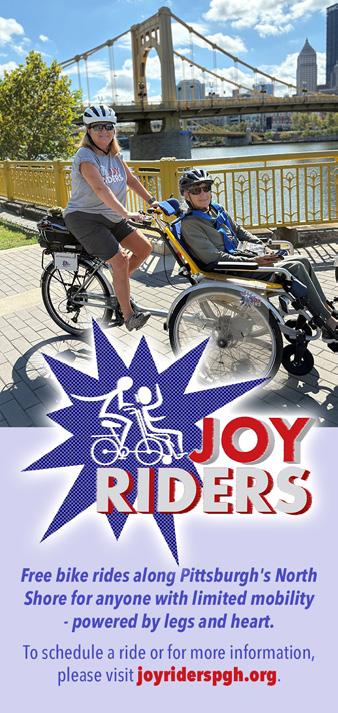
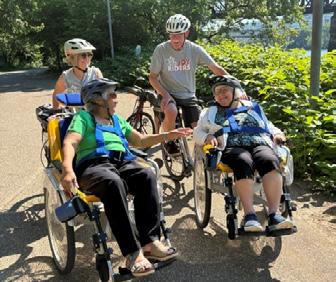
Pgh began at Cedar Creek Park in Rostraver, Pennsylvania, bringing together volunteers and individuals with limited mobility to enjoy the freedom and joy of adaptive bike rides. The program uses Duet Bikes, which combine a pedal-assist bicycle and wheelchair, allowing the volunteer to navigate while the rider enjoys the experience.
The North Shore branch was coordi-
nated by Dianne Stuckman, of Ben Avon, and Margarita Halasowski, of O’Hara, whose volunteer experiences at the original location inspired them to create a branch closer to home along the Three Rivers Heritage Trail. With generous donations and the help of family and friends, the program grew to include three bikes and 24 volunteers.
“Our volunteers come back every year, they get just as much out of the heartwarming rides as the participants do,” Halasowski said.
Joy Riders also operates in Greensburg along the Five Star Trail, and a Murrysville branch is currently in development.
The Pittsburgh rides begin in Millvale and travel along the scenic North Shore to Acrisure Stadium and back. The 6½-mile route takes just over an hour and is always free. Family members and friends are encouraged to ride alongside participants, creating a welcoming atmosphere that feels more like a neighborhood gathering than a scheduled event. A loaner bike is also available upon request.
Along the route, riders enjoy views of PNC Park, the Mr. Rogers statue, the Water Steps, Acrisure Stadium, and Pittsburgh’s iconic skyline.
“We love to give riders the opportunity to see the city from this up-close vantage point,” Stuckman said.
Joy Riders Pgh partners with local care facilities, individuals, and schools serving children with special needs to ensure that everyone with limited mobility can participate.
“Our oldest rider was 108 years of age and our youngest was 3,” Stuckman said. They use a seat insert for small riders and the bikes can accommodate adults up to 240 pounds. The bike’s pedal-assist technology makes the experience comfortable and
enjoyable for riders and volunteers alike.
Supported by the Veterans Leadership Program and with bike storage provided by Three Rivers Rowing in Millvale, Joy Riders Pgh continues to make a difference one ride at a time.
More than just a bike ride, Joy Riders Pgh is about inclusion, friendship, and creating moments that remind us all of the power of community. “We’ve been extremely blessed to get to know so many new friends all while riding a bike,” Stuckman said.
For more information or to schedule a ride, visit joyriderspgh.org. n
Take Note :
The Farina Foundation Welcomes Donations of Music Instruments
If you have a musical instrument you no longer use, consider donating it to the Farina Foundation. Established in 2015, this nonprofit organization carries on the legacy of Frank J. Farina Jr., a beloved music icon in the North Allegheny area. Through its Play-It Forward program, the foundation aims to provide underprivileged children in the Tri-State region with access to music education by accepting donated instruments. By donating your instrument, you can help these children fulfill their dreams of learning to play an instrument and discovering the joy of music.
The Farina Foundation accepts almost any playable instrument, but they are particularly interested in brass and woodwind instruments. The foundation partners with various organizations, such as the Pennsylvania Music Educators Association, the Children’s Hospital Music Therapy Department, and Goodwill Industries, to distribute the instruments to those who most need them. All donated instruments are repaired and sanitized before distribution, ensuring they are in good condition for the children who receive them. Your kindness can help inspire and nurture the next generation of talented musicians.
To donate your musical instrument, you can drop it off at Brighton Music Center, which is located at 2110 Babcock Boulevard in Ross Township. For more information on how you can help make a difference in a child’s life through this excellent program, please visit farinafoundation.org n
Blending Caregiving into Your Identity
What does it mean to be a caregiver or a care partner? It’s not always obvious, and sometimes people don’t realize they play this vital role. A caregiver is any relative, partner, friend, or neighbor who has a meaningful relationship with someone and provides a wide range of support to a person with significant physical or mental health needs. This support doesn’t have to be medical. It could be helping with chores, transportation, or shopping. You may also hear the term “care partner,” which recognizes the relationship and shared journey, not just the tasks involved. This term helps individuals see themselves as someone with an identity beyond caregiving, emphasizing the importance of their own well-being and partnership in care. So, do you recognize yourself as a caregiver or care partner?
TDementiaConnect
DementiaConnect™ is an education program designed for family members, friends, and other informal care partners of individuals living with dementia. Sessions focus on understanding brain changes, improving communication, preventing challenges, and supporting both the person living with dementia and those who care for them.
UPMC Senior Services is set to begin this series in September 2026. Individuals can find more information at the QR code below. If you have questions about this training program, please reach out to Education and Consultative Services of UPMC Senior Services.
• Phone: 866-430-8742
• E-mail: UPMCSeniorServices@UPMC.edu
• Website: SeniorServices.UPMC.com
he ability to provide ongoing support to a loved one depends on the health and well-being of the caregiver or care partner. Too often, those in this role spend so much time and energy caring for others that they neglect their own needs. It’s easy to overlook how essential self-care is, but prioritizing yourself isn’t selfish, it’s necessary. If caregivers and care partners don’t take care of themselves, physical and emotional stress can lead to major health risks and make it harder to continue caring for others. Your well-being matters just as much as your loved one’s.
Caregivers and care partners need to care for themselves to continue supporting their loved ones. Self-care can include:
• Getting enough sleep regularly.
• Eating a balanced diet.
• Engaging in regular physical activity.
• Having routine medical check-ups.
• Seeking social and emotional support.
• Making time for reflection and relaxation.
When the need for connection and support is greatest, caregivers and care partners can feel isolated. But you are not alone, and your feelings matter. Social interaction helps maintain health by offering a safe space to share emotions and experiences. Talking openly with trusted friends, family, or support groups can provide relief and strengthen the support network around you. Support can come from many sources, including family, friends, mental health services, support groups, and faith communities. These connections offer encouragement, understanding, and sometimes even practical help.
If you aren’t a caregiver or care partner but know someone who is, consider ways you can show your support. Offer to listen, be a sounding board, or help with simple tasks. Even offering to hang out with their loved one for an hour can give them much-needed time to recharge. Helping to find resources or sources of support can also lighten their load. Your willingness to support, even in small ways, demonstrates that you value their well-being. Ask first to find out what would be valuable help to them. If they’re unsure or decline assistance at that moment, gently suggest a couple of specific ways you could help, or let them know you’re available if they change their mind later.
Remember: every caregiver and care partner’s experience is unique. If you are one, you are not alone, and your needs are important. If you are a friend or loved one of a caregiver or care partner, you can be a vital source of support. By recognizing the value and importance of caregivers and care partners, and encouraging them to prioritize their own well-being, we strengthen our entire community. n
Passing the Summer Months Down on the Farm
By Ron Eichner
Hi folks, as summer approaches, the first three weeks of June mark the last days of spring. June is Dairy Month, which recognizes the hard work of dairy farmers and their supporting families. They milk cows twice a day and care for all of their needs to ensure healthy cows and calves.
Pasture Maid Creamery in New Castle is a partner of our farm for their Creamline milk and chocolate milk. They also provide us with four types of raw milk and cheese, which are delivered weekly on Tuesdays.
June 14 is Flag Day, which is a time to honor Old Glory and commemorate the adoption of the U.S. flag on June 14, 1777. Put an American flag out to honor what it represents.
June 21 is Father’s Day, which celebrates a wide variety of male titles: fathers, grandfathers, stepfathers, adoptive fathers, godfathers, uncles, and fathers-in-law. Be sure to recognize them and what they mean to you. Also, June 21 is the first day of summer. The summer solstice is the longest day and the shortest night of the year in the northern hemisphere.
For farming and gardening, June is a busy month of planting
and growing fruits and vegetables, with the start of harvesting. July is the first full month of summer, and local farm markets provide a bountiful harvest, so you can have a true “Farm to Table” experience. Most area farms, like ours, practice succession planting to keep season-long fresh fruits and vegetables available up to a killing frost in the fall.
This July features a milestone, the 250th anniversary of American Independence on July 4.
July 15 is exciting for us, for it is when my first flock of 350-dayold turkey poults gets delivered by Cooper Hatchery of Ohio. My role becomes that of mother hen for months, raising two flocks of turkey poults for Thanksgiving and Christmas.
July 26 is Parents Day, celebrated annually on the fourth Sunday of July to honor parents and all parental figures for their unconditional love, including grandparents.
August is often called the “dog days of August.” As a farmer. I would like to receive at least two rains from Mother Nature each week. If we get one inch of rain or less, then our crops are on life support. So, if we can all pray to God for at least two inches of rain each week, hopefully it will break the drought we have experienced over the past two years. August is not only a time to enjoy the harvest; it’s also the start of preserving it by canning and freezing for the upcoming winter months and offseason.
Supporting local area family farms not only provides you with the best seasonal fruits and vegetables, but, unlike what grocery stores offer, trips to the farms strengthen the “farm to table” connection.
This year, our farm marks our 129th anniversary as a family farm. Our full-working farm has poultry, including chickens and turkeys. Children can vist our Dexter calves and cows, kunekune piglets, and pigs, and four adorable miniature goats.
In our farm market, you will find Michelle’s buckeyes, which are a hit, and her cookies, along with Teresa’s candy, and Diane’s biscotti. Our greenhouses have a nice selection of annuals, colorful hanging baskets, potted flowers, herbs, vegetables, peat moss, and potting soil in 2.8 cu. ft.
This year, as we celebrate our milestone anniversary as a working farm, it is worth noting that we are the last working farm in the Town of McCandless.
This spring, I added a fantastic greeting card selection called Cori’s Card Corner, featuring cards Cori personally selected that reflect farming, pets, birthdays, and more.
These cards have special verbiage and are made in America. Stop by the farm market and stock up on some great cards. You will love them.
You are also welcome to stop by and experience nutritionally grown seasonal vegetables, our high-energy eggs, bacon, and six types of sausage, a four-pound roasting chicken, kielbasa, and lean ground beef, all ready for your grills.
We are nestled in a valley, and our farm market and greenhouses are open seven days a week. You are welcome to make our farm a destination to come and visit Eichner’s Whole Farm and Greenhouses at 285 Richard Road, Wexford, and discover “the rest of the story.” n
Choosing to work with an independent Medicare Advisor (or broker) can make navigating the transition into Medicare significantly easier, less stressful, and often more cost-effective.
Here are the primary reasons why people choose to use a Medicare Advisor:
1. Choice and Objectivity (Unlike Going Direct)
If you call a specific insurance company, their captive agents can only sell you their products. An independent Medicare Advisor works with multiple insurance carriers. They don’t have loyalty to a single brand; their goal is to find the specific plan that fits your needs, budget, and lifestyle.
Choosing to Work with an Independent Advisor
By Crystal Manning and Dvonya Sedlacko-Stephens
2. It Costs You Absolutely Nothing
Medicare Advisors are paid by the insurance companies via commissions, which are strictly regulated by the government.
• The plan costs exactly the same whether you sign up on your own or use an advisor.
• You get expert guidance, personalized research, and enrollment help at zero extra cost to you.
3. Personalized Plan Matching
Medicare is not one-size-fits-all. A good advisor will do the heavy lifting by analyzing your specific situation:
• Your Doctors: They will verify which plans your preferred doctors and hospitals actually accept.
• Your Prescriptions: They run your
current medications through plan formularies to see which plan offers the lowest out-of-pocket costs for your specific drugs.
4. Navigating the “Alphabet Soup”
Between Medicare Parts A, B, C, and D, plus Medigap (Supplement) plans, the rules can be incredibly confusing. Advisors help clarify the differences between options—like choosing between an All-in-one Medicare Advantage plan versus keeping Original Medicare paired with a Medigap policy—so you can make an educated choice.
5. Protection Against Costly Lifetime Penalties
Missing your initial enrollment windows or signing up for the wrong part of Medicare at the wrong time can result in late-enrollment penalties that stay with you for the rest of your life. An advisor ensures you hit your deadlines and enroll correctly.
6. Long-Term Support
Your relationship with an advisor doesn’t end once you sign up. Insurance companies change their plan benefits, copays, and drug formularies every single year. A dedicated advisor will review your coverage during the Annual Election Period (AEP) to make sure your plan is still the best option for the upcoming year.
Summary:
Think of a Medicare Advisor as a personal shopper for your healthcare. They save you hours of researching confusing guidelines and shield you from the aggressive marketing mailers, helping you secure the right coverage with zero out-of-pocket cost for their services.
Are you looking into Medicare options for yourself or a family member, or are you trying to decide between specific plan types like Medicare Advantage and Medigap? Medicare can be complicated. With over 35 years of experience, contact Crystal Manning at 412-716-4942 crystalmanning33@gmail.com or her daughter, Dvonya SedlackoStephens at 412-657-3889 djsedlacko@gmail.com n
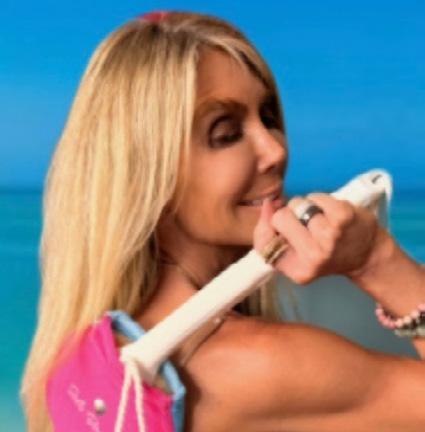
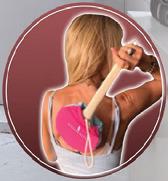
Solo Beauty, an applicator with a mitt-covered head, has the perfect angle to enable you to reach those areas of your back that you can’t with your hands.
Kathe D’Alfonso, 55, of Webster, New York, developed and patented Solo Beauty as a response to her own frustrations.
“When I was 25, I was diagnosed with stage 3 melanoma, so I know the importance of applying sunscreen. I got tired of asking my husband to apply lotion all the time, and I found I could not do it by myself. So, I started experimenting, and for four
Solo Beauty
By Janice Lane Palko
Have you ever felt like a contortionist when trying to apply sunscreen, lotion, medication, or simply wash a part of your back that you cannot reach? If so, there is a solution—Solo Beauty.
years, I worked making prototypes until I found the best solution. And Solo Beauty was it,” said D’Alfonso, who began selling her invention at a local farmers market. “The response was fantastic.”
In 2024, she received a patent in a very short time, which she was shocked by, since many patent applications are denied.
“I wanted something that was quick, simple, and effortless and that also saved time and money,” said D’Alfonso, who notes that this product is designed for everyone but those with arthritis, Parkinson’s disease, and flexibility issues especially love it. “It’s all about the angle
that makes Solo Beauty so easy to use.”
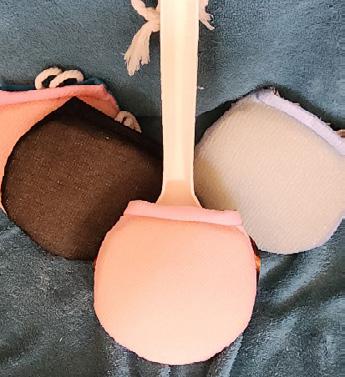
Solo Beauty is made in the U.S. The applicator is made in New York, and D’Alfonso cuts all the materials for the mitts and has a local person sew them. The mitt options include lotion applicator (the material resists absorbing the product) and body exfoliator, which works great also when used separately from the applicator.
Solo Beauty also saves money as the mitts are washable and stand the test of time.
“The mitts can be washed and dried repeatedly, unlike thinner applicators that fall apart or are disposable,” said D’Alfonso.
“Solo Beauty is also attractive,” said D’Alfonso, “because I designed it to look like a seashell.” She also makes custom-colored mitts on request. An applicator with a soft lotion mitt sells for $34.99.
“I truly want to help others and make their lives better, and I believe Solo Beauty does that,” said D’Alfonso.
For more information on Solo Beauty, visit the website at: www.solobeautyroc.com. You can order Solo Beauty there, or can email D’Alfonso at: sdalfons@rochester.rr.com or by calling her at 585-737-8600. n
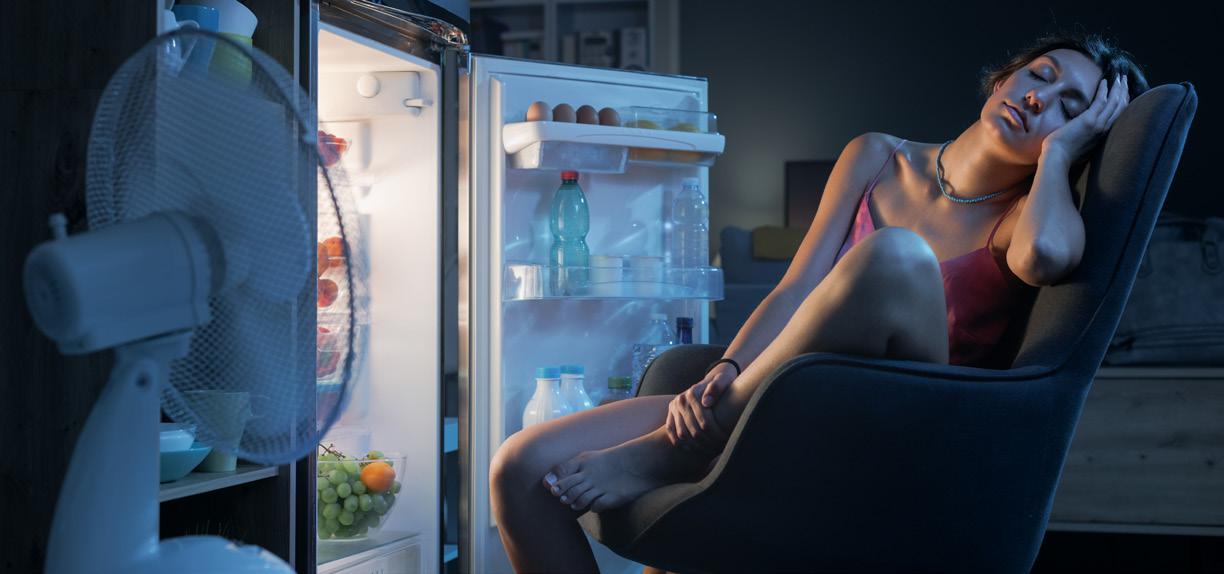
Creative Ways of Cooling Off When the Heat is On
By Paula Green
We are fortunate in Pittsburgh to enjoy the beauty of all four seasons, though our weather often feels like a rollercoaster. Remember how hot and sweltering it was growing up without air conditioning? We had to find creative ways to escape the heat, from retreating indoors to enjoying cool outdoor activities.
Many older houses were built with high ceilings, operable windows, and layouts that promote air movement. Front porches were commonplace, where folks could sit out in the early mornings and late evenings. On sweltering days, families would retreat to the cool concrete floors of their cellars or sleep in the downstairs living room. Pitching a tent in the yard and sleeping under the stars was another fun idea.
In addition to architectural features, comfort extended to clothing choices during the hottest days. People tended to choose loose, light cotton dresses, thin cotton undershirts, and barefoot children played in their shorts.
Beyond clothing, fans were a great option. A handheld one was a simple way to cool off. Over time, mechanical innovations changed. In 1904, the first mechanical oscillating fan was created. Ceiling fans were marketed for household use by 1910. Self-contained box and window fans became available in the 1930s.
As technology advanced, air conditioning became a reality. In 1902, Willis Carrier invented the first modern electrical air conditioner. Decades later, in 1929, household air conditioning was introduced when Frigidaire debuted a roomcooling system. However, these early units weighed several hundred pounds and were incredibly expensive. Compact, affordable window units appeared on the market in 1947, and central air conditioning eventually became mainstream during the 1960s and 1970s.
Staying cool wasn’t only about technology. For many, lemonade stands were always a special treat, whether you ran one or patronized it. There’s nothing quite like a glass of fresh-
squeezed lemonade or Kool-Aid on a hot, scorching day.
Alongside refreshing drinks, water activities became another great way to cool off. Folks used to enjoy taking a cool sip of water right from the garden hose. Water balloons also add to the summer excitement. Sprinklers weren’t just used to water the grass; kids spent hours running through them in the family yard.
Building on the popularity of simple backyard water fun, in 1961, Wham-O introduced the Slip N’ Slide. This long, thin plastic sheet is designed for children to slide on when wet, creating a fun, slippery outdoor activity.
Inspired by the success of the Slip N’ Slide, Wham-O introduced another water toy in 1962: the Water Wiggle, which quickly became popular. This contraption had a seven-foot-long hose with a water-jet nozzle and a bell-shaped plastic cup with a silly face. When the water was turned on, it would move erratically, spraying water across the lawn. Two children tragically died in 1975 and 1978 when the bell cover came off, leading Wham-O to voluntarily recall the product.
Swimming was another staple of summer cooling. Plastic yard pools were popular. Today, with central air now common, many households have built-in pools, pool memberships, or visit community pools.
No matter how you decide to cool off, be sure to wear sunscreen, sunglasses, a hat, and stay hydrated. However you choose, enjoy the beauty of summer! n
Buying or selling a home involves many considerations. These online resources can help you explore your options and plan your next move.
AARP Resources (aarp.org)
Offers senior-focused information, advocacy, and benefits. Includes the HomeFit Guide for making homes senior-friendly and the Livability Index for evaluating communities.
Age in Place (ageinplace.com)
Provides remodeling tips and products for creating safer, more accessible home environments for seniors.
Caring.com
Offers resources and reviews for caregiving and senior living services.
Eldercare Locator (eldercare.acl.gov)
Connects older adults and caregivers with local support resources.
HomeMods.org
Details home modifications to support aging in place and adapt environments for seniors.
HomeShareOnline.org
Pairs older homeowners with renters to maintain independence and earn extra income.
HUD Information for Senior Citizens (hud.gov/topics/information_for_senior_citizens)
Provides financial assistance resources and housing guides for seniors.
LeadingAge (leadingage.org)
Offers information on housing and long-term care services for seniors.
Moves for Seniors (movesforseniors.com)
Assists with home transitions, including moving and downsizing, and lists certified specialists.
National Association of Senior & Specialty Move Managers (nasmm.org)
Specializes in senior move management and transition issues.
National Council on Aging (ncoa.org)
Provides tools and information to help seniors with rights, benefits, health, and economic independence.
RetirementHomes.com
Searches for senior-friendly housing options like active adult communities and assisted living.
Senior Housing Choices (seniorresource.com)
Compares housing options, estimates relocation costs, and provides state-specific resources.
SeniorHomes.com
Helps find retirement homes and communities with detailed profiles and reviews. Your SRES®" contact information here
The Center for REALTOR® Development (CRD) confers the Seniors Real Estate Specialist® (SRES®) designation, which is an official credential of the National Association of REALTORS® (NAR).
Summer Happenings
Books / Novels
Penguin Bookshop and Sewickley United Methodist Church welcome best-selling authors Marie Benedict and Victoria Christopher Murray, 7 pm, Saturday, June 27, at Sewickley United Methodist Church, 337 Broad St in Sewickley. For tickets, www. penguinbookshop.com.
Ticket includes a copy of A Pair of Aces. There will be a book signing. For info, contact Susan Hans O’Connor at shansoconnor@penguinbookshop.com (412) 7413838 or (646) 668-0214.
Concerts
Bach, Beethoven, and Brunch, 10:30 am-noon, Sundays: June 21-July 26 (no concert July 5), Mellon Park, Fifth Avenue and Shady Avenue, Point Breeze/Squirrel Hill. For details, visit www.pittsburghpa.gov/RecreationEvents/Events/Concerts.
Jam at Grandview, 7-8:30 pm, Saturdays: August 1-29, Grandview Park Bandstand; Bailey Ave., Mt. Washington. For info, visit Jam at Grandview. For info, visit www.pittsburghpa. gov/Recreation-Events/ Events/Concerts.
McCandless Crossing Summer Concert Series, 6-8 pm, every Monday &
Thursday, June 1-August 27, located between Old Navy and Ethan Allen. For the concert list visit, www. mccandlesscrossing.com.
Reservoir of Jazz, 5-7 pm, Sundays: Aug. 2-30, Highland Park | Highland Ave. & Reservoir Dr. For details, visit www.pittsburghpa.gov/RecreationEvents/Events/Concerts.
Expos
Allegheny County Fall
Senior Expo, 10 am-1 pm, Thurs., Nov. 5, South Hills Jewish Community Center, 345 Kane Blvd. For details, visit www.eventbrite.com/e/ allegheny-county-fallsenior-expo-tickets.
North Allegheny County
Senior Expo, 10 am-1 pm, Thurs., Oct. 1, UPMC Events Center at Robert Morris University, Moon Twp. For info, visit www.eventbrite. com/e/north-alleghenycounty-senior-expo-tickets.
Westmoreland County
Senior Expo, 10 am-1 pm, Thurs., Oct. 15, Live! Casino at Westmoreland Mall, Greensburg. For details, visit www.eventbrite.com/e/ westmoreland-countysenior-expo-tickets.
Fundraiser
Cornhole Golf Outing Benefits Myasthenia
Gravis Association, registration/check-in starts at 5:30 p.m. with a shotgun start at 6:00 p.m., Thursday, July 23, at the Cornhole Golf Course in Mars. For information or to register, email mgaoffice@mgawpa. org or call (412) 566-1545.
Networking
/ Social
Association of University People (AUP) welcomes singles 50+, who are fouryear college graduates, to join them for various activities and to meet new friends. Events include happy hours, meals, meetups at live music venues and local wineries, book groups, day trips, and Scrabble. For further details email aupsingles@ gmail.com.
Cranberry Township 55+
Club meets 1 pm the 2nd Tuesday of the month at the Cranberry Township Municipal Center. Members must be residents of Cranberry Township. The Club features activities, social opportunities, and visits to nearby points of interest. For info, contact Frank at (724) 316-5807.
Young at Heart 60+
Singles meet at various restaurants in Cranberry/ North Hills areas at 1:30 pm on the 3rd Wednesday of the month. To find out which restaurant and
to reserve a seat, text or call (724) 831-0798 by Monday the week of the luncheon.
Presentations
Discover Medicare, 6:30 pm, June 30, Avalon Public Library, 317 South Home Ave. Free event. For info, visit www.eventbrite.com/e/ discover-medicare-tickets.
Medicare: Putting the Pieces Together, 6 pm, Monday, June 29, at Northland Public Library, 300 Cumberland Rd., McCandless Twp. Jack Miner from Clearview Group Advisors explains the Medicare system and how and when to enroll. The talk clarifies how supplemental, Medicare Advantage, and prescription drug insurance options work with Medicare. For info, visit northlandlibrary. org or call (412) 366-8100.
Recreation
Monroeville Senior Center, 6000 Gateway Campus Blvd., Monroeville. Provides a variety of activities for seniors ages 50 and older from quilting to book clubs fitness, travel groups. For details, visit monroeville.pa.us or (412) 856-7825.
Support Groups
Alzheimer’s Association Helpline for individuals struggling with the disease, their families and caregivers. Visit alz.org/pa, or call (412) 261-5040 or (800) 2723900.
Caregivers Support Groups are available throughout the month at various days, times and locations in Allegheny County. For a list of meetings, www.alleghenycounty. us/caregivers/supportgroups.
Caregivers Support Groups are available through UPMC. For a list of programs, visit www.upmc. com/services/seniors/
Memory Cafe @ the JCC (Jewish Community Center), 1st Mon. of each month from 1 pm, 5738 Forbes Ave., Squirrel Hill, and 3rd Wed. of each month 2 pm, JCC in South Hills, 345 Kane Blvd, Scott Twp. Registration is required. RSVP by contacting Hillary at hgreen@jccpgh.org or (412) 278-1787.
Parkinson Foundation of Western Pennsylvania offers various activities for those impacted by Parkinson’s disease. For further info, visit https://pfwpa. org/.
SOUTH PARK
DON MCLEAN - THE HEAVY HEAVY - ORLEANS SUMMER OF LOVE - RUTHIE FOSTER - RIVER CITY BRASS - JIMMIE ROSS & THE JAGGERZ - REB BEACH THE TAMBURITZANS - RED WANTING BLUE COLTT WINTER LEPLEY & THE BRIAR VALLEY RANGERS PITTSBURGH SYMPHONY ORCHESTRA - MATHIAS
LATTIN & DYLAN TRIPLETT - SU TERRY WITH JAZZ DE BARRO - CAMILLE THURMAN WITH THE DARRELL GREEN QUARTET
HARTWOOD ACRES PARK
ARRESTED DEVELOPMENT - THE WOOD BROTHERS
BIG BAD VOODOO DADDY - THE FIXX - THE LEMON TWIGS - CYRIL NEVILLE - THE KINGS OF LATIN JAZZ:
TITO PUENTE JR. & NESTOR TORRES TOGETHER!
BLASEY DOES THE BEATLES - PITTSBURGH BALLET
THEATRE - PITTSBURGH OPERA - YACHT ROCKET
BUZZ POETS - MELINDA & THE NIGHT SKY PITTSBURGH SYMPHONY ORCHESTRA
VISIT ALLEGHENYCOUNTY.US/SUMMER FOR MORE INFORMATION, INCLUDING DATES, TIMES, FOOD TRUCK SCHEDULE, AND OPENERS!
Allegheny County Car Cruises are free events for all ages and include music, food trucks, and radio personality Mike Frazer keeping the good times rolling.
Hartwood Acres Park
Amphitheater Parking Lot
June 21 - 2:00 pm to 7:00 pm
Boyce Park Four Seasons Activity Center
July 26 - 10:00 am to 2:00 pm
For a list of all events, visit alleghenycounty.us/specialevents
presented by
Step Back Into... 1976
America Celebrates its Bicentennial on July 4
Rocky Hits the Theatres
By Paula Green
The United States’ 200th anniversary was marked by nationwide parades, fireworks, and widespread public celebrations. Notably, 1976 was also a leap year. During this period, the leadership of Presidents Ford and Carter influenced American society. Ford focused on restoring public trust in government and rebuilding confidence in the political system. Carter emphasized human rights and diplomacy, establishing a precedent for ethical leadership in subsequent administrations.
Average
The average income was $12,686, while the median home price was $48,000. The average cost of a new car was approximately $5,450. Gasoline was $0.59 a gallon. A loaf of bread was $0.50. A gallon of milk was $1.65, and eggs sold for $0.84 a dozen. Ground beef was $1.20 per pound. Coffee was $1.75 a pound. The price of a movie ticket was $2.13. The firstclass stamp was $0.13.
Firsts
Apple Computer Company was incorporated on April 1 by Steve Jobs and Steve Wozniak.
The VHS tape format was introduced.
The first female cadets were admitted to the U.S. Military Academy at West Point in 1976, along with the Naval Academy and Air Force Academy, a historic first for all three service branches.
NASA unveils its first space shuttle, Enterprise, on September 17.
Viking landers touched down on Mars.
U.S. Events
On March 20, Patty Hearst is found guilty of the armed robbery of a San Francisco bank in 1974.
A mysterious disease strikes the American Legion convention in Philadelphia on August 4, eventually claiming 29 lives. NBC broadcasts Gone with the Wind and scores record-breaking ratings.
The Farrah Fawcett poster was a big fad.
World News
Richard Leakey discovers a 1.5-millionyear-old Homo erectus skull in Kenya.
Fidel Castro became the President of Cuba. Vietnam is unified, Saigon is renamed Ho Chi Minh City, and Hanoi becomes the capital.
In June, the first cases of Ebola virus disease in northern Democratic Republic of the Congo (then referred to as Zaire) were reported.
In China, Chairman Mao Tse-tung died.
Entertainment
Top films: Rocky, King Kong, Logan’s Run, Across the Great Divide, A Star is Born, All the President’s Men, Bound for Glory, Carrie, Marathon Man, Network, The Bad News Bears, The Man Who Fell to Earth, Silver Streak, The Outlaw Josey Wales, The Pink Panther Strikes Again and Taxi Driver
Television
The Muppet Show premiered on September 5. Popular shows: Happy Days, Laverne & Shirley, M*A*S*H, Charlie’s Angels, The Six Million Dollar Man, Baretta, One Day at a Time, Three’s Company, All in the Family, Welcome Back Kotter, The Bionic Woman, The Waltons, Little House on the Prairie, Barney Miller, 60 Minutes, and Hawaii 5-0.
Songs
“Don’t Go Breaking My Heart,” “Dream Weaver,” “Love Machine,” “Let Your Love Flow,” “Play That Funky Music,” “Saturday Night,” “Fooled Around and Fell in Love,” “I’d Really Love to See You Tonight,” “All By Myself,” “Welcome Back,” and “Silly Love Song.” The hit album was “Frampton Comes Alive.”
Publishing
Best-sellers: Trinity, Dolores, The Deep, 1876, The Woman Warrior, The Final Days, Roots, Passages, Born Again, A River Runs Through It, Ordinary People, Autumn of the Patriarch, Storm Warning, and Blind Ambition: The White House Years.
Sports
NFL–The Pittsburgh Steelers won Super Bowl X. NBA – The Boston Celtics were named NBA Champions. MLB–The Cincinnati Reds captured the World Series. NHL–The Montreal Canadiens clinched the Stanley Cup. In college football, the Pitt Panthers went 12-0 and won the national championship behind Heisman winner Tony Dorsett.
Politics
President: Gerald R. Ford, Vice President: Nelson A. Rockefeller. On November 2, Democratic candidate Jimmy Carter was elected the 39th President of the United States narrowly defeating Republican incumbent Gerald Ford.
Quotes
“Above all stands the magnificent Declaration, still the fixed star of freedom for the United States of America.”
~ President Gerald Ford - Bicentennial Ceremony at the National Archives on July 2, 1976.
“I’m as mad as hell and I’m not going to take this anymore!”
~ Howard Beale (Peter Finch) in Network.
“We are, of course, a nation of differences. Those differences don’t make us weak. They’re the source of our strength.”
~Jimmy Carter, October 21, 1976 (Alfred E. Smith Dinner)
Caring. Comfort. Healing. It’s what you’ve come to expect from Concordia, whether in one of our senior living communities or in your own home. We’re dedicated to offering high-quality care to the Pittsburgh area – with what we believe is the best in quality, security and value.
more about how we can help at www.ConcordiaLM.org.
Patriotic Pittsburgh Sites
By Paula Green
Next month, as our nation celebrates its 250th birthday, embrace the opportunity to show patriotism by visiting local sites. Pittsburgh, rich in history, features many patriotic landmarks, memorials, and museums for you to explore.
For those interested in honoring World War II heroes, the Southern Pennsylvania World War II Memorial is on Pittsburgh’s North Shore by West General Robinson Street and Mazeroski Way. The site honors local WWII veterans, including Holocaust survivors.
Just steps away is the Korean War Memorial located between Acrisure Stadium and PNC Park, along Mazeroski Way. Opened on July 27, 1999, the memorial is shaped and oriented to highlight sunlight throughout the day, enhancing its columns of light.
At the corner of Ross Street and Liberty Avenue in downtown, the
Black Granite Vietnam War Memorial Park is a peaceful space to honor local Vietnam veterans. Meanwhile, the National Flag Foundation is found in the lobby of the Koppers Building on Seventh Avenue, in the heart of downtown. This center offers interactive exhibits about the American flag.
The Fort Pitt Block House stands within Point State Park. As the oldest structure in Western Pennsylvania, it was built in 1764 for defense and later served as a trading post after the British left Fort Pitt in 1772. Its original materials remain, and it has never been moved or rebuilt in its entirety.
Nearby, the Fort Pitt Museum
stands the Block House at 601 Commonwealth Place. Operated by the Heinz History Center, the museum focuses on regional history, especially the French and Indian War and the American Revolution. In summer, colonial reenactors present living history just outside the museum.
Heading east of downtown to Schenley Park, near Oakland, visitors can explore Soldiers’ Memorial Grove & Westinghouse Memorial. The grove commemorates local World War I veterans, and the nearby memorial honors George Westinghouse.
Further southeast of Pittsburgh, Bushy Run Battlefield is located in
Jeanette. The site features a preserved battlefield from Pontiac’s War, a visitor center, a museum, and miles of forested trails.
Not far from Bushy Run, the Fort Ligonier Museum is located on South Market Street in Ligonier. Its reconstructed fort, reserved earthworks, and extensive artifact collection bring 18thcentury history to life for visitors.
The Allegheny County Civil War Monument, also called the Soldiers’ Monument, stands in West Park on Pittsburgh’s North Side. Dedicated in 1871, it memorializes 4,000 local soldiers.
After visiting the Civil War Monument, consider a short drive east to the Soldiers and Sailors Memorial Hall and Museum in Oakland. This museum is the only U.S. military institution honoring service members from all branches and eras.
Additionally, the Heinz History Center, located in the Strip District,
features extensive military displays that primarily highlight Western Pennsylvania’s pivotal role in major global conflicts.
Traveling northwest, Fort McIntosh Historic Site is situated in Beaver, Pennsylvania, about 30 miles from Pittsburgh. This was the first U.S. Army fort north of the Ohio River built in 1778 and served as General Lachlan McIntosh’s base for operations west of the Alleghenies.
Pittsburgh offers countless opportunities to reflect on the valor and sacrifices of those who have served. Take time to visit these sites and deepen your appreciation for our nation’s rich heritage and the enduring spirit that unites us. n