
The day has finally come that I have been dreading for some time, as I step down after 21 years as Chief Executive of the North East Autism Society.
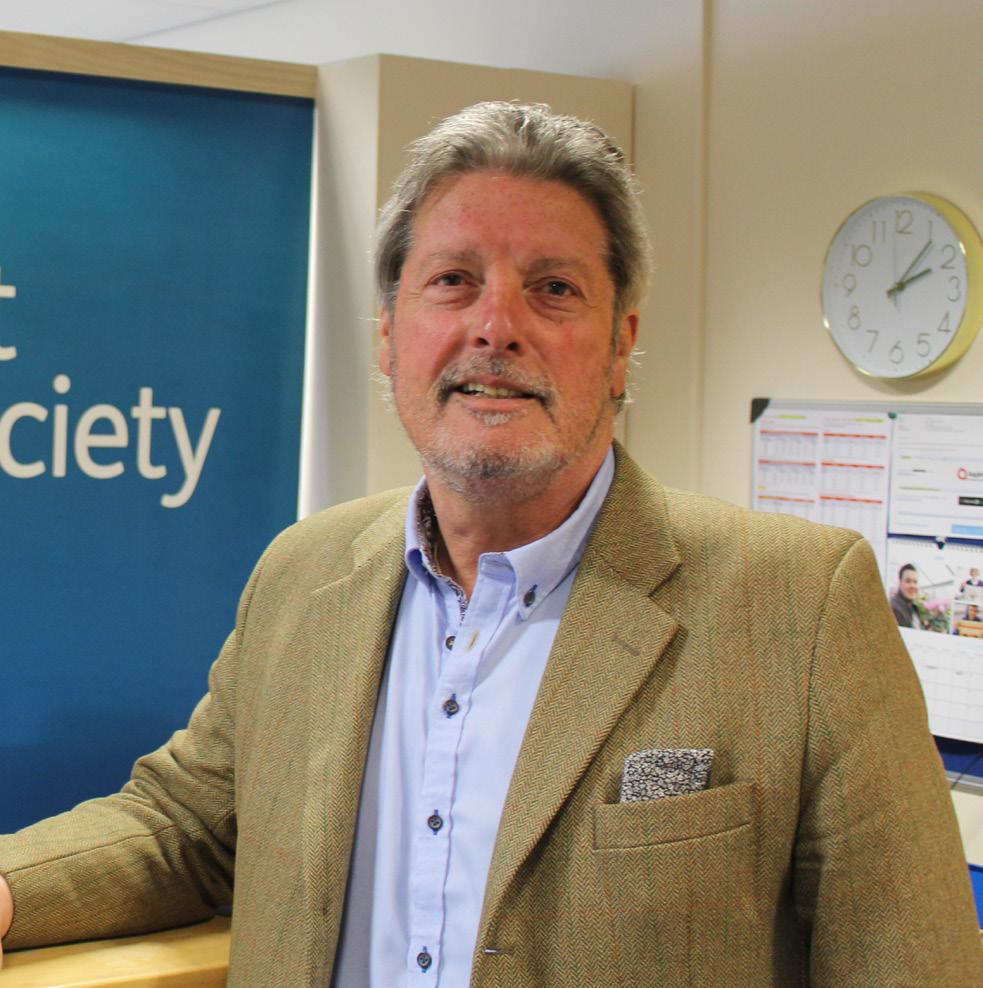
John Phillipson Former Chief Executive Officer
It has been a very emotional time, and there are so many people I would like to take the opportunity to thank. The trustees, who have supported me over the last 21 years, and in particular the two chairs during that period, Gavin Bestford and Rakesh Chopra.
I would like to thank all the staff, past and present, for their fantastic contribution to making the Society’s services as good as they are today.
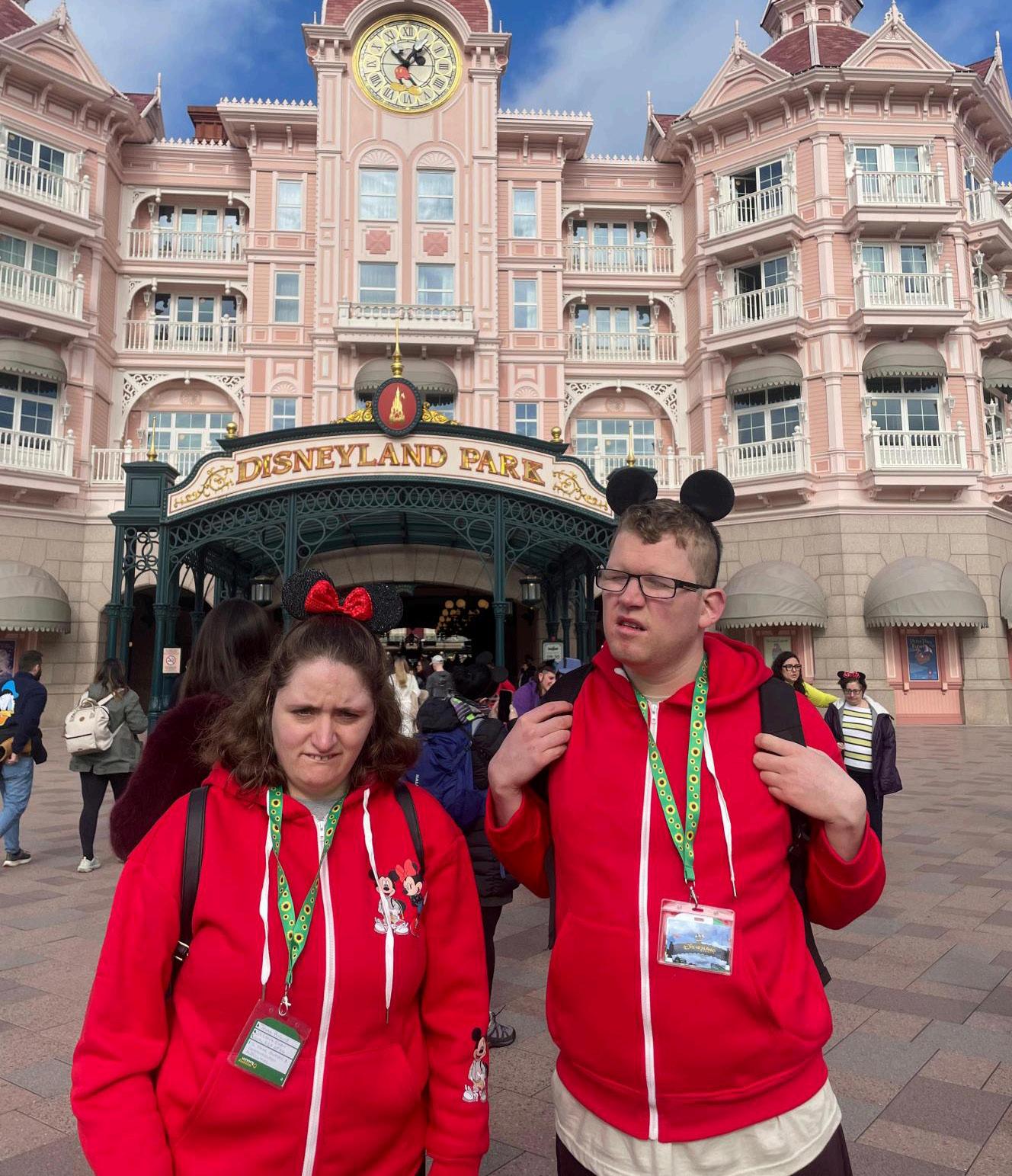
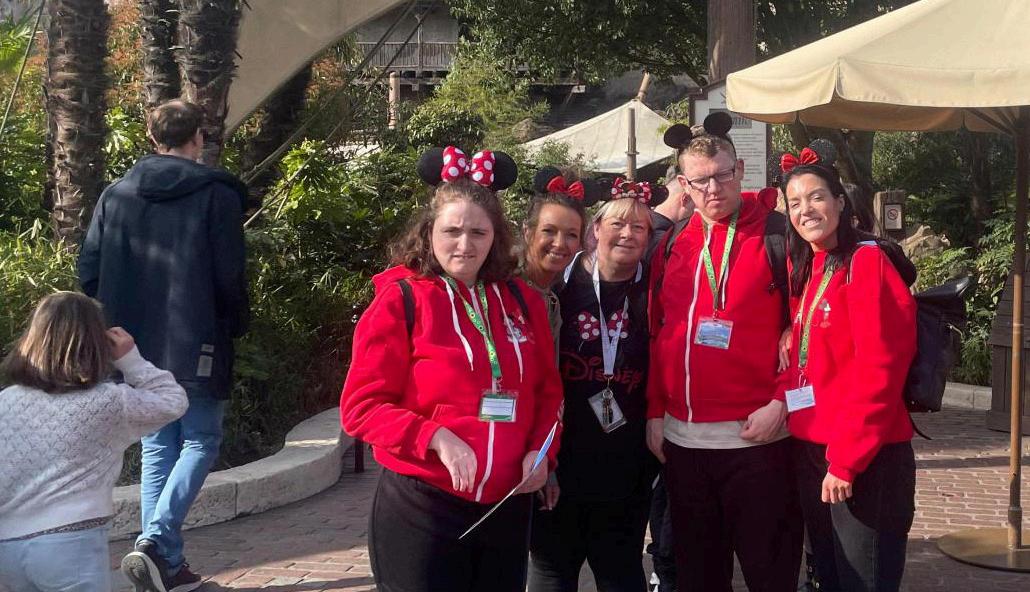
The freedoms and opportunities available to autistic people when I started this job were very limited, which of course we challenged, and this year two of our residents at Ashton took their first overseas holiday to Disneyland Paris, and thoroughly enjoyed their trip (page 10).
To all the families, and the children, young people, and adults who have used our services, who I have had the good fortune to meet and know throughout my time here – thank you so much – you have been brilliant.
I will miss you all very much, but I’ll still be around. From June I will be working at New Warlands Farm, and will stay with the Society pushing forward the development of the farm visitor centre, which you can read more about on pages 8-9.
Hopefully, I will see many of you while I am involved in that role.
I am delighted to be handing over the role of CEO to Paul McGinnety, who I have spent a lot of time with in the last few weeks. You can read an introduction to Paul on page 14. He is obviously an outstanding manager, and I can’t think of anyone who I would rather leave the role to.
Paul will always have my full support should he need it, but I am sure that he will take to the role and enjoy it just as much as I have.
John Phillipson

London to Paris Cycle Challenge
Hop in the saddle and join us for a challenge like no other.
Save the Date
A look ahead at some of the key events coming up.
Paul McGinnety appointed as CEO John Phillipson retires after more than 20 years as CEO.
Big changes at New Warlands Farm
Construction begins on our café and visitor centre buildings.
A Whole New World
How a trip to Disneyland opened a whole new world of opportunities for NEAS.
Airport Tips
Make your journey as smooth as possible with our airport tips.
Autism Acceptance Month
A look back at our Autism Acceptance Month celebrations.
The Autism Acceptance Project
Celebrating our first ever Autism Acceptance Project.
Spotlight on Employment Futures
How we’re helping people across the region into work.
Highlights of the Quarter
A glance at some of the incredible things happening throughout NEAS this quarter.
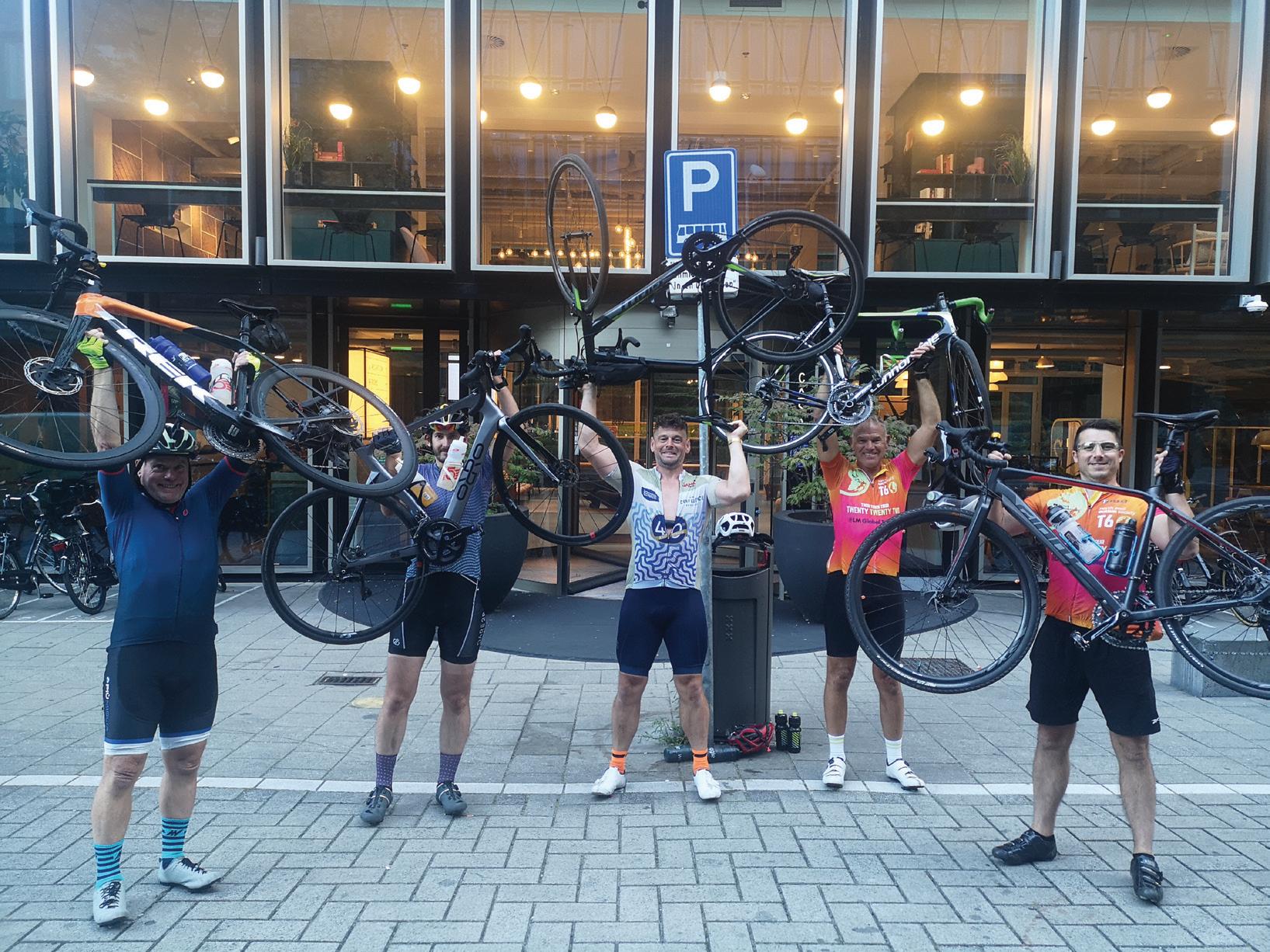

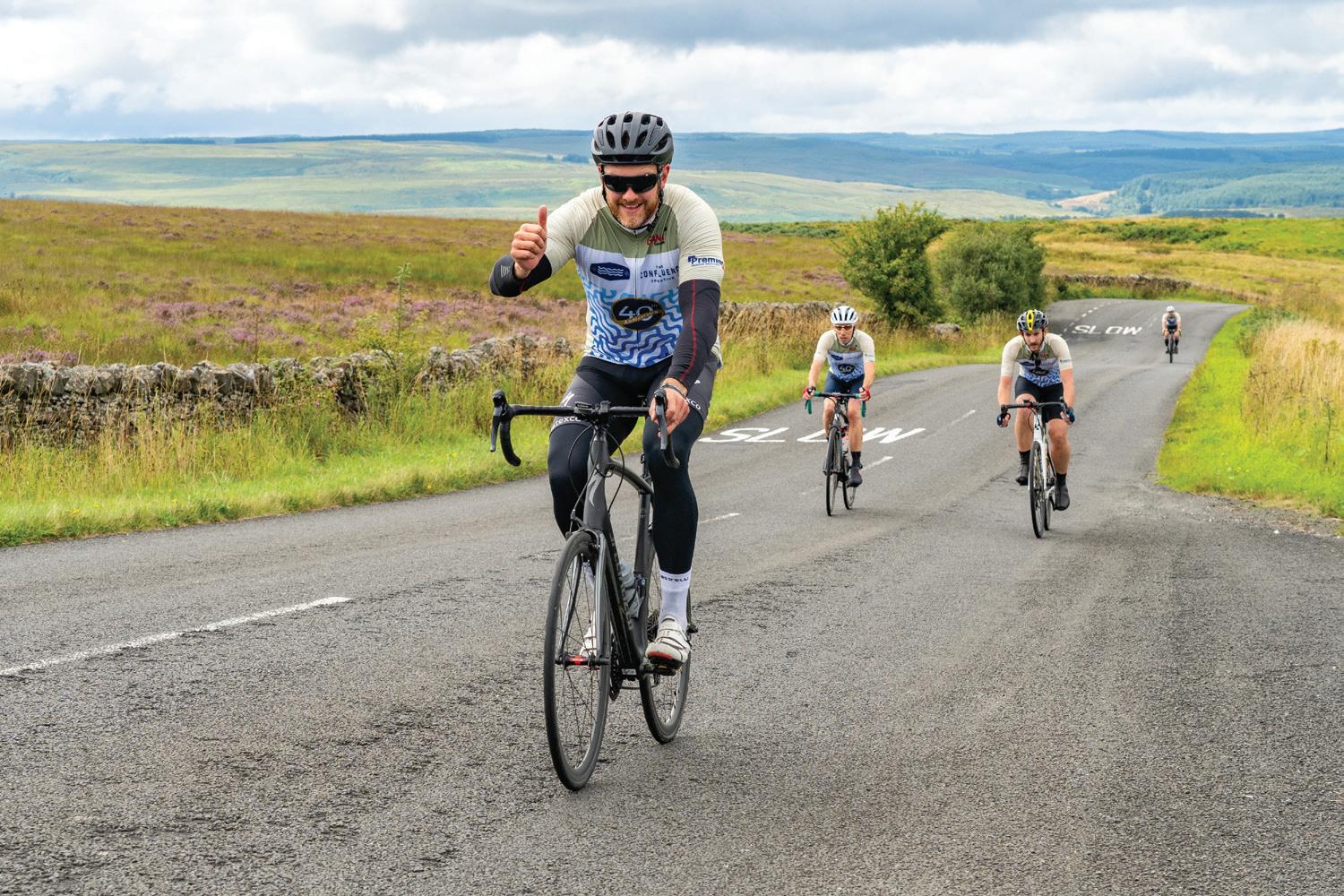
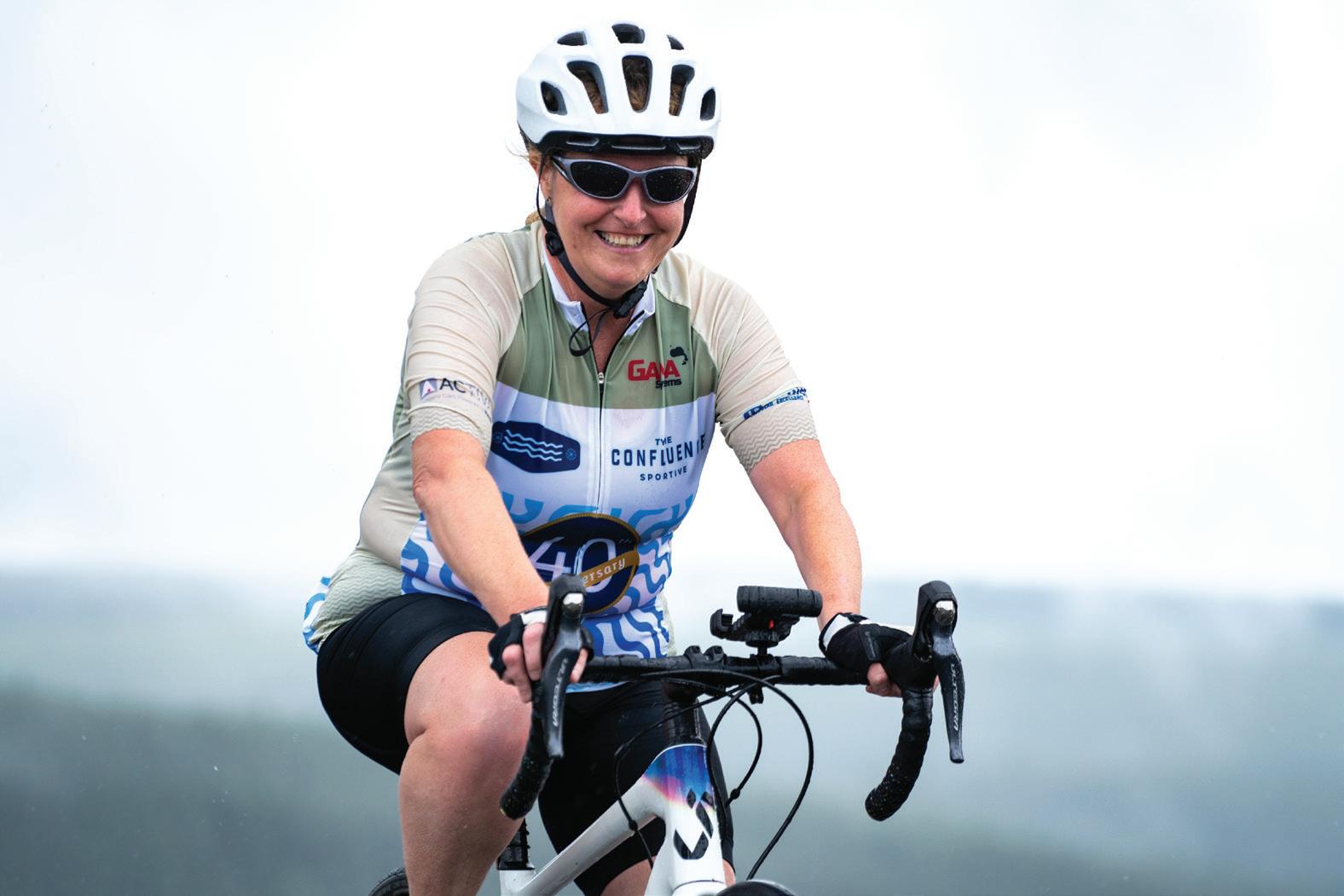
Summer is upon us! Whether you’re waking your running shoes from their winter slumber in preparation for a big race, or you’re looking to dabble in some retail therapy, we have an event for you to show your support for our life-changing work.
Kiora Hall Summer Fayre
11 July 2026
11am - 3pm
New Warlands Farm Summer Fete
11 July 2026
10am - 2pm Great North 10k
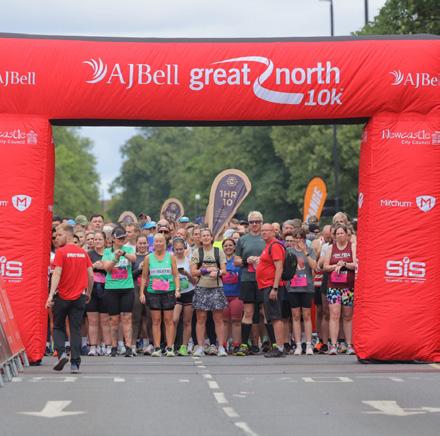
A unique tour around Newcastle City Centre. Join us for a 10k run featuring brilliant views of legendary local landmarks, great on-course atmosphere, and crossing the iconic Tyne Bridge not once, but twice. With supporters, music and DJs, and so much energy across the length of the route, this is an event not to be missed!
Find out more: https://www.ne-as.org.uk/event/greatnorth10k/
25 July 2026 Tough Mudder

The infamous Tough Mudder series is back at Broughton Hall in Skipton this July to test the mettle of those hardy – or crazy – enough to try and tackle it. Dubbed the ‘muddiest course on the calendar’, this is your opportunity to take on the sludge, the sheer walls, and the shocks, to emerge a certified legend!
Find out more: https://www.ne-as.org.uk/event/toughmudder/
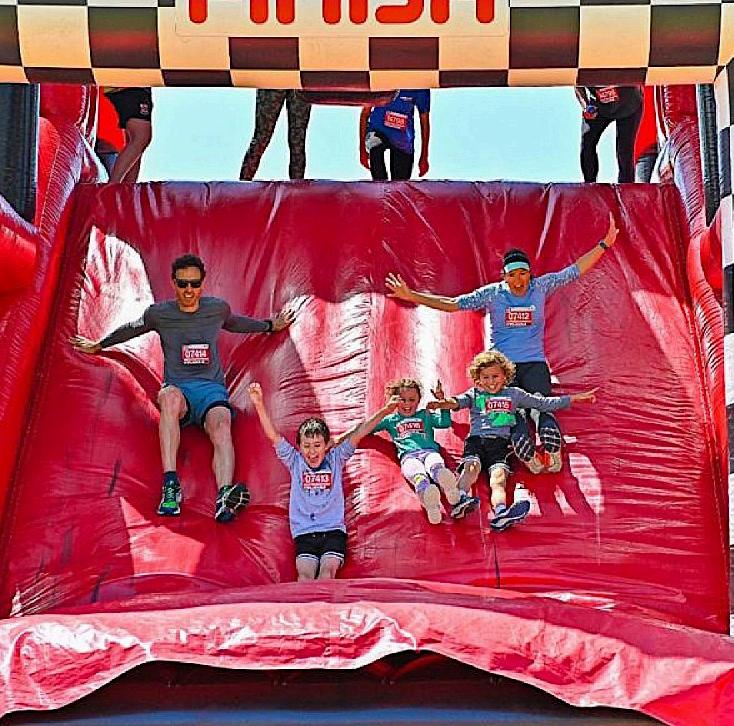
Jump, bounce, slide, and swing through this amazing, family-friendly obstacle course, coming to Newcastle this August! Suitable for children aged 5+ (with an accompanying adult, of course), get together with your friends and family to bounce your way around this incredible course.
Find out more: https://www.ne-as.org.uk/event/inflatable5k/
29 November 2026
A fast, flat, out-and-back course along the Roker seafront all on surfaced tarmac paths. Heading up and down the promenade, you’ll take in the stunning seaside vistas and complete a lap of Roker Park on this run, which is perfect for both chasing a PB, or trying your hand at a 10k for the first time. This is your chance to take part in an event that’s accessible for runners of all abilities and support our work in the process.
Find out more: https://www.ne-as.org.uk/event/sunderland10k/
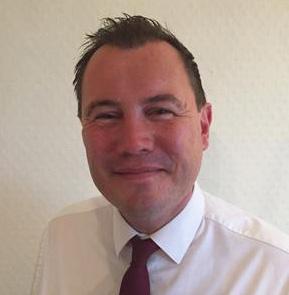

Paul McGinnety has been appointed Chief Executive Officer of the North East Autism Society (NEAS), succeeding John Phillipson, who retired after a career spanning more than 50 years.
Paul, who was born in North Shields and raised in Durham City, is moving back to his home region from Jersey, where his varied career led to him becoming Director of Local Services.
“The lure of moving back to the North East, coupled with the chance to carry on the amazing work of the North East Autism Society, was too good to resist,” said Paul.
“I was happily settled in Jersey but this seems the right opportunity at the right time.
“I’ve seen the phenomenal difference NEAS has made, how its impact has grown under John’s leadership, and my aim is to build on those strong foundations.”
Paul is a former professional ice hockey player, who was part of the Durham Wasps team that won a historic ‘Grand Slam’ of national titles in 1991 and 1992.
After studying social policy and sociology at Durham University, he started his career as a family support worker for North Tyneside Council, supporting families of children at risk of going into care. He then supported vulnerable young people by working in the Youth Offending Service at local authorities in North Tyneside and South Tyneside.
In 2008, he joined Durham County Council, becoming strategic commissioning manager in Children’s Services, a role which included working closely with NEAS in providing the first two short breaks lodges for autistic people at New Warlands Farm.
He also worked alongside John Phillipson in a strategic partnership that enabled us to open the North East Centre for Autism in Newton Aycliffe. Between 2013 and 2018, Paul’s career took on an international dimension when he became Assistant Chief Secretary, focusing on tackling poverty and safeguarding on the remote island of Saint Helena, a British Overseas Territory in the South Atlantic Ocean.
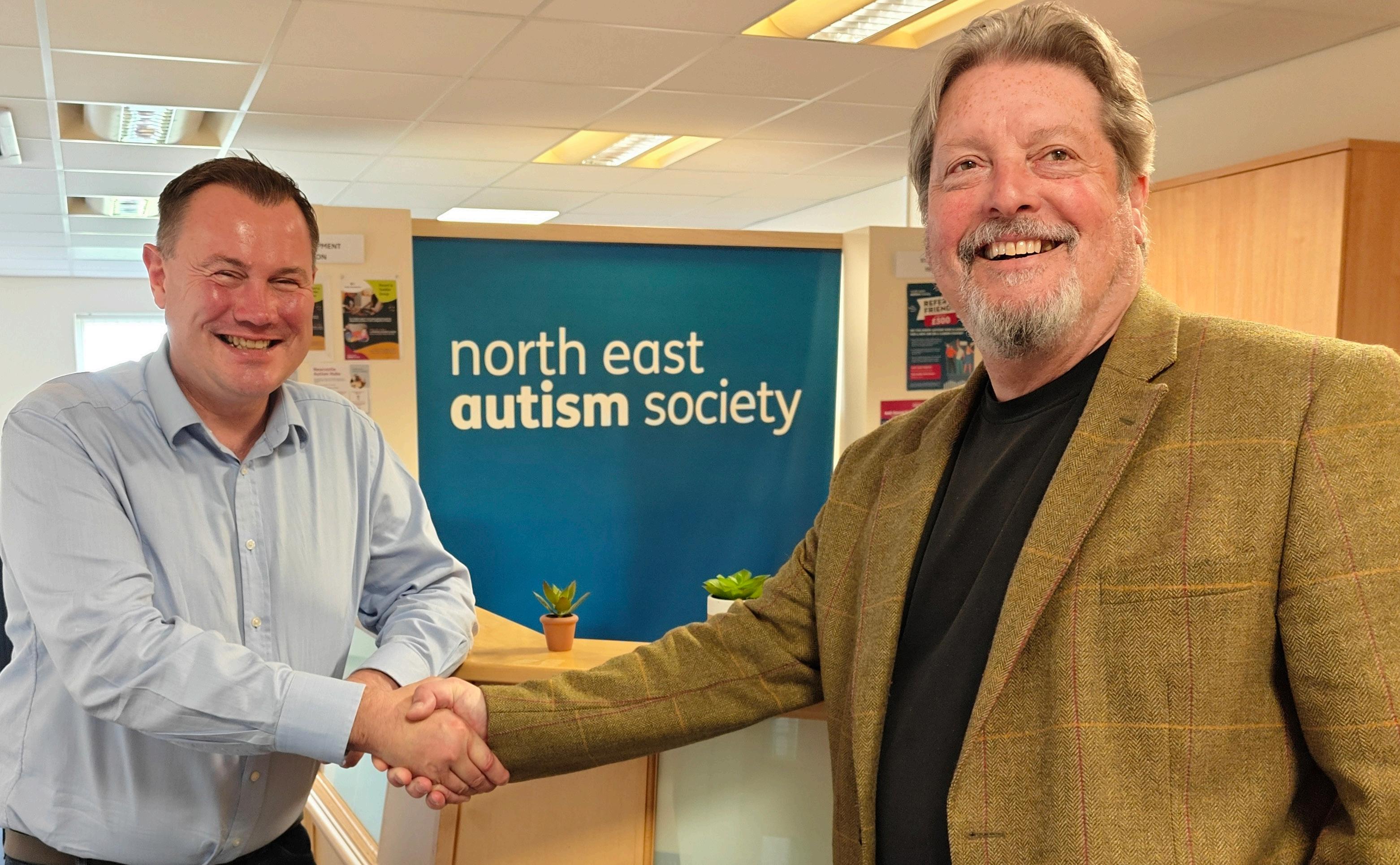
From there, Paul moved to Jersey, where he rose to become Director of Local Services, with duties that included overseeing care homes during the pandemic, co-ordinating charities, and leading on homelessness and disability.
He also introduced social prescribing and was the Jersey government’s lead on the humanitarian response to major incidents.
Now, back in his native North East, Paul is relishing the opportunity to get started at NEAS.
“It’s wonderful to be part of an organisation that puts people at the centre of everything it does, whether it’s service-users or colleagues who do an outstanding job on a daily basis,” said Paul.
“I want to listen to children, parents, and staff to see where we need to go next in developing our services. I’m passionate about employment opportunities for autistic and neurodivergent people and building on the drive around autism acceptance.”
“It’s an honour and a privilege to be working with an amazing group of people because it’s a collective effort and everyone has a part to play.”
Outgoing CEO, John Phillipson, said:
“I’m delighted to be handing over to someone who is not only extremely well qualified but a lovely person too. He’s the perfect fit I have no doubt he’ll do a brilliant job.”
John will continue with NEAS as a consultant until the completion later this year of our ambitious project to turn New Warlands Farm into a visitor attraction and employment hub for autistic people.
Find out more about the farm development on the following pages.
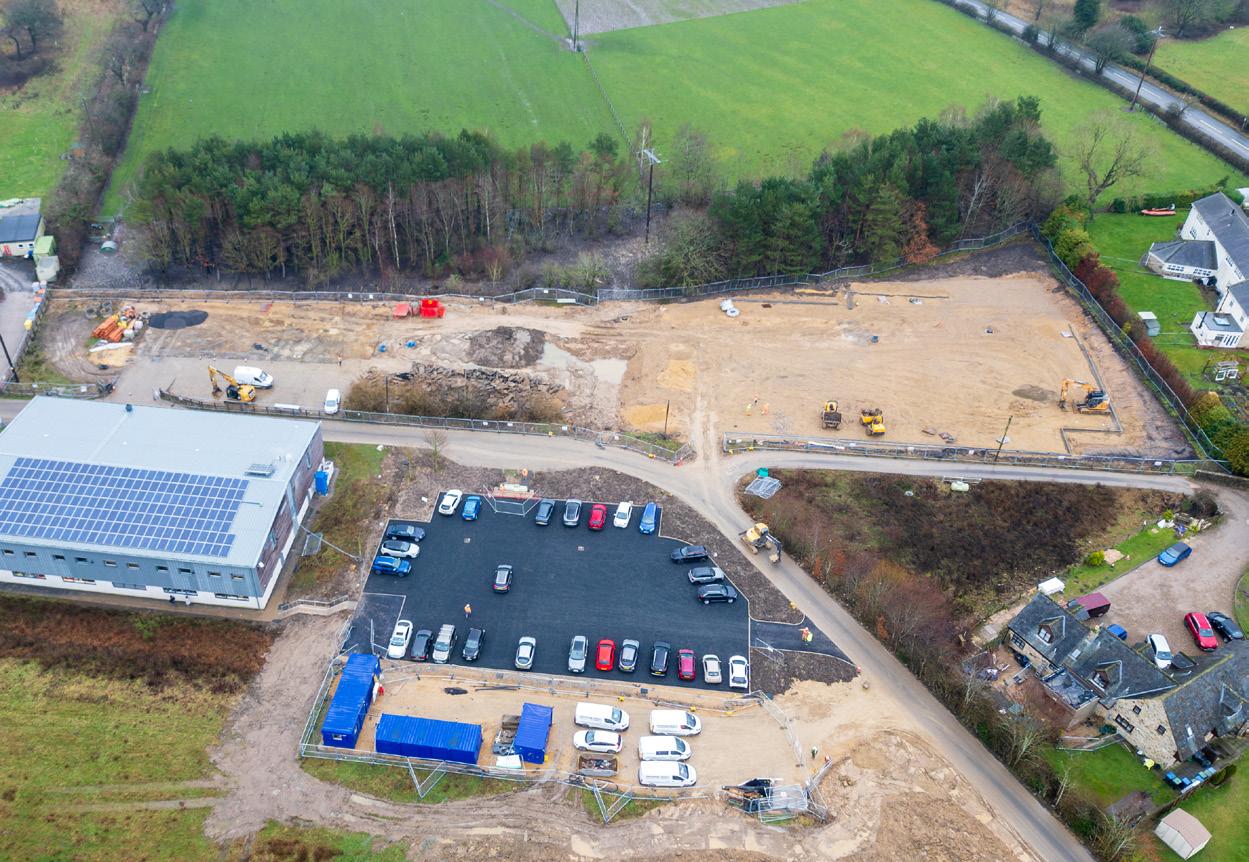
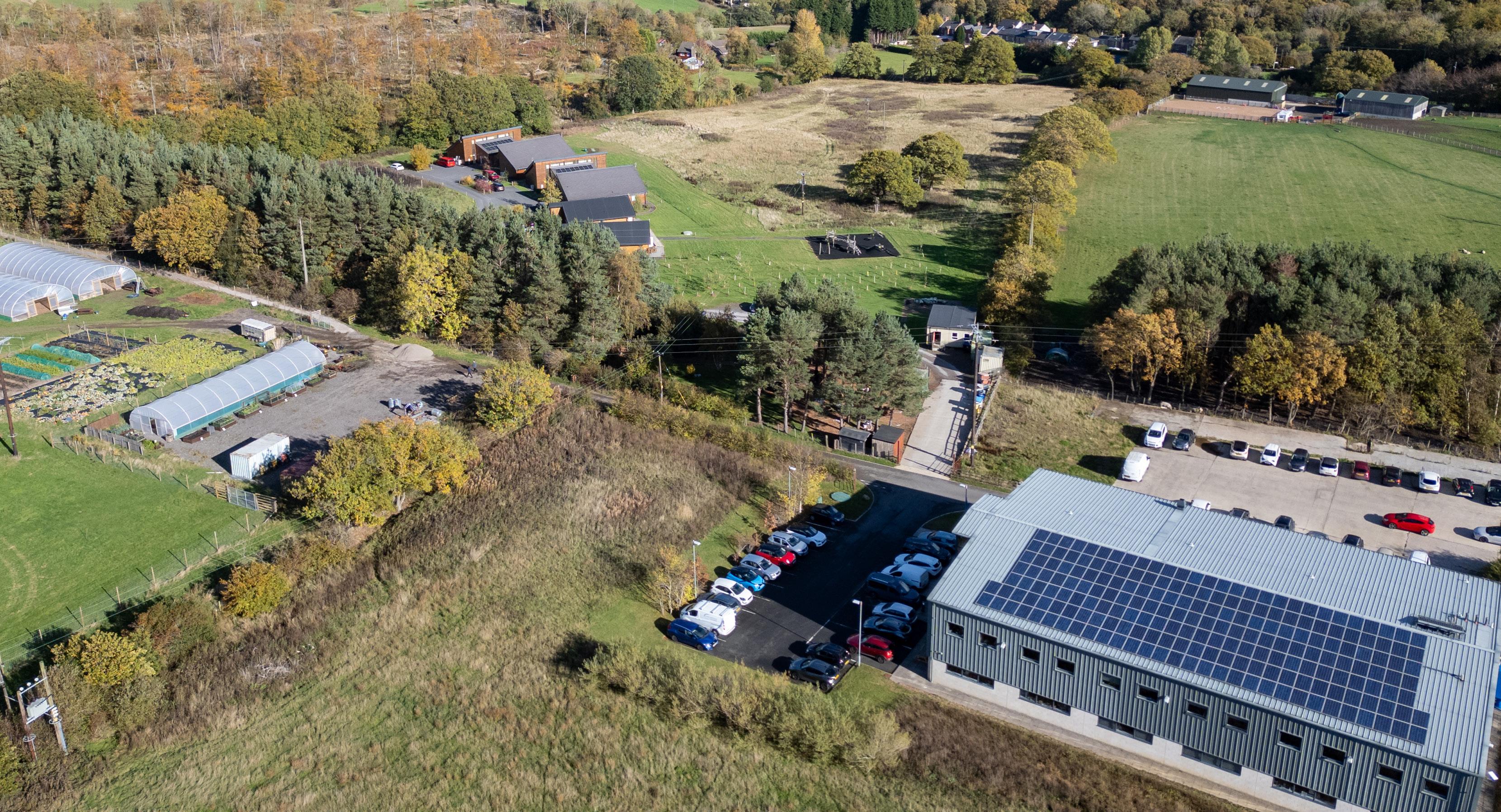
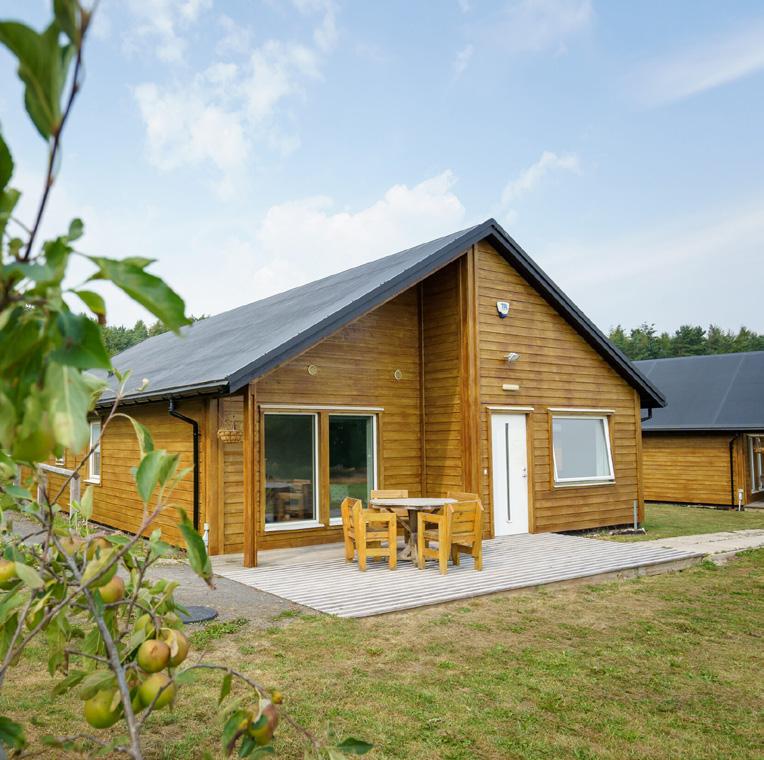
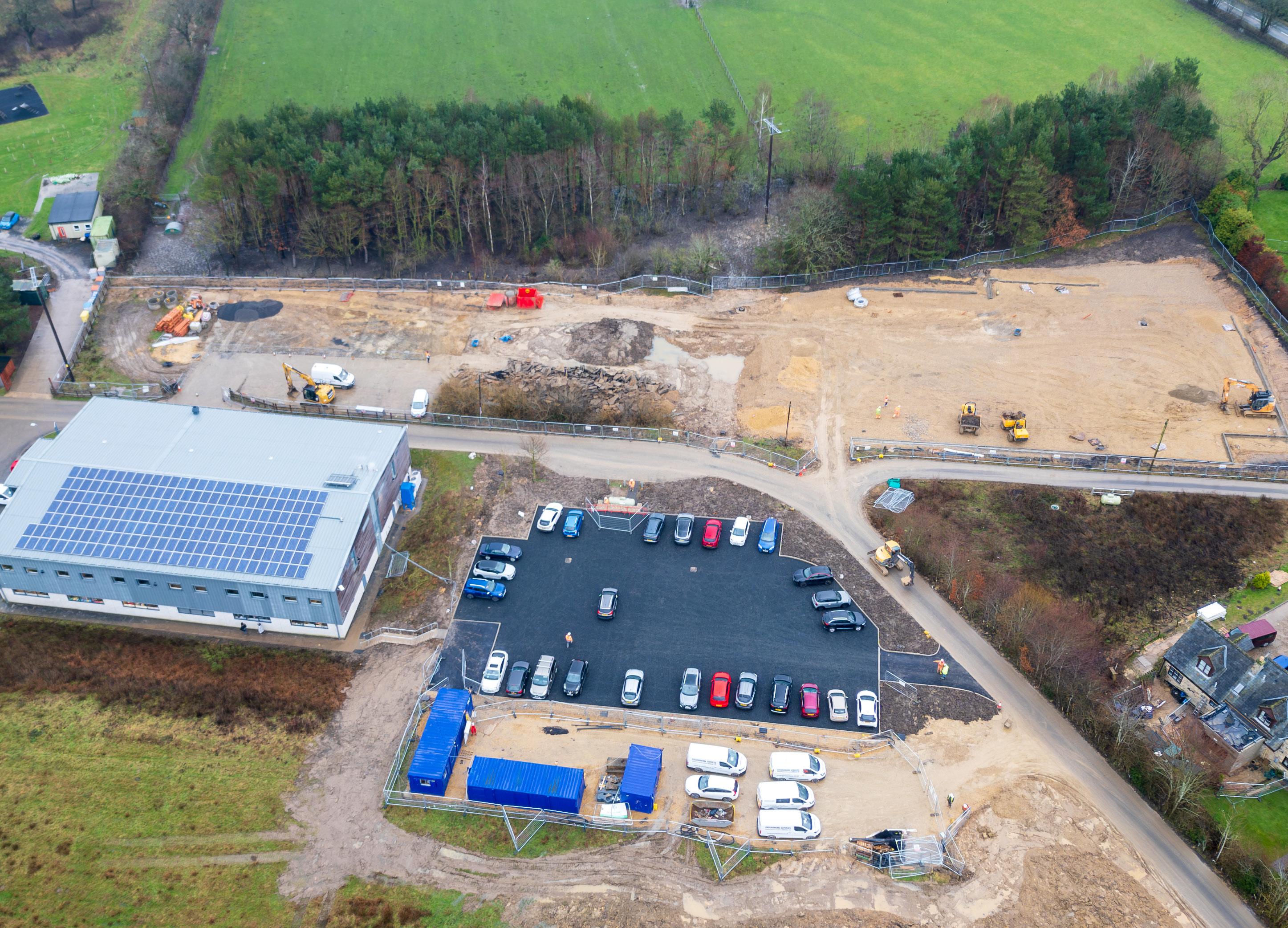

New Warlands Farm is set to see a dramatic transformation over the summer, as our most ambitious project yet begins its next phase.
The first phase, which broke ground in November last year alongside the planting of the farm’s ‘Tree of Hope’, saw groundwork done to prepare the site for building.
Now phase two of the construction schedule has begun, with foundations laid and the first structures, the steel framing for the farm café and cider mill, expected to be raised in June.
The New Warlands farm shop is expected to follow later this summer, with construction continuing throughout the year until the expected completion date in November.
Kevin Meikle, Fundraising Manager at NEAS, says:
“It’s fantastic to be at the point now where the buildings will be going up. A lot of hard work has gone in to get us here, and this is a real marker of the progress we’ve made, and the amazing support we’ve had.”
Once completed, the café, cidery and farm shop will train and employ autistic adults who face one of the most significant employment gaps in the country.
Only three in ten autistic people in the UK are thought to be in work, as opposed to around half of all disabled adults.
It is a particular issue in our region, where the disability employment rate is consistently lower than the rest of the UK, and only above Northern Ireland.
“Once this phase of building is complete, we’re significantly closer to creating placements and jobs for autistic adults in hospitality and horticulture, which is what the project is all about,” Kevin adds.
This life-changing development is being supported by NEAS’ Growing Futures appeal, which was launched last year with the backing of philanthropist Sir Peter Vardy.
Businesses such as Turner & Townsend, Fortis Vision, Direct Global and Thatchers Cider are among those that have pledged support for Growing Futures.
“We’ve had such a strong response from some great organisations, pledging everything from expertise and training, to support with key infrastructure and building fit-outs,” Kevin says.
“We’re getting closer to reaching our goal of matching Sir Peter Vardy’s generous £500,000 pledge, but we just need a little more help to get us over the line.”
As well as corporate support, members of the public can get involved too, by donating and sponsoring the orchard, which will supply the cider mill and café with fresh fruit.
The orchard, made up of over 500 apple trees and around 100 mixed fruit trees, was fully planted at the end of March, and public support will help cover maintenance and care for the trees, to ensure they flourish in the coming years.
Donors can have their names added to a digital roll, or pick a tree to sponsor directly and have a plaque in their honour fixed to the tree.
Kevin adds:
“Our goal is for the farm to create a generational impact which improves the lives and prospects of autistic people in the North East. When you sponsor a tree, you, or someone close to you, becomes a part of the legacy of New Warlands Farm.”
After November, the next steps for the farm will see services created to support around 70 autistic people with jobs and training placements each year.
‘We’re
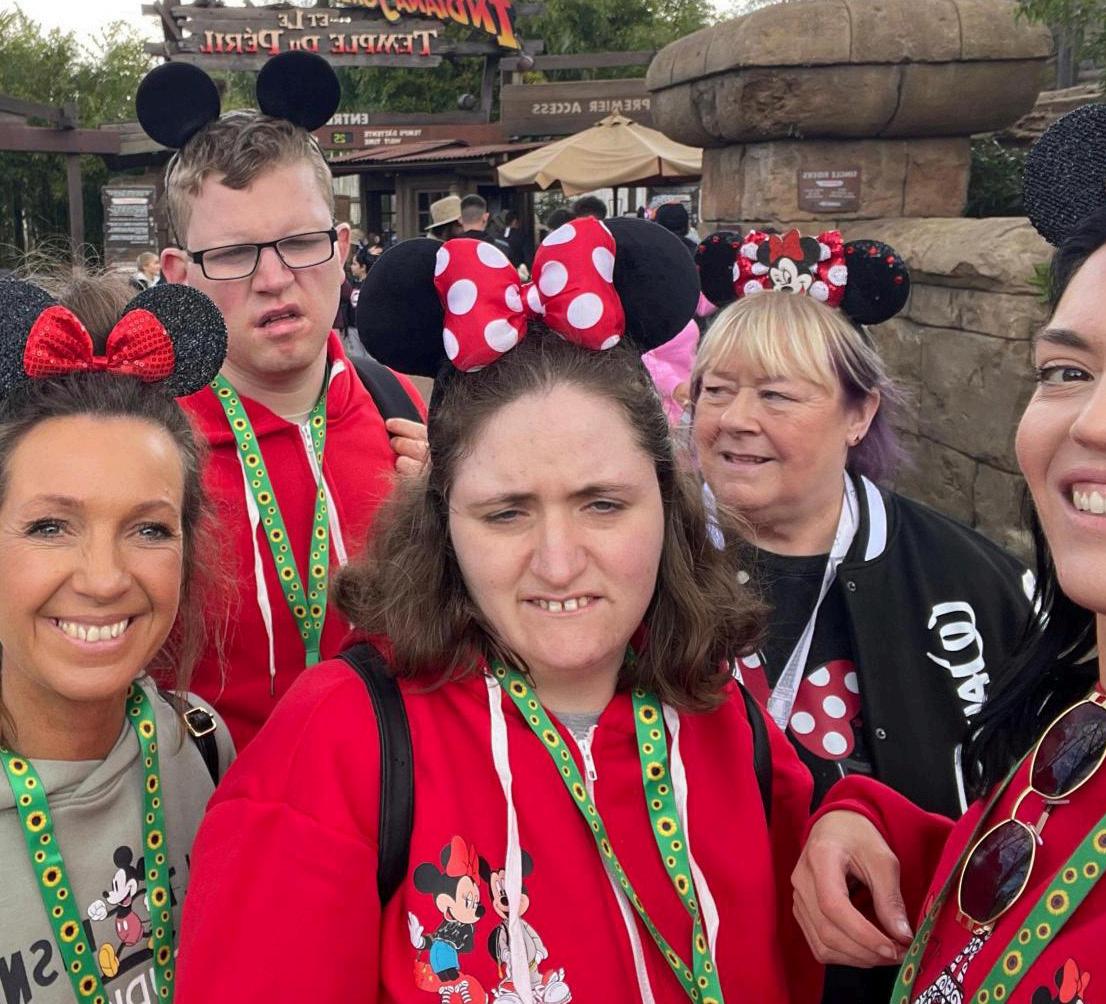
For Jenna and Nathan, two adults supported by our residential services in Sunderland, it was a moment they had been building towards for years.
This trip was a whole new world for NEAS, and a powerful reminder of what can happen when people are given the right support, encouragement, and opportunity to step outside of their comfort zone.
For the team at Ashton, planning and preparation was the key to making a trip of this magnitude a success.
“We’ve been preparing over the last couple of years to get them used to going away,” said Ashleigh Brash, Assistant Manager of Ashton.
After several successful mini trips the team began to think bigger.
“Why not take a positive risk and see how it goes?” said Ashleigh. “Everything was calm at home, and everyone was doing really well, so we thought, why not push things a little further?
Every detail of the trip was meticulously mapped out to maintain routine and structure for Jenna and Nathan.
The team worked hard to make sure both Jenna and Nathan felt prepared and reassured throughout the process. One key consideration was travelling through an airport.
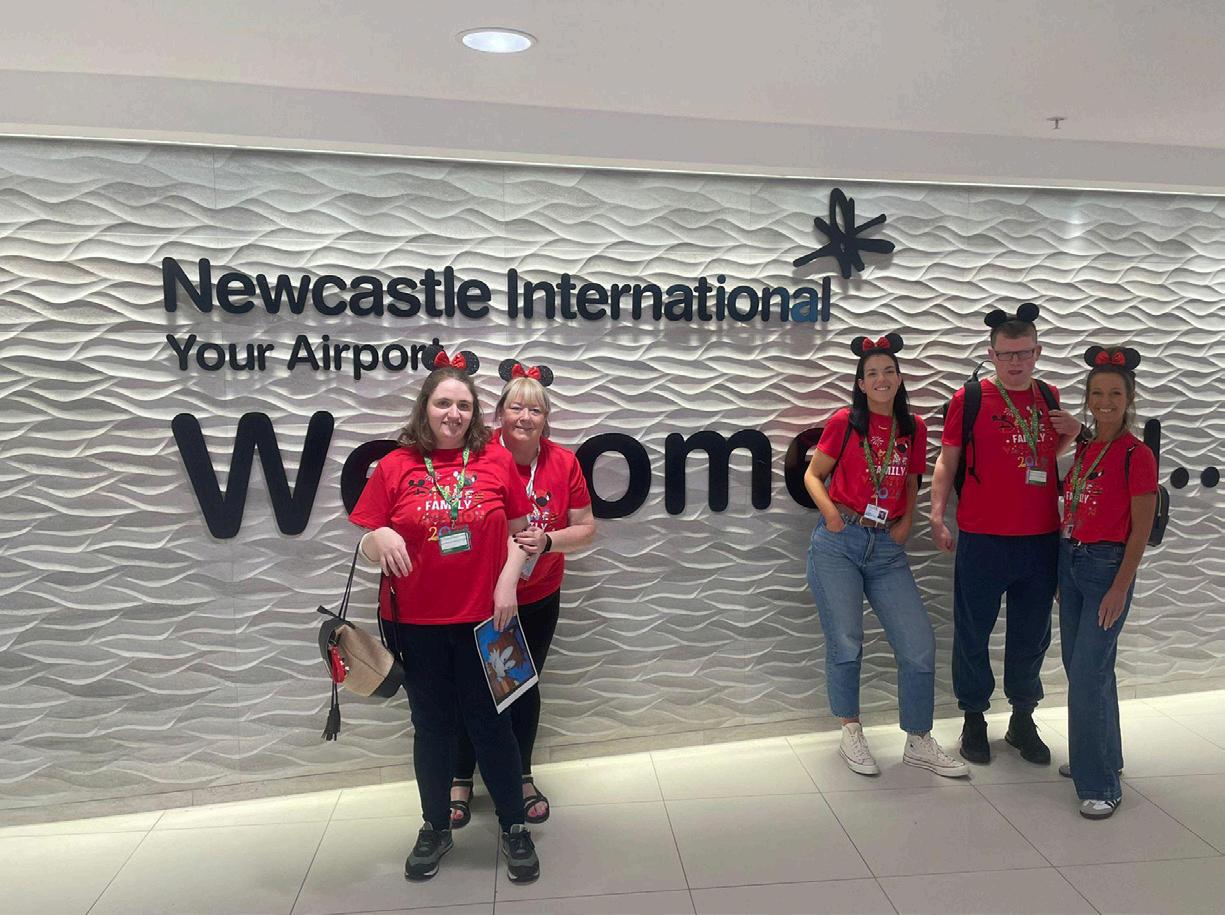
“Newcastle Airport were absolutely fantastic,” said Ashleigh. “We met them at the special assistance desk and they guided us through the whole process.
“They even offered to guide us past duty free, but Jenna and Nathan were keen to look at the shops!”
The flight itself, which is anxiety inducing for many, quickly became part of the excitement for Jenna and Nathan.
“They loved the flight,” laughed Ashleigh, a selfproclaimed nervous flyer. “Nathan spent the whole time looking out of the window, and Jenna was saying ‘bonjour’ to everyone.”
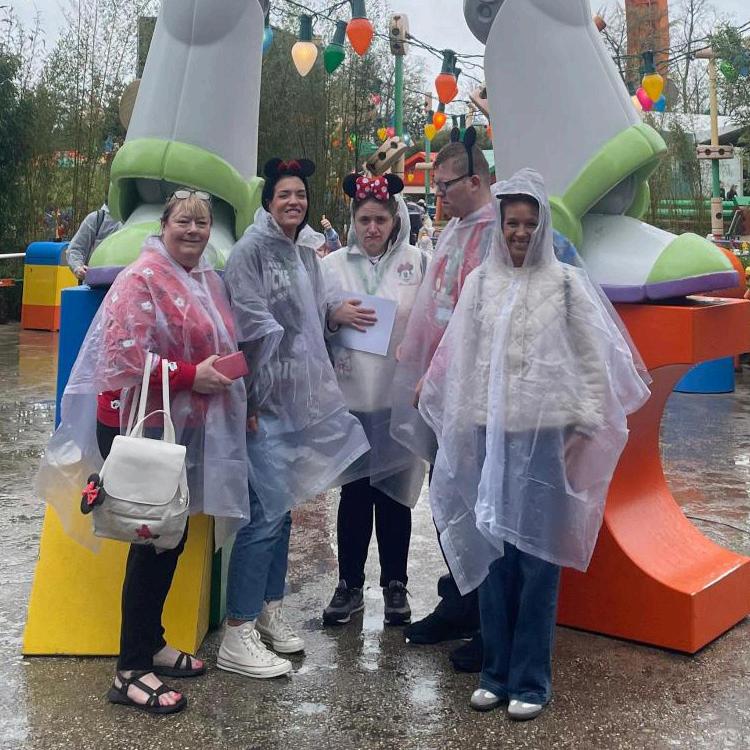
On arrival, Jenna and Nathan fully embraced the magical experience.
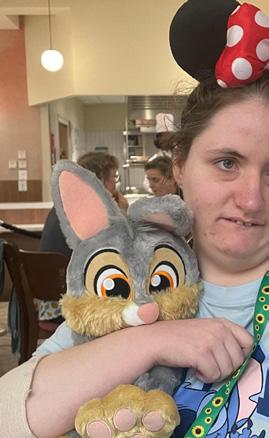
While the original plan was highly detailed, the team found they could relax into a more natural rhythm once they arrived.
“It ended up being more free-flowing than we expected, but we still kept the same structure each day,” Ashleigh explained.
Like any trip abroad, there were some trials and tribulations.
Finding suitable gluten free options for Jenna proved difficult, and travelling from the airport to the hotel using public transport added some stress to the journey.
“I’d definitely recommend a private transfer,” said Ashleigh. “The train made the journey longer than it needed to be.”
Minor hiccups aside, the experience was everything they dreamed of and more. Even the return journey went smoothly.
“We were a bit worried about coming home, but it was really quiet and we got straight through,” said Ashleigh. “They also have various assistance services, and they allowed us to bypass a lot of the queues.”
While Jenna and Nathan quickly settled back into their usual routines, the impact of their trip has opened the door to new possibilities for all at NEAS.
“I hope this gives others the confidence to step out of the comfort zone to achieve things you wouldn’t normally expect,” said Ashleigh. “It’s easy to fret about the potential negatives, but the positives can be huge.”

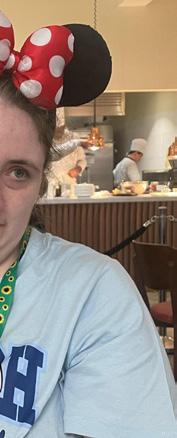
Assisted travel is available for both children and adults, and it is free of charge. It exists for those with hidden disabilities – such as autism, ADHD and dementia – as well those with mobility or other disabilities.
What’s on offer varies from airport to airport, so do some research in advance and look on the websites of the airports you’ll be travelling through. You’ll find information under ‘assisted travel’ or a similar title, then look for ‘hidden disabilities’.
Often, you can also email or phone the airports’ assistance teams – you’ll find their contact details on the airport website – to discuss specifically what your or your family member’s needs are and how they can help.
You must book the assistance with the airline or travel agent. You can do this at the time of your booking, or by going back to manage your booking, as long as it’s 48 hours before you travel. This will add the code DPNA (for autism) to your booking, and covers assistance at all the airports you travel to and from, as well as your flight.
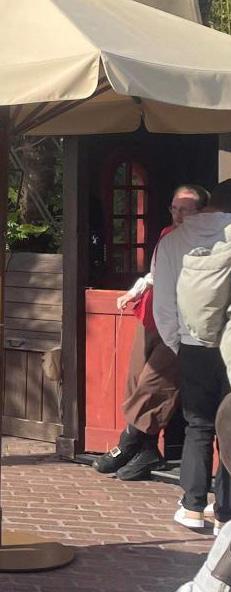
Not everyone wants to wear one, but a Sunflower lanyard alerts staff that you have a hidden disability without you having to explain yourself. Many airports can supply you with a lanyard on your day of travel. (However, not all airports abroad recognise the Sunflower lanyard.)
We all dream of putting our feet up by the pool and soaking up some summer sun, but to get there we have to navigate airports.
That often means a lot of queuing, a lot of overstimulation, and a lot of stress.
But fear not. We’ve collated some handy tips, courtesy of our Hidden Barriers documentary series, to help you navigate the airport as smoothly as possible.
Things that airports may offer are: a one-to- one escort through all or part of the airport; a dedicated check-in desk; an assistance lane or fast track through security; a private area for security searches; a route bypassing duty free; a quiet or assistance area in departures; a sensory room; a dedicated assistance gate; priority boarding, and an assistance route bypassing e-gates at arrivals.
We recommend you contact the airport’s assistance team to double check the airline has passed on the request for assistance a couple of days before flying. (Unfortunately, this is not always the case.) Also contact the destination airport for the return journey.
Make sure to check in at the assistance desk on the outbound journey, so they know you’re at the airport and can put personalised support in place. Do this even if you’re not using assistance on the outward journey, because otherwise the information will be deleted from your booking for the return flight when you might need it.
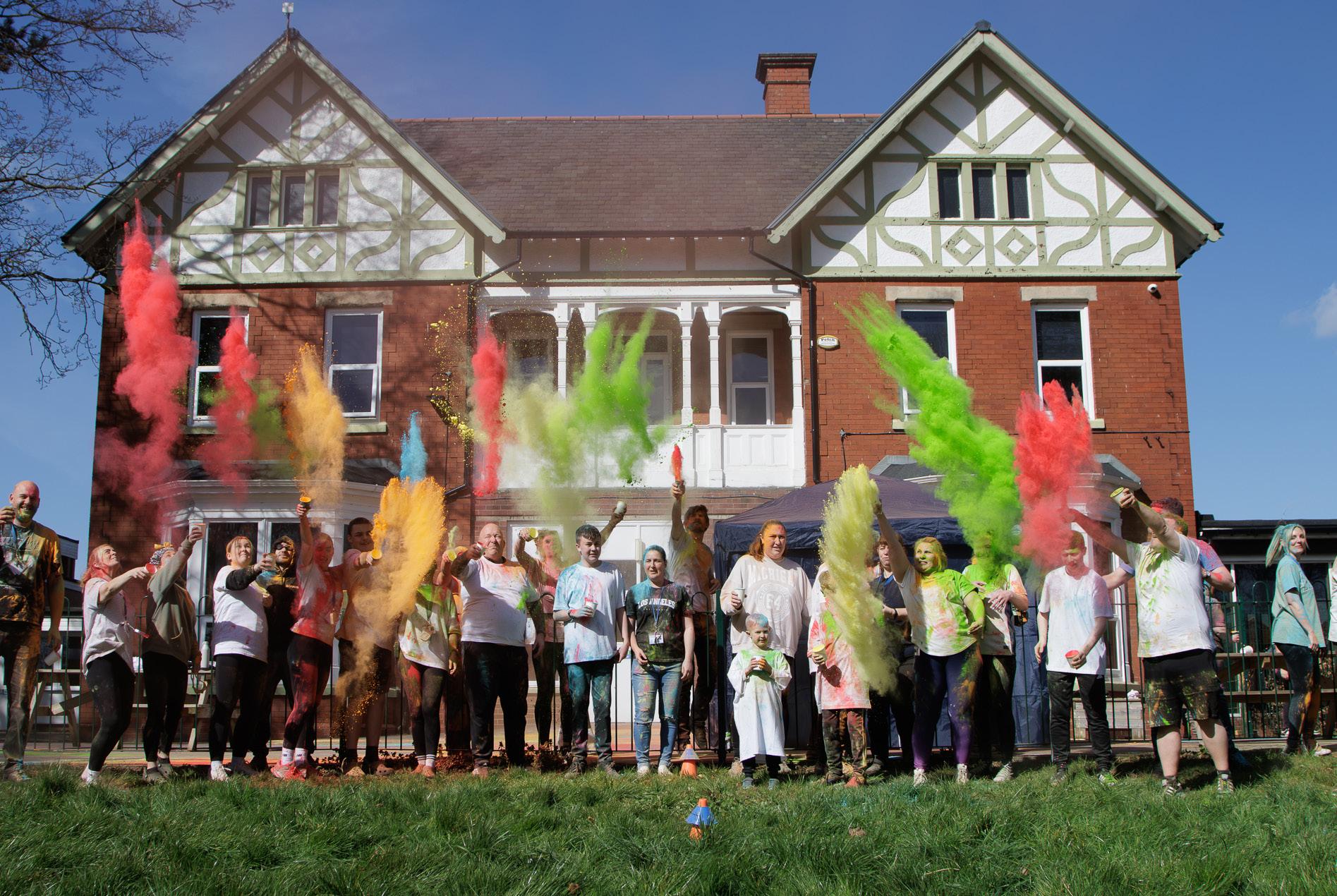

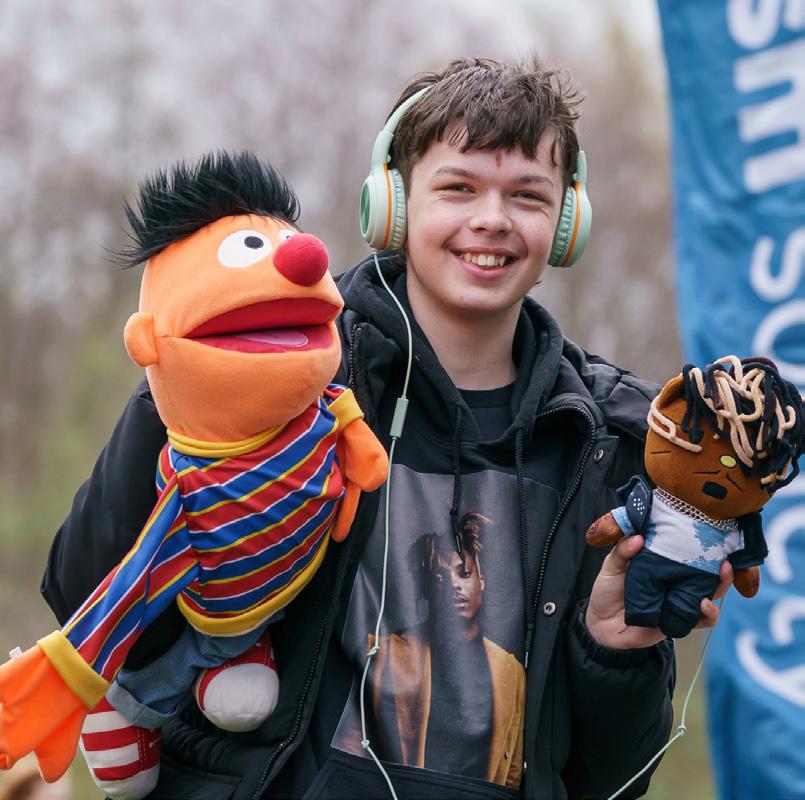
Autism Acceptance Month 2026 once again showed that meaningful progress begins when communities come together with a shared purpose.
April provided a powerful opportunity to challenge misconceptions, celebrate true acceptance, and highlight the lived experiences of autistic and neurodivergent people.
This year, we were proud to be part of Autism Alliance UK’s “What Acceptance Means to Me” campaign, encouraging reflection on what genuine acceptance looks like in everyday life. The campaign sparked important conversations, highlighting persistent barriers, challenging harmful myths, and celebrating the positive change that happens when understanding leads the way.
Across the North East, we saw incredible displays of support as landmarks lit up gold for Autism Acceptance Day. From the Millennium Bridge and Penshaw Monument to new participants including Lumley Castle, South Shields Town Hall, and Trinity Square, 20 sites from Tees to Tyne joined the movement and sent a visible message of solidarity.
At the heart of the month was our Walk for Acceptance, where hundreds of people came together at Riverside
Park in Chester-le-Street to show their support for autism acceptance. Families, young people, staff, and supporters walked side by side in a powerful display of positivity and inclusivity.
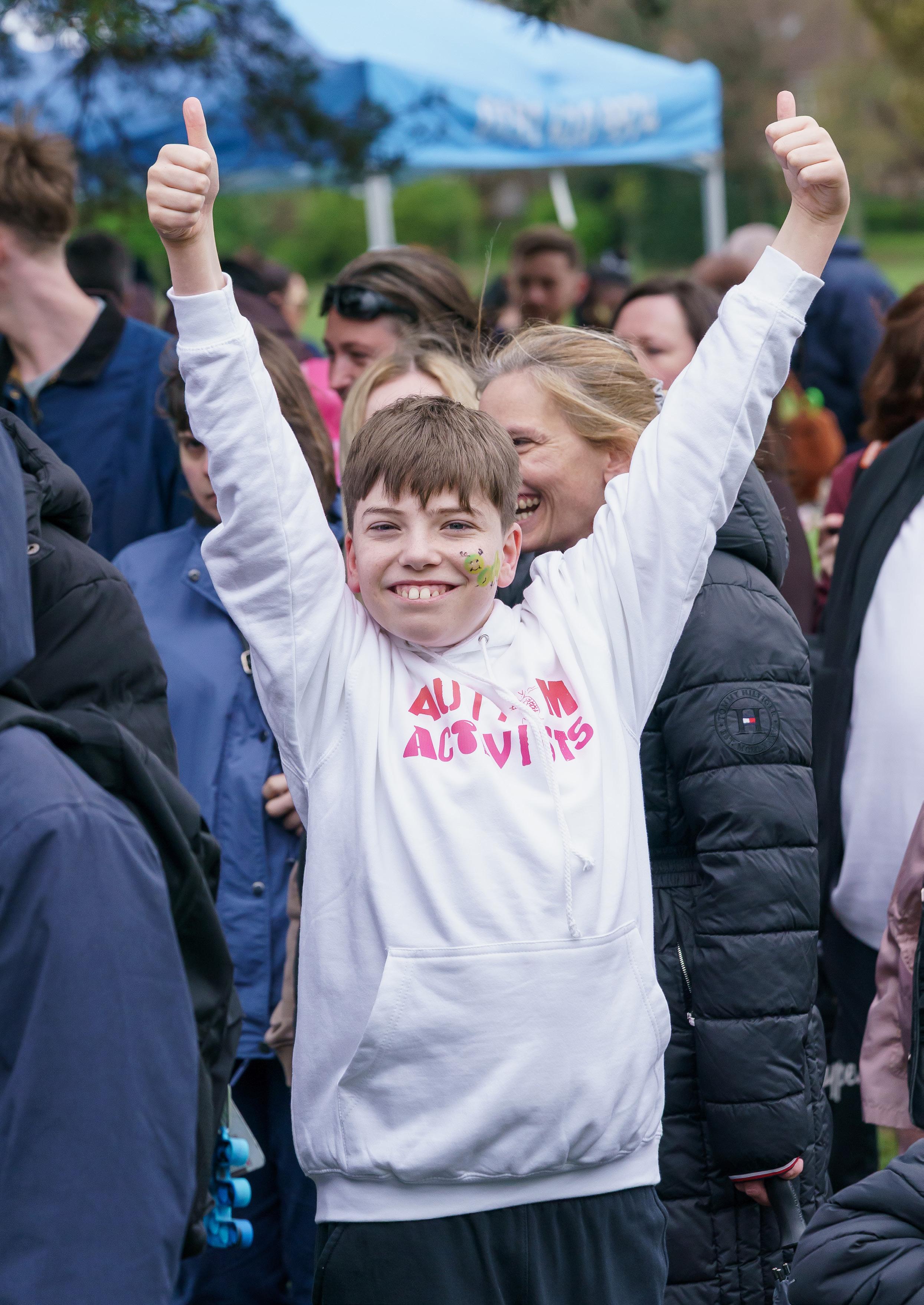
Crucially, lived experience remained central throughout. Our Autism Activists, alongside parents and carers, shared honest reflections on topics like masking and the importance of creating safe spaces where autistic people can truly be themselves.
Our This Is Autism podcast also featured a thoughtful conversation between our former CEO John Phillipson and host Kerrie Highcock, exploring over two decades of leadership and what true inclusion means today.
We also welcomed over 170 attendees to our Acceptance Matters virtual conference, bringing together families, professionals, and advocates to share learning and explore practical ways to build more inclusive environments.
Autism Acceptance Month 2026 demonstrated that change is possible when we listen, learn, and act together. Step by step, conversation by conversation, we move closer to a society where autistic people are not just understood, but genuinely accepted.
1st Place
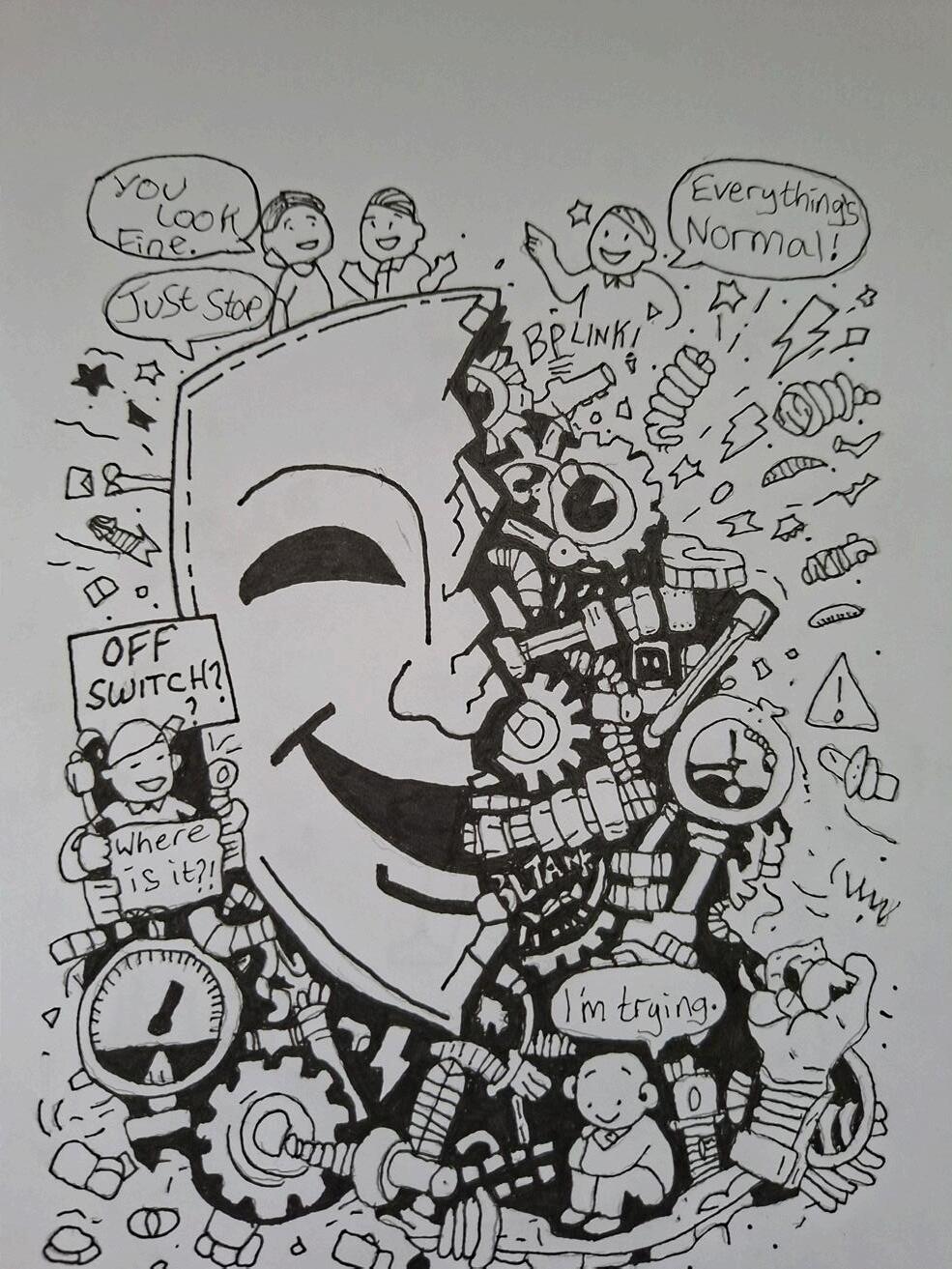
As part of our World Autism Acceptance Month celebrations, we launched The Acceptance Project, which encouraged participants to express ideas, experiences, and perspectives on what acceptance means to them by using art to challenge misconceptions and promote inclusion.
After receiving more than 130 entries from individuals, schools, and services across the region, our head judge and Chief Operating Officer, Derek Groves, selected the work of Claire Collinson, also known as CC, as the inaugural winner.
CC, a Thornbeck College attendee from Newton Aycliffe, secured first place with a powerful piece that depicts the struggle autistic and neurodivergent people experience with masking and burnout.
2nd Place
3rd Place
“CC’s art is undeniably powerful,” said Derek. “It perfectly expresses the challenges, experiences, and unique perspectives of how autism and neurodivergence can personally impact an individual.”
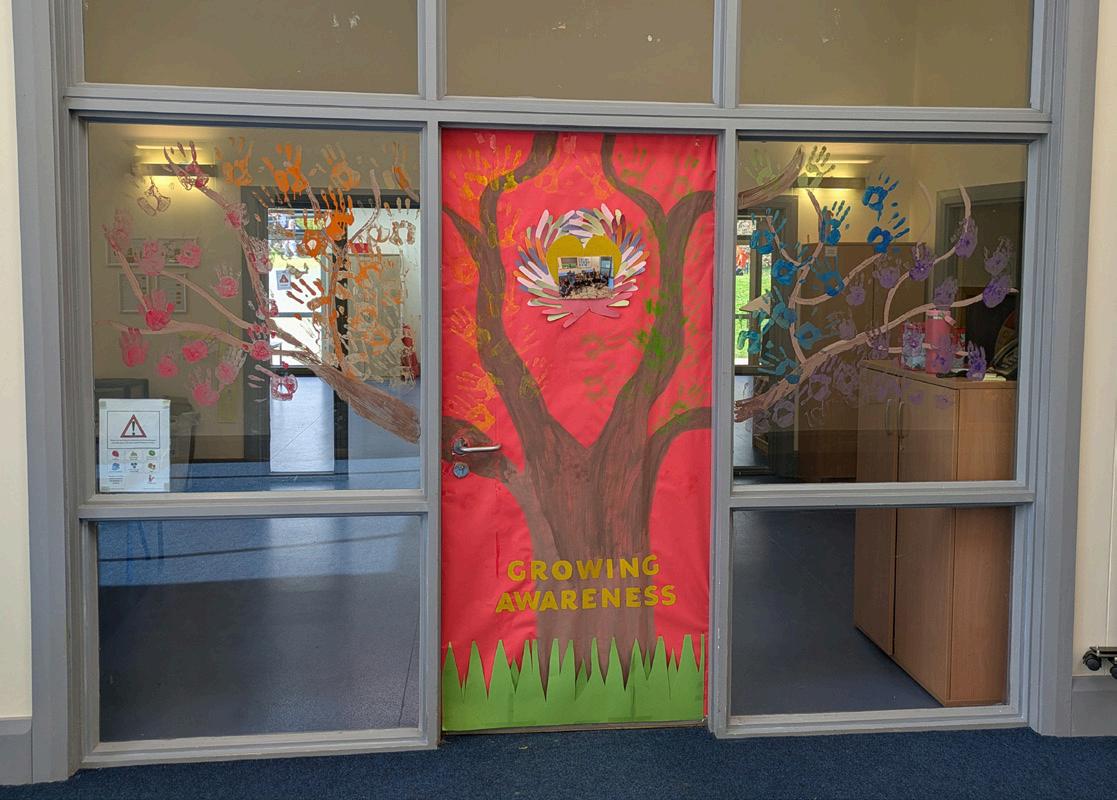
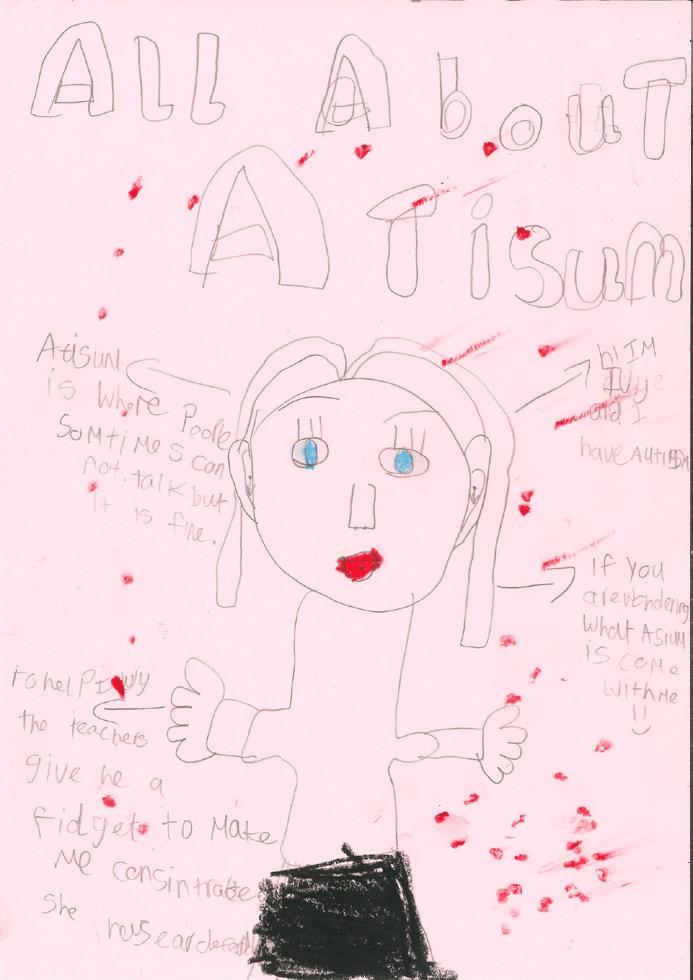
A class of pupils from a Newton Aycliffe school created a piece together celebrating inclusion and community spirit, which earned second place, while third place went to a primary school pupil from North Shields, whose submission ‘all about autism’ was a moving self-reflection.
“It was incredibly hard to decide on a shortlist because every entry was a winner in our eyes,” said Derek. “The project isn’t about technical skill, it’s about expression, having a voice, and above all, acceptance.”
A huge thank you to all who took part in the very first Acceptance Project!
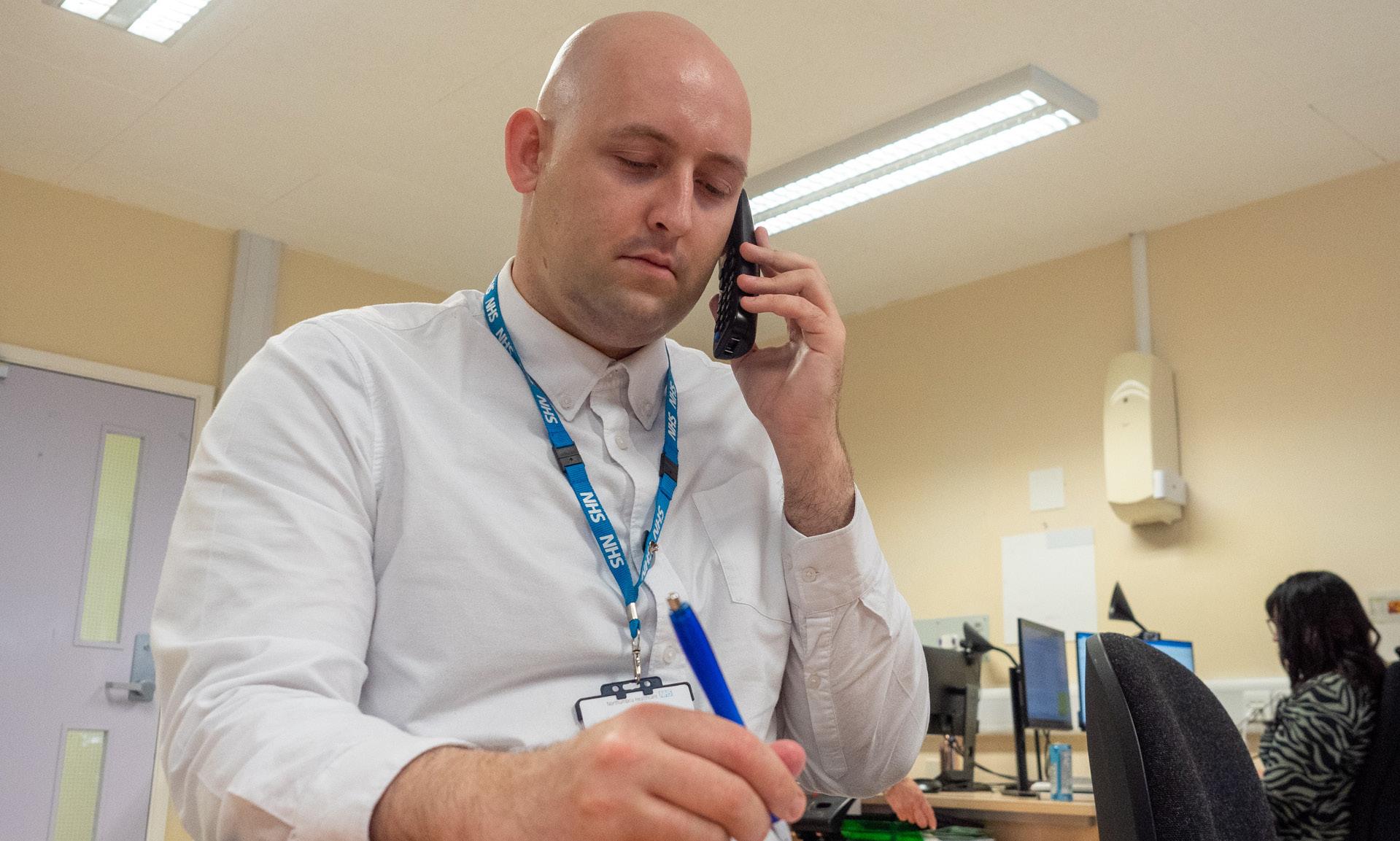
We spoke to John Facchini, Employment Futures Manager at NEAS, about the service’s newest and most ambitious programme Working Together NE.
What is Working Together North East?
Working Together North East is our latest employment support programme, delivered in partnership with Azure Charitable Enterprises. It’s designed to support over 200 autistic and disabled people across the region, making it our largest project to date.
Who is the programme for?
It’s for autistic and disabled people aged 18 and over who are currently considered “economically inactive.” That means individuals who aren’t currently looking for work or ready to start in the immediate future.
What is the criteria to join?
Participants must not be actively seeking work or available to start within the next couple of weeks. They also shouldn’t be in education unless they have an Education, Health and Care Plan (EHCP), and they must not be receiving benefits beyond Universal Credit or Personal Independence Payment (PIP).
What kind of support do participants receive?
We offer one-to-one, person-centred job coaching, alongside peer support and wider wellbeing support. The aim is to build confidence, develop skills and help individuals move closer to employment at a pace that works for them.
Are there opportunities for work experience?
Yes, paid work placements are a key part of the programme. These give participants valuable, hands-on experience with local employers and help build real-world skills and confidence.
How are employers involved?
We work closely with employers across the region. Our team helps identify placement and job opportunities, supports businesses to become more inclusive, and provides advice on reasonable adjustments. We also offer neurodiversity awareness training.
What makes this programme different?
This is the first time we’ve delivered a single Employment Futures programme across all seven local authority areas in the North East Combined Authority. It’s a really exciting step forward in terms of scale and collaboration.
What role does the partnership with Azure play?
Our relationship with Azure has gone from strength to strength. Together, we’ve built strong links with employers and developed a shared approach to supporting participants. We’re really pleased to be working together on something of this scale.
What has been achieved so far?
Over the past two years, we’ve engaged with around 450 employers, and we already have a number of potential work placements lined up. That gives us a fantastic starting point for this programme.
What impact do you hope the programme will have?
We want to create a ‘win-win’ situation—supporting individuals to gain skills, confidence and opportunities, while helping employers see the value of a more inclusive and diverse workforce.
What does this mean for the future of Employment Futures?
It’s a really exciting time. This programme shows what’s possible when we work at a regional level, and we hope it’s just the beginning of even bigger opportunities ahead.


Working Together NE supports people across the North East to take their next steps towards finding a job that is right for them We provide tailored, one-to-one support to help individuals who are neurodivergent, disabled, have learning difficulties, or are struggling with their mental health We do not require a formal diagnosis.
Gain employment
Access training/education
Develop your personal and employability skills
Prepare for interviews
Obtain a qualification
Source a volunteering opportunity
Progress your basic skills
Gain work experience
Develop confidence with job searching
Live in: Northumberland, North Tyneside, Newcastle-upon-Tyne, Gateshead, South Tyneside, Sunderland or County Durham
Economically inactive
Working Together NE is funded by the UK Government through the North East Combined Authority (NECA) and is delivered in partnership between the North East Autism Society and the Azure Charitable Foundation
If you would like to make a referral, or have any questions visit the Contact Us page on our website :
www.ne-as.org.uk/working-together-ne


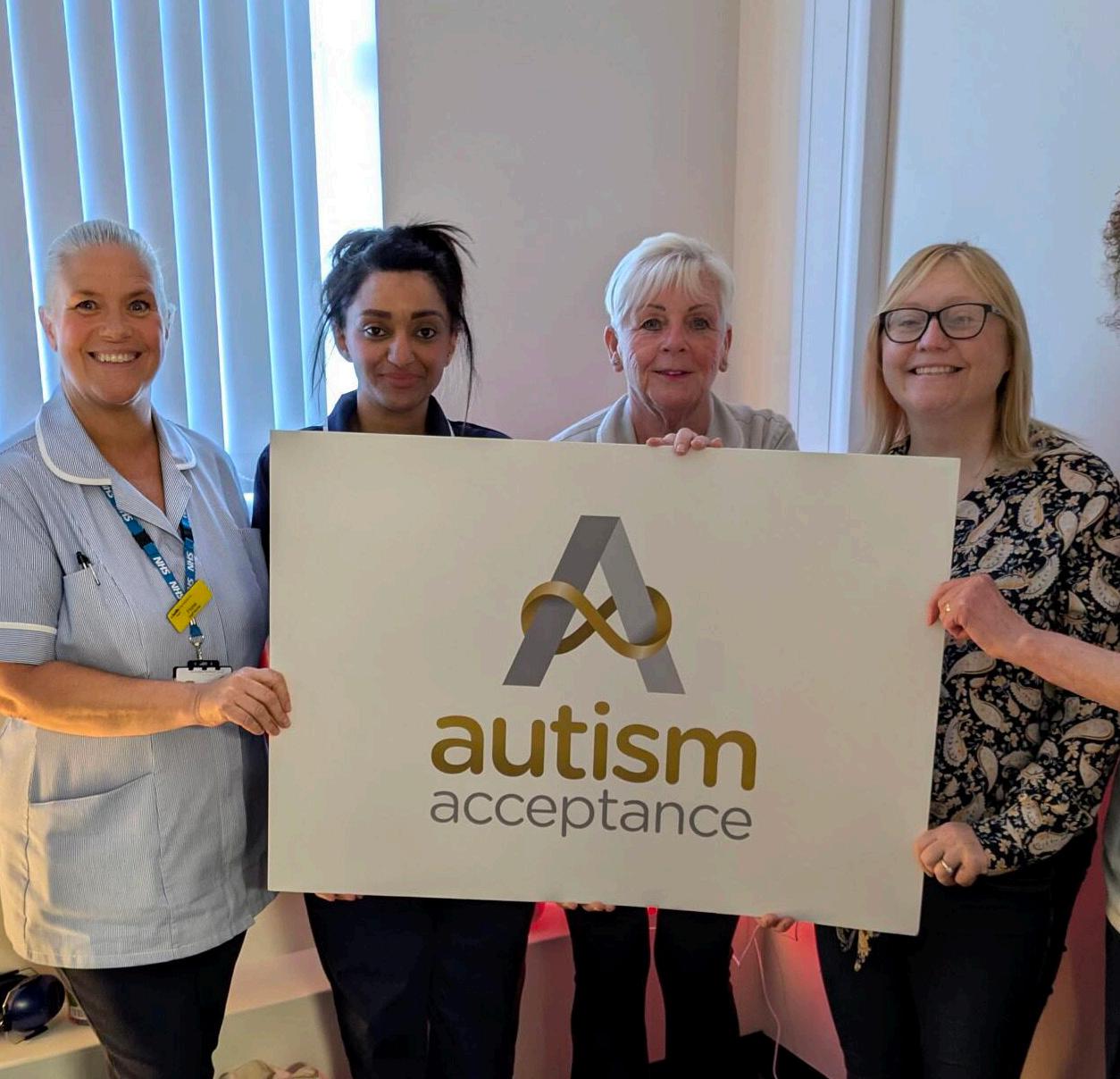
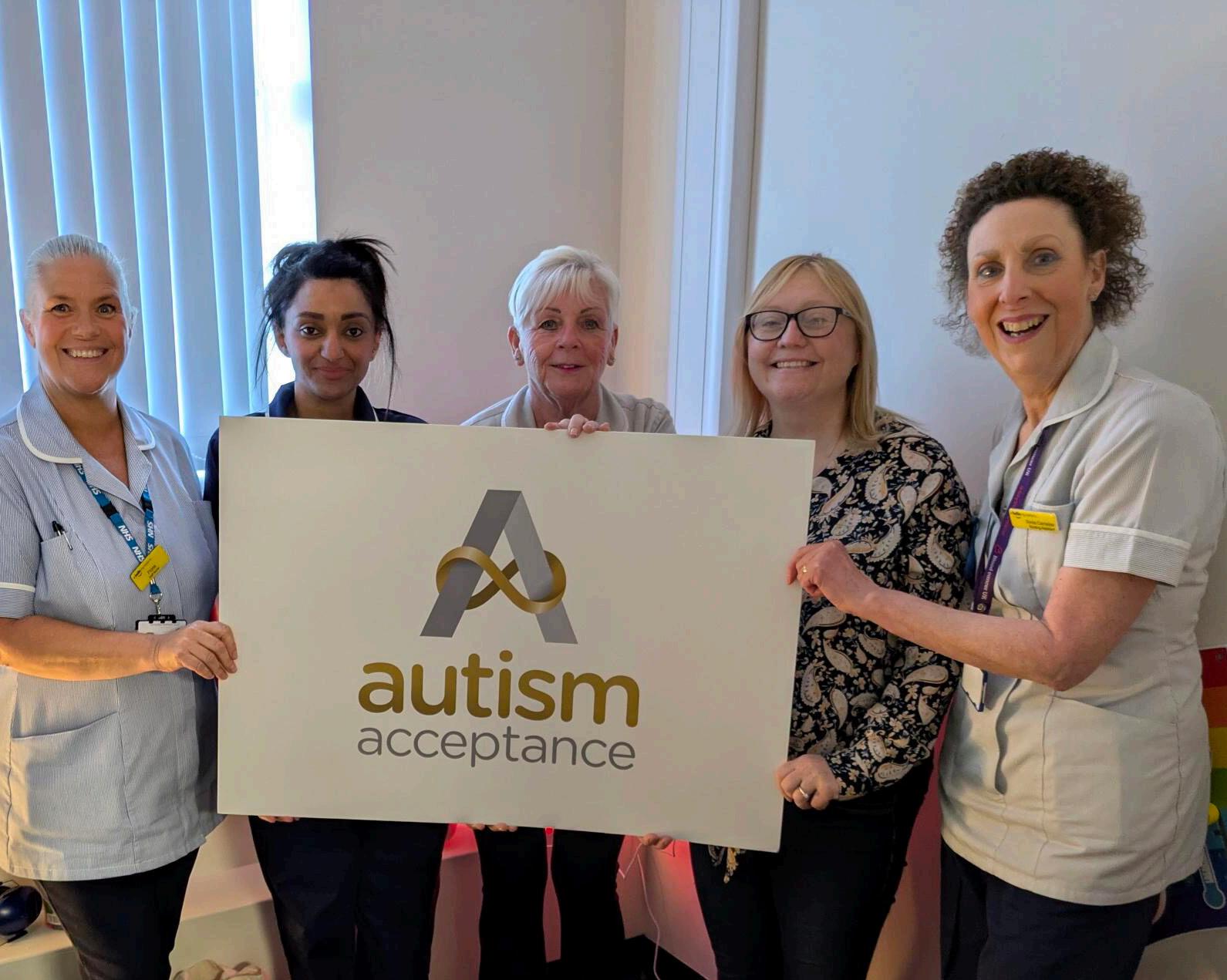
North Tyneside General Hospital has achieved the Gold Autism Acceptance Award in recognition of its commitment to improving accessibility and inclusion for autistic and neurodivergent patients. The North Tyneside Outpatients team worked alongside the hospital’s Neurodiversity Staff Network, Experience team, and NEAS to introduce meaningful changes, including a brand-new sensory room featuring adjustable lighting, sound machines, ear defenders, and calming sensory equipment
Ward Manager Saj Ahmed described the achievement as “just the very start”, with plans to introduce similar improvements across other outpatient departments within Northumbria Healthcare. Kerrie Highcock, Family Development Manager at NEAS, praised the impact of the changes, sharing how the new quiet space recently helped support an autistic child who became overwhelmed in a busy waiting room.
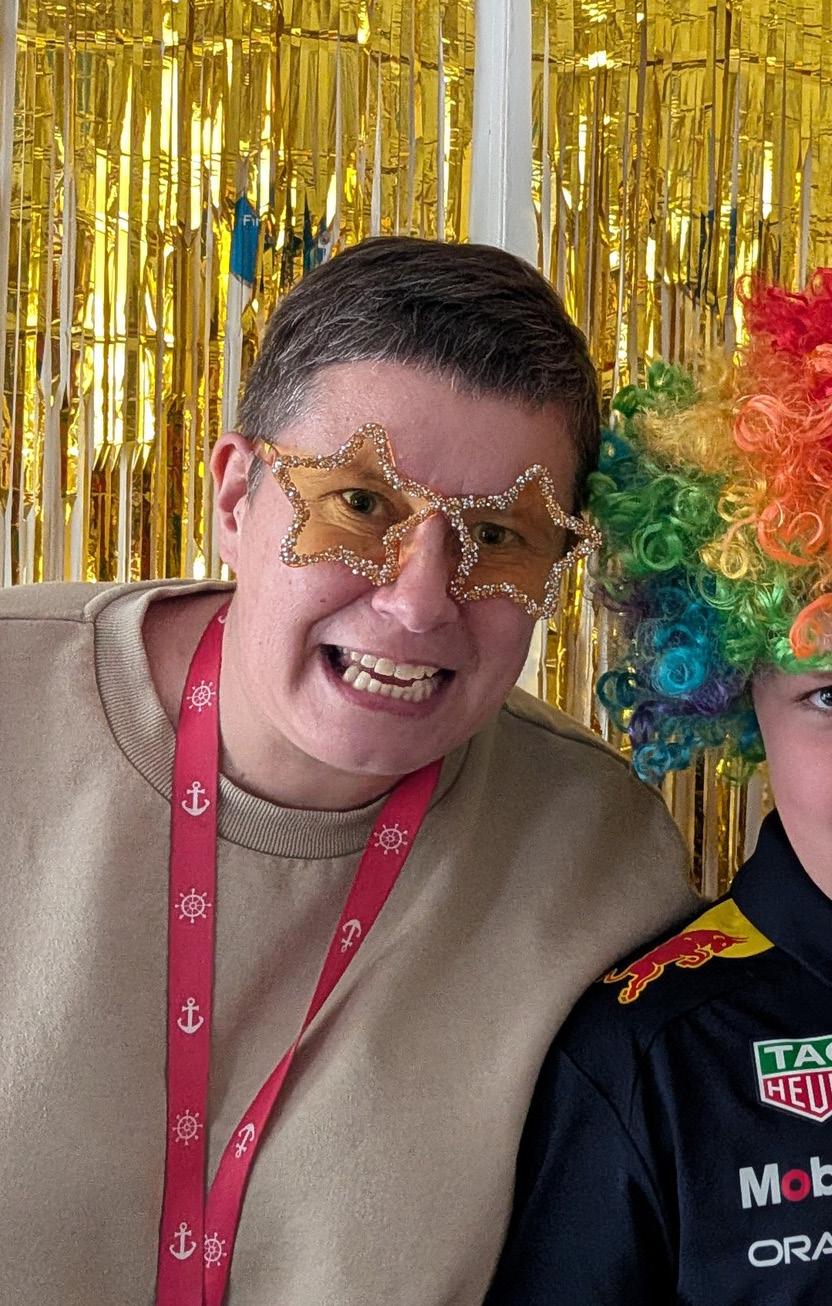
County Durham mum Kirsty Morris is taking on an incredible fundraising challenge for NEAS by aiming to complete 26 races in 2026. Having already clocked up nearly 700 miles this year, Kirsty has tackled everything from local 5Ks to ultra-marathons, including the demanding Beyond Newcastle 55k.
Kirsty began running during a difficult time while supporting her autistic son and says it became a way to clear her mind and stay strong for her family. Known for racing in fancy dress to help raise awareness, she’ll be taking on this year’s Great North Run dressed as Belle from Beauty and the Beast.
Darlington Building Society praised for neurodiversity support
Employees Meg Nicol and Alysse Rogerson-Liddle have praised Darlington Building Society for creating a supportive and flexible workplace for neurodivergent staff. During World Autism Acceptance Month, both shared their experiences of working in an environment where adjustments are encouraged and individual needs are listened to.
The organisation, which achieved the Gold Autism Acceptance Award from NEAS last year, has introduced practical changes including assistive technology, quiet workspaces, advance meeting briefings, and accessible recruitment processes. Staff say the training delivered by NEAS has helped build greater understanding and acceptance across the business.
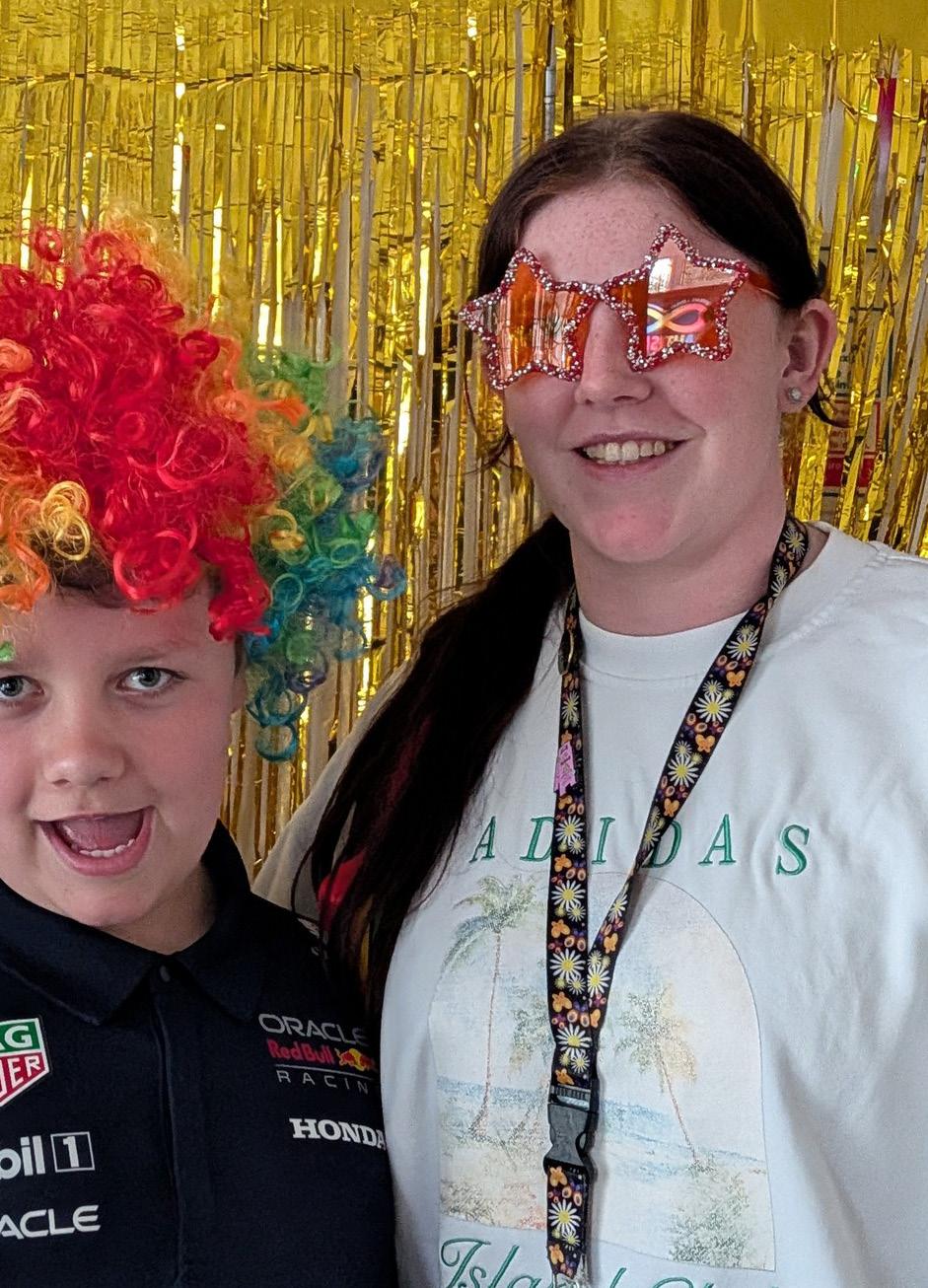
Two NEAS children’s homes - Cedar House in Newton Aycliffe and Tunstall in Sunderland - have both been rated ‘Outstanding’ by Ofsted. Inspectors praised the homes for creating nurturing, supportive environments where autistic and neurodivergent young people can thrive.
Staff at both homes were recognised for helping children build confidence, communication skills, and independence through personalised support and meaningful experiences. Cedar House has now achieved three consecutive Outstanding ratings.
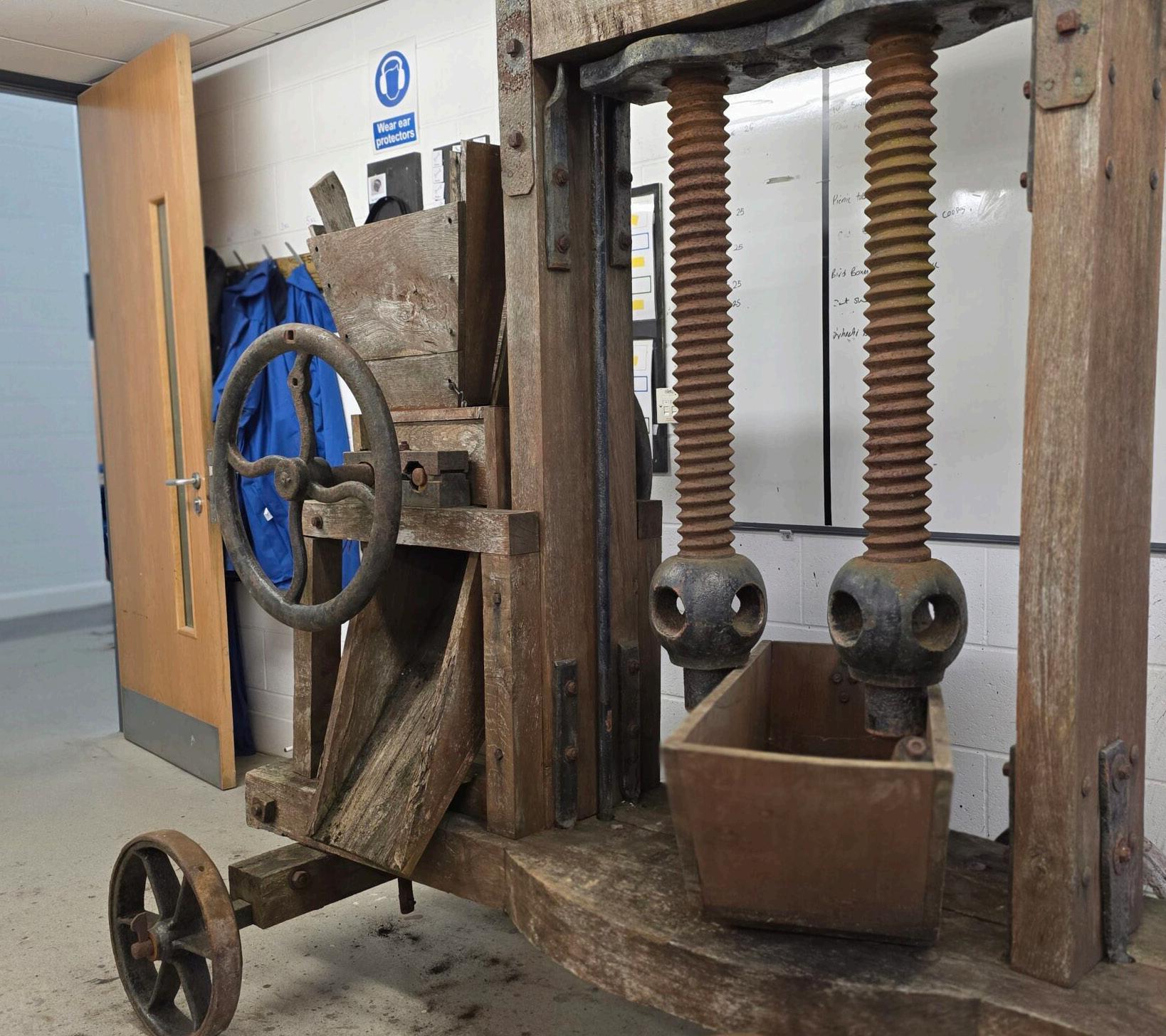
A Victorian apple press dating back more than 100 years is set to become the centrepiece of a new cidery at New Warlands Farm in County Durham. The cidery forms part of NEAS’ plans to transform the site into a rural enterprise centre and visitor attraction that will create employment opportunities for autistic people.
The press was donated by cider maker Bill Meaden and will give trainees the opportunity to restore and work with a unique piece of cider-making history. Construction on the new development is continuing as part of the Growing Futures appeal.
NEAS is currently working on a new documentary, Hidden Barriers: Autism and GPs, exploring the challenges autistic and neurodivergent people can face when visiting their doctor. The project is gathering experiences from autistic adults and parents/carers to help highlight barriers and identify ways GP surgeries can become more accessible and inclusive.
The first film was about Autism and Airports, which you can see on YouTube here:
Read the full story
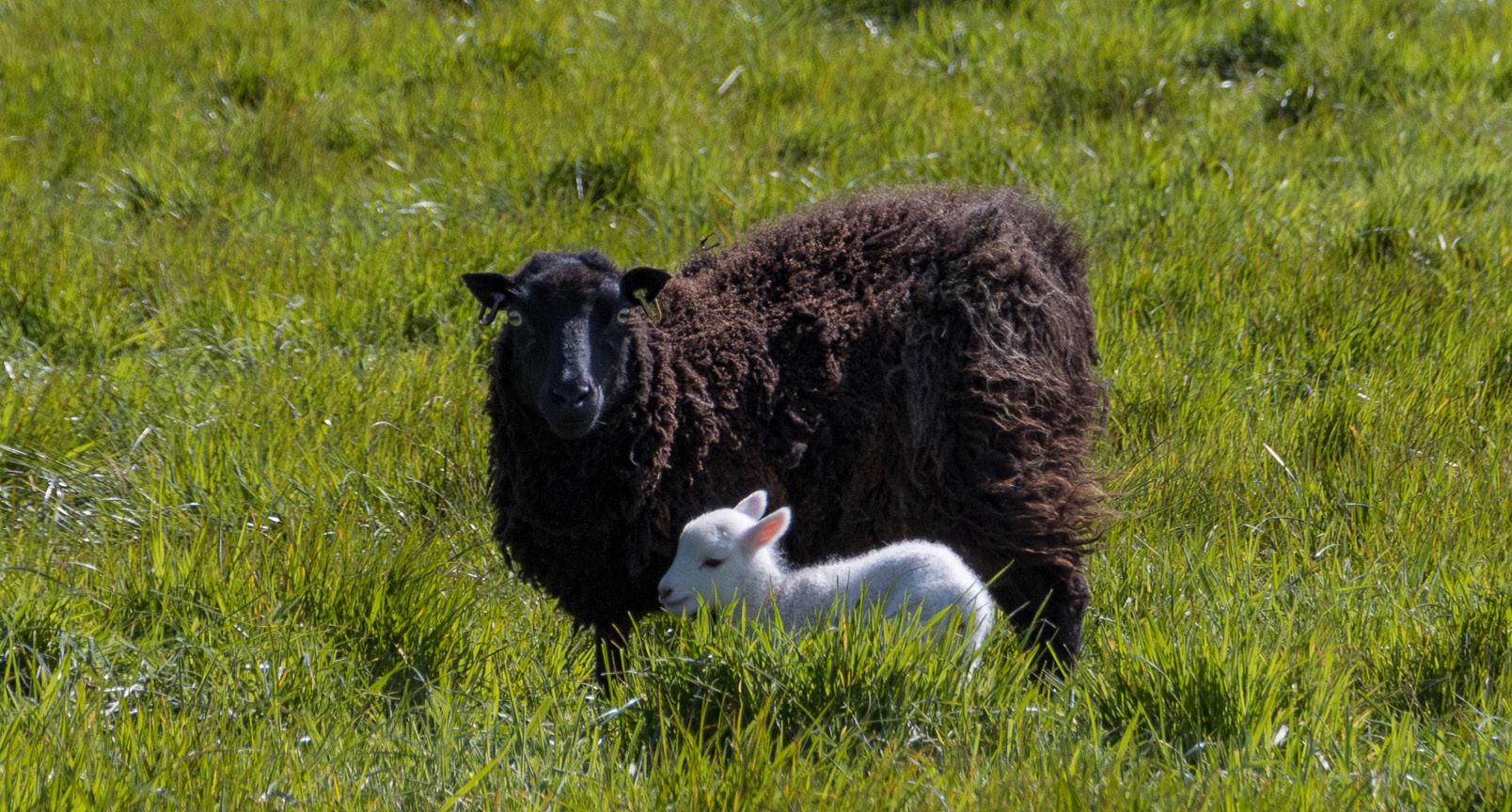
Spring arrived at New Warlands Farm with the start of lambing season and the arrival of healthy newborn lambs enjoying the sunshine outdoors. The farm’s hardy hill breeds are well suited to outdoor lambing, making the season a special time for staff, trainees, and visitors alike.
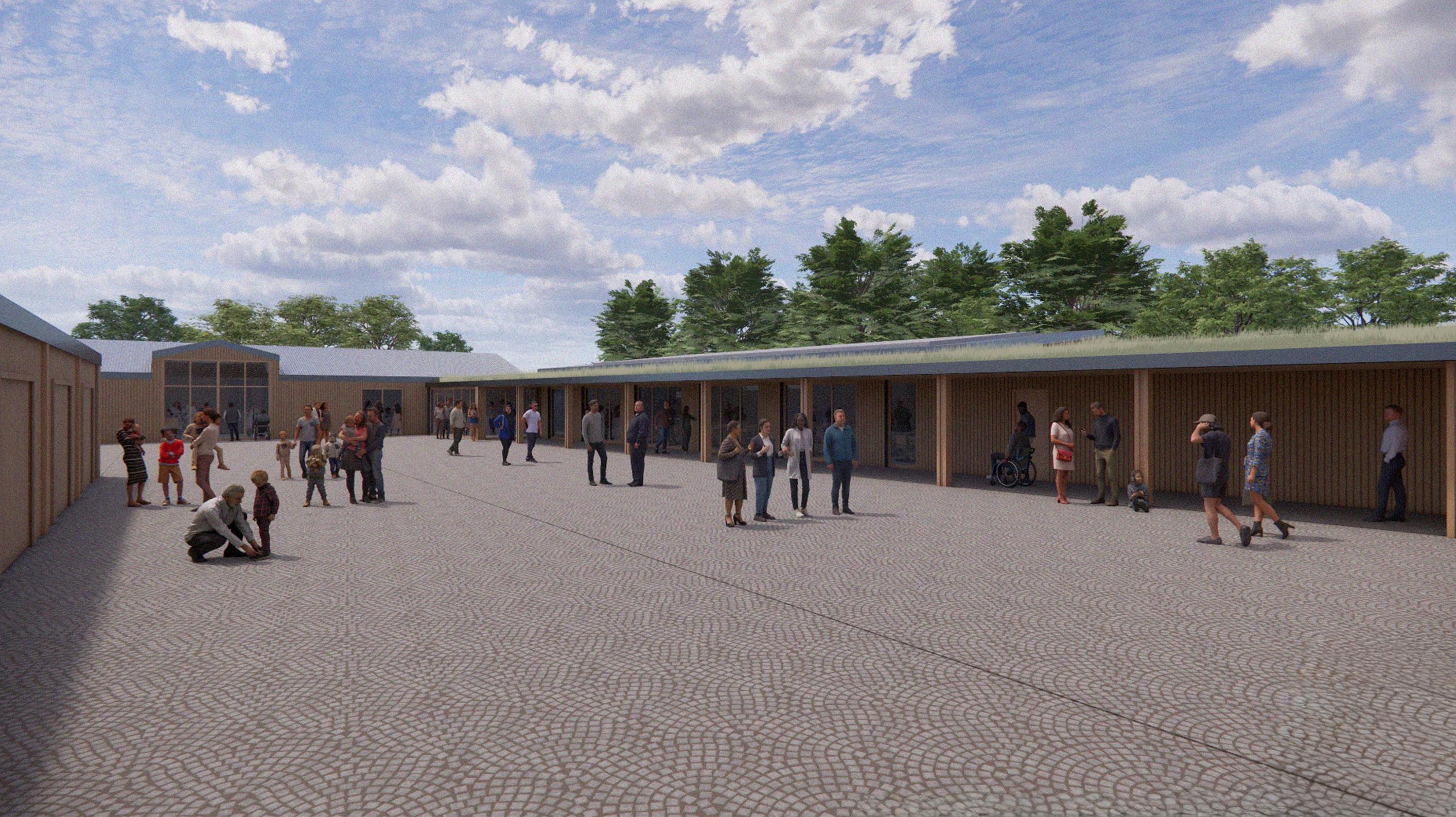
Since 2010, the North East Autism Society has been developing New Warlands Farm into a place where autistic people can thrive.
In 2023, we secured planning permission to grow the farm into something special; a visitor centre, cider press, workshop and café – which will support autistic and neurodivergent people directly by offering work placements and training opportunities.
In 2025, our 45th anniversary year, we are launching our Growing Futures appeal to help make our most ambitious project into a reality and transform the lives of autistic and neurodivergent people in our region.
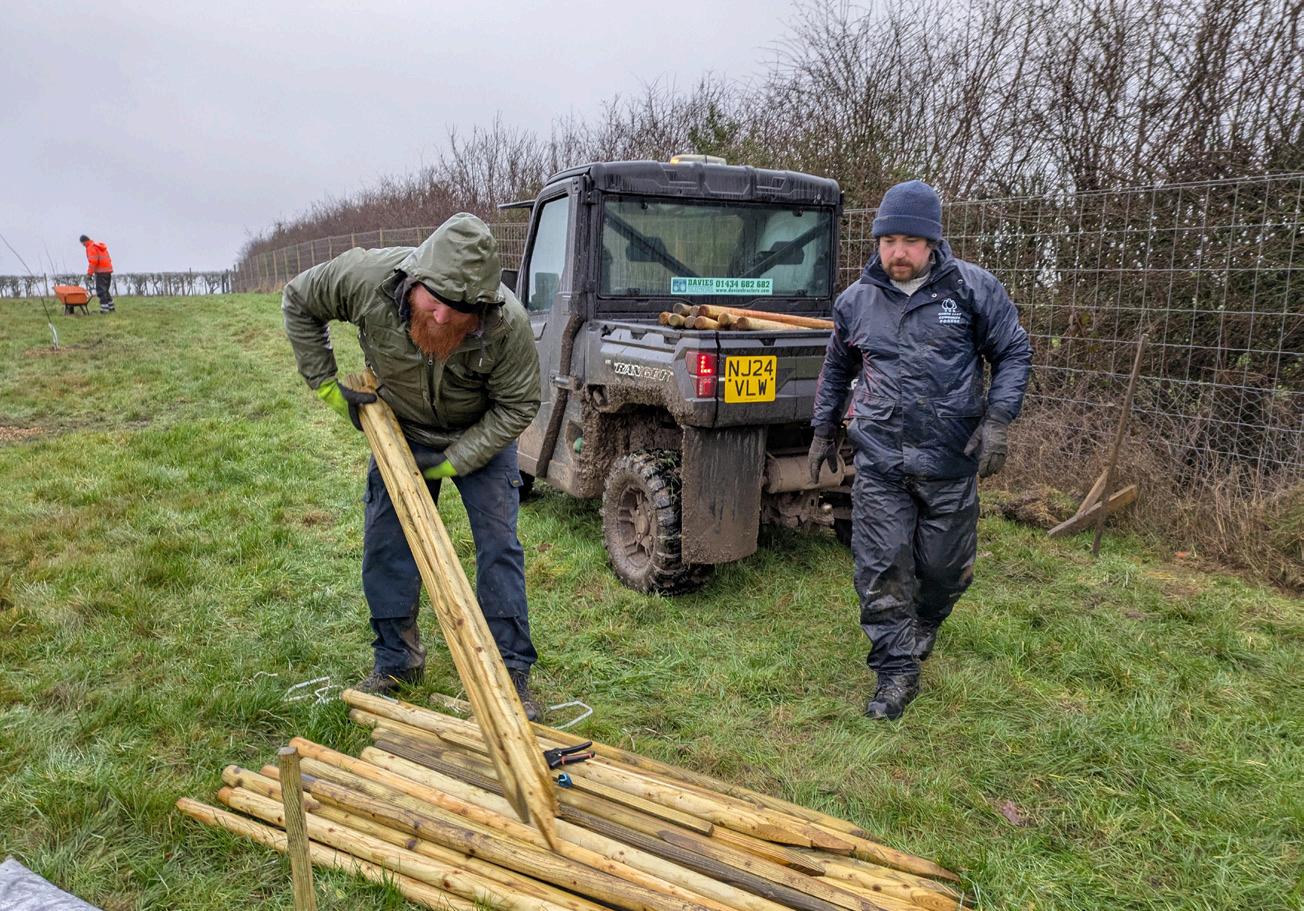
Our £4.4 million vision for New Warlands Farm is the charity’s most ambitious project yet. Whether you’re a business or an individual, there are many different ways to get behind our appeal and help create something that will benefit autistic people – and the North East community – for years to come.
To find out more about the appeal visit: ne-as.org.uk/growing-futures Scan the QR to donate
410 9974 or email fundraising@ne-as.org.uk