Real-Time
DataMonitoringfor PreventiveControl
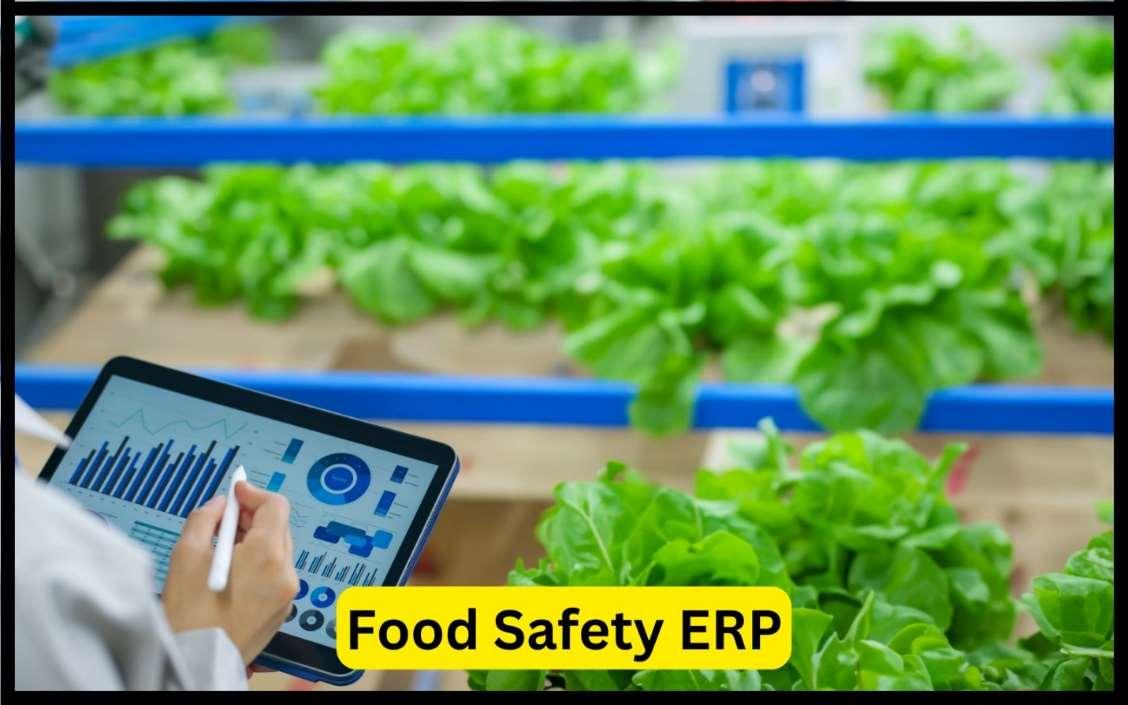
The strength of Digital HACCP lies in its capacity to deliver continuous monitoring. Smart devices and IoT sensors collect data from production lines, storage areas, and transport facilities. Integrated within a Food Safety ERP, this data is analyzed in real time, instantly alerting teams to deviations from safety thresholds. Instead of reacting to problems after they occur, businesses can take preventive measures—stopping contamination before it spreads, and ensuring every product meets regulatoryandqualitystandards.
5.EliminatingPaperworkThrough IntelligentAutomation
OneofthemostvisibletransformationsbroughtbyDigitalHACCPisthe elimination of manual documentation. Paper logs are time-consuming,
error-prone,anddifficulttoaudit.Bycontrast,automatedsystemsrecord every safety check, calibration, and corrective action with precision. WithinaFoodSafetyERP, these recordsare storedsecurelyinthe cloud and can be accessed instantly during inspections. Automation simplifies reporting, reduces administrative burden, and allows staff to focus on operationalexcellenceinsteadofpaperwork.
7.IntegratingPredictiveAnalyticsfor RiskMitigation
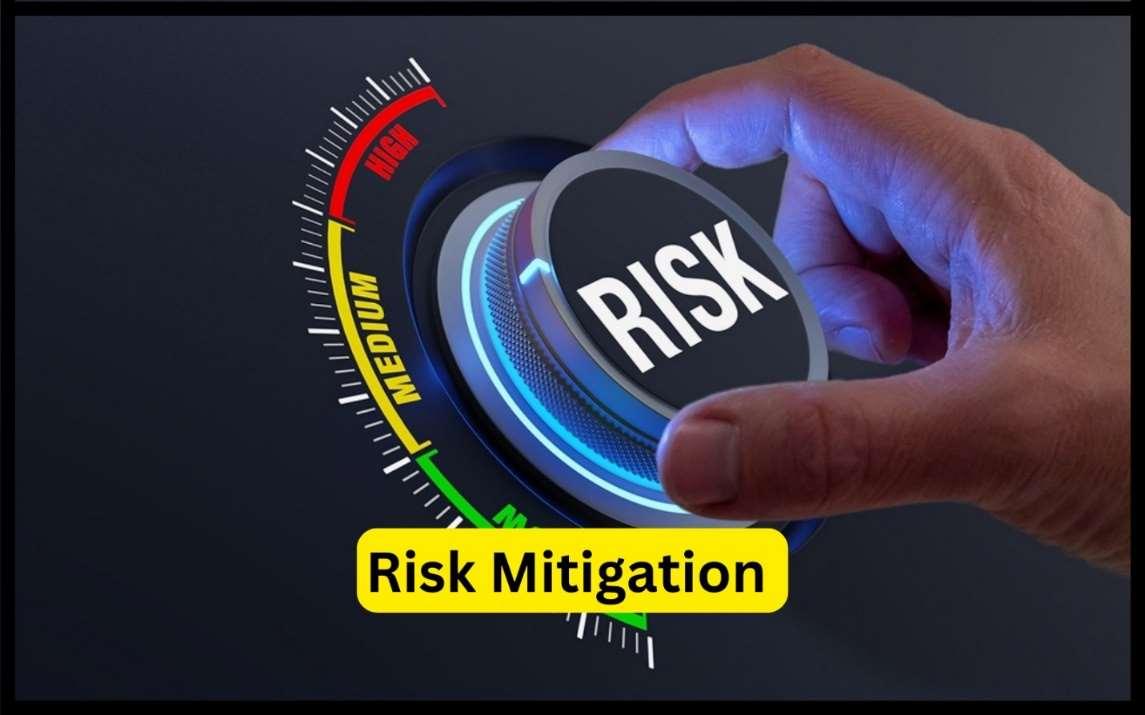
The integration of predictive analytics within Digital HACCP represents a monumental leap forward. Advanced Food Safety ERP platforms can analyze historical and real-time data to identify potential hazards before they occur. For instance, patterns in temperature fluctuations or supplier inconsistenciesmayindicateanemergingrisk.Bypredictingthesetrends, food safety managers can deploy preventive measures in advance, ensuring continuous compliance and reducing costly production interruptions.Predictiveintelligencetransformsfoodsafetyfromreactive defenseintoproactiveassurance.
8.EmpoweringWorkforceEfficiency ThroughDigitalTrainingandAlerts
TheadoptionofDigitalHACCPextendsbeyondtechnology—itenhances humancapability.Modernsystemscomeequippedwithtrainingmodules, mobile alerts, and real-time guidance that help employees execute tasks accurately. Workers receive automated reminders for sanitation, monitoring, and corrective actions. Through the Food Safety ERP interface, management can track compliance at individual and departmental levels. This empowerment fosters accountability, enhances awareness, andbuildsacultureofprecisionanddiligencethroughoutthe organization.
9.StreamliningMulti-Site
Large-scale food corporations often face the challenge of maintaining consistent safety standards across multiple facilities. Digital HACCP, integratedintoaFoodSafetyERP,unifiesoperationsbycentralizingdata and procedures. Management gains complete visibility into all sites, enabling performance benchmarking and cross-site analysis. Deviations canbedetectedandresolvedpromptly,ensuringglobalconsistency.This digitalcohesionstrengthensqualityassuranceandreinforcescompliance, nomatterwheretheproductionoccurs.
10.CostEfficiencyThroughWaste ReductionandResourceOptimization
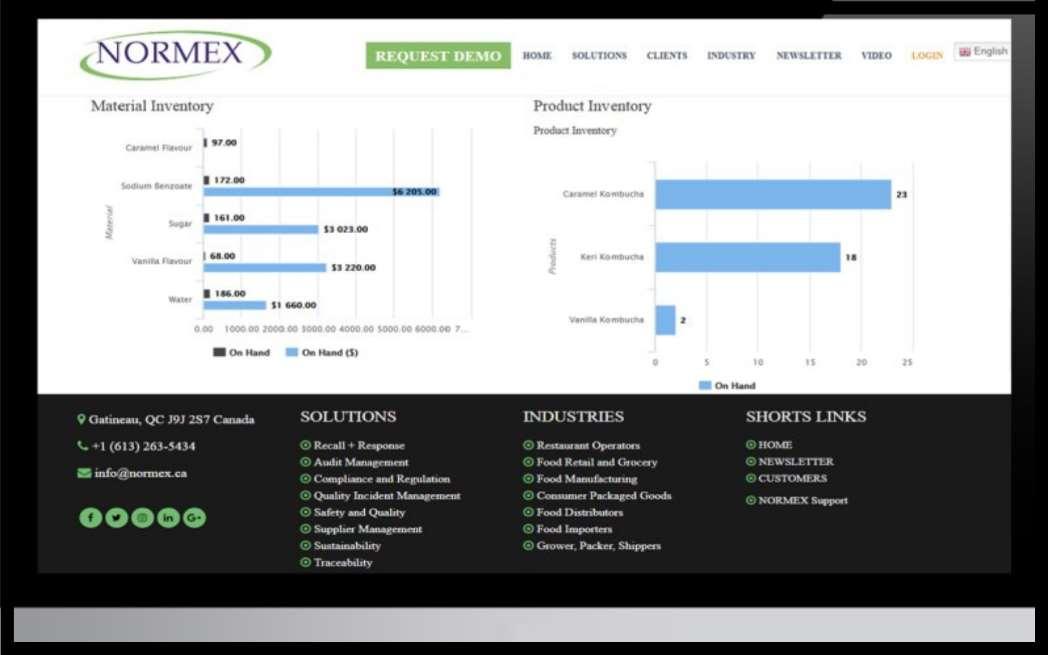
Food waste and inefficiencies can silently erode profit margins. Digital HACCP addresses this challenge by optimizing resource utilization. Throughaccuratedatacollectionandmonitoring,organizationscandetect spoilage risks early and adjust production schedules efficiently. A Food Safety ERP ensures optimal use of raw materials, proper inventory rotation, and reduced product wastage. The resulting operational efficiency directly contributes to profitability, sustainability, and longterm financial stability—transforming compliance into a strategic advantage.
11.SimplifyingAuditsand CertificationProcesses
Audits can be stressful for food companies operating under manual systems. Digital HACCP transforms this experience into a seamless process.Auditorscaninstantlyaccessdigitalrecords,calibrationlogs,and incident histories through a centralized Food Safety ERP dashboard. Automated record-keeping ensures every document is up-to-date and readily available. This digital transparency not only simplifies the audit process but also demonstrates a company’s commitment to food safety excellenceandregulatoryintegrity.
12.BuildingConsumerTrustThrough Data-BackedTransparency
Today’s consumers demand assurance that their food is safe, authentic, and ethically produced. Digital HACCP strengthens this trust by providing data-backed transparency. Using Food Safety ERP analytics, companies can showcase their commitment to safety through traceable and verified data. Transparent reporting instills confidence among consumers, investors, and regulatory bodies. In a competitive marketplace, this credibility becomes a powerful differentiator that enhancesbrandloyaltyandlong-termreputation.
13.TheFutureofFoodSafety:AI, IoT,andBlockchainIntegration
The next frontier for Digital HACCP is the integration of advanced technologies. Artificial intelligence will refine predictive models for contamination risks, while IoT will enhance environmental monitoring precision. Blockchain integration within Food Safety ERP systems will bring immutable traceability, ensuring that every transaction in the food chainisverifiableandsecure.Thisdigitalecosystemwillredefineglobal foodsafetymanagement—wheretransparency,automation,andforesight convergetoachievezero-contaminationgoals.
14.OvercomingAdoptionChallenges inDigitalHACCPTransformation
Despite its advantages, the shift to Digital HACCP requires careful change management. Resistance to technology, lack of digital literacy, and integration challenges can hinder adoption. To overcome these barriers, organizations must invest in training, involve cross-functional teams,andselectaFoodSafetyERPplatformtailoredtotheiroperational scale.A well-plannedimplementation ensuresthatdigitaltransformation enhances—not disrupts—existing workflows. Patience, preparation, and leadershipcommitmentarekeytosuccess.
15.TheRoadAhead:MakingDigital HACCPaStrategicPillarofFood SafetySuccess
Digital HACCP is more than a compliance tool—it is the foundation of modern food safety strategy. By embedding it into Food Safety ERP systems, organizations can synchronize safety, quality, and efficiency. The digital approach enables real-time visibility, predictive intelligence,
and operational resilience. In the coming years, companies that leverage these capabilities will not only comply with regulations but also lead the industry in innovation, sustainability, and consumer trust. The secret to food safety success lies in the fusion of technology, data, and human diligence—workingtogethertoprotecttheworld’sfoodsupply.
Conclusion
Unlocking the secrets of Digital HACCP means embracing a smarter, safer, and more transparent way of managing food safety. Through Food Safety ERP integration, businesses gain real-time control, automated compliance, and data-driven decision-making. This transformation transcends traditional monitoring, establishing an intelligent safety ecosystemthatanticipatesrisksbeforetheyoccur.Inaworldwhereevery bite matters, Digital HACCP stands as the ultimate guardian of quality, trust,andfoodsafetyexcellence.