GREEN ECONOMY TRANSITION IN SUDAN
SEPTEMBER - 2024

By:
Al Noor Dafallah Al Siddiq
Fatiam mauaz Ali
Amar Hayder Ahmed Elsheikh
Nooralbagie Adam Ahmed
Waad Ahmed Ali Ahmed
Sudan
isalandofvastcontrastsandenduringbeauty,
stretches across northeastern Africa, where the golden sands of the desert meetthelushbanksoftheNile Asthethird-largestcountryonthecontinent, Sudanisamosaicofdiversecultures,languages,andlandscapes,fromarid desertstosavannahsandtropicalforests Itshistoryisasdeepandancient astheNileitself,andnowastheworldshiftstowardagreenereconomywe will discuss the potential for that because it’s really palpable, yet remains untapped Sudan’senergylandscapeisdefinedbyitsdeeprelianceonfossil fuels,whilevastportionsofthepopulationaredeprivedofreliableelectricity. This project aims to chart a course through the intricate web of challenges andopportunitiesthatdefineSudan’sjourneytowardsasustainable,greener economy wherethebeautyoftheland ismirroredbytheingenuityofitssolutions
Primary Energy Consumption per Capita
Around 200-300 kilograms of oil equivalent (kgoe) per capita annually. This is significantly lower than the global average, which is about 1,800 kgoe per capita.
Electricity Consumption per Capita:
Sudan’s electricity consumption per capita is roughly 200-300 kilowatt-hours (kWh) annually.
For comparison, the global average is around 3,200 kWh per capita Energy Mix:-
Biomass accounts for over 50% of the energy used, particularly in rural areas. Oil (imported) makes up a significant portion of energy used in transportation and industry.
Hydroelectric power contributes around 20-25% of the electricity supply
Primary Energy Consumption from Renewable Energy: around 20-25% of the electricity supply come from dams and individuals power source systems by 2021 provided data
Share of the population with access to healthcare electricity: Access to electricity is not universal, with many rural communities relying on traditional fuels. The urban population generally has better access to grid electricity, but outages are frequent.
Total Population with Access to Electricity in Sudan: Approximately 56-60% of the population has access to electricity.
Per Capita CO2 Emissions:
imately 0.3 to 0.5 metric tons of CO₂ per person per year.
Continent: Africa
Climate Type: Arid in the north, tropical and savannah in the south
Population: 49.4 million before 2023 war
ANALYSIS OF THE GREEN ECONOMY
Sudanisgraduallytransitioningtowardsagreeneconomy,drivenbyenvironmental challengesandtheneedforsustainabledevelopment Thisanalysisexploresthe currentstateofthegreeneconomy,itschallenges,drivers,andpotentialforgrowth inthecountry
RenewableEnergyStatus:
Energyuseisrapidlyincreasing,primarilydrivenbytraditionalbiomass,especiallyinruralareaswithlimited electricityaccess.Despiteelectricityconsumptiongrowingat13%annually,only47%oftheruralpopulationis connectedtothegrid.Highelectricitysubsidiesandclimate-relateddeclinesinhydroelectricgeneration, decreasingat4%peryear,posesignificantchallenges.Toaddresstheseissues,anationalstrategicroadmap forpromotingrenewableenergyhasbeendeveloped,focusingon69recommendationsacrossthreekey themes:enhancingaccesstosustainableenergyforpovertyreductionandwomen’sempowerment, transformingtheenergysector,andbuildingresilienceagainstdevelopmentshocks.
ElectricMobility:
LimitedAdoption:Electricvehicles(EVs)arenotwidelyavailableoradoptedinSudan.Themarket isstilldominatedbytraditionalinternalcombustionenginevehicles,largelyduetolimited infrastructureandhighcosts.
GiadGroupelectriclightvehicleproject(Thegroup’spartnersinclude:MAN,Renault,Hyundaiand BYD)
EnergyEfficiencyMeasures:
InSudan,energyefficiencyinitiativesremainlimitedbutaregraduallyimproving.Forexample,urbanareasare adoptingenergy-efficientlightingandsolarwaterheaters,contributingtoa10%reductioninhouseholdenergy usageinselectregions.Theindustrialsectorhasmademodestgains,withenergyoptimizationeffortsreducing wastebyaround5-7%.Publictransportationisstilllargelyinefficient,withlimitedadoptionofelectricorhybrid vehicles.Solarpoweruseisgrowing,accountingforroughly4%ofthecountry’senergygeneration.
SmartCityInitiatives:
SmartcityinitiativesinSudanareprimarilydrivenbytheUnitedNations,focusingonsustainableinfrastructurealigned withglobalgoals.Theinitiativeaimstoimproveindustrialefficiencyandenvironmentalsustainabilityby2030, leveragingappliedtechnologiesandenhancingdigitalaccess.Forinstance,Sudan’sindustrialsector,whichaccounts forabout29%oftheGDP,faceschallengesinmodernizationduetoongoingpoliticalinstability,limitingeffective implementation.
Despitetheseefforts,only36%ofthepopulationhasreliableaccesstoelectricity,makingitdifficulttoadvancesmart cityprojectscomprehensively.Arobustrecoverystrategyiscrucialforrealizingthefullpotentialofsmarttechnologies inurbansettings.
GreenFinancing:
TheongoingconflictinSudanhasseverelyhinderedeconomicstabilityandinvestmentopportunities,creating substantialbarrierstogreenfinancingdevelopment.Althoughinvestmentsinrenewableenergyand sustainableagricultureprojectshavesurpassed$200million,thewarcomplicateseffortstoaddressclimate changeandsustainability.Greenfinancingisevolving,primarilysupportedbyinternationalorganizationslike theAfricanDevelopmentBank(AfDB)andtheUnitedNationsDevelopmentProgramme(UNDP).However,local startupsfacelimitedaccesstotheseresourcesduetobureaucraticchallengesandanunderdeveloped financialinfrastructure.AUNDPreporthighlightsthatwhilegreenbondsandloansareemerging,onlyabout 25%ofstartupsaccesstraditionalbankingservices.Enhancedfinancialinstrumentsandsupportivepoliciesare crucialforfosteringsustainabledevelopmentamidongoinginstability.
GovernmentIncentives:
Thegovernmenthasbeenslowtopromotesustainablepractices,localorganizationsandyouth-ledinitiativesare drivingsignificantprogressintherenewableenergysector.GroupsliketheSudaneseYouthNetworkareactively implementingcommunity-basedsolarprojectsthatenhanceenergyaccessandempowerlocalcommunities. Thesegrassrootseffortsarecrucialinthecontextofongoingconflict,whichhaslimitedgovernmentalsupportand infrastructuredevelopment.Collaborationswithinternationalorganizations,suchastheUnitedNations DevelopmentProgramme(UNDP),furtheramplifytheseinitiativesbyprovidingfundingandtechnicalexpertise. Thecommitmentoftheselocalentitiesshowcasesthepotentialforsustainabledevelopmentdespitesignificant challenges.
ConsumerBehavior:
ConsumerawarenessandengagementinsustainabilityinSudanareevolving,thoughstillintheearlystages.About 30-40%ofconsumers,especiallyinurbanareas,showinterestineco-friendlyproducts.Thisisdrivenbyaglobal shifttowardssustainability,butlimitedoptionsandhighercostsreduceadoption.Ruralareasfaceevengreater barriersduetolowerincomelevelsandlackofaccesstosustainablegoods. Researchshowsthatglobally,60-70%ofconsumers,particularlyGenZ,preferbrandswithstrongenvironmental practices.However,inSudan,thesenumbersaremuchlower,likelyunder20%,duetoeconomicchallengesand limitedawareness.
WasteManagementand Recycling:
WaterManagement:
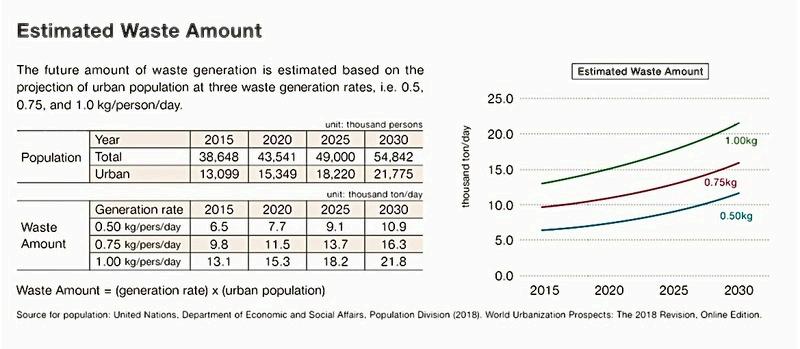
Waste management in Sudan is critical, with around 15 million tons of waste generated annually, yet only 10% is recycled Approximately 70% of solid waste remains uncollected, causing environmental and health issues Investment in infrastructureandpublicawareness initiatives is essential for improving waste management and recycling efforts
Sustainablewatermanagementisseverelychallenged,withagricultureconsumingnearly90%ofavailablewater resourcesandtraditionalirrigationmethodswastingupto60%ofwater.WhilemajordamslikeMeroweand Sennarhelpregulatesupplies,onlyabout10%ofirrigatedlandusesefficientsystems.Inurbanareas,around40% ofthepopulationlacksaccesstocleandrinkingwater,anddistributionnetworkslose30-40%throughleakage. Despiterainwaterharvestingeffortscapturingonly5%ofpotentialrainfall,politicalinstabilityandclimatechange furthercomplicatewatermanagement,necessitatingsignificantinvestmentininfrastructureandmodern technologies
BiodiversityandConservation Efforts:
Biodiversityconservationiscrucialforecosystemhealth,providingessentialserviceslikepollination,nutrient cycling,andclimateregulation,witharound50%ofglobalGDPrelyingonthesenaturalresources.The IntergovernmentalPanelonClimateChangehighlightsthatecosystem-basedadaptationcanhelpmitigate climatevulnerabilitiesforupto2billionpeopleby2050.Economically,sustainablebiodiversitymanagementcould enhancelocaleconomies,witha$5trillionmarketinbiodiversity-relatedproducts.However,globalwildlife populationshaveplummetedby68%since1970,necessitatingurgentconservationefforts.Collaborativestrategies amonggovernments,NGOs,andlocalcommunitiesarevitalforsustainabledevelopmentandreversing biodiversityloss.
Challengesand opportunities
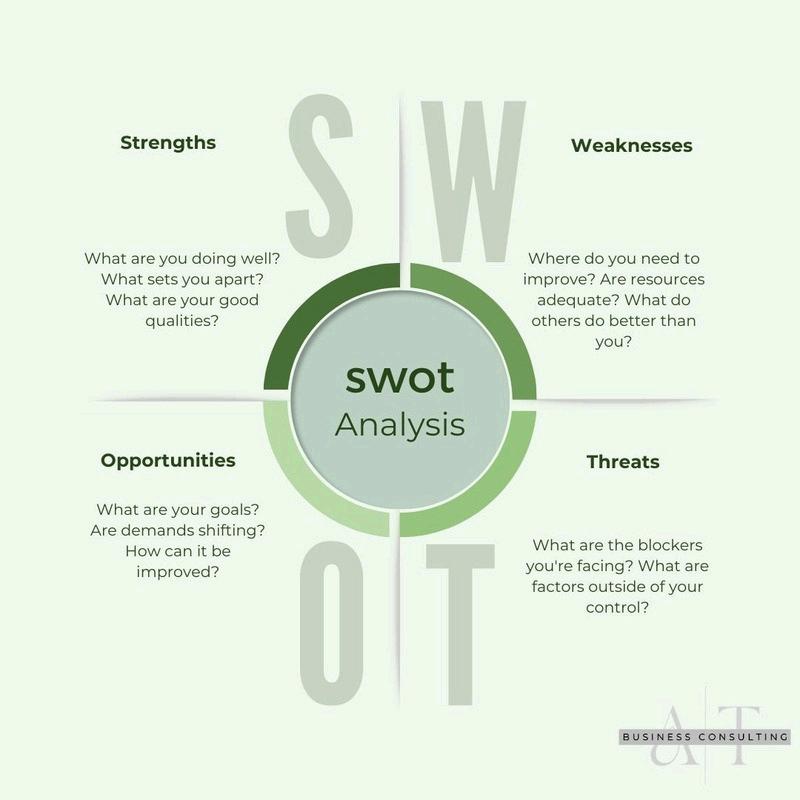
Strength
AbundantSolarResource:
Sudanreceivessignificantsunlightyear-round,makingitideal forsolarenergygeneration
RenewableEnergyPotential: Solarpowercanhelpreducerelianceonimportedfossilfuels, providingaclean,sustainableenergysource
LowOperationalCosts:
Onceinstalled,solarpanelsrequireminimalmaintenanceand havelonglifespans,reducinglong-termoperationalcosts
JobCreation:
Solarprojectscancreatelocaljobsinconstruction,installation, andmaintenance
EnergyIndependence:
Solarenergycanenhanceenergysecuritybyreducingthe country’sdependenceonoilimports
Opportunities
GovernmentSupport&InternationalAid:Thereis potentialforfinancialsupportfrominternationaldonors, developmentbanks,ororganizationsfocusedon sustainabledevelopment.
GrowingEnergyDemand:Sudan'srisingpopulationand urbanizationcreateagrowingdemandforelectricity, providingaclearmarketforsolarenergy
ExpansionofOff-GridSolar:Solarsystemscould provideelectricitytoruralandremoteareasnot connectedtothegrid,offeringadecentralizedenergy solution.
PrivateSectorInvestment:Thereisanopportunityfor partnershipswithprivateinvestorsorcompanies interestedingreenenergyandinfrastructureprojects ReductionofCO₂Emissions:Solarenergycontributesto reducingcarbonemissionsandimprovingairquality, aligningwithglobalclimategoalsandattracting potentialcarboncreditincentives.
Weaknesses
HighInitialCapitalCosts:
Solarinstallations,particularlylarge-scaleprojects,require significantupfrontinvestment,whichcanbeabarrierina developingeconomylikeSudan
EnergyStorageChallenges:
Solarenergyisintermittent,andwithoutproperstoragesolutions (likebatteries),itmaynotprovideconsistentpower,especially duringcloudyperiodsoratnight
LimitedLocalExpertise:
Thelackofskilledlaborinthesolarenergysectormayslow downprojectimplementationandincreaserelianceonforeign expertise
GridReliability:
Sudan'sexistinggridinfrastructuremaynotbeequippedto handlelargeamountsofrenewableenergyinputwithout upgrades,leadingtoinefficiencies
Threats
PoliticalandEconomicInstability:
Sudanfacesongoingpoliticalandeconomicchallenges, whichcoulddisruptprojectfinancing,operations,andlongtermstability.
CurrencyFluctuations:
TheinstabilityoftheSudanesepoundmakesimporting solarequipmentexpensiveandriskyforinvestors
LackofRegulatoryFramework:Withoutclearrenewable energypoliciesorincentives,privateinvestmentmaybe discouraged,andprojectapprovalmaybeslow
CompetitionfromFossilFuels:
Fossilfuelindustries,particularlyoil,mayresistsolarenergy initiativesduetoconcernsovermarketdisplacement
ClimateRisks: WhileSudanhasabundantsunshine,extremeheatanddust stormsinsomeregionscouldpotentiallyimpactthe efficiencyandmaintenanceofsolarpanels
ThepoliticallandscapeinSudanismarkedbyinstabilityandconflict,whichcomplicateseffortstoimplementagreen economy.Thetransitionalgovernmenthasexpressedacommitmenttosustainabledevelopmentandhassigned internationalagreements,includingtheParisAgreement.However,ongoingpoliticalturmoiloftenhinderseffectivepolicy implementationandinvestmentingreentechnologies(WorldBank,2021).
E S T E L
Economy heavily relies on agriculture, contributing about 30% to GDP, but it faces challenges due to fluctuating commodity prices and the impacts of climate change. Investments in renewable energy are emerging, but overall financing for green projects remains limited, with only about 10% of energy investments directed toward renewables.
Grassroots movements are increasingly mobilizing youth and local communities to champion renewable energy projects, such as solar micro-grids. A recent survey indicated that over 75% of young people support transitioning to renewable energy sources, recognizing their potential for economic development and environmental sustainability.
With an estimated 84% of the population lacking reliable electricity, off-grid renewable energy projects are crucial. Initiatives to provide energy access could impact up to 1.5 million people, as noted by the UNDP, enhancing energy availability in rural and underserved areas.
While there are some legal frameworks for environmental protection, enforcement is weak due to ongoing conflicts and lack of resources. The government is encouraged to adopt clearer policies supporting renewable energy projects, but implementation remains a challenge.
Ongoing environmental issues, including deforestation and land degradation, have been exacerbated by the conflict. Climate change poses a significant threat, with projections suggesting a possible reduction in agricultural productivity by 30% by 2050
AnalysisFindings
The transition to a green economy in post-war Sudan is marked by resilience and innovation, primarily driven by local communities despite significant challenges By leveraging international support and focusing on grassroots initiatives, Sudan can pave the way for a sustainable and inclusive economic future
In the aftermath of conflict, Sudan faces a critical juncture in its transition to a green economy. The war has significantly disrupted economic activities, yet it has also galvanized local communities and organizations to seek sustainable solutions
Sudan’s abundant solar energy potential presents a promising opportunity to transition toward a more sustainable energy future With government support and international aid, solar energy could meet growing electricity demand, particularly in off-grid rural areas However, the country faces significant challenges, including high initial costs, limited local expertise, and political instability To fully realize the benefits of solar energy, these challenges must be addressed through targeted investments, regulatory frameworks, and efforts to overcome resistance from the fossil fuel industry
E S T L E A n
Perspectiveand Concluding Remarks
PerspectiveonGreenEnergyinSudan
AbundantRenewableResources:
Sudanhasimmensepotentialforgreenenergydevelopment,particularlyinsolarandwindenergy
Over3,200hoursofsunshineannuallymakeitanideallocationforsolarpowerprojects
ThenortheasternregionofSudanholdssignificantwindenergypotential EnergyDiversification:
GreenenergypresentsanopportunitytodiversifySudan’senergymixandreducedependencyonfossilfuels
Renewable energy can help meet the country’s growing energy needs, reduce carbon emissions, and foster economicgrowth
Challenges:
Economicinstabilityandpoliticaluncertaintyhinderlarge-scalerenewableenergyprojects
Limitedinfrastructure,lackofcapital,andweakregulatoryframeworksareadditionalbarriers
Insufficienttechnicalexpertiseandskilledlabormaketheadoptionofgreenenergymorechallenging NeedforCollaboration:
Government,privatesector,andinternationalorganizationsneedtocollaboratecloselytoinvestinandpromote renewableenergyprojects
Strongerregulatorysupportandinvestmentincentivesareessentialtoencourageprivatesectorparticipation
ConcludingRemarks
StrategicImportance:
TransitioningtogreenenergyisessentialforSudan'ssustainabledevelopmentandclimate changemitigation
Leveragingsolarandwindresourcescanaddressenergydeficits,improveelectricityaccess, andcreatejobs.
PolicyandInvestment:
Comprehensivepoliciesareneededtoencouragelocalandforeigninvestmentsin renewableenergy
Internationalpartnershipsandfinancialsupportwillbekeytodrivinggreenenergyprojects forward.
CapacityBuilding:
Investmentineducation,training,andresearchiscrucialtodevelopinglocalexpertisein renewableenergytechnologies
Long-TermVision:
Strongpoliticalwillandlong-termplanningareneededtoovercomeexistingbarriersand transitionSudantoasustainableenergyfuture.
Withcoordinatedefforts,SudancanbecomealeaderinrenewableenergyinAfrica.
R E F R A N C E S
WorldFoodProgramme(WFP).StrategicPlan (2019-2024).WFP,2019.Focusesonachieving SustainableDevelopmentGoals,promoting sustainablefoodsystems,self-reliance,and buildingresilienceinvulnerablecommunitiesin Sudan.
UNESCO EducationandSustainabilityInitiatives inSudan UNESCO,focusingonprotecting culturalheritage,ensuringaccesstoeducation, andaddressingthelong-termimpactsof conflictoneducationandsustainability
UnitedNationsDevelopmentProgramme(UNDP) ClimathonandClimateRiskFinanceWorkshops UNDP, focusingonraisingawarenessaboutclimateaction andsupportingsustainabilityefforts,particularly targetingyouthandmarginalizedcommunities
EmissionIndex.GreenhouseGasEmissionsin Sudan.EmissionIndex,2024.Providesinsights onSudan'sgreenhousegasemissions,sources ofemissions,andclimatechangevulnerability Availableat:https://www.emissionindex.com/countries/sudan
OurWorldinData.ShareofPrimaryEnergy ConsumptionfromRenewableSourcesinAfrica.Data sourcedfromtheEnergyInstitute’sStatisticalReviewof WorldEnergy,2024.Availableat: https://ourworldindata.org/grapher/renewableshare-energy?region=Africa