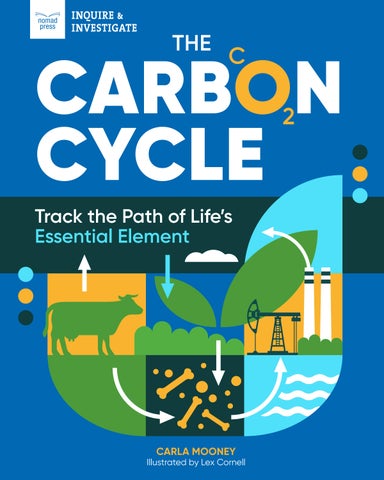
CARB O N CYCLE C
Track the Path of Life’s Essential Element
CARLA MOONEY
Illustrated by Lex Cornell
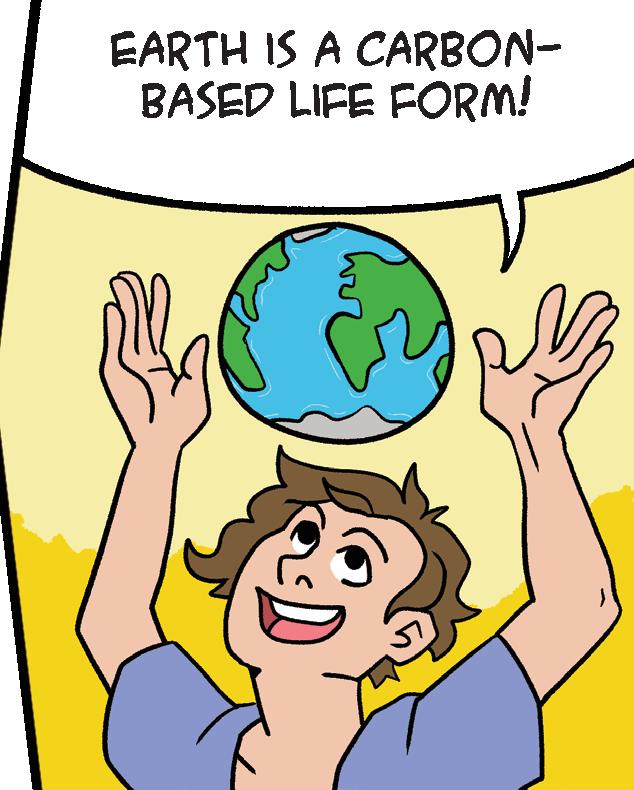
Why is it important to understand the carbon cycle?
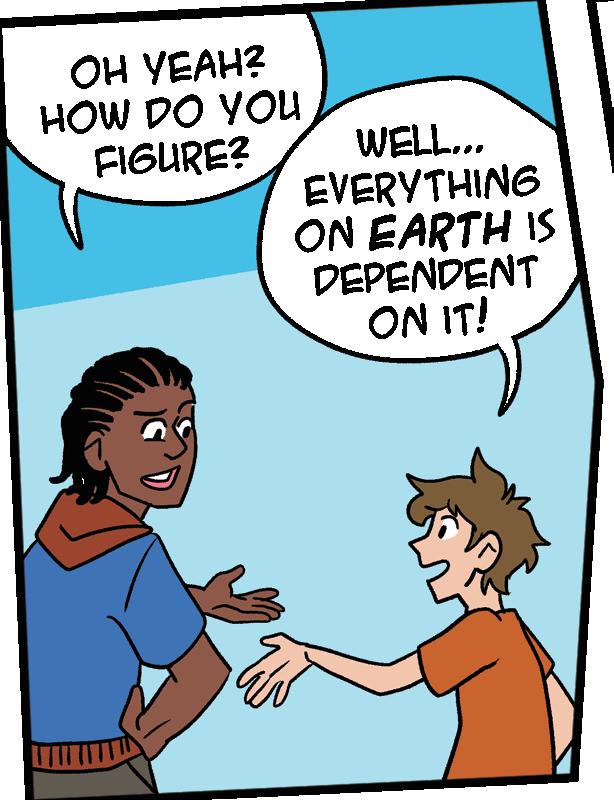
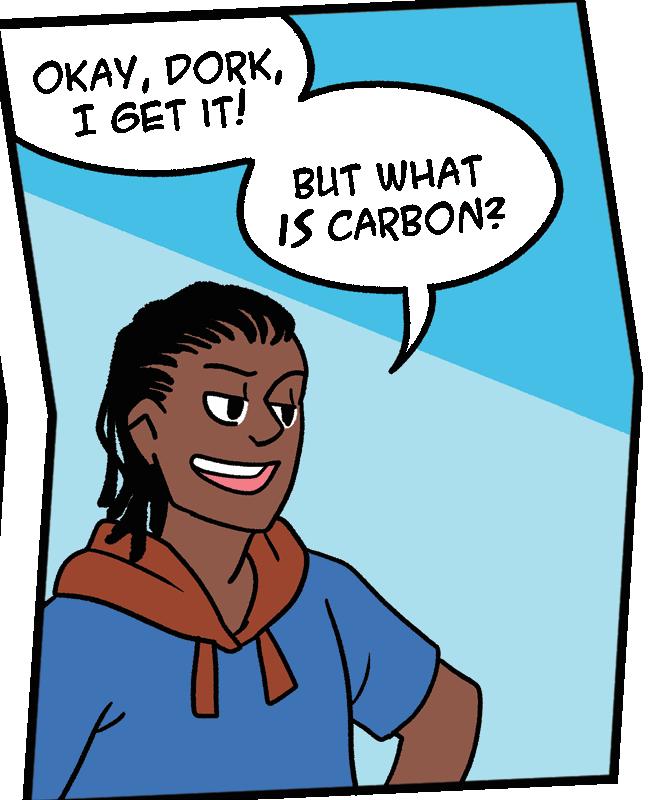
Understanding carbon and how it moves through the environment is important, especially today as human actions affect the balance of this cycle and change our climate.
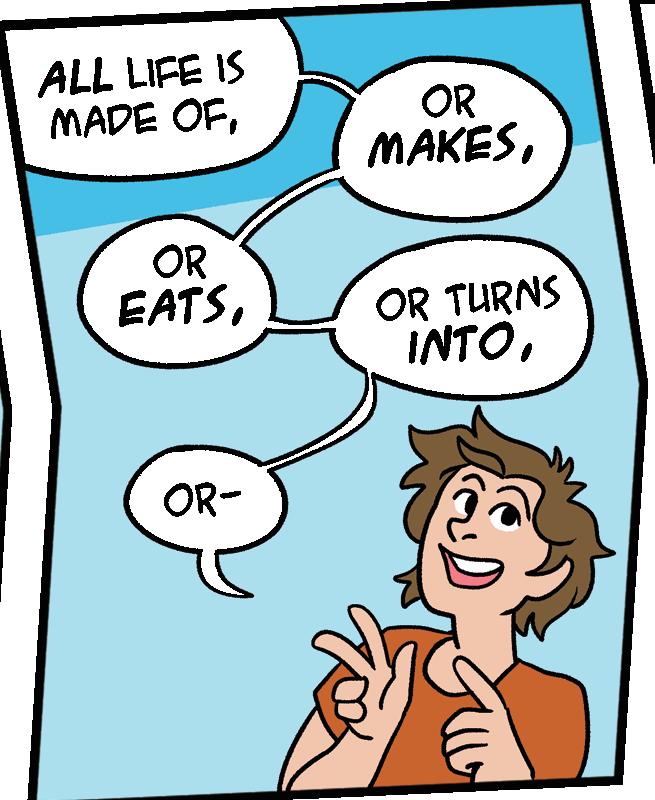
Carbon is everywhere. It’s in the air we breathe, the food we eat, the trees that grow around us—it’s even in our own bodies. Without carbon, life as we know it would not exist. This simple element, made up of just six protons, is incredibly important to the Earth and everything living on it. But carbon doesn’t just stay in one place—it moves. Carbon travels between the atmosphere, oceans, rocks, and living things in a system called the carbon cycle.
Carbon is a chemical element, represented by the letter “C” on the periodic table. It is one of the most common elements in the universe and is a building block of life. Every living thing, from tiny bacteria to massive whales, contains carbon. It is found in molecules such as carbon dioxide (CO₂), glucose (a type of sugar), and methane (CH₄).
Carbon is unique because it can form bonds with many other elements, allowing it to create long chains and complex structures, which are essential for life. Carbon atoms are very versatile. They can form single, double, or even triple bonds with other atoms. This versatility helps carbon form many different molecules, including DNA, proteins, fats, and carbohydrates. Because of this, carbon is often called the “backbone of life.”
Carbon plays a central role in Earth’s systems. It is involved in processes that support life, regulate the climate, and shape the planet’s surface. In living things, carbon is the main component of cells and tissues. In the atmosphere, carbon appears mostly as carbon dioxide, which helps trap heat and keep the planet warm enough for life.
Without carbon, none of us would be here on Earth!
Carbon also helps form Earth’s rocks and sediments. When marine organisms such as corals and shellfish die, their remains sink to the ocean floor and form limestone, which stores carbon for millions of years. Plants absorb carbon dioxide from the air and use it in photosynthesis to create food. When animals eat plants, the carbon moves into their bodies, and when they die, it can return to the soil or the atmosphere. This constant movement of carbon between the air, land, water, and living things is part of the carbon cycle.
The scientific method is the process scientists use to ask questions and find answers. Keep a science journal to record your methods and observations during all the activities in this book. This will help you organize your ideas.
Question: What are we trying to find out? What problem are we trying to solve?
Research: What is already known about this topic?
Hypothesis: What do we think the answer will be?
Equipment: What supplies are we using?
Method: What procedure are we following?
Results: What happened and why?
Carbon is the fourth most abundant element in the universe by mass. It’s the second most abundant element in the human body.
Primary sources come from people who were eyewitnesses to events. They might write about the event, take videos, post messages, or record the sound of an event. For example, the photographs in this book are primary sources, taken at the time of the event. Paintings of events are usually not primary sources, since they were often painted after the event took place. They are secondary sources. Why do you think primary sources are important?
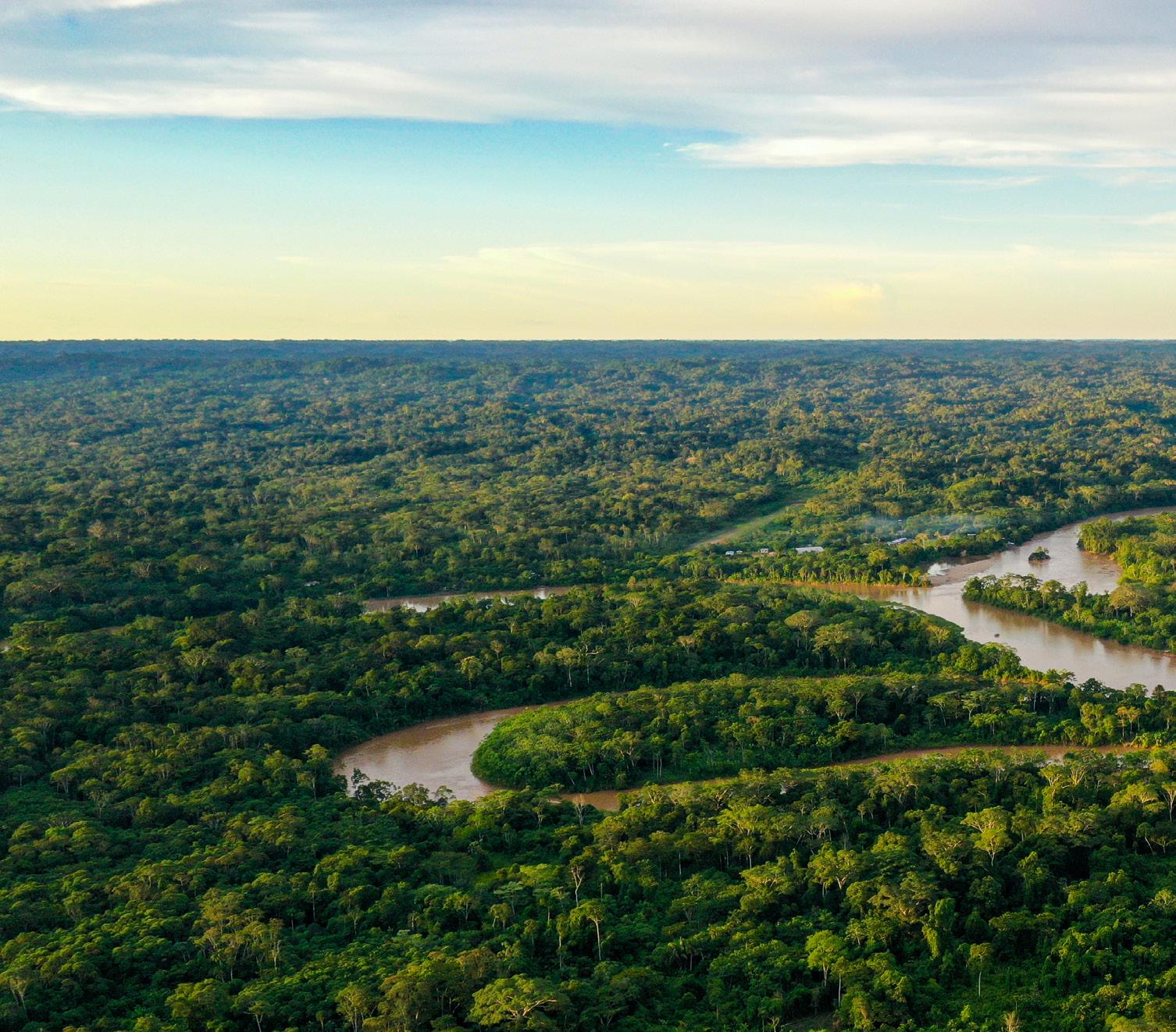
The carbon cycle is the process by which carbon moves through Earth’s systems. The total amount of carbon on Earth doesn’t change, but it is always moving from one place to another. The carbon cycle connects the atmosphere, biosphere (living things), hydrosphere (oceans and water), and geosphere (rocks and soil). Here are the steps carbon takes.
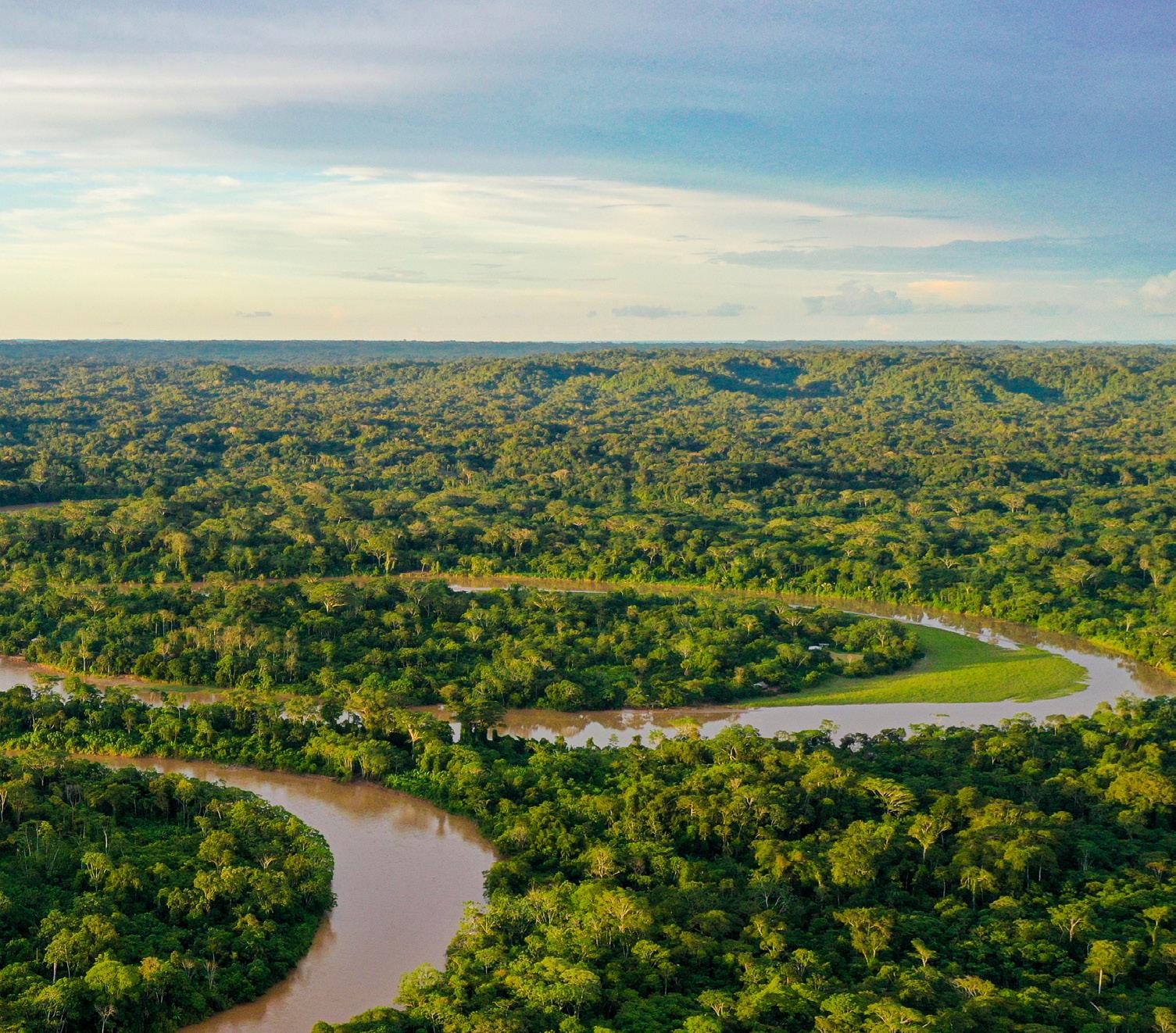
Plants play a big role in this part of the cycle. During photosynthesis, plants take in carbon dioxide from the air and use sunlight to turn it into sugar. Animals then eat the plants, moving carbon into their own bodies. When animals breathe, they release carbon dioxide back into the air through respiration. When plants and animals die, decomposers break down their bodies, and carbon is returned to the soil or the atmosphere.
Carbon is the hardest known substance in nature.
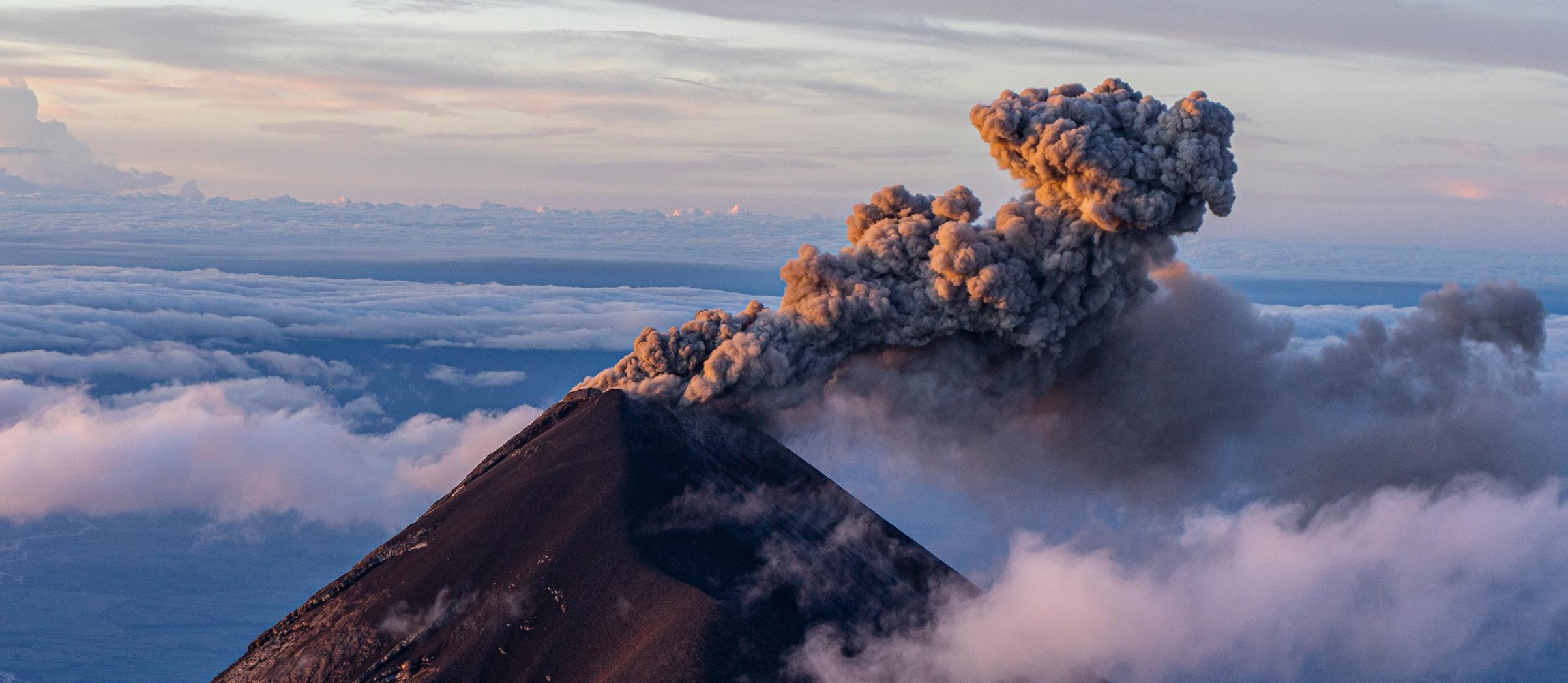
Some carbon from dead organisms is buried and, as millions of year pass, becomes part of rocks such as limestone or fossil fuels such as coal and oil. Other carbon enters the ocean, where it is absorbed by marine life or dissolved in the water. Tiny marine organisms use carbon to build shells and skeletons, which eventually become sediment and can form rocks over time.
Carbon stored in the ocean can return to the atmosphere when water warms and releases carbon dioxide. Plus, volcanoes release carbon dioxide when they erupt, pushing carbon from deep within the Earth back into the air.
During long periods, weathering of rocks can release carbon into rivers and oceans, where it may again become part of the atmosphere.
When discussing the carbon cycle, we often talk about sources and sinks. Sources are processes or places that release carbon into the atmosphere.
The burning of fossil fuels, volcanic eruptions, and plant respiration are all carbon sources.
In contrast, sinks are processes or places that absorb and store carbon. Forests, oceans, and certain types of soil act as carbon sinks because they take in more carbon than they release. When sources and sinks are balanced, the carbon cycle is stable. But when more carbon is released than absorbed, problems can arise.
The carbon cycle can be divided into two parts: the fast carbon cycle and the slow carbon cycle. The fast carbon cycle involves carbon moving quickly between living things, the atmosphere, and oceans. The fast cycle can take place in days, months, or years. For example, when a tree absorbs carbon through photosynthesis and releases it back through respiration or decay, that’s part of the fast cycle.
In comparison, the slow carbon cycle takes millions of years! It involves carbon being stored in rocks, fossil fuels, and the deep ocean.
The periodic table of elements is a chart that organizes all known chemical elements based on their properties. Each element is made of atoms and is represented by a symbol, such as H for hydrogen or O for oxygen. The elements on the periodic table are located in squares that display certain information about that element, including its name, symbol, atomic number, and atomic mass. The periodic table is arranged in rows called periods and columns called groups, or families. Elements in the same group have similar chemical properties, but different physical properties. Elements in the same row or period have the same number of electron shells, also known as atomic energy levels.
Follow this link to explore an interactive periodic table of elements. What are some things you notice about how the elements are grouped?
When plants and animals die and are buried deep underground, their carbon may eventually become coal or oil. Over time, tectonic activity can push this carbon back to the surface, where it may be naturally released through volcanoes.
Even though carbon is found all around us in the air and in living things, most of Earth’s carbon is actually stored in rocks and sediments. These include limestone, coal, oil, and natural gas.
Rocks and sediment are part of the slow carbon cycle and hold carbon for millions of years.
Earth’s second-largest carbon store is the ocean. Oceans absorb carbon from the air and from the shells and skeletons of marine organisms. Some of this carbon stays in the water, and some becomes part of the ocean floor sediments.
A smaller amount of carbon is found in the atmosphere as carbon dioxide and methane. Even though it’s a small percentage of the total carbon, the atmosphere plays a huge role in climate because of the greenhouse effect. The greenhouse effect is a natural process in which carbon dioxide and methane act like a blanket in Earth’s atmosphere to trap heat and warm the planet.
Finally, a small amount of carbon is found in living organisms—plants, animals, fungi, and bacteria. Though this is a small amount compared to rocks and oceans, it is the most active part of the carbon cycle.
Today, human activity is having a significant effect on the carbon cycle and the climate. One of the biggest changes comes from burning fossil fuels such as coal, oil, and natural gas. These fuels were formed from ancient plants and animals and store carbon from millions of years ago. When we burn them for energy, the carbon is released into the atmosphere as carbon dioxide.
A substance that is made up of only one type of atom is called an element. An element cannot be broken down into a simpler substance. Some elements such as carbon (C) have been known for thousands of years. Others such as tennessine (Ts) have been discovered recently. Scientists identify elements by the number of protons in the nucleus of its atom. For example, a carbon atom has six protons while an oxygen atom has eight protons. To date, scientists have discovered 118 elements. These 118 elements combine to make millions of different substances. In the future, scientists may discover even more elements.
Diamond is a solid form of carbon and has its atoms arranged in a crystal.
Here are a few examples of activities that add to your carbon footprint.
Driving a gasolinepowered car
Taking long showers with hot water
Eating meat (especially beef)
Using a lot of electricity from coal or gas power plants
Buying new goods that use energy to produce and ship
Carbon dioxide is a greenhouse gas that traps heat in the atmosphere. The more carbon dioxide in the atmosphere, the warmer the planet becomes. This leads to global warming and climate change, which can cause rising sea levels, more extreme weather, ocean acidification, and other environmental concerns. Since the Industrial Revolution in the 1800s, humans have added billions of tons of carbon dioxide to the air. This has increased the concentration of carbon dioxide in the atmosphere beyond natural levels.
Another human impact on the carbon cycle comes from deforestation. Trees are a carbon sink and absorb carbon dioxide from the atmosphere. When we cut down forests, we reduce the Earth’s ability to remove carbon dioxide from the air. Farming and land use changes also release carbon that was once stored in soil and plants.
Do you live near a volcano? A forest? A field? What roles do these places play in the carbon cycle?
Everyone has a carbon footprint. A carbon footprint is the total amount of carbon dioxide and other greenhouse gases that are released into the air because of what we do. These gases come primarily from burning fossil fuels like coal, oil, and natural gas.

Every time you drive a car, use electricity, eat food, or buy clothes, you leave behind a “footprint” of carbon dioxide. The more energy or resources you use, the bigger your footprint.
Why does your carbon footprint matter? Human activities that release carbon into the atmosphere affect the carbon cycle and Earth’s climate. By understanding your carbon footprint, you can find ways to reduce your impact on Earth and the carbon cycle.
Understanding carbon and the carbon cycle is important because it helps us understand how Earth works and how human activity affects the planet. The amount of carbon in the atmosphere affects the Earth’s temperature and climate. If we continue to add too much carbon dioxide to the air, we risk changing the climate in ways that are harmful to people, animals, and ecosystems.
But there is hope! Scientists are working on ways to reduce carbon emissions, such as using renewable energy sources including wind and solar, protecting forests, and developing new technologies to remove carbon from the air. By understanding carbon and learning how it works, we can make choices that help people and the Earth thrive for generations.
• Why do we need some carbon in the atmosphere but not too much?
• How are humans affecting the carbon cycle?
Write down what you think each word means. What root words can you find to help you? What does the context of the word tell you? - climate - fossil fuels - carbon sink - element - hydrosphere
Compare your definitions with those of your friends or classmates. Did you all come up with the same meanings? Turn to the text and glossary for help.
& Investigate
Explore the “ take action” tab on the CoolClimate network calculator. how effective are the three actions you chose at reducing your daily carbon dioxide emissions? are there other practical actions that would have a greater impact?
In this activity, you’ll explore your household’s carbon footprint. A household includes you and everyone who lives with you. Your household’s carbon footprint depends on how many people it holds, how big your home is, what type of transportation you use, what products you eat and buy, and more.
Think about what you do on a daily basis and write down everything you think causes carbon emissions. Which activities do you think cause the greatest carbon emissions? Which have the lowest impact? Group your activities into three categories: high carbon emissions, medium carbon emissions, and low carbon emissions.
Go online to the CoolClimate Network calculator. On this website, you’ll answer a series of questions in the “Get Started” section. Then, you’ll answer questions about your household in additional sections: “Travel”, “Home”, “Food”, and “Shopping.” You have the option in several sections to choose a simple (fewer questions) or advanced (more detailed) path. If you are unsure about a question, you can estimate an answer or ask your parents or someone in your household for help. The website’s calculator displays a graph on the right that shows your household’s carbon footprint in total and by category.
Answer the following questions about your household’s carbon footprint using the information in the graph.
• What is your household’s total carbon footprint? How does this compare to similar households?
• Which category (travel, home, food, or shopping) produced the most carbon emissions?
• Which component in that category contributed the most carbon?
• Which category produced the least carbon emissions?
Compare the online calculator to the list you made at the beginning of this activity.
• How does the online calculator’s results compare to your list?
• Did you correctly identify the high, medium, and low carbon activities? If not, why not?
• What surprised you the most in your results?
Knowing your household’s carbon footprint, what are some realistic ways that you can reduce your carbon emissions? Choose three practical actions that you can take to reduce your daily carbon dioxide emissions.
atmosphere: the mixture of gases surrounding a planet.
biosphere: the part of Earth’s crust, waters, and atmosphere that supports life.
bond: a force that holds together the atoms or groups of atoms in a molecule or crystal.
carbohydrate: an important source of energy found in the sugars, starches, and fibers in fruits, grains, vegetables, and milk products.
carbon cycle: the way carbon is exchanged between the atmosphere and Earth’s ecosystems.
carbon dioxide (CO2): a colorless, odorless gas formed during breathing, burning fossil fuels, and the decay of vegetable matter.
carbon footprint: the direct effect an individual’s actions and lifestyle have on the environment in terms of carbon dioxide emissions, which contribute to global warming.
carbon sink: a process or place that absorbs and stores carbon.
carbon source: a process or place that releases carbon into the atmosphere.
carbon: an element found in living things, including plants. Carbon is also found in diamonds, charcoal, and graphite.
climate: the average weather patterns in an area during a long period of time.
climate change: changes in the earth’s climate patterns, including rising temperatures, which is called global warming. Climate change can happen through natural or manmade processes.
decomposer: organisms such as ants, fungi, and worms that break down waste, dead plants, and animals.
deforestation: the process through which forests are cleared to use land for other purposes.
deoxyribonucleic acid (DNA): the molecule in all living things that carries genetic information.
ecosystem: a community of living and nonliving things and their environment. Living things are plants, animals, and insects. Nonliving things are soil, rocks, and water.
element: a basic substance, such as gold or oxygen, made of only one kind of atom.
emissions: the production and discharge of something, such as exhaust from a car.
fast carbon cycle: the shortterm movement of carbon between living things, the atmosphere, and oceans.
fat: one of the three main macronutrients, along with proteins and carbohydrates, that are necessary for the functioning of the human body.
fossil fuel: a fuel made from the remains of plants and animals that lived millions of years ago. Coal, oil, and natural gas are fossil fuels.
geosphere: the region of Earth that includes everything from the rocky crust to the liquid core.
global warming: an increase in the average temperature of Earth’s atmosphere, enough to cause climate change.
greenhouse effect: a process through which energy from the sun is trapped by a planet’s atmosphere, warming the planet.
greenhouse gas: a gas in the atmosphere that traps heat and contributes to warming temperatures.
hydrosphere: all the Earth’s water, including oceans, rivers, lakes, glaciers, and water vapor in the air.
Industrial Revolution: a period during the eighteenth and nineteenth centuries when largescale production of goods began and large cities and factories began to replace small towns and farming.
methane: a greenhouse gas composed of carbon and hydrogen that is colorless and odorless.
molecule: a group of atoms bonded together, the simplest structural unit of an element or compound. Molecules can break apart and form new ones, which is a chemical reaction.
nucleus: the center of an atom, made up of protons and neutrons.
ocean acidification: the process by which the ocean absorbs CO2 from the atmosphere, and, through a series of chemical reactions, becomes more acidic.
periodic table: a chart that shows the chemical elements arranged according to their properties.
photosynthesis: the process a plant goes through to make its own food. The plant uses water and carbon dioxide in the presence of sunlight to make oxygen and sugar.
protein: an organic molecule found in all living plants and animals that provides the major structural and functional components of cells.
proton: a particle of an atom that has a positive electrical charge and is found in the nucleus of all atoms.
renewable resource: a resource that cannot be used up, such as solar energy.
respiration: the act of breathing, a process in living organisms that involves the production of energy, typically with the intake of oxygen and the release of carbon dioxide.
sediment: small particles of rocks or minerals, such as clay, sand, or pebbles.
slow carbon cycle: the longterm movement and storage of carbon in rocks, fossil fuels, and the deep ocean.
tectonic: relating to the earth’s crust and the forces acting on it.
versatile: able to be used in a lot of ways.
weathering: destruction from rain, snow, wind, and sun.
Use this chart to find the metric equivalents to the English measurements in this activity. If you need to know a half measurement, divide by two. If you need to know twice the measurement, multiply by two.
Scientists call carbon the chemical backbone of life on Earth. That’s because without carbon, there’d be no humans, animals, plants, microbes, or any other kind of life. In The Carbon Cycle: Track the Path of Life’s Essential Element, young scientists explore how the first life forms that evolved on our planet consumed carbon and now, 4 billion years later, carbon is still the building block of all known forms of life. The carbon cycle relies on balance, but as we continue to burn fossil fuels, more of the carbon stored in rock gets released into the atmosphere, upsetting the careful equilibrium that keeps our climate healthy and habitable. Learn all about the carbon cycle and the human influence on that cycle through a compelling narrative, links to online resources, essential questions, text-to-world observations, hands-on STEM activities, and graphic-novel style illustrations and photographs.
Praise for other science titles by Carla Mooney
Chemistry: Investigate the Matter that Makes Up Your World
“Chemistry is a very readable, motivating, and highly interactive resource designed to promote a love of learning about the world of matter for any middle school student.”
—National Science Teachers Association (NSTA Recommends)
order: orders@btpubservices.com, 888.814.0208
For more information, contact Nomad Press: andi@nomadpress.net, 603.727.2766
EDUCATION RESOURCE focus on science
JUVENILE NONFICTION
Books from Nomad Press include the following educational components:
Timeline of important events
Hands-on, science-minded activities
Links to online media
Essential questions
Text-to-world connections
Primary sources, including maps, photographs, and letters
Extensive back matter, including glossary, index, and resources
Guided Reading Levels and Lexile measurements
Pub Date: MAY 2026
PB: 9781647411558, $19.95
HC: 9781647411527, $24.95
eBook: all formats available, $12.99
Specs: 8 x 10, 128 pages, color interior with illustrations and photography
Ages: 12–15
Grade Level: 7–9
Publicity & Marketing:
• Co-op funds available
• Major national galley mailing
• Amazon Merchandising program
• National trade advertising, including:
- Publisher’s Weekly
- Booklist
- School Library Journal