CULTURE
World Anthropology Day is held annually on the third Thursday in February and was created to share the wonders of anthropology with people worldwide.
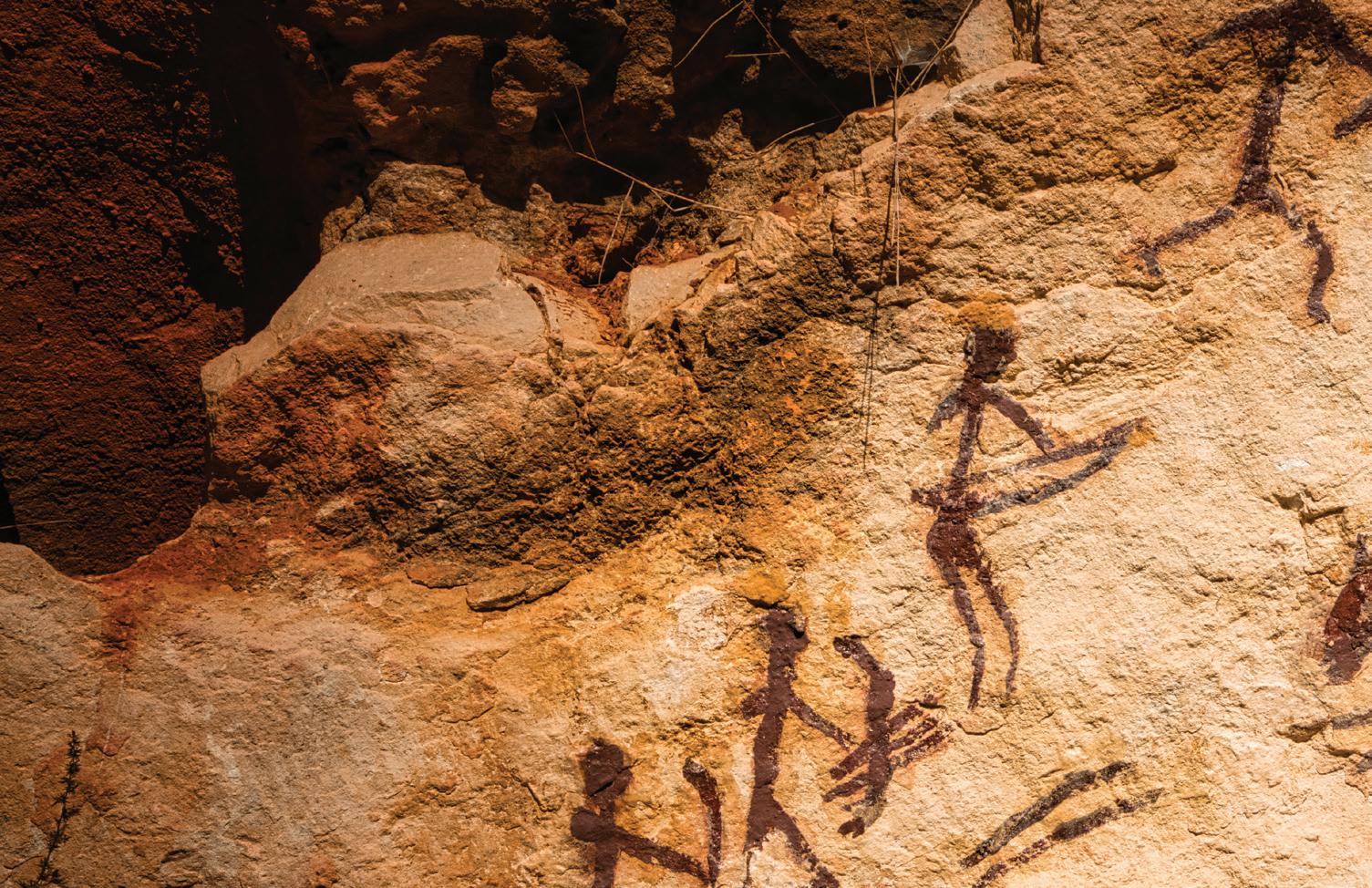
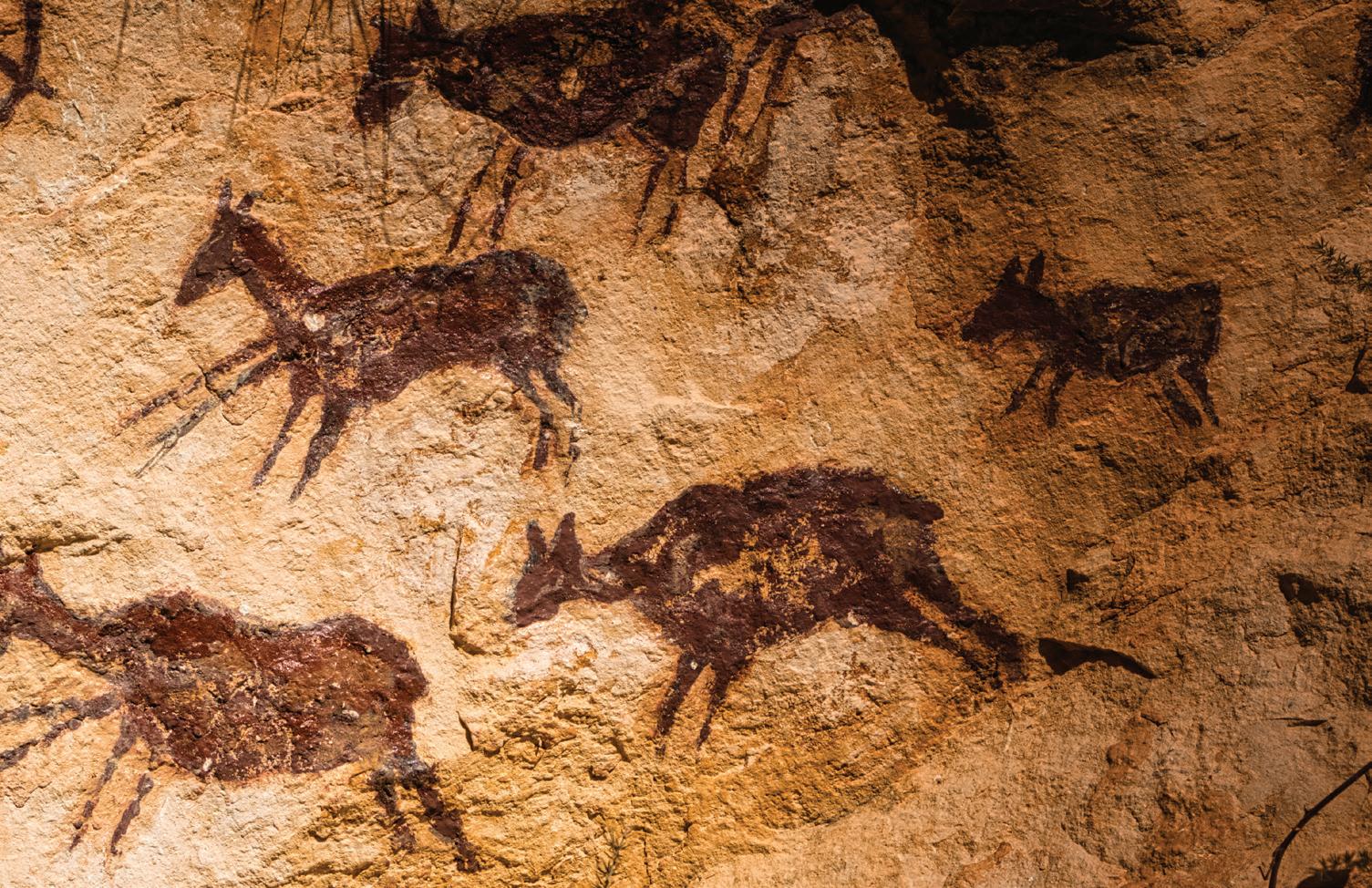
Ancient Aboriginal people told stories from their culture in paintings on rock walls. Watch this video to learn more about their work and art.
BIOLOGICAL ANTHROPOLOGY
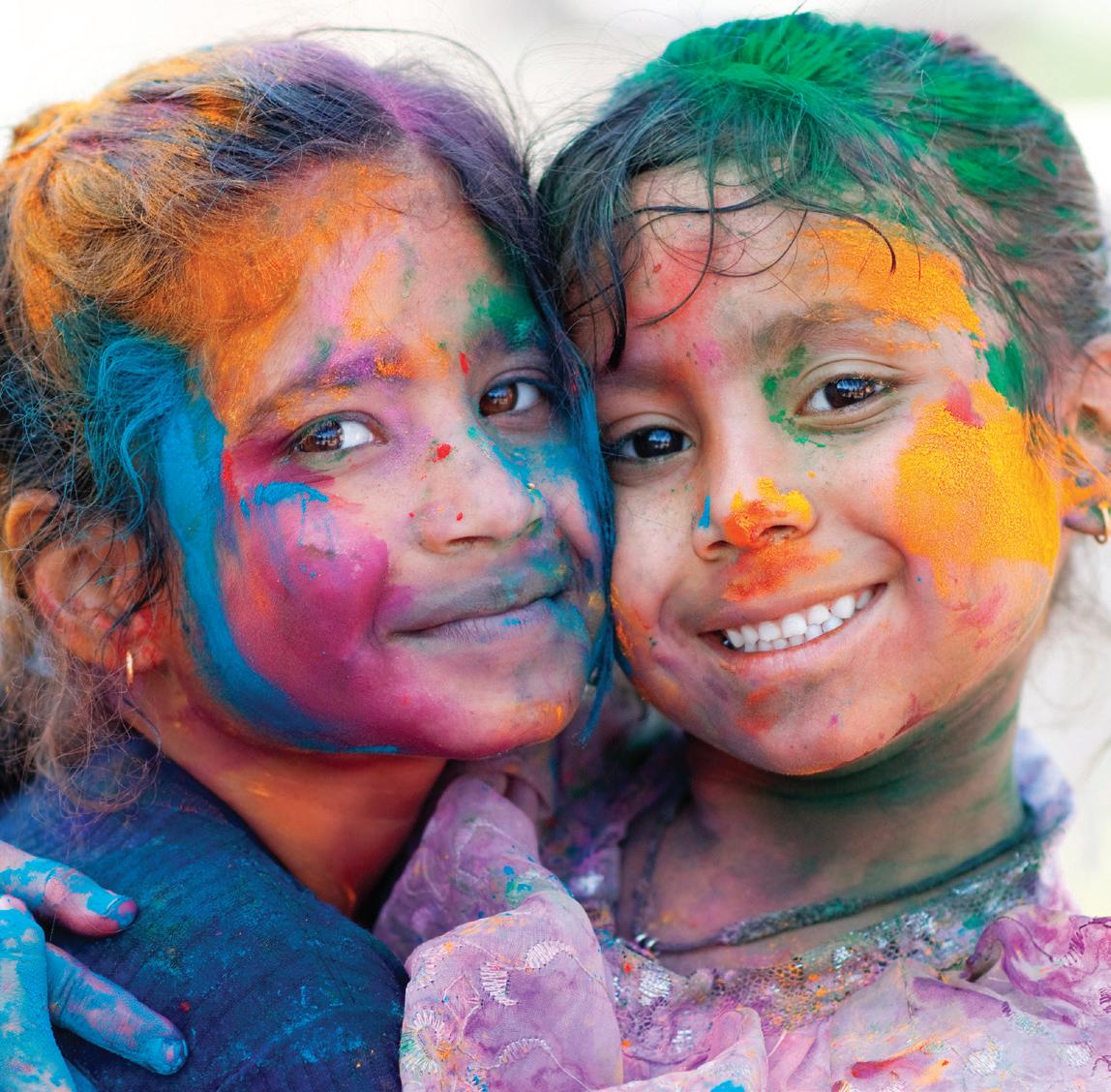
People come in all shapes, sizes, and colors. You have brown hair, while your best friend has red hair. Your father is tall, while your mother is short. People from Scandinavia tend to be lighter-skinned and have straight hair, while people from Ghana are typically darker-skinned and have curlier hair. These physical differences are also known as biological differences. Have you ever wondered how and why those differences came about?
Biological anthropology explores the evolution of human beings. It is also known as physical anthropology. This anthropology subfield seeks to understand how humans evolved and why differences
among humans arose, especially genetic variations.
Kids NatGeo Aboriginal
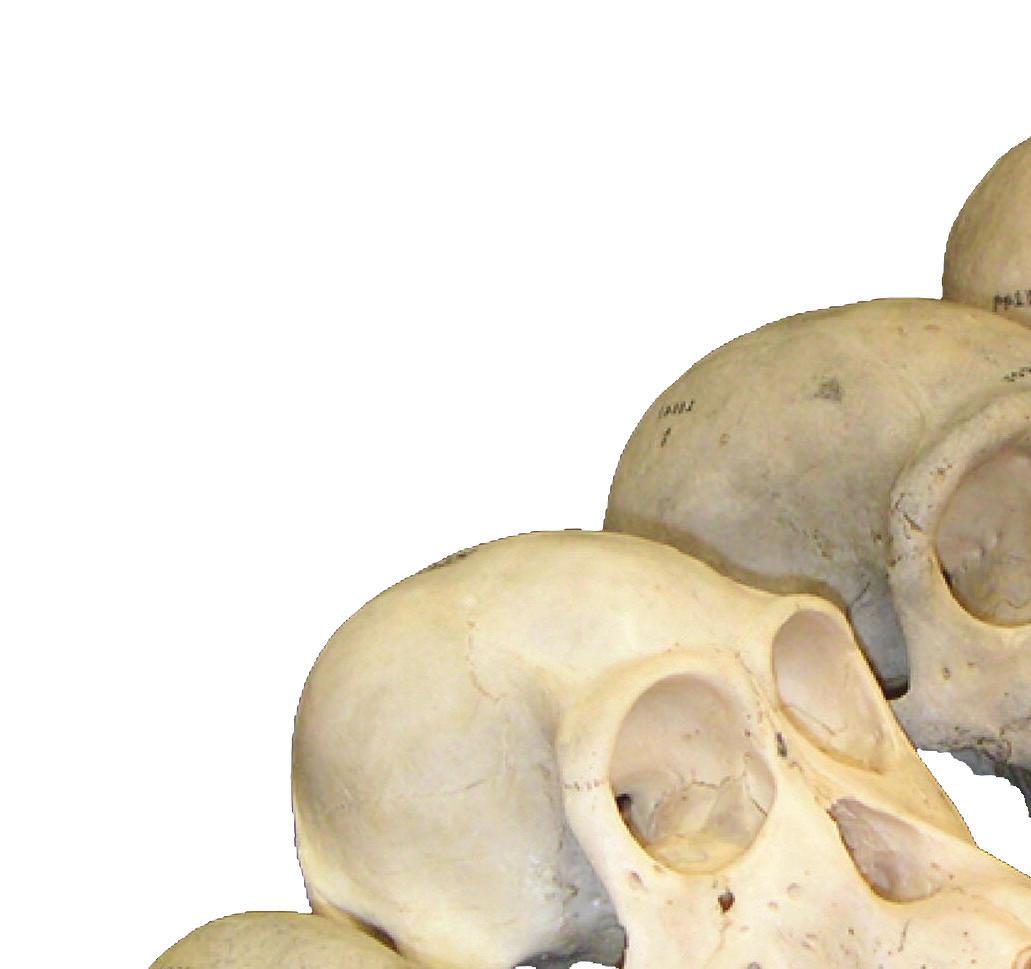
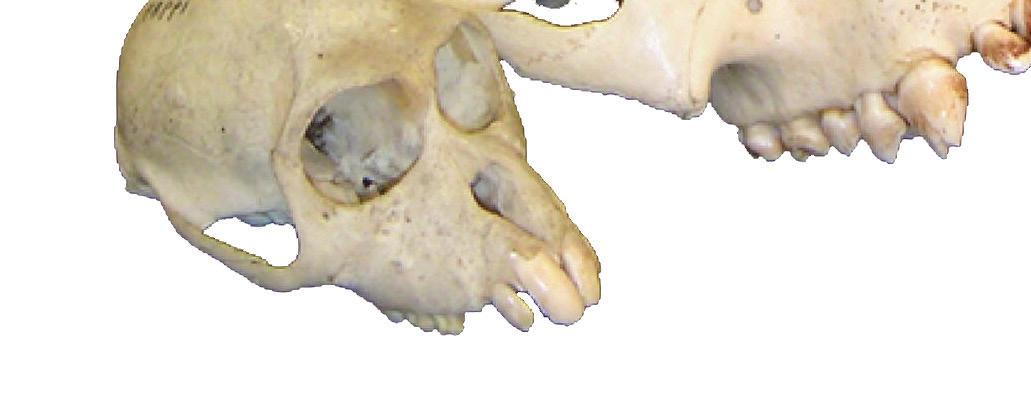
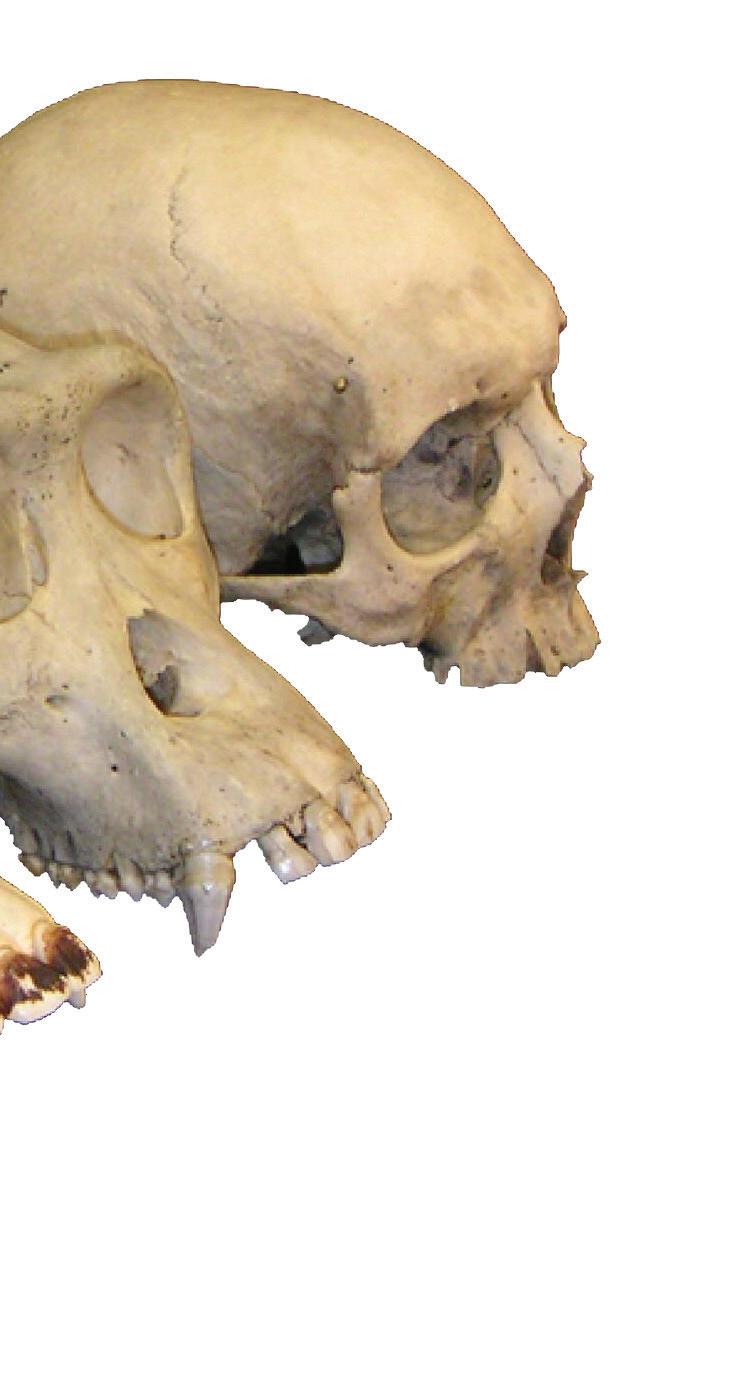
Primate skulls Credit: Christopher Walsh, Harvard Medical School(CC BY 2.5)
It compares the evolution of humans with that of their primate relatives, both now and in the past. Biological anthropology asks questions such as these:
• Where did humans come from?
• How did our species of Homo sapiens develop?
• How are humans similar to or different from other primates?
• How have humans adapted to different environments?
• What can bones and fossils tell us about ancient humans?
To answer these questions and understand how humans evolved, biological anthropologists study fossils and skeletons. For example, they might examine a skull to determine the brain size of an early human. Some study primates, such as monkeys and apes, that are our closest living relatives. Analyzing the differences and similarities between humans and primates helps biological anthropologists understand how humans evolved from earlier species. Biological anthropologists might also study DNA to track how groups of humans migrated around the world. DNA can also reveal relationships between ancient groups.
Millions of years of evolution have shaped the humans we are today. Biological anthropology helps us answer questions as to how our physical traits, from skin color to resistance to certain diseases, evolved in response to our environment.
WHAT IS CULTURE?
The idea of culture is at the heart of anthropology. British anthropologist Edward Burnett Tylor (1832–1917) first defined culture in his 1871 book, Primitive Culture. He wrote that culture was “that complex whole which includes knowledge, belief, art, morals, law, custom, and any other capabilities and habits acquired by man as a member of society.” Tylor emphasized that culture is something learned and shared by all humans. Culture is not a single element but rather a vast network of interconnected elements, from art and tools to beliefs, morals, customs, and laws. Culture includes all aspects of a group’s way of life. It is something learned in society, rather than inherited through biology. Tylor’s definition established culture as a universal human experience. It laid a foundation for studying diverse human traditions and the shared experiences and meanings of entire societies.
PARTICIPANT OBSERVATION
Many cultural anthropologists use a method called participant observation to gather information. They immerse themselves in the culture by living with the people they study. As part of the community, they eat what everyone else eats, participate in daily activities, learn the language, and form relationships with other community members. This immersive experience helps them gain a deeper understanding of the culture.
BURIED IN THE PAST: ARCHAEOLOGY
They say you don’t really know someone until you know about their past. That’s true in anthropology as well! Archaeology is a subfield of anthropology that focuses on ancient people and societies that existed long ago, using the physical remains they left behind. Archaeologists explore ancient sites to uncover artifacts such as tools, pottery, buildings, artwork, and weapons. These objects offer clues about how people lived back then. An archaeologist might uncover the remnants of an ancient city, a broken cooking pot, a spear point, or a decorated shell necklace. Each discovery tells part of the human story.
Archaeologists are like detectives. They carefully excavate ancient sites, searching to the smallest clues. When they find an artifact, they carefully record and analyze it. They use scientific techniques and tools, such as carbon dating and soil analysis, to better understand each artifact, when it was made, and how it was used.
Even the smallest artifact can reveal valuable information.
A tiny grain of pollen might show what crops ancient people grew. A pile of bones might show what animals they hunted. A child’s toy might reveal how families raised their children. With this information, archaeologists can build their knowledge about how and when our human ancestors lived.
CULTURAL ANTHROPOLOGY
While some anthropologists study the past, others focus on people living today. Cultural anthropology focuses on living people and their cultures. Although we are all humans, there are many differences in societies around the world. People practice different traditions, hold different beliefs, follow different religions, speak different languages, enjoy different foods, and more. Cultural anthropology seeks to understand these differences and their origins. For example, a cultural anthropologist might study:
• How families are structured in different societies
• Why some cultures practice arranged marriages
• The importance of religious rituals in community life
• The role of music or food in daily celebrations
• How teenagers in different countries use social media
SIX BLIND MEN AND THE ELEPHANT
An Indian fable called “Six Blind Men and the Elephant” illustrates the importance of different perspectives when studying a subject. In the fable, six blind men come across an elephant for the first time. Each man tries to understand the strange creature by feeling it. One man feels the elephant’s side and describes it like a wall. Another man runs his hands over the elephant’s tusks and likens them to spears. A third man feels the elephant’s trunk and compares it to a snake. The fourth man feels the elephant’s legs and announces that it is a tree. The fifth man feels the elephant’s ears and says that he touched a fan. The sixth man holds the elephant’s tail and announces that it is a rope. Because each man felt a different part of the elephant, each had a unique picture of the animal. Each man’s perspective is different. Similarly, anthropologists study a subject from different subfields. Each brings a unique perspective to the study, and they can create a complete picture by combining their individual perspectives into a single whole.
According to some experts, more than 7,000 languages are spoken worldwide today. Many are in danger of disappearing.
Linguistic anthropologists often work with communities to document and preserve languages before they vanish.
LINGUISTIC ANTHROPOLOGY
The fourth subfield of anthropology, called linguistic anthropology, focuses on the languages of humans. Language is one of the most powerful tools humans have. It’s nearly impossible to imagine life without language. Language allows us to share ideas and express emotions. We use language to tell stories, share traditions. and teach children.
We make laws, run institutions, and shape societies with language.
Linguistic anthropology studies language and how humans use it. A linguistic anthropologist might study:
• How languages are structured
• How children naturally learn language
• How storytelling shapes culture
• How languages change over time
• Why some languages disappear
• How people switch between languages depending on the situation
TEXT TO WORLD
What are some traditions you practice in your family? How did they come about?
WHY ANTHROPOLOGY IS IMPORTANT
In a world filled with billions of people, thousands of languages, and numerous cultural traditions, anthropology helps us make sense of our differences.
Through its four subfields—cultural anthropology, archaeology, biological anthropology, and linguistic anthropology—it paints a well-rounded picture of the human species.
Anthropology helps us answer some of the most fundamental questions humans can ask:
• Who are we?
• Where did we come from?
• What connects us?
• Why do we live so differently, yet share so much in common?
Through anthropology, we can learn about how humans evolved, how we spread across the globe, how we built families and communities, how we created languages and beliefs, and how we continue to change today.
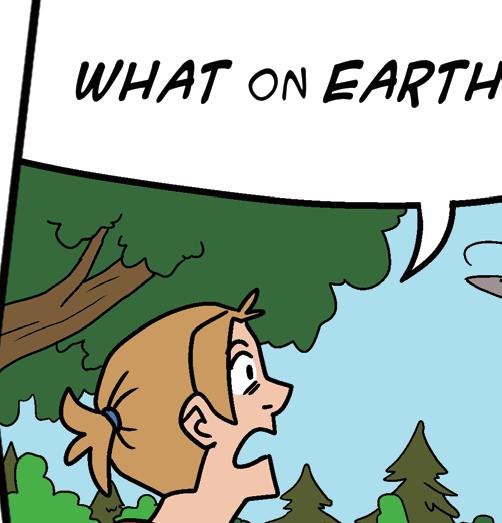
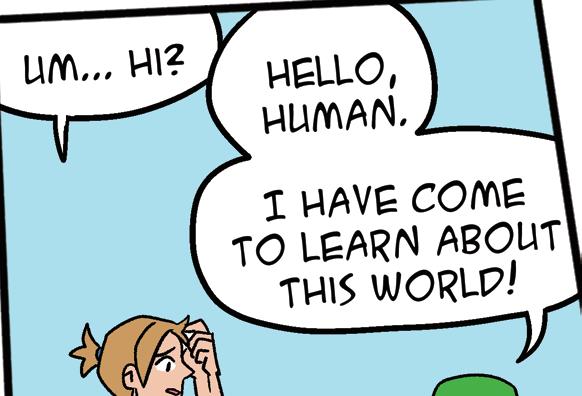
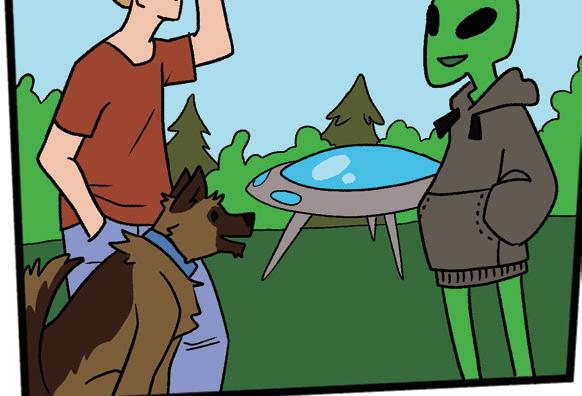
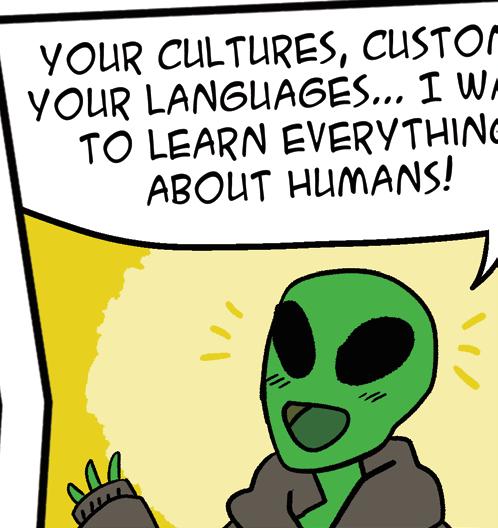
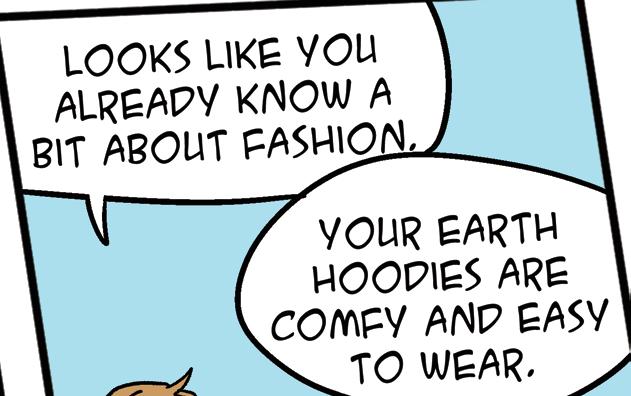
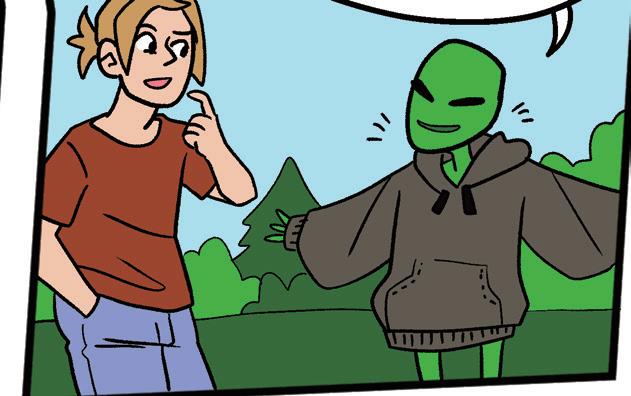
As you read this book, you might imagine yourself joining that alien visitor on a journey to discover the incredible variety of human life and the shared qualities that unite us all. Anthropology will guide you through our human past, present, and future possibilities. By the end, you might find that understanding others helps you better understand yourself.
KEY QUESTIONS
• How does the climate where you live affect the types of clothing you wear? How does this relate to anthropology?
• What role do you think immigration plays in the study of anthropology?
Write down what you think each word means. What root words can you find to help you? What does the context of the word tell you?
- artifact - culture - evolution - excavate - participant - observation
Compare your definitions with those of your friends or classmates. Did you all come up with the same meanings? Turn to the text and glossary for help.
VOCAB LAB
Ideas for Supplies
› newspaper or a plastic sheet
› rubber gloves
› items from one trash bag
› camera
› science journal and pencil
WHAT STORY DOES YOUR TRASH TELL?
Did you know that people can learn a lot about you by simply looking at your trash? Anthropologists search through ancient trash to find clues about life in the past. The simple things people used and discarded every day, such as pottery, stone objects, and food scraps, can reveal a lot of information. Anthropologists can determine how many people lived in a house, what types of activities they did, and what they ate, just by looking through the trash. What story does your trash tell? Put on your anthropologist hat to find out!
Get permission from an adult to go through a trash bag at your house. Pick a trash can from the kitchen or your bedroom—skip the bathroom trash!
Cover a large flat surface, such as a table or floor, with newspaper or plastic sheets. You might want to do this step outside or in your garage.
Put on the rubber gloves to protect your hands.
Carefully take items out of the trash one at a time and place them on the newspaper or plastic. Put the ones you take out first near the top of your newspaper. Recreate the order and layers of trash in the can on the newspaper.
Once all the trash is spread in layers on the newspaper, make a list of what you found and where it was (top, middle, or bottom layer) in the can. Take a photo of the trash on the newspaper to document your investigation.
Imagine that you are an anthropologist who does not know anything about the people living in your home. Answer the following questions and write your answers and observations in your journal.
• Describe the objects found in the trash.
• What are the different categories of items found? Food, packaging, household items?
• What was the most common item in the trash?
• Can you tell how many people live in the home from what you found in the trash?
• Can you tell the ages of the people living in the home?
• What type of food do they eat?
• Do they have pets? If so, what kind?
• What is the oldest object in the trash? What is the newest?
• Can you determine the last time the trash was taken out? How do you know?
• Can you tell who used and threw away each piece of trash?
• What story does this trash tell you about the people who threw it away?
Repeat this activity using a different trash can. Try a different can in your home or use some trash from a relative or friend’s home (with permission, of course!). What story does their trash tell?
GLOSSARY
adapt: to make a change in response to new or different conditions.
anthropology: the study of human culture and human development.
archaeology: the study of ancient people through the objects they left behind.
artifact: an object made by people from past cultures, including tools, pottery, and jewelry.
biological anthropology: the study of how people have evolved and adapted to their environment.
culture: the beliefs and way of life of a group of people, which can include religion, language, art, clothing, food, and holidays.
deoxyribonucleic acid (DNA): the molecule in all living things that carries genetic information.
evolution: gradual change through time.
genetic: relating to genes, which are units of DNA and RNA that assign organisms their characteristics.
Homo sapiens: the Latin name for the genus and species of modern humans.
linguistic anthropology: the branch of anthropology focused on the languages of humans.
migrate: to move from one area to another.
philosopher: a person who studies knowledge, truth, and the nature of reality.
primate: a mammal belonging to a classification order including humans that shares the following features: a large brain, opposable thumbs, good eyesight, and flexible toes.
cultural relativism: the practice of, when studying groups of people, approaching them with respect and without judgement.
society: an organized community of people with shared laws, traditions, and values.
sociology: the study of human relationships and social problems.
systematic: performed according to a plan.
METRIC CONVERSIONS
Use this chart to find the metric equivalents to the English measurements in this activity. If you need to know a half measurement, divide by two. If you need to know twice the measurement, multiply by two.
English Metric
WHAT MAKES US HUMAN?
IS IT LANGUAGE? TECHNOLOGY? ARTS? MEDICINE?
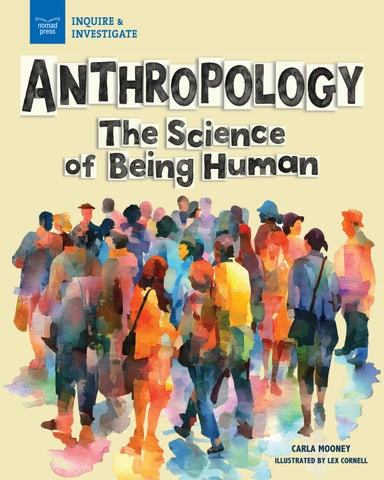
Yes—all of those! Anthropology is the study of the development of human society. In Anthropology: The Science of Being Human, young anthropologists explore several kinds of anthropology, including biological anthropology, archaeology, cultural anthropology, and linguistic anthropology, while examining significant items or events that show moments in time when the human race adapted to a changing world in a way that exemplifies the human experience. Stories about past and current civilizations, key figures who made discoveries in the field, and interesting facts about the technology used to support the field of anthropology invite readers to dive deep into the story of culture!
Links to online videos and primary sources, essential questions, text-to-world observations, hands-on activities, and research projects invite all types of learners to the table.
Praise for The Science of Seeds: Why We Eat Maize, Wheat, Rice, and Potatoes by Carla Mooney
2025 Green Earth Book Award Recommended Reading
Praise for Engineering: How the Six Simple Machines Support the World by Carla Mooney
“The STEM offering successfully pulls ancient devices into the twenty-first century, reinforcing math and science concepts and standards while whetting inquiry and curiosity.” —Booklist
Distributed by Baker & Taylor Publisher Services
To order: orders@btpubservices.com, 888.814.0208
For more information, contact Nomad Press: andi@nomadpress.net, 603.727.2766
EDUCATION RESOURCE focus on social studies
JUVENILE NONFICTION
Books from Nomad Press include the following educational components:
Timeline of important events
Hands-on, science-minded activities
Links to online media
Essential questions
Text-to-world connections
Primary sources, including maps, photographs, and letters
Extensive back matter, including glossary, index, and resources
Guided Reading Levels and Lexile measurements
Pub Date: MAY 2026
PB: 9781647411640, $19.95
HC: 9781647411619, $24.95
eBook: all formats available, $12.99
Specs: 8 x 10, 128 pages, color interior with illustrations and photography
Ages: 12–15
Grade Level: 7–9
Publicity & Marketing:
• Co-op funds available
• Major national galley mailing
• Amazon Merchandising program
• National trade advertising, including:
- Publisher’s Weekly
- Booklist
- School Library Journal