















































By Dr. Noha Essam Khamis
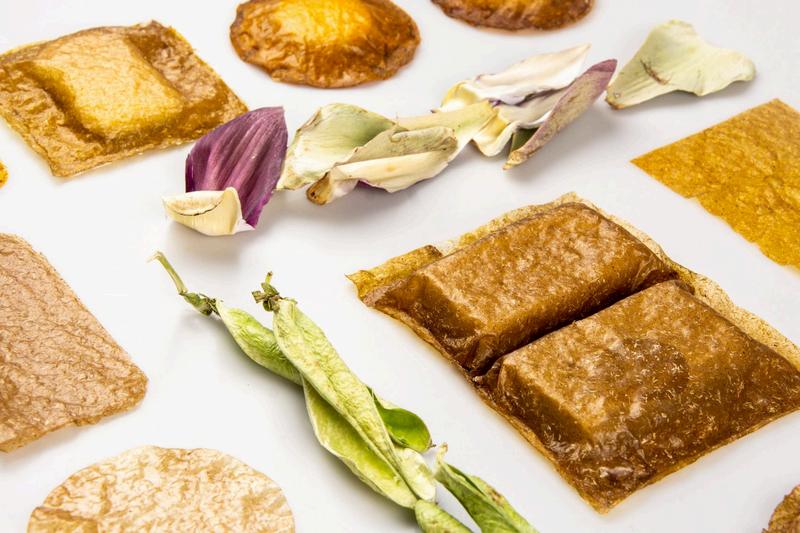
Food waste is a global problem that has a significant impact on the economy, nutrition, food security, and the environment. The central vision of this booklet is showcasing Innovations in design that can be achieved from food waste and bio-based materials. Through this booklet, we established a new platform of design thinking, with a recognition to the four pillars of sustainability; human, social, economic and environmental in the shades of the global goals focusing on products and services that contribute to achieving Sustainable Development Goals (SDGs), Striving for resilient community development work toward the realization of "leaving no one behind", with relational potential of insight, creativity and innovation. We are questioning the circular system of food. In fact, When we think about designing waste out of the food system and bio-based materials, we tend to paint a cheerful picture of the future and hope for cultural sustainability promotion. I am pleased to introduce this year's booklet of Design for sustainability module at the college of architecture and Design, Effat University (Class 2025) which illustrates the great work of talented individuals steeped in the knowledge of their core discipline, confident enough to work on risk unsolved problems, adept at understanding different fields of design and immersed in an atmosphere of speculation and experimentations.
The sustainable design is a multifaceted approach that focuses on creating products, services, and built environments that minimize environmental, social, and economic impacts throughout their lifecycle. It emphasizes reducing waste, conserving resources, and promoting a circular economy. The goal is to meet current needs without compromising the ability of future generations to meet their own. It applied across sciences and arts including a problem statement, hypothesis of solution, objectives, literature review, appropriate methods of investigations and exploration, a research plan, testing and communicating the results that conclude with insights in written form that follows the academic standards, qualitative and quantitative methods of work, pilot studies, casual models of production and visual researches. The participants created a mutual interdisciplinary-based dialogue between Interior and Product design majors. The topics are taken over the zeitgeist, sustainability, innovation and surprising directions. The aim of these articles is to explore and discuss sustainable design activism as a medium by which contemporary designers undertake projects based on their ethical concerns and a sense of social responsibility. This book was produced through the spring semester of 2025.
Dr. Noha Essam Khamis, PhD Associate Professor of Interior Archt. & Interdisciplinary Design College of Architecture and Design Effat University






Coffee grounds, which are frequently thrown away after brewing, are being utilized more and more in sustainability and design. They are recycled into environmentally friendly products, like packaging that decomposes naturally and provides a sustainable substitute for plastic. Additionally, coffee grounds are used to add a distinctive texture and earthy look to textiles, furniture, and home décor items.
Coffee grinds are utilized in skincare treatments and exfoliating scrubs in the cosmetics sector because of their inherent abrasive qualities. They can also be used to generate natural dyes for paper and textiles because of their rich color and texture. Designers and manufacturers may create sustainable, inventive goods that contribute to a more environmentally conscious future while reducing waste by recycling coffee grounds.





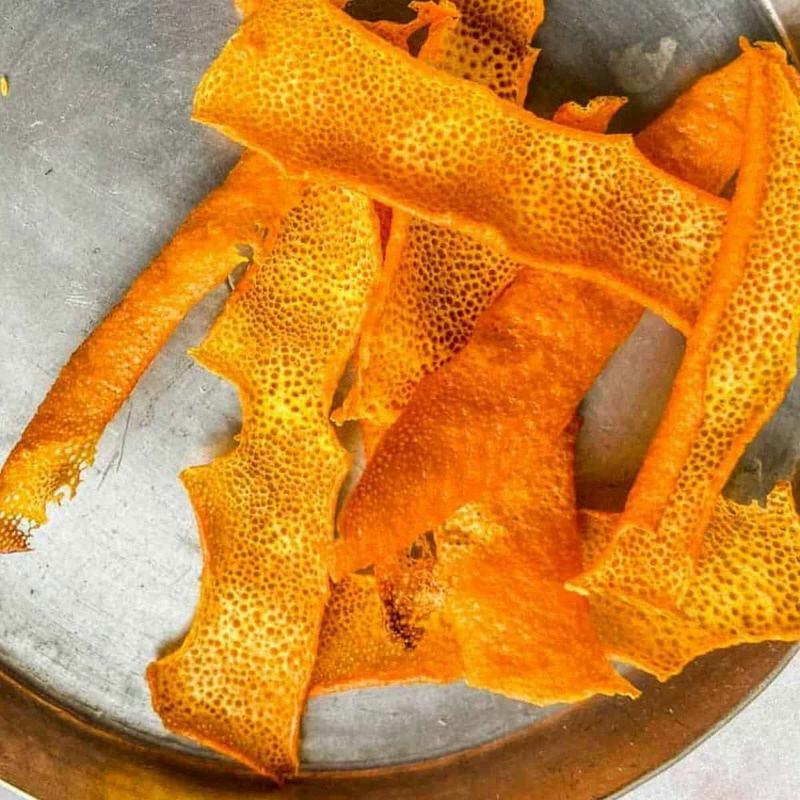
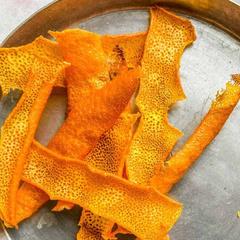
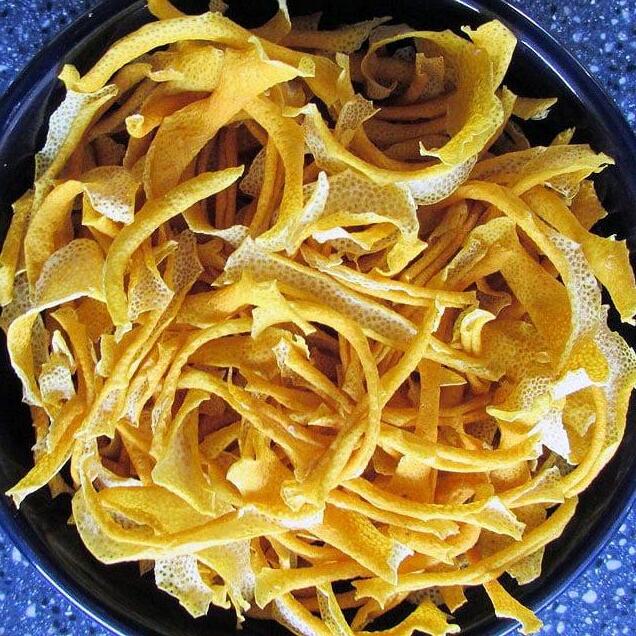
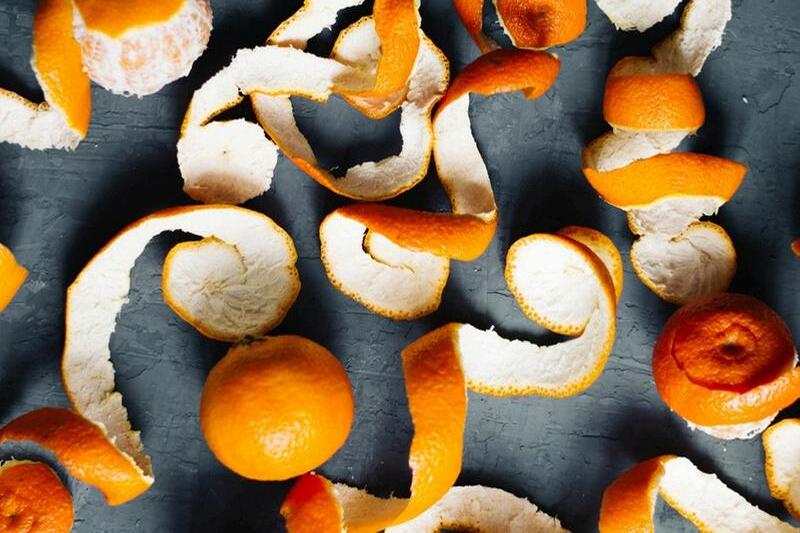
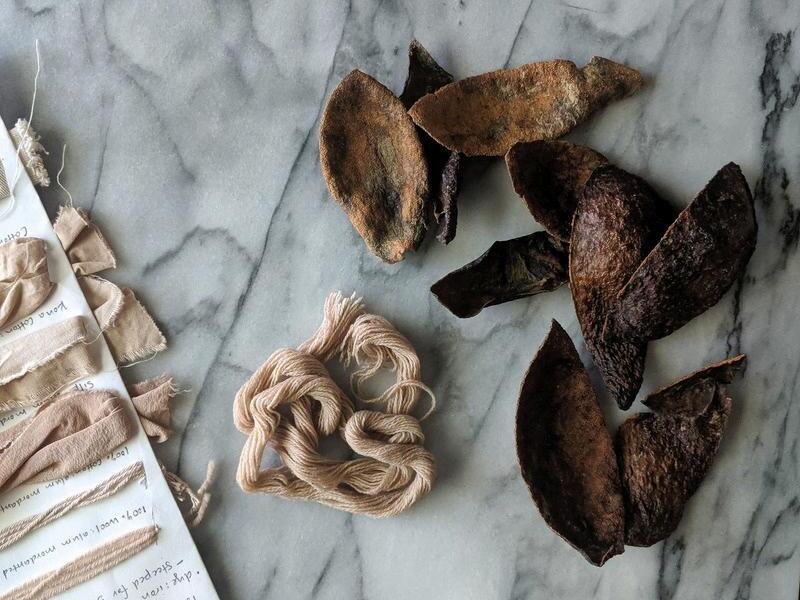
Oranges, which are often eaten for their fruit and juice, have several innovative and sustainable design applications The peel, which is frequently thrown away, is recycled into environmentally beneficial goods including cleaning supplies, biodegradable packaging, and even natural dyes for paper and textiles Because of its revitalising aroma and skinbenefitting properties, orange peel oil, which is derived from the rind, is also utilised in cosmetics and aromatherapy.
Dried orange peels are ingeniously incorporated into home décor, including candles, potpourri, and even as a natural ingredient in scented items. Furthermore, the peel's fibres being investigated for use in environmentally friendly paper and textile goods. We can reduce waste and promote ecofriendly innovations in everyday products and creative design by repurposing orange waste.


Because of their inherent beauty and adaptability, seashells are frequently employed in design. They are recycled into jewelry, showcasing their complex hues and forms in one-of-a-kind necklaces, bracelets, and earrings. Additionally, seashells are used to provide a rustic or coastal touch to lamps, picture frames, and decorative vases.
Seashells are also utilized in mixed-media projects and art installations, where their textures and patterns help create imaginative and environmentally friendly designs. They add an organic, striking touch whether they are employed as mosaic pieces or embedded in furniture. In addition to producing lovely goods, using seashells in design encourages recycling and environmentally aware innovation.


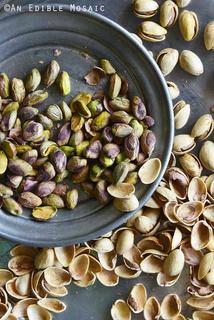
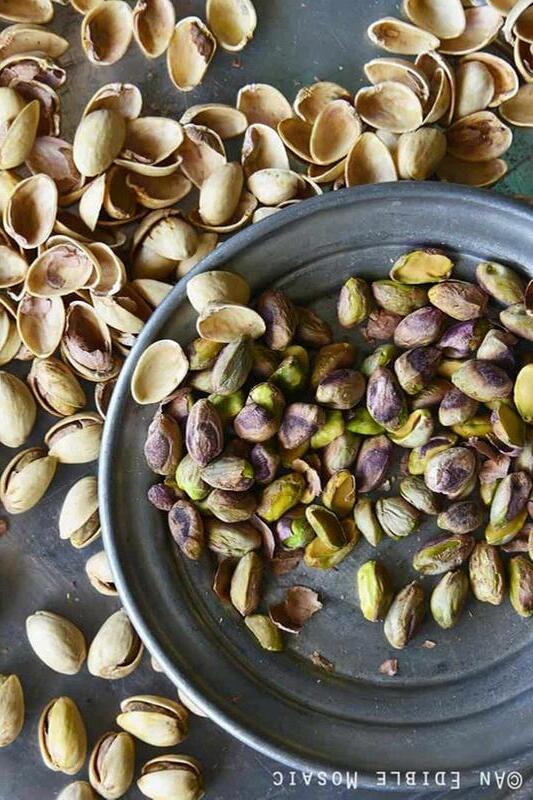
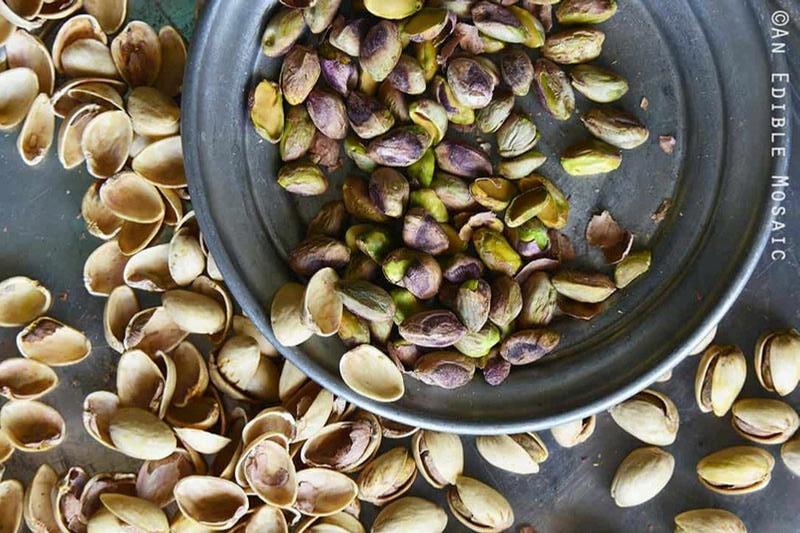
Pistachio shells are a creative, environmentally beneficial material that is being used in sustainable design. In order to create natural textures and lessen agricultural waste, designers use crushed or entire pistachio shells in furniture, tiles, wall panels, and decorative items. Pistachio shells promote circular design principles by turning waste into strong, beautiful materials because they are plentiful and biodegradable. By lowering dependency on artificial resources and incorporating a distinctive, natural aspect into contemporary eco-conscious designs, their use encourages sustainability.

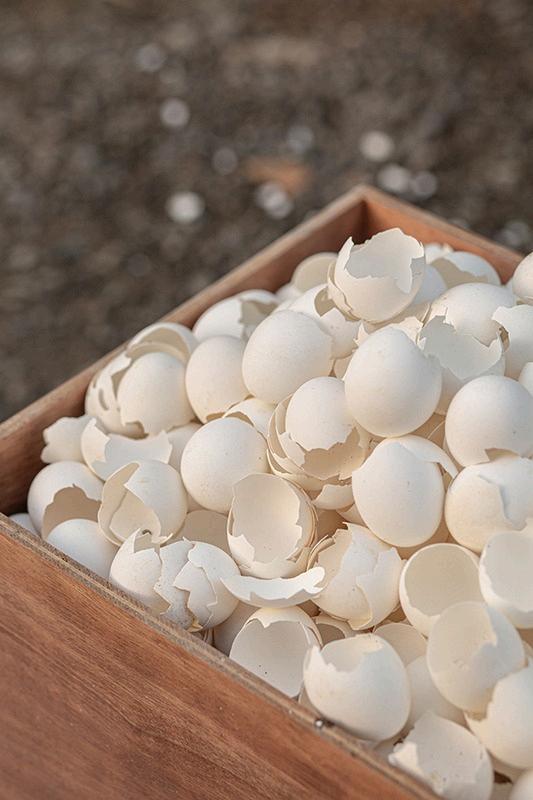
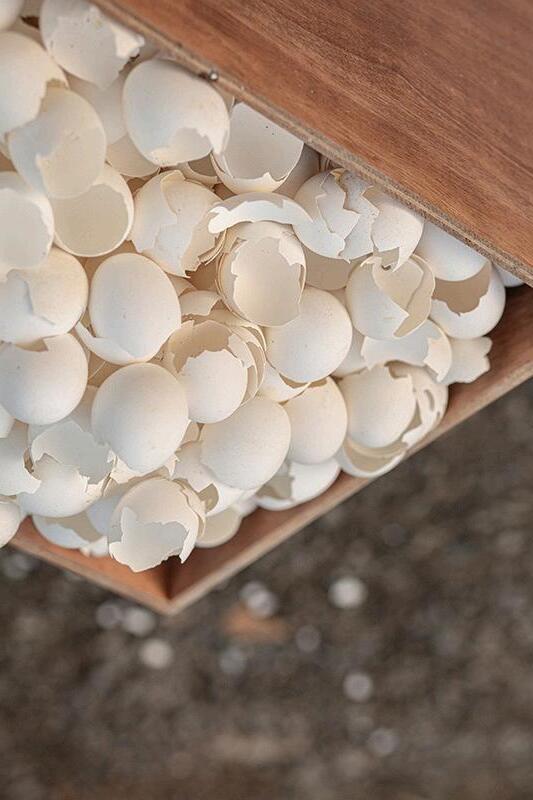
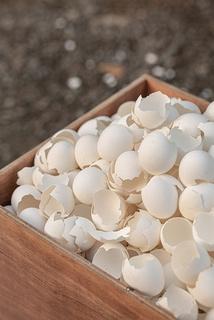
en as a basic ve a variety of tainability and ion to their eggshells are o make iendly goods. treatments, are mixed into ter or cement ured, organic itionally, their nds a touch of o tiles, vases, cor pieces.
o used in the s, where they ne powders for and exfoliating wn on plastic, en be turned le packaging. design enables sustainable, s that blend wareness with

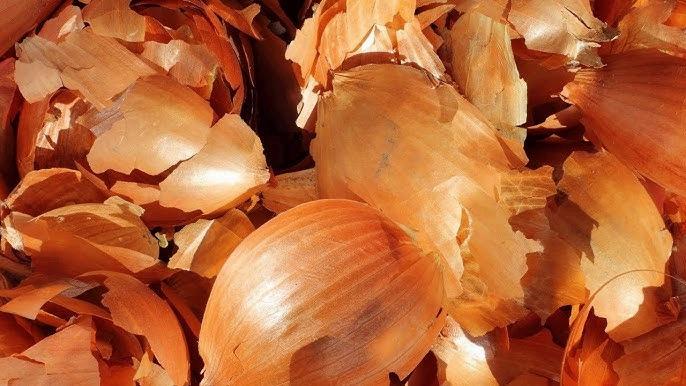


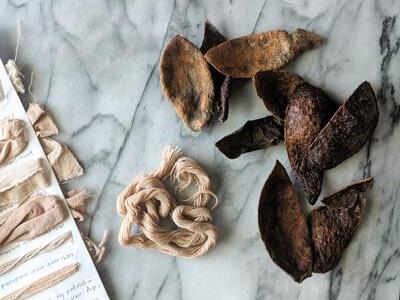
Due to their inherent qualities, onions which are frequently disregarded once used have a variety of design uses. Usually thrown away, the outer skins are recycled into eco-friendly design projects like natural dyes for textiles, paper, and materials that provide earthy, warm hues. Onion skins are also utilized in crafts, such as making handmade paper or biodegradable packaging.
Onion skins can be used in design to create sustainable artwork, giving sculptures and mixed-media creations depth through their delicate layers and texture. Onion peels are also being investigated for use in natural, environmentally friendly gardening products and composting. Designing with onion trash reduces waste and encourages innovative, sustainable methods.


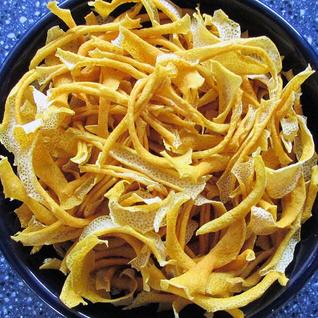
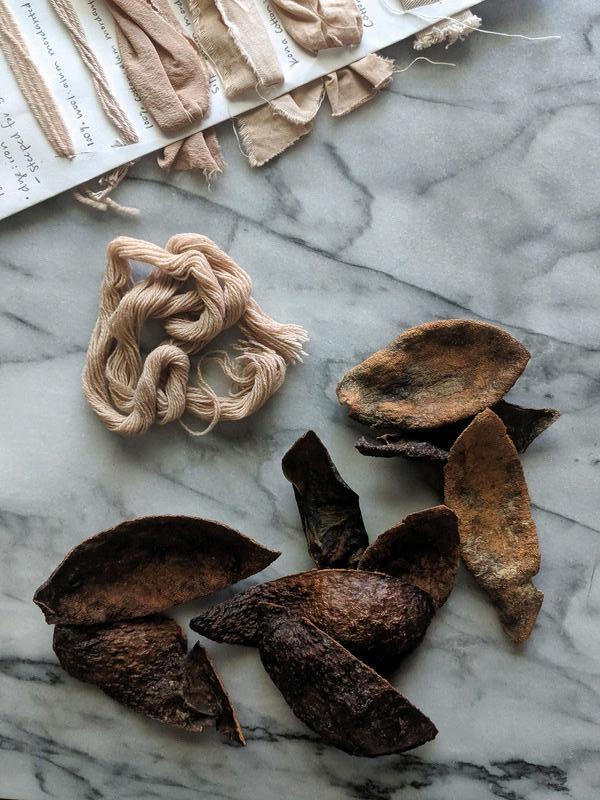
Rich in natural fibers and o lemon peels are being utiliz more and more in sustainab design to produce environmenta friendly materials. They can turned into organic colo biodegradable composites, natu cleansers, and fragrant textil Lemon peel fibers are prized f their clean aroma, antimicrob qualities, and biodegradabili which makes them perfect for ec friendly packaging, househo products, and ornamental coatin Reducing food waste a promoting a more circular a ecologically conscious approach material innovation are tw benefits of using lemon peels design.
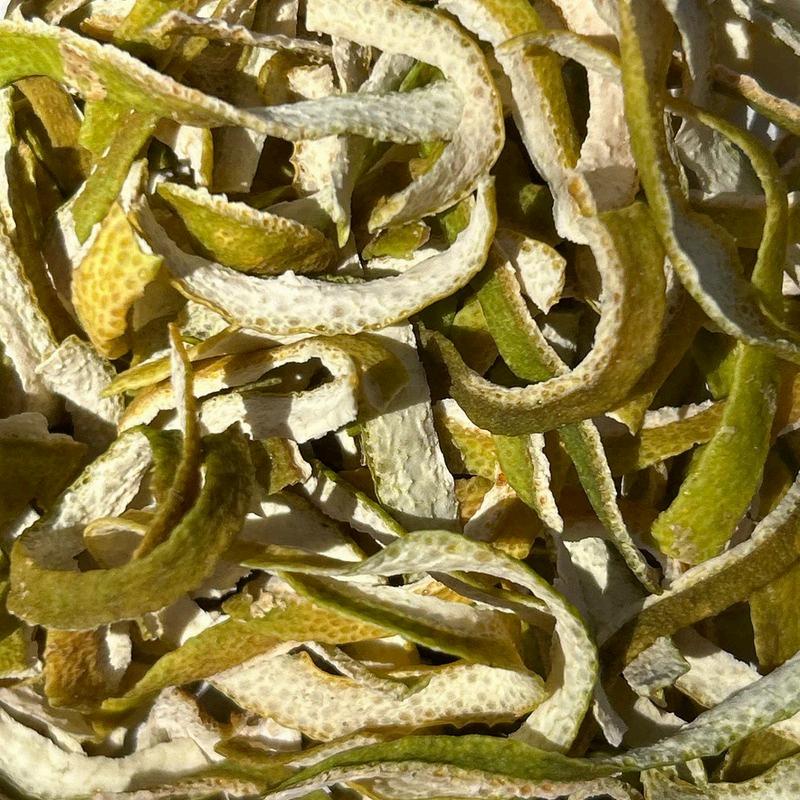
L E M O N P E E L
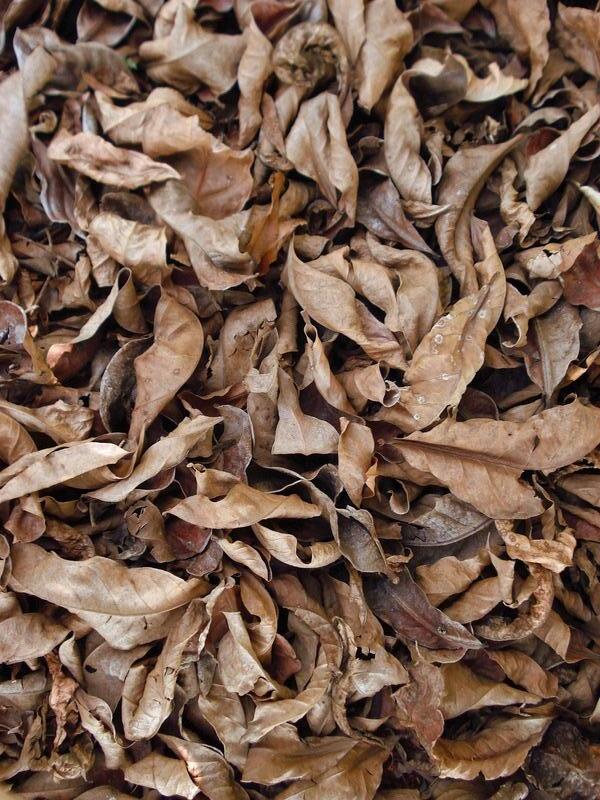
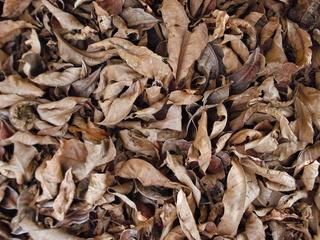
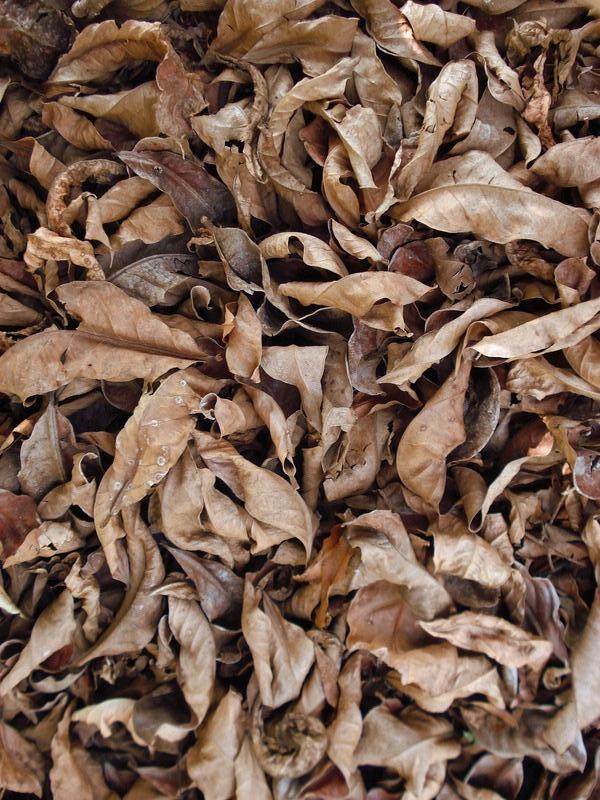
Dried Leaves can support sustainability in design by serving as a natural, renewable, and biodegradable material. Designers can press dried leaves into panels for eco-friendly surfaces, or use their textures to imprint organic patterns onto clay, textiles, or paper, reducing the need for synthetic materials. Large leaves like teak or banana can even be turned into plantbased "leather" as a sustainable alternative to animal products. By reusing fallen leaves or agricultural waste, designers help reduce environmental impact and promote a circular economy, bringing natural beauty and eco-consciousness into their work.


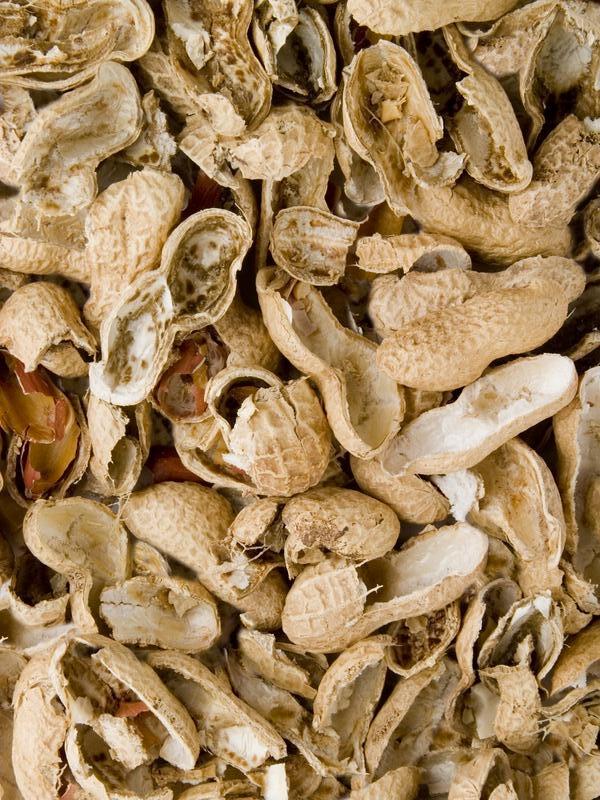
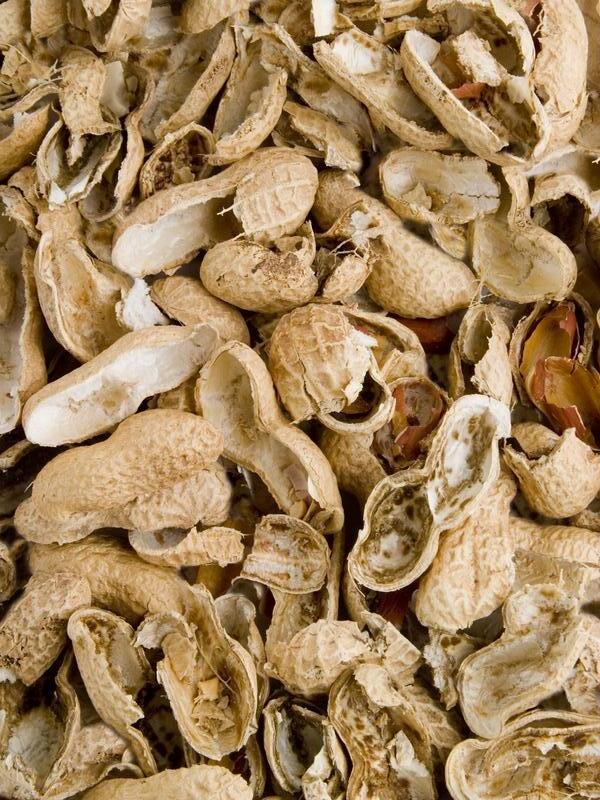

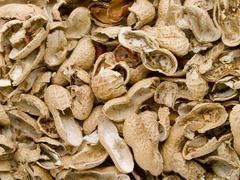
Previously thrown away as agricultural waste, peanut peels are now being utilized in sustainable design to produce environmentally friendly materials. Peanut peels, which are high in natural fibers and antioxidants, can be used to make biodegradable composites, natural colors, and reinforced panels for interior surfaces or furniture. Designers encourage a circular economy by reducing waste and reliance on synthetic materials by recycling peanut peels. Peanut peels are a useful resource for creative and sustainable design techniques since they give things a natural texture and color.


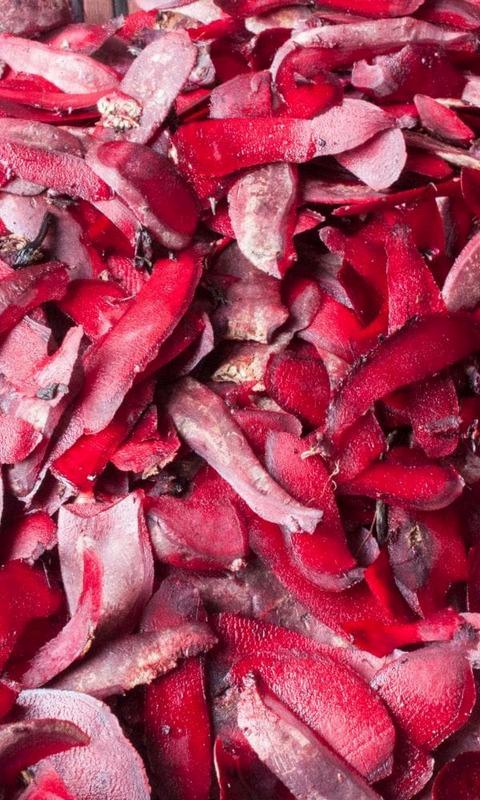

The usage of beetroot peels, which are abundant in natural fibers and pigments, is growing in sustainable design initiatives They can be made into ecofriendly paints, biodegradable packaging, natural textile colors, and even bio-composite materials. Beetroot peels are prized by designers for their vivid color and natural texture, which give goods a distinctive look. By reusing food byproducts, using beetroot waste lessens its influence on the environment and encourages eco-friendly design techniques that support the ideas of the circular economy.

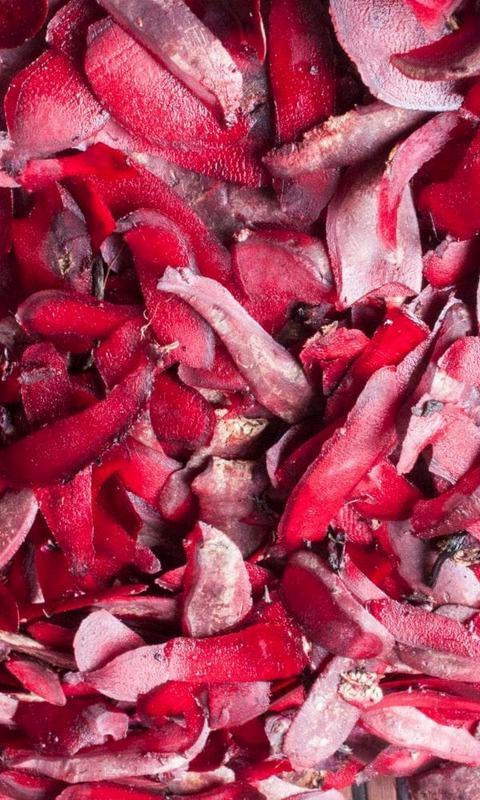


Sustainable design is making innovative use of sunflower seed shells, a typical agricultural byproduct, to create environmentally beneficial materials. Particle boards, natural fillers, biodegradable composites, and decorative surfaces can all be made from the shells. Because of their durability and light weight, designers utilize them in interior panels, flooring, and furniture. Reusing sunflower seed shells gives final goods a distinctive organic feel while reducing agricultural waste, the need for synthetic materials, and supporting a circular, low-impact design approach.


Because of its low carbon footprint, natural renewability, and biodegradability, wood is one of the most sustainable materials utilized in architecture. Sustainable wood, which comes from forests that are managed ethically, is used to make long-lasting and environmentally friendly furniture, architecture, interior design, and products. Wood helps lower greenhouse gas emissions by storing carbon over its lifetime. By reducing deforestation and encouraging circular resource usage, using reused, repurposed, or certified wood enhances sustainable design while preserving creative projects' strength, beauty, and adaptability.


Paper is a useful and sustainable material that is frequently thrown away as waste. It can be composted to enhance soil and recycled into new items like notebooks, insulation, and packaging. Paper can be imaginatively recycled into crafts or artistic endeavors.
Recycled paper is utilized in design to produce environmentally friendly goods like furniture, home décor, and biodegradable packaging. Paper recycling reduces waste and encourages innovati

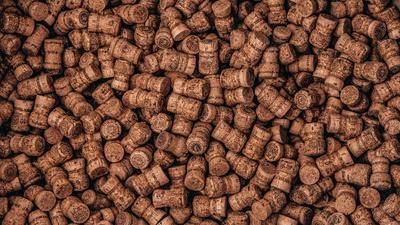
Because of its eco-friendliness and adaptability, cork, a sustainable material derived from the bark of cork oak trees, is frequently utilized in design. It is frequently recycled into furniture, wall tiles, and flooring, offering a sustainable, long-lasting, and natural substitute for conventional materials. Additionally, cork is utilized in fashion to create items like belts, purses, and shoes that combine sustainability and style.
Additionally, because of its distinctive texture and look, cork is used in home décor pieces like coasters, bulletin boards, and lighting fixtures. Its strong yet lightweight properties make it perfect for use in insulation and packaging materials, further promoting environmentally friendly design. Designers use cork to create things that are inventive, useful, and visually appealing while also promoting sustainability.

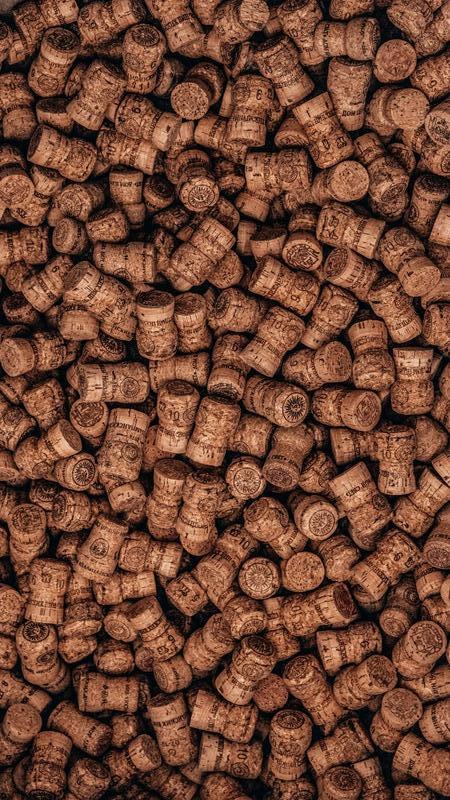


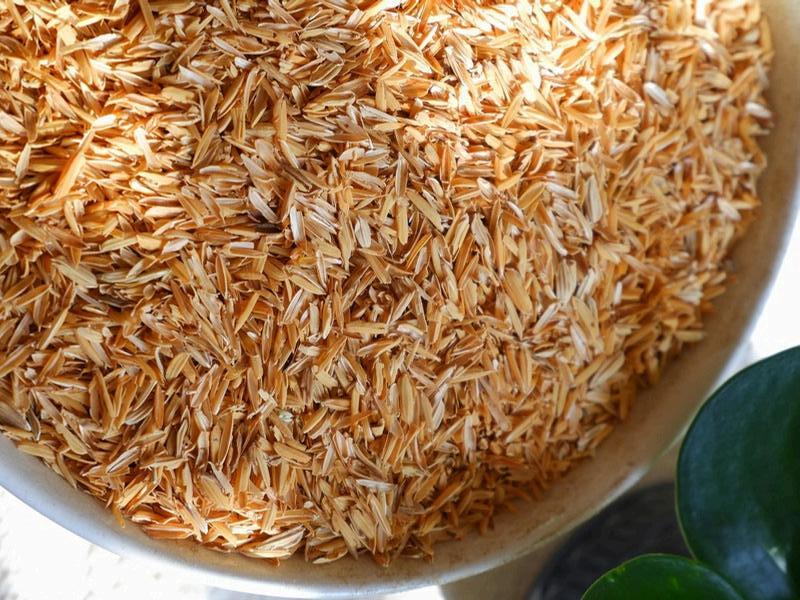
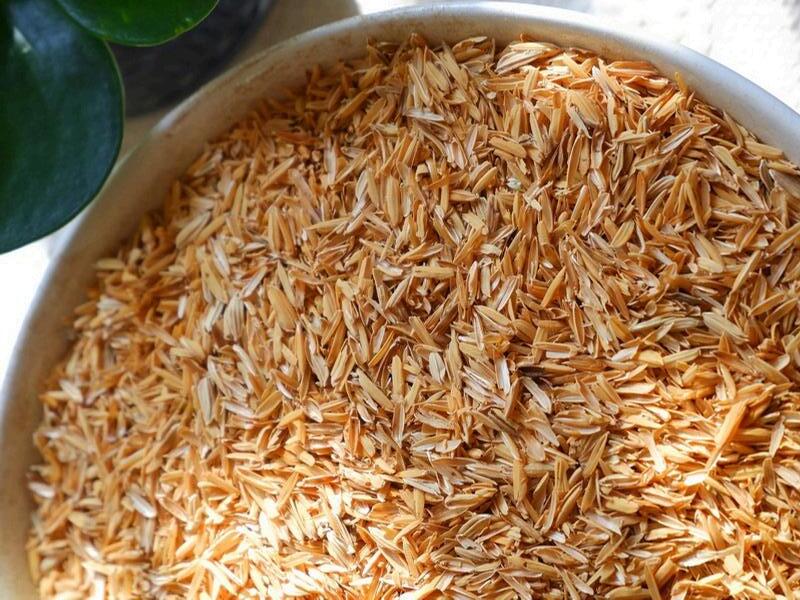
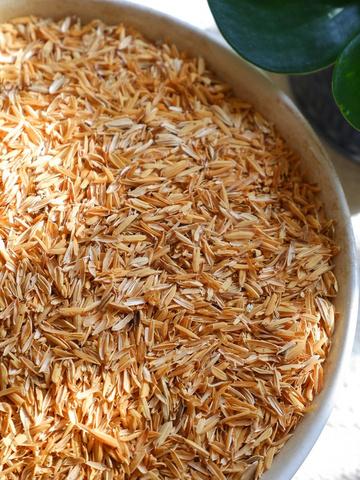
In sustainable design, rice and its byproducts such as rice husks and rice straw are frequently utilized to create environmentally beneficial materials. Rice husks can be used to make sustainable tiles, biodegradable panels, long-lasting composites, and even natural insulation These materials contribute to less agricultural waste and are sustainable and lightweight. Using rice-based items in design reduces dependency on synthetic materials, promotes circular economy principles, and provides creative, eco-friendly substitutes for furniture, interior design, and architectural components.

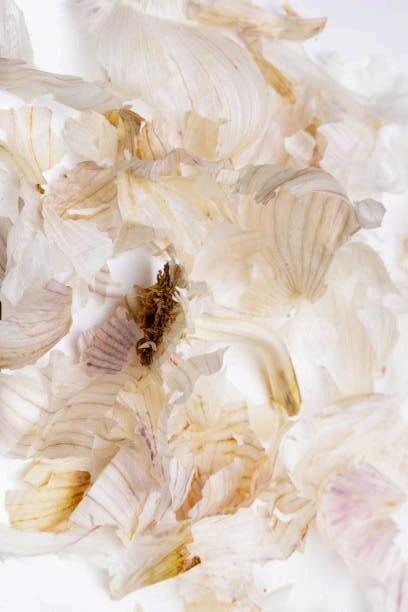


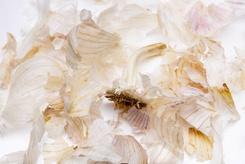
creative, low-impact material solutions and lessen agricultural waste by repurposing garlic skins.








Menwa albalawi
Before starting this project, I never truly noticed how much potential we throw away every day Things like coffee grounds, fruit peels, and even natural fibers always seemed like waste, but working with them opened my eyes to a completely different way of thinking. I realized that sustainability isn’t just about reducing harm it’s about recognizing the hidden value in what’s already around us It amazed me how ordinary, discarded materials could be transformed into something durable, beautiful, and functional without relying on synthetic or highcost resources Throughout the process, I began to understand that true innovation often comes from seeing the familiar differently, not from always searching for something new. As someone who believes in thoughtful, intentional design, this experience reshaped the way I approach my work It taught me that design isn’t only about creating something new; it’s about creating with meaning, awareness, and responsibility Moving forward, I feel inspired to keep exploring how overlooked materials can lead to more honest, creative, and sustainable design solutions that respect both functionality and the planet..
Sasmin Abouelnaga hadi alothaimeen uzan halawani
As a product design student, I believe natural and food waste materials hold the potential to revolutionize the design industry by addressing challenges in material sourcing and environmental sustainability Designers today must consider not only aesthetics and functionality but also the environmental impact of their creations. Bio-based materials provide renewable, biodegradable alternatives to petroleum-based and resourceintensive options, reducing carbon footprints and energy consumption Food waste, in particular, presents vibrant opportunities Transforming fruit peels, coffee grounds, and eggshells into bioplastics adds value to waste, offering unique textures, appearances, and narratives while reducing landfill use. Circular design principles prioritize waste recovery and end-of-life considerations from the start, fostering sustainable, localized manufacturing that limits long-distance transport and encourages culturally rooted, community-driven design. The future of product design lies in creating systems of renewal, integrating materials that safely return to the earth or enable reuse Designers must move beyond aesthetics and functionality to champion responsible material transformation and strengthen connections to nature in their work
Exploring bio-based and waste-derived materials has transformed my perspective on design, shifting my focus from just aesthetics and trends to sustainability and responsibility. I've learned that materials like agricultural waste and natural fibers can add value and meaning to design, prompting deeper questions about origin, impact, and biodegradability Far from limiting creativity, working with unconventional materials inspires innovation and storytelling. This experience has convinced me that the future of design lies in thoughtful, sustainable choices and I’m eager to be part of that movement It’s a shift that challenges designers to think more critically and act more consciously With every project, there s an opportunity to make a positive impact and that’s a responsibility I now fully embrace. Design becomes more than a visual experience; it becomes a dialogue between people, planet, and purpose I ve started seeing waste not as an end, but as a beginning And that mindset is reshaping the way I define good design. It encourages a deeper connection to the materials we work with and the stories they carry. Ultimately, it’s about designing not just for now, but for a better, more sustainable future
Being part of this project really changed my view on how bio-based materials and food waste can reshape design I used to see things like eggshells or banana peels as trash, but now I realize they’re actually resources we’ve been overlooking. It s not waste it s potential waiting to be tapped. What really struck me was how everyday scraps can be turned into functional and creative design solutions. It made me realize that amazing ideas don t always require expensive or fancy materials Often, what’s already at hand is more than enough we just need to know how to make use of it. As someone who cares about practical design, I think these materials offer more than just eco-friendly options. They give us the chance to create smarter, more intentional products that actually benefit the environment. In the future, I hope more designers start using what s available to minimize waste and create real, positive change It’s a small shift in mindset, but one that has the power to completely transform how we approach design challenges.This experience has shown me that sustainability and creativity don’t have to compete they can actually fuel each other in powerful ways.
AExploring bio-based materials and food waste through this project completely reshaped how I think about material selection in design I realized that natural byproducts can offer powerful, sustainable alternatives without sacrificing creativity or function The future of design demands a deeper connection to the life cycle of materials where they come from, how they are used, and where they end up. As designers, we have the ability and responsibility to shift industry standards by embracing renewable, biodegradable resources. Working with waste materials adds a new dimension to design: it’s not just about aesthetics or performance, but about telling a story that values sustainability and innovation It challenges us to find beauty in what was once discarded and pushes us to think differently about form, texture, and function Every choice feels more intentional and connected to a larger purpose. This experience taught me that good design isn’t just about what we create, but how responsibly we create it
AStudying design today has revealed to me that bio-based materials and food waste are not only transforming our choice of materials but also reshaping our approach to sourcing them Rather than seeking resources from distant corners of the globe, there is a significant opportunity to focus on what is readily available in our vicinity - utilizing food waste and natural resources It’s inspiring to imagine creating a product from grape skins or harnessing seaweed from a local coastline This philosophy of designing with locally available resources encourages me to be more adaptable and responsive It also fosters a deeper connection between my designs and the surrounding community and environment By incorporating local food waste into my work, every product becomes unique and meaningful, reflecting its cultural context. Furthermore, this approach promotes stronger circular economies and minimizes the environmental impact associated with transporting materials over long distances. As a design student, I find this mindset both challenging and exhilarating. It compels me to be more resourceful, creative, and mindful at every stage of the process I envision a future where designers are not only creating objects but also developing systems that support sustainability at a local level. That is the type of design practice I aspire to be a part of.
FAs an industrial designer, I have learned that emotional connections can be fostered through materials derived from bio-based sources and food waste When a person realizes that their bag is crafted from recycled coffee grounds or their chair is made from banana fiber, it conveys a story. This story cultivates a deeper attachment to the object, encouraging individuals to care for it, repair it, and retain it for longer periods. The notion of emotional sustainability feels just as crucial as environmental sustainability In a world where products are frequently discarded, creating something meaningful has the potential to transform consumption habits It s not merely about designing aesthetically pleasing items; it's about establishing lasting relationships between objects and users. For me, utilizing food waste in design amplifies this concept because each material inherently carries a story of transformation, care, and creativity. It serves as a reminder that effective design is not solely functional or stylish but also memorable I believe that in the future, the most impactful designs will be those that nurture these emotional connections, fostering a culture of care rather than waste That is the kind of designer I aspire to become
As a design student, I am discovering that waste can serve as a starting point rather than a problem The emergence of bio-based materials and the innovative repurpose of food waste are fundamentally redefining the concept of innovation in our field Historically, waste was something to be minimized or eliminated; now, it is recognized as a valuable resource with immense potential. It’s inspiring to witness how orange peels, coffee grounds, and corn husks are being transformed into textiles, packaging, and furniture Engaging with these materials prompts me to expand my thinking beyond the conventional belief that innovation relies solely on synthetic or industrial products Today, creativity involves reimagining existing resources. I believe that as this mindset evolves, designers will increasingly collaborate with scientists, farmers, and material developers, thereby breaking down traditional disciplinary boundaries It is not merely about crafting sustainable versions of existing products; rather, it is about inventing new materials that possess their own unique textures, scents, and stories For me, that is where the true excitement of design lies.
The design world is increasingly embracing sustainable materials, focusing on bio-based and food waste-derived alternatives. Materials like bamboo, mycelium, hemp, bio-resins, and repurposed food waste (e g , orange peel leather, coffee ground tiles, and potato starch bioplastics) reduce reliance on non-renewable resources, lower carbon footprints, and promote biodegradability and circularity This shift also transforms design aesthetics, emphasizing organic textures, natural colors, and earthy tones, fostering emotional connections to nature. These innovations support a circular economy by creating closed-loop systems where materials can biodegrade or be reintegrated into the environment, reducing waste and pollution Advancements in manufacturing, such as 3D printing with bio-resins and localized production using agricultural waste, enhance sustainability, reduce emissions, and encourage unique, customized designs. Additionally, bio-based materials contribute to healthier indoor environments by being non-toxic and breathable, improving air quality and well-being Overall, these trends are reshaping the industry, inspiring sustainable production methods, new design aesthetics, and healthier, nature-connected spaces
A ABio-based materials and food waste are pushing the design industry towards a more sustainable and circular future Instead of using eco-unfriendly materials that harm the environment we can now use natural resources like plant fibers fruit peels or coffee grounds to create textiles packaging, or furniture, giving a second life to waste products By using food waste designers can produce sustainable products that are biodegradable, eco-friendly, and better for the planet This shift not only protects the environment but also meets the growing demand for sustainable products making the industry more responsible and innovative As I am a product designer, biobased materials open exciting new opportunities to design creatively while reducing environmental impact They allow me to move away from harmful plastics and instead work with materials that offer unique textures, natural beauty and a deeper connection to nature and culture These materials encourage storytelling through design and allow us to create with purpose On a broader scale bio-based materials are helping the industry reduce carbon emissions and lower material costs through waste reuse It promotes innovation in material science, encouraging collaboration between designers, scientists, and engineers to develop new materials with specific properties, like flexibility, strength, water resistance, or biodegradability. Industries that adopt these materials can benefit from the. In short, bio-based materials aren't just a trend they're a powerful tool driving the design industry toward smarter, cleaner, and more meaningful solutions for the future Also, it opens new creative opportunities for designers to create sustainable, innovative, and planet-friendly solutions
Bio-based materials and repurposed food waste are driving a transformative shift in the design industry, fostering sustainability, creativity, and innovation Renewable and biodegradable options like bamboo, mycelium, and algae reduce environmental impact while enabling designers to explore new textures, forms, and sustainable production techniques. These materials promote circular design, ensuring products decompose or are reused, reducing waste and supporting regenerative ecosystems Food waste is creatively transformed into bioplastics, fabrics, leather alternatives, and composites, reducing landfill impact and greenhouse gas emissions while offering fresh aesthetics and storytelling potential This practice emphasizes regeneration, ethical sourcing, and product lifecycle accountability, fostering transparency and environmental stewardship As eco-conscious demands grow, designers adopting these materials will shape a responsible, regenerative future, influencing sourcing, manufacturing, consumer expectations, and education Sustainability becomes central to creativity, driving innovative, impactful design that prioritizes people and the planet. ma abdulerabb
This sustainability course deepened my understanding of how design can drive environmental change. By researching bio-based materials like coffee grounds, tea leaves, eggshells, and fruit peels, I discovered how waste can be transformed into biodegradable plastics, sustainable textiles, and eco-friendly ceramics viable alternatives to traditional materials I explored dematerialization, learning to design products with fewer resources without sacrificing functionality, as seen in innovations like lightweight laptops. The concept of a circular economy also reshaped my perspective, emphasizing longevity, repairability, and biodegradability in product design Examples of companies creating new materials from waste highlighted the link between sustainability and innovation, showing how environmental challenges can inspire groundbreaking solutions. This course transformed my approach to design, teaching me that every material choice and decision impacts the environment Sustainability extends beyond eco-friendly materials to rethinking a product’s entire lifecycle Moving forward, I aim to design purposefully, using creativity to foster environmental responsibility and lasting change
Wejdan alsharif
As a design student, I never imagined that something as simple as kitchen waste could inspire innovation. But through our recent project, I discovered how bio-based materials can actually become useful, beautiful, and sustainable design elements This experience changed the way I look at materials completely When we started collecting materials from our own homes, like orange peels and eggshells, and researched how they could be reused, I was surprised by how much I learned I realized how often we throw away valuable resources just because we don t see their potential. It made me appreciate the hidden possibilities that surround us every day, even in the most ordinary things. This process taught me that with a bit of creativity and awareness, we can reduce waste and create meaningful designs at the same time In the future, I believe awareness is key If more people understood the value of what they already have, we could all live in a cleaner environment
R Jumana osman
Being part of this project opened my eyes to the power of simple, natural materials. I used to see things like eggshells or orange peels as waste, but now I understand they can be the foundation for something much bigger It’s not waste it’s a resource we ve been overlooking for far too long. What amazed me most was how everyday leftovers could be transformed into strong, beautiful, and functional design products. It showed me that great ideas don’t always need expensive or complex materials sometimes what we already have is more than enough if we learn to see it differently Working with these materials made me appreciate how creativity and innovation often grow from limitations It challenges us to rethink our habits, be more resourceful, and design with greater purpose. As someone who values functionality in design, I believe these natural, bio-based materials offer more than sustainability; they open the door for smarter, more thoughtful solutions that respect both people and the planet.
L ana alazar
Working on this project completely shifted my perspective on materials and waste. Before, I never really thought about how much potential we throw away every day Simple things like fruit peels, seeds, and even coffee grounds suddenly felt valuable once I started seeing them as design elements rather than trash It made me realize that sustainability isn t just about using less it’s about thinking differently One thing that really stood out to me was how these natural, everyday materials could be transformed into something strong, beautiful, and useful. It showed me that innovation isn t always about new technology or expensive resources; sometimes it’s about looking at the familiar in a new way As someone who cares deeply about thoughtful, functional design, I now see huge opportunities in working with bio-based and waste materials I believe that as designers, we have a responsibility to lead this change creating solutions that are not only practical and creative, but also kinder to the planet. It’s an exciting challenge that pushes us to be more resourceful, more intentional, and more connected to the world around us This experience taught me that good design doesn’t have to cost the Earth literally or figuratively Moving forward, I want to continue exploring how everyday waste can inspire extraordinary ideas, and how design can become a true force for positive change.
Taking part in this course project gave me a completely new outlook on the role of materials in design I had never really given much thought to things like food waste or natural fibers at least not in a design context But as I started working hands-on with bio-based materials, I realized just how much potential these overlooked elements actually have What surprised me most was the transformation process Items like coffee grounds, fruit peels, or even plant-based matter things I once saw as disposable turned into solid, functional components with real design value. It made me question why we rely so heavily on synthetic materials when so many alternatives are right in front of us. As someone who always tries to prioritize smart, purposeful design, I found this approach incredibly refreshing It s not just about being eco-friendly it s about designing with intention, using what's already available, and creating with both impact and responsibility in mind This experience didn’t just expand my material knowledge it reshaped the way I approach design thinking Going forward, I want to keep exploring low-impact, creative solutions that challenge traditional practices and offer something more meaningful Bio-based and waste-derived materials have the power to not only reduce harm, but to completely shift the way we imagine the future of design.
HThe bio-based materials course has been an eye-opening experience, highlighting the incredible potential of renewable, plant-based alternatives in reducing environmental impact. Through this course, I not only gained a deeper understanding of the environmental challenges we face but also discovered how these materials can play a significant role in mitigating those challenges The course equipped me with practical tools and knowledge to evaluate, select, and apply these materials responsibly within design projects. It emphasized the importance of considering factors such as biodegradability, resource efficiency, and carbon footprint, which are essential in making informed, sustainable design choices Beyond design, the course has also inspired me to think more critically about sustainability in everyday decisions, urging me to adopt a more conscious approach to the products I use and the resources I consume. It has broadened my perspective, making me realize that every design choice can contribute to a larger goal of creating a more sustainable and regenerative future
LThroughout this project, I discovered innovative ways to reuse natural materials and transform them into useful and beautiful objects. It was truly amazing to see how simple materials that we often overlook can be turned into valuable treasures For example I learned how I can use eggshells in agriculture, where I can grind them and add them to the soil to nourish plants and provide the necessary calcium for their growth I also discovered that fallen tree branches can be transformed into wonderful works of art whether small sculptures or unique picture frames.It wasn't just about learning how to reuse these materials, but I also learned about the importance of recycling in general and how I can apply it in my daily life I realized that recycling is not just an environmental duty, but also an opportunity for creativity and innovation Through recycling we can reduce waste conserve natural resources, and reduce pollution This project was a valuable educational experience, where I learned new skills and discovered innovative ways to contribute to protecting the environment. I am now more aware of the importance of reusing natural materials and recycling, and I am committed to applying these principles in my daily life and sharing this knowledge with others "
ABio-based materials and repurposed food waste are driving a transformative shift in the design industry, fostering sustainability, creativity, and innovation Renewable and biodegradable options like bamboo, mycelium, and algae reduce environmental impact while enabling designers to explore new textures, forms, and sustainable production techniques. These materials promote circular design, ensuring products decompose or are reused, reducing waste and supporting regenerative ecosystems Food waste is creatively transformed into bioplastics, fabrics, leather alternatives, and composites, reducing landfill impact and greenhouse gas emissions while offering fresh aesthetics and storytelling potential This practice emphasizes regeneration, ethical sourcing, and product lifecycle accountability, fostering transparency and environmental stewardship. As eco-conscious demands grow, designers adopting these materials will shape a responsible, regenerative future, influencing sourcing, manufacturing, consumer expectations, and education Sustainability becomes central to creativity, driving innovative, impactful design that prioritizes people and the planet.
AThis sustainability course deepened my understanding of how design can drive environmental change By researching bio-based materials like coffee grounds, tea leaves, eggshells, and fruit peels, I discovered how waste can be transformed into biodegradable plastics, sustainable textiles, and eco-friendly ceramics viable alternatives to traditional materials I explored dematerialization, learning to design products with fewer resources without sacrificing functionality, as seen in innovations like lightweight laptops The concept of a circular economy also reshaped my perspective, emphasizing longevity, repairability, and biodegradability in product design. Examples of companies creating new materials from waste highlighted the link between sustainability and innovation, showing how environmental challenges can inspire groundbreaking solutions This course transformed my approach to design, teaching me that every material choice and decision impacts the environment. Sustainability extends beyond eco-friendly materials to rethinking a product’s entire lifecycle. Moving forward, I aim to design purposefully, using creativity to foster environmental responsibility and lasting change
JWorking with bio-based materials and food waste has completely transformed how I view design and material innovation Rather than defaulting to conventional, resource-intensive materials, I have discovered how organic waste and renewable resources can serve as impactful, sustainable alternatives. This shift highlights a new era in design, where understanding the full life cycle of a material from origin to disposal becomes essential As designers, we are uniquely positioned to lead this transformation by choosing materials that are compostable, regenerative, and ethically sourced. Integrating waste materials into design isn t just about sustainability; it’s about redefining creativity itself. It challenges us to find new forms, new textures, and new meanings in elements once considered worthless Every design decision becomes a deliberate act toward environmental stewardship and innovation This experience has shown me that true design excellence lies in creating not only for beauty or utility, but also for longevity, responsibility, and future impact. Looking ahead, I am inspired to keep experimenting with bio-based and wastederived materials, knowing they hold the power to revolutionize the design industry making it more sustainable, imaginative, and closely tied to the rhythms of the natural world
RExploring bio-based materials and reusing food waste has transformed my approach to design and sustainability I now see agricultural residues and organic byproducts as valuable resources, emphasizing material life cycles in my design thinking This shift highlights the designer s role in choosing renewable, ethical, and low-impact materials, using waste creatively to inspire innovation and promote a circular economy. I believe exceptional design must prioritize ethical, resilient, and ecologically responsible solutions Moving forward, I am committed to pushing the boundaries of sustainable design, embracing it as both a responsibility and a source of inspiration for a better future By redefining the meaning of waste, we open doors to new aesthetics and deeper environmental consciousness. This journey has made me realize that true innovation lies at the intersection of creativity, responsibility, and sustainability Ultimately, I aspire to design in ways that not only meet human needs but also heal and regenerate the natural world
AWorking with bio-based materials and food waste has reshaped my understanding of creativity and responsibility in design. I now see that design is about making choices that honor the environment and future generations, with bio-based and repurposed materials offering endless sustainable possibilities By transforming waste like fruit peels and agricultural byproducts into valuable resources, designers can push creative boundaries and find inspiration in unexpected places. This approach empowers designers to rethink form, texture, and purpose while contributing to a circular economy Every decision we make has the potential to minimize environmental impact and promote positive change Through innovation and sustainability, design becomes a tool for regeneration, not just creation As I continue exploring bio-based and wastederived materials, I am excited to create products and spaces that are not only functional and beautiful but also sustainable, regenerative, and aligned with the planet’s needs This journey has deepened my commitment to designing with both purpose and respect for nature, ensuring that each project reflects our collective responsibility for the future.
Using bio-based materials and food waste in design is reshaping the industry by merging creativity with sustainability This shift moves us away from traditional, resource-heavy materials and encourages a deeper understanding of the full lifecycle of materials from origin to disposal. It challenges designers to see waste as a valuable resource, transforming it into functional and beautiful products that also support ecological well-being This approach promotes a regenerative design culture and inspires more responsible, future-focused innovation Embracing these materials opens the door to a more sustainable, imaginative, and meaningful design practice. It also empowers designers to make a real environmental impact through their choices Each project becomes a chance to educate and inspire others about sustainability Working with these materials fosters experimentation and originality, sparking new creative directions. Most importantly, it proves that great design doesn’t have to come at the planet’s expense
RThe integration of bio-based materials and food waste into design is more than a trend it’s a fundamental shift toward a more regenerative and circular approach to creation. As environmental concerns and resource scarcity intensify, designers are increasingly turning to naturederived materials and organic waste as viable, sustainable alternatives to traditional, resource-heavy components Bio-based materials such as mycelium, algae, hemp, and bioplastics made from corn or sugarcane offer biodegradable, renewable options that drastically reduce carbon footprints. These materials are not only eco-conscious but also open up new possibilities for texture, form, and innovation in design. Unlike petroleum-based materials, they often require less energy to produce and degrade naturally, reducing long-term environmental harm
RInshasi
The "Design for Sustainability" course by Dr Noha Essam truly resonates with anyone passionate about making a positive impact through design It dives deep into how we can create beautiful spaces while being mindful of our planet and communities Through the lens of the 3 R's Reduce, Reuse, and Recycle students learn practical ways to minimize waste and maximize resources. The course also explores the circular economy and renewable energy, showing how these concepts can lead to innovative solutions Ultimately, it encourages a holistic mindset, inspiring future designers to think critically about their choices and strive for a sustainable future that benefits everyone.
Randa alqarishah
Bio-based materials and food waste are set to radically transform the design industry by driving a shift toward circularity, sustainability, and innovation. Traditional design practices heavily rely on finite, pollutive resources like plastics and synthetic fibers. In contrast, bio-based materials such as mycelium leather, algae-based plastics, or hemp composites offer renewable, biodegradable alternatives that reduce carbon footprints and environmental impact Food waste, once seen as unusable, is now a valuable raw material Orange peels, coffee grounds, and eggshells are being upcycled into textiles, bioplastics, and building materials, fostering creativity while minimizing waste streams. Designers are increasingly integrating these materials into furniture, fashion, packaging, and architecture, not just for ecological reasons but also for their unique aesthetics and storytelling potential. This trend is redefining material sourcing and prompting brands to reconsider supply chains, manufacturing processes, and product lifecycles As consumers demand more sustainable choices, the adoption of these materials is not just a trend but a necessary evolution Ultimately, bio-based design represents a powerful intersection of sustainability and innovation, enabling a regenerative future for the industry.
B I OB A S E D M A T E R I A L S