










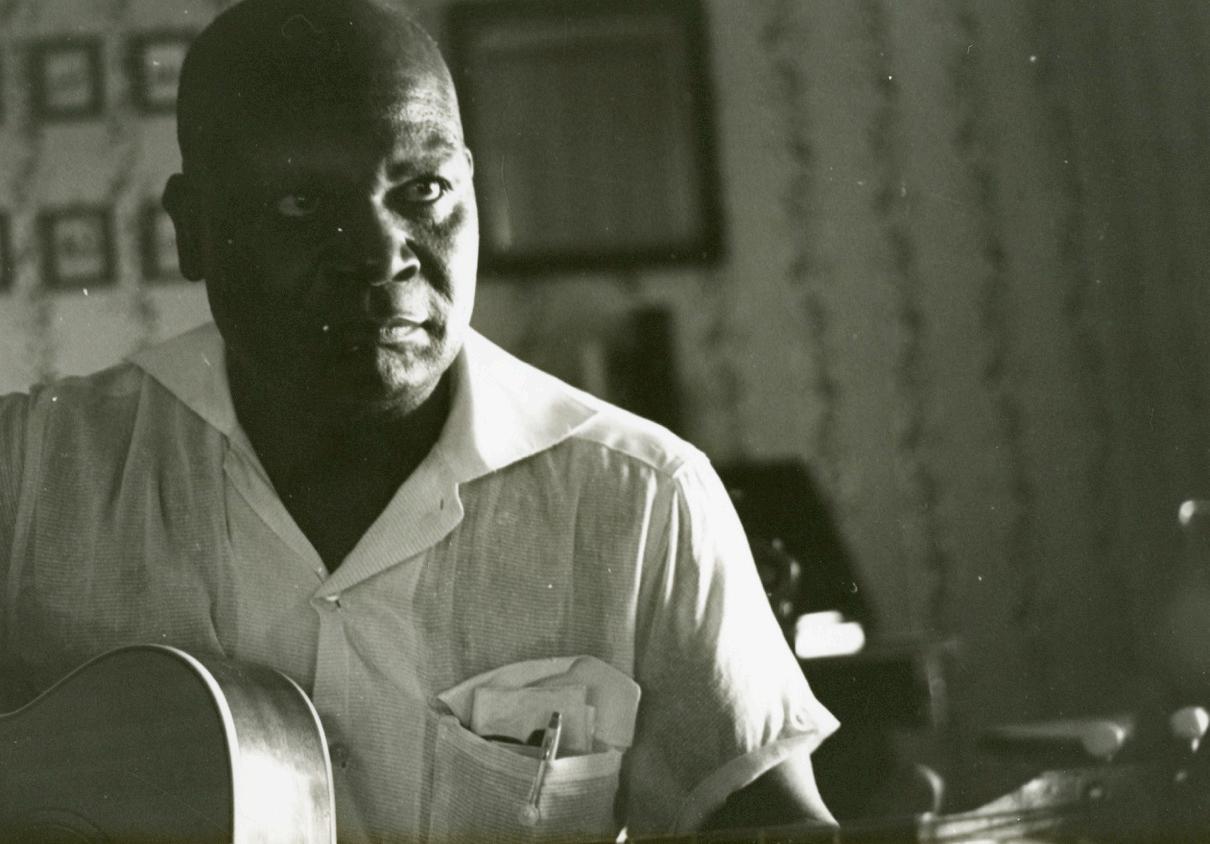
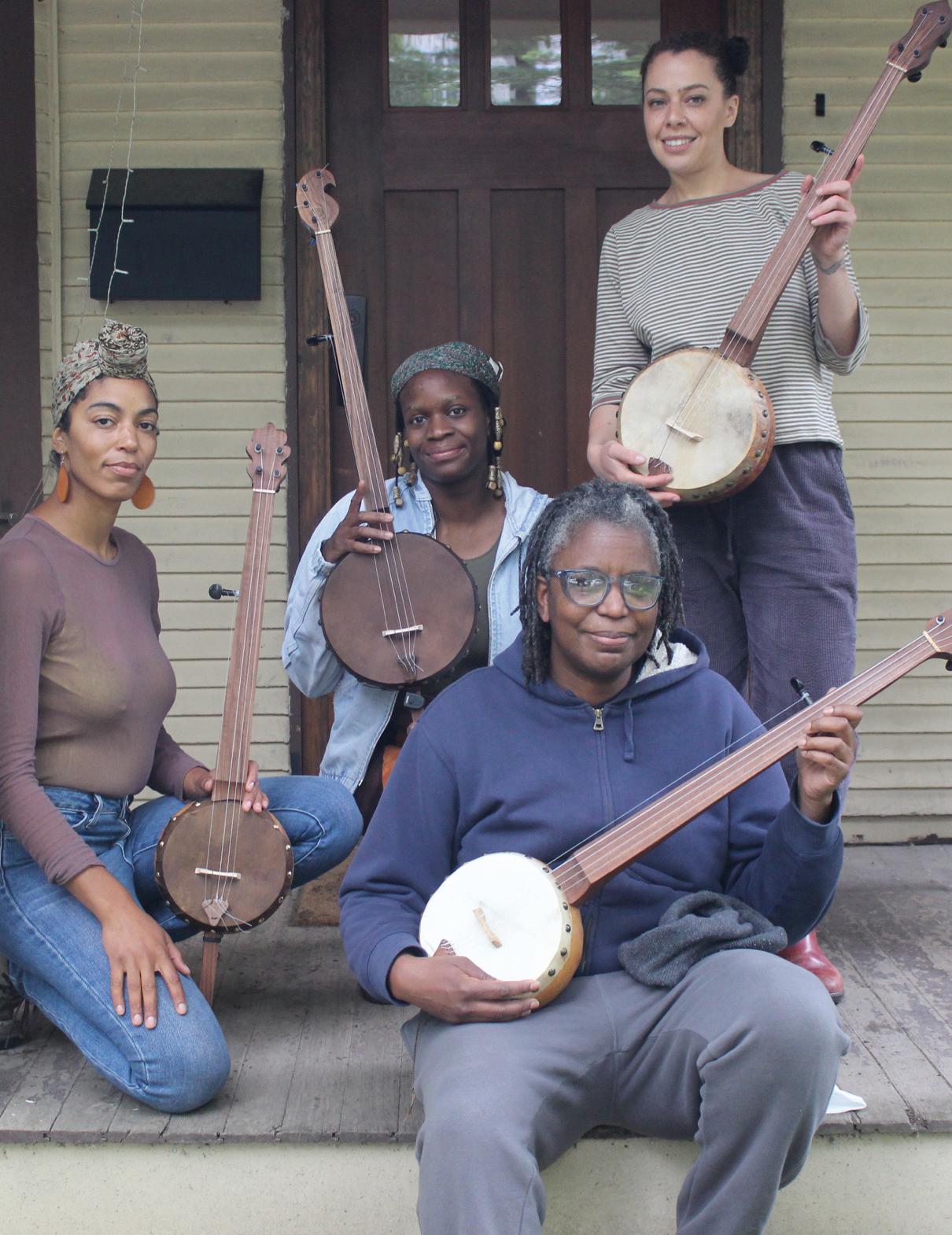
“Black banjo music has really influenced most American music. So this feels like a reclamation but also a reminder that we’ve always been there.”
Bailey Walton
Black Banjo Reclamation Project
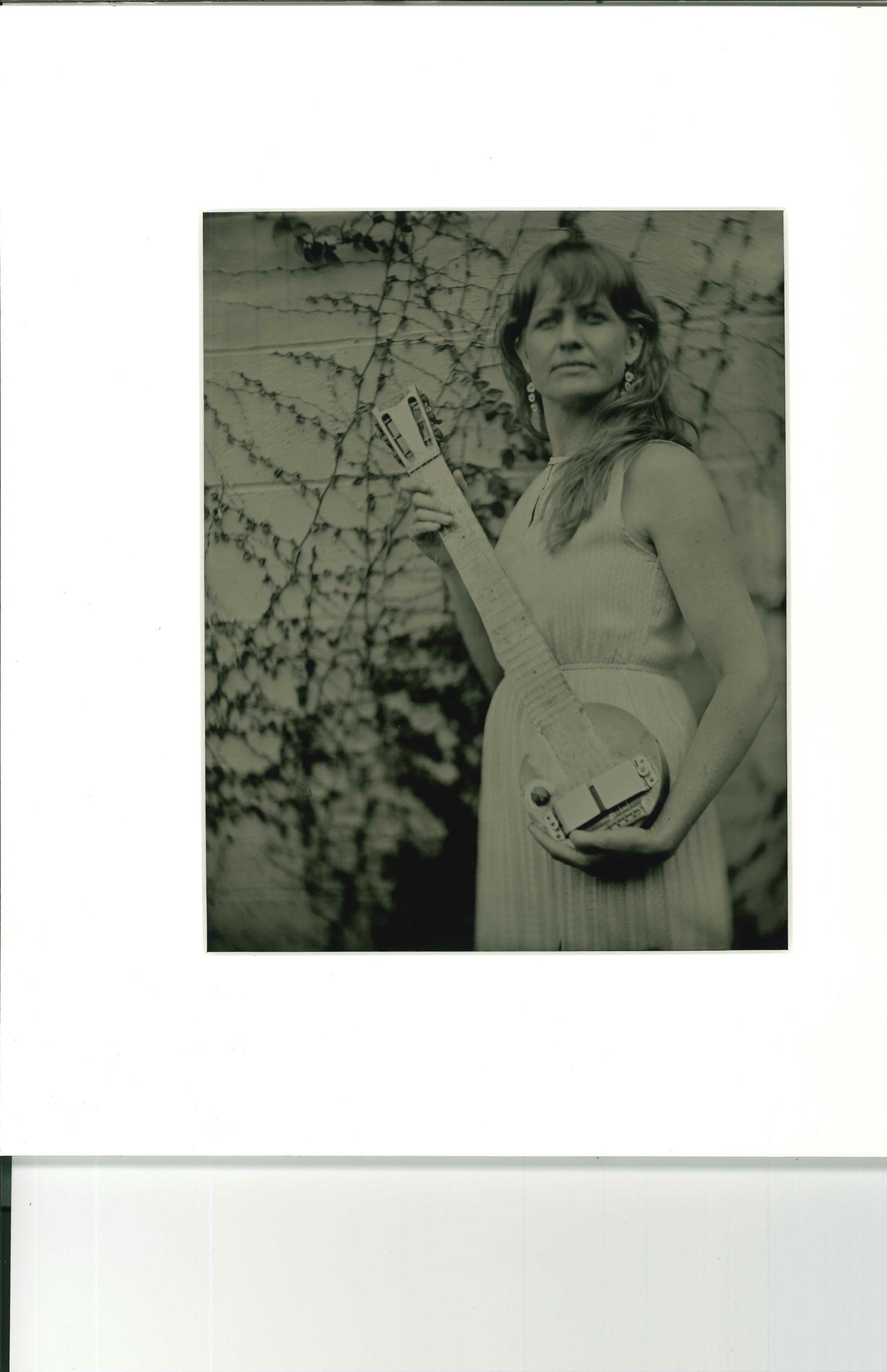
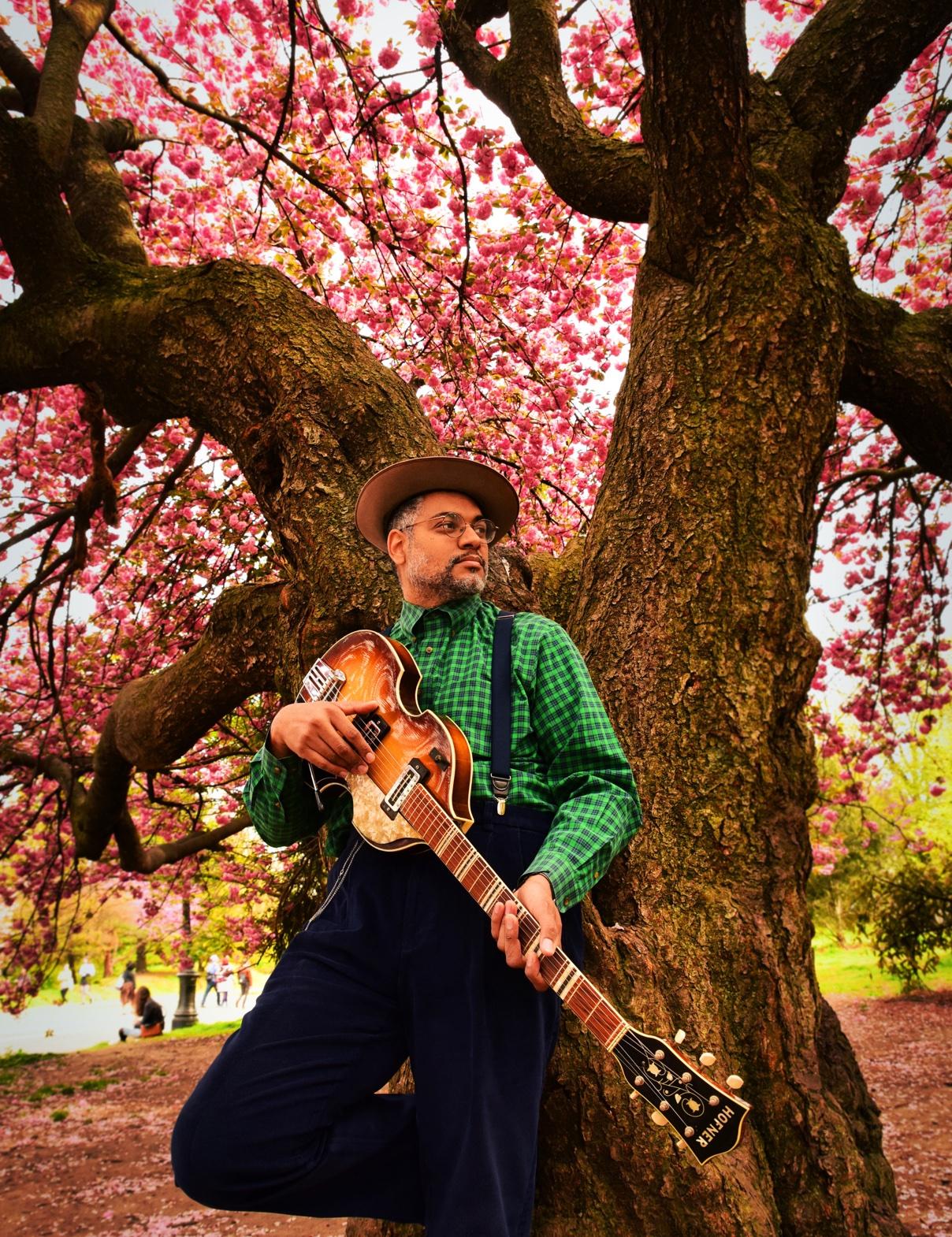
Hannah mayree, a Black singersongwriter and banjoist, is calling for racial justice through banjo reparations.
Banjos are not dissimilar from buildings or other physical legacies and lineages, she says, calling from her home in the San Francisco Bay Area.
“What our ancestors have built had, and still have, monetary value,” Mayree insists. “In today’s world, we’re still seeing white people economically advance through the banjo, and that’s not something that originally came from their culture. It was something adapted and taken on; there’s di erent words for this: co-opting, cultural appropriation.”
The banjo is a diasporic instrument with origins in Africa. A
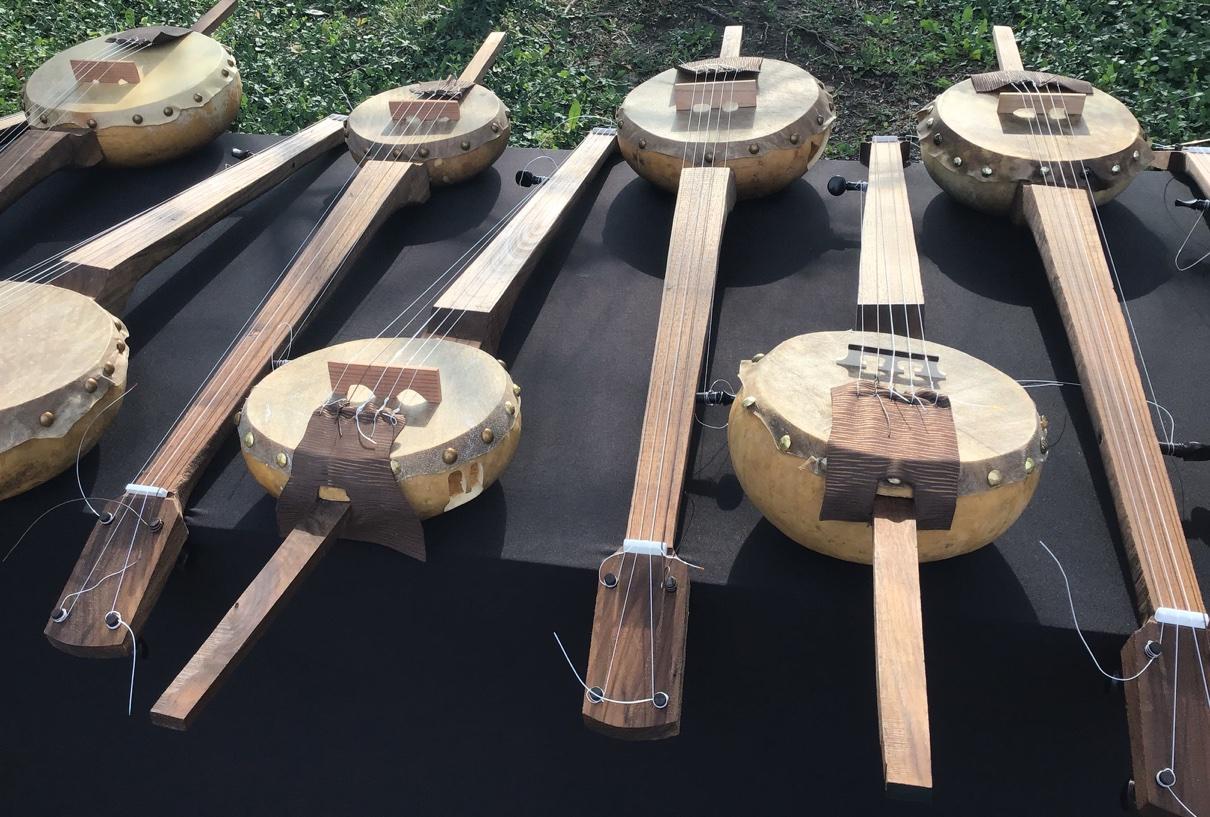
version rst appeared in the Caribbean and colonized North America in the late 1600s and 1700s, as Africans were enslaved and brought across the Atlantic. Though the instrument itself didn’t make its way onto slave ships, the knowledge of how to build them, as well as the oral traditions of the music played on them, did. Enslaved people built them as a way to keep their ancestry alive.
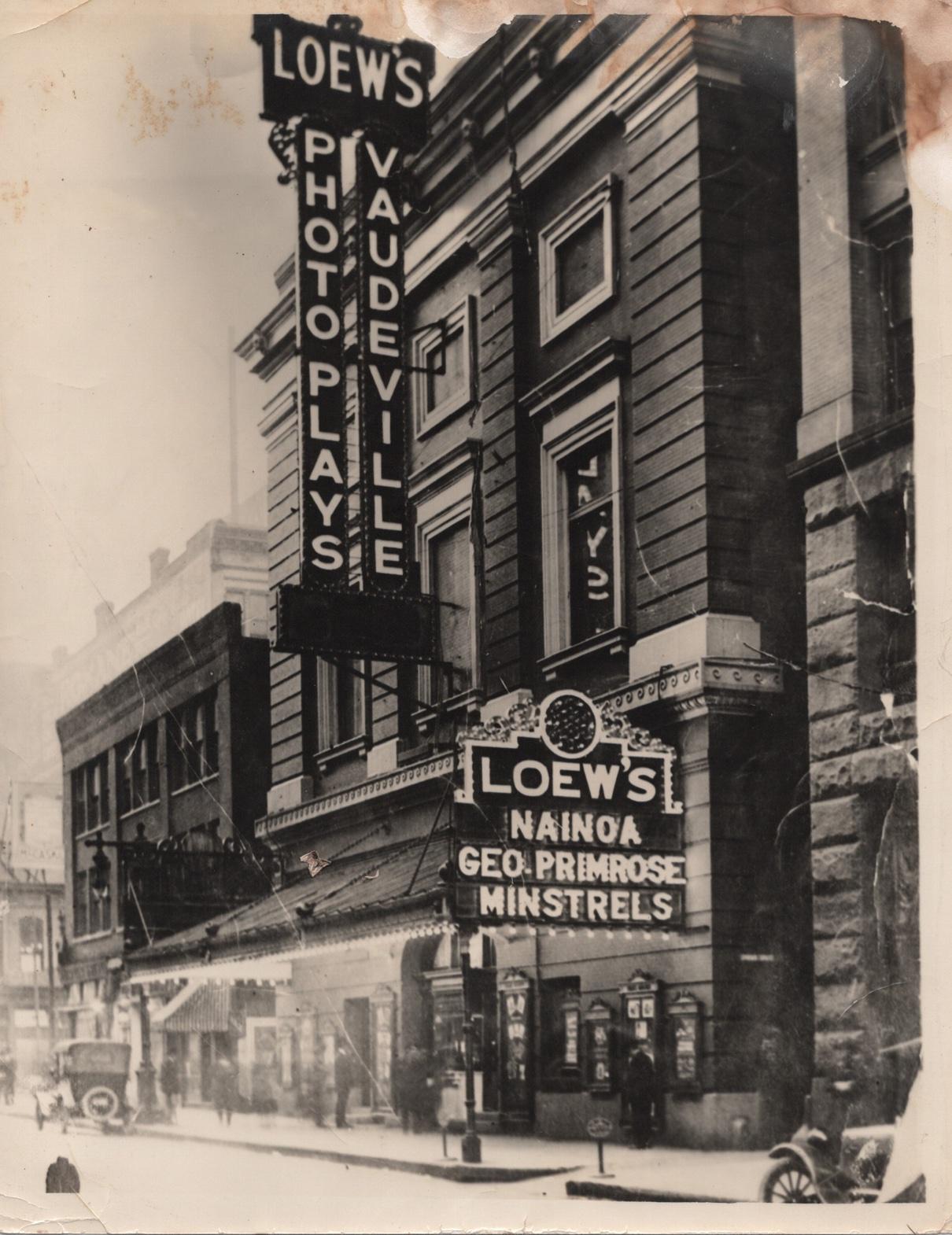
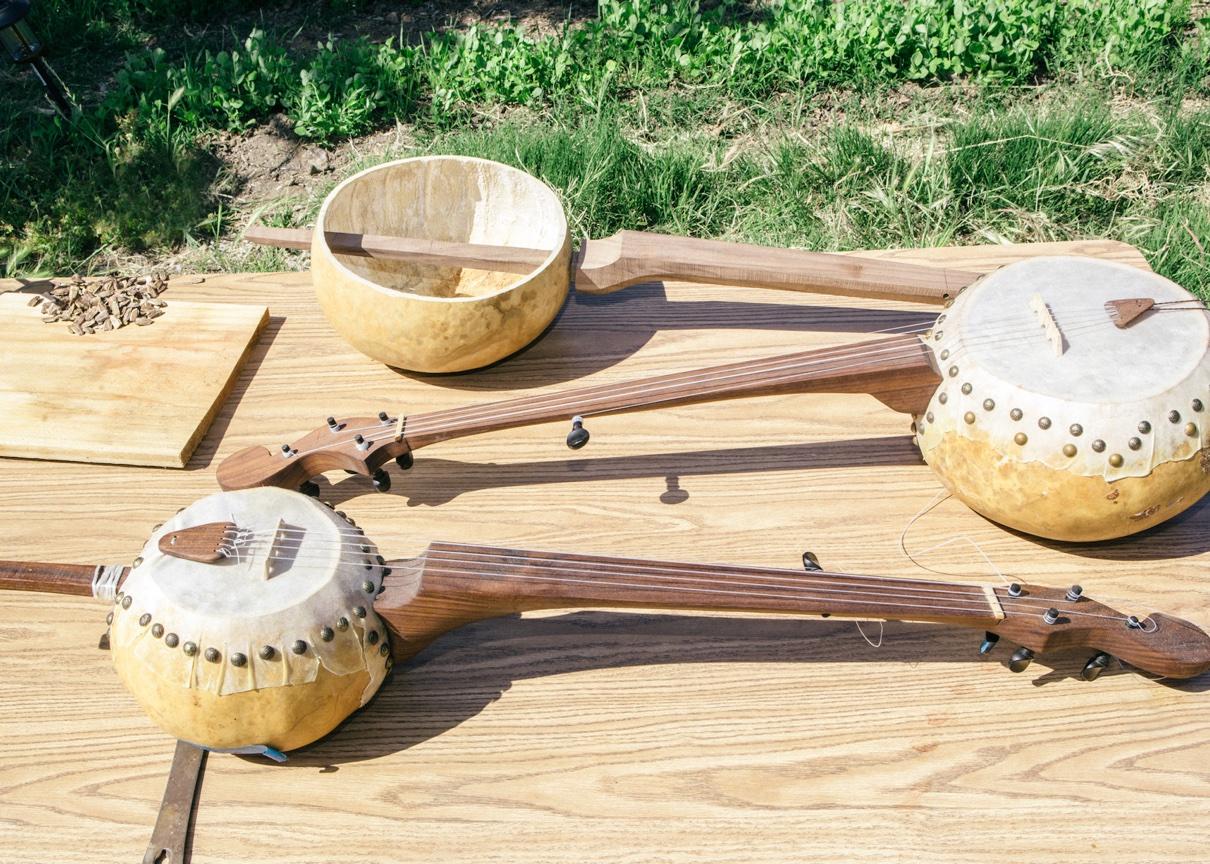
In the 1800s, blackface minstrel shows gained popularity, ripping the banjo from the hands of the people who made it and placing the instrument into the houses of white families across America. Mass production destroyed the ancestral and natural techniques of creating the gourd instrument, thereby sweeping away a crucial element of the banjo’s history and culture.
Since then, the banjo has
become an instrument owned, played, and made commercially viable primarily by white musicians, from the Appalachians to the Sierra Nevada. Many have forgotten or chosen to ignore its roots. Many others never even knew.
But through the Black Banjo Reclamation Project, a grassroots organization that Mayree founded nearly ve years ago, the banjo has become not only a tool for people to rediscover and reconnect with AfroDiasporic ancestral wisdom, but also a means of creating a more whole and equitable future for all.
Instruments in Hands
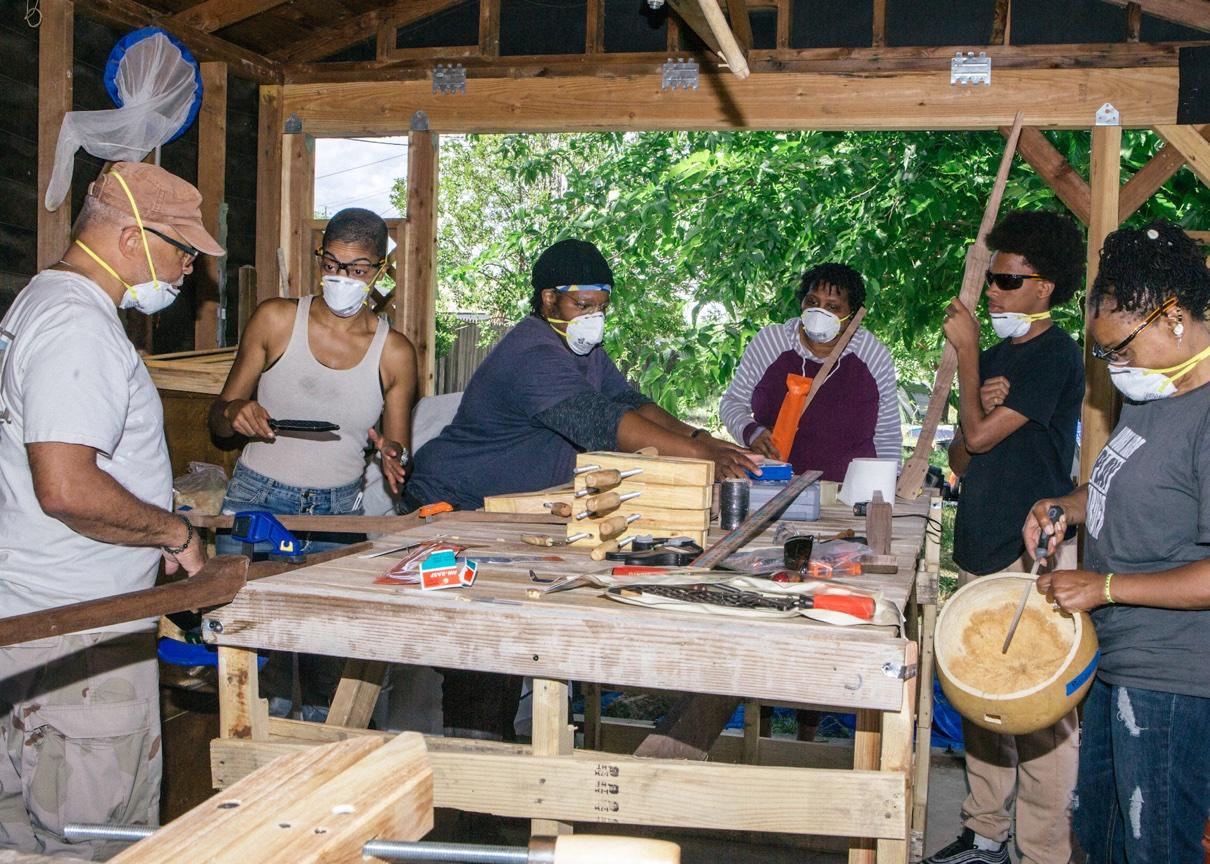
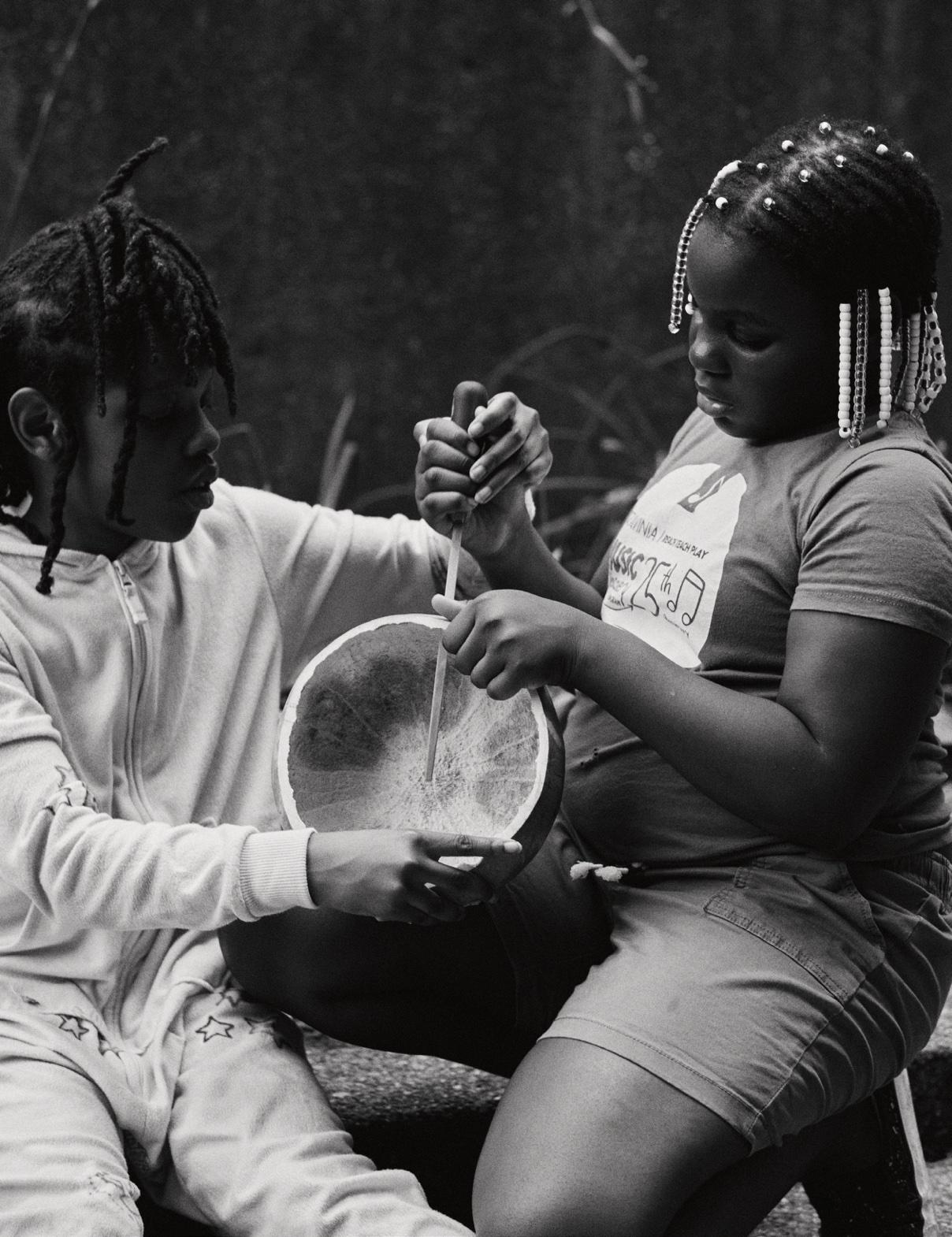
The Black Banjo Reclamation Project’s overall goal is to reconnect Black people to their ancestry through banjo history lessons, banjo building, and banjo playing,
Black Banjo Reclamation Project and Mayree’s mission, Dutcher felt like there was no place the instrument better belonged than with someone connected to the project.
“Most of us can only do small things, so the small things are actually much more important, since they are the majority of actions we can take,” says Dutcher. “On an individual level, it’s, ‘What do I have access to that doesn’t belong to me?’ At that time, it was that banjo.”
Building Banjos and Community
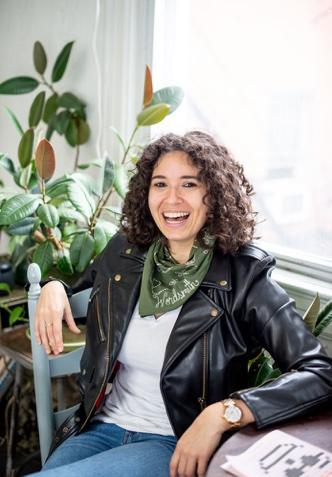
Bailey Walton, a former Black Banjo Reclamation Project organizer, is pushing for social change through
education. She’s now teaching banjo-building classes in Kansas City a er garnering the skills to construct the instrument via courses led by the project.
Those courses didn’t just center around the physics of making a banjo, but also o ered a spiritual, communal, and nature-revering component. To Walton, those became powerful ideals, showcasing the interconnectivity between using gourds from Black farmers to make banjos and sharing this ancestral method with other Black people.
“Seeing a bunch of Black folks in a room, some who have played before, some who have never played before, touching a banjo they made for the rst time, that’s
reclamation,” says Walton. “That feels real.”
Walton, an ethicist by trade, rst got involved through an online workshop led by the Black Banjo Reclamation Project during the pandemic. She had never played an instrument before and still doesn’t know exactly why she asked for a banjo as a graduation present; she says it’s like the banjo chose her.
“I didn’t really like banjo music before I started playing the banjo,” Walton recalls with a laugh, noting that she tends to listen to Motown, reggae, and Bay Area rap. But as she learned more about the banjo, she realized many musical genres have been touched by it.
“Black banjo music has really in uenced most American music,”