Acknowledgments of third party content appear on the page within the text, which constitute an extension of this copyright page.
Unless otherwise indicated herein, any third-party trademarks that may appear in this work are the property of their respective owners and any references to third-party trademarks, logos or other trade dress are for demonstrative or descriptive purposes only. Such references are not intended to imply any sponsorship, endorsement, authorization, or promotion of Pearson’s products by the owners of such marks, or any relationship between the owner and Pearson Education, Inc. or its affiliates, authors, licensees or distributors.
This text was previously published under the title Basic Psychopharmacology for Counselors and Psychotherapists
Library of Congress Cataloging-in-Publication Data
Names: Sinacola, Richard S., author.
Title: Basic psychopharmacology for mental health professionals / Richard S. Sinacola, Ph.D., California State University -Los Angeles, Timothy Peters-Strickland, M.D., Otuska Pharmaceutical Development and Commercialization, Inc., Princeton, Joshua D. Wyner, Ph.D., The Chicago School of Professional Psychology, Los Angeles.
Other titles: Basic psychopharmacology for counselors and psychotherapists
Description: Third edition. | Hoboken : Pearson, [2020] | Revised edition of: Basic psychopharmacology for counselors and psychotherapists. c2012. | Includes bibliographical references and index.
Identifiers: LCCN 2018061200| ISBN 9780134893648 | ISBN 0134893646
Subjects: LCSH: Psychopharmacology.
Classification: LCC RM315 .S56 2020 | DDC 615.7/80835--dc23 LC record available at https://lccn.loc.gov/2018061200
1 19
ISBN 10: 0-13-489364-6
ISBN 13: 978-0-13-489364-8
To my students, past and present, who always inspire me to do better.
R. S. Sinacola
To my loving family who help me grow and thrive: Howard, Alexia, and Alyssa.
T.
Peters-Strickland
To my loving parents, Garret and Peggy, who taught me to be good, and to my amazing girls, Erin, Eliana, and Kayla, who push me to be better.
J. D. Wyner
ABOUT THE AUTHORS
Richard S. Sinacola, Ph.D., a licensed psychologist, is a Lecturer, Department of Psychology, California State University–Los Angeles. He is an Adjunct Full Professor and former Chair of Clinical Psychology at the Chicago School of Professional Psychology in Los Angeles, an Adjunct Professor of psychology and MFT at Brandman University, and an Adjunct Professor of theology and pastoral counseling at St. Clement Seminary. He maintains a private consulting and psychology practice in Pasadena and the Palm Springs area and currently serves as the APA curriculum consultant for Audio Digest Corporation in Glendale. He served as the former Director of Psychology Programs for Chapman University in Palm Desert and was the former Chair of Counseling and Addiction Studies at the University of Detroit Mercy. He has served on the editorial board of the Michigan Journal of Counseling and Development, and he is the past secretary of the Michigan Psychological Association. He holds degrees in psychology, counseling, clinical social work, and theology from the University of Detroit, Wayne State University, and St. Clement Seminary.
Timothy Peters-Strickland, M.D., is Vice President, Global Clinical Development, CNS and Digital Medicine, at Otsuka Pharmaceutical Development and Commercialization. He was former Medical Director in Neuroscience at Covance in Princeton and conducts clinical research in the mental health field. Dr. Peters-Strickland has held an appointment as a clinical instructor with the University of Southern California. He is a diplomate of the American Board of Psychiatry and Neurology with an added qualification in Addiction Psychiatry. Dr. Peters-Strickland obtained his medical degree from the University of Florida after obtaining a BA in Biochemistry from Florida State University. He completed his psychiatric residency at the University of Southern California.
Joshua D. Wyner, Ph.D., is an Associate Professor and Interim Department Chair of Marriage and Family Therapy at the Chicago School of Professional Psychology in Los Angeles. He maintains a private practice as a Licensed Marriage and Family Therapist in Los Angeles and serves as an outside supervisor for the Maple Counseling Center. He was the Psychophysiology Lab Manager for the USC Twin Project, a multi-decade longitudinal study that examines the genetics of psychopathology and related behaviors. He has also worked with USC’s Optical Materials and Devices Laboratory, developing hardware for retinal prosthetics. Dr. Wyner holds degrees in Clinical Neuroscience, Electrical Engineering, and Marriage and Family Therapy from the University of Southern California.
PREFACE
Welcome to the third edition of Basic Psychopharmacology for Mental Health Professionals (formally Basic Psychopharmacology for Counselors and Psychotherapists). With more psychotherapy patients taking psychotropic medications than ever before, counselors, psychologists, social workers, and family therapists need quick and accurate information. Finding this information is not easy because most textbooks on psychotropic medications are written by physicians for physicians. In the few cases that nonphysicians, usually biologically oriented Ph.D.’s, have attempted this endeavor, they have produced works that are more like physiological psychology texts, which are beyond the basic questions and interests of the student, counselor, or psychotherapist.
The third edition of Basic Psychopharmacology for Mental Health Professionals, like the first and second editions, is designed to provide basic yet comprehensive information for the typical graduate student in a mental health training program, as well as the practicing clinician in the field. Most graduate students have not taken undergraduate courses in physiological psychology, and their knowledge of the brain and neuronal functions is minimal. This textbook presents these and other topics in easy-to-understand language. In fact, the entire text continues to be written in a familiar style that invites the otherwise intimidated professional to learn more. The text is even written so the interested layperson can obtain a basic understanding of how these medications work. Medical jargon is kept to a minimum, and voluminous information on psychopathology is also omitted because we assume that clinicians and graduate students are familiar with the Diagnostic and Statistical Manual of Mental Disorders, 5th edition (DSM-5) and the criteria used in diagnostic determinations.
In addition to offering up-to-date information on the latest medications currently available for treating mental illness and other related conditions, this book will assist clinicians in working more effectively with their patients on medication and with the professionals prescribing them. The book is organized to address the most commonly presented types of pathology first.
What’s New in the Third Edition
• Updated throughout to reflect DSM-5 criteria for diagnoses and appropriate considerations for psychopharmacology agents for those diagnoses
• Updated information on the latest medications used to treat a variety of mental health concerns
• Updated research on the newest medications, including novel applications of some of the older, well-known medications
• Updated tables in each treatment-related chapter that reflect the latest medications and their properties
• An updated comprehensive table of all psychopharmacology agents, located in the appendix
• An additional clinical case example providing the reader with two typical case examples in each treatment-related chapter
• The addition of new diagnostic considerations and medications in Chapter 14, Treatment of Comorbidity and Other Disorders
Chapter Outlines for the Third Edition
• Chapter 1 gives students and their professors and practicing clinicians reasons why the study of psychopharmacology is so important for the mental health professional. Some ethical and spiritual considerations are also explored.
• Chapter 2 provides a basic explanation of the functions of the brain and neurological system, including the anatomy and function of neurons, the role of neurotransmitters and other neurochemicals involved in emotions and behavior, and the electrical and chemical communications between cells.
• Chapter 3 addresses issues related to psychopharmacology and pharmacokinetics, including methods of administering drugs; absorption, distribution, and elimination of drugs; therapeutic dose and therapeutic index; tolerance, withdrawal, and discontinuance of drugs; synergism and potentiation; placebo effects; and prescription and pharmaceutical terms.
• Chapter 4 provides the therapist with tools and techniques for taking a thorough history of the patient, including a patient history outline, a mental status outline, assessment and testing instruments, and an outline for an initial patient interview. Suggestions for additional assessment tools are available online.
• Chapters 5 through 12 address trade and generic medications and herbals used to treat common mental health conditions: unipolar depression, bipolar illness, anxiety and psychotic disorders, ADHD and attention disorders, and cognitive, sleep, and personality disorders.
• Chapter 11 concentrates solely on sleep disorders. It was included because many clinicians who deal with patients presenting with these concerns are unfamiliar with the medications used to treat insomnia.
• Chapter 13 addresses chemical dependency, co-occurring conditions, and the special medications used to treat this population. This topic is not addressed in most other texts.
• Chapter 14 provides typical medication regimens used to treat patients with comorbid conditions, including patients with chronic pain, eating disorders and obesity, impulse control problems, sexual compulsivity, gambling, and other intrusive behaviors.
• Chapters 15 through 19 present cases across the developmental continuum, including children and adolescents and early, middle, and older adults. Many of the cases are based on actual patients. The cases are used to demonstrate both the diagnostic process and the rationale for choosing one medication over another.
• Complete, easy-to-read tables of medications appear throughout the text and are combined into a master table in the Appendix.
This text serves as a basic introduction to psychopharmacology for the nonmedical provider. Although information on dosage and use was accurate at the time of writing, the clinician should not use this information as a guide for prescribing medications. All clinicians should consult their respective codes of ethics and their home state’s scope of practice to ensure that discussing medications and their effects with patients is within the scope of their license to practice.
This text was developed to be a brief yet comprehensive overview of clinical psychopharmacology. It can be read easily in a weekend and will serve as a handy reference guide for mental health professionals from all disciplines. Combined, we authors have more than 62 years of clinical experience—one of us as a psychologist with a private practice and a professor teaching psychopharmacology in a graduate setting, one as a psychiatrist treating patients from all walks of life and conducting research in the application of pharmaceutical agents, and one as an educator of marriage and family therapy who also practices as a marriage and family therapist. We hope that the readers find this book informative as well as interesting.
ACKNOWLEDGMENTS
We wish to acknowledge the editors and staff at Pearson for their help and encouragement in completing this task. We would also like to thank the following reviewers for their time and feedback in making this book a worthwhile contribution to the field: Darlene Clark, Penn State University; Jacqueline Frock, Oklahoma City Community College; Joy-Del Snook, Lamar University; and Genevieve Weber, Hofstra University.
R. S. Sinacola, Ph.D.
Los Angeles, CA
T. Peters-Strickland, M.D.
Princeton, NJ
J. D. Wyner, Ph.D.
Los Angeles, CA
BRIEF CONTENTS
Chapter 1 Why Study Psychopharmacology 1
Chapter 2 Basic Neurobiology 4
Chapter 3 Psychopharmacology and Pharmacokinetics 14
Chapter 4 History Taking and Assessment Techniques 19
Chapter 5 Treatment of Unipolar Depression 24
Chapter 6 Treatment of Bipolar Disorder 38
Chapter 7 Treatment of Anxiety Disorders 52
Chapter 8 Treatment of Psychotic Disorders 65
Chapter 9 Treatment of ADHD and Disorders of Attention 78
Chapter 10 Treatment of Cognitive Disorders 85
Chapter 11 Treatment of Sleep Disorders 93
Chapter 12 Treatment of Personality Disorders 103
Chapter 13 Treatment of Chemical Dependency and Co-Occurring Conditions 108
Chapter 14 Treatment of Comorbidity and Other Disorders 119
Chapter 15 Case Vignettes: Children 130
Chapter 16 Case Vignettes: Adolescents 133
Chapter 17 Case Vignettes: Early Adulthood 137
Chapter 18 Case Vignettes: Middle Adulthood 141
Chapter 19 Case Vignettes: Older Adulthood 146
Appendix Table of Psychotropic Medications 150
Chapter 1 WHY STUDY PSYCHOPHARMACOLOGY 1
Reasons for the Nonmedical Therapist to Read this Book 1
Chapter 2 BASIC NEUROBIOLOGY 4
Neurons 4
Neural Communication 5
Electrical and Chemical Properties of Neural Transmission 6
Phase 1: Stimulation 6
Phase 2: Rising Phase 7
Phase 3: Peak and Falling Phase 7
Phase 4: Undershoot and Refractory Period 7
Neurotransmitters of Emotion and Behavior 10
Chapter 3 PSYCHOPHARMACOLOGY AND PHARMACOKINETICS 14
Routes of Drug Administration 14
Drug Absorption, Distribution, and Metabolism 14
Drug Absorption 14
Drug Distribution 15
Drug Metabolism 15
Other Pharmacokinetic Principles 16
Therapeutic Index and Dose 16
Tolerance and Withdrawal 16
Discontinuation Syndrome 17
Potentiation and Synergism 17
Placebo Response 17
Prescription and Pharmacy Terms 17
Chapter 4 HISTORY TAKING AND ASSESSMENT TECHNIQUES 19
Obtaining Patient History 19
Mental Status Examination 20
Patient Questionnaires and Assessment Instruments 22
Structuring the Initial Interview 23
Chapter 5 TREATMENT OF UNIPOLAR DEPRESSION 24
Biological Versus Environmental Depression 24
Causes of Biological Depression 25
Counseling and Psychotherapy 26
Medications for Depression 27
Herbal and Holistic Substances 31
Light Therapy for Major Depressive Disorder (MDD) and Seasonal Affective Disorder (SAD) 32
Importance of Exercise 33
Electroconvulsive Therapy (ECT) and Other Treatments 33
Procedural Steps for Patient Treatment 34
Case Vignettes 36
Chapter 6 TREATMENT OF BIPOLAR
DISORDER
Prevalence and Types of Bipolar Illness 38
Causes of Bipolar Disorder 39
Counseling and Psychotherapy 40
Medications for Bipolar Disorder 41
Lithium 41
Anticonvulsants 43
Atypical Antipsychotic Medications 44
Typical Antipsychotic Medications 46
Other Medications 46
Electroconvulsive Therapy (ECT) 47
Treatment Resistance and Protocol 47
Mania Treatment Protocol 47
Depression Treatment Protocol 48
38
Treatment Protocol for Mixed Mood States 48
PATIENT AND FAMILY EDUCATION 49
Patient Education 49
Family Education 49
Case Vignettes 50
Chapter 7 TREATMENT OF ANXIETY DISORDERS 52
Symptoms and Causes of Anxiety Disorders 52
Panic Disorder with or without Agoraphobia 53
Generalized Anxiety Disorder 58
Posttraumatic Stress Disorder 59
Obsessive-Compulsive Disorder 59
Social Anxiety Disorder 60
Adjustment Disorders and Other Phobic Conditions 61
Other Anxiety-Related Impulse Issues 61
Treatment Reminders and Cautions 62
Case Vignettes 62
Chapter 8 TREATMENT OF PSYCHOTIC DISORDERS 65
Schizophrenia Spectrum Disorders 65
Schizophrenia 65
Symptoms in Schizophrenia 67
Causes of Psychotic Disorders 68
Medications for Psychotic Behaviors 69
Atypical Antipsychotic Medications 70
Typical Antipsychotic Medications 72
Adverse Effects of Typical and Atypical Antipsychotics 73
Treatment Protocol 74
Other Significant Issues to Consider 74
Case Vignettes 75
Chapter 9 TREATMENT OF ADHD AND DISORDERS OF ATTENTION 78
Etiology of ADHD 79
Diagnostic Assessment of Attention Disorders 79
Psychological and Pharmacological Treatment 79
Case Vignettes 83
Chapter 10 TREATMENT OF COGNITIVE DISORDERS 85
Forms of Dementia 85
Alzheimer’s Disease 86
Medical and Behavioral Evaluation of Cognitive Disorders 87
Medications for Cognitive Disorders 87
Other Approaches to Cognitive Enhancement 89
Other Significant Issues to Consider 90
Case Vignettes 91
Chapter 11 TREATMENT OF SLEEP DISORDERS 93
Stages of Sleep 93
Sleep Disorders and Conditions 94
Behavioral Techniques for Treating Sleep Disorders 96
Pharmacology for Sleep Disorders 97
Holistic Treatments 100
Case Vignettes 100
Chapter 12 TREATMENT OF PERSONALITY DISORDERS 103
Use of Medications for Personality Disorders 103
Tailoring Medications to Symptom Clusters 104
Other Considerations 105
Case Vignettes 106
Chapter 13 TREATMENT OF CHEMICAL DEPENDENCY AND CO-OCCURRING CONDITIONS 108
Co-Occurring Conditions 108
The Dopamine Hypothesis 110
Treatment Issues 110
Assessment Instruments and Strategies 110
Treatment Phases and Goals 111
Psychopharmacology for Dually Diagnosed Patients 112
Alcohol Dependence 112
Opioid Dependence 114
Cocaine Dependence 115
Other Types of Addiction 116
Summary and Treatment Reminders 116
Case Vignettes 117
Chapter 14 TREATMENT OF COMORBIDITY AND OTHER DISORDERS 119
Medical and Psychiatric Comorbidity 119
Chronic Neuropathic Pain 121
Eating Disorders and Obesity 122
Anorexia Nervosa 123
Bulimia Nervosa 124
Binge-Eating Disorder 124
Obesity 125
Disruptive and Impulse Control Disorders 126
Case Vignettes 127
Chapter 15 CASE VIGNETTES: CHILDREN 130
Napoleon 130
Clinical History 130
Postcase Discussion and Diagnosis 130
Psychopharmacological Treatment 130
Christina 131
Clinical History 131
Postcase Discussion and Diagnosis 131
Psychopharmacological Treatment 131
Marky 132
Clinical History 132
Postcase Discussion and Diagnosis 132
Psychopharmacological Treatment 132
Chapter 16 CASE VIGNETTES: ADOLESCENTS 133
Johnny 133
Clinical History 133
Postcase Discussion and Diagnosis 133
Psychopharmacological Treatment 133
Jennifer 134
Clinical History 134
Postcase Discussion and Diagnosis 134
Psychopharmacological Treatment 134
Violet 135
Clinical History 135
Postcase Discussion and Diagnosis 135
Psychopharmacological Treatment 136
Chapter 17 CASE VIGNETTES: EARLY ADULTHOOD 137
Stone 137
Clinical History 137
Postcase Discussion and Diagnosis 137
Psychopharmacological Treatment 138
Ava 138
Clinical History 138
Postcase Discussion and Diagnosis 138
Psychopharmacological Treatment 139
Candy 139
Clinical History 139
Postcase Discussion and Diagnosis 139
Psychopharmacological Treatment 140
Chapter 18 CASE VIGNETTES: MIDDLE ADULTHOOD 141
Chester 141
Clinical History 141
Postcase Discussion and Diagnosis 142
Psychopharmacological Treatment 142
Sally 142
Clinical History 142
Postcase Discussion and Diagnosis 143
Psychopharmacological Treatment 143
Tony 144
Clinical History 144
Postcase Discussion and Diagnosis 145
Psychopharmacological Treatment 145
Chapter 19 CASE VIGNETTES: OLDER ADULTHOOD 146
Rose 146
Clinical History 146
Postcase Discussion and Diagnosis 146
Psychopharmacological Treatment 147
Anthony 147
Clinical History 147
Postcase Discussion and Diagnosis 147
Psychopharmacological Treatment 148
Margarita 148
Clinical History 148
Postcase Discussion and Diagnosis 148
Psychopharmacological Treatment 149
Appendix TABLE OF PSYCHOTROPIC MEDICATIONS 150
Glossary 170
Additional Readings 173
References 175 Index 186
Why Study Psychopharmacology
REASONS FOR THE NONMEDICAL THERAPIST TO READ THIS BOOK
Over the years, various counseling and psychotherapy models have emerged, flourished, continued, or faded from use. Many of these theories or models offered the clinician options for maximizing the therapeutic progress of his/her clients. Many of them emphasized humanistic, psychoanalytic, existential, or behavioral techniques that downplayed the role of medication in the treatment of many conditions. In fact, except for those patients with serious psychopathology requiring inpatient hospitalization, most patients were not placed on medications. This did not concern most psychologists, social workers, counselors, and other psychotherapists, as their work with the nonpsychiatric population was stable and secure. Many clinicians were quite happy providing nonmedical care, leaving the medications to psychiatrists and primary care physicians.
Today, a vast majority of the patients seen in private practice settings and in community mental health agencies have been, are, or will be on psychotropic medications. Most therapists, however, have not received adequate education to keep pace with a changing treatment arena. In fact, most nonmedical therapists—namely, psychologists, social workers, professional counselors, marriage and family therapists, and even clergy—have never taken a course in psychopharmacology, or they have taken only a brief survey course and feel ill prepared to handle patients and clients on psychotropic medications (Barlow & Herbert, 1995; Sinacola, 1997). Even if they have taken a formal course in psychopharmacology, the course typically does not cover the rather complex approaches to psychopharmacology, such as dealing with treatment, medication-resistant depression, or the need for polypharmacy to fully address a condition.
Some therapists choose not to seek this information. They offer the argument that they work with cancer patients and do not need to know the etiology or how to treat the disease. This argument has some truth in it; however, it might not be a valid premise for choosing to be naïve on the topic. For example, it has been well documented that all therapists need to be aware of the role physical illness plays in mental illness. If any ethical or professional therapist or counselor feels that a physical condition might be a cause for a patient’s mental condition, the therapist should immediately refer the patient to a physician for an evaluation. Amazingly, many do not. Although a physical condition may resolve quickly when it is physically treated, a mental illness often requires a combination of psychotherapy and medication. As a mental health expert, the clinician is expected to diagnose and treat various conditions and be aware of the best treatment for them. To limit treatment options by excluding medications, which represent a large part of the available protocol, is a disservice to the patient. Therapists who claim that medication would interfere with their approach are often lulled into a false sense of inclusiveness. They believe the only way to treat a patient is with nonmedical therapy, and if the patient is not responding, they believe he or she is resisting treatment. Many never even consider the possibility that the patient may need something more than the clinician can provide. Some pastoral or Christian counselors have taken the position along with some of their clients that taking medication is unnatural and not in God’s plan of treatment for them (Sinacola, 2017). They fail to understand that most major religions in the Eastern and Judeo-Christian philosophies, with the exception of some Christian
Science congregations, utilize modern medicine. It is important to work closely with clients from religious backgrounds to help them formulate a healthy approach to medication while maintaining their spiritual beliefs and practices.
For years, nonmedical therapists have accused psychiatrists of being “pill pushers.” Indeed, changes in coverage on certain mental health insurance plans have reduced the amount of time psychiatrists can spend with patients. Nonmedical therapists often cite the refusal of psychiatrists to spend any real therapeutic time with patients as evidence that psychiatrists either lack therapeutic skills or view everything as a medical issue. The reduction in time often leads to less social and medical history being taken from the patient, leading to hasty diagnostic conclusions. The sad truth here is also that many nonmedical practitioners feel uncomfortable talking to psychiatrists and other prescribers about medications. Many nonmedical practitioners choose to reduce every psychological concern to purely behavioral manifestations and are reluctant to even consider the role of biology or neurology. This choice is not new, even among medical therapists. When advising clients, some social workers and nurses have minimized the need for psychological testing because they do not perform these services. Many were reluctant to refer clients to psychologists for psychological testing because they feared that the psychologist might steal their client, even when information like IQ is critical in determining the cause of behavior or the need for placement or custody. Historically, psychologists and psychiatrists have waged turf wars over the issue of who is really in charge. In many states, both the physician and the psychologist share hospital privileges. In addition, some states and jurisdictions, such as Louisiana, New Mexico, Illinois, Iowa, and Guam, allow properly trained psychologists to prescribe psychotropic medications. For years, clinical nurse specialists and physician assistants have been prescribing medications.
Many nonmedical therapists agree that knowledge of psychotropic medications is necessary and attempt to gain this knowledge, yet they still feel that their knowledge is inadequate. They shy away from discussing medications with clients and defer to the case physician. These therapists may claim that they do not wish to practice medicine without a license. Many therapists, such as licensed psychologists, are aware that their scope of practice in many states allows them to discuss medication options with patients, but they are not necessarily the person who may ultimately prescribe them. Still, these therapists claim ignorance and defer any decisions to the physician, nurse practitioner, or physician’s assistant. They may be unclear as to what role they should take with patients regarding their medications.
An analogy may apply here. Your washing machine (patient) is not working properly. You need to repair (treat) it. In most cases, you would call a repair technician who comes to your home, listens to the machine (therapy), and makes a recommendation. The technician has a basic understanding of how the machine works and the function of each part, but not a deep understanding of why the part works or how to design or correct design flaws. The technician cannot usually explain why a part failed—only that it did and that it must be replaced. The mechanical engineer (the physician), who knows what the part was designed to do and why it physically failed, may be able to offer an explanation here and also may be able to fix the part if it is taken to the factory (hospital). If the machine has to be redesigned, the engineer, not the mechanic, would attempt to do it. A therapist who has no knowledge of psychotropic medications is like the repair technician who listens to the machine and says, “Yep, you have a problem all right, and I think it’s in the rinse agitator. Maybe you want to see an engineer.”
In reality, most good repair facilities and retailers employ mechanical engineers, electrical engineers, and technicians who work together to repair machines (provide treatment). In the same way, therapists and physicians need to work together in the best interests of the patient.
Today, the model of the medical home calls upon primary care doctors and providers to work collaboratively with mental health therapists in the service of the patient. It is imperative to have open channels of communication with other providers in the patient’s case, especially the primary care physician.
How do nonmedical therapists or counselors determine just what they need to know? Consider the following quiz:
1. What is an SSRI?
If you answered “an antidepressant,” you get one point. But do you know that SSRI stands for selective serotonin reuptake inhibitors? Do you know the primary neurotransmitter involved in their action? Do you know the major side effects? Can you name the six major drugs in this class by brand name? Would you recognize the chemical or generic names if you saw them in a medical record? If a client told you a doctor placed him on meds and he was having side effects A, B, and C, would you know that the side effects came from the SSRI?
2. What is a neuroleptic?
If you answered “a medication for treating schizophrenia,” you get another point. But do you know the primary neurotransmitter that is involved in their action? Do you know the side effects? Do you know which medications are major tranquilizers and which are minor ones? Do you know which medications are better for the negative symptoms of psychoticism?
3. What is a SPARI?
If you answered an “SSRI on steroids,” you would be half right. How are these new-generation serotonin medications different, and how does partial agonism affect the drug’s effectiveness?
4. What is a benzodiazepine?
If you answered “They are used to treat anxiety,” you once again get a point. But do you know where they interact in the brain? Do you know what neurotransmitter or amino acid is involved? Are they habit forming? Can someone overdose on them?
If you were able to answer all of the preceding questions correctly, you do not need to read this book and could probably teach others about psychopharmacology. If you knew a few answers, consider reading further and you will not be disappointed. If you knew none of the answers, definitely read on.
This book will help the nonmedical therapist to increase his or her knowledge of medications and their proper use. Without complicating the picture with excessive biological terms and neurochemistry, it will give the counselor or psychotherapist the necessary information to work safely with a patient currently taking or considering medications. It will also offer helpful suggestions to therapists working directly with psychiatrists and other prescribers, allowing them to feel confident using language both can understand in the optimum treatment of the patient.
Basic Neurobiology CHAPTER 2
This chapter will provide basic information on the purpose and function of the brain’s neurological system with regard to mental health functioning. Topics to be addressed include the following:
• Neurons
• Neural communication
• Electrical and chemical properties of neural transmission
• Neurotransmitters of emotion and behavior
As a counselor or psychotherapist, you need to understand how the brain works to control thinking, behavior, and overall health. Further knowledge in this area should assist you in comprehending your client’s symptoms and disease process. The field of psychopharmacology is evolving rapidly and will continue to change with advances in medical research. New interventions to treat psychiatric illnesses should enhance the quality of life for your mental health clients.
This chapter provides some basic information on which to build an understanding of various medications, their mechanisms of action, and how they might be used in day-to-day practice. This chapter describes the anatomy of nerve cells or neurons, how they fit together, and the ways they communicate.
NEURONS
Because the brain is the most complex organ in the body, the discussion here will be limited to neurons in the central nervous system and the effect of drugs on them. Within the central nervous system, neurons transmit messages or communicate with each other, and as will be explored later, drugs can affect this transmission. In order to understand how the messages are transmitted, you must first understand how a neuron is structured.
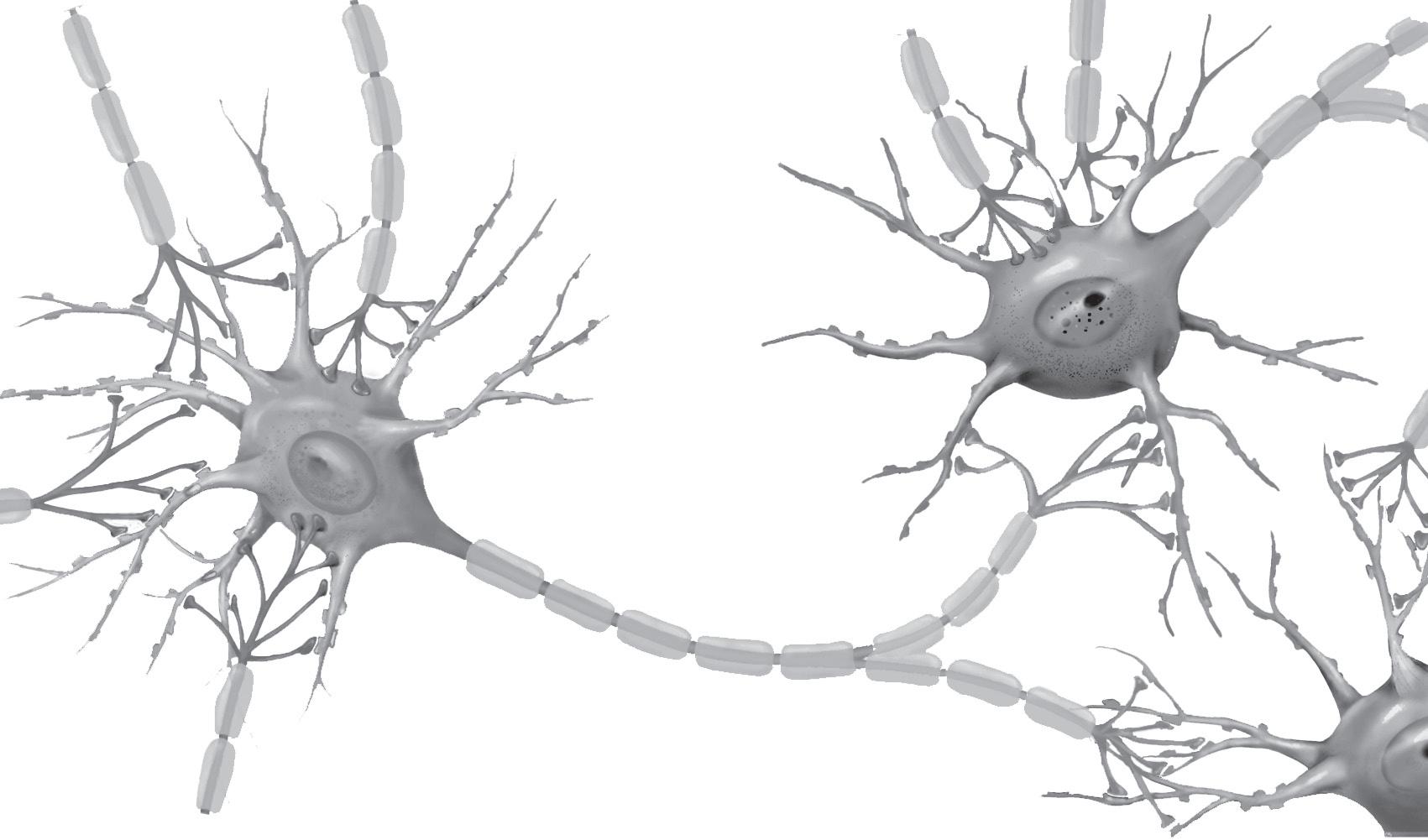
A neuron has four basic parts: the soma, dendrites, axon, and terminal buttons (see Figure 2.1).
• The soma, or cell body, contains the vital parts of the cell, including the nucleus, mitochondria, and other substances in the cytoplasm (the space inside the neuron). A membrane defines the boundary of the cell.
• Dendrites are large and small branches of the neuron, similar to branches of a tree, which receive messages from other neurons through multiple molecular receptors.
• The axon is a long, slender tube that carries messages from the soma to its terminal buttons.
• Terminal buttons are found at the ends of the axon. They contain small sacs, or vesicles, that hold chemical messengers, or neurotransmitters. Terminal buttons deliver neurotransmitters to other neurons across a physical gap called a synapse. The neurotransmitters can cross the synapse between a terminal button of one neuron and a dendrite of another neuron or between a terminal button of one neuron and the soma of another neuron.
NEURAL COMMUNICATION
Within the central nervous system, neuron communication is facilitated either electrically or chemically. This communication is facilitated electrically within the neuron and chemically between neurons.
All drugs and substances that can activate neurons in the brain or central nervous system and thus affect communication among neurons are classified as either endogenous or exogenous. Endogenous substances, such as endorphins, insulin, and adrenaline (also known as ephinephrine), come from within the body. Exogenous substances, such as caffeine, vitamins, herbs, and medications, are produced outside the body and introduced into the body in some manner.
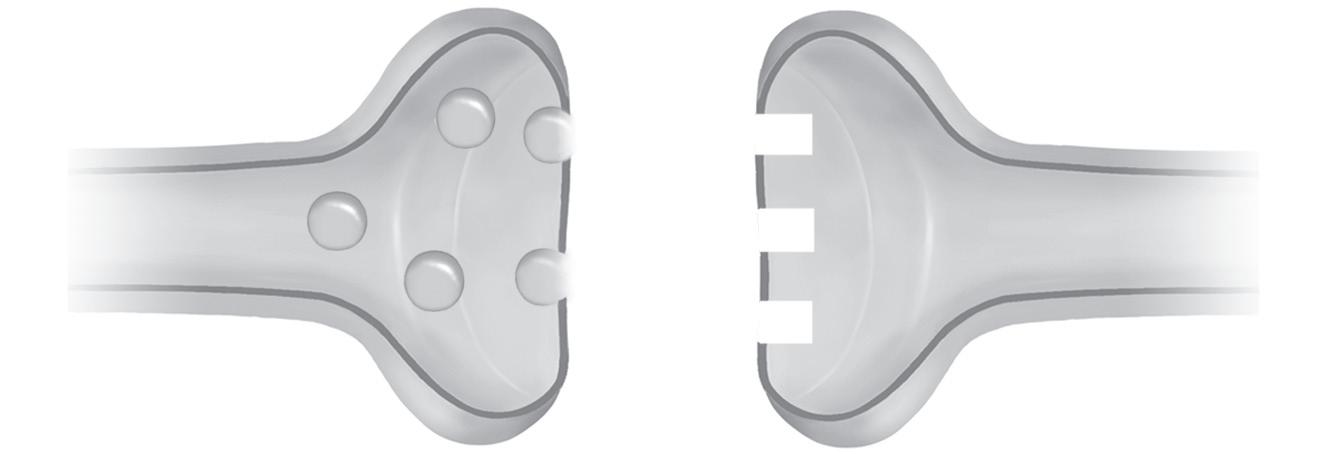
Receptor sites on the postsynaptic membranes of dendrites are the most common targets of medications that can activate their respective cells. That action begins when a receptor is stimulated by a neurotransmitter. If enough receptors are stimulated at once, an electrical impulse (called an action potential) travels along the axon toward the terminal button. Because an electrical signal or impulse is unable to cross the synapse, the transmission of the signal across the synapse depends on chemical messengers, or neurotransmitters. After the electrical impulse reaches the terminal button, a neurotransmitter is released. It travels from the presynaptic membrane of the terminal button across the synapse to the postsynaptic membrane of another neuron’s dendrites, where it might interact. The postsynaptic membrane of the dendrite contains numerous receptors that receive the chemical signal and, in turn, activate the postsynaptic cell, allowing it to transmit again (see Figure 2.2).
Synapse on soma
Axon
Terminal button
Synapse on dendrite
Soma (cell body)
Nucleus
Dendrites
FIGURE 2.1 The Structure of a Neuron
Presynaptic
Presynaptic terminal button
Electrical impulse
Neurotransmitter
Receptor sites
Postsynaptic
Postsynaptic dendrite Chemical transmissions
Electrical impulse
ELECTRICAL AND CHEMICAL PROPERTIES OF NEURAL TRANSMISSION
The electrical properties of a neuron are mediated by electrically charged particles called ions. In their resting state, most neurons are slightly negatively charged when compared to their surroundings, with the difference between intracellular (inside the cell) ion concentrations and extracellular (outside the cell) ion concentrations, known as the resting potential, typically averaging –70 millivolts (mV) (the outside is more negative than the inside). In this resting state, the extracellular spaces are populated primarily by sodium (Na+) and chloride (Cl ) ions, while the intracellular spaces are populated primarily by potassium (K+). The resting potential of a neuron is the unexcited or relaxed state in which the average electrical difference between the inside and outside of the cell is about 70 millivolts (mV). Some drugs can directly affect various phases of the action potential, and it is therefore important to understand the process in more detail. This process can be broken down into four key phases: stimulation, rising phase, falling phase, and the refractory period.
Phase 1: Stimulation
For an action potential to occur, the membrane potential (the potential difference between the inside and outside of the cell) must be significantly reduced, usually to around –55mV (known as the threshold potential). Each time a receptor is activated by a neurotransmitter, it has the potential to either increase or decrease the membrane potential. Excitatory messages depolarize the cell, usually by allowing sodium (Na+) to flow in; this reduces the membrane potential and increases the chance of reaching that threshold potential. Inhibitory messages hyperpolarize the cell, usually by allowing chloride (Cl ) to flow in; this increases the membrane potential and decreases the chance of reaching the threshold potential. Neurons are constantly receiving both excitatory and inhibitory signals. Whether a message is or is not transmitted depends on the relative number of excitatory and inhibitory signals a neuron receives. For example, if the excitatory messengers outnumber the inhibitory messengers, an action potential (message) will be initiated along the axon.
All action potentials are the same size when they are generated, but not all behavioral responses are equal in magnitude. More significant, or stronger, environmental stimuli produce a higher number of action potentials (a higher rate of firing of action potentials). The higher the
FIGURE 2.2 Electrical and Chemical Communication Between Cells
rate of firings of action potentials, the stronger we would expect the behavioral response. For example, a loud sound may generate 10 action potentials in a time period, whereas a soft sound may generate only 2 action potentials during the same period. Thus, the behavioral response to the loud sound is usually greater than the response to the soft sound. In short, the magnitude of an effect is typically related to the number of action potentials that occur in sequence rather than to any change in action potential strength.
Phase 2: Rising Phase
Once an action potential is triggered by reaching the threshold potential, voltage-gated sodium channels open and a positive feedback condition occurs known as runaway: As the cell lets in more sodium, more of these sodium channels open, and even more sodium enters the cell. The result is a rapid depolarization that typically continues until the cell reaches around +40mV (known as the peak). Certain drugs and toxins, such as the tetrodotoxin found in the puffer fish, can block these voltage-gated sodium channels and thus stop this rising phase and resultant action potential, leading to paralysis in severe cases.
As the depolarization continues, the cell begins to compensate by opening potassium (K+) channels that allow potassium to flow out of the cell in order to hyperpolarize it (imagine a boat flooding with water [Na+] while the crew begins dumping buckets of water back out [K+]). Because these potassium channels open more slowly, they typically are unable to match the speed of the sodium channels right away.
Phase 3: Peak and Falling Phase
Once the potassium channels fully open, they match the speed of the sodium channels such that the voltage no longer changes. In other words, for every sodium ion that enters the cell, a potassium ion leaves. This is called the peak of the action potential, and it usually occurs at around +40mV. At this point, the voltage-gated sodium channels do something special: They inactivate. This is a process unique to voltage-gated sodium channels and involves a small protein block that stops them from letting more sodium through even though they’re still open (imagine a cork blocking the open channel). Once this inactivation occurs, the outgoing potassium flow is much greater than the incoming sodium, and the voltage rapidly drops. Certain drugs and toxins, such as the alpha toxins from a scorpion sting, can block this sodium inactivation, resulting in prolonged action potentials that do not have this traditional falling phase and in severe cases lead to ataxia (involuntary limb movement) and even muscle lock.
Phase 4: Undershoot and Refractory Period
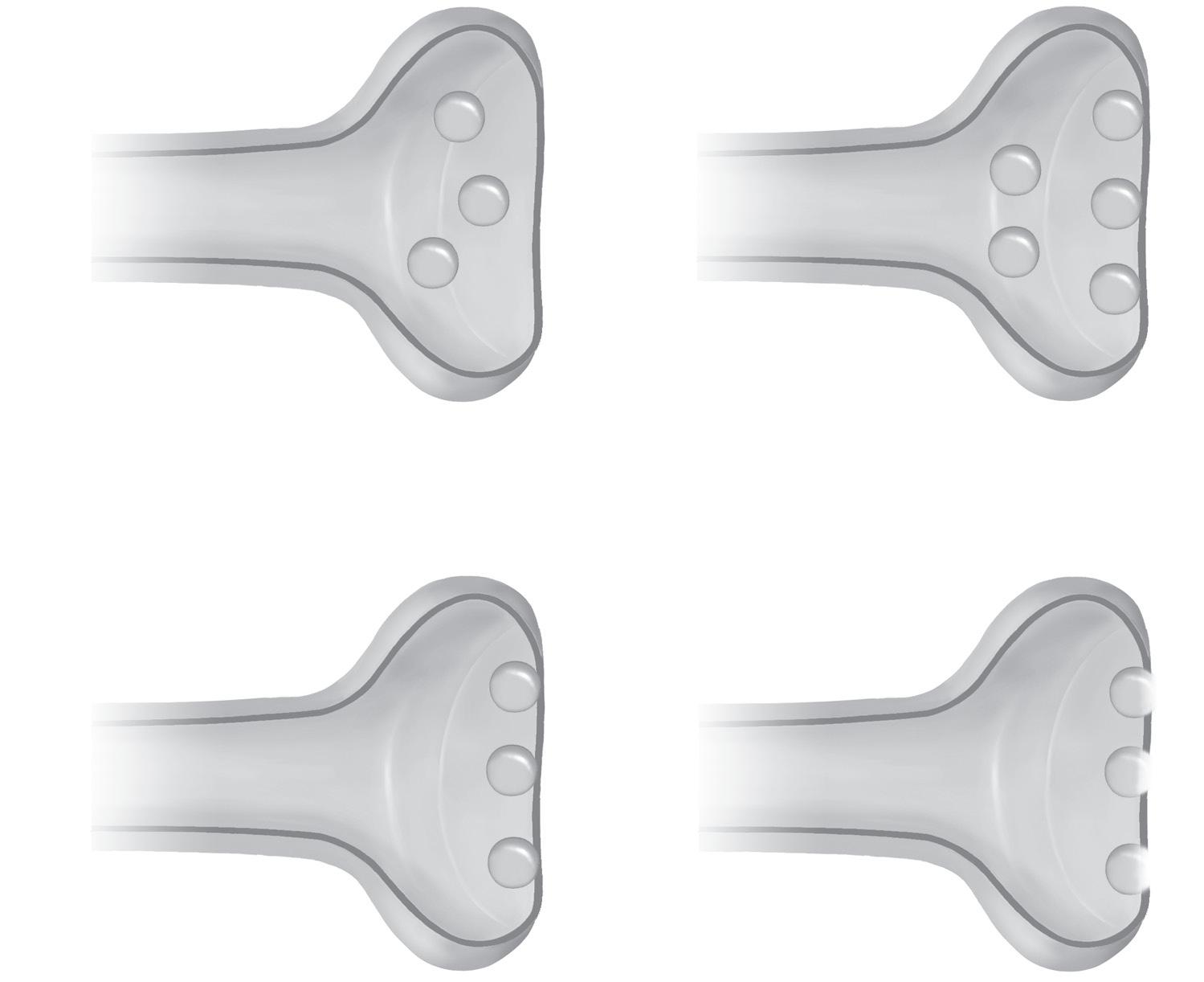
Once this hyperpolarization is complete, the cell is typically at an even lower voltage than the –70mV resting potential discussed earlier. At this point, the cell has entered a refractory period during which it is nearly impossible to get another action potential started. This is because the cell is now almost entirely filled with sodium and has released most of its potassium stores into the extracellular space. During this time, ion exchangers move potassium back into the cell and sodium back out. This process can last nearly as long as the action potential itself and must be completed before another action potential can be stimulated. Once the cell has fully reset, the action potential is complete. When the action potential reaches the nerve terminal, neurotransmitters are released by a process called exocytosis, the secretion of a substance by a cell (see Figure 2.3). At the end of the
Neurotransmitter
Electrical impulse or action potential
Action potential causes docking of vesicles with presynaptic membrane.
Stage 1: Axon potential travels along axon to terminal button.
Calcium ions bind to presynaptic membrane causing vesicles filled with neurotransmitter to fuse with membrane.
Stage 3: Action potential causes calcium ions to release vesicles of neurotransmitter into synapse.
Stage 2: Action potential causes vesicles to fuse with presynaptic membrane.
Stage 4: Neurotransmitter released into synapse.
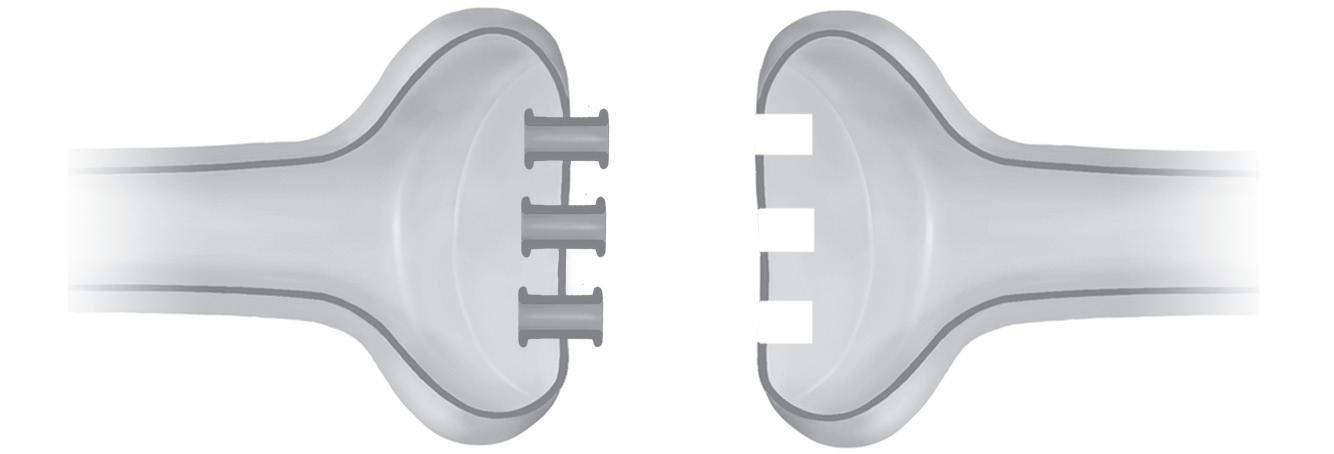
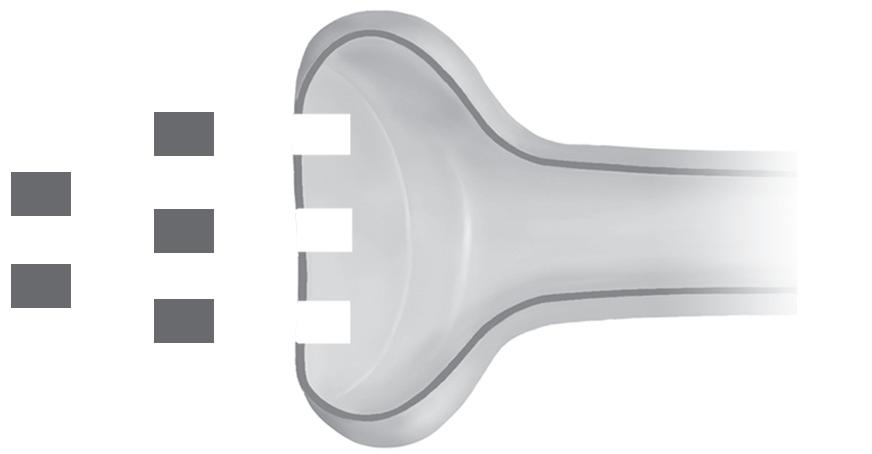
axon, the action potential causes calcium ions (Ca++) in the terminal button to release the neurotransmitter into the synapse, which in turn causes vesicles (small packets of neurotransmitter) to bind to the cell wall. As these vesicles fuse, the neurotransmitter they contain diffuses across the synapse to interact with receptors on the postsynaptic membrane of the dendrites or soma. When receptors are activated, ion channels, or little gateways, open on the postsynaptic membrane, causing either depolarization or hyperpolarization. An excitatory signal leads to the process occurring again; an inhibitory effect decreases further signals. Remember that depolarization excites and hyperpolarization inhibits. The signaling is technically over only when the neurotransmitter is no longer present in the synapse. The primary method for removing neurotransmitter when some of the neurotransmitter is taken back into the terminal button in a process called reuptake (see Figure 2.4).
A neurotransmitter and its individual receptor site together act like a key fitting into a lock (see Figure 2.5). Receptors, located on the extracellular membrane, are specific types of protein structures made of amino acids. The structures make each receptor unique. By a process known as signal transduction, the first messenger or neurotransmitter binds to a receptor that transmits the message by changing the electrical characteristics of the cell, by starting a biochemical action
FIGURE 2.3 The Four Stages of Exocytosis
Presynaptic
Presynaptic terminal button
Synaptic cleft
Postsynaptic
Receptor sites
Neurotransmitter
Reuptake pumps or transporters remove the neurotransmitter from the synaptic cleft via the terminal buttons. This terminates the action potential.
FIGURE 2.4 The Process of Reuptake
Postsynaptic membrane
Neurotransmitters dock at receptor sites
FIGURE 2.5 Receptor Sites
Receptor sites
Postsynaptic terminal button
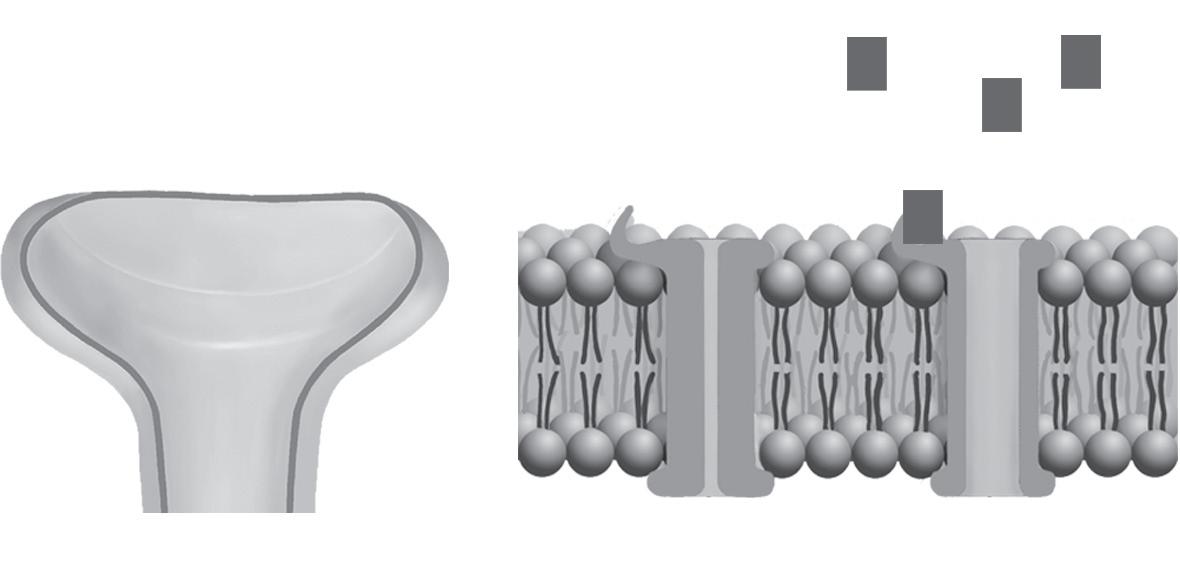
within the cell, or by both. (The second messenger will be explained later.) In general, a neurotransmitter may open an ion channel in either of two major ways. One direct way is through ligand-gated ion channel receptors (neurotransmitter and drugs are generally referred to as ligands). An ion channel opens when a ligand binds to the receptor site (see Figure 2.6). In turn, the influx of particular ions leads to either depolarization or hyperpolarization. For example, the acetylcholine receptor works in this manner. When two acetylcholine molecules occupy the two acetylcholine sites on a single receptor, a sodium channel is opened, resulting in an influx of sodium (Na+) ions that causes depolarization.
The second way a neurotransmitter opens an ion channel is by inducing chemical changes within the cell. The majority of receptors that produce these effects are called G protein–linked receptors because they bind guanine nucleotides. For example, dopamine, glutamate, gammaaminobutyric acid (GABA), and serotonin all facilitate neurotransmission by utilizing G protein–linked receptors.
After the first messenger or neurotransmitter interacts with the extracellular receptor, the chemical effects of the G proteins activate a second messenger within the cell. The best-known second messenger is cyclic adenosine monophosphate, or cyclic AMP. Thus, the neurotransmitter or first messenger binding to the receptor causes a cascade of chemical reactions in the postsynaptic neuron involving a second messenger. Cyclic AMP usually activates other molecules or
Postsynaptic Membrane
Neurotransmitters
2.6 Ion Channel Activation
Molecule of neurotransmitter activates ion channel
Ions
Influx of ions
Closed ion channel
Open ion channel
enzymes that in turn activate or inhibit other chemicals. The resulting substances are known as protein kinases. The protein kinases facilitate a change in the physical shape of other proteins that control the opening of an ion channel. The alteration in the physical shape of the protein permits the channel to open, allowing an influx of ions into the postsynaptic neuron. This ion influx causes either depolarization or hyperpolarization. The final results of this process vary but may include making other neurotransmitters, up- or down-regulating the number of receptors, sending further electrical charges, and so on. An increasingly complex cascade of effects occurs that alters cellular function.
NEUROTRANSMITTERS OF EMOTION AND BEHAVIOR
Three main neurotransmitters involved in emotion and behavior are the monoamines, comprised of two catecholamines (dopamine and norepinephrine) and one indolamine (serotonin). The category designation catecholamine or monoamine is based upon chemical structure. Other neurotransmitters that might be considered include three important amino acids: GABA, glycine, and glutamate. In addition, certain chains of amino acids known as neuropeptides, including substance P and endorphins, may play a role in emotion and behavior.
Dopamine and norepinephrine are closely related and synthesized from the same precursor substance known as tyrosine (see Figure 2.7). Tyrosine is an amino acid that comes from diet. Synthesized tyrosine can be purchased in a health food store; however, some believe tyrosine is not effective unless it is obtained from food. Dietary sources of tyrosine include meat, poultry, seafood, beans, tofu, and lentils. Tyrosine enters dopaminergic neurons by diffusion, where the cytoplasmic enzyme tyrosine hydroxylase converts it to L-DOPA. The L-DOPA is then converted by DOPA decarboxylase into dopamine. Some of the dopamine may be further converted by dopamine β-hydroxylase into norepinephrine.
The noradrenergic (or norepinephrine) pathways in the brain seem to be involved in the regulation of sleep–wake cycles, sustained attention, alertness, and biological responses to new stimuli. Noradrenaline is also thought to mediate anxiety, fear, and stress responses. Thus, noradrenergic abnormalities or drops in norepinephrine levels are thought to play a large role in mood and anxiety disorders.
FIGURE
Tyrosine
Tyrosine hydroxylase
DOPA decarboxylase
Dopamine
dopamine – b - hydroxylase
Norepinephrine
Serotonin or 5-hydroxytryptamine (5-HTP) is synthesized from tryptophan in the diet (see Figure 2.8). Once again, synthesized tryptophan supplements have not been shown to be an effective way of obtaining serotonin. Dietary sources of tryptophan include bananas, sunflower seeds, and milk. Tryptophan is converted into 5-hydroxytryptophan by an enzyme called tryptophan hydroxylase. Then 5-hydroxytryptophan decarboxylase acts on 5-hydroxytryptophan to produce serotonin or 5-HTP.
Tryptophan hydroxylase
FIGURE 2.8 Synthesis of Indolamines
5– hydroxytryptophan–(5-HTP) 5-HTP decarboxylase
5 –hydroxytryptamine –( 5- HT) or serotonin
FIGURE 2.7 Synthesis of Catecholamines
Tryptophan
Scientists believe that serotonin plays a large role in brain functioning, including mood, anxiety, arousal, irritability, tranquility, cognition, appetite, sleep–wake cycles, and obsessions. Serotonergic abnormalities or drops in serotonin levels are associated with anxiety disorders, mood disorders, and even psychotic disorders. Explanations of neural activity might seem quite concrete and straightforward, but the systems are much more complex. Neurons have an extraordinary number of diverse interconnections. Because behavior is complicated, no one neurotransmitter should be considered in isolation; for example, an individual’s depression might be caused by insufficient levels of serotonin, norepinephrine, dopamine, or, in some cases, all three. Most brain functions result from multiple influences of several different neurotransmitters trying to find their own delicate balance.
Drugs may alter behavior by interfering with or interrupting any of the processes that occur during neural communication. A drug that increases the availability or action of a neurotransmitter is called an agonist. Agonists are agents that bind to receptors and act. For example, fluoxetine (Prozac) increases the action of serotonin on the postsynaptic membrane. Conversely, a drug that decreases the availability or action of a neurotransmitter is called an antagonist. They bind to receptors and block. For example, risperidone (Risperdal) blocks dopamine at the postsynaptic membrane. Keep these concepts in mind. They will be revisited in later chapters with respect to specific diseases and medications.
In summary, a few neurotransmitters are particularly important for those in the mental health field. The following gives you a general foundation for each one.
• Acetylcholine. In the central nervous system, acetylcholine is widely distributed and thought to play a role in memory, learning, behavioral arousal, attention, mood, and rapid eye movement that occurs during sleep. In the peripheral nervous system, acetylcholine is found at synapses where the nerve terminals meet skeletal muscles, causing excitation leading to muscle contractions.
• Epinephrine or adrenaline. This neurotransmitter is probably more active in the peripheral nervous system than in the central nervous system. Epinephrine is secreted by the adrenal glands, small endocrine glands above the kidneys. In the peripheral nervous system, epinephrine regulates our fight-or-flight response. Its role is described in more detail in Chapter 7.
• Norepinephrine. Primarily, norepinephrine is an excitatory neurotransmitter in the central nervous system. Norepinephrine cell bodies in the brainstem have axons projecting into the limbic system (brain structures involved in emotions) and the frontal lobes. Wakefulness and alertness are the two major functions of norepinephrine. The role of norepinephrine is discussed later in Chapter 7 and Chapter 9.
• Dopamine. Another major neurotransmitter, dopamine is involved with behavioral regulation, movement, learning, mood, and attention. Dopamine may have both excitatory and inhibitory effects in the brain. It is believed that overactivity of dopamine or oversensitivity of dopamine receptors is responsible for the major symptoms in schizophrenia. Amphetamines, cocaine, and other drugs of abuse directly activate dopamine receptors. The resulting excitation helps account for the psychotic symptoms commonly seen when these drugs are abused.
• Serotonin. Another major neurotransmitter in the central nervous system is serotonin, which involves the inhibition of activity and behavior, and it also is a key neurotransmitter involved in maintaining homeostasis in the brain (the brain’s equilibrium or “resting” state). Other areas where serotonin plays a significant role include mood regulation, control of appetite, sleep and arousal, and pain regulation. Serotonin and norepinephrine axons project into almost the same areas of the brain and are thought to have opposing actions.
• Other neurotransmitters. By virtue of its inhibitory nature, GABA makes the brain more stable by decreasing the neural transmission that prevents overexcitation. Benzodiazepines and barbiturates are two good examples that act to increase GABA. (See Chapter 7 for more about GABA.) Glycine is another inhibitory amino acid neurotransmitter that is present mostly in the spinal cord. When glycine receptors are activated, the cell becomes hyperpolarized and less likely to transmit a signal. Strychnine, a toxin that causes convulsions, acts by blocking these glycine receptors, leading to overexcitation and possibly death. Glutamate, another amino acid neurotransmitter, is definitely excitatory. More neurotransmission occurs because glutamate lowers the threshold for neural excitation. Glutamate is often found in Asian food in the form of monosodium glutamate (MSG), which excites the taste buds on the tongue (for further reading see Carlson, 2004).