ᐱᖁᔭᖅᑎᒍᑦ ᑐᓵᓂᐅᔪᑦ ᐱᔭᕇᖅᐳᑦ ᐃᖃᓗᖕᓂ Volume 76 Issue 28 MONDAY, NOVEMBER 8, 2021 $.95 (plus GST)
ᐃᓱᒫᓘᑕᐅᔪᑦ ᐱᑕᖃᐃᓐᓇᖅᐳᑦ ᐆᒪᔪᐃᑦ ᐅᓄᕐᓂᖏᓐᓂ ᓄᓘᔭᓂ ᐱᓕᕆᓂᐅᔪᒥ ᒪᕐᕈᖓᓂ ᑐᒃᓯᕋᐅᑕᐅᔪᒥ ᐅᖃᓪᓚᖕᓂᐅᔪᑦ ᐱᒋᐊᒃᑲᓐᓂᕐᓂᖓᓂ ᓄᕕᐱᕆ 1–ᒥ ᐊᐃᑉᕆᓂᒥ ᑭᖑᓂᐊᒍᑦ ᐊᒥᓱᓄᑦ ᐊᐃᑦᑐᐃᓂᐅᓂᖃᓚᐅᖅᑎᓪᓗᒋᑦ
Regulatory hearings wrap in Iqaluit Concerns persist about animal populations as Mary River Mine phase two proposal talks resumed Nov. 1 after April outbreak
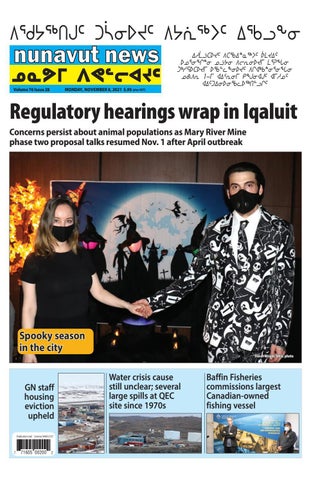
Spooky season in the city
GN staff housing eviction upheld Publication mail Contract #40012157
7
71605 00200
2
Trevor Wright/NNSL photo
Water crisis cause still unclear; several large spills at QEC site since 1970s
Baffin Fisheries commissions largest Canadian-owned fishing vessel
A2 Monday, November 8, 2021
Nunavut News kNKu W?9oxJ5
www.nunavutnews.com
Great egret spotted by eagle-eyed photographer in Rankin Inlet Biologist says ‘sightings are very rare this far north’
ᐳᕐᓃᔅ ᓵᓐᑎ ᐊᔾᔨᓕᐅᕆᓯᒪᔪᖅ ᑕᑯᔭᐅᒐᔪᙱᑦᑐᒥᒃ ᑎᖕᒥᐊᕐᒥᒃ – Great egret-ᖑᓂᕋᖅᑕᐅᔪᖅ – ᐃᒪᖅᓱᒥ ᑲᖏᖅᖠᓂᐅᑉ ᐊᓄᓪᓚᒃᓰᕝᕕᖓᑕ ᑐᓄᐊᓂ.
ᐃᐅᕆᒃ ᕇᑦ, ᑎᖕᒥᐊᓂᒃ ᖃᐅᔨᓴᐃᔨ ᔭᓗᓇᐃᕝᒥ, ᐅᖃᓚᐅᖅᑐᖅ ᑕᐃᒪᐃᑦᑐᒡᒎᖅ ᑎᖕᒥᐊᑦ “ᑕᑯᔭᐅᒐᔪᙱᑦᑐᑦ”.
By Ezra Black Northern News Services Kangiqliniq/Rankin Inlet
A great egret has landed in Rankin Inlet. The rare fowl soared into the Kivalliq community last month – thrilling eagle-eyed bird watcher Bernice Sandy who spent days on the hunt before finally snapping a few images of the feathered fellow in the wetland behind the Rankin Inlet Healing Facility. “My husband showed me that somebody posted a picture of it on their Facebook timeline. Once I saw that I thought ‘oh, cool, I want to go find it,’” said Sandy. “For two days I went looking for it and couldn’t find it, and then I finally saw it on October 17.” Sandy shared photos of the bird online where many people commented on the images, “it’s something new to the community,” she said. Though common enough in southern Canada, Eric Reed, a waterfowl biologist in Yellowknife, said the birds are seldom seen in the North. “Sightings are very rare,” he said. “But also, there’s not a very high density of human population across the North, so a lot of incidents may go undetected.” In fact, Reed said the last recorded sighting of the species in Nunavut, that he was aware of, was in 2019 on Akimiski Island in James Bay. A great egret was also seen in 2017 near Inuvik and sightings have also occurred in Alaska and Hawaii “so they can definitely fly long distances,” said Reed. After their spring breeding season, egrets become extraordinary travellers as they fly great distances, explore new areas “and show up in places where you don’t necessarily expect them,” said Reed.
Bernice Sandy captured photos showing an unusual bird – a great egret – enjoying the wetland behind the Rankin Inlet Healing Facility. Photo courtesy of Bernice Sandy
Eric Reed, a waterfowl biologist in Yellowknife, called the egret an “extremely rare” sighting. Photo courtesy of Bernice Sandy
Sometimes they’ll settle in new areas if the conditions are right “so who knows? Maybe we will see egrets more regularly in the North.” Or, it could be “just a little blip,” he added. “Just the one sighting of the bird, to me, is not sufficient to see that there’s an actual expansion of the range. “It’s a very interesting sighting and it’s way out of its range, but only time will tell whether this remains a rare occurrence or if they go up in the future,” he continued. Reed said he could only speculate as to why the bird travelled all the way to Rankin but suspects it was following food
sources, such as sticklebacks and other small fish. “Maybe following a river system, moving up and finding food and keeping going,” he said. Egrets normally migrate to wintering areas in the U.S. when the weather turns colder and food gets scarce and Reed said the bird should do that before freeze-up. “It’s a bit of a gamble for the bird to be that far north,” he said. “But if it’s in good shape, if it’s eating enough, if it’s in good condition, we can expect it to leave any day now because as soon as those ponds start freezing-over access to food is going to be a lot more limited.”
www.nunavutnews.com
Monday, November 8, 2021 A3
Nunavut News kNKu W?9oxJ5
Did we get it wrong? Nunavut News is committed to getting facts and names right. With that goes a commitment to acknowledge mistakes and run corrections. If you spot an error in Nunavut News/ North, call (867) 979-5990 and ask to speak to an editor, or email editorial@nnsl.com. We'll get a correction or clarification in as soon as we can.
News Briefs ᑲᐱᔭᐅᓯᒪᒋᐊᖃᕐᓂᖏᑦ ᓄᕙᒡᔪᐊᕐᓇᕐᒧᑦ ᖃᖓᑕᔫᓂ ᐃᑭᒪᓂᐊᕈᑎᒃ
fact file Nunavut COVID-19 situation as of NOV. 4 Active cases: 0 Confirmed cases: 674 Recovered cases: 670 Deaths: 4
Vaccine uptake: 26,247 first doses – 90 per cent over age 12 23,004 second doses – 79 per cent over age 12 Source: Government of Nunavut Department of Health
ᐊᑐᕚ
ᑲᓇᑕᐅᑉ ᒐᕙᒪᒃᑯᖏᑦ ᐅᖃᖅᓯᒪᓕᖅᐳᑦ ᑕᒪᕐᒥᒃ ᐃᓄᐃᑦ ᑭᒃᑯᑐᐃᓐᓇᐃᑦ ᐃᖏᕐᕋᔭᖕᓂᐊᕈᑎᒃ ᑲᓇᑕᒥ ᓇᒧᑐᐃᓐᓇᖅ ᓯᓚᕐᔪᐊᒧᓪᓘᓐᓃᑦ ᐃᖏᕐᕋᔭᖕᓂᐊᖅᑐᑦ ᑲᐱᔭᐅᓯᒪᒋᐊᖃᕐᓂᐊᓕᖅᐳᑦ ᓄᕙᒡᔪᐊᕐᓇᖅ –19-ᒧᑦ, ᑭᓯᐊᓂ ᓄᓇᕗᒻᒥᐅᑦ ᑕᐃᒪᓐᓇᐃᙱᓚᐅᑲᑐᐃᓐᓇᕆᐊᖃᖅᐳᑦ. ᓄᑖᖅ ᒪᓕᒃᑕᐅᔪᒃᓴᐃᑦ ᐊᑐᕆᐊᓕᓚᐅᖅᐳᑦ ᐊᒃᑐᐱᕆ 30-ᒥ ᑭᓯᐊᓂ ᐊᓯᐊᒍᑦ ᐱᓕᕆᐊᖃᕐᓂᐊᖅᐳᑦ ᓄᕕᐱᕆ 30-ᒥ ᐊᑐᕆᐊᖃᓪᓚᕆᓕᕐᓗᑎᒃ ᑕᒪᒃᑯᐊ ᖃᐅᔨᓴᖅᑕᐅᔪᑦ PCRᖑᓂᕋᖅᑕᐅᔪᒥᒃ ᐃᑲᕐᕋᓂ 72-ᓂ ᖃᖓᑦᑕᓚᐅᖏᓐᓂᕐᒥᖕᓂ ᐃᑭᑎᑕᐅᔪᓐᓇᖅᐳᑦ ᖃᖓᑕᔫᒧᑦ. ᑭᓯᐊᓂ, ᓄᕕᐱᕆ 30 ᐃᓱᓕᓯᒪᓕᖅᑎᓪᓗᒍ, ᐃᓚᐃᓐᓇᖏᓐᓄᑦ ᑐᕌᕐᓂᐊᖅᐳᖅ ᑕᒪᓐᓇ ᖃᐅᔨᓴᖅᑕᐅᓯᒪᓂᖅ, ᐅᖃᓚᐅᖅᐳᖅ ᑲᓇᑕᐅᑉ ᒐᕙᒪᒃᑯᖏᑦ. ᑕᒪᒃᑯᐊ ᓄᓇᖃᖅᑐᑦ ᐅᖓᓯᒃᑐᒥᐅᓂ, ᓲᕐᓗ ᓄᓇᕗᒻᒥ, ᑭᒃᑯᑐᐃᓐᓇᐃᑦ ᐃᓄᑑᒋᐊᖃᖅᑎᑕᐅᔪᖅ ᒪᓕᒃᖢᒋᑦ ᓄᓇᕗᒻᒥ ᐋᓐᓂᐊᖃᕐᓇᖏᑦᑐᓕᕆᔨᒃᑯᑦ ᐊᑐᖁᔭᖏᓐᓂᒃ ᐊᐅᓪᓚᖅᑎᑕᐅᓯᒪᔪᑦ ᐃᖢᐊᖅᓴᐃᔨᓕᐊᕐᓗᑎᒃ ᑕᐃᒪᓐᓇᐃᒋᐊᖃᖏᑉᐳᑦ. ᓄᓇᓕᖕᓂ ᐅᖓᓯᒃᑐᒥᐅᓂ ᖃᐅᔨᓴᖅᑕᐅᒋᐊᖃᖅᐳᑦ ᐊᑐᐃᓐᓇᐅᓕᖅᐸᑕ ᑕᒪᒃᑯᐊ ᖃᐅᔨᓴᕈᑎᑦ. ᒫᓐᓇᐅᓂᖓᓂ, ᐊᑭᖃᖏᑦᑐᑦ, ᓄᕙᒡᔪᐊᕐᓇᖃᕐᒪᖔᑕ ᐃᓄᐃᑦ ᓱᑲᑦᑐᒃᑯᑦ ᖃᐅᔨᓴᕈᑎᒃ ᓄᕙᒡᔪᐊᕐᓇᖅ–19-ᖃᕐᒪᖔᑕ ᐊᑐᖅᑕᐅᖃᑦᑕᕐᓂᐊᖅᐳᖅ ᖃᐅᔨᓴᕐᓂᖅ “ᑐᑦᑕᕐᕕᖕᓂ ᐊᖅᑯᓵᖅᑕᐅᔪᓂ ᓄᓇᓕᖕᒥ” ᖃᓪᓗᓈᑦ ᓄᓇᖓᓐᓂᓗ ᒥᑦᑕᕐᕕᖕᓂ – ᐃᖃᓗᐃᑦ, ᔭᓗᓇᐃ, ᐅᐃᓂᐱᐊᒡ, ᐋᑐᕚ ᐊᒻᒪ ᒪᓐᑐᕆᔮ, ᓲᕐᓗ ᐆᒃᑑᑎᒋᓗᒋᑦ – ᖃᐅᔨᓴᖅᑕᐅᓯᒪᖁᓪᓗᒋᑦ ᐅᖓᓯᒃᑐᒧᐊᓚᐅᖏᓐᓂᖏᓐᓂ. please see Vaccine, page 12
ᐃᓄᐃᓐᓇᖅᑐᑦ ᒪᑭᑉᐸᓪᓕᐊᑎᑕᐅᓂᖓ ᑲᒪᔨᐅᓂᐊᖅᑐᖅ ᐃᓂᒥᓃᓕᖅᐳᖅ
ᐃᖃᓗᒃᑑᑦᓯᐊᖅ ᑖᒥ ᐃᒥᕐᕈᐃᑦᑐᖅ ᐃᖅᑲᓇᐃᔭᖅᑎᑖᕆᔭᐅᓯᒪᓕᖅᐳᖅ ᐃᓄᐃᓐᓇᖅᑐᑦ ᐅᖃᐅᓯᑦ ᒪᑭᑉᐸᓪᓕᐊᔪᓐᓇᖁᓪᓗᒋᑦ ᑲᒪᔨᐅᓂᕐᒧᑦ ᑕᐃᑲᓂ ᐱᖅᑯᕼᐃᕐᓂᒃᑯᑦ ᐃᓕᕼᐊᐅᑎᓂᖅ/ᕿᑎᕐᒥᐅᓂ ᐃᑦᑕᕐᓂᑕᓕᕆᔨᒃᑯᑦ ᑲᑐᔾᔨᖃᑎᒌᖏᑦ. ᐃᖅᑲᓇᐃᔮᖅ ᐱᒋᐊᖅᑕᐅᓚᐅᖅᐳᖅ ᐱᕚᓪᓕᕈᑎᖃᖁᓪᓗᒋᑦ “ᐃᓄᐃᓐᓇᖅᑐᑦ ᐃᓕᓐᓂᐊᖅᑎᑦᑎᓂᖅ ᑎᑎᕋᖅᐹᓪᓕᐊᓂᕐᓗ ᐱᓕᕆᐊᑦᑎᓐᓂ ᐊᐅᓚᓂᑦᑎᓐᓂᓗ, ᖃᐅᔨᓴᖅᑕᐅᓯᒪᖁᓪᓗᒋᑦ ᐃᓕᓐᓂᐊᖅᑎᑦᑎᔾᔪᑎᒋᔭᕗᑦ ᐊᒻᒪ ᐅᖃᐅᓯᑦ ᐱᓕᕆᐊᕆᔭᐅᓂᖏᓐᓄᑦ ᓄᑖᓂᒡᓗ ᓴᖅᑭᑉᐸᓪᓕᐊᔪᖃᖁᓪᓗᒍ ᐱᕙᓪᓕᐊᑎᑕᐅᓇᓱᐊᕐᓂᖓᓂ ᐃᓄᐃᓐᓇᖅᑐᑦ”, ᑲᑐᔾᔨᖃᑎᒌᑦ ᑕᐃᒪᓐᓇ ᑎᑎᕋᐅᓯᖃᓚᐅᖅᐳᑦ. ᐊᓯᐊᒍᑦ ᐱᕙᓪᓕᐊᒍᑕᐅᔪᑦ, ᑖᒃᑯᐊ ᑲᑐᔾᔨᖃᑎᒌᑦ ᐅᓂᒃᑳᕈᑎᖃᓚᐅᖅᐳᑦ ᖃᒡᓕᕚᓪᓕᕐᓂᕐᒥᖕᓄᑦ ᓄᑖᒥ ᐃᓄᐃᓐᓇᑦ ᐃᓕᖅᑯᓯᑐᖃᖏᓐᓂᒃ ᐃᓂᒃᓴᖃᕐᓂᕐᒧᑦ ᐃᖃᓗᒃᑑᑦᓯᐊᒥ. ᖃᖓᐅᓂᐊᕐᓂᖓᓄᑦ ᓴᓇᔭᐅᓂᐊᕐᓂᖓ ᑕᒫᓂ ᐅᐱᕐᙵᒃᓵᒥ ᐊᐅᔭᒥᓘᓐᓃᑦ 2022. ᓇᓃᓐᓂᐊᕐᓂᖓᓄᑦ ᐃᓂᒃᓴᖃᕐᓂᐊᕐᓂᖓᓄᑦ ᐃᖃᓗᒃᑑᑦᓯᐊᒥ ᐅᖃᐅᓯᕆᔭᐅᓯᒪᖏᑉᐳᖅ, ᓴᓇᔭᐅᓂᐊᖅᖢᓂ “ᓴᓇᔭᐅᓂᐊᕐᓗᓂ ᐃᓚᖃᕐᓗᓂ ᐃᓂᒋᓂᐊᖅᑕᖓᓂᑦ,” ᑲᑐᔾᔨᖃᑎᒌᑦ ᐅᖃᓚᐅᖅᐳᑦ, ᑕᒪᒃᑯᐊᓗ ᓄᓇᕋᐃᑦ ᐊᑐᖅᑕᐅᒃᑲᓐᓂᕈᓐᓇᖅᑐᓪᓗ ᐃᓚᓕᐅᑎᑕᐅᒍᑕᐅᓂᐊᖅᖢᑎᒃ ᓴᓇᔭᐅᓯᒪᓕᖅᐸᑦ. please see Inuinnaqtun, page 12
ᑭᕙᓪᓕᕐᒥ ᐃᓄᐃᑦ ᑲᑐᔾᔨᖃᑎᒌᒃᑯᖏᑦ ᑮᓇᐅᔭᓂᒃ ᐃᓕᑕᕆᔭᐅᒍᓯᐊᖅᑎᑦᑎᔪᑦ ᓯᓚᑦᑐᖅᓴᕐᕕᖕᒥ ᐃᓕᓐᓂᐊᓚᐅᖅᑕᒥᖕᓂᒃ ᐱᐊᓂᒃᑐᓄᑦ
ᑭᕙᓪᓕᖅ ᑭᕙᓪᓕᕐᒥ ᐃᓄᐃᑦ ᑲᑐᔾᔨᖃᑎᒌᒃᑯᖏᑦ ᑮᓇᐅᔭᓂᒃ ᐃᓕᑕᕆᔭᐅᒍᓯᐊᖅᑖᖅᑎᑦᑎᓂᐊᖅᐳᑦ ᓄᓇᑖᖃᑕᐅᓯᒪᔪᑦ ᐃᓕᑕᕆᔭᐅᖁᓪᓗᒋᑦ ᓯᓚᑦᑐᖅᓴᕐᕕᖕᒥ ᓯᓚᑦᑐᖅᓴᕐᕕᒡᔪᐊᒥᓗ ᐃᓕᓐᓂᐊᓚᐅᖅᑐᓄᑦ ᑐᓴᖅᑎᑦᑎᒍᑎᖃᓚᐅᖅᐳᑦ ᑲᑐᔾᔨᖃᑎᒌᑦ ᐱᐊᓂᒃᑐᓄᑦ ᑐᓂᓯᖃᑦᑕᕐᓂᐊᕐᓂᕐᒧᑦ ᐃᓕᑕᕆᔭᐅᒍᓯᐊᓂᒃ ᐊᒃᑐᐱᕆ 27 ᐅᖃᐅᓯᕆᔭᐅᓚᐅᖅᖢᓂ. ᖃᔅᓯᓂᒃ ᐃᓕᑕᕆᔭᐅᒍᓯᐊᕐᓂᐊᕐᓂᖏᓐᓂᒃ ᐃᓕᓐᓂᐊᕌᓂᒃᓯᒪᔪᑦ ᖃᓄᑎᒋ ᐃᓕᓐᓂᐊᖅᓯᒪᓂᕆᔭᖓ ᒪᓕᒡᓗᒍ, ᐊᑭᑐᓛᒃᑯᑦ $1,000 ᐊᕐᕌᒍᑕᒫᑦ ᐃᓕᓐᓂᐊᕌᓂᖕᓂᕆᔭᖏᑦ ᒪᓕᒃᖢᒋᑦ. ᑐᒃᓯᕋᐅᑎᖃᕈᓐᓇᖅᐳᑦ ᐃᓕᓐᓂᐊᕌᓂᒃᓯᒪᔪᑦ ᐃᓕᑕᕆᔭᐅᒍᓯᐊᒃᓴᓂᒃ ᑕᖅᑭᑦ 6 ᐱᐊᓂᒃᐸᑕ ᐃᓕᓐᓂᐊᕌᓂᓚᐅᕐᓗᓂ ᓇᓗᓇᐃᒃᑯᑕᖃᕐᓗᓂᓗ ᐱᐊᓂᒃᓯᒪᓂᖓᓄᑦ, ᑎᑎᕋᖅᓯᒪᔪᓂᒃ, ᓇᓗᓇᐃᒃᑯᑕᓂᒃ/ ᐃᓕᓐᓂᐊᕌᓂᒃᓯᒪᒍᑎᓂᒃ ᐊᒻᒪ ᐊᔾᔨᖏᓐᓂᒃ ᓇᒃᓯᐅᑎᓗᓂ ᓄᓇᕗᑦ ᑐᓐᖓᕕᒃᑯᑎᒍᑦ ᓄᓇᑖᖃᑕᐅᓯᒪᓂᕐᒧᑦ ᓇᓗᓇᐃᒃᑯᑕᒥᒃ. ᑲᑐᔾᔨᖃᑎᒌᑦ ᖃᓄᐃᓕᐅᖅᓯᒪᒋᐊᖃᕐᓂᖏᓐᓄᑦ ᑎᑎᕋᖅᓯᒪᔪᖁᑎᒥᖕᓂᒃ ᐊᓯᔾᔩᔪᓐᓇᖅᐳᑦ, ᑭᒡᓕᖃᖁᓪᓗᒋᑦ ᐃᓕᑕᕆᔭᐅᒍᓯᐊᒃᓴᐃᑦ ᓈᒻᒪᒋᔭᖏᑦ ᒪᓕᒡᓗᒋᑦ, ᑮᓇᐅᔭᑦ ᑭᓯᐊᓂ ᑐᓂᔭᐅᔪᓐᓇᕐᒪᑕ ᐊᑐᐃᓐᓇᐅᒃᐸᑕ ᐊᕐᕌᒍᓂ. ᑐᑭᓯᒋᐊᒃᑲᓐᓂᕈᒪᔪᑦ ᖃᐅᔨᒋᐊᕈᓐᓇᖅᐳᑦ ᑲᑐᔾᔨᖃᑎᒌᑦ ᐃᓄᐃᑦ ᐱᔾᔪᑎᒋᓪᓗᒋᑦ ᐱᓕᕆᐊᓂ ᐱᔨᑦᓯᕋᐅᑎᓂᓗ. please see KIA, page 12
ᕿᑭᖅᑖᓗᖕᒥ ᐃᖃᓗᓕᕆᔩᑦ ᐅᖃᐅᓯᖃᖅᐳᖅ ᐸᕐᓇᐅᑎᒥᒃ ᓴᓇᓂᕐᒥ ᐊᖏᓛᖑᔪᒥ ᑲᓇᑕᒥᓇᖕᒥᓂᕆᔭᐅᔪᒥ ᐃᖃᓗᒐᓱᖕᓂᕐᒧᑦ ᐅᒥᐊᕐᔪᐊᒥ ᓄᑖᖅ ᐅᒥᐊᕐᔪᐊᖅ ᐊᕙᑎᒧᑦ ᐱᐅᓂᖅᓴᐅᓂᐊᖅᐳᖅ, ᑮᓇᐅᔾᔭᒃᓴᓂᖅᓴᐅᓗᓂ ᐊᒻᒪᓗ ᑐᓂᓯᓗᓂ ᐅᓄᕐᓂᖅᓴᓂ ᐃᖅᑲᓇᐃᔮᒧᑦ ᐱᕕᒃᓴᖃᕐᓂᐅᔪᓂ ᐃᓄᖕᓄᑦ ᐅᖃᖅᐳᖅ ᕿᑭᖅᑖᓗᖕᒥ ᐃᖃᓗᓕᕆᔨᒃᑯᑦ ᐊᖓᔪᖅᑳᖓ Northern News Services
ᐅᒃᑐᐱᕆ 29–ᒥ ᕿᑭᖅᑖᓗᖕᒥ ᐃᖃᓗᓕᕆᔩᑦ ᐅᖃᐅᓯᖃᓚᐅᖅᐳᑦ ᑲᒻᐸᓂᐅᔪᖅ ᑮᓇᐅᔭᖃᖅᑎᑕᐅᓂᐊᖅᐳᑦ ᐊᒻᒪ ᐊᑎᓕᐅᕆᓪᓗᑎᒃ ᑳᓐᑐᕌᖑᔪᒥ ᓴᓇᓂᕐᒧᑦ ᐊᖏᓛᖑᔪᒥ ᐃᖃᓗᒐᓱᖕᓂᕐᒧᑦ ᐅᒥᐊᕐᔪᐊᒥ ᑲᓇᑕᒥ, ᓂᕆᐅᒋᔭᐅᔪᒥ ᑎᑭᑎᑕᐅᓛᕐᓂᖓᓂ ᕕᕈᐊᕆ 2024–ᒥ. ᐅᒥᐊᕐᔪᐊᖅ ᓂᕆᐅᒋᔭᐅᕗᖅ ᐃᓗᓪᓕᕈᓐᓇᕐᓂᐊᕐᓂᖓᓂ ᑎᑭᐅᒪᔪᒧᑦ 1,320 ᑕᓐᓂ ᑲᓛᖦᖡᑦ ᓄᓈᓐᓂ ᖃᓕᕋᓕᖕᓂ ᐅᕝᕙᓘᓐᓃᑦ 930 ᑕᓐᓂ ᓂᒡᓕᓇᖅᑐᒥᐃᒪᕐᒥ ᑭᖑᒃᐸᓂᑦ. ᑕᐅᑐᒃᖢᒍ, MV ᐃᓄᒃᓱᒃ I–ᒥ, ᐊᑕᐅᓯᐅᔪᒥ ᕿᑭᖅᑖᓗᖕᒥ ᐃᖃᓗᓕᕆᔨᒃᑯᑦ ᐊᖏᓂᖅᓴᐅᔪᓂ ᐅᒥᐊᕐᔪᐊᓂ, ᓯᕗᓪᓕᕐᒥ ᓴᓇᔭᐅᓚᐅᖅᑐᒥ 1987–ᒥ ᐊᒻᒪ ᑕᒪᒃᑭᖅᑕᐅᓪᓗᓂ ᓂᐅᕕᖅᑕᐅᓚᐅᖅᑐᒥ ᑲᒻᐸᓂᐅᔪᒥ 2015–ᒥ, ᐃᓗᓕᖃᕈᓐᓇᖅᐳᖅ 650 ᑕᓐᓂ ᖃᓕᕋᓕᖕᓂ ᐅᕝᕙᓘᓐᓃᑦ 440 ᑕᓐᓂ ᑭᖑᒃᐸᓂᑦ. ᓄᑖᖅ ᐅᒥᐊᕐᔪᐊᖅ ᑎᓴᒪᒋᔭᐅᓂᐊᖅᐳᖅ ᕿᑭᖅᑖᓗᖕᒥ ᐅᒥᐊᕐᔪᐊᓂ ᓴᓂᓕᐊᓂ ᒪᕐᕉᖕᓂ ᐊᖏᔪᓂ ᐱᓕᕆᕝᕕᐅᔪᒥ ᖁᐊᖅᓰᕕᒃ ᐃᖃᓗᒐᓲᑎᒥ ᖃᔅᓯᒐᓚᖕᓄᑦ-ᐆᒪᔪᐃᑦ ᐊᔾᔨᒌᙱᓐᓂᖏᓐᓂ ᑲᓕᒐᓕᒃ ᐃᖃᓗᒐᓲᑎ ᐊᒻᒪ ᐊᑕᐅᓯᕐᒥ ᐱᓕᕆᕝᕕᖕᒥ ᖁᐊᖅᓰᕕᒃ ᐃᖃᓗᒐᓲᑎ ᐅᒥᐊᕐᔪᐊᒥ. “ᐅᓇ ᐊᖏᓪᓗᓂ ᐱᓕᕆᑦᑎᐊᕈᓐᓇᖅᓯᒪᓂᐅᕗᖅ 100 ᐳᓴᓐᑎᒥ ᐃᓄᖕᓄᑦ–ᓇᖕᒥᓂᕆᔭᐅᔪᒥ ᑲᒻᐸᓂᐅᔪᒧᑦ ᐊᕐᕌᒍᑦ 20–ᑐᐃᓐᓇᐅᔪᒧᑦ,” ᐅᖃᓚᐅᖅᐳᖅ ᕿᑭᖅᑖᓗᖕᒥ ᐃᖃᓗᓕᕆᔨᒃᑯᑦ ᑲᑎᒪᔨᐅᔪᖅ ᐊᒻᒪ ᐊᖑᓇᓱᒃᑐᓕᕆᔨᒃᑯᑦ ᒥᑭᒋᐊᕐᓂᐊᖅᑏᓪᓗ ᑲᑐᔾᔨᖃᑎᒌᖏᑦ ᐃᒃᓯᕙᐅᑕᖓ ᑕᐃᕕᑦ ᐋᓕᒃᓵᓐᑐᕐ ᐃᖃᓗᖕᓂ. “ᓄᑖᖅ ᐅᒥᐊᕐᔪᐊᖅ ᐅᕙᑦᑎᓐᓂ ᐱᔪᓐᓇᖅᑎᑦᑎᓂᐊᖅᐳᖅ ᐃᕐᙲᓐᓇᑲᐅᑎᒋ ᐊᖏᒡᓕᒋᐊᖅᑎᑦᑎᓂᕐᒥ ᐱᕚᓪᓕᕈᑕᐅᔪᓂ ᓄᓇᕗᒻᒥ ᓄᓇᓕᐅᔪᓄᑦ ᐊᒻᒪᓗ ᐱᐅᓯᒋᐊᖅᑎᑦᑎᓗᓂ ᐃᖅᑲᓇᐃᔮᒧᑦ ᐱᕕᒃᓴᖃᕐᓂᐅᔪᓂ ᐊᒻᒪ ᐃᖅᑲᓇᐃᔭᕐᓂᕐᒧᑦ ᖃᓄᐃᓕᖓᓂᐅᔪᓂ ᐃᓄᖕᓄᑦ ᐃᖃᓪᓕᐊᖅᑎᐅᔪᓄᑦ.” ᓄᑖᖅ ᐅᒥᐊᕐᔪᐊᖅ ᓴᓇᔭᐅᕙᓪᓕᐊᕗᖅ ᓄᐊᕖᔾᔭᓐ ᑲᒻᐸᓂᐅᔪᒥ Skipsteknisk A/S–ᑯᓐᓂ, ᓴᓇᓚᐅᕐᒥᔪᓂ MV ᐃᓄᒃᓱᒃᒥ, ᐊᒻᒪ ᓇᑉᐸᖅᑎᕆᔭᐅᓂᐊᖅᐳᖅ Turkish Tersan ᐅᒥᐊᕐᔪᐊᓕᐅᖅᑎᐅᔪᓂ, ᖃᐅᔨᒪᔭᐅᔪᓂ ᓇᑉᐸᖅᑎᕆᓂᕐᒧᑦ ᐊᒻᒪ ᓴᓇᓂᕐᒧᑦ ᓴᙱᔪᓂ ᑲᓕᒐᓕᒃ ᐃᖃᓗᒐᓲᑎᓂᑦ. $72 ᒥᓕᐊᓐᑲᓴᖕᓂ ᐱᔭᐅᓂᐅᔪᖅ ᐊᔪᕐᓇᙱᑎᑕᐅᕗᖅ ᐃᓚᕙᓪᓕᐊᔪᒥ ᑮᓇᐅᔭᖃᖅᑎᑕᐅᓂᐅᔪᒥ ᑎᑭᐅᒪᔪᒧᑦ $60 ᒥᓕᐊᓐᓂ Scotiabank–ᒥ ᐃᓚᖃᓚᐅᖅᑐᒥ ᐊᑐᖅᑐᐊᕐᓂᓪᓚᕆᐅᔪᒥ ᓗᓇᐅᑉ ᐊᓯᐊᓄᑦ ᓂᐅᕐᕈᑎᖃᕐᓂᕐᒧᑦ ᐱᕙᓪᓕᐊᑎᑦᑎᓂᕐᒥ ᑲᓇᑕᒥ (Export Development Canada) (EDC). ᑲᓇᑕᒥ ᒪᑭᒪᐅᑎᖃᕐᓂᕐᒧᑦ ᐱᓕᕆᕝᕕᐅᔪᒥ (CanNor) ᑐᓂᓯᓂᐊᕆᕗᑦ $3 ᒥᓕᐊᓐᓂ ᐊᑭᓕᖅᑕᐅᒃᑲᓐᓂᕈᓐᓇᕐᓂᐅᔪᒥ ᐃᑲᔫᓯᐊᕐᒥ ᐅᒥᐊᕐᔪᐊᒧᑦ, ᐱᔪᓐᓇᖅᑎᑦᑎᓚᐅᖅᑐᒥ ᑲᒻᐸᓂᐅᔪᒥ ᖁᓛᓄᐊᕆᔪᓐᓇᕐᓂᖏᓐᓂ ᐱᓂᕐᒧᑦ ᐆᒥᖓ ᓄᑖᖑᔪᒥ ᐅᒥᐊᕐᔪᐊᒥᒃ. ᕿᑭᖅᑖᓗᖕᒥ ᐃᖃᓗᓕᕆᔩᑦ ᐊᐅᓚᑦᑎᔨᒻᒪᕆᖓ ᑯᕆᔅ ᕙᓛᓇᒋᓐ ᐅᖃᓚᐅᖅᐳᖅ ᐅᑯᓇᓂ ᑮᓇᐅᔭᖃᖅᑎᑦᑎᔨᐅᔪᓂ ᑲᒻᐸᓂᐅᔪᖅ ᑮᓇᐅᔭᖃᖅᑎᑦᑎᔪᓐᓇᓚᐅᖅᐳᑦ ᓄᑖᖑᔪᒥ ᐅᒥᐊᕐᔪᐊᒥ ᑲᓇᑕᐅᑉ ᐃᓗᐊᓂ. “ᐅᓇ ᑲᒪᓇᖅᑐᖅ ᓄᑖᖅ ᐅᒥᐊᕐᔪᐊᖅ ᒥᒃᖠᒋᐊᖅᑎᑦᑎᕗᖅ ᐸᐅᕐᒧᑦ ᑐᒥᓕᐊᖑᔪᒥ, ᑐᓂᓯᓲᖑᕗᖅ ᐊᖏᓂᖅᓴᐅᔪᓂ ᐅᑎᖅᑎᕆᓂᐅᔪᓂ ᓇᖕᒥᓂᖃᖃᑕᐅᔪᓂ, ᐊᒻᒪ ᐃᓂᖃᕈᓐᓇᖅᐳᖅ ᐊᖏᒡᓕᒋᐊᕐᓂᕐᒥ, ᐃᓚᖃᖅᑐᒥ ᐊᖑᓇᓱᒍᓐᓇᕐᓂᕐᒥ ᓄᑖᓂ ᐆᒪᔪᓂ ᐊᔾᔨᒌᙱᓐᓂᐅᔪᓂ ᓯᕗᓂᒃᓴᒧᑦ,” ᐅᖃᓚᐅᖅᐳᖅ ᕙᓛᓇᒋᓐ. ᐊᑕᐅᓯᖅ ᐅᑯᓇᓂ ᓄᑖᖑᔪᓂ ᐆᒪᔪᓂ ᐊᔾᔨᒌᙱᓐᓂᐅᔪᓂ ᐱᔭᐅᔪᓐᓇᑐᐃᓐᓇᕆᐊᖃᖅᑐᒥ redfish–ᖑᕗᖅ, ᐃᓂᖃᒐᔪᒃᑐᓂ ᕿᑎᖅᐸᓯᐊᓂ–ᐃᑎᓂᐅᔪᓂ ᐊᕕᒃᑐᖅᓯᒪᓂᐅᔪᓂ ᐃᒫᓗᖕᒥ. ᐱᔭᐅᔪᓐᓇᖅᑐᓂ ᑭᒡᓕᖃᙱᒃᑲᓗᐊᖅᑎᓪᓗᒍ redfish–ᓄᑦ ᒫᓐᓇᐅᔪᒥ, ᓂᕆᐅᒋᔭᐅᕗᖅ ᓂᐅᕕᐊᒃᓴᐅᔪᓐᓇᕐᓂᖓᓂ ᐱᕙᓪᓕᐊᔪᓐᓇᕋᔭᕐᓂᖓᓂ ᐃᑲᔪᕈᑎᒃᓴᐅᓗᓂ ᐊᕐᕌᒍᑦ ᖁᓕᐸᓗᖕᓂ. ᐃᓂᒃᓴᖃᕐᓂᖅ ᑲᔪᖏᖅᓴᐃᓂᕐᒥ ᐃᓕᓐᓂᐊᖅᐸᓪᓕᐊᓂᐅᔪᒥ ᓄᑖᖅ ᐅᒥᐊᕐᔪᐊᖅ ᓴᓇᓯᒪᓂᐊᖅᐳᖅ ᐅᑭᐅᖅᑕᖅᑐᒥ ᐃᓱᒪᒋᔭᐅᓂᖓᓂ, ᐅᖃᖅᐳᖅ ᐊᐅᓚᑦᑎᔨᒻᒪᕆᒃ. ᐃᓂᒃᓴᖃᕐᓂᐊᖅᐳᖅ 34–ᓂ ᐃᓄᖕᓂ, ᑭᓯᐊᓂ ᓂᕆᐅᒋᔭᐅᕗᖅ ᐊᐅᓚᔪᓐᓇᕐᓂᐊᕐᓂᖓᓂ ᐃᖅᑲᓇᐃᔭᖅᑎᐅᔪᓂ 30–ᓂ, ᐊᒥᐊᒃᑯᓂ ᐃᓂᐅᔪᓂ ᑲᔪᖏᖅᓴᐃᓂᕐᒥ ᐃᓕᓐᓂᐊᖅᐸᓪᓕᐊᓂᕐᒧᑦ ᐊᒻᒪ ᐱᓕᒻᒪᒃᓴᕐᓂᕐᒧᑦ. “ᑕᕆᐅᕐᒥ ᐃᖃᓗᓕᕆᓂᖅ ᓄᓇᕗᒻᒥ ᓄᑖᖑᕐᔪᐊᖅᐳᖅ, ᐊᕐᕌᒍᓄᑦ 20–ᑐᐃᓐᓇᐅᕗᖅ ᐆᒧᖓ ᑲᒻᐸᓂᐅᔪᒧᑦ. ᑕᐃᒫᒃ ᕿᑭᖅᑖᓗᖕᒥ ᐃᖃᓗᓕᕆᔩᑦ ᐱᓕᕆᓂᖃᕆᐊᖃᖅᐳᑦ ᐱᓕᒻᒪᒃᓴᐃᓂᕐᒥ ᒪᒃᑯᒃᑐᓂ
ᓄᐊᕙᐃᒥ ᓴᓇᔭᐅᓪᓗᓂ 2001–ᒥ, MV ᓯᕗᓪᓕᖅ ᐱᔭᐅᓚᐅᖅᓯᒪᕗᖅ ᕿᑭᖅᑖᓗᖕᒥ ᐃᖃᓗᓕᕆᔨᒃᑯᓐᓂᑦ 2015–ᒥ ᐊᒻᒪ ᐃᓄᖃᕈᓐᓇᖅᐳᖅ ᑎᑭᐅᒪᔪᒥ 28–ᓂ 30– ᓄᑦ ᐅᒥᐊᕐᔪᐊᕐᒥ ᓴᓇᔨᐅᔪᓂ. ᐅᒥᐊᕐᔪᐊᖅ ᐃᓗᓕᖃᕈᓐᓇᖅᐳᖅ ᑎᑭᐅᒪᔪᒥ 660 ᒪᑐᕆᒃ ᑕᓐᓂ ᖃᓕᕋᓕᖕᓂ ᐅᕝᕙᓘᓐᓃᑦ 440 ᒪᑐᕆᒃ ᑕᓐᓂ ᑭᖑᒃᐸᓂ. ᓄᑖᖅ ᐅᒥᐊᕐᔪᐊᖅ ᐱᓕᕆᐊᖑᔪᒥ ᕿᑭᖅᑖᓗᖕᒥ ᐃᖃᓗᓕᕆᔨᒃᑯᓐᓂ ᒪᕐᕈᐃᓪᓗᐊᖅᑐᒥ ᐃᓗᓕᖃᒃᑲᓐᓂᕈᓐᓇᕐᓂᐊᖅᑐᖅ.
Built in Norway in 2001, the MV Sivulliq was acquired by Baffin Fisheries in 2015 and has accommodations for up to 30 crew members. The ship can hold up to 660 metric tons of turbot or 440 metric tons of shrimp. The new vessel commissioned by Baffin Fisheries will have more than twice that capacity. Photo courtesy of Baffin Fisheries
ᐃᖃᓗᒐᓱᒃᑎᐅᔪᓂ ᐃᖅᑲᓇᐃᔭᕐᓂᖏᓐᓄᑦ ᓂᐅᕕᐊᒃᓴᐅᔭᖅᑐᖅᑐᓂ ᐊᐅᓚᑕᐅᓂᐅᔪᒥ ᓲᕐᓗ ᐆᒥᖓᑎᑐᑦ. ᐃᓂᖃᒃᑲᓐᓂᕐᓂᐅᔪᒥ ᐅᒥᐊᕐᔪᐊᒥ, ᑲᔪᖏᖅᓴᐃᔨᖃᕈᓐᓇᕐᓂᐊᖅᐳᒍᑦ ᓄᑖᓄᑦ ᐃᓂᐅᔪᓄᑦ,” ᐅᓂᒃᑳᓚᐅᖅᐳᖅ ᕙᓛᓇᒋᓐ, ᐅᖃᓚᐅᖅᑐᒥ ᐊᑯᓂᐅᔪᒥ ᓇᖏᕐᓂᖃᙱᓚᖅ ᓂᐅᕕᐊᒃᓴᐅᔭᖅᑐᖅᑐᓂ ᐃᖃᓗᓕᕆᓂᕐᒧᑦ ᐱᖅᑯᓯᐅᔪᒥ ᓄᓇᕗᒻᒥ ᑕᐃᒪᓐᓇᑎᑐᑦ ᓅᕙᓐᓛᓐᑎᑐᑦ ᐊᒻᒪ ᐊᓯᖏᓐᓂ ᐊᑦᓛᓐᑎᒃᒥ ᑲᓇᑕᒥ ᐊᕕᒃᑐᖅᓯᒪᓂᐅᔪᑎᑐᑦ. ᐋᓕᒃᓵᓐᑐᕐ ᐅᓂᒃᑳᓚᐅᖅᐳᖅ ᑲᔪᖏᖅᓴᐃᓂᕐᒥ ᐃᓕᓐᓂᐊᖅᐸᓪᓕᐊᓂᐅᔪᒥ ᐊᒻᒪ ᐱᓕᒻᒪᒃᓴᕐᓂᐅᔪᒥ ᐱᔪᓐᓇᕐᓂᐅᔪᒥ ᑐᑭᓕᐊᕐᓂᖃᖅᑐᒥ ᑲᒻᐸᓂᐅᔪᒥ ᑐᕌᒐᒃᓴᖏᓐᓂ ᐊᖏᓛᖑᔪᒥ ᐃᓄᖕᓂ ᐃᖅᑲᓇᐃᔮᖃᖅᑎᑦᑎᓂᕐᒧᑦ. ᐆᒻᒪᖅᑯᑎᓂ ᐊᑐᑦᑎᐊᕐᓂᖅᓴᐅᔪᓂ, ᖃᕋᓴᐅᔭᑎᒍᑦ ᑭᕕᒍᑎᐅᔪᒥ ᐊᒻᒪᓗ ᑐᖅᑯᖅᑎᕆᓂᐅᔪᒥ ᐃᓂᒃᓴᖃᒃᑲᓐᓂᕐᓂᖓᓂ ᐃᓚᒋᔭᐅᕗᑦ ᐅᓇ ᓄᑖᖑᔪᖅ ᐅᒥᐊᕐᔪᐊᖅ ᐱᐅᓯᒋᐊᖅᑎᑦᑎᓂᐊᕐᓂᖓᓂ ᐊᑐᖅᑕᐅᕙᓚᐅᖅᑐᓂ ᐅᒥᐊᕐᔪᐊᓂ, ᐅᖃᖅᓯᒪᕗᖅ ᑐᓴᒐᒃᓴᓕᐊᖑᔪᒥ ᕿᑭᖅᑖᓗᖕᒥ ᐃᖃᓗᓕᕆᔨᒃᑯᓐᓂ. ᕙᓛᓇᒋᓐ ᐅᖃᖅᐳᖅ ᓂᕆᐅᖕᓂᖏᓐᓂ 15–ᒥ 20 ᐳᓴᓐᑎᒥ ᐱᐅᓯᒋᐊᕐᓂᐅᔪᒥ ᑮᓇᐅᔭᓂ ᐃᖏᕐᕋᓂᕆᔭᖓᓂ ᐅᒥᐊᕐᔪᐊᖅ ᒪᑭᑕᓕᕈᓂ ᐊᒻᒪ ᐊᐅᓚᓕᕈᓂ. ᕿᑭᖅᑖᓗᖕᒥ ᐃᖃᓗᓕᕆᔩᑦ ᑎᒥᙳᓚᐅᖅᐳᑦ ᐊᕐᕌᒍᑦ 20– ᖑᓕᖅᑐᓂ ᓄᕕᐱᕆ 6, 2001–ᒥ, ᐊᒻᒪ ᓇᖕᒥᓂᕆᐅᓪᓗᓂ ᑕᓪᓕᒪᓂ ᐊᖑᓇᓱᒃᑐᓕᕆᔨᒃᑯᑦ ᒥᑭᒋᐊᕐᓂᐊᖅᑏᓪᓗ ᑲᑐᔾᔨᖃᑎᒌᖑᔪᓂᑦ ᕿᑭᖅᑕᓂ ᐊᕕᒃᑐᖅᓯᒪᓂᐅᔪᒥ. ᐅᑯᐊ ᐃᓚᖃᖅᐳᑦ ᐃᖃᓗᐃᑦ, ᐸᖕᓂᖅᑑᖅ, ᑭᒻᒥᕈᑦ, ᑲᖏᖅᖢᒑᐱᒃ ᐊᒻᒪ ᒥᑦᑎᒪᑕᓕᒃ ᑎᑎᕋᕐᕕᖃᖅᖢᑎᒃ ᐃᖃᓗᖕᓂ, ᐸᖕᓂᖅᑑᖅ, ᒥᑦᑎᒪᑕᓕᒃ ᐊᒻᒪ ᐱᐊᕋᑕᐃᔅ, ᓅᕙᓐᓛᓐᒥ. ᑎᒍᒥᐊᖅᐳᖅ 32 ᐳᓴᓐᑎᒥ ᒥᑭᓐᓂᖅᓴᐅᔪᓂ ᓇᖕᒥᓂᖃᖃᑕᐅᔪᓂ ᐸᖕᓂᖅᑑᒥ ᐃᖃᓗᓕᕆᔨᒃᑯᓐᓂ. ᑕᒪᕐᒥᒐᓚᐃᑦ ᐱᔭᐅᔪᓂ ᓄᕙᓐᓛᓐᒧᐊᕐᓂᐊᖅᑎᓪᓗᒋᑦ ᐱᔾᔪᑎᖃᖅᑐᒥ ᐱᑕᖃᙱᓗᐊᕐᓂᖓᓂ ᐃᑎᔪᒥ–ᑕᕆᐅᕐᒥ ᑐᓚᒃᑕᕐᕕᖕᒥ ᓄᓇᕗᒻᒥ, ᕿᑭᖅᑖᓗᖕᒥ ᐃᖃᓗᓕᕆᔩᑦ ᓂᕆᐅᒃᐳᑦ ᐊᑐᕈᓐᓇᕐᓂᐊᕐᓂᖏᓐᓂ ᓄᑖᖑᔪᒥ ᐅᖃᐅᓯᐅᔪᒥ ᐃᑎᔪᒥ–ᑕᕆᐅᕐᒥ ᑐᓚᒃᑕᕐᕕᖓᓂ ᐱᔭᕇᖅᑕᐅᒃᐸᑦ ᓂᐅᕋᐃᓂᕐᒥ ᒥᑭᓐᓂᖅᓴᐅᔪᓂ ᐅᓄᕐᓂᐅᔪᓂ ᐃᖃᓗᖕᓂᑦ.
A4 Monday, November 8, 2021
Nunavut News kNKu W?9oxJ5
www.nunavutnews.com
ᐹᕙᓐᓛᓐᑯᓐᓂ ᑐᓵᓂᐅᔪᑦ ᐅᑎᖅᐳᑦ ᐃᓱᒫᓘᑕᐅᔪᓂ ᐆᒪᔪᓄᑦ ᐃᓱᒪᒋᓇᒍ ᑐᓂᔭᐅᓂᐅᔪᓂ ᐅᔭᕋᖕᓂᐊᖅᑎᐅᔪᒥ, ᐃᓱᒫᓘᑕᐅᔪᓂ ᑕᕆᐅᕐᒥ ᐊᒻᒪ ᓄᓇᒥ ᐆᒪᔪᓄᑦ ᓴᖅᑮᓐᓇᖅᐳᑦ Northern News Services
ᖃᓄᐃᙱᑦᑎᐊᕐᓂᖏᓐᓂ ᐊᓪᓚᙳᐊᓂ ᕿᓚᓗᒐᕐᓂ ᐊᒻᒪ ᐊᓯᖏᓐᓂ ᑕᕆᐅᕐᒥᐅᑕᐅᔪᓂ ᐆᒪᔪᓂᑦ ᓴᖅᑭᒃᑲᓐᓂᓚᐅᖅᐳᖅ ᐊᖏᓪᓗᓂ ᐃᓱᒫᓘᑕᐅᓂᖓᓂ ᐅᑎᕐᓂᐅᔪᒥ ᐱᖁᔭᑎᒍᑦ ᑐᓵᓂᐅᔪᓂ ᑐᒃᓯᕋᖅᑕᐅᔪᒥ ᓄᓘᔭᕐᓂ ᓴᕕᕋᔭᒃᓴᒥ ᐅᔭᕋᖕᓂᐊᕐᕕᖕᒧᑦ ᐱᓕᕆᓂᖓᓐᓂ ᒪᕐᕈᖓᓂ ᐊᖏᒡᓕᒋᐊᕐᓂᐅᔪᒥ ᐃᖃᓗᖕᓂ ᐱᓇᓱᐊᕈᓯᐅᓚᐅᖅᑐᒥ. ᐊᓪᓚᙳᐊᑦ ᕿᓚᓗᒐᑦ ᐅᓄᕐᓂᐅᔪᓂ ᑕᓯᐅᔭᕐᒥ, ᒥᑦᑎᒪᑕᓕᐅᑉ ᖃᓂᒋᔭᖓᓂ, ᑲᑕᓚᐅᖅᐳᖅ ᓇᓚᐅᑦᑖᖑᔪᒥ 5,018–ᒧᑦ 2020–ᒥ, ᑲᑕᒃᑐᒥ 9,931–ᓂ 2019–ᒥ, ᐅᖃᐅᓯᐅᓪᓗᓂ ᐅᖃᐅᔾᔨᔨᐅᔪᓂ ᖃᐅᔨᓴᓚᐅᖅᑐᒥ ᐳᐃᔨᐅᔪᓂᑦ. ᑕᒪᓐᓇ ᑕᐅᑐᖕᓂᖃᖅᐳᖅ 12,039–ᖑᔪᓂ ᐆᒪᔪᓂᑦ 2016–ᒥ ᐊᒻᒪ 10,489–ᓂ 2013–ᒥ. ᐊᓪᓚᙳᐊᑦ ᕿᓚᓗᒐᑦ ᐱᒻᒪᕆᐅᓪᓗᑎᒃ ᓂᕿᒋᔭᐅᔪᓂ ᐊᒥᓱᓄᑦ ᒥᑦᑎᒪᑕᓕᖕᒥᐅᓄᑦ. “ᑕᒪᓐᓇ ᓯᕗᓂᐊᓂ–ᐃᓂᖅᑎᕆᓂᐅᙱᒃᑯᓂ ᖃᓄᐃᑦᑐᖃᕐᓂᖓᓂ, ᖃᐅᔨᒪᙱᓚᖓ ᑭᓱ ᑕᒻᒪᖅᓯᒪᖕᒪᖔᑦ,” ᐅᖃᓚᐅᖅᐳᖅ ᑯᕆᔅ ᑎᐱᑭ, ᐊᖓᔪᖅᑳᑉ–ᑐᖏᓕᖓ ᐊᑐᐊᒐᓂ ᐱᕙᓪᓕᐊᑎᑦᑎᓂᐅᔪᒥ ᐅᐊᖕᓇᒥ ᐃᒫᓗᖕᒧᑦ, ᑎᑎᕋᖅᑕᐅᓯᒪᓪᓗᓂ ᓄᖅᑲᖅᑎᑦᑎᔨᐅᔪᑦ ᐊᒻᒪ ᐊᔪᖅᓴᖅᑐᓄᑦ ᑐᓂᓯᔨᐅᔪᑦ ᑲᑐᔾᔨᖃᑎᒌᖑᔪᑦ ᖁᕝᕙᖅᓴᐃᓲᖑᔪᓂ ᖃᐅᔨᓴᕐᓂᕐᒧᑦ–ᐊᒻᒪᓗ ᓄᓇᓕᖕᓂ–ᑐᙵᕕᓕᖕᓂ ᐊᑐᑦᑎᐊᕐᓂᕐᒥ ᑲᓇᑕᐅᑉ ᐅᑭᐅᖅᑕᖅᑐᖓᓂ ᐊᒻᒪ ᐊᒃᓛᓐᑎᒃᒥ ᐊᕕᒃᑐᖅᓯᒪᓂᐅᔪᓄᑦ. ᐅᖃᓚᐅᖅᐳᖅ ᐹᕙᓐᓛᓐ ᓴᕕᕋᔭᒃᓴᒧᑦ ᐅᔭᕋᖕᓂᐊᕐᕕᖓᓂ ᐱᓕᕆᔨᕐᔪᐊᖑᔪᑦ ᐅᖃᐅᓯᖃᓚᐅᖅᐳᖅ ᖃᕋᓴᐅᔭᑎᒍᑦ “ᐊᖏᔪᐊᓗᖕᒥ ᐊᐅᐸᖅᑐᒥ ᓇᕿᑦᑕᕆᐊᓕᖕᒥ” ᓄᓇᓖᑦ ᓇᕿᑦᑎᔪᓐᓇᕐᓂᖏᓐᓂ ᓄᖅᑲᖅᑎᑦᑎᓂᕐᒧᑦ ᐅᔭᕋᖕᓂᐊᕐᕕᓂ ᐊᐅᓚᑕᐅᓂᐅᔪᓂ ᑐᐊᕕᕐᓇᖅᑐᖁᑎᖃᓕᑳᓪᓚᒃᐸᑕ. “ᐃᓱᒪᕗᖓ ᐃᓄᐃᑦ ᓂᐊᖁᒥᓂᒃ ᑯᒥᖃᑦᑕᖅᐳᑦ ᓂᐊᖁᒥᓂᑦ ᑐᓴᕌᖓᒥᒃ ᐆᒥᖓ ᐊᖏᔪᐊᓗᖕᒥ ᐊᐅᐸᖅᑐᒥ ᓇᕿᑦᑕᕆᐊᓕᖕᒥ ᐊᒻᒪ ᐃᓱᒪᓪᓗᑎᒃ ᓇᒦᓐᓂᖓᓂ ᐊᒻᒪ ᖃᖓ ᓇᕿᑕᐅᔪᓐᓇᕐᓂᖓᓂ,” ᑎᐱᑭ ᐅᖃᓚᐅᖅᐳᖅ, ᐅᖃᐅᓯᖃᖅᑐᒥ ᓇᓗᓇᕐᓂᐅᔪᒥ
ᐊᓪᓚᙳᐊᓂ ᕿᓚᓗᒐᕐᓂ ᐃᓂᐅᔪᒥ. ᐹᕙᓐᓛᓐᑯᑦ ᐊᖏᖅᓯᒪᓂᖃᖅᐳᑦ ᓇᐃᒡᓕᒋᐊᖅᓯᓂᕐᒥ ᐅᓯᑲᑦᑕᕐᓂᕐᒧᑦ ᐊᕐᕌᒎᑉ ᐃᓚᖓᓐᓂ ᓯᕗᓪᓕᖅᐹᒥ ᐱᓕᕆᓂᐅᔪᒥ ᒪᕐᕈᖓᓂ ᑐᒃᓯᕋᐅᑎᖓᓐᓂ, ᐃᓕᓯᓂᕐᒥ ᑭᒡᓕᖃᖅᑎᑦᑎᓂᐅᔪᒥ ᐅᒥᐊᕐᔪᐊᓄᑦ ᐊᕐᕌᒍᑕᒫᒥ ᕿᕿᑉᐸᓪᓕᐊᓂᖓᓂ ᐊᒻᒪ ᓯᑯᐃᖅᐸᓪᓕᐊᓂᖓᓂ ᒥᒃᖠᒋᐊᖅᑎᑦᑎᓂᕐᒧᑦ ᐊᒃᑐᐃᓂᐅᔪᓂ ᐃᒪᐅᑉ ᐊᑖᓂ ᓂᐱᖃᕐᓂᐅᔪᓂ ᐳᐃᔨᐅᔪᓄᑦ ᐊᒻᒪ ᐋᖅᑭᒋᐊᖅᓯᓂᕐᒥ ᓴᓇᔭᐅᓂᖓᓂ ᓄᓇᓯᐅᑎᑯᑖᓄᑦ ᐊᖅᑯᑎᖓᑕ ᓴᓂᕋᖓᓂ ᐱᔪᓐᓇᖅᑎᑦᑎᓂᕐᒧᑦ ᑐᒃᑐᓄᑦ ᐃᑳᕐᕕᒋᔭᖏᓐᓂ. ᐅᔭᕋᖕᓂᐊᕐᓂᕐᒧᑦ ᑲᒻᐸᓂᐅᔪᖅ ᑐᒃᓯᕋᕋᓱᐊᓕᖅᐳᑦ ᐅᓯᑲᑦᑕᖃᑦᑕᕐᓂᖏᓐᓂ ᕿᑎᐊᓂ ᔪᓚᐅ 15–ᒥ ᐅᒃᑐᐱᕆ 31–ᒧᑦ, ᐅᕝᕙᓘᓐᓃᑦ ᐅᖓᓯᒃᑎᒋᔪᒥ ᓄᕕᐱᕆ 15–ᒧᑦ, ᓯᑰᑉ ᖃᓄᐃᓐᓂᖓᓂ ᐱᔪᓐᓇᖅᑎᑦᑎᒍᓂ ᐊᒻᒪ ᓄᓇᓕᐅᔪᖅ ᒥᑦᑎᒪᑕᓕᖕᒥ ᐊᖏᕈᑎᒃ. ᐅᓄᕐᓂᐅᔪᓂ ᓴᕕᕋᔭᒃᓴᓂ ᐊᒡᔭᖅᑎᐅᔪᓂ ᑭᒡᓕᖃᖅᑎᑕᐅᓂᐊᖅᐳᑦ 168–ᓂ ᐊᕐᕌᒍᑕᒫᒥ, ᓱᒃᑲᐃᑦᑐᒥ ᐅᓄᖅᓯᕙᓪᓕᐊᓂᖓᓂ ᑕᐃᑯᖓ ᐅᓄᕐᓂᐅᔪᒥ ᐊᕐᕌᒍᓄᑦ ᑎᓴᒪᓄᑦ. ᐹᕙᓐᓛᓐ ᐱᓕᕆᓲᖑᕗᑦ ᓇᖕᒥᓂᖅ ᐊᓪᓚᙳᐊᓂ ᕿᓚᓗᒐᕐᓂ ᓇᐅᑦᑎᖅᓱᕐᓂᕐᒥ ᐱᓕᕆᐊᖑᔪᒥ ᐊᒻᒪ ᑲᒻᐸᓂᐅᔪᖅ ᓇᓗᓇᐃᖅᓯᓚᐅᖅᐳᖅ ᐊᓯᖏᓐᓂ ᐱᔾᔪᑕᐅᑐᐃᓐᓇᕆᐊᓕᖕᓂ ᒫᓐᓇᓕᓴᐅᔪᒥ ᒥᒃᖠᒋᐊᕐᓂᐅᔪᒥ ᕿᓚᓗᒐᕐᓄᑦ ᐱᑕᖃᕐᓂᖏᓐᓂ ᑕᓯᐅᔭᕐᒥ: ᐃᒪᐅᑉ ᐊᑖᓂ ᐃᑯᕐᕋᒃᓴᓂ ᐃᓕᓯᓂᖏᓐᓄᑦ ᓇᑉᐸᖅᑎᕆᓂᕐᒥ ᒥᑭᑦᑐᓄᑦ–ᐅᒥᐊᕐᓄᑦ ᑭᓴᕐᕕᒃᓴᒥ; ᐅᓄᖅᓯᒋᐊᕐᓂᐅᔪᒥ ᐋᕐᓗᓂᑦ ᐃᓂᐅᔪᒥ, ᐊᖑᓇᓱᓲᖑᔪᒥ ᐊᓪᓚᙳᐊᓂ ᕿᓚᓗᒐᕐᓂ; ᐊᒻᒪᓗ ᐅᖁᒪᐃᓐᓂᖅᓴᐅᔪᒥ ᑕᐃᒪᐃᒐᔪᖕᓂᖓᓂ ᓯᑯᒥ ᖃᓄᐃᓐᓂᐅᔪᓂ ᐊᒻᒪ ᐱᔾᔪᑎᖃᖅᑐᒥ ᓯᑯᐃᖅᐸᓪᓕᐊᓂᖓᓂ. “ᐱᒻᒪᕆᐅᕗᖅ ᐅᔾᔨᕈᓱᖕᓂᕐᒥ ᐃᓱᒪᓕᐅᕆᓚᐅᕐᓂᑦᑎᓐᓂ ᐱᑦᑕᐃᓕᒪᓂᕐᒥ ᓯᑯᒥᒃ ᓱᕋᑦᑎᕆᓂᐅᔪᒥ ᐅᐱᕐᙶᖅ 2021–ᒧᑦ ᐊᕐᕌᒎᑉ ᐃᓚᖓᓐᓂ ᑭᐅᓂᓪᓚᕆᐅᔪᒧᑦ ᐃᓄᖕᓄᑦ ᐅᖃᐅᓯᒃᓴᖏᓐᓂ, ᐊᒻᒪᓗ ᒥᒃᖠᒋᐊᖅᑎᑦᑎᓂᕐᒧᑦ ᖄᖏᐅᔾᔨᓂᐅᔪᒥ ᖃᓄᐃᓕᐅᕐᓂᑦᑎᓐᓂ ᓇᑉᐸᖅᑎᕆᓂᐅᔪᒥ ᐅᒥᐊᓄᑦ ᑭᓴᕐᕕᒃᓴᒥ ᒥᑦᑎᒪᑕᓕᖕᒥ,” ᐅᖃᓚᐅᖅᐳᖅ ᒪᐃᒋᓐ ᓗᐊᑦ-
ᐊᓪᓚᙳᐊᑦ ᕿᓚᓗᒐᑦ ᑕᑯᒃᓴᐅᓂᐅᔪᑦ ᐊᔾᔨᓕᐅᖅᑕᐅᓪᓗᓂ ᖃᖓᑕᔪᒥ ᐊᔾᔨᓕᐅᕆᓂᐅᔪᒥ ᐊᐅᓱᐃᑦᑑᑉ ᖃᓂᒋᔭᖓᓂ 2019–ᒥ. ᐹᕙᓐᓛᓐ ᐊᖏᖅᓯᒪᕗᑦ ᓇᐃᒡᓕᒋᐊᖅᓯᓂᕐᒥ ᐅᓯᑲᑦᑕᕐᓂᕐᒧᑦ ᐊᕐᕌᒎᑉ ᐃᓚᖓᓐᓂ ᓯᕗᓪᓕᖅᐹᖓᓂ ᐱᓕᕆᓂᐅᔪᒥ ᒪᕐᕈᖓᓂ ᑐᒃᓯᕋᐅᑎᖓᓂ ᒥᒃᖠᒋᐊᖅᑎᑦᑎᓂᕐᒧᑦ ᐊᒃᑐᐃᓂᐅᔪᒥ ᐃᒪᐅᑉ ᐊᑖᓂ ᓂᐱᖃᕐᓂᐅᔪᒥ ᐳᐃᔨᓄᑦ.
Narwhals seen as captured by drone photography near Grise Fiord in 2019. Baffinland has committed to shortening the shipping season from its original phase two proposal to lessen the impact of underwater noise on marine mammals. Photo courtesy of Jeffrey Qaunaq
ᕼᐅᐊᐃᔪᓪ, ᐹᕙᓐᓛᓐᑯᑦ ᐊᖓᔪᖅᑳᑉ–ᑐᖓᓕᖓ ᒪᑭᒪᔾᔪᑎᒃᓴᐅᔪᓄᑦ ᐱᕙᓪᓕᐊᑎᑦᑎᓂᕐᒧᑦ. ᑎᐱᑭ ᓇᓗᓇᐃᖅᓯᒃᑲᓐᓂᓚᐅᖅᐳᖅ ᐅᐊᖕᓇᒥ ᐃᒫᓗᖕᒥ ᑐᕌᕋᓱᐊᙱᓐᓂᖓᓂ ᑕᑯᓂᕐᒧᑦ ᐃᑲᔪᕈᑎᒃᓴᐅᔪᒥ ᓄᓘᔭᕐᓂ ᐃᑲᔪᕈᑎᒃᓴᓂ ᐊᑐᖅᑕᐅᙱᓐᓂᖏᓐᓂ ᐊᖏᓛᖑᔪᒥ ᐱᕚᓪᓕᕈᑎᖃᕐᓂᕐᒧᑦ. “ᐃᓄᐃᑦ ᓂᕈᐊᖅᓯᒪᕗᑦ ᑕᐃᔅᓱᒥᖓ ᐅᔭᕋᖕᓂᐊᒐᒃᓴᒥ ᐃᓚᒋᔭᐅᓂᖓᓂ ᐃᓕᒃᑯᐊᓂ ᐃᓄᖕᓄᑦ–ᓇᖕᒥᓂᕆᔭᐅᔪᓄᑦ ᓄᓇᒥ ᐋᔩᖃᑎᒌᖕᓂᐅᔪᒥ ᓄᓇᕗᒻᒥ, ᐊᒻᒪᓗ ᐱᔾᔪᑎᑦᑎᐊᕙᐅᔪᒧᑦ,” ᐅᖃᓚᐅᖅᐳᖅ, ᐅᖃᕆᐊᓪᓚᒃᖢᓂ ᓴᕕᕋᔭᒃ ᐱᐅᓂᖓᓂ ᐱᐅᓗᐊᒧᑦ ᒪᕐᕈᐃᖅᓱᖅᑐᒥ ᓴᓇᔭᐅᒃᑲᓐᓂᕆᐊᖃᙱᓐᓂᖓᓂ ᐊᒻᒪ ᑕᐃᒪᐃᒻᒪᑦ ᕿᒪᐃᓂᐊᖅᐳᖅ ᒥᑭᓐᓂᖅᓴᐅᔪᒥ ᐸᐅᕐᒥ ᑐᒥᓕᐊᖑᔪᒥ, ᐱᕙᓪᓕᐊᑎᑕᐅᑦᑎᐊᕈᓂ. “ᑐᑭᓯᓇᖅᐳᖅ ᐱᒻᒪᕆᐅᓛᖑᓪᓗᓂ ᐅᔭᕋᐅᔭᒥ ᐃᑲᔪᕈᑎᒃᓴᐅᓂᖓᓂ ᖃᐅᔨᒪᔭᑦᑎᓐᓂ ᓄᓇᕗᒻᒥ. “ᑭᓯᐊᓂ, ᐊᕐᕌᒍᕗᑦ–10-ᓄᑦ ᐃᑲᔪᕈᑎᒃᓴᐅᙱᓚᖅ ᐅ–ᕝᕙᓘᓐᓃᑦ ᐊᕐᕌᒍᓄᑦ 20-ᓄᑦ ᐃᑲᔪᕈᑎᒃᓴᐅᓪᓗᓂ, ᐅᓇ ᐃᑲᔪᕈᑎᒃᓴᐅᕗᖅ ᐱᕙᓪᓕᐊᑎᑕᐅᑦᑎᐊᕈᓂ, ᑐᓂᓯᓂᐊᖅᐳᖅ ᐱᕚᓪᓕᕈᑎᒃᓴᓂ ᕼᐊᓐᓇᓚᖏᓐᓂ ᐊᕐᕌᒍᓄᑦ. ᑕᐃᒫᒃ ᐃᓚᖏᓐᓂ ᐱᕈᕐᓂᕐᒧᑦ ᐋᓐᓂᐊᕈᑎᑕᖃᖅᐸᑦ ᒫᓐᓇ ᐊᒻᒪ ᐃᓚᖏᓐᓂ ᐊᑲᐅᙱᓕᐅᕈᑕᐅᔪᓂ ᑕᐃᔅᓱᒧᖓ ᐊᐅᓚᑦᑎᔨᐅᔪᒧᑦ, ᐃᓱᒪᕗᖓ ᐱᐅᓂᖅᓴᐅᓂᖓᓂ ᐋᖅᑭᒃᓯᓂᕐᒥ ᕿᓚᒻᒥᐅᓂᖅᓴᒥ.”
ᐃᓚᒋᔭᐅᔪᓂ ᐊᓯᖏᓐᓂ ᐅᔭᕋᖕᓂᐊᕐᓂᕐᒧᑦ– ᐱᔾᔪᑎᓕᖕᓂ ᐊᑲᐅᙱᓕᐅᕈᑕᐅᔪᓄᑦ ᐹᕙᓐᓛᓐᑯᑦ ᓴᓂᓴᕋᓱᐊᖅᑕᖏᓐᓂ ᐅᑯᐊᖑᕗᑦ $1.4 ᐱᓕᐊᓐᓂ ᓂᖏᖅᑕᕐᓂᕐᓂ ᐊᑭᓕᖅᑕᐅᔪᓄᑦ ᓄᓇᕗᒻᒥ ᑐᙵᕕᒃᑯᓐᓄᑦ ᐊᒻᒪ $1 ᐱᓕᐊᓐᓂ ᓂᖏᖅᑕᕐᓂᕐᓂ ᐅᕗᙵᖅᑐᓄᑦ ᕿᑭᖅᑕᓂ ᐃᓄᐃᑦ ᑲᑐᔾᔨᖃᑎᒌᖑᔪᓄᑦ ᐃᓅᓯᕆᔭᖓᓂ ᐅᔭᕋᖕᓂᐊᕐᕕᖕᒥ; $1.5 ᐱᓕᐊᓐᓂ ᑐᓂᔭᐅᔪᓂ ᑖᒃᓯᓂᑦ ᐊᒻᒪ ᐊᑭᓕᐅᑎᓂᑦ ᑲᓇᑕᒥ ᒐᕙᒪᒃᑯᓐᓄᑦ ᐊᒻᒪ $679 ᒥᓕᐊᓐᓂ ᑖᒃᓯᓂᑦ ᓄᓇᕗᒻᒥ ᒐᕙᒪᒃᑯᓐᓄᑦ. ᑲᒻᐸᓂᐅᔪᖅ ᐸᕐᓇᒃᓯᒪᒋᕗᑦ ᓇᑉᐸᖅᑎᕆᓂᕐᒥ ᐊᐅᓚᐅᓯᕆᓂᕐᒧᑦ ᐱᓕᓐᒪᒃᓴᓂᐅᔪᒥ ᓄᓇᓯᐅᑎᖃᕐᕕᖕᒥ ᓴᓂᕋᔭᖕᒥ; ᐱᖓᓱᓂ ᐱᓕᒻᒪᒃᓴᐃᓂᕐᒧᑦ ᐃᒡᓗᕐᔪᐊᓂ ᐅᐊᖕᓇᒥ ᕿᑭᖅᑖᓗᖕᒥ ᓄᓇᓕᐅᔪᓂᓗ ᐊᒻᒪ $10-ᒥᓕᐊᓐᑐᖅᑐᒥ ᐱᓕᒻᒪᒃᓴᕐᕕᖕᒥ ᒥᑦᑎᒪᑕᓕᖕᒥ. ᕼᐋᒻᓚᐅᔪᑦ ᐃᒃᐱᐊᕐᔪᖕᒥ, ᓴᓂᕋᔭᒃ ᐊᒻᒪ ᐊᐅ) ᐃᑦᑐᕐᒥ ᑕᒪᒃᑭᑦ ᑎᑎᕋᓚᐅᖅᐳᑦ ᑎᑎᖅᑲᓂ ᓇᓗᓇᐃᖅᓯᔪᒥ ᐃᑲᔪᖅᓱᐃᓂᐅᔪᒥ ᐱᓕᕆᓂᐅᔪᒥ ᒪᕐᕈᖓᓂ ᐊᖏᒡᓕᒋᐊᕐᓂᐅᔪᒥ ᓯᕗᓂᐊᓂ ᐱᖁᔭᑎᒍᑦ ᑐᓵᓂᐅᔪᒥ. ᑐᓵᓂᐅᔪᑦ ᐱᔭᕇᕐᕕᒃᓴᖃᓚᐅᖅᐳᑦ ᓄᕕᐱᕆ 6–ᒥ. ᐱᖁᔭᑎᒍᑦ ᐱᓕᕆᓂᐅᔪᒥ ᐱᔭᕇᖅᐸᑦ, ᓄᓇᕗᒻᒥ ᐊᕙᑎᓕᕆᔨᒃᑯᑦ ᑲᑎᒪᔨᖏᑦ ᓯᕗᒻᒧᐊᕆᓂᐊᕐᓂᖏᓐᓂ ᐊᑐᖁᔭᒥᓂᑦ ᐱᓕᕆᓂᐅᔪᒥ ᒪᕐᕈᖓᓂ ᒐᕙᒪᑐᖃᒃᑯᓐᓄᑦ ᒥᓂᔅᑕᖓᓄᑦ ᐅᑭᐅᖅᑕᖅᑐᒥ ᐱᓕᕆᓂᐅᔪᒥ ᕿᒥᕐᕈᓂᖓᓄᑦ.
Judge rules that eviction of GN employee can proceed By Derek Neary Northern News Services
A civil servant fighting to keep her government accommodations has lost her appeal. The woman is now under a court order to vacate her Iqaluit residence by Nov. 19. She was resisting eviction after leaving the Department of Education, which offered her a housing benefit. In September 2020 she took a job with the Department of Health, which didn’t include housing with her position. The Government of Nunavut’s appeals committee wouldn’t hear her case because there was no support from the deputy minister. The territorial government successfully applied for an eviction order through the rental officer, so the employee turned to the Nunavut Court of Justice for a ruling on appeal. She argued that the GN’s staff housing policy discriminates against single people. However, justice Susan Cooper found that there was no context or evidence provided to prove that assertion. “It is not possible for the court to undertake a proper analysis of this ground of appeal,” Cooper stated. The tenant also contended that the GN’s staff housing policy was incorrectly applied and she actually does qualify for accommodations through her employer. Cooper noted that the GN’s staff housing policy sets out three priority categories: employees involved in health, safety, security and other essential services; workers integral
to core government programs like education and personnel management; and hires who are deemed necessary to support departments in delivering programs and services. As a territorial health specialist, the tenant who launched the legal battle feels she’s key to delivering core programs, but Cooper pointed out that the GN’s Staff Housing Allocation Committee never included housing with the tenant’s occupation and that was made clear in the job advertisement. It was also reiterated during her interview for the position. Finally, the tenant argued that due to the housing shortage in Nunavut and because of the Covid-19 pandemic, she should not be evicted and possibly left homeless. She has been paying market rent for her residence since switching jobs. “The court is all too aware of the dire housing shortage in Nunavut. The tenant is not unique in dealing with insecurity in housing,” Cooper stated. “But the compassionate grounds pleaded by the tenant apply to many. It is important that the staff housing allocation be seen as transparent and fair. There is no basis upon which the eviction order can be quashed. To do so because of the personal circumstances of the tenant, which are shared by so many, would be arbitrary and would seriously undermine and erode any confidence in the staff housing allocation scheme.” In her Oct. 25 decision, the judge also ruled that each party must bear its own costs for the court case.
www.nunavutnews.com
Nunavut News kNKu W?9oxJ5
Monday, November 8, 2021 A5
Baffinland hearings circle back to concerns over animals Despite concessions from iron miner, misgivings over marine and terrestrial wildlife persist By Derek Neary Northern News Services Qikiqtani
The welfare of narwhal and other marine life once again arose as a major concern during the resumption of regulatory hearings for the proposed Mary River iron mine phase two expansion in Iqaluit last week. Narwhal numbers in Eclipse Sound, near Pond Inlet, fell to an estimated 5,018 in 2020, down from 9,931 in 2019, according to consultants who studied the mammals. That compares to 12,039 of the animals in 2016 and 10,489 in 2013. Narwhal are a key source of sustenance for many Pond Inlet residents. “If that’s not an early-warning indicator that something might be wrong, I don’t know what is,” said Chris Debicki, vice-president of policy development with Oceans North, a registered intervenor and a charitable organization that promotes science- and community-based conservation in Canada’s Arctic and Atlantic regions. He said Baffinland Iron Mines officials spoke of a virtual “big red button” that communities could push to interrupt mine operations if an emergency arises. “I think people are scratching their heads when they hear about this big red button and wondering where it is and when they can push it,” Debicki said, referring to the plight of narwhal in the area. If the company were truly concerned about the environment, it wouldn’t be proposing two railroads and two ports — one at Milne Inlet and one at Steensby Inlet — over the long-term, he added. “There’s a way to do this responsibly and market this as some of the most environmentally-responsible iron ore in the world. Unfortunately, Baffinland hasn’t chosen to take that path as of yet,” said Debicki. Baffinland has committed to shortening the shipping season from its original phase two proposal, putting restrictions on vessels during the annual freeze up and break up of ice to lessen the impact of underwater noise on marine mammals and modifying the design
of railway embankments to accommodate caribou crossings. The mining company is now proposing to do its shipping between July 15 to Oct. 31, or as late as Nov. 15, if ice conditions permit and the community of Pond Inlet is agreeable. The number of ore carriers will be limited to 168 per year, with a gradual increase to that number over four years. Baffinland conducts its own narwhal monitoring program and the company identified other possible factors for the recent reduction in the whales present in Eclipse Sound: underwater pile driving to construct a small-craft harbour; an increase of killer whales in the area, which are predatory to narwhal; and heavier than usual ice conditions and related ice breaking. “It’s important to note that we made the decision to avoid icebreaking for the spring 2021 season as a direct response to Inuit input, and to minimize overlapping our activities with the construction of the craft harbour in Pond Inlet,” said Megan Lord-Hoyle, Baffinland’s vice-president of sustainable development, adding that the number of narwhal in 2019 was stable compared to the Department of Fisheries and Ocean’s surveys in 2013, despite four years of commercial shipping taking place. “Baffinland recognizes that it’s absolutely essential that our activities have as little impact as possible, and we are committed to working closely with Inuit towards this goal. Since the beginning of the project, the company has implemented extensive monitoring and mitigation measures to ensure there is no significant impacts to the marine environment from its activities and these measures will continue as part of phase two, if it is approved,” LordHoyle stated. Debicki emphasized that Oceans North is not aiming to see the resource at Mary River go unexploited. “We are extremely cognizant of the importance of this mineral deposit and are not opposed in any way to its development. Inuit chose that deposit as part of some of the core Inuit-owned land in the negotiation of Nunavut, and for good reason,” he said, noting that the iron is such high grade that it doesn’t
ᕼᐋᒻᓚᒃᑯᑦ ᐃᒃᐱᐊᕐᔪᖕᓂ “ᐃᓕᓴᖅᓯᕗᑦ ᑮᓴᐅᔾᔭᒃᓴᓂᕐᒧᑦ ᐱᐅᓂᖓᓂ ᓄᓇᓕᐅᔪᒧᑦ ᐊᒻᒪᓗ ᓄᓇᖃᖅᑎᐅᔪᓄᑦ ᐱᓕᒻᒪᒃᓴᐃᓂᐅᔪᒥ ᐊᑐᐃᓐᓇᐅᑎᑕᐅᔪᒥ ᐊᒻᒪ ᐃᖅᑲᓇᐃᔮᒃᓴᓂ ᐊᑐᐃᓐᓇᐅᑎᑕᐅᔪᓄᑦ ᓄᓇᓕᖕᒥᐅᑕᓄᑦ,” ᐅᖃᖅᐳᖅ ᒪᐃᔭ ᒨᓯᓯ ᐆᔪᑯᓗᒃ.
ᑭᖑᓪᓕᖅᐹᖑᔪᒥ ᑐᓵᓂᐅᔪᓂ ᑐᒃᓯᕋᖅᑕᐅᔪᒧᑦ ᐊᖏᒡᓕᒋᐊᕐᓂᐅᔪᒥ ᓄᓘᔭᓂ ᓴᕕᕋᔭᒃᓴᒥ ᐅᔭᕋᖕᓂᐊᕐᕕᖓᓂ , 160 ᑭᓛᒥᑐᒥ ᓂᒋᕐᒥ ᒥᑦᑎᒪᑕᓕᖕᒥ, ᐱᔭᕇᕐᓂᐊᓚᐅᖅᐳᑦ ᓯᕙᑖᕐᕕᖕᒥ. ᐹᕙᓐᓛᓐ ᓴᕕᕋᔭᒃᓴᒧᑦ ᐅᔭᕋᖕᓂᐊᕐᕕᖓ, ᐊᐅᓚᑦᑎᔪᒥ ᐆᒥᖓ ᐃᓂᐅᔪᒥ, ᕿᓂᖅᐳᑦ ᒪᕐᕈᐃᓪᓗᐊᕐᓂᖓᓂ ᐊᓂᐊᑎᑦᑎᓂᖓᓐᓂ 12 ᒥᓕᐊᓐ ᑕᓐᓄᑦ ᓴᕕᕋᔭᒃᓴᒥ ᐊᕐᕌᒍᑕᒫᒥ .
A final round of hearings for the proposed expansion of the Mary River iron mine, 160 km south of Pond Inlet, were set to conclude on Saturday. Baffinland Iron Mines, which operates the site, is seeking to double output to 12 million tonnes of iron ore each year. Image courtesy of Baffinland Iron Mines require secondary processing and therefore will leave a smaller carbon footprint, if properly developed. “It is clearly the most important mineral resource that we know of in Nunavut. The thing is, it’s not a 10-year resource or a 20-year resource, this is a resource that, properly developed, will provide benefits for hundreds of years. So if there’s some growing pains now and some problems with this particular operator, I think it’s better to resolve them early on.” He also described it as “really problematic” for Baffinland to promise childcare facilities in some of the communities affected by the mine, but only if phase two is approved. “First of all, I don’t think it’s within a mine’s core competency to be providing those kind of things,” he said, adding that offering childcare is much more complex than simply constructing a building. “So that’s the kind of thing that just shouldn’t be part of an environmental
Hamlet of Arctic Bay reaffirms support for Baffinland phase two expansion By Derek Neary Northern News Services
The Hamlet of Arctic Bay “recognizes the economic value to the community and its residents in the training made available and the jobs that has been offered to local residents,” says Mayor Moses Oyukuluk says of Baffinland Iron Mines. Photo courtesy of Moses Oyukuluk
impact process, and it’s confusing to community members.” Among the other mining-related benefits that Baffinland is touting are $1.4 billion in royalties paid to Nunavut Tunngavik Incorporated and $1 billion in royalties going to the Qikiqtani Inuit Association over the life of the mine; $1.5 billion submitted in taxes and fees to the Government of Canada and $679 million in taxes to the Government of Nunavut. The company also has planned construction of a mechanical training garage in Sanirajak; three training complexes in North Baffin communities; and a $10-million training centre in Pond Inlet. The hearings were scheduled to wrap up on Nov. 6. When the regulatory process is complete, the Nunavut Impact Review Board will forward its recommendation on phase two to the federal minister of Northern Affairs for review.
Just days before the resumption of regulatory hearings for Baffinland Iron Mines’ phase two proposal for its Mary River mine, the Hamlet of Arctic Bay is reaffirming its support for the mining expansion plans. “The Hamlet of Arctic Bay has had a positive working experience with Baffinland and recognizes the economic value to the community and its residents in the training made available and the jobs that has been offered to local residents,” said Arctic Bay Mayor Moses Oyukuluk. “Baffinland has made several donations to support social and health related programs and activities in the community. We appreciate all of the investments they have made to Arctic Bay, no matter how big or small.” Hamlet council unanimously passed a motion on Sept. 23 to support the second phase
of Baffinland’s operations at Mary River, which would see iron ore production climb to 12 million tonnes per year from the current six million tonnes. It would also entail construction of a 110-km railroad and more shipping by sea. The municipality endorsed new commitments outlined in the Inuit Certainty Agreement, a new Inuit-led adaptive management plan and strict environmental monitoring, which it says would allow an expanded Mary River mine, 160 south of Pond Inlet, to operate safely and responsibly “while also delivering significant opportunities to the affected communities.” Arctic Bay is located about a half-hour’s drive from the former Nanisivik mine, which began producing lead and zinc in the mid-1970s for close to 25 years. The hamlets of Sanirajak and Grise Fiord wrote similar letters, signaling support for phase two expansion.
A6 Monday, November 8, 2021
Nunavut News kNKu W?9oxJ5
www.nunavutnews.com
Baffin Fisheries announces plan to build largest Canadian-owned fishing vessel New ship will be greener, more profitable and will provide more job opportunities to Inuit says fisheries president By Trevor Wright Northern News Services Nunavut
On Oct. 29 Baffin Fisheries announced the company has secured funding and signed a contract to build the largest fishing vessel in Canada, which is expected to be delivered in Feb. 2024. The vessel is expected to have a capacity of up to 1,320 tonnes of Greenland turbot or 930 tonnes of cold-water shrimp. In comparison, the MV Inuksuk I, one of Baffin Fisheries’ larger ships, originally built in 1987 and fully bought out by the company in 2015, is able to hold 650 tonnes of turbot or 440 tonnes of shrimp. The new vessel will be the fourth in Baffin’s fleet alongside two large factory freezer multi-species trawlers and one factory freezer fixed gear vessel. “This is a great accomplishment for a 100 per cent Inuit-owned company that’s just 20 years old,” said Baffin Fisheries board member and Hunters and Trappers Association Chair David Alexander in Iqaluit. “The new vessel will allow us to immediately increase benefits to Nunavut communities and improve employment opportunities and working conditions for our Inuit fishermen.” The new vessel is being designed by the Norwegian company Skipsteknisk A/S, who also designed the MV Inuksuk, and will be constructed by the Turkish Tersan Shipyard, who are known for constructing and designing stern trawlers. The nearly $72 million acquisition is made possible by incremental financing of up to $60 million from Scotiabank that included direct lending from Export Development Canada (EDC). The Canadian Economic Development Agency (CanNor) is also providing a $3 million repayable contribution
toward the ship, which was able to put the company over the top in securing this new ship. Baffin Fisheries CEO Chris Flanagan stated that between those financiers the company was able to finance the new vessel from within Canada. The financing from Scotiabank was backed up by five years of financial statements, says Flanagan, with Glenn Grandy, chief financial officer of Baffin Fisheries adding Scotia wouldn’t have given them the money if they weren’t confident that they would make its money back. “Canadian banks are not known for being familiar with the fishing business and with Nunavut companies for a second thing. We were able to get multiple banks to bid on this because looking into Baffin Fisheries … they felt it was a very strong company,” Flanagan said. “This incredible new vessel reduces our carbon footprint, provides greater returns to shareholders, and has capacity for expansion, including the ability to harvest new species in the future,” said Flanagan. One of those new species which could be a potential catch is redfish, which usually reside in mid-depth regions of the ocean. While there’s no quota for redfish at this time, it is expected to be a commercially viable resource in about a decade’s time. The new ship will be designed with the Arctic in mind, says the CEO. It will have room for 34 people, however it is expected to be able to function with a crew of 30, with the extra spots being for mentoring and training. “The offshore fishery in Nunavut is very new, it’s only 20 years old with this company. So Baffin Fisheries needs a way to train young fishermen to work in a commercial
ᐅᒃᑐᐱᕆ . 29 –ᒥ , ᐊᖓᔪᖅᑳᖅ ᕿᑭᖅᑖᓗᖕᒥ ᐃᖃᓗᓕᕆᔩᑦ ᑯᕆᔅ ᕙᓛᓇᒋᓐ ᐊᒻᒪ ᑕᐃᕕᑦ ᐋᓕᒃᓵᓐᑐᕐ, ᕿᑭᖅᑖᓗᖕᒥ ᐃᖃᓗᓕᕆᔩᑦ ᑲᑎᒪᔨᐅᔪᖅ ᐊᒻᒪ ᐃᒃᓯᕙᐅᑕᐅᔪᖅ ᐃᖃᓗᖕᓂ ᐊᒪᕈᖅ ᐊᖑᓇᓱᒃᑐᓕᕆᔨᒃᑯᑦ ᒥᑭᒋᐊᕐᓂᐊᖅᑏᓪᓗ ᑲᑐᔾᔨᖃᑎᒌᖏ ᓐᓂ ᑦ ᐅᖃᐅᓯᖃᓚᐅᖅᐳᖅ ᑮᓇᐅᔭᖃᖅᑎᑦᑎᓂᐅᔪᒥ ᓄᑖᖑᓛᖑᔪᒥ ᐃᖃᓗᒐᓱᖕᓂᕐᒧᑦ ᐅᒥᐊᕐᔪᐊᖓᓂ, ᓂᕆᐅᒋᔭᐅᔪᒥ ᑎᑭᑎᑕᐅᓂᐊᕐᓂᖓᓂ ᕕᕈᐊᕆ 2024 –ᒥ .
On Oct. 29, president of Baffin Fisheries Chris Flanagan and David Alexander, Baffin Fisheries board member and Chair of Iqaluit’s Amaruq Hunters and Trappers Association announced the financing of its newest fishing vessel, expected to be delivered in February 2024. Trevor Wright/NNSL photo operation such as this. With the extra accommodations on the vessel, we will be able to have mentors for new positions,” explained Flanagan, who says there isn’t a long-standing commercial fishing tradition in the territory like that of Newfoundland or other Atlantic provinces. Alexander explained the mentorship and training ability aligned with the company’s goals to maximize Inuit employment. More energy efficiency, electronic winches and more storage space are just some of the ways this new vessel will improve upon past ships, states a release by Baffin Fisheries. Flanagan says they expect a 15 to 20 percent improvement in cash flow once this ship is up and running. “We are proud to support this investment in Baffin Fisheries,” said Sean Albert, senior
vice president of business banking distribution at Scotia Bank, “and (to) support this strong Inuit owned fishing company.” Baffin Fisheries was incorporated 20 years ago on Nov. 6, 2001, and is owned by five Inuit hunters and trappers associations in the Qikiqtani region. These include Iqaluit, Pangnirtung, Kimmirut, Clyde River and Pond Inlet with offices in Iqaluit, Pangnirtung, Pond Inlet and Paradise, Newfoundland. It holds a 32 per cent minority share in Pangnirtung Fisheries. While the majority of the catch will end up in Newfoundland due to the lack of deep-sea ports in Nunavut, Baffin Fisheries is expecting to be able to use the newly announced Qikiqtarjuaq deep-sea port once it is finished to drop off smaller amounts of fish.
www.nunavutnews.com
Monday, November 8, 2021 A7
Nunavut News kNKu W?9oxJ5
Water, power plants uneasy neighbours
ᓄᓇᓕᐸᐅᔭᒥ ᐃᖃᓗᖕᓂ ᐃᒪᕐᒧᑦ ᓴᓗᒻᒪᖅᓴᐃᕝᕕᖓᓂ ᒥᑭᑦᑑᕗᖅ ᖁᓪᓕᖅ ᐆᒻᒪᖅᑯᑎᓕᕆᔨᒃᑯᑦ ᐊᐅᓚᐅᑎᖃᐅᑎᕝᕕᖓᓂ ᓴᓂᓕᖓᓂ, ᐃᓂᐅᔪᒥ ᖃᔅᓯᒐᓚᖕᓂ ᐅᖅᓱᐊᓗᖕᒥ ᑯᕕᓂᐅᔪᓂ. ᓄᓇᓕᐸᐅᔭᖅ ᐊᒻᒪ ᖁᓪᓕᖅ ᐆᒻᒪᖅᑯᑎᓕᕆᔨᒃᑯᑦ ᐅᓂᒃᑳᕈᓐᓇᙱᓚᑦ ᖃᓄᐃᒻᒪᑦ ᐃᒪᕐᒧᑦ ᓴᓗᒻᒪᖅᓴᐃᕝᕕᒃ ᓴᓇᔭᐅᓚᐅᕐᓂᖓᓂ ᐆᒻᒪᖅᑯᑎᓕᕆᔨᒃᑯᑦ ᐊᐅᓚᐅᑎᖃᕐᕕᖓᑕ ᓴᓂᐊᓂ, ᐃᓱᒪᓕᐊᖑᓂᑯᒥ 1962 –ᒥ , ᐅᖃᐅᓯᐅᓪᓗᓂ ᓄᓇᓕᐸᐅᔭᒥ .
The City of Iqaluit’s water treatment plant is dwarfed by Qulliq Energy Corporation’s power generation station next door, which is a site of numerous fuel spills. The city has a theory as to why the water treatment plant was built next to the power plant, a decision made in 1962, but there’s no formal explanatory documents on file. Trevor Wright/NNSL photo
Responsibility for fuel spill that polluted Iqaluit’s water still undetermined; adjacent power station site has experienced many spills over decades By Derek Neary Northern News Services Iqaluit
As Iqaluit’s drinking water crisis carries on toward a full month, there’s still much unknown about a historical fuel spill detected near the water treatment plant in late October. What is clear is that the Qulliq Energy Corporation’s Iqaluit power plant stands near the city’s water treatment plant, and the power generation site has experienced numerous toxic spills over decades. There was a 10 to 15 litre fuel spill at the plant as recently as October, when a flex line was being replaced, but QEC president and CEO Rick Hunt assured that the fuel was contained within a berm, as confirmed by a subsequent investigation. QEC also had a 300-litre spill of glycol, water and “a little fuel and oil” at the Iqaluit power plant in February, which was also “quickly and efficiently contained and cleaned,”
according to Hunt. “Department of Environment staff have recently inspected the location of the spill and indicated that there were no further concerns,” he stated. Hunt noted that QEC has automated and manual systems continually monitoring fuel levels at the Iqaluit power plant. Staff perform daily visual inspections of the fuel tanks and surrounding areas. Fuel pipes are looked over prior to and during fuel transfers. All spills that occurred in the last 20 years have been immediately contained and remediated, he added. But the toxic spills at the site predate the QEC’s two decades of existence. Some stretch back into the 1970s and involved as much as 4,546 litres of diesel on a single occasion: Oct. 30, 1974. There is no documented clean-up record from that incident. Several other toxic spills, including 2,455 litres of glycol in July 1999 and 1,136 litres of diesel in January 1977, are also listed as “no information available” in regards to how the contaminants were dealt with after they hit the ground. “The Government of Canada is responsible for the major-
Iqaluit resident fundraises to deliver water supplies to hundreds of homes ᐊᑭᓕᖅᓱᖅᑕᐅᓇᑎᒃ ᐃᑲᔪᖅᑎᑦ ᐃᒻᒥᖅᓱᐃᕗᑦ ᐃᒪᖃᐅᑎᓂᑦ ᑐᓂᔭᐅᓂᐊᖅᑐᓄᑦ ᐃᖃᓗᖕᒥᐅᑕᓄᑦ ᐅᒃᑐᐱᕆᐅᑉ ᓄᙳᐊᓂ, ᐊᑕᐅᓯᐅᓪᓗᓂ ᐃᓚᒋᔭᐅᔪᒥ ᐊᒃᓱᕈᕐᓂᐅᔪᓂ ᐃᑲᔪᕐᓂᕐᒧᑦ ᓄᓇᖃᖅᑎᐅᔪᓂ ᐊᓂᒎᑎᓂᕐᒧᑦ ᐃᒪᕐᒧᑦ ᑐᐊᕕᕐᓇᕐᓂᐅᔪᒥ .
Volunteers fill up water jugs to deliver to residents in Iqaluit at the end of October, just one part of the efforts to help residents get through the water crisis. Photo courtesy of Andrea Andersen
By Trevor Wright Northern News Services Nunavut
An Iqaluit resident is helping fundraise money to assist Iqalummiut through the city’s water crisis. Andrea Andersen started a GoFundMe page on Oct. 13, reaching her original goal of $1,000 the next day. By Oct. 21 the page reached over $70,000 before being closed. As of Oct. 28, Andersen in total was able to purchase and deliver: - 150 11-15 litre reusable water jugs; - 110 water pump jug dispensers; - 49 shower bags (for pregnant women to shower); - 100 water dispensers for the fridge; - 32 cases of ready-to-drink baby formula; - 11 stock pots for boiling water (for shack owners to boil river water); - 40 kettles. By Oct. 28, Andersen and volunteers were able to deliver water supplies to 198 homes in Iqaluit. “Thanks to the many volunteers,” wrote Andersen on the GoFundMe page, “Nakurmiik!” While the GoFundMe campaign is over, people can still help out financially by email transferring money to iqaluitwaterfund@gmail.com.
ity of legacy contamination on QEC sites based upon the principle of ‘polluter pays,’” Hunt said. Environment and Climate Change Canada didn’t respond to a request for comment prior to Nunavut News’ publication deadline. As of Nov. 2, the City of Iqaluit wasn’t yet prepared to place blame for the fuel spill that recently tainted the local water supply. “As this is an ongoing investigation, we are not speculating who is responsible at this time,” was the official response from city hall, which also declined to acknowledge whether there has been any communication with QEC or its predecessors about historical fuel spills at the power plant. The municipality is also unsure why the water treatment plant was built next to the power plant in 1962. “We have not located documentation regarding this location, however, this location was probably proposed given the water treatment plant’s proximity to Lake Geraldine and its ability to distribute water to the community via gravity feed at the time of the build,” city hall stated. Relocating the municipal facility to another site is not in the city’s “immediate capital plans,” it was stated. The GN’s Department of Environment is the official lead of the territory’s Contaminated Sites Management Working Group. They are responsible for liaising and engaging with the Government of Canada regarding historical environmental remediation in the territory.
A8 Monday, November 8, 2021
Nunavut News kNKu W?9oxJ5
Editorial & Opinions wh mK5
Published Mondays
Office: 626 Tumiit Plaza, Iqaluit, NU Box 28, X0A 0H0 Reporters: Trevor Wright, Derek Neary Advertising: Phone: (867) 979-5990 Fax: (867) 979-6010 Toll free: (855) 447-2584 Email: editor@nunavutnews.com
Comments and views from NUNAVUT NEWS/north and letters to the editor
ᑐᐊᕕᕐᓇᖅᑐᒥ ᐱᔨᑦᑎᕋᕐᓂᖅ ᐱᐅᓗᐊᕌᓗᙱᑦᑐᖅ ᐱᕈᖅᐸᓪᓕᐊᔪᓂ ᓄᓇᓕᐅᔪᑦ ᐊᙳᑎᕙᓪᓕᐊᕗᑦ ᐃᓚᖏᓐᓂ ᐱᔭᕆᐊᓕᖕᓂ, ᑭᓯᐊᓂ ᐃᒃᓯᓐᓇᑰᕗᑦ ᐱᐅᒋᔭᐅᓂᖅᓴᐅᔪᒥ ᓄᓇᕘᑉ–ᓯᓚᑖᓄᑦ ᐸᖅᑭᓂᐅᔪᒥ
Website: www.nnsl.com/nunavutnews Kivalliq office: Box 657, Rankin Inlet, NU, X0C 0GO Phone: (867) 645-3223 Fax: (867) 645-3225 Email: kivalliqnews@nnsl.com Website: www.nnsl.com/kivalliqnews Production facilities: Box 2820, Yellowknife, NT, X1A 2R1 Phone: (867) 873-4031 Fax: (867) 873-8507 Email: editorial@nnsl.com advertising@nunavutnews.com circulation@nnsl.com Website: www.nnsl.com Founder (1934-2018): J.W. (Sig) Sigvaldason PUBLISHER, CEO: Bruce Valpy – valpy@nnsl.com COORDINATING EDITOR: Craig Gilbert – craig@nnsl.com ACCOUNTING: nnsladmin@nnsl.com Salleah Wagas Editorial board: Bruce Valpy • Craig Gilbert • Emily McInnis Derek Neary • Alyssa Smith NEWS EDITOR Emily McInnis Editorial Production: editorial@nnsl.com Sports: James McCarthy – sports@nnsl.com Arts: entertainment@nnsl.com Business: business@nnsl.com Advertising production Production co-ordinator: Jennifer Reyes ADVERTISING advertising@nunavutnews.com All departments: advertising@nnsl.com National: James Boylan Classified Advertising: classifieds@nnsl.com CIRCULATION – circulation@nnsl.com Circulation Director: Amy Yang Subscriptions: One year mail $75 Online (entire content) $50/year
NORTHERN NEWS SERVICES LIMITED 100% Northern owned and operated Publishers of: Inuvik Drum • Kivalliq News Yellowknifer • Hay River Hub NWT News/North • Nunavut News/North
We acknowledge the financial Nous reconnaissons l'appui financier support of the Government of Canada. du gouvernement du Canada.
Member of the Ontario Press Council. The Ontario Press Council was created to defend freedom of the press on behalf of the public and press alike and to consider specific, unsatisfied complaints from readers about the conduct of the press in gathering and publishing news, opinion and advertising. Complaints should go to: The Ontario Press Council, 2 Carlton St., Suite 1706 Toronto, Ont., M5B 1J3 Email: Info@ontpress.com Fax: 1-416-340-8724 www.ontpress.com
Send us your comments
Email us at: editorial@nnsl.com; mail to Box 28, Iqaluit, NU, X0A 0H0; or drop your letter off at our office at 102 Tumiit Plaza. All letters submitted must be signed with a return address and daytime telephone number so that we can confirm it came from you. Not all letters will necessarily be published. Preference is given to short letters of broad interest or concern. Letters of more than 200 words, open letters and those published elsewhere are seldom used. We reserve the right to edit for length or taste and to eliminate inaccurate or libelous statements.
www.nunavutnews.com
Northern News Services
ᑕᖅᑭᐅᓚᐅᖅᑐᒥ, ᓴᓂᑭᓗᐊᖅ ᒫᓐᓇᓕᓴᐅᓛᖑᔪᒥ ᓄᓇᓕᐅᕗᖅ ᓄᓇᕗᒻᒥ ᐱᓂᕐᒧᑦ ᑐᐊᕕᕐᓇᖅᑐᖅᓯᐅᑎᒥᒃ, ᑐᓂᓯᔪᒥᒃ ᐱᔭᕆᐊᖃᕐᔪᐊᖅᑐᒥ ᖁᕝᕙᕆᐊᕐᓂᐅᔪᒥ ᐊᑐᐃᓐᓇᐅᔪᒥ ᑐᐊᕕᕐᓇᖅᑐᒥ ᐱᔨᑦᑎᕋᕐᓂᐅᔪᒥ. ᐅᖅᓱᖅᑑᖅ ᐱᓚᐅᖅᐳᖅ ᓯᕗᓪᓕᖅᐹᖓᓂ ᑐᐊᕕᕐᓇᖅᑐᖅᓯᐅᑎᒥᒃ 2018–ᒥ. ᒥᑦᑎᒪᑕᓕᒃ ᐱᓚᐅᖅᐳᑦ ᓄᑖᖑᔪᒥ–ᑐᓂᔭᐅᓂᐅᔪᒥ ᑐᐊᕕᕐᓇᖅᑐᖅᓯᐅᑎᒥ 2020–ᒥ. ᐅᓄᕐᓂᐅᔪᓂ ᓄᓇᓕᐅᔪᓂ ᓂᐅᕕᖅᓯᒪᔪᓂ ᐅᕝᕙᓘᓐᓃᑦ ᐱᓯᒪᔪᓂ ᑐᐊᕕᕐᓇᖅᑐᖅᓯᐅᑎᓂᑦ ᑐᓐᓂᖅᑯᓯᐊᖑᔪᓂ ᖁᕝᕙᕆᐊᖅᐸᓪᓕᐊᖏᓐᓇᖅᑐᒥ ᖄᖏᖅᓯᒪᓕᖅᑐᒥ ᐊᕐᕌᒍᓂ ᑕᓪᓕᒪᓂ, ᓱᓕ ᐃᓄᑭᓐᓂᖅᓴᐅᔪᓂ ᓄᓇᓕᖕᓂ ᐊᑐᖅᐸᒃᑐᓂ ᓄᓇᓯᐅᑎᓂᑦ ᓇᖕᒥᓂᕆᔭᐅᔪᓂ ᕼᐋᒻᓚᐅᔪᓂ ᐸᓖᓯᒃᑯᓐᓂᓪᓘᓐᓃᑦ ᐅᓯᓂᕐᒧᑦ ᐋᓐᓂᐊᖅᑐᓂ ᐋᓐᓂᐊᕕᖕᒧᑦ ᐅᕝᕙᓘᓐᓃᑦ ᐋᓐᓂᐊᕕᓕᐊᖅᑐᓄᑦ ᐊᐅᓪᓚᖅᑎᑦᑎᓂᕐᒧᑦ ᐱᔨᑦᑎᕋᕐᓂᐅᔪᒥ ᒥᑦᑕᕐᕕᖕᒧᑦ. ᐅᓇ ᐃᓕᓯᕗᖅ ᕼᐋᒻᓚᒃᑯᓐᓂ ᐅᓗᕆᐊᓇᕐᓂᐅᔪᒥ ᐊᑭᓕᒃᓴᖅᑖᕆᐊᖃᑐᐃᓐᓇᕆᐊᓕᖕᒥ ᐱᕐᕈᓗᐊᕿᓂᖃᑐᐊᕈᓂ ᐊᒻᒪᓗ ᐊᑐᕈᒥᓇᖅᑑᙱᓚᖅ ᐅᓯᑲᑦᑕᕐᓂᐅᔪᒥ ᑭᓇᑐᐃᓐᓇᒧᑦ ᐅᓗᕆᐊᓇᖅᑐᒦᑦᑐᒥ ᖃᓄᐃᓕᖓᓂᐅᔪᒥ. ᐅᖃᐅᓯᐅᓪᓗᓂ 2014–ᒥ ᓄᓇᑦᓯᐊᕐᒥ ᒐᕙᒪᒃᑯᓐᓂ ᐅᖃᐅᓯᖃᕐᓂᐅᔪᒥ ᐸᐃᑉᐹᖑᔪᒥ ᓴᖅᑭᑎᑕᐅᓂᖓᓂ ᓄᓇᒥ ᑐᐊᕕᕐᓇᖅᑐᖅᓯᐅᑎᒥ ᒪᓕᒐᐅᔪᒥ, “ᓄᓇᑦᓯᐊᕐᒥ, ᔫᑳᓐᒥ, ᓄᓇᕗᒻᒥ ᐊᒻᒪ ᓅᕙᓐᓛᓐᒥ ᐊᒻᒪ ᓛᐸᑐᐊᒥ ᒪᓕᒐᙳᖅᑐᒥ ᐊᑐᒐᒃᓴᓂ ᐋᖅᑭᒃᑕᐅᓯᒪᓂᖃᙱᓚᑦ. ᐅᓇ ᐱᑕᖃᙱᓗᐊᕐᓂᖓᓂ ᒪᓕᒐᙳᖅᑎᑕᐅᓯᒪᔪᓂ ᑐᑭᖃᖅᐳᖅ ᐅᑭᐅᖅᑕᖅᑐᓕᒫᒥ ᐊᑐᒐᒃᓴᓂ ᐋᖅᑭᒃᑕᐅᓯᒪᔪᓂ ᐅᕝᕙᓘᓐᓃᑦ ᐱᔭᕆᐊᖃᕐᓂᐅᔪᓂ ᓄᓇᓯᐅᑎᓂᑦ, ᐱᓕᕆᔾᔪᑎᓂᑦ ᐅᕝᕙᓘᓐᓃᑦ ᐱᓕᒻᒪᒃᓴᐃᓂᐅᔪᓂ ᐊᑐᖅᑎᑕᐅᖃᙱᓚᑦ.” ᖃᖓᑕᓲᒥ ᑐᐊᕕᕐᓇᖅᑐᖅᓯᐅᑎᑦ ᐋᖅᑭᒃᑕᐅᑦᑎᐊᖅᓯᒪᓂᖃᖅᐳᑦ ᑕᒪᕐᒥᒐᓚᐃᑦ ᓄᓇᓕᐅᔪᓂ ᐱᔭᕆᐊᓕᖕᓂ ᐃᓅᓕᓴᐃᓂᕐᒧᑦ ᐱᓕᕆᔾᔪᑎᖃᙱᒻᒪᑕ ᐱᓕᕆᓂᕐᒧᑦ ᐊᒥᓱᓂ ᐋᓐᓂᐊᖃᕐᓇᙱᑦᑐᓕᕆᓂᕐᒧᑦ ᑐᐊᕕᕐᓇᕐᓂᐅᔪᓂ ᐃᓅᓕᓴᐃᓂᕐᒧᑦ ᐅᖓᑖᓗᑦ, ᑭᓯᐊᓂ ᐅᓯᑲᑦᑕᕐᓂᖅ ᐃᓄᖕᓂ ᐆᒪᓂᕐᒧᑦ–ᐅᕚᓘᓐᓃᑦ–ᑐᖁᓂᕐᒧᑦ ᖃᓄᐃᓕᖓᓂᐅᔪᓂ ᐱᓪᓚᕆᐅᓪᓗᓂ ᐱᓕᕆᓂᐅᕗᖅ ᐃᓗᓪᓕᖅᓯᓂᕐᒧᑦ ᓄᓇᓖᑦ ᐱᕈᖅᐸᓪᓕᐊᑎᓪᓗᒋᑦ. ᑲᖏᖅᖠᓂᕐᒥ ᖃᑦᑎᕆᔨᒃᑯᓐᓂ ᐊᖓᔪᖅᑳᖓ ᒫᒃ ᕙᐃᔭᑦ ᐅᖃᐅᔾᔨᓚᐅᖅᐳᖅ ᑭᕙᓪᓕᕐᒥ ᑐᓴᒐᒃᓴᓕᕆᔨᒃᑯᓐᓂ ᕕᕈᐊᕆᒥ ᐱᓕᕆᕝᕕᖓ ᑭᐅᓲᖑᕗᖅ “500–ᓂ 600– ᓄᑦ ᑐᐊᕕᕐᓇᖅᑐᖅᓯᐅᑎᒧᑦ ᐅᖃᓗᒡᕕᐅᓲᖑᕗᑦ ᐊᕐᕌᒍᒥ ᑲᖏᖅᖠᓂᕐᒥ ᐊᒻᒪ ᐃᒻᒪᖄ 10 ᐳᓴᓐᑎᖓᓂ ᑭᒡᓕᖃᖅᐳᑦ ᐃᓅᓯᐅᔪᒥ ᐊᒻᒪ ᑐᖁᓂᕐᒧᑦ.” ᕙᐃᔭᑦ ᐅᖃᓚᐳᖅᐳᖅ ᑕᒪᕐᒥᒐᓚᖕᓄᑦ, ᐱᓕᕆᕝᕕᖓ ᑭᐅᓲᖑᕗᑦ ᑐᐊᕕᕐᓇᖅᑐᖅᓯᐅᑎᒧᑦ ᐱᔨᑦᑎᕋᕐᓂᕐᒧᑦ ᐃᓄᖕᓄᑦ ᖁᐊᖅᓵᕐᓇᖅᑐᓄᑦ, ᖃᓂᒪᕐᔪᐊᖅᑐᓄᑦ, ᐅᕝᕙᓘᓐᓃᑦ
ᒥᑦᑕᕐᕕᓕᐊᕈᑎᔭᕆᐊᖃᖅᑐᓂ ᐋᓐᓂᐊᕕᖕᒥ ᖃᖓᑕᓲᒃᑯᑦ ᐊᐅᓪᓚᖅᑎᑕᐅᓂᖏᓐᓄᑦ ᐋᓐᓂᐊᕕᓕᐊᕈᔾᔭᐅᓗᑎᒃ. ᑲᓇᑕᒥ ᑐᓴᒐᒃᓴᓕᕆᔨᒃᑯᑦ ᐅᓂᒃᑳᕆᓚᐅᖅᐳᑦ ᐳᕌᑦ ᐴᕕ, ᓄᓇᓕᖕᓂ ᐱᓕᕆᓂᕐᓄᑦ ᐱᓕᕆᔨ ᐲᐅᓪ ᐊᕕᒃᑐᖅᓯᒪᓂᐅᔪᒥ ᑐᐊᕕᕐᓇᖅᑐᓕᕆᔨᒃᑯᓐᓂ ᐱᔨᑦᑎᕋᕐᓂᐅᔪᒥ ᐋᓐᑎᐊᕆᐅᒥ, ᐅᖃᓚᐅᖅᐳᖅ ᑐᐊᕕᕐᓇᖅᑐᖅᓯᐅᑎᑦ ᓂᐅᕕᐊᒃᓴᐅᒐᔪᒃᐳᑦ ᐱᖁᑎᓂᒃ ᓂᐅᕕᐊᒃᓴᖃᖅᐸᒃᑐᓂ ᐊᓯᖏᓐᓄᑦ ᓂᐅᕕᐊᒃᓴᐅᓂᐊᖅᑐᓄᑦ ᐊᕐᕌᒍᓂ 5-ᓂ 7-ᓄᑦ ᐊᑐᖅᑕᐅᓯᒪᔪᓄᑦ, ᐅᕝᕙᓘᓐᓃᑦ ᐊᖁᑕᐅᓯᒪᓪᓗᑎᒃ 250,000 ᑭᓛᒥᑐᓄᑦ. “ᐊᕐᕌᓂ, ᖃᐅᔨᓚᐅᖅᐳᒍᑦ ᐅᑯᓂᖓ ᓄᓇᓕᐅᔪᓂ ᐱᔭᕆᐊᖃᖅᑐᓂ ᑐᐊᕕᕐᓇᖅᑐᖅᓯᐅᑎᓂᑦ, ᐊᑐᕈᓐᓇᕋᔭᖅᑐᓂ,” ᐴᕕ ᐅᖃᓚᐅᖅᐳᖅ. ᑕᐃᒪᙵᓂ 2019–ᒥ, ᐱᔨᑦᑎᕋᕐᓂᖅ ᑐᓂᓯᓯᒪᕗᑦ ᑐᐊᕕᕐᓇᖅᑐᖅᓯᐅᑎᓂᑦ ᑭᙵᕐᓄᑦ, ᑲᖏᖅᖢᒑᐱᒃ, ᐃᒡᓗᓕᒃ, ᑕᓗᕐᔪᐊᖅ ᐊᒻᒪ ᓴᓂᕋᔭᖕᒧᑦ. ᐴᕕ ᐅᖃᓚᐅᖅᐳᖅ ᐋᓐᑎᐊᕆᐅᒥ ᐊᕕᒃᑐᖅᓯᒪᓂᐅᔪᒥ ᐸᕐᓇᒃᐳᑦ ᑐᓂᓯᒃᑲᓐᓂᕐᓂᐊᕐᓂᖏᓐᓂ ᐅᓄᕐᓂᖅᓴᐅᔪᓂ ᑐᐊᕕᕐᓇᖅᑐᒥ ᓄᓇᓯᐅᑎᓂ ᓯᕗᓂᒃᓴᒥ. ᓂᐅᕕᕐᓂᕐᒥ ᐊᒻᒪ ᐅᓯᑲᑦᑕᕐᓂᕐᒥ ᑐᐊᕕᕐᓇᖅᑐᖅᓯᐅᑎᒥᒃ ᐊᑭᖃᕋᔭᓚᐅᖅᐳᖅ ᒥᑦᑎᒪᑕᓕᖕᒧᑦ $160,000–ᐸᓗᖕᓂ, ᐅᖃᐅᓯᐅᓪᓗᓂ ᕼᐋᒻᓚᒃᑯᑦ ᓄᓇᓕᖕᓂ ᐊᐅᓚᑦᑎᔨᐅᔪᒧᑦ. ᑕᐅᑐᒃᖢᒍ ᐆᒥᖓ ᐅᓄᕐᓂᖅᓴᐅᔪᓄᑦ $101 ᒥᓕᐊᓐᓂ ᓄᓇᕗᒻᒥ ᒐᕙᒪᒃᑯᑦ ᐊᑐᓚᐅᕐᓂᖏᓐᓂ 2019-20–ᒥ ᑮᓇᐅᔭᓕᕆᓂᕐᒧᑦ ᐊᕐᕌᒍᖓᓂ ᑐᐊᕕᕐᓇᙱᑦᑐᒥ ᐃᓅᓂᓴᖅᑕᐅᓂᕐᒧᑦ ᐊᐅᓪᓛᕐᓂᐅᔪᒥ, ᐊᔪᕐᓇᖅᐳᖅ ᐃᓱᒪᓂᕐᒧᑦ ᖃᓄᐃᒻᒪᑦ ᕼᐋᒻᓚᐅᔪᑦ ᐱᔭᕆᐊᖃᖅᑎᑕᐅᓂᖏᓐᓂ ᐅᑯᓄᖓ ᐱᓪᓚᕆᐅᔪᓄᑦ ᐊᖏᔫᑎᓂᒃ ᐱᓕᕆᔾᔪᑕᐅᔪᓄᑦ. ᓄᖅᑲᖅᑎᑦᑎᔾᔮᙱᑦᑐᕐᓴᐅᕗᖅ ᐃᓄᖕᓂ ᐊᐅᓪᓚᖅᑎᑕᐅᓂᖏᓐᓂ ᓄᓇᕘᑉ ᓯᓚᑖᓄᑦ ᐸᖅᑭᔭᐅᓂᕐᒧᑦ, ᑭᓯᐊᓂ ᐸᖅᑭᓂᐅᔪᒥ ᐊᖏᕐᕋᖅᓯᒪᓗᑎᒃ ᐊᑦᑕᓇᙱᓐᓂᖅᓴᐅᓂᖓᓂ ᐊᒻᒪ ᐊᑑᑎᖃᕐᓂᖅᓴᐅᓗᓂ. ᓈᒻᒪᒃᑲᔭᖅᑐᒃᓴᐅᒋᕗᖅ ᓄᓇᕗᒻᒥ ᒐᕙᒪᒃᑯᓐᓂ ᐃᓕᓯᓂᖏᓐᓂ ᐊᖏᔪᒥ ᑮᓴᐅᔭᐅᔪᓂ – ᐊᖏᒡᓕᒋᐊᕐᓂᐅᔪᒥ ᐅᓄᕐᓂᖅᓴᐅᔪᒥ $40 ᒥᓕᐊᓐᓂ ᓯᕗᓂᐊᓂ ᑮᓴᐅᔭᓕᕆᓂᐅᔪᒥ ᐊᕐᕌᒎᓚᐅᖅᑐᒥ – ᑐᓂᓯᓂᕐᒥ ᐸᖅᑭᓂᐅᔪᒥ ᐊᒻᒪ ᐃᖅᑲᓇᐃᔭᖅᑎᖃᕐᓂᕐᒥ ᐊᖏᕐᕋᒧᑦ ᖃᓂᓐᓂᖅᓴᐅᔪᒧᑦ. ᐱᓕᒻᒪᒃᓴᖅᓯᒪᔪᓂ ᑐᐊᕕᕐᓇᖅᑐᓕᕆᔨᓂᑦ ᐃᓕᓐᓂᐊᖅᑎᑦᑎᔪᓐᓇᕆᕗᑦ ᓯᕗᓪᓕᖅᐸᐅᔪᒥ ᐅᐸᒃᑎᐅᔪᓄᑦ ᐋᓐᓂᖅᓯᒪᓂᕐᒧᑦ ᐊᒻᒪ ᐆᒻᒪᑎᒥᑦ ᓄᖅᑲᖅᑐᒥ ᐃᖏᕐᕋᑎᑦᑎᒃᑲᓐᓂᕐᓂᕐᒥᑦ, ᕙᐃᔭᑦ ᑲᑎᙵᓂᕆᔭᖏᑦ ᐱᓕᕆᓲᖑᓂᖏᑎᑐᑦ ᑲᖏᖅᖠᓂᕐᒥ, ᐃᑲᔪᕐᓂᕐᒧᑦ ᓄᓇᕗᒻᒥᐅᓂ ᐱᓕᕆᓂᖃᕐᓂᕐᒥ ᐃᓚᖏᓐᓂ ᐱᓕᕆᓂᐅᔪᓂ ᖃᓄᐃᑦᑐᓐᓇᖅᑐᓂ ᐃᓚᖏᓐᓂ ᐊᒻᒪ ᐃᑲᔪᕐᓂᕐᒧᑦ ᐊᖏᒡᓕᒋᐊᖅᓯᓂᕐᒥ ᐆᒪᔪᓐᓇᕐᓂᐅᔪᒥ ᐅᓄᕐᓂᖓᓂ ᑕᐃᒃᑯᓄᖓ ᓇᒡᓕᒋᔭᒥᓂᑦ.
Emergency services not so healthy Growing communities are catching up to some needs, but are being left behind in favour of out-of-territory care Air ambulance is already well-established since a majority of commuLast month, Sanikiluaq was the nities don’t have necessary medical most recent community in Nunavut equipment to deal with many health to acquire an ambulance, affording emergencies beyond triage, but residents a much-needed level-up of transporting patients by ground and available emergency services. having the ability and staff to stabiGjoa Haven got its first ambulance lize people who may be in a life-orin 2018. Pond Inlet sourced a newdeath situation is a critical role to fill as communities grow. ly-donated ambulance in 2020. Rankin Inlet fire chief Mark Wyatt While the number of communities told Kivalliq News in February that that have purchased or received his department answers “500 to 600 ambulances through donations has ambulance calls a year in Rankin steadily been rising over the past five years, there are still many small- and maybe 10 per cent of them borer communities relying on vehicles der on life and death.” owned by the hamlet or RCMP to Wyatt said for the most part, his detransport patients to a health centre partment responds as an ambulance or to medevac services at the airport. service to people who are in distress, This puts the municipality at risk of very sick, or who have to be taken to liability if an accident were to happen the airport from the health centre to and it’s obviously not the ideal meth- be medevaced. Canadian Press reported that Brad od of transportation for someone in a Bowie, community relations officer perilous situation. According to a 2014 Government of with Peel Regional Paramedic Serthe Northwest Territories discussion vices in Ontario, said its ambulances paper on the creation of a ground were typically sold to a wholesaler ambulance act, “only the NWT, the after five to seven years of use, or Yukon, Nunavut, and Newfoundland after being driven 250,000 km. and Labrador do not have legislated “Last year, we found out about standards. This lack of legislation these communities that needed the means no territory-wide standards or ambulances, that could use them,” requirements for vehicles, equipment Bowie said. or training are in force.” Since 2019, the service has donatNorthern News Services
ed ambulances to Kinngait, Clyde River, Iglulik, Taloyoak and Sanirajak. Bowie said the Ontario region plans to donate more of the emergency vehicles in the future. Purchasing and shipping an ambulance would have cost Pond Inlet about $160,000, according to the hamlet’s chief administrative officer. When you compare this to the more than $101 million that the GN spent in the 2019-20 fiscal year on non-emergency medical travel, it’s hard not to wonder why municipalities are on the hook for these critical pieces of large equipment. It might not stop people needing to be sent out of territory for care, but it surely would make caring for them while they are at home safer and more effective. It might also behoove the GN to put some of that large pile of money – which saw an increase of more than $40 million over the previous fiscal year – into providing care and staffing closer to home. Trained paramedics could also teach things like first aid and CPR, as Wyatt’s team does in Rankin Inlet, to help Nunavummiut deal with some of the things that could happen in their family and help to increase the survival rate of those they care for.
www.nunavutnews.com
Congratulations to our new Cambridge Bay MLA Northern News Services
HALUUQQAGIT. INUIN IQALUKTUUTIAMI NAAMMAINNAQTUT. QANIQATTAQTUK NUNAKPUT. PINNIHIJUQ. HIKULIQMAN IIMAQ.
ᐊᑎᒋᒐ ᐱᔭᕇᖅᐸᕋ ! ᐅᓇ ᐋᒻᐳᕐ ᐊᕙᓛᒃ ᐃᖃᓗᒃᑑᑦᑎᐊᕐᒥᐅᑕᖅ ᐊᑐᖅᑐᒥ ᓄᑖᖑᔪᒥ ᑲᓕᑯᖓᓂ ᓴᓇᓚᐅᖅᑕᖓᓂ ᐊᑎᒋᓕᐅᕐᓂᕐᒥ ᐃᓕᓐᓂᐊᕐᓂᐅᔪᒥ ᐱᑦᖁᕼᐃᕐᓂᒃᑯᑦ ᐃᓕᕼᐅᑎᓂᕐᒥ. ᐱᓇᓱᐊᕈᓯᕐᓂ ᒪᕐᕉᖕᓂ ᓴᓇᓚᐅᖅᐸᖓ ᐅᓇ ᐱᐅᔪᒻᒪᕆᐊᓗᖕᒥ ᑲᓕᑯᒥ, ᐅᖃᓚᐅᖅᐳᖅ ᐃᓕᑦᑎᔪᒪᓚᐅᕐᓂᖓᓂ ᓴᓇᓂᕐᒧᑦ ᐊᓈᓇᒋᓚᐅᖅᑕᖓᑕ ᒥᐊᕆ ᐊᒃᕼᐊᔪᒃ ᐊᕙᓚᒃ ᐃᓕᓐᓂᐊᖅᑎᓐᓂᕆᓚᐅᖅᑕᖏᑎᑐᑦ ᐊᒻᒪᓗ ᐃᓕᑦᑎᑦᑐᒪᓚᐅᖅᑕᖓᓂ. ᐱᓕᕆᑦᑎᐊᖅᐳᑎᑦ ᐋᒻᐳᕐ .
I finished my atigi! Here is Amber Avalak of Cambridge Bay modeling her new Mother Hubbard she made at the atigi making course held at the Pitquhirnikkut Ilihautiniq/Kitikmeot Heritage Society. It took her two weeks to make her beautiful Mother Hubbard. She says she wanted to learn how to make one as her late mother Mary Akhayok Avalak taught her and wanted to pass on to her. Well done Amber. Navalik Tologanak/NNSL photo
street talk at Rachel Arngnammaktiq Elementary School Qamanittuaq/Baker Lake
ᑖᕐᓚ ᐱᕐᔪᐊᕐ “ ᐃᓱᒪᓲᖑᕗᖓ ᓄᓇᓕᐊᕐᓂᕐᒧᑦ ᐊᒻᒪ ᓈᓚᖕᓂᕐᒥ ᐃᓄᐃᑦ ᐅᓂᒃᑳᖅᑐᐊᖏᓐᓂ. ᐃᓱᒪᓪᓗᐊᑕᓲᖑᕗᖓ ᐃᓕᑦᑎᓇᓱᐊᕐᓂᕐᒧᑦ ᐃᓄᒃᑎᑐᒻᒥ .”
Darla Peryouar “I think of going to the land and listening to Inuit stories. I mostly think of trying to learn Inuktitut.”
Monday, November 8, 2021 A9
Nunavut News kNKu W?9oxJ5
NUTAQQATLU NAAMMAQPIAQTUT. IPAKHANI ANURAKPAKTUTLU UKUMIANIQ AITUKTAUVAKTUT QUANA. ANGNAT MIQHUJAQPAKTUT HULI. ATIGILIUQTUTLU PINNITAK. AJUIQHAIJUT MIQHUQTUNIK ILIHAKHUTIK ANGNAT. QUANA ILAIHAIJIIT IKAJUQTUT. IPAKHANI NUNAVUNMIUT NIGUAQPAKGAMIK, IQALUKTUUTIAMI HAKONGAK, NEGLATKUT INGNUTA AKIMAJUQ. QUANA IKAJUGUMAJUQ INUNGNUT. NAKUJUMIQ HAVAAKHATIT PINIAQQUQ. PUIGUKTAILURIT INUIN, NUTAQQATLU. NAAMMAJAVUTIN MALIGALIUTII HAKONGAK. NIGLALIQMAN INUIN AUDLAATTIGALINNAHUAT. INUIN KATIMAQATTAQTUT ILIHAKHUTIK QARITAUJAQKUTLU TAMNA AANIARUT PINGMAN HULI INUGIAHIJUITTUT. NAAMMAQLUHI. IVAJUTIT ATUQATTAQLURIT ANILIGUVIT. ALGATITLU WAQATTAQLUGITLU. INUIN QALALIGUMIK AIHIMAVAKLUHI. TAPKUAT AYUKHAKTUT PITIAKPAKLUHI IHUMALUKPALAAQHIMAITTUMIQLU. QINIQPAKLUGIT INUTUQAITLU. QUVIAHUKVIK QAGLIKMIJUQ QILIAMINNUAQ ILLA. KUAPPAKKUT KATIMANLIQMATA IQALUKTUUTIAMI MAQPIGAGINNAQ ATUQTAIT. UPAINNAGIALGIT KUAPKUT IQALUKTUUTIAMI. KATIMALAITTUT KAMIUNITIHAMI TAMNA AANIARUT PINGMAN HULI. NAAMMAQLUHI. INUIN NAAMMAINNAQTUT IQALUKTUUTIAMI. Hello from the Island of Inuinnait in Cambridge Bay, Nunavut. Winter is finally settling in our busy community. Everyone seems so busy, with few construction going on, kids are back in school, people are at work and lots of workshops, so we have a busy place. The weather is different this year, late freeze up of the ocean, light snowfalls, mixed with freezing rain, and ice fog. When the weather is much warmer, it makes it very slippery on the roads in the community, so please be careful when out walking or driving around Cambridge Bay. The weather makes it harder for hunters and fishers to travel by the ice, but since it is not quite frozen over yet, it is not safe to travel on, just the lakes and on-land travel, there is snow now on the
ᑭᓱᒥᒃ ᐃᖅᑲᐃᓲᖑᕕᑦ ᐃᓱᒪᒑᖓᕕᑦ ᐃᓄᐃᑦ ᐃᓕᖅᑯᓯᖓᓐᓂ? What first comes to mind when you think of Inuit culture? ᑯᐃᓐ ᒥᒃᑯᙳᐊᖅ “ ᐃᓱᒪᓲᖑᕗᖓ ᐃᓄᐃᑦ ᐱᙳᐊᕈᓯᖏᓐᓂ ᐊᒻᒪ ᐃᓕᑦᑎᕙᓪᓕᐊᓂᑦᑎᓐᓂ ᐃᓄᒃᑎᑐᑦ ᐅᖃᐅᓯᕐᓂ ᐊᒻᒪᓗ ᐅᖃᑦᑎᐊᕐᓂᕐᒧᑦ .”
Quin Mikkungwak “I think of Inuit games and that we are learning Inuktitut words and how to pronounce them.”
Cambridge Bay Tea Talk with Navalik Tologanak email: helent@qiniq.com
ᐅᐱᓐᓇᖅᐳᑎᑦ ᕼᐊᑯᖓᒃ ! ᓄᑖᖑᓪᓗᓂ ᓂᕈᐊᖅᑕᐅᔪᖅ ᐃᖃᓗᒃᑑᑦᑎᐊᕐᒥ ᒪᓕᒐᓕᐅᖅᑎ ᐹᒥᓚ ᕼᐊᑯᖓᒃ ᒍᕉᔅ ᐅᕙᓂ ᑕᑯᒃᓴᐅᔪᖅ ᓂᕈᐊᖅᑕᐅᓇᓱᐊᕐᓂᖓᓂ ᐳᓚᕋᕐᓂᐅᔪᒥ ᓄᓇᖃᖅᑎᐅᔪᓄᑦ. ᐅᓇ ᕼᐊᑯᖓᒃ , ᑕᓕᖅᐱᖕᒥ , ᐳᓚᕋᖅᑐᖅ ᐃᓄᑐᖃᕐᒥ ᒪᐃᐳᓪ ᐳᖑᒃ ᐃᑎᒋᒃ, ᐊᒻᒪ ᐃᓚᐅᖃᑕᐅᔪᒥ ᕼᐊᑯᖓᕐᒥ ᑕᓴᔨ ᒍᕆᑦᓯᓐ ᔮᖕᑭ .
Congratulations Hakongak! Our newly elected Cambridge Bay MLA Pamela HAKONGAK Gross is seen here during her campaign visits with residents. Here is Hakongak, right, visiting Elder Mabel Pongok Etegik, and accompanying Hakongak is Tasayi Gretchen Jancke. Photo courtesy of Pamela Hakongak Gross land so people are able to carefully travel by snowmobiles. People are setting nets here and there, mostly up behind Mount Pelly and the lakes nearby. We now have a new MLA after a recount was needed with the close counts of votes between the two Hakongaks. Congratulations to Pamela Hakongak Gross who narrowly won by 9 votes for a seat in the Nunavut Legislative Assembly. Would like to say Quana to Jeannie Hakongak Ehaloak for her hard work for the last few years. We wish you the best of luck in your future endeavours. Also to Peter Ohokak who did so well campaigning. It was a great campaign and everyone had a great time listening to their views and plans. Some of our new MLA Pame-
la’s action plans are: 1) improving state of housing; 2) accessing support for mental, emotional and physical health; 3) safeguarding food sovereignty; 4) addressing community access routes by air, roads and waterways; 5) reinstating the Continuing Care Centre for Cambridge Bay; 6) ensuring that Inuinnait thrive. Good luck to Pamela as you begin your job as our new MLA. Continue to keep wearing your masks when out in the public, and keep washing your hands, and stay home if you are not feeling well, coughing, as the flu season is back again. Stay well everyone. God Be With You Son.
ᐋᔅᓕᓐ ᒪᕆᖅ “ ᐃᓄᐃᑦ ᐱᙳᐊᕈᓯᖏᓐᓂ ᐊᒻᒪ ᐃᒡᓗ .”
ᑰᐃᓐ ᐋᕈᐊᖅ “ ᓄᓇᓕᕋᓛᕐᒥᐅᑕᐅᑎᓪᓗᒋᑦ ᐊᒻᒪ ᓴᓇᕐᕈᑎᓕᐅᖅᖢᑎᒃ .”
Ashlyn Mariq “Inuit games and iglu.”
ᐋᓕᔅ ᖃᕐᓕᒃᓴᖅ “ ᐃᓱᒪᓲᖑᕗᖓ ᖃᓄᖅ ᐃᓄᐃᑦ ᐅᔭᖅᑲᓂ ᐱᙳᐊᖃᖅᐸᒃᑎᓪᓗᒋᑦ ᐊᒻᒪ ᐃᓪᓗᑭᓵᖅᖢᑎᒃ .”
Alice Qarliksaq “I think of how Inuit used to play with rocks and juggle them.”
Koen Aaruaq “When they used to live on the land and make tools.”
ᑲᐃᔪᓪ ᐳᑐᒥᕋᖅᑐᖅ “ ᐃᓱᒪᓲᖑᕗᖓ ᓄᓇᒥ ᐸᖅᑭᓂᕐᒥ, ᓯᓚᒥ, ᐊᒻᒪ ᐊᓯᒥᓂᑦ ᐃᒃᐱᒍᓱᑦᑎᐊᕐᓂᕐᒥ .”
Kyle Putumiraqtuq “I think of taking care of the land, nature, and respecting others.”
kNKu W?9oxJ5
kNKu W?9oxJ5
A12 Monday, November 8, 2021
Nunavut News kNKu W?9oxJ5
Around Nunavut ∂´êÄ∏∂Ò ¥∂fl±´ Phone: (867) 979-5990
Vaccine mandate for air passengers
Ottawa The federal government is making it mandatory for all people travelling through Canadian airports on domestic and international flights to be vaccinated against Covid-19, but Nunavummiut may see some exceptions for a while. The new rules initially took effect on Oct. 30 but allowed for a temporary alternative until Nov. 30 as those who produce a negative PCR test within 72 hours of a flight will be able to board. However, after Nov. 30, that exception will only apply in limited cases, the Government of Canada advised. In the case of remote communities, such as those in Nunavut, anyone quarantining under Nunavut Public Health Authority requirements prior to travelling will be exempted from the testing requirements, the federal government stated. Testing will only be applicable in remote communities when local testing capacity becomes available. In the meantime, free, rapid Covid-19 testing will be offered at “gateway” and southern airports – Iqaluit, Yellowknife, Winnipeg, Ottawa and Montreal, for example – to test these passengers as early in their trip as possible. – Derek Neary
New bins for trash collection arrive
Kangiqliniq/Rankin Inlet The Hamlet of Rankin Inlet have recently received a delivery of 200 garbage dumpsters. Municipal work crews over the course of the next couple of weeks will be in the process of placing these, these new units are planned to replace the old barrels which were previously
Email: editor@nunavutnews.com
used for garbage collection. The dumpsters will be placed in high density areas and positioned to accommodate multiple residences, meaning residents will have to share a single unit with multiple neighbours. This will help reduce the number of stops the municipal garbage truck will have to make. This will also compliment the hamlet’s new garbage truck and the new fencing around the dumpsite, representing an investment by the Hamlet of over $750,000 toward improving waste collection. For concerns or for more information on this, people are asked to contact the senior administrative officer (SAO) at 867-645-2895 or sao@rankininlet.ca. – Trevor Wright
Inuinnaqtun revitalization co-ordinator in place
Ikaluktutiak/Cambridge Bay Tammy Omilgoetok has been hired as the Inuinnaqtun revitalization co-ordinator for the Pitquhirnikkut Ilihautiniq/Kitikmeot Heritage Society (PI/KHS). The position was created to advance the “Inuinnaqtun teaching and documentation in our programming and operations, oversee our mentor-apprentice and language nesting programs and create new resources to promote the resurgence of Inuinnaqtun,” the organization wrote in its latest newsletter. In another development, PI/KHS reported that it’s moving closer to creating a new Inuinnait cultural space for Cambridge Bay. The estimated date for construction is now thought to be during the spring or summer of 2022. “It is our hope that this will be the location to both integrate the pilot building, and serve as a long-term cultural campus, with activity/ workshop space in the building and easy access to the landscape,” the organization stated.
www.nunavutnews.com
Fax: (867) 979-6010
ᑲᖏᖅᖠᓂᖅ ᒫᓐᓇ 200–ᓂ ᓄᑖᓂ ᐊᒃᑕᕐᕕᓂ ᐃᓕᔭᐅᓂᐊᖅᑐᓂ ᕼᐋᒻᓚᐅᔪᒥ ᖃᔅᓯᐊᕐᔪᖕᓂ ᐱᓇᓱᐊᕈᓯᐅᔪᓂᑦ. Rankin Inlet now has 200 new dumpsters which will be placed around the hamlet over the next couple of weeks. Photo courtesy of the Hamlet of Rankin Inlet Although the location hasn’t yet been revealed, the structure will be “built from and for the specific piece of land it goes on,” the PI/ KHS assured, adding that green and renewable technologies will be incorporated. – Derek Neary
KIA rolls out financial awards for completing college
Kivalliq The Kivalliq Inuit Association (KIA) is financially incentivizing its beneficiaries to complete college or university with the announcement of the KIA Completion Awards on Oct. 27. The size of cash prizes associated with the Completion Awards will depend on the level of education achieved. Students can apply for the awards within six months of graduating along with proof of completion, such as official transcripts, certificate/diploma and a copy of your Nunavut Tunngavik Incorporated card. The levels of achievement and the associated awards are as follows: • College or Technical School Certificate: $1,000 max; • College or Technical School Diploma: $2,500 max; • Undergraduate Degree (ex. B.A, B.Sc,
B.S.W): $5,000 max, every year completed: $1,000; • Master’s Degree or Advanced Professional Degree (ex. MBA, MD): $7,500 max, every year completed: $1,000; • Ph.D/Doctorate: $10,000 max, every year completed: $1,000; KIA reserves the right to change the terms of reference, and to limit the awards as they see fit, as funding is subject to availability on any given year. For more information on this contact KIA’s Inuit Programs and Services Department. – Trevor Wright
Volunteer needed for Ikurraq Food Bank/Deacon’s Cupboard
Kangiqliniq/Rankin Inlet With Mary Fredlund stepping away from her decades of involvement with the Ikurraq Food Bank Society/Deacon’s Cupboard due to personal reasons, a new volunteer is being sought to assist the organization. “She has been an essential aspect of making the food bank a success for more than 20 years,” David Fredlund wrote in reference to Mary Fredlund in a Facebook post last week. Unless someone comes forward to help out, the food bank and second-hand store will be forced to close during December and may not reopen until the key responsibilities are assigned to a willing individual. The duties include food preparation, opening the food bank for distribution of goods, organizing volunteers, mail pickup, overseeing funding requests, dealing with financial matters, responding to email. “The food bank currently has an extremely faithful core group to help facilitate these matters, but the organization cannot operate without a lead who is dedicated to this organization and would like to move it forward,” David Fredlund stated. – Derek Neary
www.nunavutnews.com
Nunavut News kNKu W?9oxJ5
Monday, November 8, 2021 A13
ᐅᖅᑰᔪᒥ ᓯᓚᒥ ᑕᑯᓂᖃᖅᐳᖅ ᓱᕈᓯᕐᓂ ᐃᖃᓗᖕᓂ ᒪᒪᖅᑐᓂ ᐱᓇᓱᐊᕐᓂᖏᓐᓂ
Iqaluit kids on the hunt for treats By Trevor Wright Northern News Services Iqaluit
On Oct. 31 Iqaluimmiut celebrated All-Hallows Eve all over the community as families took to the streets to take part in the yearly tradition of trick-or-treating. Iqaluit Community Events hosted its third year of family events at the Frobisher Inn, with pumpkin carving taking place in the morning, spooky story-time and crafts in the afternoon and indoor trick-or-treating to round out the evening. It was originally started for families to get the Halloween experience without being outside in a place that’s usually colder this time of year. “I started it because sometimes it’s really cold and we have young kids so I wanted for them to be able to get the trick-or-treating experience without necessarily walking around outside in not-so-well-lit streets of this city,” said Jenni Bell, the president of Iqaluit Community Events. With the warmer than usual weather there were plenty of kids on the hunt for treats, both at the Frobisher and outside. “It’s been good,” Bell said about this year’s events, “it’s really warm out so I feel like there’s a lot of kids doing both.”
ᐅᒃᑐᐱᕆ 31–ᒥ ᐃᖃᓗᖕᒥᐅᑦ ᖁᕕᐊᓱᒍᑎᖃᓚᐅᖅᐳᑦ ᕼᐋᓗᕖᓐᒥ ᓄᓇᓕᓕᒫᒥ ᐃᓚᒌᑦ ᐊᖅᑯᑎᓕᐊᖅᖢᑎᒃ ᐃᓚᐅᖃᑕᐅᓂᕐᒧᑦ ᐊᕐᕌᒍᑕᒫᒥ ᐱᖅᑯᓯᐅᔪᒥ ᐅᖁᒻᒥᐊᒐᓂ ᐱᓇᓱᐊᕐᓂᕐᒥ. ᐃᖃᓗᖕᓂ ᓄᓇᓕᖕᓂ ᖃᓄᐃᓕᐅᕐᓂᐅᔪᓂ ᑲᒪᒋᔭᖃᓚᐅᖅᐳᖅ ᐱᖓᔪᖓᓐᓂ ᐊᕐᕌᒍᖓᓂ ᕗᕉᐱᓴ ᐃᓐᒥ, ᐸᒻᑭᓐᓂ ᓴᓇᙳᐊᕐᓂᕐᒧᑦ ᐱᓕᕆᐊᖑᔪᒥ ᐅᓪᓛᒃᑯᑦ, ᐊᓕᐊᓇᖅᑐᓂ ᐅᓂᒃᑳᖅᑐᐊᕐᓂᕐᒥ ᐊᒻᒪ ᐊᒡᒐᒧᑦ ᓴᓇᔭᐅᔪᓄᑦ ᐅᓐᓄᓴᒃᑯᑦ ᐊᒻᒪ ᐃᒡᓘᑉ ᐃᓗᐊᓂ ᐅᖁᒻᒥᐊᒐᖅᑖᕋᓱᐊᕐᓂᐅᔪᒥ ᐃᓱᓕᑦᑎᓂᖓᓂ ᐅᓐᓄᖓᓂ. ᓯᕗᓪᓕᕐᒥ ᐱᒋᐊᖅᑕᐅᓚᐅᖅᐳᖅ ᐃᓚᒌᖑᔪᓄᑦ ᐱᓂᖏᓐᓂ ᕼᐋᓗᕖᓐᒥ ᐊᑐᓕᒪᓂᕐᒥ ᓯᓚᒦᙱᓪᓗᑎᒃ ᐃᓂᐅᔪᒥ ᓂᒡᓚᓱᖕᓂᖅᓴᐅᒐᔪᒃᑐᒥ ᑕᒪᑐᒪᓂ ᐊᕐᕌᒎᔪᒥ. “ᐱᒋᐊᖅᑎᓚᐅᖅᐸᕋ ᐃᓛᓐᓂᒃᑯᑦ ᓂᒡᓚᓱᕐᔪᐊᖑᓲᖑᖕᒪᑦ ᐊᒻᒪ ᓱᕈᓯᖃᕋᑦᑕ ᑕᐃᒫᒃ ᐅᖁᒻᒥᐊᒐᖅᑖᕋᓱᐊᕐᓂᕐᒥ ᐊᑐᓕᒪᓂᖃᖁᓚᐅᖅᐸᒃᑲ ᓯᓚᒥ ᐱᓱᕋᔭᙱᓪᓗᑎᒃ ᖃᐅᒻᒪᖅᑯᑎᖃᑦᑎᐊᙱᑦᑐᒥ ᐊᖅᑯᑎᓂ ᑕᒫᓂ ᓄᓇᓕᐸᐅᔭᒥ,” ᐅᖃᓚᐅᖅᐳᖅ ᔭᓂ ᐱᐅᓪ, ᐊᖓᔪᖅᑳᖑᔪᖅ ᐃᖃᓗᖕᓂ ᓄᓇᓕᖕᓂ ᖃᓄᐃᓕᐅᕐᓂᐅᔪᓂ. ᐅᖅᑰᓂᖅᓴᐅᔪᒥ ᑕᐃᒪᐃᒐᔪᖕᓂᐅᔪᒥ ᓯᓚᒥ ᐊᒥᓱᓂ ᓱᕈᓯᕐᓂ ᕿᓂᕋᓱᐊᖅᑐᓂ ᐅᖁᒻᒥᐊᒐᖅᑖᕋᓱᐊᕐᓂᕐᒥ, ᑕᒪᒃᑭᓂ ᕗᕉᐱᓴᒥ ᐊᒻᒪ ᓯᓚᒥ. “ᐱᐅᓯᒪᕗᖅ,” ᐱᐅᓪ ᐅᖃᓚᐅᖅᐳᖅ ᑕᒪᑐᒪᓂ ᐊᕐᕌᒎᔪᒥ ᖃᓄᐃᓕᐅᕐᓂᐅᔪᓂ, “ᐅᖅᑰᑦᑎᐊᖅᐳᖅ ᑕᐃᒫᒃ ᐃᓱᒪᕗᖓ ᐊᒥᓱᓂ ᓱᕈᓯᕐᓂ ᑕᒪᒃᑭᓂ ᐱᓕᕆᔪᓂ.”
ᓴᐅᒥᖕᒥ, ᔭᓂ ᐱᐅᓪ, ᐊᖓᔪᖅᑳᖅ ᐃᖃᓗᖕᓂ ᓄᓇᓕᖕᓂ ᖃᓄᐃᓕᐅᕐᓂᐅᔪᓂ ᐊᒻᒪ ᔫᐃ ᑯᕌᑉᕝ, ᑲᑎᒪᔨᐅᔪᖅ ᐃᖃᓗᖕᓂ ᓄᓇᓕᖕᓂ ᖃᓄᐃᓕᐅᕐᓂᐅᔪᓂ ᐃᑲᔪᓚᐅᖅᐳᑦ ᐊᓕᐊᓇᖅᑐᒥ ᖁᕕᐊᓐᓂᐅᔪᒥ ᕗᕉᐱᓴ ᐃᓐᒥ, ᐃᒡᓘᑉ ᐃᓗᐊᓂ ᐅᖁᒻᒥᐊᒐᖅᑖᕋᓱᐊᕐᓂᐅᔪᒥ ᑲᒪᒋᔭᐅᓚᐅᕐᓂᖓᓂ ᑲᑐᔾᔨᖃᑎᒌᖑᔪᓂᑦ.
Left, Jenni Bell, president of Iqaluit Community Events and Joey Kropf, board member of Iqaluit Community Events helped spread some spooky cheer at the Frobisher Inn, where indoor trick-or-treating was hosted by the organization. Trevor Wright/NNSL photo
ᐊᖓᔪᖅᑳᖑᔪᑦ ᐱᕕᒃᓴᖃᓚᐅᖅᐳᑦ ᐊᔾᔨᓕᐅᕆᓂᕐᒥ ᕿᑐᕐᙵᒥᓂᑦ ᐊᔾᔨᓕᐅᕆᕝᕕᖕᒥ ᐋᖅᑭᒃᑕᐅᔪᒥ ᐃᖃᓗᖕᓂ ᓄᓇᓕᖕᓂ ᖃᓄᐃᓕᐅᕐᓂᐅᔪᓂ .
Parents had the opportunity to take a photo of their children at a photo booth set up by Iqaluit Community Events. Trevor Wright/NNSL photo
ᕆᒃ ᕼᐊᓐᑦ, ᓴᐅᒥᖕᒥ, ᐊᒻᒪ ᕌᓐᑎ ᕌᐱᓐᓯᓐ ᐸᕐᓇᒃᓯᒪᕗᑦ ᑐᙵᓱᒃᑎᑦᑎᓂᕐᒥ ᖁᕕᐊᑦᑐᓂ ᐅᖁᒻᒥᐊᒐᖅᓯᐅᖅᑎᓂ ᖃᖅᑲᓕᐊᒨᕐᓂᐅᔪᒥ.
ᑲᕙᓐ ᐅ’ᑳᓄᕐ, ᐊᑭᓕᖅᓱᖅᑕᐅᓇᓂ ᐃᑲᔪᖅᑎᐅᔪᖅ ᑐᓂᐅᖅᑲᐃᕗᖅ ᐅᖁᒻᒥᐊᒐᓂ ᕼᐋᓗᕖᖅᑐᓄᑦ ᕗᕉᐱᓴ ᐃᓐᒥ.
ᐸᒻᑭᓐᓂ ᓴᓇᙳᐊᕐᓂᕐᒥ ᑲᒪᒋᔭᐅᓚᐅᖅᐳᖅ ᐃᖃᓗᖕᓂ ᓄᓇᓕᖕᓂ ᖃᓄᐃᓕᐅᕐᓂᐅᔪᓂ ᐅᒃᑐᐱᕆ 31 –ᒥ . ᐅᓐᓄᒃᑲᓐᓂᐅᔪᒥ ᐸᖕᑭᓐ–ᖑᔪᑦ ᑕᑯᒃᓴᐅᑎᑕᐅᓚᐅᖅᐳᑦ ᐃᓄᓕᒫᓄᑦ. Pumpkin carving was hosted by Iqaluit Community Events the morning of Oct. 31. Later that evening the pumpkins were showcased to the public. Trevor Wright/NNSL photo
Kevin O’Connor, a volunteer, holds out candy for trick-or-treaters at the Frobisher Inn. Trevor Wright/ NNSL photo
Rick Hunt, left, and Randy Robinson are ready to welcome eager candy seekers in the the Upper Plateau. Trevor Wright/NNSL photo
A14 Monday, November 8, 2021
Nunavut News kNKu W?9oxJ5
Makigiaqta launches logo design contest By Ezra Black Northern News Services Nunavut
As it works to jump-start opportunities for young Nunavummiut, the Makigiaqta Inuit Training Corporation is reaching out to local artists for help designing its logos – and is offering total cash prizes of $7,000 to the winners of a competition to create them. To do that, it is seeking innovative designers to create “a logo/visual identity” that is “appealing to youth ages 12 to 15 years,” according to the challenge website. “This logo will be used on various websites, Facebook pages, promotional information and all swag items for youth participants and the organizing partners,” the announcement states. Makigiaqta – a branch of Nunavut Tunngavik Inc. – will soon be hosting a series of career awareness camps in communities across the territory. Dawn Currie, executive director of the Recreation and Parks Association of Nunavut (RPAN), said they are looking for a logo “that’s timeless.” “We want to have a logo that I guess captures (and) embraces the program. Something that incorporates Inuit tools and traditional ways,” she said. “Something that is inspiring to young people and shows possibility and opportunity.” A successful submission should include a
logo design with a graphic element and the words “Career Awareness Camps,” the announcement states. It should also include colours that reflect Nunavut and Canada’s Arctic, “and a font style that is appealing to youth.” Anyone in Nunavut can make a submission, which are due by Nov. 26. The artist who designs the winning logo will receive $5,000 while there will be $1,000 prizes for two other logos submitted. “I’m actually pleasantly surprised, we received quite a few phone calls and emails about it already, (and) we have some submissions already,” said Currie. “There are a lot of amazing artists out there and I can’t wait to see what they submit to us,” she added. Currie explained the Makigiaqta Inuit Training Corporation plans to host camps for careers in science, health and finance in each of the three regions in the territory. She herself has been involved in a science camp in Cambridge Bay but “there are plans to hold one in the Kivalliq region,” she confirmed. “However, with Covid, we’re just getting back into the being able to plan and actually implement these kinds of programs.” Currie mentioned the Nunavut Wildlife Management Board, Polar Knowledge Canada, Makerspace and other organizations are all partnering on this initiative.
www.nunavutnews.com
On the land ᓖᑎᐊ ᑕᑎ
ᑲᖏᖅᖠᓂᖅ ᓯᕗᓪᓕᖅ ᐊᔾᔨᓕᐊᖑᔪᖅ ᐃᕐᙳᑕᕋ ᐆᑎᓐ, ᖁᕕᐊᒋᔭᓕᒃ ᐃᖅᑲᑦᑕᕐᓂᕐᒥ. ᐅᓇ ᐊᔾᔨᓕᐅᖅᑕᐅᔪᖅ ᐅᒃᑐᐱᕆ 23–ᒥ, ᑕᓯᖅ ᓯᑯᓯᒪᓕᖅᑎᓪᓗᒍ ᐊᒻᒪ ᓱᓕ ᓄᖅᑲᕈᓐᓇᓚᐅᙱᓚᖅ.
Lydia Tatty
Rankin Inlet Here is my grandson Oden, he loves to rod. This was taken Oct. 23, 2021 when the lake was covered in ice and still he wouldn’t stop.
x0p31Axy N4ystdJxl4
www.nunavutnews.com
Nunavut News kNKu W?9oxJ5
Sports & Recreation
Monday, November 8, 2021 A15
Sports hotline • James McCarthy Phone: (867) 873-4031 • Email: sports@nnsl.com • Fax: (867) 873-8507
A pox on the Chicago Blackhawks. Forever Northern News Services
Yeah, I’m behind on this a bit but there was no way I would let this go because it’s one of the worst things ever perpetrated in sport. We know now that the Chicago Blackhawks did indeed try to cover up the sexual assault of at least one of its players back in 2010. We know that because of the lawsuit filed by John Doe in May of this year. That player ended up becoming Kyle Beach, who outed himself in late last month. What a feeling that must have been and I can’t even begin to imagine how this had been hanging over his head for more than a decade. Listening to that interview Beach gave to Rick Westhead of TSN was jarring at best, tragic at worst. Beach was abused by someone in a position of power at a young age – 20 is a young age in professional hockey, the age Beach was when it happened – and felt powerless to do anything about it. Just like anyone else who has been abused by someone in a position of power and is then threatened with all sorts of intimidation if it ever sees the light of day. The investigation into it all just made what was a distasteful situation that much worse – that the Blackhawks knew about this as soon as it happened but didn’t want to do anything to ruin the momentum of their Stanley Cup run that year. Letting Brad Aldrich, the pervert dirtbag who did this to Beach and who knows how many other people, walk away as his punishment instead of making him explain his actions, or even face criminal charges, is the height of disgust but not surprising considering this is how hockey teams were run once upon a time. Even more disgusting? The Blackhawks let Aldrich celebrate with the team after they won it all in 2010, knowing full well he shouldn’t have been there. The sword fell quickly as Stan Bowman, the team’s now-former general manager, and Al MacIsaac, the now-former senior vice-president of hockey operations, resigned following the findings of the investigation. They were on that 2010 team and it’s now public knowledge that Bowman knew exactly what went on yet didn’t say anything to anyone above him. That simply allowed Aldrich to carry on doing his thing, which included Miami University in Ohio, where he was accused of sexual assault there and resigned, and a high school in Houston, Michigan, where he committed another sexual assault which he was convicted of. Thank Christ for high schools in this case. Joel Quenneville was the head coach at the time and was coach of the Florida Panthers when the findings became public. I say ‘was’ because he’s no longer, as he stepped down after meeting with National Hockey League commissioner Gary Bettman. Why did it take a meeting with Bettman to figure that one out? In talking about it on ESPN, John Tortorella, himself a former head coach in the NHL – and one of my favourite
Chicago Blackhawks left winger ᑲᐃᔪᓪ ᐲᑦᔅ ᐱᓕᒻᒪᒃᓴᖅᐳᖅ ᓵᙵᓚᐅᖅᑳᕋᓂ Colorado Avalanche–ᓂ ᑲᓇᑕᒥ ᕼᐋᑭᒥ ᐱᙳᐊᖅᑎᐅᔪᓄᑦ ᑕᑯᒃᓴᐅᑎᑕᐅᔪᒥ ᕼᐋᑭᒥ ᐱᙳᐊᕐᓂᐅᔪᒥ ᑕᓐᕗᒥ 2008–ᒥ. ᐲᑦᔅ ᓯᕗᒻᒧᐊᓚᐅᖅᐳᖅ ᔮᓐ ᑑᒥ ᕿᑎᐊᓂ ᖁᓄᔪᓐᓂᐊᕐᓂᐅᔪᒥ ᖃᐅᔨᓴᖅᑕᐅᓂᖓᓂ ᐱᓕᕆᐊᖑᔪᒥ Blackhawks–ᖑᔪᓄᑦ.
Chicago Blackhawks left winger Kyle Beach warms up before facing the Colorado Avalanche in an NHL exhibition hockey game in Denver in 2008. Beach came forward as the John Doe at the centre of the sexual assault investigation conducted against the Blackhawks. AP Photo/David Zalubowski
Chicago Blackhawks ᐊᖓᒧᖅᑳᖑᔪᖅ ᐃᓕᓐᓂᐊᖅᑎᑦᑎᔨᐅᔪᒥ ᔫᓪ ᑯᐃᓐᕕᐅᓪ, ᖁᓛᓂ, ᐊᒻᒪ ᐱᙳᐊᖅᑎᖏᑦ ᖃᓄᐃᑉᐳᑦ ᖁᙱᐊᖅᑎᓪᓗᒋᑦ ᐱᙳᐊᖅᑎᖏᓐᓂ ᐱᖓᔪᖓᓐᓂ ᐱᙳᐊᕐᓂᐅᔪᒥ ᑲᓇᑕᒥ ᕼᐋᑭᒧᑦ ᐱᙳᐊᖅᑎᐅᔪᓂ ᕼᐋᑭᒥ ᐱᙳᐊᕐᓂᐅᔪᒥ ᐊᑭᑦᑐᕋᐅᑎᔪᓂ Detroit Red Wings,–ᓂ ᓈᑦᑎᖑᔭᖅ, ᔭᓄᐊᕆ 14, 2018–ᒥ, ᓯᑳᒍᒥ. Chicago Blackhawks ᐊᓂᑦᑎᓯᒪᕗᑦ ᐃᓕᓐᓂᐊᖅᑎᑦᑎᔨᐅᔪᒥ ᔫᓪ ᑯᐃᓐᕕᐅᓪᒥ ᑭᖑᓂᐊᒍᑦ 6-6-3 ᐱᒋᐊᕐᓂᖓᓂ ᐊᕐᕌᒎᑉ ᐃᓚᖓᓐᓂ. ᒥᐊᓂᕆᓚᐅᖅᐳᖅ ᐱᙳᐊᖅᑎᐅᔪᓂ ᔅᑖᓐᓕ ᐃᕐᙳᓯᕐᒧᑦ ᓵᓚᖃᕐᓂᐅᔪᓂ 2010, 2013 ᐊᒻᒪ 2015–ᒥ.
Chicago Blackhawks head coach Joel Quenneville, top, and his players react as they watch their team during the third period of an NHL hockey game against the Detroit Red Wings, Sunday, Jan. 14, 2018, in Chicago. Quenneville, who won three Cups with the Original Six team, resigned as the coach of the Florida Panthers in the wake of the Kyle Beach scandal. THE CANADIAN PRESS/AP, Nam Y. Huh photo coaches – perhaps said it best: what if it was their kid? insufficient and untimely response in the handling of matAnd that’s the perfect question to ask. As many as eight ters related to former video coach Brad Aldrich’s employgrown men were involved in burying ment.” this as deep as they could and not Oh. That’ll show them. Just so you one of them stopped to think about know, the Blackhawks make around the golden rule of putting yourself $2 million each home game so that in their shoes. How pathetic. I don’t fine has probably been taken care care what statement the Blackhawks of. Rocky Wirtz, the club’s owner, James McCarthy is the sports editor made to say about how they were so has asked for Aldrich’s name to be at NNSL Media. Reach him at sports@ sorry and how Beach was so brave to nnsl.com removed from the Stanley Cup and come forward and tell his story. The the Hockey Hall of Fame, the keeper team knew then and it knows now. of the Cup when it isn’t making the And what about the NHL Players Association? That rounds on tour, will honour the request. That’s one good exists as a protective vehicle for the players and if the thing because there’s no way I would ever associate myself NHLPA knew about this and did nothing to help Beach, with a convicted dirtbag like Aldrich. heads need to roll beginning with Donald Fehr, the NHLThis won’t go away anytime soon and I’m glad it won’t. The PA’s executive director. Fehr has admitted the NHLPA Blackhawks tried to make this go away but Kyle Beach made failed Beach but there needs to be more digging to see exsure it didn’t. I only hope this hangs over the head of the actly where the ball was dropped. team forever as a reminder of how not to handle allegations And wasn’t that quite the punishment meted out by the of sexual assault within its walls. NHL? $2 million for “inadequate internal procedures and A pox on the team now and forever.
SPorts Talk
A16 Monday, November 8, 2021
www.nunavutnews.com
Nunavut News kNKu W?9oxJ5
ᑑᓴ ᐊᓄᒑᖅ
ᑲᖏᖅᖠᓂᖅ ᓂᖏᐅᕋ ᒥᐊᕆ ᐊᓄᒑᖅ ᓇᑦᑎᓚᐅᖅᐳᖅ ᐅᒃᑐᐱᕆ 21–ᒥ ᓄᑖᑦᑎᐊᖑᔪᒥ .22–ᖓᓂ Diane River–ᒥ ᑲᖏᖅᖠᓂᖅ, ᓄᓇᕗᒻᒥ.
ᐊᒥ’ᓈᖅ ᐊᒪᕈᖅ
ᖃᒪᓂᑦᑐᐊᖅ ᑏᑐᖅᑐᑦ ᖃᒪᓂᑦᑐᐊᖅ, ᐅᒃᑐᐱᕆ 22.
Ami’naaq Amaruq
Baker Lake Baker Lake, Oct. 22.
Tosha Anawak
Rankin Inlet My granny Mary Anawak caught a seal Oct. 21 with her brand new .22 at Diane River in Rankin Inlet, Nunavut.
ᑳᑐᕐ ᒪᓂᒃ
ᐊᕐᕕᐊᑦ ᐅᓇ ᑲᓇᒃᓇᖦᖠᔪᐊᕐᒥ 45 ᒪᐃᔪᔅᓂ ᐊᕐᕕᐊᑦ ᐱᓇᖕᓇᖓᓂ, ᓯᑎᐱᕆ 21, 2021.
On the land
ᓗᐃᓴ ᑲᒃᑭ
ᐊᐅᓱᐃᑦᑐᖅ ᐃᕐᓂᕋ ᐊᐃᑉᕋᕼᐋᒻ ᐱᔭᒥᓂ ᐊᐅᓱᐃᑦ ᑑᑉ ᖄᖓᓂ.
Do you have an amazing story from your adventures on the land? Tell us your story and show us your photos for a chance to win $100. Submit your story and photo to our Nunavut News Facebook page, editor@nunavutnews.com, or by mail to Nunavut News, PO Box 28, Iqaluit, NU, X0A 0H0. Entries will be placed on our Facebook page. They may also appear in this newspaper and other Northern News Services publications. The story and photo with the most combined likes and shares at the end of the week wins. This week’s winner is Louisa Kakkee, congratulations!
ᑯᕆᔅᑏᓐ ᐃᔅᓴᑭᐊᖅ
ᐊᕐᕕᐊᑦ ᓂᑰᓪ ᐃᔅᓴᑭᐊᖅ ᐊᒻᒪ ᑭᒻᐳᓕ ᐅᓗᐊᓪᓗᐊᖅ ᐊᖅᐱᒃᑕᖅᑐᑦ ᐊᕐᕕᐊᑦ ᓯᓚᑎᑦᑎᐊᖓᓂ.
Carter Manik
Arviat This was at White Fish Lake 45 miles west of Arviat, Sept 21, 2021.
Christine Issakiark
Arviat Nicole Issakiark and Kimberly Uluadluak cloudberry picking just outside Arviat.
Winner: Louisa Kakkee
Grise Fiord My son Abraham Pijamini at Grise Fiord’s peak.
ᑕᓕᖅ ᓂᖏᐅᑦᓯᐊᖅ
ᐊᕐᕕᐊᑦ ᐅᓐᓄᓴᓕᓵᖅᑎᓪᓗᒍ ᐋᒍᔅᑎ 29, 2021–ᒥ, ᐊᕐᕕᐊᑦ ᖃᓂᒋᔭᖓᓂ, ᐅᐃᒃᓴᕋ ᐅᕙᓐᓂ ᐅᒥᐊᖅᑐᕈᔾᔨᓚᐅᖅᐳᖅ ᕿᓚᓗᒐᕋᓱᖕᓂᕐᒧᑦ. ᐊᒥᓱᓂ ᑕᑯᓚᐅᖅᐳᒍᑦ ᑕᐃᒫᒃ ᐊᔪᕈᖅᓲᑎᓪᓗᓂᖓ ᐊᒻᒪ ᐅᖃᐅᑎᓪᓗᓂᖓ, “ᑎᒃᑯᐊᕐᓗᑎᑦ ᕿᓚᓗᒐᕐᒧᑦ” ᑕᐃᒫᒃ ᑳᑉᑎᓐ–ᖓ ᖃᐅᔨᒪᓂᐊᕐᒪᑦ ᕿᓚᓗᒐᖅ ᓇᒧᙵᐅᓂᖓᓂ. ᓇᐅᓕᒃᓯᓚᐅᖅᐳᖓ ᐊᒻᒪ ᖁᑭᖅᓯᓪᓗᖓ ᓯᕗᓪᓕᖅᐹᒥ ᕿᓚᓗᒐᕐᒥ ᑕᐃᑲᓂ ᐅᓪᓘᔪᒥ, ᐊᒻᒪᓗᑦᑕᐅᖅ ᐊᓯᖏᓐᓂ ᐅᒥᐊᖅᑐᖅᑐᓂ.
Taliq Ningeocheak
Arviat In the early afternoon of Aug. 29, 2021, near Arviat, my fiance took me boating to hunt for some whales. We saw a bunch and so he guided me and told me, “point at the whale” so his captain can know which way the whale’s going. I harpooned and shot my first whale that day, along with some other boaters.
kNKu W?9oxJ5
kNKu W?9oxJ5
kNKu W?9oxJ5
kNKu W?9oxJ5