In Their Grasp
LEE PITTS
Ranchers are proud to proclaim that they ar en’t beholdin’ to the government for their income like the dairy industry. As sons and daughters of the wild, wild west, cattlemen like to feel like they are more indepen dent, but upon further closer examination, ranchers are just as much in the clutches of the government as any sod buster, fodder forker, punkin’ piler, hen wrangler or any other son of the soil. As much as it pains me to say it, the feds are blackmailing, extorting and corrupting the cowboys like they are everyone else that makes a living in agri culture. Ranchers may not know it now, but the feds have us trapped just where they want us and the feds are starting to call in their markers.
Let Me Count The Ways
I have an acquaintance who goes by his local ag office almost every month to see what new government programs he might take advantage of. I’d say that in the last ten years he’s been ranching he’s made far more money farming the feds than he has his fats.
I have another friend who years ago bought a starve-out, rock-strewn place to add to his already vast holdings and I recall thinking at the time what a dum my he was, but when the gov ernment is giving away ranches why not grab one? Every penny he paid for his place has been returned to him by payments from the Conservation Reserve Program (CRP).
Who’s the dummy now?
Let us count the ways the government has us in their
grasp. There’s the Livestock Forage Disaster Program (LFP) that “provides compensation to eligible livestock producers who have suffered grazing losses due to drought or fire on land that is native or improved pastureland
provides emergency assistance for losses due to disease, ad verse weather, or other condi tions, not covered by LFP and LIP.”
No producer application is required for the Emergen
ters, or quarantine laws.”
The Disaster Set-Aside Pro gram “provides producers who have existing direct loans with FSA who are unable to make the scheduled payments to move up to one full year’s payment to the end of the loan.”
In addition to the aforemen tioned CRP program there is the Emergency Conservation Pro gram (ECP) “which helps farm ers and ranchers repair damage to farmlands caused by natural disasters and helps put in place water conservation methods during severe drought.”
with permanent vegetative cov er or that is planted specifically for grazing.”
There’s the Livestock In demnity Program (LIP) that “provides benefits to livestock producers for livestock deaths in excess of normal mortality caused by adverse weather or by attacks by animals reintroduced into the wild by the federal gov ernment.”
The LIP and LFP programs are not to be confused with Emergency Assistance for Live stock, Honeybees, and FarmRaised Fish (ELAP) “which
cy Livestock Relief Program (ELRP) which provides live stock producers, “who have approved applications through the 2021 Livestock Forage Di saster Program for forage losses due to severe drought or wild fire, emergency relief payments to compensate for increases in supplemental feed costs.”
Then there’s the Farm Loan Emergency Loan Program that “provides loans to help produc ers recover from production and physical losses due to drought, flooding, other natural disas
A Montana
‘Mountain Man’ Goes to Court to Protect His Property Rights
BY JEFF MCCOY, OPINION CONTRIBUTOR / THE HILL
Wil Wilkins of Ravalli County, Mont., acknowledges he’s a bit of a throwback. Growing up in West Virginia, he says his moth er used to tell him, “You was born a hundred years too late, boy.”
It’s an apt description of this self-described “mountain man.” Wilkins is a dedicated prac titioner of traditional crafts such as stone masonry, blacksmithing and timber framing — what he calls “the forgotten arts.” He has old-school ideas about patriotism and service, which led him to enlist in the military during the Vietnam era, and he is an ardent conserva tionist. He’s committed to a traditional ethical code of honor under which, when making an agreement, you keep your word and do what you say you’re going to do.
It’s this last commitment that has brought Wilkins into a legal dispute with the U.S. Forest Service over an access road that runs through his property. Wilkins holds that, by
I could go on and on list ing the federal programs that ranchers can take advantage of, but you get the picture. I’m not criticizing anyone for availing themselves of such programs but I’d like to point out the heavy price such “free” pro grams can end up costing.
By Hook Or By Crook

Recently R-CALF submit ted formal comments to US DA’s Animal and Plant Health Inspection Service (APHIS) objecting to their proposal that anyone who takes advantage of ANY of the previously men
Record Number of Species to be Regulated by CITES After CoP19
CITES.ORG
Representatives of more than 160 governments, Parties to the Con vention on International trade in Endangered Species of Wild fauna and flora (CITES), today reaffirmed their commitment to address the biodiversity crisis by adopting proposals to regulate internation al trade in more than 500 new species.
CITES CoP19 closed in Panama today af ter two weeks of negotiations on the most im portant issues facing the trade in endangered species of animals and plants.
The CoP adopted a total of 46 Proposals of the 52 put forward. This will bring species of, among others, sharks, lizards, turtles, fish, birds, frogs and more than a hundred tree spe cies under CITES regulations, designed to en sure the sustainability of these species in the wild, while allowing their international trade and also contributing to the conservation of ecosystems and global biodiversity.
The CoP also reached a record number of 365 decisions as they worked to safeguard threatened wildlife species, while at the same time allowing the international trade that un
by LEE PITTS
Been There, Done That
It used to be that people traveled for pleasure. Now they travel for sta tus. It’s the same reason why people spend $250,000 to $500,000 for a suborbital trip in space or $50 million per seat to actually orbit the earth. When the travel snobs come home they’re left with much lighter wallets, a tan and 5,000 photos on their iP hone they insist on showing me.
PLEASE, next time just send me a postcard.
I admit it, I’m not a world traveler. No one has ever described me as being “cos mopolitan.” The only for eign countries I’ve been to are Canada, Fiji (to refuel), Australia and several times to Mexico. These days you’d have to hold a gun to my head to make me go to Mex ico... which some drug cartel member probably would do.
I’m a card-carrying mem ber of the Infrequent Flyer’s Club because I’ve already been everywhere I wanted to go. I’ve seen the pyramid, the Eiffel Tower and ridden in a gondola all in Las Ve gas and I went to Europe, South America, Africa and Asia all on one trip to Disn eyland where I rode the It’s A Small World ride. I’ve been to Chinatown in three dif ferent cities and why go all the way to Monaco to lose all my money on a craps ta ble when I can accomplish the same thing at an Indian casino. If I want to get indi gestion eating Thai cooking, authentic Chinese food, foie gras, caviar and truffles I can do that thirty minutes from my house so why do I need to spend $20,000 to go half way around the world? And I can be fairly certain I’m not eating Fido.
My wife and I have a trav el snob friend we call Horri ble Harriet who just got back from a foray to the “conti nent,” which is Europe to the “plane-folk.” Upon her return she couldn’t wait to ask me, “Lee, have you ever been to Paris?”
“Sure,” I replied. “I’ve been to Paris, Idaho and once I went with my old man to Paris, California, to buy a reefer to pull behind his Kenworth. I must say I found Paris, Idaho, to be much more cultivated and urbane. Would you like to see my snapshots?”
“Don’t be such a simple ton,” said Horrible. “I assure
NEWSPAPER PRIORITY HANDLING
Riding Herd
December 15, 2022 • www.aaalivestock.com Volume 64 • No. 12
The biggest troublemaker you’ll probably ever have to deal with, watches you from the mirror every mornin’.
Saying things that need to be said.
continued on page 3 continued on page 2
continued on page 4
continued on page 4
such mandate.

tioned federal programs, or any of the other ones too, must put RFID (radio frequency identi fication) ear tags in all of their cattle. You read that right. The feds are trying to make it a re quirement that if you want to receive any federal assistance you must first put RFID ear tags in all of your cattle.
The USDA has been trying for years to make mandato ry the use RFID tags but they have been rejected every time. In 2013, in response to the growing anxiety of another mad cow or potential foot and mouth outbreak, the USDA created the Animal Disease Traceability Program (ADT). The creation of the ADT Program began the long-term pursuit of individual animal traceability by enacting regulations for interstate live stock travel.
Nowhere in the ADT pro gram was it mandated that all beef cattle be tagged with an RFID ear tag. Still, it started a war between the USDA and suspicious ranchers who didn’t trust the USDA’s real motives. Although RFID ear tags were not mandated in the Animal Disease Traceability Program, it was becoming very clear this was the direction the USDA was heading. Until now, R-CALF and other groups have been success ful in holding off the feds. Now, in a last-ditch effort to mandate electronic ID, the USDA is try ing to cram electronic ear tags down the throats of any rancher who makes use of ANY federal assistance program. I am at a rare loss of words to describe such an action - is the proper word blackmail, bribery or ex tortion?
In 2019, when APHIS tried to circumvent its own Animal Disease Traceability regulations by mandating the exclusive use of radio frequency identifica tion (RFID) ear tags when adult cattle are moved interstate, R-CALF and four of its indi vidual members filed a lawsuit against APHIS for mandating RFID ear tags on the grounds that the Animal Disease Trace ability regulations impose no
In response to R-CALF’s lawsuit, APHIS withdrew its RFID mandate.
R-CALF’s CEO, Bill Bullard recently wrote in a letter to the feds, “Our concern is that the agency may inappropriately at tempt to expand the scope and purpose of its Animal Disease Traceability regulations by in centivizing livestock owners to incur the expense of identifying their livestock in circumstances not required under current law.”
If They Had A Hammer
The USDA is pushing for all ranchers to use RFID tags for a variety of reasons that on the face appear to be sensible. For example, during the buying, selling, and trading of livestock, it’s important to ensure that the agreed upon animal is the one that is received. If a spe cific animal is pregnant, hurt, or sick and needs to be located, its unique ID number can be entered into a handheld RFID reader and the Geiger Counter functionality can be used to find the animal in a large herd.


Currently The Southern Al berta Institute of Technology is working on a project using RFID-enabled drones to suc cessfully locate cows on very large ranches. To a rancher with a far-flung operation, the pros pect of checking on his cows on his computer or smart phone in stead of hiring a bunch of cow boys to ride pastures is certainly an appealing prospect.


Another positive use for RFID tags is their use in cre ating a chain of custody. Such records could conceivably be helpful in cases when a pur chased animal is found to have been mistreated, malnourished, or treated with illegal drugs. Chain of custody records could also help when a purebred pro ducer discovers genetic defects associated with a certain lin eage, he or she can then notify bull buyers.
Ranchers who don’t trust the federal government think RFID tags are being pushed by big feeders and the Big Four packers who, if faced with a listeria or E.coli outbreak could trace the tainted meat all the
For advertising, subscription and editorial inquiries write or call:

Livestock Market Digest P.O. Box 7458 Albuquerque, N.M. 87194 Telephone: 505-243-9515 Fax: 505-349-3060 www.aaalivestock.com EDITORIAL and ADVERTISING
RANDY SUMMERS, 505-850-8544 email: rjsauctioneer@aol.com FIELD
DELVIN HELDERMON, 580/622-5754 1094 Koller Rd, Sulpher, OK

Page 2 Livestock Market Digest December 15, 2022
STAFF
CAREN COWAN Publisher
LEE PITTS Executive Editor
CHUCK STOCKS Publisher Emeritus RANDY SUMMERS Sales FALL MARKETING EDITION AD SALES
EDITOR
ADMINISTRATIVE and PRODUCTION STAFF
Assistance
Livestock Market Digest (1SSN 0024-5208) (USPS NO. 712320) is published monthly except semi-monthly in September in Albuquerque, N.M. 87104 by Livestock Market Digest, Inc. Periodicals Postage Paid at Albuquerque, N.M. POSTMASTER Send change of address to: Livestock Market Digest, P.O. Box 7458, Albuquerque, N.M. 87194 Subscribe Today NAME ADDRESS CITY STATE ZIP — MY CHECK IS ENCLOSED FOR — One Year: $25 Two Years: $35 Single copy: $10 Clip & mail to: Livestock Market Digest, P.O. Box 7458, Albuquerque, N.M. 87194 Patronize Our Advertisers
JESSICA DECKER Special
KRISTY HINDS Graphic Designer
Credit of New Mexico has been farmer and rancher owned for more than a century. Year in and year out, we’ve provided financial services to family-owned businesses of all sizes, helping them grow and prosper. That’s the di erence between being a bank and being customer owned. What can we do for you?
Farm
farmcreditnm.com | 1-800-451-5997 THEIR GRASP from page 1
This life has been in our blood for as many generations as it’s been in yours.
way back to the producer thus shifting blame for the outbreak. It’s yet to be determined if the rancher would be financially li able.
What the USDA also doesn’t say is that mandating the use of RFID tags would give the feds a database telling them exactly how many head of cattle you own, where they are, or if some stray cattle stayed a day or two longer than they should have on a BLM or Forest Service lease. Such a database would also make it very easy for the feds to assess a “climate change tax” on every head because of their supposed contribution to global warming.
The possibilities are endless what the feds could do with a national database of all cattle but the bureaucrats seem to be very excited about the possibili ties. They are like someone with a new hammer and, by golly, they want to hit something with it!

Going On A Killing Spree
The feds insist they are trying to identify every cow and its lo cation because such data would make it easier for them to find any cattle exposed to diseases like Foot-and-Mouth Disease (FMD), bovine viral diarrhea (BVD), and bovine tuberculo sis.
The USDA says that in the case of an infectious outbreak,
having every animal wear an RFID ear tag would allow them to alert all ranchers in the vicin ity “so they can take the neces sary action and prevent the in fection from spreading to other farms.” In other words, it would make it too easy for the feds to come knocking on your door to inform you that your entire herd had to be euthanized because one or more of your cattle “may” have come in contact with an other animal that “may” have become infected.
If you doubt something like that could happen, consid er that in 1997, in response to an influenza outbreak in Hong Kong, over 1.2 million chickens were slaughtered to stop the spread of the disease. The ef fort failed miserably. In 2013 a new H7N7 flu virus appeared in the Netherlands, Belgium and Germany that killed 82 people so public health officials there killed 30 million poultry along with some swine. In 2004 when the disease struck again, hun dreds of millions of poultry were slaughtered in a failed attempt to stop it. Of course we all know what happened when 178 Brit ishers died from Mad Cow Dis ease and over four million head of cattle were slaughtered in an effort to contain that outbreak.
Sometimes large numbers of animals have been eutha nized based only on rumors. In the 1918 Spanish Flu epidemic,
which actually started in Kansas, rumors spread that dogs carried the flu so the police began kill ing all the dogs on the street and even some pet owners had their dogs willingly euthanized.
The USDA says they need a better and faster way to iden tify sick animals. Currently it can take weeks or even months to identify the cause of a single outbreak. The United States hasn’t had an outbreak of FMD since 1929 but the USDA says they are fearful of what could happen if an FMD outbreak did occur here. In 2001 the U.K had to euthanize over 6 million animals to finally stop the fast-moving FMD epidem ic there. The outbreak cost the country around $16 billion and had a staggering effect on both agriculture and tourism.
An epidemic in the U.S. would lead to a halt on all im ports and exports, currently estimated at $19 billion. But if DC bureaucrats are so worried about an FMD outbreak that they have to force every rancher to put electronic ear tags in ev ery animal, why did they move the National Bio and Agro-De fense Facility, a $1.25 billion animal disease research facility, from Plum Island (an island off the coast of New England) to a 46-acre site on the north end of Kansas State University? This is one of the most densely popu lated cattle areas in the U.S.
and a leak of the virus from the facility or a terrorist attack there would wipe out our cattle indus try almost overnight.
But make sure your cows carry an RFID tag!

Lipstick On A Pig
The USDA has been working towards the goal of an RFID ear tag in every beef animal ever since the ADT Program’s install ment in 2013. But there are big problems with the RFID tags: RFID readers can be 10 times more expensive than barcode readers; implementation can be difficult and time consuming; since RFID systems make use of the electromagnetic spec trum (like WiFi networks or cellphones) they are relatively easy to jam; reader collision oc curs when the signals from two or more readers overlap; RFID tags can be read from a distance allowing anyone to gain access to your private information; tags are not necessarily turned off af ter the animal has left the sup ply chain so they become what are called “zombie tags”; RFID tags are hard to remove; and RFID tags can be read without your knowledge by anyone with an RFID tag reader.
When USDA’s goal of 100 percent traceability met a lot of resistance they seemed to be surprised. They quickly found out that you can put lipstick on a pig but it’s still a pig. So they
were forced to switch to sneak ier tactics.
Speaking of lipstick... for a glimpse into the future and the possibilities RFID tags open up consider the report of clandes tine tests at a Wal-Mart store where RFID tags were inserted in packages of lipstick. When a customer picked up a lipstick and put it in her cart, the move ment of the tag was registered by nearby scanners which trig gered surveillance cameras. This allowed researchers 750 miles away to watch those consumers as they shopped.
It’s bad enough that peo ple are being scanned, photo graphed, tracked and followed every minute of their lives but is it really necessary to do the same with our livestock? That’s the choice the feds are now try ing to force you to make. Like I said, I don’t know what the right word is. So you tell me, is it blackmail, bribery, extortion or all of the above? ▫
1
you that visiting Berlin, Ger many, expands your horizons far more than visiting Berlin, Oklahoma. We also went back to Athens this summer which one can never tire of. By the way, have you ever been there?”
“Sure, I’ve been to Athens, Texas. In fact, I’ve had a lot of memorable foreign experienc es in Eden, Geneva, Iraan, Ita ly, London and Tokio all with out leaving Texas. And I bet I couldn’t have eaten chicken fried steak and drank lots of sweet tea in the Athens you
went to. And the people are a whole lot nicer and most of them even speak a little En glish.”
Such talk was heresy and drove Horrible absolutely nuts. “Our next excursion we’ll be off to Peru to see Machu Picchu,” she said. “I don’t suppose you’ve ever been to Peru?”
“Harriet, don’t take me for some sort of country bump kin. I was in Peru, Kansas, long before you ever heard of the place. In fact, you can see much of the world in Kansas, including Geneva, Stuttgart, Zurich and a place that might do you a lot of good called Cli
max.”
“How about Cuba, have you seen all the old American cars there or heard the lilt of their brand of Spanish?” asked Horrible.
“I assure you, you can see and hear the same thing in Cuba, New Mexico, while not breaking any laws to go there. I know Harriet that you’ve been all over the globe and consider yourself worldly, but I’ve seen Genoa (NV), Guernsey (WY), Bethlehem (GA), Lisbon, (CT), Cairo (AL), Normandy (IL) and Westminster (CO) all without hopping on a plane and without being mugged
and molested by TSA officials. If I want to go places to be despised, taken advantage of and to someplace where they speak a foreign language I can do all that in LA or New York. In fact, rather than going through all the hassles of inter national travel that you’ve en dured just for bragging rights I’d rather go to Purgatory. The one in Colorado, that is.” ▫
December 15, 2022 Livestock Market Digest Page 3
HERD continued from page
derpins human well-being and contributes to conservation ef forts. The decisions will shape CITES’ work for the years to come.
The meeting – also known as the World Wildlife Conference – spent four days as the details of these decisions and resolu tions were worked through and agreed. More than 2,500 peo ple have attended the event; the ultimate decision-making body of CITES, which takes place every three years. This year the meeting was held in Panama, the first time for twenty years that a CITES CoP has returned to Latin America.
In welcoming the decisions made by the Parties, the Sec retary-General of CITES, Ivo nne Higuero, pointed out that they come at an important time, “The Parties to CITES are fully aware of their responsibility to address the biodiversity loss cri sis by taking action to ensure that the international trade in wildlife is sustainable, legal and traceable. Trade underpins hu man well-being, but we need to mend our relationship with nature. The decisions coming from this meeting will serve the interests of conservation and wildlife trade, that doesn’t threaten the existence of spe
cies of plants and animals in the wild, for future generations.”
A first for the meeting was the adoption of a resolution on gender, to try to address in equality as it relates to the trade in wildlife. The meeting heard that women are more likely to lose out on the benefits of wild life trade and work will now be done to suggest ways to tackle this issue.
The meeting also decided to work towards becoming a more inclusive forum by increasing the number of languages it works in for key meetings. Fu ture CoPs are likely to be run in Arabic, Chinese and Russian, in addition to the current working languages of Spanish, French and English.
The contribution that CITES can make to reducing zoonotic diseases is also to be investi gated. 70 percent of emerging diseases are estimated to be transferred from wild animals to humans. CITES is to look at the role it could play in reducing the likelihood of this transfer.
The new species that will be listed on CITES and their inter national trade consequently reg ulated, include nearly 100 spe cies of sharks & rays, more than 150 tree species, 160 amphibian species, including tropical frogs, 50 turtle and tortoise species and several species of songbirds.
All these species have seen de clines in their populations over recent years.
The Parties to CITES also agreed a joint approach to sup port Mexico as it fights to save a species of porpoise from ex tinction. Numbers of vaquita in the Gulf of Mexico are be lieved to have dropped to fewer than twenty. It is endangered through fishing for a different species, the totoaba. Parties have agreed to a coordinated approach, designed to limit fish ing in totoaba and consequently reduce the threat to the vaquita.
CITES regulates the world’s trade in threatened species of animals and plants, 183 coun tries and the European Union are Parties to the Convention and every three years, they take part in a meeting of the Confer ence of the Parties (CoP). This is the 19th time they have met in the past 50 years, since the Convention was adopted in 1973.
CoP19 has taken place at a crucial moment. This year has seen a number of significant scientific reports which have highlighted the need to halt, and reverse, biodiversity loss, if our planet and human well-be ing is to be sustained. The three main threats to wild plants and animals are habitat loss, climate change and overexploitation.
It is hoped that the decisions taken in Panama will contrib ute to addressing these crises and pave the way for CoP15 of the Convention on Biological Diversity, which is taking place in Montreal next month. That meeting is expected to agree a Framework to address the loss in Biodiversity, to which a num ber of multilateral environmen tal agreements, CITES includ ed, will contribute. ▫
How Wildfires Have Reversed California’s Environmental Gains
BY NICK SMITH / HEALTHY FORESTS HEALTHY COMMUNITIES
This year California public radio embarked on a yearlong investigation, titled BURNED chronicling the U.S. Forest Service’s struggle to reduce wildfire risks in the Golden State, a story that’s all too common throughout the west. The agency’s efforts to thin and manage overgrown forests and protect communities are routinely de layed, and sometimes are abandoned altogether.
Recent studies also illustrate the costs of forest non-man agement to the state’s environment.
A new analysis led by researchers with the University of California found the state’s 2020 wildfires-the most disas trous wildfire year on record- put twice as much greenhouse gas emissions into the Earth’s atmosphere as the total reduc tion in these pollutants in California between 2003 and 2019.
During that time, California’s greenhouse gas emissions had declined by 65 million metric tons of pollutants, largely due to reductions from the electric power generation sector. Yet according to one of the study’s authors, the “positive im pact of all that hard work over almost two decades is at risk of being swept aside by the smoke produced in a single year of record-breaking wildfires.”
Another new study details the loss of old growth and ma ture forests, and wildlife habitat for species such as the Cali fornia spotted owl. The research is highly relevant as anti-for estry groups pressure the Biden Administration to further limit active forest management as a way to “protect” big and old trees.
The study, published in Ecological Applications, found that between 2011 and 2020 in the southern Sierra Nevada, 30 percent of conifer forest have become non-forest, and up to 85 percent of mature forest habitat was lost or degraded due to fire and/or drought.
The study also found southern Sierra forests set aside for spotted owl habitat (known as PAC’s California spotted owl Protected Activity Centers) have become highly vulnerable as overstocked forests burn in wildfires. In fact, PACs expe rienced a greater canopy cover decline (49 percent of 2011 cover) than non-PAC areas (42 percent decline).
The researchers suggest restricting forest management may result in further losses of forests and wildlife habitat. “Remaining dry mature forest habitat in California may be susceptible to complete loss in the coming decades without a rapid transition from a conservation paradigm that attempts to maintain static conditions to one that manages for sus
allowing public access to the road, the agency has failed to keep its word — and he’s fight ing in federal court to hold the bureaucracy accountable.
Wilkins has called Montana home for more than 40 years. He bought his property, just over nine acres adjacent to the Bitterroot National Forest, in 2004. When he bought the property, surrounded by pine trees and with plentiful birds and wildlife, it corresponded to a vision he’d had his entire life.
“I’ve always had a desire, al ways had in my mind this pic ture-perfect place, where I’m living on this valley floor and I look across and I see the moun tain ridges, and then up above all of it is a snow-capped gran ite mountain peak,” he says. “That’s just my ideal of the per fect place to live — and that is exactly where I live. I can walk out in my front yard and I can look to the northwest, and right there is Trapper Peak with a 10,000-foot snowcap mountain peak. And then in front of that, you have the rolling hills and it comes right on down to the riv er.”

Outside his front door sits Robbins Gulch Road, built and maintained by the U.S. Forest Service, the result of a limited easement granted to the Forest Service by the property’s previ ous owners in 1962. That agree ment permitted the Forest Ser vice to build and maintain this unpaved access road through the private property, now owned by Wilkins and his few neighbors
along the road, into the national forest, primarily for purposes of timber harvesting and general maintenance.
Importantly, the 1962 ease ment did not grant access for general public use — the road was to be for Forest Service employees and permitees only. When he bought his spread, Wilkins wasn’t entirely enthused to have the road on his property. But since the easement agree ment restricted the road’s usage, he figured he could live with it.

Unfortunately, it soon be came clear the government was not abiding by the terms of the original agreement. Wilkins says that after the Forest Service posted signs encouraging pub lic use of the road for visitors seeking entry to the national forest, traffic and parking in creased dramatically. Wilkins and his neighbor have endured trespassing on their proper ty and even theft — someone stole a pair of elk horns he had mounted on his porch. One of his neighbor’s dogs was killed by a speeding driver, and at one point someone shot Wilkins’ cat (which survived).
Wilkins reviewed the ease ment agreement, which clear ly designated Robbins Gulch Road as a right-of-way for limit ed use. But discussions with the Forest Service to get the agen cy to honor its agreement were fruitless. Wilkins hasn’t forgot ten the response from a district ranger: “He crossed his arms, leaned back in his chair, looked at me and he started laughing,” Wilkins recalls. “He said, ‘Wil, you can always sue us.’ And that’s when I said to myself, ‘OK
then, I will.’”
Wilkins connected with Pacif ic Legal Foundation and we’re helping him and his neighbor, Jane Stanton, to defend their property rights. We’ve reached the Supreme Court after years of litigation to stop the Forest Service from abusing the ease ment to effectively take their land without compensation — a clear violation of their constitu tional property rights.
Wilkins notes he’s not asking for special treatment; he just wants the government to agree to “what they wrote and said they would do.”
On its face, the case should be a slam-dunk. But in litigation against the federal government, there are no guarantees — after all, your adversary is a bureau cracy with an in-house legal team and nearly limitless tax payer-funded budgets. More over, no federal agency likes to admit they’re wrong. So it’s safe to say Wilkins has a tough battle ahead, but he’s confident about his chances, knowing the government’s obligations are spelled out in the plain text of the agreement. “They just have to be held accountable,” he says.
That outlook may seem old-fashioned, but remember, Wilkins was “born a hundred years too late.” It’s why he’ll keep fighting to defend his con stitutional rights and, by exten sion, the rights of others who may be targeted by regulatory agencies.
Jeff McCoy is an attorney with the Pacific Legal Foundation, a nonprofit legal orga nization that defends Americans’ liberties when threatened by government overreach and abuse. ▫
Page 4 Livestock Market Digest December 15, 2022
CITES continued from page 1
MOUNTAIN
cont from page 1
tainable disturbance dy namics,” the researchers wrote.
Both the Forest Ser vice and California’s elect ed officials understand more forest management is needed to reduce the risks of wildfires. Yet the state has lost much of its forest infrastructure, in cluding foresters, loggers, and mills to harvest, trans port and process material from overgrown forests in order to have healthier and more resilient forests. Today, the state has less than half of the sawmill ing capacity it had in the 1980s, and less than half the number of foresters and loggers working in the woods.
While record govern ment spending on land management helps, re storing this lost infra structure will require ad dressing the anti-forestry litigation, obstruction and analysis paralysis that sty mies active forest manage ment. Bending the curve of destructive wildfires as long as it takes years for the Forest Service to meet federal regulatory require ments to implement even modest thinning projects.
As Bay Nature re ported, state and federal agencies are now trying to make up for a centu ry of “ineffective forest management,” says Wade Crowfoot, secretary of the California Natural Re sources Agency. “We need more activity in forests, not less.”
Black Farmers Rip Biden as Communist Chinese Government Buys US Farmland
BY DONNY FERGUSON / AMERICAN LIBERTY NEWS
national group of black farmers is call ing out President Joe Biden for allowing entities controlled by the com munist Chinese government to buy U.S. farmland as American farmers struggle.
John Boyd, Jr., President of the National Black Farmers As sociation, appeared on “Fox & Friends First” to discuss how Biden’s policies are driving up inflation and causing suffering for not just black farmers but all Americans.
“Inflation is on the rise with no end in sight right now. And the president, the agriculture

secretary, isn’t doing enough to assist America’s farmers right now,” said Boyd.
“We have China who’s buy ing America’s farms, Boyd pointed out, adding the White House “haven’t done anything about it, and this administration has been totally silent on these issues.”
Unlike companies based in the U.S. or other nations, Chi nese companies are ultimately controlled by communist Chi na’s dictatorship in Beijing, which uses them to engage in spying and economic warfare.
“We are facing farm foreclo sures, at a record high, farm input costs at a record high,” Boyd said, illustrating the pres sures China is exploiting to buy out American farmers.
Boyd also pointed out China is “buying up historically black colleges.” Under Communist China’s “Confucius Class rooms” program, the regime sends millions of dollars to U.S. universities, colleges and chil dren’s schools for “cultural pro grams” teaching about China.
Much of the material is com munist Chinese propaganda. Chinese officials then use their financial sway to pressure col leges and universities to censor students on U.S. soil, who criti cize the regime.
Boyd also called out Biden for sending millions overseas while American farmers wait on promised aid and struggle to meet rising demand, which is sending food costs soaring.
“This administration hasn’t
put farmers first. Now, they’re out proposing another $37 bil lion in aid to Ukraine, and we haven’t taken care of America’s farmers here at home and the administration, like I said, isn’t doing enough to make sure that farmers get the aid that they need and support that they need from this administration. We have 16,000 members that are still waiting for debt relief, and we’re still finding aid for other countries,” said Boyd.
“Now we’re paying the cost, 20 percent higher, food costs in this country,” said Boyd.

The opinions expressed in this article are those of the author and do not necessarily re flect the positions of American Liberty News.


About the Author: Donny Ferguson is a professional fundraiser and organizational manager. Born and raised in Texas, he has lived in Washington, D.C. for 16 years. Fergu son also served as Senior Communications and Policy Adviser in the United States House of Representatives, operating one of Capitol Hill’s most effective media operations. ▫

December 15, 2022 Livestock Market Digest Page 5 300 acres or more relatively level, clean farm or pastureland with a large transmission line crossing? Lease Your Land for Solar Power Production Extraordinary income to the right property owner(s) If your property qualifies or your property along with neighbors qualify you may potentially receive long term income. (20 – 40-year lease) $800 - $1200 Per acre Per year with incremental increases CALL (828)-817-5400 or (828)-817-9101 Email Us at: InnovativeSolarFarms@gmail.com Visit our website at innovativesolarsystemsllc.com to view recent projects Please Note the Four Essential Requirements Below Do You Have Power Lines Like This On Or Adjacent To Your Land? • Can Not be Subtranssmision Lines • Must be Transmission Power Lines • Must be 115 Kv to 345 Kv Do You or You and Your Neighbor Have 300+ Acres of Transmission lines crossing or within 200 yards of property State or county maintained road bordering the property No timberland or clear cuts 300 or more acres (must be in recent cultivation or in pasture or clear open range) Clean Farm or Pasture Land? Lease Us Your Land!
A
Advertise to Cattleman in the Livestock Market Digest
▫
The View
Ranchers Versus Non Ranchers
BY BARRY DENTON
Ihappened to attend a once-a-year communi ty meeting at the school gymnasium last week with local county officials talking about everything from traffic concerns to building permits. We are lucky in our area as our county representatives are quite receptive to the ideas put forth by rural residents.
This is a very large coun ty area wise with 8,125 square miles and a population of about 225,000. That comes to about .036 people per square mile. As a result, you tend to know or know of most of your neighbors, which is normally a good thing. One thing that has happened here, like other places in the West, we are being invaded by
Californians trying to escape high taxes and snowbirds fly ing south for the winter. In the last 15 years our population in this county has doubled. With that dynamic in place some of our attitudes are beginning to change, which is not necessarily a good thing.
For instance, we have a new local mine in our area, and they have been having trouble drill ing enough water for their use on their own land. As a result, until they get their water issues resolved they are buying water from a local rancher and truck ing it a few miles to the mine.
Luckily, the local rancher has an abundance of water and the equipment necessary to fill trucks efficiently. This has been a good solution for both parties. It is off the beaten path and causes no hardship or inconve nience for any other residents.
At the community meeting the other night this issue was brought up by a nubile resident that exclaimed, “They are us ing OUR water, because water belongs to everyone.” I never thought I would ever hear those words uttered by anyone in this county.
What the nubile resident does not understand is that when you buy land in our area, you also pay for water and min eral rights. The water on your land is yours and so are the min erals.
Why would he think the wa ter is partially his? He is not contributing anything to the rancher selling the water. The arrogance astounds me and makes no good common sense.
The county officials knew that everything was done legal ly, so the man’s protests fell flat, and he looked like a fool for that comment. What scares me, is there will be more people with those corrupt attitudes moving in as time goes on.
Each year it gets tougher and tougher to be a rancher because with the influx of people and more progressive governments they seem to be trying their best to eliminate us from the Ameri can landscape.
Stop and think about it. In the West the United States For est Service, the Bureau of Land Management, and state agen cies that leased land for grazing used to be the rancher’s friend. They were happy for you to
help them be stewards of the land and in turn helped you maintain it. Now, they do noth ing positive for the rancher and have become our adversaries.
According to the progres sive deviants in charge of these agencies the lands should be for recreational use only. All Ter rain Vehicle routes seem to be the priority these days. What destroys the land faster than an ATV, certainly not cattle?
We used to be so far from town that no one would want to come out this way unless they were horseback or the occasion al serious hiker. Today, we are accessible to any city slicker that can afford an ATV.
We are being invaded by peo ple that have no knowledge or respect for our way of life. They have ruined where they live, so now they are intent on ruining where we live via their invasion. Not only that, but they try to tell us how we ought to be living through nonsensical legislation. I’m an optimist and still think we can beat them back, but they are knocking on the door, so keep it shut. ▫
American Agri-Women Honor Forrest Lucas with Veritas Award
American Agri-Wom en (AAW) awarded its prestigious Ver itas Award to For rest Lucas at its 2022 national convention held recently in Bozeman, Montana. The Veri tas Award is bestowed upon in dividuals who have been public witness to the “pursuit of truth.”
Mr. Lucas’ lifelong associ ation with agriculture and his passion for our American tradi tions led him to found Protect the Harvest in 2011. Protect the Harvest, under Forrest Lu cas’ guidance, was created to defend and preserve American freedoms and to support farm ers, ranchers, outdoor enthusi asts, and animal owners. Most Americans are unaware that there are special interest groups in America that have evolved into a wealthy and well-orga nized movement determined to change our way of life. These groups aim to control agricul ture, land, and water use and eliminate human-animal inter action, hunting, and fishing. Their approach is to reach their goal incrementally via influenc ing public opinion with misin formation and writing, funding, and marketing legislation and regulations to suit their agenda. The result is an America that is less free and less prosperous, the elimination of animal ownership and human-animal interaction, the elimination of our ability to provide affordable food for our families, and the ability to enjoy traditional past times.
Lucas was born and raised in Ramsey, Indiana, and still calls Indiana his home. As the oldest of four, he comes from humble beginnings. Forrest worked on a Harrison County cattle farm in his teens to support his family. After graduating high school, he took several jobs, from working in a muffler factory to hauling loads in a dump truck. Forrest purchased his first semi-truck and began long-haul truck ing only three years after high school. He bought more semitrucks and a convenience store throughout the next decade.
Forrest met his wife Charlotte in 1979, and the couple later had a son, Morgan, whom they raised along with their children from previous relationships.
With the need to keep his trucks going down the road, Forrest developed a fascination for mixing oils and additives to improve gas mileage and over all vehicle performance. This knowledge would lead to creat ing several products and incor porating Lucas Oil Products in 1989. Over the last 33 years, Lucas Oil has grown to offer over 100 products sold in the United States and abroad. In addition to founding Lucas Oil, Forrest has been able to pursue many other successful business ventures. Lucas’ most notable of these ventures is in the sporting world. Lucas Oil Stadium has been the home of the Indianap olis Colts of the National Foot ball League for nearly a decade. The name is prominent in the racing world, with tracks locat ed in CA, MO, & Indianapolis.
Besides staying busy with his many business ventures and attending dozens of sporting events throughout the year, Forrest enjoys spending time with his family and taking care of his cattle ranch in Missouri. ▫
Page 6 Livestock Market Digest December 15, 2022
THE BACK SIDE
FROM
5:00am/10:00pm www.scottlandcompany.com OR SMALL! Guadalupe Co., deeded & 519 ranch on both flow daily) Sumner; wildlife, buyer looking New Mexico 980 ac. +/past, land lays side of Hwy. 54. Union Co., NM –grassland w/stateremodeled in very good on pvmt. +/- heavily livestock w/ fences etc., on the front gate. scenic ac. +/- on by Lincoln in Pines & covered meadow Penasco. This build a legacy ac. irr., on Mexico, adjoins Potential.


POTENTIAL
Texline Special, +/- w/water & a beautiful 3 bathrooms, metal shop.
■
■

4 bd./4 ½ bath home, 160 ac. under pivot. Balance is dryland & native grass.
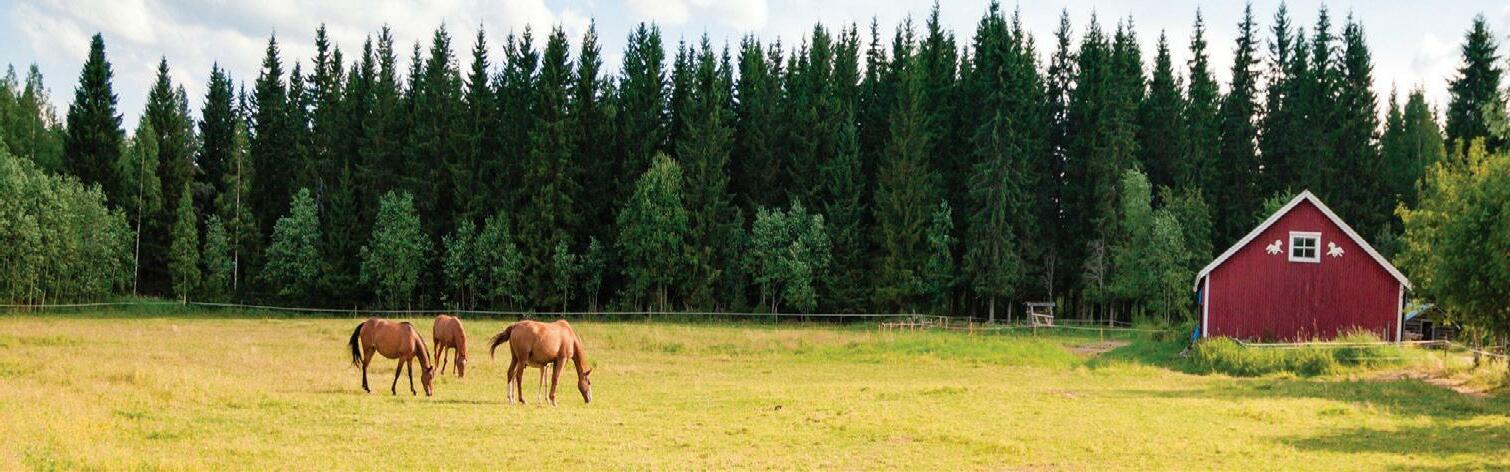
■ CARSON CO., TX – 640 ac. +/- 5 mi. N of Panhandle on TX 207. 333 ac. +/- under 3 center pivot systems. One well produces 800 GPM. Permanent perimeter and cross fencing.
■ PECOS CO. – 637 ac., Big water, State Classified Minerals.




■ PRICE REDUCED! CEDARVALE, NM – 7,113-acre ranch (5,152 ac. +/- Deeded – 1,961 ac. +/- State Lease) well fenced & watered w/good pens, new barn.
■ COLFAX COUNTY NM GETAWAY – 1,482.90 ac.+/- grassland (1,193.59 ac. +/- Deeded, 289.31 ac. State Lease), great location near all types of mountain recreation.
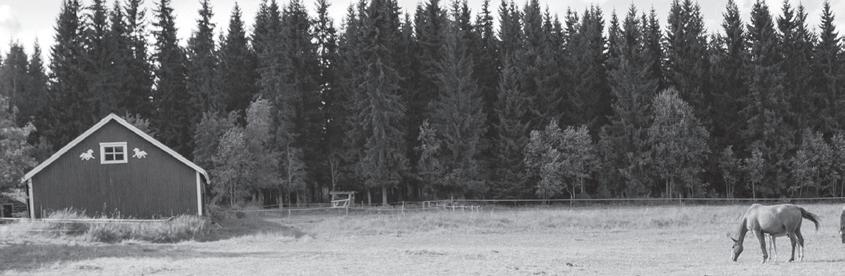
■ PRICE REDUCED! UNION CO., NM – 2,091.72 ac. (1,771.72 Deeded, 320 ac. -/+ State Lease), well watered w/three wells, two sets of steel pens.
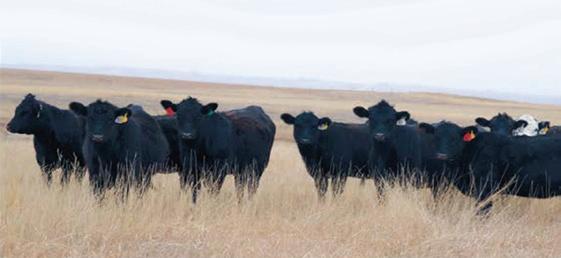



■ ANGUS, NM – 250 +/- acres with over a 1/2 mile of NM 48 frontage. Elevations from 6,800 to 7,200 feet. Two springs along a creek. Ideal for future development or build your own getaway home.

■ PALO DURO CREEK TREASURE – 941 acres +/- in Randall Co. NW of Canyon, Tx. STUNNING VIEWS
OVER LOOKING PALO DURO CREEK. Turn key cow/calf operation w development potential. Property includes: 3/3/3 ranch style home, 4 wells, large shop plus shed, enclosed livestock working facility w/hydraulic chute, livestock pens & shed, miles of 5 & 6 barbed wire fence & over 7000' of pipe fence. YOU WILL NOT WANT TO MISS THIS! Canyon School District.
■ DEAF SMITH CO., TX. – 651 ac. +/-, 7 miles N of Dawn, Tx., 1 mile E of FM 809. 349 acres native grass with well-maintained fencing and 302 acres of cultivated dry land.


■ PRICE REDUCED! DALLAM CO, TX – 1,216.63 ac. +/- of CRP/ranchland w/irrigation,
ranch that has been owned and operated miles southeast of Corona, NM in Lincoln BLM Lease Acres and 2,240 NM State AUYL. Water provided by five wells and corrals. The ranch had a good summer for a brochure or view on my website.
city limits of Roswell, NM. Six total acres Improved with a 2, 200 square foot residence, room and loafing shed. Price: $400,000
TEXAS & OKLA. FARMS & RANCHES

198 AC Fanninco, TX Good Country Rd. Frontage, Rural Water, Electricity, 35 mi NE of Dallas, SO of Bonnam $20,000 Per Acre 270 AC Miticelle Co., TX 1 mi off I-20, 6 Elect, Trurans Rock Formation Irrigation Well and Sprinkler. All Bring Case, Modest Home & Barns Price $2.2 million 270 AC Pine Timber & Hunting, Anderson Co., TX Co. Rd. Frontage, Small Lakes $7,250 Per Acre
CIMARRON BUSINESS, Frontage opportunity, house, big shop and office buildings, easy view off Hwy 64. Formerly known as “The Porch.” $295,000 COLFAX TAVERN & DINER, Colfax County, NM. Aka “COLD BEER”, turn key legendry regional icon and desti nation, with anchor staff/team willing to stay on. Prime business on front range. $1,500,000

December 15, 2022 Livestock Market Digest Page 7 REAL ESTATE GUIDE Livestock Market Digest Page 7 CHICO CREEK RANCH, Colfax County, NM. NEW LISTING. 6,404.26 +/- Total Acres, Located approximately 10 miles east of Springer New Mexico. 3,692.60 +/- deeded acres with balance in state lease. Excellent grass and water. Two plus miles of the Chico Creek meandering through the center of the property. Additional wells and dirt tanks. Nice historic head quarters pri vately located with shade trees and excellent views of the prop erty. Shipping pens in central portion of property. $2,837,318 WAGON MOUND RANCH, Mora/Harding Counties, NM. 8,880.80 +/- Total Acres, a substantial holding with good mix of O’NEILL LAND, llc P.O. Box 145, Cimarron, NM 87714 • 575/376-2341 • Fax: 575/376-2347 land@swranches.com • www.swranches.com CIMARRON ON THE RIVER, Colfax County, NM. 7.338 +/deeded acres with 4.040 acre-feet per annum out of the Maxwell-Clutton Ditch. Custom country-chic 2,094 +/- sq ft home. Owns both sides of river in places. Horse/cow/chicken/ vegetable garden/greenhouse/orchard set up. Country living at it’s finest, in town, but in a world of your own. Very special on river. Appointment only. $650,000. RATON MILLION DOLLAR VIEW, Colfax County, NM. 97.68 +/- deeded acres in 2 parcels with excellent home, big shop, wildlife, a true million dollar view at the end of a private alty er 40 ms erTY y.com SOCORRO PLAZA REALTY On the Plaza Donald Brown Qualifying Broker 505-507-2915 cell 505-838-0095 fax 116 Plaza PO Box 1903 Socorro, NM 87801 www.socorroplazarealty.com dbrown@socorroplazarealty.com COLETTA RAY Pioneer Realty 1304 Pile Street, Clovis, NM 88101 575-799-9600 Direct 575.935.9680 Office 575.935.9680 Fax coletta@plateautel.net www.clovisrealestatesales.com Selling residential, farm, ranch, commercial and relocating properties. AG LAND LOANS As Low As 4.5% OPWKCAP 2.9% INTEREST RATES AS LOW AS 4.5% Payments Scheduled on 25 Years AG L AND LOANS As Low As 3% OPWKCAP 2 9% INTEREST RAT ES A S L OW A S 3% Pay m en t s Sc h ed u l e d o n 25 Year s J o e St u b b l ef i e d & A s s o c at e s 13 830 Wes t e r n St A m ar i o TX 806 /62 2 34 82 c e 8 06 /67 4 20 62 joes3@suddenlink net M c h ae l Per e z A s s o c i a t es 521 West Second St • Porta es, NM 88130 575 226 0671 or 575 226 0672 fax Buena Vista Realty Qualifying Broker: A H (Jack) Merr ck 575 760 7521 www buenavista nm com NORTHERN CALIFORNIA RANCH PROPERTY 31 years in the ranch business - see www.ranch-lands.com for videos & brochures BILL WRIGHT, SHASTA LAND SERVICES, INC. 530-941-8100 • DRE# 00963490 • www.ranch-lands.com DUANE & DIXIE McGARVA RANCH: approx. 985 acres Likely, CA. with about 600+ acre gravity flood irrigated pastures PLUS private 542 AU BLM permit. About 425 acres so of the irrigated are level to flood excellent pastures with balance good flood irrigated pastures. NO PUMPING COST! Dryland is perfect for expansion to pivot irrigated alfalfa if desired. Plus BLM permit for 540 AU is fenced into 4 fields on about 18,000 acres only 7 miles away. REDUCED ASKING PRICE - $3,125,000 BEAVER CREEK RANCH: about 82,000 acres - with 2,700 deeded acres plus contiguous USFS & BLM permits for 450 pair; 580+- acres irrigated alfalfa, pasture, and meadow from Beaver Creek water rights and one irrigation well. 3 homes, 2 hay barns, 4 feedlots each w/ 250 ton barns, 2 large reservoirs, can run up to 500-600 cows YEAR ROUND. REDUCED ASKING PRICE - $5,400,000 BEAR CREEK RANCH: Approx. 1,278 acres winter range ground and recreational property. Located on Bear Creek and accessed from South Cow Creek Valley Road. Should be great hunting for deer, wild turkey, wild pigs, quail & owner states good trout fishing in Bear Creek. Deeded access easement thru neighbor ranches. No improvements & very private inside the ranch. Now only $700 per acre - $894,600 • 83 acre wood home with barns, meadows and woods. Fronts State Rd. $545,000 • 160 acre Ranger Eastland Co,
• 270 acre Mitchell County, Texas ranch. Investors dream; excellent cash flow. Rock formation being crushed and sold; wind turbans, • 840 Immaculate, Hunt Co, TX. Ranch. Pastures, 40 tanks, and lakes. Beautiful home, barns, and other improvements. Some minerals, game galore. All for $1.35 million. TEXAS & OKLA.
& RANCHES Joe Priest Real Estate 1-800/671-4548 joepriestre.net • joepriestre@earthlink.com
$560,000
FARMS
UNDER CONTRACT
GUIDE
Broker
listing agent 575-825-1291 www.buenavista-nm.com ESTATE
Dimmitt, TX 79027 Scott -
Qualifying Broker
AG LAND LOANS As Low As 3.5% OPWKCAP 3.5% INTEREST RATES AS LOW AS 3.5% Payments Scheduled on 25 Years Joe Stubblefield & Associates 13830 Western St., Amarillo, TX 806/622-3482 • cell 806/674-2062 joes3@suddenlink.net Michael Perez Associates Nara Visa, NM • 575-403-7970 SCOTT MCNALLY www ranchesnm com 575/622 5867 575/420 1237 Ranch Sales & Appraisals Ba r M Real Es t a te MAJOR PRICE REDUCTION – CALL PAUL FOR DETAILS 10 Acres of commercial property, incredible highway visibility and access from either east or west directions on Hwy 60, 3 miles East of Garden Inn Truck Plaza and 4 miles west of Willow Springs. Natural gas may be available on site. LOCATION PLUS! This property is well suited for many types of businesses (Restaurant, Retail, Motel, Business of any kind!) A MUST SEE PROPERTY. MLS#11402703 See all my listings at: paulmcgilliard.murney.com Paul McGilliard, Broker Associate Residential / Farms/Ranches / Commercial 417-839-5096 or 800-743-0336 521 West Second St • Portales, NM 88130 521 West Second St Portales, NM 88130 575 226 0671 or 575 226 0672 fax Buena Vista Realty Qualifying Broker: A H (Jack) Merrick 575 760 7521 www buenavista nm com O’NEILL LAND, llc P.O. Box 145, Cimarron, NM 87714 • 575/376-2341 • Fax: 575/376-2347 land@swranches.com • www.swranches.com CAPULIN -SIERRA GRAND VIEW, Union County. NM. 520 +/- deeded acres with HQ 1.5 miles off highway, 3 bedroom 2 bathroom home with landscaped yard and volcanic rock walls, nice outbuildings, 3 registered wells including 1 registered as an irri gation well and an excellent solar well. Close proximity to Des Moines, NM. $898,000 DES MOINES, 336.58 +/- Deeded Acres Union County NM – 3 bedroom 2 bath home, 32ft X 30ft metal build ing on slab. 62 ft X 12 ft metal barn, one big pasture off highway. Mixture of open grass range and trees. Less than two miles to town. $575,000 MAXWELL 45, Excellent irrigated pasture with utilities in back of prop erty, including installed septic system, with private views of mountains. 40 irrigable acres and a domestic water meter installed. Great to put down home and bring horses. $249,000 $239,000 BAR LAZY 7 RANCH, Colfax County, Moreno Valley 594.38 +/- deeded acres, accessed off blacktop between Eagle Nest and Angel Fire. Historic headquarters. Currently used as sum mer grazing, pond and trees accessed off county road on rear of property as well. Presented “ASIS” New Survey, $4,000,000 $3,800,000 UTE PARK RIVER PLACE 6.83 +/ACRES, 450 +/- feet of the Cimarron River and more than that
of Ute Creek are the south and east boundaries of this unique one of a kind water proper ty. 2 bedroom 1 bathroom cabin, year round access off Hwy 64. $589,000 $570,000
KINNEY CO., TX – 802 ac. +/-. Brush country w/ some live oaks. Good Hunting!
SOLD ■
COLFAX
NM – 491.55 ac. +/-, 371 shares of Antelope Valley Irr. Dist. water. 2 center pivot systems. 270 ac. +/- of pasture w/pens & corrals. Elk, deer & antelope are hunted in the area.
CO.,
– 592
+/_- w/remodeled
CASTRO CO., TX
ac.
re-development potential, wells & pipelines already in place. ■ PRICE REDUCTION! TURN-KEY RESTAURANT –READY FOR BUSINESS! One of the best steak houses in the nation just out of Amarillo & Canyon at Umbarger, TX., state-of-the-art bldg., w/complete facilities. www.scottlandcompany.com Ben G. Scott – Broker Krystal M. Nelson – NM QB 800-933-9698 5:00 a.m./10:00 p.m. RANCH & FARM REAL ESTATE We need listings on all types of ag properties large or small! Scott McNally, Qualifying Broker Bar M Real Estate, LLC P.O. Box 428, Roswell, NM 88202 Office: 575-622-5867 Cell: 575-420-1237 Website: www.ranchesnm.com SOLD EIGHT MILE DRAW LAND 740 ± Acres of unimproved native grassland located four miles west of Roswell in the Six Mile Hill area with frontage along U.S. Highway 70/380. This parcel is fenced on three sides and adjoins 120 acres of additional land that may be purchased. Great investment. $600 per acre. COLETTA RAY Pioneer Realty 1304 Pile Street, Clovis, NM 88101 575-799-9600 Direct 575.935.9680 Office 575.935.9680 Fax coletta@plateautel.net www.clovisrealestatesales.com Selling residential, farm, ranch, commercial and relocating properties. Patronize Our Advertisers
Real Estate 1-800/671-4548 joepriestre.net • joepriestRE@gmail.com
521 West Second St • Portales, NM 88130 575 226 0671 or 575 226 0672 fax Buena Vista Realty Qualifying Broker: A H (Jack) Merrick 575 760 7521 BottariRealty Paul Bottari, Broker 775/752-3040 Nevada Farms & raNch PrOPerTY www.bottarirealty.com SOCORRO PLAZA REALTY On the Plaza Donald Brown Qualifying Broker 505-507-2915 505-838-0095 116 Plaza PO Box 1903 Socorro, NM www.socorroplazarealty.com dbrown@socorroplazarealty.com AGLANDLOANS AsLowAs3% OPWKCAP2.9% INTERESTRATESASLOWAS3% 521 West Second St. • Portales, NM 88130 575-226-0671 or 575-226-0672 fax Buena Vista Realty Qualifying Broker: A.H. (Jack) Merrick 575-760-7521 www.buenavista-nm.com or the listing agent 575-825-1291 A SOURCE FOR PROVEN SUPERIOR RED ANGUS GENETICS 14298 N. Atkins Rd., Lodi, CA 95240 209/727-3335 ELM HWY 99 SALE HEADQUARTERS STOCKTON HWY 4 TO SACRAMENTO FARMINGTON SALE MODESTO VALLEY J17 MARIPOSA RD Facility located 25525 East Tree Road, Escalon, CA # N ESCALON LIVESTOCK MARKET, INC. LIVESTOCK SALES 3 days per week on Monday, Wednesday, & Friday MONDAY: Beef Cattle FRIDAY: Small Animals WEDNESDAY: Dairy Cattle Poultry – Butcher Cows www.escalonlivestockmarket.com • escalonlivestockmarket@yahoo.com CONSIGNMENTS ME! C WELCO alloreforminformationononsignincg yourstock. MIGUEL A. MACHADO President Office: 209/838-7011 Mobile: 209/595-2014 JOE VIEIRA Representative Mobile: 209/531-4156 THOMAS BERT 209/605-3866 CJ BRANTLEY Field Representative 209/596-0139 Advertise to Cattlemen and Ranchers! Call 505-243-9515 for more information
Joe Priest
American Agri-Women Awards

American Agri-Wom en (AAW) recently honored four wom en with the Helen Whitmore Memorial Scholar ship at the annual AAW Con vention held in Bozeman. The scholarship helps first-time convention attendees with their travel expenses.
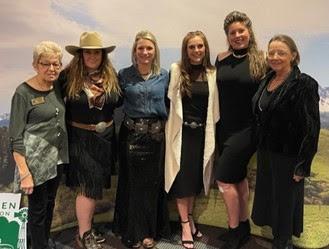
Ashly Ann LemHouse, Junc tion City, Oregon, obtained a bachelor’s degree at Oregon State University in Agricultural Sciences and volunteered at Or egon Ag in the Classroom. After graduation, her first job was at an organic dairy in Bavaria, Ger
many. Ashly was very excited to attend the national event with other like-minded, hardworking women who are also passionate about agriculture.
After High School gradua tion, Kelby Riley, Abernathy, Texas, attended West Texas A&M, graduated with an Ag Media & Communications bachelor’s degree with a minor in Ag Business in 2014, and went on to get her MBA in 2018. Kelby is very active in the Texas Agri-Women Panhandle Chapter, holding the office of Vice-President. Community ser vice has always been a big part of Kelby’s life.
Keila Schilling, Dalhart, Tex as, graduated from West Texas A&M, majoring in Ag-Busi ness and Applied Agriculture Economics. She received her master’s in Agri-Business from Texas A&M, and is present ly working for Capital Farm
Credit. She became involved in AAW in 2019, working with Texas Agri-Women to get a new chapter organized. She was elected as chapter president for 2020-2021, and has since tran sitioned to Parliamentarian for 2022. Her goals are to utilize her personal experience, grow and expand her knowledge in agriculture and continue to be a force in her community.
Jami Willard, from Interlak en, New York, graduated early from high school to help her grandfather. She completed her senior internship year on his farm and managed calves for the local dairy farm while attending community college. She com
Failed Crypto Firm Executive Gave $800K to Wildlife Group
BY TIMOTHY CAMA / E&E DAILY

Sam Bankman-Fried, the former CEO of bankrupt cryptocurren cy exchange firm FTX, made a big donation earlier this year to a wildlife advocacy group.
The National Wildlife Fed eration Action Fund, the ad vocacy arm of the National Wildlife Federation, took in a $810,000 contribution from Bankman-Fried in April, the organization disclosed in a Fed eral Election Commission filing months later.
The donation came the same month NWF Action Fund en dorsed Carrick Flynn, a Dem ocratic House candidate for Oregon’s 6th District whom Bankman-Fried supported. Protect Our Future, a super po litical action committee funded by Bankman-Fried, spent more than $10 million supporting Flynn; he lost the May primary to Andrea Salinas, who won the general election this month.
NWF Action Fund had also planned to run advertisements in support of Flynn, but can celed the ads after he criticized environmental policies to pro tect the northern spotted owl

pleted her associate’s degree, finished a bachelor’s degree on line through Ashford University, and earned her master’s degree in Agricultural Education from Sunny Oswego. Jamie complet ed her student teaching as an actual teacher in the field in the Fall of 2020. She is an FFA ad visor, and with fantastic support from the school and communi ty, they have made a significant impact quickly. They recently brought back the FFA Chapter, and as the advisor, future goals would be to construct a school barn to teach students more hands-on lessons thereby giving them real-life experience.
Helen Whitmore would be
in the Pacific Northwest’s oldgrowth forests and expressed sympathy with Timber Unity, a group formed to oppose climate change policies that has become more generally supportive of former President Donald Trump (E&E Daily, May 5).
The group didn’t disclose making any expenditures in the Oregon 6th race. It said it endorsed Flynn “based on his commitment to act on climate and his personal experience of losing his home during a mas sive climate-fueled flood.”
Bankman-Fried spent more than $35 million supporting Democrats in the midterms, making him the second-largest individual spender on the par ty’s candidates, according to an OpenSecrets analysis.
He saw his donations as part of his concept of “effective al truism.” His major priorities for politics and philanthropy include fighting climate change and biodiversity, both major missions of the National Wild life Federation.
Asked about the contribu tion, NWF Action Fund adviser Mike Saccone said the group “supports candidates from both parties aligned with our work and values,” and its donors “contribute because they sup port that approach.”
“The contribution was in support of NWFAF’s efforts to build its political program, in cluding the support of our en dorsed candidates from both parties,” Saccone said.
NWF Action Fund has not historically gotten major do nations for election spending.
very proud of the four schol arship recipients honored at the American Agri-Women Convention recently in Boz eman. This scholarship was named to honor Helen Whit more, a well-respected rancher and teacher from California, in 1993. The scholarship was established to increase active involvement in AAW and to en courage members to influence their home affiliate members. The passion and desire to build relationships that further devel op and support the foundation of agriculture are for our great nation. ▫
Bankman-Fried’s contribution represented 98 percent of the group’s election-related fund raising in the period that start ed at the beginning of 2021, and the largest election-related contribution it has received in recent years.

The organization’s only spending activities in this year’s midterms were to support Re publican Sens. John Boozman of Arkansas and John Hoeven of North Dakota. The NWF Action Fund PAC, which can give directly to candidates’ cam paigns, contributed $1,000 or less each to a handful of can didates, including Reps. Matt Cartwright (D-Pa.) and Mike Simpson (R-Idaho).
FTX declared bankruptcy earlier this month after Bi nance, another cryptocurrency exchange, sold all of its holding in FTX’s own currency, causing its value to crash and creating a liquidity crisis.

FTX and Bankman-Fried are under investigation by numer ous federal agencies for their actions during and leading up to the crisis, including the like ly billions of dollars investors lost.
▫
Page 8 Livestock Market Digest December 15, 2022 lit Yes. Please subscribe me to the Livestock Market Digest for: □ 1 Year at $25 □ 2 Years at $35 NAME ADDRESS CITY STATE ZIP PHONE E-MAIL 0 MC O VISA CARD NUMBER EXPIRATION DATE CC# CCV# SIGNATURE □ Payment Enclosed
(left to right) Ardath DeWall, Shannon, Illinois, American Agri-Women (AAW) Foundation Scholarship Chair; Jami Willard, Interlaken, New York; Keila Schilling, Dalhart, Texas; Kelby Riley, Abernathy, Texas, Ashly Ann LemHouse, Junction City, Oregon; and AAW Foundation President Linda Schiffer, Buffalo, Wyoming.
Helen Whitmore Memorial Convention Scholarship
Herd Liquidation May Be Slowing Down
DERRELL S. PEEL, OKLAHOMA STATE UNIVERSITY EXTENSION LIVESTOCK MARKETING SPECIALIST / COW CALF CORNER
Weekly beef cow slaughter has been higher year over year for 70 consecutive weeks. In that period, on only four occasions has the year over year increase been less than 3.0 percent.
The latest weekly data shows that beef cow slaughter was up 2.7 percent year over year, just the second week this year up less than 3.0 percent. It’s too early to be sure but beef cow slaughter may be slowing down. In Oklahoma auctions, the weekly volume of cull cows was double last year from July through early November before declining the past two weeks.

Two weeks ago, the weekly cull volume was about equal to last year, and the volume in the latest weekly data is down 9.0 percent year over year.
For the year to date, beef cow slaughter is up 12.3 percent year over year. If beef cow slaughter were to decline to just equal year ago levels for the remaining weeks of the year, total beef cow slaugh ter for the year would be up 10.5 percent year over year.
This would be a net beef cow herd culling rate of 13.1 percent for the year, a new record level. The actual culling rate is likely to be a little higher.
However, heifer slaughter has not yet shown any signs of de creasing. The October 1 quarterly cattle on feed report showed that the number of heifers in feedlots was still up 1.7 percent year over year.
Since that report, weekly heifer slaughter has continued to be up over four percent year over year with the most recent week up 5.8 percent over the same week one year ago. Lower feedlot place ments in October presumably means fewer heifers entering feedlots as well and reduced heifer slaughter eventually.
For the year to date, heifer slaughter is up 4.9 percent over last year. By several relative measures, 2022 heifer slaughter is at the highest level since 2003. Similar to the beef cow slaughter specula tion, if heifer slaughter dropped to be just equal to last year for the remainder of the year, total annual heifer slaughter would be up 4.3 percent year over year. Beef cow and heifer slaughter could drop to year ago levels, or even lower, but it seems unlikely at this point and the number of weeks remaining in the year is dwindling rapidly.
With drought continuing, it is not clear what to expect for cow and heifer slaughter going forward. It seems likely that many pro ducers have adjusted herd inventories, given hay and feed supplies, to be able get through the winter.
This might mean that cow culling will slow down through the winter. If La Niña persists next spring, more liquidation can be ex pected going into the next growing season.
In any event, the damage to cattle industry female inventories is already done in 2022. Total cow plus heifer slaughter is over 51 per cent of total cattle slaughter so far this year and is likely to average over 50 percent for the entire year.
This is the highest female slaughter percentage since 1986. The female slaughter percentage varies in a fairly narrow range, and it looks like the percentage for 2022 will be more than two standard deviations above the average of the past 30 years.
In other words, the level of cow plus heifer slaughter this year is very rare and indicates the most severe depletion of female cattle inventories in more than three decades. ▫
Comments Needed to Stop Federal Cattle Slaughter

The U.S. Forest Ser vice (USFS) is once again planning ae rial gunning of un branded, and perhaps brand ed livestock, from a portion of the Gila National Forest in January and February 2023, according to a November 17, 2022 letter to “interest ed parties” and a November 22, 2022 press release set to some media.
The letter on November 17 triggered the National Environmental Policy Act (NEPA) which provides for public input for federal ac tions. NEPA requires “scop ing” for citizens to provide input on the range of issues to be addressed in an envi ronmental assessment. The deadline for providing scop ing comments is January 9, 2023.
According to the letter, the real goal of this scoping period is for the USFS to give itself a “categorical exclusion” which would save the agency from providing documenta tion via an environmental as
sessment or an environmen tal impact statement. The USFS makes several charges about envi ronmental damage, however there is no information con tained in the letter and the press release that is substan tiated with documentation of any kind.
The issues to be comment ed on are convoluted in the press release, but at a mini mum they must include:
■ Neither the letter nor the press release lay out a clear purpose and need for this action.
■ Where is the support ing documentation that the cattle should be re moved?
■ Where is the support ing documentation that removal be lethal or non-lethal?
■ Why should there be two seven-day periods for aerial gunning with a potential follow up at a later time when 65 head were killed via govern ment sharpshooter in February 2022?
■ Why should carcasses be left onsite to decom pose or feeding preda tors?
■ What would a wilder ness minimum require ments decision guide contain?
■ There is a huge differ ence between 50 to 150 head of cattle now con sidered by the USFS and the 756 head that were removed in the 1990’s. Doesn’t this in dicate that non-lethal removal efforts should continue?
■ Are there other reasons that lethal removal is being considered at this time?
Comments should in clude:
1. name, address, phone number, and organization represented, if any;

2. title of the project “Gila Wilderness Livestock Removal” on which the comment is being submitted; and
3. specific facts and supporting information for the responsible official to consider.
Commenter names, addresses, and email addresses will become part of the public record. Written comments may be delivered in person or by mail to: Gila National Forest, Attn: Planning Pro gram, 3005 E. Camino del Bosque, Silver City, NM 88061. Office hours are 8:00 a.m. to 4:30 p.m. Monday – Friday.
Comments may also be submitted by email to: comments-southwestern- gila@ usda.gov. It is imperative that comments be submitted by anyone with an interest in the future of the livestock community. The government giving itself the authori ty for aerial slaughter is unconscionable. What are the future ramifications of such actions? ▫
Brazos Says let'sgo brandin
December 15, 2022 Livestock Market Digest Page 9 What Is The Best Advertising Value In Western
PAID ADVERTISEMENT
Our Advertisers
Patronize
ANTHROPOMORPHISM — The Greatest Threat to Animal Welfare
 SOURCE: PROTECT THE HARVEST
What is Anthropomorphism?
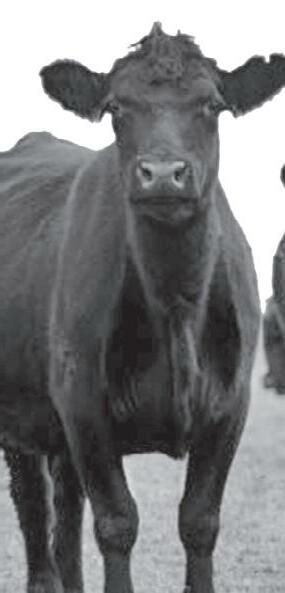
Universally, anthropomor phism is known as giving human characteristics to a non-human entity. These seemingly inno cent mannerisms often involve such things like reading a book about Peter Rabbit or talking to a pet when arriving home from work. As trivial as the concept may be, it can create real rifts in our society. Anthropomorphism becomes an issue when we start using it to force human emo tions and principles on real-life animals, instead of just charac ters in a book or fable.
How Deep is Anthropomorphism?
Anthropomorphism has been a part of the human expe rience since the earliest cultures developed. When people began telling stories and passing along history, they cultivated animal metaphors and characters that
had human traits. This goes as deep as the personification of well-known terms like ‘Mother Nature’ and ‘Father Time’.
Anthropomorphism can be traced back over 30,000 years ago to sculptures involving hu man-animal figures. Many an cient myths also involved dei ties that had human emotions, appearances, and behavioral traits. Take the Greek God Zeus as an example; he is depicted in many sculptures and statues as an attractive human man. Some of the myths involving Zeus de scribe him as having affairs with women and jealousy towards his wife Hera, both of which are imperfect human traits that were constructed to make him seem more human-like. This is just one of the many early de pictions of anthropomorphism.
Anthropomorphism in Modern Times
As humans matured from mythology into modern learn ing, we then began applying an thropomorphism to our literary works. The 19th century was full
as a guide to all federal planning and permitting. You name it and they have a nature based solu tion.
Cowboys, Climate Change & the New Congress
BY FRANK DUBOIS
Can an arbitrary number on climate control, selected by the UN and Biden, affect your grazing permit? Read on, friend, read on.
Climate change
Aworld leader on cli mate change has announced we are failing to meet the goal of limiting increases to 1.5 degrees Celsius.
One Alok Sharma, who pre sided over the previous climate change conference (COP), told attendees at this year’s COP that limiting the temperature rise to that level had to be a “red line.”
The 1.5 degree Celsius was the agreed upon goal at the at the 2015 U.N. climate summit in Paris.
The current climate confer ence has also released a draft agreement that includes funds for “loss and damages,” a longsought provision paying rep arations from the western, more developed nations to the relatively poor undeveloped na tions. Let’s call this what it re ally is – income redistribution that uses climate change as the action forcing event. The draft text , if adopted, would begin a two-year implementation pro cess to create a funding mecha nism no later than 2024.
Now the Biden adminis tration has just released their Roadmap for Nature-Based Solu tions to Fight Climate Change wherein they propose nature based solutions for floodplain management, calculating the value of nature, for energy, and
Just what are these nature based solutions? The White House describes them as “ac tions to protect, sustainably manage, or restore natural or modified ecosystems as solu tions to societal challenges, like fighting climate change. Exam ples include protection or con servation of natural areas, refor estation, restoration of marshes or other habitats, or sustainable management of farms, fisheries, or forests.”
Uh-oh. You see where this is leading.
Right into the hands of the enviros, who are critical of the Biden plan because it doesn’t use enough of the nature based solutions. They want the Biden administration to offer more specific actions to protect old growth forests, which they claim has 35 percent of forest land, but only 25 percent have some type of formal protection.
That formal protection gets me. What they really mean is more wilderness, wildlife refug es, national monuments, etc., but they just won’t come out and say it. Those lands current ly must be managed to comply with the Multiple Use Sustained Yield Act, the Endangered Spe cies Act, the Clean Air Acl, the Clean Water Act, the National Environmental Policy Act, and many others. There is noth ing informal about it. The idea these lands are unprotected is just outhouse soup.
New congress
The results of the recent mid term elections have moved the entire Congress to the left, with the progressives making sig nificant gains in the Democrat party.

The chair of the Congressio nal Progressive Caucus. Rep. Pramila Jayapal (D-Wash.), says “There’s no question that this will be the most progressive Democratic caucus in decades.”
Michael Starr Hopkins, a Dem ocratic operative says, “They have power and they should use it… Period.”

of stories such as Alice’s Adven tures in Wonderland and The Jungle Book, which both por trayed animal characters with human emotions and traits. In the 20th century, this progressed into works that all but removed humans completely. We see this in books like Animal Farm and Winnie-the-Pooh, and many Disney movies, which have the main characters as animals.
We can see anthropomor phism today in almost every household in this country and the trend is growing. It might be a dog that you dress up for Halloween or a cat that you consider as your child. This is evidenced too in the billion-dol lar pet industry where outfits for dogs and cats are sold, and it is now common in cities and urban areas to see dogs in baby strollers. Pets have been com panions for most of our history, but only recently have we begun replacing human interactions for the imaginary dialog animals have to offer.
These things in and of them selves are not bad, but we need
And make no mistake, the progressives are closely aligned with the enviros.
Cowboys
What will come of all this climate change push, especially for ranchers and rural property owners?
It seems clear the enviros will use climate change as the le ver to lobby for all the items on their agenda, but of most inter est to us they will use it as the reason to:
■ increase funding for all their programs. with spe cial emphasis on wildlife habitat and land acquisi tion
■ designate more wilderness areas, wildlife refuges, national monuments, na tional parks, wild and sce nic rivers and other land use designations
■ place more emphasis on “lands with wilderness characterists” and road less areas during the plan ning process, and
■ climate change will take a much more prominent place in all planning doc uments and decisions, in cluding those on livestock grazing
In NM we have almost 30 WSAs and other places like Ote ro Mesa where you just know the envirocrats are making plans. Also to be considered are Forest Service “roadless areas” in the Carson, Cibula, Corona do, Gila, Lincoln and Santa Fe National Forests.
You better get ready for the ride.
Here is hoping you have a Merry Christmas and a Prosper ous New Year.
Until next time, be a nui sance to the devil and don’t for get to check that cinch.
Frank DuBois was the NM Secretary of Agriculture from 1988 to 2003, is the author of a blog: The Westerner (www.thewesterner. blogspot.com) and is the founder of The DuBois Rodeo Scholarship and The DuBois Western Heritage Foundation. ▫

Page 10 Livestock Market Digest December 15, 2022 Kaddatz Auctioneering & Farm Equipment Sales New & Used parts, Tractor & Farm Equipment. Salvage yard: Tractors, Combines, Hay & Farm Equipment Online auctions: We can sell your farm, ranch & construction equipment anywhere in the U.S. 254-221-9271 Order parts online at www.farmstore.com – 15% rebate www.kaddatzequipment.com CLASSIFIEDS Willcox, AZ R.L. Robbs 520/384-3654 4995 Arzberger Rd. Willcox, Arizona 85643 BRANGUS BEEFMASTER 210.732.3132 • beefmasters.org 118 W BANDER A ROAD BOERNE, T X 78006 g•u•i•d •e Bradley 3 Ranch Ltd. www.bradley3ranch.com M.L. Bradley, 806/888-1062 Cell: 940/585-6471 Ranch-Raised ANGUS Bulls for Ranchers Since 1955 Annual Bull Sale February 11, 2023 at the Ranch NE of Estelline, TX angus
to step back and understand why we are projecting these traits on our pets and other ani mals and the impact.
How Anthropomorphism is Detrimental to Animal Welfare
Anthropomorphism places unrealistic and unfair expecta tions on animals. When anthro pomorphism is directed towards animals, it gives humans an un realistic model for those animals to live up to. Just as we should not expect a human child to act like a dog, we should not expect a dog to act like a human child, as they are not equivalent to the other.
Expecting a pet, or any oth er animal to live up to the stan dards of human traits can cause a wide array of problems, which can include:
Behavioral Problems –


Many behavioral problems directly stem from anthropo morphism and unrealistic ex pectations for pets and even livestock. Owners expect them to “know better,” “feel guilty,” and never to express their natu ral instincts. “He never bites, he won’t bite,” and “she won’t kick or spook,” are examples of this.
Behavioral problems and lack of training are the num ber one reason small animals are surrendered to shelters and large animals, like horses, are abandoned. This is a significant factor to why we believe anthro pomorphism is a threat to ani mal welfare.
Health Problems –

Anthropomorphism has led many animal owners to overfeed their pets. It has also led them to provide animals with food items and diets that are not healthy for them. Overweight pets are becoming a significant issue in veterinary medicine. This is such an issue that veterinarians regularly prescribe special diets that are designed to lower the pet’s weight. Specialty diets for overweight pets have also be come big business for pet food companies.
Digestive problems from feeding animals human food can cause a multitude of issues including diabetes, pancreatitis, diarrhea, constipation, vom iting, malnourishment, liver damage, and even death. An other very concerning issue is a relatively new movement that involves feeding pets vegan di ets. Instead of recognizing an imals as different species from humans, vegan diets are forced on pets. This is not due to the pet’s nutritional needs, but the pet owner’s ideological beliefs. These vegan pet food diets base their protein sources from plants, which is something that a pets’ digestive system was not evolved to handle. For example, feeding a vegan diet to a cat can be lethal.

Veterinary Visit Problems –
It is not uncommon for vet erinarians to make recommen dations regarding handling and training. These recommenda tions are usually made to help with behavioral problems that can be dangerous in a veterinary clinic setting. If an owner does not follow these recommen dations, it can result in harm to the veterinarian, their staff, other clients in the office, and even the pet itself. Anthropo morphism can affect how a pet owner views these recommen dations by thinking: “he knows
better,” “I don’t want someone telling me what to do,” and “she wouldn’t hurt anyone.”
Pet Owner Problems –
If anthropomorphism is tak en to the extreme and becomes the norm, society may agree that animals deserve habeas corpus (a civil right given to per sons that are imprisoned). It is possible that owners could then be removed from making deci sions about what they believe is best for their animal. We believe this is an animal welfare threat because outsiders who do not know anything about your ani mal or the care it requires could be making the decisions instead.
Along with habeas corpus, another matter that is being pushed is changing the term “owner” to “guardian” in regards to animals. The term “guardian” insinuates that the animal is not property and has some form of personhood. This could lead to an increase in malpractice in surance for veterinarians since professional liability insurance currently only covers pets as property. Covering a pet that has “personhood” may include covering the pain and suffering that is often issued in human cases of malpractice. The price for such insurance coverage would be greatly higher than current rates. This cost will be passed on to the clients and would make providing veteri nary care to animals even more expensive. This increased ex pense, in turn, will either create financial barriers to pet owner ship or discourage owners from seeking veterinary care for their animals. Either way, the animals lose.
Anthropomorphism Has Led to Crimes & Domestic Terrorism
What we don’t often real ize is how anthropomorphism shifts into devious and some times illegal behavior. There are animal extremist groups, along with their group members who are now on the FBI’s list for domestic terrorism. In the name of animal rights, fueled by extreme anthropomorphism, crimes have been committed such as: breaking into research facilities to save ‘enslaved’ dogs, stealing animals, exposing ani mals to infectious diseases, and fire-bombing multiple types of animal-based businesses.
Such behavior includes con tinued and ongoing harass ment of businesses, consumers, farmers, ranchers, and animal owners. This type of negative behavior comes from extreme anthropomorphism, which leads to the irrational idea that ani mals have the same conscious ness and emotional understand ing that humans do.
Why do animal extremist activists use anthropomorphism?
Since the root of the animal extremist ideology is extreme anthropomorphism, instead of seeing animals as private proper ty, animal extremist ideologues view animals as equal persons to human beings. Animal extrem ists continuously refer to the hu man ‘emotions’ of animals. Due to this, they view animal owner ship as ‘enslavement.’ This en slavement applies to all animals including pet owners, animal ex hibitors, scientists, farmers, and ranchers.
Using anthropomorphism to generate donations


Animal extremist organiza tions focus their propaganda on influencing people to assign hu man traits to an animal. These groups cause viewers obvious emotional distress, via their massive marketing campaigns with heavily edited videos and images. This distress can gen erate feelings of guilt in people who have little to no experience working with animals, especial ly livestock and zoo animals. In addition to making people feel guilty, getting someone to believe an animal has human attributes will make that per son much more likely to express empathy.
Guilt and empathy are pow erful motivators. The viewer is told the cure is to donate money to the organization. The massive financial success of the animal extremist industry has proven their formula of creat ing emotional reactions works much better than stating facts when it comes to raising funds.
Animal extremism uses anthropomorphism to create legislation that suits their agenda
In addition to spending mil lions on manipulating people emotionally to increase fund raising, animal extremist groups spend millions of dollars each year on lobbying and writing leg islation so they can get one step closer to ‘animal liberation,’ or their version of the Emancipa tion Proclamation. To incite and influence voters and lawmakers, animal extremist groups tap into the same anthropomorphic fundraising formula. Using ed ited videos, sad looking photos, and crying protestors are the key to triggering a response in a voter unfamiliar with animal husbandry best practices.
When Will We Reach the Breaking Point?
Anthropomorphism is not the only movement in our soci ety that is focused on emotion al reactions and feelings. There seems to be a sort of cancer on the American public that sug gests feelings are more essential and realistic than scientific fact and logic.
While we rarely think about how anthropomorphism affects our daily life, we are now forced to discuss where the line should be drawn. As our society con tinues to project human traits more and more onto animals, we will at some time reach a breaking point. That point will be when the majority of our so ciety no longer sees an animal as an animal. They will see it as an individual that deserves civ il rights. The end result is that we will no longer be able to own our animals and make decisions in their best interest.
When will the general public realize that anthropomorphism taken to the extreme does not help animals? When will we de cide enough is enough and that our private property is indeed ours? This right is planted firmly in our constitution and should not be based on someone else’s emotional response to manip ulation, no matter how sad the puppy dog looks in the photo.
Where will you draw the line? Where will the line be drawn in the United States? What will happen to the animals we share our daily lives with? ▫
December 15, 2022 Livestock Market Digest Page 11 403 N. Florence St., Casa Grande, AZ 85122 (520) 426-7702 WesternTradingPost.com How can we help you? Upcoming Auctions: Oct. 8th | Nov. 12th | Dec. 3rd CompetitiveLiveBiddingReferrals LowOnlineBidding Premiums These items offered in the ADVANCED COLLECTOR’S AUCTION Dec. 3, 2022 Buermann Snake Pattern Spurs “Mother Bathing Child” Jim Demetro (48”x33” approx.) “Blue Bonnets” - Robert Wood Circa 1937 Rare Spanish Colonial Era Saddle Reproduction Antique Snake Pattern Spurs

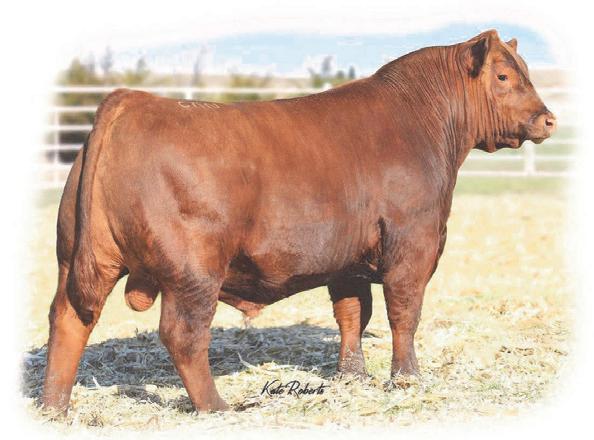
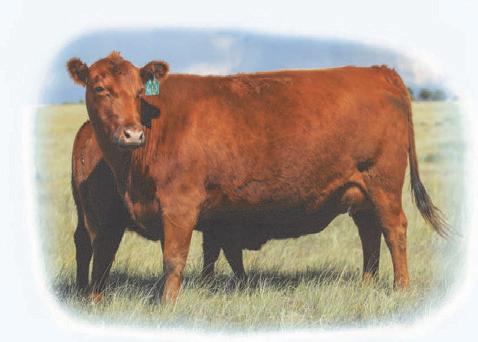
Feb rua r y 2, 202 3 Selling 100 head B ull s ye arl in g & 1 8 mont h old H ei fer s— re gister ed yea rli ng h ei fer s Lunch at noon, sale at 1 pm MST At the K2 Sale barn, Wheatland, WY Reques t your cata lo g today! k2redangus.com PAP Tested By Dr. Tim Holt -part of our breeding program for over 20 years -working on ranches running up to 12,000 feet -Guaranteed to retest at your elevation Bul ls a re Guaranteed PAP tested Fertility & BVD tested. Free Delivery, Free wintering until March 1st. Catalogs out mid January. *see catalog for all details Range-Raised & Ranch-Ready Jason & Kim Cullen Goertz 307-331-2917 kcullen@wyoming.com
