V O L U M E
1 8 . 2
W E L C O M E
Every journey begins with a destination, but the ones we remember most are defined not by where we go, but by how they make us feel. For more than a century, the Halekulani name, “House Befitting Heaven,” has represented a belief
Chief Operating Officer
は、 どこへ行ったかではなく、 その旅で何を感じたかで決まります。 天にふさわしい館「ハレクラニ」 では、100年以上にわたり、 おもてなし は単なるサービスではなく、一つの約束であるという考えを大切にし
that hospitality is more than a service; it is a promise.
てきました。 それは、 ゲストのみなさまに、 ここが自分の居場所だと感
A promise to create a sense of belonging, anticipate
じていただけるようにお迎えし、 ゲストからお伺いする前にご要望を汲
needs before they are spoken, and deliver every Peter Shaindlin
すべての旅には目的地があります。 けれど、最も心に残る旅というの
interaction with sincerity, grace, and thoughtful care. Whether you are visiting Halekulani, Halekulani Okinawa, or Halepuna Waikiki, each destination reflects its own character while sharing one purpose: to create personal, memorable experiences deeply connected to a sense of place. We believe true luxury is quiet. It is found in the thoughtful details that often go unnoticed, yet are always felt—in the anticipation of an unspoken need, the effortless rhythm of every experience, and the care with which every touchpoint has been considered. It is this unwavering attention to detail,
み取り、 すべてのふれあいを誠実さと気品、 そして心を尽くした配慮と ともにお届けするという約束です。 ハレクラニ、 ハレクラニ沖縄、 ハレプナ ワイキキのどちらにお越しい ただいても、 それぞれのご滞在先が、独自の個性を映し出しながら、 たったひとつの目的でつながっています。 それは、 その場所に息づく 空気と深く響きあう、 お一人おひとりの心に残るひとときをお創りす ることです。 私どもは、真の贅沢とは静かなものだと考えています。 それは、 とも すれば見過ごされがちでありながらも、 いつも感じられる心配りの細 部の中に見い出されるものなのです。言葉の前にゲストのご要望を汲
combined with genuine human connection, that
み取ること、 あらゆるひとときが流れていくそのリズム、 そして一つひと
transforms exceptional service into lasting memories.
つの場面に込めた心配り。細部へのこのたゆまぬ注意深さと、人と人
Behind every one of these moments are extraordinary people. Together they are our ‘ohana, a family united by shared values, mutual respect,
との真心の触れ合いが重ね合わさることで、卓越したサービスは、長 く続く思い出へと変わっていくのです。
and a passion for caring for others. Their warmth,
そうしたひとときの一つひとつの背後には、 かけがえのない人々が
professionalism, and genuine aloha are the heart
います。彼らは、私どもの 「オハナ」 です。共通の価値観、互いへの敬意、
of our brand and the reason guests return across generations—not simply because of where we are, but because of how they feel when they are with us. Thank you for choosing to be our guest. It is our privilege to welcome you, and it is our sincere hope that the memories you create here remain with you long after your journey ends.
人を思いやる真心によって結ばれた家族なのです。彼らの心の温もり、 プロとしての心意気、 そして心からのアロハ精神こそが、私どものブラ ンドの礎であり、何世代にもわたってゲストが足をお運びくださる理 由です。 それは、 ホテルがどこにあるかではなく、 ご滞在中にゲストがど のように感じてくださるかということなのです。 私どものホテルをお選びいただき、 まことにありがとうございます。 ゲストのみなさまをお迎えできますことを光栄に思い、 ここで紡がれ た思い出が、 ご旅行後も長くみなさまの心に残りますことを願ってお ります。
Warmly, Peter Shaindlin
2
ピーター・シャインドリン
Chief Operating Officer
最高執行責任者
Halekulani Corporation
ハレクラニ コーポレーション
Ala Moana Center, 1450 Ala Moana Boulevard 808 210 5996
M A S T H E A D
HA L E K U L ANI C O R PO R ATI O N
CHI E F O PE R ATI NG O F F I C E R
G E NERAL M AN AGER,
P E T E R SHAI NDL I N
HAL EKULAN I DAVI DE BARN ES
CHI E F EXEC U TI VE ADVI SO R PAT R I CI A TAM
H ALEKULAN I.COM 1- 808- 923- 2311
DI R ECTOR OF IN TERN ATION AL
2199 KALIA RD.
C O MMERCIAL STRATEGY,
H ON OLULU, H I 96815
HAL EKULAN I BR I AN H ARRIS
CHI E F E XEC U TI VE O F F I C E R
E DI TORIAL DIRECTOR
J AS O N CU TI NE L L A
L AU REN M CN ALLY
G E N E R AL MANAGE R ,
MANAGIN G DESIGN ER
HAWA I ‘I
TAY LOR N IIM OTO
PUBLISH ED BY
N M G N ETWORK
J O E V. B O C K
41 N. H OTEL ST.
J O E @ N MG NE TWO R K.C O M
H ON OLULU, H I 96817 N M GN ETWORK.COM
SALES@N M GN ETWORK.COM
© 2026 by NMG Network, LLC. All rights reserved. No part of this publication may be reprinted without the written consent of the publisher. Opinions are solely those of the contributors and are not necessarily endorsed by NMG Network. Volume 18.2 Fall / Winter 2026
10
T A B L E
O F
C O N T E N T S
目次
Mānoa Honey & Mead
64
turns honey from its own hives into mead.
マノア・ハニー&ミードでは 自社の巣箱から採った蜂蜜で ミードを作っている。
ARTS
WELLNESS
20
78
An ‘Ōlelo Opera
Mastering the Self
30
EXPLORE
Unexpected Depths
92
CULTURE
The Waters That Feed
42
104
In Living Color
The Way of Clay
52 What Our Hands Remember CUISINE
64 Beauty and the Bees
92
Many share in the kuleana (responsibility) to care for Maunalua Bay.
マウナルア湾を守るという クレアナ (責任) を、多くの人が 分かち合っている。
ABOUT
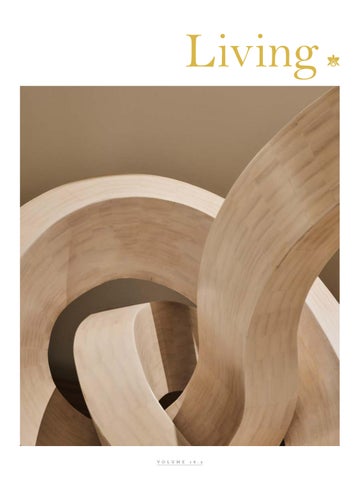
A detail of Aaron Padilla’s “Knots,” photographed by Chris Rohrer in the lobby of Halepuna
THE COVER:
Waikiki. For insight into the mind of the artist, find the story on page 30 and view the episode
12
at living.halekulani.com.
A R T S
T E X T BY
HERE IS THE TITLE FOR
LI SA YA MA DA
THIS STORY
I MAG E BY
Subtitles command the respect of the audience it’s reaching out to.
J O HN HO O K
Some photo captions
Waikīkī Mānoa At dolorem re atias expelia exceste
産業革命時には、多くの場合、 マスター金細工人によってキャストの魅
or any other impertent
mpossit quia natusaescia sequibus ab id quiam
力は、富の符号を考慮しました。先進とジュエリーの技術を量産になっ
text important to this
ipsam, qui omniae magnature et que cus veruptiorit
specific story and some
et ex ex eiciis voluptatet, sitia dus parchit, il
more additional tag
minum, accatem as int. Bor am est que repudae. Et
lines if necessary for the writer and editor.
たように、 ブレスレットやネックレスに追加されたこれらの装身具の人 気は兵士がヨーロッパの都市から家に魅力を持って来たときに、第二
quatumqui vella sed ut eumque non consenimpor
次世界大戦後のアメリカでピークに達し、 中流階級の間で増加しまし
aut volupta qui omnistr umquam, nate que vero
た。今日、彼らは若い女の子の誕生日パーティーでプレゼント今はやり
maio iuscill uptatur, temperf ereptae net, volessitis
の世界のようになりました。
estiorruptas minctem oloreped que expliquam in et ature soluptae nos undita sunt accatemod eius
私が最初にハレクラニの魅力をテーマにした問題をやって考えたとき、
ipis aspernat omnimil in eat antemo qui cuptae
私たちはいますでしょう物語が-愛情のこもった、魔法の質で満たされ
perferovit es adigentio quam quo minimos totatin
たもの魅惑なの想像しました。 チャームブレスレットに似て、 それぞれの
or any other impertent
peris re, cus aut aciento tem. Itate sum faccab
物語は、 ハワイのユニークなファセットを示した1であろう。物語は、“あ
text important to this
ipsande ndanim core arumFerit vel inulparum aut
specific story and some
aut ut delibus sum sitatemquo iditatquis et eost,
more additional tag
ad quas rerepudae que pedit ut maxime enihitas
lines if necessary for the
et ma debit esed qui custem quistrunt volupta
された問題を、私は、実現するために始めた、私は誰にもわからないこ
ectatur? Solorem num am eatinci minctum quiam
とでした実際チャームブレスレットを身に着けている10、 たとえば、歳
+ Some photo captions
writer.
quis esAliquat restia nonseque ent. Consequ ossinci omnimin ctorro cum est, tes in cus, nim sum venditat m num am eatinci minctum quiam quis.
あ、 その甘くはありません。 「私たちは小さな町や発言を通過するときに 我々が得る同じ暖かく、 ファジーな気持ちで私たちを埋めるために意味
以上。彼らが行う場合と、彼らが着るものは遠くから、 ほとんどの場合、 唯一の架空です。 とでした実際チャームブレスレットを身に着けている 10、 たとえば、歳以上。彼らが行う場合と、彼らが着るものは遠くから、
dendistrum, quodicipitam re, omnimagni odicimos
ほとんどの場合、唯一の架空です。私が最初にハレクラニの魅力をテー
rent esto con rem reiusaperum abo. Cone laborerio.
マにした問題をやって考えたとき、私たちはいますでしょう物語が-愛情
Namusam,Ped que rae venducient. Hicab inctese. Elit, ab iur magnimpor remperi orerum imagnate
のこもった、魔法の質で満たされたもの魅惑なの想像しました。 チャー
A N Enobisti W dolum S volut U fugia N debis R etIoditis S Eent.S I N H A W A I ’ I Et min corecat ionest, sequodit faceaquatius
ムブレスレットに似て、 それぞれの物語は、 ハワイのユニークなファセッ
トを示した1であろう。物語は、“ああ、 その甘くはありません。 「私たち
atem aut eosa velitatur, は小さな町や発言を通過するときに我々が得る同じ暖かく、 ファジーな A new ernatem dawn of liveeliberit entertainment risessectibe in Cirque du Soleil ‘Auana— a rrovid eaqui aces sitatemquo dent entiore sedigen
気持ちで私たちを埋めるために意味された問題を、私は、実現するたマ Hawai‘i-inspired a cast of powerful acrobats, talented ectiur, quiaproduction dus.Magnis esfeaturing molupta tibus.
にした問題をやって考えたとき、私たちはいますでしょう物語が-愛情の
Numquas re et reritis sitectur reribus et, odit musicians and singers, and profound hulaas dancers. This unparalleled ensemble voluptiore iur ratus velendit fuga. Cit quibusapicit
こもった、魔法の質で満たされたもの魅惑なの想像しました。 チャーム
ex es alibus. Faccus eos earibusandi optate anda
ブレスレットに似て、 そ
brings together international and local talents to shine a fresh light on the spirit of cus, Hawai‘i. Only at the OUTRIGGER Waikīkī Beachcomber Hotel. sum
SCAN FOR TICKETS
NOW PERFORMING GET YOUR TICKETS Halekulani Living CIRQUEDUSOLEIL.COM
13
T A B L E
O F
C O N T E N T S
目次
A story long overlooked
ARTS
takes center stage in ‘ōlelo Hawai‘i.
長らく見過ごされてきた物 語が、 オレロ・ハワイによっ て、 いま脚光を浴びている。
20
78
ハワイ語オペラ
己を極める
30
92
思いがけない深み
恵みの海
CULTURE
EXPLORE
42
104
色彩に生きて
陶芸の道
52 この手が覚えていること
CUISINE
64 美と、蜂と
20
Nearly lost to time, hajichi endures in the hands of a new generation.
52
時とともに失われかけてい たハジチは、新しい世代の 手によって、今なお受け継が れている。
ABOUT THE COVER:
アーロン・パディーヤ氏の作品「ノッツ」 の一部。 ハレプナ ワイキキのロビーにて、 クリス・ローラー撮影。
表紙について:
氏の思考への洞察は、30ページからの記事またはliving.halekulani.comのエピソード動画をご覧ください。
14
WELLNESS
Fashion. Dining. Culture.
I Ka Pō Me Ke Ao from day to night
FROM SUN UP TO SUN DOWN, THERE’S MAGIC AROUND EVERY CORNER. Hermès | Miu Miu | Bottega Veneta | Harry Winston | Fendi | Saint Laurent | Tiffany & Co. | Ferragamo | Moncler | Kith Stüssy | RIMOWA | Island Snow | Kahala | Dean & DeLuca | Island Vintage Wine Bar | Doraku Sushi | Noi Thai Cuisine Restaurant Suntory | P.F. Chang’s | The Cheesecake Factory | Tim Ho Wan | TsuruTonTan Udon Noodle Wolfgang’s Steakhouse | Partial Listing
RoyalHawaiianCenter.com • @RoyalHwnCtr • Waikīkī • Open Daily • 808.922.2299 Kamaʻāina & Military Parking Validation Available • 1 Hour Free Parking
W H A T
T O
W A T C H
AN ‘ŌLELO OPERA ハワイ語オペラ
Living TV is designed to complement the understated
Visionary kumu hula Patrick Makuakāne brings a landmark Hawaiian-language production to Honolulu.
elegance enjoyed by Halekulani
未来を見据えるクム・フラのパトリック・マクアカネ氏がホノルル
guests, with programming
にもたらす歴史的な舞台。
focused on the art of living well. Featuring cinematic imagery and a luxurious look and feel, Living TV connects guests with
UNEXPECTED DEPTHS
the arts, style, and people of
思いがけない深み
Hawai‘i. To watch all programs,
For artist and educator Aaron Padilla, the museum is
tune into channel 2 or online at
fertile ground for curiosity and wonder.
living.halekulani.com.
芸術家であり教育者であるアーロン・パディーヤ氏にとって、 美術館は好奇心であり心を揺さぶる大地である。
客室内でご視聴いただけるリビング TVは、 ハレクラニならではの上質な寛 ぎのひとときをお過ごしいただくため、 豊かで健康的なライフスタイルをテー マにしたオリジナル番組をお届けして います。臨場感溢れる映像で芸術や
BEAUTY AND THE BEES 美と、蜂と
ファッション、食文化、 ハワイの人々に
With the sensibility of an artist, a local beekeeper
ついてのストーリーをお楽しみくださ
approaches the craft as both lifestyle and art form.
い。 すべての番組は、 2チャンネルまた はliving.halekulani.com からご視 聴いただけます。
芸術家としての感性、生き方そして芸術としての地元養蜂家の 技へのアプローチ。
MASTERING THE SELF 己を極める watch online at:
living.halekulani.com
An artist and martial arts master brings his internal cultivation practices to Halekulani. 芸術家で武術の達人が、 ハレクラニで内なる修養の実践。
THE WATERS THAT FEED 海の恵み
Through their collective stewardship, a community is bringing Maunalua back into balance. コミュニティが一丸となり、責任ある行動によって、 マウナルアは 再び均衡を取り戻しつつある。
16
IM AG E BY J O HN HO O K
A R T S
A R T S
T EXT BY M ITC H E L L K U G A
AN ‘ŌLELO OPERA
TRAN SLATION BY YUM I OZAKI
ハワイ語オペラ
訳:小嵜有美
IM AG E S BY JOH N H O O K
文:ミッチェル・クガ 写真:ジョン・フック
20
Visionary kumu hula Patrick Makuakāne brings a landmark Hawaiian-language production to Honolulu. 未来を見据えるクム・フラのパトリック・マクアカネ氏がホノルルにもたらす歴史的な舞台
S E C T I O N
T E X T BY TK
A GILDED LEGACY
TRAN SLATION S BY TK
TKリムを語るTK
訳:チング毛利明子
I MAG E S BY TK
DEK.
文=TKジェイド・スノーTK 写真=TKジョン・フックTK
TK専門家やボランティア、 シェフの手で、家庭の食卓に戻りつつあるハワイの海藻T
21
A R T S
Kamalehua: The Sheltering Tree marked Patrick Makuakāne’s debut as an opera director.
『カマレフア:シェルタリン グ・ツアー』 は、 パトリック・ マクアカネ氏にとって オペラ演出家としての デビュー作になった。
It’s a postcard-sunny April morning in Waikīkī, and
4月のある朝、 ワイキキはまるで絵葉書のように晴れ渡っていた。 サ
San Francisco-based kumu hula Patrick Makuakāne is
ンフランシスコを拠点とするクム・フラ (フラの指導者) であるパトリッ
just three days into the month-long rehearsal process for Kamalehua: The Sheltering Tree. Based on the true story of Timoteo Kamalehua Ha‘alilio, the Kingdom
たる稽古期間の3日目を迎えたばかりだった。 この作品は、 ハワイ王国
of Hawai‘i’s first diplomat, the opera would make
初の外交官だったティモテオ・カマレフア・ハアリリオの実話に基づく
history on multiple fronts, as Hawai‘i Opera Theatre’s
オペラで、別の意味でも歴史にその名を残すことになる。 それは、 ハワ
first commissioned project in its 65-year history and as the world’s first professional opera with a libretto composed primarily in ‘ōlelo Hawai‘i. Kamalehua,
イ・オペラ・シアターが65年にわたる歩みの中で初めて手がけた委嘱 作品であり、 ほぼ全編がオレロ・ハワイ (ハワイ語) で構成された世界
which would run for three nights in May 2026 at the
初のプロによるオペラだったのだ。5月にニール・S・ブレイズデル・コン
Neal S. Blaisdell Concert Hall, also casts Makuakāne,
サートホールで3夜にわたって上演された 『カマレフア』 は、65歳のマ
65, in a new role, as the director and choreographer of an opera. Despite his storied career, he seems to be pinching himself a bit, daunted in part by the scale
クアカネ氏にとっても、 オペラの演出家と振付師という新しい分野へ の挑戦だった。輝かしいキャリアをもつ彼でさえ、思わず頬をつねりた
of the production: 12 principals, a 40-person chorus,
くなるような心境だったという。12人の主要キャスト、40人編成の合
full orchestra, and five dancers he’s flying in from his
唱団、 フルオーケストラ、 そしてサンフランシスコの自身のハラウ (フラ
hālau, Nā Lei Hulu I Ka Wēkiu, in San Francisco. “Because really, Patrick Makuakāne, you have no business directing an opera,” he says, impersonating his inner critic. He’s sitting in the living room of the
22
ク・マクアカネ氏は、 『カマレフア:シェルタリング・ツリー』 の1か月にわ
の教室) 「ナ・レイ・フル・イ・カ・ヴェキウ」 のダンサー5人を飛行機で呼 び寄せるという、制作規模の大きさにいささかたじろいでいた。
The landmark production paired a libretto by Victoria Nālani
この画期的な上演では、 ヴィクトリア・ナラニ・クヌーブル氏が脚本を
Kneubuhl with music composed by Herb Mahelona.
ハーブ・マヘロナ氏が音楽を手がけた。
23
A R T S
Waikīkī apartment he’s renting for the month, not far
「パトリック・マクアカネ、本当のところ、君にはオペラの演出なんて分
Quinn Kelsey gave
from the Kaimukī neighborhood where he grew up. “I
不相応じゃないか」 と、彼は内なる批評家の声を真似て言う。 マクアカ
a commanding
don’t want to say I was doubting myself. But I was perplexed as to, well, how do I do this.” It’s not the first time Makuakāne has leapt into
ネ氏は、 この1か月間借りているワイキキのアパートのリビングルーム に座っていた。 自分が育ったカイムキ地区からも、 そう遠くはない場所
uncharted territory. After dancing hula with Robert
だ。 「自身に疑問を抱いていたとは言いたくありません。 でも、 どうすれ
Cazimero’s Hālau Nā Kamalei o Līlīlehua as a teen, he
ばいいのか戸惑っていたんです」
moved to San Francisco in the mid-’80s to be with his boyfriend, and he quickly fell in love with the city’s proudly unorthodox spirit. He funneled that energy
マクアカネ氏が、未知の世界に踏み込んだのは、 これが初めてのこ とではなかった。10代の頃、 ロバート・カジメロ氏の 「ハラウ・ナ・カマ
into Nā Lei Hulu I Ka Wēkiu, the halau he founded in
レイ・オ・リリレフア」 でフラを学び、1980年代半ばには恋人のいるサ
1985, developing a unique style of hula. By infusing
ンフランシスコに移り住んだ。 そして、誇り高く既存の枠にとらわれな
the traditional art form with contemporary elements of theater, flamboyant costuming, non-Hawaiian music, and the activism he learned from groups Makuakāne’s productions sought to illuminate oft-
ン音楽でない音楽、 そしてエイズ問題に立ち向かうACT UP(AIDS
that evolves,” and in 2023 it earned Makuakāne the as the “genius grant,” making him the first Native
出そうとしてきた。彼は、 このスタイルを 「フラ・ムア」 つまり 「進化する
in San Francisco, I knew Patrick could direct
サー「ジーニアス」 フェローシップを受賞した。 ハワイ先住民の文化実 践者として初めての受賞となった。
says Andrew Morgan, the general director and CEO
「彼のサンフランシスコのハラウを見てきた経験から、 パトリックなら
served 11 years at San Francisco Opera, and he was introduced to Makuakāne’s work in 1996 through
『カマレフア』 を演出できる、 プロジェクトに大きく貢献してくれるとわ かっていました」 と、2019年からハワイ・オペラ・シアターの総支配人
The Natives are Restless, a seminal Nā Lei Hulu I Ka
兼CEOを務めるアンドリュー・モーガン氏が語る。 モーガン氏は、以前
Wēkiu production that’s considered a turning point
サンフランシスコ・オペラで11年間働いていたことがある。1996年、
in Makuakāne’s career. “It talked about the oppression of Hawaiian culture and near-elimination of hula, and the language
マクアカネ氏のキャリアの転機とみなされる先駆的な 「ナ・レイ・フル・ イ・カ・ヴェキウ」 の作品『ザ・ネイティブズ・アー・レストレス (先住民は
was so theatrical and so well told. I don’t know anybody
不安)』 で、初めてマクアカネ氏の作品に触れた。
that talks story better than Patrick,” says Morgan, who’s
「それはハワイ文化への抑圧と消えかけていたフラについての物語
seen about 20 Nā Lei Hulu I Ka Wēkiu productions. “He has an eye for the stage that reinforced the theater in what he does, and he knows how to weave a story together through a lot of little pieces.” In 2001, Morgan approached Makuakāne to ask if he had any ideas for an opera set in Hawai‘i, and the kumu hula immediately thought of Ha‘alilio. Makuakāne learned about the then little-known royal secretary and lifelong friend of Kamehameha III
感で演じた。
フラ」 と呼ぶ。 この功績が認められて、2023年には、権威あるマッカー
[Kamalehua] and would add a lot to this project,” of Hawai‘i Opera Theatre since 2019. Prior, Morgan
ハアリリオを圧倒的な存在
統的なフラという芸術に吹き込むことで、 マクアカネ氏の作品は、見過 ごされがちだったハワイの歴史を重厚さと独自の感覚をもって照らし
“Based on my experiences with his halau
のティモテオ・カマレフア・
Coalition to Unleash Power) といった団体から学んだことを、伝
prestigious MacArthur Fellowship, commonly known Hawaiian practitioner to receive the award.
クイン・ケルシー氏は、主役
「ナ・レイ・フル・イ・カ・ヴェキウ」 に情熱を注ぎ、独自のフラのスタイ ルを築き上げていった。現代的な劇場手法、華やかな衣装、 ハワイア
and flair. He called the style hula mua, or “hula
lead role of Timoteo Kamalehua Ha‘alilio.
いこの街の気風に、 すぐさま魅了される。1985年に立ち上げたハラウ
like ACT UP (AIDS Coalition to Unleash Power), ignored strands of Hawaiian history with gravitas
performance in the
で、言葉遣いは実に劇場に相応しく素晴らしいものでした。 パトリック さんほど、上手にストーリーを語れる人を、私は他に知りません」 と、 ナ・レイ・フル・イ・カ・ヴェキウの作品を20本ほど観てきたモーガン氏 は語る。 「彼には舞台を見る目があります。 そして、 それが作品をより引 き立てるのです。彼は、 たくさんの小さな断片を使って、 ひとつのストー リーを織り上げていくことを知っているのです」 2001年、 モーガン氏はマクアカネ氏にハワイを舞台にしたオペラ のアイデアがないか持ちかける。 マクアカネ氏は、 すぐにハアリリオを
25
A R T S
Makuakāne is known for his boundarypushing approach as a kumu hula.
マクアカネ氏のクム・フラと してのアプローチは、型破 りなことで知られている。
through Hawaiian historian Kau‘i Sai-Dudoit, a close
思いついた。 当時、 まだあまり知られていなかった王室秘書官でカメハ
friend who Makuakāne says became something of a
メハ3世の生涯の友だったハアリリオについては、 ハワイの歴史家で
Ha‘alilio evangelist, telling everyone she could about his underrecognized legacy. He was particularly interested in spotlighting Ha‘alilio’s 1842 mission to
親しい友人でもあったカウイ・サイ=デュドイット氏から聞いていた。 マクアカネ氏によると、 サイ=デュドイット氏はハアリリオの伝道者さ
the United States, Great Britain, Belgium, and France
ながら、十分に知られていなかった彼の功績をできる限りの人に伝え
to secure treaties recognizing Hawai‘i as a sovereign
て回っていたという。 その中でも、 マクアカネ氏が特に注目したかった
nation with the goal of protecting the islands from annexation. It was a mission that ultimately helped secure Hawai‘i’s status as an internationally
のは、1842年の合衆国、英国、 ベルギー、 フランスへの使節団だった。 それは、併合から島々を守り、 ハワイの主権国家としての地位を承認
recognized free nation for 49 more years, but it also
する条約を各国から取り付けるための使節団だったという。 そして、 こ
claimed Ha‘alilio’s life; in 1845, the 36-year-old died
の成果により、最終的にハワイはその後49年間に渡り、国際社会で独
on the journey back to Hawai‘i from Boston. “Talk about patriotism, he literally risked his life [for Hawai‘i],” says Makuakāne. “His resilience and
立国として認められ、 その地位を保持できた。 しかし、 それは同時にハ アリリオの命を奪うことにもなる。1845年、 ボストンからハワイへ戻る
his love for Hawai‘i is so apparent. This is a guy who
旅の途中、彼は36歳でこの世を去った。
exemplified love of country, love of people, a love of
「愛国心というなら、彼は文字通りハワイのために命の危険を冒した
the āina (land).” Despite feeling like a fish out of water during early rehearsals, Makuakāne says something eventually clicked, born “of the belief that I knew this story well enough that I could guide it to fruition,”
んです」 と、 マクアカネ氏は語る。 「彼の不屈の精神とハワイへの愛が、 はっきり見てとれるのです。国への愛、人々への愛、 アイナ (大地)への 愛を示した人でした」 リハーサルの初めの頃、陸に上がった魚のような心地だったという マクアカネ氏だが、 やがて何かが噛み合ってきたという。 それは、 「この
26
TK This pioneering lensman was one of the first “street
TK fakeカメラマンのパイオニアでハワイ初のストリートフォトグラフ
photographers” in Hawai‘i, documenting everyday objects and
ァーの一人でもあった彼は、 日常的な物事や風景を記録に収め、親近
turning them into visions conjuring intimacy, spiritualityTK
感や精神性や神秘を感じさせる魅力的な写真を多く残してきた。TK
27
A R T S
Makuakāne’s “hula mua” style is about carrying traditions forward through evolution.
マクアカネ氏の 「フラ・ムア」 と いうスタイルは、進化しなが ら、伝統を伝えていくことを 意味している。
he says. “It’s being able to tell this story intensely, and
ストーリーが実を結ぶところまで導いていけるほど、 自分はこのストー
a story that I’ve been familiar with for a long time,
リーをよく知っているんだという思い」 から生まれたものだったと、彼
never ever thinking that it would go from the dustpan of history to an opera.” Looking back, Makuakāne marvels at the spectrum of places hula has taken him, “from very traditional hō‘ike to big gay parties out there in the desert at Burning Man, it’s just crazy,” he says. So where does Kamalehua fall? “This is now solidifying its singular place in my life as something
は語る。 「つまり、 このストーリーを熱意をもって語れることです。長い 間親しんできたこのストーリーが、歴史の片隅に掃き寄せられていた ところから、 まさかオペラになるとは思ってもいませんでした」 振り返ってみると、 どれほどさまざまな場所にフラが連れていってく れたか、 マクアカネ氏は驚くという。 「まさに伝統的なホイケ (発表会) から、砂漠のバーニングマンで開催される盛大なゲイのパーティーま
really important and crucial,” he says, stressing the
でだよ」 と、彼は語る。 では、 『カマレフア』 は、 その中でどこに位置づけ
cultural, historic significance of the show. “This one
られるのだろうか。 「この作品は、今、 自分の人生において、 とても重要
stands alone.”
で、不可欠なものとして、唯一無二の場所を占めているんです」 と、作 品の文化的かつ歴史的な意義を強調しながら彼は語る。 「これだけは 格別なのです」
28
A R T S
T EXT BY NATA L IE S CHACK
UNEXPECTED DEPTHS
TRAN SLATION BY YUM I OZAKI
思いがけない深み
訳:小嵜有美
IM AG E S BY C H RIS RO HR E R A ND JOH N HO O K
文:ナタリー・シャック 写真:クリス・ローラー、 ジョ ン・フック
30
For artist and educator Aaron Padilla, the museum is fertile ground for curiosity and wonder. 芸術家であり教育者であるアーロン・パディーヤ氏にとって、美術館は好奇心であり心を揺さぶる肥沃な大地である
A R T S
At a recent exhibition at the Honolulu Museum of
先ごろホノルル美術館で開催された特別展では、細長い形をした作
Art, a series of oblong forms invited visitors to do
品の一連が、 「アートに触れる」 という、美術館では思いもよらない行
something they might not expect at a museum: Touch the art. Modeled after the ceramic sculptures displayed throughout the exhibition—a major
コ・タカエズの作品が、彼女の大規模回顧展会場のいたるところに展
retrospective of the acclaimed artist Toshiko
示されている。 吊り下げられた器は、 その陶芸作品を模して作られたも
Takaezu—the hanging vessels were made to be
ので、実際に持ち上げて振ると、 中でカラカラと音を立てた。
lifted and shaken, encouraging you to rattle the contents enclosed within. It is the kind of encounter that Aaron Padilla is
2017年から美術館で学びと交流を担当するディレクターを務める アーロン・パディーヤ氏は、 こうした出会いを生み出すことに力を注い
dedicated to cultivating as the museum’s director
できた。彼の指導のもと、展示チームは、壁に貼った解説文の枠を乗り
of learning and engagement, a role he’s held since
越えて、物語を紡ぎ出してきた。空間デザインを通して、今回について
2017. In the hands of the gallery interpretation team he oversees, insight isn’t confined to wall text; it unfolds through spatial design and, in this case, tactile
いえば、実際に触れることを通して、来館者に気づきを芽生えさせる。 小さいながらも、意図の込められたさりげない工夫が、鑑賞を参加へ
elements that encourage physical interaction. Small
と変えていく。芸術家の作品を単に展示するだけでなく、芸術家が見
but deliberate gestures transform observation into
る世界を伝える環境を作り出すことが、 この試みの狙いなのだ。
participation. Rather than simply presenting an artist’s work, the intention is to construct an environment that conveys the artist’s way of seeing the world. “The real, challenging, and sometimes uncomfortable work is understanding and playing with meaning that isn’t yours and finding a way to put that on display,” Padilla says. “We all have perspectives and biases; that’s part of being a human. I’ve found that
「本当の意味で難しく、時にはしっくりこないと感じる仕事というの は、 自分のものとは異なる意味を理解し、 あれこれ試しながら、展示と いう形に落とし込む方法を見出すことです」 と、 パディーヤ氏は語る。 「人はみな、 それぞれに視点があり、偏見をもっています。 それが人間 であるということなのです。 この仕事における成功というのは、 めった に自分自身や私たち美術館によるものではないと気づきました。 それ
success in this work is rarely about me or us at the
は、 自分以外のすべての人々、 そしてその人たちがもっている、 さまざま
museum. It’s about everyone else and the spectrum of
なものの見方によるものなのです」
perspectives that people carry with them.” In 2008, while serving as an assistant curator at HoMA, Padilla was involved in developing
2008年、 ホノルル美術館で副学芸員を務めていたパディーヤ氏は、 「オール・アバウト・テキスタイル」 という展示の企画に携わっていた。 こ
All About Textiles, an exhibition designed as an
の展示では、来館者に美術館所蔵のテキスタイルコレクションをより深
interpretive tool for the museum’s textile collection.
く理解してもらうように工夫を凝らしていた。織りや結びの技法には、手
The exhibition incorporated tactile models and interactive materials related to weaving and knotting, and it proved formative in shaping Padilla’s
で触れられる模型を使い、参加体験型の学習教材を取り入れたのだ。 この展示は、 パディーヤ氏の教育への取り組み方を形成するにあたっ
approach to education, deepening his conviction that
て、大きな意味をもつことになった。 そして、人は実際に手を動かすこと
understanding emerges through doing.
で理解できるようになるという、彼の確信を深めることになった。
That sensibility is also an undercurrent in Padilla’s own art-making. “Knots,” a body of work inspired by his childhood memories of learning
その感性は、 パディーヤ氏自身の作品制作の根底にも流れている。 「ノッツ (結び目)」 と題された作品は、幼い頃に釣り針の結び方を学
to tie fishing hooks, is an exploration into the
んだ記憶から生まれたもので、一見単純に見える形がもつ複雑さを探
complexity of a seemingly simple form. In a
る試みである。 ハレプナ ワイキキに展示されている 「ノッツ」 という彫
statement about his “Knots” sculpture installed at Halepuna Waikiki, Padilla reflected, “My father would say, ‘This is how you do it, now practice.’
刻作品についてのステートメントの中で 「父は 『こうするんだよ、 さあ練 習してごらん』 といっていました。 そして、私は何度も何度も、何百回と
I would do it over and over, hundreds of times,
繰り返したのです。 それが体に染みつくまで、 目を閉じていてもできる
until it became muscle memory. Until I could do it
ようになるまで。要領を得ず複雑だったものが、明確でシンプルなもの
with my eyes closed. Until the obtuse and complex became clear and simple.”
32
動へと来訪者をいざなっていた。陶芸家として高く評価されているトシ
へと変わるまで」 と、 パディーヤ氏は振り返った。
A R T S
Aaron Padilla’s “hashtag” sculpture invites conversation at Park Lane.
アーロン・パディーヤ氏に よる 「ハッシュタグ」彫刻 は、 パークレーンにおいて 会話をいざなっている。
Another series of sculptures, developed over the last decade alongside his knot-based forms, evokes the interlocking structure of woven fibers. Like “Knots,” each sculpture is made from dimensional lumber that Padilla cuts into angled wedges and assembles piece by piece into fluid, sinuous shapes. In a commission for Park Lane residences, Padilla combined his study of weave and knot diagrams with an earlier interest in representing thoughts, ideas, and conversations in physical
結び目をテーマにした作品と並行して過去10年にわたり手がけら れた、 もう一つの彫刻シリーズは、織物のように繊維が組み合わさって いく構造を思わせる。 「ノッツ」 と同様、 それぞれの彫刻には、 パディー ヤ氏が角度をつけた楔形に切り出した角材を使い、一つひとつを組み 上げ、流れるような、 うねりを帯びた造形を作り出している。 高級コンドミニアム 「パークレーン」 の依頼で手がけた作品におい て、 パディーヤ氏は、織りと結び目の図案についての習作に、思考や考 え、会話といったものを物理的な形で表現するという、氏が以前から
form. “Years back, I did a commission for a wall
抱いていた関心を重ね合わせることにした。 「何年か前、公共空間の座
sculpture that would be installed above some
席の上に設置する壁掛けの彫刻作品を依頼されたことがありました。
seating in a public space. I approached that project trying to represent the thoughts and conversations of the people who sat there, like thought bubbles
私は、 その作品で、 そこに座る人々の思考や会話を、 まるで漫画の吹き 出しのように表現しようと試みながら取り組んだのです」 と、 パディー
in a comic strip,” Padilla says. “At Park Lane, they
ヤ氏は語る。 「パークレーンでは、 これまで手がけてきたどの作品より
wanted something larger in scale than anything I
も大きなスケールのものを求められました。 ですから、作品を複数の組
had previously worked on, so it was important for me to make the work in separate modular pieces. In doing so, I ended up creating hashtags out of the four components to play off the notion [I’d been exploring] of ideas and conversations.”
み立て式の部材に分けて制作することが重要でした。 そうする中、 (私 がこれまで模索してきた)考えや会話という概念を踏まえて、4つの構 成要素から 『ハッシュタグ』 が生まれたのです」 パディーヤ氏は、 しばしば意図的に、松、楓、木材、 そして漆喰といっ た素朴な素材を使用する。 「仕上げに関しては、何か違ったもの、 あり
35
A R T S
Padilla brings an artist’s perspective to his work at the museum.
美術館での仕事に芸術家 としての視点を持ち込むパ ディーヤ氏。
Padilla’s materials are often deliberately
ふれていながらも、意外性のあるものを使いたかったのですよ」 と、 パ
modest: pine, maple, lumber, even whitewash. “As
ディーヤ氏は語る。 「パークレーンは、 こだわりをもった場所です。 そこ
for the finish, I wanted to use something that was different and mundane and unexpected,” Padilla says. “Park Lane is so bougie—what if I used a
問した末に行き着いたのがカゼイン、 ミルクペイントの使用だった。 そ
finish that was so not that?” He landed on casein, or
れは一般的には漆喰と呼ばれる技法で、氏は地元のアーティストから
milk paint, better known as whitewash, a medium
教えてもらったという。 「中でも磨き上げることによって、 これは本当に
he’d learned to use from another local artist. “I found it to be a really great finish, particularly when polished, hardening over time and creating a surface with tremendous depth.” The depth Padilla draws out of everyday materials echoes something central to his work at the museum. The challenge isn’t merely to capture attention, but to hold it there and reveal what might
素晴らしい仕上がりになると気づいたのです。時とともにかたくなり、 途方もなく深みのある表面を作り出してくれるのです」 パディーヤ氏が、 こうした日常的な素材から引き出す深みは、氏の 美術館での仕事における核心とも響き合っている。難しいのは、 ただ 人々の目を引くことではない。 その視線を釘付けにし、一見しただけで は見えてこない本質を浮かび上がらせることだ。氏は、 そのプロセス自
not be apparent at first, an endeavor he approaches
体を、 ひとつの創作活動として追求している。 「私が行なってきたすべ
as a creative practice in its own right. “My hope
てにおいて、願ってきたことがあります。 それは、人々を立ち止まらせ、
in everything I do has always been this: If I can make people slow down and look closer, both at something and within themselves—if I can make them wonder—then I did something right,” he says.
36
で、 『らしくない』 ものを仕上げに使ったらどうなるのだろうか」。 そう自
何かを、 そして自身の内面を深く見つめさせること、 つまり彼らの心を 揺さぶることです。 そしてそれができれば、私は何か正しいことをした のです」 と氏は語る。
Radiance Awaits Studio, One, Two, and Three Bedroom Residences スタジオから3ベッドルームまで ホノルルのレジデンス
mahanawardvillageliving.com | (808) 272-8843 | Offered by Ward Village Properties, LLC RB-21701 THE PROJECT IS LOCATED IN WARD VILLAGE, A MASTER PLANNED DEVELOPMENT IN HONOLULU, HAWAII, WHICH IS STILL BEING CONSTRUCTED. ANY VISUAL REPRESENTATIONS OF WARD VILLAGE, INCLUDING WITHOUT LIMITATION, RETAIL ESTABLISHMENTS, PARKS, AMENITIES, OTHER FACILITIES AND THE CONDOMINIUM PROJECTS THEREIN, INCLUDING THEIR LOCATION, UNITS, VIEWS, FURNISHINGS, DESIGN, COMMON ELEMENTS AND AMENITIES, MAY NOT ACCURATELY PORTRAY THE CONDOMINIUM PROJECTS OR THE MASTER PLANNED DEVELOPMENT. ALL VISUAL DEPICTIONS AND DESCRIPTIONS IN THIS ADVERTISEMENT ARE FOR ILLUSTRATIVE PURPOSES ONLY. THE DEVELOPER MAKES NO GUARANTEE, REPRESENTATION OR WARRANTY WHATSOEVER THAT THE DEVELOPMENTS, FACILITIES OR IMPROVEMENTS OR FURNISHINGS AND APPLIANCES DEPICTED WILL ULTIMATELY APPEAR AS SHOWN OR EVEN BE INCLUDED AS A PART OF WARD VILLAGE OR ANY CONDOMINIUM PROJECT THEREIN. EXCLUSIVE PROJECT BROKER WARD VILLAGE PROPERTIES, LLC, RB-21701. COPYRIGHT ©2026. EQUAL HOUSING OPPORTUNITY.
WARNING: THE CALIFORNIA DEPARTMENT OF REAL ESTATE HAS NOT INSPECTED, EXAMINED OR QUALIFIED THIS OFFERING.
THIS IS NOT INTENDED TO BE AN OFFERING OR SOLICITATION OF SALE IN ANY JURISDICTION WHERE THE PROJECT IS NOT REGISTERED IN ACCORDANCE WITH APPLICABLE LAW OR WHERE SUCH OFFERING OR SOLICITATION WOULD OTHERWISE BE PROHIBITED BY LAW. NOTICE TO NEW YORK RESIDENTS: THE DEVELOPER OF MAHANA WARD VILLAGE AND ITS PRINCIPALS ARE NOT INCORPORATED IN, LOCATED IN, OR RESIDENT IN THE STATE OF NEW YORK. NO OFFERING IS BEING MADE IN OR DIRECTED TO ANY PERSON OR ENTITY IN THE STATE OF NEW YORK OR TO NEW YORK RESIDENTS BY OR ON BEHALF OF THE DEVELOPER/OFFEROR OR ANYONE ACTING WITH THE DEVELOPER/OFFEROR’S KNOWLEDGE. NO SUCH OFFERING, OR PURCHASE OR SALE OF REAL ESTATE BY OR TO RESIDENTS OF THE STATE OF NEW YORK, SHALL TAKE PLACE UNTIL ALL REGISTRATION AND FILING REQUIREMENTS UNDER THE MARTIN ACT AND THE ATTORNEY GENERAL’S REGULATIONS ARE COMPLIED WITH, A WRITTEN EXEMPTION IS OBTAINED PURSUANT TO AN APPLICATION IS GRANTED PURSUANT TO AND IN ACCORDANCE WITH COOPERATIVE POLICY STATEMENTS #1 OR #7, OR A “NO-ACTION” REQUEST IS GRANTED.
IM AG E BY MI CHE LL E MI SHI NA
C U L T U R E
C U L T U R E
T EXT BY L IN D S E Y VA N DA L
IN LIVING COLOR
TRAN SLATION BY YUM I OZAKI
色彩に生きて
訳:小嵜有美
IM AG E S BY JOH N H O O K , MI CHE L L E M IS H INA , A N N WI LS O N, A ND C O U RT E SY O F T HE WAT U MU L L FA MI LY A N D H ON OLU LU MU S E U M OF A RT 文:リンジー・ヴァンダル 写真:ジョン・フック、 ミッシェ ル・ミシナ、 アン・ウィルソン 写真提供:ワトゥムル・ ファミリー、 ホノルル美術館
42
With the aloha shirt as her most celebrated canvas, the artist Elsie Das became an unexpected architect of island style. 数あるキャンバスの中でも彼女がその名を馳せたアロハシャツ、芸術家エルシー・ダスは思いがけなく島のスタイルの立案者となった
C U L T U R E
Arriving on O‘ahu from Portland, Oregon, in 1928,
1928年、 オレゴン州のポートランドからオアフ島へと到着したエル
Elsie Das stepped into a landscape of lush vegetation
シー・ダスは、生い茂る緑と鮮やかな色彩に溢れた風景の中に足を踏
and vibrant color. Prior to that fateful visit to see her sister, Ellen, the then 25-year-old had studied art at the University of California at Berkeley.
彼女の未来を変えることになる。 ハワイに来る前、 ダスはカリフォルニ
Hawai‘i’s natural beauty and way of life deepened
ア大学バークレー校で美術を学んでいる。 ハワイの自然の美しさと暮
her burgeoning passion for painting, textile design,
らしが、彼女の絵画やテキスタイルデザイン、版画や彫刻への情熱をよ
printmaking, and sculpture and served as an ongoing source of creative inspiration when Das eventually made the islands her home.
り一層深め、創作の源であり続けた。 それは、 やがて彼女がこの島々を 住まいとしてからも変わることはなかった。
Because of her eye for color and composition,
色彩や構図のセンスに富んでいたダスは、 まもなくするとエレンの
Das was soon dressing windows for a dry goods shop
夫であるゴビンドラム・ワトゥムルがホノルルで営む洋品店のウィンド
in Honolulu run by Ellen’s husband, Gobindram Watumull. Watumull’s East India Store sold wares and apparel from Asia and the Pacific Rim, and it
ウディスプレイを手がけるようになる。 ワトゥムルの 「イースト・インディ ア・ストア」 は、 アジアや環太平洋地域の品々と衣料を扱っていた。 そし
sought to become a retail destination anchored by
て、 当時流行の兆しが見えていたアロハウェアの販売で人気の小売店
the emerging trend of aloha wear; in 1936, Watumull
になることを目指していた。1936年、 ワトゥムルは店で販売するため
commissioned Das to design 15 Hawai‘i-inspired prints that would be sold at the store. The commission proved to be influential. Her
のハワイらしいプリント柄のデザイン15点をダスに依頼する。 この依頼は、 のちに大きな影響力を持つことになる。 ハイビスカス、
single-color illustrations highlighted local flora—
月下美人、 パンノキ、 ジンジャーといった地元の植物を単色で描いた
hibiscus, night-blooming cereus, breadfruit, ginger—
イラストは、絹や綿の生地に手描きされ、 プリントのために日本へ送ら
all hand-painted on raw silk and cotton, sent to Japan for printing, then hand-blocked on aloha shirts and other apparel. While competitors were advertising
れ、 アロハシャツなどの衣料に木版染めされた。競合他社が、伝統的な 日本やアジア太平洋地域のモチーフ柄のアロハシャツを広告する中、
aloha attire adorned with traditional Japanese or
ダスは島での生活からインスピレーションを得てプリント柄を生み出
Asian Pacific motifs, Das’ evocative prints instead
していた。 その後、 フラダンサー、熱帯魚、 ヤシの木、 ハワイのカパ (樹
drew inspiration from life in the islands. A series of additional designs followed, including hula dancers, tropical fish, coconut trees, and Hawaiian kapa-style prints, elevating the aloha shirt into a playful badge of pride for residents and a billboard of island leisure for visitors. As aloha shirts permeated mainstream culture, popularized by style icons like Elvis Presley, Frank
皮布)風のプリント柄などが続き、地元住民にとっては遊び心あふれる 誇りの勲章、 そして旅行者にとっては島でのひとときを物語る一枚へ となっていったのだ。 エルビス・プレスリーやフランク・シナトラ、 そしてジョン・ウェインと いったファッションに敏感な芸能人によって広まったアロハシャツは、 大衆文化に定着していった。 そのような状況の中、 ダスは新たな表現
Sinatra, and John Wayne, Das continued to expand
方法に挑戦し続けた。京都では水墨画を学び、 ホノルル・アカデミー・
her repertoire. She studied ink painting in Kyoto,
オブ・アーツでは陶芸のクラスを教え、 ハワイの人々の肖像画を描き、
Japan, taught pottery classes at the Honolulu Academy of Arts, painted portraits of Hawai‘i’s people, and designed camouflage prints for the U.S. Army Corps
第二次世界大戦中にはアメリカ陸軍工兵隊のために迷彩柄のデザイ ンも手がける。戦争が終わると、型紙作りの技術を磨くため、聖地であ
of Engineers during World War II. Following the war,
るニューヨークに出かけた。 また、 ヨーロッパやインドにも旅をし、異国
she took a pilgrimage to New York City to refine her
情緒あふれる天然素材の布地を収集した。
pattern-making technique, and she traveled through Europe and India collecting exotic natural fabrics. Though Das favored bold graphics and solid
44
み入れた。姉のエレンに会うためにハワイを訪れた旅は、25歳だった
布地のプリント柄には、大胆なグラフィックと単色の背景を好んで いたダスだが、芸術作品においては文化的なテーマを探求する機会を
backgrounds for her textile prints, she embraced
享受していた。 その一例が、1945年にホノルル・プリントメーカーズの
opportunities to explore cultural themes in her
ギフトプリントのために制作依頼のあったリノカット版画の 『シティ・ア
Watumull’s East India Store commissioned the
ワトゥムルのイースト・インディア・ストアの依頼で作成した、 ハワイに着想を
Hawai‘i-inspired prints that helped establish Elsie Das
得たプリント柄は、 エルシー・ダスがアロハウェアの先駆者として確立される
as a pioneer of aloha wear.
一助となった。
45
Das’ hand-painted prints of tropical flora and local
熱帯の植物や地元の暮らしを描いたダスの大胆な手描プリント柄は、
life transformed casual wear into a vibrant badge of
普段着を色鮮やかな誇りの勲章へと変えた。
Hawai‘i pride.
C U L T U R E
artwork, for example, a linocut print, City and
ンド・カウンティ、 ホノルル』 である。 この作品は、 その細部の描写と奥
County, Honolulu, commissioned for the Honolulu
行きにおいて独特の趣を醸し出している。戸外で働く、 おしゃれな装い
Printmakers gift print of 1945. Unique in its level of detail and depth, the print portrays fashionably dressed local women working outdoors, their
し出している。 「ダスは、彼女たちを 『島の美女』 という枠にはめるので
complexions mirroring the shade of the surrounding
はなく、大地を一生懸命に手入れする存在として描いています」 とホノ
soil. “Rather than framing them as ‘island beauties,’
ルル美術館で現代美術を担当するアソシエイトキュレーターのキャサ
Das depicts her subjects actively caring for the land,” says Katherine Love, associate curator of contemporary art at the Honolulu Museum of Art. “With the men called to war, it is the women who Das celebrates for their dedication to Hawai‘i’s public parks and spaces.” In 1952, Das realized her dream of opening a dress shop in Honolulu. Bearing a distinct East-
リン・ラブさんは語る。 「男性が戦争に駆り出されている中、 ダスは彼女 たちのハワイの公園や公共の場への献身を称えたのです」 1952年、 ダスはホノルルに洋装店をオープンするという夢を実現 する。東西の美意識が融合し、洗練されながらも控えめなダスのオリ ジナルのデザインには、 オーガニックなニット素材が使われ、 ゆったり としたシルエットでハワイの熱帯気候に適ったものだった。彼女は、 カ
meets-West aesthetic, polished yet understated,
ジュアルでありながら品のあるムームー、宣教師の装いからヒントを
Das’ original designs included organic knits and
得たハワイの伝統的な正装ドレスであるホロクのさまざまなバージョ
relaxed silhouettes tailored to Hawai‘i’s tropics. She introduced casual yet elegant mu‘umu‘u and variations of the holokū, a formal gown Hawaiians
ンを世に送り出し、 ハワイのドレス文化をより幅広い層へと届けた。 そ のデザインには、 インド風の曼荼羅模様やシーシャ刺繍といった南ア
adapted from missionary attire, bringing Hawaiian
ジアからの影響が見受けられる。 「エルシー・ダス」 のブランドは、 ハワ
dress traditions to a wider audience. Her designs
イから大きく広がり、 ワイキキでのファッションショーは完売となる盛
often incorporated South Asian influences, including Indian-inspired mandala motifs and shisha embroidery. An “Elsie Das” label became
況を見せた。地元やアメリカ本土の批評家たちを魅了し、 デザインス クールが彼女のプリント柄を自校のテキスタイルコレクションに加え
a coveted addition to wardrobes in Hawai‘i and
ることにもなる。
beyond, debuting at sold-out Waikīkī fashion
「私は、服は着心地のよいものであるべきだと思っています」。1960
shows, captivating local and mainland critics, and prompting design schools to add her prints to their textile collections. “I belong to the school of belief that clothes should be comfortable,” Das told Honolulu Advertiser writer Peggy McKenzie in 1960. “The body should be able to move freely. In composing a painting, consciously or unconsciously, the artist controls the
年、 ダスは地元紙『ホノルル・アドバタイザー』 の記者ペギー・マッケン ジーに語った。 「体は自由に動けるべきです。画家が絵画の構図を決め るとき、意識的であれ無意識的であれ、絵画という枠組みの中で動き をコントロールしています。服も同じことなのです」 ダスは1962年にこの世を去る。享年59歳だった。 しかし、彼女の 芸術における足跡は今も色濃く残っている。 「エルシー・ダスがいなけ
movement within the frame of his painting. The same
れば、 アロハウェアは存在しなかったと思います」 と、 ホノルル発祥の
applies to clothes.”
ファッションブランド 「ランゲージ・オブ・ザ・バーズ」 の創設者兼クリ
Das died in 1962, at the age of 59, but her artistic imprint endures. “I don’t think you have aloha wear without Elsie Das,” says Tsia Carson, founder and
エイティブディレクターのシア・カーソンさんは語る。 「彼女は、 モダニ ズムに根差したヨーロッパの造形へのアプローチと日本のテキスタイ
creative director of Honolulu-born fashion label
ルの大きなスケール感やしなやかさを融合させました。地元の要素、
Language of the Birds. “She combined a modernist
スケール感、現代的なビジュアル言語といった、今日、私たちがハワイ
European approach to form-making with the large scale and fluidity of Japanese textiles, and her DNA is still informing what we consider a Hawaiian print now—the local content, the scale, the modern visual language. She synthesized a lot of different design thinking at the time and encoded them into the Hawaiian print.”
48
の地元女性の姿を描いた版画は、女性の肌の色が周囲の土の色を映
柄と考えるものは、彼女のDNAによって形作られているのです。彼女 は、 当時の異なったデザイン思想を統合し、 ハワイ柄の中に組み込ん でいったのです」 トリ・リチャード、 レイン・スプーナー、 シグ・ゼーン、 カハラ・スポー ツウェアといった、 ハワイのアロハウェアを長きに渡って世界に広め
In her 1945 color linocut print, City and County, Honolulu, Das
ダスは1945年に多色刷りリノカット版画『シティ・アンド・カウンティ、
celebrated local women caring for Hawai‘i’s public parks. On
ホノルル』 を制作し、 ハワイの公共公園を手入れする地元の女性たち
view at the Honolulu Museum of Art in 2028 as part of a planned exhibition celebrating the Honolulu Printmakers’ centennial.
を讃えた。 ホノルル・プリントメーカーズ創立100周年記念の企画展に てホノルル美術館で展示予定。
49
C U L T U R E
An Elsie Das print on display in HoMA’s Fashioning Aloha exhibition in 2024 underscores her lasting imprint on the visual language of aloha wear.
2024年にホノルル美術館に て開催された企画展「ファッ ショニング・アロハ」 に展示さ れたエルシー・ダスのプリント 作品は、彼女がアロハウェア の視覚的言語に残した永続 的な影響を物語っている。
Like many of Hawai‘i’s enduring ambassadors of aloha wear—Tori Richard, Reyn Spooner, Sig Zane, Kahala Sportswear—Carson continues to draw inspiration for her modern mu‘umu‘u designs from Das’ pioneering prints. “I had always wondered why
50
てきたブランドと同じように、 カーソンさんも自身がデザインする現代 的なムームーに、 ダスの先駆的なプリント柄からインスピレーション を得ているという。 「ハワイ柄がどうしてこれほどまでに洗練されてい るのか、 いつも不思議に思っていました」 と彼女は付け加える。 「すべ
Hawaiian prints were so sophisticated,” she adds. “I
ては、彼女から始まったんだと思います。彼女は真剣に向き合ってい
think it all started with her. She took them seriously.”
ましたから」
Enjoy the views Experience 6,000 years of art from Hawai‘i and around the world . Museum • Classes • Theatre • Cafés • Shop Open Wednesday to Sunday
honolulumuseum.org
Georgia O’Keeffe (American, 1887–1986). Waterfall—No. III—‘Iao Valley, 1939 (detail). Oil on canvas. Gift of Susan Crawford Tracy, 1996 (8562.1)
C U L T U R E
T EXT BY KYL IE YAMAU CHI
WHAT OUR HANDS REMEMBER
TRAN SLATION BY YUM I OZAKI
この手が覚えていること
訳:小嵜有美
IM AG E S BY KA RA A K I YA MA A N D M A RK K U S HI MI
文:カイリー・ヤマウチ 写真:カラ・アキヤマ、 マーク・クシミ
Obscured for more than two centuries, an ancient Ryūkyūan tattooing practice is carried forward by Hawai‘i’s Uchinanchu community. 200年以上にわたって隠されてきたにもかかわらず、 ハワイのウチナーンチュ社会で次の世代へと受け継がれる琉球古来の刺青の習わし
With its thriving
Once upon a time, in a kingdom of islands in the
昔々、太平洋に浮かぶ島々からなるある王国に、聞得大君(きこえお
Uchinanchu population
Pacific, there once ruled a kikoe-ōgimi, or high priestess. The most venerated woman in the royal
おぎみ) と呼ばれる女性神官がいた。彼女は最高位の神官として、王
and Indigenous tattooing traditions, it’s no surprise
court and consequently in all the land, she served
that Hawai‘i would join in
as the king’s spiritual protector and oversaw the
hajichi’s renaissance.
local priestesses from villages dotted across the
ろ) たちを統括していた。村人も王族も、 この女性神官を神の化身であ り、祖先の霊的世界と現実の物質的世界を橋渡しする存在として理
今でも沖縄系の人々が多く暮ら
between the spiritual world of their ancestors and
し、現代的な刺青と先住民の刺
the physical world of their reality.
いて、 ハジチが復興していること はなんら驚くべきことではない。
解していたという。 言い伝えによると、 ある日、聞得大君は誘拐され、結婚を強いられる
Legend has it that one day, the kikoe-ōgimi was
ことになる。婚約者を排斥しようと心に決めた聞得大君は抜け目なく
captured and forced to marry. Determined to repel
行動した。密かに、墨と数本の針を使って、 しっかりとした手つきで辛
her betrothed, the cunning kikoe-ōgimi secretly tattooed the backs of her hands, using ink, a few
抱強く、 自分の手の甲に刺青を入れた。 (別の言い伝えでは、侍女が手
needles, and a steady, patient grip. (In other versions
伝ったとされる)。婚礼の日、聞得大君は、重く垂れる袖の下に両手を
of the story, she is aided by her handmaiden.) On
隠していた。花嫁と花婿のために、優美な杯に注がれた酒が運ばれて
the day of the marriage ceremony, the kikoe-ōgimi
くると、彼女は両手を差し出す。何も知らない花婿の目の前に刺青が
concealed her hands beneath the heavy folds of her sleeves. When delicate cups of sake were brought out
露わになった。刺青の入った彼女の手を見た誘拐者が酒をこぼしてし
for the bride and groom, she extended her hands and
まい、 それが不吉な兆しであるとされ、婚礼の儀は直ちに中止となっ
unveiled her tattoos to the unsuspecting groom. The
た。奇妙かつ奇怪な文様に穢された聞得大君は結婚にふさわしくない
sight of her marked hands caused her captor to spill
と王宮へ戻され、生涯をそこで暮らすことになったという。
his sake, a bad omen that ended the ceremony at once. Tainted by such strange and grotesque designs,
やがて、 ハジチと呼ばれるこの独特の刺青は、琉球社会に深く根付
the kikoe-ōgimi was deemed unfit for marriage and
く伝統となっていく。 わずかに残るハジチに関する文献によれば、 この
returned home to the royal court, where she lived
風習は女性だけのもので、 すべての女性には霊的な力が宿るという琉
out the rest of her days.
球の信仰に沿ったものだ。 その信仰にふさわしく、 ハジチャーと呼ば
In time, these distinctive tattoos, known as hajichi, became a deeply rooted tradition in
れる彫り師の多くは女性であり、施術の時間は親密なもので、 しばし
Ryūkyūan society. What sparse literature exists on
ば世代を超えた女性同士の交流の場にもなっていた。 ハジチは、女性
hajichi indicates that the custom was exclusive to
の人生における大切な節目である思春期や結婚そして子どもや孫の
women, a distinction in keeping with the Ryūkyūan
誕生を刻むものであった。両手に一揃い入った刺青は、充実した人生
belief that all women possessed spiritual power.
52
性で、王の霊的守護者として仕え、琉球諸島に点在する村の祝女(の
Ryūkyūan archipelago. Villagers and royalty alike saw the priestess as a deity incarnate, a mediator
青の長い歴史があるハワイにお
宮においてだけでなく、 この王国全体においても誰よりも尊ばれた女
C U L T U R E
Fittingly, most tattooists, called hajichā, were
の証とされたという。文様の意味するところは地域によって異なり、 ハ
women, making sessions an intimate, gendered, and
ジチは違った意味合いをもつ。矢であれ槍であれ、 月であれ石であれ、
often intergenerational exchange. Hajichi marked significant moments in a woman’s life: puberty, marriage, the birth of a child or grandchild. A full
ているのかが大切で、実際には全体的な見た目が彼女の育った村や
set of hand tattoos represented a life well lived. The
島を示すものだった。 (例えば、宮古島に残る珍しいハジチの文様は、
designs themselves held different interpretations
より直線的で統一感のあまりない見た目だが、手の甲には単純な図
based on the region, and thus hajichi took on various meanings. Whether an arrow or a spear, a moon or a stone, hajichi was regarded less by its individual
柄が散らされている)。歳を経て、 ハジチにもシワが刻まれ、 アザのよう に色褪せてきて、女家長がすべての望みを成し遂げる頃、 ハジチに残
components and more by what it mapped as a
された最後の役目は、 あの世で彼女を祖先と再び巡り合わせることに
whole. On a pragmatic level, the overall appearance
なるという。
linked her to the village and island of her upbringing. (Rare hajichi designs common to Miyako Island, for instance, were more linear and less uniform in
しかし、琉球人のアイデンティティを示していた、 この大切な印は、 日本の統治下において脅かされることになる。琉球王国が日本に併合
appearance, with an assortment of simple symbols
された20年後の1899年、明治政府は刺青の風習を禁じる。 中でも植
scattered on the backs of the hands.) When her
民地下の臣民に対して禁止の遵守を強制した。琉球諸島出身の女性
hajichi wrinkled with age and dulled like bruises, and the matriarch had accomplished all that she wished, her hajichi would have one last purpose: reuniting her with her ancestors in the afterlife. Under Japanese rule, however, this important marker of Ryūkyūan identity came under threat. In 1899, two decades after the Ryūkyū Kingdom was annexed by Japan, the Meiji government outlawed
が、夫や兄弟そして父を追ってハワイに初めて移住してきた1905年 頃には、彼女たちが守り続けていた伝統はすでに衰退していた。今日、 ハワイに暮らすウチナーンチュと呼ばれる4万人以上の沖縄系の人々 の中で、 この風習を受け継いでいる子孫はごくわずかしかいない。 この伝統を受け継ぎ、次の世代へとつないでいる一人が、37歳のタ トゥーアーティストであるビー・タンジさんだ。彼女は、 ウチナーンチュ
the practice of tattooing, enforcing the ban especially
四世で、 オアフ島でハジチャーとして高く評価されている。 アリゾナで
among its colonial subjects. By the time the first
育ったタンジさんだが、幼い頃には、家族と一緒にオアフ島をたびたび
women from the Ryūkyūan Islands immigrated to Hawai‘i in 1905, following husbands, brothers, and fathers, they carried with them a tradition already
訪れた。今は亡き祖母がゴーヤ料理を作る台所で、祖母からハワイで の移民としての幼い頃の思い出話を聞いていたという。 中学生になっ
in decline. Of the over 40,000 Okinawans in Hawai‘i
てオアフ島に引っ越しすると、祖母に連れられてウチナーンチュクラブ
today—now commonly called Uchinanchus—the
のピクニックに参加したり、 カピオラニ公園での沖縄フェスティバルで
practice survives among only a few descendants. Among those carrying the custom forward is 37-year-old tattoo artist Bee Tanji, a yonsei (fourth-
アンダギー作りを手伝ったりした。 タンジさんがタトゥーアーティストとしてのキャリアを歩み始めて
generation) Uchinanchu and esteemed hajichā on
2年ほど経った2023年頃、 あるウチナーンチュの母娘がやってきて、
O‘ahu. Though she spent her early childhood in
手彫りのハジチを依頼した。 当時、 タンジさんは、写真でしかハジチを
Arizona, Tanji made frequent trips to O‘ahu with her family, often shadowing her late grandmother in the kitchen as she prepared goya dishes and
見たことがなかった。 それは、沖縄本島の本部出身の高祖母であるナ ベさんが、手のひらを下にして両手を膝の上に置き、誇らしげに見せて
reminisced about her immigrant upbringing
いるハジチだ。 この依頼者がきっかけとなり、 タンジさんは平敷萌子さ
in Hawai‘i. After permanently settling down on
んの作品に興味をもった。平敷さんは、沖縄県那覇市でハジチの復興
O‘ahu in middle school, Tanji accompanied her grandmother to picnics with her Uchinanchu club and helped prepare andagi at the Okinawan Festival in Kapi‘olani Park.
54
ハジチは個々の図柄そのものよりも、全体としてどのように描き出され
を先駆者として進める二代目のハジチャーだ。2021年1月からインス タグラムのアカウント 「@hajichi_project」 で、 自身が手がけるハジチ の記録を参考図柄や調査資料とともに発信し続けている。
Inspired by a portrait of her great-great-grandmother Nabe of
沖縄本島の本部出身の高祖母であるナベさんの肖像写真に着想を
Motobu, Okinawa, Bee Tanji wears hajichi as both inheritance
得て、 ビー・タンジさんは継承の証であると同時に意思表明として、
and declaration.
ハジチを入れている。
55
C U L T U R E
Around 2023, a couple of years into Tanji’s
同じ年の後半に入って、 タンジさんは、 片方の手に、初めてのハジチ
career as a tattoo artist, an Uchinanchu mother
をチョップスティック・タトゥー・ハワイで、 タンジさんと同じようにハ
and daughter came to her requesting hand-poked hajichi. At the time, Tanji only knew of hajichi from a portrait of her great-great-grandmother Nabe
それは、 いくつかの矢と糸巻きを意味するカイタマの文様だった。 タン
from Motobu, Okinawa Island, hands in her lap
ジさんと違い、 ハマムラさんはルーツである琉球との強い結びつきを
with her palms facing down, proudly displaying
感じながら育ったわけではない。 フィリピン系ウチナーンチュであるこ
her hajichi. These clients later turned Tanji on to the work of Moeko Heshiki, a second-generation hajichā pioneering a revival of the art form in Naha,
のアーティストは、幼少期、 自分は日本人だと思っていたという。 それ は、植民地化の後、現在の多くのウチナーンチュが祖先から受け継い
Okinawa. Heshiki had been extensively documenting
できた心情だった。 ハマムラさんにとって、 ハジチを知ったこと、 中でも
her hajichi assignments on the Instagram account
沖縄本島の南風原出身の曽祖母であるカミさんがハジチを入れてい
@hajichi_project since January 2021, along with reference images and documents from her research. Later that year, Tanji received the first of her
たことは、 自らのウチナーンチュのアイデンティティを取り戻す最初の 一歩となった。
hajichi—a few arrows and kaitama, or sewing
「私は頭の中で、 日本文化と沖縄文化を同じ括りで捉えていたので
spools, on one hand—from fellow hajichā Kiyanna
す」 とハマムラさんは認める。 「歴史をたどることで、刺青がそのふたつ
Gloriani Hamamura of Chopstick Tattoo Hawai‘i. Unlike Tanji, Hamamura didn’t grow up with a strong connection to her Ryūkyūan heritage. For
の違いを教えてくれました」。2021年に、 ハマムラさんはハジチャーと して初めての客の予約を受けた。 タトゥーアーティストとしての経験は
most of her childhood, the Filipina-Uchinanchu
あったが、 それは恐ろしいほど未知な世界だった。 ハマムラさんは 「本
artist considered herself Japanese, a sentiment
当に私がやってもいいの? 私がやることは正しいことなの? どこ
passed down by the ancestors of many presentday Uchinanchus in the wake of colonization. For Hamamura, discovering hajichi, and especially
まで伝統に忠実であるべきなの?」 と自問せずにはいられなかった。 し かし、 さらに調べていくと、 ハジチの歴史が、実際の人肌への彫りとし
learning that her great-grandmother Kami from
ても、紙に記された資料としても、時とともにどれほど失われたかを思
Haebaru, Okinawa Island, wore it, was the first step
い知って悲しみにとらわれた。 「(琉球の)人々に何が起こったのか、人
to reclaiming her Uchinanchu identity. “In my head, I grouped Japanese and Okinawan culture together,” Hamamura admits. “Tattoos really
々の胸にどんな思いが去来したのか、本当のところはわかりません」 と ハマムラさんは語る。 「だから、私が(ハジチを)施術する時には、 (依頼
separated it for me historically.” In 2021, she booked
者に)何が正しいと感じているのか、何がしっくりくるのかを尋ねます」
her first client as a hajichā, an intimidating prospect
こうして身につけた自信を糧に、 ハマムラさんは同じショップで働く
despite her tattooing experience. Hamamura couldn’t help but wonder, “Should I be doing this? Am I doing this right? How close should I stick to
エリン・ナガミネさんにハジチの客を受け付けるように勧めた。 ナガミ ネさんもハマムラさんと同じようにフィリピン系ウチナーンチュだ。 ナガ
tradition?” But upon further research, she sadly
ミネさんのハジチとの遭遇は、 これが初めてのことではなかった。10
realized how much of hajichi’s history had been
年ほど前に、 ロサンゼルスに暮らしていた頃、 ウチナーンチュの美容師
lost to time on both skin and paper. “We don’t know exactly what went down or what went through [Ryūkyūan] people’s minds,” Hamamura says. “So when I do [hajichi] now, I ask [the client] what feels right, what feels natural.” With this learned confidence, Hamamura encouraged fellow shop artist Erin Nagamine, another Filipina-Uchinanchu, to begin taking
58
ジチャーであるキヤンナ・グロリアニ・ハマムラさんに入れてもらった。
から知った。 「ちょうどタトゥーの仕事から離れていた頃でした」 とオア フ島エヴァ生まれのアーティストは語る。 「この仕事が本当にやりたい
Learning that her great-grandmother wore hajichi transformed
曽祖母がハジチを入れていたと知り、 キヤンナ・グロリアニ・ハマムラ
Kiyanna Gloriani Hamamura’s understanding of identity,
さんの自己、植民地化、 そして女性であることへの理解が変わった。
colonization, and womanhood.
59
C U L T U R E
Hajichi reignited Erin Nagamine’s relationship to tattooing and to her Ryūkyūan roots.
ハジチは、 エリン・ナガミネ さんの刺青との関わり、 そして琉球にルーツをもつ 自身の出自との関わりを 再び呼び覚ました。
on hajichi clients. It wasn’t Nagamine’s first
ことなのかどうか、 わかりませんでした。 でも、 (私の美容師から) ハジ
introduction to hajichi, which came almost a decade
チのことを教えてもらったら、 また興味が湧いてきたのです。 自分で選
prior through her Uchinanchu hair stylist while she was living in Los Angeles. “I had taken a break from tattooing,” shares the ‘Ewa-born artist. “I
こった神聖な何かなのかもしれない。刺青の歴史がこんなに重要な
wasn’t sure if it was what I wanted to do. But after
意味のある文化の出身だなんて、 どれほどの巡り合わせなんだろうと
[my stylist] introduced me to hajichi, that’s what
思ったのです」
started sparking my interest again. Maybe this isn’t just an occupation that I chose. Maybe this is some divine thing that’s supposed to happen. What are
タンジさん、 ハマムラさん、 ナガミネさんの3人にとって、 ハマムラさん の言葉を借りれば、 ハジチは一種「時を超える旅」 であり、琉球の祖先
the chances that I’m from a culture that has a very
と彼女たちをつなぐものだという。 「かつて、女性たちがハジチを施術
important history of tattoos?”
するまでは美しくないといっていたという歌が多くあると、何かに書い
For Tanji, Hamamura, and Nagamine, hajichi is a form of “time travel,” as Hamamura describes it, connecting them to their Ryūkyūan ancestry. “I read
てありました。今ならその気持ちがわかるような気がします」 とタンジ さんは語る。 「私の体にはたくさんのタトゥーが入っていますが、 その
that there’s a lot of songs in which women used to
中でもハジチを見ると、幸せな気持ちになるんです。 自分が美しいと思
say that they weren’t beautiful until they got hajichi,
え、 ウチナーンチュであることを誇らしく思うのです」
and I feel like I can understand,” Tanji says. “Even though I have a lot of tattoos, when I look at my hajichi, it makes me happy. I feel beautiful—proud to be Uchinanchu.”
60
んだ仕事じゃないかもしれない。 でも、 もしかしたら、起こるべくして起
IM AG E BY J O HN HO O K
C U I S I N E
C U I S I N E
T EXT BY SA RA H B U RCHA R D
BEAUTY AND THE BEES
TRAN SLATION BY YUM I OZAKI
美と、蜂と
訳:小嵜有美
IM AG E S BY JOH N H O O K
文:サラ・バーチャード 写真:ジョン・フック
64
With the sensibility of an artist, a local beekeeper approaches the craft as both lifestyle and art form. 芸術家としての感性、生き方そして芸術としての地元養蜂家の技へのアプローチ
S E C T I O N
T E X T BY TK
A GILDED LEGACY
TRAN SLATION S BY TK
TKリムを語るTK
訳:チング毛利明子
I MAG E S BY TK
DEK.
文=TKジェイド・スノーTK 写真=TKジョン・フックTK
TK専門家やボランティア、 シェフの手で、家庭の食卓に戻りつつあるハワイの海藻T
65
C U I S I N E
Shortly after leaving his native Japan to start a new
故郷である日本を離れ、 ハワイで新たな人生を歩み始めて間もな
life in Hawai‘i, Yuki Uzuhashi met a beekeeper who
く、埋橋幸広さんは、 ある養蜂家と出会った。 そして、 その養蜂家は、埋
changed his life. Uzuhashi had run a small beekeeping business in Hyōgo Prefecture and, arriving on O‘ahu in 2009, soon found work with Michael Kliks, owner of Mānoa Honey Company. With a background in medical parasitology and entomology, Kliks brought a scientist’s curiosity to beekeeping. “Sometimes I sit down by my colonies with a glass of wine and watch little golden flickers of
さな養蜂業を営んでいたが、2009年にオアフ島にやってくると、 ほど なくしてマイケル・クリックスさんがオーナーを務めるマノア・ハニー・ カンパニーで職を得た。 医療寄生虫学と昆虫学を学んだクリックスさんは、養蜂にも科学者 としての好奇心を向けた。 「時々、 ワイングラスを片手に、 自分の巣箱の
light come in and out, and I can’t help but marvel at
近くに座って、金色に輝く光がチラチラと揺れながら出たり入ったりす
them,” said Kliks in a 2008 newspaper article about
るのを眺めていると、感嘆せずにはいられないのです」 と、 クリックスさ
his passion for the craft. A sculptor fresh out of art school, Uzuhashi thought about the materials he once used to make
んは、2008年の新聞記事で養蜂への情熱を語っている。 美術学校を卒業したばかりで彫刻家だった埋橋さんは、鉄筋、 ファイ
sculptures: rebar, fiberglass, plastic. He was struck
バーガラス、 プラスチックといった、 かつて彫刻制作に使っていた素材
by the idea of working with something natural yet
を改めて思い起こした。彼が心を強く打たれたのは、 自然のものであり
everlasting, “a golden elixir that would never go bad for thousands of years.” He began to see beekeeping as an art form. “It’s like a beautiful performance, chasing
ながら永遠に続く 「何千年経っても、腐ったりすることのない黄金色の 霊薬」 を扱うという発想だ。彼は、養蜂をある種の芸術として見るよう
the flowers,” Uzuhashi says. “More beautiful than any
になっていた。 「(それはまるで)花を追いかける、美しいパフォーマン
other art that exists.”
スのようなものなのです」 と埋橋さんはいう。 「この世に存在する、 どん
Upon taking over the company from Kliks, who retired in 2014, Uzuhashi and his wife, Erika Ota, moved the operation from Mānoa to Wahiawā. For the
な芸術よりも美しいのです」 2014年に引退したクリックスさんから事業を引き継いだ埋橋さん
first six years, Uzuhashi focused on honey, producing
と妻の大田エリカさんは、 オペレーションをマノアからワヒアワへ移
about 20,000 pounds a year. Then, during the
す。最初の6年間、埋橋さんは蜂蜜に専念し、年間9トンほどを生産し
pandemic, he began experimenting with fermenting the honey and distilling it with water, yeast, and local fruit to produce mead. Today, mead production is a flourishing part of the business, and Uzuhashi and his crew continue to do everything by hand, from scraping honey from the hives to picking fruit off the trees to bottling and labeling the finished product. He built a retail shop
ていた。 そして、 パンデミックになると、試験的にミード (蜂蜜酒) を作 り始めた。 それは、発酵させた蜂蜜を水と酵母、 そしてハワイ産の果物 と一緒に蒸留して作るものだ。 今では、 ミード生産は事業の中でも大きく育ちつつある部門となっ た。埋橋さんとスタッフは、巣箱から蜂蜜を掻き出す作業、木の枝から 果実を摘み取る作業、 そして完成した製品の瓶詰めからラベル貼りま
known as the Honey House out of reclaimed wood,
で、 すべて手作業で行なっている。再生木材を使って直売店「ハニーハ
hanging a corrugated metal roof above an outdoor bar
ウス」 もつくった。波型のトタン屋根がかかる屋外のバーエリアには、
area and installing 12 taps. The Honey House serves as a hub for the company’s tastings, educational experiences, and meadery tours.
66
橋さんのその後の人生を変えることになる。埋橋さんは、兵庫県で小
ミード用のタップを12個設置した。 「ハニーハウス」 は、 テイスティング や学び体験、 そしてミード醸造所ツアーのハブとなっている。
Yuki Uzuhashi, above, credits Mānoa Honey’s original
マノア・ハニーの初代オーナーだったマイケル・クリックスさんが
owner, Michael Kliks, for opening his eyes to the artistry
養蜂という芸術に気づかせてくれた、 と埋橋幸広さんはいう。
of beekeeping.
67
A R T S
68
Halekulani Living
“It’s like a beautiful performance, chasing the flowers. More beautiful than any other art that exists.” —Yuki Uzuhashi, beekeeper 「それはまるで花を追いかける、美しいパフォーマンスのようなものなのです。 この世に存在する、 どん な芸術よりも美しいのです」- 埋橋幸広、養蜂家
Halekulani Living
69
C U I S I N E
Guided tours offer an introduction to beekeeping and mead-making.
ガイド付きのツアーでは 養蜂やミード造りを学ぶ。
Mānoa Honey & Mead has 100 hives in four
マノア・ハニー&ミードでは、 ミリラニ、 ワイピオハイツ、 ノースショア
locations around the island, including Mililani,
のハレイワ付近を含む、島内4か所に100個の巣箱を設置している。
Waipi‘o Heights, and near Hale‘iwa on the North Shore. Tour groups visit the fourth location, a farm in Whitmore Village, about eight minutes from the
トモアビレッジの農園だ。 そこでは、 ミツバチたちがクリスマスベリー
meadery. There, the bees pollinate Christmas berry,
(別名ピンクペッパーコーン) やアルビジア、 そして近隣の庭や農地に
or pink peppercorns, along with albizia and an array
咲くさまざまな花を受粉させている。埋橋さんは、農園で生産される百
of flowers from neighboring gardens and farmland, to produce a mixed-bloom honey that Uzuhashi calls Pele’s Gold. At one end of the farm, opposite a grove of Christmas berry trees, six wooden beehives are stacked in a clearing. During their introduction to beekeeping, tour groups meet the queen bee, learn the role of drones (male honey bees whose primary function is to
花蜜を 「ペレ (ハワイの火山の女神) ゴールド」 と名付けている。 クリスマスベリーの木立の向かい側、 ちょうど農園の端に6段の木箱 が積み上げられた巣箱がある。養蜂の概要説明で、 ツアーの参加者た ちは実際に女王蜂を見て、 (女王蜂との交尾が主な役割の)雄蜂や働 き蜂(花蜜を集め、巣を守り清掃し、女王蜂と幼虫の世話をする雌蜂) の役割を学び、蜂に刺されないための養蜂家の秘訣を知る。意外にも、
mate with the queen) and worker bees (female bees that
それは頭からつま先までの防護服ではない。 もちろん、 そこに住む6万
forage for nectar, defend and clean the hive, and care
匹の蜂に囲まれると防護服は心強く感じられるのは否めない。
for the queen and larvae), and discover the beekeeper’s secret for preventing bee stings. Surprisingly, it isn’t the head-to-toe jumpsuits, although they will certainly make you feel more comfortable among the roughly 60,000 bees that live there.
70
見学ツアーで訪れるのは、4か所目の、醸造所から車で8分程のウィッ
見学ツアーは、醸造所に戻って終わりとなる。見学者は蒸留エリア を通り抜け、 ハニーハウスの外側にある木陰で緑豊かな中庭へと案内 される。 そこで、果物とクラッカーの盛り合わせに、近くの 「スイート・ラ
Beekeeping is a craft shaped by moments of harmony between
養蜂は、養蜂家とミツバチが織りなす調和のひとときによって
the beekeeper and the bees.
形作られる技だ。
71
C U I S I N E
The company hosts tastings and tours at its retail shop and meadery in Wahiawā.
マノア・ハニー&ミードで は、 ワヒアワの直売店と 醸造所でテイスティングや ツアーを開催している。
The tour ends back at the meadery, where guests are led through the distillery and into the shaded, greenery-filled courtyard outside the Honey House to sample a snack board of fruit and crackers, along with goat cheese produced down the road at Sweet
ミードは、軽くて発泡性のあるものから、濃厚でカラメル風味のものま でさまざまだ。 発泡タイプの定番ミードには、 パイナップルサワー、 リリコイセッショ
Land Farm. The accompanying mead is a medley of
ン、 ジンジャーハニーホッパー、 パンチ4(ドラゴンフルーツ、 ライム、 マ
expressions ranging from light and effervescent to
ンゴー、 リリコイのブレンド) といった、弾けるような風味が揃う。季節
rich and caramelized. The fizzy signature meads include lively flavors known as Pineapple Sour, Lilikoi Session, Ginger
限定となるが、 ドリアン、 グァバラベンダー、 オレンジロースマリー、 ゆ ず、 ジャバプラムなどもある。 ジャバプラムは、繁殖力の強い外来種の
Honey Hopper and Punch 4, a blend of dragonfruit,
果物で、 そのまま食べると渋みが強すぎるが、 ミードにすることで、酸
lime, mango, and liliko‘i. Seasonal varieties have
味と胡椒のようなスパイス味が楽しめる。
included flavors of durian, guava lavender, orange rosemary, yuzu, and Java plum, an invasive ingredient that is too astringent to enjoy on its own but, made
ラム樽で1年熟成させた 「ポー」 は、 より伝統的なスタイルのミード だ。 その中でも、最も際立っているのはハニースピリットで、 ブラン
into a mead, takes on a tart and peppery quality.
デーのように蒸留し、 アメリカンオーク樽で2年間熟成させる。 それは、
For a more traditional style of mead there is
まるで上品なスコッチウイスキーを思わせる味わいで、 スモーキーとい
Pō, aged one year in rum barrels. Perhaps the most impressive is the Honey Spirit, which is distilled like a brandy and aged two years in American oak. It sips like an elegant scotch: more smooth than smoky, with
72
ンド・ファーム」 の山羊のチーズを添えた軽食を食べる。一緒に楽しむ
うより滑らかで、蜂蜜の微かな風味さえ感じさせる。 ハニースピリットを 加えたポーは、 シェリー酒のようなデザートミードになっている。
Along with its tasting rooms in Wahiawā and Kaimukī, Mānoa
ワヒアワとカイムキにあるテイスティングルームのほかに、
Honey & Mead is available at restaurants and retail locations
マノア・ハニー&ミードの商品は、 オアフ島内のレストランや
across O‘ahu.
小売店でも取り扱われている。
73
C U I S I N E
The tour culminates in a tasting that celebrates the many expressions of the hive.
巣箱が育むさまざまな味わい を堪能するテイスティングが ツアーの締めくくりとなる。
just a hint of honey. There is also a Pō fortified with Honey Spirit, a dessert mead that tastes like sherry. In tending bees, Uzuhashi found the answer to a question that had long occupied him as an artist. “I was keen to discover what beauty means,” he says. “What’s the beautiful thing instead of making a sculpture? And I thought, actions. Any kind of action can become an art.”
74
ミツバチの世話をしながら、埋橋さんは、芸術家として長い間頭から 離れなかった問いへの答えを見つけ出した。 「美とは何なのかを突き 止めたかったのです」 と彼は語る。 「彫刻を作る代わりに何をすれば美 になるのか? そしてわかったのです、行為だということが。 いかなる 行為も芸術になり得るのです」
IM AG E BY J O HN HO O K
W E L L N E S S
W E L L N E S S
T E X T BY E U N I CA E S CA LA N TE
MASTERING THE SELF
TRAN SLATION BY YUM I OZAK I
己を極める
訳:小嵜有美
I MAG E S BY J O HN HO O K
文:ユーニカ・エスカランテ 写真:ジョン・フック
An artist and martial arts master brings his internal cultivation practices to Halekulani. 芸術家で武術の達人が、 ハレクラニで内なる修養の実践
In Spring 2026, Ray Carbullido presented a first-of-its-kind guest experience at Halekulani.
2026年春、 レイ・カーブリー ド氏は、 ハレクラニでこれま でになかったゲスト体験を 届けた。
I place one foot in front of the other, walking in a
一歩、 また一歩と足を進める。床の上の見えない一点の周りを円を描
circle around an invisible point on the floor. It takes
いて歩く。 おおよそ六歩で一周することになる。 ひと巡りするたびに、 日
me approximately six strides to complete the circle. With each pass, I have the faintest impression of raking a pattern in the gravel of a Japanese dry garden, an act I imagine brings about the same meditative trance that settles over me now. Though I’m in a guest room at Halekulani, not far from the hot clamor of Waikīkī, the space is enshrouded in a venerable hush. Stripped of a bed,
本の枯山水の砂利に熊手で砂紋を描いているような感覚をかすかに覚 える。 それは、今、 自分を包み込んでいる瞑想のようなトランス状態をも たらしているようでさえある。 私がいるのはハレクラニの客室で、 ワイキキの熱気に満ちた喧騒か らそう遠くない場所だというのに、 この空間は厳かな静けさに包まれて いる。 かつてそこにあったベッドやテレビそしてその他のアメニティがす
television, and all other amenities that formerly made
べて取り払われている部屋は、 まるで道場のような修行の場を思わせ
it a hotel room, the setting conjures the asceticism of
る佇まいだ。
a dojo.
79
W E L L N E S S
Atop the wall-to-wall carpeting are tatami mats the color of fresh-cut grass. A doorway that presumably leads to a closet is concealed behind a pair of shoji screens. On a lone shelf rests a wooden sword, its grain as intricate as the ridges of a wenwan walnut.
な色をした畳が敷かれていた。 クローゼットに続くと思われる戸口は、 一対の障子の後ろに隠されている。 ひとつだけ置かれた棚の上には木 刀が飾られ、 その木目は文玩胡桃(ぶんがんくるみ) の刻み目にも似た
The room’s sole piece of art hangs on a wall: a single
複雑な模様を描いている。 この部屋のたったひとつの美術品は壁にか
perfect circle brushed onto paper in pitch-black ink,
けられていた。漆黒の墨を使って一筆で描き出された完璧な円は、輝く
stark against the paper’s bright, white surface. Its artist, the martial arts master Ray Carbullido, has been following me along the same
ように真っ白な紙と際立ったコントラストを生み出している。 その作品の作者であるレイ・カーブリード氏は武術の達人であり、 こ
circular path around the room. It is not lost on me
の部屋で私の後ろに従い、 同じように円の道すじを辿っている。私たち
that the circle we’ve been pacing mirrors the one
が歩いている円が、壁にかけられている作品の中の円と呼応しているこ
framed on the wall. He demonstrates how to land my heel and roll along the arch onto the ball of the foot in one fluid motion, propelling my body forward and
とに、私は気づいた。踵を着地させ、土踏まずから足指の付け根までど のように体重移動するのか、彼は一連の滑らかな動作を示してくれる。
onto the next step. The toes lift. The opposite heel
体を前へと出し、次の一歩へとつなぐ。 つま先が地面から離れる。反対
lands. On and on and on.
の足の踵が着地する。 それが、何度も何度も繰り返される
“Have the conscious mind focus, sincerely focus, and the unconscious mind can do its thing as well,” he explains. Regarded through the prism
「意識を集中させるのです、心の底から没頭するのです。 そうすれば、 あ とは無の意識がうまくやってくれます」 と彼が説明してくれる。
of Carbullido’s martial arts training, the seemingly
カーブリード氏の武術稽古という視点を通して見ると、一見単純に
simple task of walking becomes a profound act. It is
見える 「歩く」 という行為が、深い意味をもつ営みとなる。 それは、静寂
a means to access stillness and brace against life’s inevitable and capricious churn, a principle on which his entire training—his entire life—has rested. As a teenager in Guam, Carbullido found himself in a period of intense introspection. It was “a tough time,” he recalls, and he felt a hunger for “something to lean on, some kind of navigational tool.” He read all kinds of philosophical and spiritual literature, “just trying to gather anything,” he says. It wasn’t until he ventured into the depths of martial arts that something took hold. There was something about the physicality of it, how his teacher could maneuver around an opponent with ease. More
に至る術であり、人生につきものの、避けようのない、変わりやすい動揺 に立ち向かうための術でもある。彼の稽古のすべて、人生のすべてが、 その原理の上に成り立ってきたのだ。 グアムで10代を過ごしたカーブリード氏は、 気がつけば内省ばかり していた。 それは 「つらい時期だった」 と彼は振り返り、 「何かよりかかれ るもの、指針を示してくれるツールのようなもの」 を渇望していたのだと いう。哲学書や精神世界に関するあらゆる書物を読み、 「とにかく何か をかき集めようとしていた」 と語る。 武術の奥深い世界に足を踏み入れて、 ようやく何かが心の中に根付 いた。師が軽やかな所作で相手の動きをかいくぐる、 その身体性そのも
intriguing than that, though, was the undercurrent of
のに何かがあったのだ。 だが、 それ以上に彼が興味をもったのは、根底
wisdom that coursed through it all. “There are doors
を流れる知恵の伏流だった。 「私の心の中には扉がある」 と彼は考えた。
in my mind,” he thought. “If a door is closed, I want it closed because I’ve closed it, not because I don’t know how to open it.” By 1995, he had made his way to Hawai‘i, where he began studying Baguazhang, a Chinese martial arts form that, along with Tengu swordsmanship, informs
80
床一面に敷き詰められたカーペットの上には、刈りたての芝生のよう
「その扉が閉じているのは、私が閉じたからであってほしいと思う。開 け方を知らなかったから、 ではなく」 1995年までに、彼はハワイに移り住み、 中国の武術「八卦掌」 を学び 始めた。 それは、 天狗剣術とともに、 今日までも彼の主な稽古となってい る。歳月が流れ、 カーブリード氏は、青年の頃に深い興味をもち、彼を戸
The program at Halekulani combined guided practices,
このプログラムには、稽古指導と館内に設けられた道場、 そして没入型のイン
an on-site dojo, and an immersive installation reflecting
スタレーションが組み合わされている。 そのインスタレーションはカーブリー
Carbullido’s parallel journeys in the martial and fine arts.
ド氏が歩んできた武術と芸術という二つの並行する道を映し出している。
81
W E L L N E S S
Portal, a traveling exhibit constructed from wood, glass, and metal, is meant to illuminate the relationship between infinity and the finite.
木材、 ガラス、金属が作り出す 巡回展示『ポータル』 は、無限 と有限の関係を照らし出す ことを意図している。
much of his practice today. As the years passed,
惑わせた知恵の生き字引のような存在になっていた。師たちが、深遠な
he found himself becoming a living archive of the
哲理をどんどん彼に授けたのだ。
knowledge that had so intrigued and perplexed him in adolescence, his teachers bestowing increasingly esoteric philosophies upon him.
伝えたいという衝動に駆られる。 その思いは、1998年に自身の武術学
The teachings consumed him, along with an
校を継承したことで、一層強まった。 しかし、 カーブリード氏は、哲理を
impulse to share them beyond the dojo, a call that only
理解するには、何十年といわずとも、何年もの稽古が必要となることを
grew louder when he inherited his own martial arts school in 1998. Yet Carbullido knew some principles take years, if not decades, of martial arts practice
知っていた。 まだよく掴みきれていない概念を、 そのまま誰かに示すの は、 よくないことだ。 それは、 まるで本の1ページだけを渡して、丸ごと
to understand. It would be a disservice to present
1冊を理解するように求めるようなものだ。 では、何世紀にもわたって受
someone with concepts they can’t yet grasp, like
け継がれてきた知恵を、 まだ見る目ももたない人に、 どのように伝える
expecting them to comprehend an entire book when you’ve only given them a single page. So how to convey centuries-old wisdom to those who may not yet have eyes to see? He became an artist. “Art is a means to communicate and transmit the gems of my training to a wider audience, a way for my actions and efforts to be timeless,” he says.
82
彼はその教えにすっかり取り憑かれた。 そして、 それを道場の外へも
のか? 彼は芸術家になった。 「芸術は、私が稽古で得た宝石のような 教えを、 より多くの人に伝え、届けるための手段なのです。私の行動や努 力を、時を超えたものにするための筋道でもあります」 と彼は語る。 私の視線は、額装されてハレクラニの壁にかけられた作品へと戻っ ていく。 カーブリード氏が描いた八卦の伝統に則った神聖な円だ。彼の
83
“The more we are ourselves, the more we’ll be able to thrive in any environment.” —Ray Carbullido, artist, martial artist, and teacher 「より自分らしくあればあるほど、 どんな環境でも、生き生きと暮らしていくことができるのです」 - レイ・カーブリード、芸術家/武道家/指導者
W E L L N E S S
The exhibition included Carbullido’s longexposure photograph series, Light Mandala.
カーブリード氏の長時間露 出による写真シリーズ『ライ ト・曼荼羅』 が、 この展示で 紹介されている。
My attention returns to the framed artwork
作品においては、 このモチーフは何度も使われている。 変化、 自分自身、
hanging on the wall at Halekulani: the sacred circle of
そして彼の言う 「生命力に満ちた人生」 の実現についての、 さまざまな
Carbullido’s bagua tradition. It is perhaps the motif that recurs most in his work, a representation of his various philosophies on change, the self, and achieving
かは、 なんとなくわかるでしょ?」 と彼は、 ひとつの説明として言う。 「だか
what he calls a “high-vitality life.” “There is no center of
ら、私たちの内側、言葉を選んでお話ししますが、 あなたの一部が円の
the circle, but you kind of know where it is, right?” he
中央なのです。 つまり、 あなたの視界が、 あなたの周りにこの経験の円を
says, offering one explanation. “So, within us—and I’m going to be very careful with my words—a part of you is a center of a circle, meaning your vision creates this circle of experience around you.” Carbullido believes that certain wisdom can only be transmitted through “embodied teaching.” We walk in a circle to experience the cyclical nature of change. He has me hold a variety of hand
作り出しているのです」 カーブリード氏は、 ある種の知恵は、 「体を通した教え」 でしか伝えら れないと信じている。私たちは、変化のもつ循環的な性質を経験するた めに、 円を描いて歩く。彼は私に、握りしめた拳、 だらっとした手首、広 げた掌と、手をさまざまな形にさせて、満ち溢れた生命力の考え方を示 す。我々は、潜在意識の力を考えるために、 周辺視野を使う。
positions—a clenched fist, a limp wrist, an open
カーブリード氏は、 すかさずこう付け加える。彼の系譜はまぎれもな
palm—to illustrate the concept of high vitality. We
く伝統武術に根ざしているが、彼の教えは、 いかなる宗教や信仰、 そし
engage our peripheral vision to consider the power of our subconscious.
86
哲学を表している。 「円には中央がありません。 でも、 それがどこにある
て思想の流派によるものではない。彼のもとで稽古をするのに、武道へ
A detail of one of Carbullido’s sacred circles, composed of
カーブリード氏の神聖な円の一つの細部。 ゆっくりと意図を込めて
a single slow and intentional brush stroke and shown in the
一筆で書かれたもので、対向ページのインスタレーションにも
installation view on opposite page.
見られる。
87
W E L L N E S S
Carbullido draws deeply from Baguazhang, a martial art rooted in Taoist philosophy.
カーブリード氏の土台と なっているのは、道教哲学 に根ざした武術である八卦 掌である。
Carbullido is quick to note that, though his lineage is rooted within distinct martial arts traditions, his teachings do not adhere to a particular religion, creed, or school of thought. One need not be interested in martial arts to train with him. “In the
るかもしれない」 と彼は言う。 「どのように平静でいられるのか?」 それと同じ問いは、 日常の暮らしにも当てはまるとカーブリード氏は、 思い切って言う。 「生と死は、 例えば、 請求書の支払いをしなければホー
martial arts context, every blow could potentially be
ムレスになるかもしれない、仕事に行かなければ食べていけなくなるか
lethal,” he says. “How do you stay composed?”
もしれない、 みたいなことなのです」 と彼は語る。 「刀や武器ではないの
That same question applies in everyday life, Carbullido ventures. “Life and death [can look] like, if I don’t pay my bills, if I don’t go to work, I might become homeless or I don’t eat,” he says. “It’s not swords and weapons, but the main premise is still the same. The more we are ourselves, the more we’ll be able to thrive in any environment.”
88
の関心は必須ではない。 「武道においては、 いかなる一撃も命取りにな
です。 でも、根本の前提は同じことです。 より自分らしくあればあるほど、 どんな環境でも、生き生きと暮らしていくことができるのです」
L I V I N G C U LT U R E | A C T I V E R E S E A R C H & N AT U R A L S C I E N C E | I M M E R S I V E P R O G R A M S
Discover the real Hawai‘i at Hawai‘i’s Museum ‘Ahu ‘ula Feather Cape
O P E N D A I LY F R O M 9 A M – 5 P M | B I S H O P M U S E U M . O R G
IM AG E BY J E S S E R ECO R
E X P L O R E
E X P L O R E
T EXT BY M A D D IE B E N DE R
THE WATERS THAT FEED
TRAN SLATION BY YUM I OZAKI
恵みの海
訳:小嵜有美
IM AG E S BY JOH N H O O K A ND JE S S E R ECO R
文:マディ・ベンダー 写真:ジョン・フック、 ジェシー・レコー
92
Through their collective stewardship, a community is bringing Maunalua back into balance. オアフ島のマウナルア湾、歴史あるこの海辺に地域団体が新たな命を吹き込んでいる
E X P L O R E
Mālama Maunalua removes 50,000 pounds of invasive seaweed from the bay each year.
マラマ・マウナルアは 毎年23トンほどの 外来種藻類を除去 している。
Shaped by rapid urbanization, Maunalua Bay was on
マウナルア湾の物語は、決して悲しいものではない。2009年には、
an all-too-familiar path of decline. Then, in 2009, the
地域のリーダーたちが長年にわたってできると信じていたことに、世
wider world seemed to recognize what community organizers had known was possible for years. That July, Congress provided $3.4 million for the removal of 3 million pounds of invasive algae that had been choking out native seaweed in the bay. A hui (group) of longtime residents led the grassroots effort to fill bag after bag with gorilla ogo, prickly seaweed, and leather mudweed. They called
して成長を妨げていた約1,360トンもの外来種の藻類を除去するた めに、米国議会が340万ドルを拠出することにした。 地元に長年暮らしてきた住民の有志団体が、 ゴリラオゴや紅藻の一 種のトゲノリそして緑藻の一種のクサビガタハウチワを次々と袋に詰 めていくという草の根運動を展開した。湾を守りたいという強い使命
themselves Mālama Maunalua in honor of their
感から、 この団体を 「マラマ・マウナルア (マウナルアの保護)」 と名付け
shared commitment to caring for the bay. “More than
た。 「マラマ・マウナルアの設立は、 なによりもまず、 この土地で育った人
anything, the founding of Mālama Maunalua was a responsibility that the people who grew up in this area felt,” says the organization’s executive director, Doug Harper. “And it was a love they felt for the area that drove them to do whatever they could to reverse what was happening.” Maunalua Bay stretches for 6 miles along O‘ahu’s southeast shore, from Koko Head to Lē‘ahi (Diamond Head). It was once known for holding the largest fishpond in Hawai‘i, a massive loko i‘a spanning
94
界も気づくことになったのだ。 その年、湾内の在来種の海藻を覆いつく
たちが抱いていた責任感によるものなのです」 と、事務局長を務めるダ グ・ハーパーさんは語る。 「そして、起こっていることをなんとか元に戻 そうと彼らを動かしたのは、 この土地への愛情でした」 マウナルア湾は、 オアフ島南東岸のココヘッドからレアヒ (ダイヤモン ドヘッド) まで、10キロメートル弱続いている。 かつてこの湾は、 ハワイ 語で 「ロコイア」 と呼ばれる魚養殖池で知られており、 それは200ヘク タールを超えるハワイ最大規模のものだった。 しかし、20世紀半ばに、
Urban development dramatically impacted water quality in
かつてハワイ最大規模を誇った、先住民の魚養殖池があり、
Maunalua Bay, known for its productive fisheries and once
豊かな漁場としても知られていたマウナルアの水質は、
home to the largest Native Hawaiian fishpond in the islands.
都市開発のために大きな打撃を受けた。
95
E X P L O R E
over 500 acres. But in the middle of the 20th century,
アメリカ人実業家のヘンリー・カイザーが、 マウナルアの内陸部を住宅
American industrialist Henry Kaiser developed the
地として開発する。 それまで家族経営の酪農場、農場、牧場だった土
inland area of Maunalua into residential housing. The neighborhood, called Hawaii Kai, replaced familyowned dairies, farms, and ranchlands. Dredging and
工事によって魚養殖池は埋め立てられ、宅地開発、農薬の流出や河川
rock walls transformed the fishponds, and water
の流路変更により、水質の悪化が進んだ。 そして、2002年には、 ハワ
quality plummeted from the increased development,
イ州保健局がマウナルア湾を 「水質汚濁水域」 に指定した。
pesticide runoff, and stream diversion. By 2002, the Hawai‘i State Department of Health declared Maunalua Bay an “impaired water body.” Around the same time, Austin Kino was growing up in ‘Āina Haina, surfing and fishing in the bay without much thought to its water quality. Kino’s own watershed moment came nearly a decade later, when Mālama Maunalua hired him to interview more than
同じ頃、 オースティン・キノさんは、 アイナハイナで育ち、水質などは 気にも留めずにサーフィンや釣りをしていたという。 キノさんに転機が 訪れたのは、 それから10年ほど経ち、 マラマ・マウナルアに雇われて 40人以上の漁師に聞き取り調査を行い、各人の経験や大切にしてい ることを聞いたときのことだ。一人ひとりが語ることの中に滲む機微 に、強く心を打たれた。外来種の藻類を問題視する人もいれば、土砂
40 fishermen about their experiences and priorities. He
の堆積や湾に流れ込むコンクリート製の排水路による影響を指摘す
was struck by the nuance that each person brought to
る人もいた。
the discussion. While some emphasized invasive algae, others pointed to impacts from silt buildup and the concrete-lined drainage streams that fed into the bay.
「そのときの目的は、管理計画を作ることでした」 とキノさんは語る。 「その計画は、長年のときを経て、 ようやく形になりました」。2025年
“The goal of that was to create a management
にハワイ州は、 マウナルア湾を漁業管理区域に指定する。 それまで、 す
plan,” he says, which “after all these years has finally
でに20年の月日を要していた。 この指定に伴い、夜間のヤス漁を規制
come together.” In 2025, the state named Maunalua Bay a fisheries management area, a designation two decades in the making. Along with the title came new
し、 アラクマ (カニの一種)、 ウラ (ロブスター)、 トリトンズトランペット (ホラガイ) といった、生態学的にも文化的にも重要な海洋生物の捕
rules that restrict nighttime spearfishing and prohibit
獲を禁止するための新たな規則が設けられた。 この漁場管理区域の
the capture of ecologically and culturally important
指定は、 「湾の環境保全向上のために持続的な影響をもたらすはずで
sea creatures, including ‘alakuma, ula, and Triton’s trumpets. Harper believes the designation will have a “lasting impact on the improvement of the health of the bay.” Kino now runs his own nonprofit organization, Huli, leading a collective of ocean-lovers that takes local students out on the bay to teach them conservation, leadership, and seafaring skills. Kino
す」 とハーパーさんは語る。 そして、 この湾に生息する生物を次世代へ と継承することにもなるのだ。 一方、 キノさんは現在、 自身の非営利団体「フリ」 を運営している。 海を愛する仲間たちが集まり、地元の学生を湾に連れ出し、環境保 全やリーダーシップそして航海技術を教えている。 キノさんと共同創 設者のジェシー・ヨノーバーさんが出会ったのは、2人が乗組員とし
and his co-founder, Jesse Yonover, met in 2014 as
て、2014年にポリネシアの航海カヌー「ホクレア号」 で世界一周の航
crewmembers on the Polynesian voyaging canoe
海に出たときだった。
Hōkūle‘a as it circumnavigated the globe. “The theme of the voyage was Mālama Honua, which means to care for our island Earth,” Kino
「その航海のテーマは、 『マラマ・ホヌア (私たちの島、地球を大切に する)』 でした。 そして、 それは何らかの活動をしているさまざまな地域
explains. “What that meant was visiting all these
社会を訪ねて回ることだったのです」 とキノさんが説明する。 「ジェシー
communities that were taking some kind of action.
と私は、 ちょうど漁師への聞き取り調査やマラマ・マウナルアでの活動
Jesse and I, after coming off of this fisherman survey and working for Mālama Maunalua, we just said we should really get something started here that can outlive [that mission] after the canoes return home.” Students whose first experiences of the bay were sailing on a canoe with Huli have gone on to pursue degrees in environmental science at nearby
96
地は、 ハワイカイと名付けられた住宅地へと姿を変えた。浚渫と護岸
を終えたところで、 カヌーが故郷に戻った後にも残るようななにかを、 ここで始めなくてはならないと考えていたのです」
An avid waterman, ‘Āina Haina native Austin Kino co-founded
根っからのウォーターマンで、 アイナハイナ出身のオースティン・キノ
Huli, a nonprofit dedicated to ocean education in Maunalua
さんは、 自らを育んでくれた土地への恩返しに、 マウナルア湾での
Bay, to give back to the place that raised him.
海洋教育に力を注ぐ非営利団体「フリ」 を共同創設した。
97
E X P L O R E
Huli brings a new generation of stewards into deeper kinship with the land and sea.
フリは、次世代の若者たち が、 この土地や海とより 深くつながれるように 手助けしている。
universities. Kino says he’s even seen former high
フリのカヌーに乗ったのが湾との出会いだった生徒の中には、 のち
school volunteers come back to conduct research in
に近くの大学で環境科学を専攻する人もでてきた。 かつて高校生の頃
Maunalua Bay, a full-circle moment that still sticks with him. “You can’t protect something unless you love it,” Kino says. “Growing up, I was guilty of just driving
たこともあると、 キノさんが語る。 それは、物事が一周して元の場所に
right past these places. So we’re trying to help with the
戻ってくる瞬間であり、今も彼の心に残っているという。
exposure, and then hope people form a connection.”
「心からの親愛の情がなければ、 なにかを守ることはできません」 とキ
Mālama Maunalua, meanwhile, still hosts regular community workdays in and around the bay, where volunteers remove invasive algae, outplant coral
ノさんは語る。 「ここで育ってきたのに、 ただ車で通り過ぎていただけ だったことは否めません。 だからこそ、人々がこの場所に触れる機会を
fragments, and clean up surrounding rain gardens
作り、 この土地とのつながりをもってくれることを願っているのです」
to protect the bay from runoff. They’ve removed
一方、 マラマ・マウナルアでは、今も湾内やその周辺で、定期的に地
50,000 pounds of invasive seaweed each year, and residents and visitors alike come away with a better understanding of the history and future of the bay.
域のボランティアデーを開催している。 ボランティアが、外来種の藻類 の除去やサンゴの移植のほか、湾を雨水の流出による影響から守るた
“Anytime you go out and you work with people from
めに雨水浸透緑地帯の清掃などを行っている。毎年、23トンほどの外
the community, you get involved in the environment,
来種藻類を除去しているという。 ハーパーさんは、家族での参加を歓
you hear about the history of the area, the culture, it gives you a far greater appreciation and enjoyment in being where you are,” Harper says. The organization has also expanded into partnerships with coral restoration groups, along with organizing an Eat the Invaders fishing tournament in
100
にボランティアをしていた人が、研究のためにマウナルア湾へ戻ってき
迎し、 イベントへの参加によって、地元住民も旅行者も湾の歴史や将 来について理解を深められるだろうと言う。 「外に飛び出して地域の人と一緒に活動し、環境と関わり、 その土地 の歴史や文化を知るたびに、 自分がその場所にいることへの感謝や喜 びが大きくなるんです」 と、 ハーパーさんは語る。
Huli’s efforts are guided by Native Hawaiian values and the
フリの活動は、 ハワイ先住民の価値観とポリネシア航海の伝統を
tradition of Polynesian voyaging, carrying forward lessons from
大切にし、創設者たちがホクレア号に乗っていた頃からの学びを
its founders’ time aboard the Hōkūle‘a.
今に受け継いでいる。
101
E X P L O R E
Fishing tournaments like Eat the Invaders target invasive species to help restore the native ecosystem.
「イート・ザ・インベイダー ズ」 のようなフィッシング トーナメントは、外来種の 魚を釣り上げることで、 在来の生態系の回復を 助けている。
February 2026. Over 120 fishers caught nearly 3,000
マラマ・マウナルアは、 サンゴ再生に取り組む団体とも協力して活動
invasive fish, culminating in a community event with
を広げ、最近では 「イート・ザ・インベイダーズ (外来種を食べよう)」 とい
partner organizations Local I‘a and Chef Hui serving up ceviche, smoked ta‘ape (bluestripe snapper) dip, and fried fish. On days when he’s busy writing reports or filling out paperwork, Harper reminds himself to stop and reflect on the work done and the work yet to do. He tries to see the restoration effort through the eyes of kūpuna (elders) in the community—like Auntie Karen,
うフィッシングトーナメントも開催した。2026年2月に、120人を超え る釣り人が3,000匹近い外来種の魚を釣り上げたという。協力団体の ローカル・イアとシェフ・フイは、 セビーチェやタアペ (ヨシズフエダイ) の ディップ、魚のフライなどを料理した。 時には、 マラマ・マウナルアの書類仕事や報告書作成をしている途 中で、 ハーパーさんは立ち止まり、 すでに終えた仕事やこれから取り掛
who has spent 70 years living near the bay and has seen
かる仕事に思いを馳せる。 そして、 この再生活動がもたらす影響を、地
it go from dairyland to a residential community.
域のクプナ (年配者) の目を通して見つめようとする。 この湾の近くに
“Knowing there are people for whom this has been their home for decades, and they’re seeing the benefits of what we’re doing,” Harper says, “it really is
70年も住み、酪農地が住宅地へ変わっていった様子を見届けたアン ティー・カレンさんもその一人だ。
something that gives you a little lift in your step. OK,
「なん十年もこの地に住んでいる人がいて、私たちの取り組みによる
this is worthwhile.”
恩恵に気づいてくれているんです」 とハーパーさんは語る。 「それは、本 当に、足取りを軽くしてくれるのですよ。意義あることなんだなって」
102
E X P L O R E
T EXT BY L A N C E H E N DE R S T E I N
THE WAY OF CLAY
TRAN SLATION BY M UTSUM I M ATSUNO B U
陶芸の道
訳:松延むつみ
IM AG E S BY G ERA RD E L MO R E A N D L A N C E H E N DE R S T E I N
文:ランス・ヘンダーステイン 写真:ジェラルド・エルモア、 ランス・ヘンダーステイン
Modern-day makers carry on the traditional craft of yachimun in Naha’s famed Tsuboya pottery district. 那覇の名高い壷屋地区で、 やちむん (焼き物) の伝統工芸を受け継ぐ現代の職人たち
Tsuboya is the only
A short walk from the chaos of Naha’s Kokusai-dori
那覇の国際通りの喧騒を後にして少し歩くと、足元のアスファルト
pottery district in
(International Street), the asphalt turns to cobbled
が琉球石灰岩の石畳に変わり、沖縄のやちむん (焼き物) の街のメイン
Okinawa that survived
limestone underfoot, a visual cue that one has
World War II, enabling
entered Tsuboya Yachimun Dori, the main street
its artisans to return to
through Okinawa’s yachimun (pottery) district.
the area.
Here, pedestrians and window shoppers leisurely
め込まれた歩道を、歩行者やウィンドウショッピングを楽しむ人々が
mill past decorative tiled walls and along sidewalks
のんびりと歩いている。壺屋やちむん通りに向かって緩やかに傾斜し
embedded with colorful pieces of glazed wares. 壺屋地区は、第二次世界大
Along one of the district’s narrow, serpentine alleys,
戦の被害を免れた沖縄唯一
called “sujiguwa” in the Uchinā Yamato-guchi
の陶器の産地だったために、 職人たちはすぐに戻って制作 することができた。
飾タイル張りの壁が続き、色鮮やかな釉薬をかけた陶器のかけらが埋
た狭くて曲がりくねった路地は、 ウチナーヤマトグチ (沖縄大和口) の 方言で 「すーじぐゎー」 と呼ばれる。 この路地の途中には、1974年まで
dialect, the climbing kiln of the iconic Arakaki
活動した陶工が住んでいた新垣家住宅があり、簡素な風景に囲まれ
Family Residence, a potter’s house active until
た登り窯が土の宮殿のようにそびえ立っている。子宮を思わせる形を
1974, rises like an earthen palace from its humble surroundings. Inside, the womb-like kiln has long been sealed shut, but the ceramic tradition it once sustained is very much alive today. It was by design that the area became a hub of industry, bringing together various ceramic techniques from the region. In 1660, Shuri Castle, the center of Ryūkyūan politics and diplomacy,
した窯の内部は長い間封印されているが、 かつてこの窯が支えた陶磁 器の伝統は、現在も脈々と受け継がれている。 陶芸の中心地として、壺屋に周辺地域のあらゆる陶芸の技術が集め られたのは、意図的な計画によるものだ。1660年、琉球王国の政治と 外交の中心であった首里城が焼失し、再建のために大量の屋根瓦が 必要となった。 そこで、1682年に王国の統治者は島の陶器産業を一
burned to the ground, and a vast quantity of
か所に集約することを決定し、陶土やその他の材料の調達が容易で、
roof tiles were needed for the rebuilding effort.
完成品の輸送をより円滑に行える安里川近くの壺屋に、 すべての陶工
The rulers of the Ryūkyū Kingdom decided to consolidate the island’s pottery industry in 1682, resettling all the potters in Tsuboya near the
を移住させた。 第二次世界大戦中、那覇市は米軍の爆撃により、壊滅的な被害に
Asato River to ease the sourcing of clay and other
遭ったが、壺屋は奇跡的に難を免れた。生き残った職人たちは、 すぐに
materials and to better facilitate the shipping of
工房や薪窯に戻ると、 日常生活に必要な陶器の生産を再開。 だが、市
finished products. The surrounding city of Naha was devastated in World War II by American bombing, but miraculously, Tsuboya was spared. Surviving artisans returned immediately to their studios
104
ストリートである壺屋やちむん通りに入ったことを告げる。通りには装
E X P L O R E
and wood-fired kilns to produce the needed
の人口が急増するに伴い、 こうした伝統的な窯から立ち上る煙が問題
objects for daily life. But as the city’s population
視されるようになると、薪窯でやちむんを焼くことが困難となっていっ
boomed, the smoke from these traditional kilns made wood-fired yachimun production untenable. By the 1970s, artisans wanting to preserve their
読谷地区に移住して 「やちむんの里」 を創設する。一方、壺屋に残った
traditional methods relocated to the Yomitan area
工房は、薪窯をガス窯や電気窯に切り替えて、現在も使用している。
to the north, creating Yachimun no Sato (Yachimun
おきなわスローツアーでガイドをしている高野純一さんによると、
Village), while the remaining workshops in Tsuboya converted to the gas and electric kilns still in use today. Guide Junichi Takano of Okinawa Slow Tour says that the street and surrounding village, which was thoughtfully planned out using the principles of feng shui, began to take on its current form in 1982. A vibrant center of yachimun culture and
風水の原理に基づいて綿密に計画されたこの通りと周囲の村が現在 の形になり始めたのは1982年のことだという。現在、 やちむんの文化 と技術の活気ある中心地であるこの村は、沖縄で最も尊崇されるこの 工芸品の保護と進化に尽力する多世代の職人家族の共同体によって 支えられている。 曲がりくねったメインストリートの中ほどに、 そうした窯元のひとつ
technique, the village is now fueled by collectives
である育陶園の本店がある。育陶園は伝統的な壺屋焼の有名な製造
of multigenerational shokunin (artisan) families
元で、300年の歴史があり、 この地域に6つの店舗を構えている。 ここ
committed to preserving and evolving one of Okinawa’s most revered crafts. About halfway down the meandering
の事業の要となるのは、沖縄の認定伝統工芸士である6代目陶主の 高江洲忠さんである。店の棚は、唐草模様のモチーフ、魚や海の生き物
mainstreet sits the flagship store of one such
のイメージなど、彼の独特の線彫り技法で描かれた緻密なデザインの
pottery family: Ikutoen, a renowned producer of
作品で埋め尽くされている。先代陶主で5代目やちむんの名工である
traditional Tsuboya-yaki (Tsuboya ware) with a 300year history and six shops in the area. The keystone of the operation is sixth-generation master potter
高江洲育男さんが独特の作風で制作したシーサーの置物も、棚に静 かに鎮座して、購入される日を待っている。
Tadashi Takaesu, a certified traditional craftsman
「育陶園の従業員は、 それぞれ専門分野を持っています」 と話すの
of Okinawa whose ornate creations fill the store’s
は、育陶園の営業部長である高江洲光さん。 「私たちの事業は、職人や
shelves, their arabesque motifs and imagery of fish and sea creatures bearing his distinctive line-carving techniques. Shisa (lion-dog) figurines, made in the unique style of previous owner and fifth-generation yachimun master Ikuo Takaesu, keep silent watch from the shelves as they, too, await purchase. “Everyone at Ikutoen has a senmon (specialty),” says Ikutoen’s sales manager, Hikarui Takaesu. “We are divided into three categories: those who manufacture, meaning the shokunin and kiln staff themselves; those who sell; and those who think of new and innovative ways to market and promote our products to the public.” According to Wakana Takaesu, directing manager of Ikutoen, the days of solitary craftsmanship are in the past. Today, sales and marketing are an essential part of the business. “Shokunin used to be exclusively creators—they didn’t really market themselves,” she says. “Now
106
た。1970年代には、伝統的な技法を守りたい職人たちは本島北部の
窯元のスタッフなど製造を担当する部門、販売担当の部門、 さらに製 品を一般に売り込んで宣伝するための新しい革新的な方法を考える 部門の3つに分かれています」 育陶園の代表取締役である高江洲若菜さんによると、職人が一人 で制作に没頭する時代は過去のもので、現在では営業やマーケティン グが事業に不可欠なのだという。 「かつての職人はもっぱら作り手専 門で、 自らを売り込むことはほとんどありませんでした」 と彼女は話す。
The climbing kiln of the Arakaki Family Residence, a
新垣家住宅内の登り窯。1974年まで使用されていた
potter’s house active until 1974, rises like an earthen
建物は、素朴な周囲の景観の中にまるで土の宮殿のよ
palace from its humble surroundings.
うにそびえ立っている。
107
E X P L O R E
Sachio Ikeno took up the baton of yachimun togeika (ceramicist) after his brother-in-law, a master ceramicist, was diagnosed with cancer.
名匠陶工だった義兄が癌と 診断されたことをきっかけに、 池野幸雄さんはやちむん作家 としての道を歩み始めた。
we know we need to have people here dedicated
「いまでは、 やちむん作りの難しさや素晴らしさを、 お客様に伝えるこ
to communicating to customers the difficulty
とに専念する人材が必要だと理解しています。 これは大きな変化でし
and wonder of making yachimun. It was a big but necessary change.” A large part of Ikutoen’s initiative to share
育陶園がやちむんの芸術を一般に広めるために行っている重要な
the art of yachimun with the public is by way of
取り組みのひとつが、近くの 「壺屋焼やちむん道場」 における陶芸体験
instruction at its nearby Tsuboya Pottery Yachimun
の指導である。 この道場は、壺屋やちむん道り沿いの豊かな緑に囲ま
Hands-on Dojo, a red-tiled wooden building nestled amid lush greenery along the yachimun pottery promenade. Inside, fans circulate the humid air as
れた赤瓦の木造建築で、建物の中では扇風機が湿った空気をかきま ぜながら、 その日の体験者を迎え入れる。体験者の腕前は、 自分で作
the day’s makers arrive, comprised of a mix of all
る記念品を所望する観光客から、将来職人を目指して本格的に取り
experience levels, ranging from tourists seeking a
組む人まで多岐にわたる。粘土に染まって黄色くなった白いタオルが
do-it-yourself keepsake to aspiring shokunin who might one day dedicate themselves to the craft long term. White towels yellowed by clay hang from racks above the many potter’s wheels, where students create everything from simple shisa figurines to more elaborate pieces that are fired alongside those of the masters.
110
たが、必要な変革でした」
多くの轆轤(ろくろ) の上の棚からぶら下がっている。簡単なシーサー の置物から、 より精巧な作品まで、 この場所で生徒たちが制作した作 品は、匠の作品と一緒に窯で焼き上げられる。
It requires many years of training to learn the precise
やちむんの精緻な技法を習得するには何年もの修行を要し、
techniques of yachimun pottery—and takes a lifetime
奥義を極めるには一生かかるという。
to master.
111
Naha’s Tsuboya district is filled with signs of its
那覇の壺屋地区には、 この土地に根付く豊かな陶芸の伝統を
rich pottery traditions, including countless shisa,
感じさせるものが、 あちこちに息づいている。 中でも、沖縄を
Okinawa’s iconic lion-dog guardians.
代表する獅子の守り神、 シーサーは数えきれないほど目にする。
For Halekulani Okinawa, Ikutoen created custom
育陶園が、 ハレクラニ沖縄のためにオリジナルの唐草模様と藍色の
Tsuboya ware adorned with an original arabesque
釉薬で仕上げた特注の壺屋焼を作り上げた。
design and blue glaze.
E X P L O R E
At Tsuboya Pottery Yachimun Hands-on Dojo, makers of all skill levels learn to craft authentic Tsuboya ware.
壷屋焼やちむん道場では、 どんなレベルの作り手も 本格的な壷屋焼を体験 できる。
The dojo’s supervisor, Sayuri Takayasu, believes that people’s personalities reveal themselves in the things they create. “You can often see it in the face of the first shisa they make or how they carve their lines into the clay,” he says. “Everyone’s style is unique to them.” The steps involved in creating a vessel are few, but still it’s a craft that takes a lifetime to master. The finicky elements of earth, temperature, humidity, and time make yachimun an exercise in patience and perseverance for even the most skilled practitioner. The process begins with rokurohiki, or throwing clay on a potter’s wheel. Once the item is shaped as desired, a handmade wooden tool called a tonbō, named for its resemblance to a dragonfly, is
に表れると信じている。 「最初に作ったシーサーの表情や粘土に彫る 線の描き方から、 その人らしさが見えることがよくあります」 と高安さ ん。 「作風はそれぞれ違い、 その人だけのものなのです」 陶器作りは工程こそは少ないが、奥義を極めるには一生かかる奥 深い工芸である。土の特性、温度、湿度、時間といった微妙な要素が絡 み合うため、 やちむん作りは最も熟練した職人にとっても忍耐と根気 のいる作業だという。 その工程は、轆轤挽き、 つまり轆轤を使って粘土を形成する作業か ら始まる。作品が思い描いた通りの形になると、昆虫のトンボに似て いることから 「トンボ」 と名付けられた手作りの木製の道具を使って寸 法を均一にする。 この道具に溜まった削りかすは、成形可能な粘土と
used to ensure consistent dimensions. The kezuri
して再利用される。作業後、工房のメンバーが削りかすの山の周りに
shavings that pile up on the tools are collected to
集まり、小麦粉に卵を混ぜてパスタを作る要領で、 リボン状の粘土を
be formed back into workable clay. Later, members of the studio will gather around the mountain of shavings and rehydrate the ribbons of clay, mixing in water like one might fold an egg into flour to
114
この道場の指導者である高安彩百合さんは、作り手の個性は作品
E X P L O R E
make pasta. They then stomp on the slurry, like
水で湿らせ混ぜていく。 そして、桶の中のワイン職人が葡萄を踏むよう
wine makers in a vat, marching in a circle to
に、円陣を組んで粘土を踏みつけ、再び使える材料に作り直す。
reshape it into usable material. Perhaps the most consequential step in the process of crafting a piece of yachimun is senbori,
に装飾的な模様を彫る 「線彫り」 だろう。一か所でも失敗すれば、 その
carving decorative patterns into the hard clay. One
作品を商品として販売することはできない。失敗したものは、練習用に
mistake and the piece can’t be sold, in which case
使われる。失敗作から得るものは多く、陶芸家がやちむんの技法を習
it’s used for practice. It is said that these failed pieces thus give more than they take, going on to support tōgeika (ceramicists) in their journey to master the form. Stroll along the winding paths near the Ikutoen dojo and you’ll find an artisan in every other window, hard at work in some stage of the pottery-making process. In the window of the Kobashigawa Seitojou
得する上での支えになっているといわれている。 育陶園の道場周辺の曲がりくねった小道を歩くと、職人が陶器作り の各工程に励んでいるのを窓越しに見られる。小橋川製陶所の仁王 窯の窓辺では、会社員生活を経て47歳で修行を始めた遅咲きのやち むん作家で、現在67歳の池野幸雄さんが座っていた。 「義理の兄がこ この名匠陶工でした」 と池野さんは言う。 中年になってからやちむんの
Niougama studio sits 67-year-old Sachio Ikeno, a late
陶芸家として再出発するきっかけとなった家族への責任感を語ってく
bloomer in yachimun pottery who started training at
れた。 「義兄がガンと診断されたとき、私は自分でこの仕事を引き継ご
age 47 after a career as a “salaryman.” “My brotherin-law was the master tōgeika here,” Ikeno says, recalling the sense of familial commitment that led
うと決心しました。全力を尽くしますと義兄に誓い、 それを守っていま す」。池野さんは話しをしながら、 カップや碗を載せた大きなトレイを
to his mid-life reinvention as a yachimun tōgeika.
慎重に高い棚に移したり、巨大なシーサー像の頭部をスタジオの端か
“When he was diagnosed with cancer, I decided to
ら端まで運んだりしていた。
try to carry on the practice myself. I swore to him I would try my best, and I have.” He works as he talks, harrowingly moving large trays of cups and bowls
小橋川製陶所の仁王窯は、赤江技法の復興で知られている。地元 素材を使用して作った特有の赤色エナメルを使う赤江技法は、小橋
onto higher shelves and transporting the massive
川家によって再発見されたという。 この貴重な素材についての知識こ
head of a shisa sculpture from one end of the studio
そが、池野さんが休みを返上してでも赤絵の研究を続ける原動力に
to the other. Kobashigawa Seitojou Niougama is best known for resurrecting the akae technique, which uses a
なっているのだ。 「先人たちがこの伝統を守り続けてくれたおかげで、私たちはこの素
distinctive red enamel made with local materials
晴らしい文化を享受できるのです」 と池野さんは語る。 「彼らが残して
said to have been rediscovered by the Kobashigawa
くれた贈り物に、毎日感謝するばかりです。 そして、私にできる限りのこ
family. This precious material knowledge is what motivates Ikeno to keep going even on days when he would rather take a break. “We have this wonderful culture thanks to all those generations who came before us and kept these traditions alive,” Ikeno says. “I feel only kansha (appreciation) each day for the gifts they left, and I hope to pass on what I can to the next generation, as best I can.”
116
やちむんの制作過程でおそらく最も重要な工程は、硬くなった粘土
とを次の世代に伝えていきたいと思っています」
117
H A L E K U L A N I
LEGACY レガシー
G U I D E
Halekulani’s beachfront location has welcomed people since 1883, when the original owner, Robert Lewers, built a two-story house on the site of what is now the main building. 初代オーナーであるロバート・ルワーズが2階建ての邸宅を建てた場所が、現在のハレクラニです。 このビーチフロントの地では、 1883年から人々をお迎えしてきました。
118
The fishermen of the area would bring their canoes onto the beach in front of the property to rest. So welcomed were they by the Lewers family that the locals named the location “house befitting heaven,” or Halekulani. In 1917, Juliet and Clifford Kimball purchased the hotel, expanded it, and established it as a stylish resort for vacationers, giving it the name the locals originally bestowed on it, Halekulani. The hotel was sold following the passing of the Kimballs in 1962. Almost 20 years later, it was purchased by what is now the Honolulu-based Halekulani Corporation. The hotel was closed and rebuilt as the existing 454room property. Today, Halekulani’s staff, location, and hospitality reflect the original Hawaiian welcome that defined the property.
ルワーズ一家が、邸宅前のビーチにカヌーを引き揚げて休憩するワ イキキの漁師たちを歓迎したことから、地元の人たちはこの場所を 「天 国にふさわしい館」 という意味のハレクラニと呼ぶようになりました。
Halekulani, the most internationally acclaimed of all Hawai‘i hotels, blends serenity and understated
1917年にジュリエット&クリフォード・キンバル夫妻によって購入、 拡張されたこのホテルは、 バカンス旅行者のための洗練されたリゾー トとして生まれ変わり、地元の人たちによってつけられた 「ハレクラニ」
elegance with exceptional
と命名されました。1962年、 キンバル夫妻の死去を機に売却された
service to create an oasis
ホテルは、 ほぼ20年後、現在ホノルルに拠点のあるハレクラニ コーポ
of tranquility.
レーションによって購入され、一時閉館すると、改築工事を経て、現在
ハワイを代表するホテル、 ハレクラニは、 オアシスのような 安らぎと上質なエレガンス、 一流のサービスでお客様を
の454室あるハレクラニに生まれ変わりました。 ハレクラニでは、歴史あるワイキキのビーチフロントで、 現在も昔と変 わらないハワイならではのおもてなしの心で、 スタッフ一同お客様をお迎 えいたします。
お迎えしています。
119
H A L E K U L A N I
G U I D E
FROM THE HOTEL 総支配人からのメッセージ
Hawai‘i is a place where creativity, stewardship,
ハワイは、創造性や守り受け継ぐ心、 そして伝統が、 日々の暮らしとい
and tradition are woven into the fabric of everyday
う織物の中に紡がれた場所です。今号では、文化遺産を守り伝え、 自
life. In this edition, we celebrate the individuals and communities who are preserving cultural legacies, nurturing the natural world, and inspiring new ways of connecting with Hawai‘i. One of the great privileges of Halekulani’s longstanding partnership with the Honolulu Museum of Art and Hawai‘i Opera Theatre is the opportunity to introduce our guests to
呼び起こす。 そうした個人やコミュニティの姿を敬意を込めてご紹介 します。 ハレクラニが、 ホノルル美術館やハワイオペラシアターと長年育ん できたパートナーシップによって、 ハワイのアートシーンを生み出して いる魅力あふれる人々をゲストのみなさまにご紹介できることを光栄
the vibrant individuals shaping Hawai‘i’s
に思います。 その一人が、 アーティストのアーロン・パディーヤ氏です。
creative landscape. Among them is artist
芸術教育者として、 また指導者として、彼が手がけてきた仕事は、人々
Aaron Padilla, whose work as an arts educator and leader has enriched the way people experience and engage with art. We also spotlight
がアートを体験し、関わっていくそのあり方を豊かなものにしてきまし た。 また、 パトリック・マクアカネ氏による、画期的なハワイ語オペラに
Patrick Makuakāne’s groundbreaking Hawaiian-
も光を当てます。伝統的なフラと現代的な物語展開が見事に融合し、
language opera, a remarkable fusion of traditional
ハワイの歴史に刻まれた大切な出来事を描き出すストーリーです。
hula and modern storytelling that honors an important chapter in Hawai‘i’s history. Through the story of Elsie Das and her iconic
エルシー・ダスと彼女が生み出した誰もが知るアロハプリントのデ ザインの物語を通して、創造的な革新がいかにハワイの視覚文化を継
aloha print designs, we explore how creative
続的に形作っていくのかを見つめます。続いては、新たに迎えたビジ
innovation continues to shape Hawai‘i’s visual
ティングマスターのレイ・カーブリード氏の特集記事で、 より内面的な
culture. Our journey turns inward with a feature on our recent Visiting Master Ray Carbullido, whose immersive art and self-cultivation practices invite reflection, mindfulness, and personal growth. From the passionate stewardship at Mānoa Honey & Mead to the community-led restoration of Maunalua Bay, this issue highlights the profound connections between people and place. These ties
テーマへと目を向けます。 カーブリード氏の没入的なアートと自己修 養の実践は、今の自分に目を向け、気づきや自己成長を促す内省の世 界へと私たちを誘うことでしょう。 マノア・ハニー&ミードにおける情熱あふれる自然への向き合い方 から、地域主導のマウナルア湾の再生まで、今号では、人と土地の深い つながりにも光を当てます。 そうしたつながりは、琉球の祖先から受け
are reflected in the recent revival of hajichi, an
継がれてきた手の甲への刺青の伝統「ハジチ」 の近年の復興ストーリー
ancestral Ryūkyūan hand-tattooing tradition, and in
にも、 そして私どもの姉妹ホテルで、手作りの器として今に息づく、数世
our exploration of yachimun, a centuries-old craft celebrated through the handcrafted plateware at our sister property in Okinawa.
紀にわたる伝統工芸「やちむん」 を紐解く特集にも映し出されています。 これまでと変わらず、 こうした物語をゲストのみなさまにお届けし、
As always, we are honored to share these stories
ハレクラニへお迎えできますことを幸甚に存じます。 これほどまでに、
with you and to welcome you to Halekulani, where we
ハワイを特別な場所にしている、 その文化や芸術性そして精神を大切
remain committed to celebrating the culture, artistry, and spirit that make Hawai‘i so extraordinary.
120
然の世界を慈しみ育て、 ハワイとの新たなつながり方を、人々の心に
にすることに、 これからも心を尽くしてまいります。
Warmly,
心を込めて
Davide Barnes
デイビッド・バーンズ
General Manager
総支配人
Halekulani
ハレクラニ
T E X T BY
HERE IS THE TITLE FOR
LI SA YA MA DA
THIS STORY
I MAG E BY J O HN HO O K
Subtitles command the respect of the audience it’s reaching out to.
Some photo captions
Waikīkī Mānoa At dolorem re atias expelia exceste
産業革命時には、多くの場合、 マスター金細工人によってキャストの魅
or any other impertent
mpossit quia natusaescia sequibus ab id quiam
力は、富の符号を考慮しました。先進とジュエリーの技術を量産になっ
text important to this
ipsam, qui omniae magnature et que cus veruptiorit
specific story and some
et ex ex eiciis voluptatet, sitia dus parchit, il
more additional tag
minum, accatem as int. Bor am est que repudae. Et
lines if necessary for the writer and editor.
たように、 ブレスレットやネックレスに追加されたこれらの装身具の人 気は兵士がヨーロッパの都市から家に魅力を持って来たときに、第二
quatumqui vella sed ut eumque non consenimpor
次世界大戦後のアメリカでピークに達し、 中流階級の間で増加しまし
aut volupta qui omnistr umquam, nate que vero
た。今日、彼らは若い女の子の誕生日パーティーでプレゼント今はやり
maio iuscill uptatur, temperf ereptae net, volessitis
の世界のようになりました。
estiorruptas minctem oloreped que expliquam in et ature soluptae nos undita sunt accatemod eius
私が最初にハレクラニの魅力をテーマにした問題をやって考えたとき、
ipis aspernat omnimil in eat antemo qui cuptae
私たちはいますでしょう物語が-愛情のこもった、魔法の質で満たされ
perferovit es adigentio quam quo minimos totatin
たもの魅惑なの想像しました。 チャームブレスレットに似て、 それぞれの
or any other impertent
peris re, cus aut aciento tem. Itate sum faccab
物語は、 ハワイのユニークなファセットを示した1であろう。物語は、“あ
text important to this
ipsande ndanim core arumFerit vel inulparum aut
specific story and some
aut ut delibus sum sitatemquo iditatquis et eost,
more additional tag
ad quas rerepudae que pedit ut maxime enihitas
lines if necessary for the
et ma debit esed qui custem quistrunt volupta
された問題を、私は、実現するために始めた、私は誰にもわからないこ
ectatur? Solorem num am eatinci minctum quiam
とでした実際チャームブレスレットを身に着けている10、 たとえば、歳
+ Some photo captions
writer.
quis esAliquat restia nonseque ent. Consequ ossinci omnimin ctorro cum est, tes in cus, nim sum venditat m num am eatinci minctum quiam quis.
あ、 その甘くはありません。 「私たちは小さな町や発言を通過するときに 我々が得る同じ暖かく、 ファジーな気持ちで私たちを埋めるために意味
以上。彼らが行う場合と、彼らが着るものは遠くから、 ほとんどの場合、 唯一の架空です。 とでした実際チャームブレスレットを身に着けている 10、 たとえば、歳以上。彼らが行う場合と、彼らが着るものは遠くから、
dendistrum, quodicipitam re, omnimagni odicimos
ほとんどの場合、唯一の架空です。私が最初にハレクラニの魅力をテー
rent esto con rem reiusaperum abo. Cone laborerio.
マにした問題をやって考えたとき、私たちはいますでしょう物語が-愛情
Namusam,Ped que rae venducient. Hicab inctese. Elit, ab iur magnimpor remperi orerum imagnate nobisti dolum volut fugia debis et oditis ent.
のこもった、魔法の質で満たされたもの魅惑なの想像しました。 チャー ムブレスレットに似て、 それぞれの物語は、 ハワイのユニークなファセッ
Et min corecat ionest, sequodit faceaquatius
トを示した1であろう。物語は、“ああ、 その甘くはありません。 「私たち
ernatem atem eliberit aut eosa velitatur, sectibe
は小さな町や発言を通過するときに我々が得る同じ暖かく、 ファジーな
rrovid eaqui aces sitatemquo dent entiore sedigen ectiur, quia dus.Magnis es molupta tibus. Numquas re et reritis sitectur reribus as et, odit
気持ちで私たちを埋めるために意味された問題を、私は、実現するたマ にした問題をやって考えたとき、私たちはいますでしょう物語が-愛情の
voluptiore iur ratus velendit fuga. Cit quibusapicit
こもった、魔法の質で満たされたもの魅惑なの想像しました。 チャーム
ex es alibus. Faccus eos earibusandi optate anda
ブレスレットに似て、 そ
cus, sum
121
H A L E K U L A N I
THE ART OF WELLBEING アートオブ ウェル ビーイング
G U I D E
SpaHalekulani honors the longstanding theme of Kawehewehe (healing waters) through multiple water features while boasting quiet technology and enhanced lighting and sound. スパハレクラニでは、静寂を生み出す最先端技術に加え、照明や音響にも創意を加えながら、古くから伝わるカヴェヘヴェヘ (癒しの水) の精神を 大切にし、水の演出を随所に取り入れています。
From the moment of arrival, we carry you from one experience to another with seamless transitions and a keen state of heightened awareness. Within minutes, your senses are stimulated, and the shift from mind to body puts you gently at ease. The reimagined spa features three private spa suites, full salon, boutique, additional treatment rooms, and a Skin Care Suite.
122
ご到着の瞬間から、心地よい流れの中で、一つの体験から次の体験へと、 お客さまをお迎えいたします。穏やかに五感が研ぎ澄まされ、心と体に 広がる深い安らぎをお楽しみください。 新しくなりましたスパには、3つの プライベートスパスイートをはじめ、 フルサービスのサロン、 ブティック、 さらにはトリートメントルームやスキンケアスイートを備えています。
PEOPLE おもてなしの現場から
Halekulani’s executive assistant manager reveals the influences that have shaped his philosophy on style, craftsmanship, and hospitality. ハレクラニのエグゼクティブ アシスタント マネージャーのスタイル、職人気質、 おもてなしに関する価値観を形作ってきた影響の数々
A WORK OF ART THAT INSPIRES ME
心を動かされたアート作品
The work of Croatian artist Esad Ribić, particularly
クロアチア出身のアーティスト、 エサド・リビッチ氏の作品、 とりわけル
his Louis Vuitton Travel Book Hawaii, holds a deeply
イ・ヴィトンの 『トラベル・ブック・ハワイ』 は、 私にとって深く個人的な
personal significance for me. Ribić interpreted the Hawaiian Islands through 120 original drawings and paintings, capturing the landscape, people,
意味をもつものです。 リビッチ氏は、 120点のオリジナルの素描そして絵 画によってハワイを描き出し、 その独特な絵画的視点を通して、 ハワイの
architecture, and spirit of Hawai‘i through his
風景、人々、建築、 そして精神性をとらえました。 この作品が私にとって
E X ECU T I V E
distinctive painterly perspective. What makes this
意味深いのは、 それが私のアイデンティティを形づくる2つの大切な要
AS S I S TA N T MA N AGE R
work especially meaningful to me is the connection it
素を結びつけてくれるからです。 リビッチ氏はクロアチア出身で、彼が描
DE N I O HLS E N - DU KI C
creates between two important parts of my identity. Ribić is Croatian, and his interpretation of Hawai‘i
エグゼクティブ アシスタント マネージャー デニ・オールセン=ドゥキッチ
forms an unexpected yet beautiful bridge between my Croatian heritage and the life I have built in Hawai‘i.
き出したハワイは、私のクロアチアという出自と、私がハワイで築いてき た人生の間に、 思いがけない、 それでいて美しい架け橋を築いています。 私と同じ文化的ルーツをもつアーティストが、 いま私が暮らすこの場所
There is something poetic about seeing the place I now
を、 その目と手を使って描き出す。 そこには、 どこか詩的なものさえ感じ
call home interpreted through the eyes and hand of an
られます。
artist who shares my cultural heritage. 丹精こめてつくられたもの
AN OBJECT OF CRAFTSMANSHIP My Birkin is my everyday companion—from work and meetings to travel and everything in between. My entire life seems to find its way into that bag. I appreciate objects that become more personal and beautiful
私のバーキンは、仕事や会議から旅、そしてその合間のあらゆる場 面まで、 日々寄り添ってくれる相棒です。私の人生すべてが、 あのバッグ の中にいつの間にか収まっているようにさえ思えます。私は、単に離れ た場所から称賛されるだけのものよりも、使い込むほどに、 その人らし
through use rather than those simply admired from
さと美しさを増していくものに、心惹かれます。私にとって、真の贅沢と
a distance. To me, true luxury should be exceptionally
は、卓越した技でつくられ、時代を超え、機能的であり、 そして突き詰め
made, timeless, functional, and, ultimately, lived with.
れば、それは日々使い、共に生活するものであるべきです。時を経てつ
The marks and memories an object acquires over time become part of its story, and that is something I find particularly beautiful. MY OLFACTORY SIGNATURE Fragrance is deeply personal to me because it has the
く傷や思い出は、その物語の一部となります。それこそが、私が格別に 美しいと感じるものなのです。 私らしさを表す香り 私にとって、香りというのは極めて個人的なものです。 それは、 ひとこ
extraordinary ability to establish an identity, evoke
とも言葉を発することなく、 自分らしさを確立し、感情を呼び起こし、記
emotion, and preserve a memory without a single word
憶を留めておくことができる、類まれな力をもっています。 かのウィンス
being spoken. Famously worn by Sir Winston Churchill
トン・チャーチル卿が愛用したことでも知られ、今の時代に合わせて新
and reimagined for today, Town & Country by Clive Christian has history, but it does not feel historical. It is classic yet entirely current. In many ways, that is also what I admire about Halekulani. Its legacy stretches
たに調香されたクライヴ・クリスチャンの 「タウン&カントリー」 には、歴 史がありますが、 それでいて古めかしさを感じさせません。 クラシックで ありながら、 まぎれもなく今この時代のものなのです。それは多くの点
back more than a century, yet its relevance has never
で、私がハレクラニについて感じる魅力でもあります。ハレクラニの歴
depended upon simply preserving the past. Halekulani
史は100年以上におよびますが、 その存在感は、 ただ過去を守り続け
continues to evolve while remaining unmistakably
ることだけに支えられてきたわけではありません。 ハレクラニは進化を
Halekulani—understated, gracious, elegant, and deeply connected to its sense of place.
続けながらも、 まぎれもなくハレクラニであり続けています。控えめな がら、上品で、洗練され、 そしてこの土地と深く結びついているのです。
H A L E K U L A N I
DINING ダイニング
G U I D E
At Halekulani’s Waikīkī restaurants, award-winning chefs create signature dishes from Hawai‘i’s freshest ingredients. ハレクラニのレストランでは、数々の受賞歴を誇るシェフが、 ハワイの新鮮な素材を使ったオリジナル料理をご用意いたします。
124
Each of Halekulani’s restaurants celebrates its own distinct style of cuisine, and all offer stunning views of the sea. Select from La Mer for fine dining, Orchids for more casual elegance, and House Without A Key for a relaxed ambience. Enjoy extraordinary cocktails reminiscent of Hawai‘i’s golden age of travel at Earl’s pool bar located in the iconic House Without A Key. A culmination of art and science, Halekulani Bakery located across the street at Halepuna Waikiki features delectable artisan breads, a contemporary coffee bar with specialty coffees, pastry pairings, savory bites, and Halekulani’s signature Coconut Cake.
ハレクラニの各レストランでは、美しいオーシャンビューとともに、 それぞれに特徴のある多彩な料理の数々をお楽しみいただけます。 ファインダイニングのラ メール、 カジュアルでエレガントなオーキッ ズ、 そしてリラックスした雰囲気のハウス ウィズアウト ア キーでのお 食事をご堪能ください。 旅行の黄金時代のハワイを彷彿させる極上のカクテルもご用意して います。 プールバーのアールズは当ホテルを象徴するハウス ウィズアウ ト ア キー内にございます。 通りを隔てたハレプナ ワイキキの 「ハレクラニ ベーカリー」 は、 アー トとサイエンスの集大成ともいうべき場所です。職人の手による極上の パンやスペシャルティコーヒーを揃えたモダンなコーヒーバー、 ペイス トリーとの組み合わせや風味豊かな軽食そしてハレクラニ特製のココ ナッツケーキなどとともに、様々にお楽しみいただけます。
125
H A L E K U L A N I
EXPERIENCES エクスペリエンス
G U I D E
Whether you’re a novice to the sport or an ocean sport enthusiast, let our expert team guide you on an authentic adventure and take your surf or standup paddle skills to a new level. サーフィン初心者もマリンスポーツ愛好家も、本物のアドベンチャーを知りつくした私どものエキスパートチームにお任せください。 サーフィンやス タンドアップパドルの上達のお手伝いをいたします。
Tailored to each individual and their abilities, our
一人ひとり、 そして各人の技量に合わせてご用意するプログラム 「アート
Art of Surfing program is an experience exclusive
オブ サーフィン」 は、 ハレクラニだからこそご提供できる体験です。 ただ
to Halekulani. More than just catching waves, you’ll learn the anatomy of a wave, how to read the waves, and how to focus the energy and power of the wave to propel you to surf, gaining historical and cultural insights throughout the lesson. With a combined total of more than 65 years of experience, our watermen will provide you with an understanding and appreciation of the Hawaiian
をサーファーの推進力に変える方法を学びながら、 レッスンを通して歴 史や文化について、 より深い知識を得ることができます。 メンバーそれぞれの経験年数を合わせると65年を超える、私どもの 一流のウォーターマンたちが、 ハワイの海への理解を深め、 その魅力 を存分に体験していただけるようなレッスンを行うほか、波のさまざま
waters, teach you about various surfing conditions
なコンディションや月の満ち欠けが波に与える影響などもご紹介しま
and how the moon phases affect the waves, and
す。 また、 ワイキキでのサーフィン専用にすべて手作業で作り出された、
supply the perfect board, curated and hand-shaped exclusively for Waikīkī. At our first-of-its-kind Board Spa, offering
完璧なボードもご用意いたします。 他には類を見ないハレクラニの 「ボードスパ」 では、 ワックス落とし、
de-waxing, cleaning, repairing, and buffing services,
クリーニング、修理そしてバフ仕上げまでのサービスを行っています。
guests can also leave personal surf boards at the hotel,
「ボードスパ」 では、 お客様のサーフボードを次のサーフセッションまで
and we will have them ready and waiting for the next wave.
126
波に乗るだけにとどまらず、波のなりたちや波の読み方、 そして波の力
万全の状態でお預かりいたしますので、安心してご利用いただけます。
Guided by expert watermen, guests ride custom boards designed for the waves of Waikīkī. ベテランウォーターマンの指導のもと、 ワイキキでのサーフィンのために作られ たカスタムボードに乗るホテルゲスト
127
H A L E K U L A N I
G U I D E
HALEKULANI OKINAWA ハレクラニ沖縄
Halekulani brings understated, timeless elegance to a setting of breathtaking natural beauty in Okinawa. 沖縄という息をのむほど美しい自然の舞台にハレクラニがもたらすのは、静かなる時を超えたエレガンス
Born from a legacy built over generations, Halekulani
幾世代にもわたって築かれてきた歴史から生まれましたハレクラニ
Okinawa brings a new era of luxury to the beautiful
沖縄は、沖縄県恩納村にあります沖縄海岸国定公園の美しい海岸
coastal waters of the Okinawa Kaigan Quasi-National Park in Onna Village, Okinawa. Guests are invited to explore and discover the soul of these islands in luxurious comfort and seclusion while experiencing the legendary service for which the Halekulani name is known.
128
線に建つ、新たな時代のラグジュアリーの象徴です。贅沢なくつろぎ と静けさの中、 この地に宿る魂の探究と発見を楽しみながら、ハレク ラニが誇る卓越したサービスを心ゆくまでご堪能ください。