10700 Old County Road 15, Suite 200 Plymouth, MN 55441
Intention & Execution: The Playbook for Success
As we kick off 2026, it feels fitting to borrow a page from the biggest kickoff of them all, the Super Bowl. Months of preparation lead to one defining moment when the ball is in the air and intention meets execution. Teams don’t stumble into championships. They plan, practice, learn, adjust and commit fully to a game plan. As we begin a new year together, we know this is exactly what you are doing right now in your business as you gear up for the 2026 building season, and we continue to be excited about what our programming will bring to all of you, our members.
As we begin to exit the “preseason,” we are excited to bring forward our final conferences of the season, along with timely seminars, workshops and webinars for you to fill your playbook with a few “trick plays” to help you get the ball into the end zone.
This year’s programming is designed with that same level of intention. Every event, session and speaker has been selected to inform and engage, inviting participation, sparking dialogue and creating shared learning experiences. We’re not simply filling a calendar; we’re building a playbook that works best when everyone is involved.
For you, your “Super Bowl” is the building season. For us, our “Super Bowl” is our winter conference season and our educational program lineup. As you read this, we will likely be hosting our final BizCon of the season, BizCon South, in Altoona, Iowa. BizCon South has long been a cornerstone event at BLD Connection, bringing together peers, partners and thought leaders from Iowa, Kansas, Missouri, Nebraska and Wisconsin for candid conversations and practical takeaways.
Likewise, shortly after BizCon South, we will host our final Connection Conference in Wisconsin. True to its name, this conference has always been about more than education. It’s about connection and engagement. As we bring this conference to life, our focus remains on creating meaningful interactions that strengthen relationships and ensure learning doesn’t end when the session does.
Just as exciting is our latest addition to our education calendar, Bradley Hartmann’s Air Raid Sales Offense. This dynamic, high-energy, no-nonsense approach to sales will take the field in Minneapolis in February and Kansas City in March. These sessions are built for teams ready to move the ball downfield — faster, smarter and with greater confidence in their sales execution. Bradley Hartman is an MVP asset to our industry, and we can’t wait to bring him to your team.
Just like a championship team, success in 2026 will require training, practice, intention and engagement. Be intentional with your learning. Be engaged in the process. Be thoughtful in your business decisions and deliberate in developing your team members. Kickoff is upon us, and now it’s time to lean in, engage, stay connected and make 2026 a winning season.
Cody Nuernberg, BLD Connection President
BLD CONNECTION BOARD
Chairman
Scott Enter wRight Lumber & Millwork, Buffalo, Minnesota
1st Vice Chairman
Brett Hanson
Tri-State Building Center, Sisseton, South Dakota
2nd Vice Chairman
Mark Russell Millard Lumber, Inc., Waverly, Nebraska
Treasurer
Jennifer Leachman Leachman Lumber Company, Des Moines, Iowa
Immediate Past Chairman
Brian Wendt
Anita Supply Center, Anita Iowa
Secretary Cody Nuernberg Minneapolis, Minnesota
DIRECTORS
Iowa Director
Brent Schneider Spahn & Rose Lumber Co., Dubuque, Iowa
Minnesota Directors
Wade Fenske
Kreofsky Building Supplies, Rochester, Minnesota
Brian Klimek Hilltop Lumber Co., Alexandria, Minnesota
Mid-America Directors
Hatch McCray McCray Lumber & Millwork, Kansas City, Kansas
Greg Smith
Nation’s Best Holdings, Jonesboro, Arkansas
Nebraska Director
Vacant
North Dakota Director
Troy Bosch
Bosch Lumber Company, Dickinson, North Dakota
South Dakota Director
Jason Meester
Watertown Cashway Lumber Company, Watertown, South Dakota
Wisconsin Director
Jake Buswell
All-American Do it Center, Tomah, Wisconsin
ASSOCIATE DIRECTORS
Luke Guittar, Absolute Distribution
Nate Hanson, Simpson Strong-Tie
NLBMDA REPRESENTATIVE
Chris Hegeman, Bliffert Lumber & Hardware, Milwaukee, Wisconsin
BLD CONNECTION INC. OFFICERS
President: Brett Hanson, Tri State Building Center, Sisseton, South Dakota
Vice President: Brian Wendt, Anita Supply Center, Anita, Iowa
Treasurer: Wade Fenske, Kreofsky Building Supplies, Rochester, Minnesota
News to Share?
Do you have company news or a product announcement to share? BLD Connection would love to hear about it and share it with our readers. Let us know about your remodels, expansions, promotions, management hires, awards, media coverage or anything else you think might be of interest to BLD Connection members. Email news releases to tim@ bldconnection.org for consideration and possible inclusion in a future issue.
[ ASSOCIATION CONNECTION ]
Connections and Momentum from the MidAmerica and Nebraska Connection Conferences
The 2025 Mid-America Connection Conference, held on Dec. 9, 2025, at the Embassy Suites in Olathe, Kansas, and the 2025 Nebraska Connection Conference, held on Dec. 11, 2025, at the Embassy Suites in La Vista, Nebraska, were both great successes. The conferences created an environment where vendors had direct conversations that are not typically possible at larger shows, allowing for more meaningful connections with dealer partners.
The sales classes led by Zach Arend and Paul Burke were well attended, with attendees taking home key tips and tricks to elevate themselves and their books of business in 2026. Owners and managers came together at both conferences for roundtable conversations that focused on 2025, the year to come and all the excitement within the LBM
industry. Key topics included the farm and ag economy, employee relations, dealer-to-vendor and vendor-to-dealer relationships, and much more.
Although the Kansas City Chiefs were on the brink of playoff elimination, the voice of the Chiefs, Mitch Holthus, captivated the crowd at the Mid-America Connection Conference with stories from his life behind the scenes with the Chiefs, along with a valuable message about leading and living with intent and positivity.
At the Nebraska Connection Conference, former Nebraska Cornhuskers football star Aaron Davis fired up the luncheon crowd with his message about always living with a positive mindset. Tapping into stories from his success on the gridiron and in business, while also sharing his own
Welcome New Members
New Retail Members
Range Lumber Company LLC, Aurora, Minnesota
Rosebud Building Products, Mission, South Dakota
Philip Building Center, Philip, South Dakota
Torborgs Lumber, Shawano, Wisconsin
Beulah Lumber & Hardware, Beulah, North Dakota
Big Sugar Lumber Do It Center, Fort Scott, Kansas
Rolling Hill Lumber, Max, North Dakota
New Associate Members
Wolverine Process Improvement, Ada, Michigan
Custom Craft Distribution Inc., Belleville, Wisconsin
experiences with stress, anxiety and loss, Davis left the Nebraska Connection Conference crowd motivated for 2026 and, as always, excited for another year of Huskers athletics.
Award Winners
Mid-America Connection Conference:
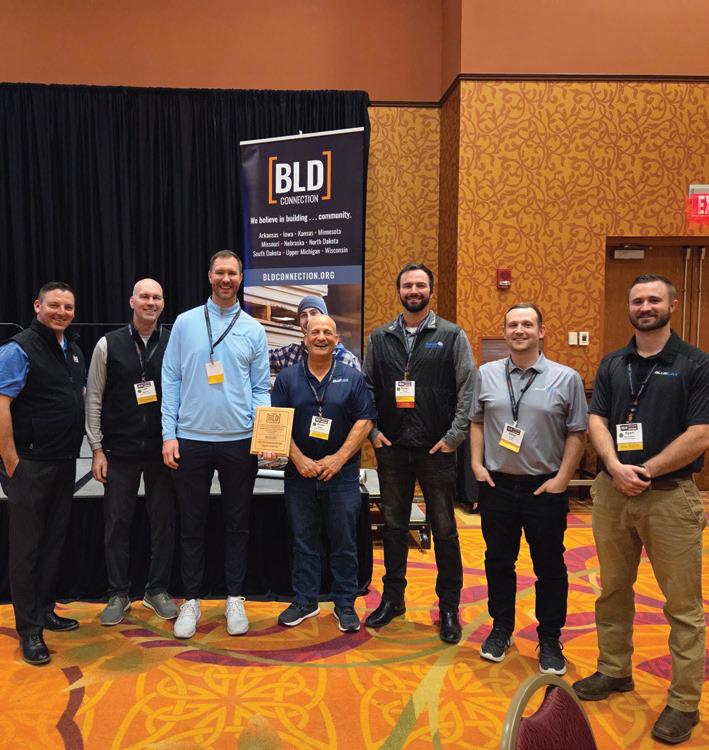
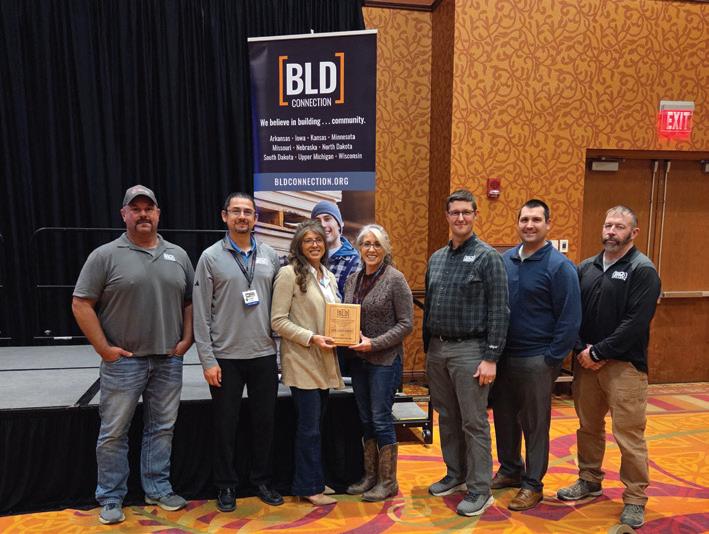
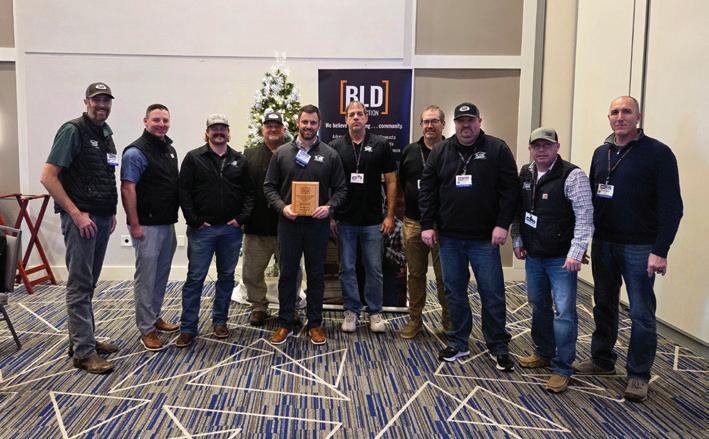
• Dealer of the Year: Home Lumber & Supply, Ashland, Kansas.
• Association Supporter of the Year: Mid-Am Building Supply, Chillicothe, Missouri.
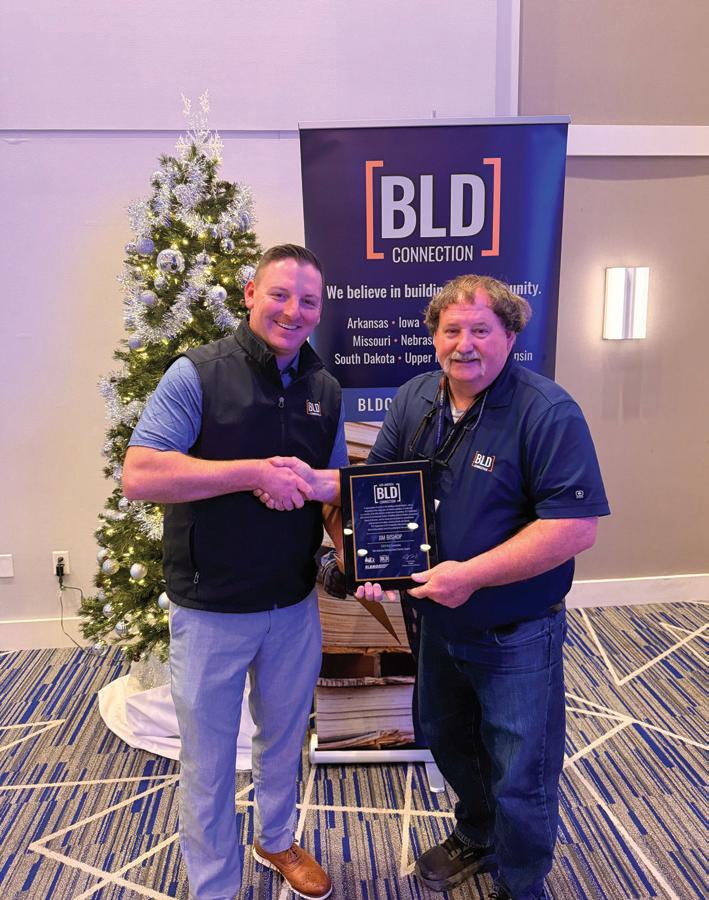
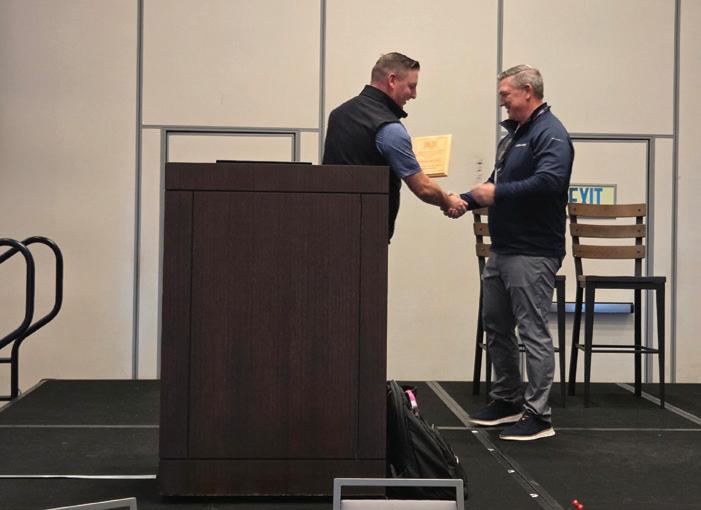
• Distinguished Service Award: Jim Bishop, Vesta Lee Lumber, Bonner Springs, Kansas.
Nebraska Connection Conference:
• Dealer of the Year: Sack Lumber Company, Crete, Nebraska.
• Association Supporter of the Year: BlueLinx, Omaha, Nebraska.
$500 Prize Winners
Mid-America Connection Conference:
• Brandon Hall, Home Lumber & Supply, Ashland, Kansas, donated $500 to the Mid-America Regional Fund.
Nebraska Connection Conference:
• Jeff Dittmer, Crete Lumber & Farm Supply, Crete, Nebraska.
Together, the Mid-America and Nebraska Connection Conferences reinforced the value of bringing the lumber & building material community together to learn, share insights and strengthen relationships that support long-term success.
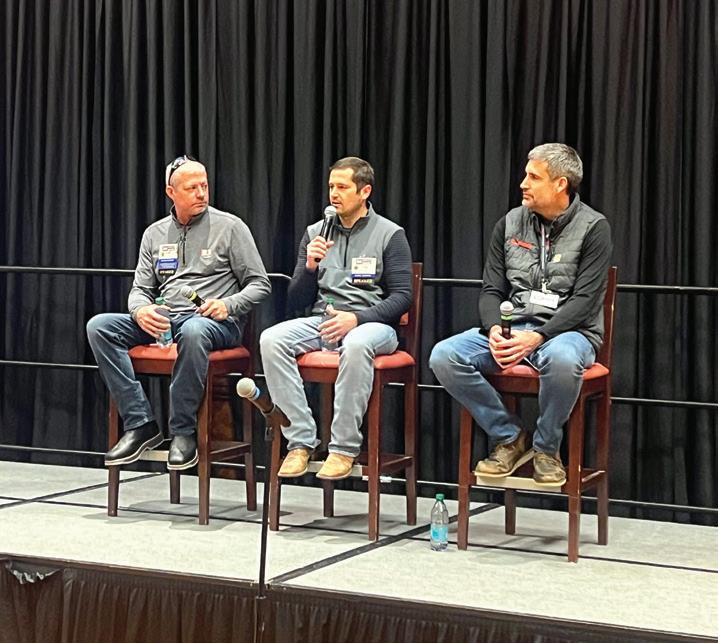
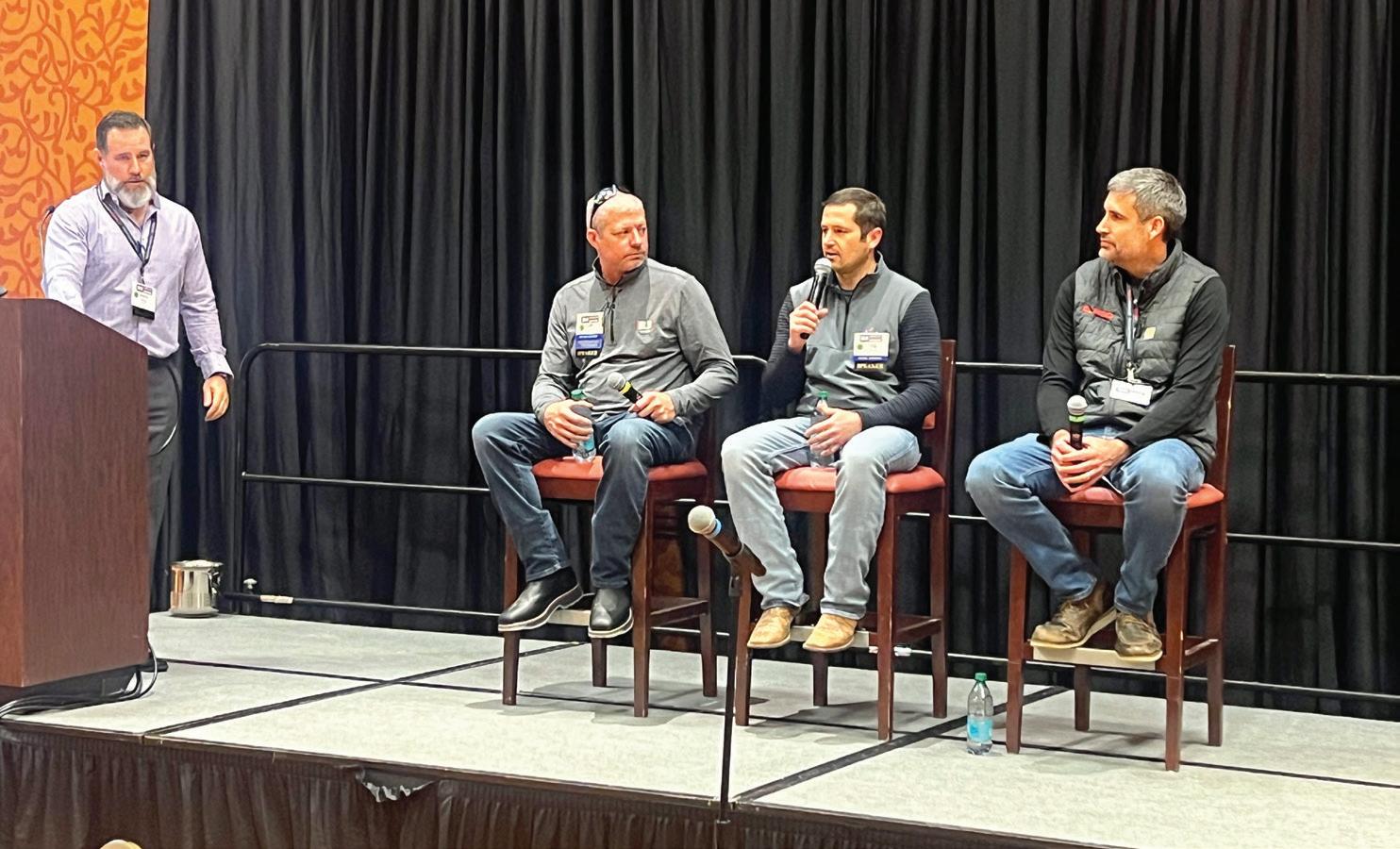
Top left: Inspiring Leaders Panel: Moderator Brett Thorne; Jeff Dittmer, Crete Lumber & Farm Supply Co.; Craig Brotherton, Wall Lake Lumber; Jack Lentfer, Mead Lumber.
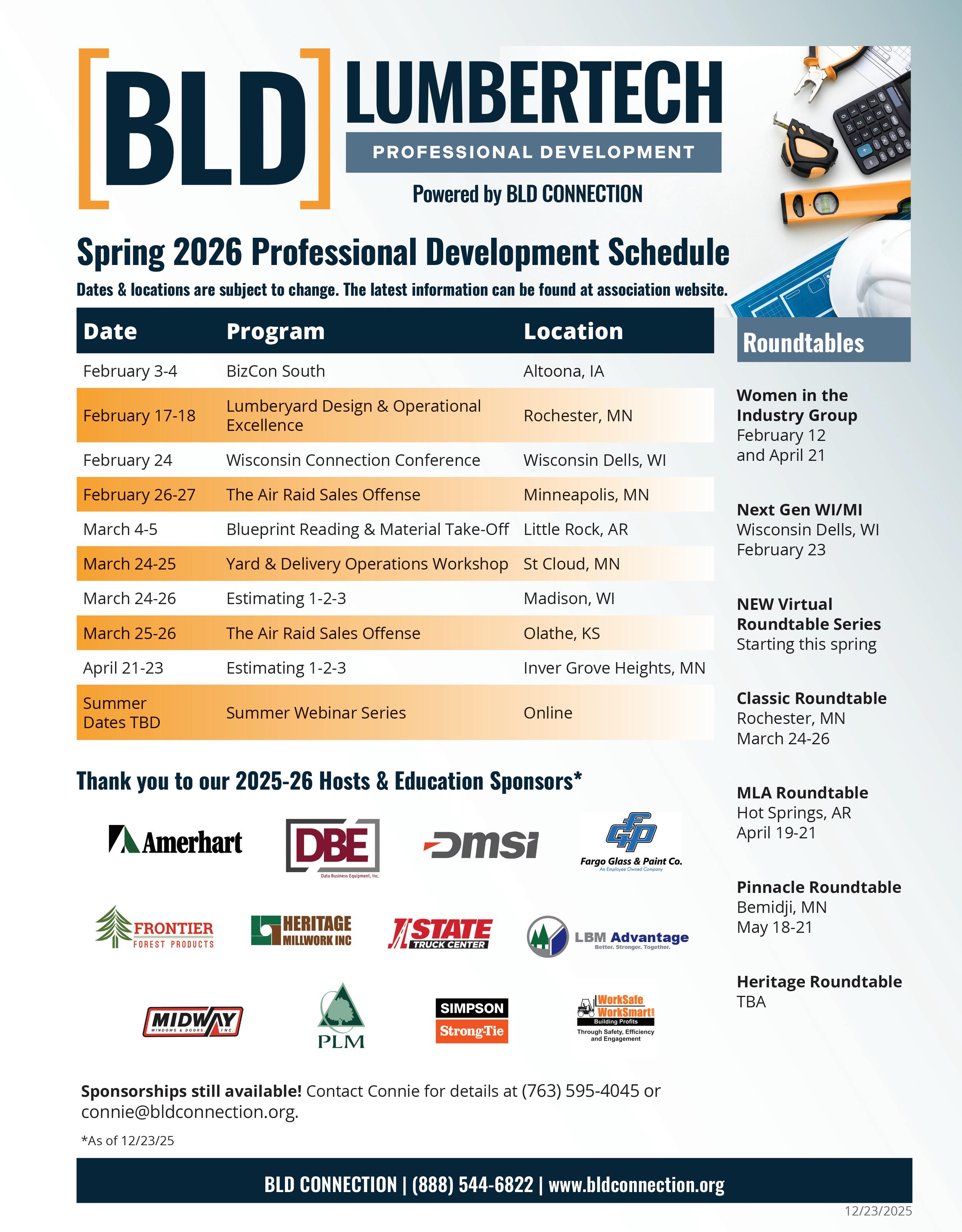
Blueprint Reading & Material Take-off Little Rock, Arkansas
March 24-25, 2026
Yard & Delivery Operations St. Cloud, Minnesota
March 24-26, 2026
Estimating 1-2-3 Madison, Wisconsin
March 24-26, 2026
Classic Roundtable Rochester, Minnesota
March 25-26, 2026
The Air Raid Sales Offense Olathe, Kansas
April 21, 2026
Women in the Industry Lunch & Learn Online
April 21-23, 2026
Estimating 1-2-3 Inver Grove Heights, Minnesota
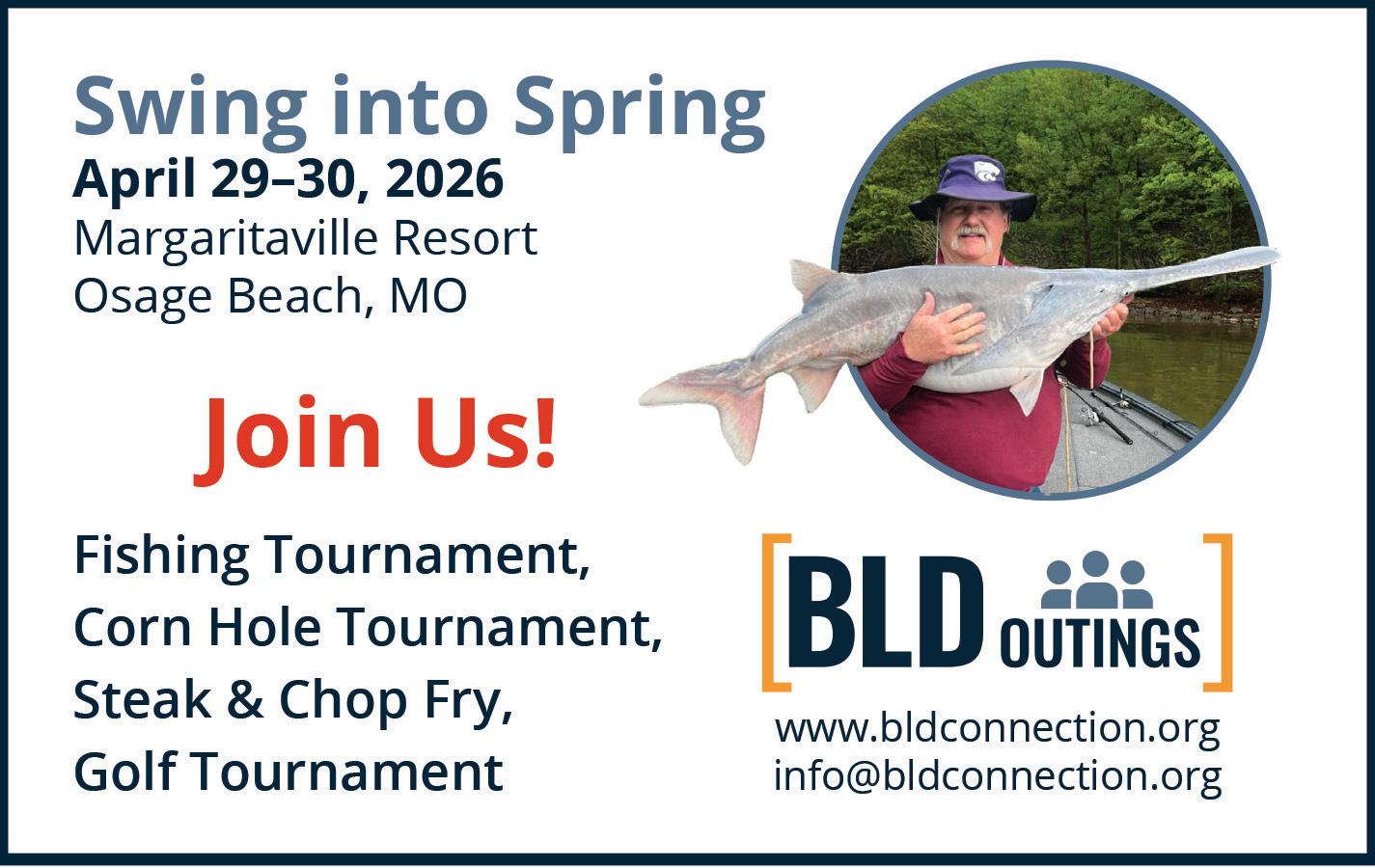
April 29-30, 2026
Swing into Spring Osage Beach, Missouri
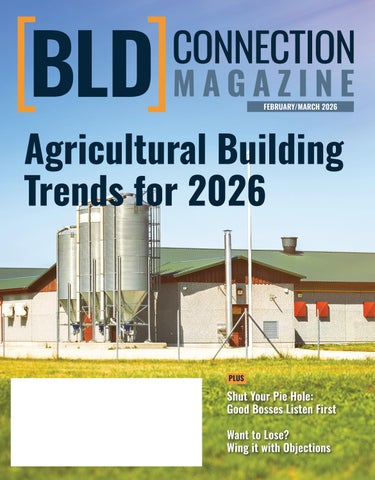
Agricultural Building Trends for 2026
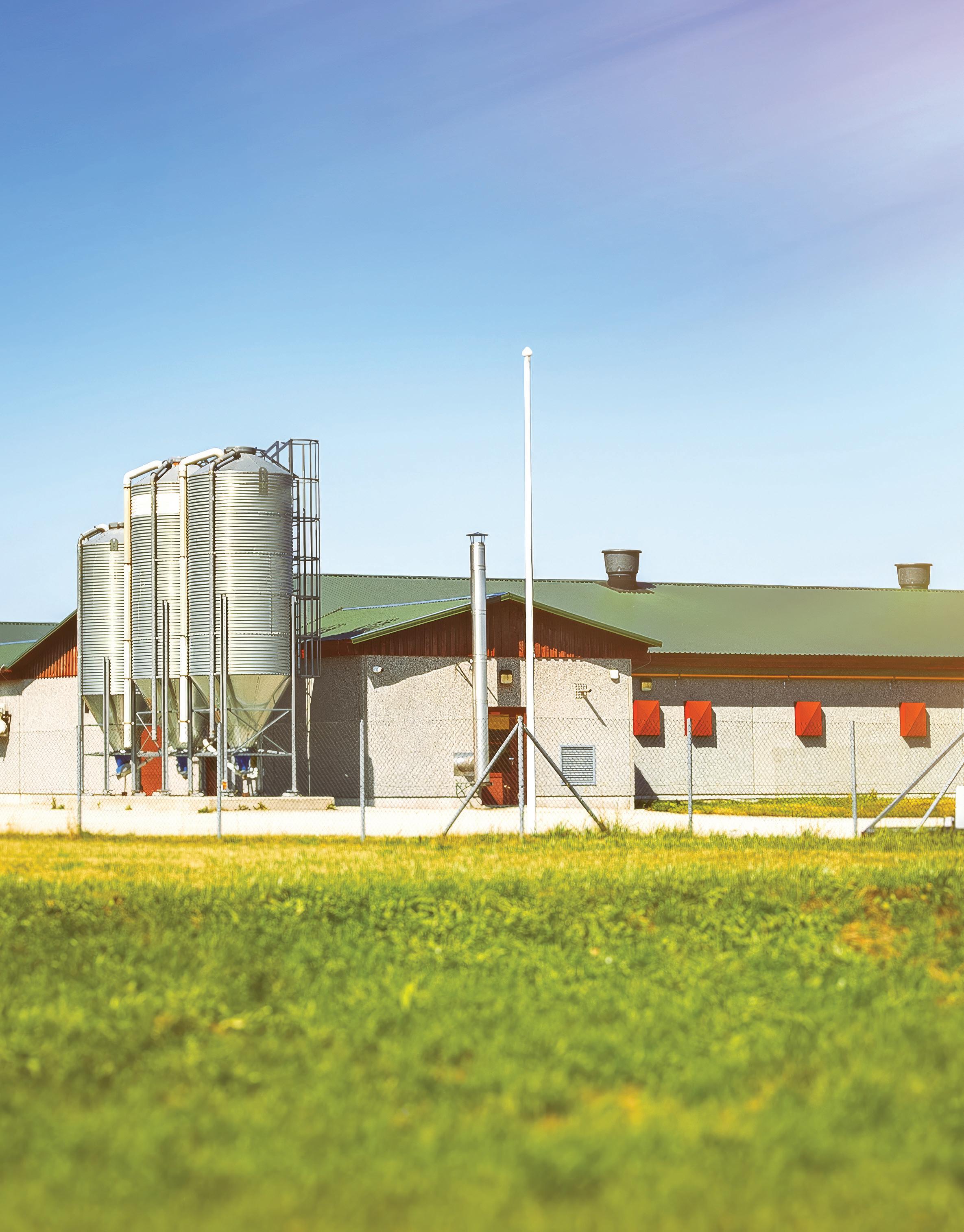
As agricultural producers face evolving challenges and opportunities, the buildings that support farm operations are rapidly transforming. Once simple barns and sheds, agricultural structures have transformed into sophisticated assets that boost productivity, enable diversification and integrate technology. Understanding these trends can help building material dealers anticipate and meet the needs of rural builders and their customers in the agricultural market.
Durable, Multi-Functional Buildings
Historically, farm buildings served single functions — housing livestock, storing hay or sheltering equipment. Today, farmers increasingly view structures as multipurpose assets that enhance operational efficiency. Modern facilities now often combine storage, equipment maintenance bays and climate-controlled processing areas under one roof. These multi-functional buildings help farmers optimize every valuable square foot of space. Whether it’s an all-steel “hub” or a hybrid barn modernized with climate control, multipurpose design increasingly influences agricultural building choices. Reasons for this shift include:
• Operational efficiency: Centralized building layouts reduce walking time, streamline workflow and facilitate integrated logistics.
• Diversification of farm income: Buildings that can host seasonal events, farm-to-table facilities or processing operations offer revenue beyond traditional agriculture.
• Flexible design accommodating future needs: Open interiors and
modular add-ons allow farmers to expand or reconfigure spaces as markets or business models evolve.
Steel Continues to Gain Ground
Steel-framed agricultural buildings are no longer a niche solution. They’re increasingly the preferred choice for livestock, equipment and bulk storage structures. Steel delivers outstanding durability compared to traditional wood-frame or post-frame buildings, especially in extreme weather conditions in rural areas. Steel’s advantages include:
• Superior strength for large clear-span structures, supporting wide door openings and unobstructed interior space.
• Durability in snow, wind and moisture conditions, essential for challenging climates with heavy winter loads.
• Lower long-term maintenance costs versus traditional materials. While post-frame remains common for many uses, steel-framed buildings are becoming more competitive for larger or multi-purpose applications due to lower lifecycle costs and faster assembly.
Pre-Engineered and Prefabricated Structures
The demand for pre-engineered metal buildings and prefabricated steel farm structures continues to grow, mirroring trends in other industrial sectors. The prefab agricultural building market is experiencing robust growth, with wider adoption in North America driven by scalability, reduced on-site labor needs and quicker deployment times compared to traditional builds.
These systems allow farmers to plan and install major structures within weeks rather than months, a significant advantage at a time when skilled construction labor is in short supply and building timelines are increasingly compressed.
Benefits include:
• Reduced dependence on skilled on-site labor, a persistent constraint in construction industries across the U.S.
• Standardization paired with customization, enabling dealers to offer flexible packages tailored to specific farm needs.
• Lower waste and cleaner job sites, which support sustainability objectives during construction.
Sustainability and Energy Efficiency
Much like today’s homeowner and commercial markets, farmers are increasingly focused on sustainability for both environmental stewardship as well as cost savings and resilience. The
increasing importance of sustainable buildings is playing out in several ways, including:
• Recycled steel and high-recycledcontent materials, significantly lowering the carbon footprint of new construction.
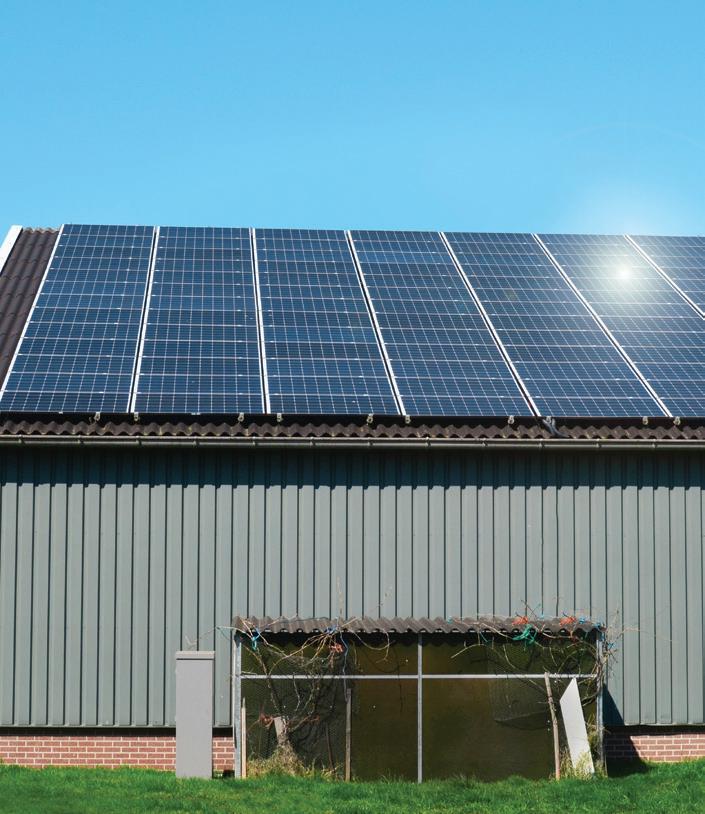
• Solar-ready roof designs and integration of renewable energy systems, helping farms reduce reliance on grid electricity.
• Improved insulation and thermal performance, cutting heating and cooling costs for climate-controlled spaces.
• Energy-efficient mechanical systems, such as automated ventilation and smart climate control. These innovations align with broader construction and agricultural trends that focus on reducing operating costs and building long-term value. Moreover, integrating on-site renewable generation and sustainable water management into building projects can reduce utility costs and support long-term resilience in farm operations.
Smart Infrastructure
Smart technologies are transforming agricultural buildings into active operational assets. Buildings equipped with remote climate control and real-time environmental monitoring allow farmers to optimize conditions for livestock, grain storage and processing operations from a smartphone. Common smart features include:
• Remote climate and ventilation monitoring.
• Automated lighting and security systems.
• Smart data logging for environmental conditions.
• Remote access control for livestock facilities.
These technologies help farmers manage operational risks, improve animal welfare and support production goals. Smart systems are especially important for livestock barns and grain storage facilities where temperature and humidity control directly impact product quality.
Climate Resilience and Extreme Weather
Climate stability is anything but consistent these days. Depending on the region, seasonal swings can produce heavy snows, intense storms and extreme temperature ranges. This reality underscores the need for structures designed to withstand environmental stressors. Agricultural customers often require building materials that can deliver:
• High wind and snow load resistance, ensuring performance even under severe winter loads.
• Long service life with low maintenance, resisting rot, termites and fire.
• Flexibility that permits robust internal storage and equipment movement. These technologies help farmers manage operational risks, improve animal welfare and support production goals. Smart systems are especially important for livestock barns and grain storage facilities where temperature and humidity control directly impact product quality.
As agriculture continues to evolve, farm buildings are no longer passive shelters. They are strategic investments that shape
efficiency, resilience and long-term profitability. From durable multi-purpose designs and steel construction to prefabrication, smart infrastructure and sustainability, today’s structures reflect a sector that is increasingly sophisticated, data-driven and diversified.
For agricultural businesses, these trends translate into lower operating costs, greater adaptability and better risk management in the face of labor shortages, climate volatility and shifting markets.
Building material dealers who recognize and respond to these priorities and expectations will be well-positioned to meet agricultural customers’ needs.
[ CAREER CONNECTION ]
By Dena Cordova-Jack
Shut Your Pie Hole: Good Bosses Listen First
Let’s just say it plainly: If you’re the boss, and you’re the first one to speak in every meeting, you’re probably doing it wrong.
I had a wise mentor once tell me that when the leader speaks their mind first, the entire conversation that follows tends to orbit around that opinion. Not because it was brilliant. Not because it was inspiring. But because everyone else just mentally packed up their bags and went home. Why bother throwing out a different idea when the boss already decided what’s best?
This is what I like to call the “echo chamber effect.” Or, if you’re feeling spicy, the “follow-the-leader-lemmingsyndrome.” It’s where creativity goes to die, innovation flatlines and psychological safety has left the building.
Here’s the truth: good bosses don’t dominate the conversation. They sponsor it. They create the space. They set the tone. They protect the room from idea assassins and status quo worshippers. And most importantly: they shut their pie hole.
Now I know that sounds harsh. But let’s be honest: some leaders love the sound of their own voice more than a karaoke machine at an office Christmas party. And sure, there’s a time and a place for sharing a vision or offering guidance. But if you’re doing all the talking, you’re not leading — you’re monologuing.
Listening is a leadership skill. It’s not passive. It’s not soft. And it’s not the warm-up act before you drop your “real” ideas on the group. It’s strategic. It’s essential. And it takes a little bit of humility to do it well.
My southern Grandmother always told us, “God gave you two ears and one mouth.” That ratio was not an accident.
When leaders choose to listen first, magical things start to happen:
• The quiet folks chime in with insights that would’ve been bulldozed.
• The devil’s advocates feel safe enough to poke holes in flawed plans (before the market does).
• The team starts to believe their input actually matters, which means they stop phoning it in.
• And best of all, you don’t have to have all the answers — because you don’t.
Great leaders are curiosity-driven, not control-obsessed. They don’t need to be the smartest person in the room. They want to build the smartest room possible.
That requires asking questions and actually wanting to hear the answers. It means not shooting down a different viewpoint just because it makes you uncomfortable or wasn’t part of your original “vision deck.” It means resisting the urge to tie every discussion up in a nice bow with your opinion as the shiny topper.
Sometimes the most powerful thing you can say is, “Interesting…tell me more.”
Or even better, “What do you all think before I weigh in?”
It’s not weakness. It’s leadership maturity. It’s knowing that your team’s ideas, experience and perspectives are not a threat — they are your competitive advantage.
But it takes guts.
You have to be willing to hear the hard stuff. To sit in the discomfort. To not have the final word. To shut your pie hole even when you’re dying to jump in with that one brilliant thing you just thought of. Write it down. You’ll live. Look, I get it. You didn’t get into leadership because you love the sound of crickets. But if you want innovation, loyalty and ownership from your team, you have to make room for voices that aren’t yours.
And if you’re the kind of boss who believes in “group think” (not to be confused with group sync), you better believe that your voice carries weight. Use that power to create space, not fill it. In summary: Speak last. Listen well. And every once in a while, shut your pie hole. It just might be the smartest thing you don’t say all day.
The Women in the Industry sessions are part of BLD Connection’s professional development programming, with this year’s theme Built to Lead. Facilitated by Dena Cordova-Jack, the series offers a relaxed, supportive space for women working at all levels of the lumber and building material industry to learn from and encourage one another. For
upcoming session dates and registration links, visit the event calendar at bldconnection.org.
With more than 30 years in the LBM industry at companies including Georgia-Pacific, Boise Cascade, FoxworthGalbraith, and Kodiak Building Partners, Dena Cordova-Jack has experienced leadership from every angle. Now, through CordovaJack Consulting, she helps women lead boldly, ditch perfectionism and take their seat at the table.
[ SALES CONNECTION ]
By Bradley Hartmann
Want to Lose? Just Wing It with Objections
In Texas, baseball is a 12-month sport. This sales pitch went down last night after I picked up my 13-year-old from baseball practice. It started near the bleachers at 8:47 p.m., carried through the parking lot and followed us out of the Oak Grove Baseball Complex.
Son: “Chipotle?”
Me: “No. You had Chick-fil-A after school.”
Son: “That was five hours ago.”
Me: “One fast-food meal per day. That’s a rule.”
Son: “No, it’s not. Get a soft taco. You love that.”
Me: “No.”
Son: “C’mon, Dad. I’m starving.”
Me: “Nope.”
Son: “How about a cookies and cream shake?”
Me: “Chipotle doesn’t do shakes.”
Son: “No, at Chick-fil-A.”
Me: “Hmmm.”
Son: “Say yes.”
Me: “Twice in five hours?”
Son: “Can I have the cherry?”
At 9:03 pm, we were ordering from Chick-fil-A. Ignore the parenting for a moment and look at the salesmanship.
My son shrugged off six objections. He appealed to my self-interest (I do love the Chipotle soft taco), pivoted to another restaurant, then attacked my weak point: the cookies and cream milkshake.
If you have kids — or once were one — you know they’re natural salespeople. They navigate around objections instinctively.
Adults? Not so much.
Even though objections are predictable, few sales pros script authentic, practiced responses.
Here is what I wrote in chapter 12 of my book, The Air Raid Sales Offense:
The good news is there hasn’t been an original buying objection in a thousand years. Objections — any concern a customer or prospect raises that slows or halts the buying process — are well known:
• “Not interested.”
• “Too busy, can’t talk.”
• “It’s not in the budget.”
• “Your price is too high.”
• “We don’t buy that here.”
• “Can you call back in a month?”
• “It’s not a priority at the moment.”
• “I’m not the right person to talk to.”
• “We’re happy with our current provider.”
• “Can’t. Switching ERP systems right now.”
• “We used you once before, and it ended poorly.”
• “Just send over your pricing, and I’ll take a look.”
Even though sales pros can rattle off these objections, most don’t have crisp responses at the ready. In our sales workshops, pros with decades of
experience still stumble when navigating around these objections. This means you can stand out immediately.
In Air Raid, I share a potential response and the reasoning behind the four most common objections. Here’s one example:
Objection #3: “We’re happy with our current provider.”
Response: “I get it. And if you’re truly happy, maintaining the status quo may be your best option. What I can offer you is a second opinion — just a quick review of the value we provide compared side-byside with your current supplier. It’s a no-risk, no-commitment, brief evaluation to make sure, through all the market changes we’ve experienced, that you’re still getting the most value and no one is getting complacent. Would you be open to a second opinion? It requires less than nine minutes. Want to schedule it now?”
Breakdown: It’s quite possible this prospect is happy with their current provider. Acknowledge that. Then, by mentioning the phrase “maintaining the
status quo,” you’re hinting they might be clinging to the past while the market is changing. And things are changing all the time. Is it possible your prospect was getting a great deal and now isn’t? You’re introducing doubt and encouraging a thoughtful examination of their partners, something good leaders are always doing. The best medical advice I ever received was “Always get a second opinion.” (Saved me six months of agony with a torn labrum in my throwing shoulder.) That is what you are offering here. And do companies ever lapse into complacency, serving their existing customer base? Yes. All. The. Time. Sliding that into the
conversation, alongside a small ask of nine minutes, has proven effective for thousands of sales pros we’ve worked with.
Now, the interesting thing about my son’s pitch? He won the sale without even hitting upon my real objection: I didn’t want to get out of the car. There’s no drive-thru at Chipotle. Wasn’t gonna do it. Way too late. I don’t leave the vehicle for food after 7 pm. — That’s another rule. Such is the power of persistence, creativity and intelligent responses. You don’t always need to solve every objection — you just need to stay in the game long enough to win.
Bradley Hartmann is the CEO of Bradley Hartmann & Co., one of the most sought-after thought leaders in the construction industry today. He has written 15 books, hosts The Construction Leadership Podcast and The Craft of LBM Sales Podcast, and also teaches graduate-level leadership to construction professionals at the University of Oklahoma.
[ SAFETY CONNECTION ]
By Melissa Olheiser, OHST
Prevent Struck-By Incidents
Struck-by incidents remain one of the most serious hazards in lumber yards, yet they often receive less attention than slips, trips or equipment-related injuries. These events can happen in an instant, and the consequences are frequently severe. As yards get busier with customer traffic, deliveries and constant product movement, it’s critical that employees
understand just how quickly a routine task can turn into a life-changing injury. Most struck-by incidents in lumber yards stem from familiar root causes: poor visibility around forklifts, blind spots near stacked materials, inadequate communication and insufficient separation between people and moving equipment. Falling or
shifting lumber bundles, unsecured loads and materials stored at height also pose significant risks. A simple oversight, like walking behind a backing forklift or failing to secure a banded load, can create immediate danger for anyone nearby.
Even in operations with strong safety policies, struck-by controls can fail when communication breaks down. Pedestrians may assume forklift operators see them, operators may assume the travel path is clear and both may be wrong.
In some cases, designated walkways are ignored, spotters are unavailable or employees become too comfortable with routine tasks and underestimate the risk.
Without consistent planning and coordination, even well-marked traffic patterns inside and outside the yard can quickly become ineffective.
Effective prevention starts with clear, reliable communication. Forklift operators must use spotters in congested areas and perform thorough 360-degree checks before moving. Yard leads should establish defined travel routes, barrier systems and exclusion zones, especially around loading areas, customer pickup zones and delivery trucks.
Proper stacking methods, load-securing procedures and overhead-storage precautions are essential for preventing falling-material hazards. Daily huddles, toolbox talks and hazard reviews should reinforce expectations and help employees recognize changes in yard conditions.
Preventing struck-by incidents isn’t the responsibility of a single person or department. It requires every employee to stay alert and
understand their role. Operators must remain vigilant, pedestrians must avoid shortcuts through equipment zones and supervisors must ensure that yard layout and communication protocols are consistently followed.
When everyone commits to speaking up, slowing down and watching out for one another, the risk of a struck-by injury drops dramatically.
Struck-by hazards may be easy to overlook during the busy pace of lumber yard operations, but they are just as deadly and just as preventable as any other major risk. With strong communication, proper planning and a teamwide commitment to awareness, companies can significantly reduce struck-by incidents and protect the people who keep the yard running smoothly. Commit to recognizing these hazards early and controlling them effectively, because every worker deserves to go home safely at the end of the day.
Melissa Olheiser, OHST, is regional director for OECS, BLD Connection’s preferred OSHA safety consultant. Contact OECS at (763) 417-9599.
[ MEMBER CONNECTION ]
DCL Acquires Hamel Building Center
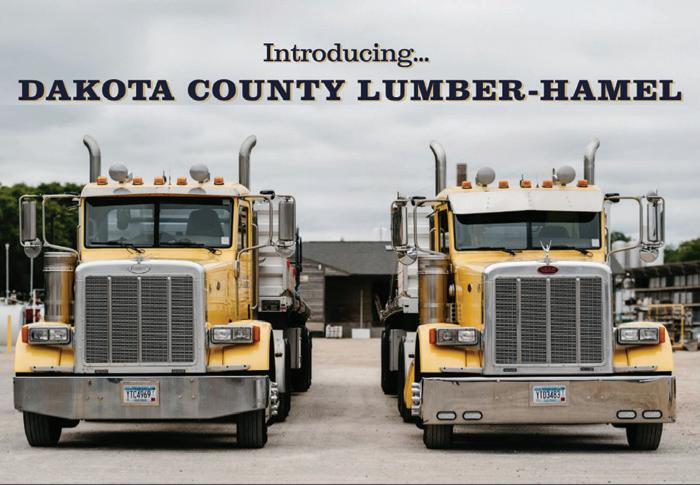
Dakota County Lumber Co., a secondgeneration family-owned lumber dealer, recently announced that it has acquired Hamel Building Center, a well-established lumber yard located in Plymouth, Minnesota. The strategic acquisition significantly expands DCL’s footprint, allowing it to better serve builders, remodelers and contractors across the Twin Cities Metro Area.
“The strategic addition of Hamel Building Center to our operation is a key move for our organization, giving us a footprint in the West Metro to better serve our current and future customers on the West and North sides of the Cities,” said Sunny Bowman, DCL owner and CEO. “This move directly supports our mission to be the go-to brand for small and luxury builders in the Twin Cities Metro. By adding Hamel’s established team and location, we are dramatically enhancing our
logistics network and reinforcing our promise of The Perfect Delivery to more builders than ever before. We are deeply grateful to the Bouley family for entrusting their family’s legacy to our team.”
“Our company is thrilled and excited to be a part of the DCL organization’s growth and expansion, and could not envision a more perfect fit,” said Hamel Building Center owners Kurt & Steve Bouley. “We are confident the additional resources, energy and reputation they have will ensure success for our clients, employees and community.”
This acquisition is particularly meaningful as it unites two businesses founded on generations of family values and dedicated local service.
DCL is proud to honor and continue the legacy that Hamel Building Center and the Bouley family have built in
its community. DCL’s commitment to ensuring personal service, strong relationships and hands-on expertise remains the cornerstone of this new chapter for the company’s combined customer base.
Dakota County Lumber will continue operations out of the newly acquired facility alongside its current lumberyard and its new central headquarters and window distribution facility in Farmington, Minnesota.
Harmon Sisters Honored as Rising Stars
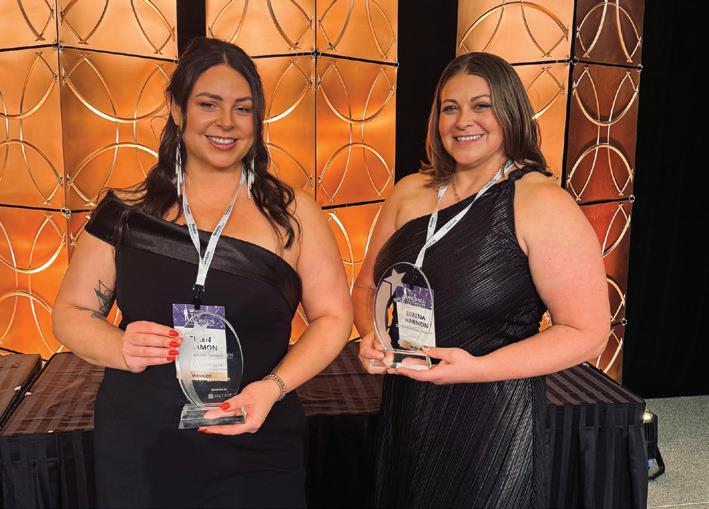
Ellen and Serena Harmon, owners of Rosebud Building Products in Mission, South Dakota, were recently recognized by HBSDealer magazine as Rising Stars in the 2025 Top Women in Hardware & Building Supply Awards.
The Rising Stars Award recognizes talented professionals with the potential to make a significant positive difference within their company and within the industry for years to come.
“We actually started selling building materials out of a trailer house and a hodgepodge Quonset hut, and we pooled funds from our mom’s life insurance to seed the inventory for our first store,” Serena told HBS Dealer.
“We like to say she was our true ‘Angel Investor.’”
Ellen told HBSDealer that one of their first major projects was building the tribe’s homeless shelter.
“As we bought bunks of lumber and sheetrock for our own builds, people in the community would stop by and ask if they could buy some from us too,” Ellen said. “That was our lightbulb moment, realizing there was a real need for access to building materials here.”
Their business has come a long way since then.
“A large portion of RBP’s work comes from tribal programs,” HBSDealer writes. “However, the sisters have been
moving deeper into the prodealer market, supplying larger contractors on big, multi-unit projects.”
Congratulations, Ellen and Serena, on this well-deserved honor.
Read the HBSDealer article at https:// bit.ly/harmonsisters.
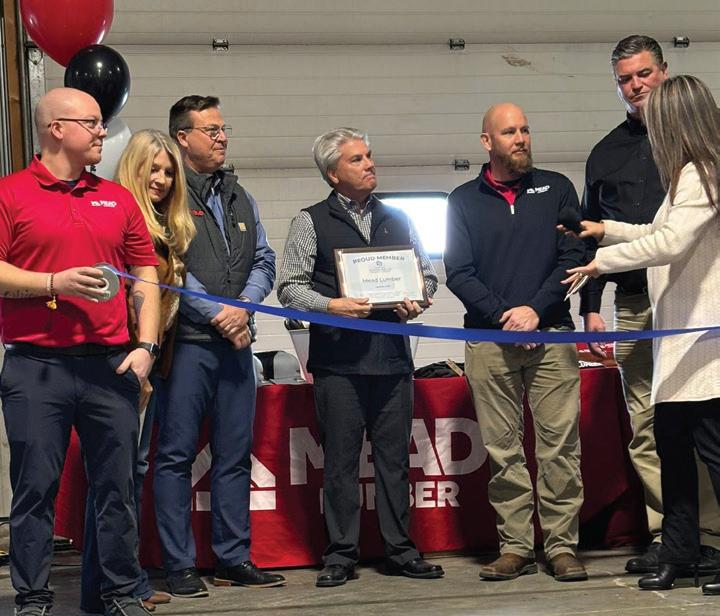
Mead Lumber Opens Sioux Falls Location
Mead Lumber recently celebrated the opening of its newest location, Mead Lumber of Sioux Falls, a fully operational lumber yard serving professional builders, contractors, remodelers, and homeowners across the region. The company held a grand opening ribbon-cutting ceremony on Dec. 2, 2025, featuring a luncheon, vendor demonstrations and an after-work happy hour.
The Sioux Falls yard marks Mead Lumber’s 54th operating location across nine states, expanding the company’s reach and ability to serve the growing construction market of eastern South Dakota, western Minnesota, and northwest Iowa.
“We’re thrilled to grow our footprint in a community that continues to thrive,” said Dave Anderson, president and CEO of Mead Lumber. “This new location strengthens our ability to support builders with a full range of building materials and services, and it connects directly with our existing operations at Component Manufacturing Company and Reaves Buildings. It’s an exciting step forward.”
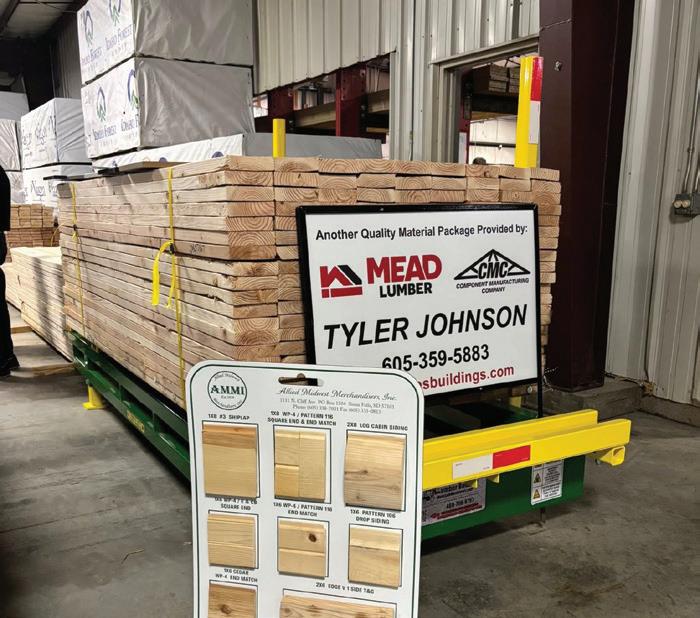
Located at 1400 East Benson Road, Mead Lumber of Sioux Falls offers a comprehensive selection of contractorgrade materials, including lumber, windows, siding, roofing, decking and more. The new location complements Mead’s existing Sioux Falls operations: Component Manufacturing Company (CMC), which produces trusses, wall panels and floor systems, and Reaves Buildings, which designs and builds engineered metal buildings. Together, the three operations now provide Sioux Falls area builders with a complete suite of building solutions, from structural
components to finish materials, under one trusted local umbrella.
“Having a full-service lumber yard in Sioux Falls allows us to serve customers faster and more efficiently,” said J. Hoffman, manager of Mead Lumber of Sioux Falls. “Contractors can now rely on one source for their projects. Our goal is to make every build simpler and more convenient for the pros who keep this community growing.”
Manion Truss Relocates
Manion Truss recently announced the relocation of its production facilities from Superior, Wisconsin, to Pillager, Minnesota. Manion Wholesale Building Supplies in Superior remains open.
“After careful consideration, we have made the very difficult decision to move production from our Manion Truss facility in Superior to our Pillager, Minnesota, location,” said CEO Rob Manion. “This was not a decision we took lightly. After a comprehensive review of our operations, it became clear that continued production at this facility was not sustainable.
“Our Superior truss operation is staffed by under 50 employees, all of whom are valued members of our company and community. Several members of the Superior Truss team will have the opportunity to transition into roles at our other companies.
“I fully understand that this decision affects our employees, their families, and the Superior community. That is precisely why it was approached with great care, thoughtful evaluation, and respect for the people involved.
“Manion’s Wholesale Building Supplies remains firmly committed to serving our customers and supporting the Superior region.”
In Memoriam: Allen Williams
Allen Williams, a former president of Northwestern Lumber Association (now BLD Connection), passed away peacefully surrounded by family on Nov. 24, 2025, at the age of 80.
After graduating with a teaching degree, he expected to enter the classroom, but life led him down an unexpected and fulfilling path. While waiting for his teaching license, he began working temporarily for his father-in-law at Pohaki Lumber, a local business that would become a lifelong home. That “temporary” job evolved into a permanent and beloved family business and career spanning decades, now continuing
into its fourth generation. Even well into retirement, Al could be found at Pohaki, always ready for any odd job or helping hand that was needed, hoping to find a sweet treat in return. His dedication, reliability and quiet strength left a lasting imprint on everyone who worked beside him.
In addition to his participation in NLA, Williams was active in Rotary International, the Elks Lodge, and the Virginia Gun Club and Rifle Range. Williams is survived by his wife, Mary; children, Rick and Heather; son, Michael; and four grandchildren, Alli, Brady, Ava and Haylie.