
3 minute read
Task


Get a fabric you do not need any more and cut it into 2 pieces. Get your 2 buttons out, thread your needle and set your timer. First you have 30 seconds for the button to be sewn onto the fabric. Then for the second piece of textile you set the timer to 2 minutes and get the button done.
Now compare the two buttons and study their differences, and also how it was for you!
Advertisement
What do you think happens more often in mass production?
If you need it, watch this video on how to sew on a button:
As we experienced from the task, sewing for a longer time produces higher quality than sewing for just 30 seconds. But if we make 10x more products within less time, then the acceleration coming from a profit-oriented attitude would induce lower quality. Also if we had to do the button-sewing all day, we would expect a good salary, at least more than a meal, but that is not the case in many factories.
California has importantly adopted a garment workers law in 2022 (Garment Worker Protection Act), which enforces that workers get paid by the hour and not by the piece, and holds fashion brands accountable for unpaid wages. And what about other countries in the world? Especially developing countries, like in India, over 1200 factories can be found with 500 000 workers. They earn around 60 USD per month.
Local labour unions have filed legal complaints against fast fashion brands across Asia.
In the EU there are also a set of policies to make the garment sector safer and more reliable with wages. Organisations like the Clean Clothes Campaign (CCC) and projects like Ethical Fashion Initiative help to reach these goals.
Changes are actually possible by signing petitions, this can be confirmed by several positive examples from the past. The next success story might be Good Clothes, Fair Pay, the campaign by Fashion Revolution.
You can also be part of it. The simple act of changing the way you shop and use your clothes counts a lot, so imagine how long it can take us if you get involved with one of the campaigns of these movements! We may not directly be able to write a new policy, but activists can let the voice of the voiceless be heard and help it get to the lawmakers.
Reflection
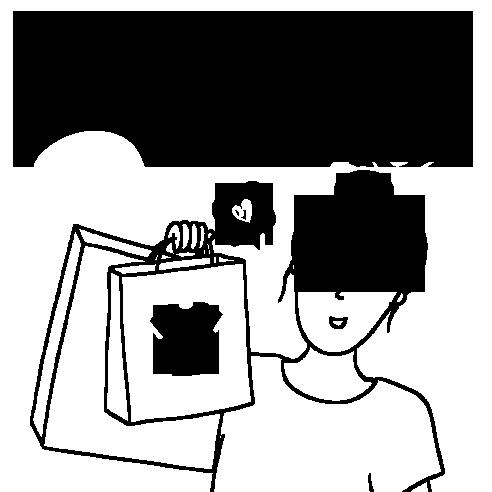
In the lesson we have learned about mass production, how it affects the apparel industry and what we can do to support garment workers.
We have seen advantages and disadvantages of mass production and now we understand the background of it. Based on the information gathered from this lesson, how do you view it? You can research your favourite brand and see if they support garment workers.
Here is a question for you to consider: If we keep on sewing on buttons for the sake of having more buttons and not to fulfil needs or a function, where do we end up?
What this lesson aims at is that you see what is behind the face value of things, so that we all may start questioning what businesses are offering us through marketing and good looking fashion models, and begin to look for better solutions. Of course, complex problems need solutions on more levels, and they also need actors in the different sectors.
An alternative for consumers may be searching for a tailor or small sustainable fashion business in one’s own area.
Is there one in yours?
How popular is it and how high are the prices?
Will you consider buying clothes there in the future?
What can we do?
• raise public awareness
• educate people (like right now) about the fashion industry
• mobilise communities
• collaborate with activists
• create tools for people to use their voice and make changes in their personal lives and work
• inspire people to buy less, value quality over quantity and to take care of their clothes
• advocate for policy changes
• influence governments to play an active role in making laws and regulations in the textile industry
Some additional tips for you:
• take care of your garments
• repair your clothes (now you know how to sew on a button)
• avoid shopping mass-produced garments
• try swapping clothes with your classmates/ friends instead of buying new ones
Resources
Christina Dean. Waste – is it ‘really’ in fashion? 2020. Available at: https://www.fashionrevolution.org/waste-is-it-really-in-fashion/ Cleanclothes.org. Waste and pollution. Available at: https://cleanclothes.org/fashions-problems/waste-and-pollution
Caroline Benton. Mass Produced: Examples, Advantages and Disadvantages. 2020. Available at: https://www.investopedia.com/terms/m/mass-production.asp
World101.cfr.org. How Did Mass Production and Mass Consumption Take Off After World War II? Available at: https://world101.cfr.org/historical-context/global-era/how-did-mass-production-andmass-consumption-take-after-world-war-ii
Fashion Transparency Index 2022. Fashion Revolution. Available at: https://www.fashionrevolution.org/about/transparency/
Dhani Mao. Protection for Long-Exploited California Garment Workers Is Finally Signed Into Law. 2021. Available at: https://fashionista.com/2021/09/garment-worker-protection-act-signed
Aarthi Gunnupuri. India’s garment workers continue to fight against exploitation. 2016. Available at: https://www.business-humanrights.org/en/latest-news/indias-garment-workers-continue-to-fight-against-exploitation/
Workers Rights Consortium Research Project. Fired, then robbed. Fashion brands’ complicity in wage theft during Covid-19. 2021. Available at: https://www.workersrights.org/wp-content/uploads/2021/04/Fired-Then-Robbed.pdf
Fashion Revolution. Good Clothes Fair Pay. Available at: https://www.fashionrevolution.org/good-clothes-fair-pay/
Unep.org. Fashion’s tiny hidden secret. 2019. Available at: https://www.unep.org/news-and-stories/story/fashions-tiny-hidden-secret
Authors
Gabriella Suba, Fashion Revolution Hungary
Reka Gyurkovics, Fashion Revolution Hungary
Partners

With the support of the Erasmus+ programme of the European Union